Words: Trials Guru & Pietro Kuciukian
Photos: Giulio Mauri/Valenti Fontseré; Bernard Schreiber; Jimmy Young; Iain Lawrie; Pietro Kuciukian.
With assistance from: Bernie Schreiber

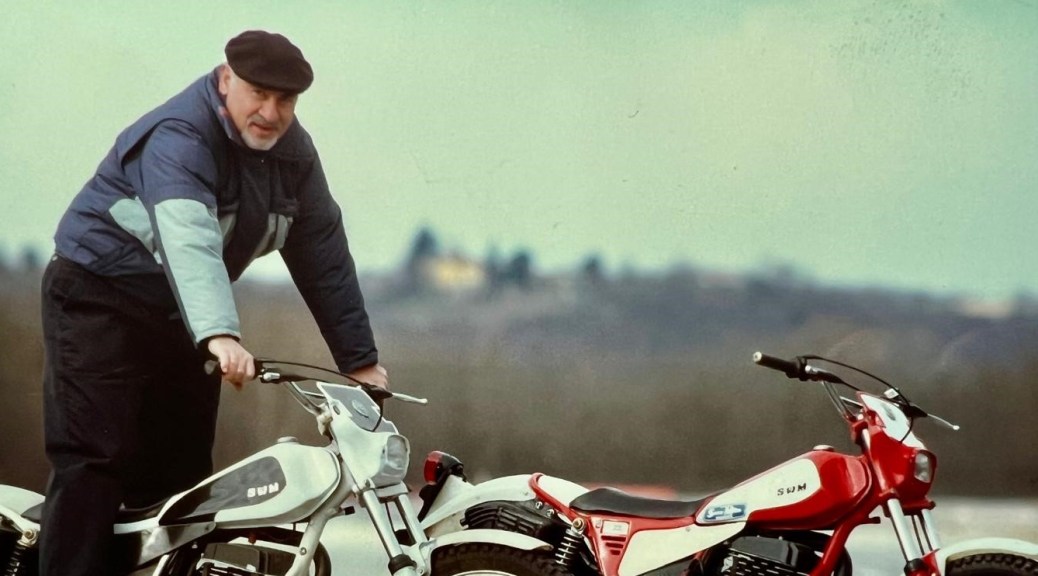
Pietro Kuciukian was a name well known on the world trials scene in the 1970s and 1980s. He was born on 18th January 1940, and is an Italian writer and surgeon. Being of Armenian descent, Pietro is also the president of International Committee for the Righteous of Armenians and Co-Founder of ‘The Gardens of the Righteous Worldwide’ Committee. He collaborates with the Armenian Genocide Museum in Yerevan and is the founder of the ‘Memory is the Future’ Committee, a project to sponsor Armenian cultural projects.
Armenia is officially known as the Republic of Armenia, it is a landlocked country in the Armenian Highlands of West Asia. It is a part of the Caucasus region and is bordered by Turkey to the west, Georgia to the north and Azerbaijan to the east, and Iran and the Azerbaijani exclave of Nakhchivan to the south. [1]
But of course the trials world knew him as the team manager of the SWM world trials effort back in the 1980s. Kuciukian is rated by 1979 World Trials Champion, Bernie Schreiber as ‘the greatest of all time team manager’ and that is praise enough! We bring you this interesting article on Trials Guru, as we believe it is important to preserve, given the contribution Pietro Kuciukian made to the sport of trial at world level.

Known to his riders as ‘Piero’, in the UK, readers of the weekly motorcycling newspapers perhaps struggled to pronounce his family name when reading of Piero in the motorcycle press reports, it is pronounced: ‘Koo-choo-kee-an‘. The late Martin Lampkin in particular had great difficulty with the pronunciation and jokingly called him ‘Coo-ca-choo’.
Trials Guru: Piero, where were you born and raised?
Piero Kuciukian: “I was born in a small town in northern Italy called Arco and I lived there until I was twelve years of age. I then moved to Venice, where I studied at the Armenian College there.”
TG: What was your first motorcycle?
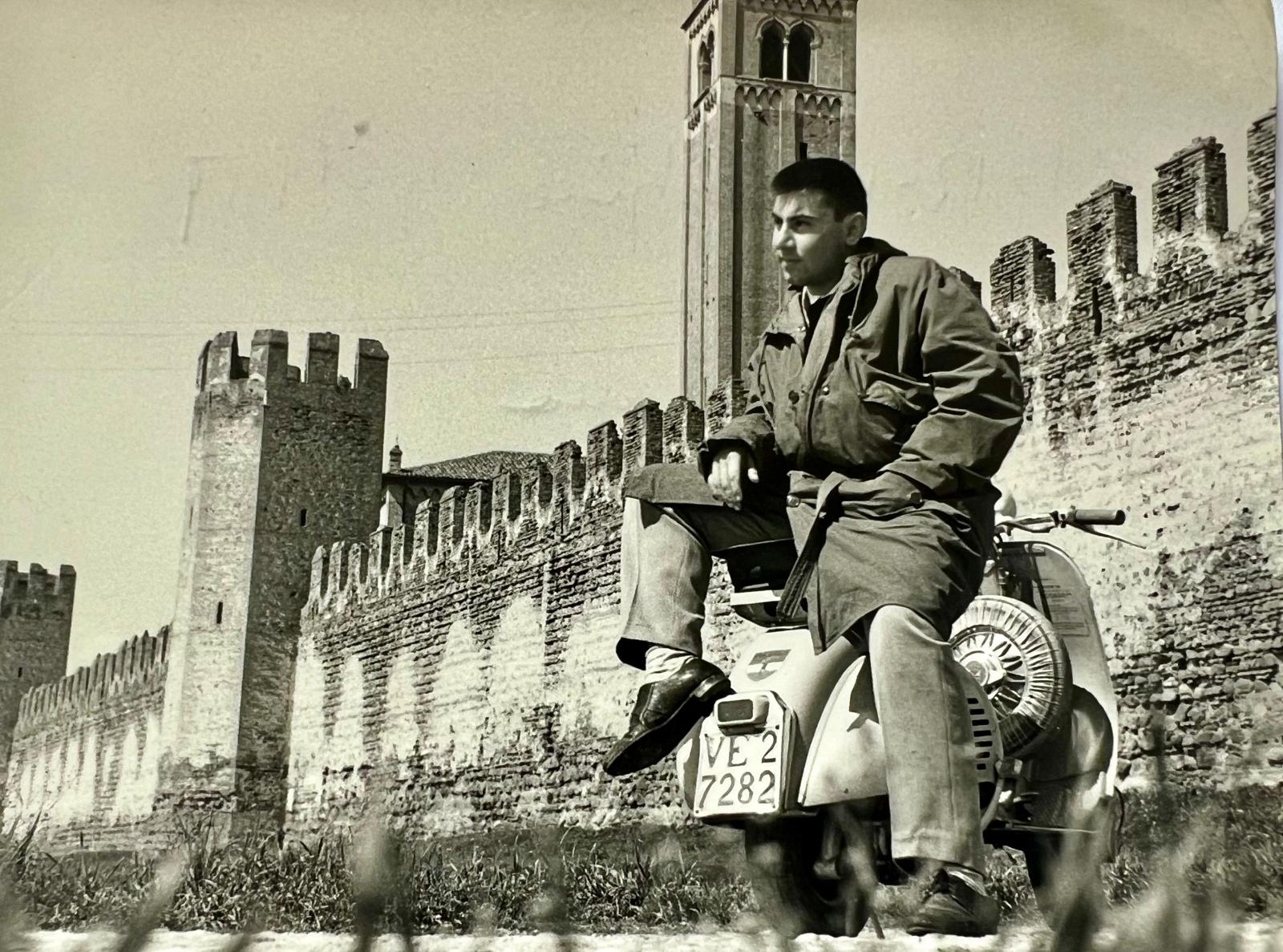
PK: “When I was eleven, I drove my first motorcycle, it was a Lambretta 125cc scooter belonging to my mother. No driving license was required to ride it, but when I came back home after a few years in Venice, the Lambretta had disappeared. It turned out it had been literally buried in the backyard. With the help of a friend, I managed to clean it from the rust, and I disassembled it into roughly four thousand, two hundred pieces. When I re-assembled it, a couple of screws and three nuts were left over, but the engine still ran smoothly. It ran even better than before, since I reduced the compression of the cylinder head. The motorcycle became faster than the Piaggio’s Vespa 125cc.“
TG: How did you get into off-road motorcycling?
PK: “After trying several enduro and cross-country motorcycles, which included Puch 125; Maico 400 and Ossa Explorer, I borrowed from my brother-in-law a Montesa 250 and I participated in my first regional trial competition. That one was the only true trials motorcycle, while the other competitors used modified versions of off-road motorbikes, such as Morini 125-175, Gilera, Garelli and so on. I then went on competing in national and international competitions for several years, until 1982. I cannot recall all the road motorbikes I bought in those years, but I do remember BSA, Honda, Kawasaki, BMW, Suzuki, Yamaha, even a two-stroke Jawa 350cc that I still own and that I keep in Yerevan which is the capital city of Armenia. I also rode a BMW Paris Dakar in a competition with Gaston Rahier who taught me how to drive on the desert sands.”

TG: How did you get on in competition, were you successful?
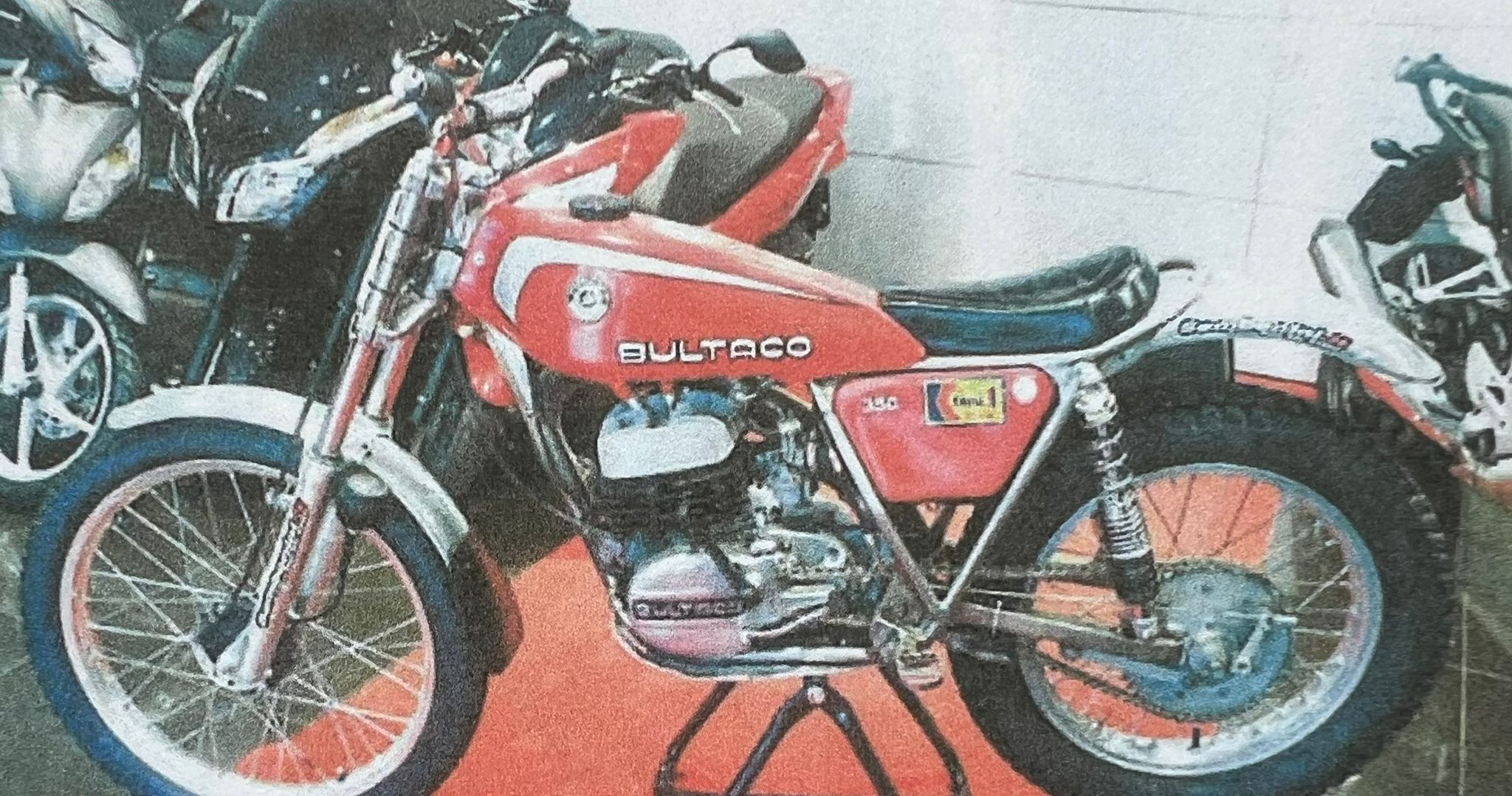
PK “I hadn’t particularly good results in competitions, and I thought I could win only if I had an exceptionally light trial motorcycle. So, I purchased a 250 Ossa, a certain quantity of titanium metal, which with the help of an engineer, Valentini who worked also for Ferrari, we created a chassis, muffler, titanium footpegs, transparent tank, titanium shock absorber springs and so on. From eighty-two kilos, we reduced it to around seventy.”
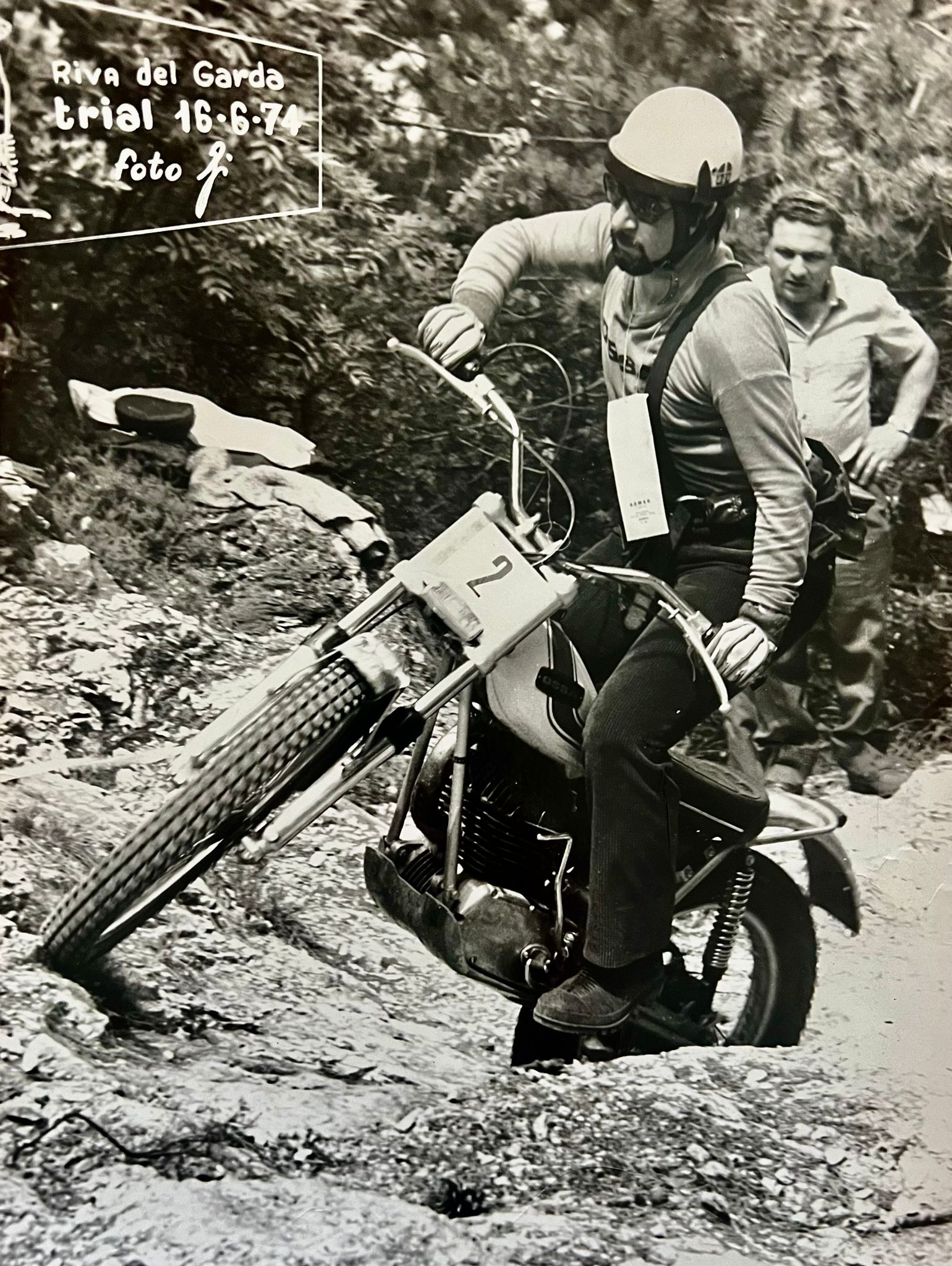
“But I still didn’t win! I tried again with a Bultaco, reaching seventy-four kilos, but that didn’t help either. Even though I had also removed the springs from the front fork and replaced them with rubber tubes, turning it into an oil-pneumatic one; and also, nylon bolts, smaller wolfram flywheel, hardened titanium crankshaft and aluminum footpegs.”
TG: Did you have any unusual motorcycles?
PK: “I had imported a Honda TL250 from Canada in the 1970s, I met with Sammy Miller to lighten it, and on that occasion the president of the Italian Motorcycle Federation was also there, and he asked me if I wanted to help the first Italian factory interested in building a trials motorcycle? Until then, the prerogative of Spanish motorcycle manufacturers. So, I went to the SWM factory in Rivolta d’Adda where I met the owners Sironi and Vergani, to whom I promised to help them if they put me in charge of their Trial project, but I proposed doing that for free, in order to remain free from contracts.”

“On the first day at the factory when they asked me how a trial motorbike should be designed, I replied to the engineers that it had to be ‘low when seen from the top’ that meant with a low center of mass. and ‘high when seen from the bottom’. That meant high enough to overcome the rocks and obstacles. They thought I was crazy! Together with myself, SWM hired also the Italian champion Giovanni Tosco and my personal mechanic Dario Seregni who always followed me throughout the years.”
TG: How did you go about forming a trials team?
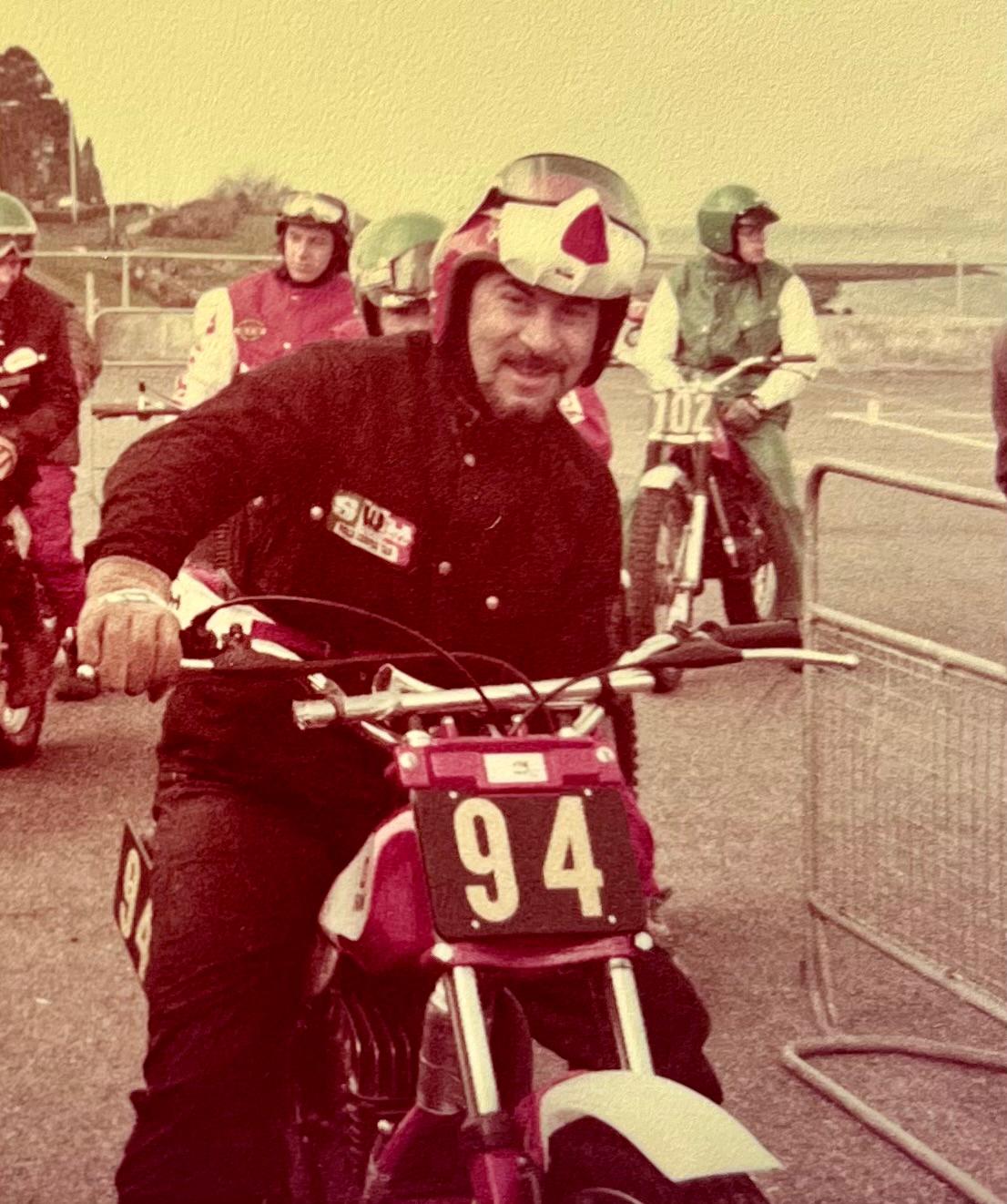
PK: “I signed contracts with the absolute best riders of that time. This included Giovanni Tosco, Danilo Galeazzi, Gilles Burgat, Christian Desnoyer, Charles Coutard, Bernie Schreiber, Martin Lampkin, Timo Rysy, Thierry Michaud, Bernard Cordonnier, Matteo Romeggialli, Gino Sembenini and John Reynolds.”

“My plan from the very beginning was to win the World Championship, which happened after just five years with Gilles Burgat. I myself tested all the prototype motorcycles.”
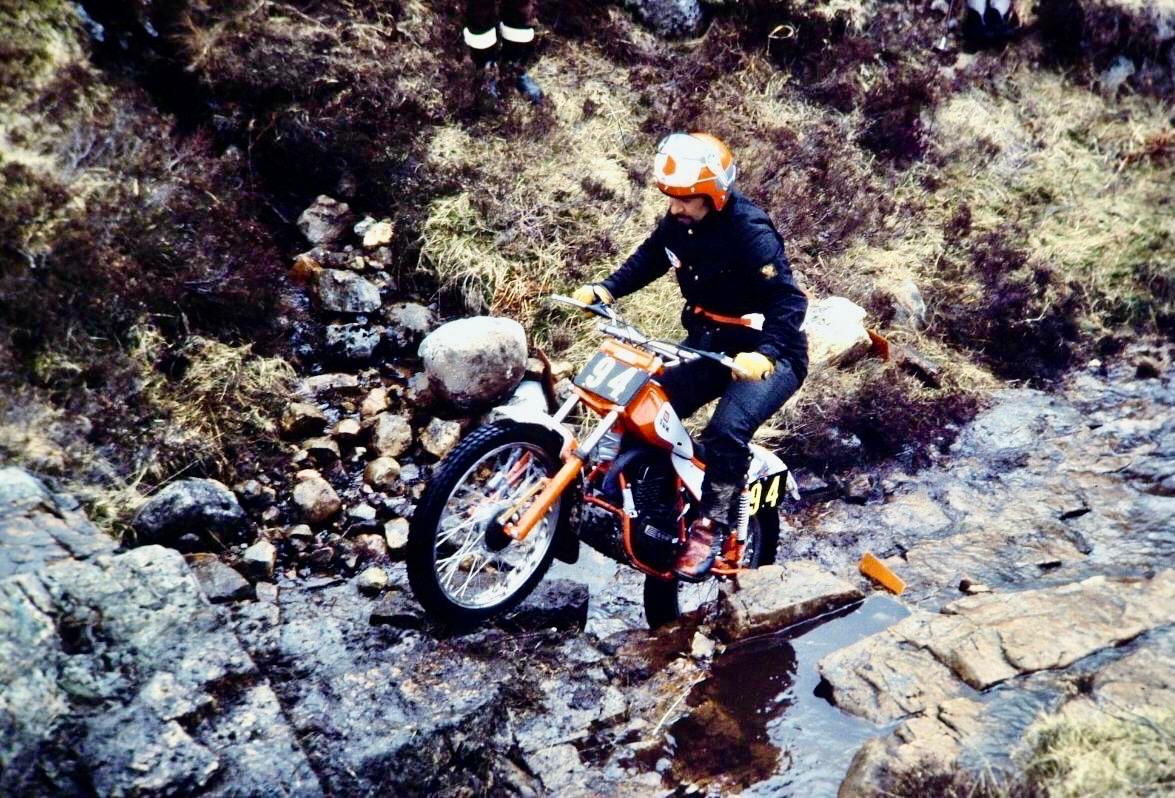
“The first was a SWM 125 with which I competed in the Scottish Six Days Trial in 1978. This was in order to finish the event; I used a compressed enduro engine and I kept the tyres at around 10 psi to avoid having punctures. I finished the event in 140th position, but I was proud to finish it, while more than two hundred riders dropped out before the end.”
TG: What happened after the World Championship victory?
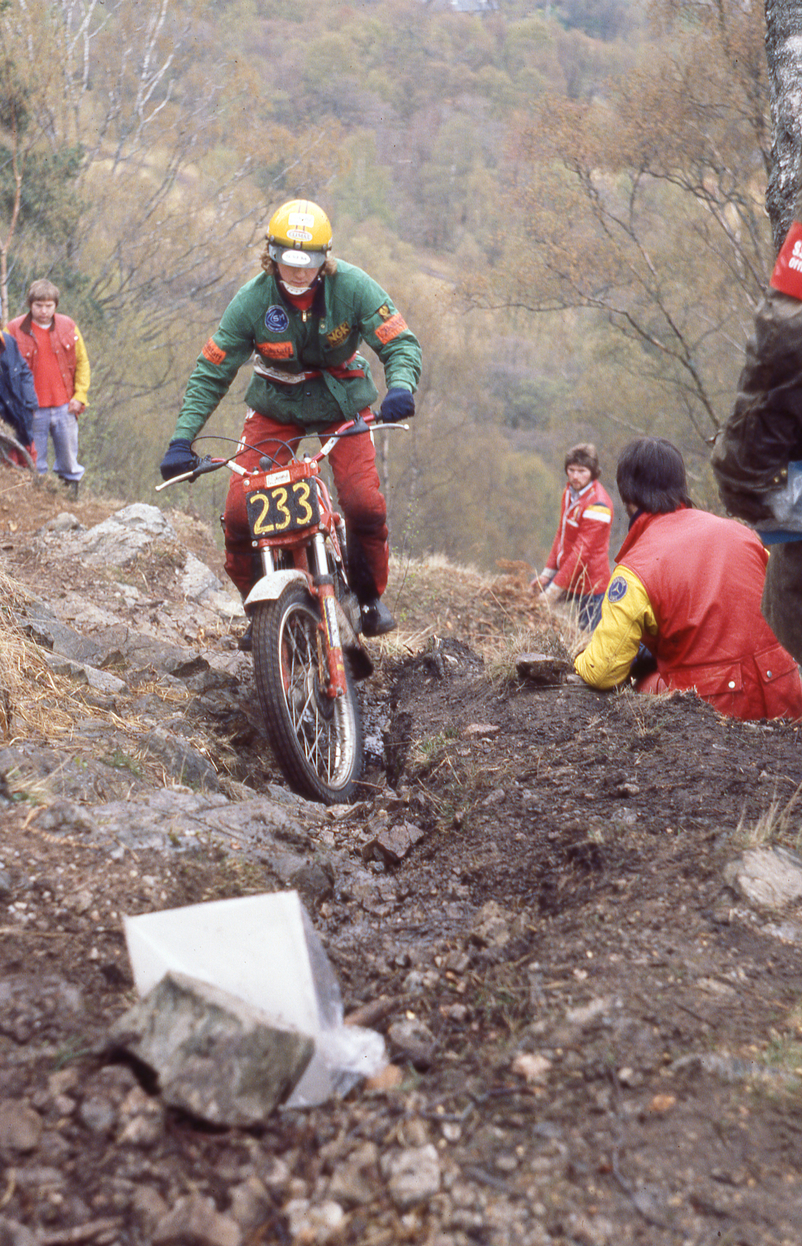
PK: “The owners of SWM, after the successful victory of the Trial World Championship in 1981, built a new, larger, and more expensive factory, but also decided to manufacture mopeds, this was at a time when the interest rates reached up to twenty-four percent. SWM then went bankrupt, my team was left without money. I tried to ‘sell’ it to Aprilia, to the Castiglioni brothers, but no one was prepared at that time to support a team that cost around five hundred million lire, or about $500,000 per year. So, I took the job on myself, I founded the new ‘Team KK’ in 1984 with the hope of placing the entire team in another company. This unfortunately didn’t happen, and I had to let go of all my riders, who at the time between seniors and juniors numbered around fifteen. Team KK lasted about a year.“

TG: Was there a positive outcome for you running the trials team?
PK: “For me, the SWM experience had been a fantastic opportunity to travel the world, meet new people, have all kinds of experiences. This of course included injured riders to be taken to hospital, others to be freed from police stations, contracts to be signed with importers, settling small disputes, organizing events, sometimes even hypnotizing some riders, treating the injured or sick ones, dealing with legal issues and so on. So, my experience in SWM has overall been a positive one and I am grateful to this day to its owners, Sironi and Vegani who unfortunately passed away a long time ago. Because I am a doctor, rumours spread that I drugged the riders. In an indoor race in Bologna my rider Galeazzi fell and broke his leg, he was taken to hospital and the next day he showed a kind of delirium. Dr. Costa of the Mobile Ambulance accused me of having drugged my pilot Galeazzi. So, I ran to the hospital in Bologna and explained how, after a bone fracture, a ‘fat embolism’ can occur and can reach the brain, affecting it for a brief period. That was the reason for Danilo having this delirium and after a day, Galeazzi recovered and began speaking normally again.”

“At the beginning, Charles Coutard didn’t manage to control the front wheel uphill and overturned. He said that the engine was too powerful. So, we ‘softened’ the engine by changing its parameters for the six following months. Charles finally gave up and asked me to do what I wanted on the engine. I had the rear swingarm lengthened by 2.5 centimeters. Charles said: ‘Finally I no longer pull the bike over my head; the engine is now very sweet’.
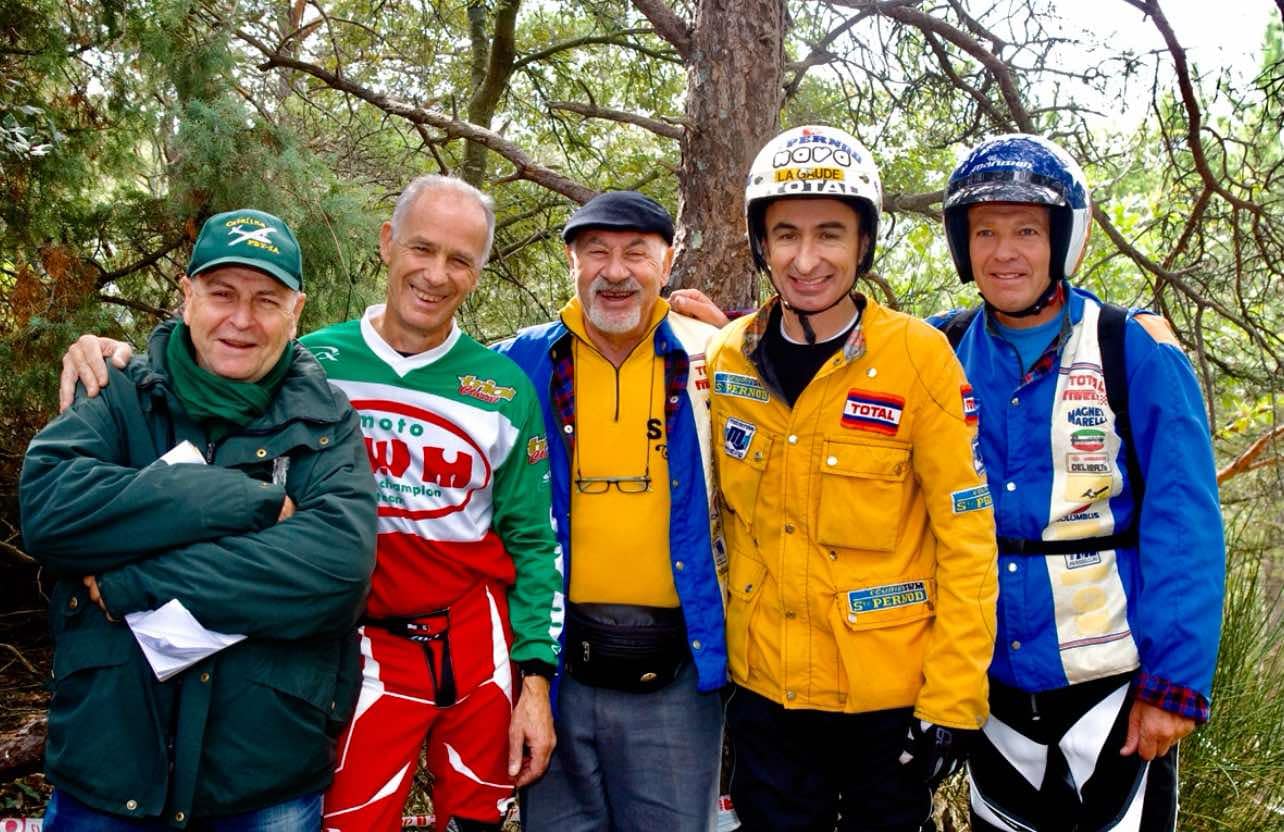
“A rider of mine was, at the time, a very nervous person; I myself had to follow an ‘autogenic training’ course and to become a teacher in this technique. Then I applied it to my rider who managed to calm down within a few months. Immediately afterwards he left my team to join a competitor.”
“The 1979 world champion Bernie Schreiber, winner of the 1982 SSDT, signed up for my team. He had moved from the bankrupt Bultaco to the Italjet brand and then he won three times the second place in the world championships. I have a friendship with Bernie that has lasted for almost forty-five years.”
TG: What was your most disappointing moment?
PK: “My biggest disappointment was during the World Championship in Switzerland when a new motorcycle, the SWM Jumbo 350 was stolen. It had been designed specifically for Martin Lampkin who wanted a more powerful motorcycle. I followed the route to observe the controlled areas.”

“The bike didn’t start well, I had to push it to start the engine. Our Jumbo was never found, even after the theft was reported to the police. After six months, I discovered that there were two thousand trial motorbikes in the USA unable to be sold, whose engine couldn’t be started.”

“In the meantime, Bernie Schreiber and I were invited to organize a trials school in Tokyo by a well-known Japanese motorcycle company to teach local riders some specific riding techniques. The engineers asked us many questions, which we didn’t answer. After the disappointment of the theft I suffered, I had my total understanding.”
TG: What was your main occupation?
PK: “I was a doctor, a dental specialist and I still am. In 1984 I continued to work every day as a dentist. So, I had to dedicate my evenings from 8pm to midnight every day, working with SWM, and several weekends for trials and regional competitions. Moreover, I used to spend twelve weekends a year following the world championship, in which I participated on motorcycles as race team manager, I had a FIM license. But I also worked as an official reporter for the Italian monthly magazine ‘Motociclismo’ for which I published around one hundred and twenty articles.”

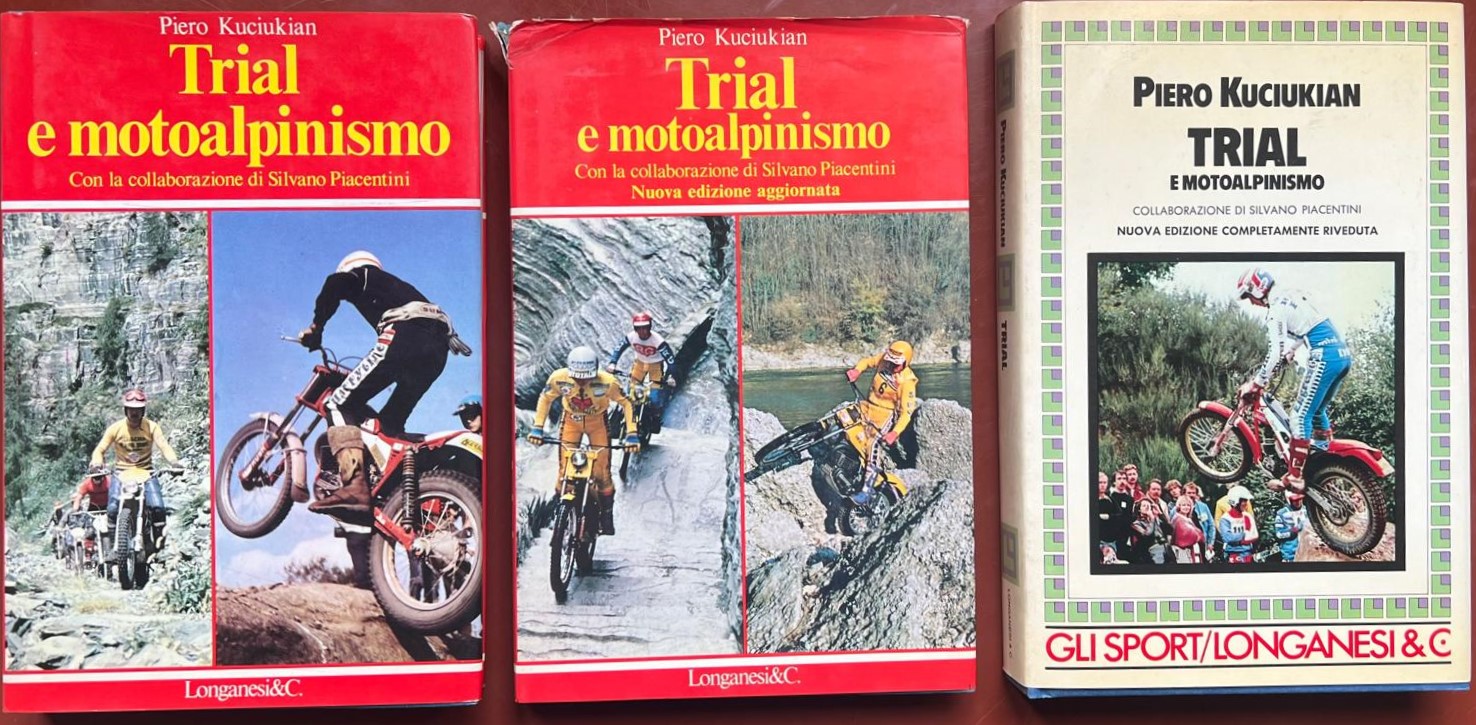
“I then published the first book in Italian language on trial riding techniques in 1979. The title was ‘Trial and Moto-Alpinism’ through the publisher Longanesi. It was a real success, thirty thousand copies sold with three editions printed.”
TG: Tell us what you regard was your most memorable achievement?
PK: “My greatest satisfaction as a race team manager was when Gilles Burgat won the World Championship in 1981. At every round of the world championship the Michelin truck was present, the technicians took the temperature of the air, the ground, the tyres and at the next event they tried a new tire compound for the only motorcycle that did not have Pirelli tyres, that of Gilles Burgat of my team who also won the world championship with those tyres. I always wonder if the snow tyres that we use in winter today for cars, might to some extent, have come from Michelin’s trial experience with my team at that time?“
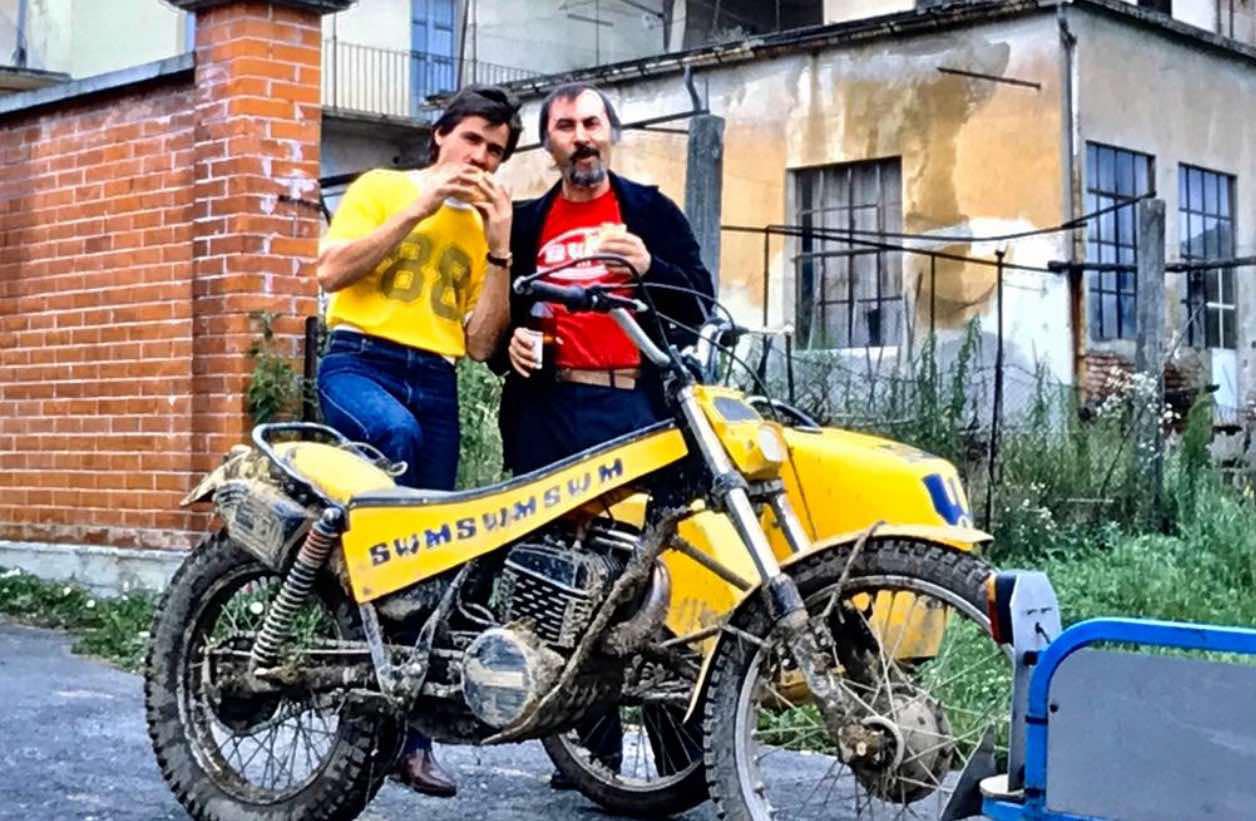
“As a rider, my greatest personal success occurred in the last round of the Sidecar Trial Championship in Monza, in the parabolic curve track section. No crew managed to pass that section, not even Giulio Mauri, my main competitor, and most capsized. I had modified the front end and the suspension of the outfit. We developed a lever which blocked the suspension at the bottom and top. I won the Sidecar Trial championship in 1982 by ‘tweaking’ the sidecar. It was the only year that a sidecar trial championship took place in Italy. We had also built a trial motorbike with dual traction: front and rear, which I had assigned to the German rider, Felix Krahnstover. I thought of adapting it to my sidecar, but then the idea was abandoned.“
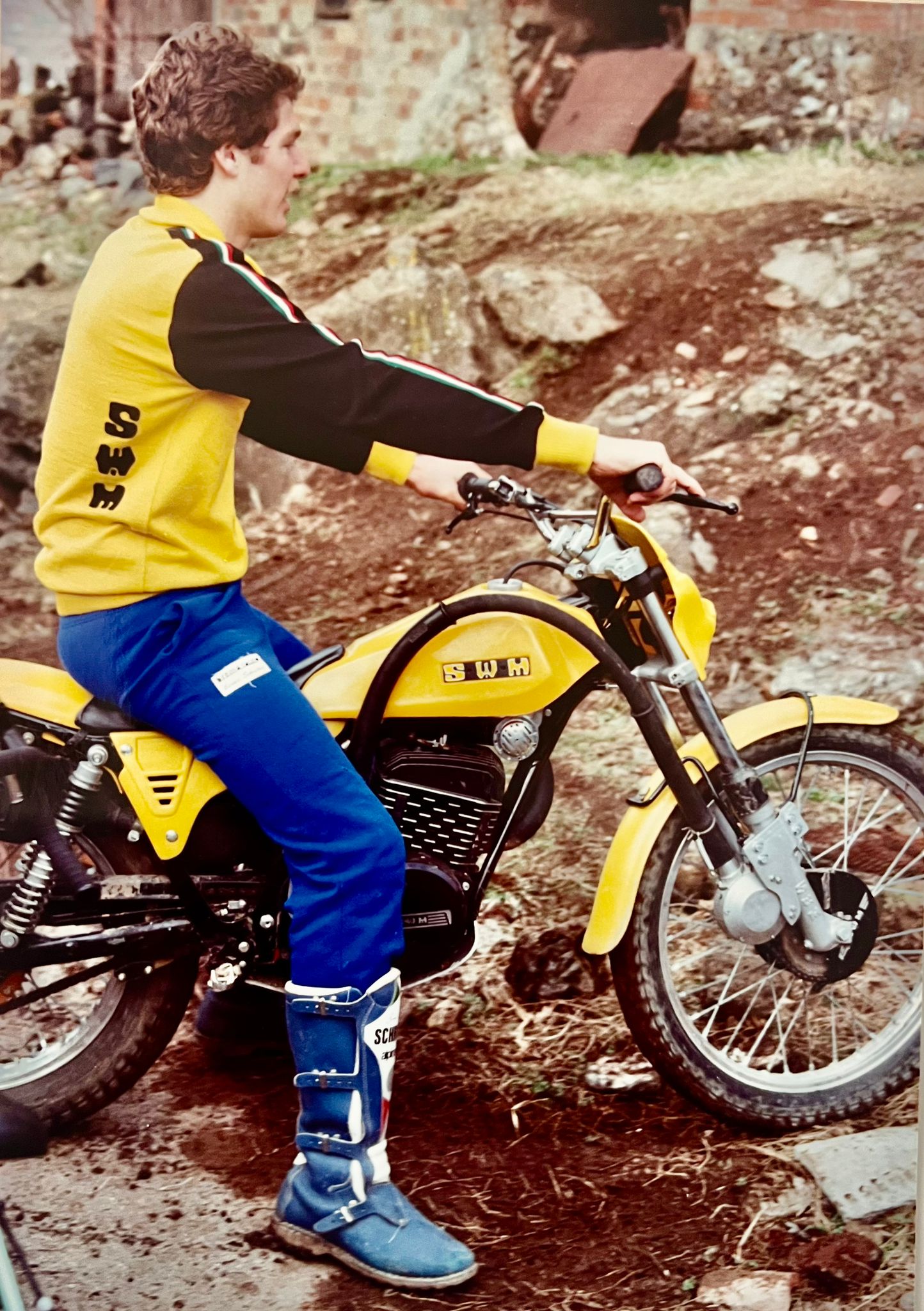
TG: What are your thoughts on trials motorcycle construction?
PK: “I had always thought that trial motorcycles should be ‘as simple as possible exercise equipment’ and therefore didn’t need a tank, a saddle, or mudguards. So, I had an exceptionally light ‘special’ model prepared for the indoor competitions and assigned it to Bernie Schreiber. Bernie was the forerunner of the modern trial riding techniques, and he first introduced the ‘aerial curve’. Furthermore, he was one of the very first trials riders to perform on artificial obstacles.“

“It can be said that he was the founder of the indoor trial. By designing the ‘special indoor’ SWM model assigned to Bernie, I think I was to some extent ahead of my time. Today, saddles, large tanks and enveloping mudguards have disappeared.”

“The project should have continued with a rear mono-lever and front suspension without springs, hydraulically connected and electronically controlled, but SWM no longer existed, and my interest was turning towards Armenia, of which I then became honorary consul, after a stint as a pilot of gliders and motor-gliders which gave me other satisfactions.”
Trials Guru: It is without doubt that Piero Kuciukian has been a major influence in the sport of motorcycle trials within what is now referred to as the ‘Golden Era’ of the sport. His contribution to machine development, new ideas, innovation and of course team management is significant.
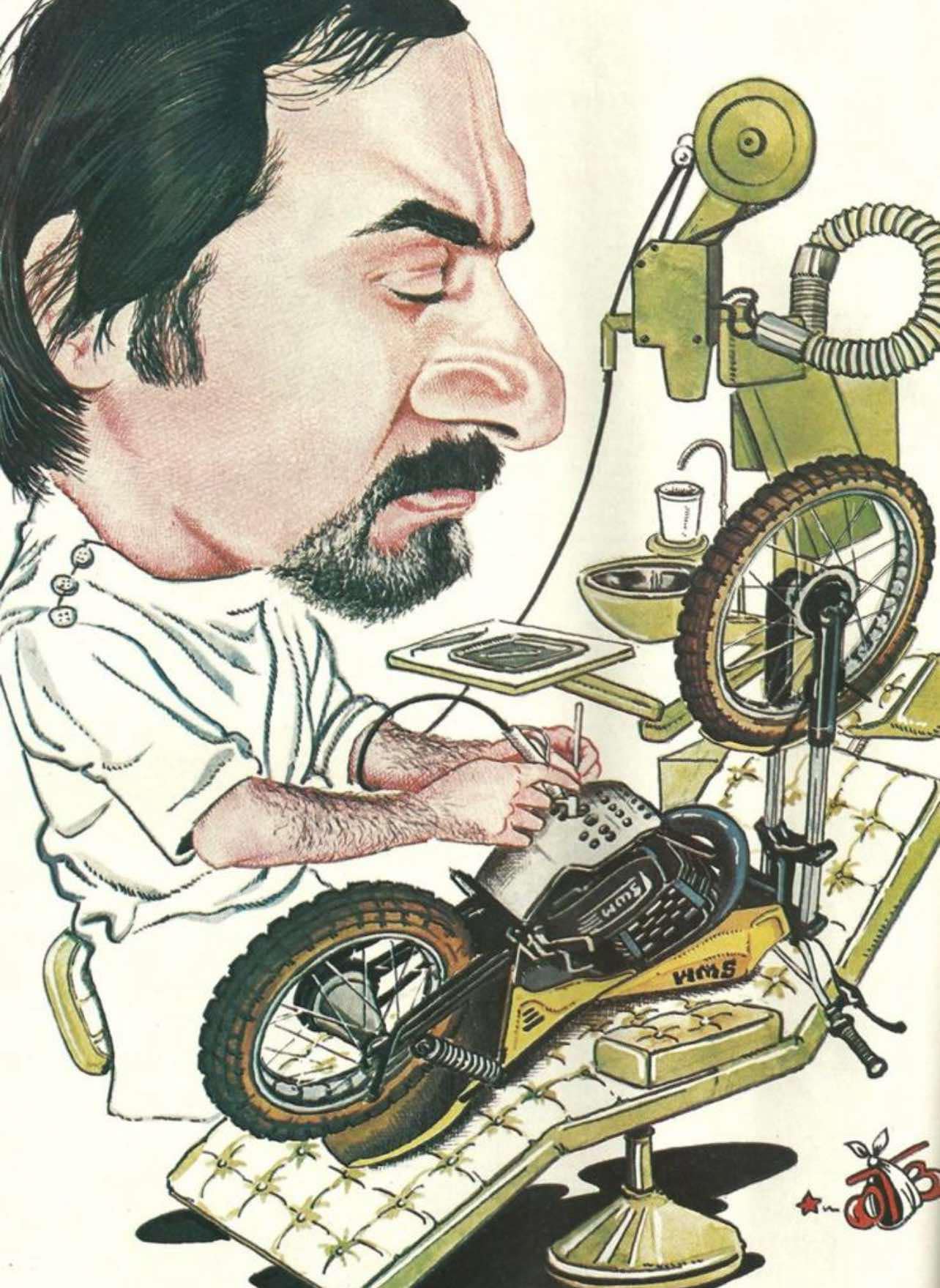
Testimonials by riders who were contracted to Pietro Kuciukian:
Giovanni Tosco:

“Piero Kuciukian and I made friends for the love of the Trial first with the OSSA, and always for the love of the Trial. Kuciu managed to get two hardened regular riders, Sironi and Vergani to build a trial motorbike, which then gave them great satisfaction. At this point he became a great general manager for the racing team. In these few words, I condensed all the greatness of my great friend Pietro Kuciukian.” – Giovanni Tosco, Torino, Italy (Four times Italian National Trials Champion).
Gilles Burgat:
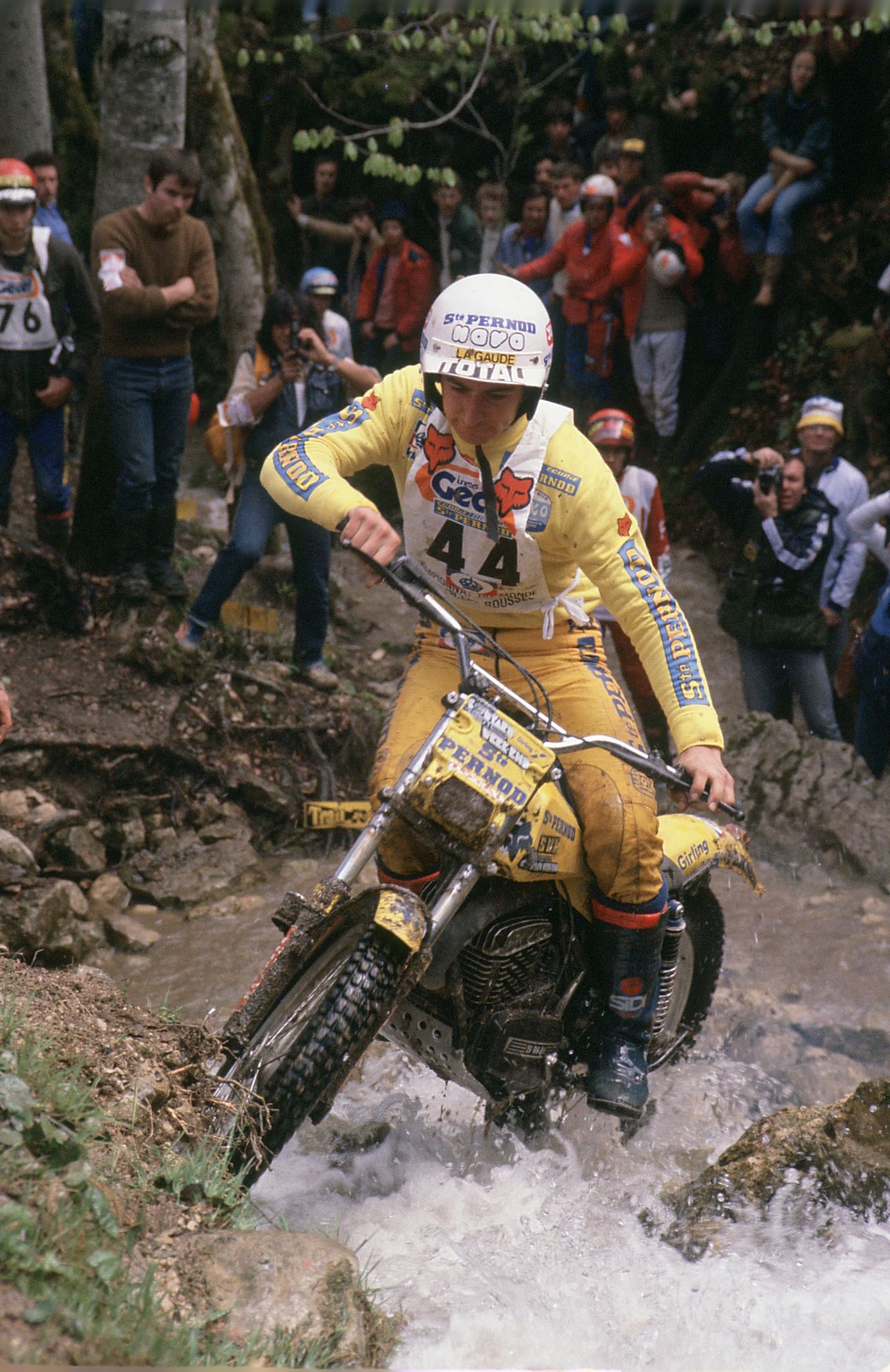
“I met Piero for the first time in the suburb of Milano in the small town call Rivolta d’Adda. This little town was where the SWM factory had the reparto corso, Racing department for SWM trial. Charles Coutard was their pilot for the world championship, this was in 1977. SWM was looking for a young lad to ride there 125 trial, I was sixteen at that time and Piero Kuciukian called me to come to Rivolta to try there motorcycle. I immediately fell in love with the SWM and I signed a contract and rode for them the next four years. Later, I won four French championships, one world championship and the famous Scottish Six Days Trial with them and with Piero as the manager.
Piero shared his time between his job as a dentist in Milano and managing the SWM trial team. At that time, I can say Piero was scaring me a little bit, I was still a teenager! He understood that and he managed me in a discreet fashion, always there for me to give me good advice for my races and my career. He was great for me, always looking at the bigger picture.
Until now, if I go to Milano, I try to meet Piero and I think I can consider him as my friend. Piero and his wife Anna Maria are truly a great couple, very smart and classy and wonderful people. Piero is a man of passion and I am happy he was passionate about trial.
During and after my trial career, Piero came to my house in France many times, for family events or just for a visit. He was always a very good inspiration with his smart comments.
He is a wonderful man.” – Gilles Burgat, France. (1981 World Trials Champion, three times French National Trials Champion and 1981 SSDT winner).
Charles Coutard:
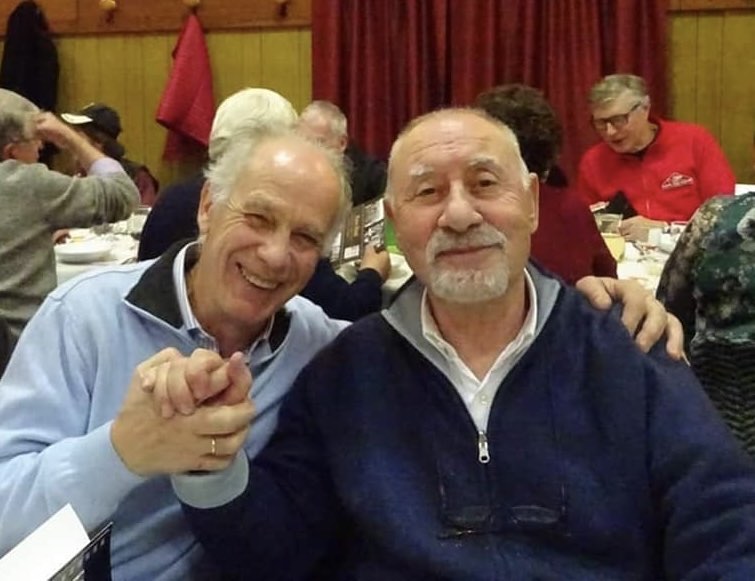
“For me, Pietro Kuciukian is not only a friend, but also the man who inspired the Swm factory to produce a trials bike! He’s a very learned and intelligent man who has put all his qualities at the service of Swm and Trials.
I don’t think I’d have left the Bultaco factory if it hadn’t been for Pietro’s involvement in the SWM adventure! His confidence and kindness enabled me to endure the difficult period of fine-tuning to become a bike capable of winning a world championship!
I put Pietro on the same level as Don Francisco Bulto in terms of human qualities and passion. Thanks to him, I rediscovered the same feeling of a big family that I had at Bultaco!
Many thanks again to him, whom I hold in the highest esteem.” – Charles Coutard, France (8 times National Trials Champion of France).
Bernie Schreiber:

“Piero Kuciukian and his lovely wife, Anna Maria have been dear friends for 45 years. I was very fortunate they took me into their Milan home like a son shortly after joining SWM. At twenty-two years of age and competing all season on Italjet in 1981, I found myself at the lowest point in my trials career that resulted in sixth in the world.”

“I had lost confidence in the product and felt mentally destroyed after my results. Gilles Burgat just won the World Championship title on SWM with a proven machine and excellent team. Shortly after the season ended, several rumours broke that Burgat was moving to Fantic for the 1982 season opening a factory rider position at SWM.”
“That was seen as an opportunity being based in Italy for the past eighteen months. Piero and I spoke, we discussed conditions, a bike test was organised and a deal was agreed to join the factory team with Martin Lampkin and Danilo Galeazzi for the next two years. Piero was not your typical team manager or Italian to be honest and he played many roles at the factory and with his riders. We quickly became close friends and within a short period of time, I was living in Milan with all the support needed to win events and Championships again.”

“Piero was like a European father mentor to me and we could talk about everything from trials to philosophy. His experience, approach to issues and way of thinking changed the course of my life in so many ways. I am ever so grateful to this day for our friendship. We travelled the world together throughout Europe, Australia, Japan, Americas and eventually I learned the Italian language.”

“1982 was the best season of my career under Piero’s SWM leadership. We didn’t repeat the world championship victory of 1979 which was my main focus, but finished second in the world winning two world rounds and ten podium finishes. The SSDT was not in our agreement, but Piero pushed hard for my appearance in 1982 and after unfriendly discussions we finally agreed. Best decision I had ever made and can’t thank him enough. It’s difficult to imagine being a Trials Legend without winning the SSDT. Other victories were accomplished that year by winning indoor trials, BBC Kickstart, American Championship, British world round all the while working on my book ‘Observed Trials’ with Len Weed.”
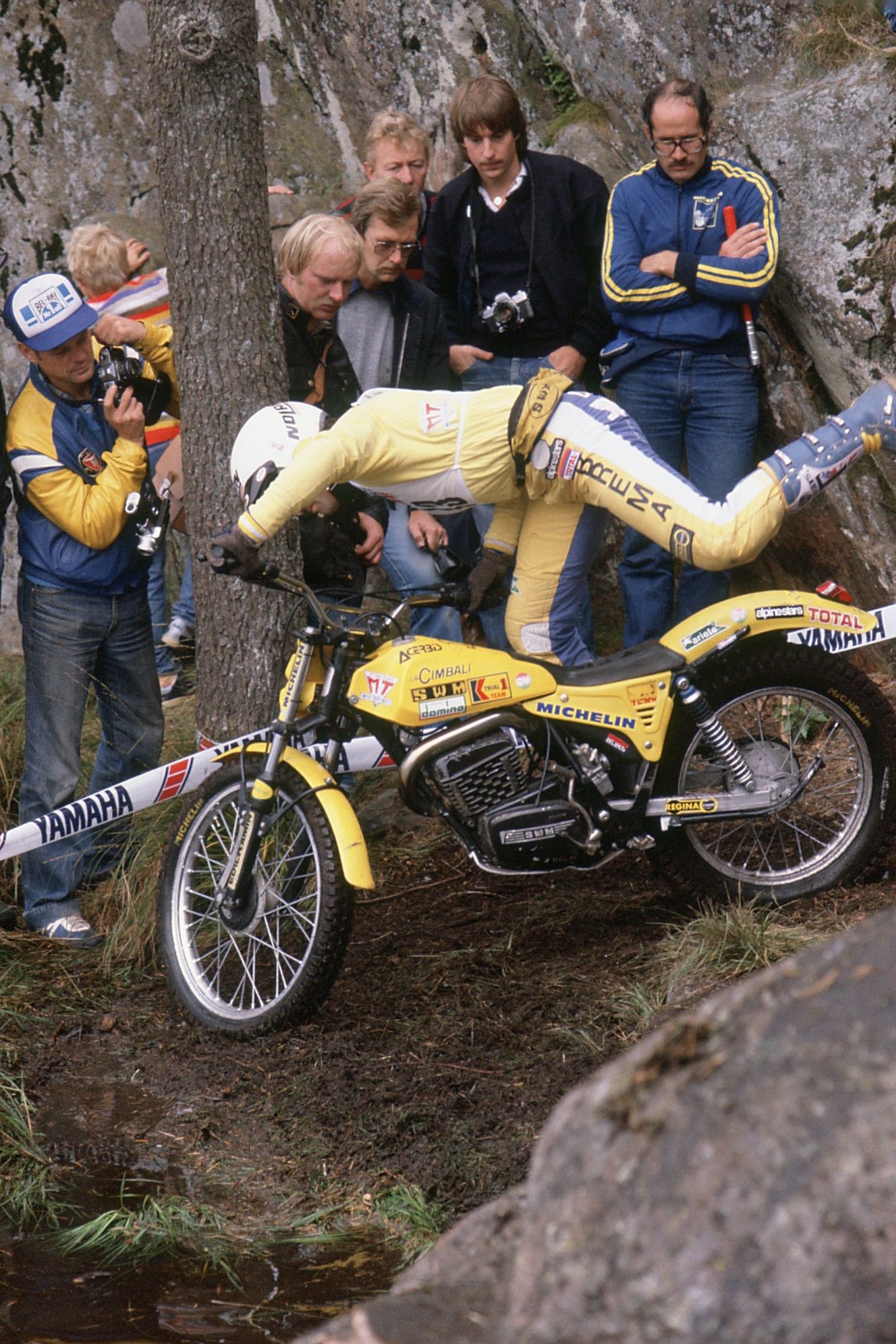
“1983 was another good year on the new SWM Jumbo. We managed to finish second in the world championship for the third time and also won the American Championship. In 1984, SWM had financial issues, but Piero maintained the team under ‘KK Trials Team’ of which we entered as privateers with an SWM. That was really our last competitive year in the sport and we finished third in the Championship with two World round wins.”
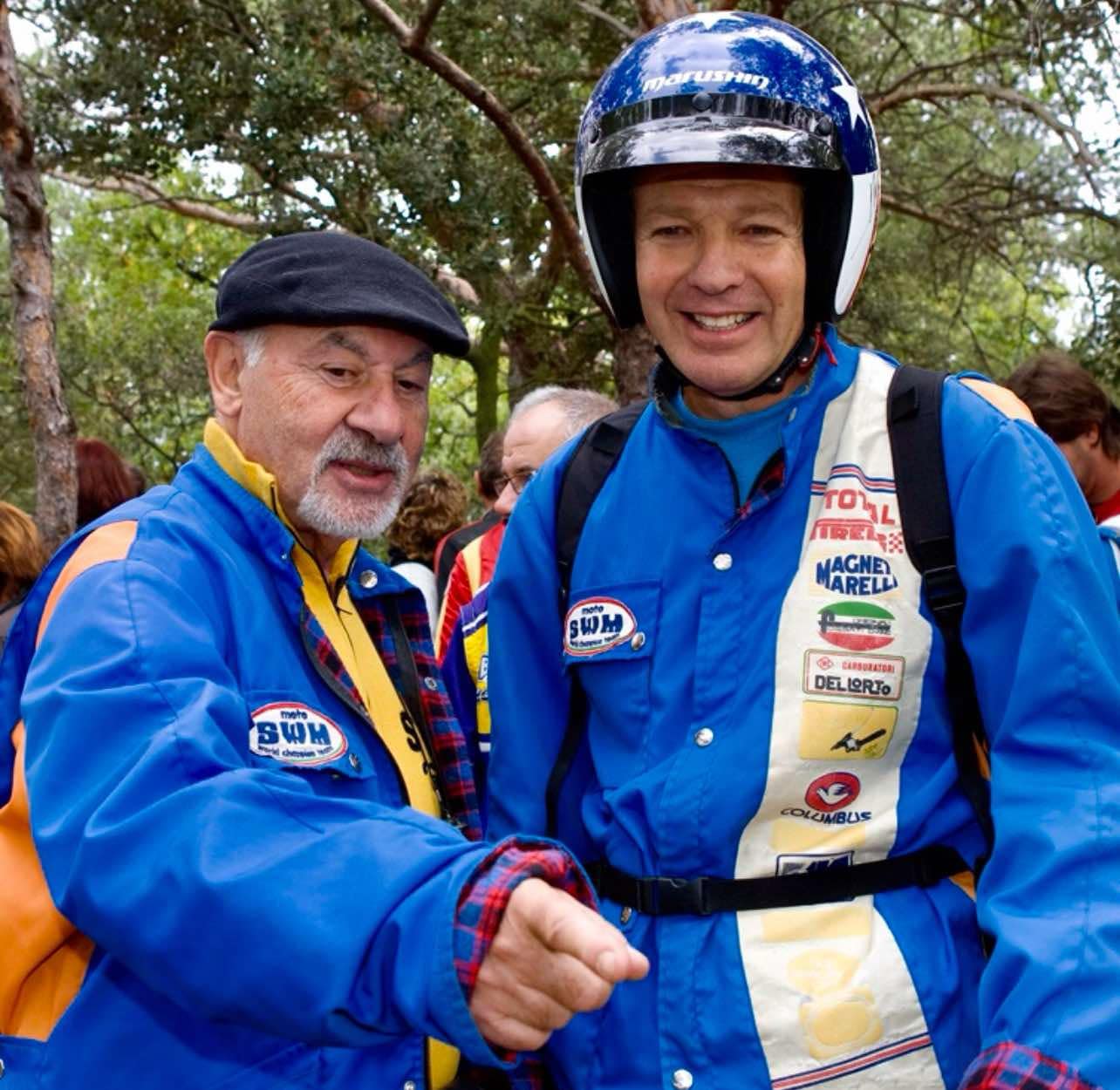
“Thank you, Piero, for not only teaching me about trials but also about life. Your wisdom, advice, and mentorship had shaped my character and taught me important life lessons that I carried with me to this day. Your belief in my potential, even when I doubted myself, has been a constant source of motivation through the years. Long live the G.O.A.T. team manager and friend.” – Bernie Schreiber, Zurich, Switzerland. (1979 World Trials Champion, 1982 SSDT winner, Four times American National Trials Champion).
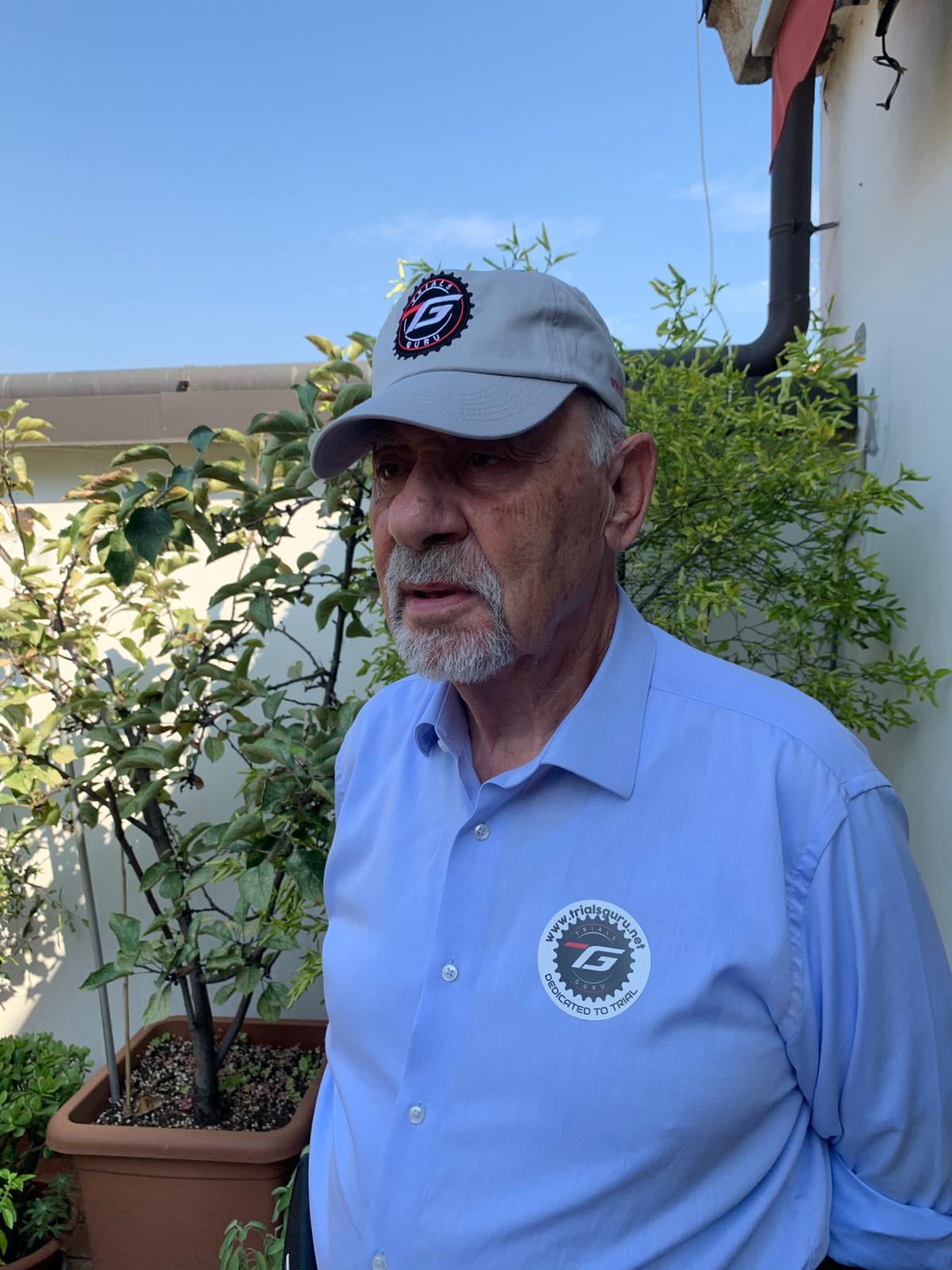
‘Pietro Kuciukian – The Team manager and more’ is copyright of Trials Guru.
Bibliography and source recognition:
Wikipedia [1]
Cartoon artist: Yann Renauld from Moto Verte magazine [2]
Apart from ‘Fair Dealing’ for the purpose of private study, research, criticism or review as permitted under the Copyright, Design and Patents Act, 1988, no part of this article may be copied, reproduced, stored in any form of retrieval system, electronic or otherwise or transmitted in any form or by any means, electronic, electrical, mechanical, optical, chemical, photocopying, recording or otherwise without the prior written permission of the author as stated above. This article is not being published for any monetary reward or monetisation, be that online or in print.
Discover more from TRIALS GURU - DEDICATED TO TRIAL
Subscribe to get the latest posts sent to your email.
 TRIALS GURU - DEDICATED TO TRIAL
One thought on “Pietro Kuciukian – The Team Manager and more”
Comments are closed.