This Trials Guru ‘section’ is devoted to Honda. With the help of Honda enthusiast and author, Tommy Sandham; super-enthusiast, Joan Forrellad of The Honda Trials History website, we bring you articles, photos and information about the Honda trials enterprises over the years. There are individual Honda Trials articles at foot of this page.
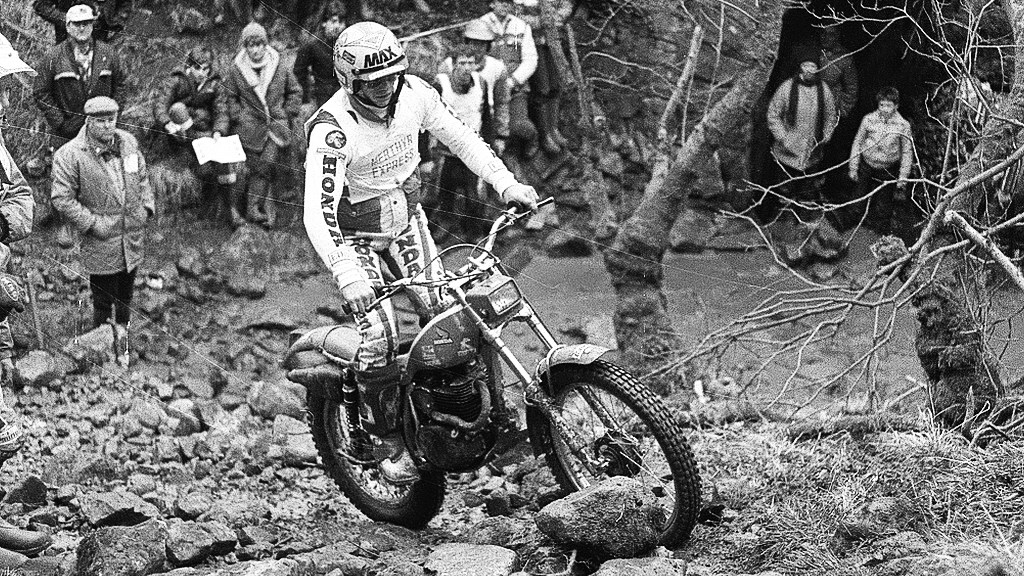
Honda is the largest manufacturer of motorcycles in the world. It came as no surprise when they decided to focus their competition efforts in the sport. They had the ability through massive research and development facilities to produce the ultimate machine. Honda decided to employ ten times British Trials Champion, Sammy Miller who had already developed the highly successful Bultaco Sherpa from 1964 up to its 1974 form. Miller was very competent to do the job and was not only taken on by Honda to develop their machines, but to promote Honda across the world in trials.

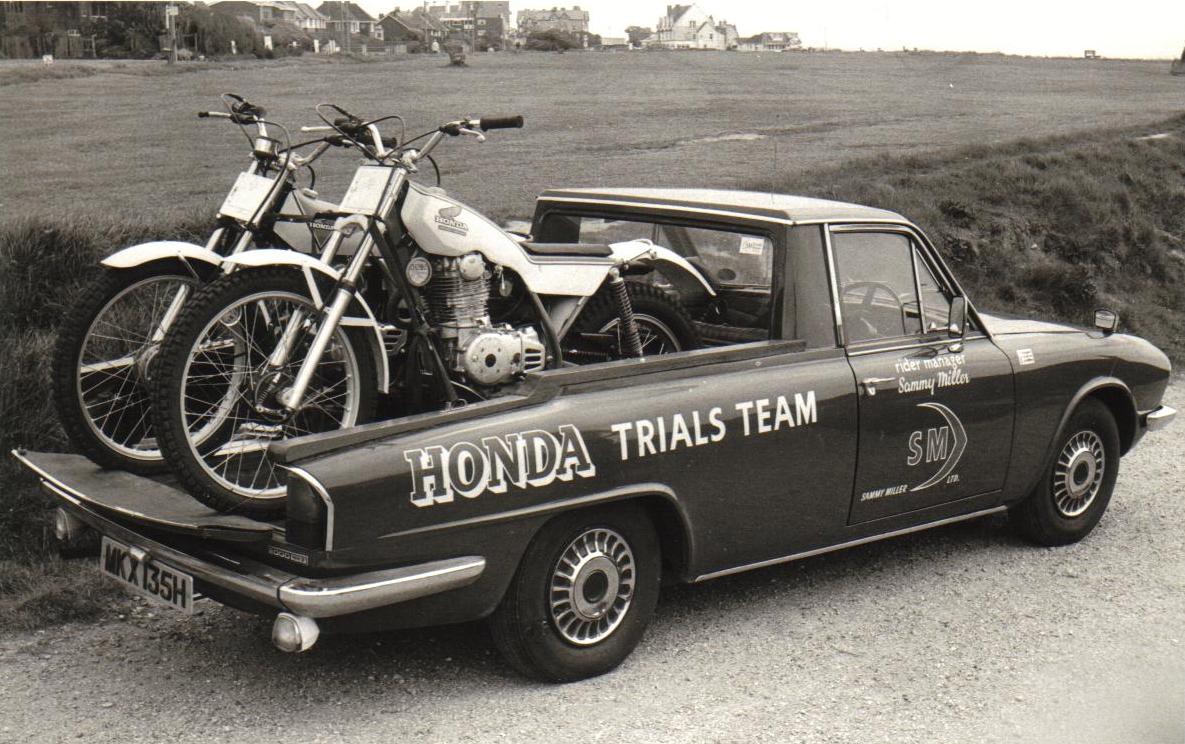
Sammy set about not only reworking Honda’s prototype machines, but also putting together a trials team which would include Brian Higgins, Geoff Parken and later, Nick Jefferies who had been riding Yamaha but would also race for Honda in the TT and Manx Grand Prix.
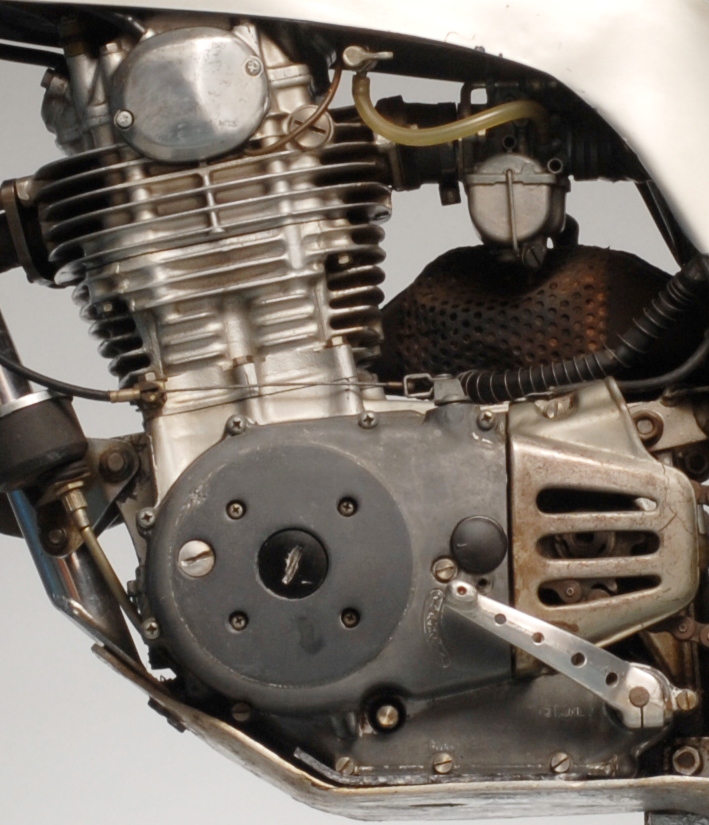
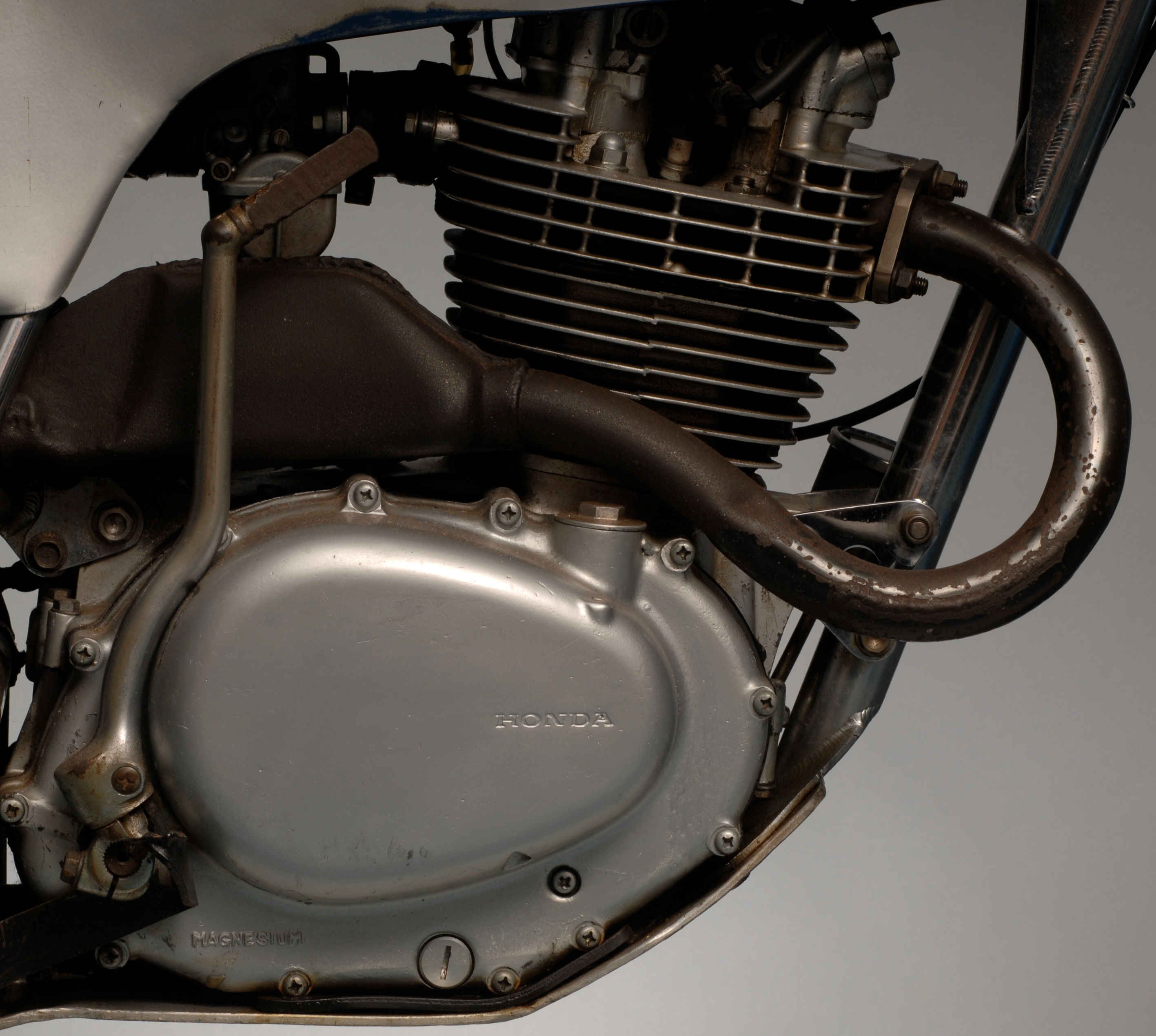
The starting point was the TL125, which Honda had coded ‘Bials for Trials’ when first launched. Miller wanted a larger capacity machine as Bultaco already had introduced a 325cc Sherpa to the trials world in late 1972. The basis for the larger capacity engine was the Honda TL250 based on their trial XL engine of the same capacity. Miller would have this increased to 305cc. These factory supported specials would never see actual production and were coded as RTL models. The engine casings would be made from Magnesium, similar to the Elektron materials used as early as the late 1940s in racing and surprisingly in trials with AMC for their factory AJS and Matchless machines.
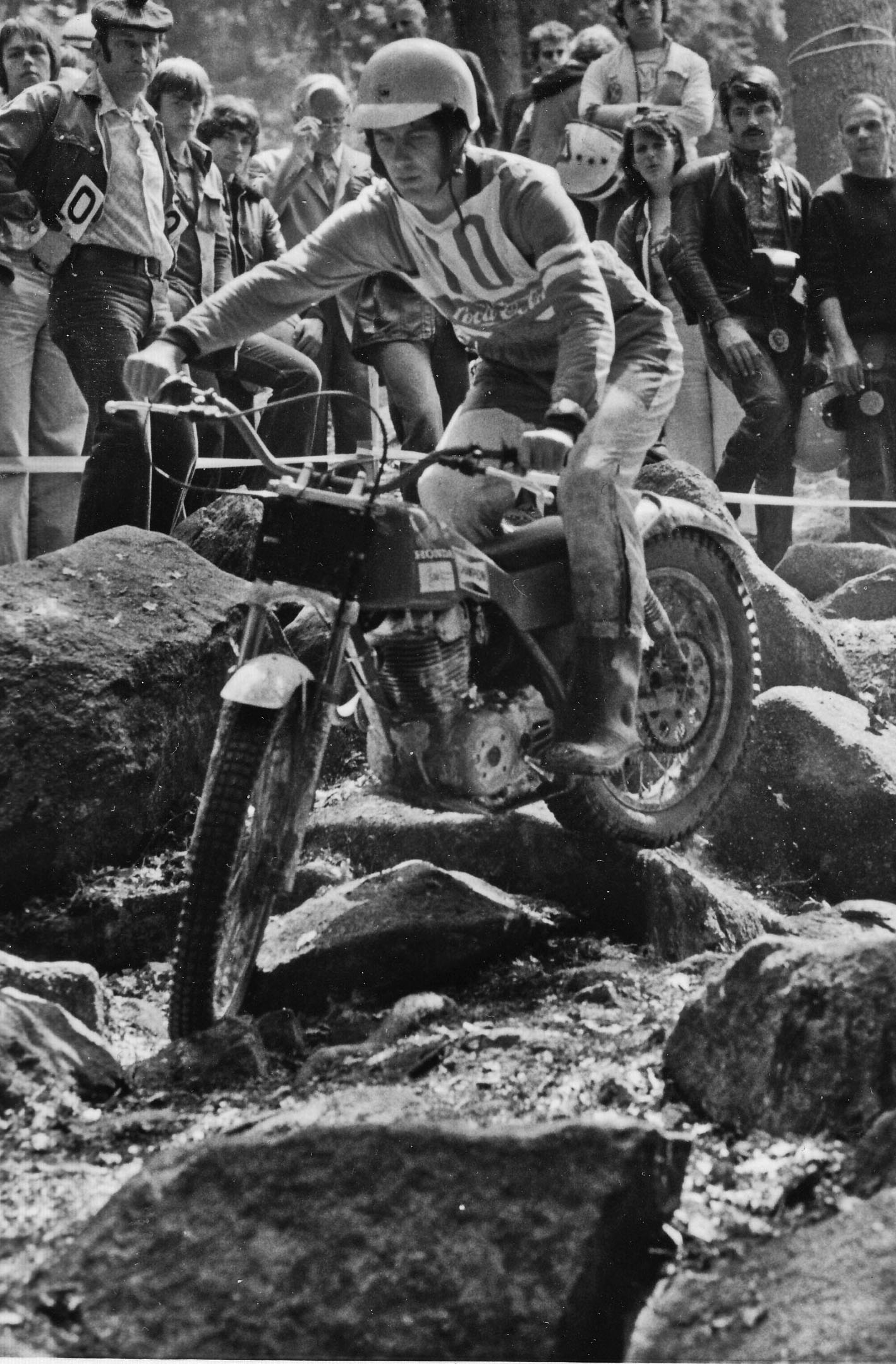
The Sammy Miller/Honda trials team were active in events and this helped pushed sales in the UK of the small TL125 Honda, on which many new riders were introduced to the sport. Unfortunately, Honda did not market larger capacity models in the Uk, so when these novices wanted to move up, they looked to the established Bultaco, Montesa and Ossa brands, with Suzuki now also in the market. The TL250 was sold in quite large numbers in the USA, but these were heavy, wide machines and were not popular. A small number found their way to Britain’s shores but not through Honda UK. Three were brought in by Edgar Brothers in Edinburgh and also a few more by Dixon Racing. Since then some private buyers have bought complete machines and some parts from the USA.

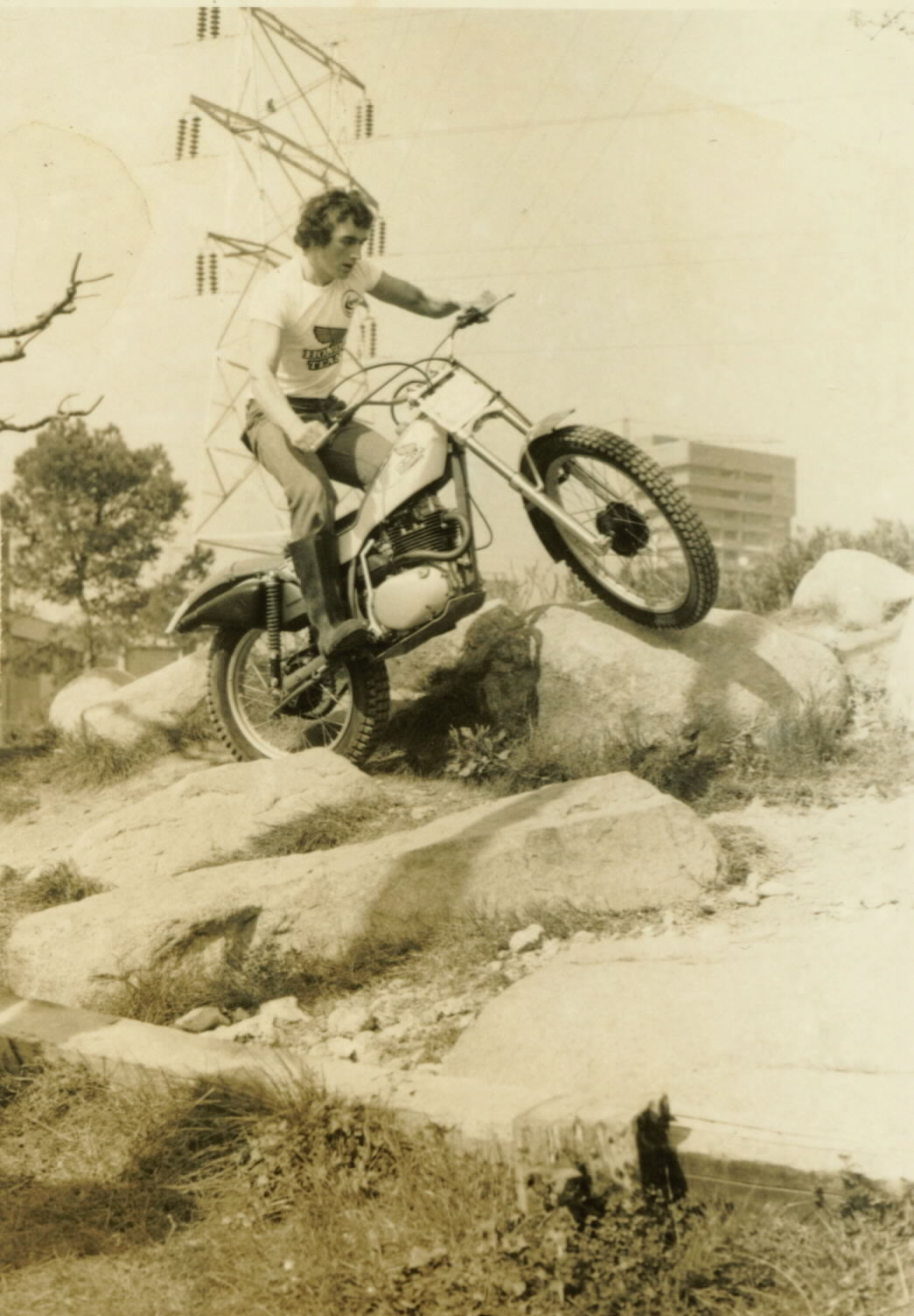
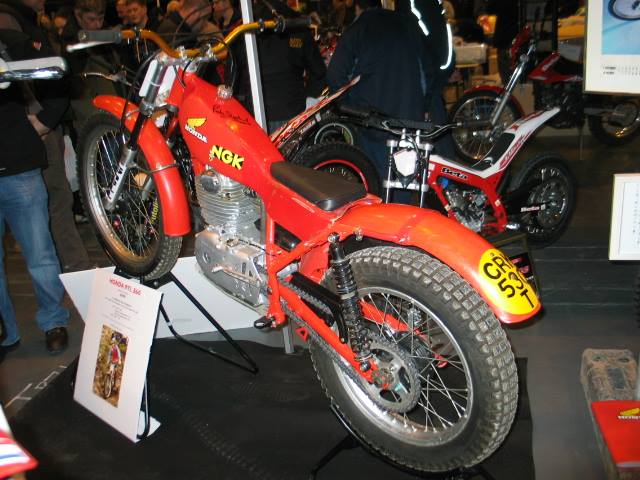
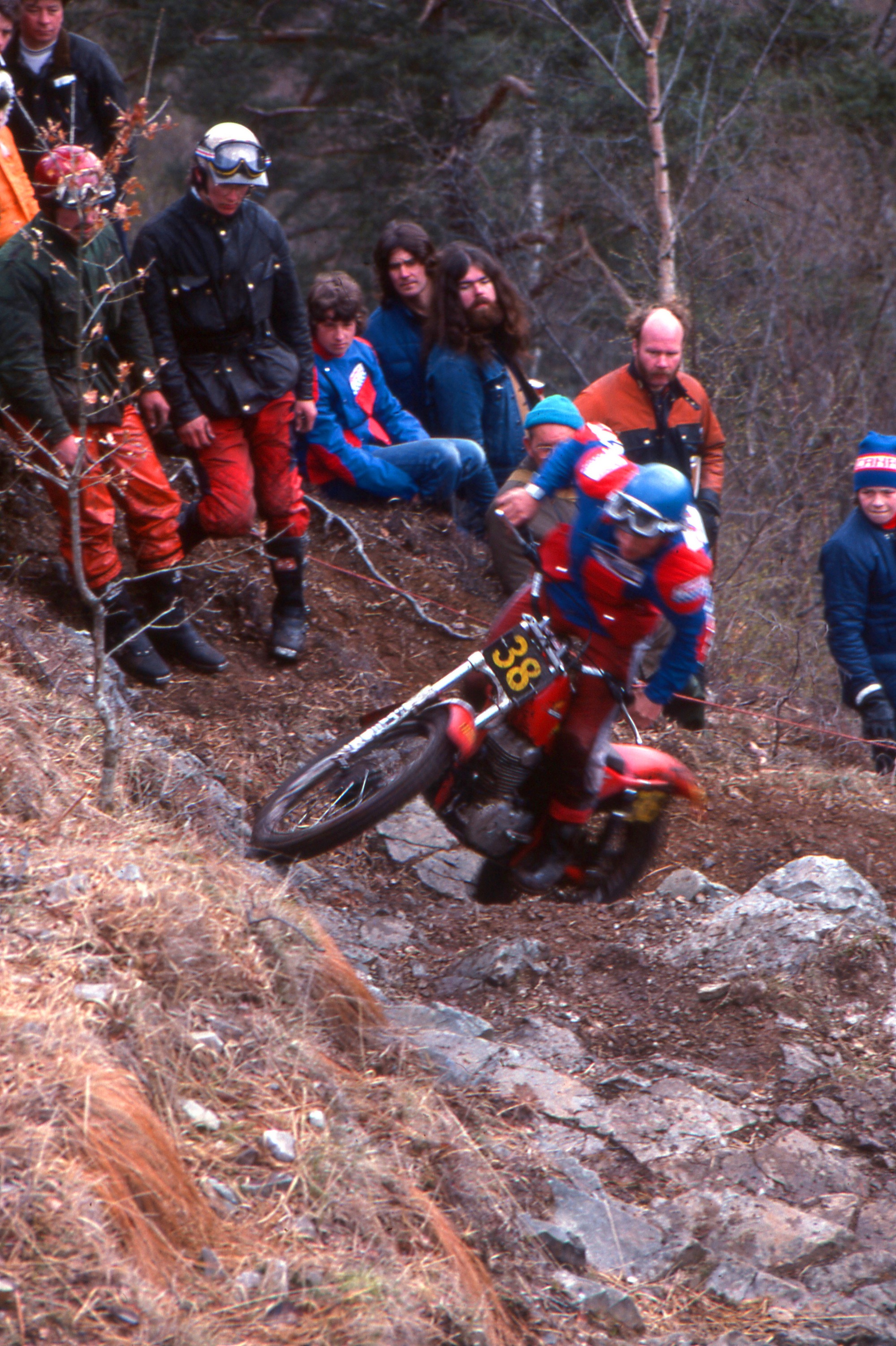
In 1976, Nick Jefferies was having some success on his RTL and discussed with Miller the possibility of bring Yorkshireman, Rob Shepherd across from Montesa to ride for Honda. Meaningful discussions ensued and before long Shepherd was firmly on board and getting very good results, firstly on a long stroke and then made his name on the later short-stroke 306 and 360cc variants. Rob went on to win the British Trials Championship on the Honda RTL.

Just after Shepherd secured British Championship honours, the axe would fall on the British Honda trials effort. The Motor Cycle News dated 12th November 1977 broke the news that: “Honda pull-out chokes Miller”. The end had come and Miller went on to do work to develop the Italian SWM trials machine.
That wasn’t the real end of the story however, when Shepherd negotiated return of machines for a Honda Britain trials effort, which continued until 1979.
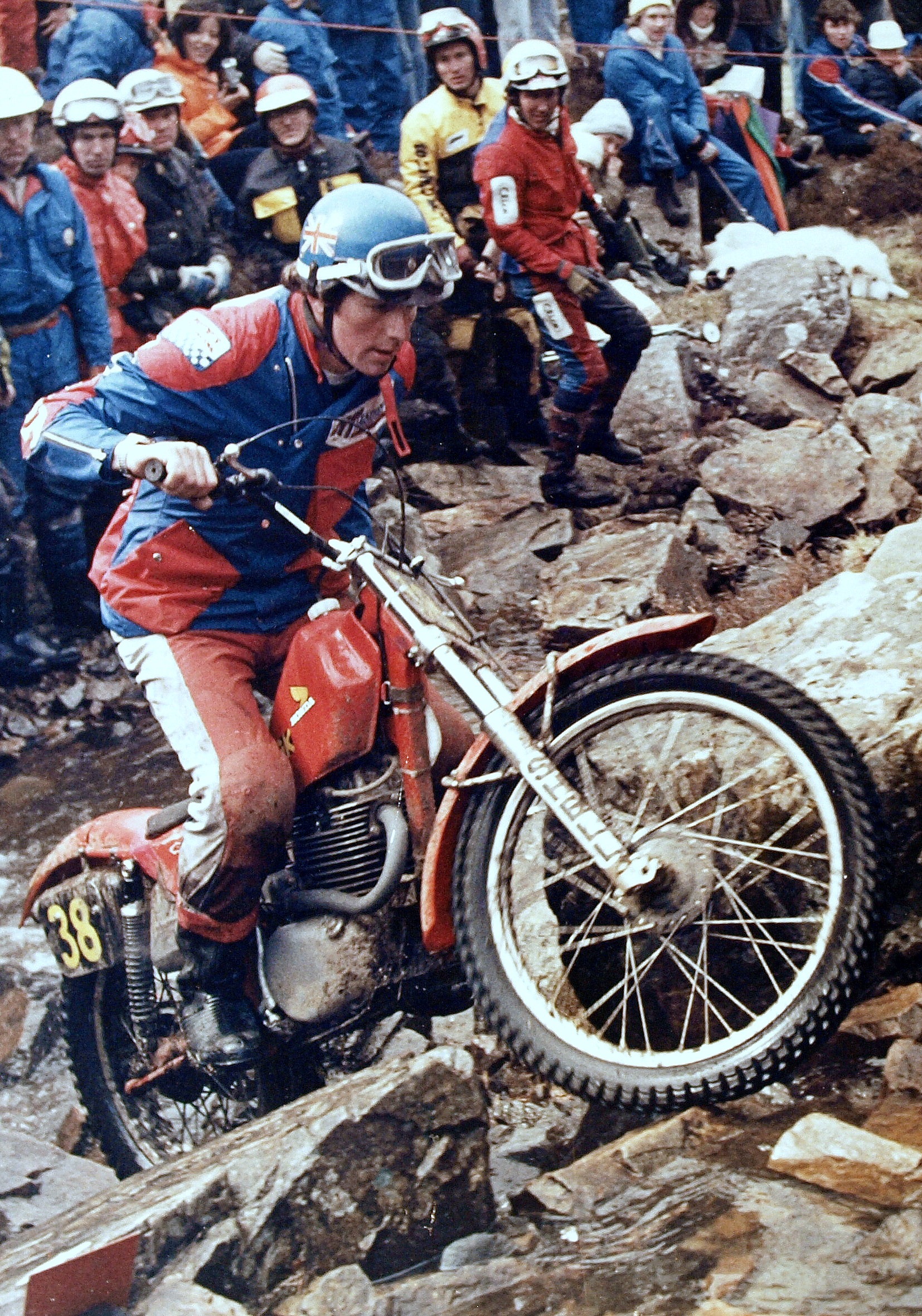
Honda Factory Trials – RTL – ‘Racing Trial’


Honda World-wide Trials:
During the ninteen-seventies, Honda Motor Company decided to create a purely ‘Racing’ division, separate from their normal motorcycle production activities and core businesses. This saw the advent of Racing Service Center Corporation or ‘RSC‘ for short. Later, in September 1982, they developed from RSC, Honda Racing Corporation or HRC for short, which exists to this day and controls the racing activites of Honda. HRC produce and sell racing/competition motorcycles and spare parts. The parts, although well made and of high specification, are by their nature, not warranted for street use as they are for ‘racing applications only’. HRC European headquarters are based in Aalst in Belgium. The world HQ is at Asaka, Saitama, Japan. Below we can see some of RSC & HRC’s creations over the years.
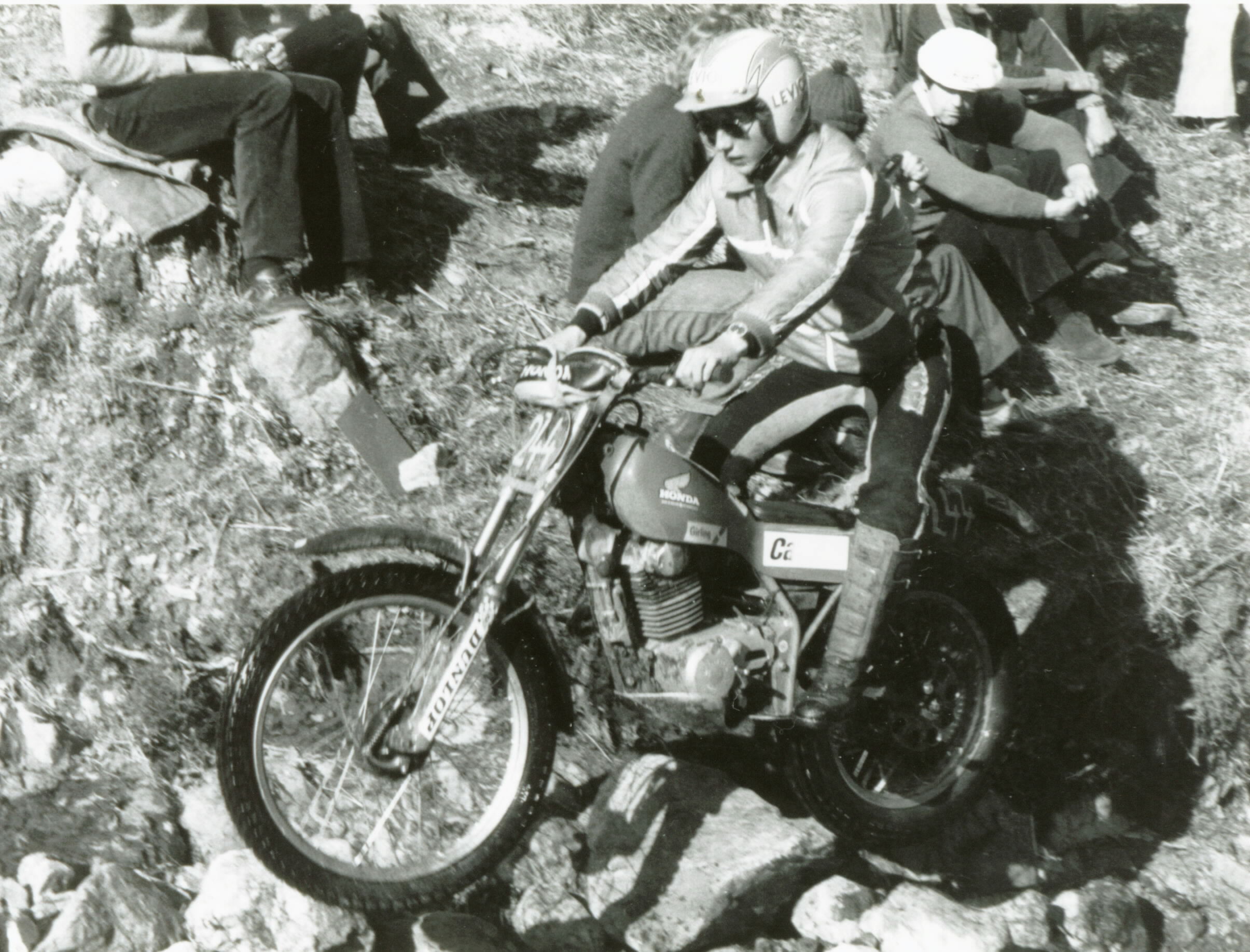
When Honda really took an interest in the sport of motorcycle trials, they mobilised a hefty resource, powering their trials enterprise, pushing the boundaries outwards. Their machines were what has become a buzz word in the sport that of ‘factory’. They looked and sounded like factory machines should. Let us look at some of these fantastic creations from RSC and HRC over the years.
1977 RTL300:


…
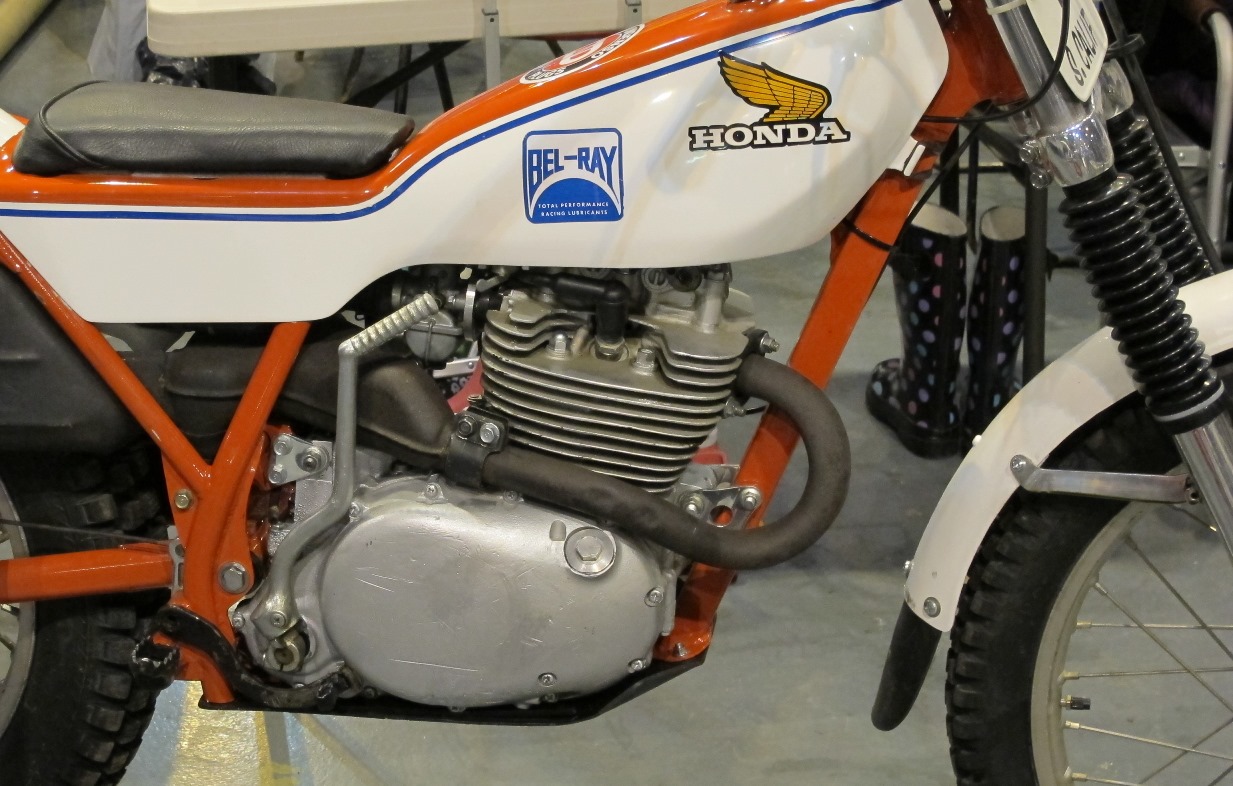
…
1978 RTL306:
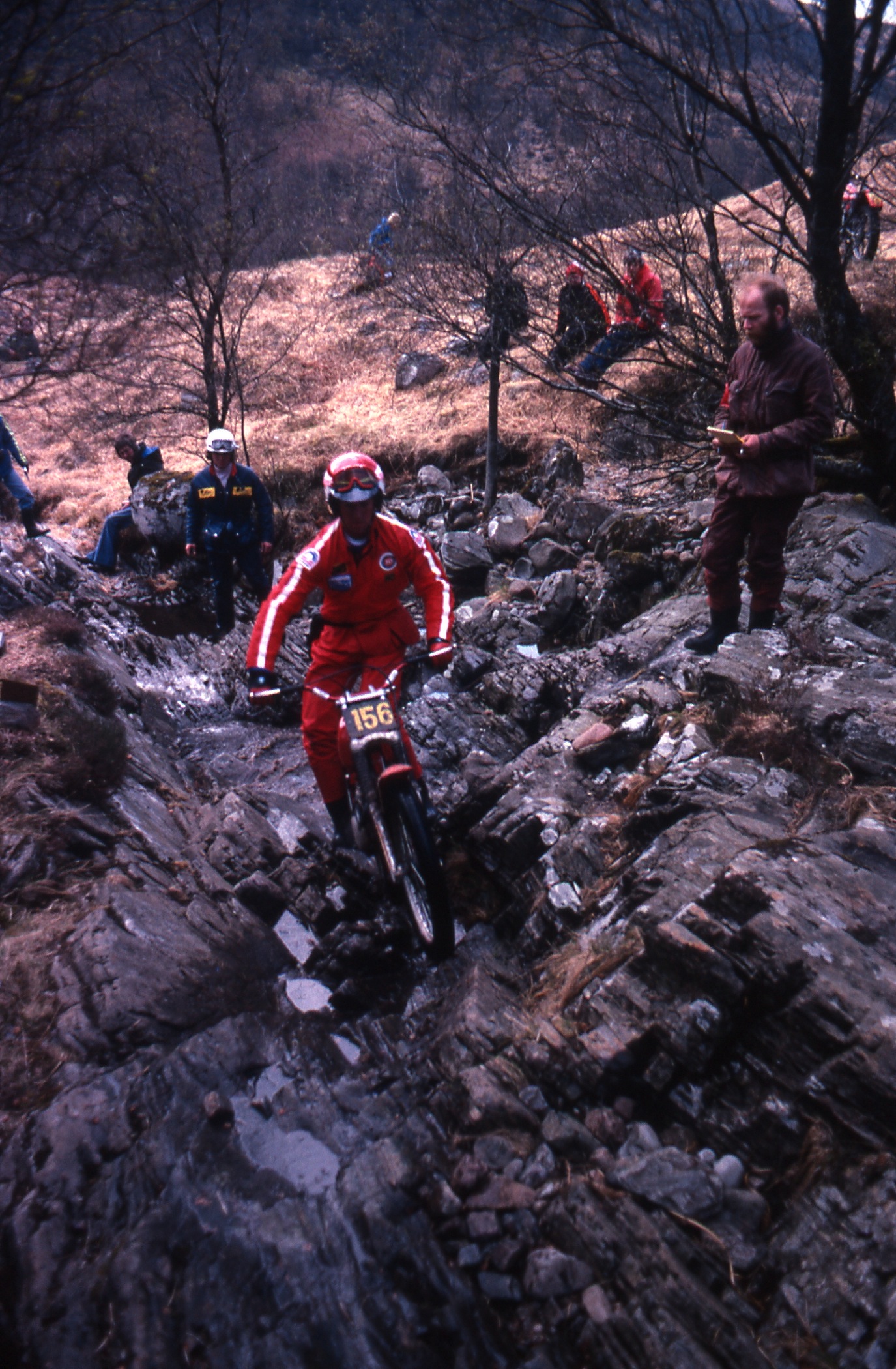

1980 RTL360:
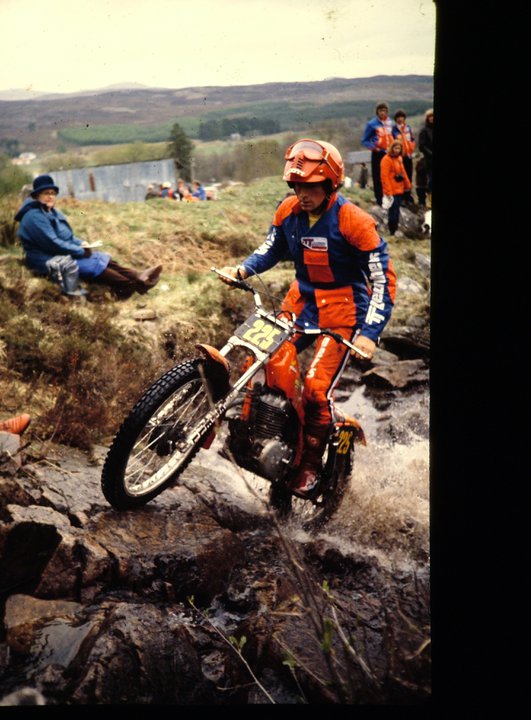
1982 RTL300:
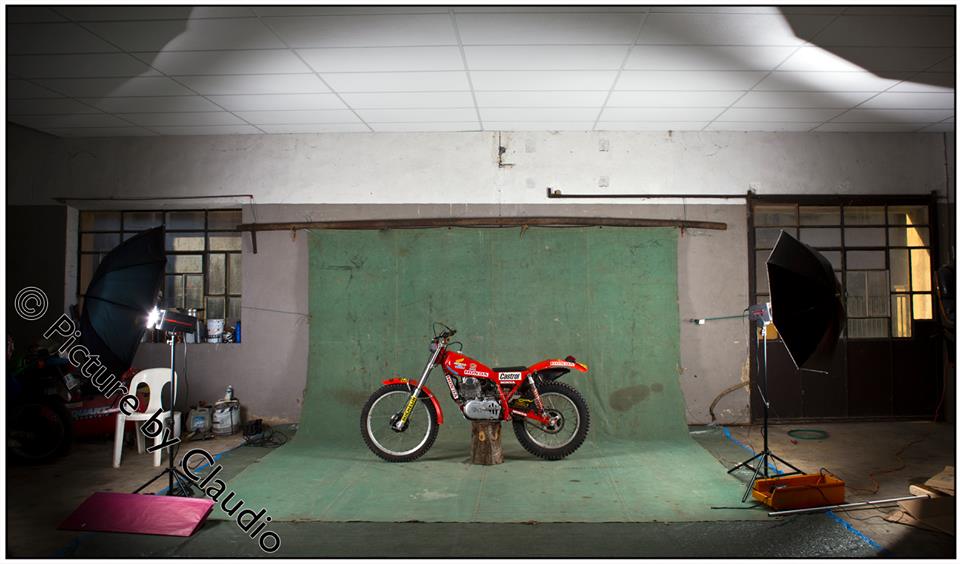
1984 RS360T:
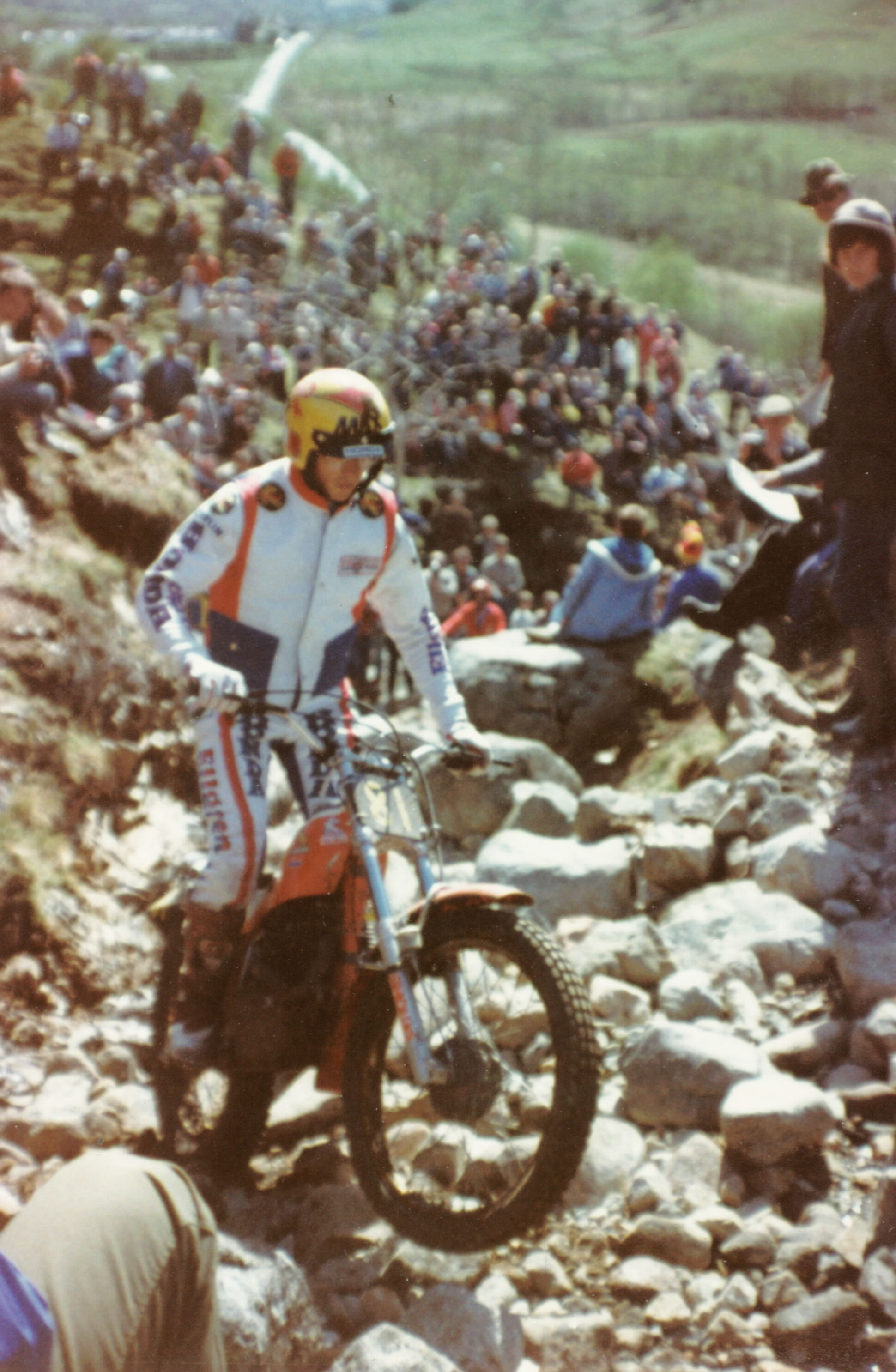

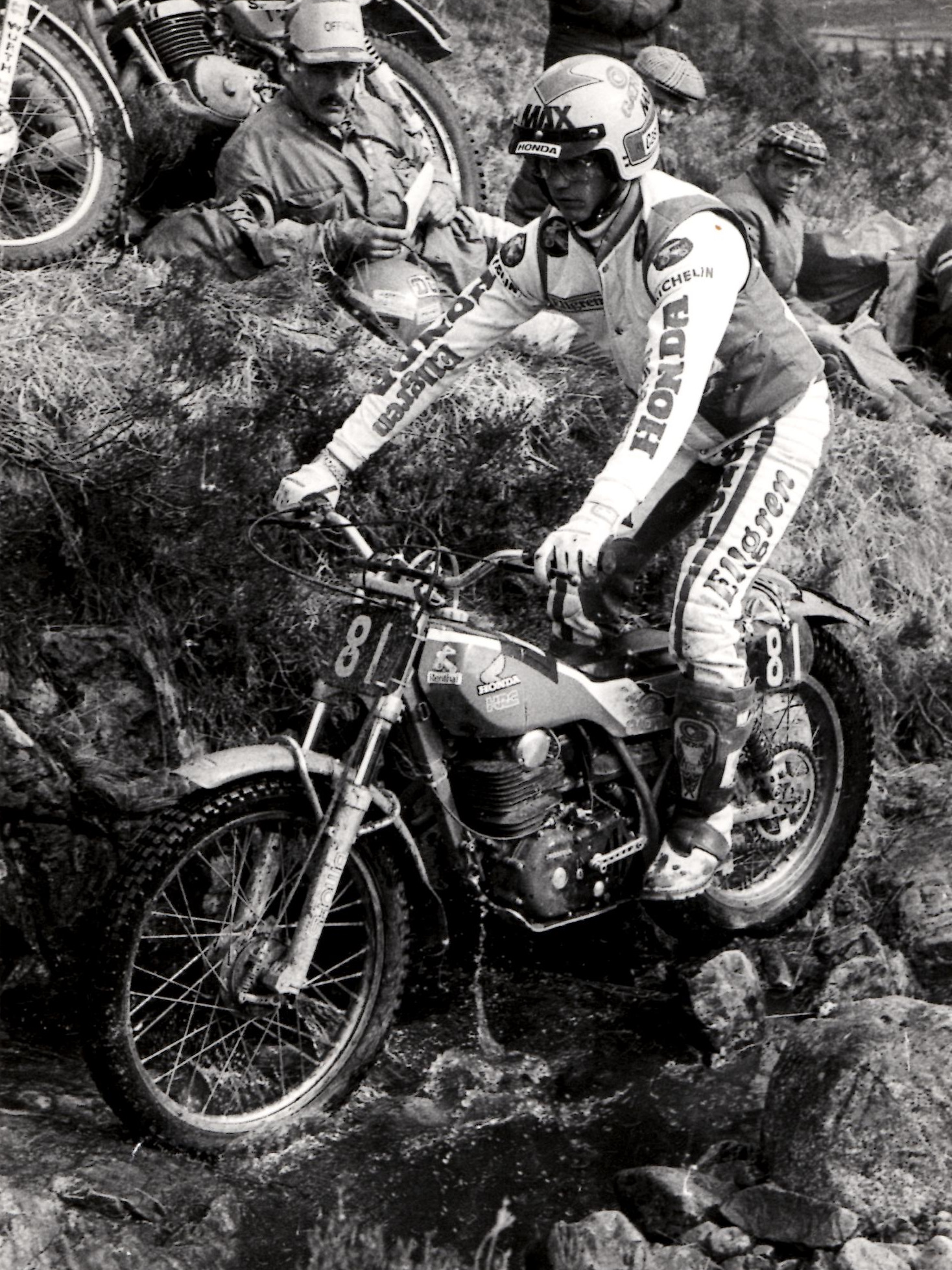

1984 RTL360:

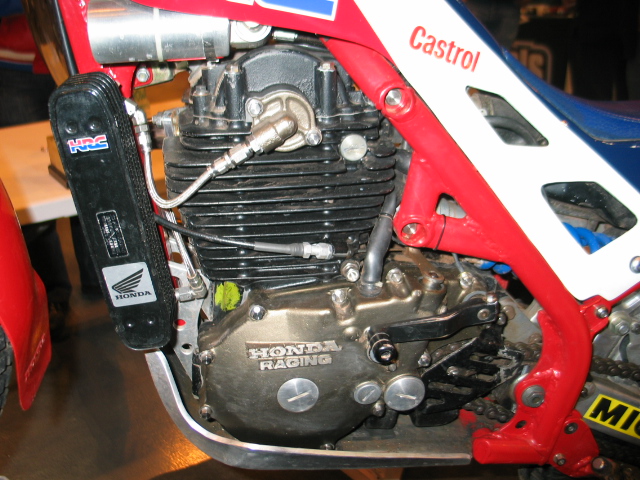
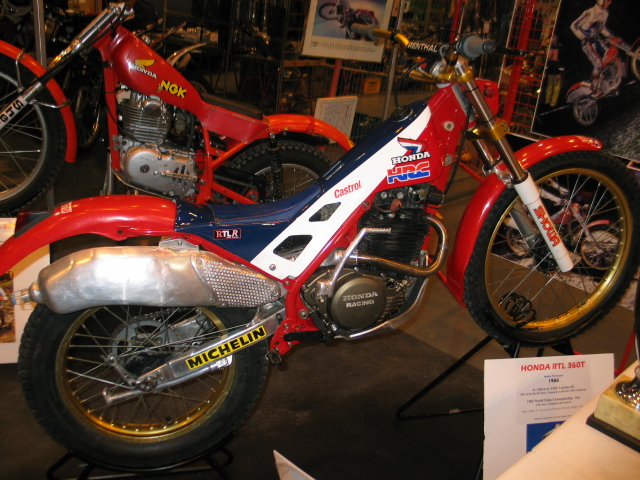

1986 RTL270SW:
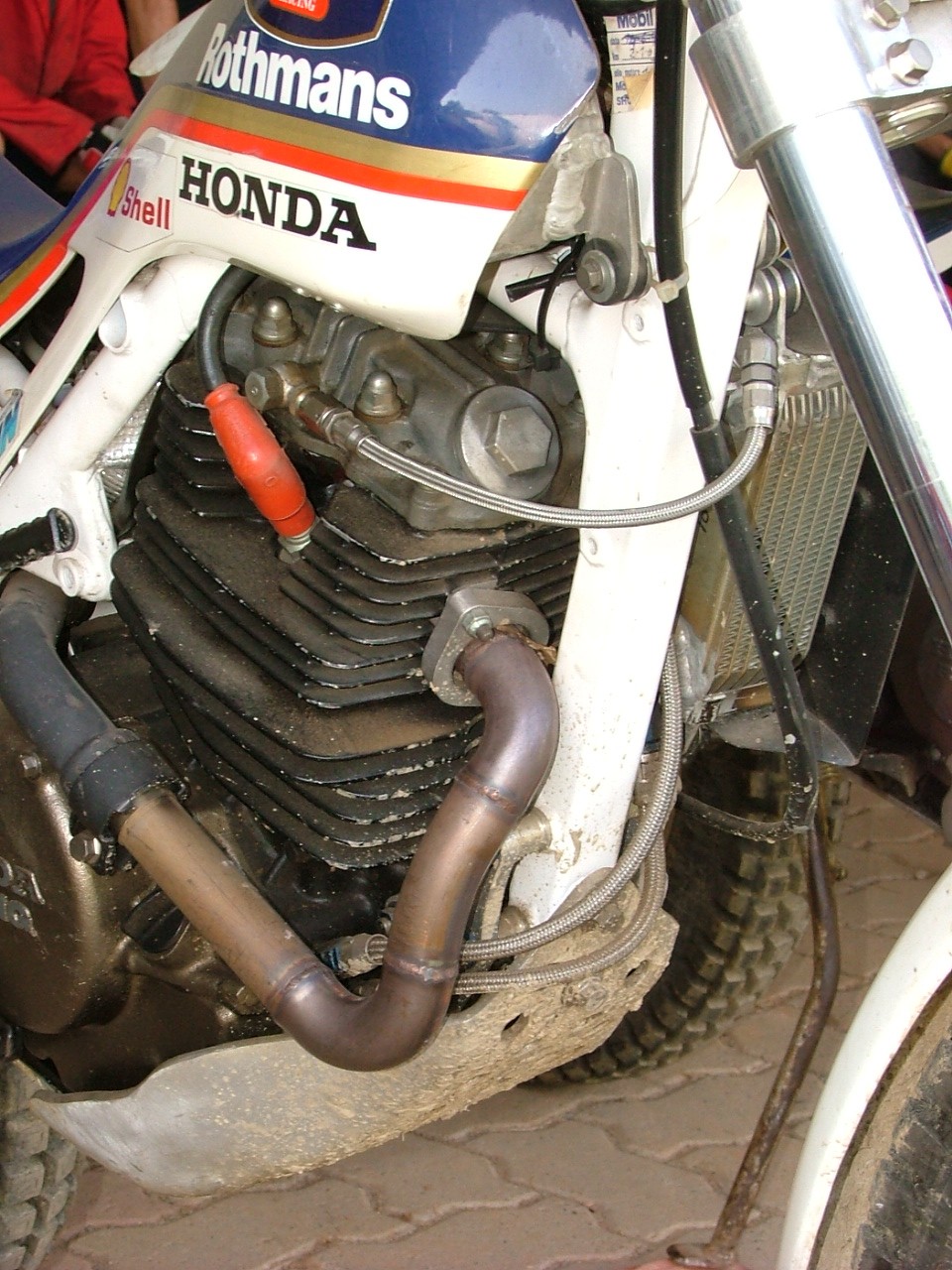
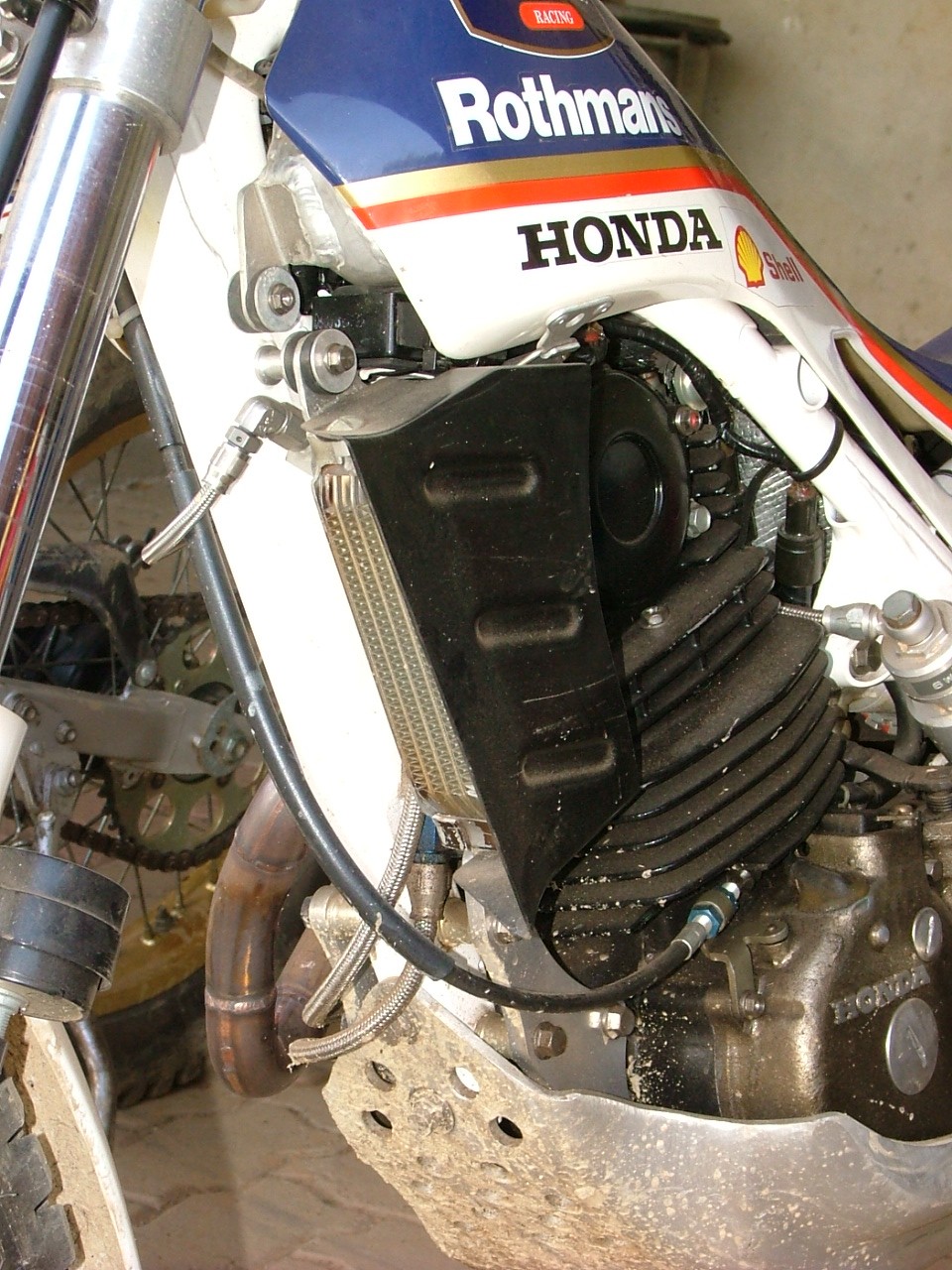
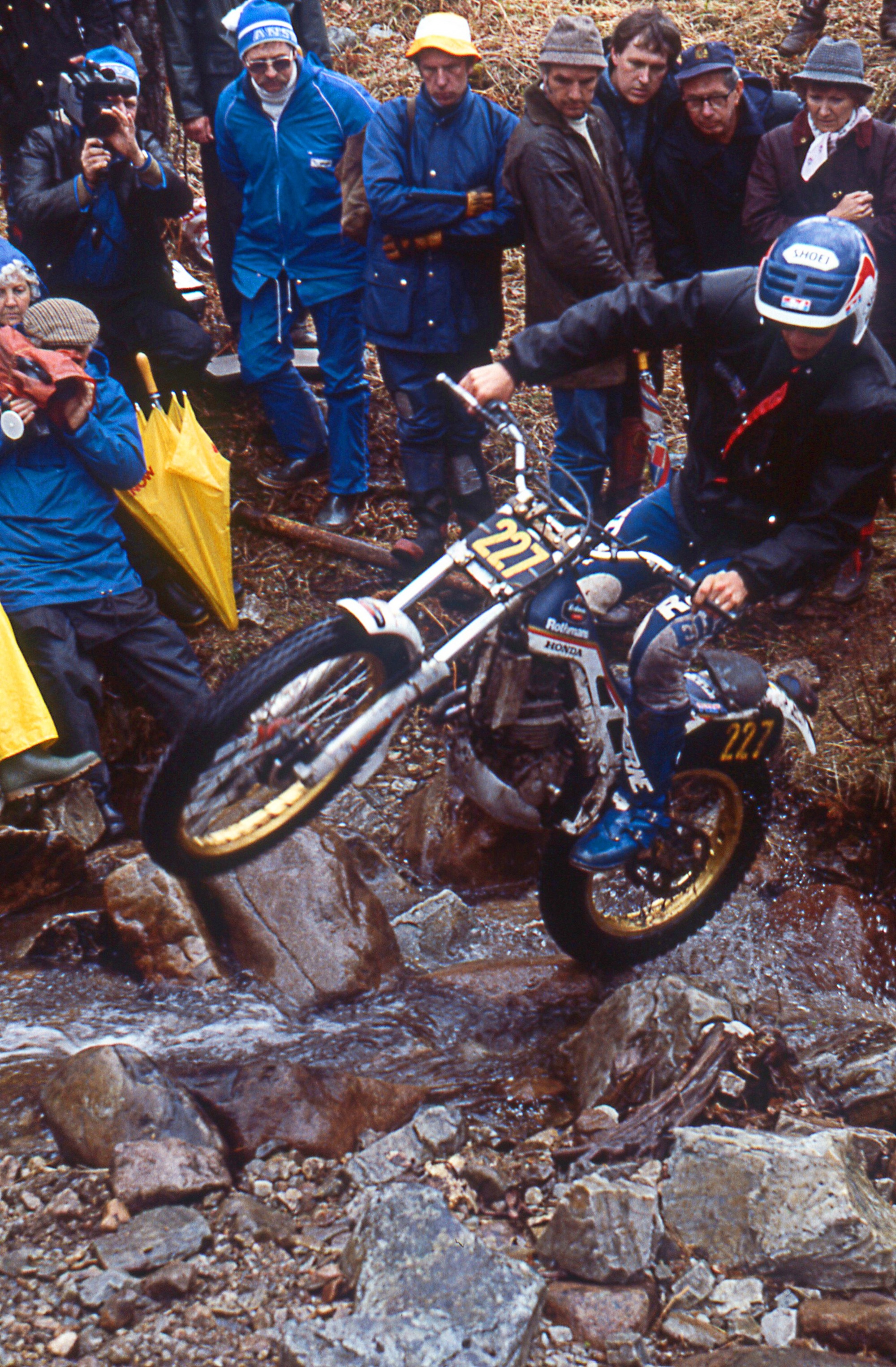

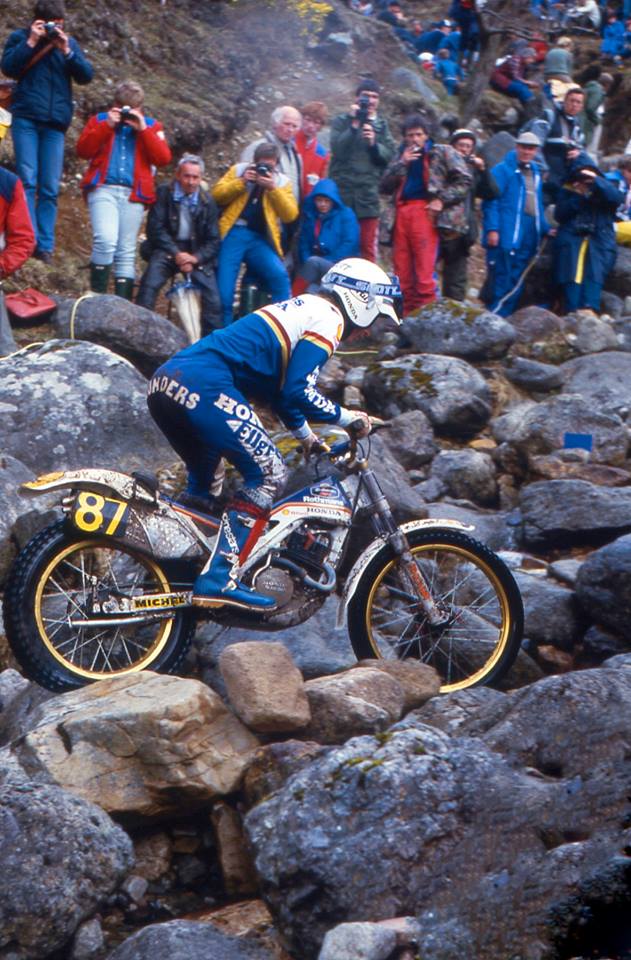

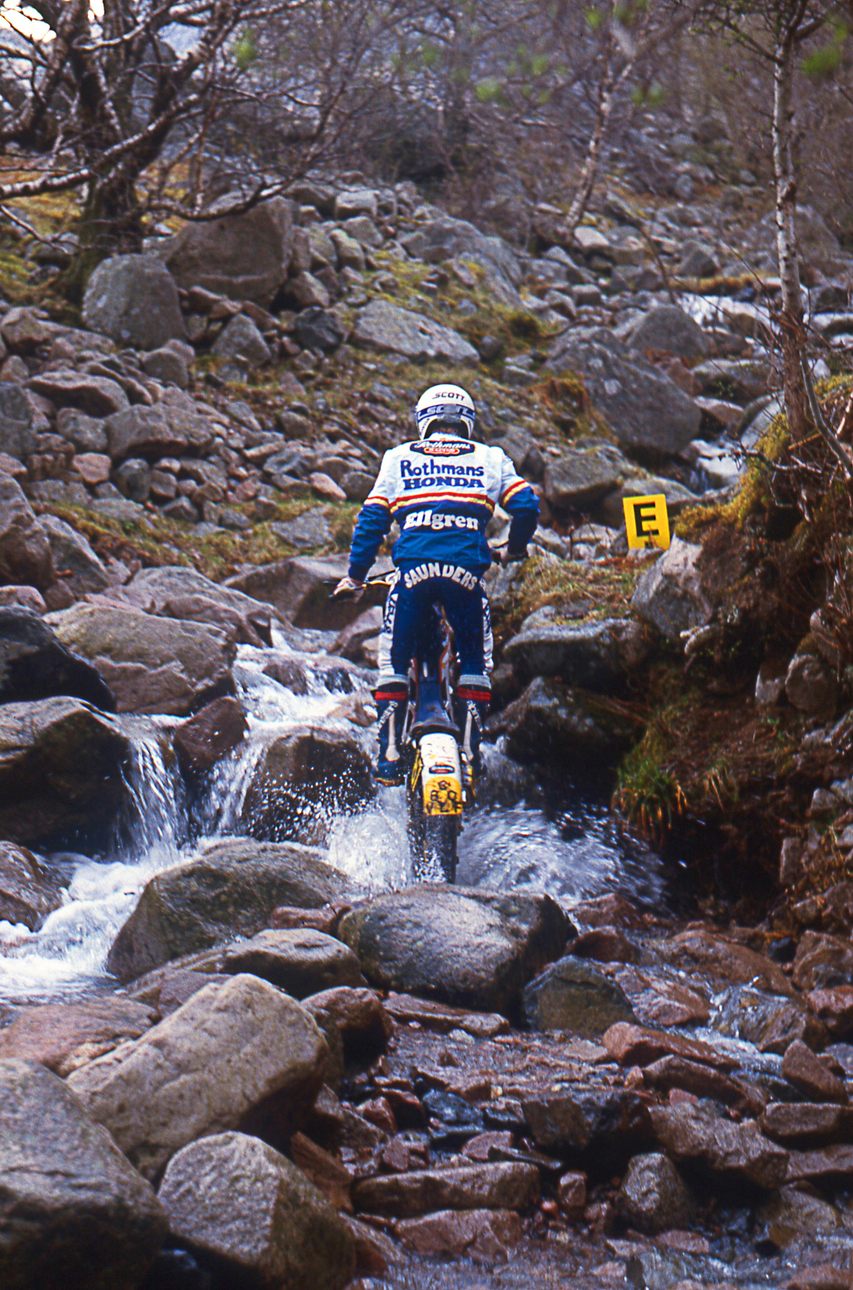
1987 RTL 270SW:

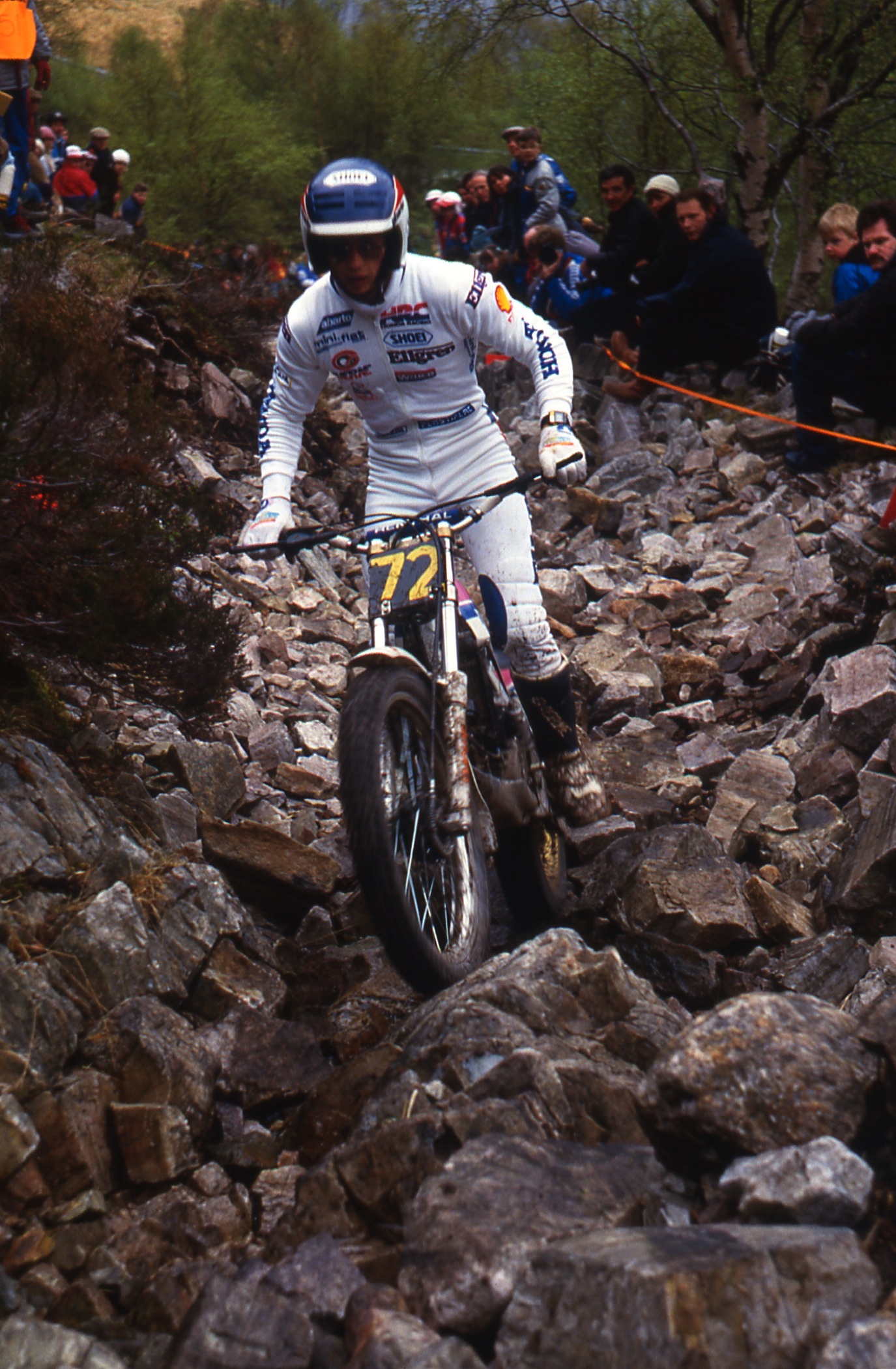
The RTL270SW was for factory Honda riders only, not available for general sale and had the single down tube frame with offset exhaust port.
John Shirt Jnr & RTL270SW:
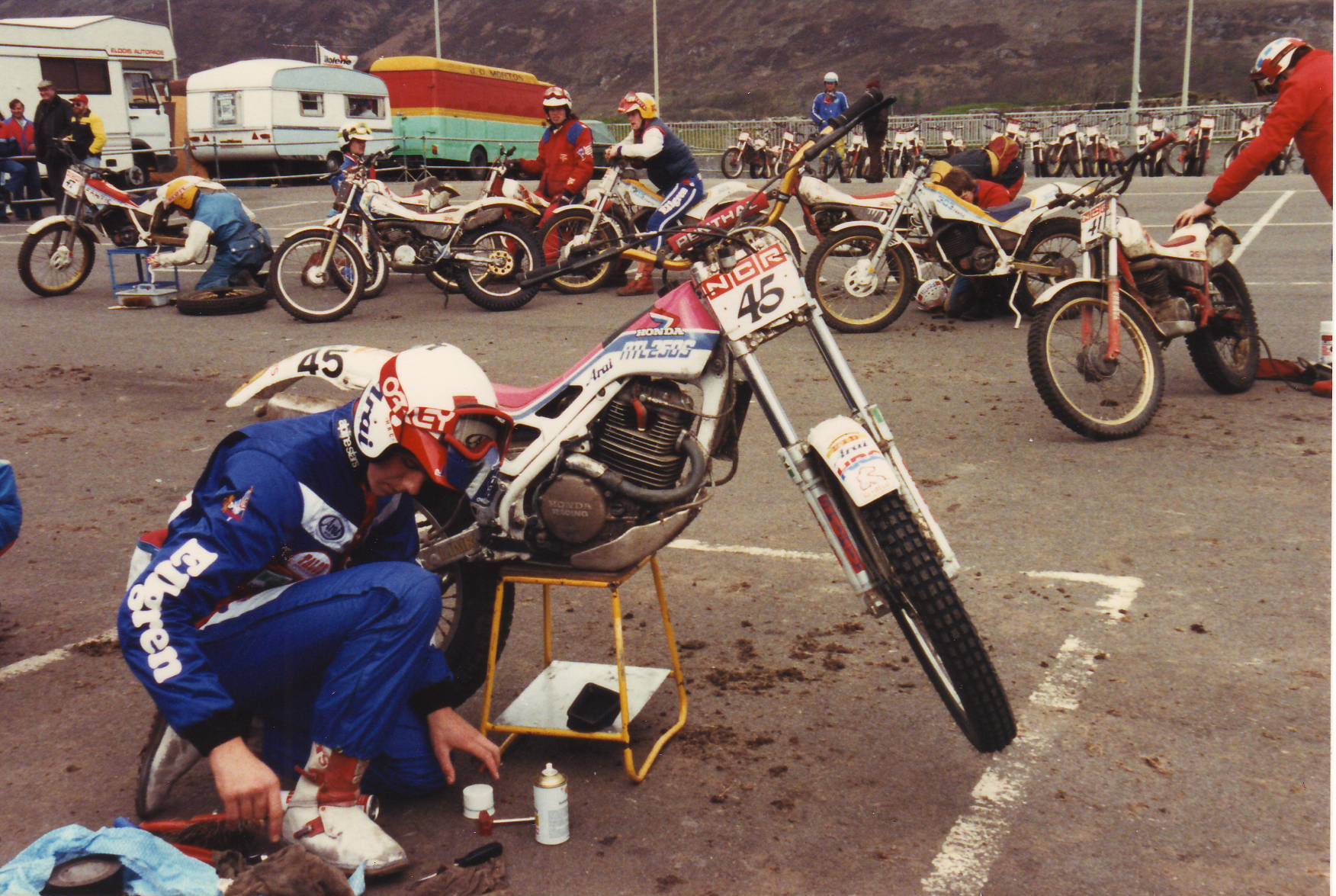
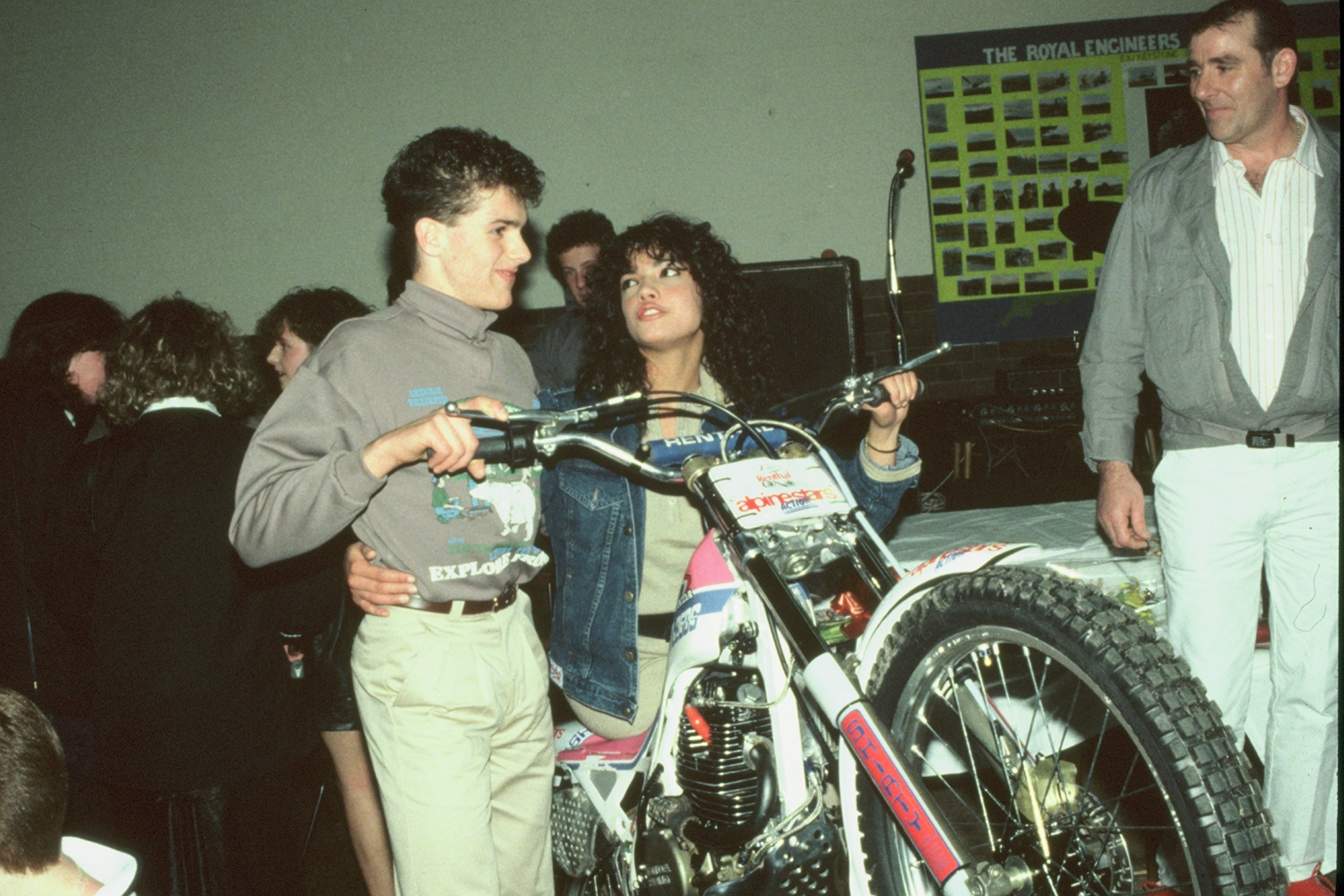
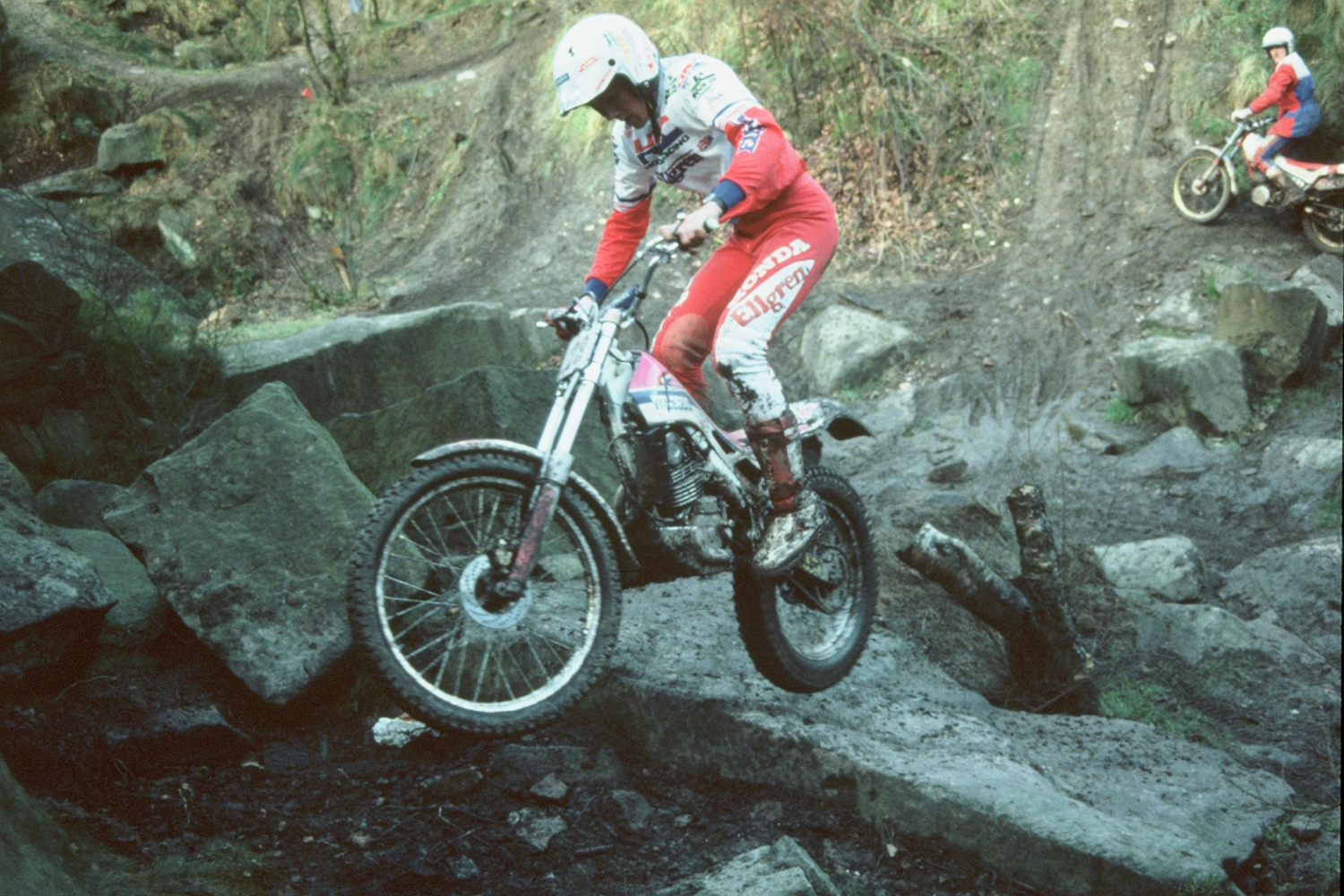
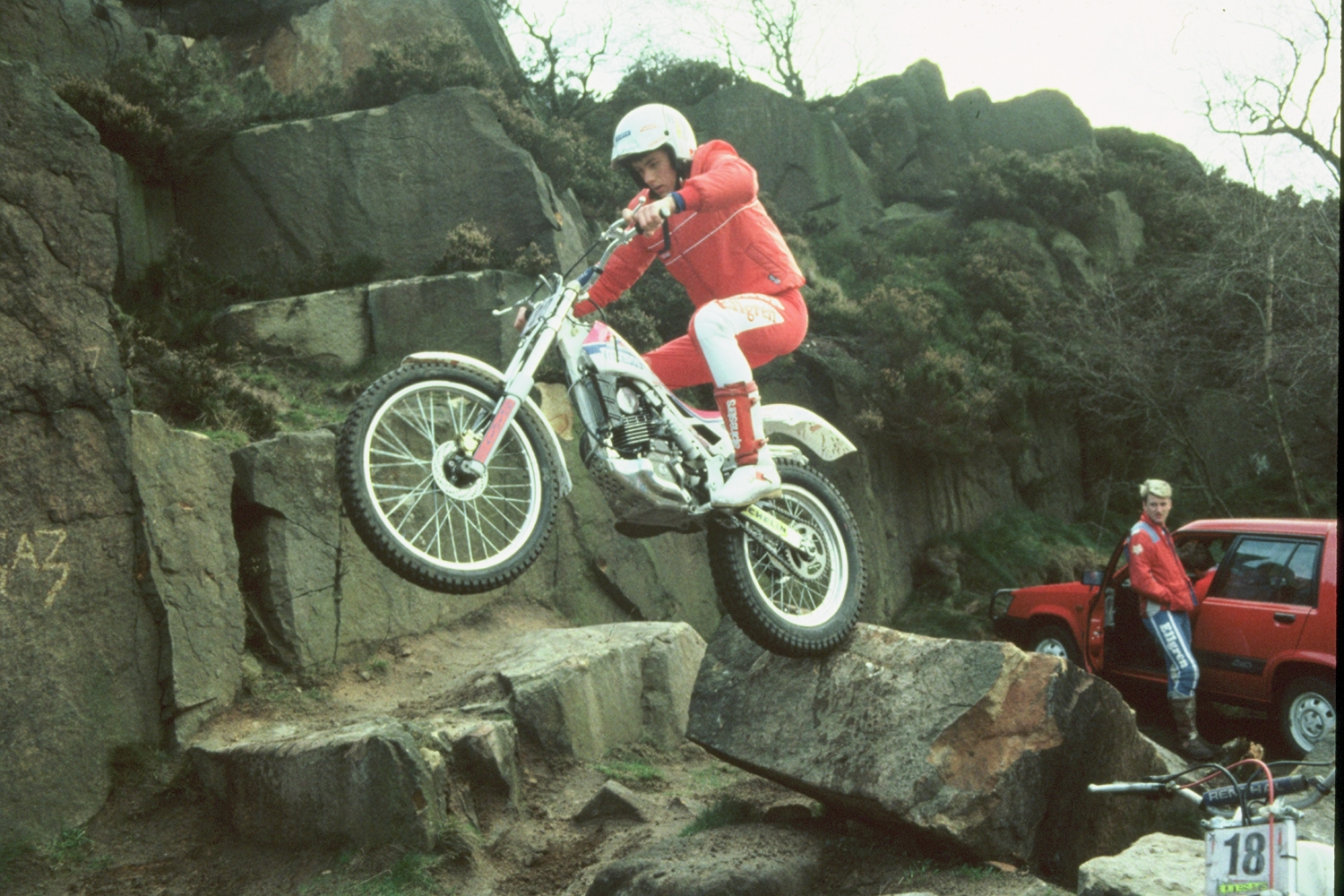
John Shirt Junior recalls his stint on the ex-factory Honda RTL270SW:
“I had two bikes, both ex Eddy Lejeune. The first one was the drum braked version, the second was disc-braked. Steve Saunders only had drum braked models.
Both machines were going back to Honda in Belgium to be crushed.
Derrick Edmondson who was involved at the time, managed to get them to loan to me, a promising young UK prospect.
The bikes were amazing but I struggled, mainly in finding grip because they were so different to the Yamaha two-stroke I had been riding in A Class youth class.
My advice to anyone going from their last year of A Class youth into the adults is not to change bikes! There is a lot to get used to without getting used to a new bike.
I had only really one good result and that was 1988 Scottish Six Days finishing tenth and best newcomer, when Tarres and Chiaberto both rode.
The bikes were used to a world class rider and I wasn’t one!
My first WTC was Spain 1988, the same first WTC round for Amos Bilbao and Tommi Ahvala. John Hulme was my minder, ask him about our ‘great escape’ moment!
Lack of my commitment and lack of father’s money kept me from scoring WTC points.
I honestly can’t remember my British Championship results for that first year; obviously not great!
I didn’t ride it in my first Scott, I started to ride Gas Gas at the end of summer 1988 and finished 9th in Scott.
A great honour to ride that Honda at that time, only now can I appreciate the chance I had”.
– John Shirt Jnr
Martin Lampkin on Honda RTL250S:

1982 RTL360:

The 1982 Honda/HRC RTL360 shown above was once the factory machine of World Champion, Belgian, Eddy Lejeune.
Jean Caillou, a French trials enthusiast who has a passion for the Honda brand was fortunate enough to meet with Lejeune at his home in Belgium. It was during this meeting that Eddy revealed that he still had the 1982 ex-factory machine in his possession. The RTL360 was disassembled, but all the parts were there at Eddy’s house.
Jean Caillou: “I met with Eddy Lejuene at his home and he explained that he had just bought his daughter a horse. So he presented me with the invoice for the horse and said that if I paid him the same figure that he had just recently paid for the horse, then I could have the Honda. I did not hesitate further and the deal was agreed. I had effectively paid for Eddy’s daughter’s horse, but I now owned the Eddy Lejeune 360!”
EDDY LEJEUNE:
Eddy Lejeune from Verviers, Belgium was three times FIM World Trials Champion (1982-1984) and seven times Belgian National Champion (1980-1986). He rode Honda for the majority of his trials career, switching to the Spanish Merlin in 1988 and then to the Honda owned Montesa for 1989/90 when he retired from top flight trials.
ROB SHEPHERD:
…
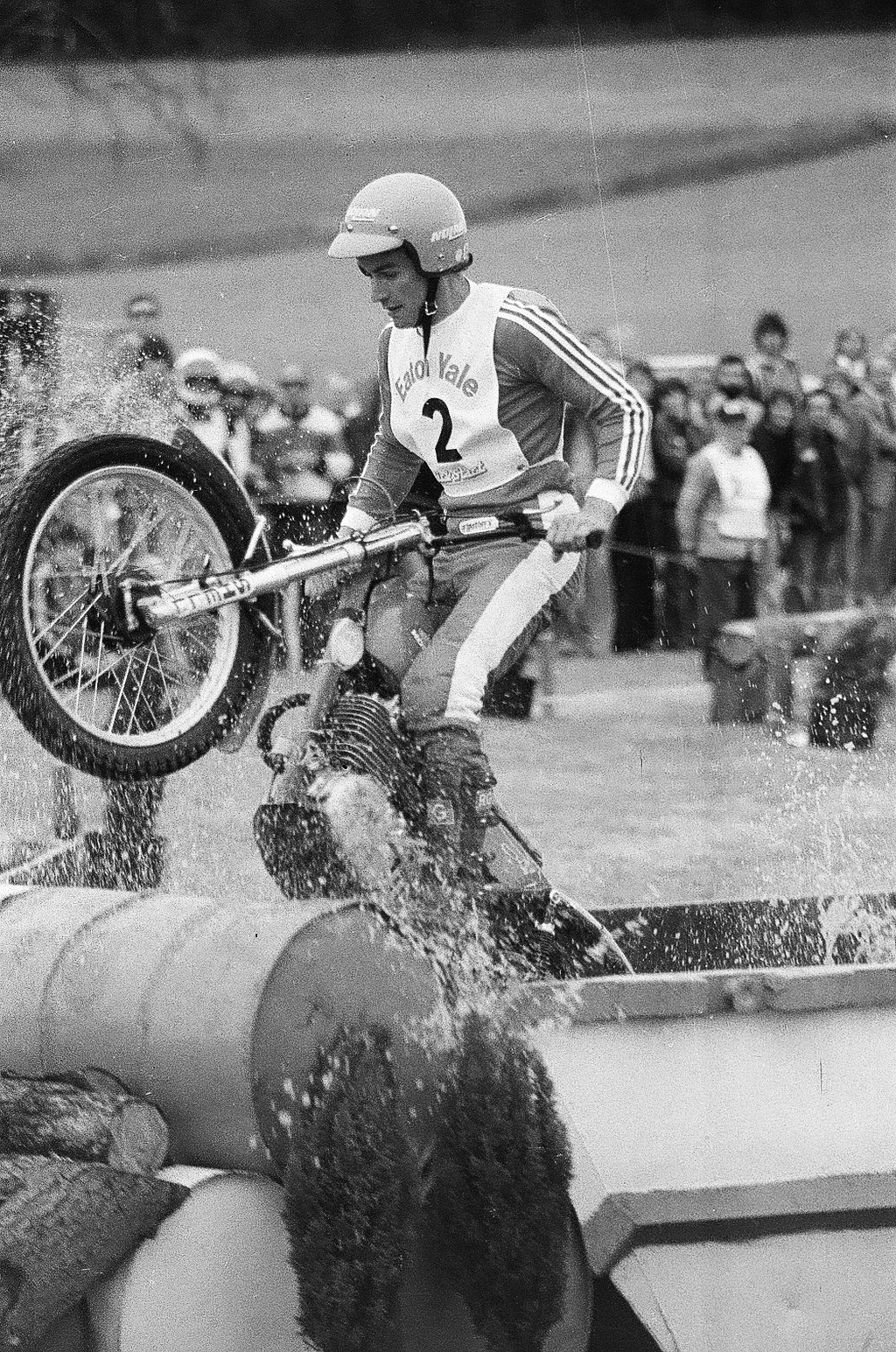
STEVE SAUNDERS:
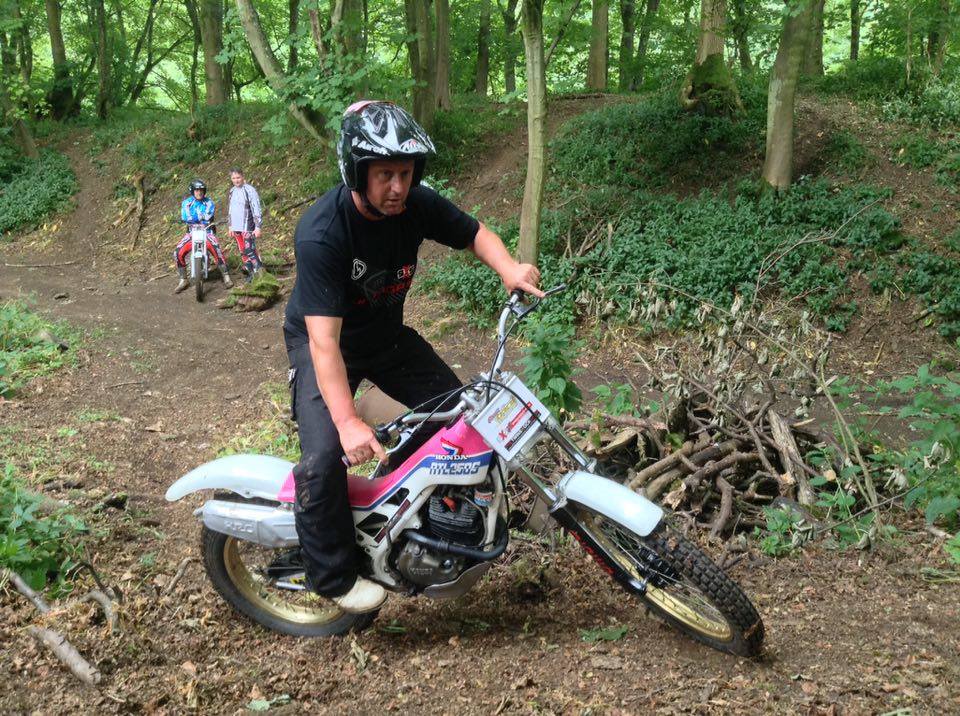
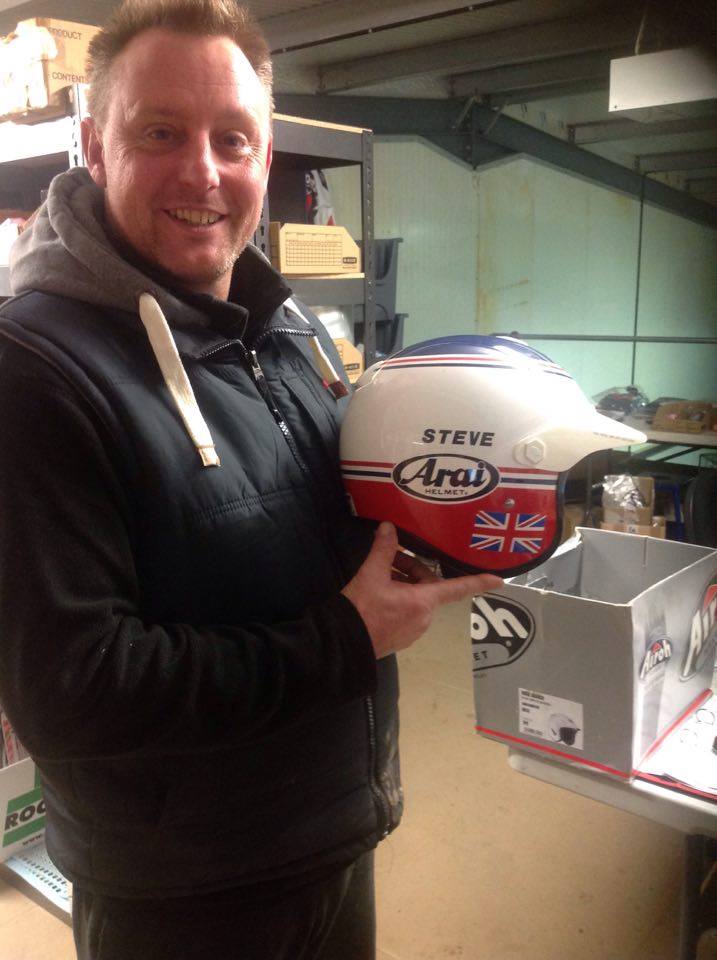
Gloucester’s Steve Saunders had made his mark on the trials scene in Britain by taking British youth A honours in 1980 and 1981 on the Comerfords Bultaco, then taking the adult trials world by storm. He switched to the British Armstrong trials effort and the ultimate contract first with Honda Britain, then with HRC/Honda to ride the RTL.
Saunders told Trials Guru: “The RTL was way ahead of its time in performance and of course HRC were also on a different level professionally. I can honestly say I had more fun and learned more with Honda than anywhere else. The RTL is the only bike I look back on and really wish I still had one, my friend has one I borrow and it brings a big smile to me every time.”
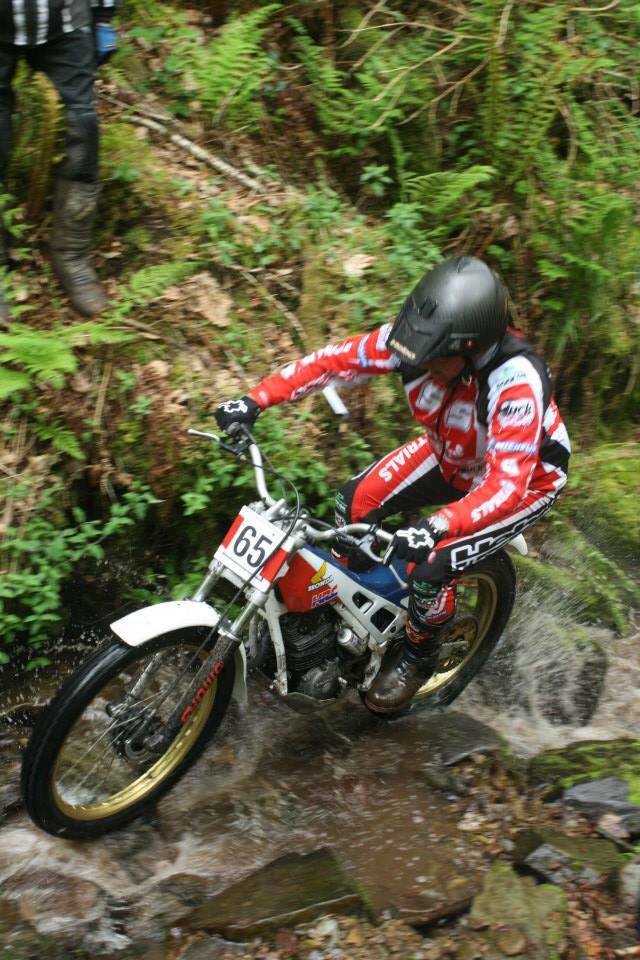
Saunders tells of when it all started with HRC: “They approached me end of the 1984 season, but they had a very small budget so Silkolene Lubricants and Honda Britain came together to help finance the 1985 season.”
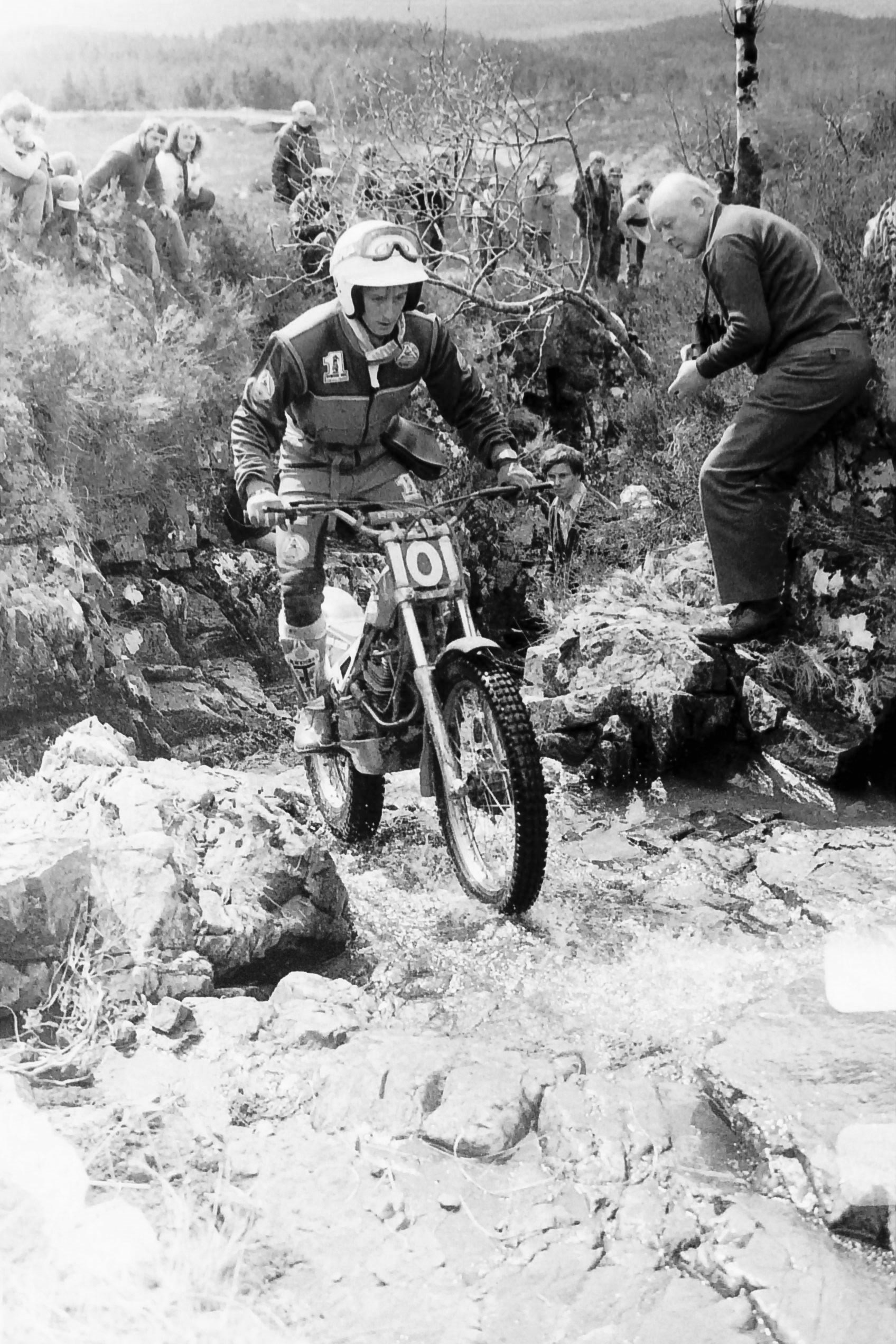
For 1986, the factory trial team was supported by finance provided by tobacco giants, Rothmans. Saunders: “Rothmans were Honda/HRC sponsors, I didn’t benefit from their direct sponsorship although I did wear the Ellgren clothing with their logos on. There was one good thing about the Rothmans deal, I used to get free cigarettes for my Mum!”
‘Honda Factory Trials – RTL’ Article is the copyright of Trials Guru
Photographers:
- Heath Brindley, Bristol
- Andy Barefield, Gloucester
- Sarah Turner
- John E. Shirt Snr
- Jimmy Young, Armadale
- Rob Edwards, Middlesborough
- Colin Bullock/CJB Photographic
- Iain Lawrie, Kinlochleven
- Patrick Pissis, France
- Mark Lamplough, Coventry, England
- Trials Guru/Moffat Racing/John Moffat
For current HRC information see their website: Click … HRC
Tommy Sandham – How it began!
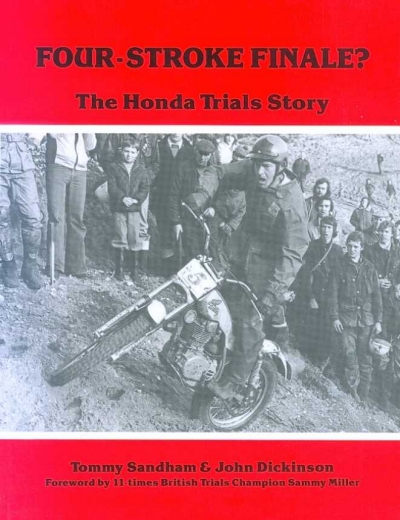
The story behind the writing of the book ‘Four-Stroke Finale? – The Honda Trials Story’
Words: Tommy Sandham
At last it can be told! – the amazing story of how ‘Four Stroke Finale? The Honda Trials Story’ came to be written.
‘Four Stroke Finale?’ actually pre-dates all my other books by many years. It began in 1974 when I started a scrapbook about Sammy Miller and the Honda trials project. I ended up with some 10 scrapbooks covering eight years and they formed the research of the book.
Maybe we should start at the beginning! In 1974 I was riding in Scottish trials (the eternal novice) and was very interested to discover that Sammy Miller had signed to develop a trials bike for Honda. So on an impulse I cut out the story from Motorcycle News and stuck it into a scrapbook. Then T+MX came along in 1977 and any stories from that paper were stuck in the book. Nowadays a scrapbook probably means something totally different but then you bought a blank, empty book, known as a ‘scrapbook’, and you stuck into it anything of interest such as newspaper cuttings etc. Yes, you stuck them in with glue, I think it was called Pritt Stick. So the scrapbooks continued to grow. I became obsessed with getting a Honda trials bike like Sammy Miller’s.

Somewhere along the line I bought an American import TL250 (LFS 4P) which was heavy, had low ground clearance but was the most fun you could have with your trousers still on.
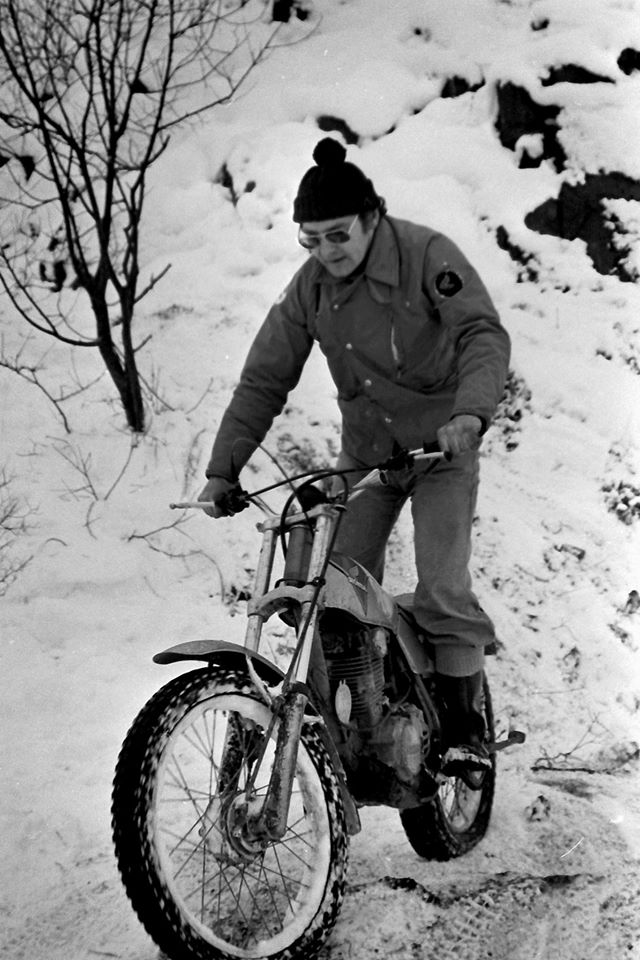
I remember I wrote a report on the bike, I think there were only two in the UK at that point and took a couple of very poor ‘snaps’ and sent it to T+MX. In return they sent me £25 which just about blew me away as that was a lot of money in those days. I had discovered journalism!
Later I had a TL125 Honda which got bored out to 150cc and had various Sammy Miller bits on it. I also fitted a Hi-Boy frame to the TL, but at first it handled appallingly. It took a minute or two to figure it out but it seems the headstock had been out of alignment from new. Duly sorted by Sammy Miller, it was a delightful little bike that I wish I had kept – that and my 350 trials AJS but that’s another story!
I entered the 1978 Scottish on a TY250 Yamaha. I was forced out on Wednesday and the idea for my Scottish Six Days history book was born as described elsewhere. So for the next couple of years I typed away on a typewriter and produced the ‘Castrol Book of The Scottish Six Days Trial’ which was finally published in April 1982.
I had left Scotland at the end of 1978 and joined Trials and Motocross News in Morecambe. Not a happy time. I used to marvel at my colleagues and wonder how they could all ride better than me but also how they kept their enthusiasm seven days a week. I could only manage five days. The 125 Fantic I was riding was sold to help buy a house so I stopped riding. Then the Castrol book was published. But I do remember going to a printer in Morecambe shortly afterwards and asking how much it would cost to produce the Castrol book which sold at £4.99. I think the answer was £1 but I would have to pay for 1,000… far too much money for me at that time, but the ideas were forming.
I built myself a Volvo pick-up from a damaged 144 saloon to carry two trials bikes and it took me nearly nine months. Some time later I asked Sammy how long it took him to produce a pickup from a saloon. Sammy said, “Oh we wheeled it into the workshop on Friday night and on Monday morning it was ready for painting.” Do you ever get that ‘shot down’ feeling?
Yet again fate intervened and I got the chance to ride the Rob Shepherd RTL360 on a very wet and muddy Thursday near Lancaster. T+MX were testing Honda motocross bikes or scrambles bikes as they are more correctly known – and the trials Honda happened to be in the van. The driver didn’t have any instructions either way so Mike Rapley and I spent a wet but pleasant few hours riding the big 360.
I also chased Rob Shepherd round a muddy British Experts trial with a small tape recorder! I’ve still got those great sounds somewhere but you can’t let anyone have a copy nowadays, as it will either end up on eBay or be spread throughout the globe.
In 1982 I left T+MX. It is best if we draw a veil over the next few years but I ended up in South Wales as a Technical Author with what I thought at the time was the best job in the world!
I wanted to start a publishing business (Willow Publishing Magor – the Magor bit had to be added as there were already two Willow Publishing imprints, the Willow came from the name of the house we bought) so needed new titles to produce and sell. So I started to write Panel Craft, a 160-page book about car body restoration which did quite well.
I was also writing ‘Four Stroke Finale’ along with several other projects that sadly never saw the light of day, but by this time I was using an Amstrad Word Processor (an 8512 I think it was called). One of the things we did was to employ a consultant for a day to tell us what we were doing right or wrong. This was author Jeff Clew, who at that point had just left Haynes Publishing Group. One of the things he told me was to forget about a Honda trials book as firstly books about Japanese bikes didn’t sell at all, and secondly books about Japanese trials bikes wouldn’t sell at all at all!
But by this time the book was sort of three-quarters written and no-one likes to be told your project is about to become a disaster, so I continued. I asked John Dickinson from T+MX to bring the final chapter up to date as I was out of trials circles by this time. I am eternally grateful to him for doing that.
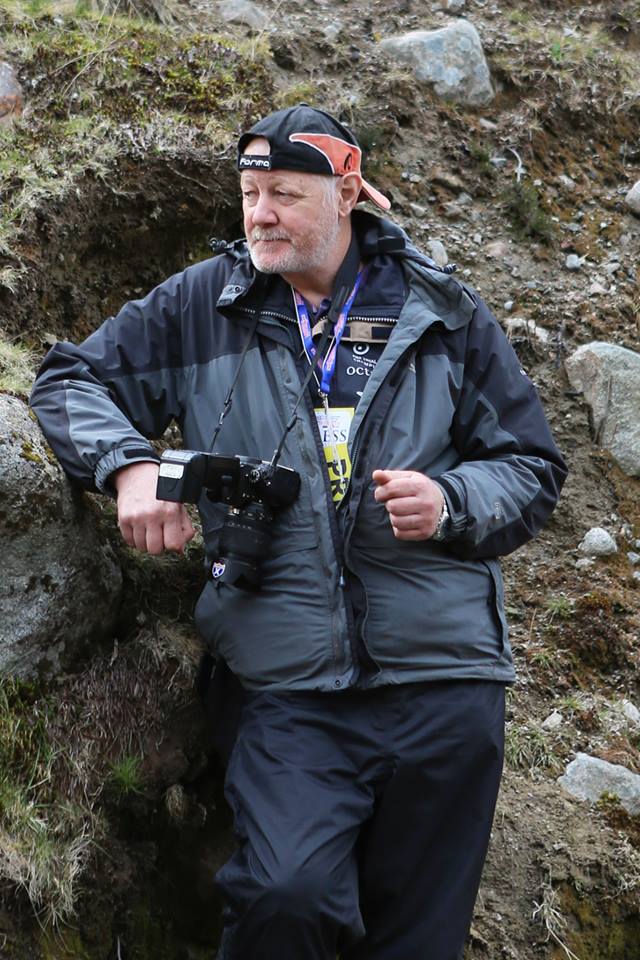
I also had a wish-list of photos and memory is a bit rusty after twenty-seven years but I think I ended up with something like eight out of the ten important photos I wanted. A lot of thanks are due to Eric Kitchen.
Along the way came a chance to buy the Bruce Main-Smith publishing business. However two things stopped that, one was the bank flatly refused to lend the huge sum I asked for and secondly there were some grey areas as to what was actually being offered for sale. So that all fell through – probably for the best!
In those days the ‘words’ for a book were re-typed into a typesetting machine and they came out the other end on a huge long strip of special paper. This was then cut and pasted (yes, that’s where the phrase came from) onto backing sheets to form the page layouts. Photos had to be black and white then and they had to be re-photographed in a large machine which either enlarged them or reduced them according to instructions you wrote or stuck on the back. Every single photo had to have instructions with it. The photos were all then stuck into position and any captions were typeset, then stuck down. The pasting material was wax, which was kept heated in a small desktop machine and the typesetting or photo was rolled through the machine and the rear of it got wax coated. I couldn’t do this ‘origination’ work so it had to be paid for in addition to the printers bill. This work for ‘Four Stroke Finale?’ was done by the Transport Publishing Group in Glossop. I then received ‘proofs’ which are read, re-read, checked and re-checked and then the final OK is given.
Normally you have the book title in your head before you start typing, but this title didn’t and took weeks of deliberation, then like most things it comes to you in a flash in the bath. I remember Sammy Miller didn’t like the book title but in that ‘high’ that you get when publishing a book it went to press and we went straight into the first disaster.
I had asked for 1,000 copies which was the minimum print run anyone would do in 1989. But the machine-minder or printer, or whatever his title was, must have gone for a fag or a pee or something and we ended up with 1,250, which we had to pay for!
For sound economic reasons, publishers rely on pre-orders – people who order and pay for the book before it is even printed – and Four Stroke Finale? produced just about the lowest number of pre-orders of any book we ever did – a miserly 70 copies. Then, due to a misunderstanding with the local Sorting Office I took the seventy books, each in a jiffy bag and neatly addressed, to the Sorting Office only to be told they had to go through the Post Office counter – which had just closed! The pre-orders were supposed to pay, or help to pay, the printer’s bill but in this case, didn’t. I owed the printer big money and couldn’t pay. We came to an arrangement and he got paid about six to eight weeks later.
(There’s an interesting side story there. The printer did a job for someone else who couldn’t pay either, and to clear the debt the author/publisher signed the Rights of his book over to the printer. That book then became the world-wide standard work for that subject so every six months the printer runs off another batch and carries the cash away in a wheelbarrow!)
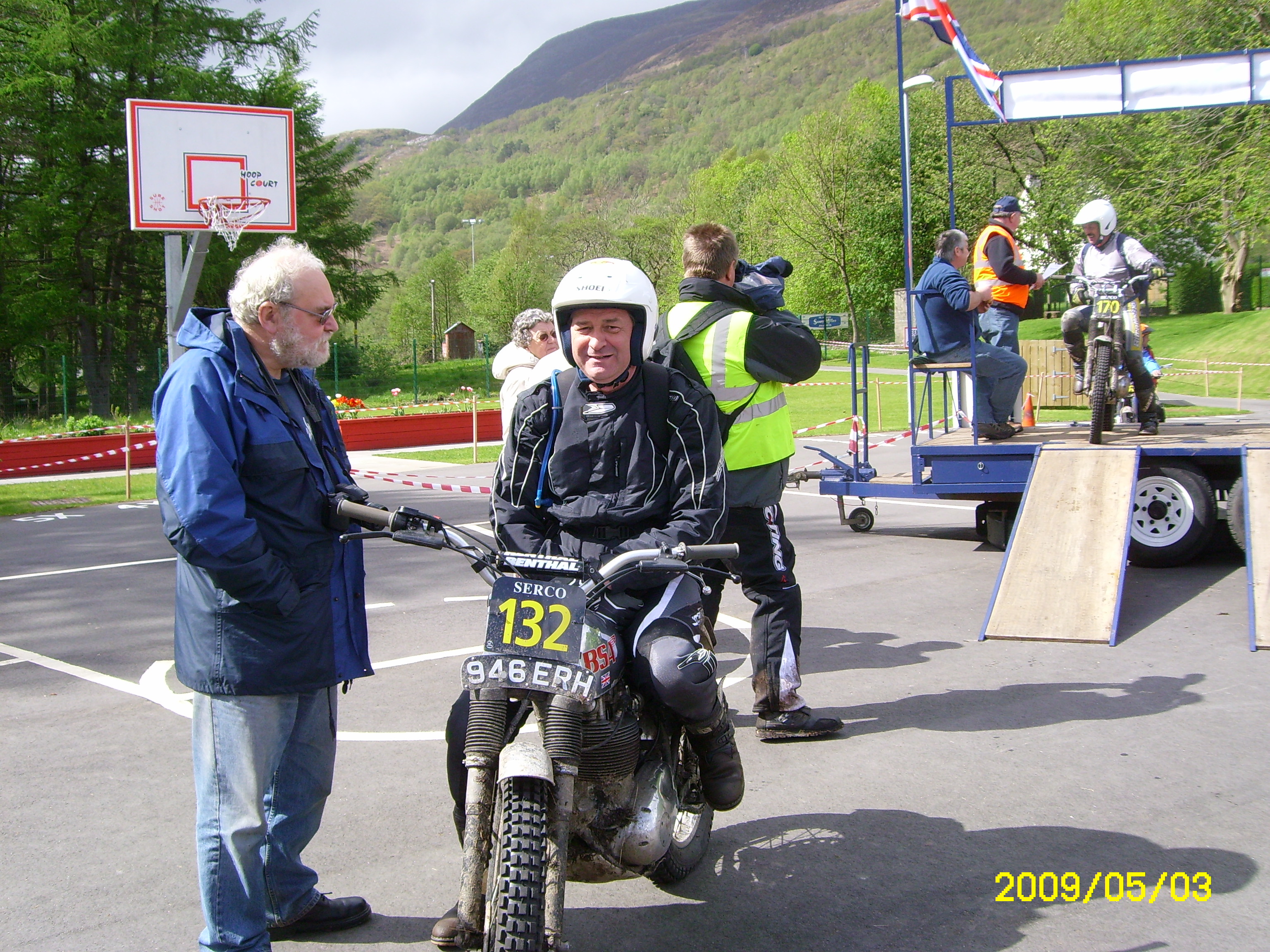
‘Four Stroke Finale?’ just went from bad to worse after that. The book trickled along and I think it took us more than five years to sell the 1,250 copies. We couldn’t give them away at one point. We took a big hit and had to re-finance the house, not ideal, but necessary. For me it was the biggest flop of all time! Jeff Clew was right! I should really never have done it.
In the meantime I wrote some car books, one of which did quite well and then I ‘dismantled’ the ‘Castrol Book of The Scottish Six Days Trial’ to produce two separate books on the Scottish.
After two children came along the publishing went into sort of hibernation, but computers had by this time produced publishing programmes known as ‘desktop publishing’, No more typesetting, no more waxing, no more cut and paste. I did keep my hand in!
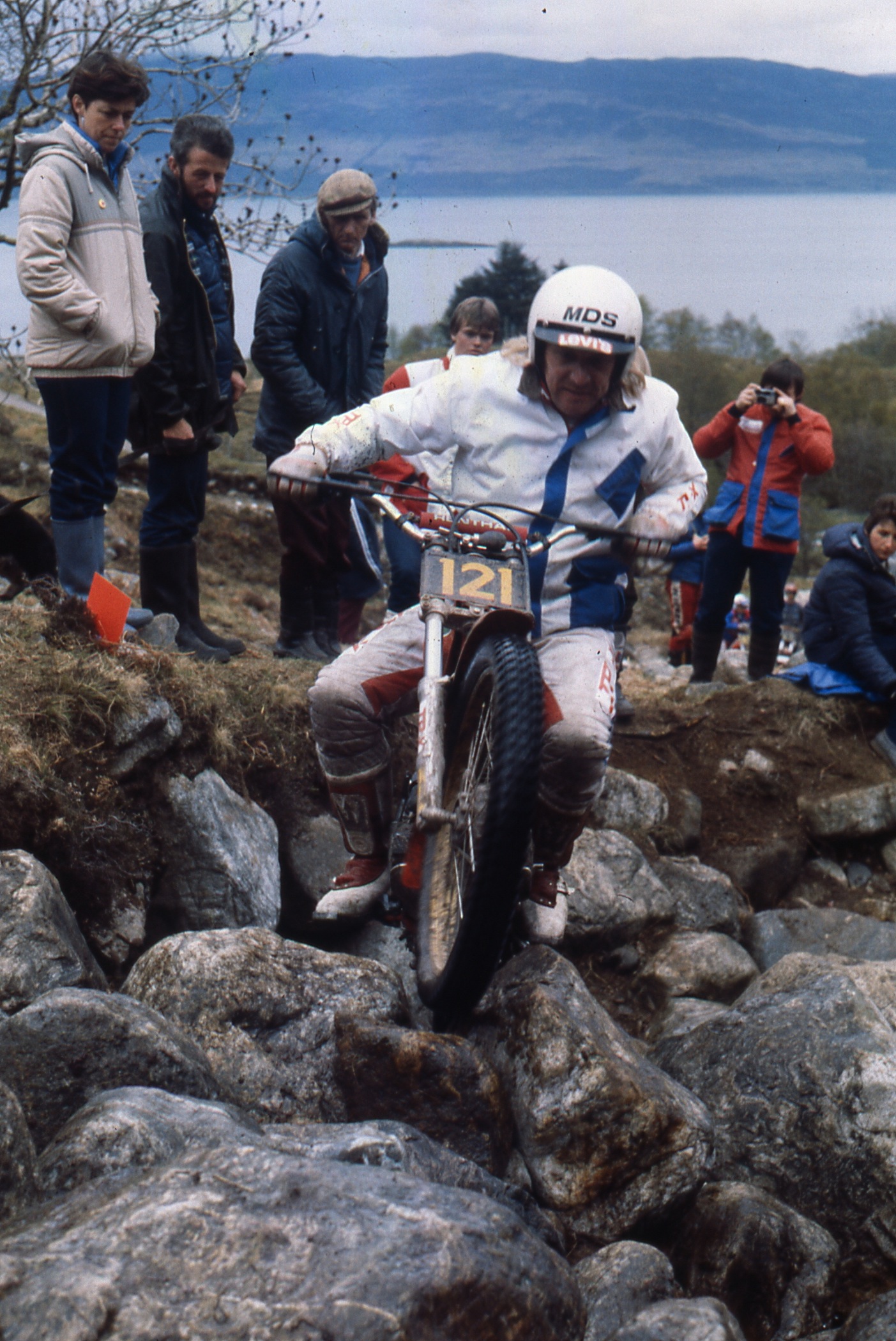
The next thing to happen was around the late 1990s – the book started to appear on ‘eBay’ and the prices were eye-watering! The highest we ever found a copy was £127 for a book we couldn’t sell for £4.95 some 10 years before. What happened? – I will never know. And whether those bids were genuine I will never know.
In 2000 I seriously started to look at re-printing the book but with the original printers’ plates long gone we had the stark choice of photocopying with quality not good enough, or somehow recreating the book on computer and printing it afresh. I concluded that the time was not right.
However, in 2008 all the ingredients fell into place. I re-created the book exactly on computer using an Adobe programme called ‘Indesign’. The text was scanned from an original book, I had most of the original photographs stored away in a box so I scanned them. There were a few which proved difficult to scan and a couple I had to scan from the original book but after a lot of effort I got the quality I was happy with. In 2008 I had 100 copies printed to see how they would sell. They sold well and since my sights were set much lower I wasn’t disappointed. We did a lot of ‘blind tasting’ testing, offering people an original and a reprinted book and 100% of them couldn’t tell the difference. I still have a few left but I don’t expect to re-print them again.
I never got my successful publishing business, but we had some fun, albeit costly fun along the way. Before I started I asked for advice from someone who had published their own book and he said, “It is not so difficult. Lots of people do it – but they only ever do it once!”
I actually did eleven, I think the total was, with two in full colour. I won’t be doing any more. I did however want to do ‘The History of AJS in Trials’ in full colour – but all the photos would have been black and white, but that wouldn’t have sold at all!
I’ve still got those original Honda scrapbooks and they are probably one of those things that will be binned or burned a couple of weeks after I’m deceased – so I’m not sure what to do with them now? – Perhaps Trials Guru can suggest something?
With best wishes to Honda enthusiasts around the globe …
Tommy Sandham
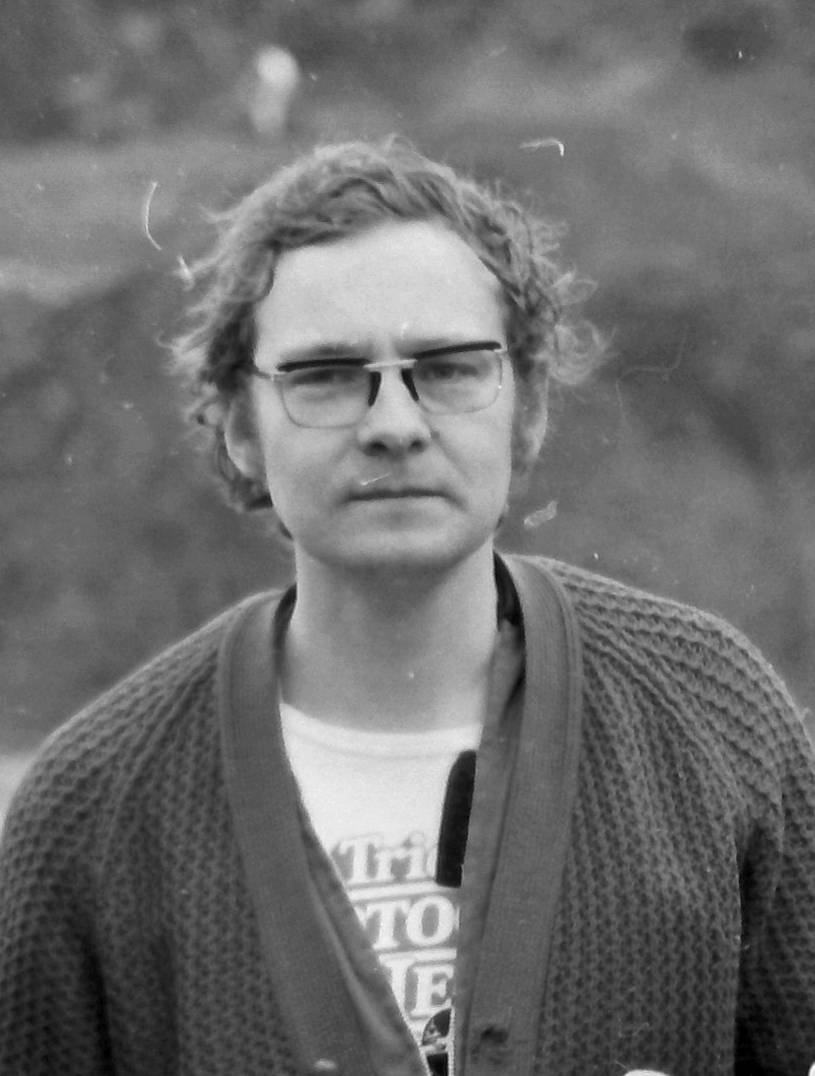
‘Four Stroke Finale?’ – How it began – Article written for Trials Guru: Copyright: Tommy Sandham/Willow Publishing Magor, 2016
Honda enthusiasts from France
Lost in translation by Google as: ‘Amateurs de Honda de France’
However there is nothing ‘amateur’ about this trio, but they are enthusiasts!
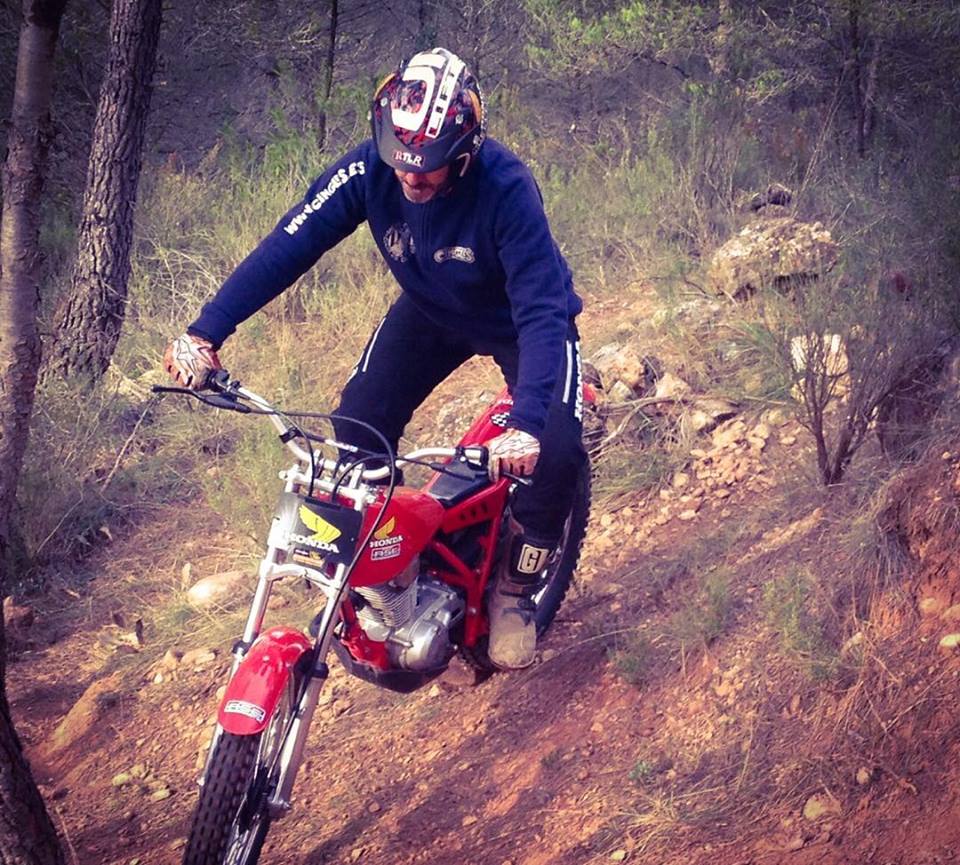
There cannot be a small group so dedicated to the preservation and use of Honda trials machines than those of the exclusive club ‘RTLR Club – Europe’. The main people behind this organisation are based in France and all of them are Honda trials crazy!
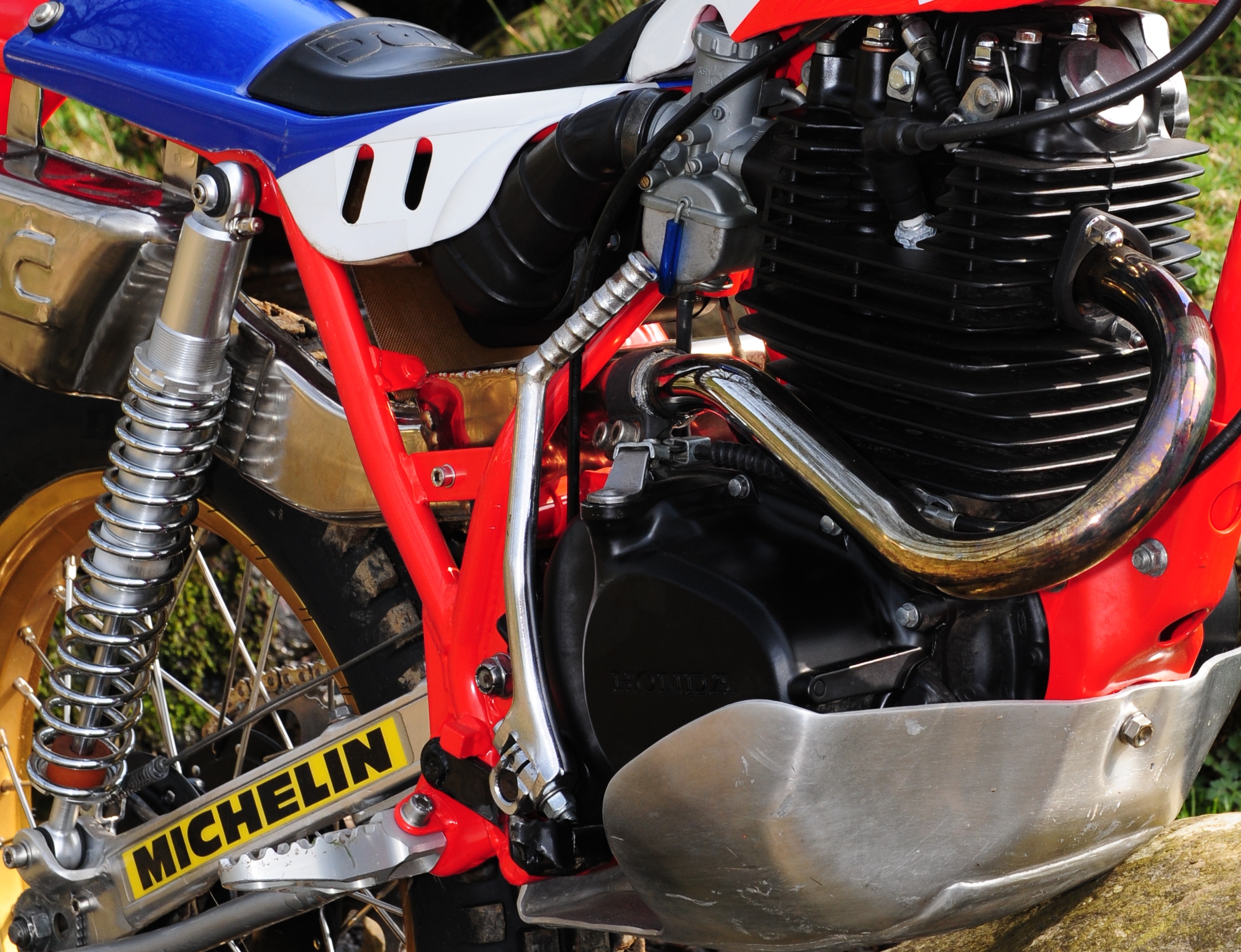
The machines celebrated are all Honda trials production models from the humble TL125 of 1974 through to the last of the line, the HRC developed 1989 RTL250S mono-shock disc-braked model made famous by the factory 270cc machines of Eddy Lejeune and Steve Saunders.
These are interspersed with ‘Honda Trial Exotica’ – ex-factory machines from the late seventies through to the mid-1980s. But there is more, ex-Sammy Miller Honda development machines and parts have found their way over the English Channel to France over the years, along with SM memorabilia.
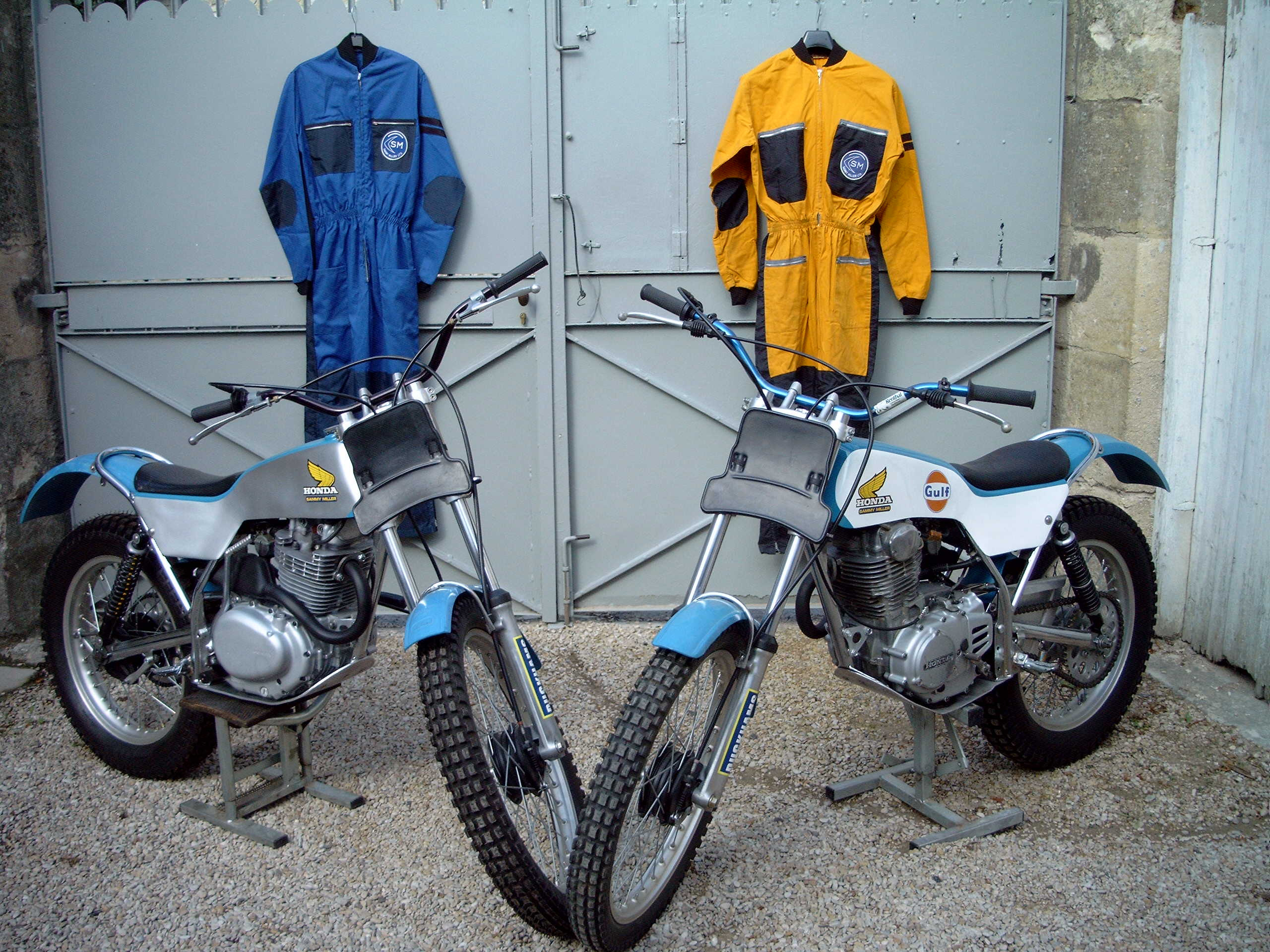
The only exclusions from the RTLR club are the two-stroke TLM models, as this is a four-stroke only association. RTL, TL and TLR are welcome but not their TLM cousins.
The RTLR club has over one hundred members and the average ownership is three Hondas per member. The lead members are three great friends, Patrick Pissis; Olivier Barjon and Jean Caillou who have travelled all over Europe to ride with other like-minded individuals in events, mainly but not exclusively, on Hondas.

Jean Caillou is no stranger to the UK, having competed in the Pre’65 Scottish Trial many times, known to all as the ‘French guy on the Ariel with the waistcoat and bow tie’.
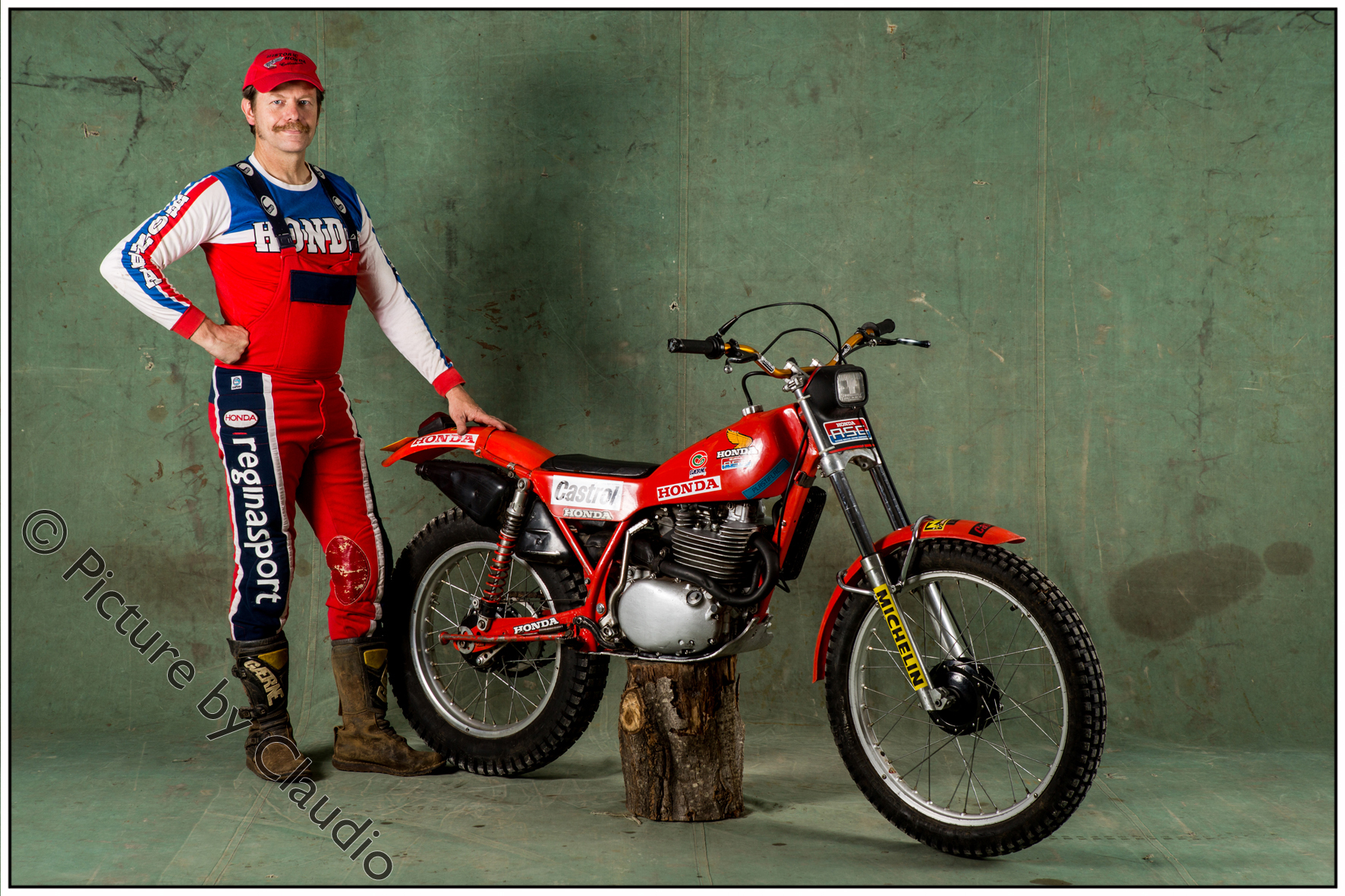
Club president is Patrick Pissis from Gentilley he is a dentist by profession and has also competed in Scotland on a Triumph Tiger Cub.
Olivier Barjon is a fanatical collector of all things Honda, his trade being the marketing of champagne world-wide.
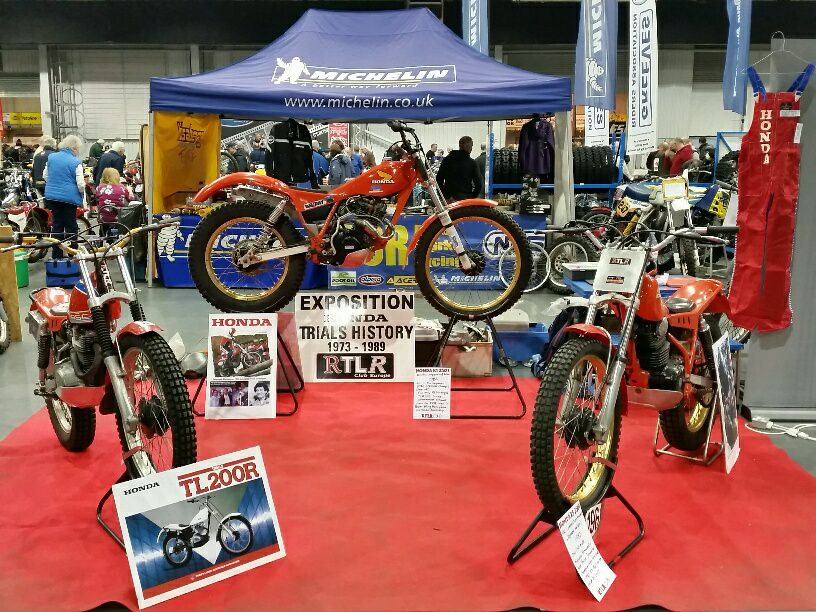
The French trio have organised a lovely display stand to show their own machines at the annual Telford Off-Road show in Shropshire for many years now; purely to bring pleasure to those who are interested in the Honda brand and trials machines in particular.
The French trio eat, drink, talk and sleep Honda Trials, so it should come as no surprise that they are featured on Trials Guru’s Honda Trials section.
‘Honda Enthusiasts from France’ Article copyright of Trials Guru, 2016
Sidecar Trials:
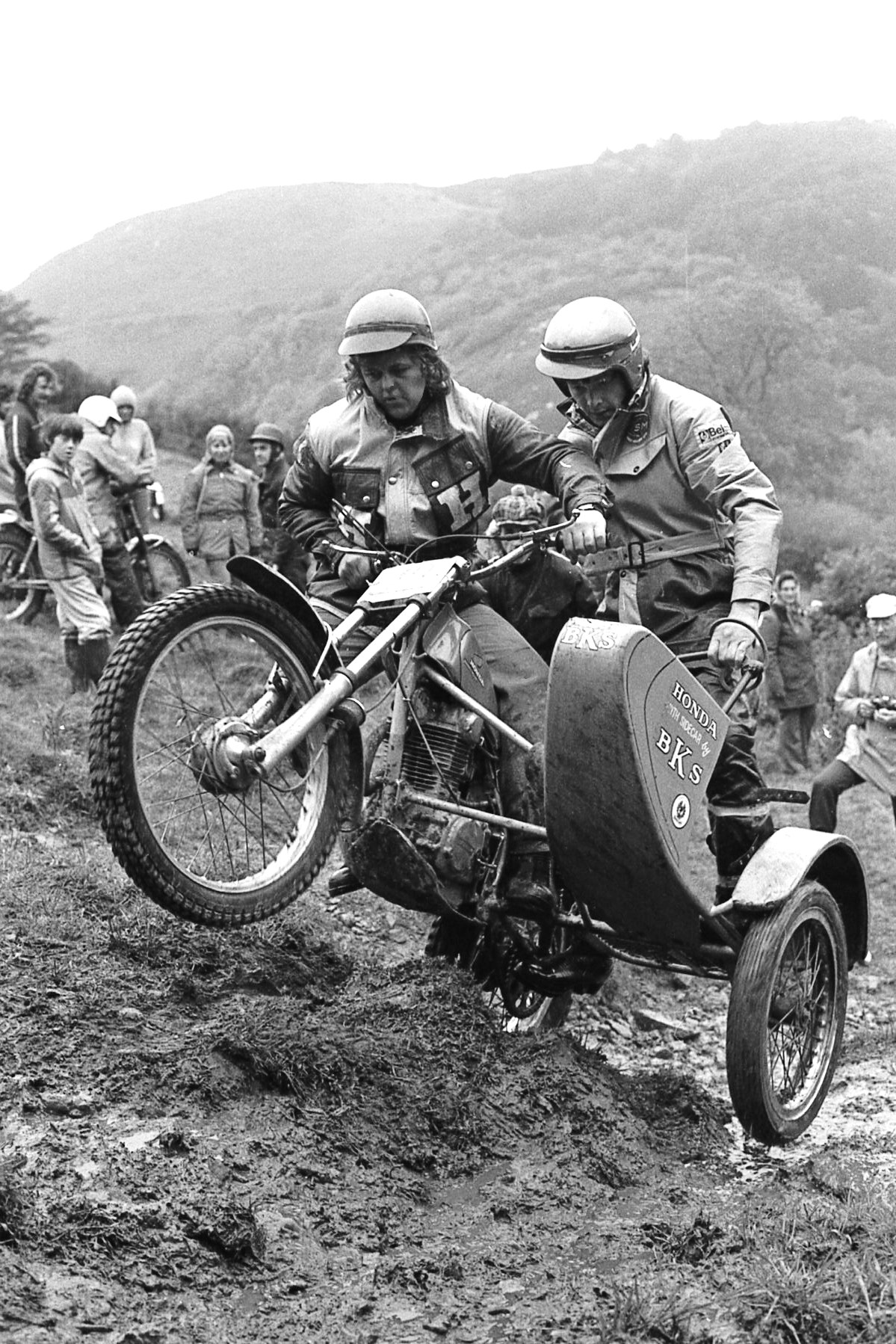
Sammy Miller sponsored at least two sidecar teams in trials in the middle to late 1970s. Bob Colein and Adrian Clarke.
…….
The Honda Trials History
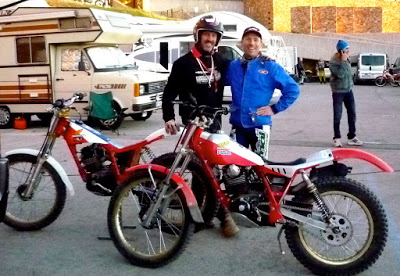
Joan Forrellad, Owner ‘The Honda Trials History’ website: – When I decided to create ‘The Honda Trials History’ website, I could never have imagined the avalanche of positive comments that after such a short time, started to arrive on the website. A large number of enthusiastic collaborators followed soon after that.
I was merely a fan since I was a kid; I was passionate about trials machines. In my parents’ village, it was very usual for all boys to ride, after a bicycle, a trials motorcycle. In all the houses in our region, to have a Montesa, Bultaco or Ossa machine, was as normal to have a bicycle or a ball to play football and we were very interested to see in our territories machines such as the rare 4-stroke of the likes of Eddy Lejeune.
I remember the great sound of the four-stroke, but we could only see them when we follow the championship events. At our neighbouring village was the legendary ‘3 dies dels Cingles’ – The Cingles 3 Day Trial, one of the nicest world trial events in my opinion.
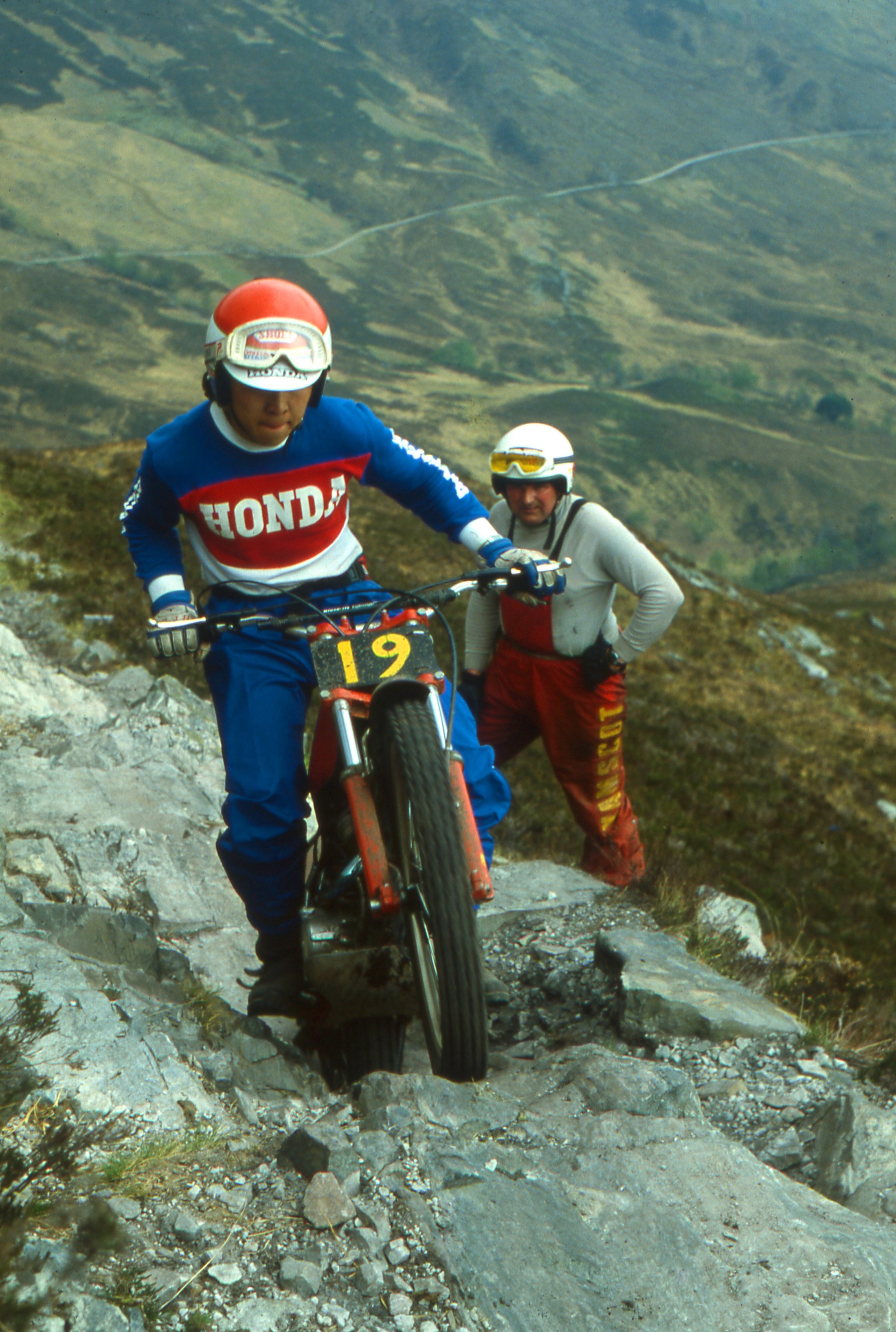
As an amateur and in love with the history of the rare Honda trials machines, years ago and with no other intention, I started my page in honour of them. Over time, the webpage and I quickly grew our knowledge and information, thanks to the collaboration of hundreds of like-minded Honda fans and followers, which in turn encouraged me to continue my work.
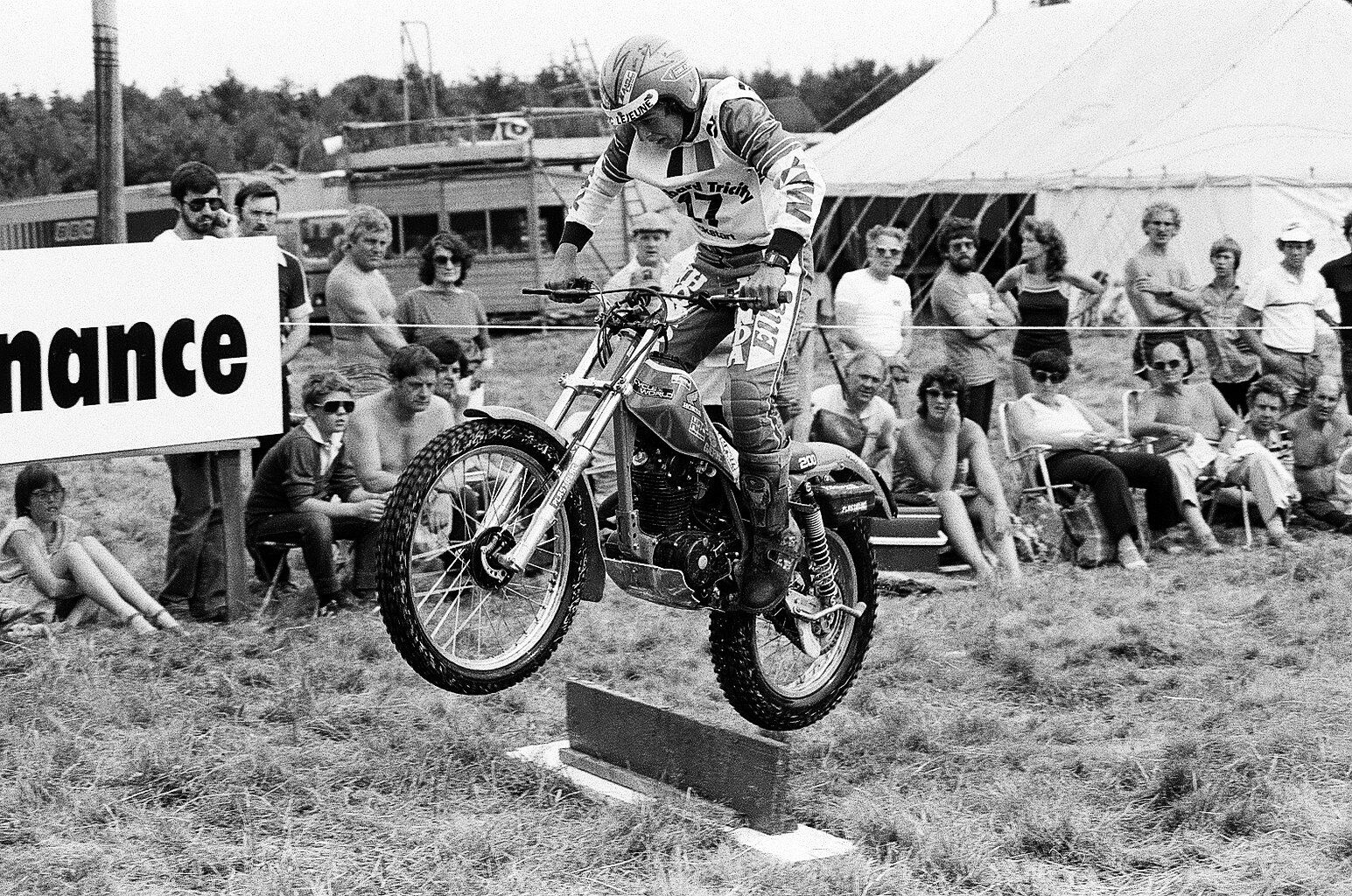
Prior to my Honda website, there was not much information on the web or in books for people to research and enjoy the Honda Trials Story.
Many are those who have helped and are still helping, such as the RTLR-Club Europe, members who are the most experienced in the world in my opinion, to individual fans; the friend site from Jim Evans or the thousands of supporters who are not a household name; but with the similar or even more passion than me for the Honda trials machines and their riders.
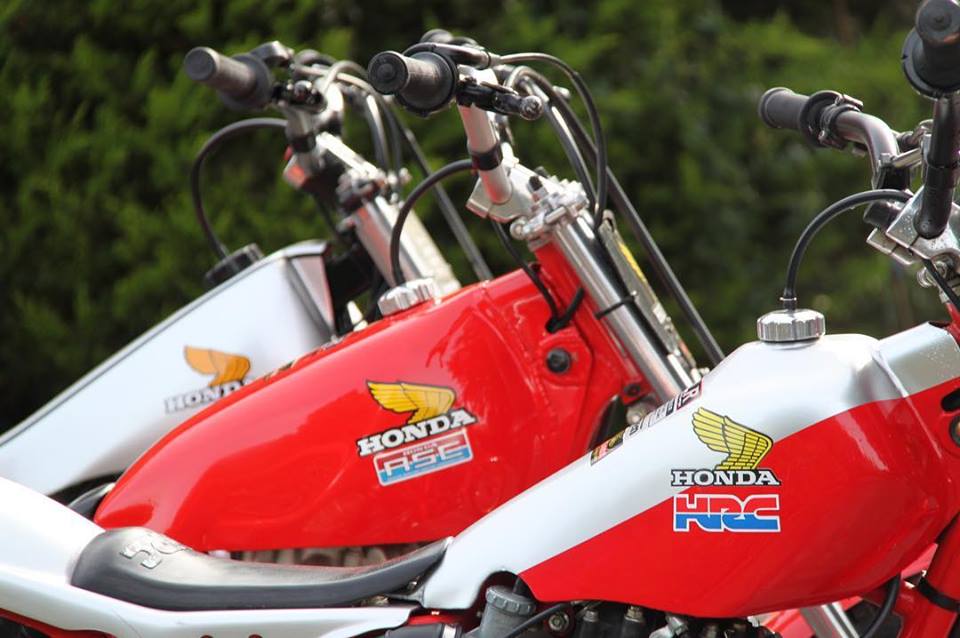
It was early on when John Moffat commented on my site; he was very complimentary and began sending me documents, photos and comments to help my quest.
When I found out who John was in the sport of trial, it was with great pride to have him as a collaborator, supporter and friend.
For fans of motorcycle trials, and especially in my country, where we developed the motorcycles as mythical and competitive as the Bultaco Sherpa, Montesa Cota, Ossa MAR and many, many others, we are still following with magnificent projects such as the recent VERTIGO trials machines which I have been fortunate to be a part of its design.
Scotland and the SSDT are legendary and the beginning of our passion and John Moffat is part of this story. John Moffat, his family history, his family, his friends and connections, for me is the pure essence of the sport of trial!
John asked me for advice, he asked me for my opinion about the ‘section’ of his amazing website known as ‘Trials Guru’, dedicated to Honda Trials.
For me it’s not just a compliment, also a great honour and pleasure to help him on this chapter and very nice to being able to share it with all my site followers.
Thank you John – Thank you my friend.
Joan Forrellad – The Honda Trials History


Honda Two-Stroke Trials:
The Honda TLM series:
Takumi Narita
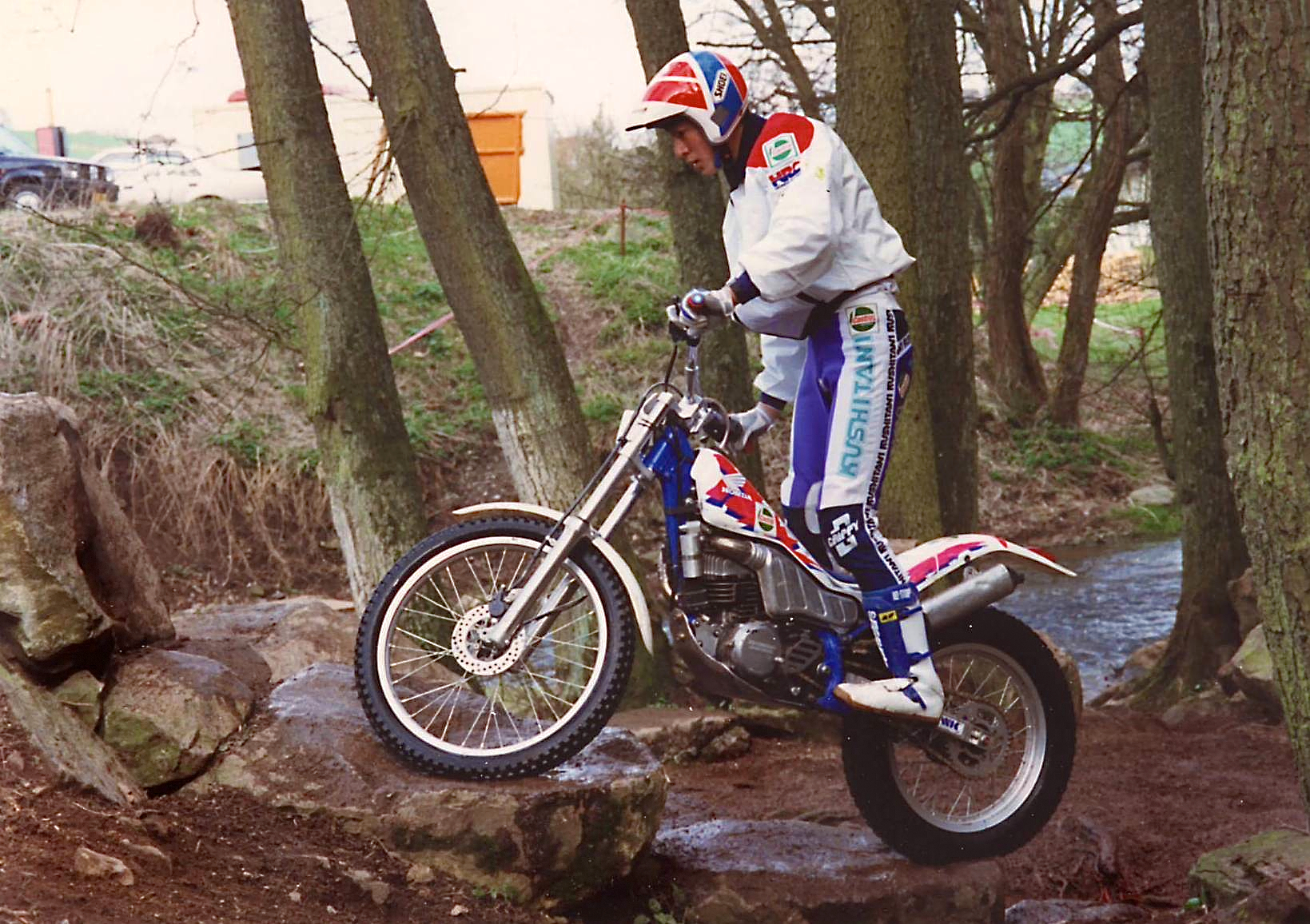
Special Honda Trials of Hiroshi Kondo:
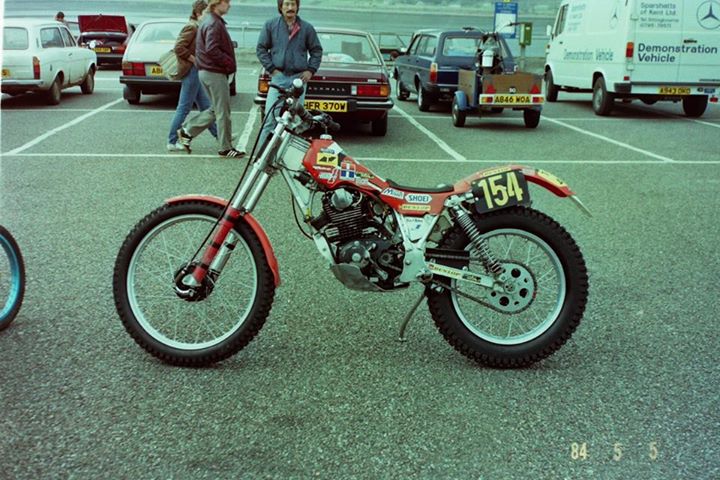
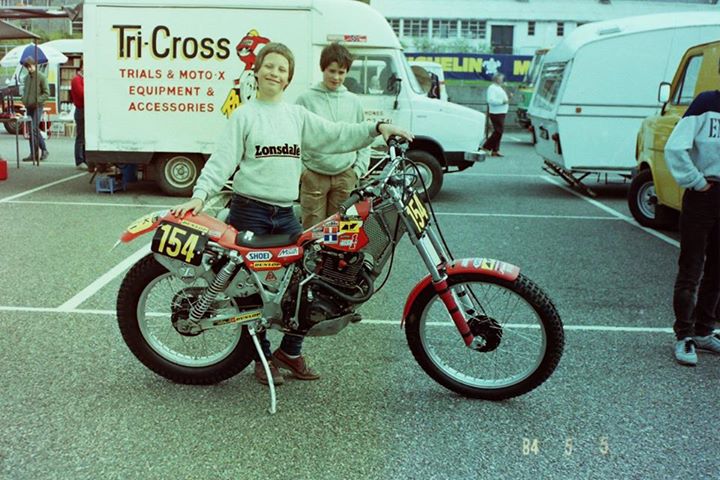
Hiroshi Kondo was a four time Japanese Trials National Champion on Yamaha in 1974 and 1977 and also with Honda in 1978 and 1979. He rode the SSDT in 1976 and again in 1984 on this special machine. (Information supplied by Honda Trials History/Joan Forrellad).
Honda Trials Articles:

Six Days Honda – Article on LFS5P TL250 Honda ridden by Derek Edgar in the 1977 SSDT : HERE
Toshi Nishiyama’s connections with Honda 1973-1975: HERE
Jerred Honda Article HERE
The Missing Link – RTL305: HERE
Seeley Honda TL200E – The Story
Honda Trials on Trials Guru is brought to you with the collaboration of:
Joan Forrellad of The Honda Trials History
Tommy Sandham
Jean Caillou
Olivier Barjon
Patrick Pissis
Hiroshi Kondo
Ian Lawrie
Eric Kitchen
Jimmy Young
Colin Bullock
Claudio Trial Pictures, France
Kim Ferguson
Mike Rapley
Nick Shield
Heath Brindley
Andy Barefield
Sarah Turner
Steve Saunders
John Shirt Jnr
John Shirt Snr
Dennis Fowler
Donald Young
Mark Lamplough
Rob Edwards
Rainer Heise
Sammy Miller MBE
Toshi Nishiyama, Japan
Trials Guru – Dedicated To Trial … running free of charge!
Trials Guru Main INDEX
Apart from ‘Fair Dealing’ for the purpose of private study, research, criticism or review as permitted under the Copyright, Design and Patents Act, 1988, no part of this article may be copied, reproduced, stored in any form of retrieval system, electronic or otherwise or transmitted in any form or by any means, electronic, electrical, mechanical, optical, chemical, photocopying, recording or otherwise without the prior written permission of the author as stated above. This article is not being published for any monetary reward or monetisation, be that online or in print.
 TRIALS GURU - DEDICATED TO TRIAL