
Text: Words and research by Trials Guru.
Words: Bernie Schreiber; Yrjö Vesterinen; Charles Coutard; Carlos Casas; Gary Macdonald; Gilles Burgat; Kirk Mayfield (USA); John Dickinson; Iain Lawrie.
Photos: Various Photographers, credited in captions in the main article and the slideshow at the foot of the article.
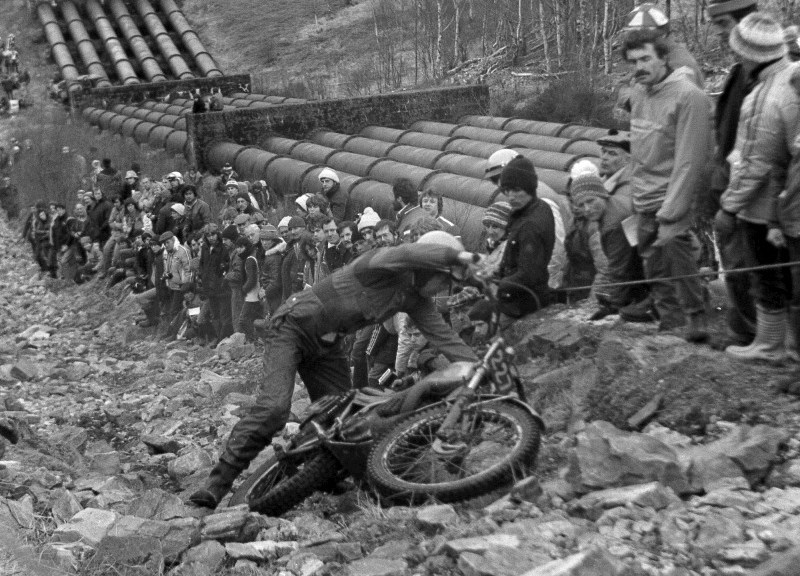
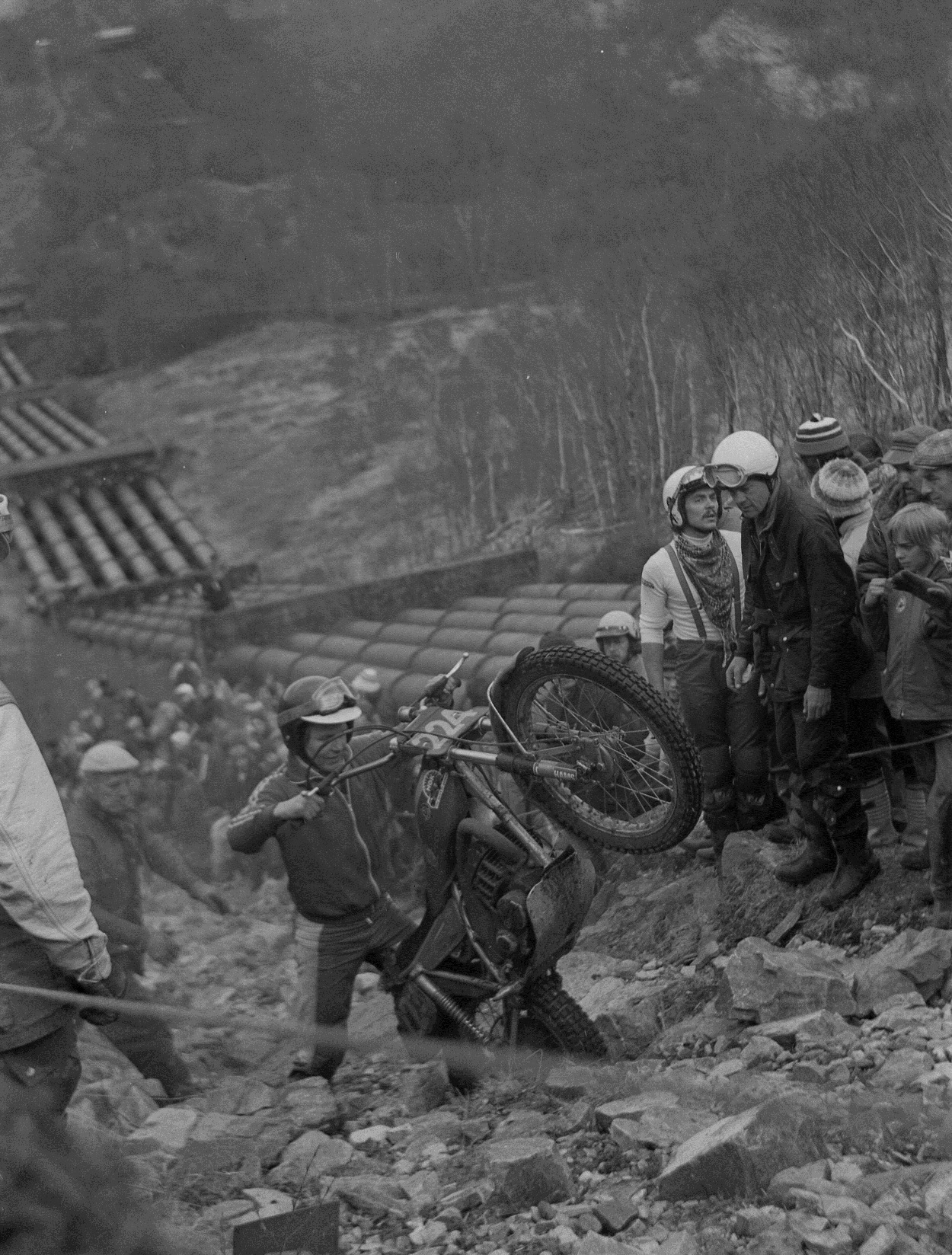
Main Photo: Local rider, Alastair Macgillivray (325 Bultaco) from Fort William, comes to grief on Pipeline in the 1978 SSDT – Photo: Iain Lawrie.
A Trials Guru page devoted to the world’s most famous of motorcycle trials sections.
There are many famous and well-known observed sections in the world of motorcycle trials, such a Eau De Nil; Lamb’s Lair; Diamond Lane; Hawk’s Nest; Beggar’s Roost; Hollingsclough and Surrender, to name but a few.
But there is one in the Scottish Highlands called ‘Pipeline’, a trials hill which is located just two miles outside the village of Kinlochleven, Lochaber in Scotland. Made famous by its use in the annual Scottish Six Days Trial, organised by the Edinburgh & District Motor Club Ltd. We talk to competitors, past and current, and ask them what this section means to them. But first, a little history lesson.
The village:
Kinlochleven village is a popular ourdoor tourist destination for hiking, mountaineering and stopping-point on the West Highland Way. But for enthusiasts of the sport of motorcycle trials, the area is well suited, in the past and today. Of course there are many more SSDT sections dotted around the highland village, but here we will concentrate on the group known as ‘Pipeline’.
The Aluminium connection:
The aluminium works at Kinlochleven, operating from 1905 to 2000, was a pioneering industrial engineering project that harnessed hydro-electric power from the Blackwater reservoir to produce high quality aluminium. It spurred the development of Kinlochleven from remote sheep farms into a thriving ‘Electric Village’. The smelter was a key British Aluminium Company site before closing in 2000. At its peak, the company employed 800 workers.
History of the Kinlochleven Aluminium Works Water Pipeline:
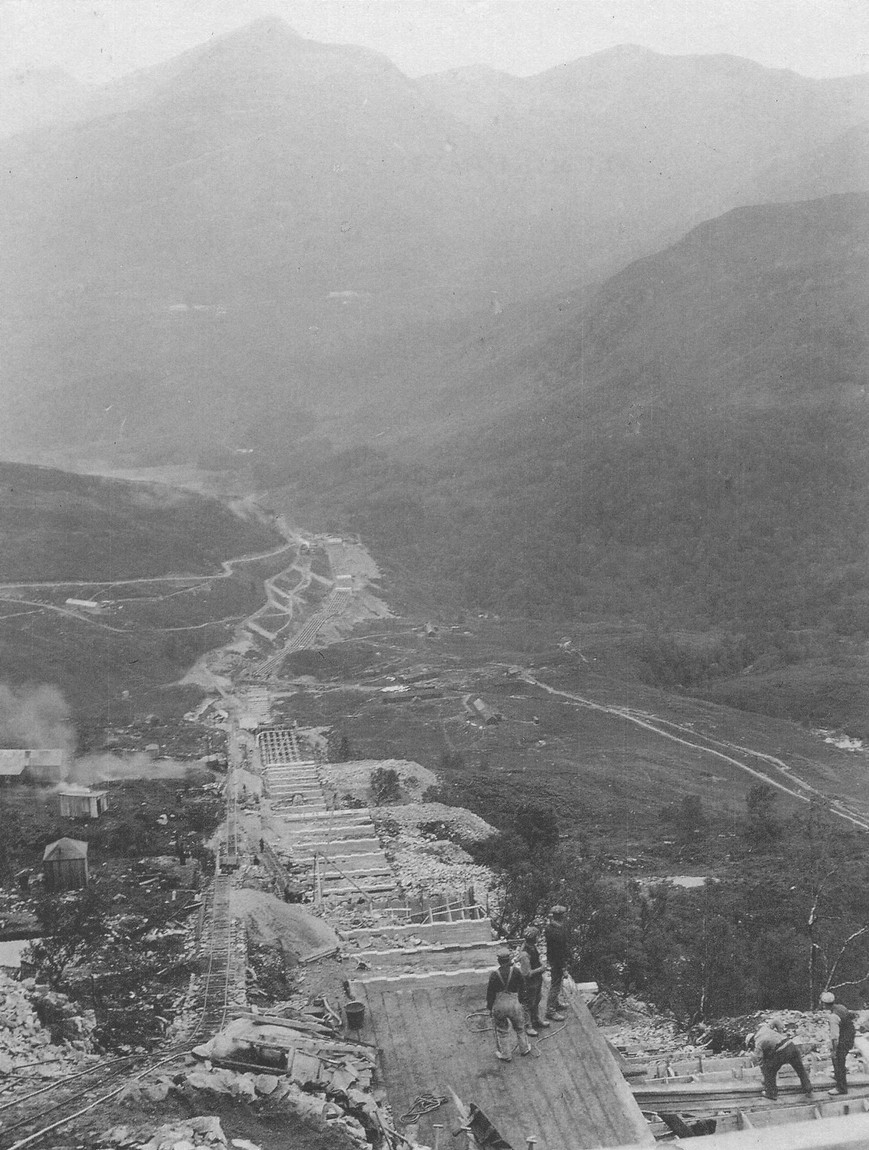
The Kinlochleven Aluminium Works pipeline was purely an industrial construction, dating back to 1901, when an Act of Parliament permitted the British Aluminium Company to utilise the Blackwater and Loch Eilde water power, resulting in the creation of the Blackwater Reservoir and the associated hydro-electric station. Construction began in 1905.
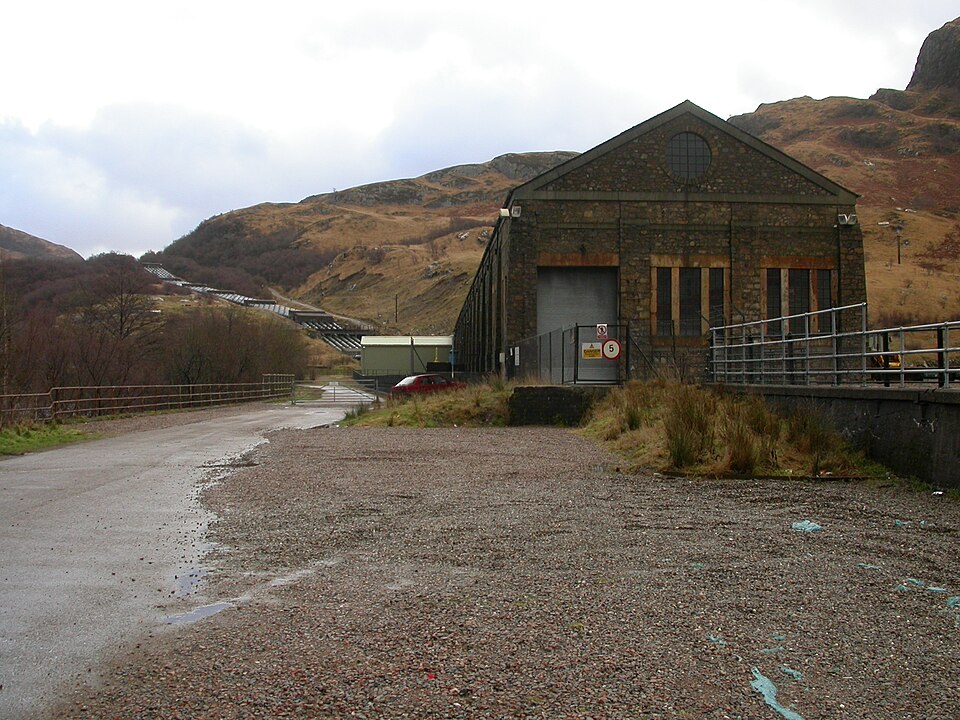
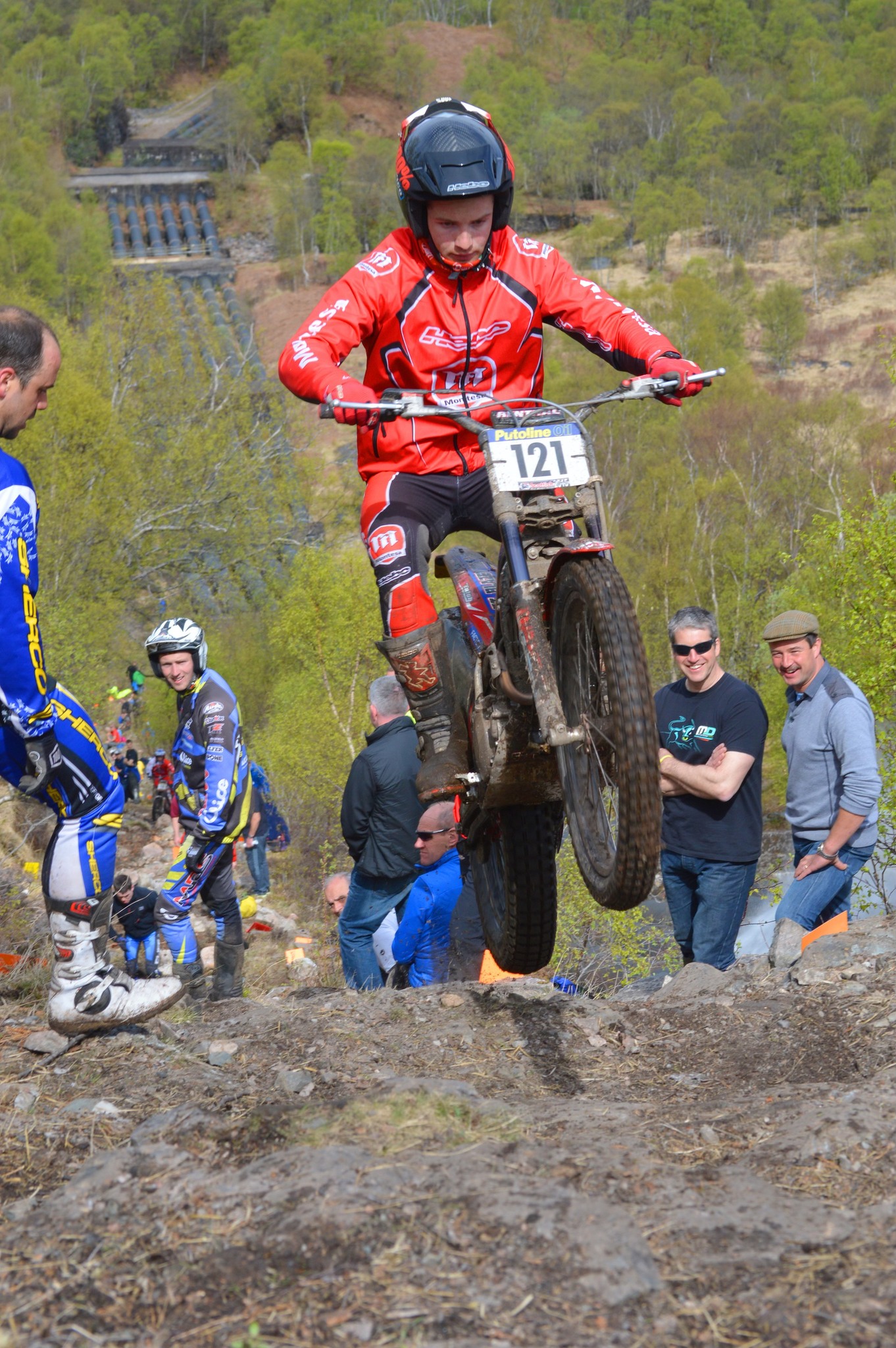
Tracing its 3.5 mile path from the village upwards, the six pipes, laid side by side, join the Power House at Kinlochleven up to the Valve House high up on the hill. It then turns into a ‘conduit’ sometimes referred to as an aqueduct, running all the way to the main dam at the head of the Blackwater Reservoir, the source of the water. The pipeline descends a distance of 935 feet (285 metres) down the hillside to the Power House in the valley below. The Kinlochleven smelter began aluminium production in 1909, coincidentally the same year that the original ‘Scottish’ motorcycle trial began, albeit a five day affair.

This system formed part of a hydro-electric power scheme that was at one time the biggest in Europe. Groups of penstocks regulated the water supply to the Aluminium plant. The area is littered with industrial components which can be found if you know where to look.
Pipeline management:
We have said that the land on which the pipeline is situated was owned by the British Aluminium Company and managed by West Highland Estates from 1985, now that management is carried out by the current owners Jahama Highland Estates, the Estate Office being based at Spean Bridge. Jahama manage over 114,000 acres of land in Lochaber and Badenoch. The reason that the original owners, British Aluminium Company owned such a vast area of land mass was very simple, so that they fully controlled the water supply to their Aluminium Works in Kinlochleven, thus ensuring there could be noone that could interupt the supply of water.
As years go by:
The Pipeline has changed over the years since it was built. When the SSDT first used the hill, there was a concrete plinth on which was mounted a crane, used to move flanges to replace those that fail from time to time on the pipeline.
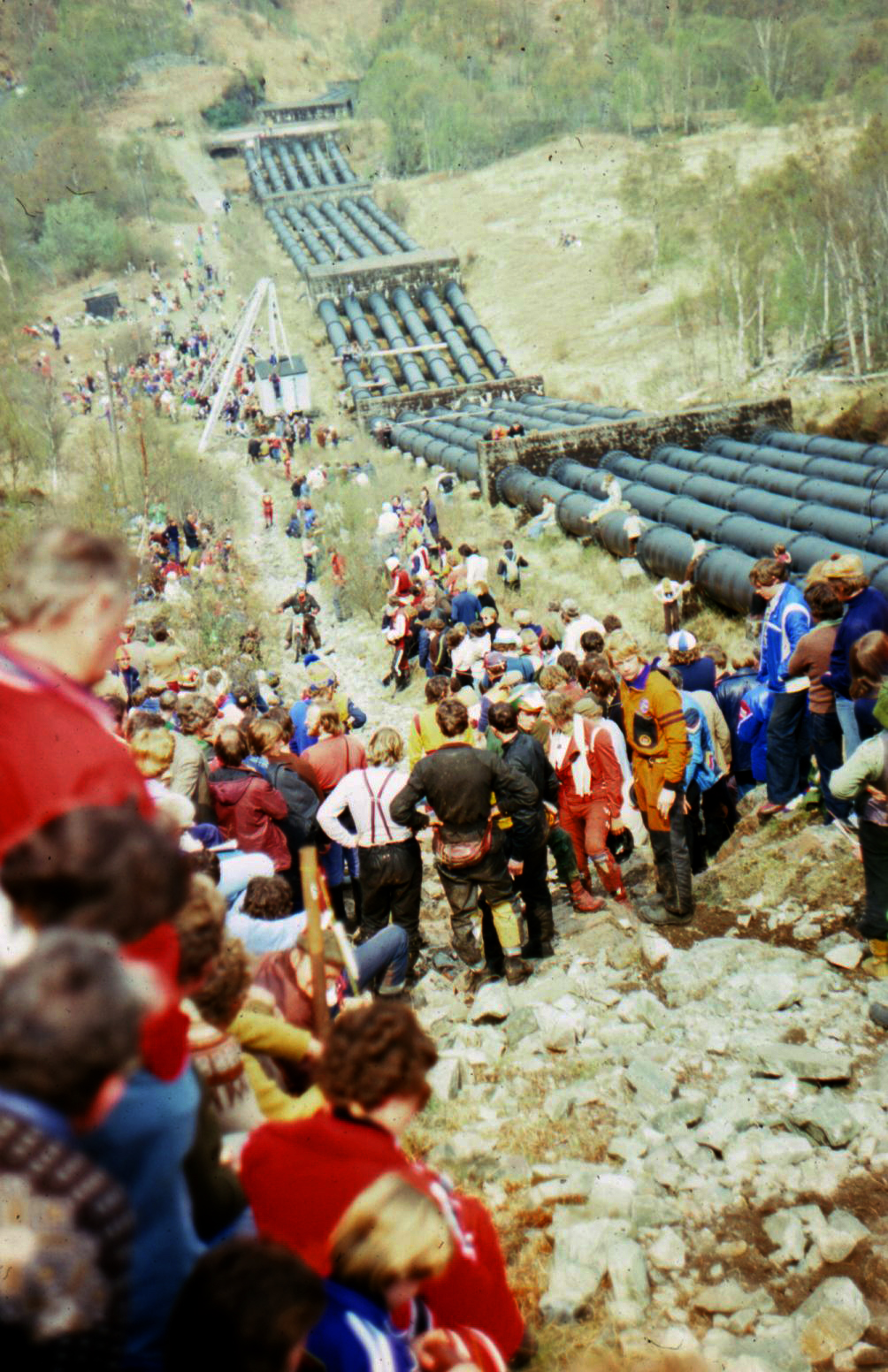
This disappeared in the 1990s, leaving the plinth where the first section started. The wooden bridge at the foot of the hill which spans a small gorge with the river below, had to be replaced in the 2000s due to a fierce storm. The silver birch trees, which are native to the area, have become closer to the pipes, naturally seeded by birds and the prevailing winds. The ground on which the sections were utilised, best described as a shallow gully, was not in itself a natural water-course, it was created when the Pipeline was installed. It had been a supply track which was slowly eroded by water egress from the hillside over a long period of time. However the water which cascades down the hillside only occurs during periods of heavy rainfall, there are times when the gulley is completely dry.
Long term use:
The Pipeline hill has been used by the Edinburgh Club for over sixty years for the SSDT and Pre65 Scottish trials, with very little problems. This has been achieved by meaningful negotiations with the landowners and Government agencies on an annual basis. Because there is a good track up to the hill and the sections themselves not used regularly, has ensured that land errosion is kept at a minimum and no real disturbance to the local fauna, namely bryophytes, occurs.
The organising clubs over the years have had to, from time to time, introduce spectator controlling measures by the use of tape or thin rope to keep the crowds clear of the observed sections. These can sometimes be clearly seen in some of the photographs taken during the SSDT.
Pipeline, the section:
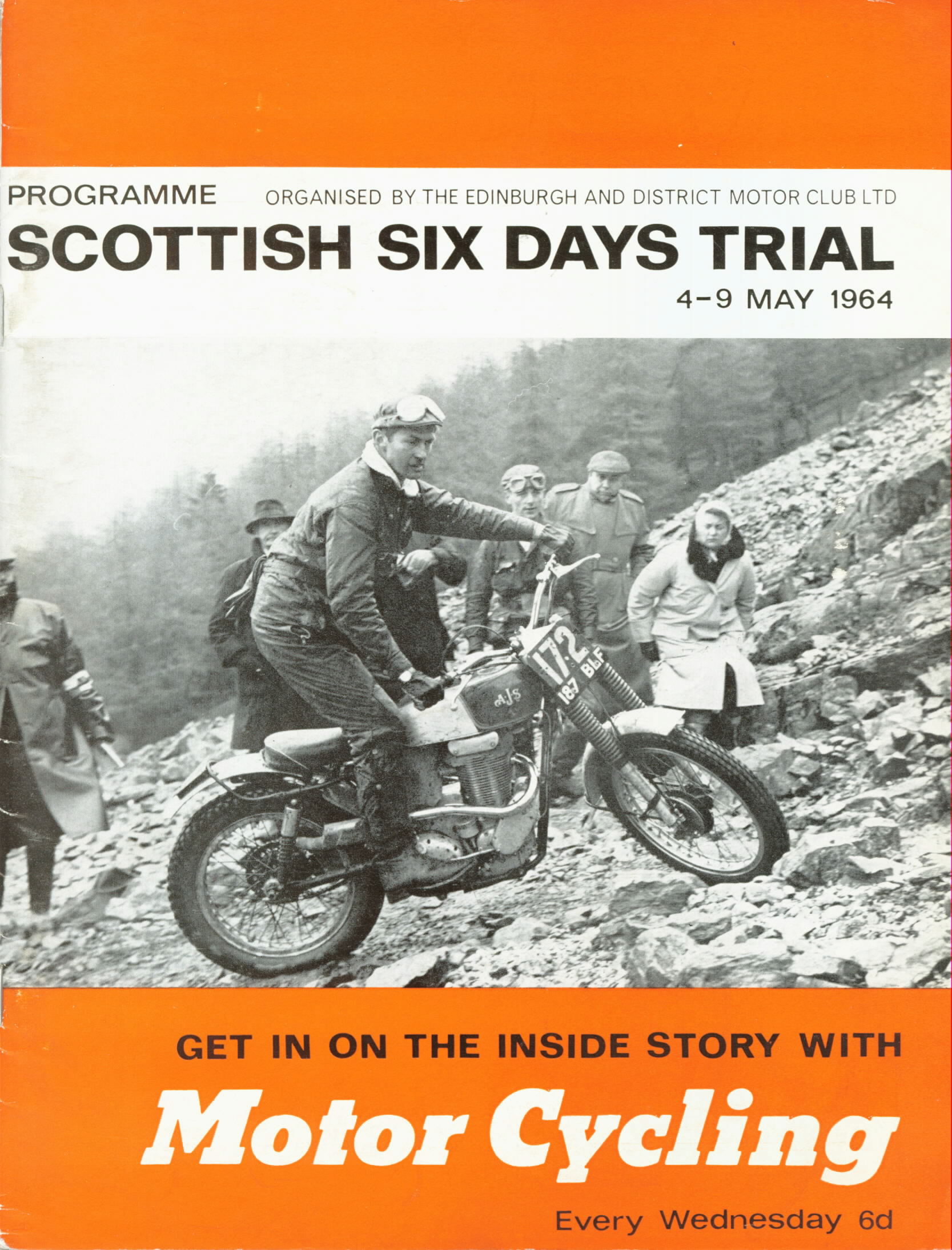
Contrary to popular belief that the hill was first used in 1966 or 1967, it was actually 1964 when the Edinburgh & District Motor Club decided to make use of what would be named ‘Pipeline’ as an observed hill for their Scottish Six Days Trial. Permission to use the land was negotiated by the Edinburgh club with the British Aluminium Company’s representative, Alexander ‘Sandy’ Kinnear, a keen Rotarian, who was President of the Rotary Club of Lochaber in 1972/73.
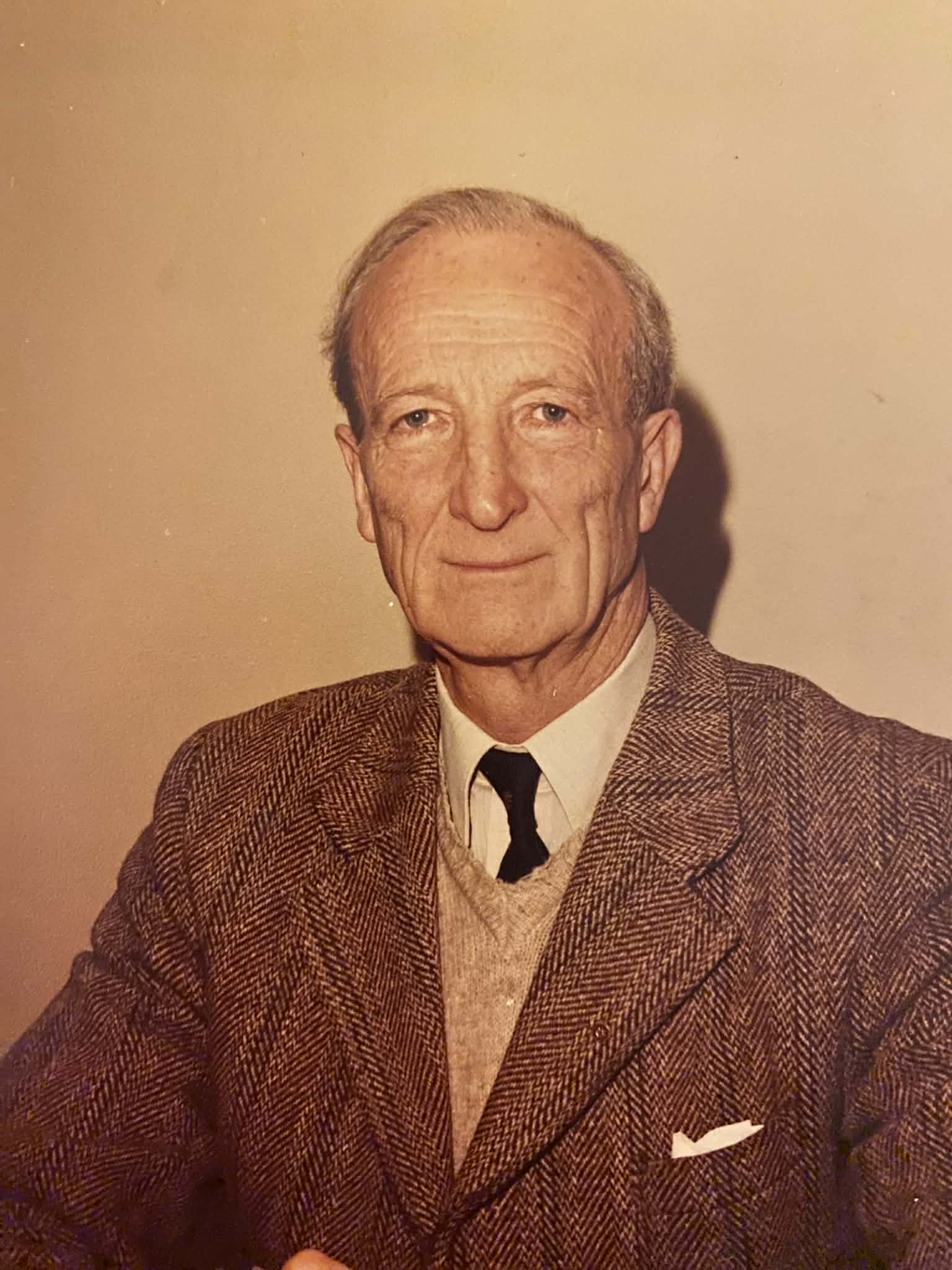
Sandy was well connected locally and became a member of the Edinburgh club’s Fort William committee in the late 1960s. Sandy Kinnear was employed directly by the British Aluminium Company as their Factor, with West Highland Estates taking over as the Land Agents for the company after Sandy’s retirement in 1985. There is no doubt that Pipeline’s use was only made possible with the assistance and full co-operation of the Factor, Sandy Kinnear. The ongoing connection with the event and the landowners was a strong and trustworthy one, and this in part assisted the motor club negotiate permission to run the SSDT on the ground for many years.
Discovery of Pipeline:
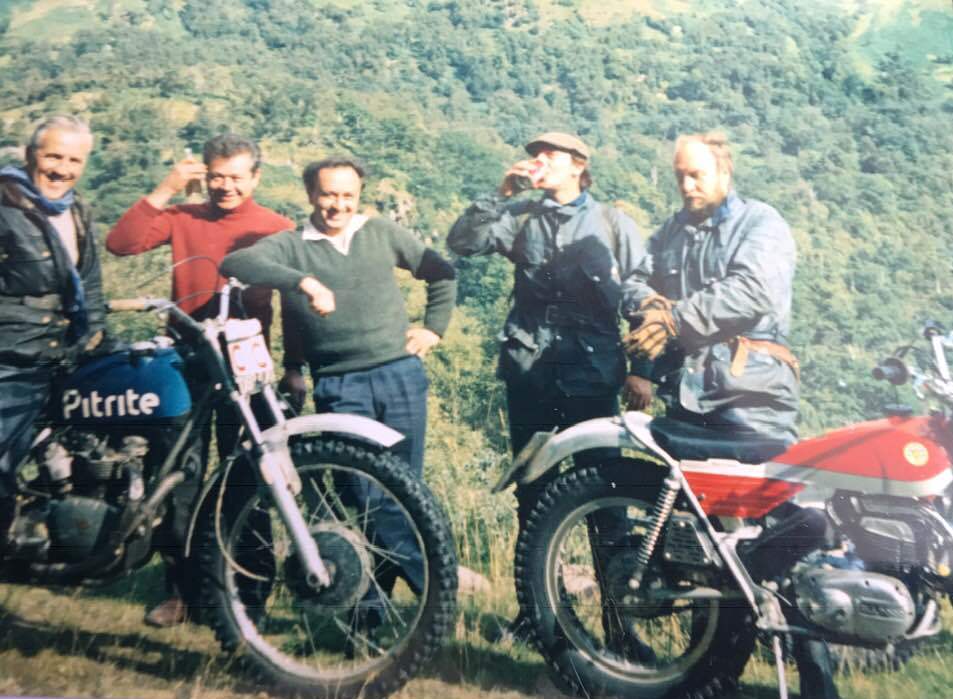
The then SSDT Clerk of Course, John Graham chose the second day, Tuesday 5th May 1964 to use the Pipeline hill, and his team of course markers set out two sub-sections on the ground. Graham’s close friend Ian Pollock, a local man who worked as a shift foreman at the British Aluminium Company was credited with discovering the hazard along with many other discoveries in the Kinlochleven area, of which he was well acquainted.
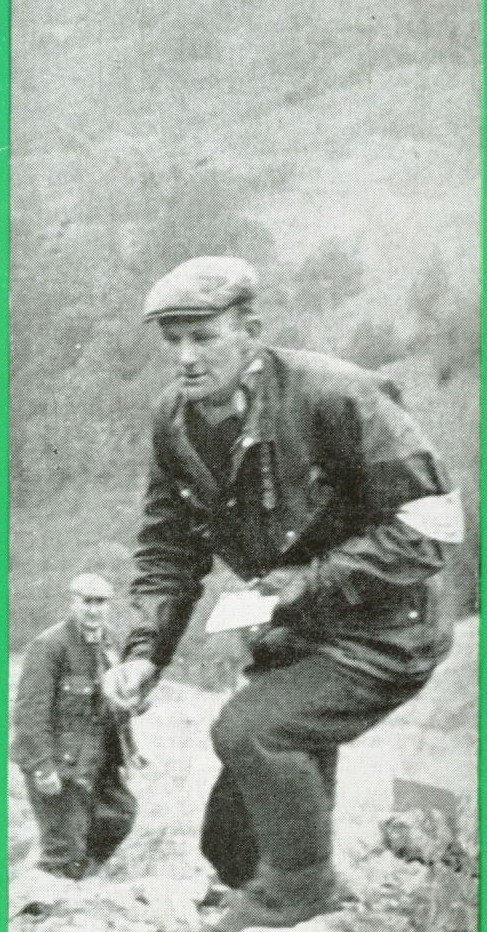
Graham ensured that Pollock, who was often referred to as ‘our man on the spot’ had adequate transport for his forages and regularly left a trials motorcycle for Ian Pollock to ‘look after’ at his Kinlochleven home.
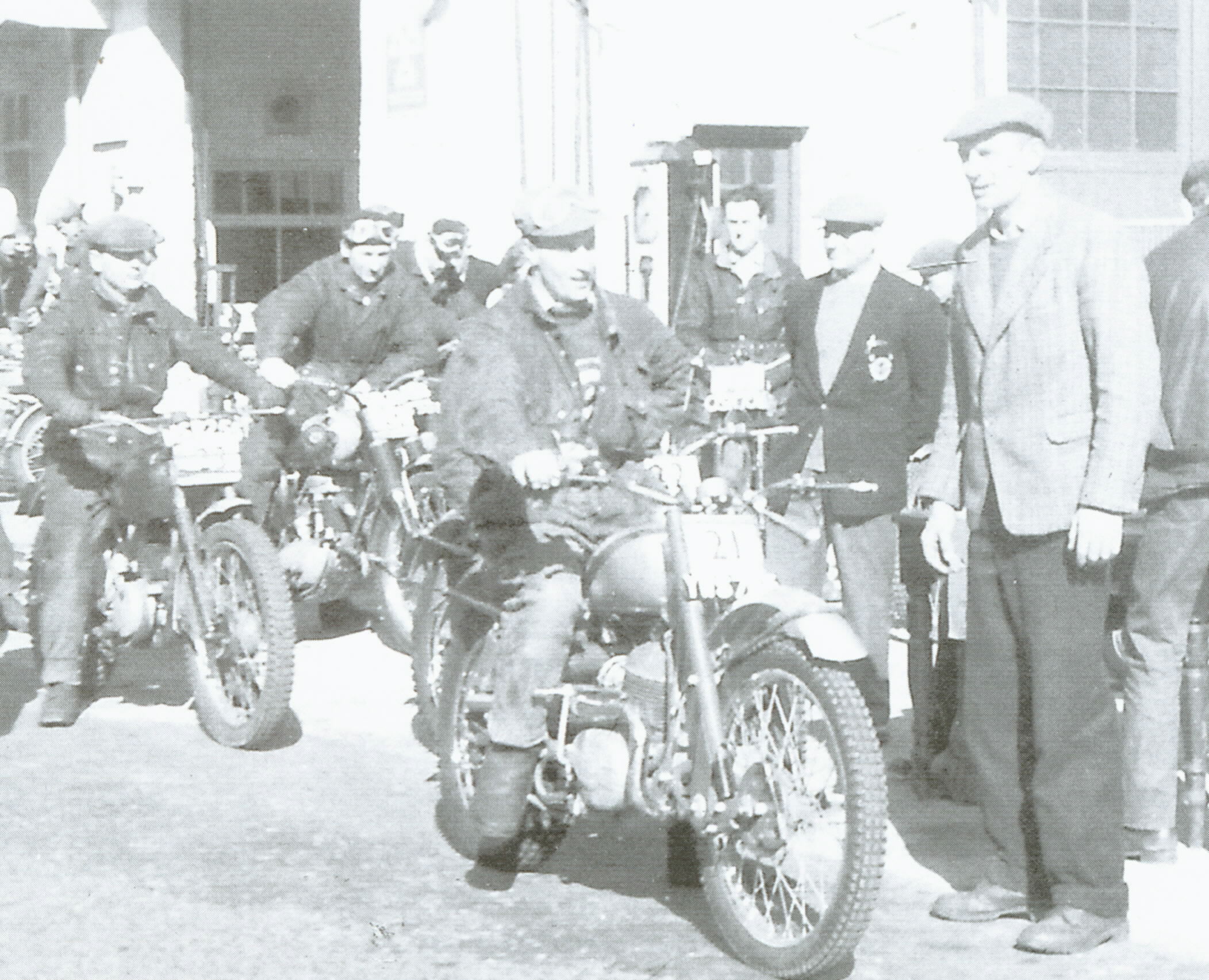
Following on from ‘Pipeline’, the 1964 SSDT route then traversed over to ‘Martuim’ for a further seven sections and further on to ‘Altnafeadh’ near Glencoe (known also as Devil’s Staircase, but not by the trial) where there were four more sub-sections. The 1964 winner was Sammy Miller on his 500cc Ariel, the last time he would win on a British four-stroke machine. This was at a time when the event started and finished in Edinburgh and did so up until 1976. The Pipeline sections proved reasonably popular with the organisers in the early days, with the hill being used again in 1965 on the second day and in 1966 on the fourth day. Miller was once again the winner in 1965, but this time on the Spanish made Bultaco Sherpa two-stroke. Old favourites such as ‘Martuim’, ‘Leitir Bo Fionn’ and ‘Grey Mare’s Ridge’, all in the Kinlochleven area, were still fearsome hazards. It was not until the late 1960s that the Pipeline hill started to become a spectator’s choice, as up until then only two sub-sections were laid out by the course plotters.
“My earliest memory was that the Pipeline sections were first used in 1964. For many years it was just that long run up to the first step, turn right and back down parallel to the section. Then up a bit further and back down. When sat at the top there were not many riders got past that first bad step.” – Iain Lawrie, raised in Kinlochleven.
The first complete ‘clean’ of Pipeline in the SSDT was claimed in 1965 by AJS team rider, the late Rob Edwards:
“My week was going well, I was clean on the Tuesday. Later in the same day, we were looking forward to riding the new section ‘Pipeline’, introduced the previous year. There were so many stories about ‘Pipeline’ that I wasn’t really sure if it had been cleaned yet or not. I had teamed up with Alan Chant from Bexley-Heath who was on a 350 Matchless. In those days all the ‘big bikes’ were grouped at the back of the field. As we rode up to ‘Pipeline’, the spectators were all heading back into Kinlochleven.“
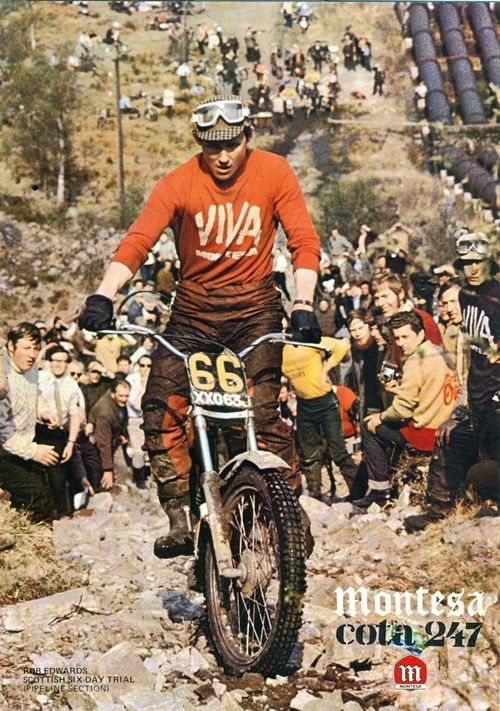
“Alan and myself walked the hill and both agreed on bottom gear. Alan went first and he cleaned it. I went next and after a bit of a shaky start, by trying to go too fast too soon. I settled down and at the right speed things were a lot easier and guess what, I cleaned it. I bet the spectators who left early were a bit peeved!” – Rob Edwards [1]
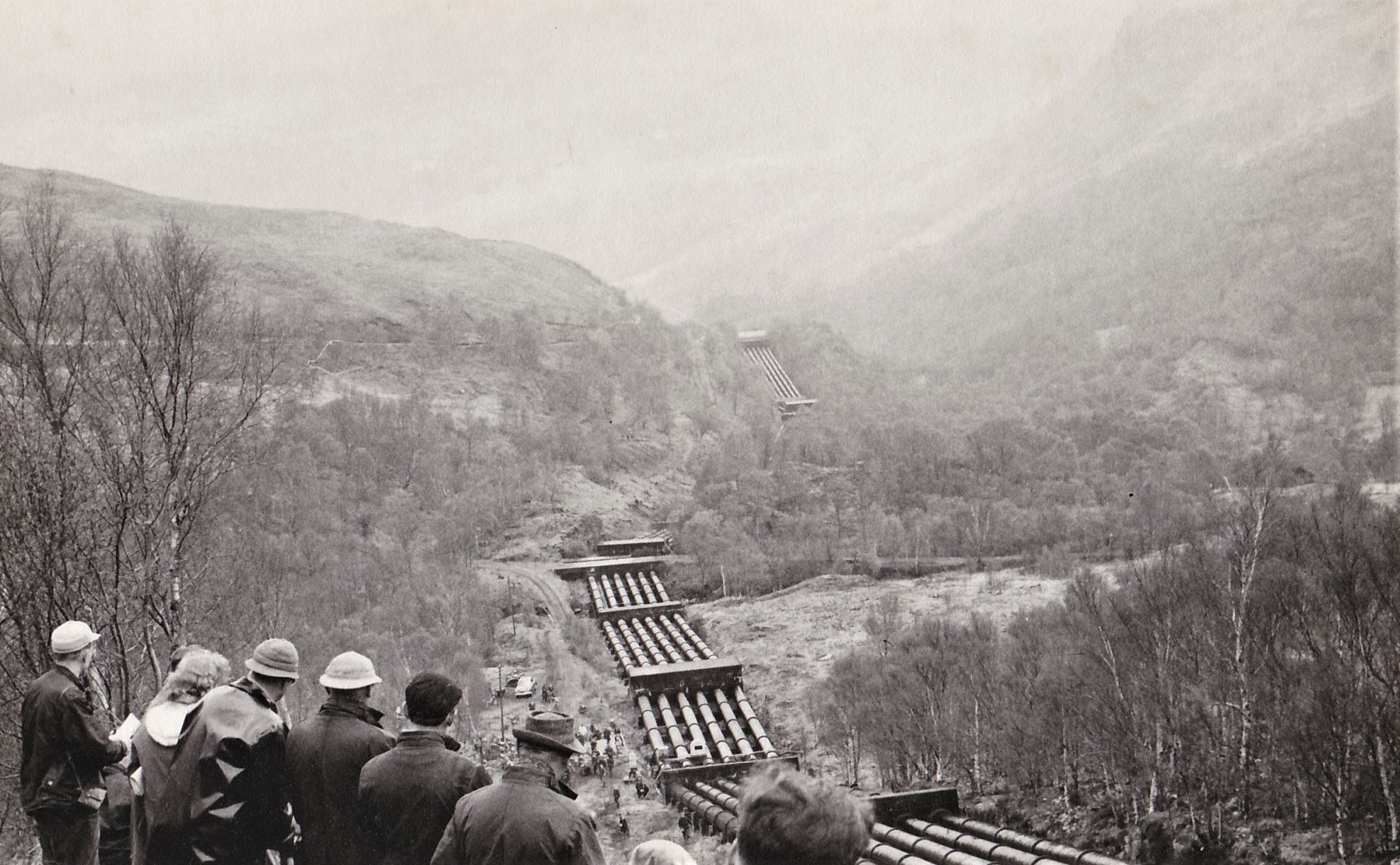
The sections were situated on the southmost side of the pipes, which had been used as a construction path when the pipes were installed almost sixty years previously. Natural water egress from the hillside had created a water course, perfect for an observed section.
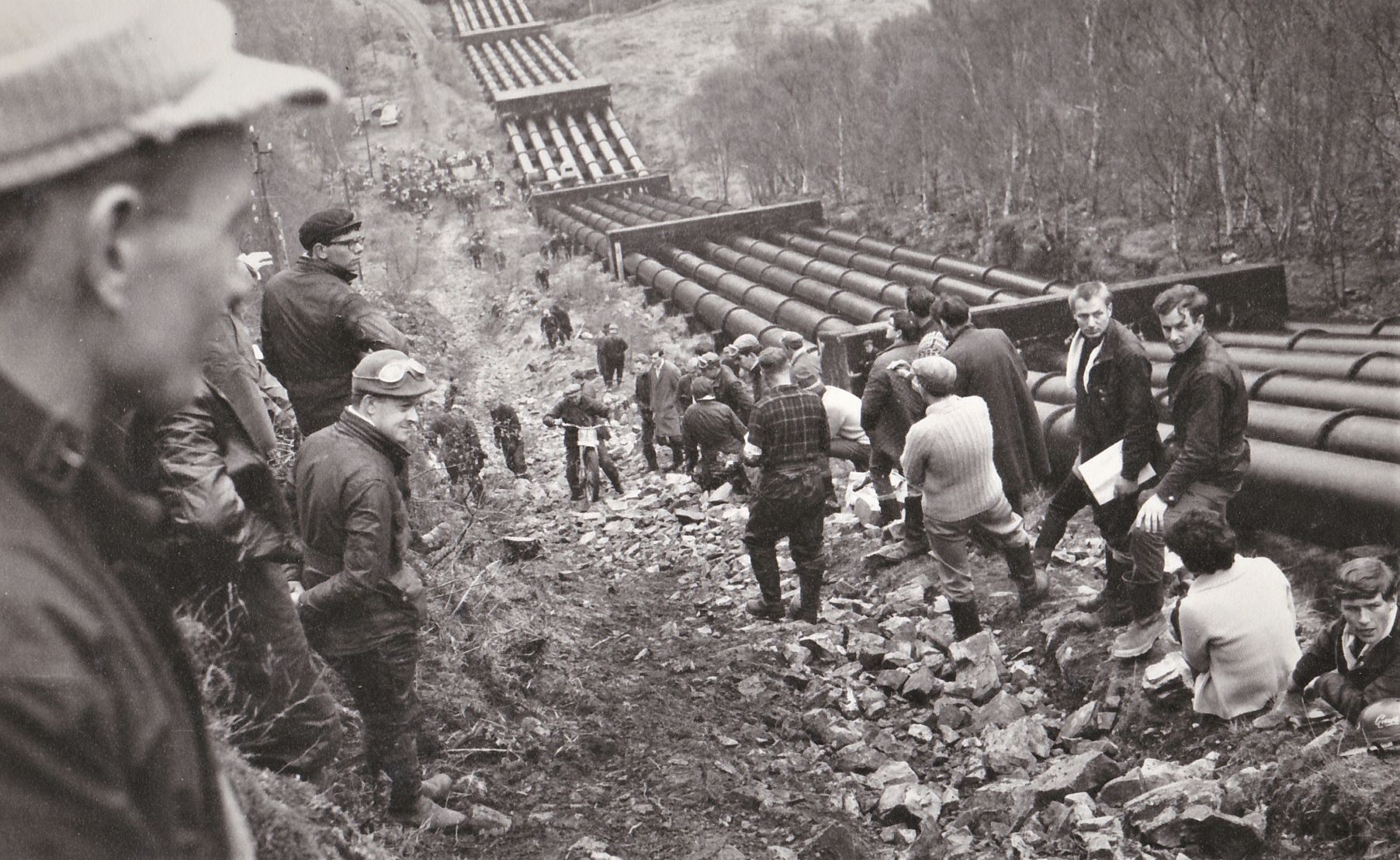
Trials riders the world over have either ridden or heard of the Pipeline hill. Many have fond memories of riding the piece of land either in the Scottish Six Days or Pre65 Scottish trials. In fact many rider’s dream is to conquer the group of sections, not many have achieved this accolade.
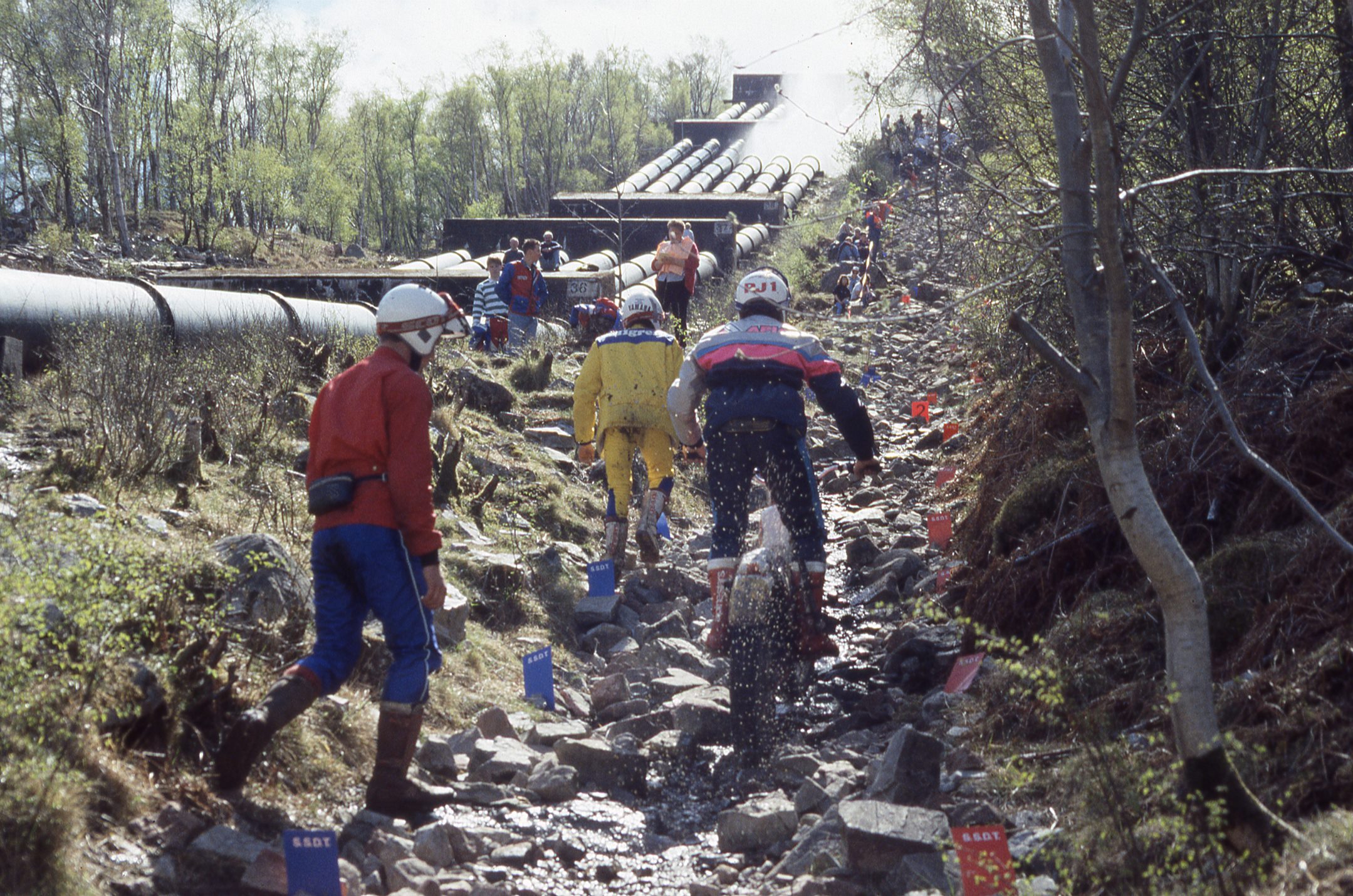
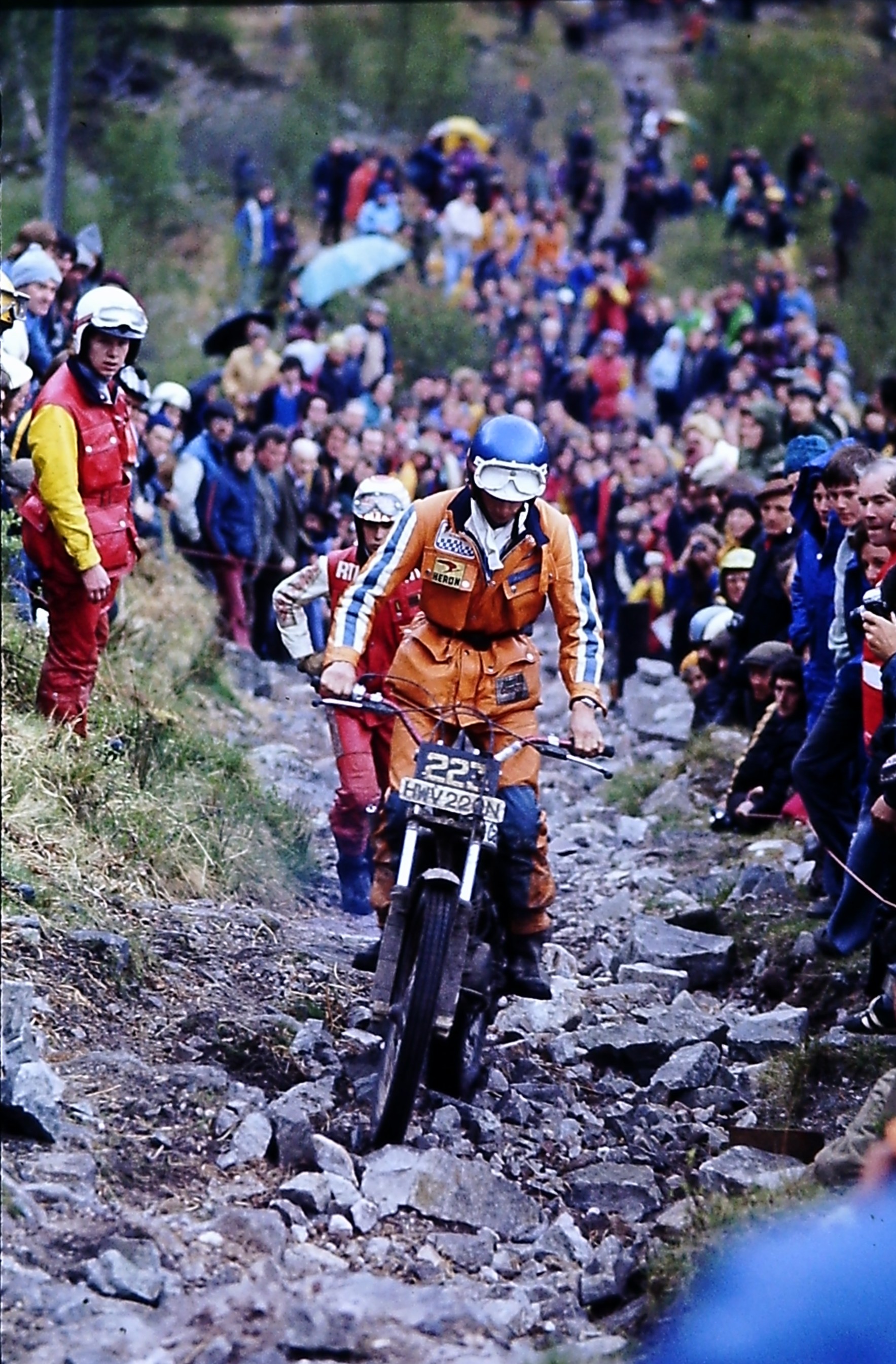
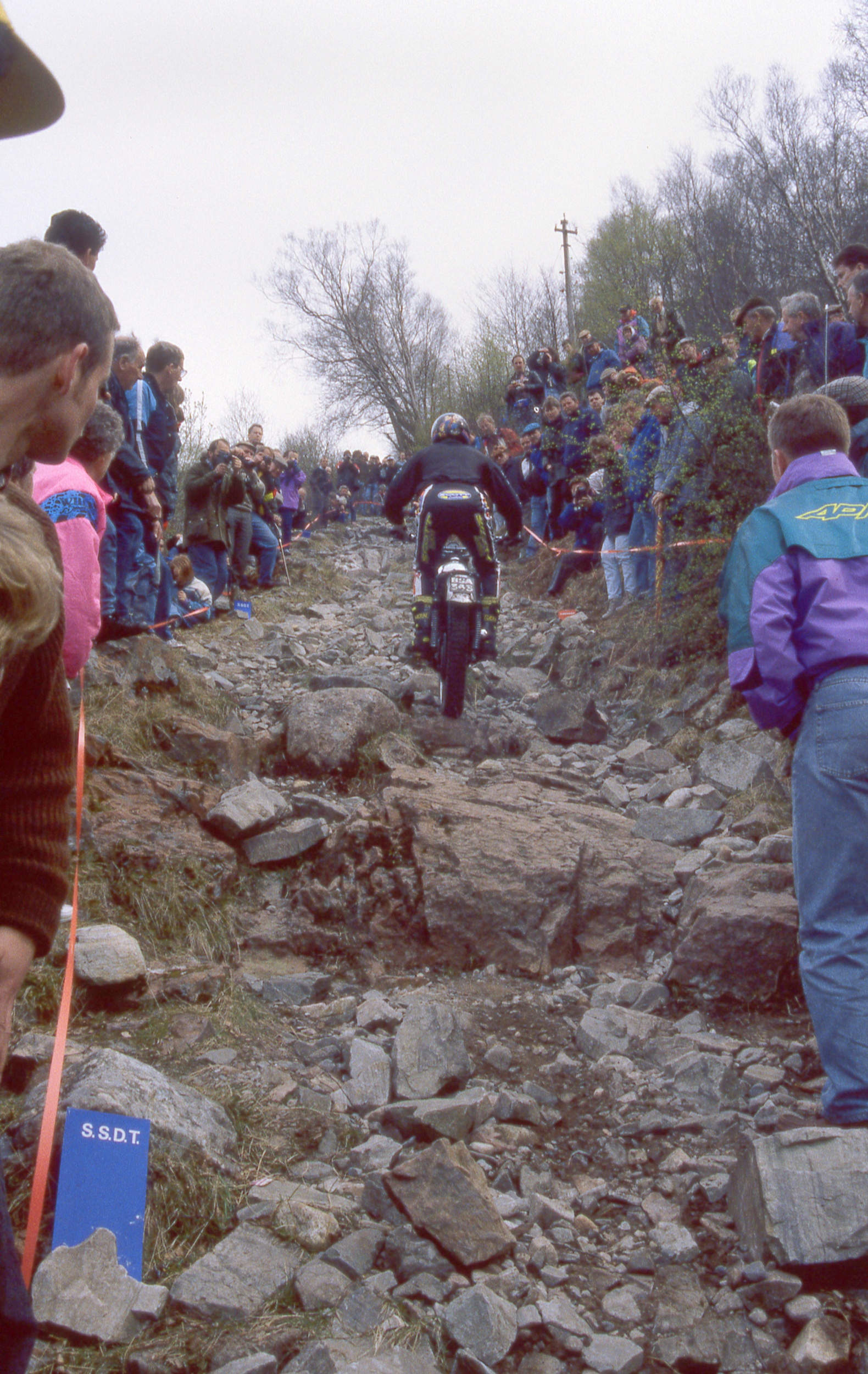
Photographers always try to capture a magical moment on the hill, but most of the photographs taken have simply ‘flattened’ the gradient, making it look easier than it really is.
Protection of the land:
The land on which the whole pipeline is situated is defined as a Site of Special Scientific Interest or SSSI for short. It is managed by the Scottish Government agency, Scottish Natural Heritage or now known as ‘NatureScot’. The SSSI reference is ‘Leven Valley SSSI Site Code: 927’ and is delineated accordingly, it amounts to 585.5 hectares so the area is legally protected.
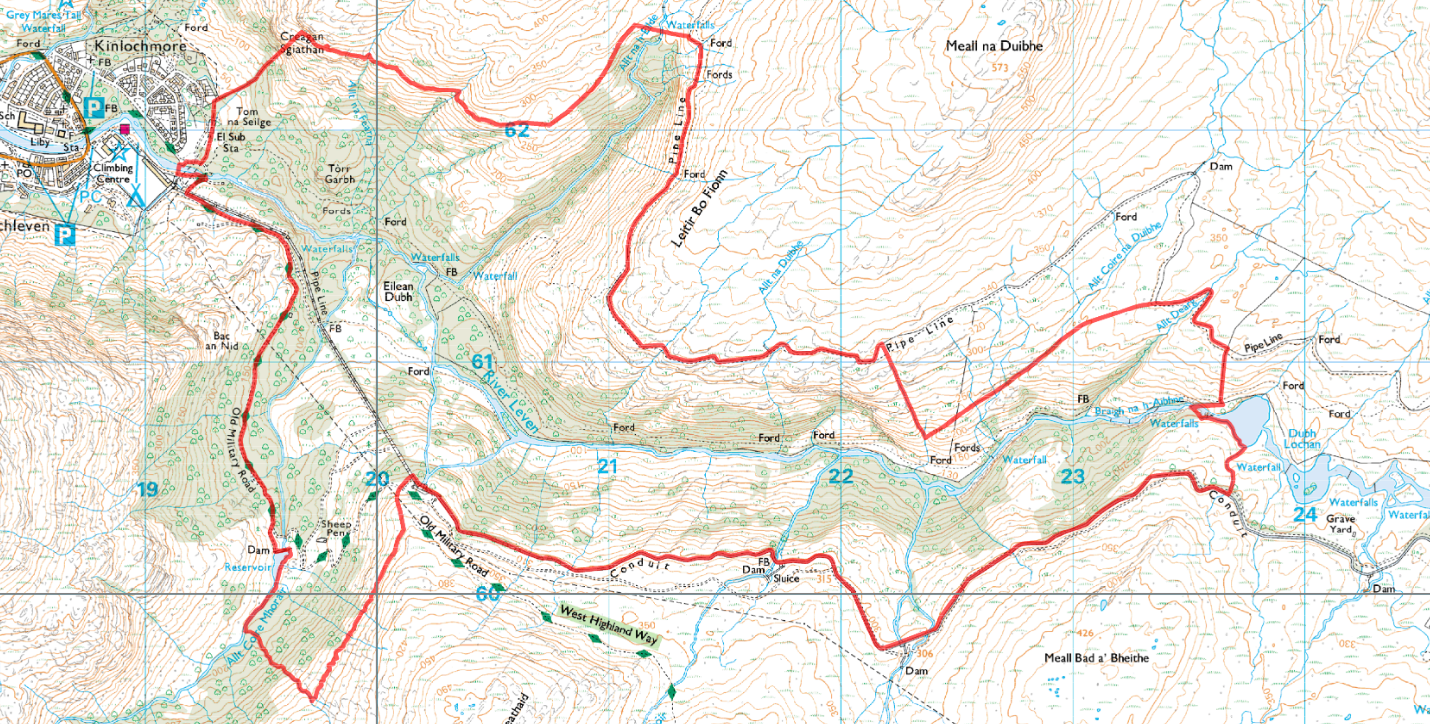
This means that event promoters must obtain express permission from both the landowner and NatureScot some months prior to the event. The main protection is down to the abundance of bryophytes that populate the area, essential to the environment in such a moist area of land. Bryophytes are defined as a group of non-vascular, seedless land plants which comprise of mosses, liverworts and hornworts, that thrive in damp environments and are among the oldest land plants.
1984 and the Pre65 Scottish Trial:
Twenty years after the Pipeline hill was first used by the SSDT and the Edinburgh & District had created their own Pre65 event, held on Tuesday, 8th May 1984. Initially as a diversion to keep trials followers away from the busy ‘Achlain’ section midweek. Pipeline was a popular choice for the ‘new’ event and it has remained so ever since. By 1984 Pipeline had lost its sting for more modern machines which was the introduction of single-shock machines which required a more severe challenge as far as sections were concerned. The SSDT work parties had further opened up the Pipeline track around 1982 way above the rock step and exit route which had posed such a hazard for the twin-shock machines. Many riders claimed the exit drop down the side of Pipeline was far more challenging and scary than riding up the sections.
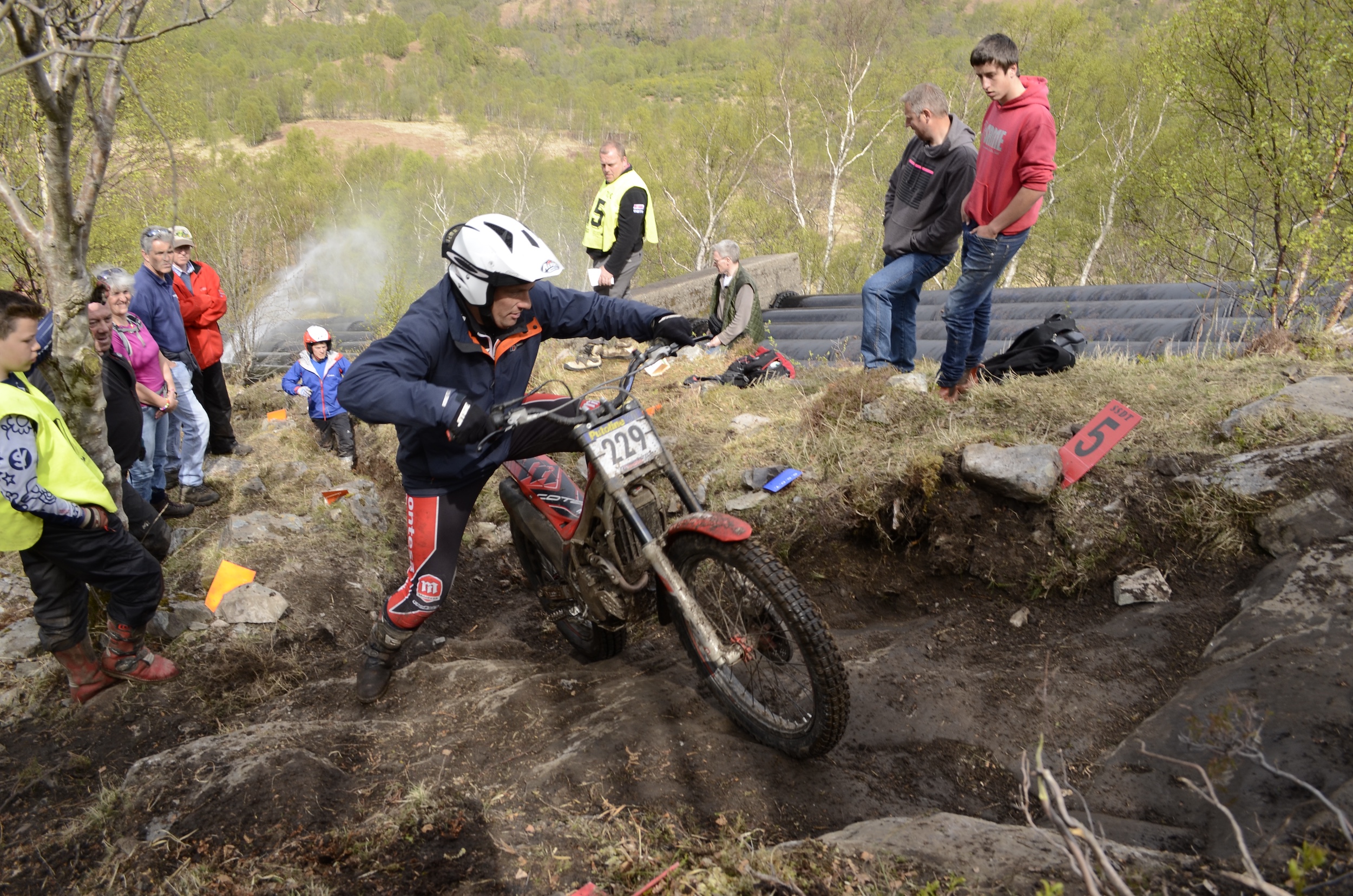
The first rider competing in the Pre65 Scottish Trial to clean Pipeline was Tim Bell from Northallerton on his 350cc Royal Enfield Bullet in 1987.
The Edinburgh club decided to create a logo for the Pre65 Scottish Trial and a stylised image of Pipeline was chosen.

In mid 2025, Jahama announced that essential maintenance was required on the Kinlochleven pipeline and the only suitable access was up the original contraction track that forms most of the ‘Pipeline’ trials section. Work began in earnest and machinery was brought in to lay an access road for machinery to repair and replace the pipes as necessary, as these were by now 120 years old. At first it was assumed that this would be the end of Pipeline as an observed hill group of sections, as the ground was now uncharacteristically smooth. However, nature has an unique way of going about things and there is no doubt that after the maintenance project is concluded, nature may reverse the ground conditions as it had done almost 100 years ago, especially if the track is not continuously maintained. The track is smooth at the moment, up as far as the large pink coloured step, but beyond that point nothing has changed. So perhaps it is not the ‘finale’ of Pipeline?
The Rider’s views on Pipeline:
Gary Macdonald:
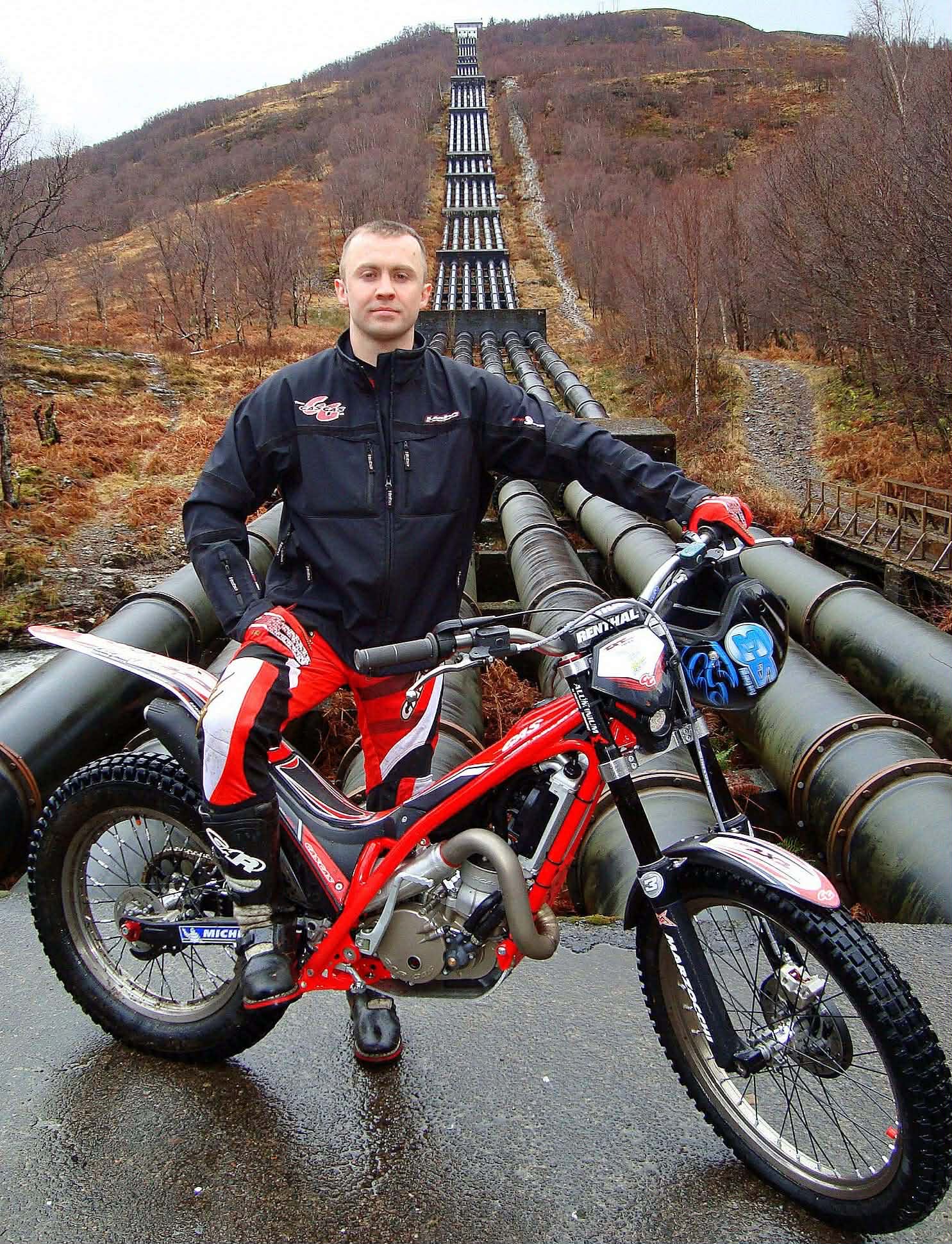
“Pipeline… what it means to me. Born and bred in Kinlochleven, it’s made me who I am today. As a young lad before I ever started trials, I knew of Pipeline. My best memories as a child is the sheer adventure every year the Pre65 and SSDT came around! Sitting in school hearing the bikes pass by, I was always so keen to get out of school and run up the actual pipes and big concrete blocks for a mile until I reached the Pipeline sections. It was dangerous but exciting, but I was always confident. On arriving there was spectators three to four deep, each side, all the way up. It was unbelievable, something you don’t see anymore. I would climb the trees high above the sections and watch for hours before running all the way back down all the big black pipes leading back to the village where the place would be so busy!“
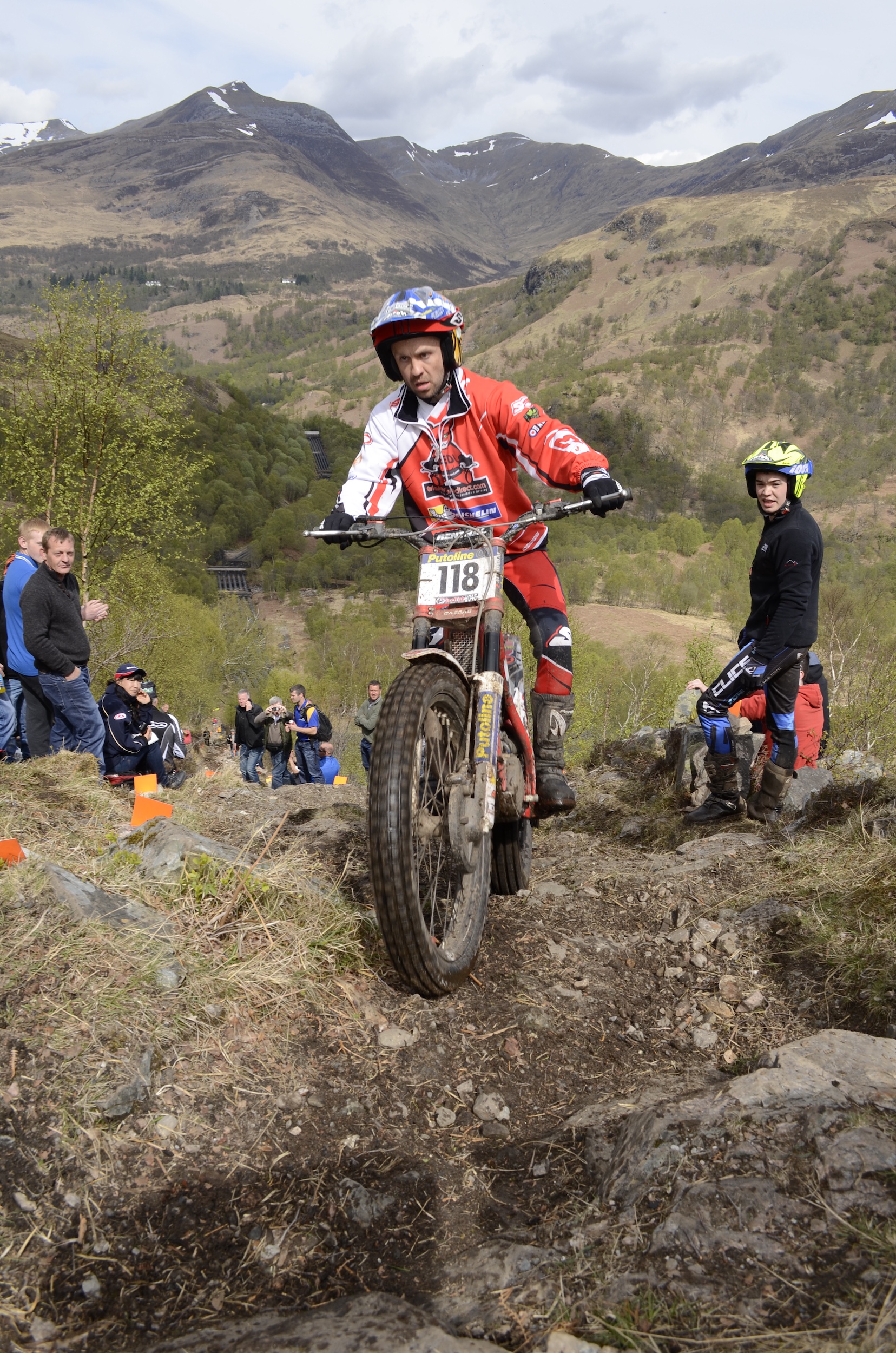
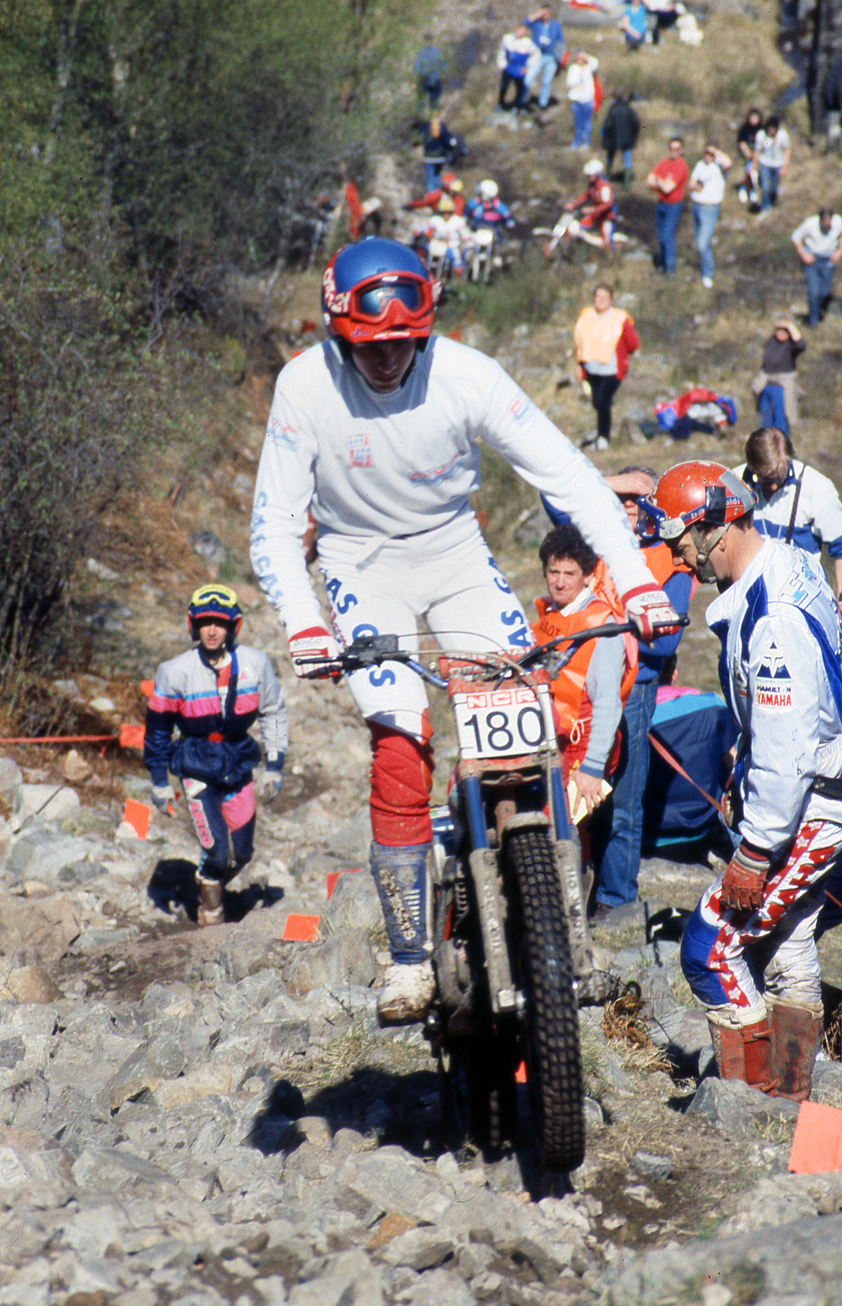
“Once I started trials aged nine, it was always a section I knew I would do many many times, I can’t actually recall the first time I rode the entire section to the top, suspect quite a few years until I was actually good enough which I’d say around 1998 aboard the GasGas 200.”
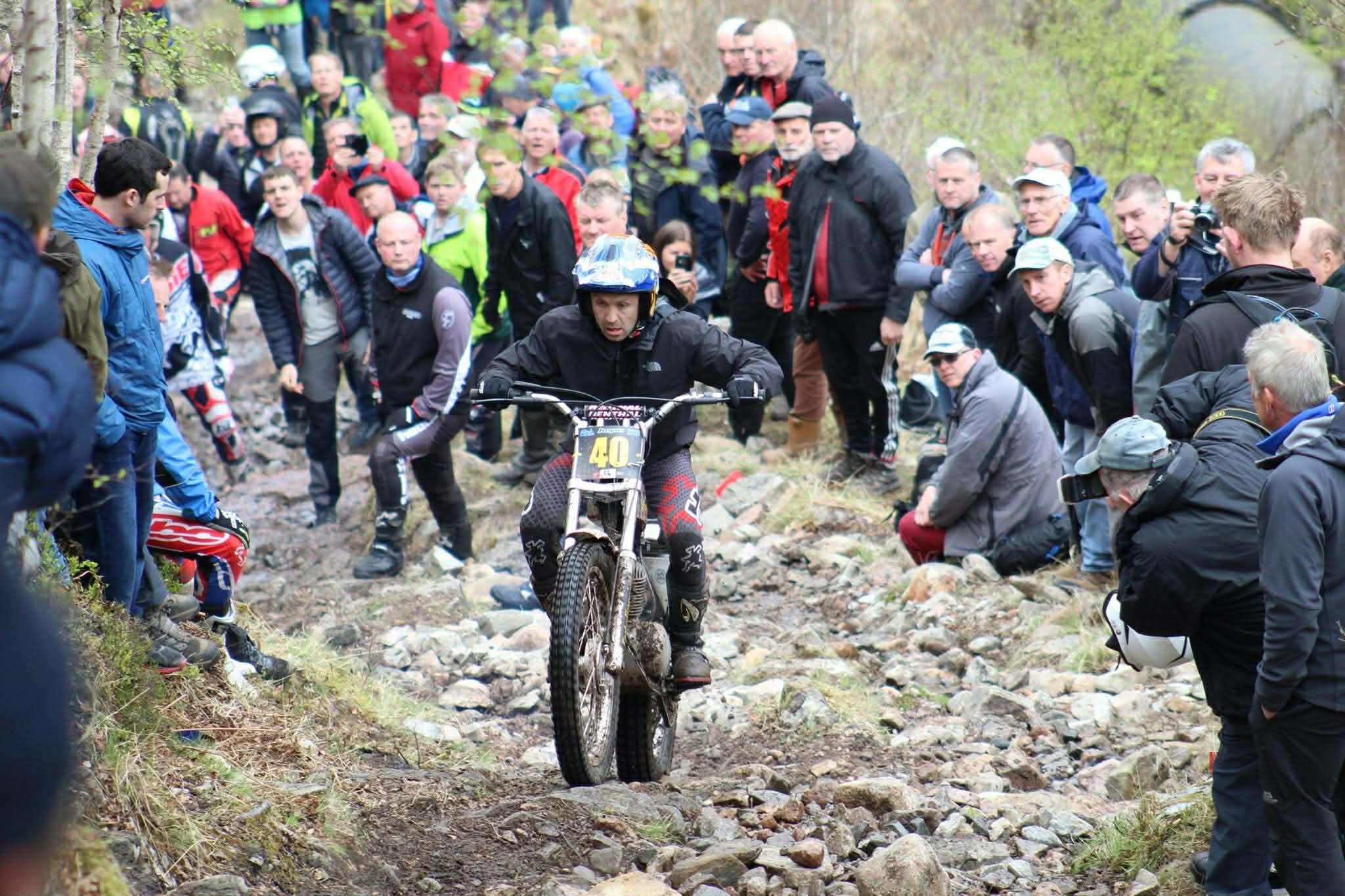
“Fast forward here I am forty-two years old, I’ve ridden Pipeline thousands of times in the past thirty plus years. Believe it or not, but it’s not a section I enjoy anymore, I fear the top section in the SSDT depending on the conditions! A dry early day it’s good, dry late day it’s so slippery in just a second you’ve fived it, it really is a fine line! A wet day it’s grippy for days and 100% the best conditions for Pipeline. Twenty years of SSDT and some seven or so years of Pre65 I’ve yet to this day drop a single mark, but yet I know the big disaster is coming. Pipeline is something that’s part of my life from a young boy to now and something Kinlochleven is known for, if you don’t know of Pipeline you’re no trials supporter.” – Gary Macdonald, Thirteen Times Scottish Trials Champion, British Expert Trials Champion, Three times Pre65 Scottish Trial winner and four times podium placed in the SSDT.
Bernie Schreiber:

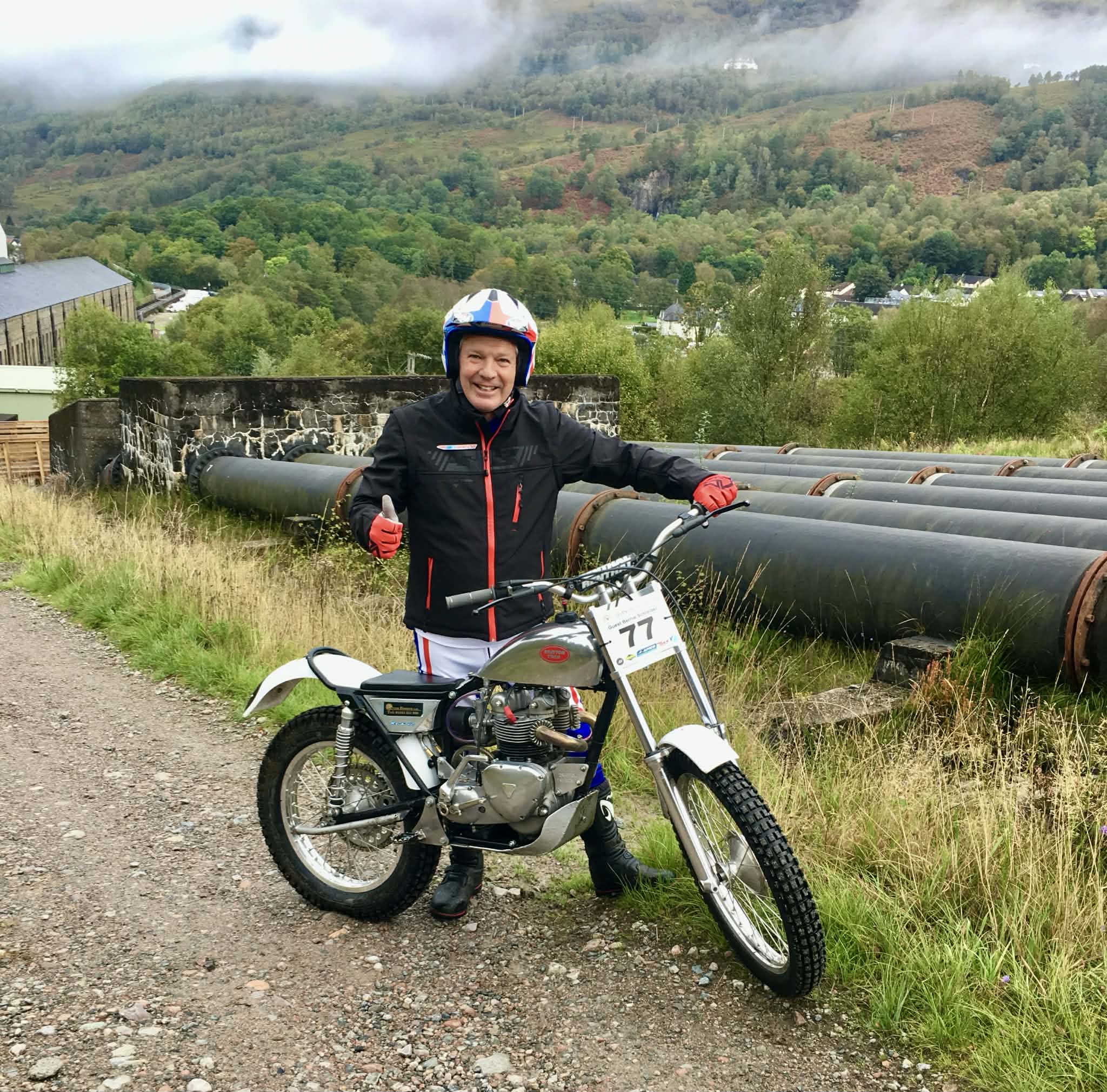
“Among all the famous trials in the world, none is more iconic to me than the Scottish Six Days Trial. And among all observed sections, the one that has stayed with me most is the Pipeline at Kinlochleven. I first walked the section in 1976 as a spectator, returning again to ride it in 1977, 1980, 1982 and, after many years, in 2019.

Over those visits I saw it in all conditions—ridden in sunshine, battered by rain, and even snow, yet it never lost its character. It remains the longest section in the world, with its famous sub-sections, and each time it drew the same crowds and carried that unmistakable traditional atmosphere. What changed over the years were the bikes, the riding styles, and the way the sport evolved. What didn’t change was the feeling of standing on that hillside, watching riders take on the Pipeline, and knowing you were witnessing something special in the history of trials. I was proud to be part of the SSDT history—best newcomer in 1977, and in 1982 becoming the third foreigner ever to win the event, and still the only American to do so.” – Bernie Schreiber, SSDT winner 1982, FIM World Trials Champion 1979.
John Dickinson:
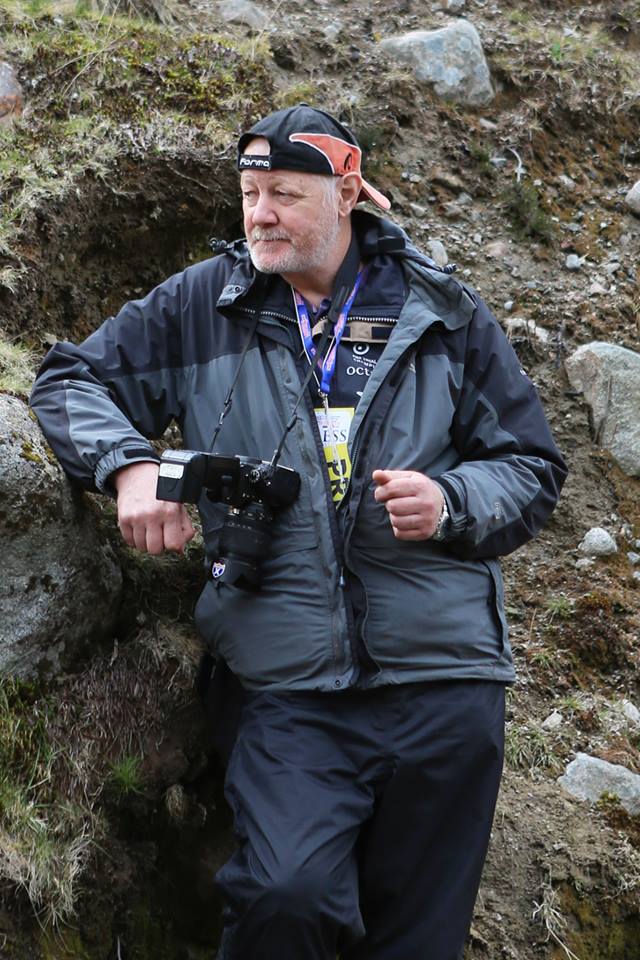
“Having read many times about Pipeline in the weekly motorcycle press reports of the Scottish Six Days Trial, I could scarcely believe I was about to ride the famous hill when I arrived at the ‘Ins’ cards on the Saturday day of the 1978 Scottish.
It was not only my first time as a rider but my first ever visit to the event and it was the final day and fingers were crossed that my Montesa 310 and I would reach the finish. It was, amazingly, a surprisingly hot May day and I took off my TT leathers Vystram jacket and handed it to TMX roving reporter Mannix Devlin who was at the top of the hill as I completed my inspection.
After walking back down and taking my turn in the long queue, as a first timer I was fairly overawed to be tackling such a section in front of a huge crowd and on exiting the ‘Ends’ cards I just kept riding onwards and upwards towards Blackwater.
Stopping to read my route card out on the moors, to check I had completed the correct number of sections, I realised with a shock that my card was in my jacket – which I had handed to Mannix! I had no choice but to break the rules and panic my way back to Pipeline where fortunately he was just about to set off back to Fort William. No route card would have meant no official finish!
Which is why I remember Pipeline….
After that first visit I returned to the Scottish every year as a spectator, reporter, photographer, rider and simply as an enthusiast and Pipeline remained a huge draw.
I can recall many incidents – like Dave Thorpe making a beeline to run into me and my camera to successfully claim a baulk after getting offline – but one that sticks in the memory concerned Mick Wilkinson in the Pre65 event.
Mick was riding well on his very standard 1950s Francis Barnett and had just breezed up the famous ‘step’ half way up – right to where I was perching – when the engine just stopped – and a shocked Mick was instantly progressing backwards while the Villiers motor was making a most hideous screaming noise.
It seemed obvious that the Woodruff key had sheared and the flywheel was running amok in the aluminium saucepan cover. Turned out to be a tad more serious. The crank had actually snapped in two and a lot more than the flywheel was whizzing around wreaking mechanical mayhem. Note that I have spared the blushes of those unfortunate riders, officials and spectators who have taken a surprise ‘header’ down the steep left hand banking over the years having either tripped or knocked off balance by a wayward machine – maybe some other contributor will spill those beans?” – John Dickinson, former editor, Trials & Motocross News.
Kirk Mayfield, USA:
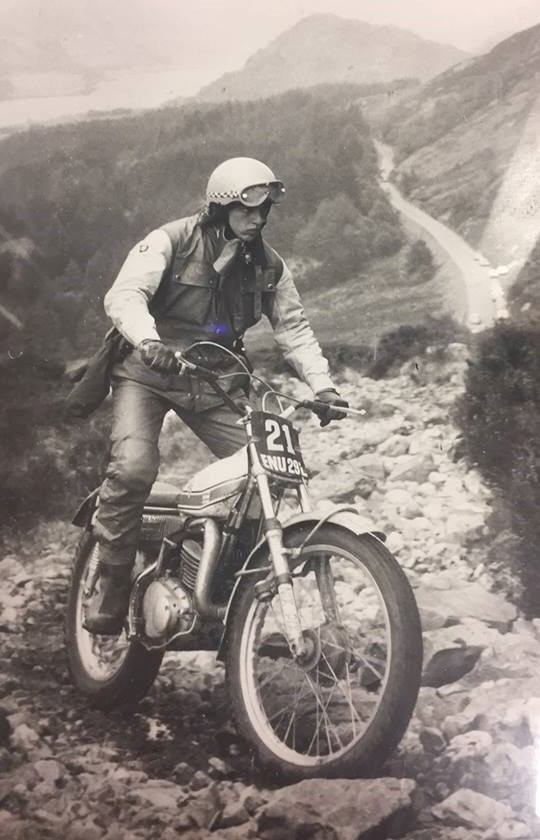
“My favorite trials section on the planet. The infamous Pipeline at the SSDT. The lower sections were relatively flat. The lower section was a veritable minefield of skull size rolly boulders, while the upper sections complexion changed after every rider’s tires rearranged the landscape. As I recall I started out in third gear at full song, downshifting as I progressed through what I think was five subsections with no gap between and finishing going out the top in first gear. What an absolute joy it was hearing the amazing educated crowd applauding and cheering you on! This is the epitome of a get it done section! Most photographs don’t really convey how steep it really gets.” – Kirk Mayfield, Broken Arrow, Oklahoma.
Carlos Casas, Spain:
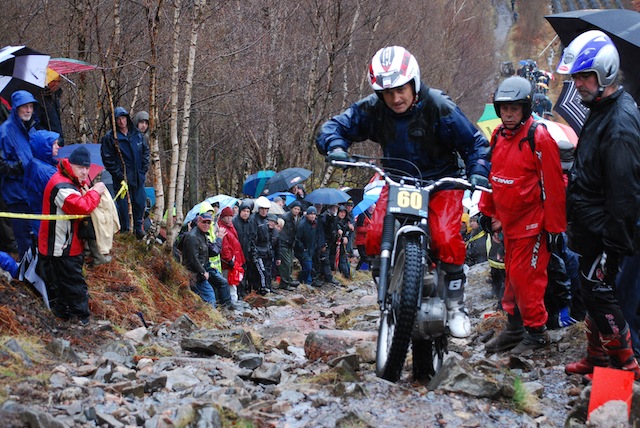
“Pipeline, one of the most legendary sections of the SSDT. Since 1979—when there were barely any trees around. I rode my first Scottish Six Days Trial, and up to now, with thirteen Pre-65 Scottish events completed, thirty-four SSDTs. I’ve calculated that I must have ridden Pipeline more than fifty-five times.“
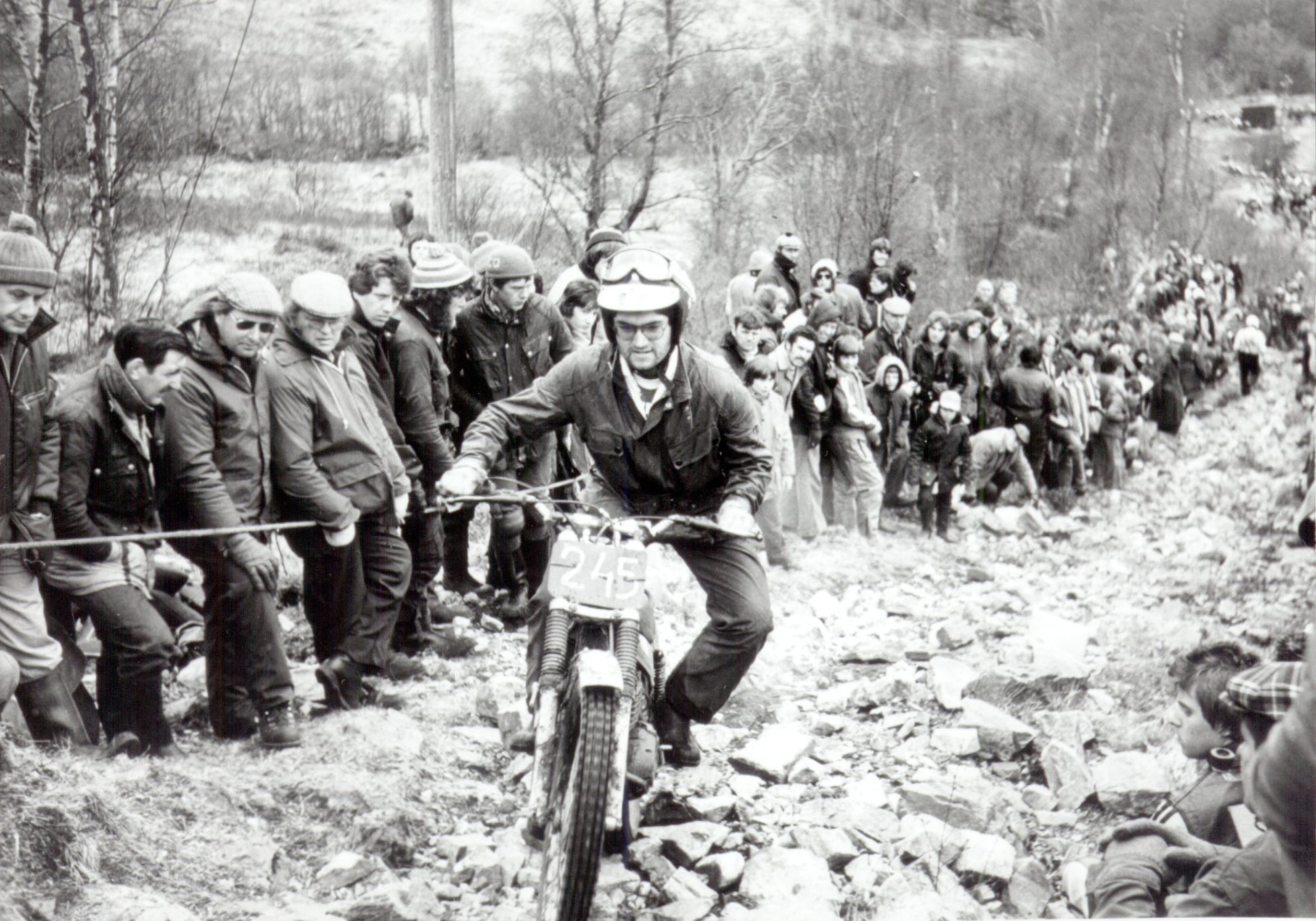
“It’s not just one section, but a group of iconic, mythical sections, extremely difficult to clean, always changing due to the weather and the passing of riders.“
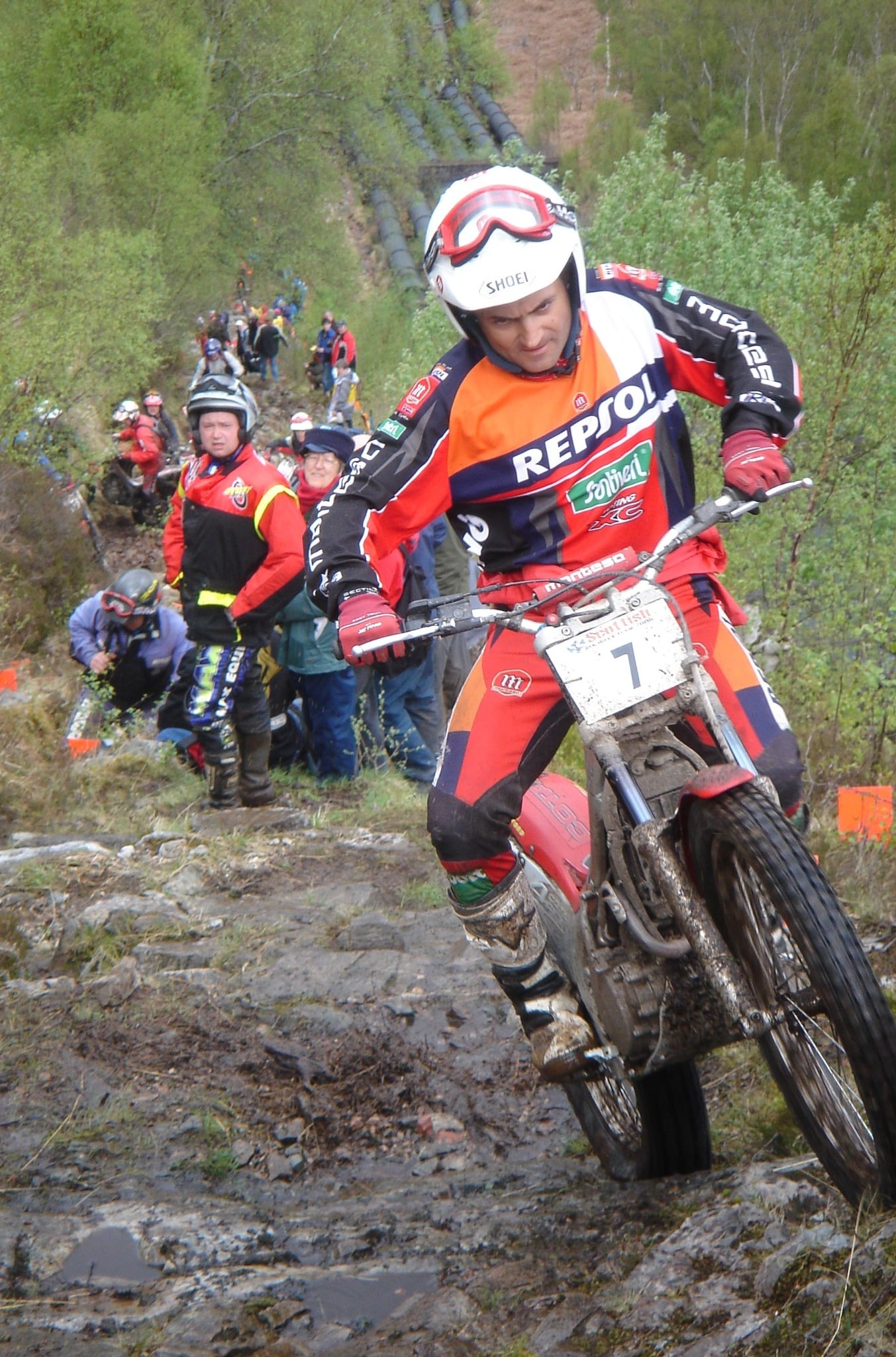
“Yet they bring an incredible sense of satisfaction when you manage to get through them. Pipeline is, without a doubt, a name known throughout the trials world, and a dream for every rider to experience and ride.” – Carlos Casas, Olot.
Gilles Burgat:
“Pipeline – Then and Now.”
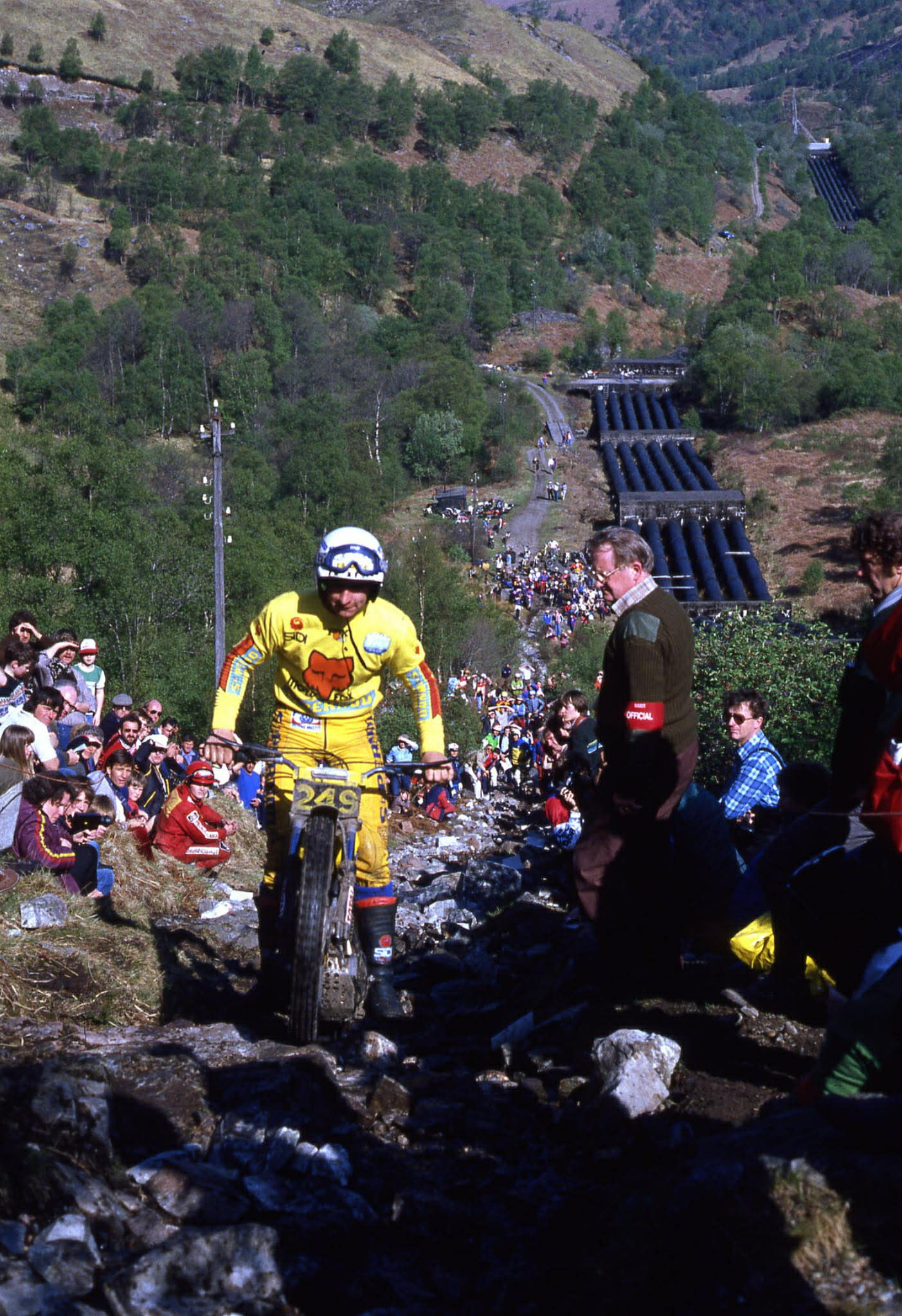
“For me, Pipeline at the Scottish Six Days Trial exists in two very different eras. Back in the 1980s, it was a relatively friendly section. The lines were clear, grip was good and a clean ride was often the norm, nothing too intimidating. Today, Pipeline is a different story. The section has been carved deeper over the years, with bigger steps, rougher terrain and far less grip. Even the walk-through is demanding, and one question always comes up: second or third gear? Get it wrong, and you pay the price. I’ve hit it flat out in third, only to be thrown off the bike on the slippery rocks. Tough, unpredictable — but still one of the most iconic and memorable sections of the SSDT. I am looking forward to ride it again – See you there!” – Gilles Burgat, SSDT Winner 1981, multiple French Champion, FIM World Trials Champion 1981.
Yrjö Vesterinen:
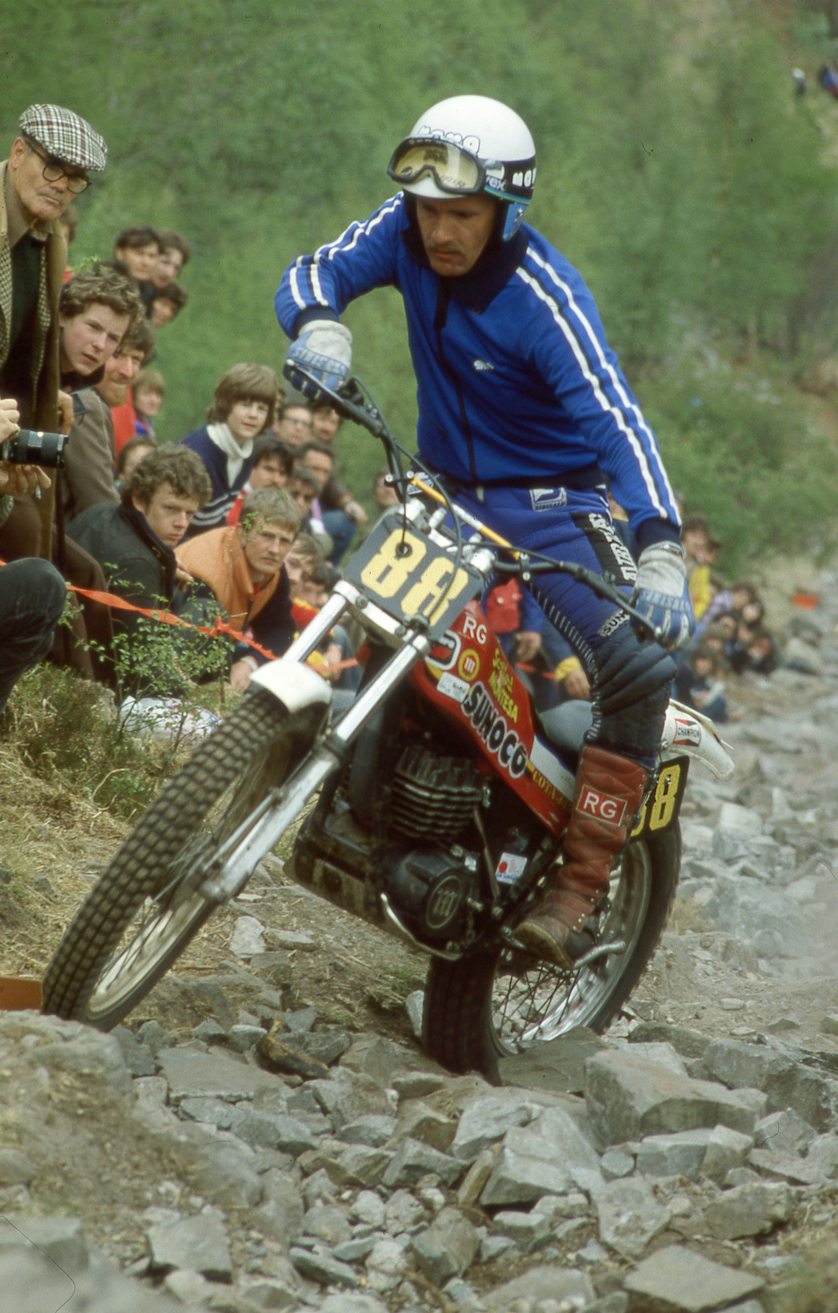
“When I think of Pipeline, I think of Scotland, the 6-days and the Pre65. Pipeline is there to remind us of the glorious past trials riding. Anybody who hasn’t ridden or seen pipeline couldn’t possibly comprehend the true value or meaning of this section.
It is not just a section, or group of sections as it used to be, it is an institution that defines the true nature of trials.”
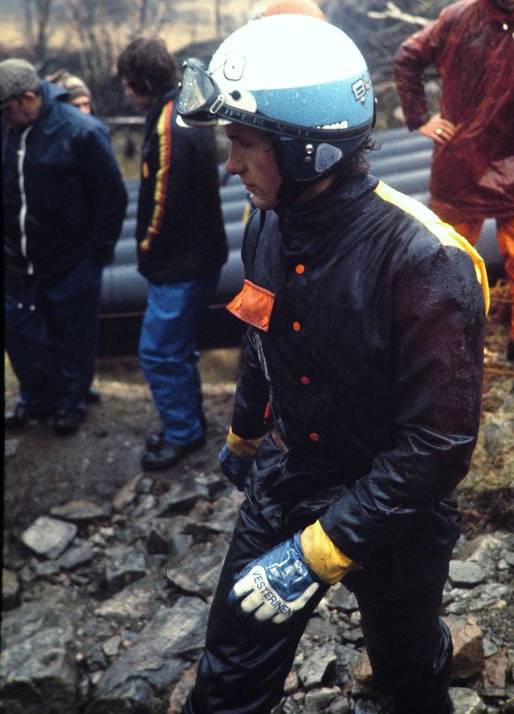
“It is a challenge that cannot easily be described simply with words. It is one of the few sections that having walked it, thought about lines, discussed it with other riders, by the time you come to ride, it has changed. It is a special place with memories for both riders and spectators alike. It is a place of pilgrimage.” – Yrjö Vesterinen, 1980 SSDT winner, three times FIM World Trials Champion.
Charles Coutard:
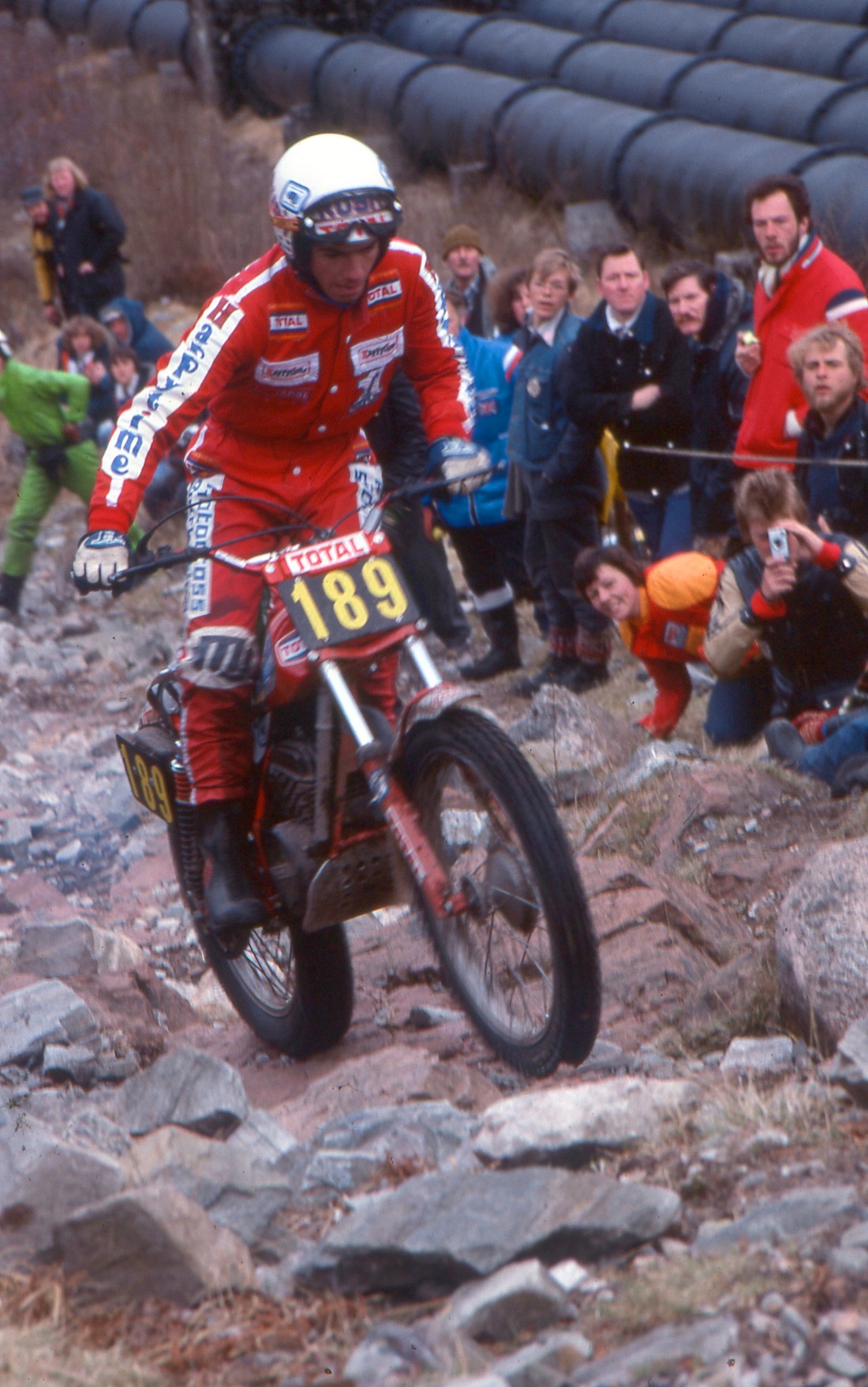
My biggest souvenir and memory of the Pipeline was the number of riders waiting, I learned how to claim the time delay, and of course the crowds of spectators. The Pipeline was huge and all these people create a huge pressure before you attempt it. I was always ‘clean’ but it was really with great pride. – Charles Coutard, Eight times French national champion.
Slideshow of ‘Pipeline’ over the years. (Scroll right or left to view)

1969 Scottish Six Days – George Webb (250cc Bultaco Sherpa) on the iconic ‘Pipeline’ section – Photo: Alistair MacMillan Studio, Fort William. 

Mike Naish on ‘Pipeline’ in the Pre65 Scottish Trial on his 402cc Matchless. 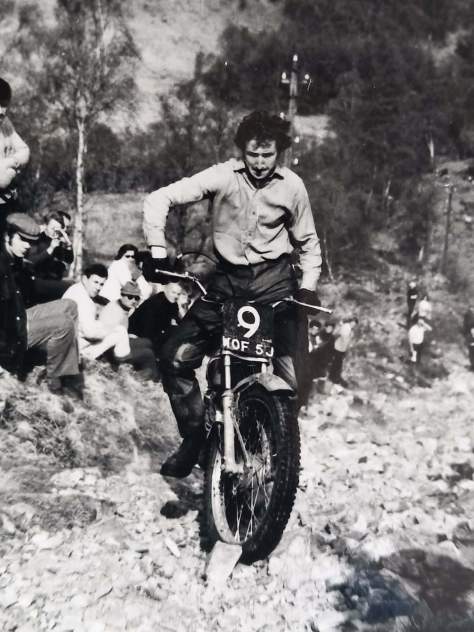
Steve Wilson coaxes his 125cc Saracen up ‘Pipeline’ in the 1971 Scottish Six Days Trial – Photo: Keith Walker 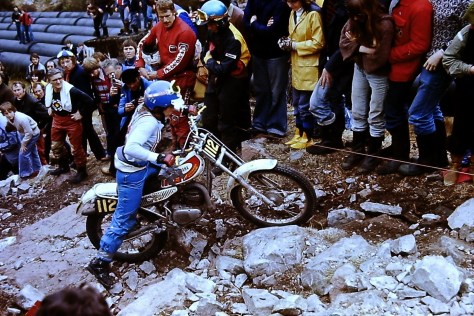
1978 SSDT – Debbie Evans-Leavitt (175cc Yamaha) on ‘Pipeline’ (Photo: Walker Brothers Archive) 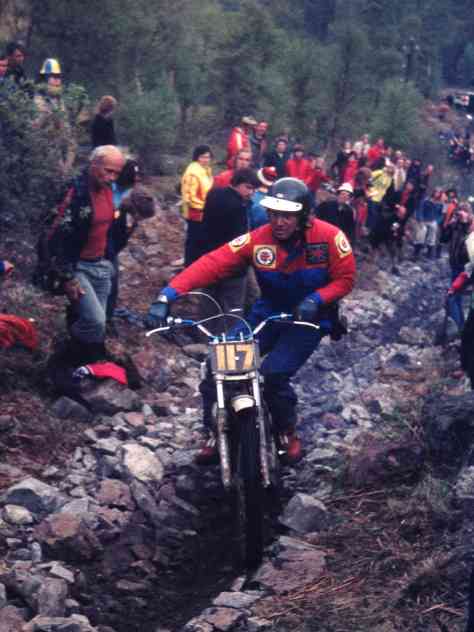
1976 SSDT – Mick Andrews (Yamaha) on ‘Pipeline’ – Photo: Bob Hosie. 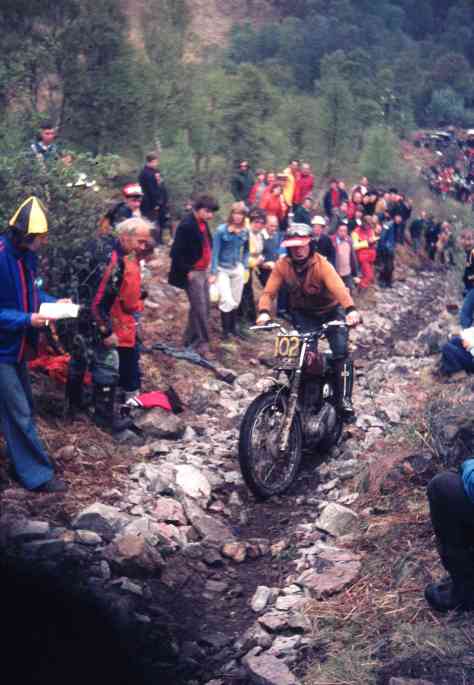
1976 SSDT – Ernie Page (500 Ariel) on Pipeline, the last man to finish the SSDT on an HT5 Ariel – Photo: Bob Hosie. 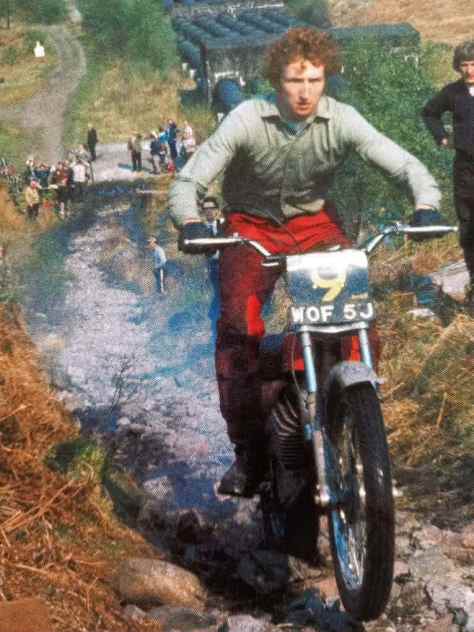
Steve Wilson on the Saracen cleaning ‘Pipeline’ in the 1971 Scottish Six Days Trial – Photo: David Brand 
Arthur J. Lampkin (500cc BSA) on ‘Pipeline’ in the Pre65 Scottish Trial – Photo: OffRoad Archive. 
Frenchman, Jean Caillou in 2007 on ‘Pipeline’ – Photo: Ian Kerr. 
Joint Pre65 Scottish winner in 1995 Wayne Braybrook (BSA B40) on ‘Pipeline’ – Photo: Iain Lawrie, Kinlochleven. 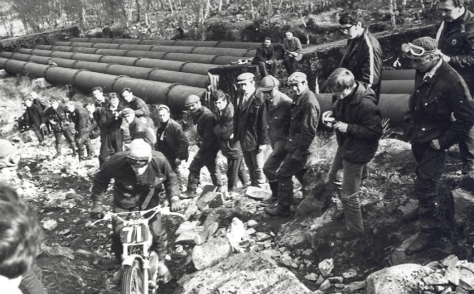
Walther Luft (169 Puch) tackles ‘Pipeline’ in the 1970 SSDT watched by F.X. Bulto (in deerstalker hat); Malcolm Rathmell on the far right and Jock Wilson of Comerfords top right. (Photo: Trial.AT) 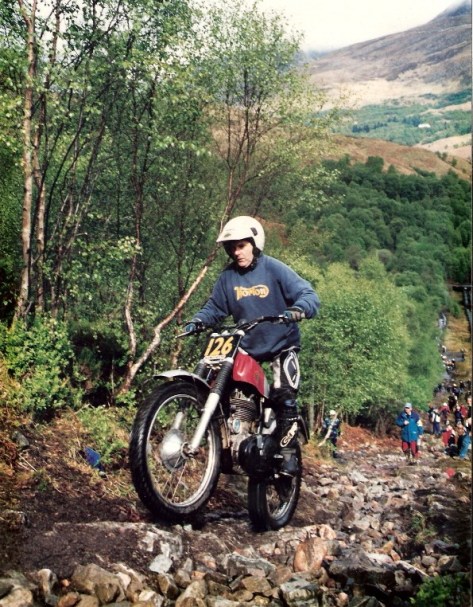
Mike Hann on ‘Pipeline’ in the Pre65 Scottish Trial on the 500 Ariel HT5. 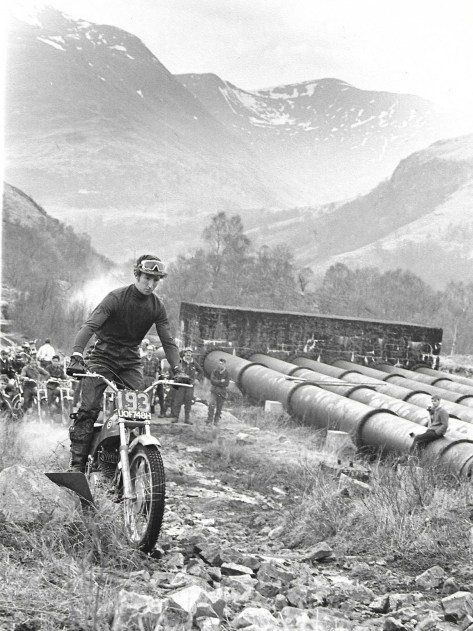
Steve Wilson (247 Montesa) 1970 SSDT – Photo: Alistair MacMillan Studio, Fort William. 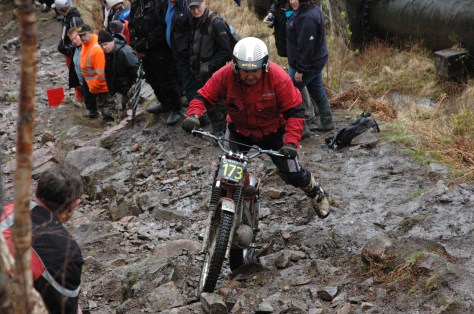
Hartwig Kamarad on a Jawa rides ‘Pipeline’ in the 2010 Pre65 Scottish Trial. 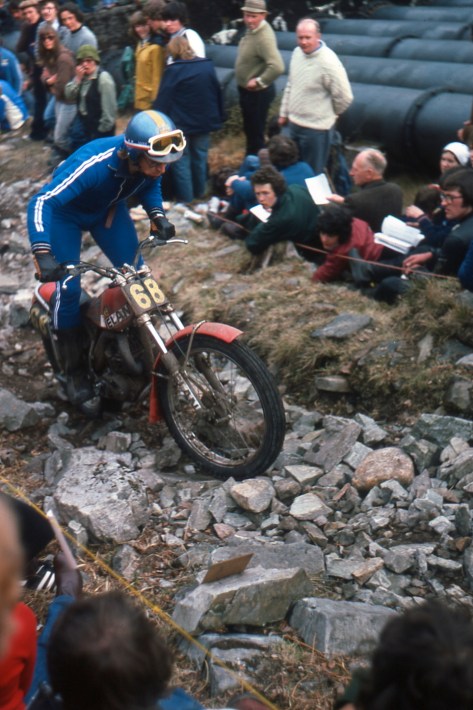
Gottfried Engstler in the 1978 SSDT on Pipeline – Photo: Iain Lawrie 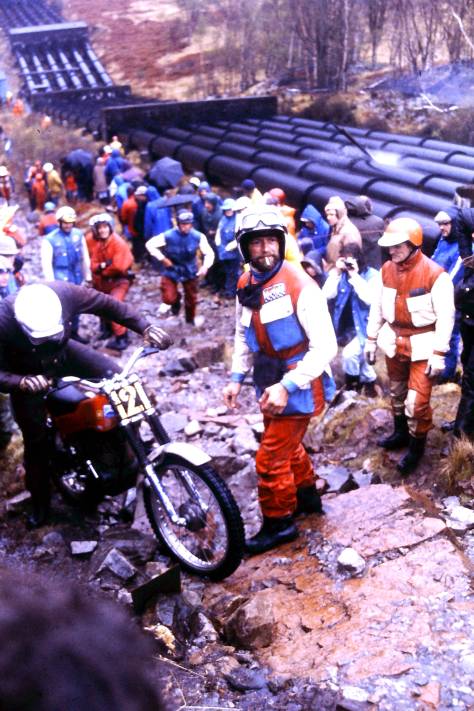
Don Smith rechecks the line on Pipeline in 1977 – Photo: Jimmy Young. 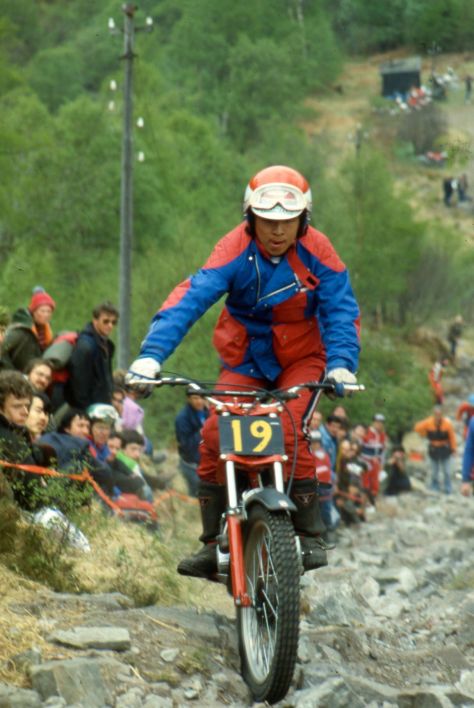
SSDT 1980 – Kiyoteru Hattori – Honda – Pipeline – Photo: Iain Lawrie 
SSDT 1980 – John Shirt Snr – Majesty Yamaha – Pipeline – Photo: Iain Lawrie 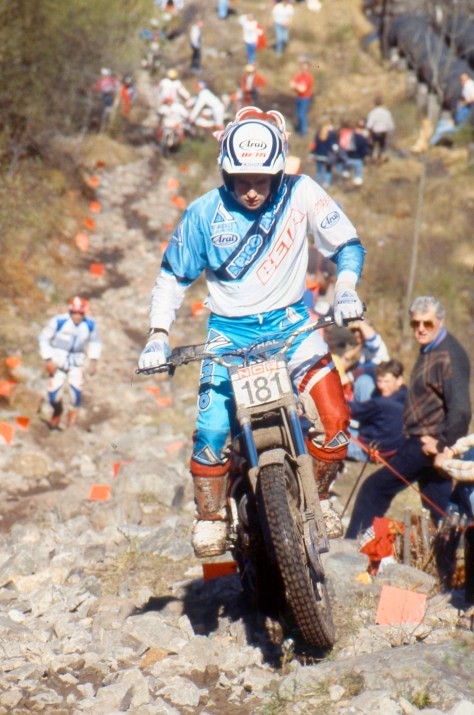
Rob Crawford (Beta) on Pipeline – Photo: Iain Lawrie 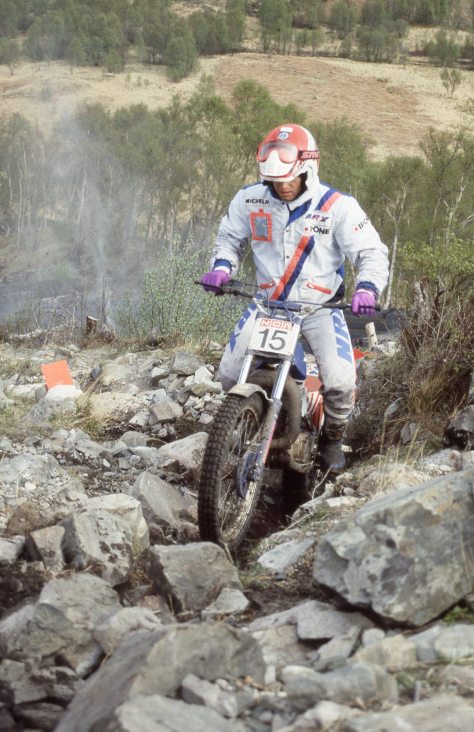
Philippe Berlatier (Beta) on Pipeline – Photo: Iain Lawrie 
Phillip Alderson (Hamilton Yamaha) on Pipeline – Photo: Iain Lawrie 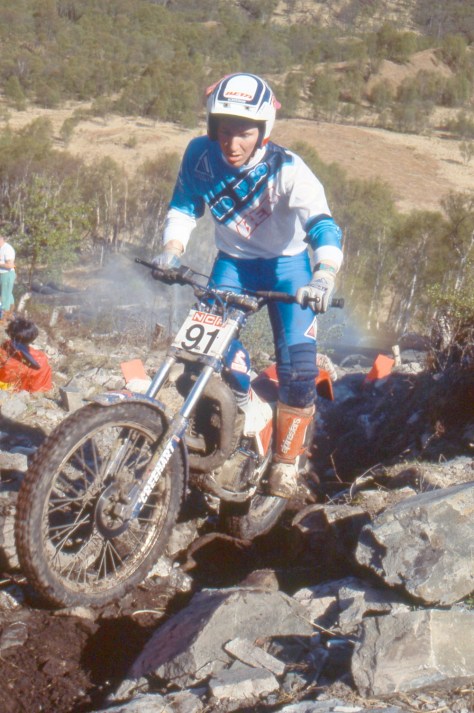
Jason Miller (Beta) on Pipeline – Photo: Iain Lawrie 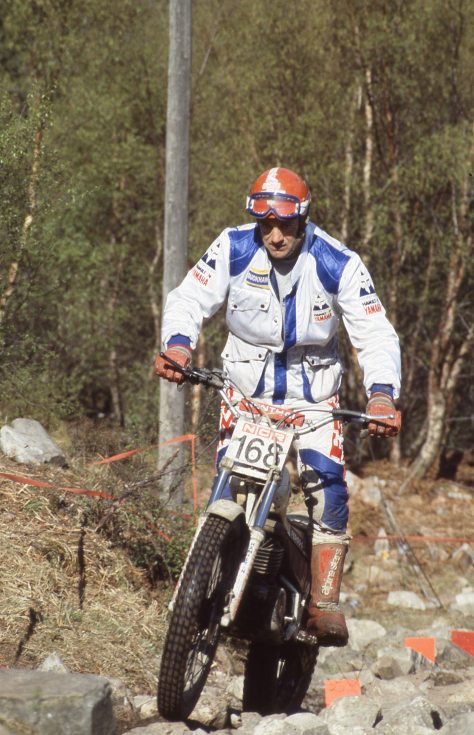
Dave Thorpe (250 Yamaha) on Pipeline – Photo: Iain Lawrie 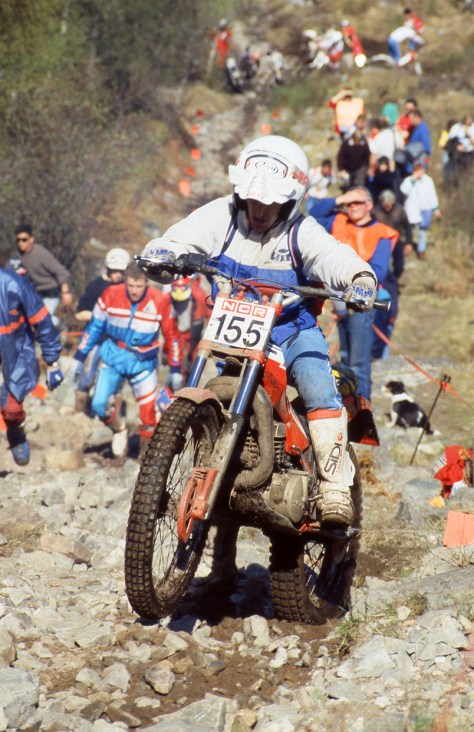
D. Krieguer (Beta) on Pipeline – Photo: Iain Lawrie 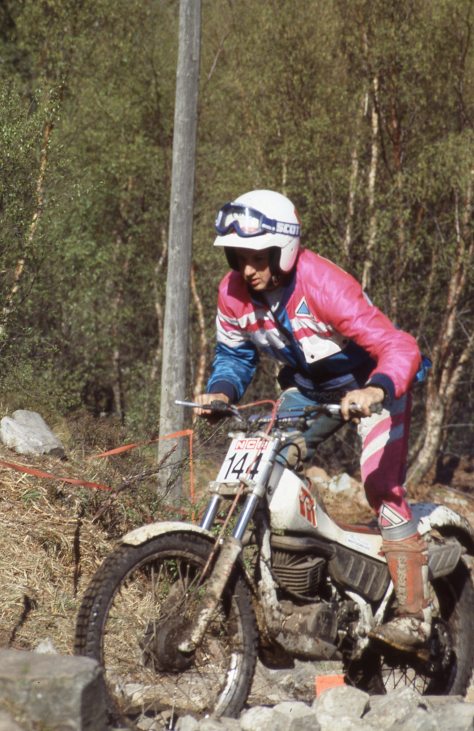
C.G. Morrill (250 Yamaha) on Pipeline – Photo: Iain Lawrie 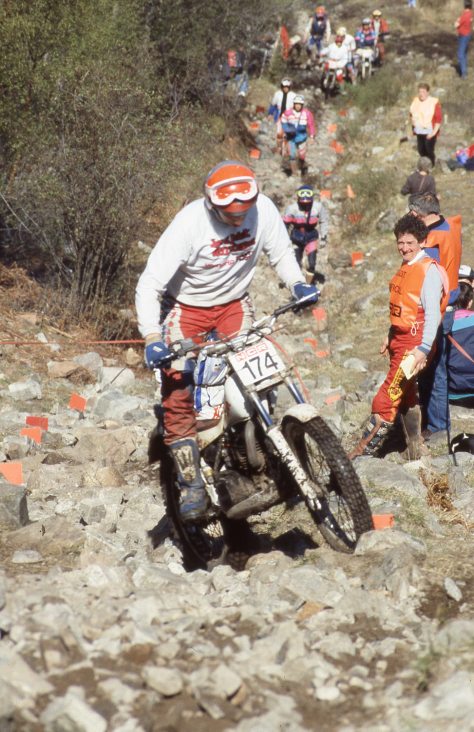
Andrew Wilkinson (250 Yamaha) on Pipeline – Photo: Iain Lawrie 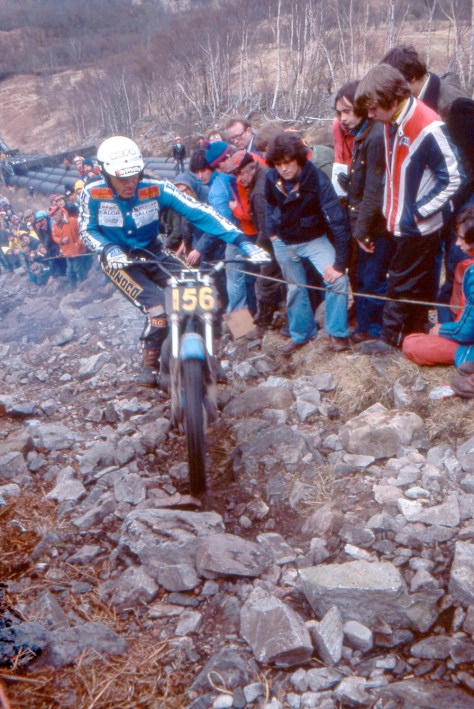
Yrjo Vesterinen (325 Bultaco) on Pipeline – Photo: Iain Lawrie 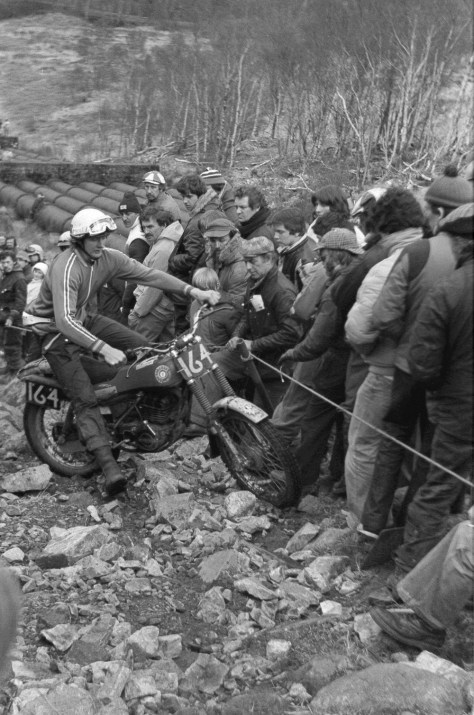
Tim Peace (348 Montesa) SSDT 1979 on Pipeline – Photo: Iain Lawrie 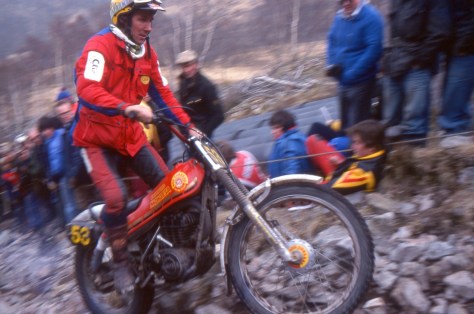
Rob Edwards (349 Montesa) on Pipeline – Photo: Iain Lawrie 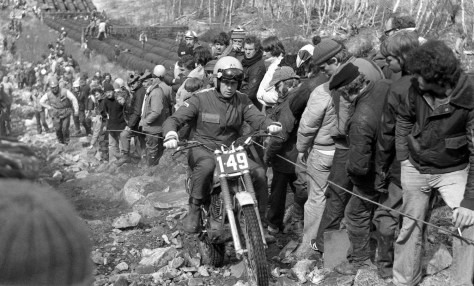
O. Andersson (348 Montesa) on Pipeline – Photo: Iain Lawrie 
G. N. Hobbs ( 348 Montesa) on Pipeline – Photo: Iain Lawrie 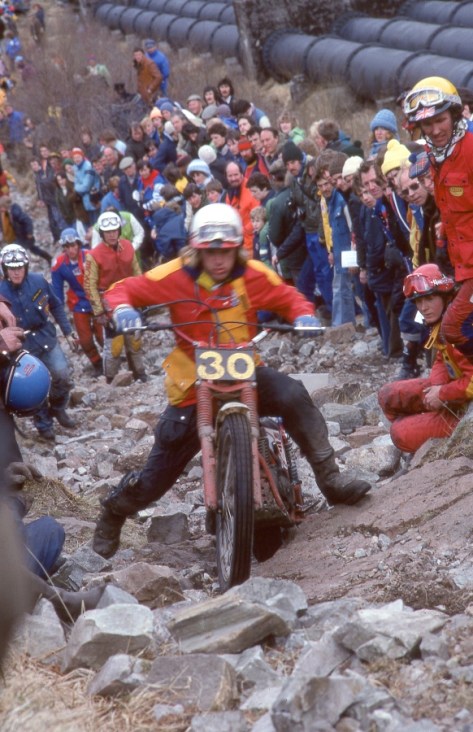
D. J. Fletcher on Pipeline – Photo: Iain Lawrie 
Gordon Jackson from Scarborough on his BSA B40 in the 1985 Pre65 Scottish. 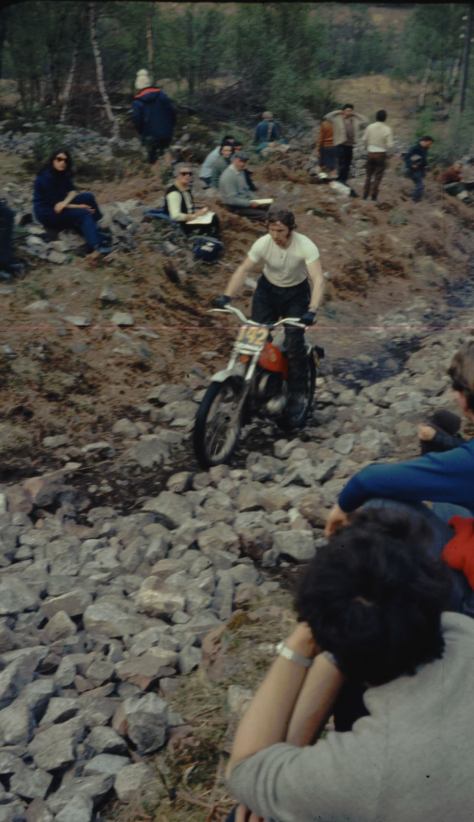
Kenneth K. Cameron from Fort William on Pipeline in the 1971 SSDT – Photo: Ian Robertson, Midlothian 
Colin Mitchell from Aberdeen on his 244 Bultaco on Pipeline in the 1971 SSDT – Photo: Ian Robertson, Midlothian 
Toshi Nishiyama (247 Montesa Cota) on ‘Pipeline’ in the 1971 SSDT – Photo: Toshi Nishiyama, Japan Private Collection 
Rob Edwards (Montesa) on Pipeline in the 1981 Scottish Six Days Trial – Photo: Iain Lawrie, Kinlochleven 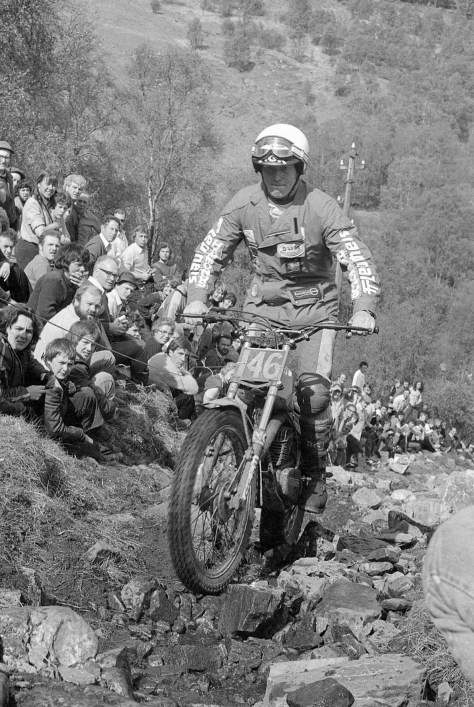
Martin Lampkin (SWM) on Pipeline in the 1981 SSDT – Photo: Iain Lawrie, Kinlochleven 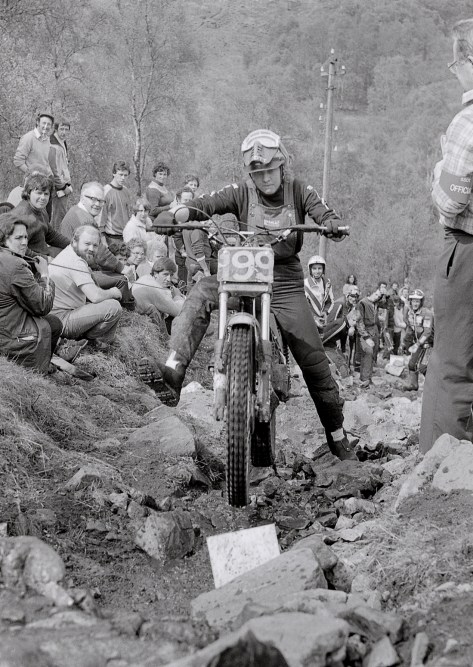
Lisa Jones (200 SWM) on Pipeline in 1981 – Photo: Iain Lawrie, Kinlochleven 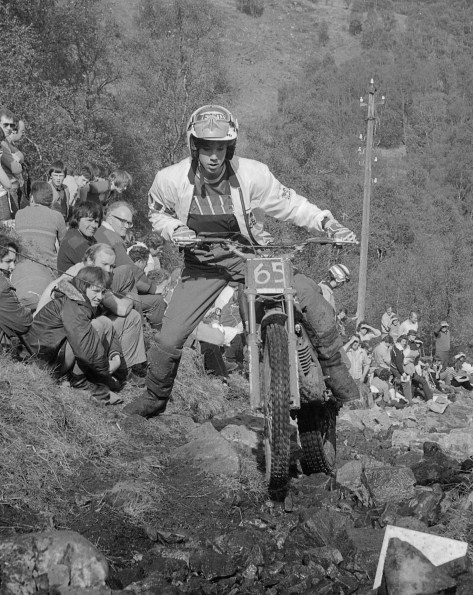
Mark Holland (Fantic) on Pipeline in the 1981 SSDT – Photo: Iain Lawrie, Kinlochleven 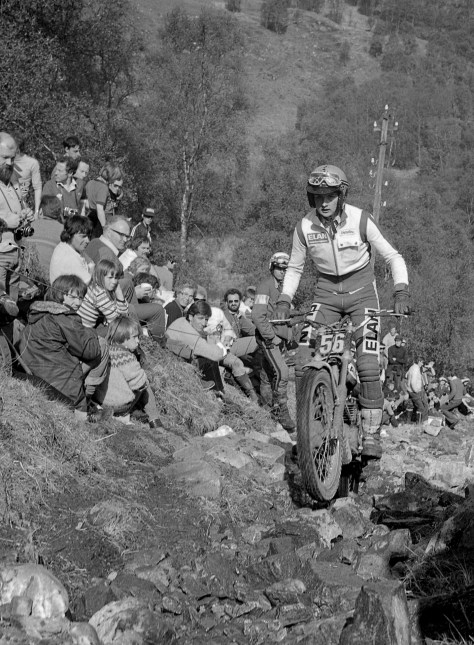
Gerhard Wolf (Bultaco) on Pipeline in the 1981 SSDT – Photo: Iain Lawrie, Kinlochleven 
Martin Anker on Pipeline inthe 1989 SSDT – Photo: Iain Lawrie, Kinlochleven 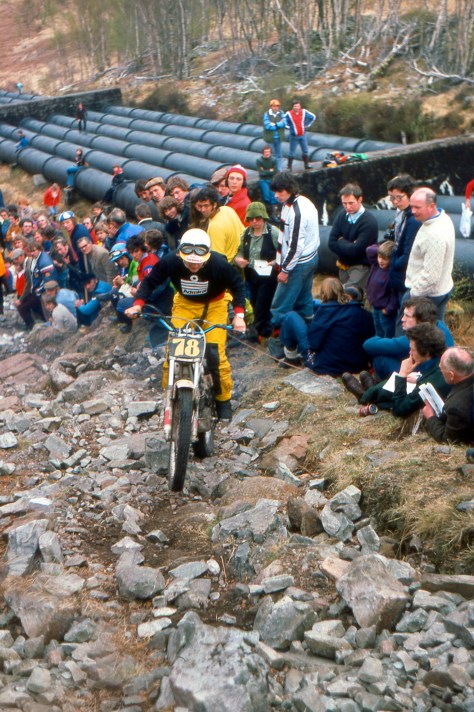
T. Brailsford on Pipeline in the 1978 SSDT – Photo: Iain Lawrie, Kinlochleven 
O. Anderson (Montesa 348) in the 1978 SSDT on Pipeline – Photo: Iain Lawrie, Kinlochleven 
Lars Johansson (Montesa 348) on Pipeline in 1978 – Photo: Iain Lawrie, Kinlochleven 
Ted Brefitt (Suzuki) 1978 SSDT on Pipeline – Photo: Iain Lawrie, Kinlochleven 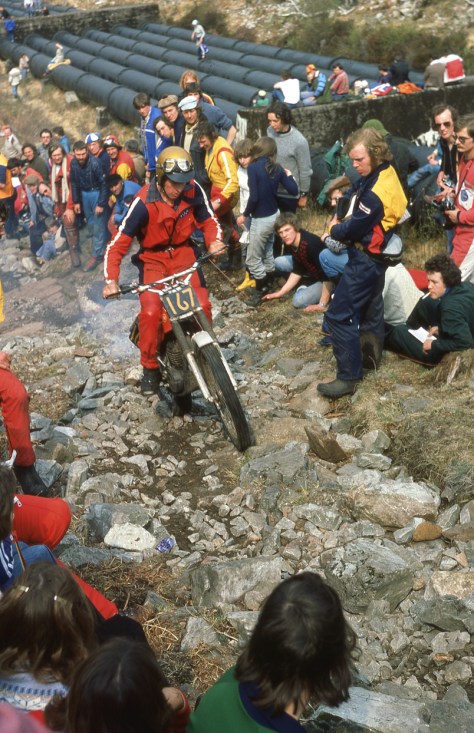
K. Hall (Montesa) on Pipeline in the 1978 Scottish Six Days Trial – Photo: Iain Lawrie, Kinlochleven 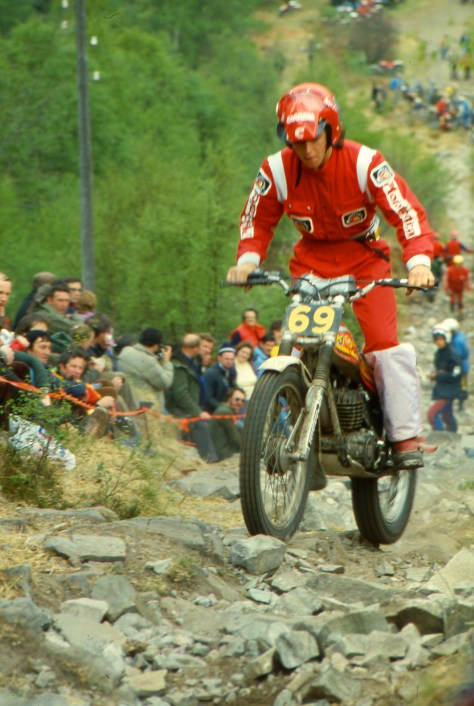
Roy Kerr 1980 SSDT on Pipeline – Photo: Iain Lawrie 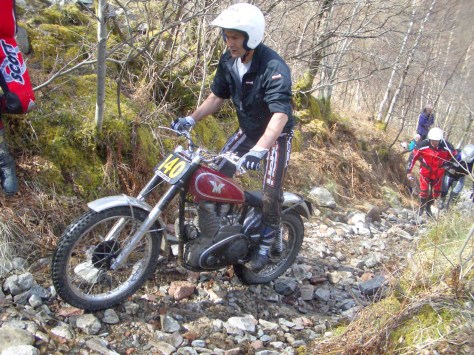
Len Hutty (410 Matchless) on Pipeline in the 2006 Pre65 Scottish – Photo: Iain Lawrie 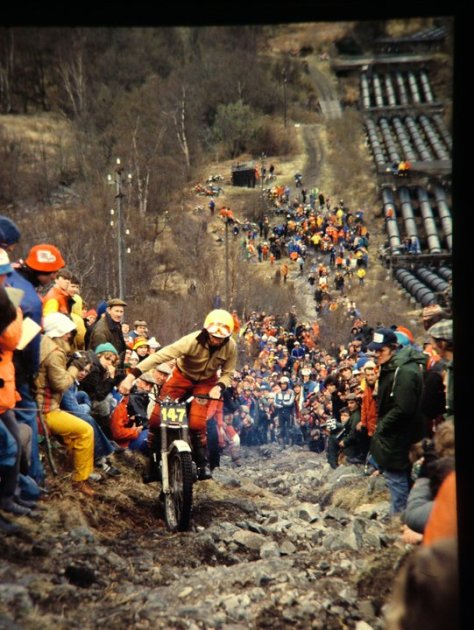
Nigel Birkett – 1979 Scottish Six Days on Pipeline (305 Montesa) – Photo: Jimmy Young, Armadale. 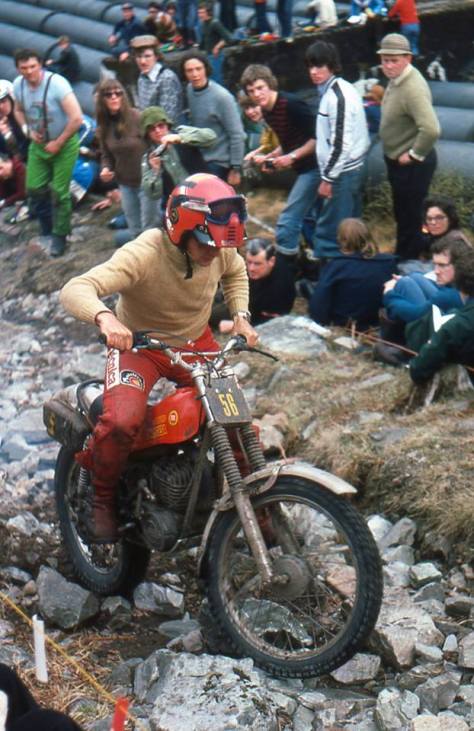
Juame Subira (349 Montesa) on Pipeline in the 1978 Scottish Six Days – Iain Lawrie, Kinlochleven. 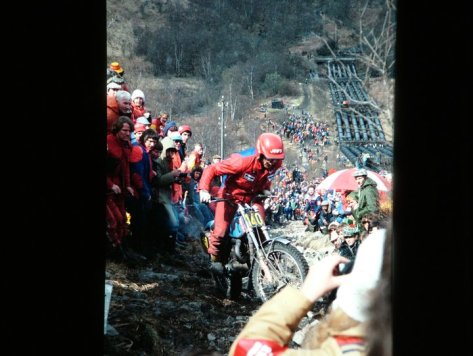
Scottish Six Days 1981 – Manuel Soler on Pipeline – Photo: Jimmy Young, Armadale. 
Phillipe Berlatier (280 Aprilia) on Pipeline in the 1985 Scottish Six Days – Photo: Iain Lawrie, Kinlochleven. 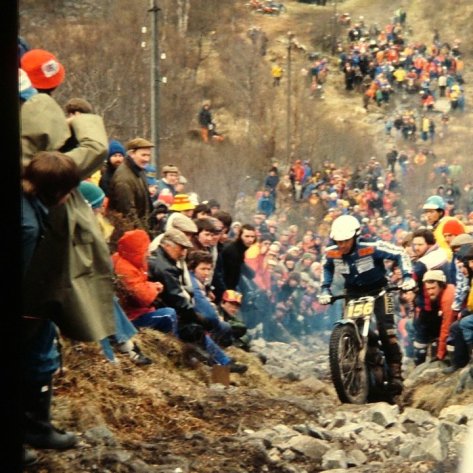
Yrjo Vesterinen (326 Bultaco) on Pipeline in the 1981 Scottish Six Days – Photo: Jimmy Young, Armadale. 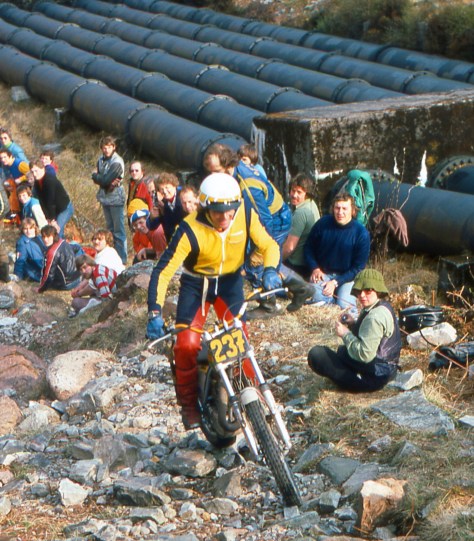
Mick Andrews (250 Ossa) on Pipeline in the 1978 Scottish Six Days – Photo: Iain Lawrie, Kinlochleven. 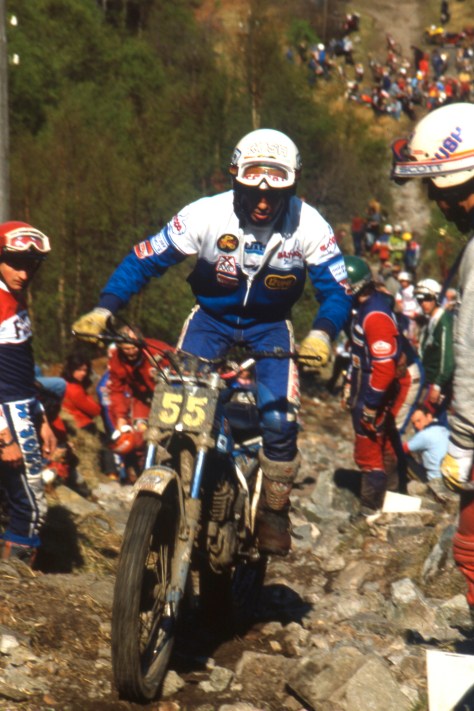
Charles Coutard (340 Bultaco) on Pipeline in the 1982 Scottish Six Days – Photo: Iain Lawrie, Kinlochleven. 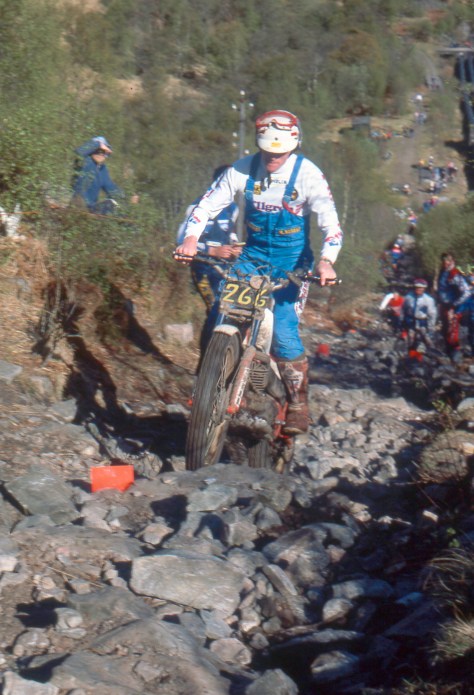
Gavin Johnston (250 Yamaha) on Pipeline in the 1985 Scottish Six Days – Photo: Iain Lawrie, Kinlochleven. 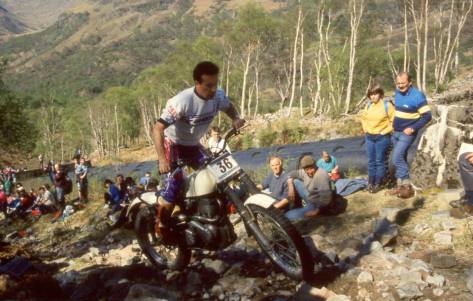
Mick Grant (500 Ariel) on Pipeline during the 1991 Pre65 Scottish – Photo: Iain Lawrie, Kinlochleven. 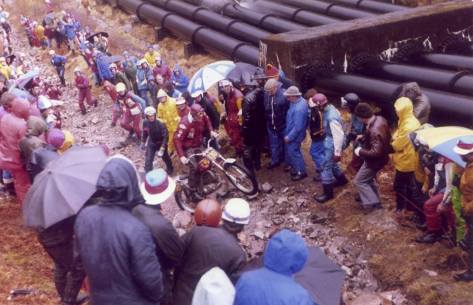
Martin Lampkin (Bultaco) in 1977 – Photo: Iain Lawrie 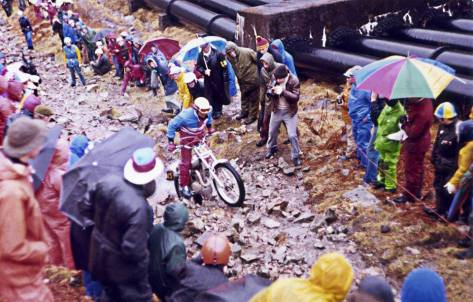
Mick Andrews (Yamaha) in 1977 – Photo: Iain Lawrie 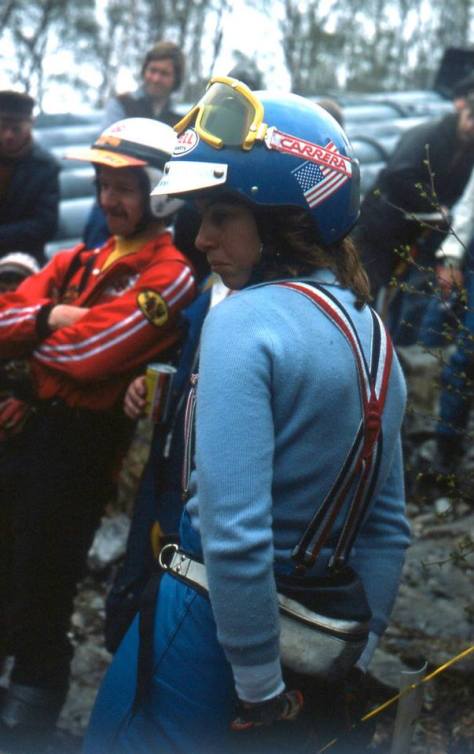
Debbie Evans in 1978 on Pipeline – Photo: Iain Lawrie 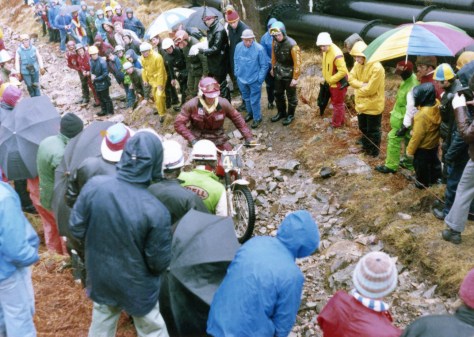
Marland Whaley (Honda) in 1977 – Photo: Iain Lawrie 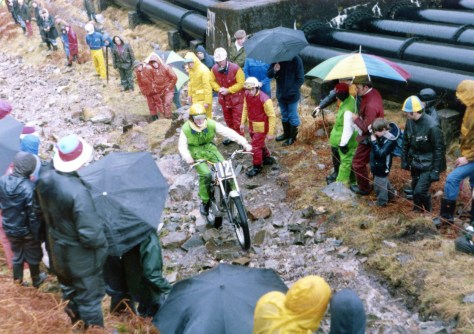
John Reynolds (Ossa) in the 1977 SSDT on Pipeline – Photo: Iain Lawrie 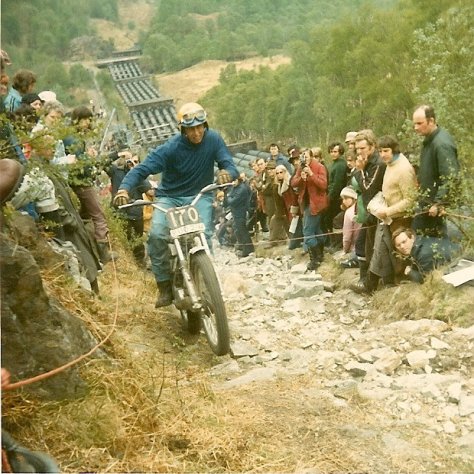
Colin Dommett, 1974 SSDT on Pipeline – Photo: Iain Lawrie 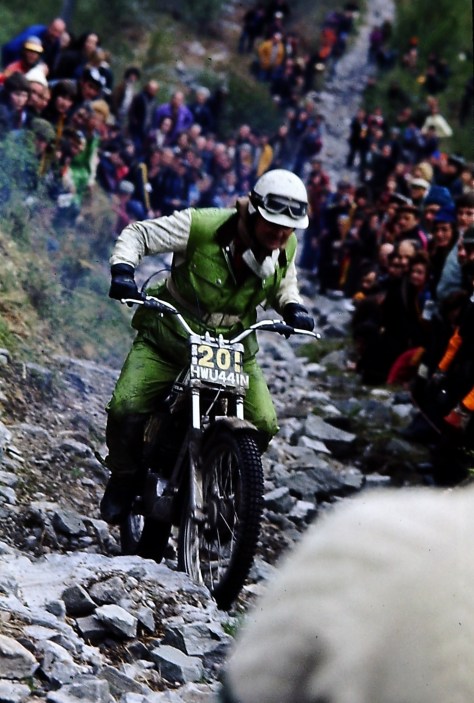
Bill Wilkinson (250 Ossa) in 1975 – Photo: Walker Brothers Archive. 
Yrjo Vesterinen walks the famous Pipeline section at the Scottish Six Days Trial – Photo: Jimmy Young, Armadale, Scotland 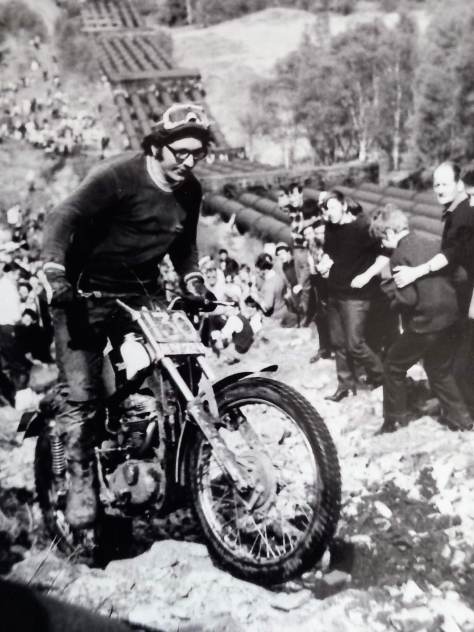
Ross Winwood (250 Walwin) 1971 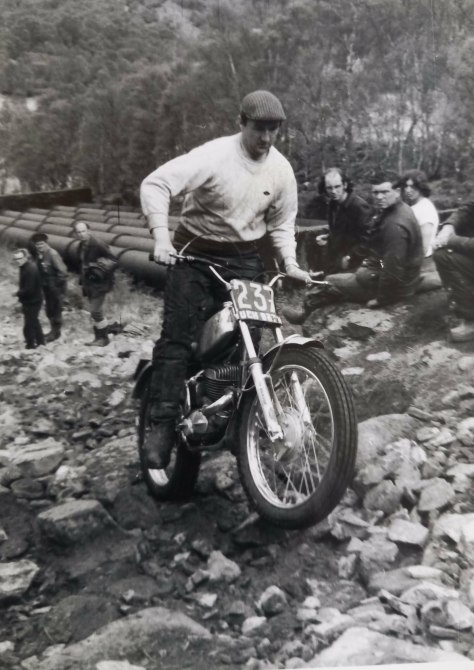
Mike Bowers (175 BSA) 1971 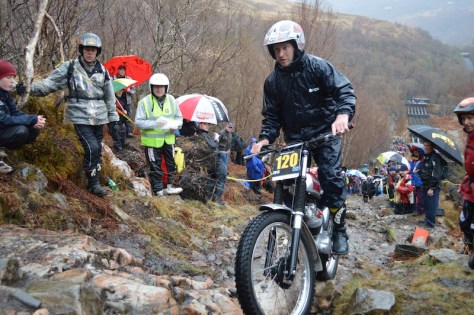
Leslie Winthrop (Triumph) – Pre’65 Scottish 2013 – Photo: Iain Lawrie, Kinlochleven 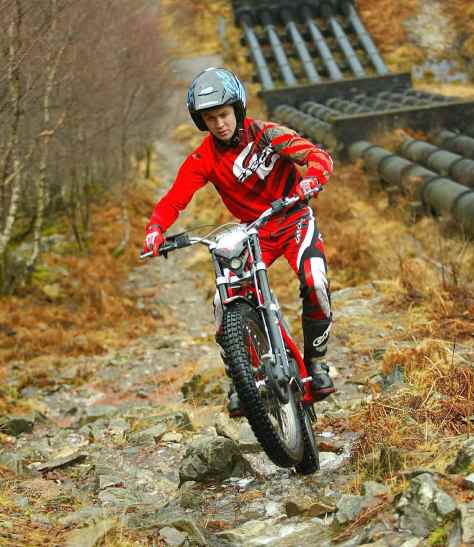
Gary Macdonald – Photo: Graham Milne
Bibliography and Credits:
Highland Historic Environment Record/ Highland Council; MHG95 – Pipeline, Kinlochleven Aluminium Works.
Jahama Highland Estates.
Kinlochleven Community Trust.
Scottish Natural Heritage/NatureScot.
[1] – The Rob Edwards Story on Trials Guru, 2016.
Photographers and the supply of images: Iain Lawrie; Jimmy Young; Graham Milne; Walker Brothers Archive on Trials Guru; British Alcan; Hugh Beesley; Peter Anderson, Clackmannan; David Kinnear; Peter Bond; Peter Bremner; Bob Hosie; Ian Kerr; Montesa Motorcycles/Permanyer S.A.; Trial.AT; Guilio Mauri/Fontsere; Kim Ferguson/Kimages; Ian Robertson; Toshi Nishiyama; Alistair MacMillan Studio, Fort William.
Pipeline! is the copyright of Trials Guru, 2026. Photographs remain the copyright of the photographers mentioned.
Apart from ‘Fair Dealing’ for the purpose of private study, research, criticism or review as permitted under the Copyright, Design and Patents Act, 1988, no part of this article may be copied, reproduced, stored in any form of retrieval system, electronic or otherwise or transmitted in any form or by any means, electronic, electrical, mechanical, optical, chemical, photocopying, recording or otherwise without the prior written permission of the author as stated above. This article is not being published for any monetary reward or monetisation, be that online or in print.
 TRIALS GURU - DEDICATED TO TRIAL