
Words: Trials Guru; with assistance from: Stephen Wicken; Dr. Carol Arnold.
Read Time: 24 Minutes.
Photos: Off Road Archive; Speedtracktales website; Ian Robertson; Ray Biddle; Wicken Family Collection [3].
Factory-Supported:
A factory-supported competitor in motorsports is a professional competitor who receives direct funding, top tier equipment, technical help, and logistics from a vehicle manufacturer or official team, allowing them to focus solely on competing at the highest level, unlike privateers who rely on personal funds or smaller sponsorships.
Matchless:
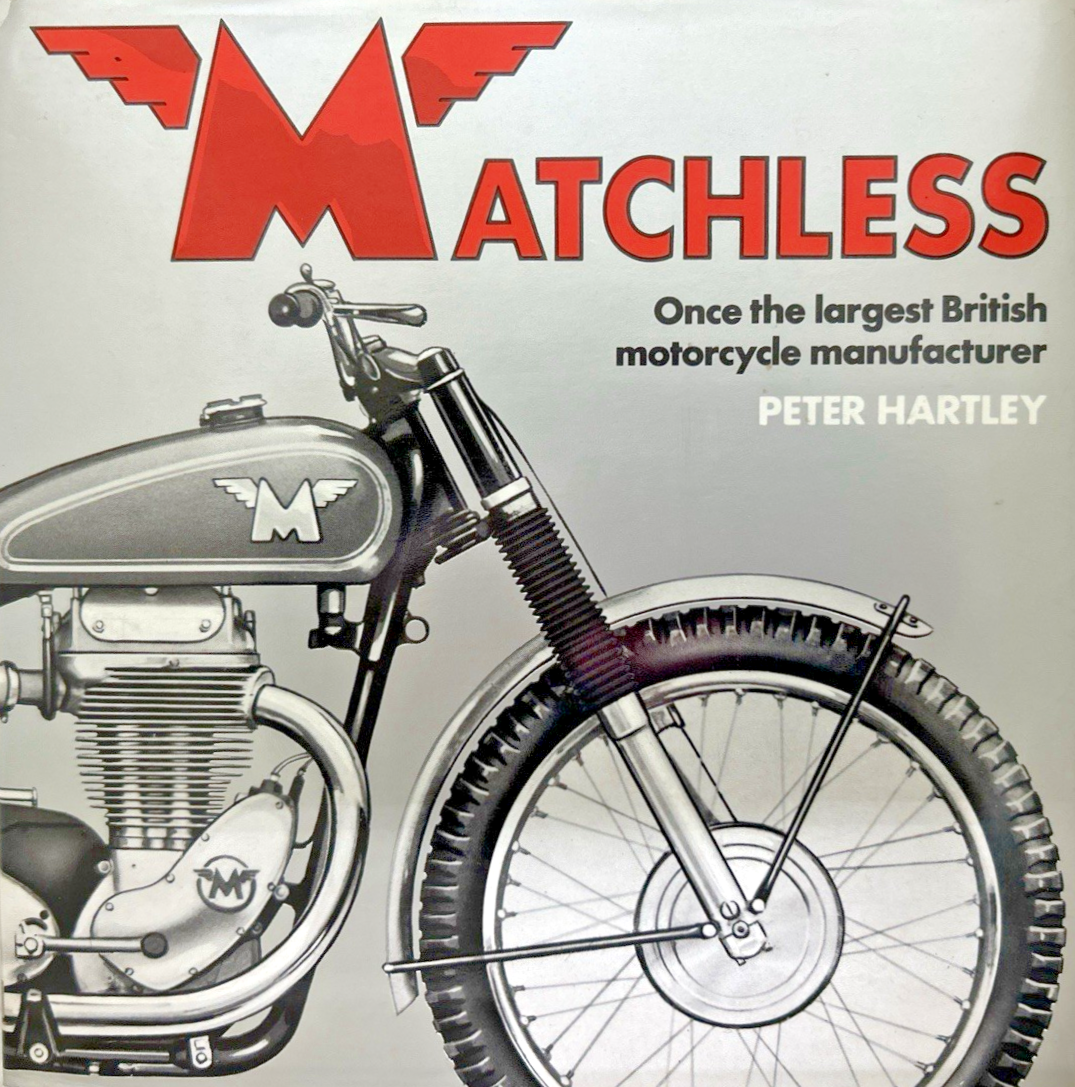
There is a publication well known in motorcycling circles written by Peter Hartley many years ago entitled ‘Matchless – Once the largest British motorcycle manufacturer’. That was when Associated Motor Cycles or A.M.C as it was usually referred, made AJS, Matchless, James, Sunbeam and Francis Barnett. AMC was not a manufacturer in its own right, but rather the controlling, parent company of the individual manufacturers. Their main factory was situated in Plumstead, South East London and with their AJS and Matchless brands, virtually dominated British trials in the early to mid-1950s, at a time when competition was rife.
[1]
Norman motorcycles were produced by Norman Cycles Ltd, who manufactured bicycles, autocycles, mopeds, and motorcycles from 1938 through to 1961 in Ashford, Kent. Founded by Charles and Fred Norman in a garden shed after World War I, the company evolved from making cycles to producing lightweight motorcycles and autocycles, this continued until 1961.
Triumph Engineering:
In 1898 Triumph decided to extend production at Coventry to include motorcycles, and by 1902 the company had produced its first motorcycle, a bicycle fitted with a Belgian Minerva engine. In 1903, after selling more than 500 motorcycles, Triumph began motorcycle production at the Nuremberg factory in Germany. During the first few years the company based its designs on those of other manufacturers, but in 1904 Triumph began building motorcycles based on its own designs, and 1905 saw the first entirely in-house designed motorcycle. The company went in for competition in all forms of the sport including racing, trials and scrambles as well as record braking.
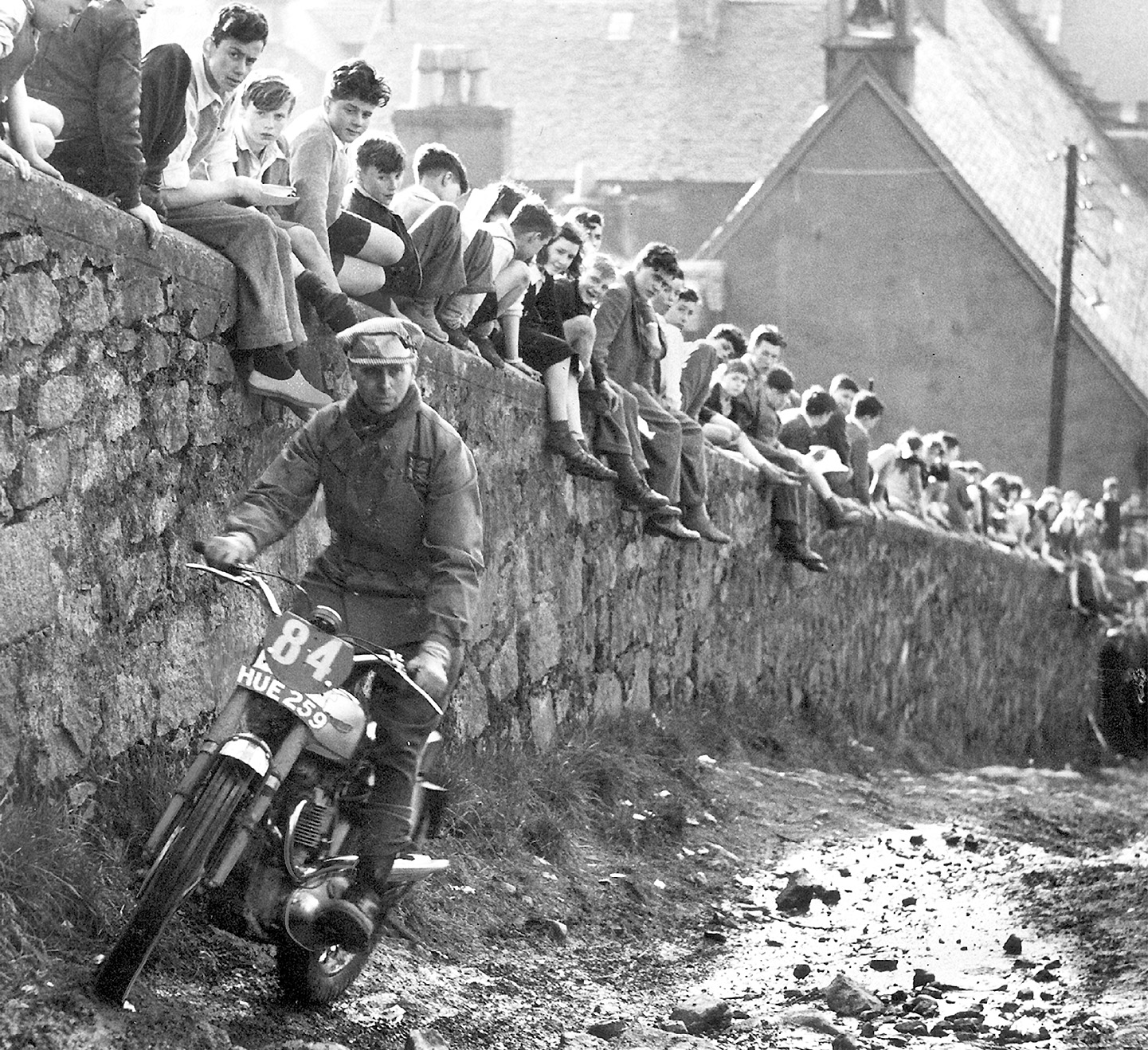
We go back to a time when winners of motorcycle events would attend very formal end of season dinners and dances, the men dressed in dinner suits and bow ties with sharp white shirts and polished shoes, the ladies wore long dresses. A different time, immediate post war, we are about to revisit trials history.
Occasionally, the sport of trials witnesses family members and relatives taking up competitive riding, which usually results in much sibling rivalry, as trials is very much a sport for individuals and the competitors compete to win. This is the story of two extremely competitive brothers, both rode for British motorcycle manufacturers, Jack with Triumph and Sid with Associated Motorcycles and Norman, they were the Wicken Brothers.
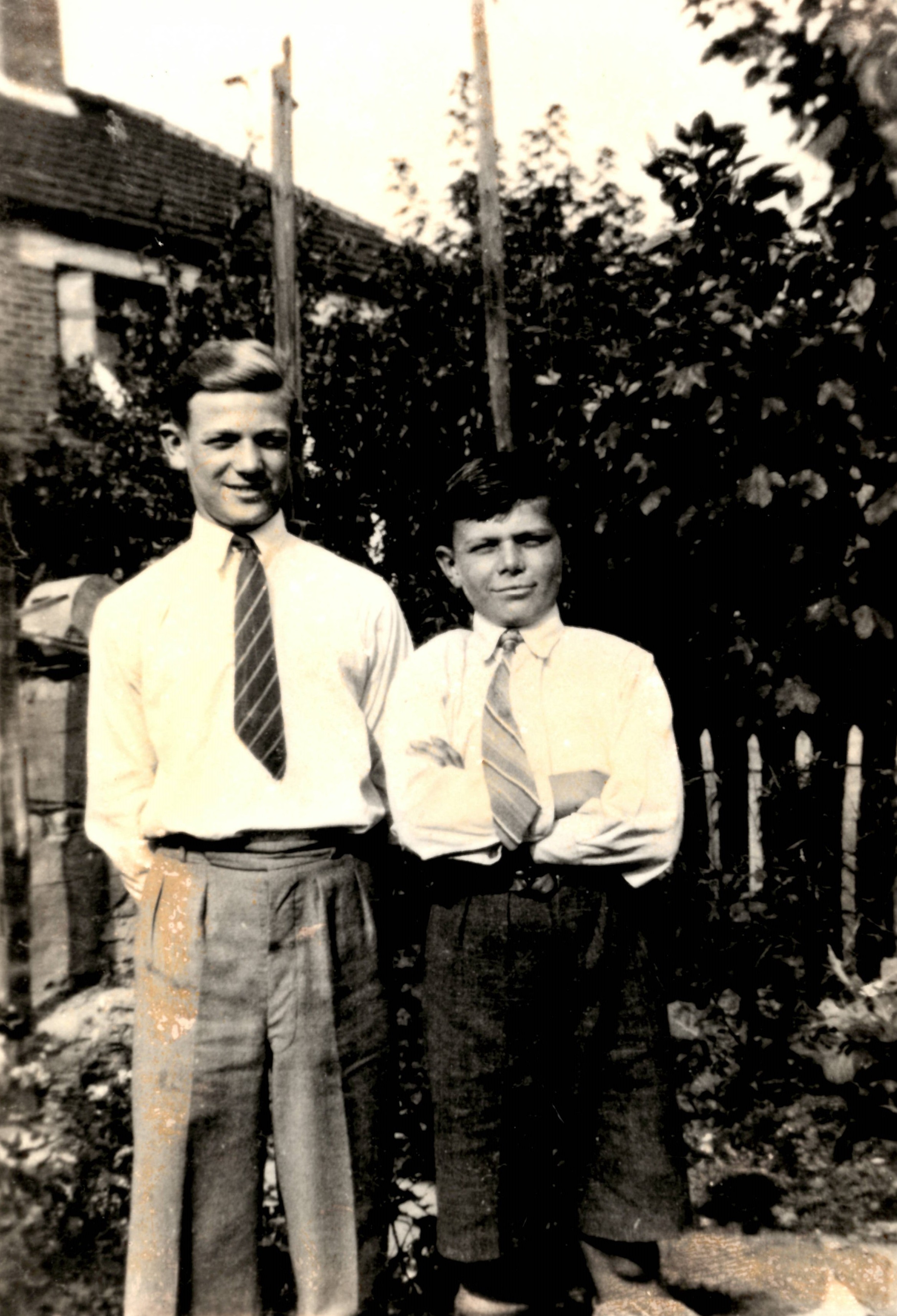
The Wicken brother’s parents were Sidney Edward and Beatrice, who set goals for both Jack and Sid to achieve and this set the tone for many competitions in life between the two brothers, Sid always striving to match his older brother Jack, or better him, which in later life, including the desire to live longer than him and reach the golden age of 85 years.
S.R. Wicken:
Sidney Ronald Wicken, known as ‘Sid’ was born in Woolwich, South East London on 17th July 1929, just a stone’s throw from the AMC factory at Plumstead, and grew up there with his brother Jack. He was to ride trials on factory prepared machines, first the Norman and secondly Matchless, in national and International trials events. His brother would eventually ride for the Meriden Triumph factory in national trials and the ISDT.
During the second World War, Sid was evacuated to Teston/Malling near Maidstone in Kent, a place where he learnt to fish, he loved to tell stories of his time there to his children, unfortunately he contracted Cerebral Meningitis. When born, Sid had what is known as a ‘cleft palate’ which required specialist surgery and this resulted in a scar on his top lip.
After his school days, Sid started a five-year apprenticeship as a carpenter with Thomas Edge, builders and joiners in Woolwich, where he was well trained.
Sid could build furniture to the standard of a cabinet maker, and could also cut and pitch a roof.
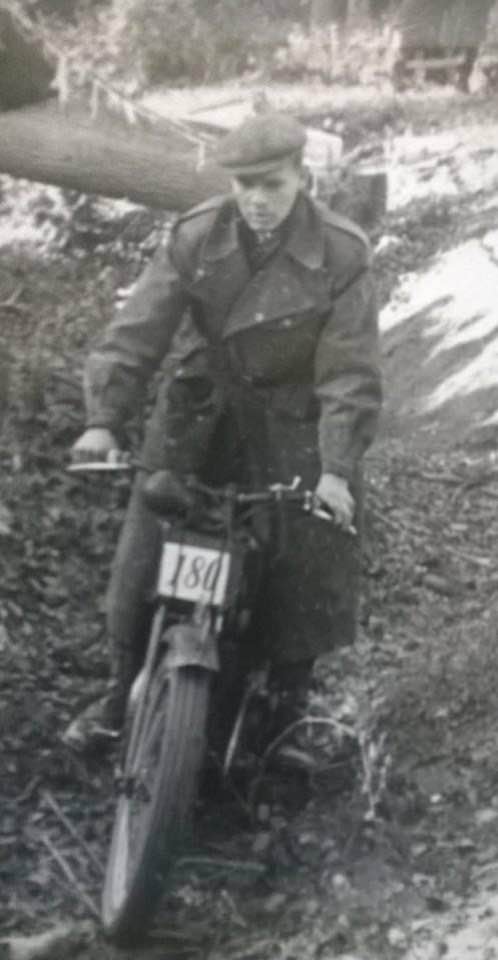
During this time Sid’s attention was captured by motorcycle trials and his first event was in 1947 on an AJS with girder forks, winning the Best Novice award in the Beggar’s Roost national trial.
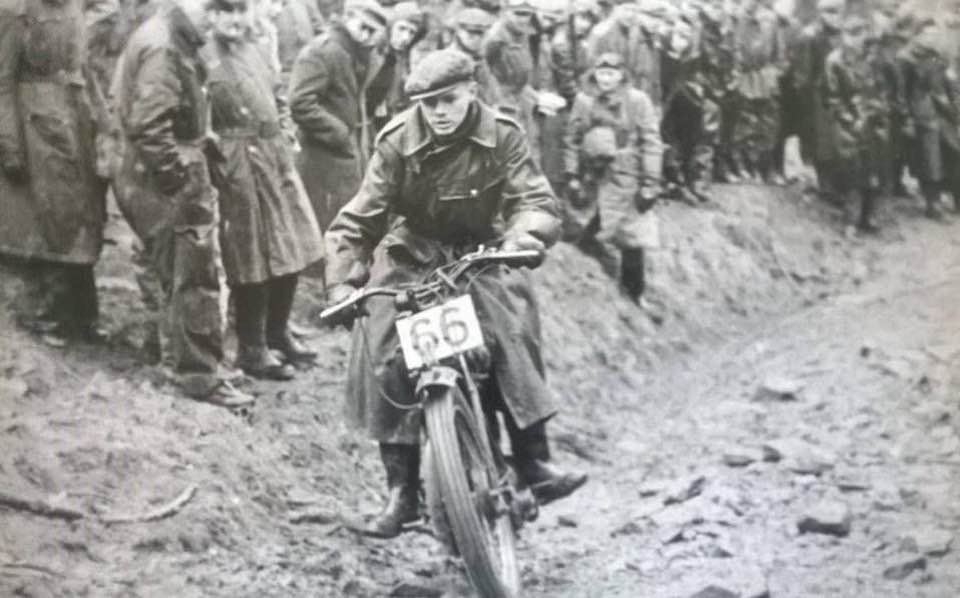
National Service was mandatory post war and Sid was enlisted from 1948-1950 in the British Army where he was head hunted to ride for the Royal Signals.
During his National Service, Sid married Edna Yvonne Ross in 1950 and started their family with Stephen born in April 1951; followed by Linda in July 1952; Christine in January 1957; Yvonne in December 1958 and finally David in August 1960. Initially living with Edna’s parents in Elibank Road in New Eltham, London.
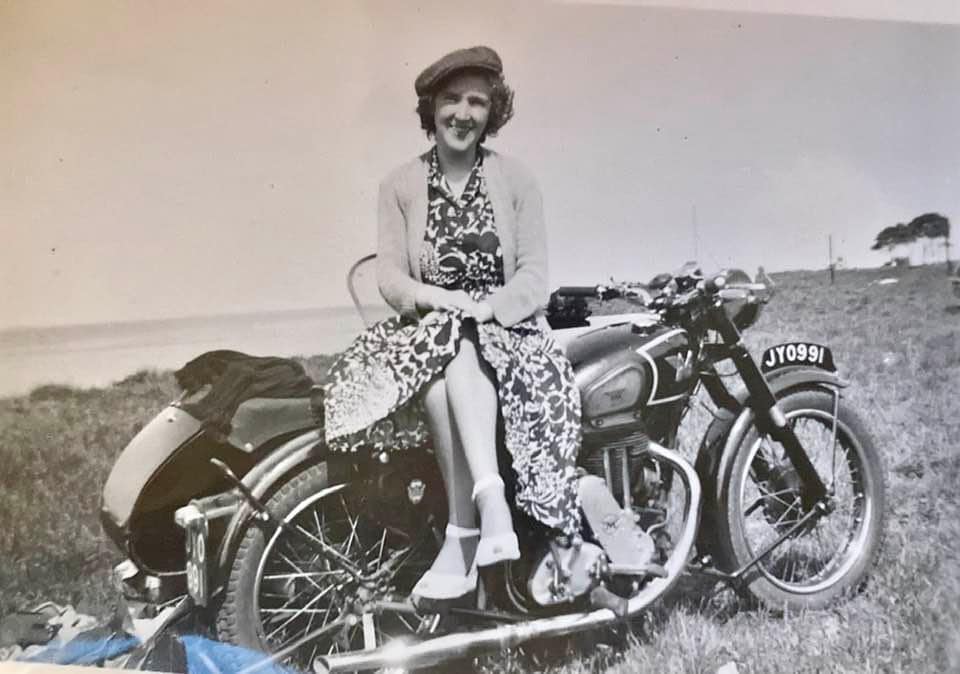
In 1954 Sid and wife Edna moved into a multi-storey flat in Putney. He joined Chelsea and Kensington as a clerk of works, later moving into Building Control as a Building Surveyor when he joined the Orpington Council around 1955.
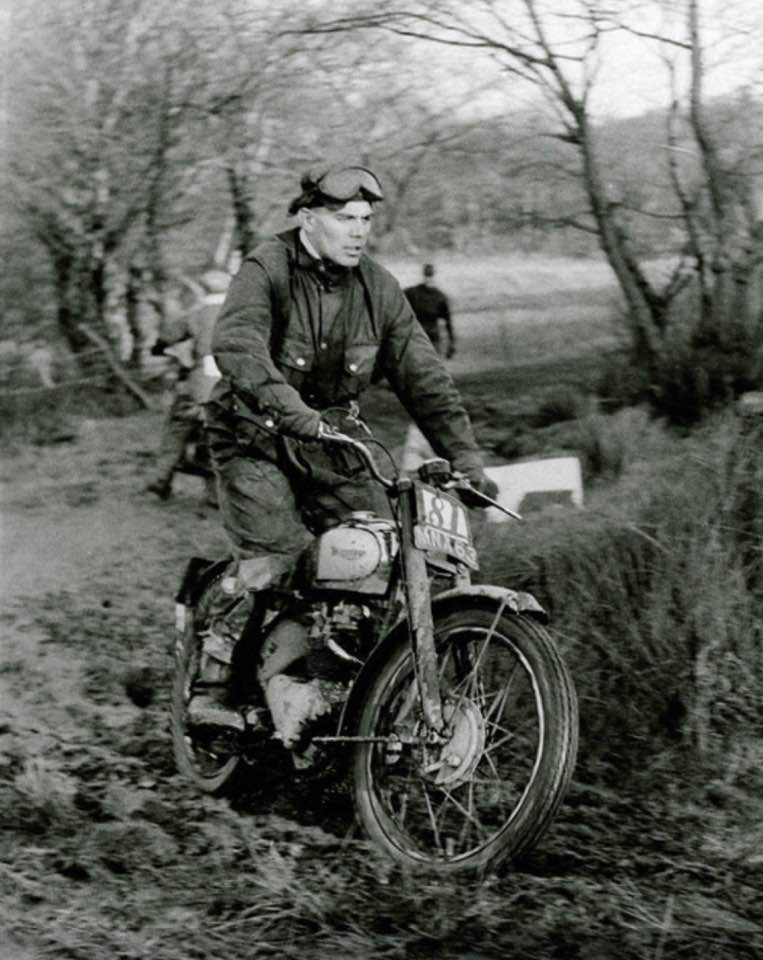
It is believed that Sid had been loaned an AJS from the factory from time to time, as well as outings on a factory Triumph, but he accepted Karl Pugh’s offer to ride for Norman in April 1954. Sid had also struck up a friendship with the doyen of trials commentating, Ralph G.V. Venables.
Sid managed to convince the local Norman factory to support him for the forthcoming 1954 Scottish Six Days Trial. The factory fielded an eight man and machine team effort that year and provided Sid with a used machine, registered SKK59, it required a comprehensive rebuild and he only received the machine the week before the Scottish. This resulted in taking the bike up without its wheels in the lift in Putney and making it ready and reliable for the 1954 Scottish in the kitchen. The factory supported Norman riders for 1954 were: Karl Pugh, Brian Butt, Gerry Mills, Clive Mills, Don Barrett, G. Russel, Ray Peacock and Sid Wicken.
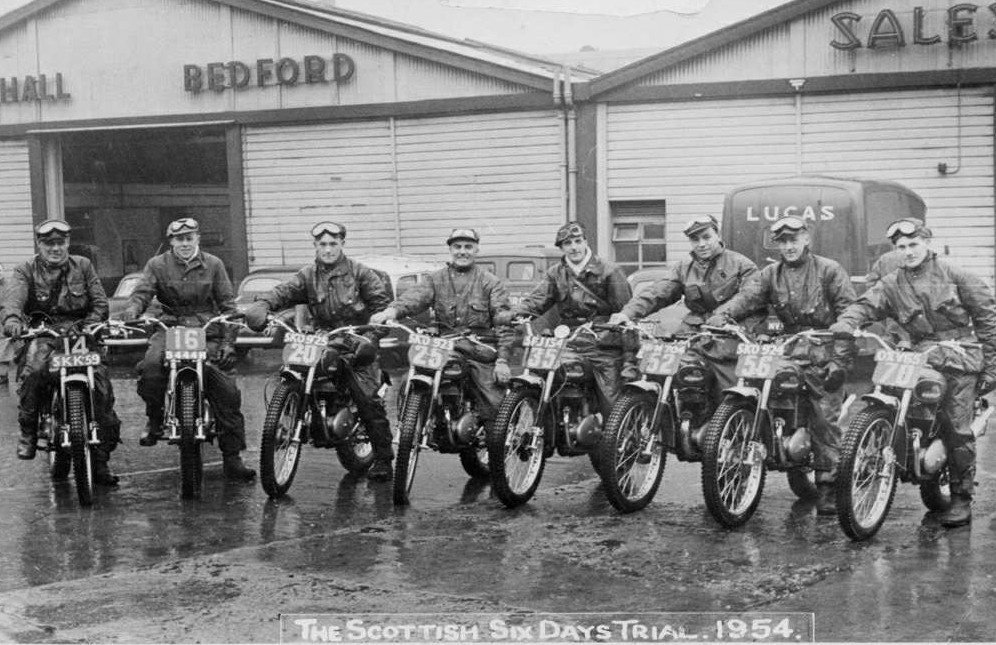
Sid’s efforts were rewarded by not only a finish, but winning the Peter S. Chamberlain Trophy, for the best performance by a newcomer.
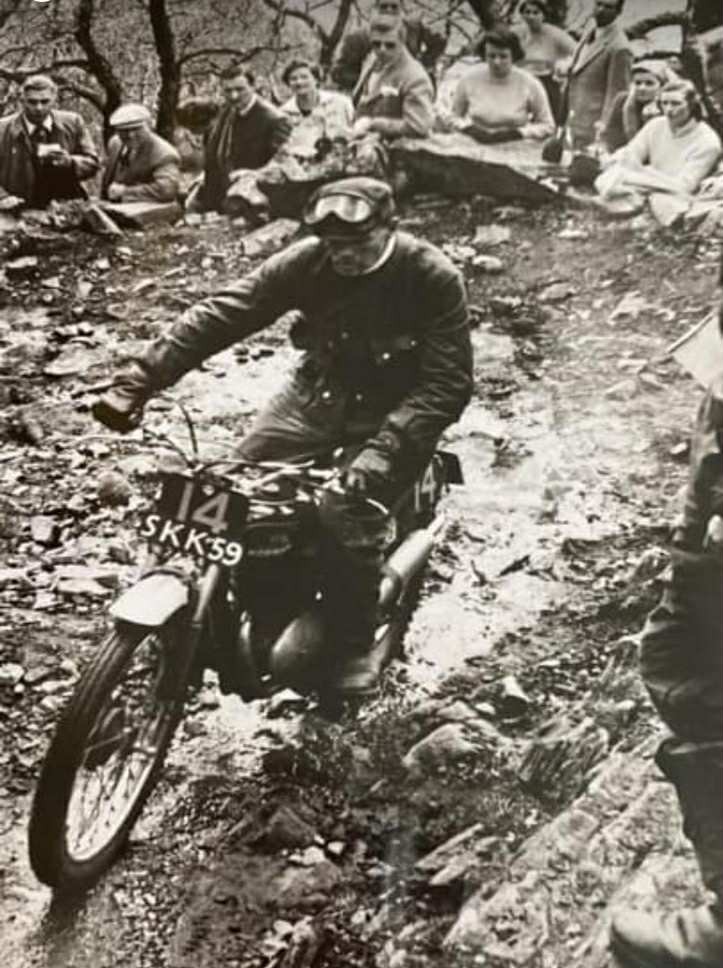
The second best newcomer in 1954 was Sammy Miller on his home built SHS (Samuel Hamilton Special) who was awarded the Ben Nevis Challenge Quaich.
1955 was however to be the Norman factory’s final year at the Scottish Six Days, the model was the B2/C with the Armstrong leading link front suspension.
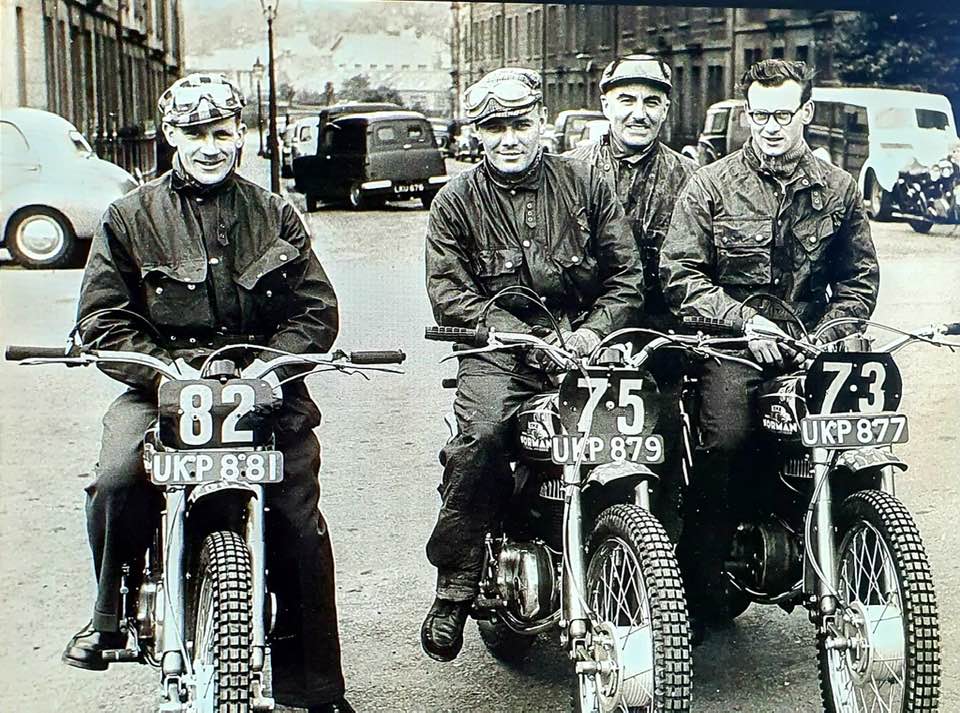
Two teams were entered, the Norman Cycles Ltd ‘A’ team comprised of Sid Wicken, Ray Peacock and Jack Rees, team ‘B’ was Don Barrett, Gerry Mills and Clive Mills. Team manager was Karl Pugh.

Sid managed to finish with a Special First Class award on the Norman with the loss of 55 marks. The winner was Jeff Smith on the factory BSA Gold Star who lost 20 marks.

It was time for Sid to find another mount and living fairly local to the AMC factory, he had caught the eye of Competitions Manager B.H.M. ‘Hugh’ Viney. They had two things in common, both were good trials riders and both were pretty handy at golf with Sid regularly playing off a 4-6 handicap!
Viney supplied Wicken with a competition department prepared 350cc Matchless G3LC, registered as OLH722, which had been under the previous custodianship of Fred Hickman (in rigid frame specification), Gordon McLaughlan and latterly racing’s Bill Lomas who had the machine on loan, over the winter of 1954/55. Lomas handed the Matchless back when he parted company with AMC’s racing department. Wicken was to campaign OLH722 with the short-stroke engine fitted, until early 1957.
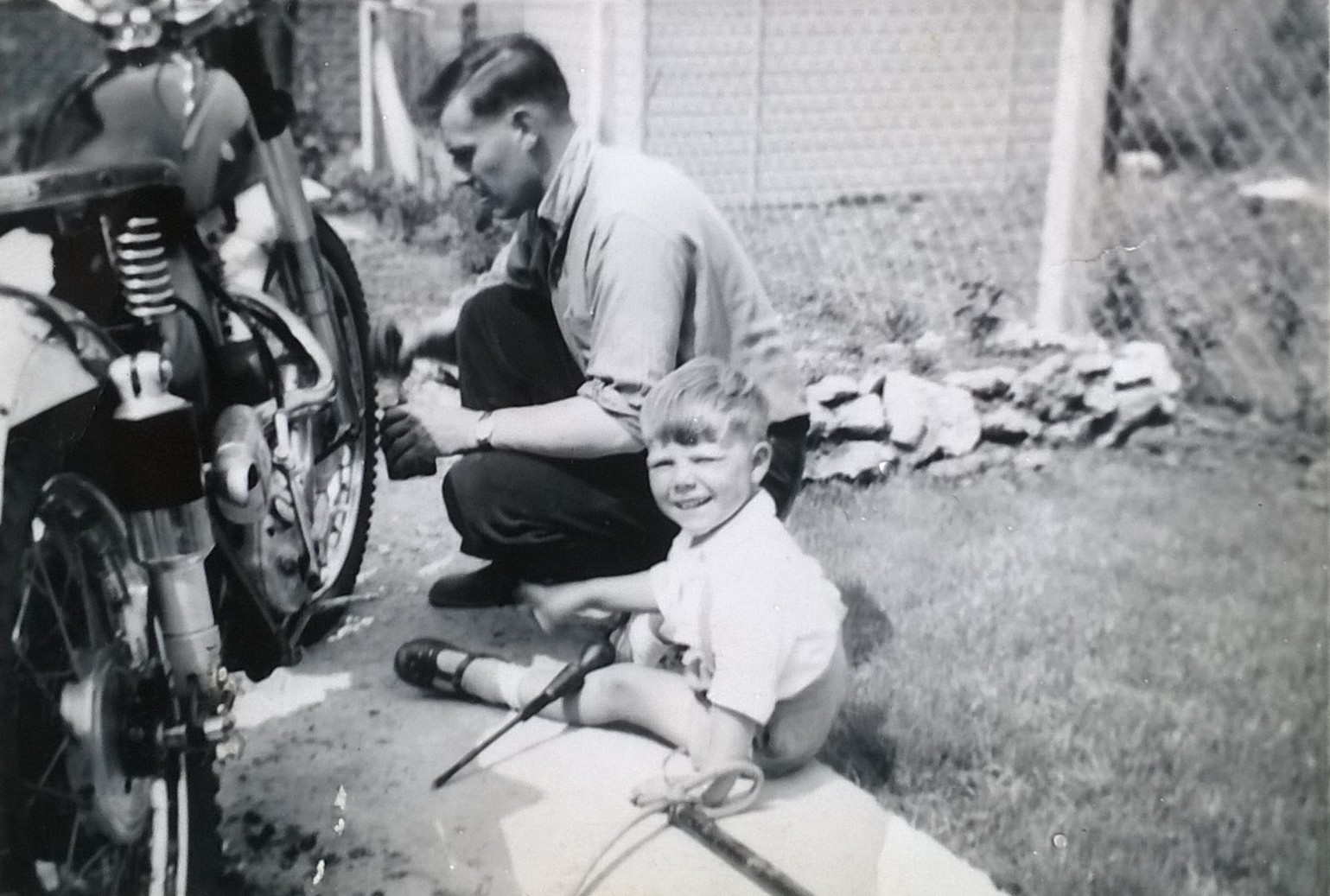
Sid’s works Matchless had a couple of modifications carried out by previous custodian Bill Lomas who had developed a trials machine for James. Lomas had footrests specially forged to be slightly further back than the standard fit items and Wicken liked this revised riding position so left them as they were. The front end had been steepened by the factory to give quicker steering achieved by heating the front frame up and pulling the down tube in towards the engine, resulting in a slightly steeper fork angle and removing about an inch from the centre of the primary chaincase and revised engine plates in aluminium alloy.
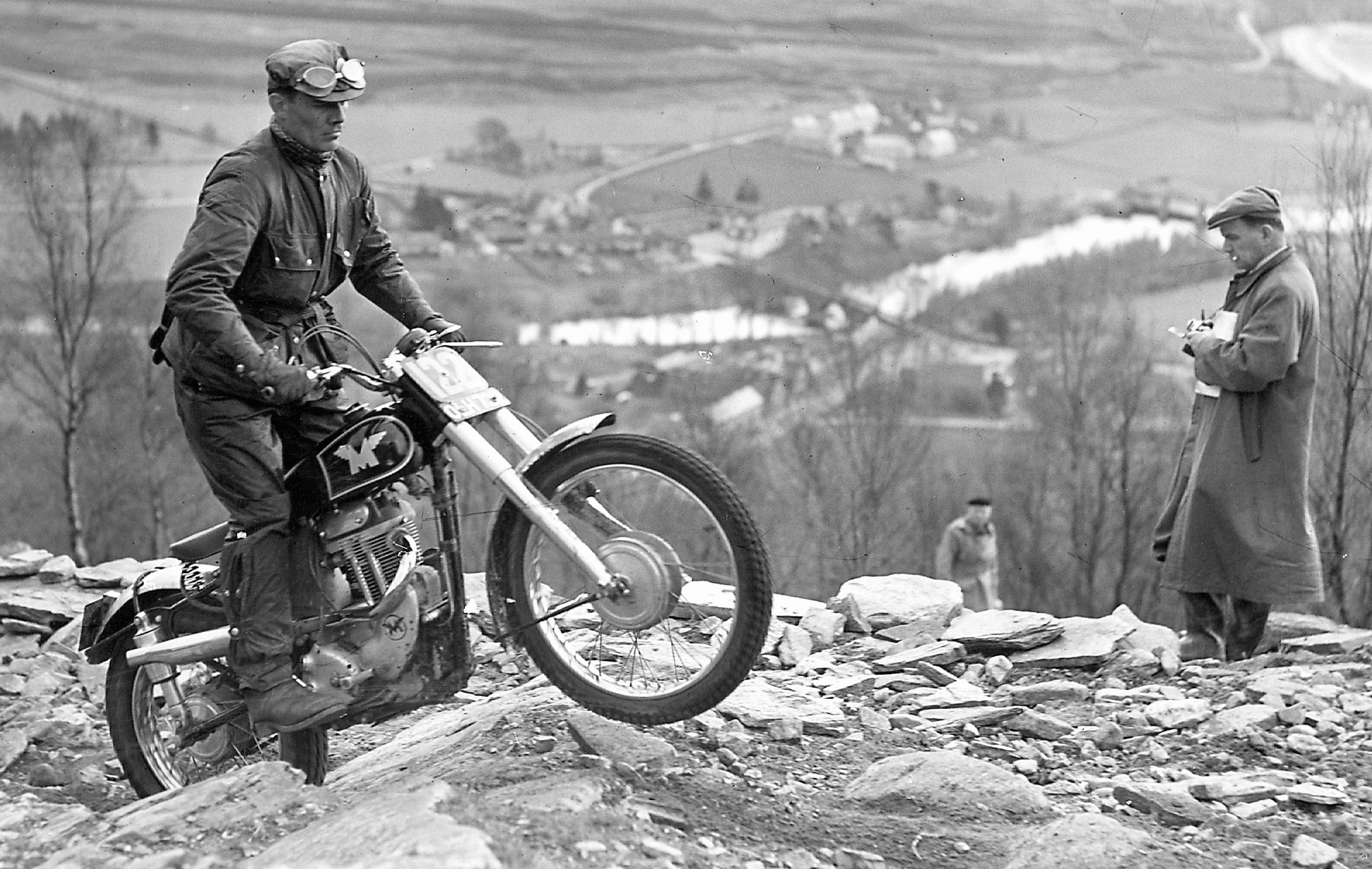
For the 1956 Scottish, Sid had the front frame break below the headstock near to Spean Bridge, so he drew out his pliers and set about cutting a length of wire from a farm fence to tie the Matchless back together again. That year elder brother Jack was riding number 121 on the factory Triumph and Sid was right behind with number 122 on the works Matchless, both finished with Special First Class awards, Jack managing to keep ahead of Sid by ten marks, the competition would have been intense.
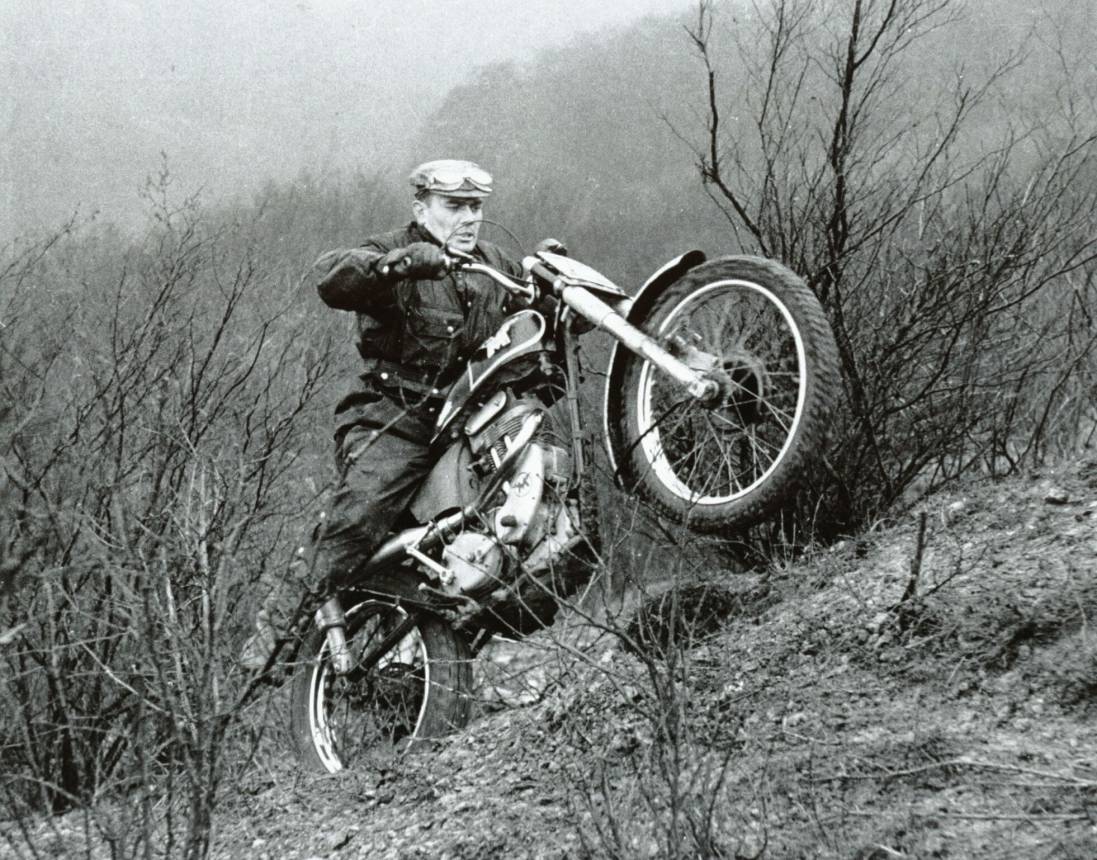
The AMC competition department recalled OLH722 which was replaced with a fresh Matchless in April 1957, registered TXX515.
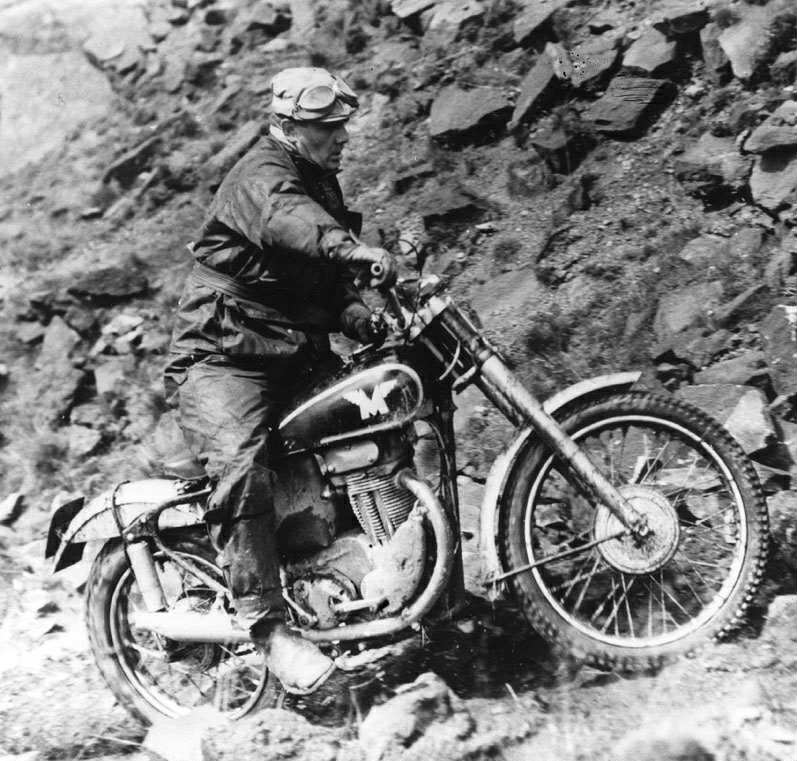
OLH722 was passed on to friend and team-mate Ted Usher for his last year riding for the factory. Sid’s works supplied Matchless machines were more than competition bikes, they were also his mode of transport to and from his workplace. He made full use of the motorcycles he was entrusted with.
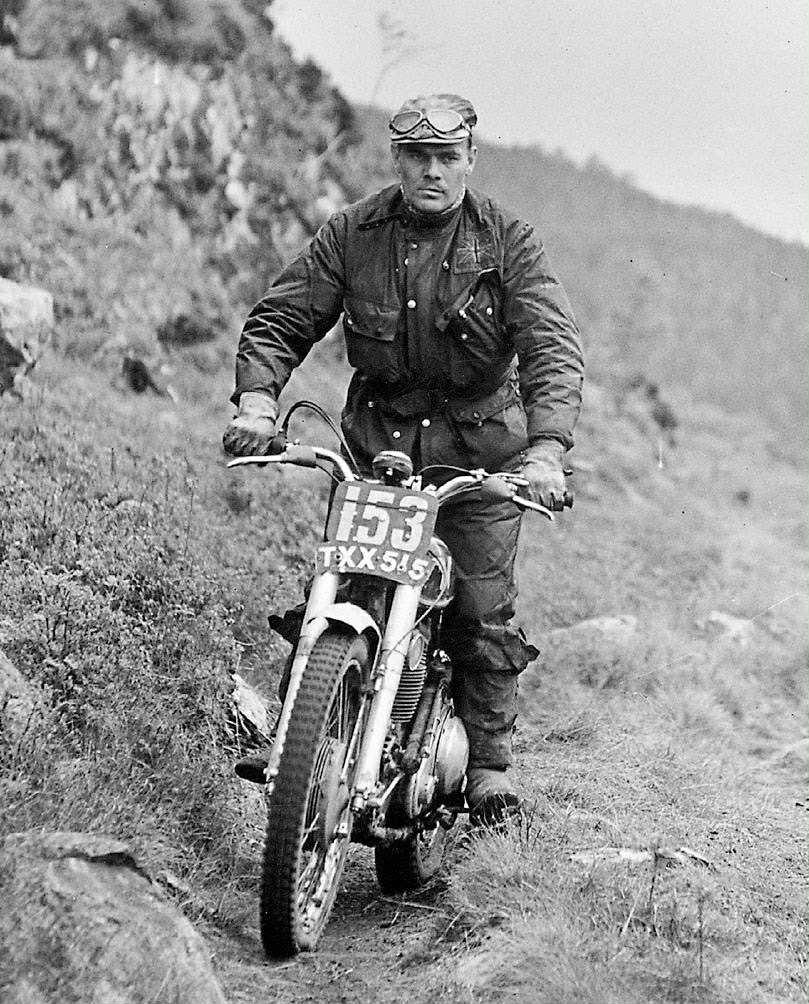
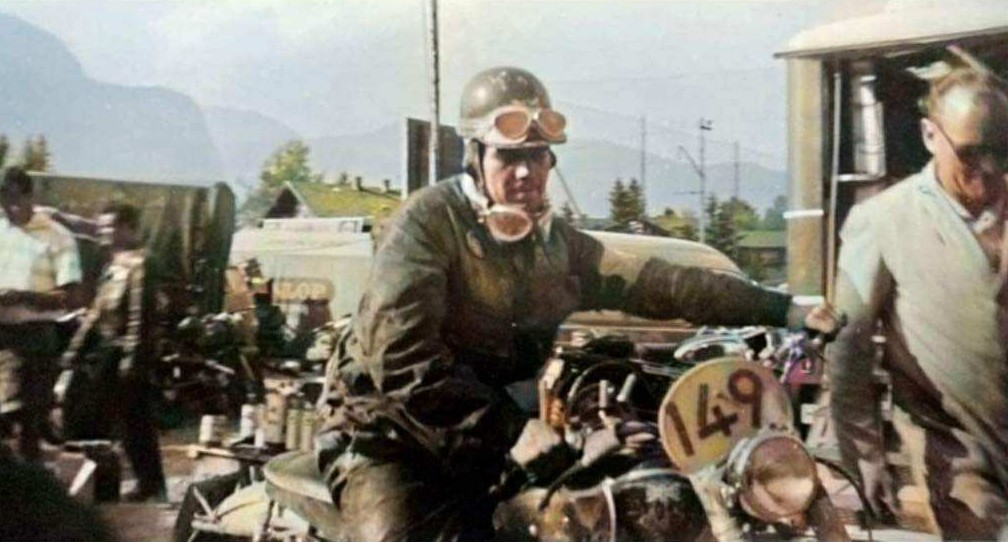
Sid not only rode national trials but was also selected for the Great Britain International Six Days Trial twice, in 1956 at Garmisch-Partenkirchen in Bavaria and again in 1958 at the same venue riding for the GB Vase ‘A’ Team. Sid rode a factory prepared 500cc AJS (TGF706), issued with riding number V149 in 1956 riding in the GB Vase B Team, taking home a Gold Medal and a 350cc Matchless (VLF403) with riding number V226 in 1958, again a gold medalist. Both these machines were prepared specially in the AMC competition department at Plumstead.
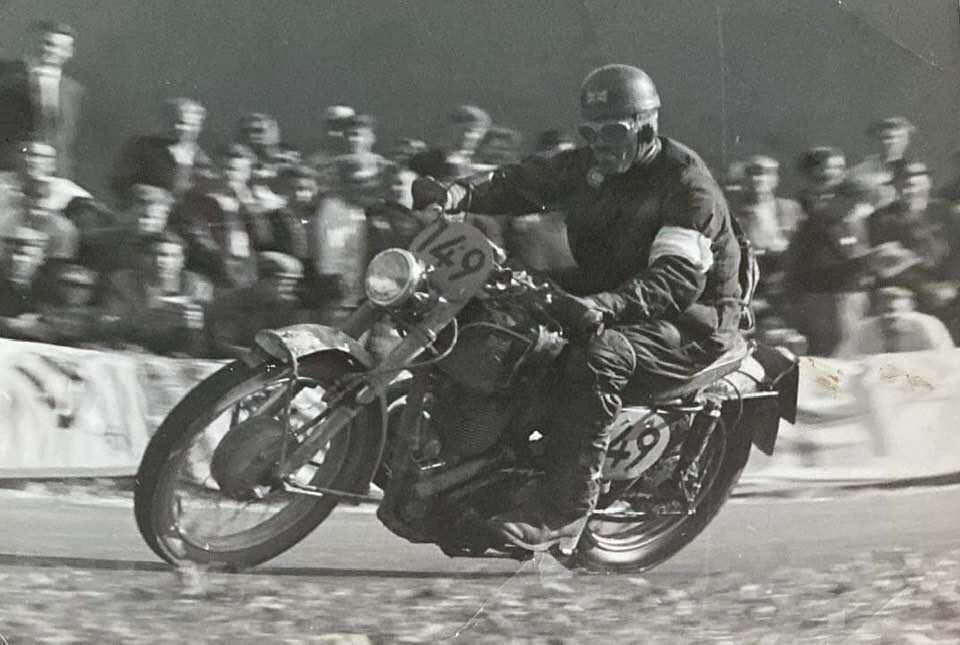
As a prelude to the 1956 ISDT event, Sid and his team mates at AMC including scrambles rider Dave Curtis had been entered for a Austrian three day trial for practice, but it included a ‘night run’. Unfortunately, this information had not made its way to Plumstead and although the AJS and Matchless bikes were fitted with batteries to power the lights, they were not fitted with alternators to charge the batteries! The British riders spotted a fast German rider just before their lights dimmed completely and tailed him at close quarters.
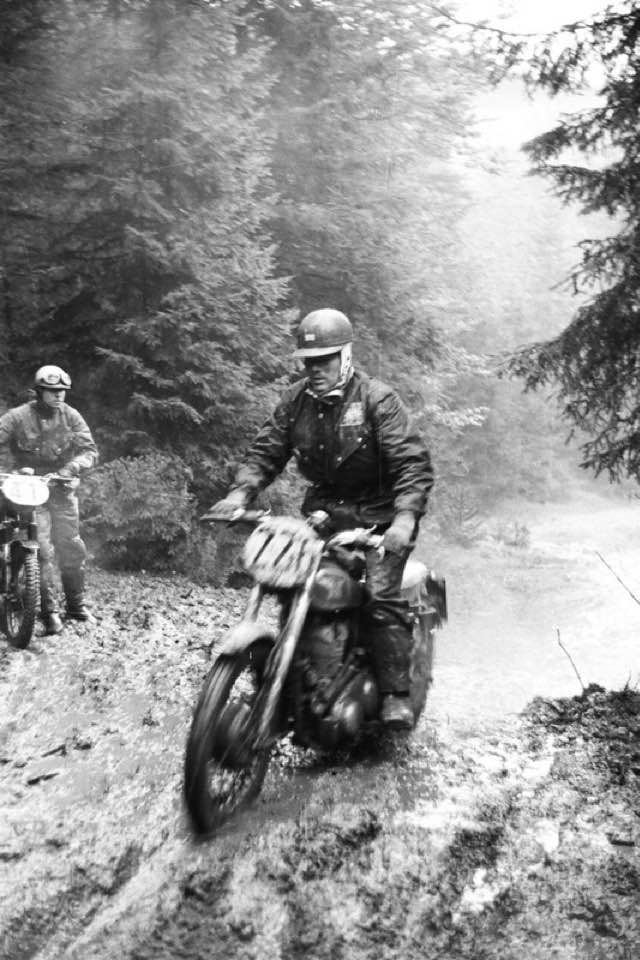
Sid reckoned that his 1958 ISDT Matchless was the very best bike he had been issued with, he won another ISDT Gold Medal.
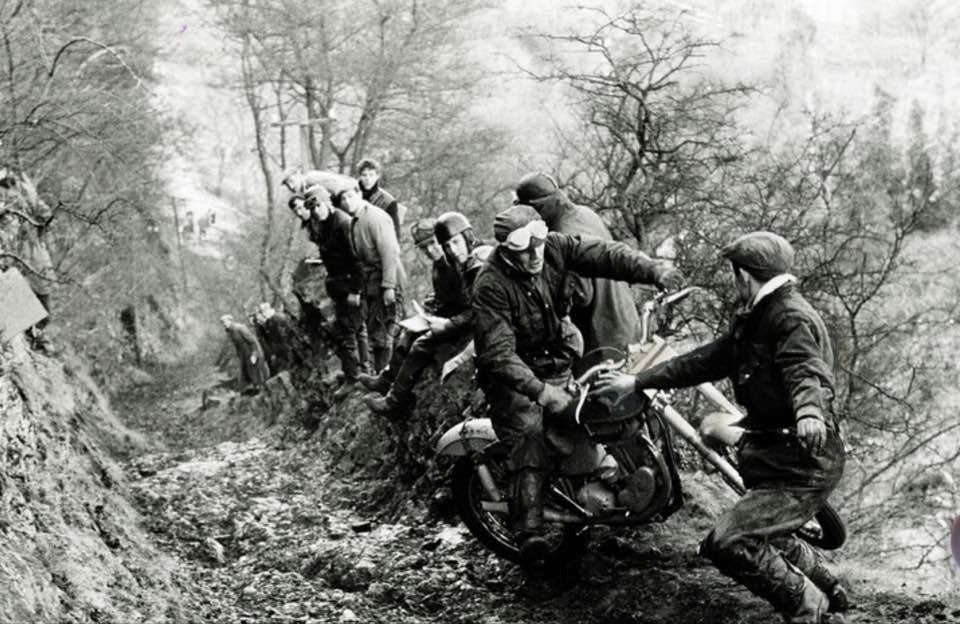
Sid Wicken continued to ride for AMC on the 350cc Matchless throughout 1958, albeit the Matchless trials team had been disbanded by the factory in late 1957 primarily to concentrate in trials with the AJS brand, headed up by Gordon Jackson. Matchless would still be represented in scrambles events headed by Dave Curtis.
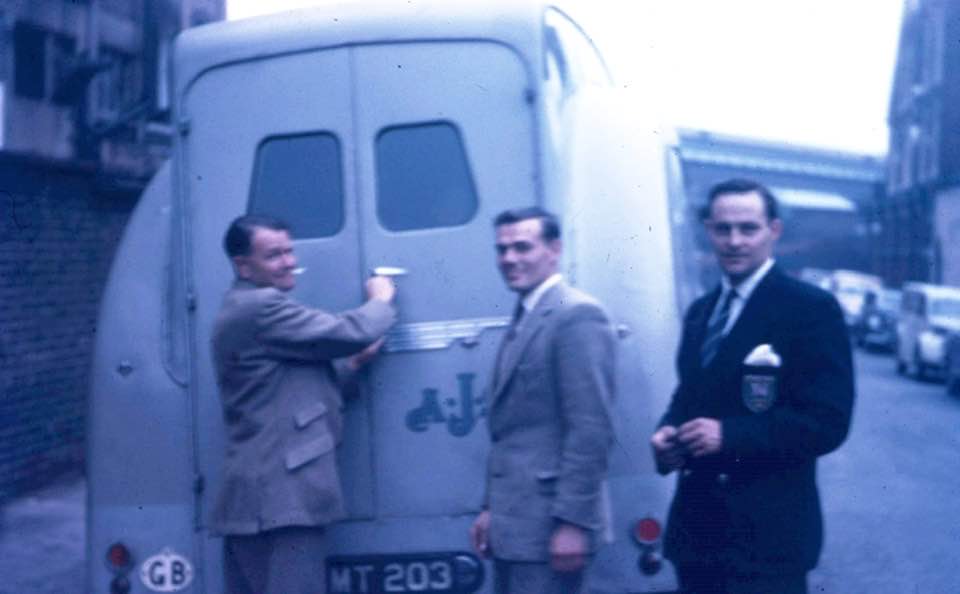
Ted Usher had by this time retired from competition, handing back OLH722 to the factory and Wicken was offered a berth with Francis Barnett, as it was of course one of the AMC group brands.
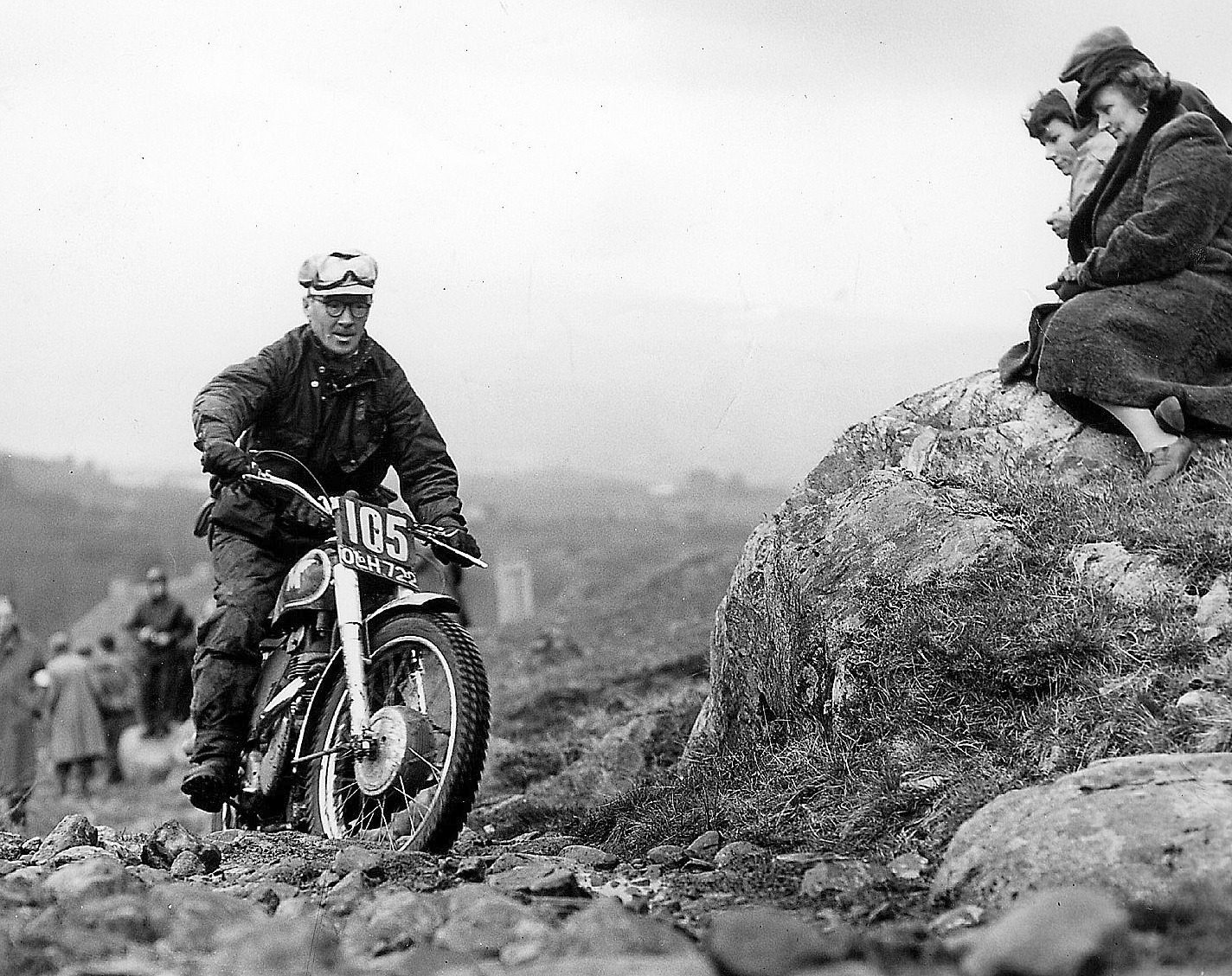
The Francis-Barnett featured the unpopular, French designed, 246cc AMC two-stroke engine which was wider and more bulbous than the previous Villiers power plant it replaced and was not a popular machine which did not sell in large numbers.
Sid was entered number 93 for his last, the 1959 Scottish Six Days Golden Jubilee event with the Barnett, which had been prepared by Reg May at Comerfords, Thames Ditton. With six entries resulting in six Special First Class awards, it was an unblemished record for Sid Wicken in the Scottish Six Days.
Sid Wicken’s SSDT tally was as follows:
Year – Riding No. – Machine – Result
1954 – 14 – 197cc Norman – 51 marks – Special First
1955 – 75 – 197cc Norman – 55 marks – Special First
1956 – 122 – 347cc Matchless – 83 marks – Special First
1957 – 153 – 347cc Matchless – Special First
1958 – 156 – 347cc Matchless – 31 marks – Special First
1959 – 93 – 250cc Francis Barnett – 45 marks – Special First
Sid was no stranger to two-strokes, having campaigned the Norman machines in 1954-1955, but the Francis Barnett frame broke on the Friday, so it was a coat hanger wire that came to the rescue this time to get through the Saturday’s run back to the finish in Edinburgh. In fact Sid was plagued with frame failures when on the Francis Barnett, he had it happen three times on three different machines supplied by the factory.
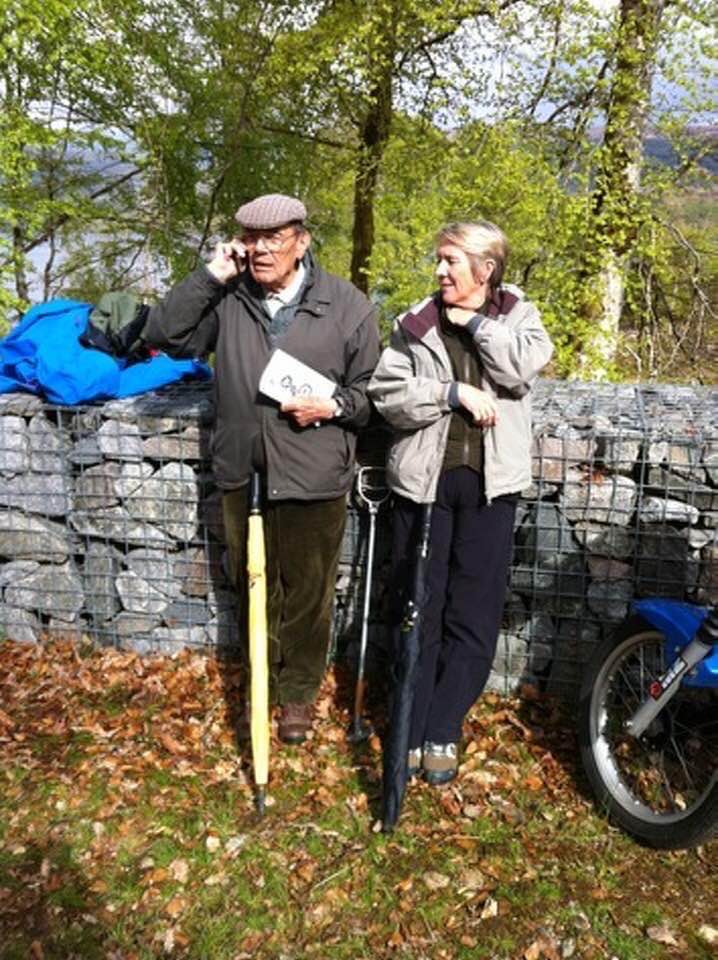
Having given up top flight trials riding in 1959, returning the 250cc Francis Barnett to the factory, Sid had a short lived return, when he ended up with a 250cc Greeves in the mid 1960s. The machine was taken as part payment for a submission of drawings Sid did privately for a gentleman’s planning application. In his later years, Sid maintained an interest in trials through his son’s Stephen and David and also made the annual pilgrimage to Fort William to spectate at the Scottish Six Days Trial, right up to his death, having watched for the last time in the May that year. He was 85 years old and passed away on 24th July 2014.
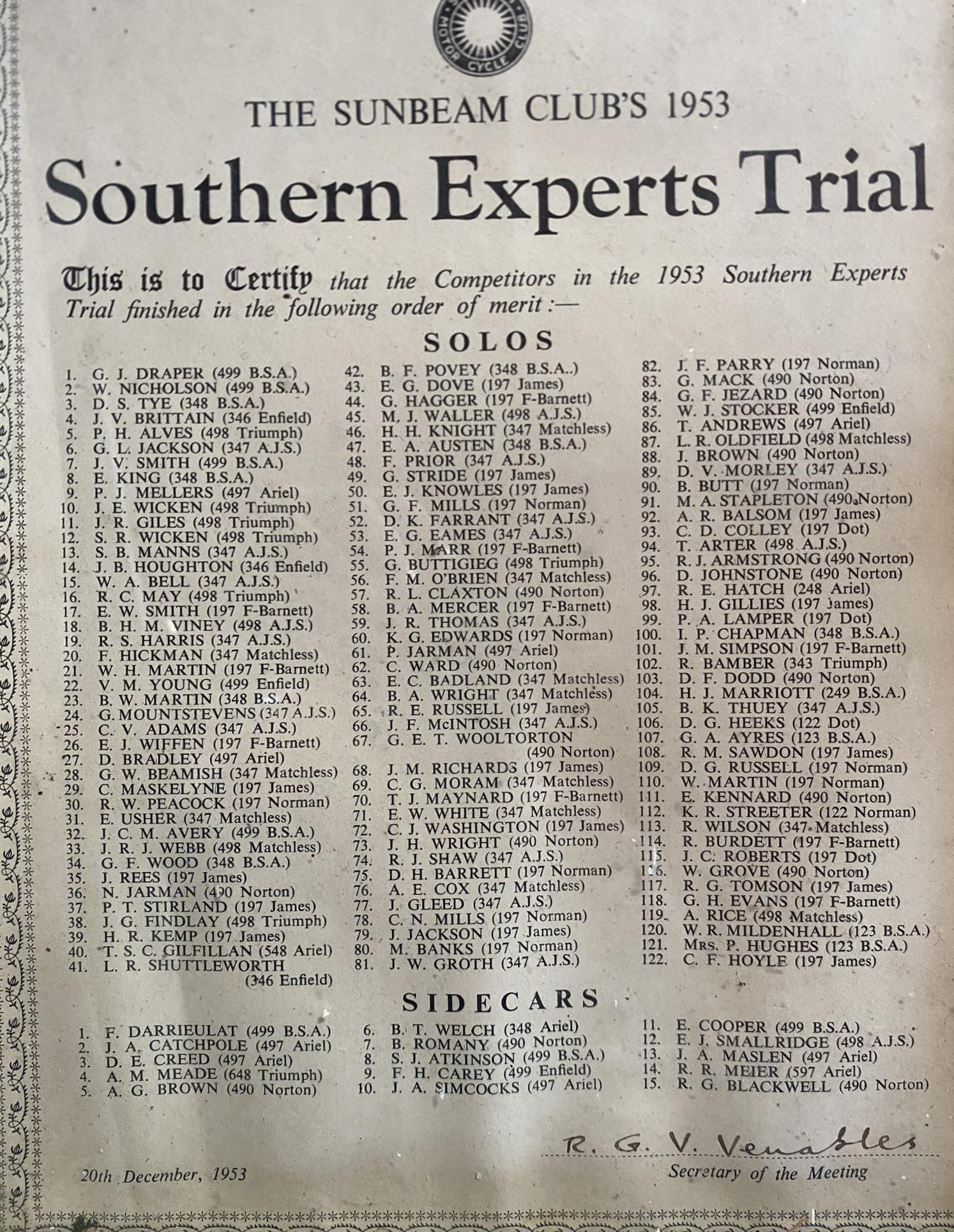
J. E. Wicken:
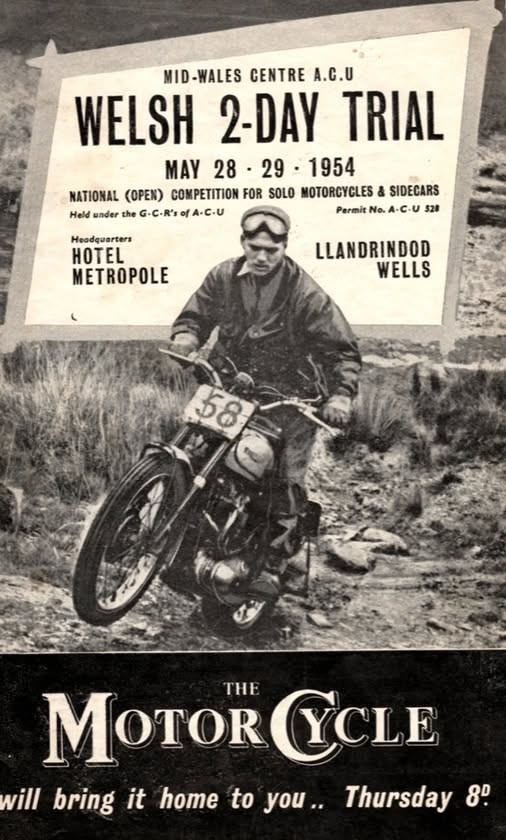
John Edward Wicken, known as ‘Jack’ was born on 3rd September 1927 in Woolwich with brother Sid, born two years later. As mentioned earlier, Sid senior had the motorcycle and sidecar combination and as kids, Jack would sit on the back of the bike and brother Sid would be in the sidecar with their mother, Beatrice or ‘Beat’ as she was known. Both were introduced to bikes at a young age. Jack always maintained that his driven nature came from his mother, Beat was a force of nature, a serious character and massively proud of her two boys. The brothers were very close, life-long friends and very competitive. The second world war was declared on Jack’s twelfth birthday.
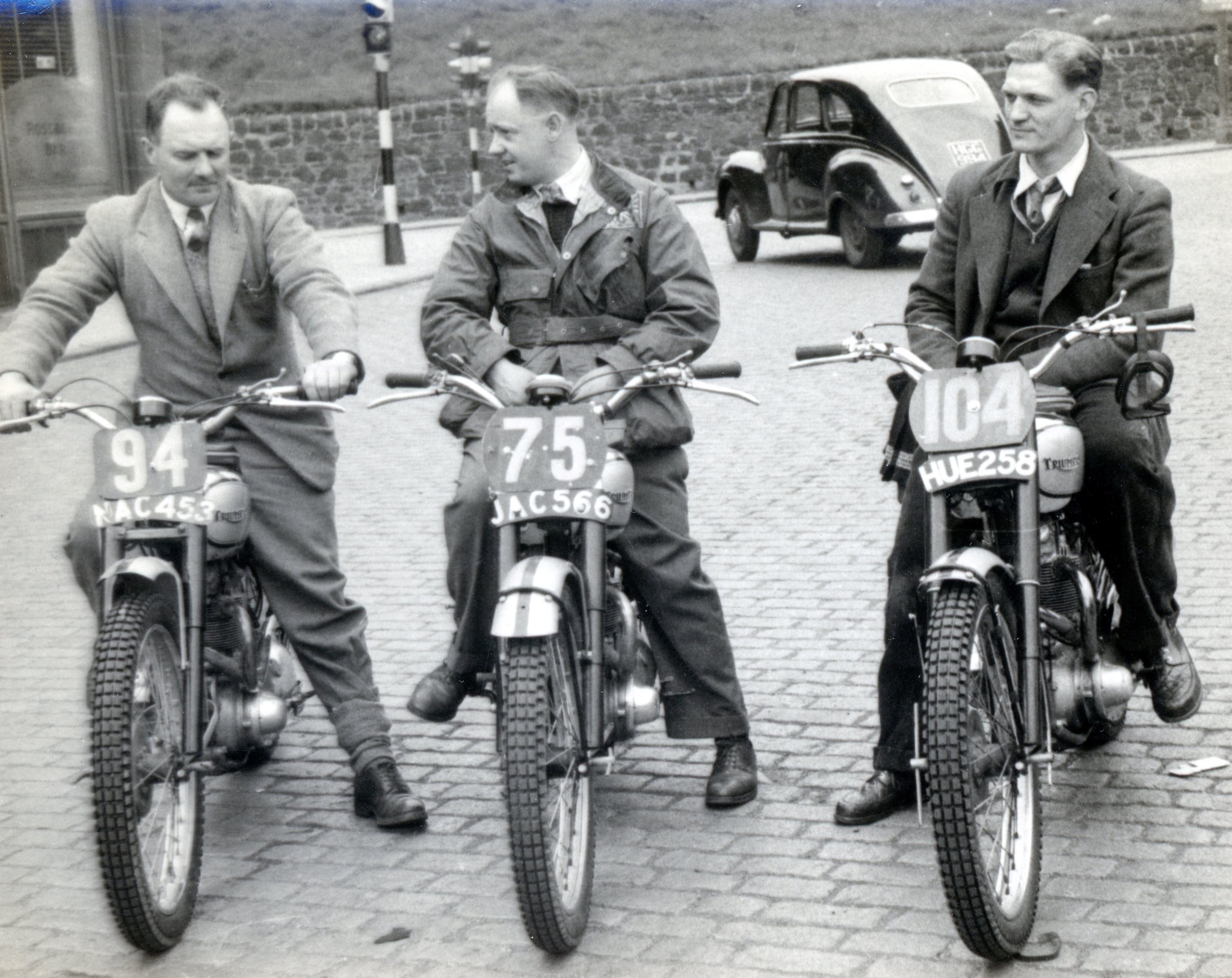
Jack Wicken was called up for national service in 1946 and spent twenty-two months in the Royal Navy, he became an Ordnance Artificer fourth class. He served on HMS Norfolk which had been involved in the sinking of the German battleship ‘Bismarck’ during the war and the post-war ‘cruise’ he was on took him out to Africa.
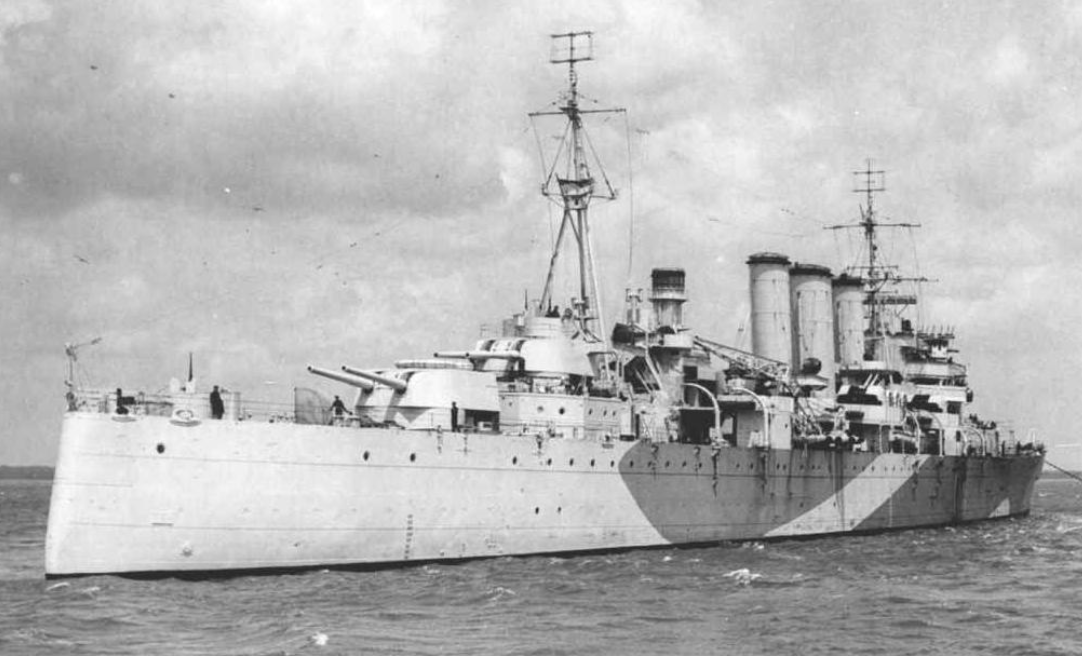
Jack had said that when they fired her big guns, the ship shook. However the highlight of Jack’s navy service was not looking after those guns, it was that the Norfolk’s football team, of which he was a striker, winning all twenty matches while he was on board. He couldn’t wait to get back home to become a footballer. Jack was released from the navy in April 1948 but instead of football, Jack became a trials rider. It is thought brother Sid had got the trials bug while he was overseas which was why Jack decided to give it a go. Sid soon after went into the army for his national service.
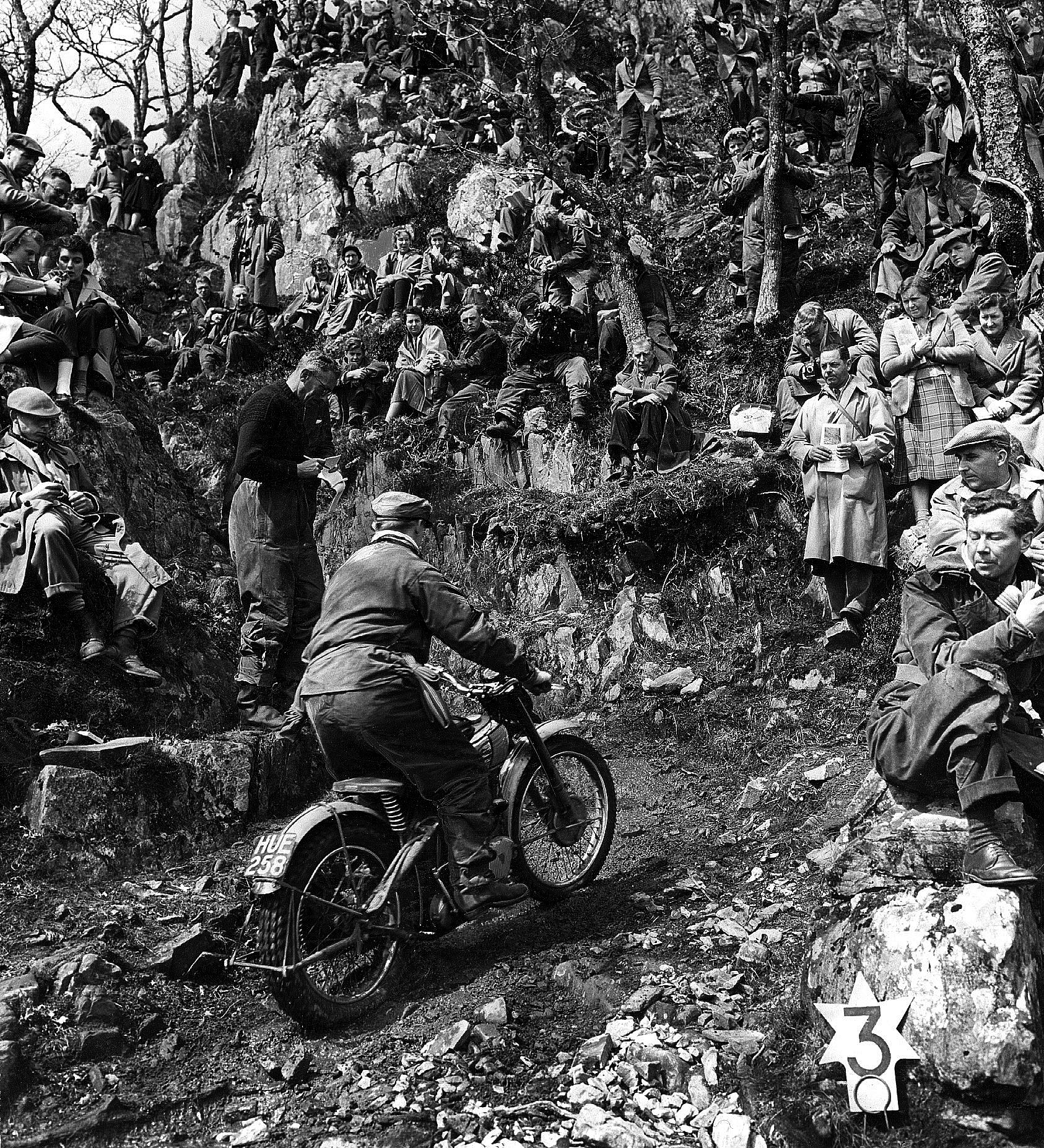
Jack Wicken was training as a toolmaker in Woolwich at Pitter Gauge and Precision Tool Company, and had a pickup to transport the bike to trials. Jack would finish work at 5pm on a Friday and that night drive up to Scotch Corner in North Yorkshire, sleep the night in the cab, and then ride in a trial the next day. Then be back at work on Monday morning.
As far as riding for Triumph, Jack’s wife, Marjorie who was a secretary, wrote the letter which got him a works supported ride. The most remarkable thing about the Wicken brothers trials success was that they were born and brought up in South East London surrounded by houses, not countryside and hills. The only rocks would be found in garden rockeries! Jack and Marjorie had two children, Carol born in 1957 and Trevor in 1960.
There are many reports of Jack’s successes, the most notable being the Welsh Two Day in 1953.
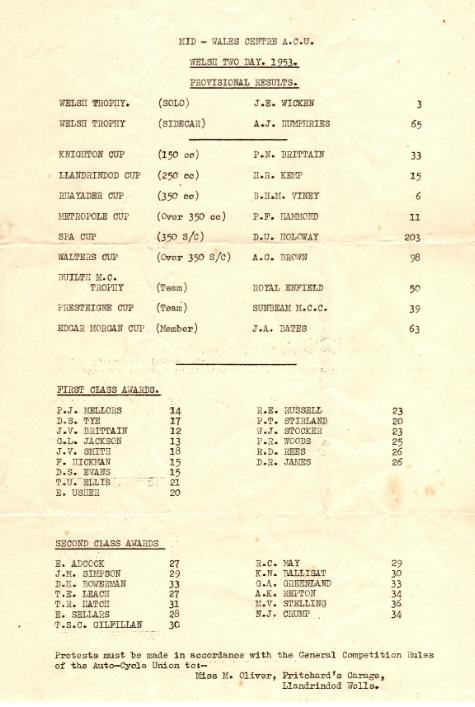
Triumph Engineering made full use of the publicity surrounding Jack’s Welsh victory. Also the two international Six Days Trials at Garmisch-Partenkirchen in Bavaria, Germany in 1953 and Czechoslovakia in 1955.
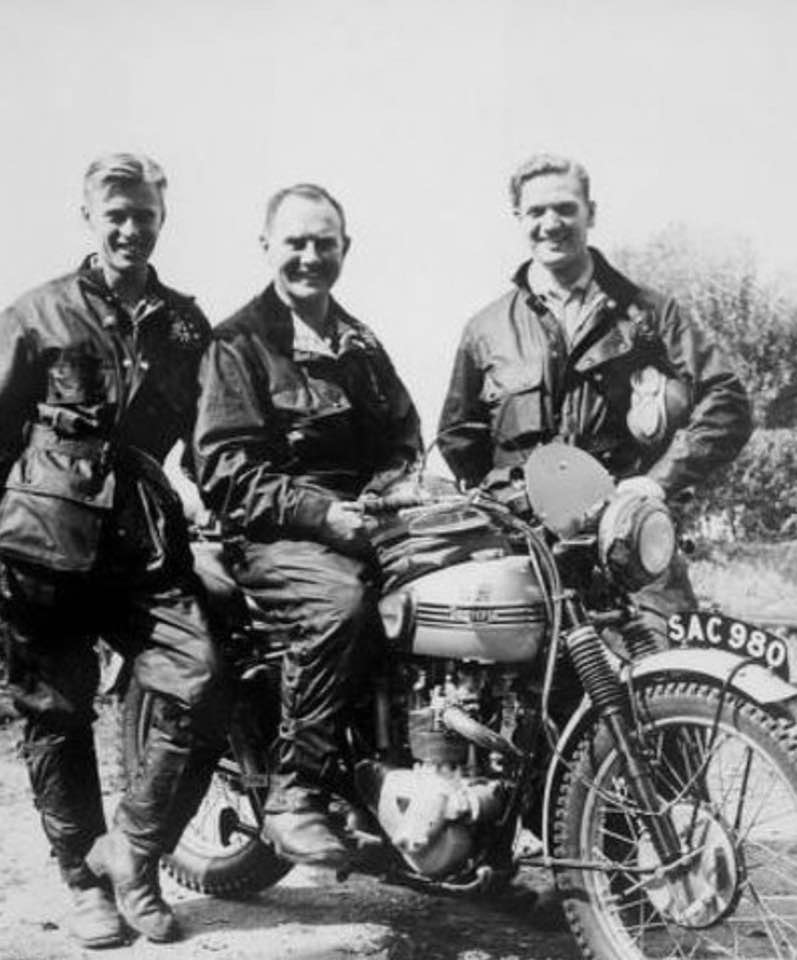
At the Bavarian ISDT, Jack’s 500cc Triumph twin was suffering from a sticking throttle slide, to attempt to control his machine, he used the ‘kill button’ on the end of the Lucas magneto, otherwise it was almost flat out all the way, such was Jack Wicken’s determination to succeed being paramount against all odds.
Bernal Osborne’s report in the Motor Cycling of 22 September 1955:
“Despite weatherproofing equipment, it jammed quite a few rider’s throttle slides and both Wicken and Alves were beaten. Fearful of stopping, Wicken continued as best he could with the carburettor slide half open, using the ignition cut-out to control speed, but nevertheless he lost much time.” [2]
Jack Wicken overcame the challenges of that very wet ISDT in Czechoslovakia to bring home a Gold Medal for his efforts in 1955.
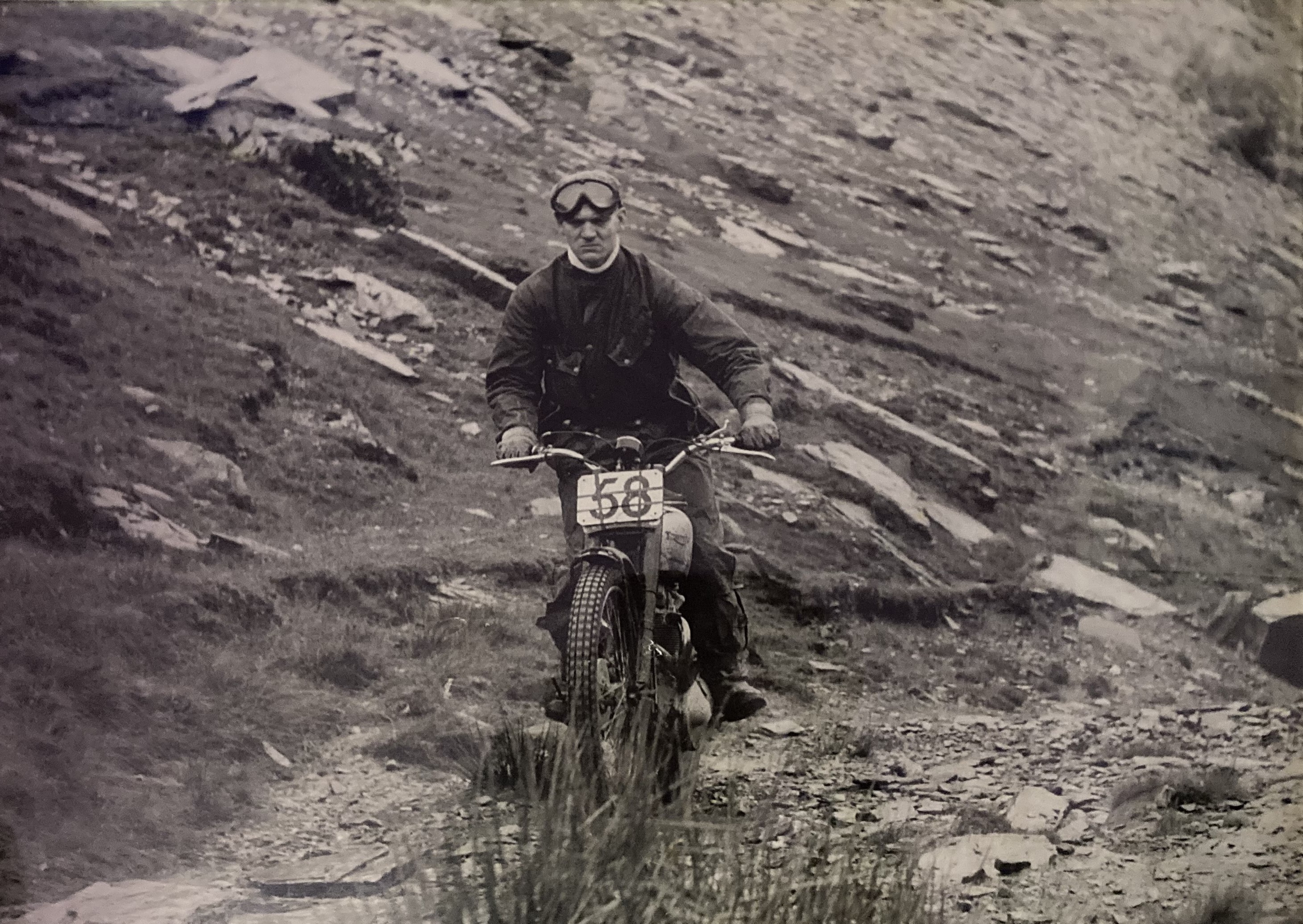
Jack also won several special first class awards at the Scottish Six Days Trial. Jack’s first Scottish was in 1953 and was rewarded by winning the P.S. Chamberlain Trophy, for the best performance by a newcomer, a year later brother Sid would win the very same trophy.
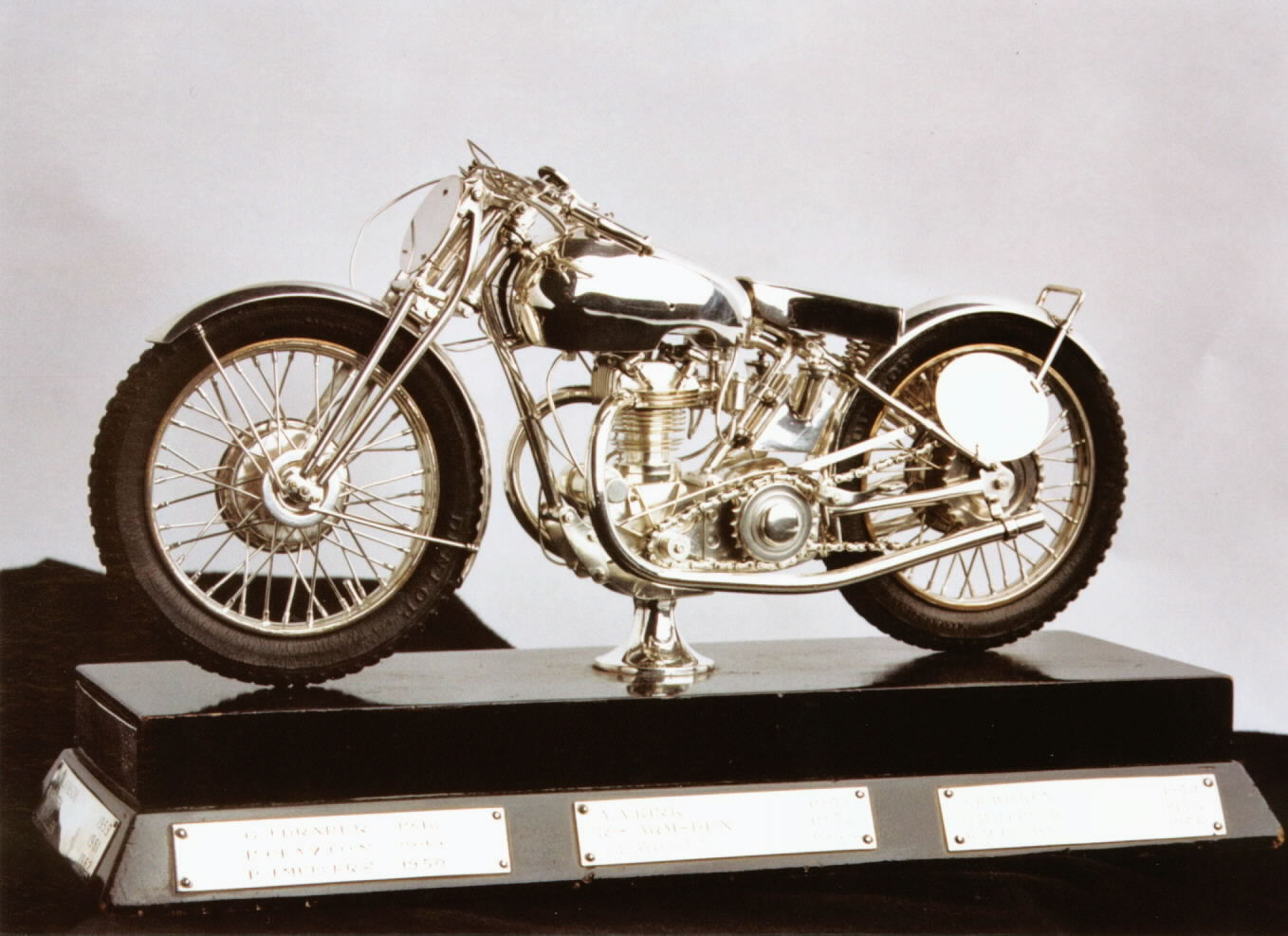
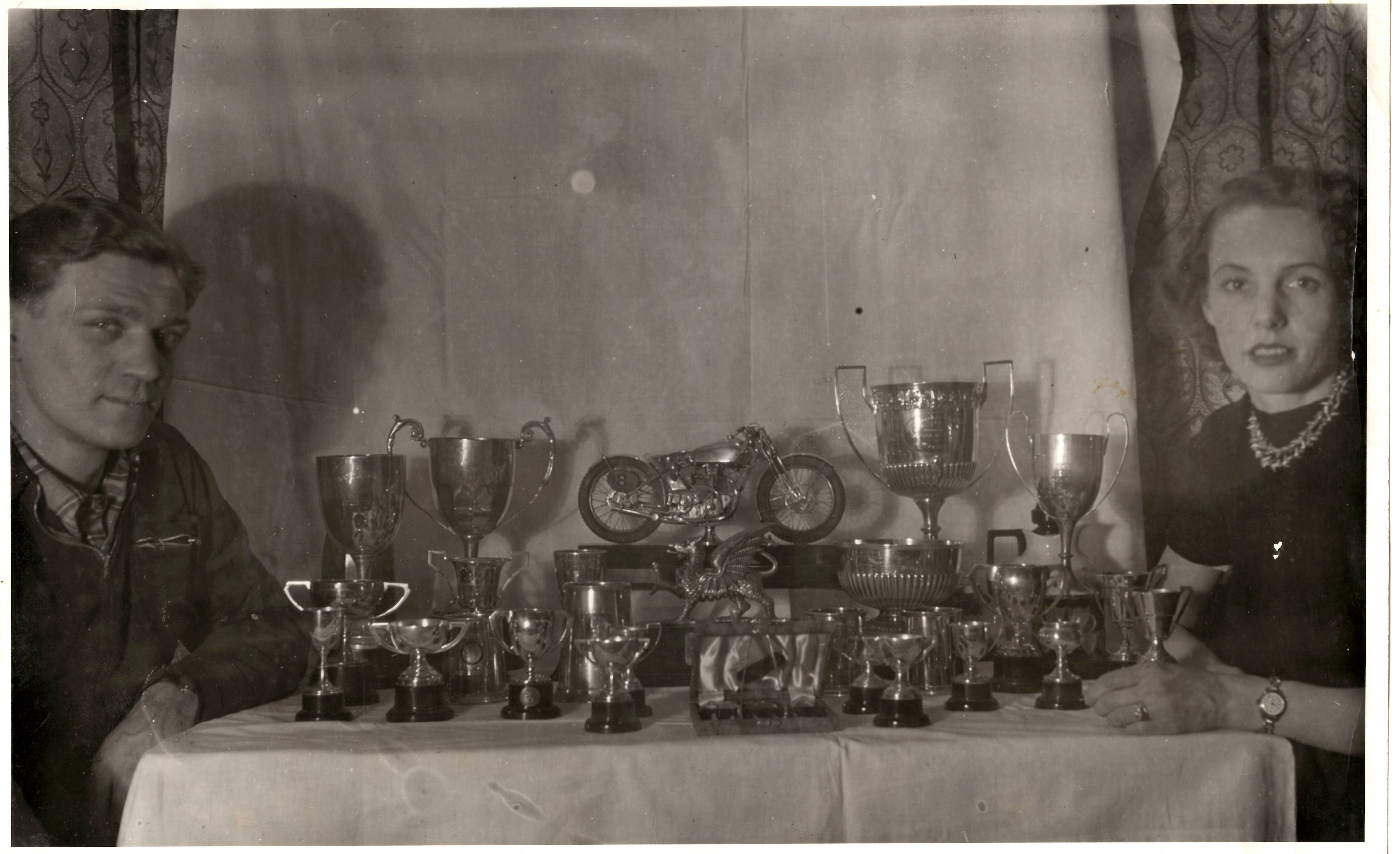
Presented to the Edinburgh & District club by the directors of Rudge Motor Cycles, the P.S. Chamberlain trophy for the Scottish Six Days was a scale model silver Rudge ‘Ulster’ four-valve head port motorcycle on a wooden plinth, which had real rubber tyres, control cables and a drive chain with individual links which worked. It was in itself a work of art.
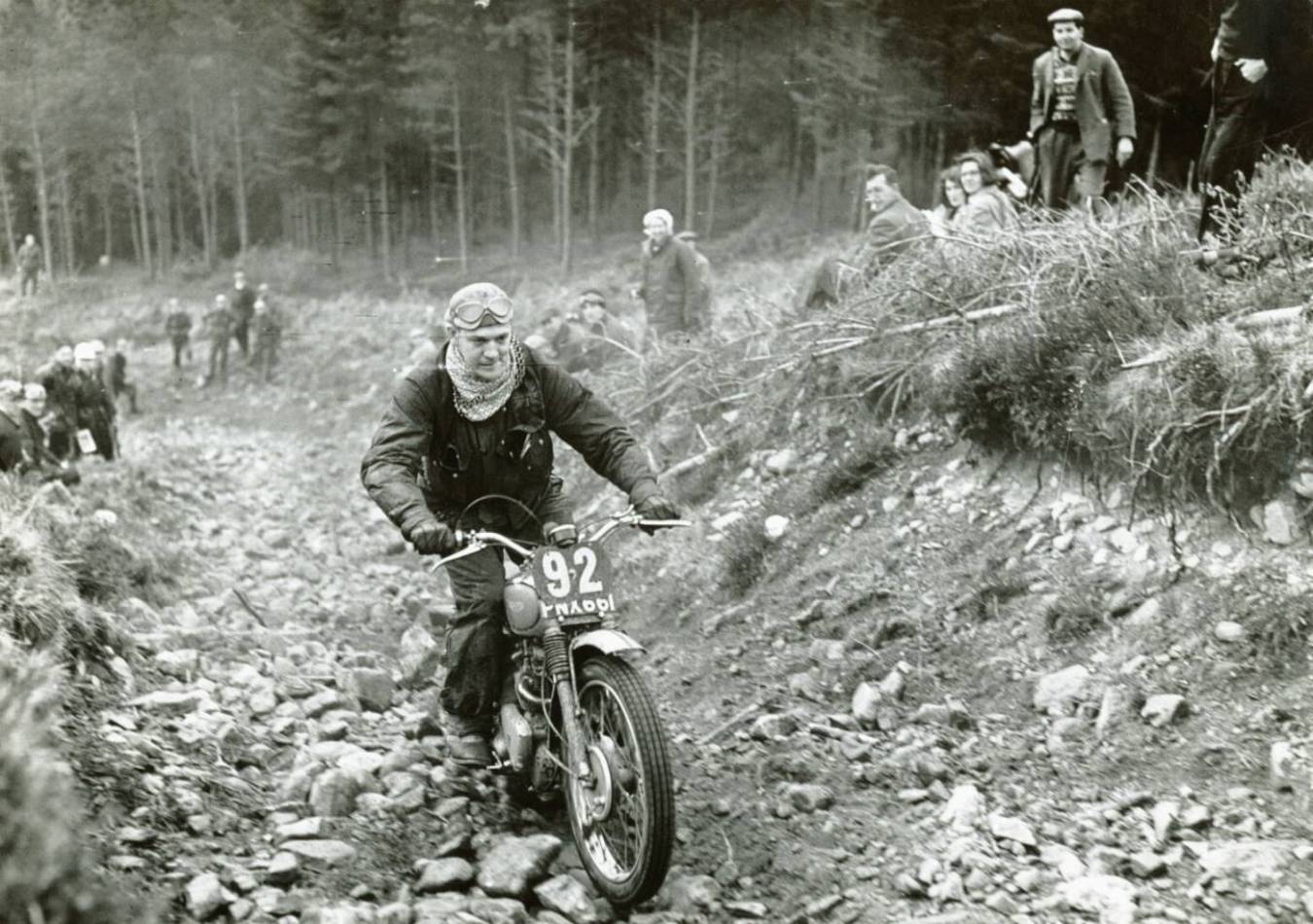
Jack Wicken retired from trials riding in the latter half of 1957 when Triumph took back his 498cc twin PNX661, and wanted him to ride the much smaller 199cc Tiger Cub, which was not to his liking.
Jack was never defined by trials riding alone, he was very proud of what he achieved, but he lived in the moment but there were other sports which he came to love. Although there was a brief return to trials in the 1970s when he and Sid had one last fling at the Greybeards Trial, they were more likely to be found on the golf course together.
Jack had taken up golf when he stopped trials riding and got his handicap down to two. In the 1970s he captaining one of the Kent teams. He also skied, rode horses and also sailed. He and brother Sid played a lot of golf in their latter years, but during the winter Jack would be found on the ski slopes of Westendorf in the Austrian Tyrol, whenever the opportunity presented itself.
Jack Wicken owned and ran his own light engineering companies for forty years. Starting with All Type Tools Ltd in Woolwich which he started as a worker’s cooperative with twenty other men in the early 1960s. In the 1970s, he left All Type Tools when he bought Wheeler and Clinch Limited, a tool makers business and Glyndon Plastics Limited, which was a plastic injection moulding business, which was also based on the Woolwich Industrial Estate. At one time he had forty people in his employment. Jack retired when he sold the companies upon attaining 70 years of age, but for the last five years before stopping work, he would head off skiing at the drop of a hat. He always stayed at the same hotel and just before getting in the car to drive to the ferry, he would call the owners and tell them he was on his way. He was such a good customer and friend they always found him somewhere to stay, in the staff flat on one occassion and his photo hung above the bar where he enjoyed the apres ski.
Jack Wicken passed away in the November of 2012, aged 85 years. Once he couldn’t play sports, he didn’t see a lot of point to life, he needed the competition.
So there we have it, two very different brothers who took up the very same sport, both receiving factory support and machinery, both competed at high level observed trials and speed events. Both equally determined to win and to beat each other in the process. Never giving the other any quarter, but still brothers until the end. The sort of rivalry that we don’t see anymore in our society. The Wicken brothers brought home the spoils of competition and their results did the talking.
Trials Guru’s John Moffat: “I never had the pleasure of meeting Jack Wicken as the opportunity didn’t arise, however I had the great pleasure of meeting his younger brother, Sid on more than one occasion. The first time was at the Ben Nevis sections during the 1986 Scottish Six Days. I was spectating and I happened to notice the gentleman to my left was wearing a Barbour jacket with a Union Jack embroidered badge on his left shoulder. I asked him if he rode in the ISDT at some point. He replied, “Yes I did on more than one occasion and I rode this trial many times.” I recognised him from some old SSDT programmes I had collected, looked at him and said: “Are you S.R. Wicken by any chance?” to which he smiled and replied positively, “Yes I am S.R. Wicken!“
“We conversed for a while and then I said to him that my family owned an ex-works Matchless. He then asked me what the number was, as I had told him it was Ted Usher’s former steed. When I told him that the registration number was OLH722, he quickly and abruptly said: “That was my bike!“
“From that moment on, we had something in common and we communicated many times, the following year he even brought up some old photos of him on OLH722 for me, which I had copies made and still have. Sid also told me how his works Matchless was prepared and about the various modifications from standard.“
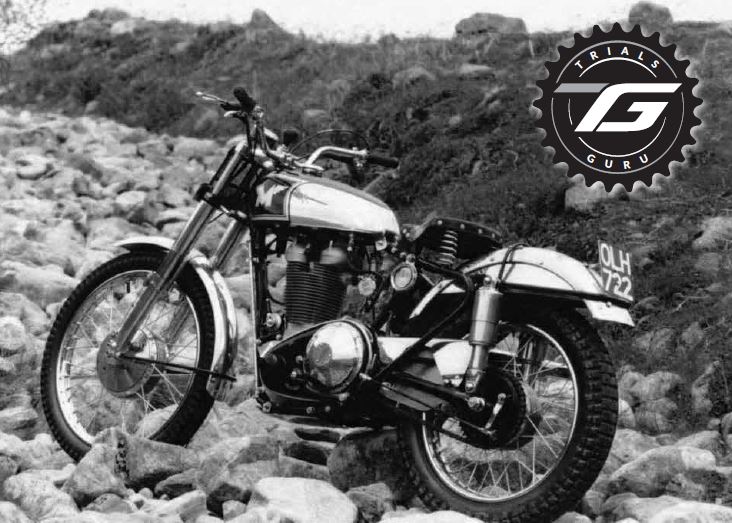
“Sid Wicken came across as a very knowledgeable and positive thinking gentleman, someone that didn’t let too many things bother him. The type of man that looked for solutions and implemented them. Probably that is why he was so successful in the sport and warranted factory support for so many years.”
Bibliography:
Matchless – Once the largest British motorcycle manufacturer – Peter Hartley, 1981 ISBN: 0850454042 (Osprey). (Front of dust cover) [1]
The Motor Cycling – 1955, 22 September – International Six Days Trial Report by Bernal Osborne. [2]
Various photographs supplied from the extended Wicken Family Collection of prints obtained by Jack and Sid Wicken during their active years in motorcycle trials. [3]
‘The Wicken Brothers’ is the copyright of Trials Guru 2026.
Apart from ‘Fair Dealing’ for the purpose of private study, research, criticism or review as permitted under the Copyright, Design and Patents Act, 1988, no part of this article may be copied, reproduced, stored in any form of retrieval system, electronic or otherwise or transmitted in any form or by any means, electronic, electrical, mechanical, optical, chemical, photocopying, recording or otherwise without the prior written permission of the author as stated above. This article is not being published for any monetary reward or monetisation, be that online or in print.
Discover more from TRIALS GURU - DEDICATED TO TRIAL
Subscribe to get the latest posts sent to your email.
 TRIALS GURU - DEDICATED TO TRIAL