Words: Trials Guru & George Greenland
With assistance from: Kerry Greenland; Karen and Neil Clarke.
Photos: Colin Bullock; Jean Caillou; Mike Rapley; Alistair MacMillan Studio, Fort William (Permission by Anthony MacMillan); Ray Biddle; SpeedTrackTales (ISDT website); Derek Soden; Salisbury Journal; Greenland Family Archive. (Main photo: Mike Rapley).
Most people that have been around the Pre65 trials scene for some time, will have heard the name or have met George Greenland. But George has been around a long time, a very long time in fact!
This article has been written with the full co-operation of George and his family. In truth, it doesn’t begin to cover everything he was involved with, or all of his adventures, but it gives the reader a fascinating insight into the life and times of a man and his love of motorcycles and the sport of motorcycling.
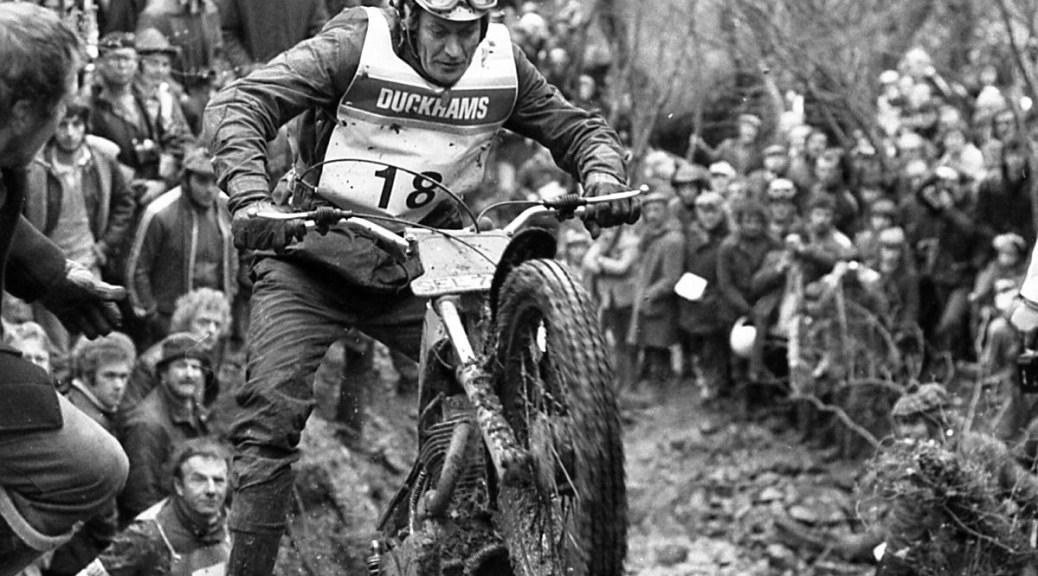
The thing that you experience when you meet George Arthur Greenland is his ‘schoolboy enthusiasm’ for the sport of motorcycling, that he hasn’t lost since he was a youth. Here we find out more about the trials rider, sidecar trials driver and five times British Enduro sidecar champion.

Early Days:
George was born on the 7th July 1932 to parents, George Arthur Hughes Greenland and Annie Gertrude Greenland, at North Middlesex County Hospital.
The family lived at Prairie Farm, Carbon Hill, Cuffley, Herts and George attended the local school in Newgate Street. He was the youngest of four children with three sisters, Glad, born in 1915; Pad, born 1920 and Olive, born 1930.
George and Olive grew up during the second world war at Prairie Farm, which was a small poultry farm. George aged thirteen and sister Olive then moved to Salisbury, Wiltshire in 1945 to St. Martins Terrace in the city. By this time both his elder sisters, Glad and Pad were married and stayed in and around the London area.
George attended St Thomas Boys School, St Thomas Square, Salisbury and left school in the July of 1946, aged fourteen.
George’s first interest in motorcycles started that same year when he was walking home from school, he would pass a chap washing his motorcycle which was covered in mud. After a few weeks of this, George’s curiosity got the better of him and he had to find out how it got so muddy!
On leaving school, George’s first job was at Avon Motors, which was a Rootes Group garage. He used to walk past the garage on the way home from school and decided to go in and ask for a job.
Sid Clark, who owned the business, asked George why he wanted to work there? George replied “When I walk past, everyone is so happy and I would like to work in a happy place.” So Sid took him on, but George wasn’t able to start his apprenticeship at age fourteen, so worked there until he was sixteen years of age and then started his five year apprenticeship.
Having found out why the chap’s motorcycle was always covered in mud, George went to see a local trial on his push bike. He liked what he saw so much that he just had to have a motorcycle himself.
It was Fred Pendle who started George’s motorcycle enthusiasm, Fred had a friend with a 250cc Royal Enfield, a 1935 genuine trials model, with foot change and girder forks. It had been used by factory rider, Arthur Ellis. George purchased it in 1948, now aged sixteen, from Arthur Beeston for £35 complete with a spare engine. With a little the help from his Dad, George bought it. From then on there was no stopping him, the die was cast!

By 1946, George was friendly with Maureen’s brothers, Brian and Dick Barber at the time but Maureen was of the same age, fourteen, so he was unable to date her until she was sixteen, they were all good friends so ideally, George saw a lot of Maureen.
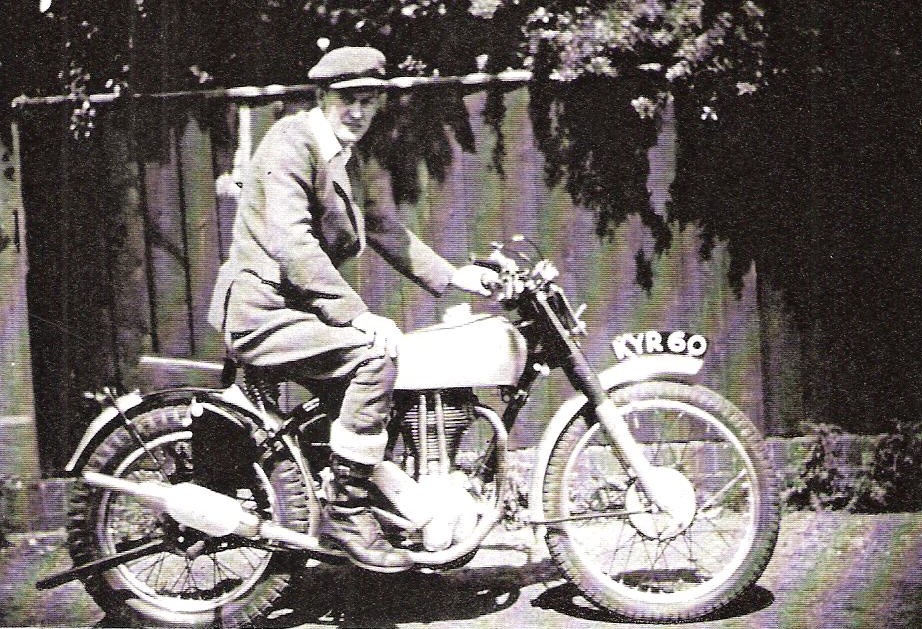
George started riding a 500cc Norton 500T in 1950 and notched up his first win on this bike at the Ernie Britton Trial.
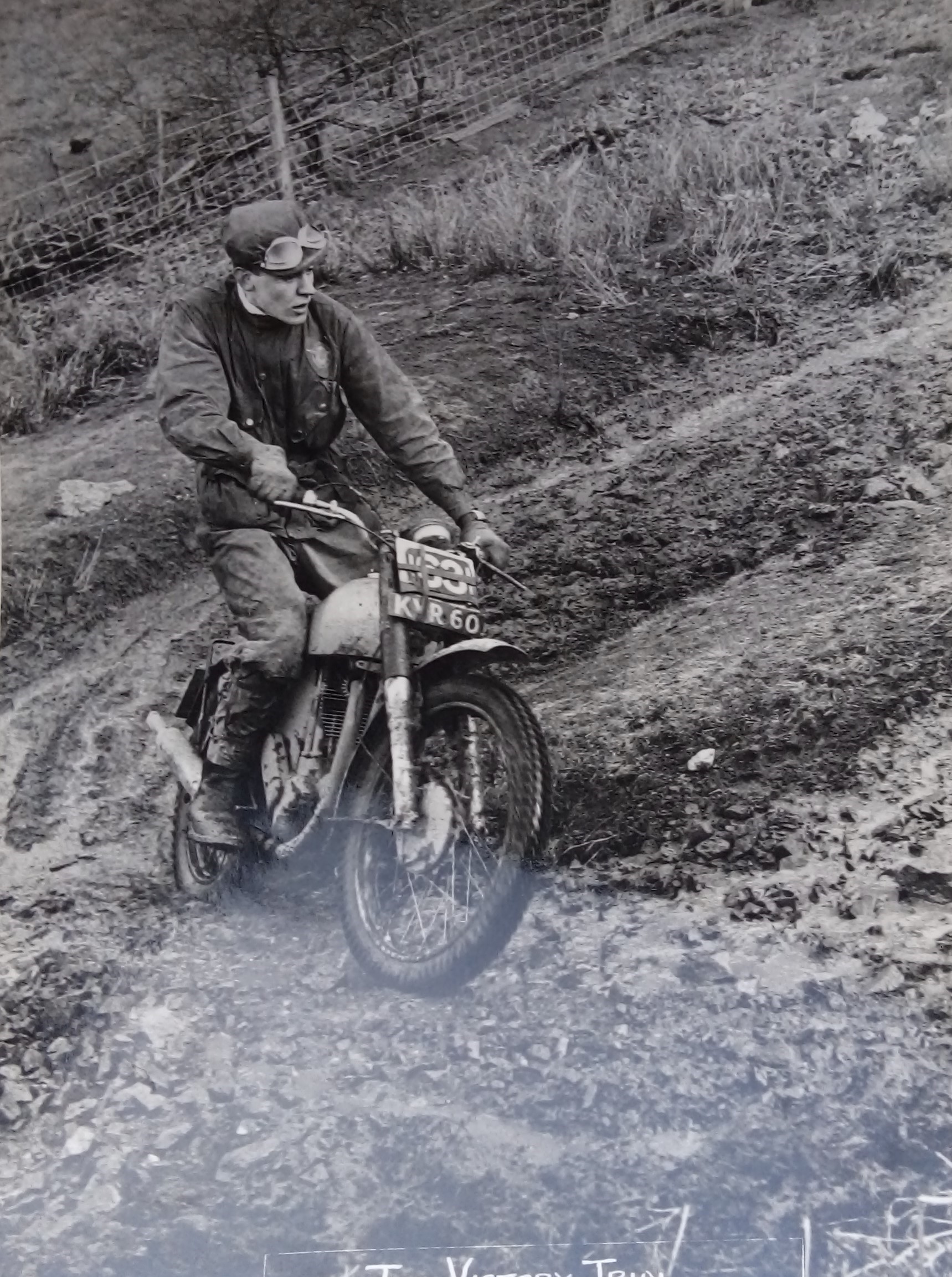
Most weekends, George was riding to events with girlfriend Maureen as pillion passenger. He would drop her off at a section with the lights which he had removed from his bike, compete in the trial and then pick her up, refit the lights and the pair would ride back home.
Get some in:
National Service was of course a feature of life in these days, and in 1953 at the ripe old age of twenty-one, George was called up and joined the R.E.M.E with a posting to Kent.

George was competing on a twin cylinder 500cc Trophy Triumph in 1953, which he used as a road bike and trials machine. It was this machine that created the attachment between George and Triumph engines later on in his trials career.

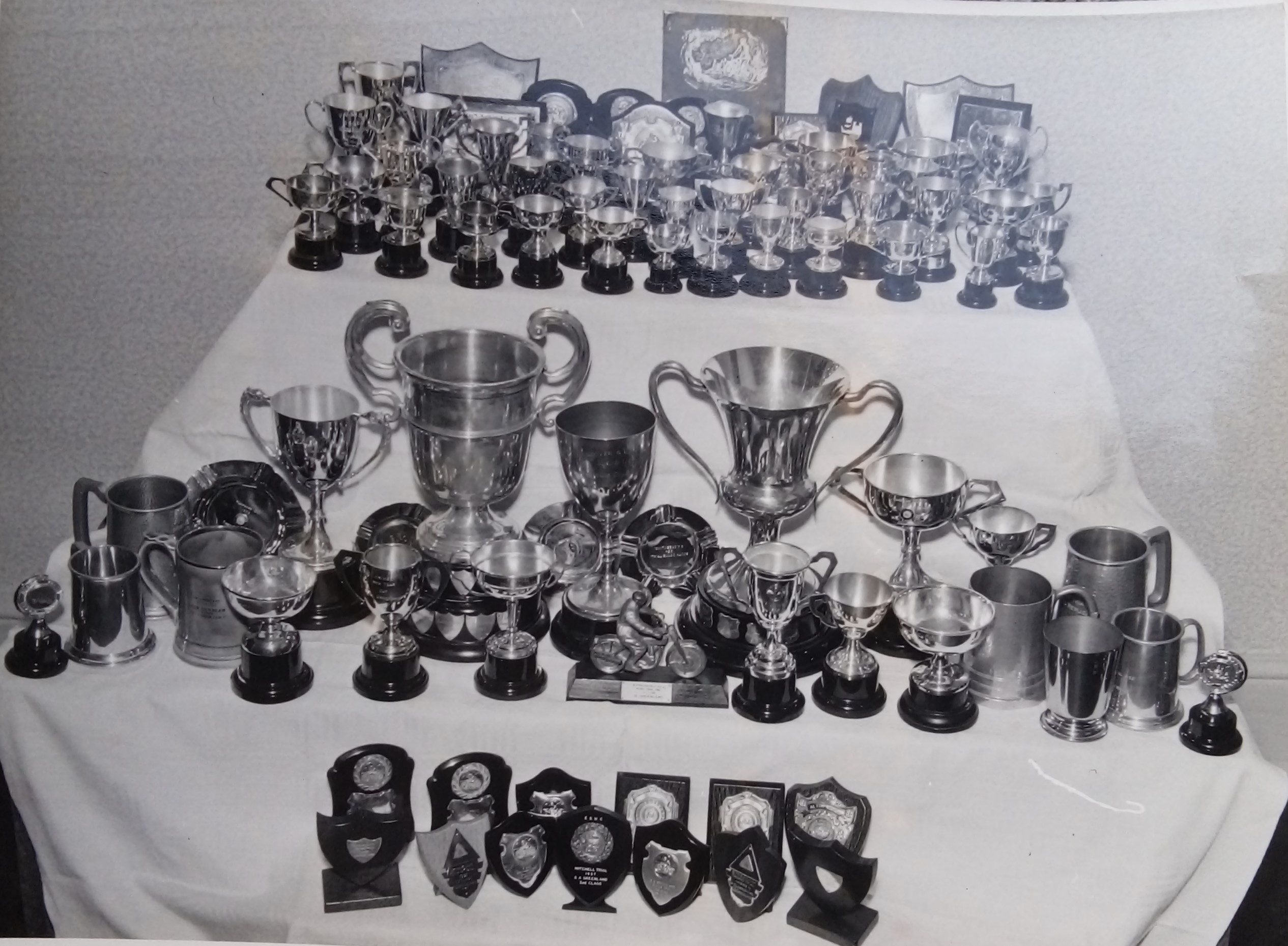
The following year, George was using the Army supplied Matchless G3L in all major road trials London to Landsend; Hampshire 100; Sunbeam 200 and London to Exeter. He was the best army rider in all these events. His collection of trophies then started to grow considerably.
Army Days:
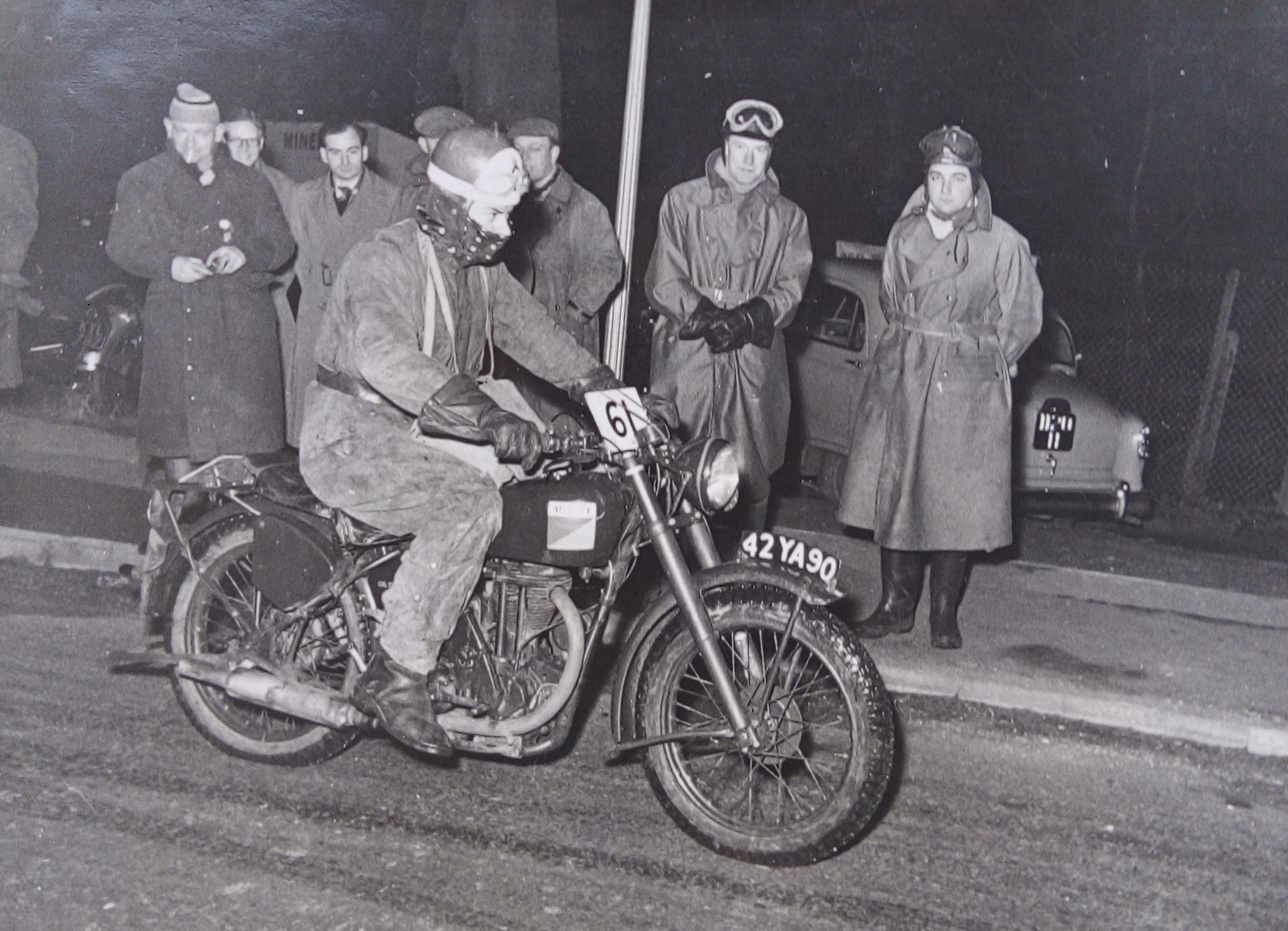
During his army National Service, George rode an Army Matchless G3L in many events and was eventually invited to go to the selection events for the International Six Days Trial in 1954.

He was selected as first reserve for the British Army team for the ISDT. This was held in Wales in the September of 1954 and George was supplied with a BSA Gold Star. The army team consisted of Captain Betty; Captain Fred Miles; Captain Eddie Dow; Cumbrian, Eddie Crooks; Staff Sgt. Nicholson; Corporal Mick Waller. The British Trophy team won this year’s ISDT, captained by Hugh Viney of Associated Motorcycles.
George takes up the story: “Eddie Dow once asked me during our training sessions in Brecon, why do you always ride at the back? I said well, if one of you comes off I’ll make sure I get a place in the team. After that he pulled rank and rode behind me.”
“Eddie Dow and Eddie Crooks were both on BSA Gold Stars and were unhappy that mine seemed to go much better. I had to admit that I had taken the compression plate out from under the barrel. So, that evening, I had to work on two more Gold Stars to remove their compression plates.“
“Thirty or so years later at a reunion, Eddie Dow asked me, would I really have run over him if the opportunity presented itself? I had to say at the time most probably.”
It was now 1955 and George left the army as his National Service had come to an end, so it was back to ‘civvy street’ and a job with Smallshaw Brothers and Andrews Garage in Bournemouth. BSA had also loaned him one of their 350 Gold Stars to continue competing. However, his freedom was short lived as George was recalled by the Government in June due to the Suez Crisis in 1956. This was a joint operation by British, French and Israeli forces, invading Egypt, thus regaining access through the Suez Canal. George and Maureen had only just got married on the 2nd of April that year, so things were a bit hectic.
Back again:

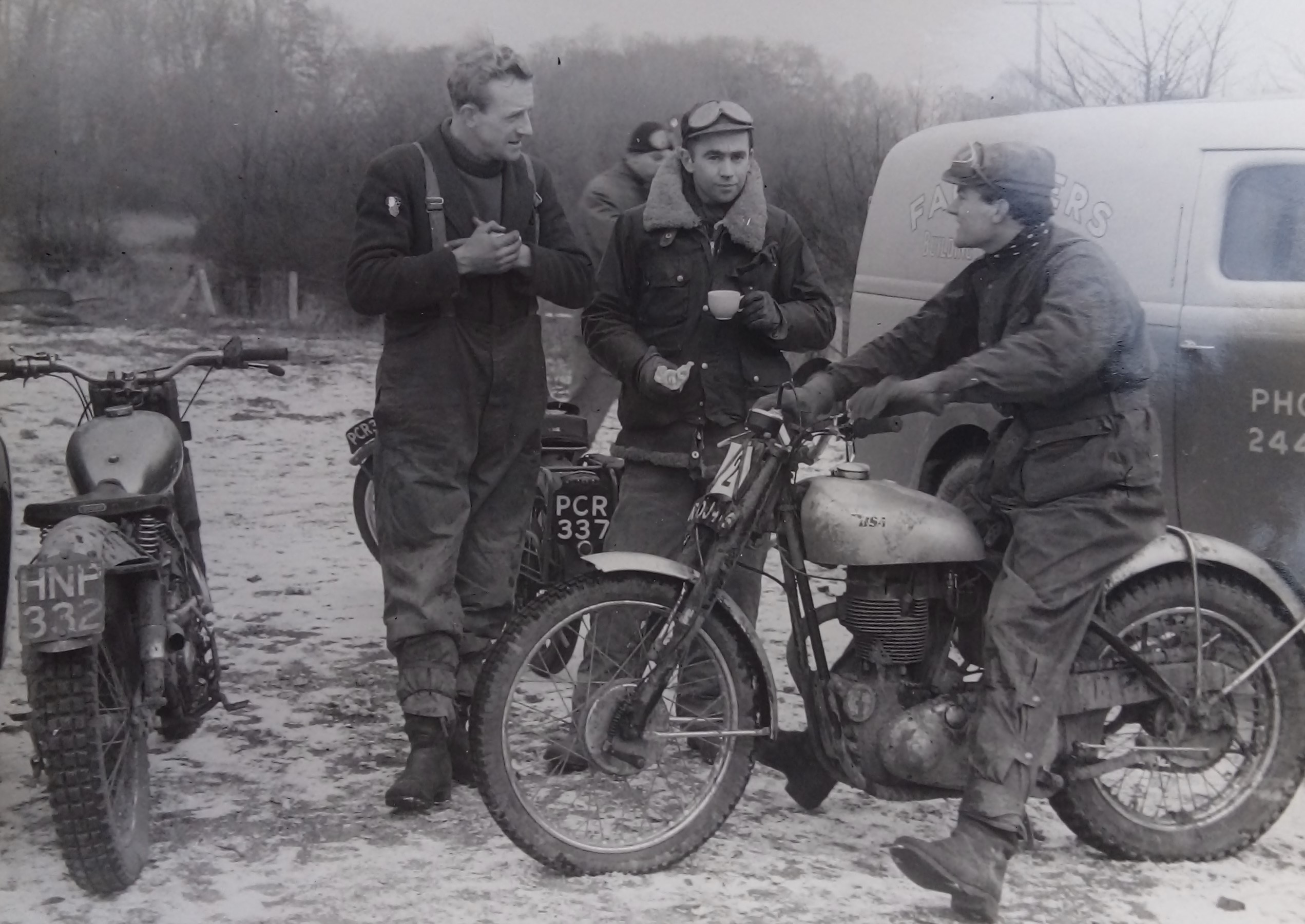
Demobbed once more, George resumed his trials riding activities, this time on a special Triumph, called the ‘Smallshaw Special’ in 1958. Using a Triumph Cub engine, with James hubs and AMC front forks, it was registered 28EFC, built by Des Smallshaw who had built special trials bikes previously.
At this time, George made the move to work for a very large company, Morris Motors, shortly to become the British Motor Corporation with the merger of Austin and other car brands, this was at the Cowley plant in Oxfordshire. BMC was the largest motor manufacturing company in Britain at that time. George was to be employed there until 1965. His main job was that of a trouble-shooter, being part of a specialist team that rectified faults when vehicles were being assembled on the Cowley production lines. His team worked very closely with designers and vehicle production staff. Some faults were rectified on the production line, with others out in the field, post-production.
During George’s time at BMC, Maureen gave birth to three daughters, Katrina Jane, born 1958; 1959, Karen Ann in 1959 and in 1961, Kerry Lyn. All three daughters took up motorcycling, with Karen taking it up competitively.
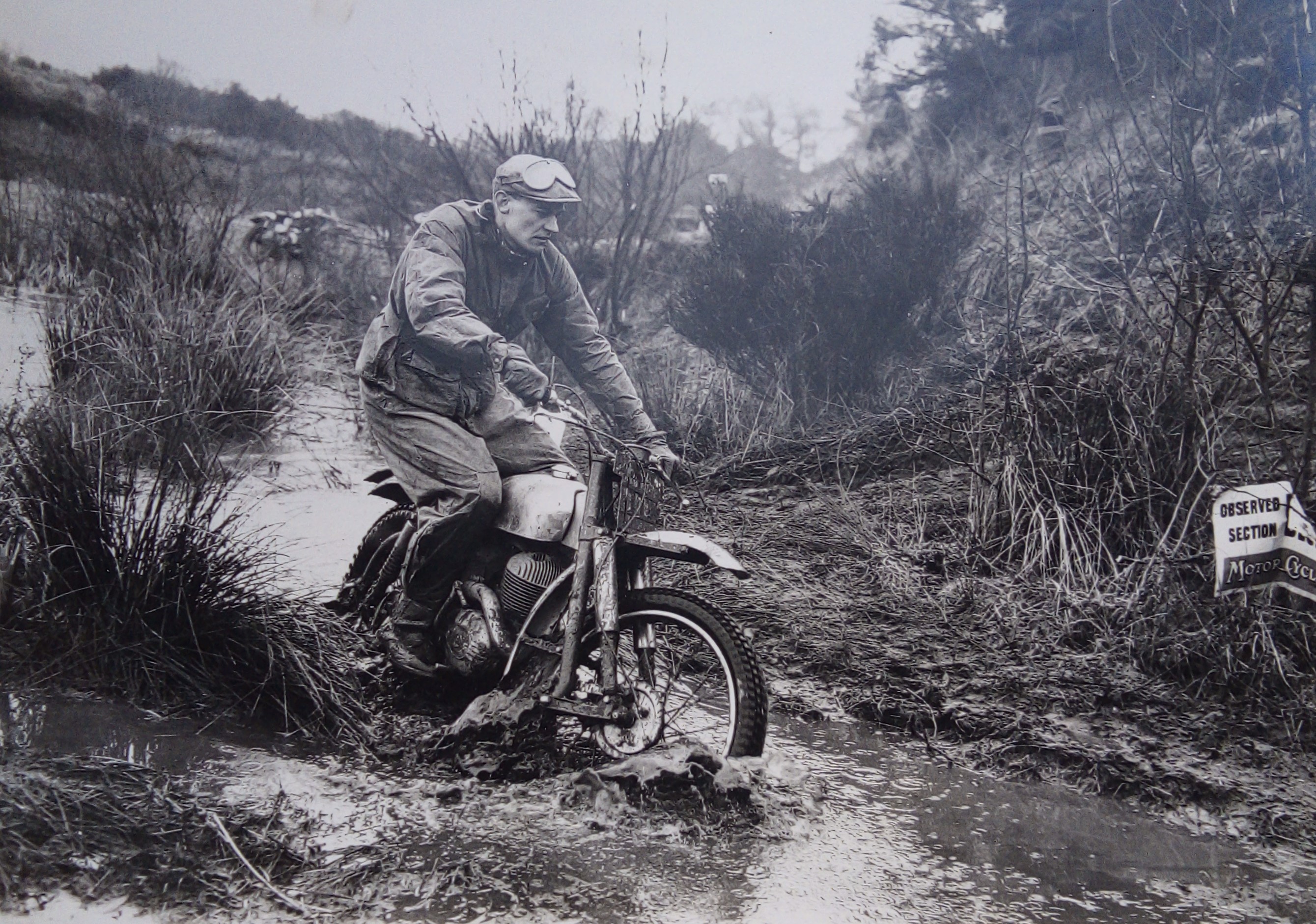
In 1961, a trials bike was despatched from DOT motorcycles in Manchester. This machine was entered for that year’s Scottish Six Days and George rode two Scott trials on this machine, earning himself a coveted Scott spoon in the process.
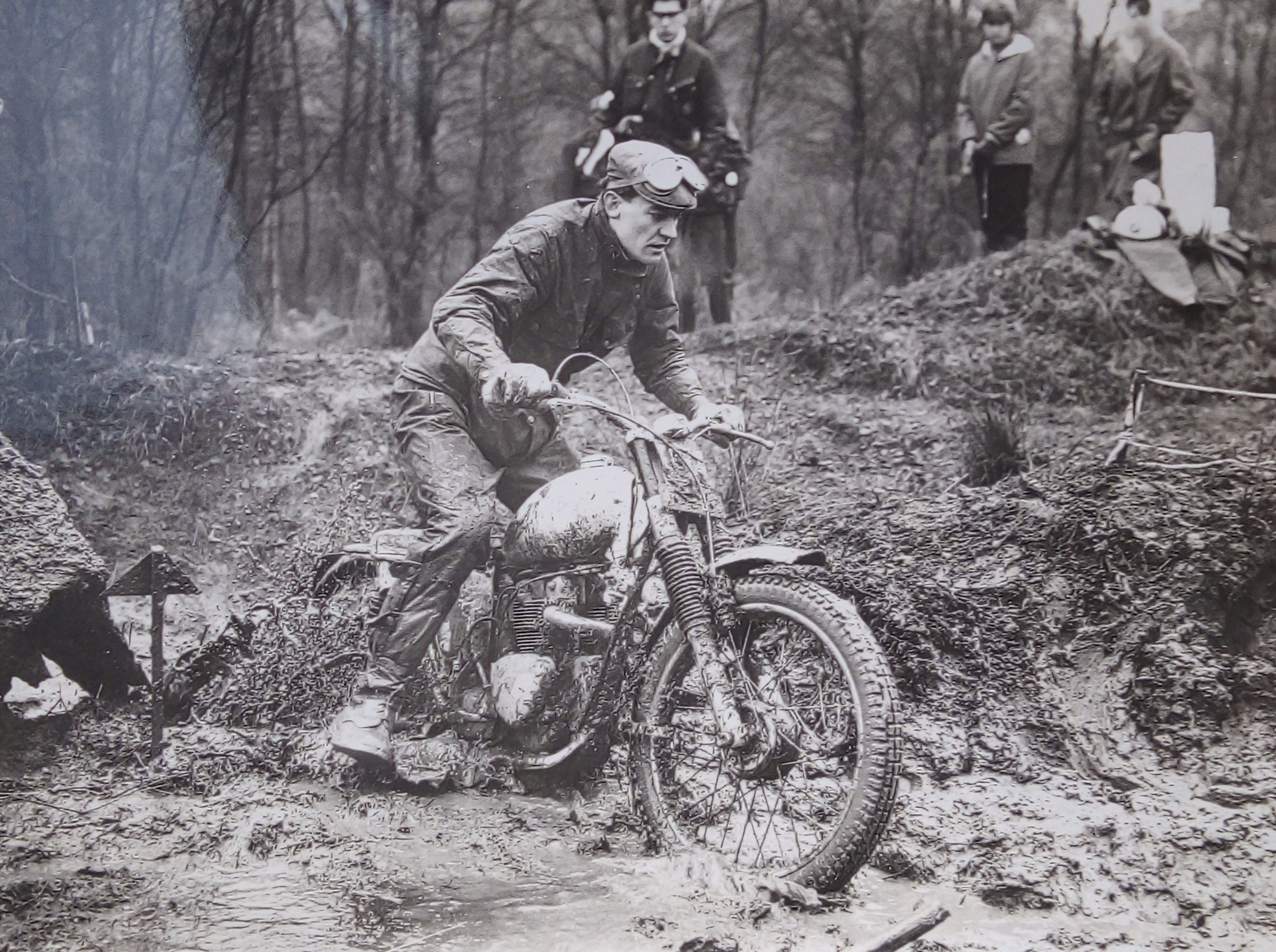
George got the urge to build his own trials bike, a Triumph Special, registered AEW176A, with a 350cc engine which he upgraded to a 500 in March 1964, using an engine from a crashed road bike. The Triumph was fitted with Norton Roadholder forks and a James front hub. He purchased some tubing to rebuild the frame for trials use. He had been told it was Cold Drawn Steel tubing, whereas it turned out to be mild steel, which would later cause problems! He loved the bike, but after a while the wheelbase started to lengthen by itself, so he rode it until late 1965. By then, he had left the BMC to move back to Salisbury with Maureen and their three daughters. He formed a partnership with his brother-in-laws, Dick and Brian, called R.D. Barber & Company at Milford, Salisbury. They were in the business of repairing damaged cars and fabrication work, but also did some outsourced work for the BMC rally teams.
Rhind-Tutt Wasp:

GG: “l moved back to Salisbury in 1965, and went to see Robin Rhind-Tutt at Wasp Motorcycles at Berwick St. James, and asked him to build me a trials frame as I had now obtained a Triumph 500 engine. This he duly did, and the following year I had a second bike built, it was very similar to the first Wasp. I ran SU carbs on both these bikes. In 1966 I didn’t get to ride any trials, I spent all of my spare time on building our new house at Potters Way and building up the car repair business.”
Although known as ‘Robin’, ‘Robbie’ or ‘Rob’, Rhind-Tutt’s actual name was Charles Norman Rhind-Tutt and he became known throughout the world as the ‘go to man’ for competition motorcycle sidecars. Wasp outfits literally dominated the world of sidecar motocross in the 1970s. That first 1965 Triumph Wasp set the scene for many years to come, as George would not only build bikes for himself, but for other riders as well. Although well-known in the sidecar motocross market, the Rhind-Tutt connection would eventually pull the Wasp frame manufacturer more into trials, with a neat Bultaco powered example appearing at the 1970 Scottish Six Days, in the hands of Arthur Headland and a German rider, Wolfgang Zahn. The first solo trials frame had been made as early as 1963 and Geoff Chandler used a 250 Bultaco powered Wasp ‘RT4’ in 1968.
The Wasp frames were well built and finished in bright nickle plating. Later, the Rhind-Tutt/Greenland friendship would branch out into enduro.

GG: “In 1969, when building another Wasp framed bike, I actually built two, one for me and one for Arthur Dovey, who rode it very successfully. My own bike had Rickman hubs fitted.“
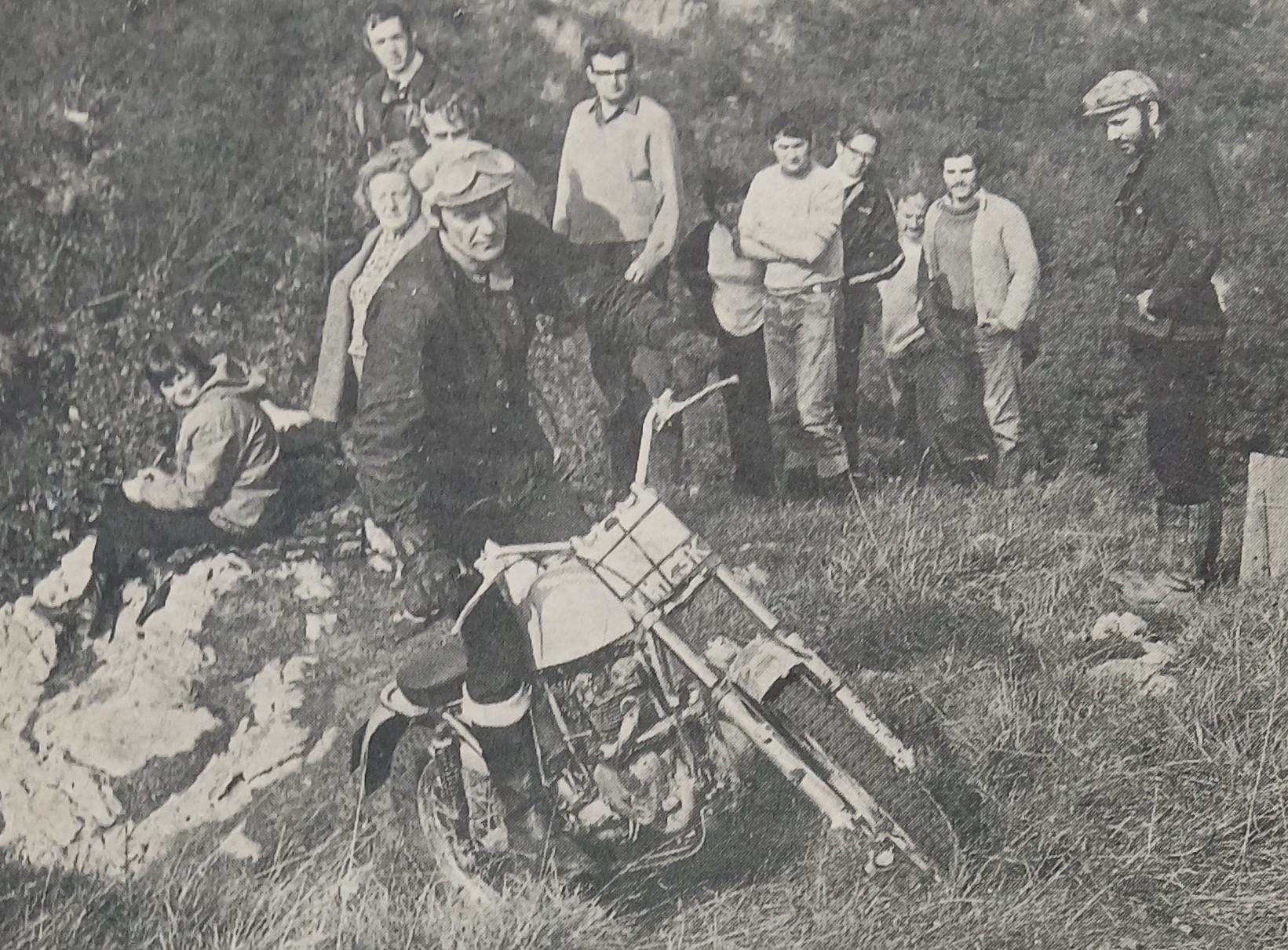

“I built another 500cc Triumph Wasp in 1971, which was registered as VMR3K. The following year I built a third 500cc Triumph Wasp, registered CAM56L the one which I rode in the 1973 Scottish Six Days. The start was still in Edinburgh at that time and I won a First Class award.“

“I was disappointed that I didn’t win the best 500 cup, my bike had the largest capacity in the event, but Kawasaki had entered bikes in each capacity to get all the capacity classes covered. Later, Don Smith told me if he had known, he wouldn’t have done it.”
History records that Richard Sunter on the 450cc Kawasaki factory prototype picked up the over 350cc cup in the 1973 Scottish, finishing in 20th position on 137 marks. George Greenland came home in 99th place on 355 marks on the 498cc Triumph/Wasp.
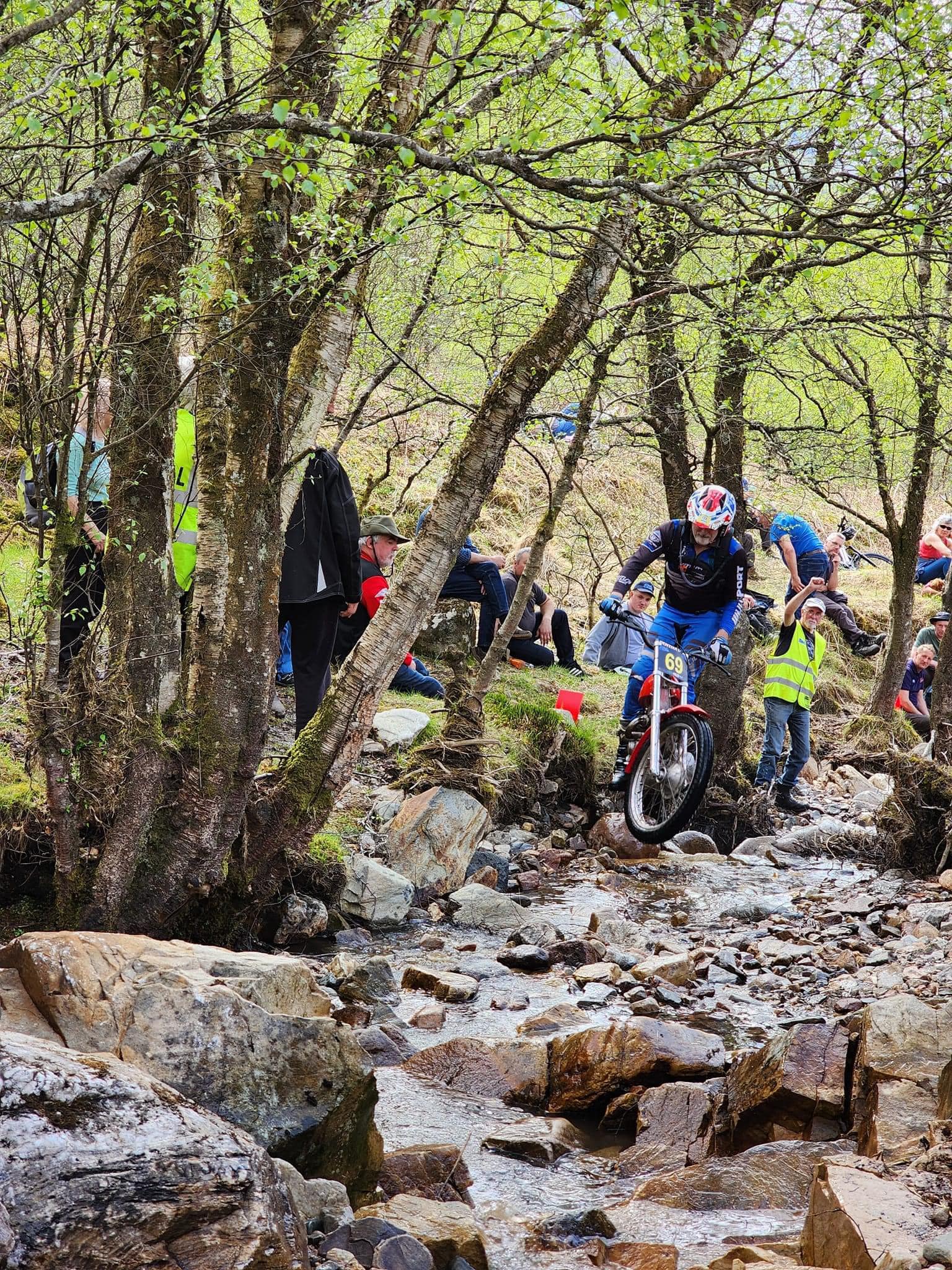
GG: “Of all the bikes I built, the last 500cc Triumph twin with Wasp frame, CAM56L is probably my favourite. I have still got that bike. It has done a lot of work. I did all the Southern centre time trials in the 1970s, the odd Euro championship round, the Scottish Six Days, the Scott trial and many Pre65 Scottish Two Days and quite a few trials on the continent.”
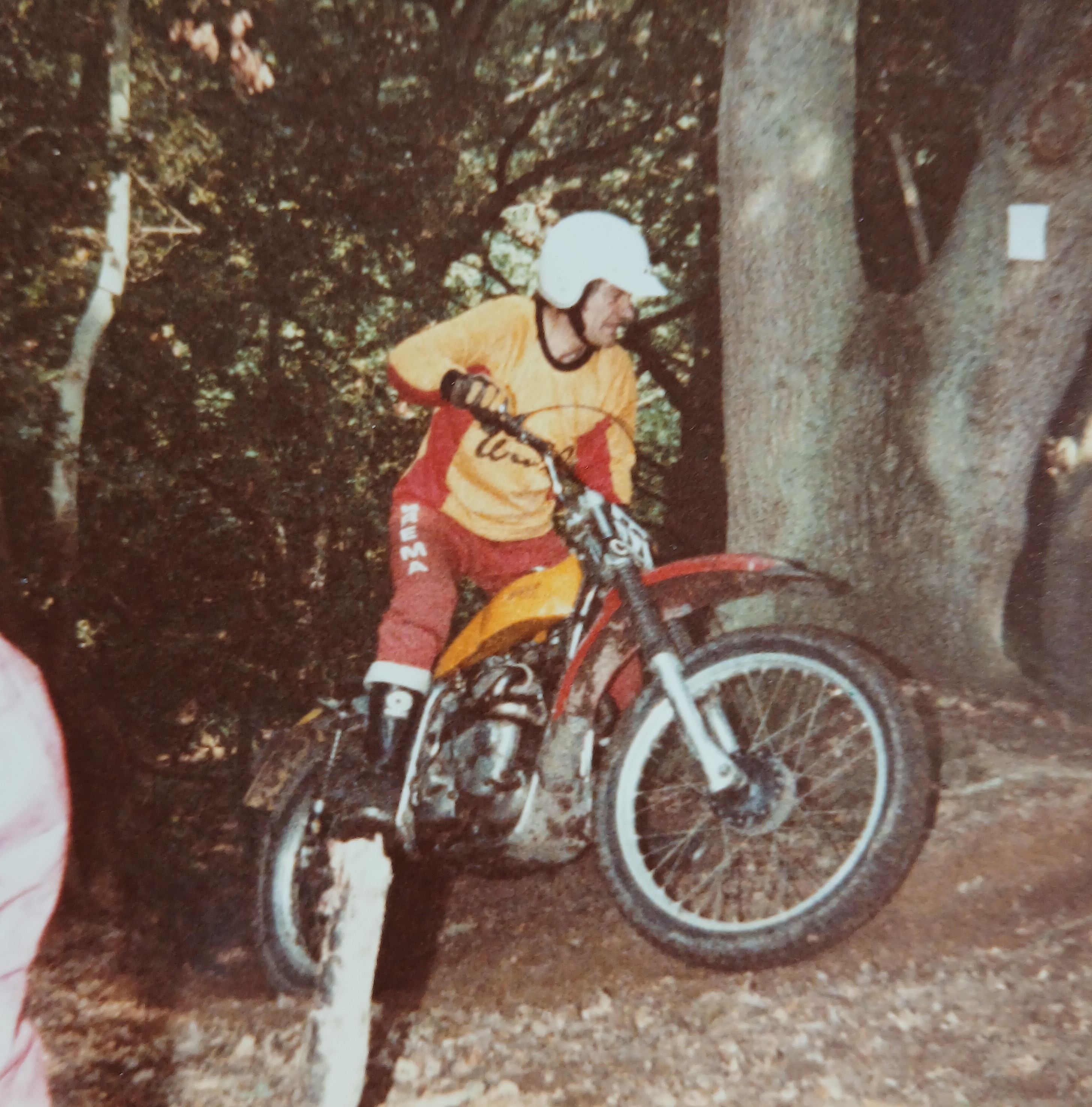
George went two-stroke again and purchased a new 325 Bultaco Sherpa in 1973, but initially was disappointed with its performance.
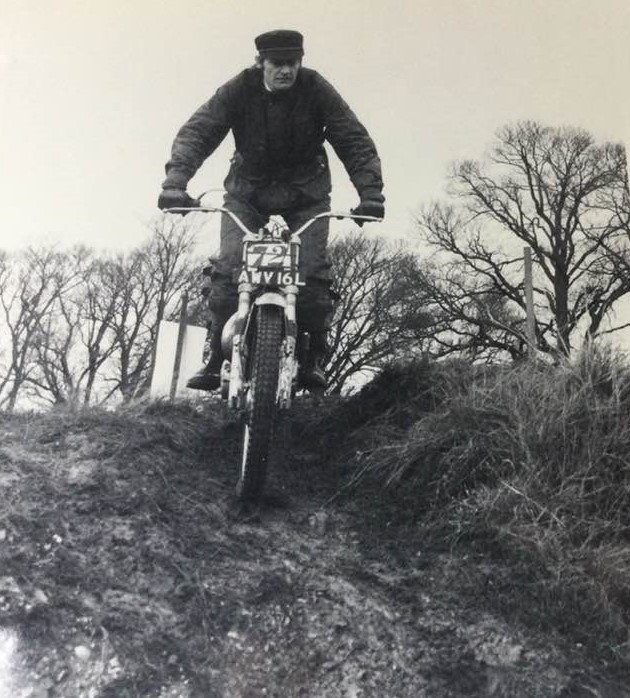
GG: “I bought the new Bultaco from Comerfords, it ‘pinked’ all the time on acceleration. I saw Reg May at a trial, he told me to bring it back to ‘have a look at it.’ When I got it back a week later it was transformed after Reg set it up properly.”
The Bultaco Sherpa that George bought was one of the early 325cc models imported by Comerfords into the UK and they were jetted on the weak side. This was remedied by changing the slide in the 627 AMAL carburettor and also the needle jet.
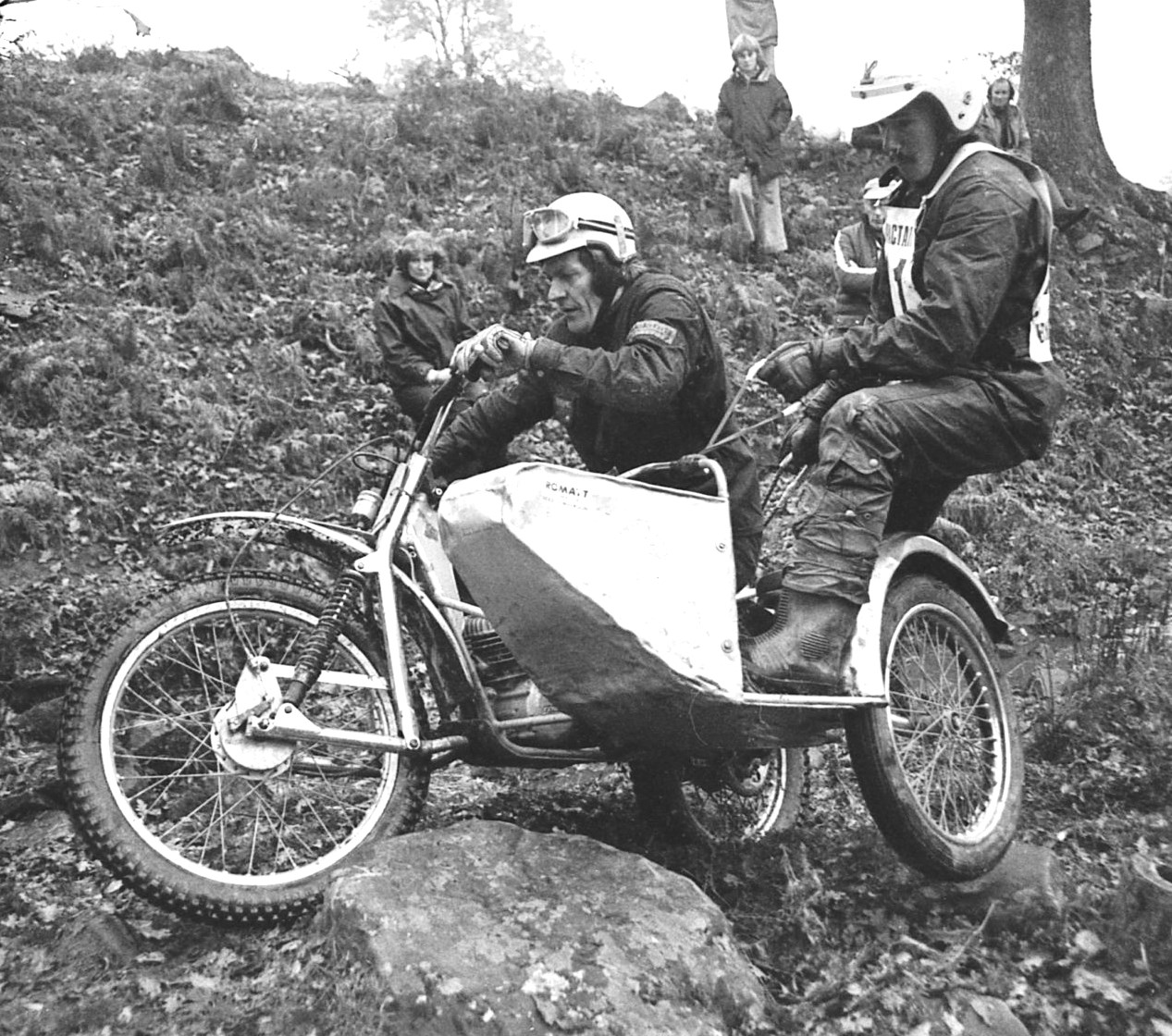
In 1972, George had turned forty and effectively moved over to ride sidecar trials on a 500cc Triumph Wasp. His first passenger was Dave Lane, who remained so from 1973 through to 1977.

This was to become an interesting and exciting time for George, experimenting with a variety of engines in Wasp chassis. This ranged from Triumph through to Kawasaki, CCM and Suzuki. It was also a springboard for George’s foray into enduro racing.
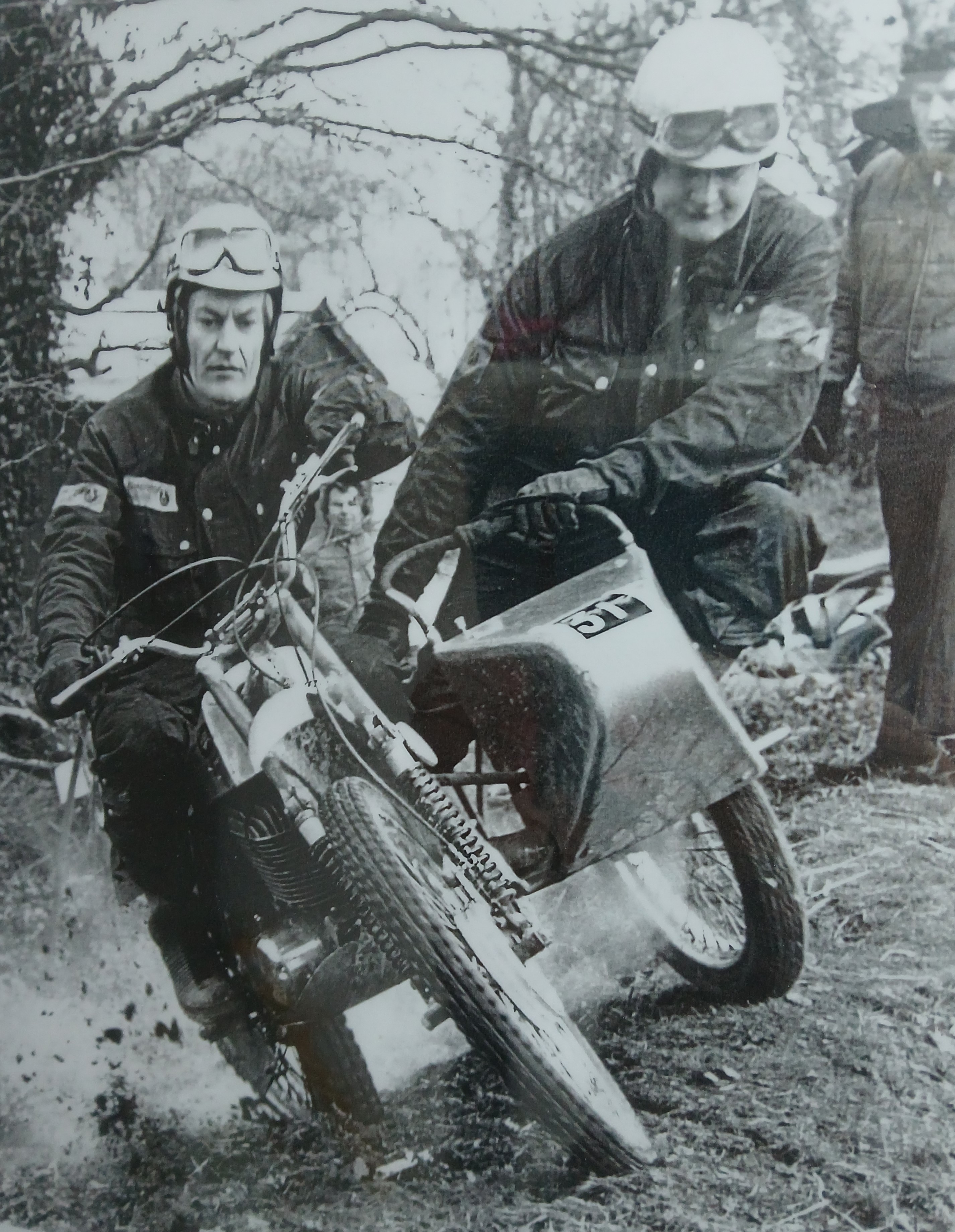
GG: “Mike Guilford, the sidecar cross British Champion, said he was building a trials sidecar but was unsure about preparing a Triumph engine for trials, so I got involved. When it was completed Mike suggested a test day. My mate Dave Lane had passengered at grass track, so he came along as ballast. Neither of us did very well. Then Mike decided it was not for him, so told me that I could use it if I wanted. So that was my first trials sidecar.”
Their first trial was The Jack White at Brice’s Farm. The going was dry with lots of grip, but it was not a fairy-tale debut as George and Dave finished last. The following week, they rode the Wessex Centre trial, it was very wet and muddy, they won on the Triumph and the die was cast.
GG: “Dave Lane and myself decided to have a crack at the Welsh Two Day on the trials sidecar outfit, but we were very disappointed we lost the win, by clocking in one minute early.“
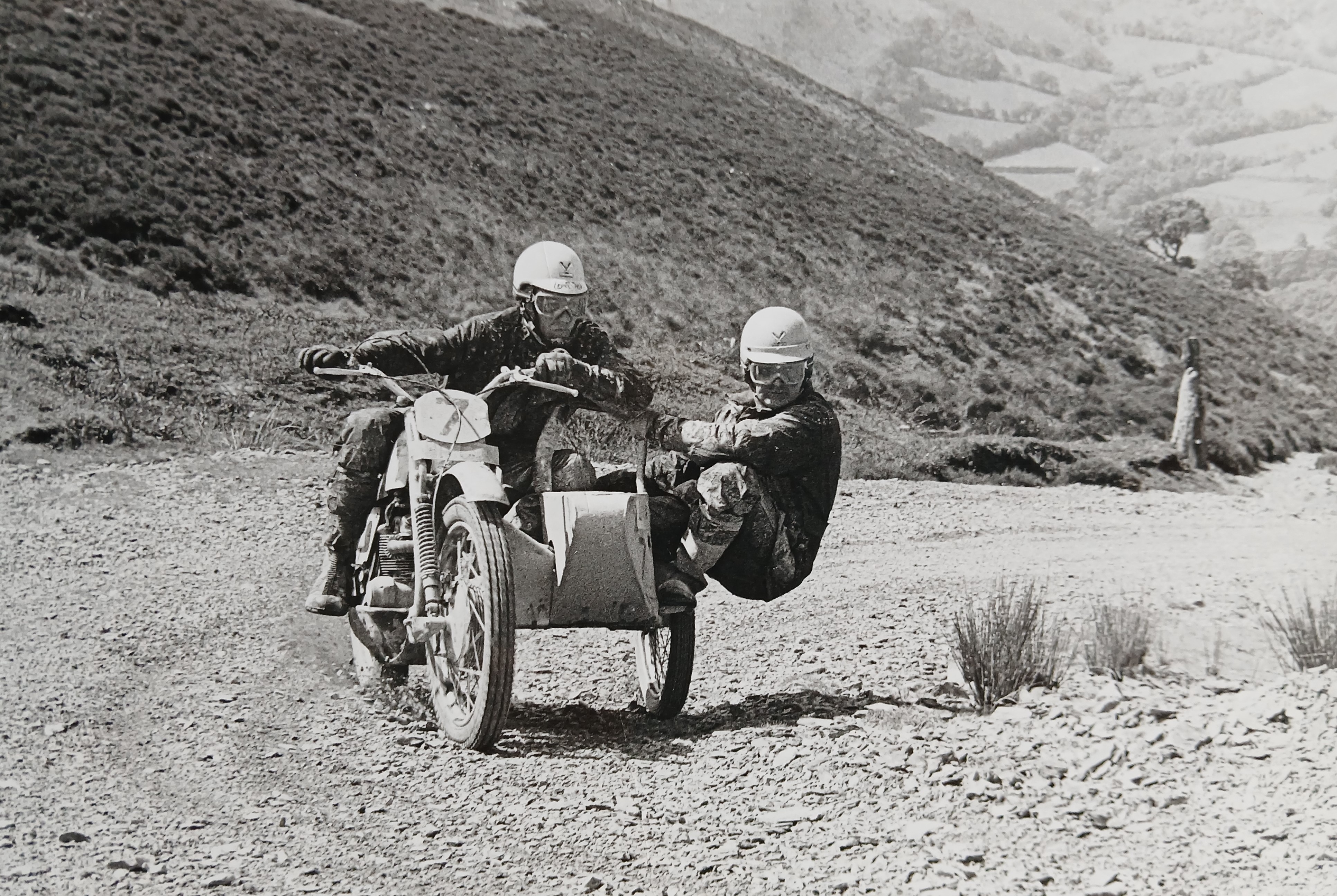
“Dave however wasn’t too keen on the Enduros, so Dick Ramplee was to become my regular passenger from 1973 -1980.”
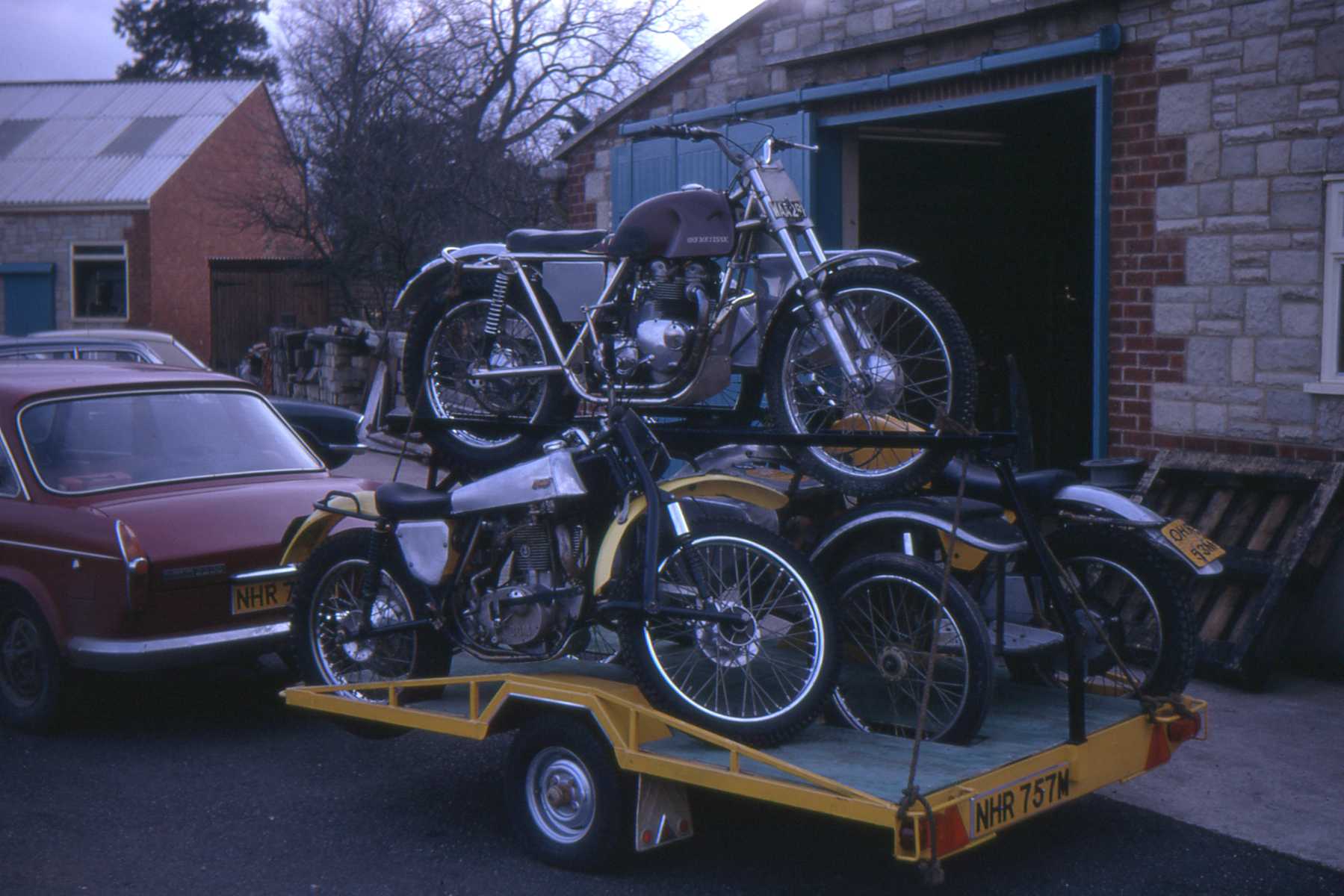
The continent was calling in the late 1970s and that was an expensive time for sidecar crews as outfits are much bulkier than solos. George set about finding a solution and came up with the ‘double-decker’ trailer. This carried three outfits on one trialer.
George won the inaugural but as yet, ‘unofficial’ ACU British Enduro sidecar championship in 1980 and he went on to win a further four times when the ACU incorporated the championship into the sporting calendar. His passenger from 1980 until 1982 was Nick Moores.

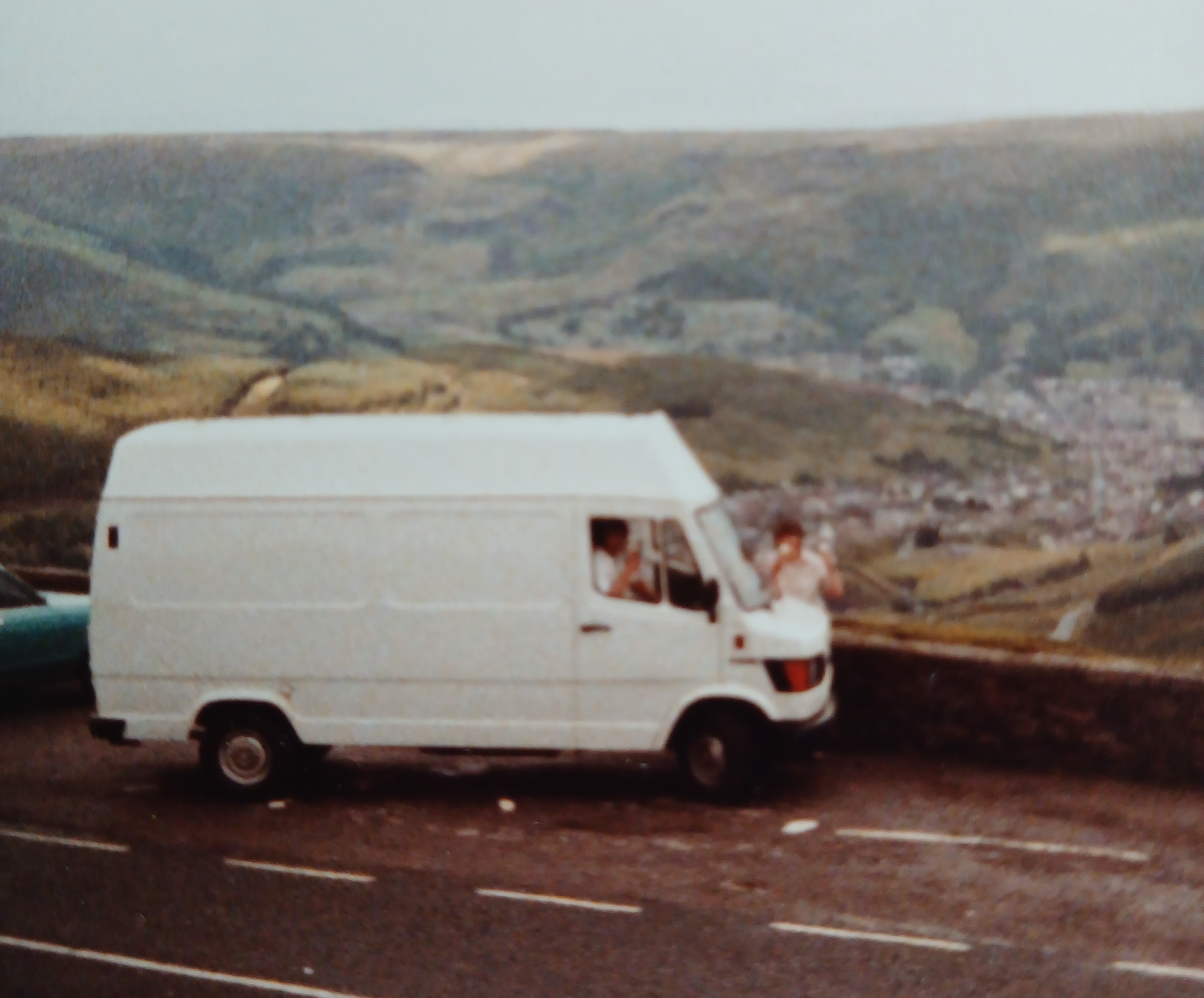
By 1980 George was still working at R.D. Barber full time and spending every evening working on the outfit for the next enduro. All events during George’s riding career were attended by his wife Maureen, who loved to travel. Many times she drove round the countryside to find the next check for refuelling. In 1981, George purchased a 207D Mercedes van so that Maureen could have a bit of comfort to travel to enduros and holidays abroad, this was built by George in between events.
GG: “At the Natterjack Enduro in the November of 1981, my regular passenger Phil fell off his Moto Guzzi and broke his wrist, so couldn’t make it, so at the start Roy Humphries volunteered. On the first day he was shattered, everybody including his father said I would need a new passenger for the second day, but Roy turned up and we went well all day until the gearbox failed.”
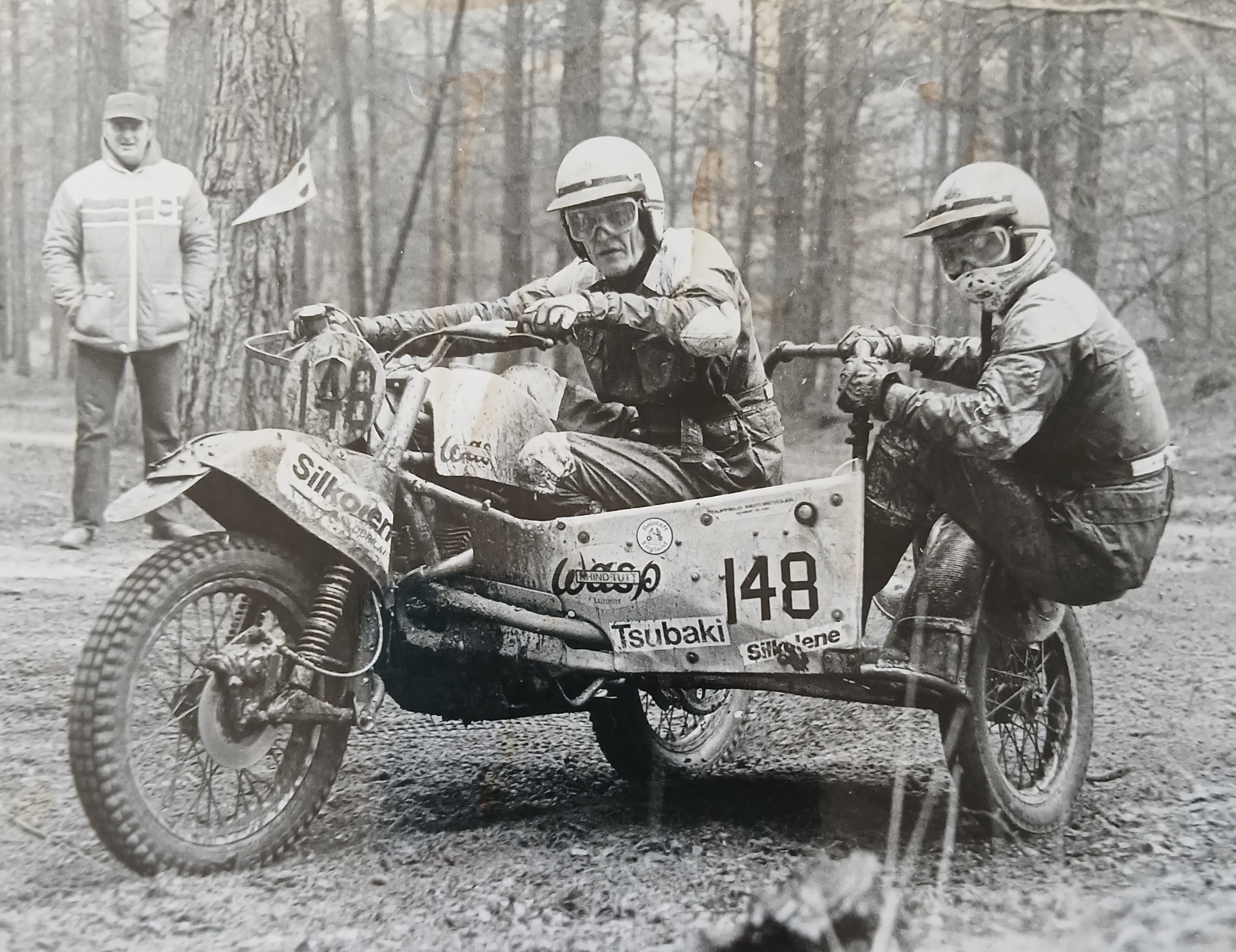
Out of the seven times riding the Natterjack Enduro, George won five events with passengers Nick Moores, Phil Whitlock and Neil Clarke.
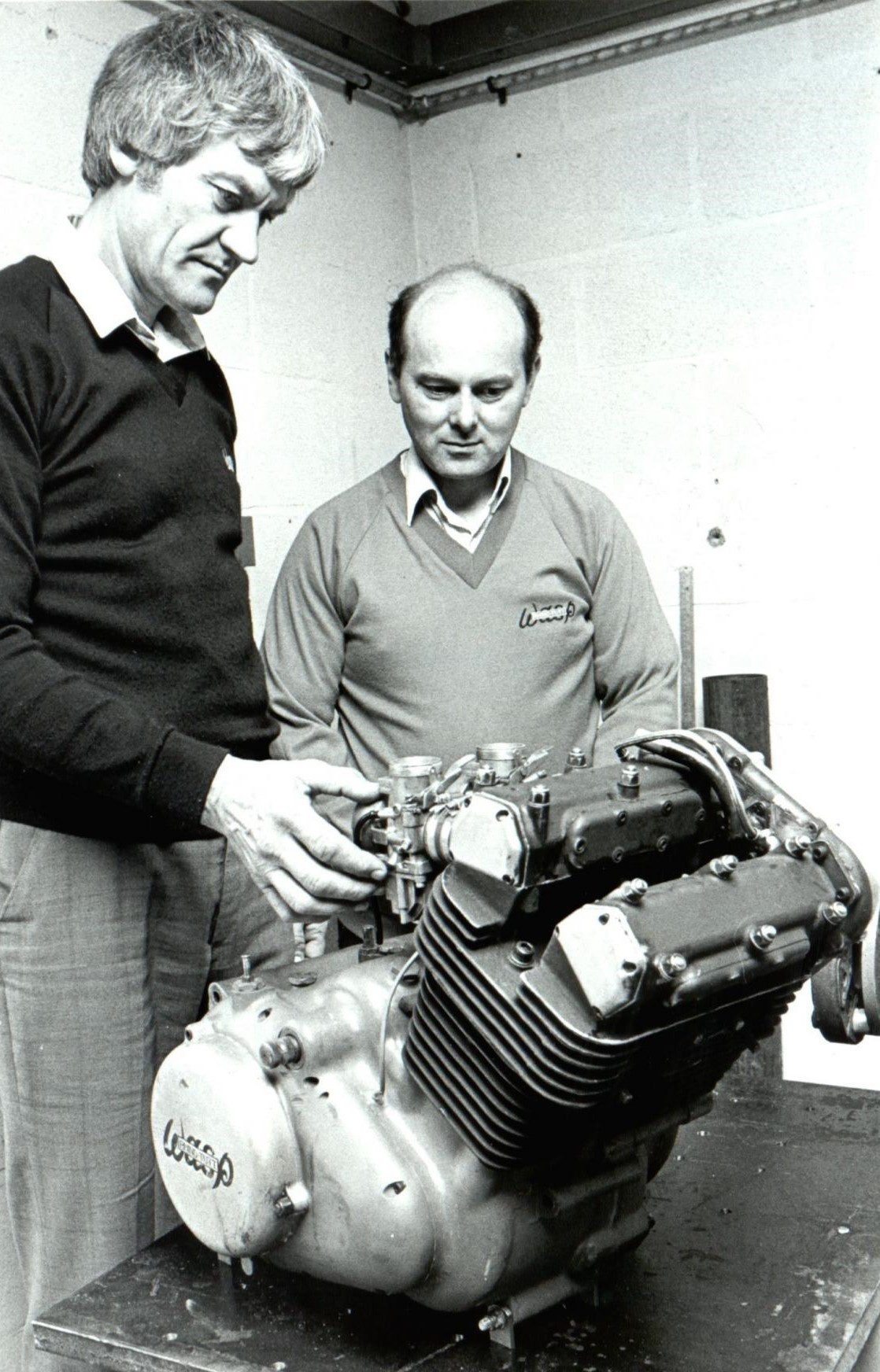
Rhind-Tutt decided to design and build a bespoke double overhead cam 998cc Wasp engine/gearbox unit in 1980. The engine was a twin cylinder, eight valve configuration and a four-speed gearbox with dry sump lublication. It breathed through a pair of MK2 AMAL concentric carburettors. This took nearly three years to develop and George was heavily involved in the project. This involved development and getting the prototype built and tested. Approximately fifty machines were built, an early version of which George rode to victory in enduros. This package was capable of transporting rider and passenger, fully loaded at speeds up to 100 miles per hour.
1982:
1982 was to be a very busy year for George. In February, the 1,000cc Wasp engine had its first real outing at the Enduro Le Touquet, the famous beach race in France. He was passengered by Nick Moores, but the engine seized up on the long straight at mid race.
GG: “I blamed Silkolene oils, but they insisted I should have used their caster based oil called ‘Pro4’. Mr. Brooks from Silkolene came down from Buxton to have a look at the Wasp and said it was a ‘racing engine’, so I needed to change the oil over to caster base which is ‘Castorene’. There were no more problems after that, and we were best sidecars in 1984 and again in 1985.“
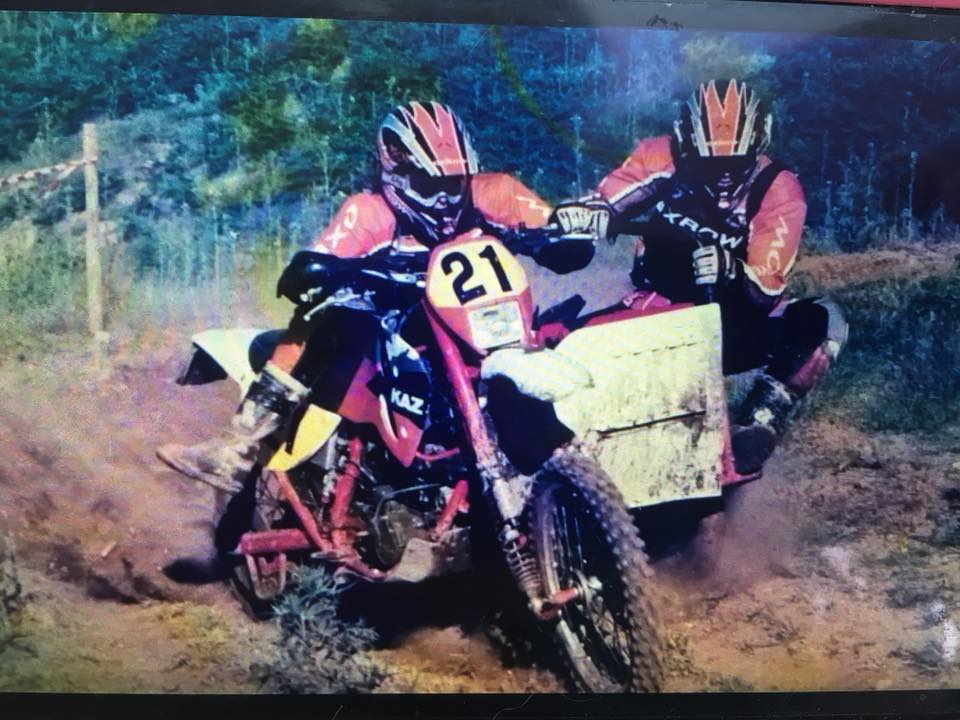
George now in his 50s and his new passenger was to be Neil Clarke from 1982 through to 1985 in trials on a 250cc Suzuki. George and Maureen’s first grandchild was born, Ellie MacQuarrie. Their eldest daughter, Katrina married sidecar passenger, Phil Whitlock – as if George hadn’t scared him enough! At the 1982 SETRA Enduro at Tidworth, George had used one of the prototype twin-cylinder 1,000cc Wasp motors.
Enduro du Super-Mare:
From 1983 to 2001, the Weston Beach Race organisers were George, Jack Mathews, Eddie Chandler and Dave Smith, culminating in eighteen years of running Weston.

GG: “We were coming back from the Le Touquet beach race, Jack Mathews, Eddie Chandler and myself had all been competing in the sidecar class, it was our first time at the event.”
“On the ferry crossing, we were discussing what a superb event it was and bemoaning the fact that there was not a similar type of event held in England. During the two-hour crossing, we had decided we would try and organize and run our own event. Many venues were thought of and finally it was left to me to approach Weston-Super-Mare council to obtain there help and permission to use the beach.“
“During the following week I was able to contact Weston council and make an appointment to meet the council members responsible for outside events. I took with me photos of the Le Touquet newspaper that had a full report and picture. After much discussion and deliberation, the decision was ‘sorry but NO’ as they already had a scooter rally on the seafront in the September. I had mentioned this to Mannix Devlin of Trials and Motocross News as to what we were hoping to run at Weston-Super-Mare. The following Friday TMX carried a paragraph about our meeting with Weston and the result that we were turned down. A week after this, I received a telephone call from a resident in Weston he asked if I was the same George Greenland that rode trials with him in the 1950s. I confirmed that yes I was, he said his name was Tony Jones and he said he thought a Beach Race at Weston would be good for the town. If he could arrange another meeting with the Council would I be prepared to come down again? So once again I’m at a council meeting, the same people agreed they had a re-think and their outside events officer would give us every assistance, but it would be a one-off event only! The event officer was a young lady, Carol Ridge, she immediately arranged for the three of us would-be-organisers to go to Weston to discuss our and their requirements. Carol turned out to be the most helpful and efficient member of the whole council. Eddie, Jack and I got together to discuss what we needed as a plan of action. We realised that we would need someone to help with organising the paperwork, licences, insurance, and so on. The only person we could think of was Dave Smith who we all knew, he was into organisation and also had many contacts in the Motocross world. We phoned Dave and talked him into meeting the three of us with a view to joining the team. We arranged all our meetings in a pub in Swindon as we could all get there in about the same time from our respective homes. Jack from Chester, Eddie from Newberry, Dave from Birmingham and myself from Salisbury. Dave agreed to join us, so our first meeting with Weston events committee included the four of us calling ourselves ‘Enduro Promotions’ as we had decided to run the event as an Enduro to be called ‘Enduro du Supermare’. The Council agreed that they would make their loading shovel and driver available, to move sand as we required. We were also introduced to the council yard manager, Geoff Tucker everybody was keen to help. We needed a A.C.U. permit for the event, so we approached Jim Webb of the Frome & District M.C. & L.C.C., he was really helpful. Not only did he arrange the permit, but got most of the club helping. I think Jim was responsible for getting all the clubs in the Wessex Centre to help out. We had quite a few meetings during the following months mostly with Carole Ridge and St Johns Ambulance, although the Police and the Fire Service did briefly make an appearance to find out what the format was. As all the event was taking place on the beach and the lawns they considered it did not affect them a great deal. We got tide timetables and advice on the best weekend to have the event the 29th and 30th October were agreed upon. At this stage we had suggested to the council that we would expect about 150 riders and hopefully 2 to 3,000 spectators. There was no charge to watch the racing, the only money coming in was from the riders’ entry fee and trade stands. On the weekend before the event, we all arrived in Weston to build up the course. Just four of us, Jim Webb loaned us all the ropes that he used for building the scramble course and also the posts. We marked out the course and started putting in posts, by hand. As it was a school holiday, we had many youngsters watching the proceedings. We explained what was going on and had offers of help which we gratefully accepted. What started as twenty helpers soon dropped to about eight, but these continued to help all week and most of these lads came back year after year. Meanwhile, the entries kept rolling in from solos, sidecars and trikes.“
“As the weekend got closer, people started to arrive in their thousands, it was winter and everything was closed down, over 10,000 people turned up and they ran out of food, all roads to Weston were blocked before, during and after the event, all the accommodation was full.“
“The police were tearing their hair out, it was total chaos. People were parking everywhere. The first year the start of the event was from a flare, which the lifeboat people provided, I was standing in the digger.“
“After the event, the meeting with Carole, the police and the Ambulance, they all said that we needed to be better organized for the following year. They said they would fence it and charge spectators, so another event was planned.”
Maureen Greenland:
Sadly, Maureen Greenland passed away on May 14th 2024, George and Maureen had been married for 68 years and she was a big part of this story.
Karen Clarke: “Mum was such a major part of all our lives, she even stood in the Wasp outfit when Dad did test runs with it, now that is above and beyond the call of duty!“
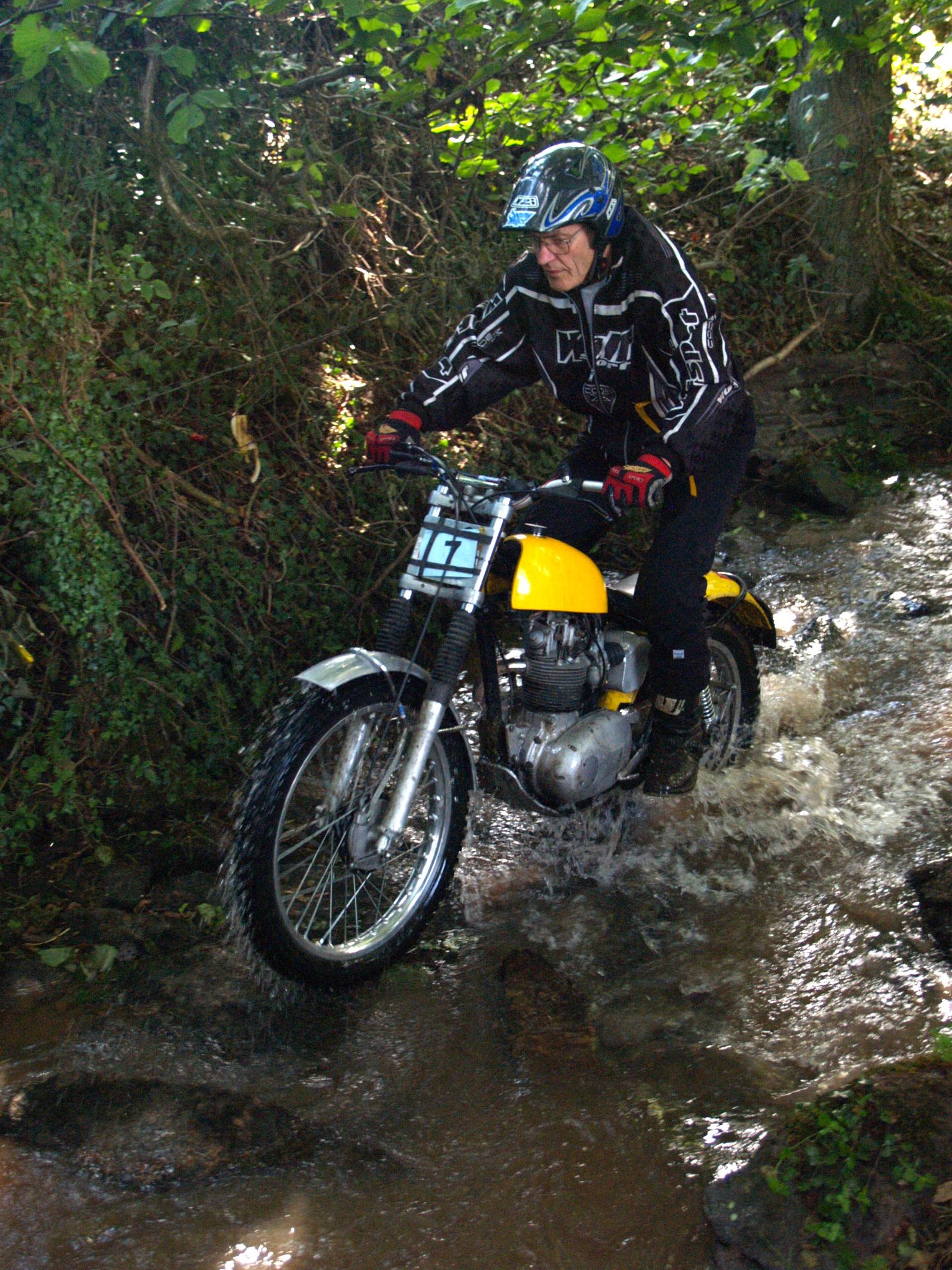
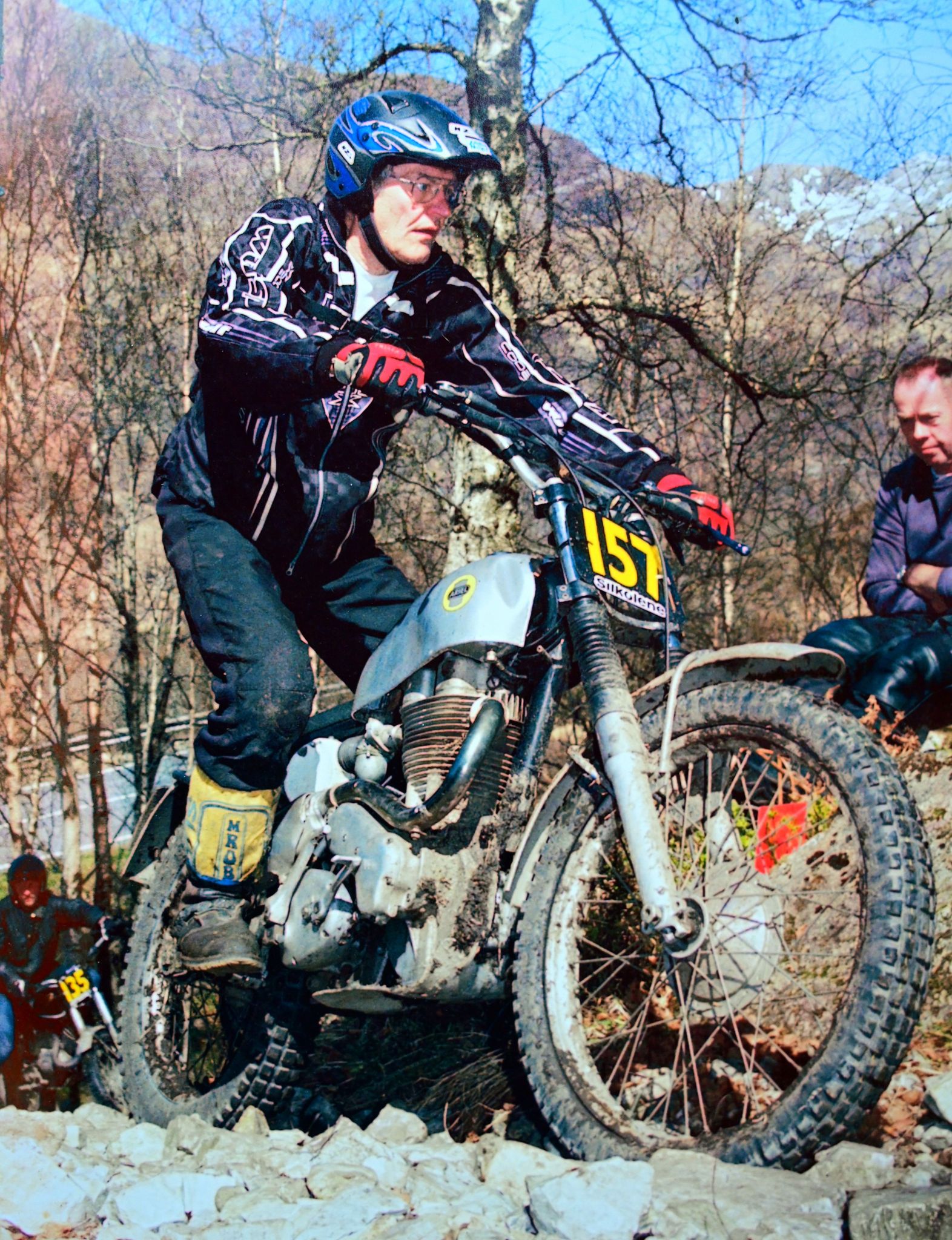
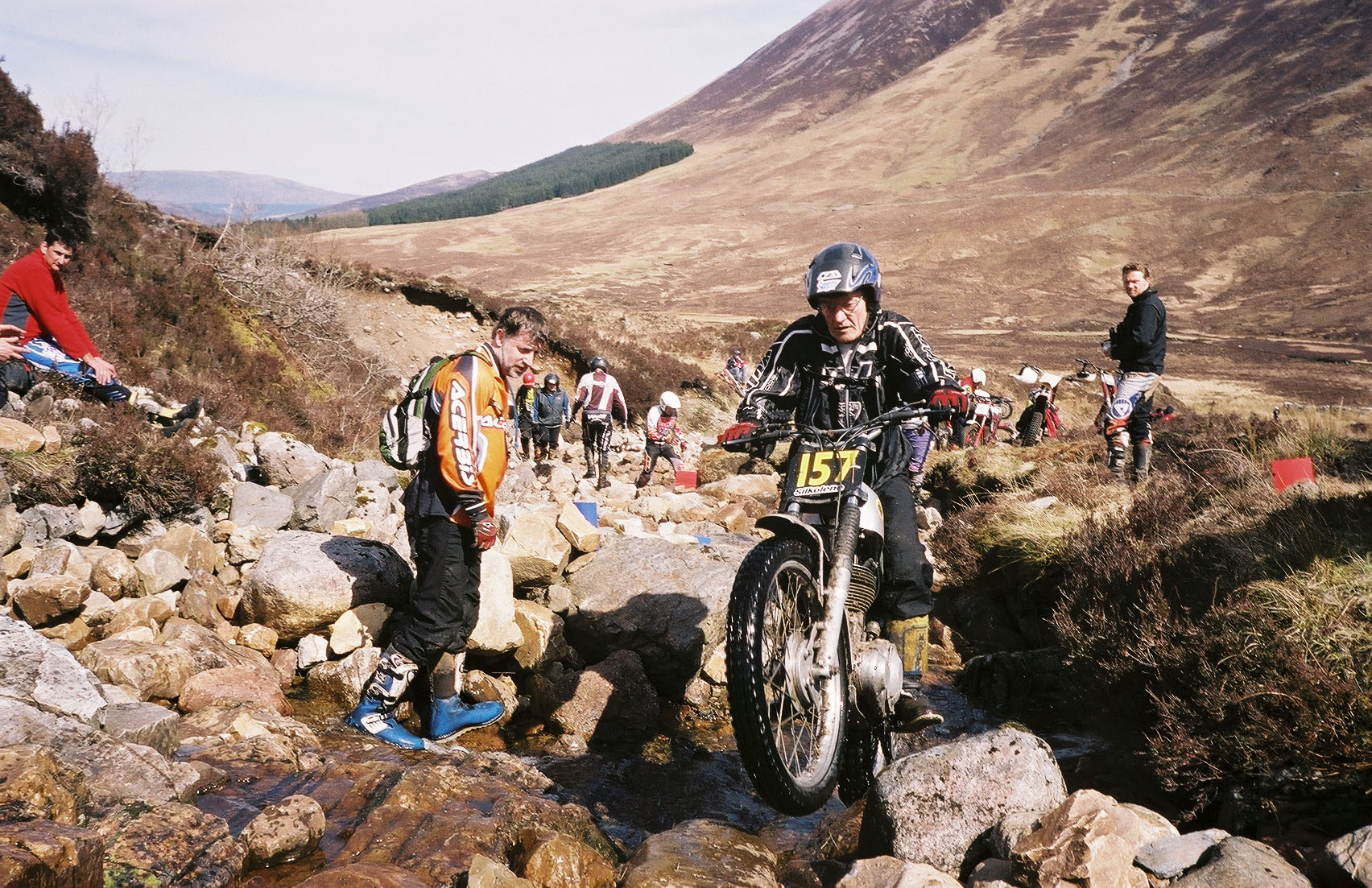
Many a lesser mortal would have by now said ‘enough is enough’ and hung up their boots as far as taking part in trials is concerned, but not George Greenland. George continued to ride in events both in the UK and in Europe for many years thereafter. He was a regular competitor in the Pre65 Scottish Trial at Kinlochleven on his special BSA C15 and Ariel HT5. George has ridden in most of the European classic events over the years and has, as a result, met many new friends in the sport.
There cannot be many riders who can boast that they have ridden in eight decades!

Trials Guru comment: George Greenland is an inspiration to us all. He has maintained such enthusiasm for motorcycles and the sport for so long. He is simply unique. He talks, sleeps, eats and breathes the sport and has such a depth of knowledge. He is always willing to pass on his vast experience to others.
George Arthur Greenland left us on Monday, 21st April 2025, aged 92 years while holidaying with his family in Belgium. He left the trials world with some great memories.

‘George Greenland a life in the sport’ is the copyright of Trials Guru & George Greenland – 2024.
Apart from ‘Fair Dealing’ for the purpose of private study, research, criticism or review as permitted under the Copyright, Design and Patents Act, 1988, no part of this article may be copied, reproduced, stored in any form of retrieval system, electronic or otherwise or transmitted in any form or by any means, electronic, electrical, mechanical, optical, chemical, photocopying, recording or otherwise without the prior written permission of the author as stated above. This article is not being published for any monetary reward or monetisation, be that online or in print.
 TRIALS GURU - DEDICATED TO TRIAL