Online media has been forging ahead in recent years and the sport of trials has benefitted from this.
Recently Trials Guru’s John Moffat was asked to take part in a podcast by those awfully nice chaps at Trial Tube, Danny Butler and Stu Day, and the opportunity presented itself at this year’s Telford International Classic Dirt Bike Show.
So here it is! There are 4 episodes to choose from in Season 3, all filmed live at Telford!
Expert MK2 HFS kit supplied by Lorenzo Real of HFS Suspensiones de Moto SL, Spain.
Let’s give a bit of basic background information first. I picked up a totally standard 1980 Bultaco Sherpa T 199A a couple of months ago and did the normal thing of making a list of all the bits I wanted to change to ‘modernise’ the bike.
But after my first ride at a local Bath Classic club trial I realised that what I actually wanted was to re-live my youth, those great days in the mid 70s to late 80s riding in Kent and Sussex with my sadly no longer with us Dad.
So I returned home and threw the list in the bin, which my bank account would be happy with, and just decided to make a few basic changes to make the old Bult feel a bit better in my hands. But it has to be said that I’m not chasing results or championships, if it rides the good old fashioned sections at the local classic bike events I’m happy. I have a lovely TRS300 in the garage if I want to fall off things from a greater height!
UK Specification 1979 Sherpa T model 199A – showing the alloy fuel tank with slightly different seat and the small cover over the output sprocket, no lights and rubber rear number plate – Trials Guru Archive
The first two things on the old list had been to lower and move the footrests and get rid of that horrible ’tiller’ steering look of the standard yokes. What I’ve actually done is leave the footrests where they are and just modify some modern steel footrests to fit on the standard frame posts. I don’t want to cut and weld anything on the frame, just leave it original! I changed the handlebars to a more familiar feeling set of braced Renthal bars. I took a gamble and went for the 5 inch rise. In retrospect I think 5.5 may have been even better but I can’t say it will save me any marks. The yokes have been left standard and although I’ve never been a fan of the look of the laid back bar mounts I have come to the conclusion that going to the expense of changing them won’t make any difference to my riding.
The engine is great, runs lovely and as far as i know is completely standard. It does have a Mikuni carb fitted, a previous owner modification and very common for this bike I’m told. Airbox is the standard 199A unit but with a 199B filter inside.
So down to the only major updates I’m doing, suspension front and back. The rear is easy, just pick your preferred modern made shocks and fit. The front is harder. You can go the route of changing or modifying your forks completely, but that’s not always allowed in the rules (if you ride championship type events) or can be expensive. And in my case I’m trying to keep the bike looking like it did forty-five years ago.
The problem with forty-five year old forks, Betor in this case, is that they are fairly basic. They went down … and up. That was about it. Internals were basic and often the only thing people changed all those years ago was the weight and quantity of the oil in it.
This is where the Spanish company HFS (Hybrid Fork Suspension) can help – yes it took me a while to get to the point I know! They offer a few options to improve what you already have, at a few different price points.
I know I am riding a forty-five year old, not far from 100kg bike. I’m also riding at classic clubs which on the whole frowns upon stopping and hopping, not that I could do it many times on this heavy beast, so i’m going to be realistic and go for just a nicer front end that doesn’t try and push the wheel out on turns and rides nicely over obstacles that I fail to lift the front over.
I prefer a fairly soft working fork, I had tried some of the slightly longer new fork springs that I believe may be for Bultaco motocross machines but just found all that extra preload just too much. I experienced some front pushing on loose turns and my wrists reported that it wasn’t absorbing as much of the terrain as I would have liked!
What I needed was some adjustable and progressive internals, but without the cost of the full air system that HFS also produces.
Enter the Classic Trial – Expert Mk 2 fork kit.
As you can see from the photos the kit comes with different spring lengths, suitable spacers and adjustable preload fork caps to replace the originals. Most importantly it comes with a very good set of instructions that you need to follow to the letter to suit your weight and requirements.
First thing to do is drain your forks of oil and unless you have fairly recently done it i’d suggest either completely dismantling the forks and cleaning any sludge etc out of them or at least give them a good swish through with brake cleaner or similar. Obviously take the standard springs out then push each leg all the way down. The instructions give you measurements for oil height, which is more accurate than just pouring 180cc or whatever in there. It also suggests changes you can make to change the way the fork feels, oil height and oil weight. This is much easier to do with a proper fork oil height tool that you can see I have in one of the images here, but it’s possible with a stick and a ruler or similar.
Then consult the instructions again to see what the spring and spacer pattern is recommended for rider weight. Slide them in both sides and then adjust the preload to what is suggested as a starting point and do everything back up.
Whilst there is no external way to change the pre-load it’s only a few minute job to pop the caps off and adjust.
A week later I had another trial to ride, and it was in a quarry and its surrounding woodland, which meant around half the sections were on rock or loose stone and the rest on slippery, muddy and rooty climbs with lots of camber turns. Perfect test for the new fork set up.
Testing the HFS Classic Trial Expert MK2 – Photo: Linda Ashford
The best thing I can say is that I didn’t notice it! In that I mean that I was no longer experiencing the front pushing out on the turns, gravel or mud. There were two sections with fairly abrupt drop offs and I saw several over the bar moments and a lot of riders being caught out by the sudden drop as their forks completely compressed or snatched the bars out of their hands. I had none of that, the progressive nature soaked up the normal small bumps and roots etc but stiffened the end of the travel up nicely to keep me in control.
I think the settings used from the instructions, set according to my weight, seem to be fairly spot on. I’m not saying that suddenly I have forks the same as modern Tech or Showa but it’s a much nicer experience now compared to standard.
I’ve been made aware of several options to make the front end of these late 80s machines perform better, some of which aren’t either within the rules or not in the spirit of things. But I’ve not entered the older twinshock world to win things, I just want to enjoy a good day out riding period style sections under the rules of the day and having a laugh with like minded people. And you get to look at all the old bikes, and talk bollox! I’m really enjoying the nostalgia trip, I’m sad that my Dad isn’t here to enjoy it as well but that’s life. You’re a long time dead, enjoy the time you have. – Heath Brindley
Thanks to our ‘test’ rider Heath Brindley for this informative suspension test report.
Lorenzo Real from Madrid is a suspension specialist and a Trials Guru VIP.
Special thanks to Lorenzo Real of HFS for the Expert MK2 kit to test.
‘HFS – Testing Suspension’ is the copyright of Trials Guru and Heath Brindley.
Apart from ‘Fair Dealing’ for the purpose of private study, research, criticism or review as permitted under the Copyright, Design and Patents Act, 1988, no part of this article may be copied, reproduced, stored in any form of retrieval system, electronic or otherwise or transmitted in any form or by any means, electronic, electrical, mechanical, optical, chemical, photocopying, recording or otherwise without the prior written permission of the author as stated above. This article is not being published for any monetary reward or monetisation, be that online or in print.
(Main photo: Walther Luft in the SSDT – Iain Lawrie photo)
The ‘Oscars of Trialsports’ is awarded by ÖTSV (Austrian Trial Sports Association) to outstanding personalities who have rendered outstanding services in motorcycle trial sport.
The so-called ‘Trial – Walther’ is the Austrian Motorcycle Trial prize, named after the Austrian trials legend, Walther Luft who shaped the sport of trial in Austria in the 1960s and 1970s.
Joe Wallmann
In 2024, the award was presented to two icons of the Austrian trial sport: Joe Wallmann (76) and Hartwig Kamarad (75), both founding members of the Laakirchen Motorclub, which was founded forty-five years ago.
Hartwig Kamarad is a Trials Guru VIP! Here is Hartwig with his cap and the booklet which details the history of trial, available from the museum at Ohlsdorf. (Photo: Trials Guru/Moffat)
Together they contested seventy-five World Championship trials. Wallmann, who won twelve championship titles and holds two world records in the Guinness Book of Records, and Kamarad, who was multiple runner-up and founded the first European Motorcycle Trial Museum, were honoured for their extraordinary achievements. In addition, over twenty years ago, Kamarad founded the Raika Trial Garden at Ohlsdorf, which has now produced twenty championship titles.
Erich Diestinger, President of ÖTSV
The award ceremony took place in Traisen, in Lower Austria, where the president of the ÖTSV, Erich Diestinger, paid tribute to a festive sports gala.
Trial Friends at Ohlsdorf, Austria in August 2025. Hartwig Kamarad; Walther Luft; John Moffat and Joe Wallmann. Photo: Alfred Wagner
Other recipients of the ‘Trial – Walther’ awards are: Walther Luft – presented on 28/08/2024 at Lunz; Ernst Enöckl (rider and organiser) – presented 28/04/2024 at Lunz; Mrs. Helene Beisteiner – presented 18/08/2024 at Ramsau/Hainfeld and Alfred Koch – Photographer presented 18/08/2024 at Ramsau/Hainfeld, who are event organisers; Uli Leitner and Max Hengl – presented 08/11/2025.
Alfred Wagner left with recipients, Uli Leitner, Max Hengl and ÖTSV President, Erich Diestinger.
The ‘Trial – Walther’ award.
The award itself is hand crafted with a stylised trials rider with the front wheel placed upon a sphere of polished solid granite stone, which is specially made by Walther Luft himself.
Photos: Tim Bell; Babs Bell & Bell Family Archive; Stig Karlsson; Don Morley; Colin Bullock; Eric Kitchen and Iain Lawrie (Main Photo: Colin Bullock).
With the assistance of: Tim Bell, Northallerton, England
We are always looking out for articles to interest our readers here on Trials Guru and this is such an article. But it is not one for the purist.
Many will remember a Swede called Stig Karlsson who rode a home-brewed Matchless in the Scottish Six Days Trial on three separate occasions. The last time was in 1985, but more recently he competed in the Pre65 Scottish Trial on what appeared to be the same machine and won the event in 2000.
Stig Karlsson on his 410cc Matchless G3C in 1990 – Photo: Stig Karlsson Archive.
In fact, he won the Pre65 Scottish twice, the first time being on a Triumph in 1999.
Stig Karlsson won the 1999 Pre65 Scottish Trial on this Triumph – Photo: Eric Kitchen
Truth is, it was not the same Matchless that Karlsson rode in both the SSDT and Pre65 Scottish. The pre65 entry was a 410cc Matchless, more in keeping with what Associated Motor Cycles produced in the early 1960s. The machine Stig rode in the SSDT was somewhat different.
Karlsson the man:
Stig Karlsson on his 350cc Triumph on which he won the 1999 Pre65 Scottish Trial – Photo: Stig Karlsson Archive.
Stig Karlsson was born in Smaland county, southern Sweden in 1946. He was a keen football player and when he attained fourteen years of age, he was playing for a local youth football team when he injured his heel. It was during this time of inactivity he discovered the sport of trials.
Like so many of the period, Stig set about altering a road machine for trials riding, his choice was a machine called a Rex Roadmaster powered by a 198cc Villiers engine. These machines were built at Halmstad on the Swedish west coast and was a 1950 model with four-speed gearbox and rigid frame.
The 175cc Husqvarna ‘Silverpilen’ model (Silver Arrow) similar to the one Stig Karlsson modified for trials. (Photo: MXA – Motocross Action, USA)
Two years later, Stig took his lightweight motorcycle test and purchased a 175cc Husqvarna ‘Silverpilen’ (Silver Arrow) which was a machine that several Swedish riders adapted for trials use at that time. He called this machine an ‘Antelope’ and ventured to England to ride some events with it and took part in European Championship rounds.
Eventually Karlsson took up employment as a historian, giving lectures at universities, then latterly as a security guard, but in reality, he was a self-taught engineer, many regarded him as a genius given the skills he had accumulated. He lived at Estentorp near Malmback in Smaland county.
It was the Scottish Six Days that got Karlsson noticed, when he entered on his self developed Matchless, a machine that was outdated by around twenty years and viewed as a museum piece rather than a useable trials motorcycle. Many admired the machine at the ‘weigh-in’ at Fort William’s West End Car Park. Stig rode the Scottish three times, Matchless mounted in 1980, 1984 and finally in 1985. But each year he rode, the machine was different, he was continually changing things.
It was during the 1985 SSDT that Northallerton trials rider, Tim Bell first met Stig Karlsson and they became great friends.
Tim Bell: “I was at the sections known then as Kentallen, now called Lagnaha, and I engaged Stig in conversation. We met the following year at the same place and of course that was the year the Chernobyl nuclear disaster which occurred only a few days previously, and he said that we shouldn’t be standing outside in the rain! He came over and rode his Matchless in the Northallerton Three Day Trial and stayed with us. I was riding my 500 Royal Enfield Bullet, narrowly beating Stig after a good battle during the event.”
Northallerton’s Tim Bell stands proudly beside Stig Karlsson’s Matchless in 1991 in Sweden. Tim’s son David is sat in the pushchair, Stig’s wife Siv and Stig are in deckchairs. Photo: Bell Family Archive.
Tim Bell was lucky enough to obtain Stig Karlsson’s Matchless a couple of years after his death in 2021 having been good friends over the years. In fact, Karlsson entered the Pre65 Scottish as a Northallerton club member, winning the event twice, the first time being 1999 on his 350 Triumph twin and again on the more traditional Matchless the following year.
Stig Karlsson works on his more ‘traditional’ Matchless 410 – Photo: Stig Karlsson Archive.
It is the heavily modified machine that we have obtained photographs of and describe the specification as it is to this day. Obviously, the specification of the machine has varied considerably since Karlsson built it, so don’t be surprised if you read something different or conflicting in a magazine or periodical, which has covered this motorcycle in the past. It would have been nice to interview Stig to get the inside line on the Matchless, being the creator, but sadly this was not to be, and the bike cannot speak for itself.
The current custodian, Tim Bell, has been very co-operative with information about the machine and has taken photographs when he was forced to remove components to service and make repairs recently.
Stig Karlsson’s Matchless as it is today showing the Paioli front forks, Gremica hub and aluminium primary chaincase – Photo: Tim Bell.
One noticeable change is the front forks which appear now to be Paioli components, possibly of Sherco origin, the Marzocchis possibly having been damaged or simply worn out. A modern style white front mudguard has now been fitted.
Bell: “Stig loaned me his traditional 410cc Matchless to ride the 1990 Pre65 Scottish and was on hand at Pipeline to show me the line. However, some miles previously, the front forks went totally solid and refused to move. I explained this to a bemused Stig who said: ‘Ah, I know what has happened, something has gone wrong with the damping valve which I modified’.”
Scottish Six Days Trial:
Stig Karlsson (Matchless) in the 1980 Scottish Six Days Trial on Muirshearlich (Trotter’s Burn) – Photo: Iain Lawrie.
In the 1980 SSDT, riding number 193, Stig finished in 171st place. The Matchless he rode was very different to the models that dominated the SSDT in the mid-1950s.
Stig Karlsson with his Matchless poses for the camera of Eric Kitchen at the 1980 SSDT.
The front forks were of Italian origin, probably Marzocchi married to a Husqvarna front hub laced to a 21-inch alloy rim, but most of the Stig developments were hidden below the tank as this was no standard Matchless. The primary chaincase looked fairly standard, taken from the 1950 G3LC Matchless.
1980 Scottish Six Days action with Stig Karlsson piloting the Matchless on Cnoc a Linnhe – Photo: Iain Lawrie.
The rest of the motorcycle was clearly a much-modified version of what Plumstead produced. Photographs indicate that Stig used the very reputable American made ‘Preston Petty’ black plastic mudguards, a wise move as they were virtually unbreakable. This particular event was won by Yrjo Vesterinen who had switched camps from Bultaco to Montesa and he was recorded as the first overseas rider to win the Scottish Six Days Trial.
1984, Fort William’s West End Car Park for the weigh-in of the Scottish Six Days Trial, note the original front forks of AMC design and the AJS tining case, gearbox is Burman B52. Photo: Colin Bullock.
In the 1984 SSDT, Stig rode number 175 and had reverted to using front forks of AMC origin and surprisingly the yokes also looked fairly standard. Front hub was still the Husqvarna component. Without a doubt the AMC internals would have been upgraded, certainly modified by Karlsson to give improved damping.
Karlsson in 1984 at ‘Chairlift’ section in the Scottish Six Days – Photo: Iain Lawrie
Karlsson was a firm favourite with the SSDT spectators who marvelled at someone who had the desire to ride such an antique machine, when monoshock bikes had already appeared in trials with the first model Yamaha TY250R. Unfortunately, he failed to finish the event in 1984.
Stig with his Matchless in 1985 at the SSDT at ‘Fersit’ showing the offside of the machine. The Girling Gas Shocks and AJS timing case can be seen clearly. Photo: Babs Bell.
Karlsson’s third attempt at the SSDT was in 1985, he was allocated number 93 and the Matchless was listed as a 400c and once again sported Italian manufactured forks once again and the machine looked very much like it does today. The Husqvarna front and rear hubs still deployed.
Stig Karlsson in the 1985 Scottish Six Days, captured at ‘Fersit’ by ace photographer, Iain Lawrie.
Stig finished the event in 182nd position on 563 marks, a sterling effort, given that the sections were pretty much against such a twinshock machine.
Rear wheel:
1985 SSDT at ‘Lagnaha’ (Kentallan) which shows more detail of Stig Karlsson’s Matchless – Photo: Babs Bell.
The rear hub on Stig’s Matchless was always conical and upon closer inspection he deployed an alloy Husqvarna component. With the drive on the kerbside, rear brake within the driven hub and gear shift on the offside, there was no need for a heavier full width hub at any time in his bike’s development. The wheel is built with an 18-inch alloy rim. It could well be that the rear hub came from his Husqvarna Silverpilen.
The powerhouse of the Matchless as it is today – Photo: Tim Bell
Looking at the Karlsson Matchless, it is evident that it is a very short stroke motor and very compact compared with the original short stroke engines made by AMC. It is believed that Stig Karlsson reworked the frame multiple times for his machine over a twenty-year period.
John Reynolds watches Stig Karlsson’s line on ‘Kilmalieu’ during the 1985 Scottish Six Days Trial – Photo: Iain Lawrie
Front Hub:
At various stages of the machine’s development, it was fitted with an alloy Husqvarna Silverpilen front hub, but this was changed for a Italian Grimeca component as used on SWM. The background information reveals that Karlsson sold the Husqvarna without wheels, so it is reasonable to assume the hubs came from the Silverpilen Husky.
Frame:
Nearside view shows the lines of the modified Matchless G2 frame and the PVL ignition run off the crankshaft – Photo: Tim Bell
The frame is not as AMC produced, but a home brewed assembly of steel tubing using the Matchless G2 frame as a starting point. It fitted around the engine and in no stretch of the imagination could it be described as original. Stig did things his own way and he constantly altered and improved the chassis as he saw fit. His bikes were an extension of himself, he was an individual and so was his Matchless. Just looking at the photos of the machine today with the tank removed proves this. The engine is a very snug fit in the chassis, but it works well, the weight is low down so benefits from a low centre of gravity, ideal for a trials motorcycle. Each time the engine was changed, the frame was altered accordingly. The DNA of his first Matchless is undoubtedly in the final version.
Rear Suspension:
The rear dampers were Girling Gas Shocks and were probably used as early as his 1980 attempt in the SSDT. Girling started producing the Gas Shock range from 1976 and Stig favoured these units as they had a thicker damper tube that other brands, plus the benefit if progressive springing, using two sets of springs per damper unit.
Gearbox:
Stig used the Burman B52 component which appeared in October 1951, but internally he had made his own gears from scratch, hand filed, trued on a lathe, then heat treated for the job in hand. The result was lower first and second cogs for sections, with a high top gear for any road and fast track work. One can only but marvel at the fact that Karlsson hand-made the gear wheels. This ensured that he got the ratios that he desired.
Crankcase:
Karlsson used the crankcases from a 1948 G3LC and the crankshaft from the 250cc G2 model giving a stroke of 64.4mm. A ‘slipper’ piston of 85mm giving a displacement of approximately 365cc.
Over the years Stig’s Matchless lost the traditional look on the timing side. When he rode it in the early eighties, it had the magneto drive casing not with the familiar ‘M’ symbol, but an ‘AJS’ version. This disappeared some years later when he opted to use a PVL ignition system running on the crankshaft output side. Traditionally Matchless singles up to 1951 had the magneto behind the cylinder and the AJS in front. This changed for the 1952 models when AMC standardised crankcase production and kept the AJS style for both marques, being the forward positioning of the magneto.
Bell: “Stig told me that by using an AJS timing chest rather than the Matchless version, saved a few grammes in weight.”
Cylinder head:
The cylinder head is from the Matchless G80 500cc with very large valves, while he sourced a suitable barrel from a Yamaha XT500, suitably doctored and modified to be married with the crankcases and cylinder head. The engine breathes through an AMAL carburettor.
Karlsson made this Triumph Twin monoshock trials machine – Photo: Stig Karlsson Archive
It is without question that Stig Karlsson was a very good trials rider and a clever engineer who campaigned an outdated machine without making it look so modern that it was not recognisable. He achieved a good balance between a 1950s design and the application in a 1980s world which no one else has attempted. Having said that, we display a Triumph twin which he did create with a perimeter frame and monoshock suspension.
Trials Guru’s John Moffat met Stig Karlsson when he was riding the Pre65 Scottish Trial, the first encounter was in 1994 when Moffat first attempted the event on his 1959 G3C Matchless.
AJS factory rider, Gordon Jackson with Trials Guru’s John Moffat at a Pre65 Scottish trial – Photo: DON MORLEY
Moffat: “1994 was the first year I entered the Pre65 Scottish at Kinlochleven when it started from the old school and was a one-day affair. I was getting suited up for the day, the bike had been topped up and I was making a few checks before I was to start riding under number two. Someone said ‘hello’ and I looked up and there stood Stig Karlsson, who I had never spoken to previously. He pointed at the footrests of my bike and said: ‘does it handle like a fish with those high footrests?’ making his hand weave like a fish thrashing through water. I thought for a moment and then confessed to Stig that I had no idea, as I had not actually ridden the bike in a section before, I explained that I had no time due to work and family commitments. I had not practiced with the machine as it needed a lot of remedial work when I bought it the year previously. Stig was visibly surprised and said: ‘well good luck, because you will need it!’ I then wondered if I had made the right decision entering with no practice beforehand. However, I was much younger then, in my early thirties and I still had a bit of determination. I got round and on time, lost a pile of marks getting used to my new ‘old’ steed, thoroughly enjoyed the ride, but my arms and back ached as the handlebars were much too low and the footrests set much too high.”
John Moffat on his very standard 1959 Matchless G3C in the 2006 Pre65 Scottish Trial, after taking heed of Stig Karlsson’s advice to alter the footrest position – Photo: Iain Lawrie
“Needless to say, I rode the next and a further twelve Pre65 Scottish’s on that bike but did some little improvements each time. I will always remember with a smile, what Stig said to me that year and he must have thought I was totally barmy. We did talk a few times after that initial meeting because he realised, I was an AMC enthusiast.”
It is fair to say that Stig Karlsson was very much an individual and certainly did things his way, this was his Matchless and as stated at the beginning of this article, the machine is not one for the purist.
‘Stig’s Matchless’ article was written by and is the copyright of Trials Guru.
1991 in Sweden. Tim Bell is stood astride Stig’s Matchless after a test session. Stig is standing in the background – Photo: Bell Family Archive.
Recommended further reading:
Classic Dirtbike – Issue 71 – Summer 2024
Pages 34-41 – ‘An Individual Approach’ by Tim Britton Media Ltd.
Apart from ‘Fair Dealing’ for the purpose of private study, research, criticism or review as permitted under the Copyright, Design and Patents Act, 1988, no part of this article may be copied, reproduced, stored in any form of retrieval system, electronic or otherwise or transmitted in any form or by any means, electronic, electrical, mechanical, optical, chemical, photocopying, recording or otherwise without the prior written permission of the author as stated above. This article is not being published for any monetary reward or monetisation, be that online or in print.
Rick Land with one of his ‘Brand X’ Yamahas at the 2024 Quarry Cup Two-Day Trial, proudly displays his Trials Guru VIP cap and decals.
Why am I writing this story? – Let me tell you what happened!
The Trials Guru asked me what is Brand X? How to answer that? It’s simple, yet complicated.
So here you go…
I was recently greatly honored to have been the recipient of one of the Trials Guru VIP caps and decals from John Moffat at Trials Guru. I had also received some decals from another guy, Bernie Schreiber, so I thought I would dress up the nameplates on the front of my bikes with these new graphics.
Rick Land shows his Trials Guru VIp cap and decal along with Bernie Schreiber’s decal.
Upon completing the project, I sent a picture to both John and Bernie to thank them, and also so they could see what I had done with the decals they had shared with me. I really didn’t think much more about it, but something caught John’s interest when he saw the name on the plate, ‘Brand X’. He sent me a message inquiring who or what is Brand X? When I told him he said it sounds like there’s a story there, and wanted to know if I’d share it? So I thought sure, why not? I’d be happy to.
I had explained to John that I’m ‘Brand X’, it’s a nickname given to me by some friends long ago in the sport. As I started typing this, I realized that Brand X is much more to me than just a nickname, a graphic, or a motorcycle. To me, it’s something special that takes me and hopefully others that were around northeast Kansas and northwest Missouri during the years of 1974-76, back to a special time of Observed Trials in the USA when we witnessed participation in the sport like we haven’t seen since.
How to start all this? I suppose a little information about me is in order. My name is Rick Land, and I’ve been around the trials scene here in the USA for fifty years now. I started riding in 1969 at age 9 on a little 65cc street bike. When I was around twelve or thirteen, my Dad purchased a Yamaha 125 enduro for me, and that got me started in off road riding. Sometime the next year my Dad and I went to watch a local trials event, out of curiosity, just to see what Observed Trials involved? After watching the event, there was no doubt I had caught trials fever, and shortly thereafter the Yamaha was traded in for a Honda TL125. I bet there’s a few of you out there that have cut their trials teeth on a TL125, isn’t there?
I spent every day of the summer of ‘74 riding the Honda in my backyard or in a wooded lot about a half mile from our house. One day, to my surprise, I encountered a couple of other kids in those woods, and they also had trials motorcycles. One had a TL125, the other a Montesa Cota 247. But the best part was that besides finally having someone to ride with in the woods, they both could drive, and one had a three rail motorcycle trailer; which meant I could go along with them to practice at the rock quarry where the local trials club held monthly events.
During this time the little Honda served its purpose and was a great bike to learn on. That September my buddies asked me if I wanted to go to a two day trials event in Kansas City? The event was the First Annual Quarry Cup Trials, hosted by the Mid America Trials Team or M.A.T.T. This event has now become the longest consecutive running two day Trials event in North America. It was my very first Novice Class ride; back then we only had three classes, Novice, Amature and Expert. This inaugural event was won by the National Champion at the time, Lane Leavitt. I watched him and the other top riders that weekend, and it inspired me to improve. I kept riding Novice though the rest of the year, and my skills were improving but my Dad was seeing something that I wasn’t; the Honda was already holding me back, I was improving that quickly.
In early 1975, February I believe, we were getting ready to go to a trials but my Dad had a surprise for me. I wouldn’t be riding the Honda at this event; he had brought home a brand new Yamaha TY250 from the dealer, for me to ride in the event. Here’s the hook, I wasn’t sponsored and no, he hadn’t purchased the bike, and no it wasn’t stolen either. My Dad had purchased a few bikes from this dealer over the years, and had a good relationship with them; and he had noticed the TY had been on the showroom floor for quite some time. The TY was a new Trials bike designed by Mick Andrews, and just released by Yamaha but everyone at that time, that knew anything about trials, knew the Spanish bikes were the bikes to have for trials, so the Yamaha sat, as it seemed nobody was interested in it.
I still to this day have no idea what my Dad told the dealer or how he convinced them, to let his kid ride a brand new bike, in an off road event but he did. My Dad also stressed to me not to scratch it because it wasn’t ours, sure no problem!
We arrived at the event, I was anxious to sign in and ride the new bike. I had plans now that my Dad didn’t know about. When I signed in I moved up a class to Amateur, why not right? Even though I had never won the Novice class, my thinking was that with this new better bike I could compete in Amateur with no problem. My Dad had his doubts but agreed to let me ride the higher class. Those doubts were quickly erased at the end of the day when the scores were tallied. My first ride in the Amateur class, on a bike I had never ridden before, I had won by over 20 points. Hmmm, lucky kid is what everyone was thinking I’m sure. How could this be? The next day, we washed the bike, cleaned it up, and back to the Yamaha dealer’s showroom it went, along with my first place trophy – they wanted to display in the window by the TY.
This went on for a couple of months, pick up the TY on Friday, ride the trials on Sunday, clean it and back to the dealer on Monday with the trophy. Out of probably eight rides total in Amateur, I won every event except two I believe, all on the stock TY.
Rick Land on the TY250 Yamaha – Photo: Land Family Archive.
Now we’re in the summer of 1975, it’s only been a year since I witnessed my first trials event. My Dad had now purchased the TY250 for me, the TY and I were meant for each other; it fit me well and enhanced my riding style. I learned how to use its faster revving motor, tighter turning radius and its penchant for one of my favorite techniques, the floating turn. About this time, I was approached by the two top riders in the area, both of whom I watched riding the expert class at that first Quarry Cup the previous year. They told me I should move up and ride Expert with them, they had talked it over and they thought I was ready for the move. I had serious doubts about their judgment, remember I had only been in trials for not quite a year, and had only been on the Yamaha for maybe six months. But I thought what the heck? I did it, moved up to Expert, the top class at the time, all within a year of starting to ride trials.
These two guys were the top riders in the club that hosts the Quarry Cup 2 Day Trials, the Mid America Trials Team, or MATT for short. A little background on these two characters, one of the riders was John Miller, everyone called him JB. He is the founder of the MATT club. The other guy was Dale Malasek, he is the guy that did the Action Videos of World championship Trials Rounds back in the 80s and 90s, and later became the GasGas importer for Trials motorcycles for a couple of decades here in the USA.
Dale and JB became my riding partners, and we spent many weekends in the Expert, and later on in the Master Class riding together in every trial we could get to around this part of the country. It was a blast and I learned a lot from both of them. Dale was the one that took me to my first National Trials Competition in Colorado in 1975. The Mid America Trials Team became my home club back in the 70s, I spent so much time with them they became like family; even though I was from Topeka Kansas they always, and still do welcome me with open arms. They were and are quite the group of people, they were always doing something innovative with the sport. But they also had another fun little thing going; almost everyone seemed to have a nickname of some sorts. Everyone knew each other by these names, the scorecards had the names on them, and even the scoreboard had the nicknames on it. Everyone knew who was who by their nickname.
Dale was known as the ‘Rubber Duck’ or just ‘Ducky’ back then, and JB – never one to be out done, he had quite the nickname that showed up on the scoreboard one day, ‘Wil E. Everdab’! And no he didn’t dab very often, so it was a fitting name! But one day, and I can’t remember the exact specifics, if someone called me this, or if it just showed up on the scoreboard, I was now called ‘Brand X’.
‘Ducky’ – Dale Malasek on his Bultaco, watched by ‘Wild Bill Milliken’
It was JB that gave me this name, and when I asked why or what it meant they said it was because I rode a ‘Brand X’ or a generic motorcycle, in other words my Yamaha. You see at that time; I was the only top rider in this part of the country on a Japanese manufactured Trials motorcycle. Most were on Bultacos, a few others on Ossa and Montesa, but no Yamahas. The Yamaha really stood out among all the Spanish bikes so the name stuck, and I was proud of it. It was even printed in articles in the trials paper of the time here in the USA called The Plonkers Press.
‘Wil E. Everdab’ or if you prefer John B. Miller
That was the beginning of Brand X, but I will say that no real disrespect was meant, it was all in the name of good fun and camaraderie. Just for fun, while typing this, I actually looked up to see if there was a definition of Brand X? What I found is funny, and I’m sure it’s what JB and Dale meant when comparing my Yamaha to their Bultacos. Here’s what popped up with the search: “A competing brand or product not referred to by name but implied to be of inferior quality.” I love it, yep that was my Yamaha back then, but many superior Bultacos would fall prey to the inferior ‘Brand X’ Yamaha.
Rick Land styling it on a 348 Montesa Cota – Photo: Land Family Archive.
From 1976 through 1977 my Dad took me to some National Trials events. Riding with the caliber of riders that were present at those events helped me improve. In 1977 I finished in the top ten in the Championship class at the final round in Colorado. I’m still very proud of that finish, as at that time I had only been riding trials for a little over three years.
Not Debbie Evans, this is ‘Brand X’ on the TY250 Yamaha. (Photo: Land Family Archive)
I didn’t compete in another National event for seven years. Then in 1985 I was able to attend some of the events, and within a few years, I had managed to achieve another top ten event finish in the Championship Class. Trials had changed, and events were much different from when I had last competed at the National level during the 70s. From the 70s though the 2000s I competed in many Local, State, and Regional events, as well as winning two Class National Championships in the 2000s.
Lets fast forward now from 1976 to 2013. My son had purchased a very well used 1974 TY250 at a yard sale. After having it for a while he decided it should be with Dad, since I had ridden one back in my younger days, I was thrilled to receive the TY. The thought of getting to experience riding a TY again lit a fire in me. I had been reading about how the vintage trials events were taking off across the pond, and now having a vintage bike I was even more inspired to get the TY running again.
I wanted to get going with the project. I tore the TY down, and went through it bringing everything back up to standards. I did some basic modifications I read about to update the old bike a little, like changing the footpeg position, and updating the rear shocks. Other than that the bike was basically in stock form right down to the paint job that I did myself. While prepping the tank for paint, I came up with the idea to bring back the ‘Brand X’ name. I had some Brand X graphics made, and I put one on top of the tank and sealed it with clear coat…Brand X was back.
Photo: Rick Land
As I began riding and competing on the TY, I started thinking about things I could do to improve the performance. I contacted my very good friend Jon Stoodley and asked for his assistance in this area. Jon is a tuning Guru, check out his Gearhead Alerts on the Trials Guru website and facebook.
Jon Stoodley with Kirk Mayfield display their Trials Guru VIP caps in Oklahoma, USA. (Photo: Kirk Mayfield)
Jon instructed me to do some basic measurements in the motor, and send the cylinder, head, piston, and intake to him; and he would work it over for me. When I received everything back from Jon, and after careful studying of the work done, I assembled the motor. The reason I was looking over Jon’s work with the motor was so I could try and understand what had been done, and why the work had the effect it did on how the motor now ran?
Rick Land and Jon Stoodley in the ‘JSE Headquarters’ at Muskogee.
I bombarded Jon with questions about what was done and why. As Jon found out, I’m a very curious person about all things mechanical. This all kicked off what has been a great friendship between Jon and I with lots of whys, how comes and what ifs through the years. Jon even sent me literally boxes of books covering everything from basic engine function, to advanced motor modification, carburetion, frame building, design and modification. I read them all and had even more questions…good thing Jon enjoys teaching!
Jon Stoodley talking trials with Mick Andrews when he was last in Oklahoma – Photo: JSE Trials, Muskogee
As I was now fully committed to all things vintage in trials and with Jon’s careful tutoring, the A Model TY started progressing getting better and better. I then began to watch for what had been my second TY250, the dark Blue 1976 model, and in 2015 I hit the jackpot! I found one for sale in Denver Colorado, the gentleman that had it was only the second owner and the bike was original. We met halfway between Denver and Wichita in western Kansas and the deal was made, I had my second Brand X Yamaha!
The second TY was quickly brought up to speed to match the work that had been done on the first bike. I enjoyed riding both bikes in local events, but as we all know in the vintage world there’s always that desire for something better, I always wanted a Yamaha Majesty! Who doesn’t right? Try and find one of those for sale in the USA! Only one option, build my own.
Around 2017 after many long hours of research on everything I could find, Majesty related, that may give me a clue as to what was done to transform a regular TY, into a Majesty. I felt I had a fair understanding of what frame modifications had to be done. So I set off into building a frame jig to hold everything in alignment, and go about the work of cutting the frame apart, and putting it back together again all the while maintaining proper alignment of the frame. But before cutting apart one of my precious TY’s frames, I purchased a frame off eBay as the victim of my wild idea. After completing the Majesty modifications to the extra frame, it was time to take a bike apart, and transfer everything to the experimental frame, the Yellow bike was chosen.
Upon assembling everything in the experimental frame it was time for a test ride. The difference was quite noticeable, and the bike handled phenomenally! I liked it! Now I have no way to know exactly what was done to the first generation Majesty frames but from my research, and what I felt while riding the bike, I had to be very close! The Yellow Bikes frame was now modified to my new specifications, and the first of what I now call the ‘JSE Brand X Majesty’ was born. I included Jon Stoodley’s ‘JSE’ logo which stands for Jon Stoodley Engineering which I thought was fitting as he was instrumental in helping with the engine work, and also in answering my endless barrage of questions. After completing the Yellow TY, the Blue 76 model was to follow closely behind, with the same modifications.
I stamped the ‘74 frame Brand X 01, and the ‘76 frame is stamped Brand X 02. After completing the frame work, the Yellow ‘74 went through one more change. I always wanted a bike with the factory Yellow frame and a tank with the black speed block pattern, reminiscent of the factory racing Yamahas of the 1970s.
The ‘74 was once again stripped down, frame and tank painted, with the speed block pattern on the tank, no decal. The Blue ‘76 retains the original paint scheme as it was my favorite of all the twinshock TY’s. The Brand X Majestys continue to evolve, although at a much slower pace now than in the beginning. There’s very little that’s been untouched as I continue to experiment and try different ideas. They are true one off special bikes, even if they don’t appear so. I wish I would have had them back in the 70s, wouldn’t that have been grand?
Jon Stoodley / JSE Trials
Jon Stoodley, while a man of many talents and skills in all things mechanical has one other great talent, he’s an artist. Jon has gifted me with copies of some of his pen and ink drawings which are very good.
Jon Stooley created the Brand X logo for use on Rick Land’s transporter. (Photo: Rick Land/Bill Milliken)
When I purchased a trailer to haul my special Brand X bikes, I thought – I need something ‘Brand X’ on the side of the trailer. Back in 1975 I helped do a trials demonstration with the MATT club over in Kansas City Missouri, it was called Yamaha Dirt Days, hosted by Yamaha and naturally featuring their bikes. A member of the MATT club ’Wild Bill Milliken’ (there’s a nickname again) was there taking photos of us, and took one of me doing a big floater turn. Jon was able to do an outstanding pen and ink drawing of that picture, the graphic company was then able to transfer that into their program and the Brand X logo was formed. That drawing is now what is on my trailer.
The ‘Brand X’ trailer complete with graphics designed by Jon Stoodley. (Photo: Rick Land)
So, now you see how Brand X has evolved through the years – from a teenage kid back in the mid 70s, to a tank decal, a trailer graphic, to very special vintage bikes, and to now – let’s just say a sixty-plus year old guy – on his old bikes. To me, ‘Brand X’ is much more than all those things; I hope Brand X is a representation of what observed trials was like back in the 1970s, and that era of the sport. And for the folks that were around when The Ducky, Wil E. Everdab and Brand X, battled weekly for top bragging rights, and be a reminder to people of those special times back in the heyday of trials during the 1970s. I hope that seeing the trailer, the bikes or hearing the name, brings back great memories of trials long ago.
Since entering the Vintage world of trials eleven years ago, I’ve strived to promote the vintage side of the sport. Something I’ve had the pleasure of doing was hosting some local vintage trials events to try and share with other riders what the experience of trials was like back in the 70s. Seeing the smiles on the faces of those riders at my vintage events, as they worked their way through some vintage Brand X sections is a memory I will treasure for my lifetime – That Ladies and Gentlemen is ‘Brand X’!
TRIALS GURU: Many thanks to Rick Land in the USA for putting together this very interesting article. Rick is the father of Dustin Land and grandfather of USA Vertigo rider, Ryon Land and his older brother Dalton. Jon Stoodley refers to the Lands as the “Lampkin family of the Mid West”!
Ryon Land samples Rick Land’s Yamaha TY250R (Photo: Rick Land)
Copyright: Trials Guru and Rick Land – 2024
Apart from ‘Fair Dealing’ for the purpose of private study, research, criticism or review as permitted under the Copyright, Design and Patents Act, 1988, no part of any article may be copied, reproduced, stored in any form of retrieval system, electronic or otherwise or transmitted in any form or by any means, electronic, electrical, mechanical, optical, chemical, photocopying, recording or otherwise without the prior written permission of the author as stated above and below. All articles are not published for any monetary reward or monetisation, be that online or in print.
Photos: Trial Museum, Ohlsdorf; Eric Kitchen; Off Road Archive; Reiner Heise; Iain Lawrie & Trials Guru.
Hartwig Kamarad checks over the neat lines of historic machines in the Trial Museum (Photo: Trials Guru/Moffat)
In August 2024, Trials Guru’s John Moffat was holidaying in Austria and had arranged to visit the 1. Europäisches Motorrad Trial Museum at Ohlsdorf 75kms North East from Salzburg in the Gmunden area of Upper Austria. This is very much KTM territory as the factory was situated at nearby Mattighofen and at Mondsee, this was the base of the famous gear specialist, Michael Schafleitner who made gear clusters for many racing machines in the 1960s and 70s and was a local supplier to KTM before he retired.
The museum was the brain-child of curator and trials super-fan, Hartwig Kamarad who rode trials from the 1960s until the 1980s before taking up car racing with a March, Porsche and BMW.
Hartwig Kamarad on a Jawa rides ‘Pipeline’ in the 2010 Pre65 Scottish Trial.
The museum is not easy to find without the benefit of a GPS system as it is tucked away up a small, narrow one-way street and from the outside looks like a house and garage, but behind it becomes clear that there is much more to this residential set-up.
Hartwig Kamarad is well known in the Austrian trial scene, having been a rider, promoter and organiser for many years. He is a good friend of Joe Wallmann whom he shared travel arrangements with when Joe rode Bultaco for Horst Leitner, the Bultaco importer for Austria and Germany.
Horst Leitner, former Bultaco importer, Germany and Austria.
In 1970, Hartwig Kamarad, was approached by Motor Sport Club Rutzenmoos, the most successful motorsport club in Austria at that time, with a package deal. The MSC Rutzenmoos tasked Kamarad with forming a trials team, with Castrol Austria providing start-up assistance and also financed the purchase of a Ford FK 1000 transport bus for Joe Wallmann and Hartwig. Autoladen Vöcklabruck paid for insurance and taxes and took care of tyres and spare parts. This enabled Wallmann and Kamarad finance the expensive trips to international trials in Italy, France, Finland, Sweden, the three remaining seats in the bus were made available to other Austrian competitors and could thus travel cheaply all over Europe. Castrol was to become a major sponsor in the Austrian trials scene for many years.
1976 TT Leathers International ‘Superstars’ Trial at Pately Bridge, England – Austrian champion, Joe Wallmann on the 325 Bultaco – Photographer Unknown.
Austria has produced many fine trials riders, some rode on the International stage and included Franz Wolfgang Trummer; Joe Wallmann; Walther Luft; Walther Wolf; Gottfried Engstler; Huberl Erbler; Max Hengl to name but a few.
Walther Luft, a multiple Austrial National Trials champion on the prototype KTM in the Scottish Six Days Trial in 1976 – Photo: Rainer Heise
Luft was himself a multiple Austrial Trials Champion, as was Wallman, with Luft being factory supported by Steyr-Dailmer Puch, Graz from 1970 until 1975 when Luft made the decision to ride for KTM who were developing a trials machine. Luft was paired with former Montesa rider, Felix Krahnstover of Celle, Germany.
Museum:
Trials Guru’s John Moffat is greeted by museum curator, Hartwig Kamarad – Photo: Trials Guru/Moffat
We are greeted by our host, Hartwig Kamarad who is dressed in a black tee-shirt, chinos and sandals as this is mid-summer in Austria and the temperatures have been in the high twenties and although an over-cast day, it is still rather warm. We are made welcome and feel at ease with the relaxed meeting. He knew we were coming, as arrangements were made prior to the trip and he has not only arranged to show us the museum, but also to partake of some lunch, ‘mittagessen’ at a local inn just a mile or two up the road, when we can also visit the Trialgarten Ohlsdorf ‘Trial Garden’. More on this later.
Mick Andrews, the 1971/72 European Trials Champion visited the museum some years ago (Photo: Trial Museum Archiv)
The museum is quite small in comparison to other motorcycle museums, but it is packed with interesting machines, memorabilia and exhibits from trials acros the globe. Dead centre is a Fantic 200 (Alpen Scooter) which is a trials machine converted to a tracked rear drive for use on ski-slopes. There were several of these made, some based on Bultaco Sherpa chassis with chain driven tracks.
Yrjo Vesterinen tries a 340 Bultaco Sherpa based ‘Alpen Scooter’ around 1984.
As you approach the museum door, you spot a blue mark inscribed with a felt-tipped pen on the white entrance door with a date in 2015, this was a record of the height of the mud and water that swept down on the museum building from a maize field immediately behind, causing devastation within the museum itself. Fortunately the exhits were all saved but the dampness affected the paper based exhibits. There is now an earth embankment behind the museum, being an attempt to stem any further water and mud run off which could occur in the future.
The front window declares that you are at Europe’s first Motorcycle Trial Museum and there are some exhibits in the window. The interior is not lush, it is deliberately spartan so that the exhibits are totally visible and your eye is not drawn away by expensive decor. It’s all about the bikes and memorabilia of which there is plenty to look at and occupy your time all afternoon.
KTM:
KTM T325 from 1978, chassis number 4. Photo: Trials Guru
The eye is drawn first to a very rare machine just inside the doorway. It is a 1978 KTM T325, one of four machines built at Mattighofen by the Trials Department. The trials program created 250 and 325cc versions and was with the blessing of Hans Trunkenpolz, whose father was the ‘T’ of KTM which stands for ‘Kronreif und Trunkenpolz Mattighofen’. In charge of the engineering for the trials project was Heinrich Weiditz at the KTM factory.
Taken from the museum’s history book, Walther Luft on the 325cc KTM in CSSR in 1977.
The bike on display is number 4 and was the personal machine of Trunkenpolz which has been gifted to the museum. The trials project was eventually abandoned in 1978, as KTM decided to concentrate on their enduro and motocross effort, the trials market already saturated by Spanish, Italian and Japanese built machines. After KTM pulled out of trials, Luft continued to ride and further develop his Puch and Krahnstover returned to Montesa and went on to edit the German magazine, Trialsport. Other examples of these KTM prototype machines exist in Italy. KTM T325 number 4 is probably the most prize exhibit of the museum, given it’s local connections and being an Austrian built machine.
Description of the T325 KTM – Photo: Trials Guru/Moffat
Hartwig explains all the technical points of the KTM, it has magnesium crankcases, six-speed transmission, Bing carburettor, Marzocchi forks and has a unusual bolted-on weight on the offside front fork leg, just above the spindle housing!
The 1978 KTM T325, notice the bolted on special weight on the right fork leg – (Photo: Trials Guru/Moffat)
Wather Luft has looked at this feature and cannot imagine why it was fitted, however Yrjo Vesterinen had a similar attachment on his 1984 Bultaco to add a little weight to keep the front end down under accelaration up steep sections.
Walther Luft in 1976 on the 250cc KTM on Callart Falls in the Scottish Six Days Trial – Photo: Eric Kitchen.
Presentation:
The machines in the museum have not been messed about with or restored to concours condition, they are exactly as purchased by or entrusted to the museum. This is true ‘patina’ and many prefer this state of presentation.
The 200 Fantic Alpen Scooter with rear tracks and front ski for snow operations. Photo: Trials Guru/Moffat
Probably the most unusual trial exhibit is the quirky trials-half-track, Fantic Alpen Scooter 200 as used in the Italian Tyrol on ski-slopes.
Hartwig Kamarad on the Fantic Alpen 200 (Photo: Trial Museum Archiv)
The front wheel is removed and fitted by a nose ski and the drive is modified to turn a set of tracks for the snow. These machines were popular in the 1970s and 1980s. There has been Fantic and Bultaco powered variants.
In the furthest away corner, almost out of sight are these ‘Bultaco’ skis made by Atomic – Photo: Trials Guru/Moffat
Still on the snow subject, sitting in a corner is a pair of skis, made by Austrian ski manufacturer, Atomic. But these don’t carry the usual Atomic logo but that of Spanish motorcycle manufacturer, Bultaco! This was done as a venture by Horst Leitner of Bruck an der Mur, the Bultaco importer and involved an association with Franz Klammer ‘The Kaiser’ the Austrian 1976 Olympic ski champion and Alpine ski racer. Not many of these Bultaco skis were made and very much a special order.
Exhibits:
Period trials riding clothing, topped with the famous crash helmet of Joe Wallmann from the 1970s (Photo: Trials Guru/Moffat)
The museum is dotted with interesting exhibits and artifacts and takes quite some time to take them all in. There are old trial posters from events gone by, the sort of thing that would usually adorn a ‘Man Cave’ if you could find them for sale. One such poster was from a National trial at St Koloman in Austria in August 1977, which was sponsored by Afri Cola which is a cola soft drink produced in Germany. The trademark Afri–Cola was registered in 1931 by the company F. Blumhoffer Nachfolger GmbH. The printer has used an image of the then World Champion Yrjo Vesterinen.
The 1977 trial poster one of which is on display at the Trial Museum in Ohlsdorf and another is in Yrjo Vesterinen’s private collection in England. (Photo: Trials Guru/Moffat)
John Moffat takes up the story of this poster: “When my parents house was sold, there were two posters I had on the garage wall, these were obtained when on holiday in Austria in 1977. I contacted my friend Yrjo Vesterinen and he hadn’t seen these, so because I had two, I sent him one which is now in his own private collection”.
More artifacts emerge from a variety of sources, but up in the eaves is fixed a yellow tee-shirt.
Photo: Trials Guru/Moffat
Moffat: “I recognised the logo straight away, it was the same as a large sticker that I had seen on the back door of Joe Wallmann’s van in 1976 when attending the ISDT at Zeltweg. It was a bulldog giving the thumbs up with the slogan ‘Bultaco Bull’. I haven’t seen this since in 48 years”.
Photo: Trials Guru/ Moffat
Having taken in only part of the exhibits, Hartwig says that it is time for lunch, so we drive to a local inn which is serving a special lunch only a few kilometers away in his VW T5 Kombi-van. We indulge in a nice lunch and then on the way back to the museum we call in at the Trialgarten Ohlsdorf, a training facility with man-made sections for local riders to practice and train for trials. The sections are varied and have a good following with a photo-montage on display with riders aged from 6 to 86! This again was developed by Hartwig and proves a popular attraction with small trials being held there regularly. The local council are 100% behind the venture and local firms sponsor events and prizes.
The hall of fame at the Trialgarten Ohlsdorf, Austria (Photo: Trials Guru/Moffat)
Hartwig Kamarad is proud of the Trialgarten development at Ohlsdorf (Photo: Trials Guru/Moffat)
The bikes on display are many and varied, with some quite rare machines, which include: Kawasaki KT250 (the model developed by Don Smith); Honda TL250; Wassell Antelope; Zundapp 250; Greeves Pathfinder; Puch Yeti and probably the only 1962 Greeves 250 TES in Austria which was obtained from Peter Remington of Kendal, England. A machine that Hartwig travelled to collect in person some years ago.
Puch Yeti, a rare machine (Photo: Trials Guru/Moffat)
Puch Yeti:
Austrian motorcycle manufacturer, Puch were based in Graz.
On display is the bright yellow, Puch Yeti 300 (277cc) with the Austrian built Rotax engine and beside it, a photo of Spanish rider Francisco Paya on board. Paya helped develop the first 348 engined Montesa back in 1975. The Puch was discovered in a pretty poor state and had to be rebuilt. When complete it was finished in yellow with red detail, similar to the prototype used by Francisco Paya.
Franz Wolfgang Trummer on his factory prototype Puch Yeti 300 on ‘Blackwater’ in the 1978 Scottish Six Days Trial (Photo: Iain Lawrie)
Photo-album:
Hartwig is keen to show us his own photograph album which has many unpublished photographs from Austrian and International trials and results. It is great to look back on such photographs which record the history of trials in Austria. Hartwig’s wife, Heidi comes in with some coffee and cake, made that morning which was very nice indeed.
The visitor book at the museum – Photo: Trials Guru/Moffat
If you are in the Salzburg area at any time, why not take a visit to the Trial Museum at Ohlsdorf? The admission fee is very reasonable and you get to meet Hartwig Kamarad, who is now the proud owner of a Trials Guru VIP cap! And remember to sign the ‘Gaste-buch’.
Hartwig Kamarad is a Trials Guru VIP! Here is Hartwig with his cap and the booklet which details the history of trial, available from the museum at Ohlsdorf. (Photo: Trials Guru/Moffat)
The Trials Guru VIP cap is now on permanent display in the museum, shown here by ‘Hans’ the museum controller! (Photo: Hartwig Kamarad)
Follow the Europäisches Trial-Museum on facebook:HERE
European Trial Museum article is the copyright of Trials Guru.
Apart from ‘Fair Dealing’ for the purpose of private study, research, criticism or review as permitted under the Copyright, Design and Patents Act, 1988, no part of this article may be copied, reproduced, stored in any form of retrieval system, electronic or otherwise or transmitted in any form or by any means, electronic, electrical, mechanical, optical, chemical, photocopying, recording or otherwise without the prior written permission of the author as stated above. This article is not being published for any monetary reward or monetisation, be that online or in print.
One of the best-known sporting dealers in the United Kingdom was undoubtedly Comerford’s Limited of Thames Ditton, Surrey. They were very much sporting dealers in the true sense of the word, with employees openly encouraged to compete in a variety of sporting events at the weekend and earn a livelihood during the working week. Many of the former employees were more than happy to recount the days when they worked at the Surrey dealership. It was much more than a motorcycle shop. Comerford’s Ltd also inadvertently spawned a plethora of motorcycle businesses in the Surrey county, set up by former employees. Comerfords have now gone from Oxford House, Portsmouth Road, but not forgotten – well not quite! Read on to discover what really happened from the people that were there.
Comerfords Ford Thames van at the 1963 SSDT at Gorgie Market, Edinburgh. (Photo Courtesy: Off Road Archive)
Author: John Moffat
With the cooperation, contribution and quotes from: Bernie Schreiber; Alan Lampkin; Steve Saunders; Clive Dopson; Dave Renham; Derek Cranfield; Dave Thorpe (Trials); Dave Thorpe (Motocross); the late Colin Boniface; Carly Miller; Vic Allan; Roger Davy; Liz Argent; Steve Wilson; Gary Wright; Yrjo Vesterinen; Maertin Strang; Paul Slark & John May.
Photographs: Mike Rapley; Iain Lawrie; Eric Kitchen; Colin Bullock; Don Morley; Justyn Norek; Barry Robinson Estate; Blackburn Holden; Mike Davies; Kenny MacNamee; Toon Van De Vliet; Norman Hawkins; Andrew Moorhouse/Studio Six Creative; John Neaves; Ian Robertson; Frank Melling; East German Press Agency; Peter Hosking; OffRoad Archive; CI Sport; Main photo, courtesy of the late Dave Campling.
Reference: United Artists (Defunct: 2019)
In the beginning:
Back in 1925, A.E.T. ‘Teddy’ Comerford set up in business at Pease Pottage in West Sussex to sell and service motorcycles. The premises consisted of an old stable, but that did not deter Mr. Comerford who was a bit of a character to say the least. He was a jack of all trades, ranging from freelance salesman to race-horse owner to sporting motorcyclist, having raced a Rudge at Brooklands, pre-war. Teddy Comerford’s ancestors were part Irish, in fact the name from Gaelic Irish is derived from ‘Cumascach’, meaning a ‘mixer’ or ‘confuser’.
Teddy Comerford spotted a butcher’s shop which was closing down in Thames Ditton, so the business moved to ‘new’ premises and Teddy took on his first employee, engineer and enthusiast, Bob Winter who remained at the firm for forty-seven years, finishing up as Managing Director. Over the years, the firm purchased all the adjacent properties and those across the Portsmouth Road, which consisted of shops, houses and a row of cottages, and the long site slowly morphed into the Portsmouth Road empire of Comerfords.
In 1930, Comerford built a batch of three-hundred purpose-built speedway machines for the sport that had started in Australia and was brought to the UK, such was the commitment to all branches of motorcycle sport. Designed by George Wallis, the machine was spawned from local rider, Les Blakeborough’s successful Cotton machine which was supplied by Comerfords. The ‘Comerford-Wallis’ Special retailed for £80 and was fitted with a tuned 500cc J.A.P engine, exactly right for cinder-shifting.
Empire building:
As the firm grew, Teddy Comerford formed the private limited company in April 1936 registered as simply ‘Comerford’s Limited’ and it was to be known as such until the shop closed in 1989.
Well-known trials rider and super-salesman, Bert Thorn joined the firm in 1937 as a fourteen-year-old, straight from school, working his way up to General Manager and latterly Sales Director of the company, retiring at aged sixty-three. His only employer was Comerfords. Thorn was a man who never lost his love of the sport, having ridden in several Scottish Six Days Trials and major national trials many times over. It was Thorn who ensured the company to sponsor so many young riders from the 1960s through to the 1980s, many of whom became British champions in their chosen discipline. Thorn craved publicity for the company. During the Bultaco halcyon days, Bert and his wife Iris could be seen at national trials and the paddocks of major motocross events, supporting the Bultaco riders nearly every weekend of the year.
Reg May (left) watches over Bultaco teamster Alan ‘Sid’ Lampkin as he fixes a puncture in the 1977 Scottish Six Days – Photo: Norman Hawkins
Over the years, the employee role was like a who’s who of competitive motorcyclists, the list was extensive with around twenty percent of the one hundred strong workforce regularly competing in trials, scrambles, grass track and road racing. We will touch on many of these characters in this article, it would be rude not to.
Competition Shop manager Reg May joined Comerfords in 1945 after leaving the Vickers Aircraft company and would become best known in the trials world by having the reputation of making a Bultaco ‘talk’. He was reputed to have the ability to set up a Bultaco machine better than the factory mechanics. Many of his development ideas would become imbedded in the company’s Sherpa and Pursang production machines. Reg was always experimenting with porting and exhaust modifications to produce the utmost from the San Adria de Besos products. Few could match May’s expertise, such was his knowledge and ability, recognised the world over. When Reg May spoke, it was prudent to listen very carefully.
A line up around 1964 including New Zealanders who worked at Comerford’s workshops. The rider second from the left was Graeme Johnston – Photo: Peter Hosking
In the mid to late 1960s, there was a group of New Zealanders who worked at Comerford’s. They included Graeme Johnston who came over to ride motocross along with Cliff Batchelor.
The local club, Dittons MCC was literally a Comerford’s employee dominated club and many of the senior employees who were members, had humble beginnings.
Don Howlett, latterly a director of the company, started as a fifteen-year-old apprentice at Comerford’s, he was a successful scrambles rider until an accident relegated him to riding in trials.
Bert Thorne (Left) and Stuart Miller (right) with a customer at Comerford’s showroom in Portsmouth Road, Thames Ditton in 1976
The company held a multiple dealership agreement with most of the British manufacturers and had a close relationship with Associated Motorcycles at Plumstead. In fact, many of the former factory AJS and Matchless team machines found their way into the hands of Comerfords staff and customers. One such machine was the short-stroke factory AJS (VYW659) ridden by Gordon Jackson, which then became the property of Jock Wilson in 1963.
Jock Wilson with his ultra short stroke AJS 16C. Photo was taken at the rear of Comerfords, Portsmouth Road, Thames Ditton – Photo Supplied by Mr. P.C. Wilson – Copyright: Don Morley
Wilson won a special first-class award at the 1964 SSDT on this very machine. When Gordon Jackson won the 1961 Scottish Six Days losing one solitary mark, Bert Thorn submitted an order for 100 replicas of Jackson’s machine with AMC when he returned from Scotland. The order was never fulfilled by Plumstead.
Peter ‘Jock’ Wilson when he worked for Comerford’s on his own 16C AJS with a factory short-stroke engine
It was also the norm for Comerford’s to support southern centre riders, one example was Sid Wicken from Kenardington in Kent, who had secured a factory ride with Norman Motorcycles in early 1954, followed by several years in the Matchless trials team of Associated Motorcycles. His older brother Jack was a Triumph factory trials rider. When the Matchless team effort was disbanded in late 1957, Wicken moved over to ride Francis Barnett in 1959 with assistance from the Thames Ditton company.
Road going machine sales was of course the bread and butter part of the company with Honda, Lambretta and Suzuki franchises forming the greater part of the business and a Honda car dealership further down Portsmouth Road. Suzuki was added later with Kawasaki being an absentee because of manufacturer politics.
The off-road competition department was however much larger than most off-road dealers at the time. The small adverts in the motorcycle press were always headed up as ‘Look for Comerfords’ ensuring that the firm’s offerings were seen first to ensure an enquiry was forthcoming.
The swinging sixties:
By 1962, BSA had scaled down their Ariel trials effort and it was Comerfords that effectively took Sammy Miller under their wing with some support up until 1964 on his heavily modified and radically developed HT5 trials machines.
A confident Sammy Miller on his Ariel HT5 (GOV132) at the 1960 British Experts Trial – Photo: Mike Davies
In fact, both Sammy’s 500cc Ariels, GOV132 and 786GON, were wheeled into Comerfords’ showroom with price tags tied to their handlebars in early 1965 when Miller was snapped up by Senor Bulto to further develop the Bultaco Sherpa T.
1965 Scottish Six Days on Callert, riding the ex-Sammy Miller Ariel 786GON, which Wilson owned and rode for several years. The machine is now in Italy. (Photo supplied by P.C. Wilson)
It was employee, Jock Wilson who bought 786GON as it was cheaper than its stablemate and carried many of the lighter alloy components that had been shared between the two machines during their years in Miller’s hands. GOV132, probably the most famous trials machine of all time, was eventually sold to a private buyer and rapidly changed hands thereafter.
In 1964, the showroom in Portsmouth Road had a ‘star’ visitor, when American movie actor, Steve McQueen visited Comerford’s when he was making preparations for that year’s International Six days Trial at Erfurt, East Germany. McQueen was granted access to the workshops at the rear of the retail showroom to do some preparation work on his Triumph.
Steve McQueen (in dark glasses) walks up through the Comerford’s stock when visiting their premises in 1964, prior to his ISDT in East Germany (Photographer Unknown)
This coincided with the filming of the John Sturges’ movie, ‘The Great Escape’ which was produced and distributed by United Artists. Filming took place during 1963, but McQueen had been entered as a Silver Vase team member on a 650cc Triumph TR6 supplied by the Meriden, Coventry factory and registered BNX882B.
Poster 1964 ‘The Great Escape’ – United Artists
The following riders were entered by the AMA for the ISDT in 1964, which was held from 7th to 12th September 1964: Steve McQueen (Triumph TR6 750), Cliff Coleman (Triumph TR6 750), Bud Ekins and his brother Dave (both on Triumph TR5 500), all four forming a Silver Vase team for the USA.
Steve McQueen at the 1964 ISDT at Erfurt, East Germany – Photo: East German Press Agency.
Comerford’s fielded a group of riders in the ‘Scottish’ from 1963 to 1965, comprising of company director, Don Howlett; Jock Wilson; Mary Driver; Roger Davy; Sammy Miller, and Reg May on a mixture of Greeves, AJS and Ariel machinery.
Mary Driver (Comerfords Greeves) on Grey Mare’s Ridge in the 1963 SSDT – Photo: Mike Davies
The firm’s Ford Thames van being a familiar sight at the weigh-in at Edinburgh’s Gorgie Market.
Sporting dealers, Comerfords of Thames Ditton were great supporters of the SSDT, they supplied many machines to the Edinburgh Club for course marking. This is their 1965 Ford Thames van at Gorgie Market that year – Photo courtesy of John Neaves, Edinburgh
The firm also supplied a mixture of loan motorcycles for the route markers and officials at the SSDT for many years.
Roger Davy, married Angela, daughter of director, Bert Thorn and was an accomplished centre trials rider. A time-served builder, had been working on a property within two-hundred yards of Comerfords, Roger used to walk through the showroom as an eighteen-year old looking at the rows of bikes on his lunch break. One of the salesmen suggested that as he spent so much time there, he should get a job with them.
Roger Davy recalls: “I was earning £3 a week as an apprentice and the salesman said he was making double that with his commission. I gave it some thought and about three months later I started with Comerfords, working for my father-in-law to be. This was in 1962 and I stayed for six years before going back to my trade. I actually built the Honda car showroom for the company in Portsmouth Road. I rode many trials under the Comerfords banner and a number of times in the Scottish Six Days and rode whatever the firm were pushing sales of at the time, so it was Greeves for three years and then onto the two-stroke AJS in 1969 with a bit of help from Mike Jackson who had left Greeves for Norton Villiers. Latterly it was always Bultaco, being the main sales drive. Comerfords were so involved in trials that we used to have three van loads of bikes at centre trials.
My father in law, Bert was always the salesman and keen to secure publicity for the company and this is where the story of the ‘Gordon Jackson stone’ evolved. In conversation with a press reporter, Bert let it slip deliberately that he had uprooted the very rock that SSDT winner, Jackson had taken his solitary dab upon and it was on his rockery. They sent a photographer round to his house to take a photo of it.”
The Triumph connection:
Following the cessation of Triumph’s factory trials effort in 1966, Comerfords decided to produce their own version of the Tiger Cub in trials trim, the 1967 ‘Comerford Cub’, derived from the Mountain Cub model T20M.
1966 – Scottish Six Days – Edinburgh Gorgie Market – Gordon Farley’s Triumph Tiger Cub – Photo: Kenny McNamee, Motherwell
The Comerford Cub was a replica of the factory mounts of Gordon Farley and Roy Peplow. Triumphs sold a batch of T20Ms directly to Comerfords. These machines were modified at Thames Ditton by Colin Morgan and supervised by Farley.
Murray Brush on a Greeves – Photo copyright: Mike Rapley
Murray Brush fabricated the alloy components and the BSA Victor alloy fuel tank topped off the machine which retailed at £225. Comerfords’ stores also retailed the alloy components, enabling existing Triumph Cub owners to upgrade their own machines.
Production spilled over into the following year with eighty Comerford Cub machines built in total, pre-registered by the company for customers, many have survived to this day, being a sought-after machine, which now commands high prices in original condition and specification. The firm also produced the Comerford Victor 441cc trials machine in 1966 and produced five ‘Comerford Trophy 250’, a Triumph Trophy T25 modified by Reg May in 1968.
Jock Wilson testing the 441 BSA prepared at Comerfords in 1966 – Photo: Don Morley
In 1967, one such workshop employee came all the way down from Garlogie in deepest Aberdeenshire, John Victor ‘Vic’ Allan who was invited to ride a Comerford Greeves while during the week work as a mechanic in the workshop. He was taken under the mentorship of the then Comerford spares manager and fellow Scot, Peter ‘Jock’ Wilson. The common denominator was George Morrison an Aberdonian friend of Jock’s who met during their Army National Service, Morrison also knew the Allan family well. Vic had become the 1966 Scottish Scrambles champion on a 250cc DOT. Having served his time as an electrician, the twenty-one-year-old moved lock, stock, wife Anne and infant daughter Anne, to Thames Ditton and began a long association with the firm. He rented part of a house from the firm at £3 per week. Then another employee, Gordon Farley moved in to the downstairs room and he paid £3 per week. In fact, Allan never held a direct factory Bultaco contract, it was always a Comerford Bultaco agreement.
Vic Allan on his factory Greeves in 1970 – Photo: Justyn Norek
The first race meeting for the new Comerford signing was not all plain sailing.
Vic Allan: “I arrived at Comerfords on the Saturday morning and asked to see Jock Wilson but was told it was his day off and no one had been briefed that I was coming. I was to ride at Builth Wells at a televised scramble the next day, so I was directed to a nearly new, bog standard 250cc Greeves Challenger which had little use and had been recently traded in. We started up the bike, checked it over, loaded up on my pick-up and headed back up to Wales to ride the next day. I came sixth, beating the then Greeves factory star, Freddie Mayes, much to the delight of the folk at Comerfords. I suppose I had arrived with a bang.”
Allan went on to become double British Motocross champion in 1974 on Comerford Bultaco 250 and 360 Pursangs. Strangely, Vic only met Bultaco owner, F.X. Bulto once in his life and that was only for five minutes, even although he had great successes on the Spanish marque.
In late 1968, Gordon Farley, still in the employment of Comerfords and riding trials under contract to Greeves, signed an eighteen-month contract with Montala Motors to ride the Spanish Montesa Cota.
Runner up in the 1971 SSDT was Gordon Farley on the factory Montesa Cota 247. Photo: Ian Robertson, Midlothian
The Thames Ditton relationship did not end completely though, as Reg May continued to tune Gordon’s Montesa in secret. Farley would become 1970 British Trials Champion for Montesa, repeating the feat a year later, effectively ending Sammy Miller’s domination of the series.
John May, son of Reg May said: “It was all done on the quiet, even at the Scottish Six Days, Dad would arrange to meet Gordon in secret to set the bike up for the annual highland holiday. No one at Montesa or Comerfords knew anything about it at the time, but Gordon was incredibly grateful of the help nonetheless.” Farley left Comerfords in 1971 to start his own motorcycle business, Gordon Farley Motorcycles in Ash, Aldershot, subsequently relocating to Guildford where it is operates to this day by his son, Scott.
Connections in the trade:
Trials rider, Gary Wright recounts when his father John Wright had connections with the firm: “My Dad worked there as a teenager on Saturdays and I virtually grew up in the place. He was involved with some Bultaco engine developments in the mid-seventies which resulted in many trips to the factory at Barcelona. He attended a few SSDTs when he did a bit of spannering for Malcolm Rathmell and the Lampkins. He set up his own tuning business, Motorite Comp Shop in nearby Hook Road, Surbiton. We also had the American Bultaco rider, Jim Pomeroy stay with us when he did the British round of the World motocross series. Dad had been passenger to Dick Langstone in sidecar trials and Dick eventually emigrated to Australia, they won the British Experts Trial sidecar class.”
Dick Langstone and John Wright on their Matchless outfit put the effort in to keep the plot moving – British Experts Trial 1960 – Photo: Mike Davies
Langstone from Pinner in Middlesex emigrated to Western Australia in 1963 and lived in another of the Comerfords’ employee houses, the Langstones were on the ground floor and Jock Wilson and his wife Patricia were on the upper floor.
Dick Langstone: “I worked at Comerfords when I came out of the Royal Military Police as a salesman, come ‘gopher’ from 1956 until 1960. I remember just after the war, the fields behind the showroom were full of ex-army trucks and mtorcycles. Teddy Comerford was always looking to make a quid. Bert Thorn was a great friend, his daughters used to baby-sit my kids. Comerfords gave me a lot of support in trials with Ariel and Royal Enfield and my AMC sidecar outfit. Bert Thorn was born in a small house on the road behind Comerfords, and apart from being in the RAF for a short period, spent all his working life at the firm.”
What the workers say:
Liz Alder worked at Comerfords from 1976 to 1979 and married motocross rider, Brian Argent who ended up buying Motorite.
Motorite Comp Shop in 1974, left is Derek Green, right is John Wright – Photo: Gary Wright
Liz Argent: “I first worked as a telephonist answering the phone in reception and then was promoted to doing the invoices and finance paperwork for the motorcycle sales staff. This is where I learned the trade with the help of Bert Thorn, which eventually gave us the confidence to buy the Motorite business when John and Chris Wright and family moved to Devon. At that time my husband, Brian had already been working for John Wright for about five years. My claim to fame was being the fastest girl to change a rear wheel in a Bultaco at the Dirt Bike show, I was coached by the legendary Reg May. For a first prize I received a crash helmet from Phil Read. Unfortunately, there is not many of us left. I’m sure people will enjoy reading about the old firm and the good old days.”
Brian Argent (Left) and John Wright of Motorite Comp Shop – Photo: Liz Argent
Former employee and trials rider, Derek Cranfield from Guildford who eventually ran his own shop, Len Savage Motorcycles in Farnborough: “I was at Comerfords for ten years, joining as a motorcycle salesman, then assistant stores manager. After that I moved into car sales, then back to motorcycle sales and ended up KTM sales manager when we began importing the KTM mopeds from Austria. This, coupled with the importation of Alpinestars boots and Regina chains, was the beginnings of what eventually became CI Sport.
Derek Cranfield
The company helped me with discounts on the bikes and spares for the national trials and the Scottish Six Days. My favourite co-worker was Reg May, we rode trials together for many years all over the country, I did all the driving. I also took some photos, at the time when Comerfords funded the official program for the Scottish, my photos were on the front and back covers. I recall the time when the USA trophy team with Bud Ekins and Steve McQueen came with their Triumphs in 1964. Steve had a film photographer taking pictures of everything he did, when he picked up a spanner or screwdriver or just bent down to look at his bike, there was a camera in his face. The company had a museum of old bikes, when Toshi Nishiyama first came to this country from Japan, I was one of the first people he met and I took him round the museum, his job then was a reporter/photographer, we are still friends to this day.”
The Bultaco Years:
By 1969, the Bultaco concessionaire enterprise for the UK was up for grabs, relinquished by Rickman Brothers based at New Milton who felt it interfered with their Metisse motocross machine manufacturing business. It passed to the main Bultaco dealers Comerfords, whose Reg May was one of the first to own a Sherpa T when they arrived in early 1965.
Reg May working on his Bultaco in Fort William, which had suffered tank damage in the 1972 SSDT – Photo copyright: Eric Kitchen
May of course was already known throughout the land as being the ‘go-to’ man for Bultaco tuning and modifications. He was to be the man behind the Martin Lampkin 1975 World Championship victory, having prepared Lampkin’s Sherpa to perfection. Bultaco UK was born and the name registered by Comerfords.
Malcolm Rathmell (250 Bultaco) who was third placed in the 1971 SSDT – Photo: Ian Robertson, Midlothian
Malcolm Rathmell, who had ridden for Triumph then Greeves, was signed by Bultaco for the 1970 season as a motocross rider and was taken under the supportive Comerford banner.
Malcolm Rathmell restarting his 504cc Cheney triumph in the 1971 ISDT. The Trophy team machines were funded by a group of motorcycle dealers, one of which being Comerford’s. Photo: frankmelling.co.uk
Rathmell was the then holder of the European Trials Championship, but Bultaco viewed him as a top motocrosser at the time. Shortly after, Senor Bulto messaged Comerfords to instruct Malcolm to concentrate on winning trials instead. He remained with Bultaco until late 1974, when he moved to rival Montesa to develop their 348 model.
Malcolm Rathmell on the special Bultaco Sherpa model 133 which was only issued to factory supported riders in 1974 – Photo copyright: Barry Robinson Estate.
Record sales:
The mid-seventies are recorded as the period in which more trials machines were sold in the UK than at any time before or since. Many of these machines were road registered and Bultaco had a large market share, the brand was at the top of the world, literally, and sales were buoyant.
Watched by Steve Wilson, Alan Ketley (325 Bultaco) was a representative for Comerfords. Photo: Mike Rapley
By 1975, Comerfords celebrated their Golden Jubilee and the Bultaco connection was a highly significant one, with the Portsmouth Road company having supported Vic Allan; New Zealander, Ivan Miller; Birmingham engineer, Vaughn Semmens; John May and Andy Roberton in motocross and young Scot, Billy Edwards in youth motocross on a 125cc Pursang.
With Tony Davis; Martin Strang; Steve Wilson; Chris Milner; Lawrence Bird plus a whole host of others in trials.
Martin Strang (Comerford Bultaco) – Photo: Mike Rapley
The considerable Bultaco UK dealer spares distribution part of the business was at this time handled very ably by Jock Wilson. On Bultaco retail sales was trials rider, Dave Campling, he then went on to work for Motor Cycle News, Manager at Ken Heanes motorcycle dealership in Fleet and Dirt Bike Rider magazine.
Charlie & Geoff Shopland on their Comerfords Bultaco outfit – Photo copyright: Mike Rapley
In this year, 1975, Martin Lampkin then picked up the inaugural FIM World Trials Championship for the brand, he did not have a Bultaco factory mechanic, he had Reg May on call.
During a testing session in 1975, Reg May (left) checks the jetting on Martin Lampkin’s Bultaco with Martin himself doing some work to his machine – Photo: Barry Robinson Estate
Scottish Bultaco main dealer, Jimmy Morton based in the Ayrshire village of Sorn, directly assisted by Comerfords, sponsored champions, Norrie Lymburn and Peter Reid who literally dominated Scottish Motocross from 1973 to 1976. Morton also supported Michael Tye, son of BSA works rider David, on a Bultaco in the 1976 trials season.
When Bernie Schreiber came to ride the 1977 Scottish Six Days, he spent the week prior to the event at Sorn, practicing on a brand new standard Sherpa T provided from Morton’s stock of Bultacos. Comerford’s support spread far and wide.
Trials support by Bultaco UK:
Trials riders, Dave Thorpe, Alan, and Martin Lampkin all had Bultaco factory contracts, but their trials machines were looked after by Comerfords in the UK.
The Lampkins came to the notice of the factory following Reg May’s ‘rescue’ of Alan Lampkin when he did not have a bike for the Scott Trial in 1970.
Alan ‘Sid’ Lampkin on his works Bultaco in 1979 – Photo copyright: Barry Robinson Estate
Alan Lampkin: “I had got to know Reg when we rode round together at the 1966 Scottish, which I won. In 1970 the Alta Suzuki project had come to an abrupt halt, so Mart and I had no bikes for the Scott Trial. I rang Reg up at Comerfords and explained our predicament. He spoke to Mr Comerford who asked, ‘who are the Lampkins?’ Shortly after, Reg phoned me back and said we were both sorted out with a pair of 250 Bultaco Sherpas, I rode one that had been Barrie Rodgers bike and Mart rode an ex-Steve Monk Bultaco that he had borrowed for us to ride. This really started our relationship with Comerfords, which led to Bultaco factory support for 1971.”
Alan ‘Sid’ Lampkin with the Comerfords – Bultaco Ford Transit van in 1975. Photo: Rob Edwards Collection
Reg May had a special relationship with the Lampkins and prepared many Bultacos for the brothers. At any given time, Martin Lampkin had half a dozen Bultaco engines available to him prepared with different power characteristics to suit certain events. The rest as they say is history with Martin rewarding Reg’s attention to detail by going on to win the 1973 European Trials Championship, triple winner of the Scottish Six Days 1976-1978 and of course the 1975 World Championship, all on Bultaco.
Martin Lampkin enjoyed Comerford’s support and also Jim Sandiford as well
Bultaco UK Director, Don Howlett acted as a talent spotter for the Barcelona factory in the UK and any UK Bultaco signings were down to him. In the mid-seventies, Howlett arranged for all the Bultaco dealers and their wives in the UK on a special trip by aircraft to visit the Bultaco factory.
Dave Thorpe from Sheffield tore up his factory Ossa contract having fallen out with the company in early 1975 and was loaned a Comerford Bultaco 325 Sherpa demonstrator for the British round of the new World Championship, the Hurst Cup Trial in Northern Ireland. His win secured him a works contract direct with the Barcelona factory from the beginning of 1975 to the end of 1978. When the factory eventually closed, Dave was taken under Comerfords wing from 1980 until 1984.
Germany, 1976 – Dave Thorpe, Martin Lampkin and Alan ‘Sid’ Lampkin with the Comerfords/Shell-Sport Bultaco UK Ford Transit van – Photo: Rob Edwards Collection
Thorpe: “I purchased that bike at a special price and got my spares for no cost. Comerfords were immensely helpful and supportive to me. I unfortunately left Bultaco lured by a lucrative offer from CCM to ride their four-stroke. I was only with them for six months, but it seemed a lot longer.”
Sheffield’s Dave Thorpe on his 340 Comerfords Bultaco in 1981 at the Red Rose Trial – Photo: Barry Robinson Estate
The KTM connection:
The Bultaco enterprise was followed three years later by another brand, the Austrian KTM, initially with mopeds, but when the Mattighoven manufacturer commenced full scale production of their motocross and enduro range with their own engines, these came to the UK via Comerford International.
The Milan Show in 1971 set the scene with John Comerford and Don Howlett searching for a quality moped range and the well-built KTM ticked all the boxes. Few firms could match Comerfords for their expertise, experienced staff and know how.
Few outside the company knew that John Patrick Comerford, the only son of founder, Teddy, who was born in November 1932, became an Oxford University graduate and qualified barrister, who initially had no intentions of becoming involved with the family business. John Comerford was to rely heavily on his fellow directors, Bert Thorn and Don Howlett, who knew the fiercely competitive motorcycle trade, inside and out. Mr. Comerford was known universally and affectionately as ‘JPC’ by the Comerford staff.
John May was sponsored by the company first in trials, then motocross and latterly enduros, and was even a part-time employee at Comerfords: “I was actually a Saturday bike cleaner and preparer working for Bert Thorn when I was still at school. I earned a bit of money and worked with bikes.” May became one of Britain’s top-class enduro riders who represented his country at the ISDT and ISDE many times riding for the GB Trophy Team. He raced Bultaco Pursangs and KTM under the Comerford banner. John was employed by trials rider, Clive Dopson’s father at Premier Garage Ltd in Farncombe Surrey and as very much a self-taught mechanic he helped Clive Dopson when he was car rallying.
Talmag Trial left to right: Reg May (Norton 500T); John May (350 AJS) & Bob Gollner on WJJ580 – Photo courtesy of John May
Going large:
Comerfords at Thames Ditton was far removed from their original Pease Pottage beginnings. By 1975, they were a large Honda five-star dealership with clinically clean workshops and a team of ten mechanics, supported by administration staff, all managed by Keith Thorpe, the father of World Motocross Champion, Dave Thorpe who raced for Kawasaki and Honda/HRC. The workshops were handling a staggering 15,000 road machines per year.
Motocrosser Dave Thorpe: “I have very fond memories of Comerfords as a child. My Dad, Keith used to take me there on some Saturdays. I loved being in the workshop and used to watch the guys working away on the bikes and being around Reg and John May, Vic Allan, and the team at Thames Ditton. Great times!”
Such a go-ahead company, they even ran their own Schoolboy motorcycle show to promote youth trials and motocross, this was to promote the growing market for youth machines across the off-road ranges of major manufacturers.
With the importation of Alpinestars motorcycle boots from Italy, Regina Chain, founded in Italy in 1919, and the distribution of Renthal handlebars, made in Macclesfield, Comerfords were now a large multi-franchise dealership, being part retailers, part wholesalers to the motorcycle trade.
Trials enthusiast Paul Slark from nearby Shepperton recalls his youth: “As a young lad I used to get on the bus with my friends every Saturday and go to Comerfords in Thames Ditton. We spent many hours just looking at the rows of bikes, new and second-hand for sale. Over the years my parents bought bikes for my brother and me from the company. It was a place all my friends went to, that was Comerfords as I remember it, great days.”
The company also were involved in local sporting events and encouraged the fledgling youth side of motocross and trials. Riders in the Surrey Schoolboys Club such as Colin Boniface and Clive Dobson were the lads to beat, with Boniface securing employment at Thames Ditton after leaving school. His father Bill Boniface was a leading light in the Witley MCC, and Colin went to work with ace spanner-man Reg May.
Colin Boniface in the Scott Trial – Photo: Andrew Moorhouse/Studio Six Creative.
The late Colin Boniface: “I know it was a workplace, a means to earn money and I suppose I didn’t think of it at the time, but Comerfords was actually more than just a place to work. It was such an involved company in the sport of motorcycling, I do not think there was another firm like it. I saw an old photo on social media recently which captured actor Steve McQueen striding through the showroom, dressed in a tee-shirt and jeans. I can say I have not only walked the same steps but ridden plenty bikes up the same piece of floor as McQueen. I rode all the latest bikes, and some special ones too, at local and national trials and became quite successful both during and after youth trials. As far as trials was concerned, Comerfords in the seventies was the place to be.”
Rider support:
Somerset trials rider and Wessex ACU and South West Centre ACU trials champion, Martin Strang recalls the excellent support he received from Comerfords on a Bultaco. “Don Howlett set up the contract and I was supplied with bikes and spare parts. The bikes were all prepared by the legendary Reg May. The company let me have a bike long after the Bultaco company had shut down, eventually asking for the return of the machine in December 1985. My career high was winning the Southern Experts in 1975, but I did also win the Wessex and South West Centre championships a few times. These results would not bring a rider of today any help but back then the market for trials bikes was massive and many others also benefited from this.”
Comerford’s supported rider, Martin Strang (Bultaco) – Photo: Mike Rapley
With the increase in spare parts stockholding due to the Bultaco importation side of the business, long-serving staff members such as Brian Green were kept busy supplying franchise and non-franchise Bultaco agencies throughout the country. Brian, now retired and lives in Portugal, specialised in the non-Bultaco parts with Jock Wilson keeping the Bultaco dealers happy with fast postal service. Brian was passenger to local trials sidecar driver, Terry Mussett who was Comerford’s supported with two Bultaco based outfits before sponsorship with a Motorite supported Bultaco 325 outfit. Brian’s brother, Derek Green was employed in the workshops and he too was a sidecar driver who left Comerfords to work for John Wright at Motorite in Surbiton. Bultaco sales representatives included Alan Ketley and Peter Hudson, both regular competitors.
“Promote them on Sunday, sell them on Monday”
Three times FIM World Trials Champion on Bultaco, Yrjo Vesterinen: “Comerfords of Thames Ditton were already a prosperous business before they became the Bultaco importers for the UK. They had already developed into one of the largest motorcycle dealerships in the world. Whilst there were many thriving motorcycle shops in the country, what made Comerfords unique was their interest in the sporting side of selling bikes. That is why many of the staff competed, and in particular trials. Bert Thorn and Don Howlett were directors of the company as well as being very keen trials riders.“
Yrjo Vesterinen (325 Bultaco) on Ben Nevis – Photo: Iain Lawrie
“Promote them on Sunday and sell them on Monday, was their motto and it worked well as a business model, Comerfords became an institution.
They sponsored a significant number of riders in the UK and gave them a chance to test their wings. Pretty much nearly all of the UK top riders, especially in the 1970s, had had an involvement with Comerfords at some point during their careers.
My lucky strike was towards the end of 1980 when Don Howlett contacted me and asked if I would be interested in returning to Bultaco after a season on the Montesa.“
“What I didn’t know at the time was that the factory had already been negotiating with Comerfords behind the scenes about returning to top level competition. The problem the factory had was that they had no money. Comerfords on the other hand had cash in hand, but no bikes to sell. Comerfords gave a substantial order of bikes to the factory.“
Bultaco in return agreed to give some free bikes to Comerfords to sell and turn into cash to fund my return to my beloved marque.”
1983, Vesty’s final SSDT with the Reg May developed and prepared Bultaco 199B with special exhaust pipe, alloy air-box and long swinging arm with pivot moved further inboard – Photo copyright: Colin Bullock/CJB Photographic
“John Comerford took a risk in signing me for the 1981 season, against straight forward twelve-monthly payments.
As there was a genuine chance that Bultaco might not make it through the season, Mr Comerford said that he would honour the deal whatever happened. That was more than good enough for me and I was extremely happy to return to ride for Bultaco.
I found Mr Comerford to be a true gentleman and a 100% trustworthy person, who was passionate about loyalty. His loyalty lay with Bultaco and he felt that it was time to pay back some of the monies that Comerfords had earned during the golden years of the brand. This is pretty unbelievable, but that is how he was.“
Yrjo Vesterinen with photojournalist, Toon Van De Vliet at the Bristol Dirt Bike Show in 1981 aboard the Comerford’s sponsored Bultaco sidecar outfit of Colin Dommett and Eric Chamberlain – Photo: Toon Van De Vliet
“I wish I could have given more to Bultaco in terms of results. It was an uphill battle though as Bultaco had already fallen somewhat behind with the opposition. It was also a busy season with a lot of testing and development work to be carried out as well as competing in the World Championship. The season finished with me third in the world, second in the SSDT and victory in the Scandinavian Championship. The highlight of the year was winning the World Round in my native Finland. History tells us now that that was the last victory ever for Bultaco, as well as for me.
Comerfords gave me another chance to stay with them for the 1982 season. The agreement was that I needed to get an ACU licence and compete in the British Championship that year.
I was incredibly happy about this new challenge and was keen to prove to my English girlfriend Diane, that there was still some life in me!
The season ended with Britain being ruled by a Finn. Not everyone was happy about that, but I had achieved something that had become a bit of a talking point through the season. In hindsight, I have to admit that I was a very lucky man to have had my two years sponsorship from Comerfords. I happened to be at the right place at the right time. Those two seasons were not the best in my career, but they hold some great memories.”
Following Yrjo Vesterinen was Former ten times British Trials Champion, world round winner and four times Scottish Six Days winner and now UK importer of TRS Motorcycles, Steve Saunders from Cheltenham:
“I had ridden a wide range of trials machines for the major factories in my career, but I have to say that my Comerford’s backed Bultaco days, they were absolutely fantastic. I have fond memories of them. I won the ACU British Youth A class championships in 1980 and 1981 for Bultaco UK and had the opportunity to work beside some real heroes, such as Bernie Schreiber whom I learnt a lot from during practise sessions with him. Schreiber was based in Surrey at that time when he rode in Europe under Comerfords.“
“I also learnt a lot about the mechanics of the trials machine as the great Reg May, the Bultaco tuning wizard, was preparing my bikes at Comerfords.“
Steve Saunders on the Comerford Bultaco Sherpa on which he became a force to be reckoned with. Photo: Colin Bullock/CJB Photographic
At this time of course I was competing on the 250 Bultaco Sherpa, as youths could ride 250cc machines, unlike now where they are limited to 125cc.”
Steve Wilson: Speedway and trials star, Steve Wilson from Hall Green, South Birmingham also benefitted from Comerfords support: “My trials contracts ran from the February of 1973 until the end of 1979. I had free bikes and all necessary spares plus Shell Oils funded the Bultaco UK rider bonus scheme, with the lubricants arranged through Keith Callow of Shell. I also had Bultaco Pursangs on loan through Bert Thorne from 1976 to 1979. All the technical information came from Reg May relating to the engines. All my spares were booked out over the telephone with Jock Wilson. Don Howlett was responsible for the original sponsorship offer.”
Steve Wilson (Bultaco) – Photo: Mike Rapley
“My team managers were Charlie Harris, Alan Ketley and Pete Hudson. I nearly always bought the outgoing bikes off them rather than return them to get the latest model. I received a 250cc KTM engine off them for Elstar around 1974 for Chris Baybutt to use in British Grass Track championships, which he won. Colin Saunders and I built the bike for him. Comerfords were always helpful. all great guys, never a cross word or fallout in the seven years I rode for them. They were very accepting and understanding of the machine modifications, considering they were selling standard bikes.”
In 1977 the trials world was to be turned upside down with the arrival of the new kid on the block, an American called Bernie Schreiber. The Bultaco company had a plethora of factory and importer supported riders which included the young American and he was about to take the trials world by storm. However, Bernie Schreiber was not a full factory rider from day one.
Bernie Schreiber at the 1980 Scottish on his Comerford’s Sherpa T 199A, this machine is now owned by Yrjo Vesterinen – Photo courtesy: Blackburn Holden
Schreiber: “As you know, I rode a Bultaco from a young kid to world champion for the simple reason that the product, riders and team support were proven winners year after year. From 1975 to 1978 I rode under a Bultaco USA contract and for all of 1979 until June 1980, I had a Comerford’s Bultaco UK contract. I did have support from the many Bultaco importers around the world, but the UK was the place to be.
Bernie Schreiber (USA) 325 Comerford’s Bultaco on Calliach in the 1980 Scottish Six Days. Photo: Iain Lawrie, Kinlochleven.
Bultaco USA always wanted me to ride in the US championship, but by the end of 1978, I had won the American Trials Championship, the USA World round and was number three in the world at nineteen years of age. I wanted another shot at the world championship in 1979 and Bultaco USA did not really want to support that adventure any longer. At that stage, Bultaco Spain was forced to find support from another distributor, they already had financial problems and Comerfords stepped up to the plate. Between the English language and the need to learn mud riding I took up the offer. My main contact and support at Comerfords was Pete Hudson, Comerfords Import Manager.”
Bernie Schreiber, America’s only Trials World Champion (1979) – Photo courtesy: Eric Kitchen
Bernie Schreiber was the only Bultaco World Trials Champion to have won the title without a 100% factory contract.
So, what happened to Comerfords at Thames Ditton? The firm closed its doors, but it did not actually disappear.
Dave Renham, owner of Inmotion Trials Specialists:
“I started at Comerfords in 1977 in the KTM motocross workshops. My Dad, Eddie knew Keith Thorpe and he gave me the job, but it wasn’t straightforward. My Mum insisted that I go to college after leaving school, but I had a day off on a Wednesday, so worked at Comerfords one day a week for no pay to keep the job open for when I left college. I worked latterly with Reg May in the Bultaco comp shop and I stayed until 1981 when I left to join Derek Cranfield at Len Savage.”
Dave Renham set up Renham Motorcycles at which point, enthusiasts had started looking for parts to rebuild their Sherpas and Pursangs and that provided a business opportunity which Dave grasped.
“I approached John Comerford to obtain the rights to trade under the name Bultaco UK, this was agreed, and I also inherited the Comerford Bultaco dispatch ledgers, which have been invaluable over the years for people restoring and registering their machines. I started buying new old stock parts from the old Bultaco dealers across the country and overseas. When I worked at Comerfords it was simply a job, it is only years later, on a wave of nostalgia that people have looked back at the company with such fond memories. My most fond memory was getting the cakes in when Vic Allan won at a motocross meeting.”
Inmotion Bultaco is now the largest supplier in Europe of genuine Bultaco parts, with many items manufactured by the original suppliers to the Bultaco factory. This business has grown over the years to cover many other marques. Inmotion can trace its creation back to Comerfords and Bultaco UK.
Carly Miller, Director of the company that bought out the part known as Comerford’s International, explains what happened to the company: “In 1972 my Dad, Stuart Miller joined Comerford’s as a Junior Salesman and was looked after by super-salesman Bert Thorn. My Mum, Linda also joined the same year, and this is where they met and married two years later. A Comerfords romance you might say.
In 1989, John Comerford made his decision to retire, my Dad and Don Howlett prepared a management buy-out plan and successfully purchased the business from the Comerford Family.
The terms of the buy-out meant that the Comerford name could no longer be used, so ‘Comerford International’ changed to CI Sport. A nod to the past being the ‘CI’ in CI Sport representing Comerford International.
Stuart Miller presents a Comerford’s customer with the keys to a new Honda – Photo: CI Sport
Dad and Don decided to focus on the selling of parts, clothing, and accessories rather than taking on the motorcycle sales section of the business.
In 1998, Don Howlett decided it was time to retire, so my Dad, who was also an active motocross rider bought him out of the company. CI Sport Limited was formed in the October of 1998 and now operate from Leatherhead in Surrey.
Sadly in 2018, my Dad passed away suddenly, but before he died, he asked me to come in and help Mum run the business. I joined the business in July 2018, just one day before he died.
Both ‘Renthal’ and ‘Alpinestars’ are brands that we still represent to this day that were also retailed and wholesaled by Comerford International in the 1970s. We are enormously proud of our history and can’t wait to celebrate our centenary in 2025.”
Comerford’s at Thames Ditton may not be there anymore physically, the site is now occupied by Dagenham Motors, Ford dealers at Brook House and Thames Ditton Honda car franchise operates on another part of the site which once was the Oxford House headquarters of Comerfords. Part of its heart still beats within CI Sport at Leatherhead, still in the motorcycle trade, still with the passion that Teddy Comerford possessed one hundred years ago.
Believe it or not, the actual company still exists, still called Comerford’s Limited and still controlled by family members as directors and the company secretary. Listed in Companies House as 00317526 with Patrick Comerford, son of the late John Comerford listed as a director.
In 2025, Patrick Comerford decided to celebrate and mark the occasion of the 100 years since Teddy Comerford formed the company. Patrick enlisted the help of Trials Guru’s John Moffat, having read this article and Moffat put Comerford in touch with as many ex-employees, riders and Bultaco family contacts. In appreciation of this assistance, Patrick presented Moffat with a bottle of the lowland whisky, being a Private Cask, single malt, distilled, matured and bottled by Lindores in Perth.
The label on the special Comerford’s whisky.
Copyright: John Moffat/Trials Guru 2023
Photographic Copyright: is retained by the photographers named in captions above.
Apart from ‘Fair Dealing’ for the purpose of private study, research, criticism or review as permitted under the Copyright, Design and Patents Act, 1988, no part of this article may be copied, reproduced, stored in any form of retrieval system, electronic or otherwise or transmitted in any form or by any means, electronic, electrical, mechanical, optical, chemical, photocopying, recording or otherwise without the prior written permission of the author as stated above. This article is not being published for any monetary reward or monetisation, be that online or in print.
World Champion and Scottish Six Days Trial winner Bernie Schreiber conducted his ZeroBS two-day Masterclass on May 13& 14 in Tulsa Oklahoma at Tulsa Mountain Trials. Schreiber, being the most successful Trials rider ever from the USA, shared his experiences with participants attending from 8 nearby States. The event was hosted by one of the oldest clubs in America, (N.E.O.T.T.) North Eastern Oklahoma Trials Team, founded in 1969 by Mike McCabe, who became the first American to compete at the Scottish Six Days Trial in 1972.
Schreiber first discussed the event with his long-time friend, Kirk Mayfield of Oklahoma who competed in the 1973 Scottish Six Days Trial on a Mick Andrews factory Yamaha. Mayfield and Schreiber competed together in the Turkey Creek U.S. National in 1975, an event that included many of the best riders in US history.
Schreiber treated the 30 participants to his structured format based on lessons learned in becoming a World, National, and Scottish Six Days Trial Champion, but also basic techniques from his book “Observed Trials” by Len Weed and other sports such as golf, where direct comparisons become involved. Mastering the sport, hands on riding and the all-important Mastering the mind were covered in great detail.
Schreiber said, its not just skills and hard work. Everyone at the top level has great techniques. Your mindset is what makes you the winner or the loser. That’s the only difference.
“Practice doesn’t make you perfect. Only perfect practice does.”
He continued to focus on the competition successes and practicing with purpose by design. The best way to practice is prioritize on the things you need to practice, and knowing which tasks should get top priority, then act to get maximum returns. Progressing consistently in a way that lets you maintain present skills, but also allows to move to the next level continually is a priority, while keeping yourself motivated and maintain focus so you can stay in the best possible state of mind for achieving results.
The sit-down classroom setting began first before feet on the pegs riding, by covering the most important aspect of motorcycle trials, the proper stance. Motorcycle trials has always been a very unique form of off-road riding which requires certain techniques that do not always apply to riding a “normal” dirt bike, especially when it comes to the fundamentals. Many aspects were demonstrated during what Schreiber calls “Impact Zones” throughout two full days of instruction.
Schreiber also covered what gave him an advantage over his rivals, that being the technique which he introduced and perfected, the floating front wheel turn. Also known as the “Pivot turn”, Schreiber used this to great effect in winning the World Championship and showed exactly why this technique is just as effective today.
During each day of the school, each individual student was given one on one instruction on the techniques of this challenging sport and an insight into what actually makes a World Champion, the attention to detail, leaving no stone unturned.
This article has been reproduced from the world famous trials website, todotrial in Spain. Permission given by todotrial owner, Horacio San Martin to Trials Guru.
(Main photo: Rene Opstals)
30 points to understand the decline of the sport of Trials
The sport of trial is currently not going through its best of times, but it is not something new, rather it has been declining slowly for no less than two decades. In this article we will try to analyze the causes by giving 30 points to help us understand what is happening.
We have been hearing that the sport of trials has been in crisis for 20 years or more , and although it is true that the trial situation is difficult, it is also true that depending on the places and areas the situation may seem less dramatic . And it is that there are areas and sectors in which the sport enjoys good healthor trial competitions with plentiful entries.
However, these bright spots should not distract us or mislead us, the reality is that the trial market has been in decline, little by little, but inexorably, giving rise to concern.
Undoubtedly, this widespreadnews that shakes the motorcycle press each year does not go unnoticed, especially those in which the decision of prominent young riders, to abandon this discipline is revealed , mainly due to lack of finance. These are not just a few cases in which riders who aimed high have decided to switch to enduro in search, no longer of greater fortune, but simply to earn a minimal living without going bankrupt.
This has been happening for more than a decade, but the problem has been getting worse , since now even pilots who are among the best in the world are seen in this situation , such as the recent case of Toby Martyn , world champion. Trial2 in 2021 and British trials champion in 2021 and 2022, or his compatriot, Jack Dance , who was Trial 125 world champion in 2021. Dan Peace’s move to enduro this year does not go unnoticed either, or that of no less than one of the World Cup top, Miquel Gelabert , although the latter is a more special case due to his personal complications. There are many more cases like those of Jack Price ,Eric Miquel , orSergio Ribau to name just a few of the most recent.
But let us not fool ourselves, trials has always been and will always be a minority sport, in which there has never been more than 15 or 20 official or semi-official riders, what happens is that as things are, now there is hardly any room for 5 or 6 professional riders and in the highest category of the TrialGP World Championship it continues to decline.
When this type of news is made public, the comments posted on social media are many and varied, logically there are opinions of all kinds, but the reality is that few get close to the real substance of the matter, and that is where we will try to achieve in this article, where we will analyze the situation in the most objective way possible.
1- The volume of trials machines sold has been stagnant for almost two decades and has dropped in the last two years. This factor is critical, since to assess the health of an activity, be it sports or of another type, the main measurement factor to take into account is the market, the volume of business it generates, is ‘sales’, the true measure. This is the base that sustains everything, and if it fails, the rest will follow.
2- The current volume of trial fans is much lower than that existing in the 70s, 80s and 90s. This factor is what determines the stagnation of the previous point, and therefore it is the most important. We can see the causes that cause it in the following points, but it is also essential to analyze what that mass of fans is like today.
3- The average age of most current trial fans is well over 40 years of age. This is because they started trial in the 70s, 80s and 90s, therefore it is a “mature age” hobby. The positive part is that in this age range their disposeable wealth allows them to renew their motorcycle regularly. This also indicates that the trial of that era had more power to create fans.
4- The young riders who entered the sport in the last 30 years, do so mostly by “inheritance”. That is, because they are children, nephews, friends of older people who practice it and who influence them to take part. They come to the sport by external influence, not by their own decision, becoming an “inbred” sport.
5- The current leisure options are endless and the culture of the “online” is significant. Being the “son of a trials rider” does not guarantee that this young man will also be a trials rider, many are not attracted to this sport and adopt other hobbies, also today there are many leisure options and the emergence of video games and other online entertainment captures the youth more effectively. This point together with the two previous ones makes the possible growth factor zero or negative.
6- The pressure of a misunderstood radical environmentalism. The current fashion of environmentalism is actually a big business, so it has gone from being something logical and recommendable to something absolutely disproportionate, radicalized and even harmful to society. The pressure exerted by environmental groups has “brainwashed” the population based on speeches that are often false, aided by politicians and the media that are not very objective, with a background of economic interests. We trial riders know that our sport is completely compatible with sustainability and respect for the environment, but our image has been badly damaged.
7- Environmental laws harm, but not globally. From the previous point derives the creation of very restrictive laws, which on many occasions simply prohibit instead of regulating, making clear the incompetence of a political class at the service of the pressures of environmental and economic power. This has undoubtedly harmed the practice of trial in many places, but its influence is not as important as it might seem, since Enduro has the same problem, and yet the volume of practitioners and motorcycle sales is enormous compared to trial . On the other hand, there are many countries without these problems, where it is clear that there are hardly any trial practitioners, but the enduro market is very broad. This indicates that this is a problem existing only at the local level.
8- Few trial practice areas in certain places. Like the previous point, this is a problem that occurs only at the local level. In those places where there are restrictive laws for the free practice of sport, it is necessary to have places where you can practice legally. In some countries it is very easy to create private areas as you only need the owner’s permission, but in other countries with more intrusive governments, creating an area can be enormously complex in terms of permits, bureaucracy and conditions, as unfortunately happens in Spain.
9- The volume of new potential clients is very low. All economic and business activity is based on attracting new customers, the advertising and promotion of brands is based on that foundation, being the basis of its growth. Currently, potential trial clients are very scarce. Where they could be most popular is among those who are already fans of off-road motorcycles and already practice other more widespread modalities, such as enduro, motocross or trials, but very few of them show interest in trials.
10- The power of attraction of current trials is much less than previously. In the previous point we have said that the volume of potential clients is very low, however we have mentioned enduro, motocross or trail practitioners as such, which are quite numerous, why this contradiction? Well, because today the number of fans of those other off road disciplines who are attracted to trial is very low, despite the undeniable advantages of mastering the trial technique to improve off road driving in general. Because? We see it in the next point.
11- The Image of elitist, static sport and only available to a select few. This is the reason why in the previous point we say that the power of attraction of the trial is much less than before. The evolution towards a more “indoor” and acrobatic trial presents a very elitist image of the sport, that is, extremely technical and difficult, which is only available to a few, distancing it from the potential public. To this are added other keys that we see below.
12- The empowerment of trials as a spectacle, causes a loss of interest as a sport. From the previous point we come to this one, Trials seems to have evolved into a show, in which it seeks to impress the public with bigger and higher obstacles. This can cause a greater attendance of the public who occasionally go to see a high-level event (World or National) with the intention of seeing a show, but at the same time it prevents them from being interested in becoming participants. Like when you go to a circus to see trapeze artists, these can cause the sale of many tickets, but not the interest in becoming a trapeze artist, because it is something extremely difficult, dangerous and elitist.
13- Indoor trials have clearly become a show, whose main objective is to sell tickets. Initially, the objective of indoor trials events was to bring the trial sport, which was conducted in the natural environment, to a larger public, in order to try to increase the number of participants of this sport, increase potential clients and thus increase machine sales. However, now, as has been said in the previous point, the objective is to increase ticket sales and it is difficult to generate interest in trial participation.
14- The Indoor has greatly influenced the natural trial or “outdoor” changing its characteristics. This influence has made outdoor trial areas much more indoor in style, with large steps, very tight turns and very little space, demanding riding techniques from Biketrials, even in regional amateur trials. It has completely changed the layout of the zones making it an even more difficult and demanding sport than it was before.
15- Passage from a sport of dynamic balance to one of static. The previous point has meant that trial has gone from having an image of a dynamic sport of overcoming moving obstacles, to an image of a much more acrobatic and static sport, in which much of the time the pilot is standing in balance or doing lateral movements without advance. We die-hard trial riders may like it, but the number of people that this type of trial attracts is much lower than the dynamic trial that was able to attract. Here we return to the previous points. Many off road fans prefer enduro or hard enduro (very similar to trial) because their preference is to “ride a motorcycle” and not“standing every little while placing and balancing” , which gives an image of a “boring” sport . This point is very important, since it makes many potential clients dismiss their interest in the current trial.
16- The stopwatch in the section does not solve the image of trials as a “static balance” sport. Yes, the time limit in the sections adds dynamism, but it doesn’t change the fact that the current basis of the sport is static balance in which Biketrial techniques must be mastered equally, with the added stress of having to do everything as quickly as possible. In summary, it does not solve the lack of potential clients who are interested in trial, although it may please some of the current fans. However, another large part of current fans reject the inclusion of the stopwatch in trial, since it is something that was never part of this sport. Trials is not strictly a ‘race’.
17- The No-Stop attempts to regain the dynamic image of the sport, but its application is difficult. Aware of all of the above for years, the motorcycle manufacturers and the FIM are trying to recover a less static, less indoor, and more dynamic image of trial “for riding a motorcycle”, which is closer to the origins and essence of the sport of the trials. For this reason, the old No-Stop regulation was re-intriduced, with which it wants to give a closer, less elitist image, which once again attracts potential new participants and followers. Regardless of whether or not the current youngest participants who have grown up in the “indoor” style like this regulation, the objective is to ensure the future of the sport by making it feel closer to the target audience again, and therefore have more ability to attract new participants. The problem is the difficulty of applying equally by all the section observers, which provokes the rejection of many riders and fans. In addition, for many, their personal interest prevails over the general interest in the subsistence of the sport itself, as is logical.
18- The evolution of trials has made the figure of the minder necessary. This did not exist in the early 1980s, but it was gradually introduced and its presence was recognized. As the sport changes with the incorporation of Biketrial techniques, becoming more static and with more indoor, more difficult areas, and with higher steps, it ends up becoming a fundamental safety element. The positive point is that it provides security, but the negative is that it currently represents one of the biggest expenses for each rider, leading to the impossibility of sustainability due to lack of finance. Today there are top riders who earn significantly less money than their minders, or who earn nothing.
19- The expenses for the competitor are increasing. Competing in trials is now much more expensive than previously, since the expenses are numerous: motorcycles, spare parts, tires, travel, accommodation, training, licenses, registrations, coaching, minders. Comparatively, the cost of licenses and registrations has skyrocketed, especially in countries like Spain. The expense increases notably in international events.
20- Motorcycle brands and importers cannot afford several official riders. The current volume of riders contributes sales of around 7,000 new motorcycles per year among all brands , with no growth but stagnation or decrease in recent years (in 1984 only Fantic sold 15,000 trial motorcycles). The figure is ridiculous compared to other off road sports such as enduro or motocross, and even more so if we compare it to mountain biking, for example. Despite everything, brands and importers make a huge effort to have official pilots and be present in world and national championships, and they can hardly afford to have more than one or two official pilots or increase their aid to semi-official pilots.
21- The low volume of sales of trials motorcycles causes the price of motorcycles to rise. To make its manufacture viable in such a reduced market, the only option is to raise the price, which harms us all. That is why it is essential to try to attract new fans to this sport, and try to ensure that its evolution is oriented towards it, making it a more accessible, more practicable sport, with a closer and less extreme image, regardless of the trial that each one we like it.
22- The mistake of comparing Biketrial to Trials. The motorcycle trial has an obvious parallelism with the evolution of the Trialbici or Biketrial. In view of all the points seen in this article, following in the footsteps of an even more minority and declining sport, “practically dead” for some, would be a serious mistake. More and more people maintain that when a top rider publishes videos doing zones on one wheel, they will get many “likes” on their social networks, due to the admiration that this high mastery of the motorcycle causes, but at the same time causes distancing from trial with their potential customers and therefore undermines its growth.
23- More specialized and less versatile motorcycles. Trial bikes have evolved to become extremely competitive and specialized, which has meant that they are only usable for increasingly extreme competition and therefore less valid for use at an amateur level that does not compete. In other times, the same motorcycles with which the professionals competed were used to make excursions through the countryside comfortably. This caused many trials bike buyers to switch to other options. Aware of this, the brands have recently begun to release their ‘Trial Excursion’ models, with larger capacity tanks, seat and even electric start.
24- The mistake of considering World Trials Championship as a show. The main objective of the world championships remains the same as the 70s, 80s and 90s, to show the image of this sport to the public with the aim of promoting it and making it grow, facilitating the sale of motorcycles and the entire related industry. This function cannot be forgotten or transferred to local amateur trials. Motorcycle brands are only interested in being in the World Cup or National Championships if it helps them sell their products. For this, it must be shown as a feasible, accessible, attractive sport, difficult by its nature but not impossible, without ever losing sight of its essence or its origins. It is true that it must continue to be the elite of the sport, but not become something that only 10 people in the world can do, because we would be back to the example of the trapeze artist.
25- It has been late to control the evolution of sport and motorcycles, which must be done by establishing limitations.The two previous points lead to this one, so that the trial does not end up becoming something else, something that for many has already happened. It is necessary that the evolution of the sport and its motorcycles be logical and not free, and for this to establish limits in the sporting and technical regulations. If this were not done, tomorrow the trial could be something like a fusion between the Biketrial and an EBike and it would stop being a motorcycling sport to become completely different. The entities that watch over the subsistence of a sport must try to maintain its essence, its origin. That is why measures arise that may not be understood but are necessary, such as the minimum weight limit on motorcycles, which also help to keep costs from skyrocketing.
26- Little interest from sponsors in a championship without possibilities, with a “fixed winner”. The current maximum level of the world championship is only achievable by no more than 10-15 pilots, of which only 5 have podium options and there is an almost absolute dominance of one pilot, which subtracts emotion and therefore interest. This decreases the chances of other pilots and therefore the interest of possible sponsors in them. Result: it takes away the interest, the emotion, and with it the money from the sponsors.
27- Low economic return of the sponsors in the trial. When a company decides to sponsor a rider, a team or a brand, it usually does not do so for charity, but in exchange for an economic return on their investment. A minority sport has less impact, but also a lower cost for sponsors. Therefore, the companies that can obtain a return that compensates them in the sport will hardly be the large corporations that seek to reach a massive amount of public, but rather those that have a direct interest in trial participants, such as accessory brands, motorcycle stores, insurance, sports or food products. Therefore, to feed this income generation, it is necessary for the volume of the trials market to grow.
28- Competitiveness and emotion, few options to fight for victory.A sport that attracts the public is a sport with uncertainty, with emotion, with an open struggle for victory among the greatest possible number of participants, representing the greatest possible number of countries. A company that decides to sponsor a professional pilot needs to have options to fight for victory, or at least to be in the leading positions. If the difficulty level is so high that only three drivers can fight to win, sponsors lose interest in sponsoring drivers other than those three. Therefore, the chances of fighting for victory should grow and for this the level would have to be lowered, making it more accessible to other pilots, as well as facilitating the incorporation of new young pilots, even if this harms a few.
29- Media and television. In the 80s and 90s the presence of trial on television was much higher, but the media broadcast what the public asks for, and if there is hardly any public interested in trial we cannot expect it to go back to the way it was before. Aware of this, federations such as the Spanish RFME are making a notable effort to broadcast summaries of the Spanish Championship events on television. Also along these lines, the FIM announces that it will broadcast the Trial World Championship via streaming on Youtube, this being a very good decision, as long as it does not become paid content, which would destroy the objective of doing so to spread the sport of trial and generate market.
30- Little support for specialized media and clubs. In line with the above, the work carried out by specialized trial media by fans of this sport, such as Todotrial, is little valued by some federations, brands, shops, since only a few support this dissemination work. Hiring advertising campaigns. In the same way, Motor Clubs often receive little help. This is the reason, together with the lack of a greater number of fans, for which there are so many motocross or enduro magazines, but hardly any for trial. Today, both clubs and magazines (on paper or digital) bring together the few fans who are willing to continue fighting for this sport, investing their work and time, which deserves a little more support and recognition that allows them to continue forward.
To conclude, there is a ‘Rupture’ between classic and modern Trials fans. This is a worrying and increasingly frequent symptom. Many veteran riders, and even some young people, feel less and less identified with the high level competition that is shown in the World Championship or even National events, losing all their interest. Many veterans think that today’s events are no longer trials but a different sport, and prefer to participate exclusively on classic motorcycles. Some young people also say they prefer this type of “classic” trials, whether on a modern or classic bike, and some declare that they are only interested in trials such as the SSDT or Santigosa 3 Days Trial. The case is even more evident when you discover that many trials fans have no interest whatsoever in the results of the World or even National Championships, so they are not even interested in going to see any of these events, and even less so if it is an indoor event. This leads to major opinion differences on issues such as regulations or even the inclusion of minders. This division is undoubtedly detrimental to trials in general.
Many thanks to todotrial for allowing their permission to reproduce their original article, published on 13th April 2023.
Jon Stoodley of JSE Trials, Muskogee, Oklahoma talks us through….
Carburation!
Let’s talk about Carburetors. They can be fairly simple, like the pictured flat slide Keihin PWK or the Dellorto PHBL, both common on Trials bikes today. Or, they can be fairly complicated, Like the electronically controlled Mikuni on a YZ250 I modified. For this post, I’ll try to keep it simple and helpful for new riders.
Here’s one of my old articles about basic carburetors and jetting that might be helpful to newer riders. Trials engines are probably a little more difficult to properly jet and adjust because they must perform over a wider range of throttle settings, engine loads and ambient conditions than just about other form of motorcycle competition in my experience.
Here’s a couple of tips to get started. There seems to be some controversy surrounding adjusting the air/fuel screw for some reason. I’ve had riders argue with me that the factory setting (number of turns out) is what it should be set at, period. Other riders tell me that they read on the Internet that so many turns out is recommended by an “Expert” and that’s what it is supposed to be.
Here’s how I do it before each ride. The air/fuel screw “fine tunes” the low rpm circuits to handle the low-speed throttle response by compensating for changing ambient weather conditions (temperature, barometric pressure, humidity etc.). I warm up the engine to operating temperature, place it in Neutral and quickly “blip” the throttle (quickly open the throttle and let go of the grip) and adjust the air/fuel screw in or out to get the best engine response. For ever how many turns out I end up with (no matter how many turns out), that is the best setting, for this specific day, and under these specific weather conditions. This is why the screw is adjustable. I add knurled knobs to the air/fuel and idle screws so I can adjust them easily with gloved hands. When you bottom out an air/fuel screw, do it very lightly as they, like suspension adjusters, can be delicate and easily damaged.
Engine idle speed is generally a matter of personal preference, but I would suggest that you set it this way. Put the warmed up engine in gear, with the clutch lever pulled in normally the way you would ride which is usually back to a knuckle and not fully back to the grip. Then adjust the idle speed and in this way, you compensate for any “clutch drag” (GasGas riders take particular note). If you set the idle speed in Neutral, and you have too much clutch drag, when you are in a section stopped, or close to stopping, clutch drag will pull down the rpm below where you set it and you will have a much greater chance of stalling the engine.
A slight amount of clutch drag can be a positive thing as it keeps the engine’s drivetrain “loaded” (mechanical slack taken up) so that clutch modulation is much smoother than if the clutch released totally. This is particularly important under less-than-ideal traction conditions and slow going. Say you were in a tough section almost completely stopped, full-lock turn, off camber, muddy with roots, the clutch modulation (if it totally released) would result in a “jerky” take-up (and loss of traction) as the drivetrain loaded and unloaded.
One of the most frequent questions that riders ask me about is how they can properly set up their jetting. It seems like a lot of riders put up with poor performance from their bikes without realizing that, with a little time, effort and most important, a basic understanding of how that nasty little piece of aluminum and brass that some engineer stuck on their engine works, things could be a lot better. I’ll try to give a crash course (excuse the term) on what the carburetor is required to do and how you can help it do its job better.
Why would we need to change jetting anyway? Jetting doesn’t change by itself unless there is a mechanical problem in the carburetor. Conditions outside of the carburetor change and they have an effect on the engine’s air/fuel requirements.
For example, most bikes are jetted rich from the factory when they are assembled because they are shipped to various countries with a wide variety of conditions and fuel. The engineers can’t possibly anticipate and jet for all the conditions and areas they ship to, so they put in “safe” (ie rich) jetting with the idea that the individual rider or dealer will make the final adjustment to the engine requirements.
Riders who travel to different Trials find that their engines don’t operate as efficiently as they desire unless they adjust the jetting to suit the area. You may have bought a used bike that is jetted incorrectly (jetted for high altitude and brought down to sea level) and want to set it up for the area where you ride. Temperature, humidity and altitude have a direct effect on the amount of oxygen available to the engine. Ask any Ute Cup rider how much of an effect altitude has on engine performance. Fine tuning an engine to maximize performance is so important in racing that years ago when I was campaigning fuel dragsters, we would build special engines just for high altitude competition and we would refer to them as our “Denver motors”.
What is a carburetor and what does it really do? A carburetor is a device that atomizes fuel with air and meters that mixture to the engine over a wide variety of throttle openings. The stoichiometric (or, chemically correct) ratio under perfect conditions of the air and fuel is 14.7 pounds of air to one pound of non-oxygenated gasoline, although AF (air/fuel) ratios in the range of 12/1 to 14/1 seem to produce the best power in motorcycle engines.
Trials engines seem to work better on the lean end of the A/F ratios due to the conditions that they operate under. You can see that if your carb had only one metering orifice (jet) it wouldn’t be able to maintain that ratio from closed to full throttle opening. That’s why they have all those other fuel and air metering gizmos, in order to adjust the amount of fuel to the amount of air allowed into the engine by the slide opening from almost shut, to wide open.
Most modern carbs have six (and sometimes seven, a “power jet”) different air and fuel metering jets that affect the fuel mixture over the range of throttle openings. Those are the air screw (sometimes this a fuel metering needle), throttle slide, air jet, pilot jet, needle jet and main jet. Most riders can just replace the pilot and/or main jet to get the desired performance and fine-tune the engine with the air/fuel screw and needle clip adjustments.
Let’s look at where those little thingies do most of their work. The throttle settings and the air/fuel jets that affect the air/fuel ratio at those openings are:
-Closed to 1/8 throttle opening – air (or fuel) screw, pilot jet
-1/4 to ½ to full throttle opening – throttle slide, jet needle
-1/2 to full throttle – jet needle, needle jet, main jet, air jet
As you can see, most of the air/fuel circuits overlap in their functions so it’s not a black/white decision as to what to change and how far to go rich or lean. A savvy tuner spends a lot of time looking for the signs that the engine exhibits in order to make a well-educated guess, and its not unusual to see such tools as exhaust gas analyzers, air/fuel electronic sensors and relative air density meters used at the professional level of racing.
What do all those numbers and letters stamped on the parts mean? In the pilot and main jets the larger the number, the richer the jet. On the slide, the larger the number, the leaner it is. Needles have various codes, but as a general rule the smaller the number (if it doesn’t have letters), the richer the needle. To richen the needle setting when it is installed in the carburetor, lower the circlip one groove at a time. And to lean the needle, raise the circlip in the grooves (lower clip = raise the needle and vice versa).
Air/fuel screws are a little trickier. Although they may look the same, an air screw is turned clockwise to richen the mixture but a fuel screw is turned counter-clockwise to richen the mixture. To tell if its an air or fuel screw, look at the carb from the side. If the screw is located on the carburetor towards the front of the slide (manifold/reedcage area), it’s probably a fuel screw. If it’s located towards the back on the carburetor (air box side), it’s probably an air screw adjuster. Air screws usually have a blunt end and fuel screws have a sharp needle-shaped end.
The air jet, and sometimes the needle jet, are usually not replaceable on some carbs. For example, the needle jet is replaceable on most Keihin carbs and on most Mikuni carbs.
The numbers on jets, throttle slides and needles will allow you to tell how rich or lean they are from stock settings. The jets are stamped with their numbers but don’t be confused by the radical difference in the numbers between models of carbs as some jets are rated according to flow rate and some are rated according to the metric size of the orifice. For example, a 172 Keihin jet is roughly equivalent to a 350 Mikuni jet in Motocross bikes.
Needles have the number or letters stamped at the top by the clip slots. Those numbers or letters relate to the thickness and taper of the needle which will dictate how much fuel it will allow to flow around it as it is retracted out of the needle jet by the slide as the throttle is opened.
As the needle is tapered, the more it is pulled out of the needle jet by the slide, the more fuel it will allow to pass into the throat of the carb, relatively speaking. A thinner needle will pass more fuel around it than a thicker one, and it therefore a “richer” needle. Some needles have compound degrees of taper that allow individual adjustments to various throttle settings. Slides are usually stamped on the bottom front of the slide. That beveled cut on the front of the slide, near where the needle comes out (called the cutaway), has numbers that usually relate to the height of that bevel from the bottom of the slide. A #4 slide will have the top of that bevel 4mm from the bottom of the slide, a #5 slide will have a bevel 5mm high, etc. The higher the number, the leaner the slide as higher bevels allow more air to be funneled over the needle jet tower (that little protrusion that the needle retracts from in the center-lower part of the carb throat).
Before we set out jetting, we must eliminate the possibility that other problems exist that could have an effect on the jetting requirements of our engine. The engine must be in good shape with no leaking crank seals, broken reeds, air leaks in the intake system or crankcase, weak ignition system, cylinder head coolant leaks or blown-out packing in the muffler. The carburetor float level must be a factory specification, the fuel inlet float level needle must not lead and the vent hoses should be replaced if there is any possibility of clogging. Also, check to make sure that the air cleaner is clean and the engine has fresh pre-mix.
As far as special tools are concerned, you should have a good metric scale short ruler (for float level), a small magnifying glass to read jet/needle stampings accurately (Mikuni jets are notorious for being hard to read because of shallow stampings), a long, narrow screwdriver for pilot jets, a long 6mm socket for hex jets and good sharp screwdrivers, as the screws and brass jets are soft and you’ll have a hard time extracting them after you’ve rounded them off with poor tools.
As far as jets are concerned, I usually buy one size larger and three sizes smaller than stock on the main jet, and one size larger and two sizes smaller than stock on the pilot jet. I’ve usually never needed to go out of this range when jetting bikes from below sea level to about 8500 feet. A good way to store jets is in a film canister between layers of foam so they don’t rattle around.
Now for the actual jetting ritual. First, try to figure what throttle setting is not responding well by riding the bike in a practice section. Atmospheric changes have a dramatic effect on the amount of oxygen available to the engine, as mentioned before.
Higher temperature, altitude and humidity will sometimes require going leaner on the jetting. Lower temperature, altitude and humidity sometimes call for richer settings. Decide what jet to change according to what throttle setting needs adjustment. Only change one jet at a time. If jetting is a new experience for you, always start by going rich at first. This is safer than initially going too lean and it will give you a direct experience of how an engine acts when it’s running too rich.
Diagnosing jetting by listening to the exhaust note takes experience as even practiced ears can sometimes have a problem discerning the difference between a “surging” (lean) and a “bogging” (rich) sound coming from the exhaust pipe. If the engine runs worse with your change, then go two steps leaner, which will actually be one step leaner than where you started. The engine will tell you if you’re on the right track. Test the bike again to see if that solves the problem but keep an eye on spark color (it should resemble a milk chocolate color with most grades of gasoline) with any changes of the needle or main jet.
Let’s look at some common conditions and possible adjustments, starting with what to try first.
-ENGINE RUNS “FLAT” AT MID-THROTTLE – Adjust the needle, change main jet
-ENGINE STUMBLES WHEN THROTTLE IS OPENED FROM IDLE TO 1/8th – Adjust air/fuel screw, change pilot jet
-THROTTLE OPENED QUICK, ENGINE BOGS THEN CATCHES – Adjust air/fuel screw, change pilot jet, change needle clip position
-ON LONG UPHILL, POWER STARTS OUT OK, THEN FALLS OFF – Check for blocked vent tubes
-ENGINE HAS INTERMITTENT MISS FROM ABOUT 1/8TH THROTTLE ON – Check for water in float bowl.
Here are some hints and tips that might prove helpful:
-Gray, thick wall Tygon fuel line is the best I’ve found. Some small engine repair shops can get it for you. Be sure that it’s Tygon type, as that’s the tubing they make for use with fuel. The clear is not as good. For dusty, dry conditions, keep an extra, clean/oiled air cleaner in a sealed plastic bag to use in the Trial in case practice has gunked up the one on your bike. This will keep the engine from running rich. Run the vent lines of the carb relatively short (about 4-inches), as fuel can collect in longer lines and a hard hit, like splattering rock step, can cause the fuel globules to quickly drain out of the lines (creating a partial vacuum), and lower the float bowl pressure, making the engine bog. If you like long lines, run a “T” fitting at the vent hole and run the top line up under the fuel tank. This will allow the fuel to drain out without lowering the float bowl pressure.
-Check the spark plug color often to monitor mid and upper range jetting. Run a fuel filter. I like the small cone-shaped, sintered brass, clear ones. You’d be surprised how much gunk can collect in your fuel can and make its way into the fuel tank and then clog the float needle and possibly the jets. Don’t forget to clean the filter on the sides of the Dellorto carbs once in a while.
-Clean the throttle often and make sure there are no kinks. It’s a good idea to safety-wire the ends to the housings. Drain your floatbowl after wet weather Trials. Most standard bike service manuals have altitude/air temperature jetting correction charts with instructions for use. Ask a buddy who has one if you can copy it and keep it in your toolbox. They can come in handy. Keep a notebook in your toolbox of any jetting changes (along with ambient weather conditions) when you travel to a different Trials area so when you return, you have a good place to start when setting up the bike again. This goes for any other changes like tire pressure and suspension settings, too.
This should give you a good place to start. Take your time. Properly jetting an engine isn’t as esoteric as a lot of riders seem to believe it is.
That’s it for now… or have a look at my other Gearhead Alerts
Jon Stoodley, Muskogee, Oklahoma
The Premier Trial Website – Recording the History of the Sport 'Established 2014'
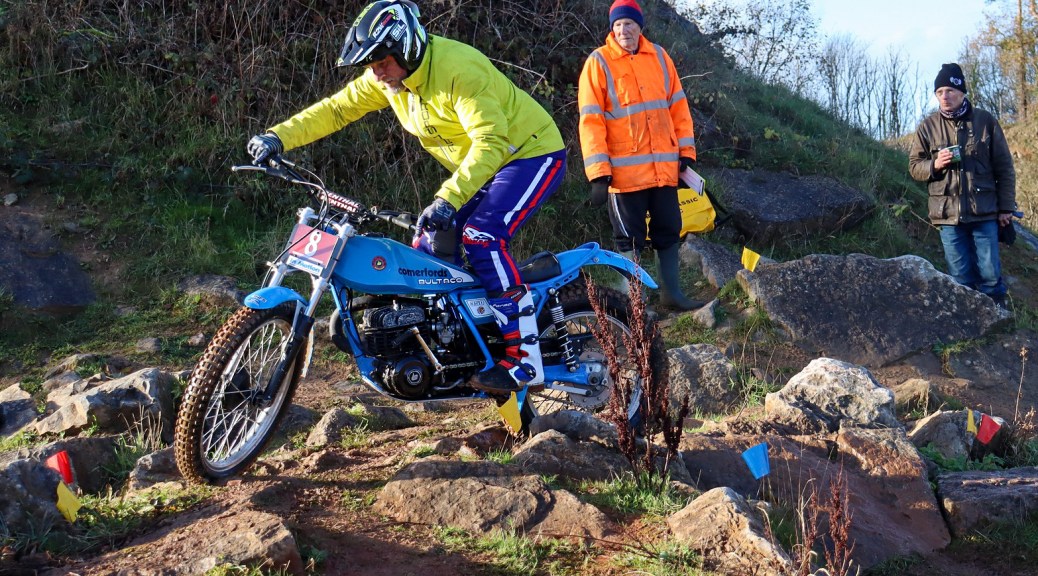
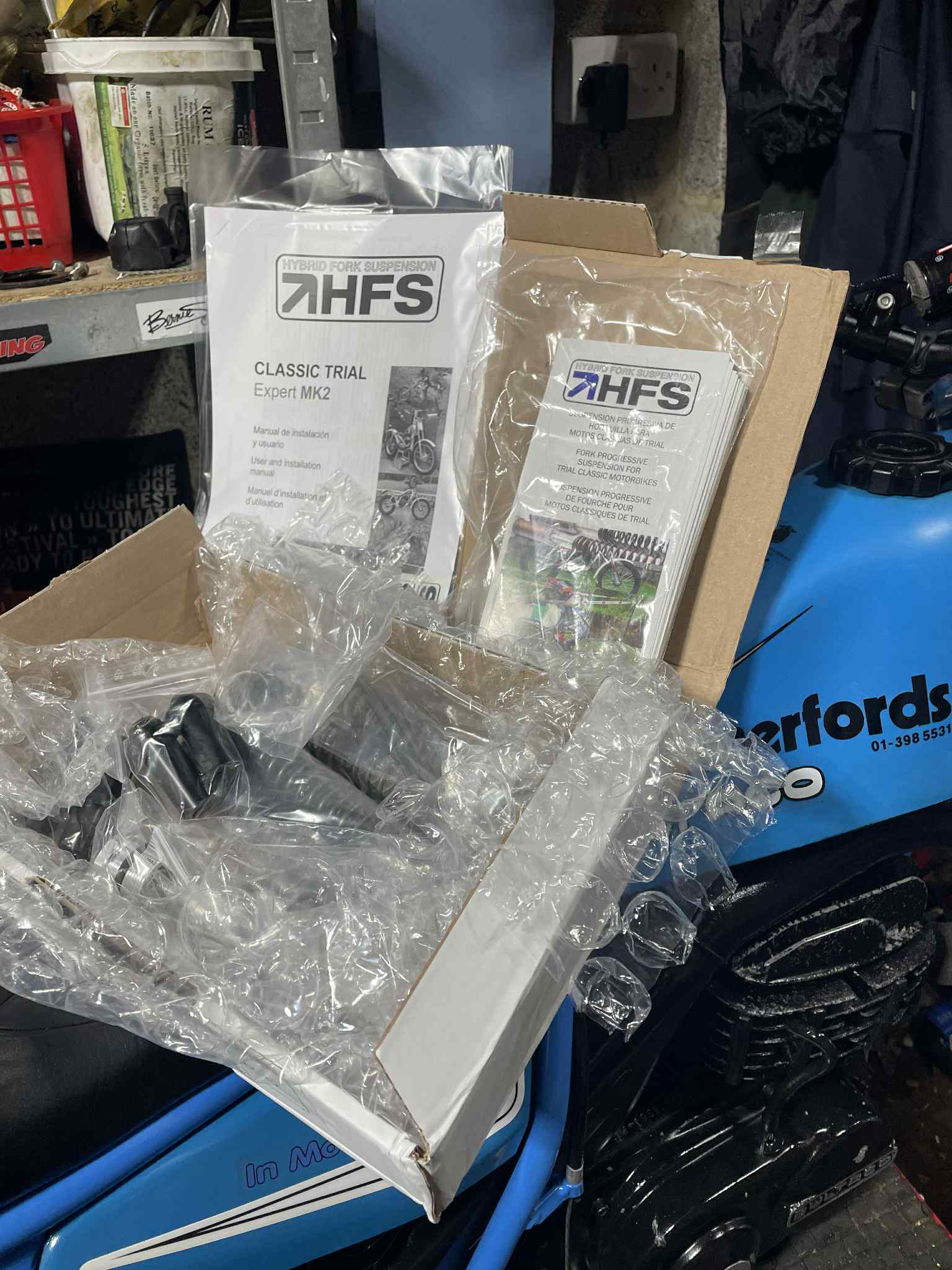
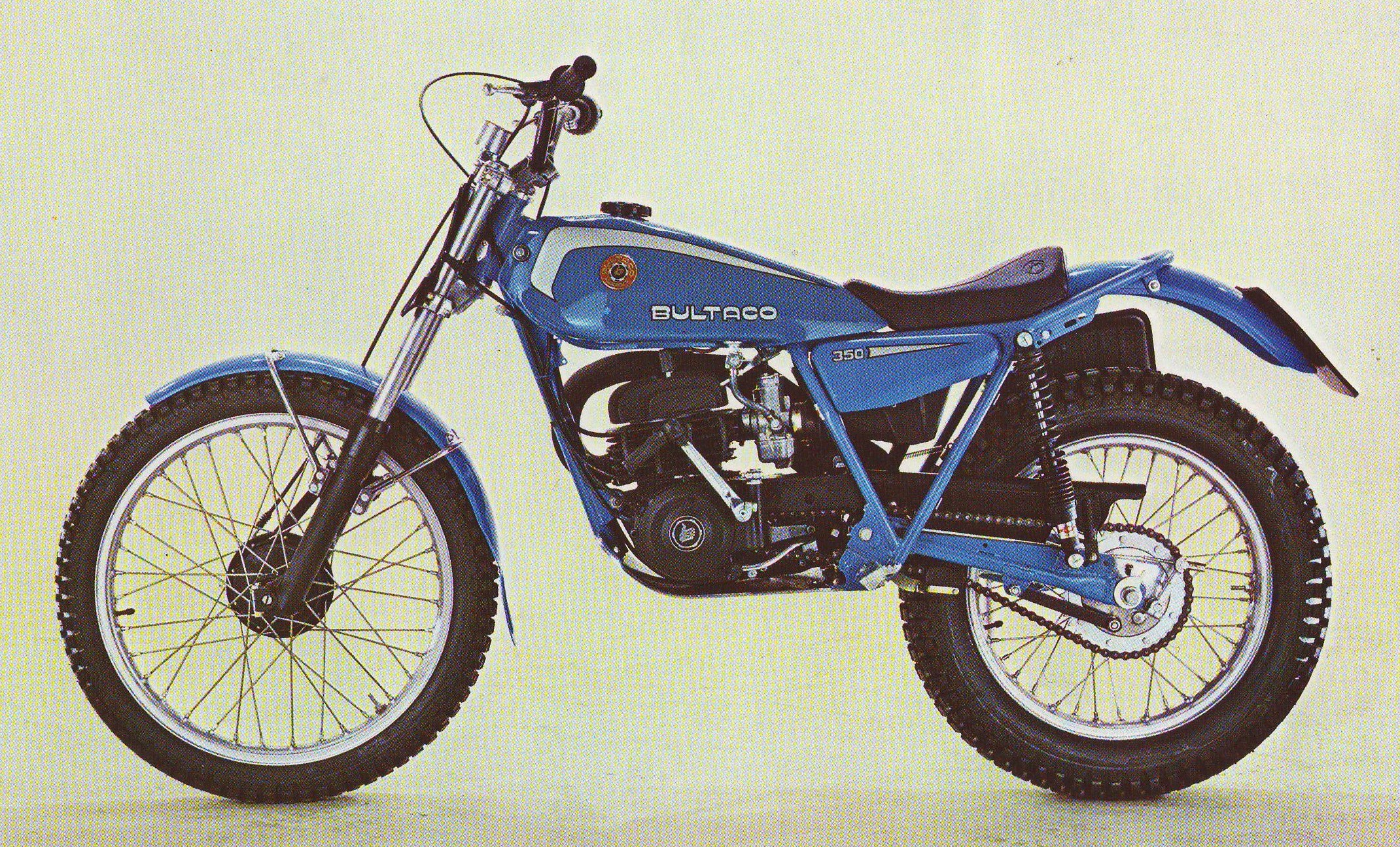



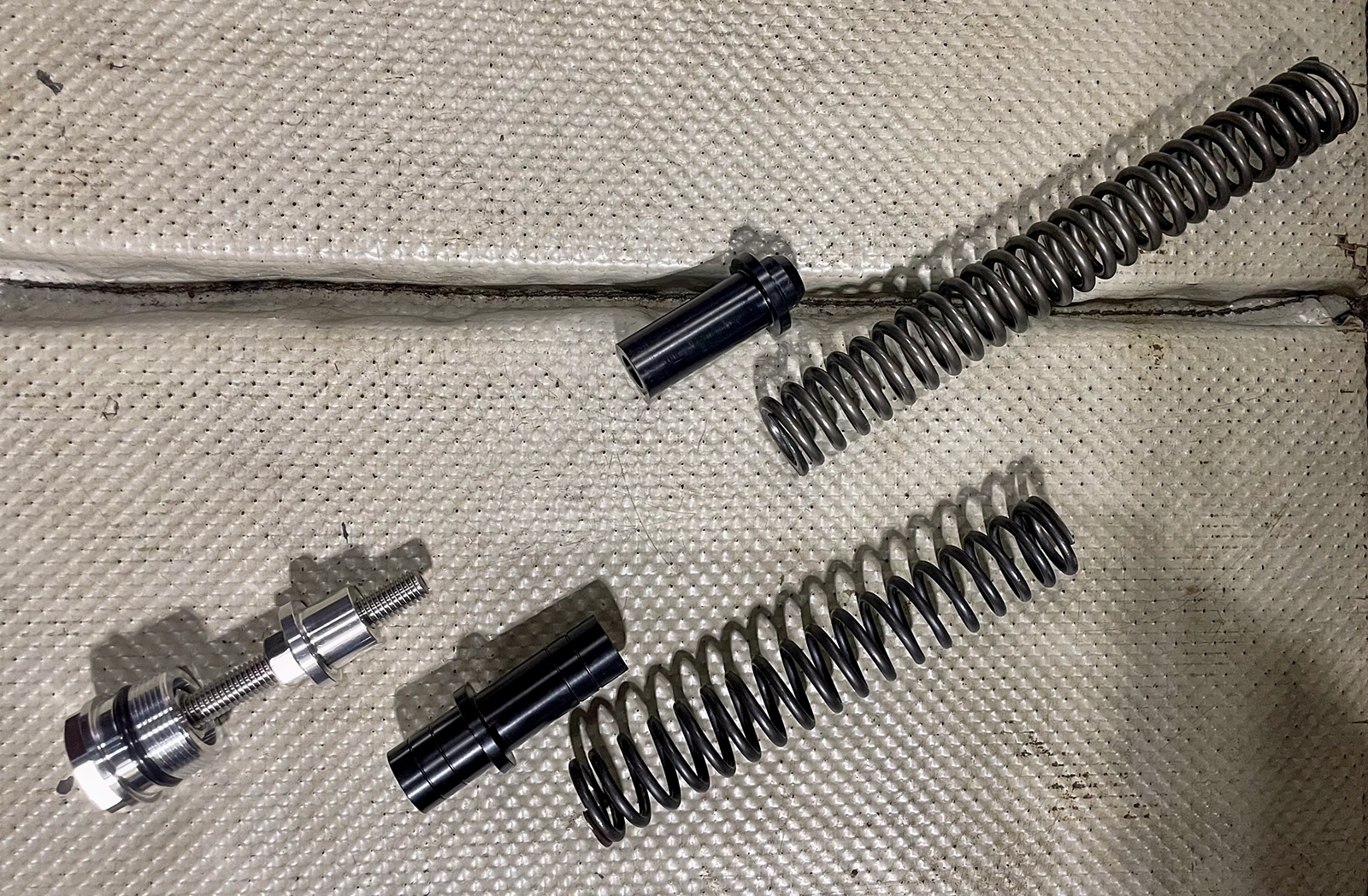

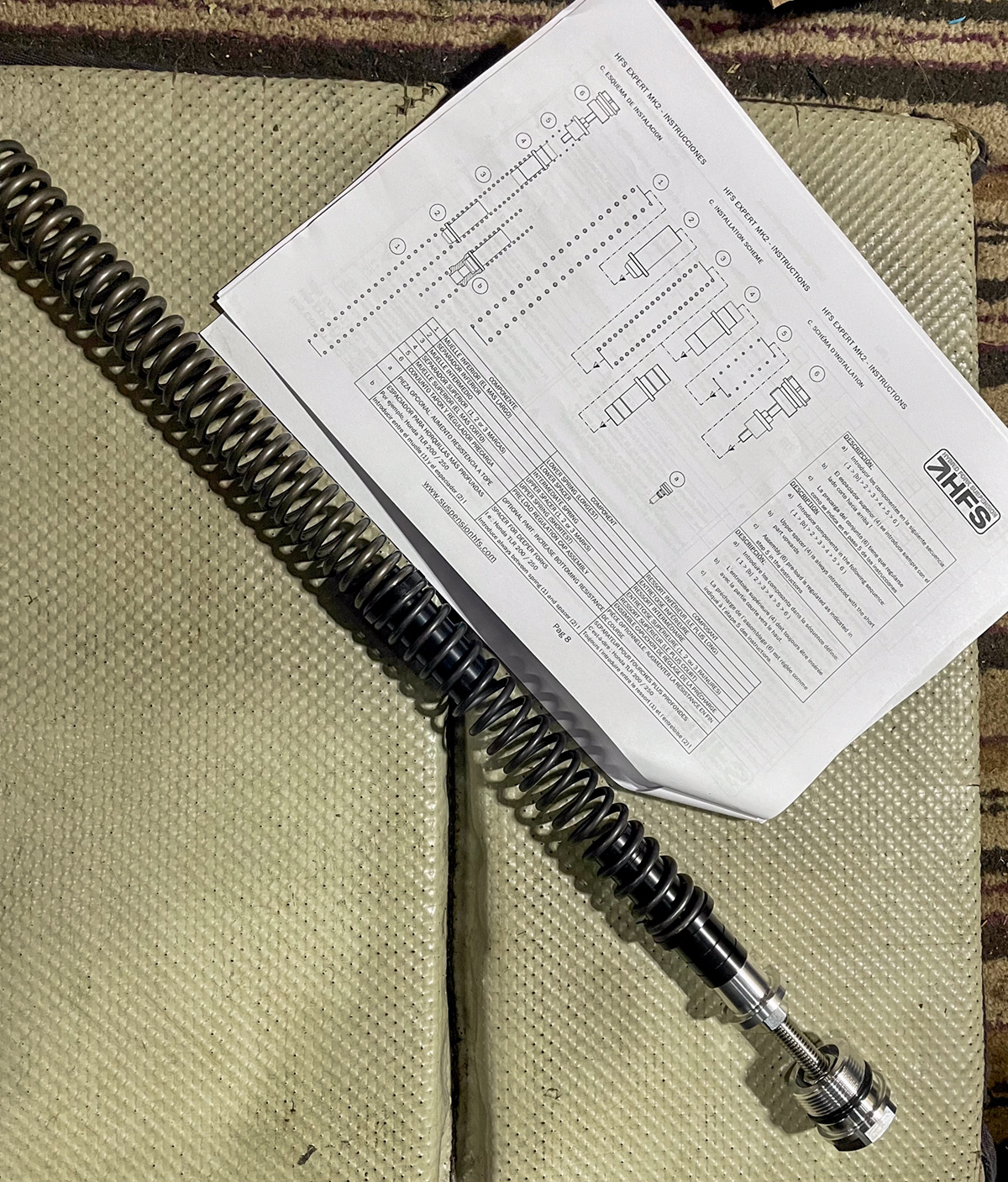


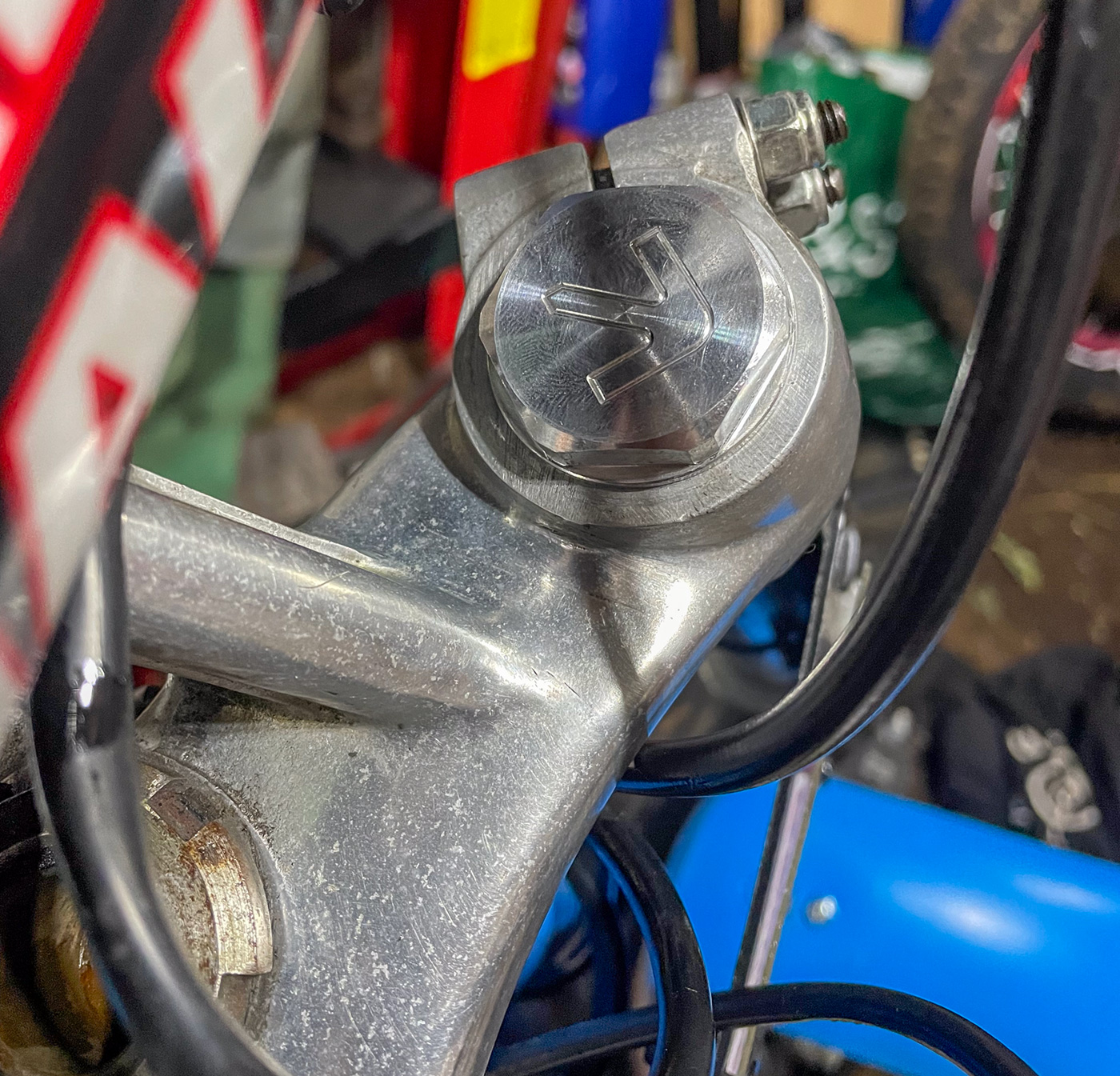
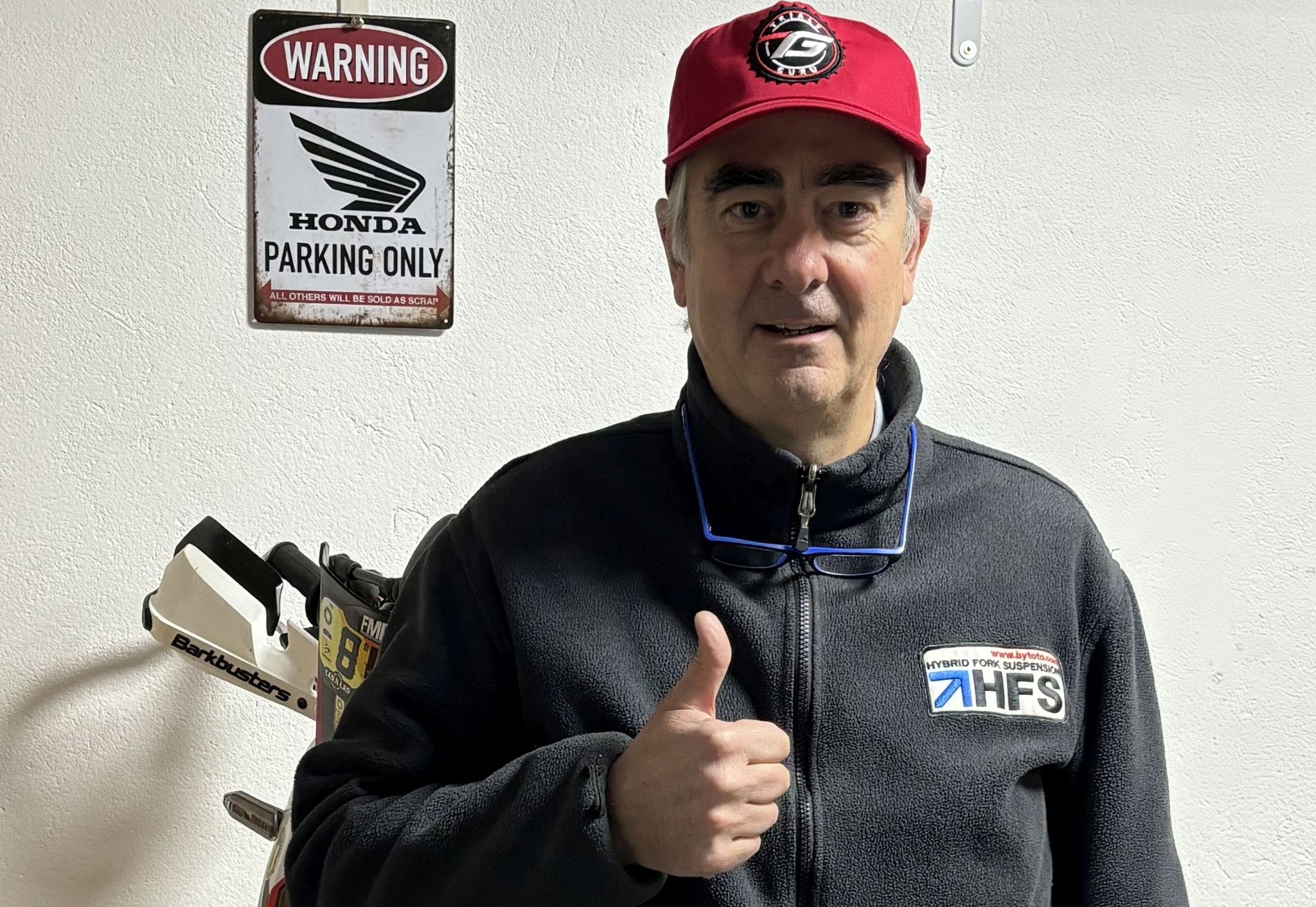


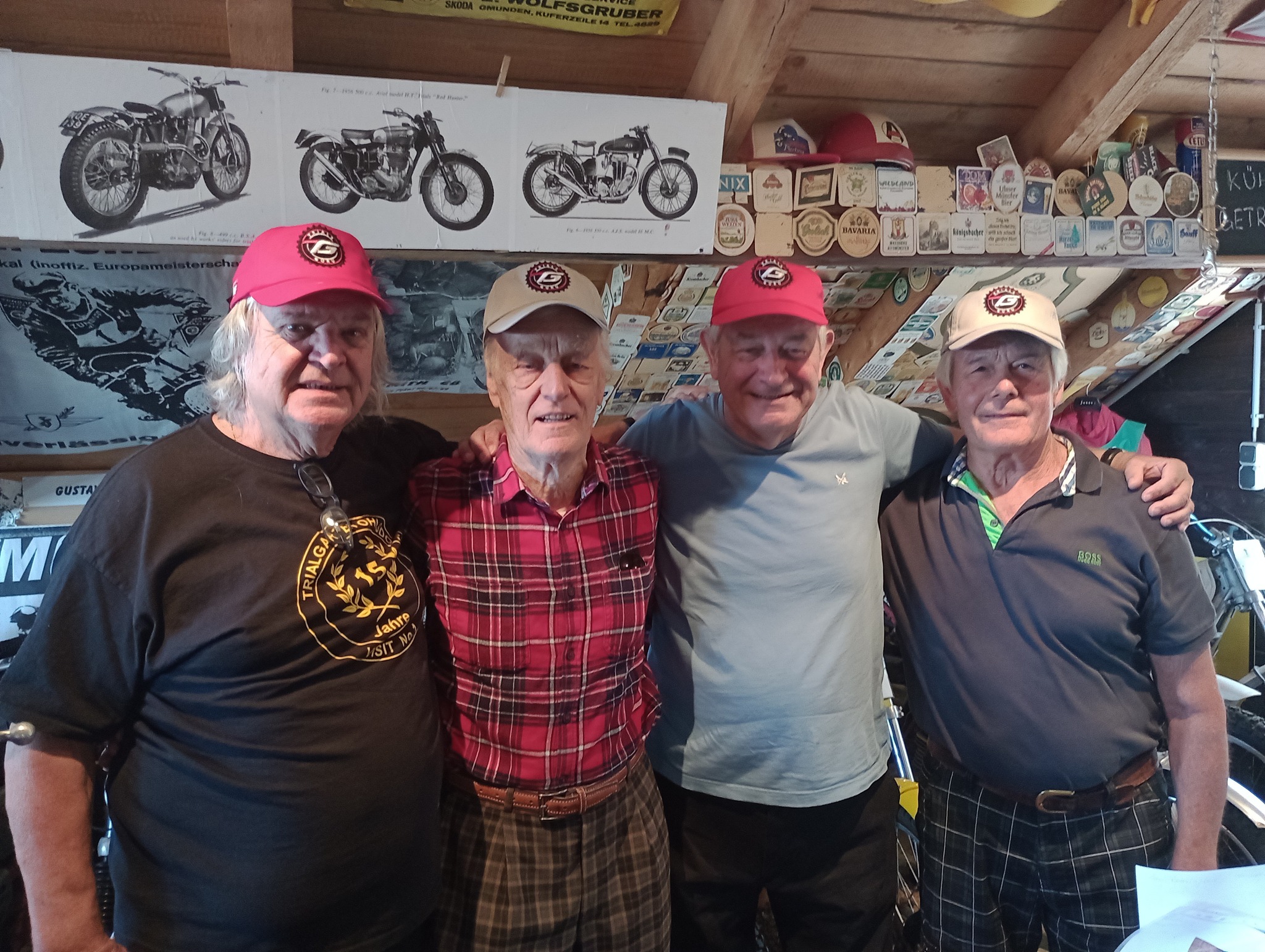
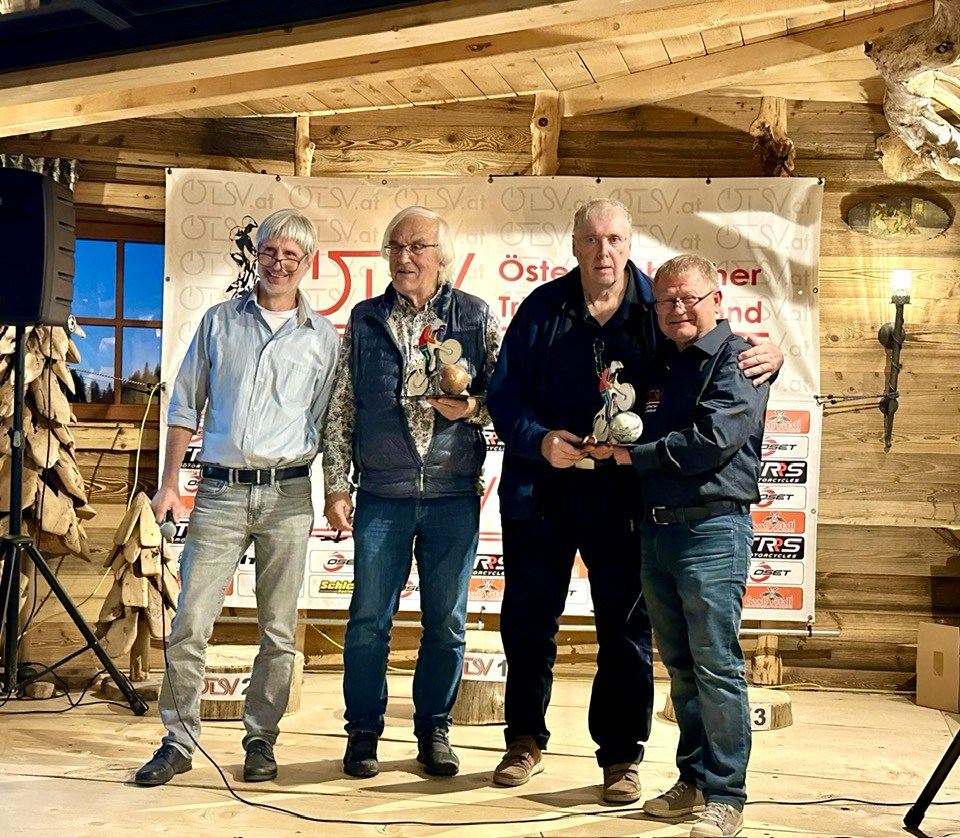
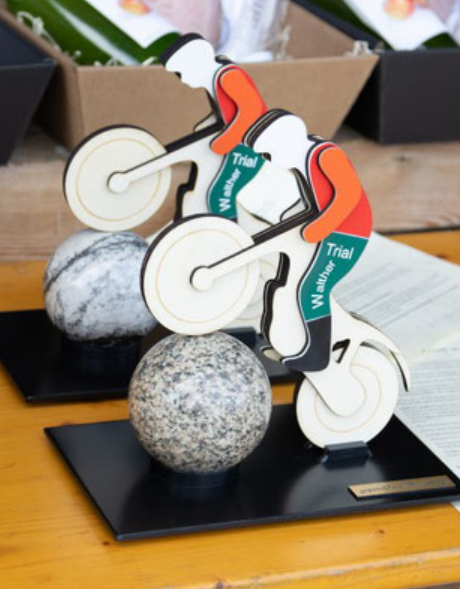
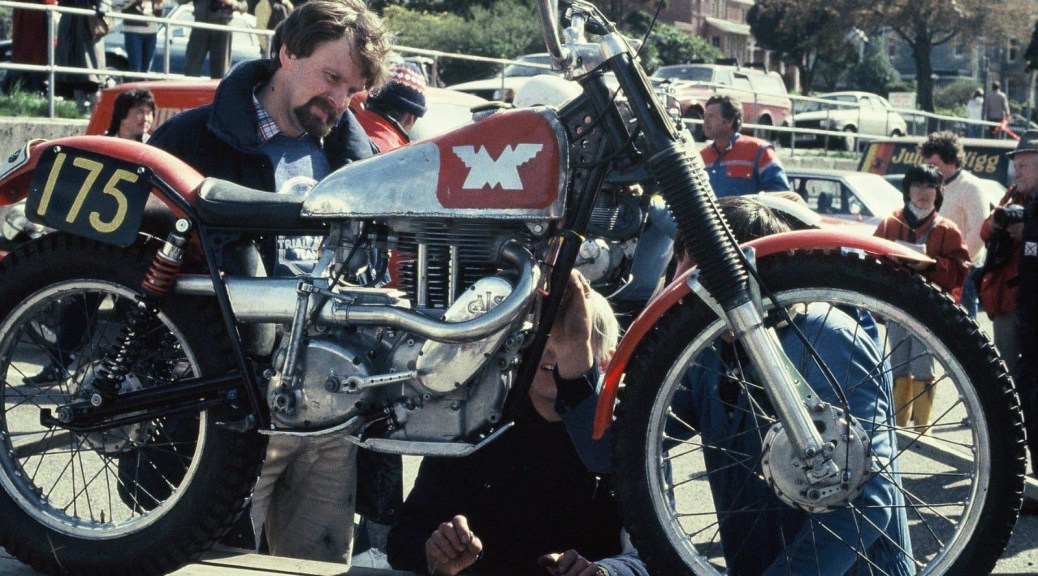


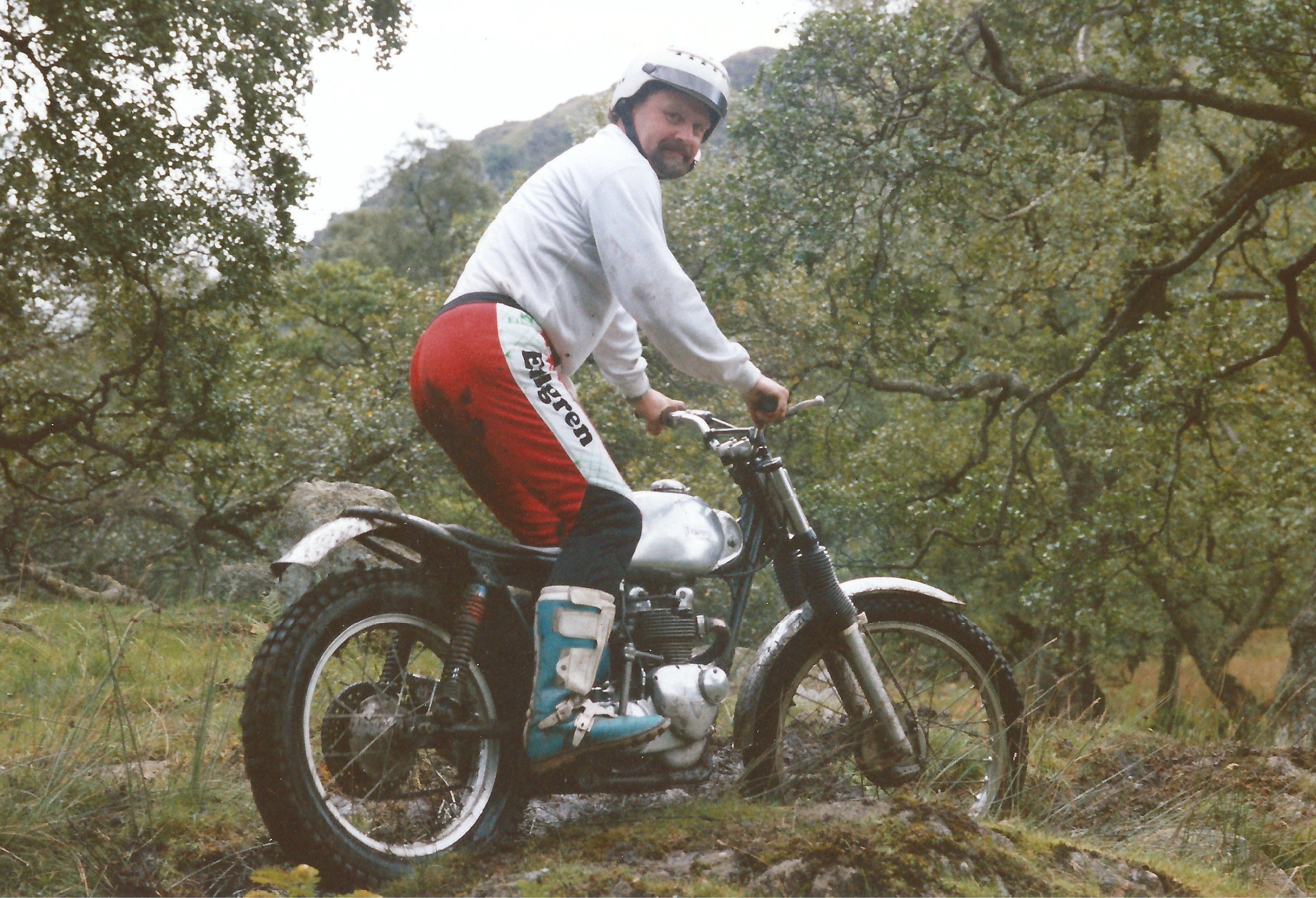
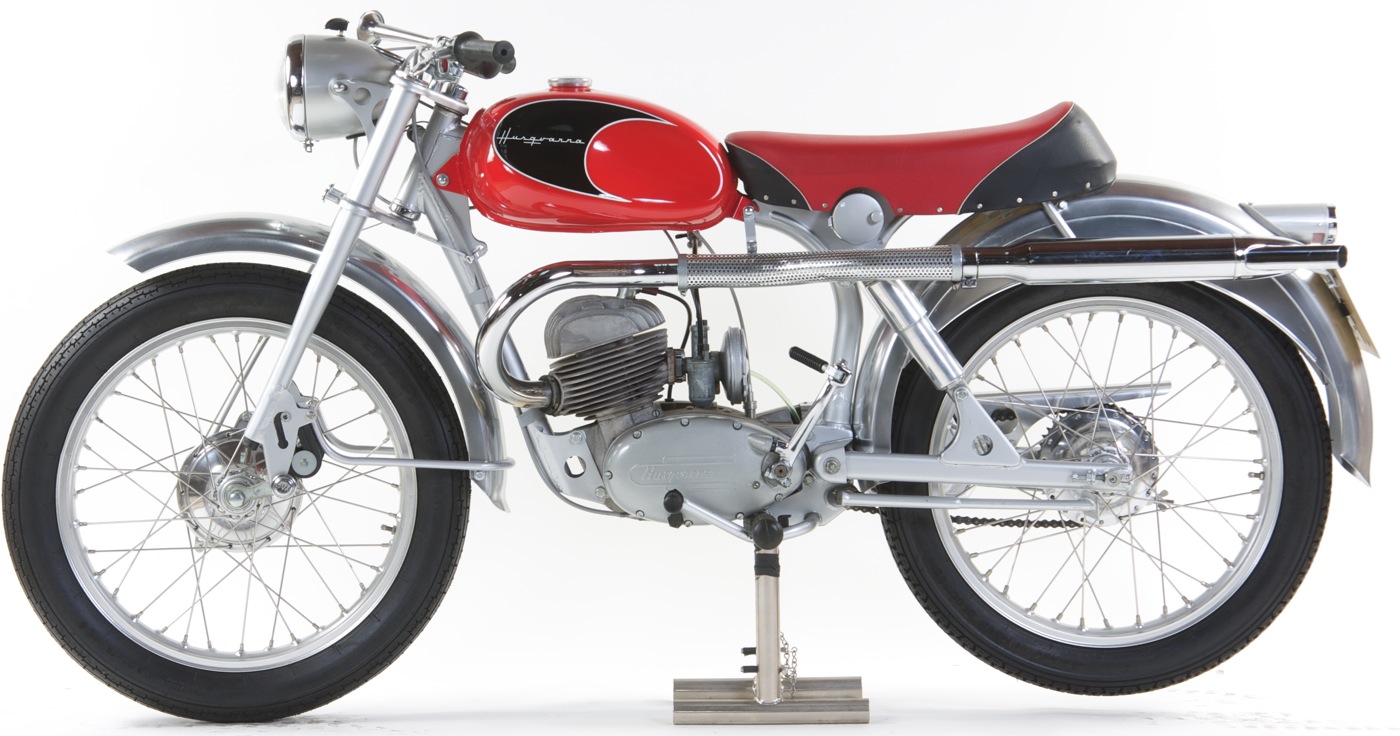


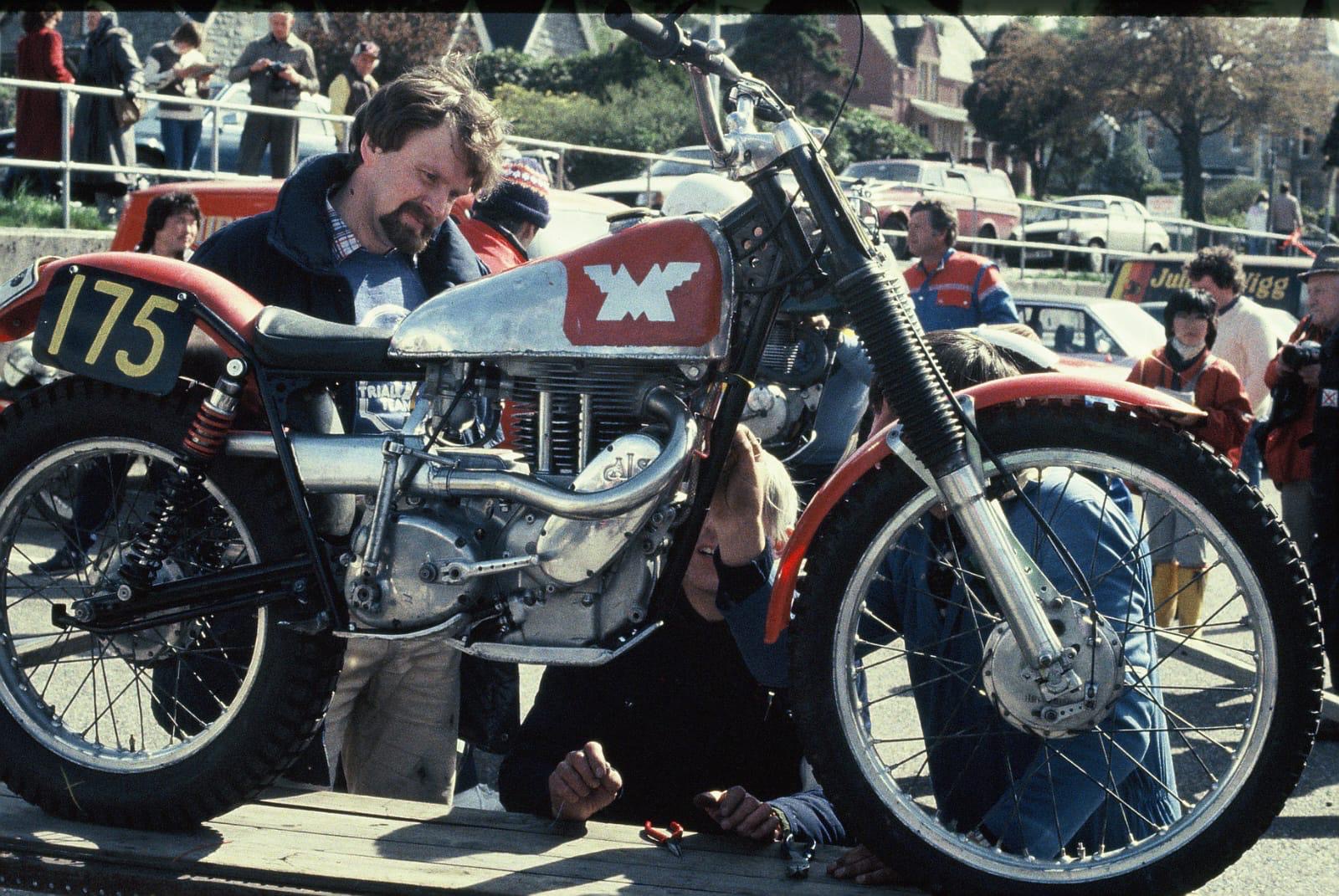


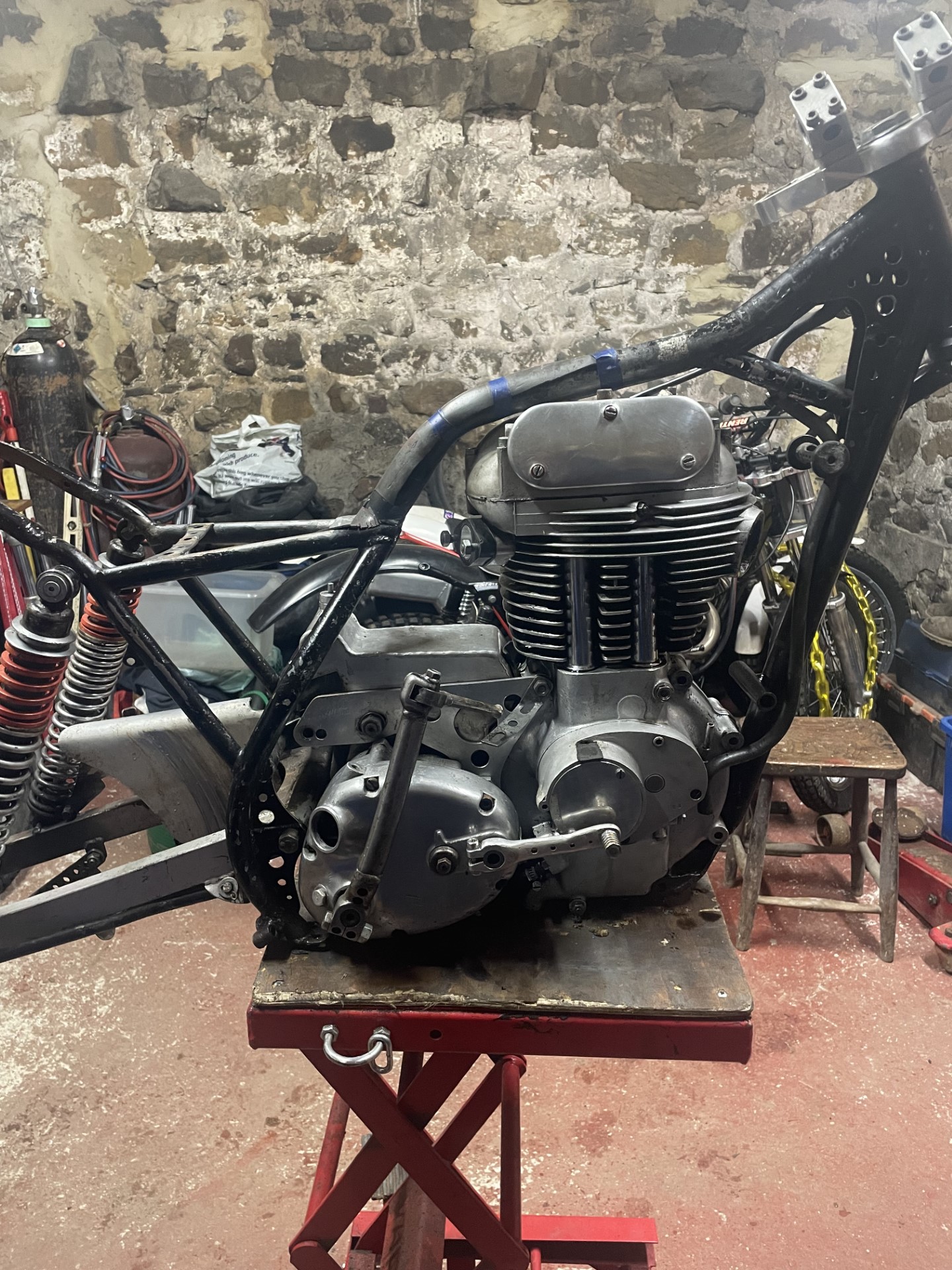

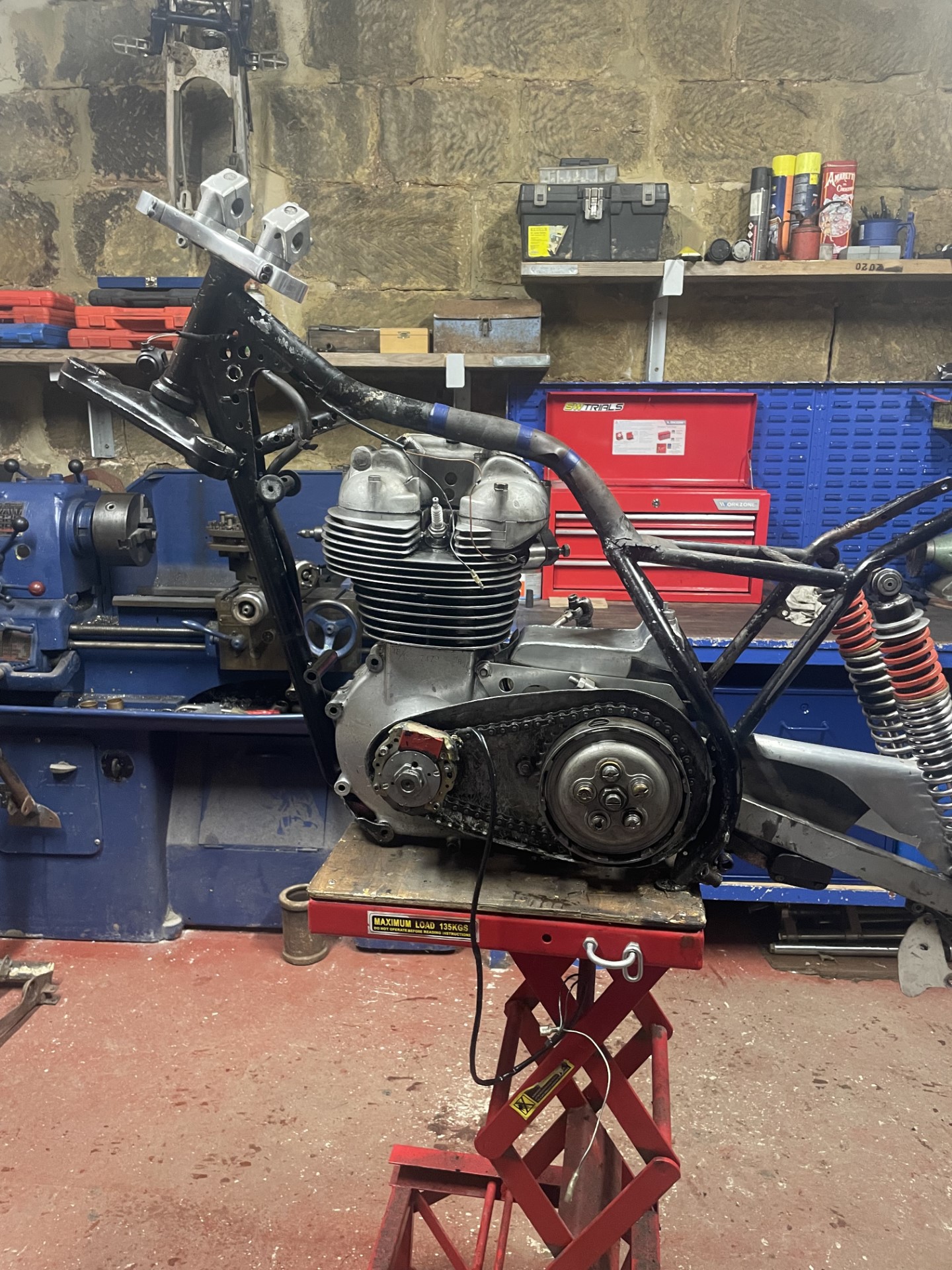

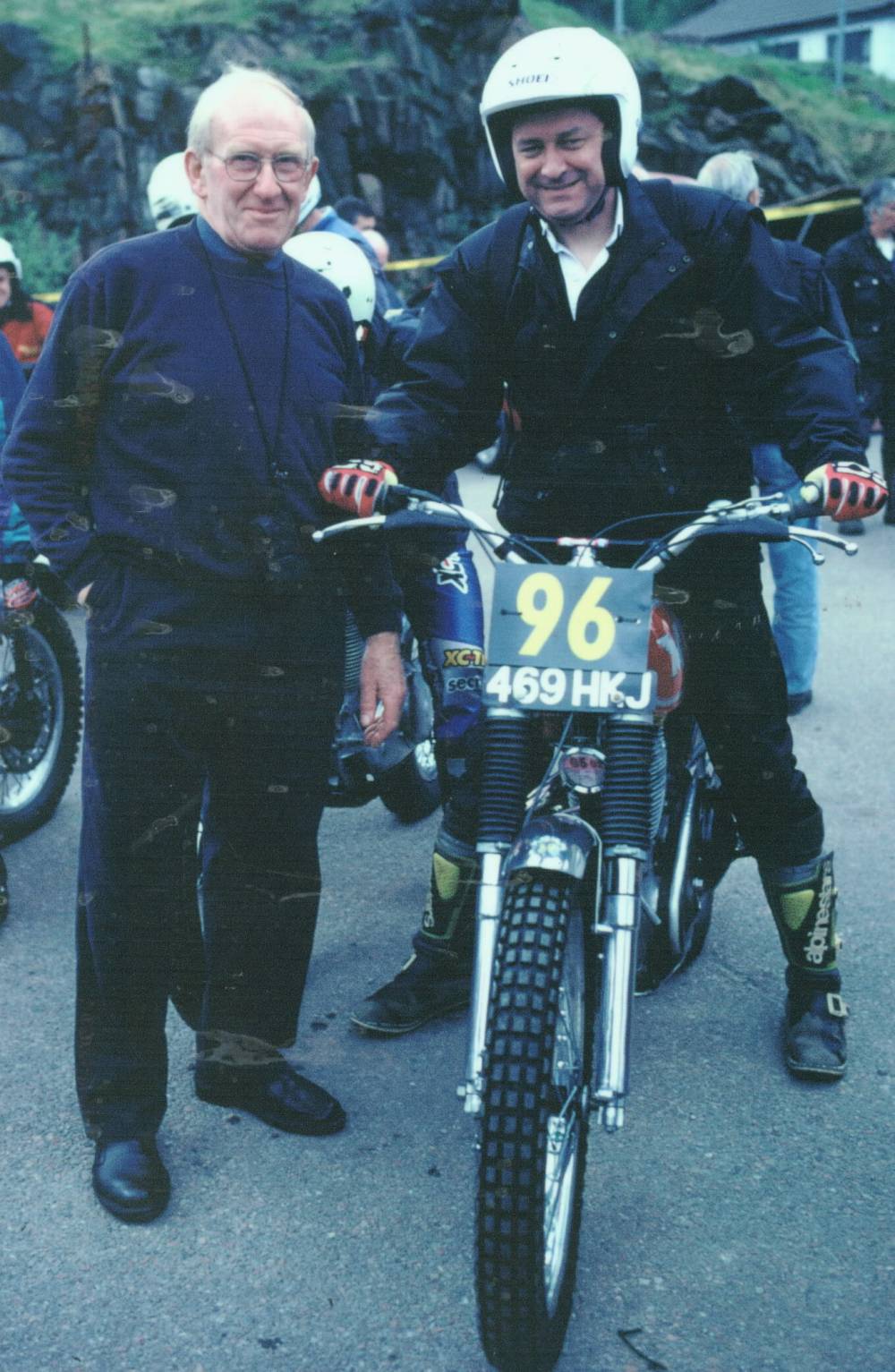


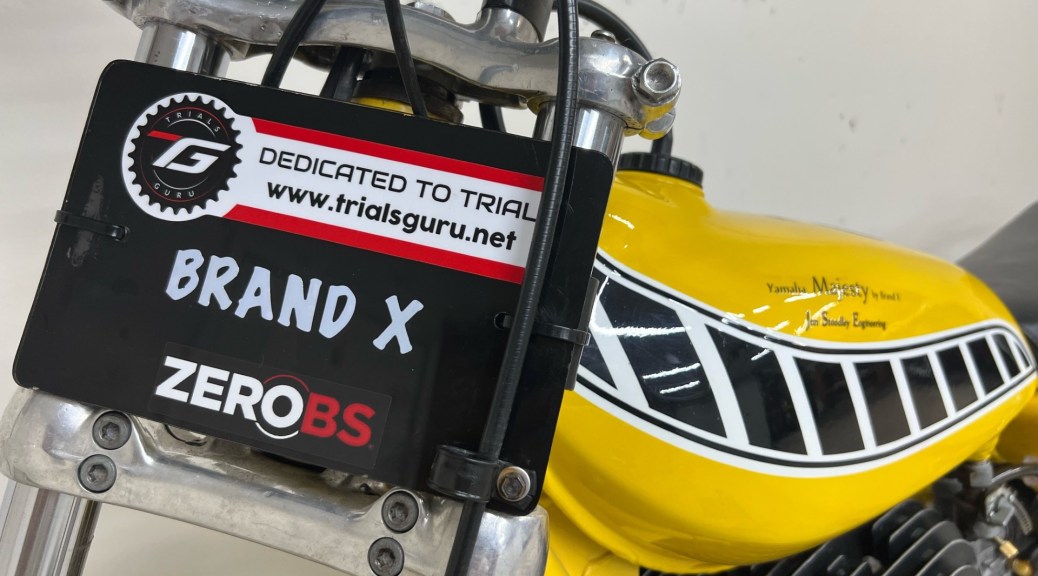

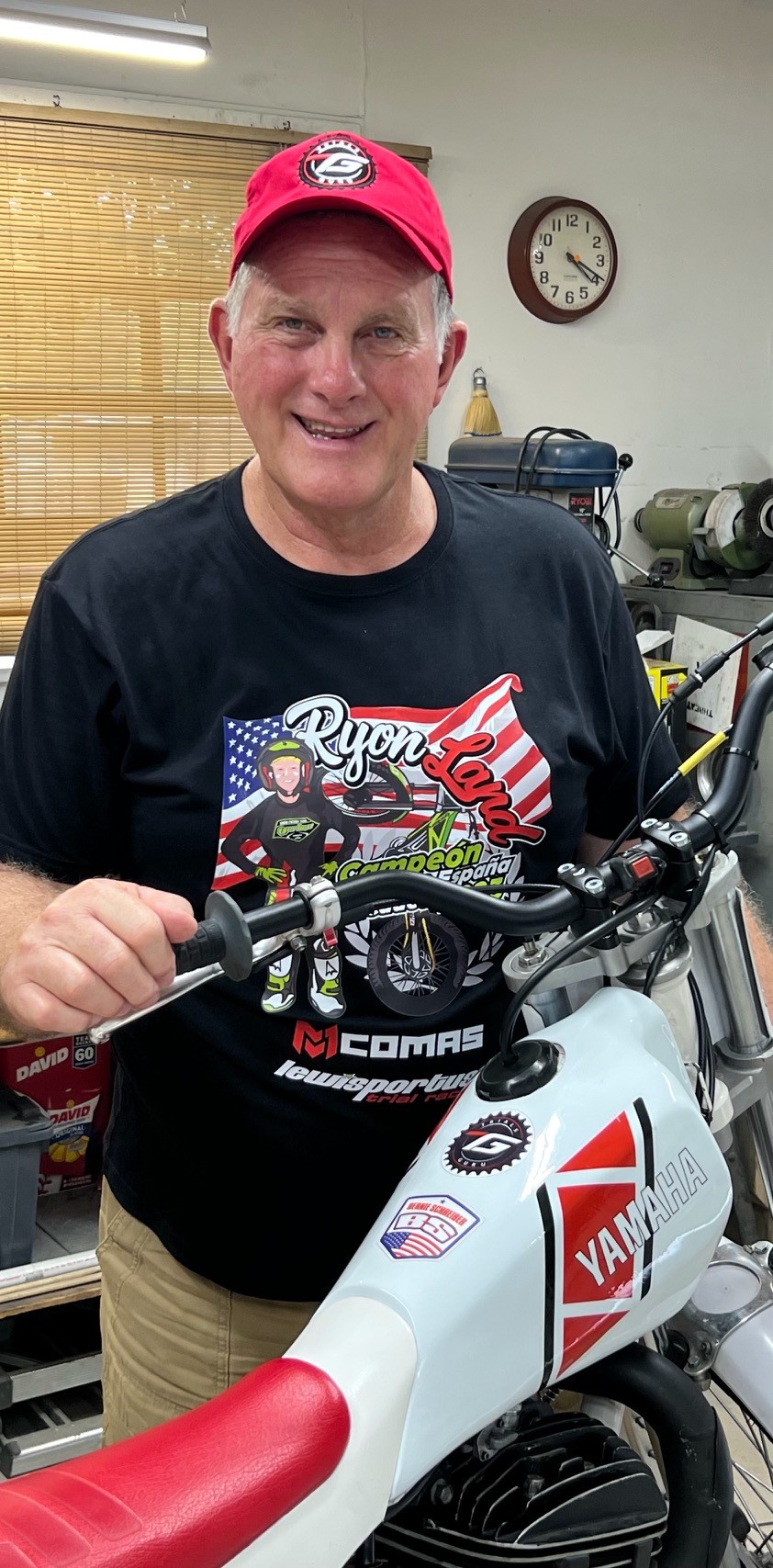


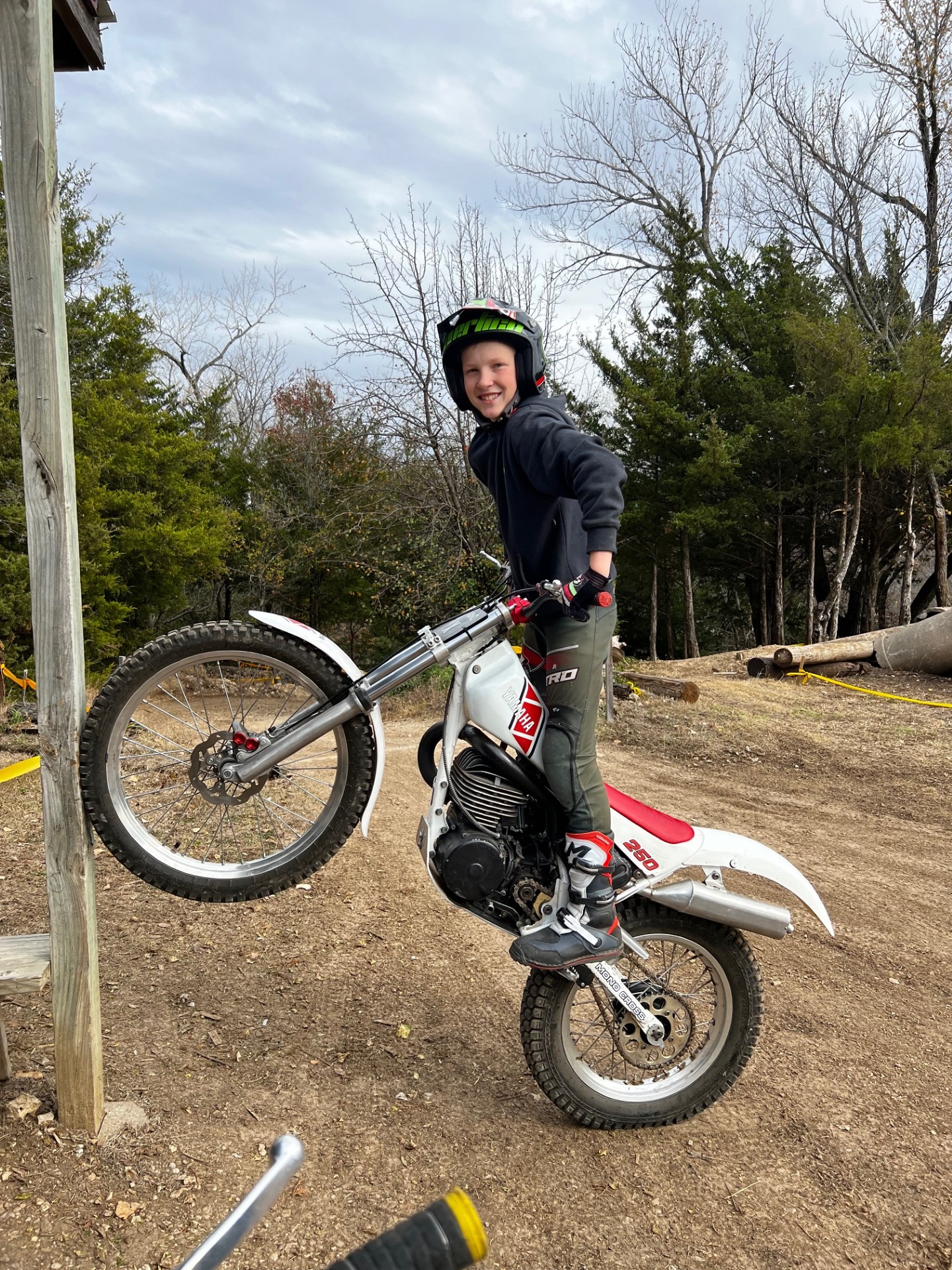


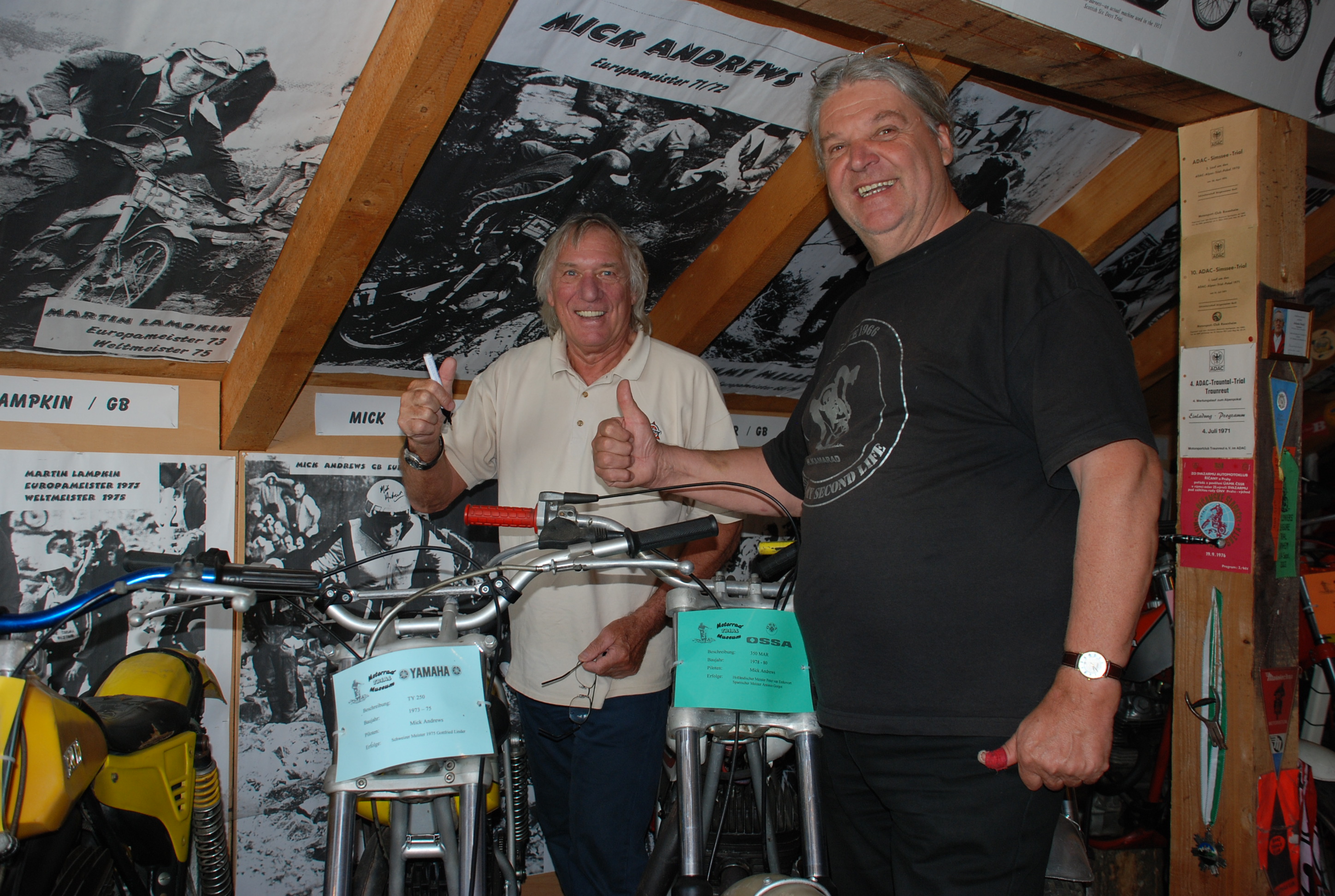


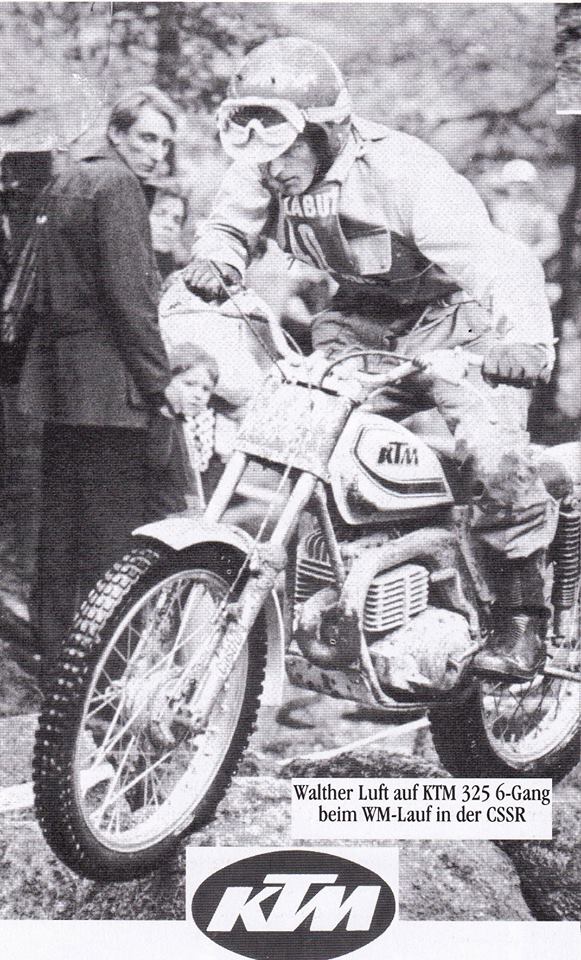

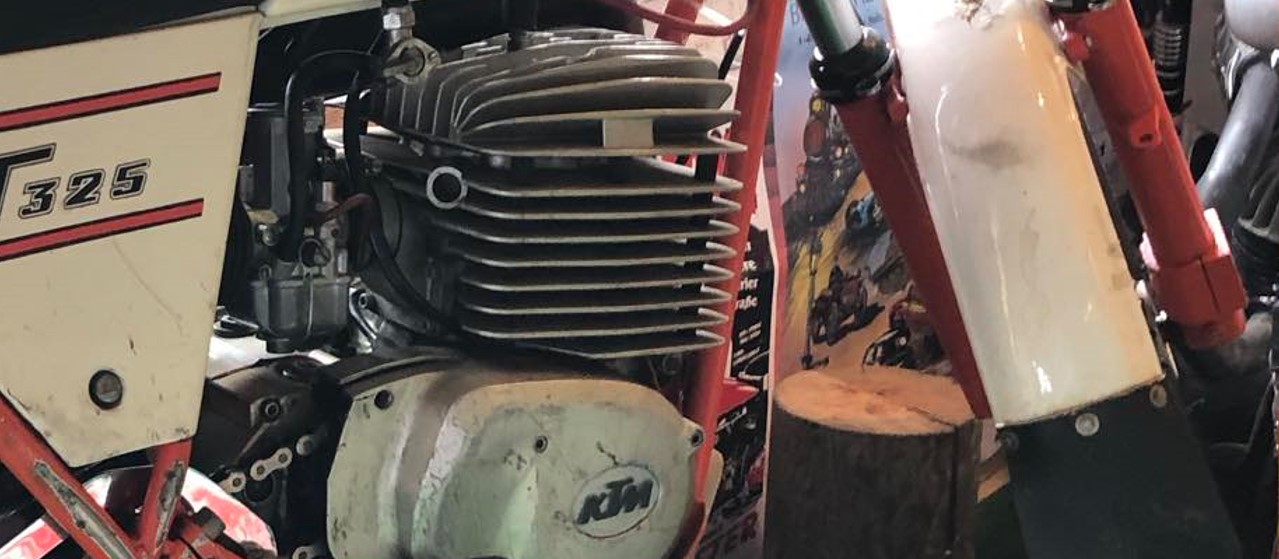

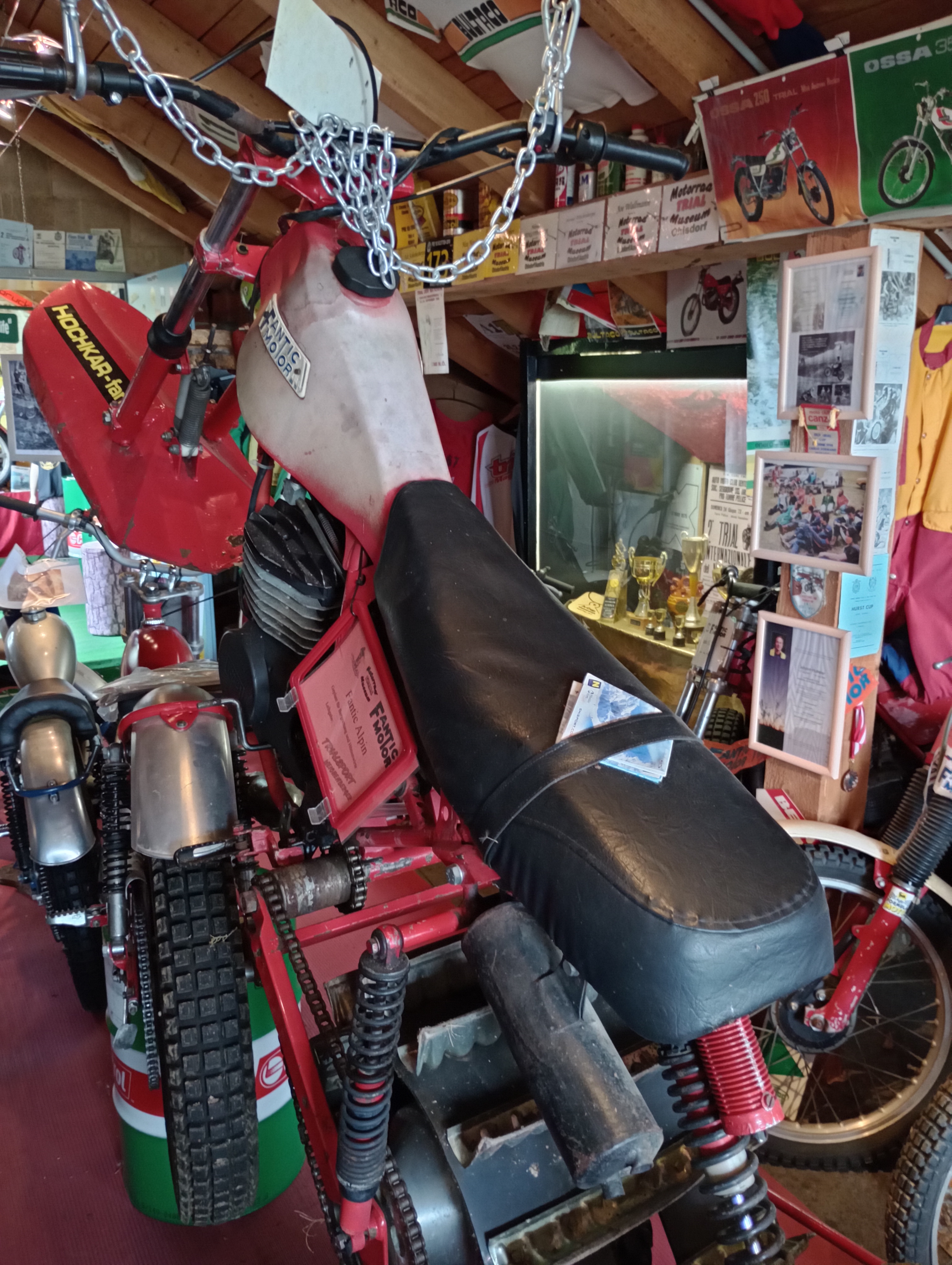
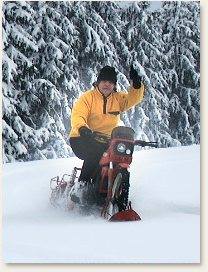


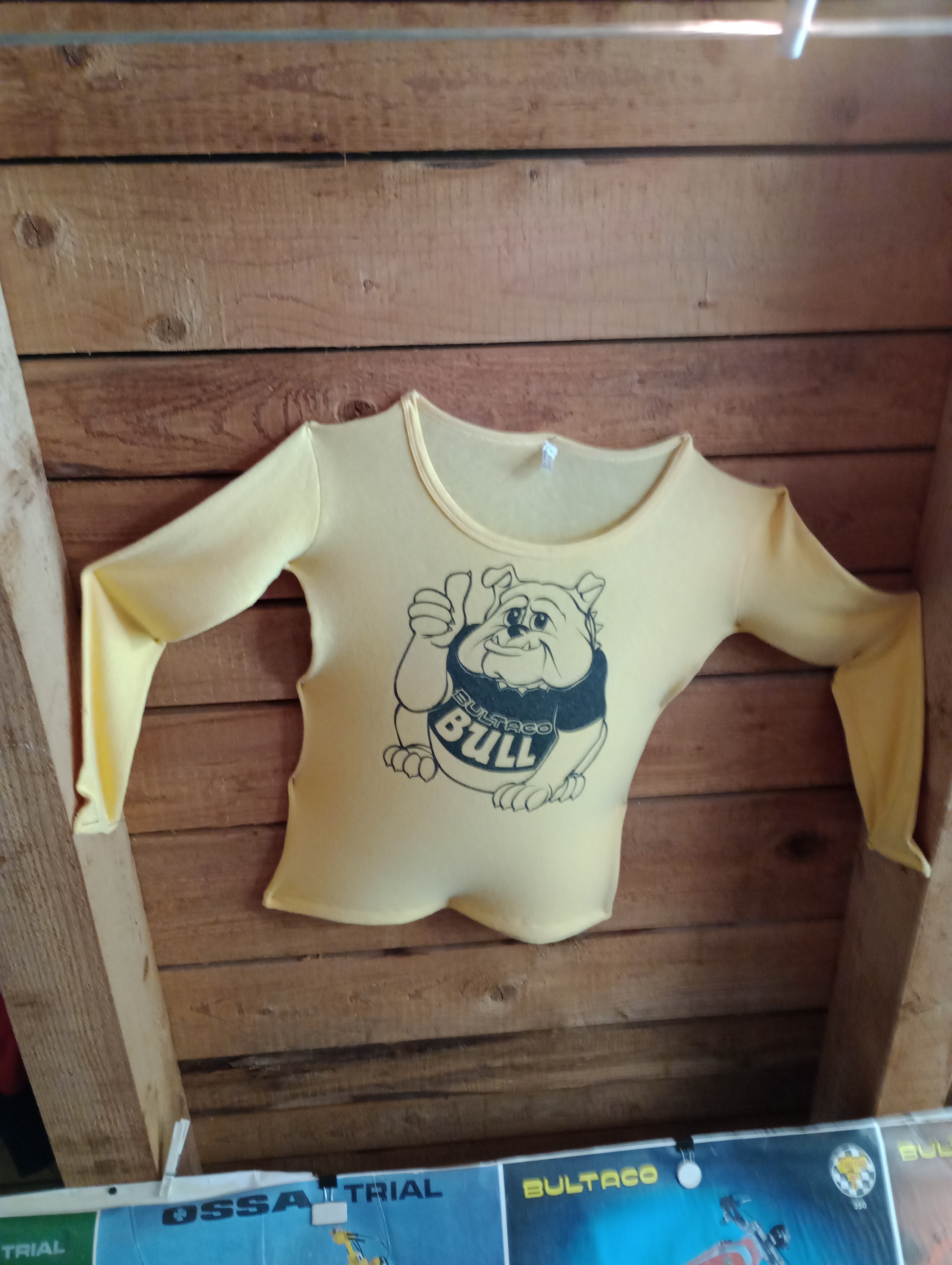


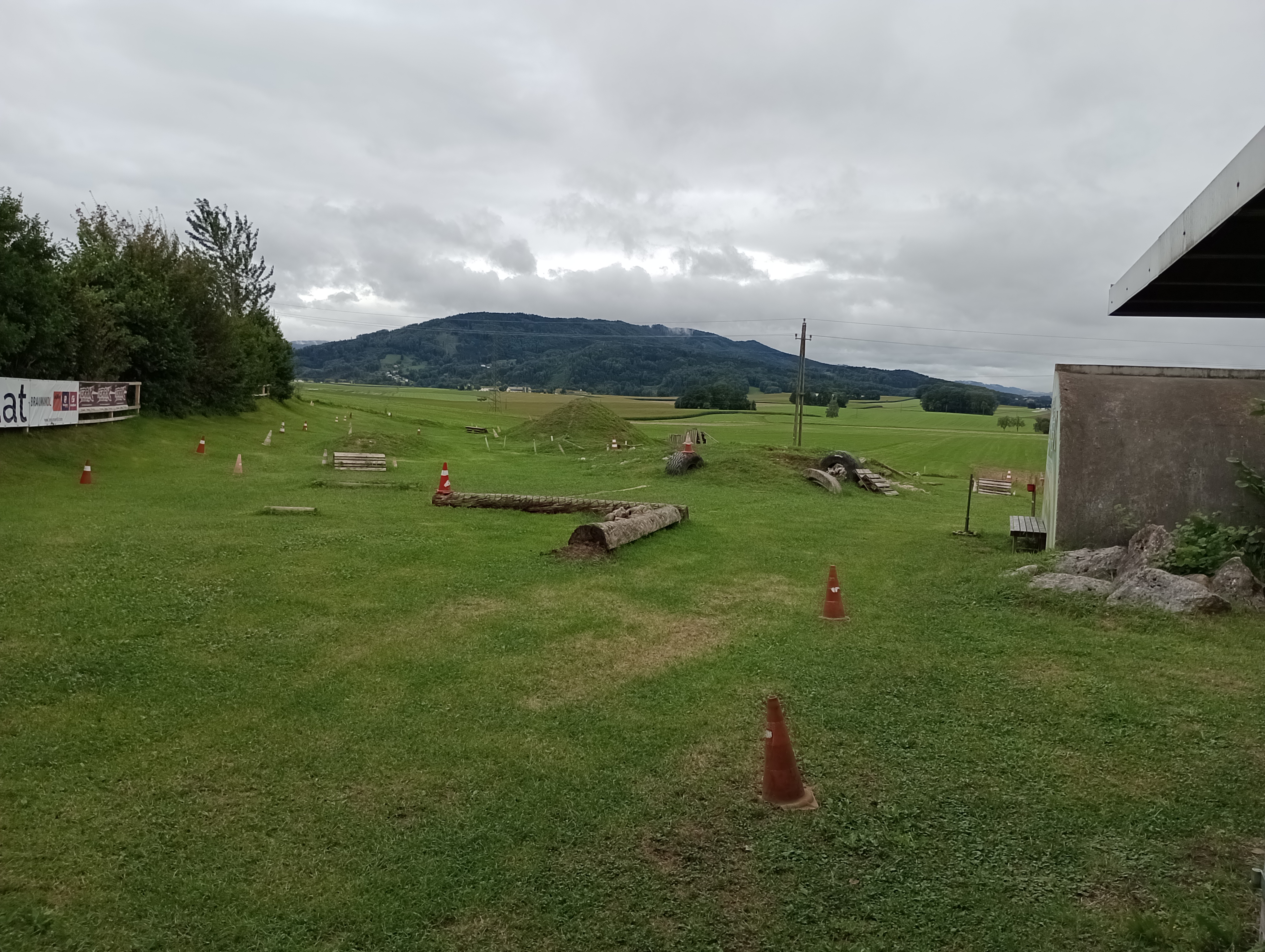


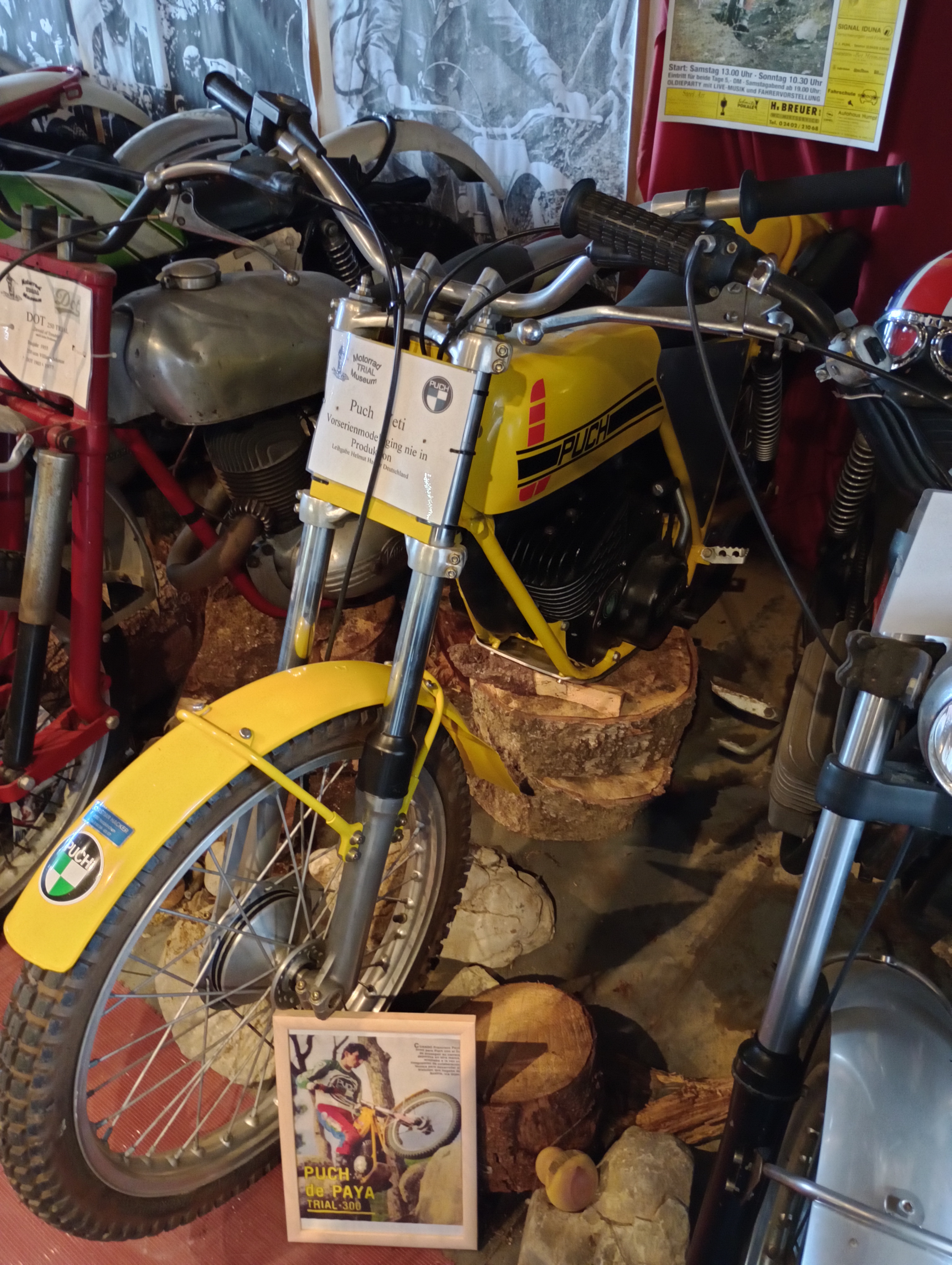



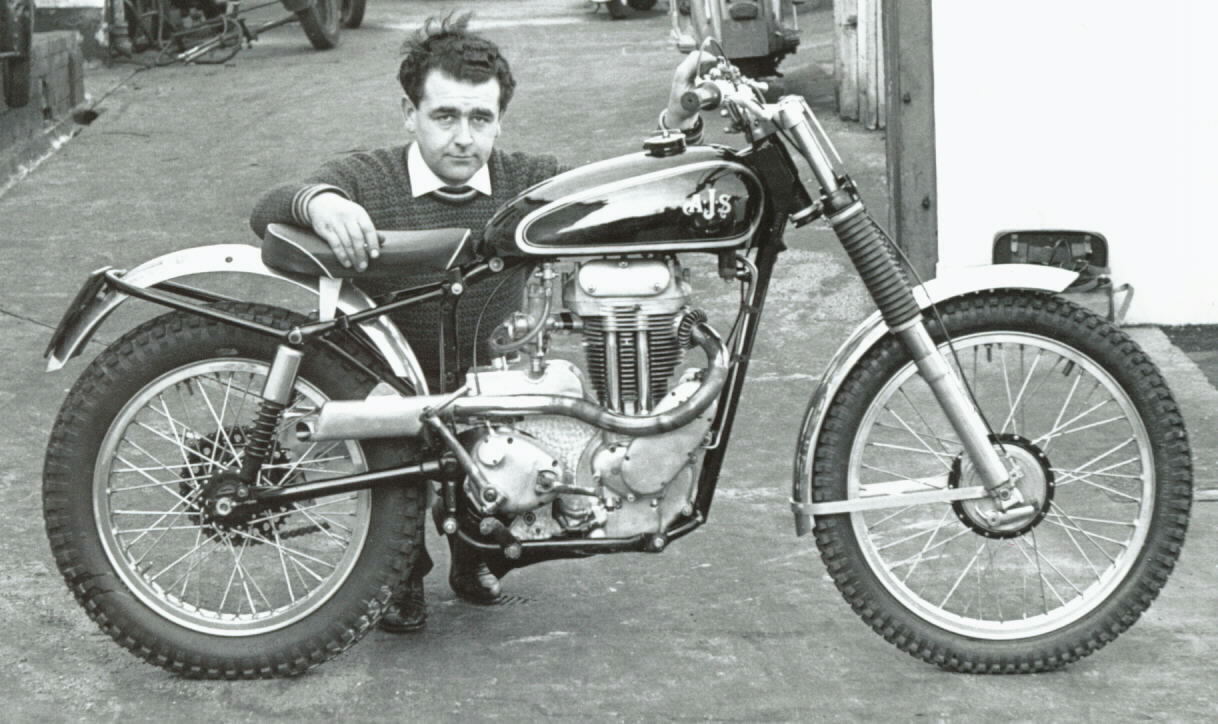
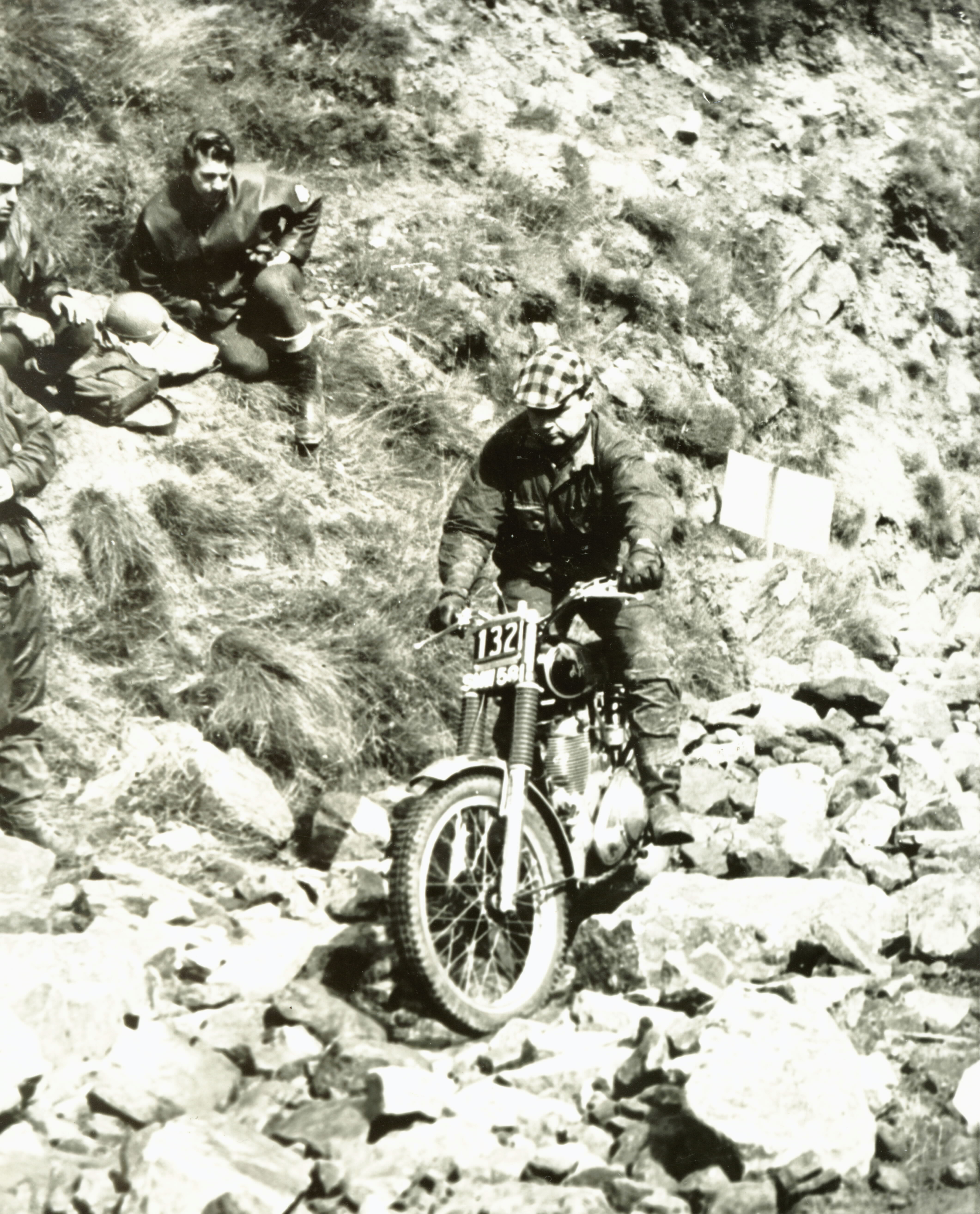


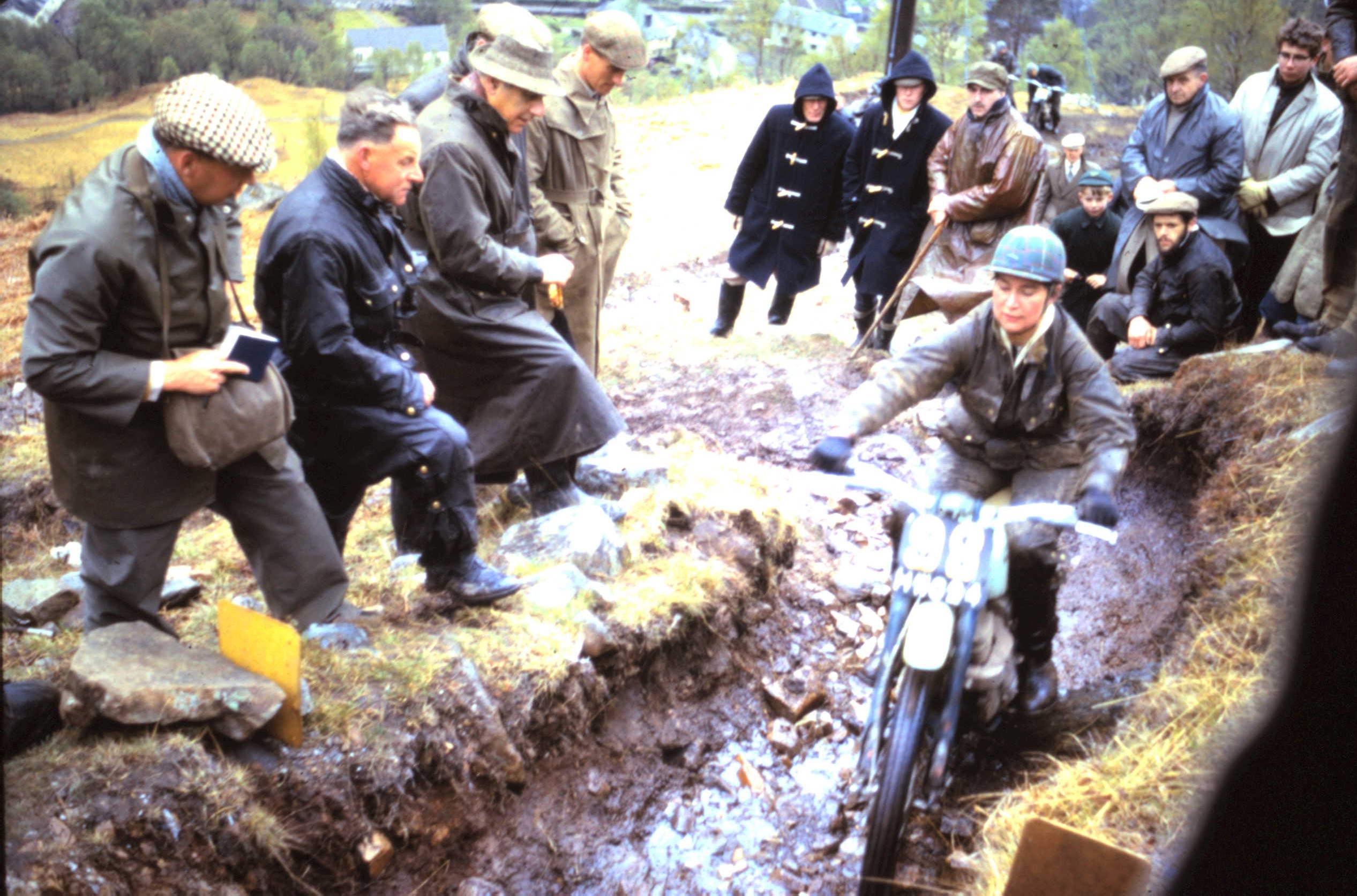


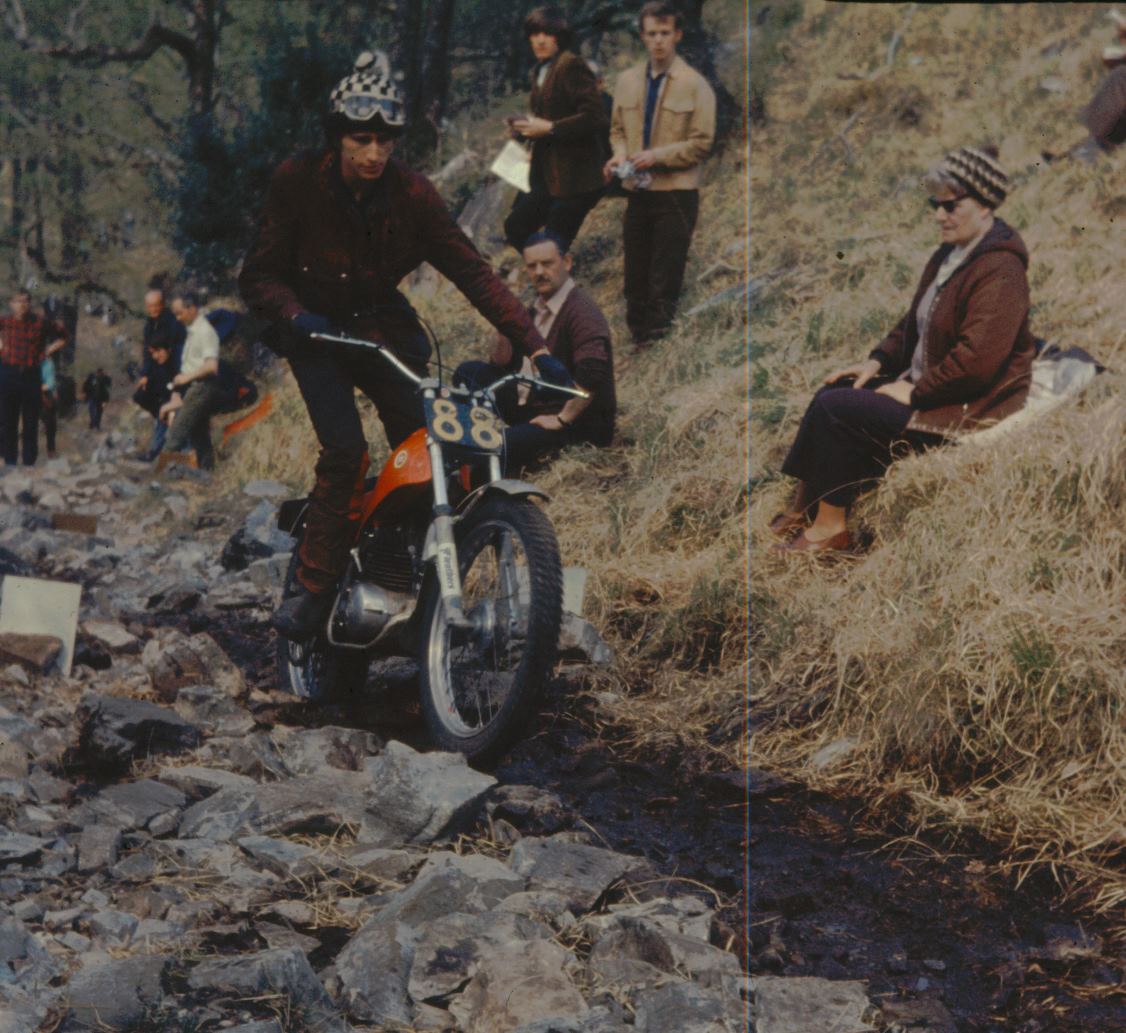
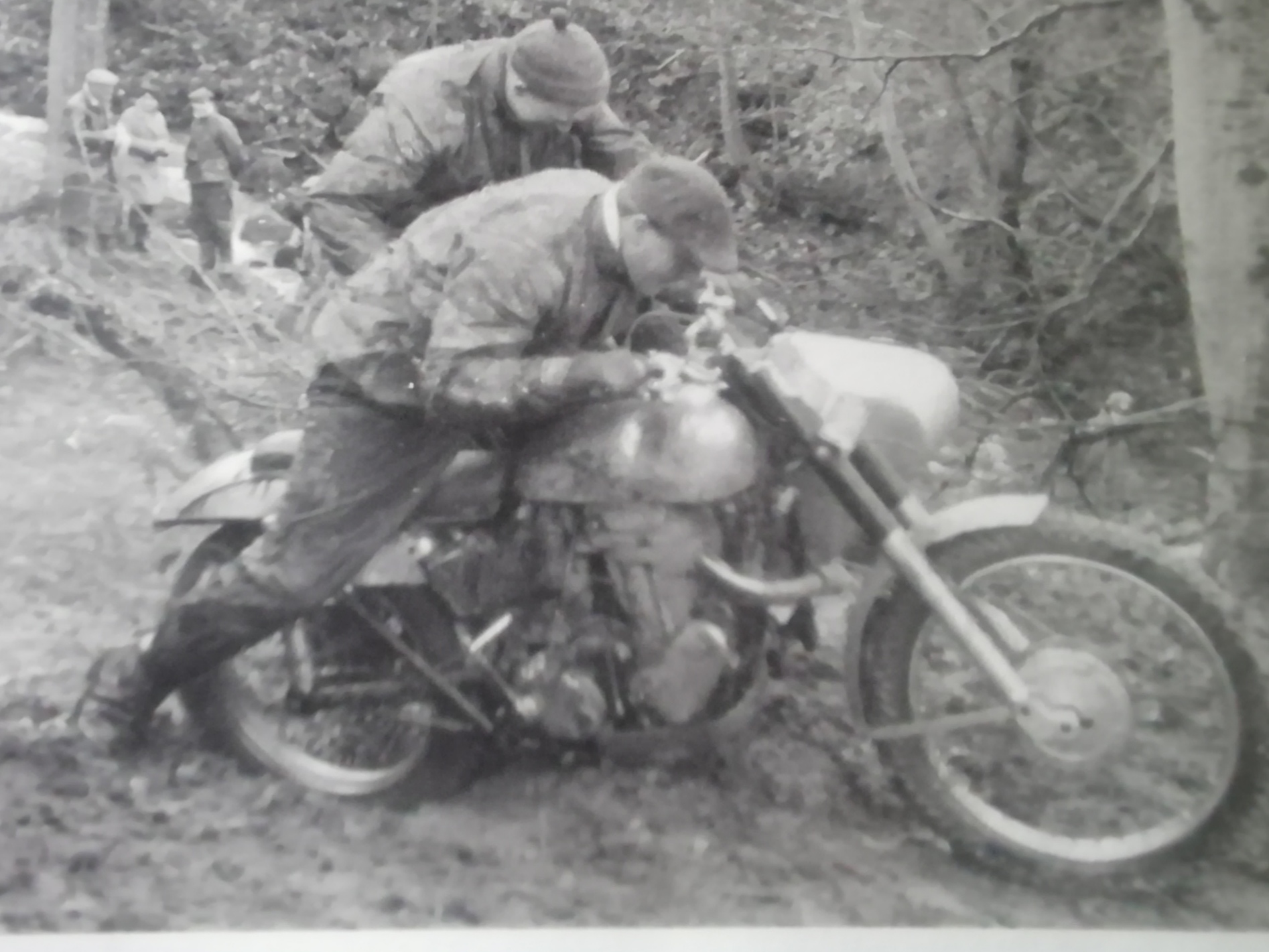


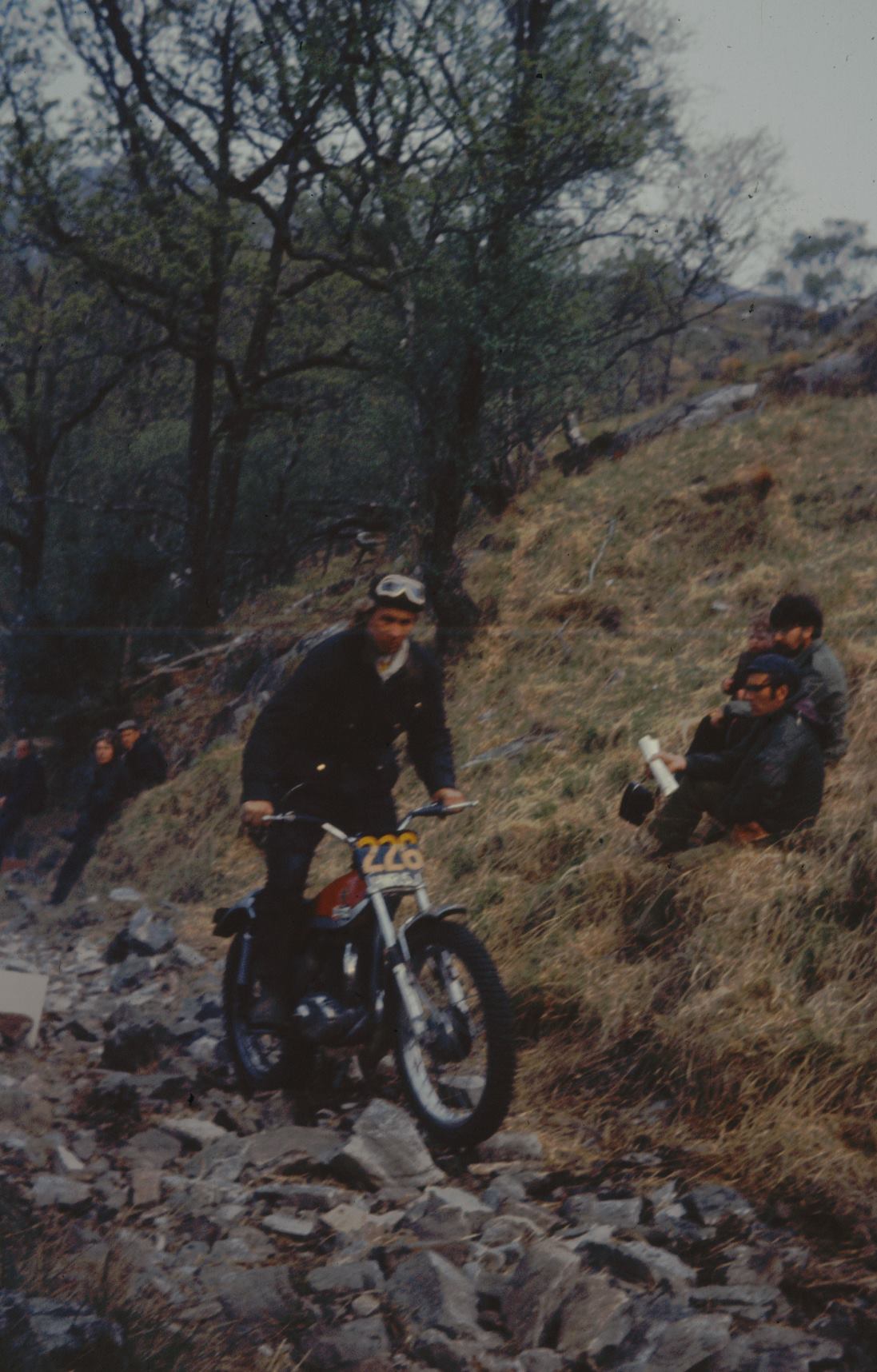
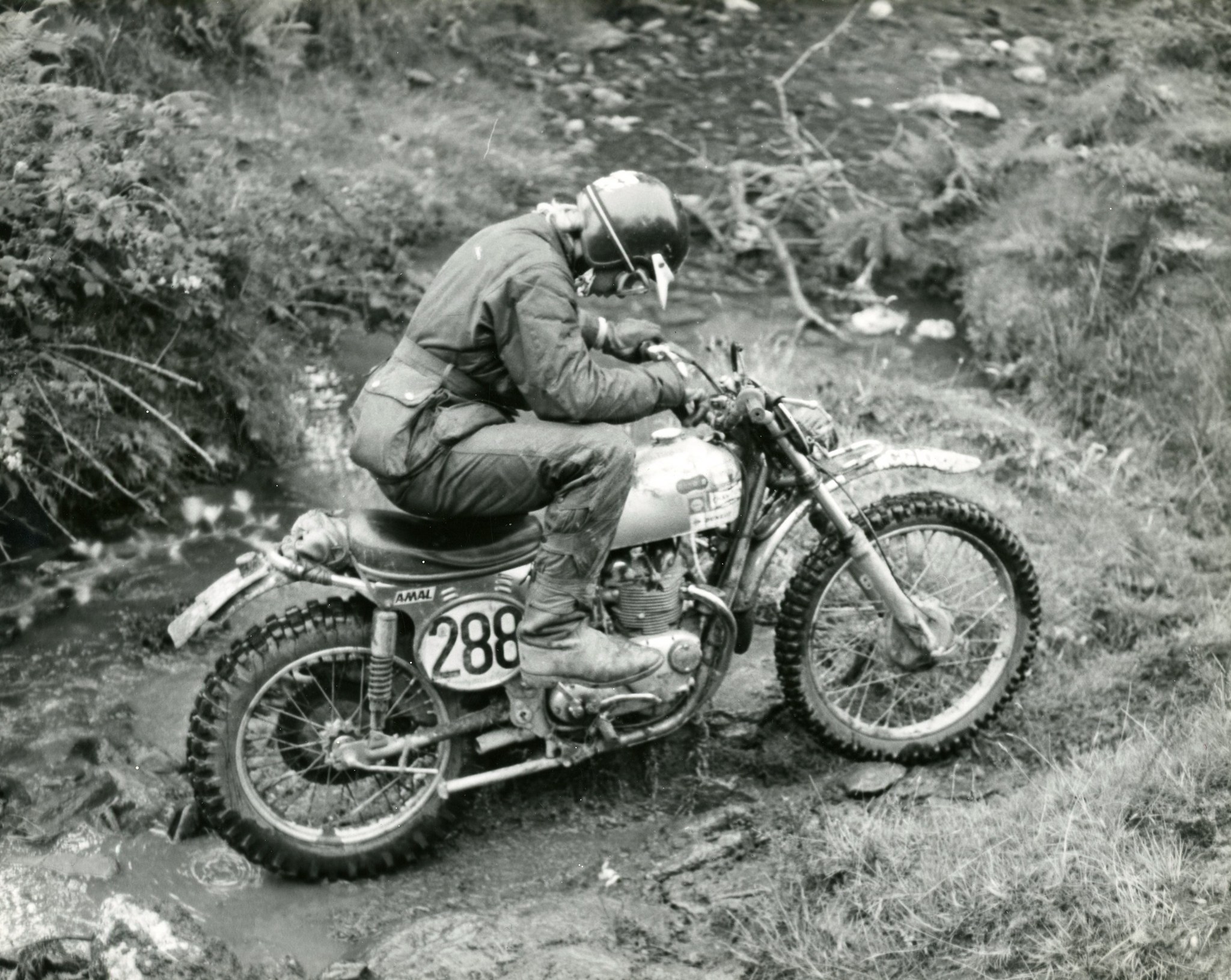
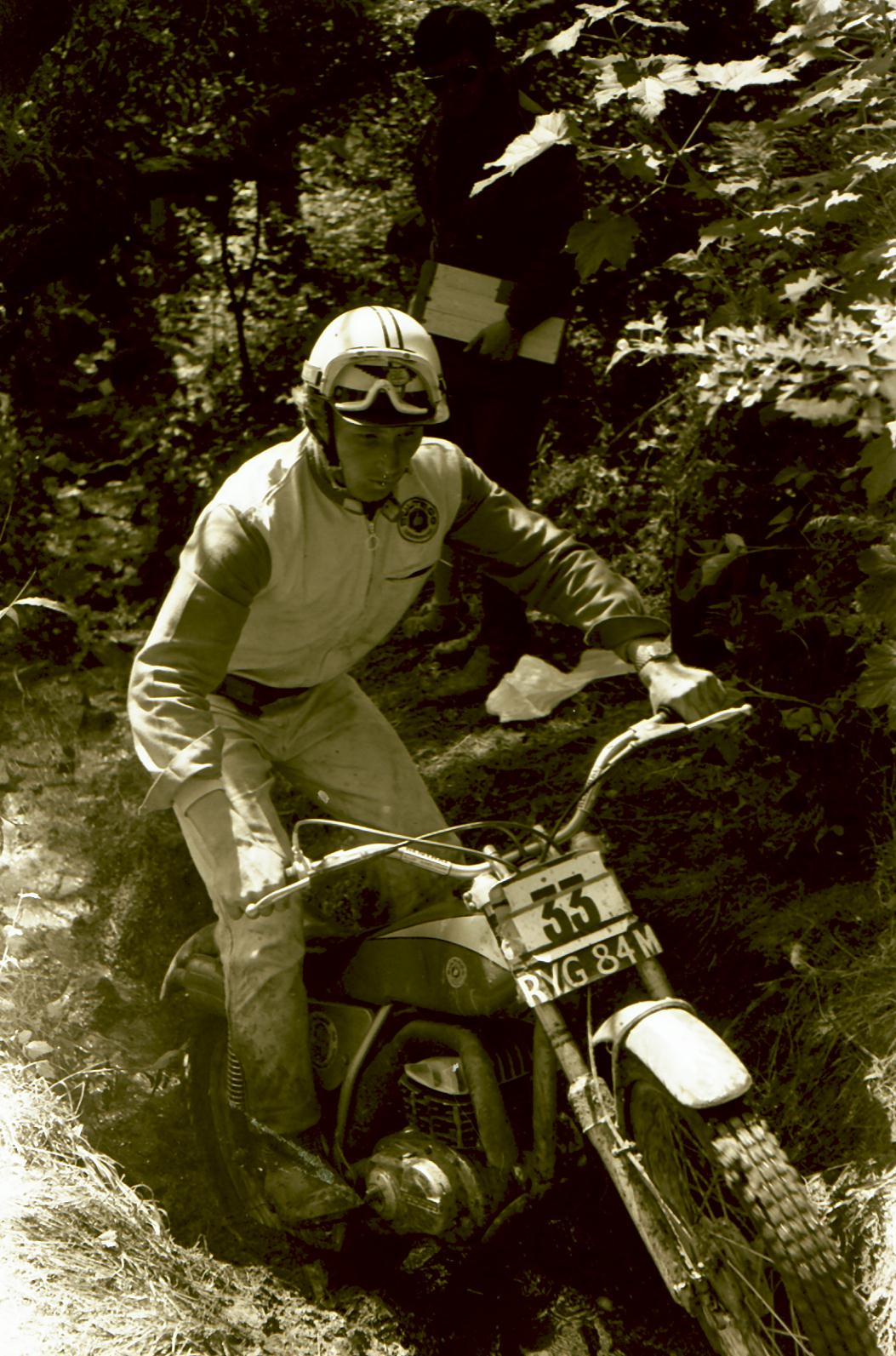


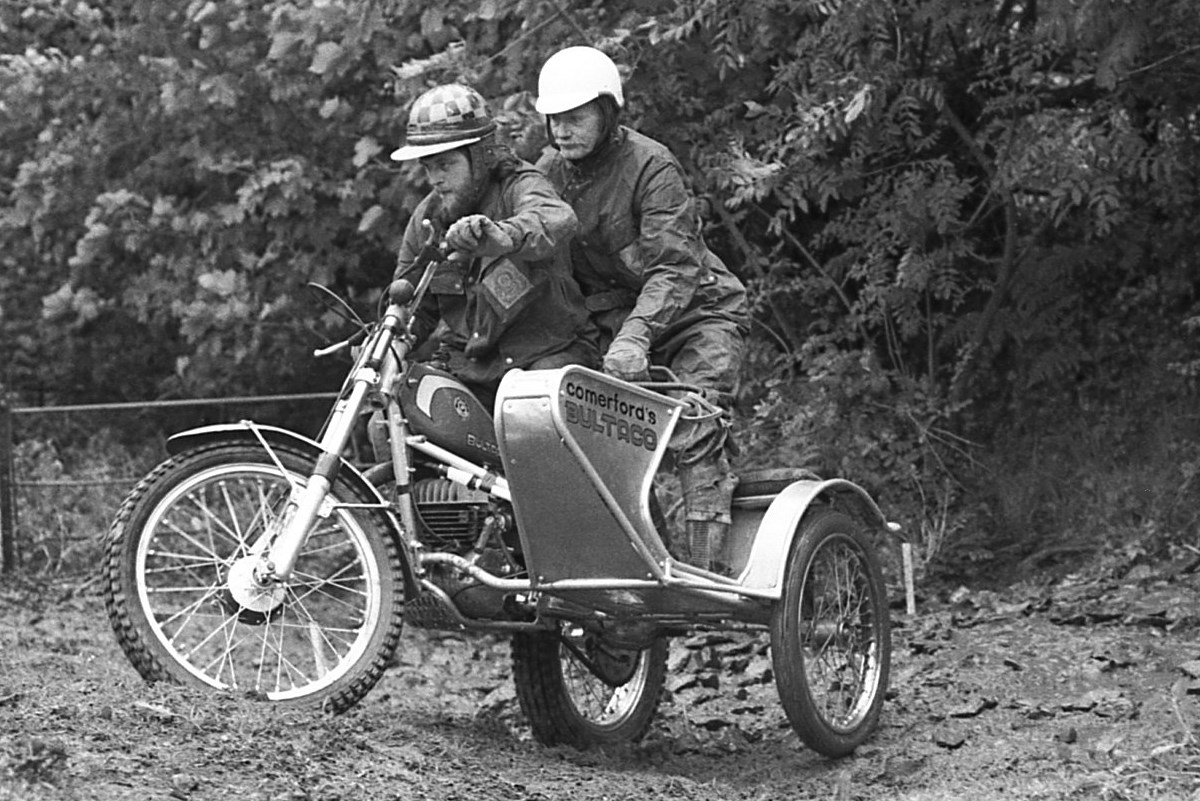






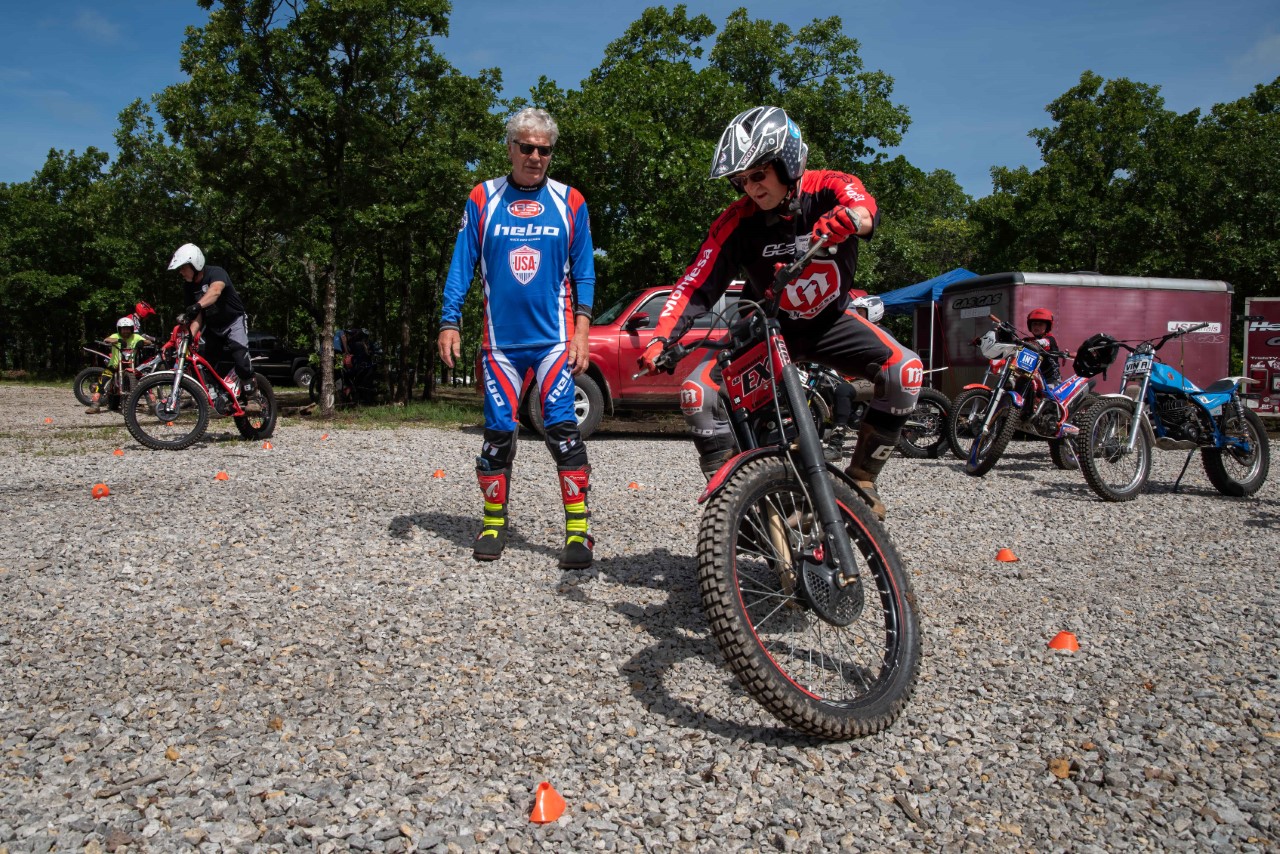


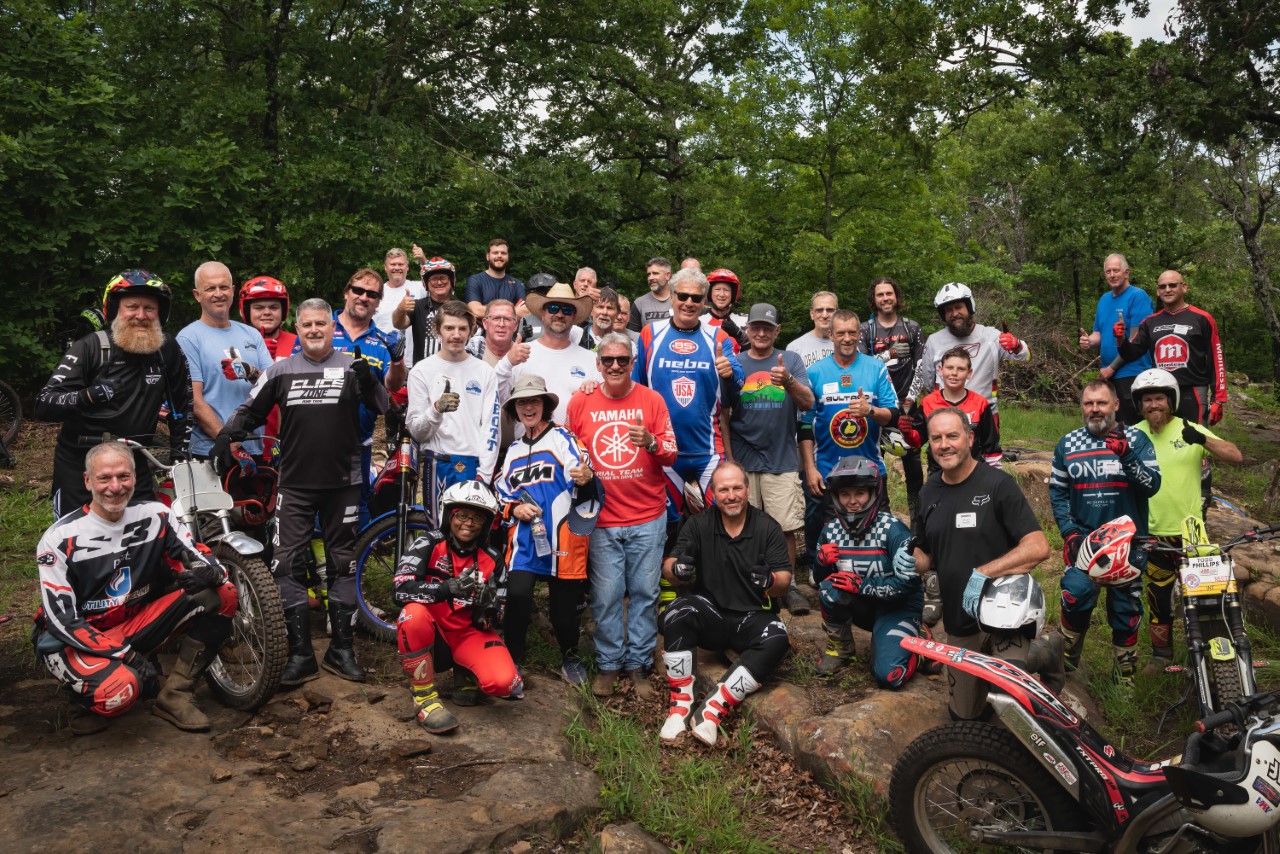
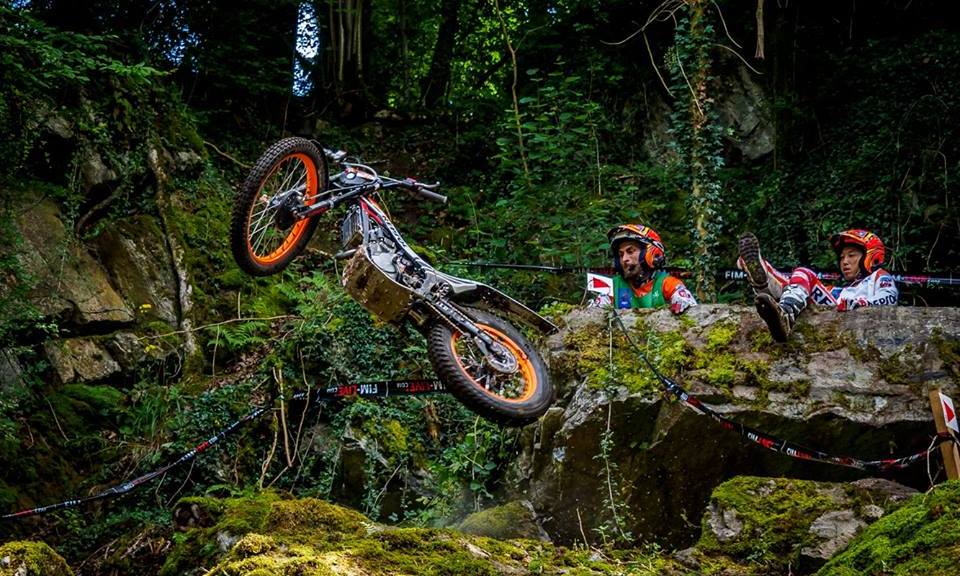
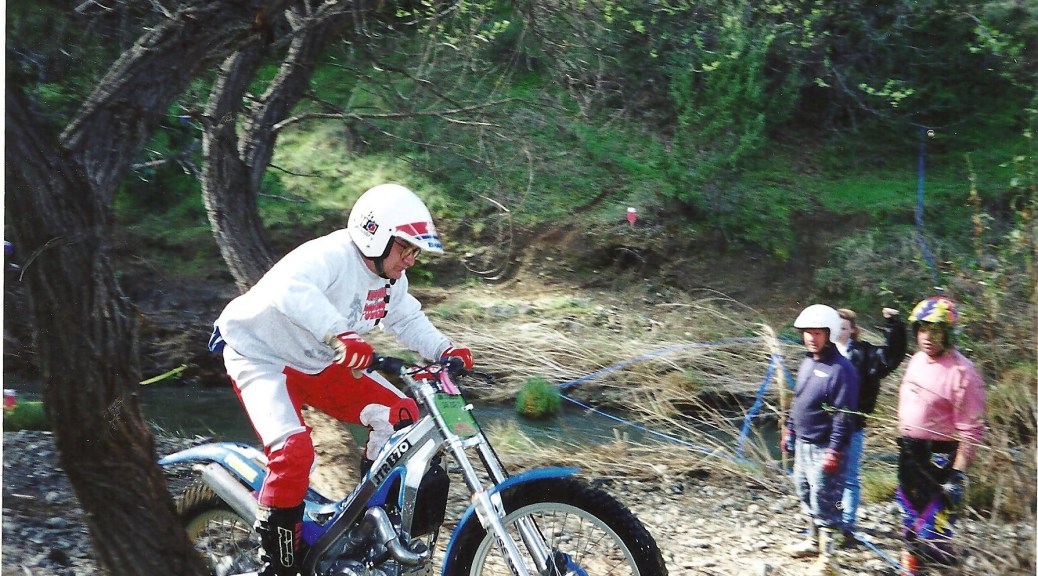


 TRIALS GURU - DEDICATED TO TRIAL