Mike Naish has been involved interviewing personalities from the South West, now it’s his turn to be interviewed by Trials Guru!
Words: Trials Guru and Mike Naish
Photos: Mike Naish Personal Collection
Trials Guru: Are you Devon born and bred Mike ?
Mike Naish: “Not exactly. I was born in a small town in the Gordano Valley near Naish Hill in Somerset during the War. We moved to Devon when my father was demobbed from the army in Egypt. Because both my Mother and Fathers families came from Devon, we moved to Exeter which was where I went to school.”
TG: How did you get involved with motorcycles ?
MN: “My interest had not always been in competition but I did have one road bike. I started off with a Harper Scootamobile which had been made at Exeter Airport as a design project, and I used it to go to work as I was an apprentice there. I had become enthused by two characters who worked there, Arthur Brown, a good all rounder in scrambles, trials and sidecars, and also Bob Melhuish who sometimes gave me a lift home on his Greeves Scottish. They advised me to go to a scramble they said would be a good one to start at. It was a world round at Glastonbury in 1962. When I saw Dave Bickers and Torsten Hallman going around that Tor circuit- I knew that level of riding was beyond me.”
Mike Naish on the Scootamobile in 1962.
“Later I had a look at a Crediton Trial that Arthur Brown was running with Alex Ridd and thought ‘ I can do this’ so I started off with a DOT that I purchased from Gordon Squires- the brother of Reg and Maurice the scramblers. It had the very heavy Earles type forks.”
Mike Naish on the 197cc DOT at Crediton Trial in 1963, being ‘back-marker’.
TG: Mike, Can you remember your first event?
MN: “Very well. It was the West of England Good Friday Trial in 1963 which started from Chudleigh Knighton Common. I was nineteen years old and I rode the 197cc, 1954 DOT from Exeter and back home. I finished last but did not retire as many did. The winner was Peter Keen on a Tiger Cub who lost sixty marks I believe. I lost about ninety and could not see how somebody could loose so little as six. I was totally knackered but felt exhilarated at finishing my first event intact.”
Mike Naish on his 250cc Sprite on ‘Featherbed Land’ in the West Of England national trial.
“As an aside I was exceedingly happy to enter the event in 2005 and to loose no marks at all, OK it took me forty-two years but I got there.”
TG: What was your first award?
MN: Ah, that would be the Novice award in a Moretonhamstead Trial on 19 January 1965, followed by the Knill Trial a week after, the miniature West of England, as it was called. It had snowed a lot and was bitterly cold, probably all the other novices retired. But really you couldn’t have a better event to get the award in and it upgraded me to non-expert. We used some of the old West of England Sections like Gatcome, Downclimb and possibly Hadrian’s Wall.”
Mike Naish on the 250cc Greeves Anglian in 1967 on ‘Ruby Rocks’ in the West Of England Trial.
TG: Was there any of those early events which particularly call to mind?
MN: “A couple, there was a Mortonhampstead event in the 1960s, April I think it was because there was snow on the ground. I had by this time graduated to a later DOT 1963 on which I had put a Marcell Barrel. I carried the bike on two planks on an outfit powered by a big 600cc Panther. Coming out of Morton down the hill to a hump back bridge, it’s no longer there, just before the rise to Lettaford, I slid into the back of a caravan towed by a Land Rover that had stopped to let another vehicle come over the bridge. The back of the caravan was all staved in by the back wheel of the DOT and I stopped there in horror thinking about the cost that I was going to have to face. I expected the Driver to come round so when he pulled away I followed him slowly expecting him to pull over to inspect the damage in a lay by. But he just carried on and on and when Lettaford turning came I peeled off and he carried on over the Moor. I bet he had a shock when he got to Cornwall. That day wasn’t my day because I was hit by a car on the trial and broke my leg. Roger Wooldridge took me back to the start and made all the arrangements to get me home The outfit stayed at Lettaford for about three weeks until I got a lift out and rode it home.”
“I also remember the West of England National in 1966, I think it was when ‘Ruby Rocks’ was used for the first time. I was on a Greeves Anglian, those Rocks seemed huge, they still do! There was a narrow road near Denbury and I was following Jeff Smith and Arthur Lampkin both on their works BSA’s, doing about 30-35mph, they were talking to each other I could see that. Well suddenly a car appeared in the lane from nowhere and they both accelerated up the hedge either side of the car and carried on talking to each other as they went. I found a gateway and got in, so the car could pass. The driver was shaking his head, I think he must have closed his eyes waiting for the crash, only to open them again and the road was clear. Such quick reactions bythose two consummate experts.”
TG: So what bikes have you had?
MN: “I liked the DOT so moved up to the square framed model- I bought that at Comerford’s at Thames Ditton. It was while I was there that I met and had a chat with my hero, Steve McQueen who was financing the ISDT team for the USA at the time, but that is another story.”
Mike Naish on the Comerford’s supplied 250cc DOT at ‘Black Dog’ section at the Crediton Trial in 1964.
“I moved on through Sprites to the ex-Brian Slee 250 BSA, then to the Greeves Anglian and then to a Montesa, a quintet of new Bultacos from the 250 to the 325 every two years, finishing up my modern era with a Fantic in the early 1980s. I had always been interested in old British bikes, I had a BSA Gold Star, so in 1984 I went Pre65 riding and bought a 350 AJS and started competing. I had three Matchless/AJS, one girder fork, one telefork rigid and a springer I converted to 410cc all to ride in the Sammy Miller Championships. I also had a BSA B40, BSA Gold Star and a Tiger Cub from Charlie’s Motorcycles in Bristol who sponsored me to ride in Scotland. I then moved on to twin shock trials and have a 175 Yamaha, a 200 Honda and the last project, a 340 Bultaco with a six speed gearbox, one of the last ones made.”
Mike Naish with his 250cc Bultaco Sherpa in 1972. The machine was delivered in kit form to save purchase tax at the time.
TG: Have you ever ridden or been involved in Scrambles?
MN: “Ridden? No, but involved? quite heavily. When I moved up to Rolls Royce in Bristol to work in 1967 I joined the Bristol Motor Cycle Club and their competition committee. Running many events like the regional restricted Don Mountstevens Trial, but also the 250cc and 500cc Grand Prix at Doddington Park for some six or seven years. That was a lot of Work. We also ran the Trophee de Nations one year and my job on the two days was as Technical Steward. I had to affix the seals to the front and back wheels and also between the head and the barrels and then check them after each race and the final. Some of the riders did not like me getting their hands on their machines, but there were great riders like Roger De Coster and that real tough man Heikki Mikkola. Dear old Walter Baker from my old club Crediton, where I had been a committee member, offered me his help and he came up on the day. Motor cycling is a close world and I have made many friends. Anyway after seeing that lot ride there was no way I was ever going to be as good as them so I decided to stick to trials.”
With Jeff Smith MBE and Keith Beards running the trial at Farleigh Castle.
TG What do you think was your biggest achievement ?
MN: “I suppose it was winning the British Championship in the Rigid Class in the Sammy Miller rounds in 1992. I was runner up in the Pre-Unit class in 1993 and the Girder Fork Class in 1994. It was these rounds that were held all over the country that allowed me to make many friends from Yorkshire to Kent. I also won the Rigid class Championship in the Five Nations in 1995 held in the UK, France, Germany, Holland and Belgium. Later that year with Mick Andrews and Jean Yves Sellin and his crew we marked out the first St Cucufa Reunion Trial held at Beauval in Normandy. That was followed by at least the next four events in Beauval that I was involved in the organisation with Fabrice and Marion Bazire- they were times that I remember with great fondness.”
“One year I managed to persuade Mike Palfrey, Vic Burgoyne, Doug Williams, Keith Beards and Steve Grinter to ride at Mons in Belgium so we all piled in to my van and Steve’s pick up and had a good old weekend in Belgium on Armistice Sunday.”
Mike Naish on ‘Pipeline’ in the Pre65 Scottish Trial on his 402cc Matchless.
“The Pre65 Scottish Trial has also been a favourite of mine and I have ridden a Matchless, Tiger Cub and BSA B40 in the seven events I have ridden. Such a feeling of achievement when you finish, never mind the result.”
TG: So how did you find time to get to all these foreign events?
MN: “When Deryk Wylde started off his Off Road Review Magazine he approached me to be Trials Editor, a job I did from 1992 to 1999 when the pressure of doing that in my spare time together with my day job got too much. I was with the Ministry of Defence and I was head of Airworthiness for the Sea Harrier which meant carrying out trials to set the flying limits with the navy at Boscombe Down with the Sea Harrier amongst other things. Prior to that I had been attached to SSBN’s on the Polaris missile trials so I was up in Scotland at the submarine base and out to Cape Canaveral for firings down to Portland Underwater Weapons Establishment for static trials. Finally as part of the team I saw the Eurofighter Engine into production at Rolls Royce, for which I was invited to a Garden Party at Buckingham Palace, one of the highlights of my life. At weekends it was either European trials or the Sammy Miller British Championships and then back at night to write the reports and submit photos if any were suitable. Family holidays always seemed to have a trial somewhere in it. Looking back now I am not sure how I did it all, but then when you’re young!”
TG: And what of the future ?
MN: “Well I am retired now, back to my home in Devon and I hope to continue my interest in trials for as long as possible.
I am a member of both the South West Classic Trials Association, SWCTA and the West of England Clubs and sit on their committees helping to run events like the Exmoor and Dartmoor 2 day Events and many others. Throughout my life I have to say that trials and trials riding has dominated and been influential in almost all the things I did both in work and play The friends and comrades made, have been second to none, and I am sure that there are many more out there that feel the same.
Now unfortunately I am losing my sight and cannot drive, but I am picked up by club members to attend meetings and events where I can, and it is good to catch up with everything that is going on.”
Mike Naish, South Western trials Superenthusiast and writer of ‘Chatting with Mike Naish’ series on Trials Guru is of course a Trials Guru VIP.
‘Mike Naish – The Full Story’ is the copyright of Trials Guru and Mike Naish.
Apart from ‘Fair Dealing’ for the purpose of private study, research, criticism or review as permitted under the Copyright, Design and Patents Act, 1988, no part of this article may be copied, reproduced, stored in any form of retrieval system, electronic or otherwise or transmitted in any form or by any means, electronic, electrical, mechanical, optical, chemical, photocopying, recording or otherwise without the prior written permission of the author as stated above. This article is not being published for any monetary reward or monetisation, be that online or in print.
Words: Trials Guru; Tony Davis; John Dickinson; Deryk Wylde; Mike Naish and Tommy Sandham.
Photographs: OffRoad Archive; Gordon Francis; Eric Kitchen; Mike Naish; Barry Robinson; Sammy Miller Museum; Gordon Bain Photography.
It is now, in 2025, seventy years since the publication, ‘Trials Riding’ first appeared on book stalls in 1955. It was a significant publication for the sport of motorcycle trials at the time. Copies of that first edition and subsequent editions, are still being traded on online auction platforms. But the question that some may be asking is… Who was Max King?
“The past is a foreign country, they do things differently there“. Not so many years ago, books were regarded as important reference works on most if not all subjects. Since the advent of the world wide web, this has changed with the information superhighway leaving printed matter way behind. Now books are a novelty, they are not bought in their thousands anymore, with many ending up in discount book stalls. We also live in less formal times, we live in ‘instant’ times with information at the touch of a keyboard or mobile device and more recently Artificial Intelligence or ‘AI’ for short. Back in the 1950s it was a different world, people were emerging from a second world conflict and the sport of trials had made a comeback. Weekly motorcycle newspapers flourished and had recommenced presenting reports of national and international events, it was all done by the written word on paper. Books were very definately reference material of significant importance. It was a different time with different methods, no mobile phones, no internet, no videos, no social media, television was in its infancy and radio still ruled the roost. This was the world and the time of Max King.
But who was Max King?
The younger reader of Trials Guru might well ask, ‘Who was Max King?’ and that would be a fair question!
Max King in 1959 on the standard form BSA 250cc Star (C15T), taken near his Dorchester home – Photo: Gordon Francis supplied by: OffRoad Archive.
The Trials Rider’s ‘Bible’:
Frederick Maxwell Wright King was born in Devon, England in 1916 and he went on to write one of the first books exclusively published on the sport of motorcycle trials. The book, entitled simply ‘Trials Riding’, was published by Temple Press Ltd., Bowling Green Lane, London E.C.1 in 1955, this was the first edition, priced at seven shillings and sixpence, there would be updates over the next twenty-one years as the sport evolved.
This book was regarded by many as the trials rider’s ‘bible’. The early editions were in association with the motorcycling press, namely Motor Cycling or the ‘green un’ as it was known, this enabled King access to many images taken by the staff photographers and therefore keep on the correct side of copyright which was owned by the publishers and guarded feverishly.
Here was a book that prior to 1955 did not exist. Max King as a young trials rider had searched for such a publication, but to no avail. So, he decided to write one himself. As we will discover later in this article, without a doubt ‘Trials Riding’ inspired novice riders, introduced young people to the sport of trials and was read by all the established aces!
‘Trials Riding’ by Max King, first edition from 1955, published by Temple Press Ltd. The top image is of George Fisher on a factory Francis Barnett MWK499 in the 1954 SSDT, the lower is lady trials rider, Olga Kevelos in the same event on her 197cc James.
Second Edition: 1960
The second edition was released in 1960, priced at eight shillings and sixpence, five years after the original copy, the second edition was billed as being: ‘revised and updated’. Temple Press was primarily a publishing company who were prolific in automotive publications, transport themed books and magazines, they operated from 1900 until around 1964.
Max King – Trials Riding – Second Edition, the dust cover features John Brittain on his works Royal Enfield HNP331 and the author, Max King on his works supplied BSA C15T, YOE388.
Max had developed a liking for motorcycles as early as 1924 when he was just eight years of age. Like most young men of his era, the Second World War raged from 1939 until 1945, so all trials activity ceased completely, recommencing in 1946, and even then it was very low key due to ongoing fuel rationing right up until King wrote the first edition of his book. King was a member of the local Otter Vale MCC and effectively took up the sport at 30 years of age.
In 1950, Max was so impressed with the performance of Triumph’s Trophy model in the hands of Jim Alves from Somerset, he purchased one the following year. The machine didn’t however live up to his expectations and he found it difficult to ride in muddy conditions, but it was just the tool for long distance trials, such as the MCC Land’s End and Exeter trials. In these events he excelled, always picking up first class awards on the 499cc Triumph.
The first Foreword:
Max King managed to persuade B.H.M. ‘Hugh’ Viney who at that time was at the peak of his trials career, being an ACU ‘Gold Star’ holder, winner of many national trials and four times winner of the Scottish Six Days Trial, to write the Foreword to the book. Viney was at this time the competitions manager of Associated Motor Cycles Ltd in Plumstead, who owned AJS, Matchless, Sunbeam and James, at the time Britain’s largest producers of motorcycles. Viney was known to be a rather reserved, possibly aloof character, so persuading him to write the Foreword must have been a challenge in itself.
By reading Viney’s foreword it becomes evident why the great man agreed to write it. Viney and King apart from trials had something else in common, Hugh Viney had been a local government officer, now referred to as ‘civil servant’ and so of course was Max King. That was probably the ice breaker and of course, Viney wouldn’t put his name to the book until he had read the manuscript!
Viney’s foreword, which no doubt excited Max King no end, was typically very formal with Viney referring to Max as “Mr. King” throughout. This served to reinforce the belief that Viney was a very formal gentleman. Having the Foreword written by Hugh Viney was a smart move, it would help sell more books!
We can do no better than to quote from the last paragraph of Viney’s Foreword: “To sum up, I am full of admiration for the painstaking way in which Mr. King has covered ever facet of the trials game. Whilst catering primarily for the man who is thinking about taking up the sport or who has not long been in it, I feel sure that this book may well become the standard work on his chosen subject.” BHM VINEY [1]
The acknowledgments list from ‘Trials Riding’ in 1955. Quite a listing. (Photo: Mike Naish) [6]
But being a book author or writer wasn’t his profession, albeit he was a trials competitor, writing wasn’t his day job. Max also wrote articles and carried out a variety of machine tests for British and American motorcycling magazines. King was very much ‘old school’ as far as his writing was concerned. It was a case of imperical research, strictly all his own work, he didn’t copy, that was not his way. All his work was original material. Max King whether he knew it or not, was a true pioneer!
The mentor, Ken Haydon:
Ken Haydon on his 500T Norton competing in the Beggar’s Roost Trial – Photo: Ken Haydon Collection
During research for this article, it was evident that Max King refers to his ‘mentor’ in trials as Kenneth Haydon. We were indeed fortunate to secure the permission to use some of Ken’s photographic archive a few years ago.
Max King’s mentor, Ken Haydon (right) with son Ian, who became a multiple South Western ACU trials champion, about to unload a T20 Triumph Tiger Cub in 1964. (Photo: Ken Haydon Collection)
The reader would also be excused if he/she assumed that King’s occupation was within the media, as he regularly broadcast on radio over a twenty year period for the BBC, both regional and national covering motorsport. This was usually undertaken at the BBC’s unmanned radio station in Exeter. This connection with the BBC was set in motion when the publisher of ‘Trials Riding’, Temple Press had sent out sample copies to the media to court book reviews. A copy was received by the local BBC in Bristol and eventually approached Max to cover motorsport on the regional radio, BBC Radio 4 – South and West.
So what did Mr. King do for a living?
Max King was an ‘Environmental Engineer’, nowadays referred to as a ‘Civil Engineer’, working for Barnstaple Rural District Council, Devon County Council and finally the Dorset County Council, which he took up in 1949 and remained there for twenty-four years. King was an acknowledged expert in water and sewage systems. It is believed that Max enjoyed a good salary from his employment and therefore would have had a good standard of living. In 1954 his personal transport was an MG Magnette saloon locally registered in Dorset as GTK60. New, this model of car would have cost £915 in 1953.
In 1973, he was appointed main drainage manager of the Avon and Dorset Division of Wessex Water and, later in 1975, he was made divisional director, responsible for water supply, main drainage, waste water treatment, fisheries and rivers management. He then became President of the Institution of Public Health Engineers in 1973 until 1974.
In 1978, having served forty-two years in local government and the water industry, Max left Wessex Water to set up his own consultancy practice in north Devon, before his retirement in 2003 at the age of 87.
King was a married man, his wife was called Peggy who died in 1989 and they had an only son, Robert who rode trials for some years, but had to give up due to a serious knee injury caused by playing rugby. Sadly, he predeceased Max, passing away after an illness in 2003. The ‘Trials Riding’ books were all dedicated to his wife, Peggy.
Max King (left) watches Peter Stirland (250cc Greeves) on ‘Achintee’ at the Scottish Six Days Trial – Photo: OffRoad Archive.
Max King owned or was loaned an array of interesting trials machines over the years. In 1959 he obtained a new BSA C15T, the 249cc single that was seen to be the replacement for the BSA Gold Star in trials. King’s machine was registered YOE388 by BSA, but was a fairly standard model with the heavy steel hubs and chrome plated steel fuel tank.
Putting theory into practice, Max King shows quiet confidence as he tackles a muddy stream exit. Max’s factory supported 250 BSA is the one used by West of England stalwart Vic Ashford later on. (Photo: OffRoad Archive)
The machine eventually found it’s way to Vic Ashford, the South Western star, as a stop gap machine while the factory prepared a bike for him to ride as a semi-works rider.
Vic Ashford body leans Max King’s 250cc C15 BSA, YOE388 which was a works supplied machine.
Later, King upgraded the C15T, he had fitted an alloy fuel tank and the wheels replaced with those fitted with Triumph Tiger Cub hubs, which were appreciably lighter. Previous to this machine he campaigned a 1953 Francis Barnett ‘Falcon 62’, locally registered with Devon Council as ODV200. Later, King obtained the ex-factory Francis Barnetts, registered PKV331 and TDU497.
The 776BOP connection:
Max King testing the factory BSA that he would eventually own, the B40 registered 776BOP – Photo: Gordon Francis (This photo appeared in Max King’s book, Trials Riding).
Later in 1969, King ended up with the 1960 factory BSA B40, registered 776BOP which had been issued to Jeff Smith (1960-62), Tony Davis (1962-64) and Jim Sandiford (1964-1966) in that order.
Jeff Smith aboard 776BOP – Photo: OffRoad Archive.
Jeff Smith rode the machine until just before the 1962 SSDT in May, when the bike was passed over to Tony Davis, Smith having been injured in a motocross event a few weeks before.
Jim Sandiford on 776BOP on Grey Mare’s Ridge in the 1964 Scottish Six Days Trial – Photo: OffRoad Archive.
Sandiford rode the BSA for two years, following Tony Davis who defected in 1964, with brother Malcolm, to ride for Greeves. King acquired 776BOP from BSAs and had ownership of the machine from 1966 until 1970, when he traded it in to Ken Heanes at Fleet, Hampshire, in exchange for a 1966 ex-ISDT Triumph 500cc twin which Heanes had himself used. Registered as HUE252D, Max competed in his favourite event, the MCC ‘Edinburgh’ long distance trial. When Max acquired 776BOP it had been fitted with the Victor type frame, similar to the 1963 BSA works bikes of Arthur and Alan Lampkin, and a 250cc cylinder barrel fitted to the B40 bottom end.
With ‘The Squire’ Ralph Venables watching (far right), Tony Davis (776BOP 343 BSA) in the 1962 John Douglas Trial. Photo: OffRoad Archive.
This machine eventually ended up in the custody of Tommy Sandham around 1975, at that time a Post Office telephone engineer in Airdrie, Lanarkshire, Scotland, who later worked for several years at Trials & Motocross News and wrote several books on the Scottish Six Days Trial and Honda Trials machines. It was this machine that brought Sandham to the sport of trials. 776 BOP eventually returned to the private collection of Jim Sandiford, but was sold on, following his death to dairy farmer Bryan Payne from Yorkshire, the current owner.
When he was a new boy to trials, Tommy Sandham seen here on 776BOP with the ‘Triumph’ decal on the fuel tank, during the period when he owned the BSA – Photo courtesy T.D. Sandham.
Tommy Sandham: “I bought 776BOP from Ken Heanes’ shop. It was all mucked about with and its fair to say I never got on with it. It had ‘Triumph’ stickers on the tank and the tappet inspection plate also being a Triumph component. Needless to say I soon sold it, buying a 250 Bultaco Sherpa from Airdie car dealer Dougie Watson. I had put a classified advert in Motor Cycle News and on the Thursday the phone rang at 7am and Mick Bradbrook, a collector of BSAs sent up a van from Purley, Surrey with money. I can’t remember how much I sold it for.“
Tony Davis trying hard on the factory BSA B40 – 776BOP – Photo: OffRoad Archive.
The BSA B40 ‘776BOP’ was to become quite a machine and connected many people from the sport of trials over the years and still does!
Tony Davis with the 343cc BSA, 776BOP; Alan Lampkin with BSA C15, 748MOE and Mike Bowers with his special BSA Bantam at the 2024 Highland Classic Two-Day Trial at Aviemore – Photo: Gordon Bain Photography, Inverness.
776BOP BSA B40 photographed in 2024 at the Highland Classic Two-Day Trial at Aviemore – Gordon Bain Photography
By 1967, King was writing prolifically for Cycle World magazine in the USA, supplying machine tests for the new Cotton and the new Saracen trials machines. He also wrote general articles on the sport, helping to popularise trials across the Big Pond.
1966 photograph of Max King with a brand new Greeves Anglian, being tested for an American magazine. The machine carries a factory registration mark. Photo: Gordon Francis courtesy of OffRoad Archive.
Fourth Edition: 1972
The fourth edition from 1972 shows Mick Andrews riding ‘Laggan Locks’ on the factory OSSA winning the 1970 Scottish Six Days Trial. The original photograph was taken by Brian Holder. [3]
The fourth edition, released on 26th October 1972, now fully titled as ‘Motor Cycle Trials Riding’ was proclaimed as being ‘completely revised’ and now published by Pelham Books Ltd., Bedford Square, London with the dust cover featuring Mick Andrews on the factory Ossa during his winning 1970 Scottish Six Days ride. Andrews actually contributed to the publication, but the Foreword was now written by Gordon Farley, the 1971 and 1972 British Trials Champion on Montesa. The recommended retail price of the fourth edition was £2.50 net. The photographs brought the publication bang up to date with many of the action photographs depicting the popular trials machines of that era, namely Bultaco, Montesa, Greeves Pathfinder, Suzuki and a photo of Dave Thorpe on his Ossa, which was the ‘Pennine’ model as this was just prior to the ‘Mick Andrews Replica’ model which was released later that year. Not only photographs of machines uodated the book, so did photographs of current riders, such as Malcolm Rathmell, John Hemingway, Mark Kemp, Alan Lampkin and of course Gordon Farley and Mick Andrews. Local men, close to King, Colin Legg and John Poate from the west country assisted Max with machine tests by this time.
Gordon Farley (Montesa Cota 247) at the Inter Centre Team Trial at Ludlow in 1972 – Photo copyright: Eric Kitchen.
So what did British Trials Champion, Gordon Farley, the man who dethroned the great Sammy Miller, bring to the book?
Max King had approached Farley to write the Foreword for his revised edition, when he was trying to win his second British Championship in 1971. Again we can do no better but to quote from the Foreword from the fourth edition of ‘Trials Riding’.
Farley: “I knew, at first hand, how indispensible Max’s book had been because the first edition came out when I was a boy at school. Even then, I was keen on motor-bikes and interested in trials. But it was Max King’s enthusiasm – which his book reflected so clearly – that made me determined to have a go myself as soon as I was old enough and could get a bike.” “A thing that had always impressed me was that although Trials Riding was written, primarily, with the novice in mind, I knew for a fact that most of the top men in the trials world had read, enjoyed and benefitted from Max King’s book.” [5]
Gordon Farley’s Foreword was much less formal than Hugh Viney’s version. Mick Andrews special contribution was to bring information to the reader on the European and American trials scene. Remember that the World Trials Championship was still two years away with a ‘Pan-European’ series in 1974.
Having enlisted the assistance of a British Trials Champion, Gordon Farley and a European Champion, Mick Andrews, this gives some idea of Max King’s stature in the sport of trials over a long period of time.
After he retired from trials riding, Max King took up car trials and eventually long distance events by car, driving for Team Hartwell in specially prepared 998cc bored out Hillman Imps by George Hartwell Ltd in Bournemouth.
Max King formed a relationship with Bournemouth tuning company, Hartwell.
Fifth Edition: 1976
The fifth and final edition is a copy that doesn’t seem to come up often in auctions, this edition was also published by Pelham Books on 26th January 1976. The front dust cover featured Malcolm Rathmell on the 1975 prototype Montesa Cota 348.
The fifth and final edition of ‘Trials Riding’ the front dust cover featured Malcolm Rathmell on the factory Montesa Cota 310cc prototype, registered as GEN600N in the 1975 Vic Brittain Trial on’Hawkswood’. Rathmell won on the machine on its first outing. Photo credit: B.R. Nicholls. [4]
We managed to locate a copy of the elusive Fifth Edition of ‘Motor Cycle Trials Riding’ in Sweden! The retail price in 1976 was £3.95. The Foreword was written by Malcolm Rathmell who featured on the dust cover. Again, Malcolm’s Foreword was much less formal than the original written by Hugh Viney, thus reflecting the change over time in society from 1955 to 1975.
Malcolm Rathmell in the 1975 Jack Leslie Ellis Trial on the factory prototype 310 Montesa – Photo copyright: The Estate of the late Barry Robinson.
Rathmell said in his 1976 Foreword: “In my opinion, Motor Cycle Trials Riding is in a class of its own. I can only endorse what Hugh Viney predicted and Gordon Farley said in his Foreword to the fourth edition that Max King’s book sets the standard against which all others must be judged.” [7]
Inside the fifth edition is a small ‘Addendum’ pasted inside the first inner leaf page it reads: “ADDENDUM At the time of going to Press, the results of the 1975 FIM World Trials Championship and of the 1975 British Trials Championship were not known. Martin Lampkin, riding a 325 Bultaco, became the first official holder of the World trials title. It was a well-deserved victory and I congratulate him warmly. Malcolm Rathmell (Montesa) won the British Trials Championship for the third time in four years and came very near to success in the World contest. Congratulations to Malcolm, also!” [8]
The Fifth Edition of ‘Trials Riding’ attempted to bring the publication bang up to date for 1976, with reference to the new wave of Japanese built trials bikes, pioneered by Christian Rayer in France and Mick Andrews in the UK with the Yamaha TY series; Sammy Miller MBE with the Honda TL effort and Don Smith with the Kawasaki KT series. Gordon Farley had by this time defected from Montesa to Suzuki, thus making up the main four Japanese challengers to the Spanish stronghold over the sport.
In the Fifth Edition, Max was able to use close up photos of Sammy Miller’s development Honda TL to illustrate the publication. Registered as ‘SAM1N’, King even tested the machine a week after Sammy had competed on the Honda in the 1974 Southern Experts Trial.
Sammy Miller’s specially converted Triumph 2.5Pi converted to a pick-up with the 300 long-stroke Honda and a production TL125 on board – Photo credit: Sammy Miller, New Milton
1975 also saw the release of another book on trials, ‘Ride It: The complete book of motorcycle trials’ by Don Smith, albeit partly ghost written by author and journalist Graham Forsdyke. Cheeky Londoner, Smith of course had a reputation for ‘pulling people’s legs’ and he intimated to Max King some years previously that he “kept his well thumbed copy of Trials Riding strapped to the tank of his bike at all times”.
There is no doubt though that Don Smith had read Max King’s books and was more than likely spurred on to write his own books on the sport, as a result.
The publishers of King’s ‘Trials Riding’ in 1972 and 1975, Pelham Books was incorporated in 1959 and are still listed on Companies House, but as a ‘dormant company’ currently.
The photographic content in the Fifth Edition was credited as follows: Brian Holder; Cecil Bailey; Gordon Francis; Alberto Mallofre (Montesa); Central Photographic Unit, Dunlop; K.W. Haydon; Peter Fraser; Pacific Northwest Trials Association Inc.; Peter Howdle; B.R. ‘Nick’ Nicholls.
Trials Riding, the book:
So we have now established who Max King was, where he was brought up, what machines he rode and that his original book was revised five times. What about the book itself?
The ‘Contents’ page from the 1955 edition gives a good insight as to what was covered: [2]
Chapter 1: The Trials Motorcycle – its Characteristics and Points Governing its Selection.
Chapter 2: The Trials Motorcycle – its Specification
Chapter 3: What to Wear
Chapter 4: The Make-up of a Trial and Some Notes on Trials Organisation
Chapter 5: Hints on Machine Control and Tyre Pressures; Typical Trials Sections and Suggestions on how to Ride Them
Chapter 6: The Special Test
Chapter 7: The Beginning!
Chapter 8: The First Trial
Chapter 9: In the Thick of it!
‘Trials Riding’ was effectively the trials rider’s bible, it covered most subjects encountered by a prospective competitor, as Viney stated in his Foreword: “… catering primarily for the man who is thinking about taking up the sport or who has not long been in it, I feel sure that this book may well become the standard work on his chosen subject.”
The book was written in the formal style of the period, immediately post-war, well punctuated with perfect grammar and spelling. The book is well illustrated with black and white photographs of the period, again these are period specific and King used photographs taken near his home to demonstrate a variety of the subjects. Many of these photographs were taken by Gordon Francis, a friend of Max King’s. Factory publicity photographs were used to display the various machines used in trials at that point in time, both four and two-stroke machines aplenty!
The revised editions updated the publication, mirroring the changes in the sport over a period of twenty-one years. The first edition in 1955 through to the final fifth edition in 1976.
Frederick Maxwell Wright King passed away in Tyspane Nursing Home in Braunton, Devon on September 22nd, 2014 aged 98 years, he led a full life and a satisfied one. His funeral was conducted, as set out in his will, to exact requirements in music and readings, with acknowledgements. This was not unusual for Max who had always been most particular and precise in all his business and was his manner, according to family members. We asked some characters of the sport if they had met him back in the day and here are the results.
Max King, Mike Jackson and Gordon Jackson in October 2009 at the ‘Up Memory Lane’ gathering – Photo: Mike Naish
Mike Naish of the West Of England Club: “I met Max King in 2009 when the South West Classic Trials Association ran their ‘Up Memory Lane’ gathering and dinner at the Golf Club in Tedburn St. Mary, Devon just outside Exeter and just over the hill behind my house. I was on the committee and my part was to take all the photos and produce a booklet for those who wanted one. Also as treasurer to pay all the bills. That year our guests included Max King and Gordon Jackson who had recently moved to Devon and was farming. As Max in his early days was working at weekends on local radio reporting on the local trials and interviewing trials personnel, we thought it would be good for Max to interview Gordon Jackson as a feature of two of the guests. This was going to be interesting for all of us such was the charisma of the two gentlemen. All went quiet, there was no preamble and Max went straight in with ‘Why did you have that dab?’ Everybody in the room of one hundred and twenty people all roared with laughter! They all knew what ‘that dab’ was, with the possible exception being my wife. ‘Well, I needed it’ said Gordon. And so the interview went on and was so interesting for us all. Later, I went to talk to Max and obtain his signature on my copy of his book, which happened to be a first edition. Max said he personally did not have one, he only had a second edition.“
Max King’s signature and message in Mike Naish’s first edition of ‘Trials Riding’ – Photo: Mike Naish.
Tony Davis, former BSA, Greeves, Montesa, AJS, Bultaco and Suzuki works rider: “Max was very good to both Malcolm and myself in the early years, probably because we were all west country boys (tractor boys). I had some good times with Max over the years and especially at the SSDT.“
John Dickinson, former Editor Trials & Motocross News: “Max King! I only met him once, in the early 1980s when he was staying in what was then The Grand Hotel in Fort William at SSDT time, in the company of Jim Courtney. I thought it odd that such a refined chap, his speech was very ‘posh’ indeed, was involved in trials. If Ralph Venables was ‘the Squire’ then Max King was ‘the Lord’.”
Deryk Wylde, author of several books on motorcycling and trials and editor of Off Road Review magazine: “I knew Max King very well indeed and in his later years I visited him at his home, he was by then very frail. Max’s book, ‘Trials Riding’ was my introduction to our world of trials, whilst I was still at school. Many of the photographs were taken by Gordon Francis another of my good friends.”
Tommy Sandham, former Production Editor at Trials & Motocross News: “I wrote to Max King back in 1975, having spoken with him at Edramucky, watching the Scottish Six Days Trial there on the Monday. Here are the two replies I received from him. Like many I had a copy of his book, ‘Trials Riding’ which, for a beginner, was a fantastic publication. I later went on to write books which covered the SSDT and the Honda Trials effort, along with other publications on panelcraft.“
Max King’s reply to Tommy Sandham in 1975.
John Moffat, owner of Trials Guru website: “When the fourth edition of Max King’s book was released, I was in third year at secondary school in Scotland, my Dad had bought a copy. Two years later I would ride my first trial. I still have his copy complete with a ‘Dymo’ label in red with his full name affixed to the inside front page. I admit that I had read it from cover to cover, over and over again. I have met a lot of people in the sport over the years, but I regret not ever meeting Max King, if only to thank him for bringing so much knowledge and enjoyment to me as a new rider back in 1974.“
Whilst we said at the beginning of this article that books were not popular now, it is interesting to note that people are still buying copies of ‘Trials Riding’ some seventy years after it was first published, albeit when book collections are broken up and sold off or sadly the owner shuffles off this mortal coil and their books are moved on to new custodians.
Copies are frequently offered for sale online across the globe at between ten and twenty times the original sale price of the copy. Higher prices are achieved if the book has retained the coloured dust jacket and in good condition.
We wonder if you, the reader now, reading this article was inspired by Max King’s work?
Hartwig Kamarad who is the curator of the 1st European Trial Museum in Austria, has a first edition copy of Max King’s ‘Trials Riding’ in the museum collection.
Max King left a legacy which has survived the test of time, his unique work still exists amongst enthusiasts, he certainly left his presence in the sport of trials.
This article is dedicated to the late Frederick Maxwell Wright King, no breach of his copyright is intended and only minimal excerpts have been taken from his work, ‘Trials Riding’ and referenced in the bibliography below.
Bibliography:
[1], [2], [6] Trials Riding by Max King, 1955 (Temple Press Ltd) – [1] Page X & [2]VII [6] Acknowledgements Page.
Daily Echo Bournemouth – Obituary of Max King, October 2014
With special thanks to: John Dickinson; Tony Davis; Tommy Sandham; Mike Naish and Deryk Wylde for their assistance in the making of this article.
Article copyright: Trials Guru 2025 – DEDICATED TO TRIAL
Apart from ‘Fair Dealing’ for the purpose of private study, research, criticism or review as permitted under the Copyright, Design and Patents Act, 1988, no part of this article may be copied, reproduced, stored in any form of retrieval system, electronic or otherwise or transmitted in any form or by any means, electronic, electrical, mechanical, optical, chemical, photocopying, recording or otherwise without the prior written permission of the author as stated above. This article is not being published for any monetary reward or monetisation, be that online or in print.
This interview was with somebody who is a quiet, unassuming, reserved man, yet a rider who had great determination and skill in his chosen sport of scrambling/motocross through the years. Perhaps recognised more in the Pre’65 era, he had a riding style and reputation as a gutsy wild man and was instantly recognisable, a Triumph Metisse, throttle wide open, bike broad-siding but fully under control, the rider in a determined concentrated posture. Now retired from Motocross but keeping his hand in at local trials, that man is Roger Neale.
Roger Neale in 1974
Mike Naish: Where are you from and how did you get into motorcycling?
Roger Neale: “I was born in Dittisham in 1949 and went to the local school until I was 15. My Dad used to do a bit of grass track and he also used to go and watch scrambles with a bloke in the village, and I went with them. There was a rider near the village that used to ride and I thought ‘I could do that’. In 1963 I was given the opportunity to have a ride at Plymouth speedway. I was fitted out in all the gear and then I went into the fence in the first race and that was that, Dad would not sign the contract.”
“I had an Enfield road bike and in 1964 I traded it in for an old 1961 Greeves MCS at ‘Crooks’ in Totnes, where Brian Trott used to work. In fact it was Brian who brought the bike down to me in a pick-up. My Dad didn’t want me to ride in scrambles so I kept it up at the farm where I worked at the top of Dittisham, so of course then I had to walk to work every day having sold the road bike. I used to ride the bike around the fields and my parents wondered where I was going every Sunday, so one day they followed me and saw me riding but in fact they were all right about it. I had a BSA C15 road bike after a while to ride on the road.”
MN: What was your first event?
RN: “It was a South Molton scramble in 1964 on the MCS Greeves. I remember it was a course where we had to go up and down a valley with a river in the bottom. I did about five or six meetings on the MCS and then we found we were pushing it more than riding it so my Gran lent me the money to buy a Greeves Challenger. I rode Greeves from 1965 to 1969 finishing up with a Griffon. I started off in junior events and picked up a little bit of money and did additional work cutting grass which helped to pay my Gran back and then after a couple of seasons I got upgraded. We went up and rode at Tweseldown and did well on the two-fifty and Greeves started helping me with spares. Pat Trott had rang them up and asked them to sponsor me, and they did with 50% in the cost of spares. The Trott family were good to me. Pat could be a bit fiery at times but she has a heart of gold. My Dad and Cyril Tucker who owned the local shop used to do the maintenance on the bikes. When Arthur Browning and Dick Clayton had the Greeves Griffon they had very big frames, but because Vic Allan was quite short they made him a special low-line frame. They also gave me the same low-line rolling chassis that I could put my engine in because I was also quite short.”
MN: Who was your next sponsor?
RN: “I was sponsored by Bernard Taylor on Husqvarna on the understanding that Reg Squires looked after the bike. Of course in those days sponsorship was quite good they would give you the bike, all the spares, riding kit, the lot. That was followed with a BSA B50 from Pete Tizard and Weymouth Motorcycles and a succession of Japanese two-strokes from dealers in the South West which included Bernard Singleton, Fluff Brown, Torbay Motorcycles, Devon Motocross and Damerells of Cornwall. Probably my most successful partnership of that era was with Badger Goss and the Maico.”
MN: You have had a few bad accidents?
RN: “Yes unfortunately, I have some bad bangs in the head. I came off the Maico second time out. I was racing against Freddie Mayes somewhere up country in a TV scramble and I got pushed out on a corner and fell and a footrest split my helmet and cut my head open from front to rear. After that I was riding grass track on a BSA and I had it laid down when I hit a piece of steel that had come off in an earlier sidecar accident. Well I came off and Richard Heslick went over the top of me and a footrest hit my head and I was out for two days. The worst was down in Cornwall at Nancemellin near Camborne. I came off coming down after a jump and was hit in the back by a rider following me. I was badly injured and lost the feelings in my legs for some months. It was a very worrying time because I could not work. I had to give up work on the farm but the family and the local community helped me out when we needed it most, they were brilliant. Then I gave up scrambling for six years. When I was a bit better I got a job with the water board. I had started my own business on the side in 1978, breaking bikes and then I went full time in 1985.”
1978 at Devonport.
MN: When did you start Pre65 racing?
RN: “In 1986 at the Bonanza. I had this old Metisse, it was an old Rob Taylor machine in the bike breaking yard, so I did it up with the help of Pat French and entered the Bonanza. It was OK but it had a BSA gearbox which had a big gap between second and third; so I would overtake them going down the hill and then they would all pass me going up the other side. We soon sorted it out and I’ll tell you what, it was the most natural bike I ever rode, it was beautiful. So then Pat French persuaded me to do the British Championships.”
Roger Neale in full flight at Beauval.
“Terry Hobbs of Plymouth used to set up the Triumphs. He used to take the engine and do it in the evenings. He would not even let his mechanics watch him working. He would have three sets of different timing wheels with additional splines machined on them so that you could get greater adjustment with them. He would time the bike depending on the course being ridden. He would also use modified manifolds on the six-fifty Triumph, they were very fast.“
Trophee de Nations 1995.
MN: So when did you give up?
RN: “I had a bad smack up. I had a hell of an accident up at Yatton Kenall, all cow ruts. All I remember was kissing my little maid goodbye before the race and then waking up in Frenchay Hospital three days later. Apparently I had a bad start and was catching up. Going down the hill jumping off the top and landing, the backend started to twitch so I gave it a big handful and lost it in a big way. Well the bike missed me and so did four riders following, but Stuart Bowden hit me full on the helmet. It wasn’t his fault, bless him, and he was very cut up about it. The air ambulance had to take me to hospital. They didn’t think I would ever walk again and the neurosurgeon gave me some very strong advice. I had to see him every month for a year because I got a lot of migraines, and he said to me that if I had another accident and get hit on the head again I would probably be in a wheelchair for the rest of my life. Well Mike I can tell you, I don’t mind dying but I don’t want to spend my life like a cabbage in a wheelchair, so I gave it all up.”
Roger Neale in 1989 at Nottingham.
MN: You now ride in twinshock trials, how does it compare?
RN: “I’ll tell you Mike, I thoroughly enjoy it. It is a lot more comradely than Motocross. We just chat all the time going around the sections. I wish I had done it before, they are a great bunch of lads. It is a totally different technique for me and of course it is a different sort of throttle control. I have to admit that sometimes in the past the old red mist came down, but I am more settled now and accept that the old days are past. I hope to keep on riding in trials for as long as possible and when time constraints of the business allow. I have actually changed my closing day from Wednesday to Thursday to allow me to ride some Wednesday evening trials. I still have my Metisse and I look at it sometimes because I have fond memories of those good years.”
MN: Thanks Roger, I hope the following years are good to you.
Roger Neale behind the counter at his garage.
Mike Naish writes: I have only grazed the surface when talking to Roger and so much else has been written about him and his successes elsewhere in the press and many books. He is reticent to talk about his successes so here is a list of just some of his achievements:
1972 Member of the South West Centre team when winning the inter CentreTeam Scramble together with Badger Goss, Guy Winsor, Rob Gapper, Ted Thompson and Ron Kallaway.
1974 Winner of the International Motocross in the Isle of Man.
1974 South West Scrambles Champion.
1978 Cornish Centre 250cc Scrambles Champion.
1988 Member of the England Team at the Pre65 Motocross des Nations together with Mick Andrews, Simon Cheney and Arthur Browning.
1988-1995 Winner of the Pre-Unit class at the Norman Scramble at Beauval.
1989 Winner of best pairs with John May.
1990 Won the World team championship in the England team together with Dave Bickers, Adrian Moss and Roy Abbot.
1991-1994 European Pre65 Motocross Champion.
A Chat with Roger Neale is copyright, Mike Naish and Trials Guru 2025
Apart from ‘Fair Dealing’ for the purpose of private study, research, criticism or review as permitted under the Copyright, Design and Patents Act, 1988, no part of this article may be copied, reproduced, stored in any form of retrieval system, electronic or otherwise or transmitted in any form or by any means, electronic, electrical, mechanical, optical, chemical, photocopying, recording or otherwise without the prior written permission of the author as stated above. This article is not being published for any monetary reward or monetisation, be that online or in print.
We are constantly on the lookout for something out of the ordinary at Trials Guru. We think we have found it with this interesting article, penned for us specially by the subject himself.
Words: George Webb; Trials Guru. (50 minutes read time)
Photos: Alistair MacMillan Studio, Fort William; National Motorcycle Museum, Birmingham; David Strickland; Rainer Heise, Germany; OffRoad Archive; Brian Catt; George Webb personal Archive.
Born on 7th April 1943, George Webb is a well-known and respected Army MCA rider from the 1960s through the 1970s and into the 1980s. He rode trials, long distance trials, Army trials, enduros, the Scottish Six Days and the International Six Days Trials, representing Great Britain and the British Army. George Webb wasn’t a ‘works rider’ as such, but he was paid to ride motorcycles by the British Army and occasionally he was issued with some very specialised kit! Now George has agreed to share details of his many adventures while serving in the British Army and beyond. We think you will enjoy this article.
Here is George Webb’s story, written specially for the Trials Guru website by the man himself:
“It was the 6th of April 1959 and I had just enlisted for nine years in the British Army. Tomorrow was my sixteenth birthday and my favourite subject at school had been Geography, which gave me the desire to travel and drive things, the services seemed the best option to me.”
1959/60 at Borden, Hampshire. George Webb at sixteen years of age. ATTENTION!
“Growing up in West Suffolk in a small village between two airbases, most of my time was spent working on farms, trying to earn some pocket money. Times were hard in those days and rationing after the second World War lasted well into the fifties. My Mother had a hard upbringing with five other siblings, there were times when there was no food in the house and they had to rely on neighbours for bread. My Father’s history was not much different, he worked his whole life and, to the best of my knowledge, he ever had a holiday. All my immediate family have passed on.
During the war we missed being killed when a Short Stirling bomber, returning from a raid in Germany, missed our chimney by about six feet and crashed in a field at the bottom of our garden, sadly there were no survivors. Mother related later to us that this often happened and she would hear the screams of the crew when the aircraft burst into flames. There were no good wars.
My two brothers had motorcycles, but were not much into competition and like myself, bikes were seen as a mode of transport. My first bike was a 1960 250cc Francis Barnett fitted with an Avon fairing, which I could use to get about on, and travel to my Army base and home for leave.”
George Webb and his best mate, and pillion rider, the late Pete ‘Ossie’ Osbourne. He was always going to sleep on the back! 1960 250 Francis Barnet, 888VF.
“My first couple of years were training for junior leaders and we spent most of this time doing things like weapons training, drill, fitness and assault course, map reading and compass work and further education.
I also took my HGV training with the driving test on 1st November 1960 and was the only one of eight to pass. Later the same day, I passed my motorcycle test, both tests at the first attempt. I was truly chuffed to bits.”
George Webb, bottom right, Malta 1962, after a swim. Following Amphibious training.
“Fast forward to 1963, I was now stationed in North Devon, having trained as an Amphibious Specialist, operating in rivers, estuaries and the open sea. Ours were the only such unit operating in the British Army and we were operating WW2 six wheeldrive D.U.K.W, referred to as a ‘Duck’ made in the USA.”
George Webb poses with a British Army amphibious DUKW.
“Our job was to deliver ship to shore, troops, supplies such as food, ammunition and fuel. We could deliver this up onto the beach or miles inland, and then return to the supply ship for more loads. There is of course much more I could tell you about, but Trials Guru is about trials, right?”
George Webb beside one of the amphibious DUKW vehicles it was his job to drive in the British Army.
“We had a new Sergeant Major arrive at our unit in 1963 who happened to be an Army motorcyclist. He wanted to enter a unit team in some upcoming Army event. After a bit of practice with his selected team, one didn’t make the grade, so he invited me in as I had now been riding for three years. However I had never ridden in a trial, so I had to quickly find out what was involved.
To explain, an Army trial is not quite the same as a civil trial, because it was classed as training. Generally speaking, all riders or entrants would ride the same service issue machines, which at that time was the WW2 issue M20 BSA, a 500cc side-valve, which had poor ground clearance, poor steering lock, no rear suspension and girder forks. We also had to wear standard issue riding gear and helmets.
First of all came a map reading exercise, we were handed an Ordnance Survey map and a route to plot and then ride, taking in a number of check points and within a set time limit. This was usually done on minor roads and green lanes.
Secondly, came a number of sections to be ridden within a time limit.
Third, was a cross country timed course.
Points could be lost on all three stages, but also the condition of the bike at the final inspection of rider and machine.
At this stage of my life, I now had a Triumph twin which was far and away better than the Army M20 BSA, but hey-ho this was still fun and I was getting paid to ride. Did this mean that I was a works supported rider? Hardly!”
The 1941 M20 BSA a machine similar to those ridden by George Webb in his early career with the British Army – Photo: National Motorcycle Museum, Birmingham.
“The map reading I could do, but reading a map and riding down bumpy lanes, steering with one hand and holding up the map board to follow the route was somewhat risky. I had an enormous tank-slapper when a puddle turned out to be deep! Desperately trying to grab the handlebars while my tin helmet was flip-flopping over my eyes. ‘Bugger that’, I thought to myself, and shortly after the Sergeant Major went passed, going the wrong way. When he stopped and I put him right, he said ‘OK, you can lead’.
So, off I went, I suppose I was trying to impress him, when I missed a turn by going too fast. He took off at some speed, trying to impress me I guess, which he did of course. As I entered a sharp bend with those West Country high banks and hedges, well of course there was a field entrance mid corner, so as I ride up the bank, which I am forced to do by the footrests digging into the tarmac. Back down the bank, heart rate up slightly, remembering that this isn’t the Triumph I am used to – slow down Boyo!
In no time at all I find the Sergeant Major sitting up a bank on his machine which had seized up. He said: “You carry on and finish and come and fetch me with the truck. Well the other team members didn’t finish either so it was just me and I never got any results, and to this day I do not know which position I finished up with.
There was one more episode with the M20 BSA, but that was up the Jungle three years later.
Singapore and Malaysia:
In 1964, it was time for my next posting. I was not keen to go, as I had a steady girlfriend, and a BSA Super Rocket as my transport! This would mean two and a half years with no home leave. What would happen to my girl? You guessed! – She found someone new!
It was a long flight to Singapore on the old Bristol Brittania nicknamed the ‘whispering giant’, with stops at Ankarra, and Bombay where we could get out of the plane for a bit of excercise and fresh air. Wow, it was eight in the evening and 108 degrees! By next morning we arrived in Singapore.
We now had to get used to high heat and high humidity for the next thirty months, phew!
We were still operating our amphibious D.U.K.Ws there, as half of them were shipped out by sea in a LCT, a sea going Landing Craft, Tank.”
A British Army DUKW as driven by George Webb is hoisted aboard HMS Bulwark – Photo: George Webb personal Archive.
“Malaysia was having trouble with incursions by the Indonesians, mainly in Borneo, but also in Malaysia and Singapore. I guess somebody thought our unit would be of some use out there. As it happened, we did not get much involved as it required a lot of Jungle warfare, with specially trained troops such as the Gurhka Rifles, and real locally recruited Borneo Head Hunters. I kid you not! My friend served there for a while and he took years to get over what he had seen. Anyway, the Indonesians got fed up of being killed, and after a few years, it all settled down.
We spent our time doing exercises, and training, and maintainence. I bought a bike and could now explore the Island and up into the Malay Peninsular. This was great, my new Triumph Tiger 100SS was a cracking bike, a 1962 model, had been in its shipping crate for 3 years, and I got a big discount. The locals stopped buying the bigger more expensive bikes, when the Japanese bike invasion began.
I joined the the Singapore Forces Driving Club, and took part in some light hearted trials and quite a few rallies, both as driver and also navigator.
Before I left England, I took part in the Army Driving Championship in 1963. Over five days and a two thousand mile course of navigation, special tests, cross country, and night map reading. Out of an entry of many hundreds, we came home in fifth place at our first attempt, but even more important, we had won a major trophy. The R.O.S.P.A. Cup, for road safety.
Our Boss was so chuffed, he gave us two weeks holidays – Bloody Brilliant!
Terendak, Malaya:
After eighteen months in Singapore, I was sent up north to a base near Malacca. This was a general transport unit equipped with Bedford RL trucks, nicknamed the ‘Flying Tigers’.”
Bedford RL truck of the type used by the British Army – Photo: David Strickland.
“Perhaps something to do with the fact, they seemed to go flat out everywhere!
Very soon we were off on excercise, as I had a bike licence, I got to ride the motorcycle! A BSA M20 500cc side valve. Well, that made things interesting, how to control a convoy on a bike that was slower than the trucks! As usual on excercise, one had to carry a personal weapon which would normally be a 7.62 SLR Rifle. But that is a bit large to carry on a bike, so I had a Sterling sub machine gun, and magazine, but no live rounds! Now this is quite normal for army exercises, no point in taking unessary risks. Live firing exercises would be carefully planned and more in line with preperation for genuine Ops, or war.
One night I was sent on a job on my own to some jungle location, I can’t tell you what it was, because I have forgotten. What I can tell you is that after some time of riding there was a sudden tropical downpour of very heavy rain. Luckily my heavy DR Mac kept out the rain which was good. However, some of the rain flowed down the Mac and into the open carburrettor, and the bike conked out!
This was quite worrying to say the least, and especially because on an earlier excise in the central Malayan Highlands, I and two friends had a very close encounter with three tigers! I always thought tigers were solitary creatures, and right now in the pitch blackness I was thinking of tigers, and all manner of other stuff. This is when I really, really, wanted a magazine full of lovely bullets! I cursed the Army for not thinking about what might happen to one of theirs, who might end up in such a predicament! If there had been two of us on bikes, my fear level would have been less!
There was no doubt what the trouble was, the rain had entered the open carburettor and wet the spark plug. What happened next was one of the fastest fixes that you could imagine. The bike burst into life, and I was off in an instant. I never saw another human on that jungle track, not your average trail ride. That was my second experience on the BSA M20, and probably the most memorable.
Rally success in Singapore and Malaya around 1964/65. George Webb is second from right front row.
I will tell you another little story for the benefit of anybody that may not have ‘served’, and for those that have.
On this occasion I was still down in Singapore, and we had an exercise up on the east coast of Malaya with our D.U.K.W.s. One evening, we had a briefing, about what our next task would be…….. ‘OK lads, tonight the Marine Commandos are doing a landing on our beach. Your job will be to capture them’. – Your kidding right Sarge? ‘No, I am not kidding’. Well, the imagination starts working overtime, how this might turn out.
I mean we are drivers and landing craft operators, not front line storm troopers! Anyway, we have been tasked, and me and my mate Ray were concealed just back in the jungle line waiting anxiously. It was a full moon night and we could see quite well, we have to get this right – Bayonets fixed!
We waited not more than thirty minutes, then we saw him coming towards us. we were well concealed and hoped he could not see us. The element of surprise being essential.
Then, as he went to pass, I rose up swiftly and put the bayonet at his throat, hoping he would come quietly. He did, and we were both pleased, and relieved.
My time in the Far East was very interesting, I had in my time there both a Tiger 100 and a Triumph Bonneville, which I used to travel around the country. I was fullfilling my love of travelling and motorcycling. The weather was warm and mostly dry in those days, and it was a pleasure to be out. The roads were better than ours are now, and traffic was light.”
A brace of Triumph Twins, George Webb is on the right of the photo. Photo was taken at the top of Gunung Brinchang mountain in the Cameron Highlands, near the village of Tana Rata.
“Singapore has changed tremendously, we thought it was great before, but now its amazing what they have achieved. If only we had their politicians here!
In November 1966, I made my way to catch an RAF flight from Kuala Lumpur back to the UK, and to see my family. VC10 jet power all the way.”
George Webb far left on his Triumph in Singapore enjoying the company of like minded motorcyclists, the Forces Driving group at Columbo Camp who did trials and scrambles.
“Although this is a very condensed version of my time in the Far East, I hope it will give a flavour of what life can be like in the Armed Forces. It was only a short time of my twenty odd years in uniform, but there is more to come, when I get to Germany.
Germany – British Army of the Rhein
In the post war years many British Soldiers spent time serving in B.A.O.R. short for British Army of the Rhein. For myself, I had two different postings there, the first was to a town called Bielefeld, in Northern Germany, where most of the British were. In the south were the Americans and the French. This was really the start of my Trial riding.
10 Regiment Royal Corp of Transport, equipped with AEC 10 tonners general transport. Very slow, very noisy, and no power steering! In addition a crash gearbox, and driving these beasts on the Autobahn was like being in a mobile chicane!
After a few days I met up with a John Wigham, who was in charge of the motorcycle bay. When he discovered I was a biker, he asked did I want to come out and do some cross country riding, and that’s how I got involved in Army Motorcycling.
We had some great places to ride and train, and John was heavily involved with the local German trials scene. Our bikes at that time were the Triumph TRW side valve 500 twin, as issued to the Army at that time. There were also some BSA M20 still on the books, but the Triumph was better, marginally! Soon we were off at weekends riding in events all over Northern Germany. Of course we were at a disadvantage riding against proper trials bikes, but invariable there would be a class for road orientated bikes. But hey, it was fun and it only cost us the entry fee, as army transport was provided for us.
After a while I decided to get a proper trials bike, and settled on a 250 Sprite from Frank Hipkin’s empire. In kit form it was relatively cheap, and as army wages never ammounted to very much, cost always entered into the equation.
Well, this didn’t turn out to be such a good decision, as it never handled very well, and I have never had a bike that needed so much maintainence! I named it the ‘Bendy Bike’. When my mate asked to have a ride on it, he went over the handle bars in no time at all! I was soon looking for something else!
I ordered a Bultaco from the factory in Spain, and soon it arrived at the local railway station, Whoopee! I couldn’t wait to pick it up, but when I arrived at the station to collect it they told me I could not have it today because it was 3.45pm and they stop work at 4.00pm. So much for German effiency! I stormed out, slamming the door behind me!
Of course I had to go back the next day and put my best friendly face on, and I got the Bultaco, things were looking up.
A big thank you to Mr. Sammy Miller, this Bulto was chalk and cheese against the Sprite. Next year I would get to ride this bike in the 1969 Scottish Six Days Trial as part of the Official Army Team.
The Army had now been issued with the new BSA B40 and this was a big leap forward from the M20, and the Triumph TRW. It had a couple of shortcomings but was a big improvement.
The Bi-annual Army Motorcycle Championships was coming up soon, and we were going to enter on the new machines.
The Army Championships:
My friend John Wigham had been posted to another unit, but there were a couple of other riders to make up our team of three. With myself as team leader, backed up by Tom Methven and Bill Hutley we set off with our three new BSA B40 bikes to Leek in Staffordshire. We were all novices, and all first timers at the championships. We made the journey over to England in a Bedford RL truck, with bikes in the back.”
George Webb, far right, with British Army issue 343cc BSA B40 machines that were used in Army trials.
“On arrival at Leek we found the conditions wet and the course very muddy, which often means a more difficult course. We began with the usual map-reading route on day one, and then part two the sections. I had lost no marks for map reading and only ten on the sections, it appeared I was in the lead. Bill and Tom were also well up, and we began to think we were in with a chance. Only the cross country to do now, and if we complete this with no loss of time, we were a strong position.
Day two and we were in high spirits, and trying our best. I caught up with my team mates at a particularly difficult part of the course, where many were stuck trying to cross a big ditch. We worked together, when I jumped the bike to the other bank and they pulled me up and sent me on ahead to try and get the win. I was really on the gas and sliding about on the slippery ground. If only I can stay upright, and not crash is what went through my mind.
The final time control came into sight, and I was ten minutes early which surprised me, as the set time is usually quite tight.
Anyway I awaited my allotted time and booked in, only to be told I was four minutes late! I was chatting to the time controller for most of my waiting time, how could I be late? Was it my mistake, had I worked out my due time incorrectly?
I was now in third place, behind two Army International riders, the late Mike Soames and Tom Fayers, but, we had won best Army Team, We were the Army Champions!
This result got me into the official Army Team, and next year I was selected to ride in the Scottish Six Days Trial, with John Wigham, (Greeves), Tom Fayers (Greeves), Jack Galloway, (Saracen), and myself on the Bultaco.
We travelled back to Germany with a fair haul of silverware, and I think it would be fare to say we were all pretty chuffed. Its very sad to lose the win, not on riding ability, but getting the timing wrong, should have worked harder at school!
We arrived at the Camp main gates and were told we had to remain at the Guard room! Whats going on we thought, had we been reported for some traffic infringement?
Were we in trouble, thats always the first thing that goes through your mind. After a few minutes were saw some Soldiers coming down the main entrance pulling a four wheel carriage. We were ordered into the carriage and pulled through camp, and everyone turned out to cheer us back. Things were looking up!
Off to the Mess for Champagne with the C. O. – Yes!
1969 the main events, still in Germany
This year I got promotion to Sergeant, but instead of moving to a new base, I was lucky and stayed in Bielefeld. We continued with our local events and Army Trials in Germany.
However, now that I was in the Army Team, the main focus would be the following events: The Scottish Six Days; The German Three Days Enduro in Isny; The Welsh Three Days Trial; The I.S.D.T. in Garmisch-Partenkirken, Bavaria, Germany.
In Brief: The Scottish went well and lived up to expectations. We started in Edinburgh back then, and there was considerably more mileage than there is today.
We all had good rides and and Jack Galloway on the Saracen had a top ten ride! We won the John Bull Tyre Trophy for best Services Team and I won a first class award, which I was happy with, especially as a First timer, then aged 26.”
The 1969 Scottish Six Days, with George Webb on the 250cc Bultaco Sherpa running with British Army registration plates on the iconic ‘Pipeline’ section. Photo: Alistair MacMillan Studio, Fort William.
“Just a few weeks later, we were off to Isny, in Southern Germany, for my first International Enduro. This event became a European Championship round the following year.
The course was very wet with some big hills and thick forestry. Our BSA B40s had been uprated to 441 cc Victor motors and heavier chains, and the extra power was a benefit. However, our bikes were no match for some of the ‘works’ machines that were far lighter. This would become a patern in following years, where we would be running uncompetitive machinery, in World class events.
At this time we were officially in Training, nowadays this is recognised as Sport, within the Army. Now the Army can purchase the right bikes, as funds are provided.
As soon as we finished here, we had to drive a one thousand miles back to take part the in the Welsh Three Day Trial/enduro.
This is the big event of the year for enduro riders, although at this time it was still refered to as a trial, as was the I.S.D.T.
Starting in Llandindrod Wells, this event had been running I believe for some years and always attracted a big entry. Our B40s had been modified to run with the Capacitor Discharge ignition system to try and save some weight by taking off the heavy battery. However, it was giving problems with starting, and when it came to my turn to start it was playing up!
Well, you only have one minute to start, and ride over the line one hundred yards away, or you lose marks. The seconds were passing and nothing, and then when time was almost up it burst into life! I was into gear and the clutch was out in a fraction of a second and from start to way passed the one hundred yard line was on the back wheel only!
After a good first day, we went down to check the results at the Metropole Hotel, Llandrindod Wells. Well, I couldn’t believe it, I was in second place, behind Scott Ellis the eventual winner that year. If I could maintain this position tomorrow?
The second day started off well, no problems staying on time, until the Strate Florida part of the course, several water crossings. After coming across the stream for the last time the engine just died, no sparks! Catastrophe!
I had been there trying to discover the problem for about an hour or slightly more, when suddenly it started. Could I reach the next time check before I was over my hour of lateness allowance?
Well, I really did fly to the next time control. and I skidded past the time clock as it ticked passed the hour. However, there was an ACU Steward there and he said I actually made it within my hour, and could continue.
Unfortunately, I was so dejected at the time I made the mistake of retiring from the event, forgetting that I was in a team, and that retirement would cost the team many more marks.
So, remember, if you are in a team, even if you have lost a lot of marks, try and keep going for your team mates.
I never found out what the fault had been with the bike but I suspected a faulty diode.
The Welsh was one of my favorite events, due to the great variety of the course, with forestry, open moorland, and many dirt tracks. Over the next ten years, I won several Gold medals, and one class win. On the last occasion I rode there I had for the very first time a competitive machine, a 250cc Can-Am, and finished with another Gold medal.
The 1969 I.S.D.T. was in Southern Germany, in Garmisch-Partenkirken, and we were riding the Army modified B40. The ignition system was still giving us starting problems, mostly from the initial cold start in the mornings. It was a great course but I was soon running on Bronze medal time due to starting problems.”
The Army modified BSA B40 for ISDT use, seen here ridden by George Webb.
“The event each day consisted of two laps of a hundred mile long course and on the Thursday things got worse!
As I had almost completed the first lap when the engine cut out. I quickly diagnosed that the Alternator had stopped working, using my test kit.
This did not bode well, but I decided to investigate further, and after removing the side cover (many screws) I found the 3 wires badly damaged. The heat from the engine had shrunk the insulation, and there was only a couple of strands from each cable left! I seperated the strands and insulated each one and got a current and a spark. Whilst I was doing this I had got another of our riders to get a message to our support crew located at the start finish area. By the time I had finished the repair, they had got a new Stator to me and I packed it away in my tool bag, and set off. I was now forty minutes down.
Just before completing my first lap, aproaching a blind bend which went around a big black barn, three support riders came straight at me, going against the course!
I took out the middle one, and flew over the other two, to land incredibly uninjured in the long grass. I was out, taken out by three Russians, riding illegally.”
George Webb’s 1969 Army issue ISDT BSA 441cc B40 after its coming together with three Russian outriders going in the opposite direction to the course. The front Dunlop ‘Sports’ tyre completely ripped from the wheel rim.
“Bloody Russians, always causing trouble!”
The Army School of Transport:
George Webb cut his teeth on standard British Army motorcycles, like this a 343cc BSA B40, in fact this particular bike was a ‘good one’ and George’s favourite! With two Army Championships and many other awards to its credit, it was a sad day when this bike was damaged beyond repair. When George’s friend, Dave Le-cheminant asked to borrow it for an errand, he parked it behind a Scammel recovery vehicle, the driver of which reversed over it. One dead BSA B40.
After winning the 1970 Army Championship, I received my next posting to the Army M.T. School at Borden in Hampshire. Borden is where I started my Army career some years earlier, so it was familiar area.
This would turn out to be the best time that I had in the services, as I would be in charge of all the Motorcycle Training.”
1970 saw George Webb ride in the British Vase A team on the 441cc BSA B40. The event was held around El Escorial north of Madrid, Spain.
“We had one week courses for Junior Officers to get their bike licences. Can you imagine what folk would think today, just a week, well five days actually!
Before all that I would be required to train as a driving test examiner to D.O.E. standards, in order to take students on their test. I always promised them half a days cross country riding if they had advanced enough with the road work, This was a great incentive, and improved their riding skills at the same time.”
Jarama racing circuit action on the final speed test in the 1970 ISDT at El Escorial with George Webb, left BSA chasing a Swede on a Husqvarna. Official photo as watermarked.
“There were three week instructors courses, for soldiers who already had a bike licence, so that they could go back to their units and teach more to ride. This would involve more advanced riding lessons and cross country, to a higher standard. This would also include maintenance lessons and tyre changing practice.”
Press cutting from Motor Cycle News, penned by Ralph Venables.
Left to Right: Sgt. John Nightingale, Col. Burnett Commandant ASOT, George Webb, and Ken Ablewhite following our second Championship win. Machine is the prototype Triumph ‘Adventurer’ that George rode in several events in 1972, including the I.S.D.T. in Czechoslovakia gaining a Silver Medal.
“On one of these courses, I had some Ghurkas soldiers from Hong Kong, and we were out on a cold winters day, doing some of Hampshires green lanes. We had come to a very steep down hill section which was frozen ice, with just a touch of water on the surface. There was a barbed wire fence each side. I talked them through the procedure for tackling this and then did a demonstration ride down. It was quite scary, and I said it was not necessary for them to do it, but they were up for it. Once again, keep the bike absolutely straight, first gear, and don’t touch the brakes! Well, they all came down like tobogans, but perfect, and no mishaps! That took some guts!
During my time at the School, I was always impressed by our Ghurka troops, but always ashamed that we payed them so little. On one occasion when I was taking a Ghurka on his class two HGV test in Aldershot, he finished up with the lowest score of anybody I have tested, just two minor faults. Brilliant, as this was a very heavy Leyland six wheeler Artillery Tractor.
Then we ran three week courses for Special Forces which involved lightweight 125cc bikes, instead of Army B40s. The purpose for this was to be able to Helicopter in for an Operation, then ride the bikes, to where ever?”
Another shot of British Vase A team member, George Webb on the Army supplied 441cc BSA B40 in the 1970 ISDT at El Escorial – Photo: Brian Catt
“These courses were good fun, the Guys were quick to learn, even when they had never ridden before. Not only did they need to get their licence, but it was required that they would need much cross country training too. What made things different was the need to carry so much kit on these lightweight bikes, such as spare fuel, and weapons, which weighed half as much as the bikes. This made the cross country riding much more difficult, as this weight completely changed the bikes handling!”
International Three Day Trial at Isny, Germany in the Baden-Wurttemberg area in 1971. The machine is a 441cc Cheney BSA Victor.
“With perseverance we got the job done, there were so many places that we had to test differant kinds of terrain. Soon the Guys were coping with everything we could throw at them!”
The 1971 ISDT was hosted by the ACU in the Isle of Man. George was riding an Army registered 441cc Cheney BSA Victor.
Army MT School:
“In addition to running the motorcycle wing, there were other tasks at the school. In order to test candidates it was necessary to hold the appropriate qualification to do so. I remember taking my HGV Class 1 test in Aldershot in an AEC articulated truck that was so old that it had no power steering! It took all my strength to manouvre it around a mini-roundabout during the test, but luckily I did pass.
Other vehicles we had to drive and test on were tracked vehicles, amphibious and buses. So all in all an interesting time. I also did a course in Devon to water-proof vehicles, in order that they could be driven ashore from landing craft without drowning before hitting the beach.
Motorcycles were my main job and took about 85% of my time there. From a sporting aspect it was really great, because there were so many trials in the area. Not only did I get to ride during the week, but also at the weekend too. As we had the facilities and the training areas, I got plenty of practice time too.
During my time there I won the Army Championships two more times which made me the first multiple winner of the title.
The seventies were really my best years, as I held on to the titles for ten years in all. Add to that the B.O.A.R championship; Berlin Championship and Southern Command champion.
Two wins in the Pathfinders Trial and many more in Army prelim events and civilian events too.
Even when my time at the school was coming to an end, I would have the good fortune to remain in the Army International team until I left the service in 1980.
For now I was going back to Germany to run the Transport Department at a Brigade headquarters in Osnabruck – Aufweidersehn Pet!
Osnabruck, Germany – Second tour:
I was soon able to take off from when I left Germany three years earlier, and joined the local motor sport club. They ran Trials and also some car events too. Before long I had made friends with some of their members, such as Helmut Stanik, German national 125cc Champion in 1974, and a regular Scottish Six Days rider.”
Helmut Stanik (Montesa) in 1974 riding in the German Championship at Luneberg Trial – Photo: Rainer Heise
“Also Gerd Bücker, who owned a bicycle and moped business in town. Gerd and myself often travelled to events together. One day when travelling down south we were pulled off the Autobahn by the Highway Police, for speeding! We were in a little Renault 4 with a trailer. Anyway, after a very friendly chat, we thought we got away with it, but not quite, fined ten marks, quite a bargain!
Work entailed taking care of transport requirements of Brigade HQ, day to day stuff and also the exercise requirements. I have to say I was quite lucky, because of the Army Team, I had quite a lot of time away to ride the international events.”
Welsh Three Day action in 1973 on the 100cc Dalesman. George won his class, was 6th overall and a gold medal to his credit. Flat out the machine topped 55mph!
“During my time there I received into my office some information that the Army were looking to reduce their numbers with a redundancy scheme. After reading all the detail, I filled in the forms thinking it will never happen to me, but its worth a punt.
I had been thinking about a second career for a while.
Anyway a year went by and the Chief Clerk comes into my office and says to me you’re redundant! I looked at him and said, what are you on about. He retorted, did you apply for redundancy a year ago? After answering yes, he told me, well you have got it! Well, what a surprise, and what am I going to do?? Never gave it a second thought, had I.”
The 1976 ISDT was held at Zeltweg in Austria and centred at the then Oesterreichring (now Red Bull Ring) racing circuit. Here is George aboard the 250cc OSSA SDR Enduro model in the ‘Motocross Special Test’ within the outfield of the racing circuit.
“Luckily, I still had some time to serve in Germany, before getting posted to Catterick for my last six months of service. In the intervening time, we had been back to the U.K. to sort out some accomodation, and had settled on Harrogate, North Yorkshire.
Coincidently, where there just happened to be some very good Trials Clubs!”
On the 244cc OSSA MAR MK2 on ‘Edramucky’ on the slopes of Ben Lawers in Perthshire during the 1976 Scottish Six Days Trial.
“Well, my time in Catterick, soon passed, and it was time to be demobbed! But almost as soon, I was being recruited again!
A certain Captain Smith of 150 Regiment, Royal Corps of Transport wanted me in his motorcycle team!
I tried to resist, but he made me an offer that was difficult to turn down. Whenever there was a Army event, they would bring me a bike to ride and that was all I had to do, plus I would get paid, and a motoring allowance. Captain Smith had a pretty good team, so we were in with a chance. In fact we won the Army Championship best team, and best individual, and much more too.
This was the first time a Territorial Army team had won the Championship, and I was the first Territorial Army Champion, which I won in 1978 and 1979. So when I thought it was all over, well it wasn’t quite.
I did eventually leave the T.A. to start my own Business in 1980, but not before winning another Gold in the Welsh Two Day International.”
An interesting Honda:
“It all started with a surprise call from Colin Tipping. ‘Would you like to ride a Fraser Honda 250 in the Scottish Six Days?”
George Webb on the 250cc Fraser Honda at ‘Callart Falls’ on Day one of the 1980 Scottish Six Days Trial.
“Well I had never seen one or even heard of them to be honest, but yes I was interested. I mean who would turn down a chance to ride in the most famous trial in the world?
I was attracted in that the bike was a four-stroke, and a Honda engine at that! Reliability ought to be good. However, the fact that it had an unconventional final drive was an unknown risk. I understood about the two chain set up, but had no clue if it worked well.
The bike was delivered to Fort William and I took collection of it. Once I had a chance to ride it, there was some concern about the two chain system. It was a way of achieving better gearing for trials work. But it was very noisy and the short chain was getting very hot. This did not bode well for the amount of road miles.
Never mind, we will give it a go!
Monday morning start and it’s off up the Mamore Road, the noisy chains were very noticeable and attracting attention. My thoughts were, how will I stand a week of all this?
There must have been a group of sections before Kinlochleven, but my memory is a bit vague and there is no programme of that year in my collection, so I would guess that Blackwater were the second group.
On route I came to a river crossing where I had to carry out a bit of life-saving. An Army rider had been swept off his bike by the force of the water. His bike had him pined down and his head was partially submerged. I wadded out and got the bike off him, but he was totally immersed and soaked to the skin. I couldn’t imagine a worse start to an SSDT but he was fine and carried on.
Arriving at the Blackwater group of sections, it was sunny and dry and after a quick inspection it was my turn to go. I did not get far though, after getting caught on a large boulder, the spectators were shouting and pointing at the boulder, it was covered in oil! The thin sumpguard had bent and the crankcase was holed. So no first class award that year to add to the five that I already had. I really didn’t think the bike would have lasted the week anyway.”
North Yorkshire – God’s own County:
“After leaving the service, I had the oportunity to partake in a resettlement course. As my whole career had revolved around transport and vehicles, I chose to due a thirty week heavy goods vehicle mechanics course. This was run in Bradford, so I had to drive there every day. It was a good course and my instructor was ex-Army, who had served in North Africa in world war two, so we had some interesting stories about his experiences there, keeping their vehicles road worthy.
After the course finished, employment was found for me in Harrogate, at a small transport company, with their own maintainence facility. This turned out to be far from ideal. After twenty years of military organization, this was the opposite! The working conditions were rather chaotic and unpleasant, and after a few weeks, I was planning to leave and start my own business, which would be in the transport business.
However, just before I made the move, I received a telephone call from an old army friend, who was now working for Len Thwaites, of TT Leathers fame. The company that started the fashion of coloured motorcycle clothing.
Tom Walker, an ex-Army White Helmets display team member, was now working for Len, and they needed another sales representative – was I interested? Well yes, it would allow me to leave my present job, and do something in the motorcycle industry. I was accepted for the position, and started in my new role. After a few weeks, I was starting to find my feet and sales were building up nicely. This was all new to me, selling was teaching me a few new lessons in life!
Within the company, there were some handy bike riders, Len the Boss, did scrambles and trials. Jimmy Aird was a top scrambler, and Tom and myself were trials and enduro riders. For a while we formed a TT Leathers team, and entered some of the early rounds of new British Enduro Championships, with some good results too.
Scot, Jimmy Aird on his factory Y4 AJS Stormer was a director in TT Leathers at Barnard Castle – Photo: OffRoad Archive.
The idea of setting up my own business was still at the back of my mind though, I had that ambition to fulfill.
Back in 1968, I had married my German girlfriend Trudi, and we had two children, Karen and Mark. Because of my service and sport, much of my time was spent away from home, and my family had not had as much of my time, as they should have. I could not have changed what had gone before, so it would need to change for the future.”
George Webb with first born Grandson in 1990.
“My new plan was to open a retail motorcycle clothing shop in Harrogate, and be nearer to my family. Welcome to ‘Sportex Gear’, my new business, a new era.”
George Webb’s grandson in 2025, now a top Army mountaineer, winter warfare and skiing instructor.
The final chapter:
“Just to finish this brief look back over what has mainly been about my Army and and business career, here are some details about where we ended up.”
Still competing, here in the 1996 Scottish Six Days on a Beta.
“In the late nineties we were approached by a couple of companies who expressed an interest in buying Sportex. This came about due to a rumor going around at one of the motorcycle shows, that we were being taken over by the Carnell Motor Group in Doncaster. This was a big surprise to us as we knew nothing about it, how the rumour started we had no idea, but it did arouse some interest within the trade.”
The brightly coloured leisure and riding apparel from Sportex.
“Jack Knoops and I had expressed an interest in early retirement, and this seemed like an opportunity. To cut a long story short, we did eventually sell the business but in two parts, with all the road based products going to one company, and all the off road stuff going to C.I Sport, run by ex Comerford’s people, Don Howlett and Stuart Miller. It took a little while for it all to go through, but eventually it was sorted.”
Copy of a trade journal featuring the success of Sportex Gear based in Harrogate.
“Jack Knoops stayed in Ripon, and took up his hobby of photography to another level, providing photos for trials riders at Yorkshire events, and also sometimes for magazines.”
George with business partner, the late Jack Knoops at a Wetherby & District trial.
“I believe he really enjoyed this, and often provided Special Awards at annual prizegivings of enlarged and framed photographs of riders, which were really appreciated.
I decided to move to Spain for some warm weather, and a change of scenery. I had once been down on a business trip in November, and the weather was fabulous.
On the plane I met someone who was on his way down to buy a property, and this had planted a seed, that got my interest.
Jack and his wife Marie, came many times to holiday with us, and visit differant parts of Spain too.
Spain is great for biking and we did many trips out whilst there, and I had some trail riding chums too. The area around southern Spain has hundreds of trails, but I also went up north to the Picos Mountains many times. Lots of our retirement has been about biking and also non biking trips to places of interest, and we have been very lucky to have had these opportunitys. Neither of us smoke, and we drink very little, but we do like to travel.
We stayed in Spain for some ten years, Trudi was complaining that the summers were getting to hot for her, and she wanted to come home. Thinking she might mean Germany, where she came from, I asked where in Germany, hoping it might be in the south. ‘No’ she said, ‘not Germany, North Yorkshire’!
So here we are back in God’s country again, since the last seventeen years. No trials riding since I left for Spain, or enduros, but plenty of trail rides and road trips.
I’m tending to slow down now due to age, but still enjoying riding my bikes.
Sorry to report the loss of my good friends Jack and Marie Knoops in recent years, due to poor health. Rest in peace, we still have our memories.”
Final chapter Part Two:
George Webb had a liking for Triumph Twins, so treated himself to this lovely Cheney Triumph in ISDT spec, which he used for road runs.
Here are some motorcycling highlights that I have experienced over the years.
A near three-hundred mile journey from Suffolk to North Devon through the 1963 winter freeze and blizzards, on my Triumph 350. Never saw another motorbike the whole journey!
Three-thousand mile trail bike tour around the Peruvian Andes, as high as sixteen-thousand feet.
Trail bike ride from Yorkshire, to the the Sahara desert.
Two tours of the Wild West, one on a Harley and one on an Indian Chieftain.
Numerous European bike tours.
The Scottish Six Days Trial
The International Six Days Trial
Bike cleaning time for George Webb’s prototype Triumph ‘Adventurer’ after the ISDT at Spindlruv Myln in Czechoslovakia in 1972. A third place in the up to 750cc class and an ISDT Silver Medal.
The Welsh Three Day Trial/Enduro
George Webb on the 441cc Cheney Victor in the 1971 Welsh Three Day Trial.
Army Championships Trials
Twenty years of Yorkshire trials.
Bike tour of Malaya.
1972, after the bike is cleaned, the trophies are next for some bull!
“I hope you enjoy what has been a brief look, at my riding career, my Military service, and our Sportex business.
Best wishes to Trials Guru, their readers and all bikers everywhere – George Webb“
Trials Guru VIP – George Webb is of course a member of the Trials Guru VIP Club.
George Webb’s photos from his personal collection:
Army days with the amphibious D.U.K.W craft.
A ‘D.U.K.W’ out of the water, loading onto HMS Bulwark.
George Webb in control of his Army D.U.K.W.
Enduro results from July 1977 at the Melville MC enduro in Scotland.
Results from 1993, Wetherby Trial.
1996 trials results from Eboracum Motor Club (York).
ISDT 1971 in the Isle of Man on the 441cc Cheney BSA Victor.
1971 German Three Day at Isny, after the event. Left to right Tom Fayers, the late Brian Cowshall and George Webb.
Mr. Fourstroke, Rudi Munsterman from Germany, who ran an International Trial for Pre65 machines for many years. George is holding a copy of ‘Trialsport’ the German trial only magazine.
Fun at the SSDT with Bill Wilkinson and ‘Wee Jimmy’ at Bill’s stall.
Fun at the SSDT – 1993 George on the Yamaha TY250R on ‘Lagnaha’.
George Webb’s last trials bike, the 350 Bultaco Sherpa.
‘Army Man George’ – the story of George Webb is copyright of George Webb and Trials Guru – 2025.
Credits:
Motor Cycle News – Press cutting, author, Ralph Venables.
Footnote:
Apart from ‘Fair Dealing’ for the purpose of private study, research, criticism or review as permitted under the Copyright, Design and Patents Act, 1988, no part of any article may be copied, reproduced, stored in any form of retrieval system, electronic or otherwise or transmitted in any form or by any means, electronic, electrical, mechanical, optical, chemical, photocopying, recording or otherwise without the prior written permission of the author as stated above and below. All articles are not published for any monetary reward or monetisation, be that online or in print.
Mike Naish: “I wish to introduce you to the ACU Southern Centre Rights of Way Officer and Grass Track Steward, Keith Lee”.
Keith Lee on a Bultaco Sherpa at the Dartmouth Trial in 1972
Mike Naish: Where do you originate from Keith ?
Keith Lee: “Well, I was born in Okehampton where my father was a Police Officer. It was a sporting family and I readily took to all sports but excelled in Boxing, Tennis and Squash to County level.”
“I had about one hundred fights at middleweight including contests in the RAF, and won the South West Championship in Devon and also for the RAF in the Inter Services contests. I played tennis to county level and on one memorable occasion I actually beat the Wimbledon champion, Virginia Wade. I had been picked to carry the Olympic Torch during the Olympics held in Britain in 1948. I ran from Kingskerswell to Torbay carrying the Olympic flame for the opening of the sailing. It was there that I met Virginia and we had a game of tennis in which I beat her. I have to say she thrashed me the next day on a return bout!
Rider is unknown but watching in helmets are Vic Ashford, Graham Baker and Keith Lee – Photo: Mike Rapley
MN: What was your first Motorcycle and your first Trial ?
KL: “I was stationed in Plymouth during my time in the RAF, I was on the maintenance of Sunderland flying boats. I went to Greens of Plymouth and bought an ex-WD 350cc Royal Enfield side valve with a box sidecar. I paid £10 for it. With Eddy Haines and Bill Pemberton we went practising with it, in solo form, up on Dartmoor. At this time I was teaching in Okehampton. Of course in those days there was nothing to stop you riding over the moors.
My first Trials bike was a 1954 round frame, 197cc DOT with the heavy Earls front forks and swinging arm suspension. I bought it from Kings of Oxford. I took it from Okehampton on the outfit to an Exmouth Trial on Woodbury Common in the mid 50s. The trial started at the Half Way House as I remember. Everybody laughed at me for having a swinging arm and said I would never get any grip, so after the event I took off the back end and grafted on the rear end of a grass track bike to make it a rigid. Then I sold the DOT after putting the swinging arm back and moved to a 197 DMW. I won my first award on it at the Mortonhampsted Trial in April 1956.
Sometimes I did not use the outfit for transport and after one Otter Vale Trial at the Hare and Hounds I clipped on a pair of cycle lights to ride home in the dark.”
MN: What bikes did you have after that?
KL: “In the early sixties we had moved to Exmouth and I bought a twin cylinder Triumph which I put into a Cotton frame and trialled successfully. I had done an apprenticeship as an undertaker and had learnt about coffin making, following this I started up a building firm, it was then in 1965 that I bought a Triumph Tiger Cub. At that time Sammy Miller was riding a Bultaco and I quickly realised that the Bulto was the bike to have. I had three or four in the 1970s moving from the 250 up to the 325. I liked to buy them in a crate so that I could build them up myself. If you bought them unassembled you did not have to pay Purchase Tax.
Keith Lee on his 325 Bultaco in the West of England trial in 1975.
I rode in all the nationals of the time and one day I saw Nick Jefferies with a Honda 250 based on the XL Model. I tried it out and knew I had to have one so I got a Honda XL and converted it for trials. I loved that bike it really suited me. I had an early glassfibre tank from an Ossa which saved a lot of weight compared with the steel tank. I nearly won the Greybeards from Sammy one Year. The ‘Devonshire Dumplings’ all rode as a team that year. That was Brian Trott, John Born and Ivan Pridham and myself. On that occasion Sam beat me by one mark but only because he rode a muddy slot section twice on the first lap when it was easier.”
MN: When did you become a Steward?
KL: “In the mid 1970’s I was asked by Walter Baker and Jim Courtney if I would like to become a steward at competition events. I followed them to all events, scrambles, grass track and trials, so that I could become proficient in all disciplines. They were good teachers. I still am a grass track steward at the age of nearly 75.”
MN: What do you consider to be your biggest achievement ?
KL: “I had joined the ACTT, the Association of Classic Trials Cars which ran classic Long distance Trials for both cand bikes mainly in North Devon. I had a Norton Wasp outfit. which I had bought as a Rhind Tutt manufactured scrambles outfit with a Norton Wasp 900cc plus engine. I converted it to trials, and with my passenger Paul Collins in the 1990s we won numerous awards and the ACTT Championship three years running. We also did some enduros on it and of course the Exeter trial.”
Exeter Trial action with Keith Lee piloting the Wasp outfit.
MN: And what for the future?
KL: “I gave up competing when the ‘BSE’ crises was on us. I sit on both the Dartmoor and Exmoor national parks committee to represent all motor groups. The problem with the new rights of way legislation is not going to go away and as a consequence I can see ever increasing problems in using Green Lanes, RUPPS, BOATS, Rights of Way etc which nearly all are becoming reclassified as no-go areas for all vehicular traffic. Of course it has not helped when all the unauthorised practising went on. Take ‘Simms Hill’ for example. We used to use it years ago about three times a year. We informed the local parish council and residents of the dates and times and we gave donations to help the Ilsington Church Roof fund. That was fine, but nowadays you get trail bikes practising every Sunday up and down, up and down and of course the village has changed, with people coming in from outside the area to retire and they just do not want the noise and inconvenience every weekend.
I will carry on for the time being and keep everyone informed through the Gazette as and when there are any significant changes.”
Thank you Keith for your time and I hope all goes well for you in the future.Mike Naish
Apart from ‘Fair Dealing’ for the purpose of private study, research, criticism or review as permitted under the Copyright, Design and Patents Act, 1988, no part of this article may be copied, reproduced, stored in any form of retrieval system, electronic or otherwise or transmitted in any form or by any means, electronic, electrical, mechanical, optical, chemical, photocopying, recording or otherwise without the prior written permission of the author as stated above. This article is not being published for any monetary reward or monetisation, be that online or in print.
Richie Collins from Corpach, Fort William has been a superfan of the annual Scottish Six Days Trial. He is also a keen runner with Lochaber AC, so he is a fit lad. Richie has had Cerebral Palsy since birth, but that doesn’t stop him going to see his favourite, local sections every year! His Dad, Alan usually helps to get him to the sections.
Richie Collins is an SSDT Superenthusiast, he never misses the annual event on his Corpach, Fort William doorstep. Richie is a Trials Guru VIP!
Richie is also a keen runner and has taken part in many races with Lochaber Athletics Club as a para-athlete, in fact an athletics career that has covered four decades. He has represented Great Britain at two Paralympic Games and two World Championships, winning five medals, and held the World Record in both the 800m and 1500m for his classification, so he is no slouch.
Richie Collins taking part in a running competition with Lochaber Athletics Club. (Photo courtesy of John O’Neill)
Keep an eye out for Richie at the Scottish Six Days as he is always in the crowd, keeping a watchful eye on the performances, but now he will be proudly wearing his Trials Guru VIP cap!
The South West Classic Trials Association (SWCTA) was set up in 1983 when Pre65 trials were in the ascendancy. Its aim was to promote and assist in providing an ‘umbrella’ of knowledge and support to lay out suitable sections for the older bikes in local club trials. As a result the Classic scene in the South West areas of Devon and Somerset flourished and entries for local trials increased. As reported in the press at the time, the organisation of the Exmoor Classic Trial was the closest thing to a holiday in the highlands available for the older bikes. Centred around the holiday resort of Minehead, it meant the Dad could disappear off to Exmoor with his trials bike whilst the family made the most of a seaside break in an area with plenty to offer. During the three days of the event, there was a full programme of social evenings where riders, friends and organisers could get together for a noggin and a natter. The first SWCTA secretary was Neil Arnold who campaigned on a 250 Royal Enfield with chairman Bob Davis, an AJS enthusiast. Bob owned a restaurant in Minehead and as chairman kept them all in order. With Colin Stoneman and Mike Palfrey and many of the current Pre65 riders they established a flourishing club. Many clubs up and down the country noticed the interest and copied the format and some two or three years later the Dartmoor Classic Trial was born. One of the enthusiasts who also ran the Exmoor for many years was Bill Hewitt from Stoke Canon near Exeter.
Bill Hewitt on his 197cc DOT
Bill was born in Flintshire in 1931 and moved to Exeter when he was four years of age when his father secured a job as employment officer for Exeter City Council. He was educated at the Exeter Technical School and after leaving got a job with Autoparts down by the Haven Banks and the river in Exeter. Bill’s career started back shortly after the war when he rode a 350 MAC Velocette in his first trial late in the 1940s before he was called up in 1952 and served his time in the Airforce with 6th Flight, Y squadron. He did his training at Melksham and then two years as a mechanic at Dunkerswell, in all doing three years in RAF Transport. Bill managed to ride in at least one event at Broadhembury, on a 2H Triumph loaned from Ron Edwards of Cullompton, when in the RAF. Upon his demob it was Bill Boyce, from nearby Rewe, who enthused Bill to take up trials. Bill Boyce scrambled his ‘Mabsa’ in the summer along with Maurie and Reg Squires and kept fit in the winter by riding trials. His enthusiasm rubbed off on the newly married Bill Hewitt and he acquired a 197 DOT, and after a year or two he graduated to a BSA Bantam, a marque that he rode most of his life.
Bill Hewitt with yet another BSA Bantam for trials use.
Bill was ever the enthusiast and spent a lot of his spare time modifying and fettling his bikes during the evenings and weekends, and the logo on his bike reflected some of his thoughts as it read: ‘BSA – Made in England-Ruined in Stoke Canon’.
Bill also keeping fit with line dancing with his wife at the local village halls where he got quite a reputation. In fact Bill, according to a photograph in Derek Wylde’s column in TMX News, was ‘A dab hand on the dance floor and a dab foot in the stream’. The dab in the stream was somewhat of a feature of Bill’s riding as he is the first to admit, although he reflects that many a time he finished up underneath his bike. Never deterred he would always get up and with a friendly curse to the bike and section and then would carry on.
Bill Hewitt negotiates ‘Diamond Lane’ in the West of England Trial on his DOT.
Bill was one of those unsung heroes, the clubman who was never going to be a consistent winner but who enjoyed his trials, and importantly put effort back into the sport by marking out events for his club, the Crediton Motorcycle Club. Later on when the South West Classic Club was formed Bill took over as entries secretary of the Exmoor Classic Three Day Trial at Easter, an event now coming up to its thirtieth Year, whilst also setting out the final days sections at Oakford near Tiverton. Bill represented the South Western Centre in Pre65 trials when teams would be formed to ride against the Wessex Centre. Together with Brian Trott, Ivan Pridham, Paul and Steve Hodder, Mike Palfrey, Dougie Williams, Vic Burgoyne and others, a good weekend’s needle match was always held in the Mendips and Bill very often would shine with a good ride on the limestone outcrops.
Bill Hewitt in an Otter Vale trial.
I first met Bill early in the early 1960’s when he sold me an ex-Brian Slee 250 BSA. If I thought that Brian’s expertise was going to rub off on me I was to be disappointed, but it gave me a lifelong friendship with Bill that lasts to this day. Moving to Bristol where I worked at Rolls Royce, we would always call in to see him wherever he was working with Devon County Council. We might practice at the sewer works at Stoke Canon or call in to the council yard in Exmouth with the kids to renew times. One year on the way to Cornwall for a week the car expired just outside Exeter. I gave Bill a call and immediately he gave me his car to continue our journey and he repaired our car during the week for us to pick up on the way home. It was the nature of the man who would help you without a second thought.
Bill Hewitt riding a Honda in a South West Classic trial in Somerset.
After a few outings in the trail bike class, Bill finally gave up riding about ten years ago saying that ‘he had been cured’. Cured that is of the affliction that affects a great many of us, that is the affliction of being a trials rider. That patently is not true of Bill from the myriad of photos that adorn his walls to the piles of trials magazines that he reads and the avid way he wants to know all about the trials scene and the riders that still come down to ride and enjoy both the classic Exmoor and Dartmoor trials in the Westcountry. Today at 81 unfortunately Bill is mostly confined to his bed and is on oxygen to assist his breathing, but he still has a strong spark for life with a twinkle in his eye, and enjoys a good laugh. Pat his wife of fifty-one years with their three girls still dote on him and administer his every whim, isn’t that right Bill? Of course there are and have been many others that have administered the comings and goings of events within the SWCTA and Bill Hewitt has just been one of them.
Finally during the run up to the millennium, Bill was honoured to be asked to erect a plaque onto the millennium stone donated to the village of Stoke Canon, and that sits on the village green. The plaque marks the importance of the stone and the turn of the century and the millennium and its impact on the village. This he did for his local community, but Bill has his own thoughts on the usefulness of the monument for the village which he expresses in graphic Anglo Saxon terms. Yes Bill had not mellowed through the years but to my mind he was the salt of the earth and I am glad to be able to have called him a friend. – Mike Naish November 2012.
‘Bill Hewitt by Mike Naish’ is the copyright of Trials Guru and Mike Naish.
Apart from ‘Fair Dealing’ for the purpose of private study, research, criticism or review as permitted under the Copyright, Design and Patents Act, 1988, no part of this article may be copied, reproduced, stored in any form of retrieval system, electronic or otherwise or transmitted in any form or by any means, electronic, electrical, mechanical, optical, chemical, photocopying, recording or otherwise without the prior written permission of the author as stated above. This article is not being published for any monetary reward or monetisation, be that online or in print.
Mike Naish: I want to introduce you to a rider from the North East corner of the South Western Centre. A rider, who I believe is only one of two, that has gained expert status in the disciplines of trials, scrambling and grass track racing, Doug Williams.
Dave Cole, Doug Williams and Brian Trott attending a Pre65 Scottish Trial at Kinlochleven.
Mike Naish: Have you always lived in Somerset Doug?
Doug Williams: “Yes I have, I was born in Tiverton but have always lived in the Taunton area. I joined the Taunton MCC when I was sixteen and have been a member most years since then.”
MN: How did you get started in sporting events?
DW: “My parents took me to watch scrambling when I was a nipper and I suppose I caught the bug then, although I did not think that I would ever be able to ride as fast as those boys. I started work when I was fifteen at Edwards Motors of Taunton run by Frank Jarman, I did an apprenticeship and my first job on a Monday morning was washing down Paul and Neil’s scramble bikes from the previous day’s event. I went along to see a couple of trials and I thought ‘I can do this’ so in 1956 or 57 when I was sixteen I bought a 1956 DOT with the 6E Villiers three speed gearbox and the ‘five times a week forks’ thats to be greased, a very early version of Metal Profiles, from Pankhursts of Taunton. My first trial was an invitation event with Taunton MCC held at The Pines, Buncombe Hill. I won the novice award with no marks lost. I was very proud of the headline in the Western Morning News when I turned to the results; ‘Williams Stars in Taunton Trial’. I won another novice award a week later at an Exmoor Open Trial and was promptly upgraded to non-expert, and I was still a green rider so to speak with very little riding experience.”
Doug Williams competing at a Lyn MCC scramble at Linton in July 1965.
MN: What other bikes did you have?
DW: “After the DOT which I had for about a year, I had a 10E James from Edwards. I used the bike to ride to work, then in the evenings for courting when I put a dual seat and footrests on, and then for trials at the weekend when a single seat went on and the lights came off. I used to take the lights to the trial to put them on and ride the bike home afterwards. In 1959 I moved up a class and had a 350 Royal Enfield Bullet. I rode trials for five years, four full seasons, getting up to expert status.”
Doug on 197 DOT at a Crediton Trial in 1957. Section named: ‘By-Gum’
MN: Was that when you moved on to Scrambling?
DW: “Yes, I bought an ex John Churchill Greeves Hawkstone in 1961 which I rode all over the Southwest, Wessex and Southern Centres. In those days riders were known as much by the colours on their jerseys and their helmets(mine was yellow) -as their riding numbers. It was riding on a shoestring with any prize money spent on tuning the bike and also in the pub afterwards event- socialising. Cliff Baker used to tune the bike and I set up a tab with him to pay him back at so much a week. I rode the Hawkstone until 1962 when I bought a brand new MDS Greeves. I was expert status by 1963 and I remember I rode at the Tor clubs Glastonbury circuit which I liked. In the experts supporting race at the International I finished eleventh, which I did not think was very good but others said that given the strong field I had done very well. I remember I got two pounds and ten shillings for that one race which was about half what I got for a complete weekend of riding. The Greeves MDS just couldn’t live with the Huskys and CZs that were just coming in and I could not afford to change so in 1970 I gave it up, and my mate John Long said I should take up an old mans sport, grass track. So I did as I also wanted to succeed in all three sports.”
Doug on a Greeves passes a Cotton rider at Torridge MC Crowbeare Farm June 1965.
MN: What did you think of Grass tracking?
DW: “It was without a doubt my favourite sport. I had a Hagon with Lightweight aircraft tubing frame and a big JAP engine which when you wound up the throttle and fed in the clutch would just take off. When I had built up the Grass bike the rear chain would not run too well along the sprocket line. John Long said “Why don’t I give you a tow with my car down the road to bed it in”. It was a quiet Sunday Morning down a B class road, nobody about, and he towed me about two miles down the road and then did a U turn to go back the other way. As he turned around the law came along on a motorcycle and stopped. John threw the rope in the boot of his car and took of leaving me to explain, and to convince him I lived in the cottages that we had just stooped outside. When the PC had gone John reappeared and connected up the rope and towed me the two miles home.”
Doug Williams No 66 on the inside line at Camal Vale MC, August 1973.
“In racing there is nothing quite like the feeling of having gone into the bend applying a bit of opposite lock pressure on the handlebars with the throttle wide open, just sitting there on the slide sometimes with your left leg up on the casing. It seems as if you could ride all day in that position. I loved it. I won the junior ‘Wimbourne Whoppa and I can tell you that riding four laps of a Grasstrack is like twelve laps of scrambling. But then I had the accident which meant I had to give it up and it changed my life.”
MN: How did it happen?
DW: “It was in September 1973, I was riding near Salisbury and the track was very slick and it was hot and dusty. At the interval I had decided not to continue because of the conditions which at times were suicidal, and I said so. But then in the end I thought I would give it one more squirt. I went off the line and on the third lap I slid off going into a bend. It is thought that a small stone went under the tyre lifting it off the rim. Another rider ran straight over me, split my helmet in two and took my foot almost off as well. I was in agony, my leg was broken and my right foot was hanging by just the back tendon. I was rushed to Oldstock Hospital Salisbury and underwent a four hour operation. A specialist surgeon was called out from his home and worked a miracle putting the foot back together. Part of the bony sponge which supplies blood to the foot had died and they thought they might have to amputate. When I was moved back to Taunton Hospital they said I had been lucky with the specialist because if I had been in Taunton I would have been walking on a block of wood.”
“I had six operations and two skin grafts and spent the next eighteen months in plaster on crutches and could not work for five years because I was at the time driving heavy tipper trucks. It was a difficult time because I had two young children at eight months and eighteen months and Gloria my wife had to look after all of us.”
MN: Did you want to get back to riding or did you feel you had had enough?
DW: “It was very frustrating being home but it was the thought that one day I might be back in the saddle which kept me going. Lew Coffin and Sean Wilmont visited me in hospital and brought me in a collection they had arranged from the riders and public for a meeting I had organised for the Taunton Club but could not attend. I also had a bit of help from the ACU Benevolent Fund and was visited by Freddy Vigers who administered it. I always try and give a bit back to the Ben fund because they were good to me. As I got gradually better I helped Edgar Stangland, the International Norwegian speedway rider, who lived in Taunton. I travelled all over Europe with him visiting Czechoslovakia, Yugoslavia, Germany and all the Nordic countries doing long track and grass track events, something I would not have normally been able to do. I had to drive with a wooden block under my heel to give me more movement. In 1978 I felt confident enough to get back on a bike and bought a 250 Bultaco and then moved on to a Beamish Suzuki for trials and I started work for Gerry Wheeler, doing some driving for them.”
MN: Is there any other incident that sticks in your mind?
DW “There is a couple. One was a crash I had at Bridgwater Grasstrack with the late Gordon Hambridge over the start and Finish line. We had a coming together and whilst I was lying on the track I thought it was all over for me because I could not breathe, I expect I was winded. I ended up with just a broken thumb.”
MN: When did you start in Pre-65 Trials?
DW: “After the Suzuki which passed on to Dave Fisher, I had a 156 Fantic which I just couldn’t get on with and then a 200 Majesty which was a nice little bike. I think it must have been about 1981 or 1982 that Mike Palfrey, Vic Burgoyne and myself decided to ride pre-65 trials and I got myself a Bantam frame with a Tiger Cub Engine. By this time I had gone into a driving rig of my own and was an owner driver with ready-mix concrete.”
“My current bike is an ex John Trowbridge 250 Enfield I entered the Talmag on it in 1984 and won my class. I have been moderately successful in Pre65 trials winning the championship for two years in 1985 and 1986 and being runner up a couple of times.”
MN: What do you enjoy and how do you see your competition future?
DW: “As you have said Mike, motorcycling is a disease for which there is no known cure. I keep coming back to it. I said I would retire when I was 60 but now I am 66 and coming up to my 50th year since I started. I enjoyed our visits to Mons in Belgium, the Scarborough Two Day and the Northallerton Three Day and also my ride in the Scottish Pre65 the first year it became a two day event. I should really like to do the Scottish one more time. I still enjoy my trials and the comradeship that goes with it, and I guess I will carry on while I am still enjoying it for as long as I am able.”
Doug Williams by Mike Naish is the copyright of Trials Guru and Mike Naish.
Apart from ‘Fair Dealing’ for the purpose of private study, research, criticism or review as permitted under the Copyright, Design and Patents Act, 1988, no part of this article may be copied, reproduced, stored in any form of retrieval system, electronic or otherwise or transmitted in any form or by any means, electronic, electrical, mechanical, optical, chemical, photocopying, recording or otherwise without the prior written permission of the author as stated above. This article is not being published for any monetary reward or monetisation, be that online or in print.
(Not strictly an interview undertaken by Mike Naish, but certainly in that vein and from the same part of the world!)
Words: Trials Guru & Hedley Ashford
Photos: Ashford Family; Hugh Hunter Collection, Fort William; Linda Ashford; Mike Rapley and Iain Lawrie.
We chat with a resident of Street in Somerset, a large village which had two famous all-round off-road competitors to its credit. The first being the late P.H. ‘Jim’ Alves who owned the local garage in the 1950s and 60s. He was of course a Triumph factory rider who was ACU Trials Star holder in 1950, the equivalent of British Trials Champion at that time. Alves was the first to compete on a works Triumph ‘Terrier’ 150cc, the forerunner of the Tiger Cub. He was very successful on the factory’s twin cylinder machines, both in national trials and the ISDT.
Triumph works rider, P.H. ‘Jim’ Alves at the 1951 SSDT – Photo: Hugh Hunter Collection
Jim Alves was at his height of his trials career when our subject was just an infant, he was actually born in Ashcott, Somerset, an eleven-minute bus journey from Street, in 1948 the youngest of four boys. His name of course is Hedley Ashford.
Trials Guru: How did you get into motorcycle sport Hedley?
Hedley Ashford: “When I was thirteen, a neighbour and I would ‘borrow a BSA B34 from a man who lived in the village, who only found out about a year after we’d been riding it. Luckily, he was fine about it.”
“I was still at school, weekends would find me riding around in a field, which was good fun, that’s where I got the bug for bikes.”
TG: What was your main source of income?
HA: “I became an apprentice joiner with a builder in Street called Ernie Blake, then I moved to another builder, Bert Steven and finally to my last employment with Chris Edgar, before I retired in 2013.”
TG: What was your first event and what did you ride?
HA: “My first motorcycle event was a Time Trial at High Ham in 1966, not far from where I lived, on a borrowed Triumph Tiger Cub, I was going to buy this bike. Unfortunately, the man who was selling it changed his mind but still let me ride it in the event, I won the Novice award.”
TG: And after that Novice win, what made you carry on?
HA: “In 1967 I went to see Bryan ‘Badger’ Goss and was looking at a 250 Greeves Anglian with the prospect of buying it, having only just started working I didn’t really have the funds, so I asked my older brother, John if he would lend me the money, which he was happy to do but said why not go to Wyverns in Bridgwater and buy a brand new Bultaco Sherpa? I only kept this bike for a few months before trading it in for a motocross Husqvarna 250. I rode against Badger many times when I scrambled and got on well with him.”
Hedley Ashford with the 250 Bultaco M27, before he took up riding scrambles. (Photo: Ashford Family Collection)
TG: What was your first scrambles event?
HA: “My first event was at Witham Friary, Near Frome, in the first race I finished in third place. I then rode for three months in Somerset, Wiltshire, Devon and Cornwall where I had accumulated enough points to move up to Expert Status.”
TG: You are a married man, was there any motorcycling involved?
HA: “Yes there was actually, soon after, I met my wife, Linda at a scrambles meeting at Witham Friary in 1968, she was spectating with a motorcyclist family friend. We got married in November 1972 and have three children, two girls and a boy, Trevor who followed in my footsteps as a trials rider. Both our daughters have dabbled in trials as well, the eldest having a nasty accident at a trial resulting in a damaged knee, one still rides bikes, following me around at events. Linda lived at nearby Compton Dundon and had a Vespa scooter at the time; I bought a Triumph Tiger 110 to do my courting.”
Linda and Hedley Ashford (250 Husqvarna) at a scrambles event at Witham Friary in 1968 – Photo: Ashford Family Collection.
TG: Which was your favourite event when you rode in scrambles?
HA: “I was riding a Bass Charrington sponsored scramble at Sigwells, run by Somerton MCC, I came second to Ross Frazer, I would have loved to have got my name on the Trophy. I competed in scrambles at Wick, Glastonbury, I think there was a British GP of Great Britain at that venue, possibly around 1965.”
TG: Was there any special friends when you were racing?
HA: “I lived across the road from Stan, Barb and their son Roy Frampton who also rode in scrambles, and they would take me to events with them. I rode under number 86 and Roy was 85.”
Hedley Ashford gets the power down on his 250 Husqvarna (Photo Ashford Family Collection)
TG: Which clubs were you a member of?
HA: “I was a member of the Tor Motorcycle Club, it’s now disbanded, Somerton MCC, Mendip Vale, Yeo Vale, plus many more which quite a few are still around today.”
Hedley Ashford aboard his 247 Montesa Cota in 1971 – Photo: Ashford Family Collection)
TG: You moved away from scrambles, when was that?
HA: “I ended my scrambles career in 1970, due to financial reasons, selling my Husqvarna and buying a Montesa Cota, I was riding a local trial and got chatting to another rider on a Bultaco 250 with a Miller Frame, we changed bikes to have a play on, he preferred my Montesa, I liked his Bultaco, so we did a straight swap. Later, in 1973, I bought a BSA B50 from Terry Cox at Keinton Mandeville to give motocross another go, but trials was by now my thing. Terry was one of Somerset’s best motocross riders at the time.”
Number 86 Hedley Ashford on the Terry Cox supplied BSA in 1973 (Photo: Ashford Family Collection)
TG: Did you ever compete in the SSDT?
HA: “I have never ridden the Scottish Six Days in my trials riding career, I was sponsored by Fantic who wanted me to ride in the Fantic Team, but my place was then given to Jaume Subira the Spanish factory rider. In a way I was quite relieved as there would have been a lot of pressure on me to do well.”
Jaume Subira (Fantic) seen here on Muirshearlich in the 1981 SSDT, took Hedley Ashford’s place in the Fantic Team – Photo: Iain Lawrie, Kinlochleven
TG: Which was your favourite bike?
HA: “Out of all the bikes that I’ve ridden over the years, I think at the time the Husqvarna was my favourite machine.”
Hedley Ashford’s favourite machine was this 250 Husqvarna from 1967.
TG: Was there anyone you particularly respected when competing?
HA: “Nobody in particular, that I can think of, I suppose I just wanted to do the best I could against whoever I was riding against. I was particularly friendly with Geoff Parken, Martin Strang, Nibs Kellett Graham Baker and latterly his son, Joe Baker.”
Geoff Parken (325 Bultaco) watched by Alan Wright on the left and Norman Shepherd at the back on the right. – Photo copyright: Mike Rapley
TG: Any particular incident that you recall?
HA: “I used to ride at a place called ‘Combe Hollow’ with Martin, Geoff, Gary Marshman and a few others. One day in late 1984 this guy turned up in a pickup with a mono-shock framed Bultaco called the ‘MonoTaco’ in the back. I think his name was Pete Neale.”
Press Cutting [1]
“I think we all rode it, but I was the only one that jumped over the others for a photo that appeared in TMX News.”
Hedley Ashford aboard a 325 Bultaco in 1978 (Photo: Ashford Family Collection)
TG: Was there anything that helped you be successful as a trials rider?
HA: “As I said earlier, I was sponsored by Fantic, being ACU Wessex Centre Champion three years in succession, 1980 through to 1982. I was given a new bike every six months plus riding kit.”
Dick Comer on a Yamaha TY250 – Photo: Mike Rapley
“Dick Comer who was a motorcycle dealer at Lydford on the Fosse, he put my name forward to Roy Cary at South Essex Leisure who imported the Fantic, he then sponsored me, then Mike Hann took over from Dick Comer.”
With Mike Hann of Bishops Caundle: Geoff Parken; Hedley Ashford; Nibs Kellett and Mike Hann.
TG: Any plans for the future?
HA: “At the moment, I don’t ride so much as I’m waiting for a hip replacement, I’m hoping once it’s done then I’ll get back to riding at a slightly higher level than I am at the moment.”
In the winnings – Hedley Ashford; Steve Bryant and Ian Baker – Photo: Linda Ashford.
A Quick Chat with Hedley Ashford is the copyright of Trials Guru.
Apart from ‘Fair Dealing’ for the purpose of private study, research, criticism or review as permitted under the Copyright, Design and Patents Act, 1988, no part of this article may be copied, reproduced, stored in any form of retrieval system, electronic or otherwise or transmitted in any form or by any means, electronic, electrical, mechanical, optical, chemical, photocopying, recording or otherwise without the prior written permission of the author as stated above. This article is not being published for any monetary reward or monetisation, be that online or in print.
Trials Guru has worked hand in hand with the Spanish trials website ‘Todotrial’ for ten years. We have permission from Horacio San Martin the owner of Todotrial to bring you this article on one of Spain’s most famous trials machine restorer, preparer and modifier, Jose Luis Rodriguez Valcarcel, or as he is known in the trials world as – EL PUMA of PUMA RACING!
Words: Todotrial & Jose Luis Rodriguez Valcarcel.
Photos: Todotrial; Juan Luis Gaillard & Puma Racing.
On this occasion we interview someone with a long history in the world of trials, José Luís Rodríguez ‘El Puma’, dominator of the Spanish Cup and the Catalan Cup of Classic Trials in its beginnings and founder of ‘Puma Racing’, specialists in preparations and restorations of classic trial motorcycles.
“Racing was my best testbed for my creations, as well as a great showcase for my work”– El Puma
Unlike the vast majority of mechanics in other workshops or shops, José Luis Rodríguez also competed, and therefore knew first-hand what the problems were with the motorcycles he worked on.
We went to the Barcelona town of Llerona to visit Puma Racing, the workshop where José Luis Rodríguez repairs, restores and tunes up all kinds of classic trial bikes. Although, in all fairness, it must be said that there is nothing that ‘El Puma’, as he is affectionately known, cannot bring back to life.
This is one of those long and drawn-out conversations that we really wanted to share with all of you. And not only because of the undeniable charisma of its protagonist, but because we are before one of the great dream-makers of the dynamic balance sport in our country. From his beginnings with his uncle in A Coruña to his current workshop at Puma Racing, through his years as head mechanic in such emblematic and iconic places as ‘Motos Isern’ and ‘KM-2’.
A man who, for many, continues to change the history of our sport with his personal designs and revolutionary technological solutions.
Todotrial – You are from Sarria, Lugo. Was that where you discovered trial as a sport?
El Puma: “Yes, I am from there. But when I was 12, in 1960, my father sent me to La Coruña. And there I started working in my uncle’s workshop as a mechanic. Vespas, Lambrettas, BMWs, Derbis too. We touched all kinds of brands and motorcycles. But no mountain bikes. In fact, they didn’t exist as such. In fact, I didn’t discover them until I arrived in Catalonia; until I started working at Motos Isern. And well, at that time there weren’t Montesa Cota or Bultaco Sherpa either.
Todotrial – Come on, it would take you a while to get on a trial bike?
EP: “When I lived in Galicia I played football. I was a goalkeeper, and a good one at that! (Laughs). I played for Sporting Coruñés SD and was even an international player. Motorcycles? It never crossed my mind to get on one back then.”
Todotrial – You arrived in Catalonia when you were 17 and, as you recall, you soon started working as a mechanic at the iconic Motos Isern shop in Mollet del Vallès (Barcelona). How did you end up working for Josep Isern and his wife Montse Abril?
EP: “My father’s brothers lived in Barcelona, on Passeig de Maragall. And taking advantage of the fact that my father had to undergo an operation, my brothers, who had also been here for some years, helped my father and mother to come here. The operation was a complete success and they stayed in Catalonia. My father was a construction worker and began to carry out works and constructions. After a year here he settled permanently in Mollet, a town near Barcelona, and told me to come down to Catalonia. And so I did. Also, a cousin of mine had a Montesa Impala that he took to Motos Isern to repair or check every so often and he had a very good relationship with Josep and Montse. He told them about me and one day he took me to his shop and workshop. And that very day they wanted me to start working there.”
Todotrial – Oh really?
EP: “Yes, yes. But I told them that the way I was dressed I couldn’t start work, that maybe I had to go home to change. (Laughs) In the end, no that day, but the next day I did.”
Todotrial – Were you an all-terrain mechanic or did you specialize from the very beginning in fixing and preparing only trial bikes?
EP: “I will only tell you that I already knew more than the other mechanics who were working there. They were more salesmen than mechanics. (He smiles). I came from Galicia already well-seasoned, and with a very good knowledge and basics of mechanics. Just think that, as they say, I dismantled and assembled Vespas and Lambretas almost with my eyes closed. They had no secrets for me. I remember starting out with Impalas, where the crankshaft bearings broke easily. And in four days I became the lord and master of the workshop. (Laughs).”
Todotrial – Did you start riding a motorcycle around that time?
EP: “Yes, that’s right. Josep wanted me to compete in motocross, no matter what. As his brother-in-law is Pere Pi. For this, they brought me a butane-coloured Montesa Cappra from the factory. And the truth is that I took part in quite a few races with it. But when I was preparing for the following season, on a specialised circuit in Santiga, in Santa Perpètua de Mogoda, and with several of the official Montesa riders of the time, such as Francesc Lancho or Manolo Olivencia, another boy who was training there took my foot out with the footrest when he collided head-on. They used to be fixed, they didn’t fold back like they do now. They took me to the Mollet Hospital and from there to Barcelona, to Vall d’Hebron, which at that time was called Francisco Franco. The cut was so deep that they told my father that if they left me with my foot intact I wouldn’t walk properly, they would rather amputate part of it.”
Todotrial – Did they want to cut off a piece of your foot?
EP: “My father told the doctor to do what he thought was best for my health and future. And that’s what he did. It wasn’t like it is now. After the operation and after half a year or so and I was back working at Motos Isern, Pere Pi himself, the late Joan Bordas, a gardener by profession and the architect of the ‘natural’ areas of the first editions of the Solo Moto Indoor Trial in Barcelona, as well as other Montesa factory riders, were already doing trials. I followed them through the mountains on my Impala, but I soon told Josep that I also wanted my Montesa Cota. And without further ado I bought it.”
Pere Pi of Montesa
Todotrial – A Cota 247?
EP: “Correct! Josep sold it to me for 25,000 pesetas at the time. And four days later, as they say, the boss took me to run my first race in Mataró, to the Trial de Les Santes, an event held every year to mark the town’s main festival. The race visited the area around Can Bruguera and the agricultural area of Valldeix, near the Sant Simó stream, and the foothills of the Serra del Corredor, between the Cirera neighbourhood and the neighbouring towns of Argentona and Dosrius. Basically, they were areas of forest, with uneven ground, large roots and rocks. And from then on, every Sunday Josep took me to a different race as if he were my father.”
Jose Luis Rodriguez aboard the Montesa Cota 247.
Todotrial – Josep, you and your Cota 247?
EP: “My 247 was the one that still had the big tank and drums, from 69-70, if my memory serves me right. It was the only one I bought, as the next ones were changes. I remember that I paid my monthly installment religiously. Well, I deducted it from my salary. (He smiles). A year or so later I got the 247 with small drums. With it and its various evolutions MK1, MK2, MK3, it was manufactured between 1968 and 1981, I participated in all kinds of trials during those years. I even took part in the Sant Llorenç Trial when it was scoring points for the European Championship in the early 70s, which later became the World Championship. Organised by the Moto Club Terrassa between 1967 and 1994, it was held every year in the area around what is now the Sant Llorenç de Munt Natural Park, between the Barcelona regions of Vallès Occidental, Moianès and Bages.”
Jose Luis Rodriguez on his Isern Montesa in 1973 – Photo: Juan Luis Gaillard/Bultaco.Cat
Todotrial – Did you participate in the Sant Llorenç Trial for many years?
EP: “Well, five or six more or less. But I went to many other places. I moved all over Catalonia. (He smiles.)”
Todotrial – We imagine you prepared it yourself. Is that so?
EP “Doubts are offensive!! (Laughs) I changed the air box, I cut the clutch to make it softer. Of course, I left it spotless and clean. When I got to the paddock I was the envy of everyone!! (More laughter). It shone like no other, like a jewel.”
Todotrial – More than Pere Pi’s?
EP: “I had a good relationship with him, but he never said anything to me. Thanks to him, I was able to get my first license to compete, since I was a minor and needed a kind of guardian. Well, Pere Pi and Joan Bordas were the ones who signed on my behalf. Since then and until 2020, I renewed it every year. I had a prosthesis fitted in my knee four years ago and I have not ridden a motorcycle again.”
Jose Luis Rodriguez’s FIM International Trials Licence from 1978.
Todotrial – You worked there from 1967 to 1982. We imagine you learned a lot from your time at Motos Isern?
EP: “Both Josep and Montse treated me like a son. They loved me very much, although it is also true that from time to time Josep and I had our little quarrels. (Smiles). But nothing serious. (Smiles again). I always felt very comfortable at Motos Isern. At that time, I was also in charge of setting up and marking the different races that we organised. Both motocross events and trials. We organised a lot of them.”
Rob Edwards seen here on a 348 Montesa at the Santigosa Three Day Trial in 1977, had a close friendship with ‘Motos Isern’. Photo: Rob Edwards Private Collection
Todotrial – But as we were saying, in 1982 Albert Casanovas, current Export Manager/Trial Competition of Sherco, and you became ‘independent’ by creating KM-2, your own motorcycle shop. Casanovas explained to us that it was not a premeditated thing, but that it arose from the fact that Motos Sastre, a Montesa dealer in neighbouring Granollers, wanted you to run a second shop in Mollet and that, given your refusal to work for another company, they finally joined forces with you. Is that correct?
EP: “I was doing very well at Motos Isern and if it were up to them I would never have left, but I wanted to try the option of working on my own. And as they say: ‘the sun rises for everyone’. They couldn’t keep me. However, we remained on very good terms and as friends. In fact, they told me that if our adventure didn’t work out, I would always have a place in their workshop. They would always have the doors open for me.”
Motos Isern in Barcelona.
Todotrial – Who did they test out first: Albert or you?
EP: “The offer was made to me, and he accompanied me.”
Todotrial – How did you end up buying his share of KM-2 two years after opening it?
EP: “Motos Sastre was our partner for the first five or six years. But after that stage we decided to buy out their share and leave Albert and I alone to run the business.”
Todotrial – You also told us that it was initially going to be called AJS, taking the initial letters of the names of the three partners, Albert, José Luis and Salvador, but that at the last minute you saw a landmark with the inscription KM-2 and you liked it better. Who saw it and suggested it as a name for the store?
EP: “Look. At that time I lived in La Garriga, a town just 15 minutes from Mollet. I didn’t like the idea of naming the shop after our initials because this formula already existed for naming a British motorcycle brand, AJS. But one day, driving along the old road that linked Barcelona with Vic, near Granollers, right where it joins the current C-17, I noticed a milestone that said ‘KM’, I don’t know what number. It really caught my attention. And taking advantage of the next meeting we had, the three of us, I suggested naming the shop that way. Now I don’t remember who proposed the final name. But I can tell you that we approved it because it sounded good in both Spanish and Catalan. And it really went down well with people, to be honest. Anyway, I will also tell you that in the first posters and advertisements we made, the name was in full. That is, Kilometre 2, with two milestones on either side. But it soon became KM-2.”
Todotrial – You focused on off-road and mainly on trial. Was it for convenience or out of unconditional love for our sport?
EP: “The truth is that we covered everything: enduro, motocross, road and, of course, trials too. And all the brands, although it is true that in those early days we were official Suzuki and Kawasaki stores. But we also worked with GasGas, Sherco, Scorpa, Beta, Montesa. We had two workshops. One where I worked and where all the trial bikes that we fixed or prepared came through, and another where we repaired and tuned up the cross and road bikes.”
El Puma specialises in many brands and models of classic trials motorcycles.
Todotrial – By the way, green, yellow and white are your identity colours. Is there any particular reason for that?
EP: “Green and yellow were the colours we used to paint the shop, two pigments that I personally like a lot. Albert liked them too. And that’s why we decided to make the kits of our sponsored riders with both. You only have to take a look at the magazines of the time to see Marcelino Corchs, Gabino Renales, Salva Garcia, Andreu Codina or Lluís Gallach wearing them. (Smiles). Marc Colomer, who was also with KM-2, also wore them in his early days.”
Todotrial – When you were riding your first Montesas, right?
EP: “Yes. Marc competed in trials on a Derbi Rabassa, and since the factory is next door and he had a very good friend working in the bike department within the factory. I remember that he came to KM-2 telling us wonderful things about Marc and that he wanted to move into motorcycle trials. It didn’t take us long to bet on him. And that’s how we prepared a 125cc Montesa Cota for him. I had made a Cota 172 for Corchs, Renales and Garcia during my final stage at Motos Isern.”
Todotrial – By the way, from that time is the Derbi Trial 183 cc?
EP: “Yes, and I developed it. The bike was made under the direction of Andreu Rabasa, son of Simeó Rabasa, founder of the brand, at a time when Italian brands were beginning to fill the gap left by the defunct Bultaco and Ossa. But I was dealing with Francisco Amaya, a very decisive engineer and workshop manager, who, among other models of the time, created the Derbi Sport Coppa 74 and gave birth to this prototype. And he did it in his spare time, in his spare hours. I had a very good relationship with him. Since I was racing trials and was still a mechanic at Motos Isern, Amaya would call me when they finished a step in its development. For example, they would put an Amal carburettor on it, so I would go over and test it, and give him my opinion and advice. And so on until they delivered it finished and ready to compete to Marcelino Corchs.”
Todotrial – Unfortunately, that collaboration would last just over a year?
EP: “Yes, it didn’t last long, to be honest. But before the trial bikes I had already collaborated with them for many years.”
Todotrial – Would you have liked to work harder on that Derbi Trial to exploit its full potential?
EP: “Yes, yes. Mainly because the factory was very focused on the World Speed Championship with Ángel Nieto and the Spanish Motocross Championship. The Trial was an anecdote for them. Once finished, the Derbi Trial was practically at KM-2 all the time. The only time it returned to the factory was to take the family photo with all the Derbi top brass in front of the factory and on the occasion of the Indoor Trial in Barcelona. I don’t remember if it was in the second or third edition of the event, but they did present it there. Only when Oriol Puig Bultó and César Rojo joined the company did the company show some interest in the specialty, and always on their own initiative.”
Todotrial – Corchs was not involved in that Derbi for long, as he would soon sign for Fantic. Was it his idea?
EP: “Obviously, that Derbi had many flaws from its youth. And on top of that, it had the handicap that the factory didn’t really believe in it or clearly back it. In addition, it was derived from an enduro model and the engine wasn’t easy, to be honest. It wasn’t very reliable either. Some part was always breaking. In short, the bike wasn’t competitive at all. That’s why Marcelino decided to buy a Fantic. The only thing we managed to do was that through Jaume Subirà, winner of the first Indoor Solo Moto and distributor of the Italian brand in our country, the spare part was free, and we, as KM-2, prepared it for him.”
Todotrial – You gave KM-2 gear to all customers who bought a trial bike from you. Whose idea was it? And why that and not a free annual bike check-up?
EP: “Because it was a fantastic marketing strategy, simple and very cheap. You only have to see how most amateur drivers of the time dressed. Almost all of them wore our clothing and colours. Imagine what a similar advertising campaign would cost today. A KM-2 kit did more advertising and much more for business than giving away a free service. The KM-2 shirt and trousers went to the races every Sunday, but the free service did not. (Smiles).”
Todotrial– Many other riders followed Corchs: Andreu Codina, Ronald Garcia, Salvador Garcia, Gabino Renales, Pere Antón Mill, Óscar and Gabriel Giró, Marc Colomer, Jordi Picola, Gabriel Reyes… and in the last period, you also had Lluís Gallach. Of whom do you have the most special memory?
EP: “I have very special memories of Marc. Also of Gabino, Salva and even Ronald. Most of them were friends and lived more or less in the same place. But Marc was very young when he joined us, 15 or 16 years old.”
Todotrial – Did any of them get involved with you when it came to building the bike? In other words: Who of them asked you the most questions about the setup or mechanics of their bike?
EP: “Everyone asked me for things at some point. But Marc, for example, I remember that when we made his first Cota, a 125cc 304, we changed the suspension and made it smaller. More than anything because he hadn’t had his growth spurt yet and that way he was able to adapt and work better with the bike.”
Todotrial – Little by little, the name KM-2 became a regular feature in Catalan and national competitions and even in the World Championship thanks to all these drivers and their sporting successes. This strategy is a bit reminiscent of what Don Paco Bultó used to say: “sales follow the checkered flag”. Do you agree with that?
EP: “Of course!! But I prefer the following slogan as my own: ‘Wherever you look, you will always see KM-2’.
Todotrial– KM-2 has always been characterized by supporting the base and growing with it little by little. Is this strategy still valid today?
EP: “Of course. But nowadays it doesn’t exist. Mainly because of all the problems we encounter when it comes to freely practising our sport in the mountains. Apart from that, nowadays, the main ‘leitmotiv’ of the shops is to sell and that’s it. KM-2, on the other hand, reinvested a large part of its profits in the races because we were lovers and passionate about trial as a sport. But at the time we also supported pilots from other specialties such as a certain Edgar Torronteras, for example.”
Todotrial – KM-2, as well as trial, were going full steam ahead. However, in 1995 a new, very restrictive environmental access law came into force in Catalonia and this had a huge impact on motorcycle sales. Your response was to join forces with Zona Cero and Motos Subirà and create the Open Trial Championship. Whose idea was this imaginative and innovative?
EP: “The truth is that the situation was not good at all and we thought, as the saying goes, that unity is strength. And that is why the three shops converged on the same project. I remember that Montesa lent us three motorcycles, Beta one or two, GasGas too, and after a championship with seven or eight races we held a gala dinner where the motorcycles lent were raffled off, as well as many other and very varied spare parts, accessories and gifts. Look how successful it was that in some races we had up to 250 and 300 participants. An outrage! But we were the only ones who were committed to Trial. Nobody organized anything. The championship started very strongly, but little by little the wear and tear made us gradually abandon the project until in the end only Zona Cero remained. It also had an influence that the town councils and administrations did not help us much. In fact, on many occasions they put obstacles in our way right up to the day of the race.”
Todotrial – What made him so special and loved by fans?
EP: “Fans were interested in participating in trials of this type. They had fun with their classic or modern bikes. And so did the organizers. (Laughs)”
Todotrial– By the way, did you also take part in it?
EP: “Whenever I could. And I did it with a classic Cota 247 when 99% of the participants were riding modern motorcycles. I suppose that by setting an example in those areas, my friends were encouraged to take out their classic motorcycles again and that is where the first vintage races and competitions arose here in Catalonia.”
Todotrial – Many fans of that era wonder if the Open Trial will ever return. Do you think it would be possible for it to return?
EP: “Phew! Nothing is impossible! But given the current situation, I see it as very difficult.”
Todotrial – Why do you think it came to an end?
EP: “Like every project in life, it had its end! Albert (Casanovas), Jaume (Subirá), Jose Manuel (Alcaraz), myself and everyone else slowed down. In my case, I could no longer devote so much time to organizing and marking trials, and the others also gave priority to other life projects.”
Todotrial – With the arrival of the new century, KM-2 closed its doors. Why?
EP: “In the end we were four partners and four, as they say, is a crowd. The first to leave was my good friend Albert Casanovas. And I ended up following in his footsteps two years later.”
Todotrial – Certainly, while Casanovas was leaving for GasGas, you created Puma Racing, your own firm specializing in classic motorcycle preparations. Why classic and not modern bikes?
EP: “Because the traditional customer is a better customer. He is usually older and well-positioned in life in terms of income. Modern motorcycles are usually ridden by young boys and girls, many of whom are not yet financially independent and are focused on their studies.”
Todotrial – Copying the KM-2 model, you started promoting Puma Racing by competing yourself on your own bikes, and with great success, by the way. Were racing your best test bench for your creations?
EP: “As I explained at the beginning, I started working with my uncle when I was 12 and here, at Motos Isern, I was in charge of fixing and fine-tuning all the trial bikes. And the same thing happened at KM-2. My strong point? Unlike the vast majority of mechanics in other workshops or shops, I also raced, and so I knew first-hand what the problems were with the bikes I worked with. That’s why, at the beginning, I prepared them to my liking and some clients, perhaps less experienced, told me that the bikes were going too fast.”
Todotrial – Really?
EP: “Yes, yes. But over time I learned and now I listen more to the client and I make it 100% with the instructions and specifications that they give me. If they want it slower, no problem. Softer suspensions, no problem either. With more chestnut, done! I make them for all tastes. (Smiles). And, of course, as you say, racing was my best test bench for my creations, as well as a great showcase for my work.”
Todotrial – Many of us remember your Montesa Cota 247 Mk 2, the bike with which you dominated the Catalan Classic Trial Cup in its early days in the Expert category, as well as the first two editions of the Spanish Cup. What is your best creation?
EP: “It was a perfect bike. With a big tank and small drums. This model was the same one I started competing with almost every weekend in 1969. As you will remember, I bought it for 25,000 pesetas and later sold it for 30,000. Years later, already in KM-2, I got it back for the same price I sold it for. Its owner used the money to buy a modern model. And I did it to compete in the races that were held in Catalonia before the regional classics competition existed.”
Todotrial – Recognized by some as “the queen of the classics” or “the ten girl”, what makes her so special?
EP: “Because I always took it to the races in perfect condition. I couldn’t leave it in the sun because it was so shiny and clean that it always looked. But not now, but always. Even when I was racing with Motos Isern, my bike was always perfect.”
Todotrial– As it should be, right?
EP: “Look. An anecdote came to my mind that I want to explain to you. One day, in a classics trial, I arrived at the start and the race director, Ramón Codina, from MC BSC, he didn’t know me yet, said to me: ‘Maybe it would be a good idea for you to take the bike and do the sections on the outside so that the bike doesn’t suffer and neither the mud nor the water gets it dirty’. Maybe he saw that I was a bit old to be riding it. (Laughs). Logically, I didn’t pay attention to him and I competed in the trial as it was, through the doors that were for my category. I finished with one or two points. When I gave him the card, he looked at me and asked if I had paid attention to him. When I told him no, he looked at the bike and me, amazed. (Smiles). And this is one of many anecdotes that I treasure. (Smiles again).”
Todotrial – I’m sure you invested countless hours making it, perfecting small details, trying out new components to make it more competitive and adapt it to your tastes. How much do you think this would be in euros?
EP: “Phew! A fortune! In the past, people used to say that it had a GasGas crankshaft or piston, that the engine was from here or there and, of course, it was modified, and some other nonsense. Well, nothing at all. Original parts, but worked on and perfected by me. To give you an idea. When I make a motorcycle engine, I might spend between 15 and 16 hours working on it. I’m sure there are mechanics who do it in less time. But I can assure you that they will not be anything like the ones I make. Two or three hours won’t work for me. What’s more, I don’t mind working on Saturdays and Sundays. Why? It’s when I can be alone, without visitors, and nobody touches anything, do you understand? (Laughs). Don’t get me wrong, I like people coming to the workshop and visiting me. You talk for a while and such. Sometimes, even hours. About ‘battles’ from the past, above all. But I prefer the solitude and tranquility of the weekend so I can focus 100% on the bikes.”
Todotrial – At Puma Racing do you work with all the classic brands or are you more specialized in some than others?
EP: “We do all the bikes that come through the workshop door. I don’t care what brand it is: an OSSA, a Fantic, a Bultaco, a Montesa, a SWM… It doesn’t matter to me. I do everything. Mechanics has no secrets for me. I have been a mechanic for 60 years now and throughout this time I have handled bikes of all types and brands.”
Todotrial – Which brands or models from before are easier to work with, whether mechanically or with spare parts?
EP: “They are all more or less the same. It’s just that some have one thing and others another. Now, for example, I work a lot with Bultaco after I made one. People think I’m a ‘Montesista’ and ‘anti-Bultaquista’. Nothing could be further from the truth. I’ve always ridden with Montesa, but not out of fanaticism. For me, all trial bikes are the same, and I really enjoy making them. Of course, I prefer classics to modern ones. I don’t enjoy a modern 4T, for example, as much. But I could make one for you just the same. More than anything because I made scooters and road bikes in my younger days at Motos Isern or KM-2.”
El Puma does a wide range of restorations and trial preparations, here is Jose Luis with a Puma Racing Ossa.
Todotrial– What do they ask you more for: restorations or preparations?
EP: “I do both jobs. But, to be honest, it would be easier for me to restore than to prepare. Anyone can make a production bike. Now, very few people are able to prepare a trial bike like we do at Puma Racing, with so much care and attention to detail. Our bikes are beautiful inside and out. You start them up and they purr. I have already told you that I dedicate many hours to my creations. Well, sometimes I don’t even sleep. I rack my brains looking for solutions and ideas so that that job, that bike, looks and runs perfect. And to this day I am still learning things. I don’t make bikes for you to look at in the dining room, I make bikes for you to enjoy riding.”
Todotrial – What has been the most unexpected assignment you have ever been asked to do?
EP: “Look, I’ve done all kinds of commissions. But what really ticks me off, with affection, is when a client comes to me and says: ‘make it the way you like it’. What do you mean, the way I like it? You’re going to take care of it, not me! And that also makes me set the bar even higher. (Laughs).”
El Puma hard at work making a Bultaco Sherpa ‘new’ again.
Todotrial – Some people see the preparations as the natural evolution of the models of yesteryear. Do you agree with this or are we talking about something else?
EP: “Yes, I agree! What the client wants is to enjoy his classic bike, and for it to be reliable, so that it doesn’t let him down… (Laughs) This is, without a doubt, the aim of the preparations. It’s natural! (Smiles).”
Todotrial – Nowadays, a classic trial bike is considered to be one manufactured between 1965 and 1987. However, air-cooled bikes manufactured between 1985 and 1991 are also allowed in competition in the Post Classic categories. Do you agree with this time limit or, as a mechanic, do you think it should be extended or reduced?
EP: “I prefer not to comment on the matter, if you will allow me.”
Todotrial – By the way, is it possible to participate in classic races or championships with mounts in their authentic “original state” and be competitive?
EP: “Young people, for sure!! But those of us who are already greying… We can’t. We need a trial bike that goes well and brakes even better. A young rider doesn’t need brakes or anything!! (Laughs). They just need to give it gas!”
Todotrial – At the time, there were those who said that the prepared classics ‘adulterated’ the competitions. In other words, they had an advantage. Do you agree with them?
EP: “Everyone has their opinion. But I remember seeing people fall off the first classic races and the clutch starting to leak oil and the bike not starting. As well as getting dirty, it was dangerous because any spark could start a fire. If that happens, you don’t enjoy the race anymore. But if you have a bike with a well-built engine, that runs smoothly, and everything in its place, you’re sure to go back the following Sunday. You can’t forget that it’s still a hobby. You shouldn’t go around getting bitter about things. I think that everyone, within their means, can have a classic bike in good condition and ready to race. I don’t think it’s bad, to be honest. But we don’t all think the same. I admit that I was one of the first to make fine clutches, which everyone does now, or to use DellOrto carburettors. When I was racing in Madrid they criticised me beyond belief for fitting them. Well, now there’s no problem. Everyone equips their bikes with them. For some, more papist than the Pope, we would still have to go with Betor shock absorbers and Pirelli tires with herringbone tread.”
Todotrial – Trials such as the Ventoux or Robregordo show that the passion for classic motorcycles is not a passing fad. Or is it?
EP: “At the moment, they are getting by. There are still a lot of older people! (Laughs). But as I said before, these same people want to do well, not suffer.”
Todotrial– Has classic trials changed much since you started racing them until now?
EP: “Yes, it has changed. But for environmental reasons. Now, for example, we don’t touch the water. And in many places where we used to go, we don’t even go near it now. I remember races in Andorra, Mallorca, Ibiza, for example, in the middle of the village. Nothing happened. There were no problems. Now ask the club in question if they let you organise a race and where. The Environment Department doesn’t give out permits and you have to go 25 times and even then on the day of the race you’re scared that they’ll come and cancel it. Another issue is the licence. To do four or five races a year you pay a lot. Not only the Environment Department, the different federations are also killing off trials.”
The late Manel Soler of Bultaco fame, was a great friend of El Puma, having ridden many of his Puma Bultaco Sherpas.
Todotrial – Do you like the current level system or would you like a different one?
EP: “At first there was only one colour. But little by little, levels by colour were introduced. And I think that is good, because if your driving level is not very high, if you go home with all fives, you will hardly race another day.”
Todotrial – Recently, young drivers have successfully ventured into competing in the Catalan Cup or the Spanish Cup at the most difficult levels, and some people believe that they have an advantage due to their age and physique. Do you think so too?
EP: “I have never had any problems in that sense. Also, at the time, I was in my 40s and many of my classmates were older than me. But there came a time when I became one of the veterans. My luck is that my level was a bit high and theirs a bit lower. (Smiles)”
Todotrial – Do you think that more people should take part in classic races?
EP: “You know what they say: The more the merrier! (He smiles again).”
Todotrial – However, as far as women are concerned, why do you think there are no female drivers in classics?
EP: “I don’t know. But I can tell you that I have made bikes for girls. Right now, for example, I am preparing a Cota for my daughter, who wants to race trials. It is still in progress, because I have few free hours, but I am looking forward to seeing it finished. Maybe there are not many girls competing in classics because they don’t enjoy it as much, and I am sure that some of those who compete do so because they go with their father, not on their own initiative.”
Todotrial – Toni Bou has 36 world titles between Trial and XTrial. How do you think he would do in a classic?
EP: “Certainly as good or better than he does now with his current Montesa.”
Todotrial – Is there any other rider you would have liked or would like to see riding a classic Puma Racing trial bike?
EP: “Philippe Berlatier, three-time French champion who helped his country win five Trial des Nations titles, three of them consecutively, from 1984 to 1986, or Jordi Tarrés himself, have asked me when I am going to make them a bike. But they are ‘old youngsters’ and ex-riders. There are none of them now, so far. If anyone is interested… you know where I am! (He smiles).”
EL PUMA is the copyright of Todotrial/Horacio San Martin. This article first appeared on Todotrial website.
Trials Guru are indebted to Todotrial for the re-publishing this article in the English language.
Apart from ‘Fair Dealing’ for the purpose of private study, research, criticism or review as permitted under the Copyright, Design and Patents Act, 1988, no part of this article may be copied, reproduced, stored in any form of retrieval system, electronic or otherwise or transmitted in any form or by any means, electronic, electrical, mechanical, optical, chemical, photocopying, recording or otherwise without the prior written permission of the author as stated above. This article is not being published for any monetary reward or monetisation, be that online or in print.
The Premier Trial Website – Recording the History of the Sport 'Established 2014'
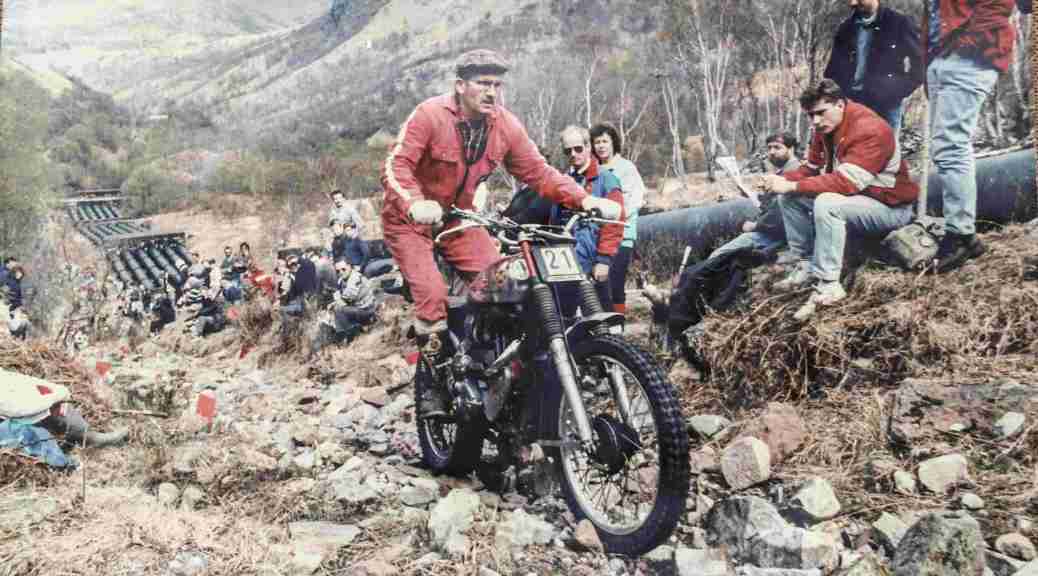
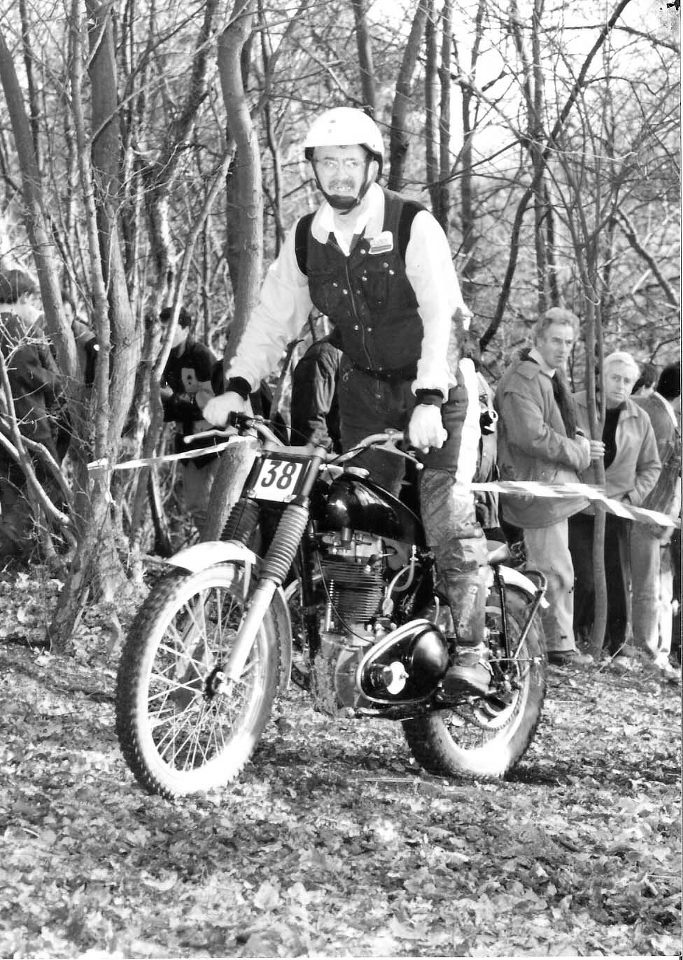

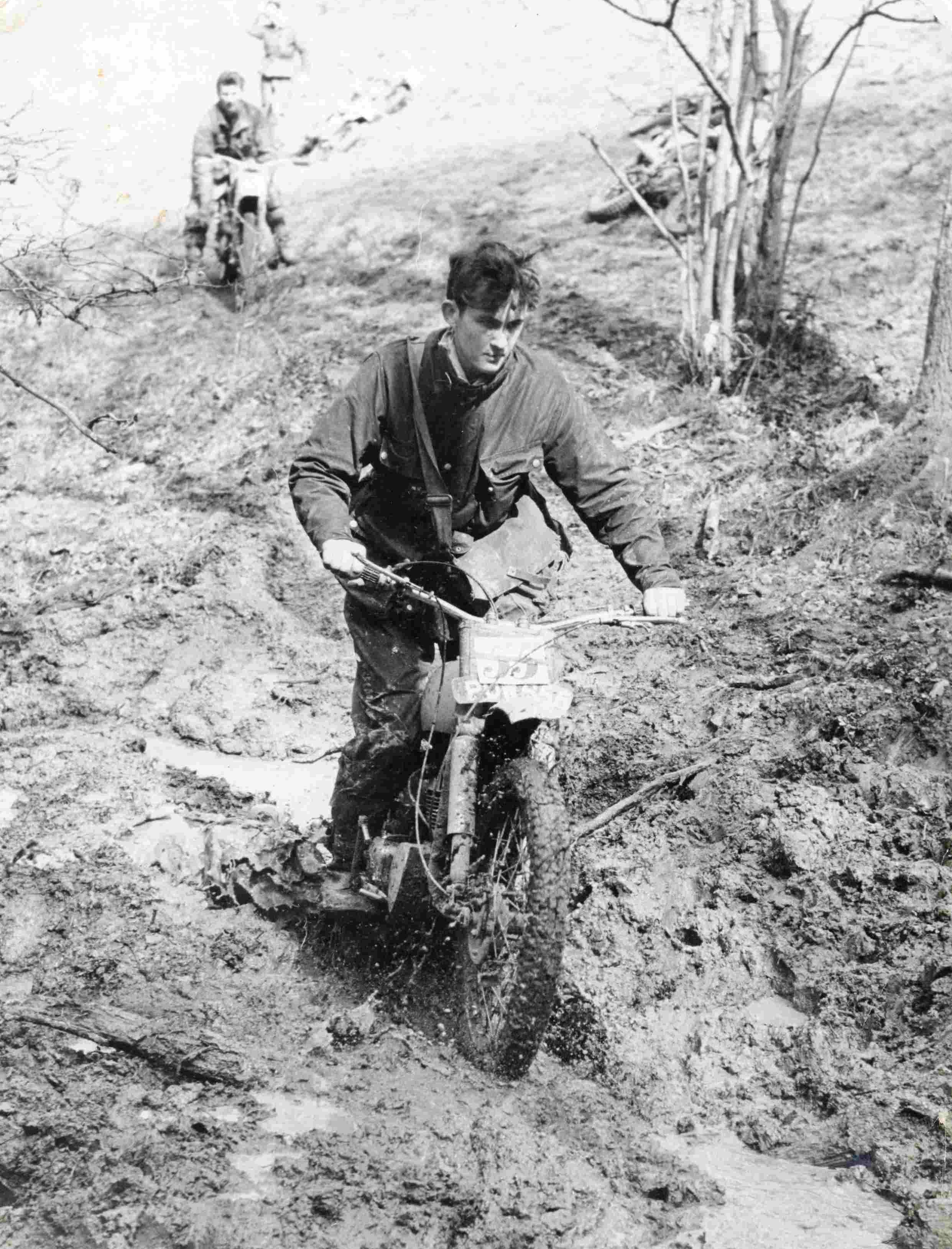

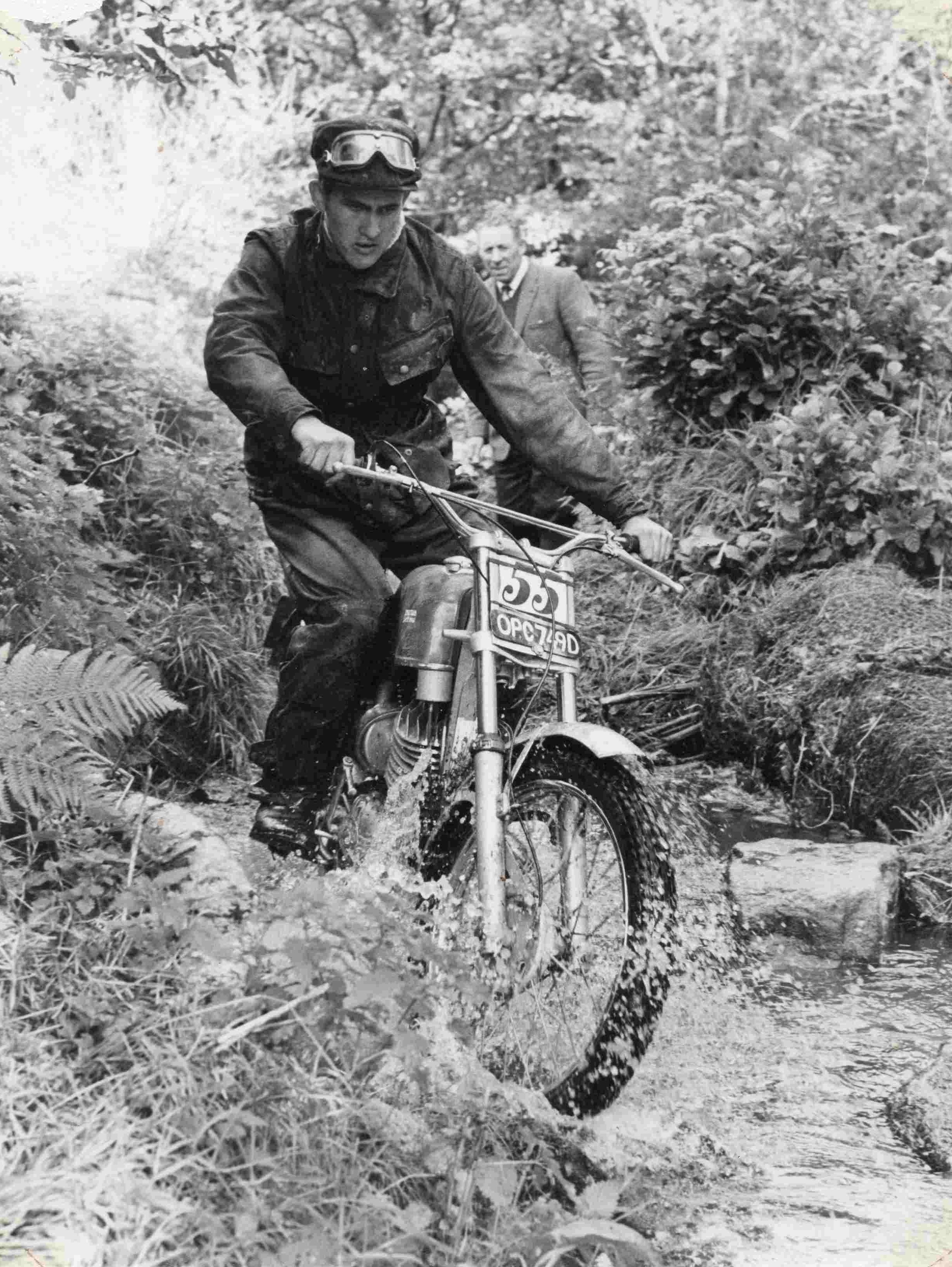


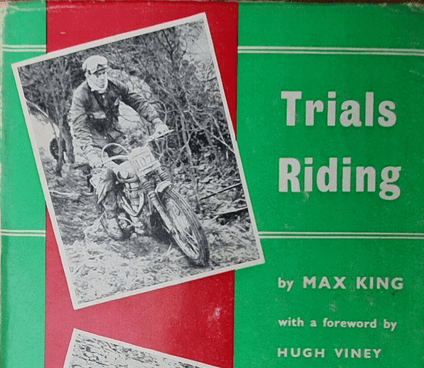


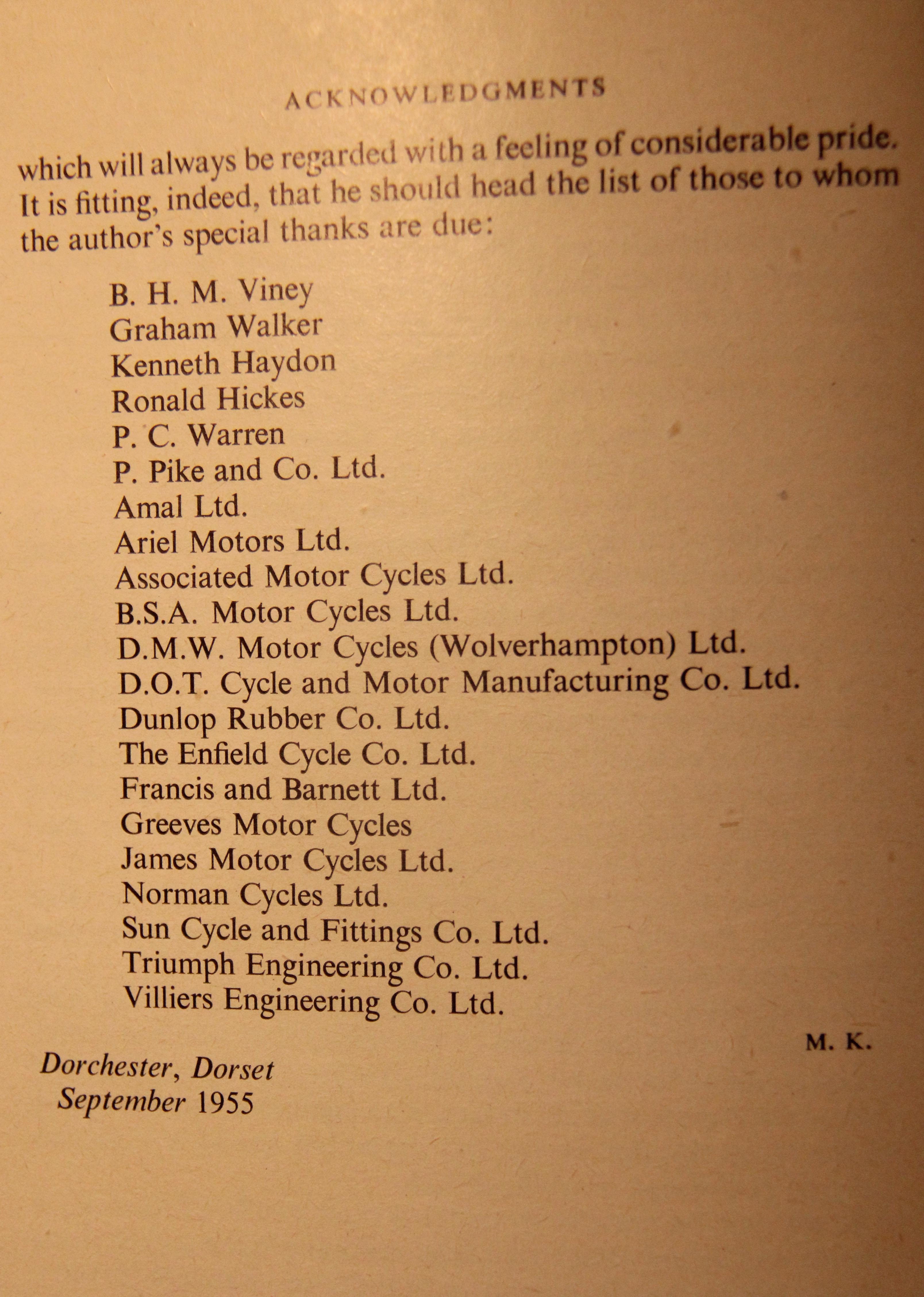
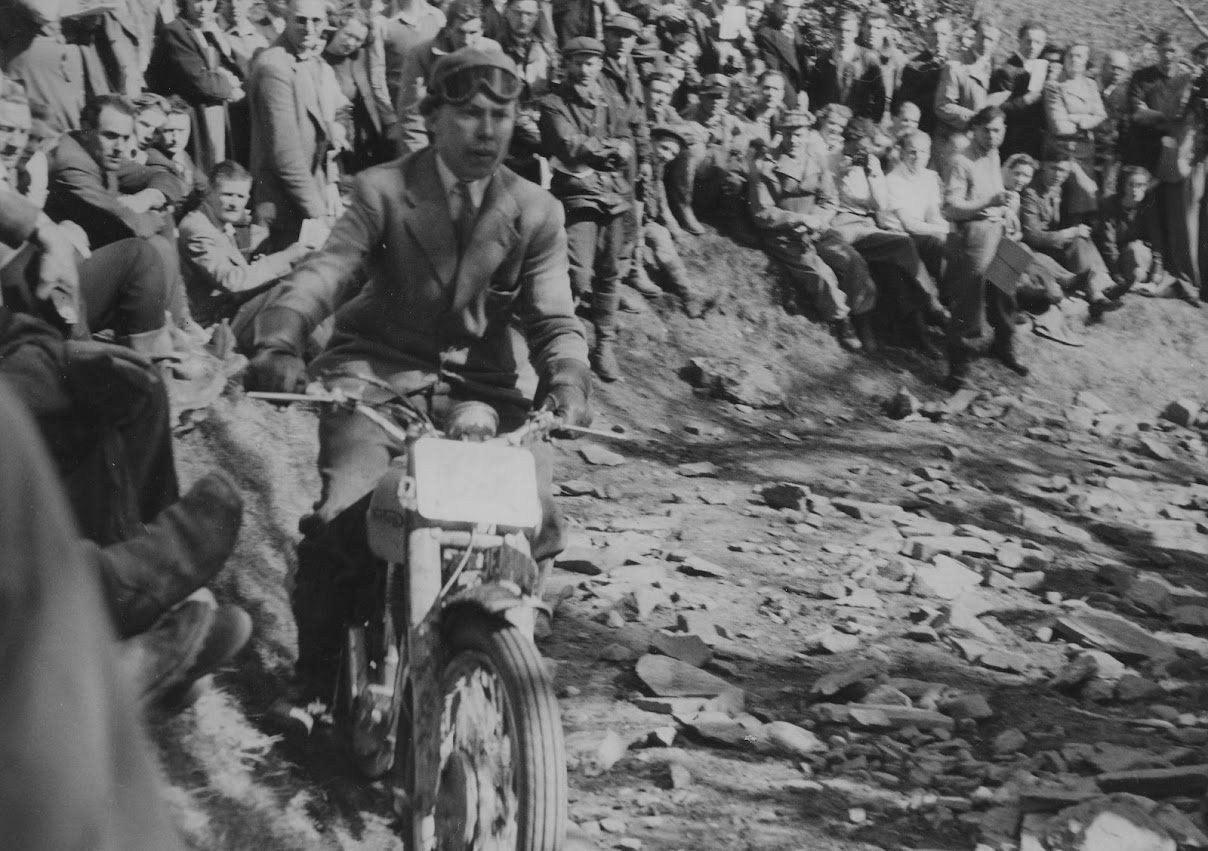

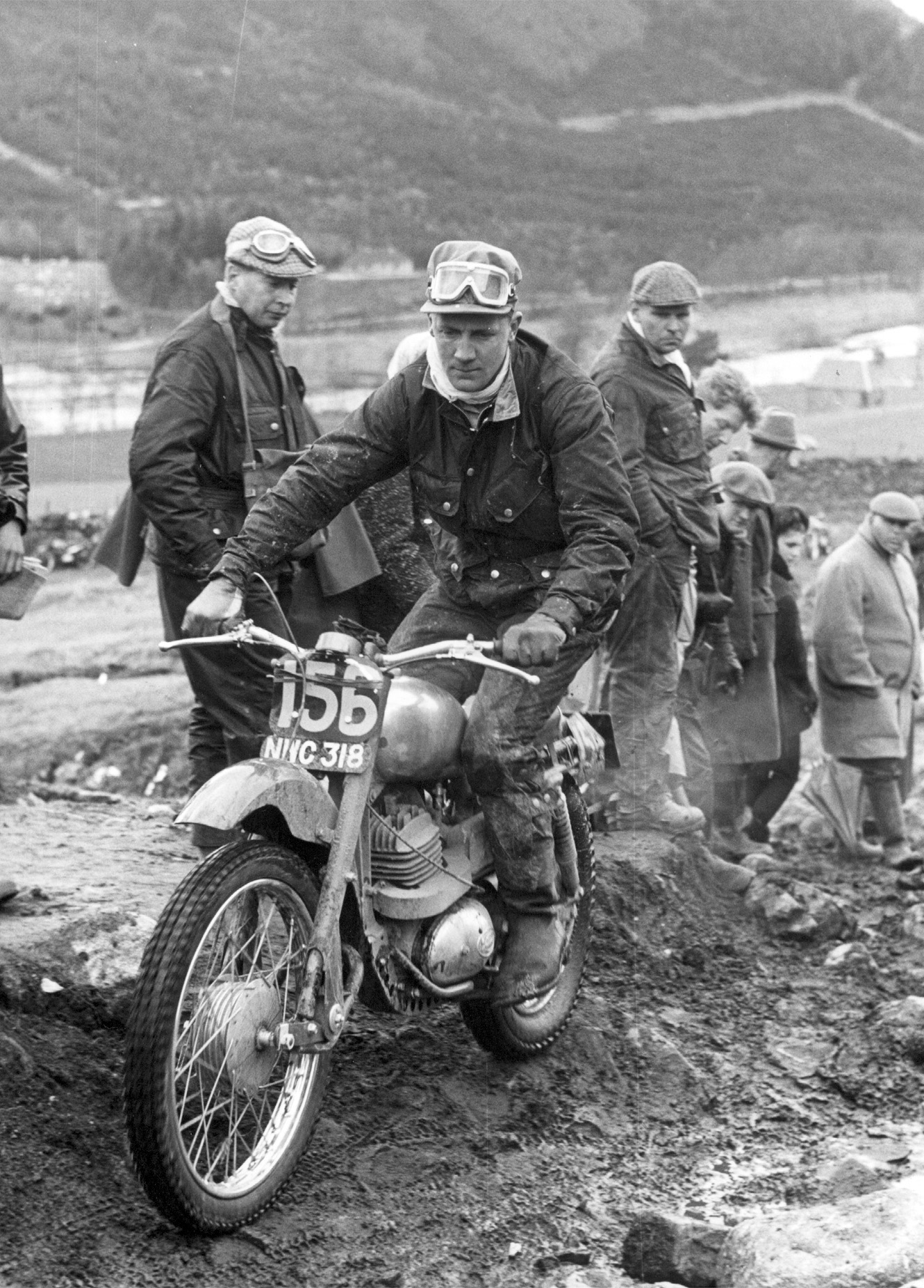

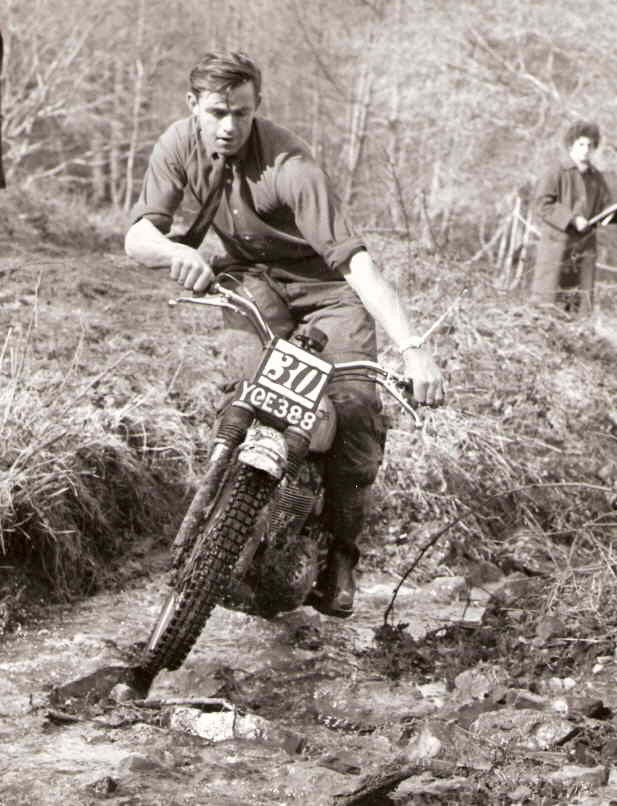


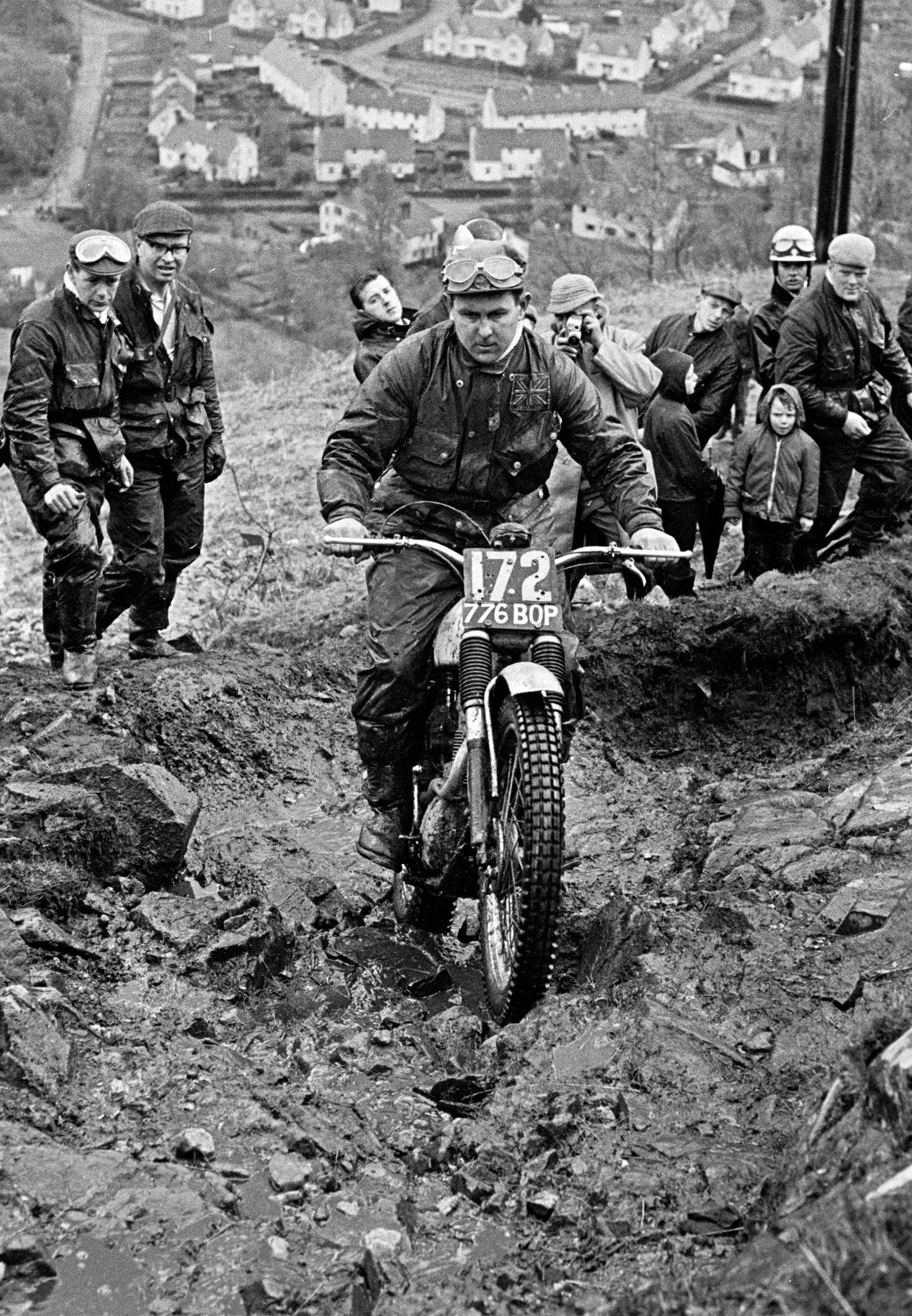


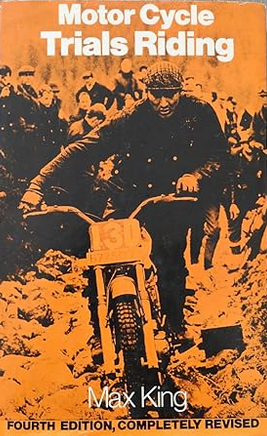


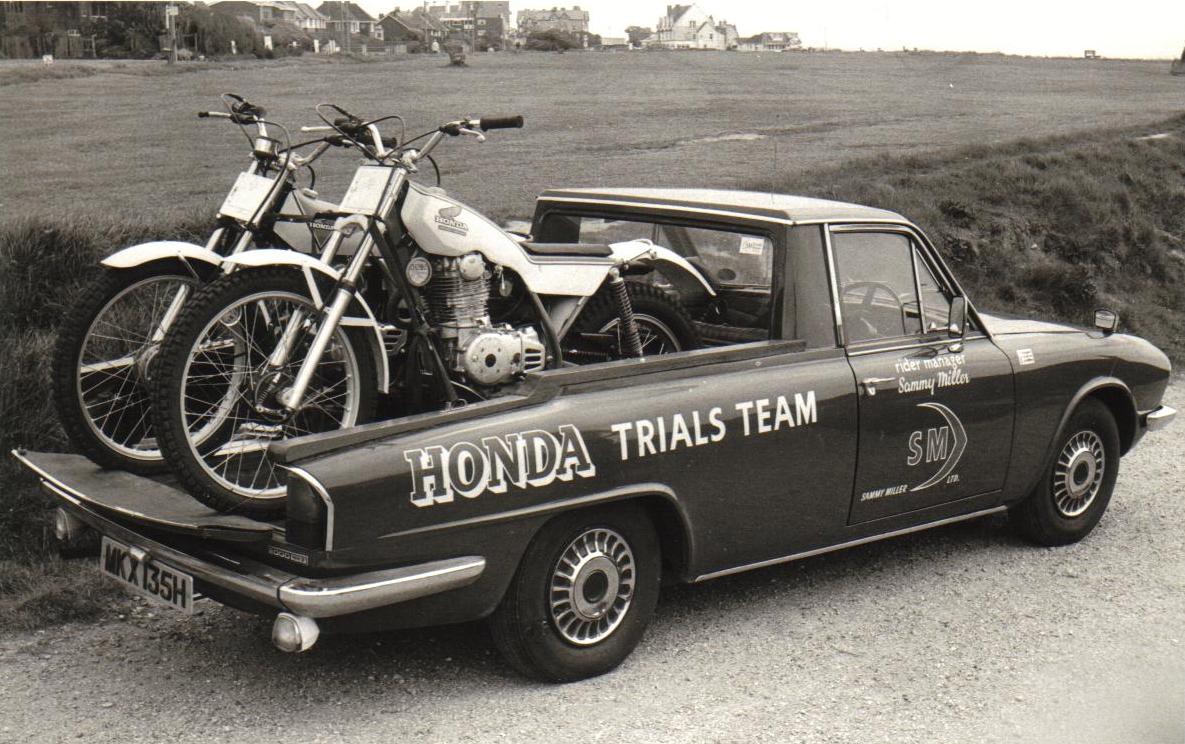
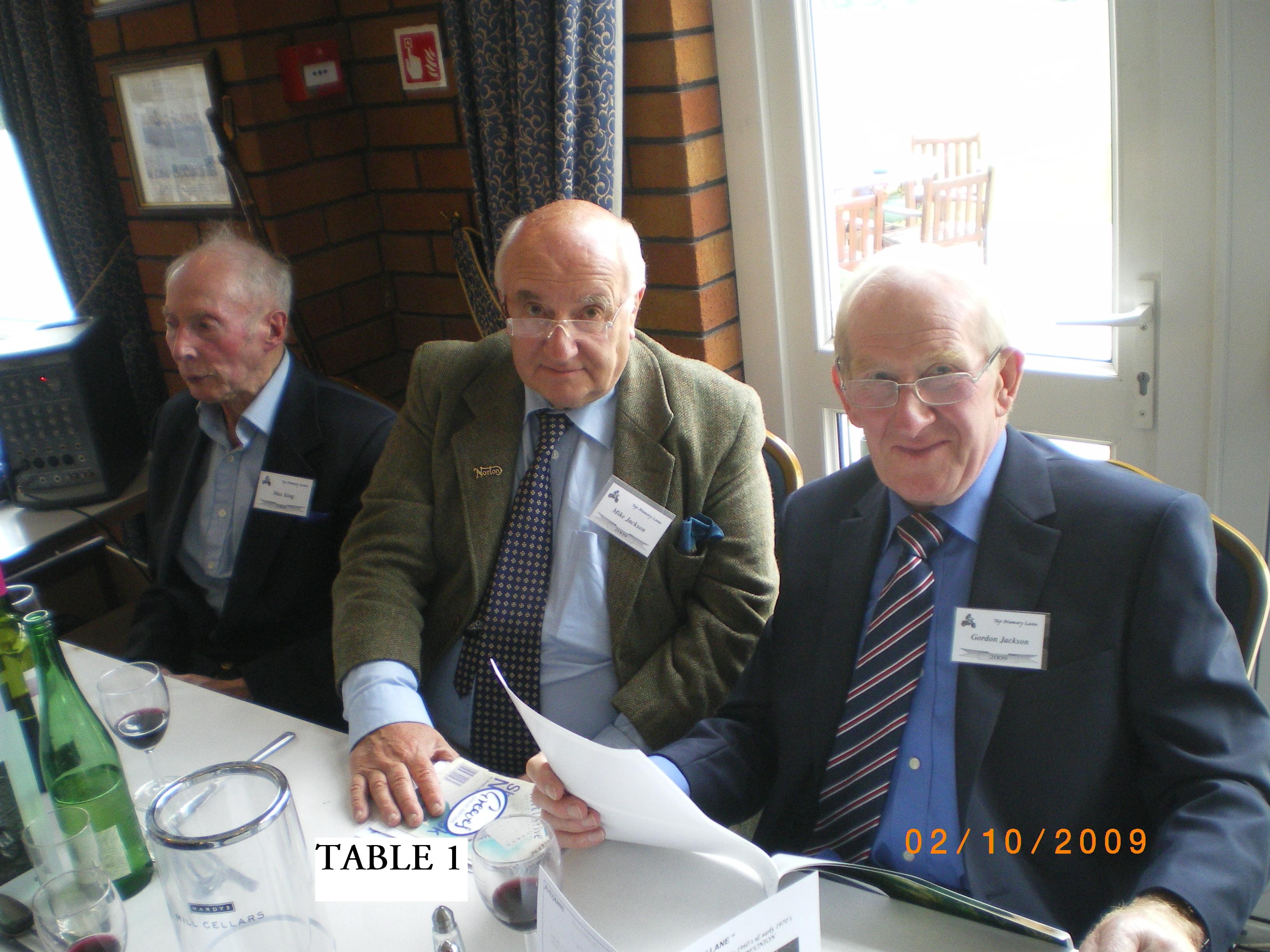
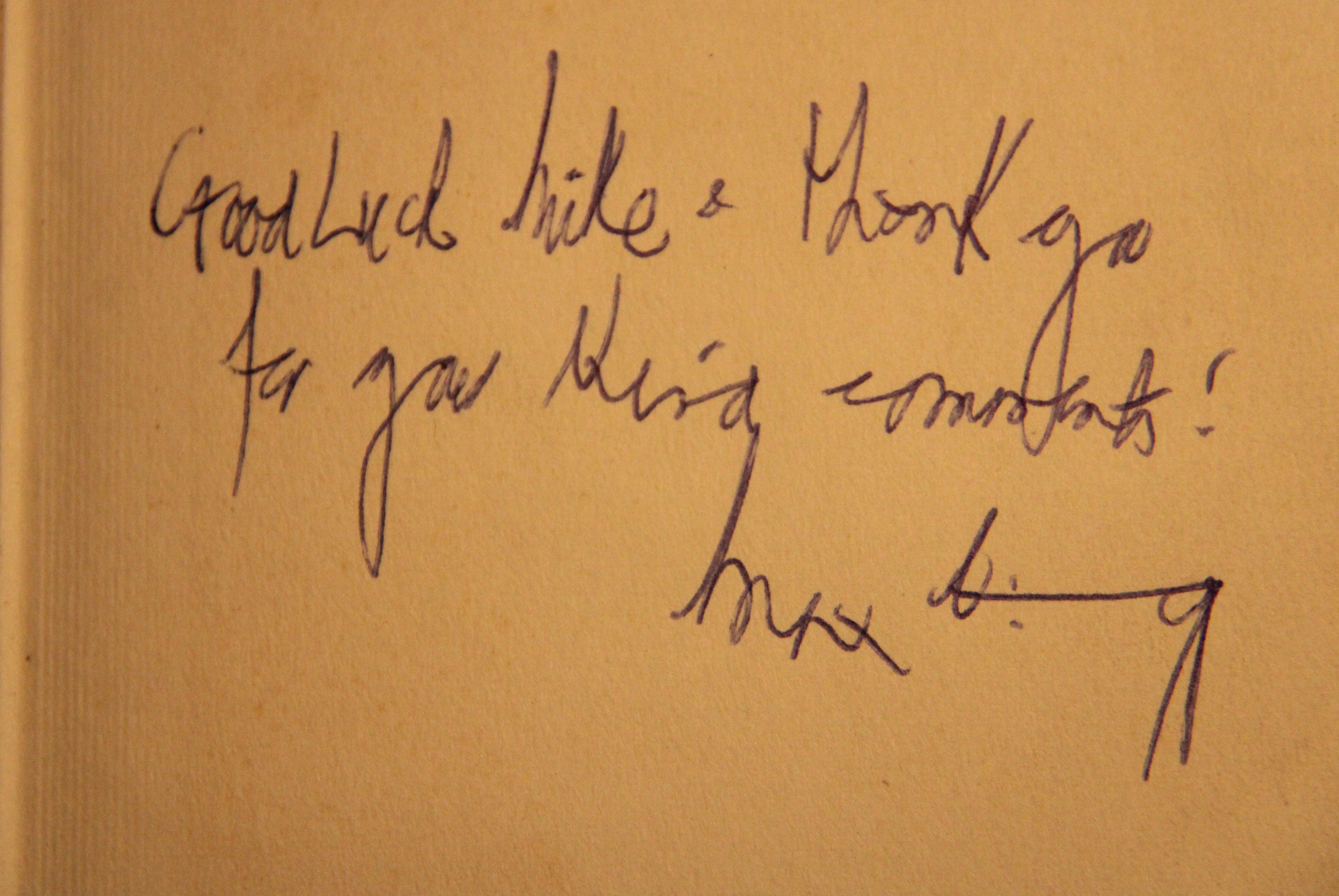
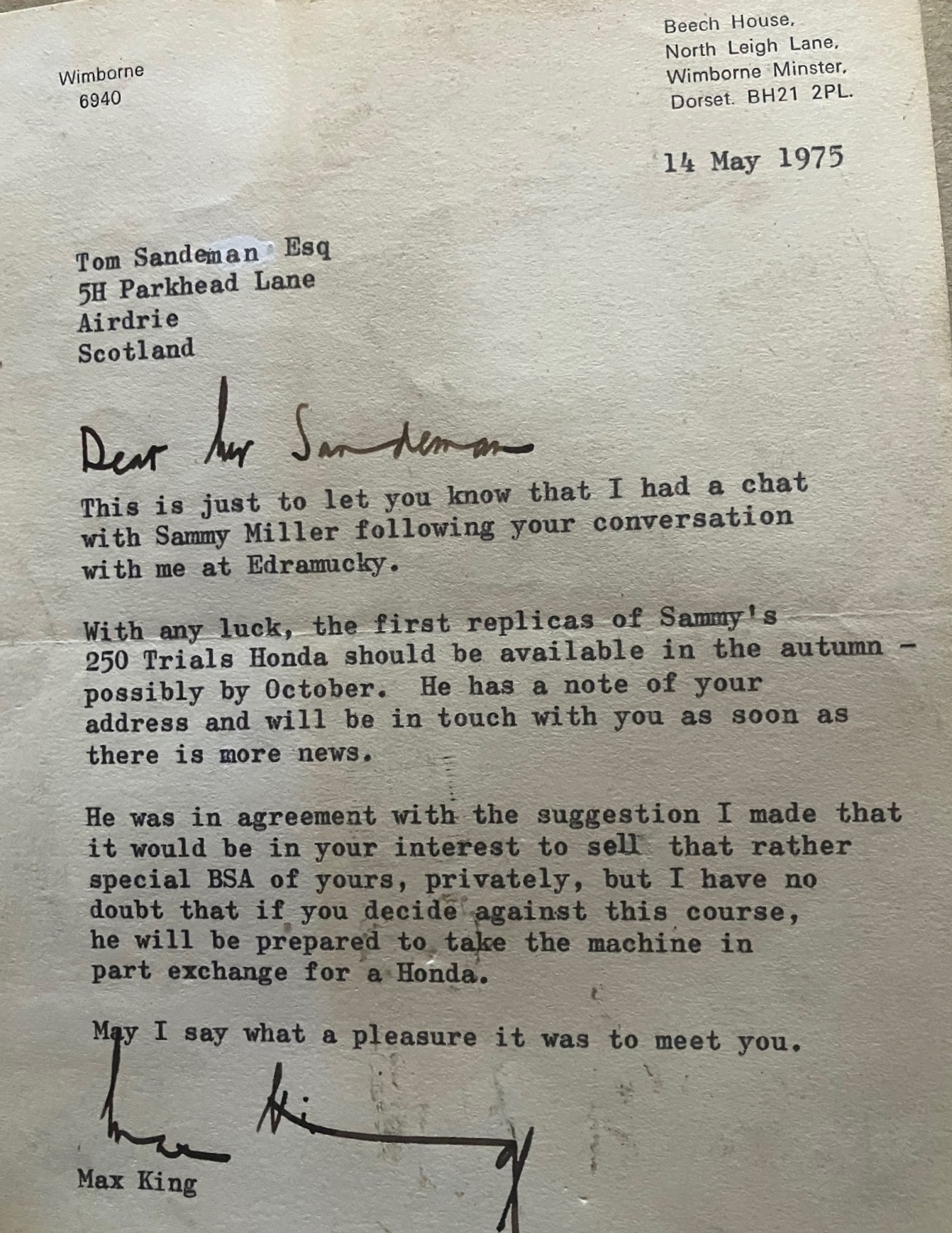
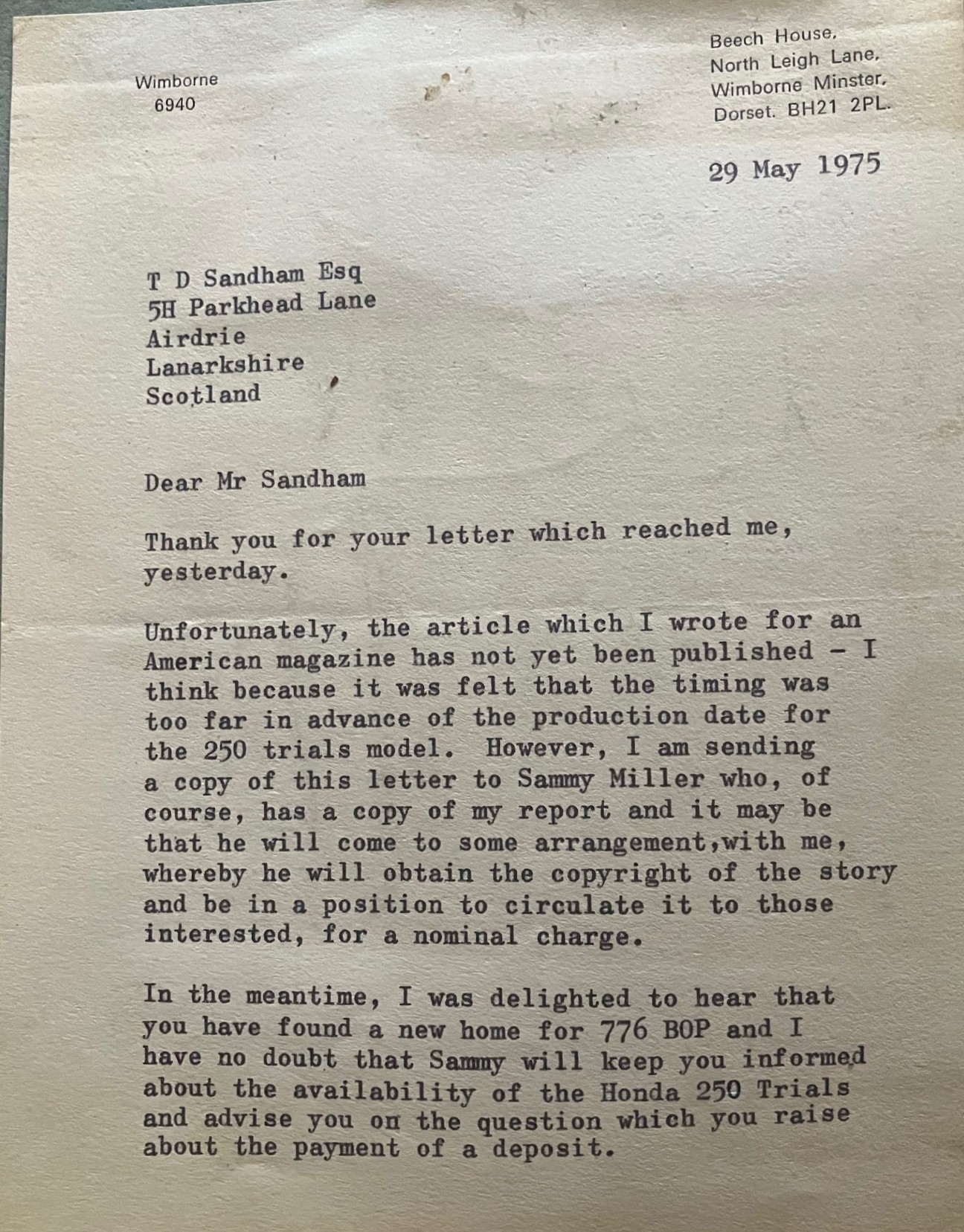

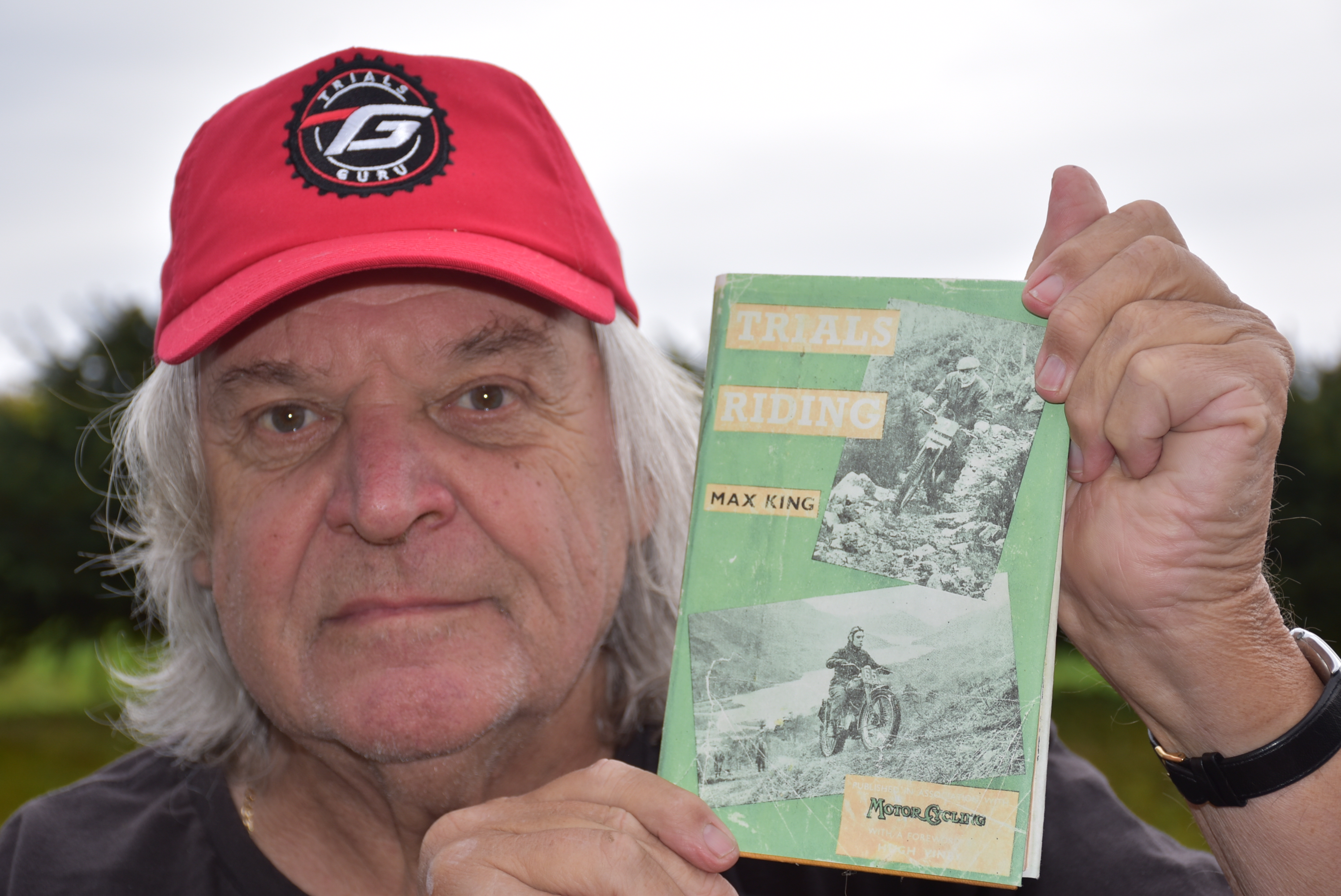


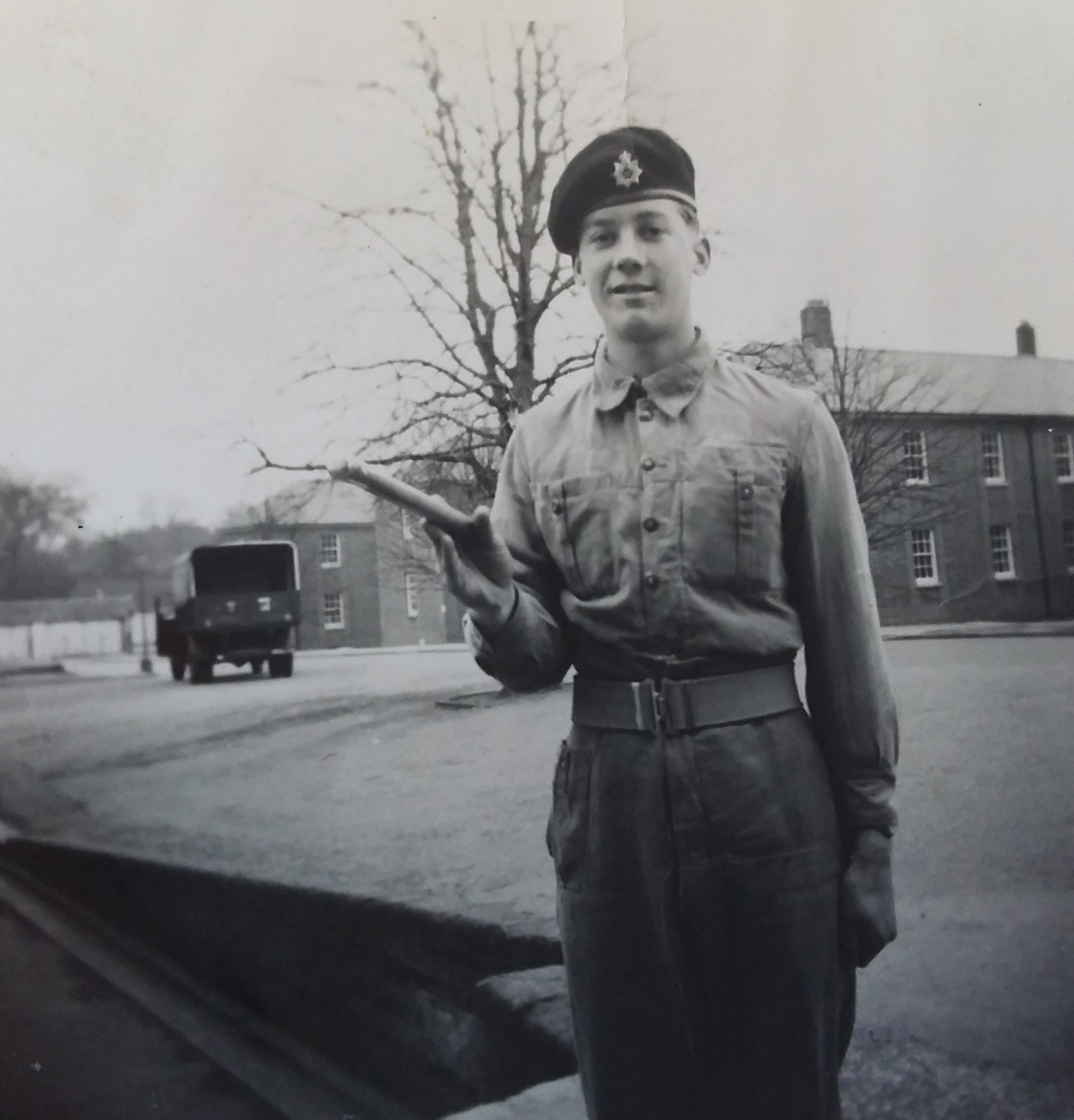
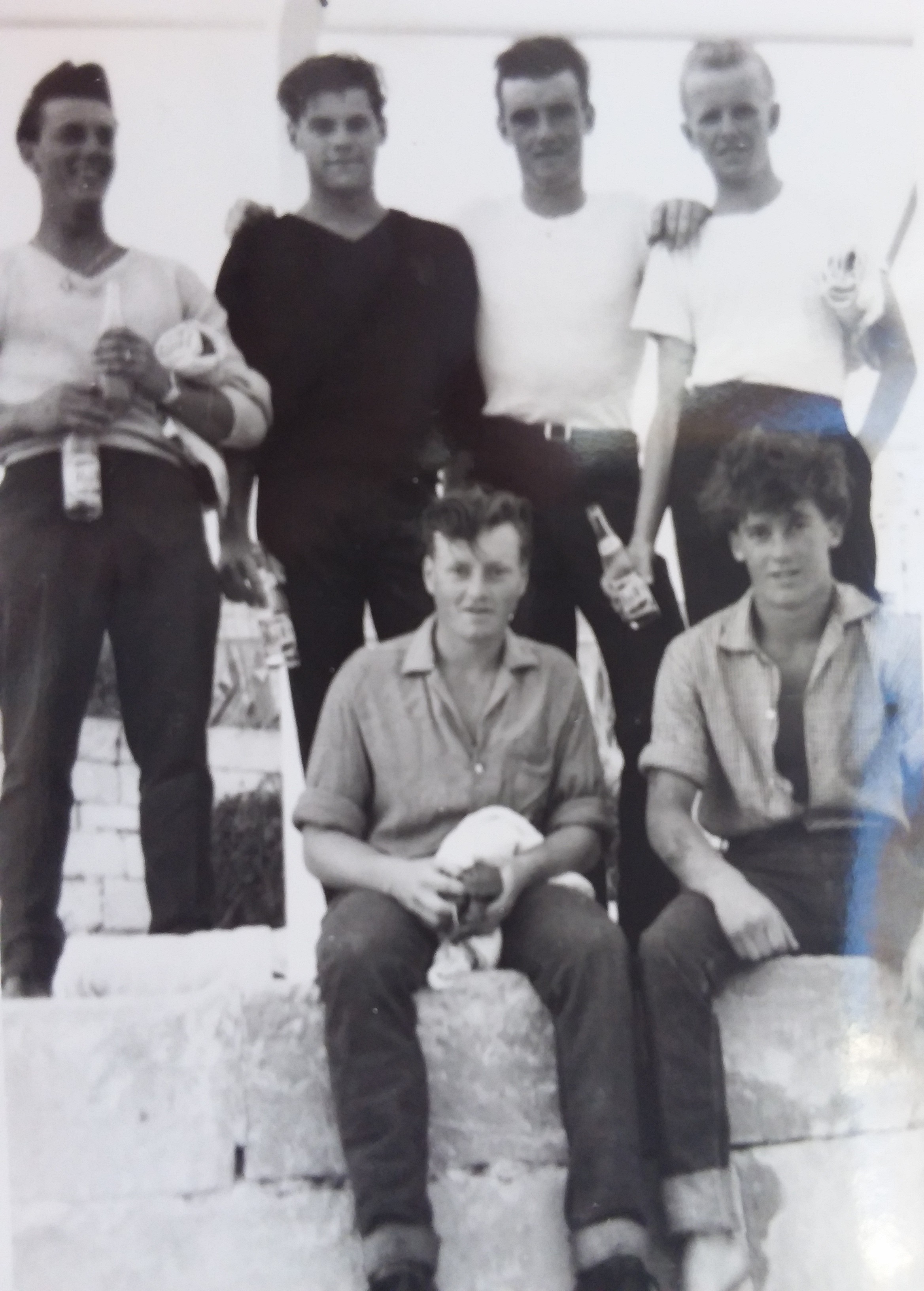
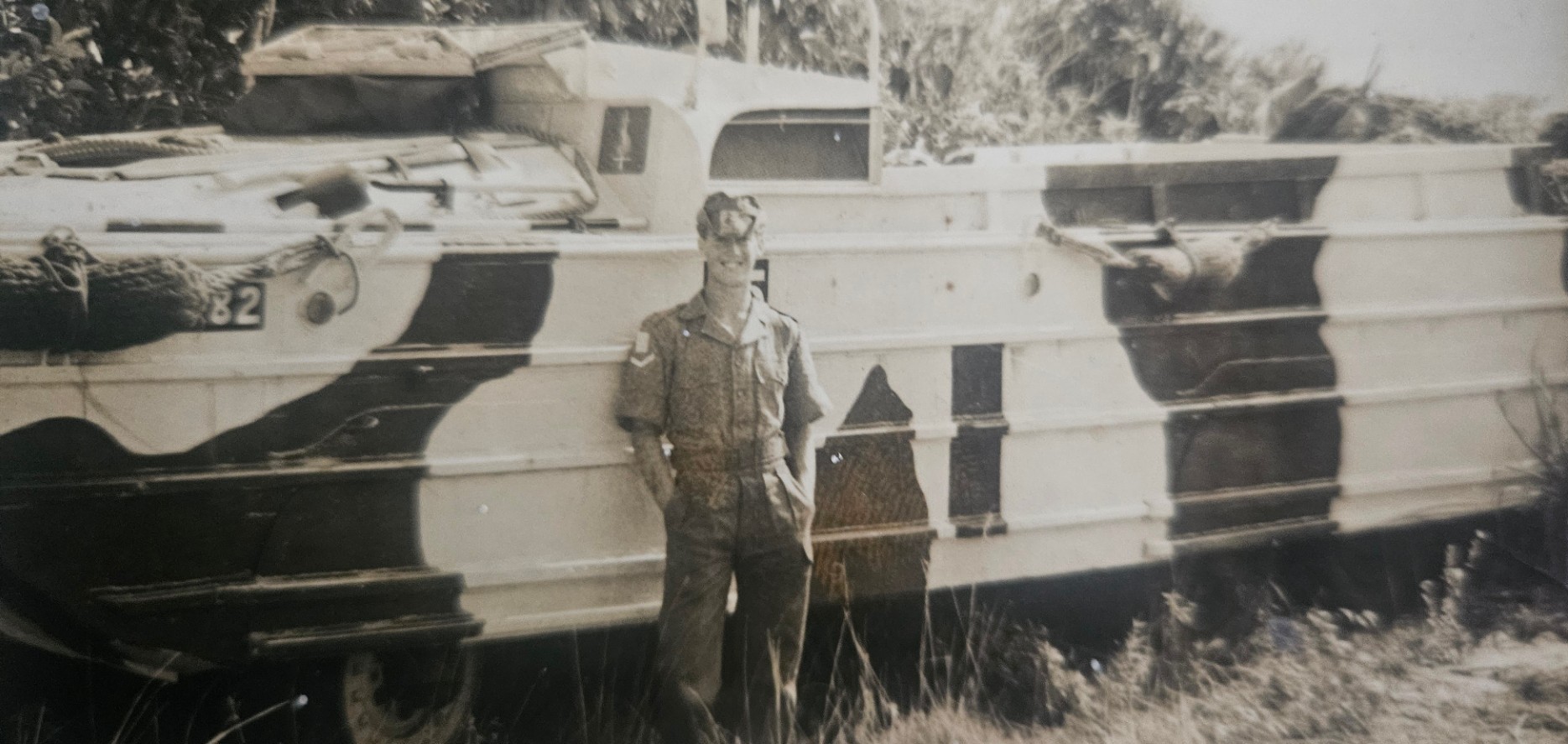


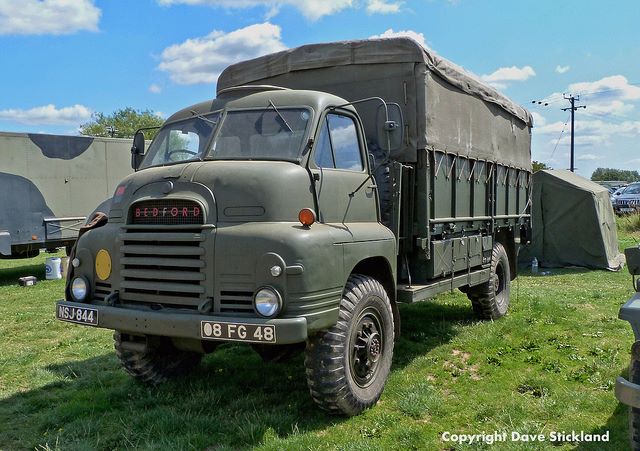


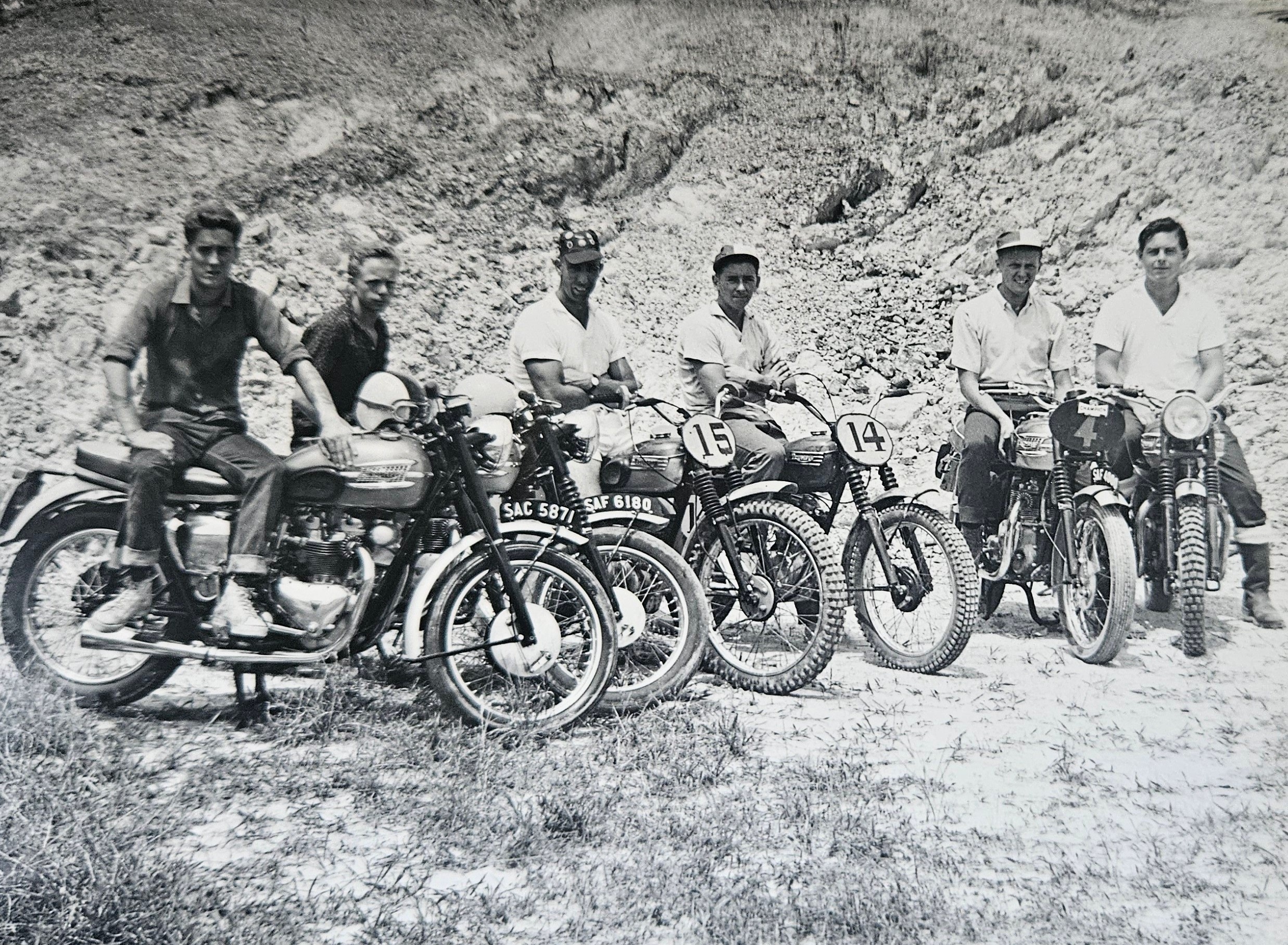


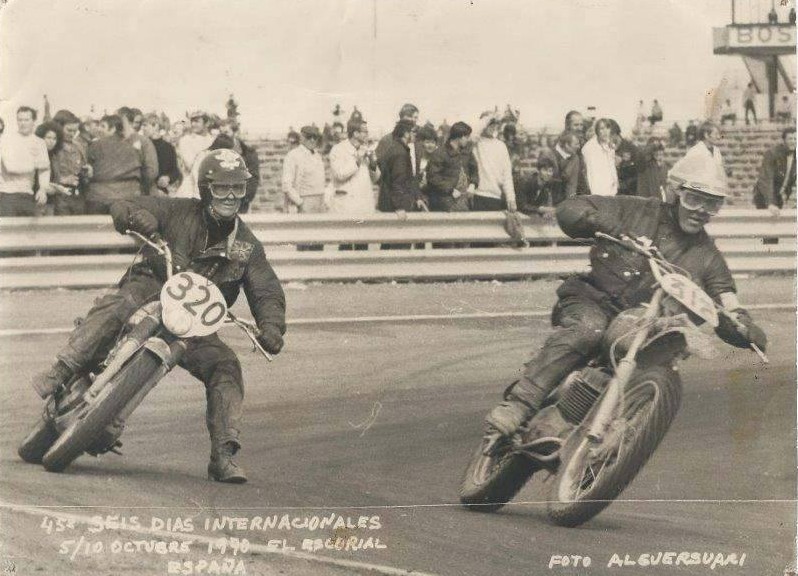

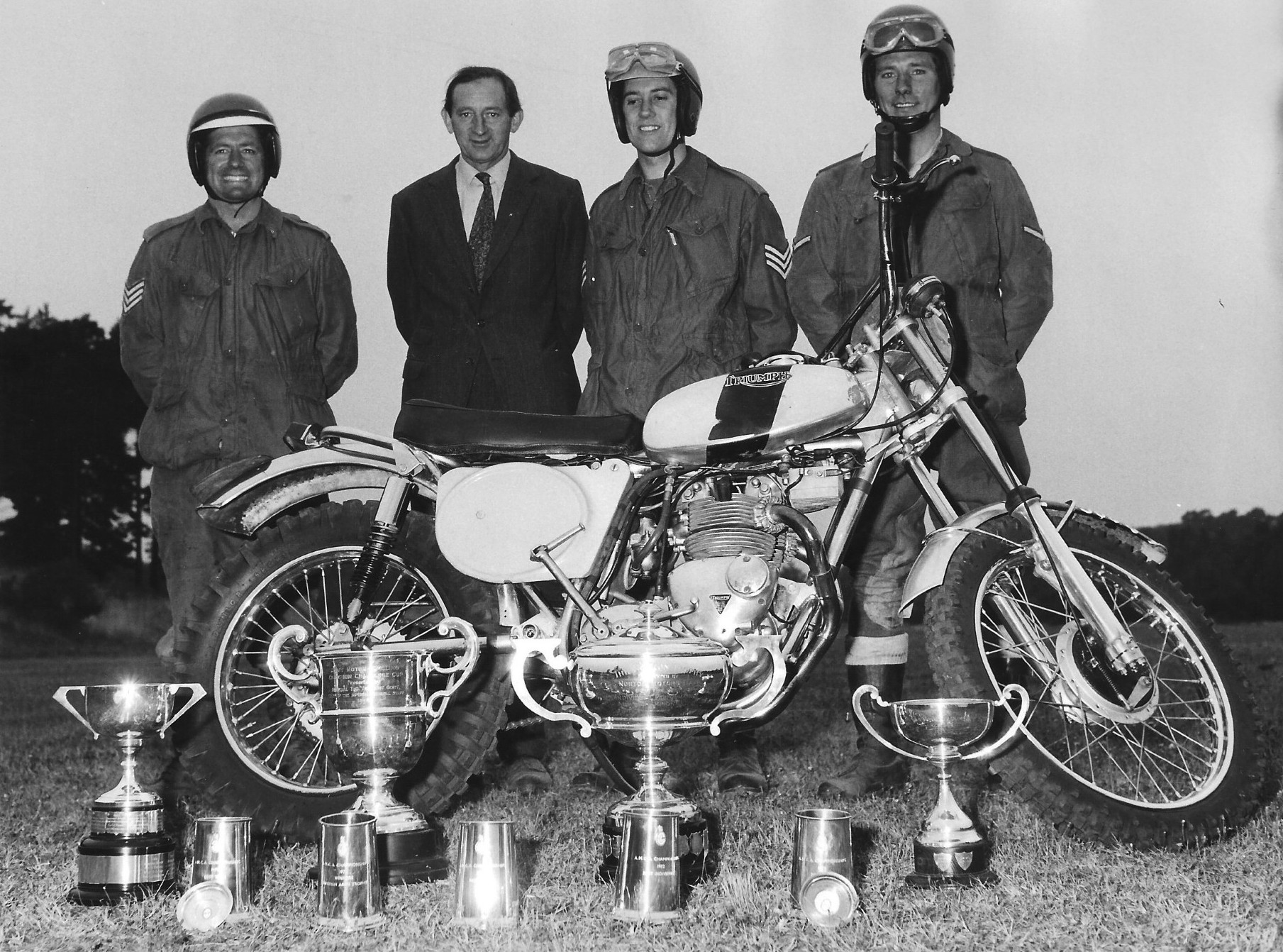

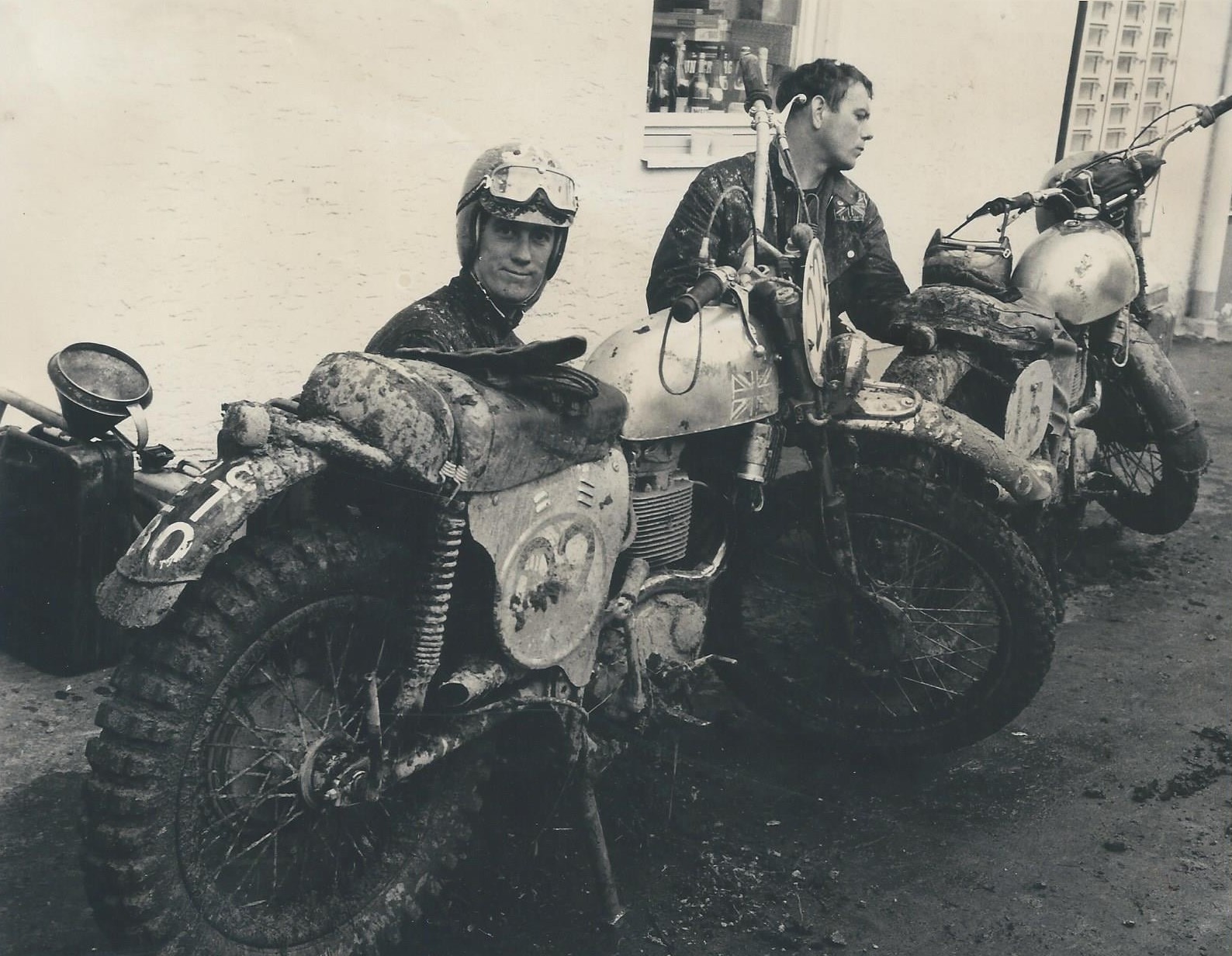


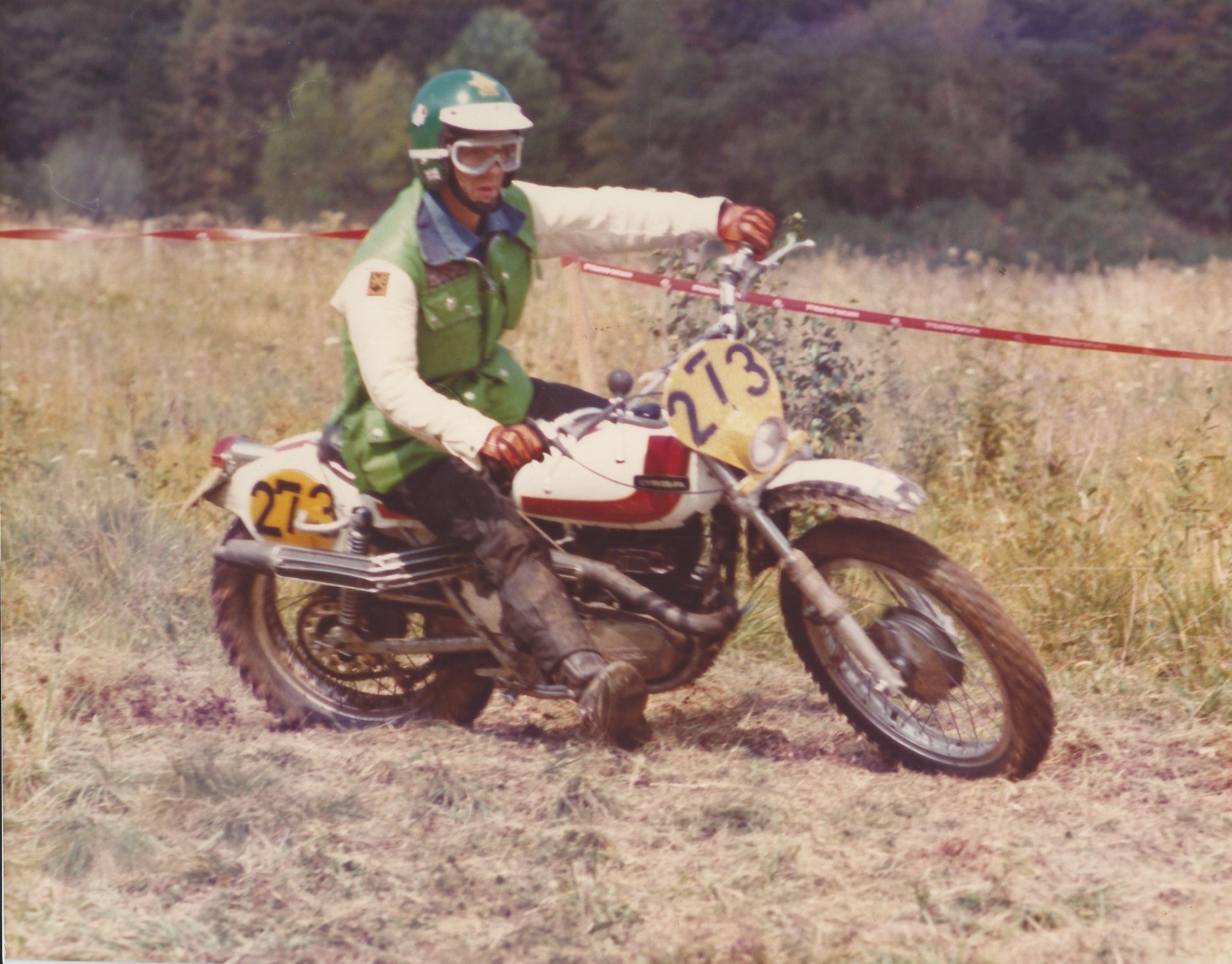


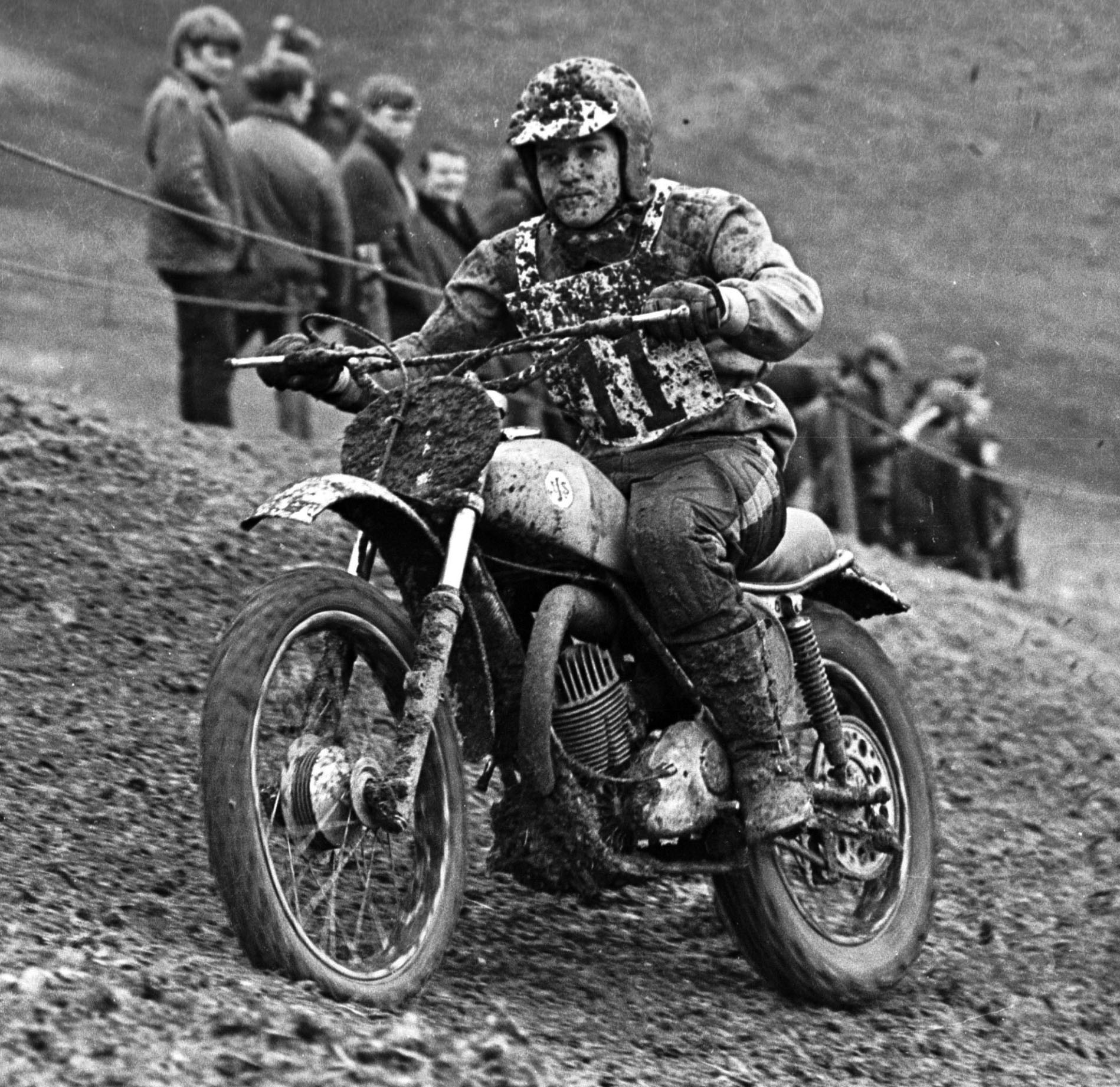



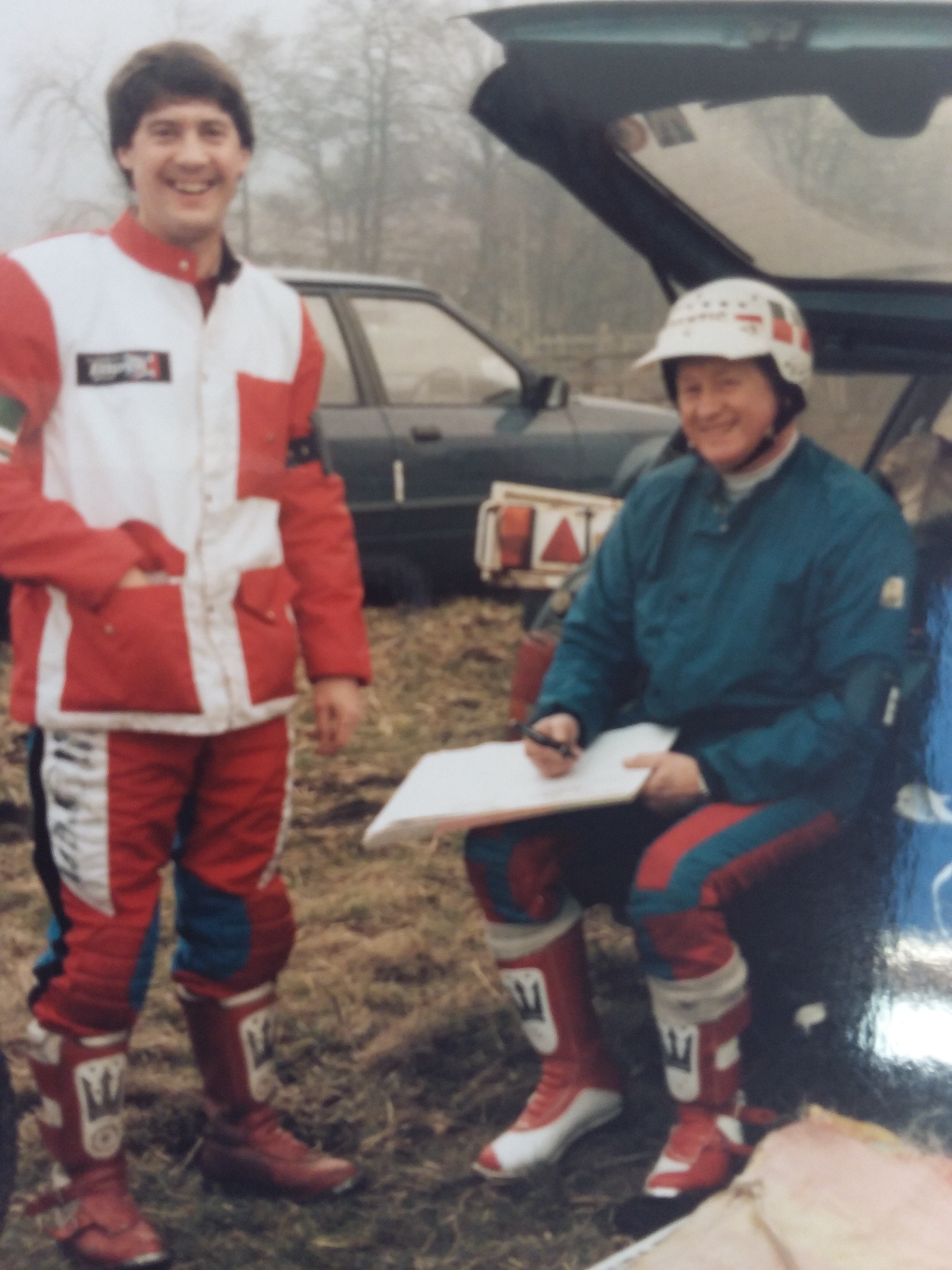


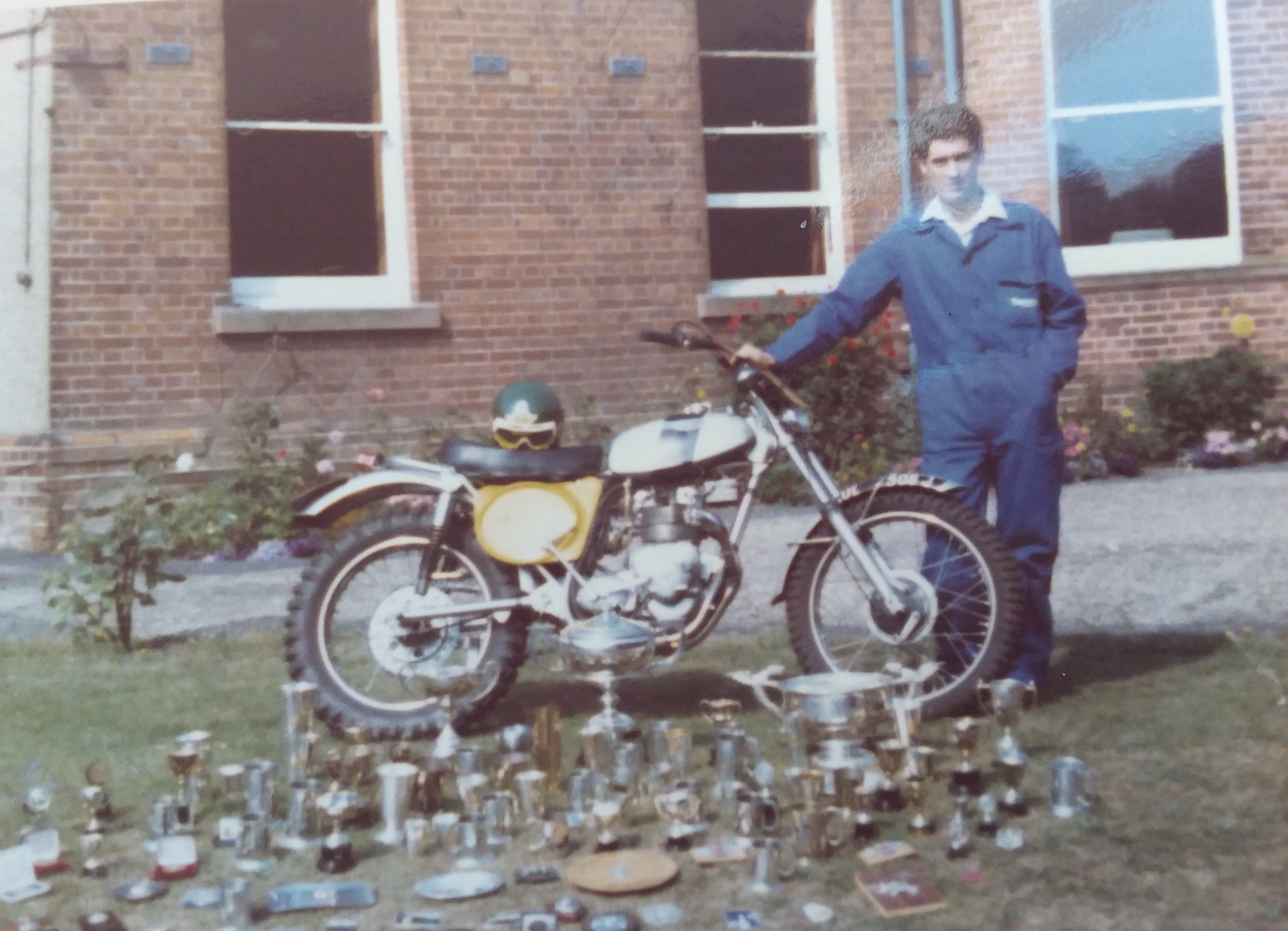

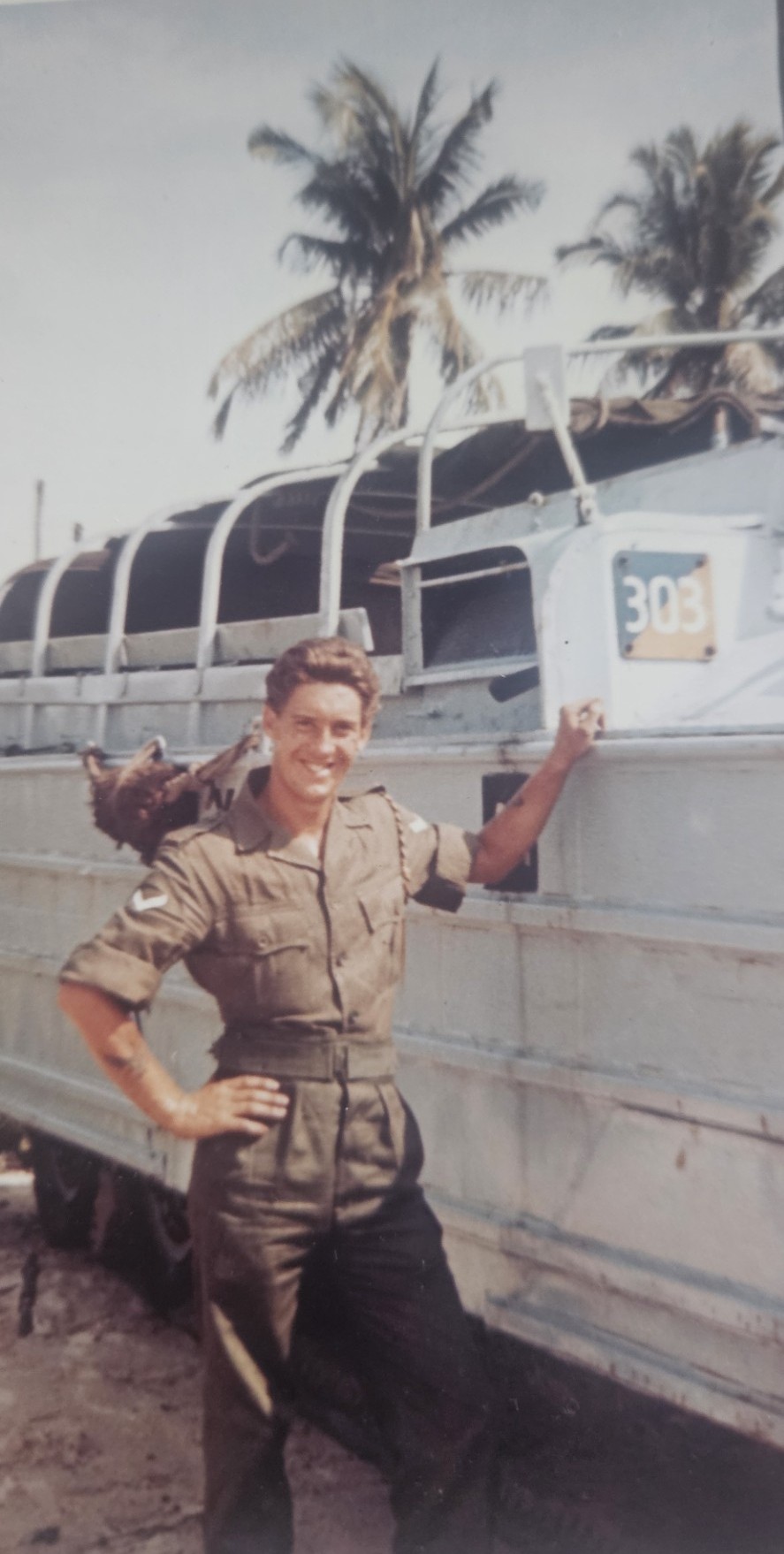
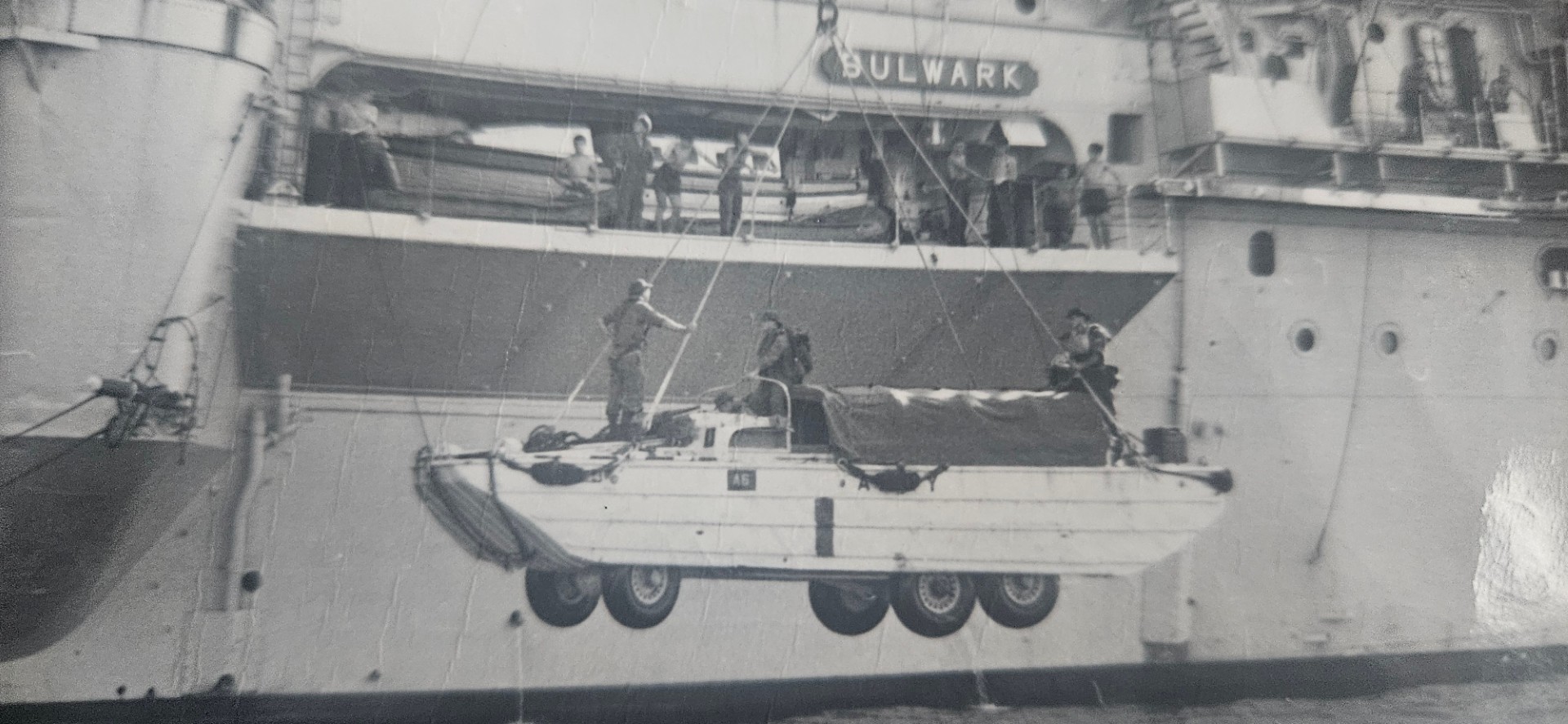
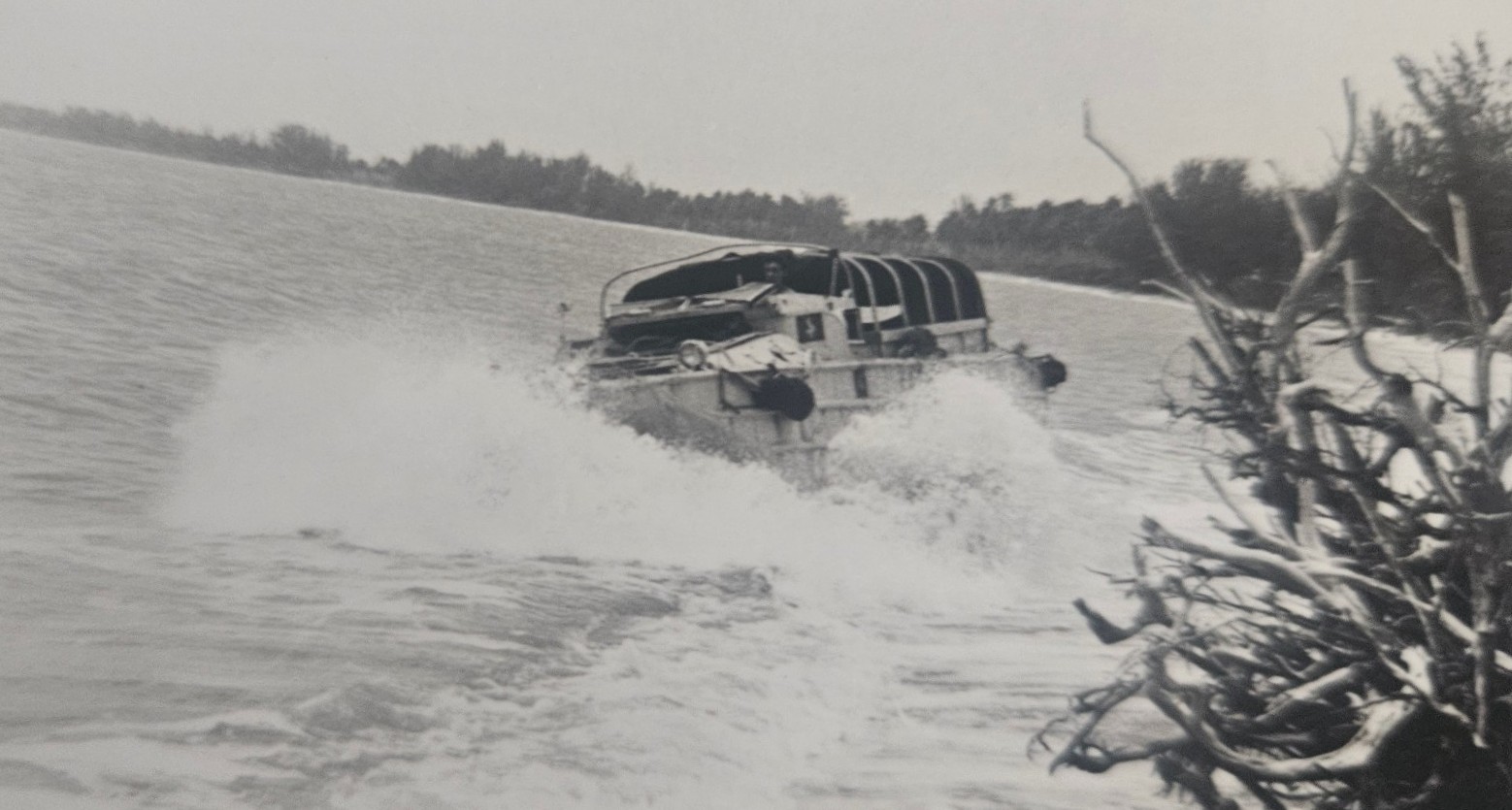

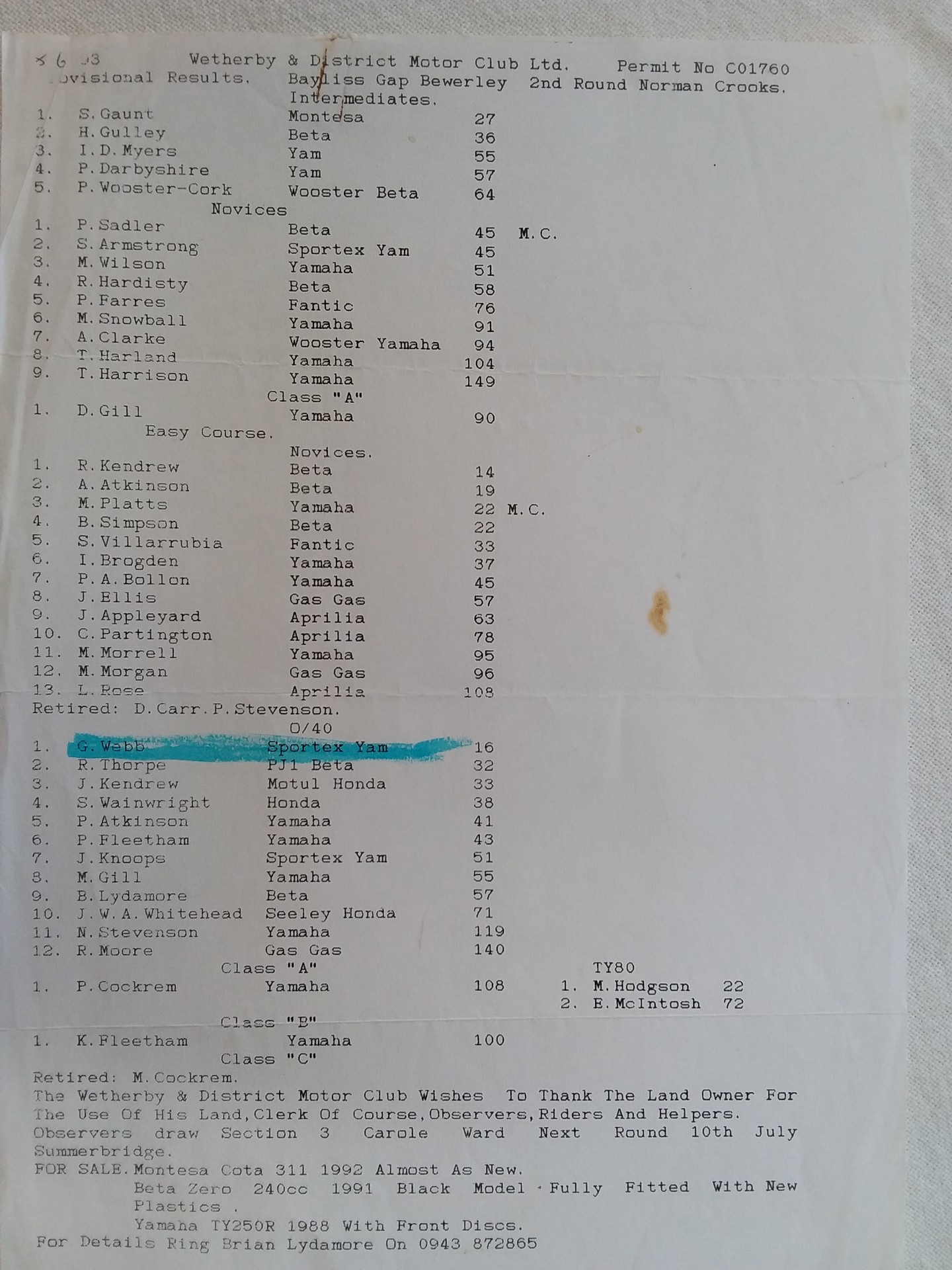


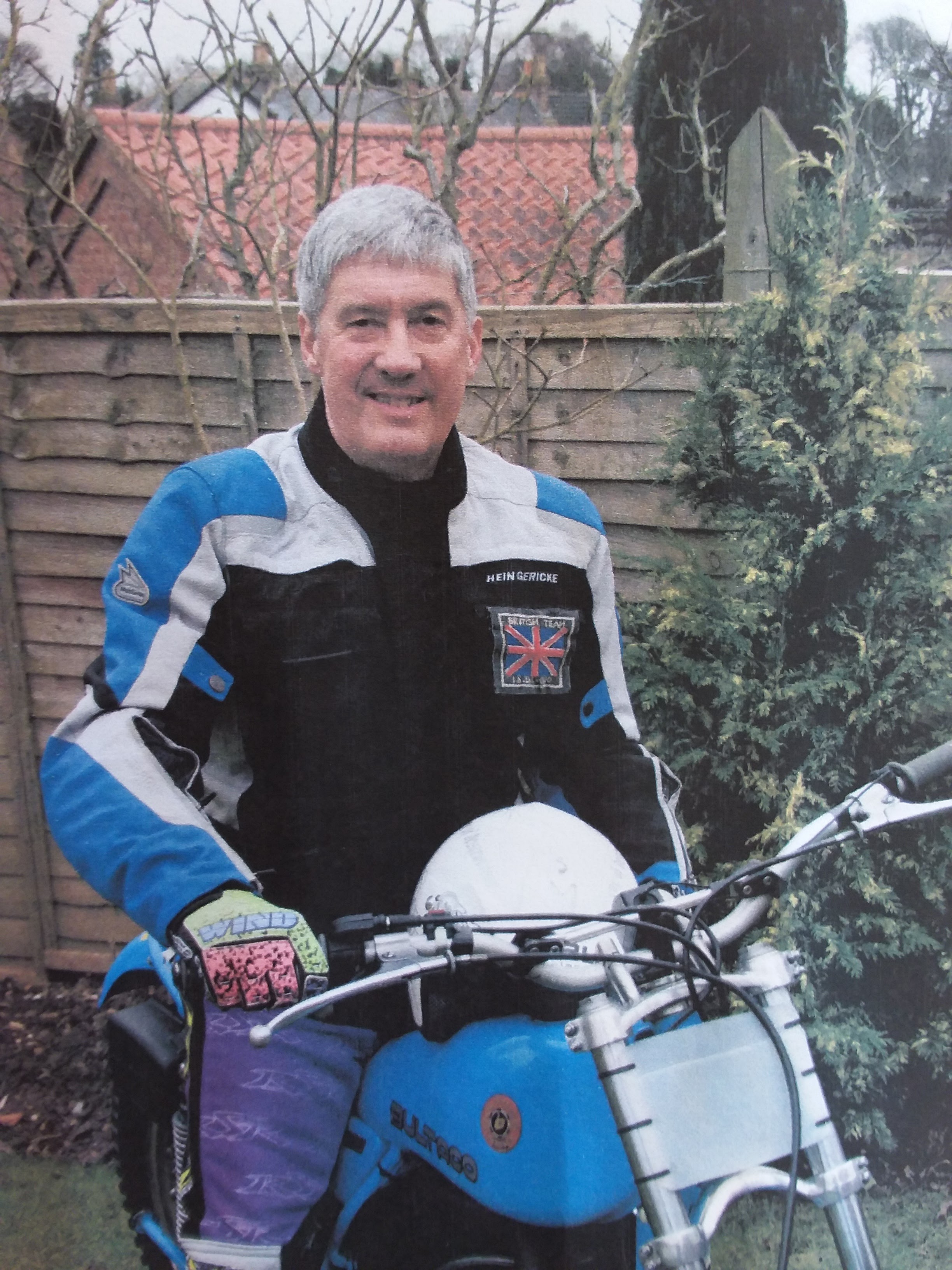

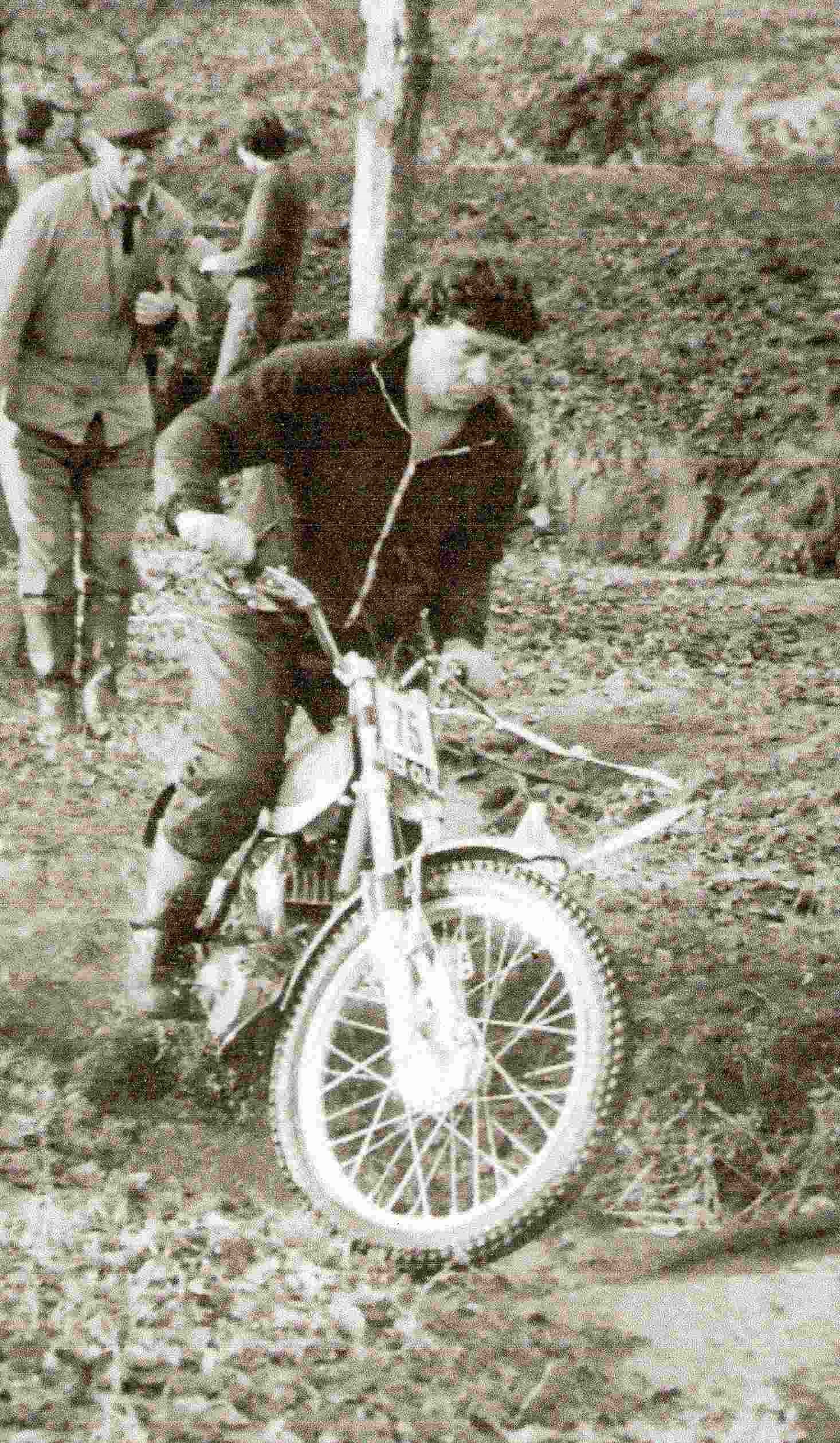


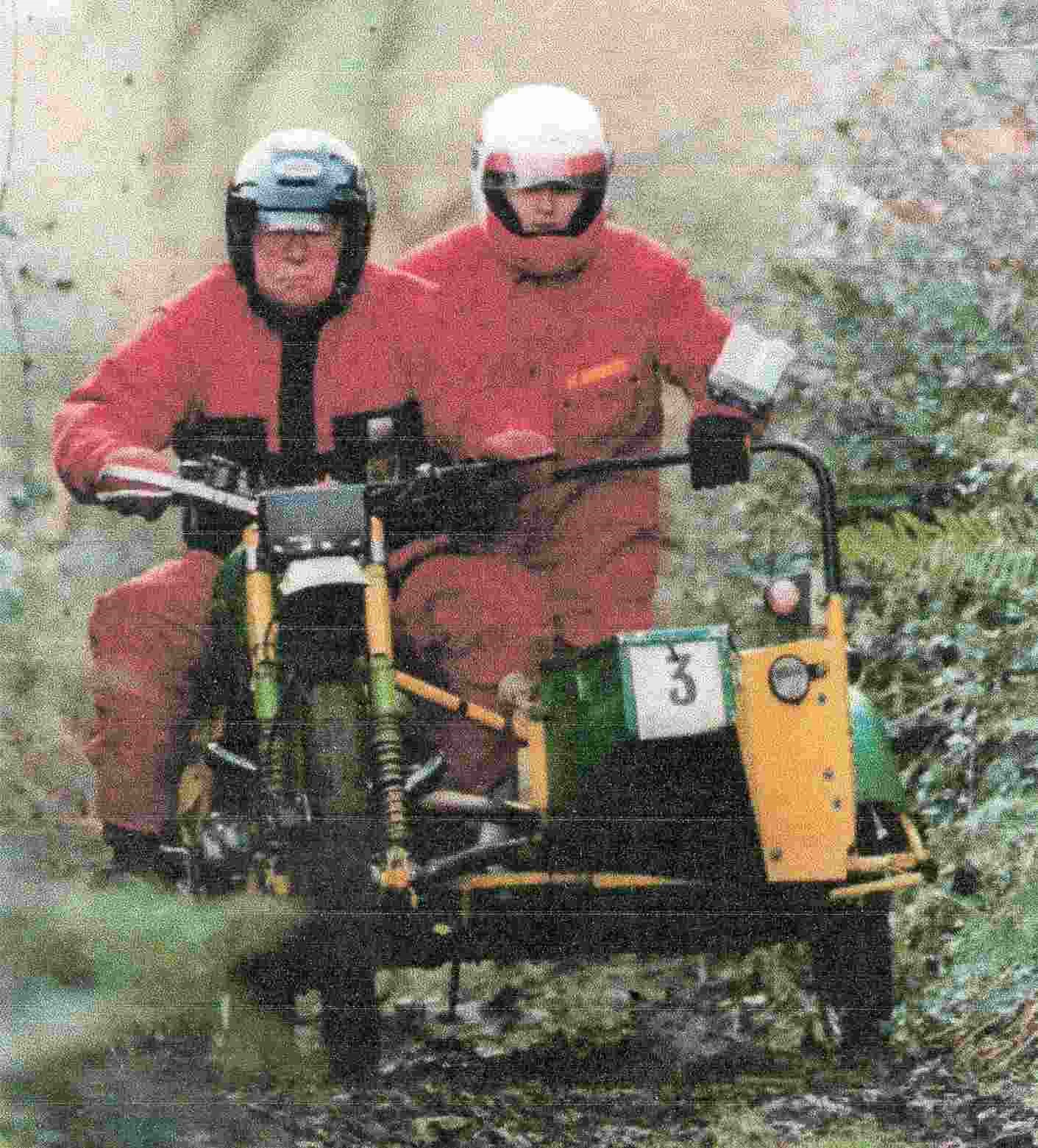


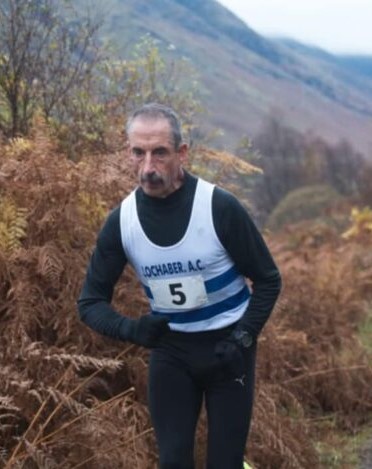


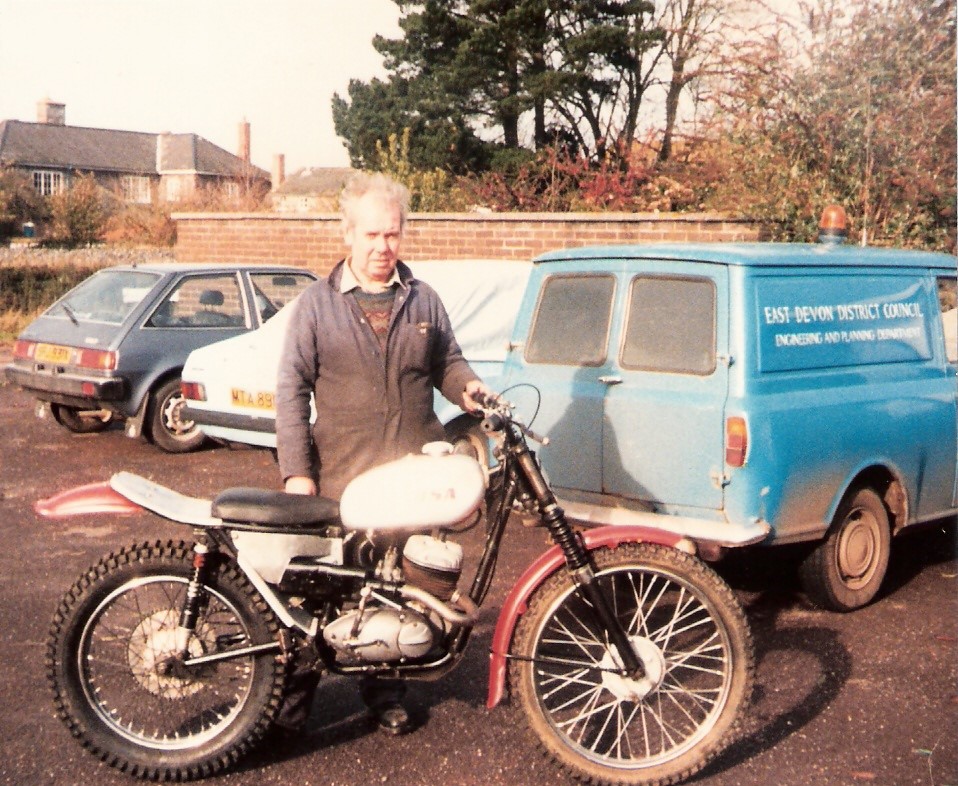


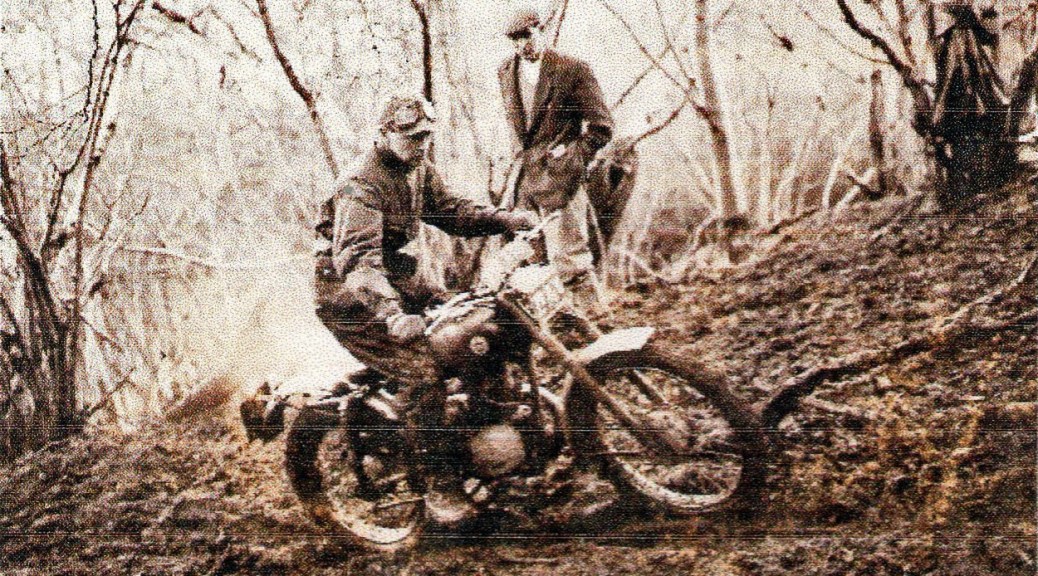


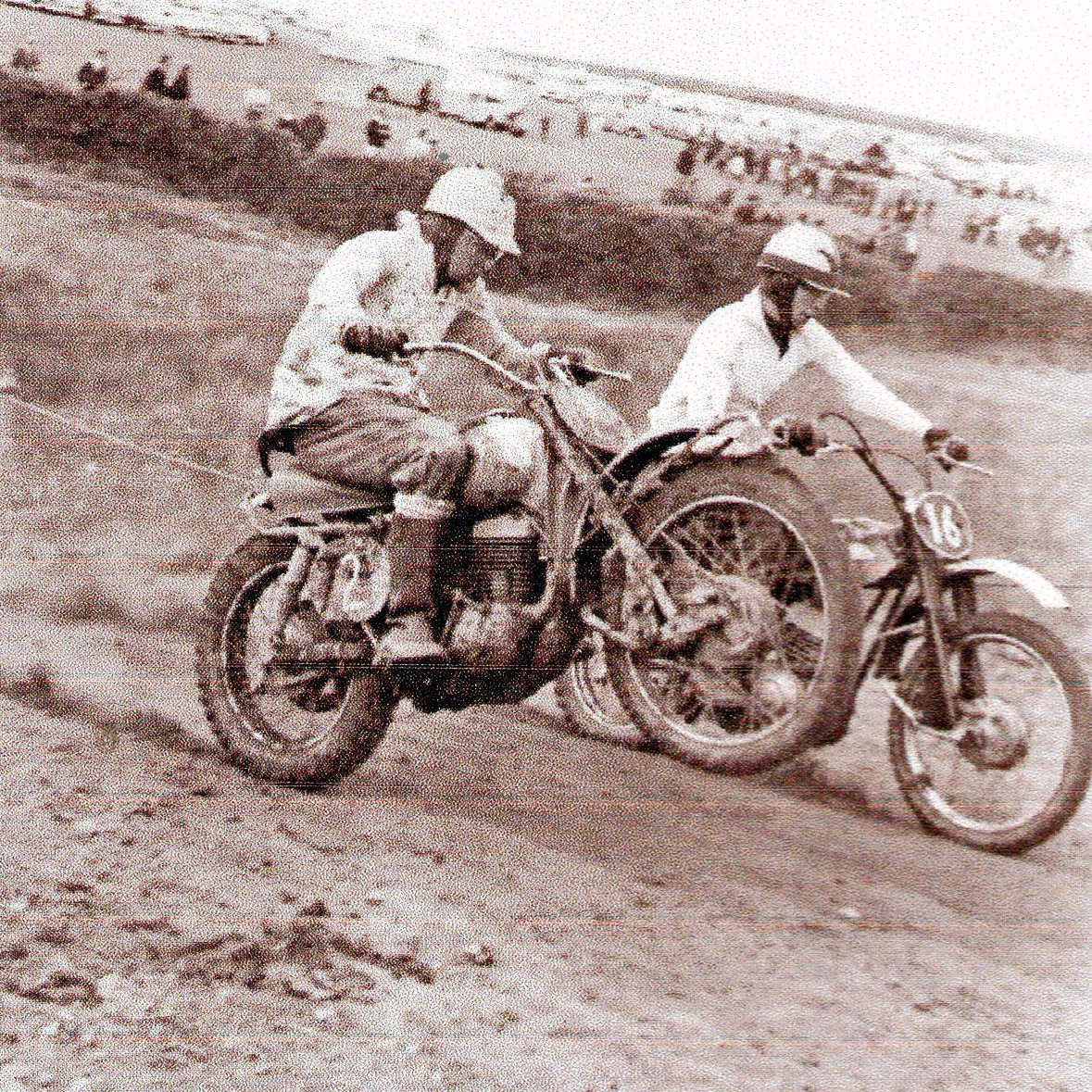


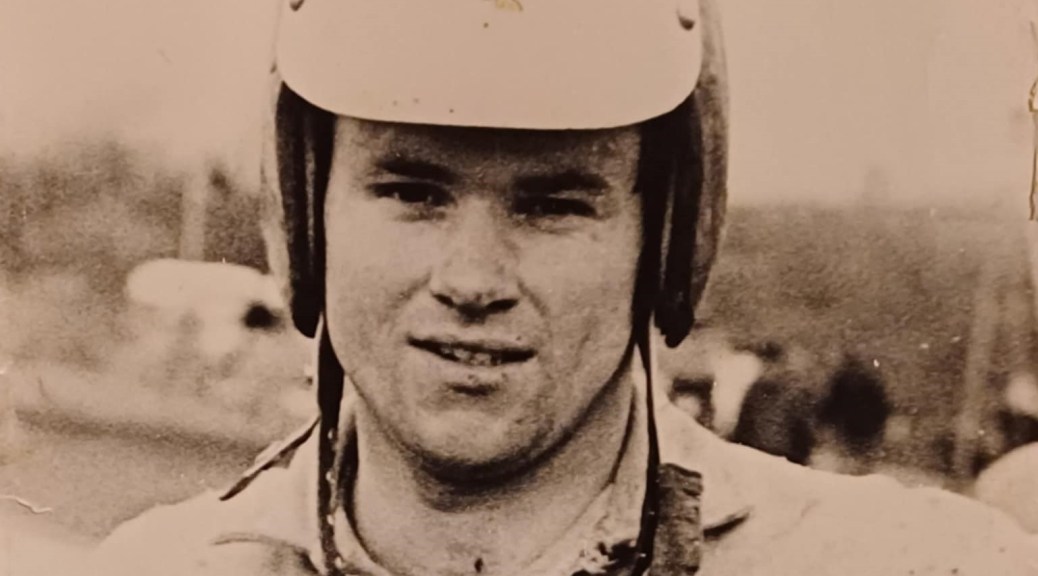


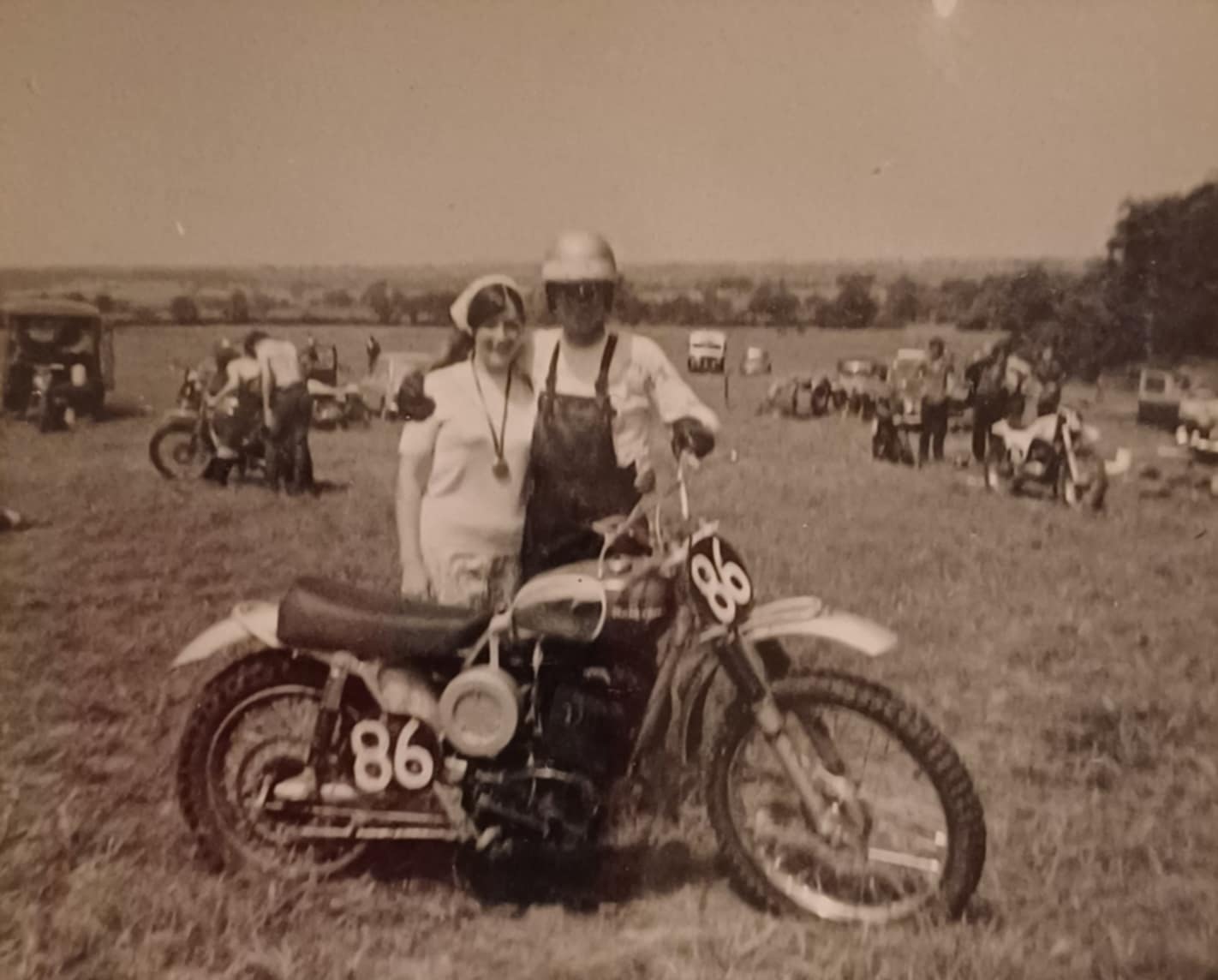
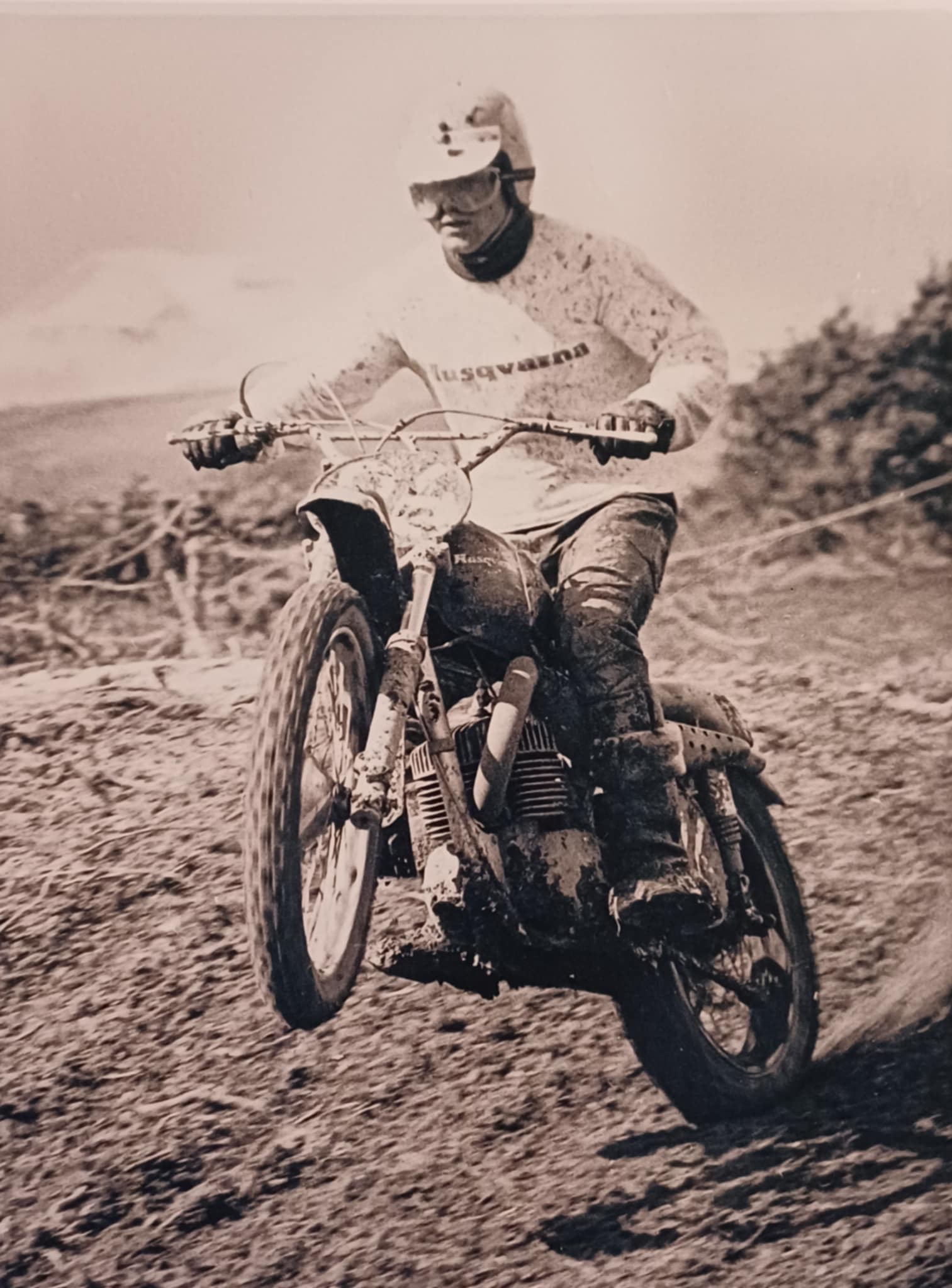

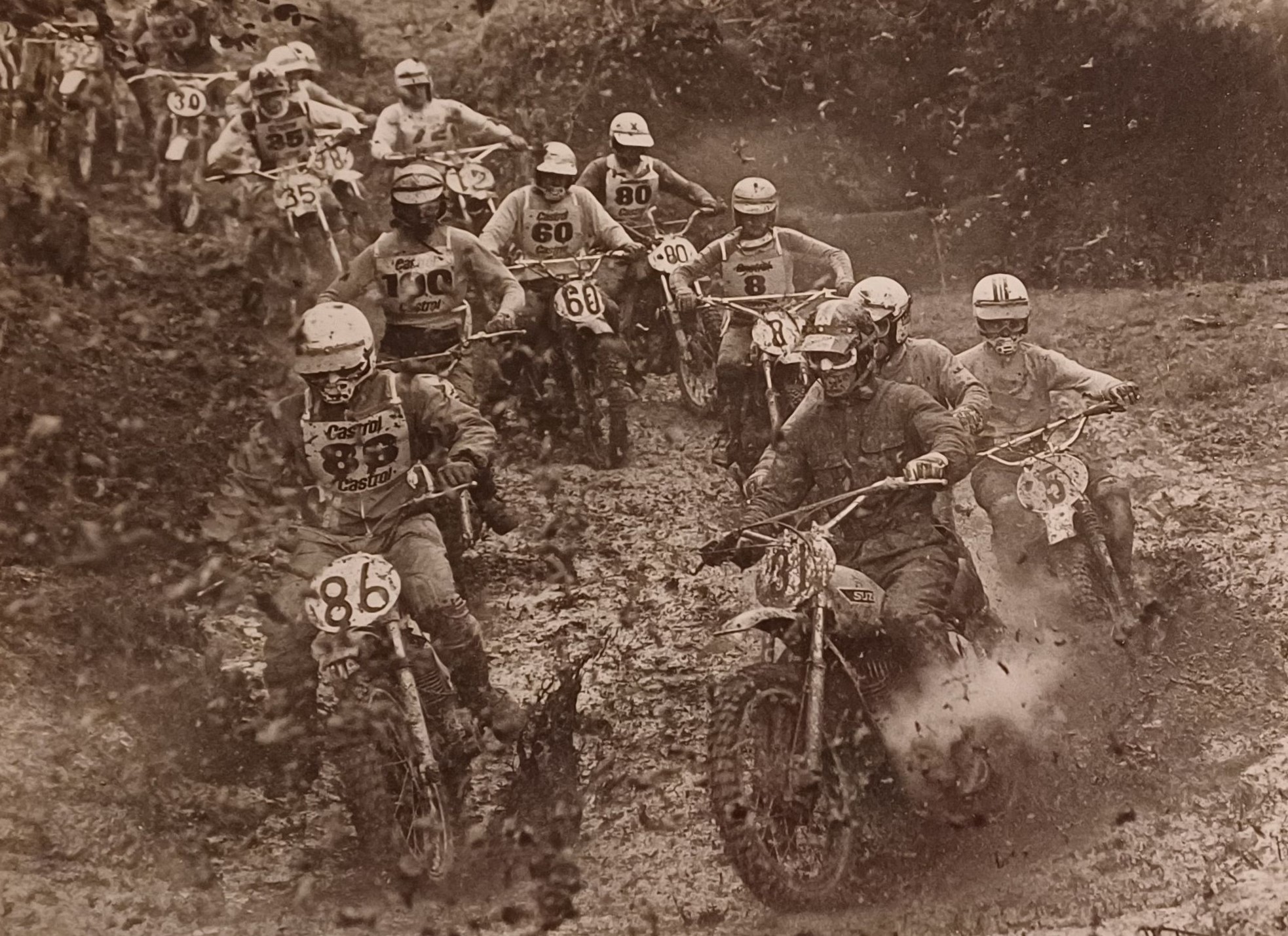


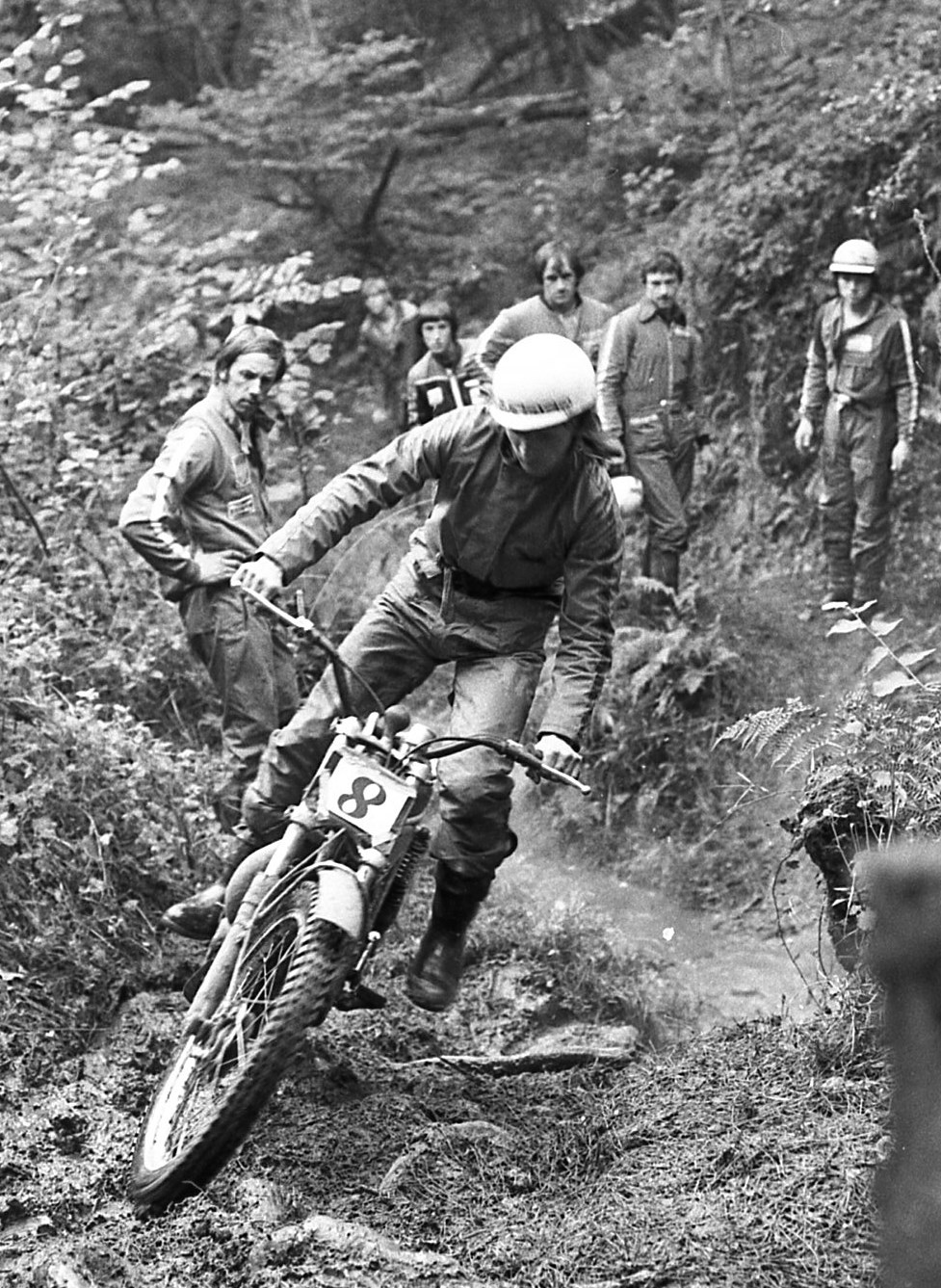
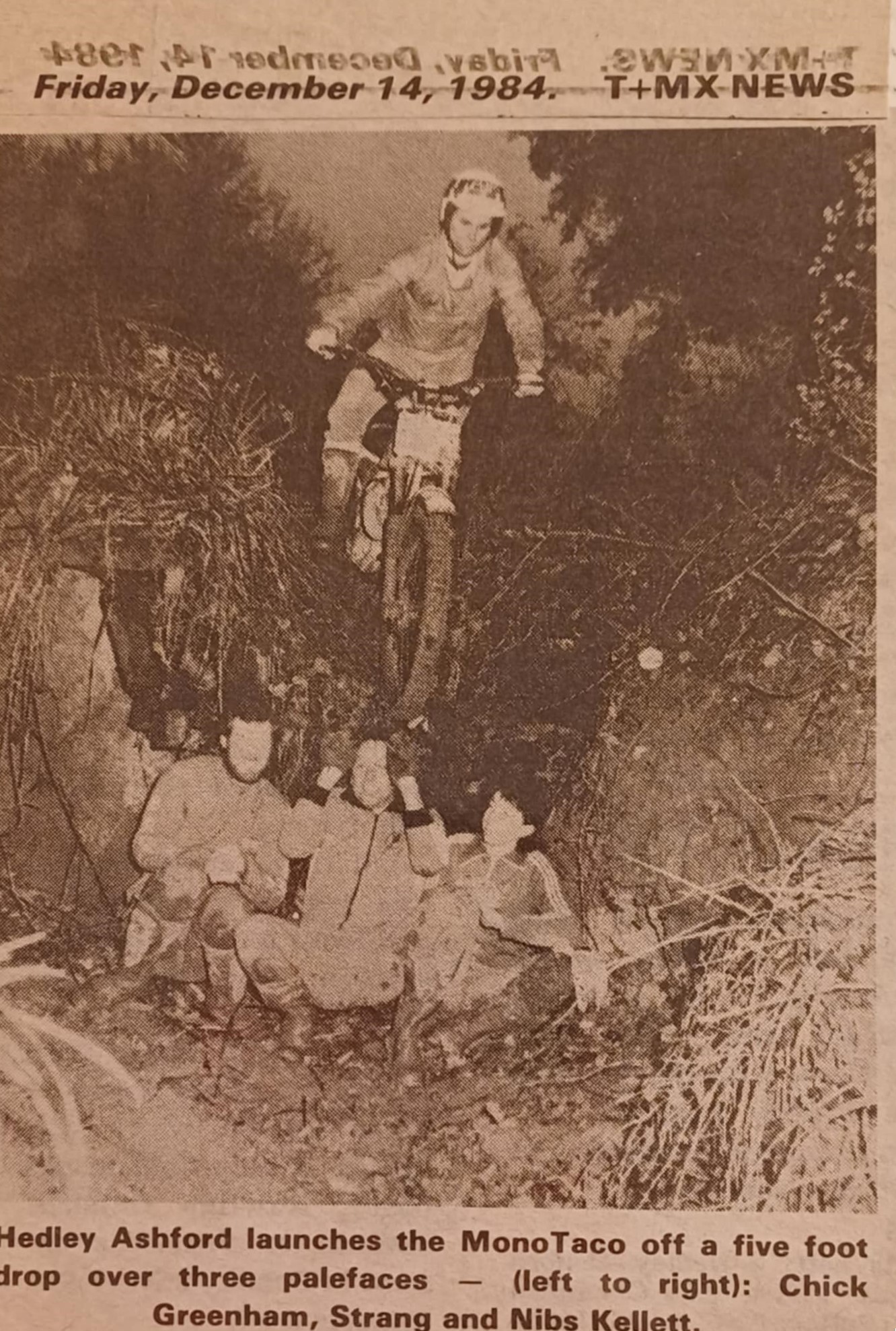


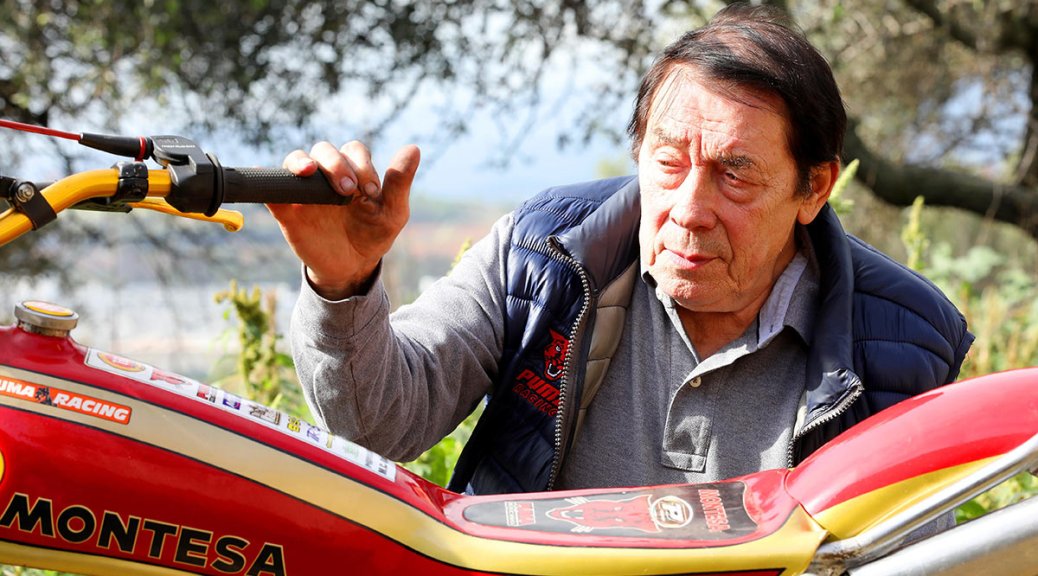

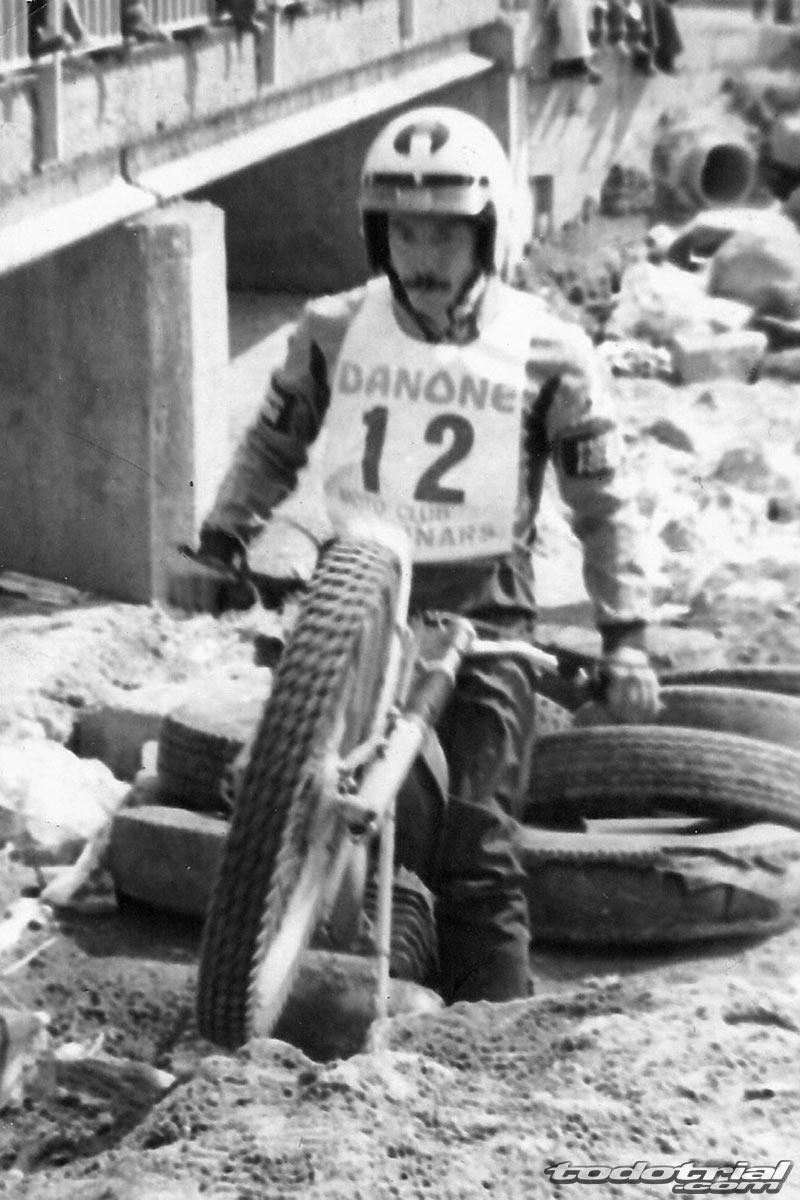
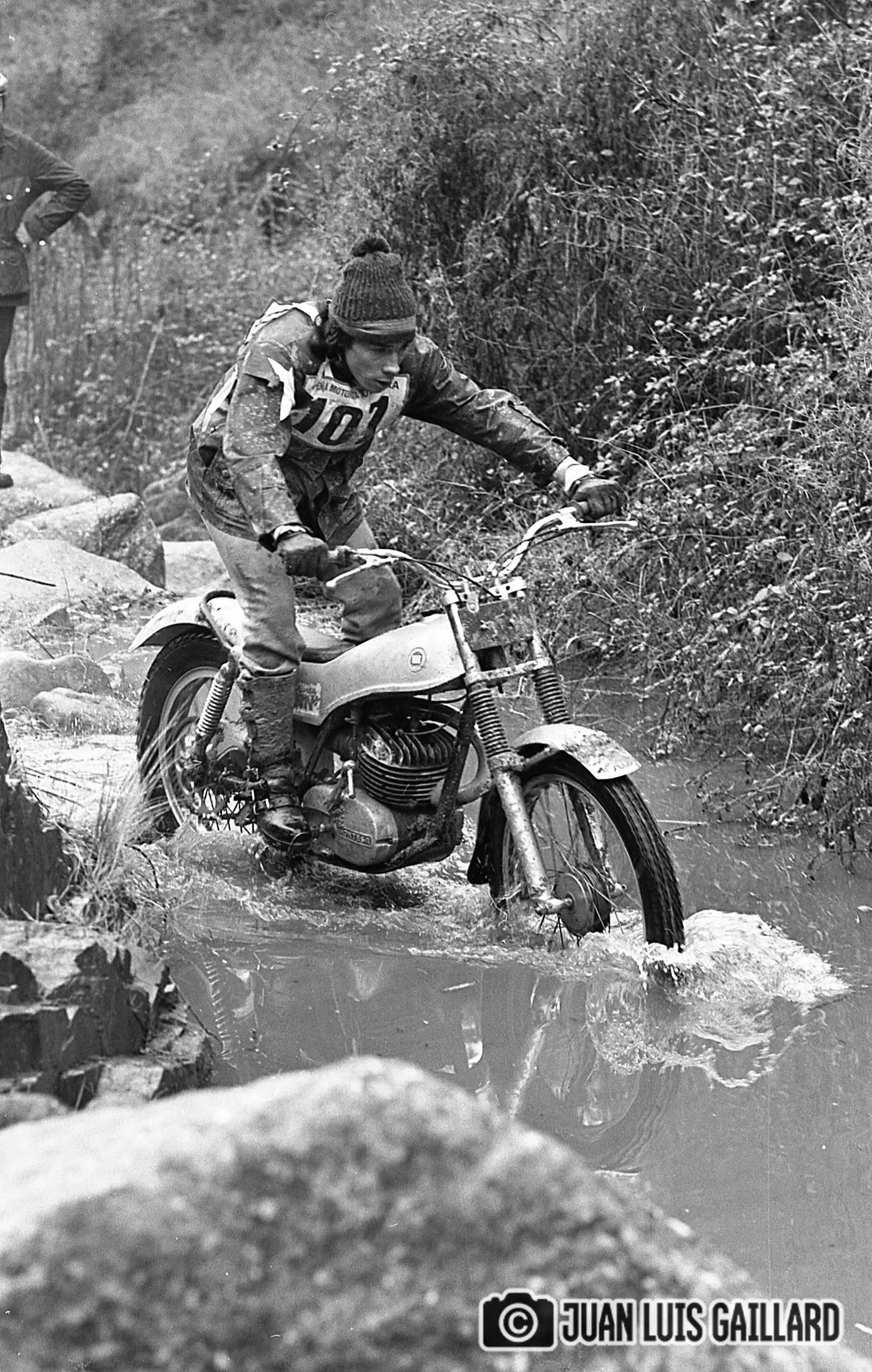


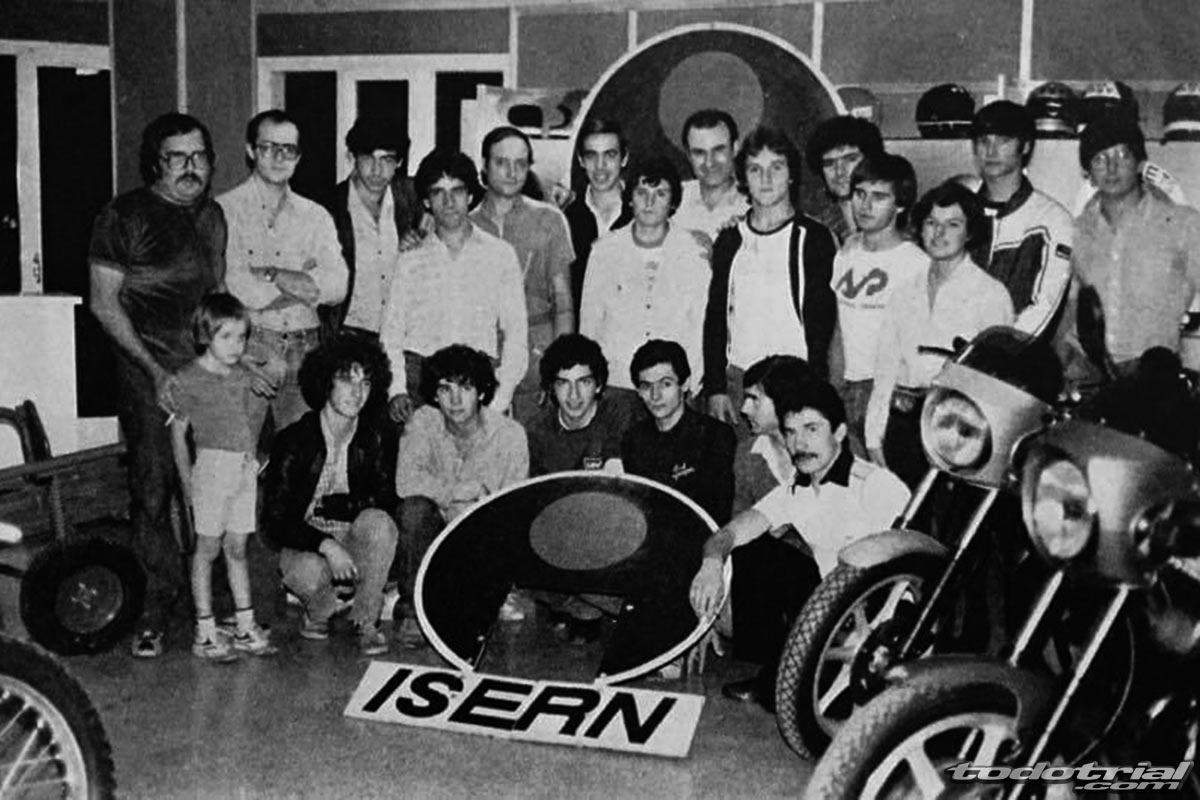
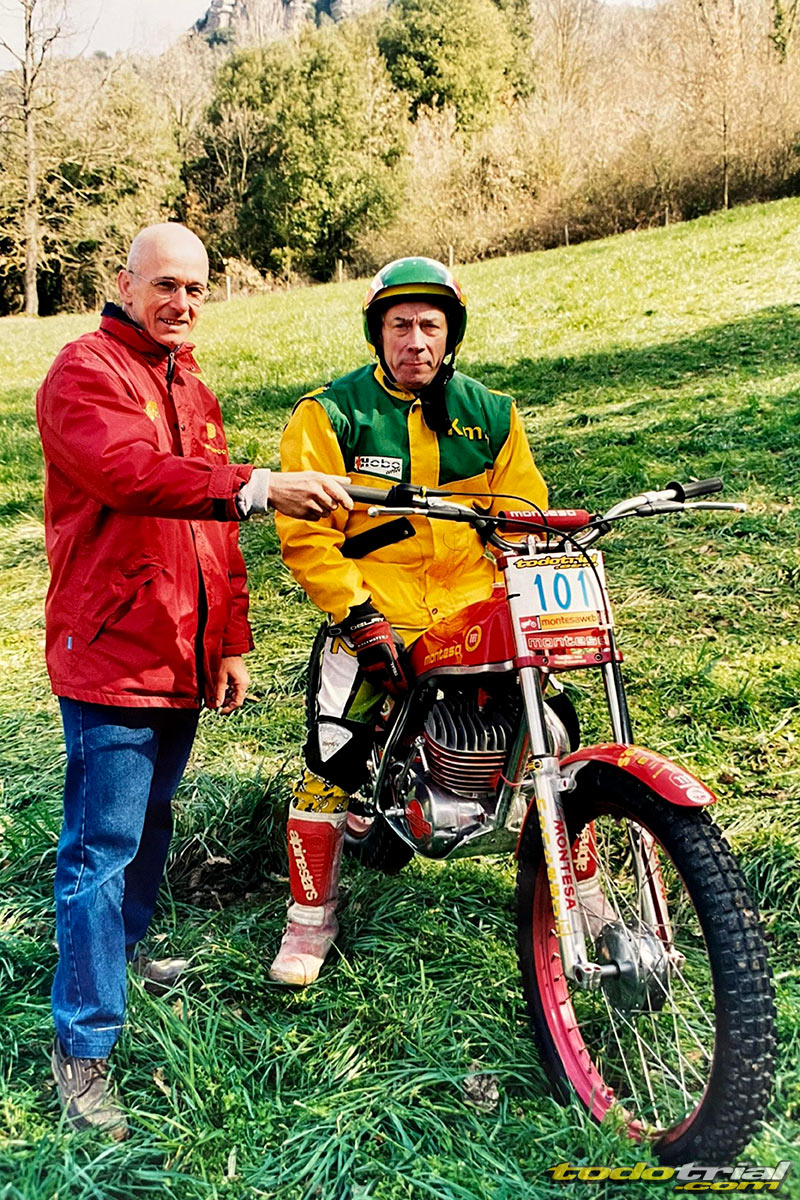
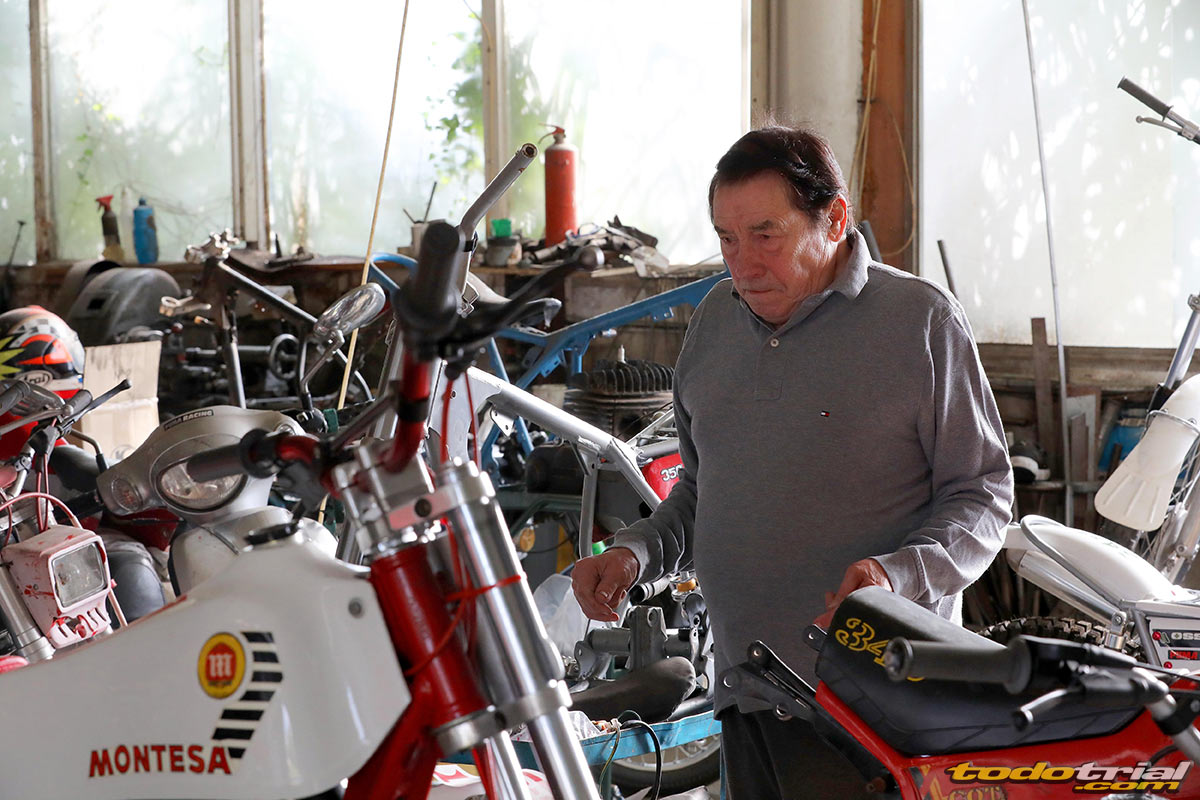
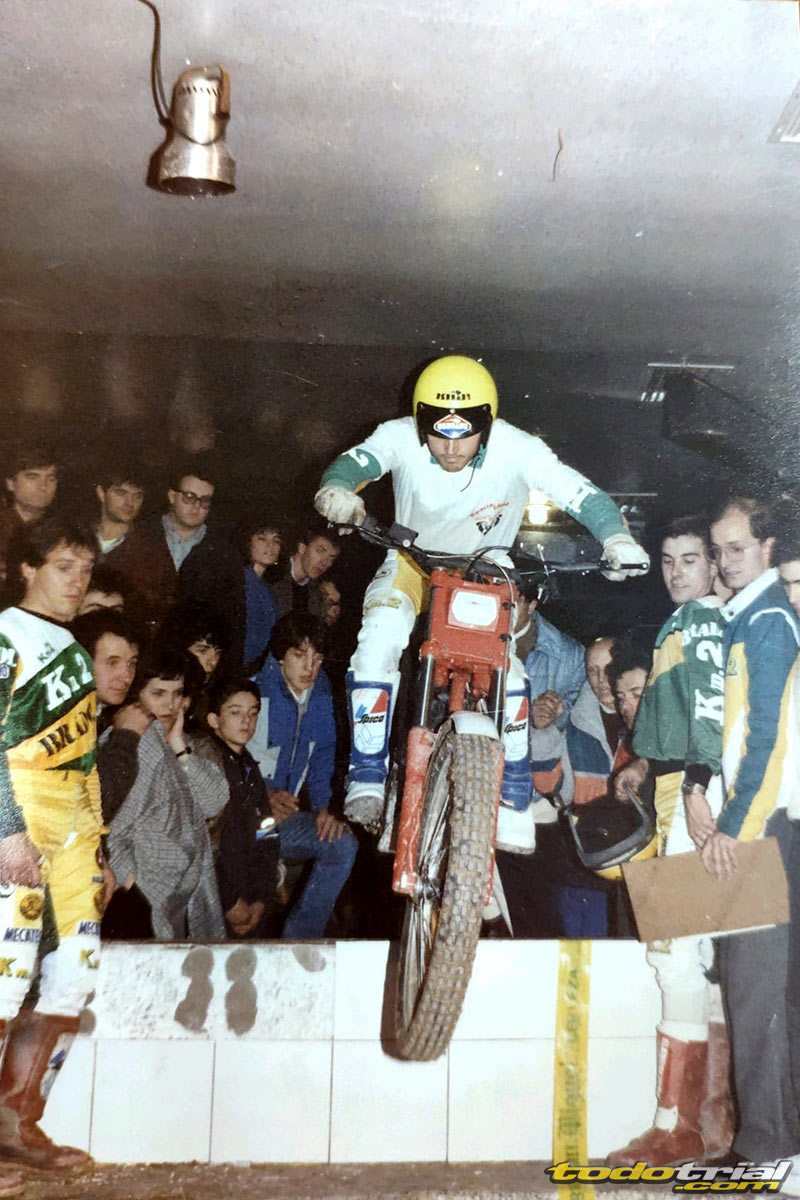

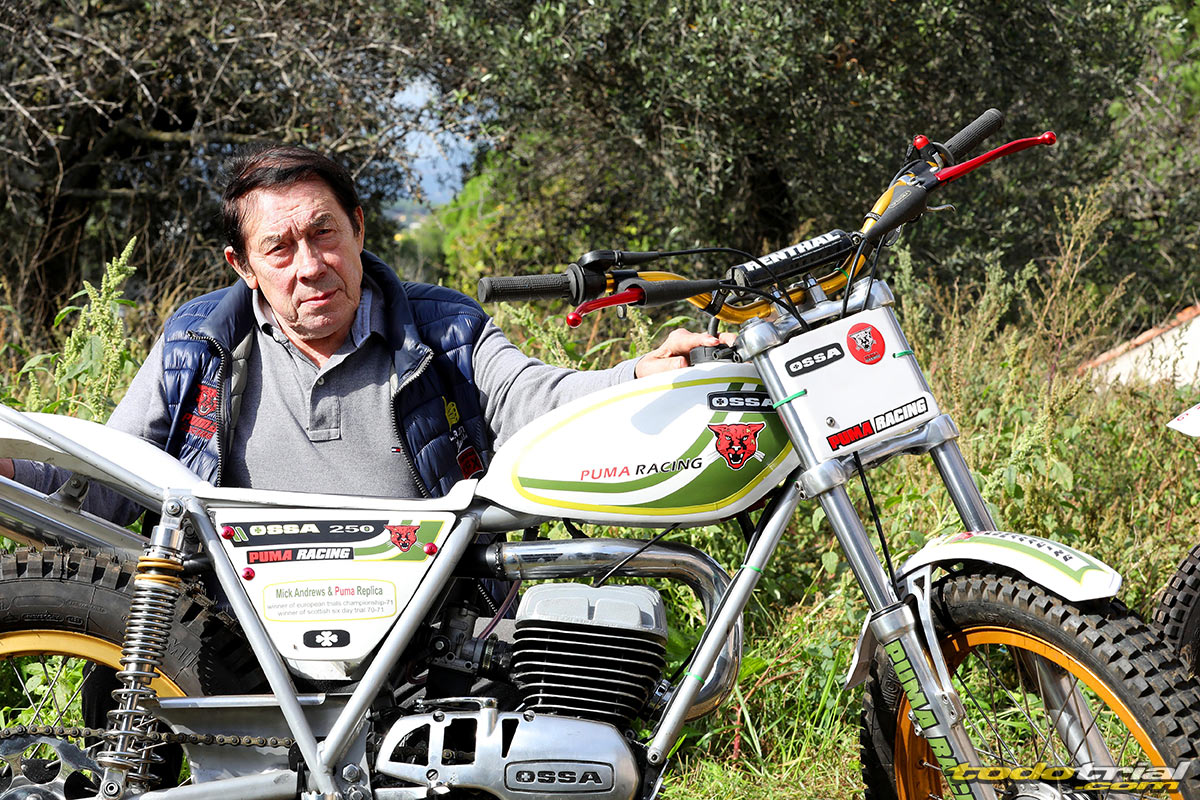


 TRIALS GURU - DEDICATED TO TRIAL