Continuing our series of articles of Scottish off-road personalities ‘Great Scots’, we now are pleased to bring you the story of Tommy Robertson.
Tommy Robertson (200 DMW) on Inshriach (also known as Creag An Eilein) in the 1953 Scottish Six Days Trial. A section that Robertson himself helped discover and was put in the event.
Tommy Robertson is a well-known name known to many of the more senior competitors and enthusiasts in Scotland.
He was a time-served joiner by trade and worked most of his life with D. B. Gunn (Builders) Ltd of Edinburgh, which was established in 1949, rising to ‘foreman joiner’ with the firm.
He was a life-long member of the Edinburgh Southern MC, a club that was established in 1924 and met in ‘The Southern’ bar, a public-house in 26 South Clerk Street in Edinburgh’s South-Side, hence the name.
Tommy Robertson on his AJS 350 16MC at a trial at Westfield near Bathgate, West Lothian around 1951.
Tommy was not only a keen trials rider and no slouch on a scrambles machine either as he was runner up in the Scottish Championships in 1954 to Ludo More.
Tommy Robertson scrambling an AJS
He also rode in road hill-climbs which were popular just after the war.
Tommy Robertson on his Triumph Twin at the Bo’ness Hill Climb on 9th August 1947, the helmet is the Edinburgh Southern MC which was worn by club members in ‘speed’ events.
Thomas Robertson served in the British Army during the Second World War in India and Burma, but it was never a subject that he could be drawn on to discuss in conversation, this may have been due to the senseless atrocities that occurred on the so called ‘Burma Railway’.
Tommy Robertson on Kinloch Rannoch in the 1953 Scottish on his Edgar Brothers supplied 200 DMW
Robertson’s peers were many of the best Scottish riders of the era, Geoff Smith; Jimmy Hutchins, Jackie Williamson to name but three.
A life-long sporting motorcyclist, Tommy’s favourite event was without question the Scottish Six Days Trial and indeed Tommy was a club scout, who investigated sections for the Edinburgh & District organising club.
Tommy on his 350 AJS in the 1951 Scottish Six Days on his AJS. This is ‘Kinloch Hourn’, no longer used, it was a long climb into the hills from Loch Hourn down in the valley. A breath-taking photograph.
In the 1970’s Tommy Robertson was the ‘number-plate official’ for the event, He issued the riders’ metal number plates at the weigh-in at Gorgie Market and took them from the riders at Blackford Hill, returning their deposit at the event finish, up to 1976 when the event moved to Fort William the year after and riders had to make their own numbers.
Arthur Lampkin gets his 250 BSA ‘weighed in’ at the 1961 SSDT. Tommy Robertson is on second from the right, looking down examining paperwork.
Tommy was also a machine examiner, who painted the daubs of special paint on the sealed items for the SSDT at the Gorgie Weigh-in.
In fact Robertson was one of a team of section scout riders who discovered and reconnoitered ‘Inshriach’ , also later known as Creag An Eilein near Aviemore on the Rothiemurchus Estate which was used from 1953 to 1967 before National Park status for the area forbade it’s future use.
Tommy Robertson (AJS) on the famous Devil’s Staircase at Lochailort in the SSDT
Tommy served for many years on the management committee of the Scottish ACU and being a tradesman, in those days who had no pay when off work due to a sporting injury, was the prime-mover to get rider’s insurance cover as part of their entry fee established with the then specialist motor-sport insurers brokers CT Bowring & Muir-Beddall.
Tommy and his wife, Mary had a son, Ian Thomas who also rode in trials, and was also a member of the Edinburgh Southern MC, like his father before him. The family home was at Bonnyrigg, near to Edinburgh in Midlothian.
Tommy Robertson was a very quiet, reserved individual with a commanding knowledge of the sport in Scotland. It is safe to say, when Tommy Robertson spoke, people listened to him carefully. One of the old-school competitors and officials who said little, but knew a great deal!
Tommy at home on his vintage AJS in the 1980’s, the bike still owned by his son Ian.
Trials Guru wrote: Many riders were encouraged to join the Southern and take up either scrambles or trials and in fact my late father T. Arnott Moffat was one of them.
My mum was a name known to all in the motorcycle trials world, she was born in East London’s Canning Town.
From humble beginnings she emerged as Britain’s best known lady rider in a career spanning a quarter of a century.
Renee’s interest in trials riding began watching father ‘Wag‘, an East London nickname for ‘Charles‘, riding motorcycles around the docks near his cycle and motorcycle shop. Renee’s parents were hard working East Londoners. They opened their first shop in the late 1920’s in Victoria Dock Road.
The popular shop hired and sold cycles, and the name Wag Bennett has been carried through to successive generations.
All during World War II, Wag and Esther Bennett remained in Canning Town, running their shop, keeping the dockworkers going with cycles and motorcycles, and staying open late til 11.00am waiting for the last shift of workmen to pass the shop.
Renee stunt doubling
Renee stood on a box at the counter, testing bulbs and batteries and giving the customers their change, by candlelight. She recalls she was about 4 or 5 years old.
In 1939, Wag was picked for the British ISDT Team, held that year in Nazi Germany. He shook hands with Hitler, unaware of the gathering storm then, quite suddenly, the team was ordered to leave Germany immediately WWII had begun!
The old shop was a target in the blitz being so near the docks, and eventually took a bomb, as did every other shop and house around it. Almost blown to smithereens, the bedroom ceiling was somehow held together with cycles magazines and newspapers. The whole shop was supported by a few wooden beams, keeping it standing.
Buckets were strategically placed on the bed to catch water, which poured in every time it rained. As a child, this was normal daily life for Renee and her brother, Wag jnr.
At night, they watched the ‘doodlebugs’ the V1 flying bomb, on their way to decimate the London docks and surrounding area.
Standing outside the shop every night, one of these unmanned rockets, would suddenly stop, drop, hit it’s target and blow the shop windows out.
During these blitzes, the family would hastily run to the nearest underground station or the Anderson shelter behind the shop, where they would remain until an ‘All Clear’ siren sounded.
Getting through the war was a daily struggle for survival. The harshness of life though at least prepared Renee for the tough sport of motorcycle trials that was to come.
After the war, Wag sold Ariel motorcycles; strong serviceable machines they were used thoughout the war, by soldiers and civilians alike. He worked all hours repairing and selling them to the dockers and factory workers.
Renee left school at 15, and went into the family business. It was now well known, a beacon for all the major British bikes: AJS, Matchless, Ariel, BSA, Triumph, Panther, James, Velocette, Frances Barnett, NSU ‘Quickly’ to name but a few.
Around this time, Renee began riding in earnest on a James Captain 198cc, but at only 7 stone and of slender build the skill of trials riding was not easy to master.
In her own words: “Why I never got killed I’ll never know, I was useless!“
Wag Bennett jnr. also worked in the shop, but diversified into bodybuilding. He would train every night in the hope of becoming Mr Britain. He eventually opened his own gymnasium training some of the greatest names in bodybuilding including Arnold Schwarzenneggar, who lived with him and wife Dianne for a few years. Wag was instrumental in teaching Arnie to pose to music. He won every title in Wag’s shows and soon became a household name. Arnie remained a lifelong friend of the family and invited Wag & Dianne to his Hollywood wedding to Maria Shriver.
In the mid-50s Renee met husband Howard Powell through her brother’s bodybuilding connections. Howard won many titles throughout the UK including Mr. South East Britain and Mr. Navy.
They married and in 1956 I came along. Renee juggled motherhood with helping Howard run their motorcycle shop in London’s East Ham, the first of five.
Determined to follow in the footsteps of her father, a factory supported rider for Matchless, Renee rode daily on wasteland nearby, and competed every Sunday in Kent and Surrey in timed trials along with husband Howard, also an avid trials rider.
By this time, and winning several awards in open-to-centre trials, Renee was riding a Greeves 250cc slimline, alloy frame, perfect for her. They were made by a small factory at Thundersley, Benfleet, Essex.
Renee was ready for the challenging Scottish Six Day event, following in her father’s footsteps.
Renee’s entered the Scottish Six Day Trial in 1961. The first of many.
She finished the event, earning her an award and a myriad of bruises all over her body!
The Welsh Three Day Trial featured prominently in Renee’s riding career as she says: “My favourite, fast and furious!” Renee rode a Bultaco 250cc with a Wasp frame for that event.
Her son, my brother, Charles was born in 1964.
But that wasn’t all, she was much in demand as a motorcycle stunt double, known by all in the film and TV business as The Girl On A Motorcycle. Renee also enjoyed a successful modelling career, advertising everything from make-up to Ovaltine.
In the early 1970s, Renee switched to riding a Bultaco Sherpa 250cc, which she still has today along with her Greeves, Bultaco Enduro (used in the Welsh Three-Day) and the much-loved James 198cc.
In 1973, Renee competed in the Scottish Six Day Trials on the Bultaco. The 6th so far.
At around here, she converted one of her East London shops into a motorcycle competition centre. “Renee Bennett’s East London Sportman’s Centre”, which became a beacon from as far afield as Europe and the USA. Customers visiting the shop immediately asked for ‘Renee Bennett!’
Renee and Howard became known for sponsoring many up and coming young trials riders in the 80s, kitting them out with helmet and suits, their own name signwritten on the petrol tank, and cheques sent when they had won the event.
Renee’s competitive spirit continued well into the 1980s. She ran a popular trial of her own: The Renee Bennett Sunbeam Novice Trial, which became a much awaited event each year. Every finisher received a scrolled certificate, adorned with red ribbon. It is still talked about today in vintage trials circles!
Howard, being into health and fitness since his time as a bodybuilder, set up a gymnasium above one of the shops. They trained daily, and Renee found the toning and strengthening a big help when dragging her bike out of the mud!
Howard, who sadly passed away in 2003, was a talented amateur film maker, often being invited to the premieres of the top films of the day. He counted among his friends actors and top stunt men from all the Bond films.
Renee recalls meeting the movie stars of the day like Yul Brynner and Steve McQueen, who was over from the states for the ISDT in 1964.
Now a grandmother but still with an interest in motorcycles, Renee continues to run her busy motorcycle shop in East Ham, the first one she and Howard acquired some 58 years ago.
As if that is not enough, she is very ‘hands on’ in her property renovating company assisted by son Charles.
Grandchildren have come along, my daughter Sophie, nearly 16 and a three-times published author! Oliver nearly 12, and young Charles, 22, who runs his own foreign exchange business.
Film on Renee Bennett by British Pathe on YouTube: HERE
Renee’s mother died only recently in 2012, aged 103! Father Wag died in 1989. As Renee says: “Perhaps I’ll live to be a ripe old age… see you around!”
This recent comment on a trials forum site sums up the amazing Renee Bennett : “Well.. Renee Bennett,. what can I say..! I think my old man had a fancy for her! I remember her riding the SSDT on a Bultaco in 1973. All the lads were fighting over themselves to help her when she got into difficulty. Her shop was called ‘Renee Bennett’s East London Sportsman’s Centre’. – Anyone know who wrote that?
– Julie Powell
Renee Bennett photographed in 2013 by daughter Julie Powell
Article Copyright: Trials Guru/Julie Powell
Photos: Julie Powell
Renee Bennett in Spanish! – Todotrial website Article:
Javier Cruz from Madrid has taken the Renee Bennett story to Spain, read about it: HERE
Trials Guru talked with Derek Cranfield, a trials rider who recently rode his sixtieth anniversary trial with the Witley MCC and who began his life in motor cycling when called up to do two-years national service. Here is his story:
On the 197 OEC, Derek’s first trials bike
“I was called up for my National Service, I went eight miles from home to learn to drive lorries and tanks, when I passed I was sent to Germany and when I got there, usual army thinking, no position, but would I like to ride a motor cycle?”
“I had never been on one, so I became a police rider and then company dispatch rider, doing thousands of miles throughout Germany. When I was demobbed, I bought a little James 125 and joined the local motorcycle club, the famous Witley MCC which I have now been a member for the last sixty-four years. After a couple of years observing, I decided I could ride better than some of the riders, so I sold the James and bought a trials 197 OEC“.
Scrambling a very special Francis Barnett with Norton forks and other special modifications. Photo taken at Trafalgar Farm, Portsdown Hill, Portsmouth (Gosport Club)
“One of my first events being a complete novice going down a steep slippery slope, both brakes full on I tried to turn left the front wheel wanted to go straight on, off I came, when up-right the handle bars where straight the front wheel forty-five degrees to the right.
The stanchions were still bent when I exchanged the bike for a James Commando, rigid rear end. I used this machine for a few years in trials and scrambles, my next bike was a 250 BSA with the outside distributor. This was a terrible starter when hot until I put a separate earth-wire from distributor to the frame.
Derek bought this DOT in 1961
“Next came the DOT 250, I bought this in December 1961 and in January probably had one of best wins when I won the 3 Musketeers trial near Reading. It was then a regional restricted trial and in the entry list were people like Peter Stirland; Mick Dismore; Gordon Farley; Bill Faulkner and the great Johnnie Giles. The following week I won the 250 cup in the Dunlop Trophy trial in Kent followed by a group trial win“.
Culross, Fife in the 1965 Scottish Six Days
“These wins got me a bit of support from DOTs for the Scottish Six Days. I rode the Scottish eight times, getting a Special first and seven First class awards. Not too bad for a south-east sand and ‘mud-plugger’!
I then started working for Comerfords, the biggest sporting dealer in the world. At one time, we had twenty-two of the staff all riding trials, scrambles, road racing or speedway. On the staff we had people like Bert Thorn; Don Howlett; Jock Wilson; Dave Thorpe snr and of course my great traveling friend Reg May. We traveled together all over the country to all the nationals“.
Foyers, South Loch Ness in the 1965 SSDT on the Greeves.
“At Comerfords, I had my Bultaco and Greeves machines and it was at Comerfords that I met some wonderful people from all over the world like Bud Ekins and Steve McQueen, when the USA ISDT team came down to part prepare their machines.
I left Comerfords to join Len Savage motorcycles in Farnborough as a director, the first day Len had a heart attack and so the firm became my sole responsibility. The bikes I had there were Fantic, Yamaha, SWM and Gas Gas, or what was in the shop. After I sold the firm I have had Yamahas, Gas Gas and now Beta. My current machine is a Beta 200, a little beauty. My favourite trial was the Scottish Six Days, when I stopped riding it in 1978, I have been up to spectate every year since until three years ago“.
‘Creag an Eillen’ A section used up until 1967 on the Rothiemurchus Estate near Aviemore this photo was taken in 1965 with Derek Cranfield on the Greeves in the Scottish Six days.
“Another great trial down here is the ‘Greybeards Trial’ started by the great Ralph ‘Rafe’ Venables. I started when I was about forty-seven I have won this trial five times, the last being in 2001. This trial is on a Sunday and the Bognor club started up the ‘Bluebeards Trial’ on the Saturday to make a weekend of it. I won this trial, five or six times and up to about 2001, I was the only person to have won both on the same weekend“.
Derek on his TY250R Yamaha.Thames Valley Trials Combine Trial 2015 – Sixty Years on and still riding! – Derek Cranfield. Photo: Dave Renham, Bultaco UK/ In Motion
Copyright: John Moffat/ Trials Guru 2024
Photos: Supplied by the Derek Cranfield Archive; Dave Renham, Bultaco UK/InMotion 2015
Apart from ‘Fair Dealing’ for the purpose of private study, research, criticism or review as permitted under the Copyright, Design and Patents Act, 1988, no part of this article may be copied, reproduced, stored in any form of retrieval system, electronic or otherwise or transmitted in any form or by any means, electronic, electrical, mechanical, optical, chemical, photocopying, recording or otherwise without the prior written permission of the author as stated above. This article is not being published for any monetary reward or monetisation, be that online or in print.
John Davies on his Scottish Championship winning BSA Gold Star seen here in 1959. Photo courtesy: Mrs Peggy Davies
Words: Trials Guru
Photos: Mrs Peggy Davies; Jimmy Young.
Born on 5th January 1934 at Liskeard, Devon, John Davies moved to live in Scotland when his father, Bill, also a keen trials rider transferred from Devonport to Rosyth Naval dockyard.
John became a shipwright and later a draughtsman at the Royal Naval establishment, where he worked all his life.
John Davies and Maurice Duffin with their silver-ware in 1958
Davies was what was known as an all-rounder, he rode trials, scrambles, grass-track and enduro. He had the ability to ride a trial one Sunday and grass-track the following sabbath, such was his adaptability.
Known to Scottish riders as ‘Johnny’, he started competing in 1951 on a 197cc James in trials. He entered his first Scottish Six Days on a B32 350cc BSA in 1953, finishing on 232 marks and a second class award to put on his Mum’s mantle-shelf!
1960 on the BSA Gold Star, shifting – Photo: Courtesy, Peggy Davies
He had joined the local Dunfermline and District Motor Cycle Club and retained his membership all his riding career.
He joined the RAF for his national service and was stationed at RAF Leeming and joined the local Northallerton club. His father and he built up a very quick Velocette 500 for riding in local scrambles while he was stationed there.
John gets a wheel ahead of George Shearer, both on MDS Greeves 250. Photo: Peggy Davies
Davies rode regularly against the famous Tate brothers, Maurice and Ron, bike dealer Norman Crooks, Dickie Preston and Peter Hodgson. All top riders in their day.
1973 – Montesa Cota 247 mounted at the Edinburgh Southern, Coronation Trial at Woodside section, near Muiravonside.
Although his first love was trials riding, John became an expert scrambler, taking the Scottish 250cc title (Alexander Trophy) in 1957 on a 197cc Francis Barnett and the 350cc Scottish championship (D&J Bell Trophy) on his DBD32 BSA Gold Star. His contemporaries included George Hodge and Ian Bell, both multiple Scottish champions.
John Davies at Caldcoats Farm, Newton Mearns in 1959 aboard his BSA Gold Star. Photographer Unknown.
George Hodge said recently: “Johnny was such a smooth relaxed rider in scrambles, you thought he was riding down the street to get his Sunday paper, whereas he was really flying!”.
Davies married his sweetheart, Peggy Hopkins from Edinburgh, but the wedding was planned in such a way that it was after the final race of the scrambles season, not only that they honeymooned in the Manchester area so that he could pick up an ex-works Dot from the factory on the way home to Dunfermline. They had two daughters, Sharon and Lynn.
Johnny was a clever man with the spanners and was an engineer at heart. He built many trials specials, which included a four-stroke Kawasaki trials bike in 1978. He converted a Honda Seeley TL200E to mono-shock rear suspension and a Yamaha TY250R mono converted to take a Yamaha Serrow four-stroke motor with electric starter when his Rheumatoid Arthritis became more progressed in 2002.
1979 – Valente Trial – Johnny Davies on his self-built Kawasaki 250 Four-Stroke – Photo: Jim Young, Armadale.
He also helped friend Ian Bell to build two Royal Enfield Trials Bullets, a 350 and a 500, from parts sourced from the factory competition department at Reddich in 1956.
John on his Honda Seeley TL200E at Callender around 1988, a bike which he converted to Mono-shock rear suspension. The bike was previously owned by Robbie Paterson of Cumbernauld. Photo courtesy: Jock Taylor, Perth.
Johnny’s great phrase when something went wrong was this: “What was the last thing you did before the bike wouldn’t go?”.
When he ceased competitive riding, Davies joined the Scottish ACU trials committee, stewarding many trials, he became trials chairman and held the position until his death on Saturday, 8th July, 2006 aged 72 years.
Davies was the driving force to ensure that Scotland hosted a round of the ACU British Trials Championship.
Johnny was always spotting trials ability in young riders and was one of the first to spot the talent of Gary Macdonald, who went on to become the most successful Scottish born trials rider of all time.
Macdonald said in a recent interview with Trials Guru: “Johnny Davies was a great man, he believed in me and helped me no end when he was on the SACU”.
His memory lives on as he was the creator of the ‘Scottish Clubman Trials Championship’ – the John Davies Trophy is awarded annually.
Trials Guru’s John Moffat on John Davies:
Johnny Davies was a dyed in the wool motorcyclist. He loved bikes, rode them virtually all his life, a passion handed down by his father Bill. He even rode a pillion trial in glorious Devon as passenger for his Dad when he was still at school.
When I travelled away from home on business around 1999 to 2005, I would be driving homeward when the mobile would ring and it was Johnny. “Where are you John? On your way back North? Fancy something to eat? I’ll get Peggy to put some extra potatoes on then, we’re having chicken! See you in an hour?”.
I would drive straight to Johnny’s house having phoned ahead to home explaining that I’d be late home and then spent an evening having a meal and talking trials with Johnny for around four hours at a stretch, then continued on my homeward journey, arriving at my house around one in the morning!
Johnny was my mentor when I became involved with the Scottish ACU. It was he who invited me to join their trials committee as one of the members, Jim McMeechan had died a few months earlier and Johnny had thought I would make a worthy replacement, so I was co-opted on.
When it came to the politics, Johnny advised me to say little in public and begged me to stay off internet forums as he believed they did more harm than good. “Only discuss it at committee John” he would say. “And bloody well don’t respond to these forums, it just makes things worse, stick to the rules and you won’t go far wrong.”
I wish I had listened more to the wise man, Mr. Davies, he made a lot of sense. If Johnny could help, he did. The trials world was much richer, when John Davies was around! It was one of my most privileged times when I was asked to speak at Johnny’s funeral in 2006. – John Moffat
John Davies 1934 – 2006
John Davies article is the copyright of Trials Guru – 2015
Apart from ‘Fair Dealing’ for the purpose of private study, research, criticism or review as permitted under the Copyright, Design and Patents Act, 1988, no part of this article may be copied, reproduced, stored in any form of retrieval system, electronic or otherwise or transmitted in any form or by any means, electronic, electrical, mechanical, optical, chemical, photocopying, recording or otherwise without the prior written permission of the author as stated above. This article is not being published for any monetary reward or monetisation, be that online or in print.
Ron Thomson with his C15 BSA at the ‘weigh-in’ of the 1959 SSDT at Gorgie Market, Edinburgh. Photo Courtesy of Mrs. Helen Thomson
Ron Thomson originally from St Andrews, Fife moved to Fort William in the late 1950’s. Ron was a dispatch rider during national service in Egypt and a member of the services club, the Bar-None MCC. On being de-mobbed, Ron joined the local Kirkcaldy & District club. Ron takes up the story: “In my day trials bikes were measured by the hundredweight, not by the cubic capacity! I had a Gold Star, which was dubbed the ‘Stone-Crusher’. So called because no section was ever the same after we had gone through. As for the Scottish Six Days, we used to gear the bikes up, my Trophy Triumph was good for 90 plus mph on the road, the reason for the hurry was that we used to be more interested in the ‘Seven Nights’ than the Six Days!” says Ron.
Ron on his BSA C15T in the 1959 Scottish on Glenogle section on May 4th. One of the first day hills as he made his way homeward to Fort William from the Edinburgh start. On the second right is Dunfermline rider the late Maurice Duffin. Photo: Mrs. Peggy Davies.
That particular Goldie, as Ron had one or two, registered PFS 916 had a neat conversion, featured in the first 1958 SSDT report in The Motor Cycle. In an attempt to reduce weight, Thomson used the gearbox as an oil reservoir for the motor thus obviating the need for an oil tank. The very machine on which Ron won the over 350 award at the 1969 Scottish which was to be his last ride in the Highland classic. That Gold Star was sold via Ernie Page’s shop in Polwarth Terrace and was passed through many ‘hands’ eventually ending up with Billy Maxwell in Newcastle Upon Tyne.
1964 SSDT on Mamore. Ron Thomson on his BSA Gold Star PFS916 – ‘The Stone-Crusher’. Photo courtesy of Mrs Helen Thomson, Fort William.
Ron loved riding the Scottish Six Days which was in effect a local event for him as he lived in Inverlochy at that time. Ron said: “…well it was more the seven nights I was most interested in to be truthful, we used to get up to all sorts of fun”.
Ron knew an observer called Tommy Millar from Airdrie, a man who never had a complaint registered against him in over 25 years of observing- what was the reason? “I just gie a’ the laddies a clean”, he told Ron.
Ron said: “I’ve no doubt that the kids today on their water cooled pogo sticks in their go faster trendy bin liner suits will enjoy themselves just as much as we did, but still I think had greater fun in the golden years”.
At the end of the 1953 Scottish Six Days, Ray Biddle took this photo of the Kirkcaldy & District riders From left: Peter Victory (197 James); Dave Birrell (490 Norton); Jack Duncan (Montrose, 197 Francis Barnett); Dr. J.G. Stewart (197cc Sun); Johnny Birrell (348cc BSA) & Ron Thomson (343cc Triumph)
Ron had a reputation as the man to approach if you wanted your bike fettled for the Scottish. He worked for a spell at the Brechin dealership, Duncan’s.
Ron prepares to start his BSA Gold Star at the beginning of the 1963 Scottish in Edinburgh’s Gorgie Market. Photo Courtesy of Jimmy Young, Armadale.
At one stage Ron, when still an active rider, prepared about a dozen Lochaber members bikes for the Highland classic.
“I couldn’t concentrate on my own ride for this one or that one coming up and saying, here! Listen to this – do you think it’s all right – will it last the week with this rattle or that rattle?”
Tyndrum, on the final day of the 1964 SSDT. Photo courtesy of Mrs. Helen Thomson, Fort William.
John Moffat has a vivid personal recollection of the 1967 Scottish Experts held at Achallader Farm, Bridge of Orchy: “Ron Thomson was on his Gold Star, having ridden down from Fort William, a distance of some 35 miles in company with the late Ali McDonald on a 500cc Ariel. Post-trial, Ron stopped for a blether with a group of his old chums, I happened to be an interested bystander, listening in to the “banter”. Ali McDonald had decided to get home before dark and left immediately after signing off at the finish. The bold Ron then decided after quarter of an hour had elapsed to set off in pursuit of his pal, McDonald. Ron set sail from the farm, which, is about a mile from the main A82 trunk road. Within a few moments the assembled gathering could see Ron and the Goldie passing over the steel bridge which spans the River Orchy and up the “Black Mount”, overhauling several cars during his ascent, the big Goldie on full song. The exhaust note ever fading, disappearing from view as he crested the summit and onward to the Fort. What a great sight to behold.”
Alister McDonald was a great friend of Ron Thomson. Here we see Ali on his Ariel HT5 on Town Hall Brae (Rocky Brae) in Fort William in the 1964 SSDT. Photo Courtesy of Mrs Helen Thomson, Fort William.
Known as a ‘big bike’ man, Ron also rode the “tiddlers” as well. In 1959 he chose the brand new C15T BSA 250cc unit construction single for the Scottish Six Days. In fact, out of eight C15’s entered, Ron was the only one to get to the finish and that included factory bikes as well!
Watched by Jeff Smith in the duffle-coat, Ron Thomson on the only C15T BSA to finish in the 1959 Scottish. All the works bikes had retired from the event. This section was at Achintee farm on the slopes of Ben Nevis Photo courtesy of Mrs. Helen Thomson, Fort William.
Back in 1955 he rode a Villiers powered 197cc DMW and a year later rode a similarly powered Welsh built 197cc H.J.H.
In the 1953 Scottish, Ron rode a self-built ex-WD 343cc Triumph, the following year he rode a 347cc Matchless G3LC.
Ron Thomson on his new for that year 347cc Matchless G3LC in the 1954 Scottish on Creag An Eilein on the Rothiemurchus Estate, near Aviemore. Photo: Ray Biddle, Birmingham.
Ron S. Thomson passed away on 20th January 2007, never being a regular church attender, there was a humanist service held for him in the Crematorium at Inverness. Ron left the trials community of the Lochaber Club and the towns-people of Fort William with great memories of a true character of the sport of trials.
Ron Thomson in 1964 at Achintee Farm on his 499cc BSA Gold Star. Photo Courtesy Mrs Helen Thomson, Fort William.
Trials Guru on Ron Thomson: Ron Thomson was a well liked individual who moved from his native St. Andrews to work at the British Aluminium works at Fort William. The reason was simple, so that he would live in God’s trials country! He set up business initially in a shed in his back garden fixing motorcycles and lawn-mowers for local people.
His business grew and he obtained premises at the Industrial Estate at Caol a few miles from Fort William on the A830. Many of the younger riders in the town benefited from Ron’s knowledge, which included Hugh and Alister McDonald, Alastair Macgillivray. Gary MacLennan and Rodger Mount.
Friends of Ron Thomson, Hugh McDonald Senior and Junior. Hugh Snr is on Ron Thomson’s BSA Gold Star and Hugh Jnr on the special bike built for him by Ron Thomson. Photo courtesy of Alister McDonald, Fort William.
His business was called R.S. Thomson (Inverlochy) Ltd. He ran a repair shop and MOT test centre for motorcycles. He was agent for chain-saws and garden equipment and employed Cameron ‘Cammy’ Kennedy for many years.
Ron gets his 250cc BSA C15T examined and security marked at Gorgie Market in May 1959. On Ron’s left is Davie Miller, one of the course markers of the SSDT. Photo courtesy of Mrs. Helen Thomson.
It was quite usual to swing in past Ron’s workshop for a great natter about the old days. But as sure as guns you were never there long until another enthusiast also had the same idea! How Ron got any work done heaven knows. He was a good builder of wheels, which itself is a bit of a ‘black-art’.
When Ron passed away after a short illness the business folded and Cammy took up employment with The Hire Centre in Fort William. Ron’s friends were not only Scots riders of his era like Jack Williamson; Arnott Moffat; Tommy Robertson; Johnny Clarkson and Bob Paterson, he also enjoyed the friendship of Gordon Blakeway; Ralph Venables; Peter Stirland and some of the best known riders of his era.
24th June 1962 – From Left: Bobby Neilson; Billy MacLeod: David Stodart; Hugh McDonald; John Noble: Jack Williamson & Ron Thomson. A joint effort of Edinburgh Southern & Lochaber Clubs to ride up Ben Nevis
They all knew Ron Thomson!
This article was put together from notes John Moffat made during an interview he had with Ron at his workshops at Caol some years ago and personal recollections by Moffat himself of Ron Thomson pieced together over many years knowing Ron Thomson.
Ron Thomson in the Scottish Six Days Trial
Year Riding Number Club Make & CC of machine
1953 179 Kirkcaldy Triumph 343
1954 148 Kirkcaldy Matchless 500
1955 20 Kirkcaldy DMW 197
1956 24 Kirkcaldy DMW 197
1957 12 Kirkcaldy DMW 197 (could be HJH)
1958 140 Kirkcaldy Triumph 498 (Twin)
1959 74 Edinburgh & Dist BSA 250
1961 171 Lochaber BSA 350
1962 191 Lochaber BSA 348
1964 177 Lochaber BSA 500
1969 195 (not in prog.) BSA 500
Post Script: Added 01/02/2015:This story was spotted by Ron Thomson’s Grand-nephew, Ron Fisher who lives in Canada. It brought back happy memories of a visit to Scotland back in 1997 and indeed Trials Guru has been able to put Ron Fisher and Mrs. Helen Thomson in contact as a result of the article you see above.
Copyright: Trials Guru / Moffat Racing / John Moffat – 2014
With special thanks to Mrs. Helen Thomson of Inverlochy, Fort William for the photographs which accompany this article.
Post script to Ron Thomson’s story…
We have been contacted by former Scottish Speedway professional, John Wilson who now lives in Spain. John owned the ex-Ali McDonald Ariel MDB590 and he has kindly let us see photos of the restored machine. He sold it shortly before emigrating to Spain some years ago.
1964 – Ali McDonald on MDB590 on Grey Mare’s Ridge Photo: Holder and Osborn
The ex-Ali McDonald Ariel HT5 (MDB590) nestles inside John Wilson’s den. His speedway memorabilia is in the background. Photo: John Wilson.
A proud John Wilson shows off his Ariel. Photo: Chris Wilson.
Born in May 1930, Jack Williamson was Scottish Trials Champion in 1962, 1963 and 1964, riding Greeves machines and was a regular competitor in the annual Scottish Six Days Trial. In the 1958 event, Jack rode a 500cc Ariel HT5 registered OSG443, an Edinburgh BC registration. The photo appeared on facebook recently which sparked off an interest in the machines history. The bike had been undergoing some restoration work at Loch Ness Restorations at Dochfour just outside of Inverness. The next to current owner, Terry Fullarton contacted Jack as the current owner, Phil Marshall wanted to know more about the bike’s history.
Jack Williamson (Newtongrange) on ‘Glen Ogle’ section on the first day of the 1958 Scottish Six Days Trial on OSG443 Ariel HT5
The bike had at one time been the property of former Scottish Scrambles Champion, George Hodge of Abington, Lanarkshire and he used it regularly in the late 1960’s to check his flock of sheep on his hill farm for many years before selling the Ariel.
Williamson used the bike in the 1958 Scottish and at this year’s Pre-65 Scottish at Kinlochleven, Jack was re-united with the Ariel fifty-six years after he rode the SSDT on the same machine.
Former Greeves works rider, Bill Wilkinson, the last British rider to win the SSDT on a British built bike (1969) was on hand to witness the re-union of bike and rider.
Bill Wilkinson (left) checks over the details of the Ariel with Jack Williamson (seated)
Jack was delighted to be acquainted once more with his old trials iron and took it for a short ride around the old Aluminium factory grounds. In the meantime, The Guru has suggested that George Hodge be contacted as he will be instrumental in filling in the gaps of the machines history.
Jack Williamson re-enacts his left hand turn, 56 years after the photo taken at Glen Ogle
More on Jack Williamson:
Jack or ‘Jackie’ as he was known in the trials world, was brought up in Newtongrange, Midlothian and worked in the family business as a TV and radio mechanic.
Jack Williamson (left) with his father John Williamson in 1971 at the family business in Newtongrange, Midlothian, Scotland.
His first trials machine was a 350cc Matchless demobbed from the War department and converted for off road use. However young Williamson fettled the bike so well that he didn’t want to use it, so he sold it for a profit and purchased a genuine “comp” model in 1948, the year he started competing. His mentors were Tommy “Tuck” Robertson and Jimmy Hutchings, both respected trials and scrambles riders of the post-war era.
Bobby Neilson (350 Ariel) and Jackie Williamson (500 Ariel) at a trial around 1959
Jackie was a natural rider but he took competition seriously enough to practice every day, at lunchtime he would spend an hour on the “pit bing” of the Lady Victoria mine. As the years progressed, Jack became a local sporting personality in that mining town and occasionally a bus was hired to take his supporters to watch Jackie ride in a trial or scramble far a field.
Jimmy Hutchings was one of Jack Williamson’s mentors and a great friend – Photo courtesy: Susan Stephenson, Edinburgh
By 1951, Jack had won the Scottish Experts Trial, which at that time was a qualifying event for the British Experts.
In 1961, Jackie Williamson (left) rode a 250cc Dot at the Manx Two Day Trial, here in company with local friend Bobby Neilson (350 Ariel)
Jack’s successes were constantly reported in the Edinburgh Evening News and in 1964 the paper did a feature on him by then, had won most of Scotland’s national fixtures and was three times Scottish Trials Champion, 1962, 1963 and 1964.
The amassed collection of trophies accompanying the article was quite breathtaking, fortunately his awards are preserved and we can show Jack in a recent photograph with them laid out with a magnificent shot of him in the 1963 SSDT on ‘Grey Mare’s Ridge’ as a centre-piece.
Jack Williamson with his array of trophies won during his riding career. The large photo of Jack in the SSDT in the centre is now looked after by Trials Guru.
1963, a good year!
In the 1963 season detailed below, Jack achieved the following results in that year’s events, 250cc Greeves mounted, it gives a fascinating insight into a rider’s year in trials competition. The events marked (TC) denote a championship round:
Jack Williamson (250cc Greeves) awaits the signal to start in the 1963 Spring Trial at Kinlochleven. Ian Pollock on the right was a driving force in this event which was re-named in his honour after his death.
1963:
January 27, Dundee – (Trial cancelled because of Snow)
February 17, Stevenston – Runner-Up
February 24, Perth – (Trial cancelled)
March 3, Edinburgh Southern Coronation Trial (TC) – 1st Equal
March 10, Montrose (TC) – 5th
March 17, Falkirk John Bull (TC) – Runner-up
March 24, Dunfermline – 7th
March 31, Lanarkshire Valente Trial (TC) – 5th
April 7, Kirkcaldy – Runner-up
April 14, Lochaber Spring Trial (TC) – Winner
April 21, Dundee – 3rd
May 6 to 11, Scottish Six Days – 36th & Best Scot, Best E&D member
May 19, Kinross – 4th
May 25 & 26, Lion Two-Day Trial – 3rd
June 9, Edinburgh St. George, Colonial Trial – Winner
July 28 Edinburgh St. George News Trial – (Restricted to Non Experts & Novice riders only – no entry)
August 18, Mercury Trial – (On holiday, no entry)
August 25, Lion Trial – (On holiday, no entry)
August 31 – September 1, Highland MCC Two-Day – Runner-up
September 8, Edinburgh St. George Mirylees Trial – (Unwell, no entry)
September 15, Loch Lomond – (Unwell, no entry)
September 22, Edinburgh Southern Scottish Experts – (Trial cancelled)
September 29, Perth (TC) – 3rd
October 1, CSMA Trial – Winner
October 13, Stevenston Ayrshire Trial (TC) – Runner-up
October 20, Dunfermline Campbell Trial – Winner
November 3, Kirkcaldy George Scott Memorial trial (TC) – 4th
November 17, Edinburgh St. George Plaza Trial (TC) – 12th
November 24, Glasgow Lion Trial – Winner
Overall, Jack won that year’s 9 round Scottish Trials Championship.
Jack competed predominantly in Trials but also was a successful scrambler and grass tracker. He even had a go at road racing, encouraged by the late Davie Lamb, Jack changed the handlebars and gearing on his trials A.J.S and raced at the Kirkcaldy Club’s Beveridge Park.
It was Jackie’s rides in the Scottish Six Days that are probably most memorable for Scottish trials fans. He rode the SSDT 25 times over a period from 1948 to 1975 and only failed to finish once due to mechanical failure when riding a 350cc Matchless.
The most unusual machine that Jack rode in the SSDT was a DMW two-stroke, twin cylinder, supplied by Edgar Brothers who were the Scottish agents for the Wolverhampton brand. Jack told Trials Guru: “The DMW was not very good in sections but it was quick on the road.” Even although it was unusual, Jack still collected a first class award on the DMW in the 1957 trial.
He was best Scotsman in the SSDT on no fewer than six occasions and best Edinburgh and District club member on more occasions than he cares to remember. Jackie rode a vast array of different machines in his career and always moved with the times.
Jackie Williamson on his 350 BSA Gold Star, KSF544 supplied by Alexanders of Edinburgh, the machine had the special ‘Daytona’ style frame. Seen here on Blackford Hill, Edinburgh near to the finish of the 1953 Scottish – Photo: Ray Biddle, print supplied to Trials Guru by J.D. Williamson
He commenced on a string of AJS, then Matchless, Ariel and BSA four stroke machines. When two-stroke dominance came in he switched to Dot; DMW; Greeves on which he had his three championship titles; Bultaco, Montesa and Ossa. He never owned a Norton but borrowed one from his friend Bobby Neilson to ride in a couple of trials after setting his AJS on fire when it fell over at a Perth event! Jack was a member of the Edinburgh Southern Motor Club which promoted both trials and scramble events.
Another shot of Jackie Williamson taken by Ray Biddle, Birmingham from the 1953 Scottish on his BSA Gold Star on ‘Conduit’ above Kinlochleven – Print supplied from J.D. Williamson’s private collection.
By 1968, the SACU had laid plans to field the British Vase team for the 44th International Six Days Trial to be held at Garmisch Partenkirchen, Bavaria in the following year. Jack was selected as one of the Scottish squad by Team Manager, George Baird.
Jackie was 38 years of age but still a fast rider on the rough and had a great depth of experience. Unfortunately the Montesa Scorpion he used broke its gear change selector spring and that put an end to his efforts. His career as a sporting rider was refreshed in the form of what we now call enduros.
And In 1972 Jack, riding a 250cc Ossa finished with a bronze medal and was the sole surviving private British entrant and was awarded the Arthur Prince trophy by the ACU for his efforts.
1974 ISDT Left to Right: George baird, team Manager; Allan Forbes; Jimmy Ballantyne; Jack Williamson; Ian Millar; Stan Young; George Bryce, Fitness Coach. Photo taken at Meadowbank Sports Stadium, Edinburgh.
Jack’s final attempt at the ISDT was in the 1974 event at Camerino, Italy in which he crashed at high speed on a tarmac section suffering concussion, a broken nose and other injuries that would eventually signal the finale to his active riding career, which spanned 27 years, effectively three generations of competitors. Jack had ridden with grandfathers, fathers and sons!
Finally, our article on Jack finishes with a song! Written by enthusiast Harry H. Cook and entitled “Song of the Edinburgh Southern Motor Club, to the tune of Feet Up performed by Guy Mitchell:
“Feet Up, Keep ’em on the footrest,
That’s how to win.
Feet Up, Keep ’em on the footrests,
When the front wheels in.
Ain’t seen a trial like this before,
So darned easy, gonna win some more,
Feet up, keep ’em on the footrests, That’s how to win.
Now I’ve been known to scramble,
And even win a Cup,
And there’s the time I had a spill,
And landed down side up.
And though my bike is not spring heeled,
Gonna beat them all without a fall,
‘Cos I want that shield.
Feet up, keep ’em on the footrests,
Take the section clean,
Feet up, keep ’em on the footrests at berdeen.
Williamson, Hutch and Neilson too,Go to it boys, it’s up to you.
So Feet up, keep ’em on the footrests,
That’s how to win”
Jack celebrated his 90th birthday on Friday, 22nd May 2020
As mentioned in the Jackie Williamson article above, the Scottish ACU had been granted Vase B team status by the ACU for the 1969 International Six Days Trial at Garmisch-Partenkirchen. The SACU is not directly recognised by the FIM as the ACU is their representative at council for the UK as a whole.
The SACU managed to negotiate some machinery from manufacturers, being Dalesman in Otley, Yorkshire for two 125cc Puch engine bikes and BSA for two 250cc Starfires.
The Daleman Puchs were funded by Jim Birrell of Markinch, Fife. Birrell was a haulage contractor and President of the SACU. These bikes were registered by Ernie Page of Page Motors Ltd, Polwarth Crescent, Edinburgh in August 1969 as PSG564H (ridden by Ian D.B. Miller) & PSG565H (ridden by Ernie Page – riding number 162).
The BSAs were supplied by the factory at Small Heath in Birmingham and had been used as marshal’s machines during the 1969 Milk Race which took place throughout the UK and funded by the Milk Marketing Board which was won by Dutchman, Fedor Den Hertog. The event is now known as the Tour of Britain.
SACU secretary & Treasurer, T. A. Moffat volunteered to collect the BSA Starfires from the factory, a round trip of some 600 miles from his home in Bathgate, West Lothian. Moffat had connections in the road haulage industry and British Road Services agreed to ship the Dalesman machines from Otley to their depot at Guildiehaugh, Bathgate for a nominal charge.
Miller and Page collected their machines from Moffat’s home and they set about preparing and running in their mounts for the September event, the machines proved to be too high-geared for the gruelling event. Page’s machine expired mid-week with clutch problems, caused by constantly slipping the clutch to maintain speed on the steep going. Miller also retired on day one with chain adjuster problems and a wayward back wheel.
The BSA B25 Starfires, registered by BSA Motorcycles Ltd on 12 March 1969 were to be ridden by Jimmy Ballantyne, a tax inspector from Newbridge who had ridden the 1968 ISDT at San Pellegrino in Italy, he was allocated POL541G and Jackie Williamson was allocated POL540G. However, Williamson was unhappy at having to convert a road machine into a Six Days trial machine in a short space of time. With a busy business to run in Newtongrange, Williamson went out and bought the Montesa King Scorpion as mentioned in his article. The BSA was subsequently returned to Moffat, unused.
Ballantyne persevered with the BSA and replaced the front forks and wheel with a complete Ceriani unit from his 250cc Greeves scrambler, and the fuel tank sourced from Edinburgh dealers, Edgar Brothers stock of AJS parts. He fitted an AJS Y4 motocross fibreglass unit which was lighter than the steel BSA component. He also had a compartment inserted into the rear of the twin-seat to carry tools and small spare parts.
Unfortunately his preparations were to be in vain, he suffered electrical problems in the event and the machine cut-out completely in a long forestry stage. It refused to start until, in a try-all effort, he switched the headlight on and the bike started. He tried to make up lost time, almost an hour when he was negotiating a long bend when he came face to face with a forestry forwarder machine which had been allowed into the forest thinking that all the riders had been through. Ballantyne threw the bike to the ground in an effort to avoid the huge machine, but suffered two broken legs in the process and the BSA went under the wheels, crushing it badly.
The only survivor from the Scottish squad was Derek Edgar (125cc Puch) who had ridden the 1968 event in Italy and having gained valuable experience, went on to win a silver medal for his efforts.
Post event, BSA insisted that the two machines were returned, POL541G was crated up with Ballantyne’s parts being removed and returned to him and the original front wheel, forks and fuel tank placed in the crate with the remains of the badly damaged Starfire. Williamson’s machine, POL540G was returned on the same lorry to Small Heath, arranged by Moffat.
Happily the ‘unused’ BSA was eventually sold by the factory and to our knowledge still exists as a letter was spotted some years ago in Old Bike mart magazine. The owner was seeking details of the BSA which of course had been registered by the factory and supplied to the Milk Race organisers and ‘Moffat of Bathgate’.
Williamson’s rejection was the effective saving of POL540G, the BSA Starfire, intact and the bike lives on to this day almost 50 years later!
Dave Bickers (Greeves) leads Ian Bell (BSA Gold Star) at the Cumberland Grand National on April 3rd 1961. Photo: Eric J. Bryce, Gordon, Berwickshire.
J.Ian Bell was six times Scottish Scrambles Champion, he took up enduro riding in his sixties and enjoyed every minute of it! Trials Guru brings you the story of a truly remarkable character and highly respected motorcyclist who was picking up awards 50 years after his first win.
Charlie Mackenzie of Scottish Enduros website carried this story some years ago and said: “Ian Bell passed away while competing at the Melville MC Selkirk 2 day Enduro in 2005 . A fly past by the Red Arrows just before a minutes silence on the Sunday proved a fitting tribute to his skill and the affection and high regard in which he was held by his fellows”
So here is my original article which I wrote after riding with Ian in some Scottish Enduros in the early 2000’s and sat an afternoon with him, interviewing him for a magazine I used to write for. It was a privilege to have known him and an honour to be one of his friends
His grandsons, Liston and Lewis Bell may be known to some of the current riders.
Ageism is a growing problem in British industry and commerce, as employers seek younger people to run departments and even whole companies. Well, thankfully it doesn’t apply in motor cycle sport. Ian Bell, one of the sprightliest septenagarians you will ever meet, is living proof that you’re never too old to enjoy a Sunday’s racing!
James Ian Bell was born in the Baberton area of Edinburgh on 27th February 1927 and was brought up in the suburb of Corstorphine. He served his time as an Marine Engineer with Brown Brothers whose works were in Pilrig Street close to Leith docks.
Trials first….
Ian developed an early passion for motorbikes and whilst his Father never competed, he owned a road machine for a while thus encouraging Bell junior. Ian’s first bike was a 1932 250cc BSA Blue Star in 1945 which, having collected it from the vendor, pushed it home a distance of about 5 miles! The Beesa was followed by a 500cc Model 18 Norton, then a New Imperial. Trials were Ian’s first competition foray, kindled by spectating at an event staged in the Pentland Hills, south of Edinburgh.
He obtained a 1938 Levis and joined the Midlothian Motor Cycle Club. Machines were adaptable then, it was quite normal for switching between the sedate art of trialling to the cut and thrust of scrambling.
In 1948 a brand new 347cc AJS competition model was ordered from Rossleigh’s W.J. “Bill” Smith (who later became a Director of Associated Motor Cycles in Plumstead). Bill assured Ian the AJS would arrive in “good time” for his Scottish Six Days debut. In fact, Bell took delivery of the black and gold Ajay just two days before the start of the world’s hardest trial!
The AJS gave excellent service and was used for all manner of events as was the practice in those days, be it scrambles, grass track, hill climbs or trials. Many years later, whilst scrambling a jampot model AJS, the frame fractured below the headstock, Bill Smith refuted Ian’s claim, with the comment that: “…AJS frames don’t break”.
Business interests…
Having trained on marine engines, motorbikes were a doddle, so Ian went to work for local dealers, Edgar Brothers as a mechanic. After a while, Bell set up a dealership, selling Royal Enfield’s as sub agents of the mighty J. R. Alexander main dealership. His partner was the late Alec “Ackie” Small, a keen motorcyclist who was a clever handed enthusiast who worked in the Civil Service.
“Ackie was quite a good scrambler in his own right, his greatest talent was building special bikes such as Tribsa’s and he spent a lot of time converting rigid framed bikes to springers for our customers. His daughter is Viv Lumsden, now a well known newsreader/presenter with Scottish Television. Not just a business colleague, Ackie was a very dear friend” says Ian.
Enfield connection…
Bell & Small, as the firm was called, were based in premises at 2 Broughton Place, Edinburgh and the business grew by selling both road machines and of course competition bikes due to Ian’s sporting success. The Royal Enfield connection became more and more important with Ian racing 350 and 500cc Bullets in scrambles trim. He took Scottish championship honours first in 1953, winning both 350cc and unlimited titles in the same year on Reddich machinery. He went on to win 350 honours again in 1954 and 1957, taking the 500 title 1955 and 1957.
What’s not commonly known is that when Ian eventually terminated his business, it gave his then mechanic a unique business opportunity. That mechanic was none other than Ernie Page, one of Scotland’s best off road riders.
Foreign fields of fire…
Bell was one of a very few from Scotland who ventured overseas to race with annual visits to France where motocross was probably more popular than soccer. Ian recounts when racing in France, he literally destroyed his 350 Enfield during an evening practice session. On full cry the throttle jammed wide open prior to a big jump, he casually baled out and the bike flew out of sight behind some gorse bushes, catching alight on impact. The local fire service was summoned to extinguish the blaze, giving a grateful Ian plus what remained of the Enfield a lift back to the pub in the town of La Baule. Duty done, the fire team plus Fire Chief and Chief of Police proceeded to drink the night away!
On his trip home to Scotland, Ian called in at Enfields and politely enquired if he could borrow a bike to contest the Scottish championship round at Castle Douglas the following weekend. Charlie Rodgers arranged for Geoff Broadbent’s factory bike to be despatched north.
“Broadbent wasn’t too chuffed at his bike being lent out and contacted me, informing that I could ride it but don’t dare lay a spanner on it!” recalls Ian.
A friend in the factory…
“I formed a close friendship with Charlie Rodgers at the factory, he was a really nice chap and I went down at least once a year to obtain racing spares from the comp-shop. Many of the parts were taken off factory prepared scrambles and trials bikes. I remember spotting a pair of Electron motors sitting in a corner during a visit, which had reputedly been raced by the Rickmans, I always wondered what happened to those” smiles Ian.
“Once, in a batch of second hand parts we collected, there were a pair of rear dampers which would not compress. I assumed that they had seized, but once stripped down we found a piece of tubing inserted to prevent movement. The only logical explanation was that these were used to make a trials springer into a rigid.
When I first rode Enfields, they were very competitive, I enjoyed riding them very much, the problem was that they didn’t get any better throughout the years” .
Ian finally decided if he couldn’t beat them join them, switching to a brace of BSA Gold Stars, standard issue winning machines of the period.
The Mud Maestro…
Ian was well known for being a top performer when the conditions were very muddy, he had the knack of finding traction whilst others wallowed. This explains the reason why so many of Ian’s photos show him in mid air high above a heavily rutted backdrop. He also was famed for wearing pure white riding shirts and his friends could never understand how he kept so clean during a muddy meeting. The answer was quite simple and two fold, he was invariably out in front and took two shirts with him!
Ian reckons his finest hour, apart from his championship victories, was winning the 350 class on his self tuned Enfield at the Lancs Grand National on Holcombe Moor near Bury in 1953.
“I purposefully held back at the start as it was always a wet event and many riders got bogged down early on, I picked my way past the less fortunate caught in the energy sapping moorland” recounts Ian.
Hard man to beat….
The newspaper reports on the Monday morning following a scramble invariably read that the “Midlothian Ace” as he was referred to, had cleaned up again and again. The Bell legend grew and was sustained over a period of nearly ten years. He was the man they all set out to beat in Scotland in those golden years of four stoke scrambling. If you get the chance, just chat with any old worthy who was there at the time, rest assured you will find that the name Ian Bell will crop up somewhere in the conversation.
Ian has great respect for his racing rivals. “There was a strong entry, with perhaps a dozen or so who could win, given a fair start. Memories of my duels with George Hodge, Alan Weir, Bill Innes and the like are good to look back on. My most respected adversary is John Davies, he was so tidy on a bike, I could beat him in a race but I confess that I could never match his style” remarks Ian.
Family Man…
The Bells married in 1954, Margie and Ian have two sons, Mike and Gary and two grandsons, Lewis and Liston, Mike’s two sons. Mike Bell is Assistant Clerk of Course of the Scottish Six Days and races a pre-60 Tribsa, he followed Dad’s tyre tracks by taking up trials in 1977. Ian decided that it would be fun to ride as well and took up trials again. In 1987 at the age of 60, Ian turned his attention to enduros which were becoming popular in Scotland.
Margie doesn’t sit at home with the knitting and ironing, she has been happy to be involved and still makes the tea for Ian at the end of a long Welsh, Stang or Cardrona.
“Margie has been a tower of strength to the family and I ” remarks softly spoken Ian.
On any Sunday…
” I think that you get good value enduro riding because you spend more time in the saddle than riding scrambles or trials, you can be on the bike for anything up to seven hours, time flies when you’re enjoying yourself” enthuses Ian.
His performance in the trail bike class of the 1998 Welsh Two Day says it all, at 71 years of age his win is no mean achievement. Ian is in the winnings half a century after his first victory on a competition motorcycle. But perhaps the most fitting award Ian has won was at the 1998 Stang Enduro, the James Hill Trophy – for the rider having most fun at the event!
One thing that you discover during a discussion with Ian is that he is a shy individual who tends to hide his achievements, never guilty of bragging but super keen on talking motorbikes. He obviously enjoyed his years winning, but he is also a “died in the wool” motorcyclist, happy being able to compete now just as he did all those years ago. Bikes are very much in the blood of Ian Bell! His close comrades reckon he’s as enthusiastic about them as ever before.
While most seventy year olds are content watching others having fun, he likes nothing better than getting that mud flying skyward on a Sunday afternoon. Regularly disgracing enduro riders one quarter of his age, who have had enough after lap two, there’s Ian with a broad grin at the finish, maybe tired, but a happy man.
“I can’t understand why if the bike is still going well, riders drop out of an event, it’s a waste of good money and time” smiles the canny Scot whose been known to collect his pension money and promptly write a cheque for an entry fee.
Ian Bell has earned the respect of spectators and riders over a mighty long period of time which is very fitting indeed.
And just like that well known advertising slogan for a popular Scotch whisky, “he’s still going strong”.
Copyright: John Moffat 2001
Copyright: Trials Guru/ Moffat Racing, John Moffat 2014
Mick Andrews seen here on a 244cc Bultaco Sherpa Model 10 from 1966, supplied by Rickman Brothers, New Milton, Hants. Watching every move is Ralph Venables in the flat cap, the ‘doyen’ of trials journalists and reporters.
Words: John Moffat
Photos: Mike Rapley; Iain Lawrie; Iain C. Clark; Jimmy Young; Ferry Brouwer; Barry Robinson Estate; Claudio Pictures; Colin Bullock; Don Morley
Mick Andrews is a name synonymous with the sport of trials since the early 1960’s. He has ridden for AJS; James; Bultaco (Rickman Brothers, 1966); Ossa and Yamaha, in a career that has taken him all over the world both as a competitor and a brand ambassador.
1976 SSDT – Mick Andrews (Yamaha) on ‘Pipeline’ – Photo: Bob Hosie.
Andrews was twice European Trials Champion in 1971 and again in 1972 on Ossa, before the official FIM World Championship commenced in 1975.
Nick-named ‘Magical Mick’ by the trials press many years ago and it stuck, he has won the famous Scottish Six Days Trial a total of 5 times, in fact he was only the second man in the events’ history to win it three times in succession, the first being B.H.M ‘Hugh’ Viney who was to become instrumental in Andrews riding for the AJS factory team in 1963, his AJS factory machine carried the index number 644BLB, registered as a 350 Matchless. Viney after retiring from active competition became AMC Competitions Manager.
Mick Andrews winning the 1963 Northern Experts on his factory AJS – Photo: DON MORLEY
Due to his SSDT successes, Mick was also dubbed ‘Monarch of the Glen’ after the famous oil painting by Sir Edwin Landseer by the motorcycle press of the day.
Journalist, Ralph Venables (see Trials Guru’s comments below) tipped Viney off about the young Andrews, whom he had been watching the progress of, closely. A phone call to Viney and that was good enough for Hugh!
Andrews began riding for AJS in 1963 and his first SSDT on the heavyweight four-stroke saw him bag a second place finish behind Arthur Lampkin on the factory BSA C15 (XON688). A feat he repeated in 1964, finishing runner-up to Sammy Miller on the 500cc Ariel. The next two years he finished third on the 250cc James (306AKV) and again on the Bultaco (DOT289D). In 1967 on the prototype Ossa Pennine (ORB222E), machine troubles forced him to retire, but he was back the next year and came home in third, and again in 1969, a second place.
The Ossa Pennine of 1968/69, similar to the one ridden by Mick Andrews. This one is Ted Breffitt’s bike, now completely restored.
His first win in 1970 was on his factory prototype (Barcelona registered: B775073) sporting a much neater tank/seat combination, modified frame and overall a much trimmer package. This particular machine formed the basis for the production ‘Mick Andrews Replica’ (MAR) launched in 1971.
The announcement of the new ‘Mick Andrews Replica’ 250 in 1972 put OSSA on the trials map. Seen here in the SSDT with his prototype (B775073) on his way to win the 1971 SSDT. Brochure: OSSA Motorcycles
Mick also kept his hand in motocross for the Spanish company, racing a 230cc machine when time allowed. Coupled to this his selection for the British ISDT team on several occasions. He rode a factory prepared Ossa in 1970 at El Escorial, Madrid, Spain. For the British team he rode AJS in 1968 in Italy and a 504cc Cheney Triumph in the Isle of Man in 1971.
Repeating his SSDT successes the next two years, Mick wondered if it was time for a change. The Ossa trials machine had been developed only because of the death of Ossa factory road racer Santiago Herrero in the 250cc Lightweight TT in 1970. This saw Ossa pulling out of racing. Ossa, which stands for ‘Orpheo Sincronic Sociedad Anonima’ switched its focus to off-road development and trials in particular and Mick had signed for them in 1967 with the help of UK importer Eric Housely.
Yamaha announced the defection from Ossa in 1973. Andrews was to further develop the trials Yamaha that had been kicked off by Frenchman Christian Rayer, but it was not to be the TY (Trial Yamaha) style that Mick would be given. Factory ‘pure racing’ Yamahas were designated ‘0W’ and it was the Yamaha 0W series that Mick was to be given full reign of.
Watched by Nigel Birkett (Quinn Ossa); Mick on the factory Yamaha on his way to winning the 1974 Scottish Six Days. This is Loch Eild Path on another variant of the cantilever 0W10. – Photo credit: Yamaha Motor Co.
Yamaha’s European operation was called Yamaha Motor N.V., based in Amsterdam in the Netherlands where their race team was officially headquartered.
1973 – Mick Andrews on the YZT250 0W10 in front of his Dutch registered Ford Transit – Photo: Ferry Brouwer
Mick received full factory support and a contract which furnished him with Japanese technicians and a Ford Transit van, suitably liveried in Yamaha racing colours.
Yamaha mounted in the 1977 Scottish Six Days, seen here on ‘Altnafeadh’. This is one of the ‘0W’ series machines. This particular machine formed the basis for the ‘Majesty’ models (the word MA/JES/TY being: MA = Mick Andrews; JES = John E. Shirt; TY = Trial Yamaha) Photo: Iain C. Clark, Fort William
As confirmed by Ferry Brouwer, then Yamaha race technician to Phil Read and Tepi Lansivoiri, all factory contracted riders were supplied with Ford Transits, all Dutch registered and suitably sign-written with the riders’ name on the driver’s door. The enormity of Yamaha Motor Company was in stark comparison to the Spanish Ossa concern.
Surprisingly, all Andrew’s factory 0W’s were all road registered in the UK, a must for many of the national trials Mick undertook in that time period.
Much of the development work was undertaken at Mick’s home near Buxton, Derbyshire with new prototypes built in Japan and freighted over to Amsterdam for test sessions.
Mick Andrews back on Ossa at the 1979 Scottish Six Days Trial, seen here on Loch Eild Path – Photo copyright: Iain Lawrie, Kinlochleven
In 1979 Andrews once again rode for Ossa in the Scottish Six Days much to the delight of spectators.
Mick on the 350 Ossa at the SSDT in 1979. He came 9th position on 135 marks. Photo Copyright: Jimmy Young, Armadale.
Andrews also took young riders under his wing, including the Oakley brothers Nick and Peter. He also started his own ‘Trials Academy’ with the help of Yamaha, the first of it’s type in the UK. Called the ‘Mick Andrews Trials Association’ or MATA for short.
Mick Andrews on JGF729N in a hurry during the 1975 Scott Trial. Photo: Barry Robinson.
Mick’s bikes were ahead of their time in so far as Yamaha experimented with cantilever/mono shock suspension; fuel injection and reed valve induction systems. Much of the Yamaha development work is described in his 1976 book, ‘Mick Andrews Book of Trials’*, which has become a collector’s item with good copies fetching around £100 per copy.
1975 SSDT, Mick Andrews on his way to another win for Yamaha. The machine was JGF729N. The observer in the background is Scotsman, Simon Valente. Photo: Yamaha Motor Co.
Trials Guru on Andrews: I asked Mick when we were together in Robregordo in Spain 2006; did he ever have a job? He replied with a broad smile: “What, you mean an ordinary or proper job? – yes, I did have an apprenticeship to become a motor mechanic when I was sixteen, but then I received the offer of the AJS works ride and I only really had two employers after that, Ossa and Yamaha”.
Group photo, Spain 2006 – Left to Right: Jenny Tye; Jill Andrews (Mick’s wife); Jonathan Tye; John Moffat; Alejandra Cruz Sotomajor; Jean Moffat. Tye is a good friend and neighbour of Mick Andrews. – Photo: Escobe Baco, Madrid
Trials Guru on Ralph Venables: Before he passed away on 4th February 2003, I spoke to Ralph (pronounced Rafe) at length about his unofficial ‘scouting’ for trials talent. “If I see a rider who has promise, I kept an eye on him for some time, not just results, but his approach and style of riding”. “If I thought a rider had the necessary qualities, I would have an idea which manufacturer was looking for riders and I would simply phone the competitions manager and give them details.”
Ralph Venables had the ‘ears’ of all the factory comp managers and his opinion was highly-valued; such was his stature in the sport.
Venables: “I didn’t quite like Sammy Miller’s riding style; he always appeared to crouching over the handlebars compared to other riders of his era, but there again he amassed quite a substantial amount of wins in his career. It just goes to show that one can be incorrect occasionally!”
Ralph was a blunt individual and was quite cutting with his comments at times. This earned him the reputation in Scotland of being ‘the poison pen’ at times such were his comments on certain Scottish-born riders!
He once told me that I, “…wrote too much” and asked if I was being paid by the word! “John, why use ten words when one will suffice?” he quipped. “Read your scripts over twice and cut them down, time is short!” he informed me. I took his advice, when Ralph spoke, people were wise to listen.
I had the utmost respect for Ralph Venables, his knowledge of the sport and the people in it was endless. It was a privilege to have known him. – Trials Guru.
Study of Mick Andrews, former Ossa and Yamaha factory rider – Photo: Claudio Trial Pictures
References:
(*) – Mick Andrews Book of Trials by Tom Beesley & Mick Andrews (ISBN: 9780917856006) Published by: Trippe, Cox. – Now out of print.
front cover of Mick Andrews’ 1976 Book of Trials is now a sought after publication of trials memorabilia.
Rear cover of Mick Andrews’ book.
Mick Andrews on a 250 Gas Gas in the 2000 SSDT. Photo: Colin Bullock CJB Photographic
Mick Andrews (250 Ossa) on Pipeline in the 1978 Scottish Six Days Photo: Iain Lawrie, Kinlochleven.
Photos: Copyright of individual photographers
Mick Andrews Article: John Moffat – 2014 (All Rights reserved)
Apart from ‘Fair Dealing’ for the purpose of private study, research, criticism or review as permitted under the Copyright, Design and Patents Act, 1988, no part of any article may be copied, reproduced, stored in any form of retrieval system, electronic or otherwise or transmitted in any form or by any means, electronic, electrical, mechanical, optical, chemical, photocopying, recording or otherwise without the prior written permission of the author as stated above. All articles are not published for any monetary reward or monetisation, be that online or in print.
More information and reading on MICK ANDREWS:
on the RETROTRIALS website – A full interview with Magical Mick… Here
Video of Mick Andrews: Courtesy of Ferry Brouwer, Netherlands via YouTube
Apart from ‘Fair Dealing’ for the purpose of private study, research, criticism or review as permitted under the Copyright, Design and Patents Act, 1988, no part of this article may be copied, reproduced, stored in any form of retrieval system, electronic or otherwise or transmitted in any form or by any means, electronic, electrical, mechanical, optical, chemical, photocopying, recording or otherwise without the prior written permission of the author as stated above. This article is not being published for any monetary reward or monetisation, be that online or in print.
A short history of one of Scotland’s’ best known trials riders.
Jackie Williamson,(centre) with the SACU ISDT Team in 1974. Left to right: George Baird (Team Manager); Alan Forbes (MZ); Jimmy Ballantyne (Monark); Jackie (Ossa); Ian Miller; Stan Young (Jawa) and George Bryce (Team Fitness Coach)
It is very unlikely that, before 1975, there is a club trophy in Scotland that does not feature the name J.D. Williamson. A popular and stylish rider, he competed in the Scottish Six Days Trial for 25 years, only missing two events. In his 23 years competing in the SSDT he won no fewer than 14 challenge trophies.
Jackie, as he was always known, was born in 1930 and raised in Newtongrange, Midlothian. He came into motorcycling just after the Second World War. After two road bikes, a James twin and an ex-WD Matchless, Jackie was introduced to the sport and into the Edinburgh Southern Motor Club in 1948 by his two friends, Tommy Robertson and Jimmy Hutchins, both famous names in Scottish motorcycle sport.
In 1948 the repainted Matchless was part exchanged for a genuine trials AJS 350 and Jackie entered the Evening News Trial for novices and non experts, finishing a close second to Ian Bell, later to be several times Scottish scrambles champion.
As was the custom of the time all the bikes of the 1950`s were pressed into service as a scrambler, grass tracker, hill climber and the AJS was road raced at Beveridge Park, Kirkcaldy. Although a great all rounder and with a fair amount of success, it was trials in which he ultimately excelled.
The SSDT beckoned, probably every trials riders dream, and on the AJS in 1949 he gained a second class award, followed by a first class in 1950 and a special first in 1951. He continued on the AJS until 1953, when he was entered by Edinburgh dealer, JR Alexander, on a BSA B32 “…a good bike but low and felt heavier than the AJS” winning the award for Best Scot, a performance he repeated in 1954. In 1955 Jackie collected a 1st class award, but Matchless mounted in 1956, he failed to finish and it was replaced by an Ariel.
The following year, entered by the DMW factory through their local agent Edgar Bros. Jackie rode a 250 twin, “Super on the road but hopeless in the sections.” By the 1958 Scottish, he was Ariel mounted which was ridden until the 1960 event.
Jack on his 500 Ariel in the 1958 Scottish Six Days on Glenogle section, Day one.
To remain competitive Jackie opted for a two-stroke DOT in 1961, but quickly changed to Greeves, which he rode until 1966. On his two-stroke bikes, he won 10 of his challenge trophies (The Sidney Latimer, The Allan Hay, The Jimmy Macgregor and the Henderson Challenge Trophies). It was with Greeves that he claimed the Scottish Trials Championship triple in ‘62,’63 and ‘64.
The Spanish invasion had taken hold and like most top riders, he jumped ship to Bultaco from 67 to 69 continuing his winning ways. In SSDT`s of ‘70 and ‘71 he rode Montesa. He ended his SSDT career on an Ossa winning his final Sydney Latimer Challenge Trophy in ‘73 but this was by no means the end to his motorcycling.
Jackie enjoyed speed and rode in the few timed events organised in Scotland. In a practice event for the International Six Days in `56, run by the Perth & District Club, he shared the premier award with Maurice Duffin of Dunfermline. Aged 39 in ‘69 Jackie, was invited to ride for the SACU Vase B Team in the International Six Days Trial (now ISDE) at Garmisch-Partenkirchen, Bavaria. He was selected each year until ‘74, with the exception of ‘71 when pressure of business precluded him from competing at the Isle of Man. In ‘69 he competed on a Montesa Scorpion. Severely down on power against the Jawas; Zundapps and MZs he was forced to retire with a broken selector spring.
El Escorial, Spain in 1970 saw Jackie on a Jim Birrell of Markinch sponsored 250 Ossa. In 1972 at Czechoslovakia, Ossa mounted, he secured a bronze and was awarded the Arthur Prince trophy for being the only surviving British privateer. The USA hosted event in `73 which impressed Jackie greatly “…the organisation by the AMA was tremendous, the support people couldn’t do enough for the riders”. He rode the Welsh Two Day that year on his one day Ossa as his international bike was on its’ way to the ‘States. Crashing heavily and losing his helmet at San Pellegrino in Italy in ‘74 he suffered concussion and a broken nose, putting paid to any likely finish.
Using the Welsh Two Day trial as a proving ground for the ISDT he entered again in ‘75 but was compelled to retire due to back pain and headaches, obviously not fully recovered from his Italian excursion.
Musing over the various machines throughout his career Jackie considers his bike of choice was the Greeves, as it was on the Thundersley machines that he won his three Scottish Championships. He did ride again in the Scottish Greybeards in ‘86 gaining a 1st class award. By today’s standards 45 may seem rather young for hanging up ones boots but in Scotland of the early 70`s there were few over 40 years of age.
Although highly competitive, his jocular approach made him popular among his fellow trials riders. Jackie and his wife Rose are regular spectators at the Pre`65 and perhaps taking in a few days at the SSDT. A keen collector of films and photographs, in ‘86 he filmed the Pre’65 with really interesting interviews and great shots of Pipeline. Now living in retirement in Midlothian with beautiful views overlooking the Pentland Hills, we wish Jackie and Rose every happiness.
Photos: Jean Caillou; Eduardo Gomez de Salazar; Yamaha Motor Co.
Christian Rayer is a name not universally known in the UK, but is very well-known in his native France. Born in 1945, riding Greeves and Motobecane machinery in his early years as a rider, he was instrumental in the development of the first Montesa Cota 247 series trials machine which emerged in 1967, based and developed from the Spanish factory’s Impala engine design.
Prior to the Cota, this was the Montesa Trial 247 (11M), this model was launched at the Barcelona motor show and had a production run of only 44 units. Developed by Rayer/Pi in 1967. (Information provided by: Luis Munoz-Aycuens Ribas).
This was done in association with both Pedro Pi and England’s Don (D.R.) Smith feeding information back to the Barcelona factory, owned by the Catalan Permanyer family, based then at Esplugas de Llobregat.
Pere Pi was one of the Montesa factory development riders with Christian Rayer in 1967, seen here with another Cota Prototype.
One of the few remaining early model Montesa Trial 11M limited series production machines (B-577564). Developed from the prototypes from the Rayer/Pi/Smith era now in a private museum near Madrid, Spain (Photo: Eduardo Gomez de Salazar).
Christian Rayer on B-576140 the first prototype of the Montesa Cota in 1967
The 1971 production Montesa Cota which was a direct descendant from Rayer’s prototype machinery.
Rayer was six times French trials champion and rode the Scottish Six Days Trial three times on the Spanish marque. His main rivals of that era on the European trials scene were Sammy Miller, Gordon Farley and Don Smith (England) and Gustav Franke (Germany) who were all professional riders. Thereafter, in 1971 he was contracted by Yamaha to develop a trials machine. This he did with a 360cc prototype, using a mix of mainly Yamaha but also Saracen, Montesa and Ossa components.
Rayer with the prototype Yamaha TY (1971) in a company publicity brochure.
The trials model eventually became known as the ‘TY’ which stood for ‘Trial Yamaha’, Rayer again feeding back useful information to the Japanese engineers at the Yamaha factory.
Christian Rayer’s 1971 prototype built for Sonauto-Yamaha. Front hub is Yamaha 125, rear is Ossa, as is the swinging arm, front forks are modified Montesa. The first frame used was actually built by Saracen. This version used an Ossa frame. Originally had a 360 RT1 stock engine, then in 1972 received this works magnesium engine, also 360. – Photo: Jean Caillou
Rayer’s efforts paved the way for a full-on attack by the Dutch based competition arm of Yamaha Motor Co in trials, but now with Mick Andrews as their main factory rider in 1973. Andrews had been with Spanish rivals, Ossa from 1967, switching to Yamaha in a blaze of publicity.
Progression in 1972 with changes to the TY Yamaha already visible.
Rayer’s business acumen resulted in the creation of his dealership called ‘Moto 92’ at Chaville, a suburb of Paris, where he went on to develop up-rated motors for the Yamaha TY250; XT600 and other trail models. He was also the founder of the first riding school for off road riders near Paris and competed in the first edition of the famous Paris-Dakar Rally on the Japanese marque as an official team member, winning many of the individual stages in the process. Rayer also rode in the Enduro de Touquet, also as part of Team Yamaha and finished second overall from a start field of 1000 riders.
In later life, Christian took up para-gliding, diving, hunting and microlight aircraft piloting.
Nowadays Christian runs a business in Valbonne Cedex called ‘IP Moteurs‘ supplying after-market upgrade kits for Yamaha, Suzuki and Honda.
The Trials Guru salutes – Christian Rayer.
Christian Rayer of France is a Trials Guru – ‘Trial Legend’
Apart from ‘Fair Dealing’ for the purpose of private study, research, criticism or review as permitted under the Copyright, Design and Patents Act, 1988, no part of this article may be copied, reproduced, stored in any form of retrieval system, electronic or otherwise or transmitted in any form or by any means, electronic, electrical, mechanical, optical, chemical, photocopying, recording or otherwise without the prior written permission of the author as stated above. This article is not being published for any monetary reward or monetisation, be that online or in print.
The Premier Trial Website – Recording the History of the Sport 'Established 2014'


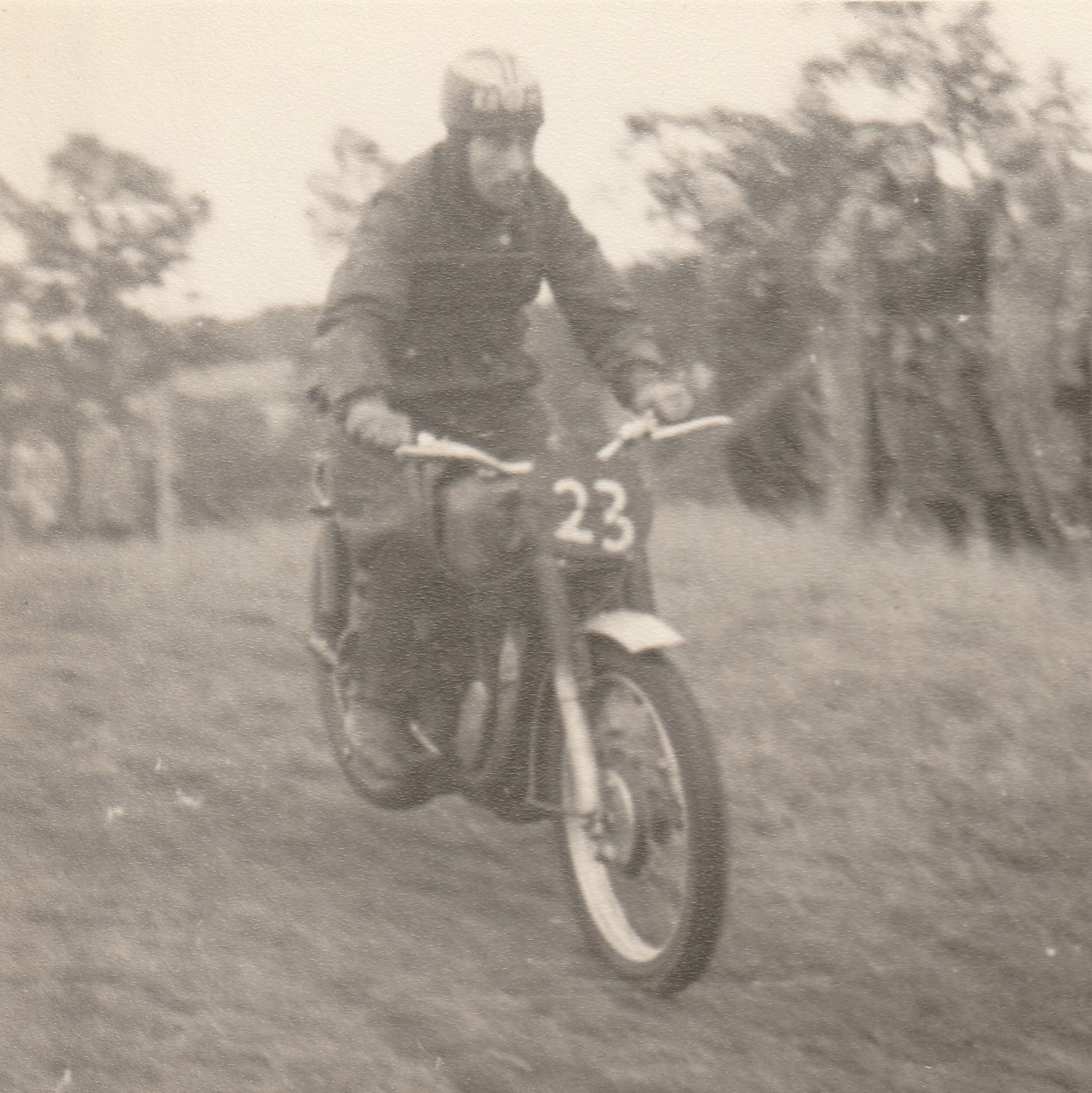


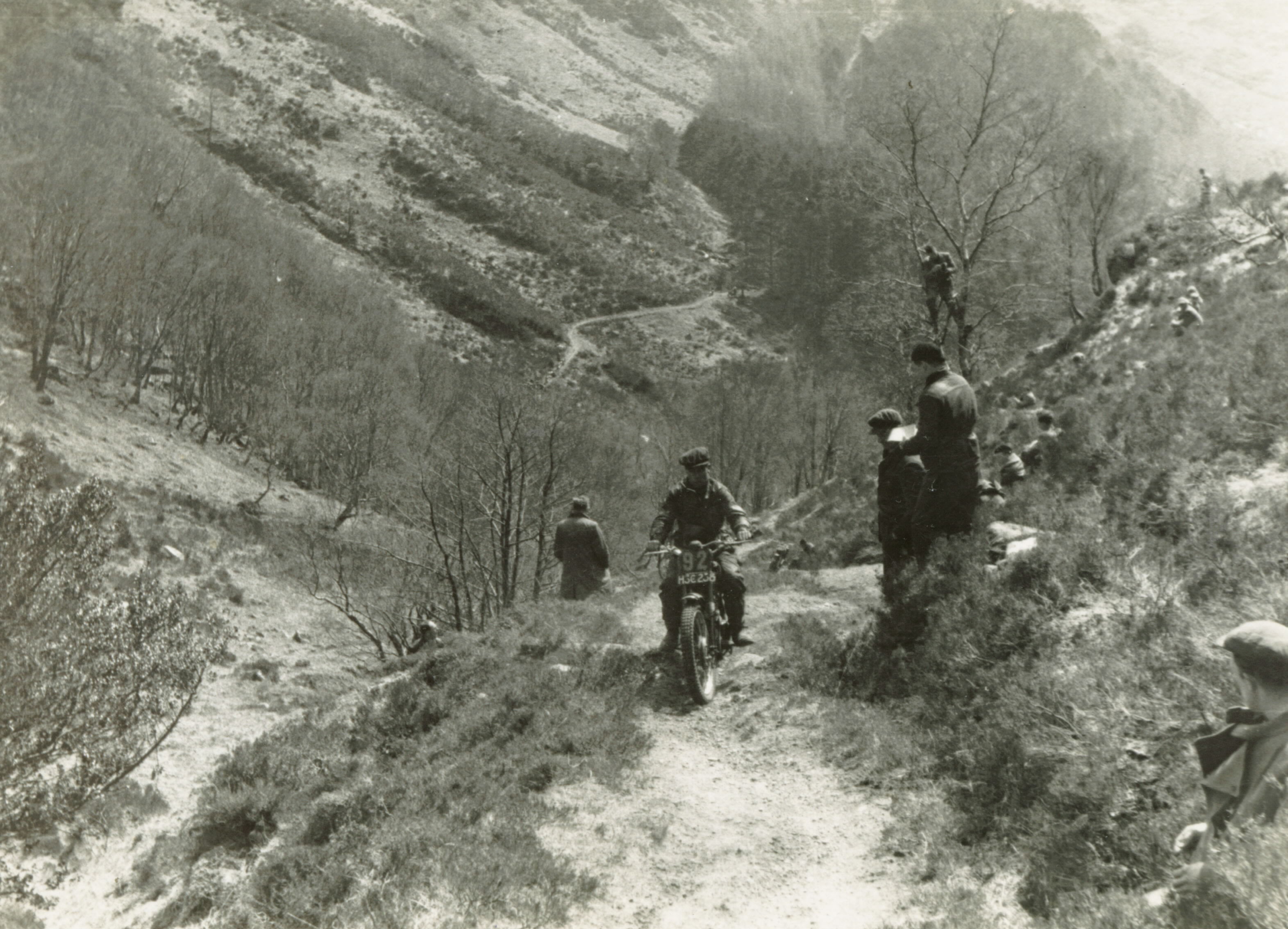

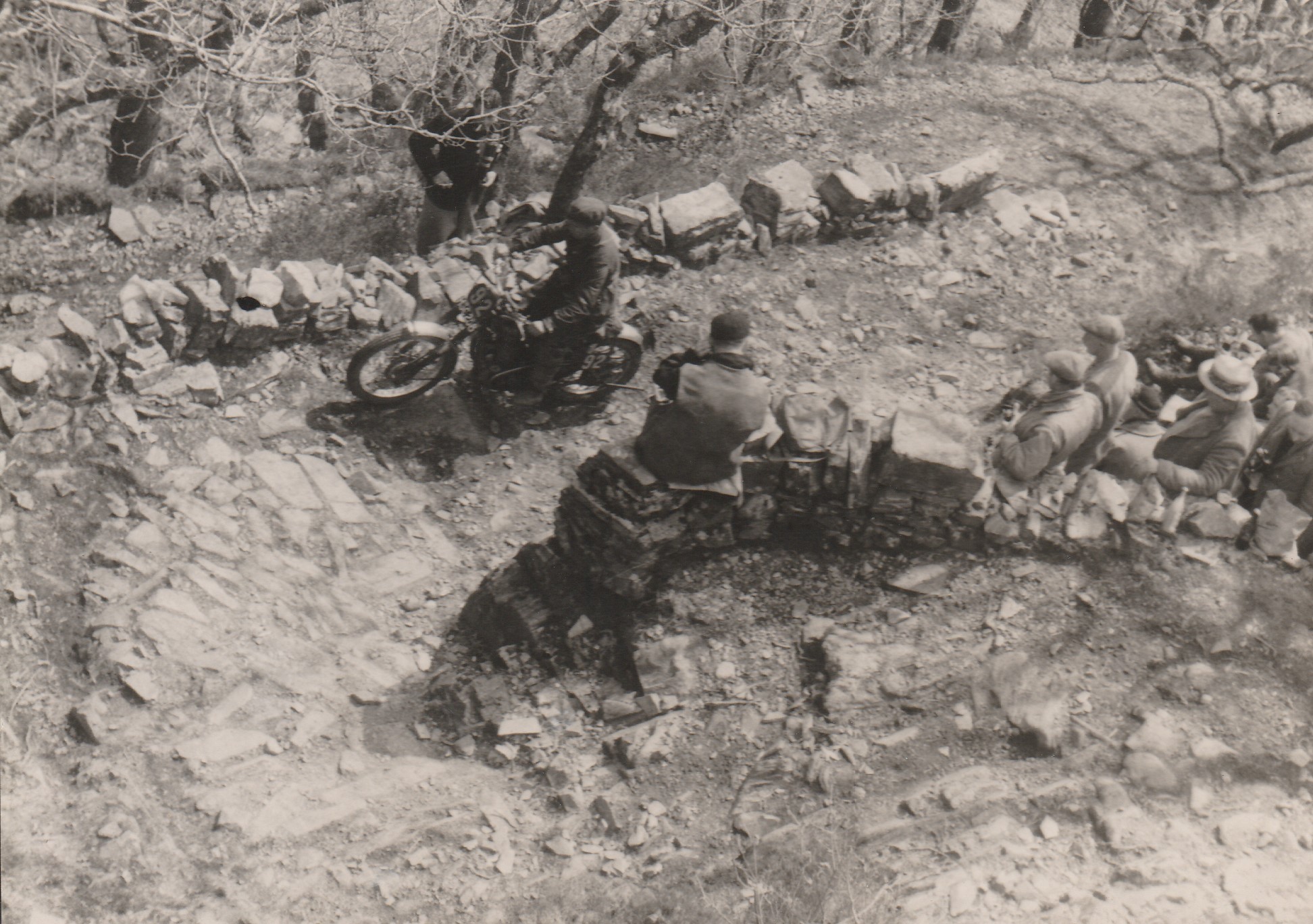

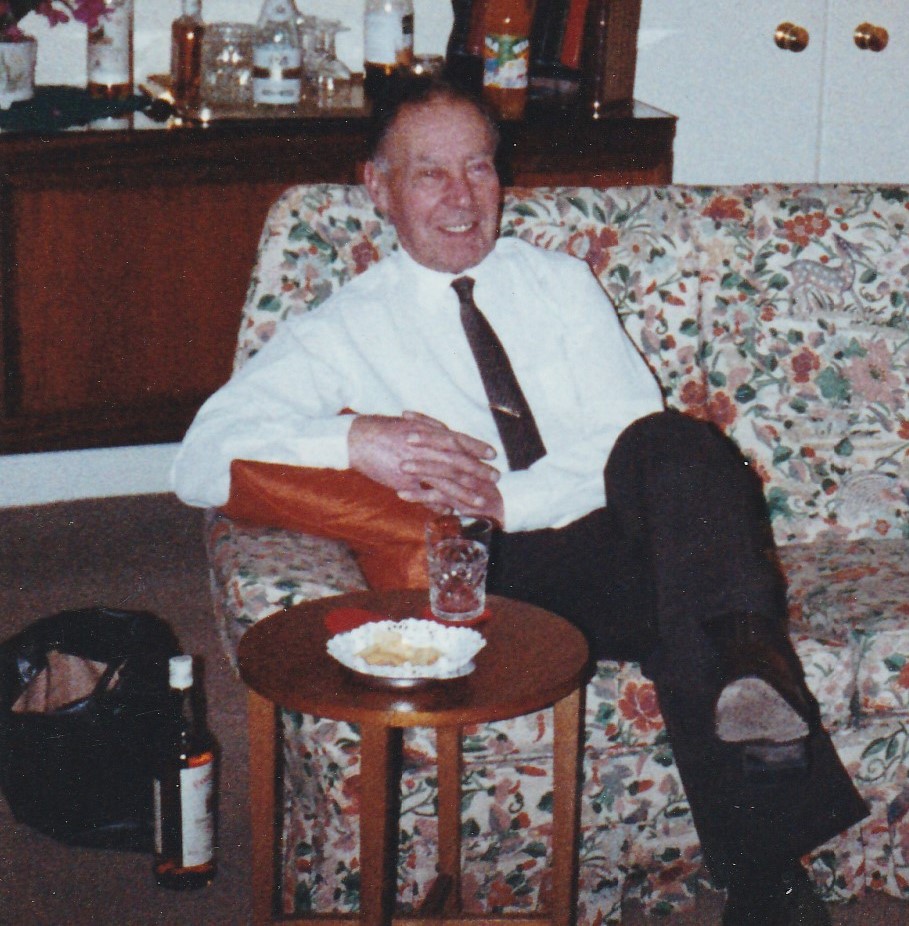

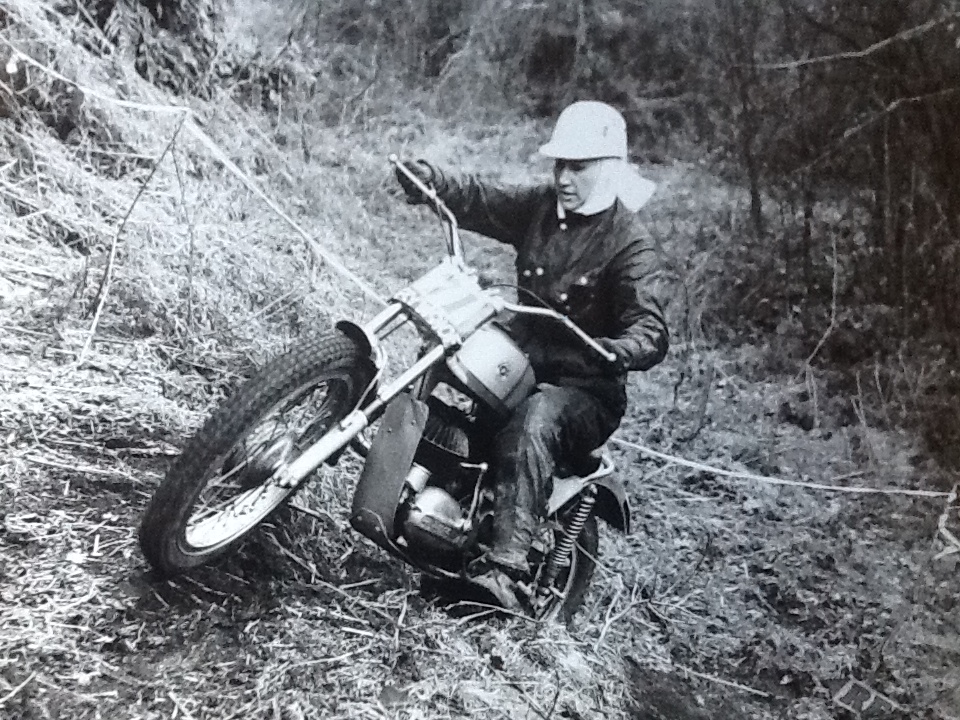

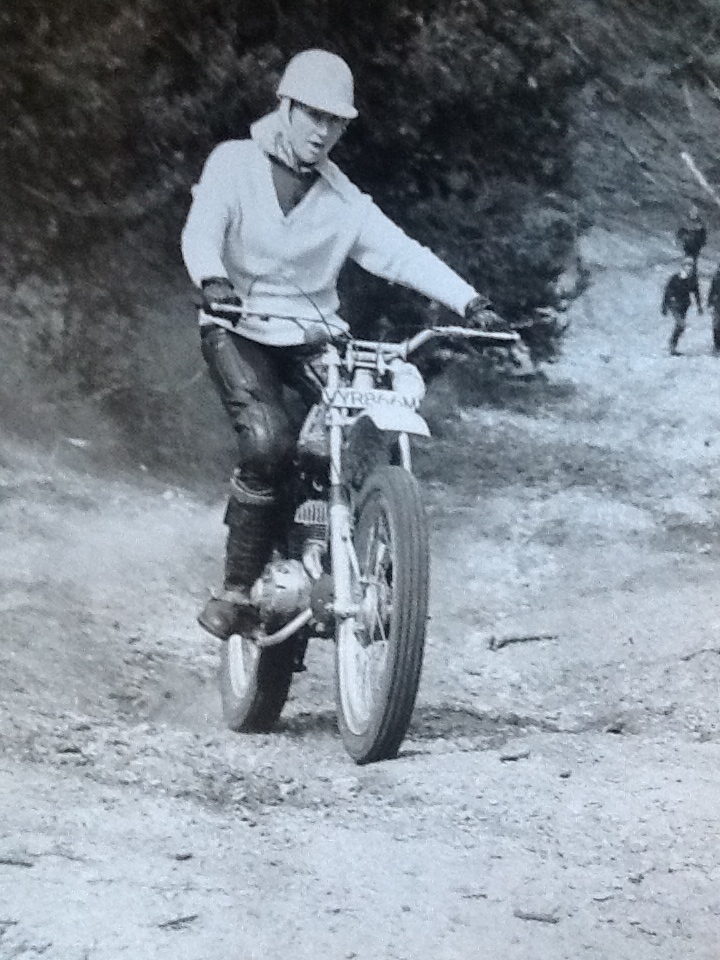
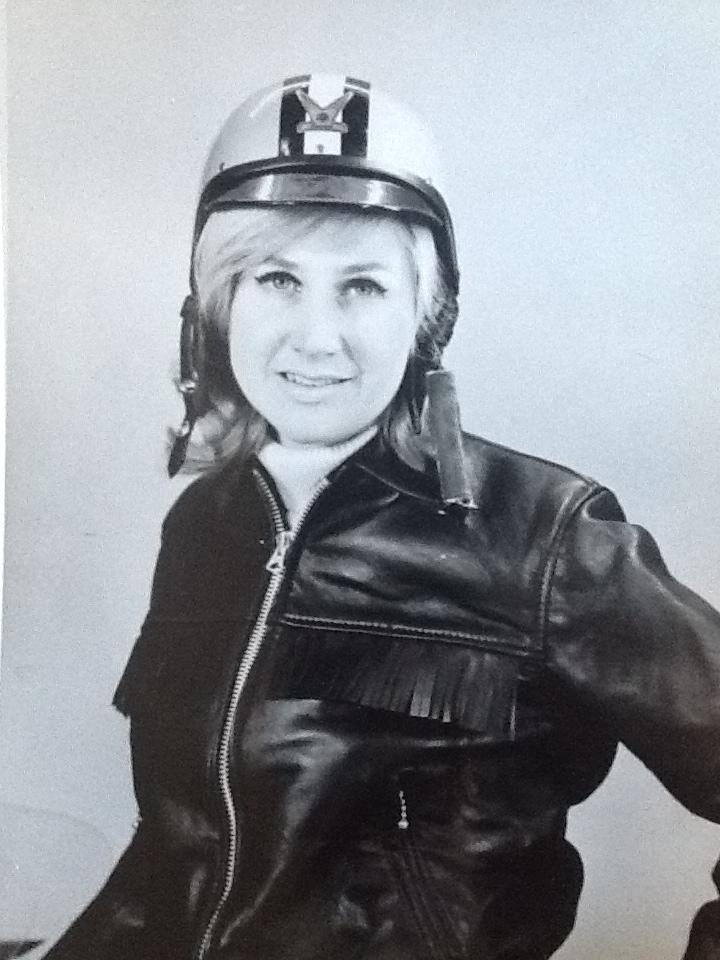
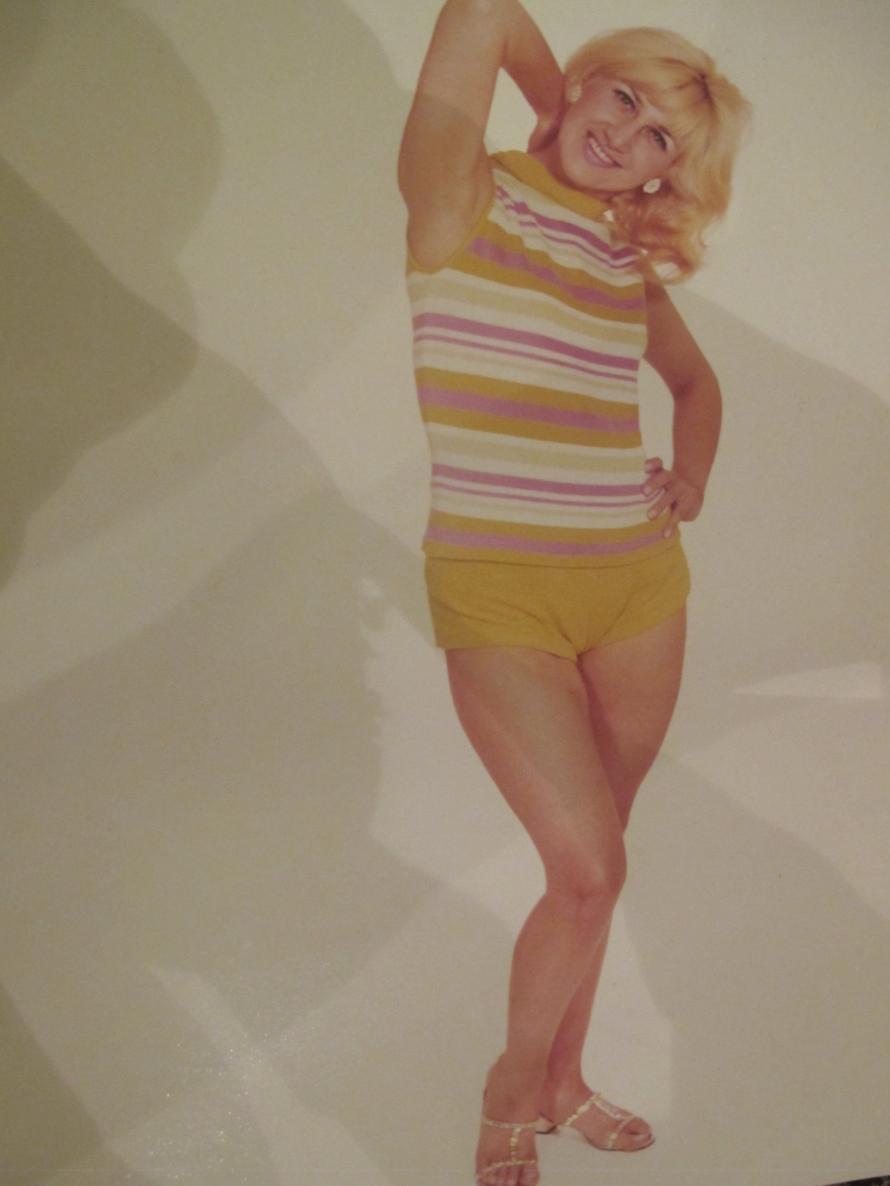

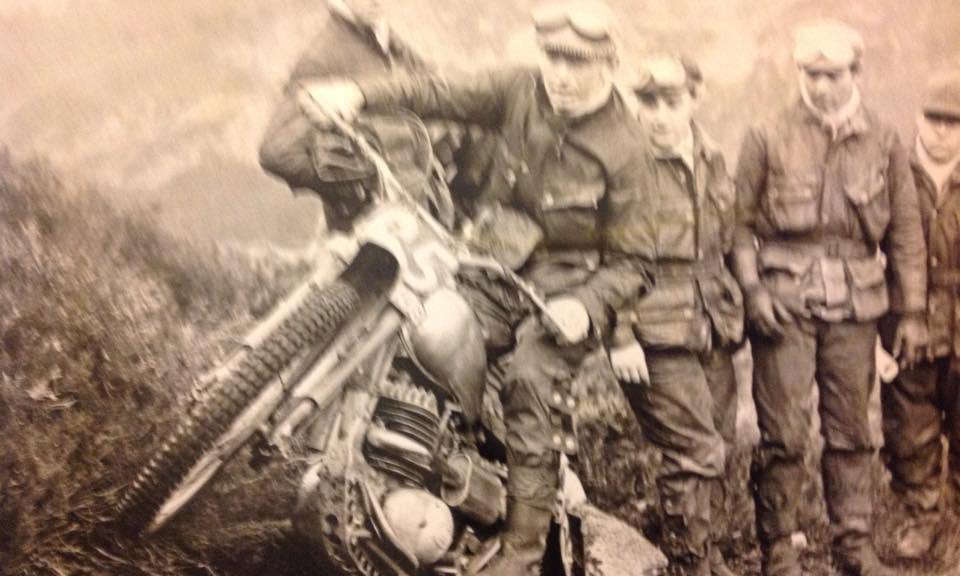


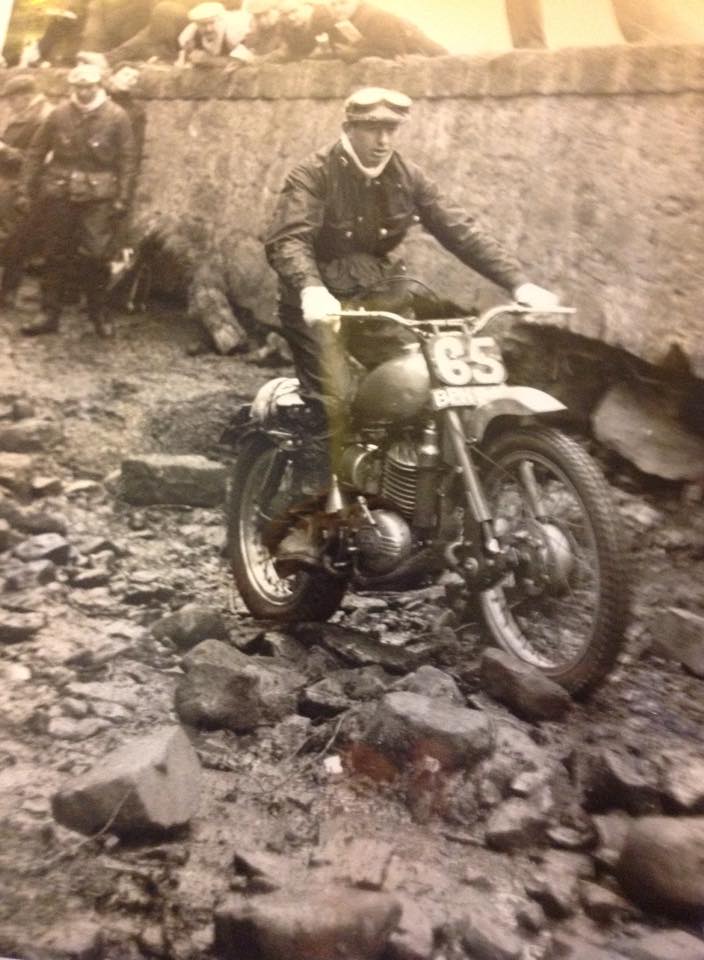


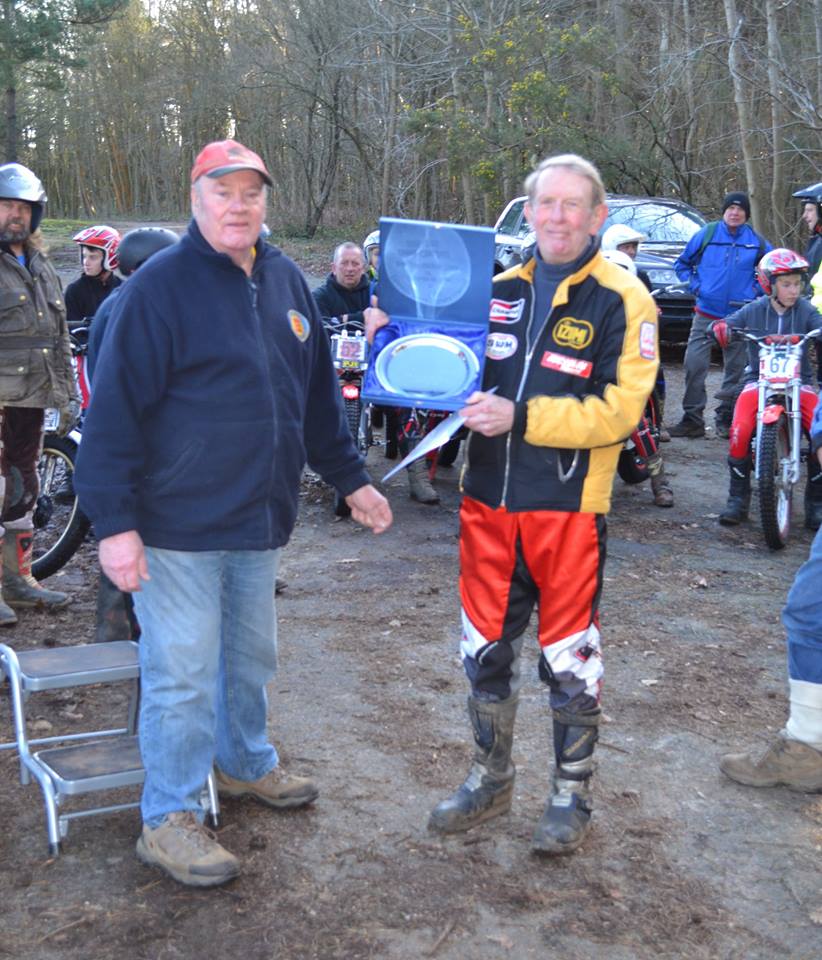

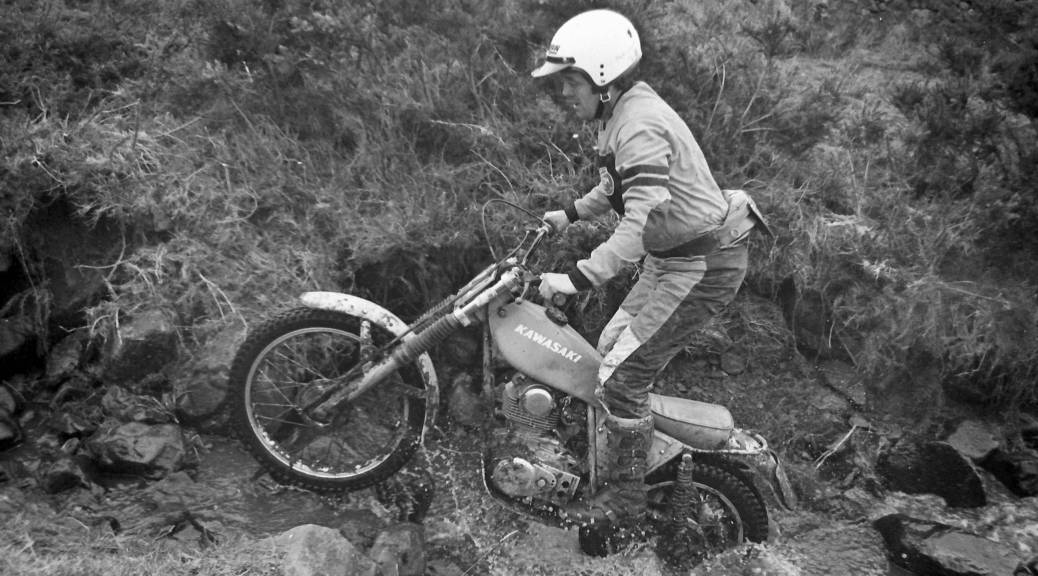


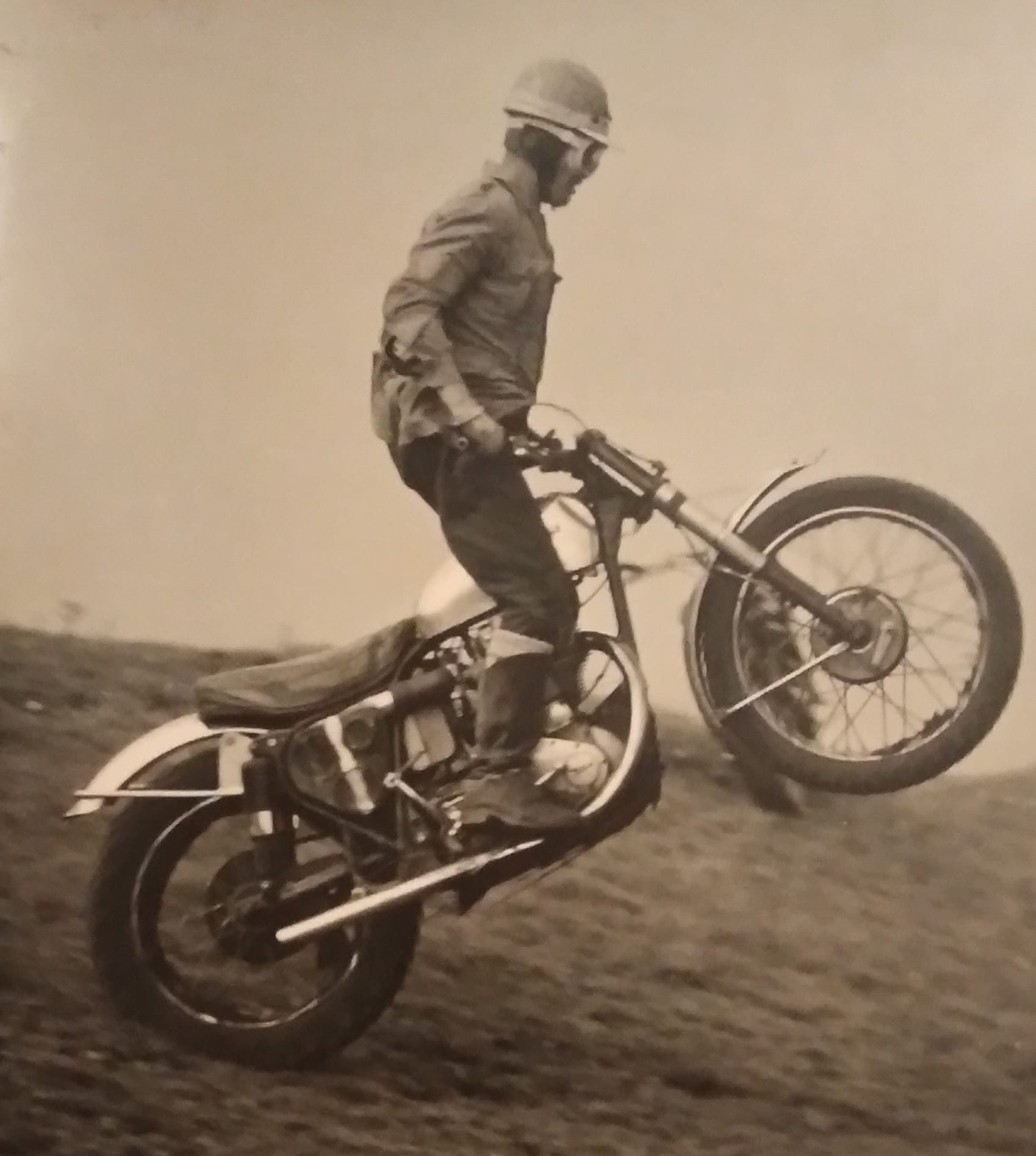



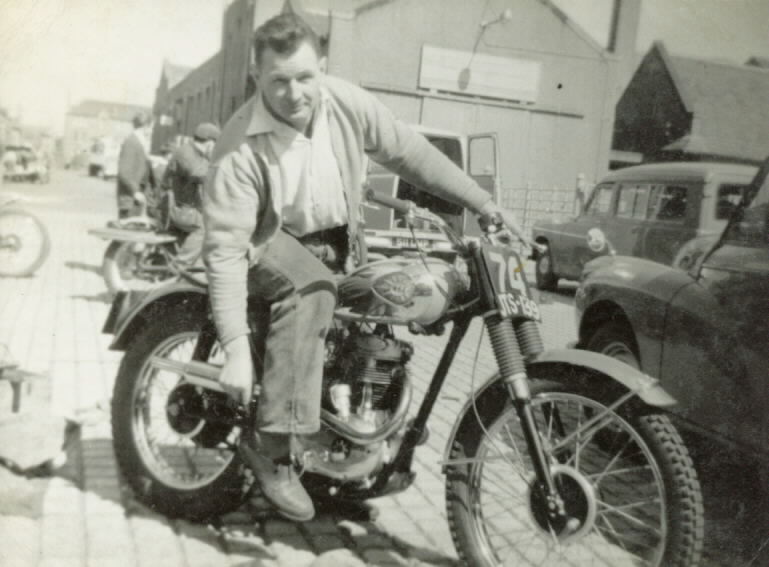
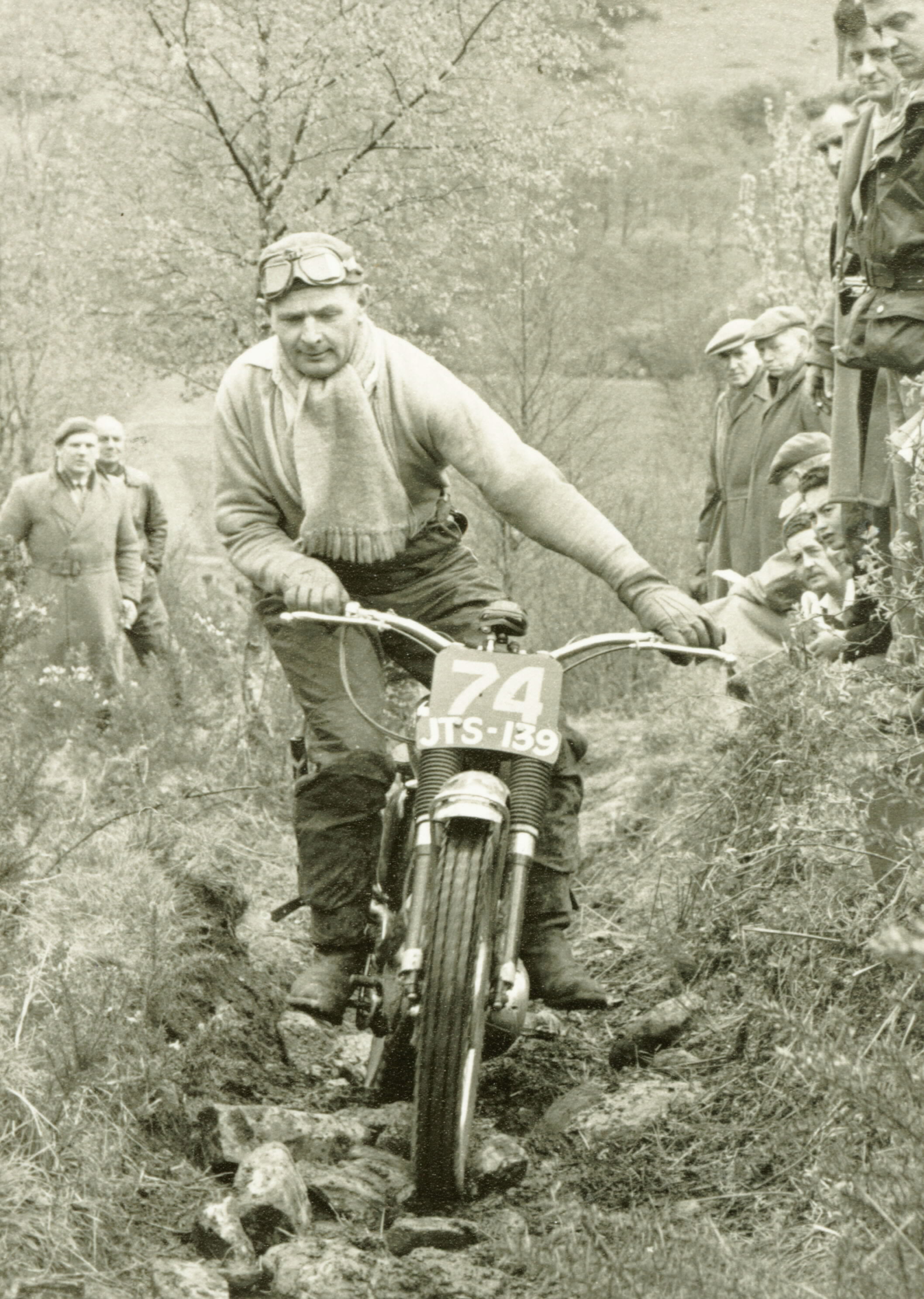
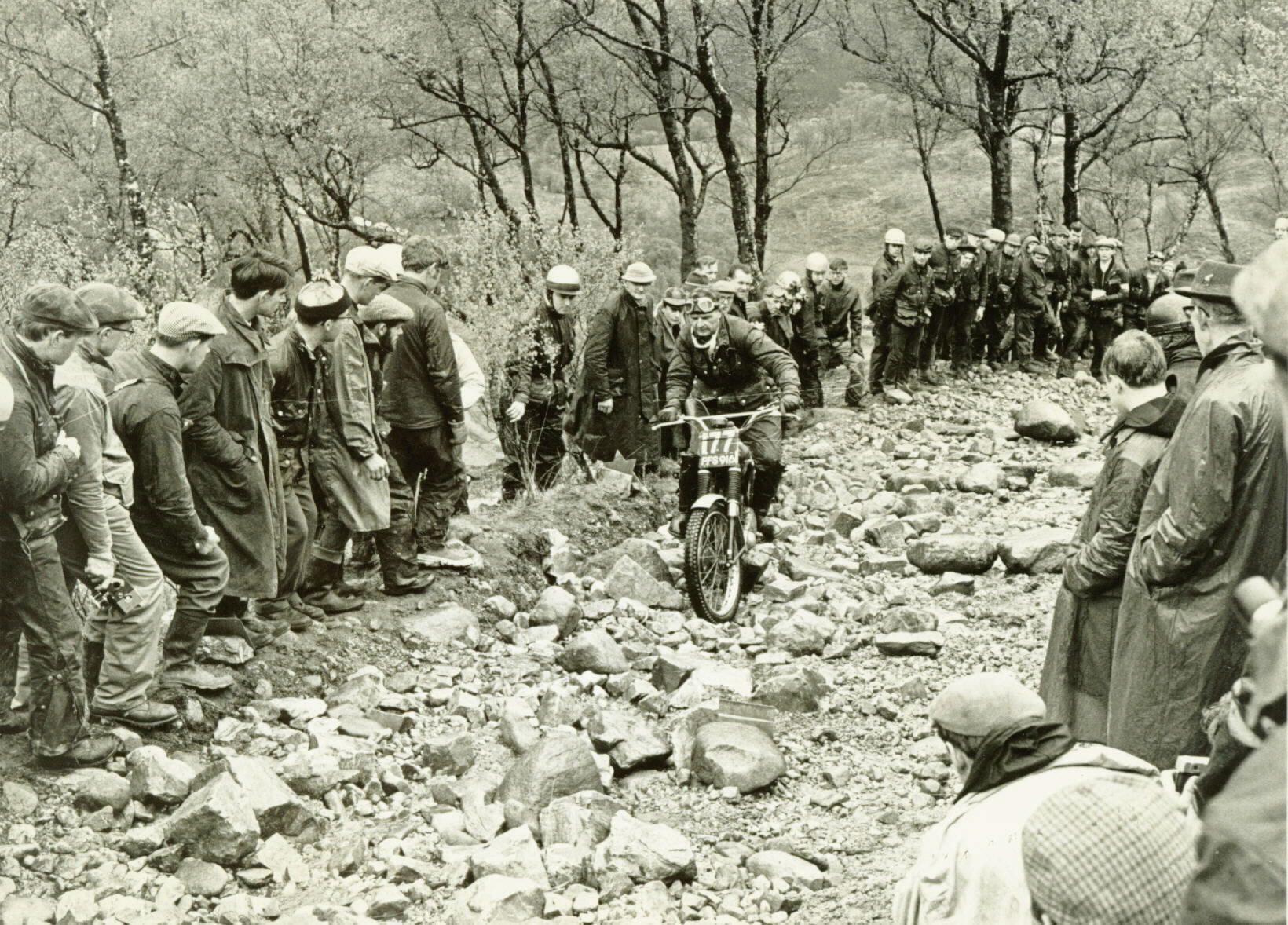

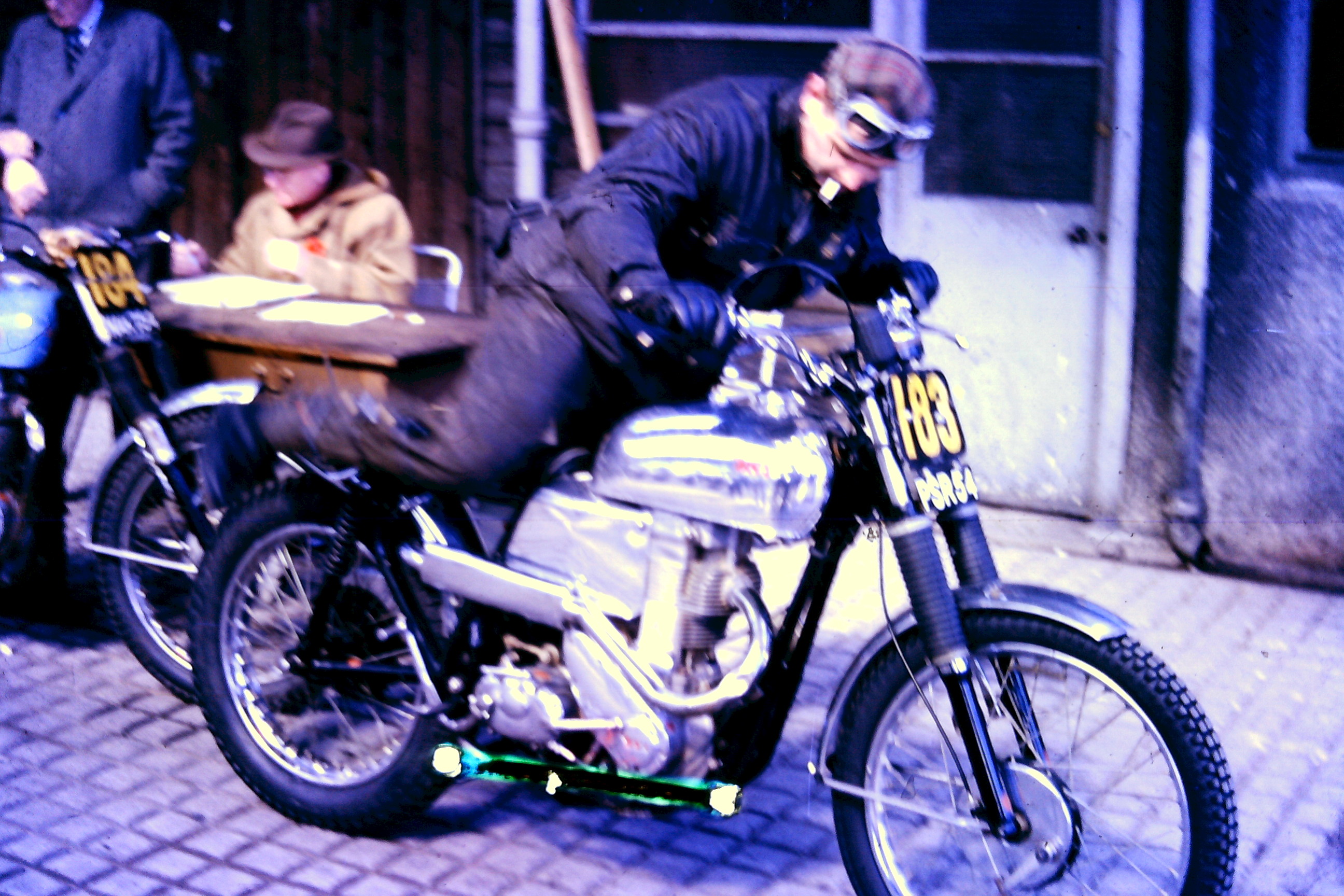
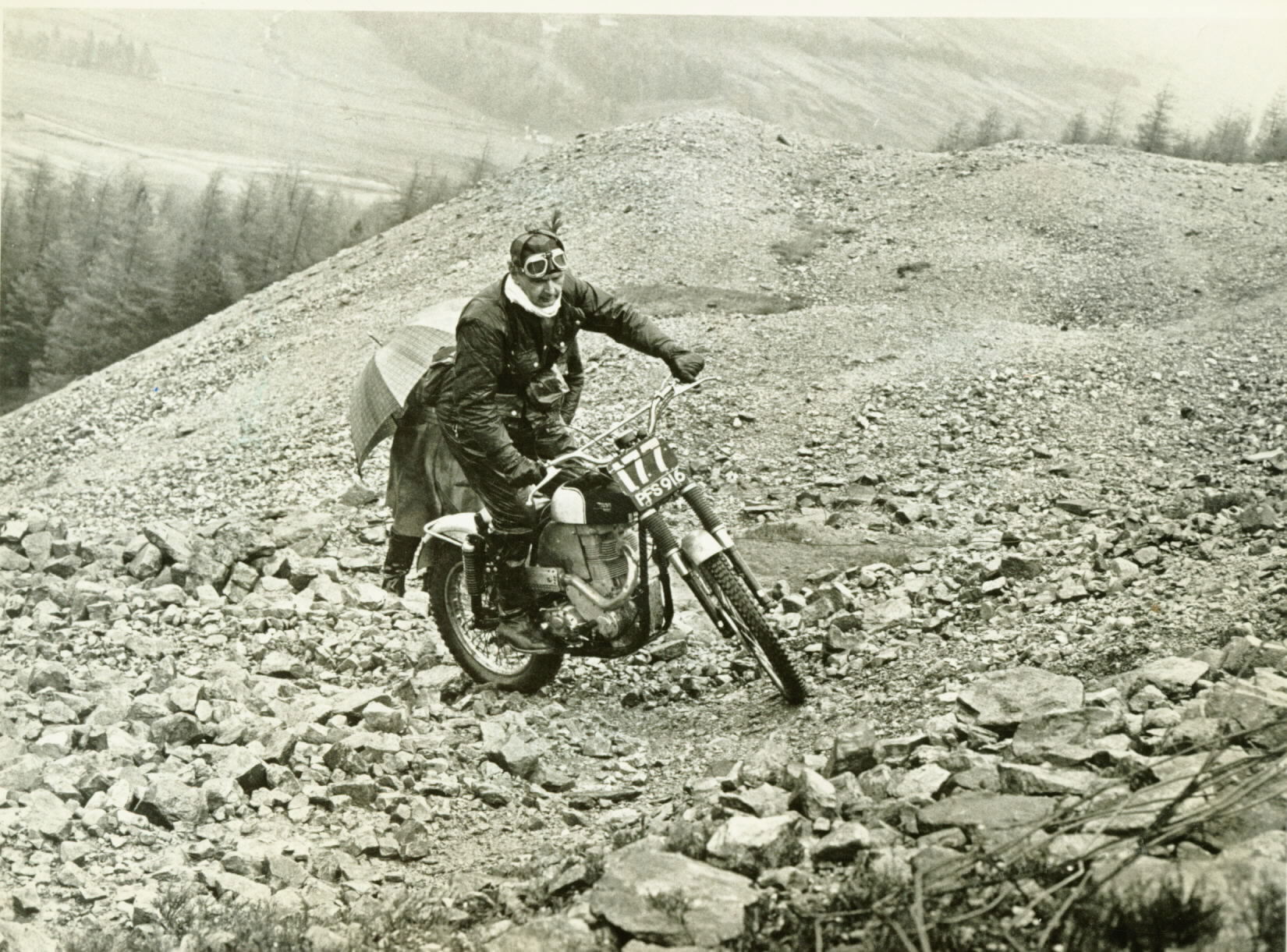


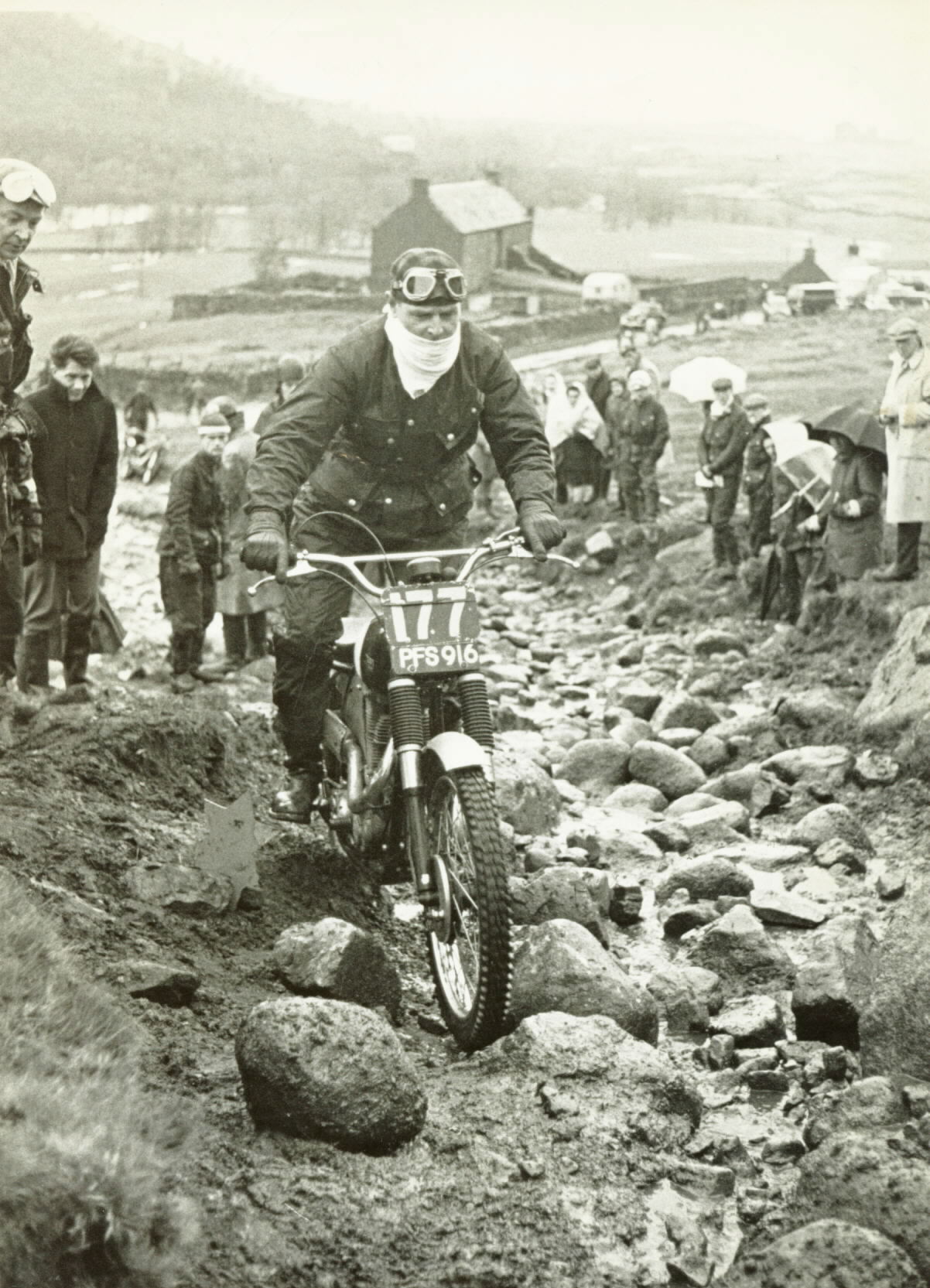


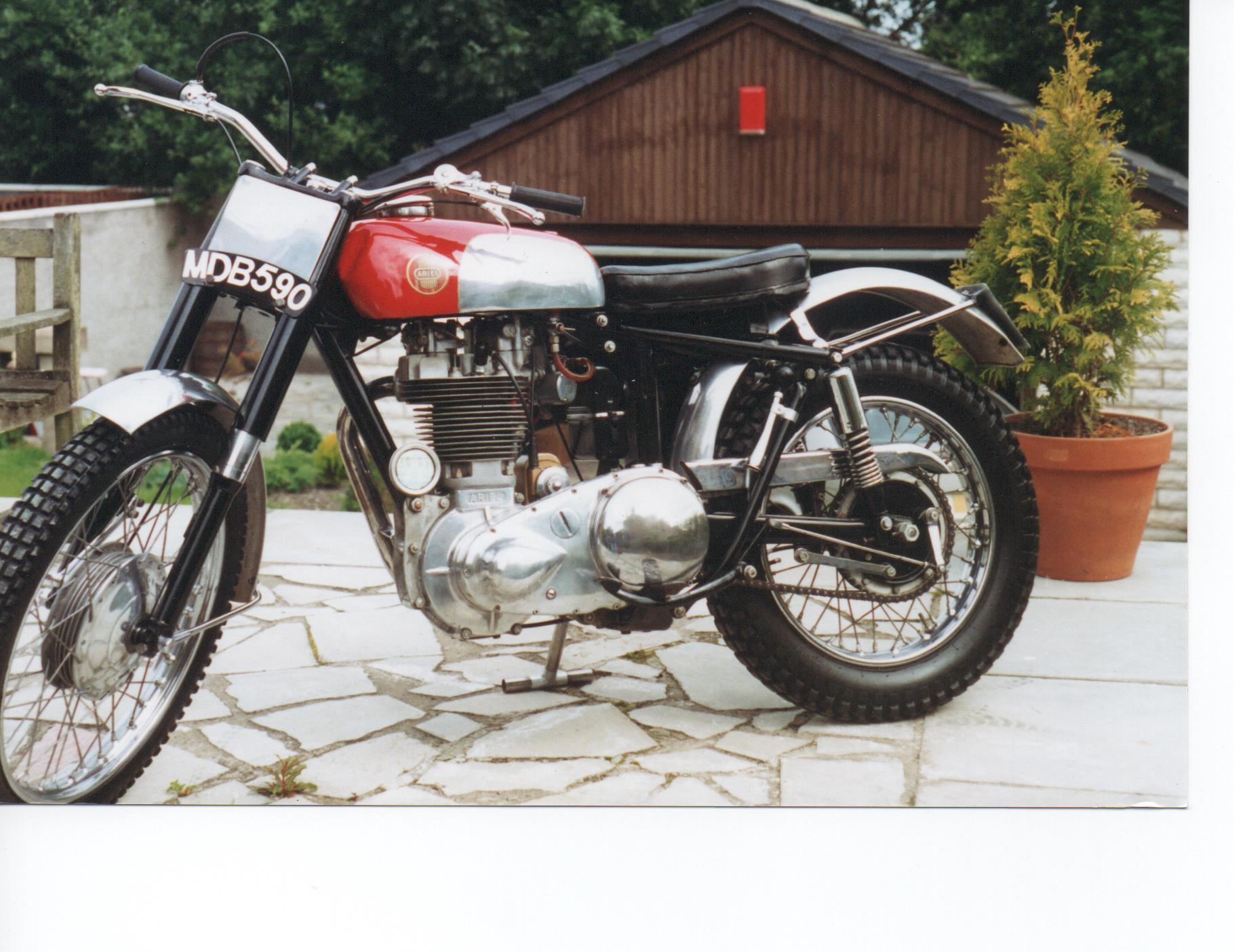
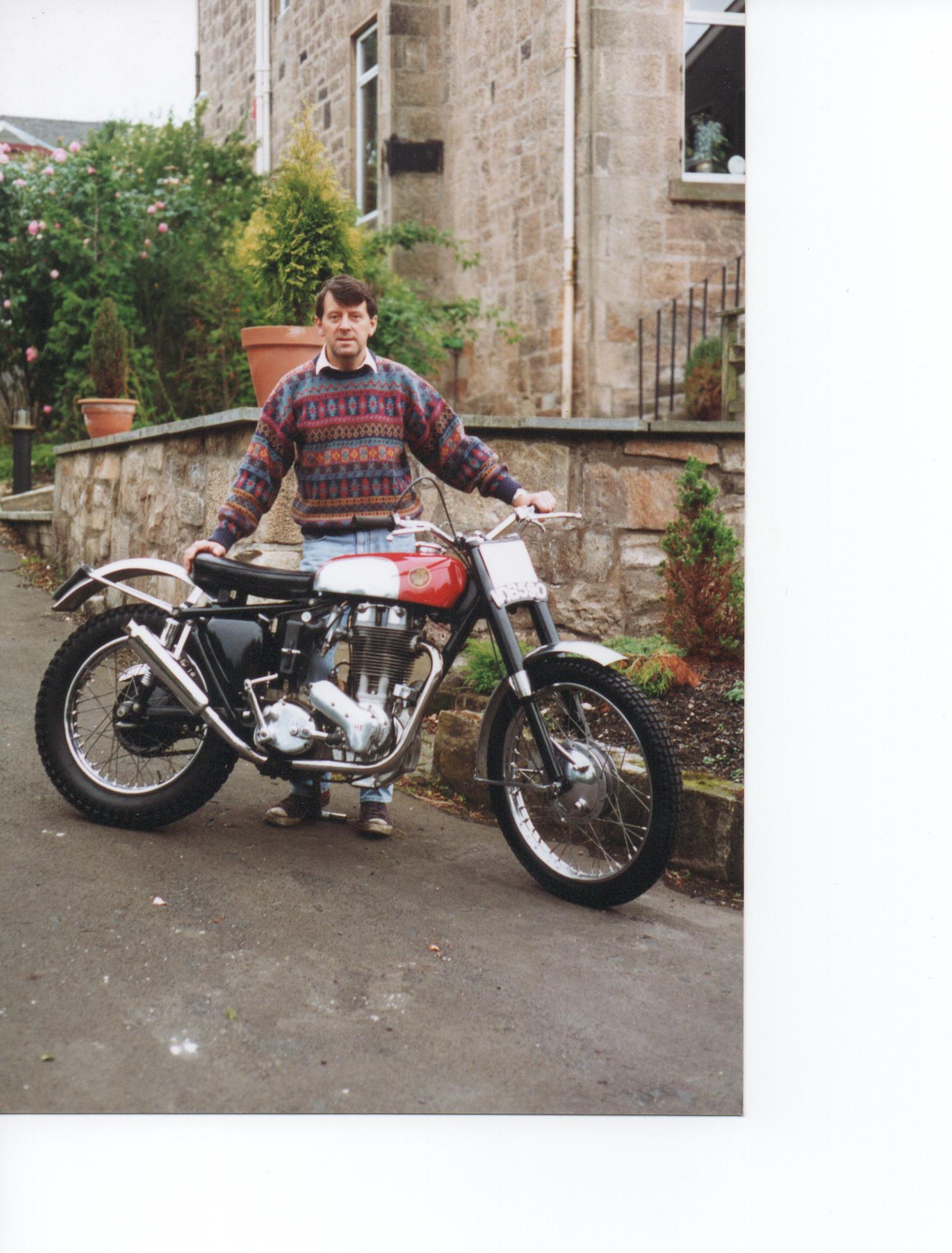

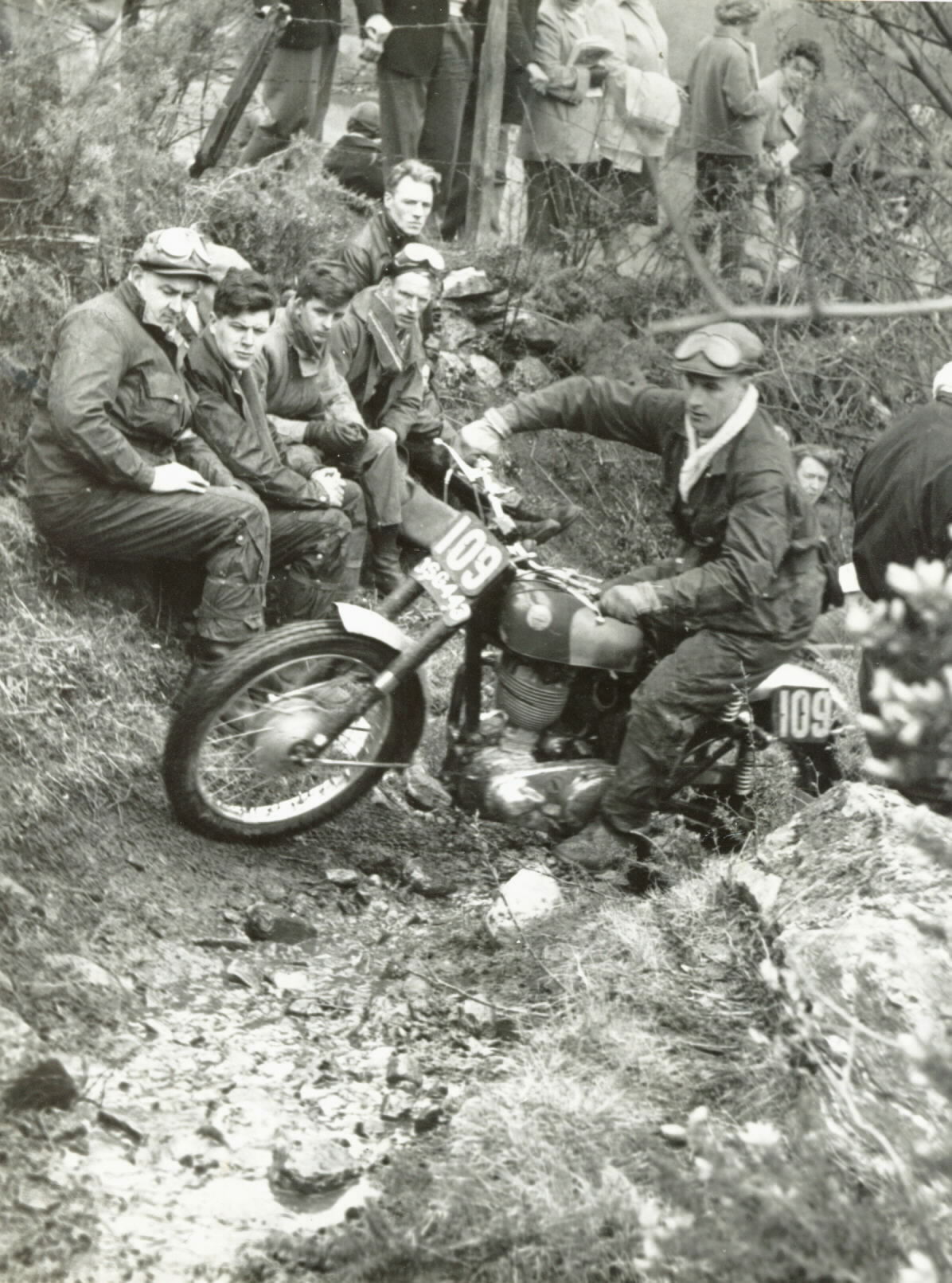

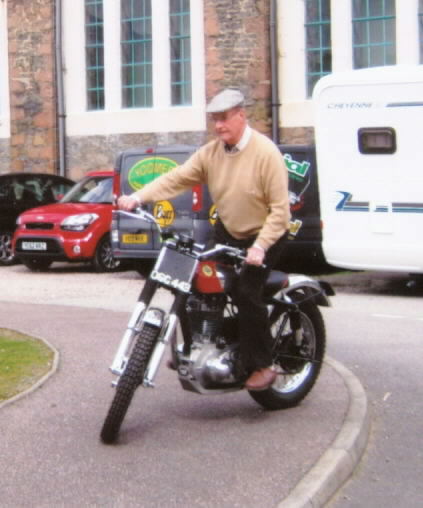

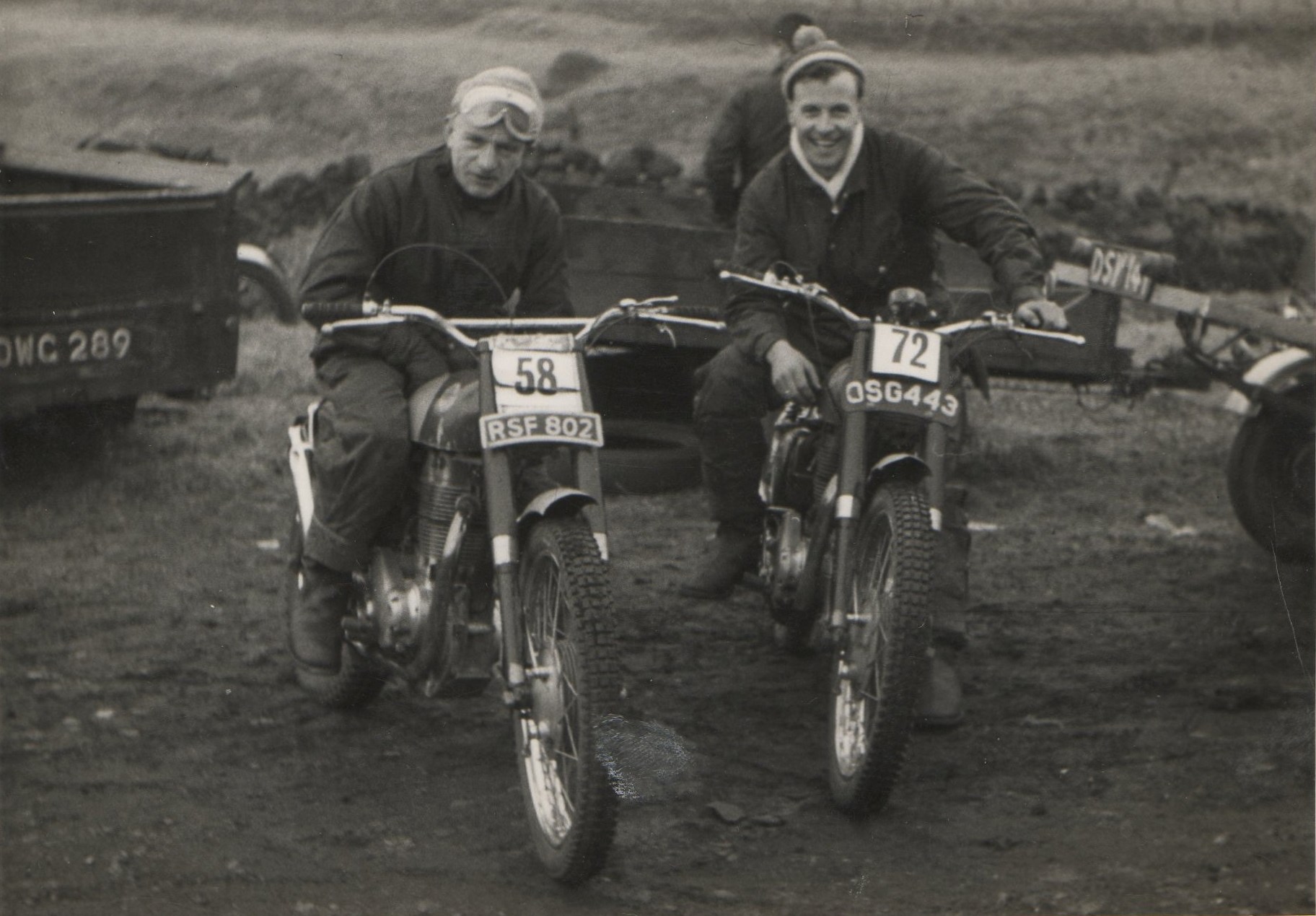
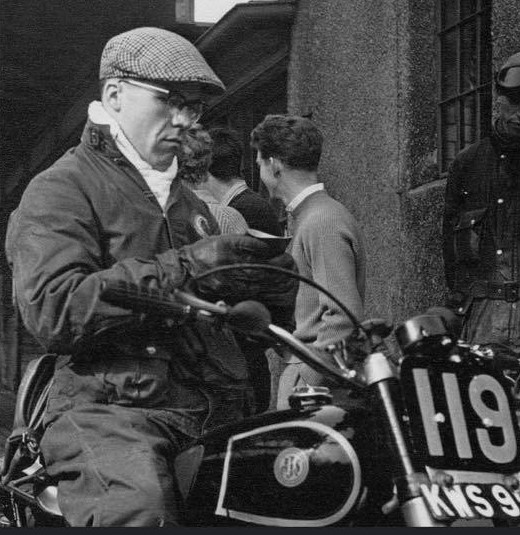
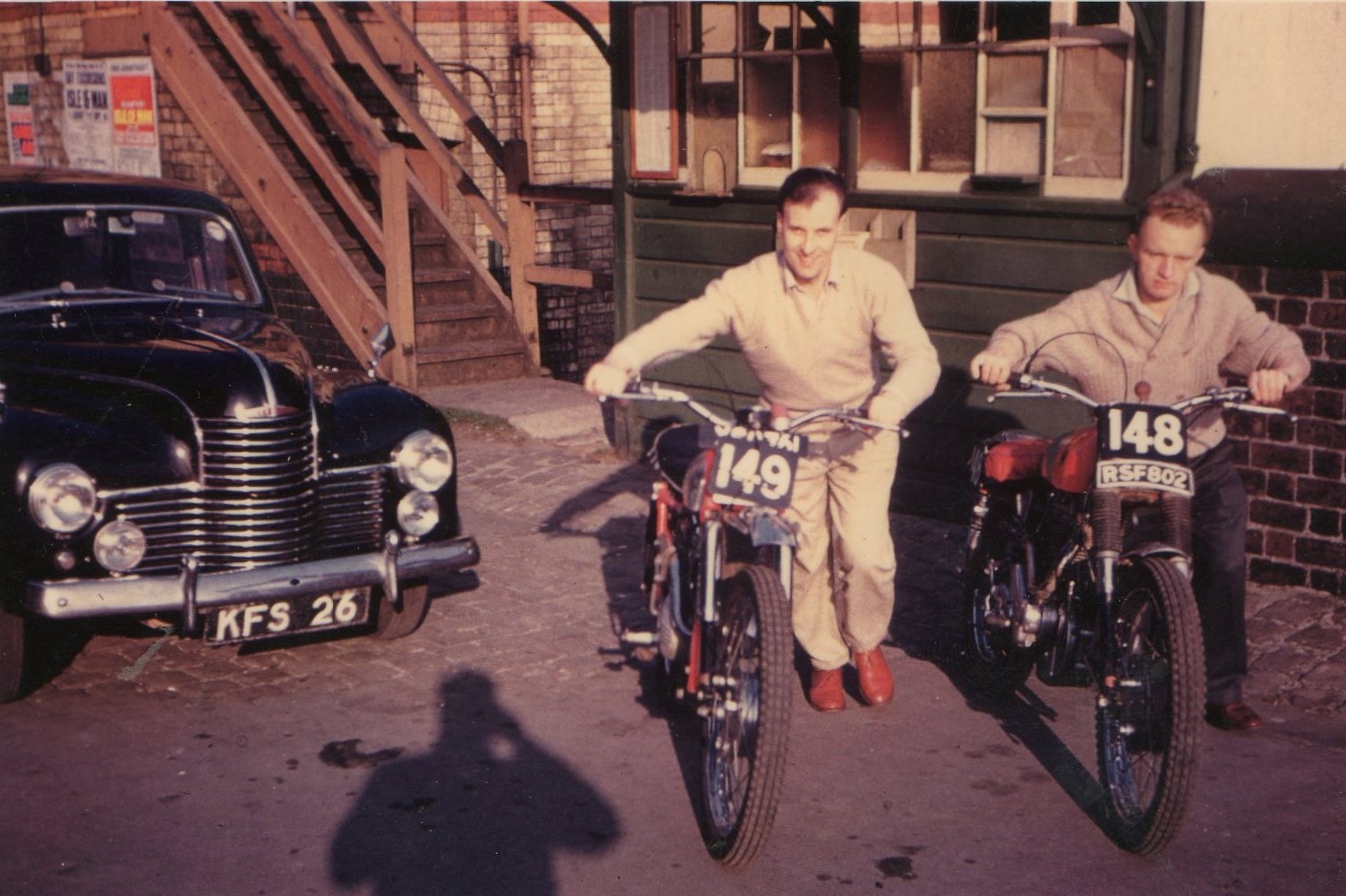
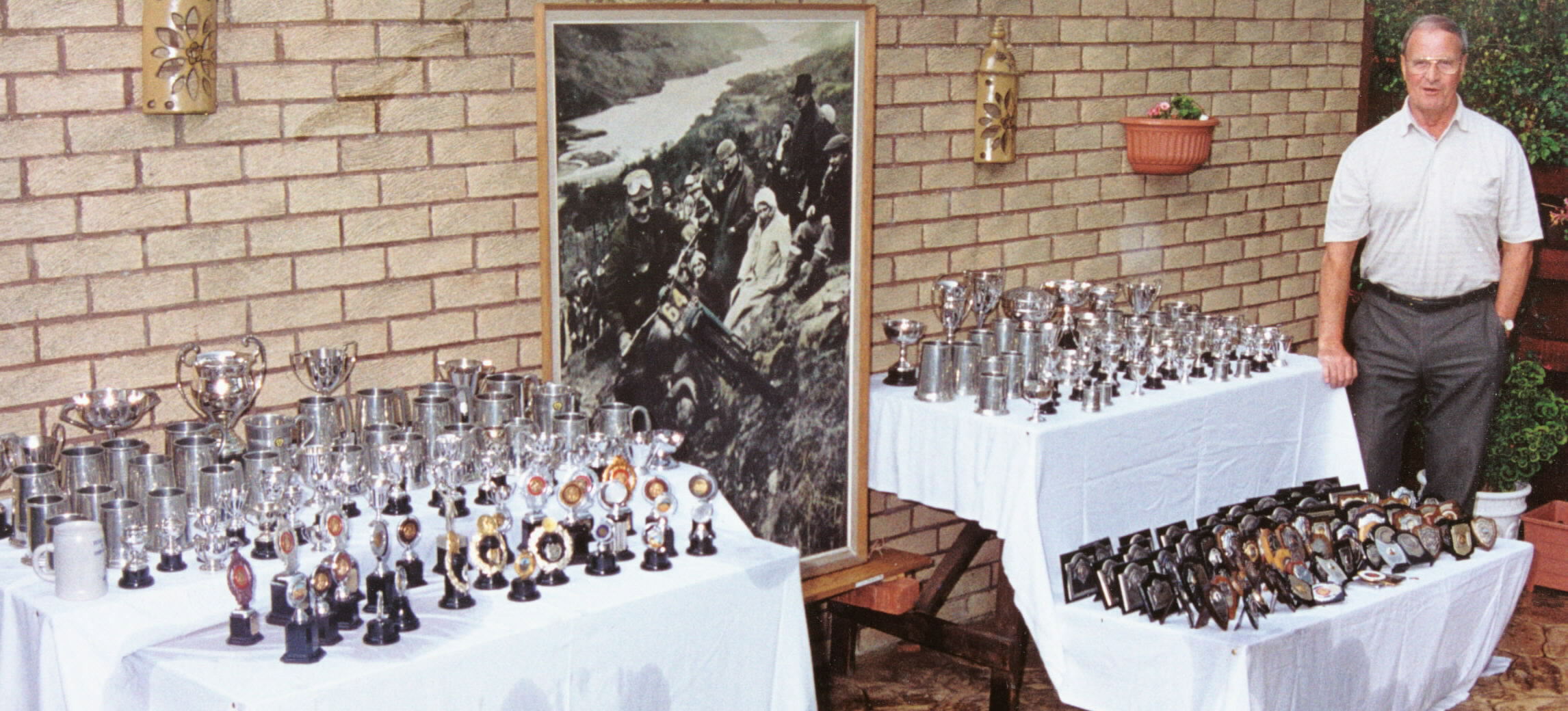
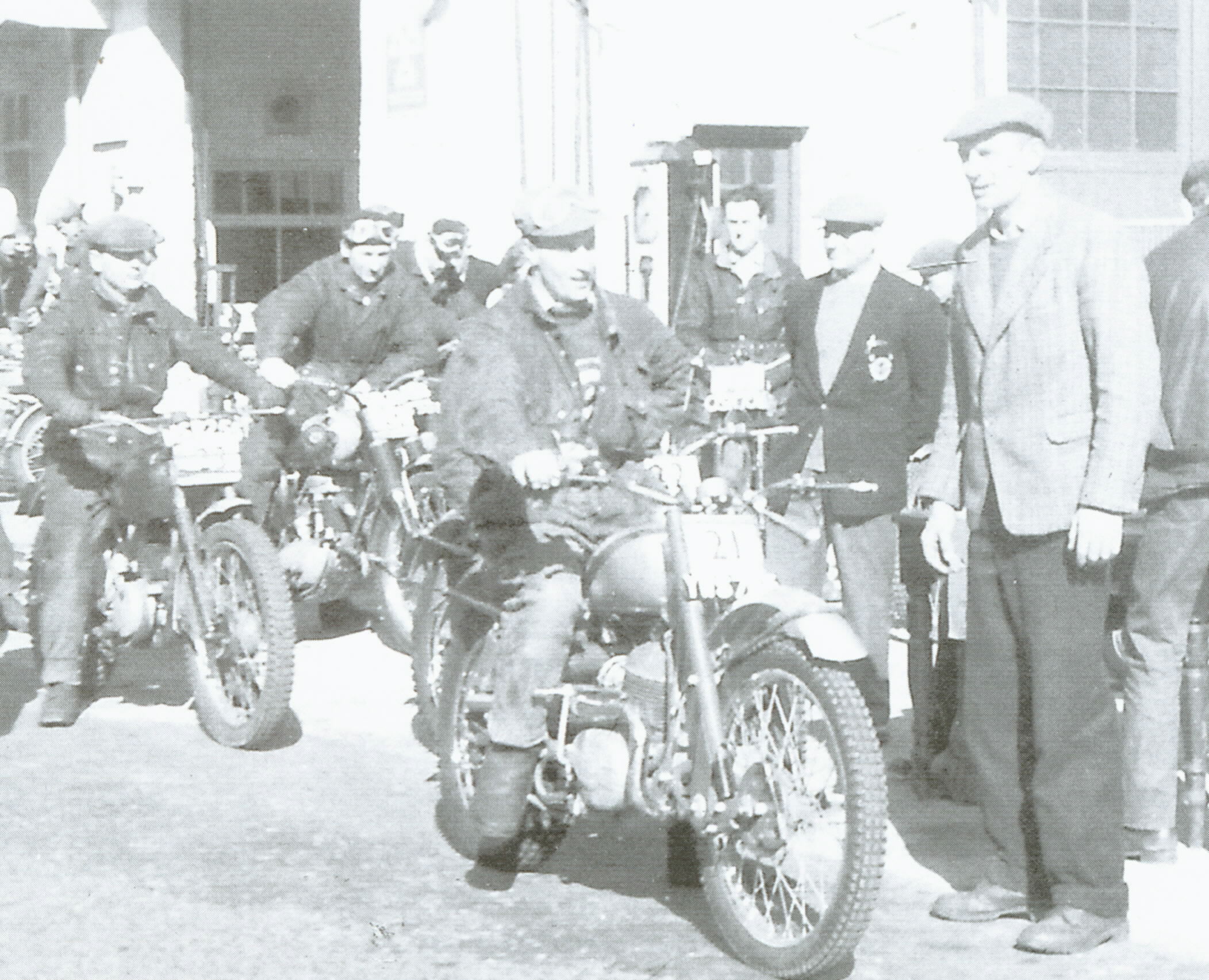
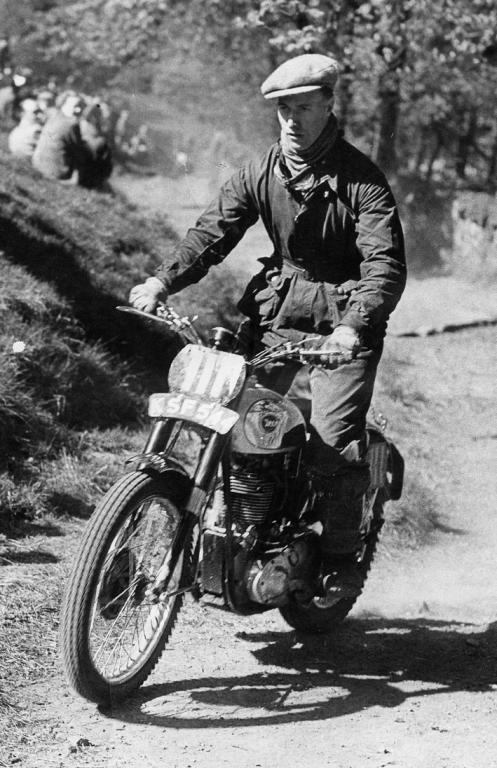
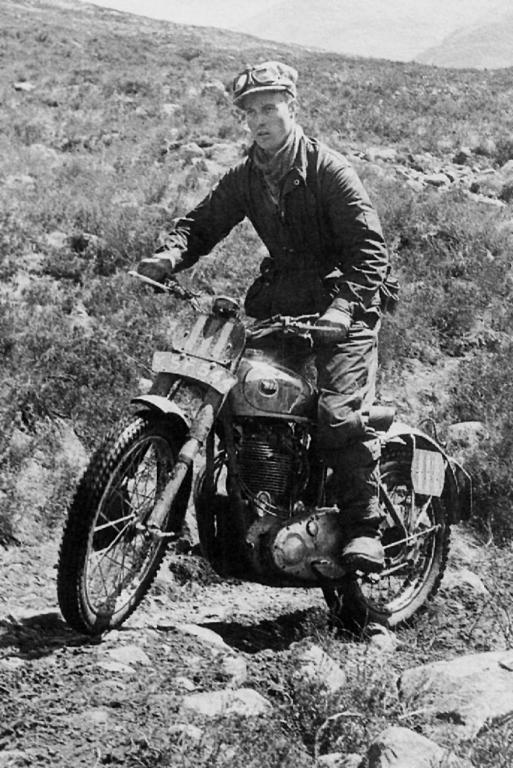

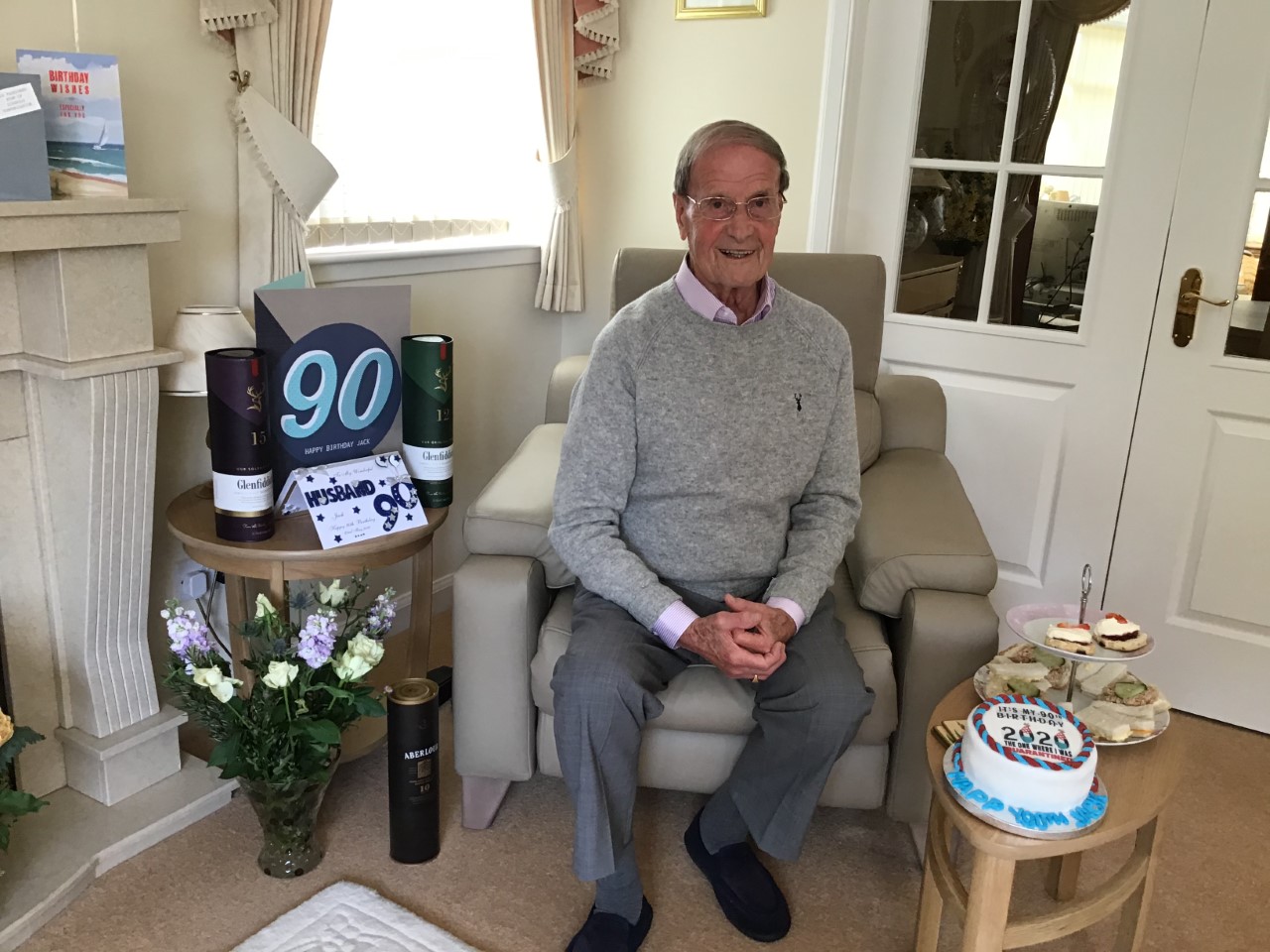


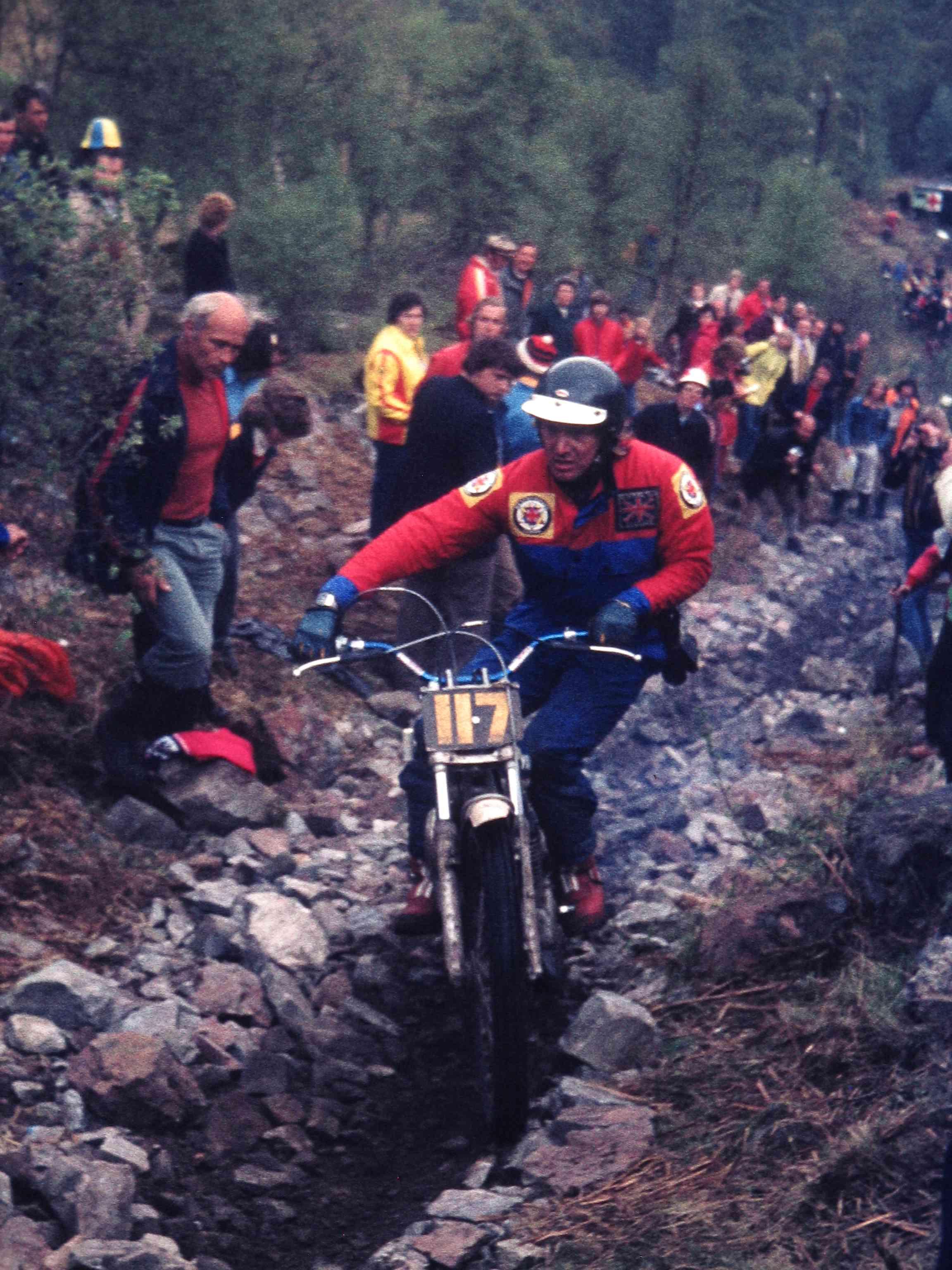
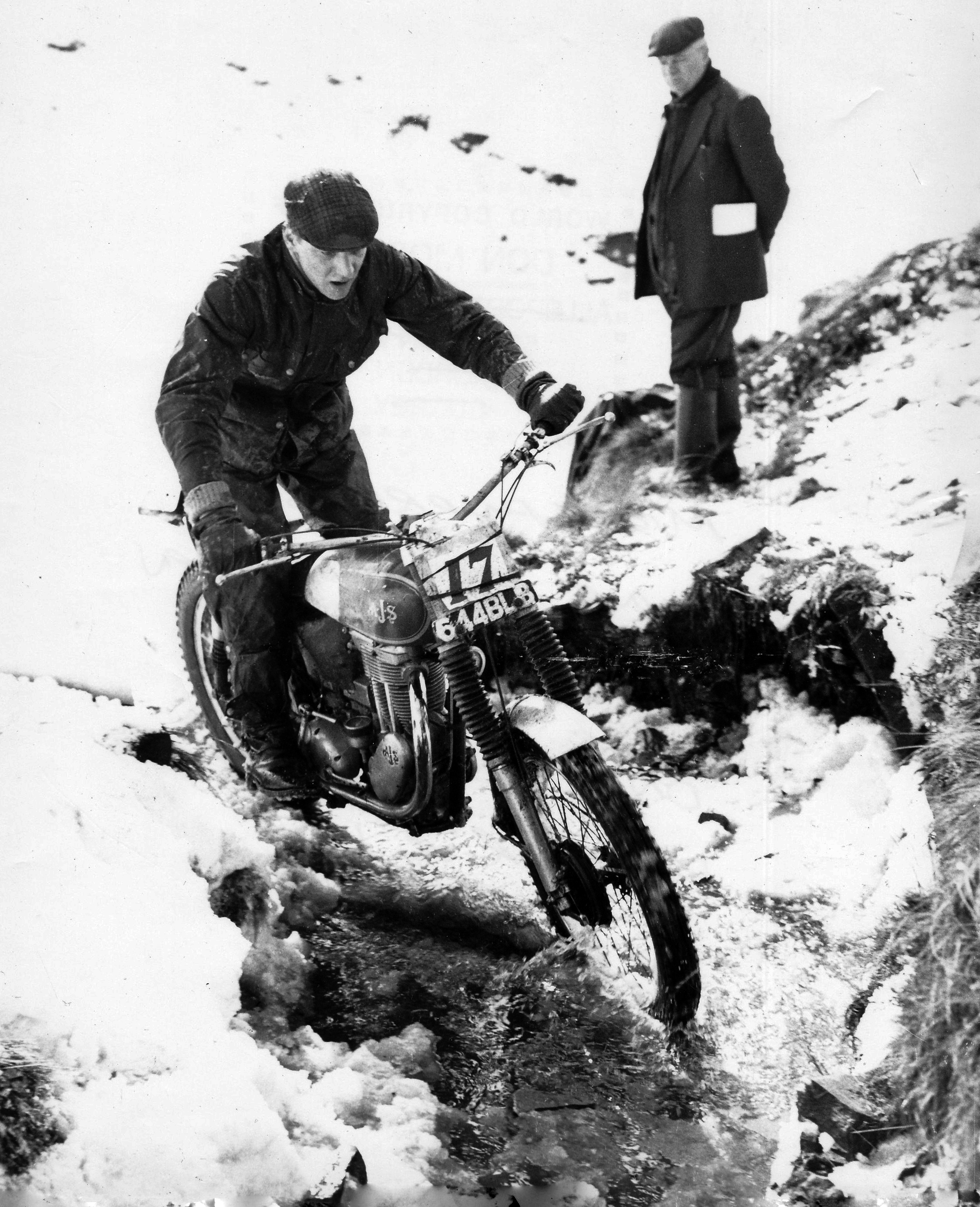
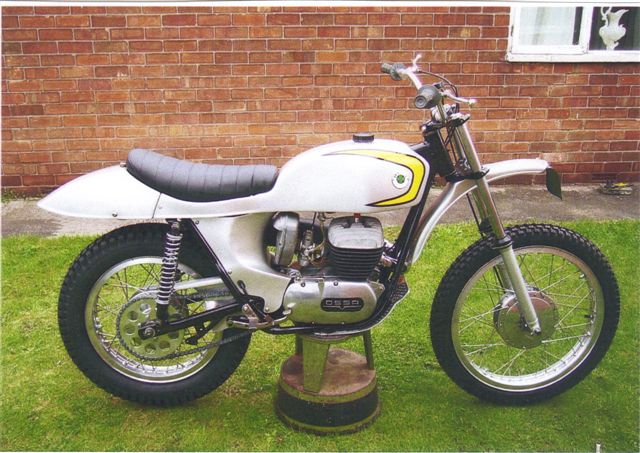

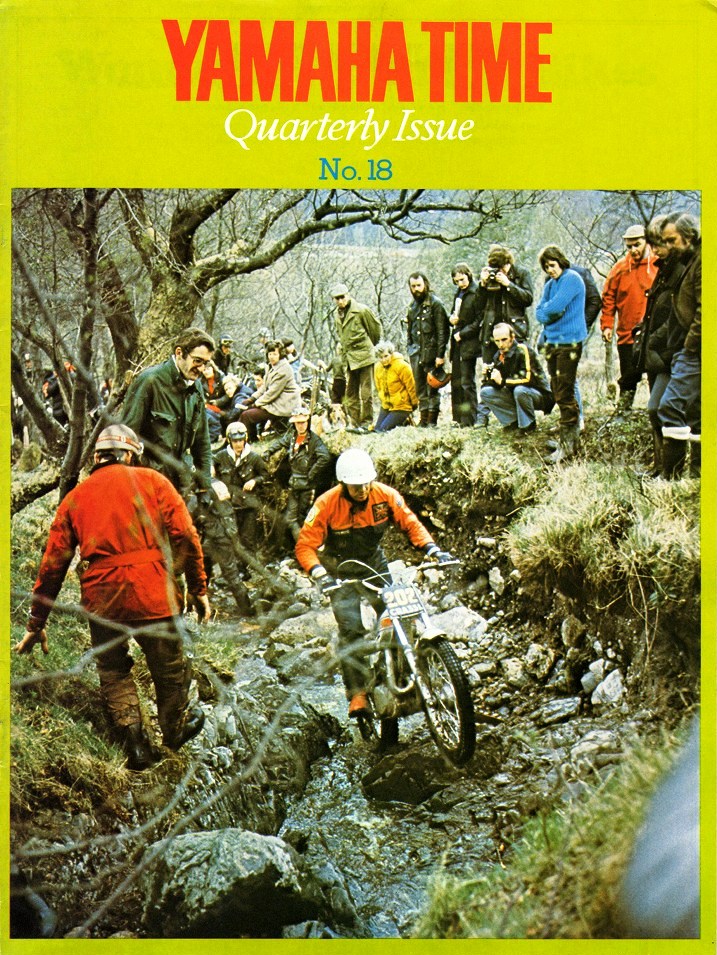


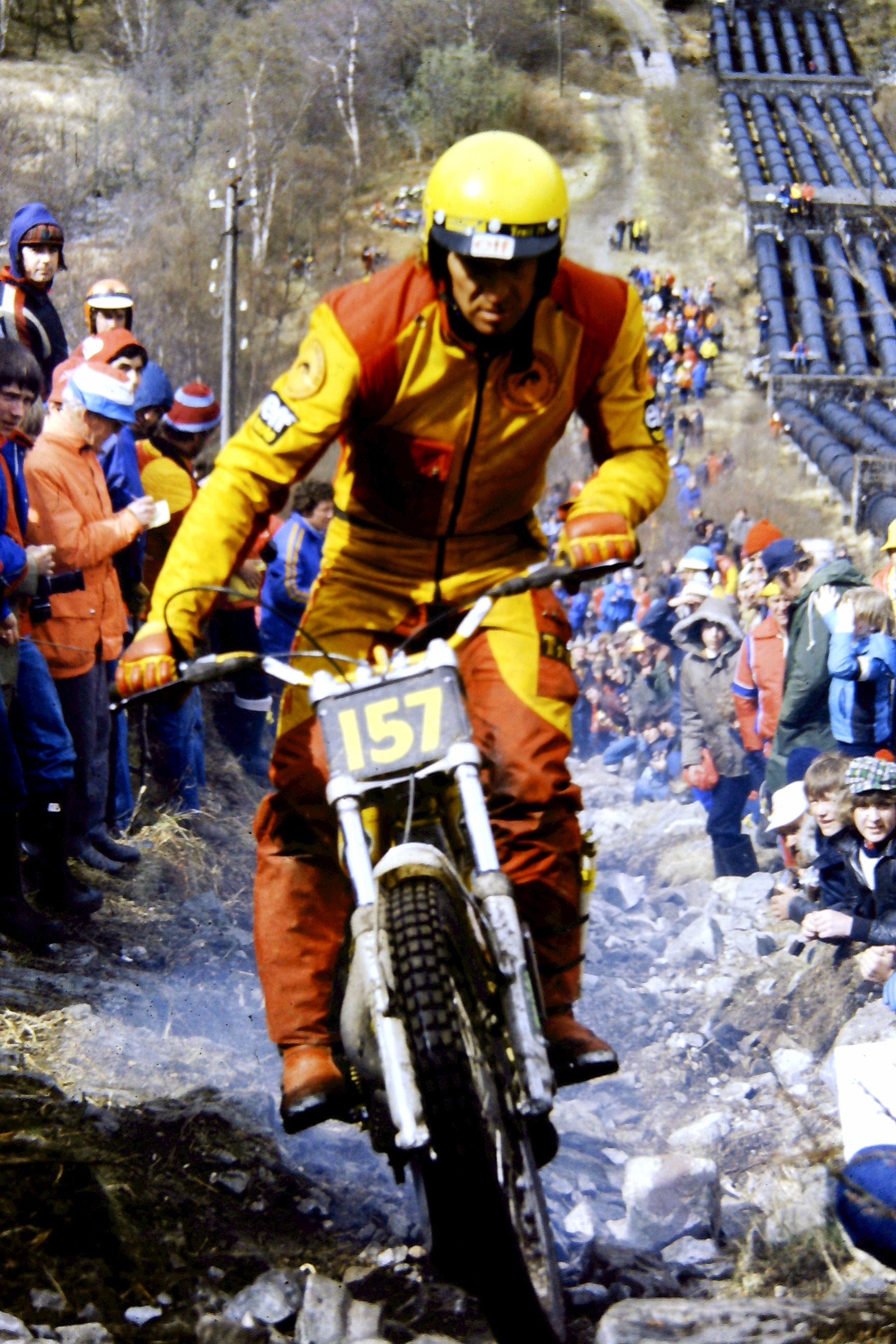


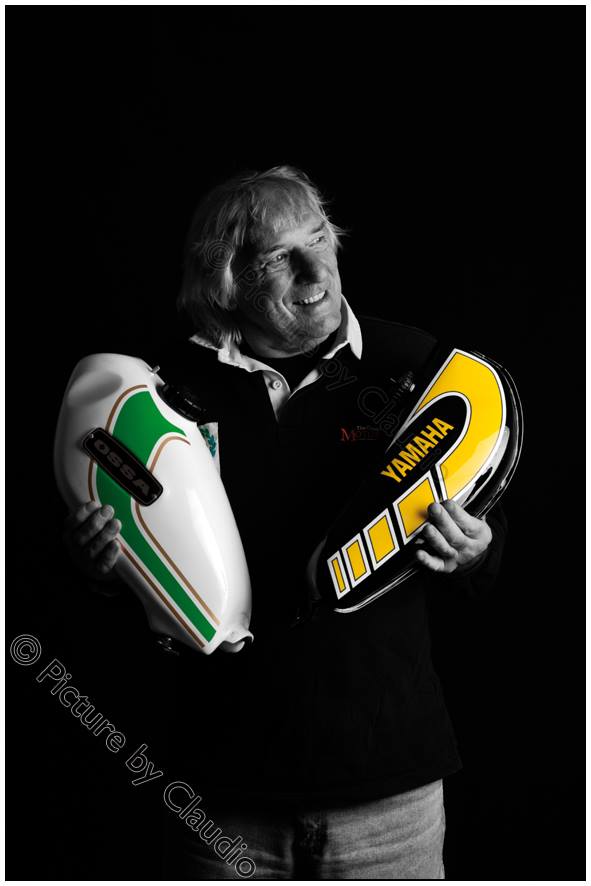
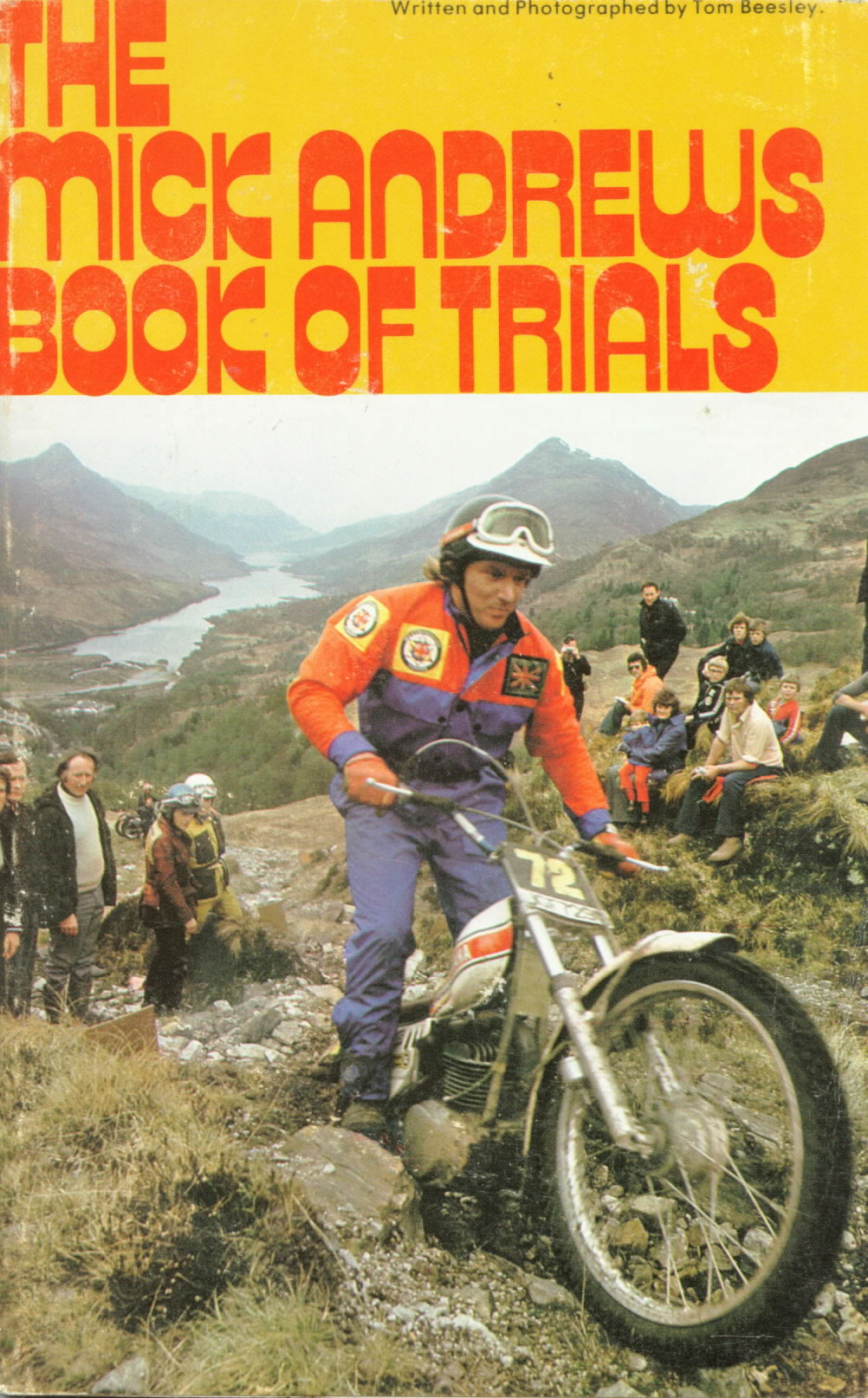


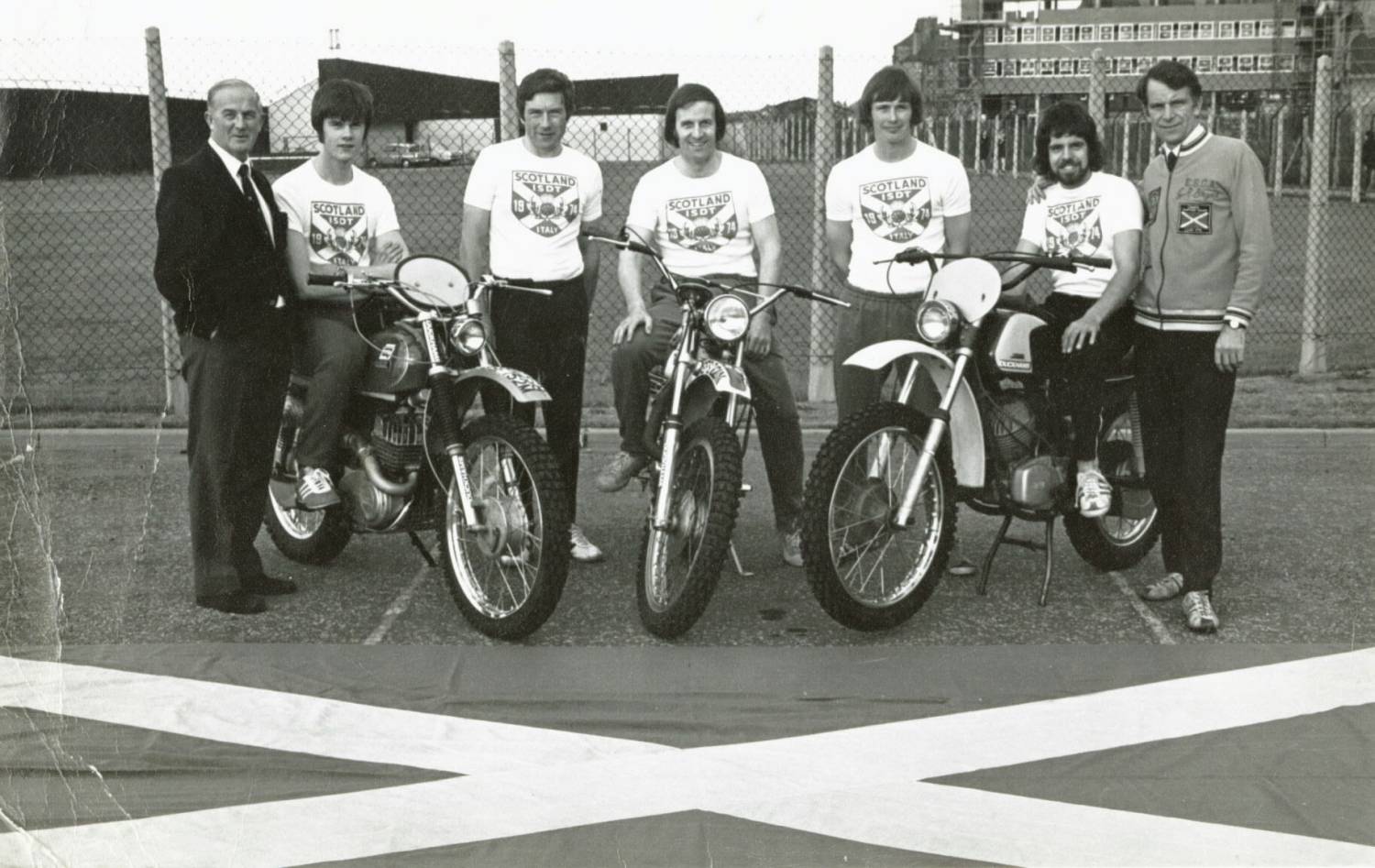

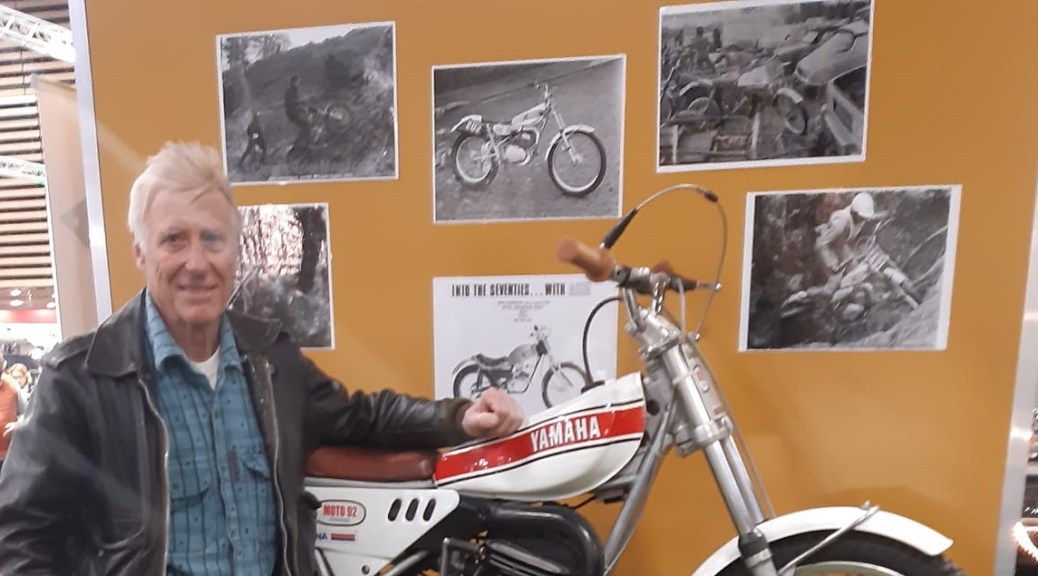
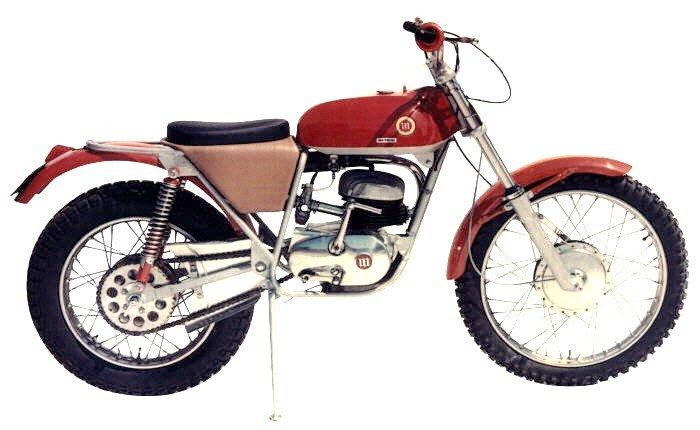


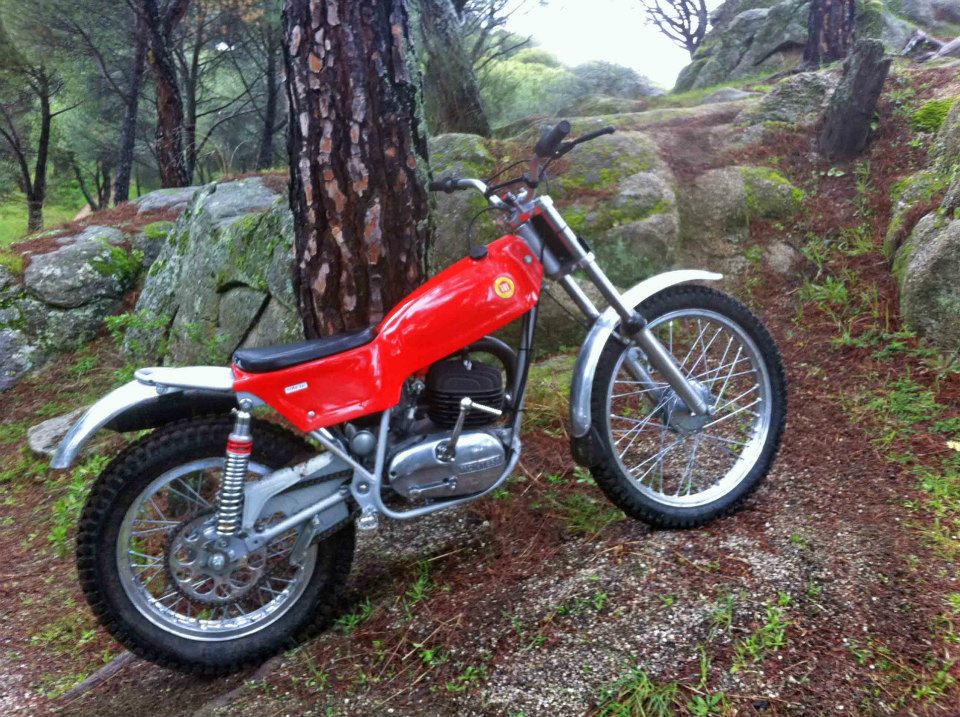


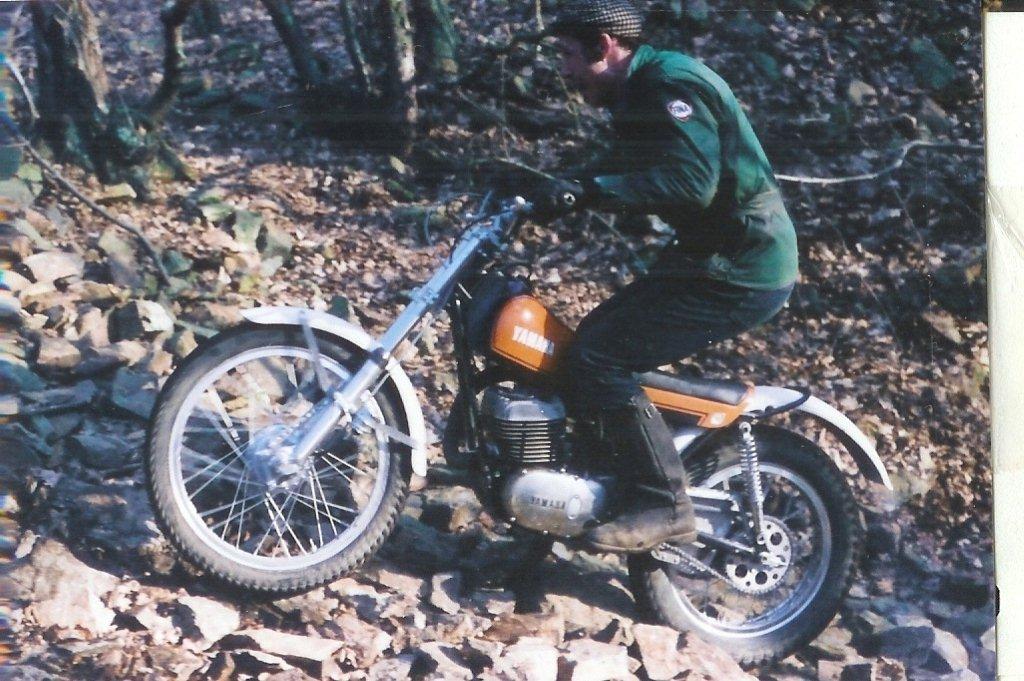


 TRIALS GURU - DEDICATED TO TRIAL