Photos: Mervyn Smith; Barry Robinson (by permission of his estate); Andrew Moorhouse/Studio Six Creative; Morio, Japan; Jean Caillou; Rainer Heise; Iain Lawrie.
One of our avid Trials Guru readers is Mervyn Smith from Shropshire who has Honda connections, having worked for Honda UK. He unearthed an old photo of himself holding a very interesting and special motorcycle, here is the story of that photograph and the motorcycle.
Mervyn Smith discovered this historic Honda RTL305 resting against a wall – Photo: Mervyn Smith Archive.
Mervyn Smith: “The photo supplied is a young and serious looking me in 1984. I was working for Honda UK Motorcycles and had found this bike dumped unceremoniously against a dark wall in the soon to be closed race team workshop at Power Road, Chiswick. It was in a very sorry state. With the former Off-Road Coordinator, Trevor Kemp, having left the company, l was possibly the only person in Honda UK who actually knew what it was, being the RTL305, long stroke machine. One of the bikes that Rob Shepherd used to win the 1977 British Trials Championship and a forerunner of later models which were to give Honda their first World Trials title in 1982 under the control of Belgian, Eddy Lejeune. With regard to trials history therefore it was a very important bike, but this motorcycle, I was told, was going to be scrapped, crushed in fact, which is how many of the ex-works bikes ended up as manufacturers, like Honda, did not want any racing technology to fall into the hands of their competitors.”
Rob Shepherd on one of his many factory Hondas in the Scott Trial – Photo: Andrew Moorhouse/Studio Six Creative.
“So, explaining the significance of the machine to the then General Manager (Motorcycles) Bob McMillan, I asked if l could rescue it for restoration and he agreed. I trailered the bike up to John Taylor Motorcycles, Fenton, Stoke on Trent, where John and his brother Jim, good friends, both keen trials riders and both sadly no longer with us, did most of the restoration work. It looked superb when finished and I was going to compete on it at least once, but was advised against it as apparently the magnesium cases on the bike were not robust having become very thin.”
Rob Shepherd when he rode for Honda Racing Corporation on the factory short-stroke RTL360 tackles a steep hill at full noise in 1978 – Photo copyright: Barry Robinson (with permission by his estate)
Smith continued: “Along with Graham Noyce’s 1979 Motocross World Championship winning CR500, the new race team manager, Neil Tuxworth, shipped the RTL305 back to Japan to be added to the Honda Collection at the Motegi museum and, over time, all knowledge of it just disappeared. Years later out of curiosity I was frustrated that my enquiries about it led to a series of dead-ends and wondered if, after all, it had been destroyed. The answer proved to be somewhat more interesting.”
Honda factory rider, Nick Jefferies on his RTL in the 1977 SSDT on Blackwater – Photo: Iain Lawrie.
“I enlisted the help of recently retired Koji Kawanami the former Honda USA boss, now residing back in Japan, who very kindly said he would make further inquiries for me. For many months I heard nothing and was resigned to the real possibility that the bike was lost. Then suddenly out of the blue a photograph was sent to me by Koji San of a trials bike which had been located in the Motegi Collection, but they, having no idea exactly what it was, had mothballed it. I recognised it immediately of course – the missing RTL305 had been found.”
Jean Caillou, Rob Shepherd, Olivier Barjon, Yrjo Vesterinen and Nick Jefferies soak up the atmosphere at the 2017 ‘Honda Edition’ of the Highland Classic Two-Day Trial in Scotland.
“It seems there had been a fire at Honda Racing Corporation (HRC) and a lot of information had been destroyed, including record of this particular bike. The staff at Motegi, although knowing it was certainly some sort of Honda works trials bike, had no idea exactly what it was or indeed who had ridden it and were therefore unable to display it.”
“With the help of my good friend Jean Caillou, who is the expert in all things regarding the history of Honda trials, we were able to inform them of the exact provenance of the machine.”
Rob Shepherd with ex-factory Hondas at the Highland Classic Two-Day Trial in 2017 – The Honda Edition – Photo: Jean Caillou
Smith: “I am so pleased I made the effort to follow this up for two reasons. Firstly, an important bit of Honda off road history has been preserved and, secondly, as it is now on display in the museum from time to time, it is a fitting tribute to a brilliant trials rider, Rob Shepherd, and to the Taylor brothers who did so much work to restore it.”
Rob Shepherd (GB, Honda RTL300 Long-stroke) at the Belgian World Round in 1977 – Photo: Rainer Heise Archive.
“My one regret in all this? I should have taken the risk and ridden it in at least one trial before it was shipped. Such is life.”
– Mervyn Smith, Bridgnorth, Shropshire.
Mervyn Smith, former Honda UK Area Sales Manager and trials rider is a Trials Guru VIP.
‘The Missing Link – Honda RTL305 Testimony’ is copyright of Trials Guru& Mervyn Smith.
Honda Collection Hall, Motegi – Photo: Morio, Japan
Apart from ‘Fair Dealing’ for the purpose of private study, research, criticism or review as permitted under the Copyright, Design and Patents Act, 1988, no part of this article may be copied, reproduced, stored in any form of retrieval system, electronic or otherwise or transmitted in any form or by any means, electronic, electrical, mechanical, optical, chemical, photocopying, recording or otherwise without the prior written permission of the author as stated above. This article is not being published for any monetary reward or monetisation, be that online or in print.
Photos: Tim Bell; Babs Bell & Bell Family Archive; Stig Karlsson; Don Morley; Colin Bullock; Eric Kitchen and Iain Lawrie (Main Photo: Colin Bullock).
With the assistance of: Tim Bell, Northallerton, England
We are always looking out for articles to interest our readers here on Trials Guru and this is such an article. But it is not one for the purist.
Many will remember a Swede called Stig Karlsson who rode a home-brewed Matchless in the Scottish Six Days Trial on three separate occasions. The last time was in 1985, but more recently he competed in the Pre65 Scottish Trial on what appeared to be the same machine and won the event in 2000.
Stig Karlsson on his 410cc Matchless G3C in 1990 – Photo: Stig Karlsson Archive.
In fact, he won the Pre65 Scottish twice, the first time being on a Triumph in 1999.
Stig Karlsson won the 1999 Pre65 Scottish Trial on this Triumph – Photo: Eric Kitchen
Truth is, it was not the same Matchless that Karlsson rode in both the SSDT and Pre65 Scottish. The pre65 entry was a 410cc Matchless, more in keeping with what Associated Motor Cycles produced in the early 1960s. The machine Stig rode in the SSDT was somewhat different.
Karlsson the man:
Stig Karlsson on his 350cc Triumph on which he won the 1999 Pre65 Scottish Trial – Photo: Stig Karlsson Archive.
Stig Karlsson was born in Smaland county, southern Sweden in 1946. He was a keen football player and when he attained fourteen years of age, he was playing for a local youth football team when he injured his heel. It was during this time of inactivity he discovered the sport of trials.
Like so many of the period, Stig set about altering a road machine for trials riding, his choice was a machine called a Rex Roadmaster powered by a 198cc Villiers engine. These machines were built at Halmstad on the Swedish west coast and was a 1950 model with four-speed gearbox and rigid frame.
The 175cc Husqvarna ‘Silverpilen’ model (Silver Arrow) similar to the one Stig Karlsson modified for trials. (Photo: MXA – Motocross Action, USA)
Two years later, Stig took his lightweight motorcycle test and purchased a 175cc Husqvarna ‘Silverpilen’ (Silver Arrow) which was a machine that several Swedish riders adapted for trials use at that time. He called this machine an ‘Antelope’ and ventured to England to ride some events with it and took part in European Championship rounds.
Eventually Karlsson took up employment as a historian, giving lectures at universities, then latterly as a security guard, but in reality, he was a self-taught engineer, many regarded him as a genius given the skills he had accumulated. He lived at Estentorp near Malmback in Smaland county.
It was the Scottish Six Days that got Karlsson noticed, when he entered on his self developed Matchless, a machine that was outdated by around twenty years and viewed as a museum piece rather than a useable trials motorcycle. Many admired the machine at the ‘weigh-in’ at Fort William’s West End Car Park. Stig rode the Scottish three times, Matchless mounted in 1980, 1984 and finally in 1985. But each year he rode, the machine was different, he was continually changing things.
It was during the 1985 SSDT that Northallerton trials rider, Tim Bell first met Stig Karlsson and they became great friends.
Tim Bell: “I was at the sections known then as Kentallen, now called Lagnaha, and I engaged Stig in conversation. We met the following year at the same place and of course that was the year the Chernobyl nuclear disaster which occurred only a few days previously, and he said that we shouldn’t be standing outside in the rain! He came over and rode his Matchless in the Northallerton Three Day Trial and stayed with us. I was riding my 500 Royal Enfield Bullet, narrowly beating Stig after a good battle during the event.”
Northallerton’s Tim Bell stands proudly beside Stig Karlsson’s Matchless in 1991 in Sweden. Tim’s son David is sat in the pushchair, Stig’s wife Siv and Stig are in deckchairs. Photo: Bell Family Archive.
Tim Bell was lucky enough to obtain Stig Karlsson’s Matchless a couple of years after his death in 2021 having been good friends over the years. In fact, Karlsson entered the Pre65 Scottish as a Northallerton club member, winning the event twice, the first time being 1999 on his 350 Triumph twin and again on the more traditional Matchless the following year.
Stig Karlsson works on his more ‘traditional’ Matchless 410 – Photo: Stig Karlsson Archive.
It is the heavily modified machine that we have obtained photographs of and describe the specification as it is to this day. Obviously, the specification of the machine has varied considerably since Karlsson built it, so don’t be surprised if you read something different or conflicting in a magazine or periodical, which has covered this motorcycle in the past. It would have been nice to interview Stig to get the inside line on the Matchless, being the creator, but sadly this was not to be, and the bike cannot speak for itself.
The current custodian, Tim Bell, has been very co-operative with information about the machine and has taken photographs when he was forced to remove components to service and make repairs recently.
Stig Karlsson’s Matchless as it is today showing the Paioli front forks, Gremica hub and aluminium primary chaincase – Photo: Tim Bell.
One noticeable change is the front forks which appear now to be Paioli components, possibly of Sherco origin, the Marzocchis possibly having been damaged or simply worn out. A modern style white front mudguard has now been fitted.
Bell: “Stig loaned me his traditional 410cc Matchless to ride the 1990 Pre65 Scottish and was on hand at Pipeline to show me the line. However, some miles previously, the front forks went totally solid and refused to move. I explained this to a bemused Stig who said: ‘Ah, I know what has happened, something has gone wrong with the damping valve which I modified’.”
Scottish Six Days Trial:
Stig Karlsson (Matchless) in the 1980 Scottish Six Days Trial on Muirshearlich (Trotter’s Burn) – Photo: Iain Lawrie.
In the 1980 SSDT, riding number 193, Stig finished in 171st place. The Matchless he rode was very different to the models that dominated the SSDT in the mid-1950s.
Stig Karlsson with his Matchless poses for the camera of Eric Kitchen at the 1980 SSDT.
The front forks were of Italian origin, probably Marzocchi married to a Husqvarna front hub laced to a 21-inch alloy rim, but most of the Stig developments were hidden below the tank as this was no standard Matchless. The primary chaincase looked fairly standard, taken from the 1950 G3LC Matchless.
1980 Scottish Six Days action with Stig Karlsson piloting the Matchless on Cnoc a Linnhe – Photo: Iain Lawrie.
The rest of the motorcycle was clearly a much-modified version of what Plumstead produced. Photographs indicate that Stig used the very reputable American made ‘Preston Petty’ black plastic mudguards, a wise move as they were virtually unbreakable. This particular event was won by Yrjo Vesterinen who had switched camps from Bultaco to Montesa and he was recorded as the first overseas rider to win the Scottish Six Days Trial.
1984, Fort William’s West End Car Park for the weigh-in of the Scottish Six Days Trial, note the original front forks of AMC design and the AJS tining case, gearbox is Burman B52. Photo: Colin Bullock.
In the 1984 SSDT, Stig rode number 175 and had reverted to using front forks of AMC origin and surprisingly the yokes also looked fairly standard. Front hub was still the Husqvarna component. Without a doubt the AMC internals would have been upgraded, certainly modified by Karlsson to give improved damping.
Karlsson in 1984 at ‘Chairlift’ section in the Scottish Six Days – Photo: Iain Lawrie
Karlsson was a firm favourite with the SSDT spectators who marvelled at someone who had the desire to ride such an antique machine, when monoshock bikes had already appeared in trials with the first model Yamaha TY250R. Unfortunately, he failed to finish the event in 1984.
Stig with his Matchless in 1985 at the SSDT at ‘Fersit’ showing the offside of the machine. The Girling Gas Shocks and AJS timing case can be seen clearly. Photo: Babs Bell.
Karlsson’s third attempt at the SSDT was in 1985, he was allocated number 93 and the Matchless was listed as a 400c and once again sported Italian manufactured forks once again and the machine looked very much like it does today. The Husqvarna front and rear hubs still deployed.
Stig Karlsson in the 1985 Scottish Six Days, captured at ‘Fersit’ by ace photographer, Iain Lawrie.
Stig finished the event in 182nd position on 563 marks, a sterling effort, given that the sections were pretty much against such a twinshock machine.
Rear wheel:
1985 SSDT at ‘Lagnaha’ (Kentallan) which shows more detail of Stig Karlsson’s Matchless – Photo: Babs Bell.
The rear hub on Stig’s Matchless was always conical and upon closer inspection he deployed an alloy Husqvarna component. With the drive on the kerbside, rear brake within the driven hub and gear shift on the offside, there was no need for a heavier full width hub at any time in his bike’s development. The wheel is built with an 18-inch alloy rim. It could well be that the rear hub came from his Husqvarna Silverpilen.
The powerhouse of the Matchless as it is today – Photo: Tim Bell
Looking at the Karlsson Matchless, it is evident that it is a very short stroke motor and very compact compared with the original short stroke engines made by AMC. It is believed that Stig Karlsson reworked the frame multiple times for his machine over a twenty-year period.
John Reynolds watches Stig Karlsson’s line on ‘Kilmalieu’ during the 1985 Scottish Six Days Trial – Photo: Iain Lawrie
Front Hub:
At various stages of the machine’s development, it was fitted with an alloy Husqvarna Silverpilen front hub, but this was changed for a Italian Grimeca component as used on SWM. The background information reveals that Karlsson sold the Husqvarna without wheels, so it is reasonable to assume the hubs came from the Silverpilen Husky.
Frame:
Nearside view shows the lines of the modified Matchless G2 frame and the PVL ignition run off the crankshaft – Photo: Tim Bell
The frame is not as AMC produced, but a home brewed assembly of steel tubing using the Matchless G2 frame as a starting point. It fitted around the engine and in no stretch of the imagination could it be described as original. Stig did things his own way and he constantly altered and improved the chassis as he saw fit. His bikes were an extension of himself, he was an individual and so was his Matchless. Just looking at the photos of the machine today with the tank removed proves this. The engine is a very snug fit in the chassis, but it works well, the weight is low down so benefits from a low centre of gravity, ideal for a trials motorcycle. Each time the engine was changed, the frame was altered accordingly. The DNA of his first Matchless is undoubtedly in the final version.
Rear Suspension:
The rear dampers were Girling Gas Shocks and were probably used as early as his 1980 attempt in the SSDT. Girling started producing the Gas Shock range from 1976 and Stig favoured these units as they had a thicker damper tube that other brands, plus the benefit if progressive springing, using two sets of springs per damper unit.
Gearbox:
Stig used the Burman B52 component which appeared in October 1951, but internally he had made his own gears from scratch, hand filed, trued on a lathe, then heat treated for the job in hand. The result was lower first and second cogs for sections, with a high top gear for any road and fast track work. One can only but marvel at the fact that Karlsson hand-made the gear wheels. This ensured that he got the ratios that he desired.
Crankcase:
Karlsson used the crankcases from a 1948 G3LC and the crankshaft from the 250cc G2 model giving a stroke of 64.4mm. A ‘slipper’ piston of 85mm giving a displacement of approximately 365cc.
Over the years Stig’s Matchless lost the traditional look on the timing side. When he rode it in the early eighties, it had the magneto drive casing not with the familiar ‘M’ symbol, but an ‘AJS’ version. This disappeared some years later when he opted to use a PVL ignition system running on the crankshaft output side. Traditionally Matchless singles up to 1951 had the magneto behind the cylinder and the AJS in front. This changed for the 1952 models when AMC standardised crankcase production and kept the AJS style for both marques, being the forward positioning of the magneto.
Bell: “Stig told me that by using an AJS timing chest rather than the Matchless version, saved a few grammes in weight.”
Cylinder head:
The cylinder head is from the Matchless G80 500cc with very large valves, while he sourced a suitable barrel from a Yamaha XT500, suitably doctored and modified to be married with the crankcases and cylinder head. The engine breathes through an AMAL carburettor.
Karlsson made this Triumph Twin monoshock trials machine – Photo: Stig Karlsson Archive
It is without question that Stig Karlsson was a very good trials rider and a clever engineer who campaigned an outdated machine without making it look so modern that it was not recognisable. He achieved a good balance between a 1950s design and the application in a 1980s world which no one else has attempted. Having said that, we display a Triumph twin which he did create with a perimeter frame and monoshock suspension.
Trials Guru’s John Moffat met Stig Karlsson when he was riding the Pre65 Scottish Trial, the first encounter was in 1994 when Moffat first attempted the event on his 1959 G3C Matchless.
AJS factory rider, Gordon Jackson with Trials Guru’s John Moffat at a Pre65 Scottish trial – Photo: DON MORLEY
Moffat: “1994 was the first year I entered the Pre65 Scottish at Kinlochleven when it started from the old school and was a one-day affair. I was getting suited up for the day, the bike had been topped up and I was making a few checks before I was to start riding under number two. Someone said ‘hello’ and I looked up and there stood Stig Karlsson, who I had never spoken to previously. He pointed at the footrests of my bike and said: ‘does it handle like a fish with those high footrests?’ making his hand weave like a fish thrashing through water. I thought for a moment and then confessed to Stig that I had no idea, as I had not actually ridden the bike in a section before, I explained that I had no time due to work and family commitments. I had not practiced with the machine as it needed a lot of remedial work when I bought it the year previously. Stig was visibly surprised and said: ‘well good luck, because you will need it!’ I then wondered if I had made the right decision entering with no practice beforehand. However, I was much younger then, in my early thirties and I still had a bit of determination. I got round and on time, lost a pile of marks getting used to my new ‘old’ steed, thoroughly enjoyed the ride, but my arms and back ached as the handlebars were much too low and the footrests set much too high.”
John Moffat on his very standard 1959 Matchless G3C in the 2006 Pre65 Scottish Trial, after taking heed of Stig Karlsson’s advice to alter the footrest position – Photo: Iain Lawrie
“Needless to say, I rode the next and a further twelve Pre65 Scottish’s on that bike but did some little improvements each time. I will always remember with a smile, what Stig said to me that year and he must have thought I was totally barmy. We did talk a few times after that initial meeting because he realised, I was an AMC enthusiast.”
It is fair to say that Stig Karlsson was very much an individual and certainly did things his way, this was his Matchless and as stated at the beginning of this article, the machine is not one for the purist.
‘Stig’s Matchless’ article was written by and is the copyright of Trials Guru.
1991 in Sweden. Tim Bell is stood astride Stig’s Matchless after a test session. Stig is standing in the background – Photo: Bell Family Archive.
Recommended further reading:
Classic Dirtbike – Issue 71 – Summer 2024
Pages 34-41 – ‘An Individual Approach’ by Tim Britton Media Ltd.
Apart from ‘Fair Dealing’ for the purpose of private study, research, criticism or review as permitted under the Copyright, Design and Patents Act, 1988, no part of this article may be copied, reproduced, stored in any form of retrieval system, electronic or otherwise or transmitted in any form or by any means, electronic, electrical, mechanical, optical, chemical, photocopying, recording or otherwise without the prior written permission of the author as stated above. This article is not being published for any monetary reward or monetisation, be that online or in print.
Photos: David Lewis; Gavin Shaw; Jonathan Henderson; Speedtracktales (ISDT website); Bonhams Cars; (Main photo: Gavin Shaw)
With assistance from: Jonathan Henderson
Hugh Viney’s AJS with some details painted on the front plate of HXF641 as it is to this day – Photo: David Lewis, London
On the tenth of October 1946, Associated Motor Cycles registered a 348cc AJS 16MC rigid framed motorcycle with the London County Council Motor registrations department, the index number issued being HXF641. That in itself may seem innocuous enough, but the machine was to gain fame as one of a handful of machines issued to one ‘B.H.M. Viney’ for the 1947 season.
The first registered owner/keeper was noted as Associated Motor Cycles Ltd, Plumstead SE18 and the signature on the original registration booklet was none other than director, C.R. ‘Charlie’ Collier, a founding father of the Matchless Motorcycle. We have discovered that London CC issued HXF644 to a factory 350 Matchless G3LC at the same time, this machine would be issued in 1947 to Yorkshireman, Artie Ratcliffe who won the British Experts trial on it. Later the same Matchless was issued to Ted Usher for the 1948 Scottish Six Days Trial.
HXF641 Registration book from 1946, showing Associated Motor Cycles Ltd as the first owners of the AJS 16MC – Photo: Jonathan Henderson.
The machine was of course pressed into service as a factory trials bike and would be ridden by its famous rider to many successes over the years. In fact, the machine remained in the ownership of AMC until 19th April 1950 when Rodney Gordon Bainbridge of Shrewsbury became the proud new owner. The machine was then in private owners’ hands until the present day.
Born near Dorking in Surrey in 1914, Hugh Viney joined the competition staff in the spring of 1947, having been a sergeant instructor in the British Army, Royal Corps of Signals, through WW2 and was a motorcycle instructor for the regiment having trained many dispatch riders during his period of service to King and country. Prior to joining AMC, he was employed as a local government surveyor. Viney was a particularly serious-minded character and was described by many journalists of the era, as being of ‘dour’ demeanour. His first trial was at the age of twenty-two in 1936 in the Beggars Roost on a side valve Ariel, winning the event. Viney came fifth in the 1946 British Experts on a borrowed works AJS, the first Experts after the war ended. He certainly was a serious trials rider, having won the Scottish Six Days Trial on his first attempt, a feat he would repeat on no less than three further occasions, which included his famous ‘hat-trick’ of three successive wins 1947-1949.
The victorious GB Trophy team at the 1954 ISDT in Wales. Left to Right: B.H.M. ‘Hugh’ Viney (AJS); S.B. ‘Bob’ Manns (Matchless); P.H. ‘Jim’ Alves (Triumph); J.V. ‘Johnny’ Brittain (Royal Enfield) & Jack Stocker (Royal Enfield) – Photo: Speedtracktales website.
Viney also represented his country at the International Six Days and was the captain of the victorious Great Britain World Trophy team in 1954 in Wales, riding an AJS twin, registered as AJS6. He was the Competitions manager for the factory, so access to works prepared machinery was never an issue. His factory supplied AJS machines were known to have many alloy components fitted, much of which enamelled black to disguise the lightweight components. The factory also had components made in ‘Elektron’ a magnesium alloy which had a dull grey appearance but again very light weight. ‘Elektron’ was the registered trademark of Magnesium Elektron Ltd. The alloy was originally developed in pre-war Germany and the racing departments of both Auto Union and Mercedes would have used this metal in their Grand Prix cars.
Detail of the powerplant of HXF641 shows the ‘Elektron’ casings in their usual dull grey finish. Production machines were cast in aluminium alloy and had a highly polished finish. Photo: Bonhams Cars.
AMC used Elektron for their racing machines and the application to the factory scrambles and trials machines was entirely possible.
Hugh Viney’s factory AJS HXF641 on which he won three successive SSDTs post-war – Photo: David Lewis, London
HXF641 as stated, was to be campaigned by Hugh Viney over a three-year period in various states of development and tune. One such modification was the short rear mudguard that Viney deployed, this was copied by private owners believing that there must be an advantage by lobbing off a chunk of the mudguard. However, there was a very sound explanation for Viney’s abbreviated mudguard, it was so that he could load the machine into his Croydon built Trojan van, and get the rear doors closed, as the bike was too long if fitted with the standard-length guard!
The trials scene started slowly to resume in 1946, following the Second World conflict, but it was a very controlled resumption, given that fuel and lubricants were in short supply and factories had been on a war footing for the previous eight years. Things were far from easy in fact it was a period of austerity. When the Scottish Six Days resumed a year later in 1947, the trial was centred at Fort William to conserve rationed fuel supplies, an event Viney would dominate for three further years.
Viney was to develop his trials riding style on an army issue side-valve BSA in Yorkshire during the war. This enabled him to perfect his very slow riding style, using the ignition lever to retard and advance the ignition, almost like a second throttle. This enabled him to find grip in muddy conditions where other lesser riders faltered. Viney was a quiet thinker, and it paid dividends. It is said that Viney was a novice trials rider when he joined the army, but was an expert when he was demobbed.
The press initially labelled Hugh Viney as the ‘Doctor of Plonk, Professor of balance’ mirroring his ability to manoeuvre his mount slowly over obstacles with just a whiff of throttle. In later years Viney was referred to in the motorcycle press as ‘The Maestro’ a term used for the very late model Matchless G3C. This ability to plonk a machine, necessitated a well set-up engine with manual advance/retard ignition sparked by Lucas magneto, and no air filter fitted to the AMAL carburettor. Viney felt that an air filter would clog up mid trial, ruining the optimum fuel/air ratio, so he always shielded the carb by the deft use of a cut up car inner tube to fit down the frame and allowing water to escape the bell-mouth and keep mud and dust away.
Viney’s factory AJS HXF641 in an AJS/AMC publicity advert in 1949, clearly shows the tommy bar front spindle, tucked in exhaust system and air bottle with tool box for the SSDT. An aluminium alloy fuel tank is also fitted. The front brake is mounted on the offside, this was regarded as Viney’s preference for a ‘servo’ effect. The front brake is now anchored on the nearside. Photo: Associated Motor Cycles.
Viney’s bikes always bristled with modifications, but some were not obvious. The most noticeable to the keen eye was the fuel tank, the production machines were made of steel, whereas Viney had his made from aluminium alloy, but the detail was such that when painted, it wasn’t obvious. The factory of course wanted potential customers believe that the model they could buy was what Viney and his teammates were already winning upon.
All engine plates were fabricated from alloy plate in the competition department, initially painted black to disguise these components.
Neat rubber sheet protects the carburettor as Viney preferred no air filter on his factory AJS. – Photo: Bonhams Cars.
What AMC did was they registered standard machines that were taken from the production line, not road tested as was the norm, the machine being booked out in the factory records as ‘For Competition Department use’ and then stripped down by the comp department staff and the lightweight components so fitted before testing and issue to the chosen factory supported riders. This is how HXF641 would have begun its life as a works trials machine.
Initially, HXF641 would sport its front registration number mounted on the front mudguard as most machines were prepared in this manner. However, it was not an ideal position should a rider dismount unexpectedly over the handlebars. Later, the number plate was fitted across the front forks, fitted by extended pinch bolts of the lower yoke.
What is not generally known was the way that Viney set up the front brake, which is of course the primary brake on a motorcycle. He actually reversed the brake from standard build, so that the brake plate was on the offside and not the nearside, thus giving a ‘servo effect’. The machine as it is now has the standard build set up with brake plate on the kerbside. Viney also preferred the larger 6.5 inch front brake and not the later and much lighter 5.5 inch variety.
Kerb or nearside of HXF641 shows the 6.5 inch front brake plate mounted in the standard production position with the 1948 two-point type brake anchor on the fork slider. The higher seating position, favoured by Hugh Viney can also be clearly seen. – Photo: Bonhams Cars.
At first Viney favoured the BTH ‘TT’ type magneto before the advent of the Lucas ‘Wader’ magneto which was to become standard fitment on the AJS and Matchless trial and scrambles machines. A BTH magneto is fitted to the machine in the present day.
At this time, AMC only produced fifty of AJS and a similar number of their Matchless 350 trials models and that was the quota for the year. This was not a lot, but enough to allocate machines to their official dealers of the day.
The 1947 Scottish Six Days was at that time the equivalent of a racer winning the TT on the Isle of Man. Viney was keen to take the win and he did so in amazing style. He dropped a mere six marks and posted a double clean of the now famous ‘Devil’s Staircase’ on the Moidart peninsula, above Loch Ailort. He also did so at his first attempt.
One interesting modification of HXF641 was the position of the footrests, they are about two inches further to the rear than the standard model 16MC, this allowed Viney a much better standing position for him being six foot in height. Remember, Viney did not have this victory easily, his close rivals were Bill Nicholson of BSA who had ridden pre-war and others such as Fred Rist (also BSA mounted) and Bob Ray (Ariel). Notable absentees in the 1947 SSDT were Allan Jefferies (1939 winner) and George Rowley who by now had retired from top line riding, Jefferies concentrating on his motorcycle business in Shipley.
Trial at this time were very carefully controlled and were classed as ‘Trade Supported’; thus, enabling them to be run with adequate fuel supplies allocated through the petrol companies, such as Esso and Shell-Mex.
In 1948, Viney would be the man to beat in trials, he won the coveted British Experts title another opportunity for the publicity lads at AMC to promote the brand.
An AJS publicity department press advert of the period showing artwork depiction of Hugh Viney on HXF641 winning the Scottish Six Days Trial.
HXF641 being an immediate post-war machine did not benefit from an aluminium alloy cylinder barrel, but an iron component. The cylinder head would be swapped for an alloy component, thus reducing some weight up top.
Let us not forget that factory bikes were under the control of the factory, a test bed for new ideas when appropriate, but there was also the underpinning that the machines should look just like the production models available for sale to the trials buying public. At this time of course trials models did not differ much from their road going counterparts, save for high-level exhausts, wider handlebars and competition tyres. The competition models also came with lights so that owners could use them during the week for daily transport.
So, what did this machine actually win? History records that in 1949, the final season HXF641 was used, it won the Scottish Six Days; John Douglas national; The Colmore Cup national; The Travers Trophy national and the Allan Jefferies trials. Not a bad tally for a season’s work considering the competition it and its rider was up against.
It was at this stage of the development of the AJS bespoke trials machine that Viney experimented with steering head angles. It would be noticeable if the steering head was altered from standard, but modifying fork yokes was perhaps a better option as the factory had a constant supply of them and they could be cut and shut quite easily. This is what Viney experimented with at one stage, and the components looked standard when mounted on a machine. The top yoke was cast in aluminium, but that also was altered to suit modified steel bottom yokes. Steepening the fork angle gave the works bikes quicker steering, most favourable to maintain balance and negotiate tight nadgery sections. It was only later that AMC competition shop technicians altered the angle of the front frame head angle on the works bikes. This was done from around 1954 by heating up the steering head cherry red with a torch and pulling the down tube toward the engine. This necessitated new engine plates and primary chain cases as it pushed the engine closer to the gearbox. The primary chain case would lose around an inch in the middle and the tank would be repositioned accordingly to avoid having to deploy large, scalloped dents in the front of the tank, which would give the game away.
Having said that, it is evident by inspecting HXF641 closely today, that Viney did alter the head angle of the machine and scallop dents were beaten into the steel petrol tank to allow a tighter turning circle for full lock turns.
On examining HXF641, the exhaust is well tucked in to allow a straight kickstart to be used on the Burman CP gearbox.
Another Viney set up, was to mount the handlebar well forward to the point where the tip of the handlebars lined up with the top fork nuts. This reduced the ‘tiller effect’ of the bars being mounted behind the steering stem.
Other equipment featured a Smiths ‘D-shaped’ speedometer head in place of the production circular instrument, in an effort to save weight and to mount it low down and out of harms way while maintaining legality and a shorter and lighter speedo cable set up. A Smiths D-shaped speedometer now resides on the top yoke of HXF641 today.
The small Smiths D-shaped speedometer now resides on the top fork yoke, note the twin throttle cables for a speedy repair and the neat tucked away exhaust pipe. Photo: Bonhams Cars.
The wheels maintained their Dunlop chromed steel rims of front, 21 inch and rear, 19 inch as racing alloy rims were not available until the late 1950s.
The kickstart lever was quite novel, it can be seen from photographs of the period and now that the pedal looks to be put on the wrong way, facing rearward. However, that is because it folds 270 degrees, whereas standard pedals swing round only 90 degrees. This ensured that the pedal was always kept well out of harm’s way when the bike was running.
For events like the SSDT, Viney used his ISDT experience when it came to preparing HXF641 for the world’s biggest trial event. Extensive use of quickly detachable components was the order of the day and Viney’s machine preparation was second to none. Tommy bar ended wheel spindles and quick release speedo cabling plus dualling of control cables was utilised throughout. The use of an air bottle with an airline that could reach both wheels was often deployed to inflate tyres after replacing an inner tube during the event.
The issue with factory machines is their provenanace. When frames get broken in competition, the factory simply replaces the frame, because it can. They take a fresh frame and stamp it with the required number to match the log book. If an engine wears out or lets go, they fit a new one, again with suitable numbers stamped on the replacement crankcase halves. So, a factory bike can become a veritable ‘trigger’s broom’, but does that really matter? It is still a recognised factory registration number adorning a machine of that manufacture. Machines were sold off after they reached the end of their usefulness and new models were set up ready for the factory supported riders to compete upon.
We are fortunate that quite a few old ex-works trials bikes survive the ‘crusher’, whereas Honda Motor Company and their subsidiary, HRC have had a policy of crushing their factory machinery. after use. A number of ex-AMC mounts are still out there, including one of the world’s most famous, the 350 AJS of Gordon Jackson, 187BLF, now a resident in Sammy Miller’s wonderful museum at New Milton, Hampshire.
HXF641 is a handsome machine now with a steel fuel tank, whereas at one time an aluminum alloy component was used by Viney. Photo: Bonhams Cars.
It is believed that HXF641 was not sold on through the AMC sales office, but out the ‘back door’ of Plumstead by Viney himself. This probably explains why the bike retained so many of its factory special components as the works usually removed the exotica for the prevention of failure in private hands. The Elektron items being a prime example due to their fragility after long term exposure to the elements in competition use.
After the disposal of HXF641, Hugh Viney was issued with KYM835 for the 1951 trials season. Viney sadly passed away in July 1991 aged 77 years.
KYM835 seen here in the hands of Hugh Viney featured in an AJS publicity advertisement was the immediate replacement for HXF641 by the factory.
Family connections:
One interesting fact is that HXF641 was owned at one point by Hugh’s son, Michael Hugh Viney and retained by him for but two years before selling on the motorcycle. Mike Viney had purchased HXF641 from a private owner in 1990 with the intention of retaining something tangeable from his father’s achievements in motorcycle sport. However it was assumed that Mike sold the machine on in 1992, due to some financial pressures. A letter dated 2nd May 2000 to the then owner, indicated that Mike Viney wanted to repurchase HXF641 being some eight years after having sold the machine, but the offer wasn’t accepted by the then owner, a Mr. Bob Gardiner of West Sussex. It is also believed that Hugh Viney wasn’t really interested in the machine and wouldn’t even sit on it when in his son’s ownership. Hugh Viney had effectively turned his back on the sport once he left AMC’s employment, having lost interest completely.
HXF641 today:
HXF641 when advertised for sale by Bonhams in April 2019 – Photo: Bonhams.
HXF641 is a multiple SSDT and national trial winning machine which is still working and still being ridden from time to time by its current custodian, Jonathan Henderson in Surrey, particularly in the TALMAG trial. Hopefully this historic motorcycle will be doing so for many years to come as it is part of trials history. Jonathan purchased the machine at auction in April 2019 at Bonham’s Spring Stafford Sale under Lot 310. Advertised for sale as a 1946 motorcycle, in reality AMC always stamped the engines with the model/year from the October onwards for the following year, so this machine although manufactured in early October 1946 would have been stamped and indexed as a 1947 model. HXF641’s engine number stamped on the nearside crankcase begins ’47/16MC’.
Nearside view of HXF641 – Photo: Jonathan Henderson
Riding HXF641:
Back in the day, the motorcycle press were given the opportunity of running the ruler over this historic machine. However, Viney was always very guarded when it came to discussing his own, and the machinery issued to factory supported riders. One such journalist was Harry Louis, editor of the Motor Cycle who wrote: “… an engine which pulled reliably and powerful at two-hundred revs per minute”. [2] This was due to the way the engine was built in the comp department and fine tuned by Viney himself. It is believed that whilst the engine was a 347cc, internally it sported the heavier flywheels from the 498cc model, thus giving it more momentum, and thus the ability to resist stalling at low revs.
In more recent times, the machine was the subject of an article penned by Roy Pointing for ‘The Classic Motor Cycle’ in their December 2001 edition.
John Moffat of Trials Guru was given the opportunity of having a ride on HXF641 at the annual Highland Classic Two-Day Trial on Alvie Estate, near Aviemore in June 2023.
Moffat: “I was overjoyed, having invited Jonathan Henderson to bring the Viney AJS to Scotland and have it on display at the trial headquarters during the weekend, he then invited me to have a short ride on the historic machine. I can assure you, I didn’t hesitate. The bike had been sitting unused for a while, but there was enough fuel in the steel petrol tank to get her fired up. I only rode HXF641 a relatively short distance along one of the estate roads, thus being on private ground. I wasn’t tempted to try some easy sections near the start for fear of coming adrift and damaging such a historic motorcycle. The bike had exceptional low end power and handled positively. These old AMC machines, even on lower trials gearing, still give the impression that they are moving too quickly in low gears for a successful trials motorcycle, but that is the way they were. I must say I was impressed with the bike, you had to remember it was devoid of rear suspension and was a 77 year old! That said, it was a great experience knowing that one of the all time legends of trials had used this very machine in an assortment of specifications back in the 1940s to win the greatest trial of them all, the Scottish Six Days and would have done so, quite close to where the bike I was riding that day. The time came to hand the motorcycle back to its rightful owner, but not before I had retarded the ignition and performed a couple of very tight turns at almost zero revs. Then I let the bike tick over very slowly, much to the amazement of the assembled spectator gallery that were wondering how anyone could win a trial on such a machine. The sound of a well set-up AJS or Matchless ticking over so slowly on full retard is just music to an enthusiasts’ ears. Only by being present can one understand how slowly these machines could idle without stalling. I then pulled on the valve lifter and silenced the engine. It was an experience that I will cherish for a long time.“
Finally, we share the words of journalist, Peter Fraser when he wrote in Motor Cycle of Viney’s passing in 1991. [1]
B.H.M. ‘Hugh’ Viney in 1954
“Viney Dies – Hugh Viney, the world’s top trials rider of the 1940s and 1950s has died at the age of 77. Always associated in the public’s mind with the AJS marque manufactured in London by Associated Motor Cycles, he left his job as AMC’s service and competition manager in October 1964 to sell BMWs. A dedicated perfectionist who prepared his machinery as he picked a line no-one else had spotted through a section. Hugh Viney was a man of few words. Never ‘one of the lads’ he would eat alone in a hotel filled with fellow competitors, always maintaining a distance. His coolness and attention to detail made him a valued and successful member of British Trophy teams in the International Six Days Trial. But it was in Scotland that the Viney legend really took root. His prowess in the Six Days Trial meant That more than a decade after his retirement, the locals in Fort William compared recent efforts with the style of their hero.”
Technical Data:
Engine Type: Over Head Valve, Single Cylinder, Four-stroke
Engine Capacity: 348cc
Ignition: BTH ‘TT’ type magneto
Gearbox: Burman CP – 4 speed
Tyres: 2.75 X 21 Front; 4.00 X 19 Rear
Brakes: 6.5 inch front and rear
Wheelbase: 53 inches
Price new: (Standard Machine) £146
‘HXF641 – Viney’s AJS‘ article is the copyright of Trials Guru.
Bibliography:
References, Information Sources and Quotes:
The Motor Cycle – 1991 [1]
The Motor Cycle – 1948 & The Classic Motor Cycle – December 2001 [2]
Recommended reading:
The Classic Motor Cycle – December 2001 – Page 86 – 89 – ‘The Maestro’s Mount’ By Roy Pointing.
Apart from ‘Fair Dealing’ for the purpose of private study, research, criticism or review as permitted under the Copyright, Design and Patents Act, 1988, no part of this article may be copied, reproduced, stored in any form of retrieval system, electronic or otherwise or transmitted in any form or by any means, electronic, electrical, mechanical, optical, chemical, photocopying, recording or otherwise without the prior written permission of the author as stated above. This article is not being published for any monetary reward or monetisation, be that online or in print.
With assistance from: Kerry Greenland; Karen and Neil Clarke.
Photos: Colin Bullock; Jean Caillou; Mike Rapley; Alistair MacMillan Studio, Fort William (Permission by Anthony MacMillan); Ray Biddle; SpeedTrackTales (ISDT website); Derek Soden; Salisbury Journal; Greenland Family Archive. (Main photo: Mike Rapley).
Most people that have been around the Pre65 trials scene for some time, will have heard the name or have met George Greenland. But George has been around a long time, a very long time in fact!
This article has been written with the full co-operation of George and his family. In truth, it doesn’t begin to cover everything he was involved with, or all of his adventures, but it gives the reader a fascinating insight into the life and times of a man and his love of motorcycles and the sport of motorcycling.
George Greenland on the 500 Ariel on Callart Cottage during the 2006 Pre65 Scottish Trial – Photo: Jean Caillou.
The thing that you experience when you meet George Arthur Greenland is his ‘schoolboy enthusiasm’ for the sport of motorcycling, that he hasn’t lost since he was a youth. Here we find out more about the trials rider, sidecar trials driver and five times British Enduro sidecar champion.
George Greenland with passenger Nick Moores, 1981 Welsh Two Day action with the Norton Wasp outfit carrying the number 1 plate – Photo: Colin Bullock
Early Days:
George was born on the 7th July 1932 to parents, George Arthur Hughes Greenland and Annie Gertrude Greenland, at North Middlesex County Hospital.
The family lived at Prairie Farm, Carbon Hill, Cuffley, Herts and George attended the local school in Newgate Street. He was the youngest of four children with three sisters, Glad, born in 1915; Pad, born 1920 and Olive, born 1930.
George and Olive grew up during the second world war at Prairie Farm, which was a small poultry farm. George aged thirteen and sister Olive then moved to Salisbury, Wiltshire in 1945 to St. Martins Terrace in the city. By this time both his elder sisters, Glad and Pad were married and stayed in and around the London area.
George attended St Thomas Boys School, St Thomas Square, Salisbury and left school in the July of 1946, aged fourteen.
George’s first interest in motorcycles started that same year when he was walking home from school, he would pass a chap washing his motorcycle which was covered in mud. After a few weeks of this, George’s curiosity got the better of him and he had to find out how it got so muddy!
On leaving school, George’s first job was at Avon Motors, which was a Rootes Group garage. He used to walk past the garage on the way home from school and decided to go in and ask for a job.
Sid Clark, who owned the business, asked George why he wanted to work there? George replied “When I walk past, everyone is so happy and I would like to work in a happy place.” So Sid took him on, but George wasn’t able to start his apprenticeship at age fourteen, so worked there until he was sixteen years of age and then started his five year apprenticeship.
Having found out why the chap’s motorcycle was always covered in mud, George went to see a local trial on his push bike. He liked what he saw so much that he just had to have a motorcycle himself.
It was Fred Pendle who started George’s motorcycle enthusiasm, Fred had a friend with a 250cc Royal Enfield, a 1935 genuine trials model, with foot change and girder forks. It had been used by factory rider, Arthur Ellis. George purchased it in 1948, now aged sixteen, from Arthur Beeston for £35 complete with a spare engine. With a little the help from his Dad, George bought it. From then on there was no stopping him, the die was cast!
George Greenland sits astride his first motorcycle, a 1935 250 Royal Enfield trials model in 1948. – Photo: Greenland Family Archive.
By 1946, George was friendly with Maureen’s brothers, Brian and Dick Barber at the time but Maureen was of the same age, fourteen, so he was unable to date her until she was sixteen, they were all good friends so ideally, George saw a lot of Maureen.
George Greenland and his 500T Norton. Photo: Greenland Family Archive.
George started riding a 500cc Norton 500T in 1950 and notched up his first win on this bike at the Ernie Britton Trial.
Victory Trial action in 1950 with George on the 500T Norton – Photo: Ray Biddle
Most weekends, George was riding to events with girlfriend Maureen as pillion passenger. He would drop her off at a section with the lights which he had removed from his bike, compete in the trial and then pick her up, refit the lights and the pair would ride back home.
Get some in:
National Service was of course a feature of life in these days, and in 1953 at the ripe old age of twenty-one, George was called up and joined the R.E.M.E with a posting to Kent.
May 1953 with George Greenland aboard the 500T Norton during the Welsh Two Day Trial – Photo Ray Biddle.
George was competing on a twin cylinder 500cc Trophy Triumph in 1953, which he used as a road bike and trials machine. It was this machine that created the attachment between George and Triumph engines later on in his trials career.
George on the Triumph Trophy competing in the November 1953 Perce Simon National trial – Photo: Ray Biddle
The following year, George was using the Army supplied Matchless G3L in all major road trials London to Landsend; Hampshire 100; Sunbeam 200 and London to Exeter. He was the best army rider in all these events. His collection of trophies then started to grow considerably.
Army Days:
George on a standard army issue 347cc Matchless G3L, riding in a long distance event during his National Service in 1954.
During his army National Service, George rode an Army Matchless G3L in many events and was eventually invited to go to the selection events for the International Six Days Trial in 1954.
Photo credit: Speedtracktales (ISDT website)
He was selected as first reserve for the British Army team for the ISDT. This was held in Wales in the September of 1954 and George was supplied with a BSA Gold Star. The army team consisted of Captain Betty; Captain Fred Miles; Captain Eddie Dow; Cumbrian, Eddie Crooks; Staff Sgt. Nicholson; Corporal Mick Waller. The British Trophy team won this year’s ISDT, captained by Hugh Viney of Associated Motorcycles.
George takes up the story: “Eddie Dow once asked me during our training sessions in Brecon, why do you always ride at the back? I said well, if one of you comes off I’ll make sure I get a place in the team. After that he pulled rank and rode behind me.”
“Eddie Dow and Eddie Crooks were both on BSA Gold Stars and were unhappy that mine seemed to go much better. I had to admit that I had taken the compression plate out from under the barrel. So, that evening, I had to work on two more Gold Stars to remove their compression plates.“
“Thirty or so years later at a reunion, Eddie Dow asked me, would I really have run over him if the opportunity presented itself? I had to say at the time most probably.”
It was now 1955 and George left the army as his National Service had come to an end, so it was back to ‘civvy street’ and a job with Smallshaw Brothers and Andrews Garage in Bournemouth. BSA had also loaned him one of their 350 Gold Stars to continue competing. However, his freedom was short lived as George was recalled by the Government in June due to the Suez Crisis in 1956. This was a joint operation by British, French and Israeli forces, invading Egypt, thus regaining access through the Suez Canal. George and Maureen had only just got married on the 2nd of April that year, so things were a bit hectic.
George astride the BSA Gold Star, loaned by the factory in 1955, note the works Royal Enfield – HNP332. Photo: Greenland Family Archive.
Back again:
George Greenland on the Smallshaw Special Triumph in 1958 – Photo: Greenland Family Archive.
Demobbed once more, George resumed his trials riding activities, this time on a special Triumph, called the ‘Smallshaw Special’ in 1958. Using a Triumph Cub engine, with James hubs and AMC front forks, it was registered 28EFC, built by Des Smallshaw who had built special trials bikes previously.
At this time, George made the move to work for a very large company, Morris Motors, shortly to become the British Motor Corporation with the merger of Austin and other car brands, this was at the Cowley plant in Oxfordshire. BMC was the largest motor manufacturing company in Britain at that time. George was to be employed there until 1965. His main job was that of a trouble-shooter, being part of a specialist team that rectified faults when vehicles were being assembled on the Cowley production lines. His team worked very closely with designers and vehicle production staff. Some faults were rectified on the production line, with others out in the field, post-production.
During George’s time at BMC, Maureen gave birth to three daughters, Katrina Jane, born 1958; 1959, Karen Ann in 1959 and in 1961, Kerry Lyn. All three daughters took up motorcycling, with Karen taking it up competitively.
George Greenland in 1961 on the factory supported 250cc DOT – Photo: Greenland Family Archive.
In 1961, a trials bike was despatched from DOT motorcycles in Manchester. This machine was entered for that year’s Scottish Six Days and George rode two Scott trials on this machine, earning himself a coveted Scott spoon in the process.
In the mud on the home made Triumph in 1964 – Photo: Greenland Family Archive.
George got the urge to build his own trials bike, a Triumph Special, registered AEW176A, with a 350cc engine which he upgraded to a 500 in March 1964, using an engine from a crashed road bike. The Triumph was fitted with Norton Roadholder forks and a James front hub. He purchased some tubing to rebuild the frame for trials use. He had been told it was Cold Drawn Steel tubing, whereas it turned out to be mild steel, which would later cause problems! He loved the bike, but after a while the wheelbase started to lengthen by itself, so he rode it until late 1965. By then, he had left the BMC to move back to Salisbury with Maureen and their three daughters. He formed a partnership with his brother-in-laws, Dick and Brian, called R.D. Barber & Company at Milford, Salisbury. They were in the business of repairing damaged cars and fabrication work, but also did some outsourced work for the BMC rally teams.
Rhind-Tutt Wasp:
GG: “l moved back to Salisbury in 1965, and went to see Robin Rhind-Tutt at Wasp Motorcycles at Berwick St. James, and asked him to build me a trials frame as I had now obtained a Triumph 500 engine. This he duly did, and the following year I had a second bike built, it was very similar to the first Wasp. I ran SU carbs on both these bikes. In 1966 I didn’t get to ride any trials, I spent all of my spare time on building our new house at Potters Way and building up the car repair business.”
Although known as ‘Robin’, ‘Robbie’ or ‘Rob’, Rhind-Tutt’s actual name was Charles Norman Rhind-Tutt and he became known throughout the world as the ‘go to man’ for competition motorcycle sidecars. Wasp outfits literally dominated the world of sidecar motocross in the 1970s. That first 1965 Triumph Wasp set the scene for many years to come, as George would not only build bikes for himself, but for other riders as well. Although well-known in the sidecar motocross market, the Rhind-Tutt connection would eventually pull the Wasp frame manufacturer more into trials, with a neat Bultaco powered example appearing at the 1970 Scottish Six Days, in the hands of Arthur Headland and a German rider, Wolfgang Zahn. The first solo trials frame had been made as early as 1963 and Geoff Chandler used a 250 Bultaco powered Wasp ‘RT4’ in 1968.
The Wasp frames were well built and finished in bright nickle plating. Later, the Rhind-Tutt/Greenland friendship would branch out into enduro.
Bike builder! Two of George’s Triumph engined Wasps, the one nearest the camera is the 1971 machine fitted with Rickman hubs – Photo: Greenland Family Archive.
GG: “In 1969, when building another Wasp framed bike, I actually built two, one for me and one for Arthur Dovey, who rode it very successfully. My own bike had Rickman hubs fitted.“
George on his Triumph Wasp – VMR3K in 1972 – Photo: Greenland Family Archive.
A group photo taken in 1971. Mick Noyce on the left, Brian Williams, George Greenland on the Triumph Wasp (VMR3K), Dick Ramplee, Keith Mitchell and Arthur Dovey. – Photo: Greenland Family Archive.
“I built another 500cc Triumph Wasp in 1971, which was registered as VMR3K. The following year I built a third 500cc Triumph Wasp, registered CAM56L the one which I rode in the 1973 Scottish Six Days. The start was still in Edinburgh at that time and I won a First Class award.“
On the 500 Triumph Wasp during the 1973 SSDT – Photo: Alistair MacMillan Studio, Fort William.
“I was disappointed that I didn’t win the best 500 cup, my bike had the largest capacity in the event, but Kawasaki had entered bikes in each capacity to get all the capacity classes covered. Later, Don Smith told me if he had known, he wouldn’t have done it.”
History records that Richard Sunter on the 450cc Kawasaki factory prototype picked up the over 350cc cup in the 1973 Scottish, finishing in 20th position on 137 marks. George Greenland came home in 99th place on 355 marks on the 498cc Triumph/Wasp.
CAM56L is still being ridden in competition with son-in-law Neil Clarke on board, seen here at the 2024 Pre65 Scottish Trial.
GG: “Of all the bikes I built, the last 500cc Triumph twin with Wasp frame, CAM56L is probably my favourite. I have still got that bike. It has done a lot of work. I did all the Southern centre time trials in the 1970s, the odd Euro championship round, the Scottish Six Days, the Scott trial and many Pre65 Scottish Two Days and quite a few trials on the continent.”
CAM56L being ridden in the ‘Greybeards’ trial in 1981. Photo: Greenland Family Archive.
George went two-stroke again and purchased a new 325 Bultaco Sherpa in 1973, but initially was disappointed with its performance.
On the 325 Bultaco Sherpa, bought from Comerfords in 1973. Photo: Greenland Family Archive.
GG: “I bought the new Bultaco from Comerfords, it ‘pinked’ all the time on acceleration. I saw Reg May at a trial, he told me to bring it back to ‘have a look at it.’ When I got it back a week later it was transformed after Reg set it up properly.”
The Bultaco Sherpa that George bought was one of the early 325cc models imported by Comerfords into the UK and they were jetted on the weak side. This was remedied by changing the slide in the 627 AMAL carburettor and also the needle jet.
In 1972, George had turned forty and effectively moved over to ride sidecar trials on a 500cc Triumph Wasp. His first passenger was Dave Lane, who remained so from 1973 through to 1977.
2 Day Enduro in Germany, 1975 with Dick Ramplee as passenger aboard the Norton Wasp. This was to be the first of five trips to ride in Germany.
This was to become an interesting and exciting time for George, experimenting with a variety of engines in Wasp chassis. This ranged from Triumph through to Kawasaki, CCM and Suzuki. It was also a springboard for George’s foray into enduro racing.
With passenger, Dave Lane on the Kawasaki engined Wasp outfit – Photo Greenland Family Archive.
GG: “Mike Guilford, the sidecar cross British Champion, said he was building a trials sidecar but was unsure about preparing a Triumph engine for trials, so I got involved. When it was completed Mike suggested a test day. My mate Dave Lane had passengered at grass track, so he came along as ballast. Neither of us did very well. Then Mike decided it was not for him, so told me that I could use it if I wanted. So that was my first trials sidecar.”
Their first trial was The Jack White at Brice’s Farm. The going was dry with lots of grip, but it was not a fairy-tale debut as George and Dave finished last. The following week, they rode the Wessex Centre trial, it was very wet and muddy, they won on the Triumph and the die was cast.
GG: “Dave Lane and myself decided to have a crack at the Welsh Two Day on the trials sidecar outfit, but we were very disappointed we lost the win, by clocking in one minute early.“
Riding in the 1974 Welsh Two Day with passenger, Dave Lane and the Triumph Wasp outfit. Photo: Derek Soden.
“Dave however wasn’t too keen on the Enduros, so Dick Ramplee was to become my regular passenger from 1973 -1980.”
George Greenland and Phil Whitlock on board the 250 Kawasaki Wasp outfit were 5th in the 1978 British Experts Trial – Photo: Mike Rapley.
The continent was calling in the late 1970s and that was an expensive time for sidecar crews as outfits are much bulkier than solos. George set about finding a solution and came up with the ‘double-decker’ trailer. This carried three outfits on one trialer.
Greenland’s ‘double-decker’ trialer, George’s 500 CCM powered Wasp outfit is nearest the camera in this photo – Greenland Family Archive.
George won the inaugural but as yet, ‘unofficial’ ACU British Enduro sidecar championship in 1980 and he went on to win a further four times when the ACU incorporated the championship into the sporting calendar. His passenger from 1980 until 1982 was Nick Moores.
Friend Dick Ramplee was passenger to George Greenland in enduros, but was also a sidecar driver in his own right. Seen here on a 360 AJS outfit.
By 1980 George was still working at R.D. Barber full time and spending every evening working on the outfit for the next enduro. All events during George’s riding career were attended by his wife Maureen, who loved to travel. Many times she drove round the countryside to find the next check for refuelling. In 1981, George purchased a 207D Mercedes van so that Maureen could have a bit of comfort to travel to enduros and holidays abroad, this was built by George in between events.
George adapted this Mercedes for travelling to events in the UK and the continent. Photo: Greenland Family Archive.
GG: “At the Natterjack Enduro in the November of 1981, my regular passenger Phil fell off his Moto Guzzi and broke his wrist, so couldn’t make it, so at the start Roy Humphries volunteered. On the first day he was shattered, everybody including his father said I would need a new passenger for the second day, but Roy turned up and we went well all day until the gearbox failed.”
Competing in a Natterjack Enduro on the Norton Wasp with passenger, Nick Moores. George was sponsored by Tsubaki chain and Silkolene Lubricants at this time.
Out of the seven times riding the Natterjack Enduro, George won five events with passengers Nick Moores, Phil Whitlock and Neil Clarke.
George discusses the Wasp 1,000cc engine with Robin Rhind-Tutt in 1980. Photo: Salisbury Journal.
Rhind-Tutt decided to design and build a bespoke double overhead cam 998cc Wasp engine/gearbox unit in 1980. The engine was a twin cylinder, eight valve configuration and a four-speed gearbox with dry sump lublication. It breathed through a pair of MK2 AMAL concentric carburettors. This took nearly three years to develop and George was heavily involved in the project. This involved development and getting the prototype built and tested. Approximately fifty machines were built, an early version of which George rode to victory in enduros. This package was capable of transporting rider and passenger, fully loaded at speeds up to 100 miles per hour.
1982:
1982 was to be a very busy year for George. In February, the 1,000cc Wasp engine had its first real outing at the Enduro Le Touquet, the famous beach race in France. He was passengered by Nick Moores, but the engine seized up on the long straight at mid race.
GG: “I blamed Silkolene oils, but they insisted I should have used their caster based oil called ‘Pro4’. Mr. Brooks from Silkolene came down from Buxton to have a look at the Wasp and said it was a ‘racing engine’, so I needed to change the oil over to caster base which is ‘Castorene’. There were no more problems after that, and we were best sidecars in 1984 and again in 1985.“
George now in his 50s and his new passenger was to be Neil Clarke from 1982 through to 1985 in trials on a 250cc Suzuki. George and Maureen’s first grandchild was born, Ellie MacQuarrie. Their eldest daughter, Katrina married sidecar passenger, Phil Whitlock – as if George hadn’t scared him enough! At the 1982 SETRA Enduro at Tidworth, George had used one of the prototype twin-cylinder 1,000cc Wasp motors.
Enduro du Super-Mare:
From 1983 to 2001, the Weston Beach Race organisers were George, Jack Mathews, Eddie Chandler and Dave Smith, culminating in eighteen years of running Weston.
GG: “We were coming back from the Le Touquet beach race, Jack Mathews, Eddie Chandler and myself had all been competing in the sidecar class, it was our first time at the event.”
“On the ferry crossing, we were discussing what a superb event it was and bemoaning the fact that there was not a similar type of event held in England. During the two-hour crossing, we had decided we would try and organize and run our own event. Many venues were thought of and finally it was left to me to approach Weston-Super-Mare council to obtain there help and permission to use the beach.“
“During the following week I was able to contact Weston council and make an appointment to meet the council members responsible for outside events. I took with me photos of the Le Touquet newspaper that had a full report and picture. After much discussion and deliberation, the decision was ‘sorry but NO’ as they already had a scooter rally on the seafront in the September. I had mentioned this to Mannix Devlin of Trials and Motocross News as to what we were hoping to run at Weston-Super-Mare. The following Friday TMX carried a paragraph about our meeting with Weston and the result that we were turned down. A week after this, I received a telephone call from a resident in Weston he asked if I was the same George Greenland that rode trials with him in the 1950s. I confirmed that yes I was, he said his name was Tony Jones and he said he thought a Beach Race at Weston would be good for the town. If he could arrange another meeting with the Council would I be prepared to come down again? So once again I’m at a council meeting, the same people agreed they had a re-think and their outside events officer would give us every assistance, but it would be a one-off event only! The event officer was a young lady, Carol Ridge, she immediately arranged for the three of us would-be-organisers to go to Weston to discuss our and their requirements. Carol turned out to be the most helpful and efficient member of the whole council. Eddie, Jack and I got together to discuss what we needed as a plan of action. We realised that we would need someone to help with organising the paperwork, licences, insurance, and so on. The only person we could think of was Dave Smith who we all knew, he was into organisation and also had many contacts in the Motocross world. We phoned Dave and talked him into meeting the three of us with a view to joining the team. We arranged all our meetings in a pub in Swindon as we could all get there in about the same time from our respective homes. Jack from Chester, Eddie from Newberry, Dave from Birmingham and myself from Salisbury. Dave agreed to join us, so our first meeting with Weston events committee included the four of us calling ourselves ‘Enduro Promotions’ as we had decided to run the event as an Enduro to be called ‘Enduro du Supermare’. The Council agreed that they would make their loading shovel and driver available, to move sand as we required. We were also introduced to the council yard manager, Geoff Tucker everybody was keen to help. We needed a A.C.U. permit for the event, so we approached Jim Webb of the Frome & District M.C. & L.C.C., he was really helpful. Not only did he arrange the permit, but got most of the club helping. I think Jim was responsible for getting all the clubs in the Wessex Centre to help out. We had quite a few meetings during the following months mostly with Carole Ridge and St Johns Ambulance, although the Police and the Fire Service did briefly make an appearance to find out what the format was. As all the event was taking place on the beach and the lawns they considered it did not affect them a great deal. We got tide timetables and advice on the best weekend to have the event the 29th and 30th October were agreed upon. At this stage we had suggested to the council that we would expect about 150 riders and hopefully 2 to 3,000 spectators. There was no charge to watch the racing, the only money coming in was from the riders’ entry fee and trade stands. On the weekend before the event, we all arrived in Weston to build up the course. Just four of us, Jim Webb loaned us all the ropes that he used for building the scramble course and also the posts. We marked out the course and started putting in posts, by hand. As it was a school holiday, we had many youngsters watching the proceedings. We explained what was going on and had offers of help which we gratefully accepted. What started as twenty helpers soon dropped to about eight, but these continued to help all week and most of these lads came back year after year. Meanwhile, the entries kept rolling in from solos, sidecars and trikes.“
“As the weekend got closer, people started to arrive in their thousands, it was winter and everything was closed down, over 10,000 people turned up and they ran out of food, all roads to Weston were blocked before, during and after the event, all the accommodation was full.“
“The police were tearing their hair out, it was total chaos. People were parking everywhere. The first year the start of the event was from a flare, which the lifeboat people provided, I was standing in the digger.“
“After the event, the meeting with Carole, the police and the Ambulance, they all said that we needed to be better organized for the following year. They said they would fence it and charge spectators, so another event was planned.”
George Greenland’s daughter, Karen in sidecar enduro action. George instilled enthusiasm for the sport in his family. Photo: Greenland Family Archive.
Maureen Greenland:
Sadly, Maureen Greenland passed away on May 14th 2024, George and Maureen had been married for 68 years and she was a big part of this story.
Karen Clarke: “Mum was such a major part of all our lives, she even stood in the Wasp outfit when Dad did test runs with it, now that is above and beyond the call of duty!“
George Greenland BSA 285cc C15 mounted – Photo: Colin Bullock
Many a lesser mortal would have by now said ‘enough is enough’ and hung up their boots as far as taking part in trials is concerned, but not George Greenland. George continued to ride in events both in the UK and in Europe for many years thereafter. He was a regular competitor in the Pre65 Scottish Trial at Kinlochleven on his special BSA C15 and Ariel HT5. George has ridden in most of the European classic events over the years and has, as a result, met many new friends in the sport.
There cannot be many riders who can boast that they have ridden in eight decades!
Super-enthusiast, trials rider, trials and enduro sidecar driver, George Greenland is very much a Trials Guru VIP.
Trials Guru comment: George Greenland is an inspiration to us all. He has maintained such enthusiasm for motorcycles and the sport for so long. He is simply unique. He talks, sleeps, eats and breathes the sport and has such a depth of knowledge. He is always willing to pass on his vast experience to others.
George Arthur Greenland left us on Monday, 21st April 2025, aged 92 years while holidaying with his family in Belgium. He left the trials world with some great memories.
George Greenland with Trials Guru’s John Moffat at the 2012 Pre65 Scottish Trial – Photo: Jean Caillou.
‘George Greenland a life in the sport’ is the copyright of Trials Guru & George Greenland – 2024.
Apart from ‘Fair Dealing’ for the purpose of private study, research, criticism or review as permitted under the Copyright, Design and Patents Act, 1988, no part of this article may be copied, reproduced, stored in any form of retrieval system, electronic or otherwise or transmitted in any form or by any means, electronic, electrical, mechanical, optical, chemical, photocopying, recording or otherwise without the prior written permission of the author as stated above. This article is not being published for any monetary reward or monetisation, be that online or in print.
Photos: Eric Kitchen; Ken Haydon; Jean-Claude Commeat (Claudio) and Rainer Heise.
With assistance from: Stig & Mats Igelström; Yrjö Vesterinen.
With special thanks to Charly Demathieu of Trial Online website for statistical information on FIM European and World Championships.
In Sweden, the surname ‘Thore’ is a variant of the name ‘Thor’, which comes from the old Norse name ‘Thorr’, the Scandinavian god of thunder.
Best remembered in the trials world as an Ossa rider, Thore Evertson was born in Karlskoga, the second-largest city in both Örebro County and the historical province of Värmland, Sweden on 13th December 1949. Thore lives there to this day. Now retired, his main occupation was that of a fireman. Thore married a local girl, Agneta, in May 1979, they had three children.
Thore Evertson sits astride his 175cc Husqvarna in 1967. Swedish press photo courtesy of Stig Igelstrom.
Evertson was active in trials from 1967 until 1980. His first trials machine was a 175cc Husqvarna which he modified to trials specification himself.
The 175cc Husqvarna ‘Silverpilen’ model (Silver Arrow) similar to the one Thore Evertson modified for trials in 1967. Photo: MXA Motocross Action USA.
Thore Evertson: “The Husky was a ‘Silverpilen’ model which I bought for 100 pounds and drove it around Karlskoga city and many times to the raceway we have here called Gelleråsen. I would have loved to start racing there, but it was too expensive, so I had to start to modify the Husqvarna for trial competition.”
Thore Evertson (250 Bultaco) on ‘Pipeline’ during his first SSDT in 1969. Note the spare fuel tin mounted between engine and frame. Photo: Ken Haydon.
Later, he purchased a 250 Bultaco Sherpa Model 27 on which he entered his first Scottish Six Days in 1969. Thore finished in thirty-eighth position on 129 marks, gaining a well earned ‘Special First Class’ award and was also a member of the best foreign team, Karlskoga MK, which was awarded the Scotia Trophy.
1969 Scottish Six Days, early morning maintenance in Fort William. The 42 bike is the Bultaco of Thore Evertson, who is standing behind. On the left is Stig Igelstrom and middle is Roland Bjork. Photo courtesy: Mats Igelstrom.
The best overseas rider in the SSDT that year was Roland Bjork also from Sweden. The same year, Thore also finished in tenth position in Switzerland at the FIM European Championship at Oberiberg. He followed that the next year in Poland with a second place podium position at Szklarska Poreba.
1969 Scottish Six Days Trial awards in Edinburgh – Front row from left is George F. Simpson, Stig Igelstrom, Mrs Aine Igelstrom, SSDT Secretary Tommy Melville and SSDT Chairman, George K. Baird. Second row: Thore Evertson and Lars Sellman (brother of Benny Sellman) Back row: Roland Bjorck (Best Overseas Rider) and Sven Johansson. The riders were all from Sweden, Karlskoga MK riders.
From 1970 until 1976, Evertson rode only Ossa machines and was supported by the Scandinavian Ossa importer, Tan Trading who also sponsored Håkan Carlqvist on an Ossa when he first started racing motocross. Thore purchased his first Ossa trials machine, the 250cc ‘Pennine’ model, from Tan Trading in 1970.
With the Ossa, Thore competed in a further six Scottish Six Days events. In the 1972 trial he was the best foreign (Overseas) rider on the 250cc Ossa MAR, collecting the Edinburgh Trophy, he was thirteenth in the trial on 104 marks lost.
Thore Evertson (250 Ossa) captured in 1972 at the SSDT on Loch Eild Path. Photo: Eric Kitchen.
The following year, Mick Andrews had moved to ride for Yamaha which left Sheffield’s Dave Thorpe as the Ossa factory’s top runner and Evertson was in the top ten in the SSDT, claiming fifth position on 69 marks, just two marks adrift of Thorpe, with the winner, Bultaco mounted Malcolm Rathmell winning the trial on 52 marks. Evertson was also a day leader on the first, and best performer on the last day of the trial winning the Ossa UK award. Thore was then regarded by the organising committee as the first serious overseas contender of the SSDT, again he picked up the Edinburgh Trophy for the second year in succession.
1973 – SSDT Best performances on First Day – Mick Andrews (Second overall, England, Yamaha); Thore Evertson (Fifth overall, Sweden, Ossa) & Fernando Munoz (Fourteenth overall, Spain, Bultaco) Jointly awarded the Montesa Motorcycles Salver.
1974 and Thore was back in Scotland in the month of May with the 250cc Ossa, and this time he claimed a podium position, coming back to the Edinburgh finish line in third position, winning the ‘Nelson Challenge Trophy’, having lost 55 marks with the event winner, Martin Lampkin on 41 marks. He won the Edinburgh Trophy three times in succession, never before achieved by a foreign rider. He also was joint leader on the first day of the event.
The following year, 1975 the Spanish Ossa was now available as a 310cc and Thore had some support from ‘Tor Line’, the Gothenburg shipping company, but Thore’s result was well below his 1974 finish, he was thirteenth on 94 marks, but those who were ahead of him were all now World Championship contenders, including Finland’s Yrjo Vesterinen. Charles Coutard was the best overseas rider on his factory Bultaco. Dave Thorpe had torn up his Ossa contract and was now riding for Bultaco, taking the first round win in the newly created World Trials Championship in Ireland in the February. In the Swedish round in August 1975, Thore could only manage a twenty-first place, with new Swedish kid on the block, Ulf Karlson (Montesa) coming second to eventual champion, Martin Lampkin (Bultaco).
Evertson speaks very highly of Dave Thorpe. Thore Evertson: “Dave Thorpe is a legend.”
Thore Evertson on the 310cc Ossa in 1975 on ‘Ben Nevis’ at the Scottish Six Days. Photo: Rainer Heise.
Thore’s final attempt at the SSDT was 1976 on the 350 Ossa and he posted a fifth position on 68 marks with eventual winner Martin Lampkin on 37 marks who was the holder of the World Championship at that point in time. By now Thore was up against fellow Swede, Ulf Karlson of Montesa who would of course become World Champion a few years later in 1980.
Evertson’s best FIM World European Championship performance was in 1974 on the 250cc Ossa in Richany, Czechoslovakia, winning the round, he was 24 years of age at the time. He also scored a further four podium positions in the European series. He also was in the top fifteen ten times in the FIM World series from 1975 in the fourteen trials he took part in.
1976 was to be his last season on the Ossa and switched to a privately entered Bultaco for 1977 and until he retired from the sport.
Thore was Swedish Junior Trials champion in 1967 and was 1972 Senior champion.
1976 at the SSDT on the 350 Ossa, Thore is captured here on ‘Callart Falls’ by Eric Kitchen. The Tan Trading decal is visible on the front fork leg.
Thore embarked on a short career in speedway from 1977 until 1979. He was the Clerk of the Course for the FIM World Championship trial in Karlskoga in 1980.
For the last twenty years, mountain bike riding has been his main interest. He has a love of the outdoors, becoming three times Swedish masters champion, World Champion for fireman-master class and a silver medalist in the World Championship masters +65 at Lillehammer in Norway in 2014.
Thore Evertson in his home workshop at Karlskoga in 2024 wearing his Trials Guru VIP cap.
Thore: “Trials played a large part in my life, but here are only bikes with pedals in my house now, no motorcycles.”
Thore Evertson: “This is a photo from the first time outside with my Trials Guru VIP cap. The stream you see me standing in was used many times when the Trösa Trial was part of the European Trial Championships. So we are talking the time of mid-sixties to early seventies. So Sammy Miller, Gordon Farley and perhaps Dave Thorpe among other British riders rode in this place.”
Ulf Karlson and Yrjo Vesterinen – Photo: Claudio Picture.
Yrjö Vesterinen on Thore Evertson: “The Viking warrior of Sweden, Thore Evertson, comes from a long line of high calibre Swedish trials riders. The hey day of Swedish trials riding was in the 1970s. There were two groups within Sweden. One was from the Gothenburg area consisting of such famous riders as Ulf Karlson, Benny Sellman and Hans Bengtsson, all winners of European Championship trials, and Karlsson later becoming Sweden’s first and only World Champion in 1980.
The other centre of significance was the Karlskoga area. For a number of years Karlskoga ran the famous Trösa trial, with sections not dissimilar to the Six Days. Karlskoga boasted the highest concentration of streams and small rivers that I had ever seen before, when I first rode there in 1969 as a junior.
Karlskoga was the breeding ground for quality riders from the mid 1960s on. Roland Bjork was the first. Thore Evertson followed in Roland’s footsteps and became the golden boy of this famous trials area. Thore shone in Scotland and became the first non Brit to challenge for the victory there. He also won a European championship round, in Poland in 1970.
I remember Thore travelling mainly alone or with his girlfriend. The Gothenburg gang travelled mainly together. From experience I can say it would have been a long and lonely drive from Karlskoga to Barcelona. Even longer departing from Finland!
In order to succeed you needed to be some sort of semi professional traveller. Borders were not open, every country had it’s own currency. Bikes and cars needed to have international documents and drivers needed an international driving licence. You needed to know what to eat and more importantly what not to!
Thore and I didn’t speak very much. He seemed happiest doing his own thing. He wasn’t unfriendly, just quiet. Throughout his career, as far as I remember, he rode the Ossa. Could he have done better on a Bultaco or Montesa? Would he have done better with more factory support. I would say inevitably yes. He chose to stay loyal to Tan Trading, the Ossa importers in Stockholm.
Nowadays Thore and I are Facebook friends. Thore cycles a lot and posts nice pictures from around Karlskoga. We do not speak with one another, but quite often we post thumbs up on the pictures we see. Recently I saw Thore posting a couple of pictures of him riding in the dark with lights. He said he likes cycling in the dark. Funnily enough I like cycling in the dark too! Enjoy your cycling and keep well my warrior friend. – Yrjö Vesterinen“
Thore Evertson rode against the very best riders in the world of trials during his career with Ossa, beating many in the process, being a man of few words, his results speak for him.
‘Thore Evertson – Made In Sweden’ article is the copyright of Trials Guru, 2024.
Apart from ‘Fair Dealing’ for the purpose of private study, research, criticism or review as permitted under the Copyright, Design and Patents Act, 1988, no part of this article may be copied, reproduced, stored in any form of retrieval system, electronic or otherwise or transmitted in any form or by any means, electronic, electrical, mechanical, optical, chemical, photocopying, recording or otherwise without the prior written permission of the author as stated above. This article is not being published for any monetary reward or monetisation, be that online or in print.
Photos: Mike Rapley; Eric Kitchen; Rainer Heise; Mike Meadows.
Main Photo: Mike Rapley.
I want to introduce you to perhaps one of the most successful riders the South West Centre has produced. He was a works rider for numerous manufacturers, ACU Centre Trials Champion ten times, British Enduro Champion, all round motocross rider, gold medals in the Trophy Team and Vase Team representing Great Britain in the ISDT now ISDE. Series Manager of the ACU British Motocross Championship and representative of the UK at FIM congress meetings. Throughout his life it is clear that there has been, and still is, real dedication to the sport. This is the difference that makes a champion, from an also-ran. It is of course Brian Higgins.
Mike Naish: Brian, tell me about your early days? Brian Higgins: “I was born in 1953 about ten miles from Mary Tavy near the sections at Littory Woods. We moved into Tavistock when I had the bike shop and then into Mary Tavy about ten years ago, so I have lived in the same area all my life. I converted my house from three cottages. Although I was self taught, my father was always interested in bikes and I suppose I got my interest from him. He bought me an old road bike when I was five or six. I spent all my time and all my pocket money on petrol to ride the bike. Both mother and father were used to going and watching motorcycle events, mainly scrambles, from before I was born. I remember being taken to Devonport which was our nearest course in those days. There was a scramble on almost every Sunday from March until September. My interest was in bikes in general, mother and father held me back from competing in scrambles, but they encouraged me on trials thinking it was a safer form of sport. I always had their support and they took me all around the country with the car and trailer for trials. I never had a road bike as such. I started off on a 1959 197cc Excelsior off-road bike for riding rough around home but I wrecked that so quickly. When I was eight or nine, I had a 500 Triumph spring hub twin but it was so heavy for me, that if it fell over I had to wait until somebody came to pick it up.”
MN: What was your first competition bike and Trial? BH: “My father bought me a 197 Greeves in 1967 and I distinctly remember the registration, it was 7LHK. The next bike to that was when father, unknown to me, bought Roger Wooldridge’s 250 Bultaco when he packed up riding in 1967. My first Trial was the Tiverton Hookway Trial at Farmer Leigh’s place in 1968. I remember that I lost 212 marks. I don’t think I was quite last, but at least I finished. It wasn’t that I wasn’t fit, I just didn’t know what I was doing. I kept falling off and having to pick the bike up. Mum and Dad took me there with a car and trailer but they did not have much knowledge of how to ride sections, I just struggled around on my own and learnt at my own pace through experience. The Bultaco was just about the best bike about then, so I set about practising on the type of sections that I had ridden that day.”
MN: Were you better at or did you prefer rocks or mud type sections? BH: “I don’t remember particularly preferring any type of section. I was more used to rocks because I set out a group of sections on the moor to practice on, some thing you couldn’t do today. I used to practice on real hard stuff, but the rocks were really grippy type rocks and I would ride the tops of them rather than find a route around them. I had a route of probably fifteen sections, not when I first started practising, but two years later I would never leave one of those sections until I had cleaned it three times consecutively. It was really hard training. I would not come home until I had done it even if it was getting dark. I never had anyone to practice with because there were no other riders living around me at that time. I remember how nice it was when a group of Japanese riders came over when I was riding for Honda, it was nice to go out with them practising and finding different types of sections to ride. I was so lucky with the moors out there because as long as you didn’t cause a nuisance you could go out there and ride.”
MN: Did you join a local club? BH: “Ted Cornish who was friendly with mother and father got us involved with the Torridge club. I won a Novice award fairly quickly in an Open to Centre which upgraded me to Non-expert and then there was four or five awards which upgraded me to expert, so the practising was paying off.“
“I represented the Centre at the Inter-Centre Team Trial in 1969 as I won a few Centre events, and again in 1970 when the South West won the event at Huddersfield.“
MN: How many times did you win the ACU South West Trials Championships? BH: “Ten times in eleven years, Martin Strang managed to pip me one year but I had it back off him the next year.”
Left to Right: Brian Higgins, John Luckett, Martin Strang, Allan Hunt – Photo: Mike Rapley.
“South West Centre champions went from a period with Roger Wooldridge then Ian Haydon had his years followed by myself. Poor old John Luckett was second to everyone.”
Ian Haydon (Montesa Cota 247), was a multiple SW Centre champion – Photo: Mike Rapley.
MN: What sponsorships did you receive? BH: “Well, initially it was my parents, but then I had a Bultaco from Stuart Wiggins in 1970 for about four weeks, but out of the blue then I had a call from Comerfords who organised a deal through Sammy Miller for me to ride Bultacos, which I did until 1973.”
Brian Higgins with the Sammy Miller supported 250 Bultaco Hi-Boy, BOD2L
“Then I went on in 1974-5 to one of Sammy’s hi-boy frames, that was to compete in the British Championships, Southern England Nationals and selected World Rounds. The first 325 I rode was Sammy’s old bike EOR2K. When Sam went to Honda and was Honda Team manager I rode the 125 and 250 and then the 305.“
Brian Higgins, seen here on a factory Honda TL300. – Photo: Mike Rapley.
“The 1975 to 1976 305 Honda was the best bike of its day and I really liked it. It suited my riding style although we used to have problems with the carburettor spitting when it was cold. You just couldn’t get over it, you could turn the tick over up until it got really warm but they didn’t cure it for five or six years because Steve Saunders used to have the same problem after me. With all the resources in Honda you would have thought they would have sorted it out sooner.”
World Trials action on the Honda at Gefrees in Germany in 1976 – Photo: Rainer Heise.
“The situation with Sam was a bit strained at times and Brian Fowler got me involved in Suzuki, of course the Texaco sponsorship money was about so I rode a Suzuki 325 in 1976 to 1979 and that also when I started motocrossing.”
On the Beamish Suzuki – Photo: Mike Rapley.
MN: Did you give up trials when you started Motocross? BH: “I started doing the Enduro championship and then I rode in the ISDT. I had a Suzuki PE250, the first one, but I also managed to get a twelve month old motocrosser out of them by saying it would help my enduros. Of course I didn’t tell them that it probably would not help my trials. I was beginning to get a bit disgruntled with trials as you would get ten marks docked if you got to a section late, which with all the queuing was not difficult in championship events. Then you could get ten marks lost if the bike was considered too noisy. That was why I was quite glad to move into enduros and motocross, of course you could earn a few extra quid in prize money as well.“
MN: So where were you working at this time? BH: “I was manager of a furniture shop in Launceston. There were a few amusing incidents there. I distinctly remember this area we had for building wardrobes. We had a line of them and we had the back out of one of them and you could open the wardrobe doors and walk through to an area that was my little bike workshop area. I had the bike in there during the week and used to try different things on it. There were some town steps out the back and I used to try it out up and down the steps. Of course I was absolutely dedicated to trials and bikes completely at that time. And success is due in great part to dedication to the task to be done. With all the training I needed to do I packed up work after one year with Suzuki, and I went full time with them for two years. After that I had two good years for Honda. I paid for my first house outright in those four years it cost me £9,995.”
MN: Did you do many World rounds for Trials? BH: “I probably did about twenty world rounds in Europe from Austria to Belgium. I found it quite hard because I was not practising the same as the other guys who used to go to the venue and practise for three or four weeks beforehand. I was only picking up the bottom end of the points with two or three points per event. It was very much ‘us and them’ in those days. When you went to Belgium you were on about twenty marks more than Eddy Lejeune just for being English, if you see what I mean. In 1979 I was British Enduro Champion on the PE Suzuki. I rode in two ISDT’s one in the Isle of Man and one in Austria. I was in the Vase team when we rode in the Isle of Man and in 1976 I was in the Trophy Team in Austria at Zeltweg, when Great Britain finished third. Ernie Page and I were both on PE Suzukis. Father used to change my tyres on the trials bike, but when I was preparing for the ISDT I used to practice through Littory Woods, find the biggest bog I could then come home and change the tyre whilst it was covered in mud, no security bolts we used to chisel the rims.”
MN: What about SSDTs? BH: “I did eleven or twelve SSDTs from 1970. Four or five started from Edinburgh. Riding every weekend I soon found that wasn’t enough and I used to go practising nearly every day for four or five hours. My best result in the SSDT was ninth on an Ulf Karlson replica Montesa.”
Brian Higgins on the 305 Honda in the 1976 SSDT – Photo: Eric Kitchen
MN: Did you make many close friends during that time? BH: “No not really, because it was very competitive and riders were paid on results and were professionals. Mick Andrews was a good example of a professional rider when he was riding for Ossa and Yamaha. Vesty was the ultra professional.”
MN: What happened next in your career? BH: “In 1980 the money fell out of Suzuki, which followed on with all the Japanese makes. The deals were not about so I picked up a Gori contract which meant I had to do the British championship, Nationals and the British Enduro Championships. Their Enduro bike wasn’t such a bad bike because it had a Rotax engine and I did much better for Enduro’s for them than Trials. Their trials bike was like a dated SWM. One or two years behind the opposition, so I said to them that this bike was not competitive for national trials, and from the day I said that, I literally gave up Trials. I had the deal to carry on doing the enduro championship the following year. They decided that paying me just to do eight rounds of an enduro championship just wasn’t a good proposition, so that came to an end at the end of that year, and basically I just went by myself, doing what I wanted to do after that. I did very little travelling from then on. From 1982 or 83 onwards I had Tony Gorgot’s 330 Montesa through Jim Sandiford. I kept that for four or five years and did about ten trials on it, that’s all. By this time I was getting involved with the organisational side of motocross and that side of it. I never thought I’d say it, but I lost interest in trials really. I still used to go and watch a few British championship rounds.“
Brian Higgins (Suzuki) – Photo: Mike Rapley
MN: I seem to remember you had a bike shop? BH: “Yes, I had started the bike shop in Tavistock in 1981, I built the shop up and that was quite time consuming. We were an off-road dealer but did a few road bikes as well, with an agency for Montesa, Maico. We started Husqvarna in 1983 and 1984 when a load of cheap bikes became available, we had the first Water cooled 250 and heavy lumpy 500 Two stroke. I finished with the shop about the same time as John Banks finished with his. I am still renting vehicles and have been for about twenty Years. We have forty vehicles in all. After Torridge ran their first National scramble I took over the lease of Torridge scramble circuit which also took a bit of time just when I was developing the bike shop, which is really when the riding as such, stopped.”
MN: How did you get involved in ACU organisational activities? BH: “Torridge started running Nationals and then British championship motocross and our course preparation was probably about as good as anybodies. I was identified as sort of a half decent Clerk of the Course and it snowballed from there. I joined the ACU Motocross committee and attended FIM meetings including the Jury meetings. I did about thirty hours a week for the ACU which was quite time consuming. I did all the track inspection for the eight round Maxxis British Championship, I was the secretary for the eight round MMX championships for under 21s, four-strokes, sidecars and quads and seven rounds of the BYMX which is the Youth Motocross. I did the track inspections for all those tracks about a month before the event in the UK including Northern Ireland. For the Maxxis I was also the Series Manager doing all the sponsorship arranging and for each event.”
Brian J. Higgins on the Beamish Suzuki – Photo: Mike Rapley.
Mike Naish: Brian Higgins has had a long career in Motorcycle Sport and one which he has obviously worked hard at with dedication throughout his involvement, from rider through to management. I thank Brian for his time to enable this article to be written. My thanks also to Mike Meadows for the use of his photos and information when preparing for this interview.
‘Mike Naish chats with Brian Higgins’ is the copyright of Trials Guru and Mike Naish.
Apart from ‘Fair Dealing’ for the purpose of private study, research, criticism or review as permitted under the Copyright, Design and Patents Act, 1988, no part of this article may be copied, reproduced, stored in any form of retrieval system, electronic or otherwise or transmitted in any form or by any means, electronic, electrical, mechanical, optical, chemical, photocopying, recording or otherwise without the prior written permission of the author as stated above. This article is not being published for any monetary reward or monetisation, be that online or in print.
We catch up with a trials super-enthusiast who usually shies away from attention and lives in Okanagan Valley of B.C., Canada. Inducted into Canadian Motorcycle Hall of Fame in 2018, he runs a trials shop and is a frequent blogger covering trials. Now well into his eighties and with no signs of stopping, so here is the story of Dave Rhodes, a Welshman in Canada.
Dave H. Rhodes in Canada is a Trials Guru VIP. Dave runs Outlaw Trialsport in Vernon, BC in Western Canada.
Trials Guru: Dave, are you Welsh or English?
Dave Rhodes: “All Welsh on my Mothers side, but actually born at Heswall near Birkenhead. We moved to live near Oswestry on the Welsh border at the start of World War 2 when Dad went in the Army. Interestingly my Dad’s mother was Scottish and a Fraser, but she died when he was very young, his Father was English. Oswestry has a lot of Welsh heritage and my wife is Welsh. I always think of myself as being mostly Welsh“.
TG: Take us right back to the beginning please?
“It was back in 1953 when late one evening, I answered a knock at the front door of our house in Oswestry. What I saw that night started me on a lifetime of riding Motorcycles. It was an old school chum, who was all decked out in motorcycle gear, and outside, gleaming under the lights, was a beautiful BSA Bantam Trials model.
At age fifteen and just starting a five year apprenticeship as a Photo-Engraver, I was in shock, wondering how could this lad afford such a machine?
Well, that certainly got my mind rolling, and from that point on, I scraped every penny I could from my wages, until I could afford the down payment on a brand new 1955 James Captain. My buddy who lived close by, had also caught the bug, and he now had a 197cc Francis Barnett.
At this time not long after the second World War, there was very little traffic in our area, so my buddy Malcolm and myself, were on our bikes steady, tearing all around the Country roads. We soon found that a bunch of the local Motorcycle club lads, frequented the Milk Bar in town most evenings, and it wasn’t long until we became a part of the group.”
Dave Rhodes on the James in 1956 in his first trials event.
“Everybody was very friendly, but it was when one of the crew came in one evening dressed in his Barbour suit, covered with red and blue dye. He had been out marking the course for an event the following Sunday. The lads explained what a ‘trial’ was and suggested we come out to watch. Well we did more than that, we followed the riders around the course, over the Welsh moors all very slippery and remember we were on road bikes.
After that, there was no holding me back and I part-exchanged my James Captain for a James Cotswold. Soon I was entering in trials all over North Wales and the Midland Centre, gradually managed a few awards. With the club holding a yearly scramble, it was time to have a go at that with the same bike, but with different gears and other minor mods, not that this turned out well, because I had a big crash in practice and bent the frame.
Later in 1957, I got really interested in road racing, as another club guy was into this and let me have a go on his Ducati 175. This was all very exciting, and I ordered a Ducati 125 from Fron Purslow in Shrewsbury. However, soon after my world came crashing down, when my elder sister died at age 27. Our family was devastated and I was persuaded to forget about road racing, my mother thought I would kill myself.
Dave and Babs Rhodes have been together more than half a century.
“After that I lost interest in competition as I had also met up with a lovely Welsh girl by the name of Barbara Jones. We were married in 1962, and after spending our honeymoon in Italy, we decided to go back the following year by motorcycle on a Norton Dominator 600. Not many people were doing trips like that in those days.”
Dave and Barbara Rhodes with the Norton Dominator on the Adriatic Coast in 1963.
TG: So how did you end up in Canada?
“With the arrival of our daughter Helen, my thoughts were all about the future and I was fed up with all the Welsh rain, I longed for pastures afield. Bab’s sister had married a buddy and they had moved to Canada, so I began to check out the possibilities of jobs in my trade, eventually being hired by a Graphic Arts Company in Calgary. Alberta.
We arrived in Calgary on March 3rd 1965 at midnight after travelling for thirteen hours. The temperature was minus twenty degrees and all we could see as we left the aircraft was snow, and a bitter cold wind hitting us in the face. I remember thinking, what have I done?“
TG: So did you take up motorcycling again?
“Although we soon settled into our new home, my interests were more in fishing and the great outdoors. The only motorcycles I saw or heard about were Harleys and the only competition hill climbs on bikes using chains on the rear tires, not for me.
It wasn’t until 1969 that I happened to look into a shop on 10th Street in Calgary, called ‘Walt Healy Motorcycles’, then my world changed again because I saw a bike that looked more like the European brands. It was a Yamaha DT 250. Old Walt seemed like a genuine guy and explained that the Japs were now making bikes that held up pretty good.”
TG: Did this rekindle the desire to ride trials?
“The next step was attending the first big motocross race to be held in Calgary which was even covered by the US TV speed channel. All of a sudden I was keen and joined the local Calgary club.
It was at one of the Calgary club meetings that I met another English guy by the name of Terry Porter, we soon got chatting about trials as he was the top rider at that time and had even ridden in the Scottish Six Days although he failed to finish after knocking a hole in the side case of his Bultaco. Terry explained that everybody was on these Spanish bikes now that had been developed by the great Sammy Miller. This was a name I knew well because I rode the National Lomax Trial in Wales one year and Sammy won it.
It wasn’t long before Terry and myself were plotting English style long distance trials in the rugged forestry terrain near Calgary, and I had now bought his old Sherpa T, ironically beating him at the first two trials we held. We had a good turn out at these events with close to fifty riders on all sorts of machines.
My interest in the graphic arts was at an all time low at this time, having gone from being a darkroom cameraman to a sales job. I was very unsettled, and once again things were about to change. One of my sales calls, had me looking after the printing needs of a large Honda dealer in Calgary called Blackfoot Motorcycle, the owner being a likable Scotsman by the name of Bruce Cameron. Bruce was to sponsor me on a Montesa at one point. It was while we were having coffee one day, that I asked him how do I get into the Motorcycle business? Bruce asked what I thought I would like to do, to which I replied that I sort of like the idea of being a representative of some sort.
Well, Bruce said, ‘I wouldn’t contact Honda, I suggest you call Trevor Deeley in Vancouver, as Yamaha have just opened a Factory outlet there and may be looking for staff.’ Well they say timing is everything, and suffice to say, that after twenty-five years in the printing business, I was soon working for the Japanese, and that old guy Walt Healy became a very good friend.
This was a great time to be joining Yamaha, as Mick Andrews had been hired, and I put on a promotion in Calgary for Mick to show off the new TY 250. Trials seemed to be booming with all the major Japanese factories building bikes and hiring top European riders to promote them. Everything seemed perfect, when the President of the Calgary Motorcycle Club, Ron Mallet, asked me if I would like to put on a World Trial, as the FIM had just changed the European Championship to World Status. OK I said and just like that I jumped in the deep end, spending the best part of a year plotting the first ever 1975 Canadian World Championship Trial.“
“Looking back at that experience I still wonder how we managed to pull it off. Somehow, I plotted a sixty-nine mile loop with forty observed sections. I managed to enlist fifty observers into standing out all day in what turned out to be typical for Alberta, yes we had rain.
Of course I had seen a lot of the riders before having been to the Scottish Six Days in 1972, but because of the conditions, I had to ride ahead of the group, and having heard via a radio that Mart Lampkin said ‘What does Dave think we are, bloody Supermen’, I changed a lot of the sections to ease the difficulty. As it turned out, the scores were pretty much spot on with Yrjo Vesterinen winning on 41 marks.
In the 1970s, we were also riding cross country events on our trials bikes, and as these were notoriously difficult with 170 starters and only 10 finishers. Quite a few trials riders did well, however things began to change and these events became more like Hare Scrambles, so it was time to change machines. Now we had developed a new bike with the help of Walt, a YZ 250 fitted with a DT 360 transmission and other stuff that made it a very competitive.“
Dave at the Moose Mount 200 mile Cross Country event on the IT400 Yamaha in 1976.
“This got the attention of my Japanese Sales Manager, who sent pictures back to the factory and soon we had the all new IT series. First the 175, then the 400. I think it would be fair to say that we changed the color of the woods blue with those models!
We continued racing cross country through the late 1970s with one memorable race in 1976 on the brand new IT 400. On the start line with 172 other riders, including former world motocross champion, Jeff Smith who was now working for Can Am. After two 100 mile days, I managed to finish third open bike and sixth overall, due a lot by following Smithy off the start line and tagging behind him for a while before he left me in his dust.
Unfortunately these early years of cross country racing in Western Canada were often poorly flagged, resulting in riders both getting lost and also injured. In 1979 I had a serious accident when riding a borrowed Yamaha from the local dealer in Northern Alberta. I crashed badly with the bike landing on top of me, and my hand got caught in the rear sprocket, cutting off my left thumb. I didn’t take my glove off, instead I used the belt off my jacket to act as a tornique. With everybody lost, I found myself all alone and I ended up walking 14 miles out of the bush by myself, before a trip to the Hospital in Edmonton and a seven hour operation to re-attach the thumb. This was in the early days of micro surgery.
In 1981 Yamaha gave me the Okanagan Valley of BC as part of my territory. I was usually driving around 1500 km per week all over Western Canada. Now as most people in Canada know, this is a beautiful area and my thinking was that I was away all the time, so the family might as well live in a nice place.“
ISDE 1983
“The next big event that was looming up, was the ISDE in Wales. Yes I had to go and was soon putting together a Yamaha team to compete. This was with virtually no sponsors, everybody had to buy their bikes and pay their own way. My letters to some companies for support were unanswered, except for Mitsui in the UK. Yes they said they would supply us with a transporter.”
1983 at the ISDE in Wales.
“Everything was going good, except we needed a big bore bike for the Trophy team, so once again I asked Walt for help and yes, we got a new Yamaha TT 600 for Pat Horan. Unfortunately we got zero help from Yamaha Canada except our Accessory manager Keith, managed to supply our team with jerseys and caps.
As the records show, the 1983 ISDE in Wales was tough, in fact very tough. Lots of DNFs in the muddy conditions. I told our guys to practice riding in muskeg before we went, they soon understood why.
Our Silver Vase Team managed to get second spot on the podium, plus won the Watling trophy. What a week, Mitsui were over the moon and faxed the news to Canada. However, Yamaha Canada gave no recognition to this brilliant effort, I was totally both shocked and disappointed and soon decided to hand in my notice.
There is no question that the ten plus years I spent working for Yamaha were the absolute best, in the 1970s they were on top of the World. We had great bikes and great champions like road race champion Stevie Baker and other off road riders. Our Trials team with Stan Bakgaard, were doing great. To me it wasn’t a job, but a way of life.
After a couple of years involved with Yamaha dealerships, I decided to start Outlaw Accessories, selling all kinds of stuff to the dealer network that I knew so well, our hand-built Outlaw toolbelts have been worn by many great riders. We became the importers for Optimol Oil and still sell this fine product which goes in all our bikes.
I still rode the odd cross country race, but again another big event was about to change my focus, the 1986 FIM world round in Vancouver BC. I went out to spectate, and could not believe how the bikes and techniques had changed. This was the time of the Rothmans Honda Team, watching Steve Saunders and Eddie Lejeune was simply amazing.“
Dave Rhodes with his trophy collection.
“So once again I was back into promoting trials, this time in the Okanagan Valley, which were a huge success. Many national trials and one event called the ‘Outlaw Trial’ that has now been going on for over thirty years.
At this time, we were selling TY Yamahas for Walt, but it was after 1992 that we had the next big change in our operation. We went to the Scottish Six Days once again to spectate and took Walt along with us.”
At the Scottish Six Days in 1992. Left to right: Scots rider, Harry McKay; Dave Rhodes and Walt Healy.
“Yamaha had a Japanese factory development rider, Hiro Kamura on the long awaited liquid cooled, prototype TYZ and we had a chat to Mick Andrews, who told us this bike would be more streamlined etc when in production.”
Hiro Kamura on the prototype TYZ Yamaha in the 1992 SSDT on ‘Creag Lundie’ – Photo: Iain Lawrie.
“Well, with Walt we ordered five units, but sad to say these were a disappointment. When the bikes arrived in Canada, no changes had been made, and they ran poorly.”
1992 – Dave with Hiro Kamura’s factory prototype TYZ Yamaha, complete with ‘Outlaw’ handlebar pad!
“I phoned Mick Andrews and he said: ‘I know Dave everybody hates them over here’ What a let-down.”
The 1992 prototype Yamaha TYZ did not differ significally from the production models that arrived in 1993.
“So that is when we started another venture, we became a dealer for Mountain Motorcycle of Coquitlam near Vancouver. We knew Don Clark from being in the Industry, so when he called me and asked: ‘Dave how are you getting on with that Yamaha?’, I replied: ‘Don you know very well how I’m getting on with the Yamaha’, so he said: ‘How would you like to sell Beta and Gas Gas for us?’ I went to see him the very next day. That was in 1993 and we are still selling bikes for Mountain but now it’s TRRS and also Beta for Beta Canada.”
Dave Rhodes in his element, his workshop with a motorcycle.
Canada Motorcycles Hall of Fame induction 2018. From left: Al Perrett, Steve Crevier; Dave Rhodes; former world racing champion, Steve Baker and Bob Work – Photo: Miss Rhodes.
“I’m 87 now, so I leave it to the younger crowd to host trials events these days, but still help out when I can and I still like to get out riding in the woods.”
On top of the world at 8,000 feet – ‘Outlaw’ Dave Rhodes
‘The Outlaw Dave H. Rhodes, A Welshman in Canada’ is the copyright of Trials Guru and David H. Rhodes.
Apart from ‘Fair Dealing’ for the purpose of private study, research, criticism or review as permitted under the Copyright, Design and Patents Act, 1988, no part of this article may be copied, reproduced, stored in any form of retrieval system, electronic or otherwise or transmitted in any form or by any means, electronic, electrical, mechanical, optical, chemical, photocopying, recording or otherwise without the prior written permission of the author as stated above. This article is not being published for any monetary reward or monetisation, be that online or in print.
Photographs: Iain Lawrie; Eric Kitchen; Mike Rapley, Colin Bullock; Bob Light; Blackie Holden; John Robertson; Richard Francis; Ian Robertson; Alistair MacMillan Studio, Fort William (permission by Anthony MacMillan); Linden Thorpe; Steve Wilson Archive; Derek Soden; Guy Glasscock; Michael Woods; Keith Walker; Bob Currie/Motor Cycle (1971); Birmingham Evening Mail (1974); OffRoad Archive.
Main photo: Colin Bullock/CJB Photographic
Reading time: 45 minutes approximately.
1975 Lomax National Trial – S.D. Wilson (342 Bultaco) – Photo: Keith Walker.
The name ‘S. D. Wilson’ was mentioned in reports just about every week in Motor Cycle News and Trials & Motocross News, back in the 1970s. To this day, trials enthusiasts still covet Steve Wilson frames made especially for the Bultaco Sherpa (and a few others). Wilson never rode any competition bike as standard, it always had a modification, or two! ACU Midland Centre champion six times, we had a long chat to Steve Wilson about his life in scrambles, speedway, ice racing, frame building, BMX management and of course trials.
Early Days:
Trials Guru: Where did you grow up and went to school?
Steve Wilson: “It was Hall Green, south Birmingham. I attended Pitmaston boys which was a secondary modern, a schoolmate called Keith Leonard went on to play for Aston Villa. A metalwork teacher let me straighten bent forks and braze gussets in my cycle frames. I was mostly rubbish at school and left in 1966 at age fifteen with no exams taken. My standing joke was: the week they came around school with the work ethic, I must have been off sick!
My Dad was David Wilson, but was called ‘Harold’, after the prime minister and he was a keen motorcyclist, but not a competitor, he loved road going bikes. He was a pioneer of automated machine tools and developed punch card controlled production methods during the second world war.
David Wilson’s BSA sloper, Birmingham registration OX83 – Photo: Steve Wilson Archive.
Richard and Bob Crofts lived nearby and I think it was them that convinced my Dad to encourage my brother Bob to go riding trials and scrambles in the early 1960s. They certainly got me obsessed with off road sport.
I had girder forks, then moped tele-forks from Vale-Onslow’s cellar on my pushbikes. My cycling mate back then was a guy called John Biddulph who went on to become AMCA trials champion when I was ACU Midland Centre champion.”
Birmingham Small Arms:
TG: You worked at BSA Motorcycles, what was it like?
SW: “My BSA apprenticeship at Small Heath, taught me all the machining skills. Then working at Elstar motorcycles gave me the frame building skills I needed, but I had no higher education at all. I just asked all the right people lots of questions, and then did it my way.”
“I was a very young apprentice from March 1967 until 1970 with a job offer to start work at BSA small Heath just five days after my sixteenth Birthday.“
Steve Wilson’s offer of apprenticeship letter from BSA Motorcycles in March 1967.
“But first, I had to pass my bike driving test in order to make the five-mile journey to work.I did this and had the use of my brother’s road going Triumph Tiger Cub to commute on. I had ridden my first trial at aged 15, it was an Evesham MCC event at Hidcote, the Smith and Cornell Cup on 23rd July 1966. Scott Ellis won it on seven marks and I dropped thirty one to take the Best Novice award, not bad for a first timer.
Obviously, the attraction to work at BSA was bikes, but I was only a craft engineering apprentice, and it was a couple of years before they let me anywhere near a bike.”
TG: Did you meet people at BSA that would be part of your competition life?
SW: “The only people I knew who worked there were Mick Clinch in the competition shop, the Winwoods, Mike and Ross, and Michael ‘Bonkey’ Bowers who was in the experimental department. They all rode in Midland Centre trials and scrambles.”
Ross Winwood on his 250 Walwin in the 1971 SSDT – Photo: Keith Walker
BSA Experimental Department’s Michael ‘Bonkey’ Bowers on his factory BSA Bantam on ‘Pipeline’ in the 1970 SSDT. He would go on to become one of the UK’s finest enduro riders. – Photo: Keith Walker.
TG: Was it a pleasant environment at BSA?
SW: “The Small Heath factory was old and vast in size, the apprentice training school was open-plan, clean and well laid out, with all kinds of toolroom machinery. It was run by a guy called Bert Currie who rode to work on an old side-valve M20 BSA, his office was elevated like a look-out tower of a P.O.W camp. We called him ‘Grumpy Lumpy’ the factory was big on nicknames.
On exploring the massive factory, much of it was dark, dingey machine shops that stank of suds and other cutting oils, it was extremely hot, and labourers cleared away the mountains of swarf. It had its own forge that stamped out the various heavy lugs used on frames, swinging arms, footrests and brake pedals. It all looked rather heavy and over-engineered even to a sixteen-year-old novice.
A brake pedal was forged and had a bronze bush with oil grooves and a grease nipple, it weighed about as much as a prosthetic limb. The factory manufactured 90% of all motorcycles on site, the only items bought in appeared to be tyres, chains, rims, Lucas electrical equipment, and Girling dampers.
Off to the left of Armoury Road, was a department called ‘Motoplas’, where they made seats, fork gaiters, handlebar grips and other aftermarket accessories. Motoplas was a subsidiary company of BSA formed in the 1960s which supplied the motorcycle and scooter industry with moulded products.
The factory had in-house polishers and nickel and chrome plating, wet spraying, tank lining, cadmium plating for imperial nuts and bolts. Not a metric fixing on site anywhere! Some of this in-house activity were subsidiary companies of BSA.
The bottom road parallel to the canal housed both the competition shop and experimental department, both very much ‘out of bounds’ to a young apprentice.
Brian Martin, ‘the captain’ headed the competition shop and Jeff Smith the big name within. I knew Fred Barlow a little, and knew of Graham Horne and Norman Hanks the sidecar racer. Fred Barlow went on to form his own company FBS.
There were occasional comings and goings of white Mercedes with trailers carrying the works scramblers of John Banks, Dave Nicholl and Keith Hickman. That was a rare treat for me then, although in 1969 when I had a new trials Bultaco, I did get some test track lunchtime practice in with Jeff Smith on his Bantam trials bike. I don’t think we ever spoke, just created a section and rode it until it was mastered.
1969 Steve Wilson on the 250 Bultaco Sherpa at the Manx Two Day Trial.
The training school gave me good all-round skills in fitting, turning, milling, grinding, gas welding, shaping, drilling and making jigs. My time in the factory operating machines like capstans for £3 a week was nothing short of youth slave labour and would never be allowed in today’s world.
After about two years, I finally got to work on bikes in the rectification department. After testers had been out on bikes, and listed any faults, we would change oil, change discoloured front pipes, maybe put a thou oversize piston in a rattling Bantam. One Irish guy used to pour oil down the plug hole when finished, testers had to bump start them, with clouds of blue oil smoke filling the air.”
Steve Wilson scrambling in 1968 on the Sprite.
“I was known as the ‘Sprog’ by fellow workers and A65 road racers, Martin Russell and Steve Brown who worked in that department. Other road race names who worked at small Heath then we’re Les Mason and Bob Heath. Bob was later a visor and goggle lens tycoon.
I had my moments of getting into trouble there, notably, knocking a wheelbarrow into the hopper that fed the forge one drunken lunchtime, that stopped the job for several hours, and led to a major bollocking. Finally, after skipping my Friday college day in favour of practicing and preparing my trials bike for weekend nationals, I got the sack in 1970.
The bikes produced at BSA during this period were not bad bikes, but as 80% of the production was going to the USA in 1969, the market out there was very different! By 1971 BSA had lost three million pounds.”
Steve Wilson’s ELstar from 1967, fitted with a Triumph Tiger Cub engine.
TG: What happened after you left BSA?
SW: “I then went to work for a former BSA man, Alf Ellis and learned to bend tubes and frame build at ‘ELstar Motorcycles’, the grass track specialists. I was a customer of his who had to wait six months for a frame kit for my first real trials bike, an ELstar Triumph Cub in 1967 when I worked at BSA. It was this job that set the scene for my later frame building activities.”
Steve Wilson on his ELstar Triumph Cub in 1968.
TG: You expanded into scrambling seriously in 1970?
SW: “I had taken part in scrambles as early as 1968, but for sure I got serious in 1970 on a Cheney BSA. In fact I built two similar bikes, one was built for the 1971 Shell Under 21 championship. The engine was BSA B44 based but fitted with a Massey Ferguson tractor barrel liner and slightly altered BSA Gold Star piston which made it 508cc. Brian Clark from St. Ives got that done. From the BSA comp shop came a GP cam and a larger inlet valve via Mick Clinch and a new larger bronze valve seat was made and fitted. Flywheels were skimmed and lightened, the crank was cut off on the primary side and the alloy case cut away and reworked. This was done because a Greeves Steffa magneto was fitted to an extended cam shaft with a new bearing for support, creating a bigger bulge on the timing side. There was no kick start or mechanism. I binned all that! The engine ran on methanol hence the barrel finning was chopped about.“
Steve Wilson rode this 247 Montesa in the 1970 SSDT, seen here on ‘Pipeline’ when he was trying hard to make it as a scrambles rider – Photo: Alistair MacMillan Studio, Fort William.
“Because I had a trials background, I had moved the footrests back an inch or so. I had to modify the gear lever to reach it. The first two events it ran badly as the works cam had the keyway cut a few degrees away from standard. This resulted in a coloured front pipe and a sooty rear wheel. Basically the valve timing was out. All I remember of racing that day was John Banks waving me on from the ropes as it was the only four-stroke in that Under 21 series.”
TG: The following year, you were still determined to succeed at scrambling?
SW: “Had Tina Turner been asked her opinion of Eric Cheney, she would have said, “Simply The Best”. That was and still is my view of the man. It’s why I chose his frames for my BSA engined scramblers for the 1970 and 1971 seasons. The group sites on facebook have reunited me with the two bikes I built and raced but had no photographs of them, now I do so thank you for that. Having left BSA, I was working under the wing of Colin Saunders at ELSTAR motorcycles building the grass track machines. Colin knew Eric Cheney from his days of preparing Peter Hole’s scramblers in the 1960s. So after my first Scottish Six Days, with Colin’s help and advice, I set about building a twin down tube Cheney frame with a BSA B44 based engine. I chose conical REH hubs, as these were fitted in the grass track bikes. I got hold of some titanium and machined the wheel spindles. A trip or two to Eric Cheney for his forks, air box and other items to finish it off for the 1970 season. The only thing I changed was footrest position. This encouraged me to stand up more and use my legs, which helped prevent the constant buffeting BSA riders in particular got ‘up the spine’ to put it politely. With only six inches of travel and twin tube damper rods turning every colour of the rainbow as a race went on, rear ends back in the day weren’t great. The engine was as before but with a Summerfield grass track cam shaft fitted. This bike saw me go from Junior to Expert, almost unbeaten by juniors in 1970. The following year Mike Wood rode it to second place in the Eastern Centre four-stroke championship. It was again running on methanol fuel and very fast.
Michael Woods on the 1970 Cheney BSA, built by Steve Wilson, who rode it to second place in the Eastern Four-Stroke championships in 1971 – Photo: Michael Woods.
“For the 1971 bike, I did a deal with Peter and Len Vale-Onslow juniour for a ‘choose any parts you want’ rolling chassis, trading in a 250cc Husqvarna which I didn’t get on with at all.“
Steve Wilson with his 1971 Cheney BSA at Elsworth for the Shell under-21 scrambles series – Photo: Guy Glasscock.
“I went for Greeves front end Ceriani forks, Greeves front hub and their Steffa magneto. A Cheney rear hub, because I liked the floating brake plate idea and Koni rear dampers. All the alloy stuff was red anodised Cheney supplied. The end result was a big battle with ‘Bonkey’ Bowers all day at the Red Marley hill climb. He won the silver Helmet on a BSA B50. I won the unlimited final. I think that was perhaps the last ever race on the old hill. I haven’t ever located the results, but I think I was fifth overall in the Shell Under 21 championship.”
Steve Wilson had a good relationship with dealers Vale-Onslows in Birmingham. In 1999, Len Vale-Onslow was awarded the MBE and recorded as Britain’s oldest working man and was the oldest man to be the subject of the television programme, ‘This Is Your Life‘. It was this firm that sponsored Steve on the Stroud built, 125cc Sachs engined Saracen in February 1971. This resulted in Wilson being part of the three-man manufacturer’s team at the 1971 Scottish Six Days.
The Saracen manufacturer’s team at the 1971 Scottish Six Days. Left to right: Jack Galloway; Steve Wilson and Jon Bliss – Photo: OffRoad Archive.
The other members were bike dealer, Jon Bliss and paratrooper, Jack Galloway. Steve’s Saracen debut was the Vale of Evesham trial in the February that year, the bike was second-hand and he got it two days prior to the event. In fact he hadn’t entered the trial and was granted a late entry and was allocated a number at the back of the field.
SW: “The late entry actually did me a favour, it had been very wet and as the day progressed, things started to dry out and my late number ensured that I was getting grip where early runners were spinning to a halt.“
Steve Wilson on the Vale Onslow 125 Saracen, you can see the Honda front brake and frame tubes under the engine. Man with the camera in the background is Nick Nicholls.
Steve did the deal justice by beating many of the established aces such as Scott Ellis (175 Puch/Greeves); Michael Bowers, Paul Dyer and Alan Wright. Wilson dropped seventeen marks to take the win, first time out. A great result for Vale-Onslow and Saracen. His winning ways continued throughout the season.
Saracen contacted Steve through Vale-Onslow to ask if he could make up the three rider team for the SSDT, which he agreed to do, but Wilson was still on the second-hand bike, whereas Galloway and Bliss had factory bikes with a sump plate and other upgrades.
Working hard on the 125cc Saracen on ‘Pipeline’ in the 1971 SSDT – Photo: Keith Walker.
As already mentioned, Wilson had an good association with local motorcycle dealers, L.H. Vale-Onslow who had premises in Stratford Road, Birmingham.
SW: “I used to go to Hyland Crowe and Vale-Onslows on a Monday just to look over some bikes and chat to the dealers, that is how I got my hands on bikes that I didn’t buy.”
After his successful season riding a Saracen for Vale-Onslows, and still committed to scrambling, Steve built a complete special trials bike in late 1971 called the ‘Valon’, which reflected the VALe-ONslow name, was powered by a BSA Bantam engine with Bosch flywheel ignition in a Saracen frame. Steve had modified the clutch operating mechanism, housed in a reworked casing. It was fitted with Metal Profile front forks, REH rear hub and a Bultaco Sherpa style ‘Kit Campeon’ tank/seat unit which was UK made in Reddich.
The BSA – VALON from 1971 – Photo: Bob Currie/Motor Cycle (1971)
It was registered in Birmingham as BOC603K. The exhaust was very much in the style of the Bultaco Sherpa of the time, with an upswept header pipe which ran across the cylinder head on the off side and dipped down towards the footrest and entered a central silencer. Wilson achieved a first class award at the Greensmith Trial in December 1971 on the 175cc machine at it’s first outing. Shortly thereafter, he rode to third place in the Knut Trophy trial, beating established stars like British Champion Gordon Farley and Sammy Miller’s sponsored runner, Paul Dunkley. [1]
By early 1972, Vale-Onslow afforded Steve a new Ossa MAR, developed by Mick Andrews and these were beginning to sell well on the back of Andrews’ Scottish wins the previous two years. Steve got good results with a fourth place at the Lomax, the Cotswold Cup and the Colmore, with a fourth in the British Experts. At the 1972 SSDT, Wilson weighed in his immaculately prepared 250 Ossa, BOK694K now sporting a black instead of green flash on the tank and side panels to compliment the black ‘VF’ plastic mudguards, which were all the rage at that time.
1972 SSDT action on the Vale Onslow 250 Ossa on Coalasnacoan – Photo: Alistair MacMillan Studio, Fort William.
Both he and Bonkey Bowers had similar machines and they were nick-named ‘Team Mint Humbug’ in reference to the black and white confectionery!
Ice Cool!
It also was a time where Steve was racing speedway for Birmingham second division, plus ice racing with the BSA Bantam engine that was used firstly in the 1971 BSA-Valon, but with the trials gears removed as only ten sets were made with a high fourth gear. In Scotland the events were promoted by Graeme P. Chatham and Trevor Hay from Edinburgh who formed a partnership. They used Greeves Pathfinders with the 169cc Puch six speed engines, suitably modified with the front fork springs removed, a speedway style footrest and handlebars and studded trials tyres. The Birmingham teams all used BSA Bantam based bikes.
During the winter of 1971-1972 Ice Racing was popular in the UK. This is a programme from the Edinburgh Murrayfield Ice Rink on March 12th 1972. Monarchs Riders were: Allan Forbes; Stan Young; Peter Bremner; Dougie Templeton (Captain); Tommy Hughson; Stuart McLuckie and Lex Milloy. Birmingham team comprised of: Steve Wilson (Captain); Adrian Moss; Chris Baybutt; Alan Harvey; Chris Harrison; Jim West and Tony Darby.
Steve Wilson having used the BSA Bantam engine from the BSA-Valon, this eventually caused a problem. Steve had seven bikes on loan from Vale-Onlows and Len senior wanted return of the trials Bantam engine and the special trials gear cluster to ride in the Greybeards Trial. Steve was busy at the time and kept putting off, until Len Vale-Onslow senior demanded the return of all seven bikes Steve had on loan from them, so he was effectively bikeless by the September that year.
Welsh Two-Day action in 1972 on a 125 Saracen – Photo: Derek Soden.
Wilson also had a crack at the Welsh Two Day Trial which was in effect an enduro and ISDT selection event. He was truly an ‘all-rounder’.
Steve Wilson pressing on with his 125cc Saracen enduro at the 1972 Welsh Two Day Trial – Photo: Derek Soden
SW: “David Brand of Saracen approached Bonkey and I to see if we would ride in the 1972 Welsh Two-Day as he was building a couple of enduro bikes of which the Sachs engine was well suited to. We agreed and the bikes came with very large speedometers with very long speedo cables and bulb horn and large alloy tanks. We set about preparing them and entered the event. Bonkey managed to lose his chain completely in a deep ditch, he never found the chain, so he retired. I got through day one, so they allowed Bonkey to follow me round on day two. I managed to wipe myself out drifting through a series of bends and managed to crash heavily, hurting my shoulder. Bonkey appeared on the scene and whipped my helmet off. Then Andy Roberton stoopped and asked if I needed an ambulance? I said I was OK, but I had concussion due to a bang on the head. Game over! Bonkey was bitten by the enduro bug and I guess that Saracen ride set him up to ride in those events thereafter.”
A 1972 press advert for Michael Bower’s shop at Studley, featuring Steve Wilson on the Ossa which Bonkey supplied.
Bonkey Bowers had his own shop at Studley by now and came to bikeless Steve’s rescue in early 1973 with another Ossa MAR, registered RAB51L at cost price. Steve decided to build a new frame with a different back wheel, made at Elstar, but finished building the modified Ossa in Bonkeys cellar.
On the Bonkey’s of Studley supplied 250 Ossa at the 1972 ACU Inter-Centre Team Trial at Rochdale.
SW: “I recall having and eighth in the Hoad and fourth in the British Experts. I used Bonkeys personal Ossa in the Manx Two-Day, I came third behind Sammy (Miller) and Paul England on the Dalesman Puch.”
1972 Manx Two-Day Trial on ‘Bonkey’ Bowers Ossa.
Now described in the motorcycle press as an ‘all-rounder’ Steve’s performances came to the notice of Peter ‘Jock’ Wilson at Comerfords Bultaco UK and offered Steve a Bultaco Sherpa to ride through Bonkey Bowers agency.
Details of the Bultaco/Shell contract Bonus Scheme granted to Comerfords supported riders who were signed with Bultaco UK.
In the February, Steve went down to Thames Ditton and met with Jock and Don Howlett. The deal was a bike with spares, but most of the Comerfords riders were now on the 325 Sherpa and sales were lacklustre for the 250 model. Howlett suggested he was given a 250 in the hope that Wilson would get good results to promote that model.
The Comerfords/Shell Sport/ Bultaco team at the 1976 SSDT. Left to right: Martin Lampkin; Jock Wilson; Keith Callow of Shell; Alan Lampkin; Steve Wilson and Michael Bowers – Photo: Eric Kitchen
He actually rode a 250 Bultaco powered Rickman in the 1973 SSDT, it didn’t end well, as the bike packed in during the snow bound first day shortly after riding the Edramucky sections. Because the SSDT was oversubscribed, only a certain amount of entries were available to manufacturers or their agents. The Bultaco team was in effect full, so Comerfords approached the old Bultaco importers, Rickman Brothers. The machine had originally been allocated to Geoff Chandler, but he had moved to ride a Montesa, hence the last minute switch.
Speedway:
SW: “The 250 Bultaco wasn’t as good as the Ossa and I was still concentrating on racing speedway, which was my real focus.”
Steve Wilson was issued with this Comerfords Bultaco Sherpa 325 for the SSDT.
“By 1974, Bultaco had greatly improved their 325 Sherpa, they were more reliable and were fitted with the Homerlite alloy tank seat unit. I had also quit speedway due to an incident.“
Steve Wilson, (left) – side by side with Birmingham team mate, Arthur Browning – Photo: Birmingham Evening Mail (1974).
“I had got into speedway in 1972 through AKB (Arthur Browning) and reports of the time said that I had emulated his ‘hard riding style’ which is probably true.“
Arthur Browning, regarded as one of Britain’s best ‘all-rounder’ motorcyclists – Photo: Colin Bullock
“It was Arthur that took me along to Birmingham for a try out and I was quickly snapped up for their second half team and a place in the reserves.”
Steve Wilson in action at Birmingham Speedway.
Steve Wilson was trying hard to become proficient at speedway racing, here is an excerpt from the Birmingham Evening Mail of 1974 [3]:
“WILSON EXCELS IN BRUMMIES VICTORY – Birmingham Speedway gave their supporters more positive pointers that they can develop into a championship-winning side when demolishing Peterborough 51-27 in the second leg of a challenge match at Perry Barr. Peterborough went into the match with an impressive 18 point lead from the first leg but Birmingham always looked capable of recovering the deficit from the first heat when Arthur Browning and Steve Wilson took maximum 5-1 points. They eventually won 81-73 on aggregate. The form of Hall Green based Wilson was far superior to anything he had shown in earlier meetings. He rode with power and purpose to take four second places and earn three bonus points for his most productive pay-night of the season.”
SW: “Speedway at Birmingham was a Monday night. There was a England under 23 team taking on Poland on a Friday at Perry Barr, just prior to the start of the SSDT. I was placed as number eight reserve at the meeting, so I agreed to do it. There were so many crashes that I was needed by half time, but I refused to race due to the risk of being injured prior to the SSDT. So off I went to Edinburgh and it was reported in the press that week that I had refused to ride and was suspended for three weeks by Joe Thurley the Birmingham promoter. I simply didn’t go back. I didn’t like all the travelling that speedway required and I didn’t want to ride for a team that was miles distant either.”
Steve Wilson’s Speedway Control Board Official pass and an assessment by Eric Boocock.
“I had already decided to concentrate on trials, besides speedway carried enormous risks back then, as the safety equipment was minimal.“
Birmingham journalist Richard Frost wrote: “WILSON DECIDES TO CALL IT A DAY – Wilson was due to return next week against Long Eaton after being suspended … The Hall Green based rider should have had a second-half race last night, but declined.” [4]
Feet up at the 1974 Scottish Six Days on the 325 Comerfords Bultaco.
Having signed with Comerfords, Wilson was now very much part of the Comerfords/Shell Sport team and on the 325 which he preferred to the 250 Sherpa. The bikes were being updated all the time but Steve decided to do much of his own modifications to frame, cycle parts and engine which he eventually took out to 342cc by using a larger piston from the Pursang motocross engine. In 1974, Steve was ninth in the ACU British Trials Championship. In fact he finished in the top ten of the British Trials Championship three times.
1975 – Steve Wilson lets off some steam by riding AMCA motocross with a John York supplied MK7 360 Bultaco Pursang. Comerfords supplied spares through Michael Bowers’ shop, who also assisted. The rear suspension units have been altered to increase rear wheel travel.
1975 was to be a good year, ninth again in the British Championship and Bultaco had thickened up the cylinder liner of the 325 engine and Wilson exploited this by fitting the bigger piston, which took it out to 342cc actual capacity. He was invincible in the ACU Midland Centre championship at this time.
On the XT500 Yamaha at a scramble at Burrington.
He also took time out to ride a scramble at Burrington on an XT500 Yamaha four-stroke, a bike loaned by Bunny Ward of Wakelin Ward Motorcycles after the gearbox of Mike Bowers Bultaco broke.
The 1975 Greensmith Trial on ‘Fairy Glen’ section, Steve Wilson was runner-up to Rob Shepherd on this model 159 Comerfords Bultaco Sherpa, which was the second to be bored out to 342cc.
He had a good ride at the Greensmith, runner up behind Rob Shepherd and unlucky not to win, as Rob got a re-run for a baulk on the big step at ‘Crumps Brook’.
Highland Fling! – Steve Wilson styles it on ‘Laggan Locks’ in the 1976 SSDT on the Comerfords/Shell Bultaco followed closely by Alan Wright. Photo: Alastair MacMillan Studio, Fort William.
In the summer of 1975 Wilson had competed in a full AMCA scrambles season and finished fifth in their open class behind the dominant CCMs of Mike Eatough and Cliff Barton. He only rode in the Alan Trophy and Allan Jefferies trials.
1976 Victory Trial, watched by John Hemingway and Mike Skinner, Steve is on one of the first 342cc Sherpas with the separate tank and seat. Photo: Bob Light.
By the mid 1970s, trials were in their boom years, some say the golden age as far as trials bikes sales were concerned. The UK couldn’t get enough of them and the Spanish three; Bultaco, Montesa and Ossa were all competing in the sales numbers game and all with 250 and 350cc machines. The aftermarket was also booming, coloured riding suits, coloured control cables and plastic mudguards were all the rage.
Weigh-in at the 1977 SSDT in the West End Car Park, Fort William. From left: Alan Johnston, Jimmy Downie (SSDT officials) and Steve Wilson.
Wilson ‘weighed in’ a rather special looking Bultaco in the 1977 Scottish Six Days, resplendent in an unusual but very smart black and white colour scheme and a chrome plated chassis with some other detailed modifications including the engine being bored out to 342cc.
Steve Wilson’s immaculately prepared 342cc Bultaco at Callart Falls in the 1977 SSDT. The frame still has the tubes under the engine, but very much different from a standard Sherpa. Note the AMAL carburettor, chromed exhaust system, Preston Petty mudguards. Montesa Cota tool box under the tank. The swingarm is also a Wilson component, modified from a Pursang item being stiffer than the Sherpa arm.
The 1977 SSDT was quite eventful on the black and white Bultaco, entered as a 348, actual capacity 342cc.
Daily maintenance in Fort William at the 1977 SSDT
On day one, he had no rear brake. The re-chromed hubs had ripped the brake shoes to shreds. Reg May of Comerfords cut some sheet metal off his tool box lid, so that Wilson could bend packers around the rear brake cam. Wilson finished the event in 37th position.
Midweek, the 1977 SSDT took in the Edramucky group of sections on Ben Lawers, the only ‘dry’ day that week. Wilson steers the Bultaco through the nadgery bit of the first section in the group.
SW: “I had done quite a bit of work on the 1977 SSDT bike and had made chain tubes in nylon, inspired by the type that Austrian, Walther Luft had on his Puch. I had all the contacts for polishing and electro plating, so it was quite easy for me to get a nice package pulled together.”
The off-side of Wilson’s 1977 SSDT Bultaco showing the neat unclutered lines and chrome plated exhaust system and frame.
Steve Wilson had seen an opening to exploit the accessory side of the trials market and a gap for bespoke frame kits to improve what the manufacturers were producing in volume. Wilson had become adept at building complete chassis and swinging arms, so he made a jig for the Bultaco Sherpa. He wanted to improve on what was standard and rode Comerfords supplied Sherpas, but rebuilt using his own frame with altered front down tube to avoid the front mudguard stays ‘kissing’ the frame when on full depression of the front suspension. The standard Sherpa at this time still had frame tubes under the engine and these used to get quickly flattened with riders landing on rock steps and tree roots. Sammy Miller had already produced his ‘Hi-Boy’ frame with the alloy bash plate and the engine as a stressed member when installed in the frame, Wilson used the concept but his version was very much different.
A Steve Wilson kitted Bultaco Sherpa, it started out life as a production 1977 and was retro fitted with a neat, chrome plated 1980 Wilson frame kit. Detail of the square section swinging arm can be clearly seen. Photo: Linden Thorpe.
SW: “As for identifying a Wilson Bultaco frame kit, it’s easy for me, they all have a bend in the front down tube that provided proper clearance for the mudguard stays on full compression of the front forks, my first manufactured Bultaco frame kit retailed at £120 in 1978.”
Steve Wilson (Bultaco) in 1977 – Photo: Mike Rapley
1977 and ‘Steve Wilson Products’ was born. He came up with innovative solutions to problems experienced by riders and thought hard about what would improve a trials machine for the average rider.
Other makes are available! The Steve Wilson Products nickle plated frame kit for the 348 Montesa in 1978.
Steve began making lots of trials accessories, like front number boards, seats that could carry small air bottles; nylon chain tubes; chain tensioners, side stands and brake pedals, and of course frames and swinging arm kits for Bultaco and Montesa, mainly based on his own experience of modifying and improving his own bikes.
Steve Wilson Products Bultaco Sherpa frame kit from 1977, made from 16 SWG CDS tubing, finished in nickle plating, it still has the tubes under the engine, later versions were devoid of these.
1978 British Experts with Steve Wilson on the Bultaco – Photo: Mike Rapley
Fraser Honda:
Steve was sharing business premises, a factory unit in Washford Industrial Estate, Redditch with Colin Tipping. He was responsible for David Fraser Products who produced the Fraser Honda trials machines.
SW: “I designed the first ones and built the jigs for him. The downtubeless kits. Pete Edmondson bought at least ten of those. The Miller fibreglass tanks were made just down the road, the yellow and white ones. The TL125 kits were made at the end of 1977, I shared the unit with him until the start of the Wilson BMX bike building in early 1980. I did some work for DMW on their frame jig while I was at David Fraser products and handed it over to Colin to build the odd Villiers engined bike. He then used the jig for the later Fraser Hondas with down tubes.”
The 1977 FIM World Trials Championship round 2 was held in the Elan Valley in Wales, won by Malcolm Rathmell on his 310 Montesa losing twenty-four marks. Steve came home in a creditable eighteenth place on sixty-five marks. In between, the riders results list reads like a historic ‘whos who’ of the worlds best riders at that point in time: Soler; Thorpe; Reynolds; Lampkin; Vesterinen; J-M Lejeune, Karlsson; Coutard; Andrews – just the finest of their era.
TG: When did you start trading as Steve Wilson Products?
SW: “Steve Wilson Products really just evolved from making a few number plates the rear yellow fibreglass ones, and fronts, once the law changed on registration numbers by ceasing to have the number on the front of a bike and I replaced the space with the bike names in around 1975. But in terms of my own stickers with SW products, it was probably 1977 or 1978 when T&MX News began. Working with Colin Tipping gave me the confidence to have a go at making Bulto frames more towards the end of 1978.“
The 1978 Beamish Suzuki, seats and number boards were supplied to Beamish.
Steve landed a deal to supply one thousand of his number boards and an equal number of seats to Beamish Suzuki. The agreement arranged through the Alan Wright/Brian Fowler connection in around 1977.
Steve Wilson Products ‘Bulto’ number board fitted to one of the last Bultaco Sherpas to be ridden by the late Martin Lampkin – Photo: Blackie Holden.
The Steve Wilson Products 1979 Bultaco Sherpa frame kit complete with nylon chain guard and now devoid of under engine frame tubes, the engine a stressed member when installed in the frame.
In 1979, Bultaco released the new Sherpa T 198/199A a development of the previous 198/199 models. The main difference was the frame now sported a dural sump plate with no frame tubes beneath the engine and a gusseted swinging arm, the 199 had a tendency to bend swinging arms.
Colmore Cup action in 1979 on the 199A Bultaco Sherpa – Photo: Bob Light
Finished in light blue, with matching blue mudguards, black engine and front fork sliders and wheel hubs, Steve decided to market a nickle plated frame kit to improve it further and was prepared to convert new bikes to his specification, retailed through dealers, Wakelin Ward of Witton, Birmingham. It featured his, by now, ‘signature’ rectangular section steel swinging arm, thus doing away with the need for gusset plates. The rear mounting was made ‘open’ to allow speedy rear wheel removal.
The early 1979 Bultaco Sherpa modified by Steve Wilson and offered for sale through Wakelin Ward for £1,150 complete.
Trials and Motocross News photo-journalist, Mike Rapley did a short feature on the machine and noted: “Steve uses his own chrome lightweight frame, dimensionally the same as the standard frame, but it includes a QD rear wheel. In addition the fork damper rods are extended and the rear dampers are 1/2 inch longer with multi-rate springs to give six inch rear wheel travel to match the eight inch front fork movement.“ [2]
In the 1979 Manx Two Day trial on the much modified Bultaco Sherpa M199A, fitted with Steve Wilson’s frame kit, plus other modifications.
Steve had a brief attempt at riding enduros once more in 1978 on a Comerfords loaned Bultaco Pursang which Steve converted to Frontera spec in the Welsh Two Day, but it ended abruptly when the engine seized solid when on a main road section of the course.
Wilson on a Bultaco Pursang converted to Frontera specification in the Welsh Two Day.
‘The Tanker’:
In 1979, Steve decided to go one better with his special frame design for the Bultaco Sherpa, it was to be nicknamed ‘The Tanker’ and its main feature was the fuel tank under the seat to reduce the centre of gravity. Engine was a stock 325 Sherpa unit but bored to 85mm using a Pursang piston, giving it 342cc as he did with earlier 325 engines.
Steve Wilson’s ‘Tanker’ with fuel tank under the seat. Photo: Colin Bullock
The bike still exists and has been in the ownership of John Collins in Wales for many years, albeit with some components having been changed over the years. Wilson was to debut the bike at the national Clayton Trial and it caused a great deal of interest.
Fuel tank under the seat lowered the centre of gravity – Photo: Colin Bullock
Steve planned to market the kit for £175 allowing owners to swap over components from their donor Bultaco Sherpa.
The ‘Tanker’ with the air filter located up at the steering head and a still air box just before the AMAL MK2 carburettor intake. The cylinder barrel and head were given the ‘factory’ look. Photo: Colin Bullock
The Tanker featured an airbox up at the steering head, steel under-seat fuel cell and ‘dummy’ fuel tank unit, features that would eventually appear on the Sherco trials bike of 2008.
Wilson’s ‘Tanker’ was a neat machine with forward thinking, regarded by many as ahead of its time – Photo: Colin Bullock
Within a few months, Steve sold the machine asking £850 for it as a complete bike. Things were moving on.
SW: “I really wish that I had made the ‘Tanker’ with an alloy fuel tank, I fabricated it out of steel and didn’t take me long to make. I would have got Dick Walker at WES to make me an ally version. I also wanted an alloy centre box for the exhaust to save a bit more weight. I invited Colin Bullock over to my house to take photos of the finished bike for T&MX News and they appeared in an article written by Mannix Devlin at the time. I was very proud of the ‘Tanker’ and still feel that it is my legacy to trials, I’m glad it has still survived.”
The Steve Wilson Bultaco ‘Tanker’ 342cc without its nylon chainguide/guards, when owned by John Collins – Photo: John Robertson
TG: You had in effect a contract breaker episode, tell us about that?
SW: “That would be at the 1980 Cotswold Cup National, involving a photograph of me in breach of contract riding a Montesa. It was captured by Colin Bullock, and it was a story of multiple borrowed bikes that weekend. I was riding SWM by then for the importers who were Jock Wilson and Bonkey Bowers.“
1981 Colmore Cup national trial action with Wilson on the 280 SWM.
“Dave Thorpe had borrowed my works SWM to evaluate it that week. It was the early yellow one I had put an extra flywheel weight on. I borrowed Derrick Edmondson’s 349 Montesa, so I could try it in the Gloucestershire mud. Nigel Birkett had a big crash on his works Montesa in the Cotswold and bent the forks.
I wasn’t entered in the following days National, the John Douglas I think ot was, so Nigel borrowed Derrick’s bike, unknown to Eddy and swapped the forks over. I had to meet them on the return journey up north on the Sunday evening on the M5 so I could retrieve the Montesa to return it to Derrick Eddy. That story is 100% true and demonstrates how friendly and helpful the travelling circus of National trials contenders were back then.”
Martin Lampkin had left the ailing Bultaco contract behind as the company was in serious financial trouble. He negotiated a contract with SWM UK to ride their bikes and switched camps. At the same time he set up a motorcycle dealership with SWM UK to retail the machines that he was to ride.
Martin Lampkin (SWM) on Pipeline in the 1981 SSDT – Photo: Iain Lawrie, Kinlochleven
SW: “Ironically the Rolling Chassis of the SWM I was using was then ridden by HML (Martin Lampkin) in the 1980 SSDT, as I had moved the footrests into a lower position like the Bultaco, but he didn’t like the softened power of the rotax engine, so they fitted an engine from a new bike that they butchered. Martin obviously wanted an SWM to go like his last Bultaco.”
TG: What caused the rift between you and SWM?
SW: “It was a long time ago, a long story, cut short and I really don’t want to open up old wounds all these years later. I had known Bonkey Bowers for many years and got to know Jock Wilson through the Comerfords connection. Both were nice guys, I did a fair bit of work for Bonkey, with his Bultaco enduro bikes from around 1975 through to 1977, he had become part and parcel of the GB ISDT team. Because I had a lot of the connections, for getting shot blasting, polishing and chroming, alloy welders, powder coating and so on, I was useful to know. However, I then discovered that some riders were on better terms and I was brassed off that they were not doing the same for me. I did get a contract with enhancements added around mid-1980, but they reneged on it after the 1981 Colmore. In the end it all got a bit messy, when we had a bit of a bike ownership dispute related to the contract.”
TG: So how and why did you quit trials?
“By February 1981, I rode the Colmore Cup, I was a year into my SWM agreement and I was leading the trial out of the first two groups of sections, in an effort to win my last trial. It took a turn for the worse after a silly five on ‘Fish Hill’. I blasted around the rest of the groups at the front of the entry, not even bothering to look at most of the sections. By then, I could see the sport tightening up, I wasn’t happy with things at SWM UK. Plus, I had two year old twins and a Sunday lunch at home. Get the picture? Plus, I was also one year into the BMX project and the Halfords connection was looking very promising.”
Wilson BMX arrives:
Steve and Scott Wilson with the ‘Wilson BMX Freestyler prototype’.
In the July of 1980, the BMX craze, which had started in the early 1970s in California, USA, was now established in the UK and the Wilson BMX bicycle came alive. There was already a governing body formed, UKBMX and they were pushing the sport forward. Inspired by the Mongoose range of BMX bikes, Steve Wilson decided that his future lay in this sport. Trials rider, Don Smith had made the move to BMX some years previously when the Kawasaki trials project came to an abrupt end, Wilson in effect followed a similar path, but in a manufacturing sense, not just sales. He was to make a significant contribution to the expansion and promotion of BMX in the UK. Just speak to an ‘old school’ BMX rider and they don’t need an explanation about Wilson bikes or their creator.
The Halfords/Suntour BMX years, complete with period Mk2 Ford Granada, Steve Wilson with riders, Dave Jessop and Ian Harrison – Photo: Richard Francis.
Steve was to form a relationship with the mighty Halfords concern with support from bicycle component manufacturer, Suntour of Osaka and the ‘Wilson’ BMX bikes had arrived!
In 1982, Steve made the cyclo trials bike that took Scott Dommett, son of Devon star Colin, to a British Cyclo-Trials Championship win.
The 1982 British Cyclo-Trials Championship winning ‘Wilson’ of Scott Dommett.
Wilson had all the right skills, he understood frame geometry and could expert weld and fabricate. So a couple of wheels, seat, brakes, pedals and crank, and off he went.
1980 – Halfords Team BMX at the Reddich track. Left to right: Dave Jessop; Simon Ryland; Dave Dawson; Dave Westwell; Mark Bulter; Adrian Jessop. Steve Wilson standing behind the riders. – Photo: Colin Bullock
SW: “Looking at the 1980 photo taken by Colin Bullock,Dave Jessop took up motocross, Simon Ryland was a Birmingham lad, Dave Dawson went into classic trials, Dave Westwell was from Wigan, Mark Butler sadly had a serious Schoolboy motocross accident and is now a para-olympian athlete and Adrian Jessop went to motocross. Mark was paralysed from the waist down the year after this photo was taken, he now works in the design department at Aston Martin F1. I think he won a swimming para-olympic medal. Adrian Jessop still races motocross to this day. Not in the photo was Darrin Stock from Kidlington. They called him ‘crash or win’ because that’s all he ever did. He rides a Vertigo in trials nowadays. So they all got the two wheeled off road bug, along with many others who were introduced to BMX.”
The Halfords built Reddich BMX track opened in the August of 1980 and Wilson’s bikes were tested there, to their limit, by hot shot BMX riders, Dave Jessop and Dave Dawson. The following year, a six member racing team was formed and twelve months later a three man cycle-trick team was created when Steve was now making frames out of Reynolds 531 tubing. The retail price of a complete BMX rigid frame bike was £120 minus the number plate and bar pads. Wilson then took up the secretary’s position at the Reddich Premier BMX club which operated from the track.
Halfords BMX team member Dave Dawson: “Steve was a big presence in the very early days of BMX in the UK. His excellent engineering skills, honed in the development of trials frames leant themselves well to the production of BMX frames. As he was based in Redditch, home to one of the first bespoke BMX tracks and also Halfords, who were instrumental in bringing some of the first bikes to the UK, it was an ideal recipe for his early involvement. I knew Steve as a trials rider as my own Father was involved in Midlands Centre Trials in the 1970s and 80s and Steve at the time he was, I recall, was a SWM contracted rider at the tail end of his career. I had heard that a BMX race was to be held at Redditch early in 1980 and as a fourteen year old, I rode the fifteen miles from home to watch the race with some friends. After speaking to Steve, he leant me one of his early prototype bikes and I rode my first race. Little did I know that for the next four years of my life, I would be consumed with BMX, travelling all over the UK and Europe to race. Although I only rode for Steve and Halfords for the first year, Steve was always present with his Halfords/Wilson Team, even having riders winning British, European and World Championships on Wilson produced machinery. I have kept in touch with Steve since, even bumping into him some twenty years later at mountain bike races and a few years ago, the original Wilson team met up with Steve at the Telford show as a thirty year reunion. Just shows how relationships and memories endure!“
Halfords were a big company and the force behind the BMX drive was undoubtedly David Duffield, their Cycle Marketing Manager. He had flown over to the USA in early 1980 to attend the New York Cycle show. He engaged with established riders, manufacturers and retailers and was convinced that this was the right sport for the UK. He then went about the task of convincing the Halfords board of directors to fund the enterprise. By May 1980 Halfords were on board and every store was able to sell BMX bikes and clothing, much of it made in the UK.
An early advert for Steve Wilson Products BMX bikes.
At this time, Steve Wilson was still doing occasional work for people he knew in the trials and enduro community, but BMX was by now his main priority.
SW: “I did some work on a 125 Yamaha for a certain young Paul Edmondson in his early enduro days, fitting centre stands and some frame mods as required. As we know Paul went on to become one of Britain’s most successful enduro riders. I suppose I was a handy bloke to know back then.”
Interestingly, there is a facebook social media group called ‘Steve Wilson BMX Group’ set up by former riders and Wilson bike owners, to celebrate ‘old school’ BMX racing from the 1980s.
Still racing, now it’s cyclo-cross.
TG: When and how did the BMX effort come to an end?
SW: “David Duffield left Halfords to commentate for Eurosport on cycling. It wasn’t the same after that. I suggested we wind up the race team at the end of 1986 as it was past its peak. I anticipated a job at Halfords running the repair department but that fell through, and to be honest, I needed a rest that turned out to be a decade out of work! I got fit though, and threw myself into cyclo-cross and then triathlon.”
1989 and Steve is still racing, in a half-marathon.
In 1988 Steve Wilson built a very neat and purposeful TY80 Yamaha with mono-shock rear suspension and bicycle type brakes for his son Scott Wilson – Photo: Steve Wilson Archive.
SW: “I then set up a small company called Tough Trail Enduro Rides in Devon and Cornwall for riders to go off road responsibly on their own machines in 2007.”
Tough Trail Enduro Rides with a Beta enduro bike – 2007
SW: “I’ve had a varied and at some times exciting life, I was at the cutting edge of most things that I undertook and got a lot of pleasure from just doing my own thing, my way. Of course motorcycles were a huge part of my life and thanks are due to Trials Guru website for allowing me to share with other enthusiasts, an insight into what I did, sometimes for a living.”
December 2025:
From Facebook:
“Congratulations to Steve Wilson – Inducted into the British BMX Hall of Fame – Class of 2025.
Pioneer Influencer
Steve Wilson was a top-level trials, scrambles, and speedway rider in the 1970s, with many national-level successes under his belt, riding for impressive brands such as Bultaco and SWM. Steve was also a top engineer, well known for building innovative frames for trials bikes that were often considered better than the manufacturers’ own products.
In the early 1980s, like Don Smith before him, Steve decided to call it a day in trials — and the BMX journey began. Based near the new Redditch BMX track and Halfords’ head office, he applied his engineering and motorcycle frame-building expertise to start producing BMX frames — some of the first ever made in the UK. These frames were eventually sold in key Halfords stores across the country in significant volume.
Dave Dawson recalls one of the early Redditch races:
“My dad had been involved in motorcycle trials and knew Steve Wilson, who was then a trials star in the Midlands and a skilled frame builder. Steve had made a few BMX bikes, and on that day at the Redditch event, he loaned me one of his bikes. I recall finishing second to a Dutch rider.
Soon after, I got a bike from Steve and helped develop it over the next year or so. The original Wilson team included Dave and Adrian Jessop, Dave Westwell, Simon Ryland, Mark Butler, and myself.”
Steve was heavily involved with the Redditch track. In 1981, at the Anglo American Cup, he organised all the marshals from the local motorcycle club and even introduced the famous bomb hole into the track design — along with new drainage and a fresh shale surface.
In 1982, Steve made a custom bike for Scott Dommett, who went on to win the British Cyclo-Trials Championship. The Halfords/Wilson partnership grew over the next few years, with the brand supporting top riders such as Chris Taylor, Trevor Robinson, Darrin Stock, Sarah-Jane Nichols, Mark Watkins, and Tim Print — all achieving major wins and titles. Their success culminated in both UKBMX and NBMXA championships, as well as The Kellogg’s, European, and World Cruiser titles for Whoppa in 1984, and a European and World Title for Sarah-Jane Nichols in 1986. Pro rider Gary Llewellyn also represented the brand in 1986.
Steve wound things down by the end of 1986, but the Wilson BMX brand remains popular today across old-school BMX social media forums and collector pages. Now 74, Steve still rides bikes and enjoys life in Cornwall.” [5]
References:
[1] Motor Cycle – East Midland Associated Press (1971)
[2] Trials & Motocross News, Morecambe (1978)
[3] Birmingham Evening Mail – Richard Frost (1974)
[4] Birmingham Evening Mail – Richard Frost (1974)
[5] British BMX Hall of Fame – Facebook (December 2025)
‘Steve Wilson – Trials Innovator’ is the copyright of Trials Guru & Stephen D. Wilson 2024.
Of course – Steve Wilson is a Trials Guru VIP!
Apart from ‘Fair Dealing’ for the purpose of private study, research, criticism or review as permitted under the Copyright, Design and Patents Act, 1988, no part of this article may be copied, reproduced, stored in any form of retrieval system, electronic or otherwise or transmitted in any form or by any means, electronic, electrical, mechanical, optical, chemical, photocopying, recording or otherwise without the prior written permission of the author as stated above. This article is not being published for any monetary reward or monetisation, be that online or in print.
Well known motorcycle dealers, Hitchcocks Motorcycles based in Solihull are the new owners and custodians of Don Morley’s photographic archive.
In a statement issued on their social media on Thursday 19th September 2024, they announced that the company are now copyright owners of a substantial collection of some of the world’s best photographic images.
Their statement read: “Hitchcocks Motorcycles are thrilled to announce that they are now owners, copyright holders and custodians of the Don Morley photography archive collection.
This amazing collection covers more than five decades of motorcycle racing including Grand Prix, Isle of Man TT and many off road events such as the ISDT.
The 1950’s and 60’s are often considered the golden years of GP racing, and this collection has a superb selection of images from that era. Names such as Geoff Duke, John Surtees, Mike Hailwood and Bob McIntyre are just some of the riders that feature in the archive. There are also excellent images that depict the many privateers that battled for world championship points.
The 1970’s, a time of great technological change are extremely well represented with images including Jarno Saarinen, Kenny Roberts and Barry Sheene, a fabulous photographic documentation of that 2 stroke era.
The collection contains images that reach into the new millennium, a coverage of over fifty years of racing.
We are implementing plans to digitize the archive, a tall order given an estimated 750,000 images including monochrome film and transparency slides.“
Trials Guru are delighted that Don Morley’s work will be in very safe and responsible hands and we wish Hitchcocks all success with whatever they feel they should put Don’s fantastic photographs to use.
John Moffat of Trials Guru said: “I am pleased to see that a long established and reputable firm has been able to ensure that Don Morley’s images are safe. I have known Don since the late 1980s and have utmost respect for him, he is the ultimate professional. I’m sure Hitchcocks will manage Don’s archive as Don will have wanted.”
Recently Trials Guru released a full article on Don and it can be read HERE.
Don Morley featured in an Olympus Camera advert – Photo: Olympus Cameras.
Words: John Moffat & Don Morley
Photographs: Don Morley; Iain Lawrie; OffRoad Archive; Mary Wylde; Olympus Cameras; Motor Cycle News.
Ace photographer, Don Morley on his rigid 350 AJS – Photo: Mary Wylde
There can be few photographers that can match the talents of motor-sport’s most revered professional ‘snapper’ who has covered not only motorcycle events, but also a whole array of sporting and international incidents world-wide.
The professional photographer to whom I refer is Don Morley, from Reigate in Surrey, a self-confessed motorcycle racing enthusiast who, as a young man, simply didn’t have the funds at his disposal to go racing, so took up riding trials riding as a consolation.
Don Morley originally from Derbyshire, was born in late January 1937. He attended “…a rather expensive private school called Derby Diocesan”.
Don takes up the story – “I was about thirteen but not a good pupil and it was very old-fashioned and strict, so I got disciplined every day. I was running a business at school buying tuck from Woolworths and then selling it on at school for a small profit. They sent for my father and suggested he took me away, so after a good hiding I was sent to a brand new school called Littleover Secondary Modern, still a building site, it would become the first secondary modern in Derbyshire, and it was massive. I wasn’t much into school and, as yet, it only had one classroom. I soon realised I could go in the morning, call out my name for the register, then clear off and play truant for the rest of the day. I did this for the following two years, other than for the art and sport classes.”
Young Morley won the art prize each year until he left school and represented Derbyshire Schools at national level as a high jumper, winning the championship in his final year and as a middle distance runner. Morley left school at fifteen without any qualifications.
Morley – “I think this rather broke my parent’s hearts as both were university educated.”
The attraction to photography came first, then came motorcycling.
“At a friend’s suggestion, we cycled to a road race meeting at Osmaston Manor, up-hill all the bloody way for about eighteen miles and I hated cycling, I still do, but the race meeting and the aroma of the Castrol R and dope just blew me away. In short, I was hooked and would eventually race there myself, whereas the friend who wanted to go was completely unimpressed and never went again!”
Still a youth, Don bought his first motorcycle with a friend, a 1928 BSA 500cc ‘Sloper’, but kept it at the friend’s house knowing his father would disapprove, with thoughts of converting it into a racer. When testing it out on the road, young Morley was charged with riding under age, no insurance, no tax, no horn, you name it. Because he was under age, it was his father, rather than Don that was summonsed to go to court. The BSA was subsequently dispatched to the scrap yard!
Don Morley’s first job was not what his parents had in mind. He had caught the photography bug by the age of eleven and aspired to become a Fleet Street press photographer. This horrified his father who was managing director of a Derby electrical engineering firm. Morley Senior had pulled strings to enrol Don into an electrical engineering apprenticeship with London, Midland and Scottish railways, just when it was all becoming British Railways Board, at the Derby Locomotive Works.
Morley – “I must say I loved it at LMS, but I was supposed to go to night school three nights per week and one full day as part of the apprenticeship, but instead and unknown to father, I signed on for three nights a week studying photography at Derby College of Art, now the University of Derby. By then I was already freelancing on a regular basis for The Motorcycle, Motorcycling, plus local and national newspapers.”
Morley was by now earning much more at photography than as an apprentice engineer, his first commissioned feature for Sports Illustrated in America before he was seventeen. At twenty-one and at the end of his apprenticeship, he thought himself a free agent.
Morley – “I said right Dad, I have done it your way, now I am going to do it mine! I’m chucking the engineering job in so I can be a full-time photographer. This did not quite work out how I expected though for he said, OK son, but get out of my house.”
Displaced, Morley took up residence in a shared dormitory in a lorry-driver’s hostel, which was rough, but was offered a student grant to do a two year full-time degree level course on photography, again at Derby College of Art.
Don Morley poses with his 500T Norton trials machine in 1953 – Photo: Courtesy of Don Morley
Morley – “I joined The Pathfinders and Derby MCC and the Derby Phoenix as a youth and though without a machine, I helped out at trials, scrambles and road-races. I finally did legally get myself another motorcycle in 1953, and subsequently acquired a 500T trials Norton on which I went to work, trialled, scrambled and even road raced and did my courting on. I became close friends with world racing champion Bill Lomas; John ‘moon-eyes’ Cooper; David and Jon Tye; Norman Storrar and Barrie Rodgers, my wife and I became godparents to Barrie’s eldest daughter.”
Good friend, John ‘Mooneyes’ Cooper on the BSA 750 Rocket 3 race bike – Photo: Don Morley
Don’s professional sports photography career began back in 1953, prior to being employed to take photographs for the newly established Motor Cycle News in 1957. He got the job almost by accident as their photographer covering the Isle of Man TT races had taken ill and Don took his place.
This was the era of the glass plate photographic format. They were supplied with six double dark slides which meant only twelve images could be taken by staff photographers. These had to be returned for developing to the newspaper. It was a rule that of the number allocated, one plate was to be kept in reserve, just in case the photographer came across an incident on travelling back from the race meeting or event being covered. The penalty for non-compliance was dismissal.
Don in 1967 covering the war in Aden – Photo courtesy of Don Morley
Nowadays, digital camera systems allow the photographer to take a series of shots and simply delete the ones not required in an instant. Not so in the early days of Don Morley’s career; he developed all his own work and coped with glass negatives and then thirty-five millimetre roll film with manual aperture settings. It must be a bit like riding an old four-stroke with manual advance retard and choke levers compared to a modern fuel injected two-stroke, except more complicated.
Morley’s work remains highly sought after, covering so many big events in a career that spanned almost sixty years. Joining forces in October 1975 with Tony Duffy, they founded ‘All Sport Photographic Agency’ which was the ‘go to’ company for sports images and advertising images from the early nineteen-seventies until the middle nineteen-nineties. All Sport was formed out of the demise of ‘Sports World’ magazine, Don being their chief photographer. Sports World had folded and rather than take redundancy, the astute Morley bought their photo archive which dated back to the 1930s. All Sport is now owned by Getty Images and has retained some All Sport staff.
Armed to the teeth with cameras, Don Morley was the ultimate professional photographer – Photo courtesy of Don Morley.
Pick up a back copy of any major sports magazine or periodical and no doubt the accreditation ‘All Sport/Don Morley’ will be seen in small letters at the foot or up the side in some cases, of stunning images.
Over the years, photographers such as Barry Robinson, Brian Holder, Alan Vines, Brian ‘Nick’ Nicholls, Gordon Francis, Len Thorpe and of course Eric Kitchen have taken some absolutely wonderful photos of racing, trials and scrambles riders in action. Morley was just that notch different; he covered more than trials and scrambles. Don covered just about everything else on two and four wheels, plus athletics and armed conflicts. Morley was a true all-round professional photographer.
Morley – “I wasn’t a sports photographer until later in life. I was actually a news photographer covering wars and such-like. I covered the Irish troubles in Belfast for the Guardian and even had the inconvenience of having my hotel blown up.”
Image: Motor Cycle News
Don was never backwards at coming forwards, he was more than capable at pushing himself forward to get to the heart of the action and ultimately to get that single breath-taking image. Morley was an out-and-out rule bender. Sometimes he even broke the rules, to reach his goal, to get that perfect shot. Be that an Isle of Man winner, a pole-vaulter, a sprinter, it didn’t really matter. Don had an uncanny ability, nay gift, to press the button and capture a moment in time that lesser mortals could only dream of.
The anecdotes involving Don Morley are what folk lore is made of. There was the incident when Morley had broken his leg while testing Graham Noyce’s factory Honda motocrosser. This sparked a chain reaction of incidents.
Because his leg failed to heal properly, Don jettisoning his crutches and took a chance and boarded an aircraft after the Spanish GP, hoping that no-one would notice.
Morley – “I covered the whole Spanish GP with help from Kenny Roberts who carried my camera kit around when he wasn’t racing. When I got on the aircraft I discovered that all the emergency seats had been taken and I couldn’t get myself into the seat I had been allocated.”
Kenny Roberts signs Don’s plaster cast. Photo courtesy of Don Morley
The stewardesses saw this, cottoned on and approached Morley and asked him to leave the aircraft. Don refused, as he wanted to go home as quickly as possible. It was a well-known fact among racing circles that Morley and Barry Sheene didn’t always hit it off as individuals. Sheene had seen what was unfolding, stood up into the aisle and announced that if Don wasn’t allowed to stay on board, then all the other passengers, most of them factory riders homeward bound, would leave the aircraft in support.
That action by Barry Sheene and the others on the aircraft showed the respect that Morley had earned amongst the hard-nosed racing community, even from Sheene himself.
Don captures Barry Sheene on his Yamaha in the 1982 Transatlantic Match Races – Photo: Don Morley
Morley – “Barry took something I wrote once to heart, that didn’t help things, but he was a great rider and I actually had a great deal of respect for him. Not long before he died, he came to see me to get an old photo I had taken of him for something and I think that was to draw a line in the sand.”
During his convalescence after the original accident with the Noyce factory Honda, a photo shoot in 1979 caused even more problems. It involved New Zealander, Dennis Ireland, an up and coming rider who at the time raced a Suzuki at GP level. Having just won the Belgian GP, the shoot was set up for publicity purposes prior to the October’s Brands Hatch International event. Ireland had initially planned to run his machine over a few laps to check if a throttle-sticking issue had been resolved by his mechanic, which had occurred at the previous weekend’s race at Oulton Park. The practice session had been cancelled, but Ireland took the bike from his van to do the tests in the pit-lane area. As it transpired, the sticking throttles matter had not been successfully resolved.
Don, still on crutches, positioned himself in the pit-lane with his camera at the ready. Ireland was to ride his RG500 past Don for a series of shots. However, the early version of the RG500 Suzuki was a bit of an animal of a motorcycle, suddenly all four throttles jammed wide open unleashing the full ninety-four brake-horse power and he couldn’t shut the bike down. The Suzuki reared straight up, pitching Ireland off and Morley had nowhere to go; he was the proverbial sitting duck. Thinking quickly, he threw himself to the ground to try to avoid contact, but the wayward Suzuki hammered into Don.
Ireland was catapulted into a concrete post and was much less fortunate; he suffered multiple injuries which confined him to a wheelchair for many weeks and several months of operations and physiotherapy.
The fateful photo of Dennis Ireland when the throttles stuck open on the Suzuki – Photo: Don Morley
Morley: “I literally heard every bone crack in Dennis’s body and I thought I was going to die, my immediate thought was I hope to hell someone gets the film out of the camera and processes it! Unfortunately even although he went on to win the senior TT, Dennis Ireland was never really the same competitor after that photo shoot accident, it’s such a shame, the whole incident was so regrettable, just one of those things. It shortened an extremely promising racing career. He did go on to marry the nurse who looked after him during his recovery.”
“My wife took me to Sidcup hospital where Dennis was a patient. His injuries were so severe, there were pins, rods and brackets through his still open-wounds literally everywhere and of course he was very heavily sedated. But he still managed to ask me if I got the picture. I had a print of it with me but did not think he would want reminding of it. So anyway, I showed it to him and he thought it was wonderful.”
True to form, Don had pressed the shutter button as the wayward Suzuki with Ireland still on board hurtled towards him. The multi award-winning image taken that day is regarded as one of the most iconic from racing. Broken leg, but the image had been captured, now that’s what I call a true professional at work. The award-winning photo was sold world-wide and Morley, rather than profit from it himself, donated the earnings from it directly to Ireland.
What is not generally known is that Don attended the fateful and tragic 1972 Games of the Twentieth Olympiad at Munich, Germany to take photos of the various sports. Subsequently there was the incident which became known as the ‘Munich Massacre’ in which eleven Israeli athletes and coaches plus a German police officer were killed by a Palestinian terrorist group known as Black September.
Tipped off by a British athlete, Don realised that there was something dreadfully amiss given the sudden upsurge in security, which clamped down the Olympic village. Undeterred and keeping his cool, he scaled the security fence to reach an accommodation block, a dangerous and perhaps foolhardy act, given the circumstances. To his surprise, none of the security personnel challenged him, so he just kept on taking photographs for around ten hours, only feet away from the hostages and terrorists until day-break.
Don Morley made a good living out of taking photographs, which is nothing to be ashamed of; it is an occupation like any other. To be very good at it, some would argue he was the best, which in itself is the work of a true professional. He only gives photos without payment in return, usually to the person who is the subject. Rarely are his images used without payment and conditions. Don values his hard work and his copyright and protects it, likened to a mother tiger giving protection to its young.
Scottish amateur photographer, Iain Lawrie from Kinlochleven has been taking photographs of the Scottish trials for nearly forty years and had taken a very good photograph of Don riding an ex-works 250cc Anglian in 1995 at the Pre’65 Scottish. Don had spotted it on the Trials Guru website and enquired if he could buy a copy from the photographer. Iain was suitably delighted to hear of Morley’s request and without hesitation, furnished Don a high resolution copy, free of charge.
Don Morley on Loch Eild Path in the 1995 Pre65 Scottish Trial – Photo: Iain Lawrie
Lawrie – “To have someone of the stature of Don Morley compliment of your work is a great honour indeed, I was more than delighted to furnish him with a copy of the photo I took of him.”
There would be few amongst the racing fraternity that have not heard of Don Morley, they knew who he was and the standard of his work, first class, world class.
The riders would spot Don on a corner or at the infield clicking away, they knew exactly where he would be during a practice session.
Morley has a weighty collection of images taken during qualifying and practice sessions of riders at racing speed giving him more than just a dainty ‘thumbs-up’. Many riders liked playing to the camera, Don’s camera. Morley’s photos enhanced the rider’s public image, something professional riders valued as it opened doors to sponsors.
Don Morley is a proficient writer; he set about writing books about individual marques and the sport of trials in general. Three books, to which he owns the copyright, originally published by Osprey for their collector’s series, were ‘Classic British Trials Bikes’; ‘Classic British Two-Stroke Trials Bikes’ and ‘Classic Spanish Trials Bikes’.
These were best sellers and now are highly sought after by collectors and command a high price, if you can find a copy.
Morley also wrote for the Classic motorcycle magazines, Classic Bike and SuperBike magazine of which he was a long term GP columnist. His advantage being that he knew most of the established stars both current and of yesteryear, so the lack of suitable material was never an issue.
Don Morley competing on a short-stroke 350cc AJS in the Manx Two Day Trial – Photo courtesy of Don Morley.
One such article which Don wrote for Classic Bike, covered a back-to-back test of the ex-Gordon Jackson factory short-stroke 350 AJS, registered VYW659, against a standard 350 Matchless G3C of the same era. He explained the technical differences between the two motorcycles. He spent a considerable time analysing the tweaks that the factory rider’s machines were subjected to. This included the front fork internals and frame geometry as well as the carburation set ups. Secrets were revealed and myths exploded. The reader being further captivated by Morley’s mouth-watering photographs of course.
A Study of the 1979 FIM World Trials Champion, Bernie Schreiber from the USA who was based in Surrey during his championship winning year, gave Don Morley the opportunity to get to know Bernie. Photo: Don Morley
A keen trials rider, Don was at heart a frustrated road racer, but trials being the most affordable of motor-sports he made the best of it. Over the years, he obtained a variety of ex-factory machines and even parts of ex-works bikes. His love of the sport encouraged him to take up writing, after all a picture paints a thousand words and had literally thousands of images to choose from.
Don in action on the ex-Johnny Brittain, factory Royal Enfield with magnesium engine.
Morley has a soft spot for Royal Enfield motorcycles and the successes of Johnny Brittain on his factory Bullet which carried the registration number HNP331. He even owned the ex-factory 350, followed by one of the last versions, a factory 500cc Bullet with magnesium motor and the final 250 bearing that number. The bike was then stolen, so Don bought the ex-Peter Fletcher 250 which had the 250RE plate, straight after the Scottish, still covered in trial remnants and carrying its competition number plates.
Don Morley with two of his ex-factory Royal Enfields – Photo: Courtesy Don Morley
Don claims that he, along with some others, were the true founders of the Pre’65 movement having ridden HNP331 in the inaugural Talmag Four-Stroke Trial as early as 1973.
Don Morley skips over tree roots on his ex-factory Royal Enfield – LUY86 – Photo courtesy of Don Morley.
Don appeared in the BBC television documentary, ‘Perpetual Motion’ screened in 1992, narrated by actor Warren Clarke which covered the history of the Royal Enfield from Redditch to Bombay where the motorcycle is still produced by Enfield India Ltd. Controversially, Don’s view was that: “…the Royal Enfield Bullet was the most successful heavyweight trials bike, of all time.” Don’s opinion was based on the many successes of Johnny Brittain in trials events throughout the nineteen-fifties.
When the Sammy Miller developed Bultaco Sherpa became available in early 1965, Don was one of the first converts. Like many riders of that era, his results improved dramatically, put down to the handling and power delivery of the well-sorted Spanish machine.
Don Morley on his Bultaco Sherpa T in 1965 at the Talmag Trial, winning a first class award.
For his own amusement, Don built his own trials machines such as his BSA B40, to try out ideas of his own. He was also quick to embrace the Pre’65 scene when it came on stream in the late nineteen seventies, riding a very nice ex-Brian ‘Tiger’ Payne, AJS 16C, a late model short-stroke AJS, plus of course Royal Enfields. Back then all the machines were genuine old trials motorcycles; there were no replicas to speak of.
Putting Don Morley’s lifetime achievements into context, he wrote twenty-one books of which fourteen were on motorcycling, motorcycles and motorcycle sport; plus six more other books on specialist photography.
Don’s clients ranged from multiple world champion Phil Read, to Rothmans Honda, to Suzuki and the Marlboro Yamaha team as their official photographer. The major factory teams of the world stage.
Don captures three times World Drivers Champion, Sir Jackie Stewart early in his career. Photo: Don Morley
A three times winner of the Motoring Photographer of the Year voted by the Guild of Motoring Writers and winner of the AIPS/Adidas International Sports Photographer of the year.
For eleven years, he was the Chief Photographer of the Grand Prix year-book ‘Motocourse’.
Don was also trials machine technical specialist for the Greeves Rider’s Association and long term Royal Enfield marque specialist for various magazines including Classic Mechanics magazine.
He was also a founder member of the Grand Prix press body, The International Race Press Association.
Morley was a founder member, past-chairman and honorary member of The Professional Sports Photographers Association.
As if that wasn’t enough, he was chief photographer for the British Olympic Association, Sports World and Worldsports magazines; The Football League Review and World Student Games. He was staff photographer of The Guardian newspaper and assistant chief photographer of United Newspapers for ten years.
Don Morley receives another award from the Governor of the Isle of Man.
What is Don’s favourite photo?
Morley – “To be perfectly honest, I don’t know that I have one! Perhaps one from Muhammad Ali’s fights? I’m not sure.”
Morley was covering Ali’s fight named the ‘Thriller in Manilla’ being in the training camp. He went out every morning at five in the morning to accompany Ali on his runs.
‘Top Of The World’ – The great Muhammad Ali poses for the camera of Don Morley – Photo: Don Morley.
Don – “I was smoking forty fags a day back then, but managed to keep up with him even with my camera bag, but he refused to let me take any photos. Then one morning he stopped and said, OK you’ve earned it, take the pictures, what do you want me to do? I told him that I wanted him posing at the top of a hill with arms high to look like he was on top of the world.”
Quick thinking Morley had run each day with a pair of Ali’s gloves and trunks so that he was prepared for the shots.
Don – “Muhammad stripped off and when he was naked, however he read my mind and with a big fist threatening me, I decided to settle for the pictures I had originally hoped for. I could have made a fortune from such photographs!”
Trials Guru’s John Moffat on Don Morley: “Having known Don Morley for a number of years, I can say this, he has presence; he exudes professionalism, is quick-witted, has an eye for detail, a great sense of humour and is shrewd. But he is also a died-in-the-wool motorcyclist who has not only rubbed shoulders with world-class sportsmen and women, who were at the top of their game when he was at the top of his. It went further than that, he was respected by them, and they knew he made them all look good.“
Special thanks to Don Morley for taking the time to supply photographs and information for this article.
Don Morley was of course presented with a Trials Guru VIP cap in 2024!
Publicity shot of Rob Shepherd (Honda) 1980 – Don Morley Photo.
‘Don Morley – Action Man’ article Copyright: Trials Guru 2024
A well deserved VIP of Trials Guru, the doyen of worldwide sports photography, DON MORLEY
Photographic Copyright – Don Morley:
Please note that from 19th September 2024, all Don Morley’s photographic collection, ownership, custody and copyright belong to Hitchcock Motorcycles, Rosemary Court, Oldwich Lane West, Chadwick End, Solihull, England. We wish to thank Allan Hitchcock for the continued permission to display Don Morley’s photographs on Trials Guru.
Other Photographic Copyright: Photographers named in this article.
Apart from ‘Fair Dealing’ for the purpose of private study, research, criticism or review as permitted under the Copyright, Design and Patents Act, 1988, no part of this article may be copied, reproduced, stored in any form of retrieval system, electronic or otherwise or transmitted in any form or by any means, electronic, electrical, mechanical, optical, chemical, photocopying, recording or otherwise without the prior written permission of the author as stated above. This article is not being published for any monetary reward or monetisation, be that online or in print.
The Premier Trial Website – Recording the History of the Sport 'Established 2014'


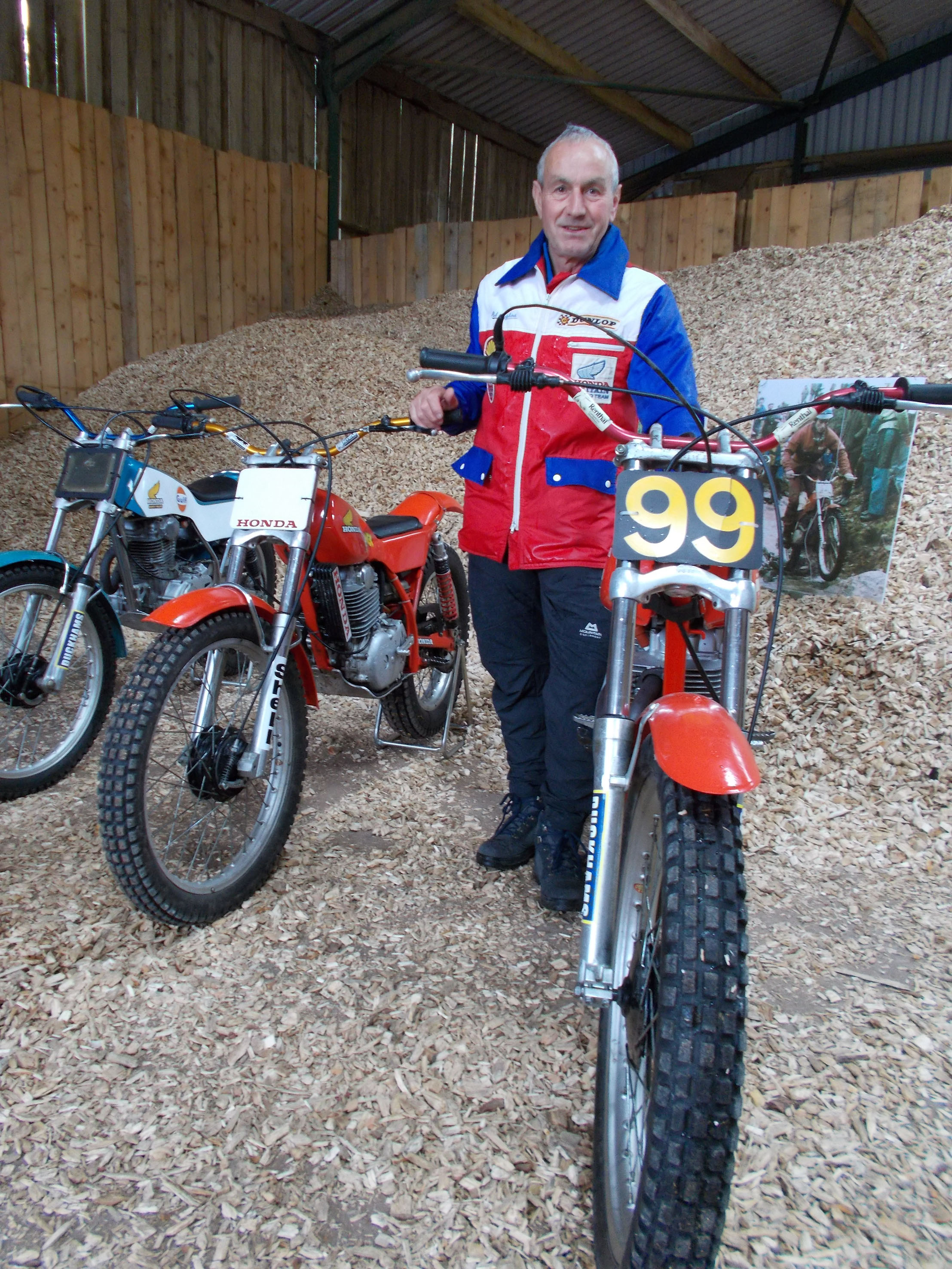


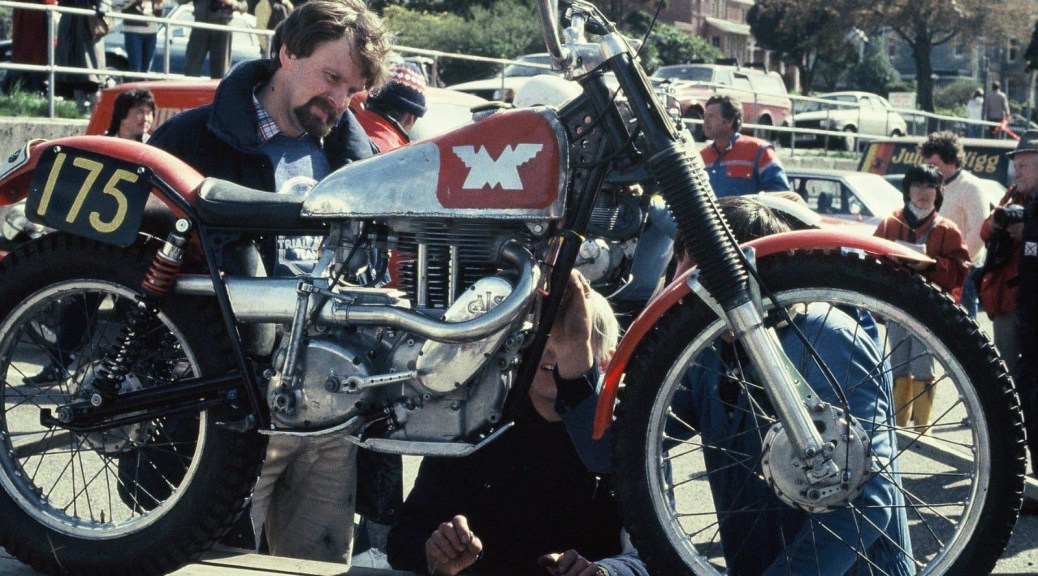


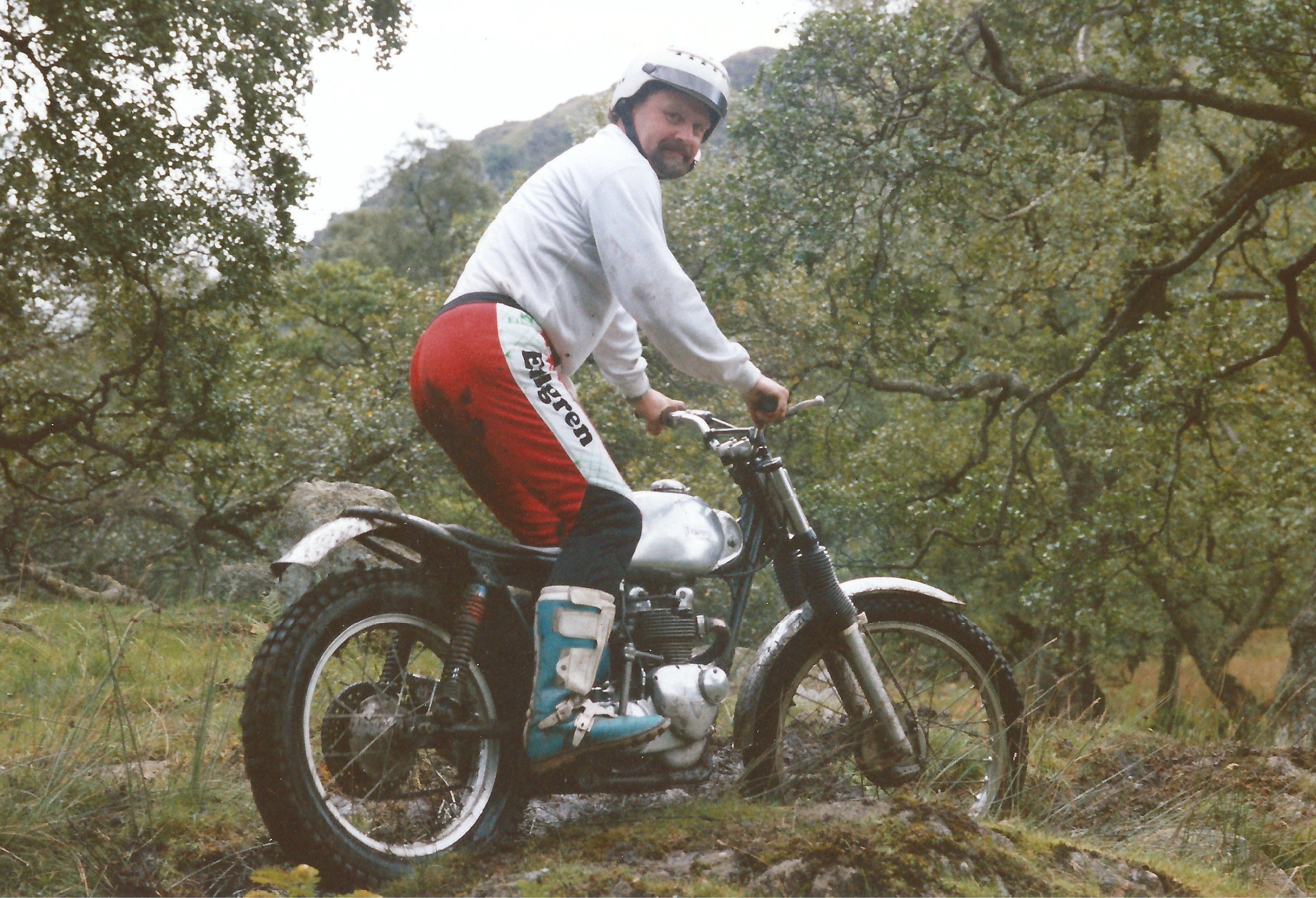
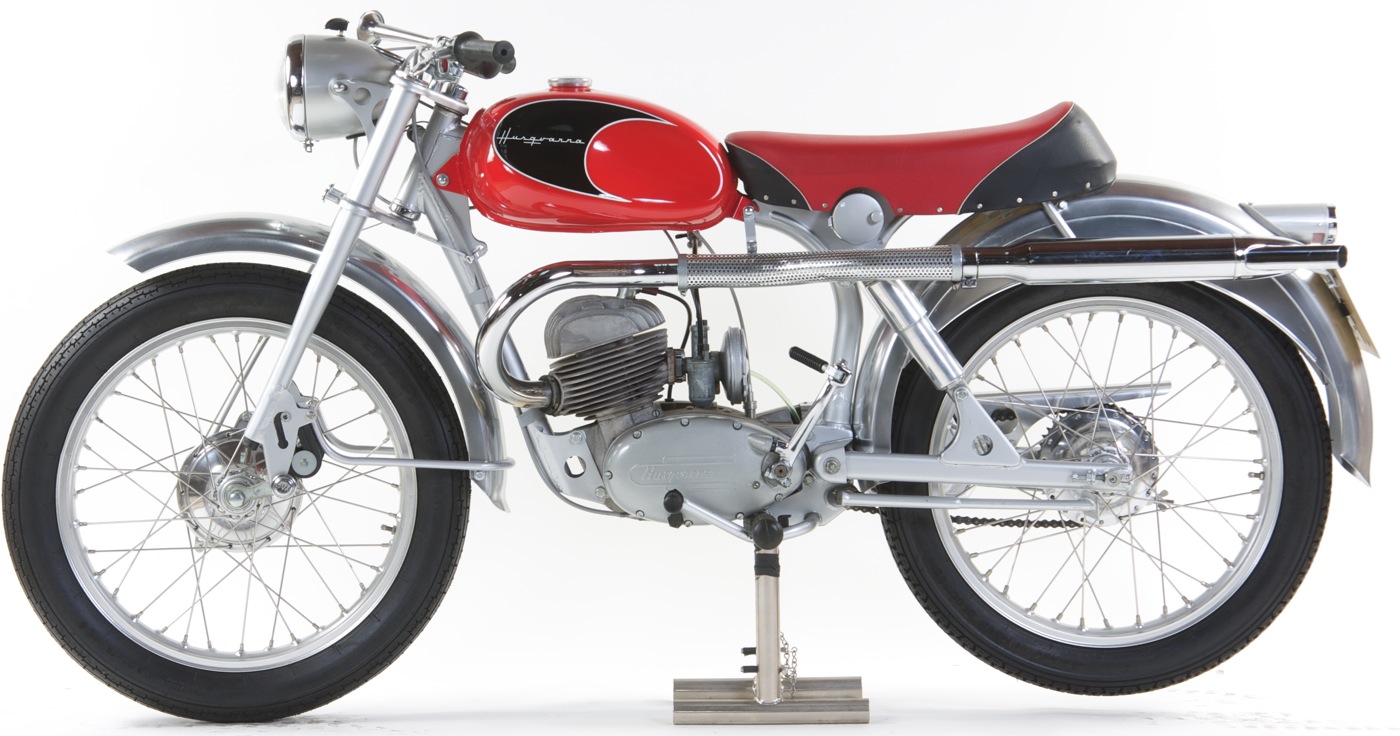


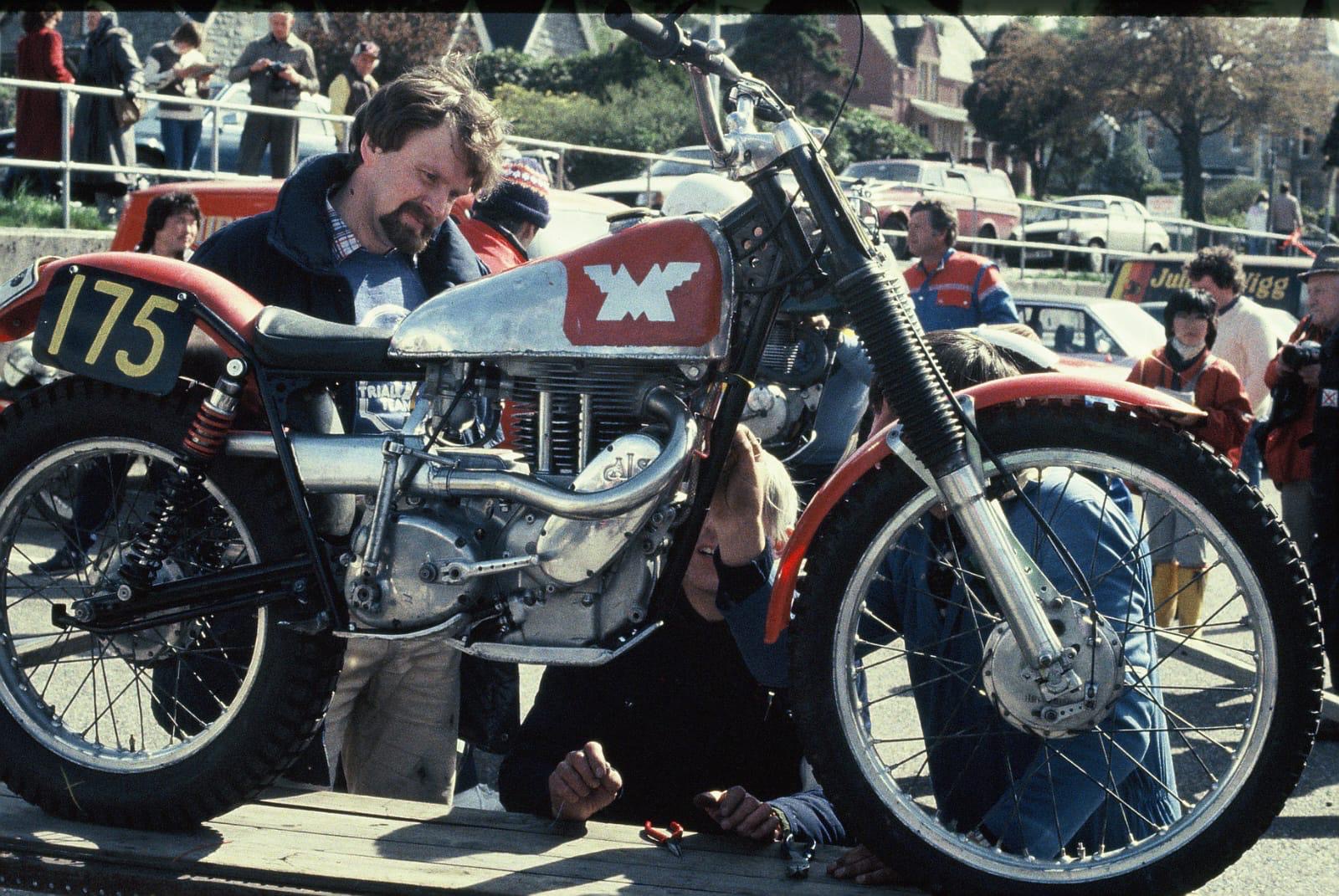


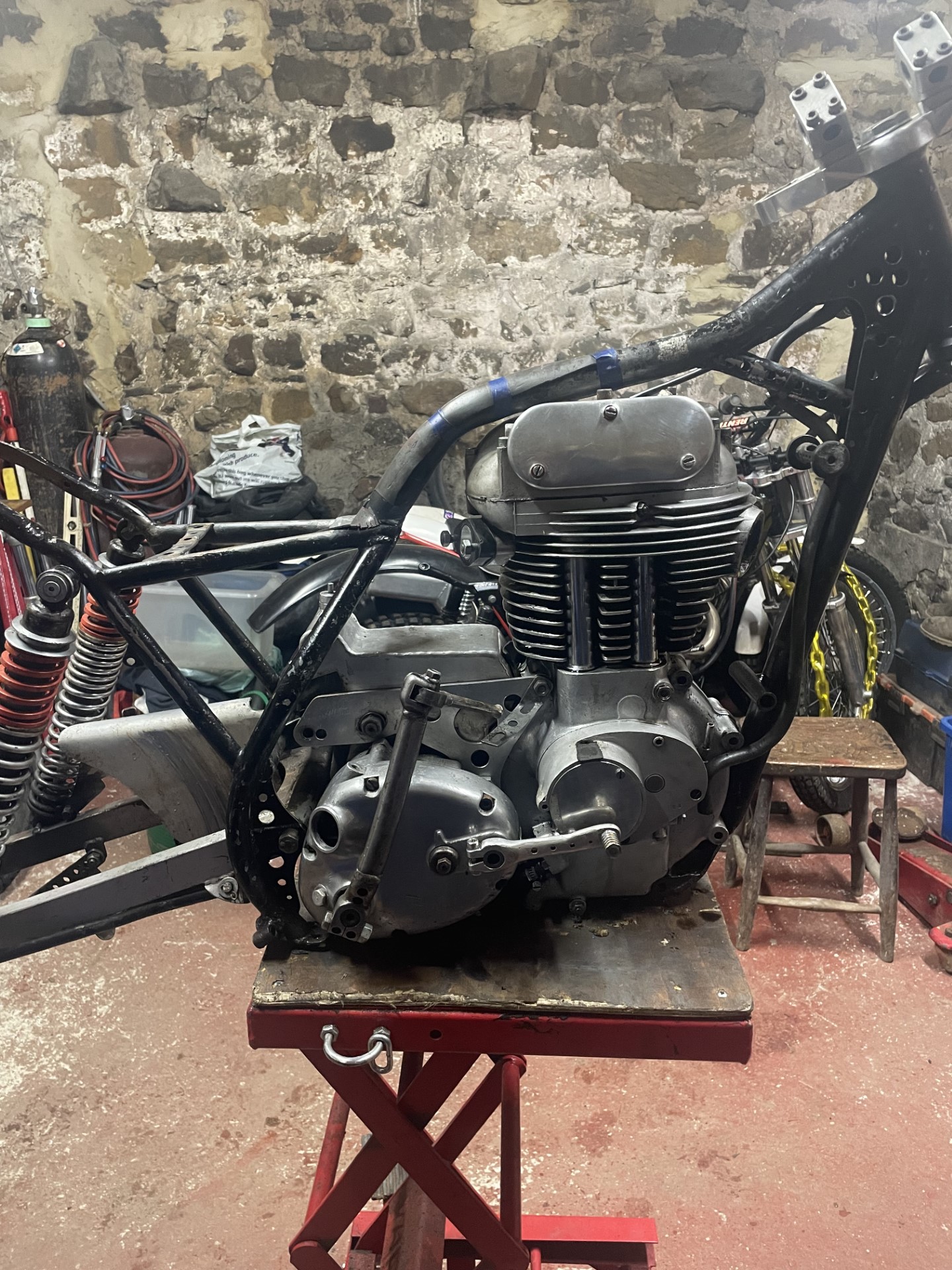

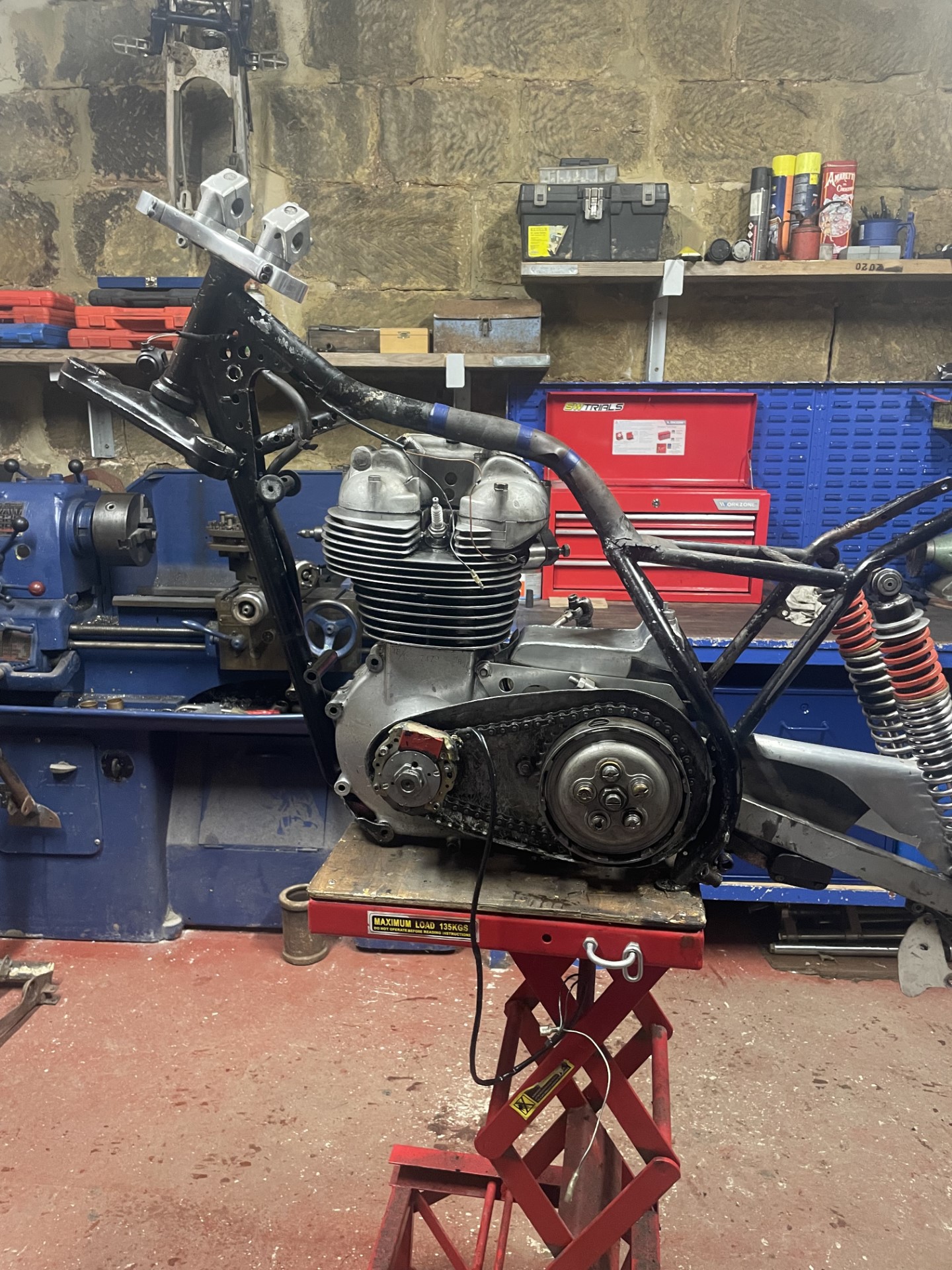

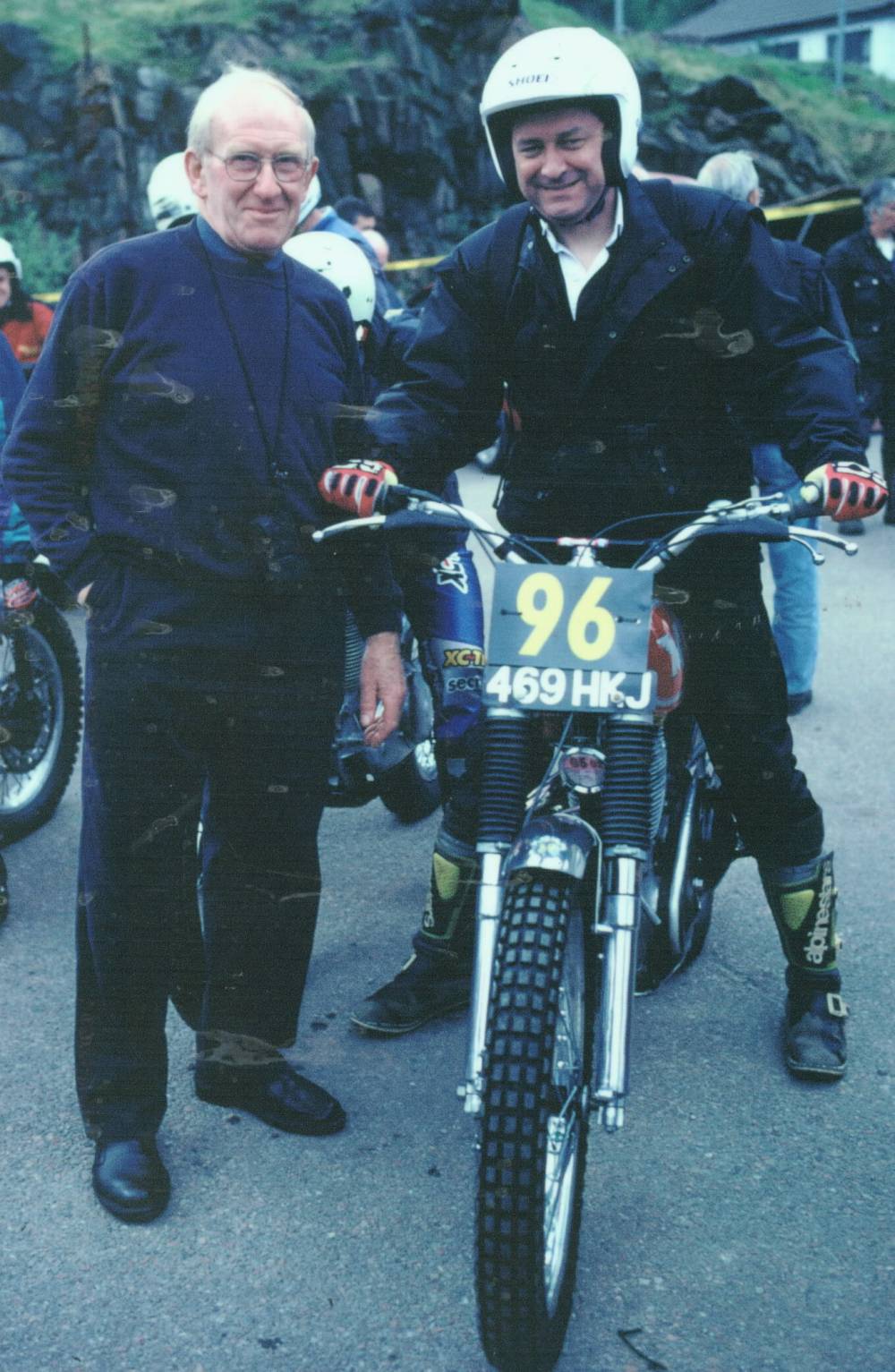


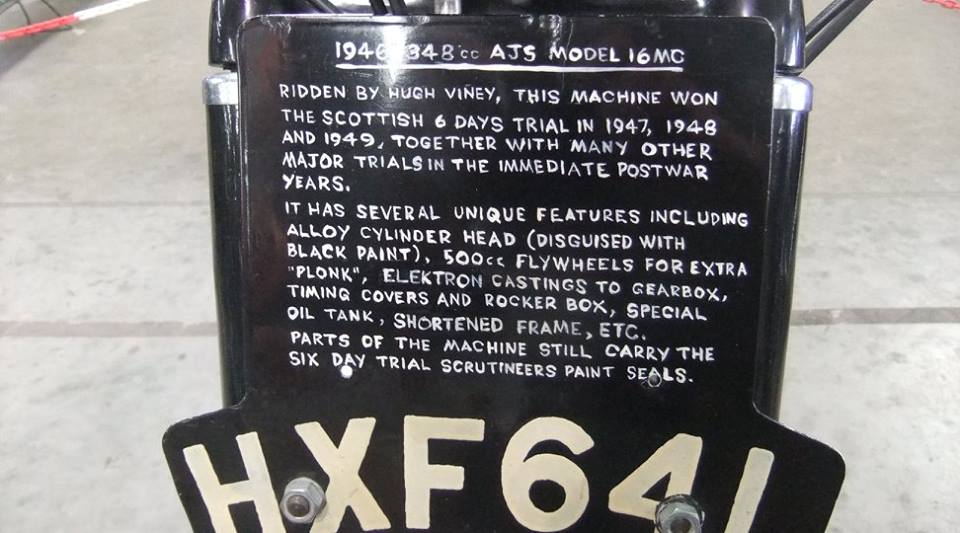


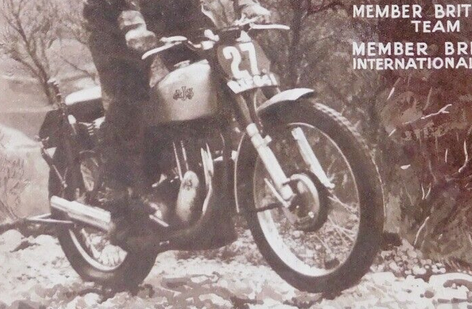


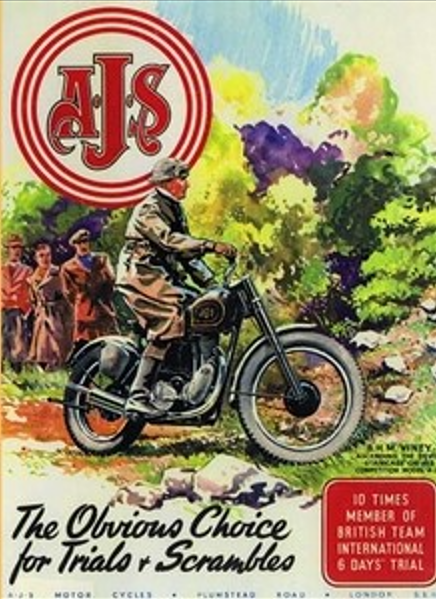


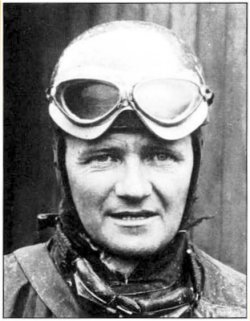
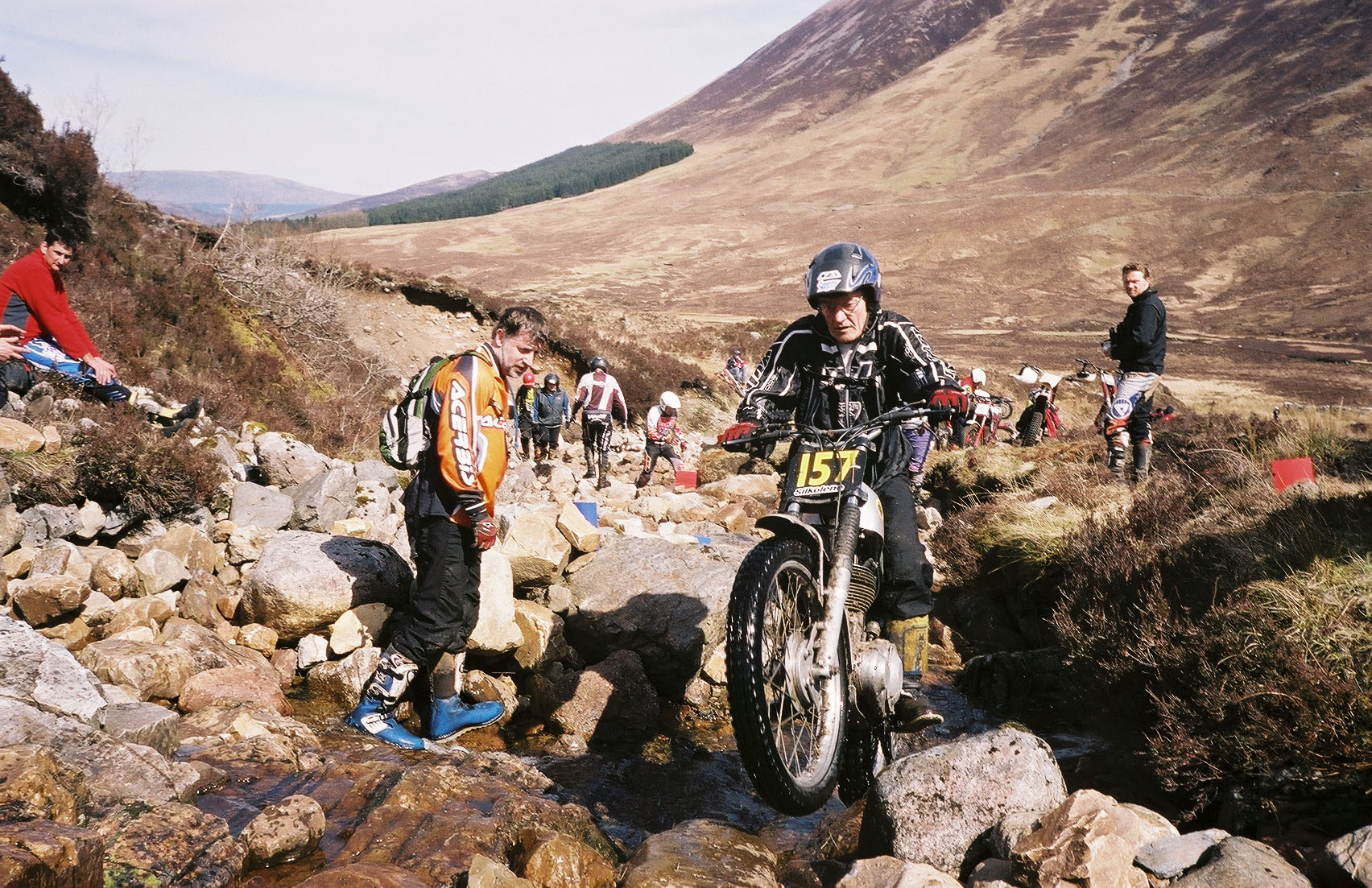


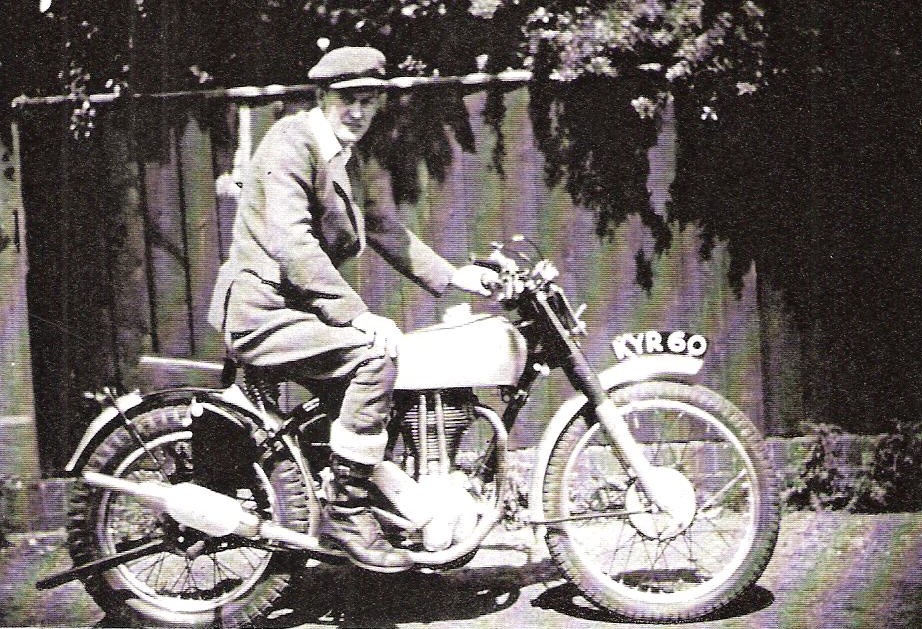
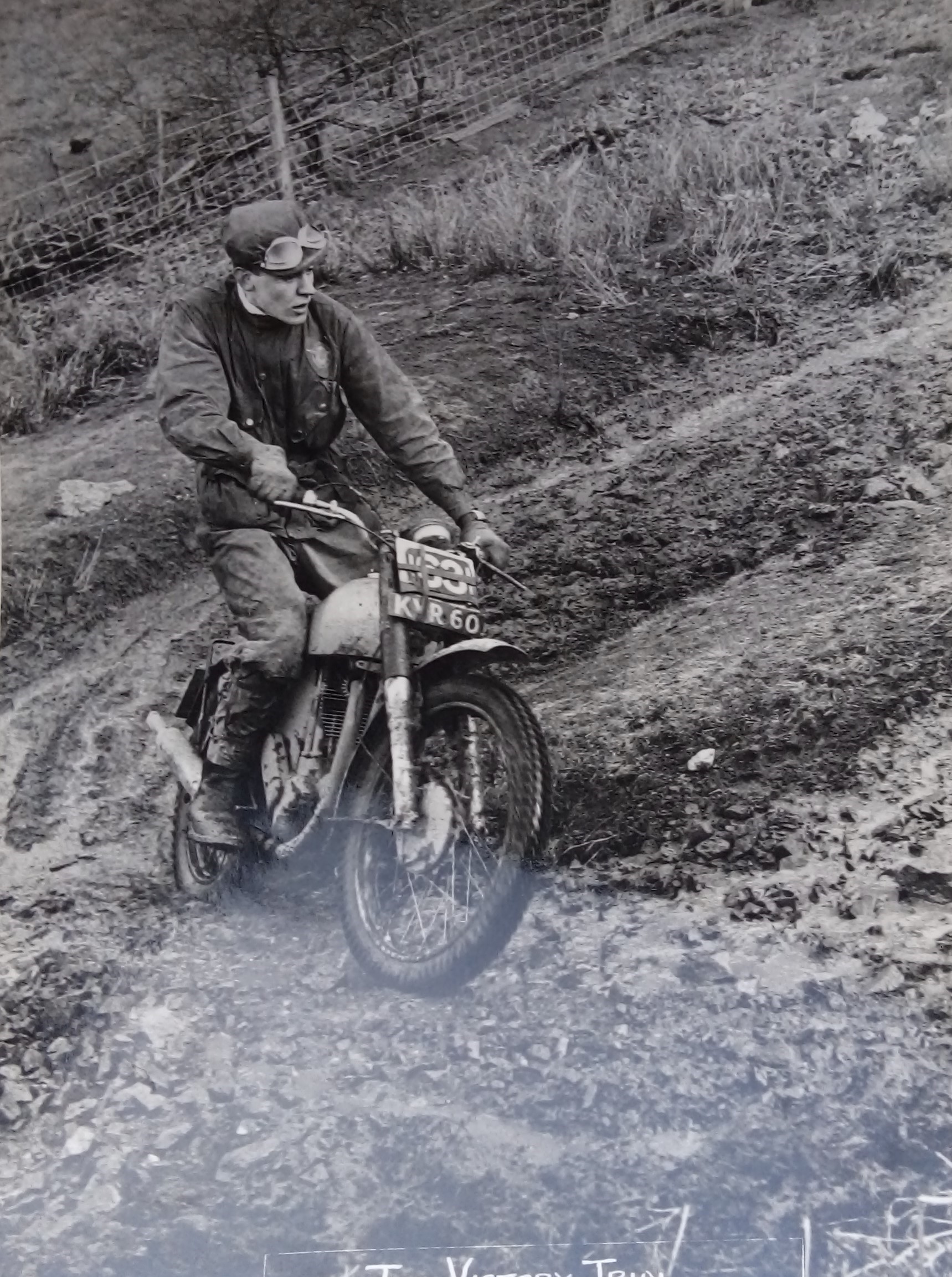


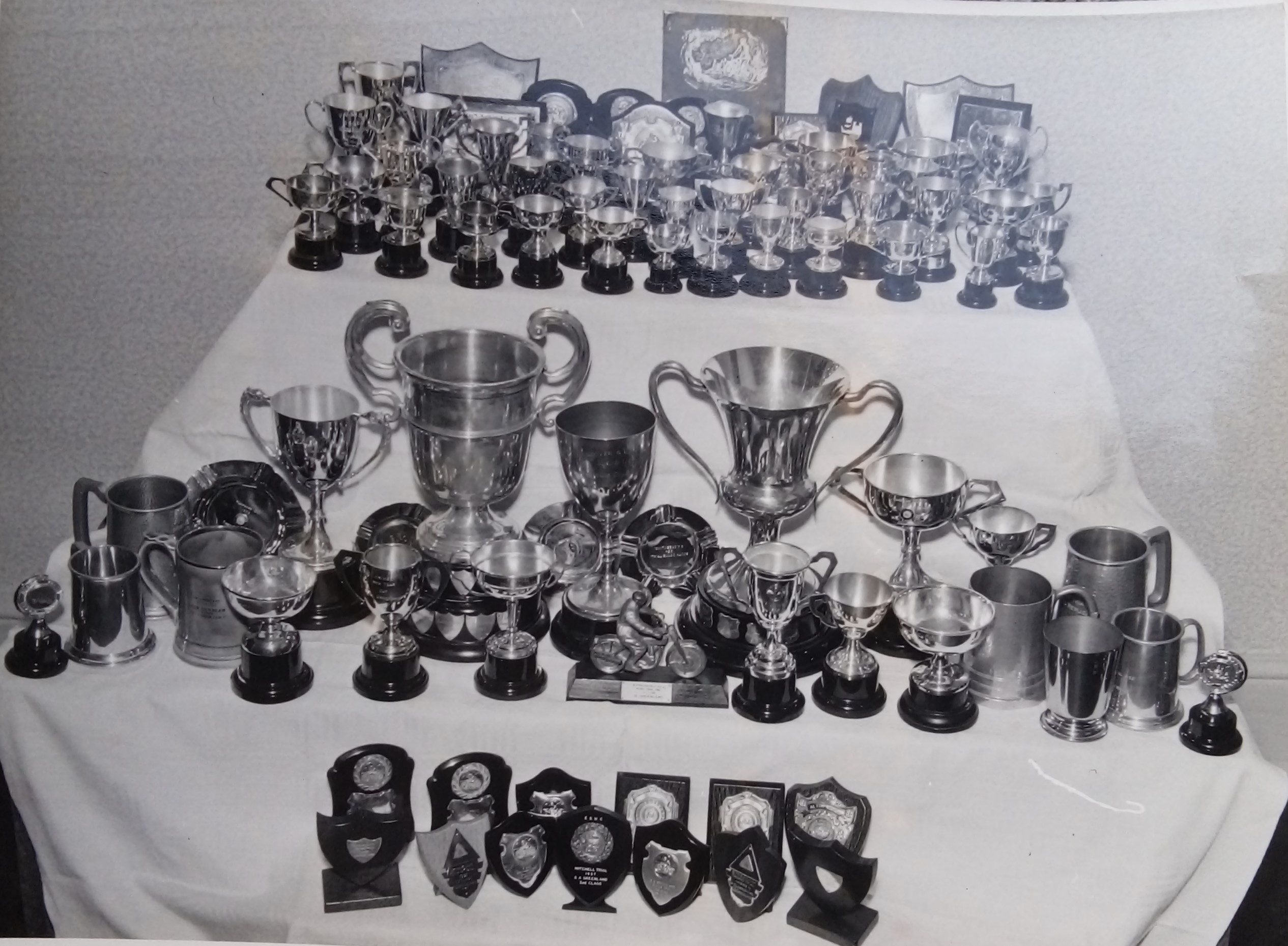
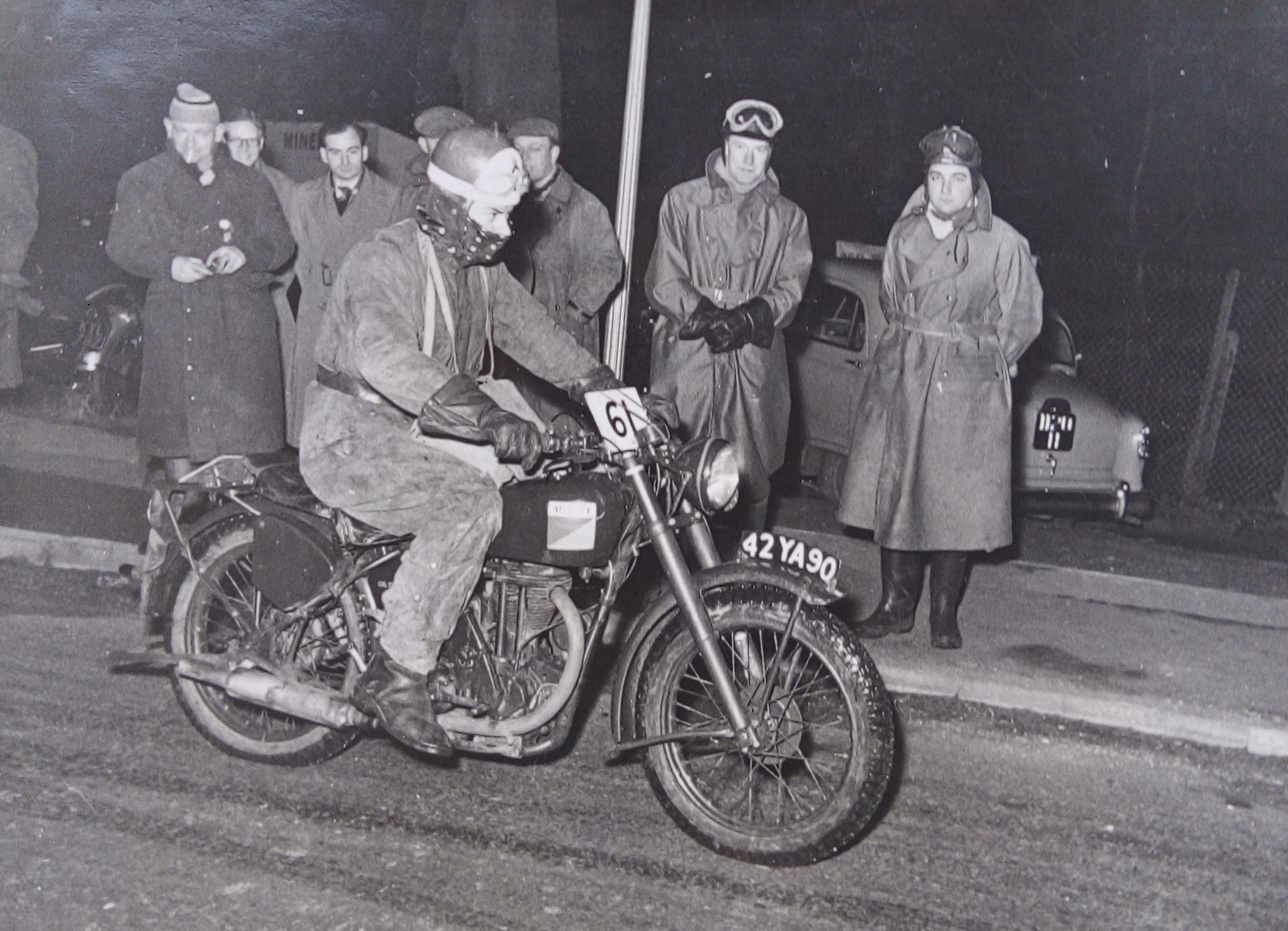

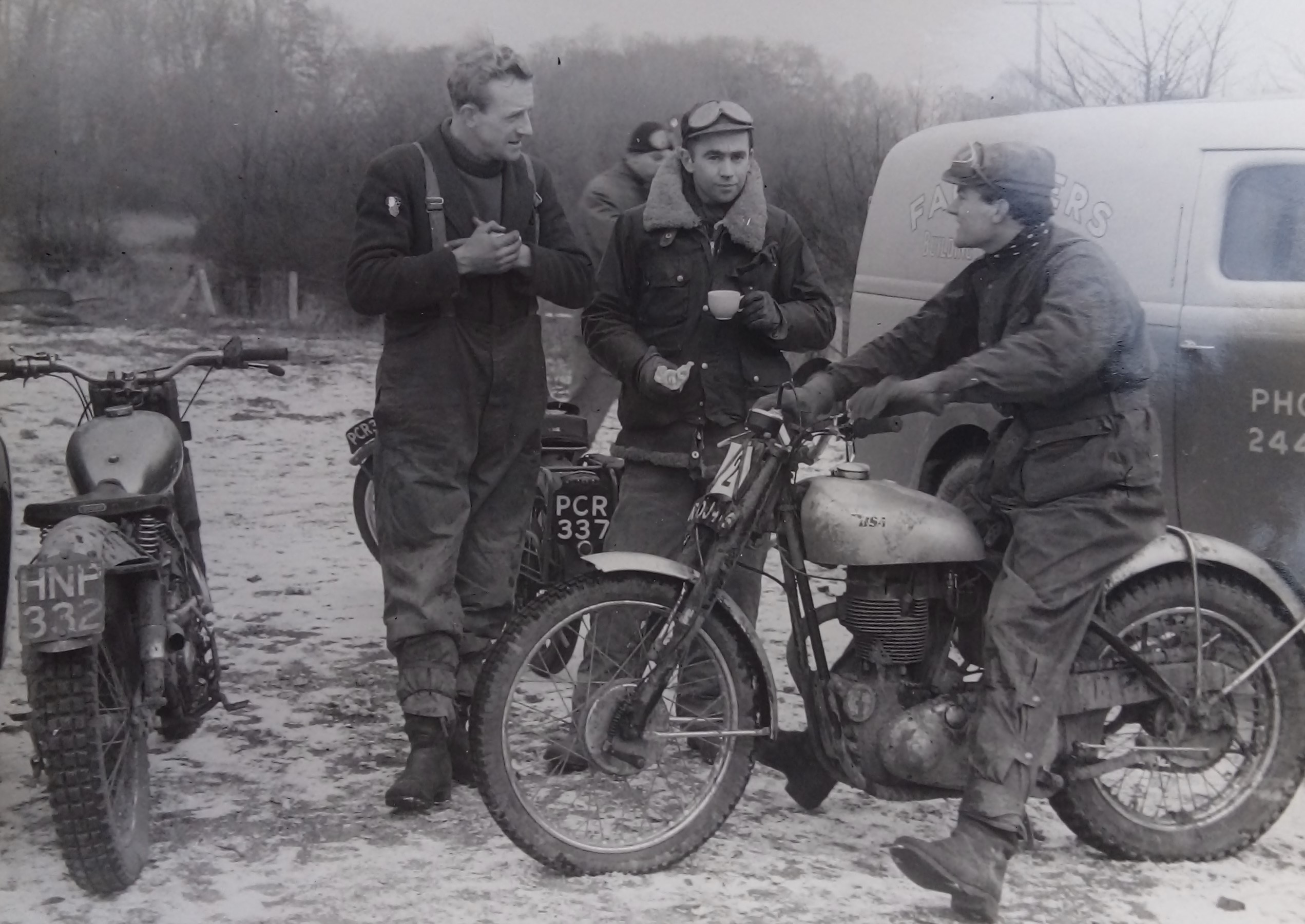

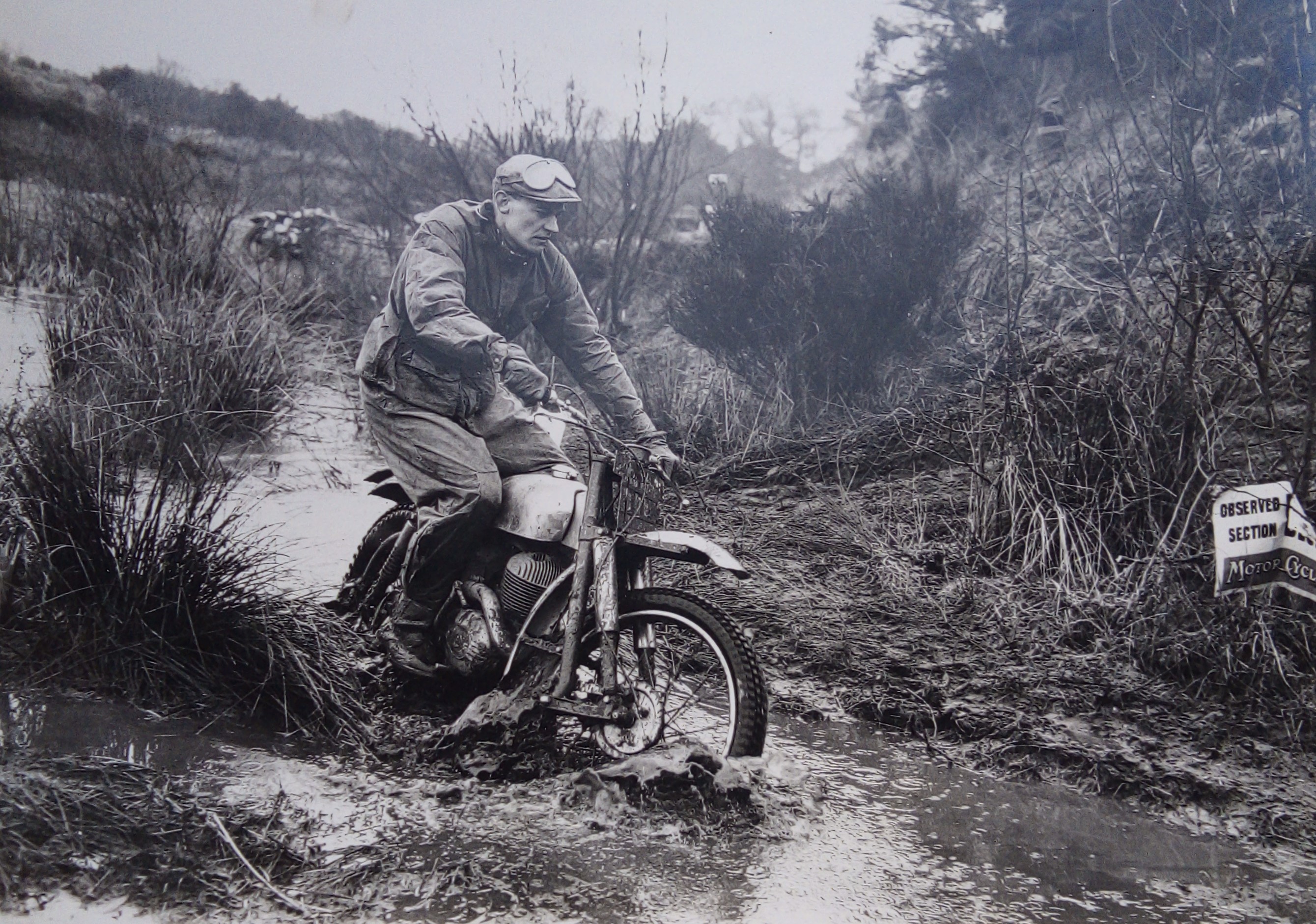
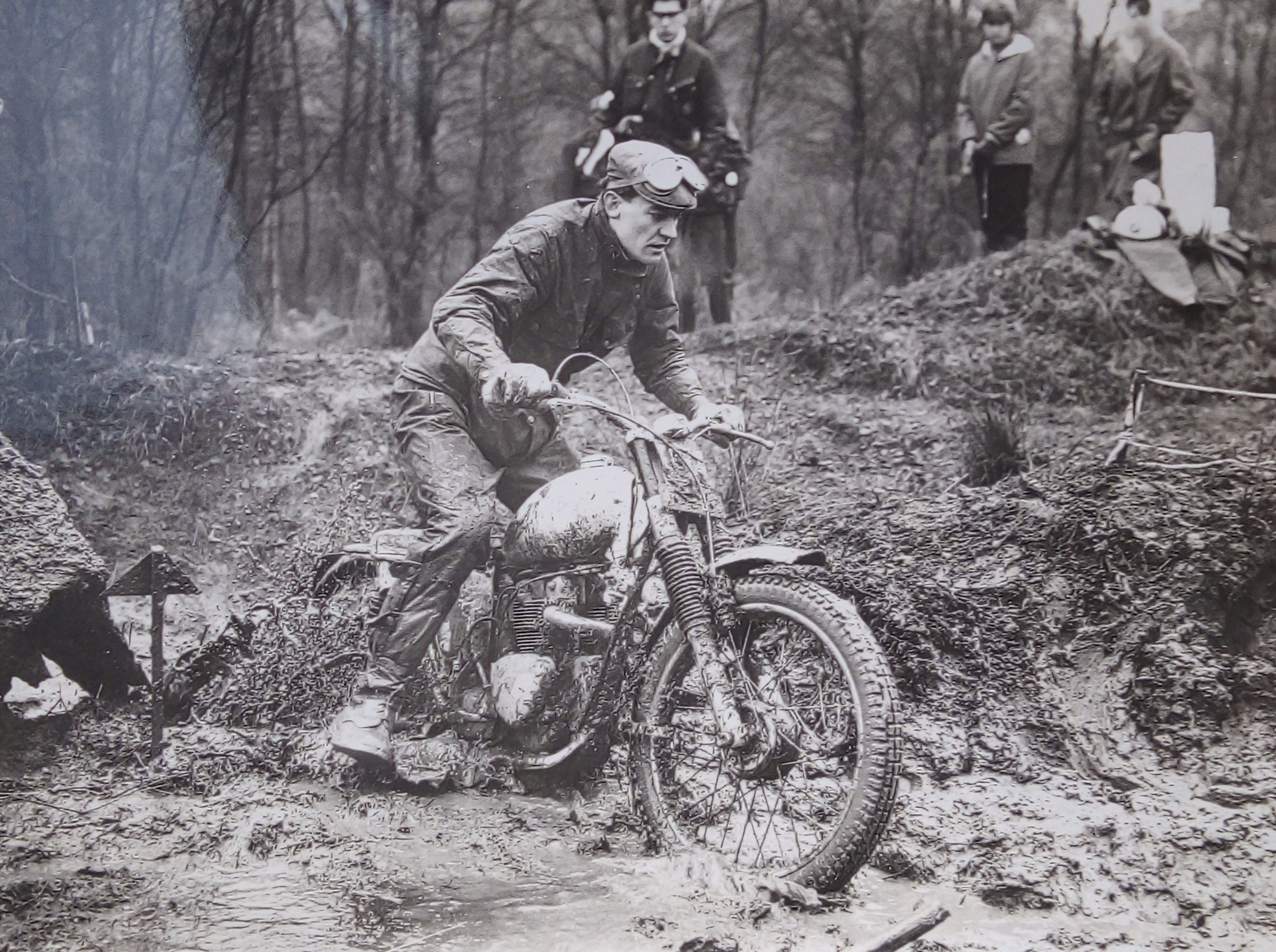

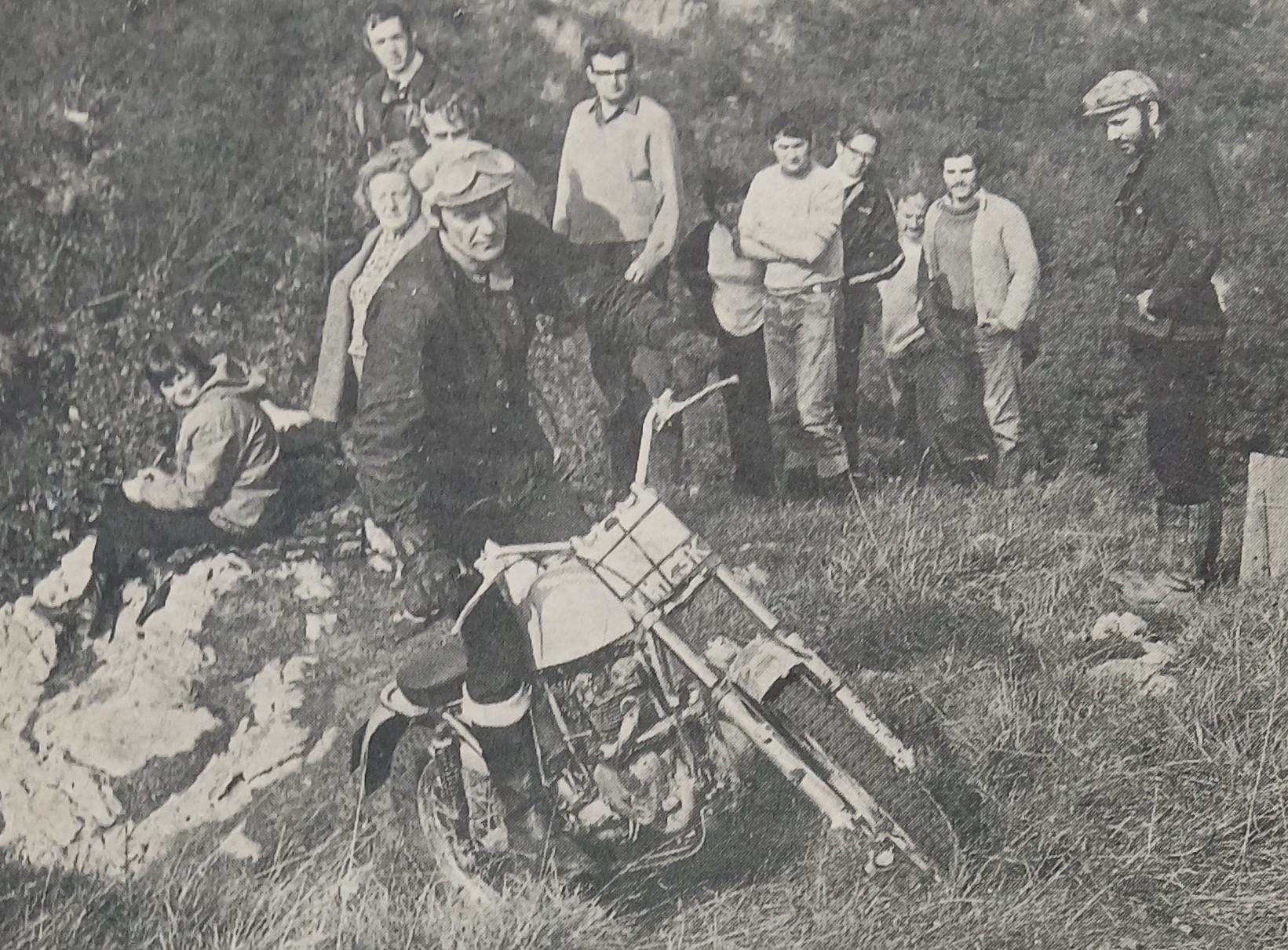


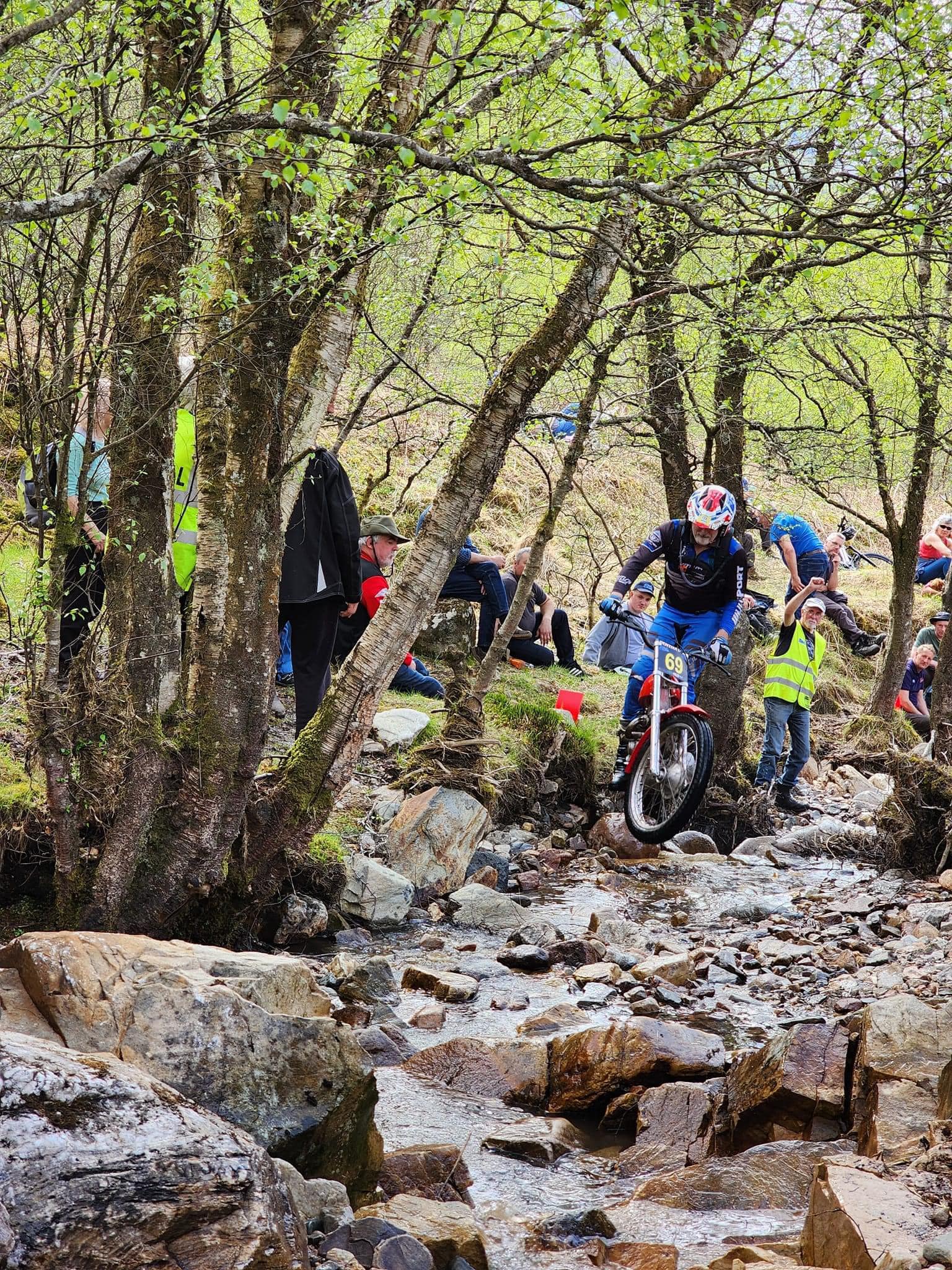
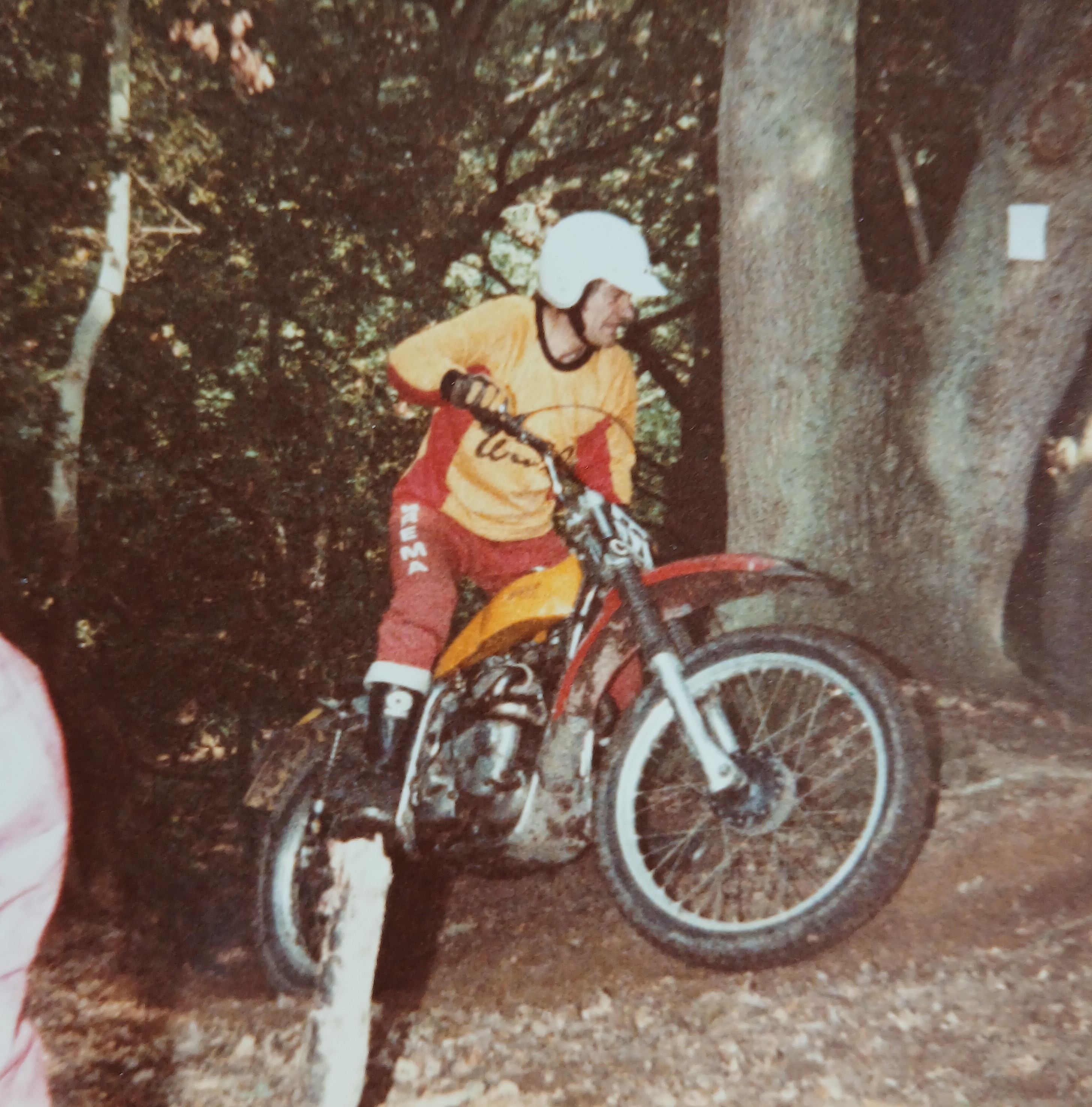
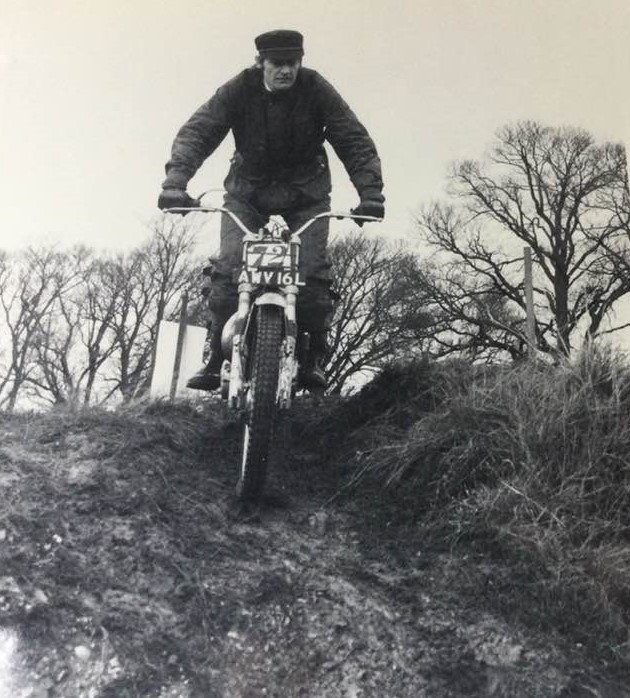

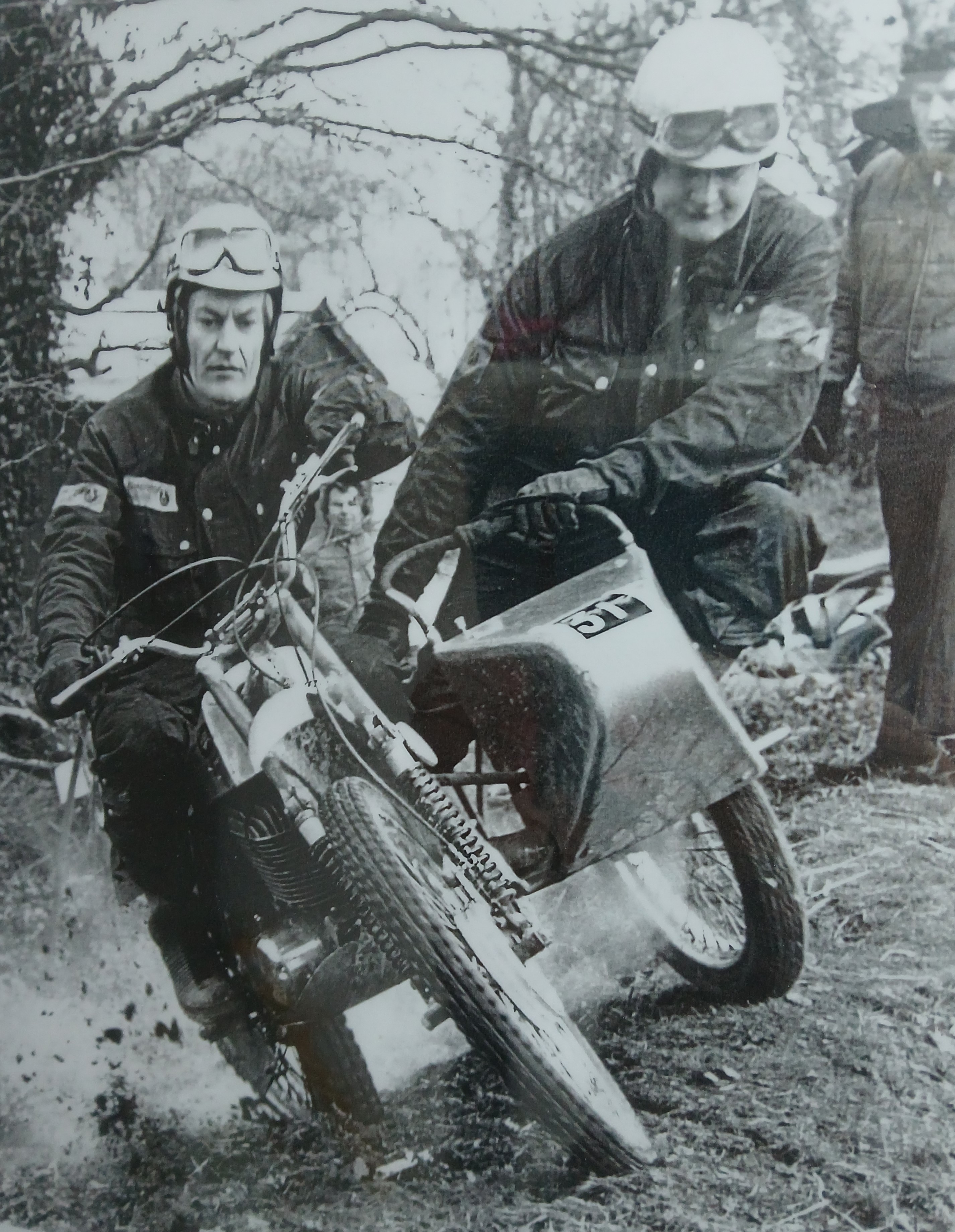
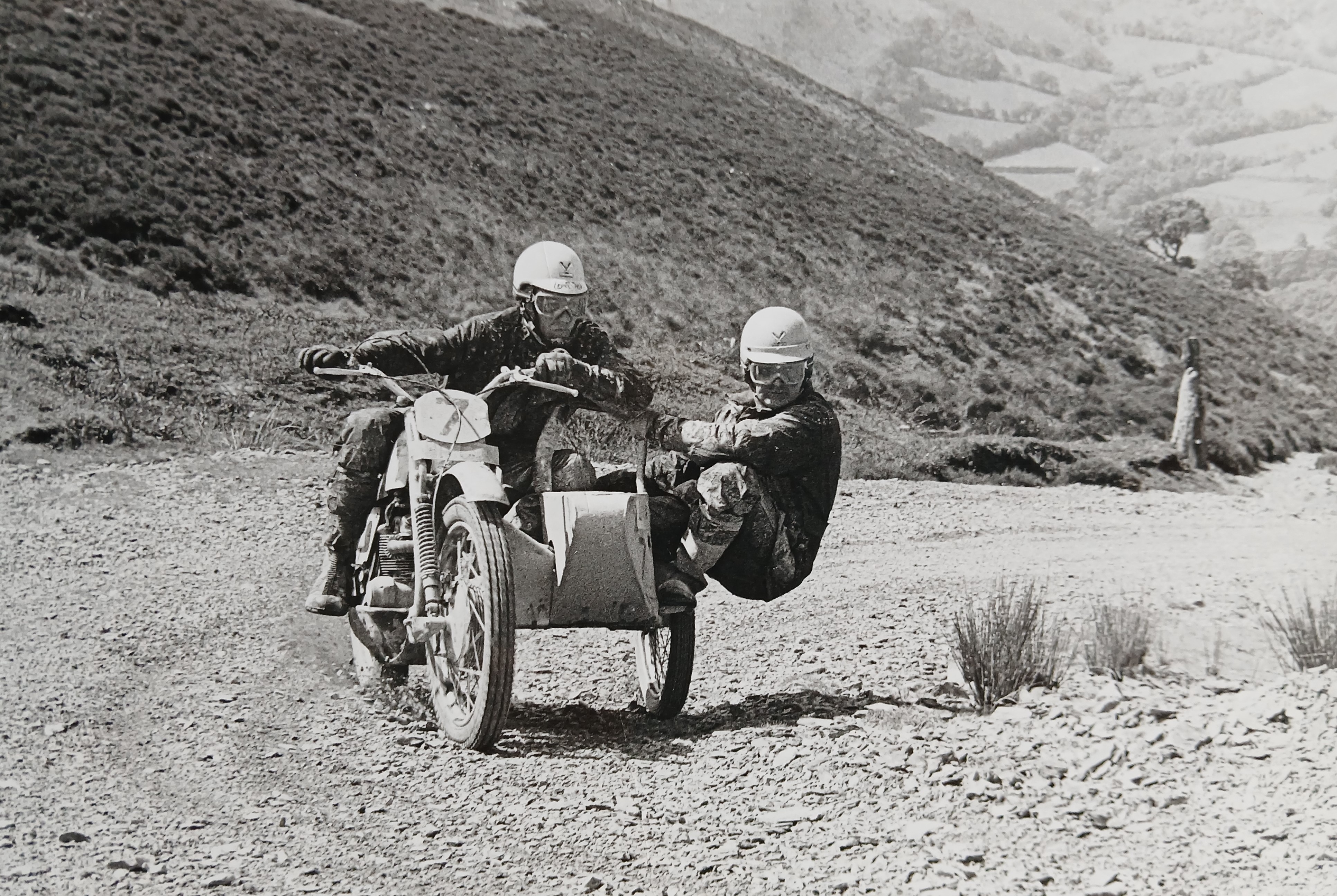
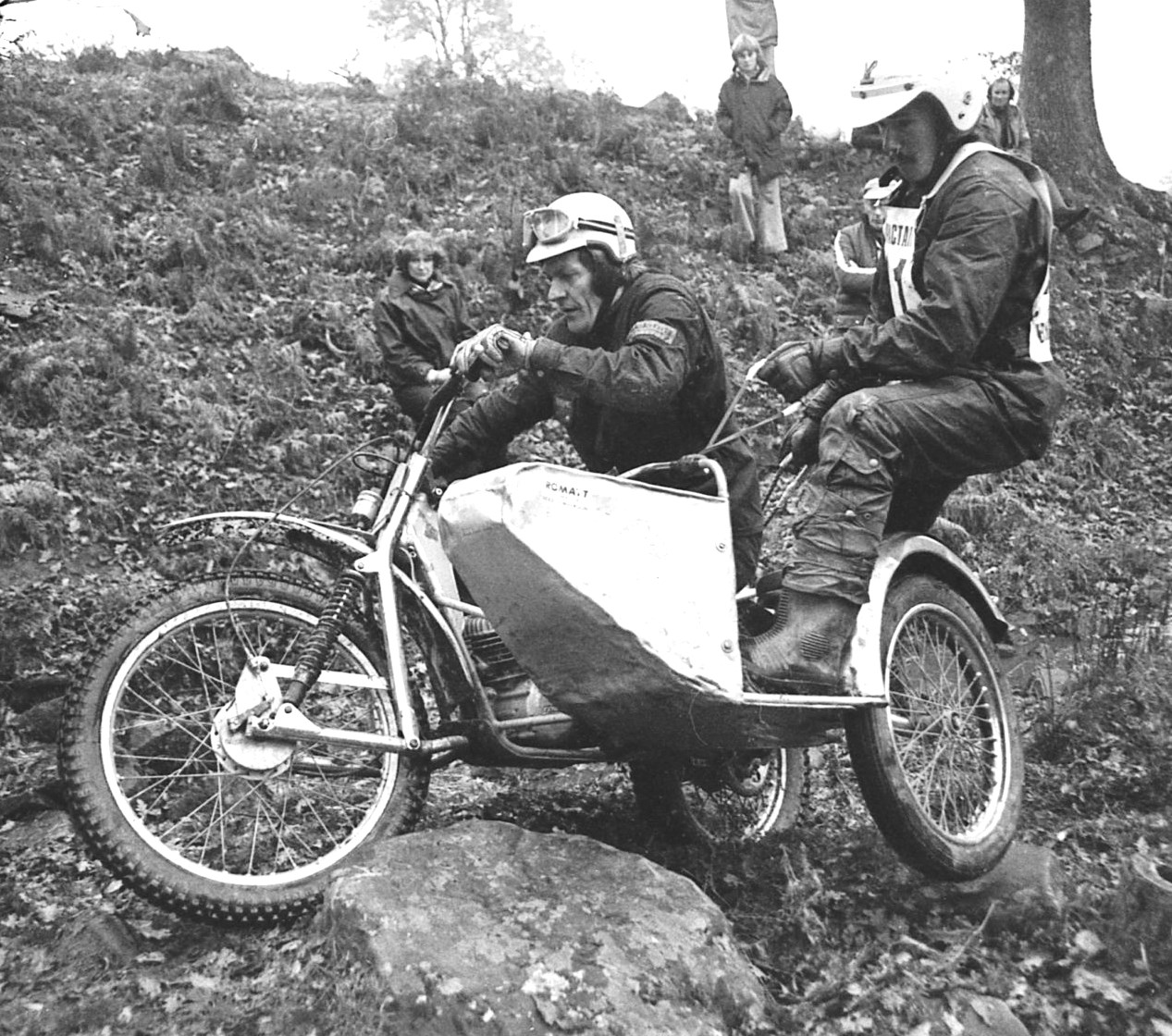
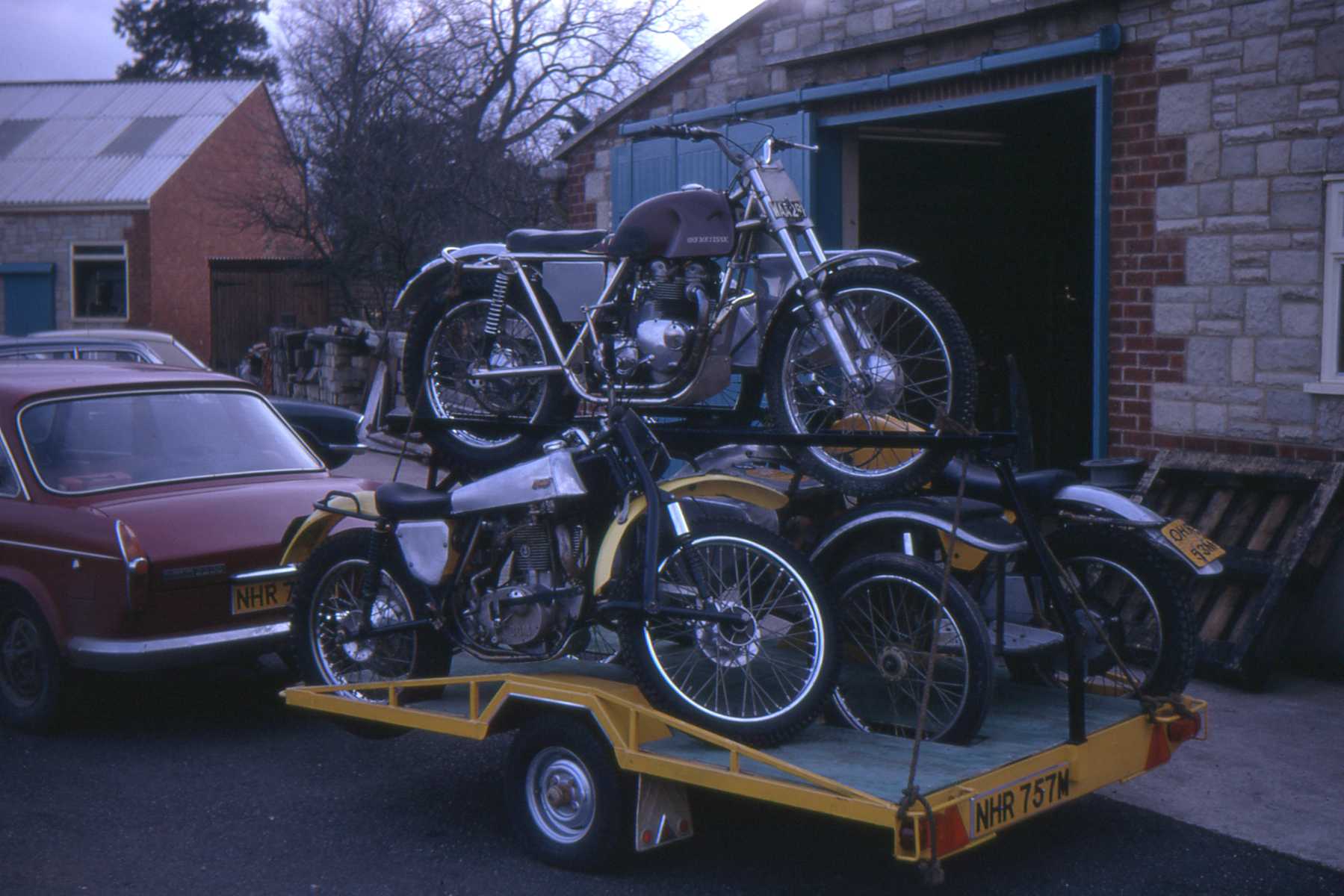

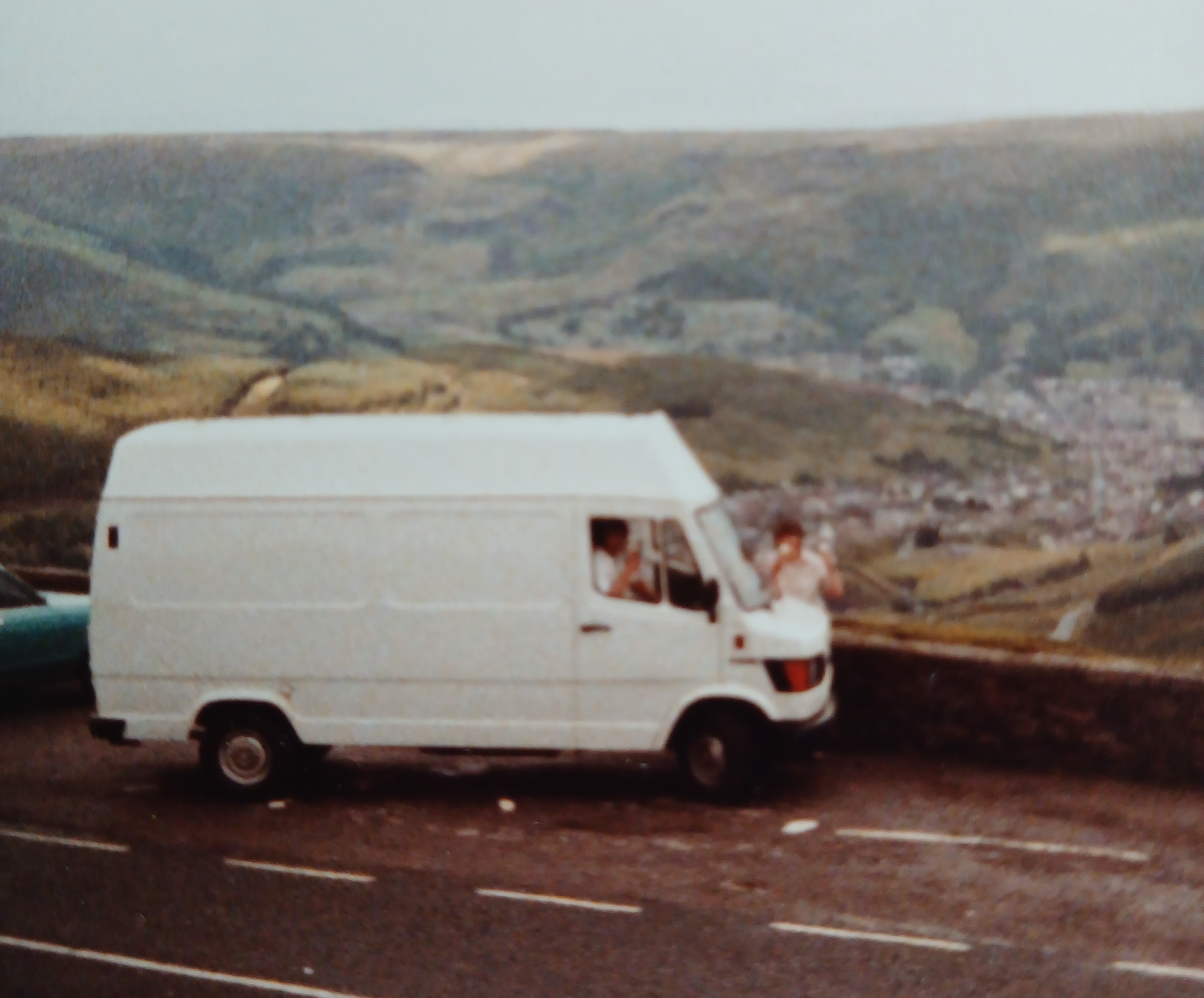
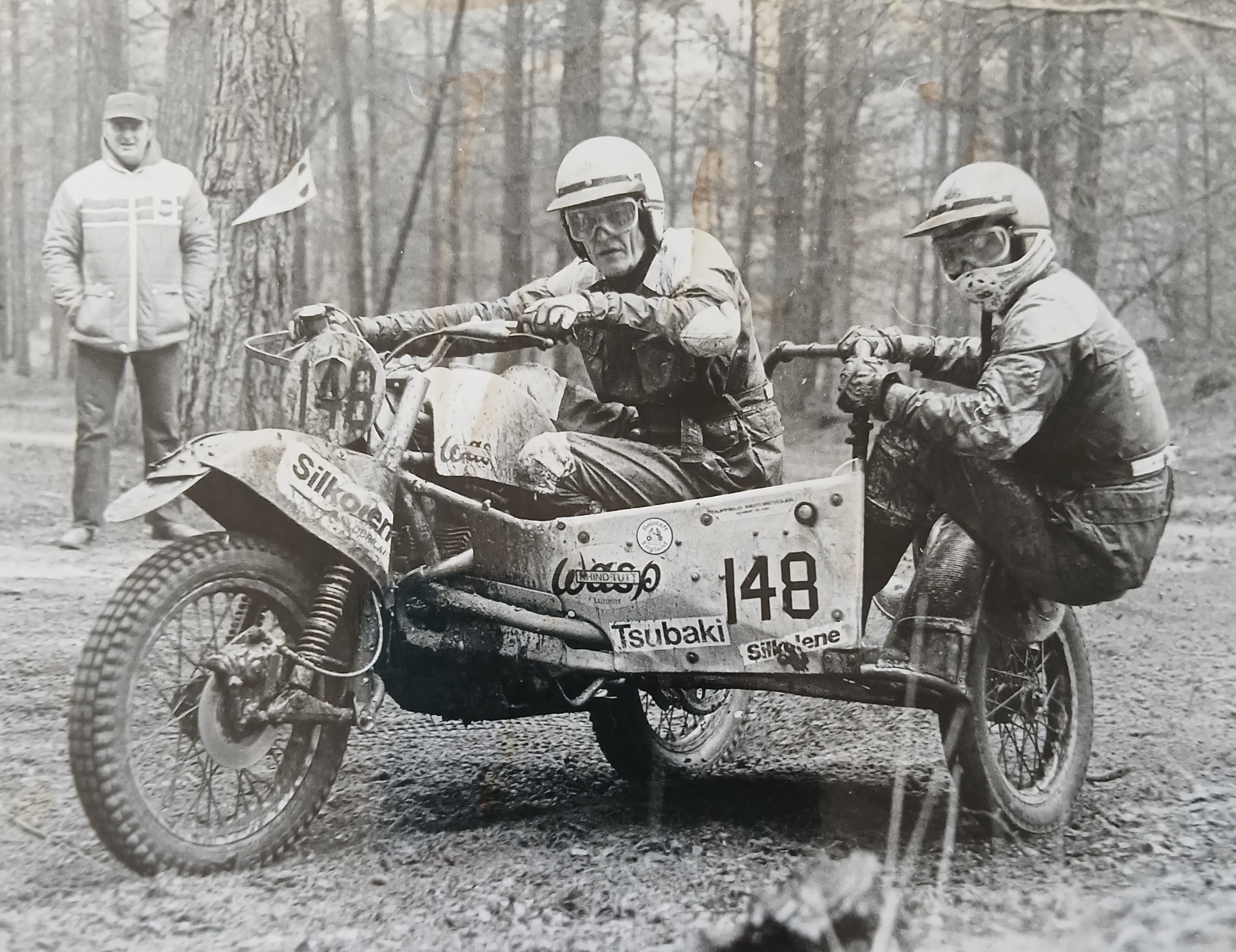
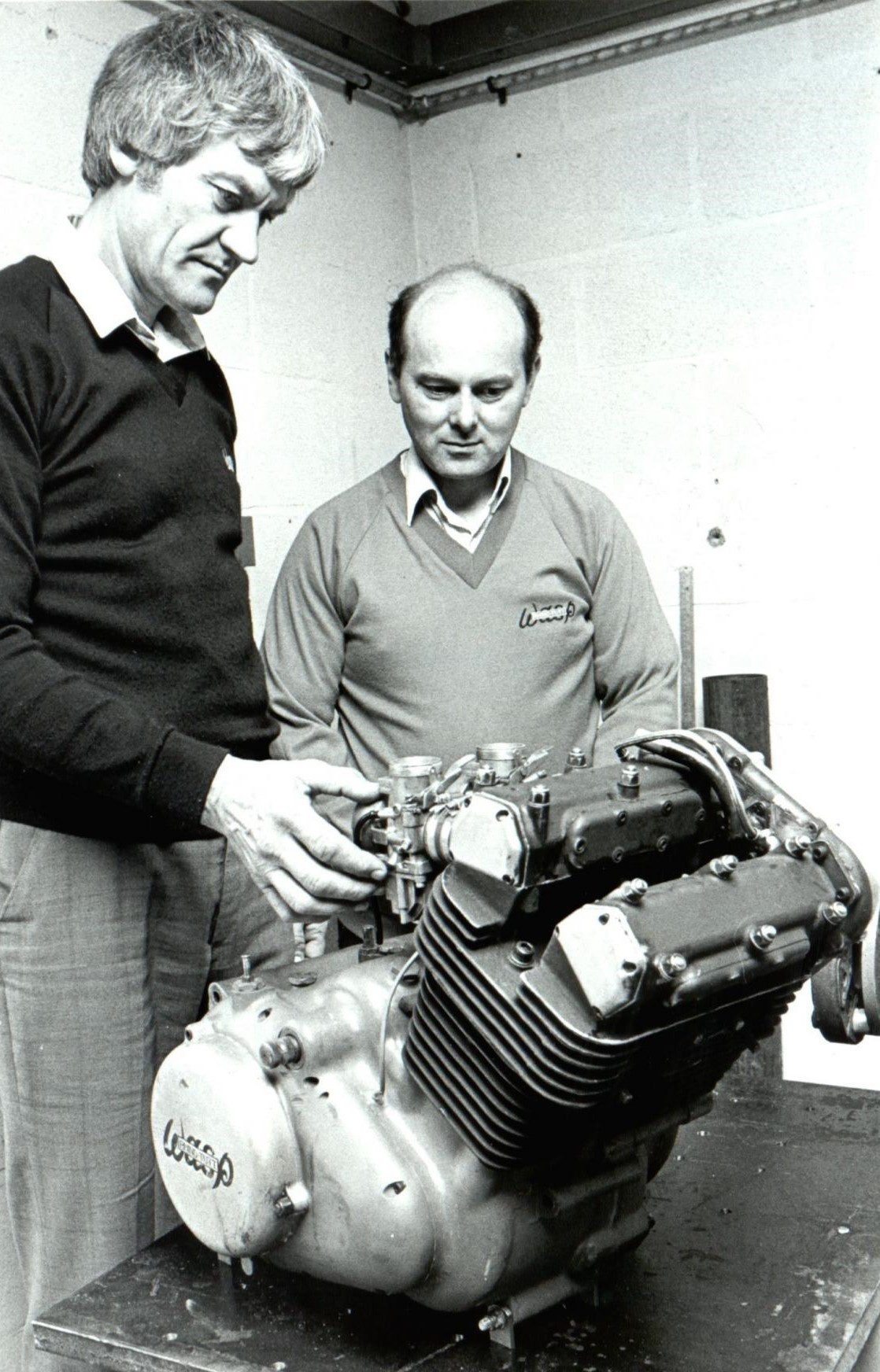

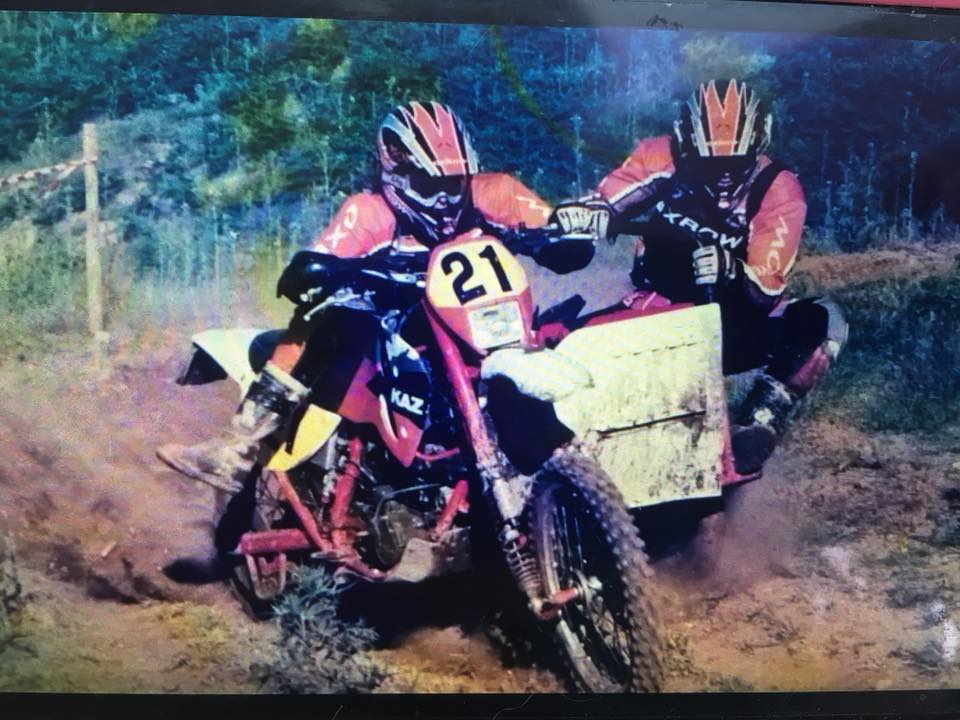
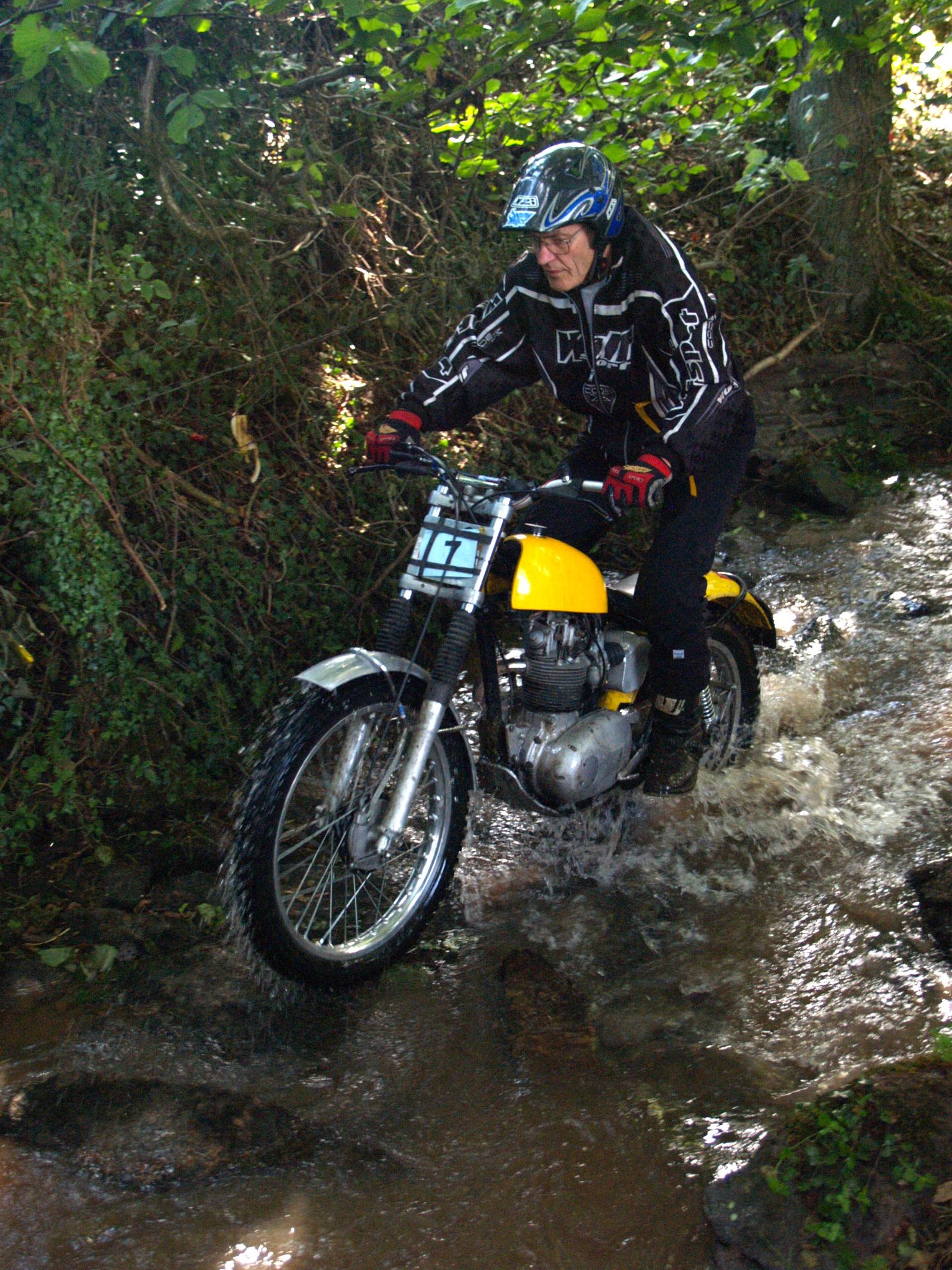


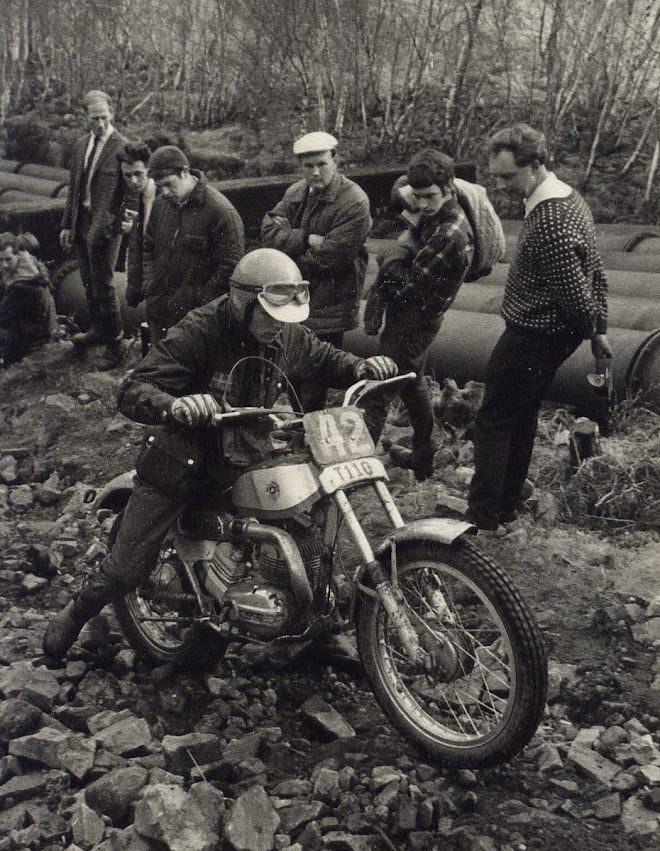


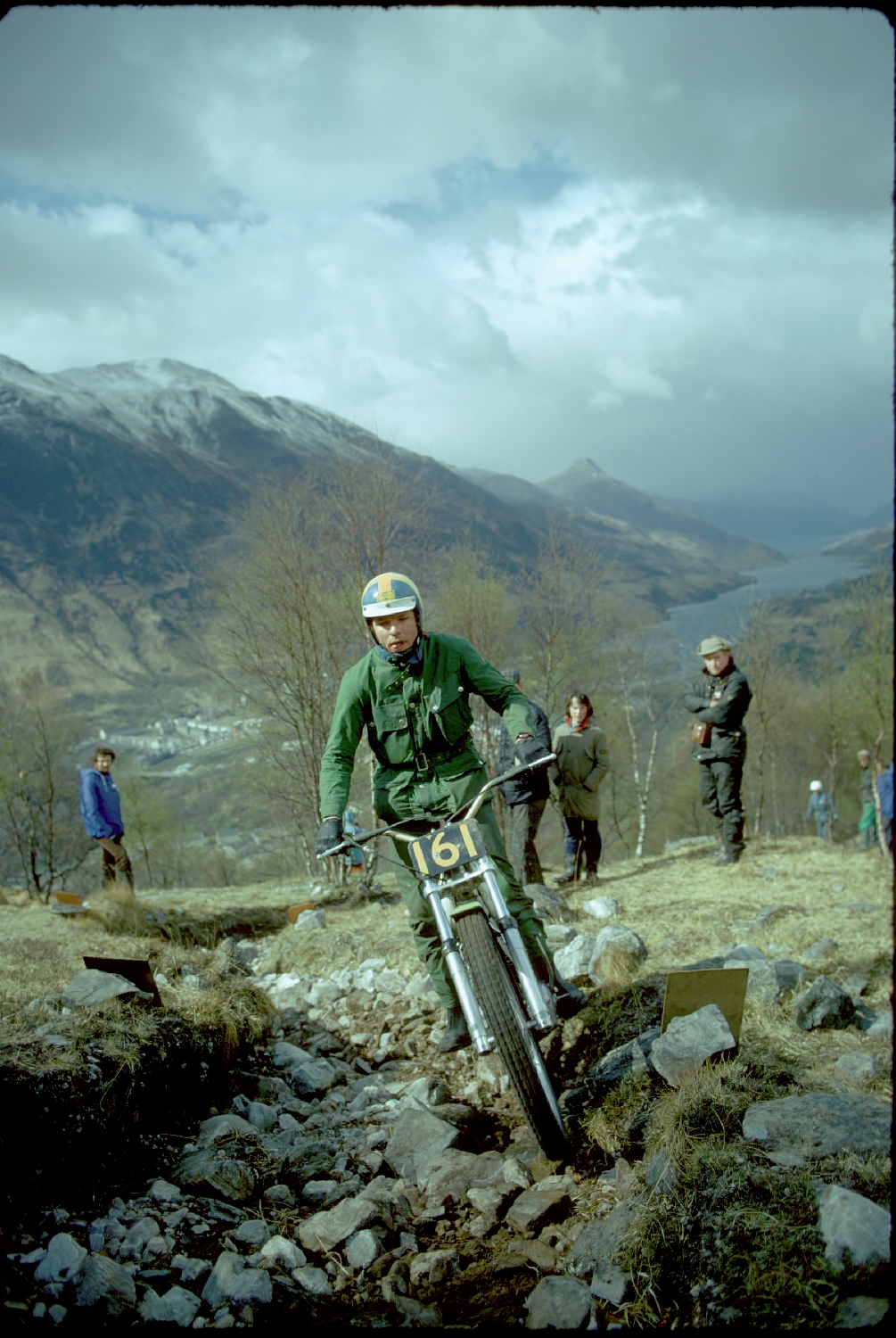

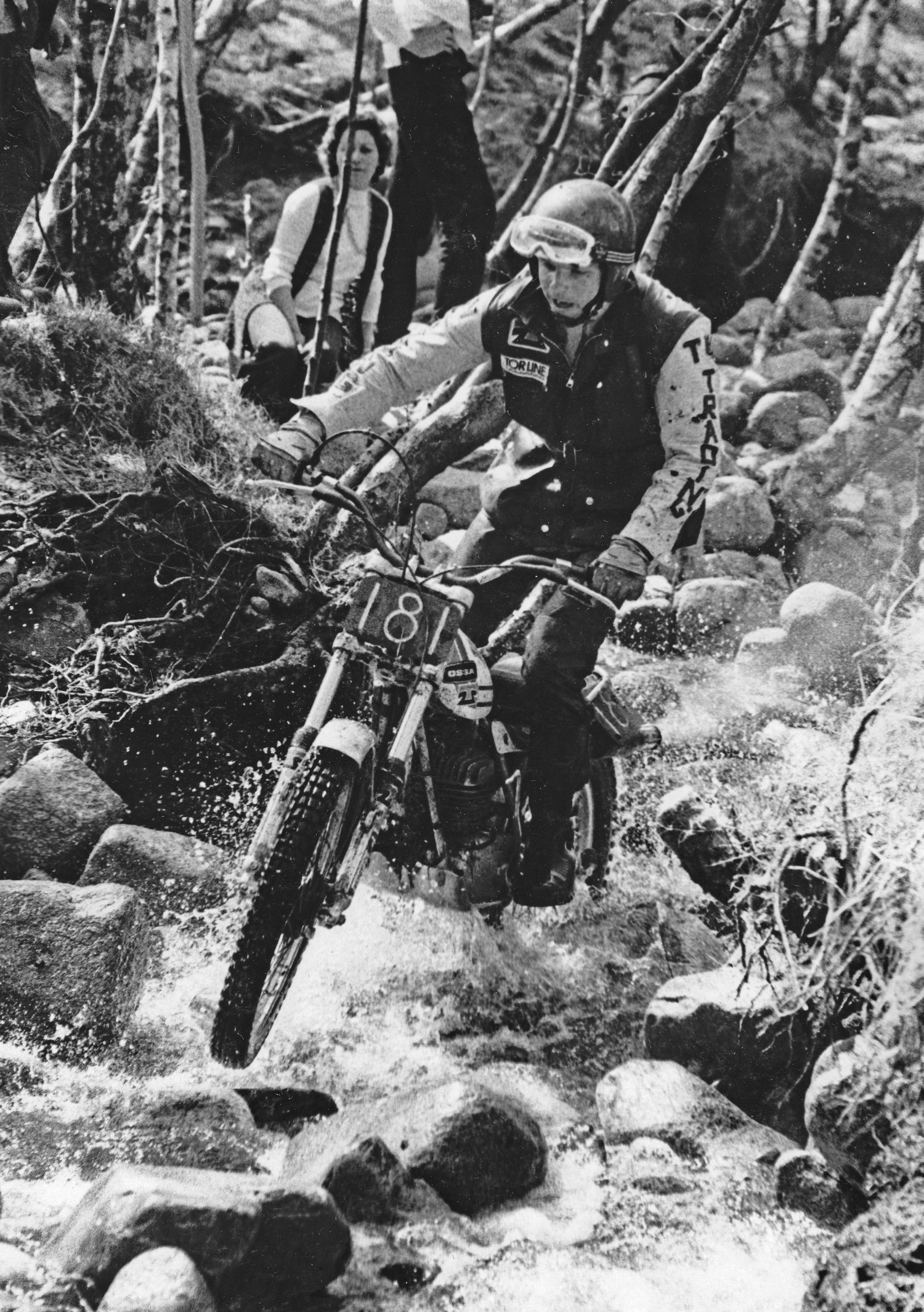
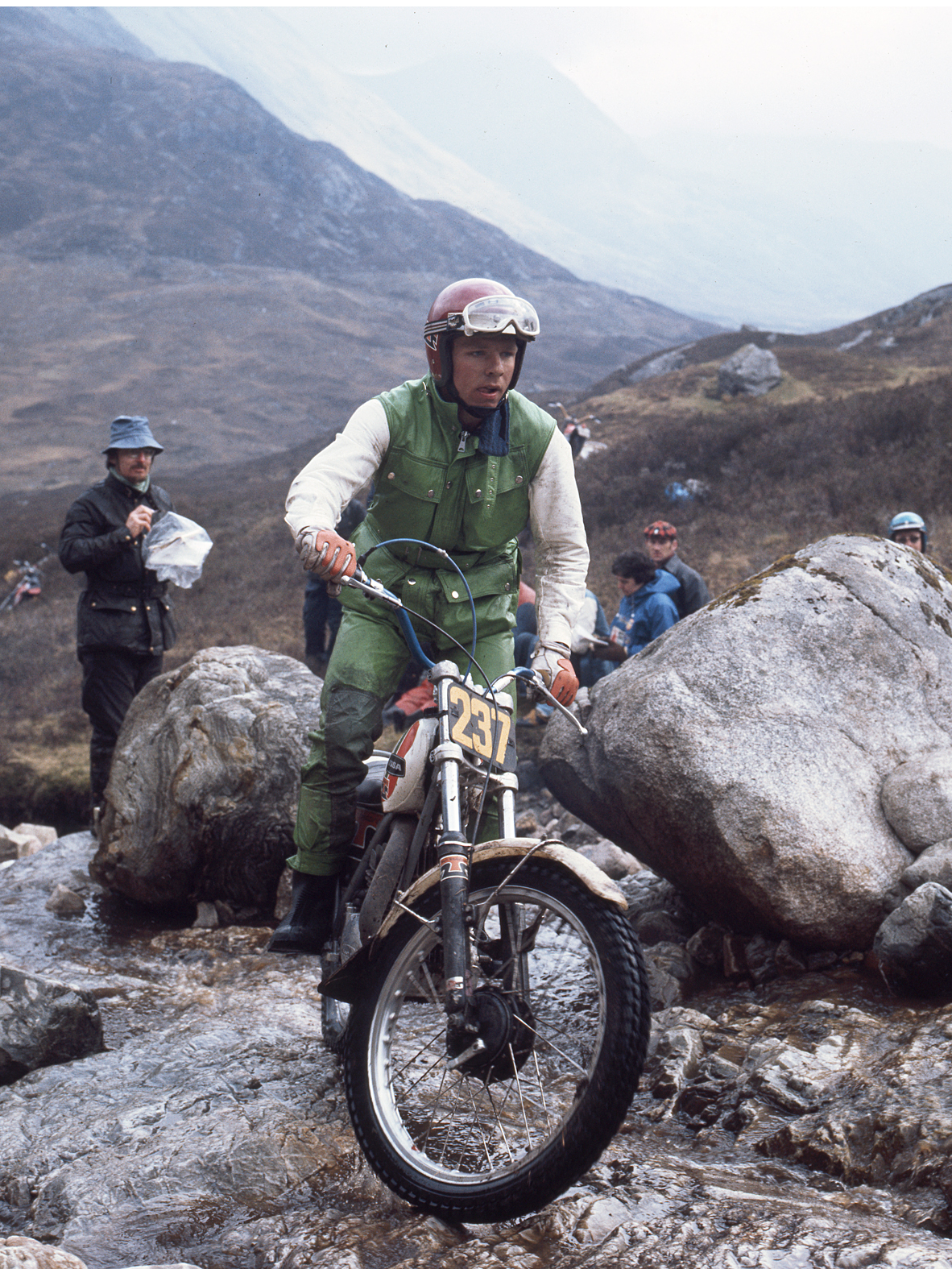


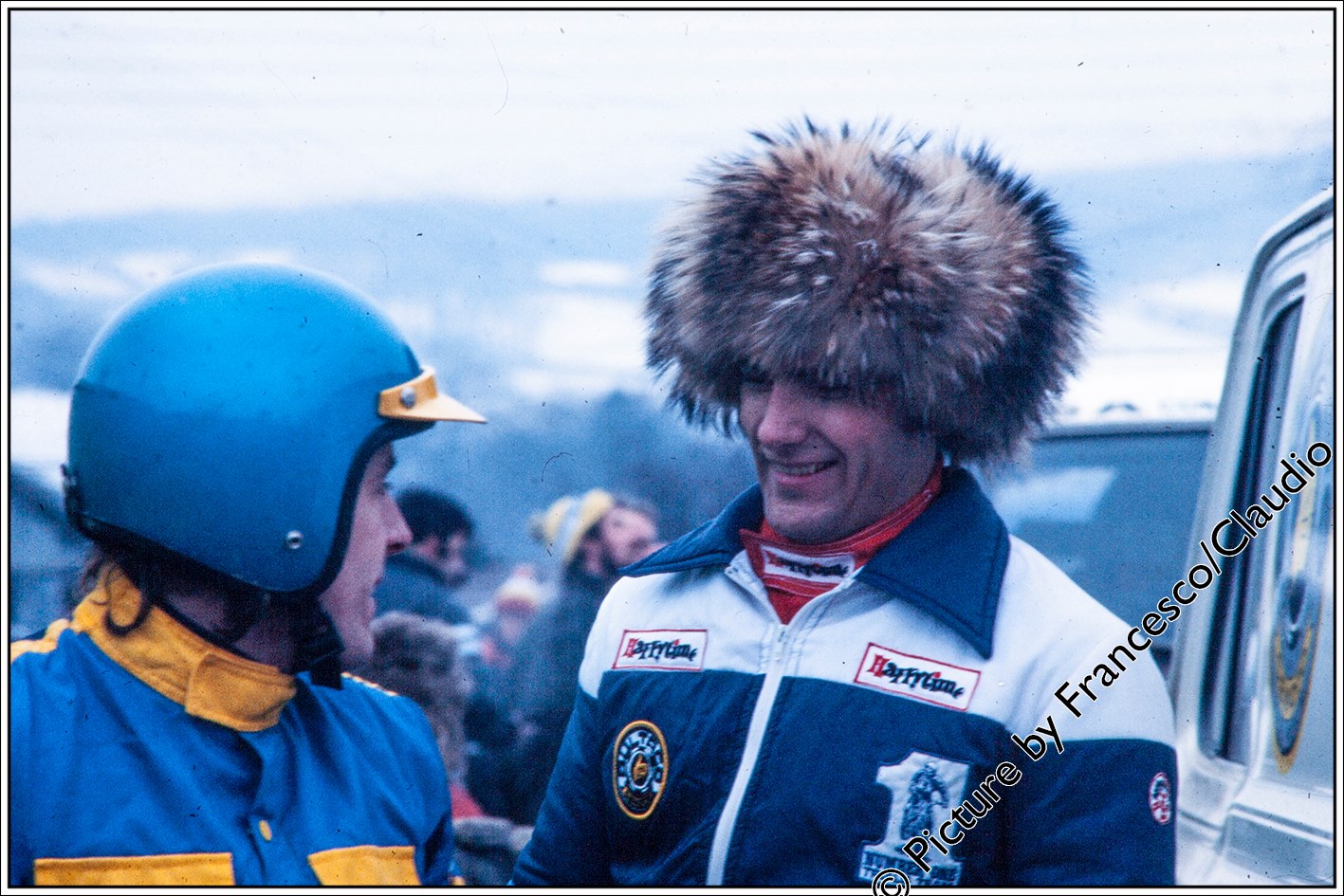
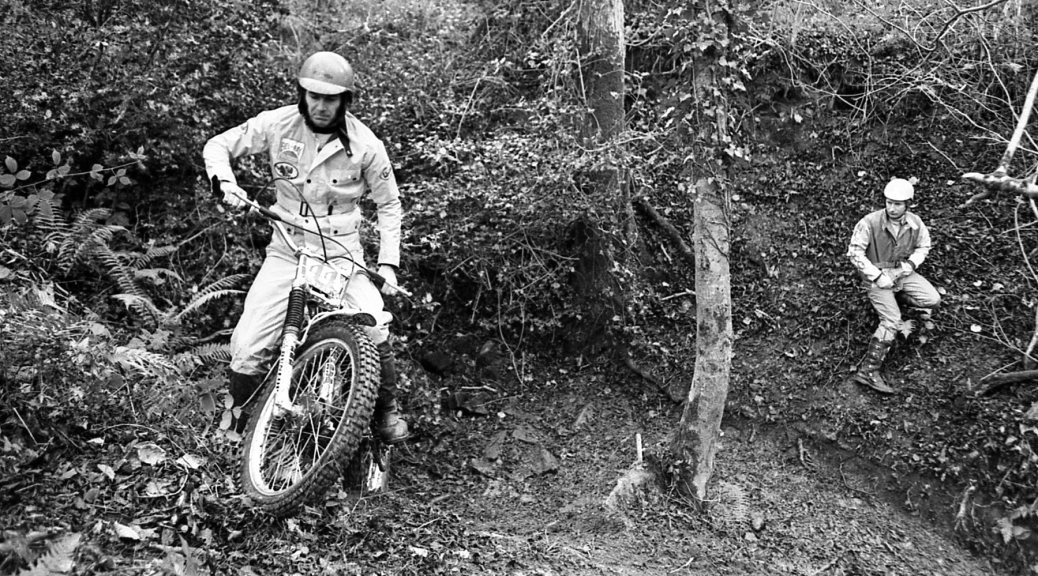


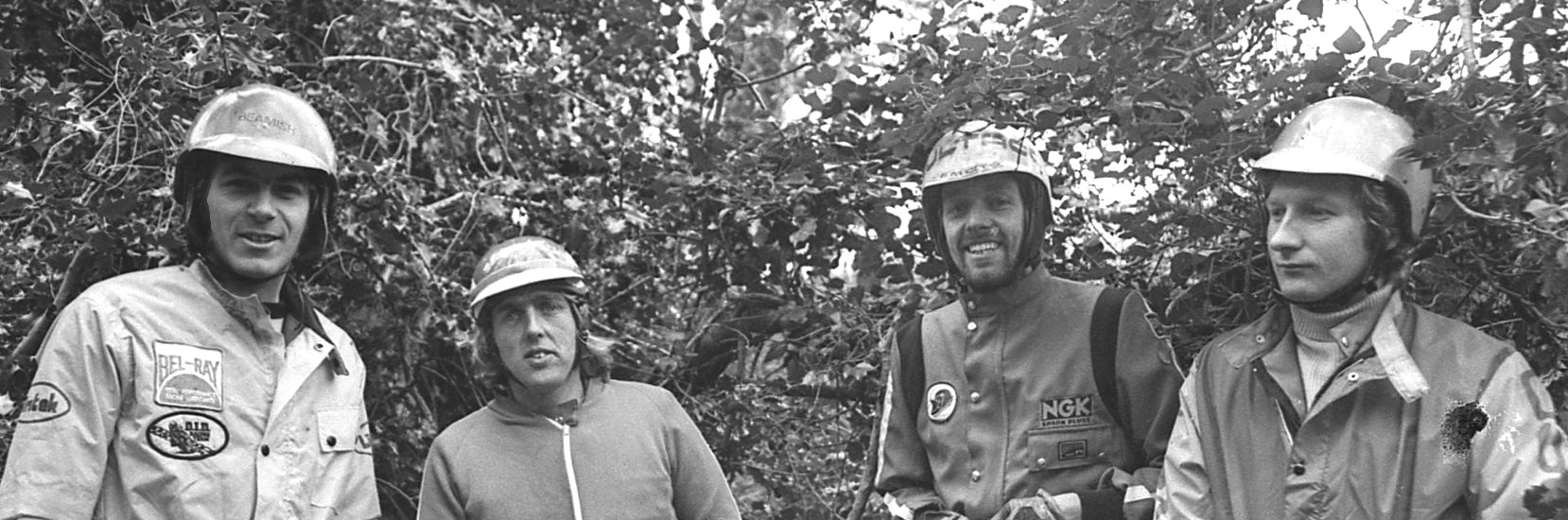


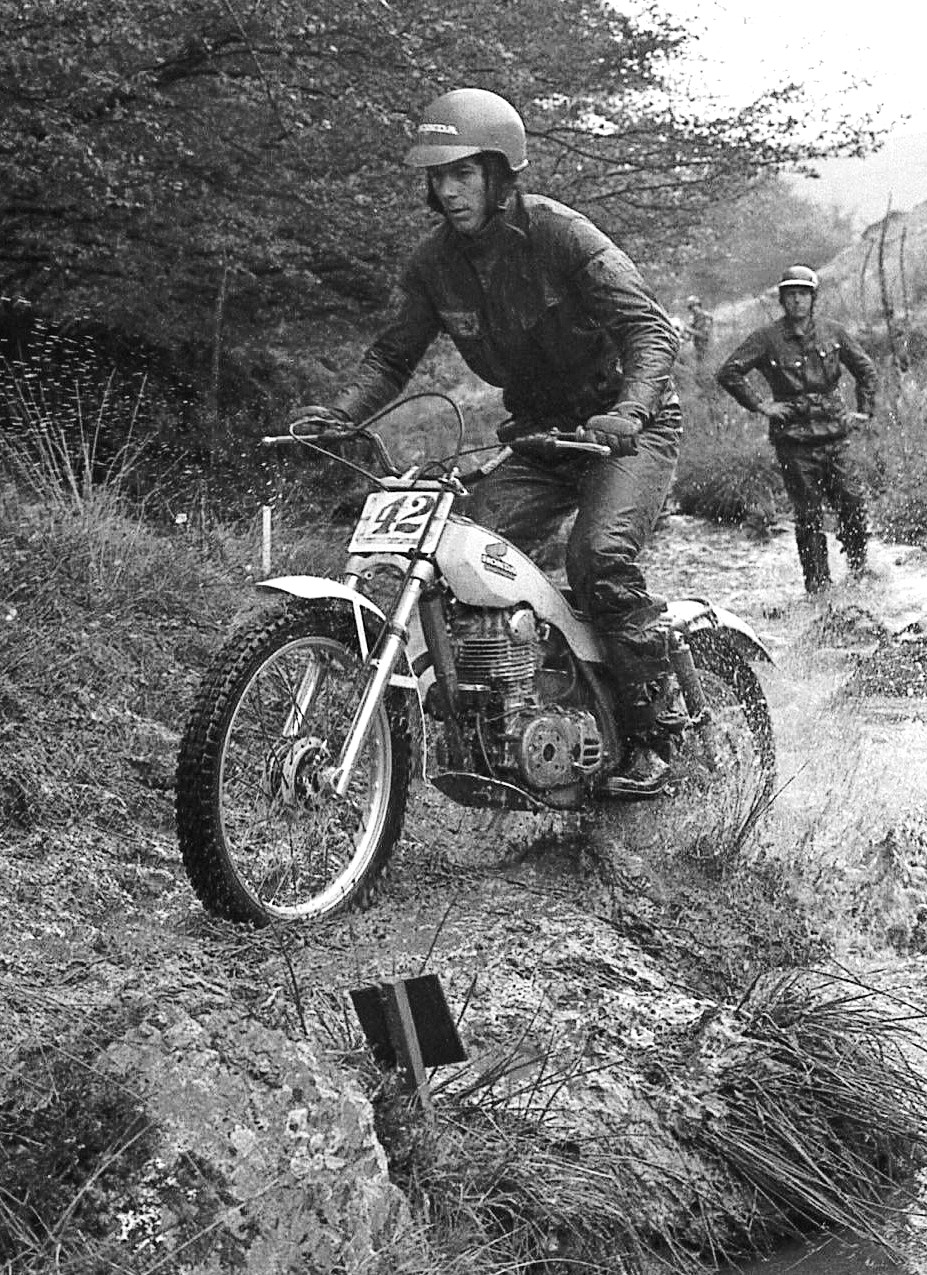
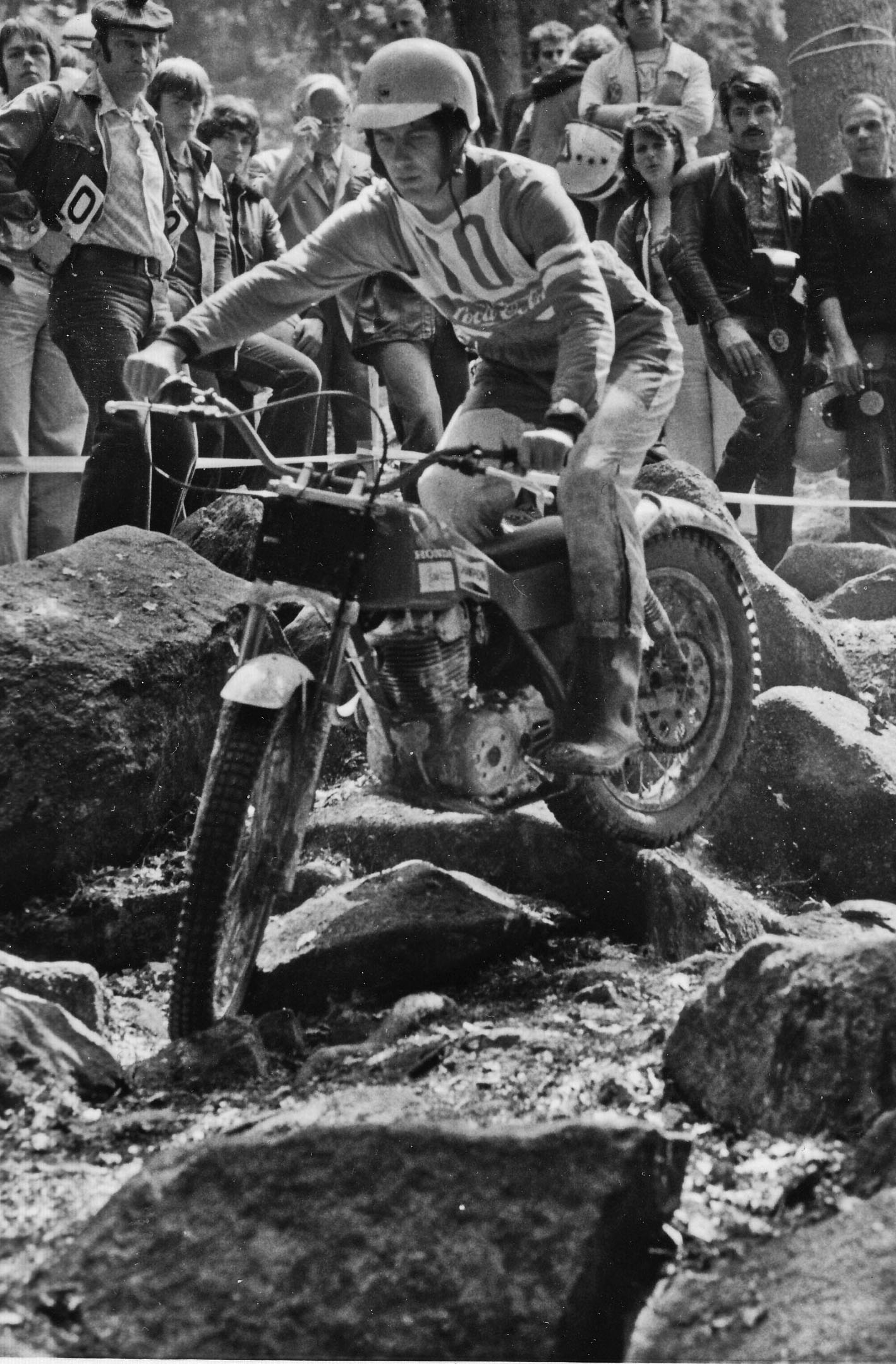
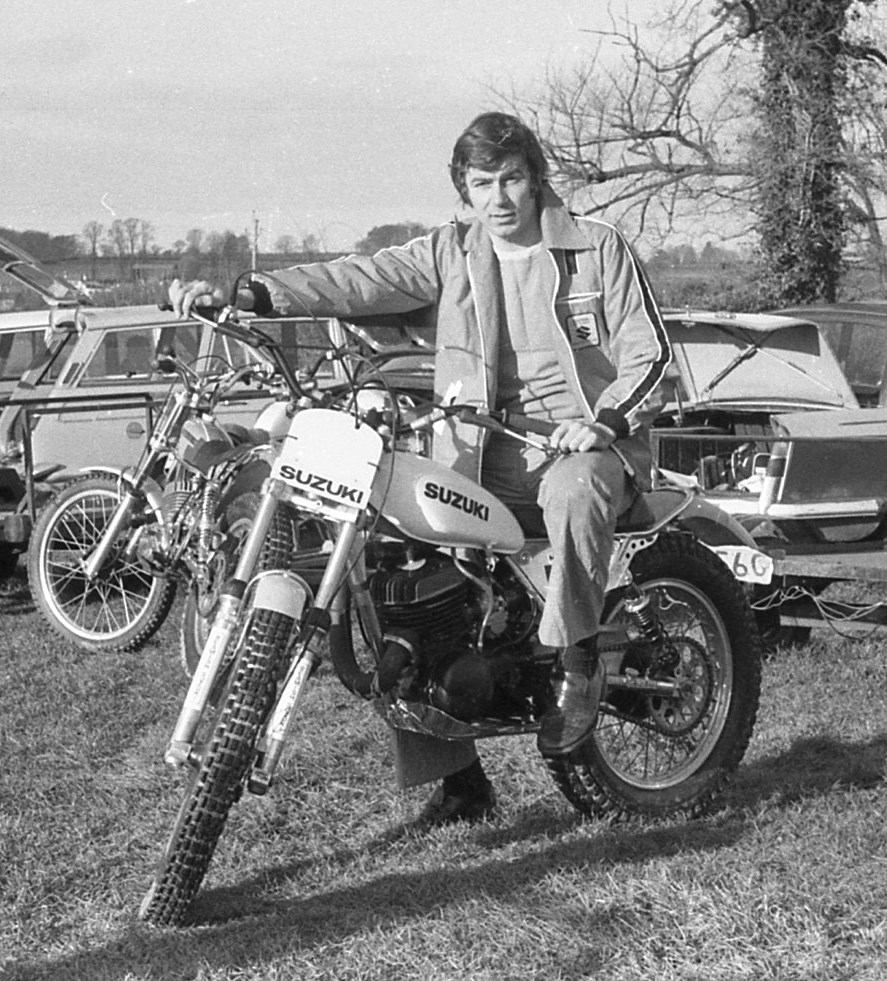
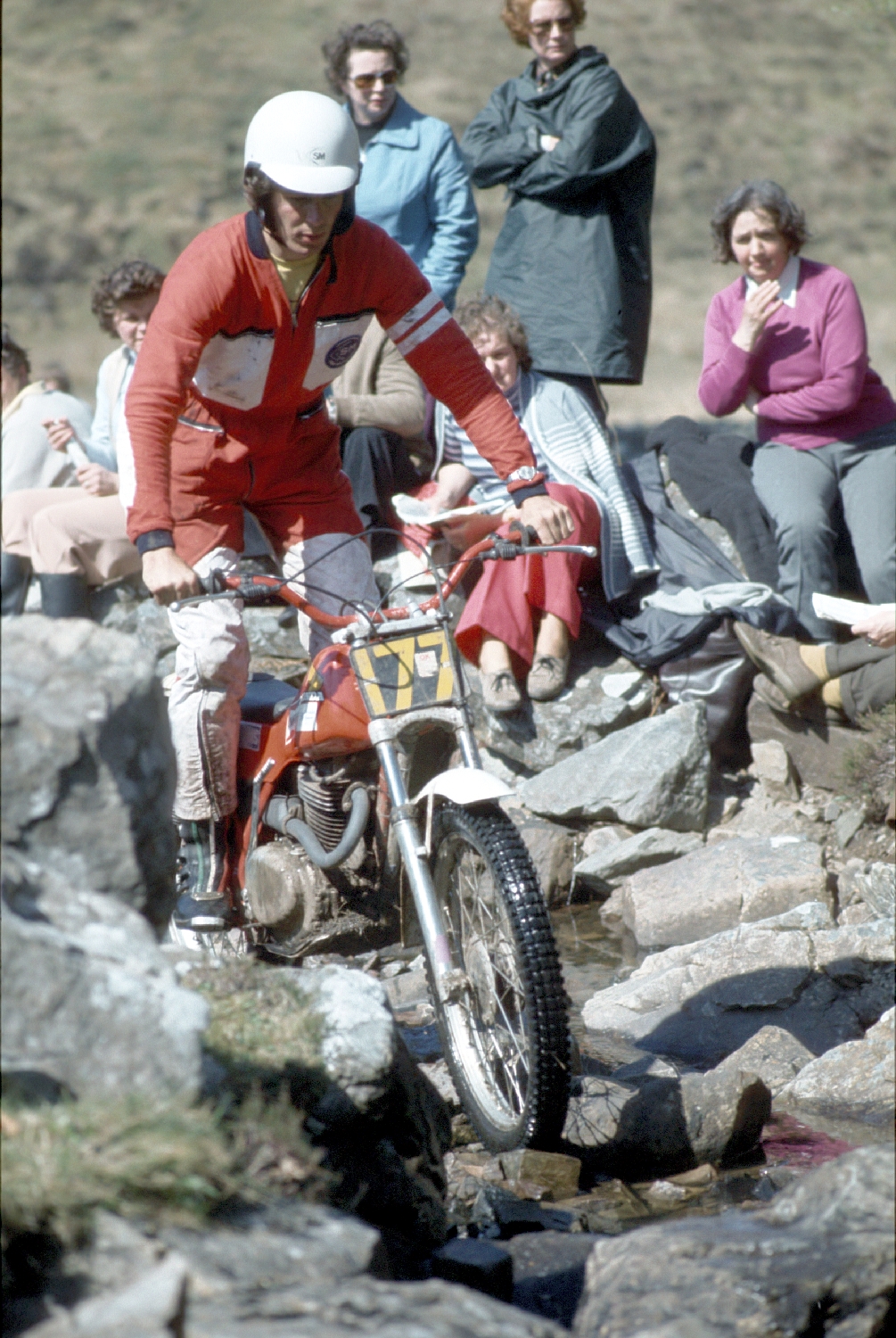


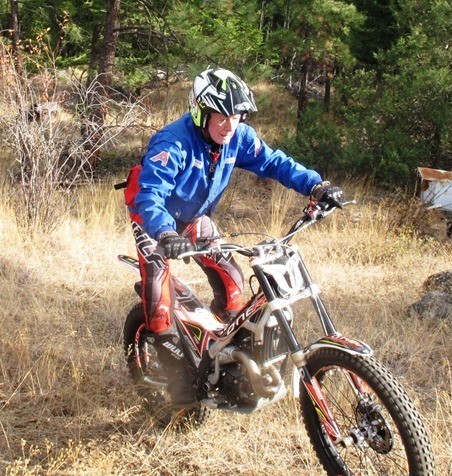


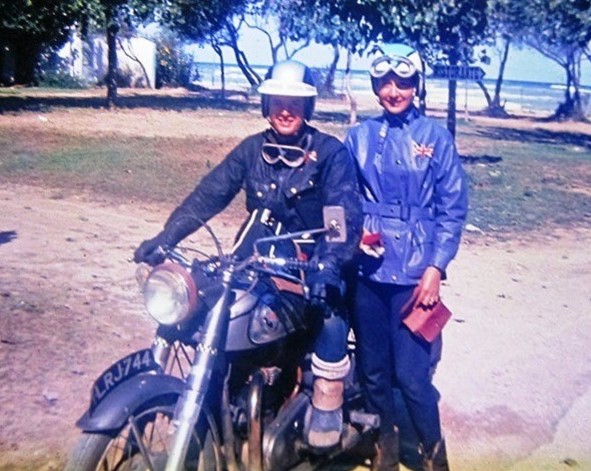

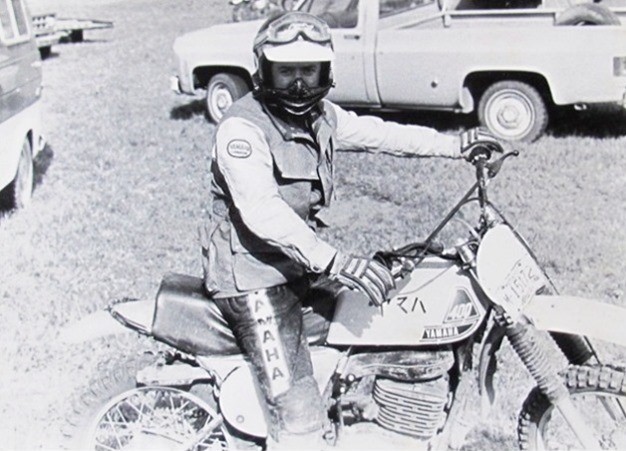


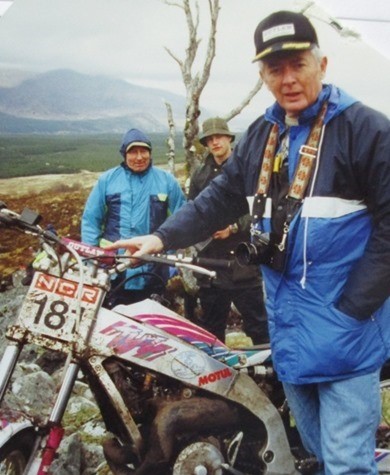


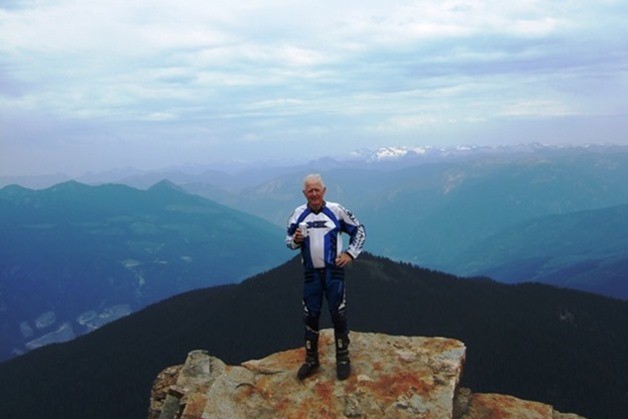
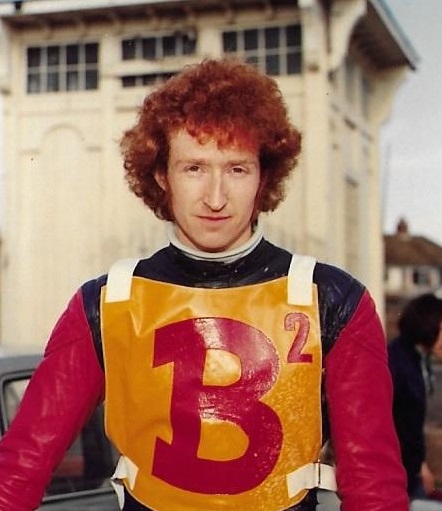

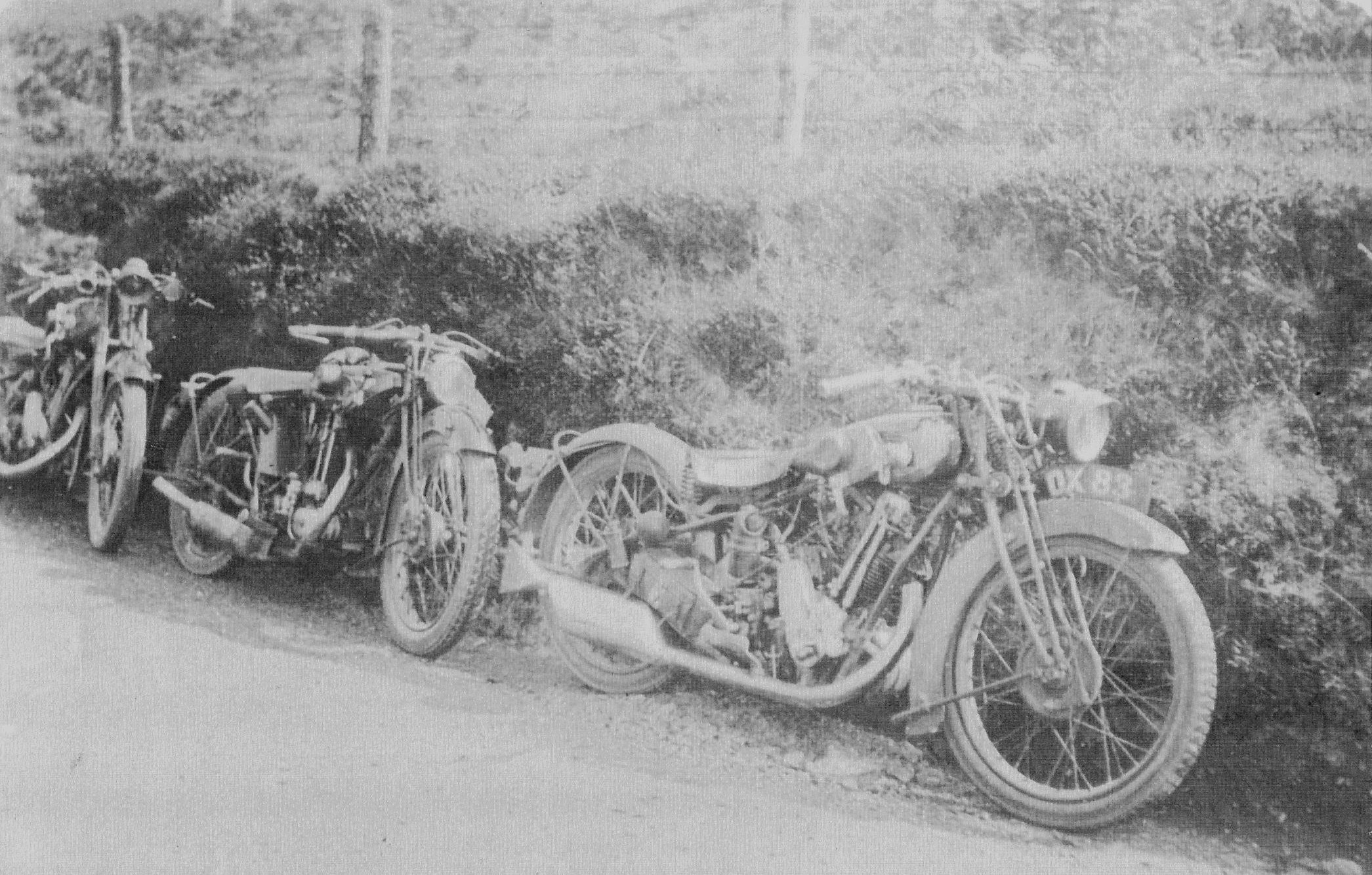

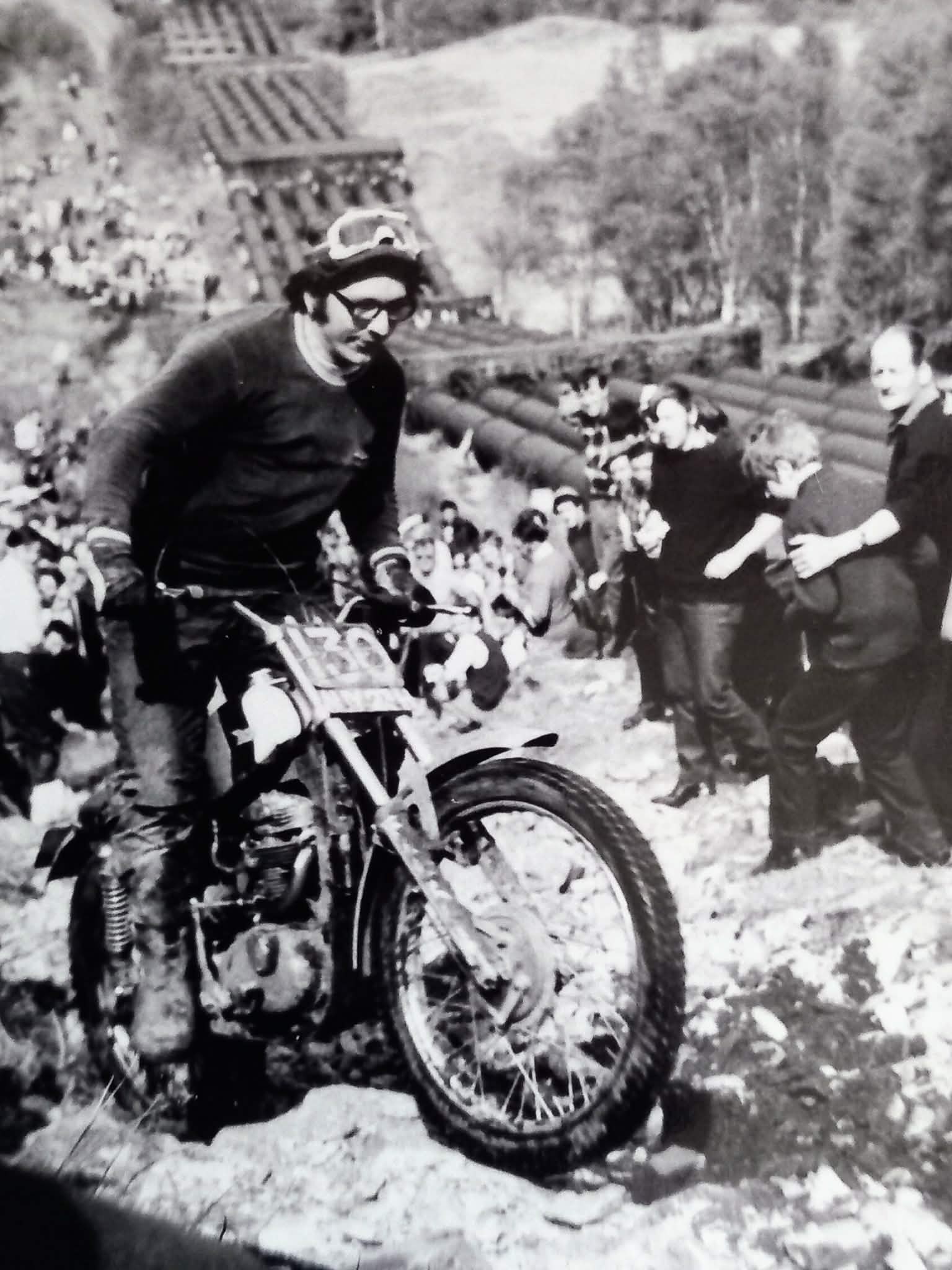
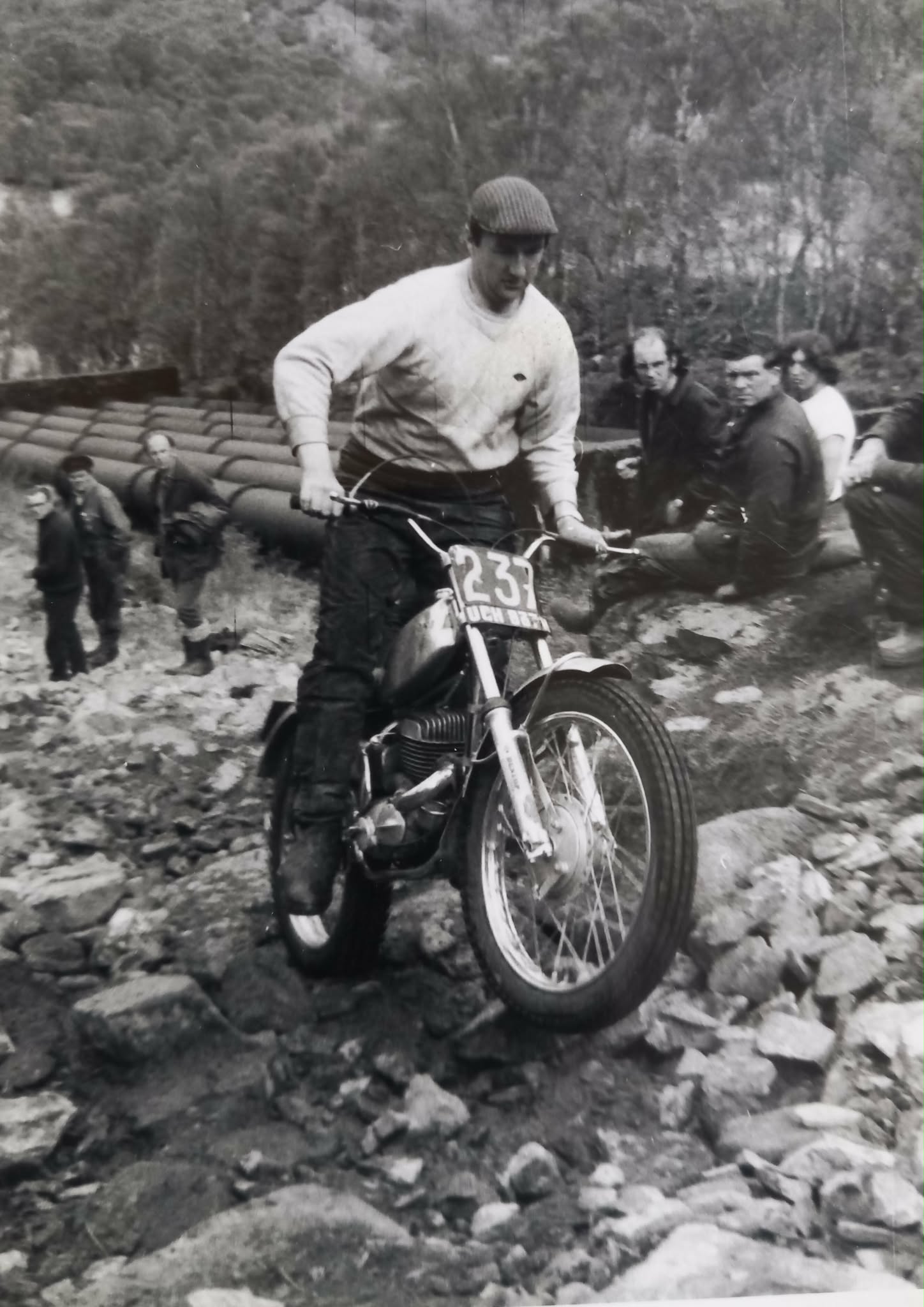


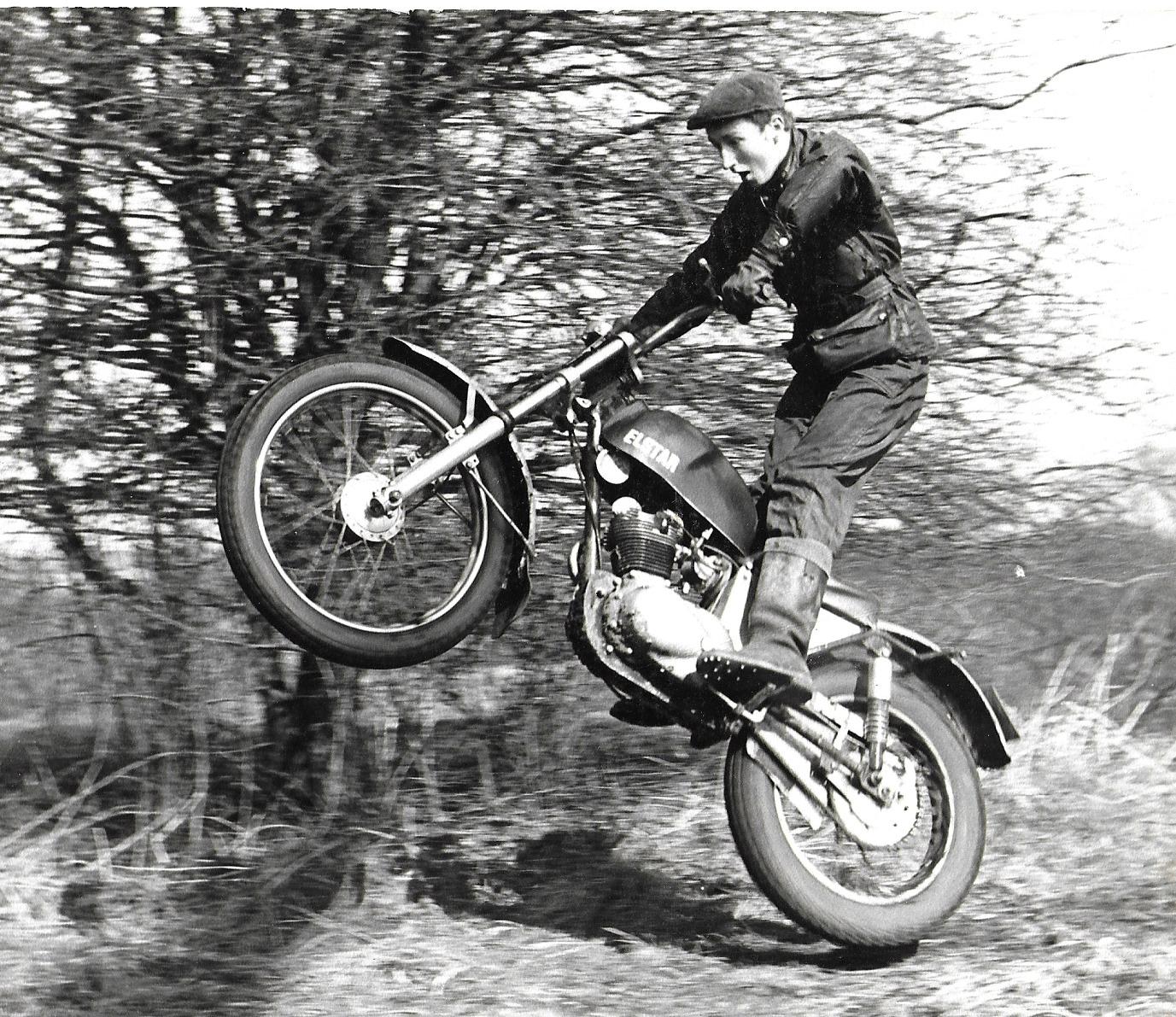
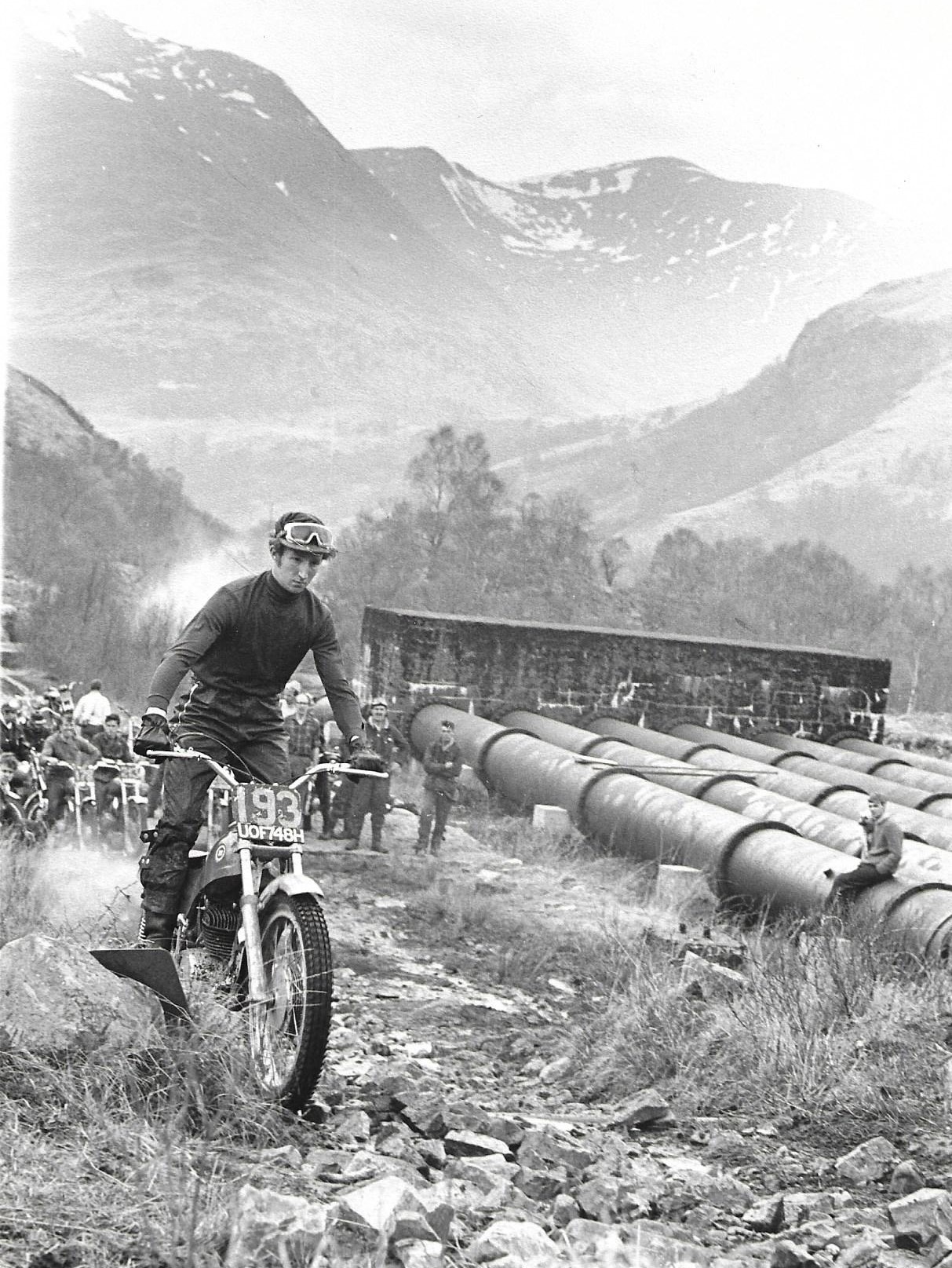
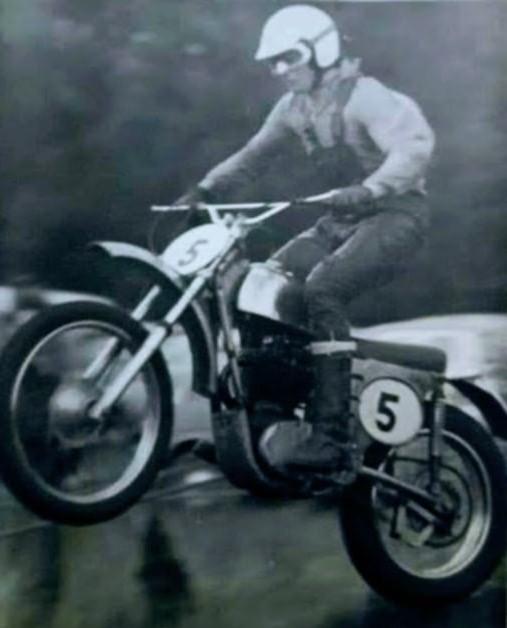



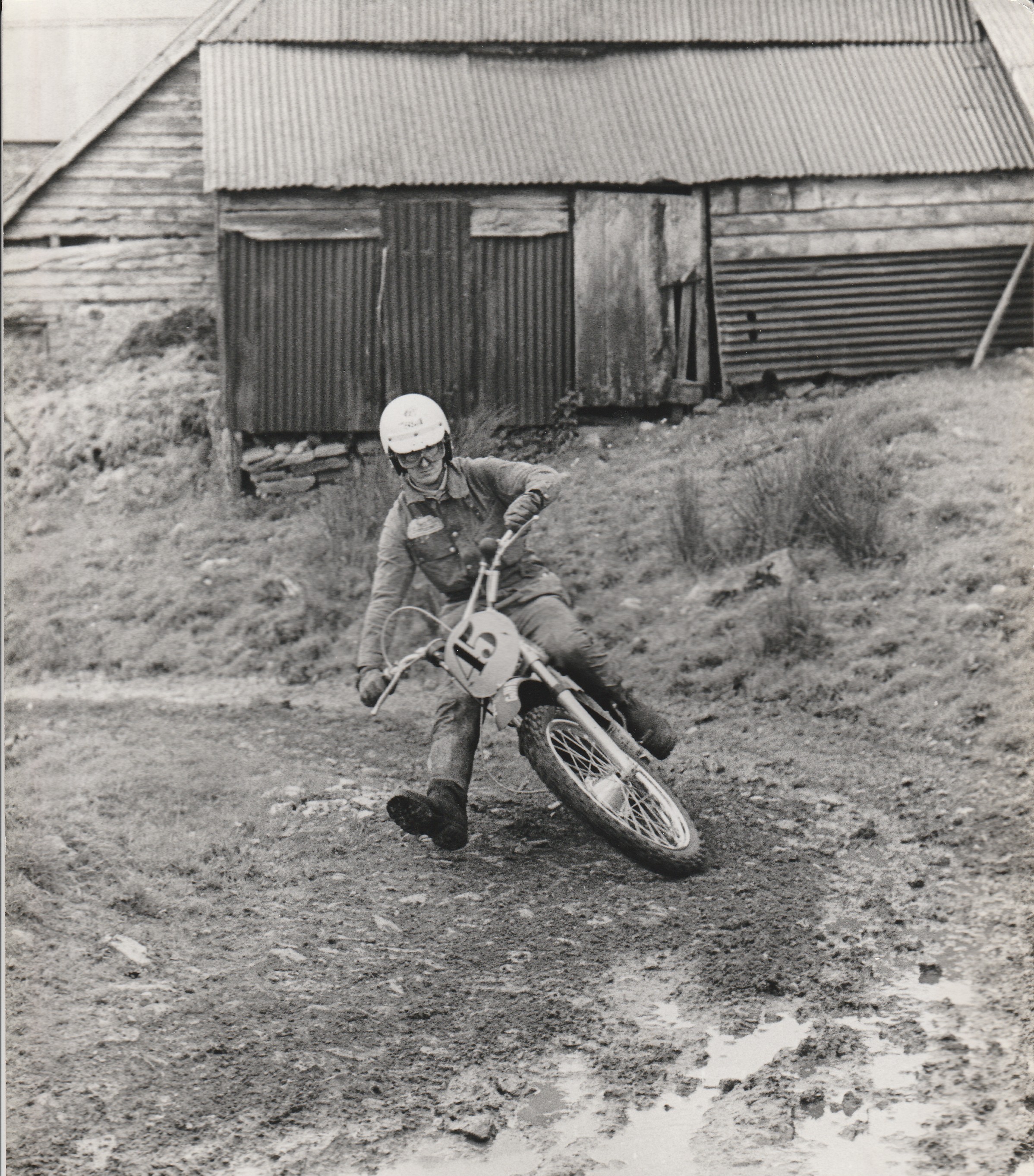

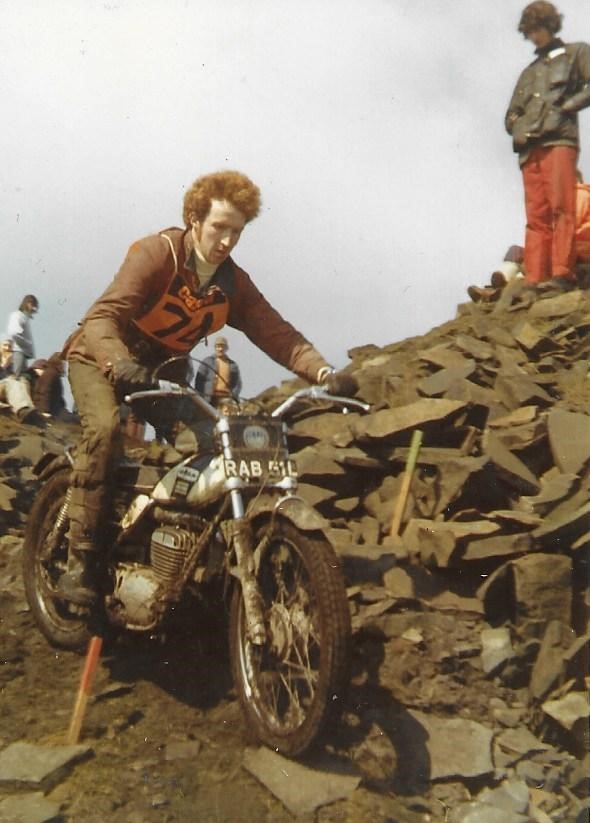

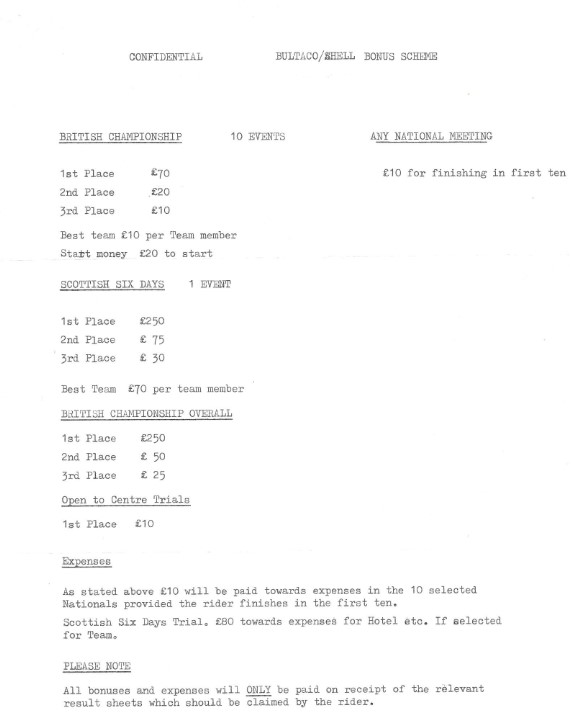


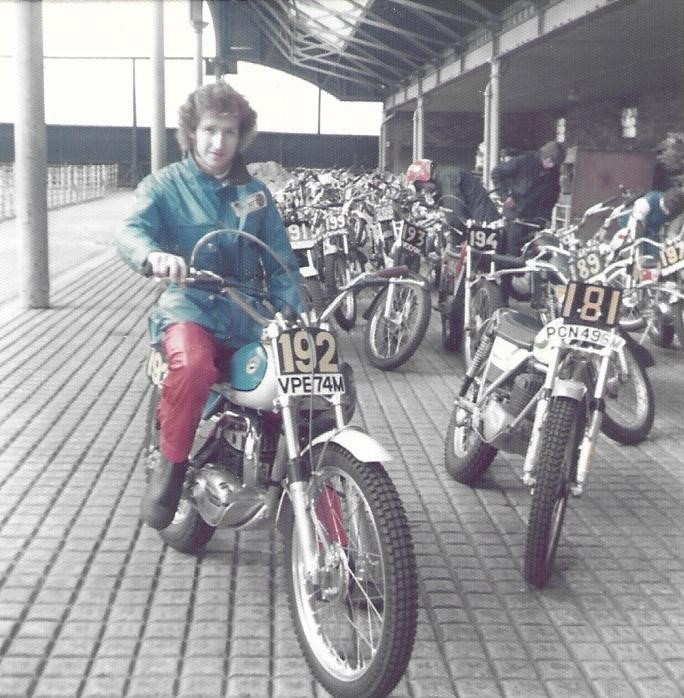

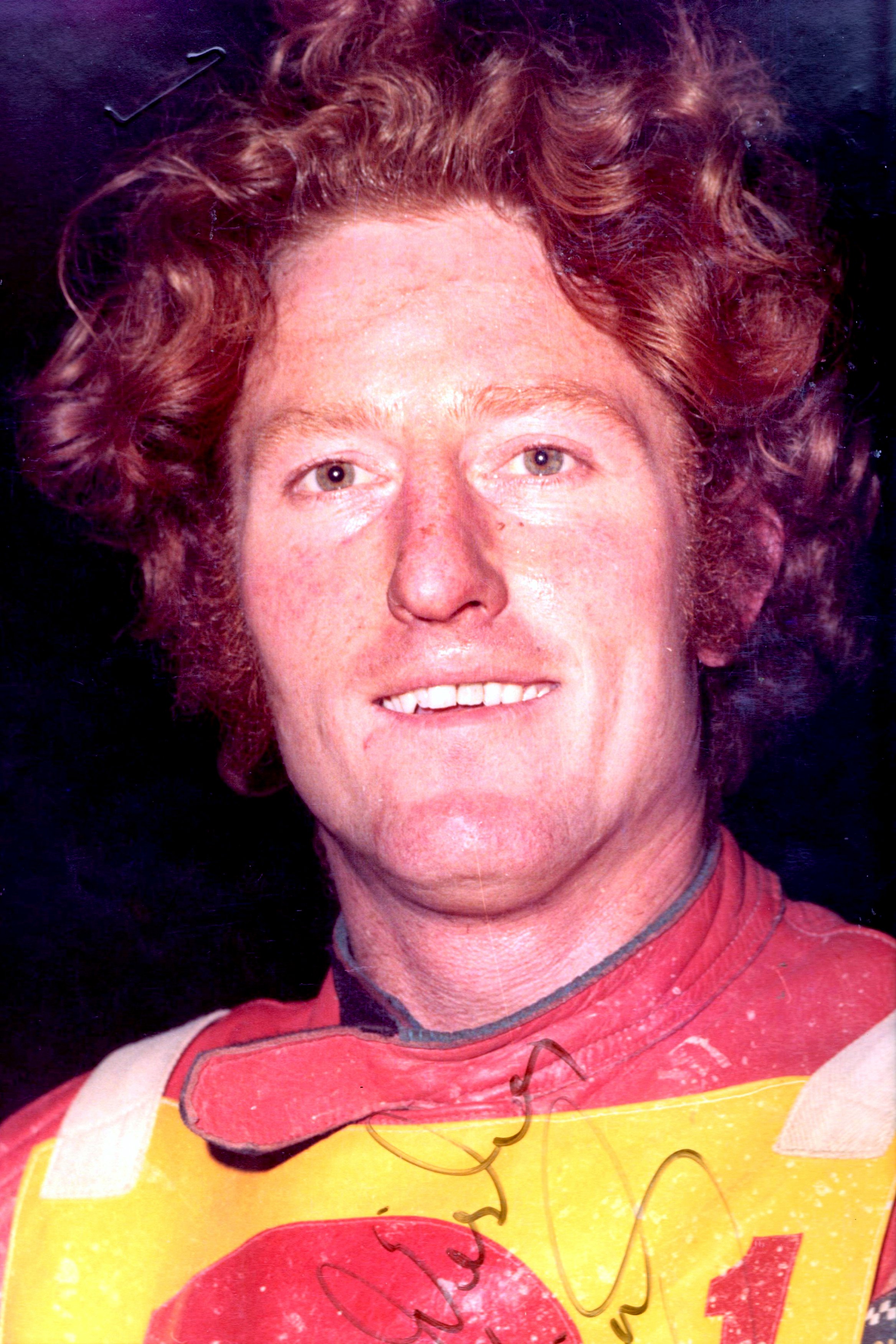
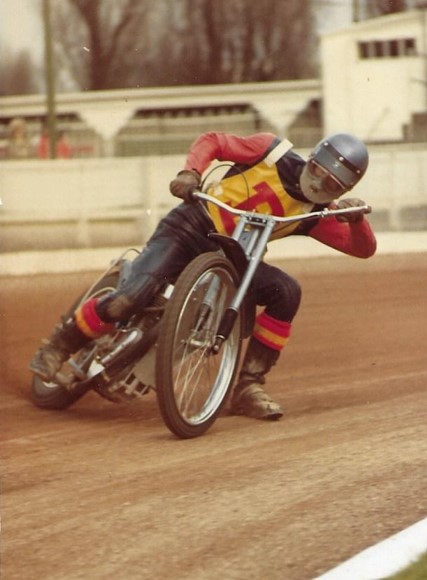
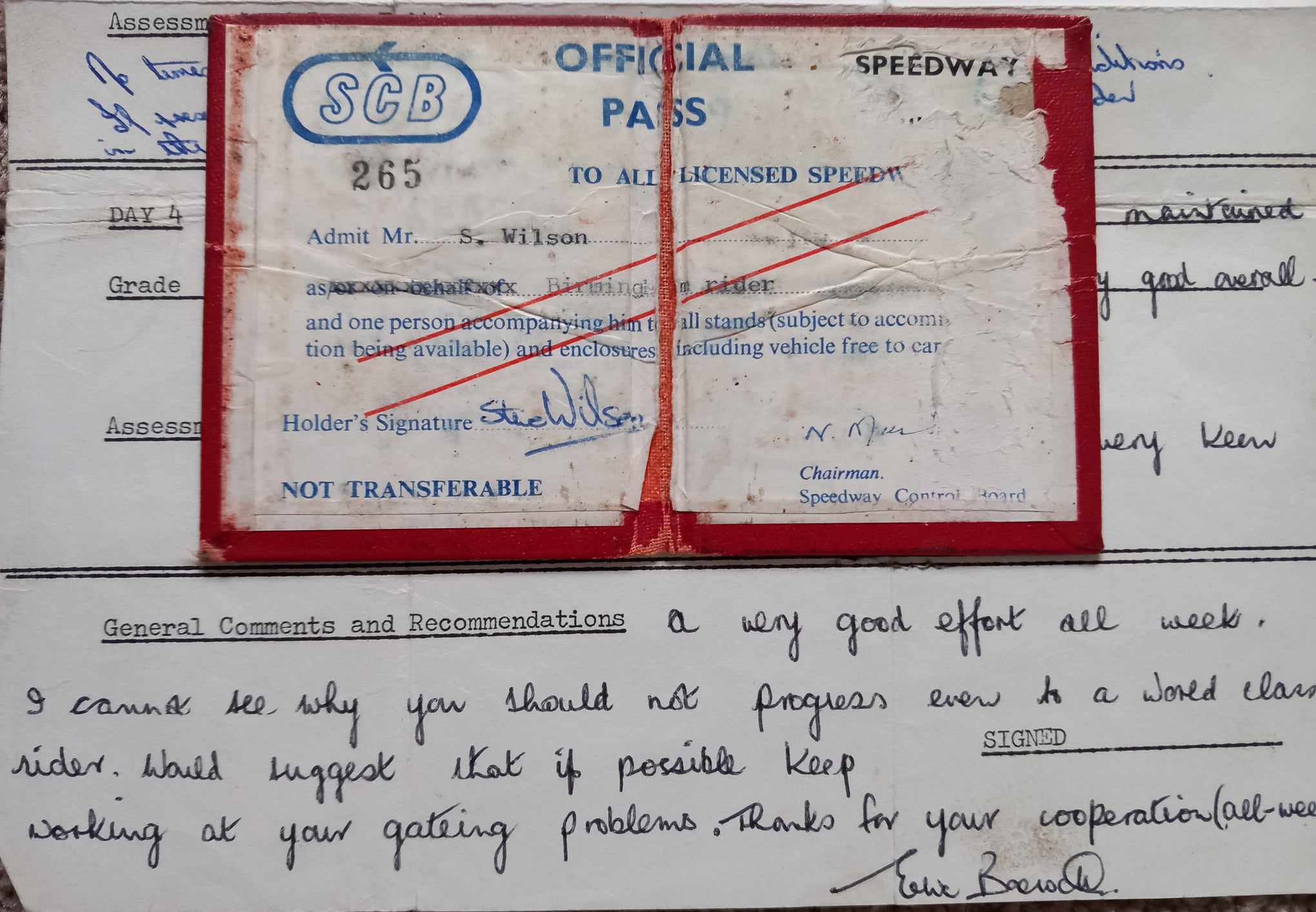

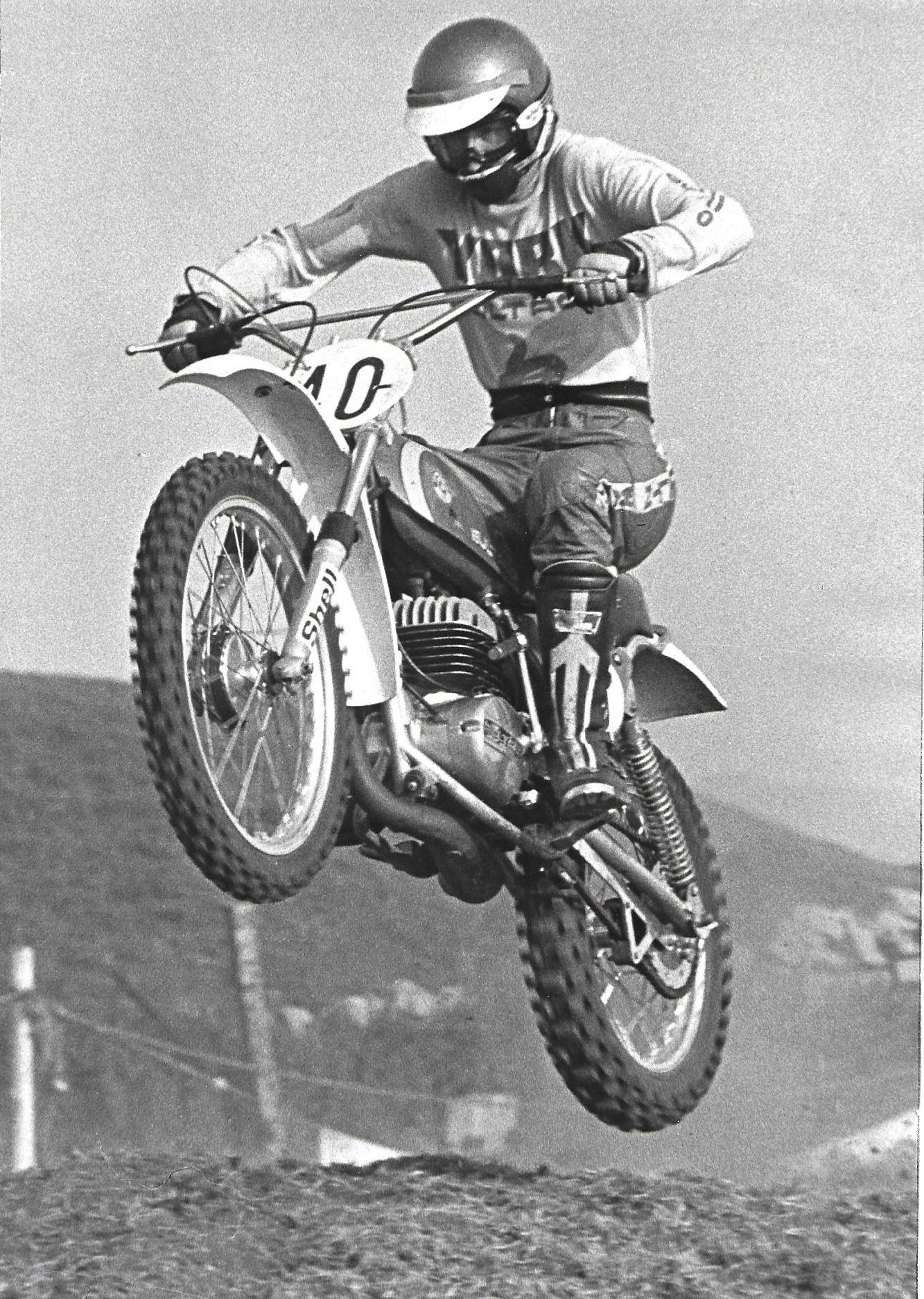


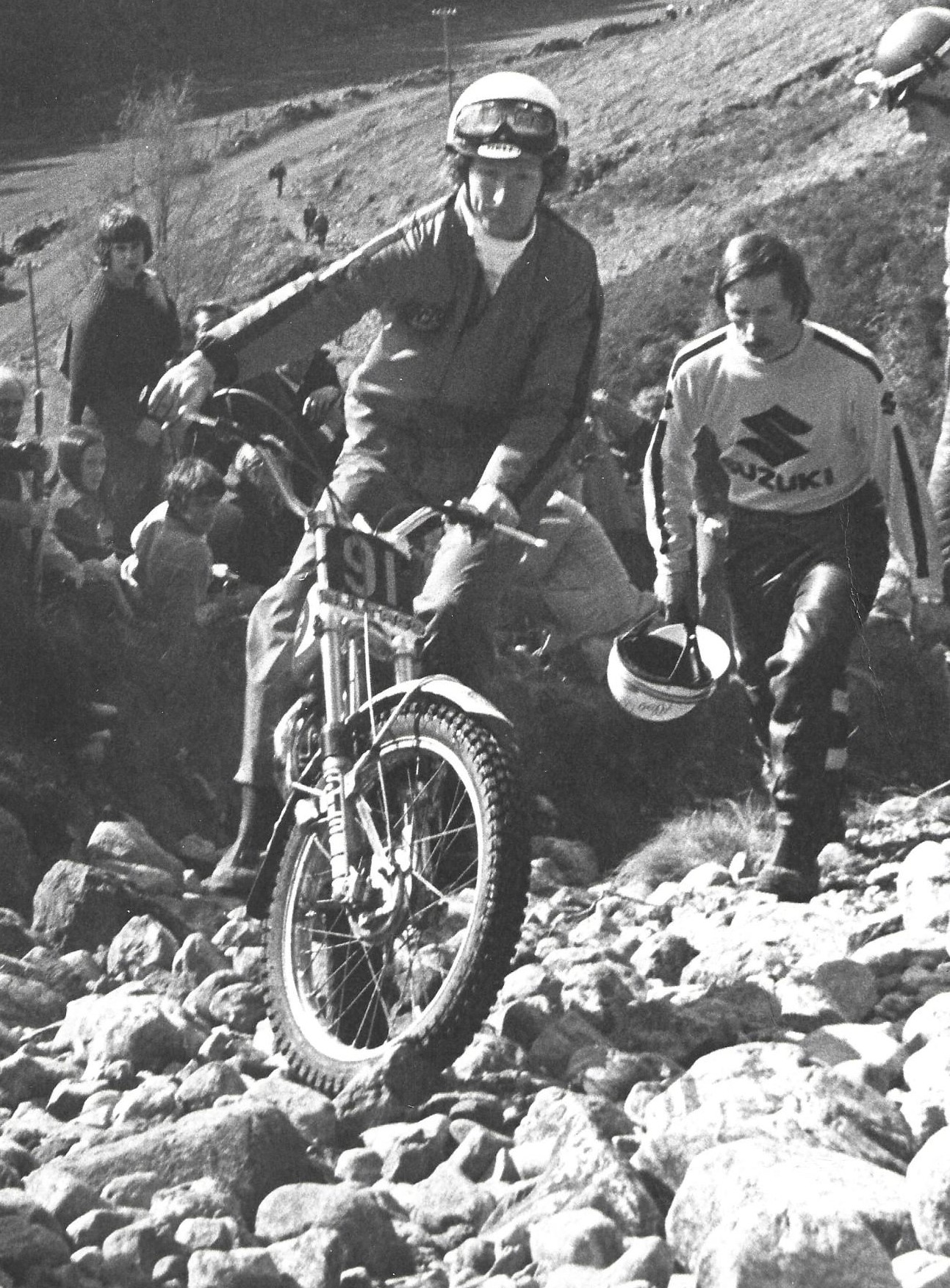

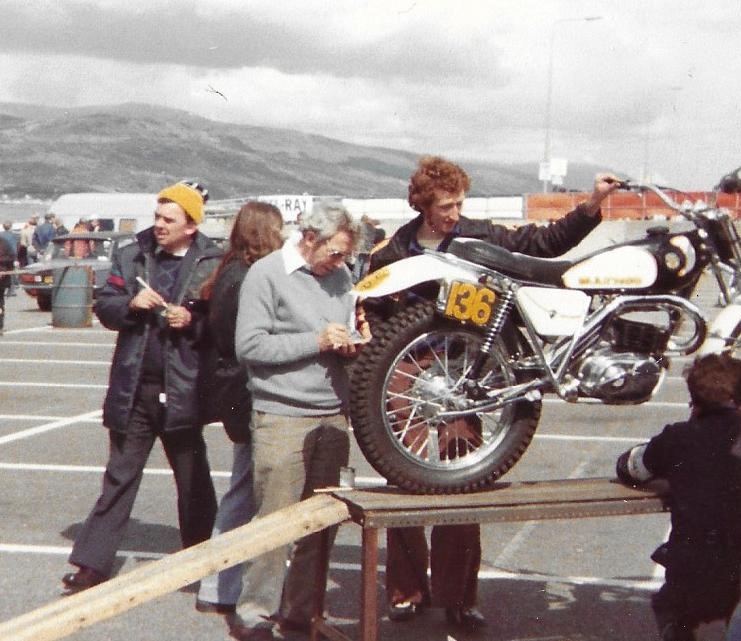


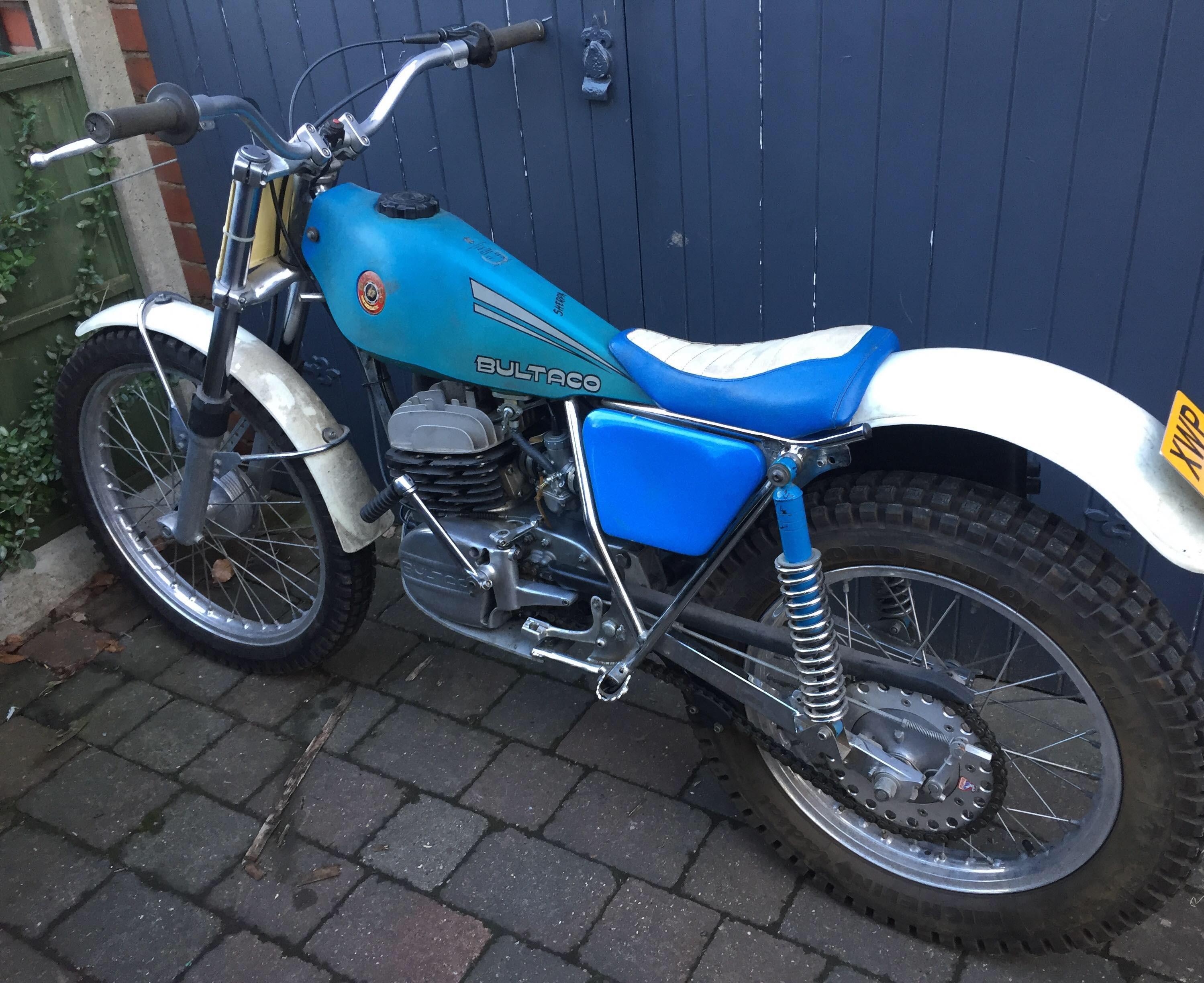


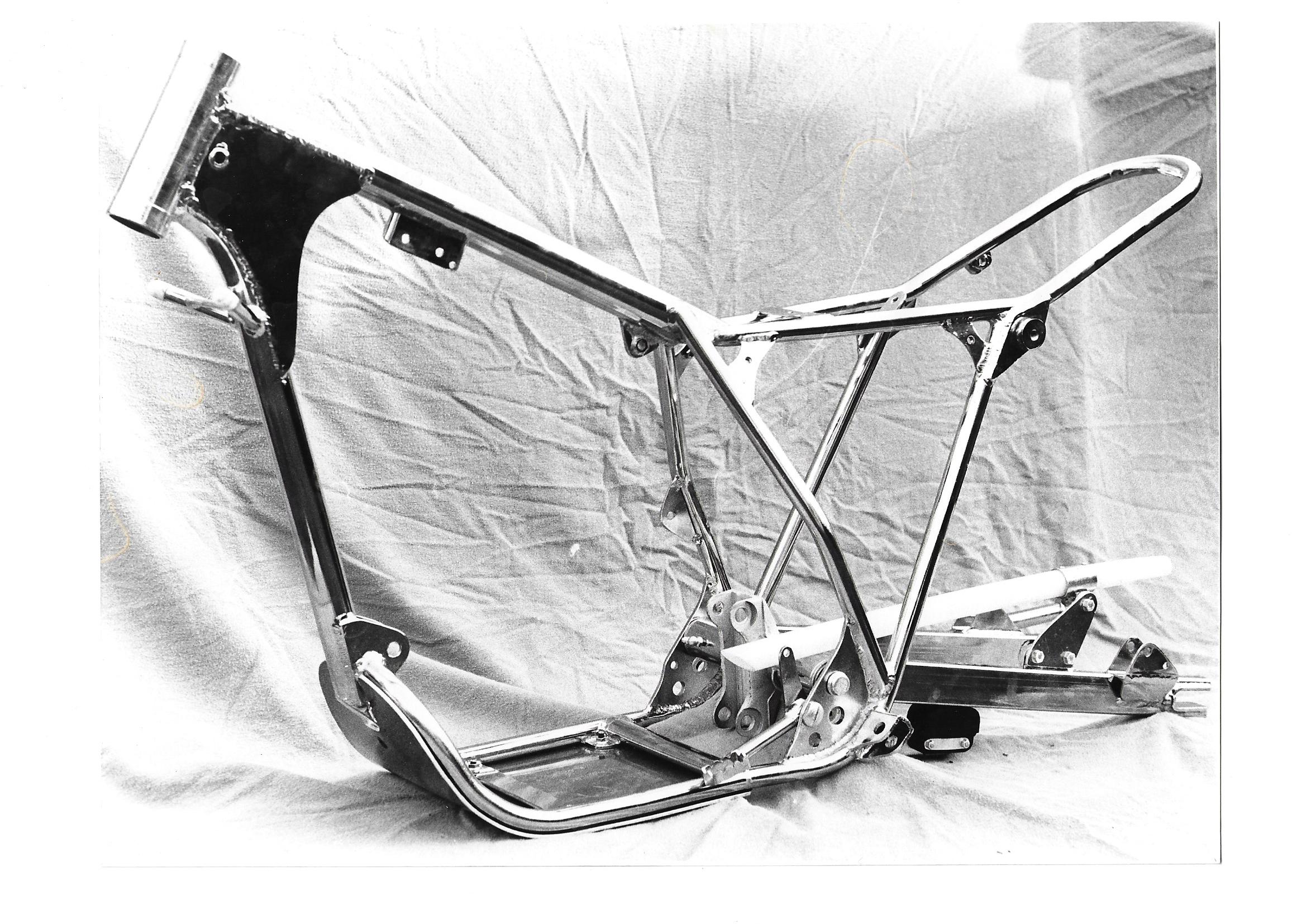

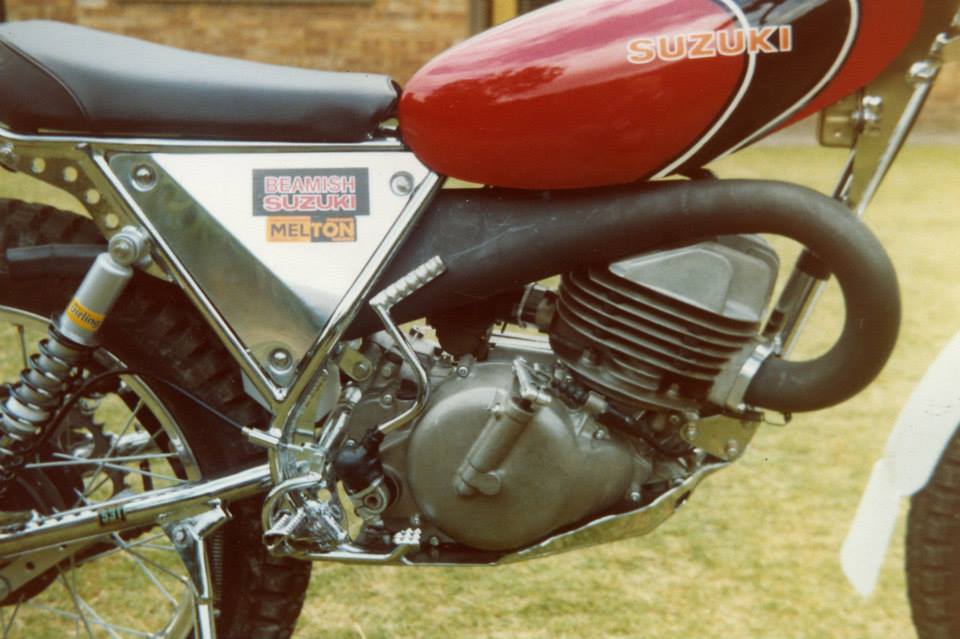

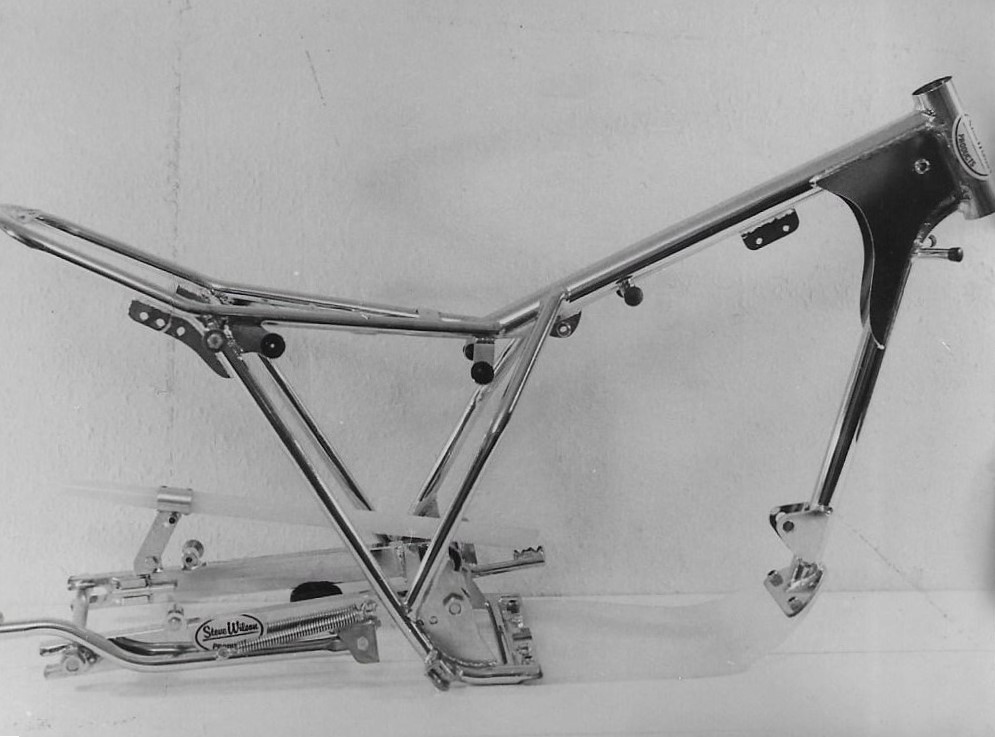


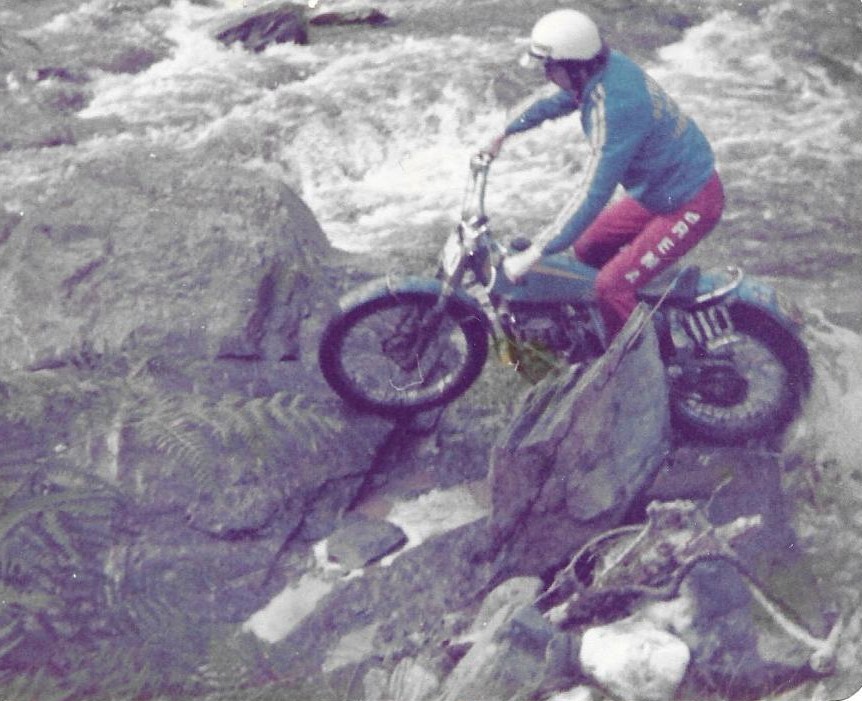


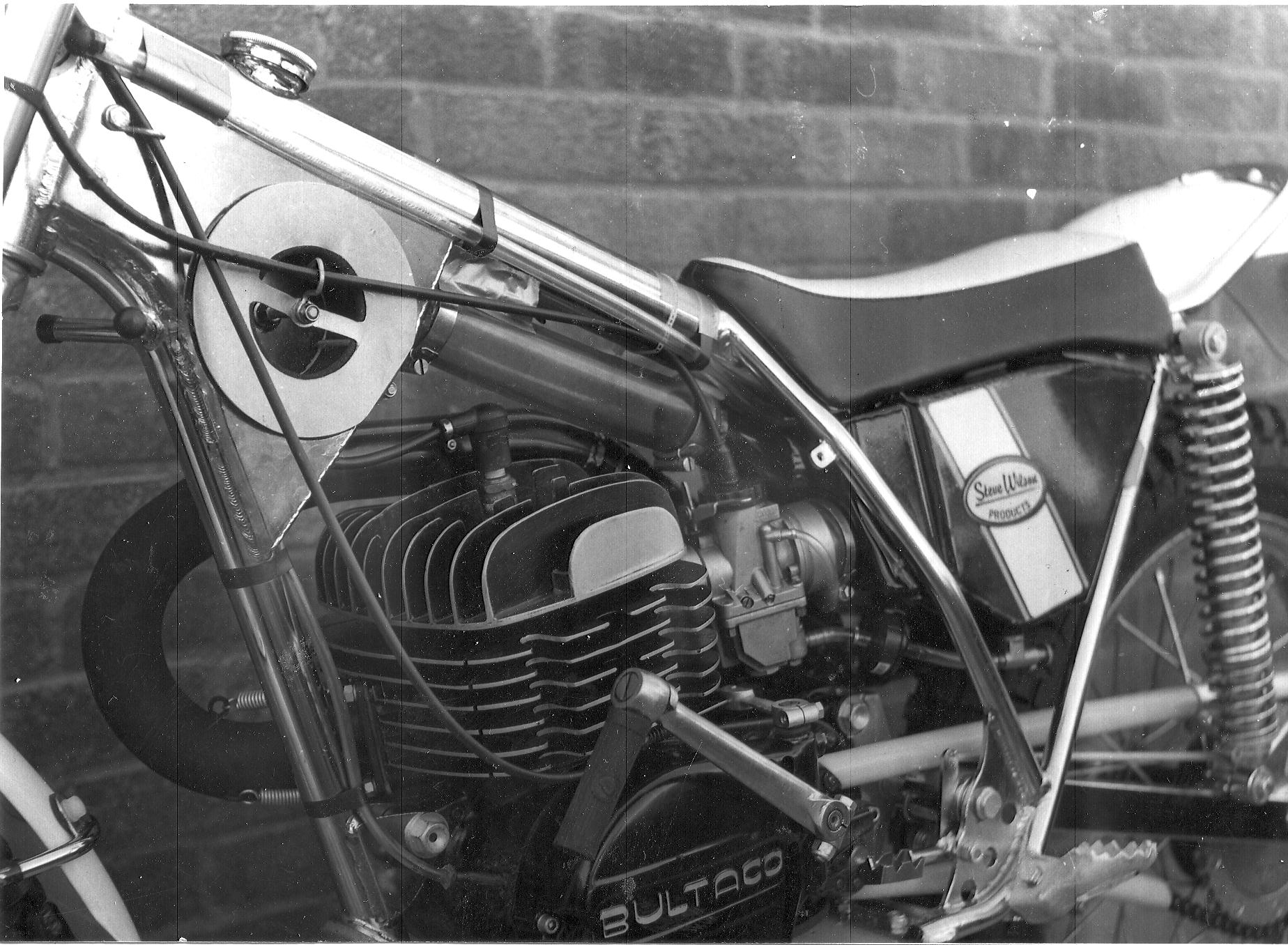
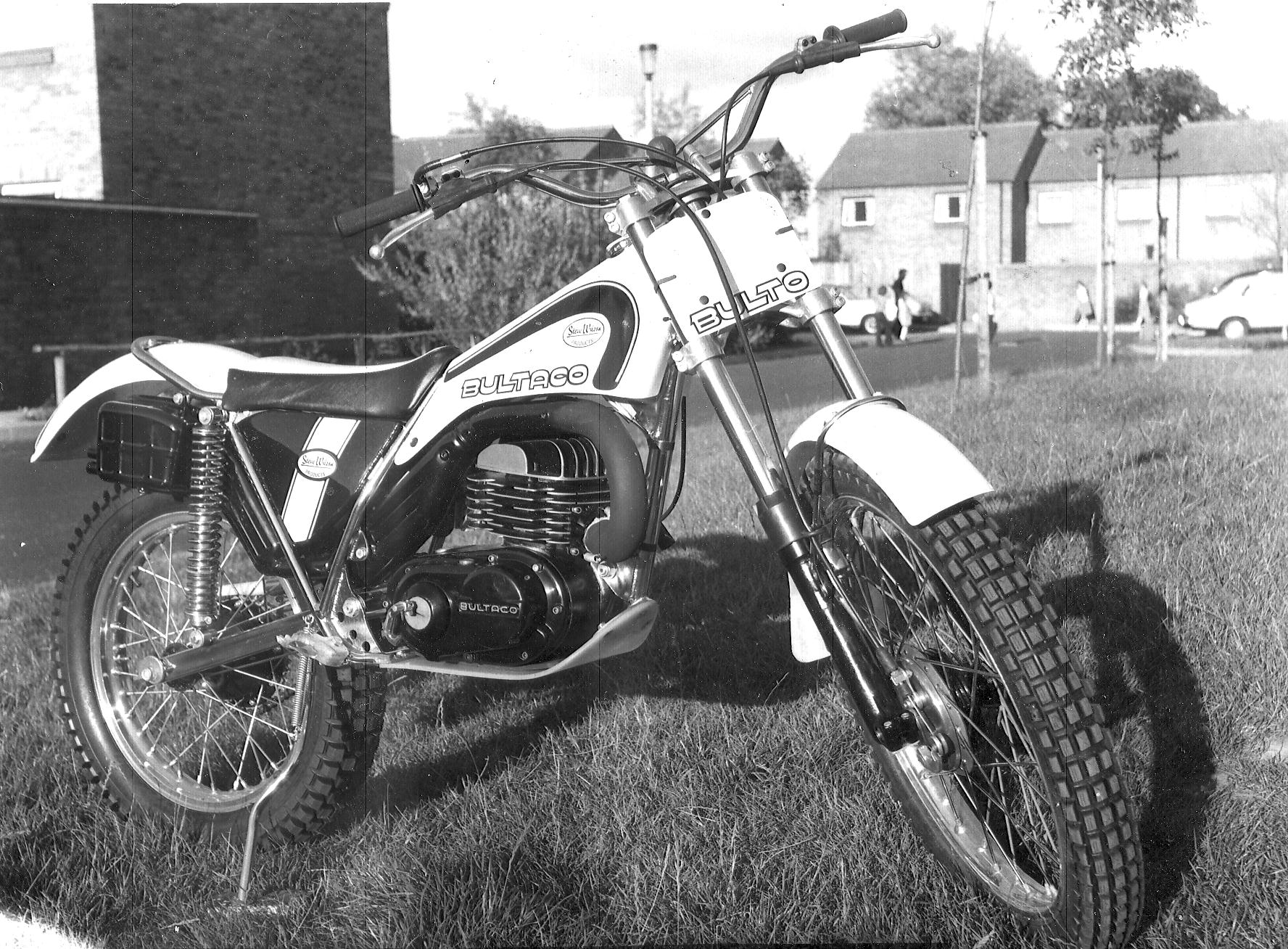










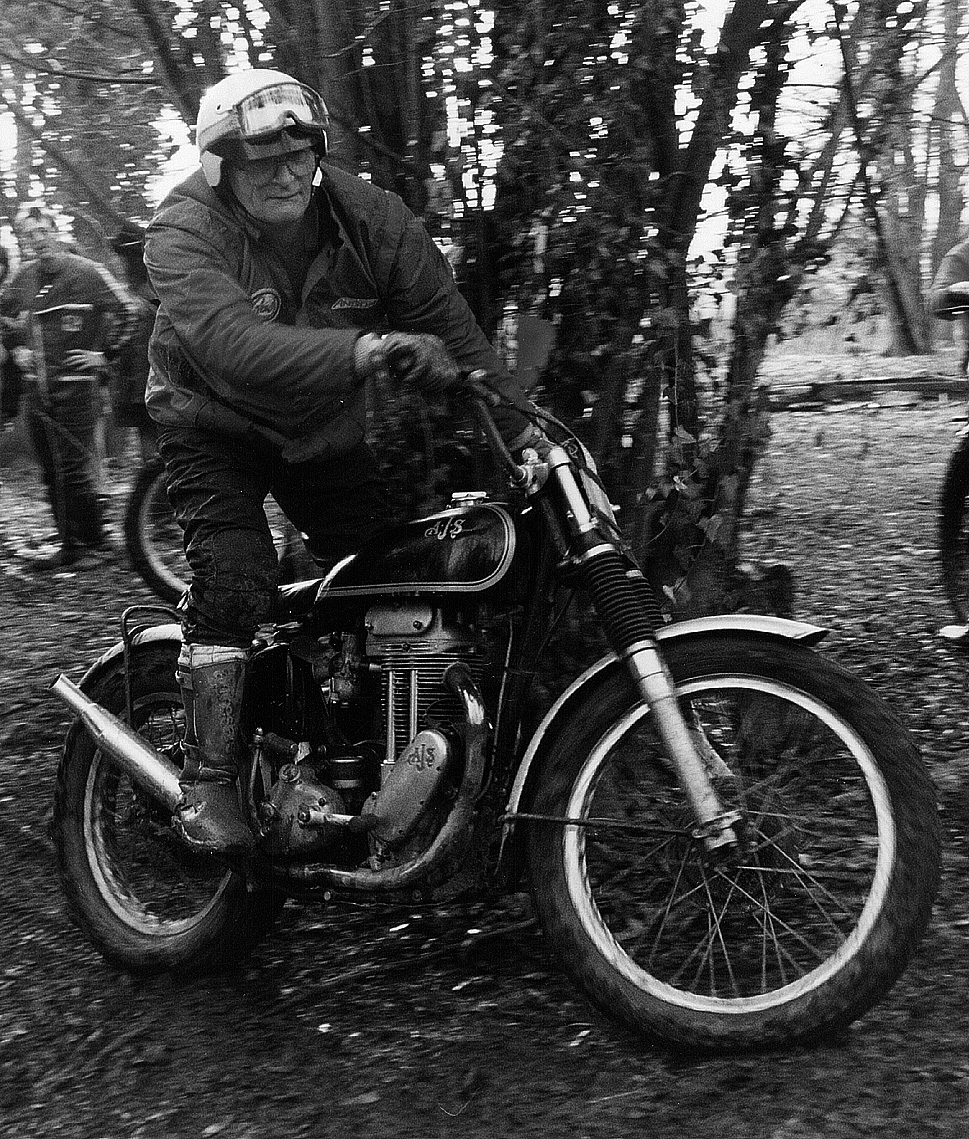
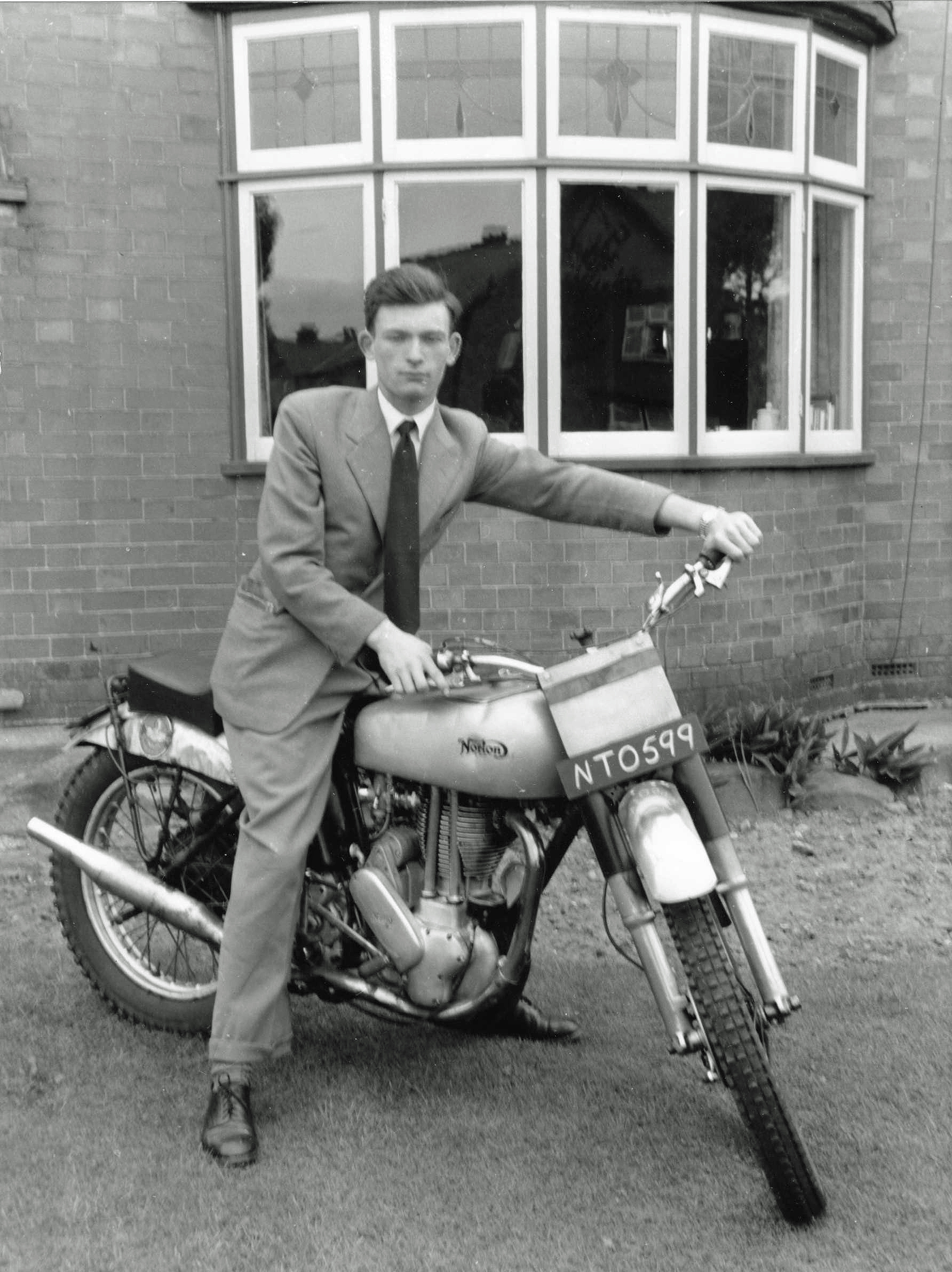
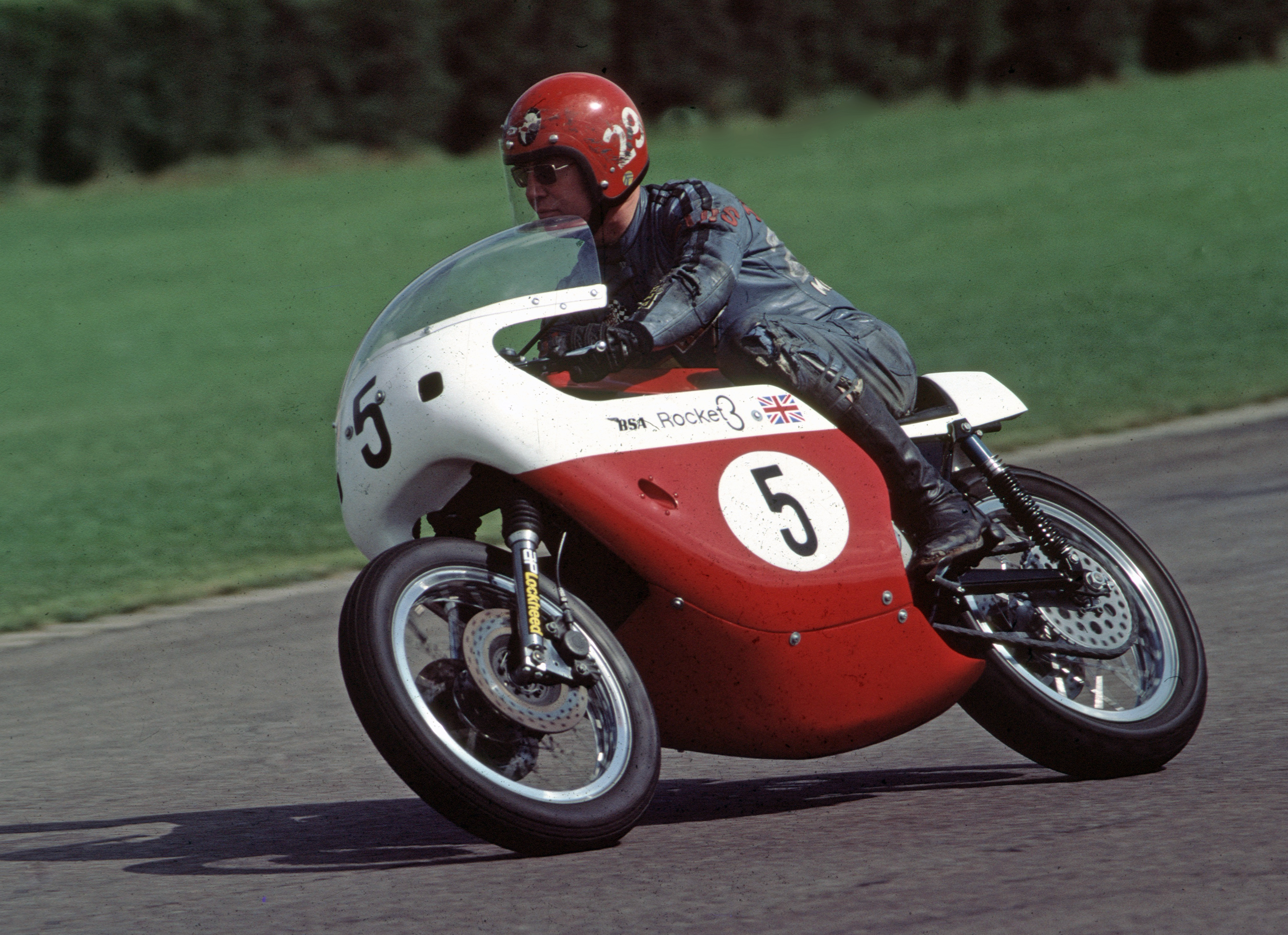
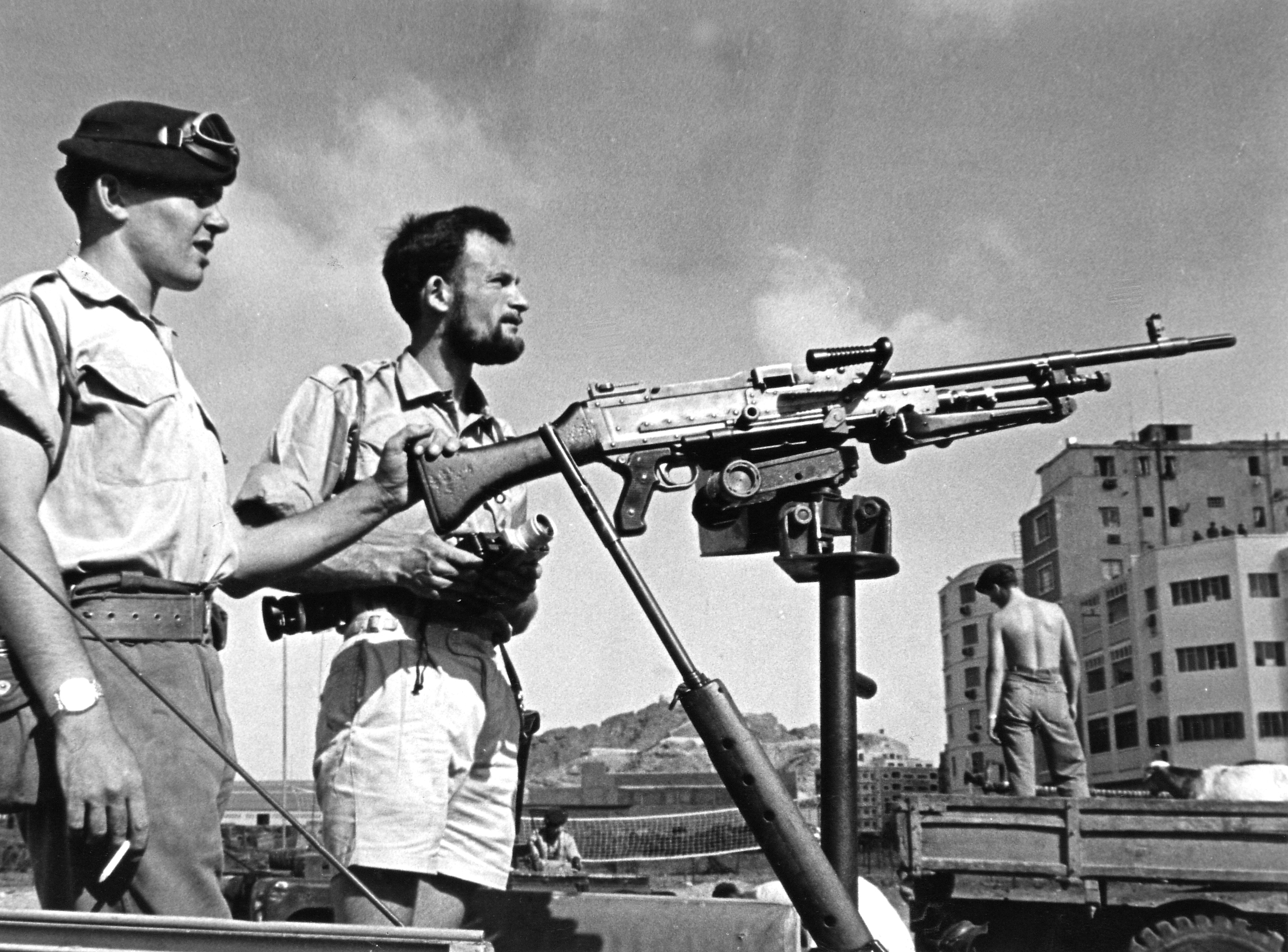
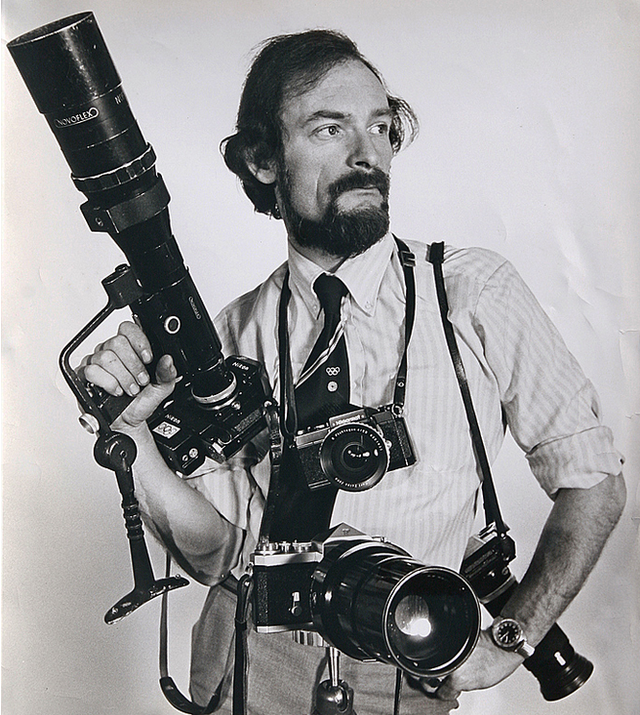


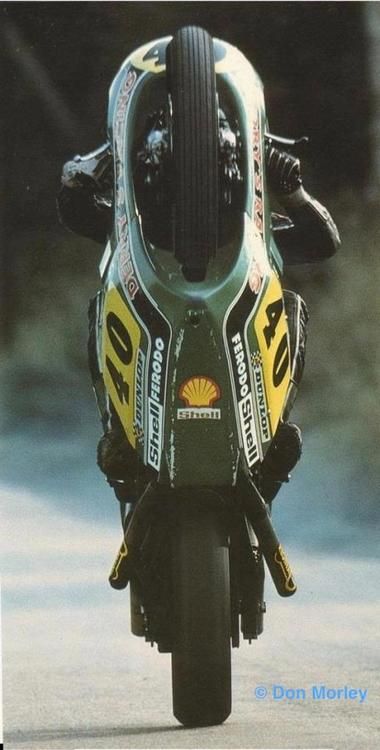


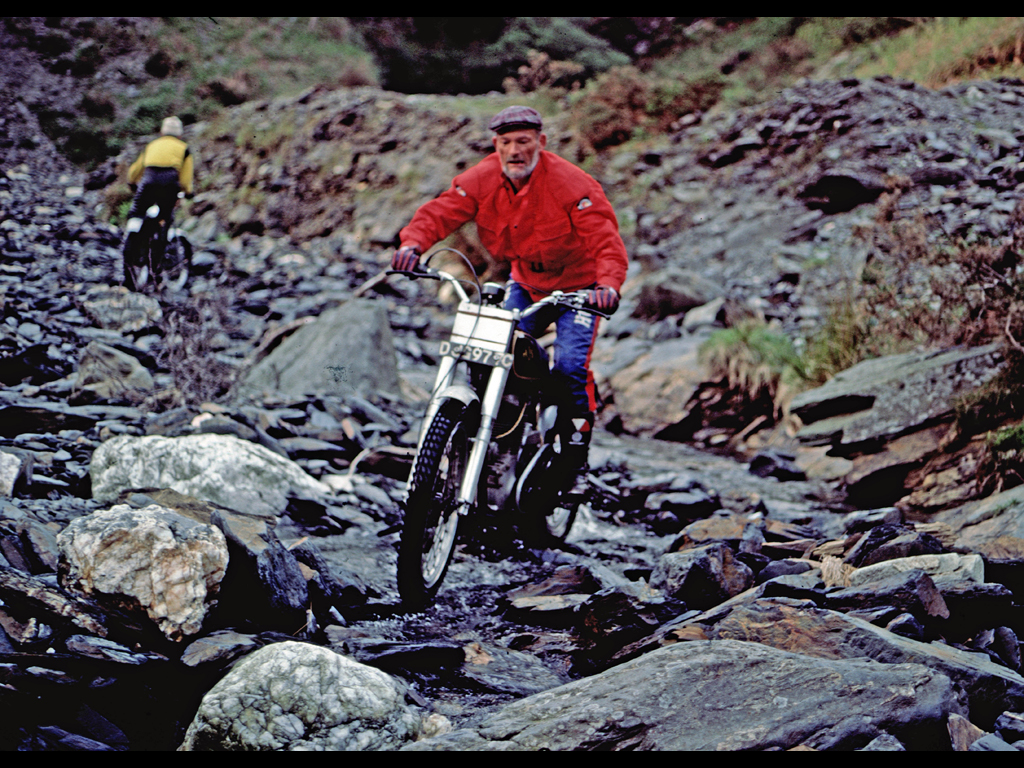

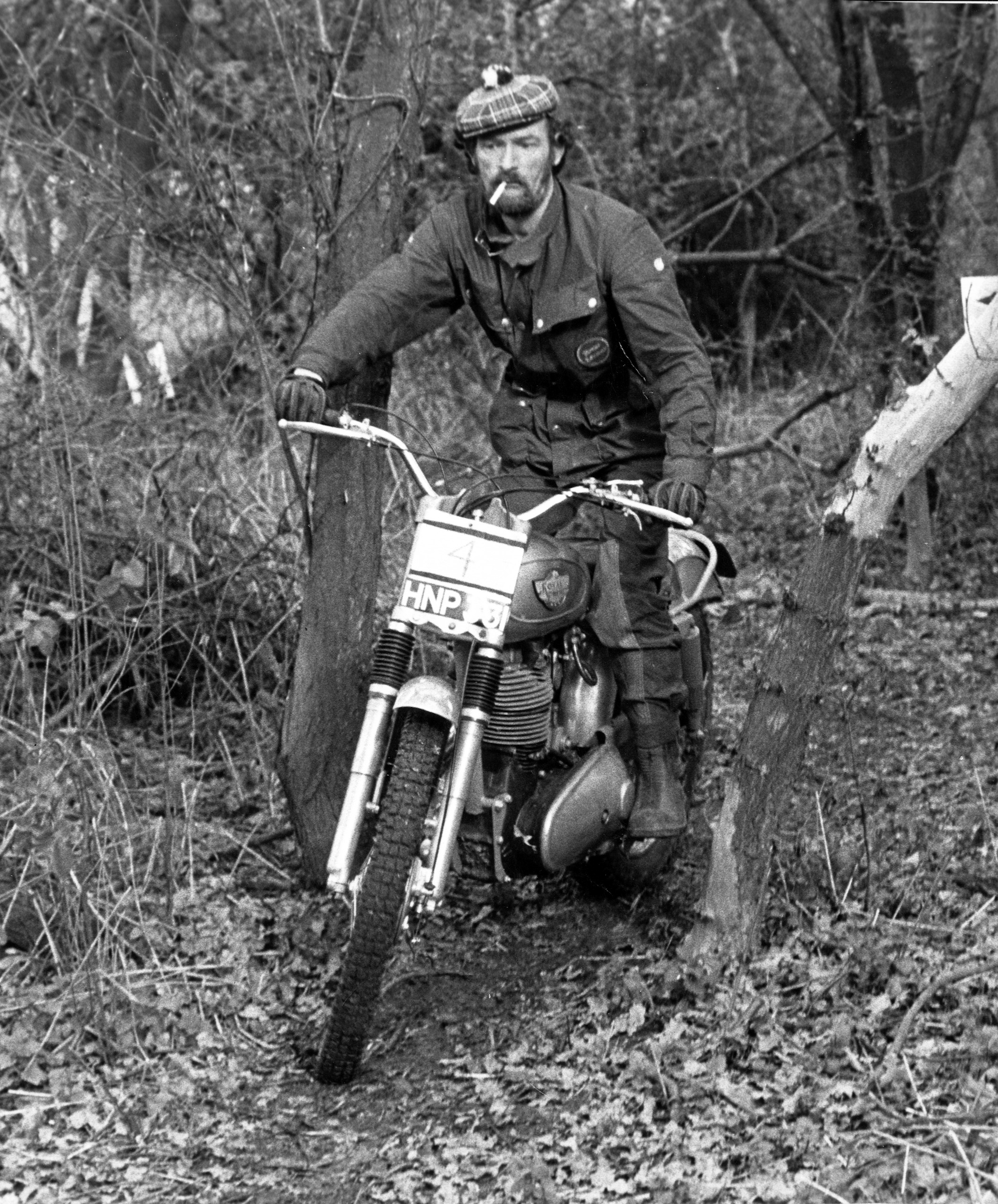

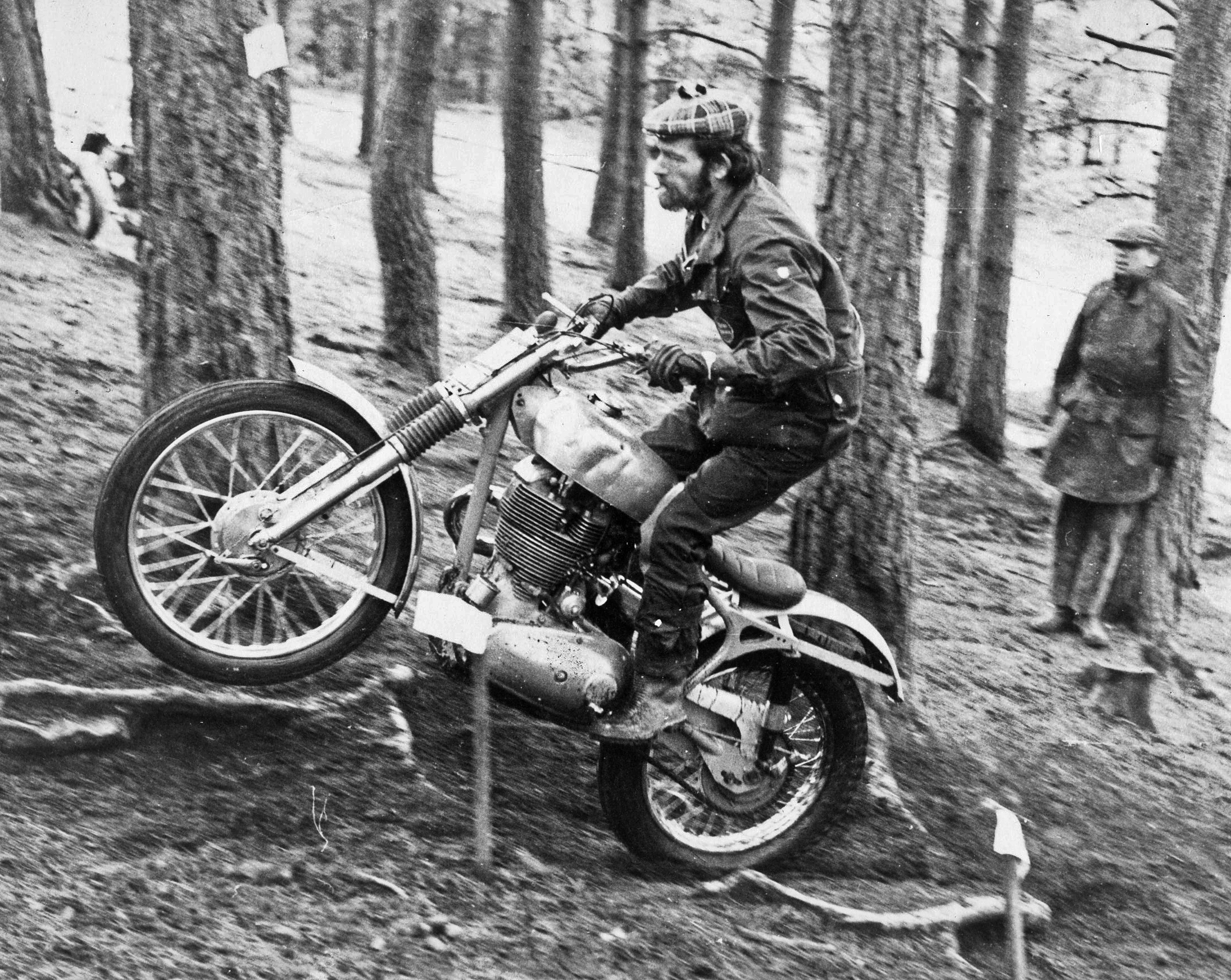


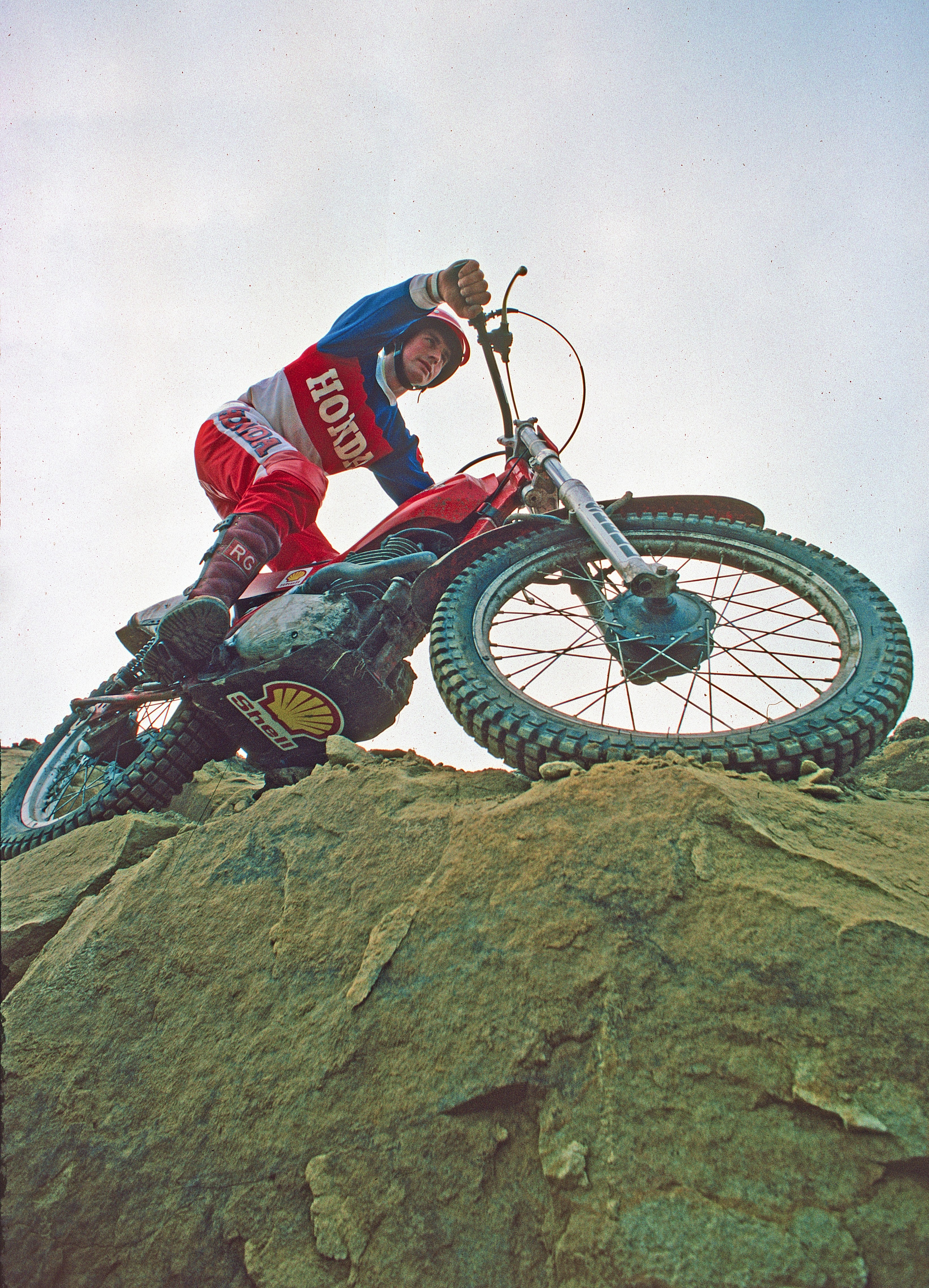
 TRIALS GURU - DEDICATED TO TRIAL