Born in 1935, Oriol Puig Bultó, the nephew of founding father of Bultaco Motorcycles, Xavier FrancescoBultó turns 90 years of age on 12th December 2025.
With Pedro Pi of Montesa (left); Yrjo Vesterinen (centre) is Oriol Puig Bultó.
Born into the industrious family Bultó who would become the Competition Manager of the company which manufactured the Bultaco brand through Compañia Española De Motores.
The logo of the celebrations of 50 years of the Bultaco brand in 2009.
Oriol was a well known face in the paddocks of not just trials but also motocross and enduro, looking after the team machinery and the riders contracted to the factory and importers, worldwide.
Oriol Puig Bultó on a factory Bultaco Matador in an enduro event.
He was in his own right, a very good trials, motocross and enduro competitor.
Grenoble, 1965 – Oriol Puig Bultó on a Bultaco Sherpa with ‘Bambi’ Valera watching. Oriol is a nephew of Snr. Bultó, the Bultaco company founder. Photo: Cristina Valera Fandos Archive.
In latter years Oriol became a technical official of the FIM.
Trials Guru salutes on his 90th birthday, not only a well known figure from the sport, but a very pleasant and knowledgeable gentleman of Spain. he is of course a Trials Guru ‘Trials Legend’.
Expert MK2 HFS kit supplied by Lorenzo Real of HFS Suspensiones de Moto SL, Spain.
Let’s give a bit of basic background information first. I picked up a totally standard 1980 Bultaco Sherpa T 199A a couple of months ago and did the normal thing of making a list of all the bits I wanted to change to ‘modernise’ the bike.
But after my first ride at a local Bath Classic club trial I realised that what I actually wanted was to re-live my youth, those great days in the mid 70s to late 80s riding in Kent and Sussex with my sadly no longer with us Dad.
So I returned home and threw the list in the bin, which my bank account would be happy with, and just decided to make a few basic changes to make the old Bult feel a bit better in my hands. But it has to be said that I’m not chasing results or championships, if it rides the good old fashioned sections at the local classic bike events I’m happy. I have a lovely TRS300 in the garage if I want to fall off things from a greater height!
UK Specification 1979 Sherpa T model 199A – showing the alloy fuel tank with slightly different seat and the small cover over the output sprocket, no lights and rubber rear number plate – Trials Guru Archive
The first two things on the old list had been to lower and move the footrests and get rid of that horrible ’tiller’ steering look of the standard yokes. What I’ve actually done is leave the footrests where they are and just modify some modern steel footrests to fit on the standard frame posts. I don’t want to cut and weld anything on the frame, just leave it original! I changed the handlebars to a more familiar feeling set of braced Renthal bars. I took a gamble and went for the 5 inch rise. In retrospect I think 5.5 may have been even better but I can’t say it will save me any marks. The yokes have been left standard and although I’ve never been a fan of the look of the laid back bar mounts I have come to the conclusion that going to the expense of changing them won’t make any difference to my riding.
The engine is great, runs lovely and as far as i know is completely standard. It does have a Mikuni carb fitted, a previous owner modification and very common for this bike I’m told. Airbox is the standard 199A unit but with a 199B filter inside.
So down to the only major updates I’m doing, suspension front and back. The rear is easy, just pick your preferred modern made shocks and fit. The front is harder. You can go the route of changing or modifying your forks completely, but that’s not always allowed in the rules (if you ride championship type events) or can be expensive. And in my case I’m trying to keep the bike looking like it did forty-five years ago.
The problem with forty-five year old forks, Betor in this case, is that they are fairly basic. They went down … and up. That was about it. Internals were basic and often the only thing people changed all those years ago was the weight and quantity of the oil in it.
This is where the Spanish company HFS (Hybrid Fork Suspension) can help – yes it took me a while to get to the point I know! They offer a few options to improve what you already have, at a few different price points.
I know I am riding a forty-five year old, not far from 100kg bike. I’m also riding at classic clubs which on the whole frowns upon stopping and hopping, not that I could do it many times on this heavy beast, so i’m going to be realistic and go for just a nicer front end that doesn’t try and push the wheel out on turns and rides nicely over obstacles that I fail to lift the front over.
I prefer a fairly soft working fork, I had tried some of the slightly longer new fork springs that I believe may be for Bultaco motocross machines but just found all that extra preload just too much. I experienced some front pushing on loose turns and my wrists reported that it wasn’t absorbing as much of the terrain as I would have liked!
What I needed was some adjustable and progressive internals, but without the cost of the full air system that HFS also produces.
Enter the Classic Trial – Expert Mk 2 fork kit.
As you can see from the photos the kit comes with different spring lengths, suitable spacers and adjustable preload fork caps to replace the originals. Most importantly it comes with a very good set of instructions that you need to follow to the letter to suit your weight and requirements.
First thing to do is drain your forks of oil and unless you have fairly recently done it i’d suggest either completely dismantling the forks and cleaning any sludge etc out of them or at least give them a good swish through with brake cleaner or similar. Obviously take the standard springs out then push each leg all the way down. The instructions give you measurements for oil height, which is more accurate than just pouring 180cc or whatever in there. It also suggests changes you can make to change the way the fork feels, oil height and oil weight. This is much easier to do with a proper fork oil height tool that you can see I have in one of the images here, but it’s possible with a stick and a ruler or similar.
Then consult the instructions again to see what the spring and spacer pattern is recommended for rider weight. Slide them in both sides and then adjust the preload to what is suggested as a starting point and do everything back up.
Whilst there is no external way to change the pre-load it’s only a few minute job to pop the caps off and adjust.
A week later I had another trial to ride, and it was in a quarry and its surrounding woodland, which meant around half the sections were on rock or loose stone and the rest on slippery, muddy and rooty climbs with lots of camber turns. Perfect test for the new fork set up.
Testing the HFS Classic Trial Expert MK2 – Photo: Linda Ashford
The best thing I can say is that I didn’t notice it! In that I mean that I was no longer experiencing the front pushing out on the turns, gravel or mud. There were two sections with fairly abrupt drop offs and I saw several over the bar moments and a lot of riders being caught out by the sudden drop as their forks completely compressed or snatched the bars out of their hands. I had none of that, the progressive nature soaked up the normal small bumps and roots etc but stiffened the end of the travel up nicely to keep me in control.
I think the settings used from the instructions, set according to my weight, seem to be fairly spot on. I’m not saying that suddenly I have forks the same as modern Tech or Showa but it’s a much nicer experience now compared to standard.
I’ve been made aware of several options to make the front end of these late 80s machines perform better, some of which aren’t either within the rules or not in the spirit of things. But I’ve not entered the older twinshock world to win things, I just want to enjoy a good day out riding period style sections under the rules of the day and having a laugh with like minded people. And you get to look at all the old bikes, and talk bollox! I’m really enjoying the nostalgia trip, I’m sad that my Dad isn’t here to enjoy it as well but that’s life. You’re a long time dead, enjoy the time you have. – Heath Brindley
Thanks to our ‘test’ rider Heath Brindley for this informative suspension test report.
Lorenzo Real from Madrid is a suspension specialist and a Trials Guru VIP.
Special thanks to Lorenzo Real of HFS for the Expert MK2 kit to test.
‘HFS – Testing Suspension’ is the copyright of Trials Guru and Heath Brindley.
Apart from ‘Fair Dealing’ for the purpose of private study, research, criticism or review as permitted under the Copyright, Design and Patents Act, 1988, no part of this article may be copied, reproduced, stored in any form of retrieval system, electronic or otherwise or transmitted in any form or by any means, electronic, electrical, mechanical, optical, chemical, photocopying, recording or otherwise without the prior written permission of the author as stated above. This article is not being published for any monetary reward or monetisation, be that online or in print.
Words: Trials Guru; Tony Davis; John Dickinson; Deryk Wylde; Mike Naish and Tommy Sandham.
Photographs: OffRoad Archive; Gordon Francis; Eric Kitchen; Mike Naish; Barry Robinson; Sammy Miller Museum; Gordon Bain Photography.
It is now, in 2025, seventy years since the publication, ‘Trials Riding’ first appeared on book stalls in 1955. It was a significant publication for the sport of motorcycle trials at the time. Copies of that first edition and subsequent editions, are still being traded on online auction platforms. But the question that some may be asking is… Who was Max King?
“The past is a foreign country, they do things differently there“. Not so many years ago, books were regarded as important reference works on most if not all subjects. Since the advent of the world wide web, this has changed with the information superhighway leaving printed matter way behind. Now books are a novelty, they are not bought in their thousands anymore, with many ending up in discount book stalls. We also live in less formal times, we live in ‘instant’ times with information at the touch of a keyboard or mobile device and more recently Artificial Intelligence or ‘AI’ for short. Back in the 1950s it was a different world, people were emerging from a second world conflict and the sport of trials had made a comeback. Weekly motorcycle newspapers flourished and had recommenced presenting reports of national and international events, it was all done by the written word on paper. Books were very definately reference material of significant importance. It was a different time with different methods, no mobile phones, no internet, no videos, no social media, television was in its infancy and radio still ruled the roost. This was the world and the time of Max King.
But who was Max King?
The younger reader of Trials Guru might well ask, ‘Who was Max King?’ and that would be a fair question!
Max King in 1959 on the standard form BSA 250cc Star (C15T), taken near his Dorchester home – Photo: Gordon Francis supplied by: OffRoad Archive.
The Trials Rider’s ‘Bible’:
Frederick Maxwell Wright King was born in Devon, England in 1916 and he went on to write one of the first books exclusively published on the sport of motorcycle trials. The book, entitled simply ‘Trials Riding’, was published by Temple Press Ltd., Bowling Green Lane, London E.C.1 in 1955, this was the first edition, priced at seven shillings and sixpence, there would be updates over the next twenty-one years as the sport evolved.
This book was regarded by many as the trials rider’s ‘bible’. The early editions were in association with the motorcycling press, namely Motor Cycling or the ‘green un’ as it was known, this enabled King access to many images taken by the staff photographers and therefore keep on the correct side of copyright which was owned by the publishers and guarded feverishly.
Here was a book that prior to 1955 did not exist. Max King as a young trials rider had searched for such a publication, but to no avail. So, he decided to write one himself. As we will discover later in this article, without a doubt ‘Trials Riding’ inspired novice riders, introduced young people to the sport of trials and was read by all the established aces!
‘Trials Riding’ by Max King, first edition from 1955, published by Temple Press Ltd. The top image is of George Fisher on a factory Francis Barnett MWK499 in the 1954 SSDT, the lower is lady trials rider, Olga Kevelos in the same event on her 197cc James.
Second Edition: 1960
The second edition was released in 1960, priced at eight shillings and sixpence, five years after the original copy, the second edition was billed as being: ‘revised and updated’. Temple Press was primarily a publishing company who were prolific in automotive publications, transport themed books and magazines, they operated from 1900 until around 1964.
Max King – Trials Riding – Second Edition, the dust cover features John Brittain on his works Royal Enfield HNP331 and the author, Max King on his works supplied BSA C15T, YOE388.
Max had developed a liking for motorcycles as early as 1924 when he was just eight years of age. Like most young men of his era, the Second World War raged from 1939 until 1945, so all trials activity ceased completely, recommencing in 1946, and even then it was very low key due to ongoing fuel rationing right up until King wrote the first edition of his book. King was a member of the local Otter Vale MCC and effectively took up the sport at 30 years of age.
In 1950, Max was so impressed with the performance of Triumph’s Trophy model in the hands of Jim Alves from Somerset, he purchased one the following year. The machine didn’t however live up to his expectations and he found it difficult to ride in muddy conditions, but it was just the tool for long distance trials, such as the MCC Land’s End and Exeter trials. In these events he excelled, always picking up first class awards on the 499cc Triumph.
The first Foreword:
Max King managed to persuade B.H.M. ‘Hugh’ Viney who at that time was at the peak of his trials career, being an ACU ‘Gold Star’ holder, winner of many national trials and four times winner of the Scottish Six Days Trial, to write the Foreword to the book. Viney was at this time the competitions manager of Associated Motor Cycles Ltd in Plumstead, who owned AJS, Matchless, Sunbeam and James, at the time Britain’s largest producers of motorcycles. Viney was known to be a rather reserved, possibly aloof character, so persuading him to write the Foreword must have been a challenge in itself.
By reading Viney’s foreword it becomes evident why the great man agreed to write it. Viney and King apart from trials had something else in common, Hugh Viney had been a local government officer, now referred to as ‘civil servant’ and so of course was Max King. That was probably the ice breaker and of course, Viney wouldn’t put his name to the book until he had read the manuscript!
Viney’s foreword, which no doubt excited Max King no end, was typically very formal with Viney referring to Max as “Mr. King” throughout. This served to reinforce the belief that Viney was a very formal gentleman. Having the Foreword written by Hugh Viney was a smart move, it would help sell more books!
We can do no better than to quote from the last paragraph of Viney’s Foreword: “To sum up, I am full of admiration for the painstaking way in which Mr. King has covered ever facet of the trials game. Whilst catering primarily for the man who is thinking about taking up the sport or who has not long been in it, I feel sure that this book may well become the standard work on his chosen subject.” BHM VINEY [1]
The acknowledgments list from ‘Trials Riding’ in 1955. Quite a listing. (Photo: Mike Naish) [6]
But being a book author or writer wasn’t his profession, albeit he was a trials competitor, writing wasn’t his day job. Max also wrote articles and carried out a variety of machine tests for British and American motorcycling magazines. King was very much ‘old school’ as far as his writing was concerned. It was a case of imperical research, strictly all his own work, he didn’t copy, that was not his way. All his work was original material. Max King whether he knew it or not, was a true pioneer!
The mentor, Ken Haydon:
Ken Haydon on his 500T Norton competing in the Beggar’s Roost Trial – Photo: Ken Haydon Collection
During research for this article, it was evident that Max King refers to his ‘mentor’ in trials as Kenneth Haydon. We were indeed fortunate to secure the permission to use some of Ken’s photographic archive a few years ago.
Max King’s mentor, Ken Haydon (right) with son Ian, who became a multiple South Western ACU trials champion, about to unload a T20 Triumph Tiger Cub in 1964. (Photo: Ken Haydon Collection)
The reader would also be excused if he/she assumed that King’s occupation was within the media, as he regularly broadcast on radio over a twenty year period for the BBC, both regional and national covering motorsport. This was usually undertaken at the BBC’s unmanned radio station in Exeter. This connection with the BBC was set in motion when the publisher of ‘Trials Riding’, Temple Press had sent out sample copies to the media to court book reviews. A copy was received by the local BBC in Bristol and eventually approached Max to cover motorsport on the regional radio, BBC Radio 4 – South and West.
So what did Mr. King do for a living?
Max King was an ‘Environmental Engineer’, nowadays referred to as a ‘Civil Engineer’, working for Barnstaple Rural District Council, Devon County Council and finally the Dorset County Council, which he took up in 1949 and remained there for twenty-four years. King was an acknowledged expert in water and sewage systems. It is believed that Max enjoyed a good salary from his employment and therefore would have had a good standard of living. In 1954 his personal transport was an MG Magnette saloon locally registered in Dorset as GTK60. New, this model of car would have cost £915 in 1953.
In 1973, he was appointed main drainage manager of the Avon and Dorset Division of Wessex Water and, later in 1975, he was made divisional director, responsible for water supply, main drainage, waste water treatment, fisheries and rivers management. He then became President of the Institution of Public Health Engineers in 1973 until 1974.
In 1978, having served forty-two years in local government and the water industry, Max left Wessex Water to set up his own consultancy practice in north Devon, before his retirement in 2003 at the age of 87.
King was a married man, his wife was called Peggy who died in 1989 and they had an only son, Robert who rode trials for some years, but had to give up due to a serious knee injury caused by playing rugby. Sadly, he predeceased Max, passing away after an illness in 2003. The ‘Trials Riding’ books were all dedicated to his wife, Peggy.
Max King (left) watches Peter Stirland (250cc Greeves) on ‘Achintee’ at the Scottish Six Days Trial – Photo: OffRoad Archive.
Max King owned or was loaned an array of interesting trials machines over the years. In 1959 he obtained a new BSA C15T, the 249cc single that was seen to be the replacement for the BSA Gold Star in trials. King’s machine was registered YOE388 by BSA, but was a fairly standard model with the heavy steel hubs and chrome plated steel fuel tank.
Putting theory into practice, Max King shows quiet confidence as he tackles a muddy stream exit. Max’s factory supported 250 BSA is the one used by West of England stalwart Vic Ashford later on. (Photo: OffRoad Archive)
The machine eventually found it’s way to Vic Ashford, the South Western star, as a stop gap machine while the factory prepared a bike for him to ride as a semi-works rider.
Vic Ashford body leans Max King’s 250cc C15 BSA, YOE388 which was a works supplied machine.
Later, King upgraded the C15T, he had fitted an alloy fuel tank and the wheels replaced with those fitted with Triumph Tiger Cub hubs, which were appreciably lighter. Previous to this machine he campaigned a 1953 Francis Barnett ‘Falcon 62’, locally registered with Devon Council as ODV200. Later, King obtained the ex-factory Francis Barnetts, registered PKV331 and TDU497.
The 776BOP connection:
Max King testing the factory BSA that he would eventually own, the B40 registered 776BOP – Photo: Gordon Francis (This photo appeared in Max King’s book, Trials Riding).
Later in 1969, King ended up with the 1960 factory BSA B40, registered 776BOP which had been issued to Jeff Smith (1960-62), Tony Davis (1962-64) and Jim Sandiford (1964-1966) in that order.
Jeff Smith aboard 776BOP – Photo: OffRoad Archive.
Jeff Smith rode the machine until just before the 1962 SSDT in May, when the bike was passed over to Tony Davis, Smith having been injured in a motocross event a few weeks before.
Jim Sandiford on 776BOP on Grey Mare’s Ridge in the 1964 Scottish Six Days Trial – Photo: OffRoad Archive.
Sandiford rode the BSA for two years, following Tony Davis who defected in 1964, with brother Malcolm, to ride for Greeves. King acquired 776BOP from BSAs and had ownership of the machine from 1966 until 1970, when he traded it in to Ken Heanes at Fleet, Hampshire, in exchange for a 1966 ex-ISDT Triumph 500cc twin which Heanes had himself used. Registered as HUE252D, Max competed in his favourite event, the MCC ‘Edinburgh’ long distance trial. When Max acquired 776BOP it had been fitted with the Victor type frame, similar to the 1963 BSA works bikes of Arthur and Alan Lampkin, and a 250cc cylinder barrel fitted to the B40 bottom end.
With ‘The Squire’ Ralph Venables watching (far right), Tony Davis (776BOP 343 BSA) in the 1962 John Douglas Trial. Photo: OffRoad Archive.
This machine eventually ended up in the custody of Tommy Sandham around 1975, at that time a Post Office telephone engineer in Airdrie, Lanarkshire, Scotland, who later worked for several years at Trials & Motocross News and wrote several books on the Scottish Six Days Trial and Honda Trials machines. It was this machine that brought Sandham to the sport of trials. 776 BOP eventually returned to the private collection of Jim Sandiford, but was sold on, following his death to dairy farmer Bryan Payne from Yorkshire, the current owner.
When he was a new boy to trials, Tommy Sandham seen here on 776BOP with the ‘Triumph’ decal on the fuel tank, during the period when he owned the BSA – Photo courtesy T.D. Sandham.
Tommy Sandham: “I bought 776BOP from Ken Heanes’ shop. It was all mucked about with and its fair to say I never got on with it. It had ‘Triumph’ stickers on the tank and the tappet inspection plate also being a Triumph component. Needless to say I soon sold it, buying a 250 Bultaco Sherpa from Airdie car dealer Dougie Watson. I had put a classified advert in Motor Cycle News and on the Thursday the phone rang at 7am and Mick Bradbrook, a collector of BSAs sent up a van from Purley, Surrey with money. I can’t remember how much I sold it for.“
Tony Davis trying hard on the factory BSA B40 – 776BOP – Photo: OffRoad Archive.
The BSA B40 ‘776BOP’ was to become quite a machine and connected many people from the sport of trials over the years and still does!
Tony Davis with the 343cc BSA, 776BOP; Alan Lampkin with BSA C15, 748MOE and Mike Bowers with his special BSA Bantam at the 2024 Highland Classic Two-Day Trial at Aviemore – Photo: Gordon Bain Photography, Inverness.
776BOP BSA B40 photographed in 2024 at the Highland Classic Two-Day Trial at Aviemore – Gordon Bain Photography
By 1967, King was writing prolifically for Cycle World magazine in the USA, supplying machine tests for the new Cotton and the new Saracen trials machines. He also wrote general articles on the sport, helping to popularise trials across the Big Pond.
1966 photograph of Max King with a brand new Greeves Anglian, being tested for an American magazine. The machine carries a factory registration mark. Photo: Gordon Francis courtesy of OffRoad Archive.
Fourth Edition: 1972
The fourth edition from 1972 shows Mick Andrews riding ‘Laggan Locks’ on the factory OSSA winning the 1970 Scottish Six Days Trial. The original photograph was taken by Brian Holder. [3]
The fourth edition, released on 26th October 1972, now fully titled as ‘Motor Cycle Trials Riding’ was proclaimed as being ‘completely revised’ and now published by Pelham Books Ltd., Bedford Square, London with the dust cover featuring Mick Andrews on the factory Ossa during his winning 1970 Scottish Six Days ride. Andrews actually contributed to the publication, but the Foreword was now written by Gordon Farley, the 1971 and 1972 British Trials Champion on Montesa. The recommended retail price of the fourth edition was £2.50 net. The photographs brought the publication bang up to date with many of the action photographs depicting the popular trials machines of that era, namely Bultaco, Montesa, Greeves Pathfinder, Suzuki and a photo of Dave Thorpe on his Ossa, which was the ‘Pennine’ model as this was just prior to the ‘Mick Andrews Replica’ model which was released later that year. Not only photographs of machines uodated the book, so did photographs of current riders, such as Malcolm Rathmell, John Hemingway, Mark Kemp, Alan Lampkin and of course Gordon Farley and Mick Andrews. Local men, close to King, Colin Legg and John Poate from the west country assisted Max with machine tests by this time.
Gordon Farley (Montesa Cota 247) at the Inter Centre Team Trial at Ludlow in 1972 – Photo copyright: Eric Kitchen.
So what did British Trials Champion, Gordon Farley, the man who dethroned the great Sammy Miller, bring to the book?
Max King had approached Farley to write the Foreword for his revised edition, when he was trying to win his second British Championship in 1971. Again we can do no better but to quote from the Foreword from the fourth edition of ‘Trials Riding’.
Farley: “I knew, at first hand, how indispensible Max’s book had been because the first edition came out when I was a boy at school. Even then, I was keen on motor-bikes and interested in trials. But it was Max King’s enthusiasm – which his book reflected so clearly – that made me determined to have a go myself as soon as I was old enough and could get a bike.” “A thing that had always impressed me was that although Trials Riding was written, primarily, with the novice in mind, I knew for a fact that most of the top men in the trials world had read, enjoyed and benefitted from Max King’s book.” [5]
Gordon Farley’s Foreword was much less formal than Hugh Viney’s version. Mick Andrews special contribution was to bring information to the reader on the European and American trials scene. Remember that the World Trials Championship was still two years away with a ‘Pan-European’ series in 1974.
Having enlisted the assistance of a British Trials Champion, Gordon Farley and a European Champion, Mick Andrews, this gives some idea of Max King’s stature in the sport of trials over a long period of time.
After he retired from trials riding, Max King took up car trials and eventually long distance events by car, driving for Team Hartwell in specially prepared 998cc bored out Hillman Imps by George Hartwell Ltd in Bournemouth.
Max King formed a relationship with Bournemouth tuning company, Hartwell.
Fifth Edition: 1976
The fifth and final edition is a copy that doesn’t seem to come up often in auctions, this edition was also published by Pelham Books on 26th January 1976. The front dust cover featured Malcolm Rathmell on the 1975 prototype Montesa Cota 348.
The fifth and final edition of ‘Trials Riding’ the front dust cover featured Malcolm Rathmell on the factory Montesa Cota 310cc prototype, registered as GEN600N in the 1975 Vic Brittain Trial on’Hawkswood’. Rathmell won on the machine on its first outing. Photo credit: B.R. Nicholls. [4]
We managed to locate a copy of the elusive Fifth Edition of ‘Motor Cycle Trials Riding’ in Sweden! The retail price in 1976 was £3.95. The Foreword was written by Malcolm Rathmell who featured on the dust cover. Again, Malcolm’s Foreword was much less formal than the original written by Hugh Viney, thus reflecting the change over time in society from 1955 to 1975.
Malcolm Rathmell in the 1975 Jack Leslie Ellis Trial on the factory prototype 310 Montesa – Photo copyright: The Estate of the late Barry Robinson.
Rathmell said in his 1976 Foreword: “In my opinion, Motor Cycle Trials Riding is in a class of its own. I can only endorse what Hugh Viney predicted and Gordon Farley said in his Foreword to the fourth edition that Max King’s book sets the standard against which all others must be judged.” [7]
Inside the fifth edition is a small ‘Addendum’ pasted inside the first inner leaf page it reads: “ADDENDUM At the time of going to Press, the results of the 1975 FIM World Trials Championship and of the 1975 British Trials Championship were not known. Martin Lampkin, riding a 325 Bultaco, became the first official holder of the World trials title. It was a well-deserved victory and I congratulate him warmly. Malcolm Rathmell (Montesa) won the British Trials Championship for the third time in four years and came very near to success in the World contest. Congratulations to Malcolm, also!” [8]
The Fifth Edition of ‘Trials Riding’ attempted to bring the publication bang up to date for 1976, with reference to the new wave of Japanese built trials bikes, pioneered by Christian Rayer in France and Mick Andrews in the UK with the Yamaha TY series; Sammy Miller MBE with the Honda TL effort and Don Smith with the Kawasaki KT series. Gordon Farley had by this time defected from Montesa to Suzuki, thus making up the main four Japanese challengers to the Spanish stronghold over the sport.
In the Fifth Edition, Max was able to use close up photos of Sammy Miller’s development Honda TL to illustrate the publication. Registered as ‘SAM1N’, King even tested the machine a week after Sammy had competed on the Honda in the 1974 Southern Experts Trial.
Sammy Miller’s specially converted Triumph 2.5Pi converted to a pick-up with the 300 long-stroke Honda and a production TL125 on board – Photo credit: Sammy Miller, New Milton
1975 also saw the release of another book on trials, ‘Ride It: The complete book of motorcycle trials’ by Don Smith, albeit partly ghost written by author and journalist Graham Forsdyke. Cheeky Londoner, Smith of course had a reputation for ‘pulling people’s legs’ and he intimated to Max King some years previously that he “kept his well thumbed copy of Trials Riding strapped to the tank of his bike at all times”.
There is no doubt though that Don Smith had read Max King’s books and was more than likely spurred on to write his own books on the sport, as a result.
The publishers of King’s ‘Trials Riding’ in 1972 and 1975, Pelham Books was incorporated in 1959 and are still listed on Companies House, but as a ‘dormant company’ currently.
The photographic content in the Fifth Edition was credited as follows: Brian Holder; Cecil Bailey; Gordon Francis; Alberto Mallofre (Montesa); Central Photographic Unit, Dunlop; K.W. Haydon; Peter Fraser; Pacific Northwest Trials Association Inc.; Peter Howdle; B.R. ‘Nick’ Nicholls.
Trials Riding, the book:
So we have now established who Max King was, where he was brought up, what machines he rode and that his original book was revised five times. What about the book itself?
The ‘Contents’ page from the 1955 edition gives a good insight as to what was covered: [2]
Chapter 1: The Trials Motorcycle – its Characteristics and Points Governing its Selection.
Chapter 2: The Trials Motorcycle – its Specification
Chapter 3: What to Wear
Chapter 4: The Make-up of a Trial and Some Notes on Trials Organisation
Chapter 5: Hints on Machine Control and Tyre Pressures; Typical Trials Sections and Suggestions on how to Ride Them
Chapter 6: The Special Test
Chapter 7: The Beginning!
Chapter 8: The First Trial
Chapter 9: In the Thick of it!
‘Trials Riding’ was effectively the trials rider’s bible, it covered most subjects encountered by a prospective competitor, as Viney stated in his Foreword: “… catering primarily for the man who is thinking about taking up the sport or who has not long been in it, I feel sure that this book may well become the standard work on his chosen subject.”
The book was written in the formal style of the period, immediately post-war, well punctuated with perfect grammar and spelling. The book is well illustrated with black and white photographs of the period, again these are period specific and King used photographs taken near his home to demonstrate a variety of the subjects. Many of these photographs were taken by Gordon Francis, a friend of Max King’s. Factory publicity photographs were used to display the various machines used in trials at that point in time, both four and two-stroke machines aplenty!
The revised editions updated the publication, mirroring the changes in the sport over a period of twenty-one years. The first edition in 1955 through to the final fifth edition in 1976.
Frederick Maxwell Wright King passed away in Tyspane Nursing Home in Braunton, Devon on September 22nd, 2014 aged 98 years, he led a full life and a satisfied one. His funeral was conducted, as set out in his will, to exact requirements in music and readings, with acknowledgements. This was not unusual for Max who had always been most particular and precise in all his business and was his manner, according to family members. We asked some characters of the sport if they had met him back in the day and here are the results.
Max King, Mike Jackson and Gordon Jackson in October 2009 at the ‘Up Memory Lane’ gathering – Photo: Mike Naish
Mike Naish of the West Of England Club: “I met Max King in 2009 when the South West Classic Trials Association ran their ‘Up Memory Lane’ gathering and dinner at the Golf Club in Tedburn St. Mary, Devon just outside Exeter and just over the hill behind my house. I was on the committee and my part was to take all the photos and produce a booklet for those who wanted one. Also as treasurer to pay all the bills. That year our guests included Max King and Gordon Jackson who had recently moved to Devon and was farming. As Max in his early days was working at weekends on local radio reporting on the local trials and interviewing trials personnel, we thought it would be good for Max to interview Gordon Jackson as a feature of two of the guests. This was going to be interesting for all of us such was the charisma of the two gentlemen. All went quiet, there was no preamble and Max went straight in with ‘Why did you have that dab?’ Everybody in the room of one hundred and twenty people all roared with laughter! They all knew what ‘that dab’ was, with the possible exception being my wife. ‘Well, I needed it’ said Gordon. And so the interview went on and was so interesting for us all. Later, I went to talk to Max and obtain his signature on my copy of his book, which happened to be a first edition. Max said he personally did not have one, he only had a second edition.“
Max King’s signature and message in Mike Naish’s first edition of ‘Trials Riding’ – Photo: Mike Naish.
Tony Davis, former BSA, Greeves, Montesa, AJS, Bultaco and Suzuki works rider: “Max was very good to both Malcolm and myself in the early years, probably because we were all west country boys (tractor boys). I had some good times with Max over the years and especially at the SSDT.“
John Dickinson, former Editor Trials & Motocross News: “Max King! I only met him once, in the early 1980s when he was staying in what was then The Grand Hotel in Fort William at SSDT time, in the company of Jim Courtney. I thought it odd that such a refined chap, his speech was very ‘posh’ indeed, was involved in trials. If Ralph Venables was ‘the Squire’ then Max King was ‘the Lord’.”
Deryk Wylde, author of several books on motorcycling and trials and editor of Off Road Review magazine: “I knew Max King very well indeed and in his later years I visited him at his home, he was by then very frail. Max’s book, ‘Trials Riding’ was my introduction to our world of trials, whilst I was still at school. Many of the photographs were taken by Gordon Francis another of my good friends.”
Tommy Sandham, former Production Editor at Trials & Motocross News: “I wrote to Max King back in 1975, having spoken with him at Edramucky, watching the Scottish Six Days Trial there on the Monday. Here are the two replies I received from him. Like many I had a copy of his book, ‘Trials Riding’ which, for a beginner, was a fantastic publication. I later went on to write books which covered the SSDT and the Honda Trials effort, along with other publications on panelcraft.“
Max King’s reply to Tommy Sandham in 1975.
John Moffat, owner of Trials Guru website: “When the fourth edition of Max King’s book was released, I was in third year at secondary school in Scotland, my Dad had bought a copy. Two years later I would ride my first trial. I still have his copy complete with a ‘Dymo’ label in red with his full name affixed to the inside front page. I admit that I had read it from cover to cover, over and over again. I have met a lot of people in the sport over the years, but I regret not ever meeting Max King, if only to thank him for bringing so much knowledge and enjoyment to me as a new rider back in 1974.“
Whilst we said at the beginning of this article that books were not popular now, it is interesting to note that people are still buying copies of ‘Trials Riding’ some seventy years after it was first published, albeit when book collections are broken up and sold off or sadly the owner shuffles off this mortal coil and their books are moved on to new custodians.
Copies are frequently offered for sale online across the globe at between ten and twenty times the original sale price of the copy. Higher prices are achieved if the book has retained the coloured dust jacket and in good condition.
We wonder if you, the reader now, reading this article was inspired by Max King’s work?
Hartwig Kamarad who is the curator of the 1st European Trial Museum in Austria, has a first edition copy of Max King’s ‘Trials Riding’ in the museum collection.
Max King left a legacy which has survived the test of time, his unique work still exists amongst enthusiasts, he certainly left his presence in the sport of trials.
This article is dedicated to the late Frederick Maxwell Wright King, no breach of his copyright is intended and only minimal excerpts have been taken from his work, ‘Trials Riding’ and referenced in the bibliography below.
Bibliography:
[1], [2], [6] Trials Riding by Max King, 1955 (Temple Press Ltd) – [1] Page X & [2]VII [6] Acknowledgements Page.
Daily Echo Bournemouth – Obituary of Max King, October 2014
With special thanks to: John Dickinson; Tony Davis; Tommy Sandham; Mike Naish and Deryk Wylde for their assistance in the making of this article.
Article copyright: Trials Guru 2025 – DEDICATED TO TRIAL
Apart from ‘Fair Dealing’ for the purpose of private study, research, criticism or review as permitted under the Copyright, Design and Patents Act, 1988, no part of this article may be copied, reproduced, stored in any form of retrieval system, electronic or otherwise or transmitted in any form or by any means, electronic, electrical, mechanical, optical, chemical, photocopying, recording or otherwise without the prior written permission of the author as stated above. This article is not being published for any monetary reward or monetisation, be that online or in print.
Celebrating 55 years of Trials Competition with Bernie Schreiber
Words: Bernie Schreiber, Zurich, Switzerland – September 1st, 2025
Photos: Bernie Schreiber personal collection; Eric Kitchen; Iain C. Clark; Trials Guru; Len Weed; Jean Claude Commeat.
America’s only World Trials Champion and Scottish Six Days Trial winner, Bernie Schreiber is the most successful and iconic trials rider ever from the USA. To this day, he is the only American trials rider to reach the pinnacle of the sport. 2025 marks a special moment for Schreiber who started trials competition fifty-five years ago in California and still competes in vintage events today. 1970 was the beginning of what later became a successful adventure overseas in the late 1970s and 80s. Trials Guru shares Bernie’s journey.
Trials Guru: How did you discover the sport of Observed trials?
Bernie Schreiber: “A friend of my father introduced us to trials in 1970.
One day we all went riding in the Mojave Desert outside Los Angeles. We were climbing hills and riding trails all day on our bikes while the son of our friend spent most of the day in a sandy pit area, riding in circles standing up. We asked, what have you been doing all day on that strange bike called a Bultaco? In fact we thought the motorcycle was made in Mexico until they informed us it was a trials bike made in Spain. We had no idea what trials was and never heard of Bultaco. He said, that we should come out to watch a local trials event in a few weeks.
A few weeks later I found myself riding, not watching the event at a famous off-road venue called Saddleback Park in Southern California. I had a Kawasaki 90cc trail bike and my dad signed me up in the kid’s class. I started section one stood on my passenger foot-pegs to stay balanced going up and down hills. I really enjoyed the challenge and my parents found the sport friendly and safe.”
Mojave Desert with a young Bernie Schreiber on a 90cc Kawasaki trail bike. (Photo: Bernie Schreiber Collection)
“I rode a few more events in the kid’s class that year and eventually got a 125cc Bultaco Lobito and moved up a class. We joined the trials club VOTE ‘Valley Observed Trials Enthusiasts’ that year and the trials adventure began.”
TG: Who inspired you to focus on trials and to go as far as you did?
BS: “That would be hard to pinpoint exactly, there are so many names, but of course my parents were always the main pillar of inspiration and support.”
Bernie was inspired by the film ‘On Any Sunday’ early in his motorcycling career. (Photo: Bernie Schreiber Collection)
“The 1971 Bruce Brown movie ‘On Any Sunday’ with Malcolm Smith and Steve McQueen truly inspired me to be a motorcycle rider in some way, shape or form. That movie touched on every aspect of motorcycling from lifestyle to coolness and the risks of high-speed racing. Best motorcycle film ever for the industry.”
Lane and Debbie Evans-Leavitt. Debbie’s father appeared in the film, ‘On Any Sunday’ doing an endless wheelie on a Bultaco Sherpa. (Photo: Bernie Schreiber Collection)
“As a kid early on, it’s important to have heroes to look up to. Sammy Miller and Mick Andrews were two of mine on the world stage and Lane Leavitt in the USA. I did trials schools with both Sammy and Mick in the early 1970s and practiced with Lane whenever the opportunity presented itself.”
Sammy Miller MBE explains the finer points of trials to an attentive audience including a young Bernie Schreiber at Miller’s 1973 Trials School in the USA (Photo: Bernie Schreiber Collection)
“The local Los Angeles dealer, Steve’s Bultaco supported me at first, until Bultaco International USA stepped up support based on my national results. My local trials club VOTE and all their members were great motivators and supporters as well. Always organizing events and trials training weekends.”
Support from Steve’s Bultaco on the Sherpa in 1971. (Photo: Bernie Schreiber Collection)
TG: So how did a young kid from California end up riding trials in Europe?
BS: “Riding in Europe is one thing, winning is another. Most Americans fifty years ago said winning couldn’t be done in Europe and here we are forty-six years later still trying to figure out how it had been done.
Every life has a story and every story has a lesson. My personal lesson is things are not as easy as they may seem. At every stage in life, everyone has a story to tell, a lesson to teach, wisdom to share, so learn from them.”
Letter from Bultaco International to Bernie in 1975. (Bernie Schreiber Collection)
“My first trip to Europe was funded by (ATA) American Trials Association, the governing body of all trials clubs in Southern California and managed the annual El Trial de Espana event and the prizes and donations. This event which started in 1970, had a huge fundraiser each year to send a team of talented local riders to Spain. This was mainly to expose local riders to the European Championship and Spanish manufacturers.”
Bernie was the 1974 Southern California Trials champion and Bultaco International sent this cheque for $1,000 to him in recognition of his success on the brand. (Photo: Bernie Schreiber Collection)
“I was part of that delegation in 1974 to visit the Bultaco factory, meet the world riders and observe the Spanish round of the European Championship, before it became a World Championship in 1975.”
“In 1976, I joined the ETDE team again to Scotland to watch the Scottish Six Days Trial. I was still under eighteen years of age, so couldn’t ride both these events unfortunately.
I’d quickly seen that European sections in Spain were not the same as our American sections, so I immediately changed my practice at home to bigger steps, tighter turns, larger and longer sections with more speed. At the 1976 SSDT, I did learn a lot about the trials culture and history of a sport which was established in 1909.
El Trial de Espana trips were fruitful, and after hard work, winning events locally and nationally, the Bultaco factory and Bultaco International agreed in December 1976 to provide me an opportunity in Europe.
The main purpose was to obtain real trials competition exposure and learn from the world’s best Bultaco riders who were based in Europe. Therefore, I could improve my skills and become the best U.S. trials rider. That would inturn sell more Bultaco’s in a very crowed American market with more and more Japanese bikes entering each year. The Japanese brands were buying market share and acquiring the best talent in many American motorcycle disciplines.”
1977 – Practising hard in California on a stock Bultaco Sherpa M199 in 1977. (Photo: Len Weed)
“So, I departed to Belgium for my first three-month European tour in February 1977 to compete in the world championship and SSDT. I’d just turned eighteen in January and acquired my first FIM license. I landed in Brussels with rubber boots and a helmet, but no real riding gear for sub-zero temperatures, mud and snow.
To remind the younger readers, there was no internet, no fax, no iPhone, no GPS, limited English hard to understand and no money in my pocket. Thankfully, the Belgian Bultaco importer at the time, Marcel Wiertz took care of me on arrival. I had a test ride on a stock Bultaco Sherpa in the Belgium mud, and that was the real beginning of the European journey.”
Marcel Weirtz was the official importer for Bultaco in Belgium (Photo: Bernie Schreiber Collection)
“My practice sections in California paid off and I finished in fifth place in Belgium with one hundred and thirty points, just two points behind Yrjo Vesterinen the current World Champion. The next event was dryer and warmer in Spain and clenched my first podium that impressed the Bultaco factory owners.”
The West German round of the 1977 World Championship featured this big drop off (Photo: Bernie Schreiber Collection)
“Then onwards to France for a fifth place finish and another second place podium in West Germany, beating nearly every factory rider once during the two-month tour.”
Bernie’s first Scottish Six Days was 1977 on a factory supplied Bultaco 325, where he was Best Newcomer, seen here on ‘Kilmonivaig’. (Photo: Iain C. Clark, Fort William)
“In the May, I competed in my first Scottish Six Days Trial and obtained the Best Newcomer Award with eleventh place out of several hundred riders. Overall, I finished the season seventh in the world and impressed some European media, spectators, sponsors and riders.”
Bernie Schreiber was Best Newcomer at the 1977 Scottish Six Days Trial (Photo: Bernie Schreiber)
“At the time, I wish there would have been other options besides Europe. Life was good at home, but sometimes opportunity only knocks once in life. You’ve got to be where the action is taking place at the highest level or you will most likely be left behind.”
TG: 1977 had been a year of experience for 1978, so how was the following year?
BS: “1978 was by far the toughest year and a turning point in my career. I asked myself many times, do I stay in Europe or stay at home. I learned a lot in 1978 and finally won my first world round in France, becoming the youngest rider ever at age nineteen.
Eventually, I went on to win four world rounds in 1978 – FRANCE, SPAIN, USA and ITALY. I became the first American to win a world round, so the impossible was achieved. The 1978 U.S. Wagner Cup round that year in Roaring Branch, Pennsylvania was a special win, as I hadn’t even won a U.S. American Championship until later that same year.
The biggest take away from 1978 was acknowledging that cleaning sections and winning world rounds from time to time was not enough to win a Championship. The current world champion Yrjo Vesterinen was a great rider, like all the factory Bultaco team riders, Lampkin, Coutard, Soler and others. I learned a lot from each and every one of them.”
Yrjo Vesterinen was a close rival from the Bultaco days through to SWM (Photo: Bernie Schreiber Collection)
“Vesterinen was the man to beat and he was on his way to a third World championship title in a row. Vesterinen was a talented rider, smart and very consistent. His consistent effort, focus, preparation and mindset were unmatched. He had it all together and a well-planned strategy, and the most professional Championship rider without a doubt. Risk management drives Championship victories and Yrjo was a master with a plan to win Championship titles.”
Bernie Schreiber has a high regard for rival and friend, Yrjo Vesterinen (Photo: Bernie Schreiber Collection)
“Consistency became my obvious plan for 1979 after finishing third overall in the 1978 Championship. Numbers matter at the end of the season.”
1978, Schreiber in thoughtful mood, eyeing up the FIM World Trials Championship. (Photo: Bernie Schreiber Collection)
TG: Then it all comes together in 1979 and you won the FIM World Trials Championship?
BS: “The start of the 1979 season was extremely difficult and not as planned. It was decided with Bultaco after the 1978 season that London would be my European Base. From there, I could practice more mud riding, communicate in English and stabilize a bit. I moved in with the Hudson family and worked out of Comerford’s at Thames Ditton, Surrey the UK Bultaco importer at that time.”
Deep in conversation, Yrjo Vesterinen, Colin Boniface and Bernie Schreiber at the SSDT – Photo: Eric Kitchen
“I received tremendous support from the entire team in the UK, especially Pete Hudson a trials rider who worked at Comerford’s as competitions manager, he looked after me during the entire season.”
Bernie with Pete Hudson who looked after Bernie when at Comerford’s in 1979. (Photo: Bernie Schreiber Collection)
“The 1979 plan didn’t come together as forecasted. I crashed, bent the fork in the first world round in Northern Ireland and scored zero points. Then seventh in the UK, sixth in Belgium and fourth in the Netherlands. Actually, the 1979 season started worse than 1978 and I was way behind the leader in overall points, not just wins.”
1979 – Schreiber in World Championship mode. (Photo: Bernie Schreiber Collection)
“1979 started as one of those mental moments. It was a Rocky Balboa moment. “It’s not about how hard you get hit, but how hard you can get hit, get up and keep moving forward”. I moved forward to the fifth round in Spain and won. After that, things turned sunny, positive, and more consistent from that point. I won more events and stayed on the podium to the end.”
1979, Schreiber was on top of the world and gave Bultaco their last World Trials Championship victory. (Photo: Bernie Schreiber Collection)
“I had a lot of support from Comerford’s in the UK, but the 1979 season was only decided at the last world round in Czechoslovakia. That’s when history was made and it still stands forty-six years later.”
TG: What do you feel were the main drivers of your success?
BS: “The heart to win is a must, and it often comes with more pain than pleasure. Most of us were riding from the heart, not for the money. The winning experience provides confidence which adds to your performance, but the most important skill is learning how to transfer your skills to competition and then to winning. The hardest skill is mental and how to transfer winning into Championship titles under pressure all season. Innovations can make the difference between winning and losing. Perfecting bunny hops and floater turns in the 1970s was an innovative advantage. Some called it trick riding, but it was used within the traditional non-stop rules of the sport. A positive attitude, strong motivation and commitment, combined with believing in yourself is the main driver of success.”
Bultaco had a strong factory supported team in the mid to late seventies. Here is Charles Coutard (France); Manel Soler (Spain) and Bernie Schreiber (USA) Photo: Bernie Schreiber Collection.
TG: You finished second in the 1980, 82 and 83 World Championship. Were those frustrating years?
BS: “YES and NO!
It’s always frustrating not to win, especially when you are expected to win. The best rider always wins regardless of all the excuses we wish to present. People aren’t interested in hearing all the excuses, challenges or reasons for not winning, but they do exist for most of us at the top.
Here are some facts that don’t change my results. In 1980 when the Bultaco factory closed, I changed from Bultaco to Italjet in mid-season. For the readers, Italjet was a mini-bike manufacture and the Bultaco importer in Italy in 1980 and well aware of the current situation.
Most Bultaco riders had moved on and changed bikes by the end of the 1979 season. Vesty to Montesa and Lampkin SWM. Only Manel Soler and myself had not changed bikes by year end.”
Bernie Schreiber and Manel Soler were good friends (Photo: Bernie Schreiber Collection)
“I continued with Comerford’s Bultaco until the June of 1980, while Soler was going to develop the Italjet bike. In the end, Manel moved to Montesa and I was pretty much solo on a Green Taco with Spanish engineer Manuel Marques.”
“My first event in 1980 on the new bike was round seven in Switzerland and due to technical issues, no points were scored. Round eight in Germany, I finished late on time and no points again, so only scored points in ten of the twelve rounds that year and finished second.
I set two new world records that year by winning six of twelve world rounds in one season and the last four victories in a row. Won a lot of battles in 1980, but lost the Championship to Ulf Karlson.
1982 was probably the best year of my career with SWM. I had a proven bike, strong factory support and a great team manager with Pietro Kuciukian. For me personally, Kuciukian was the greatest of all time team managers and still a dear friend after forty-five years.”
Pietro Kuciukian was a guiding light for Bernie when at SWM (Photo: Bernie Schreiber Collection)
“The year resulted in two wins and ten podiums out of twelve events. Managed a UK hat trick in 1982, winning the SSDT, British World round and the famous Kick Start TV trial, but still finished second to Eddy Lejeune. We both dominated the season, but he was the best rider and won his first World Championship title.
In 1983, I changed bikes again, not brands. The SWM Jumbo was introduced which was a totally new bike frame and engine.”
The 1983 SWM ‘Jumbo’ 350 was a big bore offering from the innovative Italian factory. (Photo: Bernie Schreiber Collection)
“After just a month of training, I won the opening world round in Spain and managed eight podium finishes during the season, so quite happy with my results after six full championship seasons, but Eddy won again on his factory Honda.”
With Eddy and Eric Lejeune at Bilstain, Belgium (Photo: Bernie Schreiber Collection)
“Results and frustrations become less painful if you achieve most of your career goals. In sports, we are only the best during a certain moment in time.”
The most desirable trials boot of all time. The Alpinestars ‘Schreiber’ (Photo: Bernie Schreiber Collection.
TG: How important was your 1982 historic Scottish Six Days Trial win?
BS: “It remains one of my greatest accomplishments in the sport of trials. I was not a huge fan of the SSDT in the beginning, because my knowledge of the events history and culture was blurred by the World Championships. It’s the only real trial remaining today in the sport.”
Schreiber’s 1982 Scottish Six Days victory, captured here by Eric Kitchen.
“The SSDT has long distances between sections, river style sections with many uphill rock beds, cold weather, time controls, non-stop rules, no score cards and six tough days over one hundred miles each day. It has always been an important event for manufactures, media and sponsors.
My second attempt was in 1980, I was the current world champion, but after two years of absence from the first attempt in 1977, I was not familiar with the event anymore. After three days, I realised that this event was really unique and one of a kind. I began to understand the true meaning of reliability trials, the history and traditions of the SSDT itself and where the sport all began.
1980 SSDT action on the famous ‘Pipeline’ section. (Photo: Jimmy Young)
If you try to clean every section each day, or try to win each day for six days, you were not going to win. The event is tough and had little margin for errors, not like a world championship, where you could drop more points in a day than the entire six days trial.
The SSDT is comparable to winning the Open Championship of golf at St Andrews in Scotland. It’s the most prestigious, most historic and most traditional event in the sport of Trials.”
TG: 1987 was your final appearance at the World Championships. When did you realize your time was up? Was that an easy decision?
BS: “Honestly, my time was up at the end of 1984, although I won two world rounds that year, including the British and German which were my last wins. Overall, finished third in the World Championship. I rode a few more years for fun and enjoyed it, especially with Gilles Burgat on the 1986 Yamaha team.”
On the Yamaha TY250R, but the time to move on had arrived. (Bernie Schreiber Collection)
“My last year in 1987, had been focused on winning the U.S. National Championship for the fourth time and competed in the Spanish and American World rounds on a Fantic 303. It was nice to win the 1987 American Championship one more time after not competing since 1983.”
Bernie rode for Yamaha at the conclusion of his professional trials career. (Photo: Bernie Schreiber Collection)
“Good decisions are not easy to make, but mine was good for me. After ten years competing in over one hundred world rounds at high-level competitions, most major accomplishments in the sport had been reached except the Scott Trial of which I never competed.
Otherwise, six overall world podium finishes in 1978, 79, 80, 82, 83 and 84. Twenty individual world wins and forty-eight podiums over those six years. It was time to explore and seek new challenges.”
TG: What happened after you retired in 1988 and stopped competing as a professional Trials rider?
BS: “In 1998, I’d been doing trials schools worldwide for a few years and continued doing them for another year. Many riders had bought my book ‘Observed Trials’ by Len Weed when it was published in 1983 and never seen the techniques in action, so it was an opportunity to share my time and skills with club riders and trials fans.”
Bernie Schrieber’s 1983 book ‘Observed Trials’ which he wrote with Len Weed.
“In 1989, I started my first real job with the Malcolm Smith Products (MS Racing). The company was expanding to Europe in 1989 and needed boots on the ground to assist them with sales, marketing, and newly appointed European distributors. Great experience and Malcolm had always been one of my heros and a legend in the motorcycle industry.
After two years with MS Racing, I set up a consulting company in Europe and began advising additional clients Alpinestars and Answer Products overseas in the motorcycle and bicycle industry. I had a prior relationship with both, due to my trials boot and handlebar agreements in the early 80s. By the mid 1990s, I was mostly in the cycling industry with a strong focus on mountain bikes and accessories. I managed the consulting company for about six years.”
Bernie had contracts with Answer Products and Alpinestars with whom he developed for them the now famous and highly collectable ‘Schreiber’ trials boot. (Photo: Bernie Schreiber Collection)
“In 1996, the Company was approached by Tissot Watches of Switzerland who signed a long-term agreement as the official timekeeper for all UCI Cycling World Championship disciplines.
Tissot was searching for someone to manage on-site activations and promote their new precision and robust watches in the Mountain Bike space. That was my first big BRAND client. Tissot is one of twenty brands owned by the Swatch Group in Switzerland. After a year or so of providing services, the Tissot President asked if I’d be interested to work internally at the headquarters in Switzerland and take responsibility of the Sports marketing department globally. The answer was YES just like with Bultaco in 1977. A multinational group with one hundred and fifty-year-old brands and 10,000s employees is when I took a deep dive into the corporate world.
Over the next ten years, Tissot had double digit growth year after year. We signed partnership agreements for timekeeping services and product licensing with several global properties in motorsports like MotoGP and NASCAR, but also the Asian Games, AFL, CBA in China to name a few. We had selective ambassadors like footballer Michael Owen, Danica Patrick in Indy Car and the late Nicky Hayden in MotoGP as well.
Michael Owen and the late Nicky Hayden were brand ambassadors (Photo: Bernie Schreiber Collection)
“In 2010, I decided to take a career break and stop travelling to events around the world for a while. Wonderful experience, but too much time on the road. It had been over twenty years on the road by now with trials travelling included.
Two years later in 2012, I was presented an opportunity by the Swatch Group CEO to lead the U.S. golf initiatives for the Swiss watch brand OMEGA in the USA. This position was based in Palm Beach Gardens, Florida.
Omega had just signed a long-term partnership agreement with PGA of America, the governing body of 28,000 golf professionals across America. I spent three years traveling throughout the US, activating the brand in the golf space. My main focus was on golf tournaments, included the US Ryder Cup and other PGA of America Championship events. Omega has been the official timekeeper of the Olympic Games since 1932. They are very active in other sports like sailing, track & field and swimming. Prior to my arrival in the USA, Omega signed Greg Norman – the real Australian Great White Shark to be a brand ambassador, so I was based and worked out of his offices for the next three years before returning to Omega Switzerland.”
With Greg Norman and Omega. (Photo: Bernie Schreiber Collection)
TG: You remained in sports for a long time with professional athletes, can you tell us more about that?
BS: “Professional sports athletes are easy to work with, but often their agents are NOT. Sports ambassadors that have a Personal brand that fits a corporate brand can be a great association and added value for both parties. The activation plan of the association is key to the success of any co-branding partnerships.
Ambassadors are a product of the brand communication. Example: Michael Phelps the greatest Olympian of all time would talk about the importance of timing/touch pads during his swimming competitions at the Olympics, or golfer Rory McIIroy who would talk about precision and timing of a putt at the Masters. Time is what you make of those moments which can be in the past or present.
Timekeeping is an important tool for sports athletes or race teams. Nearly all sports Federations need a service provider for timekeeping. That’s how they measure performance, set official world records and handle results data for media and TV networks. You can host a major event without sponsors or spectators, but you must have a timekeeper. Try removing timekeeping from a downhill skiing event or many other sports. It would be like removing sound from a movie. All emotions are gone and nothing to measure performances.”
TG: Did you return to Switzerland after your U.S. Golf tour?
BS: “YES, returned to Omega Switzerland in 2015 to lead “Golf returning to Olympics” for the first time in 100 years and assist with other golf projects in Asia.
In 2017, we decided as a family to move permanently to Zurich for my son’s schooling and my partners work opportunities. A wonderful twenty years with Swatch Group. I’m thankful for the opportunity.”
TG: Have you still been doing any local club trials or did you walk away completely?
BS: “By 1989, I had lost interest in trials and found a passion in new adventures which was exciting times. I completely walked away from trials for about twenty years, or 1988 to 2008. In 2008, I received an invitation to ride the Robregordo classic two-day trials in Madrid, Spain.”
Manel Soler with Bernie Schreiber at Robregordo in 2008 (Photo: Bernie Schreiber Collection)
“A special event to celebrate my thirty years anniversary of my world championship victory. I had so much fun riding with old friends, Manel Soler, Mick Andrews, Andrea Codina, Jamie Subira and many others. At that time, I had no bike, boots, clothes or helmet. Everything was provided. Unfortunately, I was still working and had little time to ride trials.”
Bernie at Robregordo, Madrid in 2008 on a Bultaco supplied by Carlos Bosch. (Photo: Bernie Schreiber Collection)
“In 2011, Gilles Burgat invited me to celebrate his thirtieth anniversary at the Ventoux Classic Two-Day Trial in France. Another fabulous weekend with so many champions and friends. I was hooked to ride again, but soon after in 2012, I departed to the US for three years. During that time in the US, I attended the 2013 U.S. World round in Tennassee. Many old friends and fans attended the event. Great weekend and a lot of autographs.”
TG: When did you become involved in Trials again?
BS: “In 2018, I became more interested and available to ride trials and started receiving invitations to ride Classic events. The 2018 Bultaco Revival in the UK was my first real competition in many years. Riding with Vesty and Soler and staying at his home was the best weekend of trials for quite some time. Maybe because I competed on one of Vesty’s machines, but it was magical and memorable few days.”
Together again as Team Bultaco at the Revival trial in Cumbria. Bernie, Manel Soler and Vesty (Photo: Bernie Schreiber Collection)
“A few months later there was the big gathering of trials riders in Barcelona, Spain called the ‘Trials Legends’ (1964-1985) that celebrated the golden years of the sport. Most of the past and present Trial Legends were present that day. Memorable moments with many champions.”
2018 Trial Legends, Barcelona, Spain, with Javier Cucurella; Charles Coutard, Bernie Schreiber and Yrjo Vesterinen. (Photo: Bernie Schreiber Collection)
“Later that year, I was invited to Italy for the Trial of Champions and Danilo Galeazzi’s 60th anniversary. The whole SWM team from the 1980’s was there and it was a celebration to remember with Moto Club Domo 70 in Domodossola.”
2018 and the SWM team are back together in Italy.
“2019 was the fortieth anniversary of my world championship title, and really the first year of full involvement again in the sport. It started with a lengthy phone call with John Moffat about participating at the Highland Classic Two-Day Trial as their guest of honor at Alvie Estate in Scotland. Its was the first time on the pegs in Scotland since my 1982 SSDT win. The Friendliest Trial in Scotland.”
“After watching riders on Facebook videos, it was clear that many of the classic riders lacked some fundamental skills, so it was decided with John Moffat to launch a Trials school in Scotland the day after the Highland Classic. Riding trials without learning the fundamentals is like building a house with no foundation. It will look good for a while and then it will fall apart.
I’d seen the need for a training plan with basics learning tools. A lot of basic instruction can be found in my book ‘Observed Trials’ with Len Weed, but I wanted to go deeper into the mental approach as well. You can be good at something, but not successful implementing it when needed. The approach and experience of learning has changed, but the basics are still the same.
That was my first school in decades and I repeated the experience in four other locations that year which included England, Canada, USA and Spain.”
TG: Did you compete in more competitions throughout 2019?
BS: “It was a fun year for sure with many invitations as Guest of Honor. Following the Highland Classic, I attended the Bultaco Revival in Yorkshire, then Andorra two-day trial followed by the Leven Valley in Scotland.”
Andorra in 2019 with Yrjo Vesterinen and Horacio San Martin of Todotrial website. (Photo: Bernie Schreiber Collection)
“The year ended with the traditional Robregordo Trial just outside of Madrid with a school organized by Javier Cruz. 2019 was busy with a lot of travel and experiences.”
With Spanish enthusiast, Javier Cruz in Madrid (Photo: Bernie Schreiber Collection)
TG: You stayed active in the sport between 2020 and 2024 considering Covid cancelled many competitions. Tell us about those years?
BS: “The 2020 Covid pandemic changed plans for many people in many sports. I still managed to attend a few events before Covid started and one being the Classic Dirt Bike show in Telford for the first time.”
Jack Burnicle interviewed Bernie on stage at the Telford Off Road show in February 2020. (Photo: Bernie Schreiber Collection)
“I also participated at the Jersey Island Classic the day before the UK was closed and flew out on the last flight from London to Zurich.”
Jersey 2020, with Jersey Classic and Modern club President, Graham Du Feu. (Photo: Bernie Schreiber Collection)
“Later in August 2020 I competed at the A-Cup Trial in Austria, where they hosted their riders meeting in masks. It was good fun and nice venue. Overall, the year was good and was able to work on my first website with Heath Brindley who will soon be developing the new updated version soon. www.bernieschreiber.com
2021 was a quiet year with fewer trials activities which included the Arbecey Invitational in France and the Due Giorni Trial Folgaria in Italy.”
“The one big event in 2021 was the FIM Awards Gala in Monaco and being a recipient of the FIM Trial Legend Award. A beautiful evening and very honored to receive this award by the FIM President, Jorge Viegas in front of the world’s motorcycle champions.
The FIM Congress with President Jorge Viegas in 2021 at Monaco. (Photo: Bernie Schreiber Collection)
2022 was a big year for the good and not so good. First was the loss of my father and best friend who had been the driving force of my trials career from the first day, so not so good.”
Richard and Bernie Schreiber. Richard was Bernie’s guiding light in the early years. (Photo: Bernie Schreiber Collection)
“It was a year of reflection and the fortieth Anniversary of my victory at the 1982 SSDT. I had planned activities, but reduced them due to other family activities.”
“In the April, I made a trip to the UK to visit Heath Brindley for a few days to ride in Wales with a modern TRS and friends. That followed by a bucket list visit to the Sammy Miller Museum which is highly recommended. Seen some beautiful machines, motorsports history and luckily seen the man himself for a tour. Sammy was my first trials instructor in California back in 1973, so it was very nice to catch up with the champion and legend.”
Friendship and mutual respect, Sammy Miller MBE and Bernie Schreiber at Sammy’s workshop at New Milton. (Photo: Bernie Schreiber Collection)
“As the year advanced, Rich Hilbun organized a fortieth SSDT celebration in Montana with a trials school and annual event called ‘Whiskey Gulch’ with one hundred and twenty riders attending from the USA and Canada. A fabulous week of trials with American friends and my Spanish friend Yoyi San Martin from www.TodoTrial.com in Spain.”
Left to right: Geoff Aaron, Bernie Schreiber, Scott Head, Rich Hilbun and Dan Larson in 2022 at Whiskey Gulch, Montana. 17 U.S. titles in one photo! (Photo: Bernie Schreiber Collection)
“In 2022, I decided that as I bought my first Bultaco in 1971, a 125 Lobito with money I received for my paper round, I would buy my second Bultaco. I only had bought one Bultaco, all the ones I rode were given to me under sponsorships or contracts. I struck out and bought a 325cc model 199A, the type I used to win the 1979 World championship. That was a gap of fifty-one years.”
Bernie’s personal 1979 M199A Bultaco Sherpa, only the second Bultaco he has ever bought. (Photo: Bernie Schreiber Collection)
“Another highlight of the year was the 2022 FIM Trial Vintage Trophy in Monza, Italy. This event was one day before the Trial des Nations. This was the first ever FIM Vintage Trophy event and my role was Ambassador, not competing. The winner was Philippe Berlatier from France.”
Philippe Berlatier was the winner of the 2022 FIM Trial Vintage event. (Photo: Bernie Schreiber Collection)
“2023 highlight was a Trials school in Tulsa, Oklahoma, organized by Kirk Mayfield an old trials friend since the early 1970’s. The event was hosted by one of the oldest clubs in the USA, the North Eastern Oklahoma Trials Team, founded in 1969 by one of the legendary names in U.S. trials history Mike McCabe, who became the first American competitor of the Scottish Six Days Trial in 1972.”
Mike McCabe from Broken Arrow, Oklahoma, the first American to ride the SSDT is a Trials Guru VIP.
“A few weeks after Oklahoma, I returned to the Highland Classic in Scotland for the second time and had a lot of fun riding a special Moffat Bultaco prepared by Vazquez Racing in Madrid.
The final event of 2023 was the fiftieth Anniversary of Domaine Bilstein in Belgium. Probably the best festival trial ever with many historic riders and in the venue where I rode my first World Championship event in 1977. Fantastic event organized by the Crosset family and team.
2024 started with the Classic Dirt Bike show in Telford, England. The idea to celebrate the 45th anniversary of my World Championship title was mentioned and off we went with a new Sorra limited edition jersey.”
The launch of the Sorra/Schreiber riding gear at Telford with Sandy Plenty, the UK concessionaire of Sorra. (Photo: J. Moffat/Trials Guru)
“The next adventure was in Ohio for my third American Trials school in three years.”
Bernie Schreiber was inducted into the AMA ‘Hall of Fame’ in 2000. (Photo: Bernie Schreiber Collection)
“This time was to visit the AMA Hall of Fame Museum and raise funds for NextGen Mototrial youth in America, which was very successful thanks to Duane Tope and Adam Blumhorst.”
Bernie with Alan ‘Sid’ Lampkin and Tony Davis at the Highland Classic ‘BSA/Triumph Edition’ in 2024. (Photo: Bernie Schreiber Collection)
“Then returned back to the Highland Classic for the ‘BSA-Triumph Edition’. This year, I rode a 250 BSA supplied by John Moffat and truly had blast riding around on the thumper.”
Bernie sampled BSA four-stroke power at the 2024 Highland Classic at Alvie Estate, Aviemore, Scotland, borrowing the machine from friend, John Moffat (Photo: Bernie Schreiber Collection)
TG: That has been a busy schedule of events. How has 2025 been so far?
BS: “2025 has been a fabulous year to date. As always, the planning of events takes time and commitment, but well worth it all. Celebrating 55 years of riding and still on the pegs is a very fortunate person.”
“This year has been celebrating 55 years of riding and it started in Telford again with some good people and laughs.”
Fun at Telford for the 2025 Off-Road Show. Left to right: John Moffat; Jill Andrews; Jean Caillou; Bernie Schreiber; Yrjo Vesterinen; Patrick Pissis; Olivier Barjon; Martin Matthews and seated, Mick Andrews (Photo: Bernie Schreiber Collection)
“The American `Ride Vintage’ weekend training in Indiana organized by Duane Tope and the local club has been a high point of the year for me.”
I was thrilled to ride my late fathers 1972 Bultaco which had been fully restored by Duane Tope for the occasion.”
Riding his late father’s 1972 325cc Bultaco Sherpa in 2025.
“Duane Tope has a long history in Vintage Trials bikes restorations and competition, winning the AMA Twin-shock Trials Championship title in 2023.”
Duane Tope did the rebuilding of Bernie’s father’s Bultaco and also prepared this version. (Bernie Schreiber Collection)
“From Indiana, I returned to the friendliest trial in Scotland. The Highland Classic for my fourth experience at the event.”
2025 Highland Classic for the fourth time, riding the Vazquez Bultaco 325 from the John Moffat stable – Photo: Bernie Schreiber Collection
“This has become my favorite trial of the year and I’m already looking forward to June 2026.”
In Scotland for the 2025 Highland Classic, Bernie received his commemorative bottle of special Scotch whisky from Patrick Comerford, to celebrate 100 years of Comerford’s. (Photo: Trials Guru)
“My last competition of 2025 was the annual Arbecey two-day Invitational in France. I finished second overall at this traditional event organized by Joel Corroy and Trial 70 Club. This year ten times French Champion, Charles Coutard competed and we rode side by side for two days. The magic of trials is you can ride with friends who also started riding in the sport 55 years ago.”
Friends at Abercy in 2025, Charles Coutard, Joel Corroy and Bernie. (Photo: Jean Claude Commeat)
TG: What is Classic 55 Club?
Classic 55 Club Logo
BS: “At Classic 55 Club, everything revolves around the love of off-road classic bikes and passionate motorcycle enthusiasts. Our mission is to continue creating the strong connection between the beautiful historic bikes and those stories riders have to share. Welcome to the club.
For me personally, it’s always the people that make the biggest difference in everything. With that said, I would like to thank all those who continue to support me at events, on social media and the media platforms. Thank you, Trials Guru, for your continued dedication to trials and our partnership.”
“Thank you to Racing Services Spain for all your graphic support, including special logos, number plates, catalogs and stickers. Thanks to all the trials school organizers who made it happen and hopefully learned something along the way. Thanks to everyone who loaned me a bike or worked on one and washed it after the event. Big thanks to Walter Frei in Zurich for taking care of my only Bultaco in Europe and his transportation services for practice and other events. Thanks to all the photographers who capture all the special moments, and observers who keep my score card clean. Thank you to all my sponsors and suppliers over these past years.”
With friend Walther Frei in Switzerland. (Photo: Bernie Schreiber Collection)
“I am grateful for everyone who supported me over the last 55 years in Trials. In the meantime, Keep your feet up!” – Bernie Schreiber
1979 FIM World Trials Champion and 1982 SSDT winner, multiple US NATC National Champion – Bernie Schreiber
Article copyright: Bernard Schreiber/Trials Guru 2025
(The Classic 55 Club logo is the registered trade mark of Bernard Schreiber, Zurich, Switzerland.)
For more articles by Bernie Schreiber on Trials Guru: GLOVES OFF
Apart from ‘Fair Dealing’ for the purpose of private study, research, criticism or review as permitted under the Copyright, Design and Patents Act, 1988, no part of this article may be copied, reproduced, stored in any form of retrieval system, electronic or otherwise or transmitted in any form or by any means, electronic, electrical, mechanical, optical, chemical, photocopying, recording or otherwise without the prior written permission of the author as stated above. This article is not being published for any monetary reward or monetisation, be that online or in print.
Photos: Mike Rapley; Eric Kitchen; Rainer Heise; Mike Meadows.
Main Photo: Mike Rapley.
I want to introduce you to perhaps one of the most successful riders the South West Centre has produced. He was a works rider for numerous manufacturers, ACU Centre Trials Champion ten times, British Enduro Champion, all round motocross rider, gold medals in the Trophy Team and Vase Team representing Great Britain in the ISDT now ISDE. Series Manager of the ACU British Motocross Championship and representative of the UK at FIM congress meetings. Throughout his life it is clear that there has been, and still is, real dedication to the sport. This is the difference that makes a champion, from an also-ran. It is of course Brian Higgins.
Mike Naish: Brian, tell me about your early days? Brian Higgins: “I was born in 1953 about ten miles from Mary Tavy near the sections at Littory Woods. We moved into Tavistock when I had the bike shop and then into Mary Tavy about ten years ago, so I have lived in the same area all my life. I converted my house from three cottages. Although I was self taught, my father was always interested in bikes and I suppose I got my interest from him. He bought me an old road bike when I was five or six. I spent all my time and all my pocket money on petrol to ride the bike. Both mother and father were used to going and watching motorcycle events, mainly scrambles, from before I was born. I remember being taken to Devonport which was our nearest course in those days. There was a scramble on almost every Sunday from March until September. My interest was in bikes in general, mother and father held me back from competing in scrambles, but they encouraged me on trials thinking it was a safer form of sport. I always had their support and they took me all around the country with the car and trailer for trials. I never had a road bike as such. I started off on a 1959 197cc Excelsior off-road bike for riding rough around home but I wrecked that so quickly. When I was eight or nine, I had a 500 Triumph spring hub twin but it was so heavy for me, that if it fell over I had to wait until somebody came to pick it up.”
MN: What was your first competition bike and Trial? BH: “My father bought me a 197 Greeves in 1967 and I distinctly remember the registration, it was 7LHK. The next bike to that was when father, unknown to me, bought Roger Wooldridge’s 250 Bultaco when he packed up riding in 1967. My first Trial was the Tiverton Hookway Trial at Farmer Leigh’s place in 1968. I remember that I lost 212 marks. I don’t think I was quite last, but at least I finished. It wasn’t that I wasn’t fit, I just didn’t know what I was doing. I kept falling off and having to pick the bike up. Mum and Dad took me there with a car and trailer but they did not have much knowledge of how to ride sections, I just struggled around on my own and learnt at my own pace through experience. The Bultaco was just about the best bike about then, so I set about practising on the type of sections that I had ridden that day.”
MN: Were you better at or did you prefer rocks or mud type sections? BH: “I don’t remember particularly preferring any type of section. I was more used to rocks because I set out a group of sections on the moor to practice on, some thing you couldn’t do today. I used to practice on real hard stuff, but the rocks were really grippy type rocks and I would ride the tops of them rather than find a route around them. I had a route of probably fifteen sections, not when I first started practising, but two years later I would never leave one of those sections until I had cleaned it three times consecutively. It was really hard training. I would not come home until I had done it even if it was getting dark. I never had anyone to practice with because there were no other riders living around me at that time. I remember how nice it was when a group of Japanese riders came over when I was riding for Honda, it was nice to go out with them practising and finding different types of sections to ride. I was so lucky with the moors out there because as long as you didn’t cause a nuisance you could go out there and ride.”
MN: Did you join a local club? BH: “Ted Cornish who was friendly with mother and father got us involved with the Torridge club. I won a Novice award fairly quickly in an Open to Centre which upgraded me to Non-expert and then there was four or five awards which upgraded me to expert, so the practising was paying off.“
“I represented the Centre at the Inter-Centre Team Trial in 1969 as I won a few Centre events, and again in 1970 when the South West won the event at Huddersfield.“
MN: How many times did you win the ACU South West Trials Championships? BH: “Ten times in eleven years, Martin Strang managed to pip me one year but I had it back off him the next year.”
Left to Right: Brian Higgins, John Luckett, Martin Strang, Allan Hunt – Photo: Mike Rapley.
“South West Centre champions went from a period with Roger Wooldridge then Ian Haydon had his years followed by myself. Poor old John Luckett was second to everyone.”
Ian Haydon (Montesa Cota 247), was a multiple SW Centre champion – Photo: Mike Rapley.
MN: What sponsorships did you receive? BH: “Well, initially it was my parents, but then I had a Bultaco from Stuart Wiggins in 1970 for about four weeks, but out of the blue then I had a call from Comerfords who organised a deal through Sammy Miller for me to ride Bultacos, which I did until 1973.”
Brian Higgins with the Sammy Miller supported 250 Bultaco Hi-Boy, BOD2L
“Then I went on in 1974-5 to one of Sammy’s hi-boy frames, that was to compete in the British Championships, Southern England Nationals and selected World Rounds. The first 325 I rode was Sammy’s old bike EOR2K. When Sam went to Honda and was Honda Team manager I rode the 125 and 250 and then the 305.“
Brian Higgins, seen here on a factory Honda TL300. – Photo: Mike Rapley.
“The 1975 to 1976 305 Honda was the best bike of its day and I really liked it. It suited my riding style although we used to have problems with the carburettor spitting when it was cold. You just couldn’t get over it, you could turn the tick over up until it got really warm but they didn’t cure it for five or six years because Steve Saunders used to have the same problem after me. With all the resources in Honda you would have thought they would have sorted it out sooner.”
World Trials action on the Honda at Gefrees in Germany in 1976 – Photo: Rainer Heise.
“The situation with Sam was a bit strained at times and Brian Fowler got me involved in Suzuki, of course the Texaco sponsorship money was about so I rode a Suzuki 325 in 1976 to 1979 and that also when I started motocrossing.”
On the Beamish Suzuki – Photo: Mike Rapley.
MN: Did you give up trials when you started Motocross? BH: “I started doing the Enduro championship and then I rode in the ISDT. I had a Suzuki PE250, the first one, but I also managed to get a twelve month old motocrosser out of them by saying it would help my enduros. Of course I didn’t tell them that it probably would not help my trials. I was beginning to get a bit disgruntled with trials as you would get ten marks docked if you got to a section late, which with all the queuing was not difficult in championship events. Then you could get ten marks lost if the bike was considered too noisy. That was why I was quite glad to move into enduros and motocross, of course you could earn a few extra quid in prize money as well.“
MN: So where were you working at this time? BH: “I was manager of a furniture shop in Launceston. There were a few amusing incidents there. I distinctly remember this area we had for building wardrobes. We had a line of them and we had the back out of one of them and you could open the wardrobe doors and walk through to an area that was my little bike workshop area. I had the bike in there during the week and used to try different things on it. There were some town steps out the back and I used to try it out up and down the steps. Of course I was absolutely dedicated to trials and bikes completely at that time. And success is due in great part to dedication to the task to be done. With all the training I needed to do I packed up work after one year with Suzuki, and I went full time with them for two years. After that I had two good years for Honda. I paid for my first house outright in those four years it cost me £9,995.”
MN: Did you do many World rounds for Trials? BH: “I probably did about twenty world rounds in Europe from Austria to Belgium. I found it quite hard because I was not practising the same as the other guys who used to go to the venue and practise for three or four weeks beforehand. I was only picking up the bottom end of the points with two or three points per event. It was very much ‘us and them’ in those days. When you went to Belgium you were on about twenty marks more than Eddy Lejeune just for being English, if you see what I mean. In 1979 I was British Enduro Champion on the PE Suzuki. I rode in two ISDT’s one in the Isle of Man and one in Austria. I was in the Vase team when we rode in the Isle of Man and in 1976 I was in the Trophy Team in Austria at Zeltweg, when Great Britain finished third. Ernie Page and I were both on PE Suzukis. Father used to change my tyres on the trials bike, but when I was preparing for the ISDT I used to practice through Littory Woods, find the biggest bog I could then come home and change the tyre whilst it was covered in mud, no security bolts we used to chisel the rims.”
MN: What about SSDTs? BH: “I did eleven or twelve SSDTs from 1970. Four or five started from Edinburgh. Riding every weekend I soon found that wasn’t enough and I used to go practising nearly every day for four or five hours. My best result in the SSDT was ninth on an Ulf Karlson replica Montesa.”
Brian Higgins on the 305 Honda in the 1976 SSDT – Photo: Eric Kitchen
MN: Did you make many close friends during that time? BH: “No not really, because it was very competitive and riders were paid on results and were professionals. Mick Andrews was a good example of a professional rider when he was riding for Ossa and Yamaha. Vesty was the ultra professional.”
MN: What happened next in your career? BH: “In 1980 the money fell out of Suzuki, which followed on with all the Japanese makes. The deals were not about so I picked up a Gori contract which meant I had to do the British championship, Nationals and the British Enduro Championships. Their Enduro bike wasn’t such a bad bike because it had a Rotax engine and I did much better for Enduro’s for them than Trials. Their trials bike was like a dated SWM. One or two years behind the opposition, so I said to them that this bike was not competitive for national trials, and from the day I said that, I literally gave up Trials. I had the deal to carry on doing the enduro championship the following year. They decided that paying me just to do eight rounds of an enduro championship just wasn’t a good proposition, so that came to an end at the end of that year, and basically I just went by myself, doing what I wanted to do after that. I did very little travelling from then on. From 1982 or 83 onwards I had Tony Gorgot’s 330 Montesa through Jim Sandiford. I kept that for four or five years and did about ten trials on it, that’s all. By this time I was getting involved with the organisational side of motocross and that side of it. I never thought I’d say it, but I lost interest in trials really. I still used to go and watch a few British championship rounds.“
Brian Higgins (Suzuki) – Photo: Mike Rapley
MN: I seem to remember you had a bike shop? BH: “Yes, I had started the bike shop in Tavistock in 1981, I built the shop up and that was quite time consuming. We were an off-road dealer but did a few road bikes as well, with an agency for Montesa, Maico. We started Husqvarna in 1983 and 1984 when a load of cheap bikes became available, we had the first Water cooled 250 and heavy lumpy 500 Two stroke. I finished with the shop about the same time as John Banks finished with his. I am still renting vehicles and have been for about twenty Years. We have forty vehicles in all. After Torridge ran their first National scramble I took over the lease of Torridge scramble circuit which also took a bit of time just when I was developing the bike shop, which is really when the riding as such, stopped.”
MN: How did you get involved in ACU organisational activities? BH: “Torridge started running Nationals and then British championship motocross and our course preparation was probably about as good as anybodies. I was identified as sort of a half decent Clerk of the Course and it snowballed from there. I joined the ACU Motocross committee and attended FIM meetings including the Jury meetings. I did about thirty hours a week for the ACU which was quite time consuming. I did all the track inspection for the eight round Maxxis British Championship, I was the secretary for the eight round MMX championships for under 21s, four-strokes, sidecars and quads and seven rounds of the BYMX which is the Youth Motocross. I did the track inspections for all those tracks about a month before the event in the UK including Northern Ireland. For the Maxxis I was also the Series Manager doing all the sponsorship arranging and for each event.”
Brian J. Higgins on the Beamish Suzuki – Photo: Mike Rapley.
Mike Naish: Brian Higgins has had a long career in Motorcycle Sport and one which he has obviously worked hard at with dedication throughout his involvement, from rider through to management. I thank Brian for his time to enable this article to be written. My thanks also to Mike Meadows for the use of his photos and information when preparing for this interview.
‘Mike Naish chats with Brian Higgins’ is the copyright of Trials Guru and Mike Naish.
Apart from ‘Fair Dealing’ for the purpose of private study, research, criticism or review as permitted under the Copyright, Design and Patents Act, 1988, no part of this article may be copied, reproduced, stored in any form of retrieval system, electronic or otherwise or transmitted in any form or by any means, electronic, electrical, mechanical, optical, chemical, photocopying, recording or otherwise without the prior written permission of the author as stated above. This article is not being published for any monetary reward or monetisation, be that online or in print.
Photographs: Iain Lawrie; Eric Kitchen; Mike Rapley, Colin Bullock; Bob Light; Blackie Holden; John Robertson; Richard Francis; Ian Robertson; Alistair MacMillan Studio, Fort William (permission by Anthony MacMillan); Linden Thorpe; Steve Wilson Archive; Derek Soden; Guy Glasscock; Michael Woods; Keith Walker; Bob Currie/Motor Cycle (1971); Birmingham Evening Mail (1974); OffRoad Archive.
Main photo: Colin Bullock/CJB Photographic
Reading time: 45 minutes approximately.
1975 Lomax National Trial – S.D. Wilson (342 Bultaco) – Photo: Keith Walker.
The name ‘S. D. Wilson’ was mentioned in reports just about every week in Motor Cycle News and Trials & Motocross News, back in the 1970s. To this day, trials enthusiasts still covet Steve Wilson frames made especially for the Bultaco Sherpa (and a few others). Wilson never rode any competition bike as standard, it always had a modification, or two! ACU Midland Centre champion six times, we had a long chat to Steve Wilson about his life in scrambles, speedway, ice racing, frame building, BMX management and of course trials.
Early Days:
Trials Guru: Where did you grow up and went to school?
Steve Wilson: “It was Hall Green, south Birmingham. I attended Pitmaston boys which was a secondary modern, a schoolmate called Keith Leonard went on to play for Aston Villa. A metalwork teacher let me straighten bent forks and braze gussets in my cycle frames. I was mostly rubbish at school and left in 1966 at age fifteen with no exams taken. My standing joke was: the week they came around school with the work ethic, I must have been off sick!
My Dad was David Wilson, but was called ‘Harold’, after the prime minister and he was a keen motorcyclist, but not a competitor, he loved road going bikes. He was a pioneer of automated machine tools and developed punch card controlled production methods during the second world war.
David Wilson’s BSA sloper, Birmingham registration OX83 – Photo: Steve Wilson Archive.
Richard and Bob Crofts lived nearby and I think it was them that convinced my Dad to encourage my brother Bob to go riding trials and scrambles in the early 1960s. They certainly got me obsessed with off road sport.
I had girder forks, then moped tele-forks from Vale-Onslow’s cellar on my pushbikes. My cycling mate back then was a guy called John Biddulph who went on to become AMCA trials champion when I was ACU Midland Centre champion.”
Birmingham Small Arms:
TG: You worked at BSA Motorcycles, what was it like?
SW: “My BSA apprenticeship at Small Heath, taught me all the machining skills. Then working at Elstar motorcycles gave me the frame building skills I needed, but I had no higher education at all. I just asked all the right people lots of questions, and then did it my way.”
“I was a very young apprentice from March 1967 until 1970 with a job offer to start work at BSA small Heath just five days after my sixteenth Birthday.“
Steve Wilson’s offer of apprenticeship letter from BSA Motorcycles in March 1967.
“But first, I had to pass my bike driving test in order to make the five-mile journey to work.I did this and had the use of my brother’s road going Triumph Tiger Cub to commute on. I had ridden my first trial at aged 15, it was an Evesham MCC event at Hidcote, the Smith and Cornell Cup on 23rd July 1966. Scott Ellis won it on seven marks and I dropped thirty one to take the Best Novice award, not bad for a first timer.
Obviously, the attraction to work at BSA was bikes, but I was only a craft engineering apprentice, and it was a couple of years before they let me anywhere near a bike.”
TG: Did you meet people at BSA that would be part of your competition life?
SW: “The only people I knew who worked there were Mick Clinch in the competition shop, the Winwoods, Mike and Ross, and Michael ‘Bonkey’ Bowers who was in the experimental department. They all rode in Midland Centre trials and scrambles.”
Ross Winwood on his 250 Walwin in the 1971 SSDT – Photo: Keith Walker
BSA Experimental Department’s Michael ‘Bonkey’ Bowers on his factory BSA Bantam on ‘Pipeline’ in the 1970 SSDT. He would go on to become one of the UK’s finest enduro riders. – Photo: Keith Walker.
TG: Was it a pleasant environment at BSA?
SW: “The Small Heath factory was old and vast in size, the apprentice training school was open-plan, clean and well laid out, with all kinds of toolroom machinery. It was run by a guy called Bert Currie who rode to work on an old side-valve M20 BSA, his office was elevated like a look-out tower of a P.O.W camp. We called him ‘Grumpy Lumpy’ the factory was big on nicknames.
On exploring the massive factory, much of it was dark, dingey machine shops that stank of suds and other cutting oils, it was extremely hot, and labourers cleared away the mountains of swarf. It had its own forge that stamped out the various heavy lugs used on frames, swinging arms, footrests and brake pedals. It all looked rather heavy and over-engineered even to a sixteen-year-old novice.
A brake pedal was forged and had a bronze bush with oil grooves and a grease nipple, it weighed about as much as a prosthetic limb. The factory manufactured 90% of all motorcycles on site, the only items bought in appeared to be tyres, chains, rims, Lucas electrical equipment, and Girling dampers.
Off to the left of Armoury Road, was a department called ‘Motoplas’, where they made seats, fork gaiters, handlebar grips and other aftermarket accessories. Motoplas was a subsidiary company of BSA formed in the 1960s which supplied the motorcycle and scooter industry with moulded products.
The factory had in-house polishers and nickel and chrome plating, wet spraying, tank lining, cadmium plating for imperial nuts and bolts. Not a metric fixing on site anywhere! Some of this in-house activity were subsidiary companies of BSA.
The bottom road parallel to the canal housed both the competition shop and experimental department, both very much ‘out of bounds’ to a young apprentice.
Brian Martin, ‘the captain’ headed the competition shop and Jeff Smith the big name within. I knew Fred Barlow a little, and knew of Graham Horne and Norman Hanks the sidecar racer. Fred Barlow went on to form his own company FBS.
There were occasional comings and goings of white Mercedes with trailers carrying the works scramblers of John Banks, Dave Nicholl and Keith Hickman. That was a rare treat for me then, although in 1969 when I had a new trials Bultaco, I did get some test track lunchtime practice in with Jeff Smith on his Bantam trials bike. I don’t think we ever spoke, just created a section and rode it until it was mastered.
1969 Steve Wilson on the 250 Bultaco Sherpa at the Manx Two Day Trial.
The training school gave me good all-round skills in fitting, turning, milling, grinding, gas welding, shaping, drilling and making jigs. My time in the factory operating machines like capstans for £3 a week was nothing short of youth slave labour and would never be allowed in today’s world.
After about two years, I finally got to work on bikes in the rectification department. After testers had been out on bikes, and listed any faults, we would change oil, change discoloured front pipes, maybe put a thou oversize piston in a rattling Bantam. One Irish guy used to pour oil down the plug hole when finished, testers had to bump start them, with clouds of blue oil smoke filling the air.”
Steve Wilson scrambling in 1968 on the Sprite.
“I was known as the ‘Sprog’ by fellow workers and A65 road racers, Martin Russell and Steve Brown who worked in that department. Other road race names who worked at small Heath then we’re Les Mason and Bob Heath. Bob was later a visor and goggle lens tycoon.
I had my moments of getting into trouble there, notably, knocking a wheelbarrow into the hopper that fed the forge one drunken lunchtime, that stopped the job for several hours, and led to a major bollocking. Finally, after skipping my Friday college day in favour of practicing and preparing my trials bike for weekend nationals, I got the sack in 1970.
The bikes produced at BSA during this period were not bad bikes, but as 80% of the production was going to the USA in 1969, the market out there was very different! By 1971 BSA had lost three million pounds.”
Steve Wilson’s ELstar from 1967, fitted with a Triumph Tiger Cub engine.
TG: What happened after you left BSA?
SW: “I then went to work for a former BSA man, Alf Ellis and learned to bend tubes and frame build at ‘ELstar Motorcycles’, the grass track specialists. I was a customer of his who had to wait six months for a frame kit for my first real trials bike, an ELstar Triumph Cub in 1967 when I worked at BSA. It was this job that set the scene for my later frame building activities.”
Steve Wilson on his ELstar Triumph Cub in 1968.
TG: You expanded into scrambling seriously in 1970?
SW: “I had taken part in scrambles as early as 1968, but for sure I got serious in 1970 on a Cheney BSA. In fact I built two similar bikes, one was built for the 1971 Shell Under 21 championship. The engine was BSA B44 based but fitted with a Massey Ferguson tractor barrel liner and slightly altered BSA Gold Star piston which made it 508cc. Brian Clark from St. Ives got that done. From the BSA comp shop came a GP cam and a larger inlet valve via Mick Clinch and a new larger bronze valve seat was made and fitted. Flywheels were skimmed and lightened, the crank was cut off on the primary side and the alloy case cut away and reworked. This was done because a Greeves Steffa magneto was fitted to an extended cam shaft with a new bearing for support, creating a bigger bulge on the timing side. There was no kick start or mechanism. I binned all that! The engine ran on methanol hence the barrel finning was chopped about.“
Steve Wilson rode this 247 Montesa in the 1970 SSDT, seen here on ‘Pipeline’ when he was trying hard to make it as a scrambles rider – Photo: Alistair MacMillan Studio, Fort William.
“Because I had a trials background, I had moved the footrests back an inch or so. I had to modify the gear lever to reach it. The first two events it ran badly as the works cam had the keyway cut a few degrees away from standard. This resulted in a coloured front pipe and a sooty rear wheel. Basically the valve timing was out. All I remember of racing that day was John Banks waving me on from the ropes as it was the only four-stroke in that Under 21 series.”
TG: The following year, you were still determined to succeed at scrambling?
SW: “Had Tina Turner been asked her opinion of Eric Cheney, she would have said, “Simply The Best”. That was and still is my view of the man. It’s why I chose his frames for my BSA engined scramblers for the 1970 and 1971 seasons. The group sites on facebook have reunited me with the two bikes I built and raced but had no photographs of them, now I do so thank you for that. Having left BSA, I was working under the wing of Colin Saunders at ELSTAR motorcycles building the grass track machines. Colin knew Eric Cheney from his days of preparing Peter Hole’s scramblers in the 1960s. So after my first Scottish Six Days, with Colin’s help and advice, I set about building a twin down tube Cheney frame with a BSA B44 based engine. I chose conical REH hubs, as these were fitted in the grass track bikes. I got hold of some titanium and machined the wheel spindles. A trip or two to Eric Cheney for his forks, air box and other items to finish it off for the 1970 season. The only thing I changed was footrest position. This encouraged me to stand up more and use my legs, which helped prevent the constant buffeting BSA riders in particular got ‘up the spine’ to put it politely. With only six inches of travel and twin tube damper rods turning every colour of the rainbow as a race went on, rear ends back in the day weren’t great. The engine was as before but with a Summerfield grass track cam shaft fitted. This bike saw me go from Junior to Expert, almost unbeaten by juniors in 1970. The following year Mike Wood rode it to second place in the Eastern Centre four-stroke championship. It was again running on methanol fuel and very fast.
Michael Woods on the 1970 Cheney BSA, built by Steve Wilson, who rode it to second place in the Eastern Four-Stroke championships in 1971 – Photo: Michael Woods.
“For the 1971 bike, I did a deal with Peter and Len Vale-Onslow juniour for a ‘choose any parts you want’ rolling chassis, trading in a 250cc Husqvarna which I didn’t get on with at all.“
Steve Wilson with his 1971 Cheney BSA at Elsworth for the Shell under-21 scrambles series – Photo: Guy Glasscock.
“I went for Greeves front end Ceriani forks, Greeves front hub and their Steffa magneto. A Cheney rear hub, because I liked the floating brake plate idea and Koni rear dampers. All the alloy stuff was red anodised Cheney supplied. The end result was a big battle with ‘Bonkey’ Bowers all day at the Red Marley hill climb. He won the silver Helmet on a BSA B50. I won the unlimited final. I think that was perhaps the last ever race on the old hill. I haven’t ever located the results, but I think I was fifth overall in the Shell Under 21 championship.”
Steve Wilson had a good relationship with dealers Vale-Onslows in Birmingham. In 1999, Len Vale-Onslow was awarded the MBE and recorded as Britain’s oldest working man and was the oldest man to be the subject of the television programme, ‘This Is Your Life‘. It was this firm that sponsored Steve on the Stroud built, 125cc Sachs engined Saracen in February 1971. This resulted in Wilson being part of the three-man manufacturer’s team at the 1971 Scottish Six Days.
The Saracen manufacturer’s team at the 1971 Scottish Six Days. Left to right: Jack Galloway; Steve Wilson and Jon Bliss – Photo: OffRoad Archive.
The other members were bike dealer, Jon Bliss and paratrooper, Jack Galloway. Steve’s Saracen debut was the Vale of Evesham trial in the February that year, the bike was second-hand and he got it two days prior to the event. In fact he hadn’t entered the trial and was granted a late entry and was allocated a number at the back of the field.
SW: “The late entry actually did me a favour, it had been very wet and as the day progressed, things started to dry out and my late number ensured that I was getting grip where early runners were spinning to a halt.“
Steve Wilson on the Vale Onslow 125 Saracen, you can see the Honda front brake and frame tubes under the engine. Man with the camera in the background is Nick Nicholls.
Steve did the deal justice by beating many of the established aces such as Scott Ellis (175 Puch/Greeves); Michael Bowers, Paul Dyer and Alan Wright. Wilson dropped seventeen marks to take the win, first time out. A great result for Vale-Onslow and Saracen. His winning ways continued throughout the season.
Saracen contacted Steve through Vale-Onslow to ask if he could make up the three rider team for the SSDT, which he agreed to do, but Wilson was still on the second-hand bike, whereas Galloway and Bliss had factory bikes with a sump plate and other upgrades.
Working hard on the 125cc Saracen on ‘Pipeline’ in the 1971 SSDT – Photo: Keith Walker.
As already mentioned, Wilson had an good association with local motorcycle dealers, L.H. Vale-Onslow who had premises in Stratford Road, Birmingham.
SW: “I used to go to Hyland Crowe and Vale-Onslows on a Monday just to look over some bikes and chat to the dealers, that is how I got my hands on bikes that I didn’t buy.”
After his successful season riding a Saracen for Vale-Onslows, and still committed to scrambling, Steve built a complete special trials bike in late 1971 called the ‘Valon’, which reflected the VALe-ONslow name, was powered by a BSA Bantam engine with Bosch flywheel ignition in a Saracen frame. Steve had modified the clutch operating mechanism, housed in a reworked casing. It was fitted with Metal Profile front forks, REH rear hub and a Bultaco Sherpa style ‘Kit Campeon’ tank/seat unit which was UK made in Reddich.
The BSA – VALON from 1971 – Photo: Bob Currie/Motor Cycle (1971)
It was registered in Birmingham as BOC603K. The exhaust was very much in the style of the Bultaco Sherpa of the time, with an upswept header pipe which ran across the cylinder head on the off side and dipped down towards the footrest and entered a central silencer. Wilson achieved a first class award at the Greensmith Trial in December 1971 on the 175cc machine at it’s first outing. Shortly thereafter, he rode to third place in the Knut Trophy trial, beating established stars like British Champion Gordon Farley and Sammy Miller’s sponsored runner, Paul Dunkley. [1]
By early 1972, Vale-Onslow afforded Steve a new Ossa MAR, developed by Mick Andrews and these were beginning to sell well on the back of Andrews’ Scottish wins the previous two years. Steve got good results with a fourth place at the Lomax, the Cotswold Cup and the Colmore, with a fourth in the British Experts. At the 1972 SSDT, Wilson weighed in his immaculately prepared 250 Ossa, BOK694K now sporting a black instead of green flash on the tank and side panels to compliment the black ‘VF’ plastic mudguards, which were all the rage at that time.
1972 SSDT action on the Vale Onslow 250 Ossa on Coalasnacoan – Photo: Alistair MacMillan Studio, Fort William.
Both he and Bonkey Bowers had similar machines and they were nick-named ‘Team Mint Humbug’ in reference to the black and white confectionery!
Ice Cool!
It also was a time where Steve was racing speedway for Birmingham second division, plus ice racing with the BSA Bantam engine that was used firstly in the 1971 BSA-Valon, but with the trials gears removed as only ten sets were made with a high fourth gear. In Scotland the events were promoted by Graeme P. Chatham and Trevor Hay from Edinburgh who formed a partnership. They used Greeves Pathfinders with the 169cc Puch six speed engines, suitably modified with the front fork springs removed, a speedway style footrest and handlebars and studded trials tyres. The Birmingham teams all used BSA Bantam based bikes.
During the winter of 1971-1972 Ice Racing was popular in the UK. This is a programme from the Edinburgh Murrayfield Ice Rink on March 12th 1972. Monarchs Riders were: Allan Forbes; Stan Young; Peter Bremner; Dougie Templeton (Captain); Tommy Hughson; Stuart McLuckie and Lex Milloy. Birmingham team comprised of: Steve Wilson (Captain); Adrian Moss; Chris Baybutt; Alan Harvey; Chris Harrison; Jim West and Tony Darby.
Steve Wilson having used the BSA Bantam engine from the BSA-Valon, this eventually caused a problem. Steve had seven bikes on loan from Vale-Onlows and Len senior wanted return of the trials Bantam engine and the special trials gear cluster to ride in the Greybeards Trial. Steve was busy at the time and kept putting off, until Len Vale-Onslow senior demanded the return of all seven bikes Steve had on loan from them, so he was effectively bikeless by the September that year.
Welsh Two-Day action in 1972 on a 125 Saracen – Photo: Derek Soden.
Wilson also had a crack at the Welsh Two Day Trial which was in effect an enduro and ISDT selection event. He was truly an ‘all-rounder’.
Steve Wilson pressing on with his 125cc Saracen enduro at the 1972 Welsh Two Day Trial – Photo: Derek Soden
SW: “David Brand of Saracen approached Bonkey and I to see if we would ride in the 1972 Welsh Two-Day as he was building a couple of enduro bikes of which the Sachs engine was well suited to. We agreed and the bikes came with very large speedometers with very long speedo cables and bulb horn and large alloy tanks. We set about preparing them and entered the event. Bonkey managed to lose his chain completely in a deep ditch, he never found the chain, so he retired. I got through day one, so they allowed Bonkey to follow me round on day two. I managed to wipe myself out drifting through a series of bends and managed to crash heavily, hurting my shoulder. Bonkey appeared on the scene and whipped my helmet off. Then Andy Roberton stoopped and asked if I needed an ambulance? I said I was OK, but I had concussion due to a bang on the head. Game over! Bonkey was bitten by the enduro bug and I guess that Saracen ride set him up to ride in those events thereafter.”
A 1972 press advert for Michael Bower’s shop at Studley, featuring Steve Wilson on the Ossa which Bonkey supplied.
Bonkey Bowers had his own shop at Studley by now and came to bikeless Steve’s rescue in early 1973 with another Ossa MAR, registered RAB51L at cost price. Steve decided to build a new frame with a different back wheel, made at Elstar, but finished building the modified Ossa in Bonkeys cellar.
On the Bonkey’s of Studley supplied 250 Ossa at the 1972 ACU Inter-Centre Team Trial at Rochdale.
SW: “I recall having and eighth in the Hoad and fourth in the British Experts. I used Bonkeys personal Ossa in the Manx Two-Day, I came third behind Sammy (Miller) and Paul England on the Dalesman Puch.”
1972 Manx Two-Day Trial on ‘Bonkey’ Bowers Ossa.
Now described in the motorcycle press as an ‘all-rounder’ Steve’s performances came to the notice of Peter ‘Jock’ Wilson at Comerfords Bultaco UK and offered Steve a Bultaco Sherpa to ride through Bonkey Bowers agency.
Details of the Bultaco/Shell contract Bonus Scheme granted to Comerfords supported riders who were signed with Bultaco UK.
In the February, Steve went down to Thames Ditton and met with Jock and Don Howlett. The deal was a bike with spares, but most of the Comerfords riders were now on the 325 Sherpa and sales were lacklustre for the 250 model. Howlett suggested he was given a 250 in the hope that Wilson would get good results to promote that model.
The Comerfords/Shell Sport/ Bultaco team at the 1976 SSDT. Left to right: Martin Lampkin; Jock Wilson; Keith Callow of Shell; Alan Lampkin; Steve Wilson and Michael Bowers – Photo: Eric Kitchen
He actually rode a 250 Bultaco powered Rickman in the 1973 SSDT, it didn’t end well, as the bike packed in during the snow bound first day shortly after riding the Edramucky sections. Because the SSDT was oversubscribed, only a certain amount of entries were available to manufacturers or their agents. The Bultaco team was in effect full, so Comerfords approached the old Bultaco importers, Rickman Brothers. The machine had originally been allocated to Geoff Chandler, but he had moved to ride a Montesa, hence the last minute switch.
Speedway:
SW: “The 250 Bultaco wasn’t as good as the Ossa and I was still concentrating on racing speedway, which was my real focus.”
Steve Wilson was issued with this Comerfords Bultaco Sherpa 325 for the SSDT.
“By 1974, Bultaco had greatly improved their 325 Sherpa, they were more reliable and were fitted with the Homerlite alloy tank seat unit. I had also quit speedway due to an incident.“
Steve Wilson, (left) – side by side with Birmingham team mate, Arthur Browning – Photo: Birmingham Evening Mail (1974).
“I had got into speedway in 1972 through AKB (Arthur Browning) and reports of the time said that I had emulated his ‘hard riding style’ which is probably true.“
Arthur Browning, regarded as one of Britain’s best ‘all-rounder’ motorcyclists – Photo: Colin Bullock
“It was Arthur that took me along to Birmingham for a try out and I was quickly snapped up for their second half team and a place in the reserves.”
Steve Wilson in action at Birmingham Speedway.
Steve Wilson was trying hard to become proficient at speedway racing, here is an excerpt from the Birmingham Evening Mail of 1974 [3]:
“WILSON EXCELS IN BRUMMIES VICTORY – Birmingham Speedway gave their supporters more positive pointers that they can develop into a championship-winning side when demolishing Peterborough 51-27 in the second leg of a challenge match at Perry Barr. Peterborough went into the match with an impressive 18 point lead from the first leg but Birmingham always looked capable of recovering the deficit from the first heat when Arthur Browning and Steve Wilson took maximum 5-1 points. They eventually won 81-73 on aggregate. The form of Hall Green based Wilson was far superior to anything he had shown in earlier meetings. He rode with power and purpose to take four second places and earn three bonus points for his most productive pay-night of the season.”
SW: “Speedway at Birmingham was a Monday night. There was a England under 23 team taking on Poland on a Friday at Perry Barr, just prior to the start of the SSDT. I was placed as number eight reserve at the meeting, so I agreed to do it. There were so many crashes that I was needed by half time, but I refused to race due to the risk of being injured prior to the SSDT. So off I went to Edinburgh and it was reported in the press that week that I had refused to ride and was suspended for three weeks by Joe Thurley the Birmingham promoter. I simply didn’t go back. I didn’t like all the travelling that speedway required and I didn’t want to ride for a team that was miles distant either.”
Steve Wilson’s Speedway Control Board Official pass and an assessment by Eric Boocock.
“I had already decided to concentrate on trials, besides speedway carried enormous risks back then, as the safety equipment was minimal.“
Birmingham journalist Richard Frost wrote: “WILSON DECIDES TO CALL IT A DAY – Wilson was due to return next week against Long Eaton after being suspended … The Hall Green based rider should have had a second-half race last night, but declined.” [4]
Feet up at the 1974 Scottish Six Days on the 325 Comerfords Bultaco.
Having signed with Comerfords, Wilson was now very much part of the Comerfords/Shell Sport team and on the 325 which he preferred to the 250 Sherpa. The bikes were being updated all the time but Steve decided to do much of his own modifications to frame, cycle parts and engine which he eventually took out to 342cc by using a larger piston from the Pursang motocross engine. In 1974, Steve was ninth in the ACU British Trials Championship. In fact he finished in the top ten of the British Trials Championship three times.
1975 – Steve Wilson lets off some steam by riding AMCA motocross with a John York supplied MK7 360 Bultaco Pursang. Comerfords supplied spares through Michael Bowers’ shop, who also assisted. The rear suspension units have been altered to increase rear wheel travel.
1975 was to be a good year, ninth again in the British Championship and Bultaco had thickened up the cylinder liner of the 325 engine and Wilson exploited this by fitting the bigger piston, which took it out to 342cc actual capacity. He was invincible in the ACU Midland Centre championship at this time.
On the XT500 Yamaha at a scramble at Burrington.
He also took time out to ride a scramble at Burrington on an XT500 Yamaha four-stroke, a bike loaned by Bunny Ward of Wakelin Ward Motorcycles after the gearbox of Mike Bowers Bultaco broke.
The 1975 Greensmith Trial on ‘Fairy Glen’ section, Steve Wilson was runner-up to Rob Shepherd on this model 159 Comerfords Bultaco Sherpa, which was the second to be bored out to 342cc.
He had a good ride at the Greensmith, runner up behind Rob Shepherd and unlucky not to win, as Rob got a re-run for a baulk on the big step at ‘Crumps Brook’.
Highland Fling! – Steve Wilson styles it on ‘Laggan Locks’ in the 1976 SSDT on the Comerfords/Shell Bultaco followed closely by Alan Wright. Photo: Alastair MacMillan Studio, Fort William.
In the summer of 1975 Wilson had competed in a full AMCA scrambles season and finished fifth in their open class behind the dominant CCMs of Mike Eatough and Cliff Barton. He only rode in the Alan Trophy and Allan Jefferies trials.
1976 Victory Trial, watched by John Hemingway and Mike Skinner, Steve is on one of the first 342cc Sherpas with the separate tank and seat. Photo: Bob Light.
By the mid 1970s, trials were in their boom years, some say the golden age as far as trials bikes sales were concerned. The UK couldn’t get enough of them and the Spanish three; Bultaco, Montesa and Ossa were all competing in the sales numbers game and all with 250 and 350cc machines. The aftermarket was also booming, coloured riding suits, coloured control cables and plastic mudguards were all the rage.
Weigh-in at the 1977 SSDT in the West End Car Park, Fort William. From left: Alan Johnston, Jimmy Downie (SSDT officials) and Steve Wilson.
Wilson ‘weighed in’ a rather special looking Bultaco in the 1977 Scottish Six Days, resplendent in an unusual but very smart black and white colour scheme and a chrome plated chassis with some other detailed modifications including the engine being bored out to 342cc.
Steve Wilson’s immaculately prepared 342cc Bultaco at Callart Falls in the 1977 SSDT. The frame still has the tubes under the engine, but very much different from a standard Sherpa. Note the AMAL carburettor, chromed exhaust system, Preston Petty mudguards. Montesa Cota tool box under the tank. The swingarm is also a Wilson component, modified from a Pursang item being stiffer than the Sherpa arm.
The 1977 SSDT was quite eventful on the black and white Bultaco, entered as a 348, actual capacity 342cc.
Daily maintenance in Fort William at the 1977 SSDT
On day one, he had no rear brake. The re-chromed hubs had ripped the brake shoes to shreds. Reg May of Comerfords cut some sheet metal off his tool box lid, so that Wilson could bend packers around the rear brake cam. Wilson finished the event in 37th position.
Midweek, the 1977 SSDT took in the Edramucky group of sections on Ben Lawers, the only ‘dry’ day that week. Wilson steers the Bultaco through the nadgery bit of the first section in the group.
SW: “I had done quite a bit of work on the 1977 SSDT bike and had made chain tubes in nylon, inspired by the type that Austrian, Walther Luft had on his Puch. I had all the contacts for polishing and electro plating, so it was quite easy for me to get a nice package pulled together.”
The off-side of Wilson’s 1977 SSDT Bultaco showing the neat unclutered lines and chrome plated exhaust system and frame.
Steve Wilson had seen an opening to exploit the accessory side of the trials market and a gap for bespoke frame kits to improve what the manufacturers were producing in volume. Wilson had become adept at building complete chassis and swinging arms, so he made a jig for the Bultaco Sherpa. He wanted to improve on what was standard and rode Comerfords supplied Sherpas, but rebuilt using his own frame with altered front down tube to avoid the front mudguard stays ‘kissing’ the frame when on full depression of the front suspension. The standard Sherpa at this time still had frame tubes under the engine and these used to get quickly flattened with riders landing on rock steps and tree roots. Sammy Miller had already produced his ‘Hi-Boy’ frame with the alloy bash plate and the engine as a stressed member when installed in the frame, Wilson used the concept but his version was very much different.
A Steve Wilson kitted Bultaco Sherpa, it started out life as a production 1977 and was retro fitted with a neat, chrome plated 1980 Wilson frame kit. Detail of the square section swinging arm can be clearly seen. Photo: Linden Thorpe.
SW: “As for identifying a Wilson Bultaco frame kit, it’s easy for me, they all have a bend in the front down tube that provided proper clearance for the mudguard stays on full compression of the front forks, my first manufactured Bultaco frame kit retailed at £120 in 1978.”
Steve Wilson (Bultaco) in 1977 – Photo: Mike Rapley
1977 and ‘Steve Wilson Products’ was born. He came up with innovative solutions to problems experienced by riders and thought hard about what would improve a trials machine for the average rider.
Other makes are available! The Steve Wilson Products nickle plated frame kit for the 348 Montesa in 1978.
Steve began making lots of trials accessories, like front number boards, seats that could carry small air bottles; nylon chain tubes; chain tensioners, side stands and brake pedals, and of course frames and swinging arm kits for Bultaco and Montesa, mainly based on his own experience of modifying and improving his own bikes.
Steve Wilson Products Bultaco Sherpa frame kit from 1977, made from 16 SWG CDS tubing, finished in nickle plating, it still has the tubes under the engine, later versions were devoid of these.
1978 British Experts with Steve Wilson on the Bultaco – Photo: Mike Rapley
Fraser Honda:
Steve was sharing business premises, a factory unit in Washford Industrial Estate, Redditch with Colin Tipping. He was responsible for David Fraser Products who produced the Fraser Honda trials machines.
SW: “I designed the first ones and built the jigs for him. The downtubeless kits. Pete Edmondson bought at least ten of those. The Miller fibreglass tanks were made just down the road, the yellow and white ones. The TL125 kits were made at the end of 1977, I shared the unit with him until the start of the Wilson BMX bike building in early 1980. I did some work for DMW on their frame jig while I was at David Fraser products and handed it over to Colin to build the odd Villiers engined bike. He then used the jig for the later Fraser Hondas with down tubes.”
The 1977 FIM World Trials Championship round 2 was held in the Elan Valley in Wales, won by Malcolm Rathmell on his 310 Montesa losing twenty-four marks. Steve came home in a creditable eighteenth place on sixty-five marks. In between, the riders results list reads like a historic ‘whos who’ of the worlds best riders at that point in time: Soler; Thorpe; Reynolds; Lampkin; Vesterinen; J-M Lejeune, Karlsson; Coutard; Andrews – just the finest of their era.
TG: When did you start trading as Steve Wilson Products?
SW: “Steve Wilson Products really just evolved from making a few number plates the rear yellow fibreglass ones, and fronts, once the law changed on registration numbers by ceasing to have the number on the front of a bike and I replaced the space with the bike names in around 1975. But in terms of my own stickers with SW products, it was probably 1977 or 1978 when T&MX News began. Working with Colin Tipping gave me the confidence to have a go at making Bulto frames more towards the end of 1978.“
The 1978 Beamish Suzuki, seats and number boards were supplied to Beamish.
Steve landed a deal to supply one thousand of his number boards and an equal number of seats to Beamish Suzuki. The agreement arranged through the Alan Wright/Brian Fowler connection in around 1977.
Steve Wilson Products ‘Bulto’ number board fitted to one of the last Bultaco Sherpas to be ridden by the late Martin Lampkin – Photo: Blackie Holden.
The Steve Wilson Products 1979 Bultaco Sherpa frame kit complete with nylon chain guard and now devoid of under engine frame tubes, the engine a stressed member when installed in the frame.
In 1979, Bultaco released the new Sherpa T 198/199A a development of the previous 198/199 models. The main difference was the frame now sported a dural sump plate with no frame tubes beneath the engine and a gusseted swinging arm, the 199 had a tendency to bend swinging arms.
Colmore Cup action in 1979 on the 199A Bultaco Sherpa – Photo: Bob Light
Finished in light blue, with matching blue mudguards, black engine and front fork sliders and wheel hubs, Steve decided to market a nickle plated frame kit to improve it further and was prepared to convert new bikes to his specification, retailed through dealers, Wakelin Ward of Witton, Birmingham. It featured his, by now, ‘signature’ rectangular section steel swinging arm, thus doing away with the need for gusset plates. The rear mounting was made ‘open’ to allow speedy rear wheel removal.
The early 1979 Bultaco Sherpa modified by Steve Wilson and offered for sale through Wakelin Ward for £1,150 complete.
Trials and Motocross News photo-journalist, Mike Rapley did a short feature on the machine and noted: “Steve uses his own chrome lightweight frame, dimensionally the same as the standard frame, but it includes a QD rear wheel. In addition the fork damper rods are extended and the rear dampers are 1/2 inch longer with multi-rate springs to give six inch rear wheel travel to match the eight inch front fork movement.“ [2]
In the 1979 Manx Two Day trial on the much modified Bultaco Sherpa M199A, fitted with Steve Wilson’s frame kit, plus other modifications.
Steve had a brief attempt at riding enduros once more in 1978 on a Comerfords loaned Bultaco Pursang which Steve converted to Frontera spec in the Welsh Two Day, but it ended abruptly when the engine seized solid when on a main road section of the course.
Wilson on a Bultaco Pursang converted to Frontera specification in the Welsh Two Day.
‘The Tanker’:
In 1979, Steve decided to go one better with his special frame design for the Bultaco Sherpa, it was to be nicknamed ‘The Tanker’ and its main feature was the fuel tank under the seat to reduce the centre of gravity. Engine was a stock 325 Sherpa unit but bored to 85mm using a Pursang piston, giving it 342cc as he did with earlier 325 engines.
Steve Wilson’s ‘Tanker’ with fuel tank under the seat. Photo: Colin Bullock
The bike still exists and has been in the ownership of John Collins in Wales for many years, albeit with some components having been changed over the years. Wilson was to debut the bike at the national Clayton Trial and it caused a great deal of interest.
Fuel tank under the seat lowered the centre of gravity – Photo: Colin Bullock
Steve planned to market the kit for £175 allowing owners to swap over components from their donor Bultaco Sherpa.
The ‘Tanker’ with the air filter located up at the steering head and a still air box just before the AMAL MK2 carburettor intake. The cylinder barrel and head were given the ‘factory’ look. Photo: Colin Bullock
The Tanker featured an airbox up at the steering head, steel under-seat fuel cell and ‘dummy’ fuel tank unit, features that would eventually appear on the Sherco trials bike of 2008.
Wilson’s ‘Tanker’ was a neat machine with forward thinking, regarded by many as ahead of its time – Photo: Colin Bullock
Within a few months, Steve sold the machine asking £850 for it as a complete bike. Things were moving on.
SW: “I really wish that I had made the ‘Tanker’ with an alloy fuel tank, I fabricated it out of steel and didn’t take me long to make. I would have got Dick Walker at WES to make me an ally version. I also wanted an alloy centre box for the exhaust to save a bit more weight. I invited Colin Bullock over to my house to take photos of the finished bike for T&MX News and they appeared in an article written by Mannix Devlin at the time. I was very proud of the ‘Tanker’ and still feel that it is my legacy to trials, I’m glad it has still survived.”
The Steve Wilson Bultaco ‘Tanker’ 342cc without its nylon chainguide/guards, when owned by John Collins – Photo: John Robertson
TG: You had in effect a contract breaker episode, tell us about that?
SW: “That would be at the 1980 Cotswold Cup National, involving a photograph of me in breach of contract riding a Montesa. It was captured by Colin Bullock, and it was a story of multiple borrowed bikes that weekend. I was riding SWM by then for the importers who were Jock Wilson and Bonkey Bowers.“
1981 Colmore Cup national trial action with Wilson on the 280 SWM.
“Dave Thorpe had borrowed my works SWM to evaluate it that week. It was the early yellow one I had put an extra flywheel weight on. I borrowed Derrick Edmondson’s 349 Montesa, so I could try it in the Gloucestershire mud. Nigel Birkett had a big crash on his works Montesa in the Cotswold and bent the forks.
I wasn’t entered in the following days National, the John Douglas I think ot was, so Nigel borrowed Derrick’s bike, unknown to Eddy and swapped the forks over. I had to meet them on the return journey up north on the Sunday evening on the M5 so I could retrieve the Montesa to return it to Derrick Eddy. That story is 100% true and demonstrates how friendly and helpful the travelling circus of National trials contenders were back then.”
Martin Lampkin had left the ailing Bultaco contract behind as the company was in serious financial trouble. He negotiated a contract with SWM UK to ride their bikes and switched camps. At the same time he set up a motorcycle dealership with SWM UK to retail the machines that he was to ride.
Martin Lampkin (SWM) on Pipeline in the 1981 SSDT – Photo: Iain Lawrie, Kinlochleven
SW: “Ironically the Rolling Chassis of the SWM I was using was then ridden by HML (Martin Lampkin) in the 1980 SSDT, as I had moved the footrests into a lower position like the Bultaco, but he didn’t like the softened power of the rotax engine, so they fitted an engine from a new bike that they butchered. Martin obviously wanted an SWM to go like his last Bultaco.”
TG: What caused the rift between you and SWM?
SW: “It was a long time ago, a long story, cut short and I really don’t want to open up old wounds all these years later. I had known Bonkey Bowers for many years and got to know Jock Wilson through the Comerfords connection. Both were nice guys, I did a fair bit of work for Bonkey, with his Bultaco enduro bikes from around 1975 through to 1977, he had become part and parcel of the GB ISDT team. Because I had a lot of the connections, for getting shot blasting, polishing and chroming, alloy welders, powder coating and so on, I was useful to know. However, I then discovered that some riders were on better terms and I was brassed off that they were not doing the same for me. I did get a contract with enhancements added around mid-1980, but they reneged on it after the 1981 Colmore. In the end it all got a bit messy, when we had a bit of a bike ownership dispute related to the contract.”
TG: So how and why did you quit trials?
“By February 1981, I rode the Colmore Cup, I was a year into my SWM agreement and I was leading the trial out of the first two groups of sections, in an effort to win my last trial. It took a turn for the worse after a silly five on ‘Fish Hill’. I blasted around the rest of the groups at the front of the entry, not even bothering to look at most of the sections. By then, I could see the sport tightening up, I wasn’t happy with things at SWM UK. Plus, I had two year old twins and a Sunday lunch at home. Get the picture? Plus, I was also one year into the BMX project and the Halfords connection was looking very promising.”
Wilson BMX arrives:
Steve and Scott Wilson with the ‘Wilson BMX Freestyler prototype’.
In the July of 1980, the BMX craze, which had started in the early 1970s in California, USA, was now established in the UK and the Wilson BMX bicycle came alive. There was already a governing body formed, UKBMX and they were pushing the sport forward. Inspired by the Mongoose range of BMX bikes, Steve Wilson decided that his future lay in this sport. Trials rider, Don Smith had made the move to BMX some years previously when the Kawasaki trials project came to an abrupt end, Wilson in effect followed a similar path, but in a manufacturing sense, not just sales. He was to make a significant contribution to the expansion and promotion of BMX in the UK. Just speak to an ‘old school’ BMX rider and they don’t need an explanation about Wilson bikes or their creator.
The Halfords/Suntour BMX years, complete with period Mk2 Ford Granada, Steve Wilson with riders, Dave Jessop and Ian Harrison – Photo: Richard Francis.
Steve was to form a relationship with the mighty Halfords concern with support from bicycle component manufacturer, Suntour of Osaka and the ‘Wilson’ BMX bikes had arrived!
In 1982, Steve made the cyclo trials bike that took Scott Dommett, son of Devon star Colin, to a British Cyclo-Trials Championship win.
The 1982 British Cyclo-Trials Championship winning ‘Wilson’ of Scott Dommett.
Wilson had all the right skills, he understood frame geometry and could expert weld and fabricate. So a couple of wheels, seat, brakes, pedals and crank, and off he went.
1980 – Halfords Team BMX at the Reddich track. Left to right: Dave Jessop; Simon Ryland; Dave Dawson; Dave Westwell; Mark Bulter; Adrian Jessop. Steve Wilson standing behind the riders. – Photo: Colin Bullock
SW: “Looking at the 1980 photo taken by Colin Bullock,Dave Jessop took up motocross, Simon Ryland was a Birmingham lad, Dave Dawson went into classic trials, Dave Westwell was from Wigan, Mark Butler sadly had a serious Schoolboy motocross accident and is now a para-olympian athlete and Adrian Jessop went to motocross. Mark was paralysed from the waist down the year after this photo was taken, he now works in the design department at Aston Martin F1. I think he won a swimming para-olympic medal. Adrian Jessop still races motocross to this day. Not in the photo was Darrin Stock from Kidlington. They called him ‘crash or win’ because that’s all he ever did. He rides a Vertigo in trials nowadays. So they all got the two wheeled off road bug, along with many others who were introduced to BMX.”
The Halfords built Reddich BMX track opened in the August of 1980 and Wilson’s bikes were tested there, to their limit, by hot shot BMX riders, Dave Jessop and Dave Dawson. The following year, a six member racing team was formed and twelve months later a three man cycle-trick team was created when Steve was now making frames out of Reynolds 531 tubing. The retail price of a complete BMX rigid frame bike was £120 minus the number plate and bar pads. Wilson then took up the secretary’s position at the Reddich Premier BMX club which operated from the track.
Halfords BMX team member Dave Dawson: “Steve was a big presence in the very early days of BMX in the UK. His excellent engineering skills, honed in the development of trials frames leant themselves well to the production of BMX frames. As he was based in Redditch, home to one of the first bespoke BMX tracks and also Halfords, who were instrumental in bringing some of the first bikes to the UK, it was an ideal recipe for his early involvement. I knew Steve as a trials rider as my own Father was involved in Midlands Centre Trials in the 1970s and 80s and Steve at the time he was, I recall, was a SWM contracted rider at the tail end of his career. I had heard that a BMX race was to be held at Redditch early in 1980 and as a fourteen year old, I rode the fifteen miles from home to watch the race with some friends. After speaking to Steve, he leant me one of his early prototype bikes and I rode my first race. Little did I know that for the next four years of my life, I would be consumed with BMX, travelling all over the UK and Europe to race. Although I only rode for Steve and Halfords for the first year, Steve was always present with his Halfords/Wilson Team, even having riders winning British, European and World Championships on Wilson produced machinery. I have kept in touch with Steve since, even bumping into him some twenty years later at mountain bike races and a few years ago, the original Wilson team met up with Steve at the Telford show as a thirty year reunion. Just shows how relationships and memories endure!“
Halfords were a big company and the force behind the BMX drive was undoubtedly David Duffield, their Cycle Marketing Manager. He had flown over to the USA in early 1980 to attend the New York Cycle show. He engaged with established riders, manufacturers and retailers and was convinced that this was the right sport for the UK. He then went about the task of convincing the Halfords board of directors to fund the enterprise. By May 1980 Halfords were on board and every store was able to sell BMX bikes and clothing, much of it made in the UK.
An early advert for Steve Wilson Products BMX bikes.
At this time, Steve Wilson was still doing occasional work for people he knew in the trials and enduro community, but BMX was by now his main priority.
SW: “I did some work on a 125 Yamaha for a certain young Paul Edmondson in his early enduro days, fitting centre stands and some frame mods as required. As we know Paul went on to become one of Britain’s most successful enduro riders. I suppose I was a handy bloke to know back then.”
Interestingly, there is a facebook social media group called ‘Steve Wilson BMX Group’ set up by former riders and Wilson bike owners, to celebrate ‘old school’ BMX racing from the 1980s.
Still racing, now it’s cyclo-cross.
TG: When and how did the BMX effort come to an end?
SW: “David Duffield left Halfords to commentate for Eurosport on cycling. It wasn’t the same after that. I suggested we wind up the race team at the end of 1986 as it was past its peak. I anticipated a job at Halfords running the repair department but that fell through, and to be honest, I needed a rest that turned out to be a decade out of work! I got fit though, and threw myself into cyclo-cross and then triathlon.”
1989 and Steve is still racing, in a half-marathon.
In 1988 Steve Wilson built a very neat and purposeful TY80 Yamaha with mono-shock rear suspension and bicycle type brakes for his son Scott Wilson – Photo: Steve Wilson Archive.
SW: “I then set up a small company called Tough Trail Enduro Rides in Devon and Cornwall for riders to go off road responsibly on their own machines in 2007.”
Tough Trail Enduro Rides with a Beta enduro bike – 2007
SW: “I’ve had a varied and at some times exciting life, I was at the cutting edge of most things that I undertook and got a lot of pleasure from just doing my own thing, my way. Of course motorcycles were a huge part of my life and thanks are due to Trials Guru website for allowing me to share with other enthusiasts, an insight into what I did, sometimes for a living.”
December 2025:
From Facebook:
“Congratulations to Steve Wilson – Inducted into the British BMX Hall of Fame – Class of 2025.
Pioneer Influencer
Steve Wilson was a top-level trials, scrambles, and speedway rider in the 1970s, with many national-level successes under his belt, riding for impressive brands such as Bultaco and SWM. Steve was also a top engineer, well known for building innovative frames for trials bikes that were often considered better than the manufacturers’ own products.
In the early 1980s, like Don Smith before him, Steve decided to call it a day in trials — and the BMX journey began. Based near the new Redditch BMX track and Halfords’ head office, he applied his engineering and motorcycle frame-building expertise to start producing BMX frames — some of the first ever made in the UK. These frames were eventually sold in key Halfords stores across the country in significant volume.
Dave Dawson recalls one of the early Redditch races:
“My dad had been involved in motorcycle trials and knew Steve Wilson, who was then a trials star in the Midlands and a skilled frame builder. Steve had made a few BMX bikes, and on that day at the Redditch event, he loaned me one of his bikes. I recall finishing second to a Dutch rider.
Soon after, I got a bike from Steve and helped develop it over the next year or so. The original Wilson team included Dave and Adrian Jessop, Dave Westwell, Simon Ryland, Mark Butler, and myself.”
Steve was heavily involved with the Redditch track. In 1981, at the Anglo American Cup, he organised all the marshals from the local motorcycle club and even introduced the famous bomb hole into the track design — along with new drainage and a fresh shale surface.
In 1982, Steve made a custom bike for Scott Dommett, who went on to win the British Cyclo-Trials Championship. The Halfords/Wilson partnership grew over the next few years, with the brand supporting top riders such as Chris Taylor, Trevor Robinson, Darrin Stock, Sarah-Jane Nichols, Mark Watkins, and Tim Print — all achieving major wins and titles. Their success culminated in both UKBMX and NBMXA championships, as well as The Kellogg’s, European, and World Cruiser titles for Whoppa in 1984, and a European and World Title for Sarah-Jane Nichols in 1986. Pro rider Gary Llewellyn also represented the brand in 1986.
Steve wound things down by the end of 1986, but the Wilson BMX brand remains popular today across old-school BMX social media forums and collector pages. Now 74, Steve still rides bikes and enjoys life in Cornwall.” [5]
References:
[1] Motor Cycle – East Midland Associated Press (1971)
[2] Trials & Motocross News, Morecambe (1978)
[3] Birmingham Evening Mail – Richard Frost (1974)
[4] Birmingham Evening Mail – Richard Frost (1974)
[5] British BMX Hall of Fame – Facebook (December 2025)
‘Steve Wilson – Trials Innovator’ is the copyright of Trials Guru & Stephen D. Wilson 2024.
Of course – Steve Wilson is a Trials Guru VIP!
Apart from ‘Fair Dealing’ for the purpose of private study, research, criticism or review as permitted under the Copyright, Design and Patents Act, 1988, no part of this article may be copied, reproduced, stored in any form of retrieval system, electronic or otherwise or transmitted in any form or by any means, electronic, electrical, mechanical, optical, chemical, photocopying, recording or otherwise without the prior written permission of the author as stated above. This article is not being published for any monetary reward or monetisation, be that online or in print.
On 25th September 2024, the trials legend that is Samuel Hamilton Miller MBE, is to be granted the freedom of the town of New Milton in Hampshire.
1968 SSDT winner, Sammy Miller waits patiently for his route card at the start in Edinburgh’s Gorgie Market. Photo- Bob May, Edinburgh
There is to be a presentation at the town hall followed by a reception at Sammy’s world famous museum at Bashley.
Sammy Miller (Ariel) on Grey Mares Ridge, high above the village of Kinlochleven – 1963 SSDT – Photo: Mike Davies
Sammy moved to New Milton in 1964, to be nearer the Rickman Brothers who were the then importers of Bultaco and of course he made history by developing the Sherpa T for the Spanish manufacturer.
Sammy outside his first shop in New Milton (Photo: Sammy Miller Museum Archive)
By sheer coincedence, Sammy has also been recently awarded one of only ten white, special edition Trials Guru ‘VIP Winners’ caps.
Sammy Miller MBE outside his world famous museum at Bashley, New Milton, Hampshire with his Trials Guru ‘VIP Winners’ special edition cap. (Photo: Sammy Miller Museum)
Sammy Miller MBE and his wife, Rosemary. (Photo Courtesy of Sammy Miller MBE)
We wish Sammy our best wishes to enjoy his special day at New Milton.
Photos: Trial Museum, Ohlsdorf; Eric Kitchen; Off Road Archive; Reiner Heise; Iain Lawrie & Trials Guru.
Hartwig Kamarad checks over the neat lines of historic machines in the Trial Museum (Photo: Trials Guru/Moffat)
In August 2024, Trials Guru’s John Moffat was holidaying in Austria and had arranged to visit the 1. Europäisches Motorrad Trial Museum at Ohlsdorf 75kms North East from Salzburg in the Gmunden area of Upper Austria. This is very much KTM territory as the factory was situated at nearby Mattighofen and at Mondsee, this was the base of the famous gear specialist, Michael Schafleitner who made gear clusters for many racing machines in the 1960s and 70s and was a local supplier to KTM before he retired.
The museum was the brain-child of curator and trials super-fan, Hartwig Kamarad who rode trials from the 1960s until the 1980s before taking up car racing with a March, Porsche and BMW.
Hartwig Kamarad on a Jawa rides ‘Pipeline’ in the 2010 Pre65 Scottish Trial.
The museum is not easy to find without the benefit of a GPS system as it is tucked away up a small, narrow one-way street and from the outside looks like a house and garage, but behind it becomes clear that there is much more to this residential set-up.
Hartwig Kamarad is well known in the Austrian trial scene, having been a rider, promoter and organiser for many years. He is a good friend of Joe Wallmann whom he shared travel arrangements with when Joe rode Bultaco for Horst Leitner, the Bultaco importer for Austria and Germany.
Horst Leitner, former Bultaco importer, Germany and Austria.
In 1970, Hartwig Kamarad, was approached by Motor Sport Club Rutzenmoos, the most successful motorsport club in Austria at that time, with a package deal. The MSC Rutzenmoos tasked Kamarad with forming a trials team, with Castrol Austria providing start-up assistance and also financed the purchase of a Ford FK 1000 transport bus for Joe Wallmann and Hartwig. Autoladen Vöcklabruck paid for insurance and taxes and took care of tyres and spare parts. This enabled Wallmann and Kamarad finance the expensive trips to international trials in Italy, France, Finland, Sweden, the three remaining seats in the bus were made available to other Austrian competitors and could thus travel cheaply all over Europe. Castrol was to become a major sponsor in the Austrian trials scene for many years.
1976 TT Leathers International ‘Superstars’ Trial at Pately Bridge, England – Austrian champion, Joe Wallmann on the 325 Bultaco – Photographer Unknown.
Austria has produced many fine trials riders, some rode on the International stage and included Franz Wolfgang Trummer; Joe Wallmann; Walther Luft; Walther Wolf; Gottfried Engstler; Huberl Erbler; Max Hengl to name but a few.
Walther Luft, a multiple Austrial National Trials champion on the prototype KTM in the Scottish Six Days Trial in 1976 – Photo: Rainer Heise
Luft was himself a multiple Austrial Trials Champion, as was Wallman, with Luft being factory supported by Steyr-Dailmer Puch, Graz from 1970 until 1975 when Luft made the decision to ride for KTM who were developing a trials machine. Luft was paired with former Montesa rider, Felix Krahnstover of Celle, Germany.
Museum:
Trials Guru’s John Moffat is greeted by museum curator, Hartwig Kamarad – Photo: Trials Guru/Moffat
We are greeted by our host, Hartwig Kamarad who is dressed in a black tee-shirt, chinos and sandals as this is mid-summer in Austria and the temperatures have been in the high twenties and although an over-cast day, it is still rather warm. We are made welcome and feel at ease with the relaxed meeting. He knew we were coming, as arrangements were made prior to the trip and he has not only arranged to show us the museum, but also to partake of some lunch, ‘mittagessen’ at a local inn just a mile or two up the road, when we can also visit the Trialgarten Ohlsdorf ‘Trial Garden’. More on this later.
Mick Andrews, the 1971/72 European Trials Champion visited the museum some years ago (Photo: Trial Museum Archiv)
The museum is quite small in comparison to other motorcycle museums, but it is packed with interesting machines, memorabilia and exhibits from trials acros the globe. Dead centre is a Fantic 200 (Alpen Scooter) which is a trials machine converted to a tracked rear drive for use on ski-slopes. There were several of these made, some based on Bultaco Sherpa chassis with chain driven tracks.
Yrjo Vesterinen tries a 340 Bultaco Sherpa based ‘Alpen Scooter’ around 1984.
As you approach the museum door, you spot a blue mark inscribed with a felt-tipped pen on the white entrance door with a date in 2015, this was a record of the height of the mud and water that swept down on the museum building from a maize field immediately behind, causing devastation within the museum itself. Fortunately the exhits were all saved but the dampness affected the paper based exhibits. There is now an earth embankment behind the museum, being an attempt to stem any further water and mud run off which could occur in the future.
The front window declares that you are at Europe’s first Motorcycle Trial Museum and there are some exhibits in the window. The interior is not lush, it is deliberately spartan so that the exhibits are totally visible and your eye is not drawn away by expensive decor. It’s all about the bikes and memorabilia of which there is plenty to look at and occupy your time all afternoon.
KTM:
KTM T325 from 1978, chassis number 4. Photo: Trials Guru
The eye is drawn first to a very rare machine just inside the doorway. It is a 1978 KTM T325, one of four machines built at Mattighofen by the Trials Department. The trials program created 250 and 325cc versions and was with the blessing of Hans Trunkenpolz, whose father was the ‘T’ of KTM which stands for ‘Kronreif und Trunkenpolz Mattighofen’. In charge of the engineering for the trials project was Heinrich Weiditz at the KTM factory.
Taken from the museum’s history book, Walther Luft on the 325cc KTM in CSSR in 1977.
The bike on display is number 4 and was the personal machine of Trunkenpolz which has been gifted to the museum. The trials project was eventually abandoned in 1978, as KTM decided to concentrate on their enduro and motocross effort, the trials market already saturated by Spanish, Italian and Japanese built machines. After KTM pulled out of trials, Luft continued to ride and further develop his Puch and Krahnstover returned to Montesa and went on to edit the German magazine, Trialsport. Other examples of these KTM prototype machines exist in Italy. KTM T325 number 4 is probably the most prize exhibit of the museum, given it’s local connections and being an Austrian built machine.
Description of the T325 KTM – Photo: Trials Guru/Moffat
Hartwig explains all the technical points of the KTM, it has magnesium crankcases, six-speed transmission, Bing carburettor, Marzocchi forks and has a unusual bolted-on weight on the offside front fork leg, just above the spindle housing!
The 1978 KTM T325, notice the bolted on special weight on the right fork leg – (Photo: Trials Guru/Moffat)
Wather Luft has looked at this feature and cannot imagine why it was fitted, however Yrjo Vesterinen had a similar attachment on his 1984 Bultaco to add a little weight to keep the front end down under accelaration up steep sections.
Walther Luft in 1976 on the 250cc KTM on Callart Falls in the Scottish Six Days Trial – Photo: Eric Kitchen.
Presentation:
The machines in the museum have not been messed about with or restored to concours condition, they are exactly as purchased by or entrusted to the museum. This is true ‘patina’ and many prefer this state of presentation.
The 200 Fantic Alpen Scooter with rear tracks and front ski for snow operations. Photo: Trials Guru/Moffat
Probably the most unusual trial exhibit is the quirky trials-half-track, Fantic Alpen Scooter 200 as used in the Italian Tyrol on ski-slopes.
Hartwig Kamarad on the Fantic Alpen 200 (Photo: Trial Museum Archiv)
The front wheel is removed and fitted by a nose ski and the drive is modified to turn a set of tracks for the snow. These machines were popular in the 1970s and 1980s. There has been Fantic and Bultaco powered variants.
In the furthest away corner, almost out of sight are these ‘Bultaco’ skis made by Atomic – Photo: Trials Guru/Moffat
Still on the snow subject, sitting in a corner is a pair of skis, made by Austrian ski manufacturer, Atomic. But these don’t carry the usual Atomic logo but that of Spanish motorcycle manufacturer, Bultaco! This was done as a venture by Horst Leitner of Bruck an der Mur, the Bultaco importer and involved an association with Franz Klammer ‘The Kaiser’ the Austrian 1976 Olympic ski champion and Alpine ski racer. Not many of these Bultaco skis were made and very much a special order.
Exhibits:
Period trials riding clothing, topped with the famous crash helmet of Joe Wallmann from the 1970s (Photo: Trials Guru/Moffat)
The museum is dotted with interesting exhibits and artifacts and takes quite some time to take them all in. There are old trial posters from events gone by, the sort of thing that would usually adorn a ‘Man Cave’ if you could find them for sale. One such poster was from a National trial at St Koloman in Austria in August 1977, which was sponsored by Afri Cola which is a cola soft drink produced in Germany. The trademark Afri–Cola was registered in 1931 by the company F. Blumhoffer Nachfolger GmbH. The printer has used an image of the then World Champion Yrjo Vesterinen.
The 1977 trial poster one of which is on display at the Trial Museum in Ohlsdorf and another is in Yrjo Vesterinen’s private collection in England. (Photo: Trials Guru/Moffat)
John Moffat takes up the story of this poster: “When my parents house was sold, there were two posters I had on the garage wall, these were obtained when on holiday in Austria in 1977. I contacted my friend Yrjo Vesterinen and he hadn’t seen these, so because I had two, I sent him one which is now in his own private collection”.
More artifacts emerge from a variety of sources, but up in the eaves is fixed a yellow tee-shirt.
Photo: Trials Guru/Moffat
Moffat: “I recognised the logo straight away, it was the same as a large sticker that I had seen on the back door of Joe Wallmann’s van in 1976 when attending the ISDT at Zeltweg. It was a bulldog giving the thumbs up with the slogan ‘Bultaco Bull’. I haven’t seen this since in 48 years”.
Photo: Trials Guru/ Moffat
Having taken in only part of the exhibits, Hartwig says that it is time for lunch, so we drive to a local inn which is serving a special lunch only a few kilometers away in his VW T5 Kombi-van. We indulge in a nice lunch and then on the way back to the museum we call in at the Trialgarten Ohlsdorf, a training facility with man-made sections for local riders to practice and train for trials. The sections are varied and have a good following with a photo-montage on display with riders aged from 6 to 86! This again was developed by Hartwig and proves a popular attraction with small trials being held there regularly. The local council are 100% behind the venture and local firms sponsor events and prizes.
The hall of fame at the Trialgarten Ohlsdorf, Austria (Photo: Trials Guru/Moffat)
Hartwig Kamarad is proud of the Trialgarten development at Ohlsdorf (Photo: Trials Guru/Moffat)
The bikes on display are many and varied, with some quite rare machines, which include: Kawasaki KT250 (the model developed by Don Smith); Honda TL250; Wassell Antelope; Zundapp 250; Greeves Pathfinder; Puch Yeti and probably the only 1962 Greeves 250 TES in Austria which was obtained from Peter Remington of Kendal, England. A machine that Hartwig travelled to collect in person some years ago.
Puch Yeti, a rare machine (Photo: Trials Guru/Moffat)
Puch Yeti:
Austrian motorcycle manufacturer, Puch were based in Graz.
On display is the bright yellow, Puch Yeti 300 (277cc) with the Austrian built Rotax engine and beside it, a photo of Spanish rider Francisco Paya on board. Paya helped develop the first 348 engined Montesa back in 1975. The Puch was discovered in a pretty poor state and had to be rebuilt. When complete it was finished in yellow with red detail, similar to the prototype used by Francisco Paya.
Franz Wolfgang Trummer on his factory prototype Puch Yeti 300 on ‘Blackwater’ in the 1978 Scottish Six Days Trial (Photo: Iain Lawrie)
Photo-album:
Hartwig is keen to show us his own photograph album which has many unpublished photographs from Austrian and International trials and results. It is great to look back on such photographs which record the history of trials in Austria. Hartwig’s wife, Heidi comes in with some coffee and cake, made that morning which was very nice indeed.
The visitor book at the museum – Photo: Trials Guru/Moffat
If you are in the Salzburg area at any time, why not take a visit to the Trial Museum at Ohlsdorf? The admission fee is very reasonable and you get to meet Hartwig Kamarad, who is now the proud owner of a Trials Guru VIP cap! And remember to sign the ‘Gaste-buch’.
Hartwig Kamarad is a Trials Guru VIP! Here is Hartwig with his cap and the booklet which details the history of trial, available from the museum at Ohlsdorf. (Photo: Trials Guru/Moffat)
The Trials Guru VIP cap is now on permanent display in the museum, shown here by ‘Hans’ the museum controller! (Photo: Hartwig Kamarad)
Follow the Europäisches Trial-Museum on facebook:HERE
European Trial Museum article is the copyright of Trials Guru.
Apart from ‘Fair Dealing’ for the purpose of private study, research, criticism or review as permitted under the Copyright, Design and Patents Act, 1988, no part of this article may be copied, reproduced, stored in any form of retrieval system, electronic or otherwise or transmitted in any form or by any means, electronic, electrical, mechanical, optical, chemical, photocopying, recording or otherwise without the prior written permission of the author as stated above. This article is not being published for any monetary reward or monetisation, be that online or in print.
This article has been amended and adapted by Dave Cole from one that was originally written for the South Western Centre Gazette in 2007 by Mike Naish, with the assistance of Brenda and John Luckett.
Brenda, John and Mike are thanked for their help and kind permission in allowing us to share this piece of South West trials history on Trials Guru.
John Luckett from Devon is a well known Cotton and Ossa rider and was always a serious contender in the ACU South West Centre for many years. He is of course a Trials Guru VIP.
Words: Mike Naish & David Cole
Photos: Mike Rapley; Ken Haydon; Luckett Family.
John Luckett (Ossa) – Photo: Mike Rapley
John Luckett was born in 1946 at West Bucks, North Devon, to a father who loved bikes and motorcycle sport. His dad took him to watch many motorcycle sporting events but one competition and one rider in particular stuck in his mind. That memorable event was a trial in the late 1950’s when John was so impressed with the performance of John Giles, on a Triumph twin, he never forgot that day.
“Gilo” rode up a steepish gully with a step in it with so much ease, he took the section at real pace, seemed to simply lift the front wheel at the step and carried on to clean the section, a section that no-one else was managing to get up, the sound of the exhaust note and the applause from the crowds of spectators was magnificent.
It wasn’t long before John learned to ride himself, the practice bike was a friends old Excelsior which was ridden up and down a “green lane” beside his house. Dad’s A.J.S. road bike was also ridden around the local fields.
On leaving school John went to work for his father who was an agricultural contractor. Dad bought him a 250cc Ambassador twin. John’s first trial was the 1965 “Lands End Trial”, a long distance competition, one of the true classics run by the Motor Cycling Club. For this event he rode a 500 Triumph twin but was sadly forced to retire with mechanical issues.
His second event was the “Lyn Traders Trial”. Once again he rode the big Triumph twin to the start and wondered why all the other riders were looking at him and his bike with a shake of their heads, John, of course, knows now what they were thinking. When he saw the size of the rocks and the river beds, then tried to ride them he realised it was a ‘bridge too far’, he retired after 40 miles.
At this time John owned a 250 Royal Enfield Crusader Sport road machine but the bug had now bitten and he traded this in for a, Villiers 32A engined, Cotton trials machine with leading link forks.
Signing up as a member of the Torridge and District Motor Club, John next rode an Exmoor Club trial where he finished sixth from last but was happy to just to complete the event.
The next trial for John was a Moretonhampstead Club event which was won by Roger Wooldridge, followed by an Exmoor Club event in October 1965 where he proudly won the “Best Novice” Award.
Soon after this the bike was traded in for another Cotton, this time choosing a machine fitted with a Villiers Starmaker motor. John rode the bike in both local trials and in the 1966 M.C.C. “Exeter” Long Distance Trial. In the local one-day events John was now winning Non-Expert Awards.
John Luckett in an MCC Exeter Trial in 1966.
An ex-Malcolm Evely four-speed Bultaco was the next bike to join the Luckett “stable”, it really transformed John’s riding and he entered the Scottish Six Days Trial. The long journey North (no motorways in those days) was made by four riders from the South West that year, John was joined by Ian Haydon, Mike Sexton and Mervyn Lavercombe. John was forced to retire on the Wednesday, he broke the gear shaft when he hit some rocks then, determined to finish, decided to continue with third gear alone. Scheduled to go over the Corrieyairack Pass, John was a little worried with everyone passing him, he then found the Pass to be closed due to the bad weather and the competitors being diverted the long way around. Eventually the engine seized, obviously over worked and overcooked, due to the lack of gears.
John Luckett (Bultaco) on Grey Mare’s Ridge, SSDT 1968.
In 1969 John purchased a new Bultaco which he rode to a trouble free Scottish gaining a “Special First Class Award” (All-in-all John rode the Scottish Six Days Trial nine times, retiring twice and gaining “Special First Class Awards” in the remaining seven). At Crediton, on this Bultaco John also won his first Premier at an Open-to-Centre trial. He had by now started to enter and ride the Nationals, the Greensmith, Hoad, Perce Simon, St.Davids, Dulis Valley, Victory etc, not forgetting the West of England of course; he was runner-up to Sammy Miller in the Lyn National.
Sammy Miller, centre with Brenda Luckett and Jenny Haydon at the Gorgie Market, Edinburgh at the 1969 Scottish Six Days. Miller finished third this year.
The next move of machine was to the Cotton factory for a 220cc Minarelli powered machine. He had agreed a sponsorship deal which involved a cut priced machine with the supply of free spares plus a second bike free of charge.
John Luckett on the 220cc Cotton in 1970
John was to receive £3 for an Open-to-Centre win, £12 for a Regional Restricted and £25 for a National win. John rode the Cottons for two years and secured some very decent results.
Brenda Luckett enjoys the Scottish sunshine during the 1971 SSDT.
1970 was also a great year for South West trials enthusiasts as our team in the Inter Centre Team Trial broke the domination of the Yorkshire Centre in this event. It was the first time the ‘Yorkies’ team had been beaten for quite a number of years, our team being John Luckett, Ian Haydon, Brian Higgins, Alan Dommett and Ian Blackmore. The Team Manager was Jim Courtney.
1970 ACU Inter-Centre Team Trial Winners – S.W.Centre – Ian Blackmore, Brian Higgins, John Luckett, Jim Courtney (Manager), Alan Dommett, Ian Haydon.
In the 1971 Scottish John was ninth on the leader board and only lost four marks on the Thursday. He even had a crack at the tough Scott Trial and was happy to pick up a finishers award. John was also runner-up to his local rival, Brian Higgins, in the Victory Trial the year that Brian won it, either 1971 or 1972.
John Luckett with his father at Edinburgh’s Gorgie Market for the 1972 Scottish Six Days Trial – Photo: Ken Haydon
In the 1972 Scottish John thought the engine was tightening so was taking it easy, then when he looked down at the rear wheel he realised that the frame was twisted, the rear brake was mangled and the rear hub appeared to be cracking up. By the time John reached ‘Pipeline’ he was fifty-nine minutes behind time, just one minute to spare as sixty minutes behind schedule meant that you were out.
At the end of the day a wheel was borrowed from a Northern dealer, this wheel was used by John all week before swapping back to his re-built original (complete with the correct rim paint) before the finish in Edinburgh – He finished that event with a special First Class Award.
At the end of 1972 John wanted to finish with Cotton as he felt the bike was less competitive, the Managing Director of Cotton, Reg Buttery, tried his hardest to keep him, he even suggested that John take the bike to California to demonstrate it. John thought a lot of Reg Buttery and didn’t want to let him down but after a lot of thought and consideration, taking into account matters like family and family business commitments etc he decided that the time had come to move on and handed his bike back to the Cotton factory. Martin Strang went ‘over the pond’ to California for Cotton in place of John.
John Luckett – even the best don’t always get it right.
Bob Gollner became John’s next sponsor, for Bob, John rode a Mick Whitlock framed Ossa, after which he again changed camps riding this time for Ossa U.K. which was run by Roger Holden. Ossa were very supportive and, from 1974 on, John had a new bike every year. He recorded many successful rides and enjoyed the bikes except for the 350 when it was launched. John was supplied with a 350 but it wasn’t long before he handed it back and returned to a 250.
Brenda and John, who had first met in 1967, were married in 1974, John’s best man being his good friend and rival in sport, Ian Haydon.
South Western Centre Team Trial Team 1975 – Brian Higgins, Ian Haydon, Alan Dommett, John F. Luckett & Martin Strang.
Amongst his many memories, John remembers riding the notorious Scott Trial for a second time, this time he finished within the first ten on observation but lost a lot of marks on time. Also etched in his memory is the climax of the 1974 season when he and Brian Higgins were neck-and-neck going into the last round of the South Western Centre Trials Championship, at the final section of the day John needed a ‘clean’ to pick up the title, sadly he had an unlucky ‘three’ forcing him to accept, once again, the runner-up spot.
John Luckett on his Ossa in 1973.
Next came the ‘mono-shock’ versions, although John found them a bit heavy he continued to ride for Ossa until 1978 before handing the bike back.
John Luckett on the Ossa – Photo: Mike Rapley
By this time John had been married to Brenda for about four years, son Nick had been born the year before and the business was very busy. He decided that it was time to stop riding the “National’s” and next bought a 325cc Bultaco from Alan Dommett. Family life and business commitments led to John giving up riding altogether in 1980, this was also around the time that daughter Charlotte was born.
Brenda and John were also blessed with the birth of a second son, Martyn in 1986. Business commitments forced John’s continued retirement from trials until 1987 when he returned with a Triumph Tiger Cub competing in Pre’65 events. He immediately started producing some magnificent results, his performance in the Exmoor Three Day Trial that year was a good example.
1988 saw him with more great results, which included winning both of the two major West-country classics, the Exmoor Three Day Classic Trial (a two day event these days) and the Dartmoor Two Day Classic Trial.
In the early 90’s John won the Pre’65 Championship with son, Nick, winning the Twin-shock Championship the same year. He also rode twice in the Pre’65 Scottish Trial on the Cub, the second time he finished second to Dave Thorpe and always remembers a really good clean of ‘Pipeline’.
Although only a rare Pre’65 rider these days John does continue to turn out and enjoy long distance road trials where you can be sure his name will be placed well when the results are published. These days John’s time is spent tending his sheep, helping son, Nick, with his business and, with Brenda, running the farm which includes holiday accommodation that includes plenty of trials practice area within their 20 acres of woodland.
John Luckett’s South West Centre Solo Trials Championship History:
John, a quiet and capable man, who was a superb rider, was just, more than a little, unlucky as far as the South Western Centre Solo Trials Championships were concerned, he never did manage to win the Championship but it wasn’t for the lack of trying, he was always a close contender finishing each season as follows:-
These are, without doubt, really impressive placings due to the fact that he competed for the Centre Championships during an era when he had some really brilliant riders as opposition, the likes of Roger Wooldridge, Ian Haydon, Brian Higgins, Mike Sexton, Martin Strang, Ian Blackmore, Mike Rapley, Ivan Pridham, Alan Dommett, Allan Baker, all competing on their top form.
Brenda’s Trials School –
“Brenda’s Trials School”, as it has become known as, was developed from the training weekends first run by Elaine Baker and Rob Doran of the Lyn Club. When problems with land were encountered, the Luckett’s offered to run the event from their Lower Wembsworthy Farm. ACU Centre Official, Malcolm Redstone, suggested to Brenda and John that if they applied for a grant from the South Western Centre, the ACU would probably match it. The successful application was made via the Torridge Club in 1992.
Over the years the training school has gone from strength to strength and been lucky enough to have seen many of the country’s top trials riders attend as instructors, one regular instructor these days is of course Joe Baker, 15 times South West Centre Champion, who was himself one of the very first pupils of “Brenda’s Trials School”.
Originally the proceeds of the training school went to the charity CLIC because Brenda had a friend whose child had Leukaemia. This continued until 2005 when, following the sad loss of their own son, Martyn Luckett, who passed away suddenly in his sleep, Brenda and John decided to split all money raised with the charity CRY, Cardiac Risk in the Young.
As Martyn died very suddenly of Myocarditis, a heart condition undiagnosed at the time, his Memorial Fund now raises money to hold screenings in the North Devon area. Six screening sessions have been held to date, three in Bude, one in Bideford, two in Barnstaple. John and Brenda have raised a lot of money since losing Martyn, their hope is that the hard work and effort that they put into this project will try to stop losses, similar to theirs, happening to other families.
Martyn was a lovely guy, full of fun and a fabulous rider who quickly and easily gained Expert status, had he not passed away at the tender age of 19 he would surely have gone on to make a real name for himself in the world of trials.
The trials school started with 8 or 10 riders (Joe Baker included) and is now so popular that it caters for an entry in excess of 70 with entrants coming from as far away as Yorkshire. The weekend provides top class and valuable instruction to the entrants, plus raises a lot of money for the Martyn Luckett Memorial Fund (probably near to £3,000). John and Brenda are ever thankful to the trainers who attend along with their regular loyal band of helpers who put so much into helping to ensure the success of the weekend.
Due to the immense amount of work involved in organising and running the annual weekend John and Brenda, after a lot of thought and soul searching, have sadly decided that next year will see the final ‘Brenda’s Trial’s School’.
During the time the school has been running so much good has been done with the money raised and so many riders have received some of the best possible training that is available in the country.
We can only sincerely thank the Luckett family and their band of helpers for all they have done, sometimes under very difficult circumstances, and wish them the very best of luck and happiness for the future.
Copyright: John Moffat/Trials Guru 2024
Photographic Copyright: Held by all photographers named in articles or in captions.
Apart from ‘Fair Dealing’ for the purpose of private study, research, criticism or review as permitted under the Copyright, Design and Patents Act, 1988, no part of any article may be copied, reproduced, stored in any form of retrieval system, electronic or otherwise or transmitted in any form or by any means, electronic, electrical, mechanical, optical, chemical, photocopying, recording or otherwise without the prior written permission of the author as stated above. All articles are not published for any monetary reward or monetisation, be that online or in print.
Joe Wallmann in 1969 – Photo: Kamarad, TrialMuseum, Ohlsdorf.
Words: John Moffat
Contribution and information: Hartwig Kamarad; Alfred Wagner.
Photos: Bernard Egger; Rainer Heise; Alfred Wagner; Iain Lawrie; Harry Leitner; Hartwig Kamarad; Photo Collection Giulio Mauri Fontsere; Erich Diestinger.
Photo copyright: Bernard Egger
Born in Berndorf, near Salzburg in 1948, Josef Wallmann, known simply to all as ‘Joe’, would take up motorcycle trials riding at the ripe old age of twenty, which is quite late for this type of sport. This was in 1968 at a trial organised by ARBÖ at Bad Goisern, Gmunden in Upper Austria. In this event he competed with a home-modified Puch moped on which he won the trial. Not bad at all for a beginner, but Joe was hooked and of course wanted to carry on winning.
By the end of the 1968 season, he became the 100cc Austrian champion. Joe continued to use his Puch until the end of 1970 when it was replaced by a 100cc Zundapp, again a bespoke machine, not factory built. Zundapp made enduro type machines as opposed to trial motorcycles. Joe was by profession a bricklayer and this employment kept him physically fit.
Joe Wallmann on a Sachs powered machine in 1970.
Wallmann continued to win his class at trial events and was by now fast catching the acknowledged King of Austrian trials, Walther Luft, who up until then, was virtually unbeatable. For sure, in this time period, Walther was the man to beat in Austrian trials.
On the twenty-fourth of September 1971 at the Alpenpokal Trial at Rosenheim in Bavaria, Joe was able to defeat Walther Luft in competition for the first time.
Walther Luft (left) and Joe Wallman (right) discuss trials – Photo: Alfred Wagner.
Bultaco time:
In the autumn of 1971, Joe purchased his first Bultaco Sherpa 250, four days later Wallmann was able to defeat Walther Luft again at the ‘Graz Trial’. Joe instantly gelled with the Bultaco, a brand he would remain loyal to until the end of his trials riding career in 1982.
Contacts:
In 1968 at the ARBÖ Trial in Bad Goisern, Joe had become friends with riders from Motor Sport Club – Gmunden. It was at that time, one of the few trial clubs in western Austria to also make a name for itself as a promoter of the ‘International Voralpentrial’. In 1970, Joe’s friend, Hartwig Kamarad, was approached by Motor Sport Club Rutzenmoos, the most successful motorsport club in Austria at that time and finance was readily available. The MSC Rutzenmoos tasked Kamarad with forming a trials team, with Castrol Austria providing start-up assistance and also financed the purchase of a Ford FK 1000 transport bus for Joe and Hartwig. The ‘Autoladen Vöcklabruck’ paid for insurance and taxes and took care of tyres and spare parts. Joe had arrived in another world, and the leap into the international trial scene was now possible. In order to finance the expensive trips to international trials in Italy, France, Finland, Sweden, the three remaining seats in the bus were made available to other Austrian competitors and could thus travel cheaply all over Europe.
Former German trials rider Max Braun from Munich said: “It was for me a great time together with Joe Wallmann, he is a gentleman and also his wife Hedwig is a very smart Person. He is a very fair Sportsman and a excellent Rider.“
For many Austrians such as Franz Trummer, Gottfried ‘Friedl’ Engstler, Hubert Erbler, Max Hengl and some others. This was the opportunity to get a taste of international trial events.
1978 – Austrian, F. W. Trummer (325 Bultaco) on Loch Eild Path, SSDT – Photo: Iain Lawrie, Kinlochleven.
Gottfried ‘Freidl’ Engstler from Austria (325 Bultaco) on ‘Pipeline’ in 1978 SSDT – Photo: Iain Lawrie, Kinlochleven.
F.W. Trummer on the 300 Puch Yeti in the 1978 SSDT on ‘Blackwater’ – Photo: Iain Lawrie, Kinlochleven.
International:
In the autumn of 1972, Joe’s international participation in trials really got going, he finished in third position in the Lans en Vercors trial near Grenoble in France. His talent for trial ‘shows’ was already evident, and Joe drove cars for the first time at a racing exhibition of the MSC Rutzenmoos at a folk festival in Vöcklabruck.
From 1973 Joe worked as a salesman and as a ‘celebrity trials trainer to Austrian ski legend, Franz Klammer and many more. This was with the Bultaco importer for Germany and Austria, Horst Leitner, who also provided him with a Bultaco complete with spare parts, free of charge and paid success bonus.
Left to right: Horst Leitner; Niki Lauda; Nina Rindt & Joe Wallmann – Photo: Harry Leitner
Leitner was the first Austrian to compete in the Scottish Six Days in 1961, later he emigrated to the USA to develop a range of off-road motorcycles under the ATK Leitner brand.
The 250cc ATK Leitner made in the USA by Horst Leitner
Leitner’s Austrian headquarters were based at Bruck an der Mur in Styria, Austria and imported the range of Bultaco motorcycles for the country.
Joe Wallmann’s increase in performance was meritorious, he took part in many International Trials and European Championship competitions. This resulted in second places in Pinerolo, Italy; St.Leonard de Bois, France; Trial Beutal, France; International Clubman Trial at Aywaille, Belgium.
Joe and Hartwig had by now changed clubs again and now run under the AMC Attnang banner and were supported by the US oil company, Pennzoil. The trial ‘shows’ became more and more robust with Joe riding his Bultaco across cars and at the town hall square in Attnang-Puchheim also over the roofs of moving cars.
Joe Wallman in 1975 at a World Championship round at Gefrees in Germany. – Photo: Rainer Heise.
Around this time Joe travelled to events in a blue Hanomag van with a rather amusing large decal on the rear doors. It was a sitting bulldog with its paw raised in a ‘thumbs-up’ pose with the text ‘Bultaco-Bull’ underneath.
Joe in VW Beetle action in 1979
As early as 1977, an Austrian motorcycle trade magazine commented on Wallmann’s skills: “soon Wallmann will drive a figure eight on the roof of the car and a hairpin bend in the interior of the car.” At World Championship events, Joe was more and more often in the top ten and thus points and advanced to the best German-speaking trial pilot in the World Championships. He was able to finish other International Trial Classics such as the Trial in St.Martin, Belgium and the Tatra Trial in Poland taking top honours.
Scottish Six Days:
Joe Wallmann on the 325 Bultaco rides ‘Laggan Locks; in the 1975 Scottish Six Days – Photo: Rainer Heise.
At the Scottish Six Days in 1975, Joe entertained spectators during the machine examination at Edinburgh’s Gorgie Market with an impromptu display, by riding his Bultaco up to a brick wall, landing his front wheel on the wall, then static balancing before flicking the bike off the wall, feet securely on the footpegs. His first appearance at the Scottish Six Days, was financed by ORF (Österreichischer Rundfunk), the Austrian national public broadcaster.
In 1976, Joe took part in the prestigeous TT Leathers sponsored ‘Superstars’ trial in England at Pately Bridge, Yorkshire. The event attracted the best trials riders in the world at that time.
1976 TT Leathers ‘Superstars’ Trial at Pately Bridge – Joe Wallmann on the 325 Bultaco – Photographer Unknown.
Reflecting in conversation with A-Trial, Joe Wallman said: “I experienced my personal highlight in 1977, on the Thursday of the Scottish Six Days Trial. It was problems all day. I had to change the wheel bearing and mend a plate and then continue. At stake was with a day victory with 4 marks and the tenth place in the six-day final results. But the fourth place at the World Championship run in Kiefersfelden, almost on my doorstep, in 1980 was also very nice.”
Joe Wallman was best on day on the Wednesday of the 1977 SSDT jointly with Martin Lampkin, Marland Whaley and Rob Shepherd, winning the ‘Comerfords’ trophy. Joe was tenth overall on 93 marks.
Multiple SSDT winner, H. Martin Lampkin (325 Bultaco) on ‘Blackwater’ in the 1978 Scottish Six Days – Photo: Iain Lawrie, Kinlochleven.
In the 1978 Scottish Six Days, Joe was again riding the 325cc Bultaco and was positioned in 19th place on 195 marks, in this year, Martin Lampkin won the trial on 99 marks, the event was now taking more marks from riders than before. At the 1978 SSDT, Wallmann was also part of the Best Foreign team, ‘Team Austria’ which consisted of Joe, Walther Luft, Freidl Engstler and F.W. Trummer, winning the ‘Scotia Trophy’.
Joe Wallmann and his wife, Hedwig ‘Hedi’, have two children, Josef and Anrea.
At the World Championship trial in Kiefersfelden in Germany, Joe achieved a fourth place finish. This would be his best individual result at World Championship level. In the meantime, Horst Leitner had expanded his importership activities with Bultaco and became importer for the German market.
Joe Wallmann riding at the 1979 Trial De Sant LLorenc in Spain – Photo copyright Juan Luis Gaillard Archive.
Joe started riding in the German Trial Championships to help promote the Bultaco brand. However, due to the financial collapse of Bultaco in 1979, Joe then switched to the Italjet, developed by Bultaco mounted 1979 World Champion, American, Bernie Schreiber in 1980.
Bernie Schreiber who developed the Italjet in 1980, seen here in Sweden, round 10 of the World Championships – Photo Collection Giulio Mauri Fontsere.
Werner Linz in later years took over the import company and dealership. Joe became three times German Vice Champion and three times South German Champion.
Wearing a body-belt to help his back, Joe Wallmann on the T350 Italjet tackles a VW bus.
Joe’s first attempt at a record for an entry into the Guinness Book of Records was in 1980, at an event of the Motorclub Laakirchen when he rode across a VW bus, his record thirst for the Guinness Book was not yet quenched, and in 1983 he drove across a larger coach bus of the post office in Laakirchen on the occasion of the market celebrations of the town, it even brought him a dinner with the the then Federal President Dr. Kirchschläger, who was on site for these celebrations.
The poster for the 1983 Guinness Book of World Records attempt at Laarkirchen.
About twenty years ago, Joe became interested in Classic Trials, mostly riding on a Bultaco, he won the A-Cup title, the Classic European Cup taking place in Italy, Switzerland, Germany and Austria with four victories, but his great love belongs to the 2-day Trial des Vestiges in Moudon, Switzerland. Now living with his wife, Hedwig at Obertrum, near Salzburg.
2011, with Joe having fun on the 199A Bultaco at Colico – Photo: Erich Diestinger
The Salzburg daily newspaper, Salzburger Nachrichten reported in 2012: – Health problems in the form of severe back pain and also the time strained by family and profession, forced Wallmann to hang the sport on the nail in the mid-1980s. About ten years ago, the upper centre finally found a chiropractor who redeemed him from his pain. “It was incredible to suddenly be pain-free after more than 30 years,” the now 64-year-old remembers. However, Wallmann did not return to the trial. “The independence of self-employment simply demanded a lot of my time,” he says. It was only two and a half years ago that his long-time friend and trial colleague Hartwig Kamarad put him on a machine again when Wallmann felt the old enthusiasm flare up again. And since then he has won. The most tough competitor is almost 30 years younger. In the 2012 season, Wallmann won the overall ranking in the international classical trial Alpine Cup and also in the Austrian classical music A Cup. His toughest competitor Markus Adamec is almost 30 years younger. “I just enjoy getting around with the old machines,” Wallmann says modestly. In the classic competitions, exactly this is possible, after all, the trial vintage cars with around 90 kilograms weigh more than those of the current professionals. “And with participants between 30 and early 70, the age range is probably a slightly different one,” laughs Joe Wallmann, who will now remain the trial even longer. [1]
Joe Wallmann when riding competitively was very much an ‘old school’ rider, when the motorcycle and rider stops, then that is five marks of a reward. Wallmann did not take to the new way of allowing stopping in a section, which was pioneered in Spain.
Joe Wallmann: “I stopped competing in competitive trials in 1982. In 1980 Ulf Karlson became world champion. It was the last title for a driver from my generation who still drove without using the clutch. There was no problem with standing still. After that, the new driving style prevailed, which came from the young people of the time like Eddy Lejeune. For trial events up to class three (yellow route), the ‘non-stop rule’ is the most sensible rule anyway. The riders jump around in places where ‘driving’ would be much better and more successful. However, they would then have to learn and master basic techniques, such as correct loading and unloading.” [2]
In the Austrian trial website, A-Trial, they asked Joe: Aside from tables and rankings, what other fond memories do you associate with trial sports? Joe replied: “In 1972 we were in Finland for the first time to take part in the World Cup races there and in Sweden. Suddenly none other than Yrjö Vesterinen appeared. Yrjö took us to the most beautiful places, we were able to drive freely and collected cranberries during training. Walther Luft fried the mushrooms he found. It was this community that brought a lot of fun!” [3]
Three times World Trials Champion, Yrjo Vesterinen (325 Bultaco) on ‘Ben Nevis’ 1978 SSDT – Photo: Iain Lawrie
Joe is now 75 years of age and has a knee prosthesis and a new heart valve, but his goal is to start in Moudon at the age of 80!
Joe can still fit inside his 1980 riding clothes, he is a fit man! Photo: Erich Diestinger.
It proves, you just can’t keep a good guy down, but that’s Just Joe!
Photo: Bernard Egger
In August 2025, John Moffat of Trials Guru website travelled to Ohlsdorf in Upper Austria and met with Hartwig Kamarad, the curator of the 1st European Trial Museum to present Joe Wallmann and Walther Luft with their special edition ‘Trial legend’ caps by Trials Guru. Only 25 of these caps worldwide as a special honour for the recipients.
Trial Friends at Ohlsdorf, Austria in August 2025. Hartwig Kamarad; Walther Luft; John Moffat and Joe Wallmann. Photo: Alfred Wagner
Austria Trial Champions:
1969 – OSTG Trial Cup: 100cc – Joe Wallmann; 200cc – Walther Luft; Over 200cc – Walther Wolf.
1970 – OSTG Trial Cup: 100cc – Joe Wallmann; 200cc – Walther Luft; Over 200cc – Walther Wolf.
‘Six Days in May’ – Twenty Five Years of the Scottish Six Days Trial 1970-1994 – Jim McColm (1995).
Article copyright: John Moffat/Trials Guru 2024
Photographic Copyright: Individual photographers as captioned.
Apart from ‘Fair Dealing’ for the purpose of private study, research, criticism or review as permitted under the Copyright, Design and Patents Act, 1988, no part of this article may be copied, reproduced, stored in any form of retrieval system, electronic or otherwise or transmitted in any form or by any means, electronic, electrical, mechanical, optical, chemical, photocopying, recording or otherwise without the prior written permission of the author as stated above. This article is not being published for any monetary reward or monetisation, be that online or in print.
The Premier Trial Website – Recording the History of the Sport 'Established 2014'


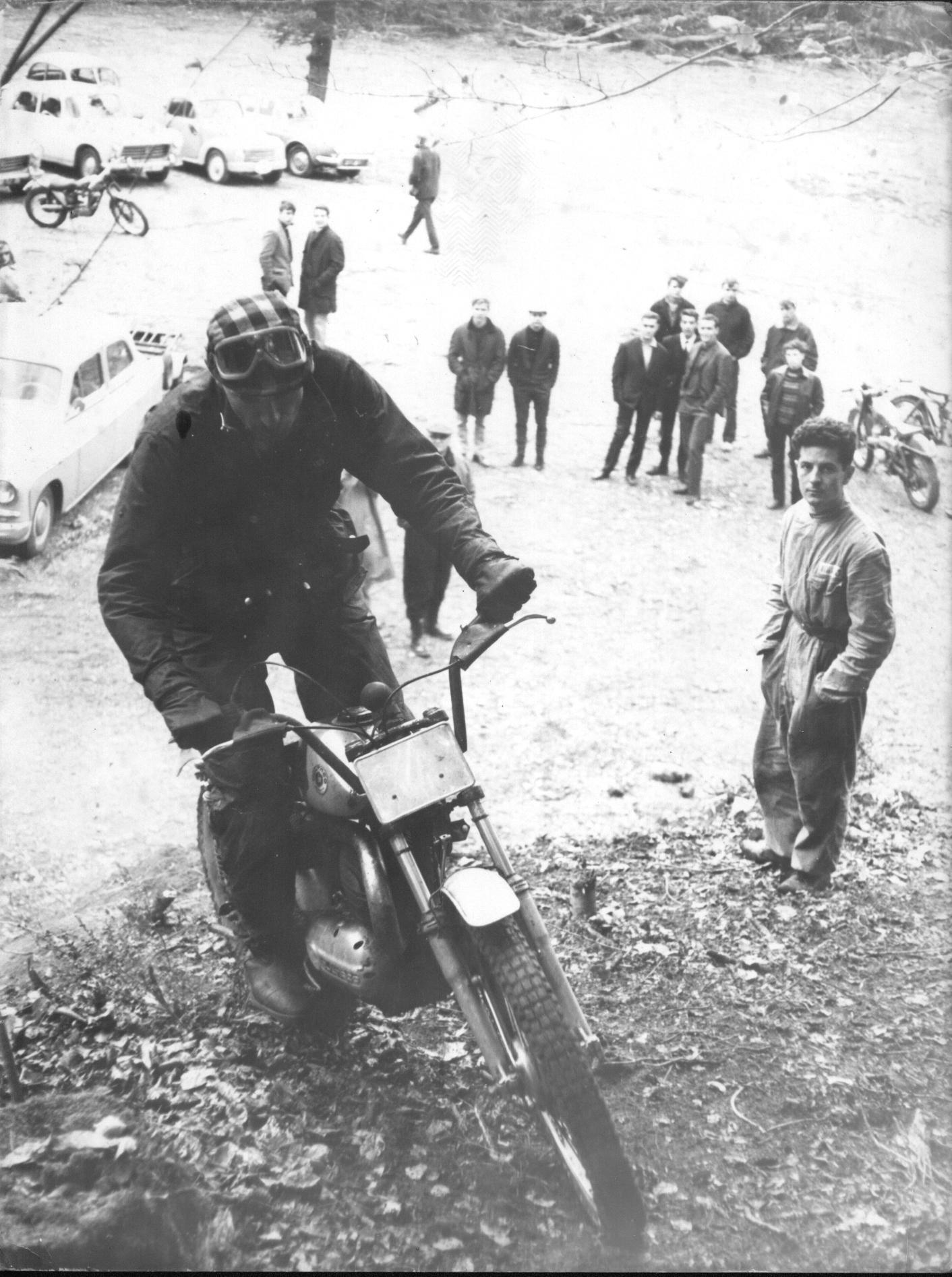

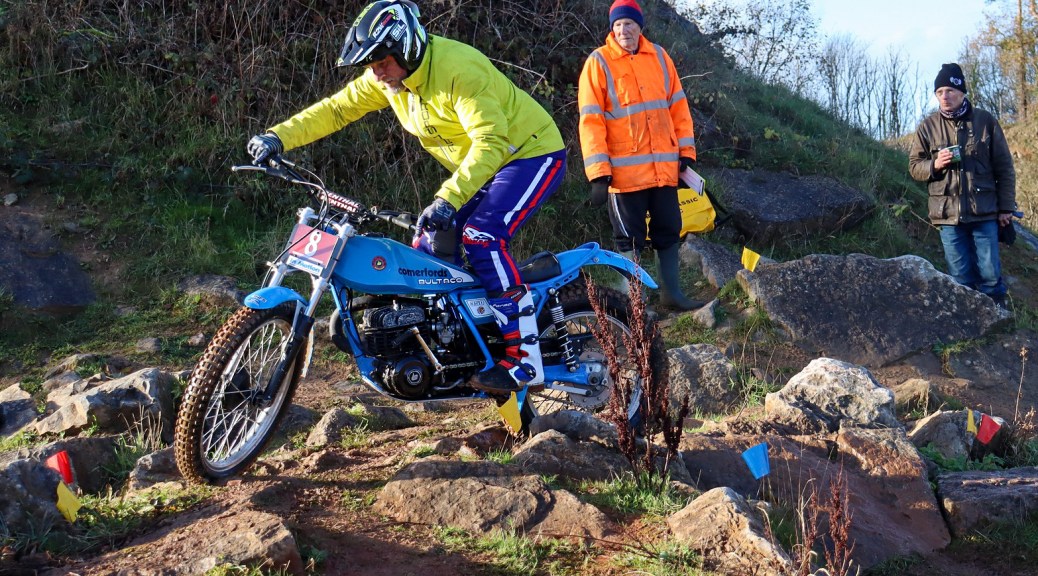
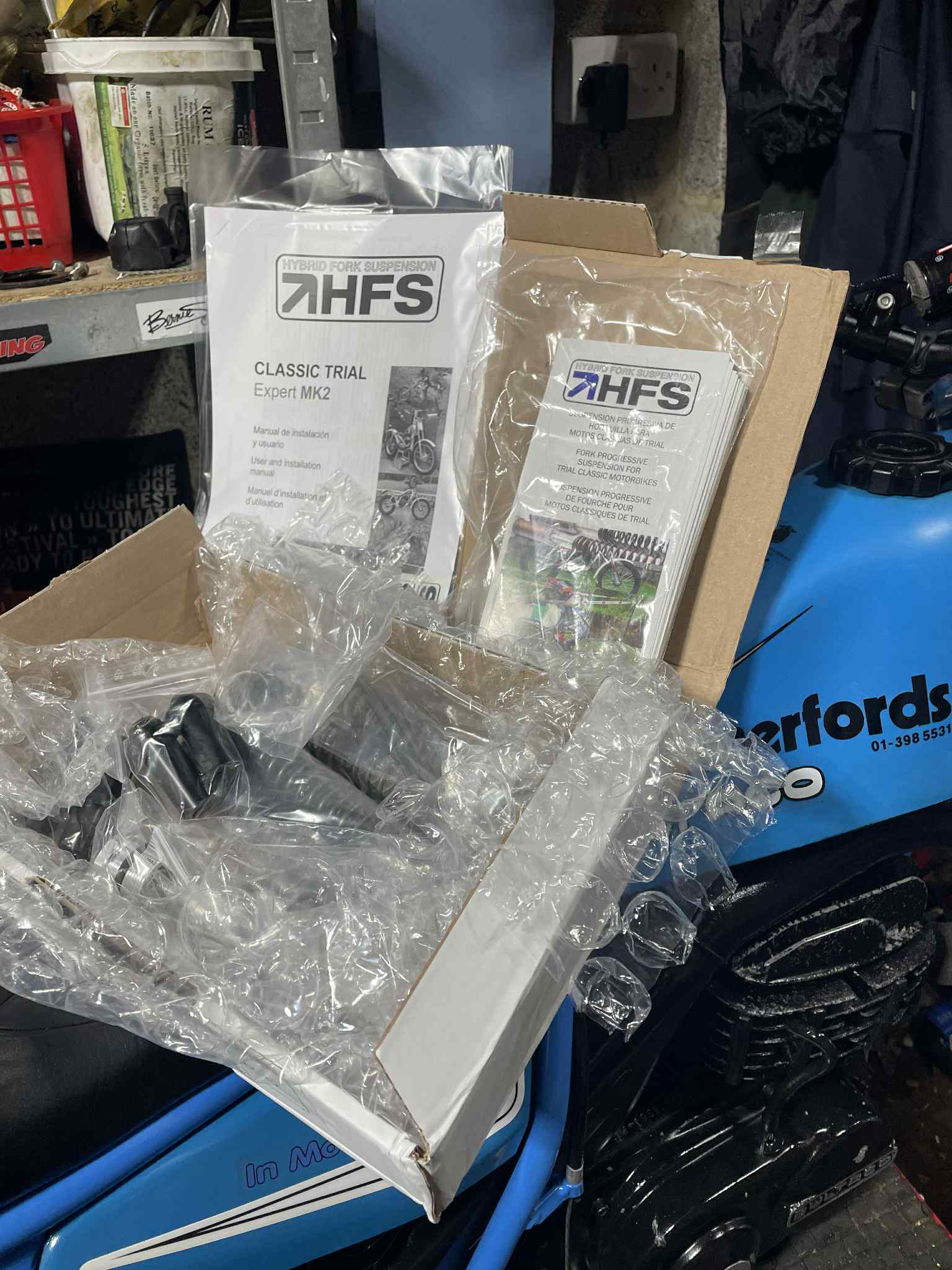
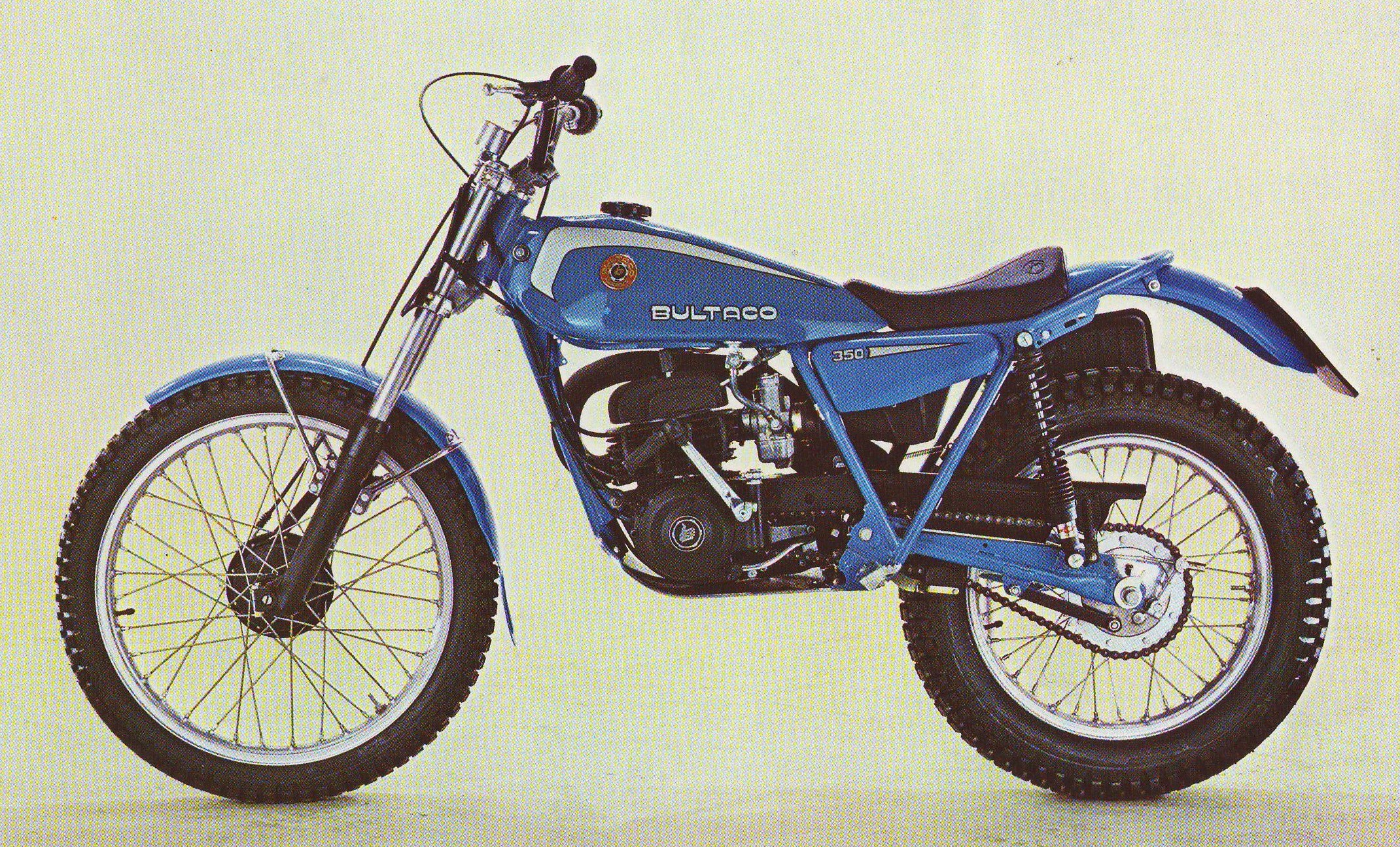



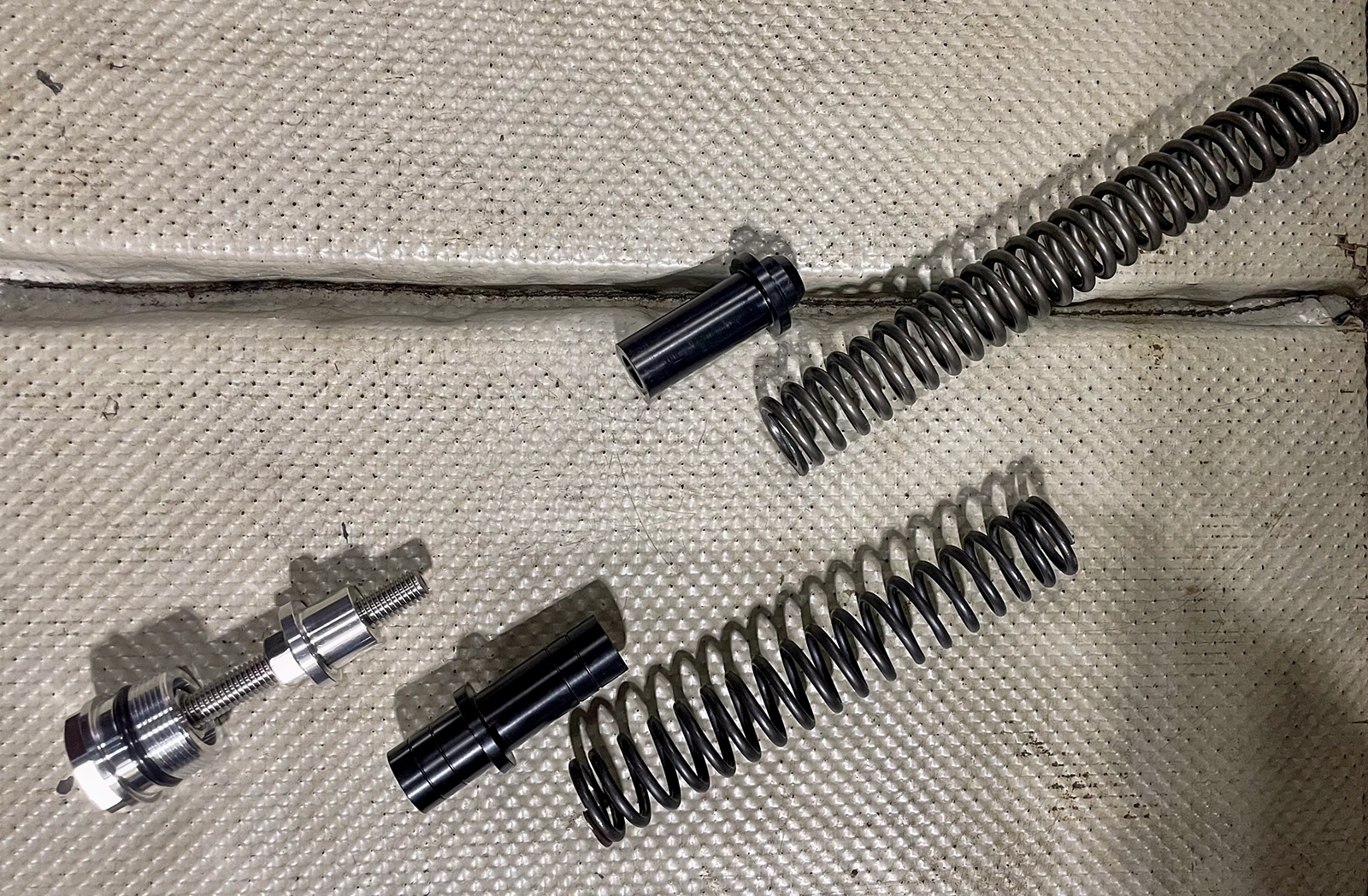

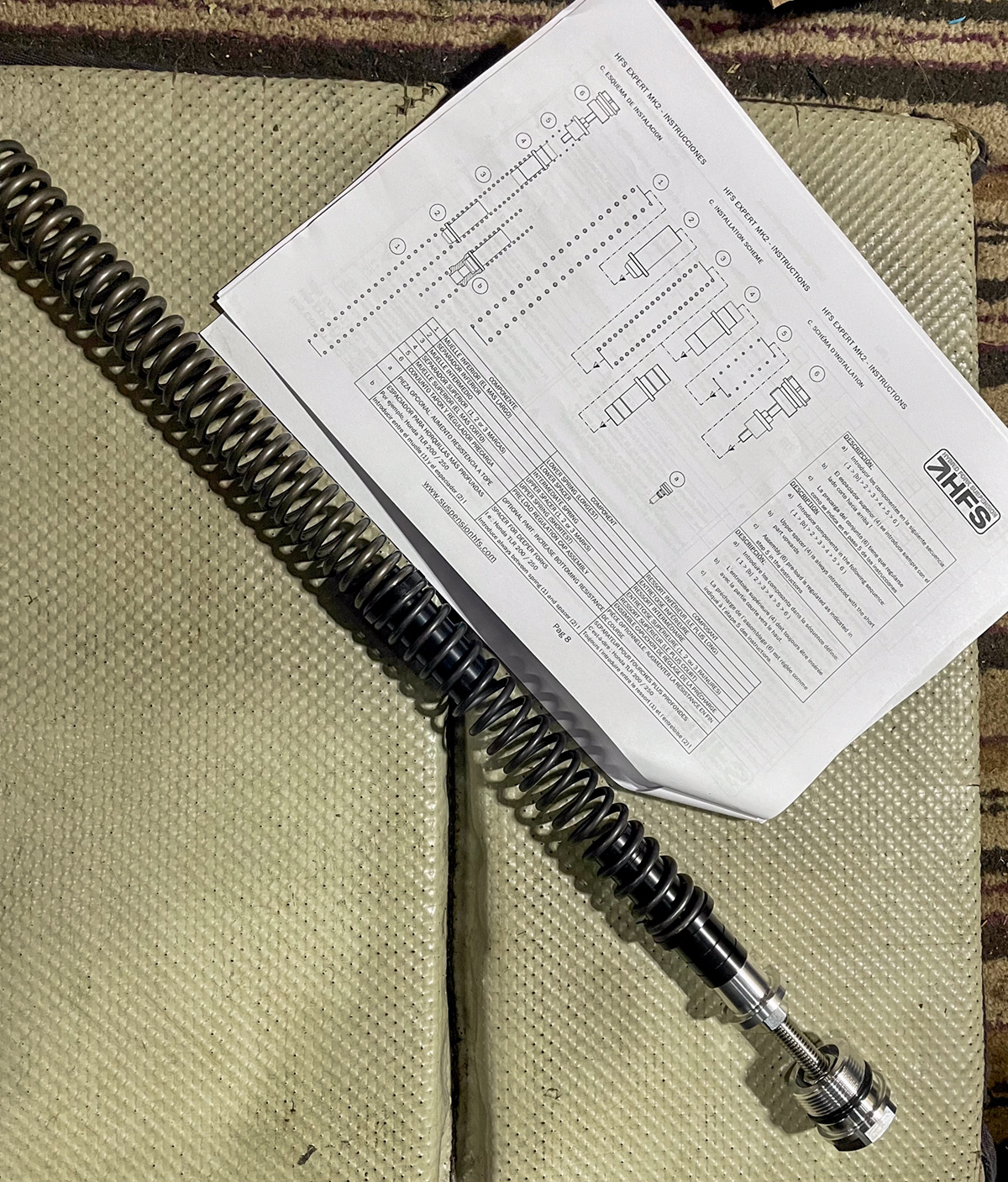


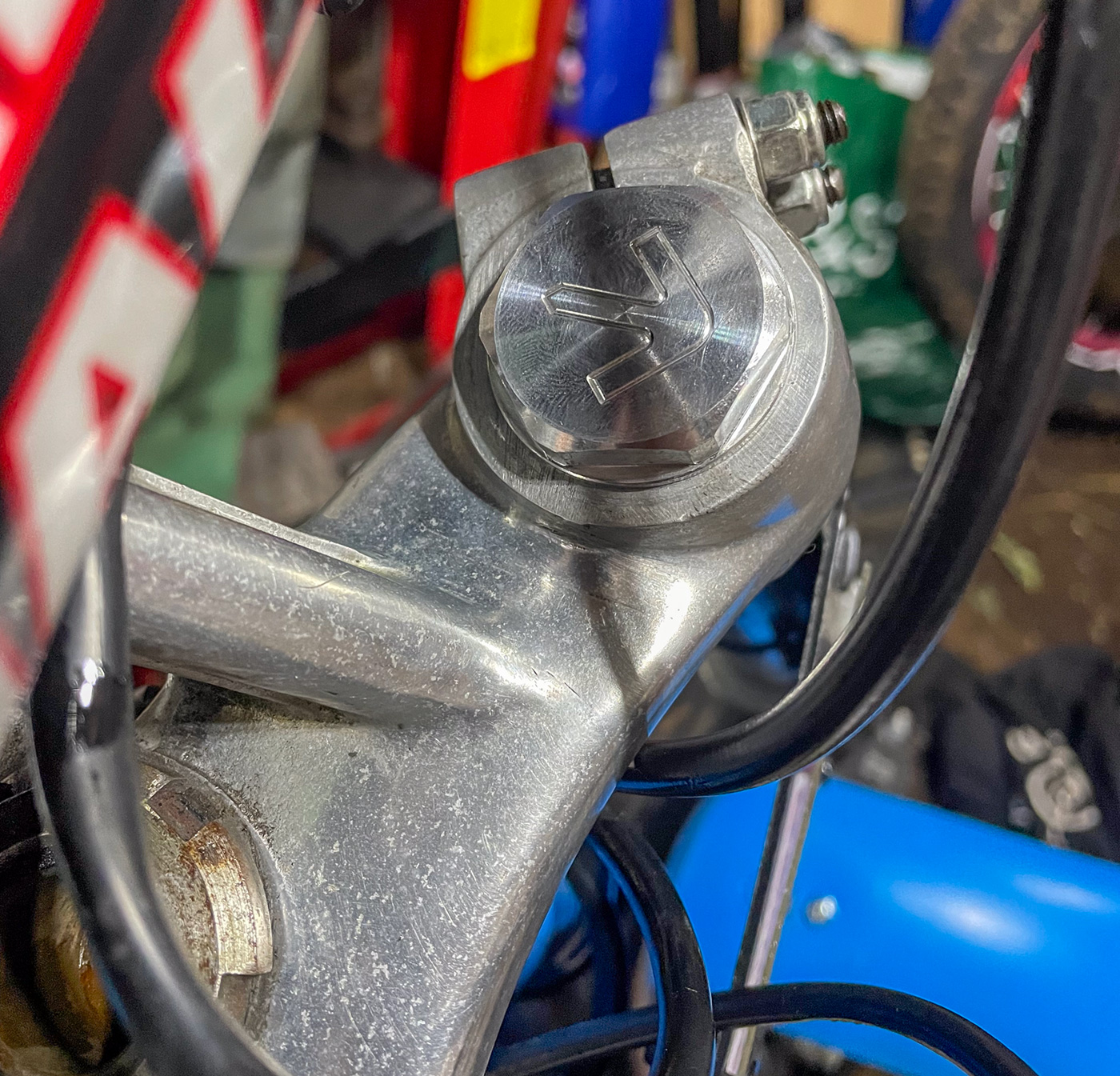
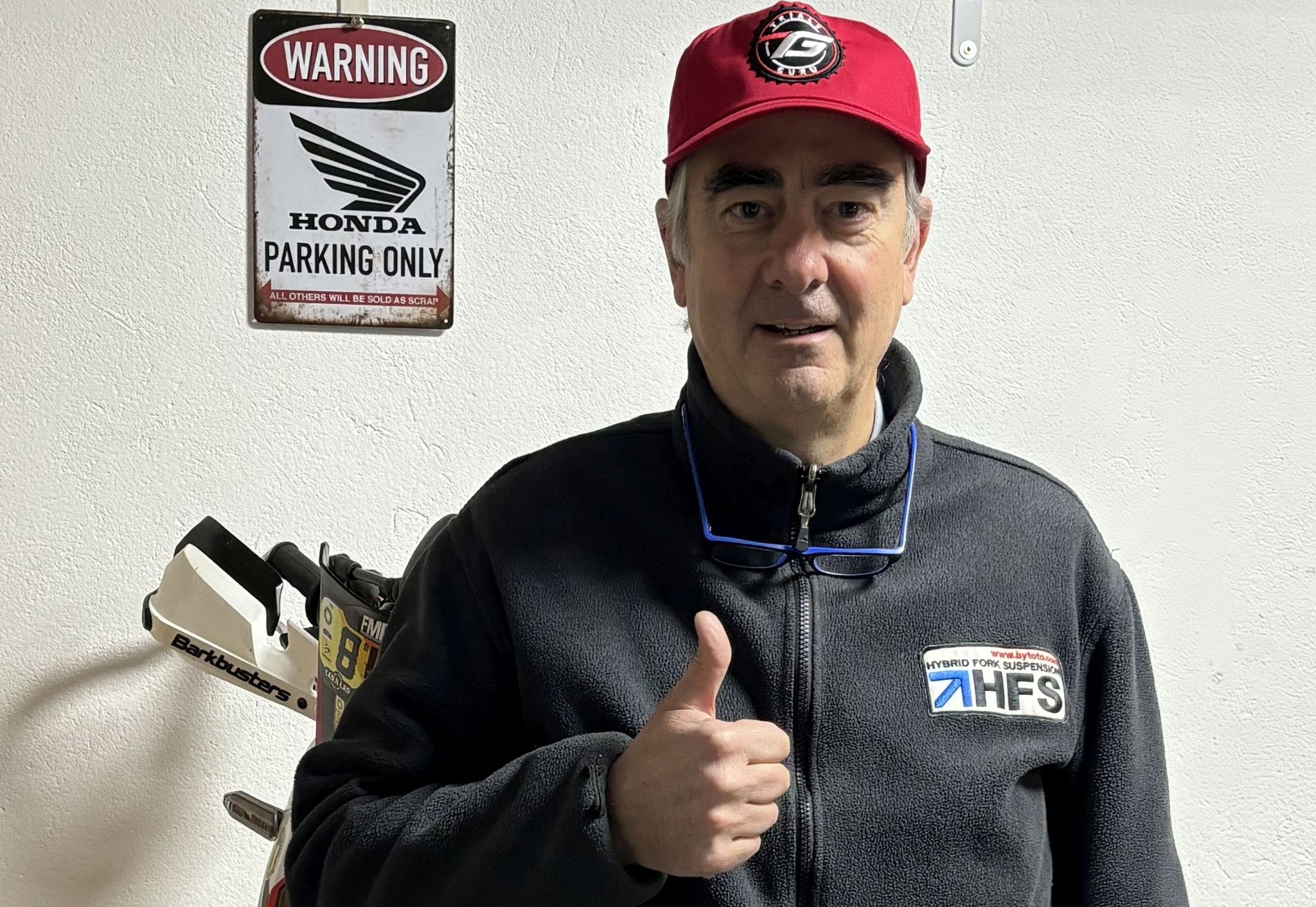
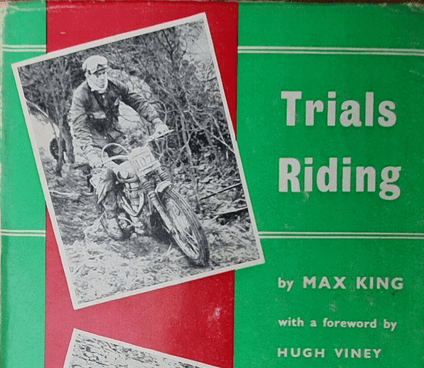


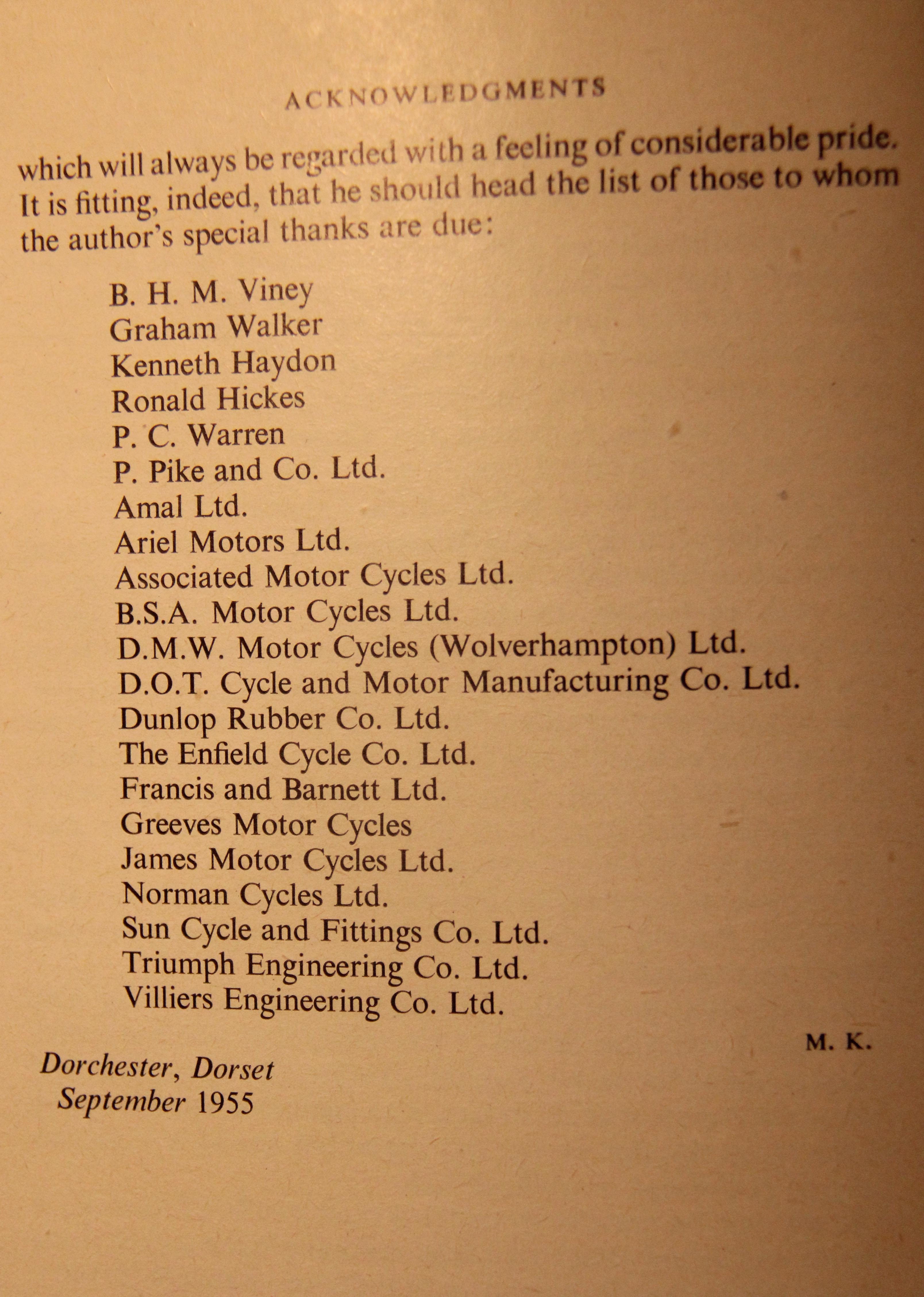
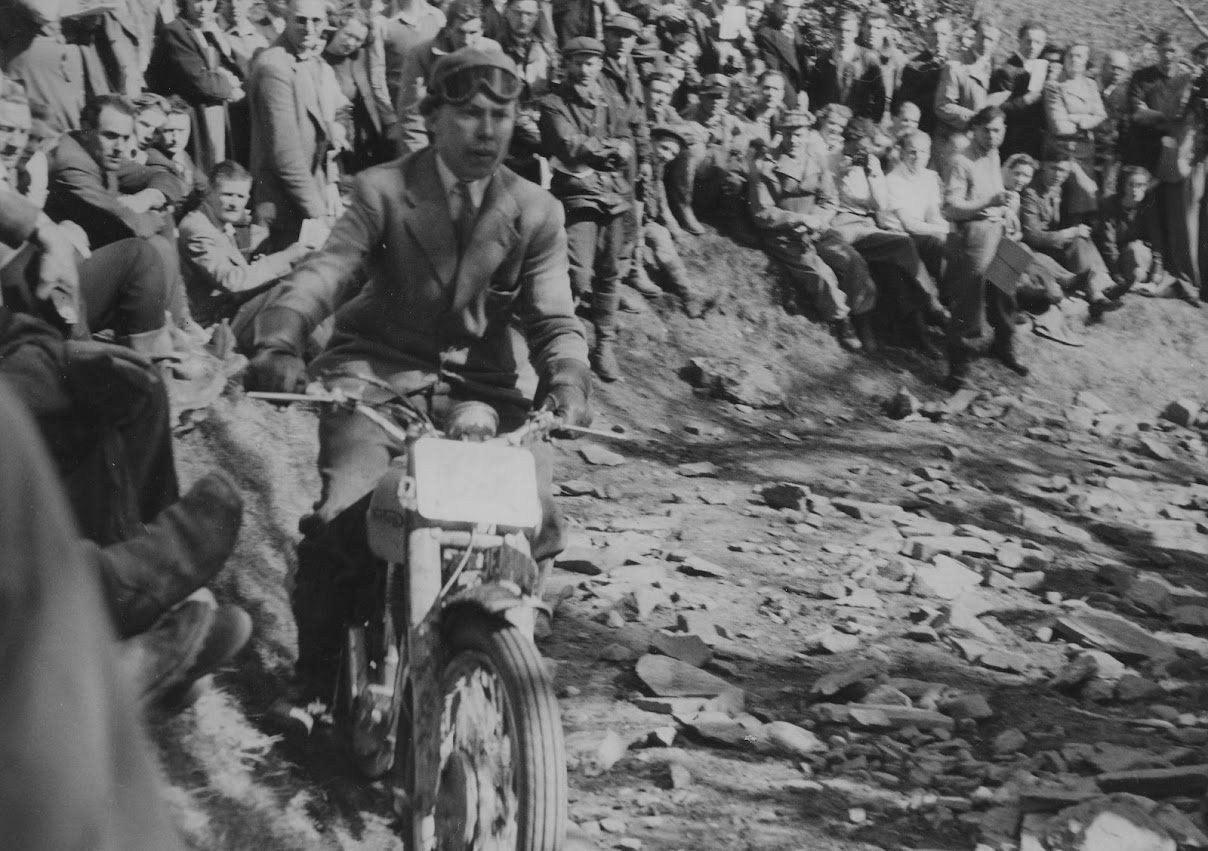

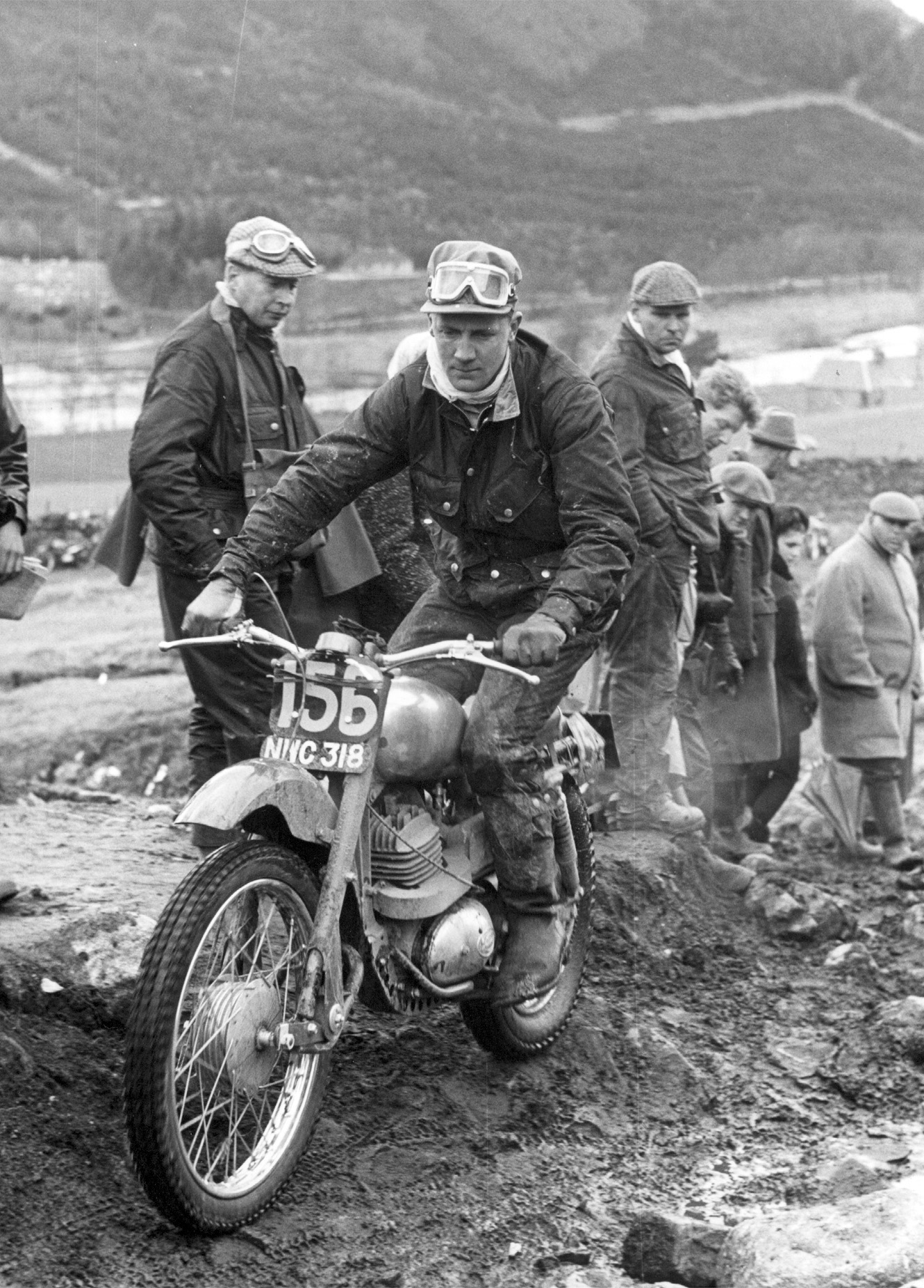

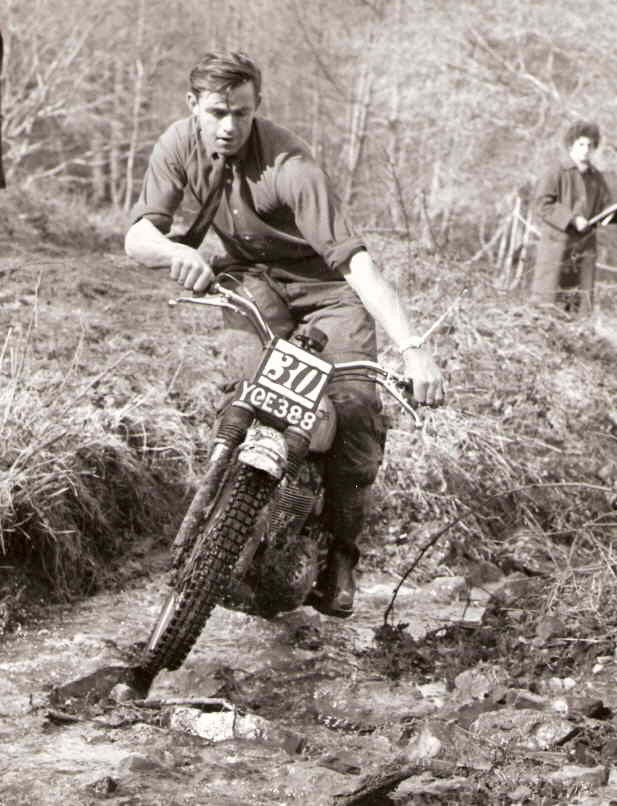


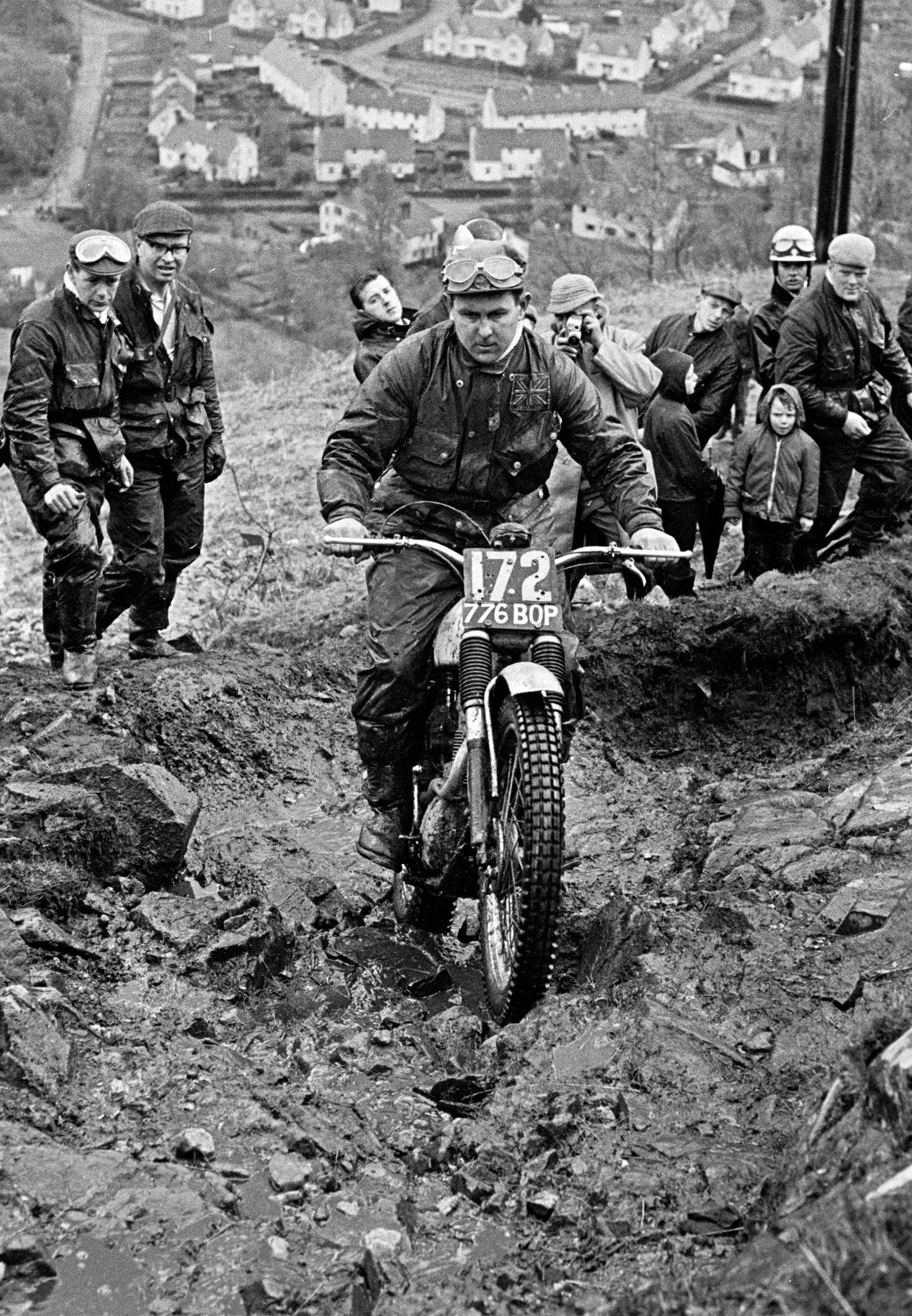


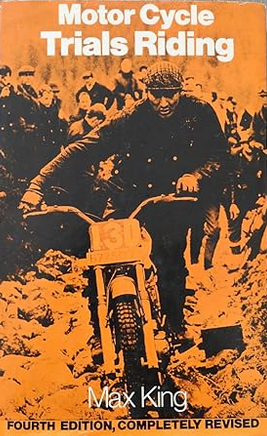


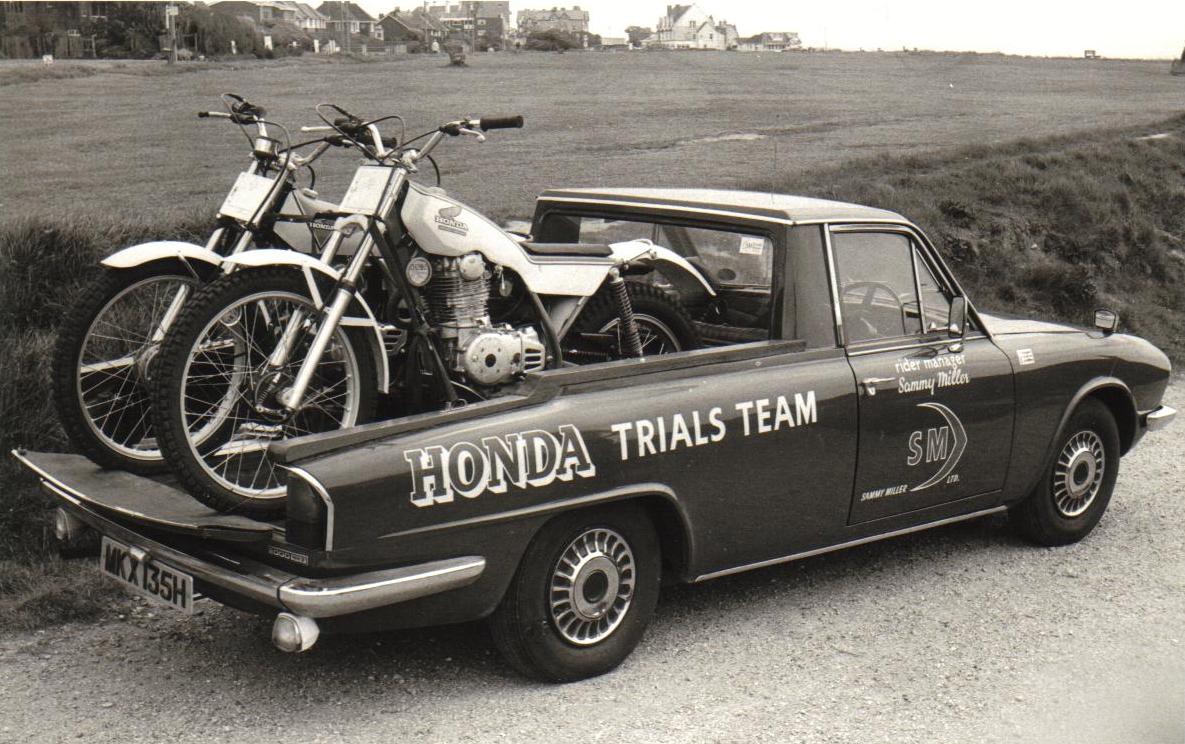
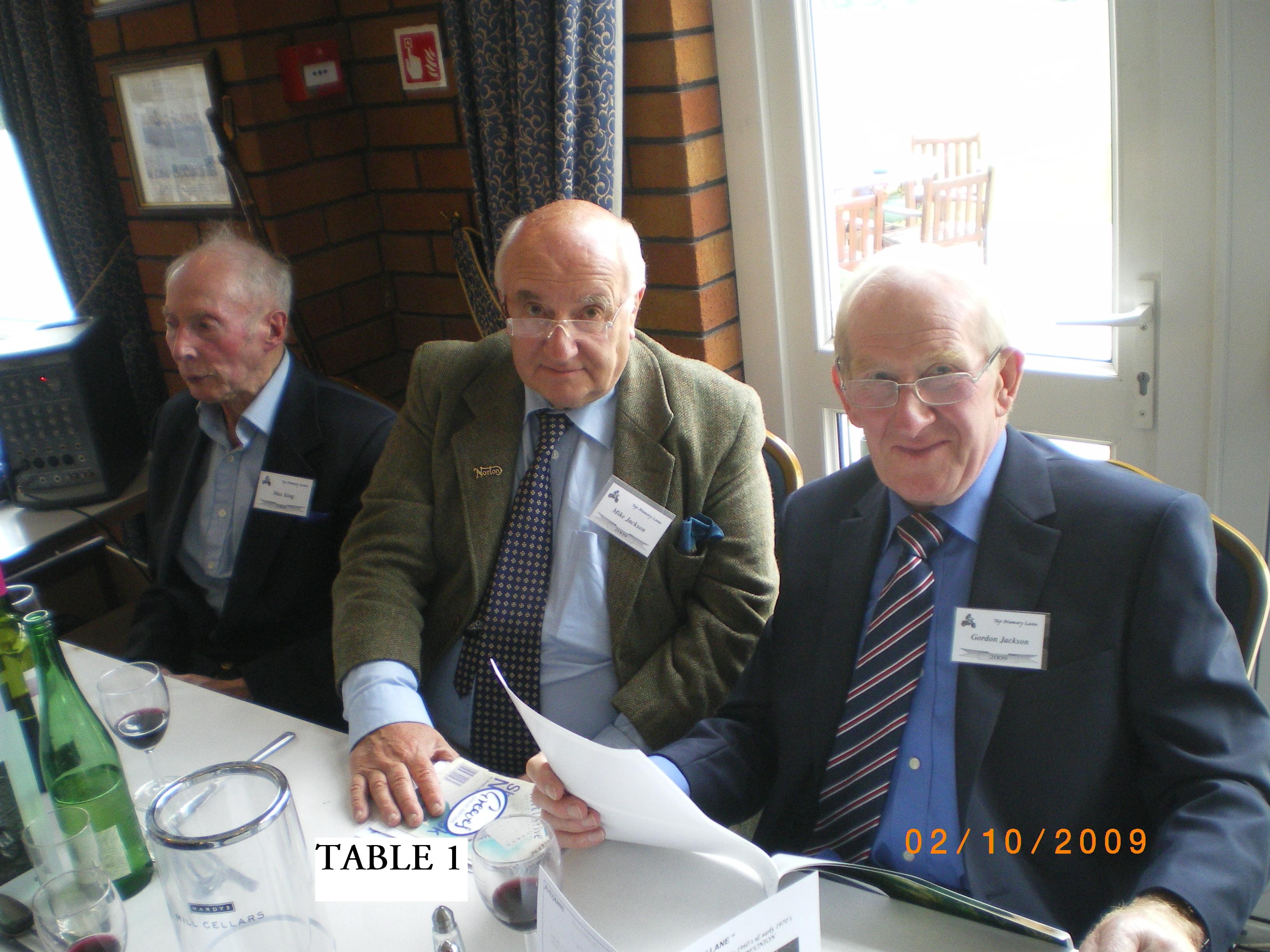
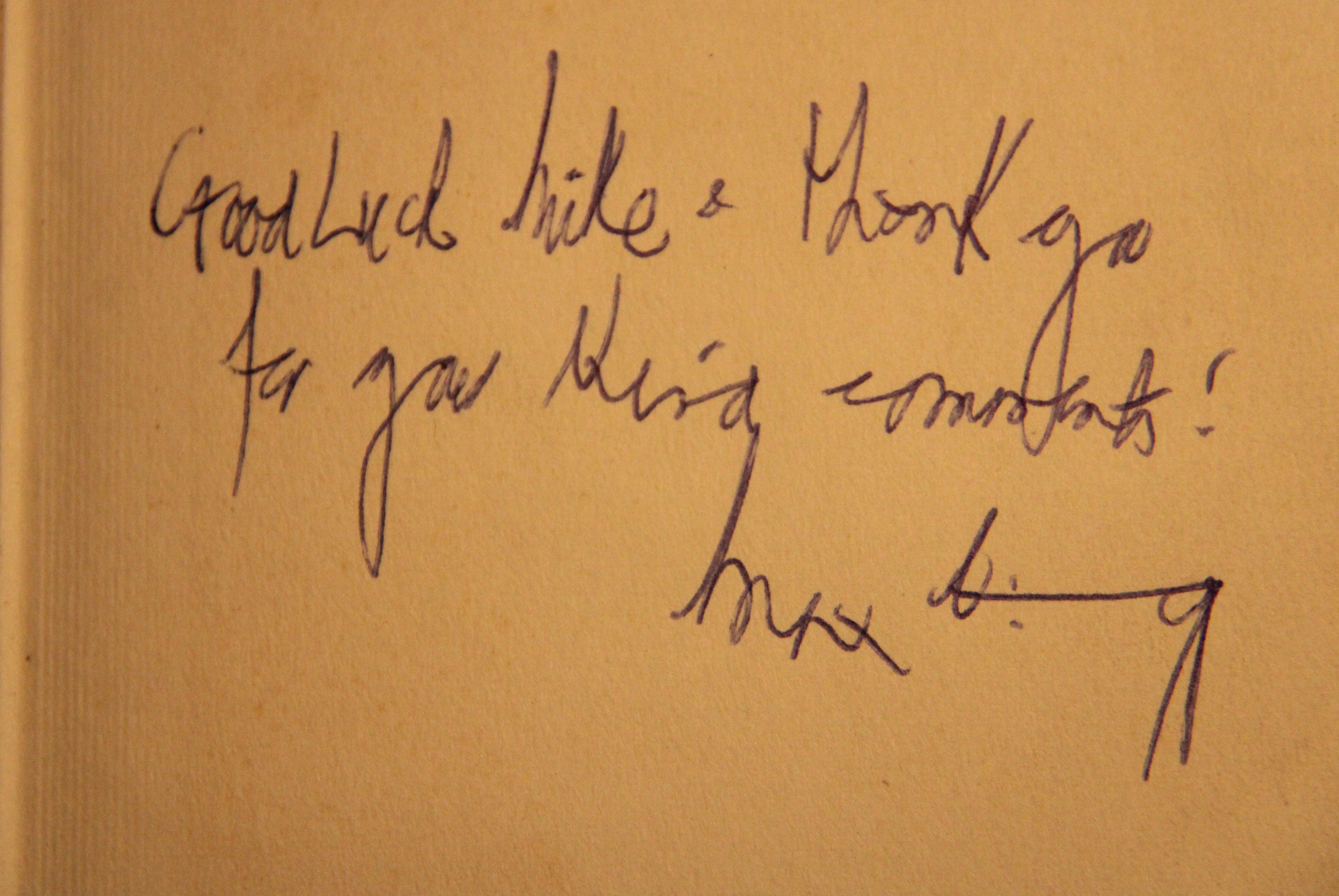
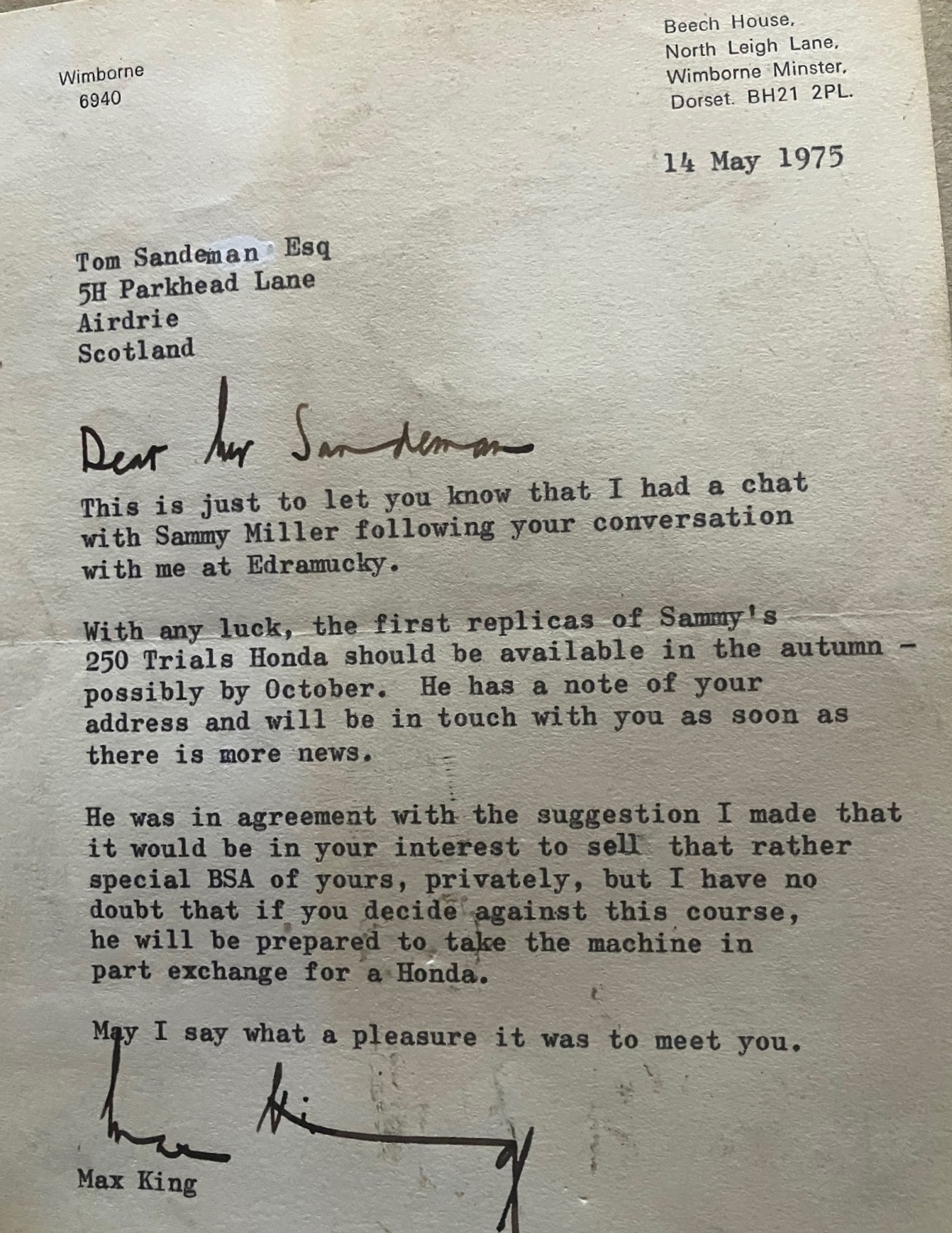
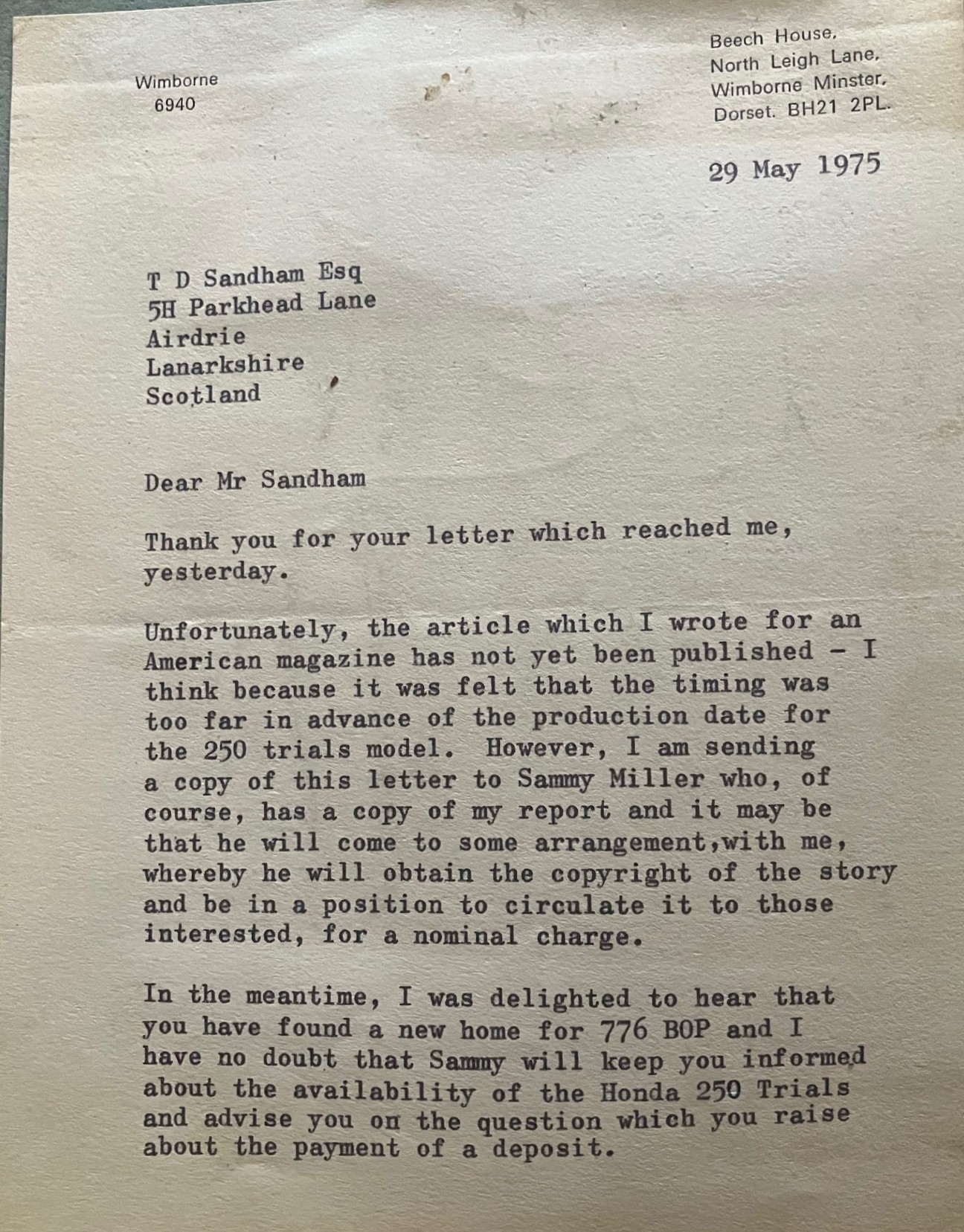

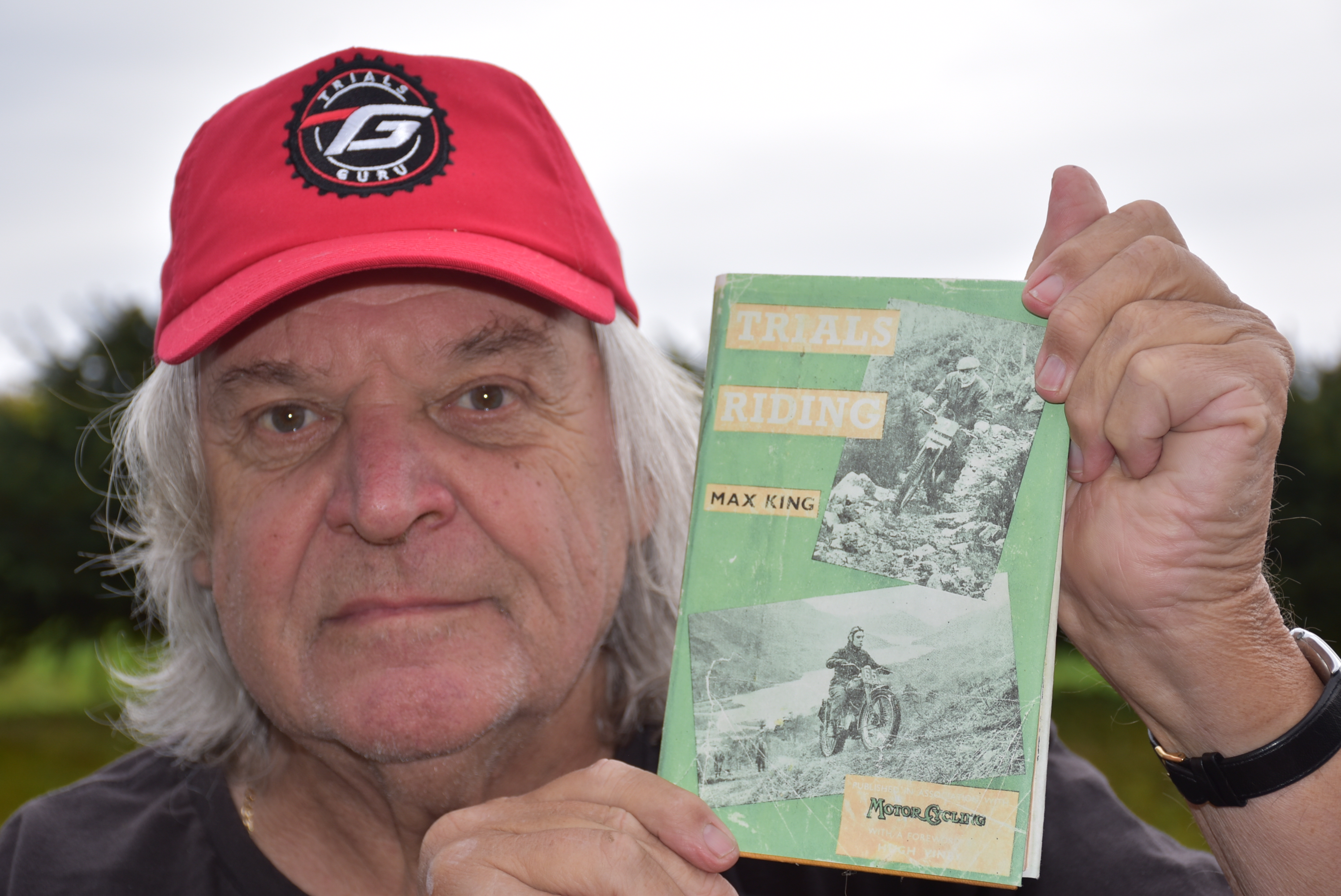
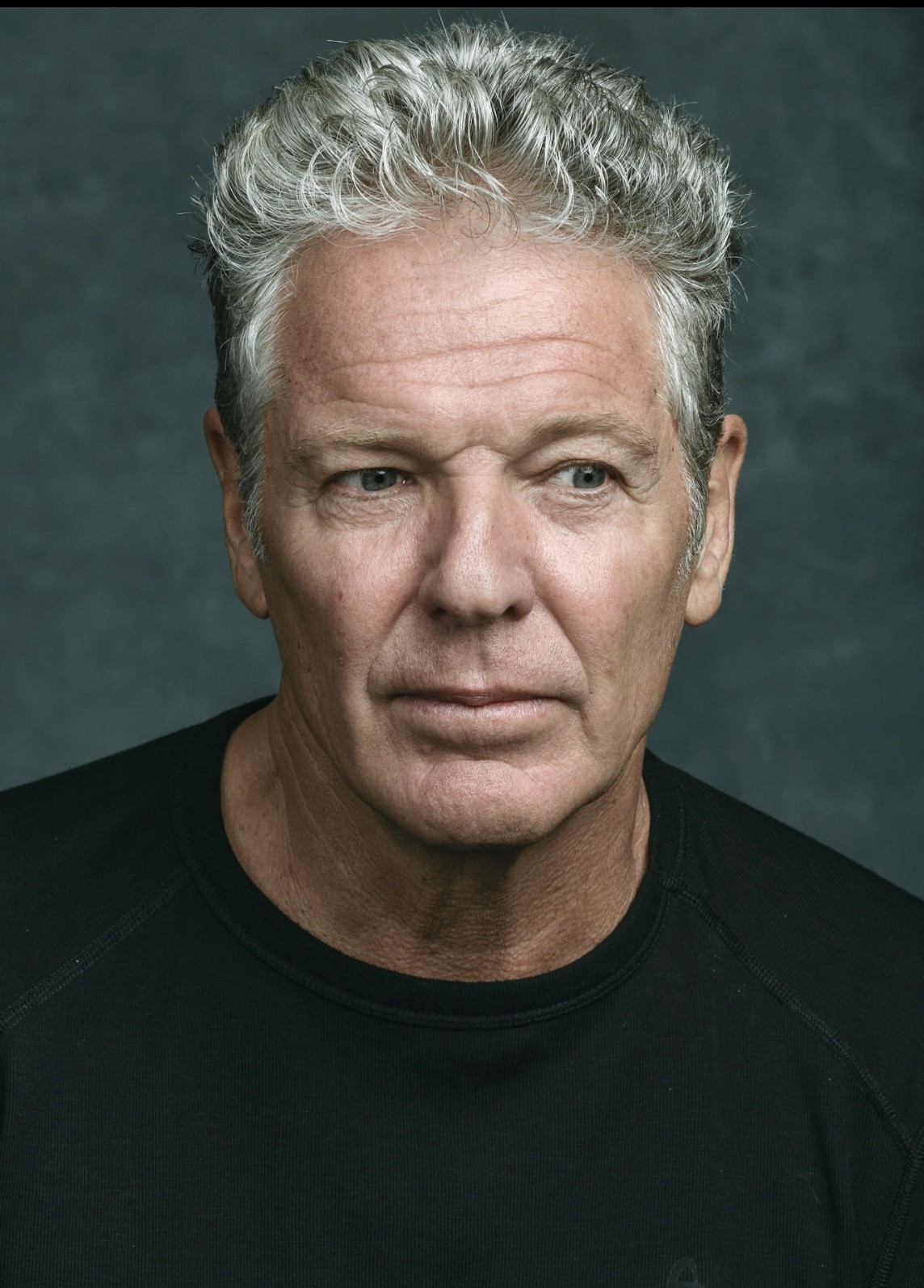


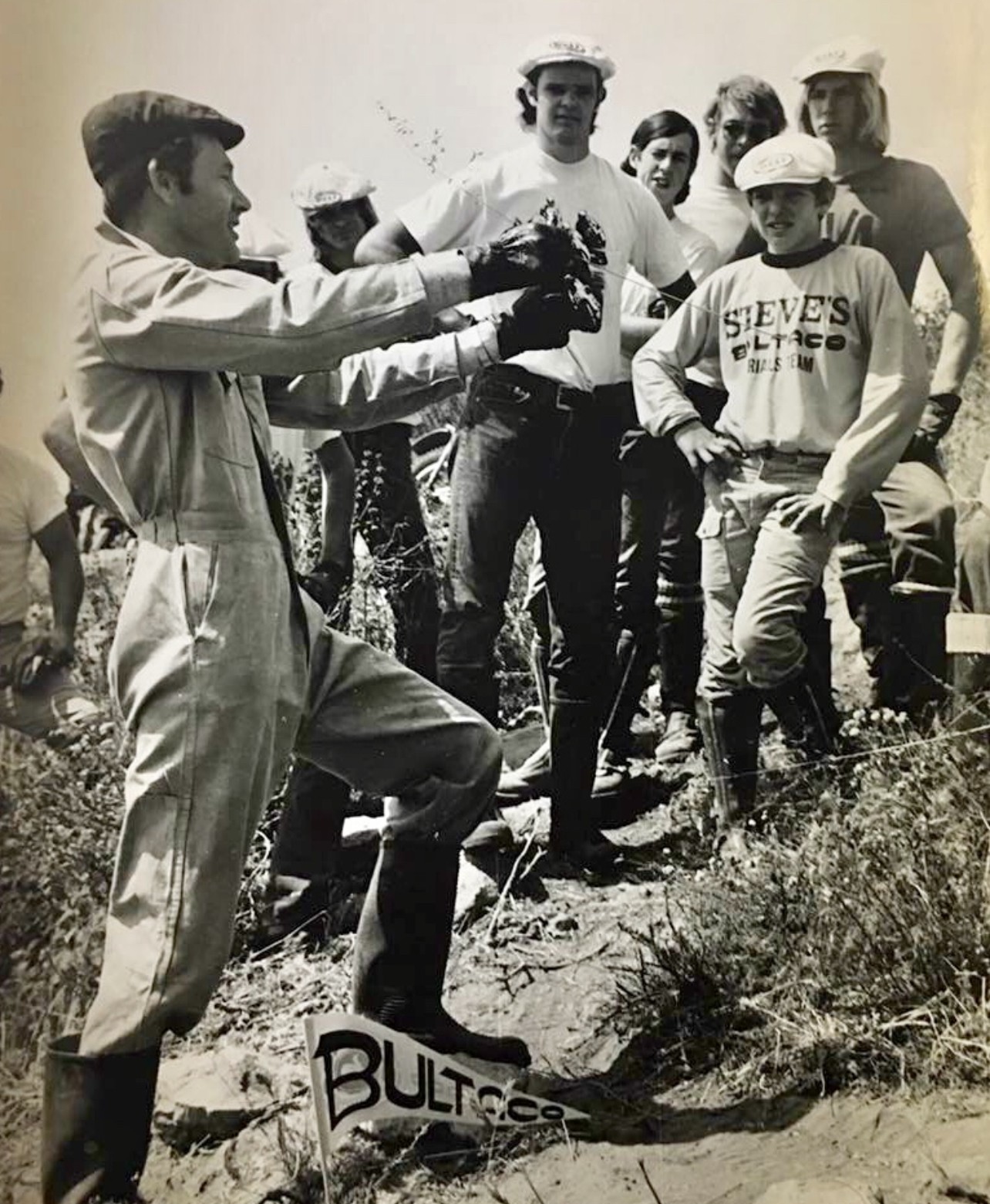

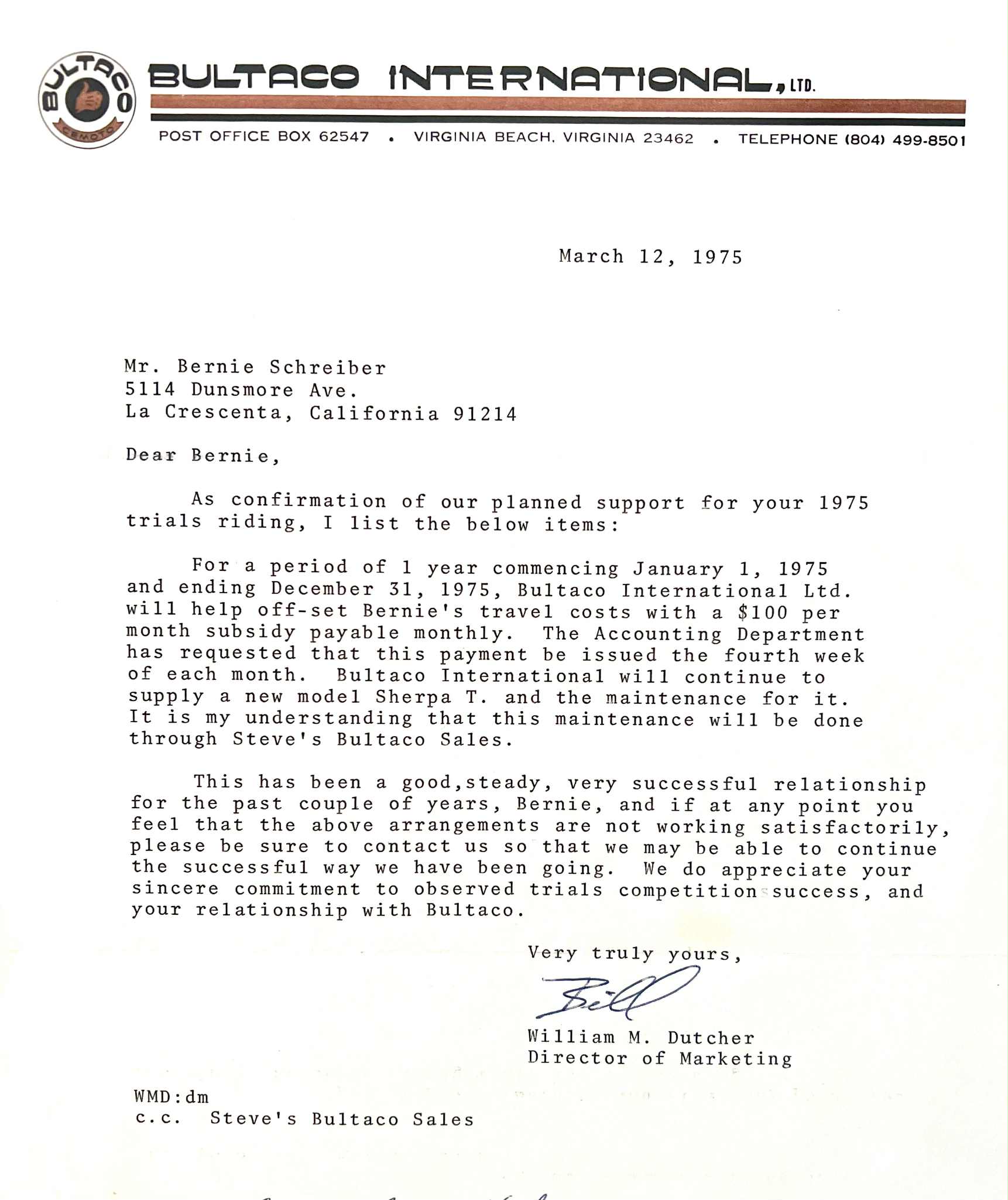

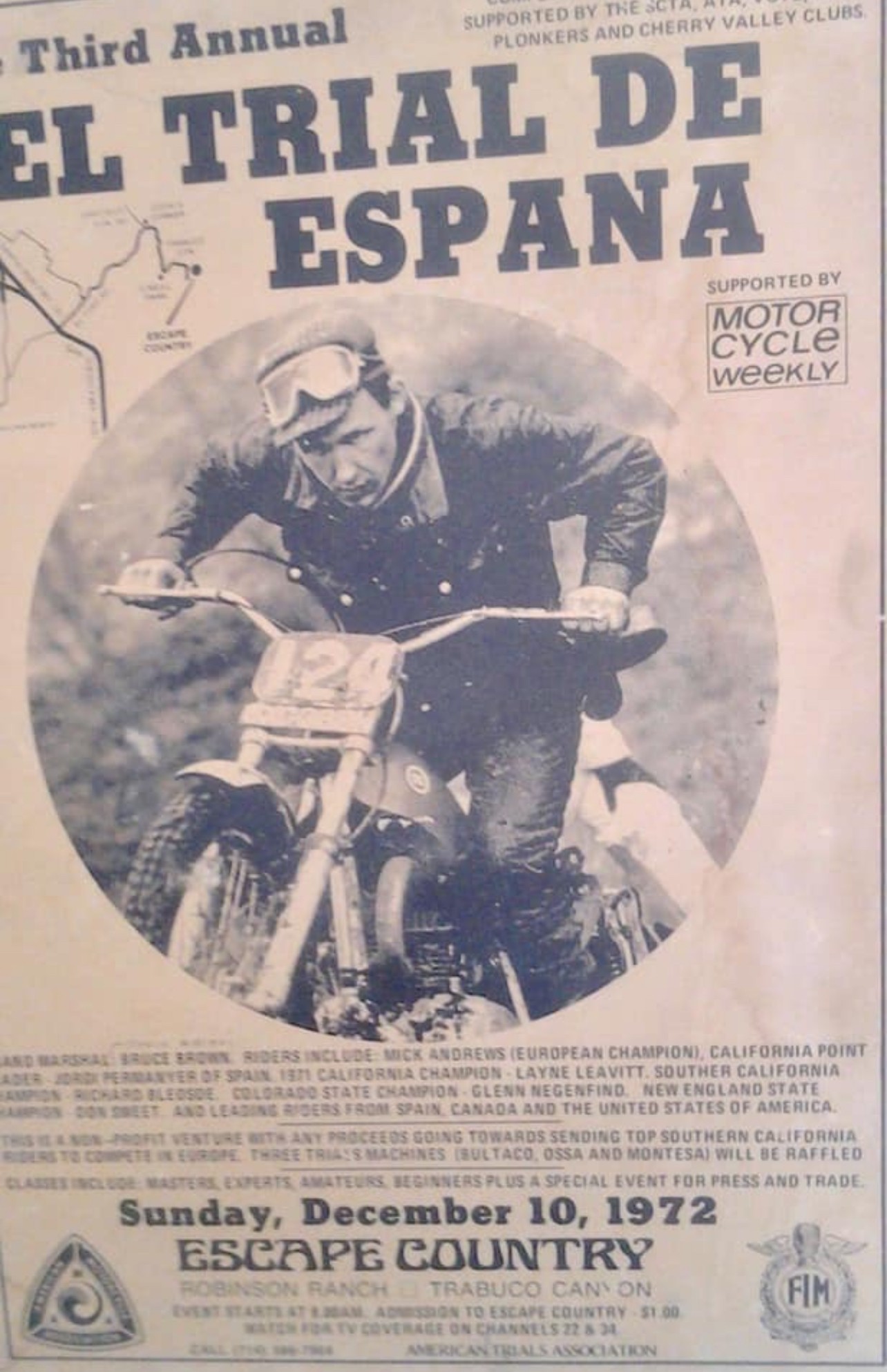

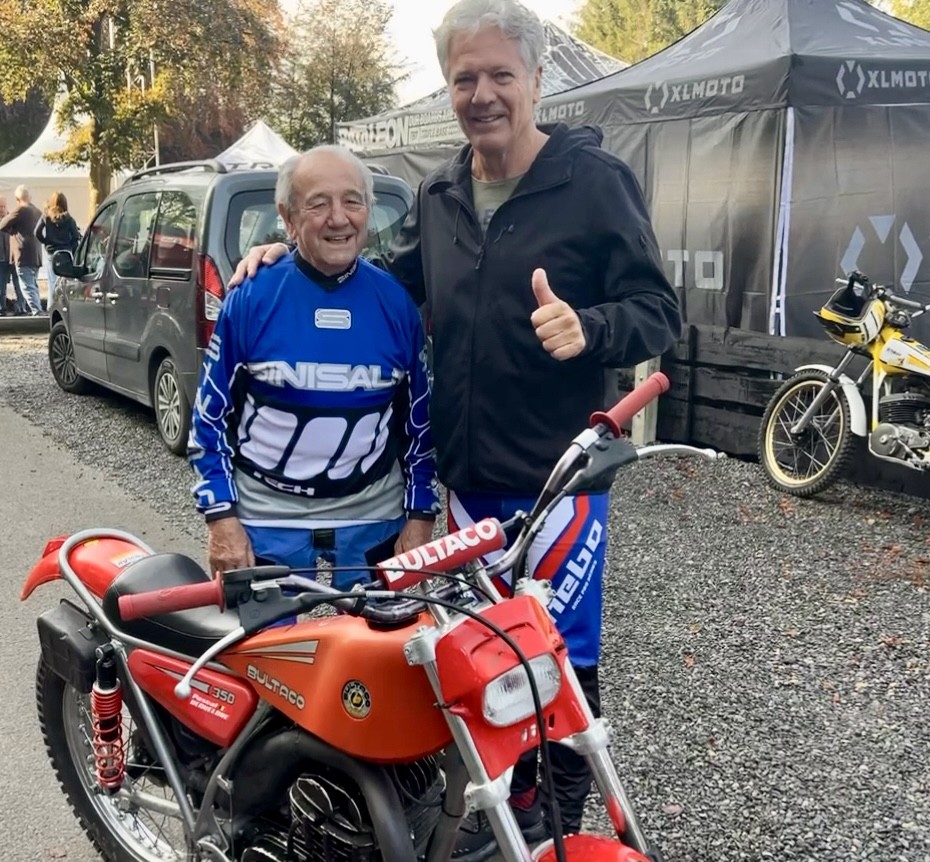

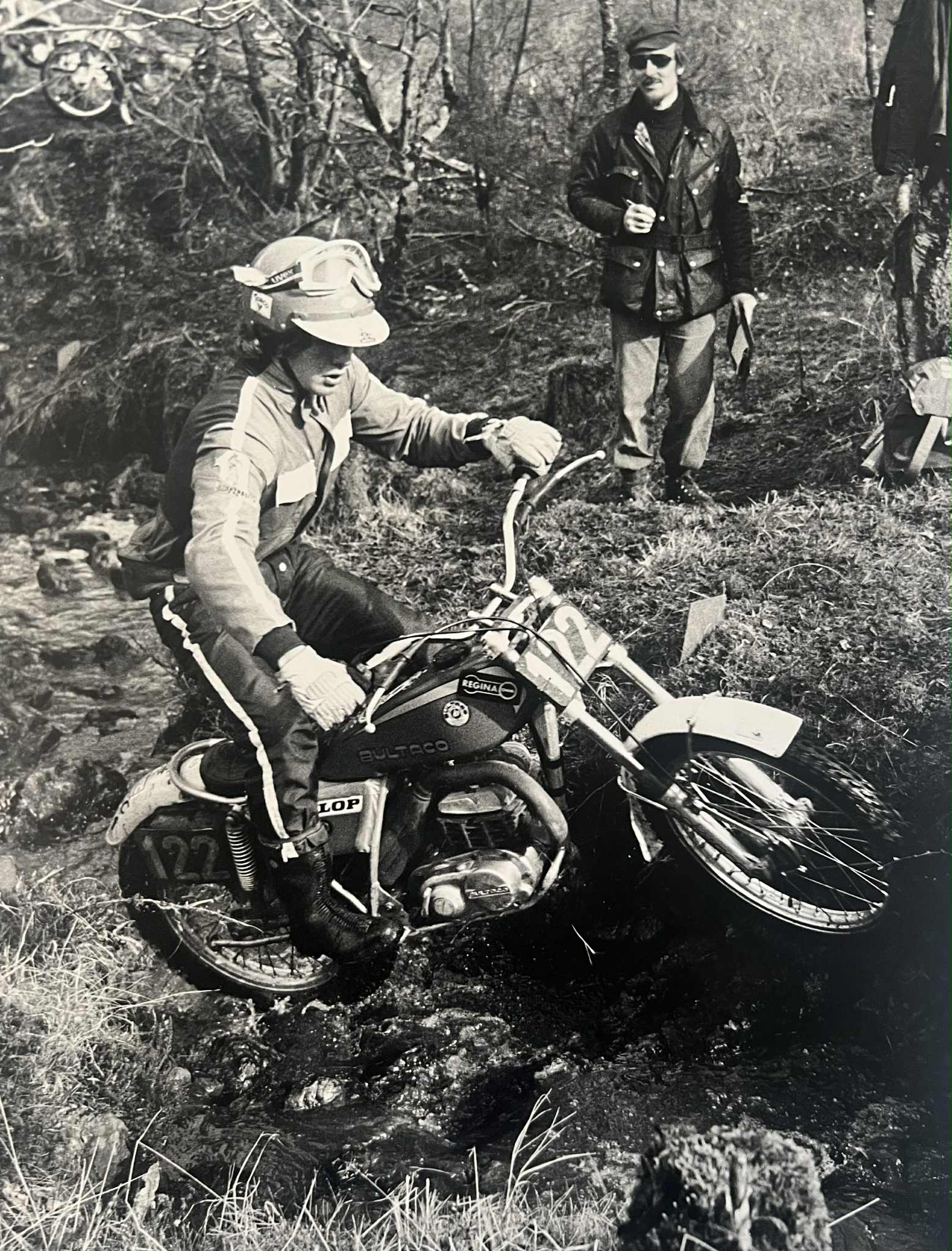


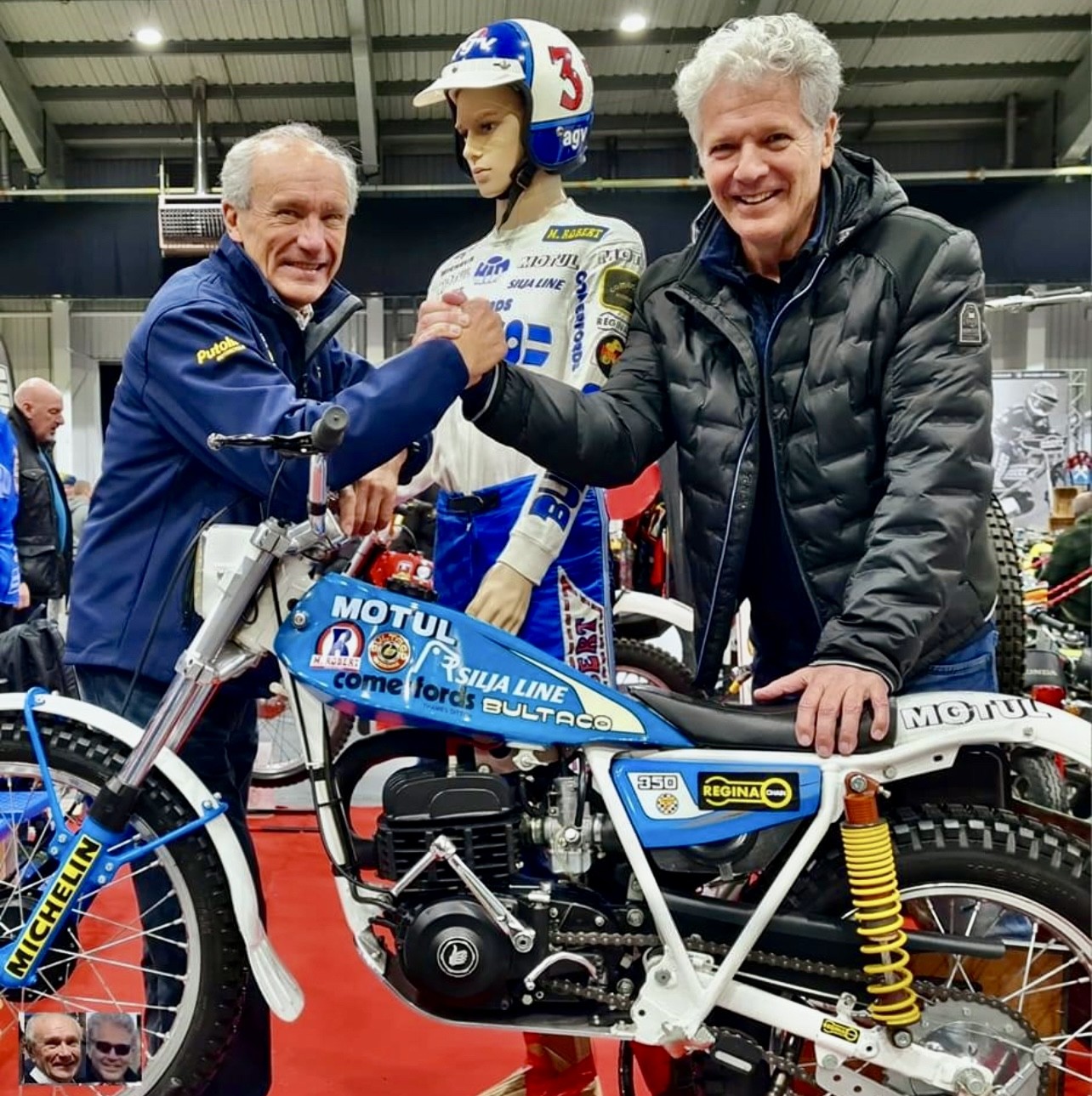
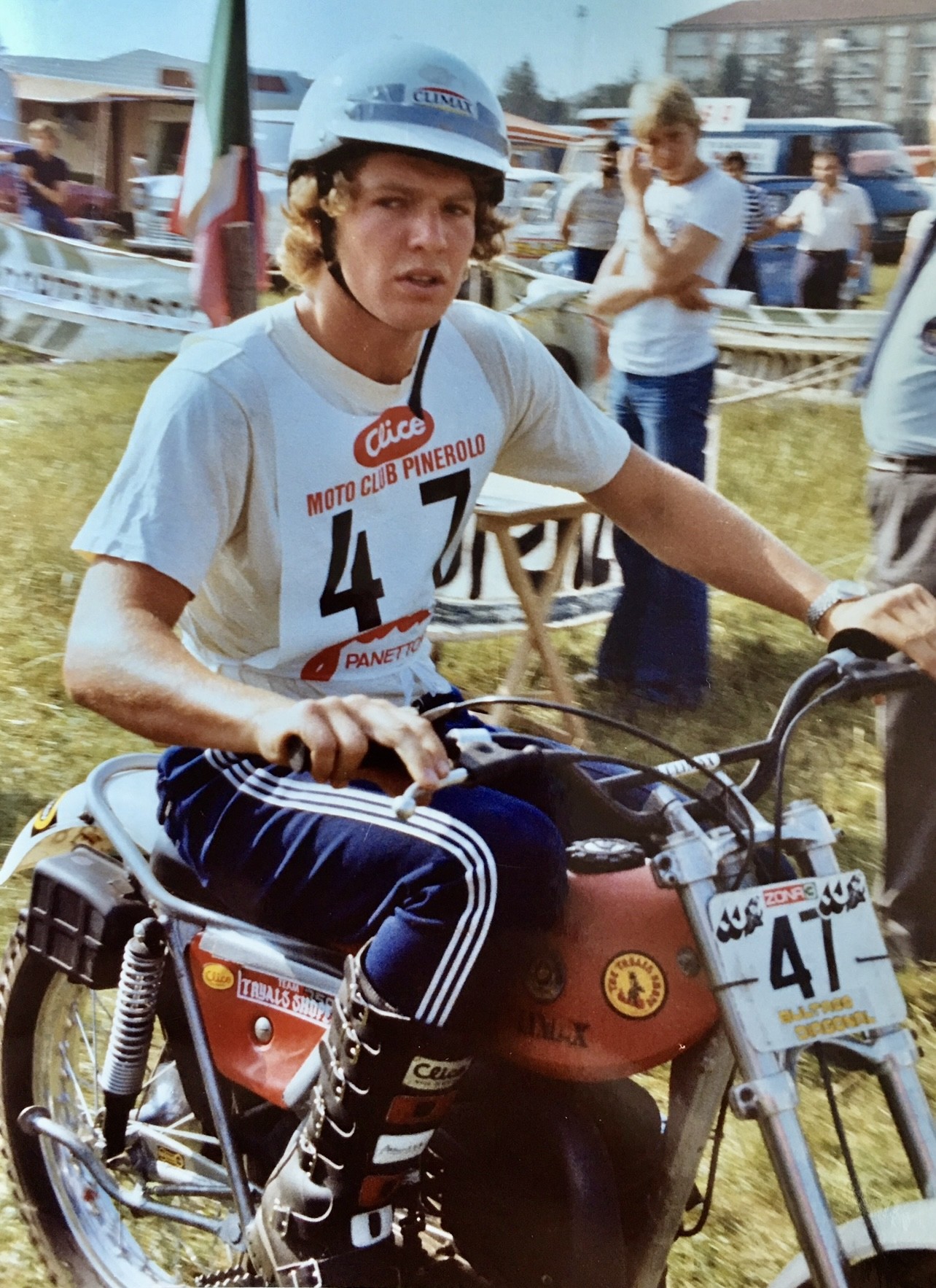


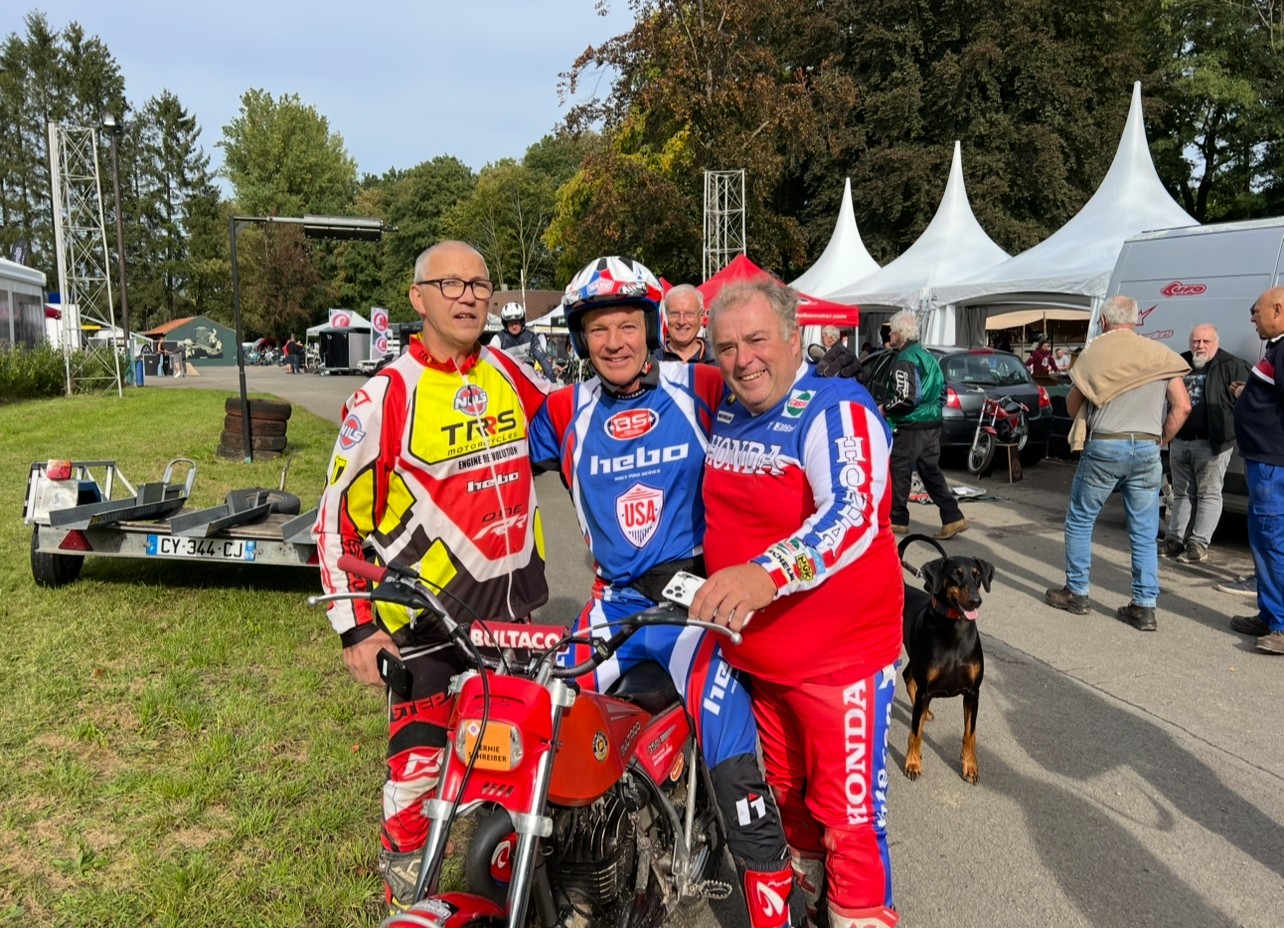

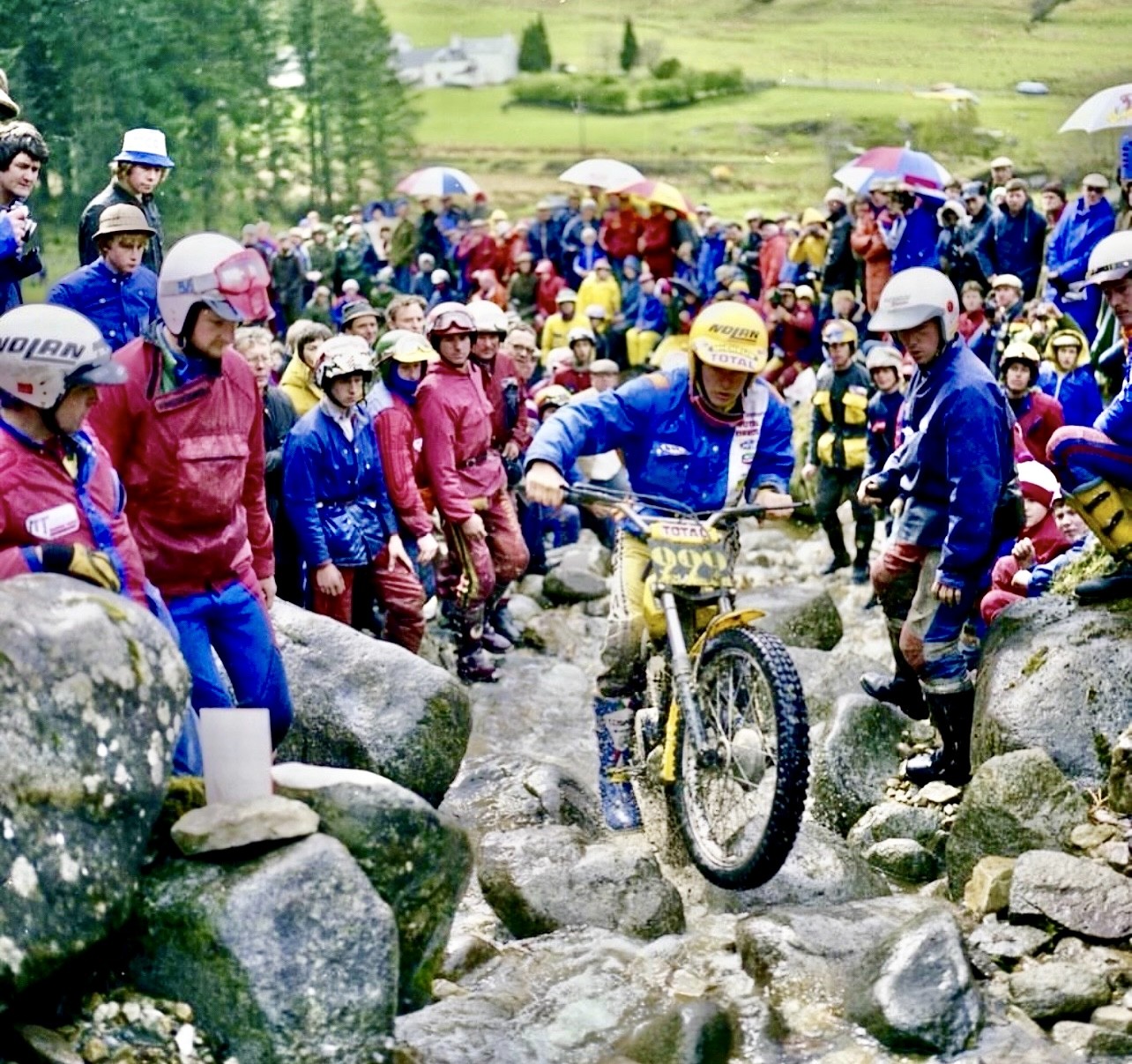

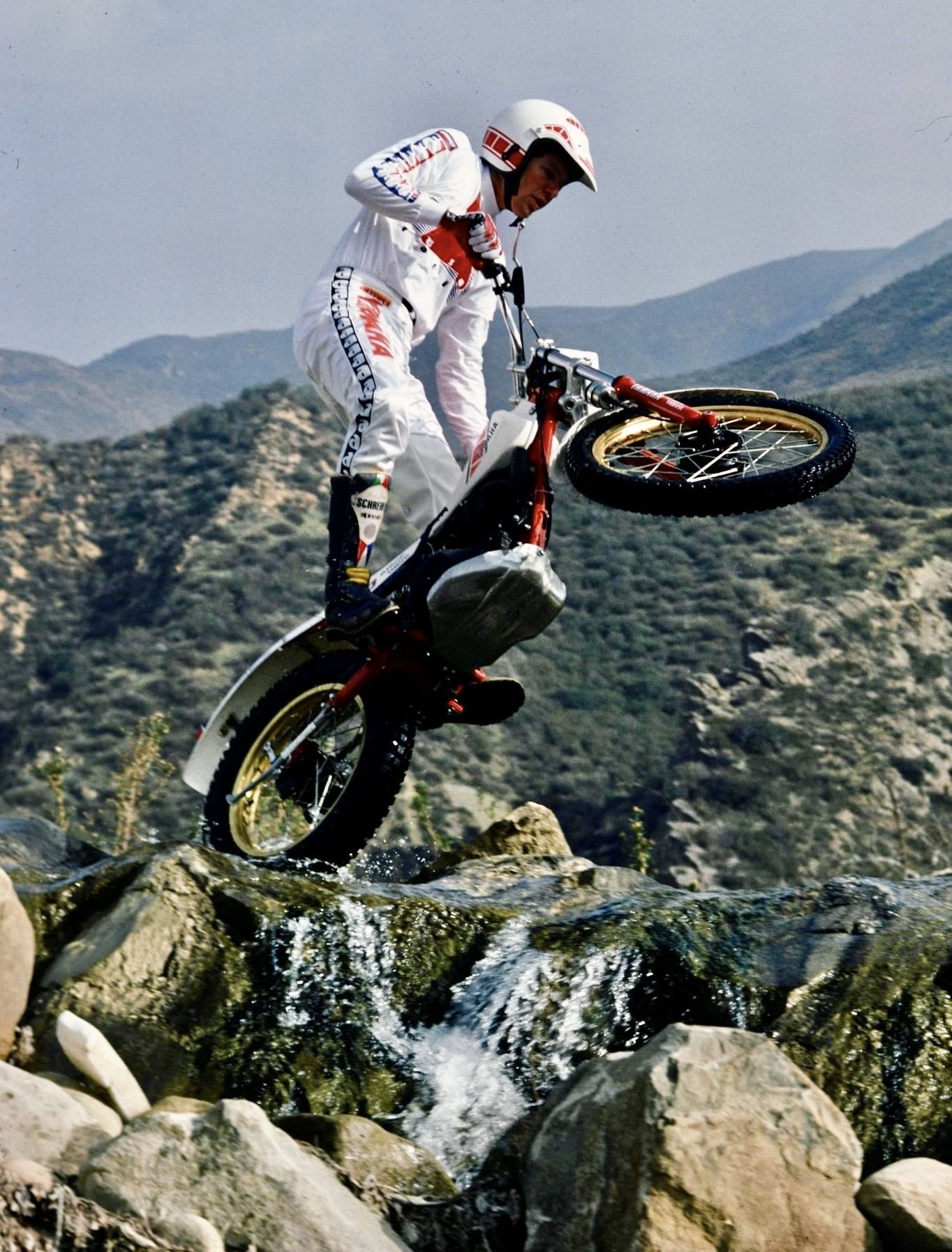

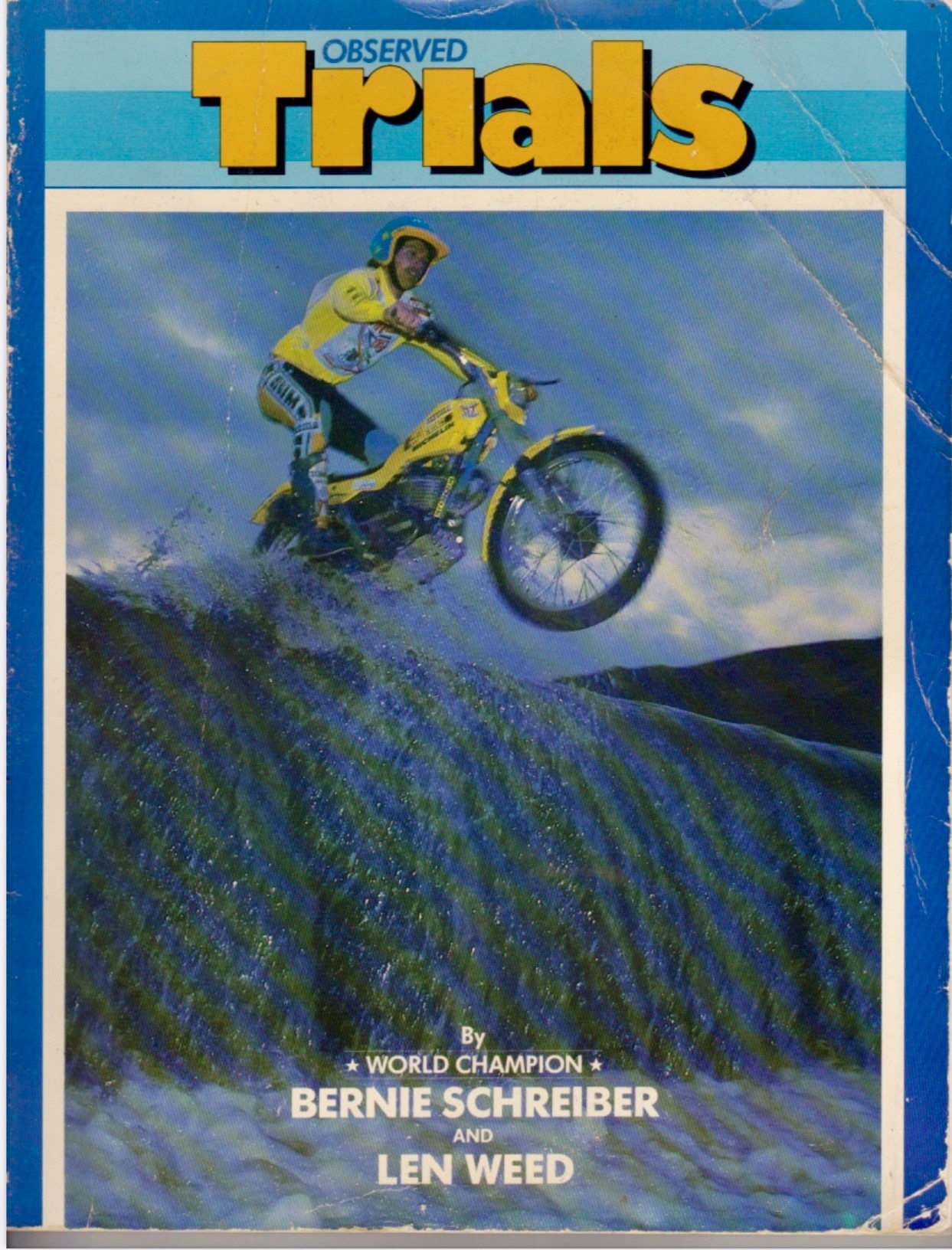

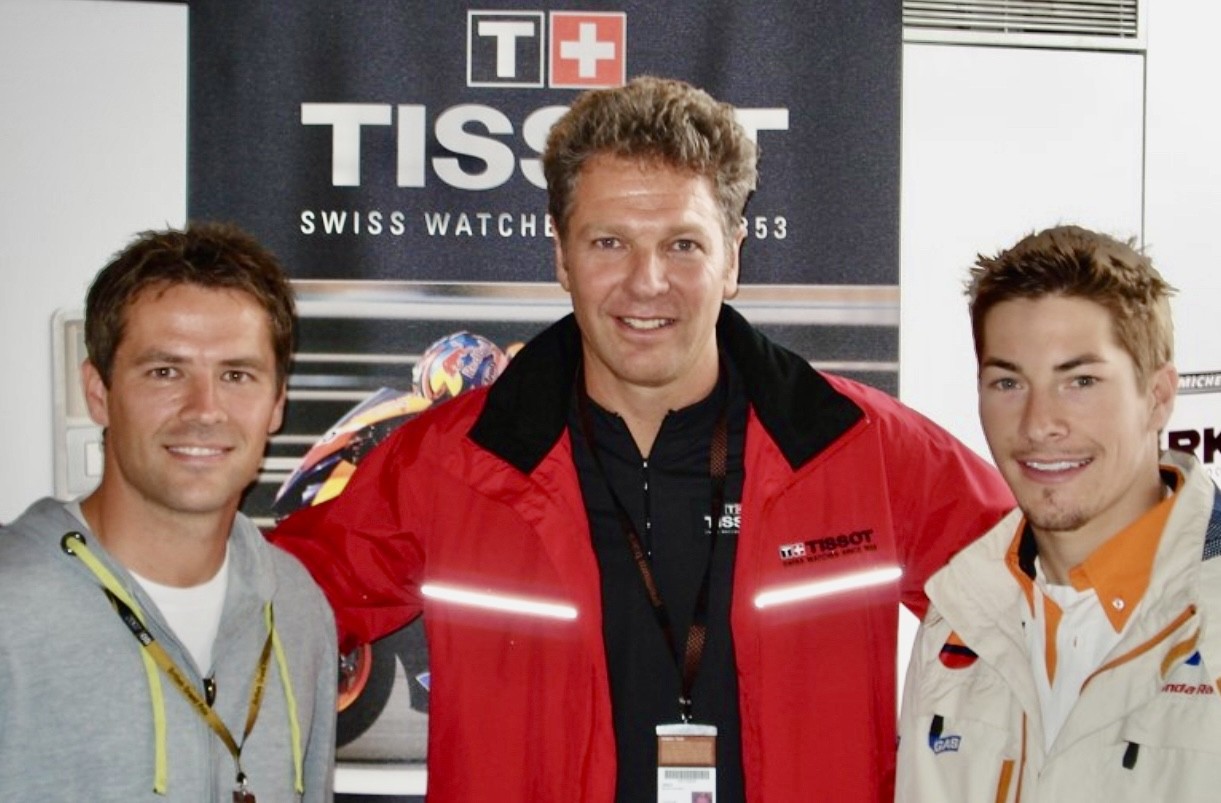
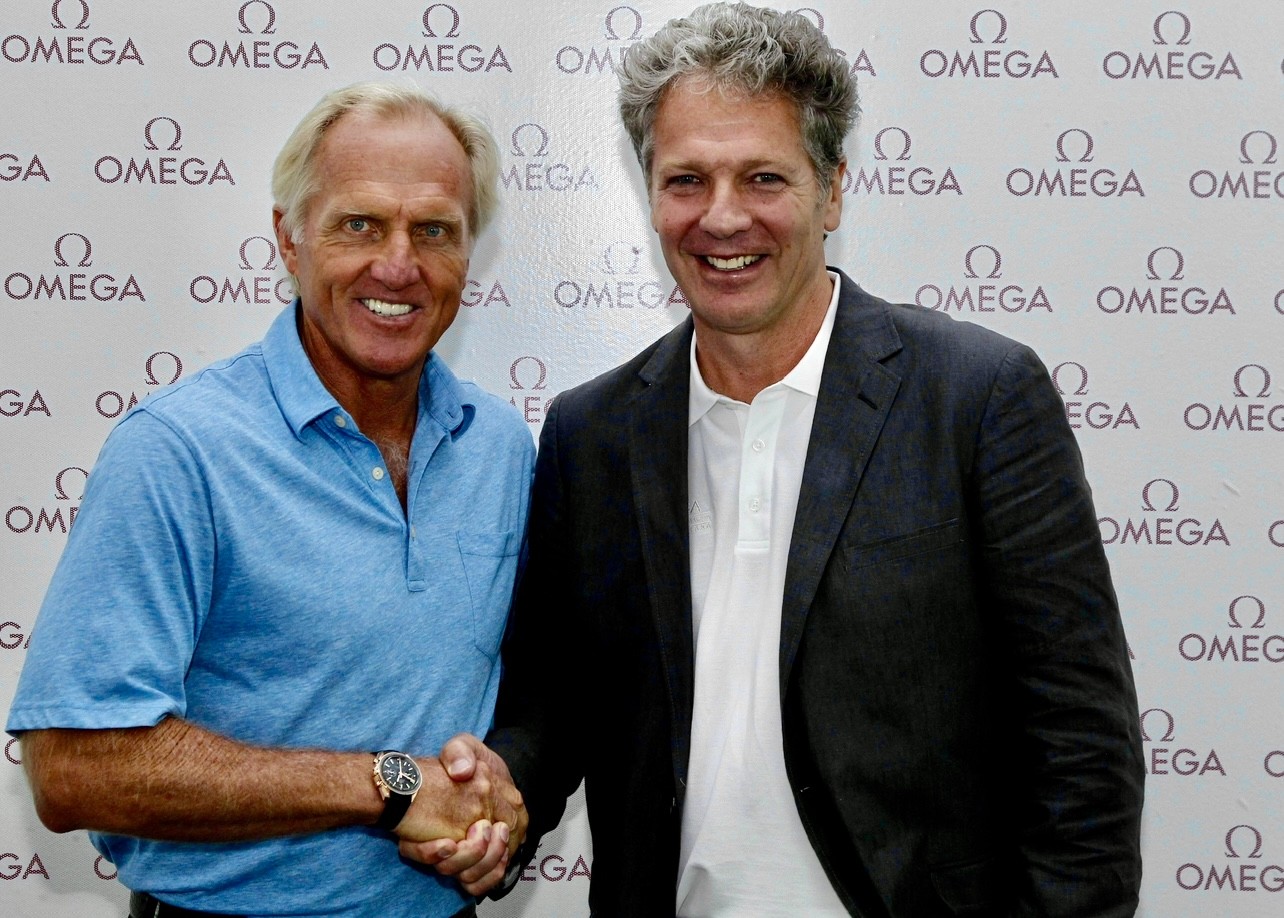
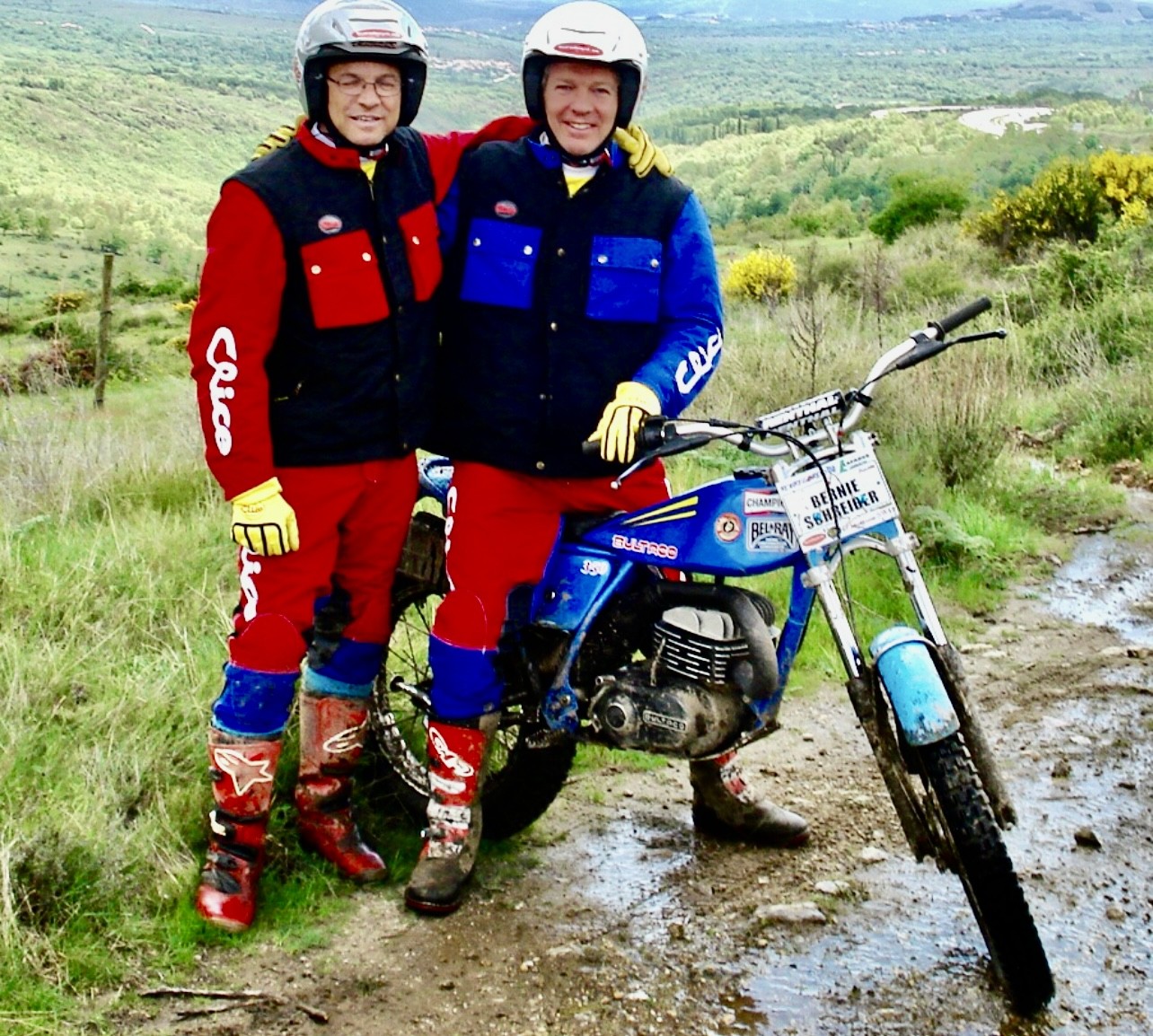

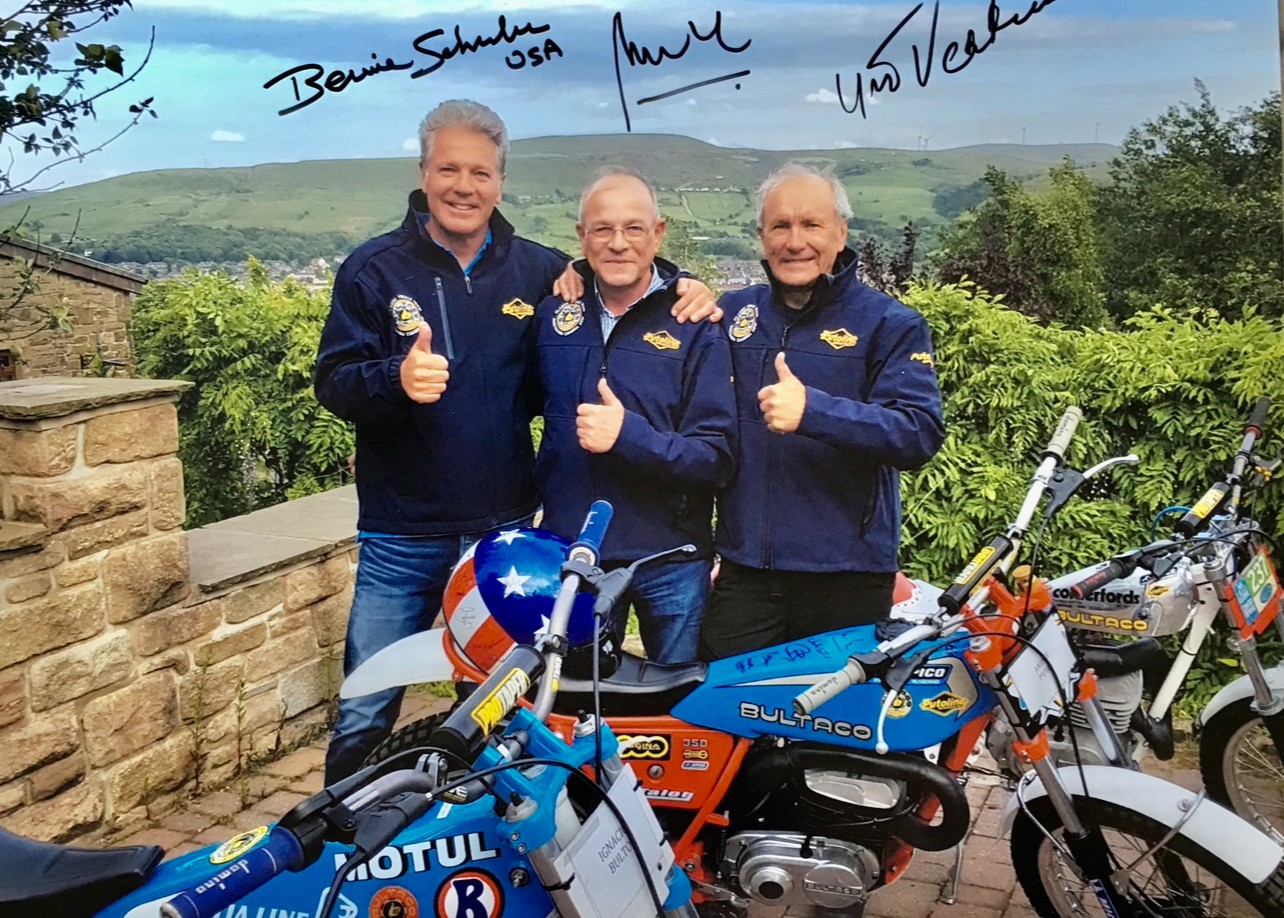
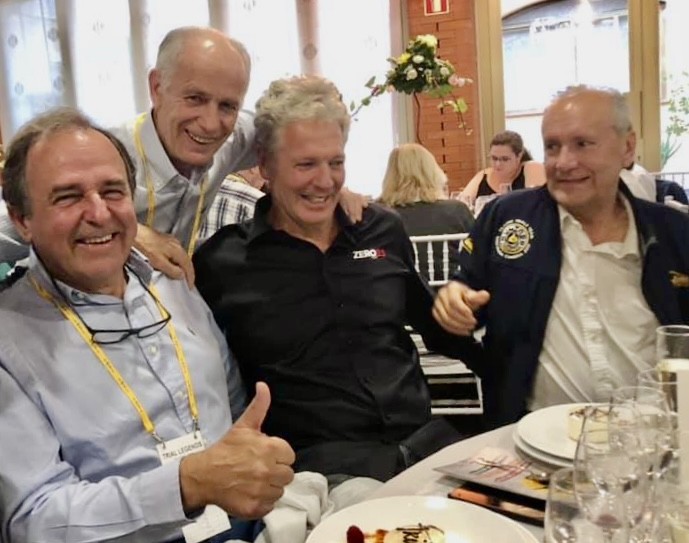
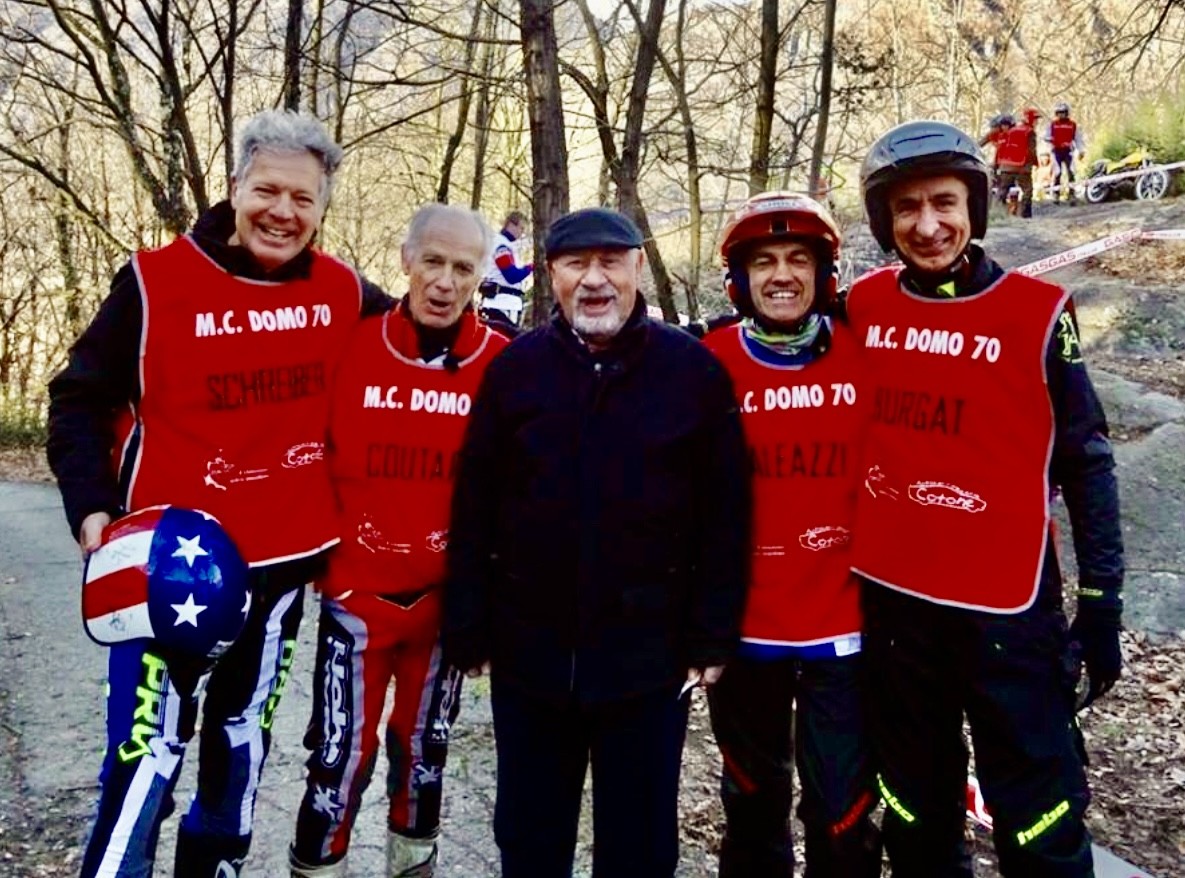


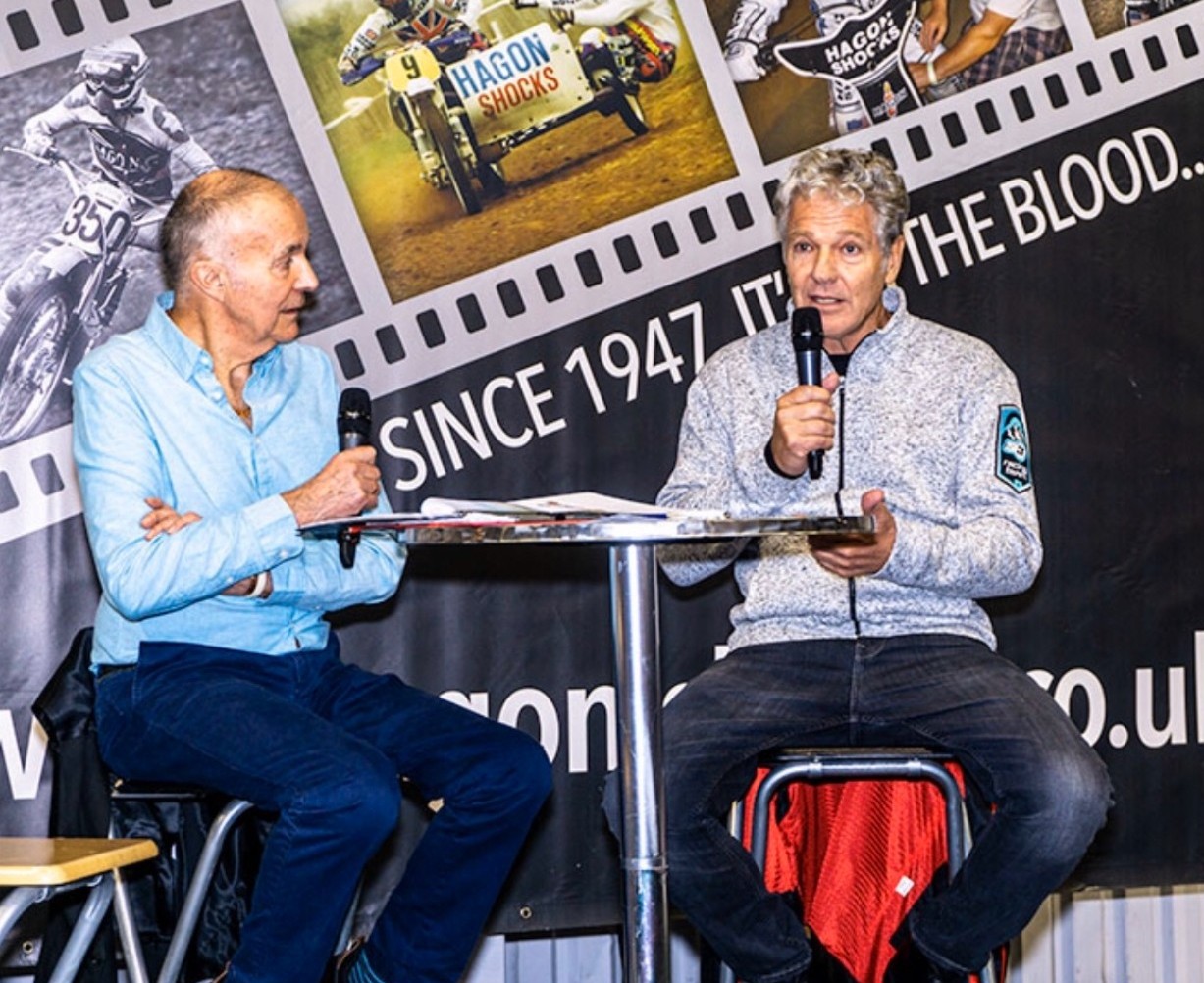



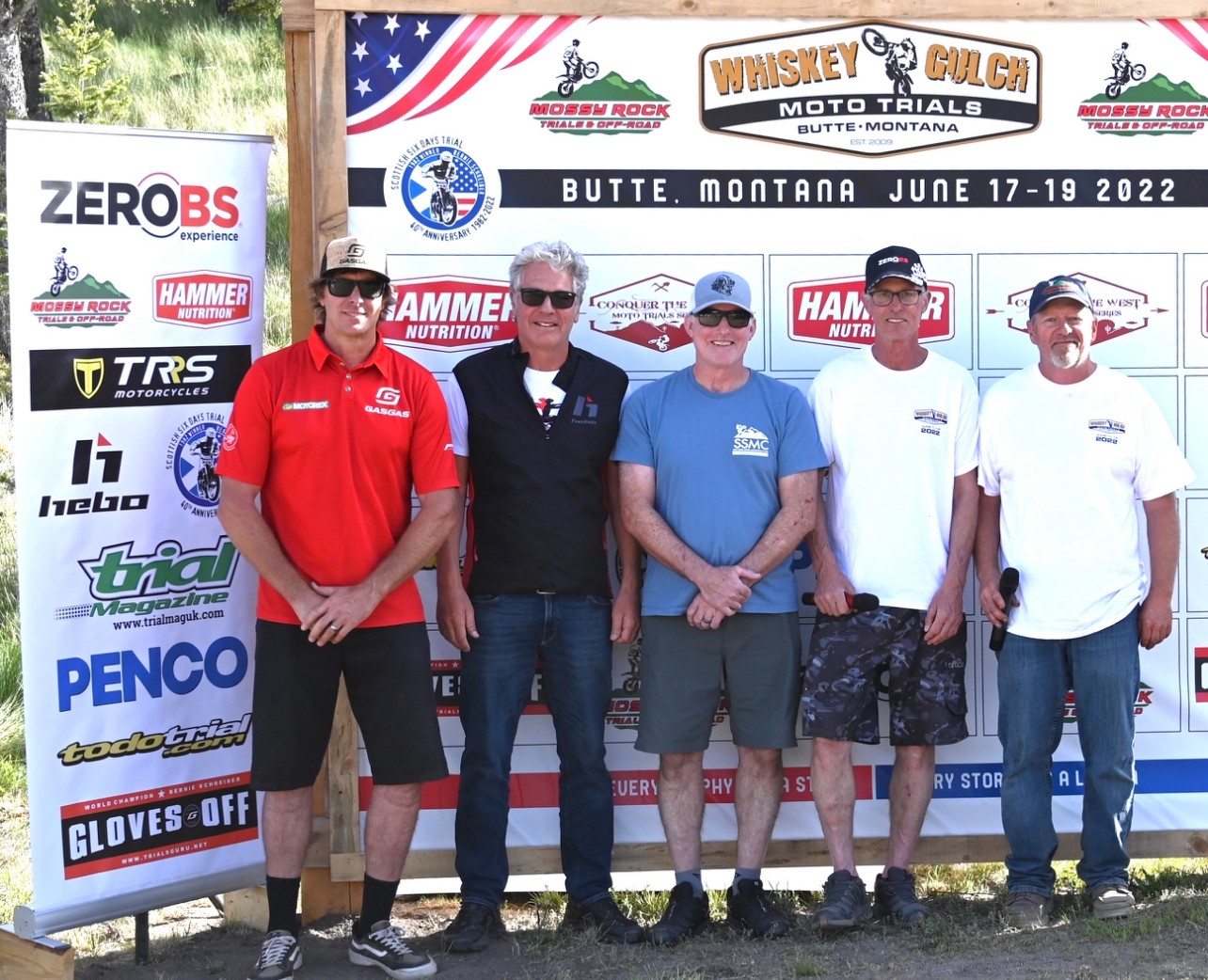




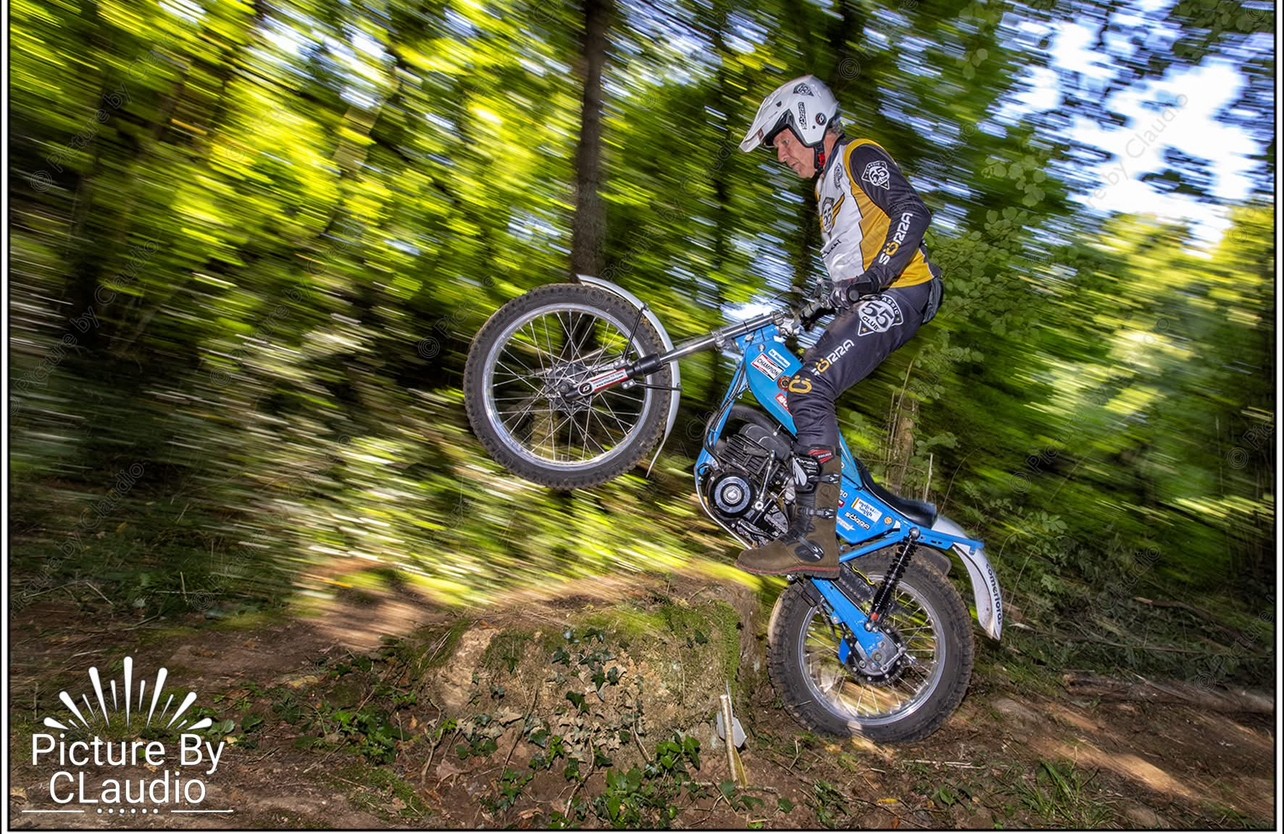


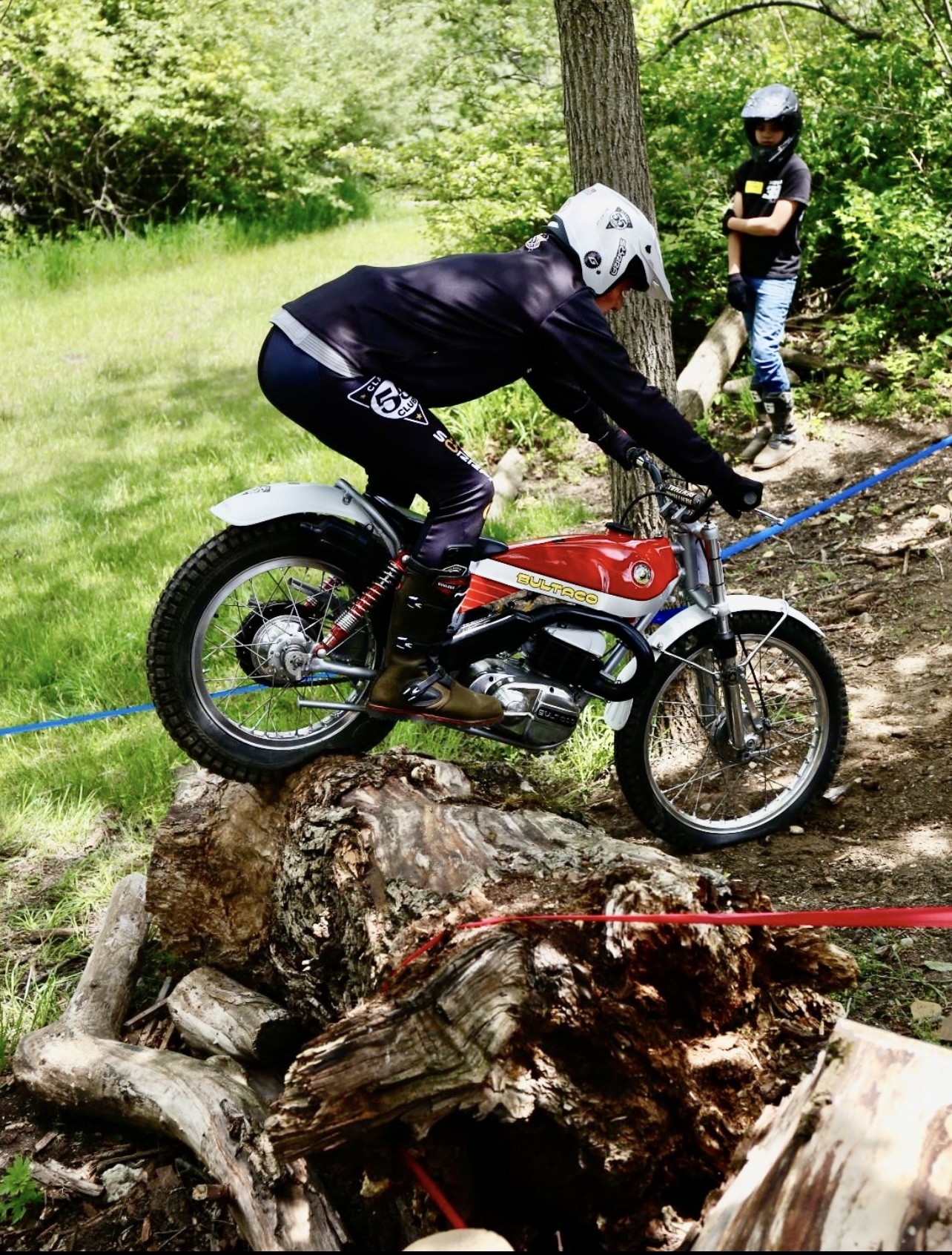


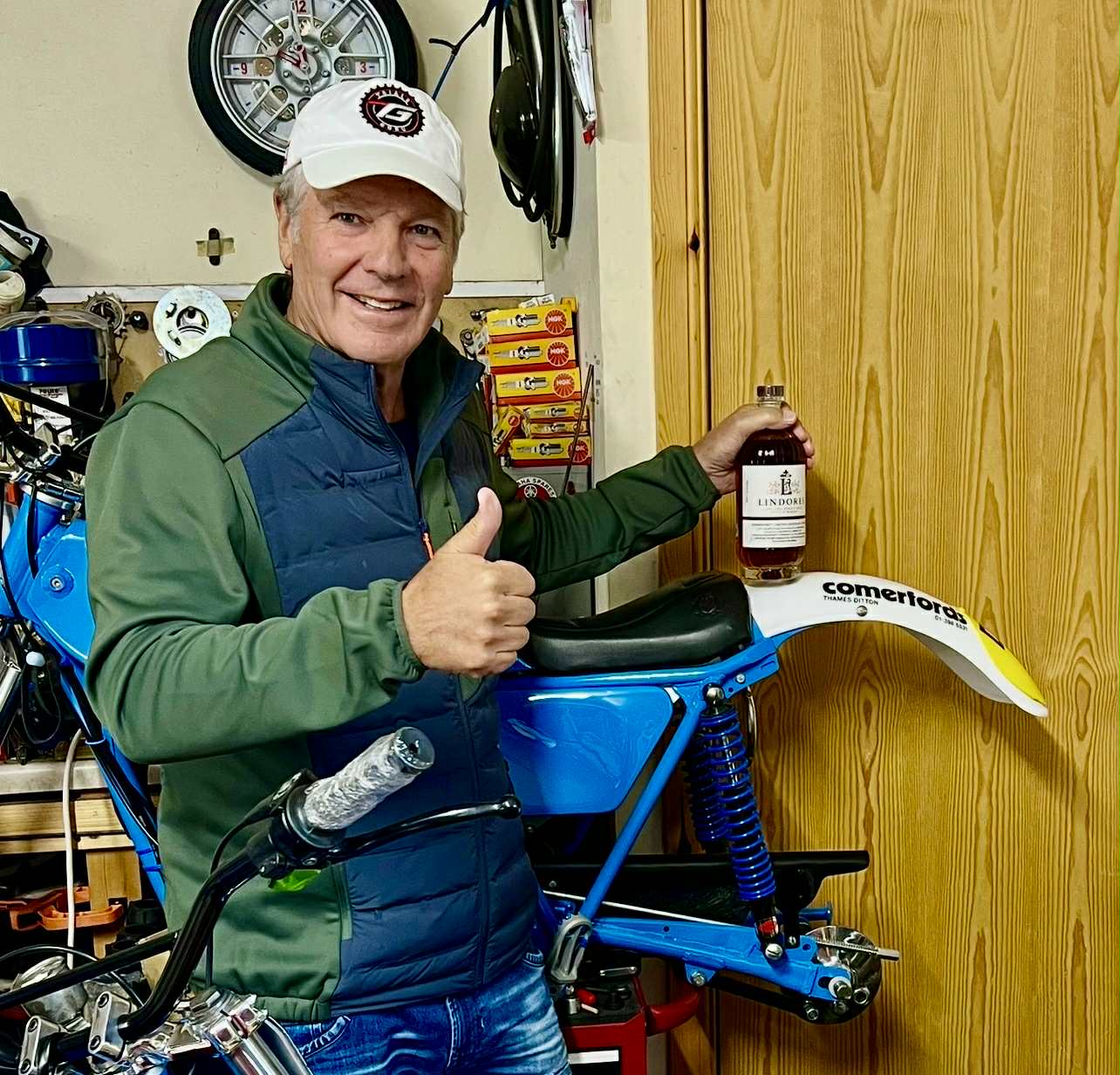
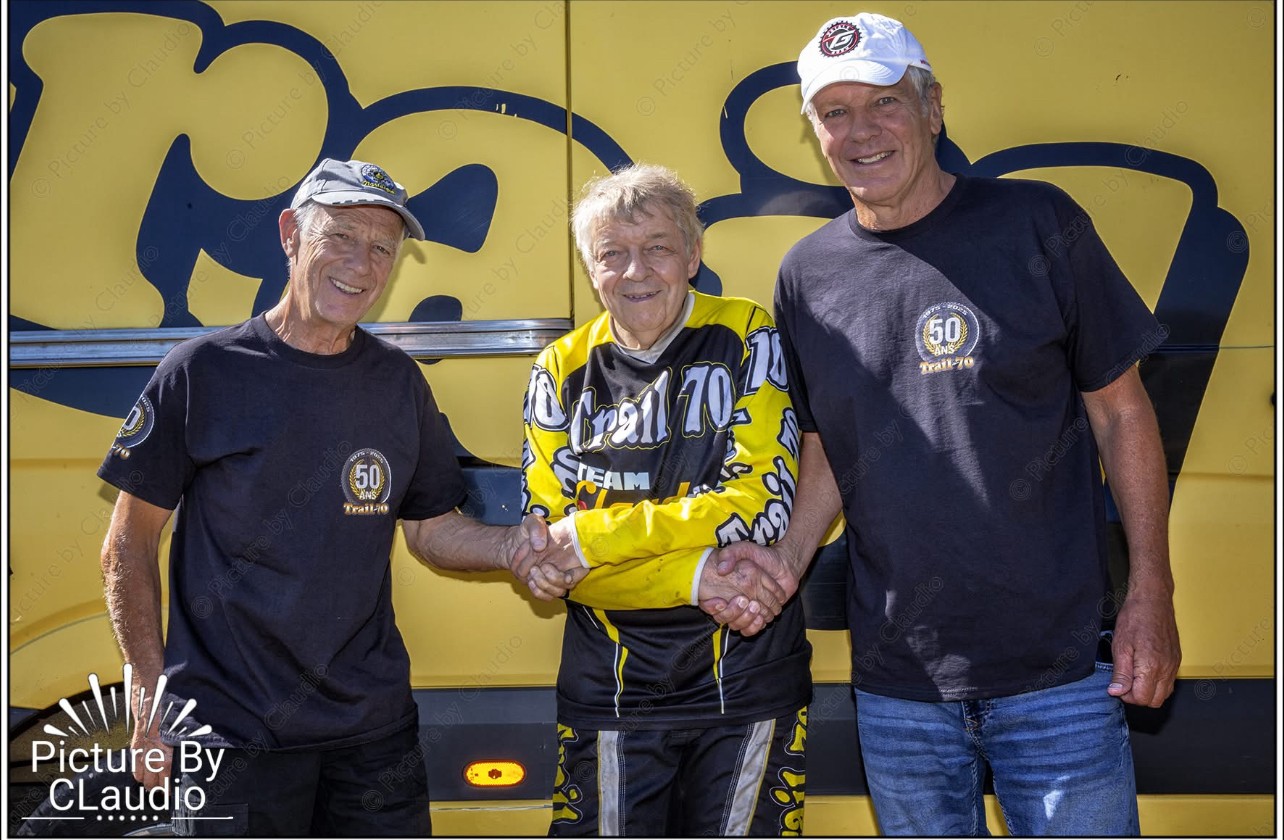

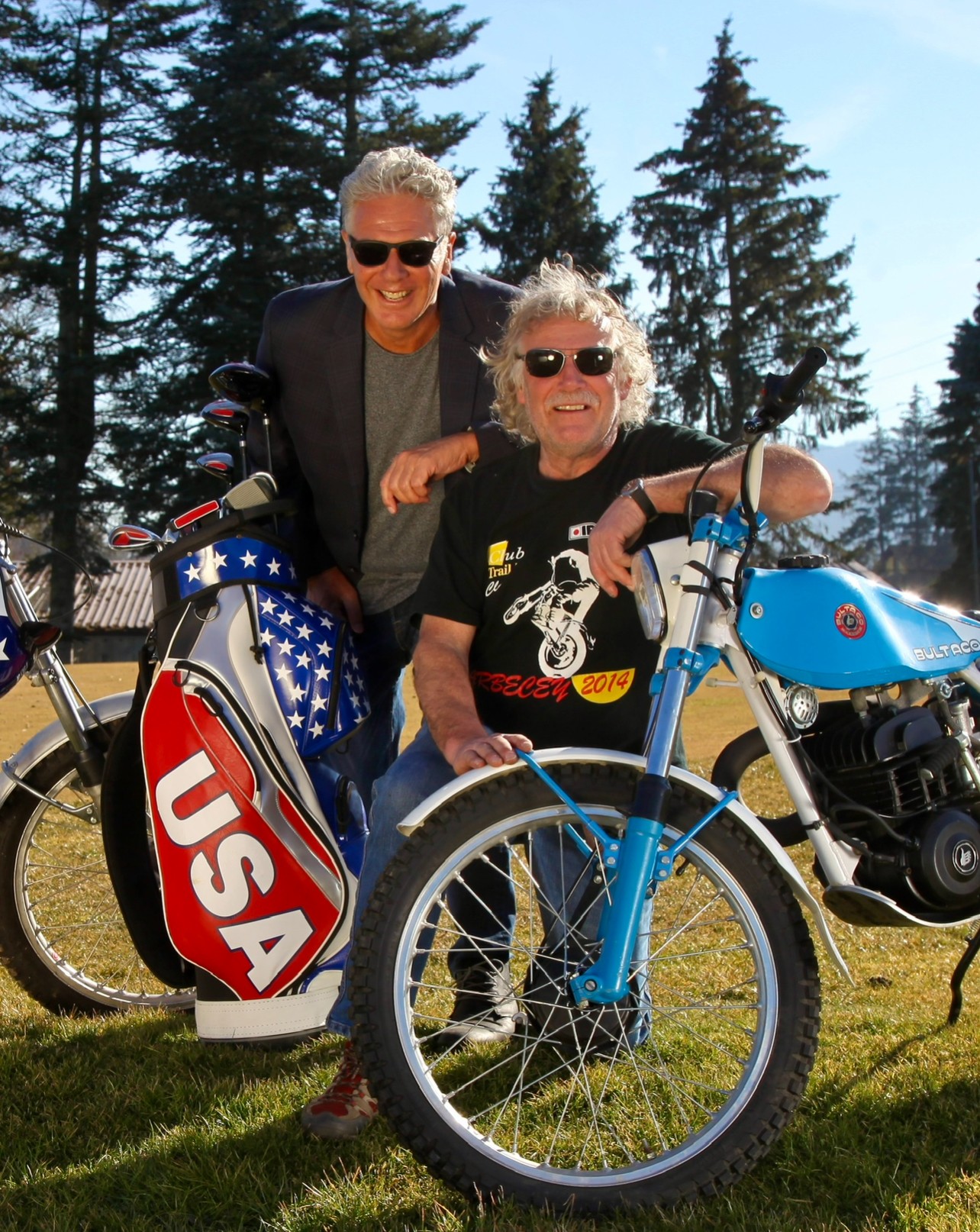

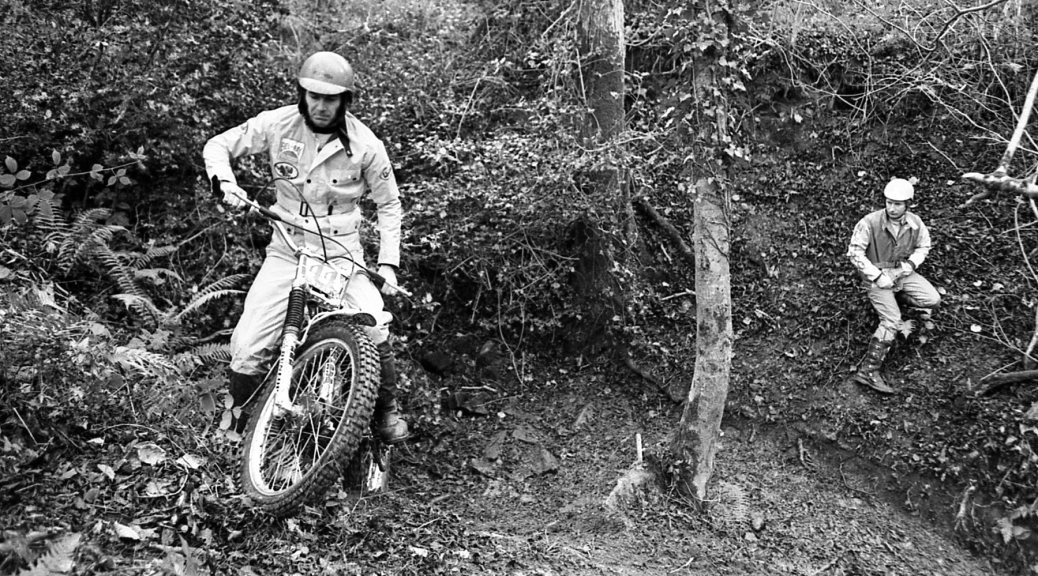


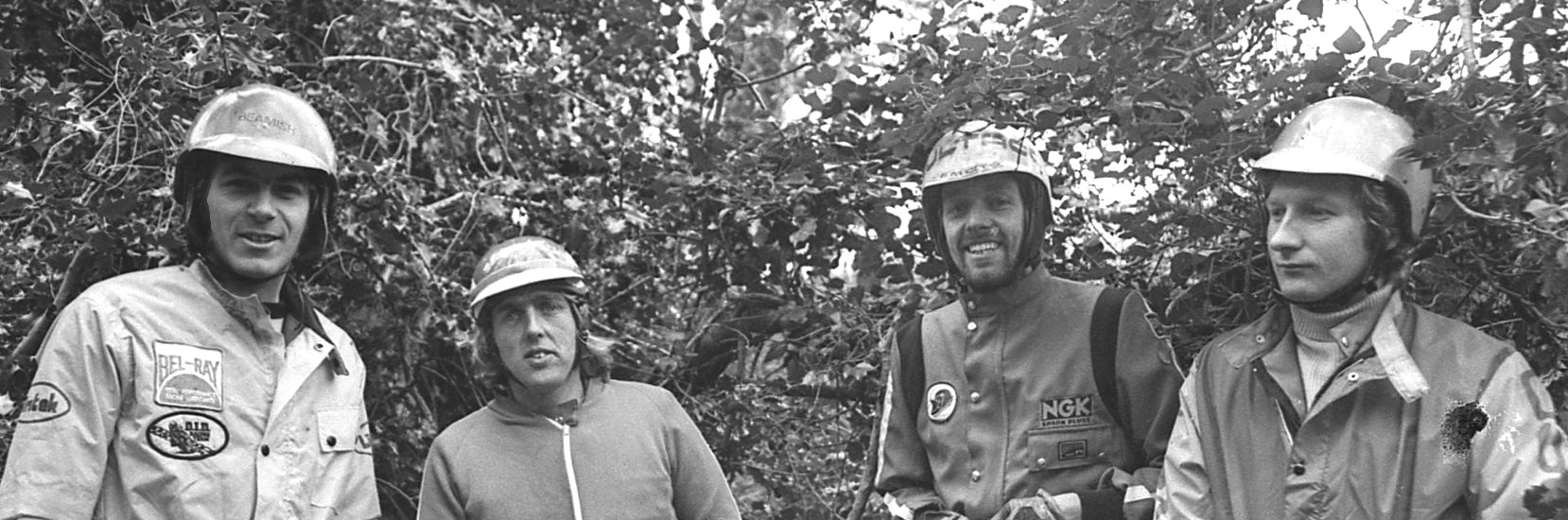


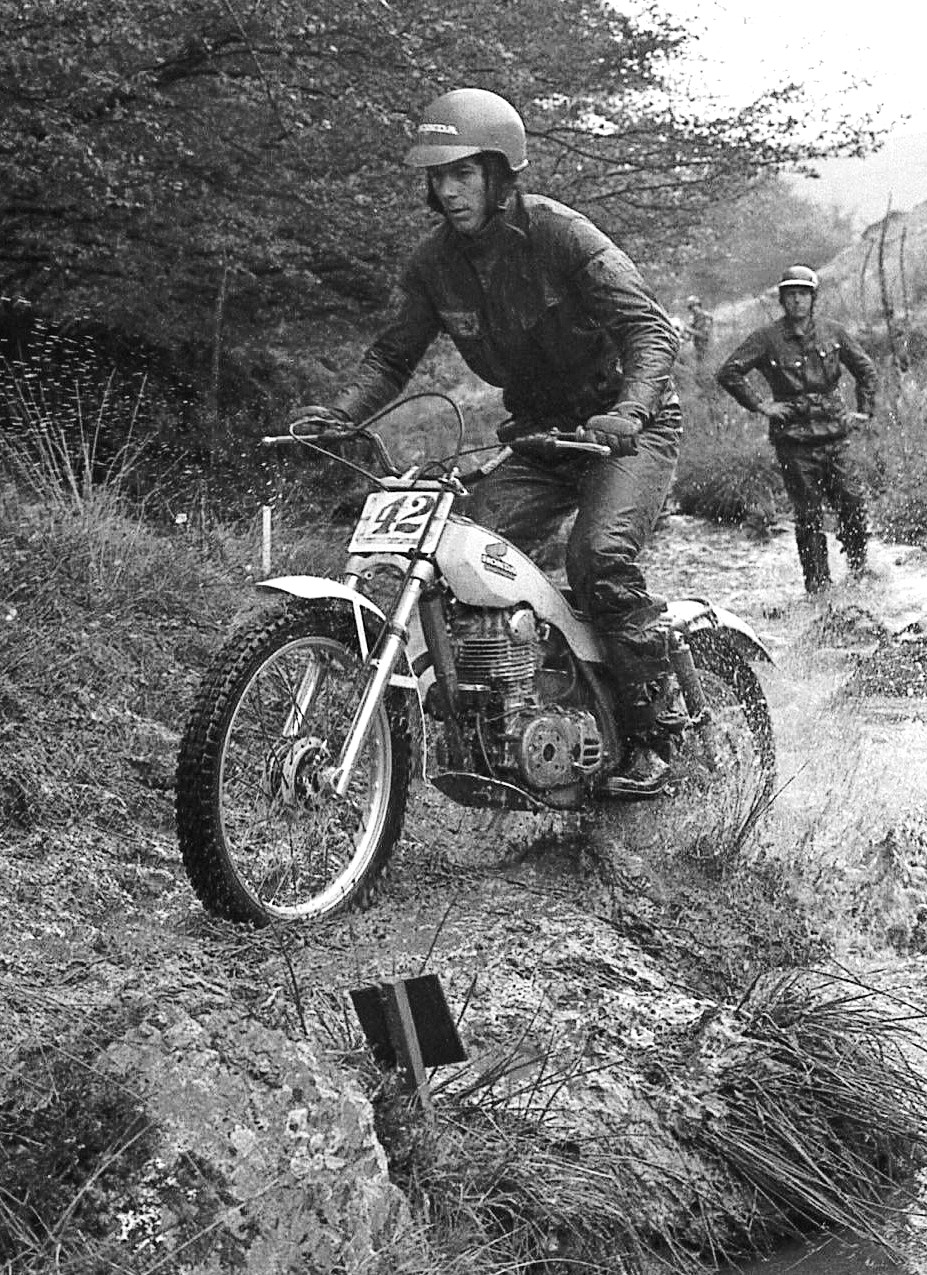
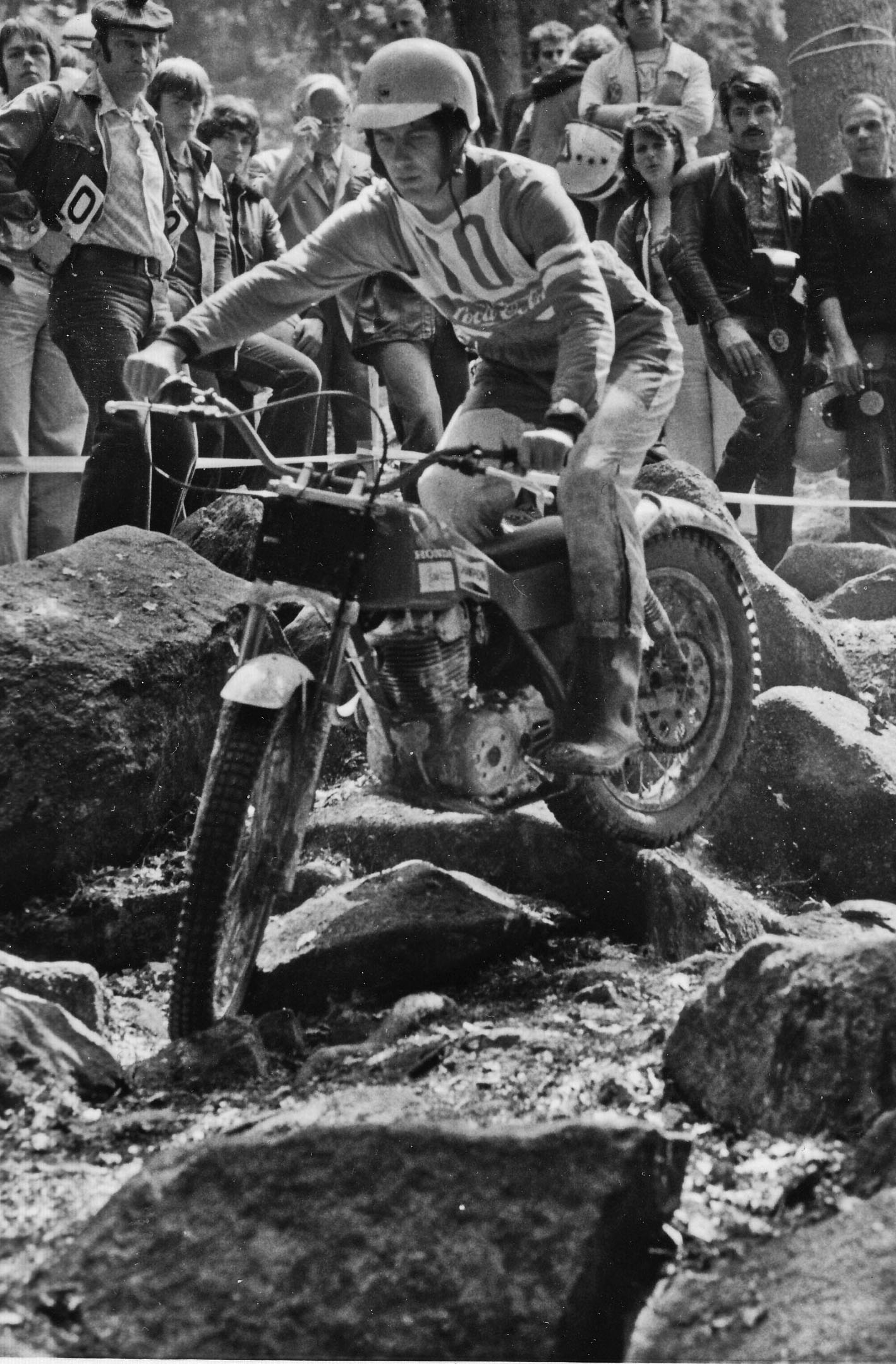
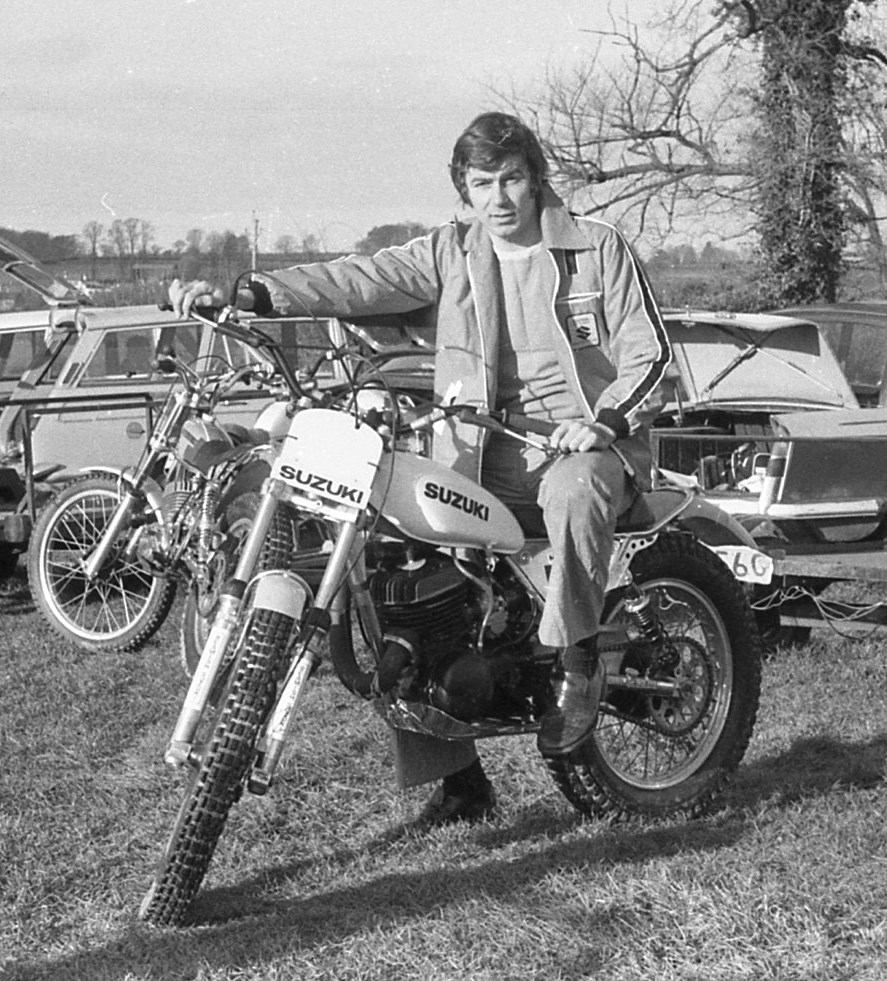
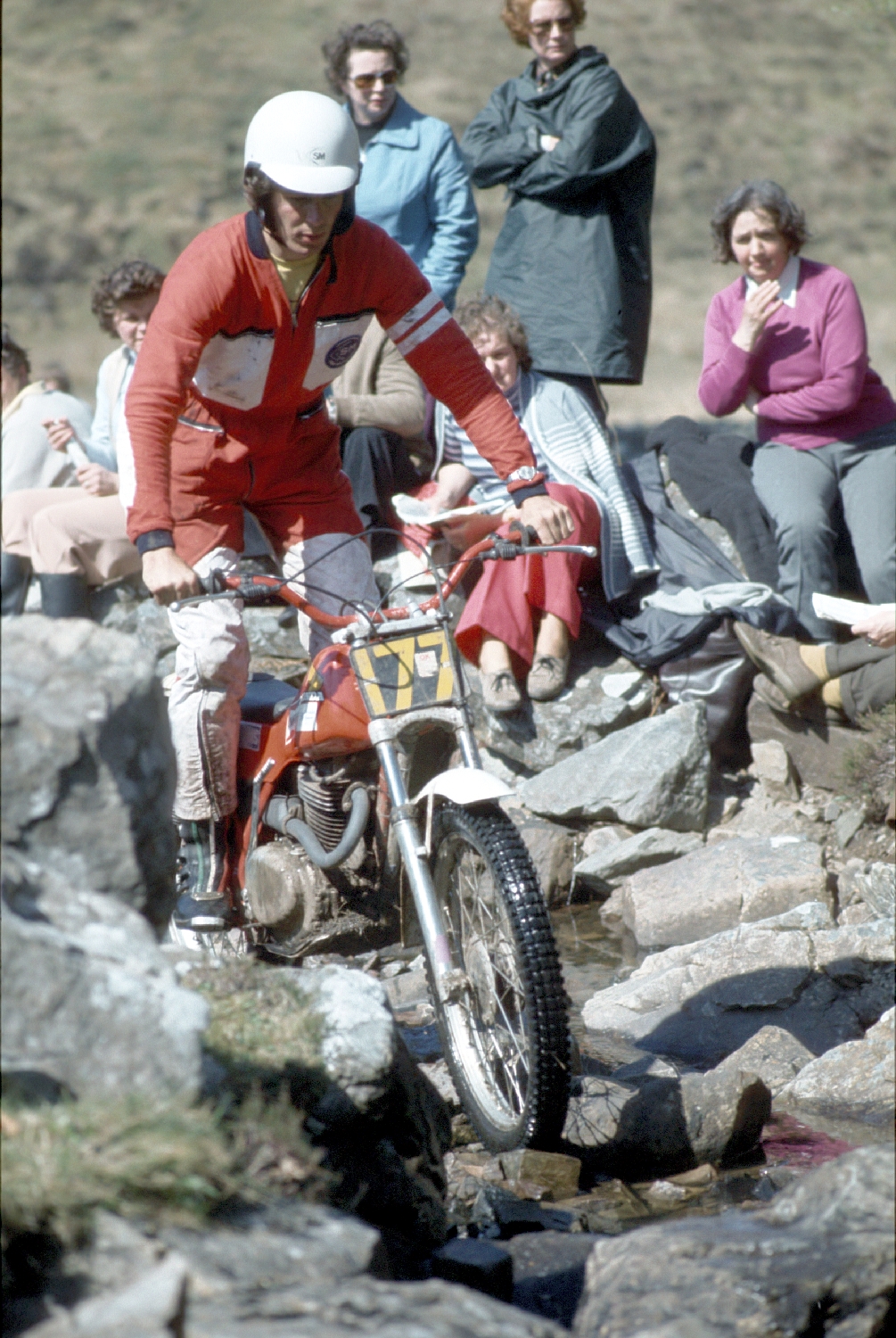


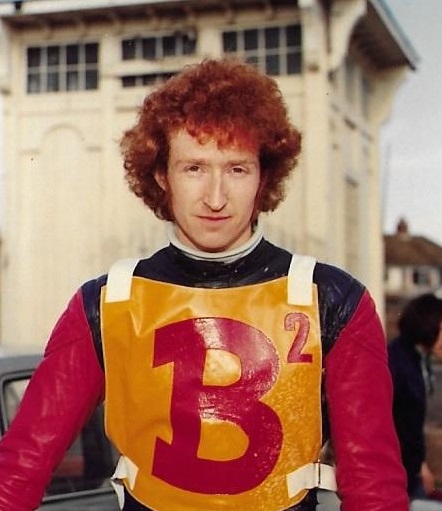

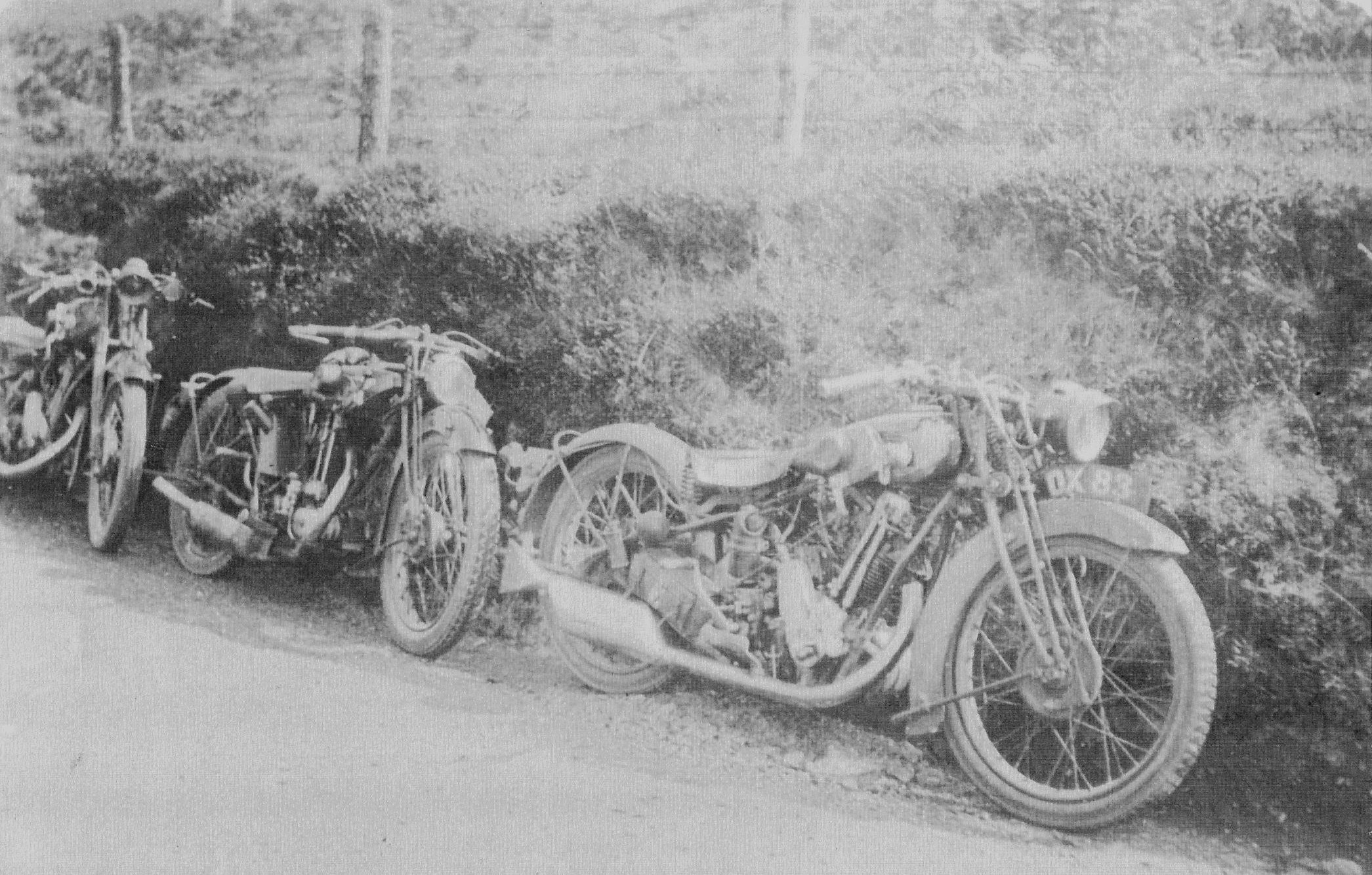

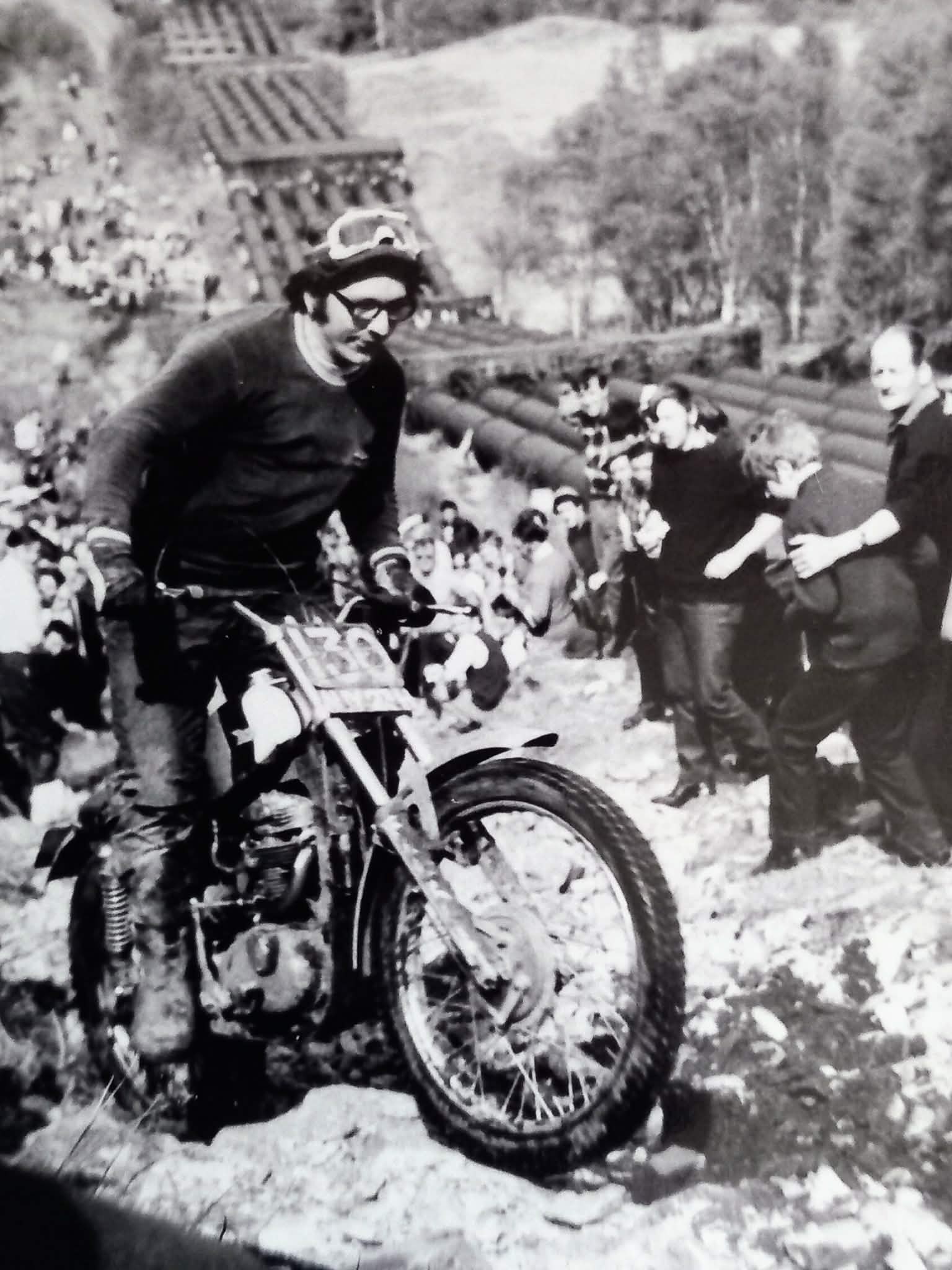
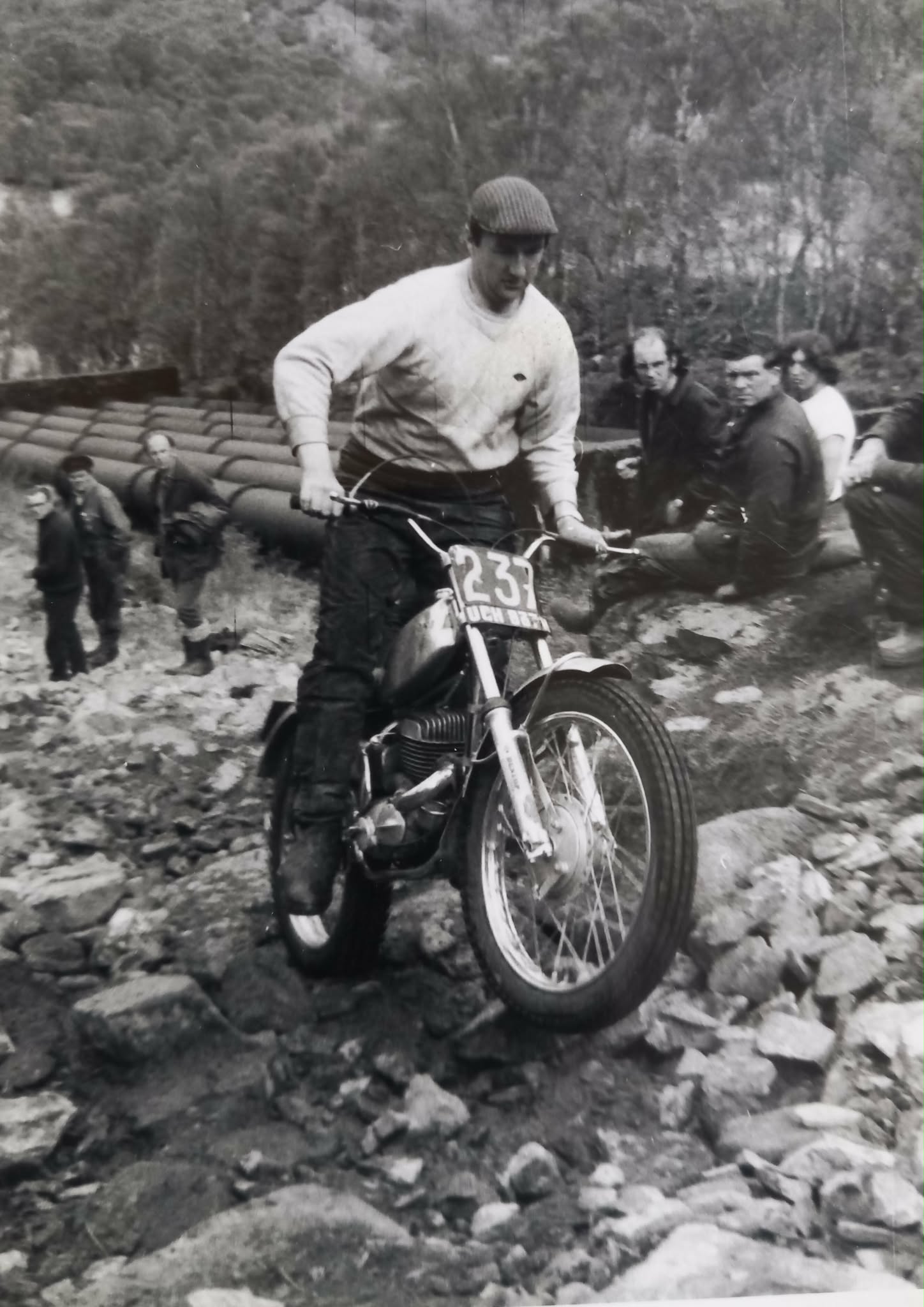


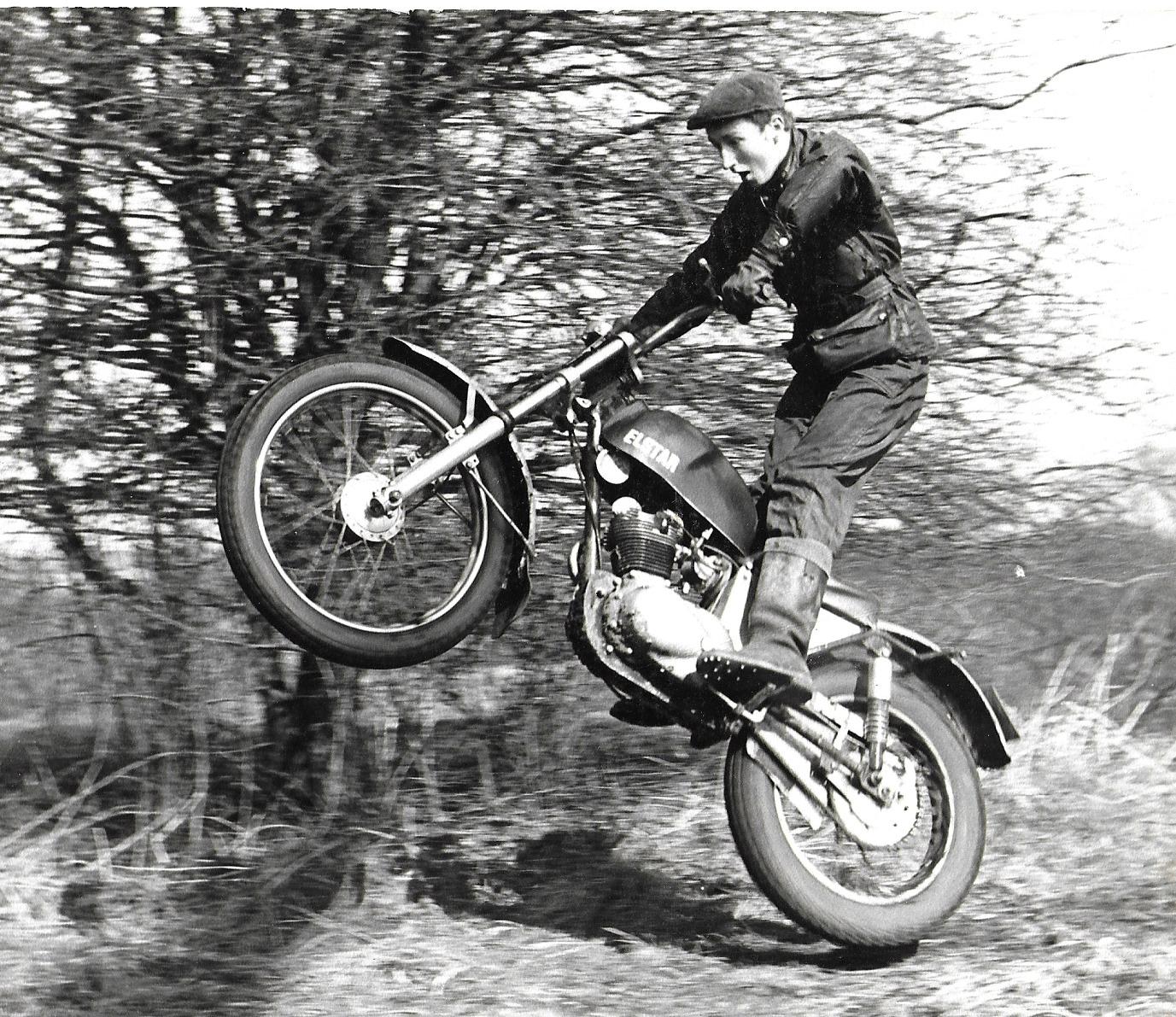
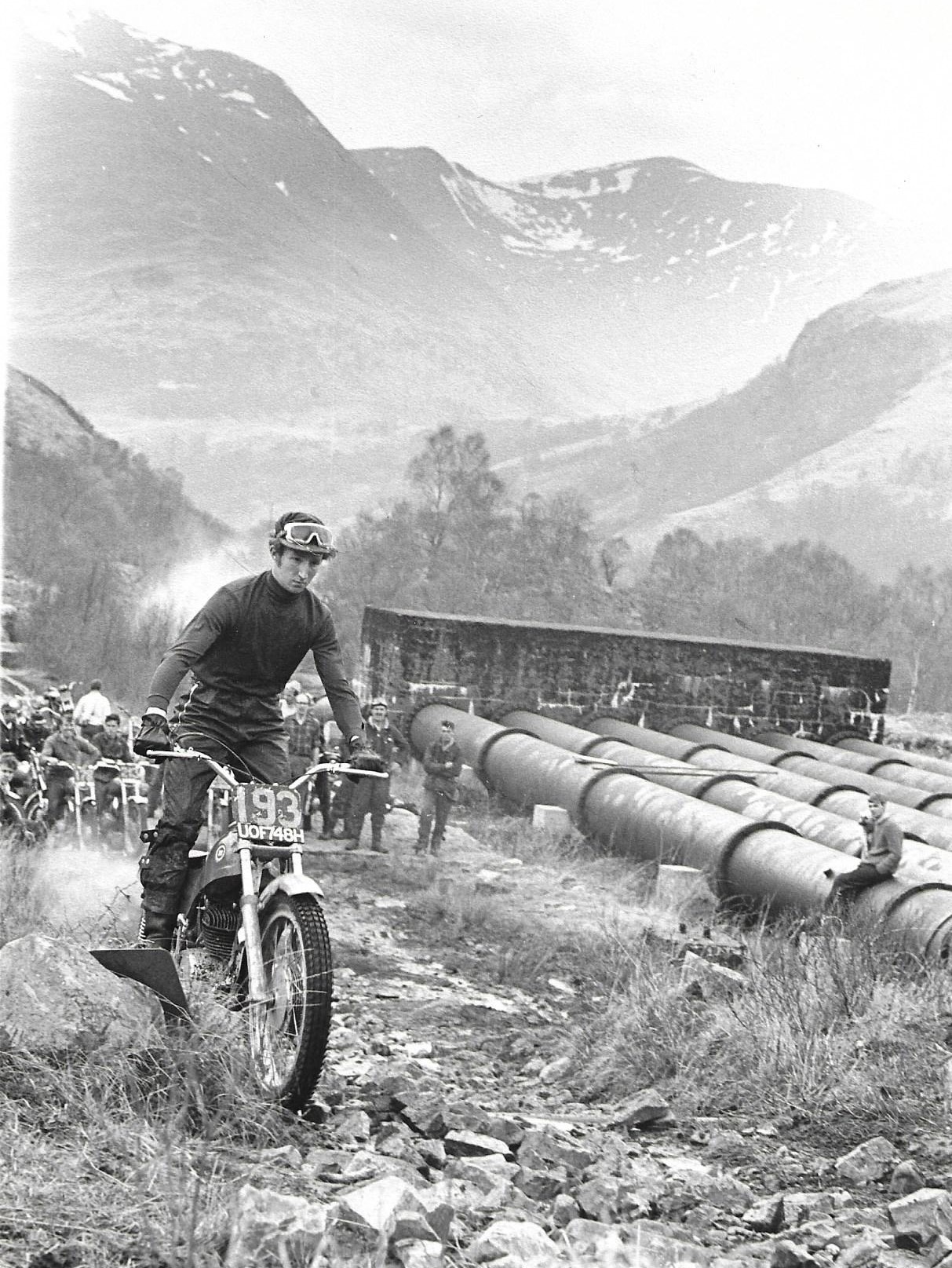
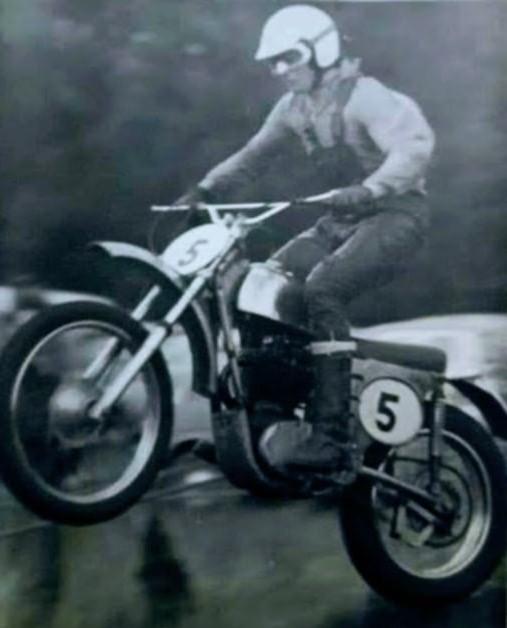



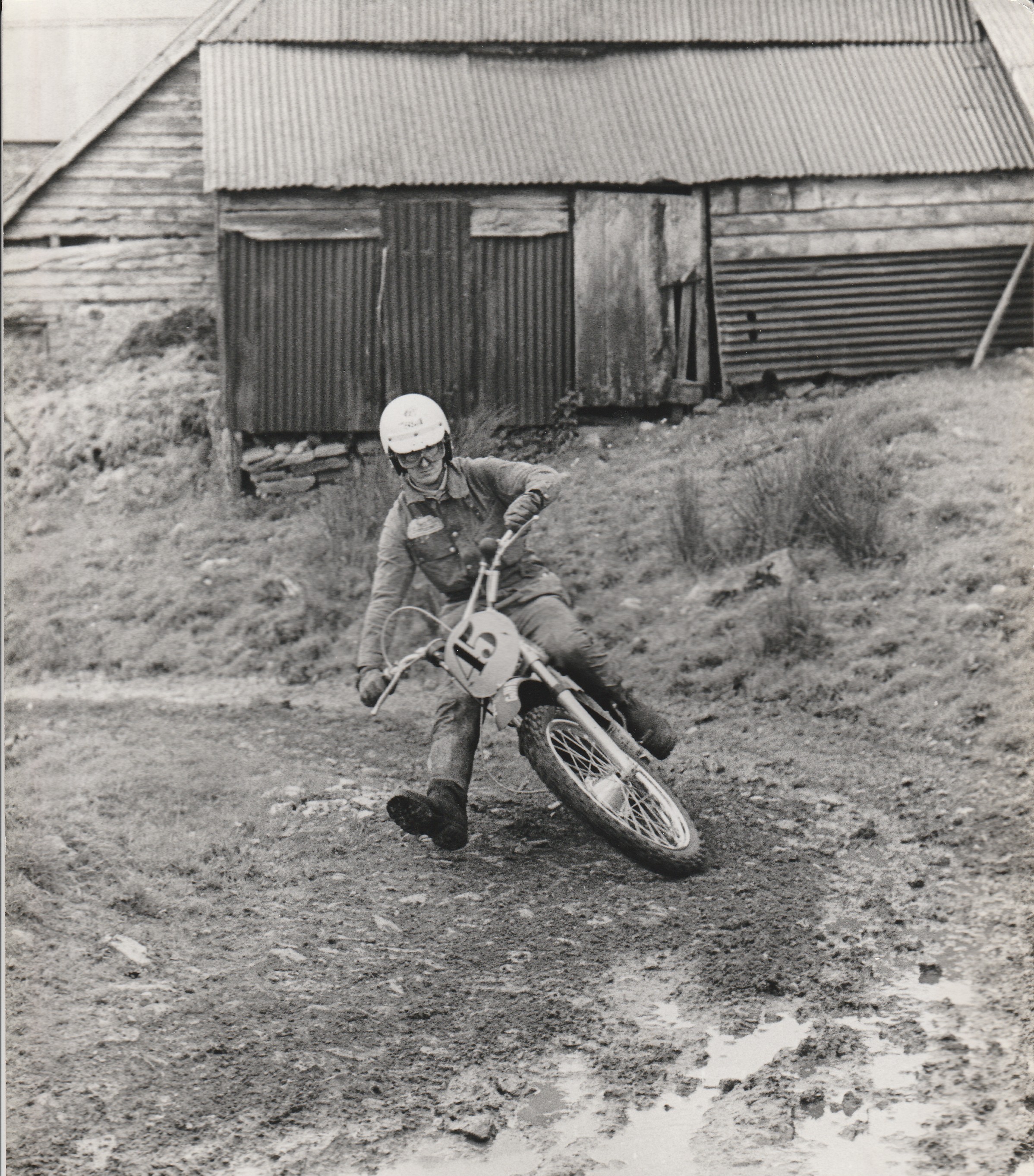

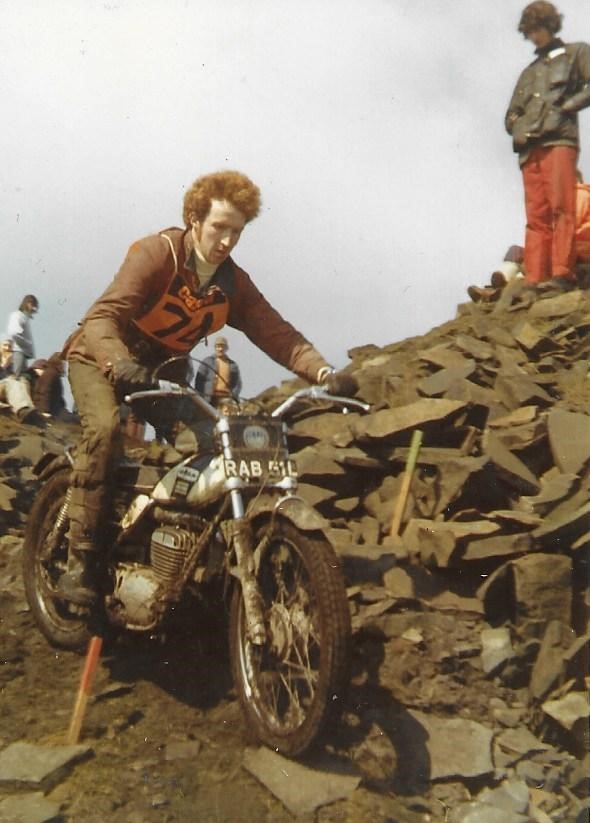

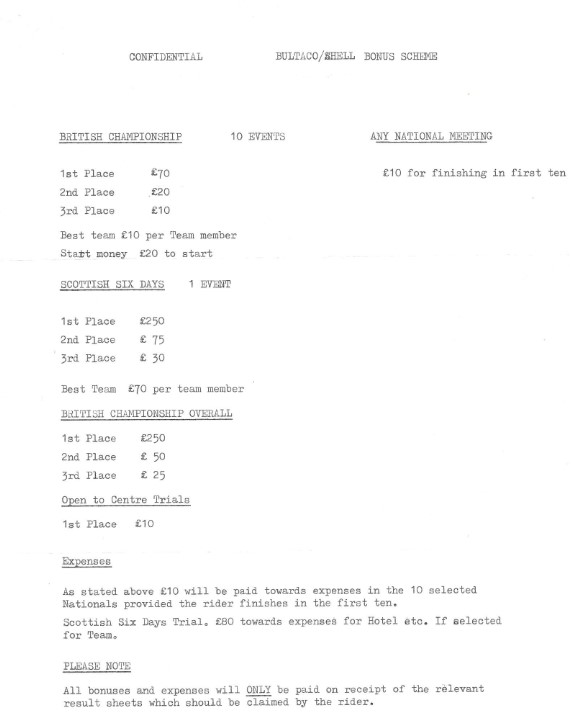


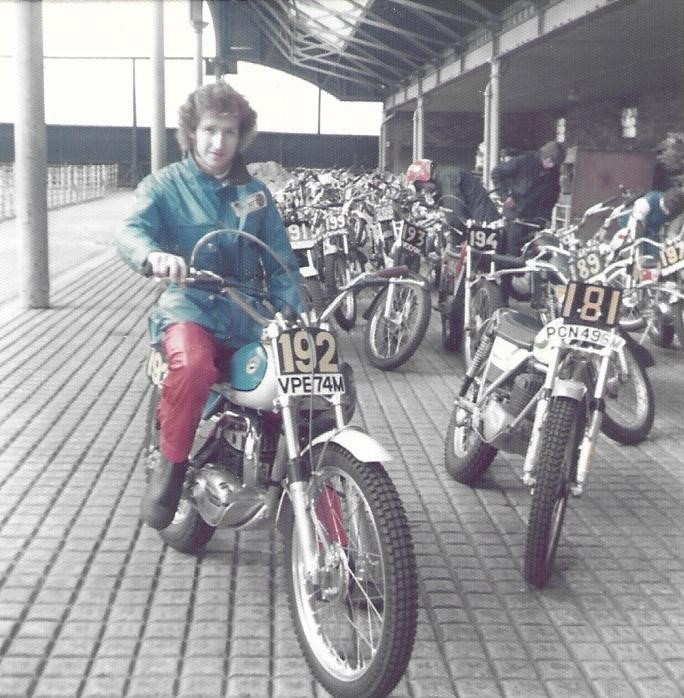

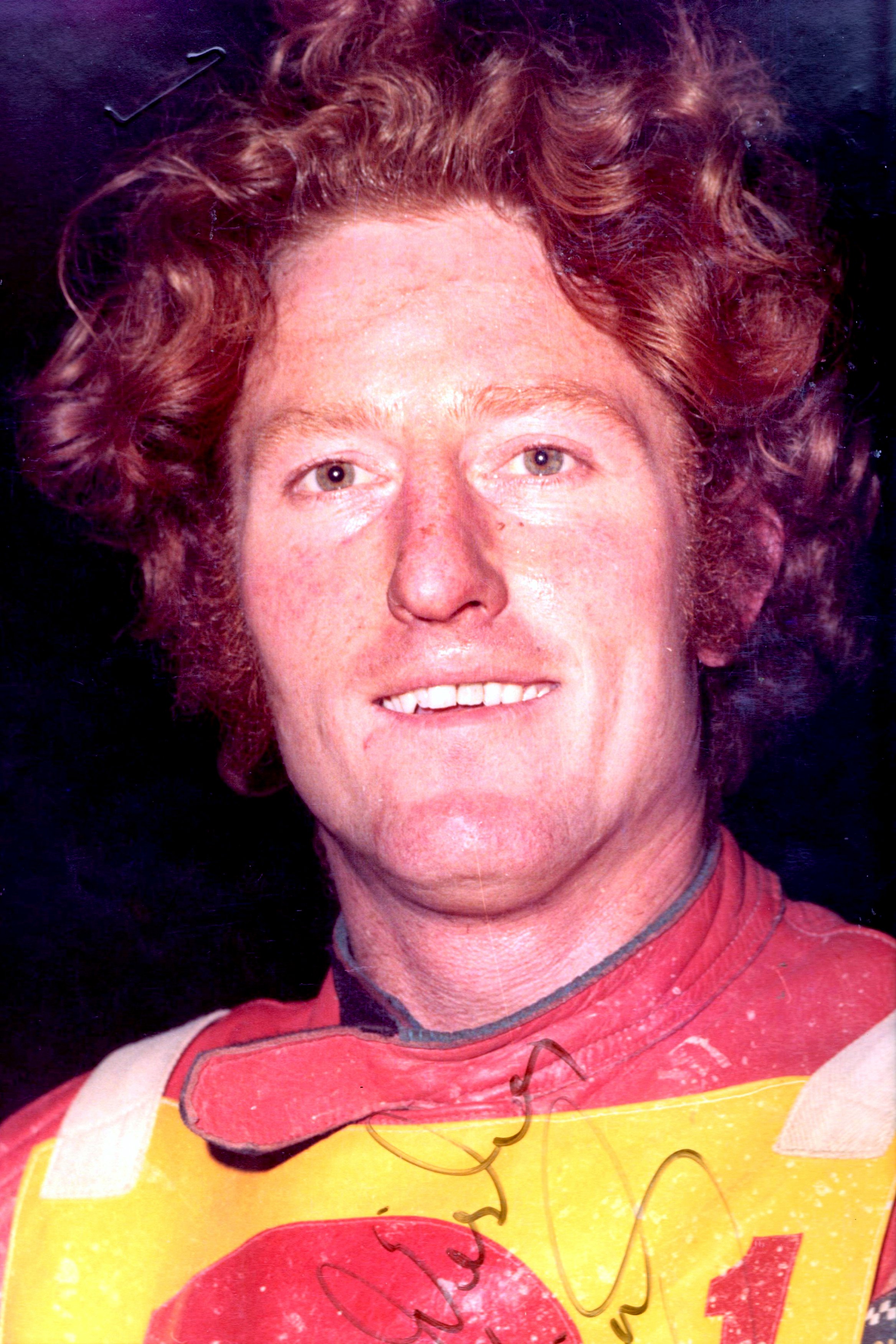

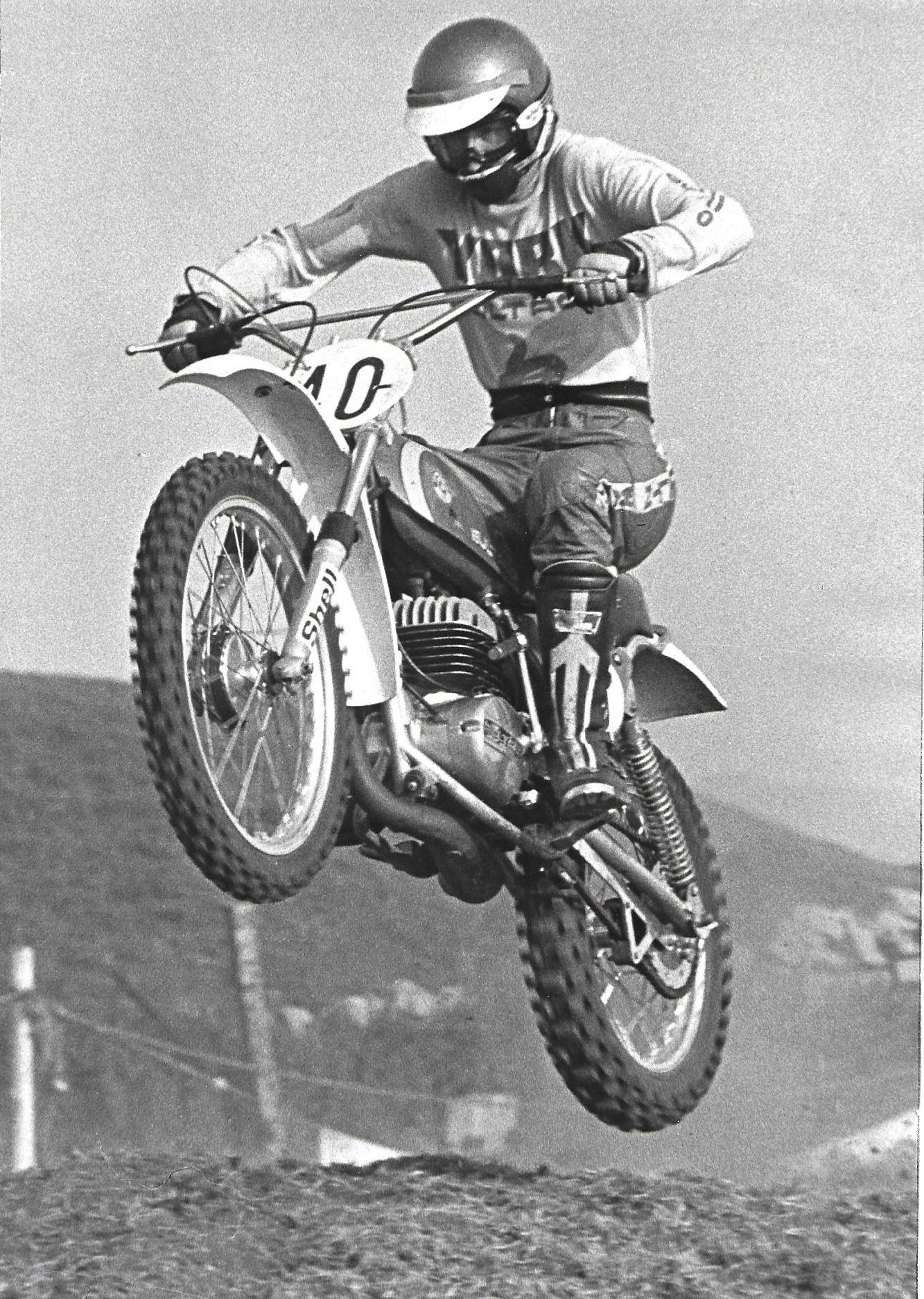


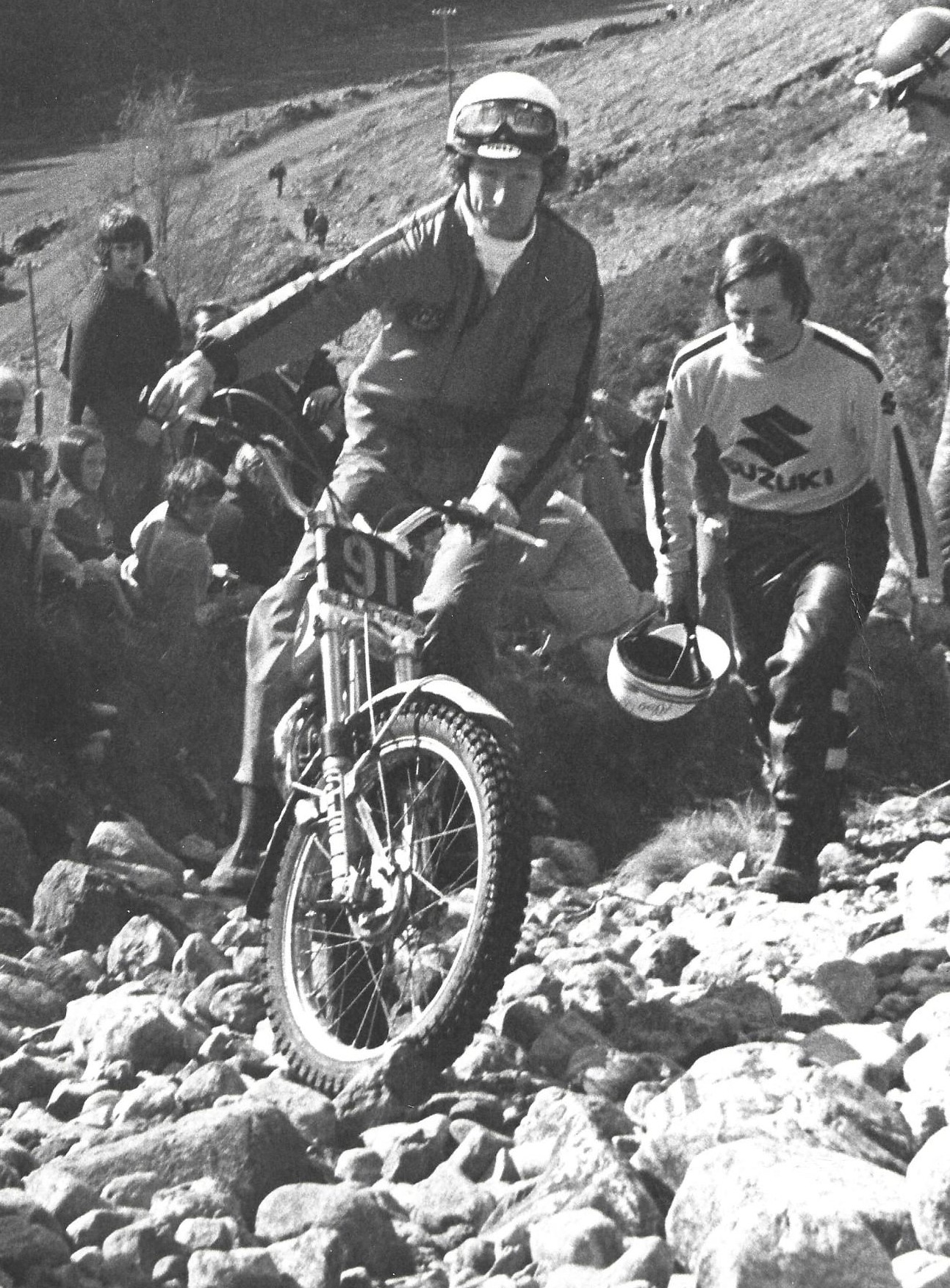

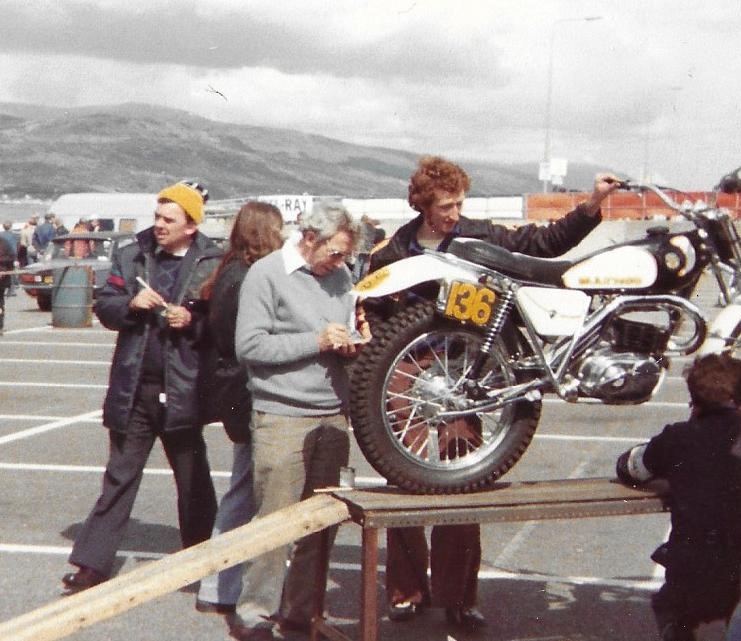


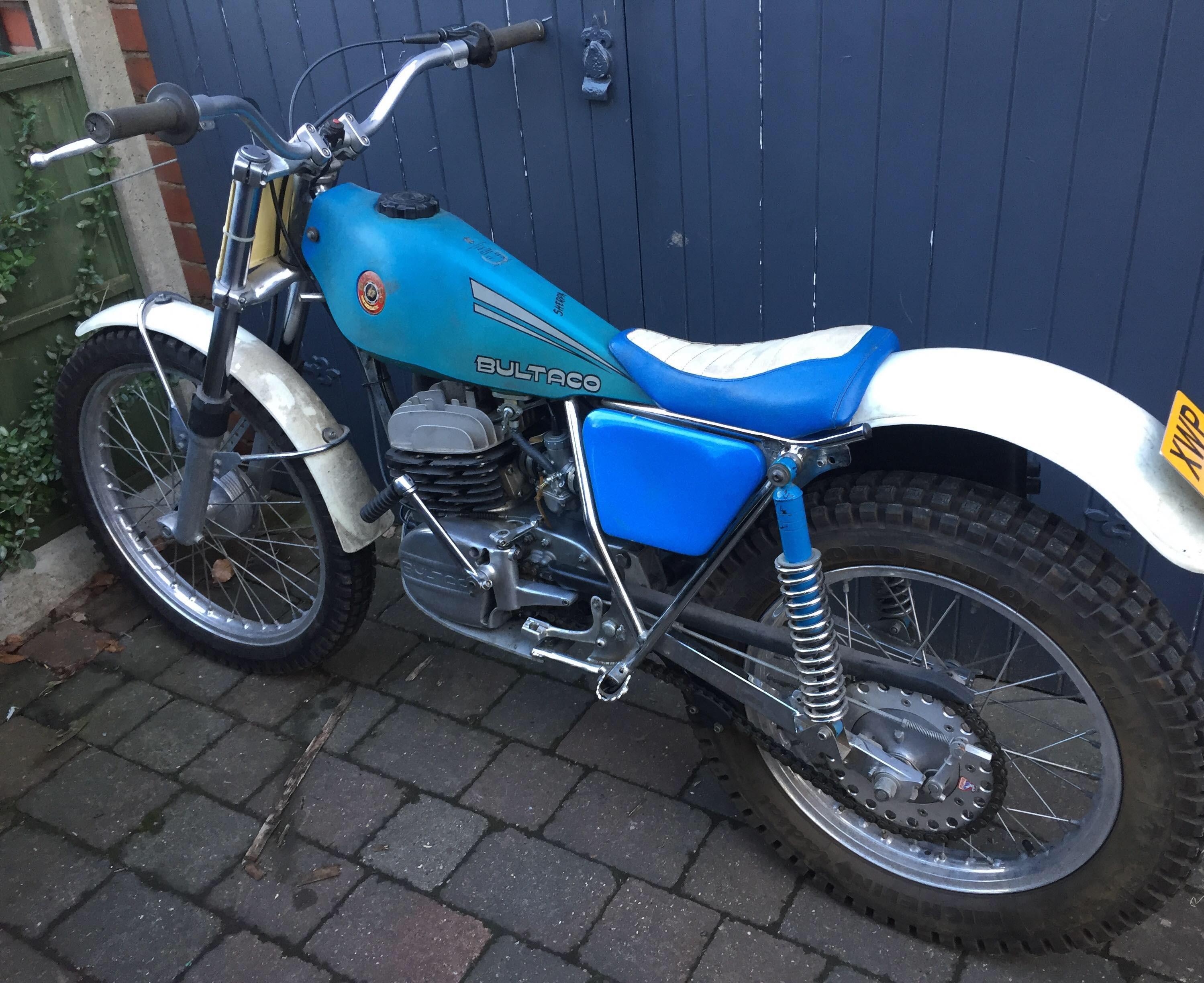


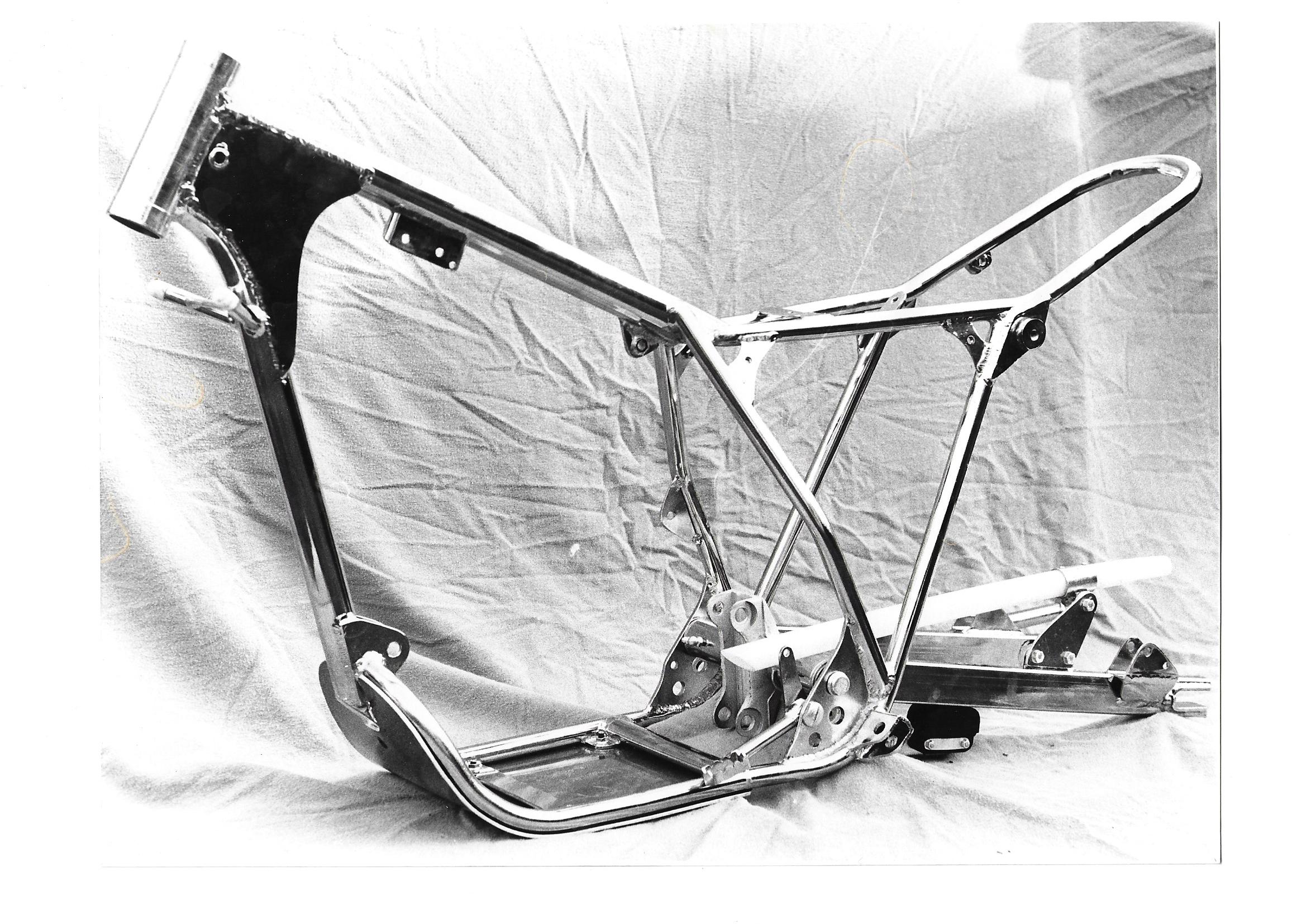

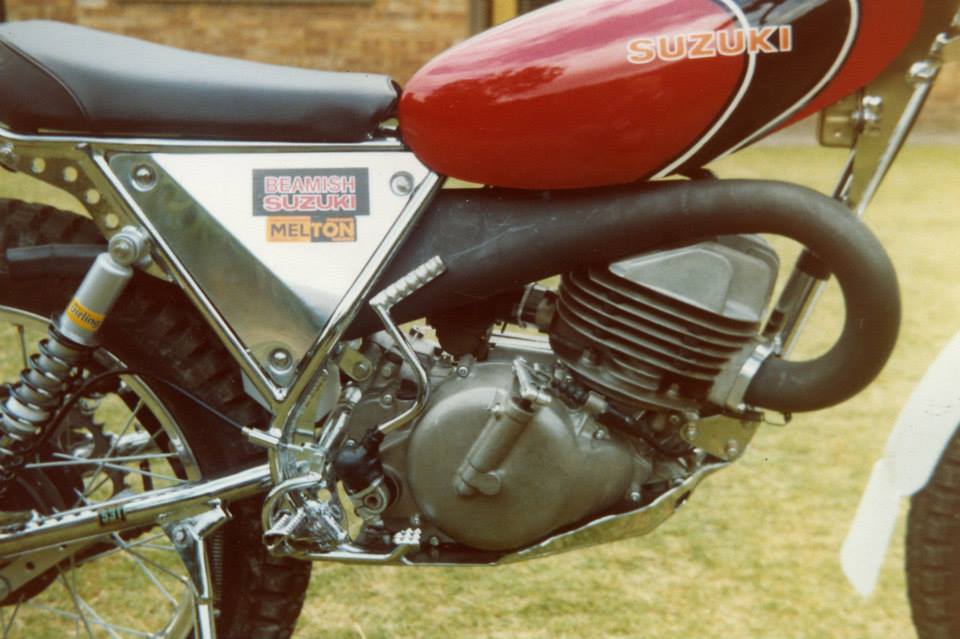

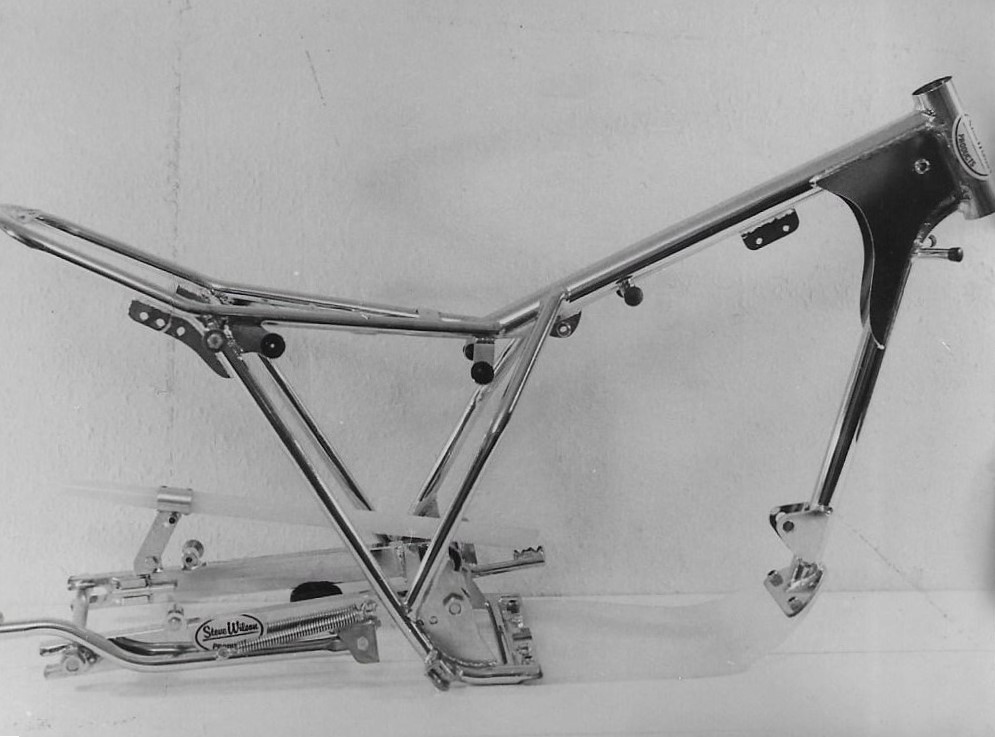


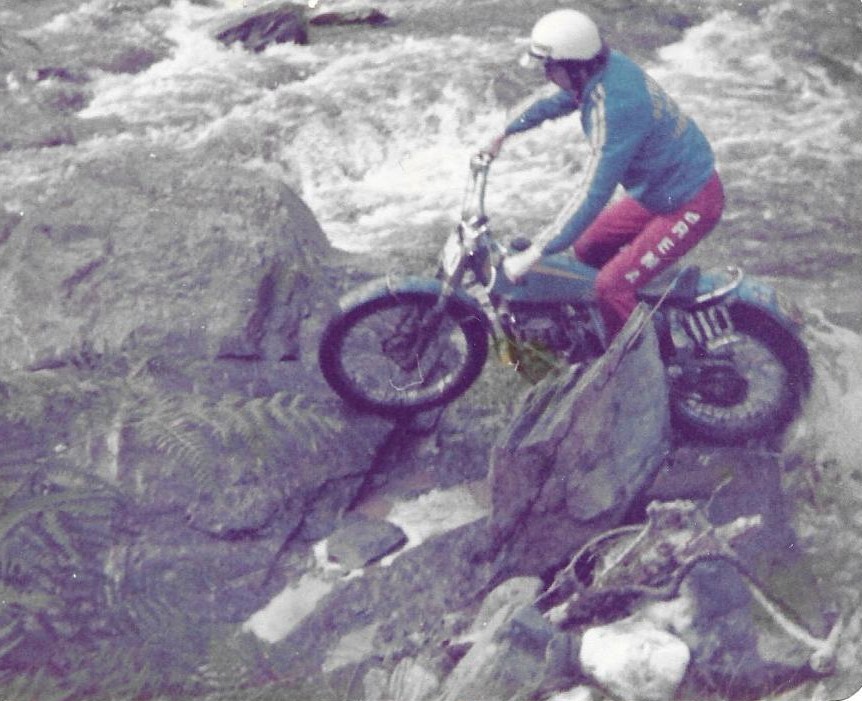


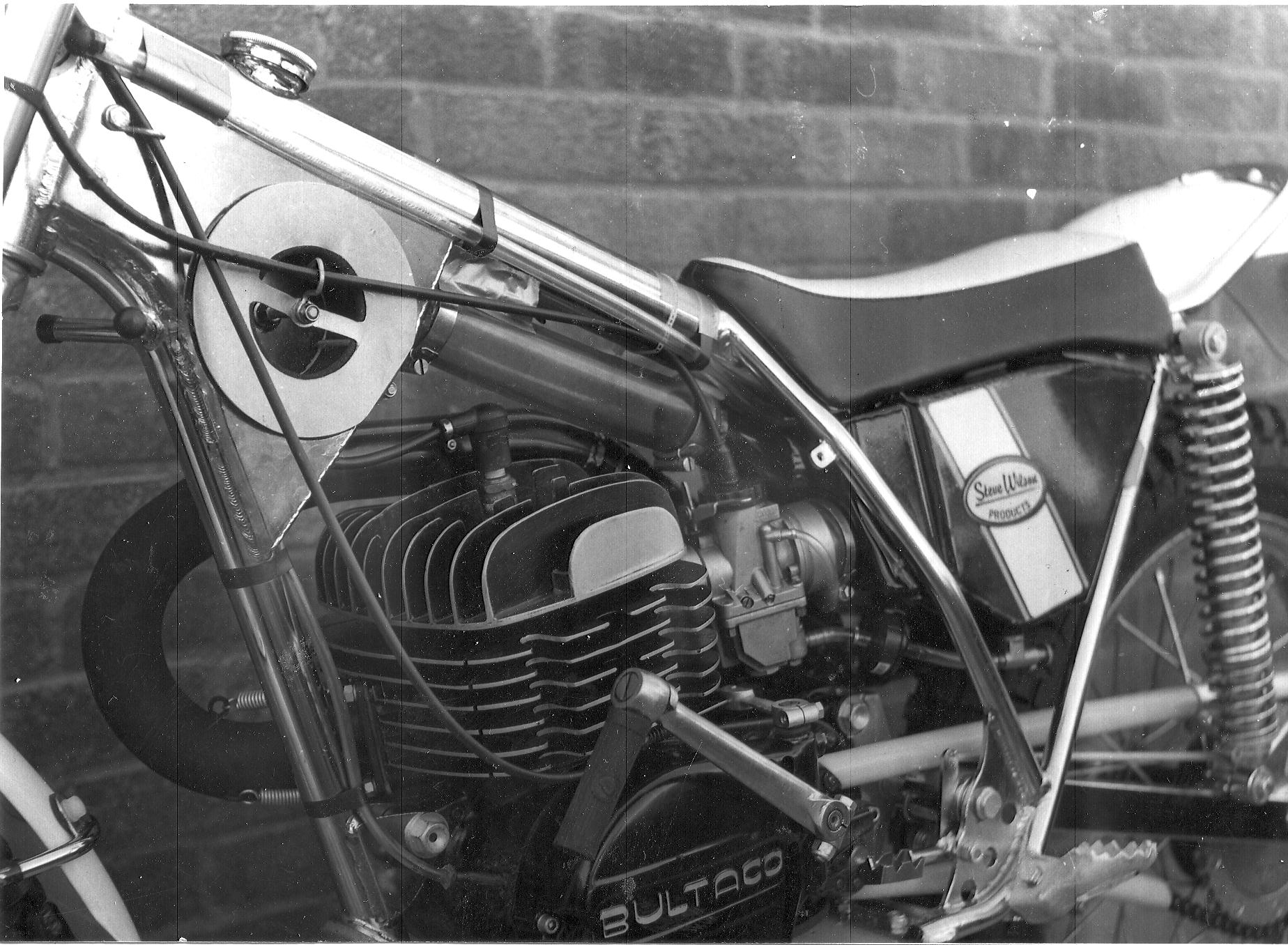
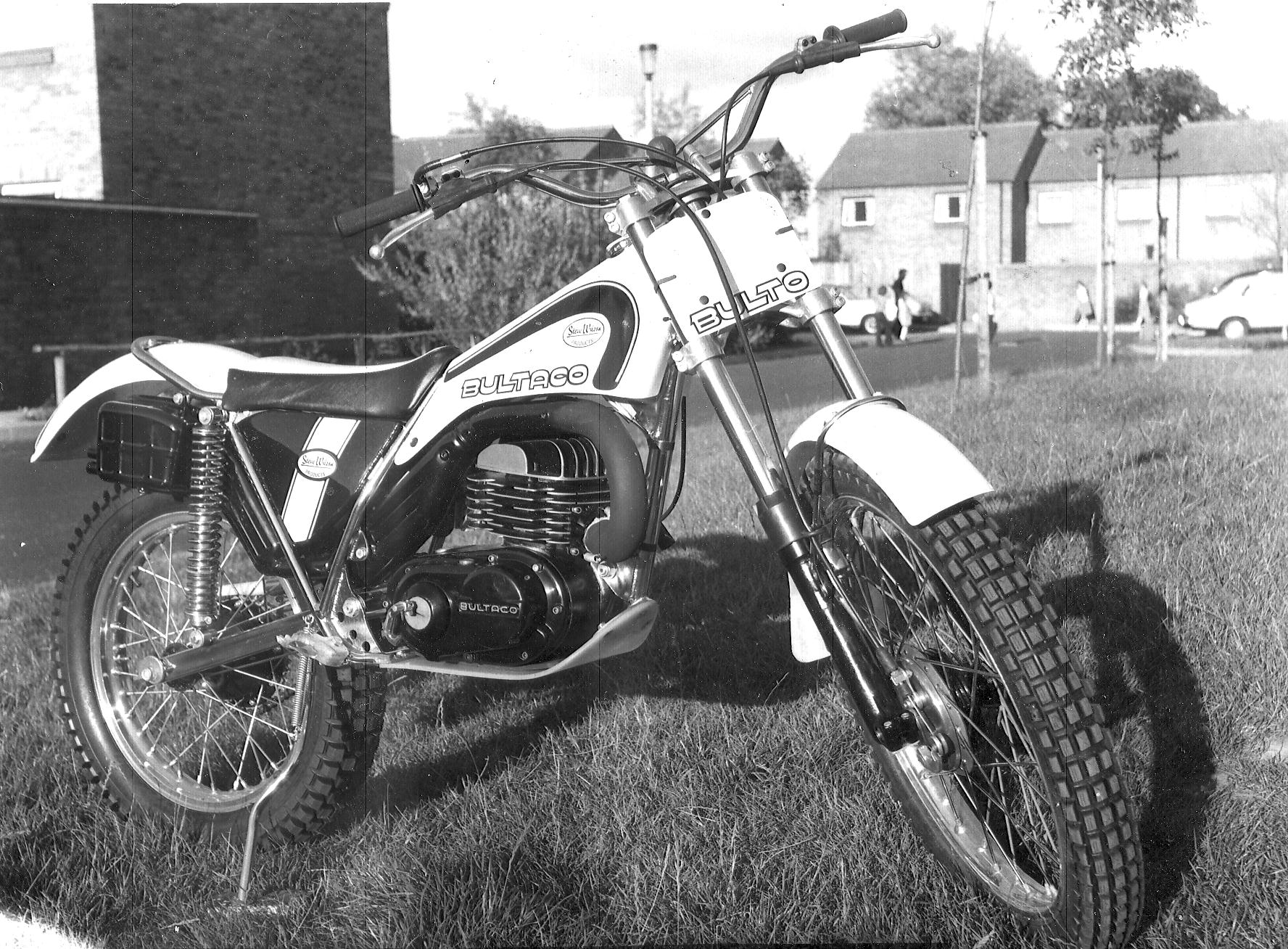






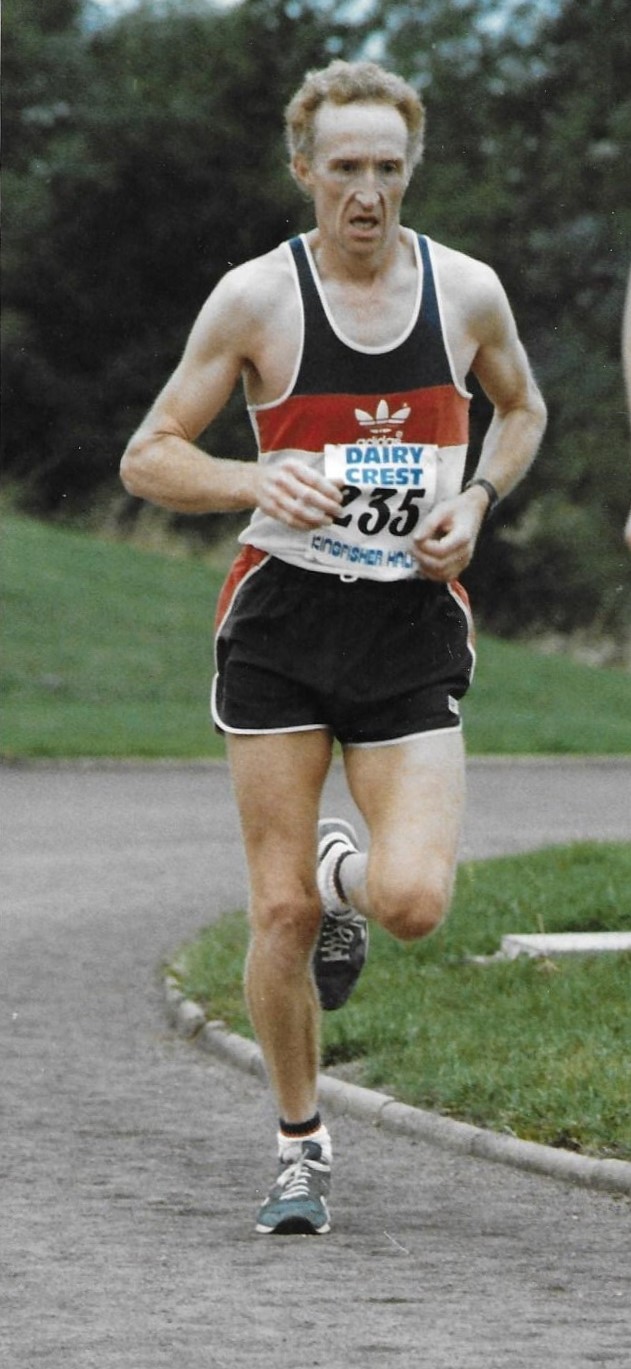
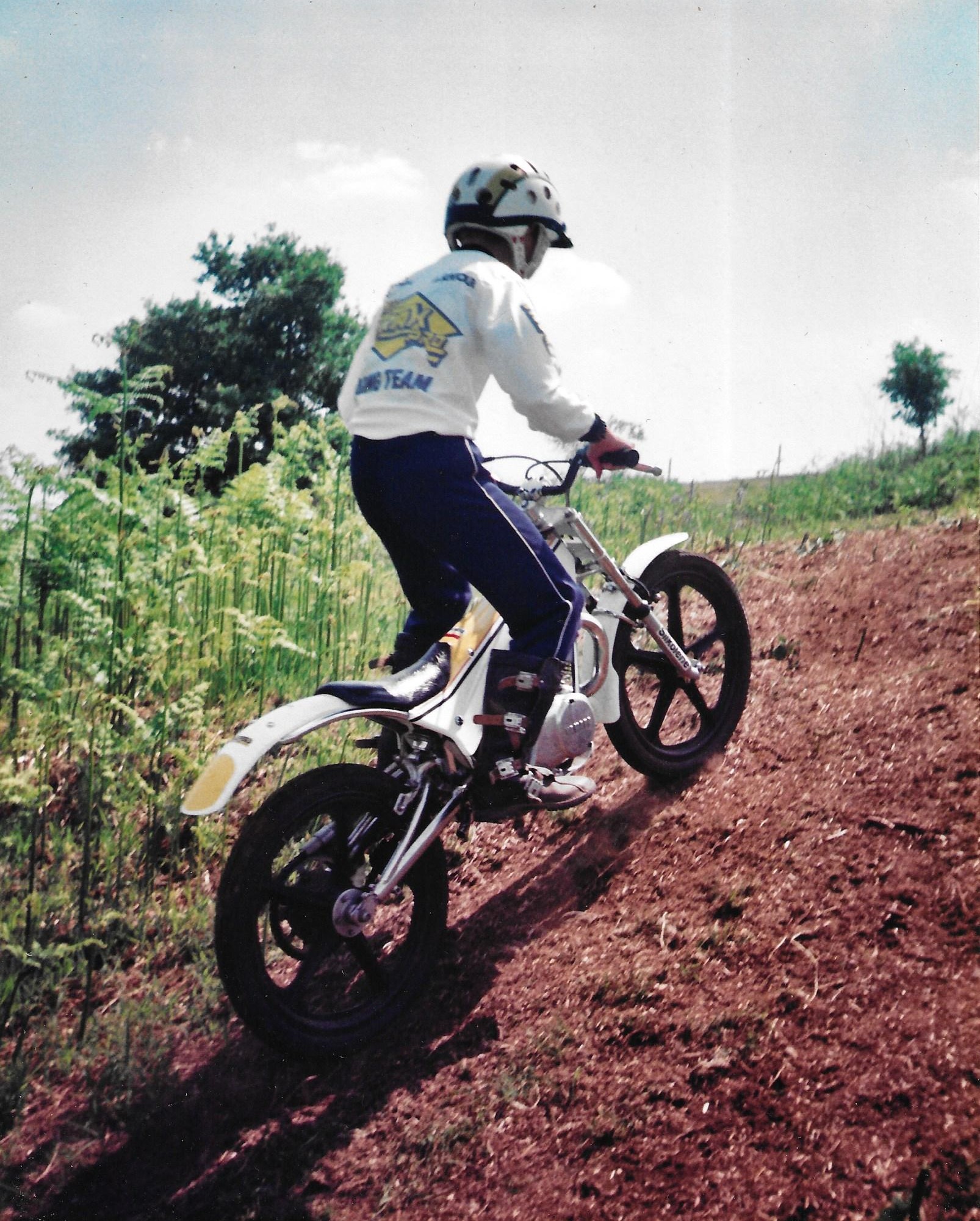

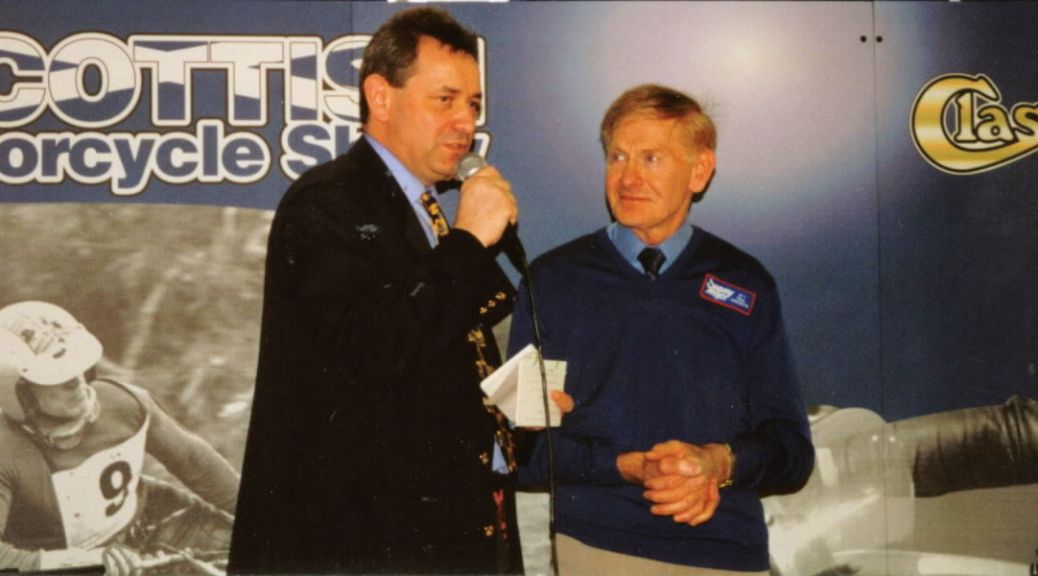

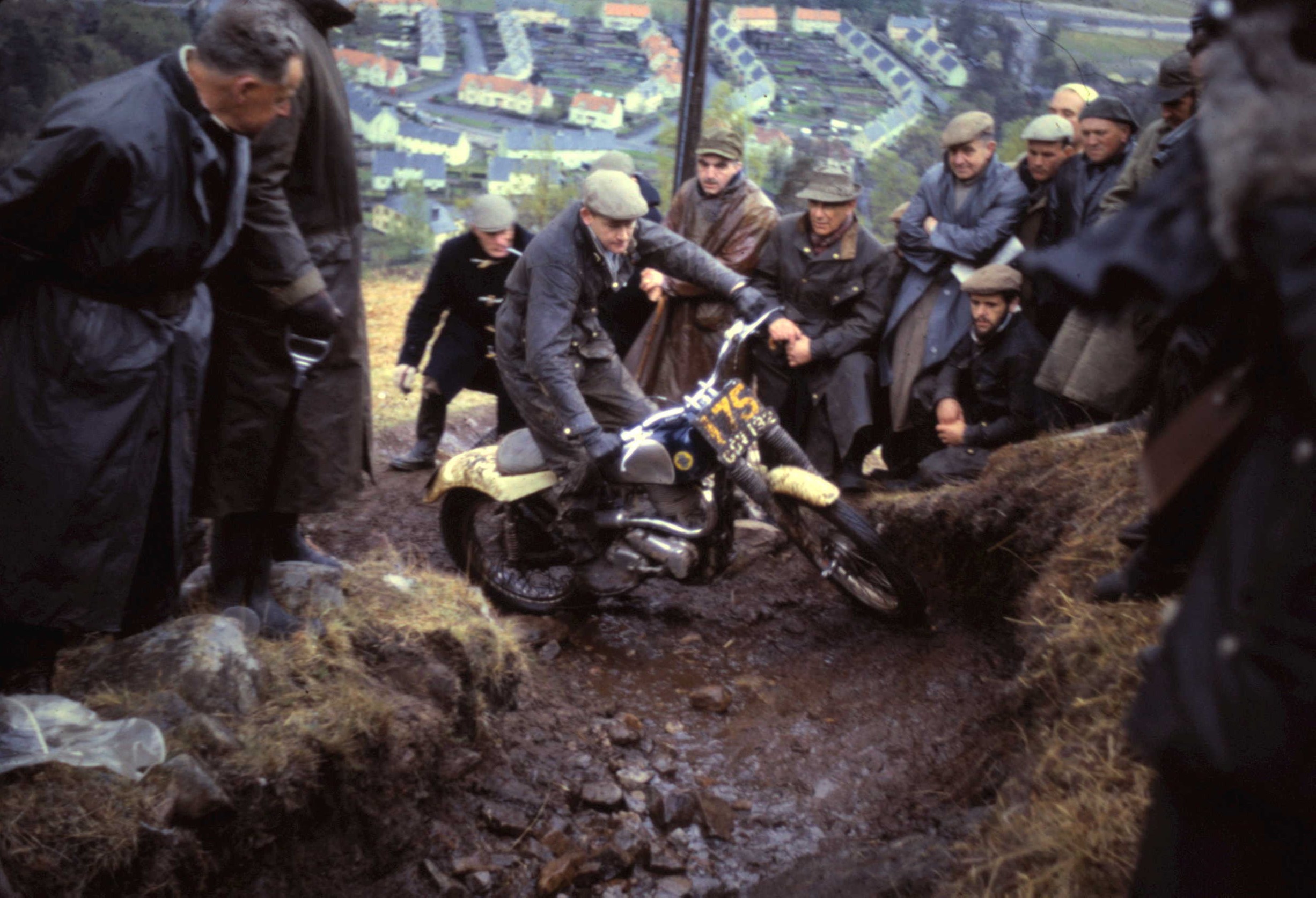


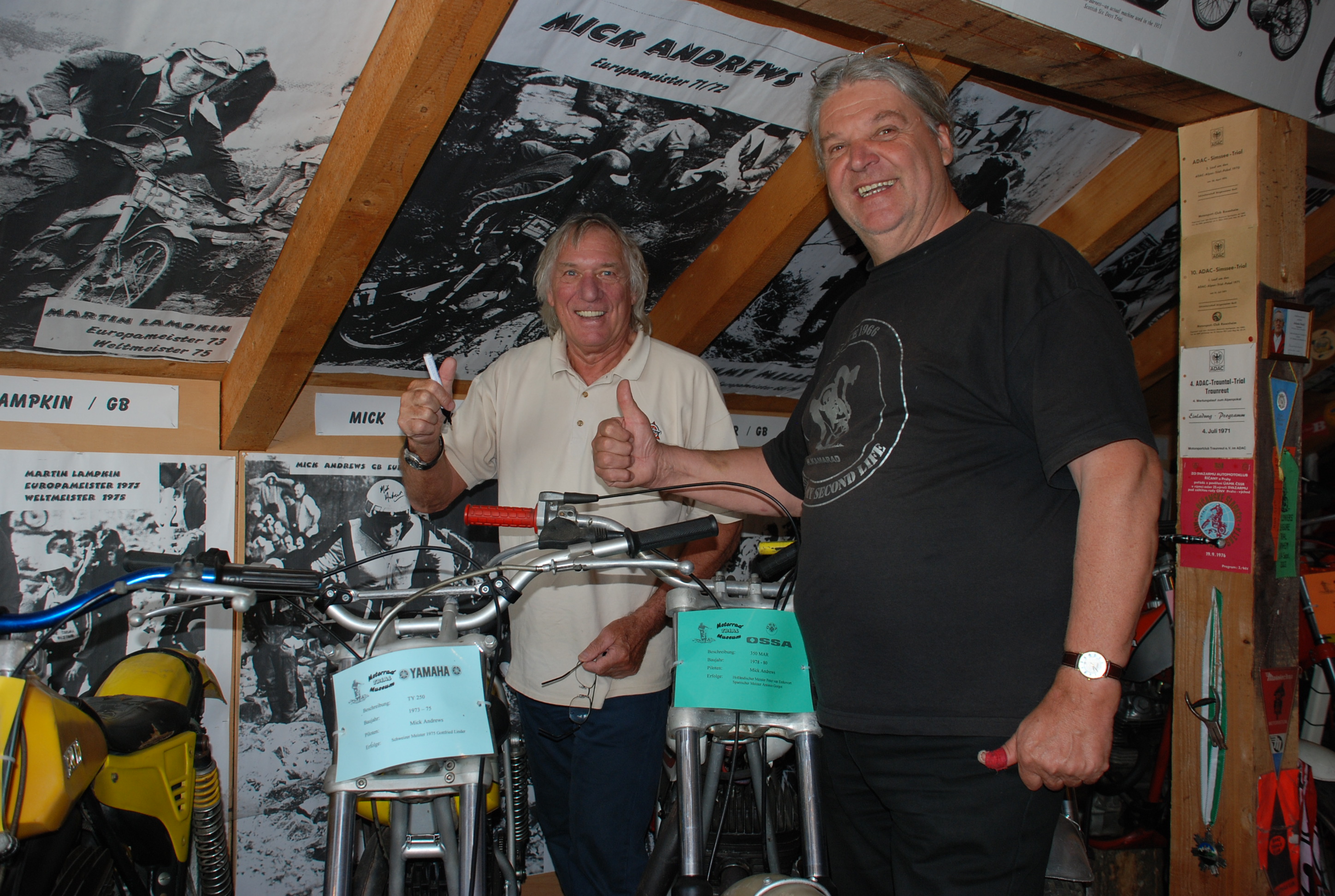


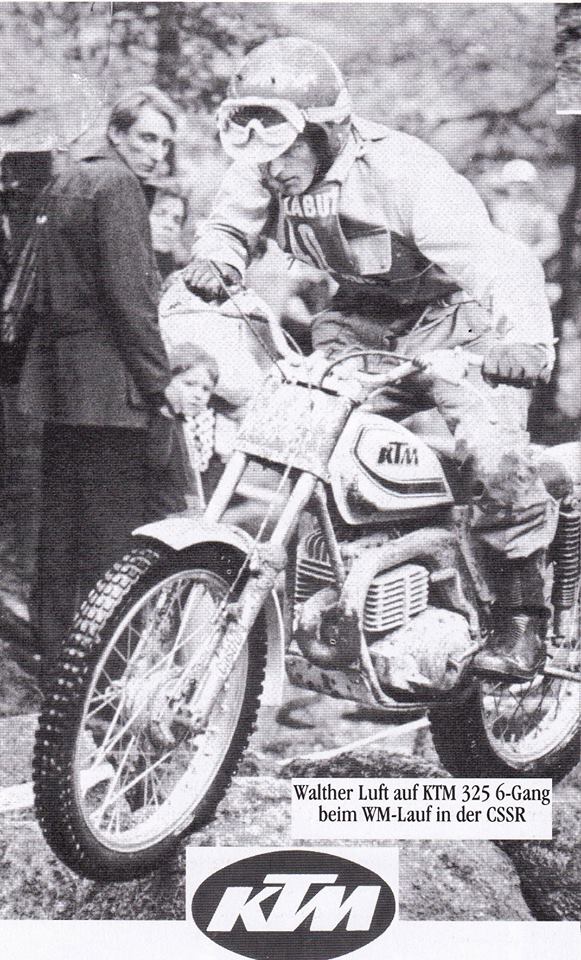

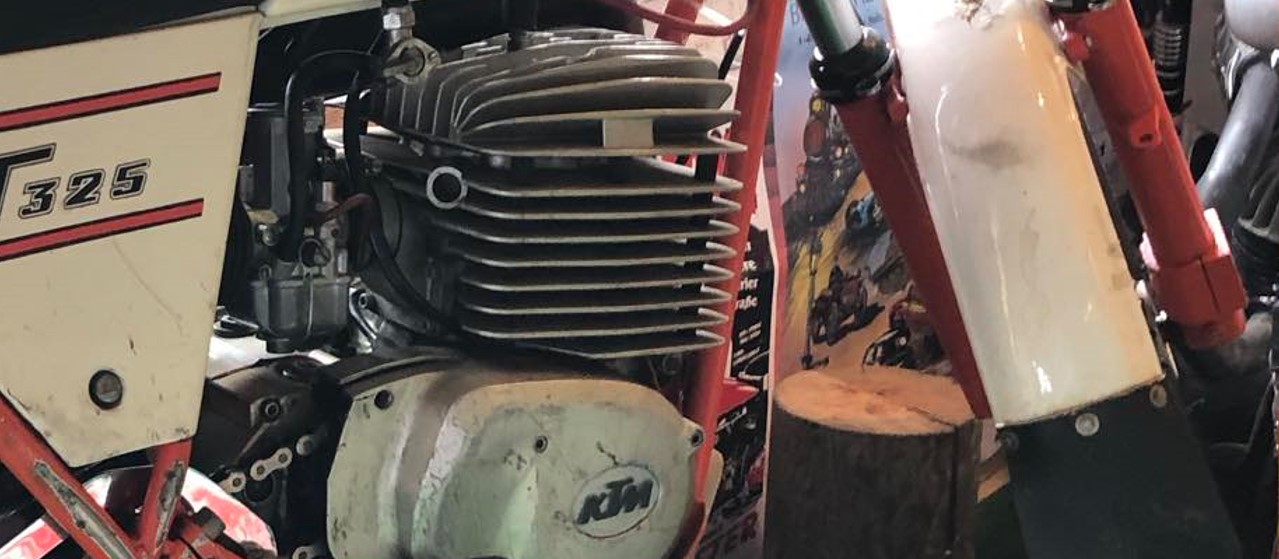

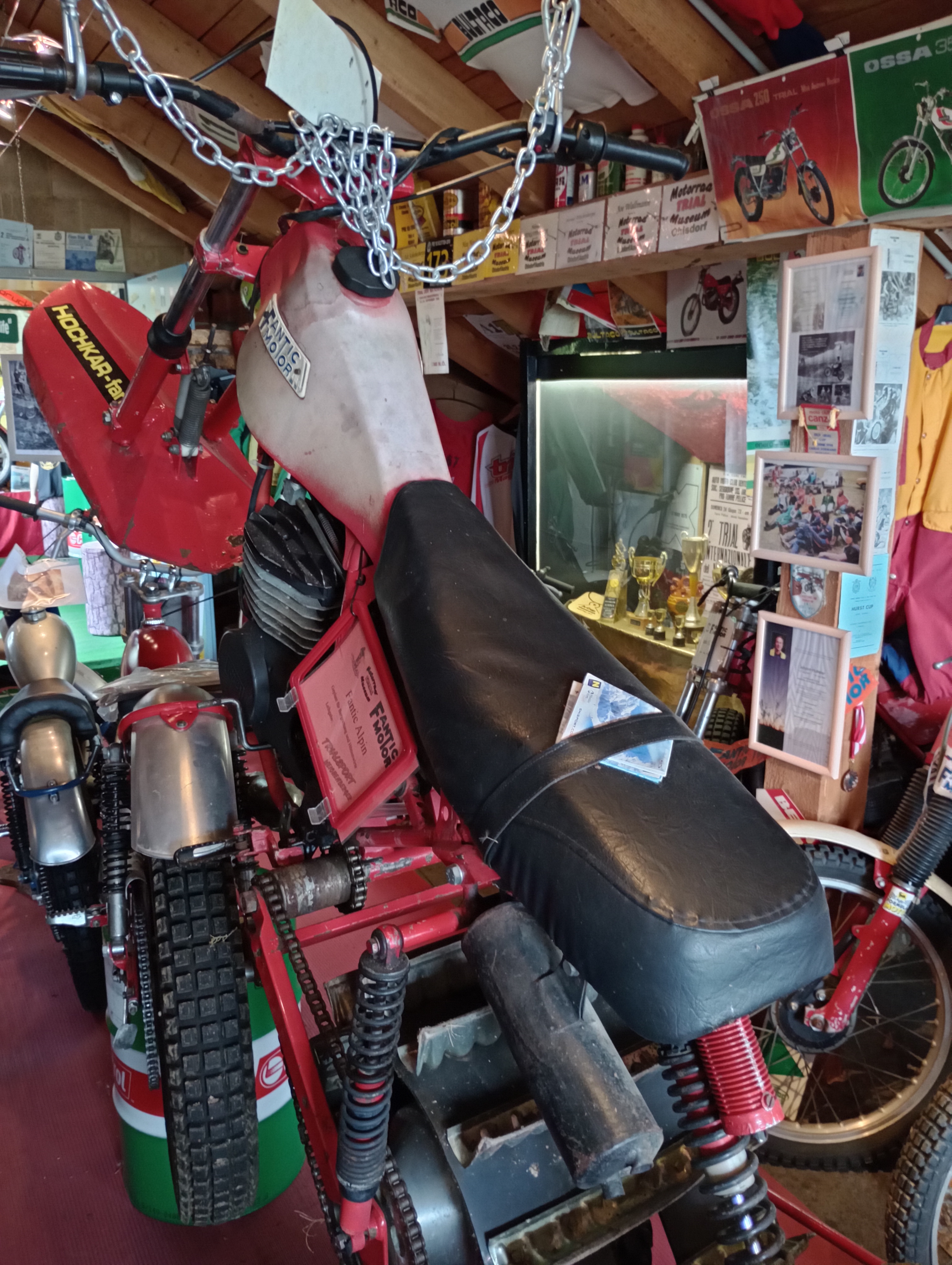


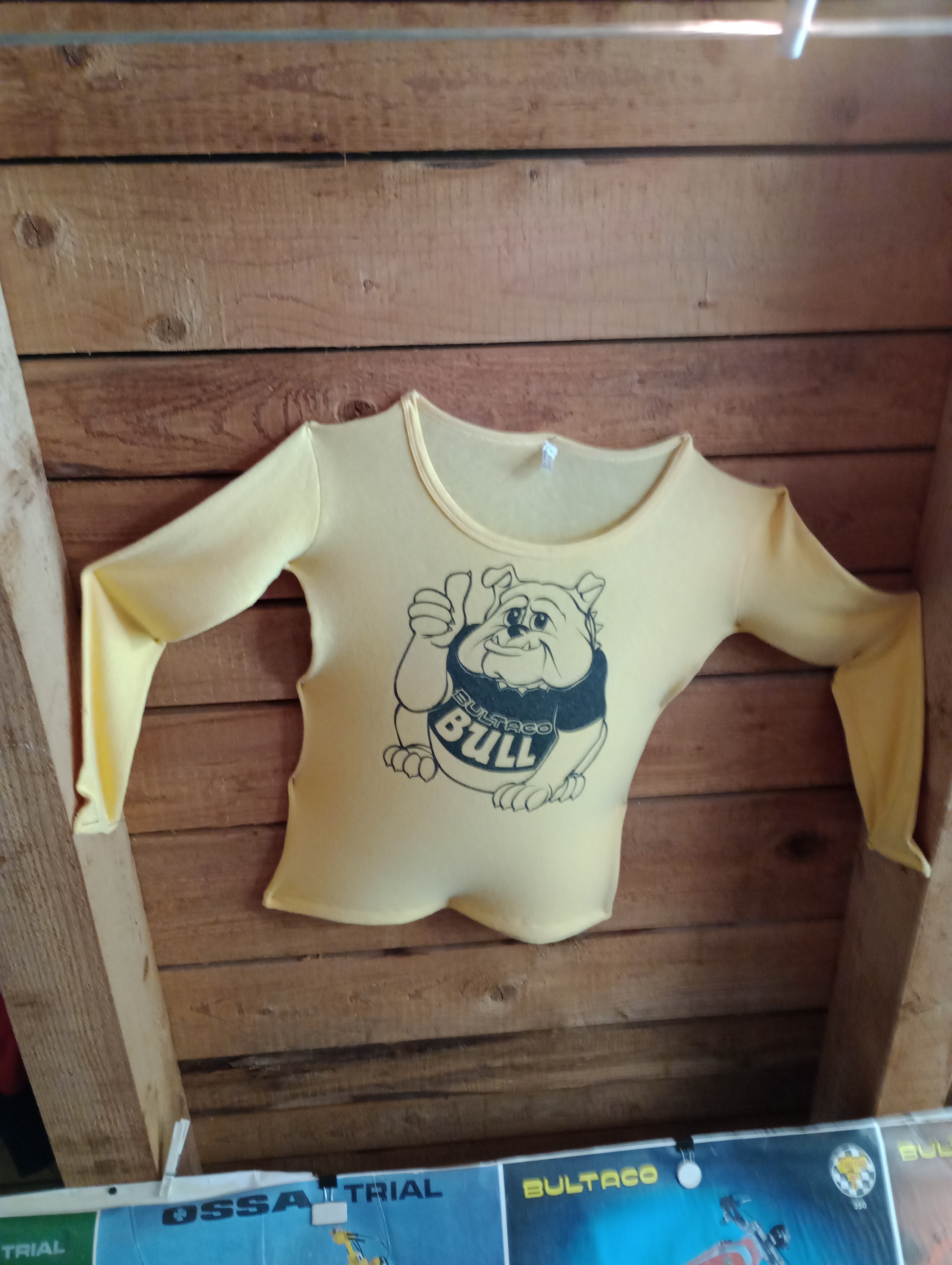


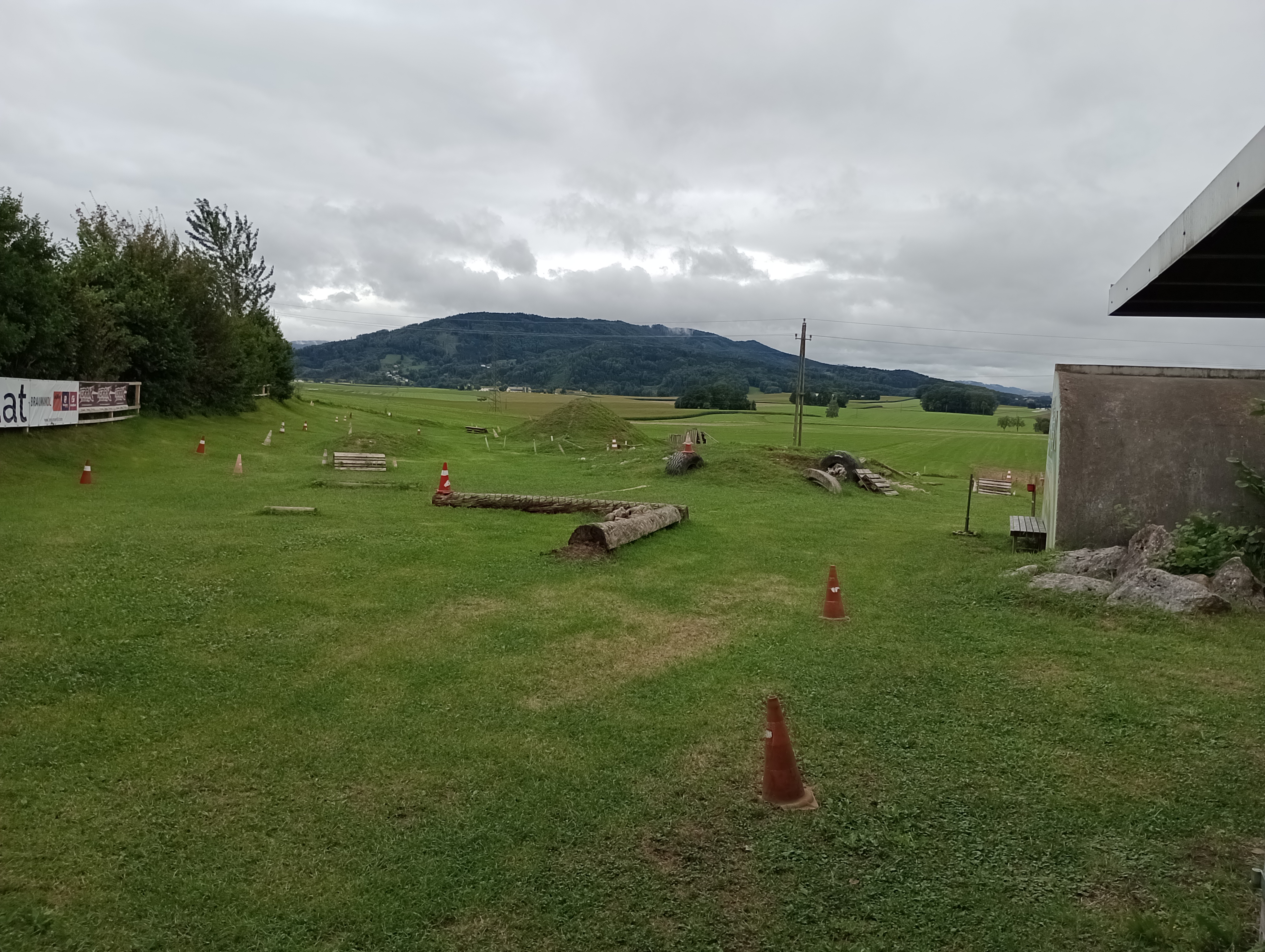


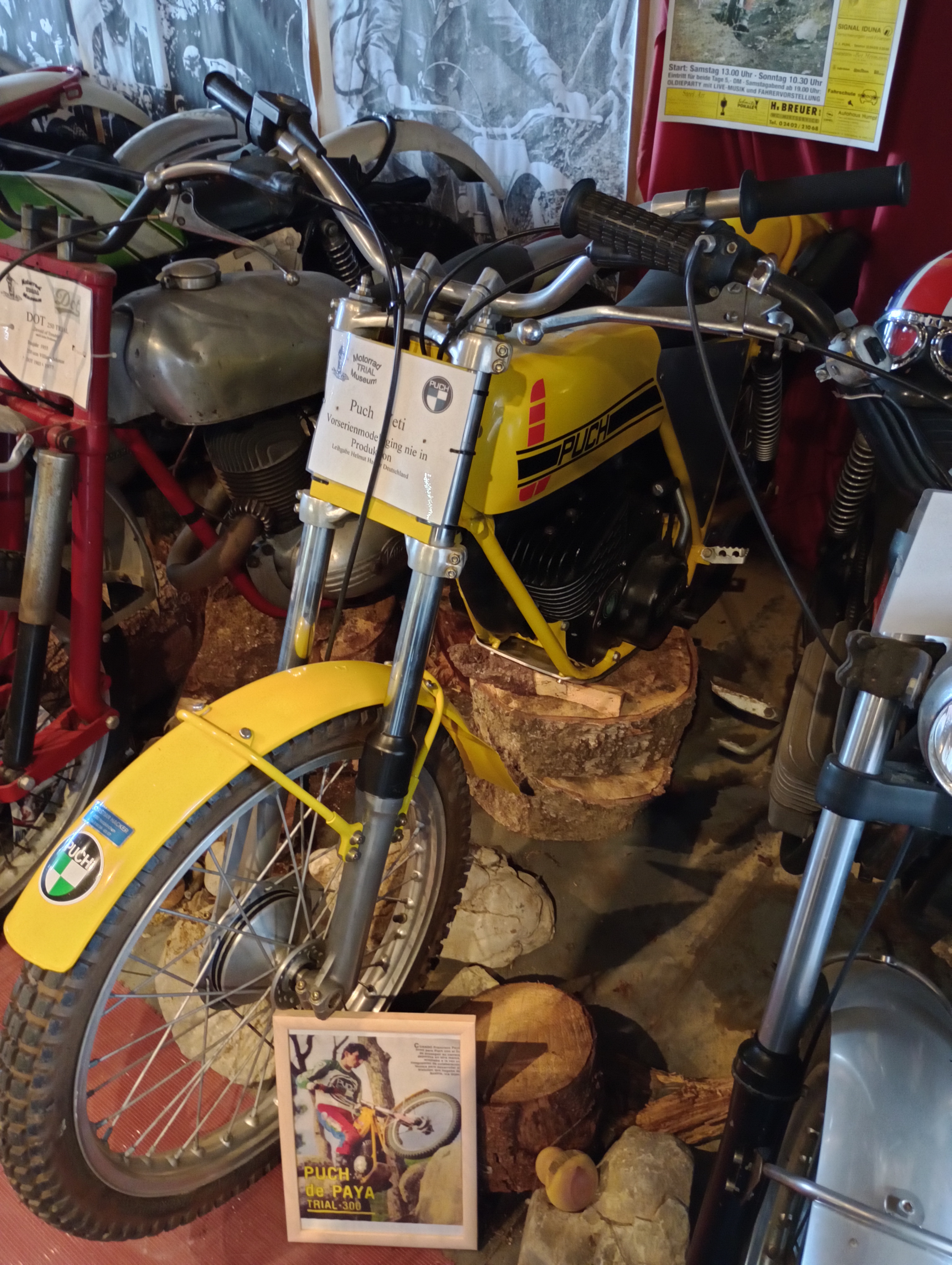



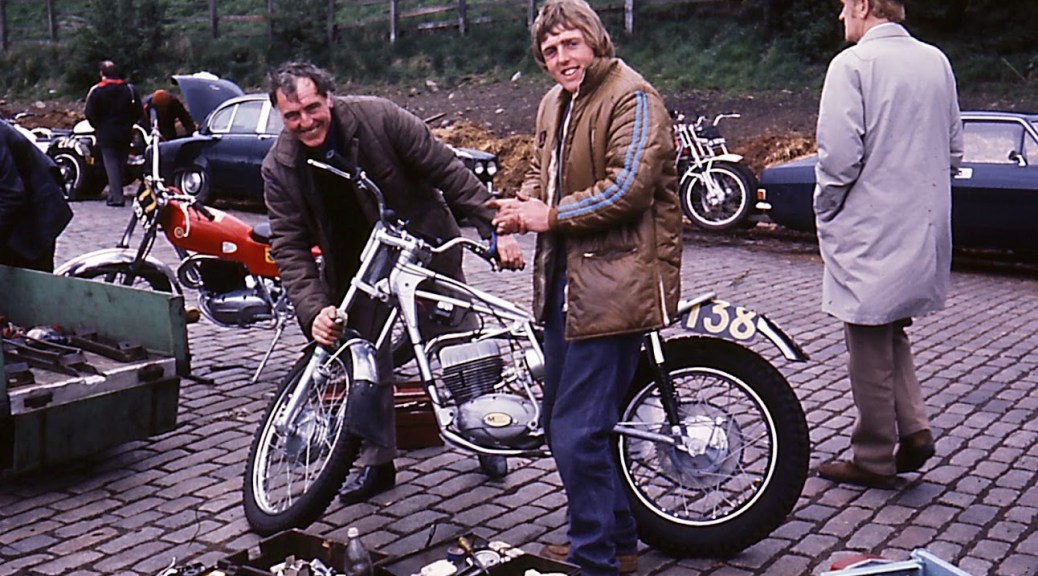

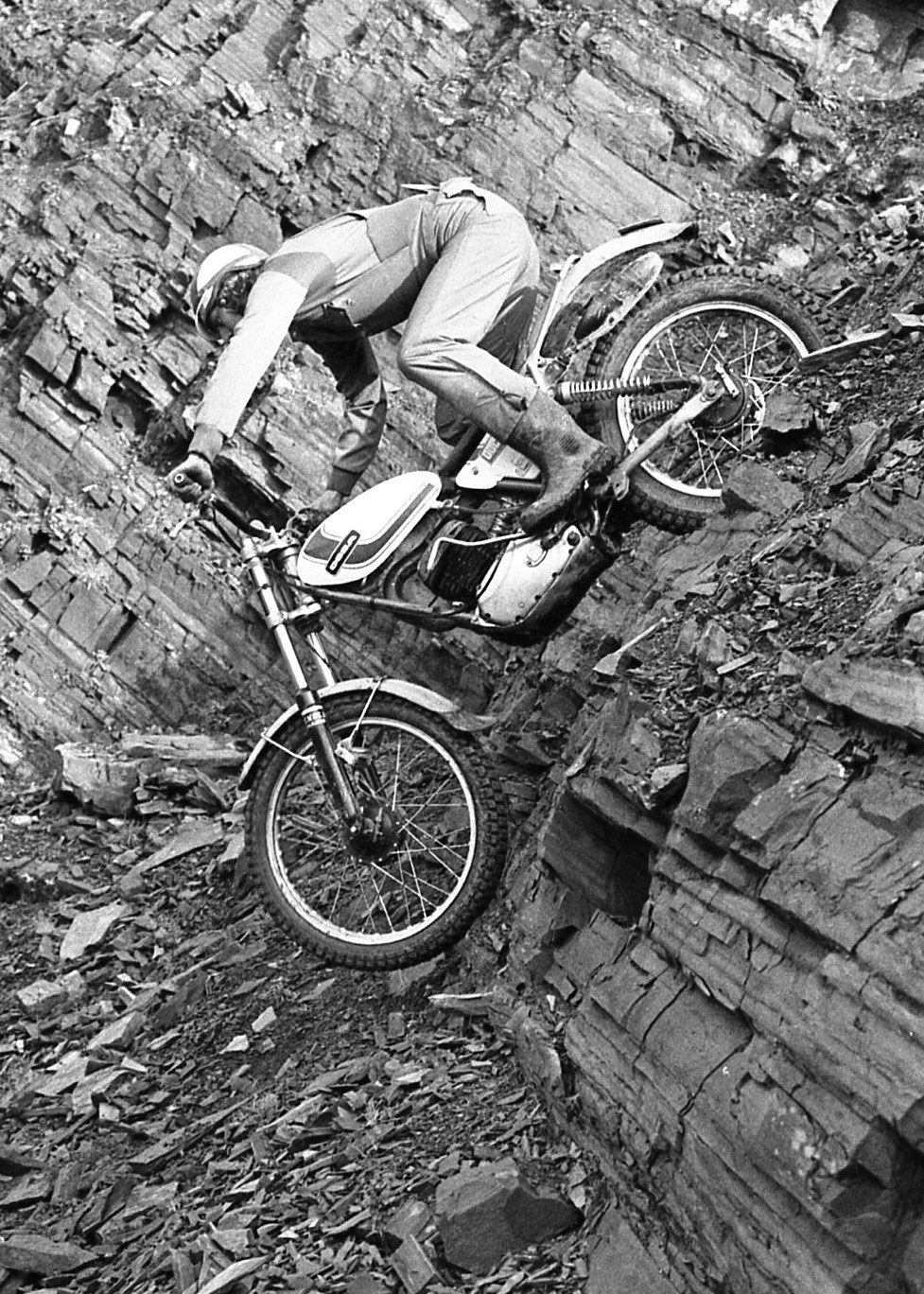
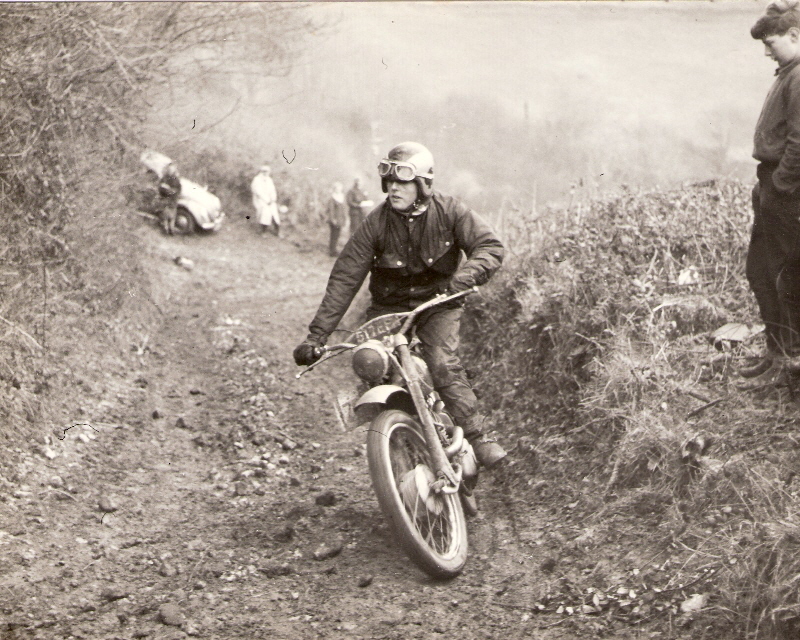

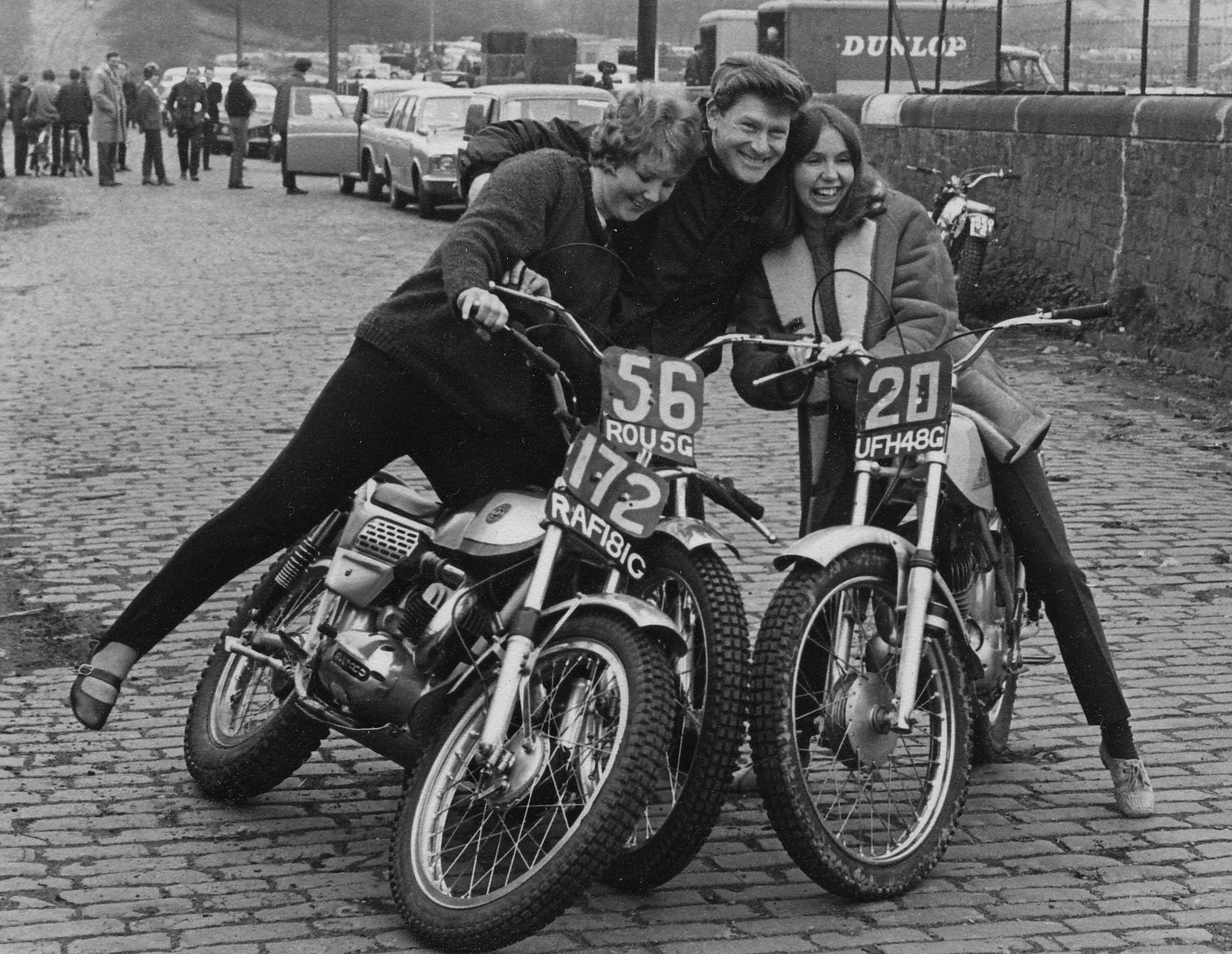
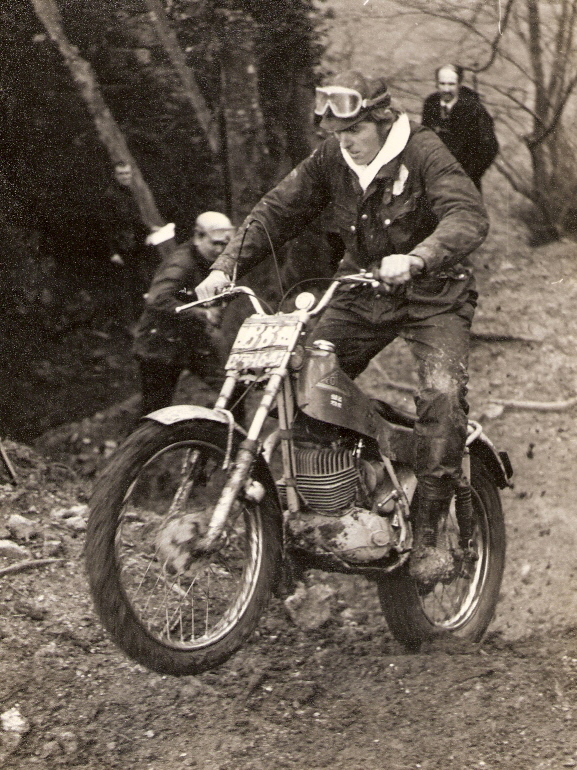


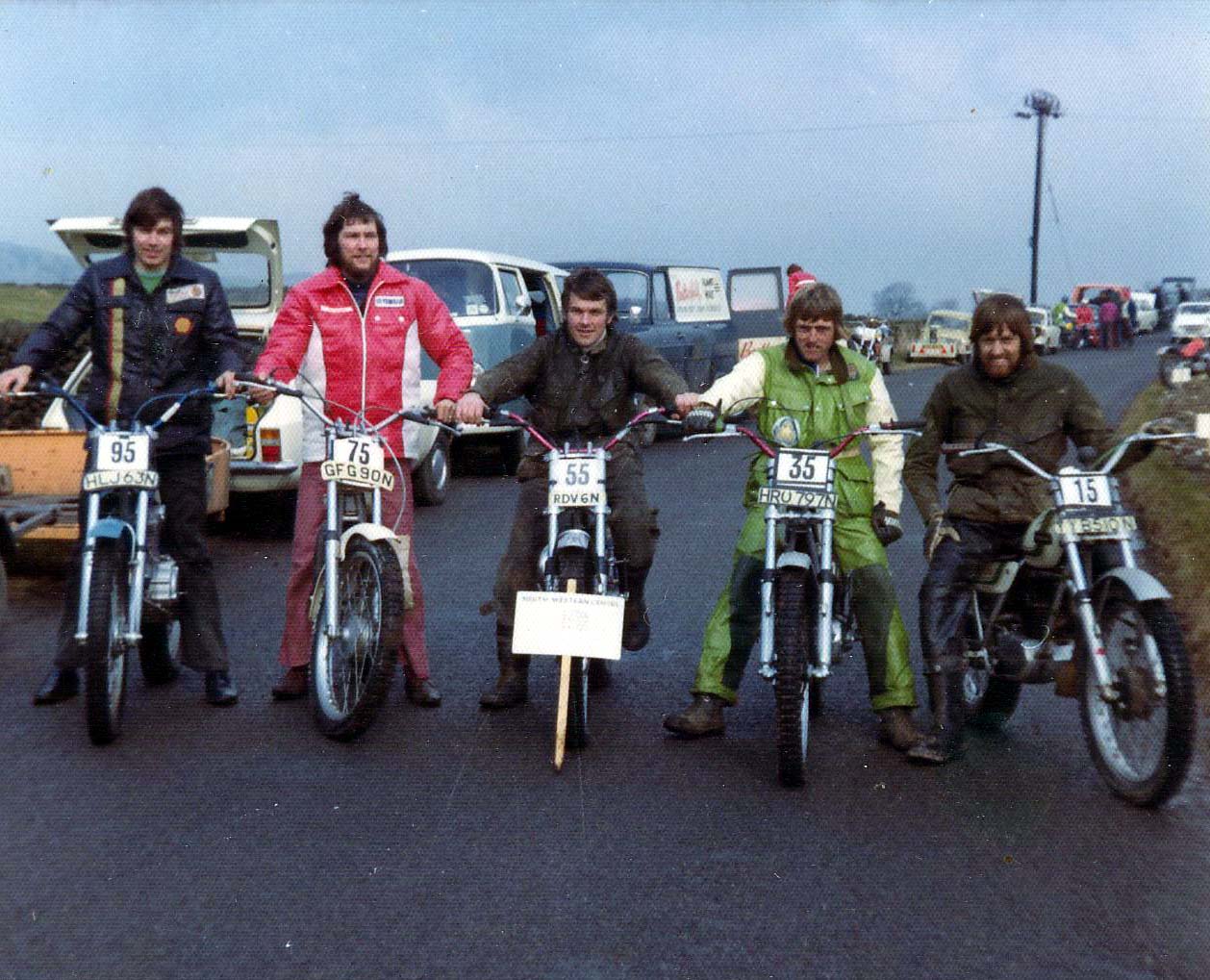
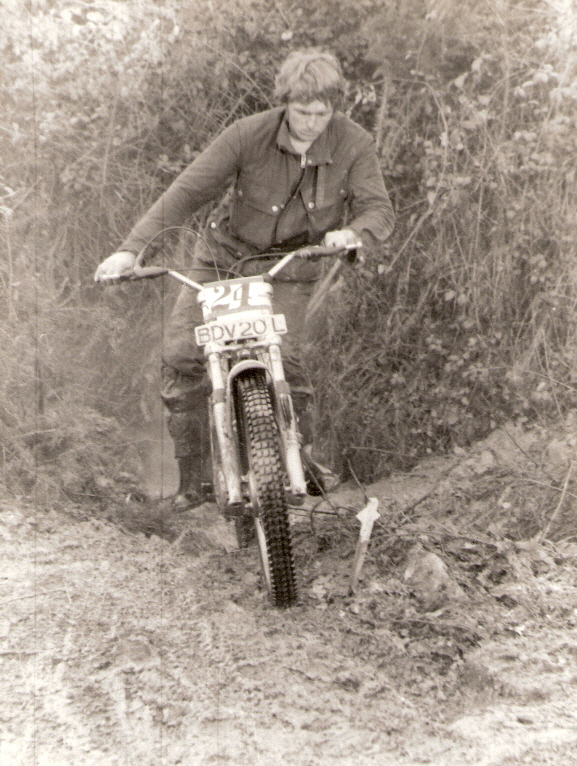


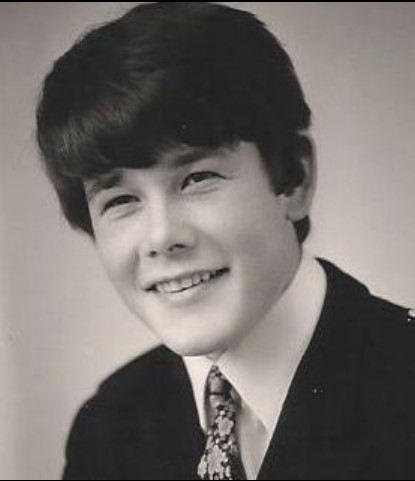


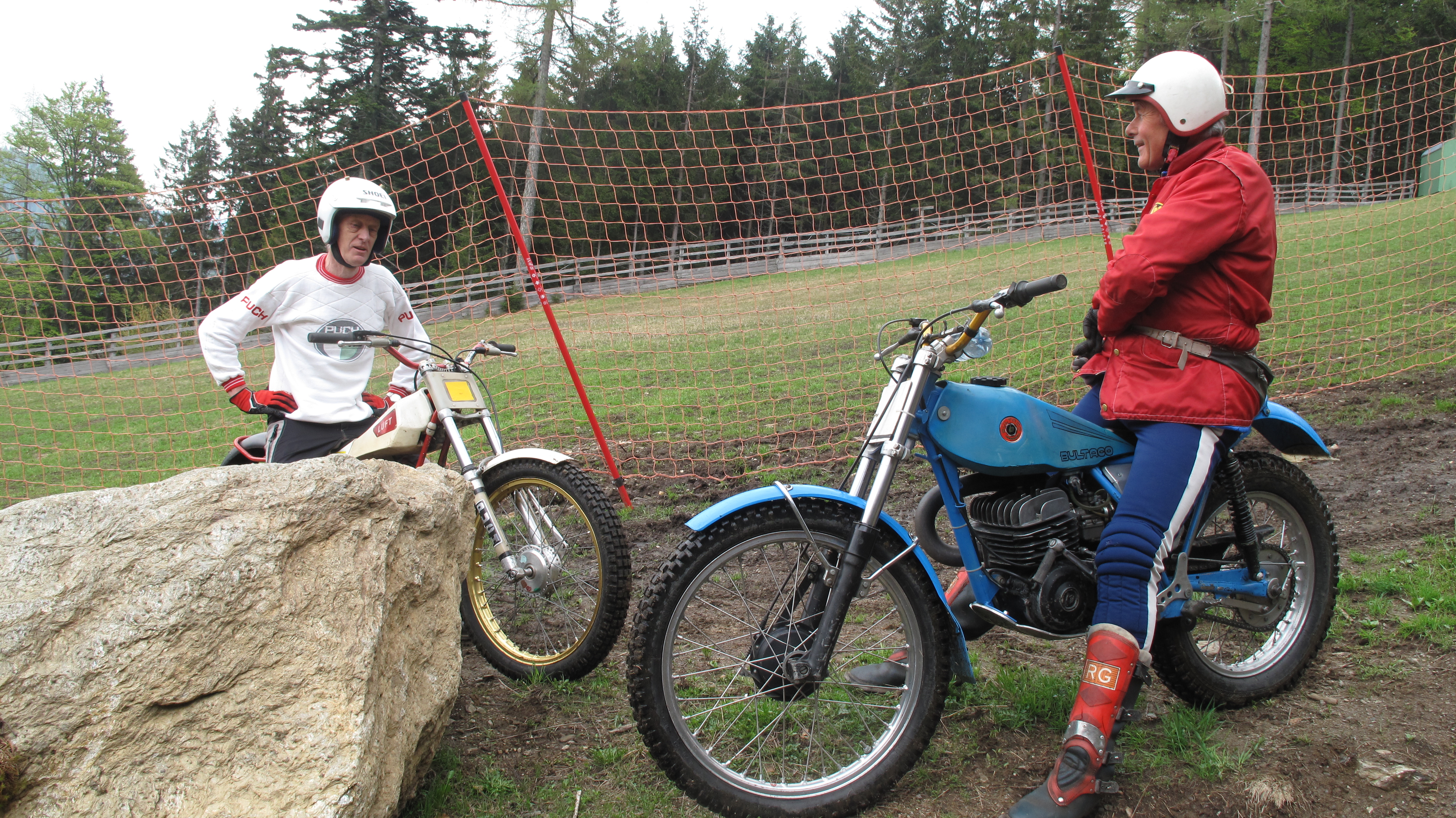


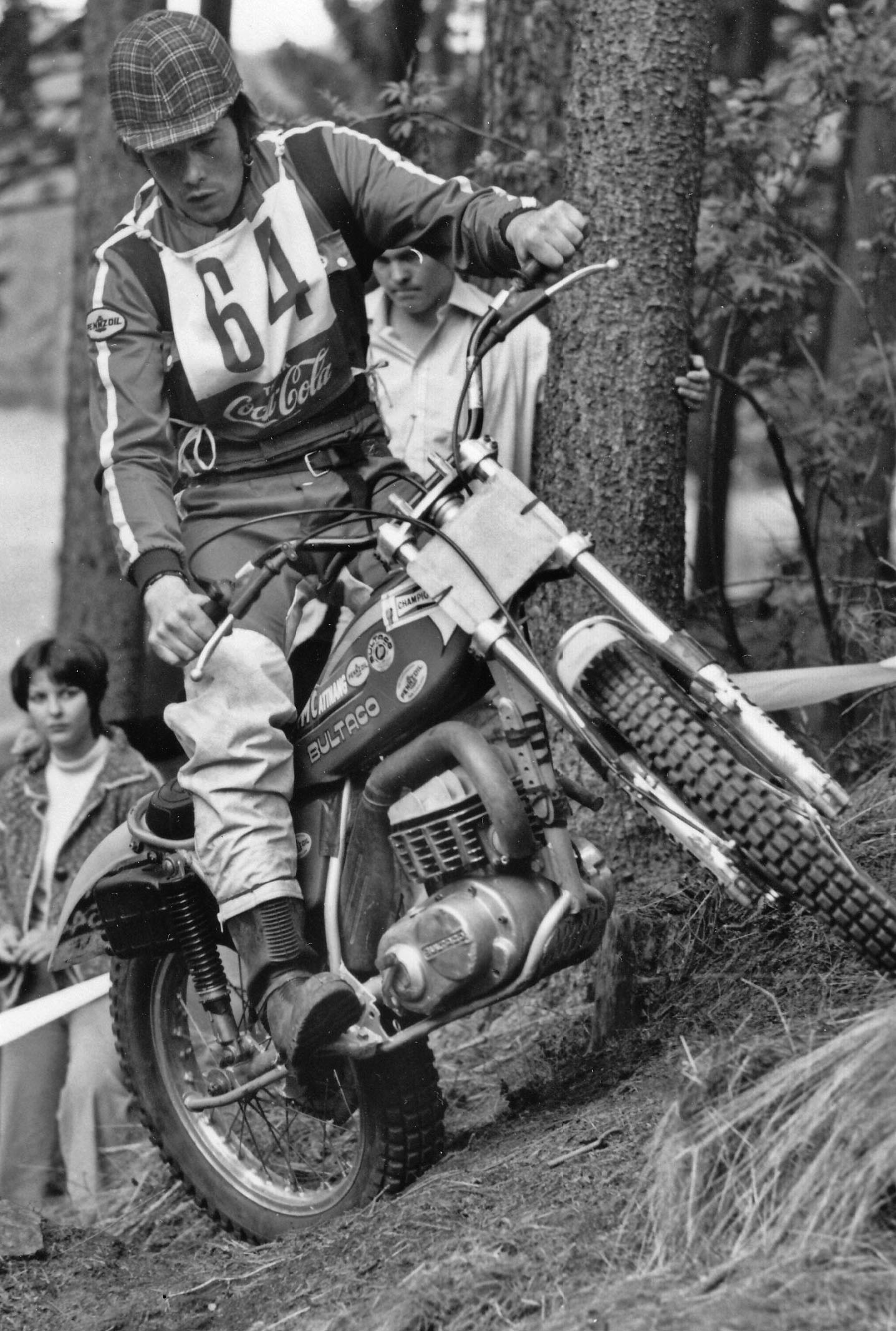
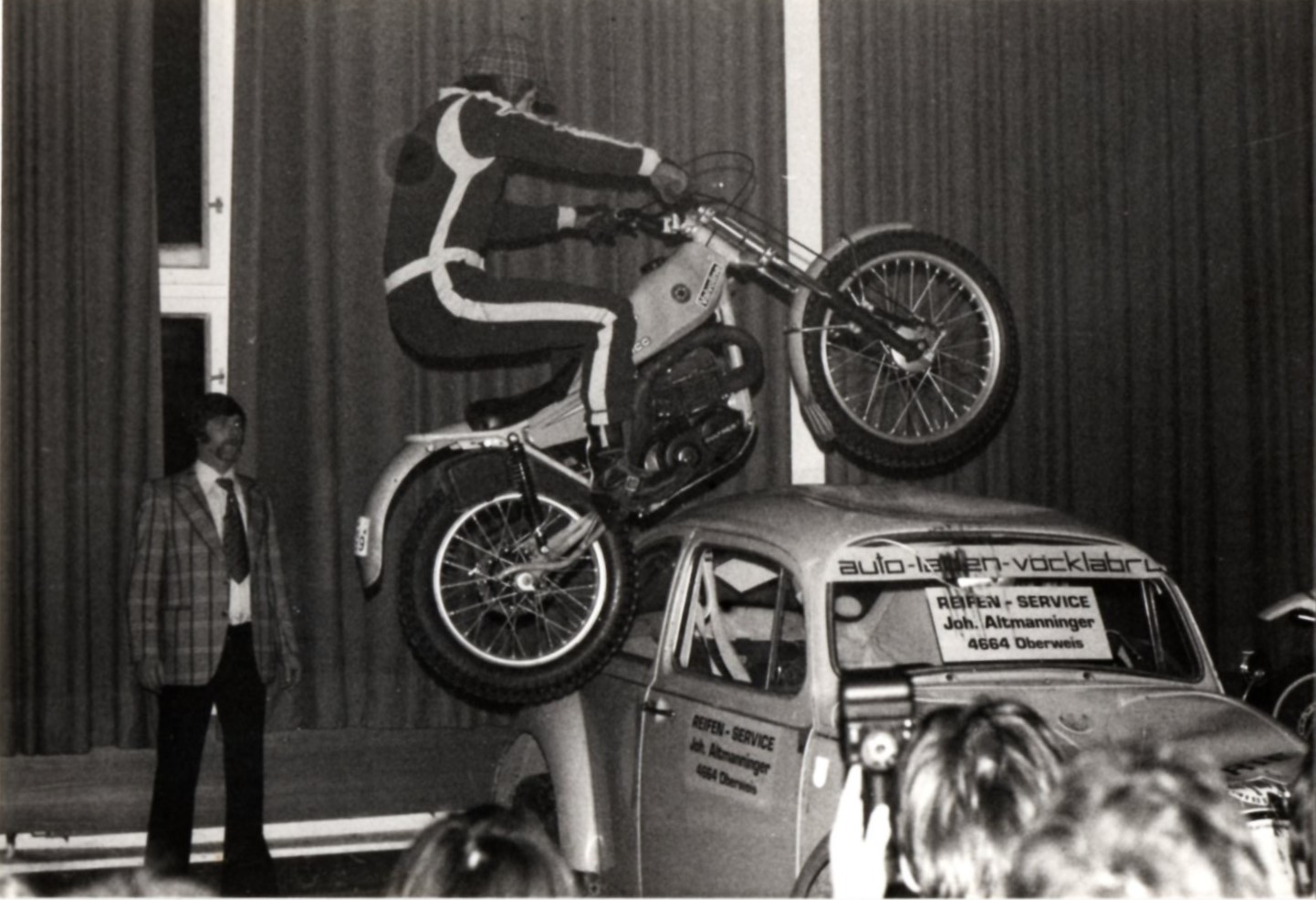


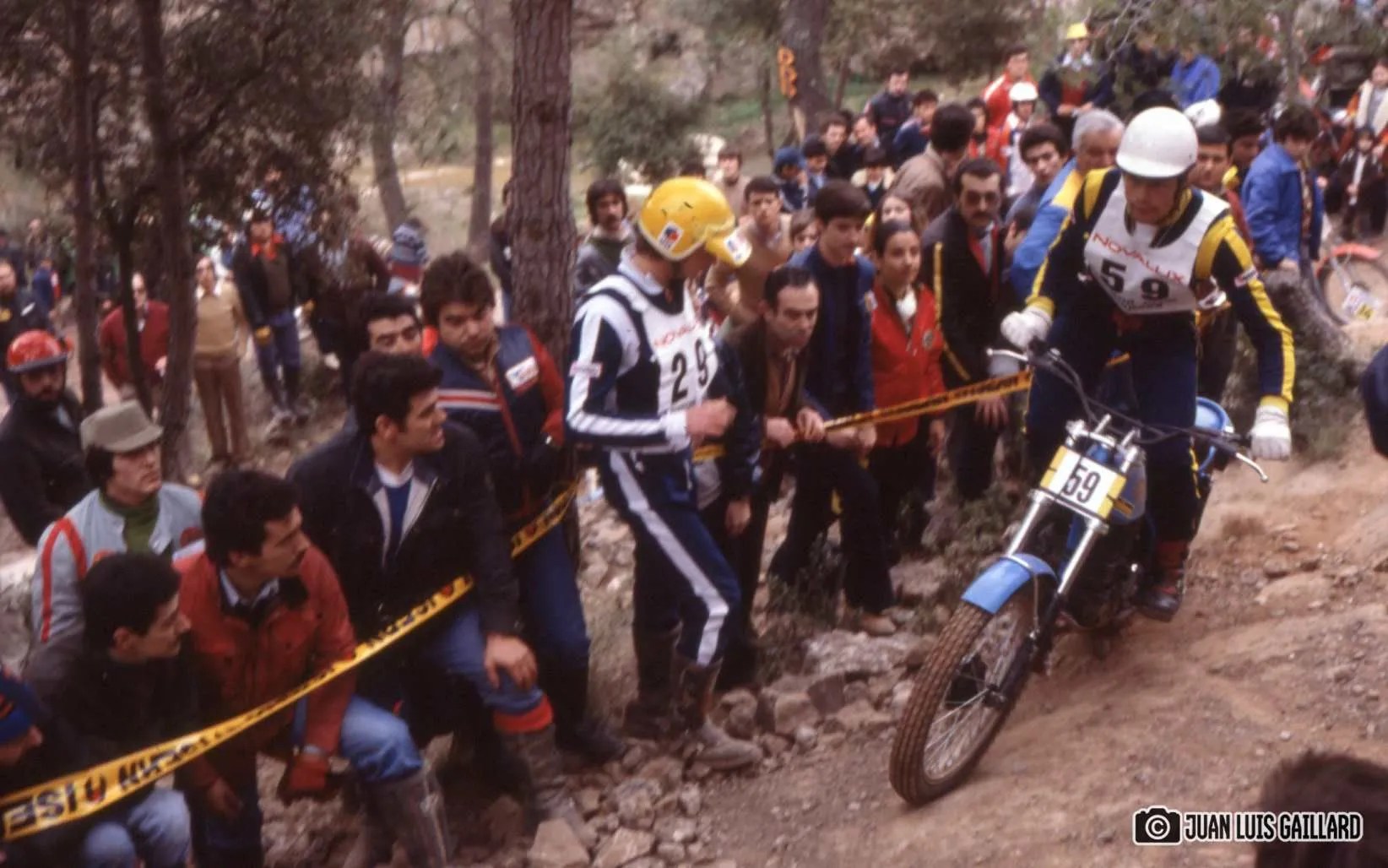


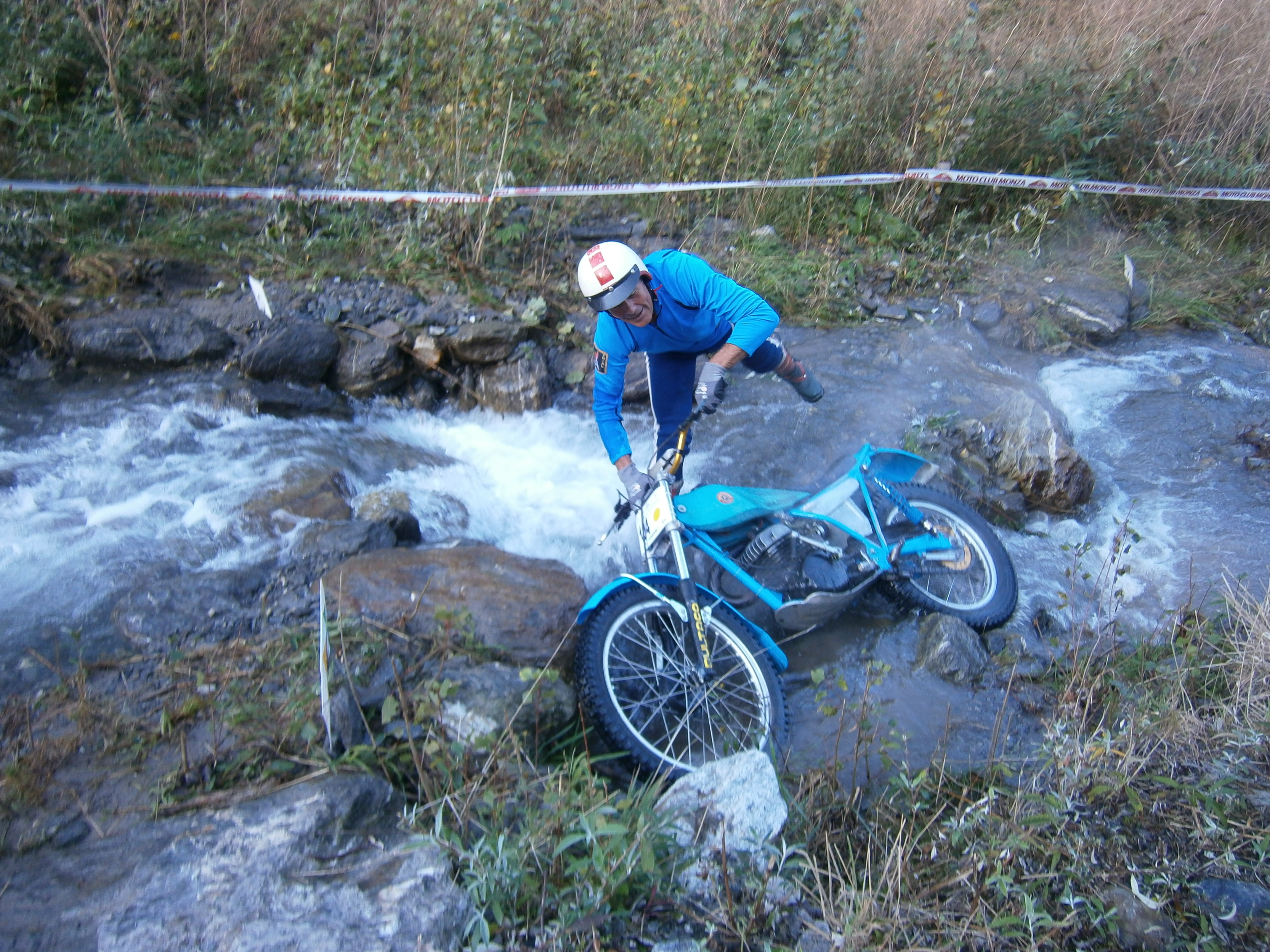


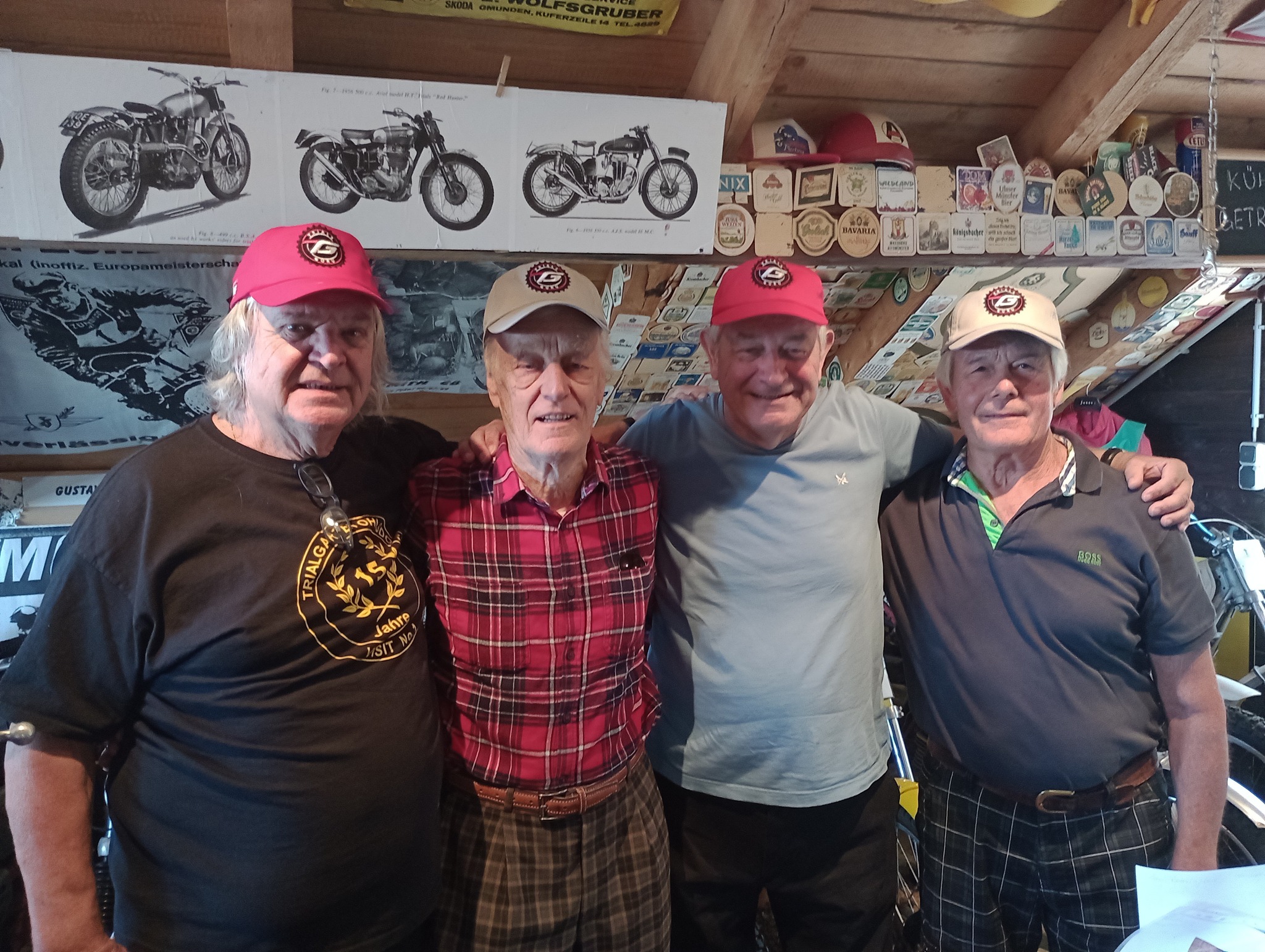
 TRIALS GURU - DEDICATED TO TRIAL