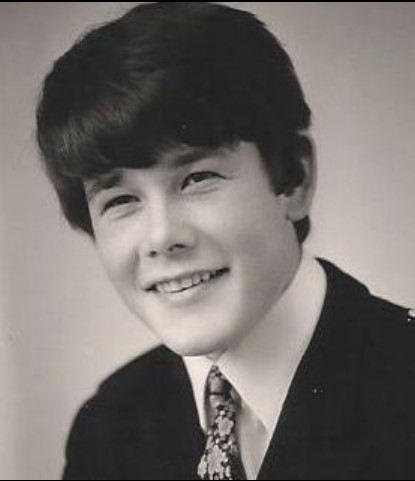
Joe Wallmann in 1969 – Photo: Kamarad, TrialMuseum, Ohlsdorf.
Words: John Moffat
Contribution and information: Hartwig Kamarad; Alfred Wagner.
Photos: Bernard Egger; Rainer Heise; Alfred Wagner; Iain Lawrie; Harry Leitner; Hartwig Kamarad; Photo Collection Giulio Mauri Fontsere; Erich Diestinger.
Photo copyright: Bernard Egger
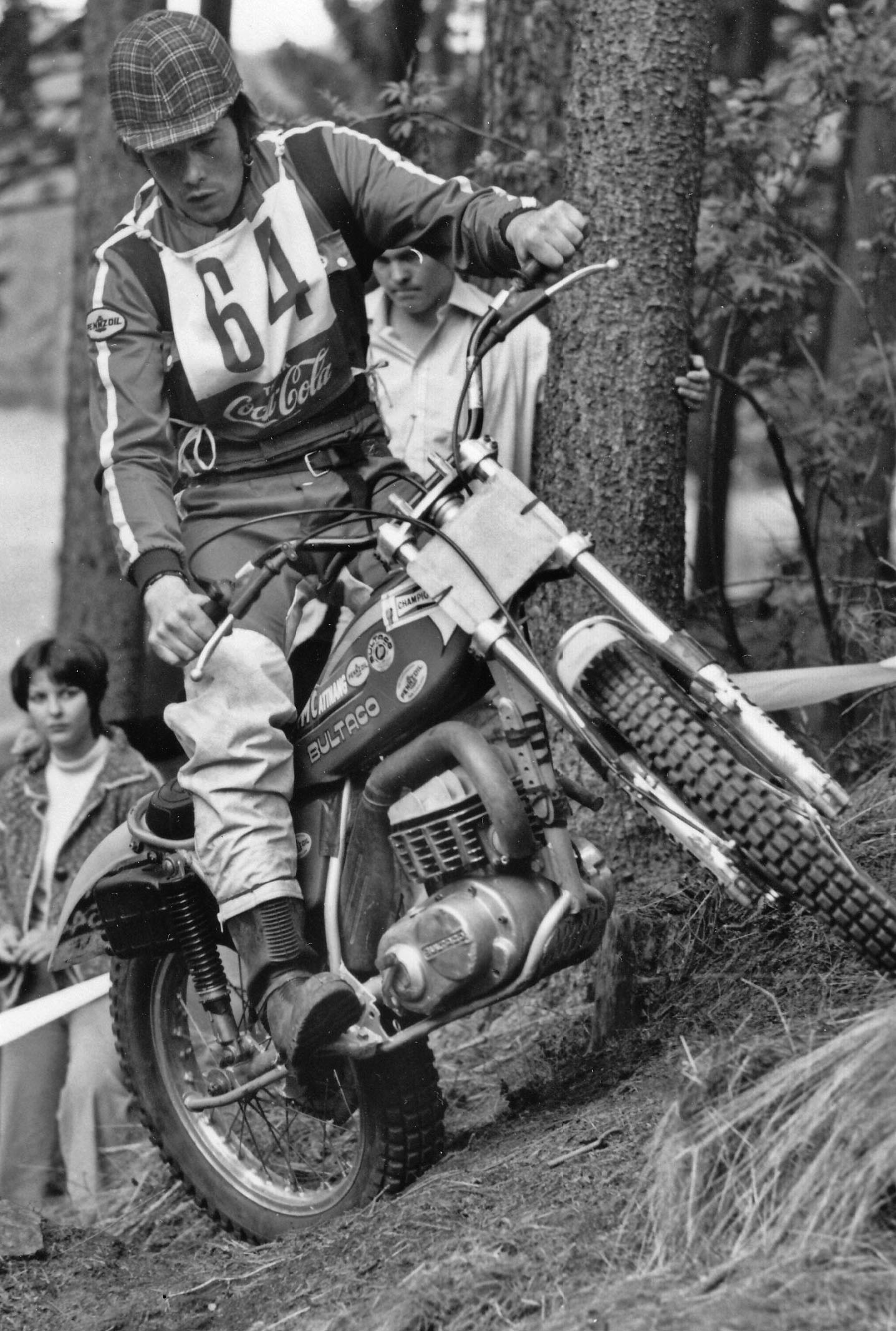
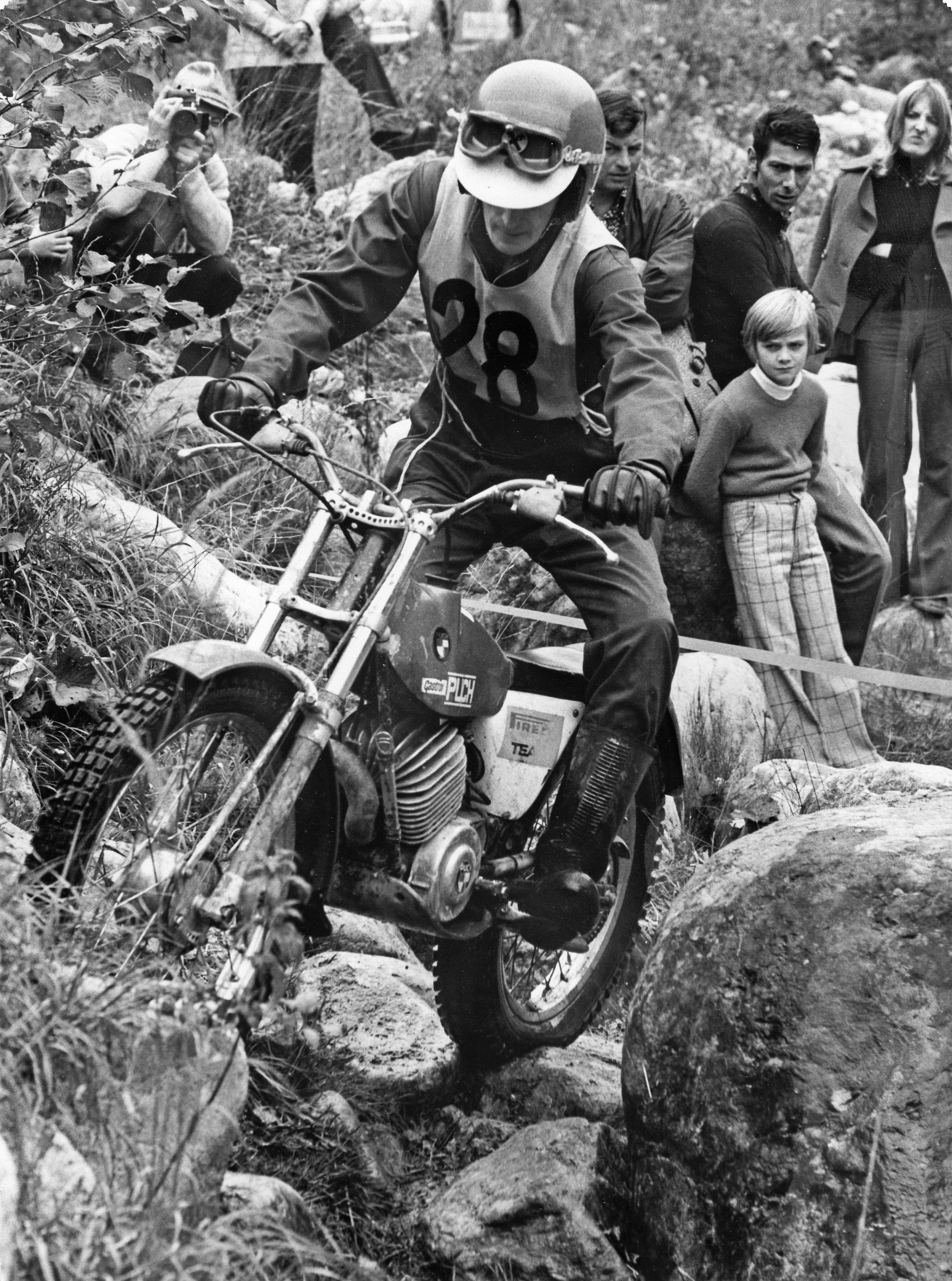
Born in Berndorf, near Salzburg in 1948, Josef Wallmann, known simply to all as ‘Joe’, would take up motorcycle trials riding at the ripe old age of twenty, which is quite late for this type of sport. This was in 1968 at a trial organised by ARBÖ at Bad Goisern, Gmunden in Upper Austria. In this event he competed with a home-modified Puch moped on which he won the trial. Not bad at all for a beginner, but Joe was hooked and of course wanted to carry on winning.
By the end of the 1968 season, he became the 100cc Austrian champion. Joe continued to use his Puch until the end of 1970 when it was replaced by a 100cc Zundapp, again a bespoke machine, not factory built. Zundapp made enduro type machines as opposed to trial motorcycles. Joe was by profession a bricklayer and this employment kept him physically fit.
Joe Wallmann on a Sachs powered machine in 1970.
Wallmann continued to win his class at trial events and was by now fast catching the acknowledged King of Austrian trials, Walther Luft, who up until then, was virtually unbeatable. For sure, in this time period, Walther was the man to beat in Austrian trials.
On the twenty-fourth of September 1971 at the Alpenpokal Trial at Rosenheim in Bavaria, Joe was able to defeat Walther Luft in competition for the first time.
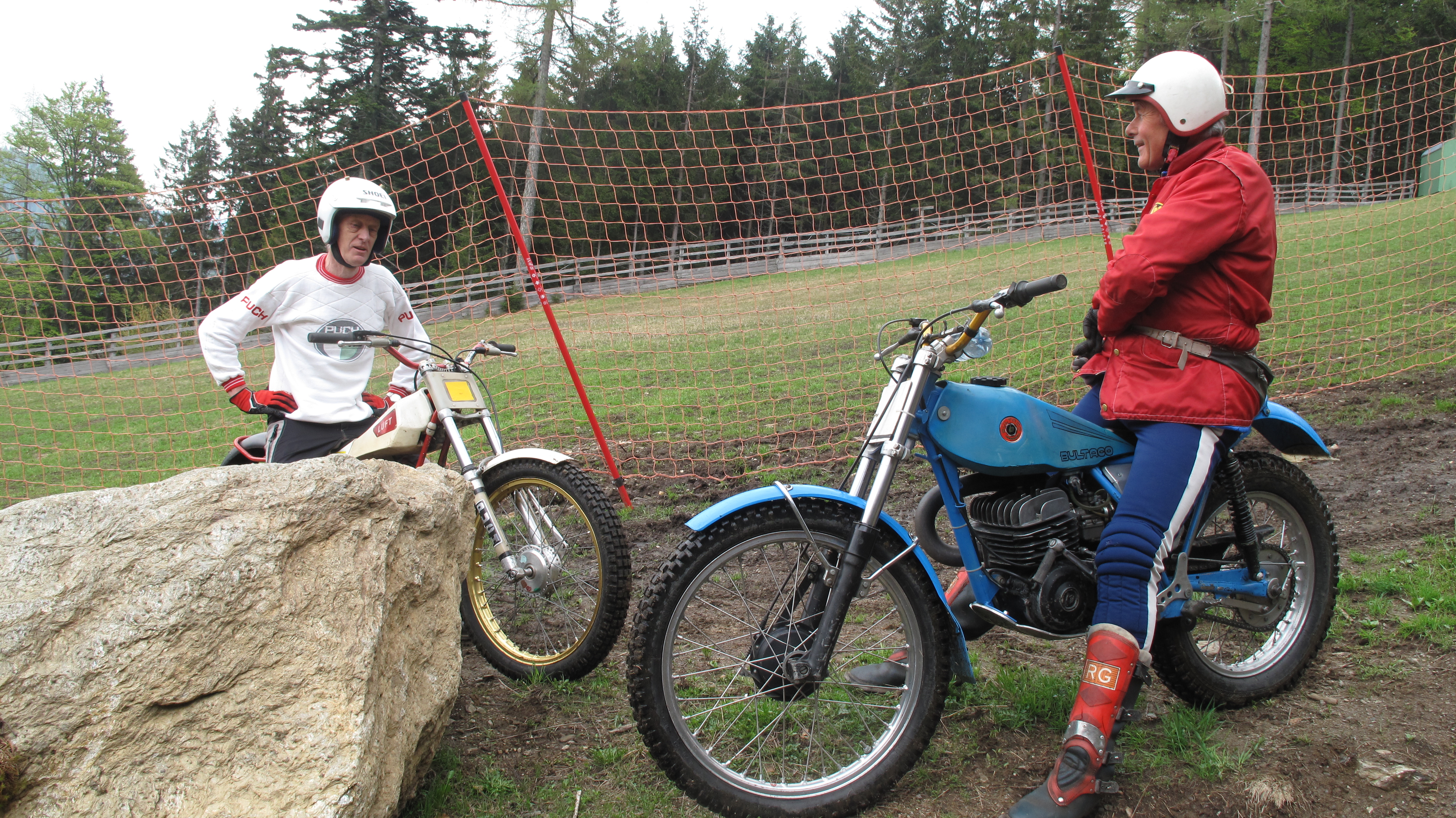
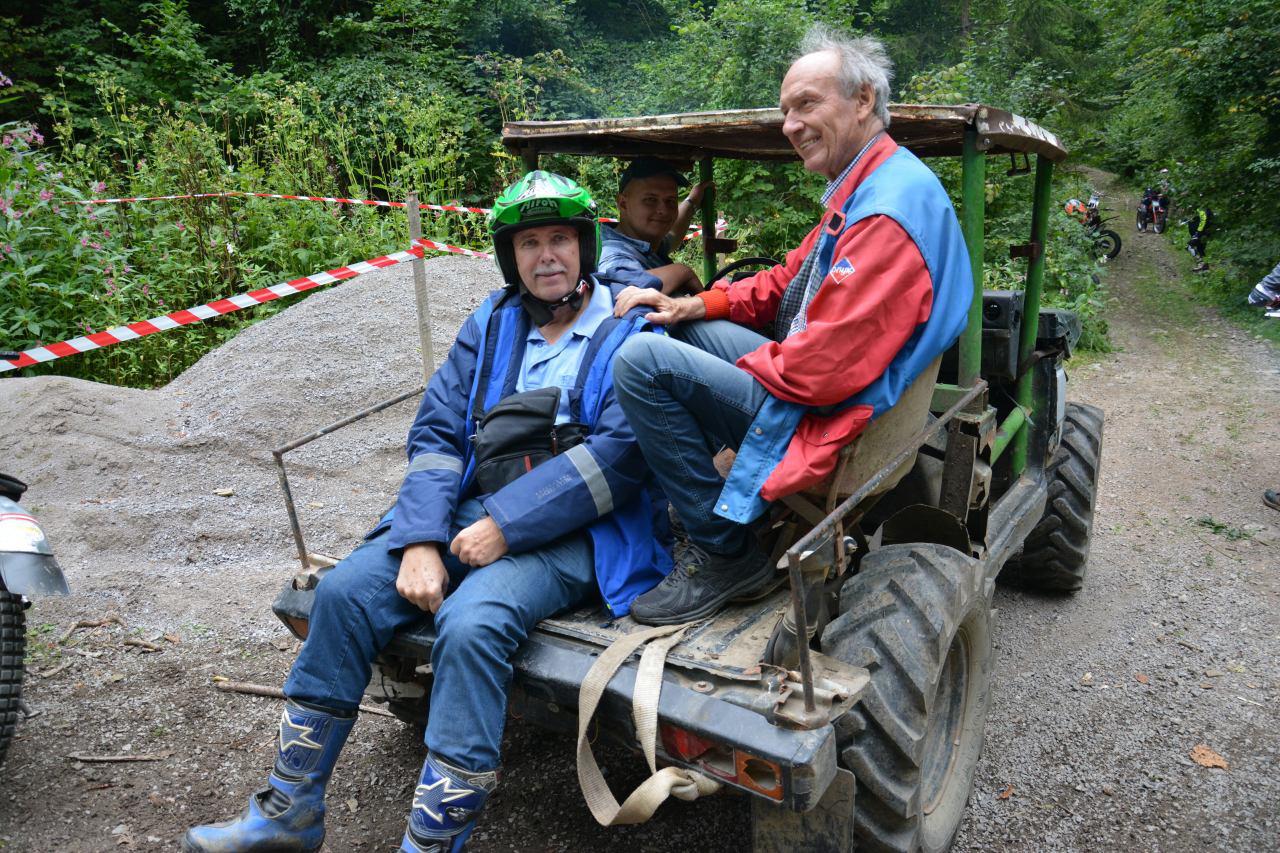
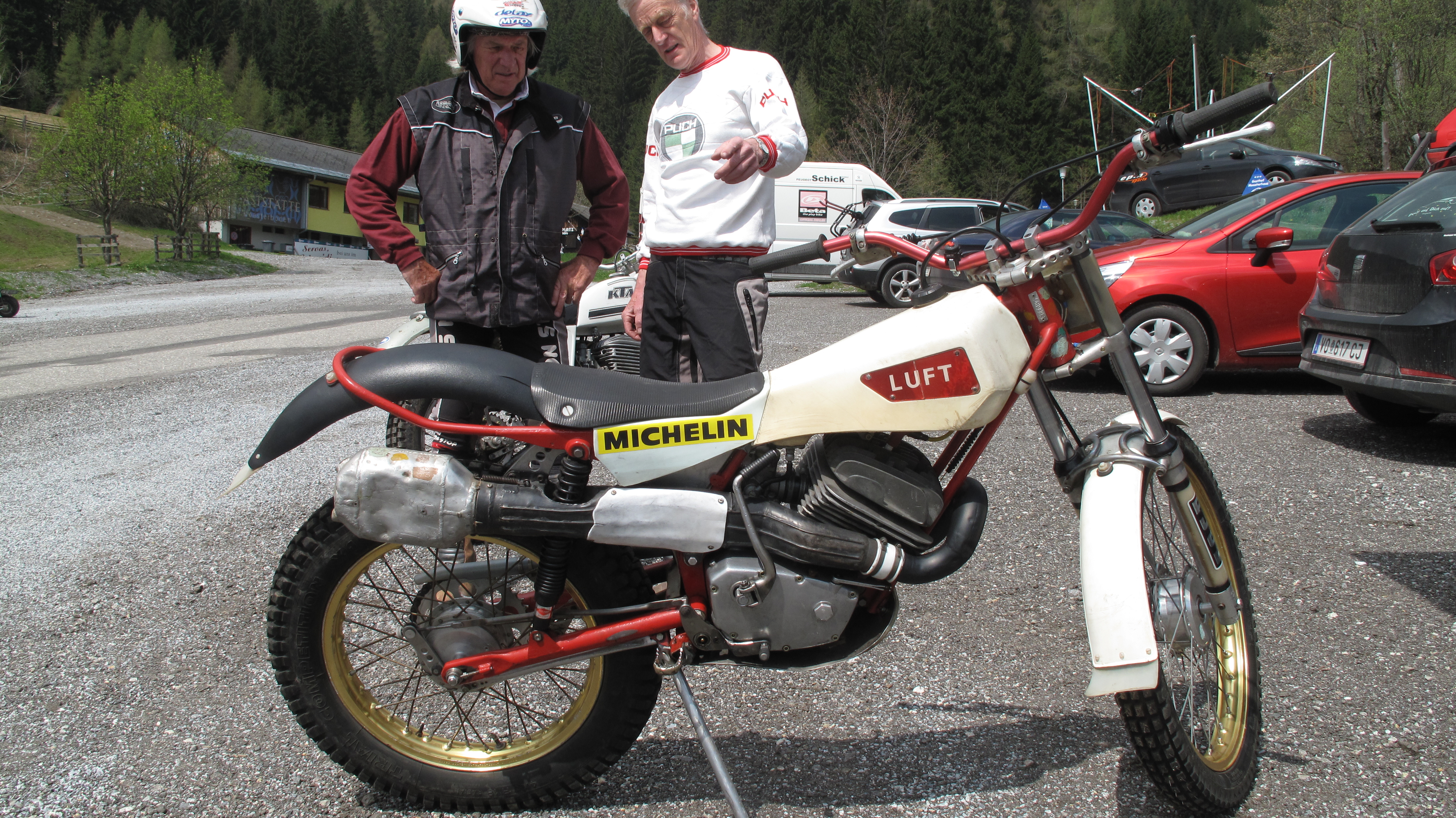
Walther Luft (left) and Joe Wallman (right) discuss trials – Photo: Alfred Wagner.
Bultaco time:
In the autumn of 1971, Joe purchased his first Bultaco Sherpa 250, four days later Wallmann was able to defeat Walther Luft again at the ‘Graz Trial’. Joe instantly gelled with the Bultaco, a brand he would remain loyal to until the end of his trials riding career in 1982.
Contacts:
In 1968 at the ARBÖ Trial in Bad Goisern, Joe had become friends with riders from Motor Sport Club – Gmunden. It was at that time, one of the few trial clubs in western Austria to also make a name for itself as a promoter of the ‘International Voralpentrial’. In 1970, Joe’s friend, Hartwig Kamarad, was approached by Motor Sport Club Rutzenmoos, the most successful motorsport club in Austria at that time and finance was readily available. The MSC Rutzenmoos tasked Kamarad with forming a trials team, with Castrol Austria providing start-up assistance and also financed the purchase of a Ford FK 1000 transport bus for Joe and Hartwig. The ‘Autoladen Vöcklabruck’ paid for insurance and taxes and took care of tyres and spare parts. Joe had arrived in another world, and the leap into the international trial scene was now possible. In order to finance the expensive trips to international trials in Italy, France, Finland, Sweden, the three remaining seats in the bus were made available to other Austrian competitors and could thus travel cheaply all over Europe.
Former German trials rider Max Braun from Munich said: “It was for me a great time together with Joe Wallmann, he is a gentleman and also his wife Hedwig is a very smart Person. He is a very fair Sportsman and a excellent Rider.“
For many Austrians such as Franz Trummer, Gottfried ‘Friedl’ Engstler, Hubert Erbler, Max Hengl and some others. This was the opportunity to get a taste of international trial events.
1978 – Austrian, F. W. Trummer (325 Bultaco) on Loch Eild Path, SSDT – Photo: Iain Lawrie, Kinlochleven.
Gottfried ‘Freidl’ Engstler from Austria (325 Bultaco) on ‘Pipeline’ in 1978 SSDT – Photo: Iain Lawrie, Kinlochleven.
F.W. Trummer on the 300 Puch Yeti in the 1978 SSDT on ‘Blackwater’ – Photo: Iain Lawrie, Kinlochleven.
International:
In the autumn of 1972, Joe’s international participation in trials really got going, he finished in third position in the Lans en Vercors trial near Grenoble in France. His talent for trial ‘shows’ was already evident, and Joe drove cars for the first time at a racing exhibition of the MSC Rutzenmoos at a folk festival in Vöcklabruck.
From 1973 Joe worked as a salesman and as a ‘celebrity trials trainer to Austrian ski legend, Franz Klammer and many more. This was with the Bultaco importer for Germany and Austria, Horst Leitner, who also provided him with a Bultaco complete with spare parts, free of charge and paid success bonus.
Left to right: Horst Leitner; Niki Lauda; Nina Rindt & Joe Wallmann – Photo: Harry Leitner
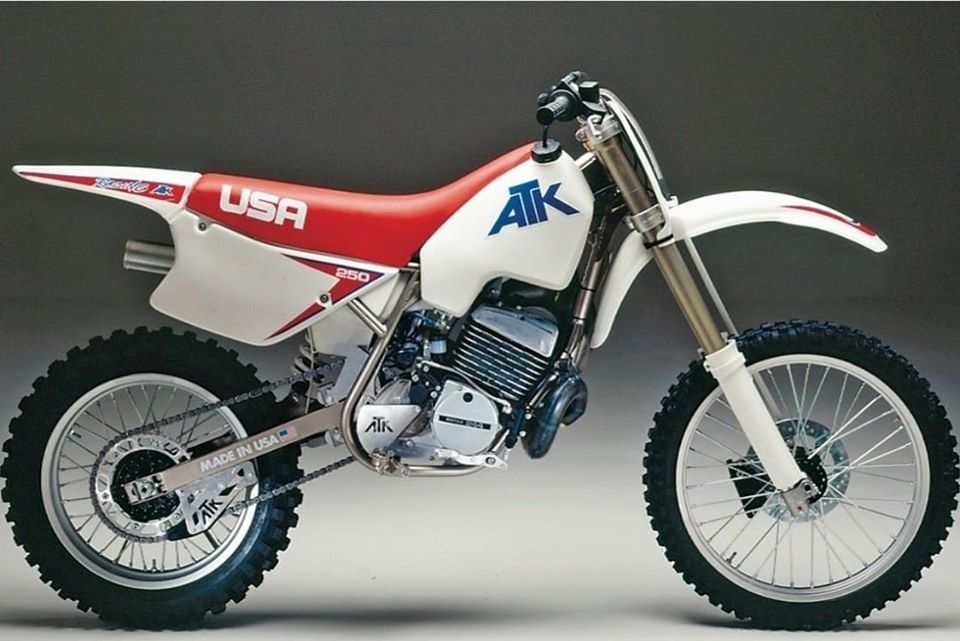
Leitner was the first Austrian to compete in the Scottish Six Days in 1961, later he emigrated to the USA to develop a range of off-road motorcycles under the ATK Leitner brand.
The 250cc ATK Leitner made in the USA by Horst Leitner
Leitner’s Austrian headquarters were based at Bruck an der Mur in Styria, Austria and imported the range of Bultaco motorcycles for the country.
Joe Wallmann’s increase in performance was meritorious, he took part in many International Trials and European Championship competitions. This resulted in second places in Pinerolo, Italy; St.Leonard de Bois, France; Trial Beutal, France; International Clubman Trial at Aywaille, Belgium.
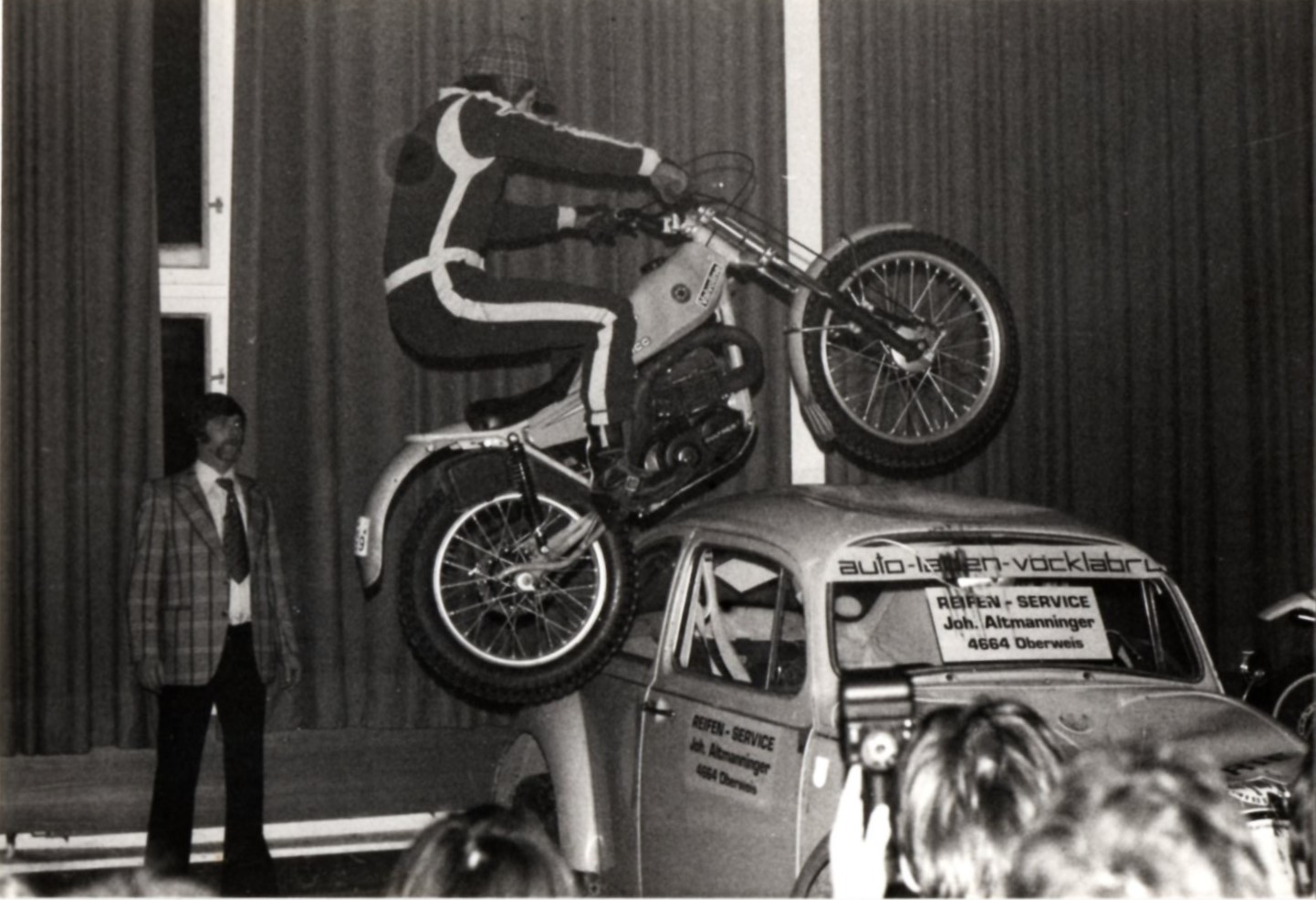
Joe and Hartwig had by now changed clubs again and now run under the AMC Attnang banner and were supported by the US oil company, Pennzoil. The trial ‘shows’ became more and more robust with Joe riding his Bultaco across cars and at the town hall square in Attnang-Puchheim also over the roofs of moving cars.
Joe Wallman in 1975 at a World Championship round at Gefrees in Germany. – Photo: Rainer Heise.
Around this time Joe travelled to events in a blue Hanomag van with a rather amusing large decal on the rear doors. It was a sitting bulldog with its paw raised in a ‘thumbs-up’ pose with the text ‘Bultaco-Bull’ underneath.
Joe in VW Beetle action in 1979
As early as 1977, an Austrian motorcycle trade magazine commented on Wallmann’s skills: “soon Wallmann will drive a figure eight on the roof of the car and a hairpin bend in the interior of the car.” At World Championship events, Joe was more and more often in the top ten and thus points and advanced to the best German-speaking trial pilot in the World Championships. He was able to finish other International Trial Classics such as the Trial in St.Martin, Belgium and the Tatra Trial in Poland taking top honours.
Scottish Six Days:
Joe Wallmann on the 325 Bultaco rides ‘Laggan Locks; in the 1975 Scottish Six Days – Photo: Rainer Heise.
At the Scottish Six Days in 1975, Joe entertained spectators during the machine examination at Edinburgh’s Gorgie Market with an impromptu display, by riding his Bultaco up to a brick wall, landing his front wheel on the wall, then static balancing before flicking the bike off the wall, feet securely on the footpegs. His first appearance at the Scottish Six Days, was financed by ORF (Österreichischer Rundfunk), the Austrian national public broadcaster.
In 1976, Joe took part in the prestigeous TT Leathers sponsored ‘Superstars’ trial in England at Pately Bridge, Yorkshire. The event attracted the best trials riders in the world at that time.
1976 TT Leathers ‘Superstars’ Trial at Pately Bridge – Joe Wallmann on the 325 Bultaco – Photographer Unknown.
Reflecting in conversation with A-Trial, Joe Wallman said: “I experienced my personal highlight in 1977, on the Thursday of the Scottish Six Days Trial. It was problems all day. I had to change the wheel bearing and mend a plate and then continue. At stake was with a day victory with 4 marks and the tenth place in the six-day final results. But the fourth place at the World Championship run in Kiefersfelden, almost on my doorstep, in 1980 was also very nice.”
Joe Wallman was best on day on the Wednesday of the 1977 SSDT jointly with Martin Lampkin, Marland Whaley and Rob Shepherd, winning the ‘Comerfords’ trophy. Joe was tenth overall on 93 marks.
Multiple SSDT winner, H. Martin Lampkin (325 Bultaco) on ‘Blackwater’ in the 1978 Scottish Six Days – Photo: Iain Lawrie, Kinlochleven.
In the 1978 Scottish Six Days, Joe was again riding the 325cc Bultaco and was positioned in 19th place on 195 marks, in this year, Martin Lampkin won the trial on 99 marks, the event was now taking more marks from riders than before. At the 1978 SSDT, Wallmann was also part of the Best Foreign team, ‘Team Austria’ which consisted of Joe, Walther Luft, Freidl Engstler and F.W. Trummer, winning the ‘Scotia Trophy’.
Joe Wallmann and his wife, Hedwig ‘Hedi’, have two children, Josef and Anrea.
At the World Championship trial in Kiefersfelden in Germany, Joe achieved a fourth place finish. This would be his best individual result at World Championship level. In the meantime, Horst Leitner had expanded his importership activities with Bultaco and became importer for the German market.
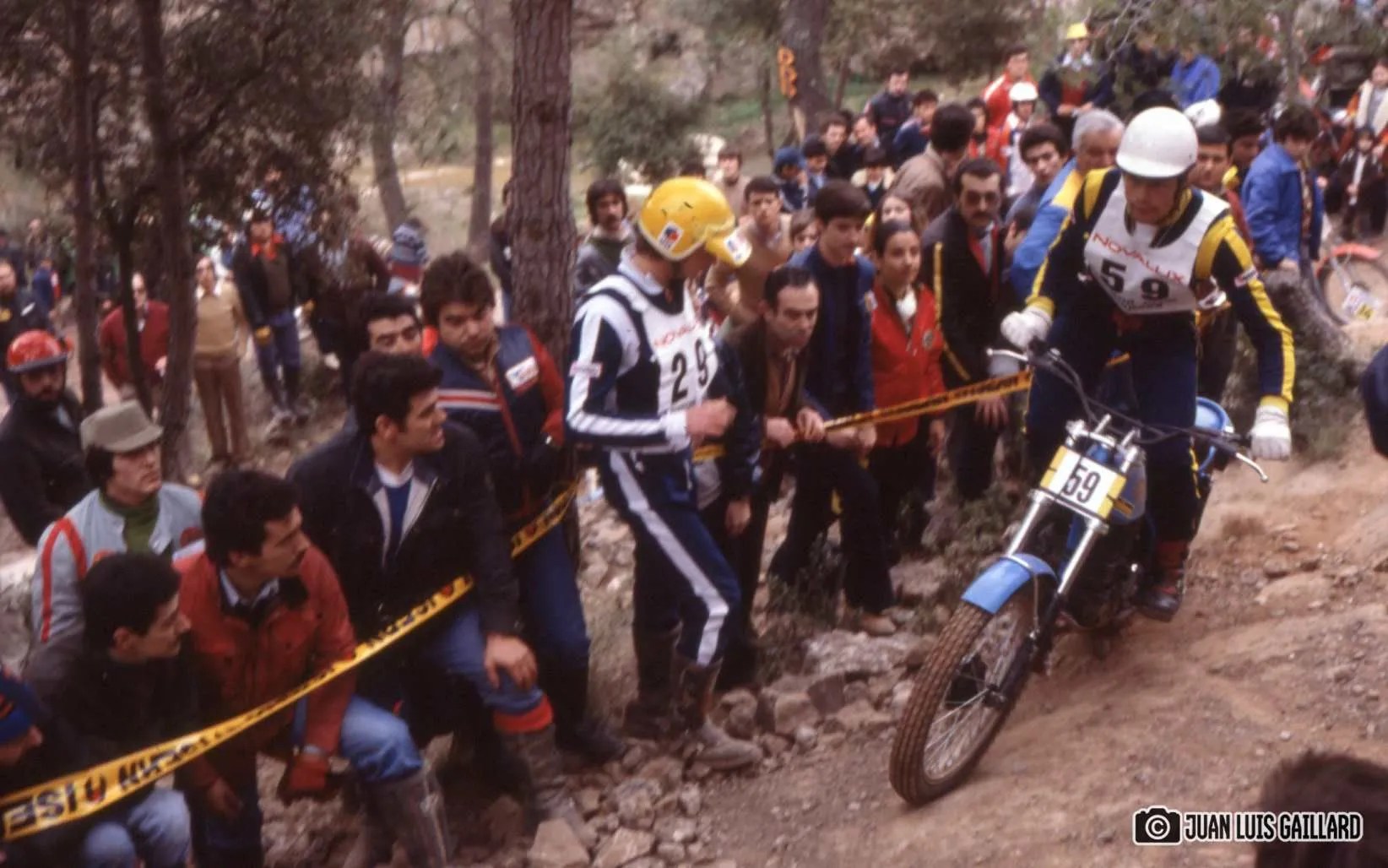
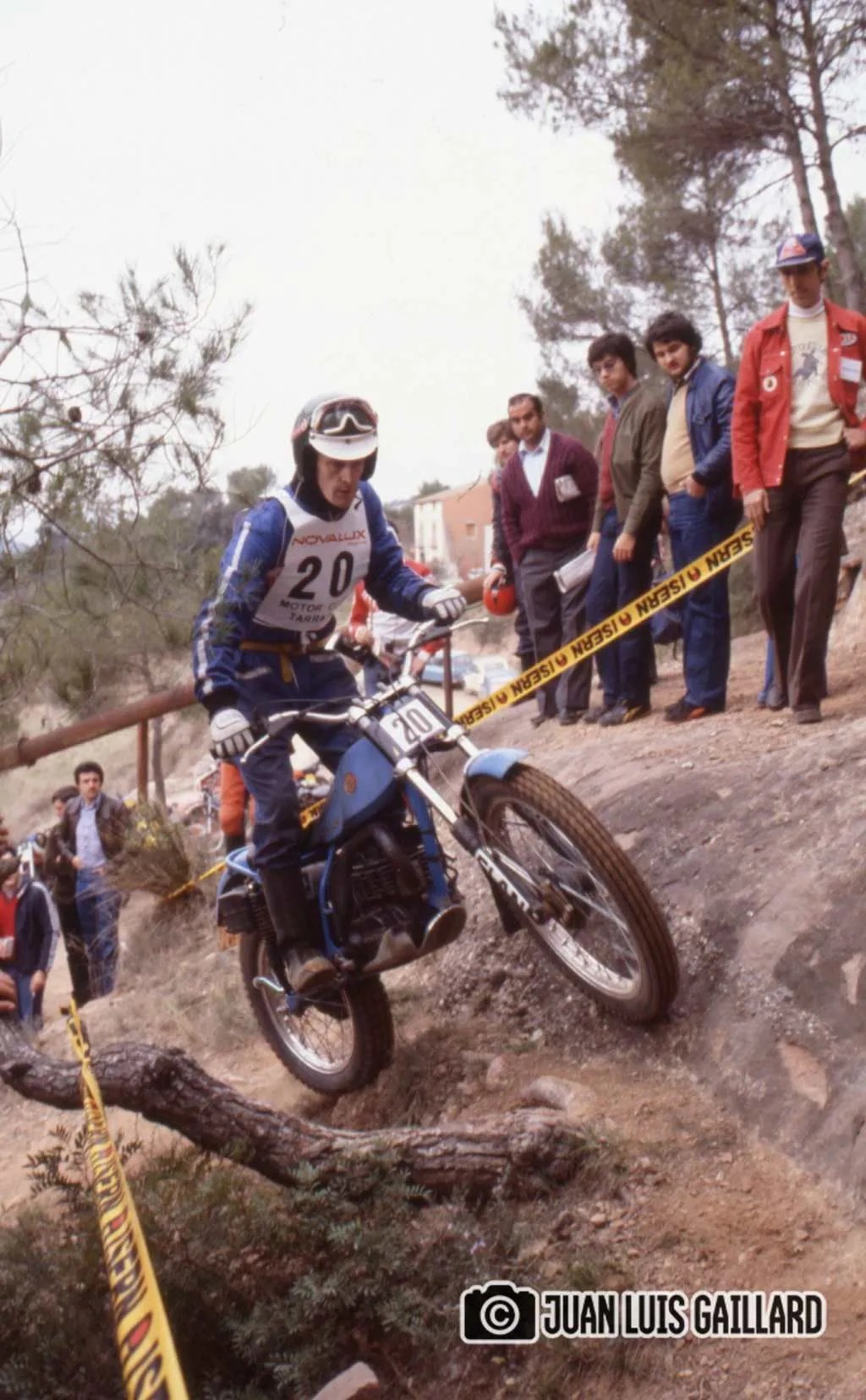
Joe Wallmann riding at the 1979 Trial De Sant LLorenc in Spain – Photo copyright Juan Luis Gaillard Archive.
Joe started riding in the German Trial Championships to help promote the Bultaco brand. However, due to the financial collapse of Bultaco in 1979, Joe then switched to the Italjet, developed by Bultaco mounted 1979 World Champion, American, Bernie Schreiber in 1980.
Bernie Schreiber who developed the Italjet in 1980, seen here in Sweden, round 10 of the World Championships – Photo Collection Giulio Mauri Fontsere.
Werner Linz in later years took over the import company and dealership. Joe became three times German Vice Champion and three times South German Champion.
Wearing a body-belt to help his back, Joe Wallmann on the T350 Italjet tackles a VW bus.
Joe’s first attempt at a record for an entry into the Guinness Book of Records was in 1980, at an event of the Motorclub Laakirchen when he rode across a VW bus, his record thirst for the Guinness Book was not yet quenched, and in 1983 he drove across a larger coach bus of the post office in Laakirchen on the occasion of the market celebrations of the town, it even brought him a dinner with the the then Federal President Dr. Kirchschläger, who was on site for these celebrations.
The poster for the 1983 Guinness Book of World Records attempt at Laarkirchen.
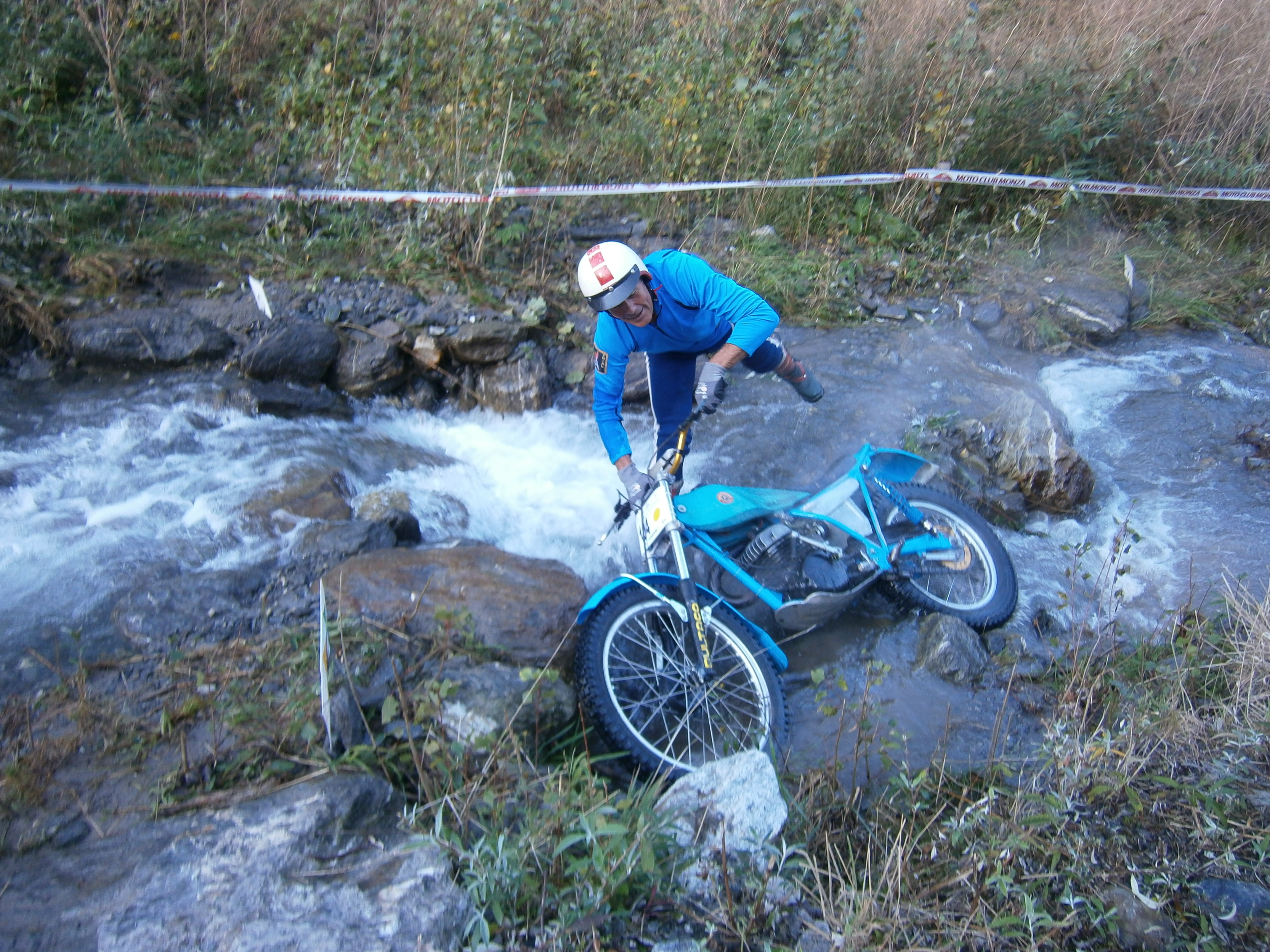
About twenty years ago, Joe became interested in Classic Trials, mostly riding on a Bultaco, he won the A-Cup title, the Classic European Cup taking place in Italy, Switzerland, Germany and Austria with four victories, but his great love belongs to the 2-day Trial des Vestiges in Moudon, Switzerland. Now living with his wife, Hedwig at Obertrum, near Salzburg.
2011, with Joe having fun on the 199A Bultaco at Colico – Photo: Erich Diestinger
The Salzburg daily newspaper, Salzburger Nachrichten reported in 2012: – Health problems in the form of severe back pain and also the time strained by family and profession, forced Wallmann to hang the sport on the nail in the mid-1980s. About ten years ago, the upper centre finally found a chiropractor who redeemed him from his pain. “It was incredible to suddenly be pain-free after more than 30 years,” the now 64-year-old remembers. However, Wallmann did not return to the trial. “The independence of self-employment simply demanded a lot of my time,” he says. It was only two and a half years ago that his long-time friend and trial colleague Hartwig Kamarad put him on a machine again when Wallmann felt the old enthusiasm flare up again. And since then he has won. The most tough competitor is almost 30 years younger. In the 2012 season, Wallmann won the overall ranking in the international classical trial Alpine Cup and also in the Austrian classical music A Cup. His toughest competitor Markus Adamec is almost 30 years younger. “I just enjoy getting around with the old machines,” Wallmann says modestly. In the classic competitions, exactly this is possible, after all, the trial vintage cars with around 90 kilograms weigh more than those of the current professionals. “And with participants between 30 and early 70, the age range is probably a slightly different one,” laughs Joe Wallmann, who will now remain the trial even longer. [1]
Joe Wallmann when riding competitively was very much an ‘old school’ rider, when the motorcycle and rider stops, then that is five marks of a reward. Wallmann did not take to the new way of allowing stopping in a section, which was pioneered in Spain.
Joe Wallmann: “I stopped competing in competitive trials in 1982. In 1980 Ulf Karlson became world champion. It was the last title for a driver from my generation who still drove without using the clutch. There was no problem with standing still. After that, the new driving style prevailed, which came from the young people of the time like Eddy Lejeune. For trial events up to class three (yellow route), the ‘non-stop rule’ is the most sensible rule anyway. The riders jump around in places where ‘driving’ would be much better and more successful. However, they would then have to learn and master basic techniques, such as correct loading and unloading.” [2]
In the Austrian trial website, A-Trial, they asked Joe: Aside from tables and rankings, what other fond memories do you associate with trial sports? Joe replied: “In 1972 we were in Finland for the first time to take part in the World Cup races there and in Sweden. Suddenly none other than Yrjö Vesterinen appeared. Yrjö took us to the most beautiful places, we were able to drive freely and collected cranberries during training. Walther Luft fried the mushrooms he found. It was this community that brought a lot of fun!” [3]
Three times World Trials Champion, Yrjo Vesterinen (325 Bultaco) on ‘Ben Nevis’ 1978 SSDT – Photo: Iain Lawrie
Joe is now 75 years of age and has a knee prosthesis and a new heart valve, but his goal is to start in Moudon at the age of 80!
Joe can still fit inside his 1980 riding clothes, he is a fit man! Photo: Erich Diestinger.
It proves, you just can’t keep a good guy down, but that’s Just Joe!
Photo: Bernard Egger
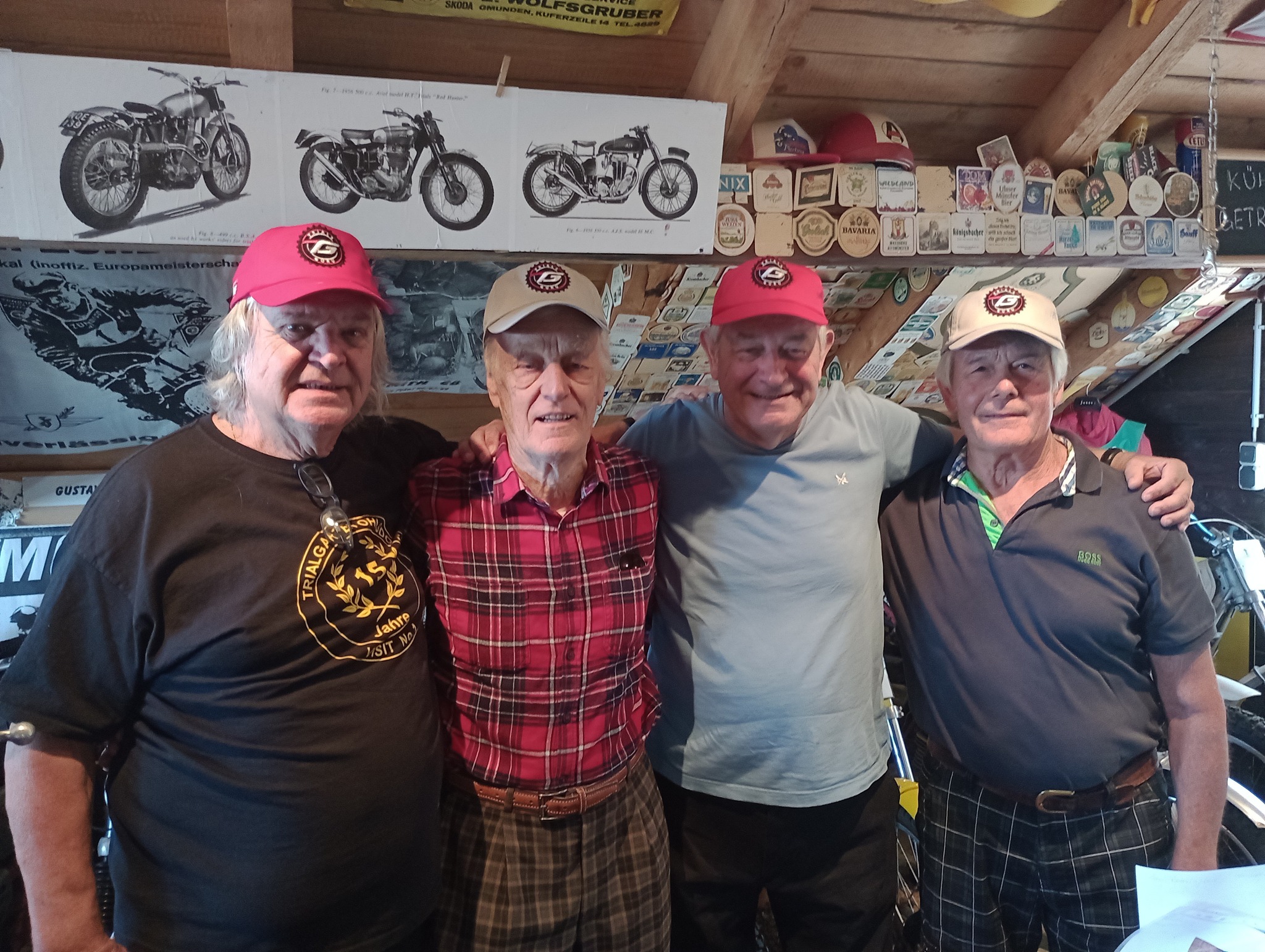
In August 2025, John Moffat of Trials Guru website travelled to Ohlsdorf in Upper Austria and met with Hartwig Kamarad, the curator of the 1st European Trial Museum to present Joe Wallmann and Walther Luft with their special edition ‘Trial legend’ caps by Trials Guru. Only 25 of these caps worldwide as a special honour for the recipients.
Trial Friends at Ohlsdorf, Austria in August 2025. Hartwig Kamarad; Walther Luft; John Moffat and Joe Wallmann. Photo: Alfred Wagner
Austria Trial Champions:
1969 – OSTG Trial Cup: 100cc – Joe Wallmann; 200cc – Walther Luft; Over 200cc – Walther Wolf.
1970 – OSTG Trial Cup: 100cc – Joe Wallmann; 200cc – Walther Luft; Over 200cc – Walther Wolf.
‘Six Days in May’ – Twenty Five Years of the Scottish Six Days Trial 1970-1994 – Jim McColm (1995).
Article copyright: John Moffat/Trials Guru 2024
Photographic Copyright: Individual photographers as captioned.
Apart from ‘Fair Dealing’ for the purpose of private study, research, criticism or review as permitted under the Copyright, Design and Patents Act, 1988, no part of this article may be copied, reproduced, stored in any form of retrieval system, electronic or otherwise or transmitted in any form or by any means, electronic, electrical, mechanical, optical, chemical, photocopying, recording or otherwise without the prior written permission of the author as stated above. This article is not being published for any monetary reward or monetisation, be that online or in print.
Walther Luft and Mick Andrews with the KTM 325 – Photo: Alfred Wagner
Words: John Moffat for Trials Guru
Contributions:Hartwig Kamarad; Yrjö Vesterinen; Alfred Wagner & Max Hengl.
Photos:Alfred Wagner; Hartwig Kamarad; Hans Meditz; Iain Lawrie; Rainer Heise; Eric Kitchen; Graeme Campbell; Iain C, Clark; Ian Gibson; Jimmy Young; Justyn Norek; Trials.AT; John Moffat.
Walther Luft at the 1975 Scottish Six Days – Photo: Rainer Heise Archive
Acknowledgements:Motorrad Trial Museum Ohlsdorf/Hartwig Kamarad; Max Hengl, Austria; KTM AG, Mattighofen; Steyr-Daimler Puch, Graz; Alfred Wagner, Austria; Trial.AT, Austria.
Walther Luft (325 Puch) at Ricany in the Czech Republic – 1981
John Moffat begins the Walther Luft story:
I first met Walther Luft at my family home in Bathgate, West Lothian in late April 1970. He was entered for his first Scottish Six Days Trial along with his friend from Vienna, Peter Bous who was to ride a Bultaco.
SSDT photo from 1970, Gorgie Cattle Market, Edinburgh. Walther Luft (kneeling) is inspecting the 175cc Walwin BSA of Ross Winwood. The person to the right looking down is Peter Bous. the gent with the trilby hat is SACU Secretary and former rider, T. Arnott Moffat. On the far left is John Graham, SSDT Clerk of the Course that year. Walking away to right is Bob Paterson, former SACU President. Photo: Hans Meditz
Walther was a quiet man, he understood and spoke some English, but it was clear to me that he was very shy and reserved, that was until he had some wine! He was also quite humorous and would laugh at mildly funny things.
Austrian motorcycle manufacturer, Steyr-Daimler Puch were based in Graz, Styria Austria.
My task was to accompany them along with a Herr. Hans Meditz from Steyr-Daimler Puch, Graz. He was their effective manager for the event, Meditz, I later discovered had been an accomplished enduro rider for the Puch factory team and had competed in the International Six Days representing his native Austria. He was an employee of the factory, but I never found out what he did for a living, even although my family would visit him at his home in Graz when on holiday in Austria the next year.
Walther’s first foray into the most famous motorcycle event in the world attracted attention from the UK Puch importers, Steyr-Daimler Puch GB, who were based in Lower Parliament Street in Nottingham who sent up their UK General Manager, Peter Bolton and one of their technical salespeople. The Puch GB people travelled around the highlands in a brand new series 1 Range Rover with the private number plate 1 SDP. At this time, Puch were supplying 124cc engines, wheels and front forks to Dalesman in Otley, Yorkshire and had just started supplying Greeves with the six speed 169cc engine for the new Pathfinder which was being debuted by Bill Wilkinson, Derek Adsett and Scott Ellis in the SSDT.
My father, T. Arnott Moffat had made connections and friends while attending the ISDT at Garmisch-Partenkirchen in September 1969, this included some officials of the OAMTC and the German ADAC. He was always telling people overseas to come to Scotland and compete in the SSDT and this time it worked.
Peter Bous helps get Walther Luft’s 169cc Puch scrutineered at the 1970 Scottish Six Days in Edinburgh’s Gorgie Market. The official on the left is David Miller, holding the machine is Austrian Peter Bous and on the right the official is Ian Baird, son of the SSDT Clerk of the Course, George Baird. (Photo: Trial.AT)
He received correspondence from a connection in the OAMTC asking how to enter a couple of Austrian riders for the ‘Scottish’. Very much delighted to help, my father replied and put them in touch with the new SSDT Secretary for 1970, Jim McColm of the Edinburgh & District Motor Club and two entries were secured for the Austrians. Peter Bous would be allocated number 70 and Walther Luft, number 71.
Walther Luft (326 Puch) on Muirshearlich in the 1981 SSDT – Photo: Iain Lawrie, Kinlochleven
My mother made up the spare bedroom at our home in Torphichen street, Bathgate and I was despatched to my Gran’s cottage to allow my bedroom to be vacated, thus accommodating all our Austrian guests.
The contingent had arrived early for the trial and needed to make some preparations to their machines, so my resourceful father took them to Uphall Station, West Lothian where his friends, the Gillies brothers ran a large haulage business with extensive workshops, under the control, of Jim Gillies, a family friend. The Austrians were allowed access to all the tools and also welding equipment as Walther Luft was a blacksmith to trade.
Walther Luft gets on with a spot of maintenance during the 1970 Scottish Six Days Trial (Photo: Trials.AT)
My father suggested that the duo us a spare can for their fuel and I was told to paint their riding numbers on an old red Esso two gallon fuel can, which I did with Humbrol enamel in white gloss, I still have that can with its original brass cap, still showing the writing, ‘71 and 70 SSDT’.
SSDT 1970:
Peter Bous was very unlucky in his first SSDT, the crankcase seals on his Bultaco failed at the first fuel check near Culross, some twenty-five miles north of the start, however he returned a couple of years later with a Puch and received a finishers award.
Walther Luft was a serious rider; he took his sport and the construction of his special 169cc Puch very seriously. His preparation was total, I had the pleasure of not only watching him, but assisting him where I could.
In 1970 his Puch was in its preliminary stages of development, registered in Vienna (Wein) as W-30823, it sported an alloy fuel tank similar to that being used by the English constructor, Dalesman who were using 125cc Puch motors at that time. Finished with alloy mudguards and braced steel handlebars. Luft I then discovered, had made the frame and swinging arm himself, up until that point I assumed it was a factory bike. He also used Nylon 66 at around 5mm thickness for a sump shield, nobody at the weigh-in for the SSDT had seen such a sump shield made from plastic material before! Later he fitted American ‘Preston Petty’ mudguards to the Puch when they became available, then he used the British made ‘VF’ (Vacuum Formers). For controls he favoured the German ‘Magura’ brake and clutch levers.
SSDT 1970 – Group photo at the ‘weigh-in’ From Left: Walther Luft; Peter Bous, Tommy Ritchie; John Graham; Trevor Hay; Bob Paterson; Jackie Williamson; Unknown; John Moffat; Unknown; T.Arnott Moffat. Walther’s Puch is the number 71 machine – Photo: Hans Meditz, Graz.
The air-box was also made from sheet Nylon 66, and I noticed extensive drilling of many components for lightness. Walther referred to these components as ‘spetzial parts’, he was always experimenting with innovative ideas.
After all the preparations, Monday 4th May loomed, and the Austrians were standing by their machines in the Gorgie Market in Edinburgh for the start of the Scottish Six Days Trial. The weather was sunny and as mentioned Bous retired on the first day so was able to crew for his friend Walther.
Walther was overjoyed at the awards ceremony in the George Hotel in George Street, Edinburgh on Saturday 9th May when he collected the ‘Edinburgh Trophy’ for the best performance by a foreign rider, fourth position in the up to 175cc class and was placed at 45th overall in the trial. This started a love affair between Luft and the SSDT, for he would return many times over the years.
Walther Luft gets his special 169cc Puch refuelled during the 1970 Scottish Six Days Trial. The fuel can still exists! (Photo: Trials.AT)
Early years:
Walther Luft was born at Süßenbach in the county of Raabs an der Thaya, Lower Austria (Niederoesterreich) on 15th November 1944, his father was a chemist, he had a sister.
Walther on his ‘self-made’ Puch special, a machine based on the Graz made moped in 1966
Walther was a trained craftsman, welder and turner. He ran a one-man company that carried out repairs and made bespoke machine tools and also made wrought iron work.
Luft took a liking to trials as it was a technical sport and suited his mentality and professional training, a thinking man’s sport.
In Austria, there were not many motorcycle trials dealerships and riders used home market road machines suitably adapted and modified. A popular conversion was the Puch SGS 250, a split-single two stroke which the factory produced ‘Gelandesport‘ models for speed events like the ISDT. Many riders geared these machines down for observed trials use.
Trials legend Sammy Miller had conducted some trials schools in Austria when riding for Ariel and these encouraged many Austrian trials riders.
The Austrians also ran many events through the winter months called ‘Winter Cup‘ series trials, these were very muddy type events, but proved popular. Walther wasn’t a great fan of these events preferring rocky sections and very steep climbs on which he excelled.
The Puch factory took notice of Walther and he received support from them with parts such as wheels, engine, suspension parts. There were some very clever engineers who worked at the Graz factory, but they were mainly engaged in the production of their GS or enduro models, ranging from 50 to 175cc. Many of the components were hand made by Walther, so his machines were very much ‘one-offs‘.
Austrian involvement:
Walther Luft wasn’t the first Austrian to take part in the SSDT, that honour belonged to Horst Leitner, who later became the Bultaco importer/concessionaire for Austria and Germany. Leitner rode a factory supported 250cc Puch SGS in the 1961 SSDT, but it resembled more of an enduro machine than a proper trials mount. Leitner would also sponsor Austrian champion, Joe Wallman from 1973 to 1979 on Bultaco Sherpas through his Austrian Bultaco dealership. Leitner was a multiple ISDT gold medalist and later produced the ATK Leitner motocross machines in Southern California in the USA and patented the ‘Leitner-Link‘ suspension system.
Development:
Ongoing development of the trials machine was always on Luft’s mind, he was a perfectionist and could not rest until something he was working on was 100% correct.
The Puch he rode was always a work in progress, by 1973, he had increased the capacity of the engine to a 250, actual capacity 244cc and had made a special fuel tank out of plastic, based on the tank element of the Bultaco Sherpa ‘Kit Campeon‘ tank seat unit. Walther had made his own mouldings and therefore had self-made his own tank for his Puch.
Copy-cat:
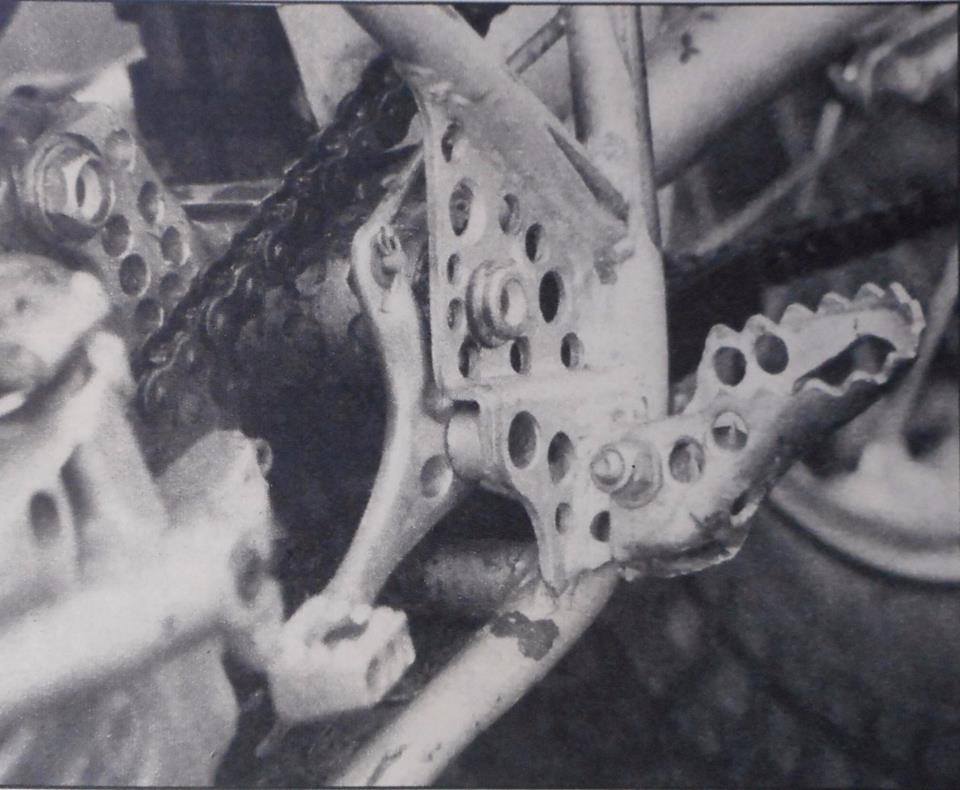
In fact Walther had fabricated in 1970, two nylon 66 tubes with suitable bracketry and fixings to enclose the rear drive chain of his Puch, this idea was subsequently copied by Montesa for the 1976 Cota 348 ‘Malcolm Rathmell Replica‘.
At this time, with the larger capacity engine, Walther was constantly tinkering with carburation and exhaust systems. At first he used glassfibre wool as silencing and to create sufficient back-pressure for the loop-scavenging two-stroke Puch engine. He then tried wire wool as he found that the glass wool was prone to burn out rapidly and he was losing the back pressure mid event. His engines were all six-speeders.
The fork yokes were alloy items, but extensively drilled and sometimes the holes filled with nylon 66 rod, such was his attention to detail.
In 1971, in his second SSDT, Walther was again the best foreign rider and came home in 31st position, the Puch was by now a 169cc capacity, listed as a 200. The following year, he was logged as 29th position overall and the Puch‘s capacity listed as 187cc. The best foreign rider was rising Ossa star, Thore Evertson.
1973 was a good year for Walther on the 250cc Puch Special, he won the Santigosa Three Day Trial in Spain (Tres Dies de Trial de Santigosa) beating Bultaco rider Charles Coutard and Spaniard Fransec Paya (Ossa) and also took the best 250cc cup. He travelled to events alone in a dark green VW 1600 Variant estate car with the Puch inside, with its wheels removed and his luggage alongside. Walther by now always stayed with the Borthwick family in Blacket Avenue in Edinburgh’s southside prior to the SSDT to be close to the start.
In the Scottish Six Days he was ninth in the 250cc class, and nineteenth overall in the event. The best foreign rider was again Swede, Thore Evertson on the works Ossa in fifth position.
Walther Luft (left) chatting with T. Arnott Moffat at the finish of the 1973 SSDT at Blackford Hill, his factory Puch with it’s event number plates already removed – Photo: John Moffat
At the finish of the SSDT at Blackford Hill, Edinburgh, Walther was approached by Martin Lampkin and Malcolm Rathmell, the eventual trial winner and asked Luft for a quick spin on the Puch. Rathmell was first to try the peppy machine, before handing it to Lampkin. Martin, not realising how powerful Luft had made the motor almost lost it when he opened the throttle, it gripped on the hard pathway leading up to the Blackford Hill Observatory. He had a broad smile on his face when he handed the Puch back, undamaged, but he came close to looping it in front of witnesses.
Walther Luft on the 250 Puch at Gefrees, German World Championship round in 1975 – Photo: Rainer Heise Archive.
Walther 1973 season was dotted with success, apart from his Santigosa win he also achived the following:
Triumph Club, Castrol Trial at Tulln in March, second place overall; – International Trial at Saint Llorenz de Mont in Spain, third place overall; – International Trial at Bergamo, Italy in June, sixth position; - International Trial at Muhldorf in June, first position; – International Trial in Konstanz in July, first position; – European Championship round in Finland, August, nineteenth position; – European Championship round in Sweden, ninth position; – International Trial at Marburg, Germany in September, first position and the European Championship round at Keifersfelden, sixth position. [1]
Walther Luft’s 326cc Puch, captured at the Scottish Six Days Trial in 1981, this photo shows clearly the nylon chain tubes copied by Montesa years after the system was pioneered by Luft – Photo: Jimmy Young, Armadale
In the 1974 SSDT, Walther posted a fine fourteenth position and the Puch was listed as a 250, five marks behind German Champion, Felix Krahnstover on his Montesa.
However, what was overlooked in the 1974 Scottish Six Days was that Walther had made the best performance of the trial on the very last day, the Saturday, which earned him the Ossa UK trophy, surrendering only 1 mark that day.
Felix Krahnstover centering a front wheel on his Montesa in 1974 – Photo: Rainer Heise Archive
1975 was the last year Walther would be on his faithful Puch and he was now accompanied by friend, central heating engineer, Walther Wolf from Ernstbrunn in the district of Korneuburg in Lower Austria, north of Vienna. They travelled to Scotland in Wolf’s Fiat 238 van.
The Austrians even managed a little sponsorship from the Erste Bank der Oesterreichischen Sparkassen AG in Vienna. The bank’s logo was emplazoned on their riding jackets.
1975 SSDT on ‘Laggan Locks’ riding the Puch now a 248cc, he finished in 20th position overall
By now several Austrians were competing in International trials, including Joe Wallman, Gottfried Engstler on Bultacos and Walther Wolf. Walther Luft would shortly debut the prototype KTM 250 ‘Trial‘ along with German Trials Champion, Felix Krahnstover.
Watched by Swede, Thore Evertson, Walther Luft tackles ‘Laggan Locks’ in the 1976 SSDT, the first year that a KTM took part in the event. Photo: Ian C. Clark, Fort William
As said, Walther was always experimenting with components of his machines, reknown German photographer, Rainer Heise attended the Scottish Six Days many times and of course concentrated in the German riders and the Austrians.
Rainer Heise: “I can’t remember exactly which year, Walther showed me the rims of his machine. He had made them himself from carbon material and assembled them with hub, spokes etc. to make a complete wheel. At that time, the use of carbon was almost completely uncommon at trial.“
Walther was innovative, he was a thinker and new materials made him wonder if they could be used to lighten his machines further, this was at a time before even mountain bike technology had taken hold.
Walther Luft on the experimental 250 KTM on ‘Laggan Locks’ in 1976 – Photo: Rainer Heise
KTM Cometh:
KTM – Kronreif und Trunkenpolz, logo from 1975
The rival KTM (Kronreif und Trunkenpolz, Mattighofen) concern, based at Mattighofen in Upper Austria were eyeing up the burgeoning trials market and began developing their own trials machine in 1975, first a 250, followed a year later with a 325cc engine.
Walther Luft on the 250 KTM Trial prototype in the 1976 SSDT on the first day section ‘Edramucky’
The trials project had the blessing of Hans Trunkenpolz. The firm were reknown for their high build quality and their trials machines were no different, but bespoke.
KTM were world class at motocross and enduro, here is Russian world champion Gennady Moiseev on his factory KTM – Photo: Justyn Norek
They shared few components with the ‘MC‘ motocross or ‘GS‘ enduro spec models of that time, much of the prototype trials machines components were custom made.
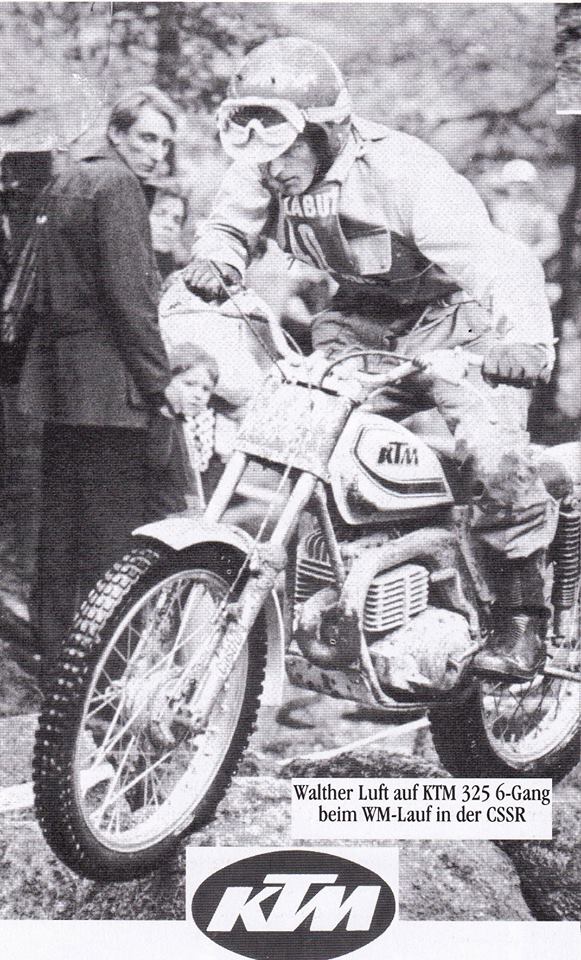
The factory KTM 325 prototype of Walther Luft in 1977 – Photo copyright: Graeme Campbell
In charge of the engineering for the trials project was Heinrich Weiditz at the KTM factory, everyone at Mattighofen was enthusiastic about the ‘Trial’ project.
Walther Luft on the 325 KTM 6-speeder at a World Championship round in Czechoslovakia. – Photo Hartwig Kamarad
Max Hengl, a friend of Walther Luft takes up part of the story:
“Since I was Walther Luft trained, he was able to put me in touch with KTM, who were looking for a young Höhere Technische Lehranstalt educated engineer to build their trials bike. There I got to know Walther as a recognized expert. He had more or less single-handedly developed and built the KTM trial machine. I remember a phone call from him to the factory in Mattighofen, where he told me that on the way to an important event, a car collided with his trailer and the KTM was badly damaged. He was now coming to the factory and I was supposed to help him get his motorcycle back in working order. A few hours later he showed up at the development department and showed me the damaged KTM. In addition to the handlebars, the tank and the side panels were broken. Since the machines developed in the factory already had a different frame, their tank did not fit on Walther’s machine. We worked through the night trying to somehow get a rideable motorcycle ready. Rarely have I seen Walther so desperate, as he could not do a perfect job in the time available. In the morning, he reluctantly loaded the assembled KTM onto his trailer, which had also been repaired, and drove to the trial. He was pretty angry with me when he lost the tank in a crash. This tarnished his image, but he was able to attend the event and that had been the declared goal of the night session. But Walther doesn’t hold a grudge and so he had to laugh about the situation himself.“
Max Hengl (left) with Peter Bous who entered the 1970 SSDT with Walther Luft – Photo: Alfred Wagner.
With the trials engines based on the bottom half of the 400 enduro model, which had an actual capacity 355cc, Walter rode three SSDTs on the KTM brand, Krahnstover went back to ride a Montesa in 1977, returning in 1978 on the 325 KTM. Walther Luft came home in twenty-sixth position at the SSDT in 1977.
1977 on ‘Kilmonivaig’ in the SSDT the KTM was now in 325cc trim – Photo: Iain C, Clark, Fort William
Walther was in thirty-eighth position in 1978, back on the 250 machine, but the decision was made to scrap the project, siting the high demand for their motocross and enduro ranges and strong orders from the American market where the KTM had been previously re-branded ‘Penton’. The size of the trials market being considerably smaller, being the rationale for the shelving of the ‘Trial’ enterprise.
At the 1978 Scottish Six Days, Walther, riding the 325 KTM was a member of the Best Foreign team, winning the ‘Scotia Trophy’ for Team Austria along with Joe Wallmann, Freidl Engstler and F.W. Trummer.
Walther Luft on the 325cc KTM Trial on ‘Blackwater’ in the 1978 SSDT – Photo: Iain Lawrie, Kinlochleven
KTM TRIAL today:
There were four KTM Trial 325 machines made at the Mattighofen factory by the Trial Project, one of which survives in the Mottorrad – Trial Museum, Weinbergstraße 66, 4694 Ohlsdorf, Austria in the prinicipality of Gmunden, Upper Austria, some 74 Kms east of Salzburg. The curator is Hartwig Kamarad who has a fine collection of trials machines and memorabilia on display. The KTM in Trialmuseum is that of Hans Trunkenpolz and has the frame number 4.
Walther Luft on ‘Garbh Beinn’ section in the 1978 SSDT on the 325cc KTM
Fahren mit Bultaco:
1979 and Walther Luft was on a private Bultaco 325cc Sherpa, seen here at the Trial De Sant Llorenc – Photo copyright: Juan Luis Gaillard Archive.
With the disbanding of the KTM trials project, a disappointed Walther started riding a private 325 Bultaco, but of course a heavily modified machine. Walther really wanted KTM to proceed with series production of a trials machine, but his dreams were shattered. Luft was no stranger to the Spanish Bultaco brand, having built and tested a special frame for World Champion, Yrjo Vesterinen. There was only one problem, Vesty found the machine just too light! Luft had gone to town and lightened the chassis beyond belief, making it difficult to find grip.
Walther Luft’s private Bultaco 340cc 199B with modifications to airbox and crankshaft mounted clutch. Photo: Ian Gibson
Yrjö Vesterinen: “The weight balance was out between the front and the back of the bike. Walter managed to take too much weight off the front end. This made the bike very difficult to ride in sections.
The bike went back to the Bultaco factory, it was effectively cannibalised for its parts, and I remember seeing bits of it on Manuel Soler’s bike after that. It is a pity I could not have saved it for posterity.
Walther Luft prepared Bultaco for Yrjo Vesterinen – Detail of the lower frame area and motor mount, engine bolts and brake pedal, all duly lightened by drilling.
Why did I do this? When the new 159 model came out, I really liked them. However, I also noticed that it had become heavier than the 133 model prototypes that we rode previously. I was convinced that by making it lighter it would make it easier to handle. I managed to convince my team boss, Oriol Puig Bulto, to have a special machine built and lightened by Walther. Walther was of course famous for his ultra-light Puch machine that he had built for himself. He took the job on and started working on my machine in Vienna. The outcome was it weighed about 11 kg less than the standard works machine did at the time. This was a beautiful testament to Walter’s engineering skills. He had lightened pretty much every part and fabricated numerous parts from lighter materials. Initially I thought that this machine was a winner. However, the more I tested it, the more obvious it became that the weight distribution of this otherwise very special machine was not right. I struggled to keep the front wheel on the ground on steeper sections. I had to lean more forward to compensate which meant that I would lose the grip with the rear wheel.”
Walther Luft Bultaco preparation for Yrjo Vesterinen – Detail of the lightened cyllinder and head of the 325cc Bultaco motor
Back to standard, well almost:
Vesty: “With great frustration I had to revert back to the more standard machine. Oriol was not best pleased as this project had cost a small fortune. My results were badly affected by this machine that I could not ride very well. The ultimate outcome was that the standard machine was proven to be a winner and ultimately everybody was smiling again! I did initially take a few nice parts of the Luft Special, for my own bike before the others helped themselves for the rest.
After that I never saw it again. I felt extremely sorry for Walter Luft, a good friend of mine who had done a very big, as well as expensive, job to build this bike and I just could not ride it.It needed more testing, but the time did not allow that as I was right in the middle of the first half of the 1976 World Championship season.”
The Vesterinen Bultaco, modified by Walther, had a frame that was extensively drilled, along with the rear engine mount, cylinder head, cylinder barrel and other components.
Walther Luft catches up with old friend and sparring partner, Joe Wallman – Photo: Alfred Wagner
Full circle:
1980 arrived and that marked ten years of riding in Scotland for Walther Luft as well as five years competing in World championship trials and he was still on the 199A Bultaco with his own modifications. He was now thirty-six years of age, so technically passed his prime, but still capable and keen. Later he used a much modified 199B Bultaco in trials.
Walther back on his Puch in 1981 SSDT on ‘Mamore’ – Photo: Iain Lawrie
According to Charly Dematheu’s Trialonline website, Walther Luft had amassed 94 world championship points and highest place was 18th.
Walther Luft explains his final form Luft/Puch to Mick Andrews – Photo: Alfred Wagner
When Walther came to near the end of his competitive era, he switched back to his beloved Puch, riding it in the 1981 SSDT, until he switched to a Rotax powered Aprilia, again heavily modified in the mid 1990s.
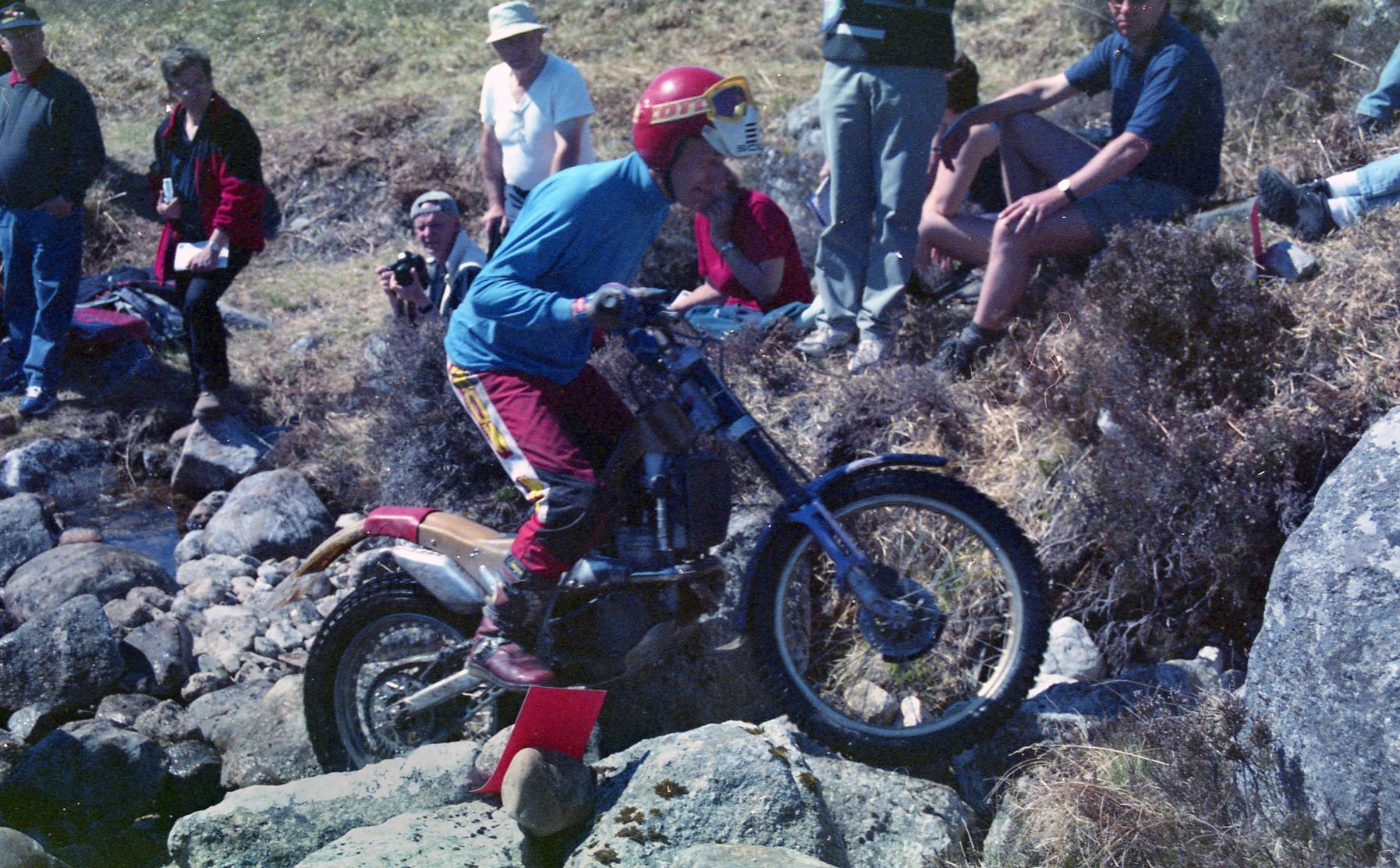
Walther Luft (250 Puch) on ‘Witches’ Burn’ in the 1985 SSDT – Photo: Iain Lawrie
The millenium Scottish Six Days, 30 years after Walther’s first ride in Scotland.
Seen here in the 2000 SSDT on the water-colled Aprilia which was much modified, Luft style.
Walther Luft at the start of the 1998 Scottish Six Days in Fort William with his specially prepared Aprilia – Photo: Eric Kitchen.
A little more information on Puch:
Johann Puch was born in 1862 to Slovenian parents in Ptuj in Lower Styria, Austria. Having been an agent for British Humber bicycles, he started making his own cycles, motorcycles and other automotive products in 1899 at Graz in Austria. He was classed as an industrialist, his company became part of the Steyr-Daimler-Puch conglomarate and made cycles, motorcycles, automobiles and eventually off-road vehicles for military and commercial uses. Up to 1914, Puch had produced 21 different cars, lorries and buses. The company was quite humanitarian in it’s outlook, providing accommodation for its workforce in the city of Graz near to the factory. Mentioned in this article, Hans Meditz was heavily involved in the Puch ‘Haflinger’ which started production in 1958 and the larger ‘Pinzgauer’ introduced in 1970, both off road vehicle projects, both 4×4 vehicles with many uses. Puch was reknown world-wide for its four wheel drive systems. Meditz appears to have started work with the company around 1963 until his retirement. Meditz was not only involved with producing vehicles, but also in the building of Puch workers houses. To make sure the Puch employees were involved with the contruction, lots were drawn to allocate the occupation of the first houses, a novel idea. It is important to remember that in 1975, when Luft went to KTM, Puch secured the World 250cc Motocross Championship with Belgian, Harry Everts.
In August 2025, John Moffat from Trials Guru website visited the 1st European Trial Museum at Ohlsdorf, Upper Austria and met with the curator, Hartwig Kamarad to present Trials Guru ‘Trial Legend’ caps to both Walther Luft and Joe Wallmann. There are only 25 ‘Trial Legend’ caps worldwide.
Trial Friends at Ohlsdorf, Austria in August 2025. Hartwig Kamarad; Walther Luft; John Moffat and Joe Wallmann. Photo: Alfred Wagner
Austria Trial Champions:
1969 – OSTG Trial Cup: 100cc – Joe Wallmann; 200cc – Walther Luft; Over 200cc – Walther Wolf.
1970 – OSTG Trial Cup: 100cc – Joe Wallmann; 200cc – Walther Luft; Over 200cc – Walther Wolf.
Apart from ‘Fair Dealing’ for the purpose of private study, research, criticism or review as permitted under the Copyright, Design and Patents Act, 1988, no part of this article may be copied, reproduced, stored in any form of retrieval system, electronic or otherwise or transmitted in any form or by any means, electronic, electrical, mechanical, optical, chemical, photocopying, recording or otherwise without the prior written permission of the author as stated above. This article is not being published for any monetary reward or monetisation, be that online or in print.
From the left: Rainer Heise; Mick Andrews & Felix Krahnstover – Photo: Kurt-Patrik Beckmann, Hanover.
Recently, Mick Andrews held a trials school near Celle, Lower Saxony near to Luneberg and Hanover in Germany for the local ‘Celler Trial Club’. Some old friends also showed up in support, none other than Felix Krahnstöver, former 10 times German national champion and Montesa and KTM factory rider.
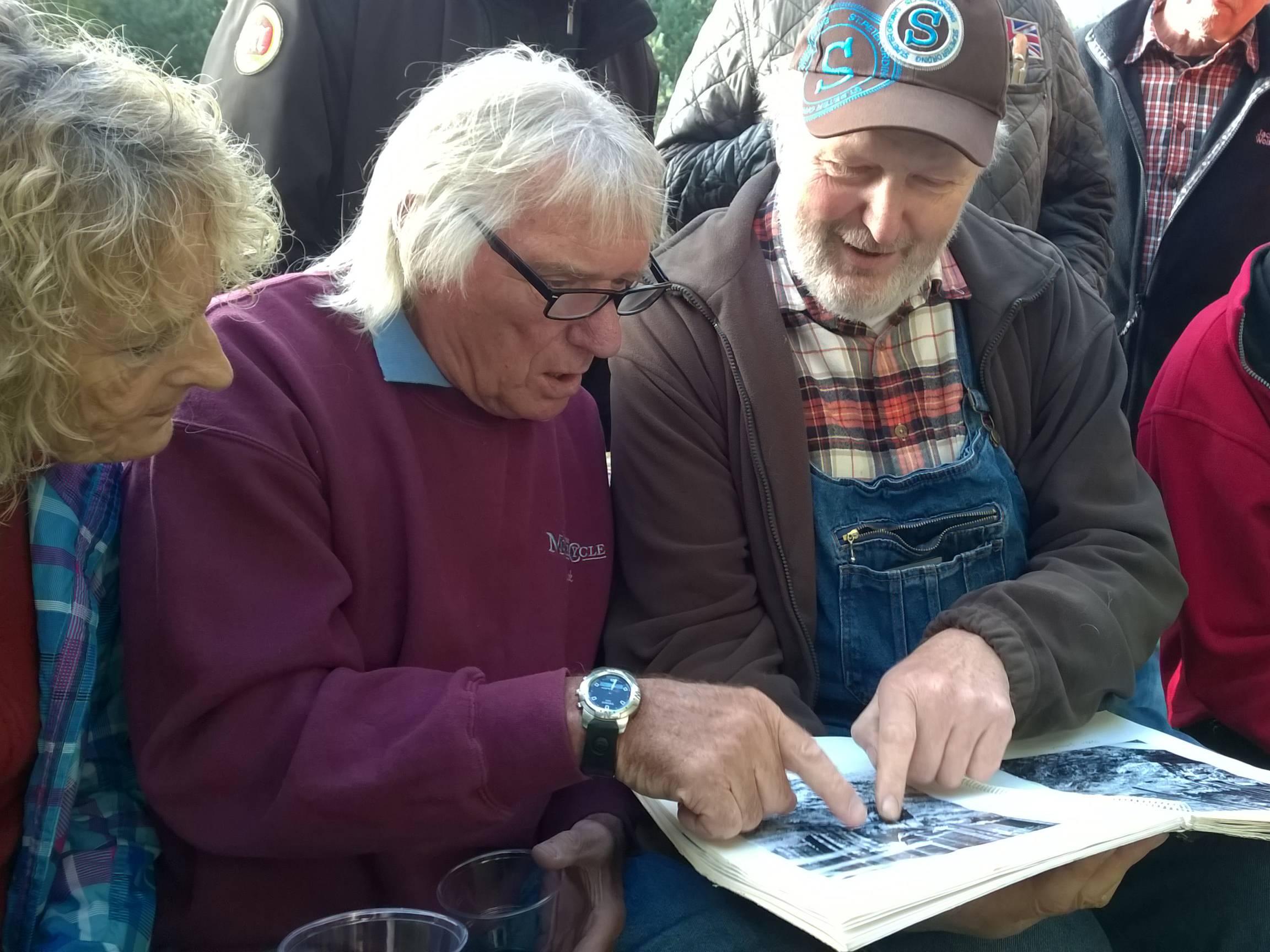
Jill and Mick Andrews have a look at Rainer Heise’s photos with Felix Krahnstover. Photo: Kurt-Patrik Beckmann, Hanover.
Accompanied by Rainer Heise friend and trials rider and was the photographer of Fahrerlager (Paddock) and Trialsport magazine from the beginning of the 1970’s to 2000.
No longer competing, but still an enthusiast Krahnstöver is still dedicated to the local club. Felix is still selling and dealing in trials machines and was editor of Trialsport Deutschland when it began in 1977. The magazine is still going now run by Hans Greiner based in Freudenberg-Ebenheid.
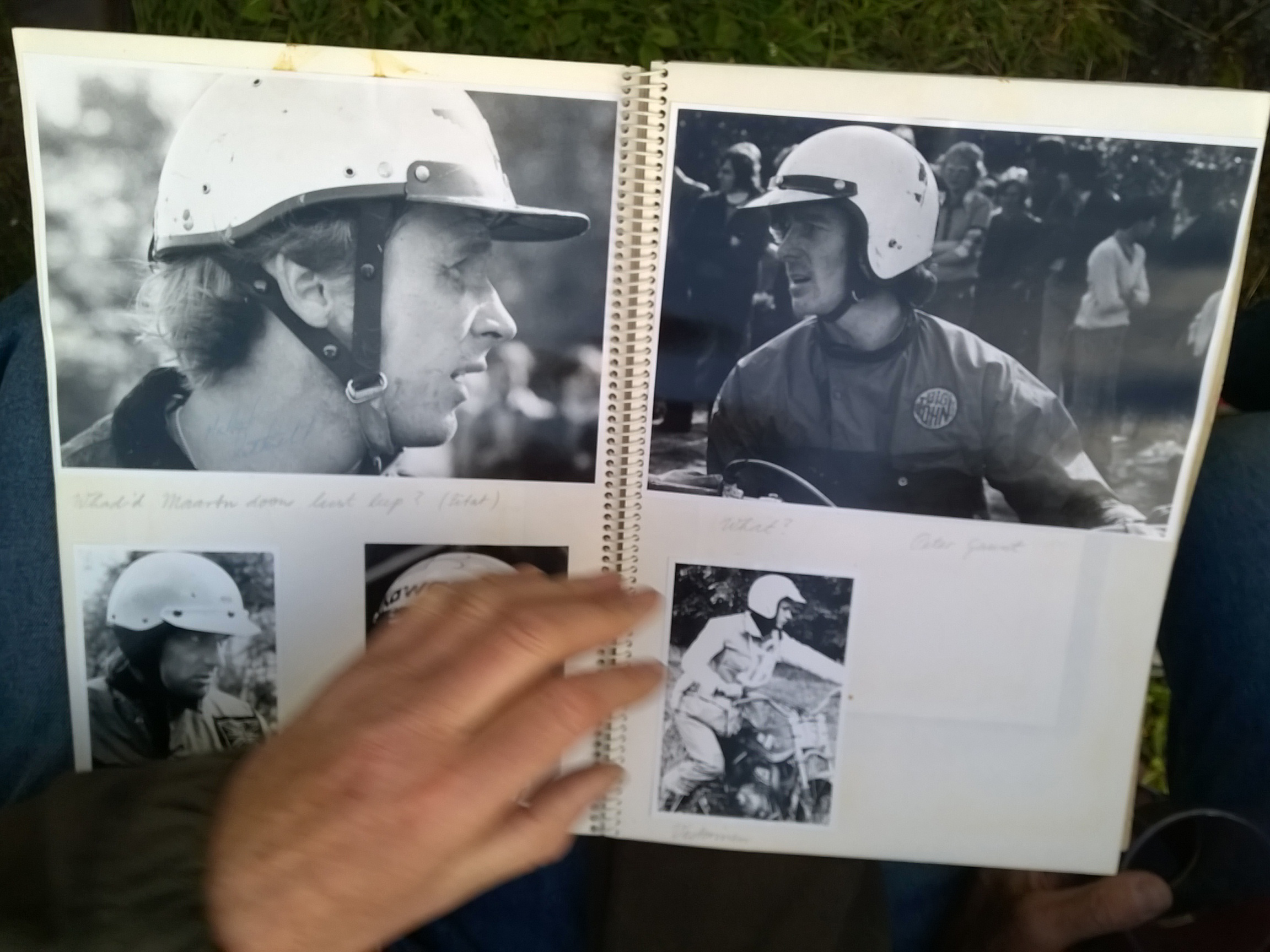
Rainer, being an enthusiast of the sport and a keen photographer, brought along his fantastic photo album for Mick and the other enthusiasts to look at.
Two of Rainer Heise’s photos showing Malcolm Rathmell and Peter Gaunt back in the 1970’s. Photo: Kurt-Patrik Beckmann, Hanover Original photo images copyright: Rainer Heise, Celle, Germany.
Trials Guru has been in contact with Rainer Heise and shortly we will be featuring a selection of some of his work from the early 1970’s through to the 1990’s. So we have created a “Rainer Heise – Trials in Germany” page specially for this.
Walther Luft (Puch 250) on ‘Laggan Locks’ – Scottish Six Days Trial 1983 – Photo: Iain Lawrie, Kinlochleven, Scotland.
Walther Luft, former Austrian Trials Champion, Puch factory rider and exceptional machine developer and innovator is 70 years of age!
Happy Birthday Walther from Trials Guru!
Walther Luft (crouched) examines the Walwin BSA of Ross Winwood at Gorgie Market, Edinburgh in 1970. Standing middle is Austrian Peter Bous and looking away is Scottish ACU secretary T. Arnott Moffat, a great friend of Luft and Bous. Photo: Hans Maiditz, Graz
Walther’s first Scottish Six Days Trial was in 1970 on a 169cc Puch which he made himself. He was accompanied by his good friend Peter Bous and Puch manager Hans Maiditz a former ISDT rider for Steyr-Daimler Puch A.G. (Graz).
Walther won the Edinburgh Trophy for the best foreign rider at his first attempt.
Luft developed the Puch trials machine virtually on his own with parts supplied by the factory at Graz. He took the Puch 169cc six speed motor out to a full 250cc displacement. It was a machine which was nearly 20 years in development.
Luft was always making components lighter, in fact well before his time the same processes were used many years later my mountain bike riders and manufacturers.
Walther was a talented engineer and exceptionally good at metal working as this was his trade or craft.
Much of the Puch was made from Nylon 66 material, such as the sump guard and chain tubes which was a feature of Luft’s machine and was copied by Montesa when they brought out the production Malcolm Rathmell Replica 348 machine in 1976.
Luft also went on to develop along with German champion, Felix Krahnstover the KTM trials machine. However the growing KTM concern decided to pursue motocross and enduro markets, as they were more lucrative and profitable for the Mattighoven based organisation.
A story here from the premier Austrian ‘Trial.at’ website:
































 TRIALS GURU - DEDICATED TO TRIAL