Words: Bernie Schreiber and Trials Guru
Photos: Various Photographers (Named in captions)
Preamble:
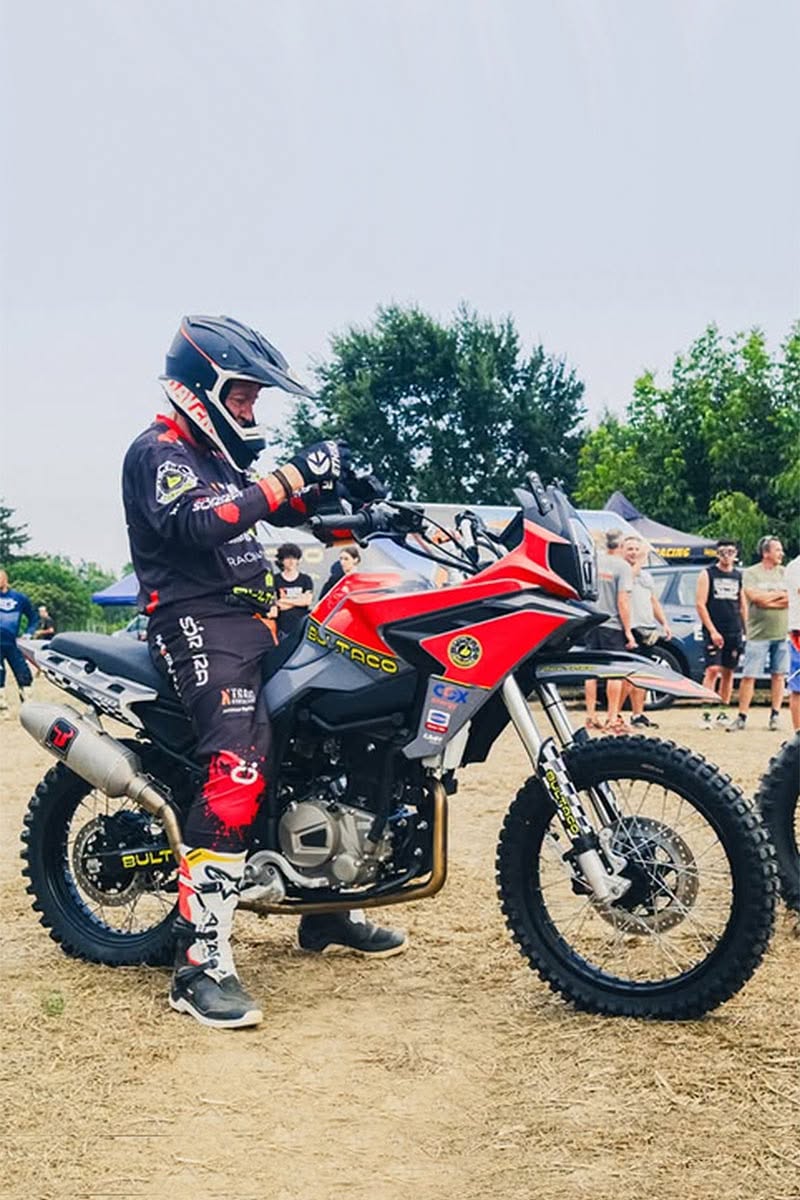
This exclusive Trials Guru – ‘Gloves Off’ interview with Bernie Schreiber follows considerable online and social media discussion surrounding the return of the historic Spanish Bultaco name to the motorcycle market.
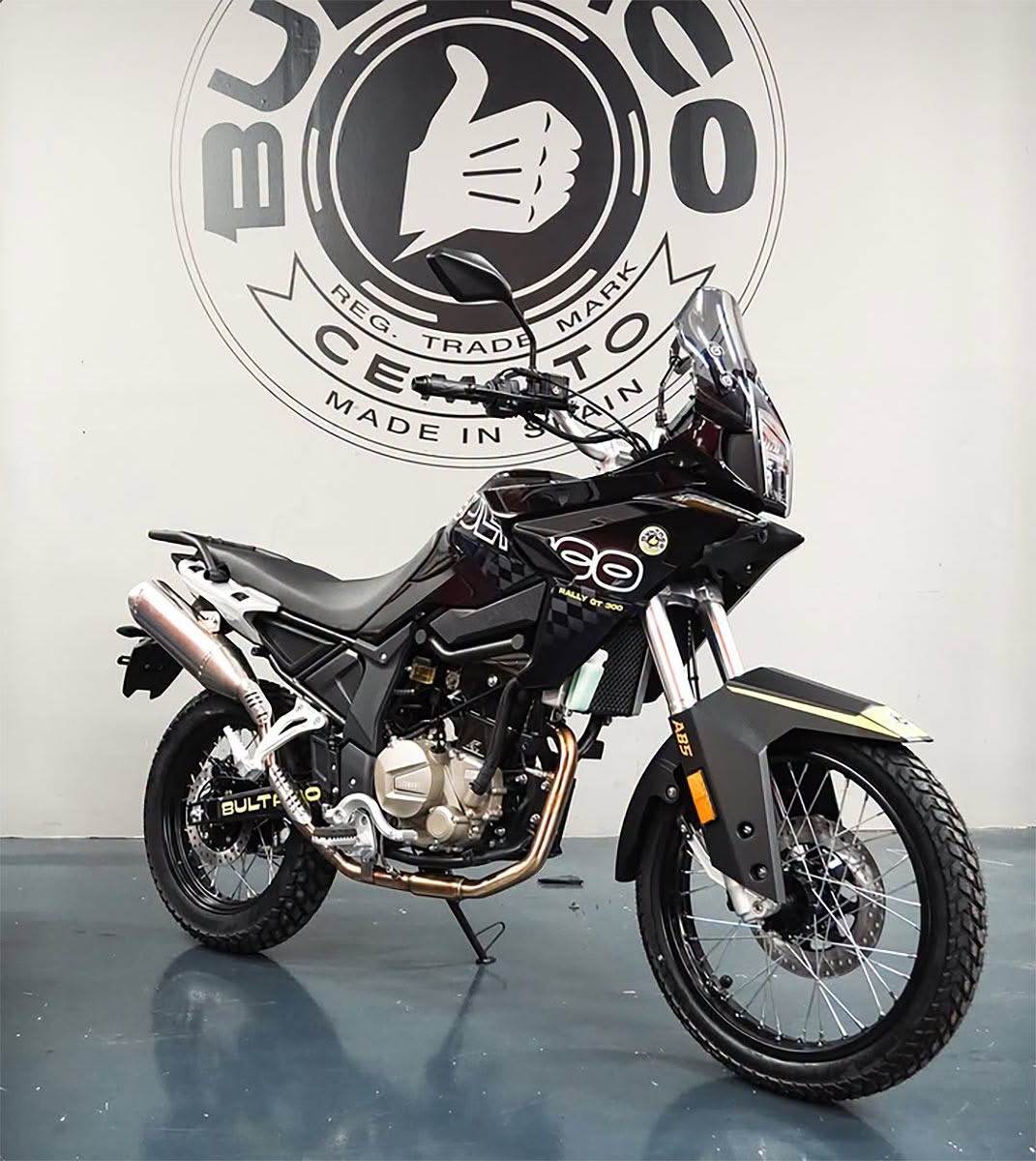
The new Rally GT 300, a 28 hp trail bike developed by Leonart and manufactured in China, is expected to arrive in Spain priced at €3,999, marking another new chapter for the famous marque.
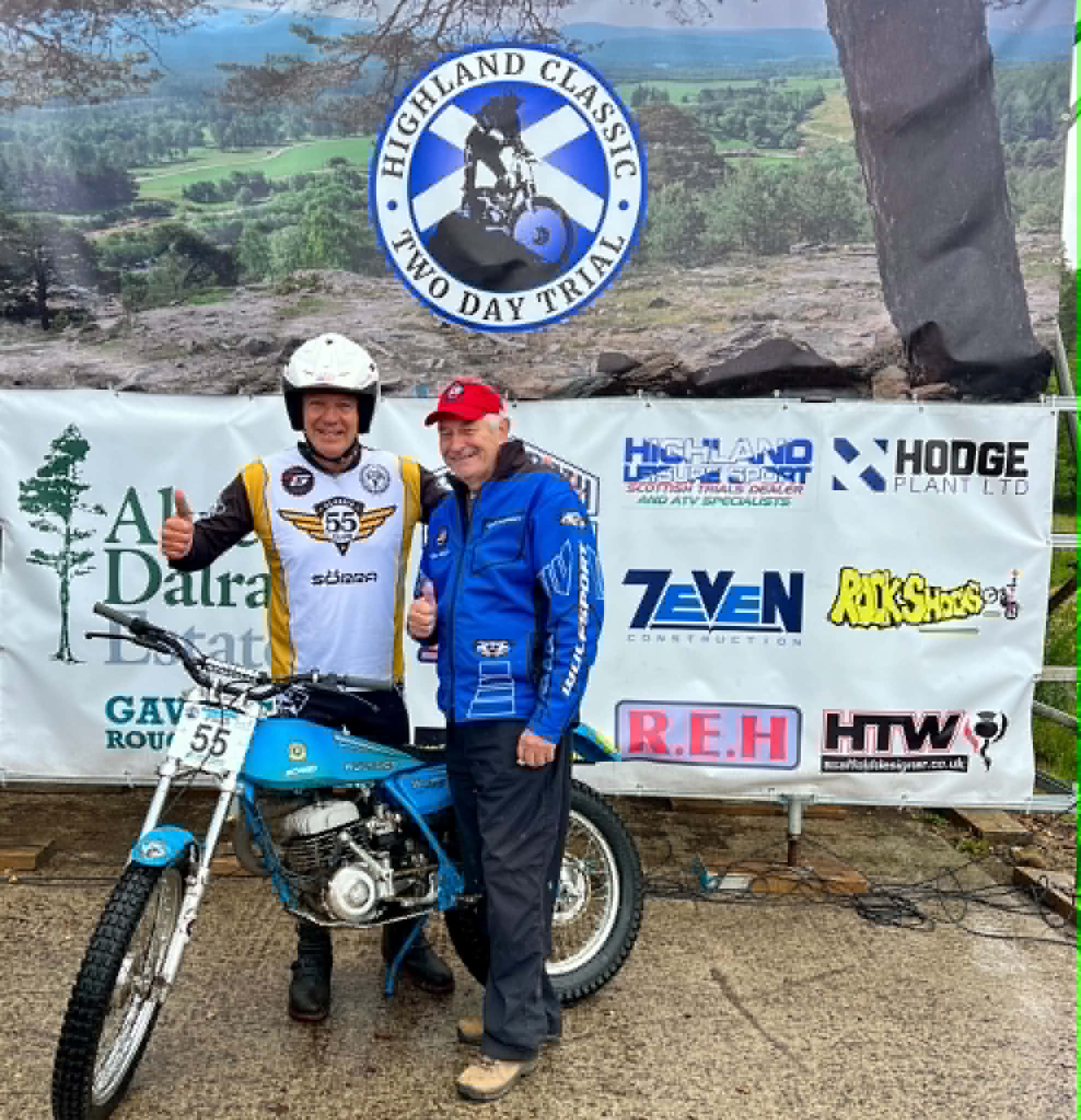
Schreiber has a unique connection to that history. In 1979, he became World Trials Champion riding for the Bultaco factory, making him the last factory rider to win a World Championship for the Spanish manufacturer.
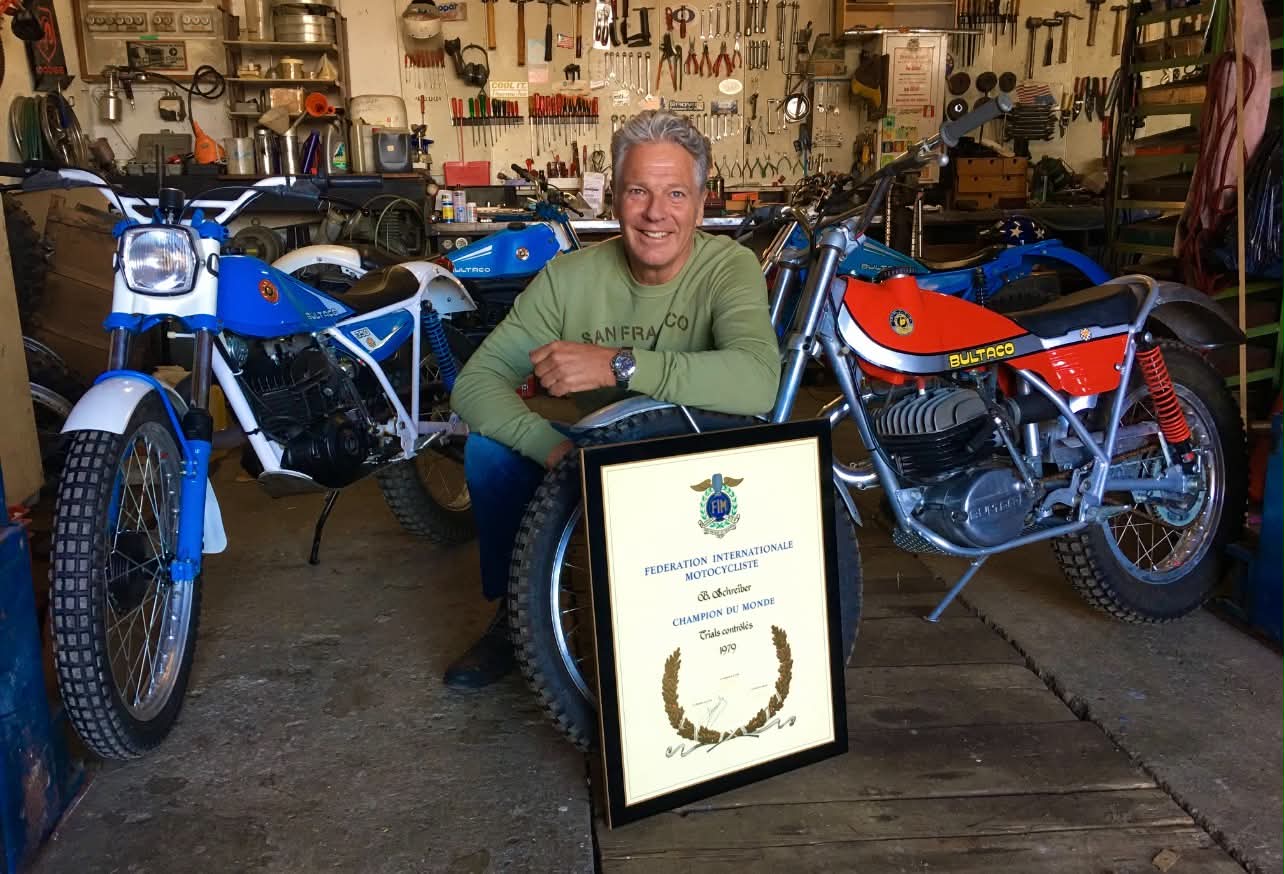
Since the original Bultaco factory disappeared in the early 1980s, there have been several attempts to revive or license the famous name. It has appeared on bicycles, gloves, watches and other products. Some projects came and went.

Now, more than four decades later, another chapter is beginning. The question is whether this latest revival will strengthen one of motorcycling’s great names—or simply trade on its past?
History will decide.
The Price of Trading on the Past
Trials Guru: You’ve called this Gloves Off feature “The Price of Trading on the Past.” What do you mean by that?
Bernie Schreiber: “The Price of Trading on the Past” is about what happens when a famous name, reputation, or heritage is used to sell something that has little connection with what originally made that name valuable.
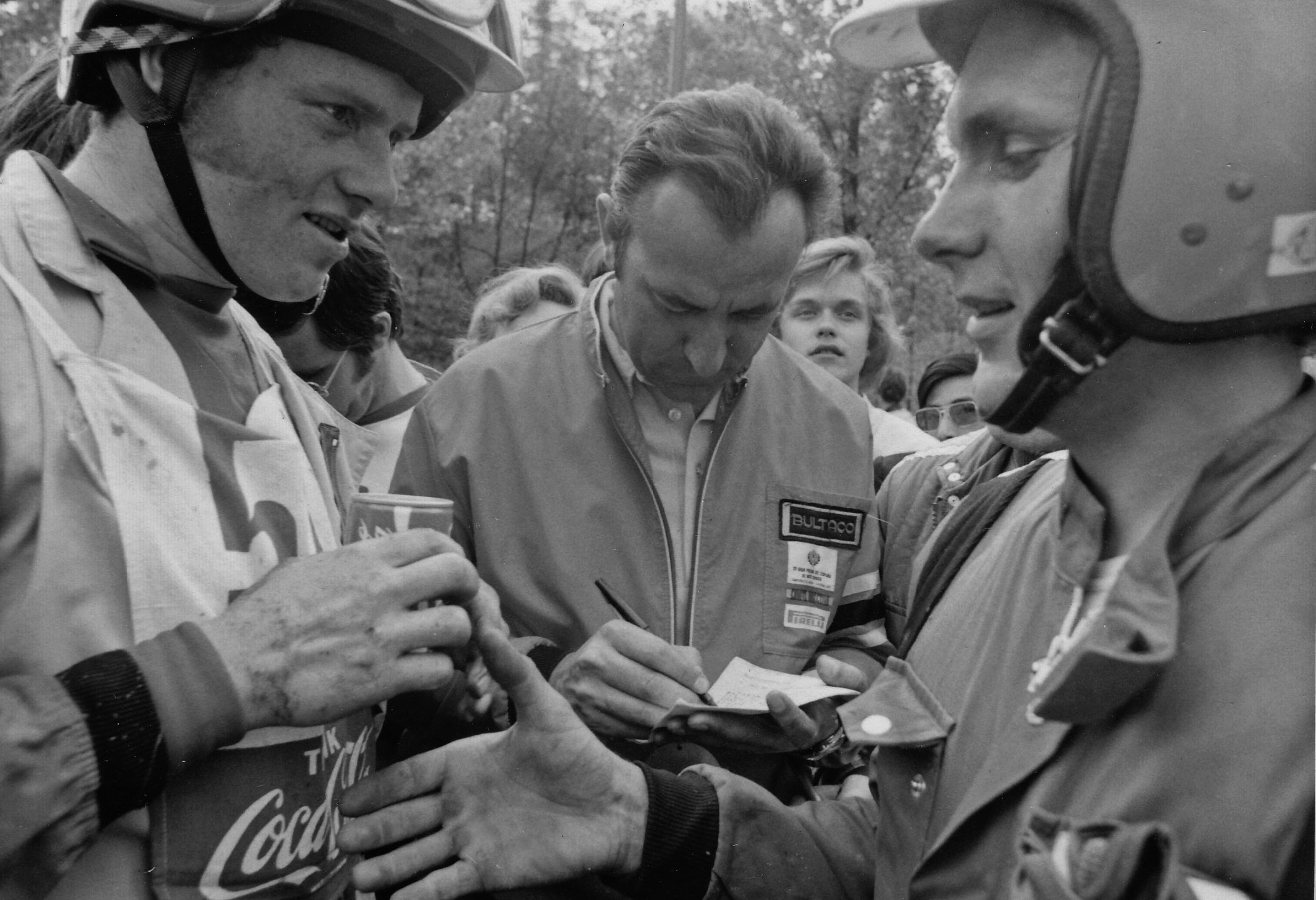
In the case of Bultaco, the name carries enormous emotional value. It represents competition, innovation, Spanish manufacturing, riders, victories, world championships, and motorcycles such as the Sherpa T, Pursang and others. People do not remember Bultaco simply because of a logo. They remember what the company did.
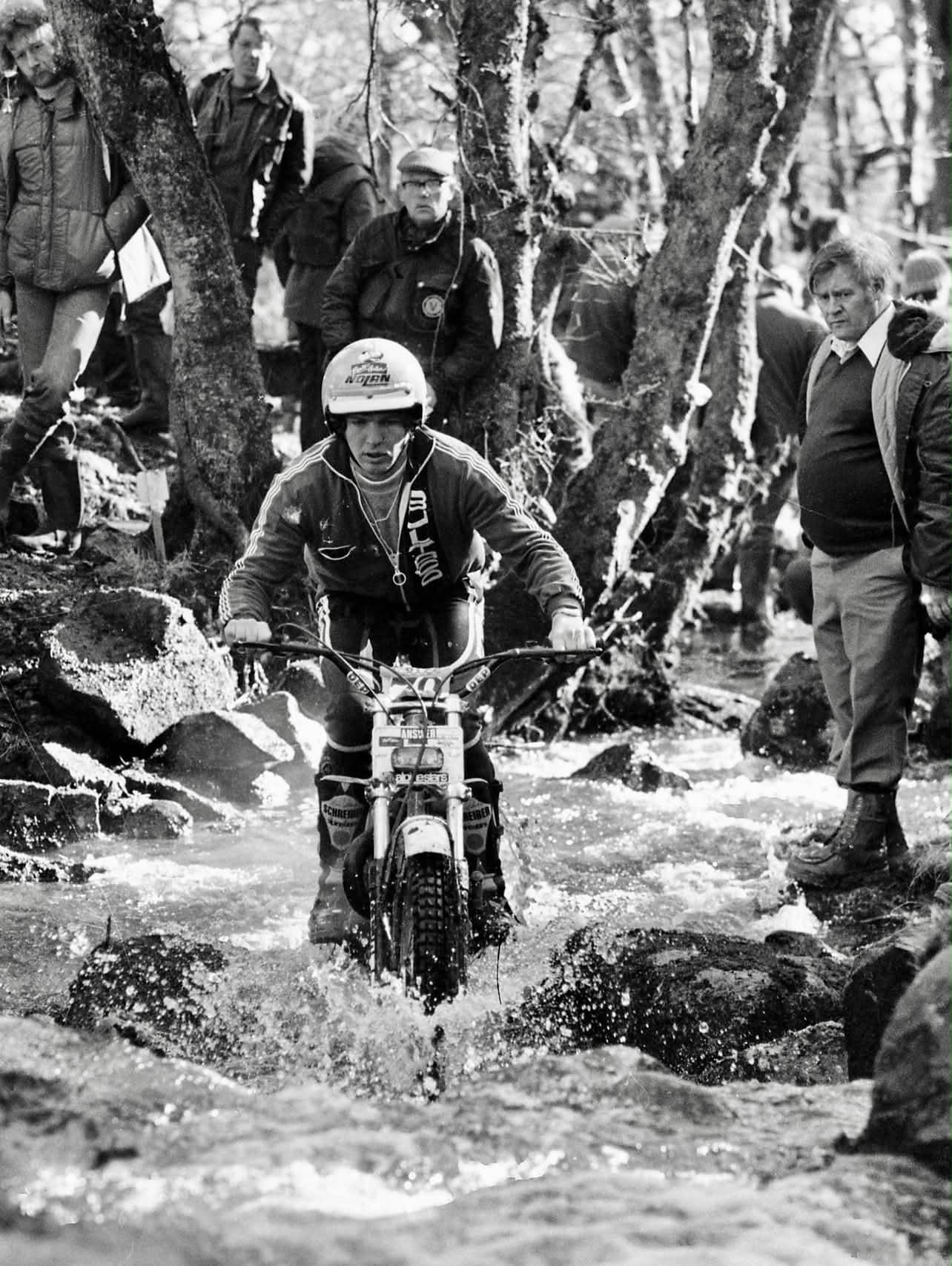
That history creates something extremely valuable: trust and authenticity.
Trading on the past means taking that accumulated goodwill and using it to give a new product instant credibility. Instead of spending decades building a reputation, you put an established name on the fuel tank and immediately inherit some of its history.
But there is a price.
If the new product genuinely respects the philosophy of the original company, the heritage can become a foundation for a successful new chapter, but they also have to create modern products capable of standing on their own merits.
The danger comes when the history becomes more valuable than the product.
If consumers begin to believe that an historic name is simply being licensed to unrelated products, the brand gradually loses its meaning. A famous badge can sell a motorcycle today, a bicycle tomorrow, clothing next year and perhaps something completely unrelated after that. Each transaction may generate revenue, but each one can also withdraw a little more from the brand’s emotional bank account.
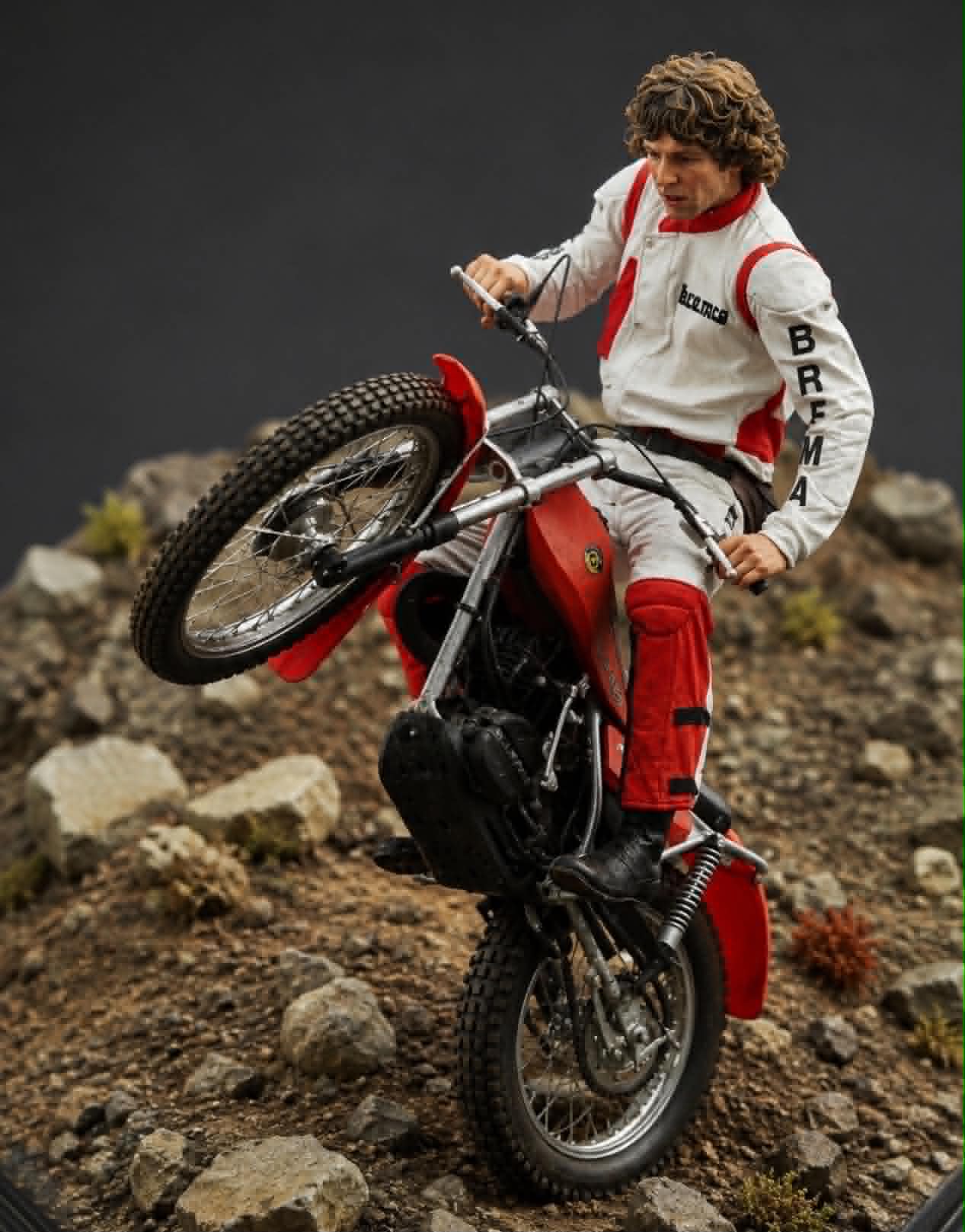
Eventually people stop asking, “What has Bultaco built?”
They start asking, “Who owns the name, and what have they put the sticker on this time?”
That is the real price of trading on the past.
Heritage is powerful precisely because it cannot easily be manufactured. It was earned by people such as Paco Bultó, the engineers, mechanics, employees, dealers and riders who created the original motorcycles and competed with them around the world. Their achievements gave the name its value.
A trademark can be bought, sold or licensed. A legacy cannot.
And once the public stops believing that the name represents what it once stood for, no marketing campaign can easily put that value back.
⸻
TG: Are you against bringing the Bultaco name back?
BS: Not at all. I would love to see something carrying the Bultaco name that genuinely adds to its history. But there is a big difference between reviving a company and licensing a trademark. Putting the thumbs-up logo on a motorcycle doesn’t automatically make it part of the Bultaco story. The product has to earn that connection.
⸻
TG: Why is the original Bultaco heritage so important to you?
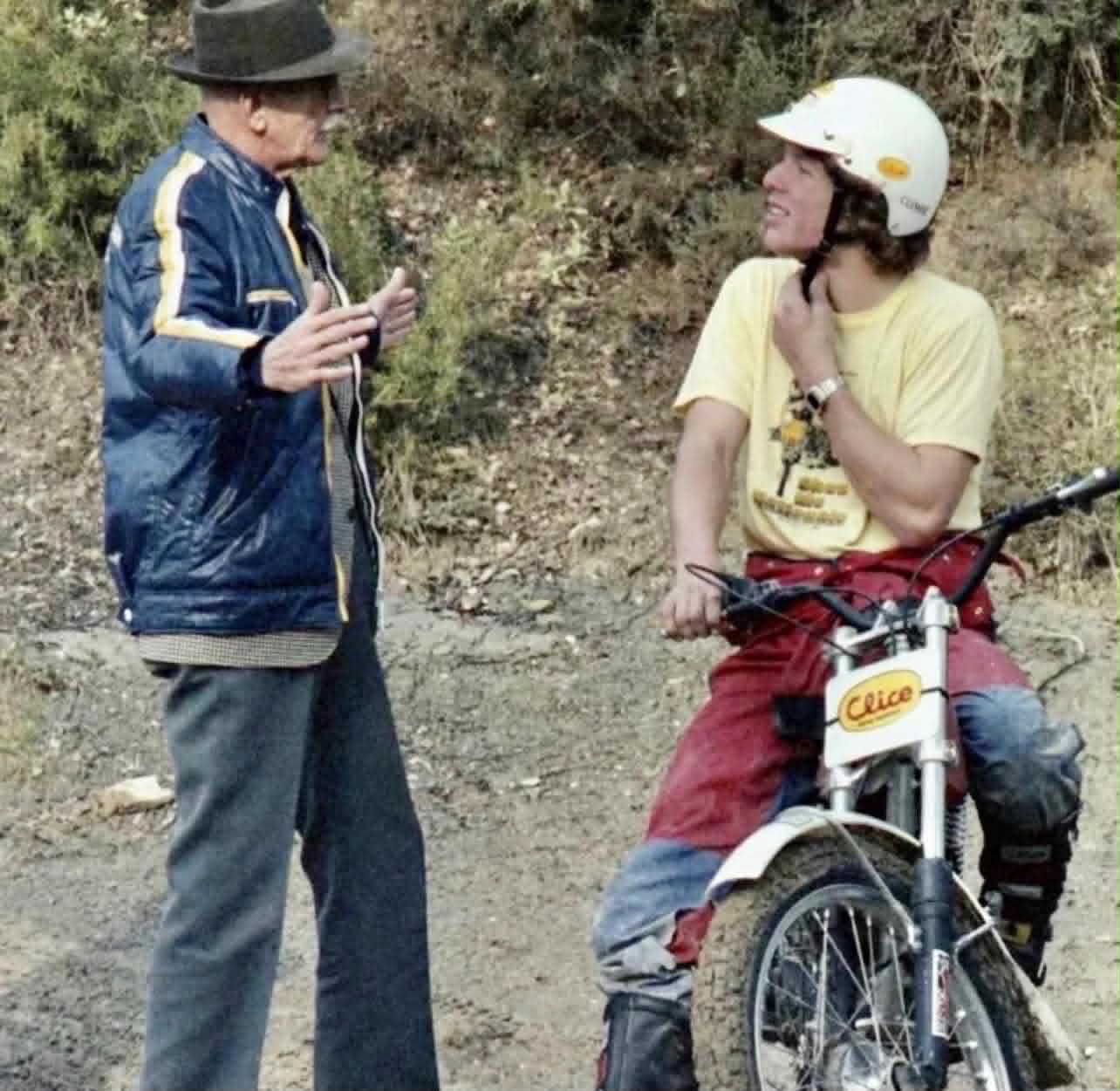
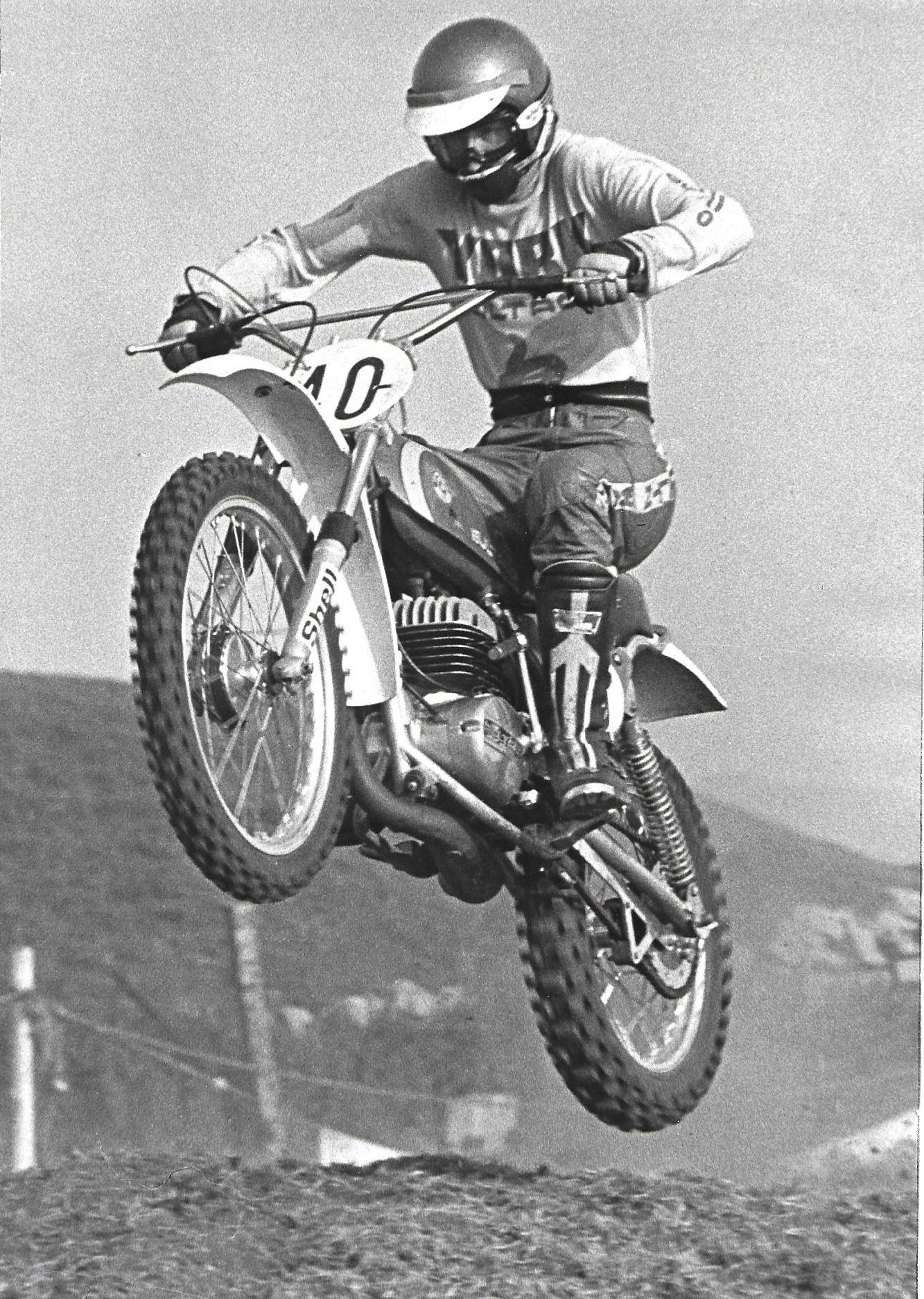
BS: Because Bultaco was a real motorcycle manufacturer with competition at its heart and soul. Trials, motocross, enduro, road racing and short-track were part of its DNA. Don Paco Bultó believed competition improved the product. The factory invested in motorcycle racing, learned from that and developed better motorcycles as a result.
That reputation wasn’t created by a marketing department. It was earned.
⸻
TG: But trademarks have to be maintained and protected. Isn’t licensing simply good business?
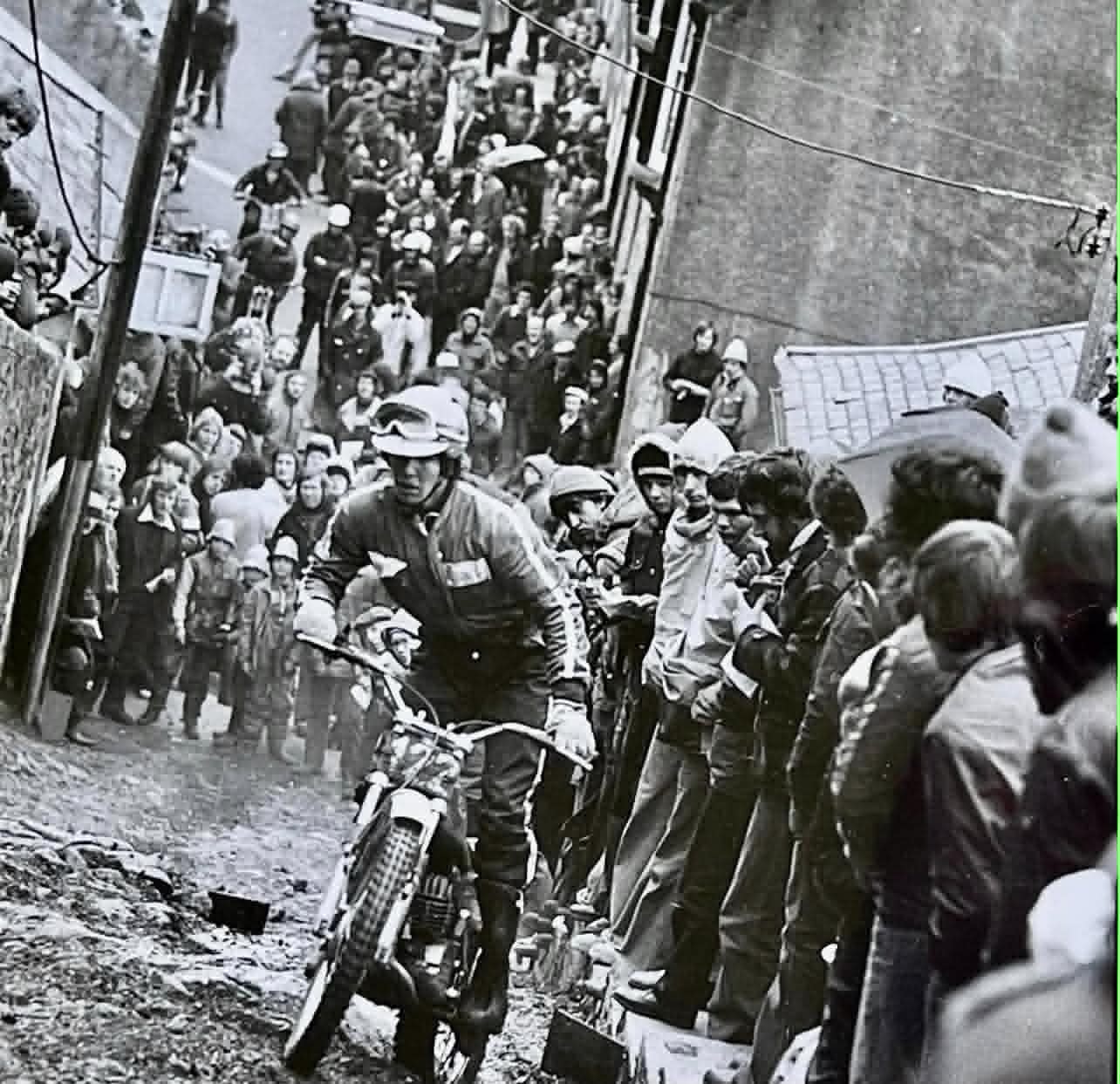
BS: Of course, trademarks need protecting. Registrations in different countries and product classes cost money, and they periodically need to be renewed. Licensing can provide income and make commercial sense.
I understand that completely.
My concern is what happens when the need to commercially exploit a trademark begins to conflict with protecting the reputation behind it. Sometimes saying no to a licensing opportunity may ultimately protect more value than saying yes.
Protect the name. Protect the heritage. Protect the value of the real Bultaco’s.
⸻
TG: What specifically concerns you about putting the name on a new rally motorcycle?
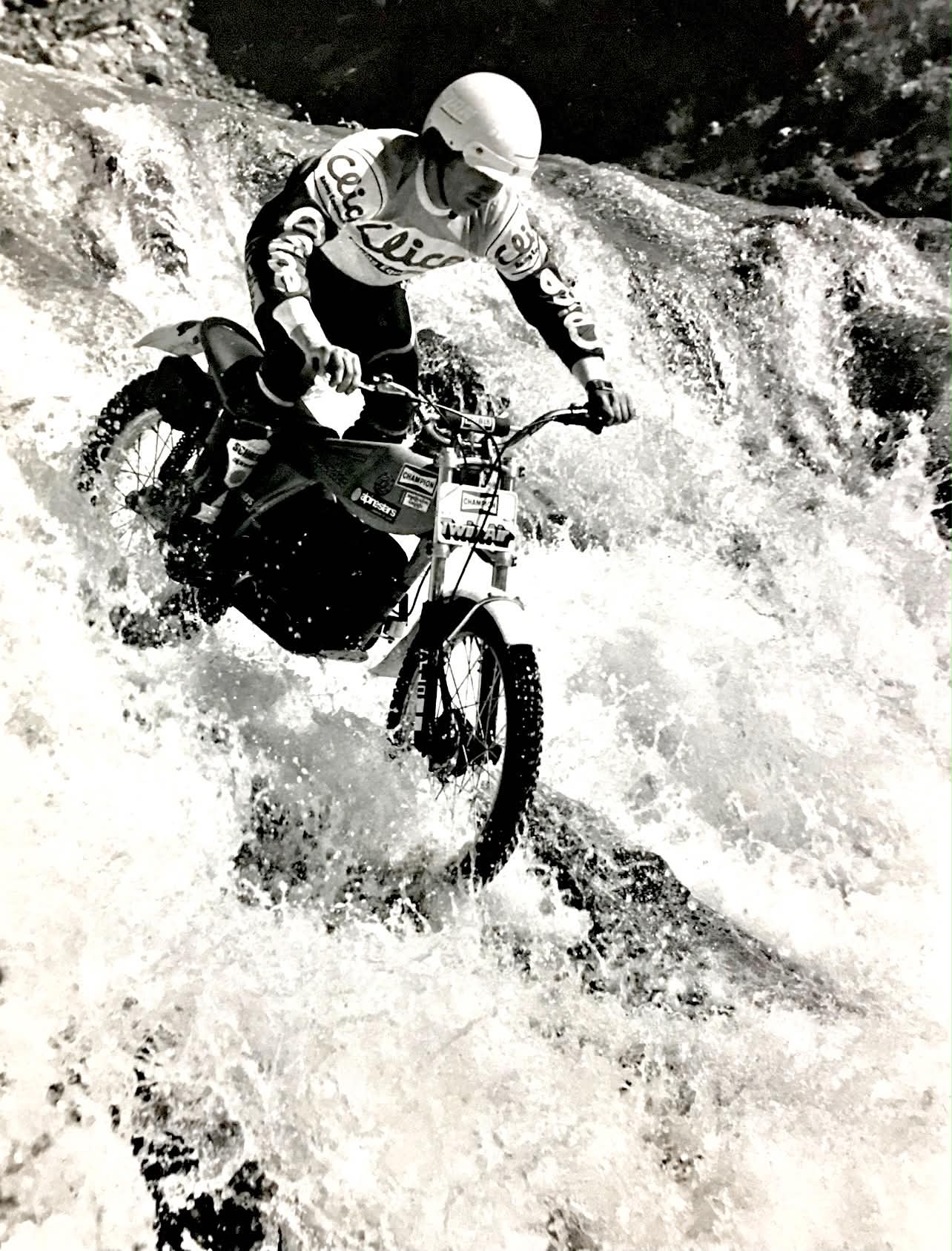
BS: I ask a very simple question: what makes it a Bultaco?
If substantially the same motorcycle can be purchased elsewhere without the Bultaco name, potentially for less money, then what exactly has been added?
A sticker cannot provide engineering DNA. It cannot provide factory development or competition history.
And the original Bultaco factory never built a rally motorcycle. That doesn’t mean a new modern product could never be a rally bike, but if you are going in a completely new direction, then the product needs to be strong and distinctive enough to justify carrying such a famous name.
⸻
TG: Can licensing actually damage a historic brand?
BS: I believe it can if it isn’t carefully controlled.
A prestigious name creates an expectation. Every product carrying that name either adds something to the reputation or takes something away from it.
That’s why successful premium brands are extremely selective about where their names appear. The short-term question might be, “How much can we earn from this licensing agreement?” The longer-term question should be, “What will this do to the value of our name five or ten years from now?”
That second question is far more important.
⸻
TG: What about people who own genuine historic Bultacos today?
BS: They are an important part of this discussion.
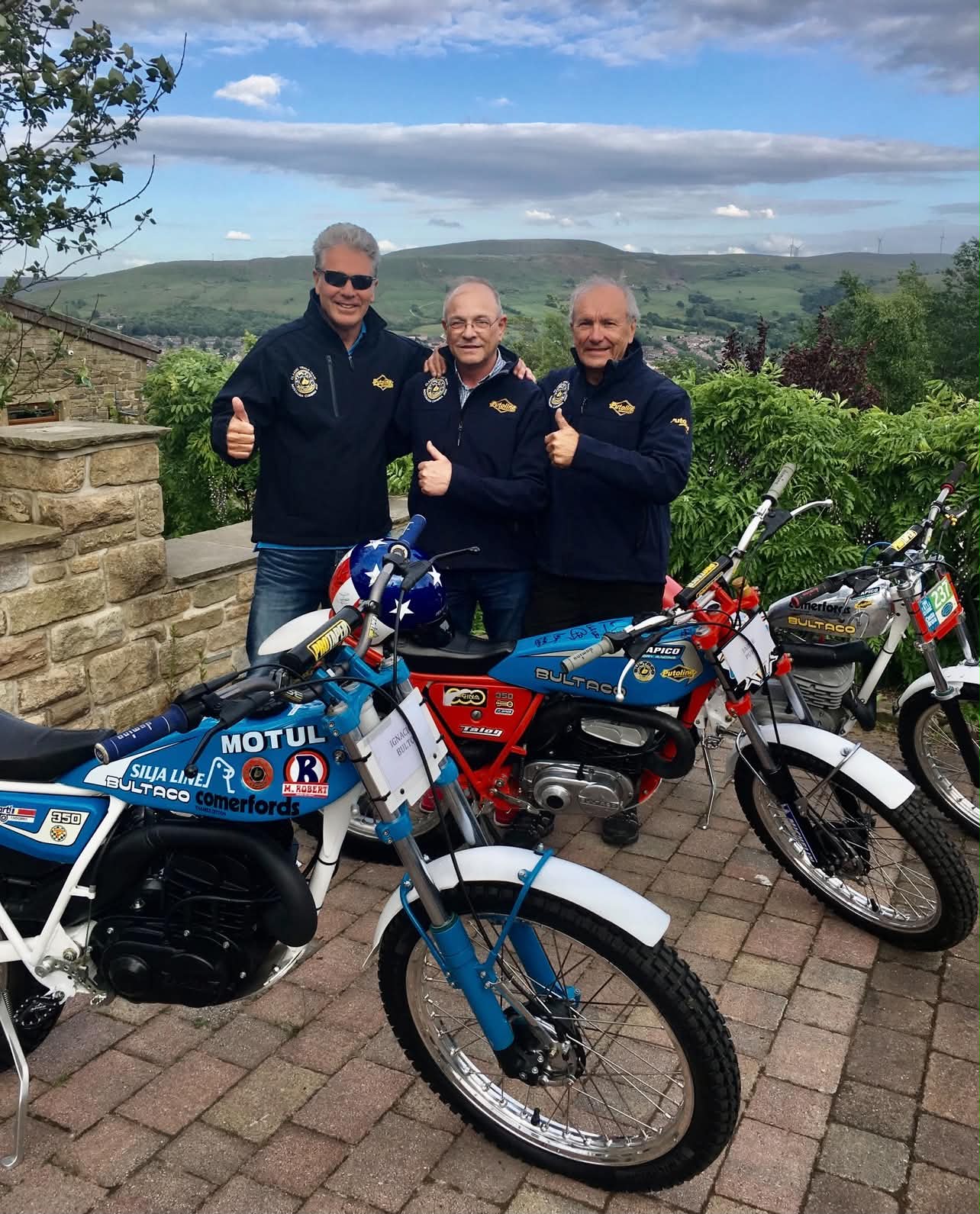
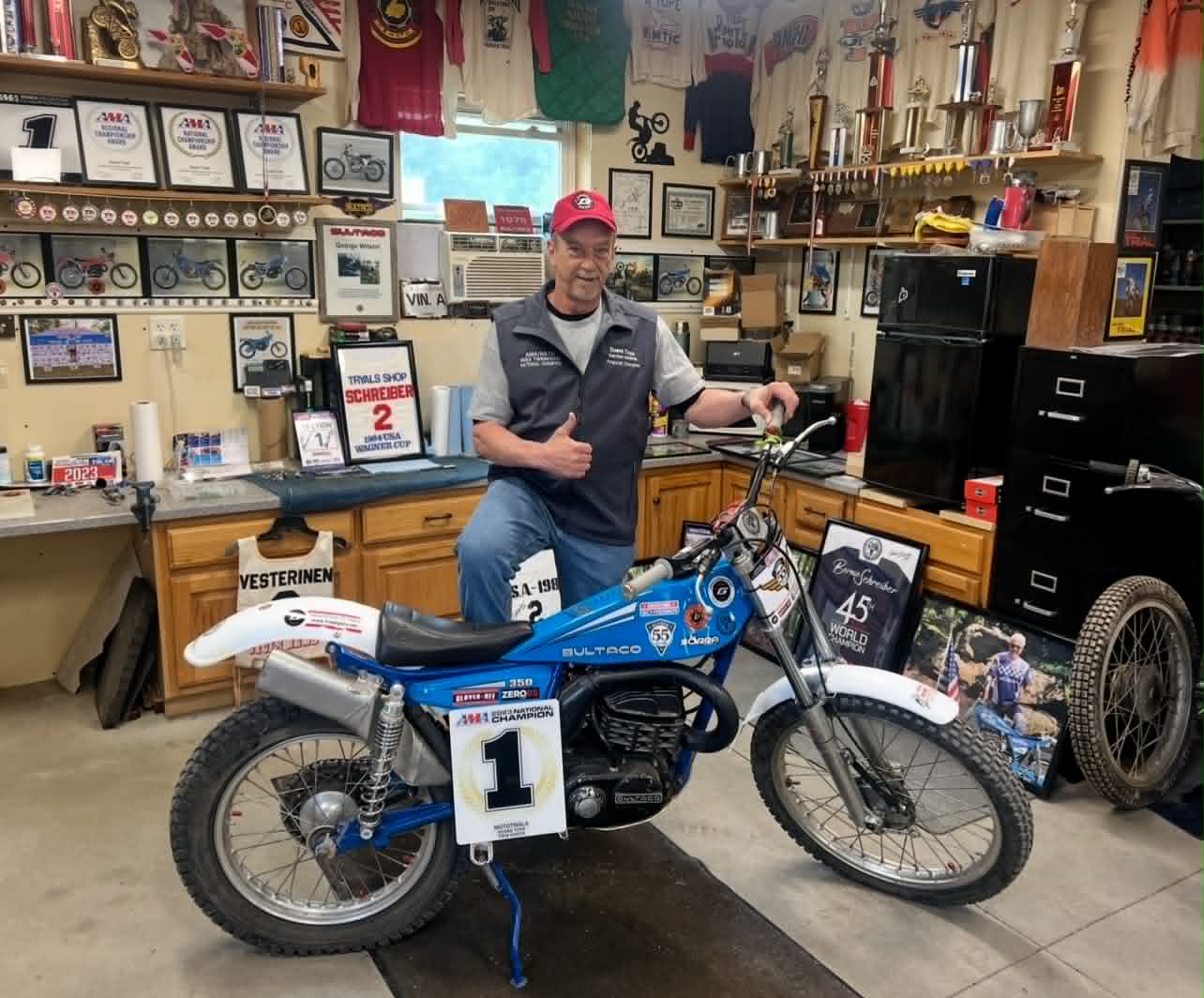
Thousands of people around the world have spent decades preserving, restoring, collecting and riding genuine Bultacos. They buy parts, attend events and keep the history visible. In many ways, those enthusiasts have kept the brand alive for more than forty years.
I want them to remain proud like myself of owning a Bultaco, and I want those motorcycles to retain their historical and collector value.
Protecting the brand should also mean protecting those people’s investment in its heritage.
⸻
TG: Would you rather see nothing produced than the wrong product carrying the name?
BS: Yes. Sometimes nothing is better than something simply for the sake of having something.
Bultaco isn’t going anywhere. The motorcycles still exist. The victories are in the record books. The history is established and enthusiasts around the world continue to celebrate it.
There is no urgency to put the trademark on another motorcycle just to demonstrate that the trademark is still alive.
Wait until there is something worthy of it.
⸻
TG: What would a modern Bultaco have to represent for you to support it?
BS: It doesn’t need to be another Sherpa T or Pursang. Trying to reproduce 1970s motorcycles forever would miss the point.
Don Paco Bultó was a visionary and innovator, so provide me with innovation.
Give me clever engineering, distinctive design, competition involvement and something that competitors don’t already have. Build a motorcycle that makes people interested before they even notice the name on the fuel tank.
Then the Bultaco name adds heritage to an already interesting motorcycle rather than being the main reason somebody notices it.
⸻
TG: So, what is your message to the custodians of historic motorcycle brands?
BS: Protect the trademark, but protect what the trademark stands for even more carefully.
You can register a trademark. You can renew it. You can license it, sell it and collect a fee. But you cannot manufacture heritage overnight.
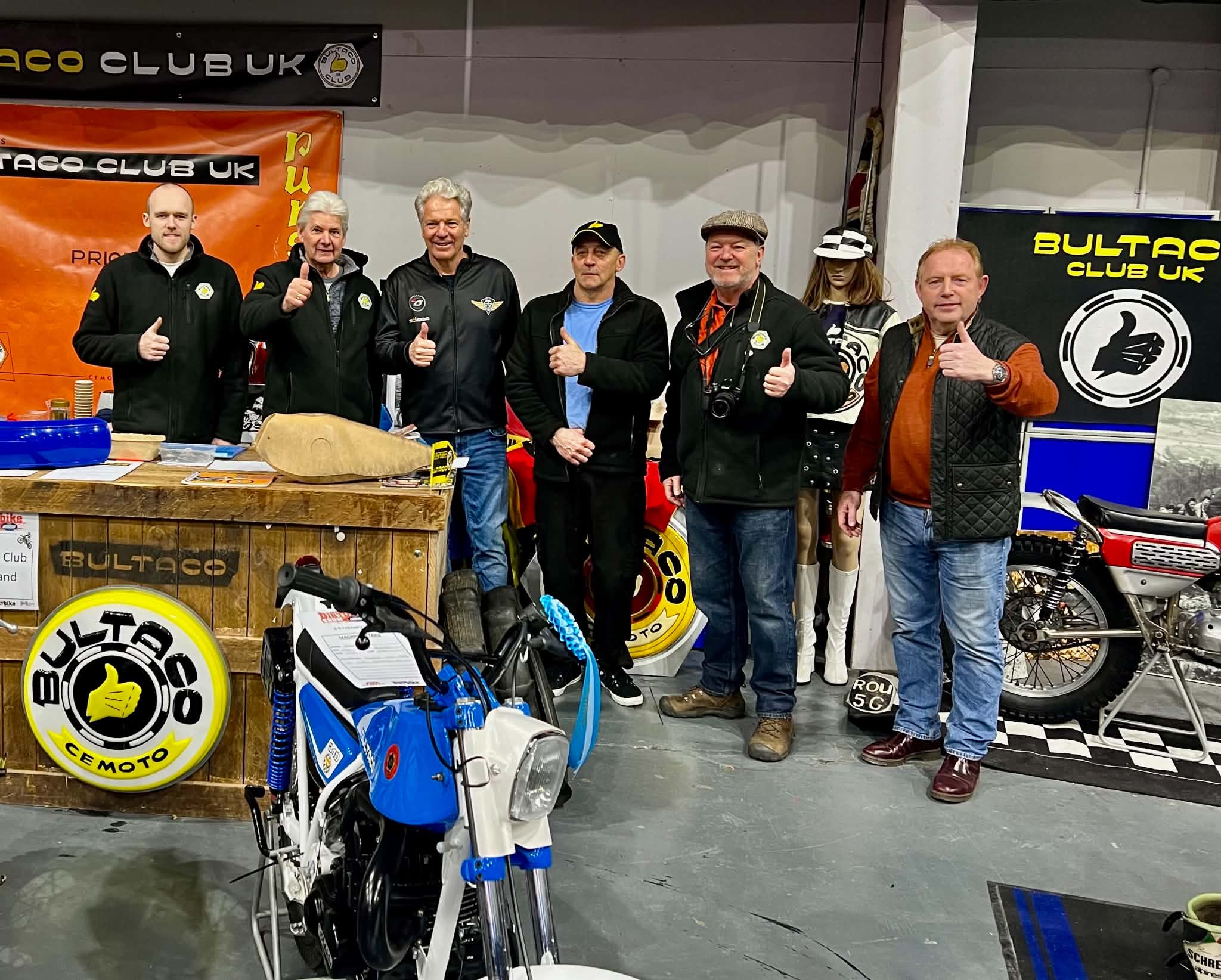
That was created by Don Paco Bultó, the factory workers, engineers, importers, dealers, competition teams, riders, Champions and customers who built the reputation in the first place.
A famous name is something you inherit. What you do with it determines what the next generation inherits from you.
Sometimes protecting that legacy means having the courage to say no.
Because once a famous name becomes just another sticker, the price of rebuilding its credibility may be considerably greater than anything earned from licensing it.
TG: As we stated, history will decide.
‘Gloves Off – The Price of Trading on the Past’ is the copyright of Bernard Schreiber and Trials Guru.
Apart from ‘Fair Dealing’ for the purpose of private study, research, criticism or review as permitted under the Copyright, Design and Patents Act, 1988, no part of this article may be copied, reproduced, stored in any form of retrieval system, electronic or otherwise or transmitted in any form or by any means, electronic, electrical, mechanical, optical, chemical, photocopying, recording or otherwise without the prior written permission of the author as stated above. This article is not being published for any monetary reward or monetisation, be that online or in print.
 TRIALS GURU - DEDICATED TO TRIAL