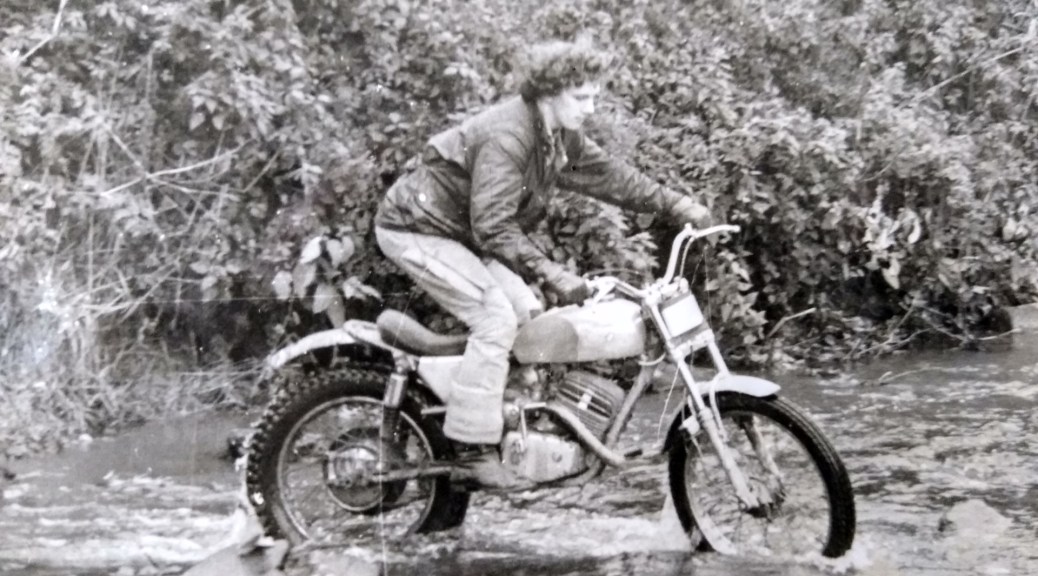

Words: Trials Guru with: Scott Ellis; Mick Wilkinson; Richard Sunter; John Moffat; Nick Procter; Chris Griffin; Andrew Tyson; Nigel Megson; John Maxfield; Mick Grant; George Webb; Rodger Mount; Martin Christie and Nick Jefferies. (Guide: Read time 53 Minutes)
Photos: Eric Kitchen; Barry Robinson with permission of his estate; OffRoad Archive; Carol Dabill; Ian Robertson; Bonhams Auctioneers; Nick Procter; Alex Fowlie; John Honeyman; Don Dudley by Mark Weston; Claire Brooker-Milligan; Robert Harting; Ian Preston; Steve Robinson; John Maxfield; Cycle World, USA; Motor Cycle, UK; Mick Mosley; Trial.AT; Malcolm Carling by Nick Haskell; Smith Family Collection; Grant Shotwell; Carlo Orlandi; Andrew Tyson; Nick Jefferies; Derrick Edmondson. (Main Photo: Andrew Tyson).
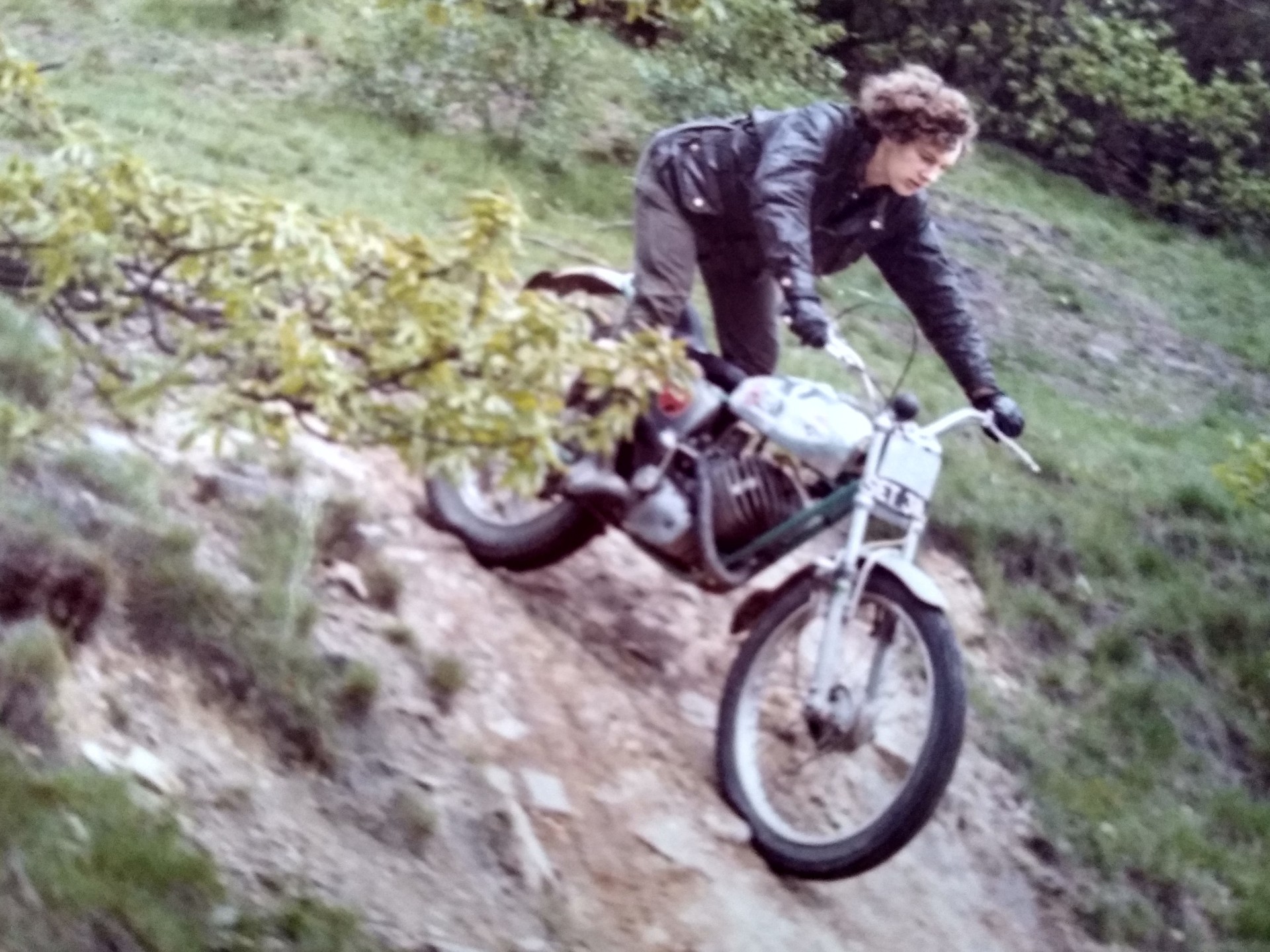
With the help from riders, enthusiasts, owners and people in the motorcycle trade, Trials Guru continues to bring you articles on not only trial events and riders, but also the motorcycles. We have for you the history of a motorcycle that was built in the West Riding of Yorkshire and sold to riders both in the UK and further afield. It was the brain-child of a true enthusiast and a great character, dare we say legend from the world of trials and scrambles, Peter Edmondson, naturally he named it the ‘Dalesman’.
It all starts somewhere:

Without a doubt, Sammy Miller’s smart move from Ariel to the Spanish-made Bultaco marque in late 1964 was indeed a well-documented ‘game changer’, as far as trials was concerned. The Sant Adrià de Besòs built 244cc Sherpa T sounded the final death knell for the established heavyweight four-stroke in trials. This opened the door to smaller capacity machines for trials use. There were opportunities to be had, success to be secured for the taking.
By the late 1950s, several UK motorcycle manufacturers had already started to produce a range of smaller capacity, two-stroke lightweight trials and scrambles machines which took on the established larger capacity engined machines and beat them. Most of these manufacturers weren’t large concerns, some were of a cottage industry set up, or even a modest garden shed. All of them long gone. But by the mid to late 1960s, the doyen of trials commentators, Ralph Venables had named the small capacity machines generically as ‘clockwork mice’.

Yorkshireman, Peter Gaunt had been experimenting and developing privately since 1967 with trials machines derived from the products of both Japanese and Eastern European manufacturers and was having some noteable success. The Gaunt Suzuki, a conversion using the 120cc Trail Cat (TC120), a USA specification trail bike with a three speed gearbox with high and low ratio facility, gave Suzuki GB the opportunity to have a useable machine in trials and the chance to create teams for national trials and the SSDT. More on the very talented Peter Gaunt later.

Scottish Puchs!
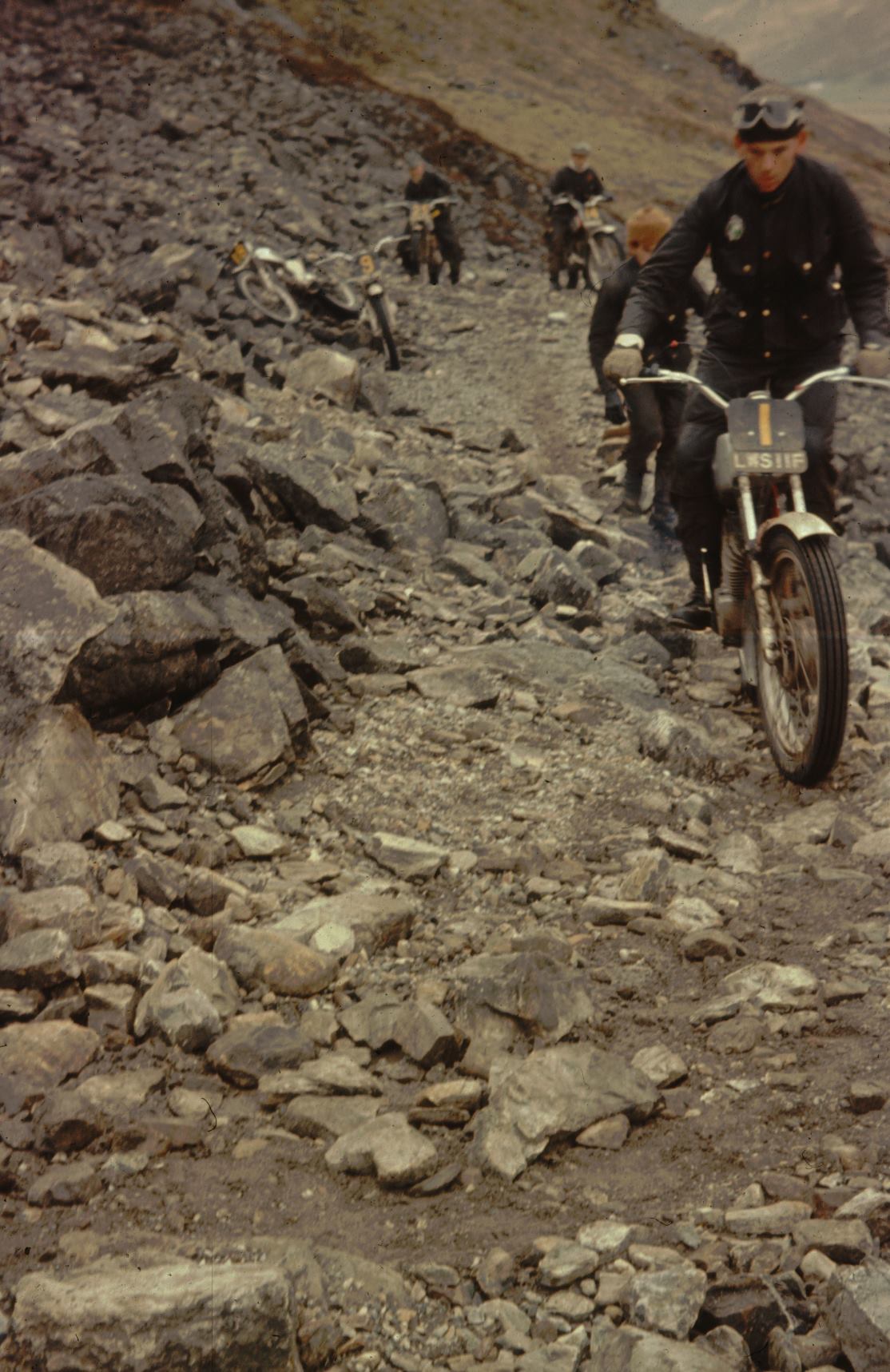
In Edinburgh Scotland, the Scottish Puch agents were Edgar Brothers, 241 Leith Walk. Derek Edgar, who worked in the family business, had already been developing his own 125cc Puch trials machine with some help from the Puch factory, both for one day and International Six Days use in 1968. His older brother, triple Scottish Trials Champion Norman, would also ride a Puch 125 in the 1968 Scottish Six Days Trial. Both these brothers were having some success with the small capacity machines and others were taking note. Derek Edgar would eventually go to work for Steyr-Daimler-Puch at their Graz factory in 1970.

However, down in deepest Yorkshire in Otley, a market town in the West Riding, there came purpose-built trials, scrambles and enduro machines called naturally, ‘Dalesman’. This was the brainchild of entrepreneur, Peter Edmondson from Horsforth, a successful scrambles and trials rider who owned the ‘Otley Cycle and Motor Cycle Depot’ business at 43-45 Boroughgate, Otley. He also held dealerships for Greeves, Bultaco and BSA motorcycles. He proudly proclaimed he was Yorkshire’s 100% competition specialist.
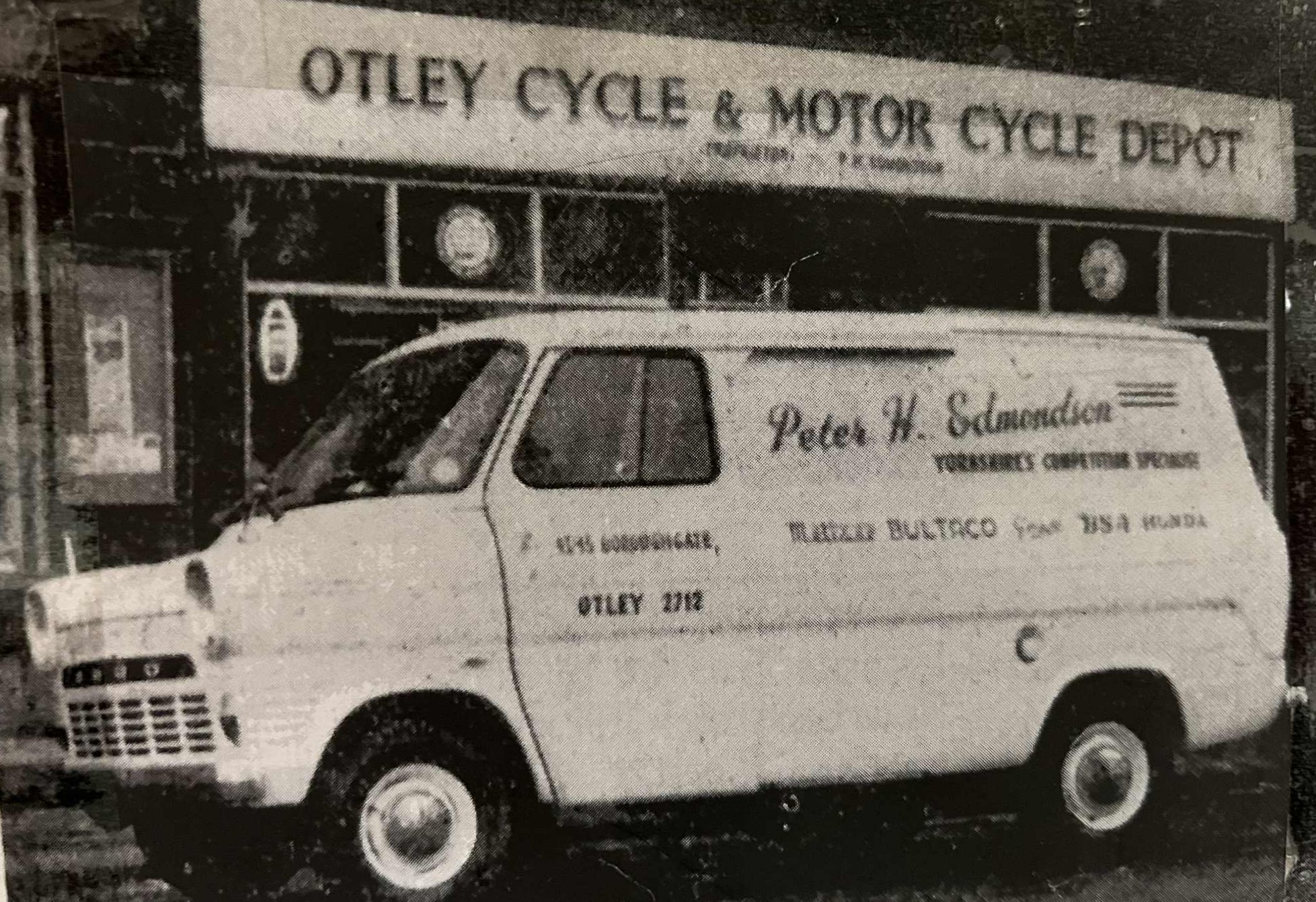
Development of the Dalesman began early in 1968 and consequently at this time, the supply of the proprietary Villiers two-stroke engine was restricted by the brand owner, Norton Villiers and would be supplied exclusively to their AJS marque, now under Manganese Holdings control. It was a time of change in the trials world. This ultimately affected British manufacturers which included Greeves, Sprite, DOT and Cotton. Greeves would eventually buy in the Austrian Puch engine, Sprite went for the German made Sachs, while DOT and Cotton went down the Italian Minarelli route to power their chassis.

Peter Edmondson formed ‘Dalesman Competition Products’, which was based at 6 & 7 Ashfield Works, Beech Hill, Otley in 1968 and had chosen the aluminium alloy, 125cc Puch unit to power the new trials machine.
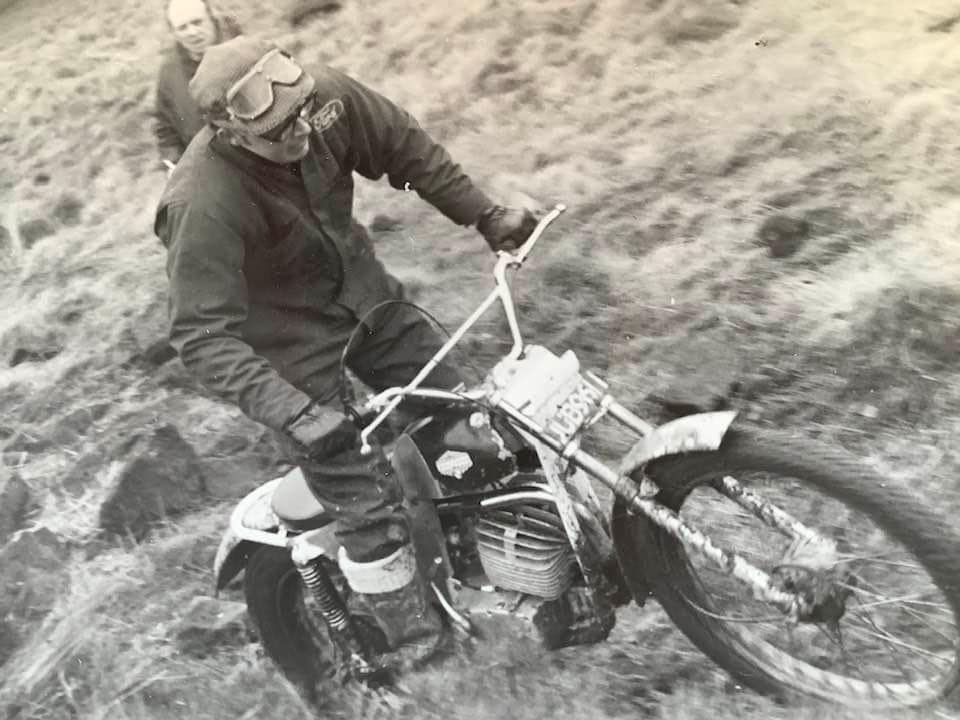
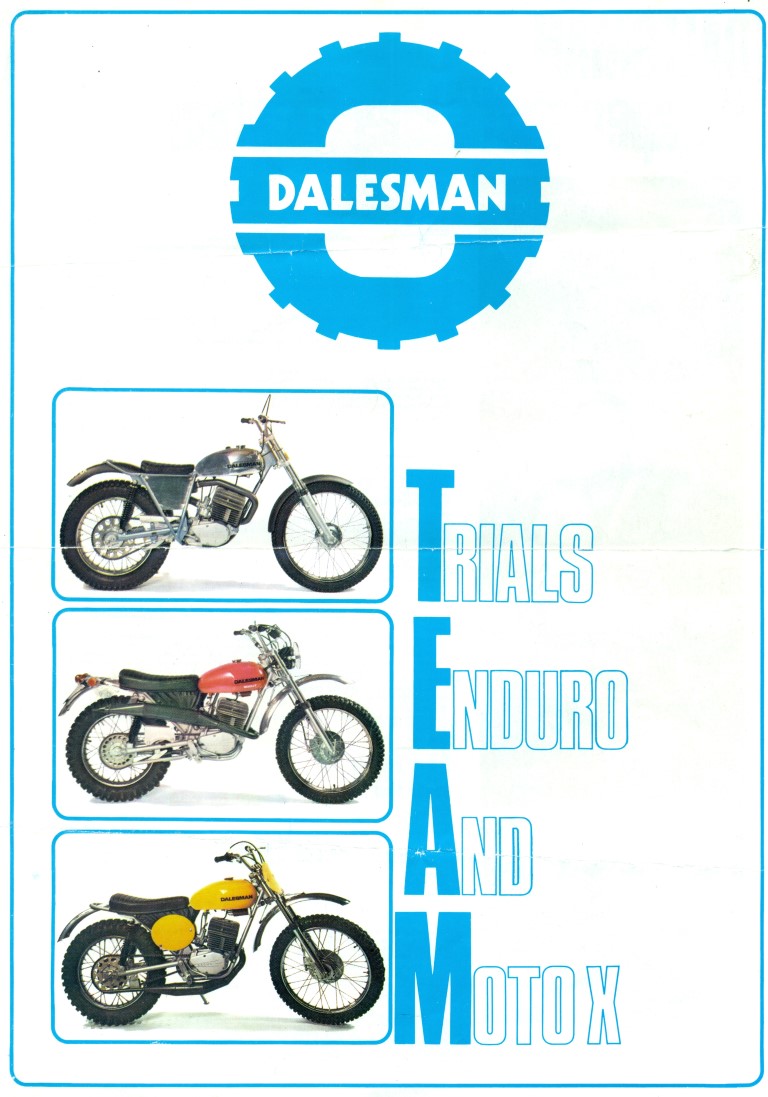
Early model designations of the Dalesman Puch was quite simple, 125T (Trials); 125MX (Motocross/Scrambles) and 125E (Enduro).

Looking to the USA market:
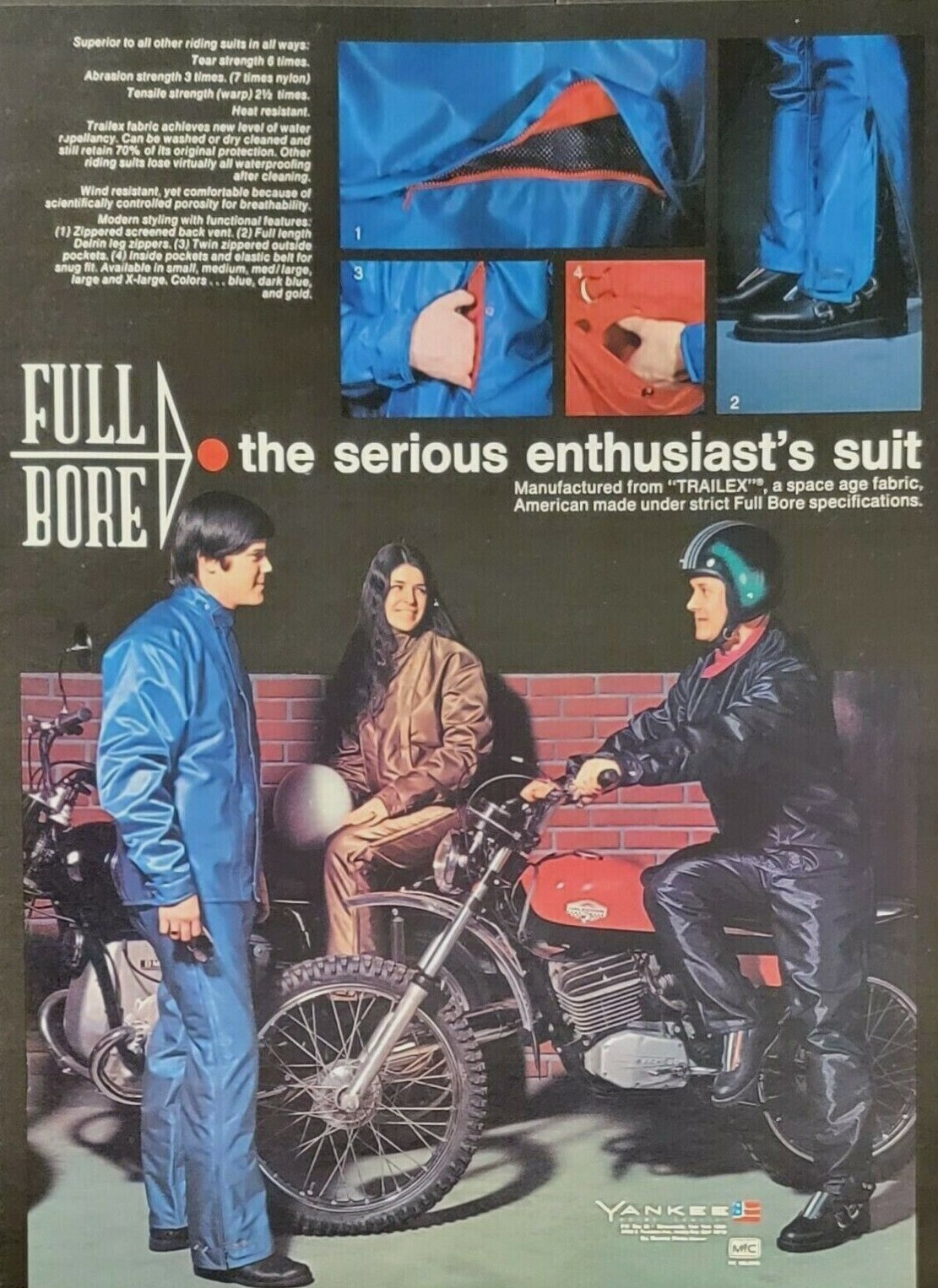
Edmondson was quick to exploit the demand for smaller capacity machines in the United States and was keen to ship complete bikes across the pond, creating an earnings potential for the US dollar. In late 1970 the MX and E models were retailing at $750.

In an article published in Cycle World magazine in November 1970 it stated that the USA market bikes were four speeders and not six: “Unlike the all-Puch 125 featured in our June 1970 issue, the Dalesman’s proprietary Puch engines have only four speeds instead of six. Otherwise, the Dalesman Puch engine is of equal quality, with all-alloy unit construction, chromium bore, and the use of roller and needle bearings for all appropriate engine and transmission parts. Both engines run strong, with little vibration, and start easily, although the basic position of the kick starter is awkward. It rubs on the shins when riding in any position.” [1]
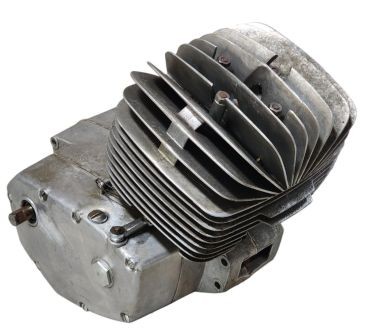
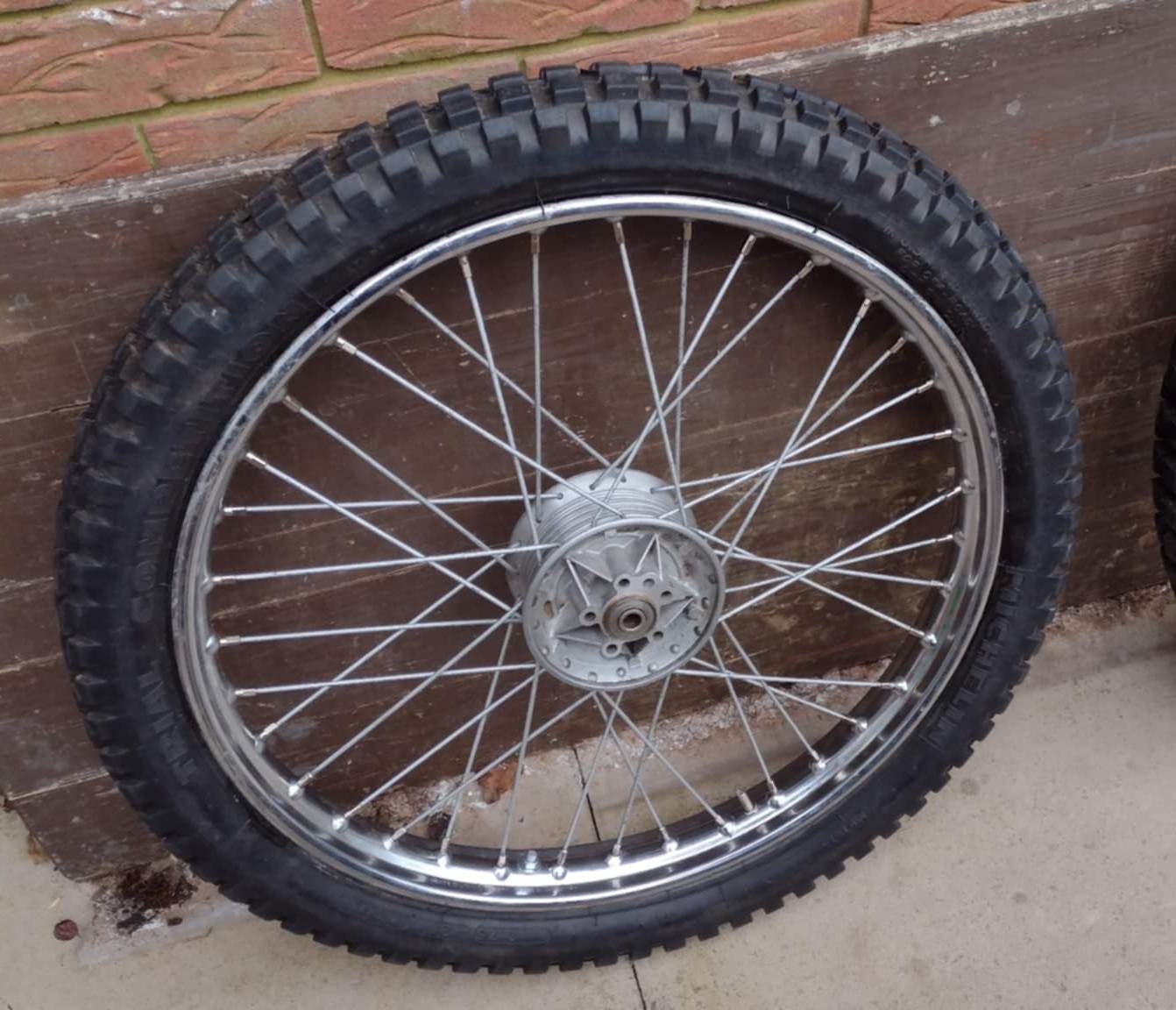
Edmondson approached Steyr-Daimler-Puch (Great Britain) Ltd, the British subsidiary of the Austrian parent company and UK concessionaires who were based in 211 Lower Parliament Street, Nottingham. It was agreed with their managing director, Peter Bolton to explore further the potential for Edmondson to buy components which included the 124cc, four speed engine used in the M125S model, as well as the rear wheel hub, chain adjusters and for the trials model, front forks, and hub from the lightweight VZ50 moped.
Peter Bolton was keen to guide Puch in Edmondson’s direction, as he believed in the potential of the Puch engine in off-road motorcycle sport.
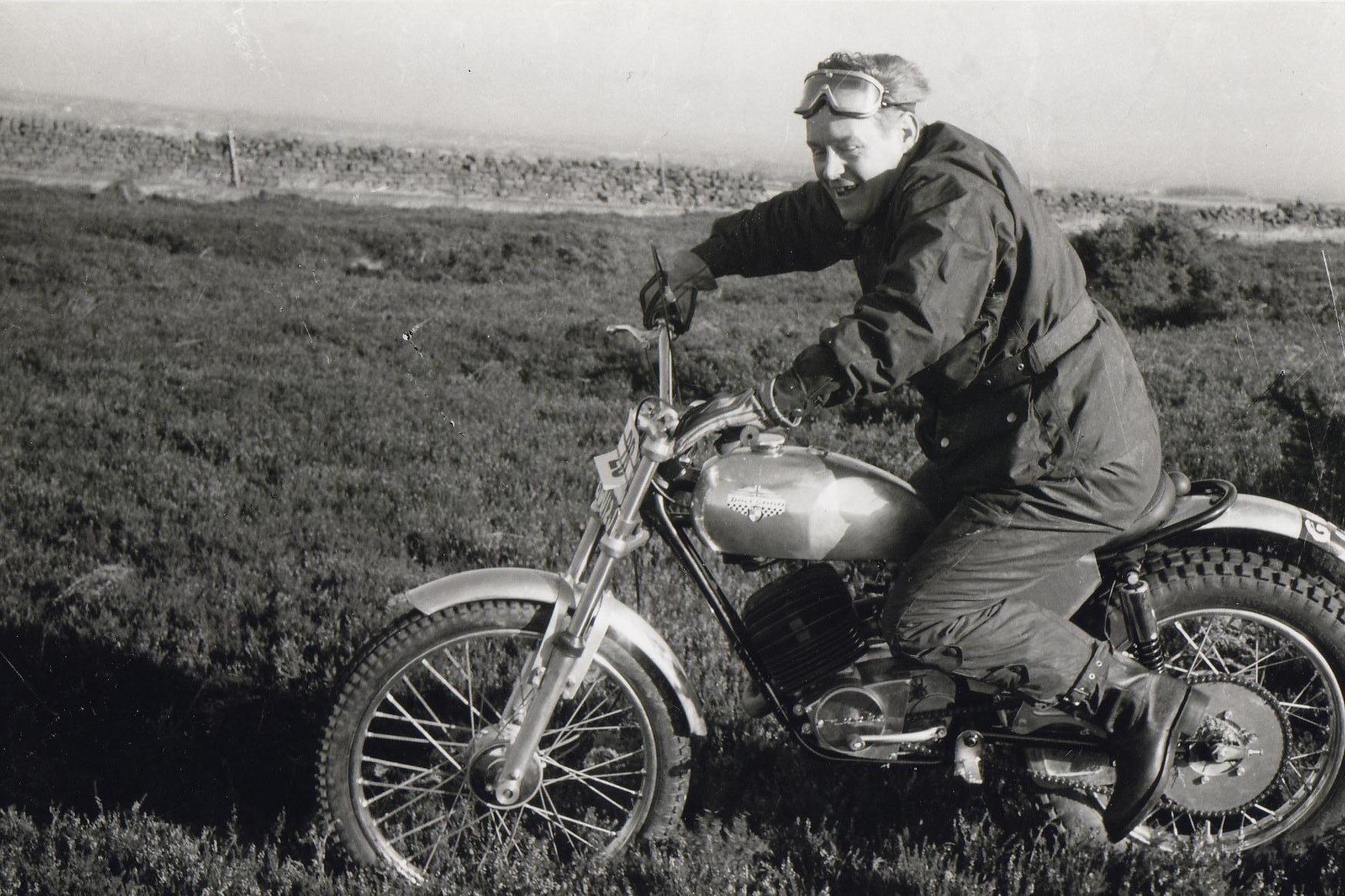
A complete Puch M125S at this time cost £214. Complete engines would be sold direct to Dalesman Competition Products at around £30 per unit.

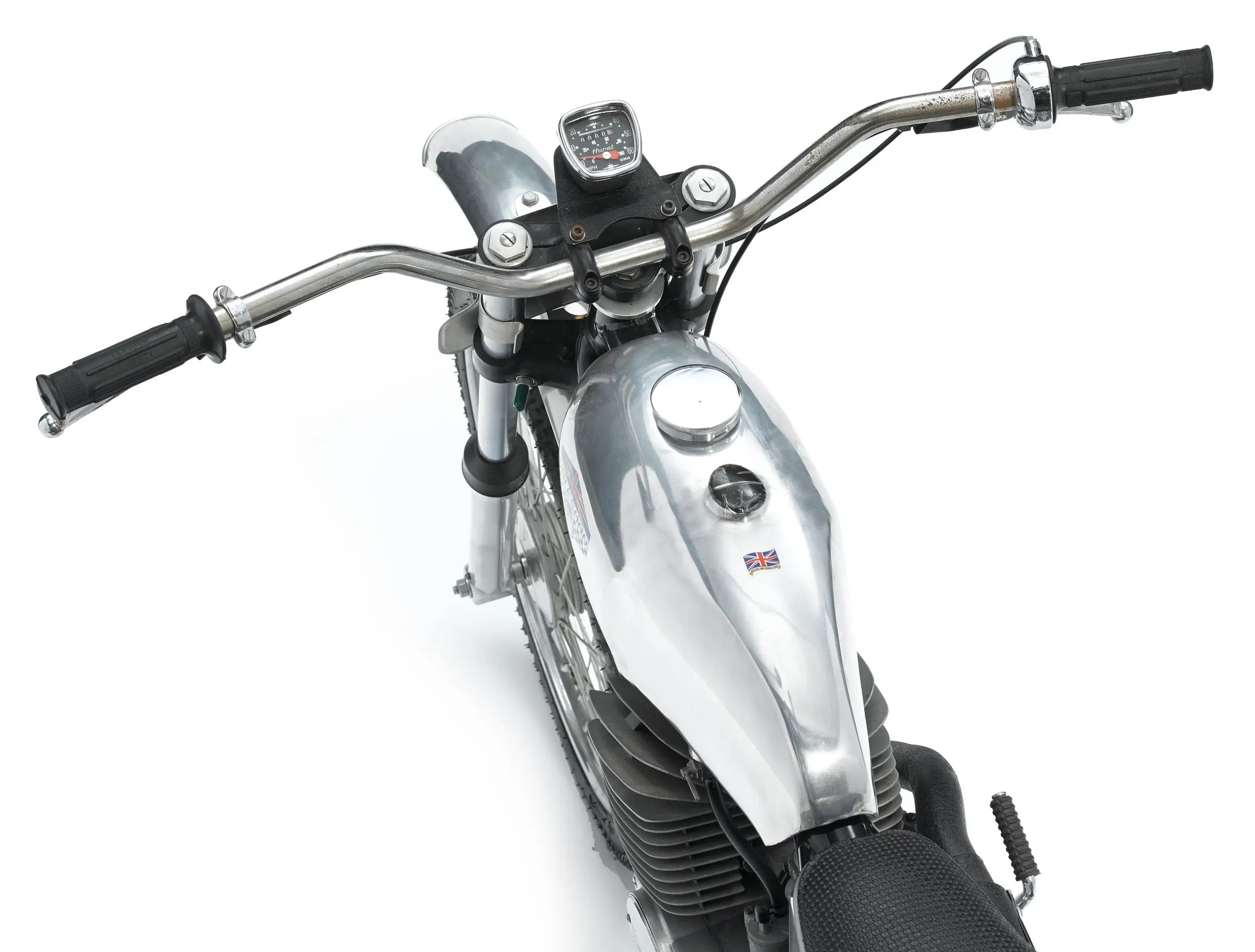
The Otley machines would be fitted with German BING 24mm carburettors. The finished article would retail for £199 in kit form, to avoid Purchase Tax.
Puch produced higher tuned versions of their 125 engine which were used in the MC125 models, these became popular in European motocross, ISDT and enduros, called the ‘GS’ or Gelande Sport variants.
Puch finer points:
The 125cc Puch crankcases had a small slotted head drain screw located in the centre of the lower surface, so that if the engine became ‘flooded’ by overfuelling, the crankcases could be quickly drained of excess fuel with a screwdriver, to enable a clean re-start. The engine featured an engine speed clutch, mounted on the offside of the crankshaft and used helical gear primary drive, with no primary chain. Ignition was provided by a 6V Bosch AC flywheel generator. Lubrication was by 16:1 two-stroke SAE30 motor oil mixed with the petrol. When the more advanced specialised two-stroke oils became more widely available, the ratio was weakened to 25:1. The sump was heavily finned to aid heat dissipation from both the gearbox and crankcase. The Puch’s generous cylinder head finning was arranged in a sun-burst configuration to assist with heat dissipation.

In Austria, Viennese trials rider, Walther Luft was dominating the national scene there with his factory supported 169cc Puch which he had been developing himself. He would compete in the 1970 Scottish Six Days Trial taking the ‘Edinburgh Trophy’ for the Best Foreign Rider award. Yet another boost for the Puch power plant. It was in 1969 that Greeves having lost their supply of Villiers engines would agree terms to buy in the 169cc six speed units for their new ‘Pathfinder’ model.

The Puch M125 and M125S (with more lighting and the model sold in the UK) road models were manufactured by Steyr-Daimler-Puch Aktuelle Gesellschaft at their factory in Graz, Lower Austria from 1966 until 1971 and were marketed in the USA as the ‘Sears 125’ by Sears, Roebuck and Company who ran a mail-order retail business. Total production of all M125 models was 10,769. The whole machine was well built with high quality components. The engine was both robust and the build quality high.

Dalesman chassis:
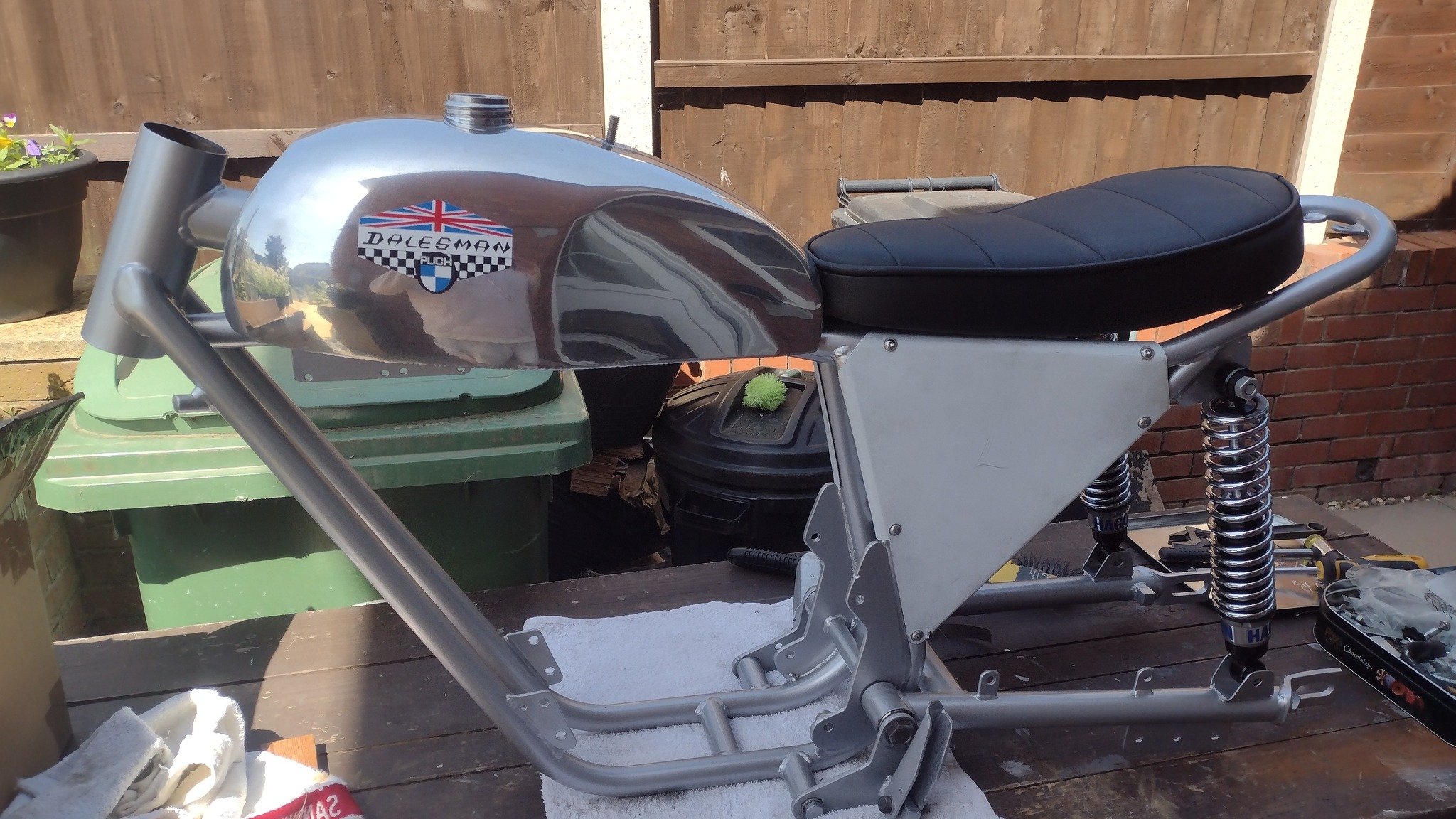
Engines don’t make a competition motorcycle alone, a chassis is required and one that stands up to competition use. Manufacture of the Dalesman frame and swinging arm was farmed out to specialist Jim Lee who was the sponsor of seven times TT winner, Mick Grant.

Mick Grant had been enrolled in an academic course at a local college, but became frustrated as he wanted funds to go racing. So being a resourceful chap, he took various labouring type jobs, even driving a fork-lift truck to earn some money. Jim Lee approached Mick and offered him a job and also built Mick bikes to race.
Mick Grant: “I was employed to help Jim make frames as the Dalesman job had taken off. I am led to believe the early frames were brazed, but the ones I did were all TIG welded. A fair bit of fabrication work was carried out at Armley prison at that time. Jim first built me a BSA Gold Star, then Yamaha and then the Norton Commando to race. I must admit that although I made frames for the Dalesman, I didn’t actually rate them highly as a trials bike, it was up against some serious Spanish competition at the time.”
The frames were a full cradle, duplex design made with Reynolds ‘531’ a manganese–molybdenum, medium-carbon steel tubing. This accomodated the Puch engine’s central exhaust port. Whilst these were fairly well-made frames, there had been several instances of some frames fracturing just below the headstock at stress points created where the two down tubes joined the headstock tube. This was overcome by strengthening the headstock area on later frames.
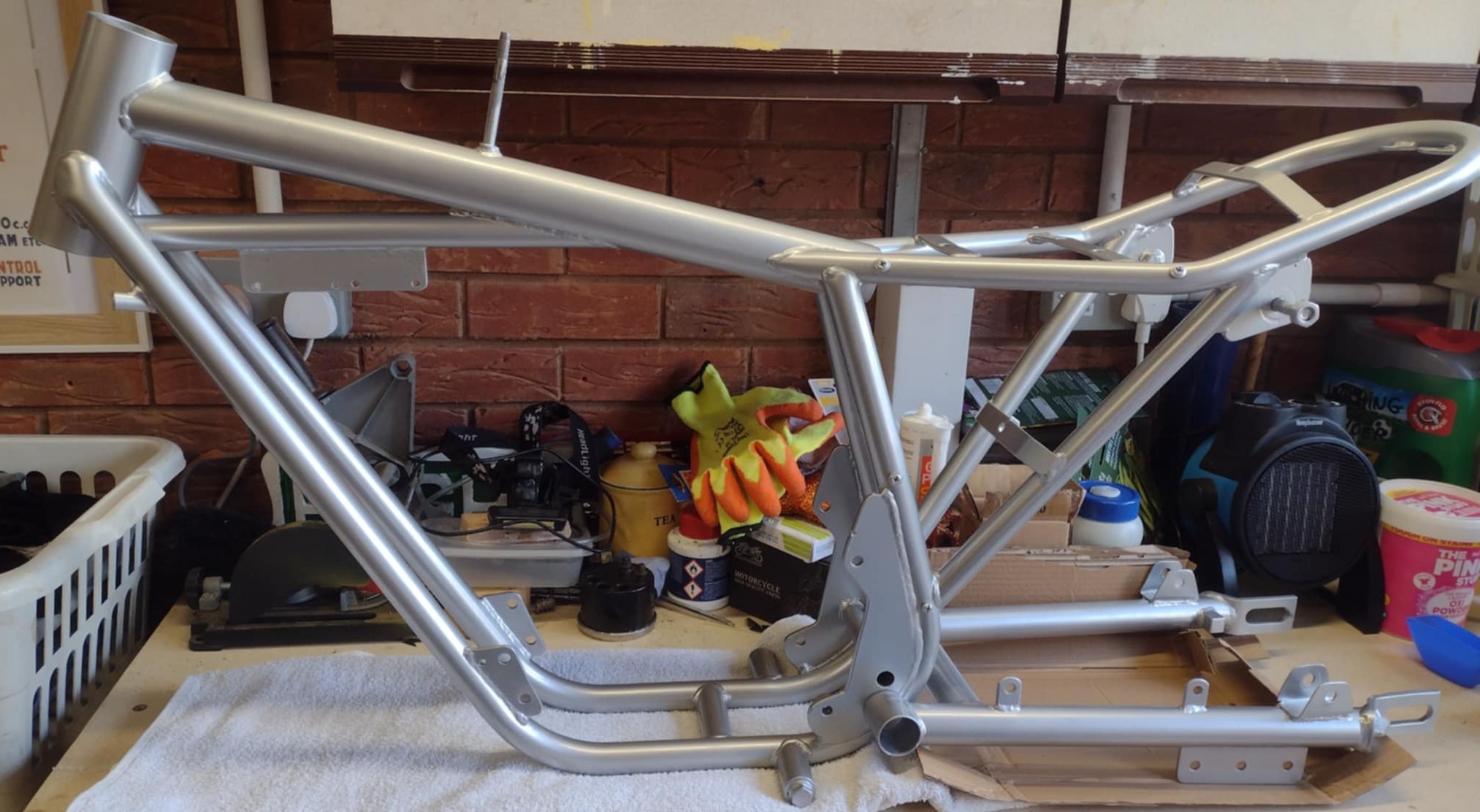
Initially, two different frames were made with some minor differences, the Dalesman Puch trials version took advantage of the growing demand for the smaller capacity machines in trials, while the Dalesman Puch scrambles variant was a good seller in the growing ‘Schoolboy Scrambles’ market which had become popular in Britain. The original trials frame had a rear-end portion with a swan neck shape, compared to the scrambles frame which was much more straight.

The Motor Cycle, October 1969 reported that fourteen year old John Seward from Chertsey in Surrey, on a 125MX Dalesman Puch had won the schoolboy scrambles Senior title at Horley near Banbury, Oxfordshire. This was the first ever national schoolboy scrambles championship. Previously only BSA Bantam powered machines had been used for the fledgling youth motocross in the UK. [4]
Ace trials rider, Nigel Birkett also raced a 125 Dalesman in local scrambles in Cumbria early in his riding career.

Former Dalesman employee Nick Procter takes up the story:
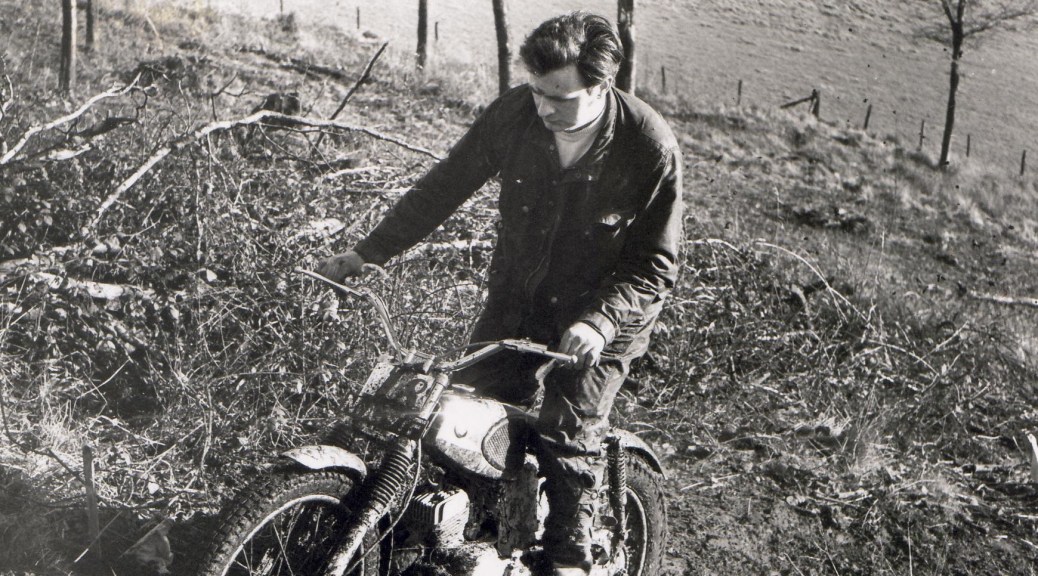
“My father and I frequently visited Pete Edmondson on a regular basis in the 1960s at his Otley motor cycle premises. Dad used to purchase competition bikes from him and became close friends along with Peter Gaunt. Pete Gaunt was building his little Suzuki trials bikes and Dad purchased two, one for my brother Tim and one for me. Because Peter Gaunt was having success with his Gaunt Suzukis, Pete Edmondson thought, if he can do it, I can. There was always a little rivalry between the two. ‘Eddy’ came across a Puch M125 and found it to be an interesting project and started hacking it about in his home garage in late 1967, early 1968 and built a trials bike there. He was friendly with Paul England who had been a works supported Triumph rider and he convinced Paul to ride it in competition. As he competed on it, the bike got altered for the better. Pete Eddy got more and more convinced he could produce and sell these machines and in late 1968 started to go into small production with them on the upper floor of his shop on Boroughgate, Otley. There was just Pete to start with and his shop assistant John Patterson at that time. Eddy had produced a handful of bikes when I joined him in June 1969, John Patterson had just left Pete’s employment at that time.“

“My first week working for Pete was quite interesting, as his wife Kath was heavily pregnant with Paul, and Pete told me he was going to Austria to the Steyr-Daimler-Puch factory to meet Count Otto Von Herberstein who lived in a castle near Graz and had a huge collection of off-road bikes and a financial interest in Steyr-Daimler-Puch, to arrange a deal to supply engines, front forks, and hubs. He left me with the shop to run straight from leaving school at fifteen years old. When he got back, he advised me he had secured a deal with Puch.“

“Soon after, he had Terry Wright riding for him who was great at advising on modifications to the bike. Fabricator, Jim Lee at Birstall Smithies, Batley near Leeds, was building bike frames with Mick Grant who worked for him at that time. R.A. Peatey and Sons in Yeadon were powder coating the frames in a green finish. Early bikes also had the D type air cleaners that were fitted to the Triumph Cub. Later Puch models had alloy air box made by Jim Anderson at Baildon, the same chap also made the fuel tanks for the Gaunt Jawa.”

“As soon as we got the bikes built, Pete was searching for competitive riders up and down the country and supplied them with bikes to evaluate. Three notable riders were Ray Sayer, Scott Ellis, and the up-and-coming Chris Milner.”
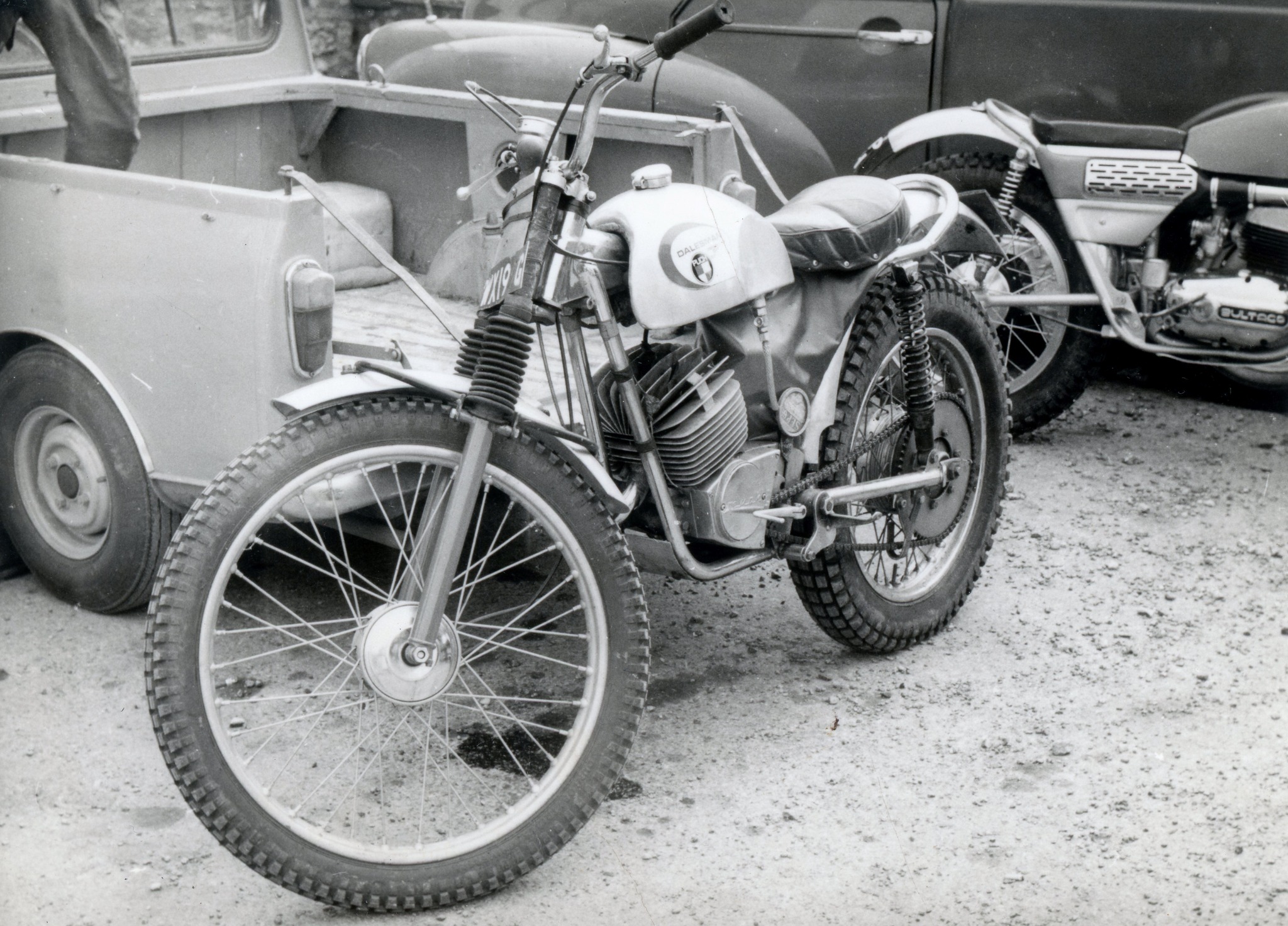
“In December 1969, the number of bikes being produced outgrew the current premises and we had to move to the upper floor unit in Ashfield works Otley.”

“Pete sold the retail motorcycle business to Ray Dell of Pudsey. On moving to Ashfield, we had to employ more staff and something to assure the bank manager that the business was viable, so Pete in his usual way employed the bank manager’s son, David Brown as company accountant.“
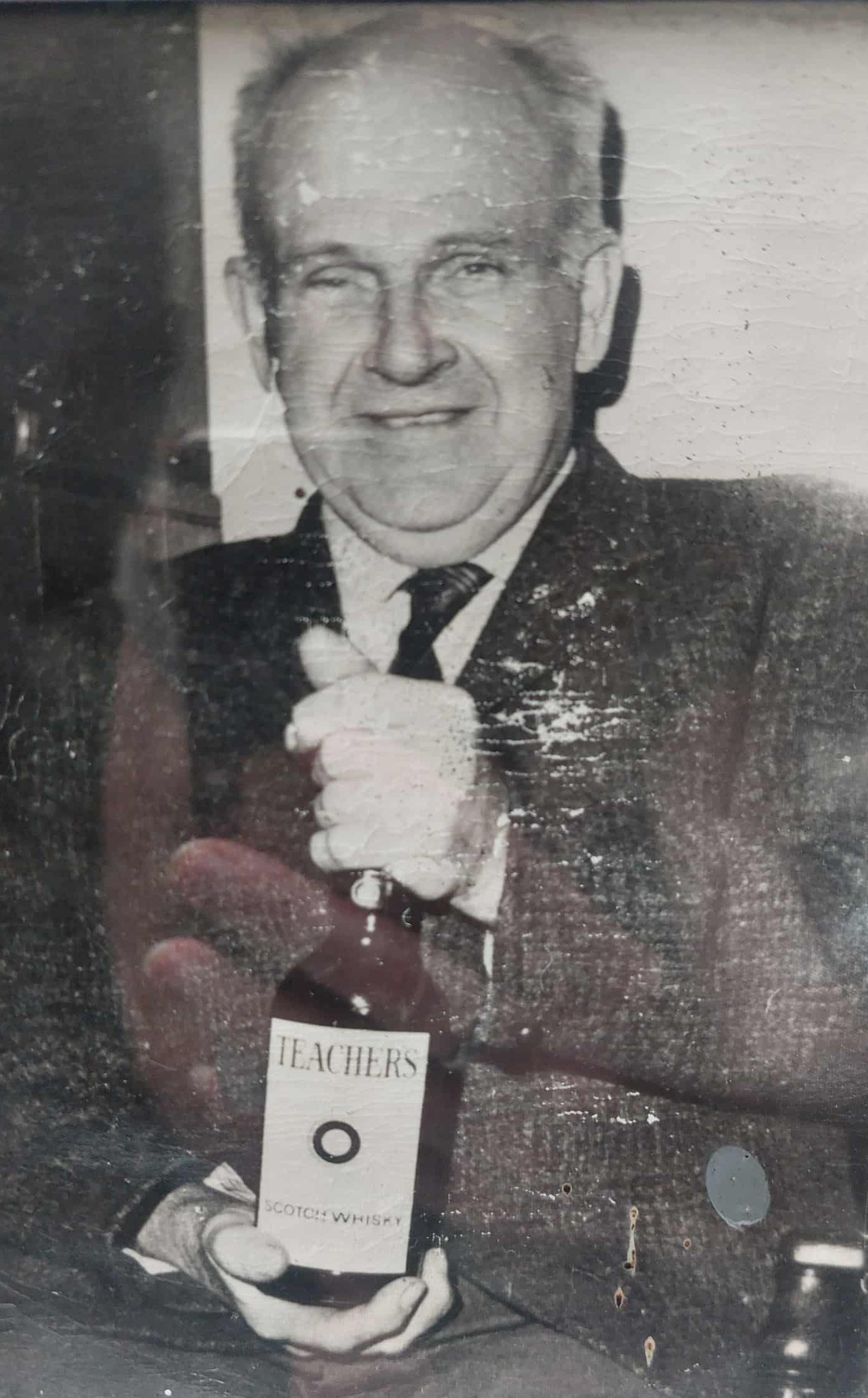
“Pete took on Dave Carr and John Scarry, local trials riders to start putting the bikes together in kit form fashion, so from the two of us we were now five. He then found we needed a stock controller and Stuart ‘Stelvio’ Hyslop joined in parts control. We also had the local Police Sergeant working for us part time, John Hartley who collected parts and generally kept a security eye on us.”

“Now we were also producing scrambles bikes in 125cc form and opportunities were now building. Steyr-Daimler Puch brought in Joel Robert to test the scrambler in Belgium and Pete supplied a few over there.”

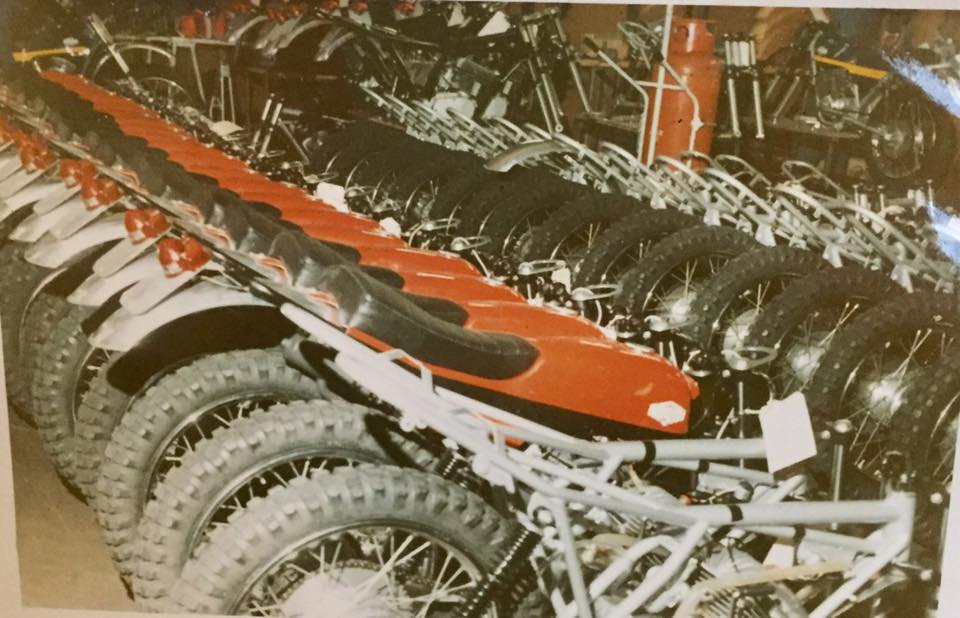
“Ron Jeckel of Jeckel industries in the USA ordered a batch of fifty, if I remember correctly, I do remember filling a container with trials and scramble bikes ready for dispatch.“

“How we managed to build all these bikes in these upper floor premises is beyond me. We also produced three bikes for the ISDT in that year too.
Parts were collected and produced from all areas of the country. All the Puch parts, engines, front forks, wheel hubs from Nottingham, Dunlop Tyres from Fort Dunlop Birmingham, the handlebars, levers, air filters, alloy mudguards, seats and the fuel tanks, all came from Wassell’s in Burntwood, Lichfield. The Robin E. Humphries ‘REH’ front forks and Girling rear shocks came from Birmingham. Boy, did we have fun collecting bike parts.”

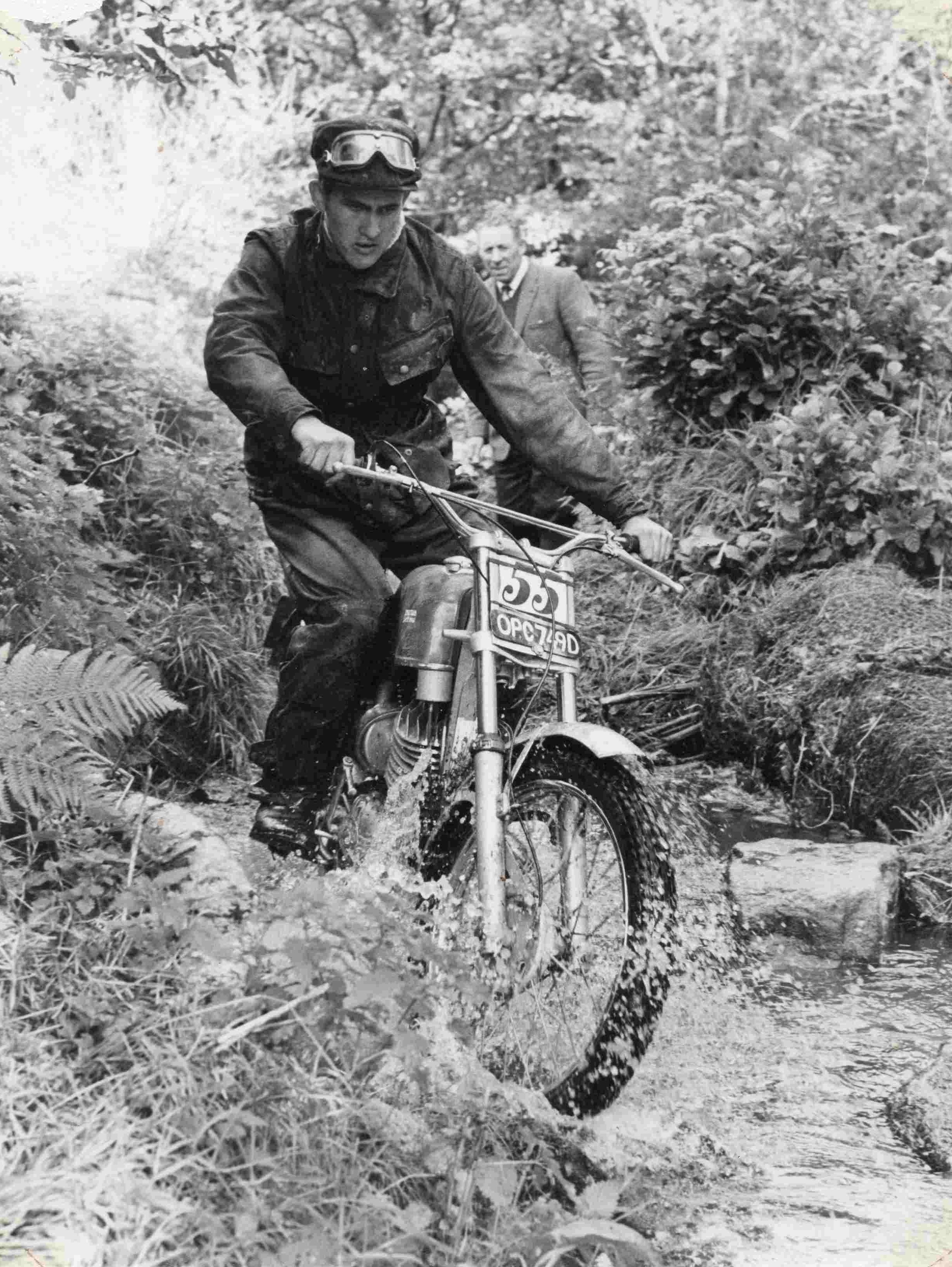
“One of the most interesting was the exhaust systems which somehow Pete had done a deal with HM Prison Leeds at Armley in Leeds to have them made by the inmates. Pete knew just about everybody and had contacts all over the place. One of the worst days l had was when Pete told David Brown and I to get in the van and go and retrieve the bikes from Scott Ellis and Chris Milner, it wasn’t pleasant as Chris was a friend of mine and I don’t think they were given much notice. One highlight was when Terry Wright finished twenty-second and second best newcomer in the SSDT and followed up by winning the Manx Two Day Trial in 1970, this was Dalesman’s one and only national trials win, however Terry did have some centre wins on the Dalesman as well.
Dave Brown and I left Dalesman in 1971 but have good memories of our time there.”
Terry Wright’s Manx Two Day Trial win in 1970 (Researched by Nigel Megson):
Held on Saturday 29th August and Sunday 30th August 1970, the Manx Two Day trial boasted an entry of two hundred and one starters and was over two circular routes that started at 8.15am from the famous TT Grandstand. The Saturday route traversed the south of the Island and had thirty-four sections and the Sunday route went over the North of the island and also had the same number of sections.
On paper, the favourite to win was Montesa’s Gordon Farley who had travelled all the way from Kent and who would be riding his works supported 247 Cota. He would be up against experts from West and South Yorkshire, many of whom were riding ‘mini’ 125cc bikes. Riding numbers probably favoured the top runners, who were starting from the middle of the field as the riding order was reversed for the Sunday.
The riders lined up as follows: Dave Thorpe on the 250cc OSSA ‘Pennine’ was riding number 68; Terry Wright on his Dalesman Puch was riding number 92; Gordon Farley with number 126; Gerald Rathmell on the works 125cc Sprite with number 142; Jim Sandiford on a 250 Bultaco 66; Paul England on a 125cc Dalesman Puch was number 160; a young Nick Jefferies was number 75 on the ex-Gordon Farley factory Triumph Tiger Cub, next to the popular Stan Cordingley on a 250cc Bultaco, who finished in 8th place on 24 marks, riding number 76.
On the Saturday, Dave Thorpe had a good steady ride losing three marks, Terry Wright on his Dalesman lost five on the slippery hill at ‘Billown’ and Gordon Farley finished up losing nine including, in what for him, must have been a disastrous day, with a maximum at ‘Poylvaaish’ and several dabs at the Arragon River.
On the Sunday, Dave Thorpe went pretty much to pieces losing thirteen marks whilst Gordon Farley had the best ride of the day losing four marks. Terry Wright suffered a five on the vicious sections at ‘Tholt-Y-Wil’, but he did retain his composure and nerve for the rest of the event including the ultra steep rock climb at Sartfell Park to take the win.
The final results of the 1970 Manx Two-Day Trial were:
1st – Terry Wright (125cc Dalesman) – 10 marks
2nd – Gordon Farley (250cc Montesa) – 13 marks
3rd – Dave Thorpe (250cc Ossa) – 16 marks
4th – Paul England (125cc Dalesman) – 17 marks
5th – Gerald Rathmell (125cc Sprite) – 20 marks
6th – Jim Sandiford (250cc Bultaco) – 22 marks
The team prize went to the Wetherby ‘A’ team which comprised Terry Wright, Gerald Rathmell and John ‘Killer’ Kendrew (Dalesman Puch) who finished in 9th place on 24 marks.
When asked about Dalesman’s Manx win, Pete Edmondson confirmed that he gave Terry Wright £10, being his bonus for winning a national trial.
Scott Ellis on Dalesman:
” My day job, in those days, was as an engineer with BMC, having been there since I was sixteen, and I had been riding trials for BSAs and Triumph. Peter Edmondson approached me about a Puch engined bike he had built that he needed some development work on. The first Dalesman I rode didn’t handle too well, so I suggested altering the steering angle and I ended up with WWX19G and we got it handling and riding very well indeed. The frame was strong and mine was nickle plated and it was on this trials bike that I won the Welsh Three Day Trial in 1969. However it was fitted with a special engine sent over from Puch. It was quite quick as I recall. I had a good relationship with SDP at Nottingham and I visited the factory at Graz where Walther Luft had been doing a lot of work with the Puch factory to develop a trials bike. It was however a challenge to convince the Puch engineers as to how a trials engine should perform, they seemed to be more interested and comfortable in developing motocross and enduro engines. I do recall that they came and collected my bike and that of Chris Milner all of a sudden. I went on to further develop the Pathfinder for Greeves which of course used the 169cc six speeder engine by Puch.”
Specification:
The first model Dalesman Puch 125 engine specification was as follows:
Displacement: 123.5cc; Bore and stroke: 55mm x 52mm, with alloy cylinder head and cylinder with a chrome bore; Max output: 12 bhp @ 7000 rpm; Max torque: 9.1 ft/lb @ 6700 rpm; Compression ratio: 10:1; Transmission: 4-speed. Both the trials and scrambles version used a BING 24mm carburettor with a centralised float (some of the works development machines used an offset float chamber). The Dalesman trials version weighed in at 162 pounds.
With an encouraging win at the Welsh Three Day Trial in 1969 by Scott Ellis, a selection event for the ISDT, this spurred on Edmondson to built scrambles and enduro versions.
Dealer network:
Sales through 1969 were brisk and a small network of dealers was built up which included: Allan Jefferies in Shipley; Terry Silvester in Holmfirth; Athol Motor Cycles in Pitlochry, Perthshire the Scottish Distributors; C & M Shutt in Rossendale; Ray Dell in Pudsey; John Ward Garages, Nottingham; R.G. Callow in Newport, Monmouthshire; H. Lee in Cradley Heath; Norman Crooks at Northallerton; Peter Wagstaffe of Wharfe Motorcycles in Whitchurch, Shropshire, to name but a few.
Promotion of the brand:
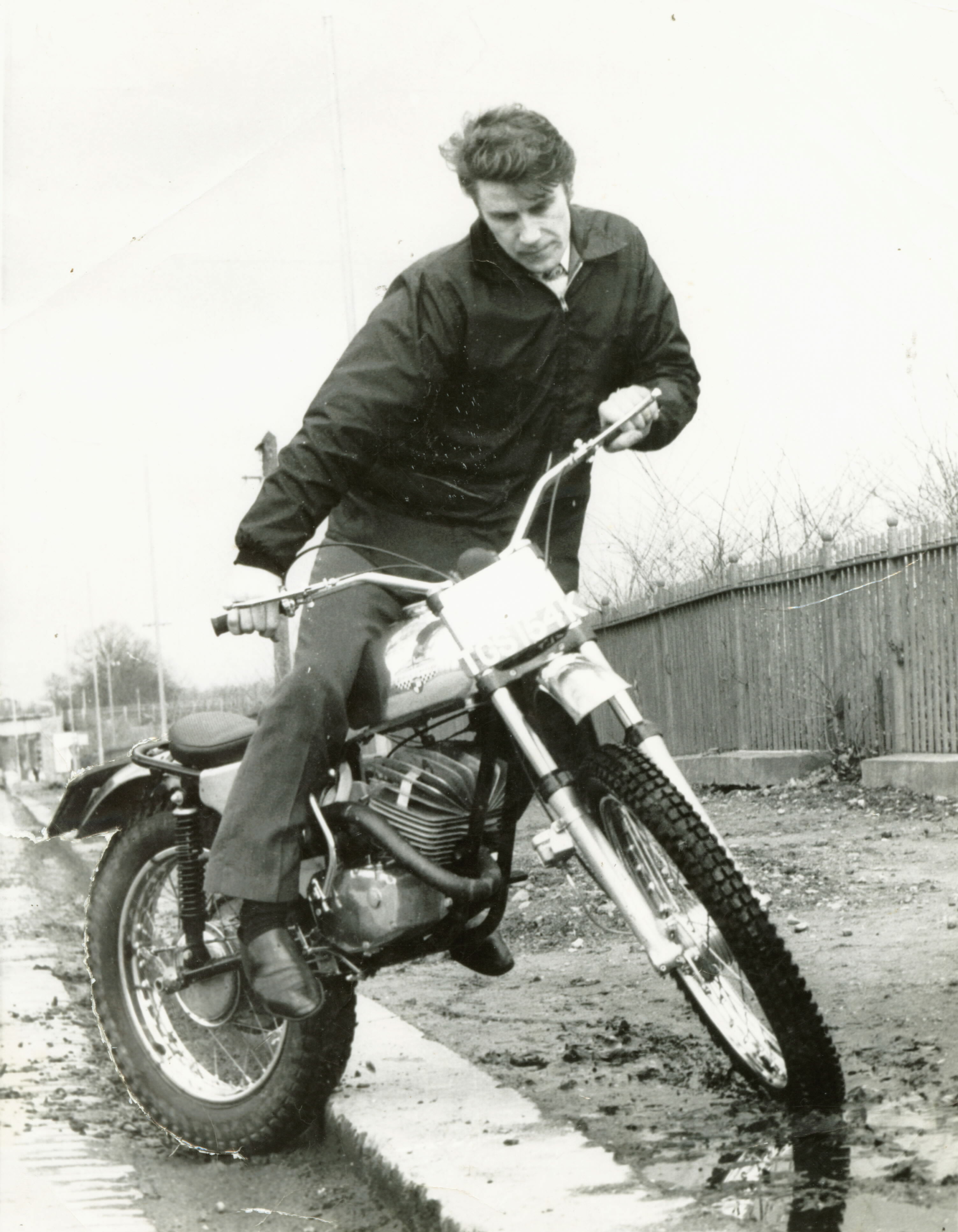
Pete Edmondson supplied a brand new, road registered Dalesman Puch for the SACU President, Jim Birrell who would use the bike to steward the Scottish Six Days Trial in 1969. This gave some publicity for the Otley product as it would be seen daily as transport between sections. The bike had in fact already been pre-sold to a local Yorkshire farmer as a demonstrator.
The trials model and scrambler had slightly different frame configurations, the trials version had 50.5 inches wheelbase with the scrambler two inches longer and 1.5 inches lower, which was extended later by one inch. The scrambles version had a large diameter top tube at this time.
Journalist, Peter Howdle reported in his ‘Feet Up’ column in Motor Cycle News of December 10, 1969 that Peter Edmondson had announced that a Puch six speed 125 version would be made available only for the American market. The specification included a motocross type air filter, shielded by plastic side panels, folding footrests and a high-level exhaust system with a detachable silencer. Edmondson also announced the intention that Dalesman would field two teams at the 1970 ISDT in Spain. [3]
The 1969 ISDT Dalesman Puchs:
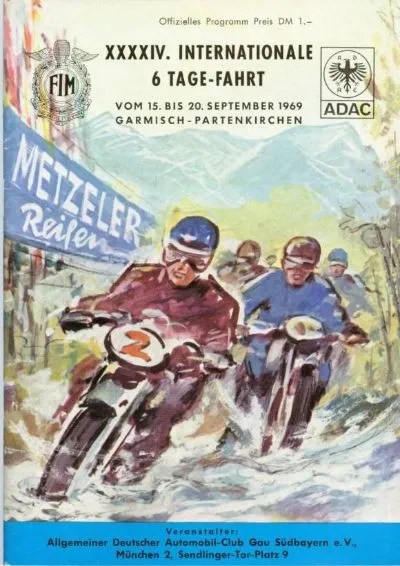
In 1969, the International Six Days Trial would be held at Garmisch-Partenkirchen in Bavaria between the 15 – 20th September. Dalesman had built three special hybrids machines for the event, this would lead to the firm making a bespoke ‘enduro’ model the following year with the model name 125E. The three specials had twenty-inch front wheel rims using ‘satinised’ Dunlop rims, eighteen-inch rear wheels with WM2 chromed steel Dunlop rims, REH front forks and hubs, a motocross style seat, a motocross style still air box with paper element air filter and Wico-Pacy head and tail-lights powered by the flywheel generator system from the M125S Puch road machine. The fuel tank was fixed by two rubber bosses held in place by two frame fixings, these slotted into a channel on each of the inner face of the alloy tank, near the front of the tank and a leather strap holding everything down at the rear, this was to aid speedy removal of the tank to access the coil. Normally the Dalesman tank was secured by a central bolt fixing direct to the top tube. They also had a centre stand so that either wheel could be quickly removed and ‘Tommy-Bars’ could be deployed to both wheel spindles. The Puch rear hub was a quickly detachable type with no requirement to disturb the drive chain when a puncture required repair. The bikes had high level motocross style exhaust systems which were fitted to the nearside of the machines. The frames were those for the scrambles Dalesman finished in a leaf green enamel. The ISDT machines were to be issued to Scott Ellis, although he eventually rode a Puch from the factory as a privateer, the other two were issued to the Scottish ACU for the Great Britain Vase B Team. These two bikes destinged for Scotland were financed by SACU President, haulage contractor, Jim Birrell from Markinch, Fife and ridden in the event by Ernie Page and Ian Millar. Page registered the two SACU bikes as PSG564H (Millar) and PSG565H (Page), through his Edinburgh motorcycle shop, Page Motors Ltd. Bonnyrigg trials rider, Ian Robertson assisted Ernie Page by offering to run the new Dalesman in for him. Robertson rode Page’s machine from Edinburgh, down the A7 to Galashiels in the Borders and back again. However it was soon discovered that the bike’s gearing was way too tall, so larger rear sprockets were called for. The two bikes were sold off after the event.
Enduro:
By 1972, Dalesman had made inroads into the enduro market and had enlisted Mick Wilkinson who had been reasonably successful in trials with the Greeves Pathfinder using the 169cc Puch motor and by now was riding Ossa for Peter Fletcher of Ossa Moto UK in trials.
Mick Wilkinson: “I received a very special Dalesman which had been put together by Alec Wright of Competition Developments, it used many high quality parts and it was a real flyer. It was a 125 using the Sachs engine, but there wasn’t another one like it, I can’t remember what the registration number was, but I took it to the ISDT at Czechoslovakia after testing it at home and at Bordon for the selection tests. It was very quick, but I hadn’t ridden it fast on the open roads. In the ISDT on the first day, we came onto a road section and I was travelling quickly, I hit a small pothole with the front wheel and the bike went into a massive tank slapper. I held on trying to ride through it, but it just wouldn’t stop slewing from lock to lock, I couldn’t control it and I hit the deck still holding the handlebars, but it wrecked the bike and that was the end of the Dalesman and my ISDT that year. The following year the ISDT was in America and I stayed with Ron Jeckel who was now fully in charge of Dalesman, that was a more conventional Dalesman I rode still using the Sachs engine, but it was the 1972 bike that I really rated, I came home in second place in the Brecons Enduro that year as well.”
Output:
Production statistics were not recorded, but it is believed that approximately 2000 motorcycles were manufactured over the six-year period that the Dalesman was in production. Three quarters of these were exported to the United States through the importer, Jeckel Industries. The remainder were sold to home and mainland European markets. In the early days, around six were exported to Joel Robert in Belgium as the 125cc European championship was gaining popularity, some were re- branded as ‘JRD’ which stood for Joel Robert Developments.


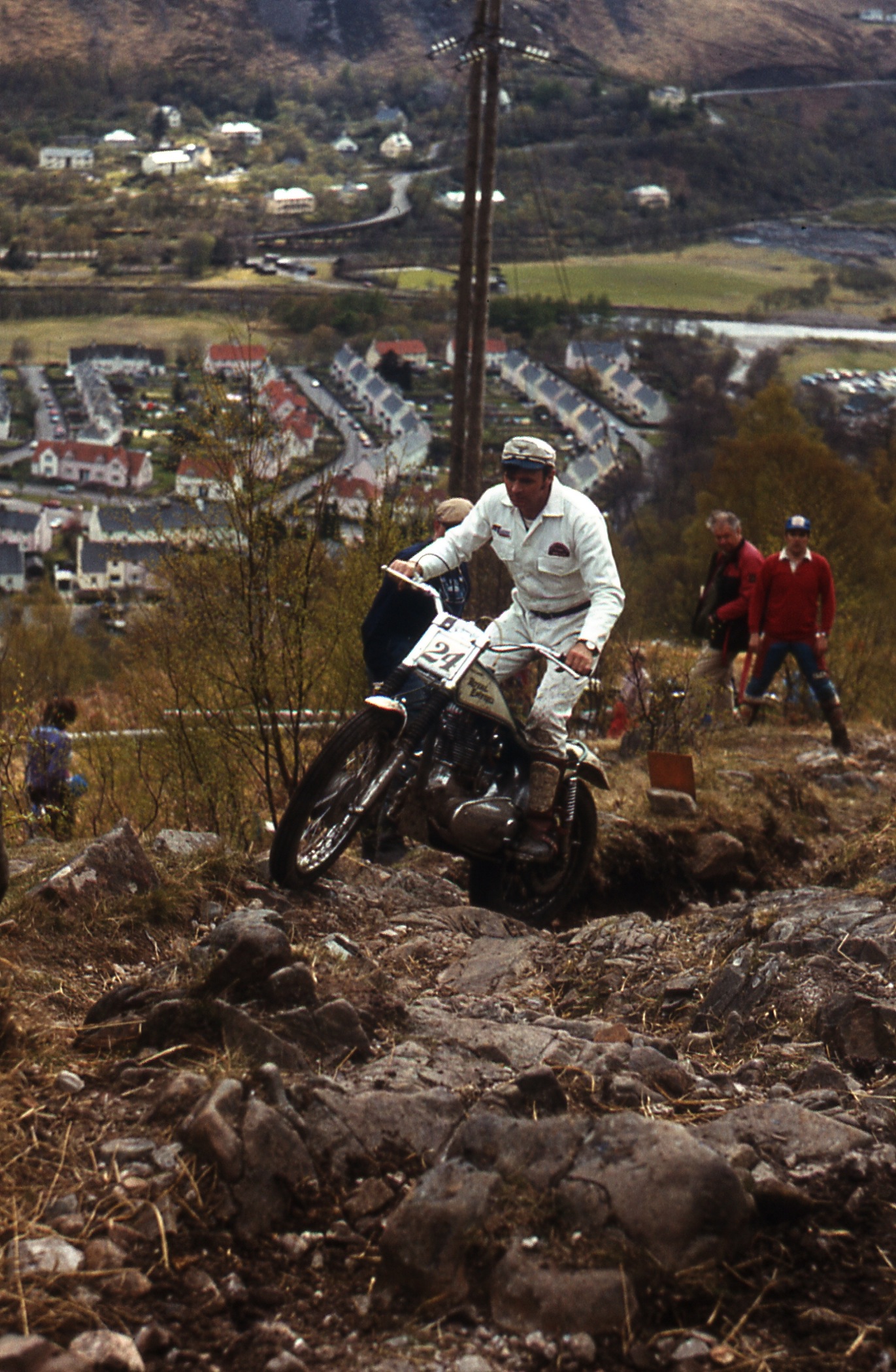
In 1970, Dalesman had fielded a team of three Yorkshire riders in the Scottish Six Days, namely Terry Wright, Paul England and John ‘Killer’ Kendrew. Wright was second best newcomer taking the ‘Ben Nevis Challenge Quaich’ and placed in twenty-second position on 125 marks, England came home in twenty-fifth place on 136 marks and John Kendrew in thirty-eight position on 174 marks. This was no mean achievement when you consider that the first twenty or so places were filled by riders who were competing in the European Trials Championship and within five years, would be competing in the World Trials Championship.

A new frame for the trials version for the 1970 season, tested on Gerald Rathmell’s bike, was announced in late 1969 in the Motor Cycle weekly paper, the rear subframe which had been a swan-necked design was changed to be similar to the scrambles frame, but retained the shorter wheelbase. Rathmell’s works Dalesman had quite a few different components fitted, the most noticeable being an all alloy silencer, tucked well in towards the frame with twin outlets.
Arrival of the Sachs engines:

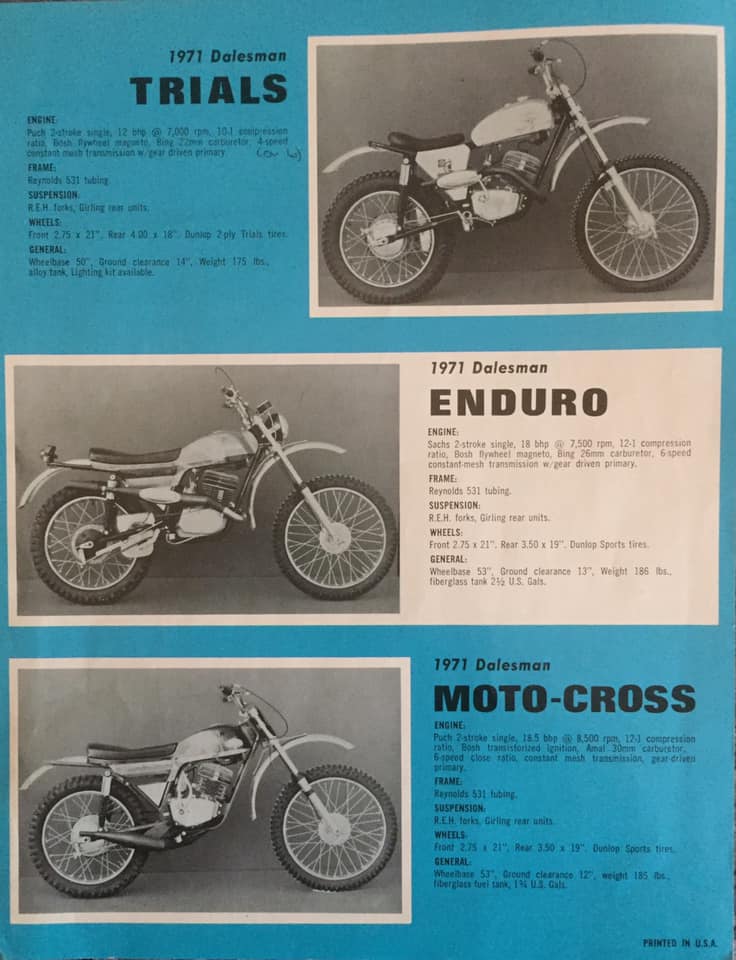
The Puch engine was supplied in four and six speed variants, but production began to drop off around 1971, when the M125 model was being phased out, so Dalesman switched over exclusively to the 125cc German made Sachs engine which had a six-speed gearbox.

Rival manufacturers, Sprite and Saracen had been using the Sachs power plant for some time. KTM in Austria also relied on Sachs engines up until 1973, for both their KTM and Penton branded models, when they started making their own engines at Mattighofen.
The adoption of the Sachs engine necessitated that the final drive was on the opposite side from the Puch engined machines. Sachs output was on the right (offside) whereas the Puch was on the left (kerbside). As a result, the Puch QD rear hub would not be used, so Dalesman started to use the rear hub assembly from REH, which Saracen and Sprite had also been using. The change over to Sachs engines required a change of tooling at the Dalesman factory and the frame makers.

Dalesman had branched out into the growing ‘enduro’ market which was becoming popular in the USA and of course in Europe where German and Austrian trials were basically enduros more so than observed trials.

Introduction of model names:

The Dalesman models were given names for the 1972 season, the trial version was ‘Belfast’, possibly in recognition of Peter Gaunt’s Irish Experts trial win, the motocross was the ‘Lynx’ and the enduro was the ‘Scout’.

The motocross and enduro bikes were treated to a one-piece tank seat unit made in fibreglass, the trials model retained the alloy tank and separate saddle.
Change of components:

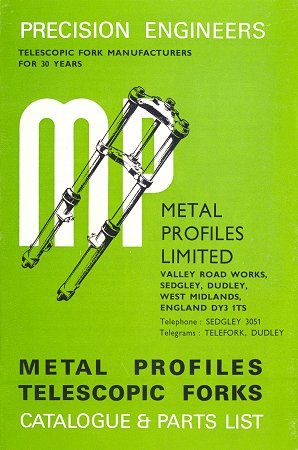
Following continuous development, the Dalesman trials version by now were fitted with the British made MP S600 (Metal Profiles) front forks, made in Dudley, West Midlands, which were more robust than the spindly Puch components. Metal Profiles was a division of DMW Motorcycles.
When Peter Gaunt joined as a development rider in 1972, he won the Irish Experts and was 6th in the Scott Trial on the Sachs engined model. Immediately after his Irish Experts win, Gaunt added a bit more weight to the flywheel to improve bottom end performance. The Puch motor was phased out completely for the 1973 trials model, replaced by the Sachs unit.
Who rode a Dalesman?
Some noteable centre riders rode a Dalesman in their early years, for many it was their first trials bike. Riders included a sixteen year old Chris Griffin from Knaresborough whose first bike was one of the ex-works Dalesman Puchs; John Maxfield from Keighley; Richard Sunter from Reeth; Malcolm Dennis from Bedale, North Yorks; Ray Sadler who had one of ‘Killer’ Kendrew’s ex-works bikes; Chesterfield’s Chris Milner who was given a factory bike and Nigel Greenwood from Huddersfield.

Nigel Megson: “Pete Edmondson was a tough talking, no nonsense Yorkshireman, who was in the right place at the right time. Surrounded by a huge flock of quality expert riders and had the expertise of people like Peter Gaunt on his doorstep. The price of the bike was right, the engine was bulletproof and it was lightweight. What could possibly go wrong ? I do think you had to be a half-decent rider to get the best out of it and Peter being persuasive, had every half-decent rider wanting to try one out, this of course led to it being a good beginners bike and at the time you couldn’t move for the damned things. My particular memories were Dixon Metcalfe and his son John, they rode the wheels off those bikes every weekend and John cut his teeth on an early Dalesman before going on to bigger things. His all action style was very impressive. Stuart Oughton came to a Spen Valley club championship trial and promptly won on it, against all expectations. Again, a good rider though, I did know a few blokes that did try one, but within nine months or so, were back on a Spanish 250. Happy days in the early 1970s. For me, Terry Wright trumped the lot when he won the Manx Two Day Trial in 1970.”
Chris Griffin: “I bought my Dalesman from G W Johnston Motorcycles in Harrogate when I was sixteen, it was my first trials bike I’m sure it was one of ‘Killer’ Kendrew’s bikes. From memory, it had a orange frame and all the SSDT paint markings still on it. I removed the Bing carburettor and fitted a Honda Keihin carburettor to it. I had to remove some of the fins on the barrel so it would fit.”
Richard Sunter: “I had one of the first Dalesman Puch which had a four speed box. I rode it for the Kart House, a bike shop in Darlington. I only rode it a couple of times, it wasn’t very good. I then rode a six speeder that Ray Sayer was riding for Pete Eddy as a one off. I fived the first section and then never went wrong after that and won among some good company,”
Gerald Rathmell, Malcolm’s younger brother, who had defected from riding Frank Hipkin’s Sprite Sachs to ride the for Dalesman in 1969. Yorkshire’s Ossa and Bultaco ace, John Metcalfe’s father Dixon rode a 125 Dalesman in the 1971 Scottish, as did Irishman Eddie Henderson.

John Maxfield bought a brand new six-speed Dalesman Puch from Pete Edmondson in 1971: “Mick Wilkinson took me in his mini pickup to buy it from Pete Eddy’s in Otley, we came home in the snow, Mick did a massive handbrake turn, I was impressed by feared for my new bike in the back!“

Dalesman owner, Andrew Tyson: “I bought my Dalesman Puch 125T in 1971, it was registered SET311J. I was fourteen at the time and I only kept it for about twelve months. I swopped it for a 250 Bultaco Sherpa, which was a massive difference.“
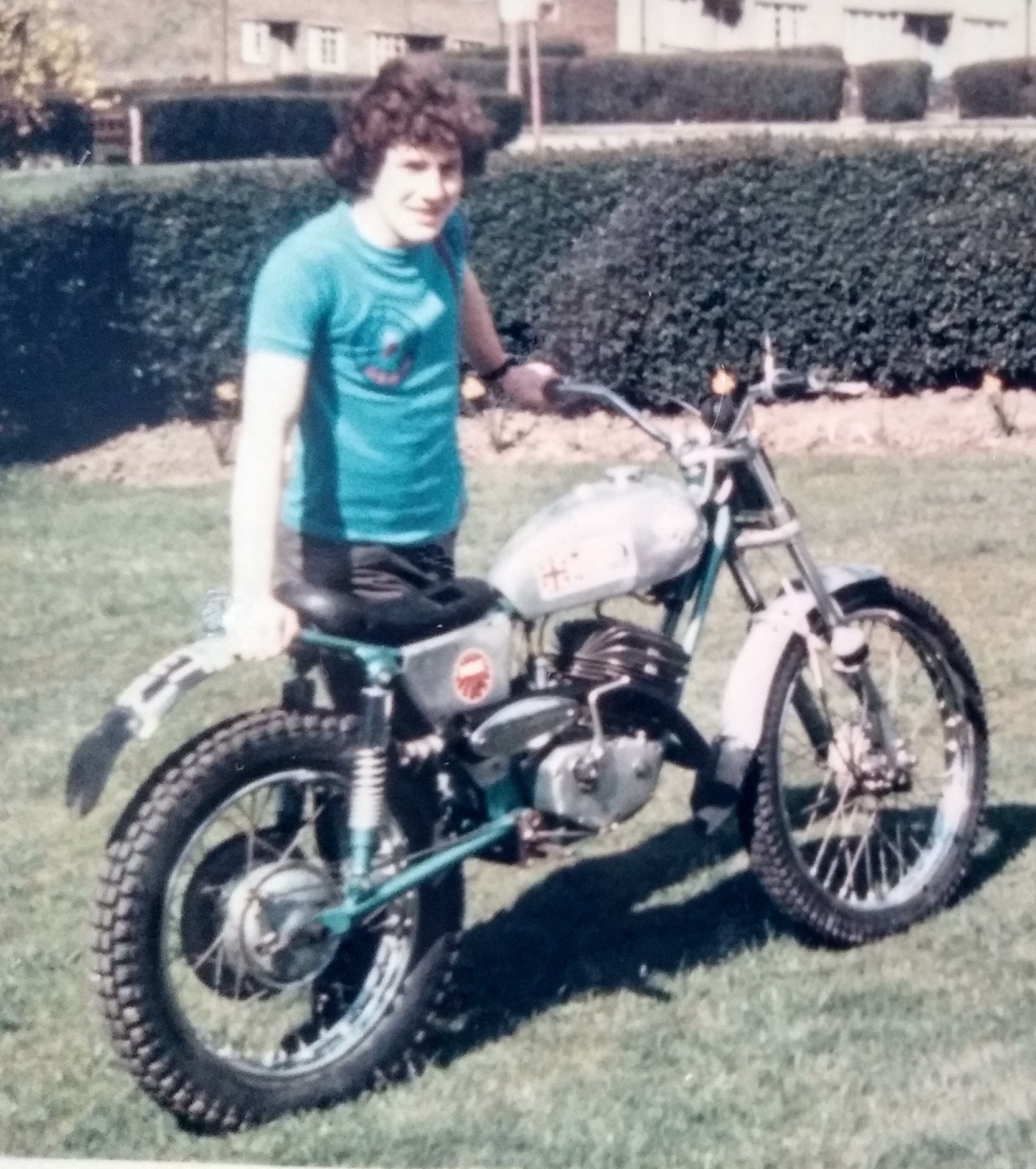
“I felt the Dalesman was severely underpowered, I suspect it was maybe strangled by the exhaust system. Virtually all sections would be tackled in first gear, steep hills would be flat out in bottom gear. I remember screaming up Post Hill in bottom gear, so it wouldn’t die. It was a reasonably light bike and I rode it in schoolboy trials in the West Leeds MC.”

The Jefferies Connection:
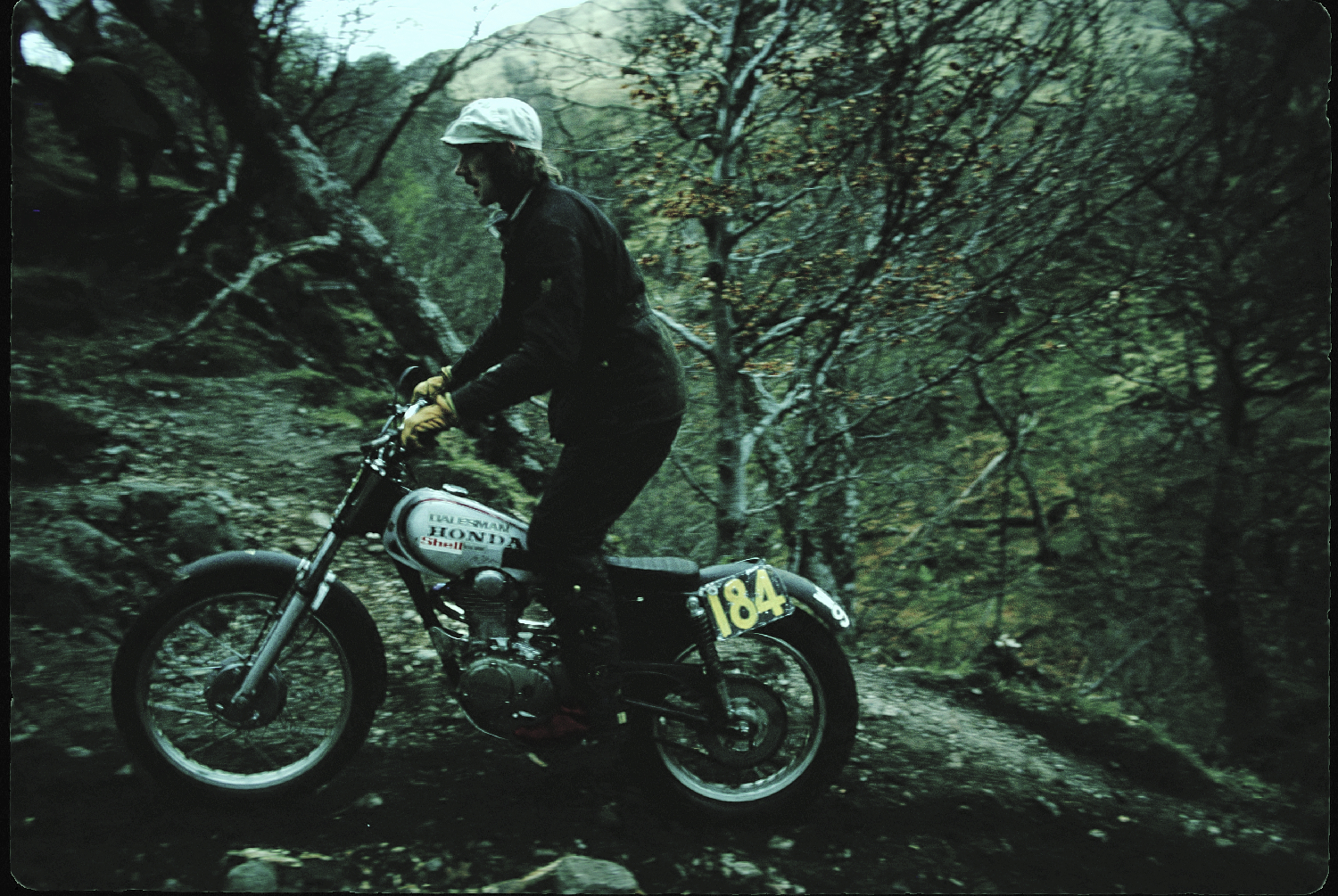
Having ridden a 250cc Bultaco in 1972 with some success and being friends with Peter Gaunt, Yorkshireman, Nick Jefferies joined Dalesman in 1973, signing with Bill Brooker and rode in that year’s Scottish Six Days Trial as a member of the Dalesman works team with Gaunt on the four-stroke XL250 Honda badged as a Dalesman and Scotsman, Rodger Mount issued with Gaunt’s Sachs engined bike. While still under Dalesman contract, Peter Gaunt had approached Tony Jefferies of the family business, Allan Jefferies Ltd who were Dalesman agents and who were also Honda dealers. Gaunt’s idea was to develop a four-stroke trials machine based on the XL250 Motorsport Honda trail bike. Initially it was liveried as a ‘Dalesman’ and Gaunt rode the development/prototype in the 1973 SSDT. Shortly after, Tony Jefferies ordered a batch of twenty XL250 Motorsports through the Allan Jefferies shop in Shipley, Gaunt converted them to trials machines and these were liveried as ‘Jefferies Honda’.

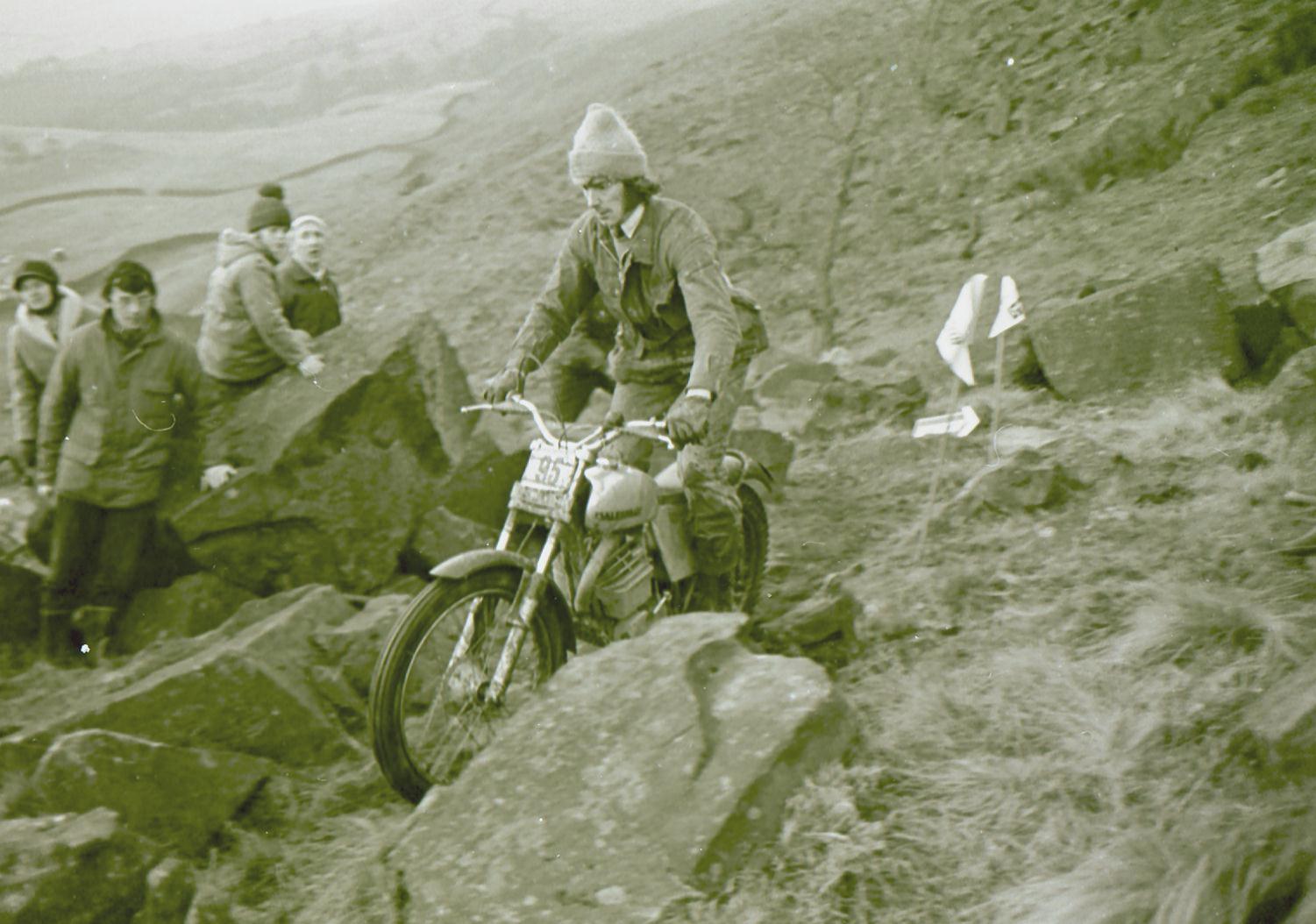
Nick Jefferies came home in 24th position in the 1973 Scottish Six Days with a Special First Class award on his works Dalesman Sachs (LWW679K) and rated the bike highly. Jefferies left Dalesman later that year as his attention had turned to racing motorcycles of which he excelled.
Nick Jefferies: “Back around 1970, it was customary for me to drive from the family business in Shipley to the Dalesman factory in Otley to pick up Dalesman bikes in kit form, as this was pre-VAT when a buyer could avoid paying Purchase Tax. I would take my Reliant van which I could drive on a provisional licence and load a box with the cycle parts and another box with the engine and take the machine back to our shop. It was really my friendship with Peter Gaunt that saw me going to ride for Bill Brooker, Ron Jeckel had a controlling interest in the company by then. I had a good ride at the Scottish Six Days, I came twenty-fourth and a Special First class award, which was bitterly cold as it snowed all of the first day from the start in Edinburgh up to Fort William. I remember seeing a Kawasaki parked against a banking on Rannoch Moor and it was Mark Kemp who was curled up frozen! I left Dalesman around the August, I don’t think I had a full years contract to ride with them, however my elder brother Tony had suffered a life changing accident on the 6th September at Mallory Park, breaking his back. It was all hands to the pumps at the business after that and it was a rather bleak time for the family at that point in time. Around that time I had decided to go racing. The reason I turned to racing, well one reason, was because I had broken my leg, it wasn’t sufficiently strong to ride trials, so I decided to buy a race bike.“
Three times Scottish Trials Champion, Rodger Mount from Fort William was balloted out of the 1973 Scottish Six Days and tried to get an entry as a member of a factory or importer’s team. Mount first approached Jim Sandiford as Mount had been riding a Montesa since 1970. Sandiford’s team entries had already been allocated so he tried Dalesman.

Rodger Mount: “I thought Jim Sandiford might have entered me in the official Montesa team as I had remained loyal to the brand, but his teams were by then full. Jim was a gentleman and couldn’t put someone out when he had already agreed a place. Bill Brooker at Dalesman came to my rescue and gave me a place in their team and a 125cc Sachs-powered Dalesman that had been ridden by Peter Gaunt who was riding the Dalesman Honda by then. It was quite a good machine really, but we couldn’t get it to respond correctly when we got it home to Fort William. I contacted my friend Ron Thompson who was a good engineer and mechanic, he played about with the carburation until he got it running crisper.”

Rodger Mount weighed the little Dalesman into the Gorgie Market sheep pens in Edinburgh on the Sunday and noticed that the rear wheel had only one rim lock/security bolt. He spoke to Bill Brooker, who said it would be fine as it was only a 125 and wouldn’t be a problem. He started off the week with some good rides and was in front of his two team members, Peter Gaunt and Nick Jefferies. On the Friday, however, the security bolt sheared, and it is not an item that riders usually carry or one that support crews carry in vans either. Rodger had three punctures as the wheel kept pulling the valve off and into the rim, and he became two hours over the alloted time and was excluded from the trial.
Mount: “When Bill Brooker heard what had happened, he was not only horrified but very apologetic, it had never happened before.”
Although the 1973 SSDT Dalesman team didn’t finish intact, the final outcome was Peter Gaunt on the special 250cc Dalesman Honda finished in twenty-second position on 140 marks, with Nick Jefferies in twenty-fourth place on 143 marks.
1973 ISDT:
As well as Mick Wilkinson, in 1973, the British Army team used Dalesman Sachs machines in the American ISDT held at Dalton in the Berkshire Hills, Massachusetts. The rules of the International Six Days had stated that riders must compete on machines manufactured in their country, although that ruling changed in later years. The Dalesman was a perfect choice for the British Army as the machines were all assembled in Britain, even although they were powered by German made engines.
In March 1973, Staffman and photo journalist, Martin Christie of Motor Cycle tested LWW680K, a Dalesman Sachs enduro that was being evaluated and tested by the British Army who would be fielding the GB Vase A Team at the 1973 ISDT. Christie reported that the Army riders had been having problems with the exhaust systems and found that the glassfibre packing was oiling up badly, removing the end cap increased performance, but removing it completely merely increased the noise output which would have caused problems at the ISDT during noise meter testing. The 1973 ISDT prepared machines had reverted to using the Puch rear hub which afforded the quickly detachable hub, it was deployed the opposite way from when the Puch engines were utilised some years previously. [5]
Martin Christie: “1973 was a long time ago now and I was fairly new to off-road motorcycle sport then. I do remember having to come to terms with the high revving two-stroke and it was necessary to keep the Dalesman in the power band at all times.”

Army rider George Webb: “I rode in the US International Six Days event on the 100cc Dalesman, but unfortunately I retired on the Friday afternoon after some problems and then a front wheel puncture. The rest of the team were on the 125cc machines. I found that my bike was underpowered and maxed out at 55mph on the flat. I believe the exhaust system was to blame, being fitted with the 125cc model system. The American ISDT event was very good, with a good mix of going. In the Welsh Three Day, I rode it flat out all the time.”
Disc Brakes:
Dalesman was the first trials manufacturer to develop and use front and rear disc brakes on an off-road motorcycle. Manufactured by George Sartin’s Talon Engineering in Yeovil, Somerset, these cable operated prototype disc brakes were first used on the 1972 Dalesman ISDT Works model and later, a refined version of the front disc brake was offered as an optional extra on their production motocross and enduro versions from 1973 onwards.

Peter Gaunt also rode a disc-braked Dalesman in one-day trials. At the time many commented that a front disc brake would not be reliable, as it would be damaged significantly if it came into contact with rocks.

Jeckel Industries involvement:

By 1972. Ron Jeckel of Jeckel Industries, Glen Falls, New York State, the Dalesman American importer had, by now, already bought into the Dalesman business. It is believed that the American investment was necessary to stop Dalesman Competition from going under.
From originally being sole owner, Pete Edmondson had become the Managing Director. Jeckel wanted to increase production and in early 1972 he had brought in Bill Brooker, the former competition shop manager for Greeves Motorcycles and appointed him joint Managing Director and Competition Manager.

Edmondson became a Company Director but differences between Ron Jeckel and Edmondson persisted, culminating in Peter being voted off the board and leaving Dalesman Competition Products Ltd. Dalesman production had by then moved to the Pheonix Works in Station Road, Otley.
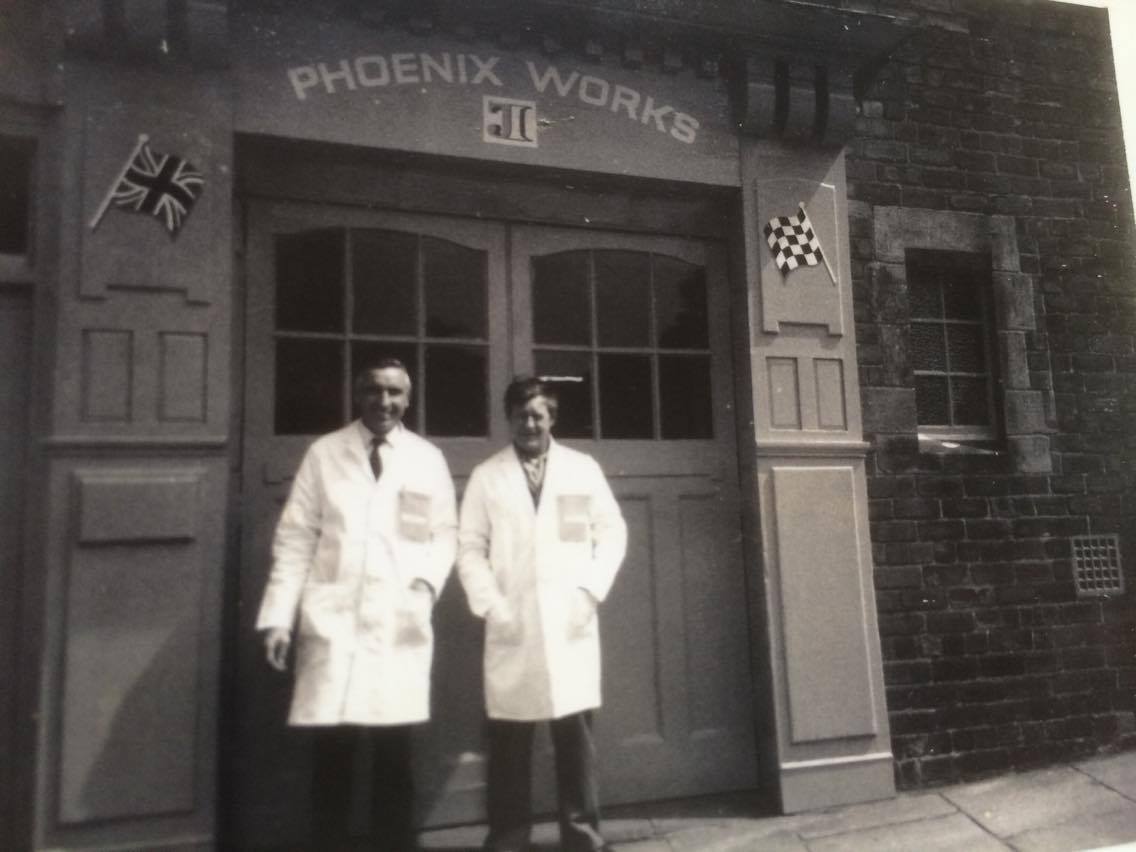
Peter subsequently moved south to Lichfield, Staffordshire and joined the motorcycle parts manufacturer and trade supplier, W.E. Wassell at Burntwood.
Peter wasn’t slow off the mark in helping to produce a rival to the Dalesman, the Wassell ‘Antelope’ trials machine which did bear an uncanny resemblence to the Dalesman Sachs.
Edmondson was appointed as Wassell’s development engineer and production line manager. Wassell also employed Jim Lee, who had been the original frame builder for Dalesman, to manufacture the new Wassell frames. Alec Wright who ran ‘Competition Developments’, later to become involved with Kawasaki, bought into Dalesman in 1974 and became their development engineer, but the firm would only last a further six months.
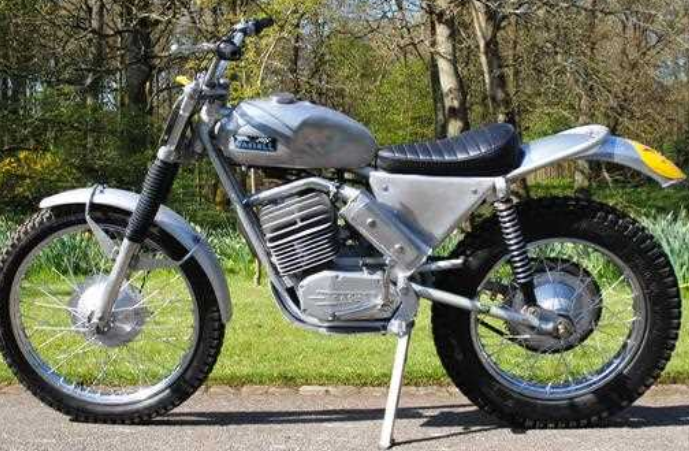
The new Wassell was launched at the 1972 Manchester Motorcycle show, Wassell’s had been marketing for some time, a frame kit to take BSA Bantam engines, but it led to production of complete motocross, enduro and trials bikes, powered by the 125cc six-speed Sachs engine and using REH forks and hubs. Both the trials and motocross models were retailed in the UK with a list price of £315.

By 1974, production of the Dalesman ceased for good, sadly it was the end of the road for the small capacity machine which had its roots in Yorkshire, just six years after it all began.


Trials Guru’s John Moffat on Dalesman:
“My connection with the Dalesman brand was quite simple, like many others it was my first motorcycle. My father had attended the ISDT in 1969, I had already expressed an interest in riding motorcycles to him. My Dad’s friend and colleague at the Scottish ACU was Jim Birrell, who had financed the two ISDT Dalesman bikes for Ernie Page and Ian Millar who were in the GB Vase B Team.“
“What started it off was when I had slung my leg over the Dalesman Puch 125T that Peter Edmondson supplied to Mr. Birrell in April 1969 for the SSDT stewarding duties. It was delivered to our house in Bathgate and Jim Birrell picked it up from there. My Dad had done a deal through a British Road Services contact at their Guildiehaugh, Bathgate depot, to transport the bike up from Otley. That initial contact made me realise that I wanted to be a motorcyclist and to ride in trials like my Dad, I was 11 years of age. I remember going over to Markinch with my Dad in the October to look at the two ISDT bikes that Jim was selling and my Dad chose PSG565H for me, the machine that Ernie Page had ridden, still with it’s race number ‘V62’ in place. The bike had blobs of light blue and red with that number inscribed and the cylinder head was wired to the cylinder barrel with an ADAC lead seal still intact. I still remember the engine number which was 3690609.“
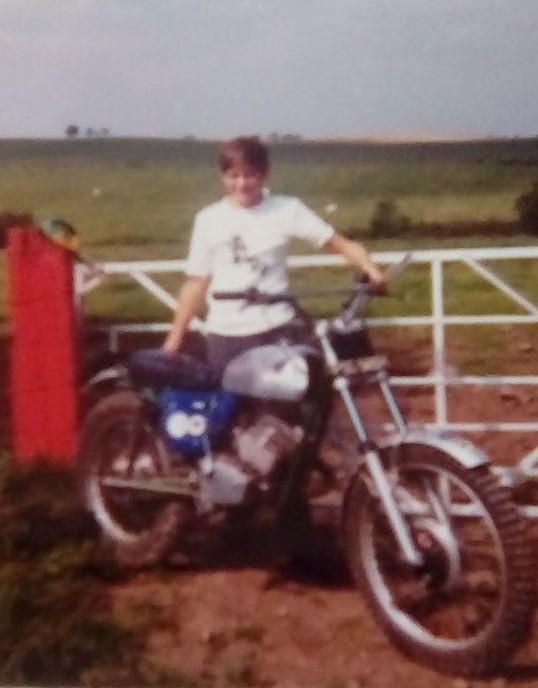
“A few weeks later and my friend, John Hodge had expressed an interest in riding off-road motorcycles and his father George, being a client of my Dad, secured the purchase of the second Dalesman Puch which had been ridden by Ian Millar at Garmisch-Partenkirchen. John Hodge and I spent many hours on the Hodge farm in South Lanarkshire, riding our Dalesman Puchs and we had the run of the place. Being ISDT bikes, they were not best suited to pure trials work as the frames were of the scrambles version with the REH front end. We lowered the front mudguard and removed the head and tail lights and the centre stands which got in the way of rocks in sections. They were quite high geared and we had huge rear sprockets made by Roger Maughfling at Supersprox in Knighton, Powys with around 60 teeth to reduce the overall gearing.“
“From memory, there were very few who rode a Dalesman in trials in Scotland, I recall George Shaw from Perth, Simon Valente from Edinburgh and John Honeyman from Dunfermline. Motocross rider, Billy Edwards from Lochmaben who rode for Comerfords on a Bultaco, then onto the adults on CCM and Kawasaki, had cut his teeth on a locally sourced Dalesman Puch in 1971 before moving on to a 125 TM Suzuki.”
“I got to know Pete Edmondson about twenty or so years ago, having spoken to him many times at the Scottish Six Days. I tried to engage him to talk about the Dalesman, but he always steered away from the subject. Having latterly researched the enterprise, I can only assume it was probably because of the take-over issues he experienced with Ron Jeckel that left a bitter taste, which is understandable.”
“Still, those Dalesman bikes that our Dads bought for us got many riders started in motorcycle off-roading, and it’s all thanks to Pete Edmondson.“
When we started researching for this article, it was evident that many people have a bit of a soft spot for the Dalesman marque. Many trials and scrambles riders cut their teeth on the Otley built machines. Perhaps they weren’t the very best trials, enduro or scrambles bikes ever built, competition was stiff in this era, but the Dalesman Puch and Sachs brought a lot of young people into the sport of off-road motorcycling.
There are still a few Dalesman Puch and Sachs machines out there, if you know where to look for them! A very original 1970 125cc Dalesman Puch was sold by Bonhams in the USA on 9th January 2014 at the Las Vegas motorcycle auctiom at the Bally Hotel and Casino for $4,312.50 inclusive of buyer’s premium. [6]
Here and Now:

Over the past few years, comments have been made on social media of a Dalesman Puch on display in an Otley antique shop window. It is a 1970 125T model with a nickle plated frame. The owner of the shop has been offered a handsome amount for the machine, but so far, has turned all offers down, preferring to keep the Dalesman on display.

Dalesman – Built in Yorkshire, sold to the world!
Peter Hugh Edmondson – 27/01/1932 – 1/05/2024

Years after Dalesman’s demise, Pete Edmondson went on to supply trials riders at many major events in his twilight years with clothing, tyres, tools, in fact anything that he could buy and sell with a very modest profit, merely covering his expenses. His favourite event being the Scottish Six Days Trial where he would be found sitting in the Parc Ferme outside his van, surrounded by useful items for sale including Michelin tyres at bargain prices. He enjoyed dealing, but also wanted to help riders in his own unique way. He was a well-loved part of the off-road motorcycle scene across the United Kingdom.
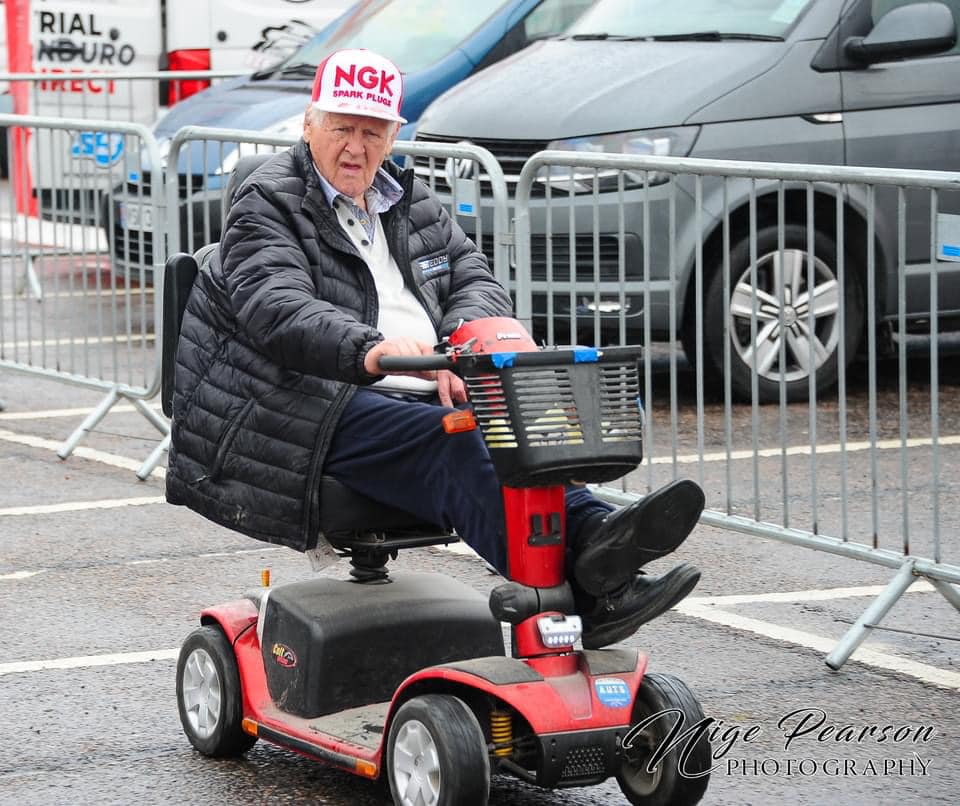
Pete Edmondson was a ‘died in the wool’ off-road motorcycling enthusiast, who simply lived for the sport. He passed away, aged 92 on 1st May 2024 and left his legacy with his family, who are all steeped in the sport of motorcycling. He lived a full and interesting life and will be remembered by all who met and knew him.

Trials Guru is indebted to those who have contributed in the making of this article.
Bibliography & Acknowledgements:
Motor Cycle News: December 10th 1969 – Peter Howdle ‘Feet Up’ column. [3]
Cycle World, USA: September 1st 1969 – Dalesman Article & Photos. [2]
Cycle World, USA: November 1st 1970 – Dalesman MX and Enduro Article. [1]
Motor Cycle, UK (Ceased 1983) – October 1969 – Photo: John Seward [4].
Motor Cycle, UK (Ceased 1983) – March 3, 1973 – Report by Martin Christie [5]
Bonhams Auctioneers. [6]
Steyr-Daimler-Puch Aktuelle Gesellshaft.
Claire Brooker-Milligan, USA; Nigel Megson – Information on the 1970 Manx Two-Day Trial.
George Webb; Scott Ellis; Mick Grant; Mick Wilkinson, Kettlewell; Nick Jefferies; Rodger Mount, Fort William; Derrick Edmondson, Cannock, Staffs.
Andrew Tyson; Simon Valente; Nick Procter.
‘Dalesman – Built In Yorkshire’ article is the copyright of Trials Guru.

You are reading this article for free:
Apart from ‘Fair Dealing’ for the purpose of private study, research, criticism or review as permitted under the Copyright, Design and Patents Act, 1988, no part of this article may be copied, reproduced, stored in any form of retrieval system, electronic or otherwise or transmitted in any form or by any means, electronic, electrical, mechanical, optical, chemical, photocopying, recording or otherwise without the prior written permission of the author as stated above. This article is not being published for any monetary reward or monetisation, be that online or in print.






















































 TRIALS GURU - DEDICATED TO TRIAL