With assistance from: Kerry Greenland; Karen and Neil Clarke.
Photos: Colin Bullock; Jean Caillou; Mike Rapley; Alistair MacMillan Studio, Fort William (Permission by Anthony MacMillan); Ray Biddle; SpeedTrackTales (ISDT website); Derek Soden; Salisbury Journal; Greenland Family Archive. (Main photo: Mike Rapley).
Most people that have been around the Pre65 trials scene for some time, will have heard the name or have met George Greenland. But George has been around a long time, a very long time in fact!
This article has been written with the full co-operation of George and his family. In truth, it doesn’t begin to cover everything he was involved with, or all of his adventures, but it gives the reader a fascinating insight into the life and times of a man and his love of motorcycles and the sport of motorcycling.
George Greenland on the 500 Ariel on Callart Cottage during the 2006 Pre65 Scottish Trial – Photo: Jean Caillou.
The thing that you experience when you meet George Arthur Greenland is his ‘schoolboy enthusiasm’ for the sport of motorcycling, that he hasn’t lost since he was a youth. Here we find out more about the trials rider, sidecar trials driver and five times British Enduro sidecar champion.
George Greenland with passenger Nick Moores, 1981 Welsh Two Day action with the Norton Wasp outfit carrying the number 1 plate – Photo: Colin Bullock
Early Days:
George was born on the 7th July 1932 to parents, George Arthur Hughes Greenland and Annie Gertrude Greenland, at North Middlesex County Hospital.
The family lived at Prairie Farm, Carbon Hill, Cuffley, Herts and George attended the local school in Newgate Street. He was the youngest of four children with three sisters, Glad, born in 1915; Pad, born 1920 and Olive, born 1930.
George and Olive grew up during the second world war at Prairie Farm, which was a small poultry farm. George aged thirteen and sister Olive then moved to Salisbury, Wiltshire in 1945 to St. Martins Terrace in the city. By this time both his elder sisters, Glad and Pad were married and stayed in and around the London area.
George attended St Thomas Boys School, St Thomas Square, Salisbury and left school in the July of 1946, aged fourteen.
George’s first interest in motorcycles started that same year when he was walking home from school, he would pass a chap washing his motorcycle which was covered in mud. After a few weeks of this, George’s curiosity got the better of him and he had to find out how it got so muddy!
On leaving school, George’s first job was at Avon Motors, which was a Rootes Group garage. He used to walk past the garage on the way home from school and decided to go in and ask for a job.
Sid Clark, who owned the business, asked George why he wanted to work there? George replied “When I walk past, everyone is so happy and I would like to work in a happy place.” So Sid took him on, but George wasn’t able to start his apprenticeship at age fourteen, so worked there until he was sixteen years of age and then started his five year apprenticeship.
Having found out why the chap’s motorcycle was always covered in mud, George went to see a local trial on his push bike. He liked what he saw so much that he just had to have a motorcycle himself.
It was Fred Pendle who started George’s motorcycle enthusiasm, Fred had a friend with a 250cc Royal Enfield, a 1935 genuine trials model, with foot change and girder forks. It had been used by factory rider, Arthur Ellis. George purchased it in 1948, now aged sixteen, from Arthur Beeston for £35 complete with a spare engine. With a little the help from his Dad, George bought it. From then on there was no stopping him, the die was cast!
George Greenland sits astride his first motorcycle, a 1935 250 Royal Enfield trials model in 1948. – Photo: Greenland Family Archive.
By 1946, George was friendly with Maureen’s brothers, Brian and Dick Barber at the time but Maureen was of the same age, fourteen, so he was unable to date her until she was sixteen, they were all good friends so ideally, George saw a lot of Maureen.
George Greenland and his 500T Norton. Photo: Greenland Family Archive.
George started riding a 500cc Norton 500T in 1950 and notched up his first win on this bike at the Ernie Britton Trial.
Victory Trial action in 1950 with George on the 500T Norton – Photo: Ray Biddle
Most weekends, George was riding to events with girlfriend Maureen as pillion passenger. He would drop her off at a section with the lights which he had removed from his bike, compete in the trial and then pick her up, refit the lights and the pair would ride back home.
Get some in:
National Service was of course a feature of life in these days, and in 1953 at the ripe old age of twenty-one, George was called up and joined the R.E.M.E with a posting to Kent.
May 1953 with George Greenland aboard the 500T Norton during the Welsh Two Day Trial – Photo Ray Biddle.
George was competing on a twin cylinder 500cc Trophy Triumph in 1953, which he used as a road bike and trials machine. It was this machine that created the attachment between George and Triumph engines later on in his trials career.
George on the Triumph Trophy competing in the November 1953 Perce Simon National trial – Photo: Ray Biddle
The following year, George was using the Army supplied Matchless G3L in all major road trials London to Landsend; Hampshire 100; Sunbeam 200 and London to Exeter. He was the best army rider in all these events. His collection of trophies then started to grow considerably.
Army Days:
George on a standard army issue 347cc Matchless G3L, riding in a long distance event during his National Service in 1954.
During his army National Service, George rode an Army Matchless G3L in many events and was eventually invited to go to the selection events for the International Six Days Trial in 1954.
Photo credit: Speedtracktales (ISDT website)
He was selected as first reserve for the British Army team for the ISDT. This was held in Wales in the September of 1954 and George was supplied with a BSA Gold Star. The army team consisted of Captain Betty; Captain Fred Miles; Captain Eddie Dow; Cumbrian, Eddie Crooks; Staff Sgt. Nicholson; Corporal Mick Waller. The British Trophy team won this year’s ISDT, captained by Hugh Viney of Associated Motorcycles.
George takes up the story: “Eddie Dow once asked me during our training sessions in Brecon, why do you always ride at the back? I said well, if one of you comes off I’ll make sure I get a place in the team. After that he pulled rank and rode behind me.”
“Eddie Dow and Eddie Crooks were both on BSA Gold Stars and were unhappy that mine seemed to go much better. I had to admit that I had taken the compression plate out from under the barrel. So, that evening, I had to work on two more Gold Stars to remove their compression plates.“
“Thirty or so years later at a reunion, Eddie Dow asked me, would I really have run over him if the opportunity presented itself? I had to say at the time most probably.”
It was now 1955 and George left the army as his National Service had come to an end, so it was back to ‘civvy street’ and a job with Smallshaw Brothers and Andrews Garage in Bournemouth. BSA had also loaned him one of their 350 Gold Stars to continue competing. However, his freedom was short lived as George was recalled by the Government in June due to the Suez Crisis in 1956. This was a joint operation by British, French and Israeli forces, invading Egypt, thus regaining access through the Suez Canal. George and Maureen had only just got married on the 2nd of April that year, so things were a bit hectic.
George astride the BSA Gold Star, loaned by the factory in 1955, note the works Royal Enfield – HNP332. Photo: Greenland Family Archive.
Back again:
George Greenland on the Smallshaw Special Triumph in 1958 – Photo: Greenland Family Archive.
Demobbed once more, George resumed his trials riding activities, this time on a special Triumph, called the ‘Smallshaw Special’ in 1958. Using a Triumph Cub engine, with James hubs and AMC front forks, it was registered 28EFC, built by Des Smallshaw who had built special trials bikes previously.
At this time, George made the move to work for a very large company, Morris Motors, shortly to become the British Motor Corporation with the merger of Austin and other car brands, this was at the Cowley plant in Oxfordshire. BMC was the largest motor manufacturing company in Britain at that time. George was to be employed there until 1965. His main job was that of a trouble-shooter, being part of a specialist team that rectified faults when vehicles were being assembled on the Cowley production lines. His team worked very closely with designers and vehicle production staff. Some faults were rectified on the production line, with others out in the field, post-production.
During George’s time at BMC, Maureen gave birth to three daughters, Katrina Jane, born 1958; 1959, Karen Ann in 1959 and in 1961, Kerry Lyn. All three daughters took up motorcycling, with Karen taking it up competitively.
George Greenland in 1961 on the factory supported 250cc DOT – Photo: Greenland Family Archive.
In 1961, a trials bike was despatched from DOT motorcycles in Manchester. This machine was entered for that year’s Scottish Six Days and George rode two Scott trials on this machine, earning himself a coveted Scott spoon in the process.
In the mud on the home made Triumph in 1964 – Photo: Greenland Family Archive.
George got the urge to build his own trials bike, a Triumph Special, registered AEW176A, with a 350cc engine which he upgraded to a 500 in March 1964, using an engine from a crashed road bike. The Triumph was fitted with Norton Roadholder forks and a James front hub. He purchased some tubing to rebuild the frame for trials use. He had been told it was Cold Drawn Steel tubing, whereas it turned out to be mild steel, which would later cause problems! He loved the bike, but after a while the wheelbase started to lengthen by itself, so he rode it until late 1965. By then, he had left the BMC to move back to Salisbury with Maureen and their three daughters. He formed a partnership with his brother-in-laws, Dick and Brian, called R.D. Barber & Company at Milford, Salisbury. They were in the business of repairing damaged cars and fabrication work, but also did some outsourced work for the BMC rally teams.
Rhind-Tutt Wasp:
GG: “l moved back to Salisbury in 1965, and went to see Robin Rhind-Tutt at Wasp Motorcycles at Berwick St. James, and asked him to build me a trials frame as I had now obtained a Triumph 500 engine. This he duly did, and the following year I had a second bike built, it was very similar to the first Wasp. I ran SU carbs on both these bikes. In 1966 I didn’t get to ride any trials, I spent all of my spare time on building our new house at Potters Way and building up the car repair business.”
Although known as ‘Robin’, ‘Robbie’ or ‘Rob’, Rhind-Tutt’s actual name was Charles Norman Rhind-Tutt and he became known throughout the world as the ‘go to man’ for competition motorcycle sidecars. Wasp outfits literally dominated the world of sidecar motocross in the 1970s. That first 1965 Triumph Wasp set the scene for many years to come, as George would not only build bikes for himself, but for other riders as well. Although well-known in the sidecar motocross market, the Rhind-Tutt connection would eventually pull the Wasp frame manufacturer more into trials, with a neat Bultaco powered example appearing at the 1970 Scottish Six Days, in the hands of Arthur Headland and a German rider, Wolfgang Zahn. The first solo trials frame had been made as early as 1963 and Geoff Chandler used a 250 Bultaco powered Wasp ‘RT4’ in 1968.
The Wasp frames were well built and finished in bright nickle plating. Later, the Rhind-Tutt/Greenland friendship would branch out into enduro.
Bike builder! Two of George’s Triumph engined Wasps, the one nearest the camera is the 1971 machine fitted with Rickman hubs – Photo: Greenland Family Archive.
GG: “In 1969, when building another Wasp framed bike, I actually built two, one for me and one for Arthur Dovey, who rode it very successfully. My own bike had Rickman hubs fitted.“
George on his Triumph Wasp – VMR3K in 1972 – Photo: Greenland Family Archive.
A group photo taken in 1971. Mick Noyce on the left, Brian Williams, George Greenland on the Triumph Wasp (VMR3K), Dick Ramplee, Keith Mitchell and Arthur Dovey. – Photo: Greenland Family Archive.
“I built another 500cc Triumph Wasp in 1971, which was registered as VMR3K. The following year I built a third 500cc Triumph Wasp, registered CAM56L the one which I rode in the 1973 Scottish Six Days. The start was still in Edinburgh at that time and I won a First Class award.“
On the 500 Triumph Wasp during the 1973 SSDT – Photo: Alistair MacMillan Studio, Fort William.
“I was disappointed that I didn’t win the best 500 cup, my bike had the largest capacity in the event, but Kawasaki had entered bikes in each capacity to get all the capacity classes covered. Later, Don Smith told me if he had known, he wouldn’t have done it.”
History records that Richard Sunter on the 450cc Kawasaki factory prototype picked up the over 350cc cup in the 1973 Scottish, finishing in 20th position on 137 marks. George Greenland came home in 99th place on 355 marks on the 498cc Triumph/Wasp.
CAM56L is still being ridden in competition with son-in-law Neil Clarke on board, seen here at the 2024 Pre65 Scottish Trial.
GG: “Of all the bikes I built, the last 500cc Triumph twin with Wasp frame, CAM56L is probably my favourite. I have still got that bike. It has done a lot of work. I did all the Southern centre time trials in the 1970s, the odd Euro championship round, the Scottish Six Days, the Scott trial and many Pre65 Scottish Two Days and quite a few trials on the continent.”
CAM56L being ridden in the ‘Greybeards’ trial in 1981. Photo: Greenland Family Archive.
George went two-stroke again and purchased a new 325 Bultaco Sherpa in 1973, but initially was disappointed with its performance.
On the 325 Bultaco Sherpa, bought from Comerfords in 1973. Photo: Greenland Family Archive.
GG: “I bought the new Bultaco from Comerfords, it ‘pinked’ all the time on acceleration. I saw Reg May at a trial, he told me to bring it back to ‘have a look at it.’ When I got it back a week later it was transformed after Reg set it up properly.”
The Bultaco Sherpa that George bought was one of the early 325cc models imported by Comerfords into the UK and they were jetted on the weak side. This was remedied by changing the slide in the 627 AMAL carburettor and also the needle jet.
In 1972, George had turned forty and effectively moved over to ride sidecar trials on a 500cc Triumph Wasp. His first passenger was Dave Lane, who remained so from 1973 through to 1977.
2 Day Enduro in Germany, 1975 with Dick Ramplee as passenger aboard the Norton Wasp. This was to be the first of five trips to ride in Germany.
This was to become an interesting and exciting time for George, experimenting with a variety of engines in Wasp chassis. This ranged from Triumph through to Kawasaki, CCM and Suzuki. It was also a springboard for George’s foray into enduro racing.
With passenger, Dave Lane on the Kawasaki engined Wasp outfit – Photo Greenland Family Archive.
GG: “Mike Guilford, the sidecar cross British Champion, said he was building a trials sidecar but was unsure about preparing a Triumph engine for trials, so I got involved. When it was completed Mike suggested a test day. My mate Dave Lane had passengered at grass track, so he came along as ballast. Neither of us did very well. Then Mike decided it was not for him, so told me that I could use it if I wanted. So that was my first trials sidecar.”
Their first trial was The Jack White at Brice’s Farm. The going was dry with lots of grip, but it was not a fairy-tale debut as George and Dave finished last. The following week, they rode the Wessex Centre trial, it was very wet and muddy, they won on the Triumph and the die was cast.
GG: “Dave Lane and myself decided to have a crack at the Welsh Two Day on the trials sidecar outfit, but we were very disappointed we lost the win, by clocking in one minute early.“
Riding in the 1974 Welsh Two Day with passenger, Dave Lane and the Triumph Wasp outfit. Photo: Derek Soden.
“Dave however wasn’t too keen on the Enduros, so Dick Ramplee was to become my regular passenger from 1973 -1980.”
George Greenland and Phil Whitlock on board the 250 Kawasaki Wasp outfit were 5th in the 1978 British Experts Trial – Photo: Mike Rapley.
The continent was calling in the late 1970s and that was an expensive time for sidecar crews as outfits are much bulkier than solos. George set about finding a solution and came up with the ‘double-decker’ trailer. This carried three outfits on one trialer.
Greenland’s ‘double-decker’ trialer, George’s 500 CCM powered Wasp outfit is nearest the camera in this photo – Greenland Family Archive.
George won the inaugural but as yet, ‘unofficial’ ACU British Enduro sidecar championship in 1980 and he went on to win a further four times when the ACU incorporated the championship into the sporting calendar. His passenger from 1980 until 1982 was Nick Moores.
Friend Dick Ramplee was passenger to George Greenland in enduros, but was also a sidecar driver in his own right. Seen here on a 360 AJS outfit.
By 1980 George was still working at R.D. Barber full time and spending every evening working on the outfit for the next enduro. All events during George’s riding career were attended by his wife Maureen, who loved to travel. Many times she drove round the countryside to find the next check for refuelling. In 1981, George purchased a 207D Mercedes van so that Maureen could have a bit of comfort to travel to enduros and holidays abroad, this was built by George in between events.
George adapted this Mercedes for travelling to events in the UK and the continent. Photo: Greenland Family Archive.
GG: “At the Natterjack Enduro in the November of 1981, my regular passenger Phil fell off his Moto Guzzi and broke his wrist, so couldn’t make it, so at the start Roy Humphries volunteered. On the first day he was shattered, everybody including his father said I would need a new passenger for the second day, but Roy turned up and we went well all day until the gearbox failed.”
Competing in a Natterjack Enduro on the Norton Wasp with passenger, Nick Moores. George was sponsored by Tsubaki chain and Silkolene Lubricants at this time.
Out of the seven times riding the Natterjack Enduro, George won five events with passengers Nick Moores, Phil Whitlock and Neil Clarke.
George discusses the Wasp 1,000cc engine with Robin Rhind-Tutt in 1980. Photo: Salisbury Journal.
Rhind-Tutt decided to design and build a bespoke double overhead cam 998cc Wasp engine/gearbox unit in 1980. The engine was a twin cylinder, eight valve configuration and a four-speed gearbox with dry sump lublication. It breathed through a pair of MK2 AMAL concentric carburettors. This took nearly three years to develop and George was heavily involved in the project. This involved development and getting the prototype built and tested. Approximately fifty machines were built, an early version of which George rode to victory in enduros. This package was capable of transporting rider and passenger, fully loaded at speeds up to 100 miles per hour.
1982:
1982 was to be a very busy year for George. In February, the 1,000cc Wasp engine had its first real outing at the Enduro Le Touquet, the famous beach race in France. He was passengered by Nick Moores, but the engine seized up on the long straight at mid race.
GG: “I blamed Silkolene oils, but they insisted I should have used their caster based oil called ‘Pro4’. Mr. Brooks from Silkolene came down from Buxton to have a look at the Wasp and said it was a ‘racing engine’, so I needed to change the oil over to caster base which is ‘Castorene’. There were no more problems after that, and we were best sidecars in 1984 and again in 1985.“
George now in his 50s and his new passenger was to be Neil Clarke from 1982 through to 1985 in trials on a 250cc Suzuki. George and Maureen’s first grandchild was born, Ellie MacQuarrie. Their eldest daughter, Katrina married sidecar passenger, Phil Whitlock – as if George hadn’t scared him enough! At the 1982 SETRA Enduro at Tidworth, George had used one of the prototype twin-cylinder 1,000cc Wasp motors.
Enduro du Super-Mare:
From 1983 to 2001, the Weston Beach Race organisers were George, Jack Mathews, Eddie Chandler and Dave Smith, culminating in eighteen years of running Weston.
GG: “We were coming back from the Le Touquet beach race, Jack Mathews, Eddie Chandler and myself had all been competing in the sidecar class, it was our first time at the event.”
“On the ferry crossing, we were discussing what a superb event it was and bemoaning the fact that there was not a similar type of event held in England. During the two-hour crossing, we had decided we would try and organize and run our own event. Many venues were thought of and finally it was left to me to approach Weston-Super-Mare council to obtain there help and permission to use the beach.“
“During the following week I was able to contact Weston council and make an appointment to meet the council members responsible for outside events. I took with me photos of the Le Touquet newspaper that had a full report and picture. After much discussion and deliberation, the decision was ‘sorry but NO’ as they already had a scooter rally on the seafront in the September. I had mentioned this to Mannix Devlin of Trials and Motocross News as to what we were hoping to run at Weston-Super-Mare. The following Friday TMX carried a paragraph about our meeting with Weston and the result that we were turned down. A week after this, I received a telephone call from a resident in Weston he asked if I was the same George Greenland that rode trials with him in the 1950s. I confirmed that yes I was, he said his name was Tony Jones and he said he thought a Beach Race at Weston would be good for the town. If he could arrange another meeting with the Council would I be prepared to come down again? So once again I’m at a council meeting, the same people agreed they had a re-think and their outside events officer would give us every assistance, but it would be a one-off event only! The event officer was a young lady, Carol Ridge, she immediately arranged for the three of us would-be-organisers to go to Weston to discuss our and their requirements. Carol turned out to be the most helpful and efficient member of the whole council. Eddie, Jack and I got together to discuss what we needed as a plan of action. We realised that we would need someone to help with organising the paperwork, licences, insurance, and so on. The only person we could think of was Dave Smith who we all knew, he was into organisation and also had many contacts in the Motocross world. We phoned Dave and talked him into meeting the three of us with a view to joining the team. We arranged all our meetings in a pub in Swindon as we could all get there in about the same time from our respective homes. Jack from Chester, Eddie from Newberry, Dave from Birmingham and myself from Salisbury. Dave agreed to join us, so our first meeting with Weston events committee included the four of us calling ourselves ‘Enduro Promotions’ as we had decided to run the event as an Enduro to be called ‘Enduro du Supermare’. The Council agreed that they would make their loading shovel and driver available, to move sand as we required. We were also introduced to the council yard manager, Geoff Tucker everybody was keen to help. We needed a A.C.U. permit for the event, so we approached Jim Webb of the Frome & District M.C. & L.C.C., he was really helpful. Not only did he arrange the permit, but got most of the club helping. I think Jim was responsible for getting all the clubs in the Wessex Centre to help out. We had quite a few meetings during the following months mostly with Carole Ridge and St Johns Ambulance, although the Police and the Fire Service did briefly make an appearance to find out what the format was. As all the event was taking place on the beach and the lawns they considered it did not affect them a great deal. We got tide timetables and advice on the best weekend to have the event the 29th and 30th October were agreed upon. At this stage we had suggested to the council that we would expect about 150 riders and hopefully 2 to 3,000 spectators. There was no charge to watch the racing, the only money coming in was from the riders’ entry fee and trade stands. On the weekend before the event, we all arrived in Weston to build up the course. Just four of us, Jim Webb loaned us all the ropes that he used for building the scramble course and also the posts. We marked out the course and started putting in posts, by hand. As it was a school holiday, we had many youngsters watching the proceedings. We explained what was going on and had offers of help which we gratefully accepted. What started as twenty helpers soon dropped to about eight, but these continued to help all week and most of these lads came back year after year. Meanwhile, the entries kept rolling in from solos, sidecars and trikes.“
“As the weekend got closer, people started to arrive in their thousands, it was winter and everything was closed down, over 10,000 people turned up and they ran out of food, all roads to Weston were blocked before, during and after the event, all the accommodation was full.“
“The police were tearing their hair out, it was total chaos. People were parking everywhere. The first year the start of the event was from a flare, which the lifeboat people provided, I was standing in the digger.“
“After the event, the meeting with Carole, the police and the Ambulance, they all said that we needed to be better organized for the following year. They said they would fence it and charge spectators, so another event was planned.”
George Greenland’s daughter, Karen in sidecar enduro action. George instilled enthusiasm for the sport in his family. Photo: Greenland Family Archive.
Maureen Greenland:
Sadly, Maureen Greenland passed away on May 14th 2024, George and Maureen had been married for 68 years and she was a big part of this story.
Karen Clarke: “Mum was such a major part of all our lives, she even stood in the Wasp outfit when Dad did test runs with it, now that is above and beyond the call of duty!“
George Greenland BSA 285cc C15 mounted – Photo: Colin Bullock
Many a lesser mortal would have by now said ‘enough is enough’ and hung up their boots as far as taking part in trials is concerned, but not George Greenland. George continued to ride in events both in the UK and in Europe for many years thereafter. He was a regular competitor in the Pre65 Scottish Trial at Kinlochleven on his special BSA C15 and Ariel HT5. George has ridden in most of the European classic events over the years and has, as a result, met many new friends in the sport.
There cannot be many riders who can boast that they have ridden in eight decades!
Super-enthusiast, trials rider, trials and enduro sidecar driver, George Greenland is very much a Trials Guru VIP.
Trials Guru comment: George Greenland is an inspiration to us all. He has maintained such enthusiasm for motorcycles and the sport for so long. He is simply unique. He talks, sleeps, eats and breathes the sport and has such a depth of knowledge. He is always willing to pass on his vast experience to others.
George Arthur Greenland left us on Monday, 21st April 2025, aged 92 years while holidaying with his family in Belgium. He left the trials world with some great memories.
George Greenland with Trials Guru’s John Moffat at the 2012 Pre65 Scottish Trial – Photo: Jean Caillou.
‘George Greenland a life in the sport’ is the copyright of Trials Guru & George Greenland – 2024.
Apart from ‘Fair Dealing’ for the purpose of private study, research, criticism or review as permitted under the Copyright, Design and Patents Act, 1988, no part of this article may be copied, reproduced, stored in any form of retrieval system, electronic or otherwise or transmitted in any form or by any means, electronic, electrical, mechanical, optical, chemical, photocopying, recording or otherwise without the prior written permission of the author as stated above. This article is not being published for any monetary reward or monetisation, be that online or in print.
Gordon L. Jackson, the AJS factory rider who won the 1961 Scottish Six Days Trial on one solitary mark, has died aged 92 years of age, on Sunday 7th July 2024.
Gordon had endured a period of bad health and passed away in the South Charente area of France, where he had lived for many years.
Gordon Jackson. 347cc AJS – Newcastle Motor Club, Allan trial, Alston. 1953 – Photo courtesy of Tommy Reynolds, Ashington
A ‘Kentish Man’, born on the north side of the River Medway, he was a farmer by profession and became a full factory AJS supported rider in 1953.
He won the SSDT four times (1956, 58, 60 & 61) and the ACU British Trials Star twice, in 1955 and 1958, the equivalent of the British Trials Championship.
When Jackson won the 1961 SSDT on 187BLF, Bert Thorn of Comerfords, Thames Ditton, immediately ordered 100 replicas of Jackson’s AJS, a factory order that remained unfulfilled, much to the disappointment of Gordon and AJS customers.
Gordon lost his single dab in 1961 on the top sub-section of Grey Mare’s Ridge, in more recent years the section became known as ‘Jacksons’ in his honour. Mortons Media own the image taken by Peter Howdle which is one of the most famous trials photographs in the history of the sport.
Gordon presenting trophies at John Luckett’s trial in Devon.
His wife Peggy pre-deceased him some years ago, Gordon leaves two sons, Drew and Ross and grandchildren, Lynn and Catherine. He was highly respected by his peers which included, Sammy Miller; Roy Peplow; Johnny Brittain; Gordon Blakeway; Gordon McLaughlan; Peter Fletcher; Geoff Ward; John Giles and Jeff Smith, to name but a few.
In his days with AJS, Gordon also competing in scrambles both in Britain and in France, as well as representing Britain at the International Six Days Trial.
Gordon Jackson with his famous AJS 187BLF on which he won the 1961 SSDT on one solitary mark! (Photo: Trials Guru)
Gordon Jackson on his factory AJS (TLP686) on Kinlochrannoch in the 1957 Scottish Six Days Trial.
John Moffat of Trials Guru said: ” I feel that this is the end of an era, Gordon Jackson was one of my heroes and was truly a legend in the history of motorcycle trials. G.L. Jackson excelled at motorcycle trials and when he retired from the sport, he took up car trialing and became British Champion in that sport also. I got to know Gordon in the late 1990s and we used to speak to each other by telephone over the years. I spoke very little during our chats, as he was such a wealth of knowledge, I enjoyed listening to him. I was truly saddened when I took the phone call from Drew Jackson to inform me of his father’s passing this morning. Gordon Jackson was a gentleman and a highly respected one at that.”
SSDT Centenary 2011 – Two of the most famous trials machines, of all time – 187BLF (350 AJS) which won the 1961 SSDT ridden by Gordon Jackson losing only one mark. GOV132 (500 Ariel) Sammy Miller’s famous machine that won the SSDT (1962 & 1964) – Photo: Iain Lawrie, Kinlochleven
Gordon Jackson’s famous AJS (187BLF) now fully restored is displayed in Sammy Miller’s museum at New Milton.
Five giants of off-road motorcycle sport: Left to right – Jeff Smith OBE; Peter Fletcher; Gordon Jackson; Alan ‘Sid’ Lampkin & Arthur ‘Ping’ Lampkin – Photo courtesy of Colin Bullock/CJB Photographic
Gordon Leonard Jackson 28 December 1931 – 7 July 2024
Tributes to Gordon Jackson:
Nick Jefferies: “Very sad news. You couldn’t wish to meet a more decent bloke. One of the true greats of motorcycling.”
Tony Davis: “Very sad news indeed. I had the pleasure of riding around the SSDT when he famously lost just one dab, what a brilliant ride that was. The sport has lost another great ambassador.”
Bernie Schreiber: “Trials Legend. R.I.P.”
Jeff Smith: “Very sorry to hear this. Gordon was a great rider and a gentleman.we had wonderful battles In 1950s .Rest In Peace old friend. See you soon!”
George Greenland: “So sorry to hear about Gordon he was a very pleasant and friendly person.”
Gordon McLaughlan: “Sorry to see my old team mate passing, he was a colossus in our time together. We will not forget his riding style.”
Tommy Sandham: “An all time great. He wrote a Foreword to my first book about the SSDT and made me feel like a millionaire! Condolences to the family.”
This article has been amended and adapted by Dave Cole from one that was originally written for the South Western Centre Gazette in 2007 by Mike Naish, with the assistance of Brenda and John Luckett.
Brenda, John and Mike are thanked for their help and kind permission in allowing us to share this piece of South West trials history on Trials Guru.
John Luckett from Devon is a well known Cotton and Ossa rider and was always a serious contender in the ACU South West Centre for many years. He is of course a Trials Guru VIP.
Words: Mike Naish & David Cole
Photos: Mike Rapley; Ken Haydon; Luckett Family.
John Luckett (Ossa) – Photo: Mike Rapley
John Luckett was born in 1946 at West Bucks, North Devon, to a father who loved bikes and motorcycle sport. His dad took him to watch many motorcycle sporting events but one competition and one rider in particular stuck in his mind. That memorable event was a trial in the late 1950’s when John was so impressed with the performance of John Giles, on a Triumph twin, he never forgot that day.
“Gilo” rode up a steepish gully with a step in it with so much ease, he took the section at real pace, seemed to simply lift the front wheel at the step and carried on to clean the section, a section that no-one else was managing to get up, the sound of the exhaust note and the applause from the crowds of spectators was magnificent.
It wasn’t long before John learned to ride himself, the practice bike was a friends old Excelsior which was ridden up and down a “green lane” beside his house. Dad’s A.J.S. road bike was also ridden around the local fields.
On leaving school John went to work for his father who was an agricultural contractor. Dad bought him a 250cc Ambassador twin. John’s first trial was the 1965 “Lands End Trial”, a long distance competition, one of the true classics run by the Motor Cycling Club. For this event he rode a 500 Triumph twin but was sadly forced to retire with mechanical issues.
His second event was the “Lyn Traders Trial”. Once again he rode the big Triumph twin to the start and wondered why all the other riders were looking at him and his bike with a shake of their heads, John, of course, knows now what they were thinking. When he saw the size of the rocks and the river beds, then tried to ride them he realised it was a ‘bridge too far’, he retired after 40 miles.
At this time John owned a 250 Royal Enfield Crusader Sport road machine but the bug had now bitten and he traded this in for a, Villiers 32A engined, Cotton trials machine with leading link forks.
Signing up as a member of the Torridge and District Motor Club, John next rode an Exmoor Club trial where he finished sixth from last but was happy to just to complete the event.
The next trial for John was a Moretonhampstead Club event which was won by Roger Wooldridge, followed by an Exmoor Club event in October 1965 where he proudly won the “Best Novice” Award.
Soon after this the bike was traded in for another Cotton, this time choosing a machine fitted with a Villiers Starmaker motor. John rode the bike in both local trials and in the 1966 M.C.C. “Exeter” Long Distance Trial. In the local one-day events John was now winning Non-Expert Awards.
John Luckett in an MCC Exeter Trial in 1966.
An ex-Malcolm Evely four-speed Bultaco was the next bike to join the Luckett “stable”, it really transformed John’s riding and he entered the Scottish Six Days Trial. The long journey North (no motorways in those days) was made by four riders from the South West that year, John was joined by Ian Haydon, Mike Sexton and Mervyn Lavercombe. John was forced to retire on the Wednesday, he broke the gear shaft when he hit some rocks then, determined to finish, decided to continue with third gear alone. Scheduled to go over the Corrieyairack Pass, John was a little worried with everyone passing him, he then found the Pass to be closed due to the bad weather and the competitors being diverted the long way around. Eventually the engine seized, obviously over worked and overcooked, due to the lack of gears.
John Luckett (Bultaco) on Grey Mare’s Ridge, SSDT 1968.
In 1969 John purchased a new Bultaco which he rode to a trouble free Scottish gaining a “Special First Class Award” (All-in-all John rode the Scottish Six Days Trial nine times, retiring twice and gaining “Special First Class Awards” in the remaining seven). At Crediton, on this Bultaco John also won his first Premier at an Open-to-Centre trial. He had by now started to enter and ride the Nationals, the Greensmith, Hoad, Perce Simon, St.Davids, Dulis Valley, Victory etc, not forgetting the West of England of course; he was runner-up to Sammy Miller in the Lyn National.
Sammy Miller, centre with Brenda Luckett and Jenny Haydon at the Gorgie Market, Edinburgh at the 1969 Scottish Six Days. Miller finished third this year.
The next move of machine was to the Cotton factory for a 220cc Minarelli powered machine. He had agreed a sponsorship deal which involved a cut priced machine with the supply of free spares plus a second bike free of charge.
John Luckett on the 220cc Cotton in 1970
John was to receive £3 for an Open-to-Centre win, £12 for a Regional Restricted and £25 for a National win. John rode the Cottons for two years and secured some very decent results.
Brenda Luckett enjoys the Scottish sunshine during the 1971 SSDT.
1970 was also a great year for South West trials enthusiasts as our team in the Inter Centre Team Trial broke the domination of the Yorkshire Centre in this event. It was the first time the ‘Yorkies’ team had been beaten for quite a number of years, our team being John Luckett, Ian Haydon, Brian Higgins, Alan Dommett and Ian Blackmore. The Team Manager was Jim Courtney.
1970 ACU Inter-Centre Team Trial Winners – S.W.Centre – Ian Blackmore, Brian Higgins, John Luckett, Jim Courtney (Manager), Alan Dommett, Ian Haydon.
In the 1971 Scottish John was ninth on the leader board and only lost four marks on the Thursday. He even had a crack at the tough Scott Trial and was happy to pick up a finishers award. John was also runner-up to his local rival, Brian Higgins, in the Victory Trial the year that Brian won it, either 1971 or 1972.
John Luckett with his father at Edinburgh’s Gorgie Market for the 1972 Scottish Six Days Trial – Photo: Ken Haydon
In the 1972 Scottish John thought the engine was tightening so was taking it easy, then when he looked down at the rear wheel he realised that the frame was twisted, the rear brake was mangled and the rear hub appeared to be cracking up. By the time John reached ‘Pipeline’ he was fifty-nine minutes behind time, just one minute to spare as sixty minutes behind schedule meant that you were out.
At the end of the day a wheel was borrowed from a Northern dealer, this wheel was used by John all week before swapping back to his re-built original (complete with the correct rim paint) before the finish in Edinburgh – He finished that event with a special First Class Award.
At the end of 1972 John wanted to finish with Cotton as he felt the bike was less competitive, the Managing Director of Cotton, Reg Buttery, tried his hardest to keep him, he even suggested that John take the bike to California to demonstrate it. John thought a lot of Reg Buttery and didn’t want to let him down but after a lot of thought and consideration, taking into account matters like family and family business commitments etc he decided that the time had come to move on and handed his bike back to the Cotton factory. Martin Strang went ‘over the pond’ to California for Cotton in place of John.
John Luckett – even the best don’t always get it right.
Bob Gollner became John’s next sponsor, for Bob, John rode a Mick Whitlock framed Ossa, after which he again changed camps riding this time for Ossa U.K. which was run by Roger Holden. Ossa were very supportive and, from 1974 on, John had a new bike every year. He recorded many successful rides and enjoyed the bikes except for the 350 when it was launched. John was supplied with a 350 but it wasn’t long before he handed it back and returned to a 250.
Brenda and John, who had first met in 1967, were married in 1974, John’s best man being his good friend and rival in sport, Ian Haydon.
South Western Centre Team Trial Team 1975 – Brian Higgins, Ian Haydon, Alan Dommett, John F. Luckett & Martin Strang.
Amongst his many memories, John remembers riding the notorious Scott Trial for a second time, this time he finished within the first ten on observation but lost a lot of marks on time. Also etched in his memory is the climax of the 1974 season when he and Brian Higgins were neck-and-neck going into the last round of the South Western Centre Trials Championship, at the final section of the day John needed a ‘clean’ to pick up the title, sadly he had an unlucky ‘three’ forcing him to accept, once again, the runner-up spot.
John Luckett on his Ossa in 1973.
Next came the ‘mono-shock’ versions, although John found them a bit heavy he continued to ride for Ossa until 1978 before handing the bike back.
John Luckett on the Ossa – Photo: Mike Rapley
By this time John had been married to Brenda for about four years, son Nick had been born the year before and the business was very busy. He decided that it was time to stop riding the “National’s” and next bought a 325cc Bultaco from Alan Dommett. Family life and business commitments led to John giving up riding altogether in 1980, this was also around the time that daughter Charlotte was born.
Brenda and John were also blessed with the birth of a second son, Martyn in 1986. Business commitments forced John’s continued retirement from trials until 1987 when he returned with a Triumph Tiger Cub competing in Pre’65 events. He immediately started producing some magnificent results, his performance in the Exmoor Three Day Trial that year was a good example.
1988 saw him with more great results, which included winning both of the two major West-country classics, the Exmoor Three Day Classic Trial (a two day event these days) and the Dartmoor Two Day Classic Trial.
In the early 90’s John won the Pre’65 Championship with son, Nick, winning the Twin-shock Championship the same year. He also rode twice in the Pre’65 Scottish Trial on the Cub, the second time he finished second to Dave Thorpe and always remembers a really good clean of ‘Pipeline’.
Although only a rare Pre’65 rider these days John does continue to turn out and enjoy long distance road trials where you can be sure his name will be placed well when the results are published. These days John’s time is spent tending his sheep, helping son, Nick, with his business and, with Brenda, running the farm which includes holiday accommodation that includes plenty of trials practice area within their 20 acres of woodland.
John Luckett’s South West Centre Solo Trials Championship History:
John, a quiet and capable man, who was a superb rider, was just, more than a little, unlucky as far as the South Western Centre Solo Trials Championships were concerned, he never did manage to win the Championship but it wasn’t for the lack of trying, he was always a close contender finishing each season as follows:-
These are, without doubt, really impressive placings due to the fact that he competed for the Centre Championships during an era when he had some really brilliant riders as opposition, the likes of Roger Wooldridge, Ian Haydon, Brian Higgins, Mike Sexton, Martin Strang, Ian Blackmore, Mike Rapley, Ivan Pridham, Alan Dommett, Allan Baker, all competing on their top form.
Brenda’s Trials School –
“Brenda’s Trials School”, as it has become known as, was developed from the training weekends first run by Elaine Baker and Rob Doran of the Lyn Club. When problems with land were encountered, the Luckett’s offered to run the event from their Lower Wembsworthy Farm. ACU Centre Official, Malcolm Redstone, suggested to Brenda and John that if they applied for a grant from the South Western Centre, the ACU would probably match it. The successful application was made via the Torridge Club in 1992.
Over the years the training school has gone from strength to strength and been lucky enough to have seen many of the country’s top trials riders attend as instructors, one regular instructor these days is of course Joe Baker, 15 times South West Centre Champion, who was himself one of the very first pupils of “Brenda’s Trials School”.
Originally the proceeds of the training school went to the charity CLIC because Brenda had a friend whose child had Leukaemia. This continued until 2005 when, following the sad loss of their own son, Martyn Luckett, who passed away suddenly in his sleep, Brenda and John decided to split all money raised with the charity CRY, Cardiac Risk in the Young.
As Martyn died very suddenly of Myocarditis, a heart condition undiagnosed at the time, his Memorial Fund now raises money to hold screenings in the North Devon area. Six screening sessions have been held to date, three in Bude, one in Bideford, two in Barnstaple. John and Brenda have raised a lot of money since losing Martyn, their hope is that the hard work and effort that they put into this project will try to stop losses, similar to theirs, happening to other families.
Martyn was a lovely guy, full of fun and a fabulous rider who quickly and easily gained Expert status, had he not passed away at the tender age of 19 he would surely have gone on to make a real name for himself in the world of trials.
The trials school started with 8 or 10 riders (Joe Baker included) and is now so popular that it caters for an entry in excess of 70 with entrants coming from as far away as Yorkshire. The weekend provides top class and valuable instruction to the entrants, plus raises a lot of money for the Martyn Luckett Memorial Fund (probably near to £3,000). John and Brenda are ever thankful to the trainers who attend along with their regular loyal band of helpers who put so much into helping to ensure the success of the weekend.
Due to the immense amount of work involved in organising and running the annual weekend John and Brenda, after a lot of thought and soul searching, have sadly decided that next year will see the final ‘Brenda’s Trial’s School’.
During the time the school has been running so much good has been done with the money raised and so many riders have received some of the best possible training that is available in the country.
We can only sincerely thank the Luckett family and their band of helpers for all they have done, sometimes under very difficult circumstances, and wish them the very best of luck and happiness for the future.
Copyright: John Moffat/Trials Guru 2024
Photographic Copyright: Held by all photographers named in articles or in captions.
Apart from ‘Fair Dealing’ for the purpose of private study, research, criticism or review as permitted under the Copyright, Design and Patents Act, 1988, no part of any article may be copied, reproduced, stored in any form of retrieval system, electronic or otherwise or transmitted in any form or by any means, electronic, electrical, mechanical, optical, chemical, photocopying, recording or otherwise without the prior written permission of the author as stated above. All articles are not published for any monetary reward or monetisation, be that online or in print.
Walther Luft and Mick Andrews with the KTM 325 – Photo: Alfred Wagner
Words: John Moffat for Trials Guru
Contributions:Hartwig Kamarad; Yrjö Vesterinen; Alfred Wagner & Max Hengl.
Photos:Alfred Wagner; Hartwig Kamarad; Hans Meditz; Iain Lawrie; Rainer Heise; Eric Kitchen; Graeme Campbell; Iain C, Clark; Ian Gibson; Jimmy Young; Justyn Norek; Trials.AT; John Moffat.
Walther Luft at the 1975 Scottish Six Days – Photo: Rainer Heise Archive
Acknowledgements:Motorrad Trial Museum Ohlsdorf/Hartwig Kamarad; Max Hengl, Austria; KTM AG, Mattighofen; Steyr-Daimler Puch, Graz; Alfred Wagner, Austria; Trial.AT, Austria.
Walther Luft (325 Puch) at Ricany in the Czech Republic – 1981
John Moffat begins the Walther Luft story:
I first met Walther Luft at my family home in Bathgate, West Lothian in late April 1970. He was entered for his first Scottish Six Days Trial along with his friend from Vienna, Peter Bous who was to ride a Bultaco.
SSDT photo from 1970, Gorgie Cattle Market, Edinburgh. Walther Luft (kneeling) is inspecting the 175cc Walwin BSA of Ross Winwood. The person to the right looking down is Peter Bous. the gent with the trilby hat is SACU Secretary and former rider, T. Arnott Moffat. On the far left is John Graham, SSDT Clerk of the Course that year. Walking away to right is Bob Paterson, former SACU President. Photo: Hans Meditz
Walther was a quiet man, he understood and spoke some English, but it was clear to me that he was very shy and reserved, that was until he had some wine! He was also quite humorous and would laugh at mildly funny things.
Austrian motorcycle manufacturer, Steyr-Daimler Puch were based in Graz, Styria Austria.
My task was to accompany them along with a Herr. Hans Meditz from Steyr-Daimler Puch, Graz. He was their effective manager for the event, Meditz, I later discovered had been an accomplished enduro rider for the Puch factory team and had competed in the International Six Days representing his native Austria. He was an employee of the factory, but I never found out what he did for a living, even although my family would visit him at his home in Graz when on holiday in Austria the next year.
Walther’s first foray into the most famous motorcycle event in the world attracted attention from the UK Puch importers, Steyr-Daimler Puch GB, who were based in Lower Parliament Street in Nottingham who sent up their UK General Manager, Peter Bolton and one of their technical salespeople. The Puch GB people travelled around the highlands in a brand new series 1 Range Rover with the private number plate 1 SDP. At this time, Puch were supplying 124cc engines, wheels and front forks to Dalesman in Otley, Yorkshire and had just started supplying Greeves with the six speed 169cc engine for the new Pathfinder which was being debuted by Bill Wilkinson, Derek Adsett and Scott Ellis in the SSDT.
My father, T. Arnott Moffat had made connections and friends while attending the ISDT at Garmisch-Partenkirchen in September 1969, this included some officials of the OAMTC and the German ADAC. He was always telling people overseas to come to Scotland and compete in the SSDT and this time it worked.
Peter Bous helps get Walther Luft’s 169cc Puch scrutineered at the 1970 Scottish Six Days in Edinburgh’s Gorgie Market. The official on the left is David Miller, holding the machine is Austrian Peter Bous and on the right the official is Ian Baird, son of the SSDT Clerk of the Course, George Baird. (Photo: Trial.AT)
He received correspondence from a connection in the OAMTC asking how to enter a couple of Austrian riders for the ‘Scottish’. Very much delighted to help, my father replied and put them in touch with the new SSDT Secretary for 1970, Jim McColm of the Edinburgh & District Motor Club and two entries were secured for the Austrians. Peter Bous would be allocated number 70 and Walther Luft, number 71.
Walther Luft (326 Puch) on Muirshearlich in the 1981 SSDT – Photo: Iain Lawrie, Kinlochleven
My mother made up the spare bedroom at our home in Torphichen street, Bathgate and I was despatched to my Gran’s cottage to allow my bedroom to be vacated, thus accommodating all our Austrian guests.
The contingent had arrived early for the trial and needed to make some preparations to their machines, so my resourceful father took them to Uphall Station, West Lothian where his friends, the Gillies brothers ran a large haulage business with extensive workshops, under the control, of Jim Gillies, a family friend. The Austrians were allowed access to all the tools and also welding equipment as Walther Luft was a blacksmith to trade.
Walther Luft gets on with a spot of maintenance during the 1970 Scottish Six Days Trial (Photo: Trials.AT)
My father suggested that the duo us a spare can for their fuel and I was told to paint their riding numbers on an old red Esso two gallon fuel can, which I did with Humbrol enamel in white gloss, I still have that can with its original brass cap, still showing the writing, ‘71 and 70 SSDT’.
SSDT 1970:
Peter Bous was very unlucky in his first SSDT, the crankcase seals on his Bultaco failed at the first fuel check near Culross, some twenty-five miles north of the start, however he returned a couple of years later with a Puch and received a finishers award.
Walther Luft was a serious rider; he took his sport and the construction of his special 169cc Puch very seriously. His preparation was total, I had the pleasure of not only watching him, but assisting him where I could.
In 1970 his Puch was in its preliminary stages of development, registered in Vienna (Wein) as W-30823, it sported an alloy fuel tank similar to that being used by the English constructor, Dalesman who were using 125cc Puch motors at that time. Finished with alloy mudguards and braced steel handlebars. Luft I then discovered, had made the frame and swinging arm himself, up until that point I assumed it was a factory bike. He also used Nylon 66 at around 5mm thickness for a sump shield, nobody at the weigh-in for the SSDT had seen such a sump shield made from plastic material before! Later he fitted American ‘Preston Petty’ mudguards to the Puch when they became available, then he used the British made ‘VF’ (Vacuum Formers). For controls he favoured the German ‘Magura’ brake and clutch levers.
SSDT 1970 – Group photo at the ‘weigh-in’ From Left: Walther Luft; Peter Bous, Tommy Ritchie; John Graham; Trevor Hay; Bob Paterson; Jackie Williamson; Unknown; John Moffat; Unknown; T.Arnott Moffat. Walther’s Puch is the number 71 machine – Photo: Hans Meditz, Graz.
The air-box was also made from sheet Nylon 66, and I noticed extensive drilling of many components for lightness. Walther referred to these components as ‘spetzial parts’, he was always experimenting with innovative ideas.
After all the preparations, Monday 4th May loomed, and the Austrians were standing by their machines in the Gorgie Market in Edinburgh for the start of the Scottish Six Days Trial. The weather was sunny and as mentioned Bous retired on the first day so was able to crew for his friend Walther.
Walther was overjoyed at the awards ceremony in the George Hotel in George Street, Edinburgh on Saturday 9th May when he collected the ‘Edinburgh Trophy’ for the best performance by a foreign rider, fourth position in the up to 175cc class and was placed at 45th overall in the trial. This started a love affair between Luft and the SSDT, for he would return many times over the years.
Walther Luft gets his special 169cc Puch refuelled during the 1970 Scottish Six Days Trial. The fuel can still exists! (Photo: Trials.AT)
Early years:
Walther Luft was born at Süßenbach in the county of Raabs an der Thaya, Lower Austria (Niederoesterreich) on 15th November 1944, his father was a chemist, he had a sister.
Walther on his ‘self-made’ Puch special, a machine based on the Graz made moped in 1966
Walther was a trained craftsman, welder and turner. He ran a one-man company that carried out repairs and made bespoke machine tools and also made wrought iron work.
Luft took a liking to trials as it was a technical sport and suited his mentality and professional training, a thinking man’s sport.
In Austria, there were not many motorcycle trials dealerships and riders used home market road machines suitably adapted and modified. A popular conversion was the Puch SGS 250, a split-single two stroke which the factory produced ‘Gelandesport‘ models for speed events like the ISDT. Many riders geared these machines down for observed trials use.
Trials legend Sammy Miller had conducted some trials schools in Austria when riding for Ariel and these encouraged many Austrian trials riders.
The Austrians also ran many events through the winter months called ‘Winter Cup‘ series trials, these were very muddy type events, but proved popular. Walther wasn’t a great fan of these events preferring rocky sections and very steep climbs on which he excelled.
The Puch factory took notice of Walther and he received support from them with parts such as wheels, engine, suspension parts. There were some very clever engineers who worked at the Graz factory, but they were mainly engaged in the production of their GS or enduro models, ranging from 50 to 175cc. Many of the components were hand made by Walther, so his machines were very much ‘one-offs‘.
Austrian involvement:
Walther Luft wasn’t the first Austrian to take part in the SSDT, that honour belonged to Horst Leitner, who later became the Bultaco importer/concessionaire for Austria and Germany. Leitner rode a factory supported 250cc Puch SGS in the 1961 SSDT, but it resembled more of an enduro machine than a proper trials mount. Leitner would also sponsor Austrian champion, Joe Wallman from 1973 to 1979 on Bultaco Sherpas through his Austrian Bultaco dealership. Leitner was a multiple ISDT gold medalist and later produced the ATK Leitner motocross machines in Southern California in the USA and patented the ‘Leitner-Link‘ suspension system.
Development:
Ongoing development of the trials machine was always on Luft’s mind, he was a perfectionist and could not rest until something he was working on was 100% correct.
The Puch he rode was always a work in progress, by 1973, he had increased the capacity of the engine to a 250, actual capacity 244cc and had made a special fuel tank out of plastic, based on the tank element of the Bultaco Sherpa ‘Kit Campeon‘ tank seat unit. Walther had made his own mouldings and therefore had self-made his own tank for his Puch.
Copy-cat:
In fact Walther had fabricated in 1970, two nylon 66 tubes with suitable bracketry and fixings to enclose the rear drive chain of his Puch, this idea was subsequently copied by Montesa for the 1976 Cota 348 ‘Malcolm Rathmell Replica‘.
At this time, with the larger capacity engine, Walther was constantly tinkering with carburation and exhaust systems. At first he used glassfibre wool as silencing and to create sufficient back-pressure for the loop-scavenging two-stroke Puch engine. He then tried wire wool as he found that the glass wool was prone to burn out rapidly and he was losing the back pressure mid event. His engines were all six-speeders.
The fork yokes were alloy items, but extensively drilled and sometimes the holes filled with nylon 66 rod, such was his attention to detail.
In 1971, in his second SSDT, Walther was again the best foreign rider and came home in 31st position, the Puch was by now a 169cc capacity, listed as a 200. The following year, he was logged as 29th position overall and the Puch‘s capacity listed as 187cc. The best foreign rider was rising Ossa star, Thore Evertson.
1973 was a good year for Walther on the 250cc Puch Special, he won the Santigosa Three Day Trial in Spain (Tres Dies de Trial de Santigosa) beating Bultaco rider Charles Coutard and Spaniard Fransec Paya (Ossa) and also took the best 250cc cup. He travelled to events alone in a dark green VW 1600 Variant estate car with the Puch inside, with its wheels removed and his luggage alongside. Walther by now always stayed with the Borthwick family in Blacket Avenue in Edinburgh’s southside prior to the SSDT to be close to the start.
In the Scottish Six Days he was ninth in the 250cc class, and nineteenth overall in the event. The best foreign rider was again Swede, Thore Evertson on the works Ossa in fifth position.
Walther Luft (left) chatting with T. Arnott Moffat at the finish of the 1973 SSDT at Blackford Hill, his factory Puch with it’s event number plates already removed – Photo: John Moffat
At the finish of the SSDT at Blackford Hill, Edinburgh, Walther was approached by Martin Lampkin and Malcolm Rathmell, the eventual trial winner and asked Luft for a quick spin on the Puch. Rathmell was first to try the peppy machine, before handing it to Lampkin. Martin, not realising how powerful Luft had made the motor almost lost it when he opened the throttle, it gripped on the hard pathway leading up to the Blackford Hill Observatory. He had a broad smile on his face when he handed the Puch back, undamaged, but he came close to looping it in front of witnesses.
Walther Luft on the 250 Puch at Gefrees, German World Championship round in 1975 – Photo: Rainer Heise Archive.
Walther 1973 season was dotted with success, apart from his Santigosa win he also achived the following:
Triumph Club, Castrol Trial at Tulln in March, second place overall; – International Trial at Saint Llorenz de Mont in Spain, third place overall; – International Trial at Bergamo, Italy in June, sixth position; - International Trial at Muhldorf in June, first position; – International Trial in Konstanz in July, first position; – European Championship round in Finland, August, nineteenth position; – European Championship round in Sweden, ninth position; – International Trial at Marburg, Germany in September, first position and the European Championship round at Keifersfelden, sixth position. [1]
Walther Luft’s 326cc Puch, captured at the Scottish Six Days Trial in 1981, this photo shows clearly the nylon chain tubes copied by Montesa years after the system was pioneered by Luft – Photo: Jimmy Young, Armadale
In the 1974 SSDT, Walther posted a fine fourteenth position and the Puch was listed as a 250, five marks behind German Champion, Felix Krahnstover on his Montesa.
However, what was overlooked in the 1974 Scottish Six Days was that Walther had made the best performance of the trial on the very last day, the Saturday, which earned him the Ossa UK trophy, surrendering only 1 mark that day.
Felix Krahnstover centering a front wheel on his Montesa in 1974 – Photo: Rainer Heise Archive
1975 was the last year Walther would be on his faithful Puch and he was now accompanied by friend, central heating engineer, Walther Wolf from Ernstbrunn in the district of Korneuburg in Lower Austria, north of Vienna. They travelled to Scotland in Wolf’s Fiat 238 van.
The Austrians even managed a little sponsorship from the Erste Bank der Oesterreichischen Sparkassen AG in Vienna. The bank’s logo was emplazoned on their riding jackets.
1975 SSDT on ‘Laggan Locks’ riding the Puch now a 248cc, he finished in 20th position overall
By now several Austrians were competing in International trials, including Joe Wallman, Gottfried Engstler on Bultacos and Walther Wolf. Walther Luft would shortly debut the prototype KTM 250 ‘Trial‘ along with German Trials Champion, Felix Krahnstover.
Watched by Swede, Thore Evertson, Walther Luft tackles ‘Laggan Locks’ in the 1976 SSDT, the first year that a KTM took part in the event. Photo: Ian C. Clark, Fort William
As said, Walther was always experimenting with components of his machines, reknown German photographer, Rainer Heise attended the Scottish Six Days many times and of course concentrated in the German riders and the Austrians.
Rainer Heise: “I can’t remember exactly which year, Walther showed me the rims of his machine. He had made them himself from carbon material and assembled them with hub, spokes etc. to make a complete wheel. At that time, the use of carbon was almost completely uncommon at trial.“
Walther was innovative, he was a thinker and new materials made him wonder if they could be used to lighten his machines further, this was at a time before even mountain bike technology had taken hold.
Walther Luft on the experimental 250 KTM on ‘Laggan Locks’ in 1976 – Photo: Rainer Heise
KTM Cometh:
KTM – Kronreif und Trunkenpolz, logo from 1975
The rival KTM (Kronreif und Trunkenpolz, Mattighofen) concern, based at Mattighofen in Upper Austria were eyeing up the burgeoning trials market and began developing their own trials machine in 1975, first a 250, followed a year later with a 325cc engine.
Walther Luft on the 250 KTM Trial prototype in the 1976 SSDT on the first day section ‘Edramucky’
The trials project had the blessing of Hans Trunkenpolz. The firm were reknown for their high build quality and their trials machines were no different, but bespoke.
KTM were world class at motocross and enduro, here is Russian world champion Gennady Moiseev on his factory KTM – Photo: Justyn Norek
They shared few components with the ‘MC‘ motocross or ‘GS‘ enduro spec models of that time, much of the prototype trials machines components were custom made.
The factory KTM 325 prototype of Walther Luft in 1977 – Photo copyright: Graeme Campbell
In charge of the engineering for the trials project was Heinrich Weiditz at the KTM factory, everyone at Mattighofen was enthusiastic about the ‘Trial’ project.
Walther Luft on the 325 KTM 6-speeder at a World Championship round in Czechoslovakia. – Photo Hartwig Kamarad
Max Hengl, a friend of Walther Luft takes up part of the story:
“Since I was Walther Luft trained, he was able to put me in touch with KTM, who were looking for a young Höhere Technische Lehranstalt educated engineer to build their trials bike. There I got to know Walther as a recognized expert. He had more or less single-handedly developed and built the KTM trial machine. I remember a phone call from him to the factory in Mattighofen, where he told me that on the way to an important event, a car collided with his trailer and the KTM was badly damaged. He was now coming to the factory and I was supposed to help him get his motorcycle back in working order. A few hours later he showed up at the development department and showed me the damaged KTM. In addition to the handlebars, the tank and the side panels were broken. Since the machines developed in the factory already had a different frame, their tank did not fit on Walther’s machine. We worked through the night trying to somehow get a rideable motorcycle ready. Rarely have I seen Walther so desperate, as he could not do a perfect job in the time available. In the morning, he reluctantly loaded the assembled KTM onto his trailer, which had also been repaired, and drove to the trial. He was pretty angry with me when he lost the tank in a crash. This tarnished his image, but he was able to attend the event and that had been the declared goal of the night session. But Walther doesn’t hold a grudge and so he had to laugh about the situation himself.“
Max Hengl (left) with Peter Bous who entered the 1970 SSDT with Walther Luft – Photo: Alfred Wagner.
With the trials engines based on the bottom half of the 400 enduro model, which had an actual capacity 355cc, Walter rode three SSDTs on the KTM brand, Krahnstover went back to ride a Montesa in 1977, returning in 1978 on the 325 KTM. Walther Luft came home in twenty-sixth position at the SSDT in 1977.
1977 on ‘Kilmonivaig’ in the SSDT the KTM was now in 325cc trim – Photo: Iain C, Clark, Fort William
Walther was in thirty-eighth position in 1978, back on the 250 machine, but the decision was made to scrap the project, siting the high demand for their motocross and enduro ranges and strong orders from the American market where the KTM had been previously re-branded ‘Penton’. The size of the trials market being considerably smaller, being the rationale for the shelving of the ‘Trial’ enterprise.
At the 1978 Scottish Six Days, Walther, riding the 325 KTM was a member of the Best Foreign team, winning the ‘Scotia Trophy’ for Team Austria along with Joe Wallmann, Freidl Engstler and F.W. Trummer.
Walther Luft on the 325cc KTM Trial on ‘Blackwater’ in the 1978 SSDT – Photo: Iain Lawrie, Kinlochleven
KTM TRIAL today:
There were four KTM Trial 325 machines made at the Mattighofen factory by the Trial Project, one of which survives in the Mottorrad – Trial Museum, Weinbergstraße 66, 4694 Ohlsdorf, Austria in the prinicipality of Gmunden, Upper Austria, some 74 Kms east of Salzburg. The curator is Hartwig Kamarad who has a fine collection of trials machines and memorabilia on display. The KTM in Trialmuseum is that of Hans Trunkenpolz and has the frame number 4.
Walther Luft on ‘Garbh Beinn’ section in the 1978 SSDT on the 325cc KTM
Fahren mit Bultaco:
1979 and Walther Luft was on a private Bultaco 325cc Sherpa, seen here at the Trial De Sant Llorenc – Photo copyright: Juan Luis Gaillard Archive.
With the disbanding of the KTM trials project, a disappointed Walther started riding a private 325 Bultaco, but of course a heavily modified machine. Walther really wanted KTM to proceed with series production of a trials machine, but his dreams were shattered. Luft was no stranger to the Spanish Bultaco brand, having built and tested a special frame for World Champion, Yrjo Vesterinen. There was only one problem, Vesty found the machine just too light! Luft had gone to town and lightened the chassis beyond belief, making it difficult to find grip.
Walther Luft’s private Bultaco 340cc 199B with modifications to airbox and crankshaft mounted clutch. Photo: Ian Gibson
Yrjö Vesterinen: “The weight balance was out between the front and the back of the bike. Walter managed to take too much weight off the front end. This made the bike very difficult to ride in sections.
The bike went back to the Bultaco factory, it was effectively cannibalised for its parts, and I remember seeing bits of it on Manuel Soler’s bike after that. It is a pity I could not have saved it for posterity.
Walther Luft prepared Bultaco for Yrjo Vesterinen – Detail of the lower frame area and motor mount, engine bolts and brake pedal, all duly lightened by drilling.
Why did I do this? When the new 159 model came out, I really liked them. However, I also noticed that it had become heavier than the 133 model prototypes that we rode previously. I was convinced that by making it lighter it would make it easier to handle. I managed to convince my team boss, Oriol Puig Bulto, to have a special machine built and lightened by Walther. Walther was of course famous for his ultra-light Puch machine that he had built for himself. He took the job on and started working on my machine in Vienna. The outcome was it weighed about 11 kg less than the standard works machine did at the time. This was a beautiful testament to Walter’s engineering skills. He had lightened pretty much every part and fabricated numerous parts from lighter materials. Initially I thought that this machine was a winner. However, the more I tested it, the more obvious it became that the weight distribution of this otherwise very special machine was not right. I struggled to keep the front wheel on the ground on steeper sections. I had to lean more forward to compensate which meant that I would lose the grip with the rear wheel.”
Walther Luft Bultaco preparation for Yrjo Vesterinen – Detail of the lightened cyllinder and head of the 325cc Bultaco motor
Back to standard, well almost:
Vesty: “With great frustration I had to revert back to the more standard machine. Oriol was not best pleased as this project had cost a small fortune. My results were badly affected by this machine that I could not ride very well. The ultimate outcome was that the standard machine was proven to be a winner and ultimately everybody was smiling again! I did initially take a few nice parts of the Luft Special, for my own bike before the others helped themselves for the rest.
After that I never saw it again. I felt extremely sorry for Walter Luft, a good friend of mine who had done a very big, as well as expensive, job to build this bike and I just could not ride it.It needed more testing, but the time did not allow that as I was right in the middle of the first half of the 1976 World Championship season.”
The Vesterinen Bultaco, modified by Walther, had a frame that was extensively drilled, along with the rear engine mount, cylinder head, cylinder barrel and other components.
Walther Luft catches up with old friend and sparring partner, Joe Wallman – Photo: Alfred Wagner
Full circle:
1980 arrived and that marked ten years of riding in Scotland for Walther Luft as well as five years competing in World championship trials and he was still on the 199A Bultaco with his own modifications. He was now thirty-six years of age, so technically passed his prime, but still capable and keen. Later he used a much modified 199B Bultaco in trials.
Walther back on his Puch in 1981 SSDT on ‘Mamore’ – Photo: Iain Lawrie
According to Charly Dematheu’s Trialonline website, Walther Luft had amassed 94 world championship points and highest place was 18th.
Walther Luft explains his final form Luft/Puch to Mick Andrews – Photo: Alfred Wagner
When Walther came to near the end of his competitive era, he switched back to his beloved Puch, riding it in the 1981 SSDT, until he switched to a Rotax powered Aprilia, again heavily modified in the mid 1990s.
Walther Luft (250 Puch) on ‘Witches’ Burn’ in the 1985 SSDT – Photo: Iain Lawrie
The millenium Scottish Six Days, 30 years after Walther’s first ride in Scotland.
Seen here in the 2000 SSDT on the water-colled Aprilia which was much modified, Luft style.
Walther Luft at the start of the 1998 Scottish Six Days in Fort William with his specially prepared Aprilia – Photo: Eric Kitchen.
A little more information on Puch:
Johann Puch was born in 1862 to Slovenian parents in Ptuj in Lower Styria, Austria. Having been an agent for British Humber bicycles, he started making his own cycles, motorcycles and other automotive products in 1899 at Graz in Austria. He was classed as an industrialist, his company became part of the Steyr-Daimler-Puch conglomarate and made cycles, motorcycles, automobiles and eventually off-road vehicles for military and commercial uses. Up to 1914, Puch had produced 21 different cars, lorries and buses. The company was quite humanitarian in it’s outlook, providing accommodation for its workforce in the city of Graz near to the factory. Mentioned in this article, Hans Meditz was heavily involved in the Puch ‘Haflinger’ which started production in 1958 and the larger ‘Pinzgauer’ introduced in 1970, both off road vehicle projects, both 4×4 vehicles with many uses. Puch was reknown world-wide for its four wheel drive systems. Meditz appears to have started work with the company around 1963 until his retirement. Meditz was not only involved with producing vehicles, but also in the building of Puch workers houses. To make sure the Puch employees were involved with the contruction, lots were drawn to allocate the occupation of the first houses, a novel idea. It is important to remember that in 1975, when Luft went to KTM, Puch secured the World 250cc Motocross Championship with Belgian, Harry Everts.
In August 2025, John Moffat from Trials Guru website visited the 1st European Trial Museum at Ohlsdorf, Upper Austria and met with the curator, Hartwig Kamarad to present Trials Guru ‘Trial Legend’ caps to both Walther Luft and Joe Wallmann. There are only 25 ‘Trial Legend’ caps worldwide.
Trial Friends at Ohlsdorf, Austria in August 2025. Hartwig Kamarad; Walther Luft; John Moffat and Joe Wallmann. Photo: Alfred Wagner
Austria Trial Champions:
1969 – OSTG Trial Cup: 100cc – Joe Wallmann; 200cc – Walther Luft; Over 200cc – Walther Wolf.
1970 – OSTG Trial Cup: 100cc – Joe Wallmann; 200cc – Walther Luft; Over 200cc – Walther Wolf.
Apart from ‘Fair Dealing’ for the purpose of private study, research, criticism or review as permitted under the Copyright, Design and Patents Act, 1988, no part of this article may be copied, reproduced, stored in any form of retrieval system, electronic or otherwise or transmitted in any form or by any means, electronic, electrical, mechanical, optical, chemical, photocopying, recording or otherwise without the prior written permission of the author as stated above. This article is not being published for any monetary reward or monetisation, be that online or in print.
One of the best-known sporting dealers in the United Kingdom was undoubtedly Comerford’s Limited of Thames Ditton, Surrey. They were very much sporting dealers in the true sense of the word, with employees openly encouraged to compete in a variety of sporting events at the weekend and earn a livelihood during the working week. Many of the former employees were more than happy to recount the days when they worked at the Surrey dealership. It was much more than a motorcycle shop. Comerford’s Ltd also inadvertently spawned a plethora of motorcycle businesses in the Surrey county, set up by former employees. Comerfords have now gone from Oxford House, Portsmouth Road, but not forgotten – well not quite! Read on to discover what really happened from the people that were there.
Comerfords Ford Thames van at the 1963 SSDT at Gorgie Market, Edinburgh. (Photo Courtesy: Off Road Archive)
Author: John Moffat
With the cooperation, contribution and quotes from: Bernie Schreiber; Alan Lampkin; Steve Saunders; Clive Dopson; Dave Renham; Derek Cranfield; Dave Thorpe (Trials); Dave Thorpe (Motocross); the late Colin Boniface; Carly Miller; Vic Allan; Roger Davy; Liz Argent; Steve Wilson; Gary Wright; Yrjo Vesterinen; Maertin Strang; Paul Slark & John May.
Photographs: Mike Rapley; Iain Lawrie; Eric Kitchen; Colin Bullock; Don Morley; Justyn Norek; Barry Robinson Estate; Blackburn Holden; Mike Davies; Kenny MacNamee; Toon Van De Vliet; Norman Hawkins; Andrew Moorhouse/Studio Six Creative; John Neaves; Ian Robertson; Frank Melling; East German Press Agency; Peter Hosking; OffRoad Archive; CI Sport; Main photo, courtesy of the late Dave Campling.
Reference: United Artists (Defunct: 2019)
In the beginning:
Back in 1925, A.E.T. ‘Teddy’ Comerford set up in business at Pease Pottage in West Sussex to sell and service motorcycles. The premises consisted of an old stable, but that did not deter Mr. Comerford who was a bit of a character to say the least. He was a jack of all trades, ranging from freelance salesman to race-horse owner to sporting motorcyclist, having raced a Rudge at Brooklands, pre-war. Teddy Comerford’s ancestors were part Irish, in fact the name from Gaelic Irish is derived from ‘Cumascach’, meaning a ‘mixer’ or ‘confuser’.
Teddy Comerford spotted a butcher’s shop which was closing down in Thames Ditton, so the business moved to ‘new’ premises and Teddy took on his first employee, engineer and enthusiast, Bob Winter who remained at the firm for forty-seven years, finishing up as Managing Director. Over the years, the firm purchased all the adjacent properties and those across the Portsmouth Road, which consisted of shops, houses and a row of cottages, and the long site slowly morphed into the Portsmouth Road empire of Comerfords.
In 1930, Comerford built a batch of three-hundred purpose-built speedway machines for the sport that had started in Australia and was brought to the UK, such was the commitment to all branches of motorcycle sport. Designed by George Wallis, the machine was spawned from local rider, Les Blakeborough’s successful Cotton machine which was supplied by Comerfords. The ‘Comerford-Wallis’ Special retailed for £80 and was fitted with a tuned 500cc J.A.P engine, exactly right for cinder-shifting.
Empire building:
As the firm grew, Teddy Comerford formed the private limited company in April 1936 registered as simply ‘Comerford’s Limited’ and it was to be known as such until the shop closed in 1989.
Well-known trials rider and super-salesman, Bert Thorn joined the firm in 1937 as a fourteen-year-old, straight from school, working his way up to General Manager and latterly Sales Director of the company, retiring at aged sixty-three. His only employer was Comerfords. Thorn was a man who never lost his love of the sport, having ridden in several Scottish Six Days Trials and major national trials many times over. It was Thorn who ensured the company to sponsor so many young riders from the 1960s through to the 1980s, many of whom became British champions in their chosen discipline. Thorn craved publicity for the company. During the Bultaco halcyon days, Bert and his wife Iris could be seen at national trials and the paddocks of major motocross events, supporting the Bultaco riders nearly every weekend of the year.
Reg May (left) watches over Bultaco teamster Alan ‘Sid’ Lampkin as he fixes a puncture in the 1977 Scottish Six Days – Photo: Norman Hawkins
Over the years, the employee role was like a who’s who of competitive motorcyclists, the list was extensive with around twenty percent of the one hundred strong workforce regularly competing in trials, scrambles, grass track and road racing. We will touch on many of these characters in this article, it would be rude not to.
Competition Shop manager Reg May joined Comerfords in 1945 after leaving the Vickers Aircraft company and would become best known in the trials world by having the reputation of making a Bultaco ‘talk’. He was reputed to have the ability to set up a Bultaco machine better than the factory mechanics. Many of his development ideas would become imbedded in the company’s Sherpa and Pursang production machines. Reg was always experimenting with porting and exhaust modifications to produce the utmost from the San Adria de Besos products. Few could match May’s expertise, such was his knowledge and ability, recognised the world over. When Reg May spoke, it was prudent to listen very carefully.
A line up around 1964 including New Zealanders who worked at Comerford’s workshops. The rider second from the left was Graeme Johnston – Photo: Peter Hosking
In the mid to late 1960s, there was a group of New Zealanders who worked at Comerford’s. They included Graeme Johnston who came over to ride motocross along with Cliff Batchelor.
The local club, Dittons MCC was literally a Comerford’s employee dominated club and many of the senior employees who were members, had humble beginnings.
Don Howlett, latterly a director of the company, started as a fifteen-year-old apprentice at Comerford’s, he was a successful scrambles rider until an accident relegated him to riding in trials.
Bert Thorne (Left) and Stuart Miller (right) with a customer at Comerford’s showroom in Portsmouth Road, Thames Ditton in 1976
The company held a multiple dealership agreement with most of the British manufacturers and had a close relationship with Associated Motorcycles at Plumstead. In fact, many of the former factory AJS and Matchless team machines found their way into the hands of Comerfords staff and customers. One such machine was the short-stroke factory AJS (VYW659) ridden by Gordon Jackson, which then became the property of Jock Wilson in 1963.
Jock Wilson with his ultra short stroke AJS 16C. Photo was taken at the rear of Comerfords, Portsmouth Road, Thames Ditton – Photo Supplied by Mr. P.C. Wilson – Copyright: Don Morley
Wilson won a special first-class award at the 1964 SSDT on this very machine. When Gordon Jackson won the 1961 Scottish Six Days losing one solitary mark, Bert Thorn submitted an order for 100 replicas of Jackson’s machine with AMC when he returned from Scotland. The order was never fulfilled by Plumstead.
Peter ‘Jock’ Wilson when he worked for Comerford’s on his own 16C AJS with a factory short-stroke engine
It was also the norm for Comerford’s to support southern centre riders, one example was Sid Wicken from Kenardington in Kent, who had secured a factory ride with Norman Motorcycles in early 1954, followed by several years in the Matchless trials team of Associated Motorcycles. His older brother Jack was a Triumph factory trials rider. When the Matchless team effort was disbanded in late 1957, Wicken moved over to ride Francis Barnett in 1959 with assistance from the Thames Ditton company.
Road going machine sales was of course the bread and butter part of the company with Honda, Lambretta and Suzuki franchises forming the greater part of the business and a Honda car dealership further down Portsmouth Road. Suzuki was added later with Kawasaki being an absentee because of manufacturer politics.
The off-road competition department was however much larger than most off-road dealers at the time. The small adverts in the motorcycle press were always headed up as ‘Look for Comerfords’ ensuring that the firm’s offerings were seen first to ensure an enquiry was forthcoming.
The swinging sixties:
By 1962, BSA had scaled down their Ariel trials effort and it was Comerfords that effectively took Sammy Miller under their wing with some support up until 1964 on his heavily modified and radically developed HT5 trials machines.
A confident Sammy Miller on his Ariel HT5 (GOV132) at the 1960 British Experts Trial – Photo: Mike Davies
In fact, both Sammy’s 500cc Ariels, GOV132 and 786GON, were wheeled into Comerfords’ showroom with price tags tied to their handlebars in early 1965 when Miller was snapped up by Senor Bulto to further develop the Bultaco Sherpa T.
1965 Scottish Six Days on Callert, riding the ex-Sammy Miller Ariel 786GON, which Wilson owned and rode for several years. The machine is now in Italy. (Photo supplied by P.C. Wilson)
It was employee, Jock Wilson who bought 786GON as it was cheaper than its stablemate and carried many of the lighter alloy components that had been shared between the two machines during their years in Miller’s hands. GOV132, probably the most famous trials machine of all time, was eventually sold to a private buyer and rapidly changed hands thereafter.
In 1964, the showroom in Portsmouth Road had a ‘star’ visitor, when American movie actor, Steve McQueen visited Comerford’s when he was making preparations for that year’s International Six days Trial at Erfurt, East Germany. McQueen was granted access to the workshops at the rear of the retail showroom to do some preparation work on his Triumph.
Steve McQueen (in dark glasses) walks up through the Comerford’s stock when visiting their premises in 1964, prior to his ISDT in East Germany (Photographer Unknown)
This coincided with the filming of the John Sturges’ movie, ‘The Great Escape’ which was produced and distributed by United Artists. Filming took place during 1963, but McQueen had been entered as a Silver Vase team member on a 650cc Triumph TR6 supplied by the Meriden, Coventry factory and registered BNX882B.
Poster 1964 ‘The Great Escape’ – United Artists
The following riders were entered by the AMA for the ISDT in 1964, which was held from 7th to 12th September 1964: Steve McQueen (Triumph TR6 750), Cliff Coleman (Triumph TR6 750), Bud Ekins and his brother Dave (both on Triumph TR5 500), all four forming a Silver Vase team for the USA.
Steve McQueen at the 1964 ISDT at Erfurt, East Germany – Photo: East German Press Agency.
Comerford’s fielded a group of riders in the ‘Scottish’ from 1963 to 1965, comprising of company director, Don Howlett; Jock Wilson; Mary Driver; Roger Davy; Sammy Miller, and Reg May on a mixture of Greeves, AJS and Ariel machinery.
Mary Driver (Comerfords Greeves) on Grey Mare’s Ridge in the 1963 SSDT – Photo: Mike Davies
The firm’s Ford Thames van being a familiar sight at the weigh-in at Edinburgh’s Gorgie Market.
Sporting dealers, Comerfords of Thames Ditton were great supporters of the SSDT, they supplied many machines to the Edinburgh Club for course marking. This is their 1965 Ford Thames van at Gorgie Market that year – Photo courtesy of John Neaves, Edinburgh
The firm also supplied a mixture of loan motorcycles for the route markers and officials at the SSDT for many years.
Roger Davy, married Angela, daughter of director, Bert Thorn and was an accomplished centre trials rider. A time-served builder, had been working on a property within two-hundred yards of Comerfords, Roger used to walk through the showroom as an eighteen-year old looking at the rows of bikes on his lunch break. One of the salesmen suggested that as he spent so much time there, he should get a job with them.
Roger Davy recalls: “I was earning £3 a week as an apprentice and the salesman said he was making double that with his commission. I gave it some thought and about three months later I started with Comerfords, working for my father-in-law to be. This was in 1962 and I stayed for six years before going back to my trade. I actually built the Honda car showroom for the company in Portsmouth Road. I rode many trials under the Comerfords banner and a number of times in the Scottish Six Days and rode whatever the firm were pushing sales of at the time, so it was Greeves for three years and then onto the two-stroke AJS in 1969 with a bit of help from Mike Jackson who had left Greeves for Norton Villiers. Latterly it was always Bultaco, being the main sales drive. Comerfords were so involved in trials that we used to have three van loads of bikes at centre trials.
My father in law, Bert was always the salesman and keen to secure publicity for the company and this is where the story of the ‘Gordon Jackson stone’ evolved. In conversation with a press reporter, Bert let it slip deliberately that he had uprooted the very rock that SSDT winner, Jackson had taken his solitary dab upon and it was on his rockery. They sent a photographer round to his house to take a photo of it.”
The Triumph connection:
Following the cessation of Triumph’s factory trials effort in 1966, Comerfords decided to produce their own version of the Tiger Cub in trials trim, the 1967 ‘Comerford Cub’, derived from the Mountain Cub model T20M.
1966 – Scottish Six Days – Edinburgh Gorgie Market – Gordon Farley’s Triumph Tiger Cub – Photo: Kenny McNamee, Motherwell
The Comerford Cub was a replica of the factory mounts of Gordon Farley and Roy Peplow. Triumphs sold a batch of T20Ms directly to Comerfords. These machines were modified at Thames Ditton by Colin Morgan and supervised by Farley.
Murray Brush on a Greeves – Photo copyright: Mike Rapley
Murray Brush fabricated the alloy components and the BSA Victor alloy fuel tank topped off the machine which retailed at £225. Comerfords’ stores also retailed the alloy components, enabling existing Triumph Cub owners to upgrade their own machines.
Production spilled over into the following year with eighty Comerford Cub machines built in total, pre-registered by the company for customers, many have survived to this day, being a sought-after machine, which now commands high prices in original condition and specification. The firm also produced the Comerford Victor 441cc trials machine in 1966 and produced five ‘Comerford Trophy 250’, a Triumph Trophy T25 modified by Reg May in 1968.
Jock Wilson testing the 441 BSA prepared at Comerfords in 1966 – Photo: Don Morley
In 1967, one such workshop employee came all the way down from Garlogie in deepest Aberdeenshire, John Victor ‘Vic’ Allan who was invited to ride a Comerford Greeves while during the week work as a mechanic in the workshop. He was taken under the mentorship of the then Comerford spares manager and fellow Scot, Peter ‘Jock’ Wilson. The common denominator was George Morrison an Aberdonian friend of Jock’s who met during their Army National Service, Morrison also knew the Allan family well. Vic had become the 1966 Scottish Scrambles champion on a 250cc DOT. Having served his time as an electrician, the twenty-one-year-old moved lock, stock, wife Anne and infant daughter Anne, to Thames Ditton and began a long association with the firm. He rented part of a house from the firm at £3 per week. Then another employee, Gordon Farley moved in to the downstairs room and he paid £3 per week. In fact, Allan never held a direct factory Bultaco contract, it was always a Comerford Bultaco agreement.
Vic Allan on his factory Greeves in 1970 – Photo: Justyn Norek
The first race meeting for the new Comerford signing was not all plain sailing.
Vic Allan: “I arrived at Comerfords on the Saturday morning and asked to see Jock Wilson but was told it was his day off and no one had been briefed that I was coming. I was to ride at Builth Wells at a televised scramble the next day, so I was directed to a nearly new, bog standard 250cc Greeves Challenger which had little use and had been recently traded in. We started up the bike, checked it over, loaded up on my pick-up and headed back up to Wales to ride the next day. I came sixth, beating the then Greeves factory star, Freddie Mayes, much to the delight of the folk at Comerfords. I suppose I had arrived with a bang.”
Allan went on to become double British Motocross champion in 1974 on Comerford Bultaco 250 and 360 Pursangs. Strangely, Vic only met Bultaco owner, F.X. Bulto once in his life and that was only for five minutes, even although he had great successes on the Spanish marque.
In late 1968, Gordon Farley, still in the employment of Comerfords and riding trials under contract to Greeves, signed an eighteen-month contract with Montala Motors to ride the Spanish Montesa Cota.
Runner up in the 1971 SSDT was Gordon Farley on the factory Montesa Cota 247. Photo: Ian Robertson, Midlothian
The Thames Ditton relationship did not end completely though, as Reg May continued to tune Gordon’s Montesa in secret. Farley would become 1970 British Trials Champion for Montesa, repeating the feat a year later, effectively ending Sammy Miller’s domination of the series.
John May, son of Reg May said: “It was all done on the quiet, even at the Scottish Six Days, Dad would arrange to meet Gordon in secret to set the bike up for the annual highland holiday. No one at Montesa or Comerfords knew anything about it at the time, but Gordon was incredibly grateful of the help nonetheless.” Farley left Comerfords in 1971 to start his own motorcycle business, Gordon Farley Motorcycles in Ash, Aldershot, subsequently relocating to Guildford where it is operates to this day by his son, Scott.
Connections in the trade:
Trials rider, Gary Wright recounts when his father John Wright had connections with the firm: “My Dad worked there as a teenager on Saturdays and I virtually grew up in the place. He was involved with some Bultaco engine developments in the mid-seventies which resulted in many trips to the factory at Barcelona. He attended a few SSDTs when he did a bit of spannering for Malcolm Rathmell and the Lampkins. He set up his own tuning business, Motorite Comp Shop in nearby Hook Road, Surbiton. We also had the American Bultaco rider, Jim Pomeroy stay with us when he did the British round of the World motocross series. Dad had been passenger to Dick Langstone in sidecar trials and Dick eventually emigrated to Australia, they won the British Experts Trial sidecar class.”
Dick Langstone and John Wright on their Matchless outfit put the effort in to keep the plot moving – British Experts Trial 1960 – Photo: Mike Davies
Langstone from Pinner in Middlesex emigrated to Western Australia in 1963 and lived in another of the Comerfords’ employee houses, the Langstones were on the ground floor and Jock Wilson and his wife Patricia were on the upper floor.
Dick Langstone: “I worked at Comerfords when I came out of the Royal Military Police as a salesman, come ‘gopher’ from 1956 until 1960. I remember just after the war, the fields behind the showroom were full of ex-army trucks and mtorcycles. Teddy Comerford was always looking to make a quid. Bert Thorn was a great friend, his daughters used to baby-sit my kids. Comerfords gave me a lot of support in trials with Ariel and Royal Enfield and my AMC sidecar outfit. Bert Thorn was born in a small house on the road behind Comerfords, and apart from being in the RAF for a short period, spent all his working life at the firm.”
What the workers say:
Liz Alder worked at Comerfords from 1976 to 1979 and married motocross rider, Brian Argent who ended up buying Motorite.
Motorite Comp Shop in 1974, left is Derek Green, right is John Wright – Photo: Gary Wright
Liz Argent: “I first worked as a telephonist answering the phone in reception and then was promoted to doing the invoices and finance paperwork for the motorcycle sales staff. This is where I learned the trade with the help of Bert Thorn, which eventually gave us the confidence to buy the Motorite business when John and Chris Wright and family moved to Devon. At that time my husband, Brian had already been working for John Wright for about five years. My claim to fame was being the fastest girl to change a rear wheel in a Bultaco at the Dirt Bike show, I was coached by the legendary Reg May. For a first prize I received a crash helmet from Phil Read. Unfortunately, there is not many of us left. I’m sure people will enjoy reading about the old firm and the good old days.”
Brian Argent (Left) and John Wright of Motorite Comp Shop – Photo: Liz Argent
Former employee and trials rider, Derek Cranfield from Guildford who eventually ran his own shop, Len Savage Motorcycles in Farnborough: “I was at Comerfords for ten years, joining as a motorcycle salesman, then assistant stores manager. After that I moved into car sales, then back to motorcycle sales and ended up KTM sales manager when we began importing the KTM mopeds from Austria. This, coupled with the importation of Alpinestars boots and Regina chains, was the beginnings of what eventually became CI Sport.
Derek Cranfield
The company helped me with discounts on the bikes and spares for the national trials and the Scottish Six Days. My favourite co-worker was Reg May, we rode trials together for many years all over the country, I did all the driving. I also took some photos, at the time when Comerfords funded the official program for the Scottish, my photos were on the front and back covers. I recall the time when the USA trophy team with Bud Ekins and Steve McQueen came with their Triumphs in 1964. Steve had a film photographer taking pictures of everything he did, when he picked up a spanner or screwdriver or just bent down to look at his bike, there was a camera in his face. The company had a museum of old bikes, when Toshi Nishiyama first came to this country from Japan, I was one of the first people he met and I took him round the museum, his job then was a reporter/photographer, we are still friends to this day.”
The Bultaco Years:
By 1969, the Bultaco concessionaire enterprise for the UK was up for grabs, relinquished by Rickman Brothers based at New Milton who felt it interfered with their Metisse motocross machine manufacturing business. It passed to the main Bultaco dealers Comerfords, whose Reg May was one of the first to own a Sherpa T when they arrived in early 1965.
Reg May working on his Bultaco in Fort William, which had suffered tank damage in the 1972 SSDT – Photo copyright: Eric Kitchen
May of course was already known throughout the land as being the ‘go-to’ man for Bultaco tuning and modifications. He was to be the man behind the Martin Lampkin 1975 World Championship victory, having prepared Lampkin’s Sherpa to perfection. Bultaco UK was born and the name registered by Comerfords.
Malcolm Rathmell (250 Bultaco) who was third placed in the 1971 SSDT – Photo: Ian Robertson, Midlothian
Malcolm Rathmell, who had ridden for Triumph then Greeves, was signed by Bultaco for the 1970 season as a motocross rider and was taken under the supportive Comerford banner.
Malcolm Rathmell restarting his 504cc Cheney triumph in the 1971 ISDT. The Trophy team machines were funded by a group of motorcycle dealers, one of which being Comerford’s. Photo: frankmelling.co.uk
Rathmell was the then holder of the European Trials Championship, but Bultaco viewed him as a top motocrosser at the time. Shortly after, Senor Bulto messaged Comerfords to instruct Malcolm to concentrate on winning trials instead. He remained with Bultaco until late 1974, when he moved to rival Montesa to develop their 348 model.
Malcolm Rathmell on the special Bultaco Sherpa model 133 which was only issued to factory supported riders in 1974 – Photo copyright: Barry Robinson Estate.
Record sales:
The mid-seventies are recorded as the period in which more trials machines were sold in the UK than at any time before or since. Many of these machines were road registered and Bultaco had a large market share, the brand was at the top of the world, literally, and sales were buoyant.
Watched by Steve Wilson, Alan Ketley (325 Bultaco) was a representative for Comerfords. Photo: Mike Rapley
By 1975, Comerfords celebrated their Golden Jubilee and the Bultaco connection was a highly significant one, with the Portsmouth Road company having supported Vic Allan; New Zealander, Ivan Miller; Birmingham engineer, Vaughn Semmens; John May and Andy Roberton in motocross and young Scot, Billy Edwards in youth motocross on a 125cc Pursang.
With Tony Davis; Martin Strang; Steve Wilson; Chris Milner; Lawrence Bird plus a whole host of others in trials.
Martin Strang (Comerford Bultaco) – Photo: Mike Rapley
The considerable Bultaco UK dealer spares distribution part of the business was at this time handled very ably by Jock Wilson. On Bultaco retail sales was trials rider, Dave Campling, he then went on to work for Motor Cycle News, Manager at Ken Heanes motorcycle dealership in Fleet and Dirt Bike Rider magazine.
Charlie & Geoff Shopland on their Comerfords Bultaco outfit – Photo copyright: Mike Rapley
In this year, 1975, Martin Lampkin then picked up the inaugural FIM World Trials Championship for the brand, he did not have a Bultaco factory mechanic, he had Reg May on call.
During a testing session in 1975, Reg May (left) checks the jetting on Martin Lampkin’s Bultaco with Martin himself doing some work to his machine – Photo: Barry Robinson Estate
Scottish Bultaco main dealer, Jimmy Morton based in the Ayrshire village of Sorn, directly assisted by Comerfords, sponsored champions, Norrie Lymburn and Peter Reid who literally dominated Scottish Motocross from 1973 to 1976. Morton also supported Michael Tye, son of BSA works rider David, on a Bultaco in the 1976 trials season.
When Bernie Schreiber came to ride the 1977 Scottish Six Days, he spent the week prior to the event at Sorn, practicing on a brand new standard Sherpa T provided from Morton’s stock of Bultacos. Comerford’s support spread far and wide.
Trials support by Bultaco UK:
Trials riders, Dave Thorpe, Alan, and Martin Lampkin all had Bultaco factory contracts, but their trials machines were looked after by Comerfords in the UK.
The Lampkins came to the notice of the factory following Reg May’s ‘rescue’ of Alan Lampkin when he did not have a bike for the Scott Trial in 1970.
Alan ‘Sid’ Lampkin on his works Bultaco in 1979 – Photo copyright: Barry Robinson Estate
Alan Lampkin: “I had got to know Reg when we rode round together at the 1966 Scottish, which I won. In 1970 the Alta Suzuki project had come to an abrupt halt, so Mart and I had no bikes for the Scott Trial. I rang Reg up at Comerfords and explained our predicament. He spoke to Mr Comerford who asked, ‘who are the Lampkins?’ Shortly after, Reg phoned me back and said we were both sorted out with a pair of 250 Bultaco Sherpas, I rode one that had been Barrie Rodgers bike and Mart rode an ex-Steve Monk Bultaco that he had borrowed for us to ride. This really started our relationship with Comerfords, which led to Bultaco factory support for 1971.”
Alan ‘Sid’ Lampkin with the Comerfords – Bultaco Ford Transit van in 1975. Photo: Rob Edwards Collection
Reg May had a special relationship with the Lampkins and prepared many Bultacos for the brothers. At any given time, Martin Lampkin had half a dozen Bultaco engines available to him prepared with different power characteristics to suit certain events. The rest as they say is history with Martin rewarding Reg’s attention to detail by going on to win the 1973 European Trials Championship, triple winner of the Scottish Six Days 1976-1978 and of course the 1975 World Championship, all on Bultaco.
Martin Lampkin enjoyed Comerford’s support and also Jim Sandiford as well
Bultaco UK Director, Don Howlett acted as a talent spotter for the Barcelona factory in the UK and any UK Bultaco signings were down to him. In the mid-seventies, Howlett arranged for all the Bultaco dealers and their wives in the UK on a special trip by aircraft to visit the Bultaco factory.
Dave Thorpe from Sheffield tore up his factory Ossa contract having fallen out with the company in early 1975 and was loaned a Comerford Bultaco 325 Sherpa demonstrator for the British round of the new World Championship, the Hurst Cup Trial in Northern Ireland. His win secured him a works contract direct with the Barcelona factory from the beginning of 1975 to the end of 1978. When the factory eventually closed, Dave was taken under Comerfords wing from 1980 until 1984.
Germany, 1976 – Dave Thorpe, Martin Lampkin and Alan ‘Sid’ Lampkin with the Comerfords/Shell-Sport Bultaco UK Ford Transit van – Photo: Rob Edwards Collection
Thorpe: “I purchased that bike at a special price and got my spares for no cost. Comerfords were immensely helpful and supportive to me. I unfortunately left Bultaco lured by a lucrative offer from CCM to ride their four-stroke. I was only with them for six months, but it seemed a lot longer.”
Sheffield’s Dave Thorpe on his 340 Comerfords Bultaco in 1981 at the Red Rose Trial – Photo: Barry Robinson Estate
The KTM connection:
The Bultaco enterprise was followed three years later by another brand, the Austrian KTM, initially with mopeds, but when the Mattighoven manufacturer commenced full scale production of their motocross and enduro range with their own engines, these came to the UK via Comerford International.
The Milan Show in 1971 set the scene with John Comerford and Don Howlett searching for a quality moped range and the well-built KTM ticked all the boxes. Few firms could match Comerfords for their expertise, experienced staff and know how.
Few outside the company knew that John Patrick Comerford, the only son of founder, Teddy, who was born in November 1932, became an Oxford University graduate and qualified barrister, who initially had no intentions of becoming involved with the family business. John Comerford was to rely heavily on his fellow directors, Bert Thorn and Don Howlett, who knew the fiercely competitive motorcycle trade, inside and out. Mr. Comerford was known universally and affectionately as ‘JPC’ by the Comerford staff.
John May was sponsored by the company first in trials, then motocross and latterly enduros, and was even a part-time employee at Comerfords: “I was actually a Saturday bike cleaner and preparer working for Bert Thorn when I was still at school. I earned a bit of money and worked with bikes.” May became one of Britain’s top-class enduro riders who represented his country at the ISDT and ISDE many times riding for the GB Trophy Team. He raced Bultaco Pursangs and KTM under the Comerford banner. John was employed by trials rider, Clive Dopson’s father at Premier Garage Ltd in Farncombe Surrey and as very much a self-taught mechanic he helped Clive Dopson when he was car rallying.
Talmag Trial left to right: Reg May (Norton 500T); John May (350 AJS) & Bob Gollner on WJJ580 – Photo courtesy of John May
Going large:
Comerfords at Thames Ditton was far removed from their original Pease Pottage beginnings. By 1975, they were a large Honda five-star dealership with clinically clean workshops and a team of ten mechanics, supported by administration staff, all managed by Keith Thorpe, the father of World Motocross Champion, Dave Thorpe who raced for Kawasaki and Honda/HRC. The workshops were handling a staggering 15,000 road machines per year.
Motocrosser Dave Thorpe: “I have very fond memories of Comerfords as a child. My Dad, Keith used to take me there on some Saturdays. I loved being in the workshop and used to watch the guys working away on the bikes and being around Reg and John May, Vic Allan, and the team at Thames Ditton. Great times!”
Such a go-ahead company, they even ran their own Schoolboy motorcycle show to promote youth trials and motocross, this was to promote the growing market for youth machines across the off-road ranges of major manufacturers.
With the importation of Alpinestars motorcycle boots from Italy, Regina Chain, founded in Italy in 1919, and the distribution of Renthal handlebars, made in Macclesfield, Comerfords were now a large multi-franchise dealership, being part retailers, part wholesalers to the motorcycle trade.
Trials enthusiast Paul Slark from nearby Shepperton recalls his youth: “As a young lad I used to get on the bus with my friends every Saturday and go to Comerfords in Thames Ditton. We spent many hours just looking at the rows of bikes, new and second-hand for sale. Over the years my parents bought bikes for my brother and me from the company. It was a place all my friends went to, that was Comerfords as I remember it, great days.”
The company also were involved in local sporting events and encouraged the fledgling youth side of motocross and trials. Riders in the Surrey Schoolboys Club such as Colin Boniface and Clive Dobson were the lads to beat, with Boniface securing employment at Thames Ditton after leaving school. His father Bill Boniface was a leading light in the Witley MCC, and Colin went to work with ace spanner-man Reg May.
Colin Boniface in the Scott Trial – Photo: Andrew Moorhouse/Studio Six Creative.
The late Colin Boniface: “I know it was a workplace, a means to earn money and I suppose I didn’t think of it at the time, but Comerfords was actually more than just a place to work. It was such an involved company in the sport of motorcycling, I do not think there was another firm like it. I saw an old photo on social media recently which captured actor Steve McQueen striding through the showroom, dressed in a tee-shirt and jeans. I can say I have not only walked the same steps but ridden plenty bikes up the same piece of floor as McQueen. I rode all the latest bikes, and some special ones too, at local and national trials and became quite successful both during and after youth trials. As far as trials was concerned, Comerfords in the seventies was the place to be.”
Rider support:
Somerset trials rider and Wessex ACU and South West Centre ACU trials champion, Martin Strang recalls the excellent support he received from Comerfords on a Bultaco. “Don Howlett set up the contract and I was supplied with bikes and spare parts. The bikes were all prepared by the legendary Reg May. The company let me have a bike long after the Bultaco company had shut down, eventually asking for the return of the machine in December 1985. My career high was winning the Southern Experts in 1975, but I did also win the Wessex and South West Centre championships a few times. These results would not bring a rider of today any help but back then the market for trials bikes was massive and many others also benefited from this.”
Comerford’s supported rider, Martin Strang (Bultaco) – Photo: Mike Rapley
With the increase in spare parts stockholding due to the Bultaco importation side of the business, long-serving staff members such as Brian Green were kept busy supplying franchise and non-franchise Bultaco agencies throughout the country. Brian, now retired and lives in Portugal, specialised in the non-Bultaco parts with Jock Wilson keeping the Bultaco dealers happy with fast postal service. Brian was passenger to local trials sidecar driver, Terry Mussett who was Comerford’s supported with two Bultaco based outfits before sponsorship with a Motorite supported Bultaco 325 outfit. Brian’s brother, Derek Green was employed in the workshops and he too was a sidecar driver who left Comerfords to work for John Wright at Motorite in Surbiton. Bultaco sales representatives included Alan Ketley and Peter Hudson, both regular competitors.
“Promote them on Sunday, sell them on Monday”
Three times FIM World Trials Champion on Bultaco, Yrjo Vesterinen: “Comerfords of Thames Ditton were already a prosperous business before they became the Bultaco importers for the UK. They had already developed into one of the largest motorcycle dealerships in the world. Whilst there were many thriving motorcycle shops in the country, what made Comerfords unique was their interest in the sporting side of selling bikes. That is why many of the staff competed, and in particular trials. Bert Thorn and Don Howlett were directors of the company as well as being very keen trials riders.“
Yrjo Vesterinen (325 Bultaco) on Ben Nevis – Photo: Iain Lawrie
“Promote them on Sunday and sell them on Monday, was their motto and it worked well as a business model, Comerfords became an institution.
They sponsored a significant number of riders in the UK and gave them a chance to test their wings. Pretty much nearly all of the UK top riders, especially in the 1970s, had had an involvement with Comerfords at some point during their careers.
My lucky strike was towards the end of 1980 when Don Howlett contacted me and asked if I would be interested in returning to Bultaco after a season on the Montesa.“
“What I didn’t know at the time was that the factory had already been negotiating with Comerfords behind the scenes about returning to top level competition. The problem the factory had was that they had no money. Comerfords on the other hand had cash in hand, but no bikes to sell. Comerfords gave a substantial order of bikes to the factory.“
Bultaco in return agreed to give some free bikes to Comerfords to sell and turn into cash to fund my return to my beloved marque.”
1983, Vesty’s final SSDT with the Reg May developed and prepared Bultaco 199B with special exhaust pipe, alloy air-box and long swinging arm with pivot moved further inboard – Photo copyright: Colin Bullock/CJB Photographic
“John Comerford took a risk in signing me for the 1981 season, against straight forward twelve-monthly payments.
As there was a genuine chance that Bultaco might not make it through the season, Mr Comerford said that he would honour the deal whatever happened. That was more than good enough for me and I was extremely happy to return to ride for Bultaco.
I found Mr Comerford to be a true gentleman and a 100% trustworthy person, who was passionate about loyalty. His loyalty lay with Bultaco and he felt that it was time to pay back some of the monies that Comerfords had earned during the golden years of the brand. This is pretty unbelievable, but that is how he was.“
Yrjo Vesterinen with photojournalist, Toon Van De Vliet at the Bristol Dirt Bike Show in 1981 aboard the Comerford’s sponsored Bultaco sidecar outfit of Colin Dommett and Eric Chamberlain – Photo: Toon Van De Vliet
“I wish I could have given more to Bultaco in terms of results. It was an uphill battle though as Bultaco had already fallen somewhat behind with the opposition. It was also a busy season with a lot of testing and development work to be carried out as well as competing in the World Championship. The season finished with me third in the world, second in the SSDT and victory in the Scandinavian Championship. The highlight of the year was winning the World Round in my native Finland. History tells us now that that was the last victory ever for Bultaco, as well as for me.
Comerfords gave me another chance to stay with them for the 1982 season. The agreement was that I needed to get an ACU licence and compete in the British Championship that year.
I was incredibly happy about this new challenge and was keen to prove to my English girlfriend Diane, that there was still some life in me!
The season ended with Britain being ruled by a Finn. Not everyone was happy about that, but I had achieved something that had become a bit of a talking point through the season. In hindsight, I have to admit that I was a very lucky man to have had my two years sponsorship from Comerfords. I happened to be at the right place at the right time. Those two seasons were not the best in my career, but they hold some great memories.”
Following Yrjo Vesterinen was Former ten times British Trials Champion, world round winner and four times Scottish Six Days winner and now UK importer of TRS Motorcycles, Steve Saunders from Cheltenham:
“I had ridden a wide range of trials machines for the major factories in my career, but I have to say that my Comerford’s backed Bultaco days, they were absolutely fantastic. I have fond memories of them. I won the ACU British Youth A class championships in 1980 and 1981 for Bultaco UK and had the opportunity to work beside some real heroes, such as Bernie Schreiber whom I learnt a lot from during practise sessions with him. Schreiber was based in Surrey at that time when he rode in Europe under Comerfords.“
“I also learnt a lot about the mechanics of the trials machine as the great Reg May, the Bultaco tuning wizard, was preparing my bikes at Comerfords.“
Steve Saunders on the Comerford Bultaco Sherpa on which he became a force to be reckoned with. Photo: Colin Bullock/CJB Photographic
At this time of course I was competing on the 250 Bultaco Sherpa, as youths could ride 250cc machines, unlike now where they are limited to 125cc.”
Steve Wilson: Speedway and trials star, Steve Wilson from Hall Green, South Birmingham also benefitted from Comerfords support: “My trials contracts ran from the February of 1973 until the end of 1979. I had free bikes and all necessary spares plus Shell Oils funded the Bultaco UK rider bonus scheme, with the lubricants arranged through Keith Callow of Shell. I also had Bultaco Pursangs on loan through Bert Thorne from 1976 to 1979. All the technical information came from Reg May relating to the engines. All my spares were booked out over the telephone with Jock Wilson. Don Howlett was responsible for the original sponsorship offer.”
Steve Wilson (Bultaco) – Photo: Mike Rapley
“My team managers were Charlie Harris, Alan Ketley and Pete Hudson. I nearly always bought the outgoing bikes off them rather than return them to get the latest model. I received a 250cc KTM engine off them for Elstar around 1974 for Chris Baybutt to use in British Grass Track championships, which he won. Colin Saunders and I built the bike for him. Comerfords were always helpful. all great guys, never a cross word or fallout in the seven years I rode for them. They were very accepting and understanding of the machine modifications, considering they were selling standard bikes.”
In 1977 the trials world was to be turned upside down with the arrival of the new kid on the block, an American called Bernie Schreiber. The Bultaco company had a plethora of factory and importer supported riders which included the young American and he was about to take the trials world by storm. However, Bernie Schreiber was not a full factory rider from day one.
Bernie Schreiber at the 1980 Scottish on his Comerford’s Sherpa T 199A, this machine is now owned by Yrjo Vesterinen – Photo courtesy: Blackburn Holden
Schreiber: “As you know, I rode a Bultaco from a young kid to world champion for the simple reason that the product, riders and team support were proven winners year after year. From 1975 to 1978 I rode under a Bultaco USA contract and for all of 1979 until June 1980, I had a Comerford’s Bultaco UK contract. I did have support from the many Bultaco importers around the world, but the UK was the place to be.
Bernie Schreiber (USA) 325 Comerford’s Bultaco on Calliach in the 1980 Scottish Six Days. Photo: Iain Lawrie, Kinlochleven.
Bultaco USA always wanted me to ride in the US championship, but by the end of 1978, I had won the American Trials Championship, the USA World round and was number three in the world at nineteen years of age. I wanted another shot at the world championship in 1979 and Bultaco USA did not really want to support that adventure any longer. At that stage, Bultaco Spain was forced to find support from another distributor, they already had financial problems and Comerfords stepped up to the plate. Between the English language and the need to learn mud riding I took up the offer. My main contact and support at Comerfords was Pete Hudson, Comerfords Import Manager.”
Bernie Schreiber, America’s only Trials World Champion (1979) – Photo courtesy: Eric Kitchen
Bernie Schreiber was the only Bultaco World Trials Champion to have won the title without a 100% factory contract.
So, what happened to Comerfords at Thames Ditton? The firm closed its doors, but it did not actually disappear.
Dave Renham, owner of Inmotion Trials Specialists:
“I started at Comerfords in 1977 in the KTM motocross workshops. My Dad, Eddie knew Keith Thorpe and he gave me the job, but it wasn’t straightforward. My Mum insisted that I go to college after leaving school, but I had a day off on a Wednesday, so worked at Comerfords one day a week for no pay to keep the job open for when I left college. I worked latterly with Reg May in the Bultaco comp shop and I stayed until 1981 when I left to join Derek Cranfield at Len Savage.”
Dave Renham set up Renham Motorcycles at which point, enthusiasts had started looking for parts to rebuild their Sherpas and Pursangs and that provided a business opportunity which Dave grasped.
“I approached John Comerford to obtain the rights to trade under the name Bultaco UK, this was agreed, and I also inherited the Comerford Bultaco dispatch ledgers, which have been invaluable over the years for people restoring and registering their machines. I started buying new old stock parts from the old Bultaco dealers across the country and overseas. When I worked at Comerfords it was simply a job, it is only years later, on a wave of nostalgia that people have looked back at the company with such fond memories. My most fond memory was getting the cakes in when Vic Allan won at a motocross meeting.”
Inmotion Bultaco is now the largest supplier in Europe of genuine Bultaco parts, with many items manufactured by the original suppliers to the Bultaco factory. This business has grown over the years to cover many other marques. Inmotion can trace its creation back to Comerfords and Bultaco UK.
Carly Miller, Director of the company that bought out the part known as Comerford’s International, explains what happened to the company: “In 1972 my Dad, Stuart Miller joined Comerford’s as a Junior Salesman and was looked after by super-salesman Bert Thorn. My Mum, Linda also joined the same year, and this is where they met and married two years later. A Comerfords romance you might say.
In 1989, John Comerford made his decision to retire, my Dad and Don Howlett prepared a management buy-out plan and successfully purchased the business from the Comerford Family.
The terms of the buy-out meant that the Comerford name could no longer be used, so ‘Comerford International’ changed to CI Sport. A nod to the past being the ‘CI’ in CI Sport representing Comerford International.
Stuart Miller presents a Comerford’s customer with the keys to a new Honda – Photo: CI Sport
Dad and Don decided to focus on the selling of parts, clothing, and accessories rather than taking on the motorcycle sales section of the business.
In 1998, Don Howlett decided it was time to retire, so my Dad, who was also an active motocross rider bought him out of the company. CI Sport Limited was formed in the October of 1998 and now operate from Leatherhead in Surrey.
Sadly in 2018, my Dad passed away suddenly, but before he died, he asked me to come in and help Mum run the business. I joined the business in July 2018, just one day before he died.
Both ‘Renthal’ and ‘Alpinestars’ are brands that we still represent to this day that were also retailed and wholesaled by Comerford International in the 1970s. We are enormously proud of our history and can’t wait to celebrate our centenary in 2025.”
Comerford’s at Thames Ditton may not be there anymore physically, the site is now occupied by Dagenham Motors, Ford dealers at Brook House and Thames Ditton Honda car franchise operates on another part of the site which once was the Oxford House headquarters of Comerfords. Part of its heart still beats within CI Sport at Leatherhead, still in the motorcycle trade, still with the passion that Teddy Comerford possessed one hundred years ago.
Believe it or not, the actual company still exists, still called Comerford’s Limited and still controlled by family members as directors and the company secretary. Listed in Companies House as 00317526 with Patrick Comerford, son of the late John Comerford listed as a director.
In 2025, Patrick Comerford decided to celebrate and mark the occasion of the 100 years since Teddy Comerford formed the company. Patrick enlisted the help of Trials Guru’s John Moffat, having read this article and Moffat put Comerford in touch with as many ex-employees, riders and Bultaco family contacts. In appreciation of this assistance, Patrick presented Moffat with a bottle of the lowland whisky, being a Private Cask, single malt, distilled, matured and bottled by Lindores in Perth.
The label on the special Comerford’s whisky.
Copyright: John Moffat/Trials Guru 2023
Photographic Copyright: is retained by the photographers named in captions above.
Apart from ‘Fair Dealing’ for the purpose of private study, research, criticism or review as permitted under the Copyright, Design and Patents Act, 1988, no part of this article may be copied, reproduced, stored in any form of retrieval system, electronic or otherwise or transmitted in any form or by any means, electronic, electrical, mechanical, optical, chemical, photocopying, recording or otherwise without the prior written permission of the author as stated above. This article is not being published for any monetary reward or monetisation, be that online or in print.
Researched and written by Trials Guru’s John Moffat in 2021, we discover the story of Don Smith’s contract breaking STAG MK1.
Words: John Moffat/Trials Guru
Photos: Mike Watts; Bob May; OffRoad Archive; Don Smith Family Collection
Additional Information on Don Smith: Amanda Lazenby
Don Smith with his creation The STAG MK1 at Edinburgh’s Gorgie Market on 3rd May 1970 – Photo courtesy of Don Smith Family Collection.
As an enthusiastic schoolboy, John Moffat attended the Scottish Six Days Trial 1970 for the first time. There was always a buzz of excitement at the opening ‘weigh-in’ at Edinburgh’s Gorgie Market, with the flurry of activity with riders and mechanics making last minute changes and adjustments to their machines. There was one such machine that was unveiled to the trial’s community on 3rd May, it captivated many people that day.
The Monarch of the Glen is an oil-on-canvas painting of a red deer stag completed in 1851 by the English painter, Sir Edwin Landseer.
The stag in the painting is classed as a ‘royal stag’ due to having twelve points or ‘tines’ to its antlers, to be a ‘monarch stag’ it would have had to sport sixteen points, so, in reality, is flawed.
That did not stop copies being sold and advertising budgets spent on the copyright to use the image on shortbread tins, the world over.
The stag we are going to describe is somewhat different to the famous piece of art revered since the 1800s, one which was never copied nor produced in numbers for sale. In fact, only one such example ever existed, the STAG MK1 – and it still does!
Greeves, Great Britain:
Don Smith (252 Greeves) negotiates ‘Glen Ogle’ on the first day of the Scottish Six Days Trial – Photo: OffRoad Archive.
Donald Roland Smith, or ‘D.R.’ to his many friends, was a development rider who came to the notice of Thundersley based Greeves motorcycles in 1960 and who switched camps in late 1967 to join the Spanish Montesa trials effort to front the development of their new Cota trials mount.
Don Smith had an uneasy relationship with Bert Greeves, and it is safe to say he did not agree with the Greeves strategy to remain faithful to the alloy beam frame design that made the Thundersley products unique.
With Greeves, Smith won the European Trials Championship in 1964 and 1967. Smith won ten consecutive internationals and British national trials, which included the Hoad Trophies, Perce Simon, Cotswold Cup, John Douglas, Mitchell, and Beggar’s Roost.
Don had however tried his best to convince the directors at Greeves to create a new and up-to-date machine; he even offered to do it himself.
To his delight they eventually gave him the go ahead, but they pulled their permissions at the very last minute.
Feeling rejected, that was the last straw for Smith, so he handed in his resignation. After leaving Greeves he bought a production 250cc Bultaco in September 1967, registered as SGH4F and rode it privately in ten events.
He gained seven firsts, one second and a hard-fought third.
Permanyer S.A. :
Don Smith at the final machine examination of the SSDT at Blackford Hill, Edinburgh in 1969 – Photo: Bob May, Edinburgh
The motorcycling press had a ‘field day’ reporting on Smith’s solid results on the model 27 Bultaco Sherpa and when they commented that he was not linked to any factory, this probably spurred on the Montesa management to invite him to join them to assist in the design and development of their new Cota model.
Don decided that he would contact the then British Montesa importer, John Brise at Montala Motors Ltd, based at Crayford in Kent, but he was not just going to give the benefit of his fifteen years of challenging work and experience for free, he wanted a proper contract.
It was a case of no fee, no opinion, no advice.
He had a test ride on the machine and Brise asked for Don’s feedback, but before Smith had even finished his first sentence, Brise had his pen and paper ready for notetaking.
Smith told him that he must be kidding and until they had discussed a contract, he was not speaking another word, so a contract was drawn up and signed by both parties.
The Montesa Cota, designed to challenge the well-established Bultaco Sherpa, was to be a more traditional frame design than the Greeves models that Smith had campaigned for years, but had many modern innovative features such as the one-piece tank/seat unit in glass reinforced plastic, a single downtube tubular cradle frame and novel features such as a chain lubricator built into the swinging arm. The Cota engine had a softer power delivery than its main rival, the Sherpa.
Defection beckons:
Don Smith was to campaign the Montesa Cota for three seasons, starting with his UK registered Cota MK1 ‘UMV10F’ from 1968, securing a third place at the Scottish Six Days and winning the European Trials Championship for them in 1969, but he was concerned that he would eventually become frustrated if his ideas were ignored by the Esplugues, Barcelona factory.
Don Smith was known the world over, evidenced by this North American Montesa advert from 1969. The advert refers to World Champion, whereas the title was actually European Champion.
He had also recognised that the mighty Japanese factories were taking a keen interest in trials as a new sales market. Understanding the politics of the sport and the manufacturers, this caused Smith to think carefully about his future in the game, given that a new dawn in trials was emerging.
Smith’s decision to wriggle free of his Montesa factory contract was ensured by Don building his own machine, the STAG MK1 in late 1969. This would enable him to keep riding and develop his own ideas on his own machine without any factory involvement, he was a free agent. Unfortunately, his retail business Don Smith Motorcycles Ltd in Winchester Road, Highams Park, Chingford, North East London which he founded in 1960, was faltering and his fortunes were understandably at a low ebb.
The STAG MK1 is born:
Photo: Mike Watts
Built as a development machine to evaluate and promote Smith’s ideas on machine design, the STAG MK1 was registered AYN15H, taxed in January 1970 at Greater London licencing office as a ‘STAG’, colour blue, and engine size of 247cc.
The STAG’s wide spaced twin downtube cradle frame, necessary to accommodate the Montesa motor, which had an offset exhaust port, was plated in matt finish nickel for a durable finish and looked resplendent when Smith weighed the machine in for the 1970 Scottish Six Days Trial, which was its first public appearance on the 3rd of May.
The knowledgeable enthusiasts who surrounded Smith’s machine at Edinburgh’s Gorgie Market noted that the engine was in fact a standard Montesa Cota 247cc unit with the large ‘M’ symbol having been machined off the outer clutch and ignition casings.
The Montesa Cota 247 engine of the type used to power Don Smith’s STAG MK1.
The talk of Gorgie Market that day was: “Looks like Don Smith has fallen out with Montesa.”
Full Specification:
But it was not a Montesa they were looking at, far from it. The ever extrovert Smith was keen to show off his handiwork.
Front suspension was taken care of by a set of Robin Humphries manufactured REH forks, yokes, and front hub, with a matching rear hub of conical design. The Ron Goodfellow built ‘Saracen’ of the period also used this same set up, as did the motocross version of Pete Edmondson’s ‘Dalesman’ which used the same front-end arrangement but used a Puch rear hub assembly.
Photo: Mike Watts
Wheel rims were ‘Dunlop’ chrome plated steel components front and rear, shod with Dunlop Trials Universal tyres, 4.00×18 rear and 2.75×21 front, the standard fitment of that time.
Don Smith’s signature on the tank of the STAG MK1 – Photo: Mike Watts
It is believed that the fuel tank was a heavily modified and disguised steel Japanese component, possibly from a Honda, which was re-shaped at the rear with fibreglass to allow it to match up with the pressed alloy side panels, thus creating a one-piece unit ‘look’ but retaining three separate components, this was complimented by a W.E. Wassell style single padded seat up top and light alloy mudguards finished the machine off.
The tank and side panels were finished in a dark blue with white infill panels and a gold lining using vinyl lining tape, between the blue and the white, it had four tank badges with a gold stag’s head against a dark blue background fixed each side of the tank and both the side panels.
Photo: Mike Watts
On closer inspection, the stag’s head is sporting ten ‘tines’, which is biologically incorrect, as they should have either twelve or sixteen tines as mentioned earlier! This would not have bothered D.R., after all, it was a name and logo used to disassociate him from the Montesa brand.
Drive chain adjustment was taken care of by simple snail cams on the end of the rear spindle and the Girling four-point adjustable shock absorbers were attached to the swinging arm close to the rear wheel spindle.
Photo: Mike Watts
Smith had fitted a ‘Sammy Miller’ alloy chain oiler, hidden behind the nearside panel and a trailing slipper chain tensioner took care of chain tension.
The rear brake was cable operated as the Montesa had a right-hand gear change with offside drive. The Montesa Cota 247 of the era had a full width hub which allowed for a rod-operated nearside brake.
A quickly detachable light alloy sump shield was fitted to protect the crankcases, the crafty Smith made use of the cavity between the engine and shield to store a spare drive chain in a sealed polythene bag for the 1970 Scottish. This innovation ensured that the heavy spare chain was carried on the bike in a low position, a sensible idea. A spring-loaded prop stand was fixed onto the nearside of the lower frame, being a requirement of the SSDT regulations. Sadly, the side stand has been lost over the years, but the bracketry remains. The footrests were of the folding type and spring-loaded, a feature Smith claimed was his innovation on the Montesa Cota having ridden for West Ham and Hackney speedway teams where folding footrests had already been in use before they became standard trials equipment. It is believed that Smith was the first to deploy a folding type footrest in speedway racing for safety, and by fitting a spring for trials use ensured that it returned to its original position after flicking up.
The unbraced handlebars had the brake and clutch perches welded to the bars, reminiscent of what Sammy Miller had on his own Bultacos. This saved weight and ensured that the set-up never altered in a fall. Docherty steel ball-ended control levers were fitted.
The whole package was neat and functional.
John Moffat:“I remember standing on the cobbled alleyways of Edinburgh’s Gorgie Market in early May 1970, my eyes were feasting on the machines of my then heroes, men who in my later years would become personal friends and aquantances, although I didn’t know that back then. I walked along to see this white and blue bike standing proud on it’s side stand with it’s rider to be, Don Smith. He moved away towards the Renolds chain van, staffed by Vic Doyle and I stood in wonderment of the bike that people were calling ‘The Stag’. I was captivated with the machine. Then suddenly a man appeared at the other side of the bike, towering over the machine, it was Don Smith in person, he smiled at me, but didn’t speak, and being a twelve-year-old I stood back to let him carry on preparing his machine. I never spoke to him, which I regret now, as I now know he was quite approachable. But the STAG was etched in my mind. I asked my father, T. Arnott Moffat, at that time General Secretary and Treasurer of the Scottish ACU about the bike. He simply informed me that Don Smith wanted to get out of riding for Montesa and he reckoned this was Smith’s method. I never forgot the Don Smith STAG.”
Power source:
The engine was standard 247cc Montesa Cota issue, retaining the exceptionally long inlet manifold and breathed through a type 626 Spanish AMAL carburettor. Having ridden for the factory, Smith would have had access to spare motors during his time with the company, so it made sense to use an already proven power unit for the STAG venture. The engine in the STAG Mk1 has been number stamped when the bike was constructed. It could have been a spare un-numbered engine as factories tended to do that with crankcases that were supplied new to replaced damaged components, certainly the motor does not have the usual Montesa numbering protocol. The original registration book and the current DVLA documents confirm this.
Hugh McDonald of Fort William in the 1959 SSDT on his Royal Enfield.
As mentioned, Don Smith used his STAG MK1 to signal the end of his three-year contract with Montesa, however it is believed that he may have been financially supported with the STAG venture in the 1970 Scottish by Fort William businessman, Hugh McDonald who owned a gents outfitter shop, trading as ‘Alister McDonald’ at 64-66 High Street.
It has been confirmed that Smith stayed at McDonald’s house, ‘Failte’, Achintore Road on many occasions and during the 1970 event in particular, he was also transported to the trial start in Hugh’s car that year. The SSDT started and finished in Edinburgh and was centred in Fort William during the bulk of the week.
To go a stage further, it may be this Scottish highland connection that could have spawned the naming of the STAG itself, but no-one knows for sure, not even the McDonald family who still live in Fort William.
Current owner Mike Watts dispelled that myth: “When I spoke with Don Smith shortly after buying the STAG, he told me that the STAG idea came from the badge of the West Essex MCC of which he was a member.”
West Essex MCC badge – Photo: Don Smith Family Collection
The 1970 Scottish:
Having been entered by Montesa Motor Cycles on a 247 Cota, Don Smith was allocated riding number 101 for the 1970 Scottish Six Days, which was the trial secretary Jim McColm’s first event in charge. Smith was his usual flamboyant self at both the weigh-in and the start on the Monday morning, 4th May at Gorgie Market. He was no stranger to the Scottish, having ridden in the annual event since 1960. The appearance of the 247 STAG MK1 instead of a Montesa, generated a lot of interest and excitement, but the proof of the pudding would be in the eating, the SSDT being the ultimate test of rider and machine.
Having caused a veritable ‘stir’ at the weigh-in of the event on the Sunday, the tongues were wagging, and trials fans were keen to see how the STAG performed.
Smith was an extrovert and very much a fun-loving rider, he rode to win, but enjoyed winding other riders up. Mid-week, he decided to have a bit of a dice on the road with a fellow competitor and during this high-speed encounter, the STAG’s gearbox cried enough! The Montesa Cota was known for having gearbox issues and the motor used in the STAG MK1 was no different, the gearbox was fragile and that ended Smith’s 1970 Scottish.
Repairs were made post event and Smith campaigned the STAG in national trials for the remainder of the season.
The STAG today:
Happily, the 1970 STAG MK1 has survived intact with very few components being changed over the years.
Middlewich gift shop owner and motorcycle enthusiast, Mike Watts brings the story up to date:
“I spotted a classified advert in Trials & Motocross News in 2004 which offered a 250 Montesa Cota Special for sale, I was intrigued, so went to a village near Norwich to have a look at the bike. The seller rode speedway and his race bike had suffered a major engine failure and he was funding the repairs by selling the old trials bike that had been languishing in a corner.
When I saw it, I knew exactly what it was, and I was keen to have it. The owner clearly did not know that he was selling a unique piece of British trials history, so I did the deal, paid the price, and took the STAG home.
Many of my friends have since told me to do a comprehensive restoration to put the bike back to as new condition, but to be honest I do not want to touch it. The STAG is now fifty-one years old, it is in one piece and apart from a replacement ignition casing, it is pretty much as Don Smith rode it, so I plan to leave it exactly as it is. It maybe did not survive the 1970 Scottish Six Days, but it has survived the test of time. I also have the original registration documents, which is another component of the bike’s history.”
Watts met Essex born Smith, who was guest of honour that same year at the British Bike Bonanza and he was reunited with his STAG. This turned out to be a once only reunion as Don died in the October, having suffered a stroke at home and a fatal one in Addenbrookes Hospital, Cambridge. He died on 6th October 2004 aged 66 years.
Watts: “Don was delighted to see his old STAG and we talked for well over an hour, at which time he pointed out all the features he had designed, including the tank and side panel badges which he made himself.
Don could not remember which tank he modified to fit the STAG, nor why he used a steel tank and not an alloy component.
I was delighted when Don signed the fuel tank as a memento of the reunion.
He told me the most challenging components were the side panels which took ages to fabricate.My only regret is that I wasn’t able to record our conversation that day, he was so forthcoming with information and happy to talk about his creation.”
What it was and what it is:
The STAG MK1 was primarily a prototype machine for Smith, a test bed to evaluate innovative ideas in trials bike design. It was also a statement that Smith was available for hire in the trials job market. The STAG was like a mobile CV, and it was also a stop-gap machine until something else came along. This happened when Don Smith signed with Kawasaki to develop their ‘KT’ machines in 1972, but that is another story.
Whilst it did not win any major events or set the trials world alight, the STAG fulfilled its purpose and fortunately for trials enthusiasts, it has survived in an unmolested form for over half a century.
The bike is in good condition considering that it has been left unused in storage for many years, the REH forks are now badly pitted and would require hard chrome plating before they could be functional, and the whole machine would need to be carefully recommissioned before being used in anger.
Some would say that it is a shame that it is not ridden anymore, but for the current owner of the STAG, Mike Betts, it is an interesting part of British trials history that has been preserved, a machine he is proud to be the custodian of.
The STAG MK1 is a survivor, it is a part of trial history, let us be thankful of that at least.
Resource for private study: Ride It! The Complete Book of Motorcycle Trials – Don Smith 1975; 1976; 1977 & 1978 – Haynes Publishing. ISBN 0854291652 (Out of Print)
With thanks to: Mike Watts, the current owner of Don Smith’s STAG; Amanda Lazenby, Don’s youngest daughter, for information received for the writing of this article.
Article Copyright: John Moffat/Trials Guru 2023
You are reading this for free!
Apart from ‘Fair Dealing’ for the purpose of private study, research, criticism or review as permitted under the Copyright, Design and Patents Act, 1988, no part of this article may be copied, reproduced, stored in any form of retrieval system, electronic or otherwise or transmitted in any form or by any means, electronic, electrical, mechanical, optical, chemical, photocopying, recording or otherwise without the prior written permission of the author as stated above. This article is not being published for any monetary reward or monetisation, be that online or in print.
John Moffat: –For a few years now I have been pestering a resident of Fort William to tell me about his trials riding days. Initially this fell on deaf ears – all the excuses were dragged out, such as “I have a terrible memory” and “nobody will remember me riding now”.
I was undeterred, however; this man had been the Best Scottish Rider in the Scottish Six Days Trial in 1971, 1972 and 1974, I had to get his story.
Finally, during a vacation at the luxury accommodation at his Fort William establishment, I wore him down over a perfect breakfast one morning.
The proviso was that if he gave an interview, I had to be finished by eight o’clock at night as he is an early riser.
Lochaber in North West Scotland has produced many fine trials riders over the years, and also several Scottish Trials Champions. This is possibly due to the Scottish Six Days Trial being run on their doorstep, where the terrain ensures a steady supply of ground to hone trials riding skills.
One such man is Rodger Charles Mount.
Words: John Moffat & Rodger Mount
Photos: John Moffat/Trials Guru; Alistair MacMillan Studio, Fort William (permission of Anthony MacMillan); John MacDonald, Fort William; The Mount Family, Fort William; Eric Kitchen; Iain Lawrie, Kinlochleven.
Rodger Mount (247cc Montesa) on Loch Eilde Path in the 1972 Scottish Six Days.
Born in the March of 1951 in Inverness and raised in Fort William, Rodger was the oldest son of Charles and Elizabeth Mount. Rodger’s mother and Farquhar ‘Fachie’ MacGillivray were siblings, which makes Rodger Mount and Alastair MacGillivray, who was Scottish Trials Champion in 1974 and 1979, first cousins. Rodger was the oldest of three brothers, followed by Kenneth and the late Colin Mount.
Royal Marines:
The Commando Memorial at Spean Bridge, “In memory of the officers and men of the commandos who died in the Second World War 1939–1945. This country was their training ground.”
Rodger’s father, Charlie Mount, and business partner to be Mike Beacham, arrived in Fort William as Royal Marines in 1939 at the outbreak of the Second World War. Charlie was brought up in Birchington, near Margate, Kent and was a time-served bricklayer, as was Mike Beacham. Originally deployed on the Orkney Islands, when the commanding officer realised both men had a trade they were directed to the engineering deployment and began laying the foundations for the Army Nissan huts and buildings at Achnacarry Castle, the home of the famous ‘Commandos’ from 1942, based in Lochaber, which was to be their training ground. Most of the big houses in Lochaber were commandeered by the British Army for Commando training, including the ‘secret’ base at Inverailort Castle, close to ‘Piper’s Burn’ and the home of Mrs Cameron-Head, a supporter and landowner of the Scottish Six Days in later years.
Charlie Mount struck up a friendship with Mrs Cameron-Head, doing building and renovation work on her property after the war years in exchange for shooting rights on her property. When the war had ended, both Beacham and Mount had met their intended spouses in Fort William so they returned to make their home and livelihoods in the Lochaber town. They formed their builder’s partnership, ‘B&M’ – Beacham & Mount, which lasted for several years until Charlie Mount decided to go on his own and formed ‘Modern Builders Limited’ who had their base in Fort William’s North Road.
Schooling:
Young Rodger was to be educated at Fort William Primary and Lochaber High schools.
Mount: “I couldn’t really be bothered with school, I wanted to leave as soon as I could; so at fifteen, I packed in school and began a bricklayer’s apprenticeship with my father’s firm, Beacham and Mount in Fort William.” Rodger worked hard at his apprenticeship and by the time he was ‘time-served’ he could lay up to one-thousand bricks or three-hundred blocks per day, and made a good living out of it.
Modern Builders Ltd yard in North Road, Fort William – Photo: John MacDonald, Fort William Collection.
First Taste of Off Road:
When he was fourteen and still at school, Rodger and his good friend Alister ‘Queerie’ Weir were allowed to take turns riding around on Ali McDonald’s BSA C15T at the back of McDonald’s shop in Alma Road. McDonald was, along with his brother Hugh, an accomplished trials rider and had ridden the Scottish Six Days many times with their friend Ron Thompson. Rodger was quite taken with the little BSA and reckoned he could get good at this trials lark, so at the age of sixteen he bought a 250cc Greeves from local rider K.K. ‘Kimmy’ Cameron in 1967. He can’t remember exactly which Edinburgh-organised trial that he first entered, but he did pick up the ‘Best Novice’ award at his first attempt. At the next event he took the ‘Best Non-Expert’ award and soon rose to the ranks of a ‘Scottish Expert’. He learned his craft on the Greeves but soon needed something a bit more up to date.
Rodger Mount on his first trials machine, a 250cc Greeves bought from friend, K.K. ‘Kimmy’ Cameron. – Photo: Mount Family Collection.
Rodger was becoming a more forceful rider; being a bricklayer kept him physically fit and he was as strong as an ox. He was stockily built and was a rider who took charge of his machine. He favoured the state-of-the-art ‘knees bent outwards’ style of riding similar to Malcolm Rathmell. Mount was known to throw himself around on top of his machine to maintain both balance and forward motion, and refused to take a dab unless absolutely necessary!
Practice Makes Perfect:
Rodger had joined the local Lochaber and District MCC, and his eye was firmly set on riding the big local trial, which of course was the Scottish Six Days. He entered the 1969 event, aged 18, on a new 247cc MK1 Montesa Cota and was issued with riding number 112. The Montesa was bought for Rodger by his father, who had taken a keen interest in his eldest son’s sport. The machine was supplied by Donald Buchan of Perth and registered LES711G.
Rodger Mount on the first of his 247cc Montesa Cota machines in the 1969 Scottish Six Days Trial – Photo Alistair MacMillan Studio, Fort William
Mount: “I had a new machine every year without fail; that way you had less effort to keep it running spot-on and I had a good wage packet from working for my father. I practised a lot back then, in fact I was never off the motorcycle, they were well used. Starting in 1968, for three years we had sixty council houses to renovate for Highland Council in Kinlochleven.”
Rodger Mount on the first of his Montesa Cotas at a Scottish national trial in 1969.
“I would ride the trials machine from Fort William over the hills and Mamore Road to Kinloch, timing myself for the journey. Then at lunch time I would go practising on some sections near the village, then ride home again at dinner time, then go out for another hour on some sections near the house after dinner.”
Rodger found the handling and power characteristics of the Montesa Cota much to his liking and far superior to his second-hand Greeves. His first SSDT was uneventful but disappointing, as he failed to finish.
1970 SSDT on the 247cc Montesa, Rodger Mount tackles ‘Pipeline’ – Photo: Alistair MacMillan Studio, Fort William.
At this time he was riding in all the Scottish national events along with Lochaber stalwarts Allie ‘Beag’ Cameron, Archie MacDonald, James McManus and his cousin Alastair MacGillivray, known locally as ‘Ali MacGill’. The following year, 1970, Rodger entered the SSDT on a MK2 Montesa Cota and was allocated number 118. He came home a very creditable 37th place, beaten only by fellow clubman Archie MacDonald who had his best ever placement in 32nd place. Best Scot that year was Allie Cameron, also on a Montesa, with Mount fifth-best Scotsman. This made Rodger even more determined to better his score and final position.
Front Cover:
In 1971 Rodger’s photo appeared on the front cover of the SSDT official programme, but not feet up; he was captured in a position where the front wheel had connected with a large boulder and was set to go over the handlebars on the famous ‘Grey Mare’s Ridge’.
Watched by Billy McMaster Jnr, Sammy Miller and SSDT Secretary, Jim McColm (on the far right), Rodger Mount comes to grief on the Grey Mare’s Ridge, this photo adorned the cover of the 1971 Scottish Six Days official programme.
However, 1971 was to be Rodger’s year, on yet another Montesa Cota, but the model with the much smaller and lighter alloy hubs. He was to win the Allan Hay Memorial Trophy for the Best Scottish Rider, in 12th position, and that made RC Mount the highest ever Scottish-born finisher since 1935 when Bob MacGregor won the second of his SSDTs. This record he held until Les Winthrop finished in ninth position some 19 years later. The headquarters for the ‘Scottish’ at that time was the Highland Hotel in Alma Road, Fort William. The daily results were posted up manually each evening and Rodger was astonished to find he was lying in 12th position. A local man who frequented the hotel bar ‘acquired’ the leaderboard sheet that night, and it is one of Rodger’s prized possessions from 1971 to this day.
One of Rodger Mount’s prized possessions, the hand-written Day 3 results taken from the master scoreboard which was at the SSDT headquarters at the Highland Hotel in 1971, (Photo copyright: John Moffat/Trials Guru)
Rodger also claimed the Scottish ACU Trials Trophy, wrestling the crown from his rival, Kenny Fleming. This was Rodger’s first title, just five years after taking up the sport, and he went on to dominate the series, being Scottish Trials Champion in three successive years 1971 to 1973. He relinquished his crown to his ever-improving cousin and travelling companion, Ali MacGillivray.
Mount: “I literally handed the 1974 Scottish Championship title to my cousin Ali MacGill. I had met my wife Dora in 1973 and spent some time with her when she was a teacher at Gracemount Primary School down in Edinburgh and I couldn’t be bothered competing in the final two championship rounds, and that gave the title to Ali!”
Alastair MacGillivray seen here in the 1980 SSDT on Cnoc A Linnhe, was handed the 1974 Scottish Championship by cousin Rodger Mount – Photo: Iain Lawrie, Kinlochleven
Bitter-Sweet:
1973 was to be a bitter-sweet season for Rodger. He had bought a new Montesa for the SSDT, but he failed to secure an entry in the dreaded ‘ballot’. This greatly frustrated the reigning Scottish Champion as he had a good chance for not only the Best ‘Scot’ award but perhaps an even higher finishing position, having finished in 20th place in 1972 as a member of a Montesa team, but still no ride! Rodger approached the Yorkshire-based Dalesman concern through Competitions Manager Bill Brooker, who agreed to let Mount ride in the official works Dalesman team. This was the first time a reigning Scottish Champion had not secured an entry in the Scottish Six Days, the Scottish trials community was rather surprised at the time and the tongues were wagging.
Rodger Mount on the works Dalesman-Sachs in the 1973 Scottish Six Days – Photo copyright: Eric Kitchen
Mount: “I thought Jim Sandiford might have entered me in the official Montesa team as I had remained loyal to the brand, but his teams were by then full – Jim was a gentleman and couldn’t put someone out when he had already agreed a place. Bill Brooker came to my rescue and gave me a 125 Sachs-powered Dalesman that had been ridden by Peter Gaunt. It was quite a good machine really, but we couldn’t get it to respond correctly when we got it home to Fort William. I contacted my friend Ron Thompson who was a good engineer and mechanic, he played about with the carburetion until he got it running crisper.”
Grim determination written all over his face, Rodger Mount makes a concerted effort on ‘Laggan Locks’ on the factory Dalesman in 1973. Photo copyright: Eric Kitchen
Rodger weighed the little Dalesman into the Gorgie Market sheep pens in Edinburgh on the Sunday and noticed that the rear wheel had only one security bolt. He spoke to Bill Brooker, who said it would be fine as it was only a 125 and wouldn’t be a problem. He started off the week with some good rides and was in front of his two team members. On the Friday, however, the security bolt sheared, and it is not an item that riders usually carry or an item that support crews carry in vans either! Rodger had three punctures as the wheel kept pulling the valve into the rim, and he became two hours over the allotted time and was excluded.
Mount: “When Bill Brooker heard what had happened, he was not only horrified but very apologetic, it had never happened before!”
Montesa:
With the bitterness behind him, Rodger switched back to his Montesa after the Scottish and bought another new Montesa Cota towards the end of the 1973 season, which was to become sweeter. The final round of the Scottish Championship was to end in a nail-biting finish at the Edinburgh St George Club’s Colonial Trial at the ‘Hungry Snout’ near Gifford in East Lothian, a four-hour drive from Fort William. Two riders had gathered enough points to win and were level-pegging going into the final round. They were Mount and rival Ernie Page, who had by then established himself as a British Trophy International Six Days Team rider. Page was the Ossa distributor for Scotland, Mount was on the Montesa. The Scottish ACU Championship was an 11-round series in those days and Rodger was keen to take his third Scottish title.
Mount: “It was a tension-filled day, I can tell you! Ernie wanted to be Scottish Champion as he had won a Scottish Scrambles Championship a few years before and this would have made him the only Scotsman to win both Scrambles and Trials titles, but I was riding well and wasn’t going to give in.” The final scores were tallied, RC Mount was proclaimed the trial winner on 33 marks lost, and the title went to the Fort William man once again. Ernie was runner-up on 46 marks. Rodger finished on the championship on 77 points, runner-up was Ernie page on 76, Alastair MacGillivray was third on 61 and Allan Poynton fourth on 53. MacGillivray was title winner the following year and Poynton became Scottish Champion in 1976. Rodger married his sweetheart Dora Black in 1976 after a short engagement and they had three children: daughter Laurie was born in the April of 1977; Roger, who became Scottish Youth Trials Champion and latterly Scottish Premier Trials Champion in 2004, was born in January 1982 and Steven, also an exceptionally good trials rider, was born in April 1983. Son Roger served an electrical apprenticeship with Archie MacDonald, another trials connection.
So why did Rodger Mount stop riding trials at the ripe old age of 25?
Mount: “The family came along and that took up a lot of time, I was still working for my father’s firm and, in 1978, he had bought the Cruachan Hotel in Achintore Road which is the main A82 trunk road. I had won the Scottish Championship three times, so I reckoned I had proved myself. It was a busy hotel, and I built the main extension, which doubled its size. I was also the breakfast chef, so I’ve been cooking full Scottish breakfasts for nearly 40 years! My Dad said I missed my vocation, I should have been a chef. I ran the Cruachan with my brothers for two years then I wanted out, so they bought my share in the hotel and I bought Myrtlebank to run it with Dora as a guest house. Then a few years later we bought the property next door, which had been hotel owner Ian Milton’s house and doubled the accommodation of the business. I was just too busy to ride trials. I had another go when I treated myself to a new 349 Montesa in 1979, but I had lost my edge and I don’t like coming anywhere other than first! I did the Scottish on it that year, but the gearbox broke and I was out due mechanical failure.”
Rodger made a return to trials in 1979 with this 349 Montesa Cota, watched here by his mother, Elizabeth and infant daughter Laurie Mount – Photo: Mount Family Collection.
Business Life:
Rodger and Dora have built up a successful guest house business which is regarded as one of the best in Lochaber, all done through sheer hard work and maintaining high standards.
Rodger Mount hard at work as ever in the kitchen of the Myrtlebank Guest House, Fort William – Photo copyright: John Moffat/Trials Guru
Mount: “Quite a few of the people I rode in the Scottish with stay here at Six Days’ time; they have stayed here for years and so have their children, who now compete. We are usually fully booked for SSDT week and I start the breakfasts at 06.00am, so that the early riders have a good breakfast in them for the daily run – that is important! My oldest son Roger is a keen fisherman like myself and he also took a liking to the trials, so I bought him a machine and he was a natural at it. He became Scottish Youth Champion and then won the Scottish Trials Championship in 2004. He should have ridden for longer as he was particularly good, but then work and children came along.”
SSDT 2000 – Roger Mount – Gas Gas – Cameron Hill – Photo: Iain Lawrie, Kinlochleven
“Steven was also an exceptionally good rider, he also had a natural talent for trials, and he too should have ridden longer. They both fancy riding the SSDT together next year – if they get through the ballot, of course.”
1971, left to right: Allie ‘Beag’ Cameron, Kenny Fleming, Rodger Mount and Alastair MacGillivray
On asking Rodger if he had ever been paid for riding or winning trials he smiled and replied: “Only once, Hugh McDonald told me that if I beat Kenny Fleming in the Scottish Championship to win it, he would give me 100 pounds. This was at the time when new Montesas were around 400 pounds to buy new. Well, guess what, I did beat Kenny and Hughie paid me the 100 pounds in cash.”
The time had flown by and it was now close to nine o’clock in the evening. True to form, Rodger took a yawn and said: “Right, it’s past my bedtime; see you in the morning!”
1971 SSDT with Rodger Mount at home on the 247cc Montesa on ‘Laggan Locks’
Alistair MacMillan & West Highland News Agency:
Whenever the 1970s SSDT photos are looked at when pulling together an article, photos emerge with the copyright of Alistair MacMillan or West Highland News Agency stamped on the back. Alistair, affectionately known in Lochaber as ‘Scoop’, was a journalist and photographer. He initially reported for the Highland News, covering news and pictures in the Lochaber area to the extent that the local newspaper: ‘The Lochaber News’ was born. He also covered articles for the Press & Journal, playing a significant role in increasing circulation locally from six copies to around three thousand, as well as national papers and radio stations.
Mr. Alistair MacMillan of West Highland News Agency was a great supporter of the Scottish Six Days Trial and made every effort to contact the daily newspapers with photographs and reports from Fort William and Lochaber during SSDT week each May.
The Express called him ‘Our man on the mountains’ due to the number of mountain rescue reports he covered! Alistair reported extensively on the Lochaber & District Motor Club and the Scottish Six Days Trial from the early 1960s, for both the Lochaber News and the Press & Journal. He also took footage of the events for Grampian TV, BBC and STV news as well as performing radio interviews for BBC Radio Scotland. A lot of skill and bulky equipment was required to do this back in the day! A trials magazine used his dark room to process their photographs and would take their prints, still wet, to the nearby telephone exchange for a wire-man to transmit them to make it for that week’s edition. Again, a far cry from everything being done from one device at the touch of a button and being instantly accessible. However, it was his forward thinking that meant he was the first to photograph all competitors of the Scottish Six Day Trials at a specific section, which gave riders the opportunity to purchase a copy at his office at 101 High Street, Fort William and later at the Milton Hotel, the Trial Headquarters. Alistair MacMillan’s images are now copyright of his son, Anthony MacMillan, who has given permission for Mr. MacMillan’s work to be exhibited on Trials Guru website.
Watched by local man, Archie MacDonald, Rodger Mount (247cc Montesa) in the 1972 SSDT – Photo: Alistair MacMillan Studio, Fort William.
Copyright: John Moffat/Trials Guru 2021
For more articles on Scottish trials riders, go to Great Scots on Trials Guru: HERE
Photographic Copyright: is retained by the photographers named in captions above.
Apart from ‘Fair Dealing’ for the purpose of private study, research, criticism or review as permitted under the Copyright, Design and Patents Act, 1988, no part of this article may be copied, reproduced, stored in any form of retrieval system, electronic or otherwise or transmitted in any form or by any means, electronic, electrical, mechanical, optical, chemical, photocopying, recording or otherwise without the prior written permission of the author as stated above. This article is not being published for any monetary reward or monetisation, be that online or in print.
As we enter a new decade, we take a look back at some SSDT photos from 1980, 1990, 2000 and 2010 while we slip effortlessly into 2020.
Iain Lawrie from Kinlochleven, an enthusiast of trials since the early 1970s.
We are indebted to Iain Lawrie, a trials enthusiast from the village of Kinlochleven for putting together this collection of photographs, so please be respectful of his copyright and do not share them on the internet, instead put a link to this article if you don’t mind please.
The SSDT sections are named in the captions for all years.
Dougie Lampkin (Vertigo 300) seen here on ‘Leanachen’ in 2016, will no doubt be back to try and add another SSDT to his tally – Photo Credit: Kimages/Kim Ferguson
With entries now closed for the annual Scottish Six Days Trial in May 2018, reports indicate that the event is almost 100% oversubscribed with Secretary, Ms. Mieke De Vos looking at a pile of over 500 entries.
This happened as far back as 1972 when the event was massively oversubscribed to a similar magnitude and saw the commencement of the now famous ‘ballot of entries’.
At that time, the then Secretary, the late Jim McColm and the SSDT Committee of the day pondered what to do and a ballot system was put in place.
The 2018 ballot will take place between now and the festive season, with all successful and non-successful entrants being informed between 25th December and January 1st.
The Dutch born SSDT Secretary, Mieke De Vos urges entrants not to make contact with the SSDT administration before 1st January, if you have not heard any news.
No doubt there will be a flurry of social media activity between now and the new year with successful entrants gleefully declaring their acceptance and unsuccessful entrants drowning their sorrows.
However remember that with all large events there is an attrition rate of around 10% who have to withdraw their entry prior to the event for a variety of reasons. So don’t be overly despondent.
Full details of this most famous of all trials can be found on the SSDT website, www.ssdt.org
As for Trials Guru? Yes we will be there! – May 7-12, 2018 – WATCH THIS SPACE!
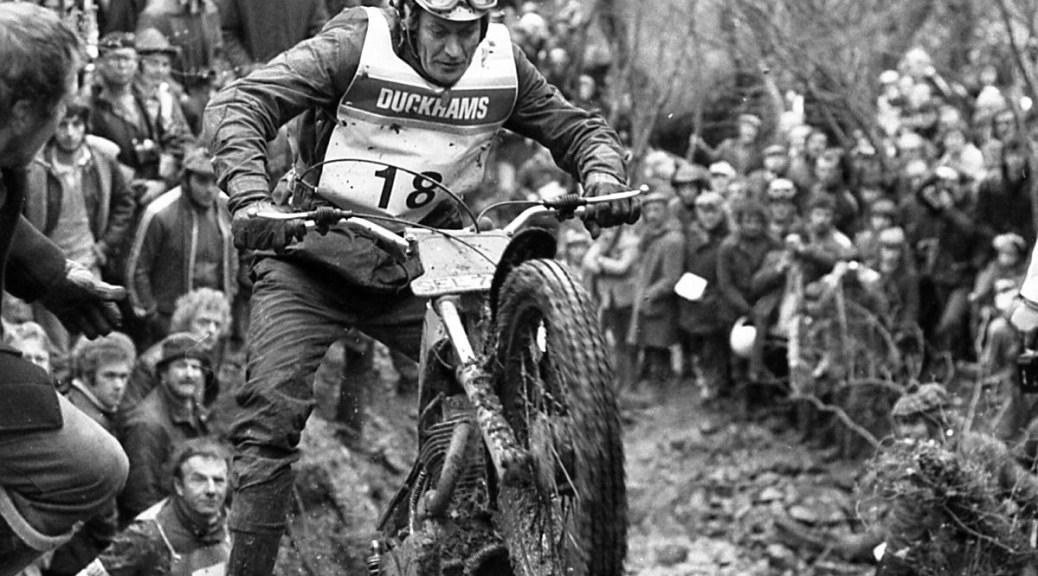
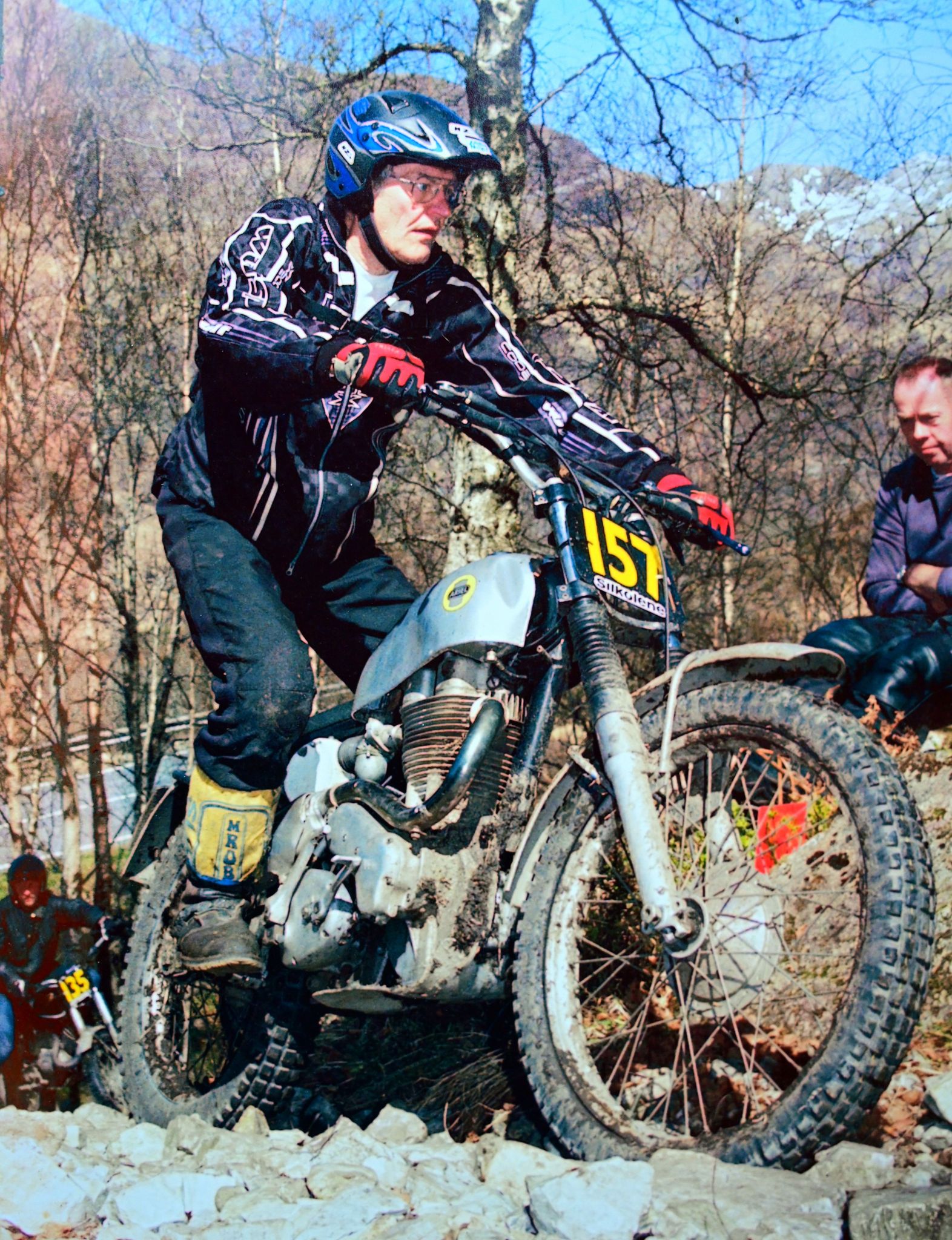
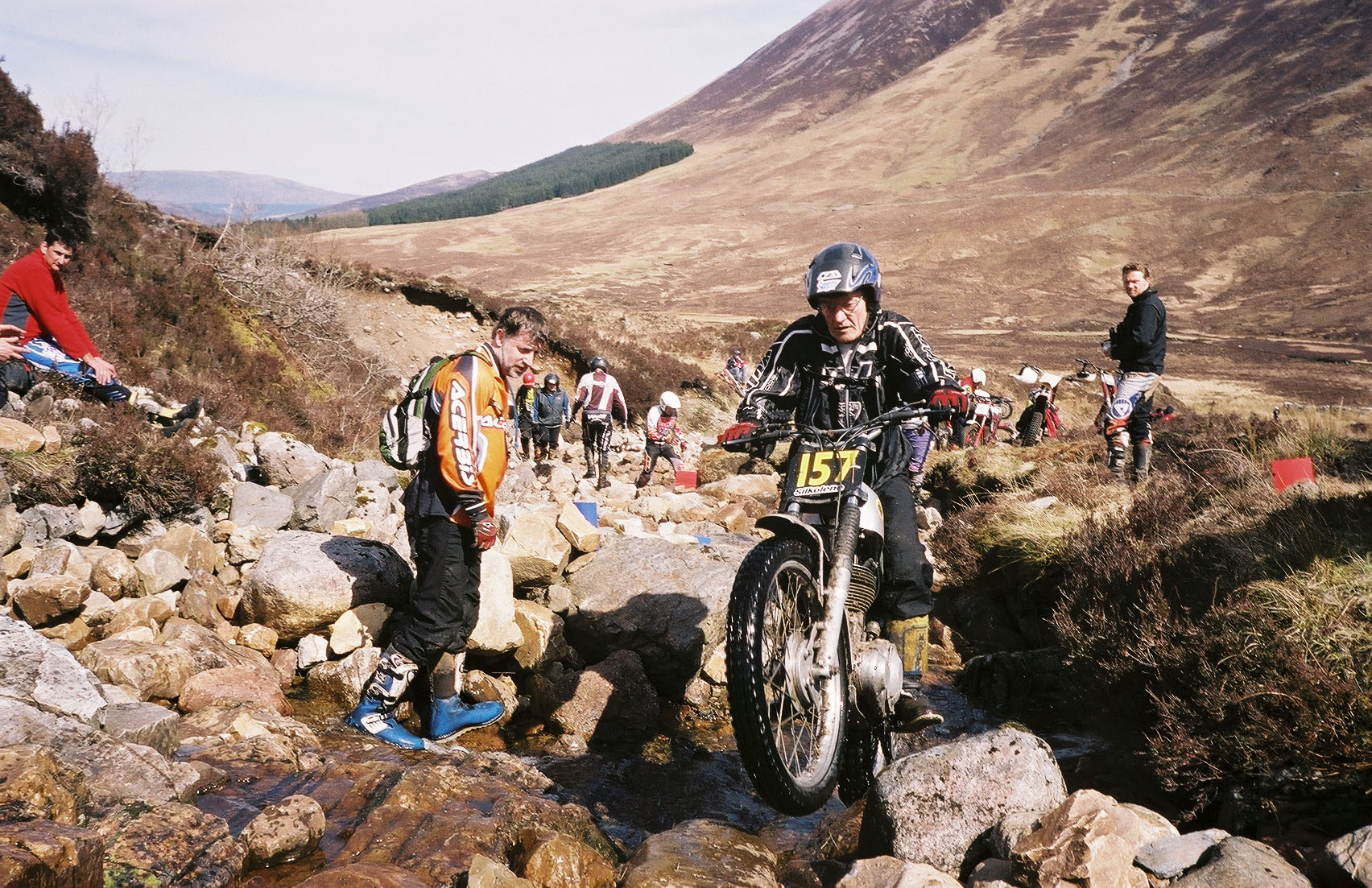


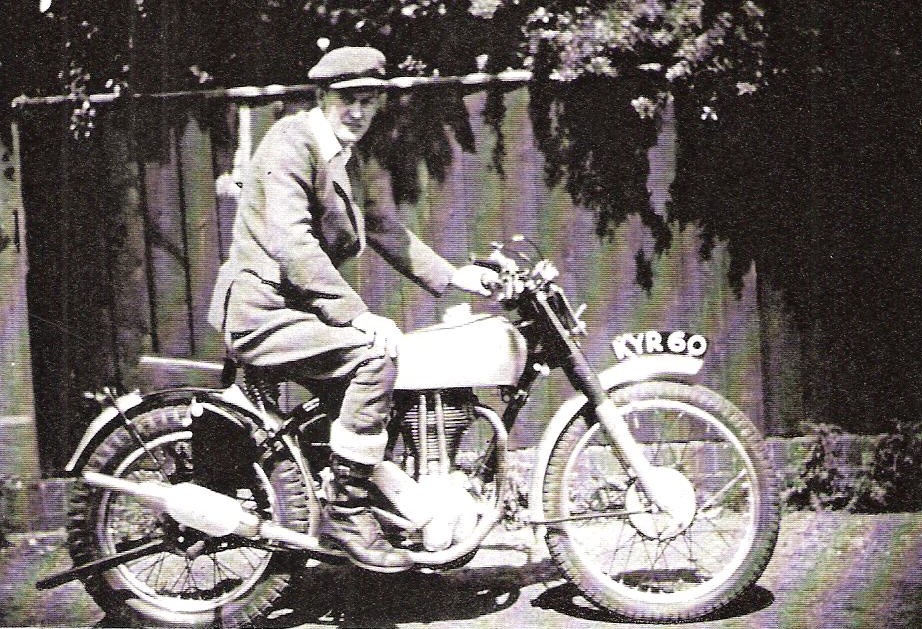
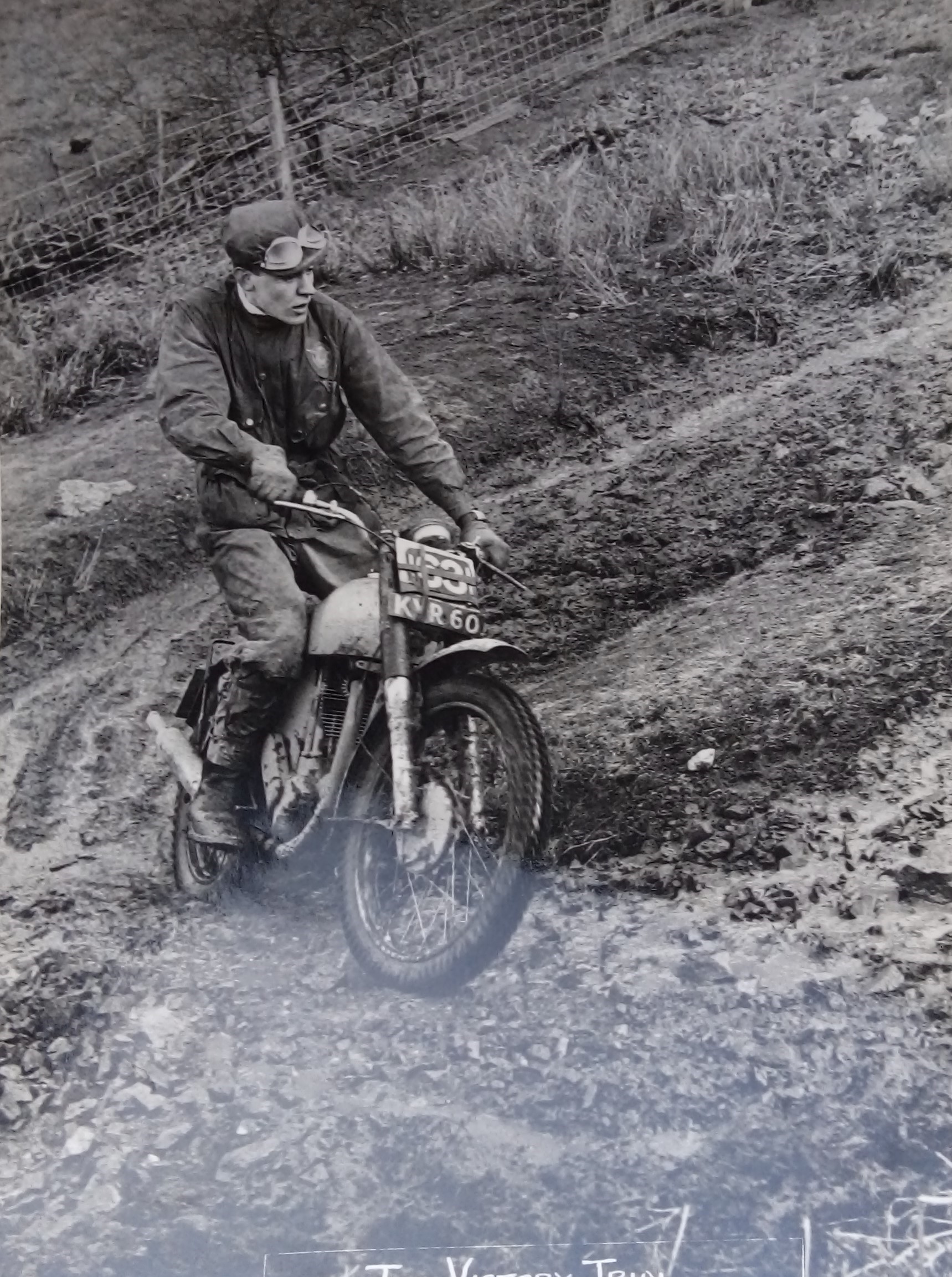


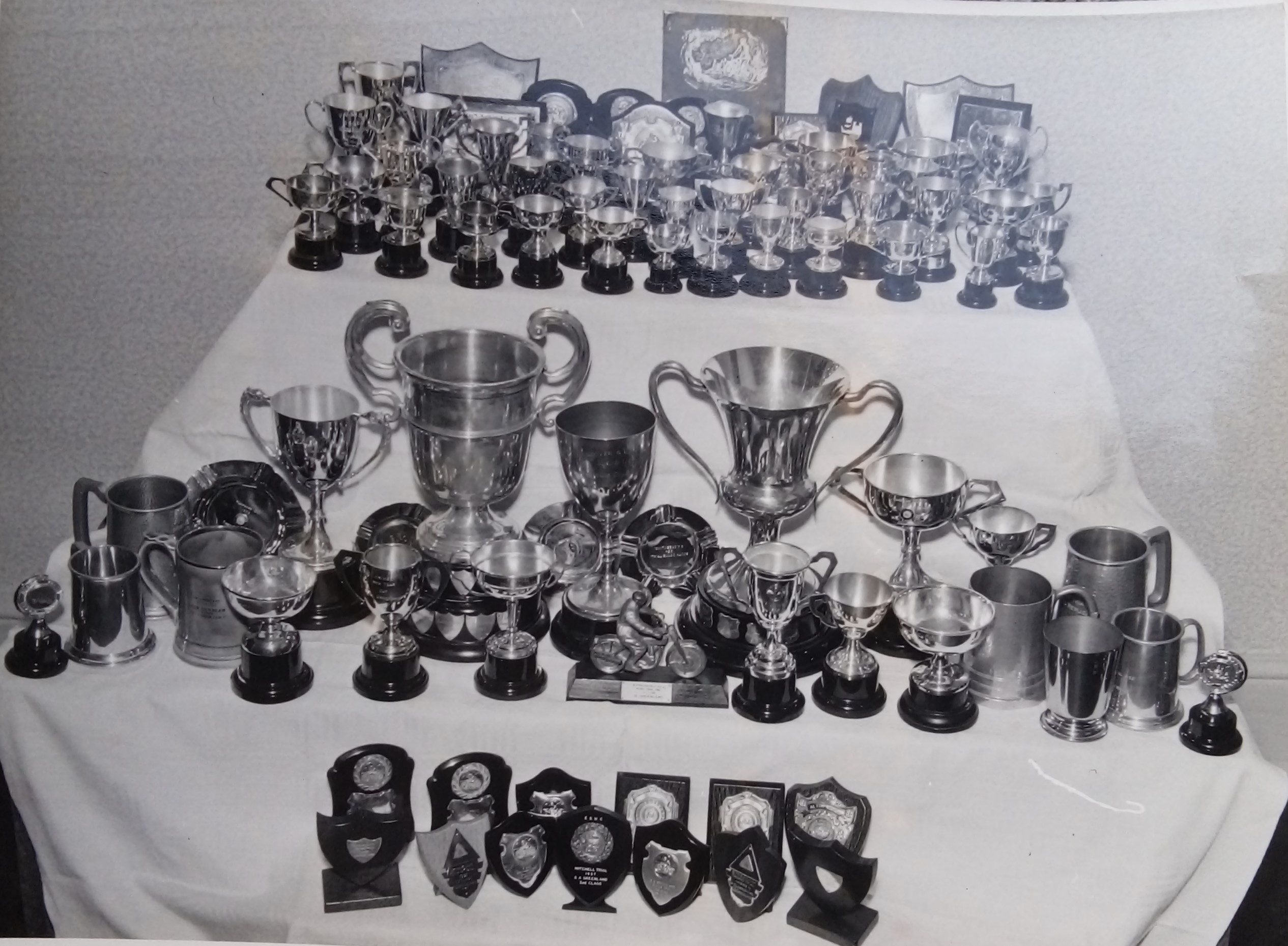
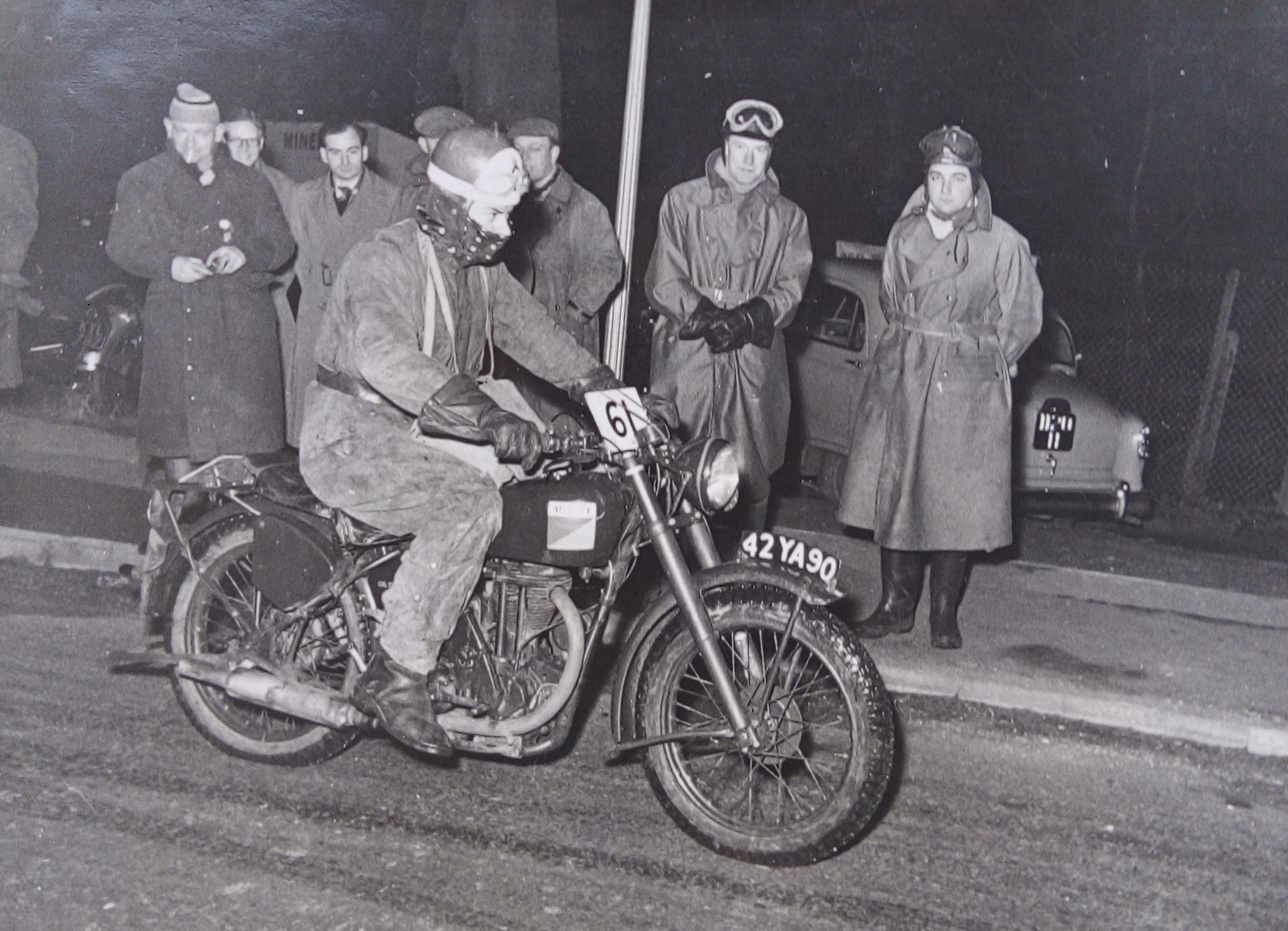

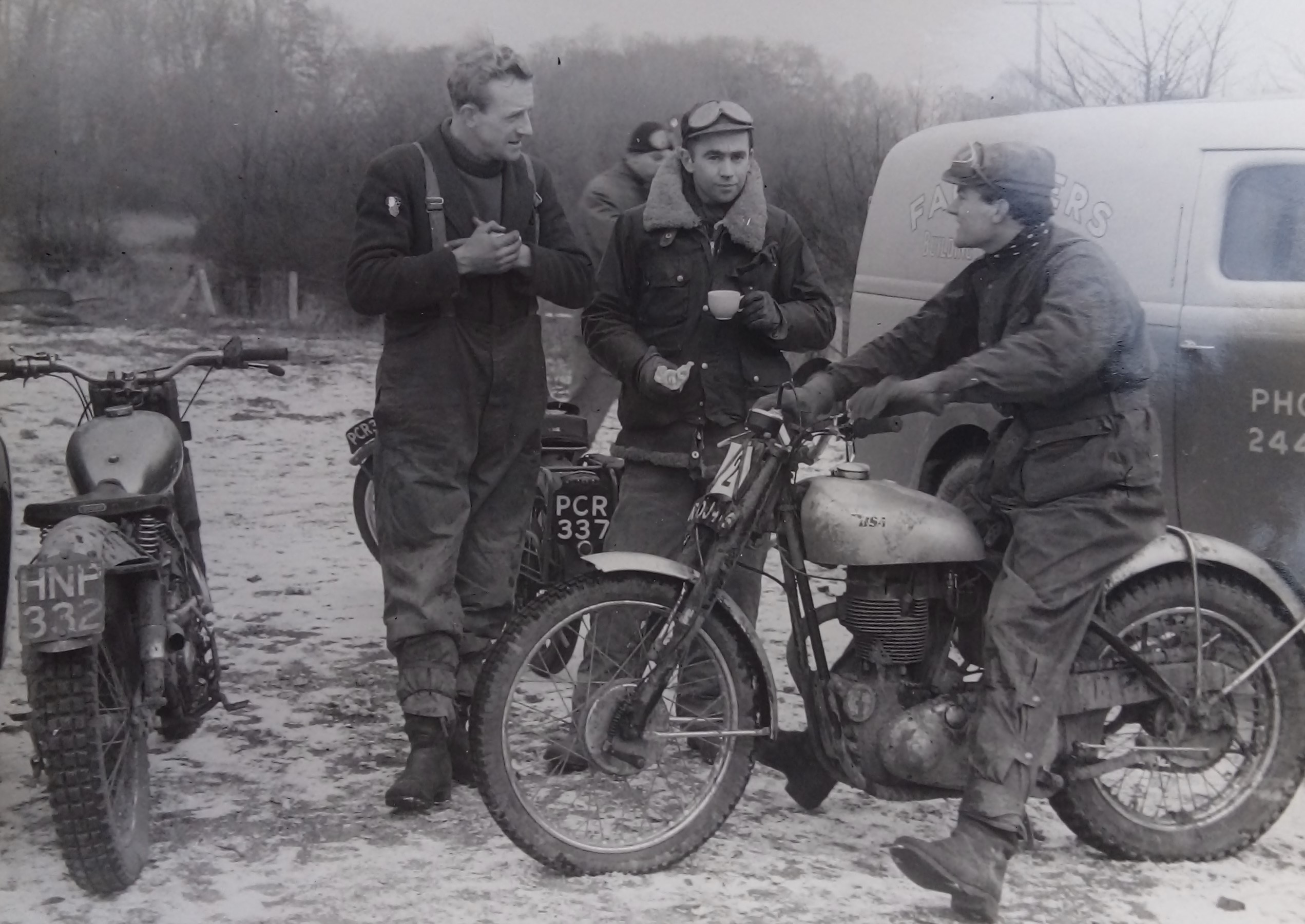

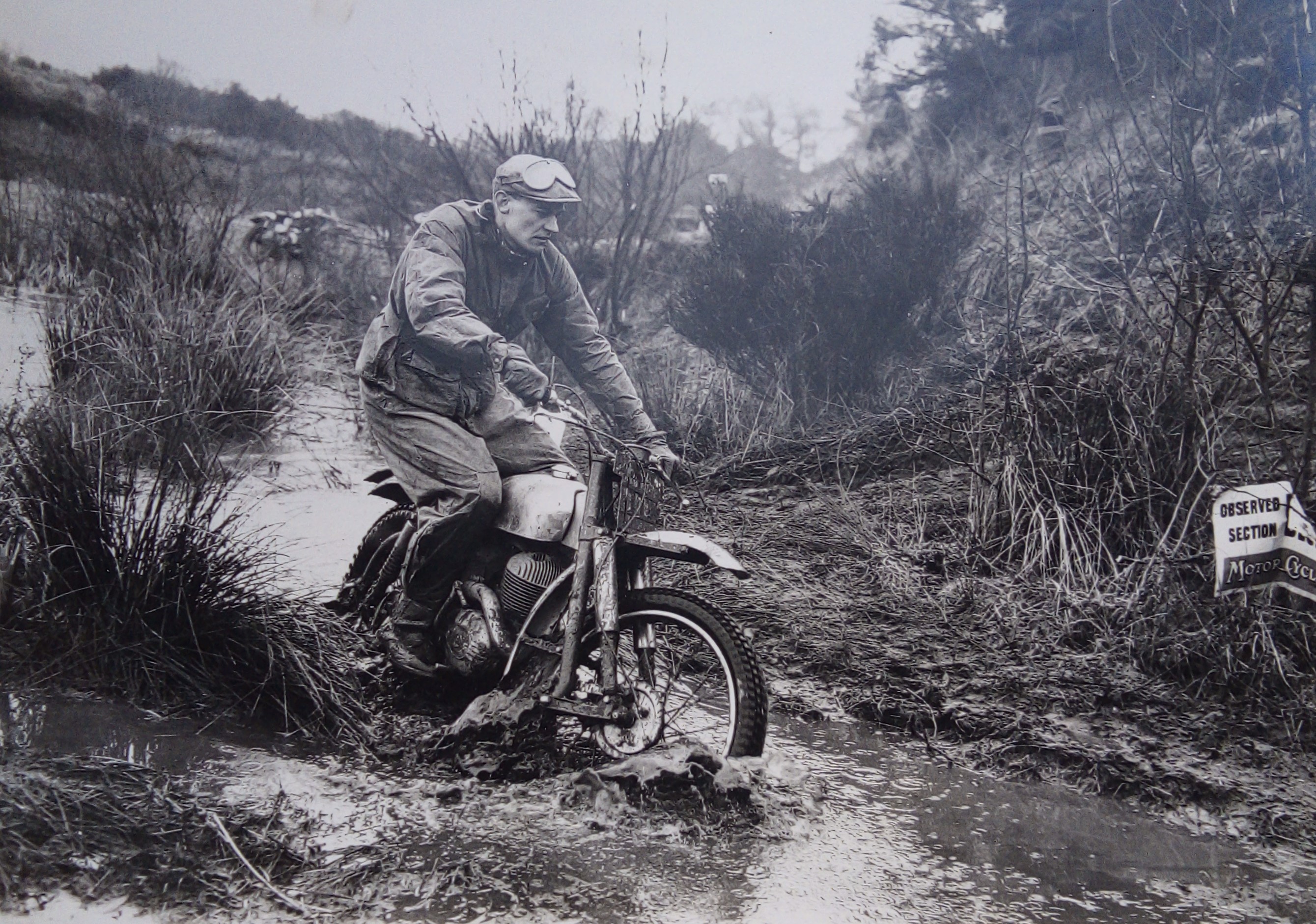
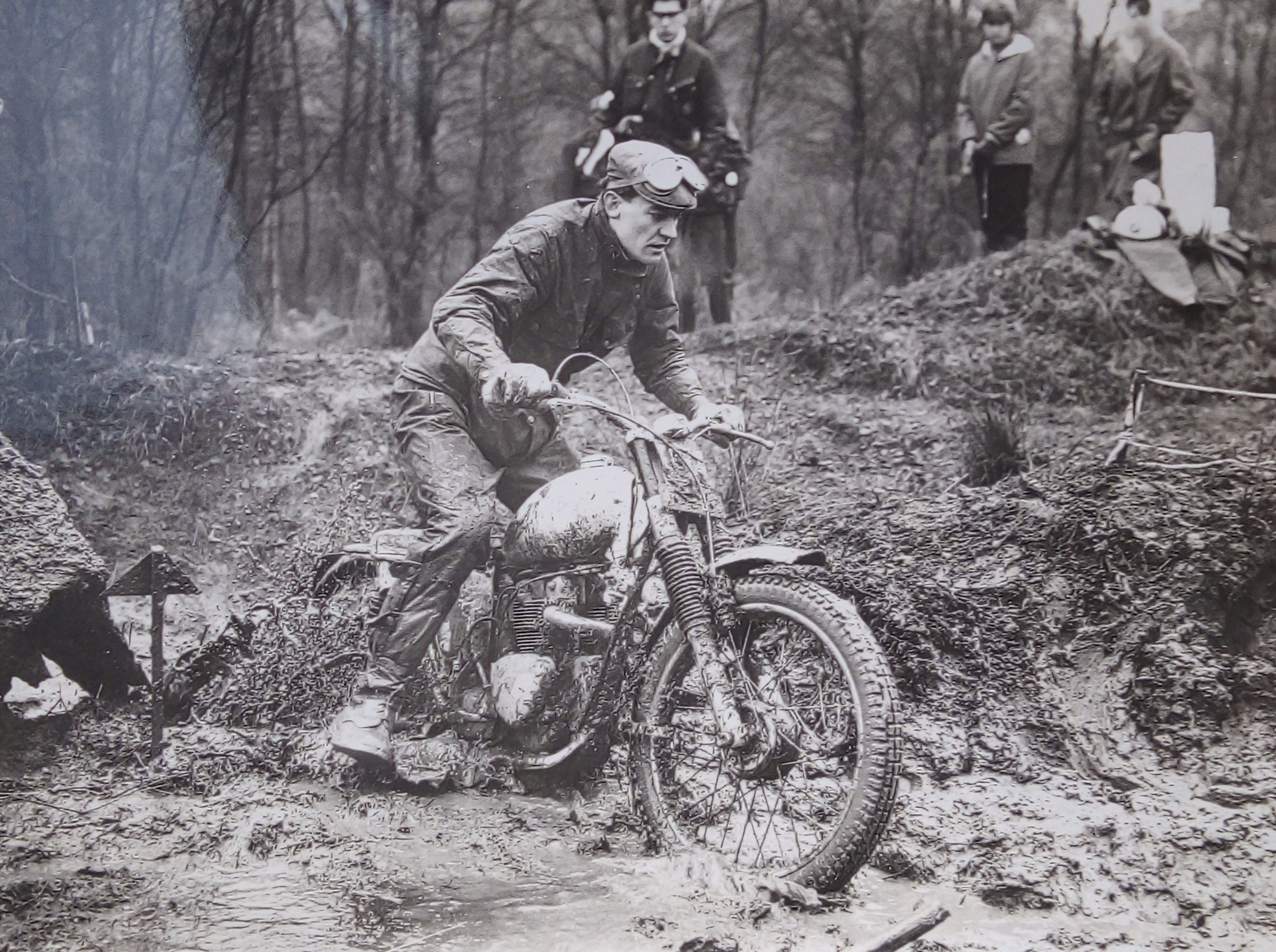

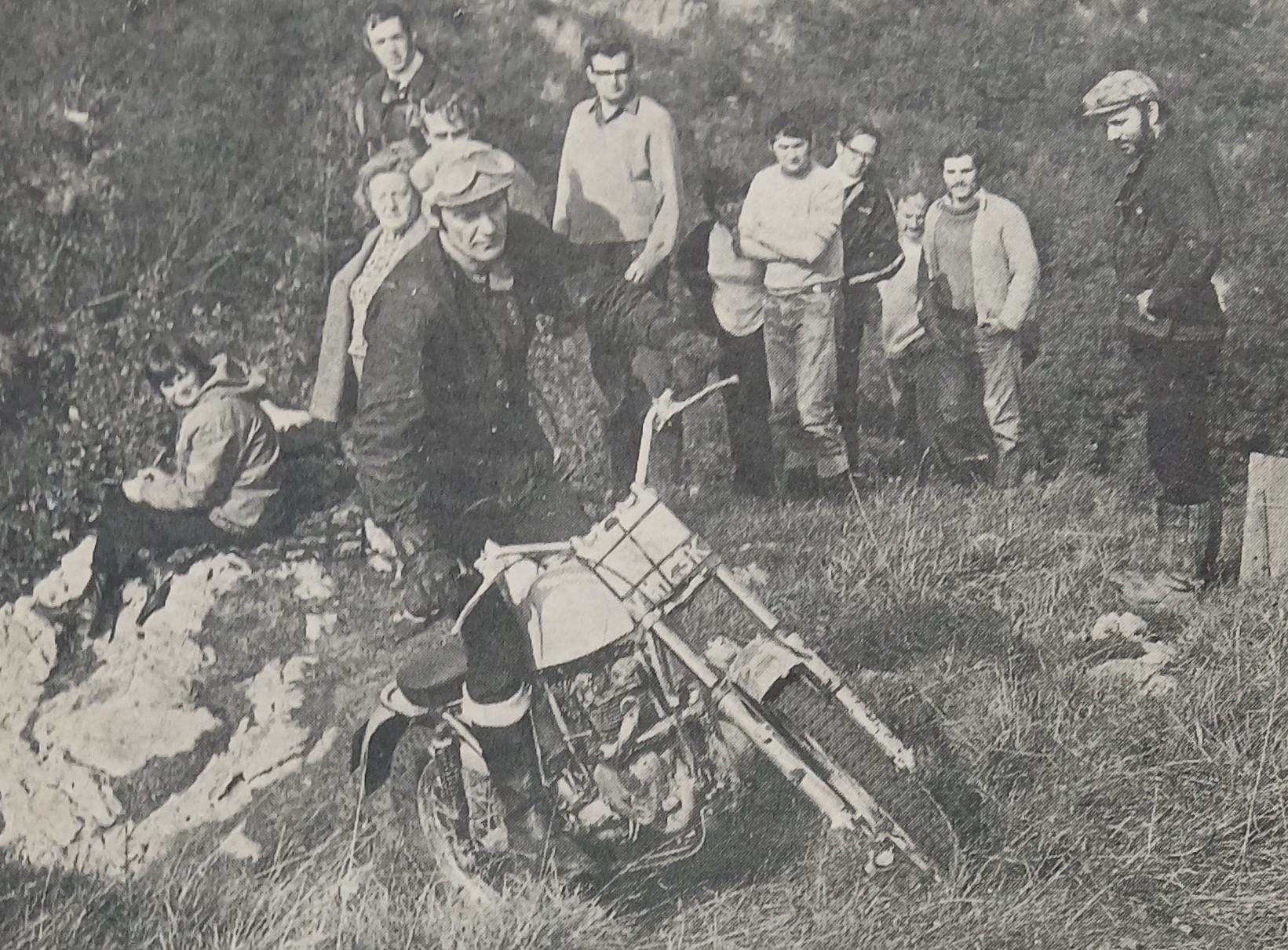


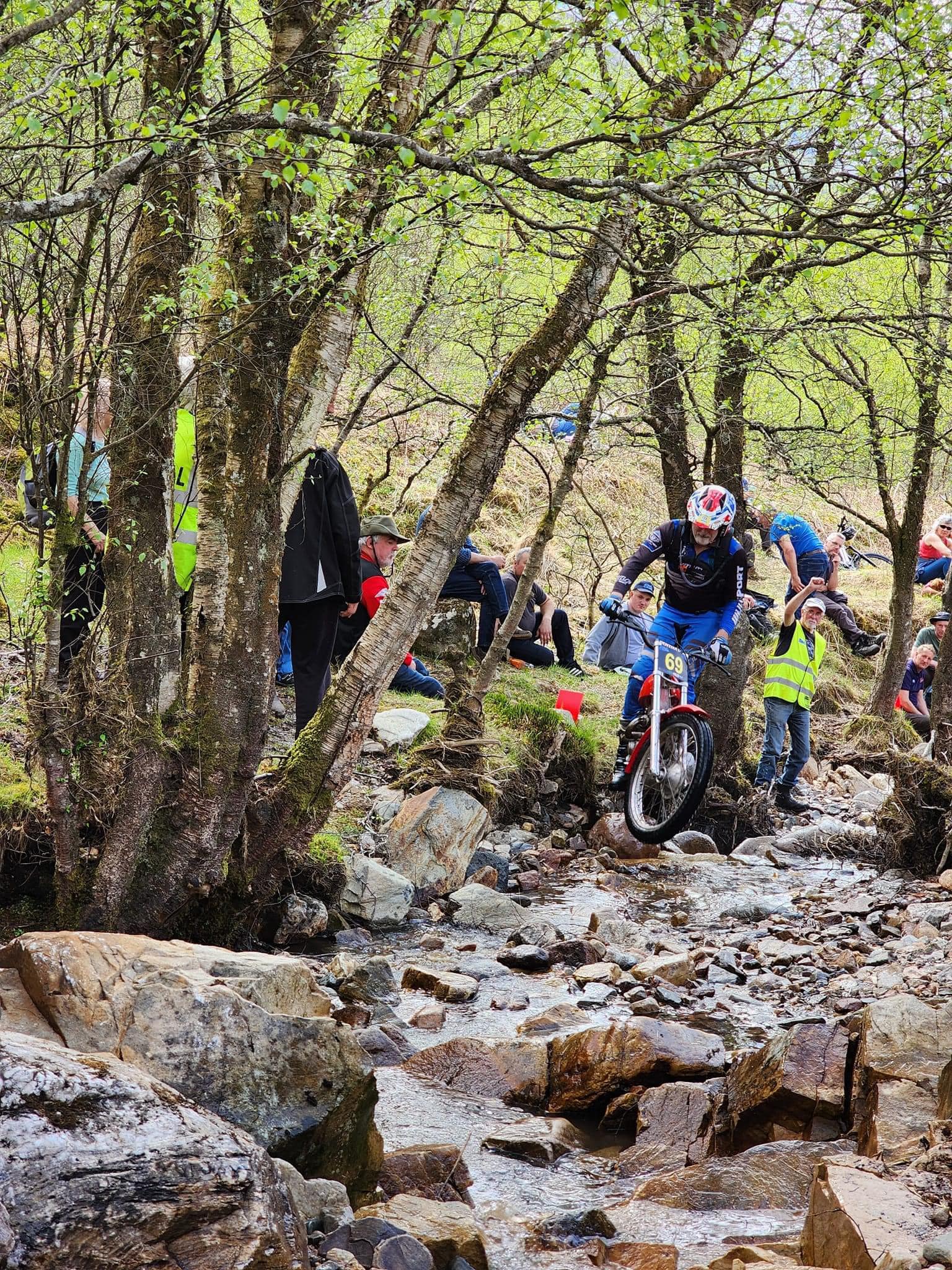
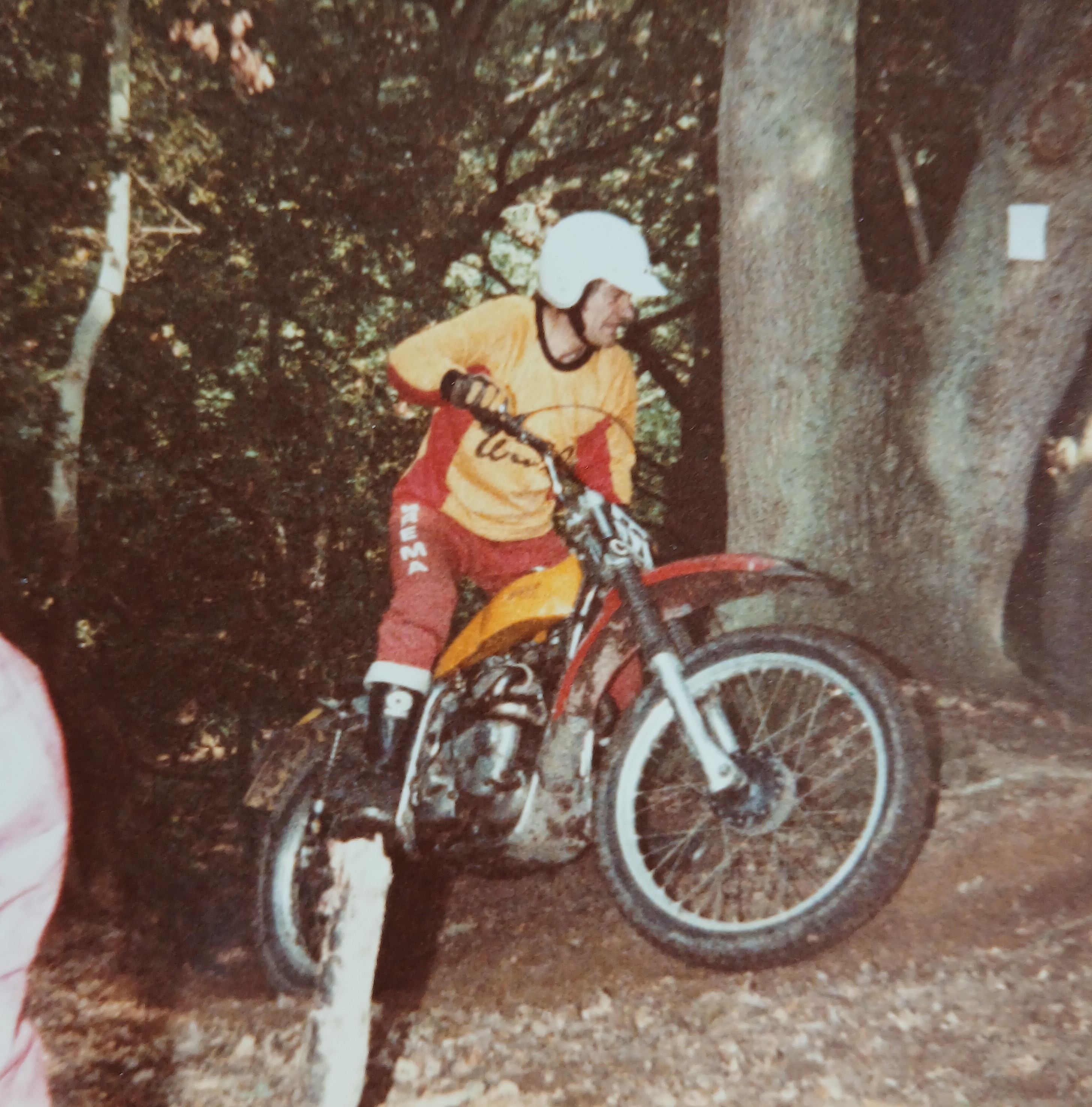
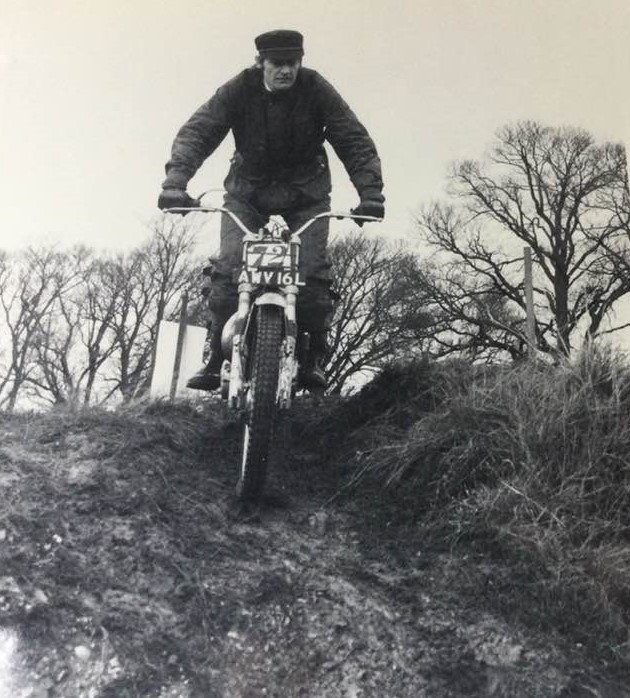

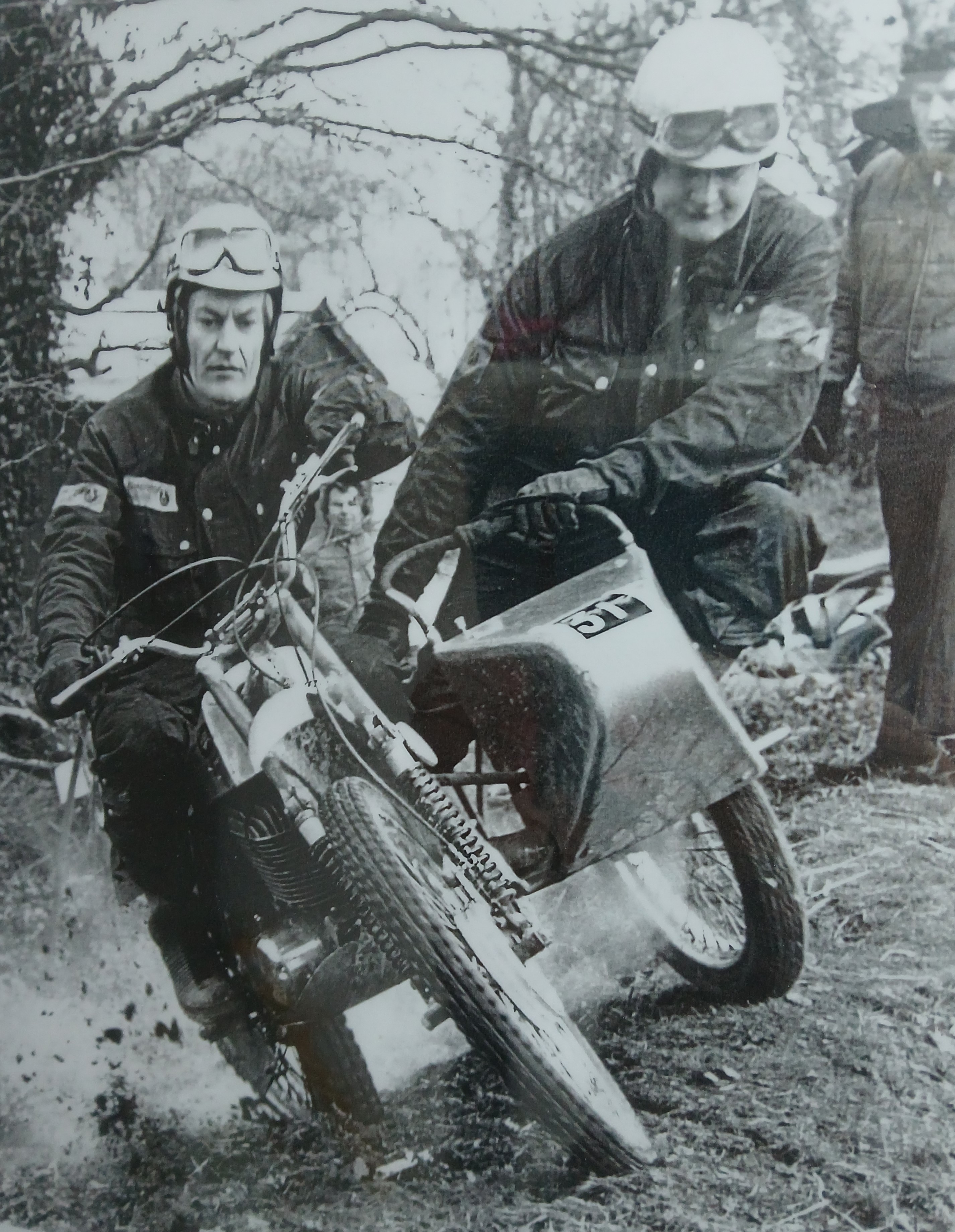
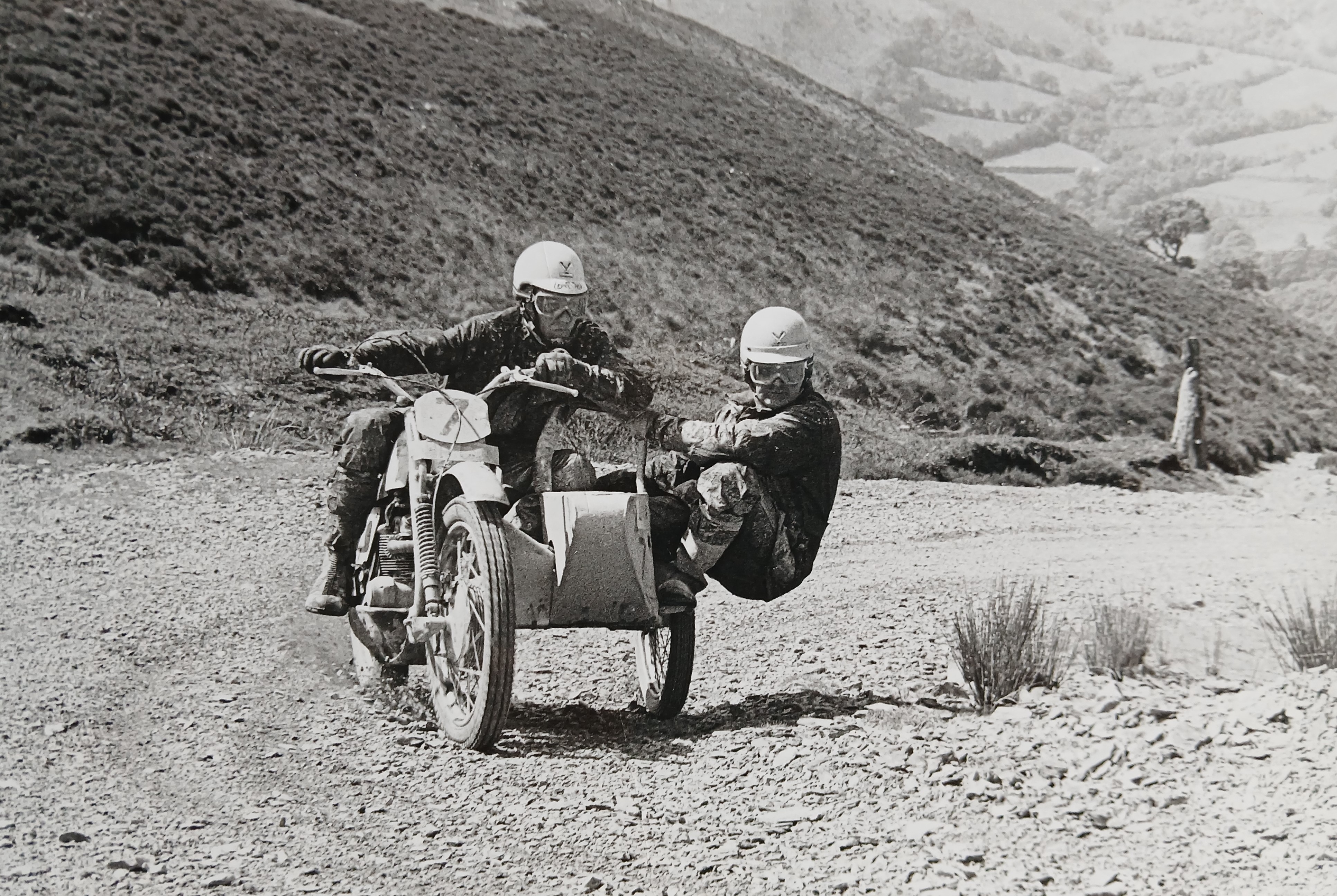
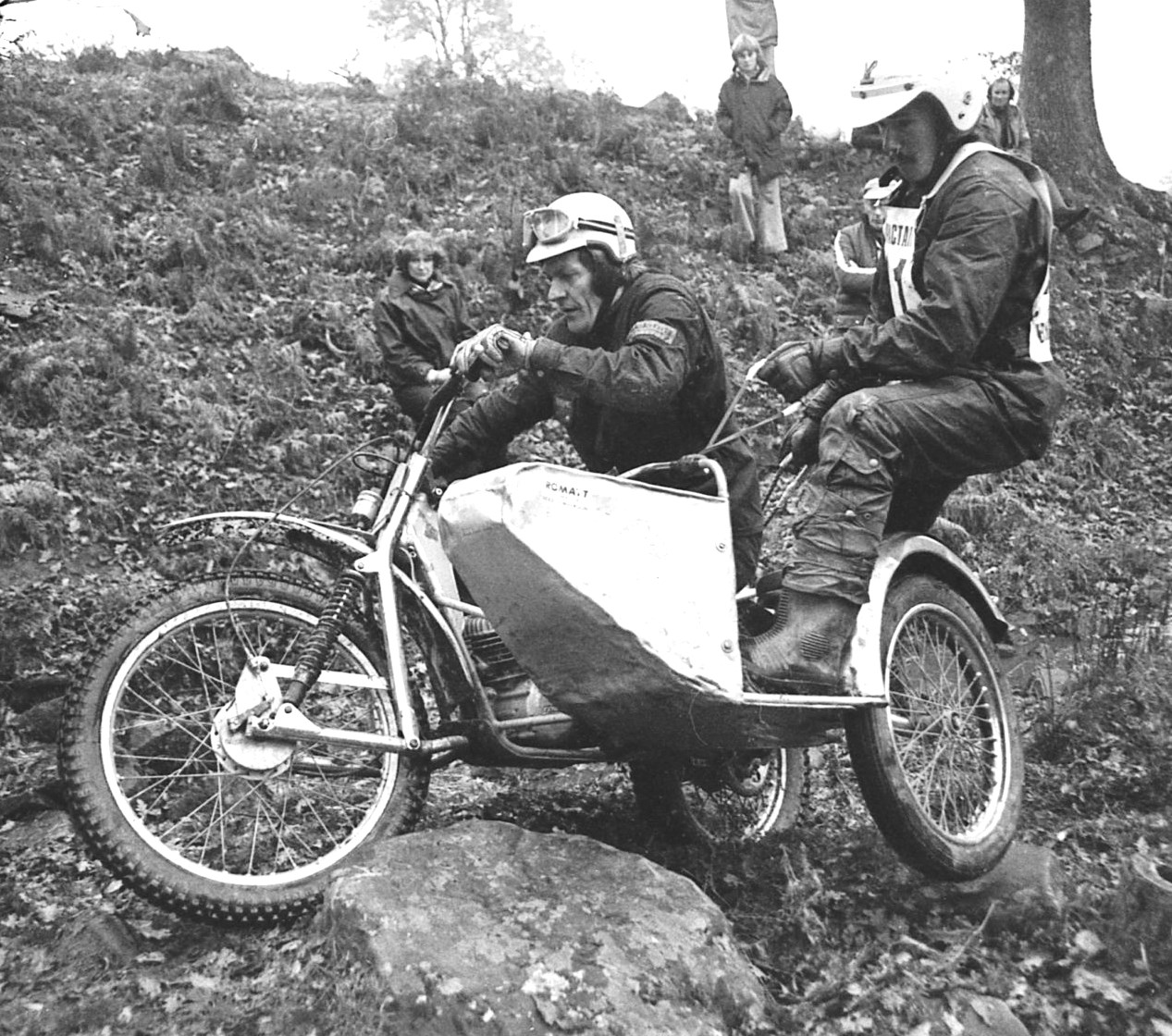
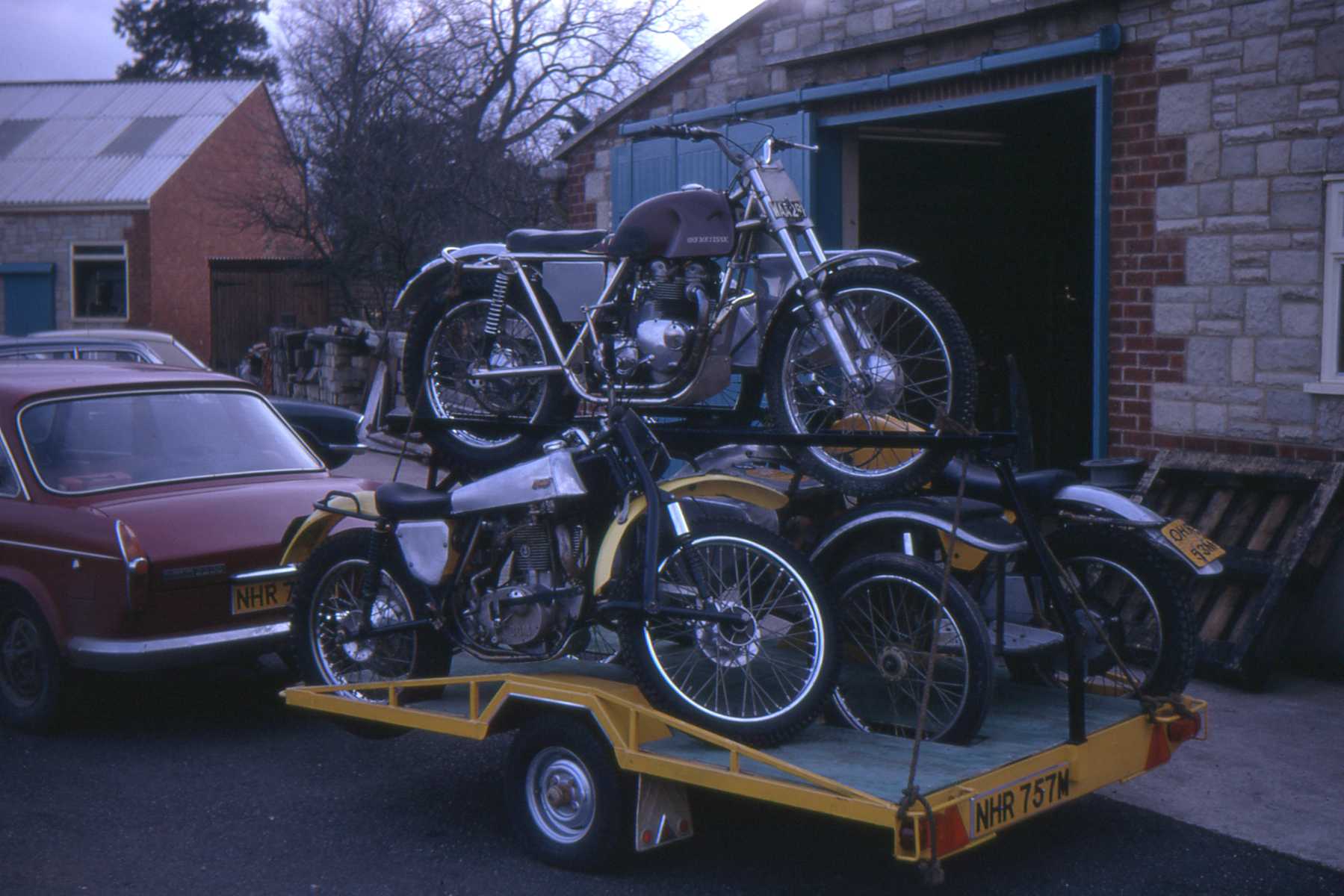

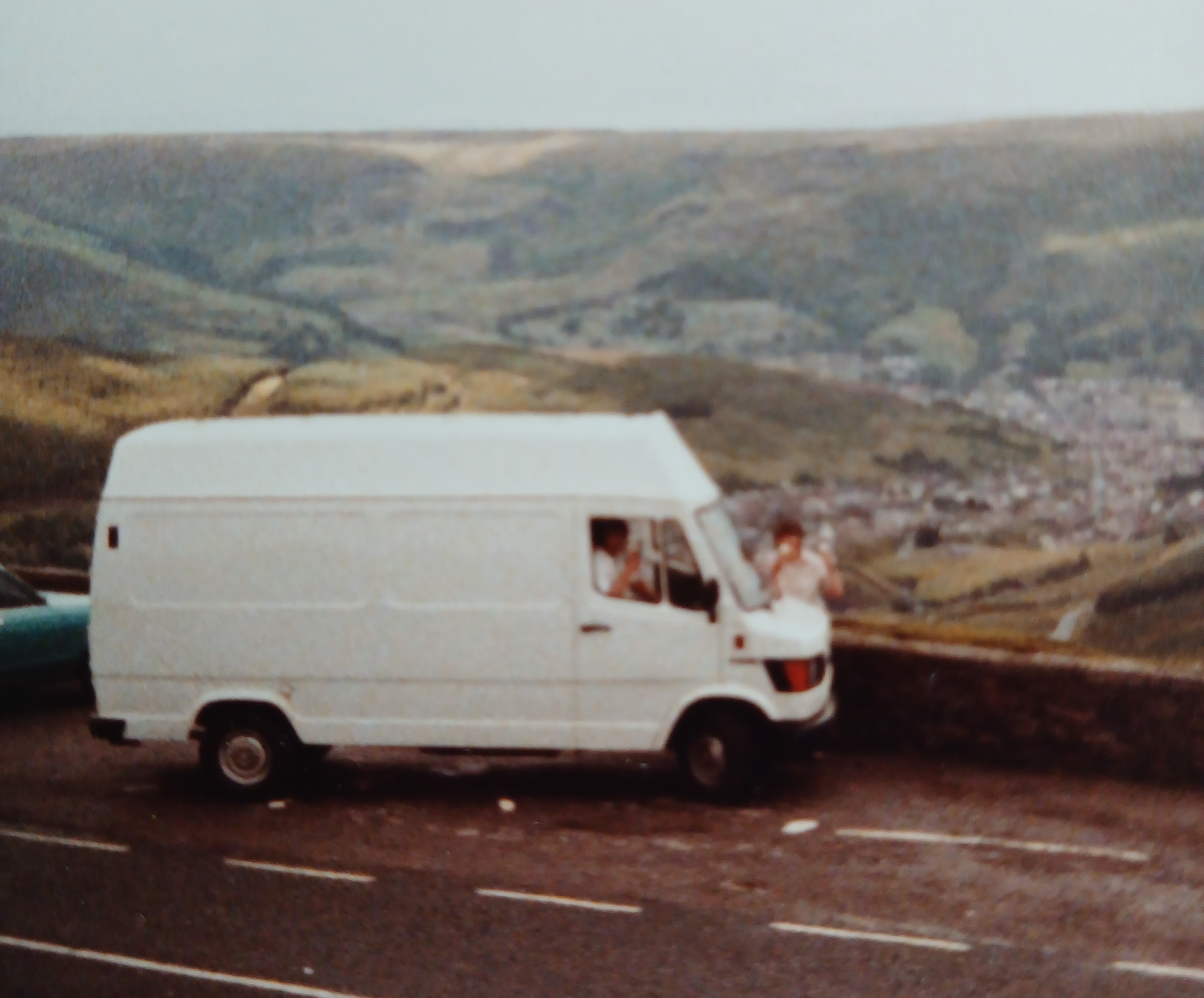
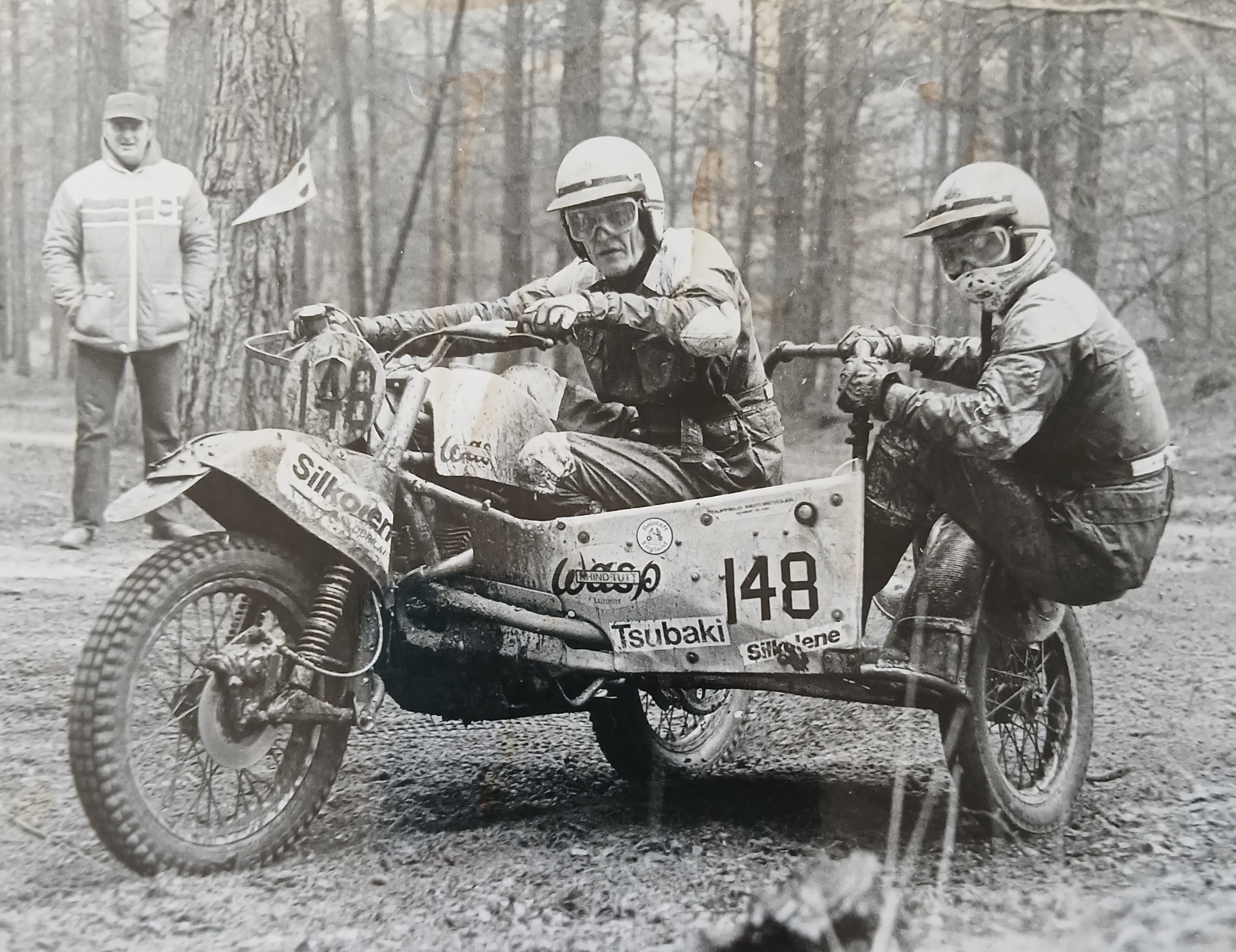
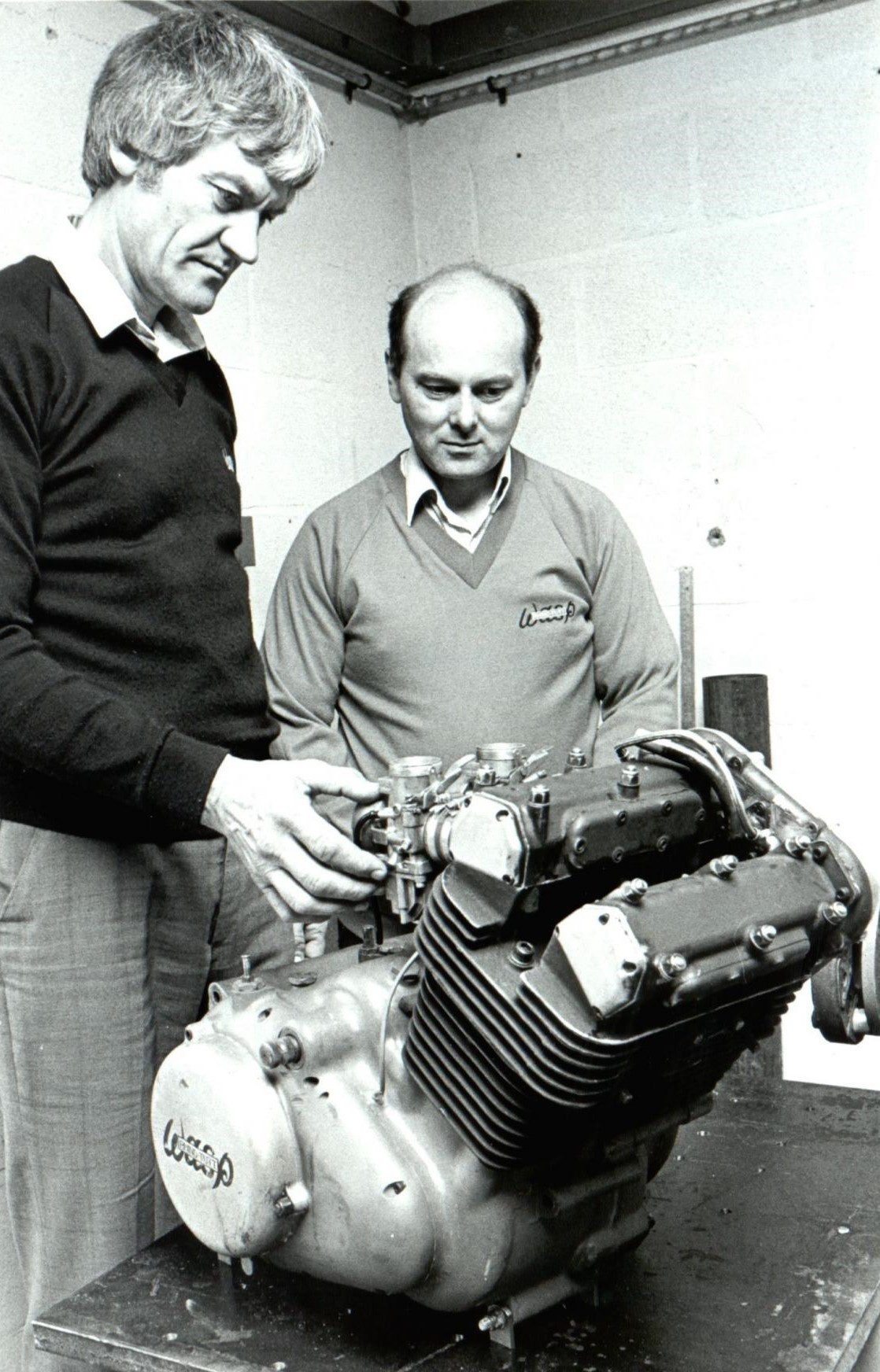

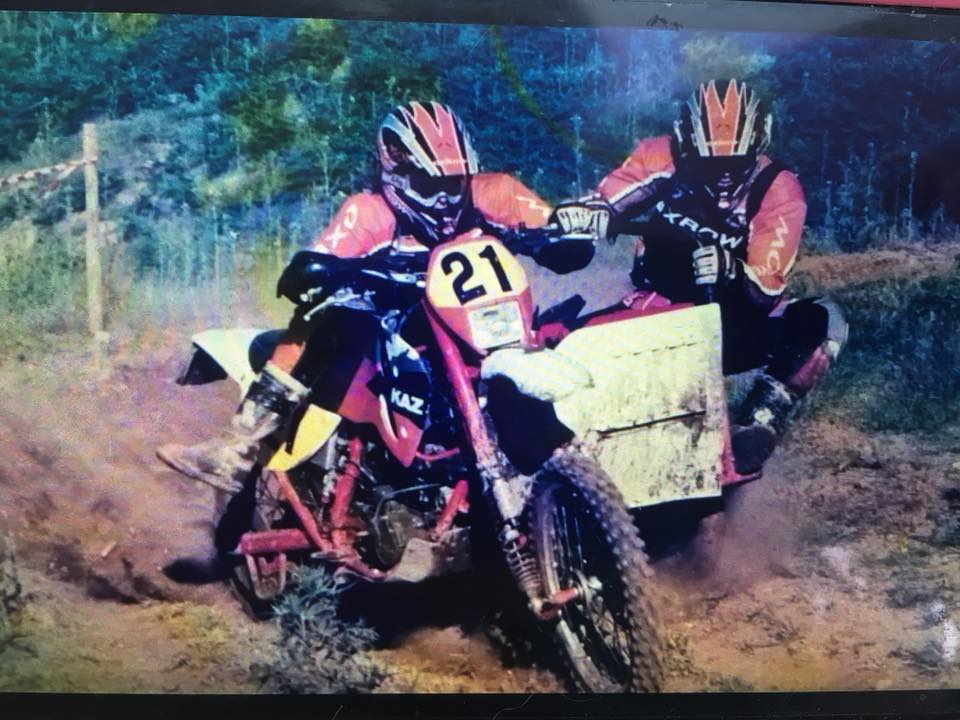
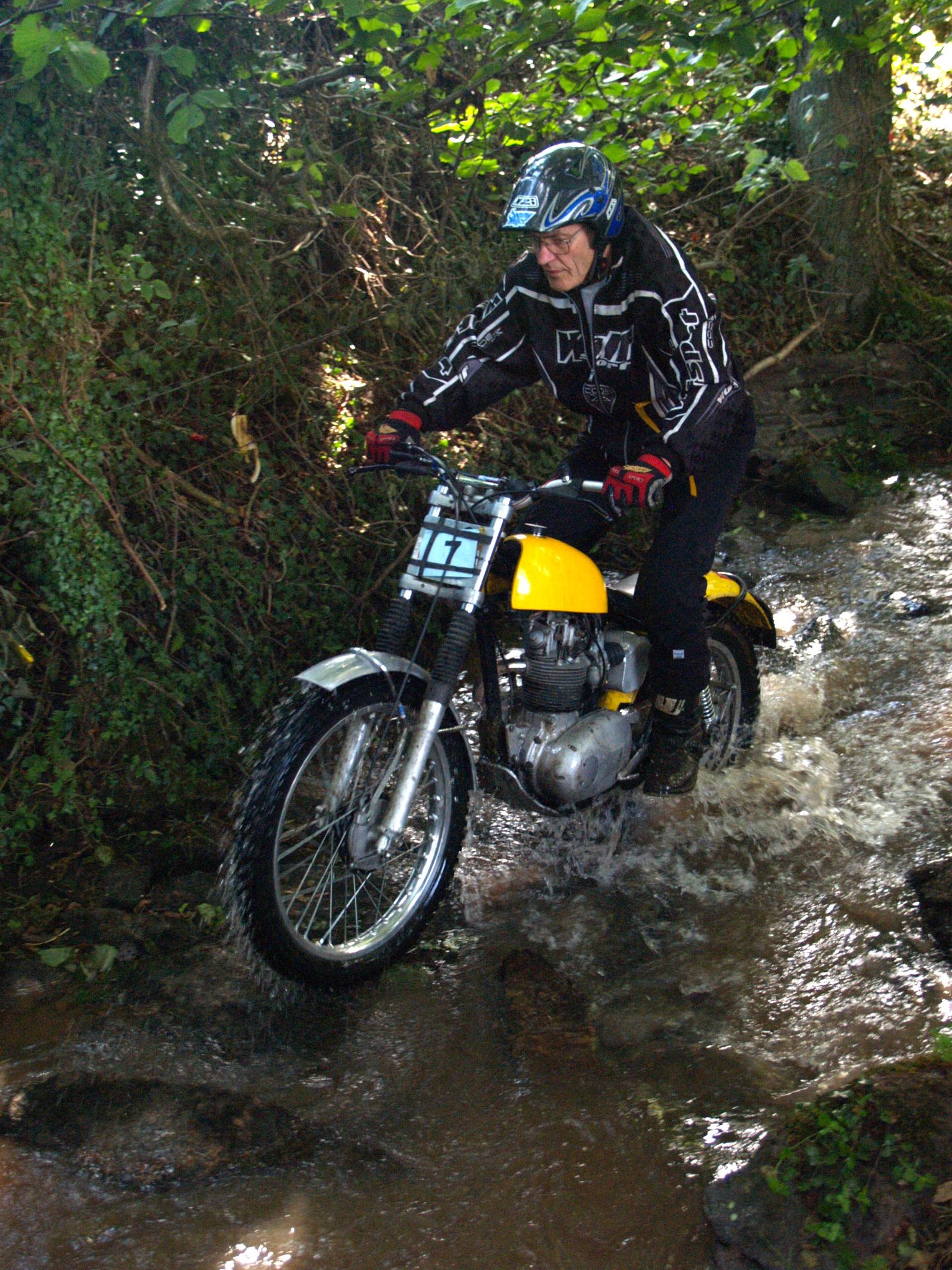



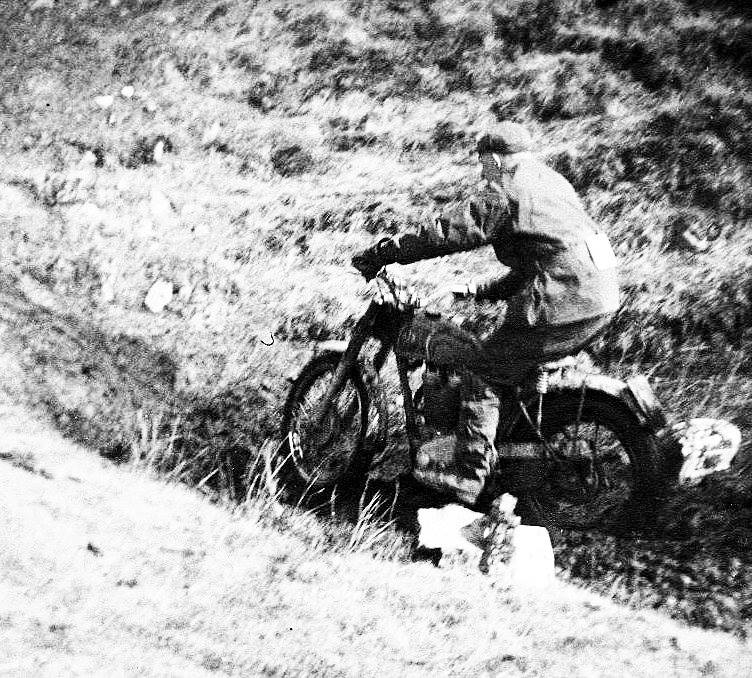
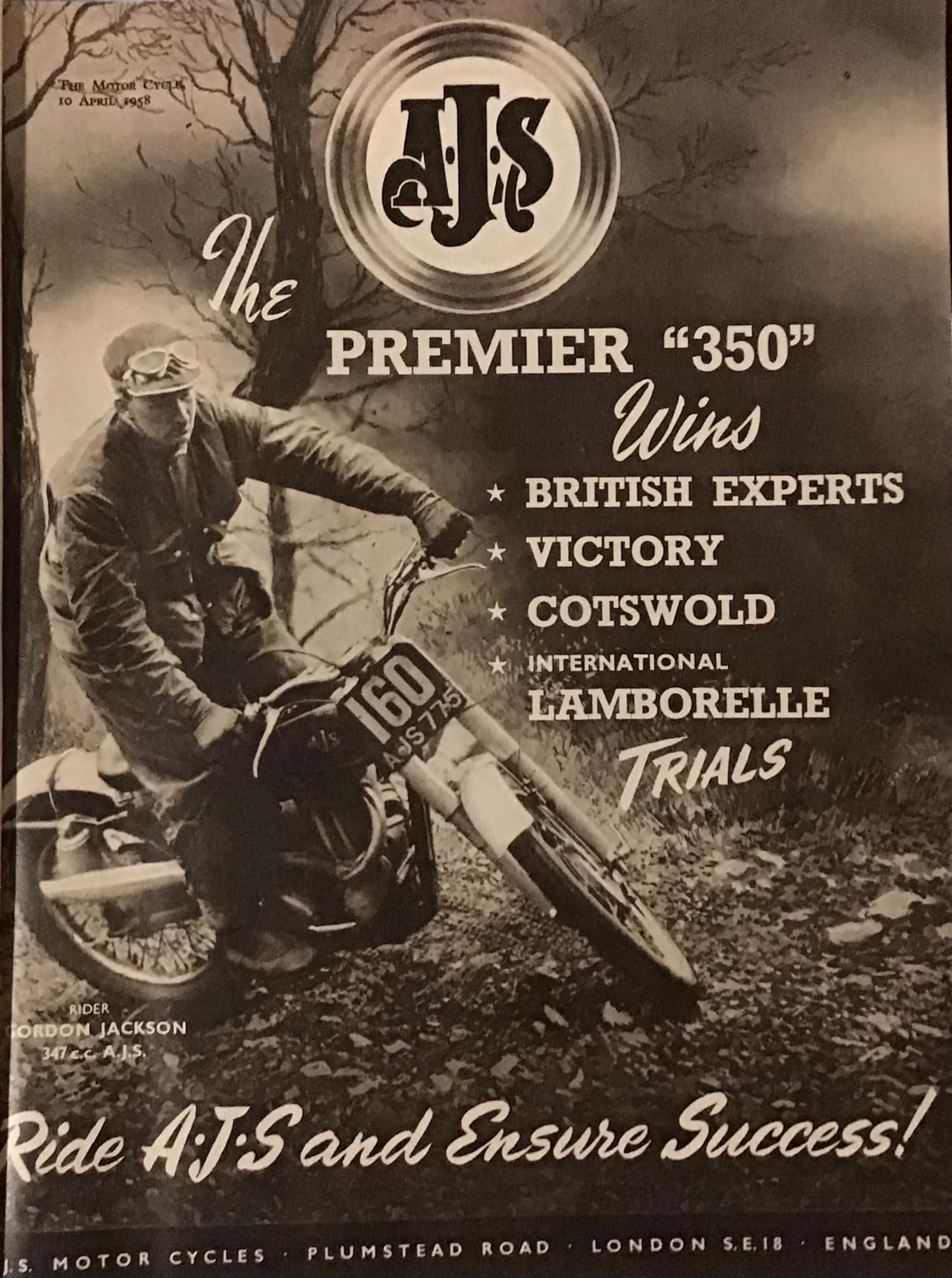
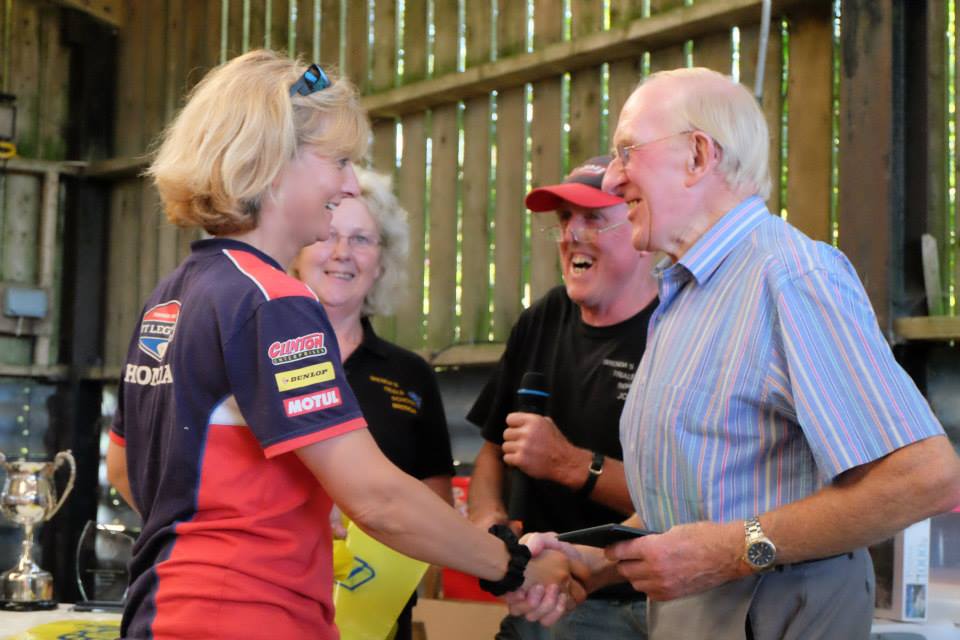


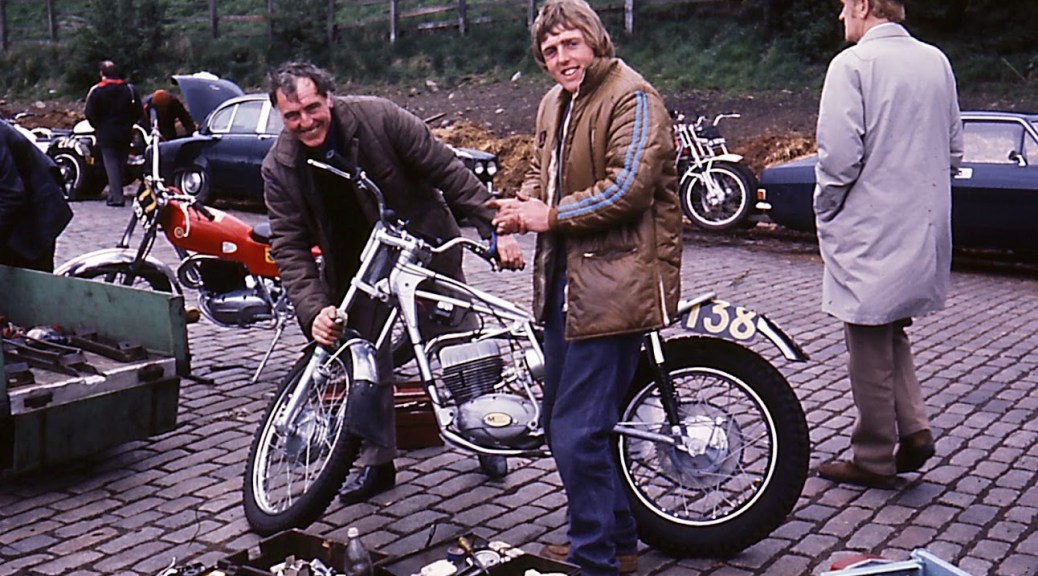

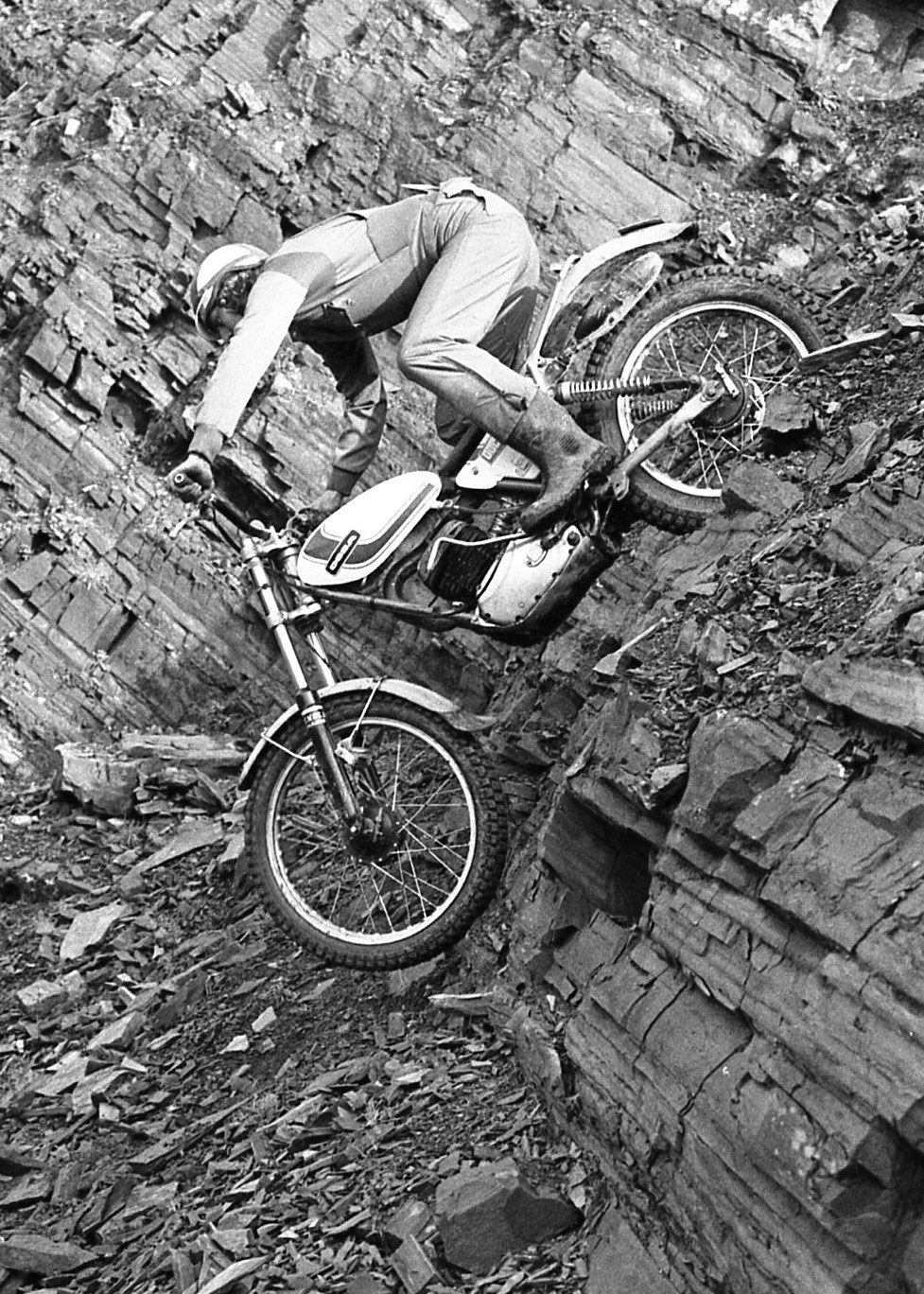
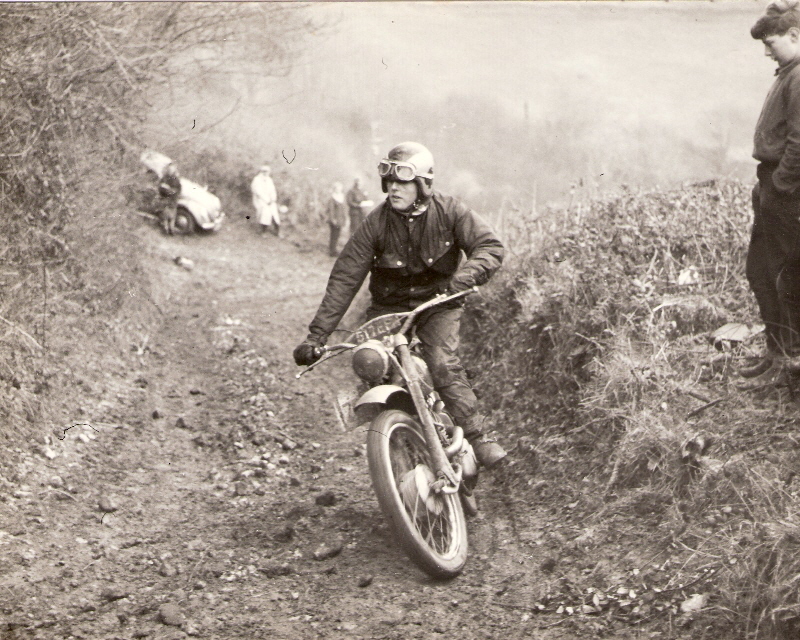

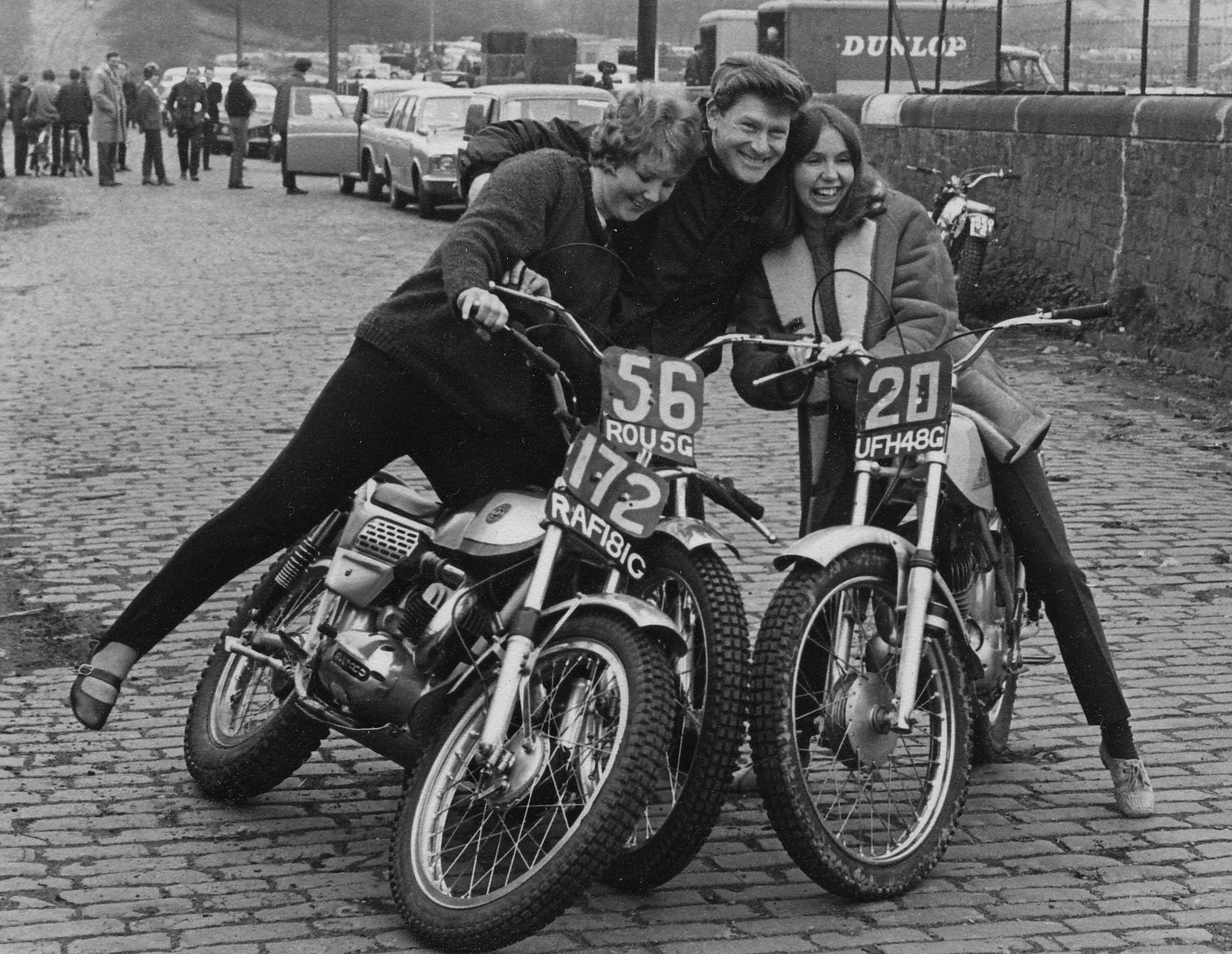
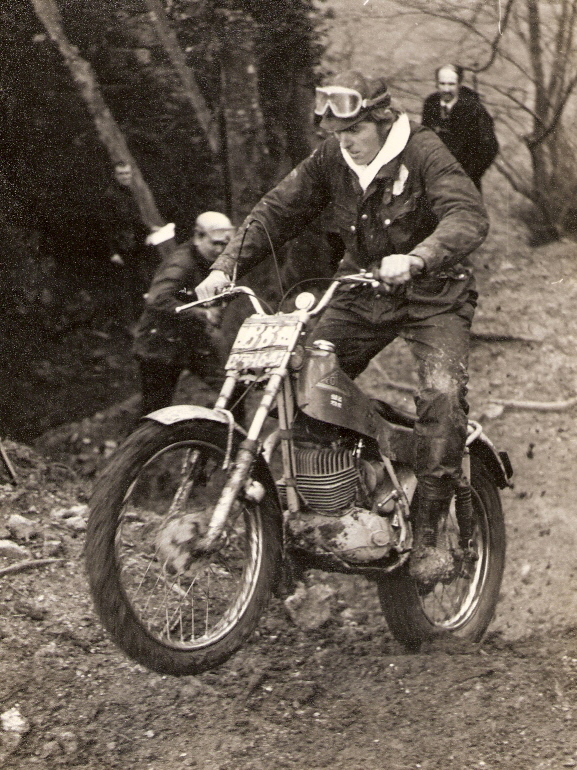


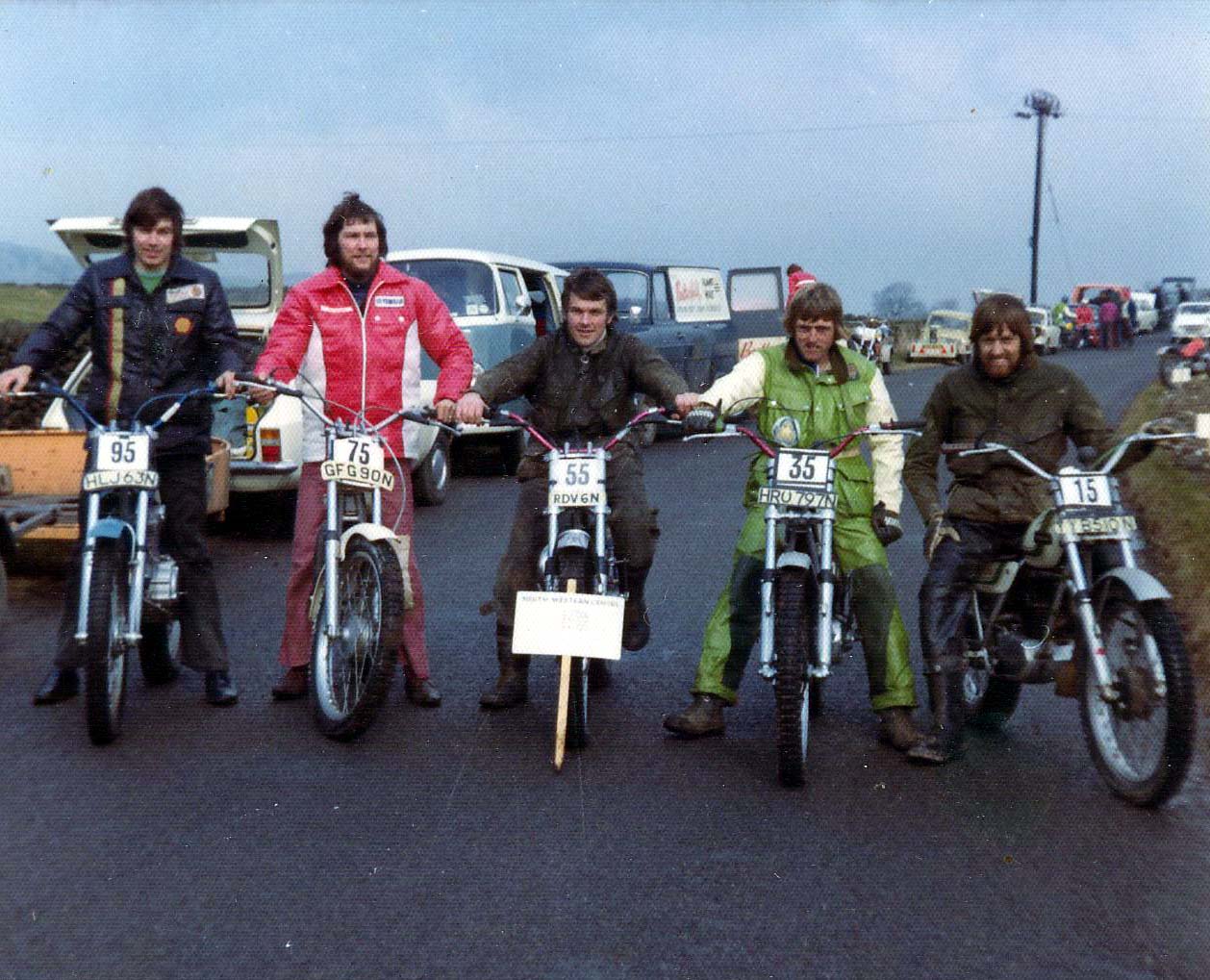
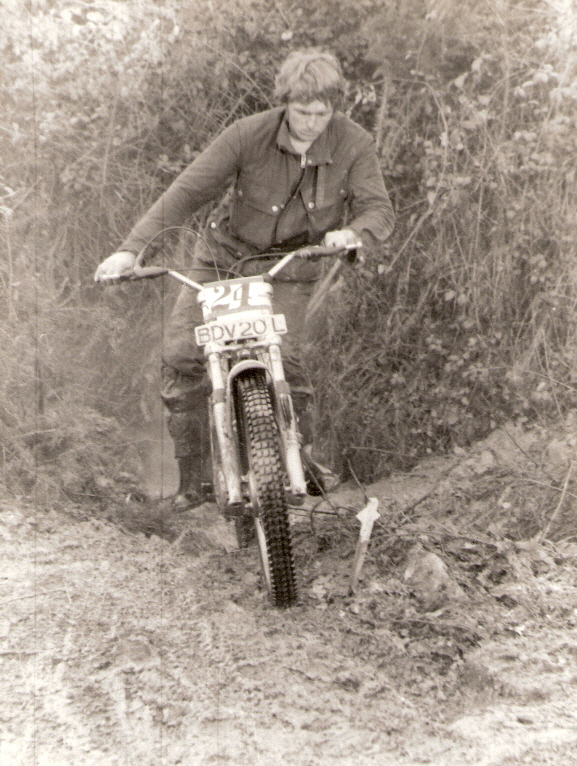


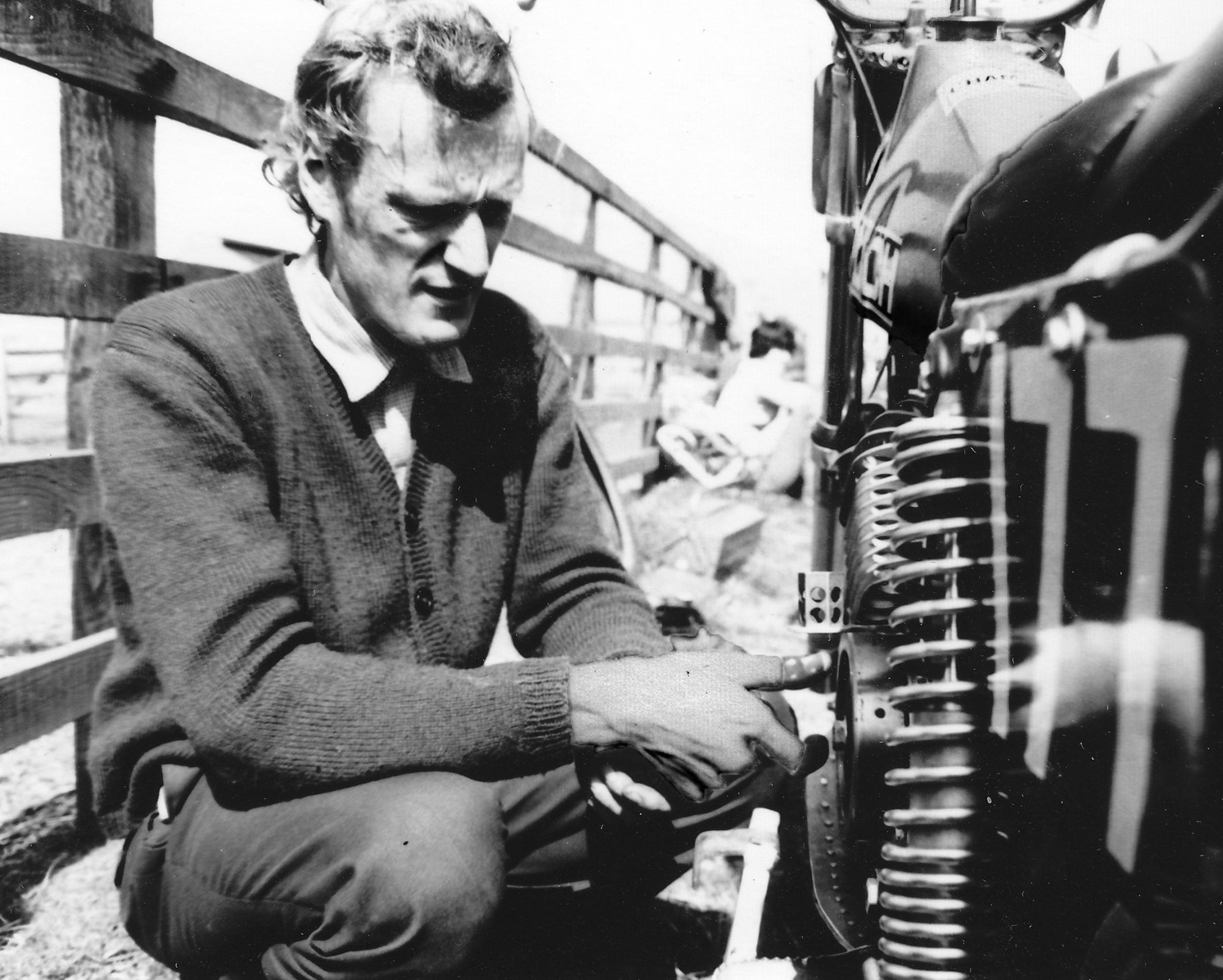




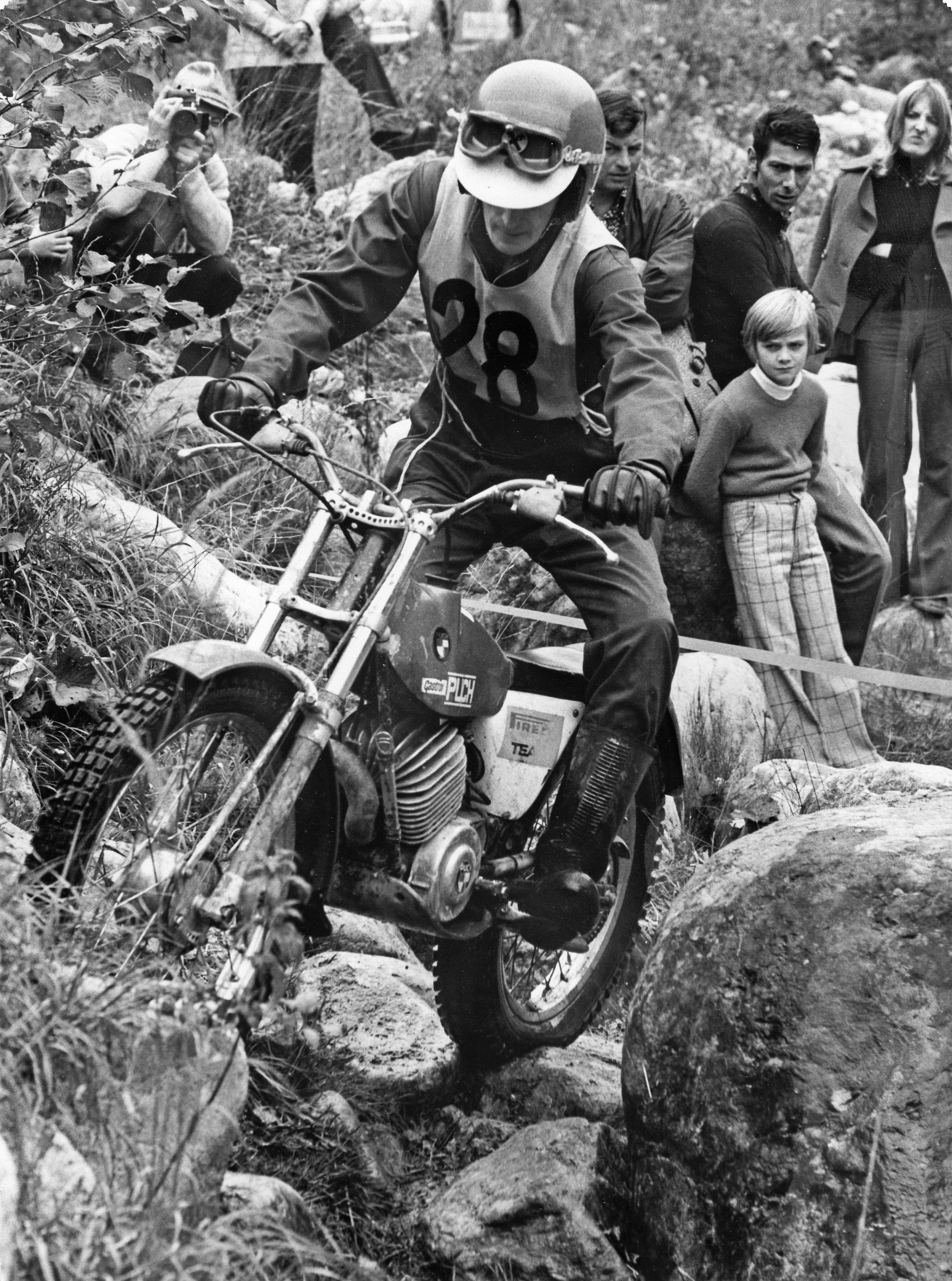


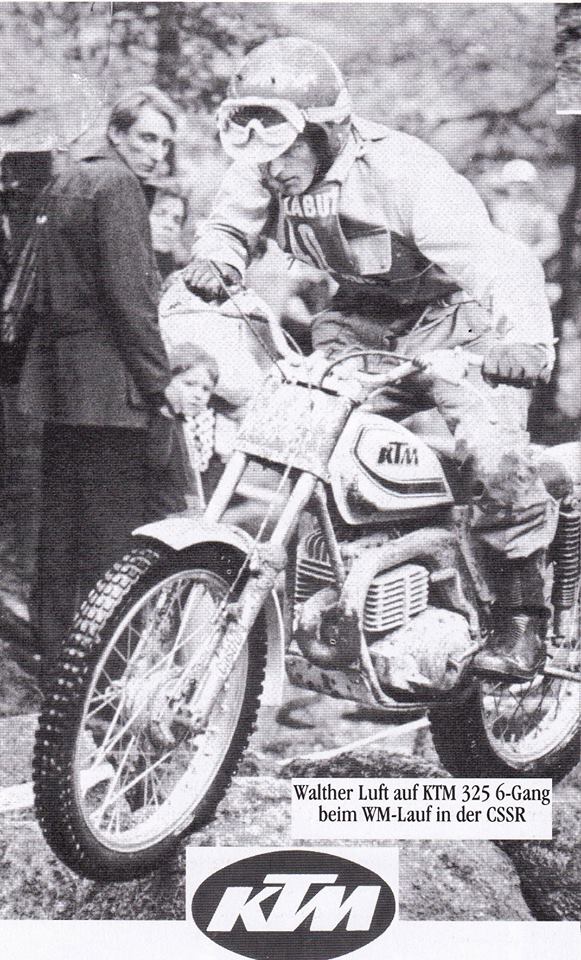
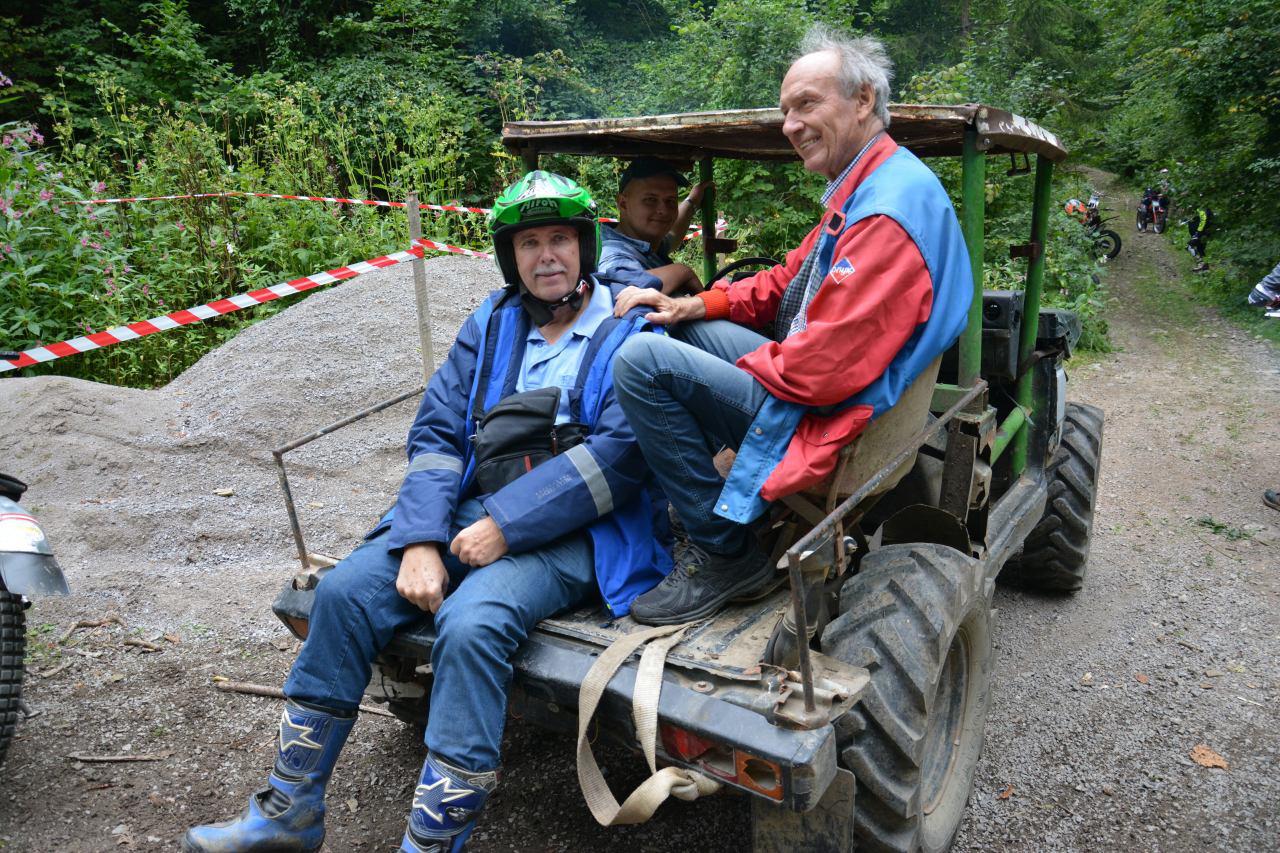


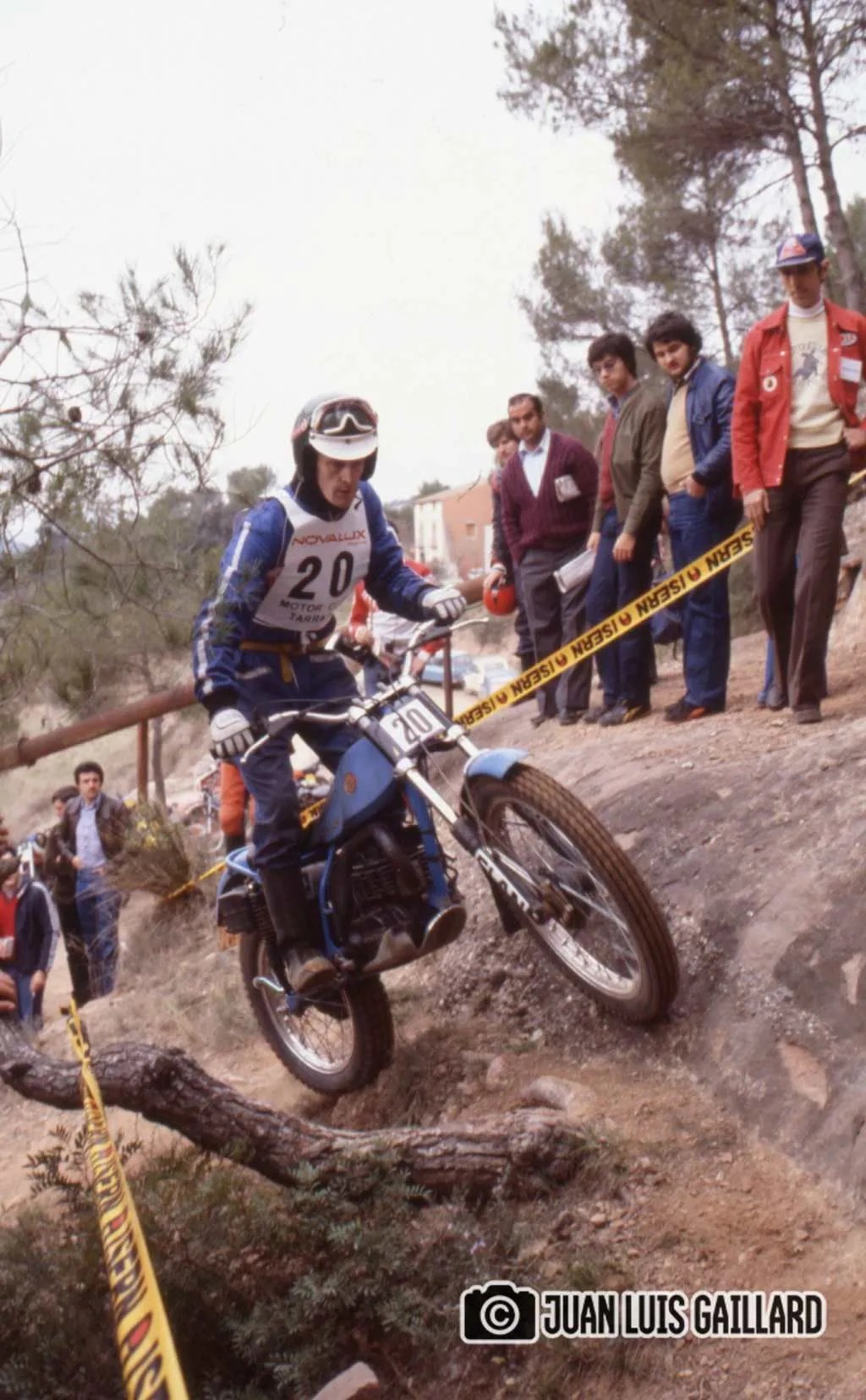
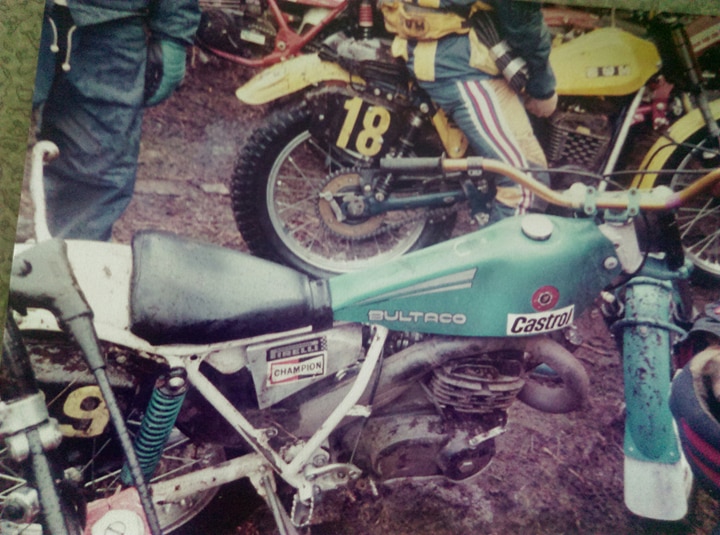
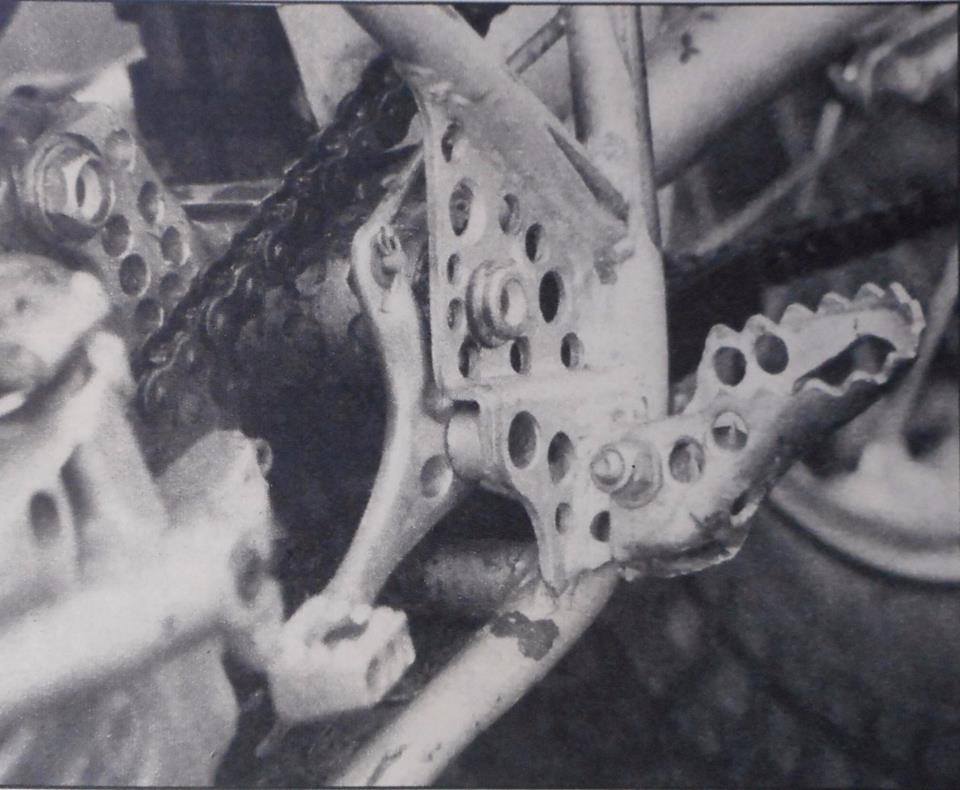


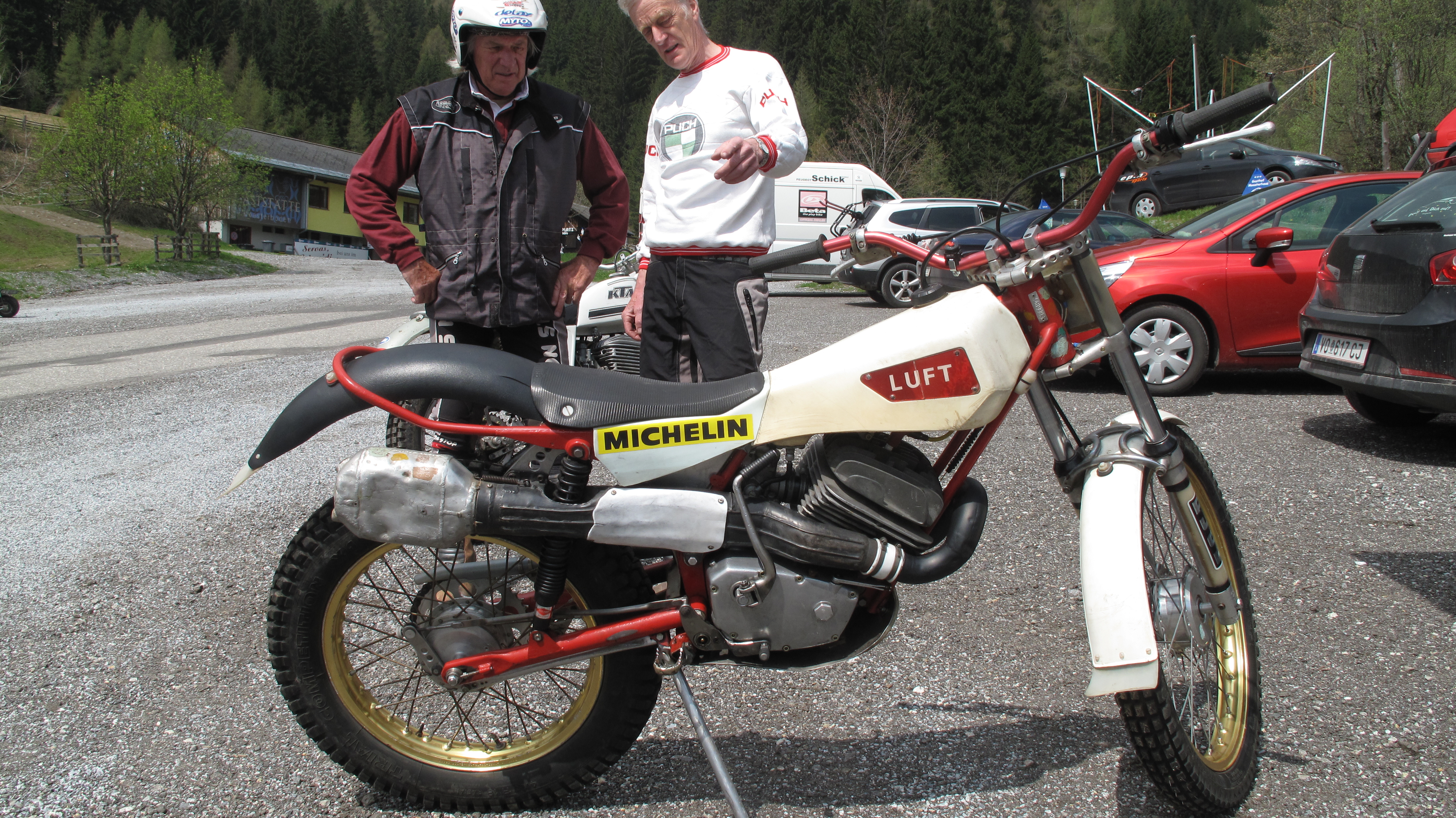

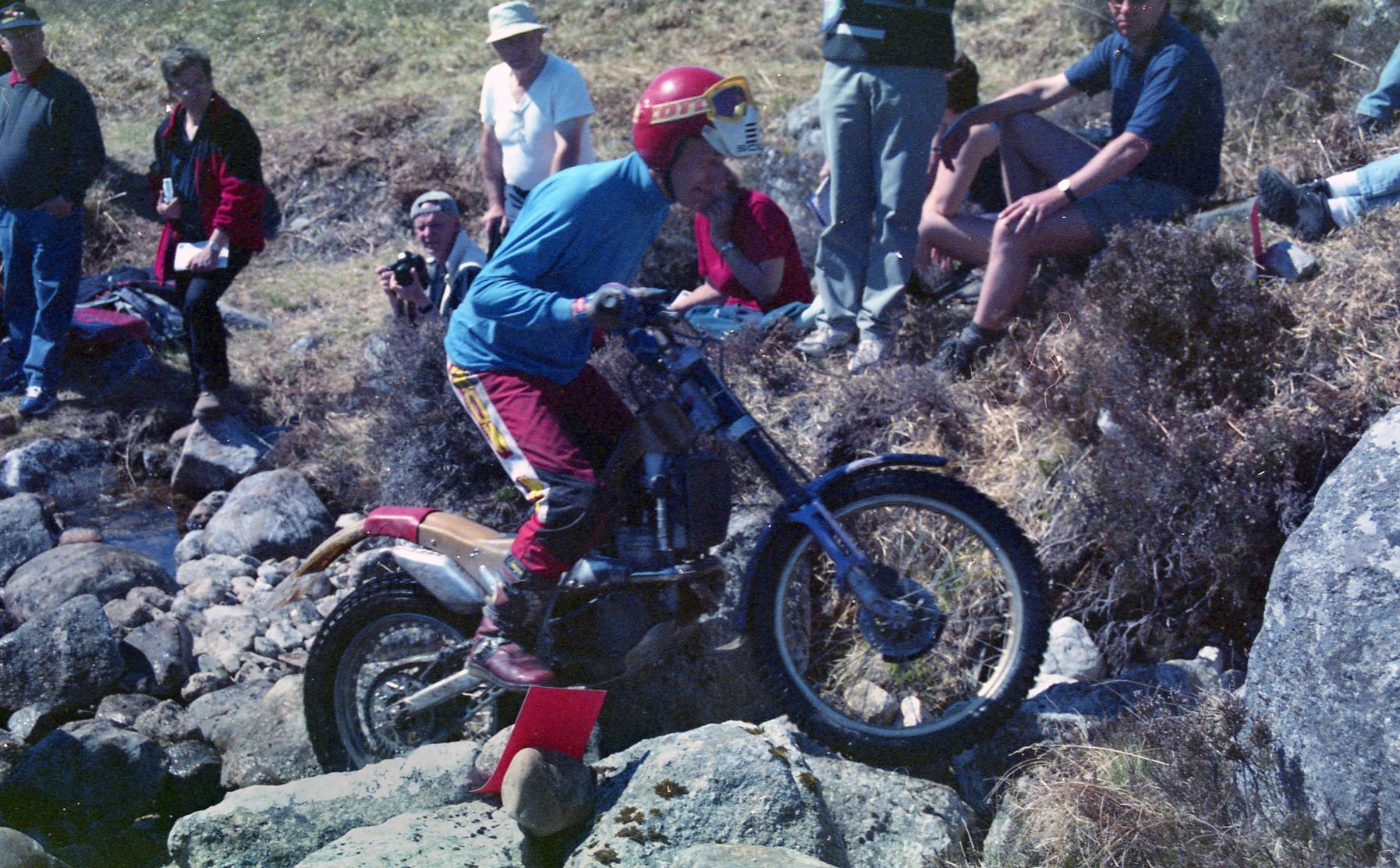

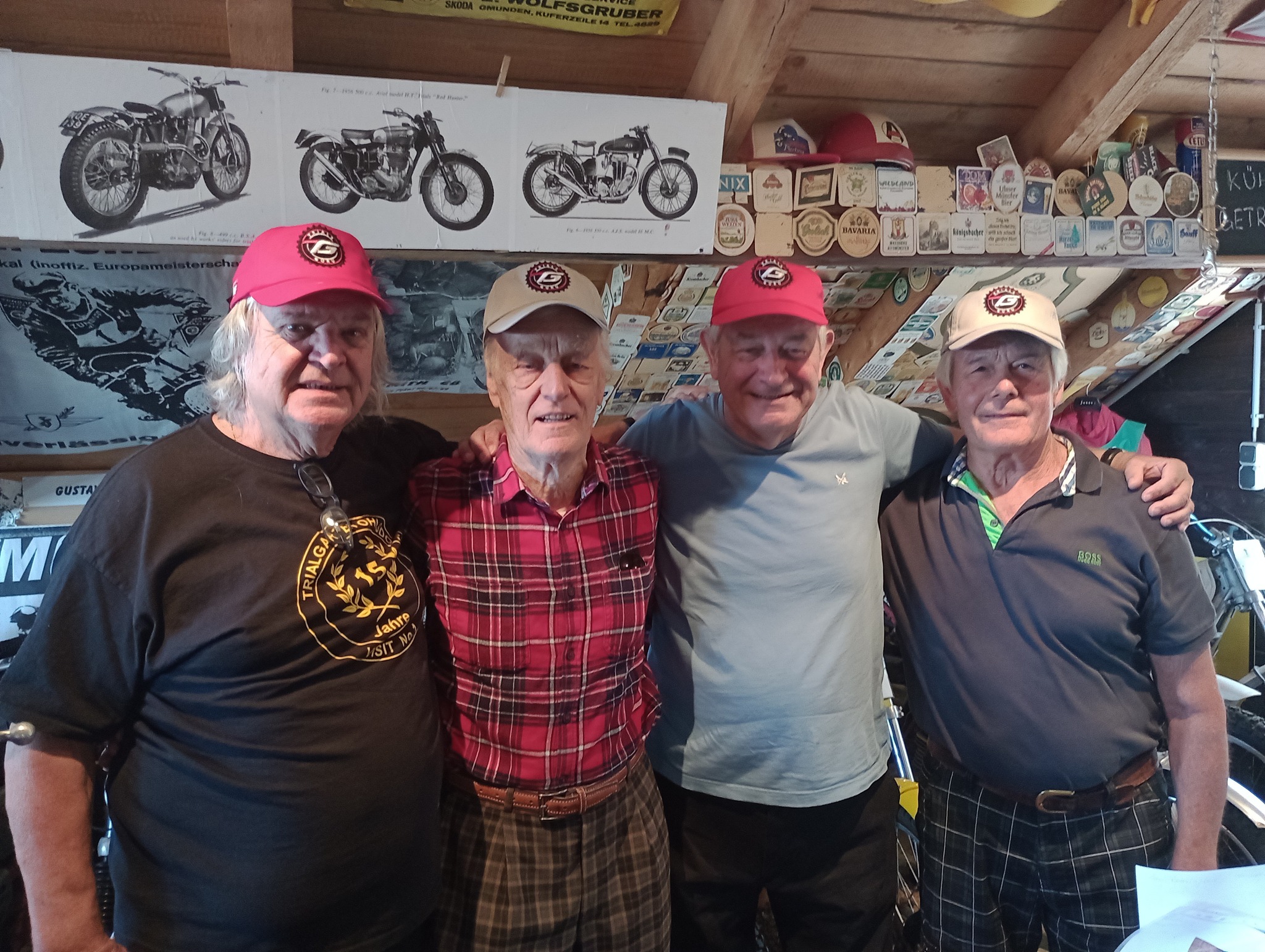



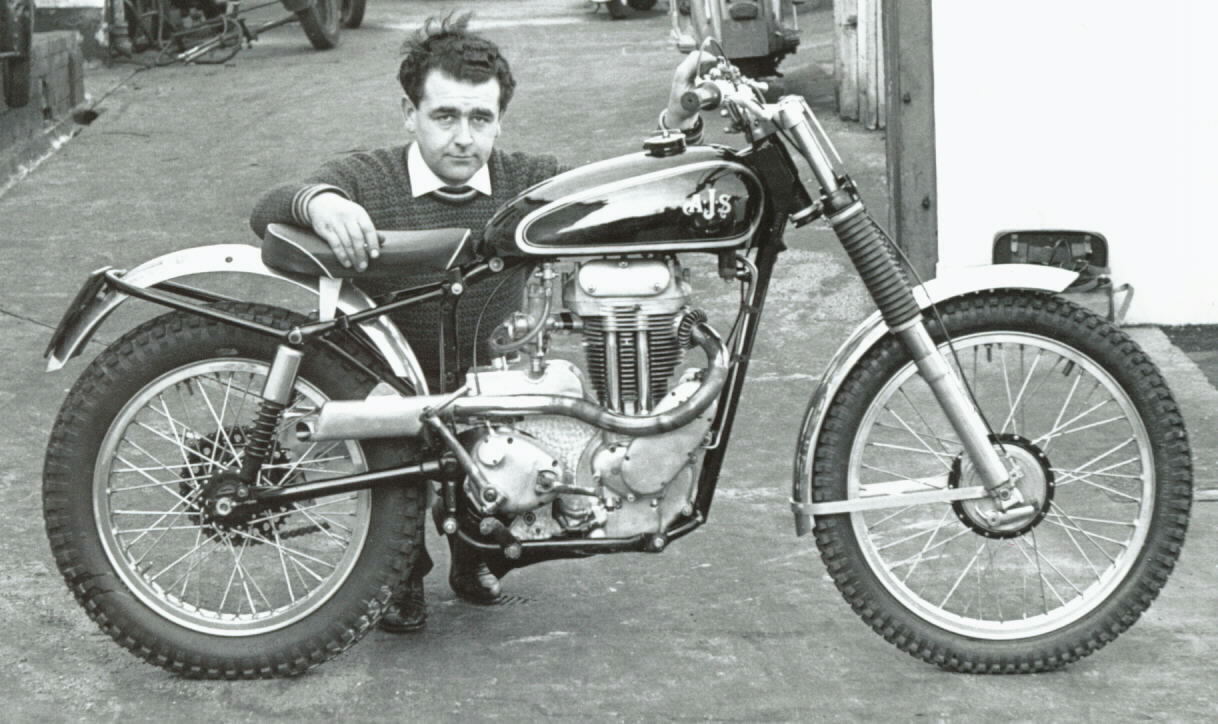
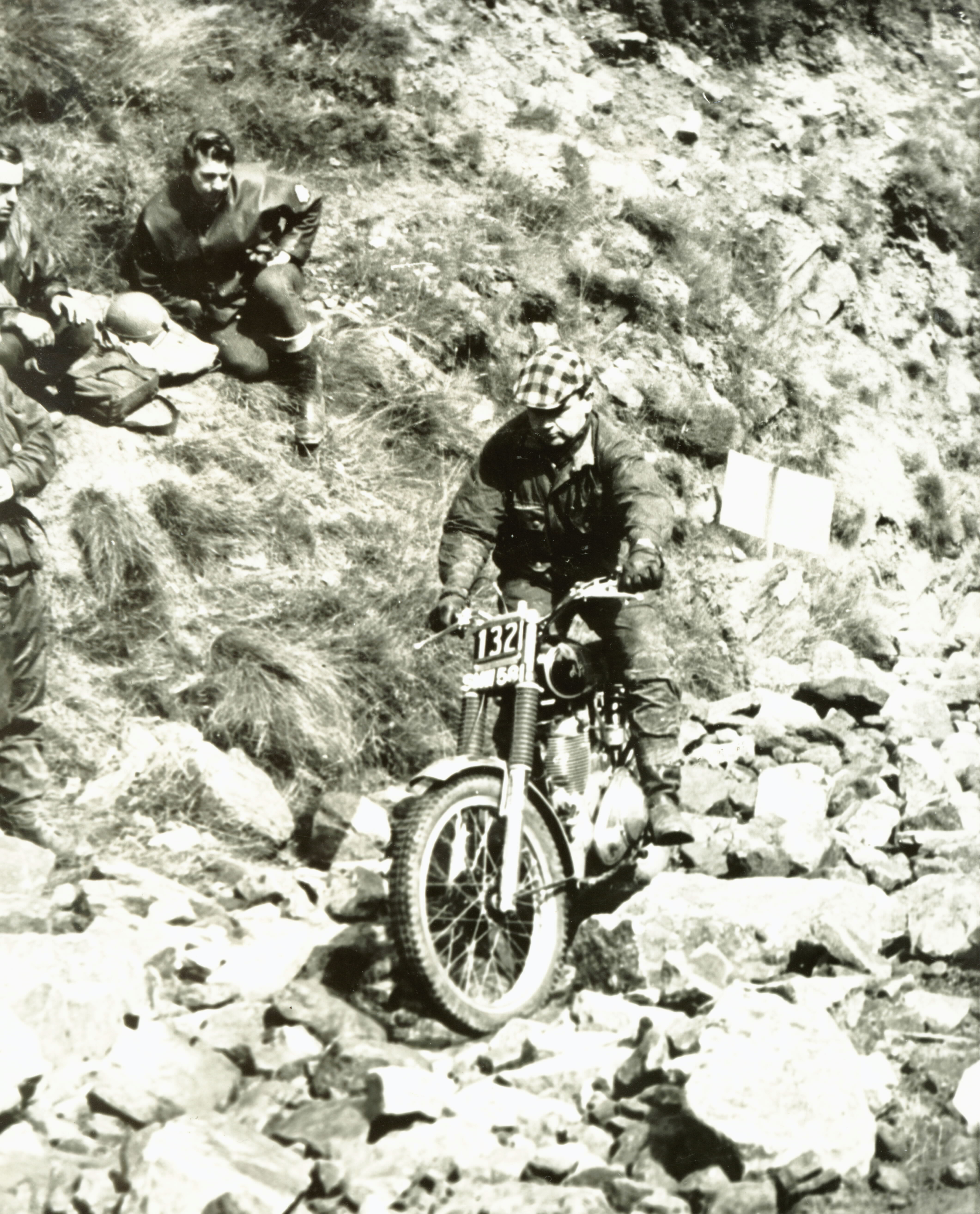


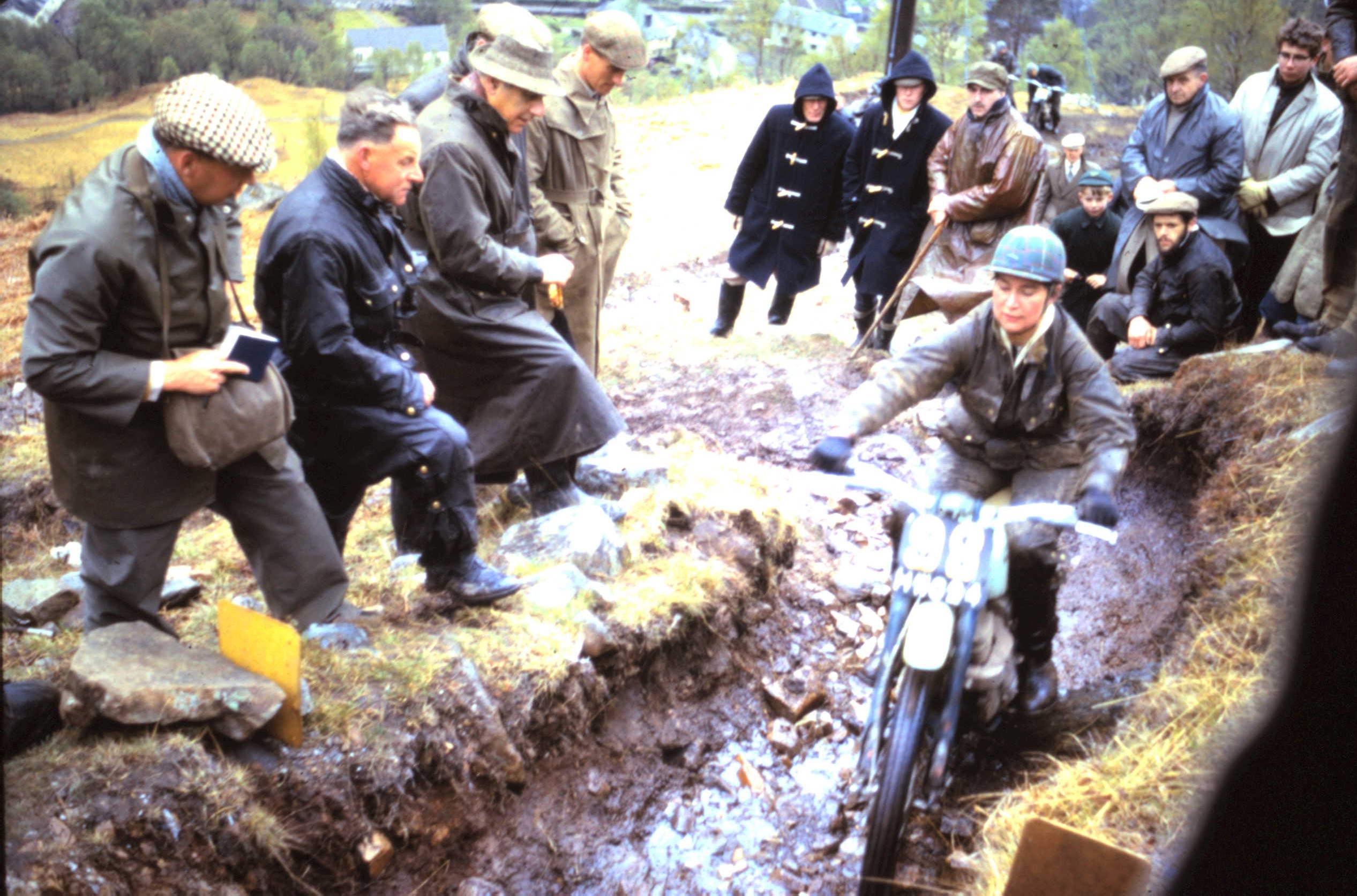


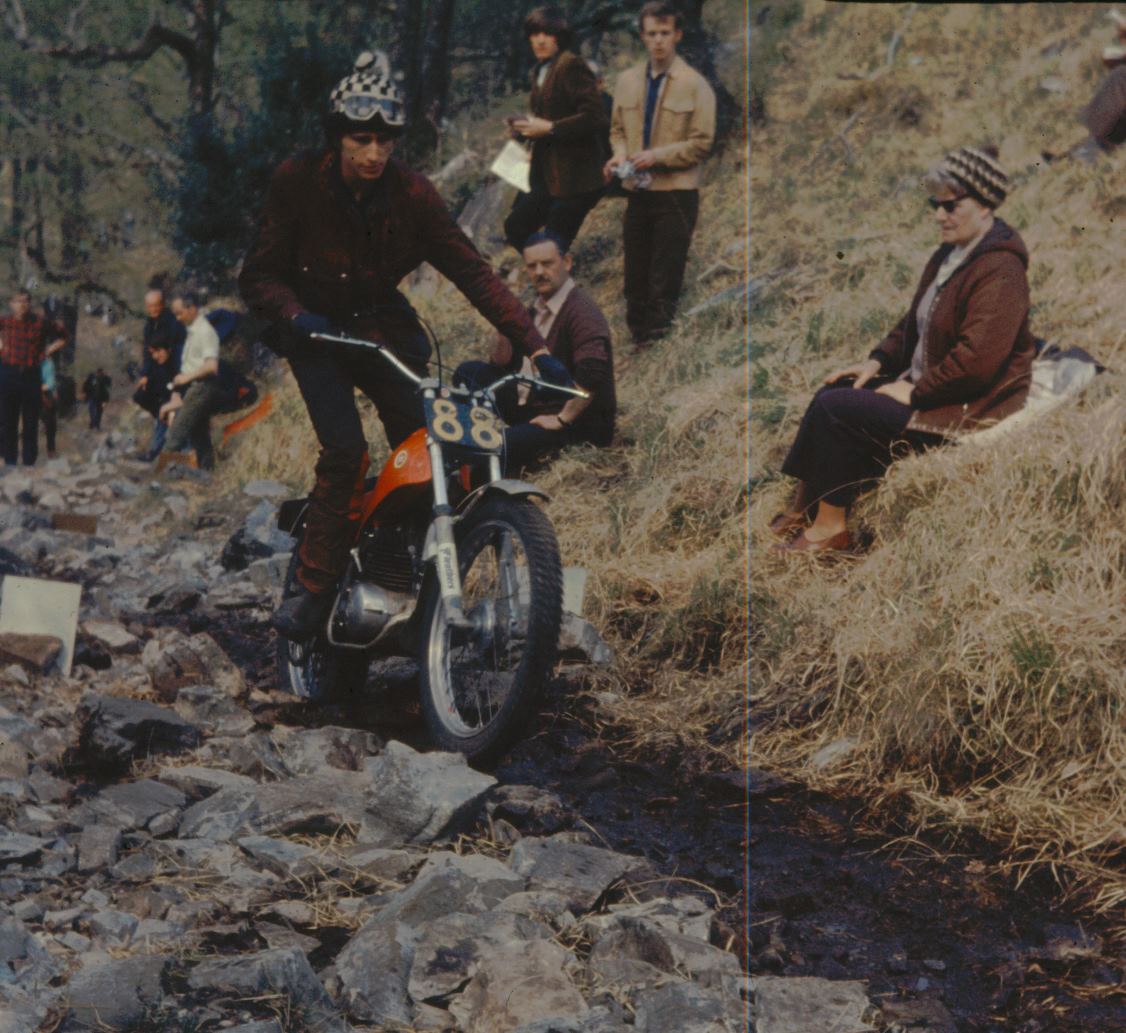
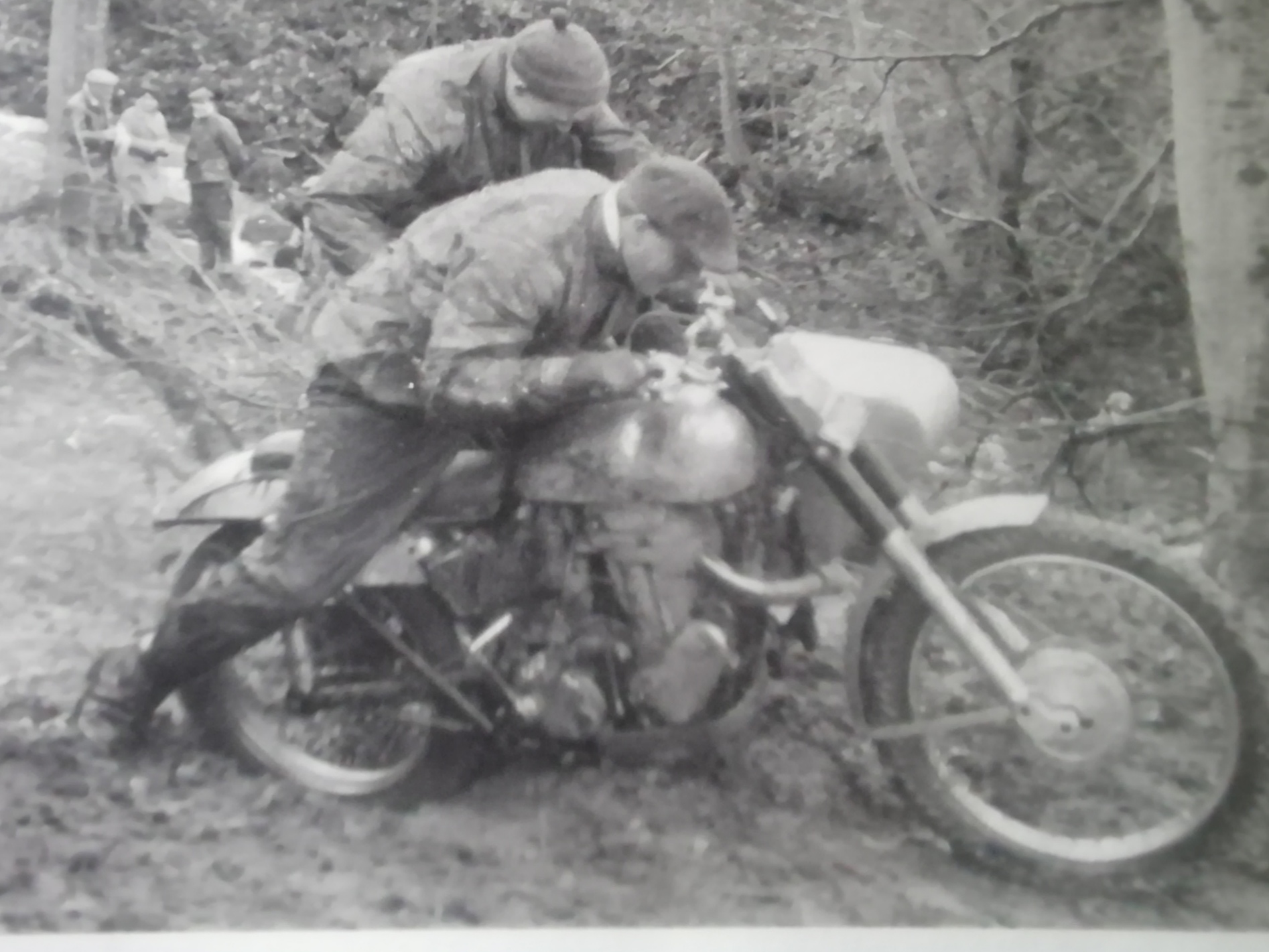


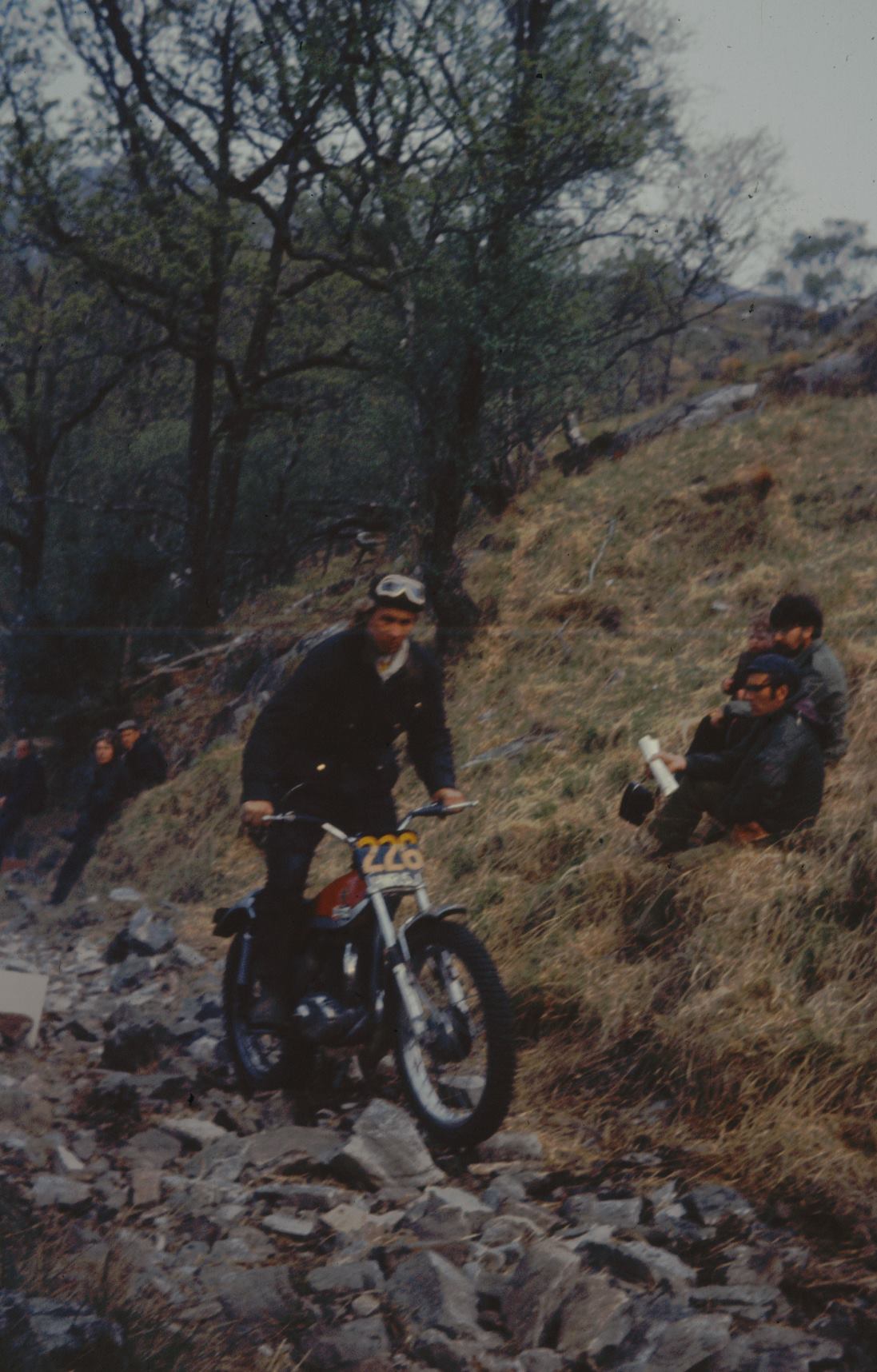
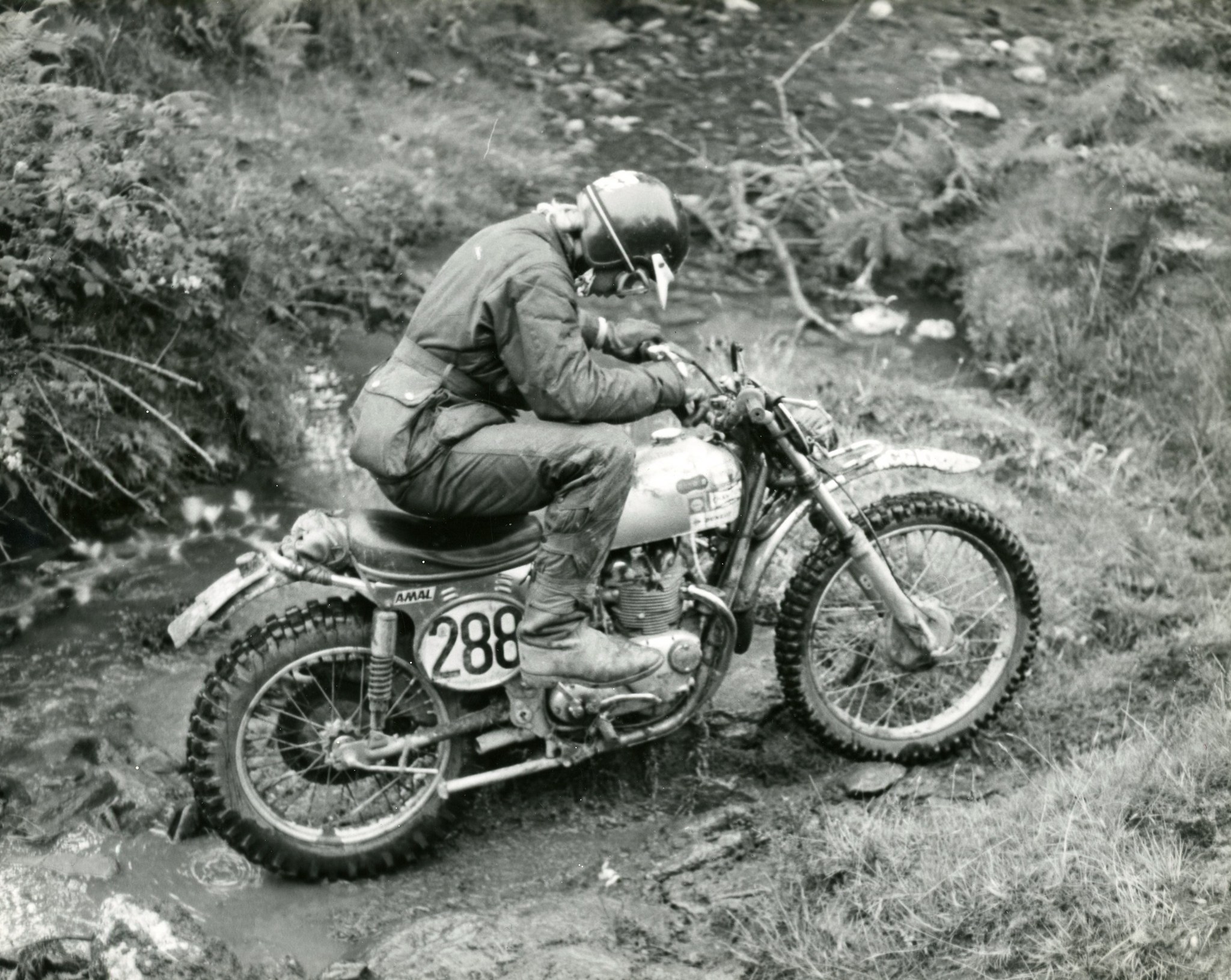
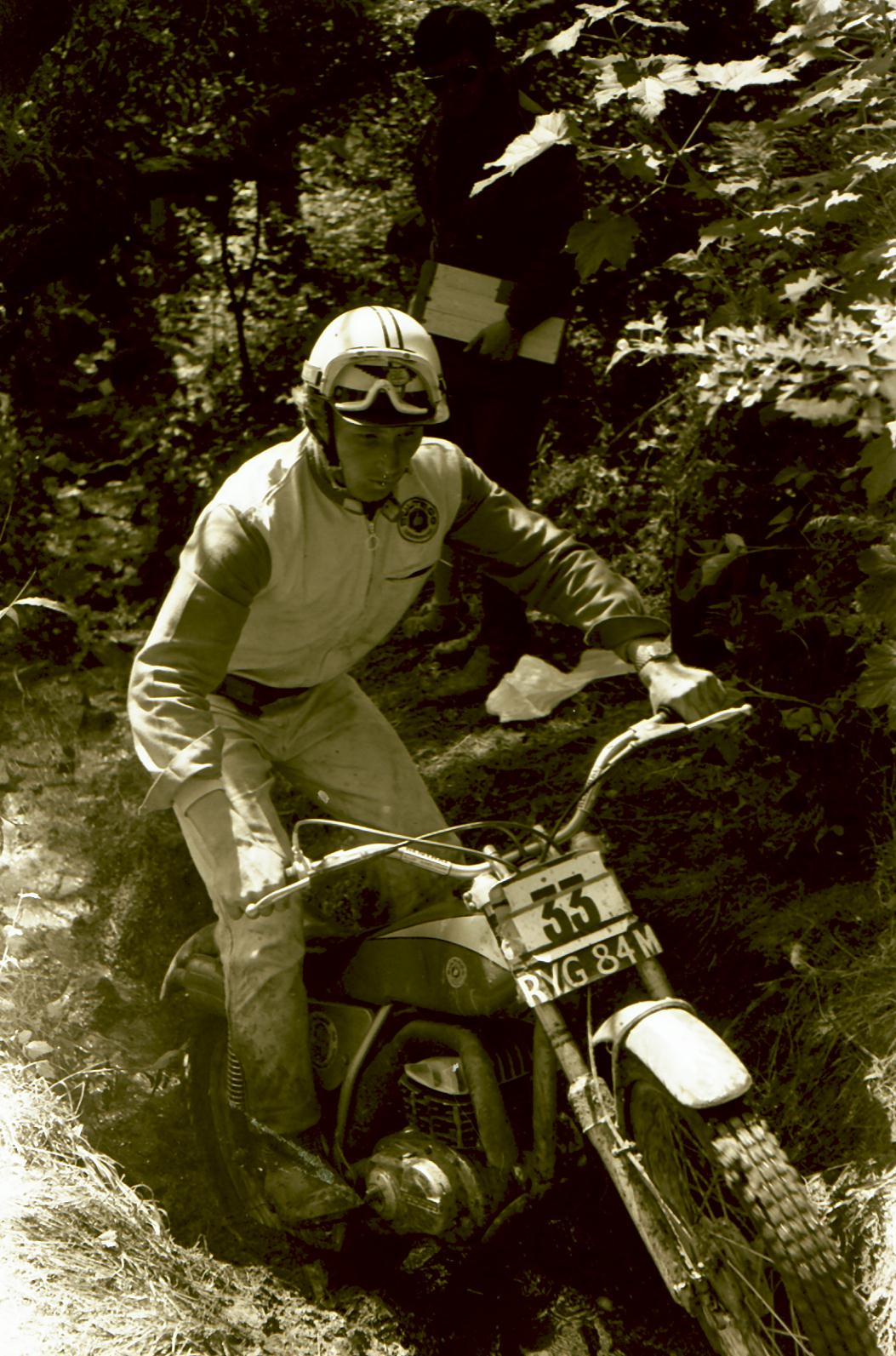


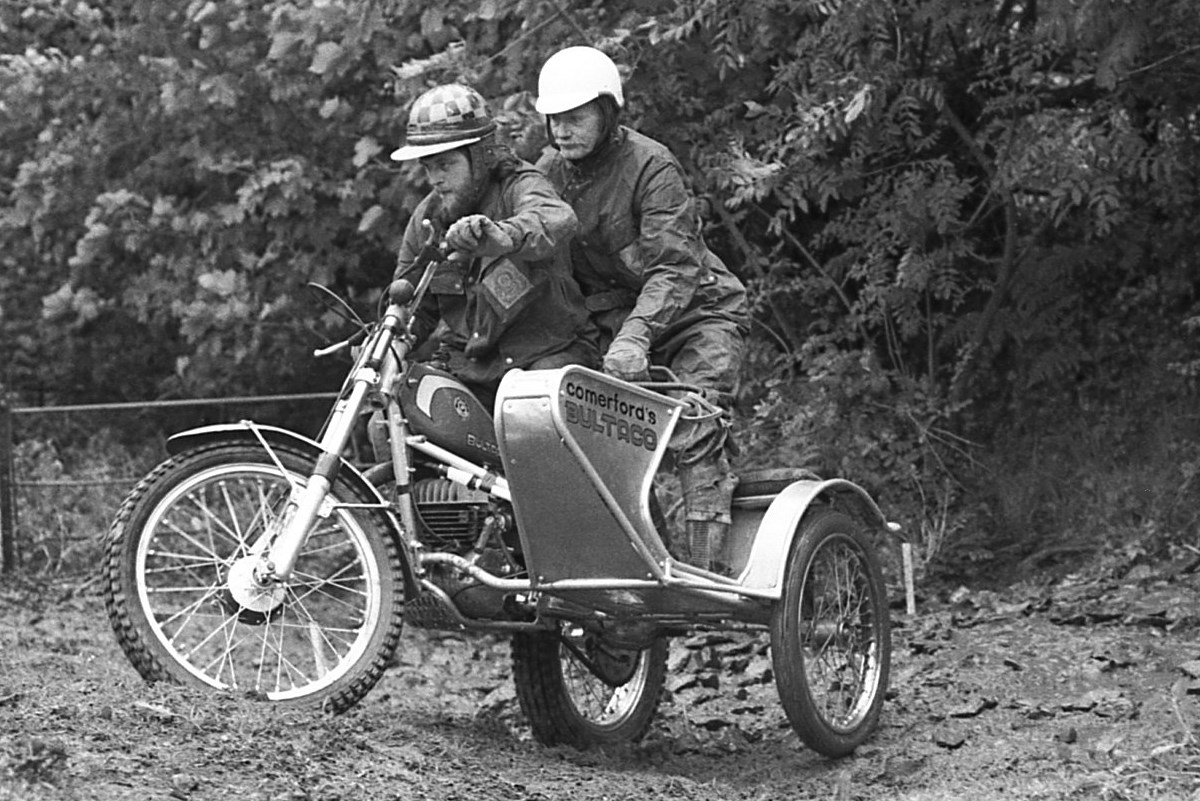




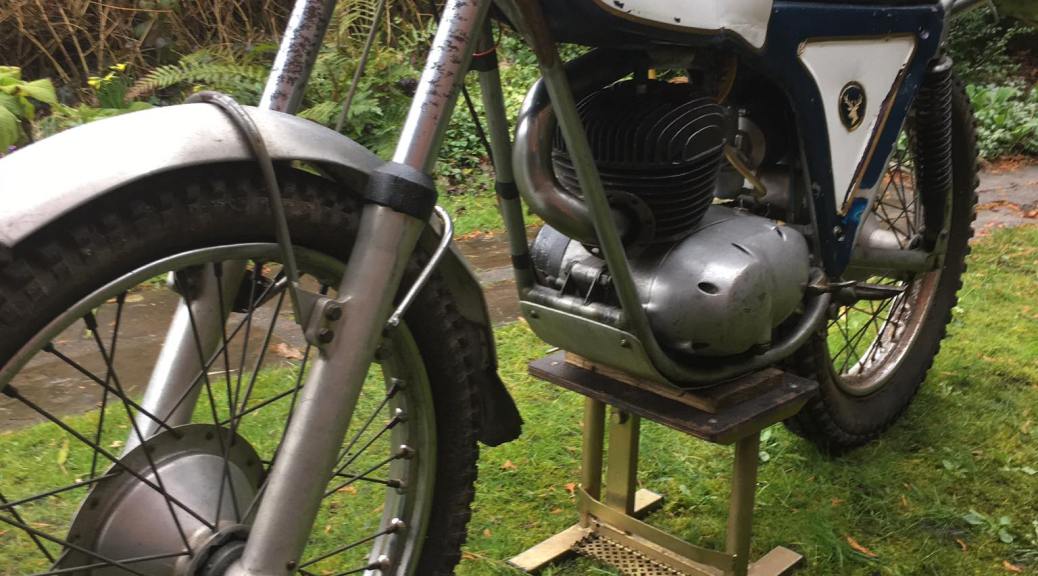


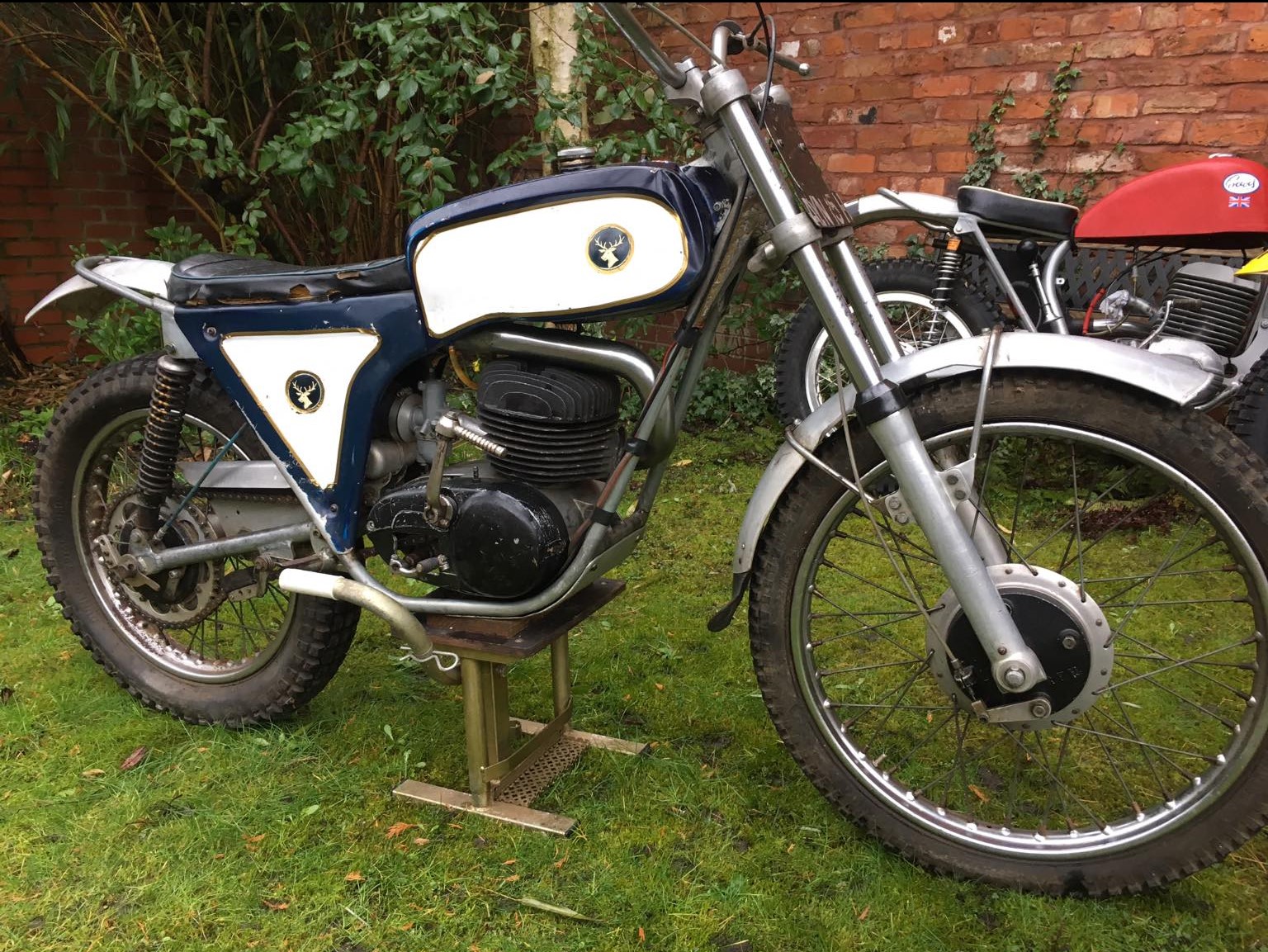
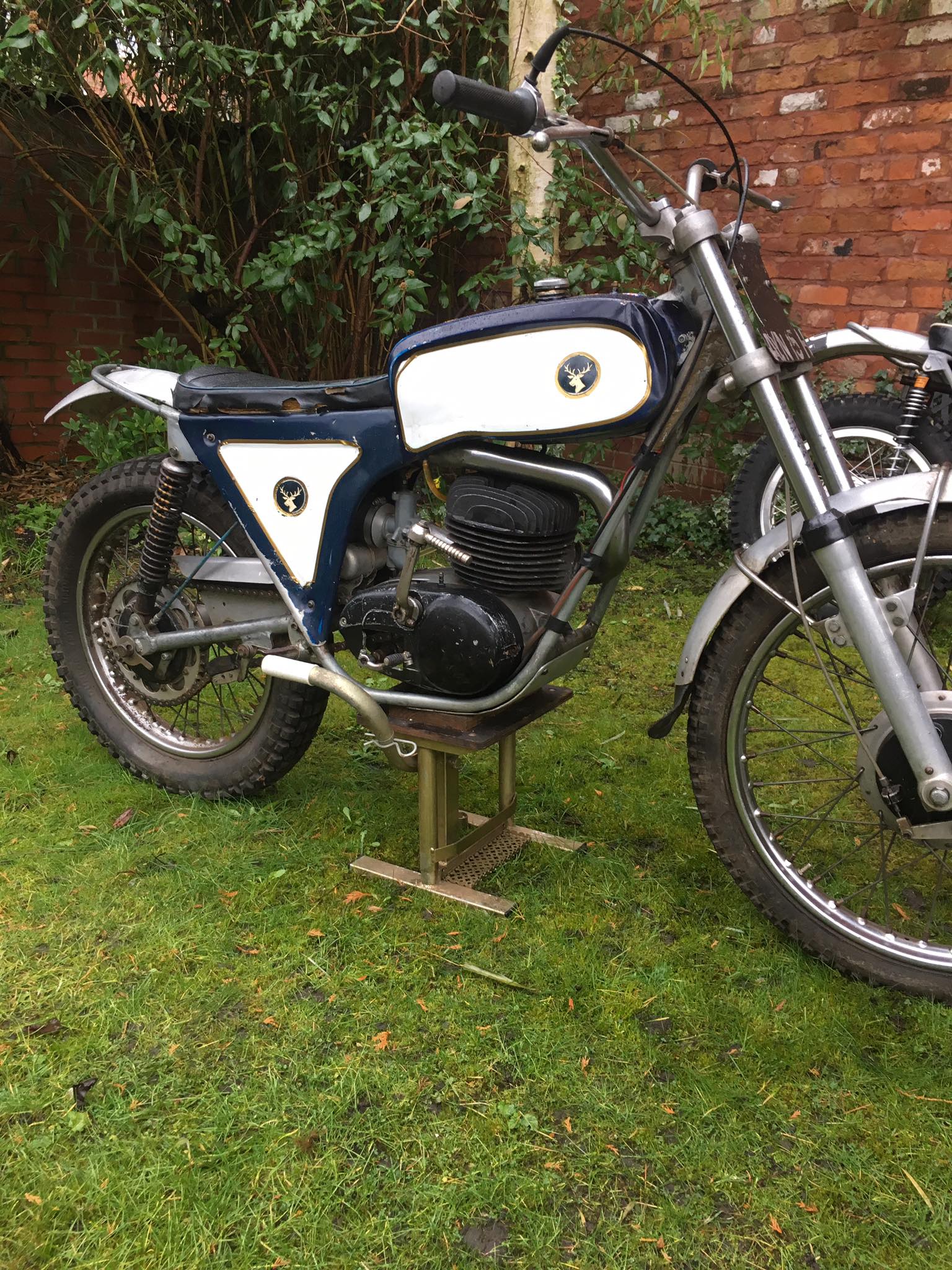
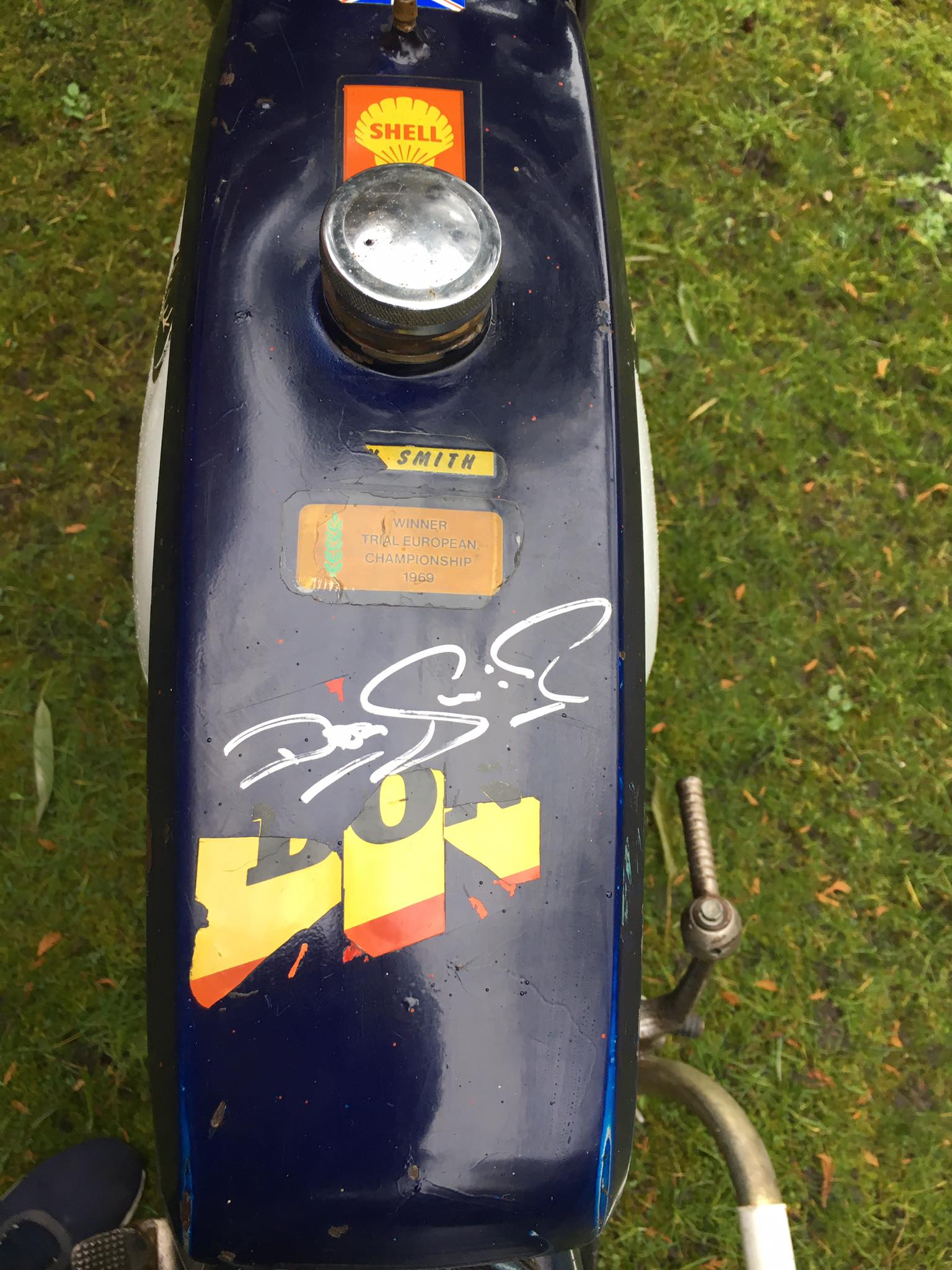
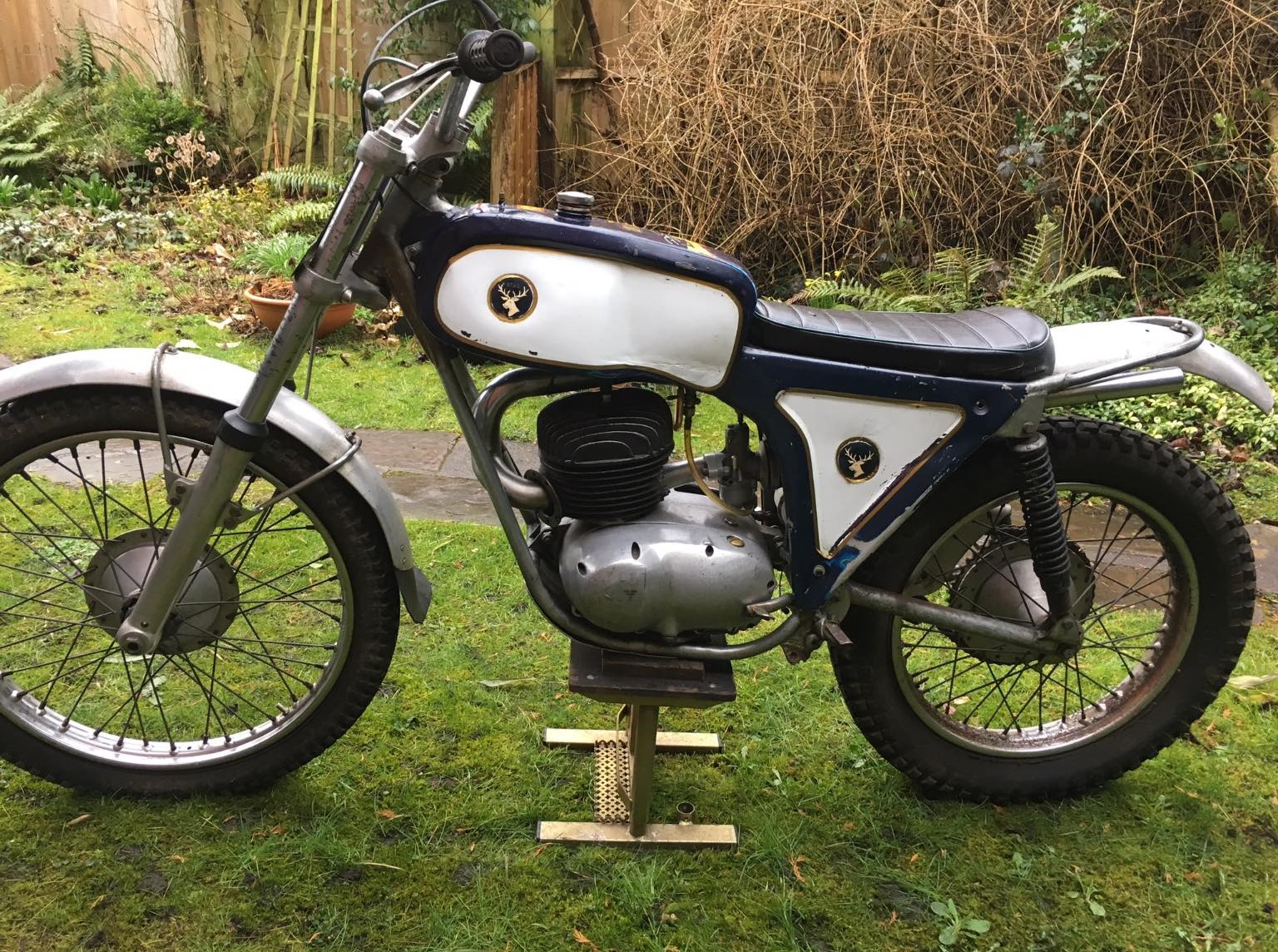
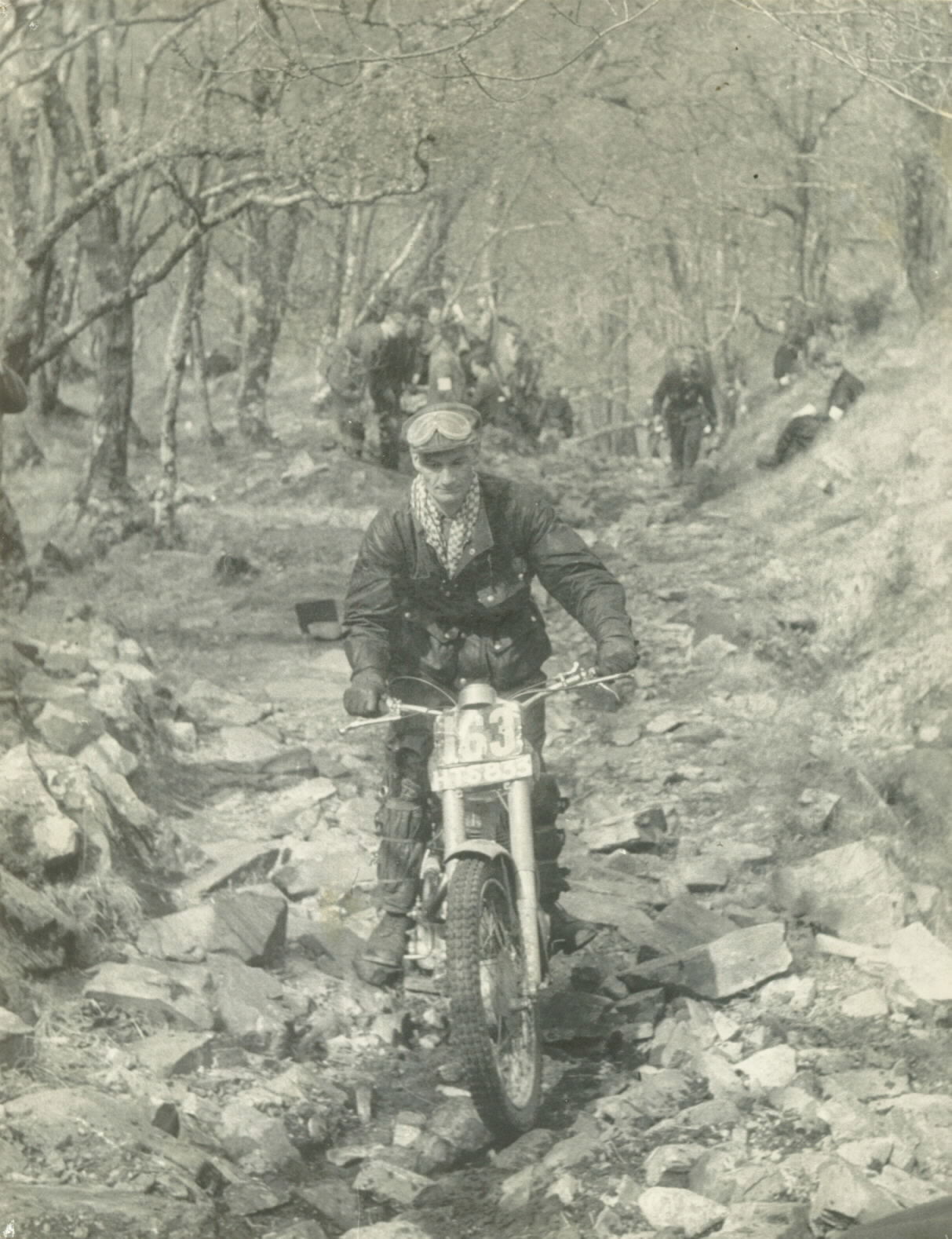


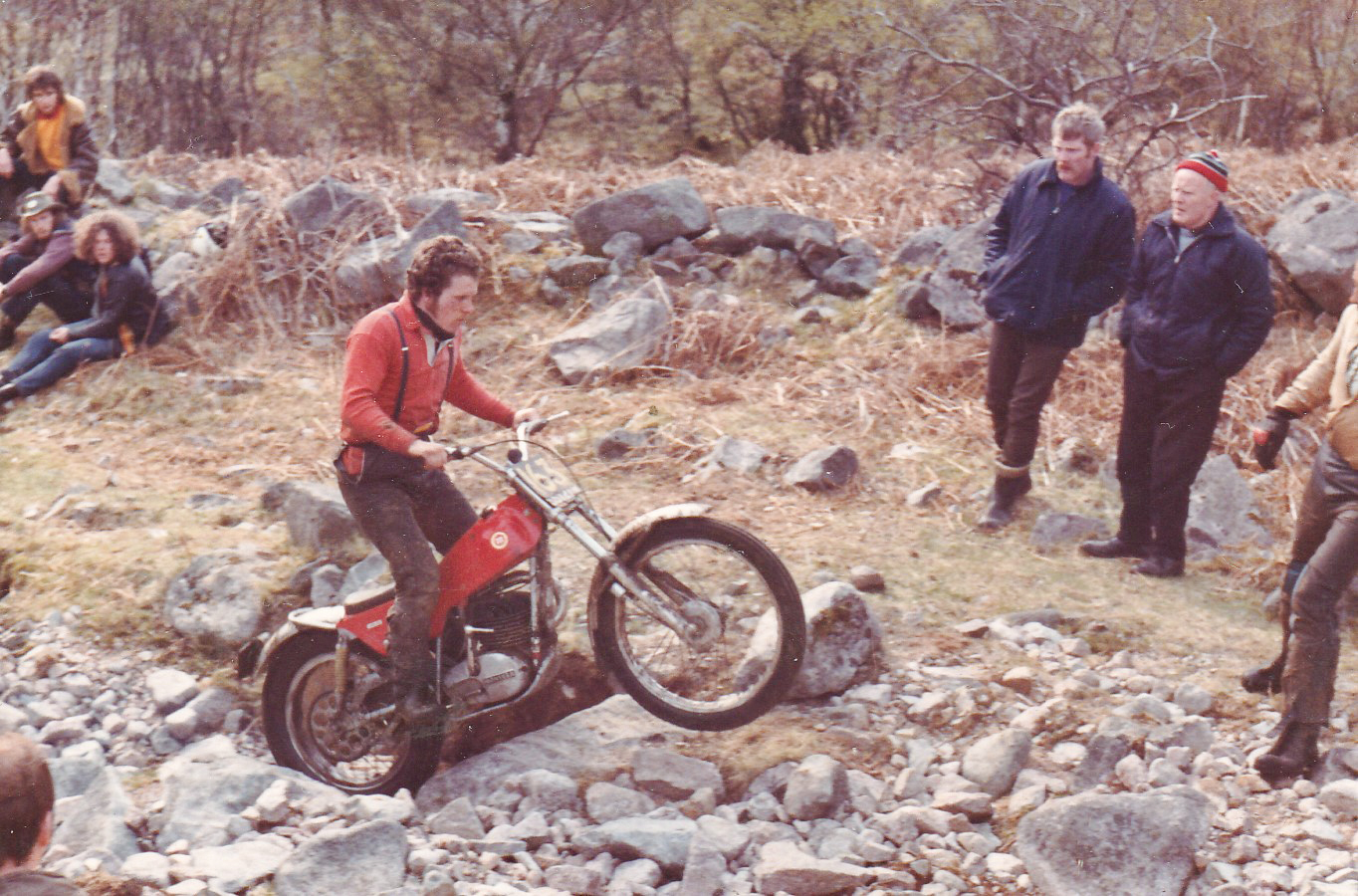


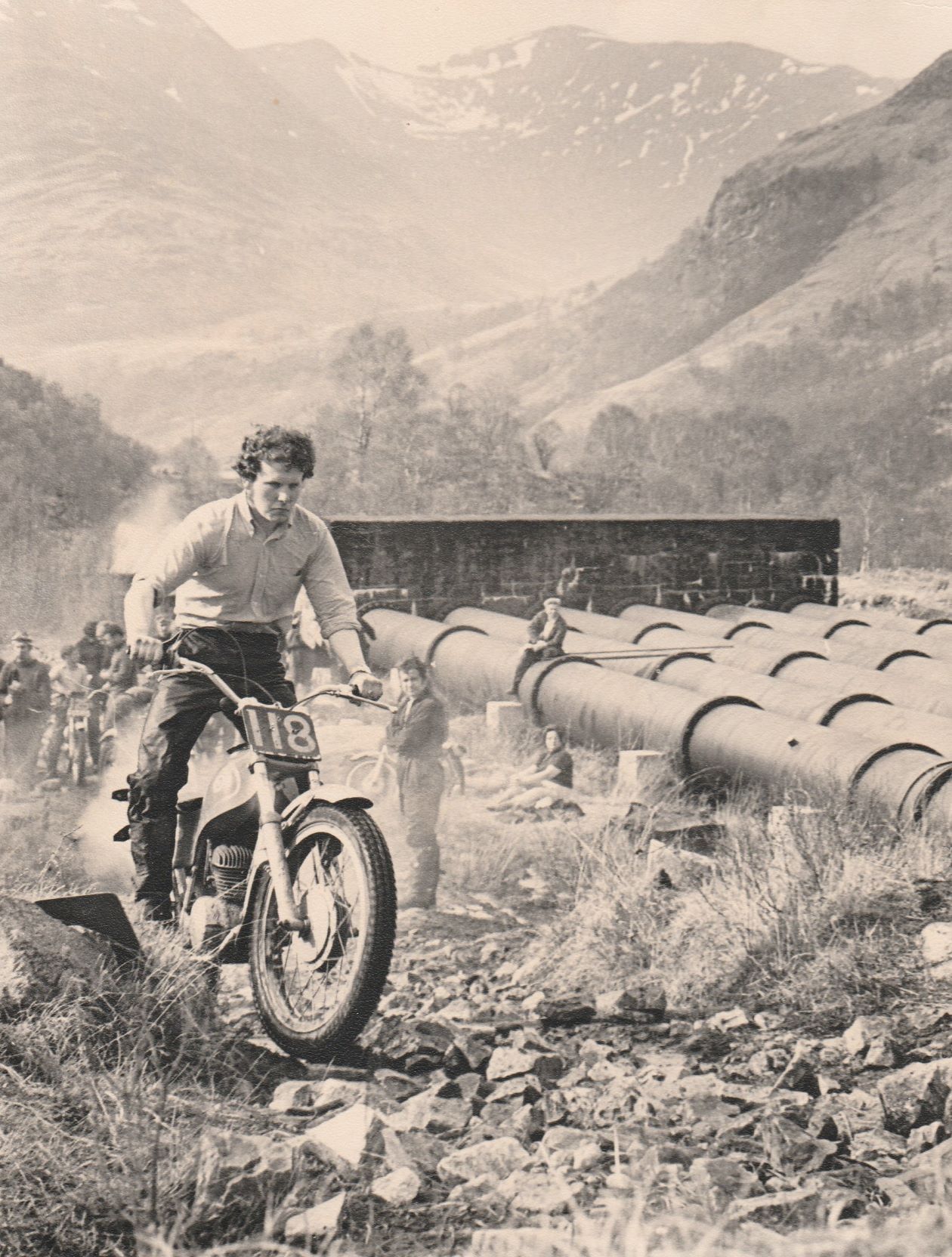

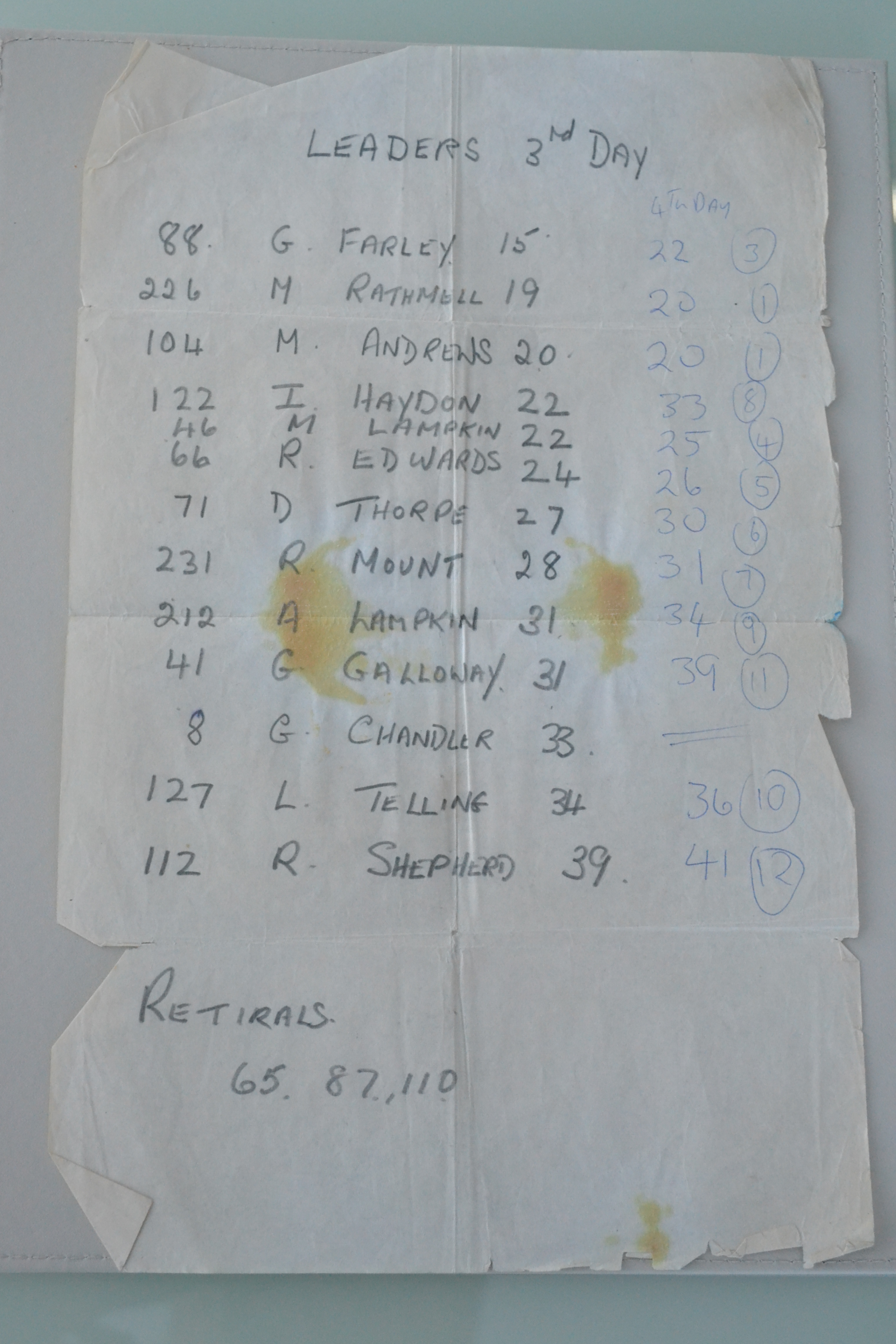
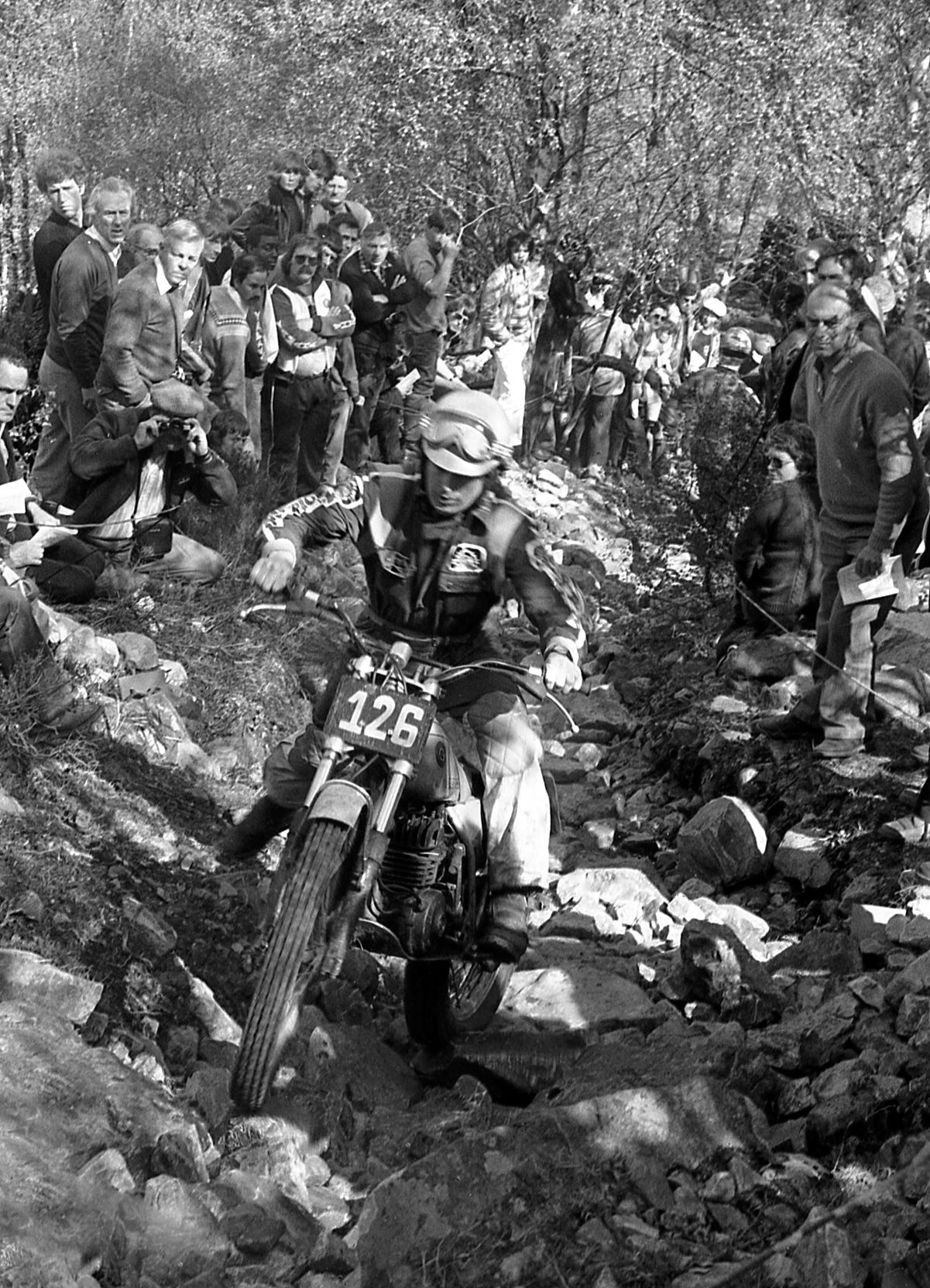

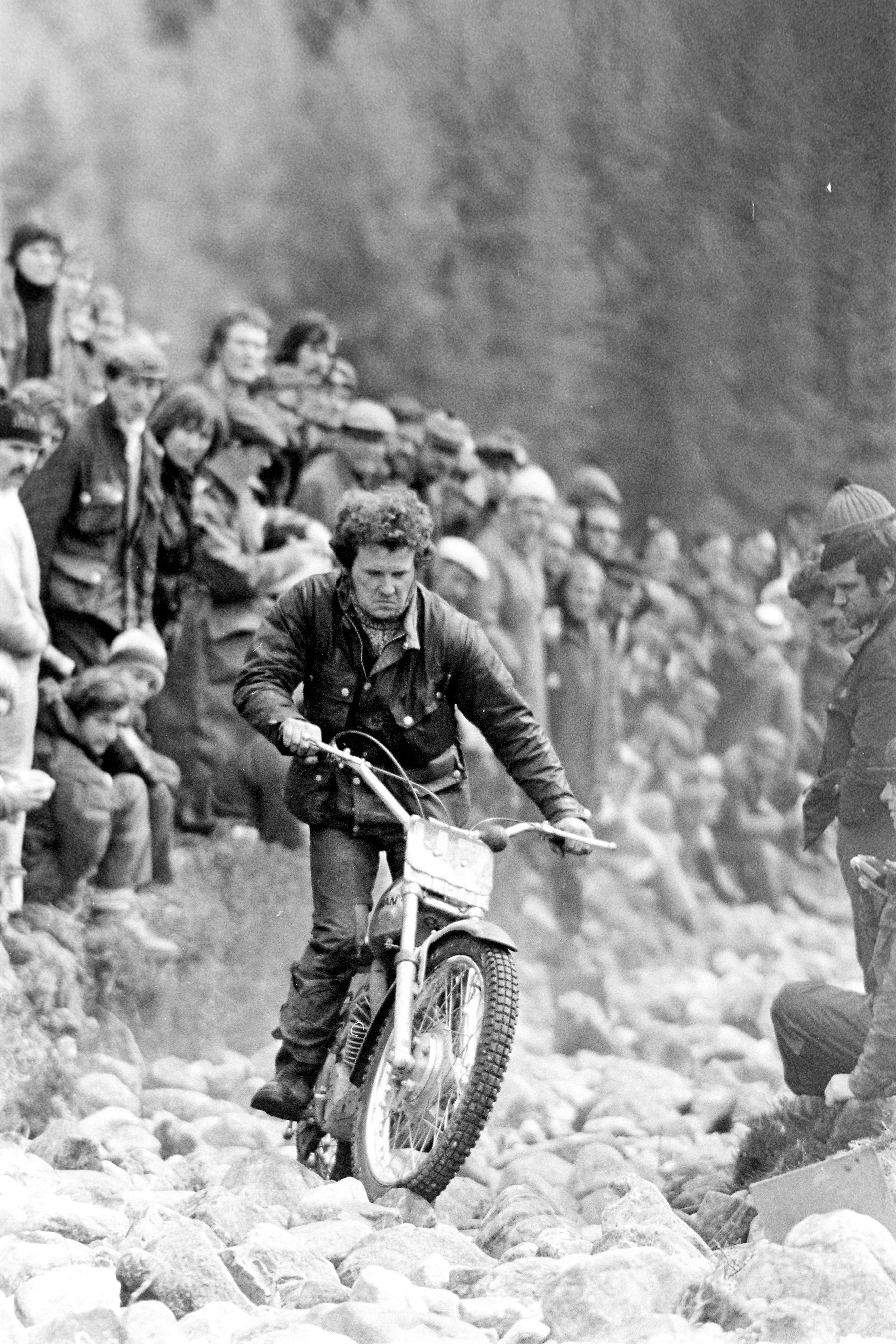
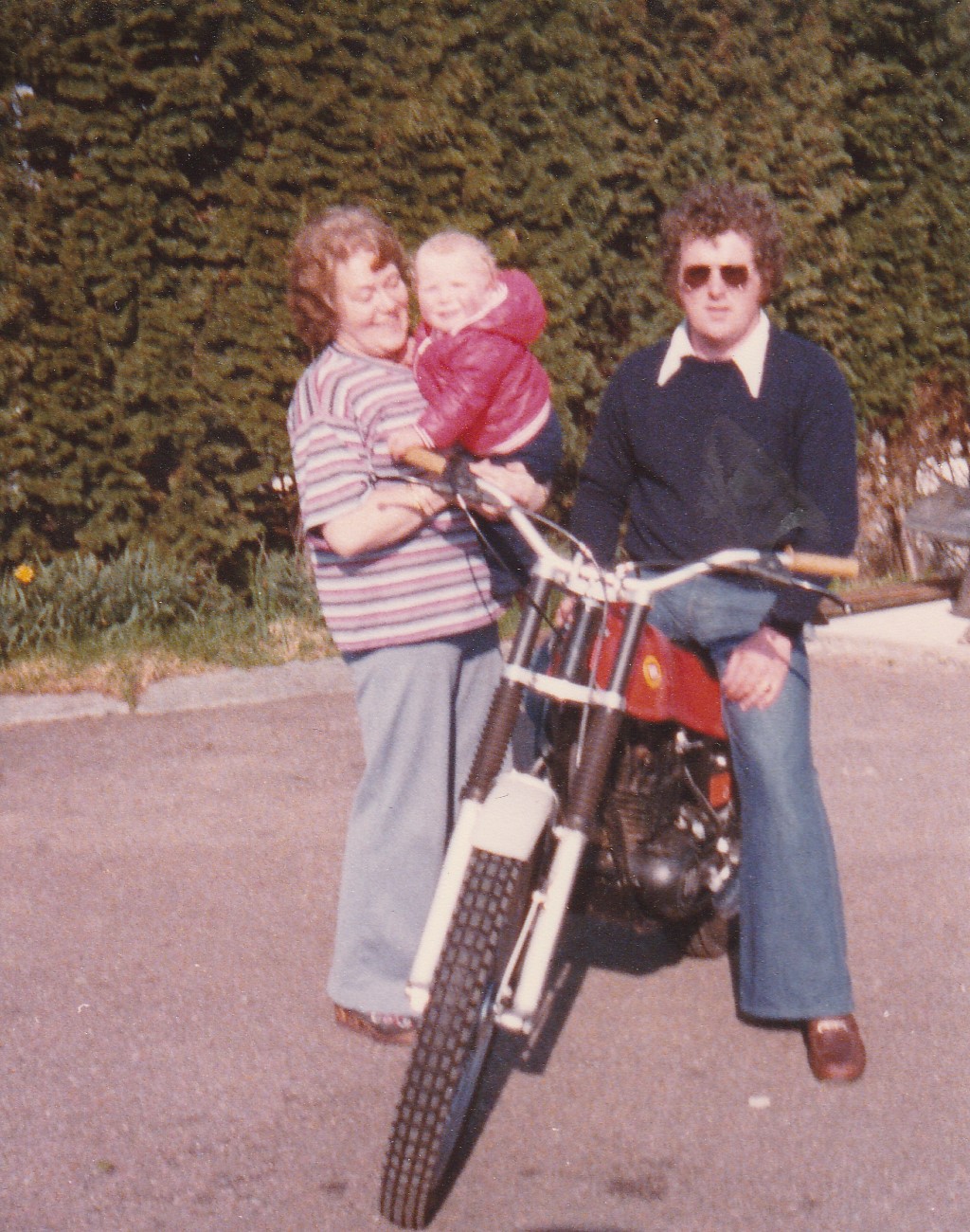


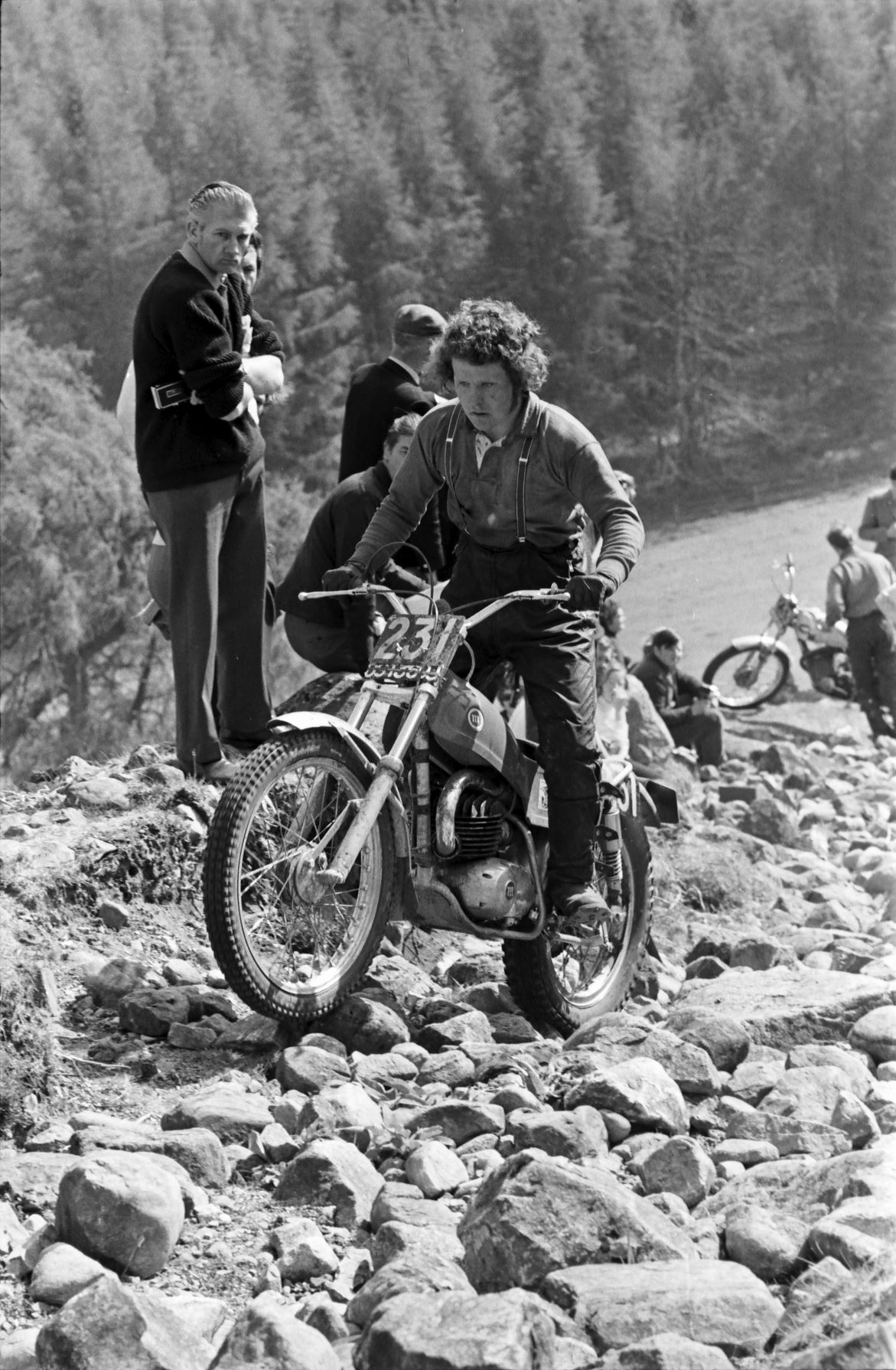


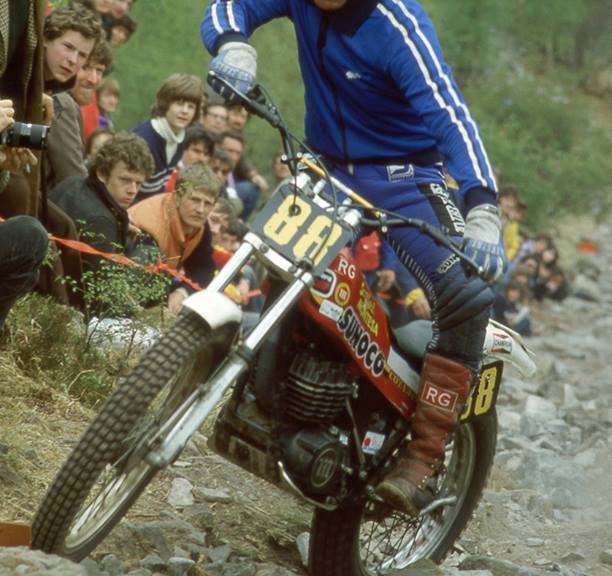


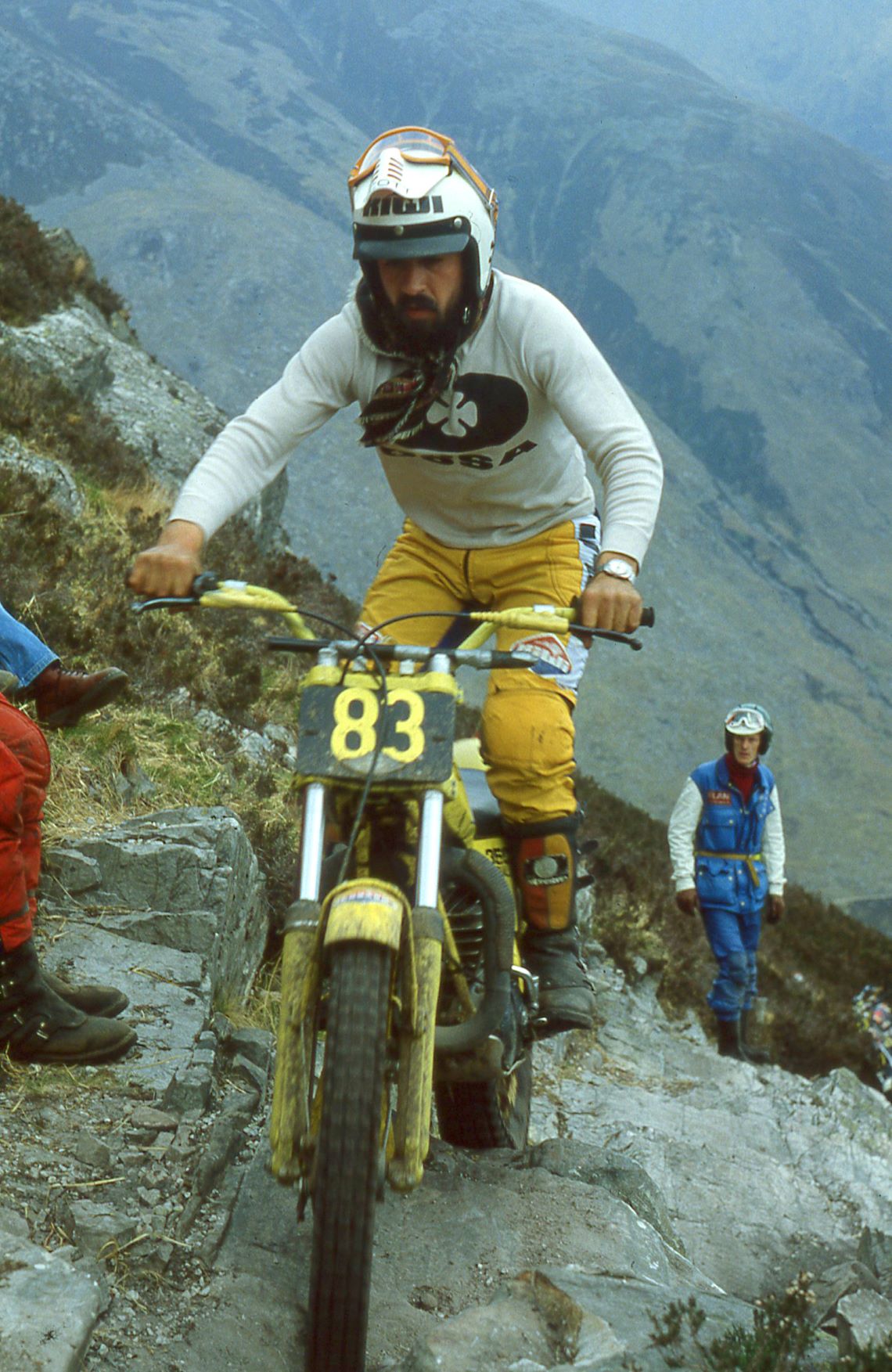


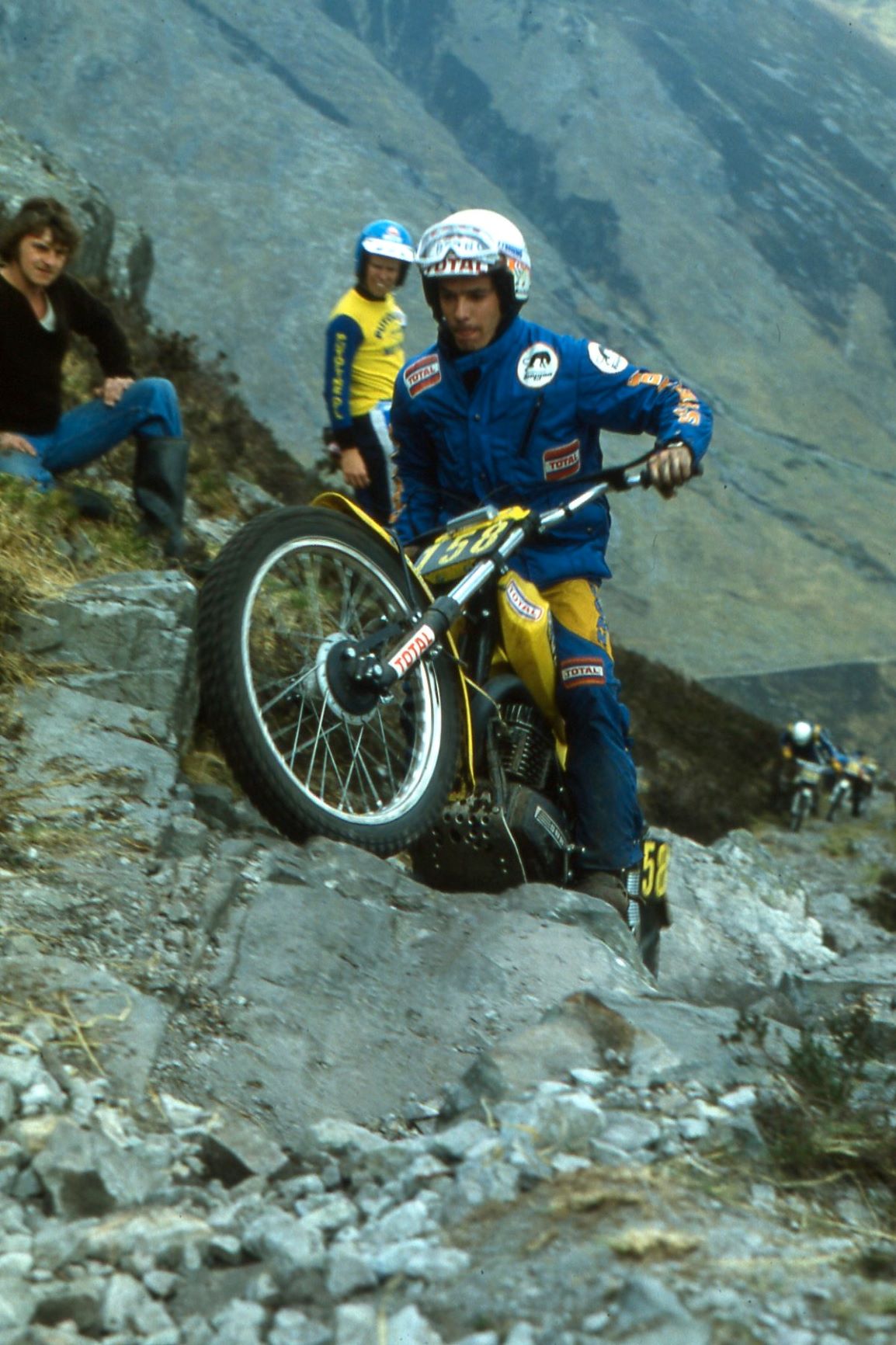
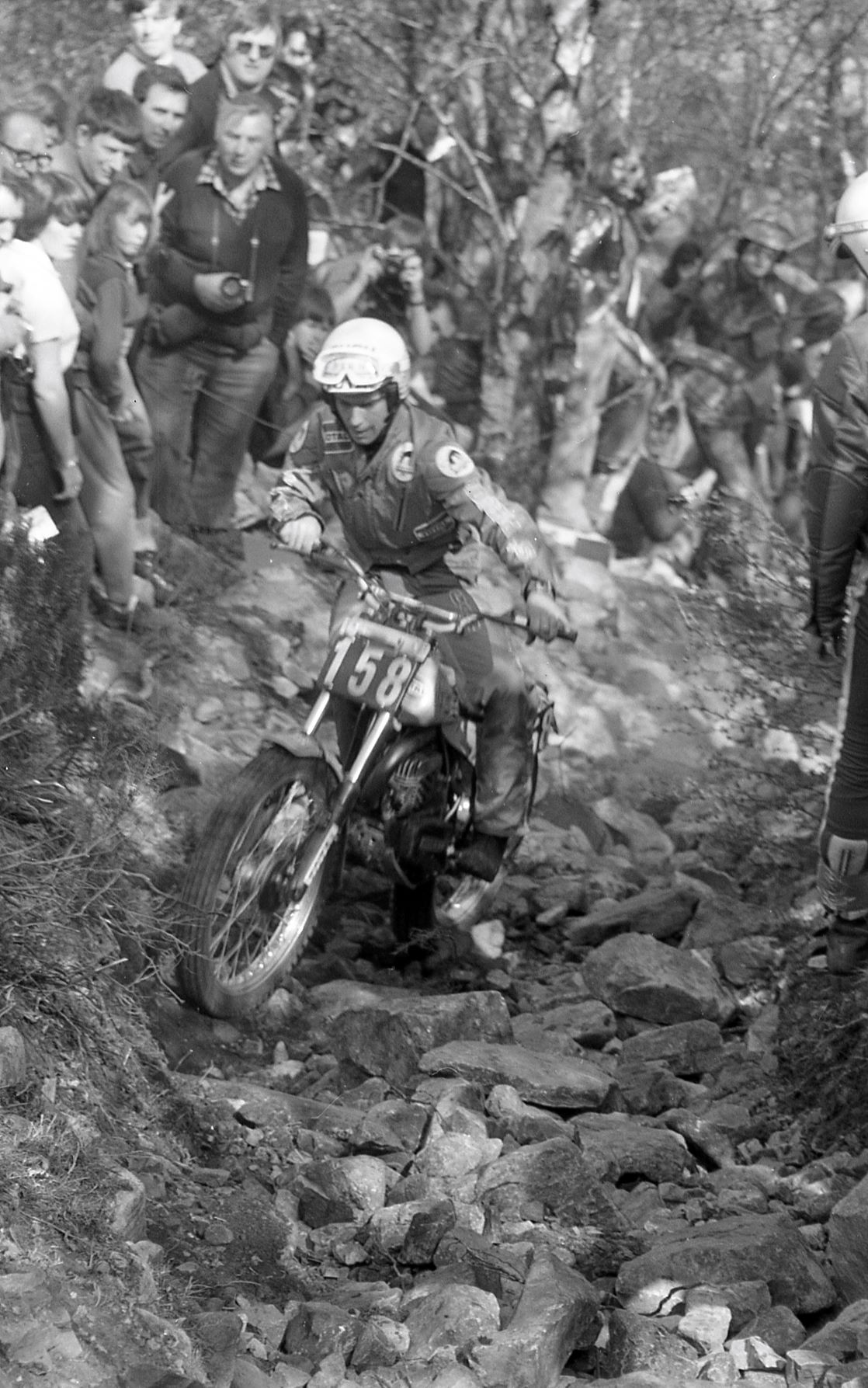

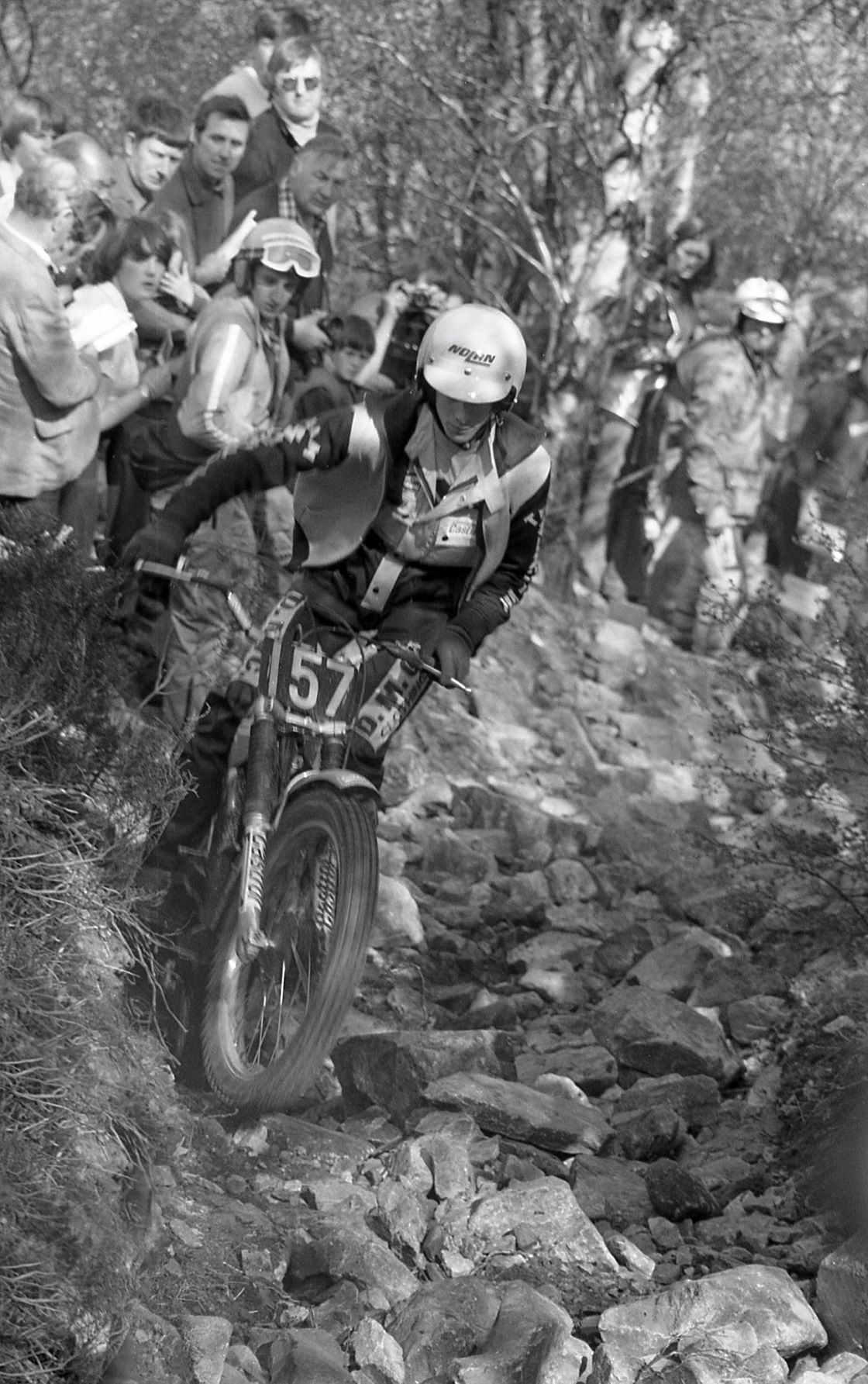
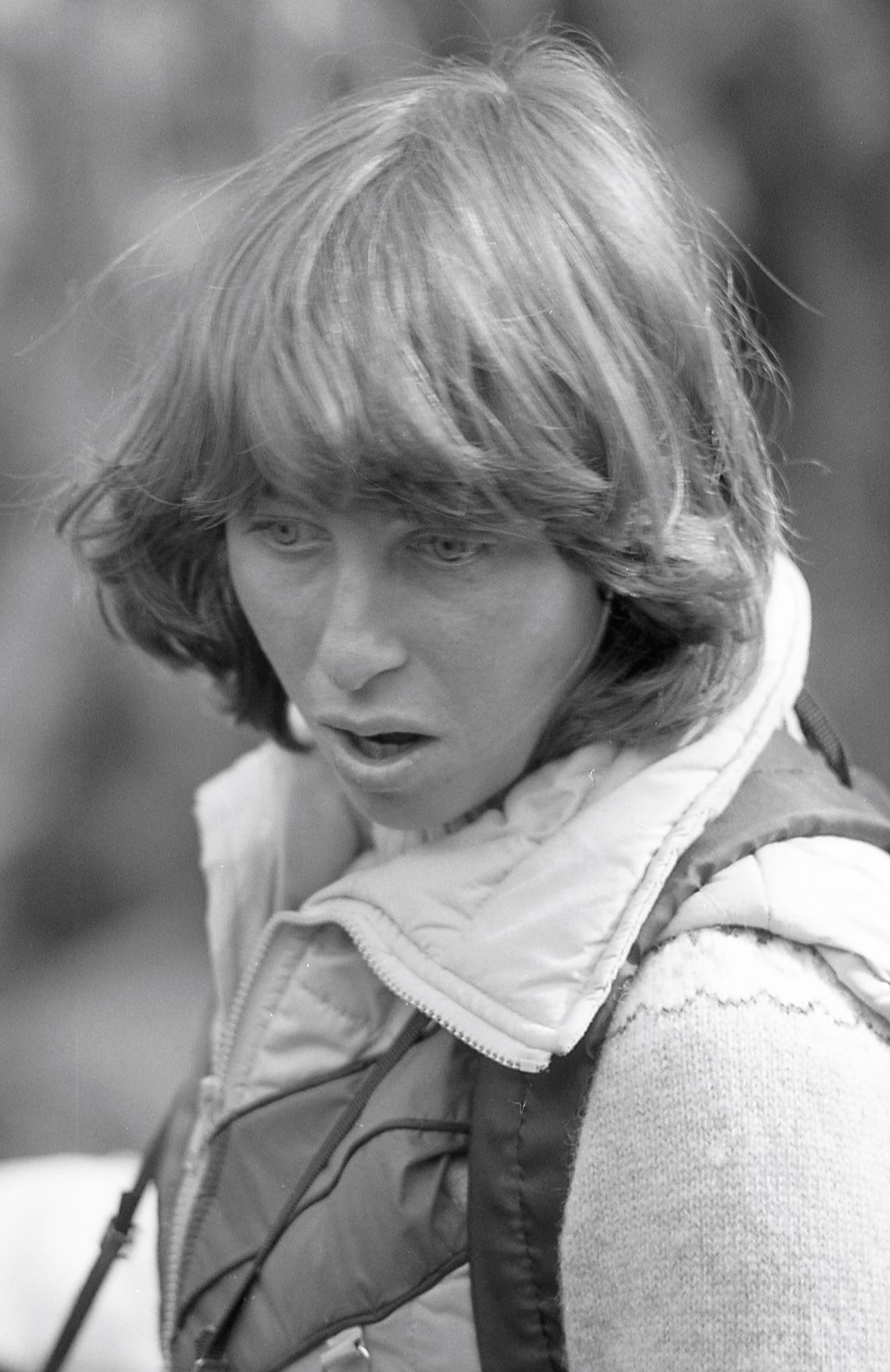


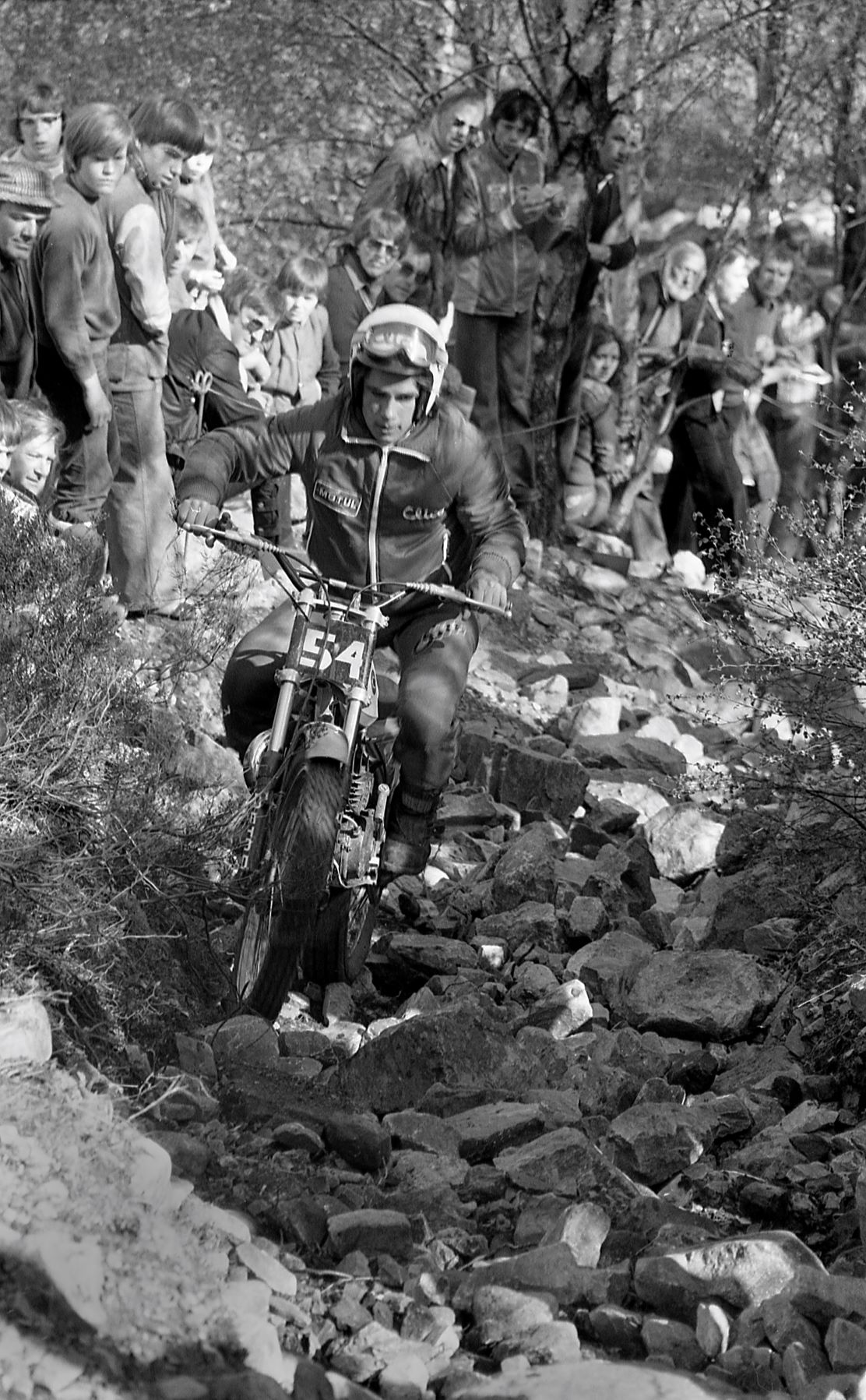
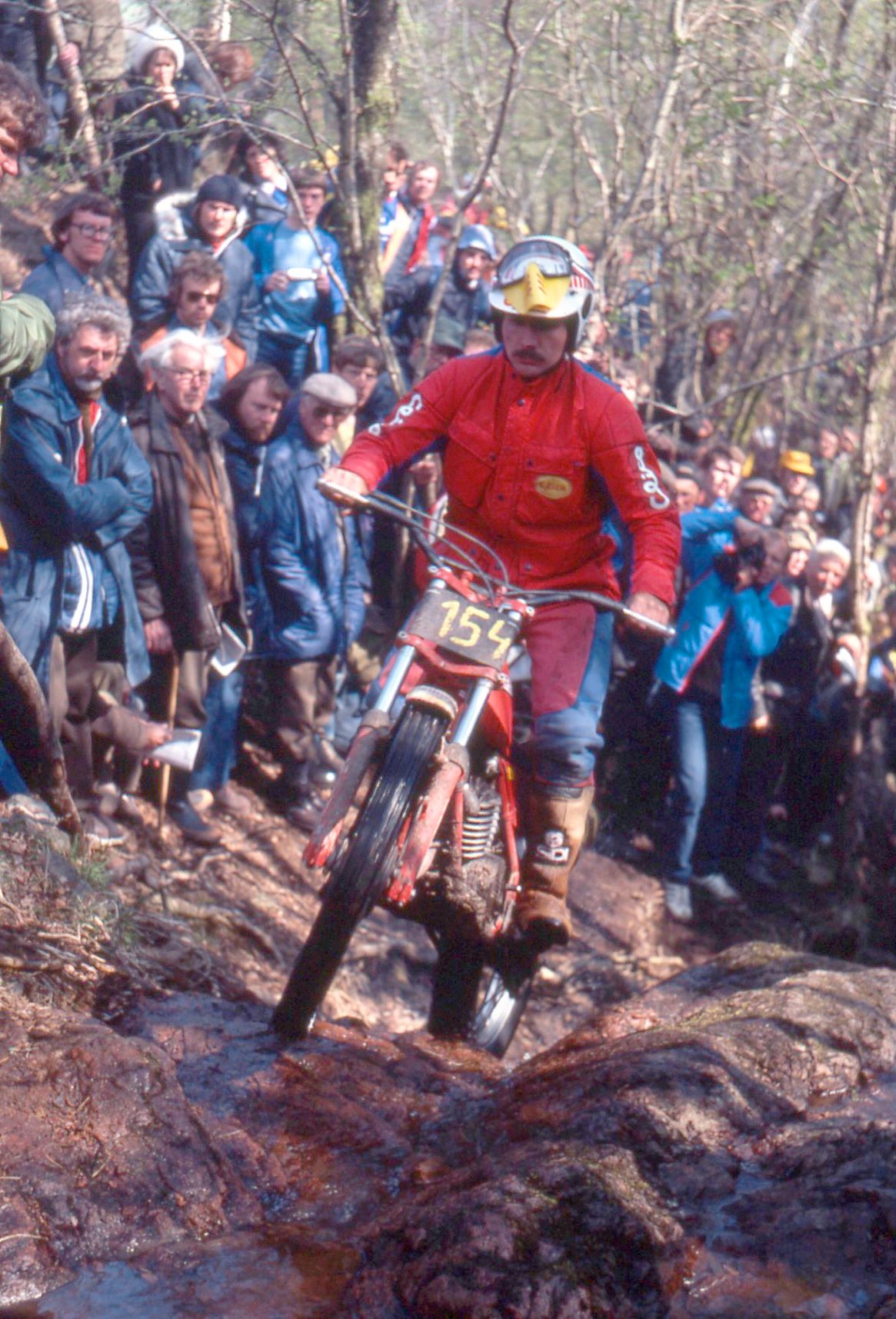

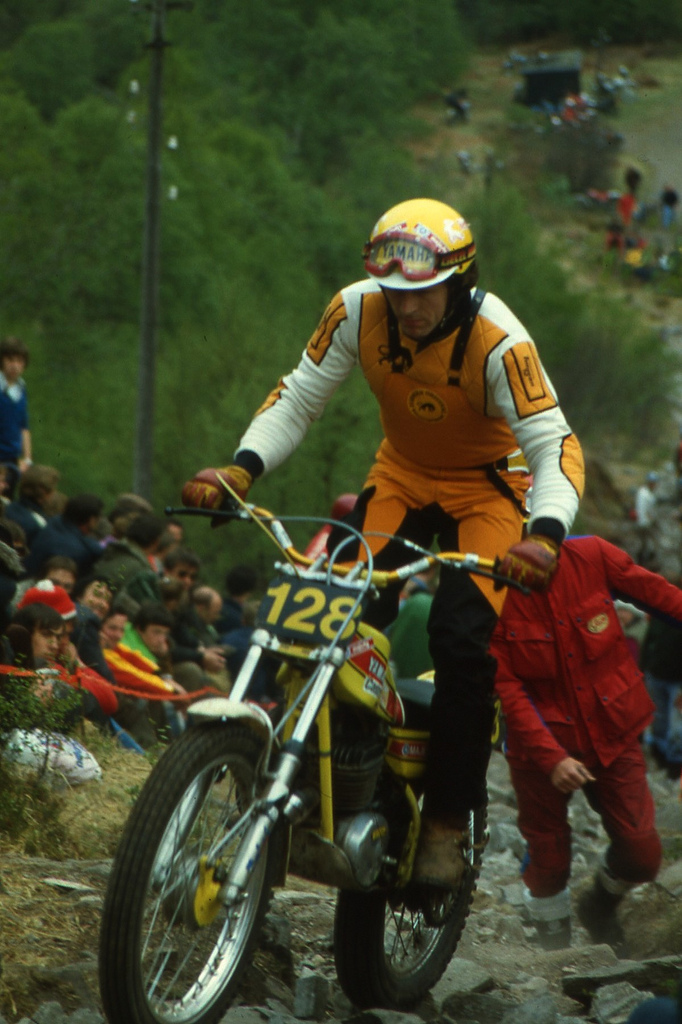


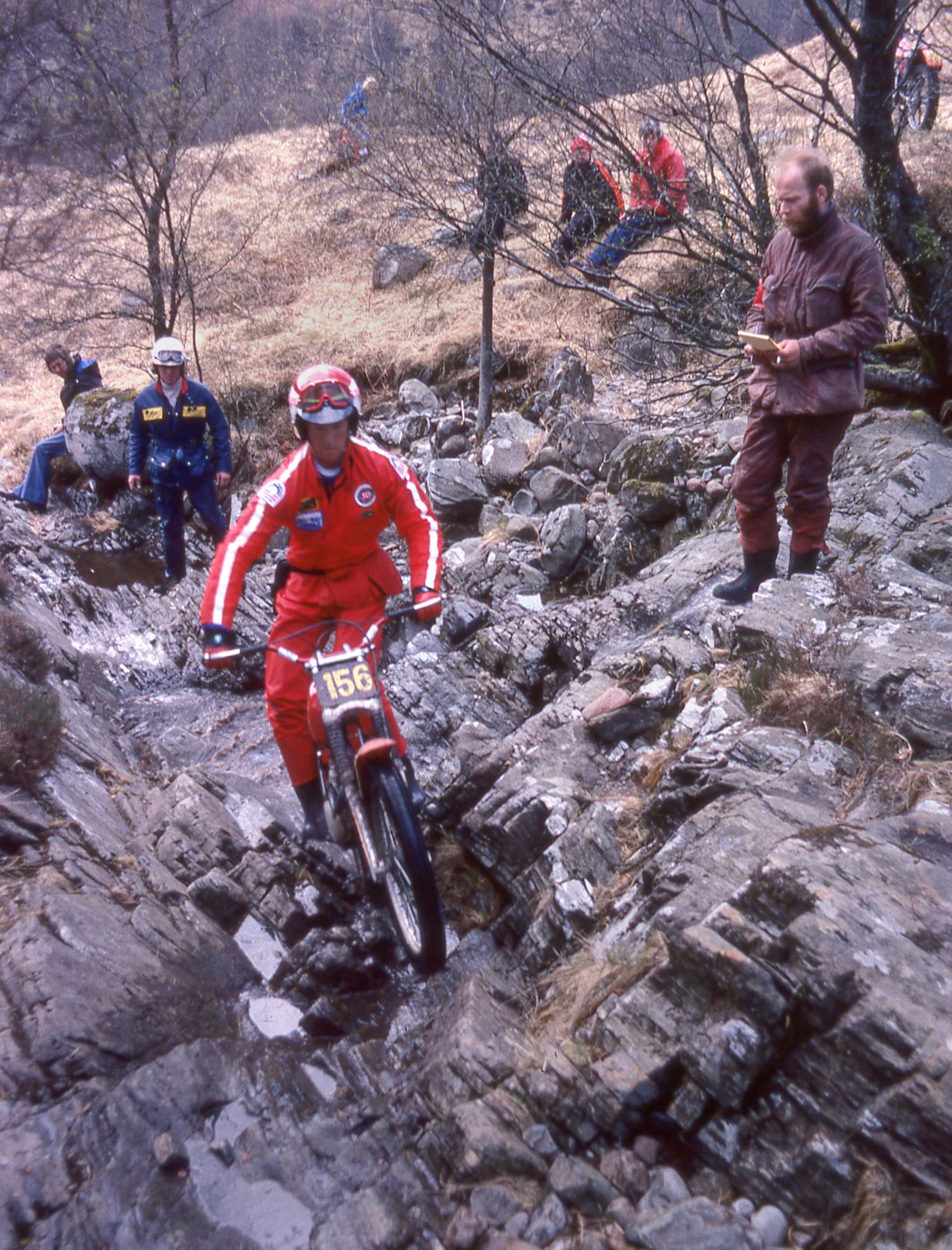


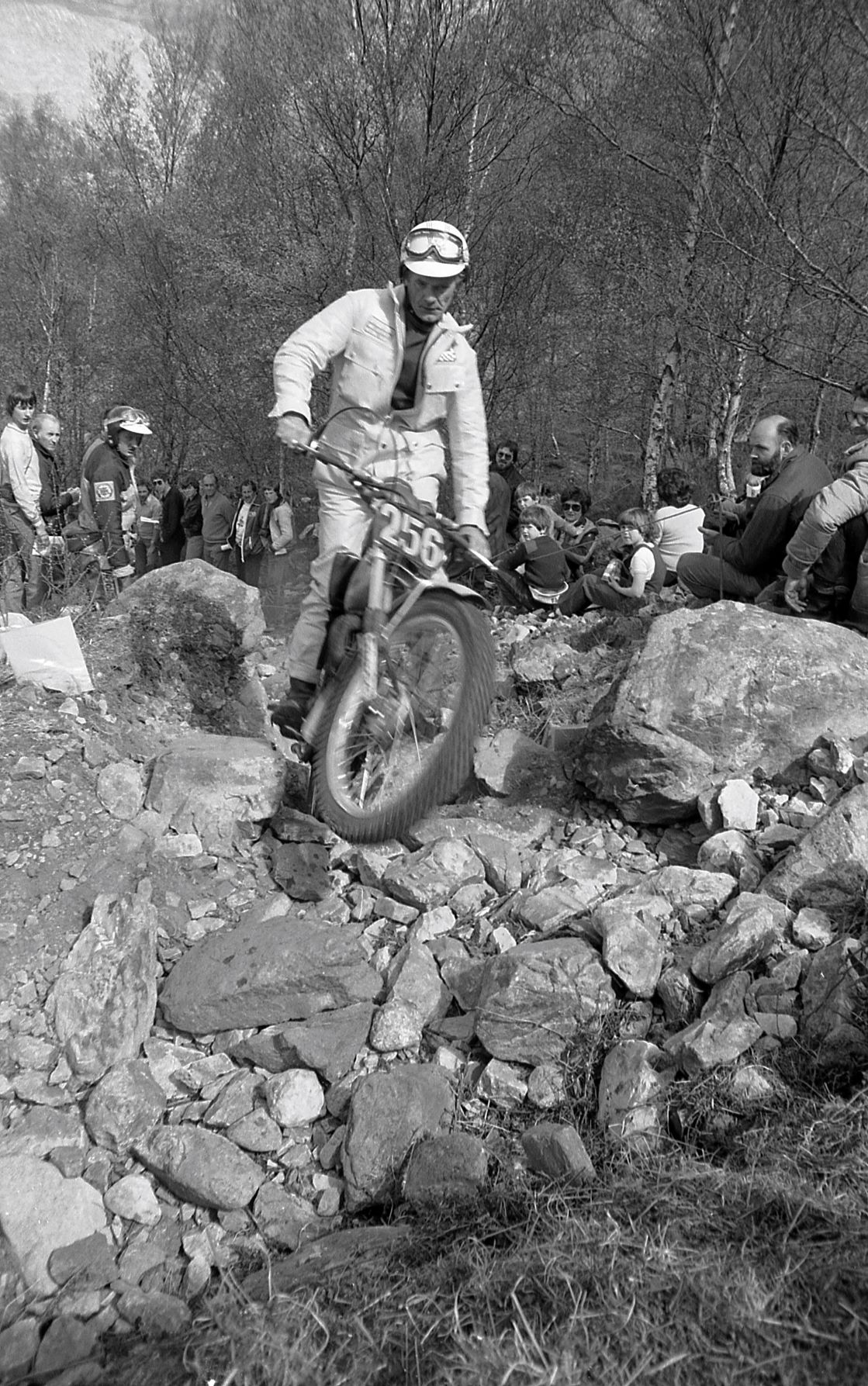

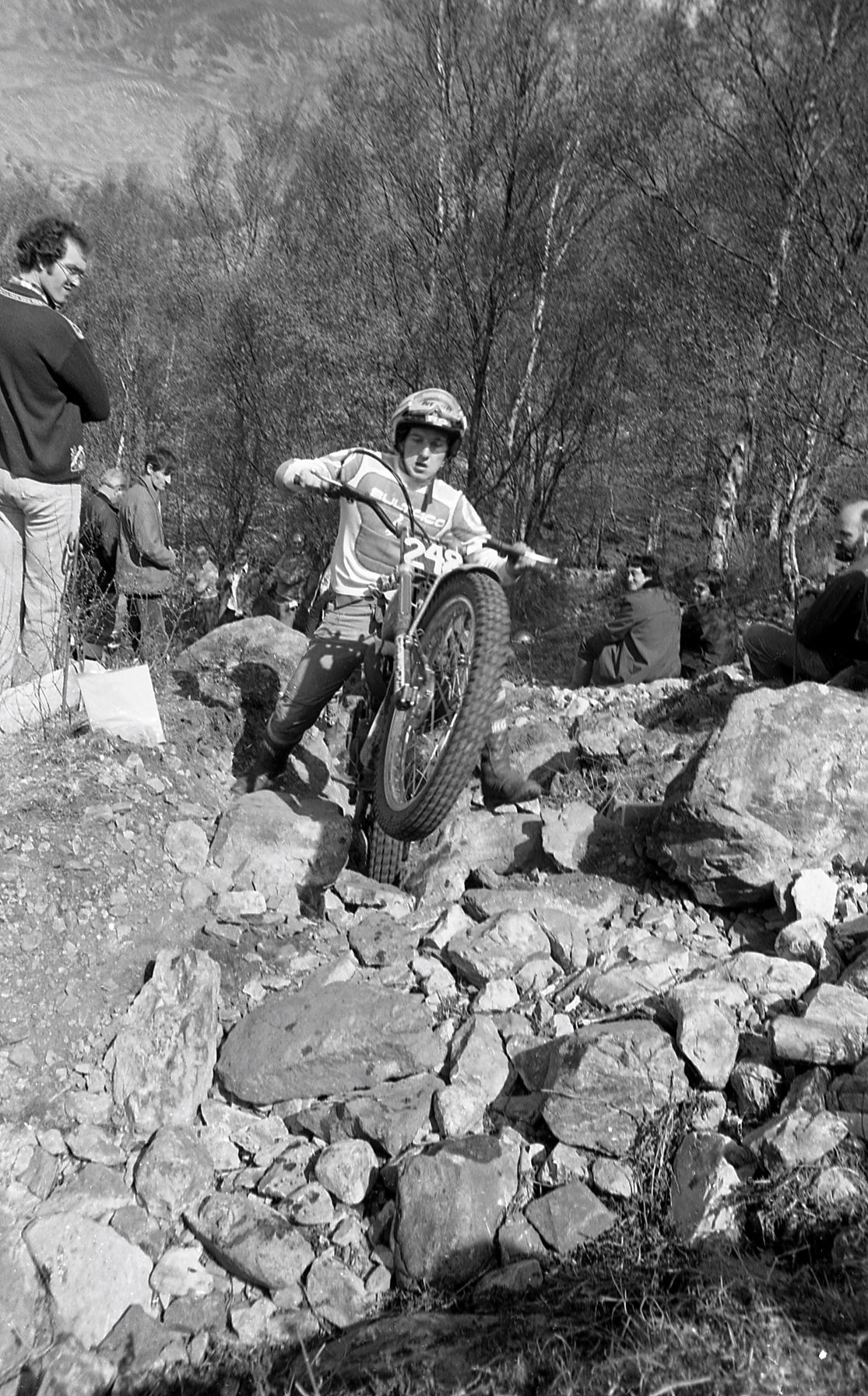


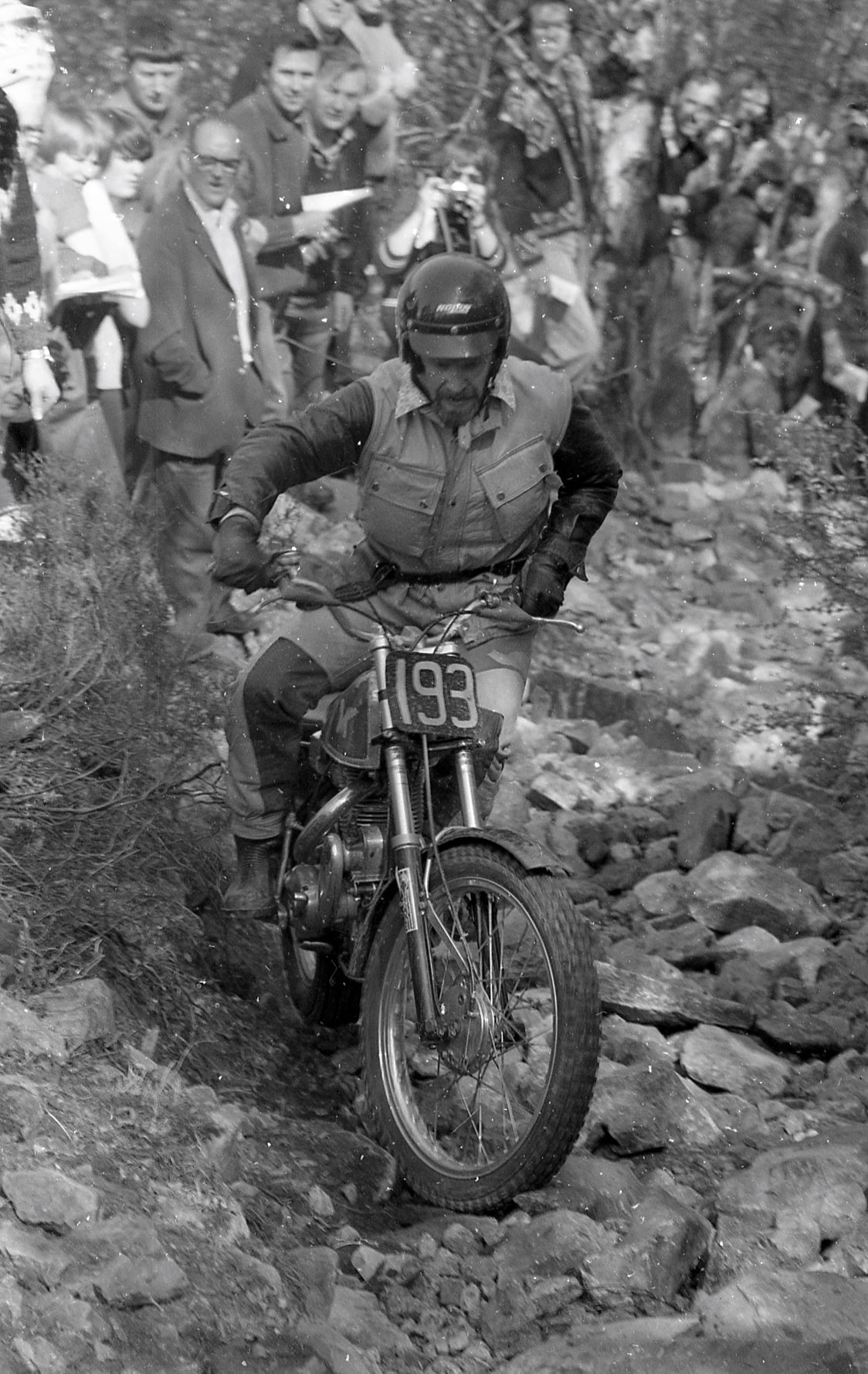


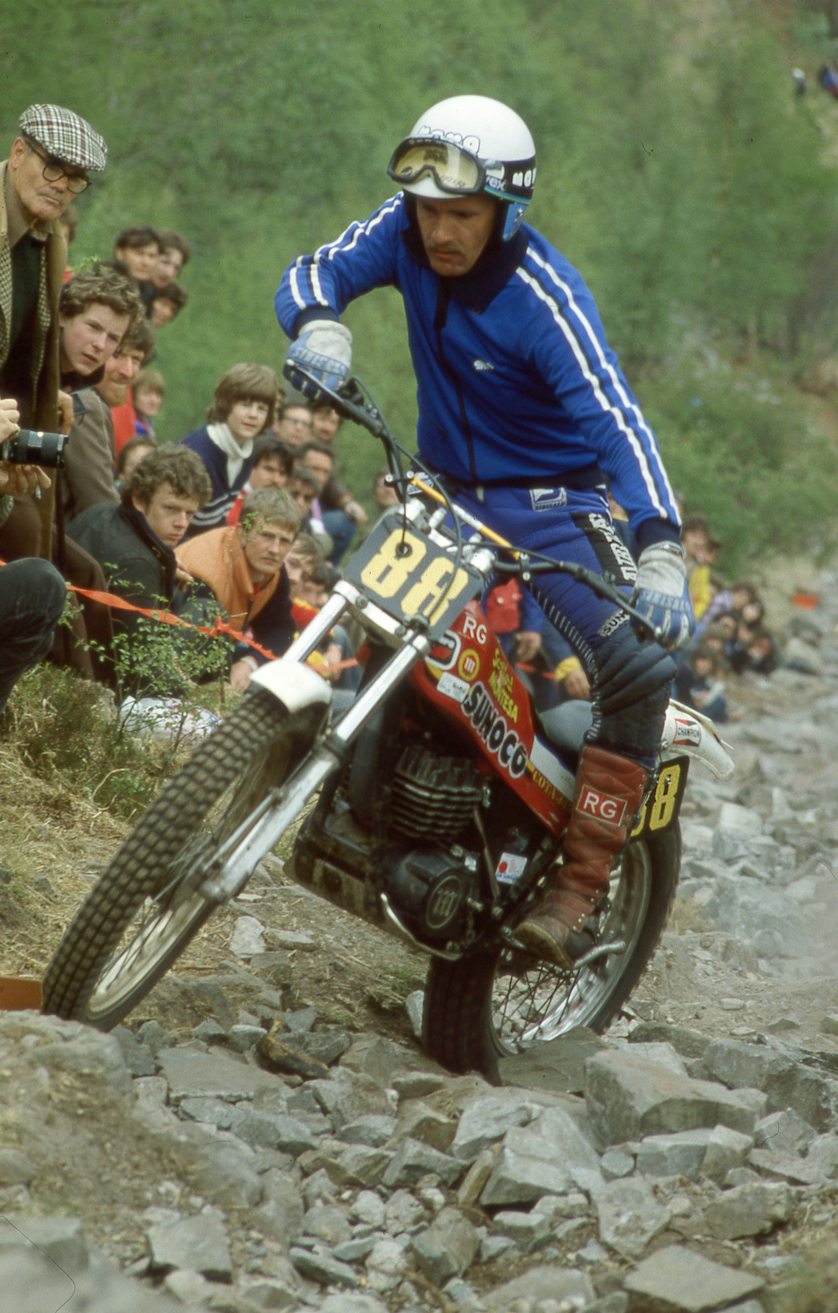


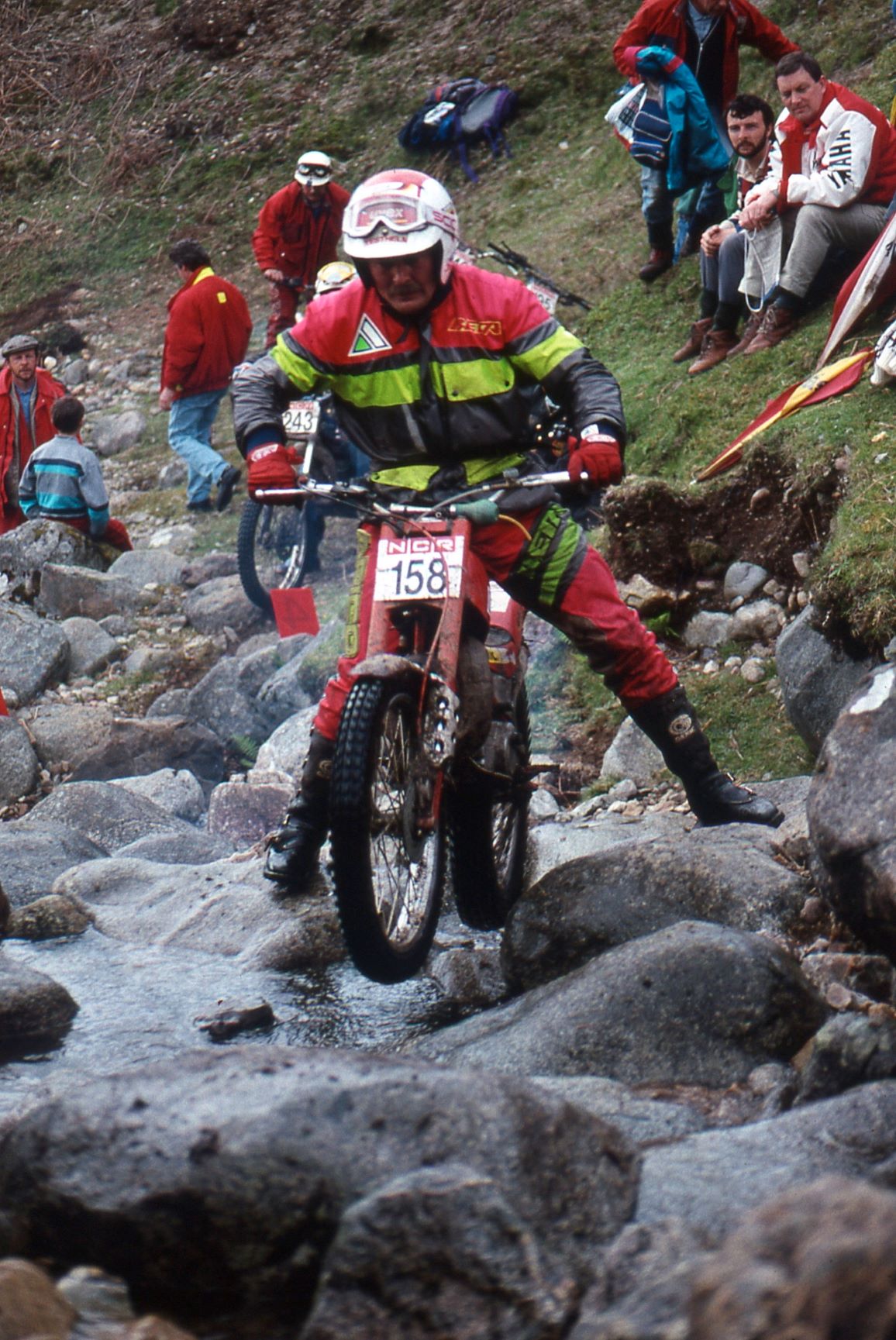

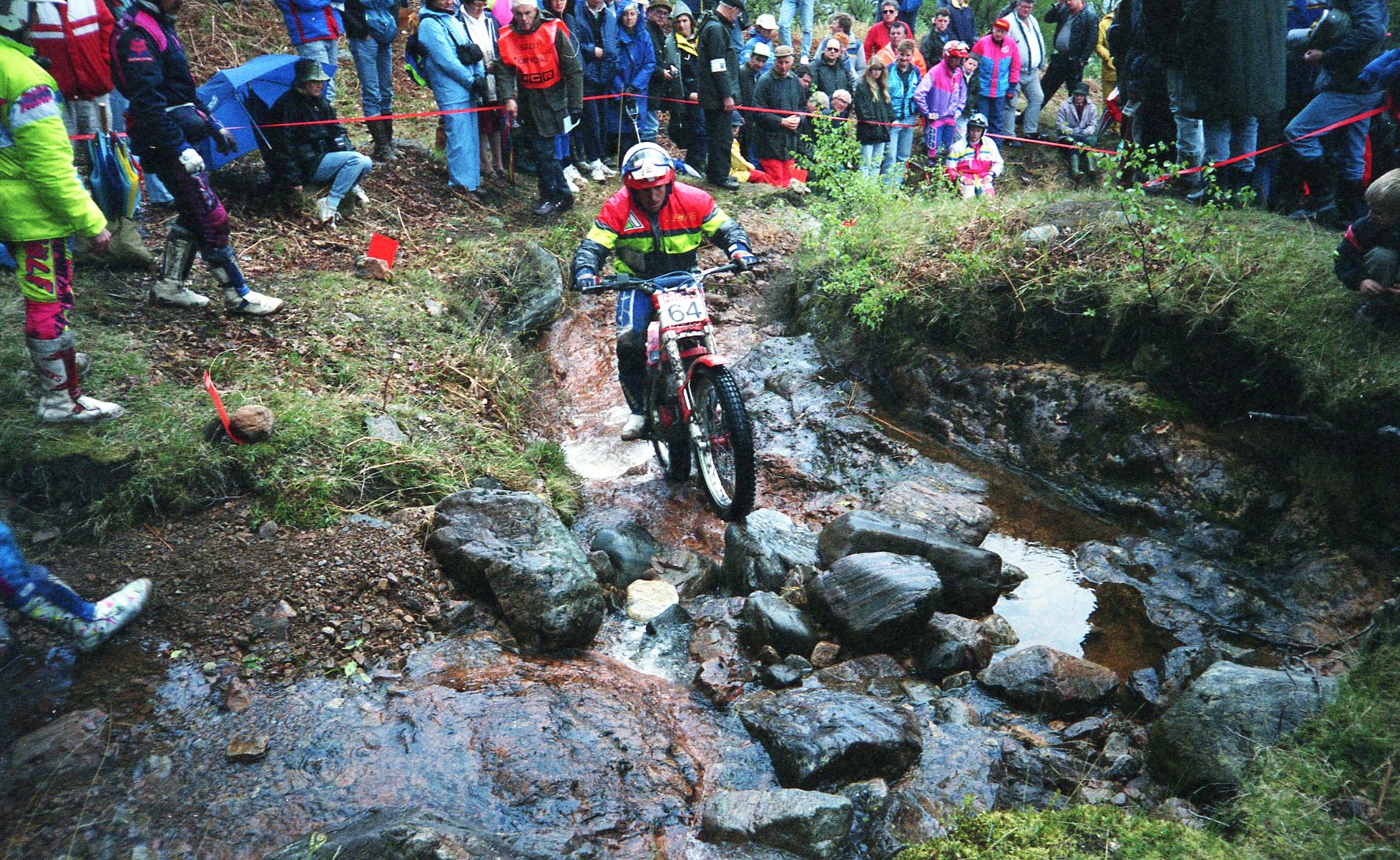
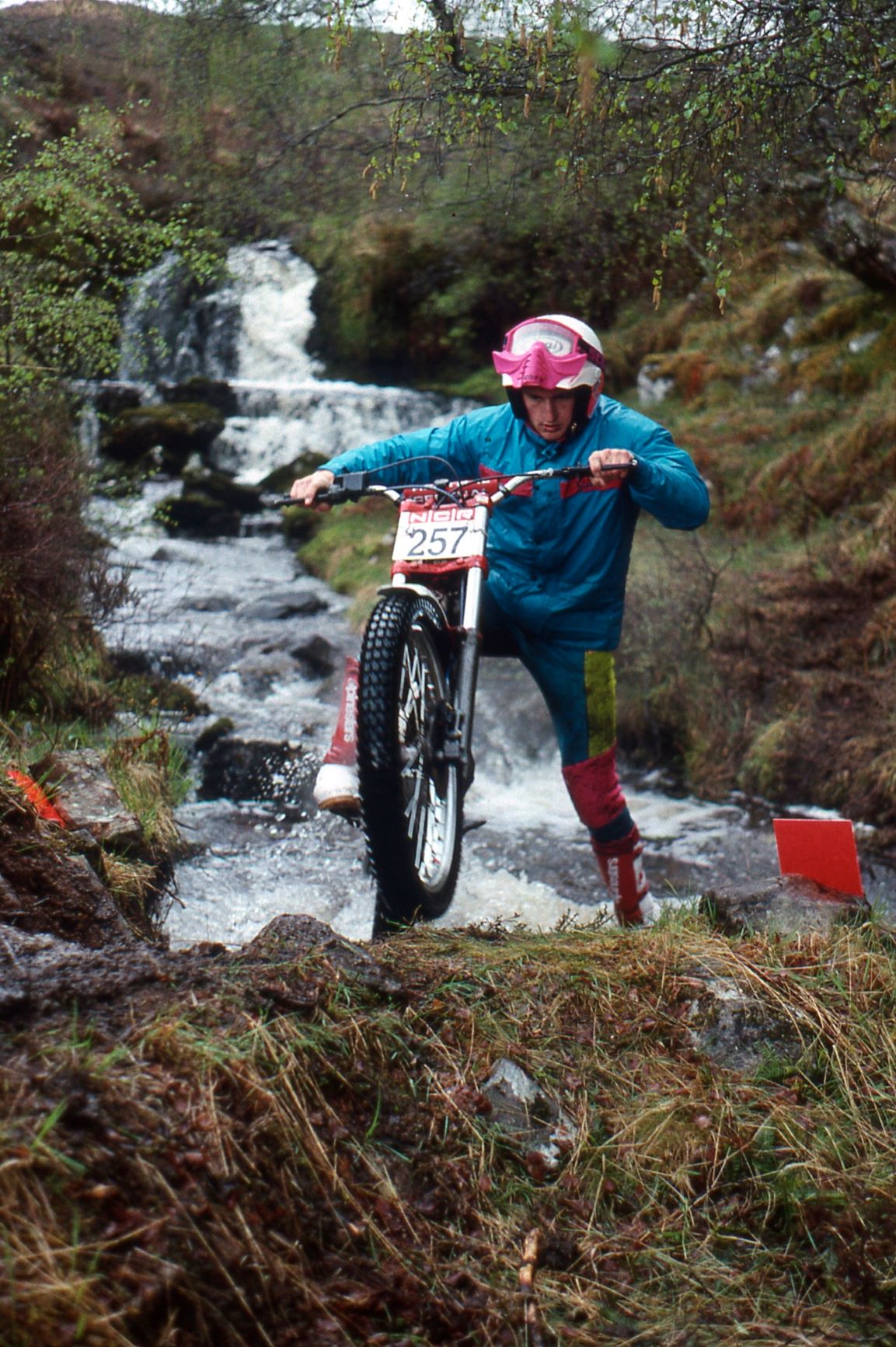


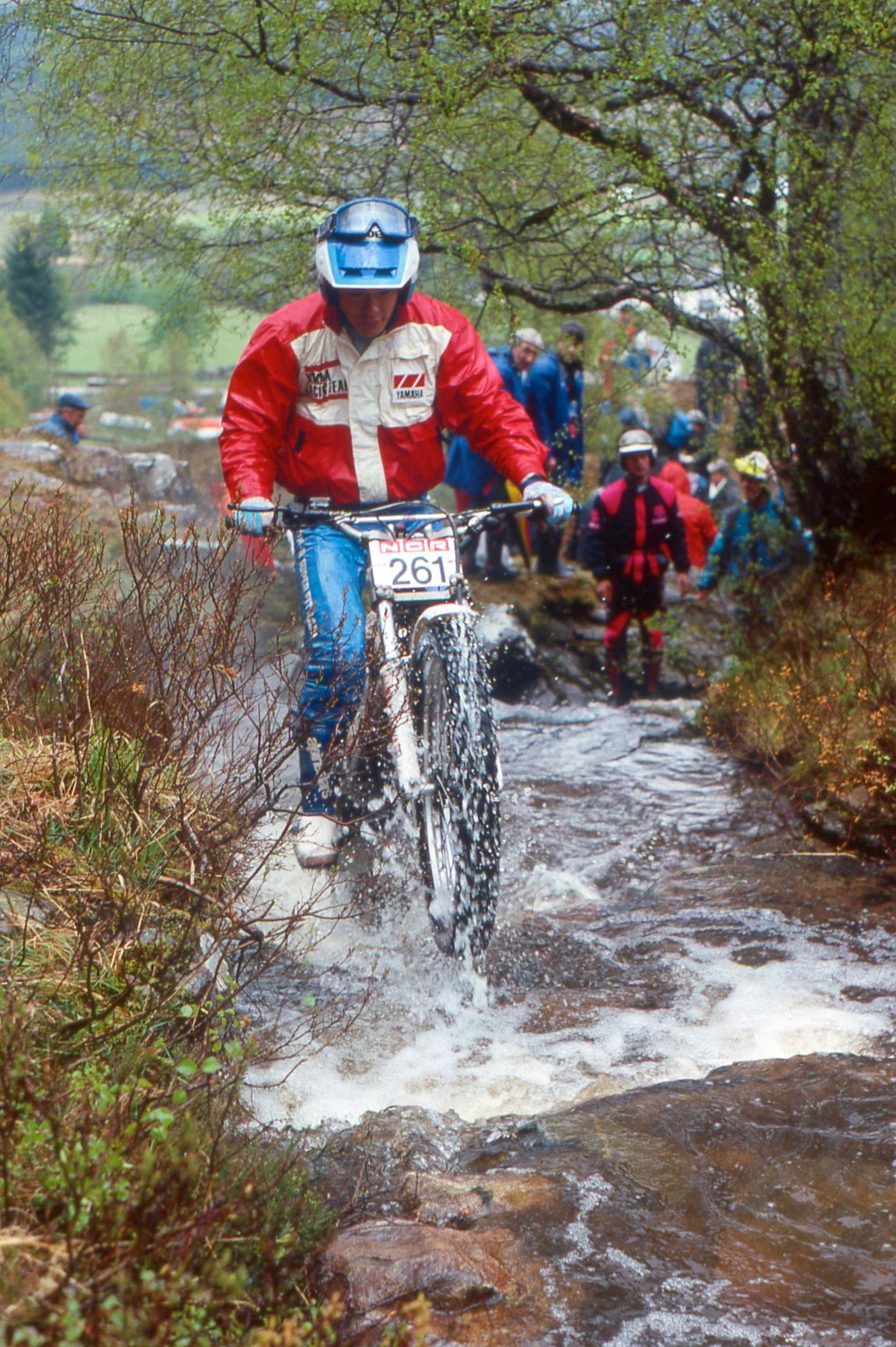
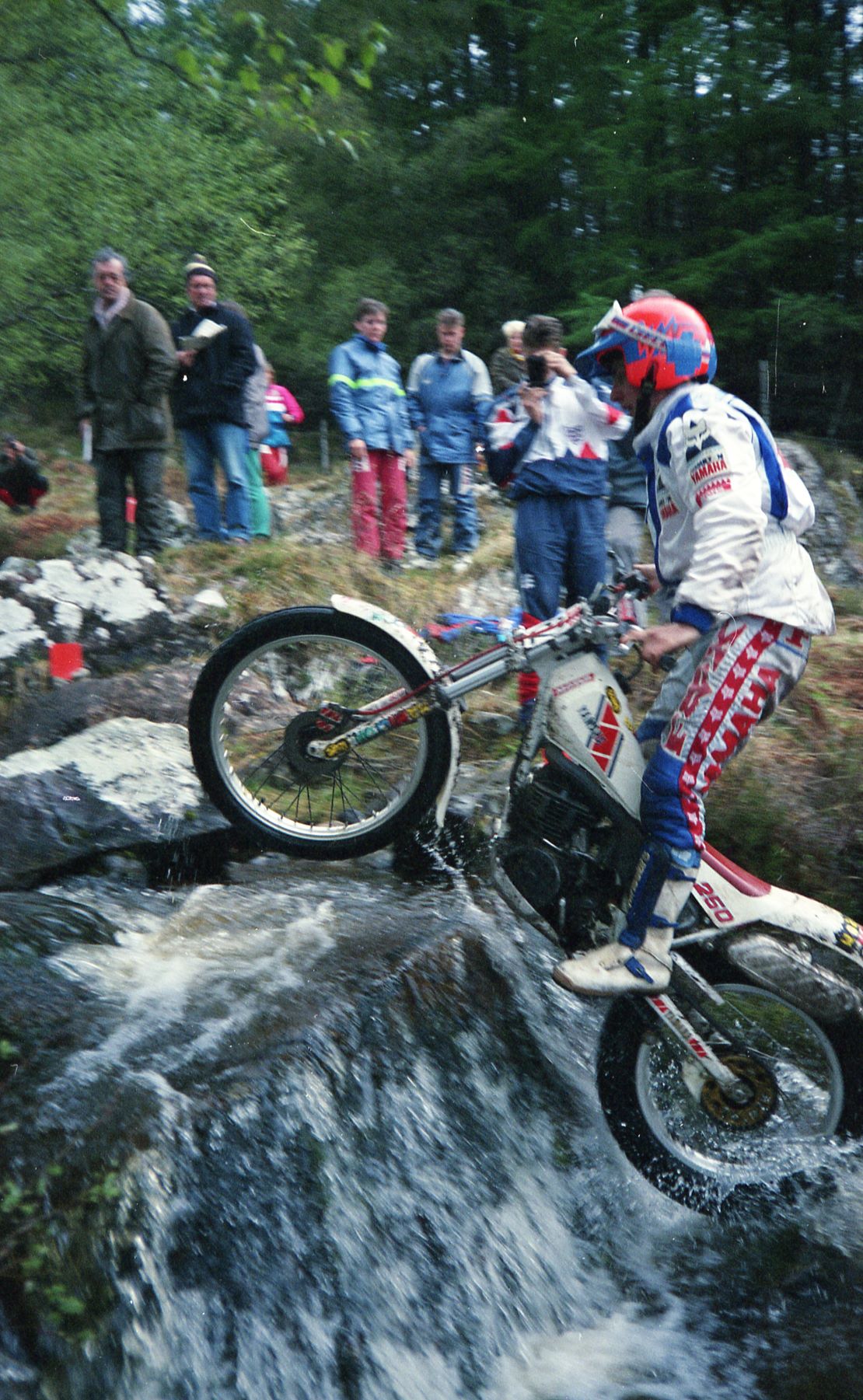


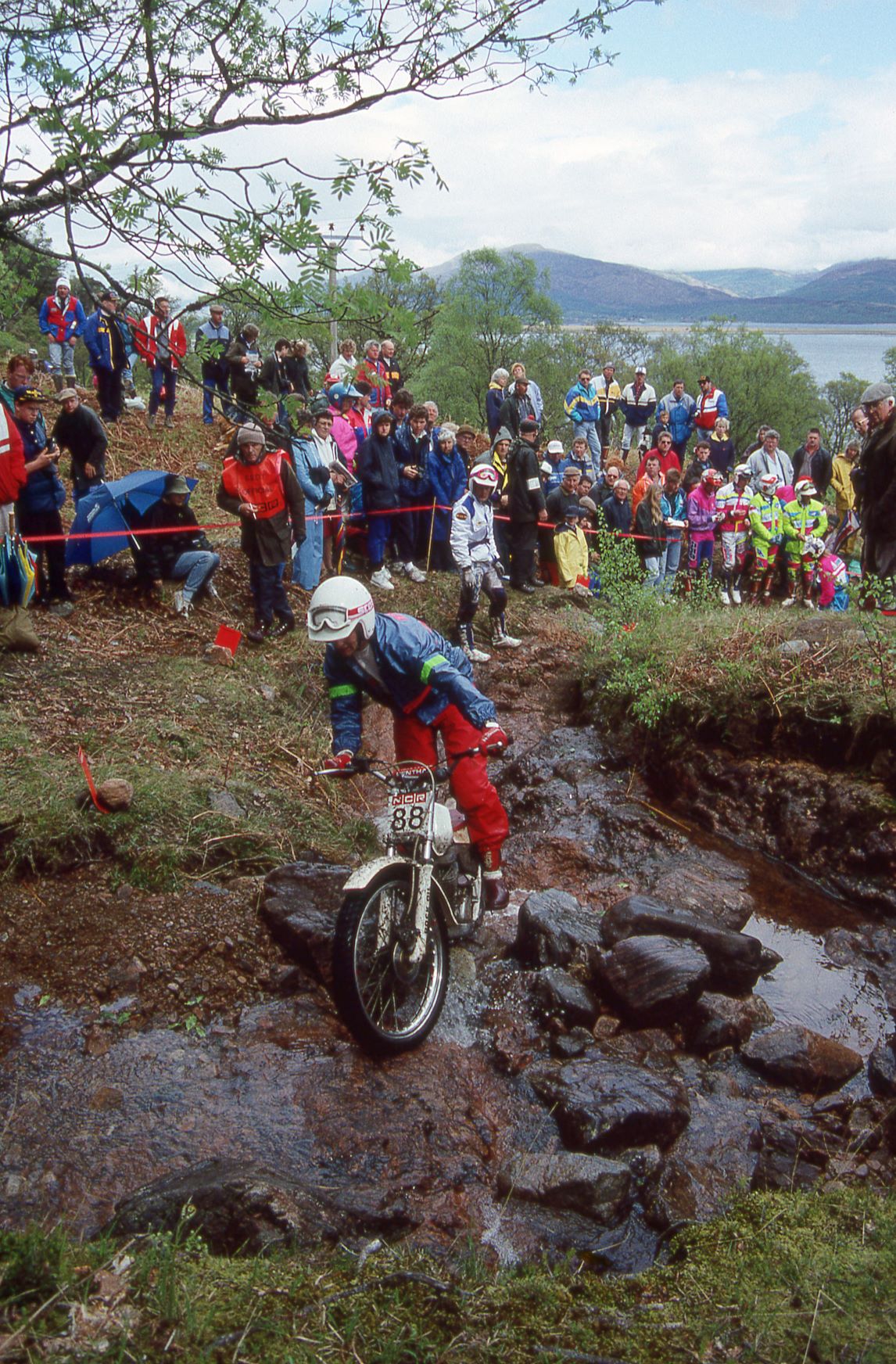

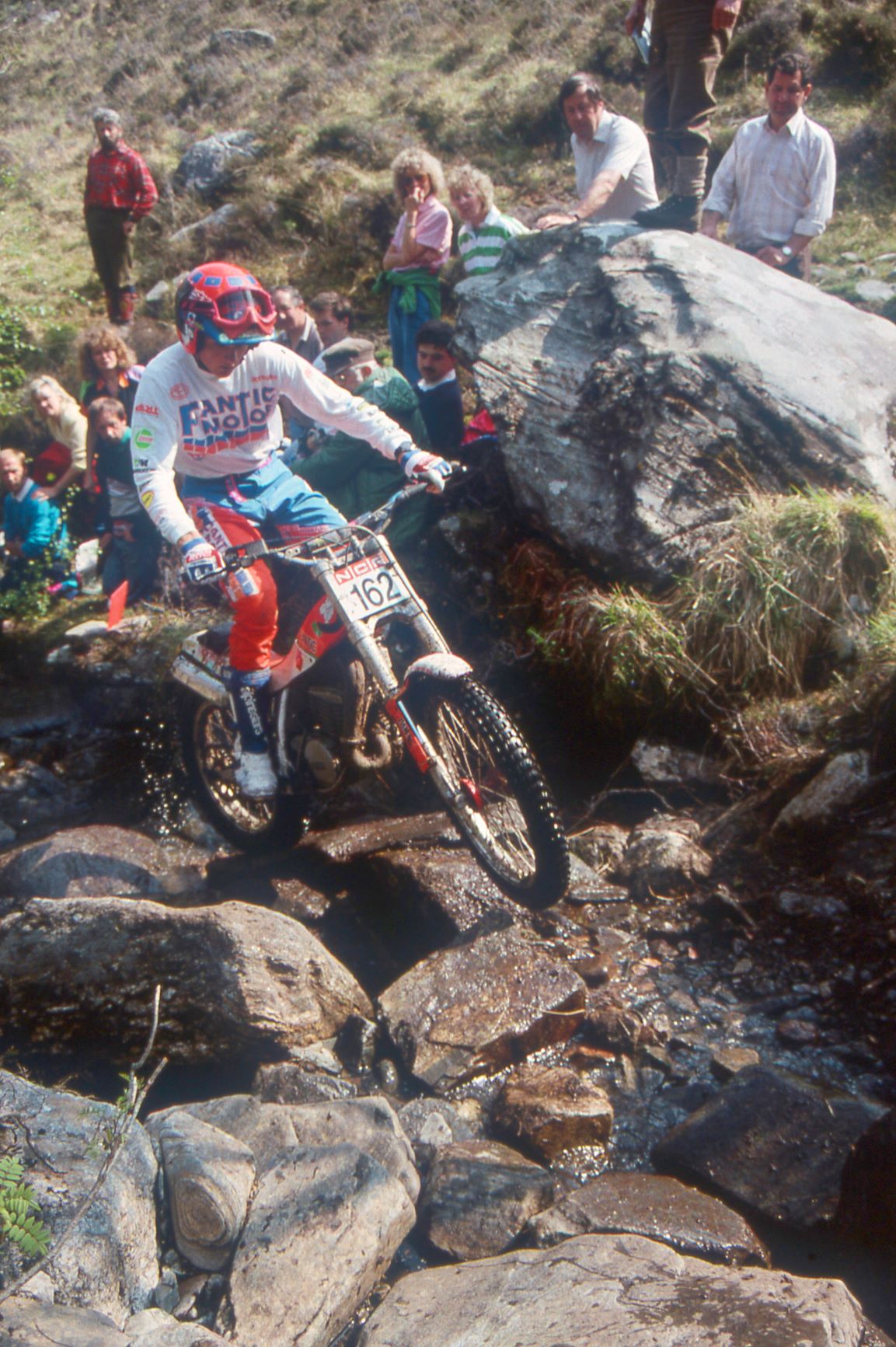


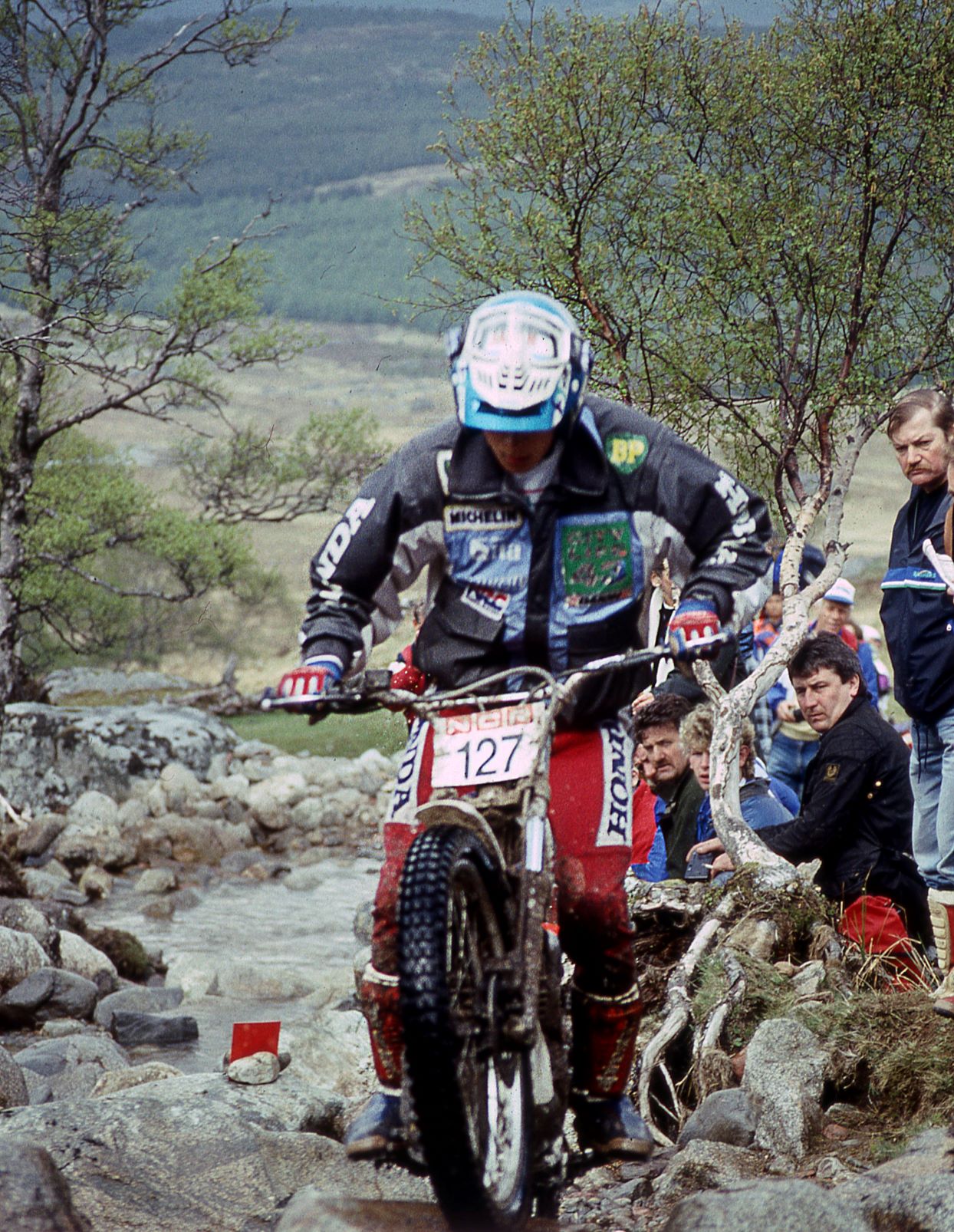
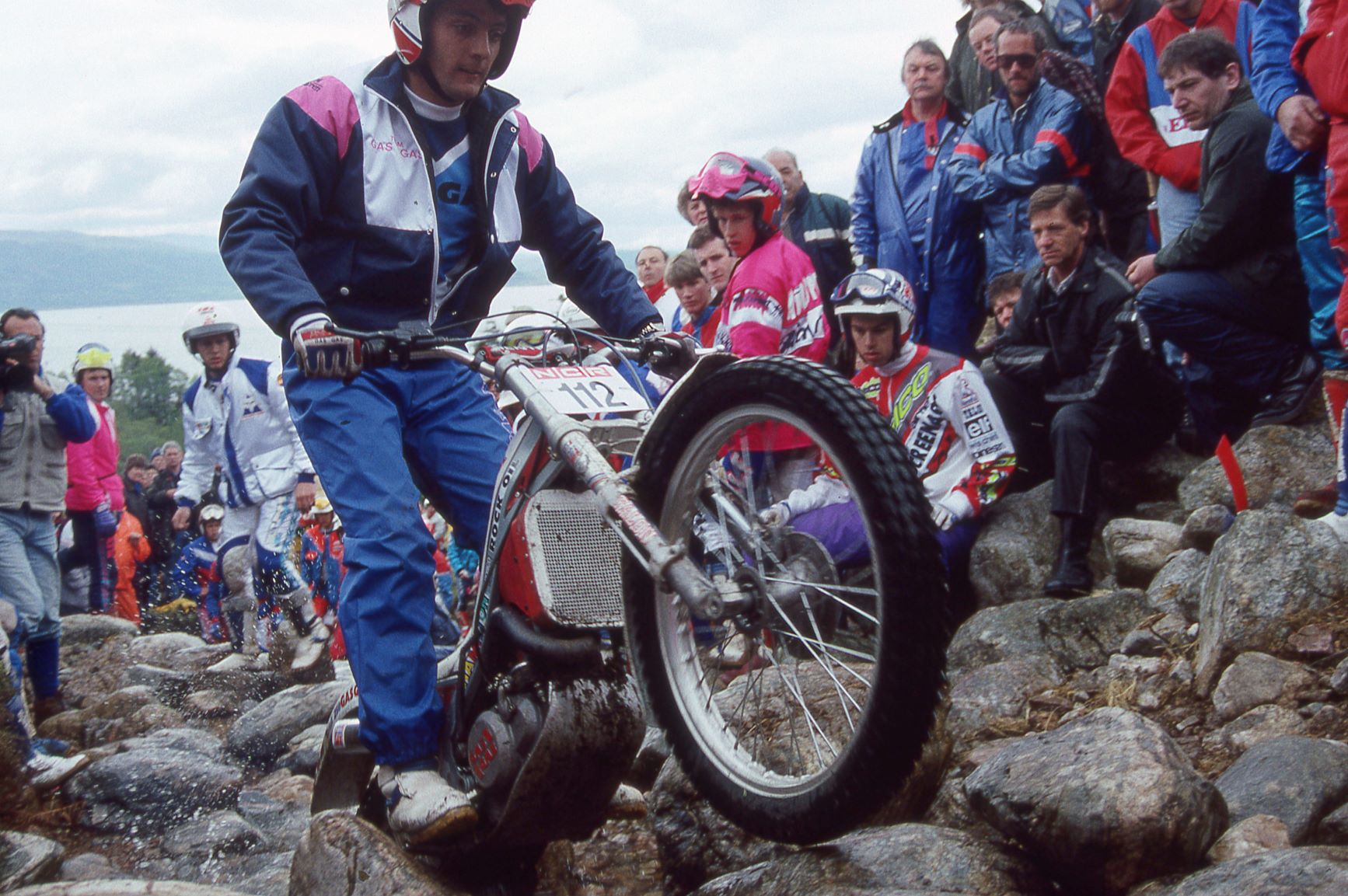


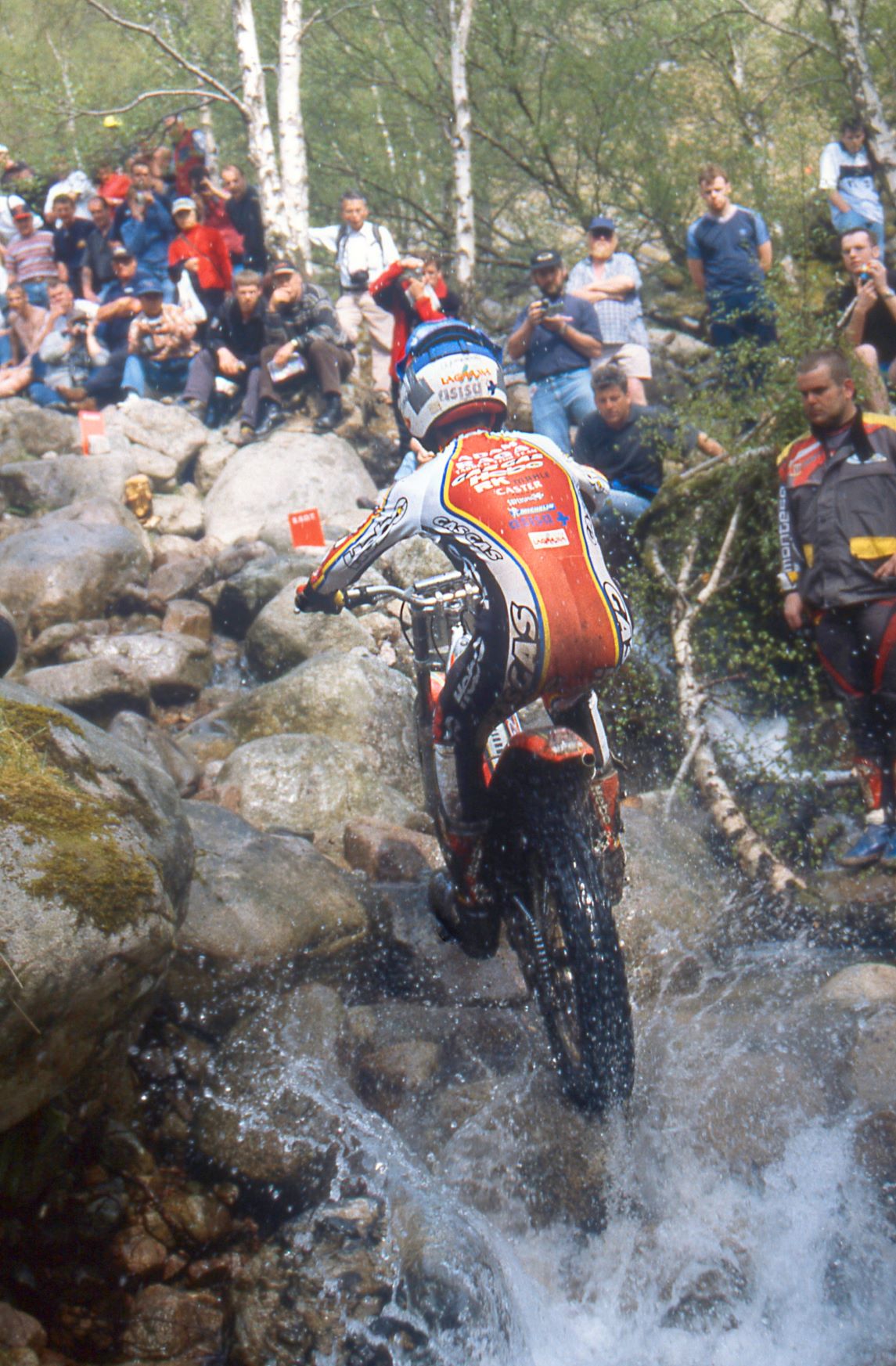


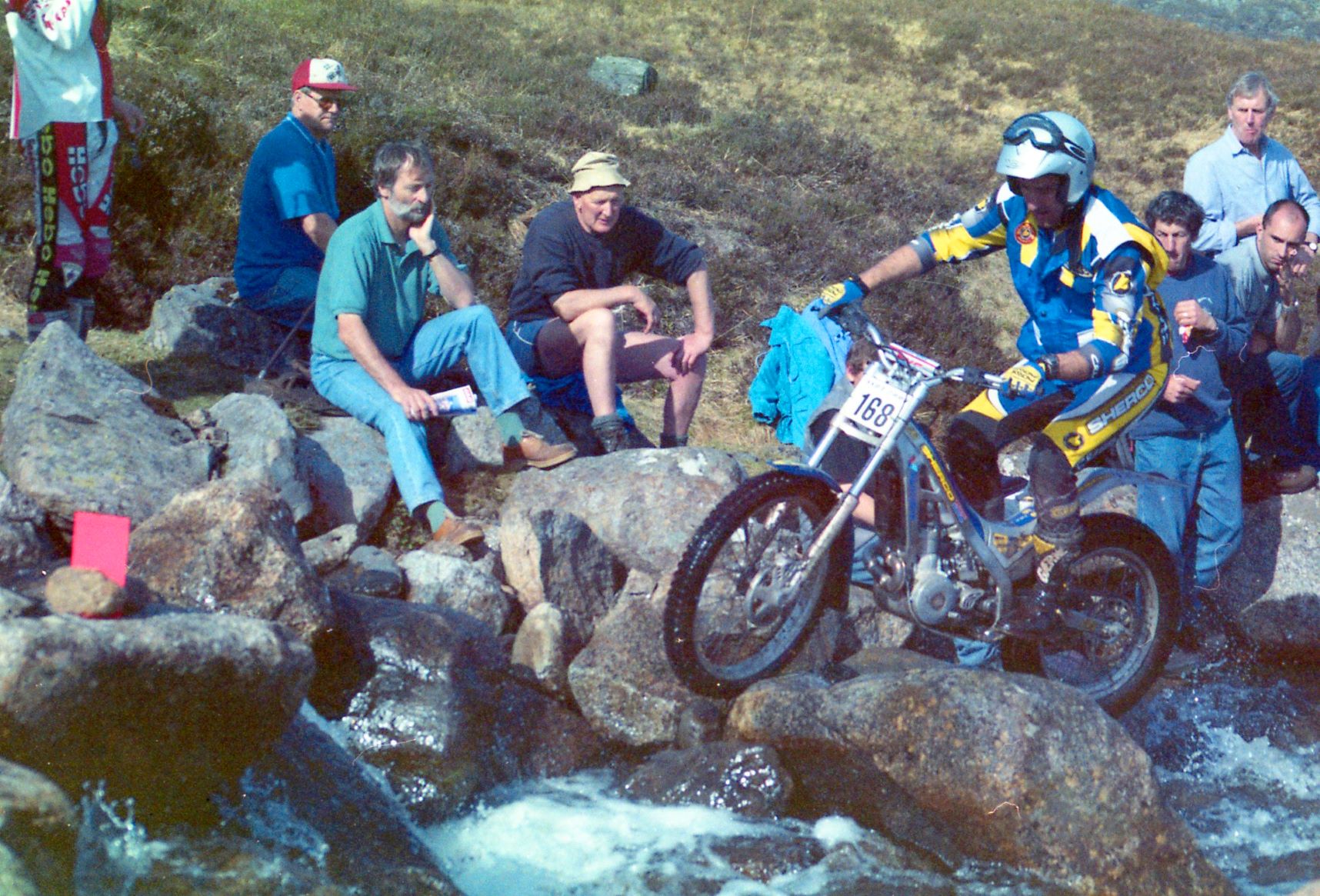


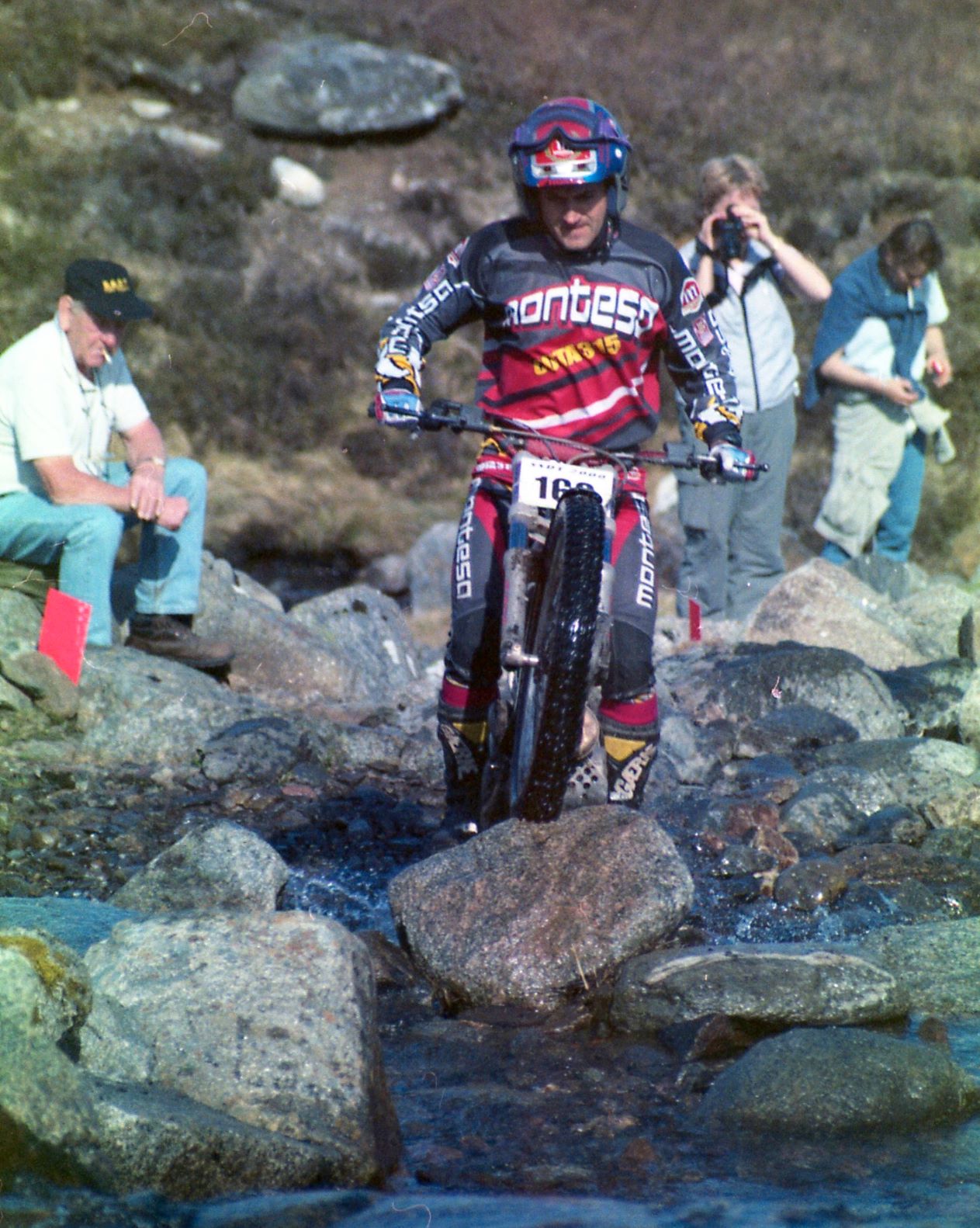
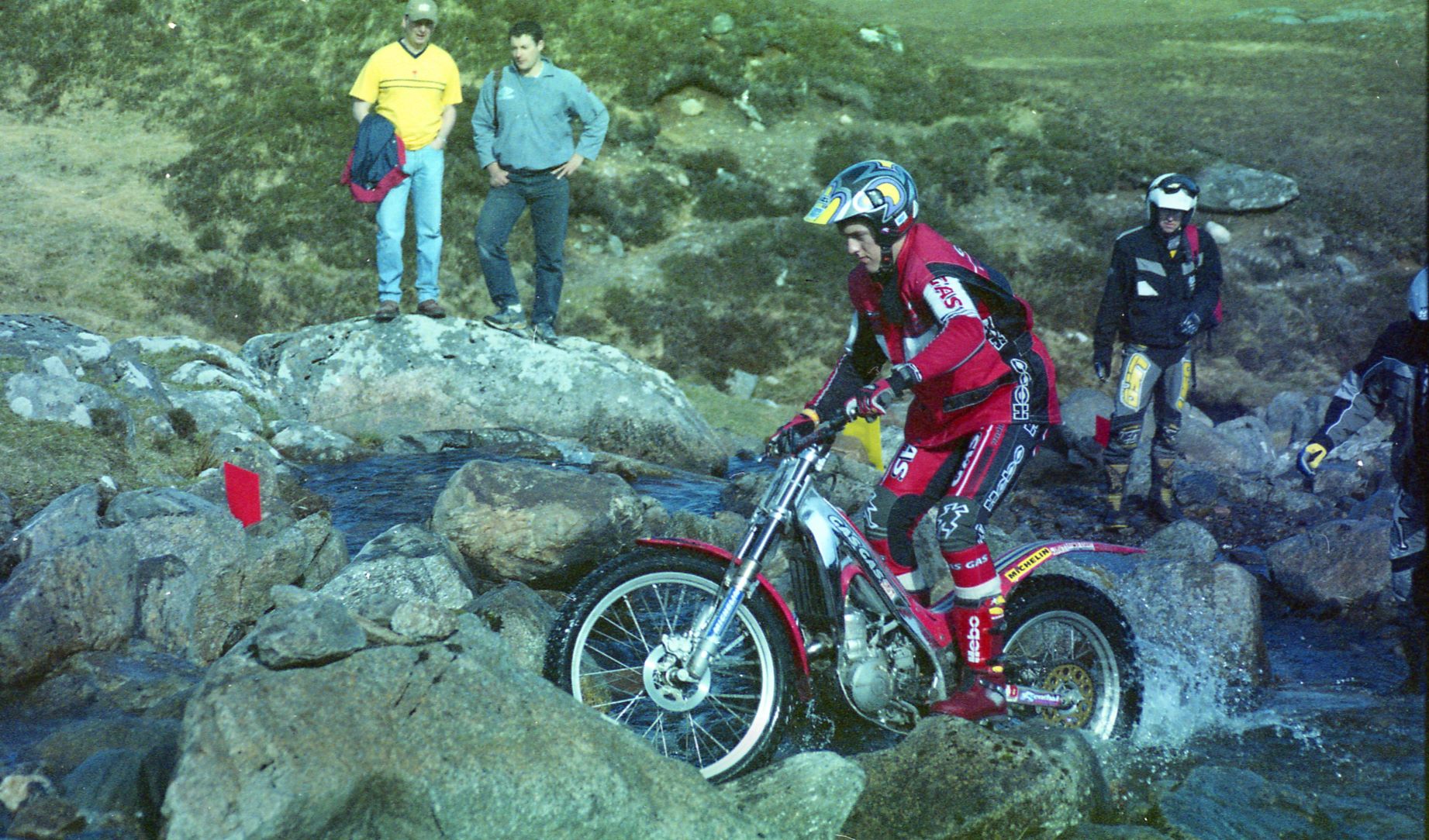

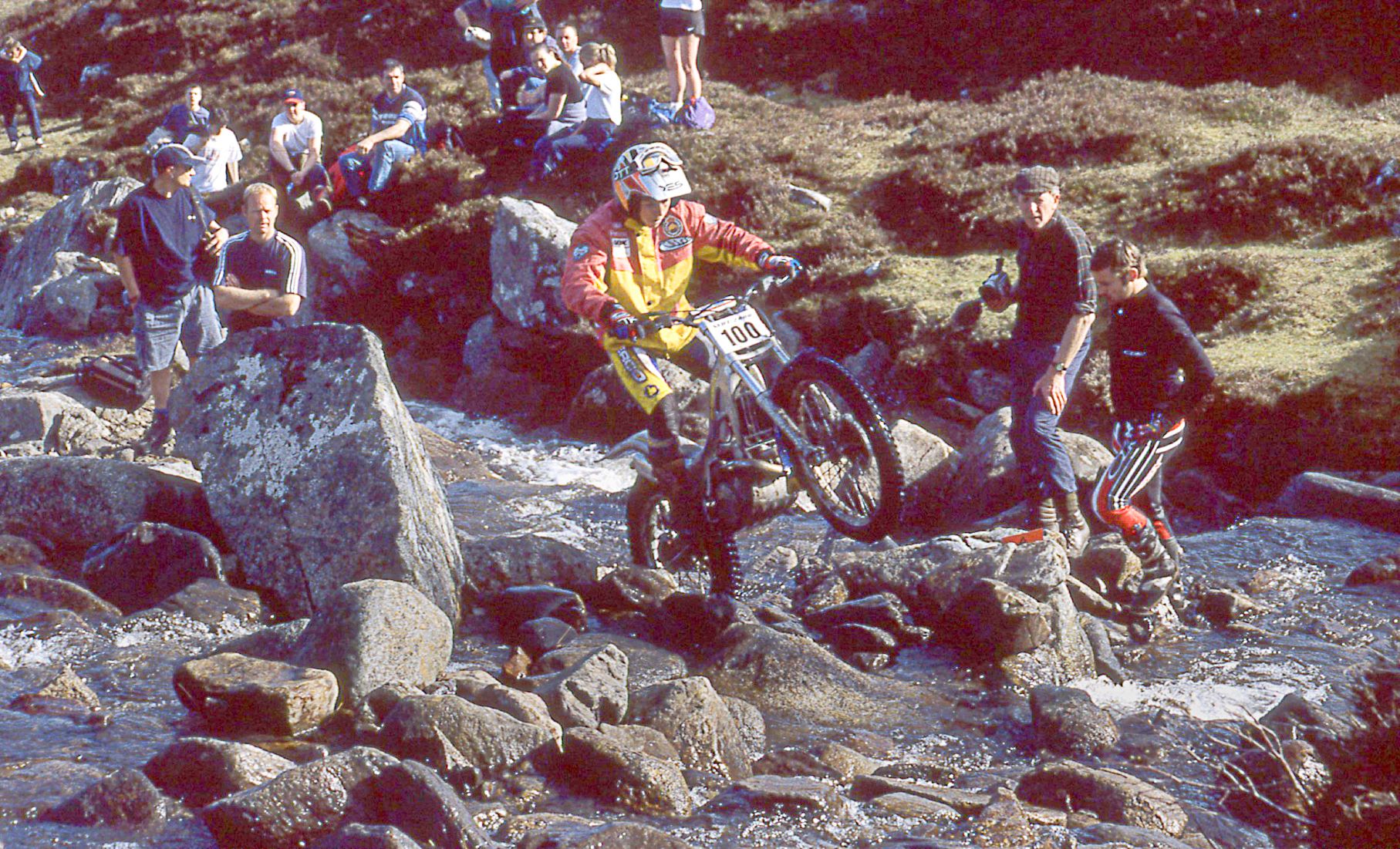


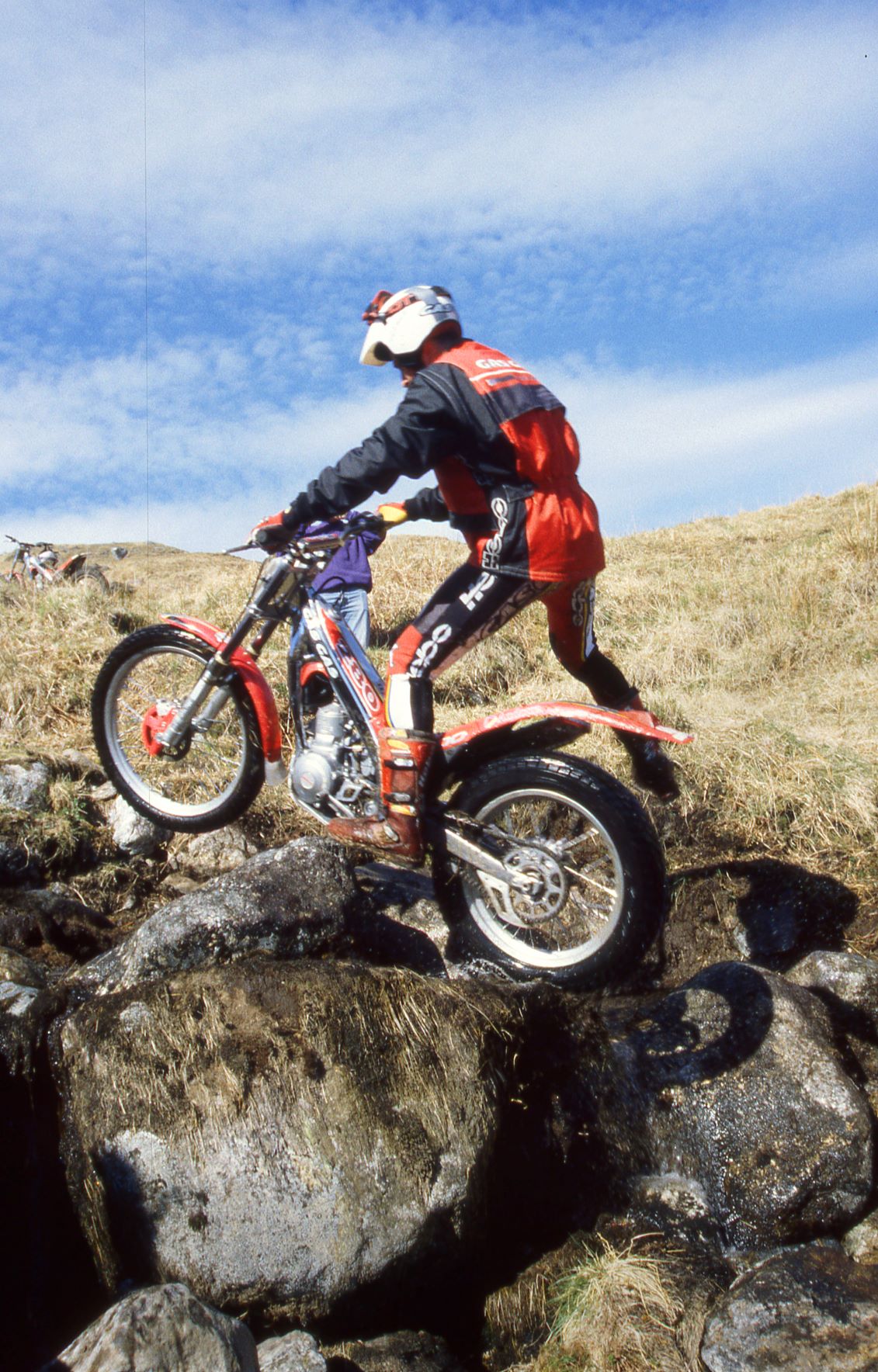


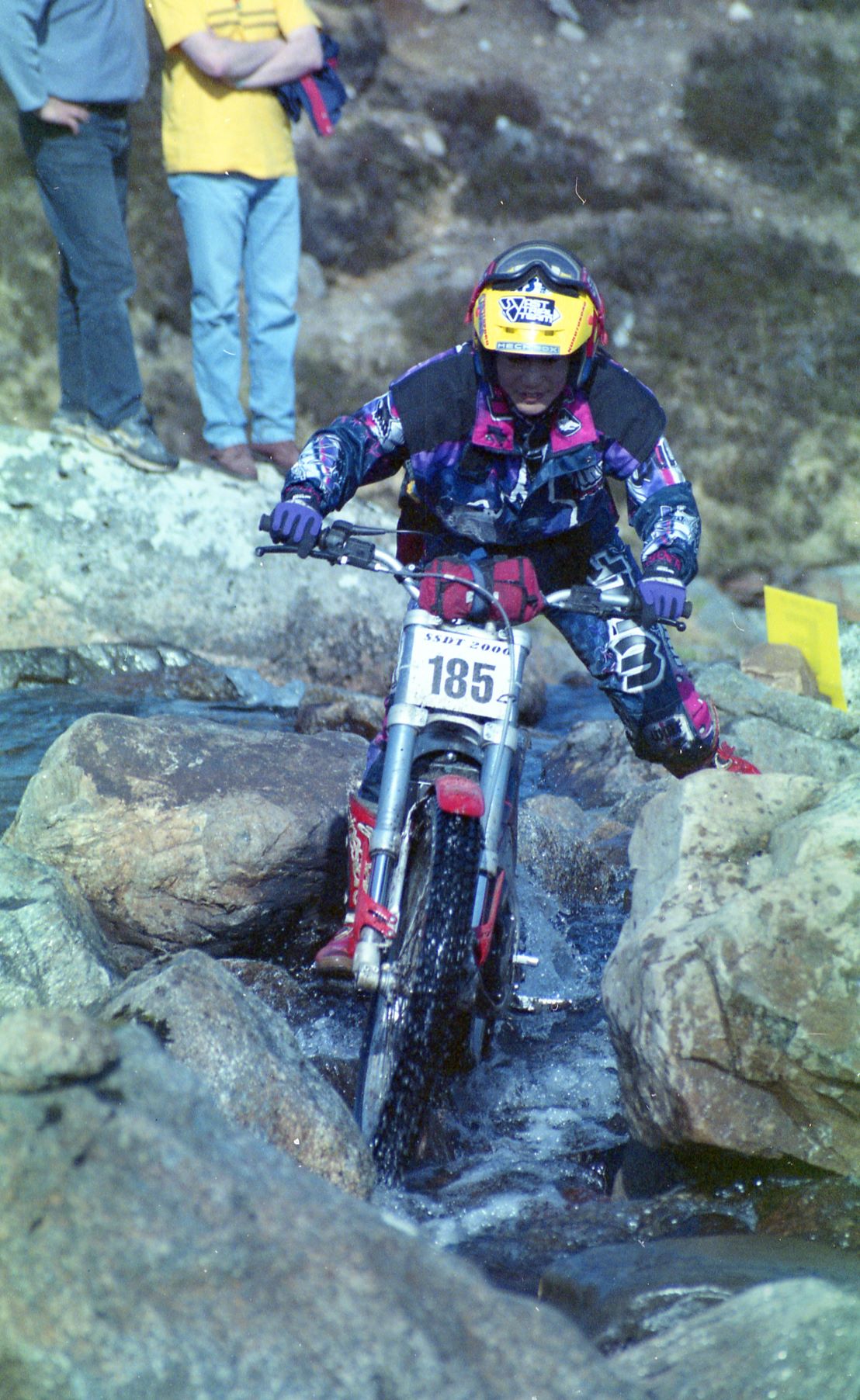


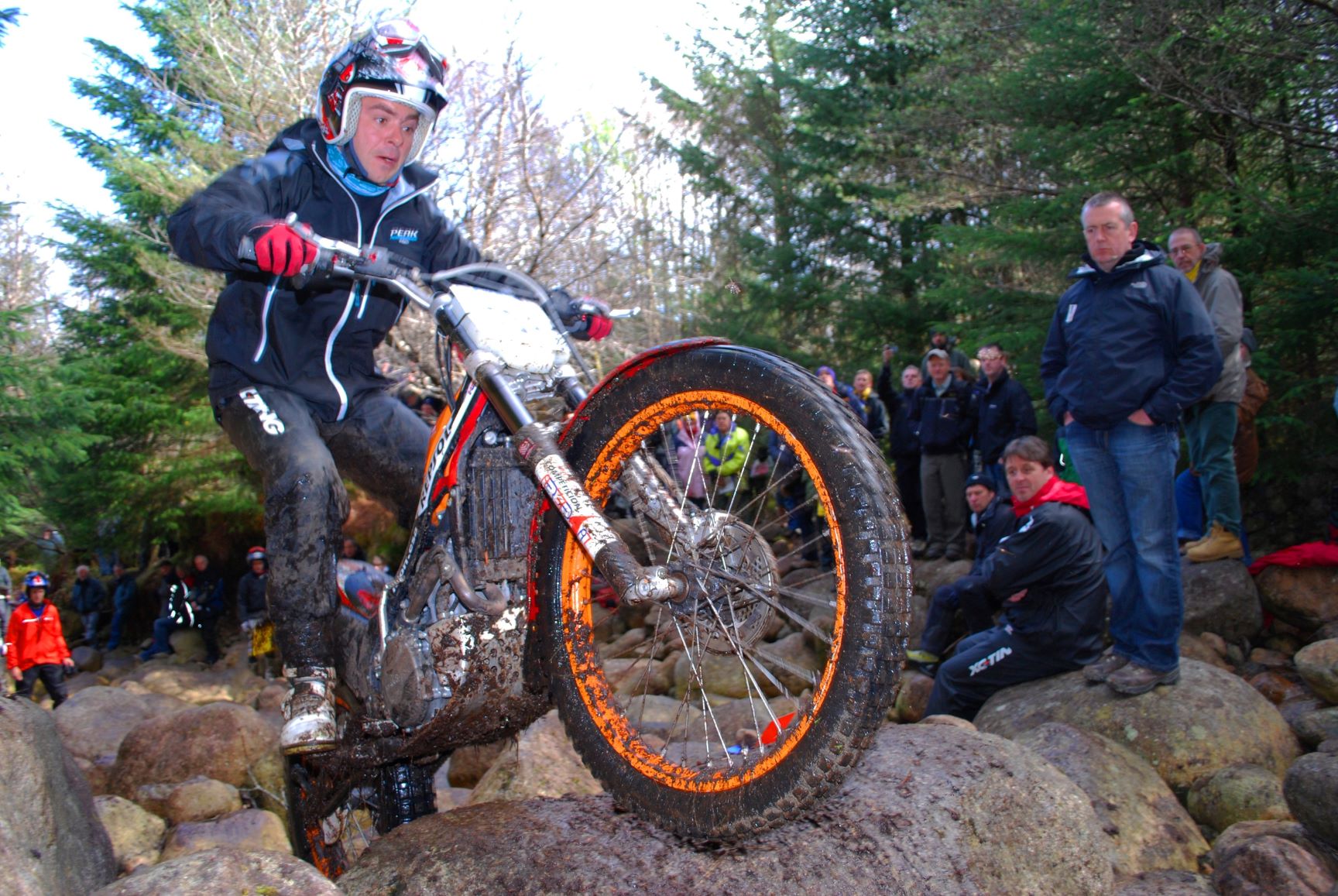
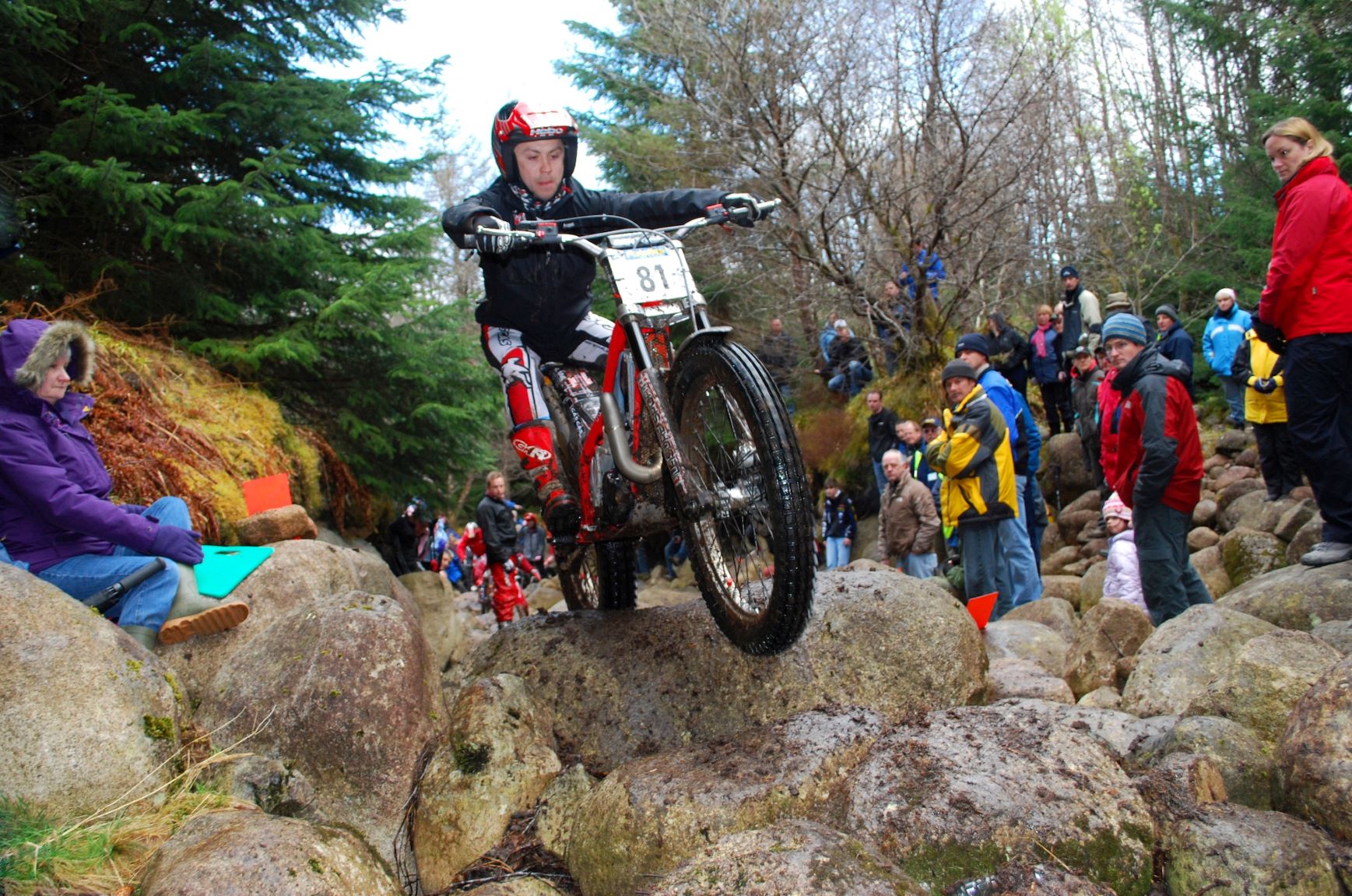
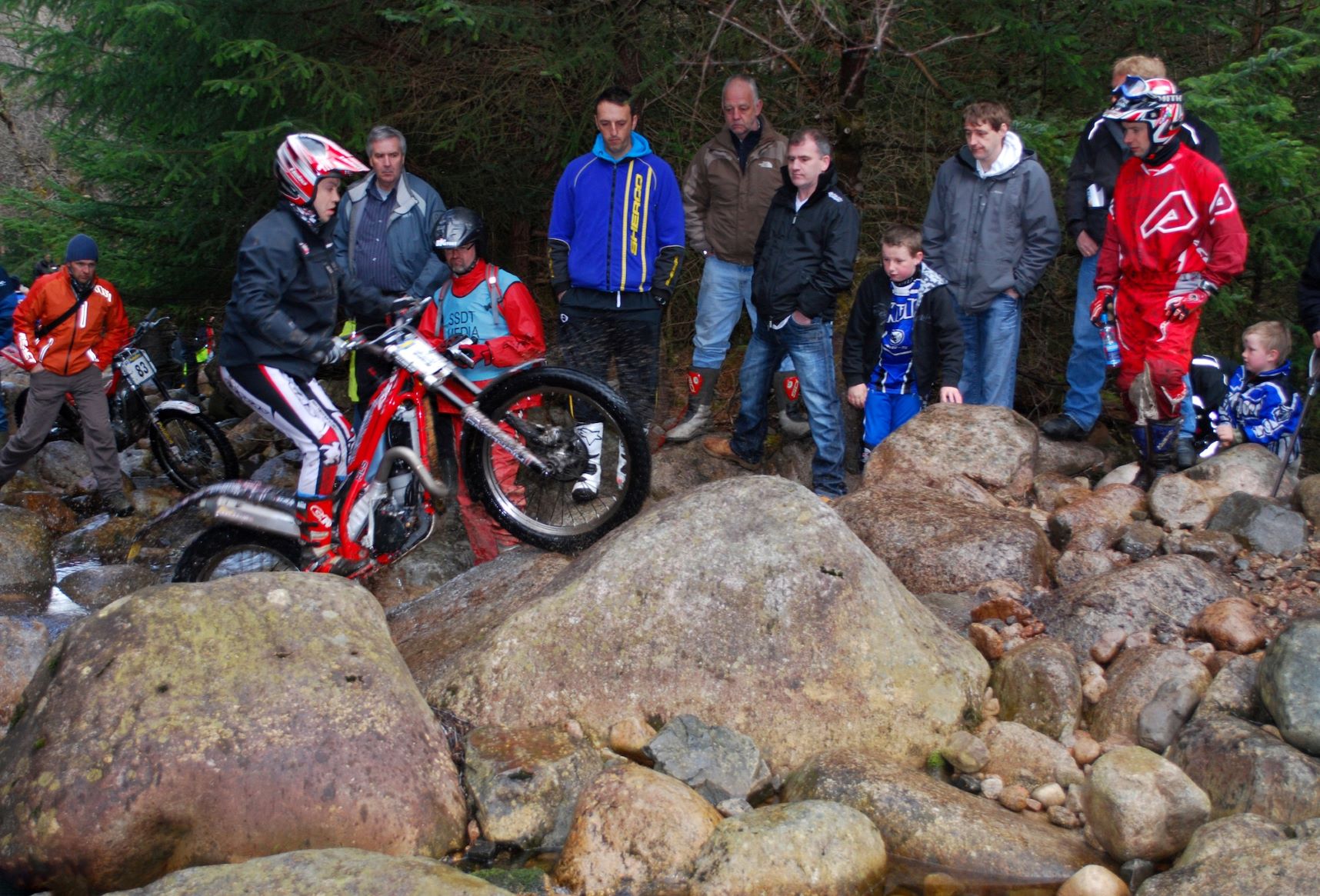
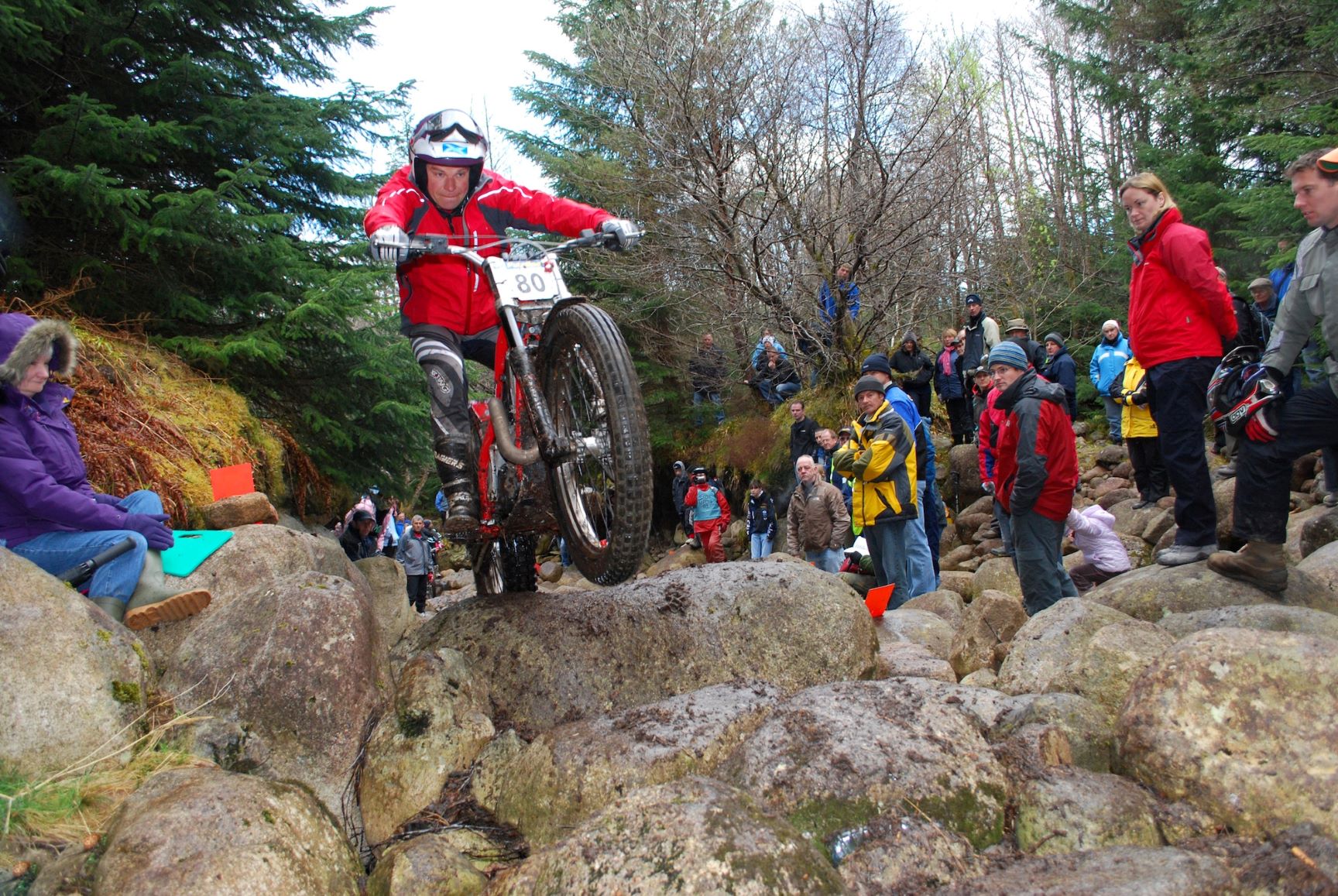


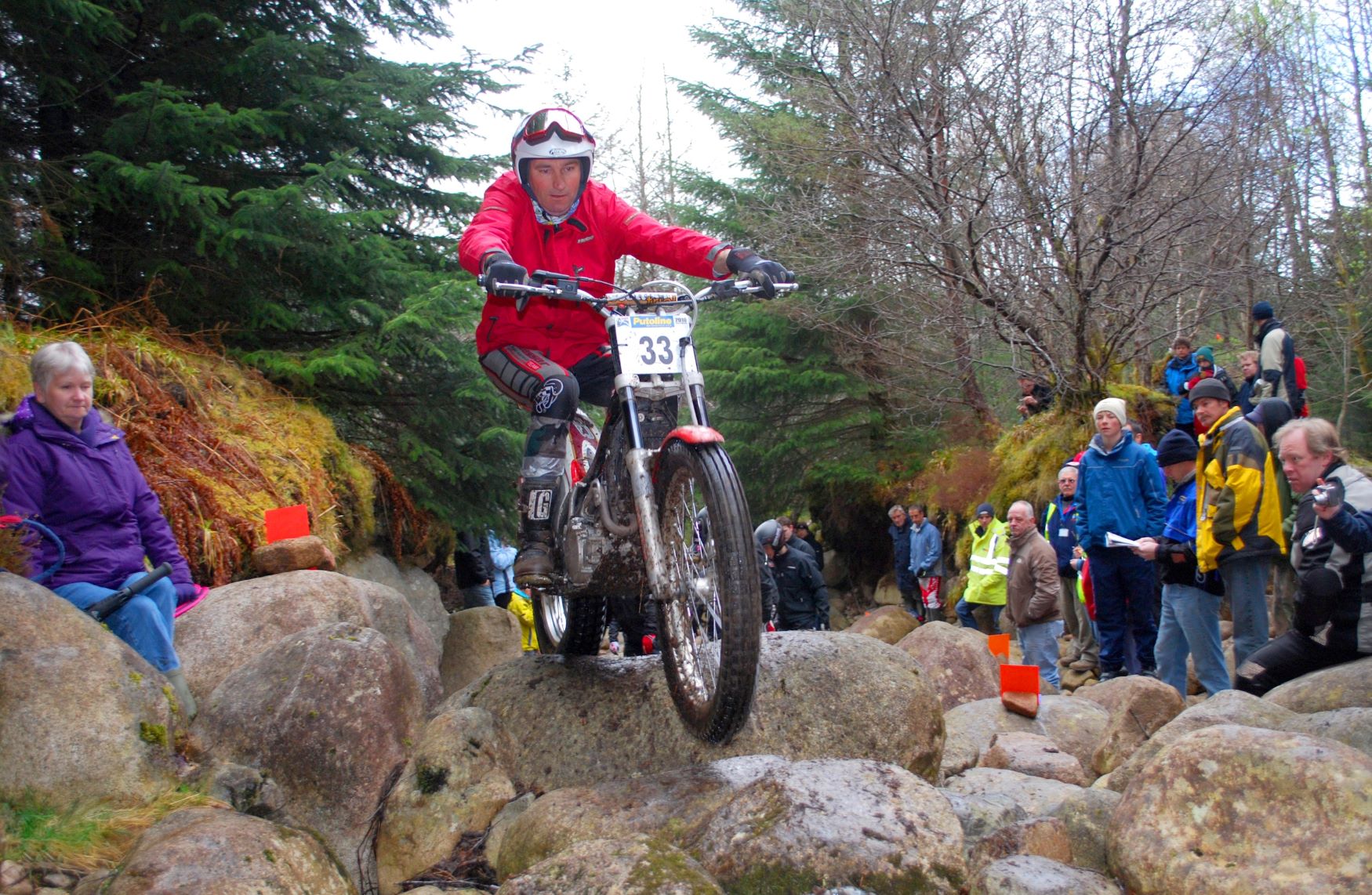

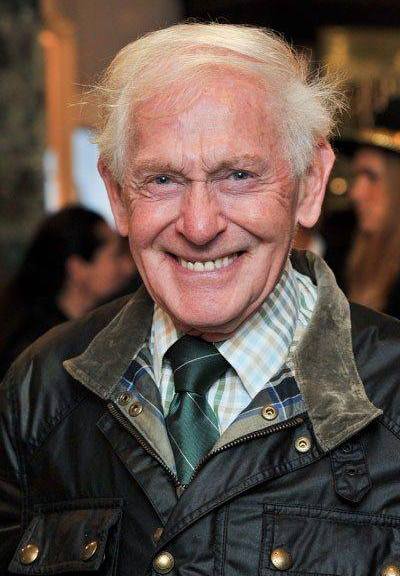
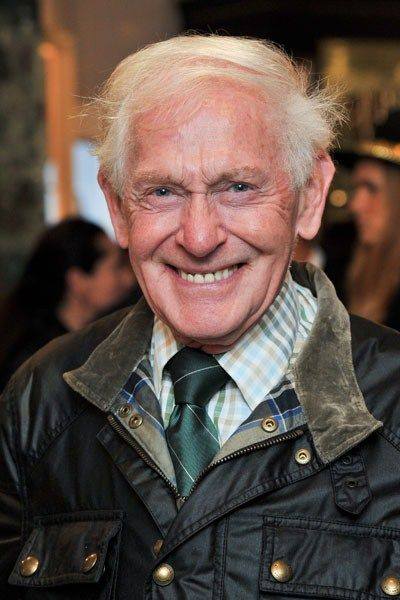
 TRIALS GURU - DEDICATED TO TRIAL