
Coming soon to Trials Guru, an article taken from the Trials Guru’s original notes made in 1999 on the life and times of trials rider and former SACU President, Honda Motorcycle & Power Sales Manager for Scotland & NI – Bob Paterson.

Coming soon to Trials Guru, an article taken from the Trials Guru’s original notes made in 1999 on the life and times of trials rider and former SACU President, Honda Motorcycle & Power Sales Manager for Scotland & NI – Bob Paterson.
Something different for Trials Guru readers. We occasionally collaborate with other trials enthusiasts and here is something special for you.
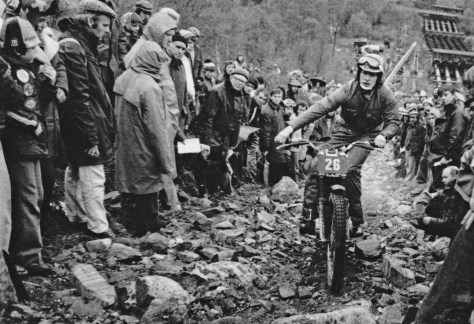
Not a lot has been written about the 1980 FIM World Trials Champion, Swede, Ulf Karlson. However that has changed recently when James Brown of the ‘retrotrials.com’ website went across the sea to Sweden to interview Ulf at his home.
Read about the quiet man of trials who let his results do the talking for him.

Karlson was faithful to the Montesa brand throughout his career.
Read about his achievements and what happened to him when he disappeared from the trials scene.

Ulf Karlson’s story is exclusive to retrotrials.com, read the Ulf Karlson interview: HERE

If you haven’t had a look at our special ‘ section’ on the Lampkins, have a look!
Recently updated, there is an article on Alan ‘Sid’ Lampkin and some information provided by one of the Lampkin sisters.
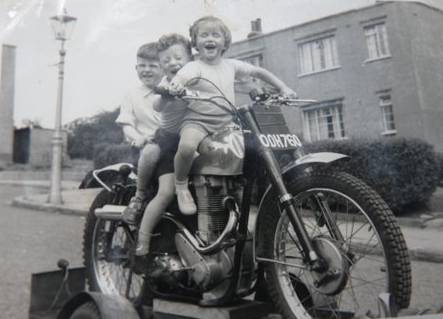
Of course we are not finished yet, there is still more to come.

A new ‘section’ is being added to Trials Guru for your enjoyment. Entitled simply ‘Eric Kitchen – The Maestro’, it says it all!
Words: John Hulme & Gordon Farley
It is true to say that some trials riders will be remembered for being not just good, but for beating the seemingly unbeatable. One of these riders is Gordon Farley. For eleven years, trials riding in Britain was literally dominated by one person, the great Sammy Miller. Other good riders came, tried and went away unsuccessful but Farley was determined that his name was not going to be added to that long list when he set his sights on Miller’s supremacy. “It was without doubt the most satisfying moment of my career when I knew I had won the British title and had beaten Miller”, Farley commented recently. Miller had won the trials championship eleven times on the trot; it had a psychological effect on the other riders – they got to the stage where they thought he could not be beaten so they did not try. Farley said to himself “I am going to do it!” and that was what he concentrated on. Every trial he rode in was to beat Miller but it was hard to get close to him. Eventually when he did it was unbelievable, but then he retired and the trials scene was never quite the same.

Farley, like Miller, was attracted to road racing before he found himself in trials. However, he turned to trials because it was “a lot cheaper”. Although he would not call his family a motorcycling one, his father did own a machine and his brother did compete in a few trials, although he never reached the level of Gordon. At thirteen he purchased his first machine, a 197cc Francis Barnett – in trials trim, of course. This was replaced two years later by a Triumph Tiger Cub, a machine that will be remembered as the one Farley got not only his first taste of competition on but also his first taste of success, back in 1961. It was the first trial he had competed in and he came third; the event was the Sunbeam Novice Trial. Shortly after this he entered his second trial, the Wickham Harvest, and taking second place elevated him out of the novice class into the expert class. Farley remembers these early events clearly but when asked which was his most memorable and why, he said “I think that would be the one I rode in France. It was at a place called Nemour, which is about sixty miles south of Paris, and it was the first time I had competed abroad in an international trial. The event, I think, is still run today and I remember the French treated me very well; mainly because in France you were not allowed to ride a motorbike until you were seventeen, you could only ride a moped, and here was a sixteen-year-old riding in a trial along with much older men”. “Do you remember your result?” “Yes, I won!” One may wonder how Farley could afford to go to France when he had previously said he had chosen trials because it is a cheaper form of sport. In short he was being supported by a dealer in Folkestone called Jock Hitchcock. Gordon has always been friendly with Murray Brush, a trials rider well known in the south-east of Britain, and it was through him that Farley was introduced to Hitchcock.

He sponsored Gordon from the age of sixteen until he was nineteen, and it would be fair to say that it was Jock pushing all the time that got him his first works contract.
A Works Ride
That was a nice surprise as he got a letter from Henry Vale, who was then the Triumph Competition Manager, on Christmas Eve offering a works machine, and it made a very nice present. He tried out the new machine in January and signed a contract. Farley was to enjoy four works contracts during his career: Triumph, Greeves, Montesa and finally Suzuki. During those first years as a works rider the world of trials was absorbed in an era of radical change, as the domination by the large capacity four-stroke machines such as the AJS, Ariel, BSA Gold Star, Matchless, Royal Enfield and Triumph Trophy (all actually slightly modified road models) was superseded by the Spanish and Italian two-strokes specifically designed and built for trials. Organisers had to rethink most of their sections, usually opting to make the turns tighter and sudden climbs steeper. Gordon Farley never rode one of the big old four-strokes, so he effectively grew up and learned his craft with the new style of riding.

He soon found the Triumph Cub had its limitations, it was after all simply a modified road model that had been developed from the Triumph Terrier, and its greatest handicap was – and remains – the lack of an effective set of trials-suitable gear ratios. Farley worked hard to improve his Cub, mainly by losing unsprung weight. He used alloy petrol tanks, alloy oil tanks, alloy air filter boxes and alloy front brake plates. Many of the items were copied and sold by Comerfords; indeed at one stage they added to his list of sponsors and he rode a ‘Comerfords Cub’.

With the Greeves it was a machine specifically designed for trials but with the bugbear of relying on the Villiers ignition system – for younger readers imagine putting a plug and socket in the ignition wire to the sparkplug and mounting the socket on the front edge of the crankcase cover, just where the front wheel plasters everything with wet mud. Yes, that is the measure of incompetence that prevailed! In 1967 the Montesa importer John Brise approached Gordon Farley to become their number one works rider but he had just signed a twelve-month contract with Greeves to compete for them during the 1968 season, so they would have to wait until the end of the year for him to join. It was a fantastic year for him on the Greeves as he took the runner-up spot in the Scottish Six Days Trial behind Sammy Miller, as well as third place overall in the European championship. In the December of 1967 Montesa had also approached another Greeves works rider, Don Smith, to join them.
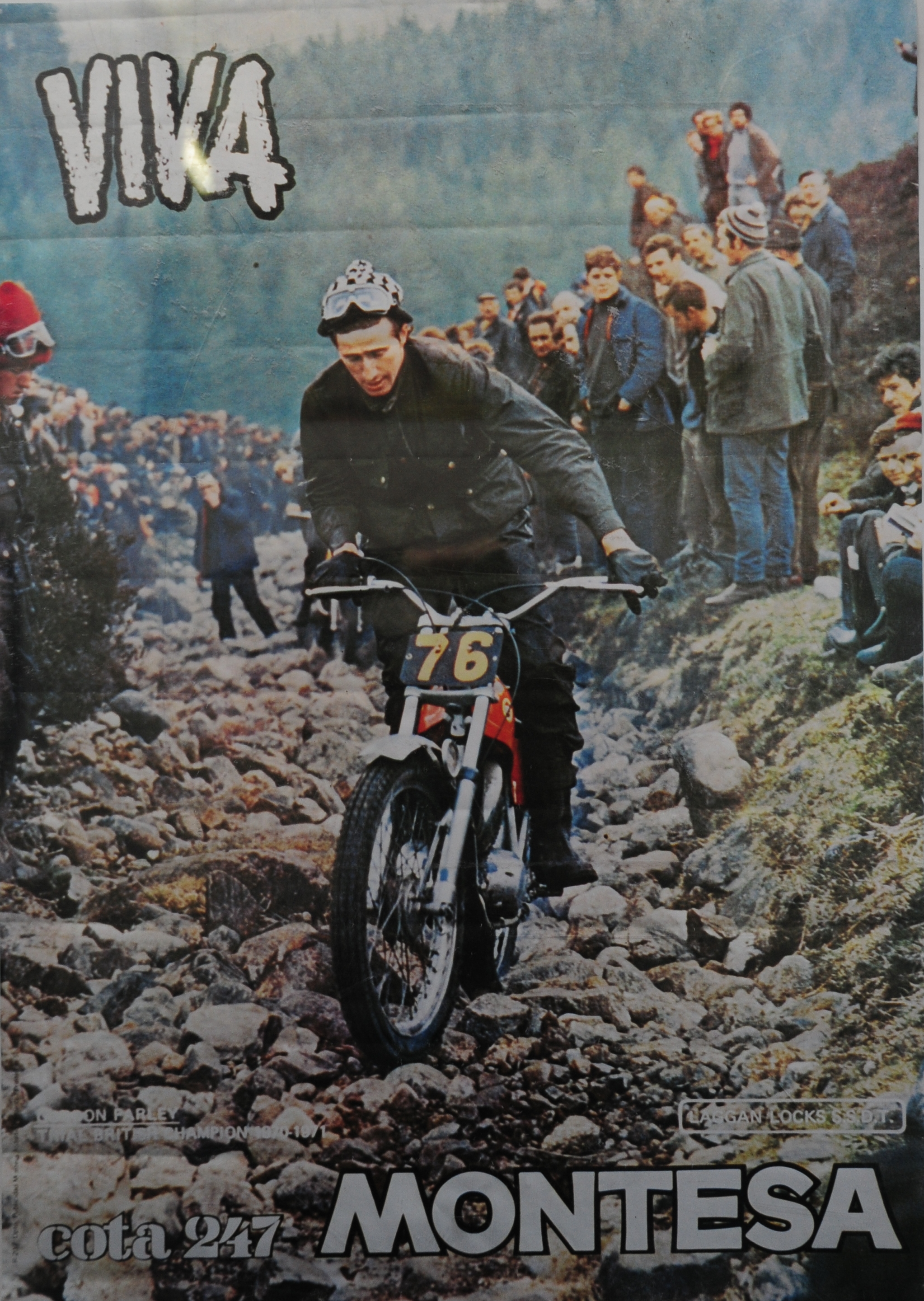
He tested the new machine and was offered a contract as the company waited for Farley to join them in a new works team. 1969 would see Farley eventually join and he would win the opening trial of the new season, the Vic Brittain, mounted on the new Montesa Coat 247. He took second place in the 1969 European Championship (now World) and followed this by winning the British Trials Championship in 1970 which went all the way to the wire at the final round, the Knut Trial, where he beat Miller; he again took home the title for Montesa in 1971.

Rising Sun
Carrying superb credentials and with the Japanese trials invasion about to take off Suzuki opened talks with Farley in 1971 with a view to him helping with the development of a new machine. They thought they had struck gold when they managed to get British Champion Gordon Farley to sign on the dotted line to develop their new trials machine in late 1972. More importantly he came with a good reputation, having previously ridden both Triumph and Greeves works machines. He was also well known for his machine development skills and this would prove vital to Suzuki as they were so new to the trials scene. After many secret trips to Japan and the Suzuki headquarters Farley’s new machine was finally taking shape. Various meetings had taken place in the closed season as they wanted a competitive machine from the outset.

The prototype machine was very much based on the TS series trail bike range which was a single cylinder two-stroke that they decided would be ideal for the trials project. With Farley under contract to Montesa until June 1973 he could not officially ride in competition for another manufacturer until the July. This gave both himself and the factory plenty of time to develop the new machine. When the two new machines arrived he was full of enthusiasm for the work the Japanese had carried out. The venue Farley chose to debut the new machine was a local centre event, the Horsham Club’s Ray Baldwin Trophy Trial. The debut was not a success and Farley finished second, four marks behind local centre rider John Kendal on a Bultaco. Farley was leading the trial at one stage but he had an unfortunate crash over the handlebars, which resulted in five marks lost and the win was gone. The machine was then ridden in the British and European Trials Championships but with very little success. Farley became disillusioned with this and the lack of support from the factory. With no major success and Farley wanting to concentrate on his booming trials shop it was rumoured at the end of the year he was going to retire from the sport, which he duly did. In 1972 he had opened up a shop in Ash near Aldershot, Hampshire, selling motorcycles with Honda, Suzuki, and Yamaha franchises. He understandably also specialised in trials machines with Bultacos, Montesas and Ossas much in evidence, in addition to the Japanese mounts.

After his official retirement he opened another shop and just wanted to ride in trials on a very low-key basis, and the UK Bultaco importers, Comerfords loaned him a new 350cc Sherpa to ride whenever he wanted. His last real outing was in 1978 at the SSDT where he finished in a creditable 45th place. He admitted recently it nearly killed him! Gordon is now approaching 67 but is still involved with the shops, which take up most of his time, and can still be seen observing at local events. Farley ended an era in trials when he knocked Sammy Miller of the top spot in the British Championship, a subject still much talked about to the present day.

Article: Gordon Farley, Copyright: Classic Trial Magazine UK
Images:
Coming soon only on Trials Guru, the story of the most successful Scottish Trials rider of all time, Gary Macdonald.
Read about the Kinlochleven lad who practiced hard and took on the best rider’s in Britain and the world – only on Trials Guru.
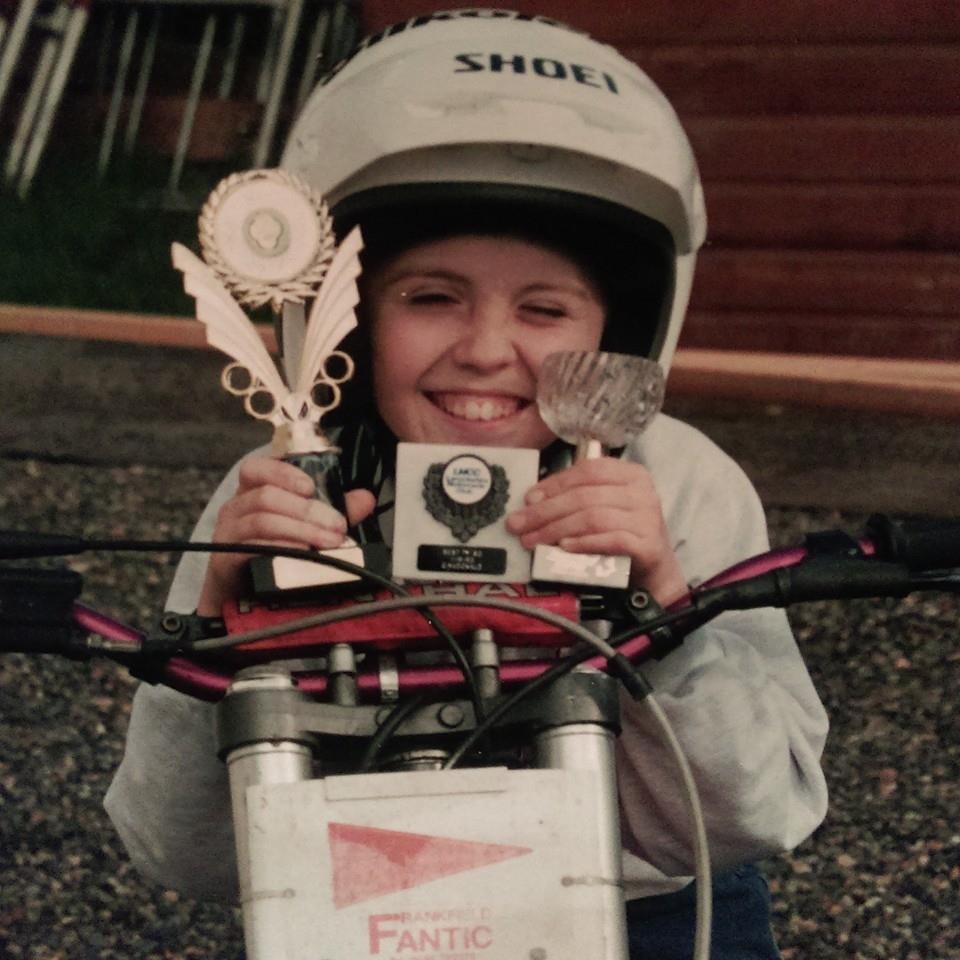
The name ‘Lampkin’ is synonymous with off-road motorcycle sport. It has to be the most famous of all families associated with motorcycling in the world.
Trials Guru are proud to release a feature page dedicated to the Lampkin family, with informative articles and photos from our regular contributors. We start with Alan R.C. Lampkin’s story of a life in motorcycle sport.

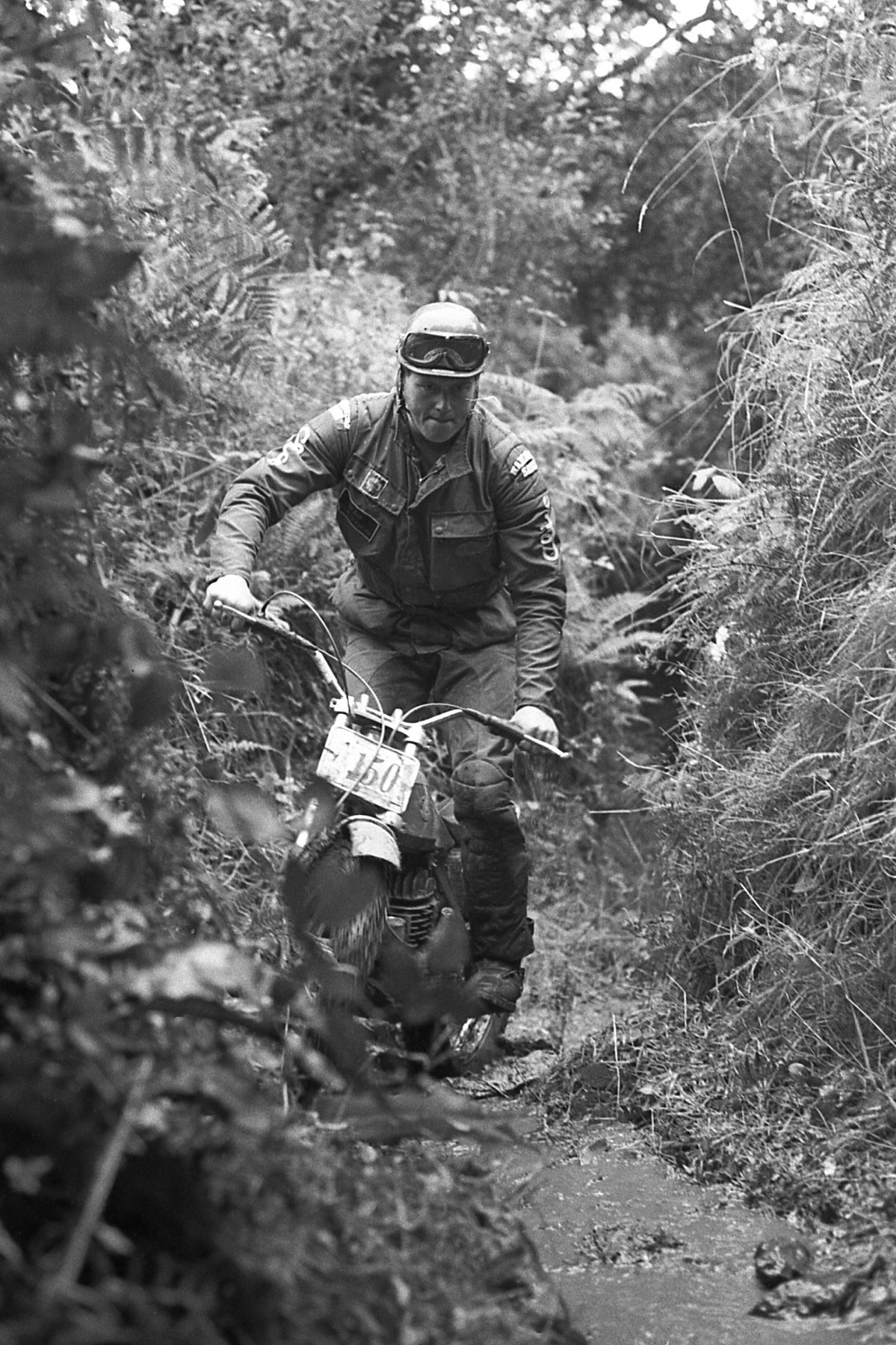
As close family friend and former trials competitor, Blackie Holden said: “The Lampkin family can be summed up in one word – winners. There is something very special about them, from a very early age I remember their tremendous ‘will to win’ it is immense. Whether it be a game of noughts and crosses or a 500 GP, the competitive element with them is incredible. It’s not in a nasty way, they just have to win”.
Read all about ‘Lampkin of Silsden’ on Trials Guru
Go straight to: Lampkin of Silsden

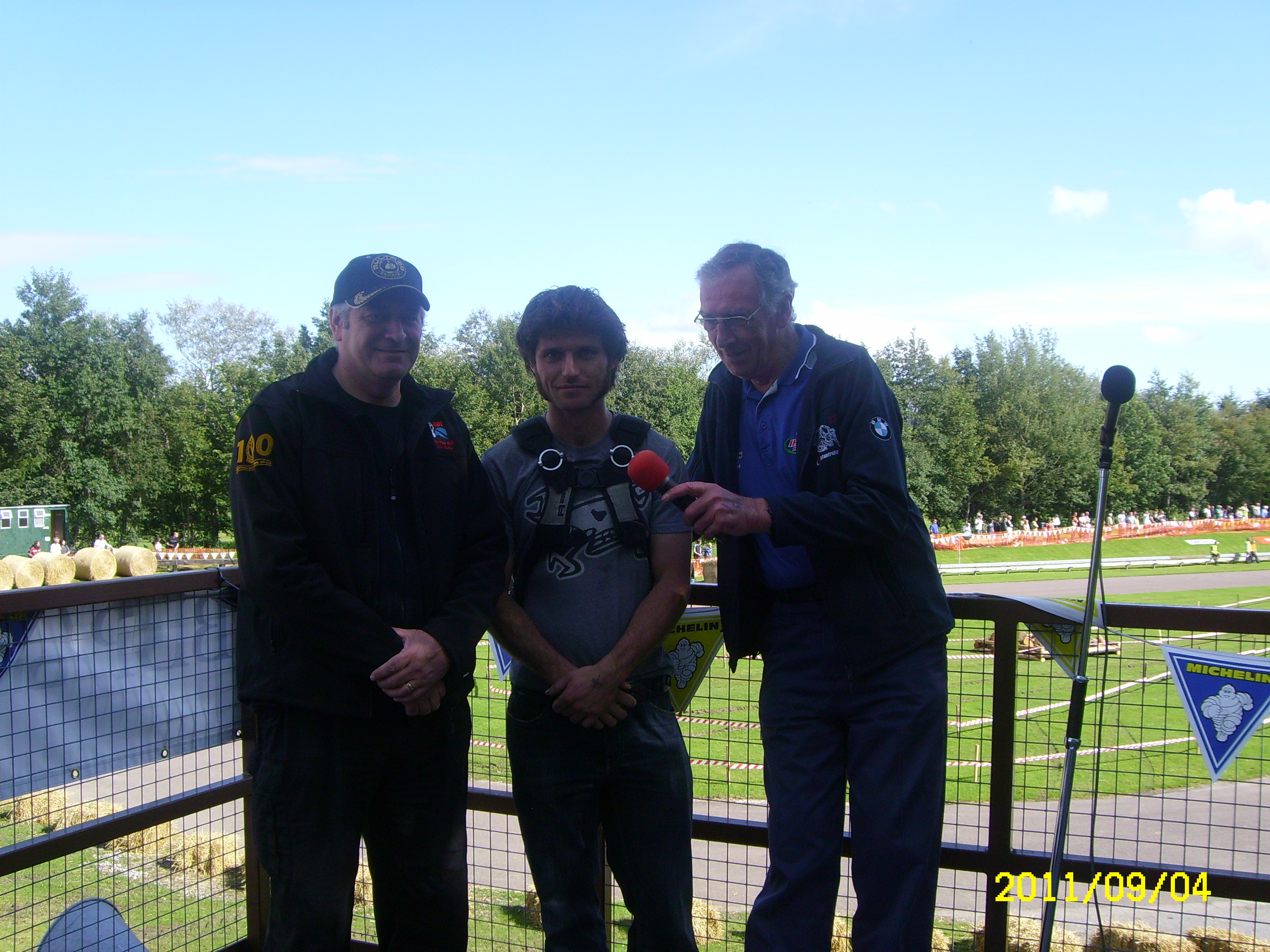
The Pre’65 trial secretary, Anne Gordon added: ‘We are delighted to announce that Guy Martin, Motorcycle Racer and TV star has agreed to be Guest of Honour for the 2016 event and has also entered the trial to try his hand at Pre’65 trials riding. It is a great honour for us to have him at the trial and we would like to thank Simon Sharp and Owen Hardisty at Hope Technology (our Saturday Day Sponsors) for helping us to get Guy to the event after we approached them at last year’s SSDT. We are really excited to have such a celebrity at our event and hope he enjoys taking part. I don’t think there will be many people who have not heard of Guy, as he is well-known through his very illustrious motorcycle racing career as well as his many film and television shows that have us all enthralled with his very hands on and down to earth approach’.
The Pre’65 Scottish is always massively oversubscribed with over 150 potential entrants disappointed at not getting through the inevitable ballot of competitors. However it should be clarified that Hope Technology are the event sponsors and as such, are entitled to what is effectively a ‘wild-card’ reserved entry as part of their sponsorship deal, which in this case has been granted to Guy Martin for 2016. The appearance of Guy Martin at this event, both as a rider and guest of honour can only be good for the sport of trials and the ever supportive inhabitants of the town of Kinlochleven.

Born in Grimsby, Lincolnshire, England in November 1981, Guy was the central racing character when supported by the Irish-based Wilson Craig Honda team in the docu-movie, ‘TT3D – Closer to the Edge’ which was filmed during the 2010 TT races and screened in 2011. This set Martin on the road to a lucrative television career having competed for many years at the Isle of Man TT with success, but so far no outright TT win to his credit. He has ridden for AIM Yamaha, Relentless/Tyco Suzuki and Hydrex Honda teams in the past.
Martin is interested in all things mechanical, his main occupation is an HGV mechanic with an independent truck company in Grimsby Lincolnshire, which specialises in the maintenance of Scania trucks. His father Ian who also ran a similar business is also a former motorcycle road racer who retired from racing in 1988 after an accident at Scarborough’s Oliver’s Mount.
Martin has been the central character in several television documentaries which has taken him half way around the globe to India and most recently to Latvia in a Chanel Four production in which he retraced the life of his late maternal grandfather, Zanus ‘Walter’ Kidals in the war-torn Baltic state of Latvia which saw occupation by both German and Russian troops in the second world conflict. His grandfather was a displaced person known as ‘DP’ arriving via Hull where he met an English girl, married, settled and worked in Britain.
By coincidence, the town of Kinlochleven saw many DPs, like Martin’s grandfather; arrive from war-torn Europe and the Balcan states of Poland, Latvia and Lithuania as there was work available at the North British Aluminium Company smelter in Kinlochleven. One such man was Lithuanian born Paul Kilbauskas, who arrived in 1947 and found employment at the aluminium works and with co-worker and friend Ian Pollock discovered the many paths and sections that are still used by both the Pre’65 and Scottish Six Days events that make use of the Leven Valley in early May. Kilbauskas later became a ‘Tunnel Tiger’ working on the large hydro-electric schemes in the Scottish Highlands.
Guy has harboured a desire to compete in Pre’65 trials since 2011, but television and racing commitments rendered it a ‘back-burner’ for a few years.
The Pre’65 committee having secured sponsorship with Hope Technology which has an association with Guy through his interest in mountain bikes and eventually Simon Sharp and Owen Hardisty made the approach to see if Martin would be Guest of Honour at the annual event, now in its thirty second year.
Guy Martin has turned his skilled hands to many things in front of camera, including a two-year restoration of a Supermarine Spitfire fighter aircraft which had been buried in a French beach since the second world war; a rebuild of a narrow-boat called ‘Reckless’ and much more; including riding a hydroplane motocross bike across a lake and setting a speed record for a pedal-cycle. He was even fortunate enough to be allowed to work on the last flying Vulcan bomber aircraft XH558 during preparations for its final flight in 2015.
On loan specially for the Pre’65 Scottish Guy will be riding a 350cc Ariel HT3 which used to belong to Lancastrian ace, Chris Gascoigne who campaigned the machine for many years and has been a winner in Chris’s hands many times over.

There will also be an appearance of the 1966 Scottish Six Days winning BSA C15T of Alan ‘Sid’ Lampkin. Registered as 748MOE, it will be ridden in the Pre’65 by Alan’s son, James Lampkin to celebrate 50 years since Sid’s SSDT victory on the very last British four-stoke machine to win the Highland classic. This will be James Lampkin’s first pre’65 Scottish although he has competed in the SSDT for many years.
James Lampkin: “Dad realised that it would be 50 years since the BSA won the Scottish in 1966 after he bought the bike back again in October 2014. It is very original having passed through quite a few owners since it was sold off in 1967. Although he doesn’t ride trials himself anymore, he was very pleased when I agreed to enter on the BSA. I’m really looking forward to it”.

We are always trying to bring you something different and unusual from the sport of motorcycle trials. Here we have a specially commissioned trophy, presented annually for the oldest rider at the Pre’65 Scottish Trial.
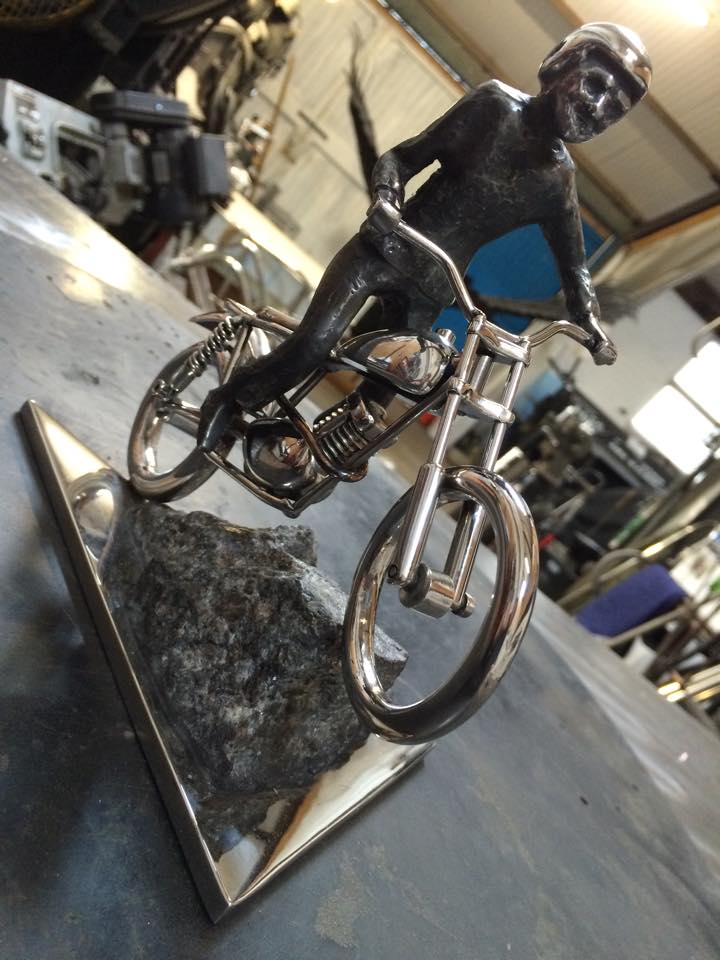
Commisioned by Mrs Isobel Mitchell of Portlethen, near Aberdeen in memory of her husband, Peter Mitchell a long time rider and member of the Bon Accord MCC and was a well known competitor in Scottish trials and latterly at the Pre’65 Scottish.

It was made by Inverness based artisan, Richi Foss who runs a fabrication and welding business at Dochfour, just outside the Highlands capital city.
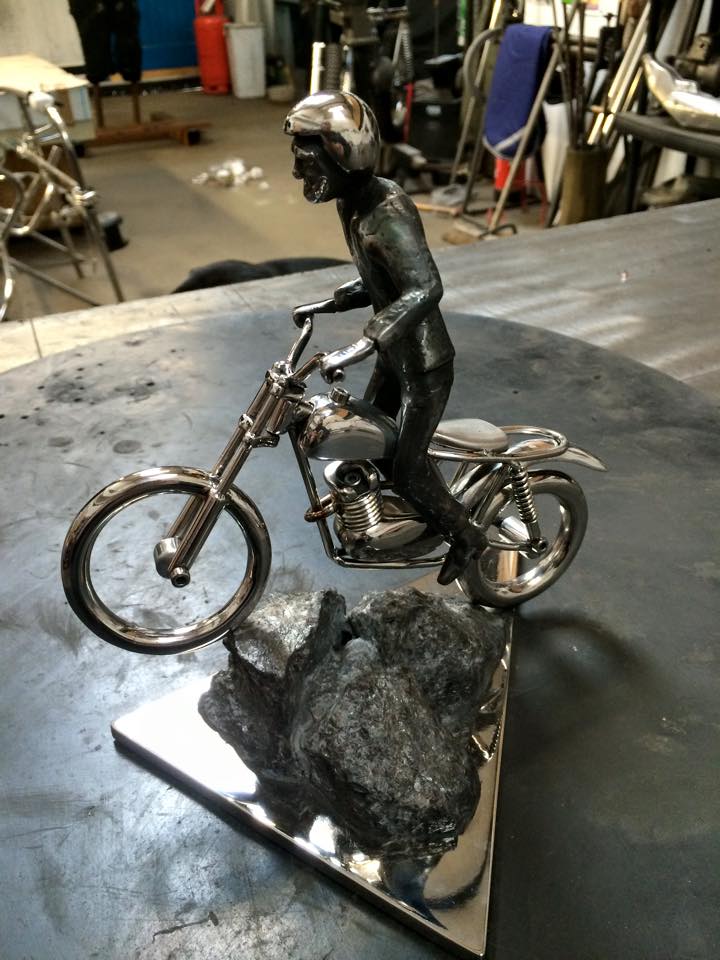
Foss: ” The trophy was commissioned by Peter Mitchell’s wife in his memory and presented to the oldest rider to complete the Scottish pre 65 trials. It was slightly overshadowed at the time by a rather large steel Eagle I was also making at the same time which is now on a roundabout near the Police headquarters. It’s hard to believe that this actually took more time to make and brought me far more enjoyment”.

“To top it all, the first winner of the award was a boyhood hero of mine, Mick Grant”

Richi Foss produces much one-off work and is a motorcyclist himself owning a rather unique Norton ‘flat-tracker’ which won an award many years ago at the Kent Custom show.

Foss Fabrication and Welding can be contacted on 07761 286112 and is based at The Old Sawmill, Dochfour, By Inverness, IV3 8JG.

Photos Courtesy of Foss Fabrication & Welding, Inverness & Mrs Isobel Mitchell, Portlethen.
Article on Peter Mitchell in ‘Great Scots’ on Trials Guru: HERE
…


It is with great sadness that we announce the passing of a true character of the sport of motorcycle trials, “Buttons” or John Button as he was known.
Buttons attended the Scottish Six Days Trial many times in his capacity as a mechanic, whose training went back to the days of the Bultaco tuning wizard, Reg May of Comerfords.
During the 2015 Scottish, Buttons popped in almost daily to visit the Outside Broadcasts of Nevis Radio where he kept listeners and the radio presenters in stitches with his quick wit and humour during the week.
Buttons had battled with cancer for some years and had planned to spectate at the recent Scott Trial, but illness prevented him from doing so.
Trials Guru conveys sincere condolences to his family at this difficult time.
Funeral Arrangements: The funeral service for Alfred John Button (Buttons) will held on Thursday 12th November 2015 at 12.30pm at Rainsbrook Crematorium. Ash Lawn Road. Rugby. Warwickshire. CV22 5ET. please no flowers, donations to Macmillan nurses are welcome.
Alfred John ‘Buttons’ Button 1955 – 2015


 TRIALS GURU - DEDICATED TO TRIAL