Motorcycle Competition: Scotland 1975-2005 is released on Monday 30th March 2015. Be sure to order your copy Here

Motorcycle Competition: Scotland 1975-2005 is released on Monday 30th March 2015. Be sure to order your copy Here
Peter ‘Jock’ Wilson … a great friend … a great man ~ By Renee Bennett.
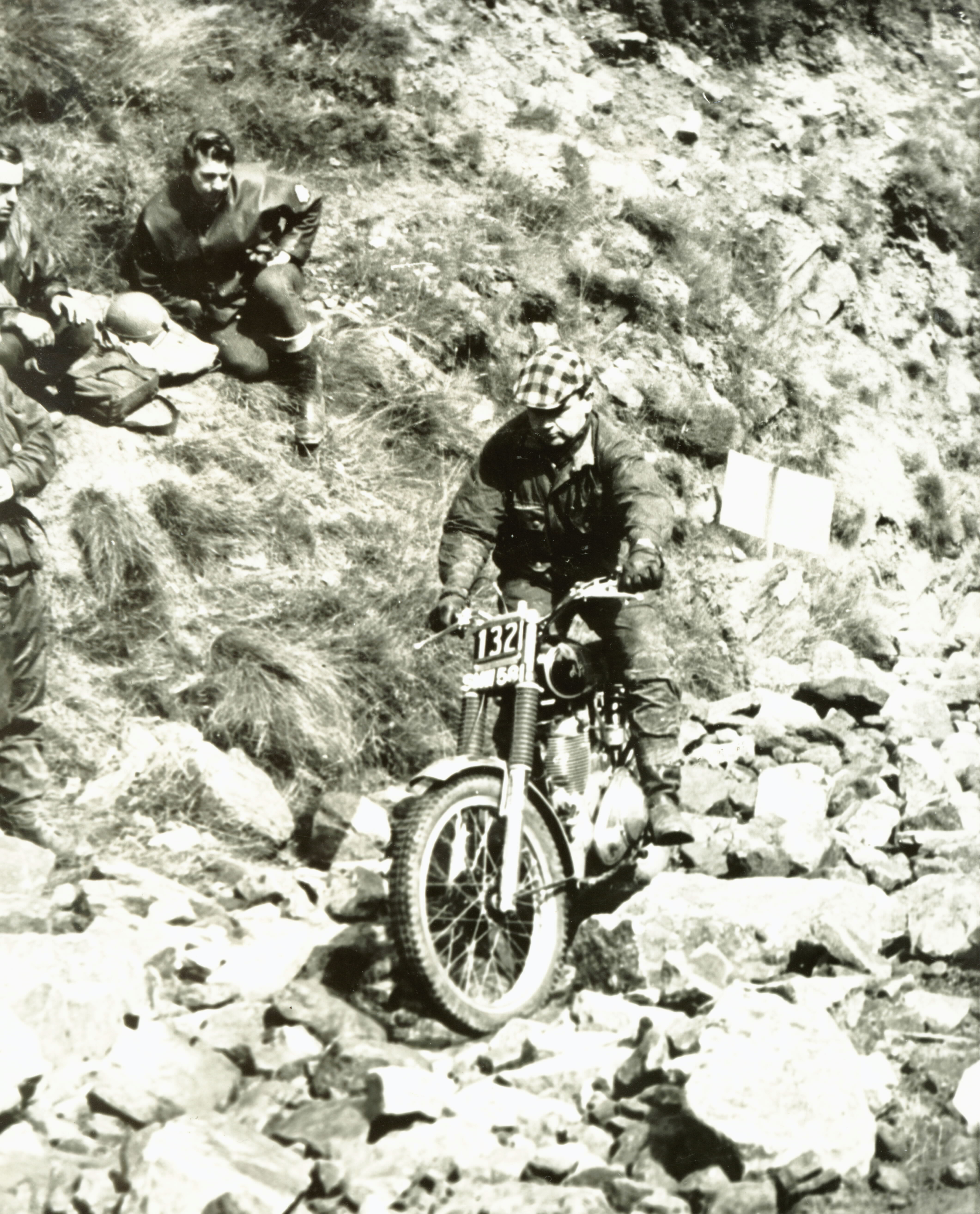
When I think of Jock Wilson, it reminds me of the fantastic Thames Ditton motorcycle dealers, Comerfords, AJS trials machines, Bultaco, the Scottish Six Days and a top Home Counties based trials rider who went on to take charge of the British International Six Days Trial Trophy Team for nearly 20 years.
Peter Cameron ‘Jock’ Wilson was born in Scotland on 12th January 1934 at Oakbank, Bridge of Balgie, Glen Lyon, Perthshire. The Scottish Six Days was practically on his doorstep as the ‘Meall Glas’ section was only ¾ mile from his front door.

There is the main reason he was such a good trials rider ~ with all that practice ground, he just had to be good!
‘Jock’ as I’ve always known him, started his working life as a lumberjack, then a spell in the British Army doing his national service at Aldershot, then marrying his wife Pat and moving to London to live permanently.
At Aldershot, Jock was in the Royal Army Service Corps or RASC for short, his commanding officer was Captain Eddie Dow, but he also met many of the factory trials and scrambles stars of the era who were also doing their national service. Riders such as Roy Peplow, John Giles and many more.
He took up employment at Arthur Cook Motors in Kingston-Upon-Thames and then the well-known motorcycle dealership, Comerfords based in Portsmouth Road, Thames Ditton, Surrey which he joined in 1957.
Jock started at Comerfords as a motorcycle mechanic in the workshops, soon progressing to workshop manager. When he became bored with that, he moved into sales under Sales Director, Bert Thorn.

Jock’s specialty was modifying AJS trials bikes, cleverly making them lighter and more powerful. Gordon Jackson, Gordon Blakeway and Gordon McLaughlan rode AJS machines as a team in those days and Jock even named one of his sons after the trio.
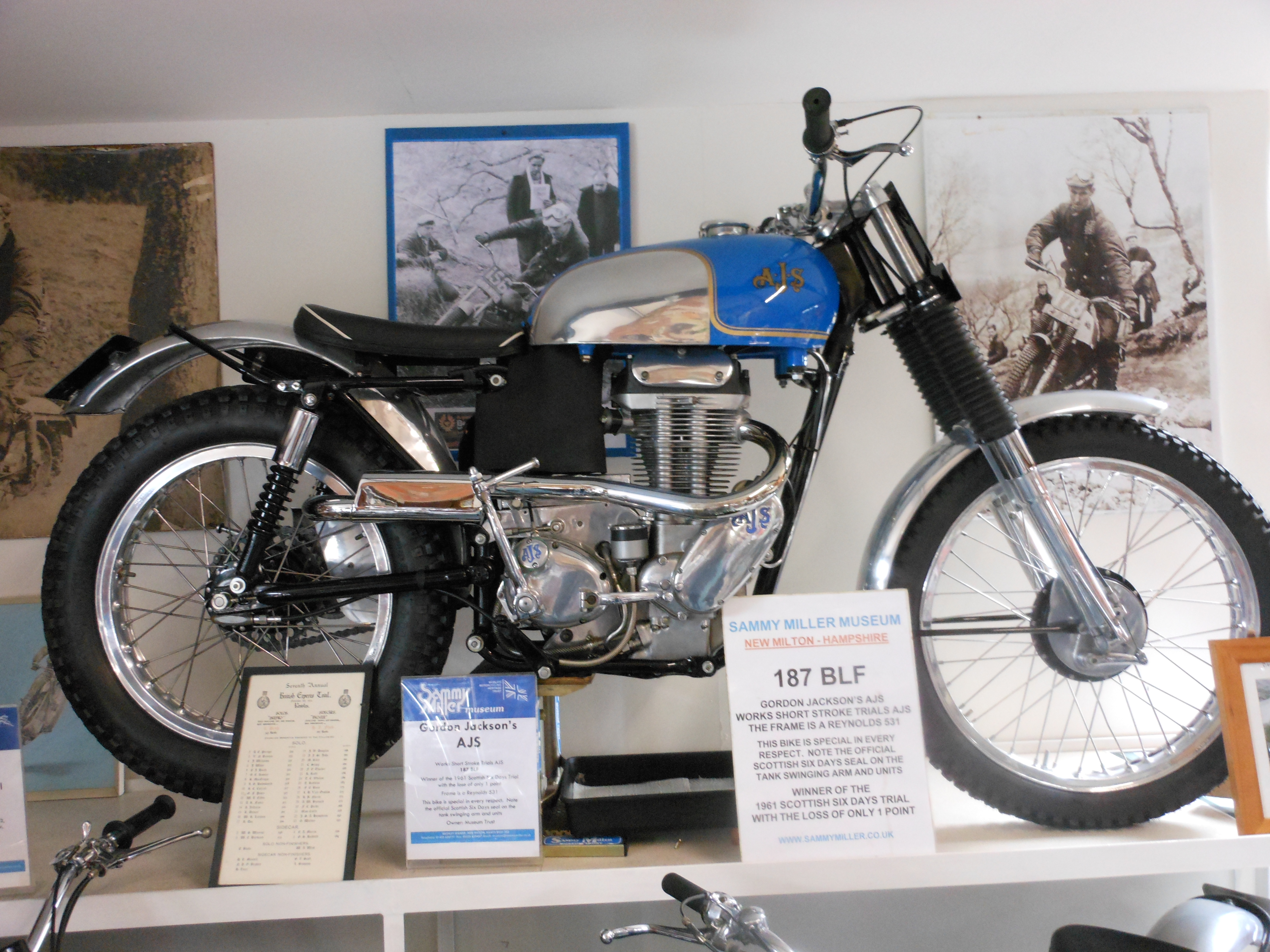
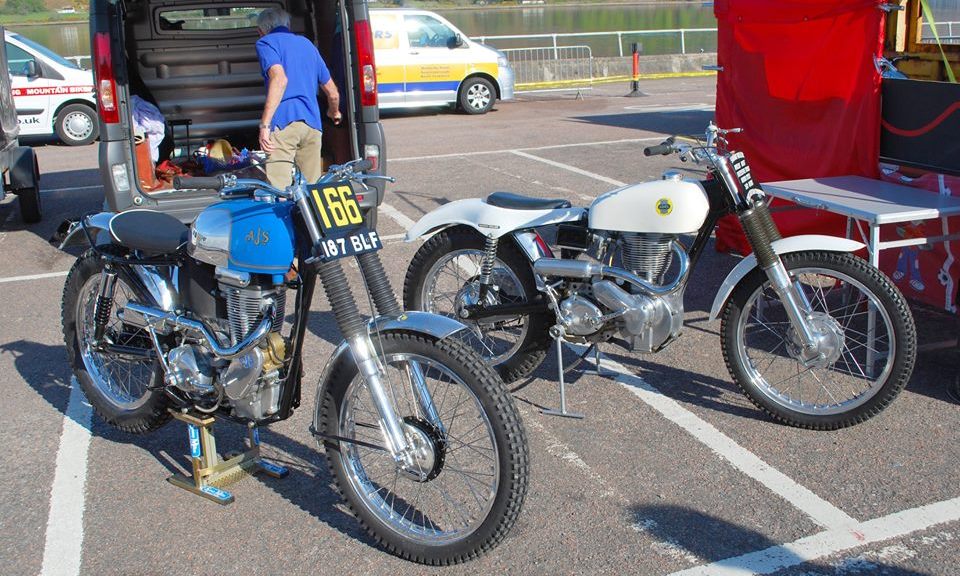
Gordon Jackson of course won the 1961 SSDT on his factory AJS (187 BLF) with just one ‘dab’ ~ Amazing!
Jock went on to manage the British International Six Days Junior Trophy and Trophy teams. His knowledge gained by riding in the ISDT many times himself on AJS and Triumph machinery gave him a valuable insight into this part of off-road sport and was a very highly thought of manager by the riders and the ACU. He actually cut his teeth initially by managing the Scottish ACU squad in Sweden in 1978.

When Comerfords eventually took over the importership from Rickman Brothers of the Bultaco brand, Jock was soon in charge … supplying dealers and operating a first class spares service.
When Jock left Comerfords, some many years later, he started his own business importing the Italian SWM trials and enduro macinery in partnership with Mick ‘Bonkey’ Bowers, which became equally as good as the Bultaco brand and very popular.
Jock and Bonkey set up a countrywide dealer network which included former World Trials Champion, Martin Lampkin.
After SWM stopped producing motorcycles, Jock went self-employed working from his home in Tolworth, fixing and tuning bikes and repairing damaged wheels, as he is an ace wheel-builder.
Nowadays, Jock is retired but still works a little on classic bikes in his spare time. I speak to him regularly and it’s always a pleasure.
Jock has always been a friend to me, to my late father Wag Bennett, and to my children Charles (who runs a busy London motorcycle shop) and my daughter, Julie.
I owe Jock a debt of gratitude for the support and help he gave me over twenty five years of trials riding.
Thank you Jock Wilson … Renee Bennett, Plaistow, East London.
Trials Guru: Jock Wilson, so named because this was common place for a Scotsman living and working in Southern England at the time, became one of off-road motorcycle sports’ most respected characters. Jock was a very competent mechanic and a serious trials competitor. When he was with Bultaco UK, he was responsible for setting up the contracts with the Comerfords supported riders in both motocross and trials. Wilson was mentor to Greeves rider and fellow Scotsman, Vic Allan when he moved from Aberdeenshire to Thames Ditton to ride for Comerfords in 1967. Allan then went on to ride for BSA briefly, during which time he crashed heavily at the Italian GP on his factory BSA breaking his hip and was sidelined for several months, during which time BSA closed the Small Heath competitions department. Allan then reverted to race for Comerfords on the Spanish Bultaco and became British 250cc and 500 cc Motocross champion in 1974, riding the Pursang models in both classes.
© – All text copyright: Renee Bennett & Trials Guru / Moffat Racing, John Moffat 2015.
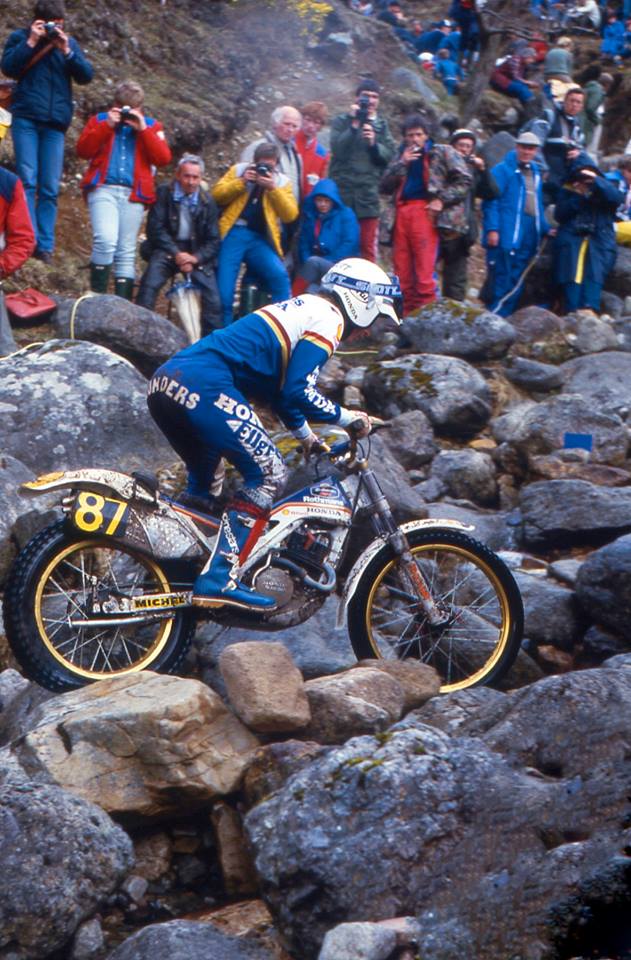
Retrotrials has uploaded a nice selection of past official programmes of the Scottish Six Days Trial (SSDT) on their website.
Why not skip across and have a look?
Click Here

Words: Trials Guru
Photos: Iain Lawrie; OffRoad Archive; Bob Dunwoody; Sammy Miller Museum.
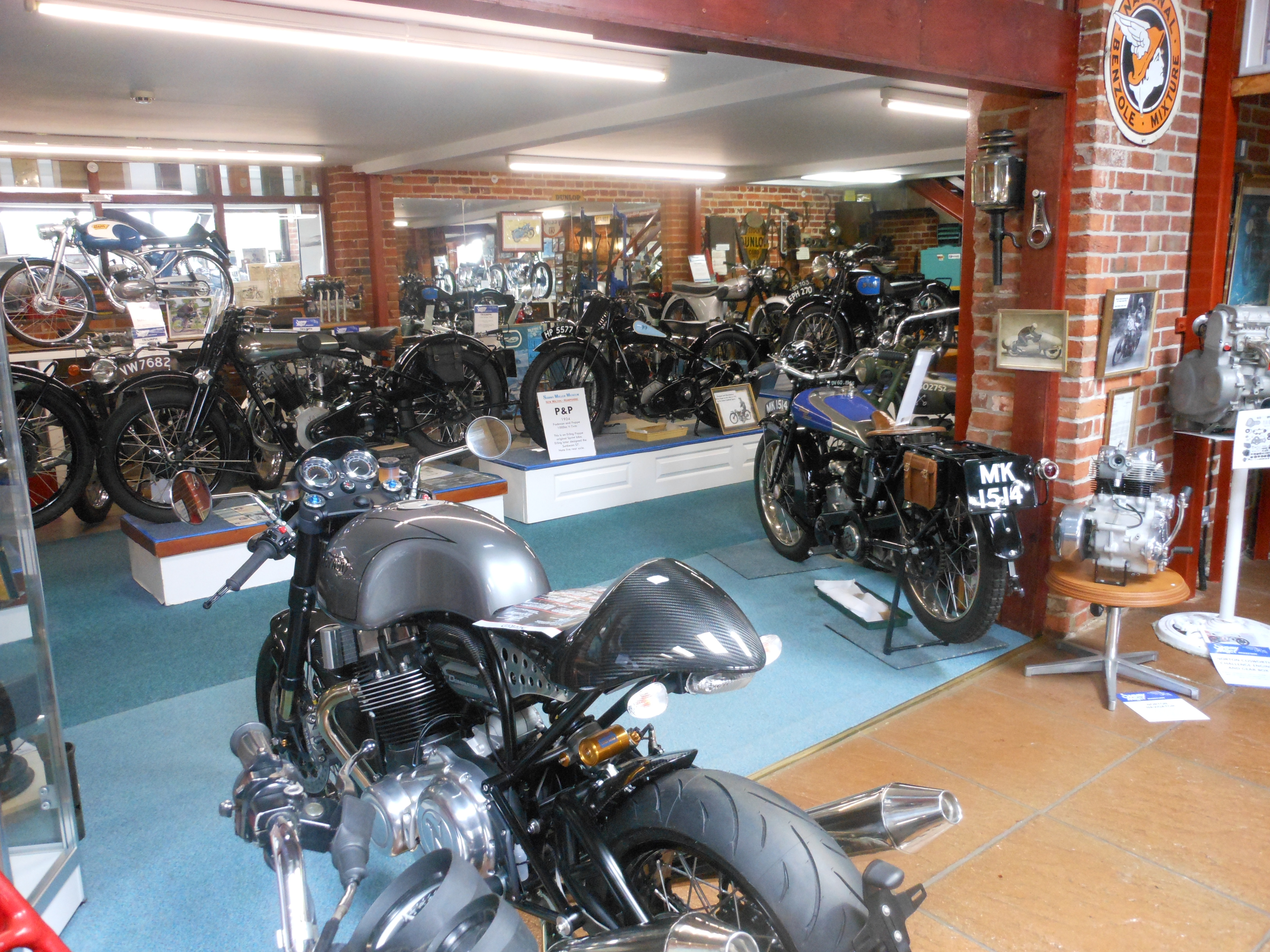
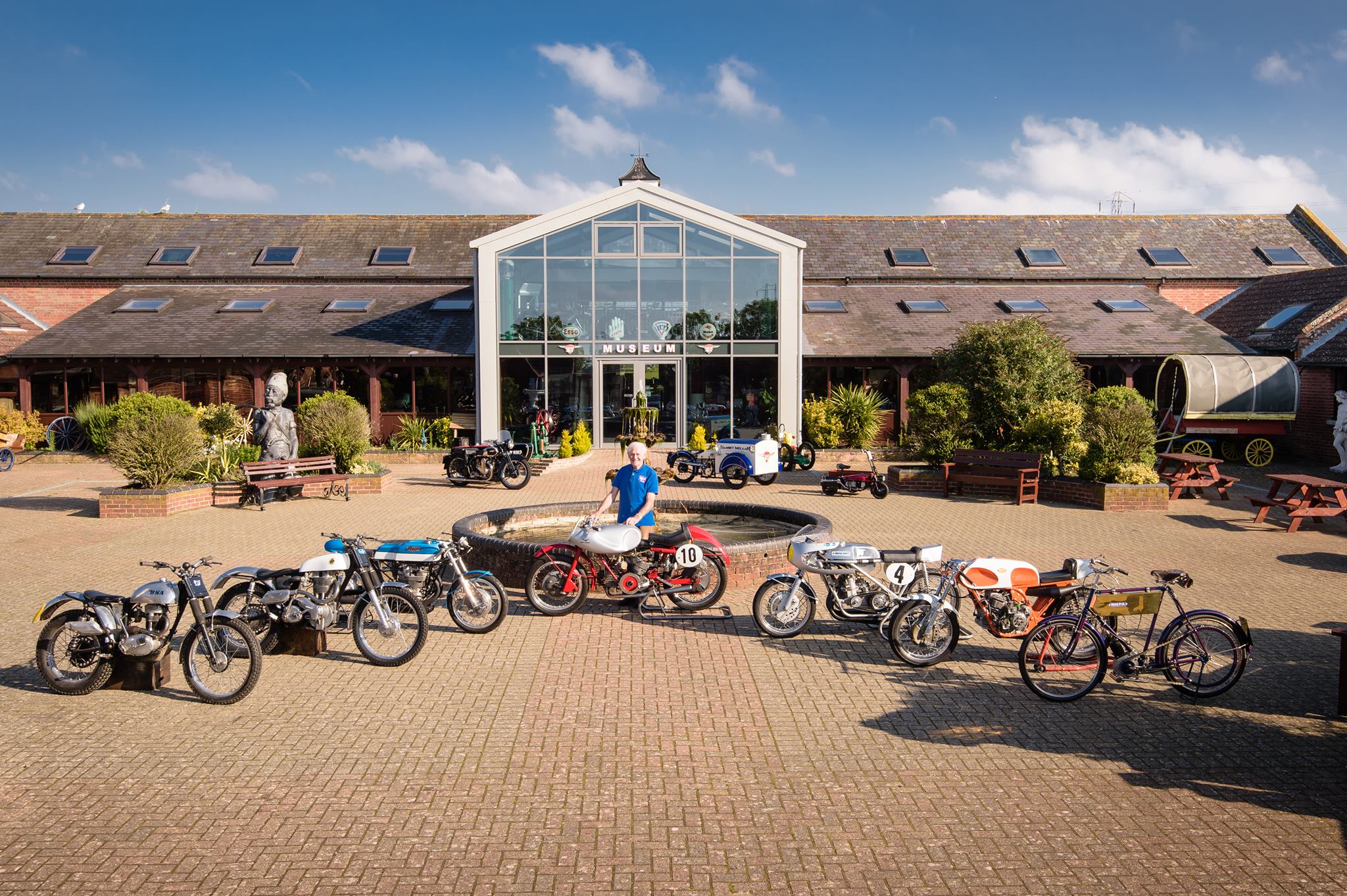
In 1996 Sammy Miller MBE took over the run-down premises of an old farm at the Bashley Cross Roads, New Milton and converted the barns into a modern, prestigious building with picturesque surroundings. It is now accepted as housing one of the finest collections of fully restored motorcycles in the world, including factory racers and exotic prototypes.
At the end of 2004 permission was granted for an extension to the museum which now allows it to house over 500 exhibits. The museum was further expanded in 2021.

Sammy’s life has always been dedicated to motorcycling. As a young boy he followed motorcycle racing in Ulster and then went on to compete and win his first race meeting in 1953.
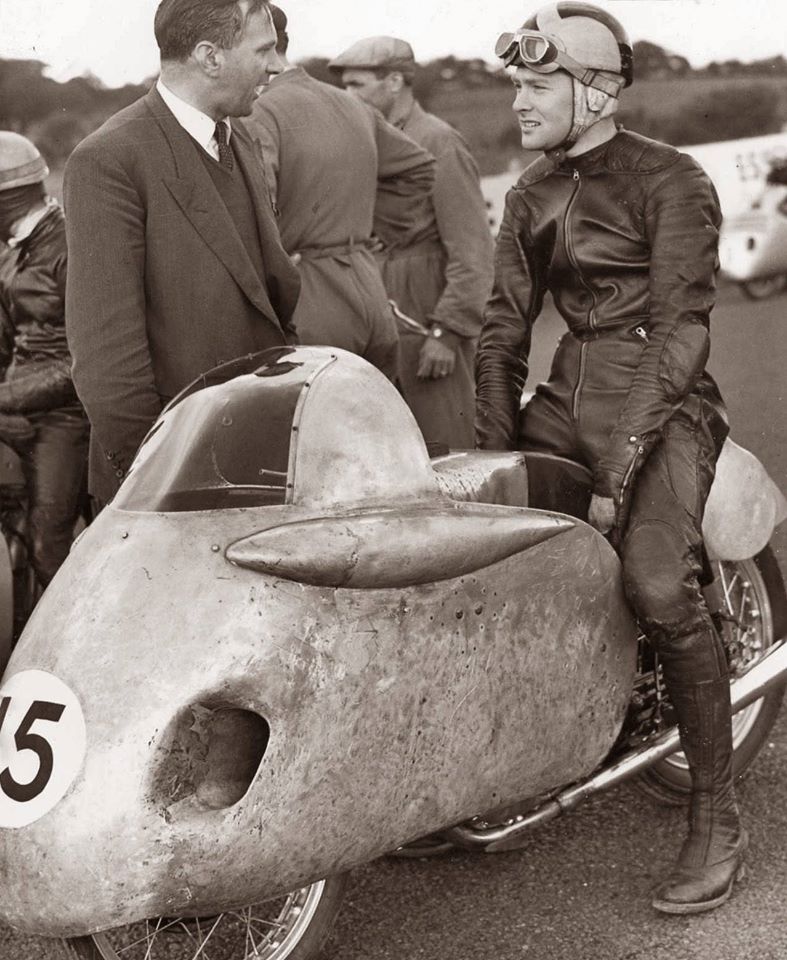
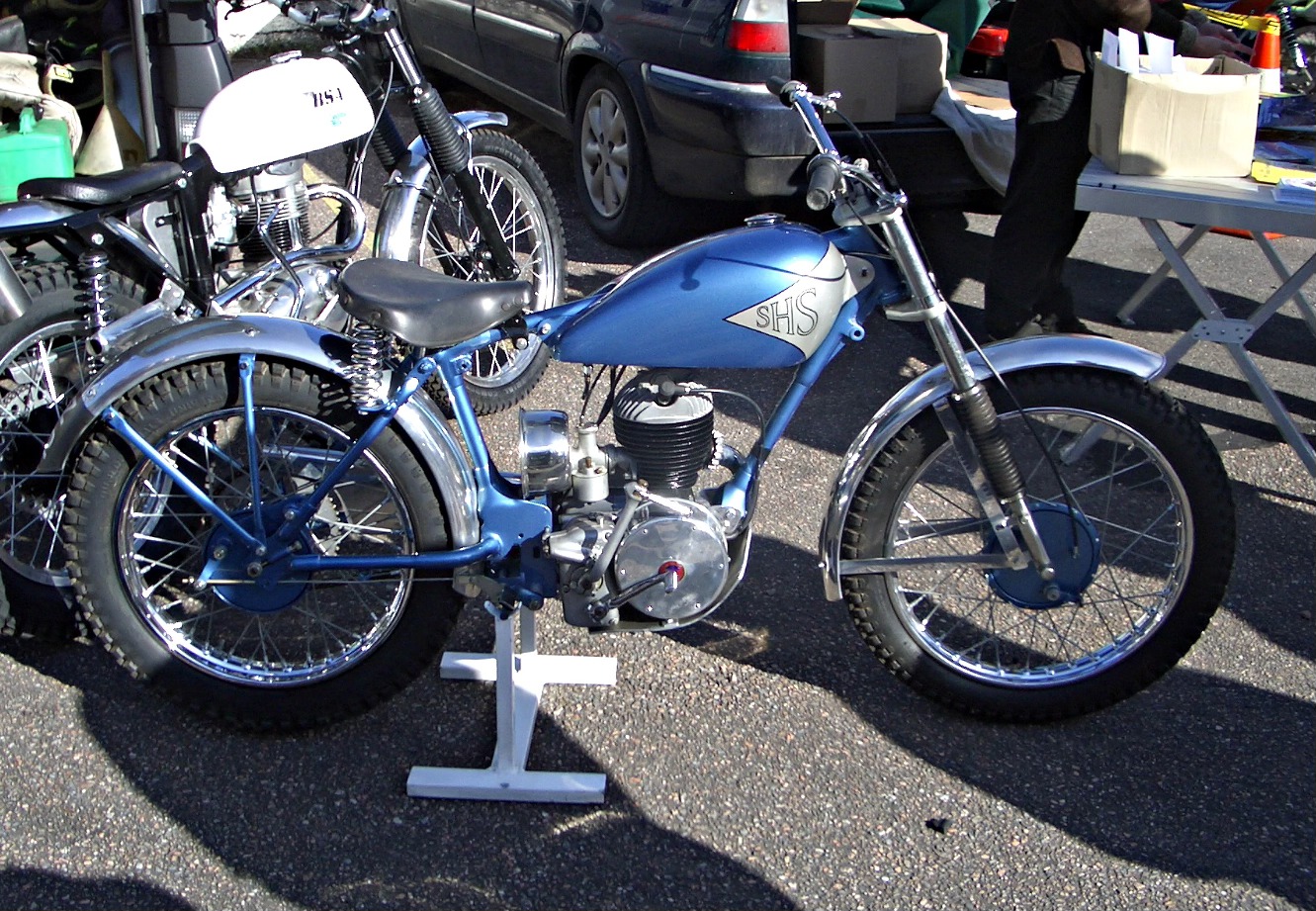
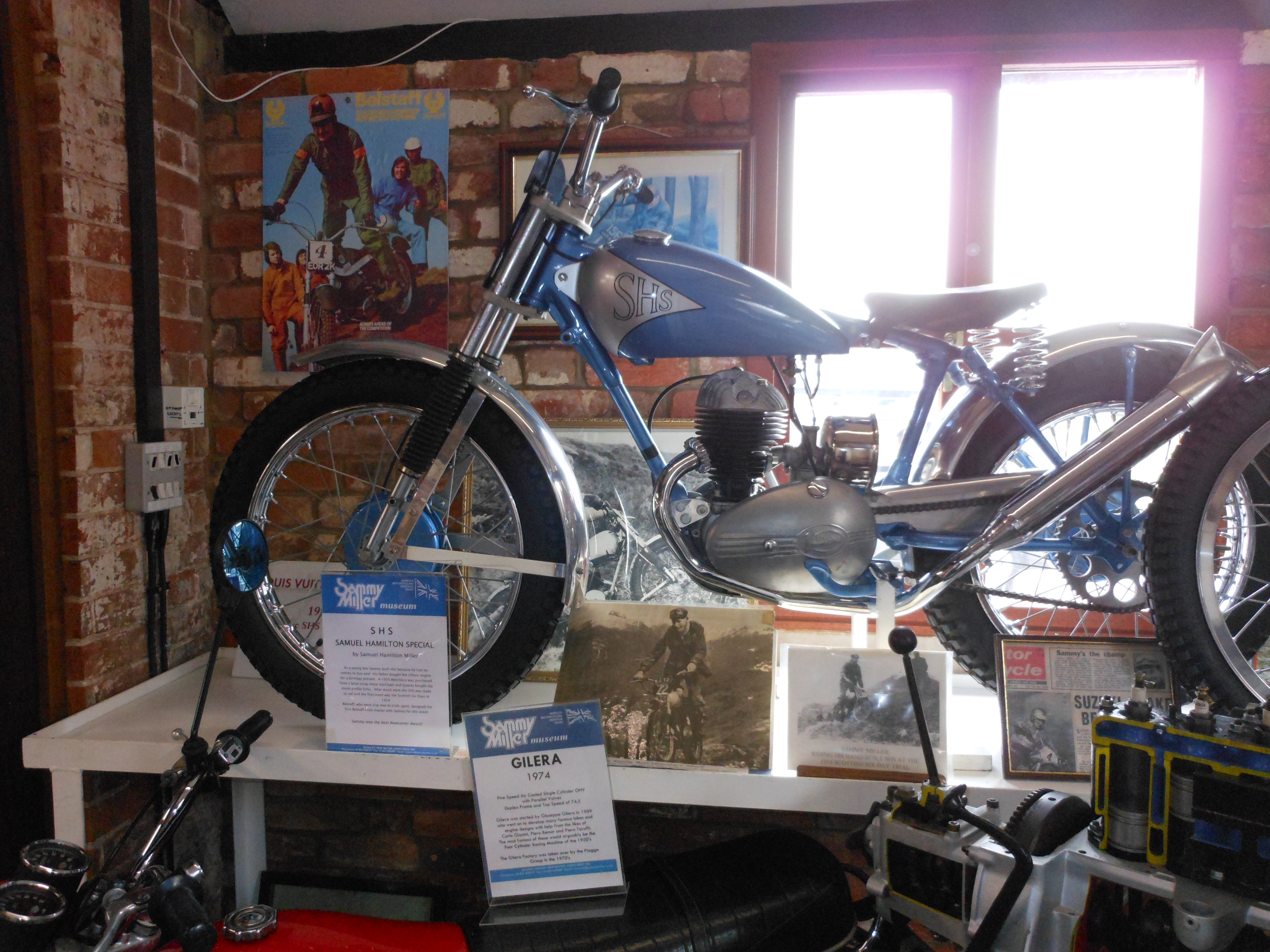
After a well documented period on the Road Racing Grand Prix circuits he switched to trials, at first building his own trials bike, the 197cc SHS (Samuel Hamilton Special) in 1954.

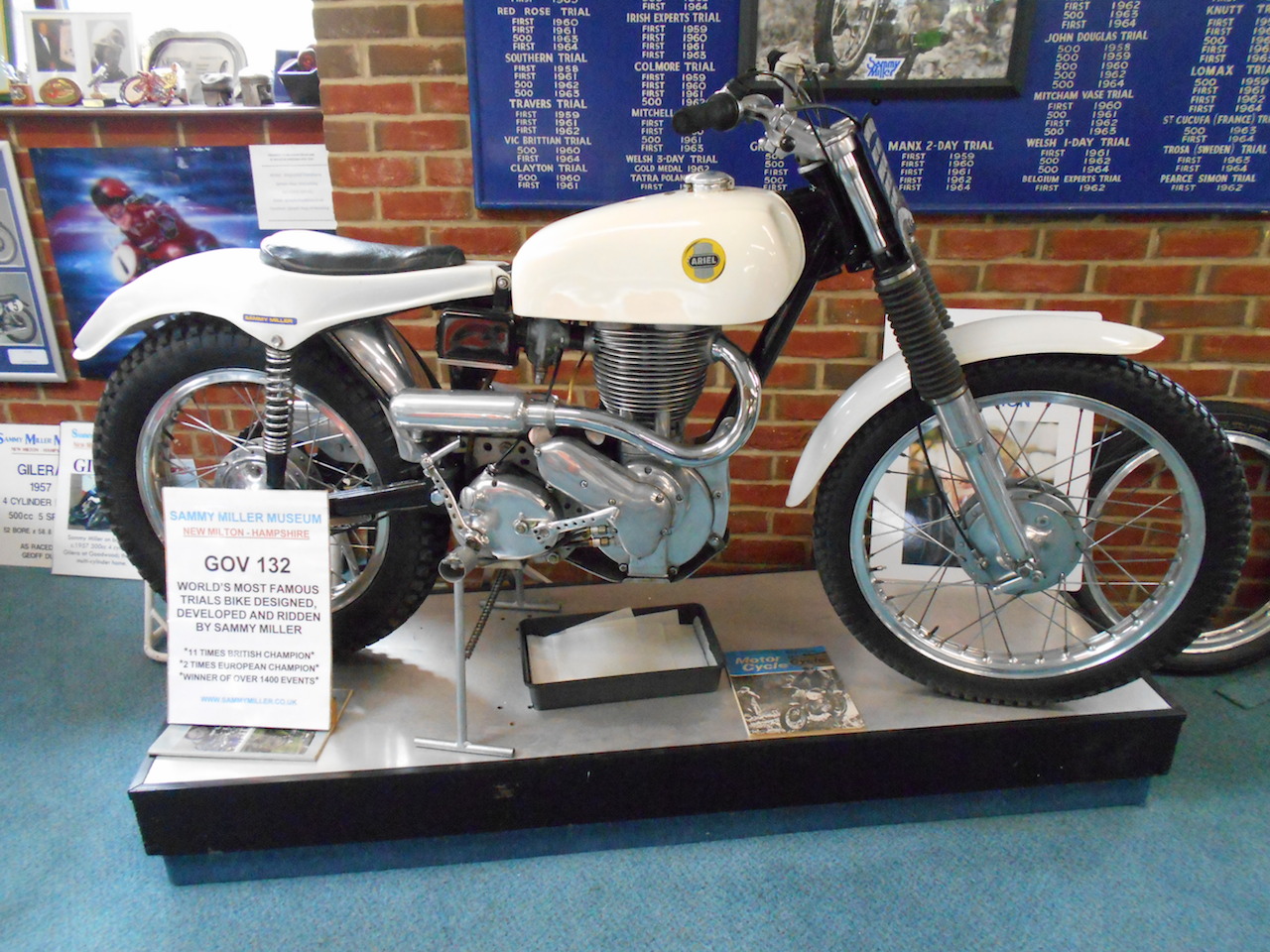
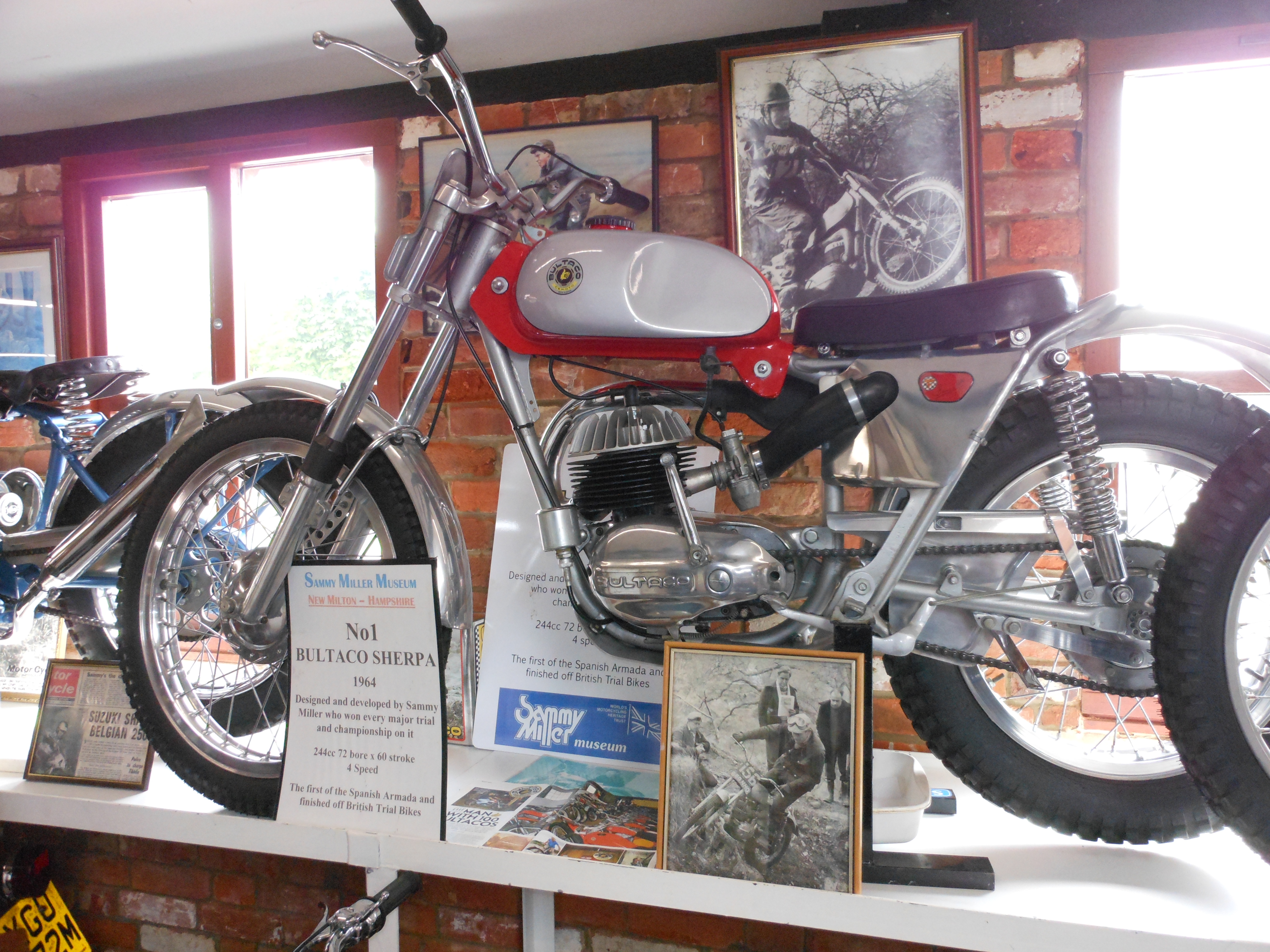
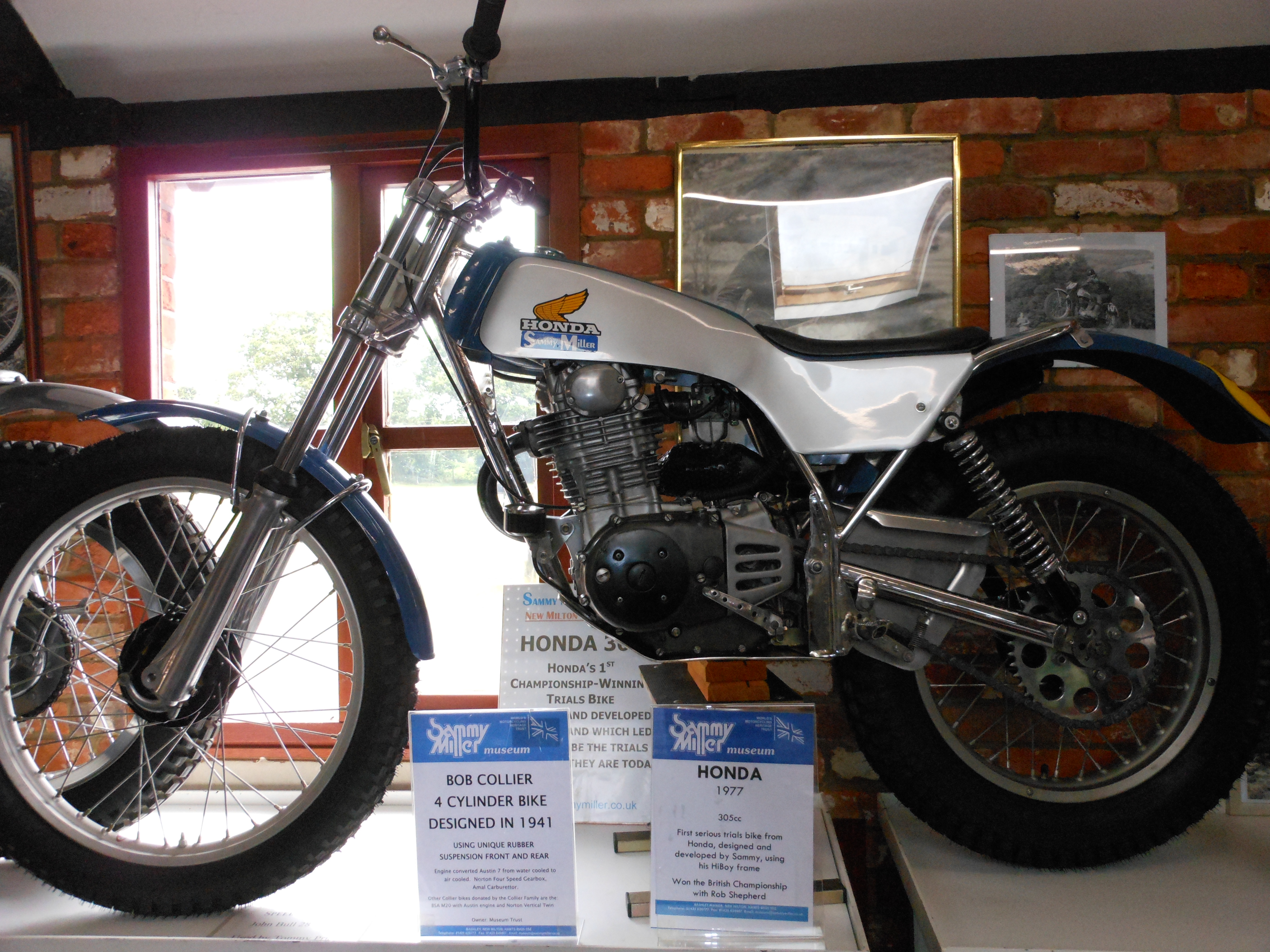
He then went on to develop the world famous Ariel trials machine GOV 132 for the Ariel factory before moving on to Bultaco in 1964 , changing the face of trials in 1965 with the 244cc Bultaco Sherpa T, and then on to work for Honda Motor Company in 1973 to design the world championship winning trials machine. He is still very active today, but in his beloved workshop where the sign above the door reads: ‘Another Day in Paradise’.

Unlike most other museums this is more than a static collection to be dusted and polished at regular intervals and displayed like butterflies with pins through them. This is a live museum, for whenever the opportunity presents itself these machines are run in classic bike events of one kind or another. There are many clubs which now organise open days and exhibitions at Sammy’s museum.
Many of the racing machines are still fully competitive and capable of giving a good account of themselves in high-speed parades. Like any good museum the contents are changing constantly. Virtually every new acquisition represents a full-scale restoration and if parts are not available, then Sammy will have them made to suit the rebuild. Apart from the motorcycles on display you will also see many interesting artefacts, all of which represent a link with motorcycling of a bygone era.
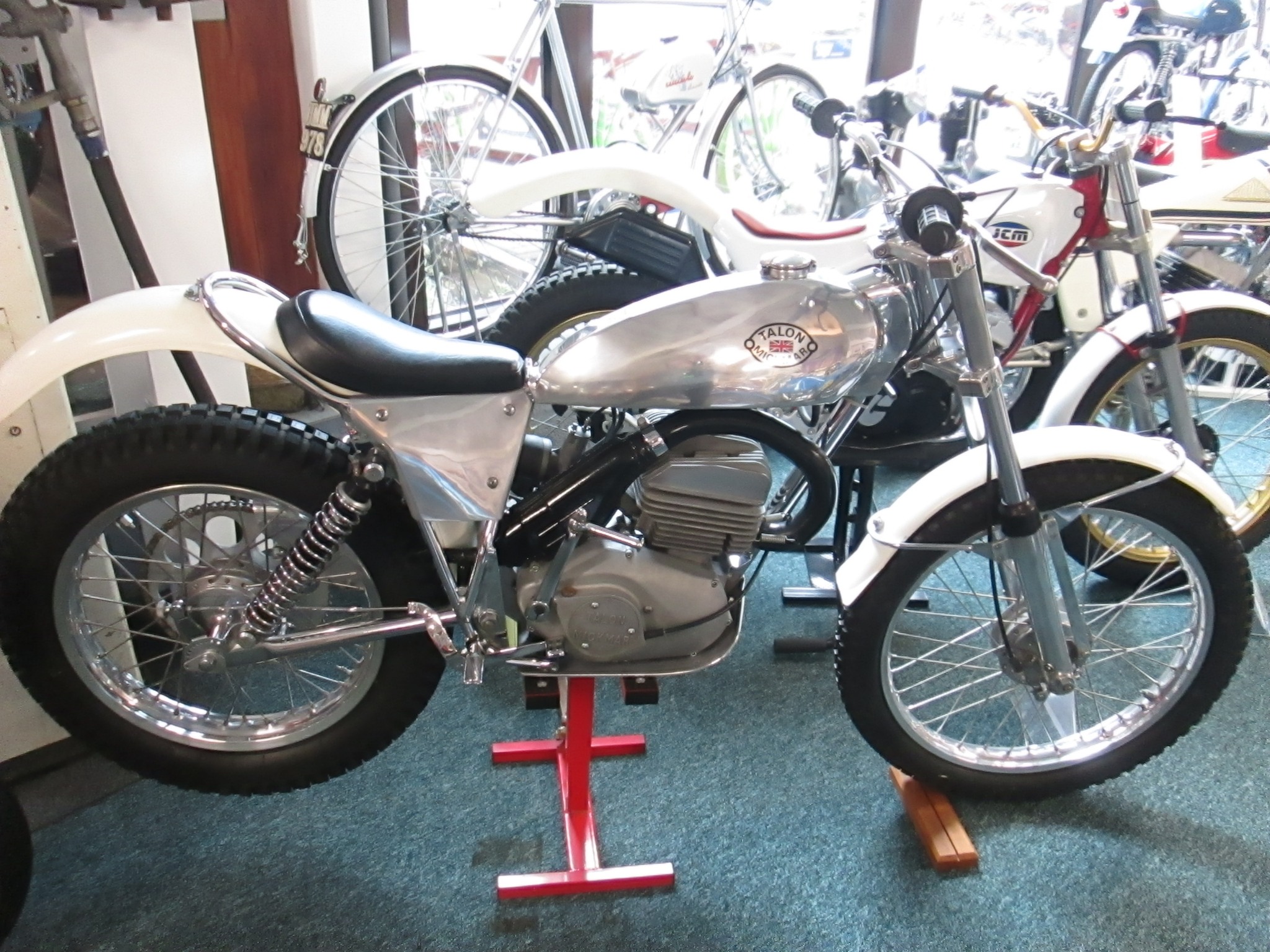
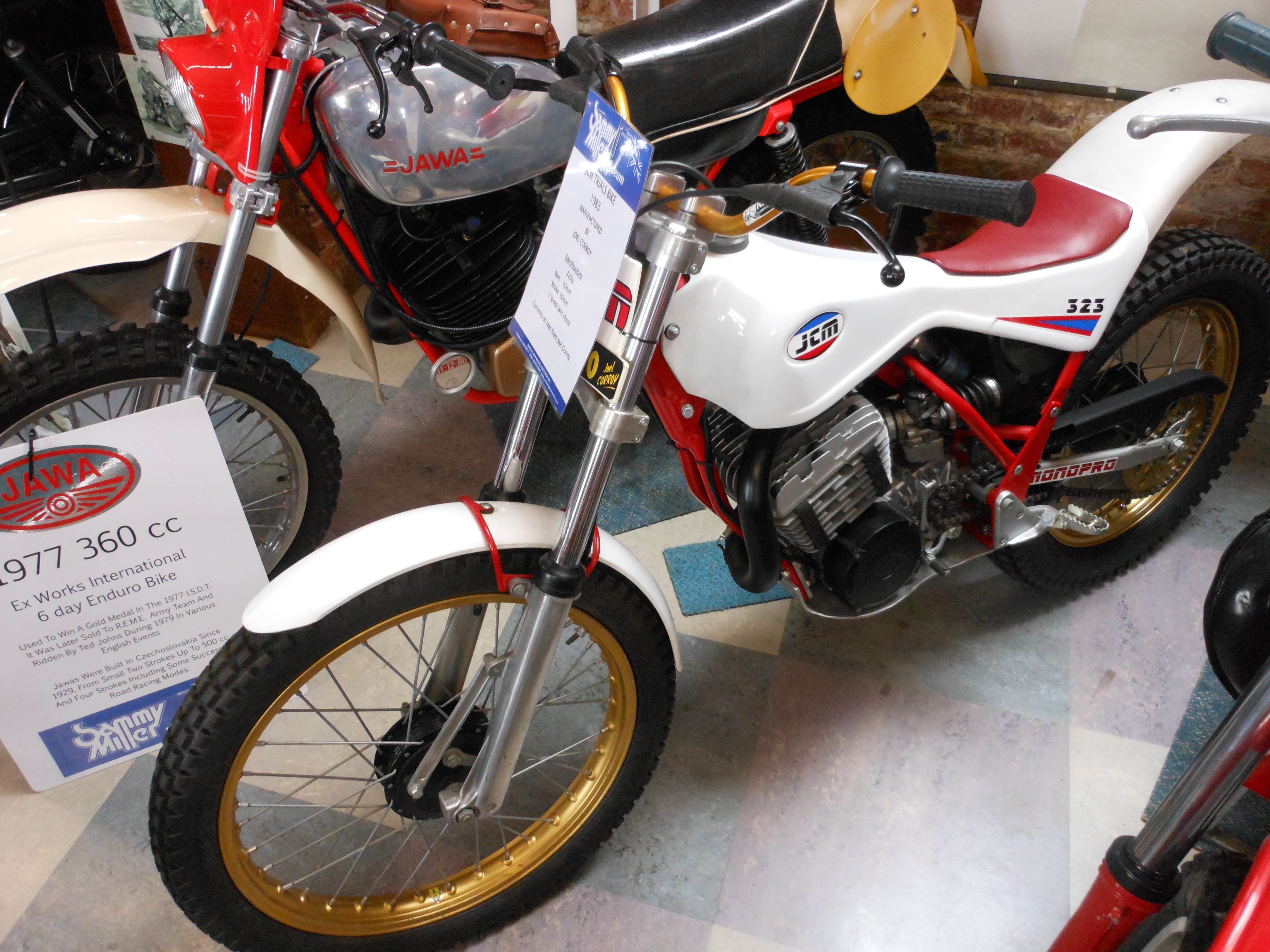
The Off-Road section is extensive and captures the past. There are many unique and rare machines to behold, one of which is the Talon Mickmar trials machine which was a prototype. There are also Jawa ISDT machines from the mid-seventies, and even the long track championship winning machine of the late Simon Wigg.
History Preserved:

Sammy managed to locate the 1961 SSDT-winning AJS (187BLF) ridden by Gordon Jackson when he recorded the famous one dab victory on the Grey Mare’s Ridge section.
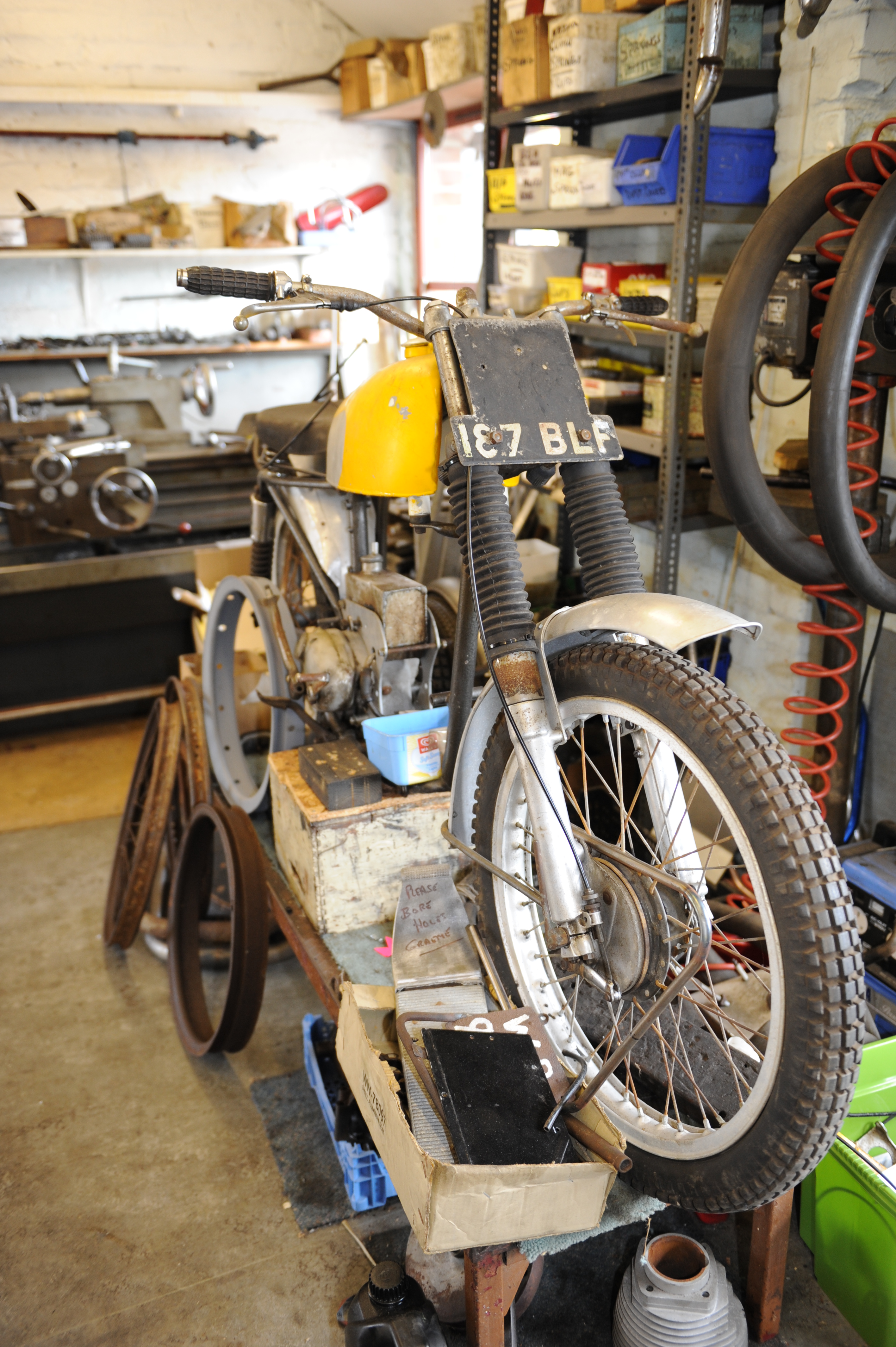
The machine was in poor condition and in boxes but Sammy restored it back to its original specification, much as it had been ridden by Gordon Jackson in 1961.

Sammy was both delighted and proud to exhibit both GOV132 and 187BLF at the Scottish Six Days Trial in 2011 to celebrate the events 100 years.

The museum houses the finest collection of fully restored motorcycles in Europe. There are over 400 rare and classic motorcycles on display in four galleries.

During all this he has still found the time to restore many rare and exotic machines to concourse condition and perfect working order. These he kept as a private collection until 1980 when he opened up a museum so that the public could have a chance to see and hear them.

He even took some abroad to many locations, including Australia and New Zealand, so that they could be seen by as many people as possible. One of Sammy’s Museum exhibits is now on loan to the new FIM Museum in Switzerland.
Some years ago now, Sammy placed the entire collection into a ‘Trust’ to enable it to be kept together for future generations to experience and admire. There is no one more dedicated to motorcycling than Sam. He spends ten hours a day seven days a week working, promoting or restoring motorcycles.
And it’s much more than a museum, it houses Craft Shops, the Bashley Manor Tea Rooms, Sammy’s Pit Stop and has Alpacas, Donkeys and Goats for the amusement of children of all ages!
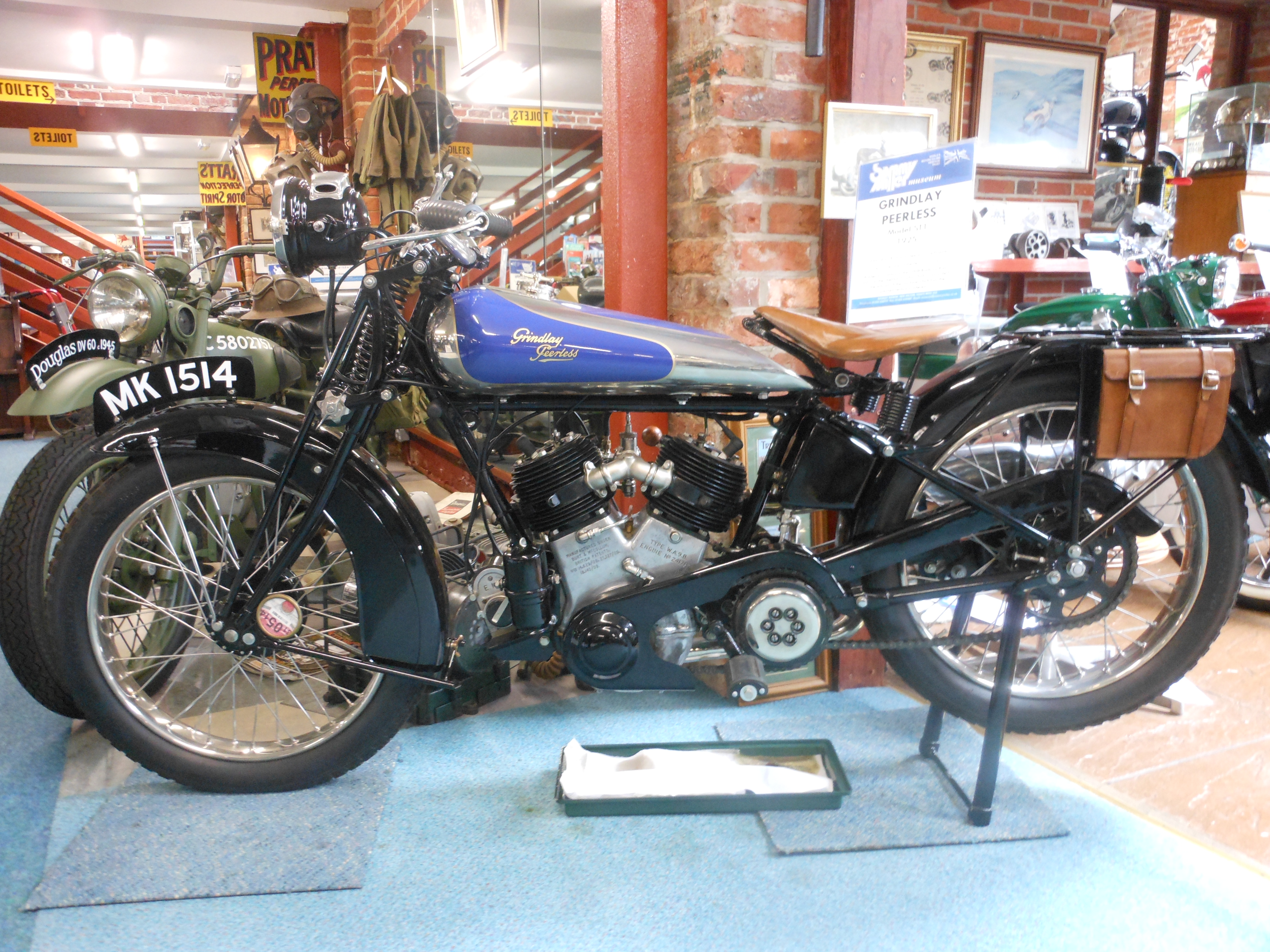
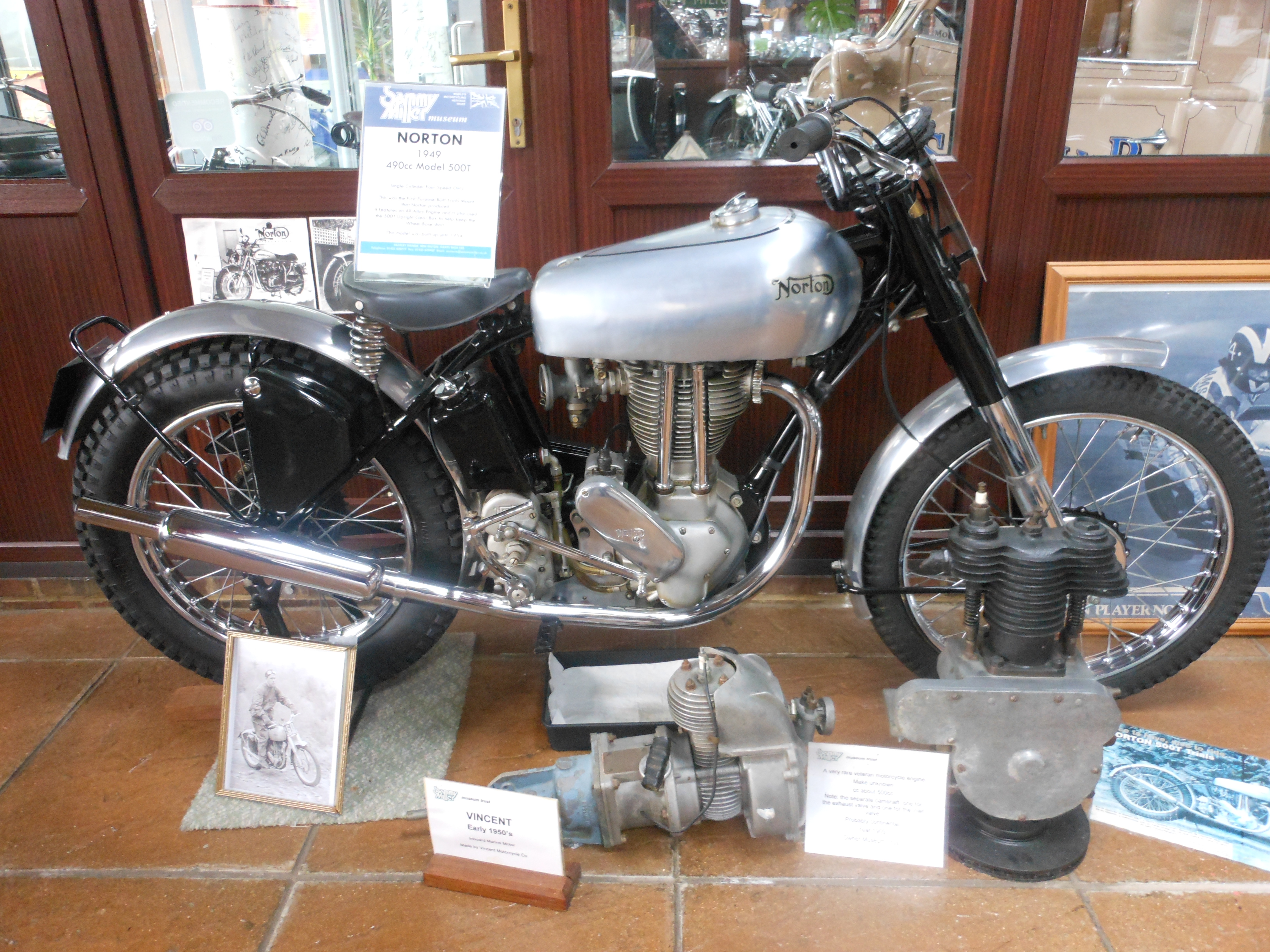
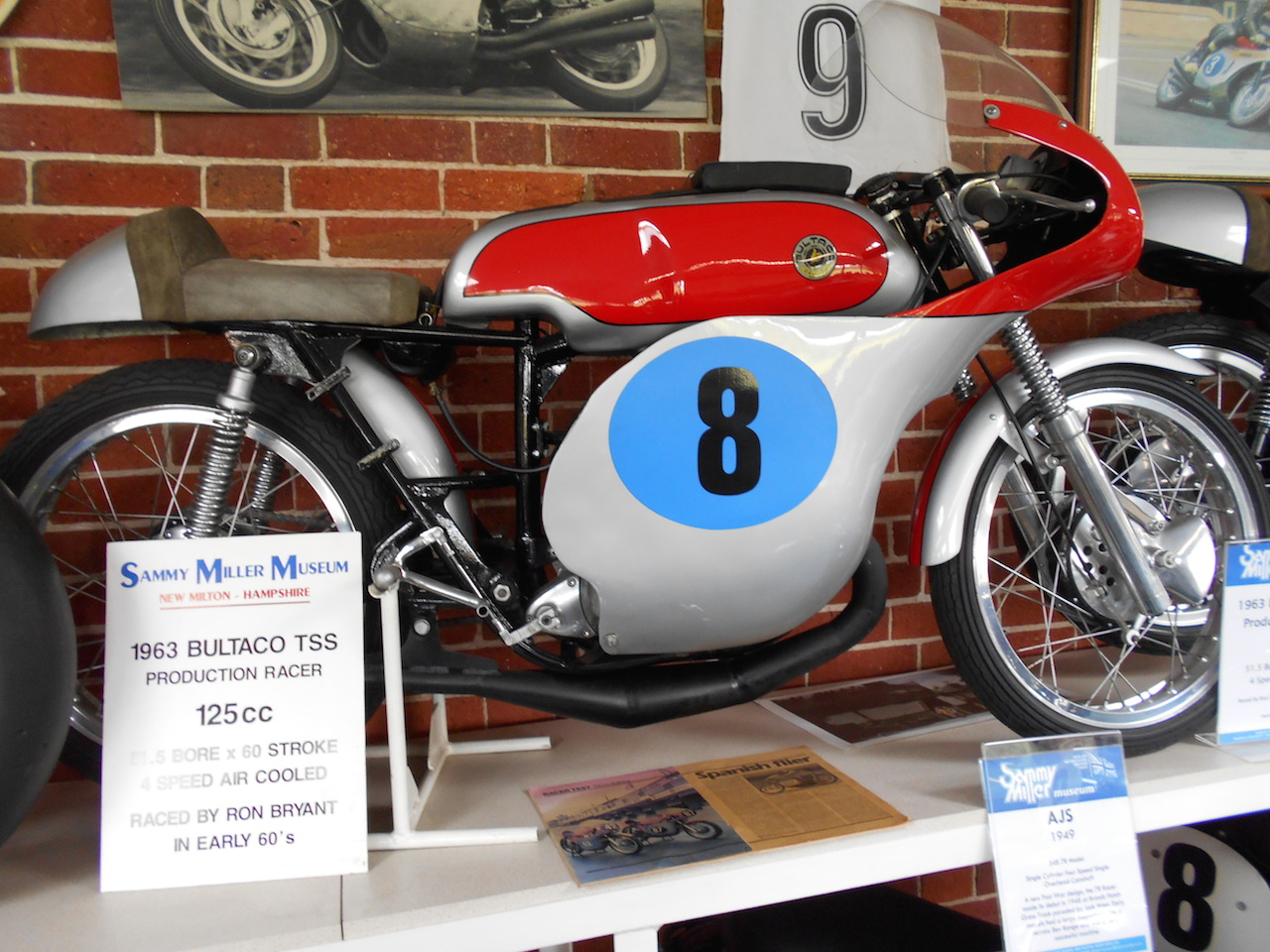
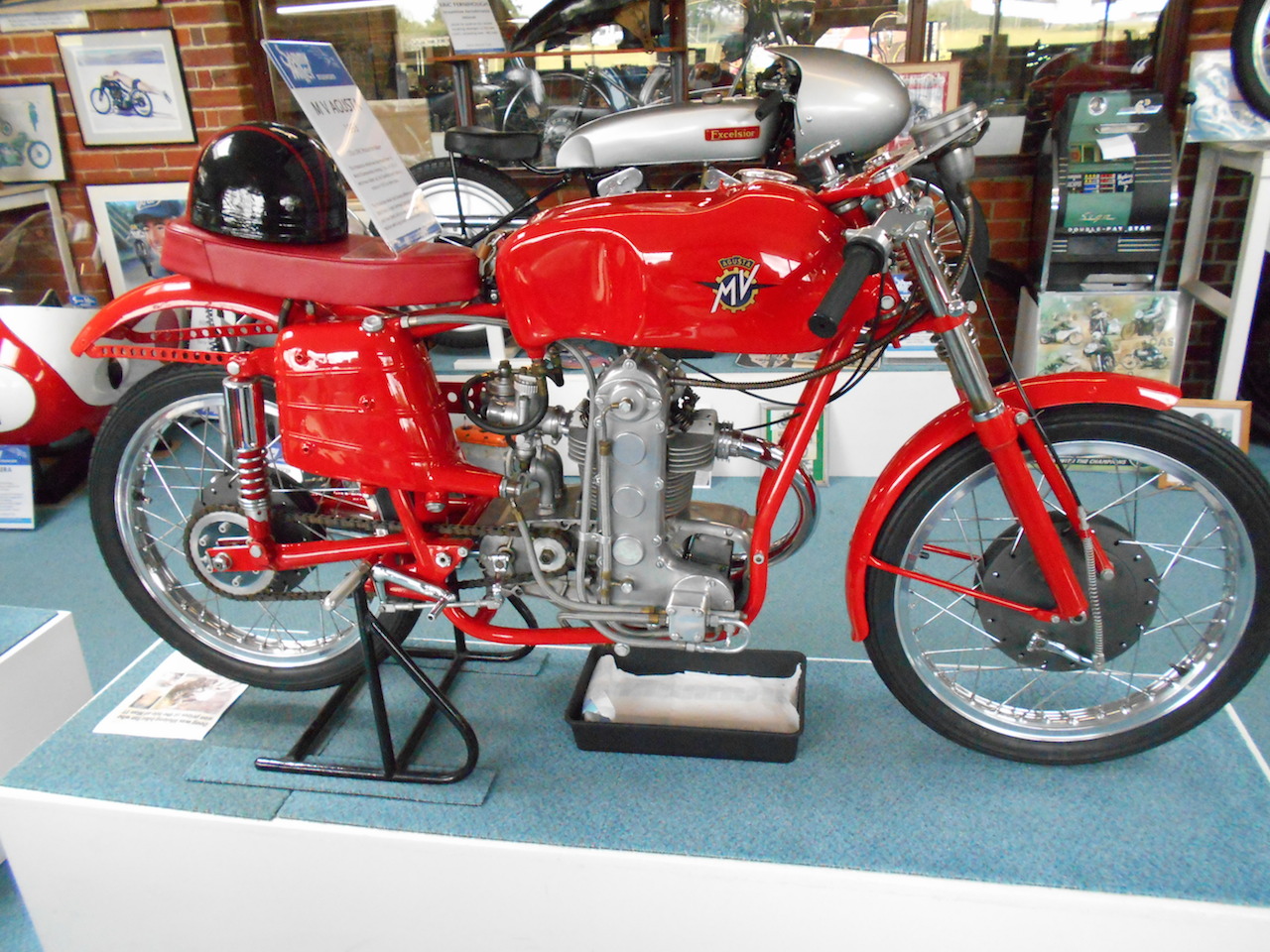
Sammy’s Museum Photos
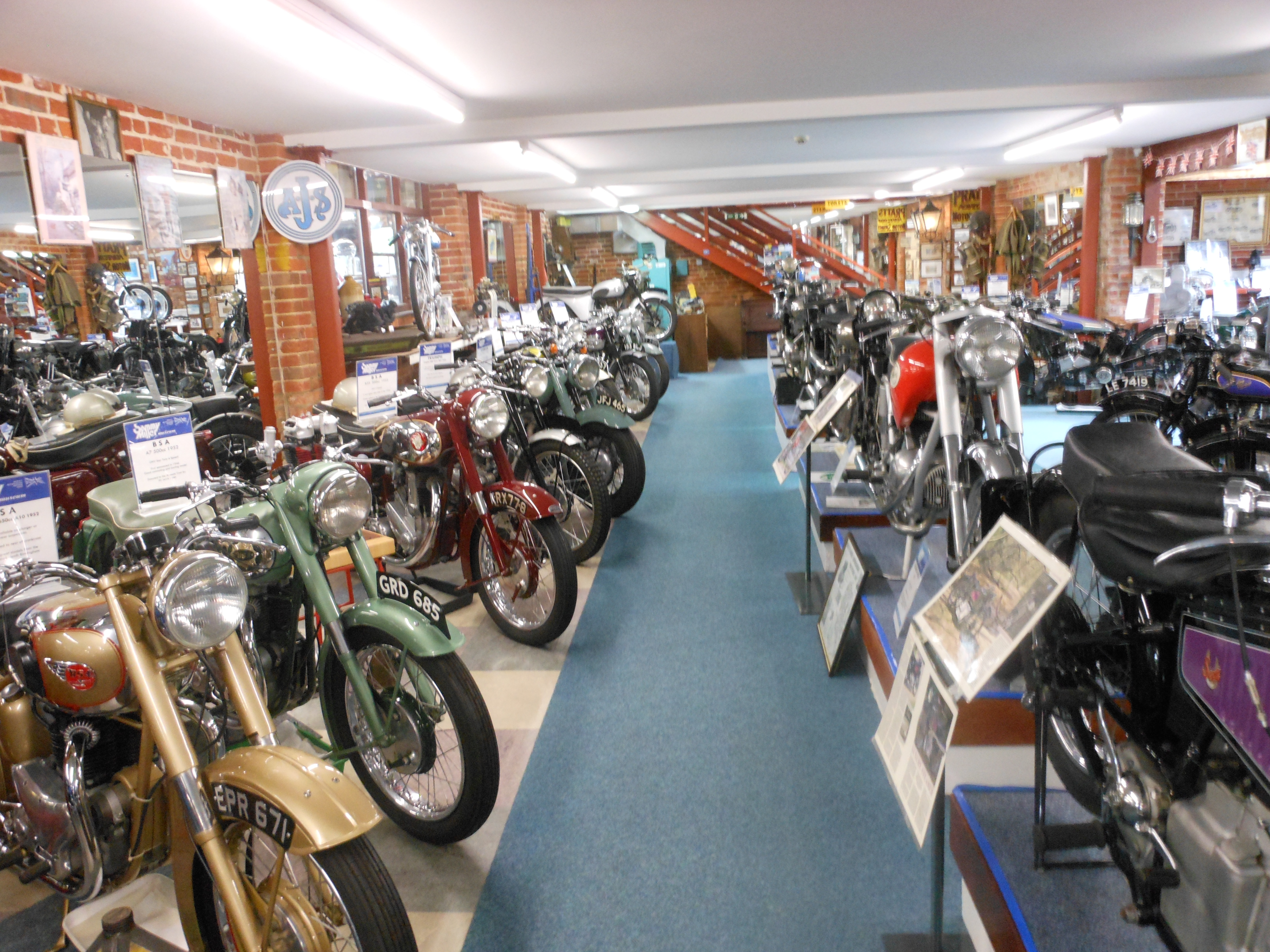
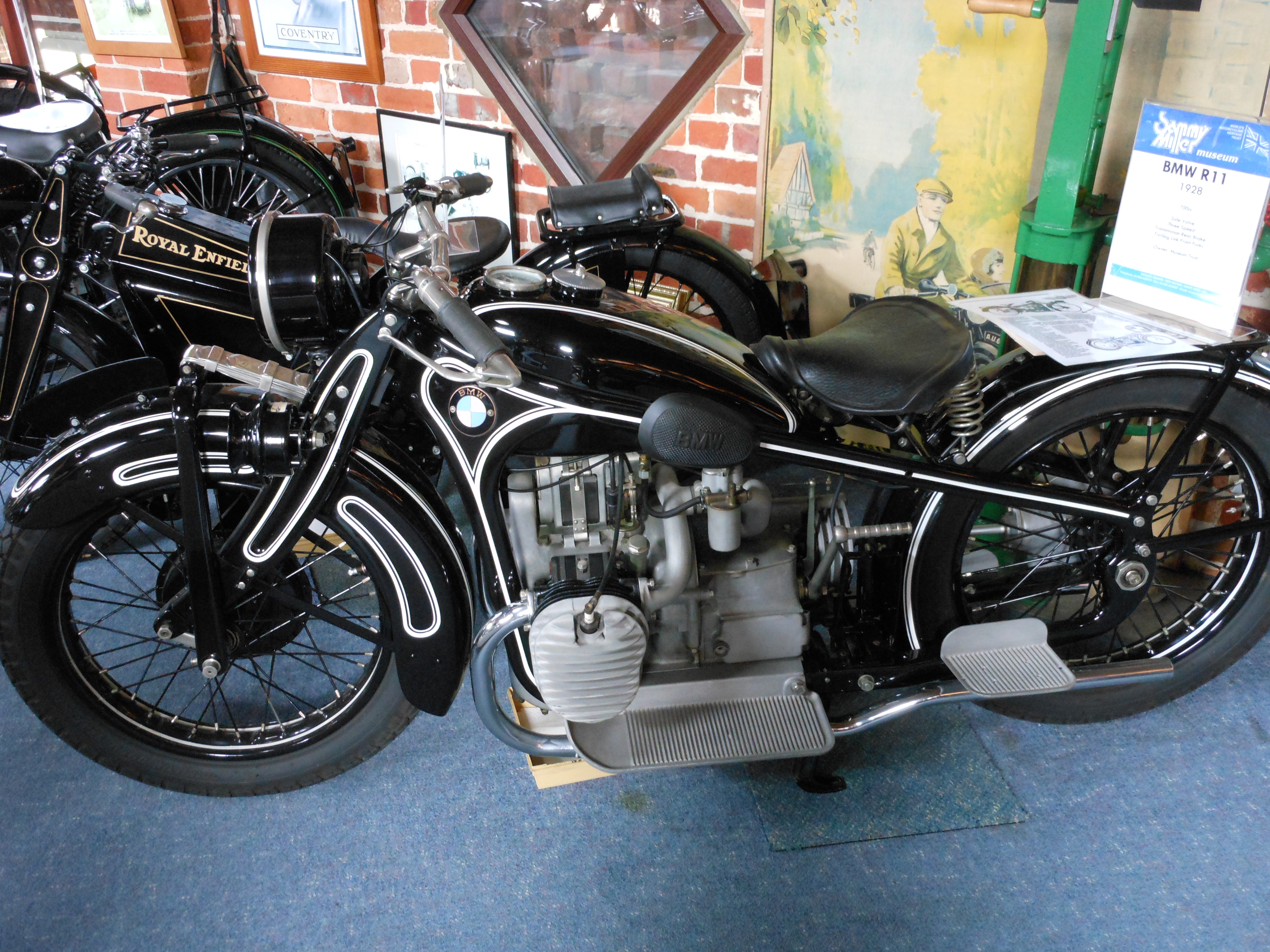
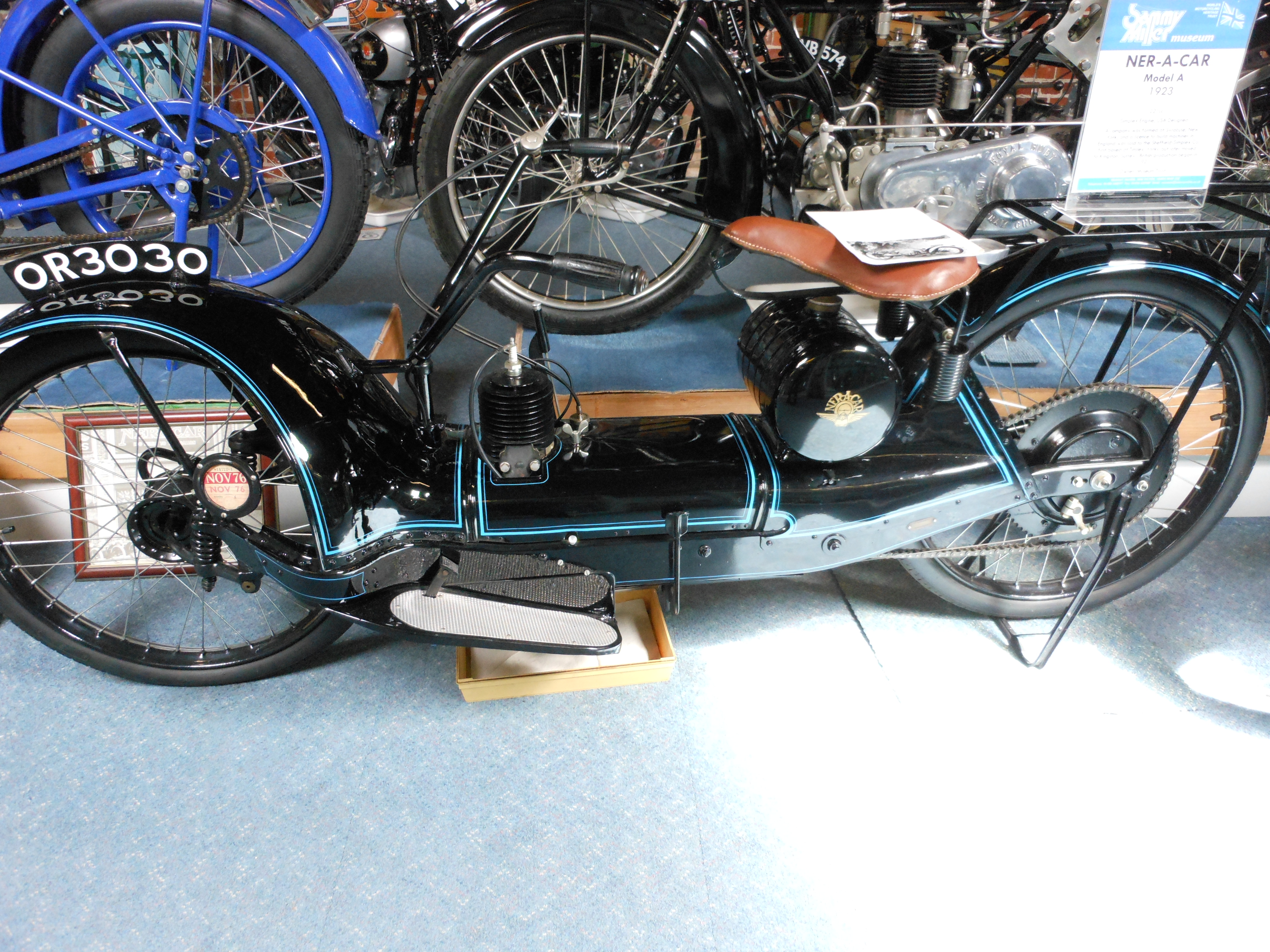
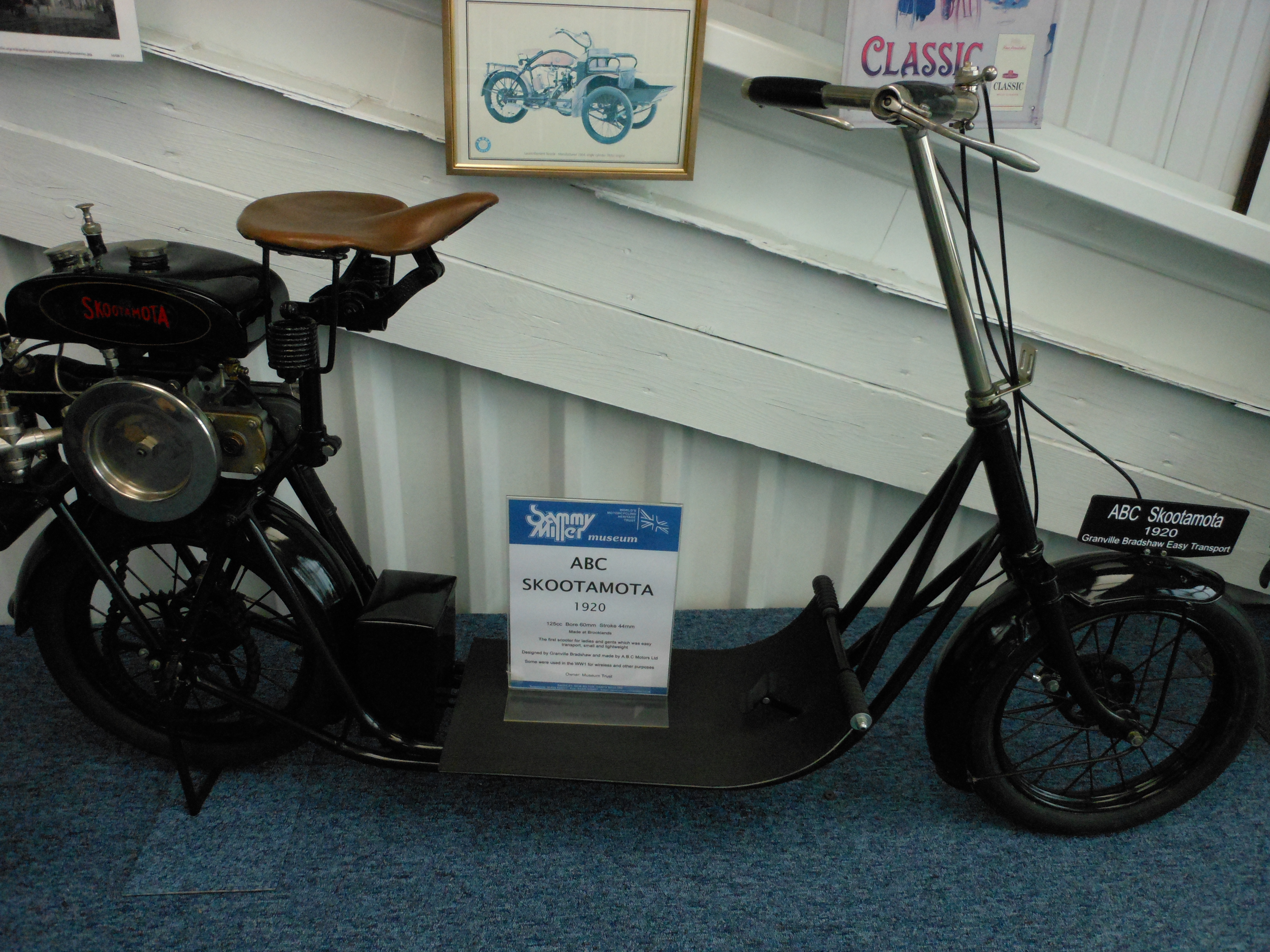
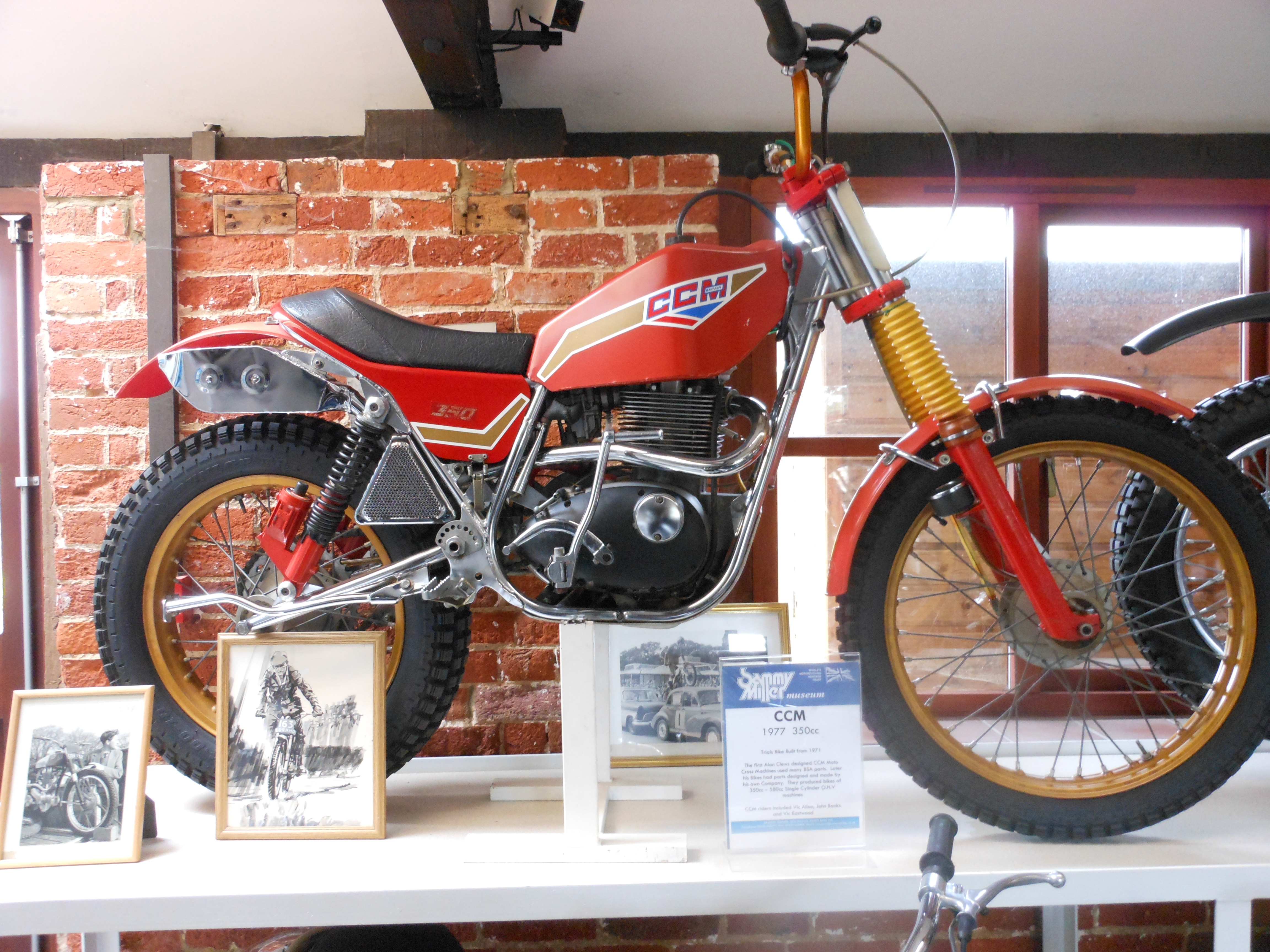
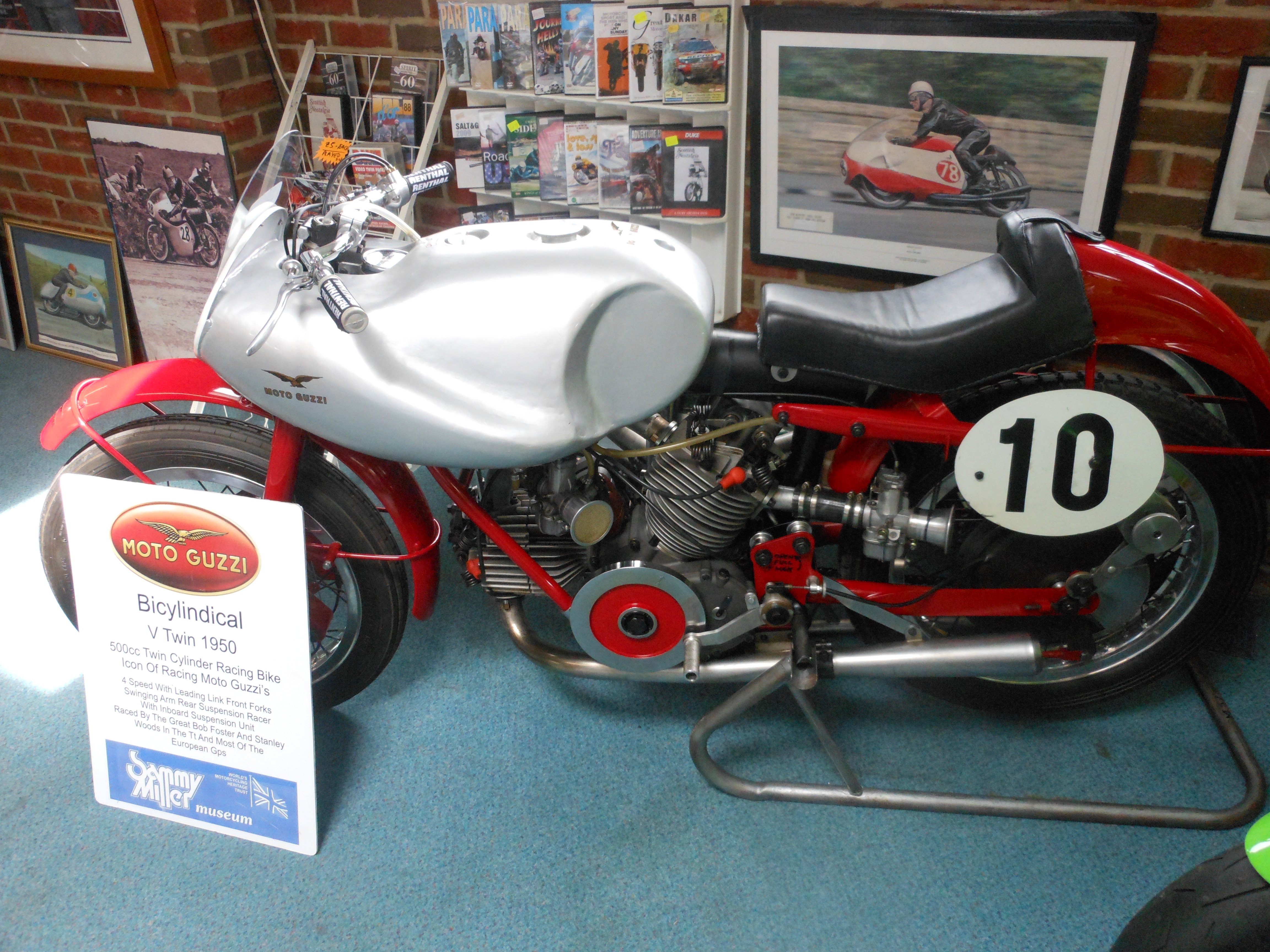
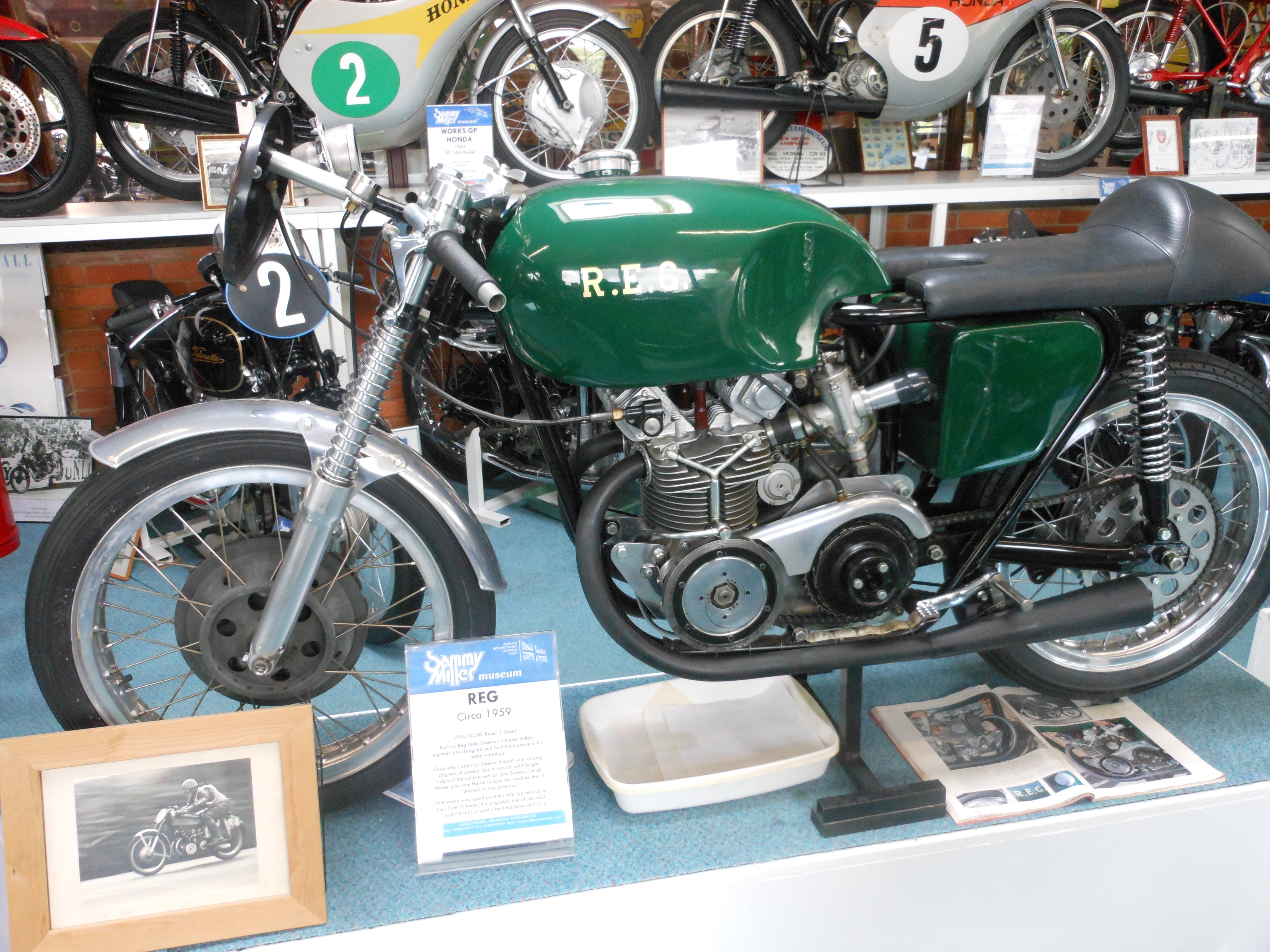
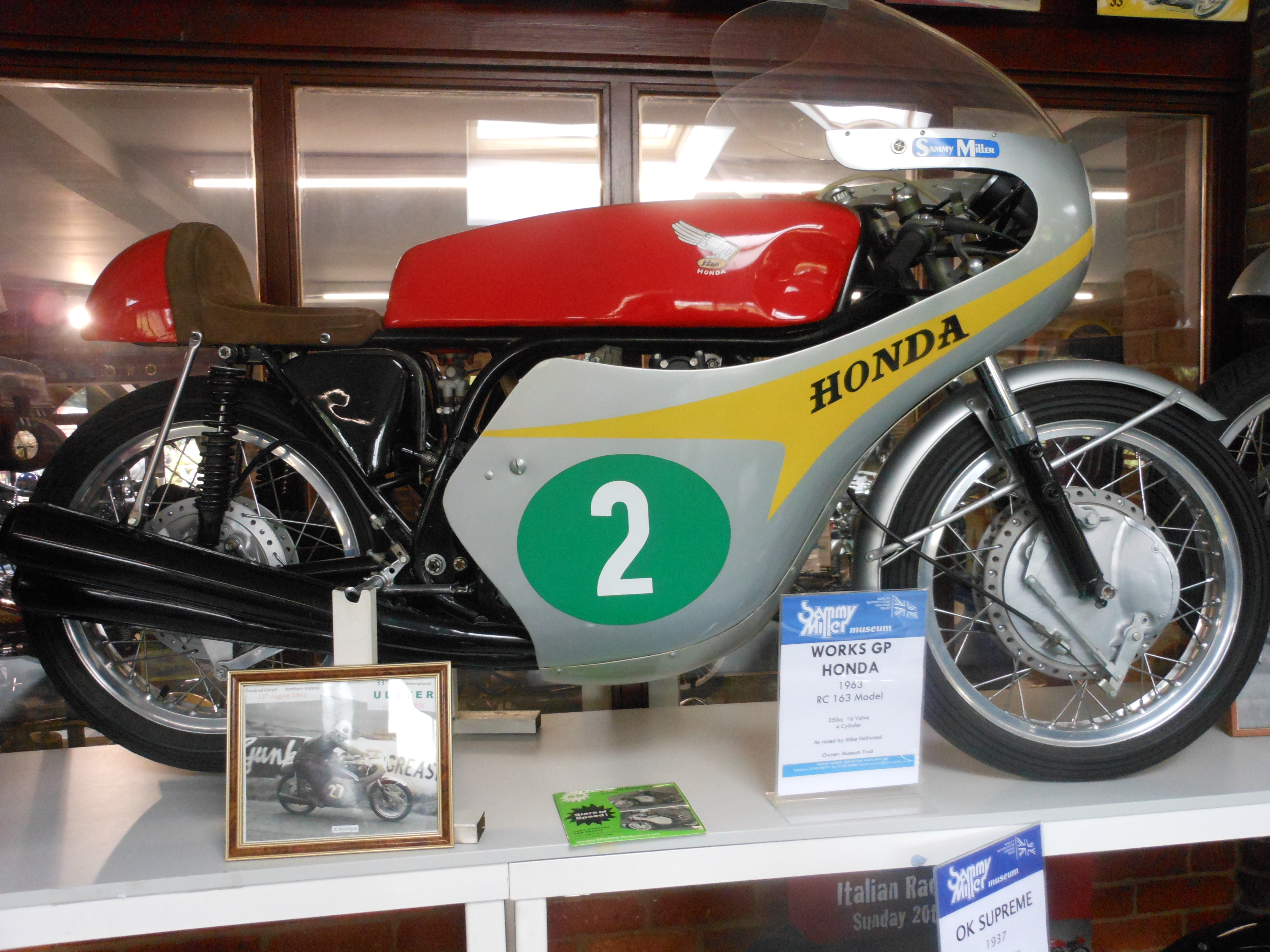
Iain Lawrie has visited Sammy’s Museum twice, here is a small mouth watering selection of photographs he took and shares them with readers of Trials Guru.
>
>
>
>
>
>
>
>
>
>
>
>
>
>
>
While the photos we have showcased are wonderful, there is no substitute to actually viewing these machines at close hand in Sammy’s museum.
The museum is open pretty much all year round and for me is a must to visit if you have not done so already. For more information please visit: Web: www.sammymiller.co.uk – Mail: museum@sammymiller.co.uk – Tel: 01425 620777/ 01425 616644. Sammy Miller Museum Trust, Bashley Cross Roads, New Milton, Hampshire, BH25 5SZ

Sammy Miller MBE – Motorcycling Achievements

References:
Sammy Miller Motorcycle Museum & Trust Catalogue – Obtainable from the Museum sales office. Sammy Miller Museum Trust.
Apart from ‘Fair Dealing’ for the purpose of private study, research, criticism or review as permitted under the Copyright, Design and Patents Act, 1988, no part of this article may be copied, reproduced, stored in any form of retrieval system, electronic or otherwise or transmitted in any form or by any means, electronic, electrical, mechanical, optical, chemical, photocopying, recording or otherwise without the prior written permission of the author as stated above. This article is not being published for any monetary reward or monetisation, be that online or in print.


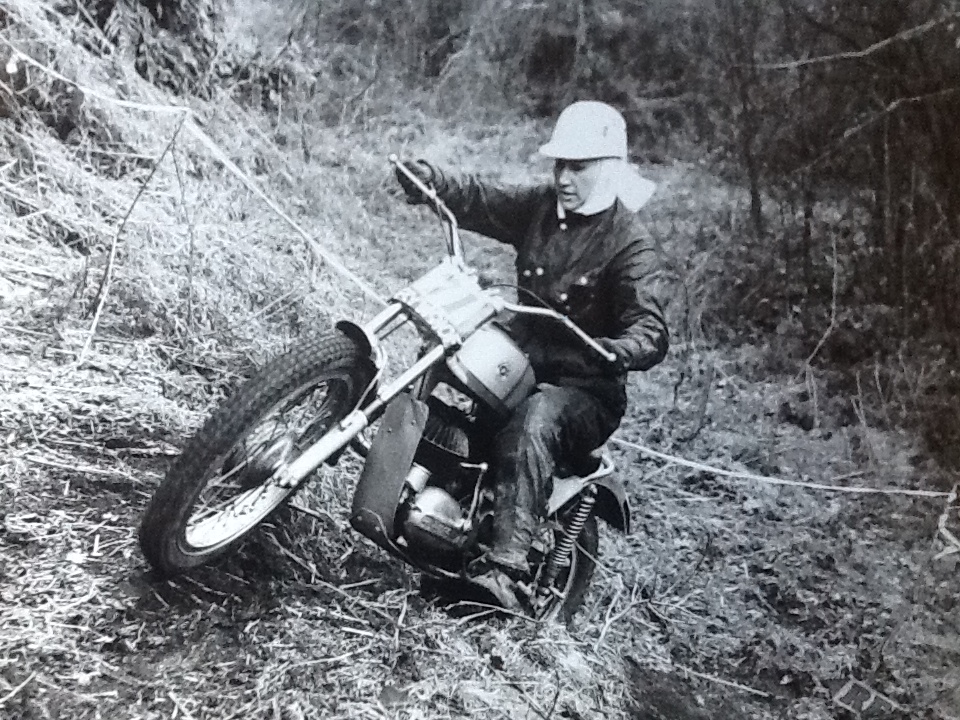
Renee’s interest in trials riding began watching father ‘Wag‘, an East London nickname for ‘Charles‘, riding motorcycles around the docks near his cycle and motorcycle shop. Renee’s parents were hard working East Londoners. They opened their first shop in the late 1920’s in Victoria Dock Road.
The popular shop hired and sold cycles, and the name Wag Bennett has been carried through to successive generations.
All during World War II, Wag and Esther Bennett remained in Canning Town, running their shop, keeping the dockworkers going with cycles and motorcycles, and staying open late til 11.00am waiting for the last shift of workmen to pass the shop.

Renee stood on a box at the counter, testing bulbs and batteries and giving the customers their change, by candlelight. She recalls she was about 4 or 5 years old.
In 1939, Wag was picked for the British ISDT Team, held that year in Nazi Germany. He shook hands with Hitler, unaware of the gathering storm then, quite suddenly, the team was ordered to leave Germany immediately WWII had begun!
The old shop was a target in the blitz being so near the docks, and eventually took a bomb, as did every other shop and house around it. Almost blown to smithereens, the bedroom ceiling was somehow held together with cycles magazines and newspapers. The whole shop was supported by a few wooden beams, keeping it standing.
Buckets were strategically placed on the bed to catch water, which poured in every time it rained. As a child, this was normal daily life for Renee and her brother, Wag jnr.
At night, they watched the ‘doodlebugs’ the V1 flying bomb, on their way to decimate the London docks and surrounding area.
Standing outside the shop every night, one of these unmanned rockets, would suddenly stop, drop, hit it’s target and blow the shop windows out.
During these blitzes, the family would hastily run to the nearest underground station or the Anderson shelter behind the shop, where they would remain until an ‘All Clear’ siren sounded.
Getting through the war was a daily struggle for survival. The harshness of life though at least prepared Renee for the tough sport of motorcycle trials that was to come.
After the war, Wag sold Ariel motorcycles; strong serviceable machines they were used thoughout the war, by soldiers and civilians alike. He worked all hours repairing and selling them to the dockers and factory workers.
Renee left school at 15, and went into the family business. It was now well known, a beacon for all the major British bikes: AJS, Matchless, Ariel, BSA, Triumph, Panther, James, Velocette, Frances Barnett, NSU ‘Quickly’ to name but a few.
Around this time, Renee began riding in earnest on a James Captain 198cc, but at only 7 stone and of slender build the skill of trials riding was not easy to master.
In her own words: “Why I never got killed I’ll never know, I was useless!“
Wag Bennett jnr. also worked in the shop, but diversified into bodybuilding. He would train every night in the hope of becoming Mr Britain. He eventually opened his own gymnasium training some of the greatest names in bodybuilding including Arnold Schwarzenneggar, who lived with him and wife Dianne for a few years. Wag was instrumental in teaching Arnie to pose to music. He won every title in Wag’s shows and soon became a household name. Arnie remained a lifelong friend of the family and invited Wag & Dianne to his Hollywood wedding to Maria Shriver.
In the mid-50s Renee met husband Howard Powell through her brother’s bodybuilding connections. Howard won many titles throughout the UK including Mr. South East Britain and Mr. Navy.
They married and in 1956 I came along. Renee juggled motherhood with helping Howard run their motorcycle shop in London’s East Ham, the first of five.
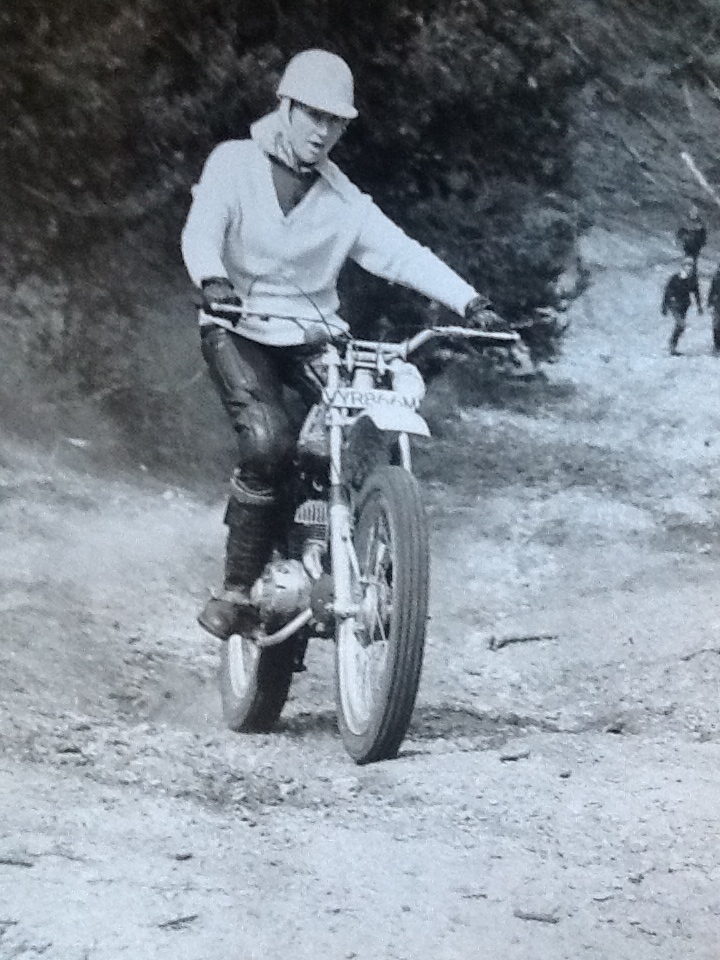
Determined to follow in the footsteps of her father, a factory supported rider for Matchless, Renee rode daily on wasteland nearby, and competed every Sunday in Kent and Surrey in timed trials along with husband Howard, also an avid trials rider.
By this time, and winning several awards in open-to-centre trials, Renee was riding a Greeves 250cc slimline, alloy frame, perfect for her. They were made by a small factory at Thundersley, Benfleet, Essex.
Renee was ready for the challenging Scottish Six Day event, following in her father’s footsteps.
Renee’s entered the Scottish Six Day Trial in 1961. The first of many.
She finished the event, earning her an award and a myriad of bruises all over her body!
The Welsh Three Day Trial featured prominently in Renee’s riding career as she says: “My favourite, fast and furious!” Renee rode a Bultaco 250cc with a Wasp frame for that event.
Her son, my brother, Charles was born in 1964.
But that wasn’t all, she was much in demand as a motorcycle stunt double, known by all in the film and TV business as The Girl On A Motorcycle. Renee also enjoyed a successful modelling career, advertising everything from make-up to Ovaltine.
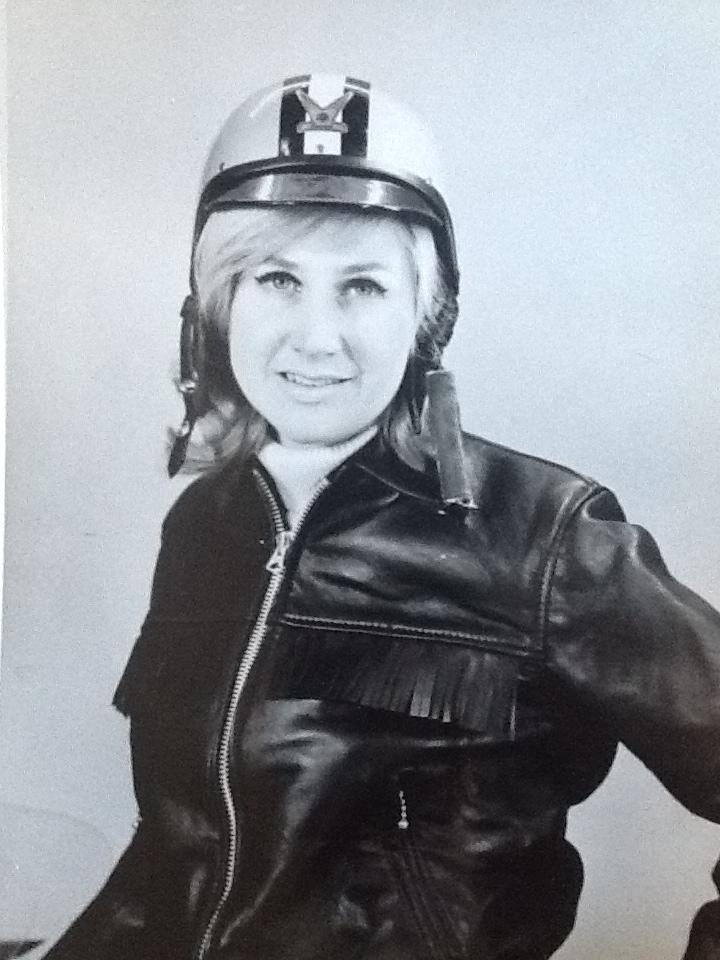
In the early 1970s, Renee switched to riding a Bultaco Sherpa 250cc, which she still has today along with her Greeves, Bultaco Enduro (used in the Welsh Three-Day) and the much-loved James 198cc.
In 1973, Renee competed in the Scottish Six Day Trials on the Bultaco. The 6th so far.
At around here, she converted one of her East London shops into a motorcycle competition centre. “Renee Bennett’s East London Sportman’s Centre”, which became a beacon from as far afield as Europe and the USA. Customers visiting the shop immediately asked for ‘Renee Bennett!’
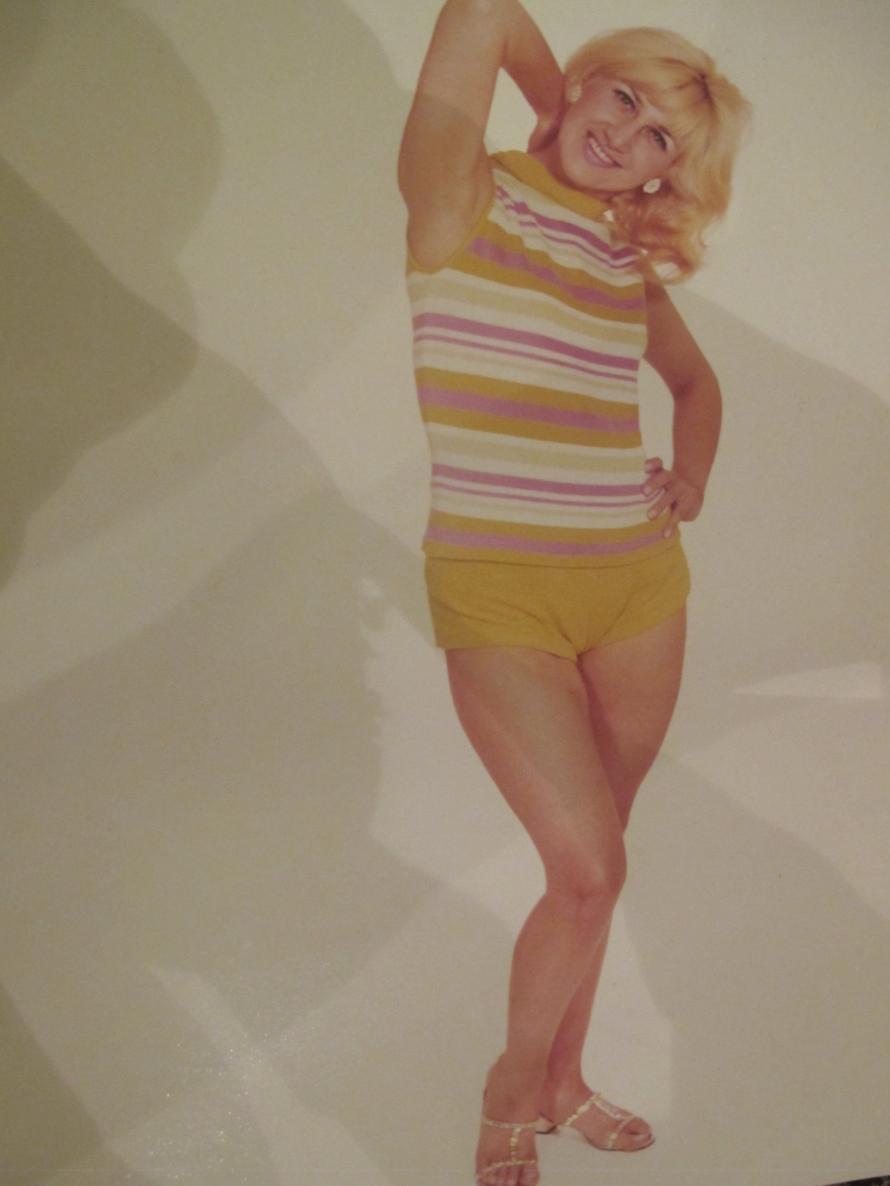
Renee and Howard became known for sponsoring many up and coming young trials riders in the 80s, kitting them out with helmet and suits, their own name signwritten on the petrol tank, and cheques sent when they had won the event.
Renee’s competitive spirit continued well into the 1980s. She ran a popular trial of her own: The Renee Bennett Sunbeam Novice Trial, which became a much awaited event each year. Every finisher received a scrolled certificate, adorned with red ribbon. It is still talked about today in vintage trials circles!
Howard, being into health and fitness since his time as a bodybuilder, set up a gymnasium above one of the shops. They trained daily, and Renee found the toning and strengthening a big help when dragging her bike out of the mud!
Howard, who sadly passed away in 2003, was a talented amateur film maker, often being invited to the premieres of the top films of the day. He counted among his friends actors and top stunt men from all the Bond films.
Renee recalls meeting the movie stars of the day like Yul Brynner and Steve McQueen, who was over from the states for the ISDT in 1964.
Now a grandmother but still with an interest in motorcycles, Renee continues to run her busy motorcycle shop in East Ham, the first one she and Howard acquired some 58 years ago.
As if that is not enough, she is very ‘hands on’ in her property renovating company assisted by son Charles.
Grandchildren have come along, my daughter Sophie, nearly 16 and a three-times published author! Oliver nearly 12, and young Charles, 22, who runs his own foreign exchange business.
Renee’s mother died only recently in 2012, aged 103! Father Wag died in 1989. As Renee says: “Perhaps I’ll live to be a ripe old age… see you around!”
This recent comment on a trials forum site sums up the amazing Renee Bennett : “Well.. Renee Bennett,. what can I say..! I think my old man had a fancy for her! I remember her riding the SSDT on a Bultaco in 1973. All the lads were fighting over themselves to help her when she got into difficulty. Her shop was called ‘Renee Bennett’s East London Sportsman’s Centre’. – Anyone know who wrote that?
– Julie Powell

Article Copyright: Trials Guru/Julie Powell
Photos: Julie Powell
Javier Cruz from Madrid has taken the Renee Bennett story to Spain, read about it: HERE
Website: www.reneebennett.co.uk/

Former British Trials Champion (1977) and factory Honda rider, Rob Shepherd is making a comeback to trials with a machine that he was associated back in the seventies. Honda powered four-stroke power. ‘Shep’ a Yorkshire farmer has been practising constantly with a Drayton BSA Bantam which he hopes to ride in Pre’65 events next season. He was particularly taken with the Montesa 4RT. Shepherd rode for Montesa back in the early seventies with Rob Edwards, before switching to Honda UK Trials Team with Brian Higgins and Nick Jefferies, managed by Sammy Miller.

According to Rob’s younger brother Norman, also a very competent rider on a Bultaco, Rob has worn the rear tyre of the Bantam to ‘slick’ proportions. He told Trials Guru at the recent Scott Re-Union: “He’s never off the thing, he’s worn the knobbles off the rear tyre”.
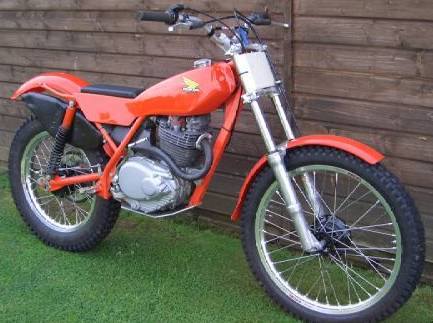
Rob Shepherd has been out of the sport since 1983 when he last rode it was an Appleyard 340 Bultaco in 1982/83 and a Majesty Yamaha in 1981.
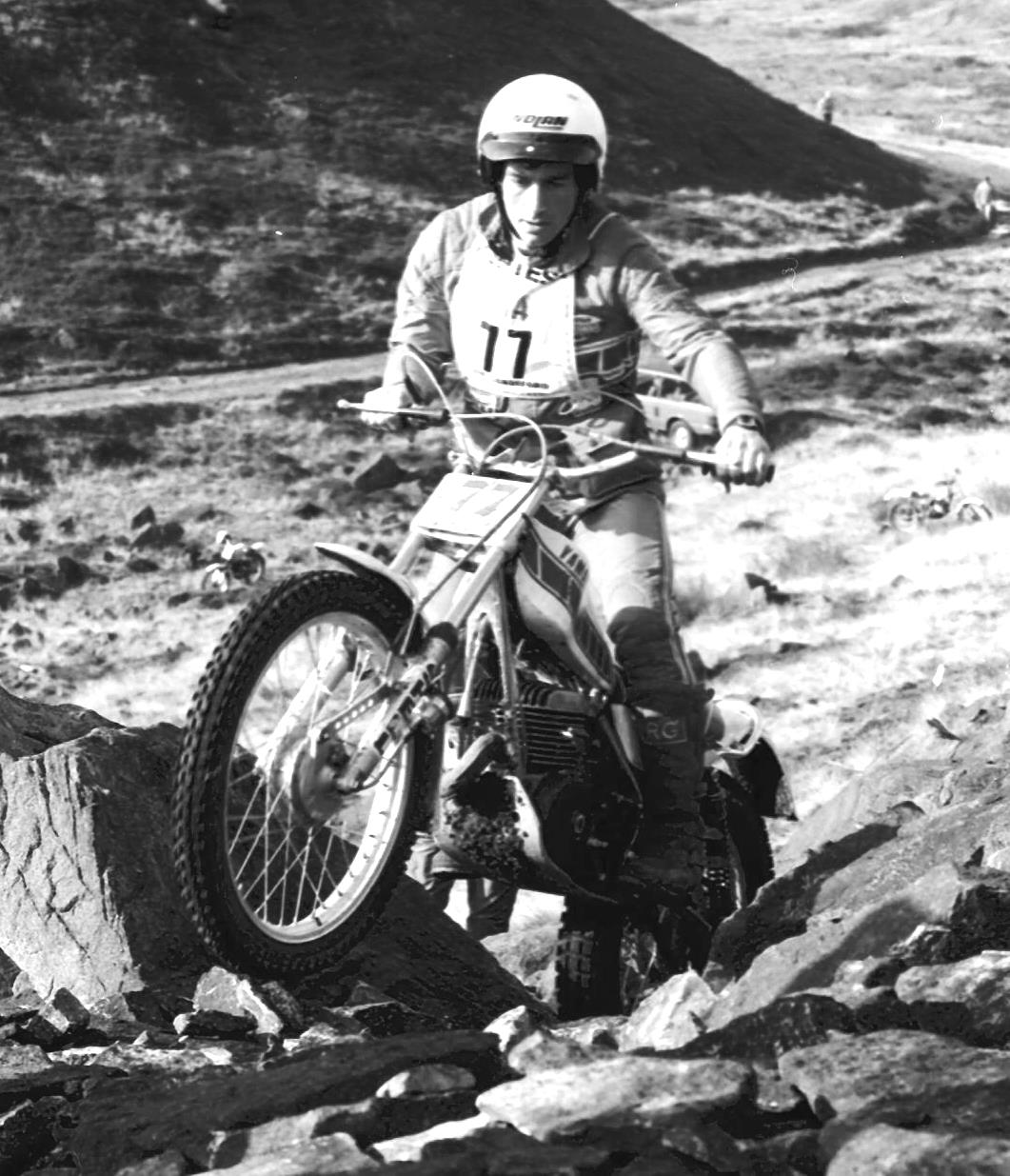

Link to more on Honda Trials
Acknowledgement to Trials Media/Trial Mag/John Hulme.
Photos:
Barry Robinson – All Rights reserved.
Heath Brindley – All Rights Reserved.
MoffatRacing Archive – Copyright.

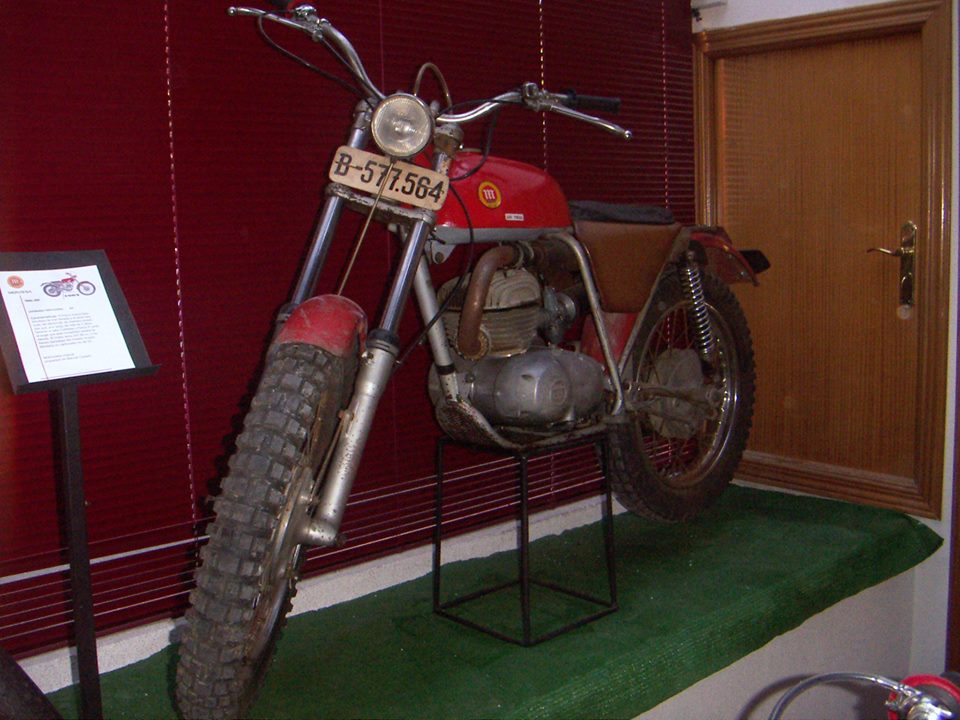


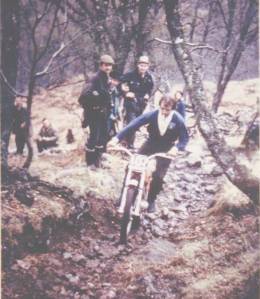
Montesa ‘Ambassador’ Rob Edwards:
To Be Continued …
Copyright:
Words: Rob Edwards/Trials Guru, John Moffat 2014.
Acknowledgement: Peter Bremner, Chairman Edinburgh & District Motor Club Ltd. For Montesa Photographs used in this article.
To read all of Rob Edward’s story of his life in trials click… here
A short video of the Inverness & District MCC Highland Classic 2 Day Trial in 2013 – The Bultaco Edition (Guest of Honour: Yrjo Vesterinen – 3 times FIM World Trials Champion)


 TRIALS GURU - DEDICATED TO TRIAL
