The Twelfth annual Highland Classic Two Day Trial is becoming a very popular event, with the maximum entry being surpassed in less than 48 hours of it’s opening just after midnight on Wednesday, 1st February.
The go-ahead organising committee of the Inverness & District club were surprised at the take-up of entries of which they changed the format after protestations last year that it favoured previous years riders.
Club and company secretary, John Moffat said: “In 2016 we were accused of nepotism where we sent out paper-based entries to every rider who competed in the 2015 event and the Royal Mail were very quick at their delivery for some reason. The official entries opened a day later although this wasn’t the overall intention. Quite a few prospective competitors felt that this was unfair. However, I’d like to point out that quite a few regular riders have supported our event since it’s inception in 2005 when it went from a one-day trial to a two-day affair.”
Moffat continued: ” We are quite overwhelmed at the response this year as we were full by the Thursday evening. We made a conscious decision to reserve some of our entry for special ‘Guest’ riders which has been kept to a minimum and are over and above the 150 rider maximum. These riders were chosen for their contribution they have made to our sport of off-road motorcycling or were nominated by our ‘Trial Partners’ – that is Apico Factory Racing; Putoline Oils UK and Classic Trial Magazine who have been very generous in their support of the 2017 event. As a contingency, we have a 15 place reserve list in opertion, just in case any competitor pulls out, pre-event”.
The ‘brainchild’ of Inverness Chairman, Malcolm Smith who thought up the original idea of the event which takes place on 10/11 June on the shooting estate, Alvie, near Aviemore which is run by the enthusiastic Laird, Jamie Williamson and managed by Estate Factor, David Kinnear.
This year the theme is ‘The Honda Edition’ and the Guest of Honour is 1977 British Trials Champion and Honda factory rider, Rob Shepherd. A special award will be made to the rider making the best performance on a Honda who has not won any other award. there is also a Best Female Rider award.
Shepherd will ride a specially prepared Honda TLR250, but it is very likely that his ex-works TL305 will be there and it is hoped that Rob will demonstrate ride it during the end of one of the days.
Jean Caillou from France will be there, having entered on the ex-Marland Whaley factory Honda.
The ‘Guest’ riders announced so far are: Rob Shepherd – Honda (Guest of Honour); Yrjo Vesterinen – BSA (3 times FIM World Trials Champion); Vic Allan – MV Agusta (1974 – British 250cc and 500cc Motocross Champion); Chris Milner – Triumph (former Comerford Bultaco rider); John Hayden – Yamaha (Putoline Oils UK); Nick Shield – Yamaha Majesty (Classic Trial Magazine tester). It is still a possibility that Nick Jefferies – Honda may appear if TT committments allow.
Other notable successful entrants are former TT winner, Iain Duffus (Fantic) and Yamaha Motor Company’s Rob McElnea.
The event is billed as the ‘Friendliest Classic Trial in Scotland’ and that is helped by a relaxed atmosphere, a great place to ride off-road, sensible flowing sections, a ‘Specials’ category in case some machines don’t fully comply with class boundaries, cheese and wine at the end of Day One and for this some sections lost to the event a few years ago which are very traditional to Scotland.
Trials Guru’s John Moffat interviews Scott Trial 2016 winner, James Dabill at the finish. Dabill values a win at both the SSDT and the Scott highly – Photo – John Hulme/Trial Magazine
The trials world was shocked with the announcement by the reigning and seven times British Trials Champion, James Dabill that he has withdrawn his entry from the 2017 Scottish Six Days Trial in May.
Dabill broke the news via his own social media account today, 1st February. He recently changed camps from Vertigo to Gas Gas and is contracted to compete in the Spanish National Trials Championship plus the World series.
James broke the news as follows: “So this was a very long and tough decision of mine and after speaking with some of my close friends, family and Team Manager, I have decided to withdraw from taking part in this years’ SSDT. It was not an easy decision as it’s one of my favourite events but I feel it’s the best way for me to really concentrate on having a good year at world championship. With the first TrialGP being only a week after the SSDT, I don’t want to lose precious time training and preparing myself and my bike at the highest level possible. I would like to thank everybody who respects my decision and I will see you up in Fort William for the first weekend and I would like to take this opportunity to wish all competitors a great and enjoyable week, Cheers Dibs”.
Dabill’s announcement once again brings into question the tactics of the manufacturers who were always keen to win the prestigeous Scottish Six Days Trial, seen by many to have an impact on sales, in the UK at least, of trials machines. However, the World Championship does carry an equally prestigeous tag, that of World Champion.
James Dabill does value highly a win at the SSDT, he has achieved this twice in his career, 2007 and 2011, so this was clearly not a decision he wanted to have to take. However, he is a professional rider and his job is to satify his contractual obligations first and foremost.
Trials Guru’s John Moffat commented: “This must have been a very tough decision for James to take. I have interviewed him up at Fort William on the local Nevis Radio and been on stage at the presentation of awards when he picked up his wins in 2007 and 2011. He is always quite relaxed in the mornings before the off and really enjoys riding the SSDT. While it’s a great shame for SSDT fans that James will not be riding in 2017, but we wish him well in his World series, TrialGP endeavours and hope that he will return to ride the SSDT in the very near future.”
James Dabill (Vertigo) – FIM TRIAL 2016 Cal Rosal, Spain – Photo: Mario Candellone
Ted Heather was, I think, one of the quiet ones with his own brand of humour. When he was Clerk of the Course for the West Wilts Motor Club’s famous, or was it the infamous, Tanner Trudge Time & Observation Trial he would sometimes ring me up pretending to be perhaps Sammy Miller or another well known rider. I would usually be certain it wasn’t who Ted said it was and would be racking my brains to work out who it was on the phone, stalling for time so I could decide who it actually was on the line!
Ted was very independent and didn’t find it easy to ask for help marking out, and you had to twist his arm to get him to agree that you could come out & help him setting up before the day. Then he would say at Club Meetings that he didn’t get much help! He was quietly very proud of the many Trudges when he was Clerk of Course. I think it was 19 or 24 and it was only years later, after the Club had stopped running the Trudge because of dwindling entries that I realised Ted had wanted to make that milestone. Ted said nothing when we decided to stop running.
Ted drifted away from the Club after that, but kept involved every year in the SSDT where he would be in the parc ferme and would be out at ungodly hours putting up Route Markers. I guess those early mornings were no trouble to Ted after the many years of early starts that he had as Postman working out of Corsham. I recall him saying to me, with a chuckle, that David Hempleman-Adams, the explorer had given him a sponsored anorak which David had used on an expedition!
Ted was a keen gardener, and his own immaculate garden impressed sufficient people to ask him to look after theirs that he had more than he could really cope with. He did a lot of walking after he ‘retired’ and with the new hip that he had late last year he was planning a walking holiday in September when he would have turned 80. He liked dogs and had a succession of large dogs although I don’t think he had another after his dog, Sam, died.
Ted played his part in the Wessex Centre too, he had been President & had been awarded the Harry Croft Trophy, he had been a Centre Steward spanning the times before the days when Stewards didn’t need licences and when they did!
It’s rumoured Ted ‘helped’ riders who wanted to enter the SSDT by ‘putting in a word to the Committee’. It was rumoured that Ted paid the SSDT Entry Fee for one of the Centre’s best riders every year. Ted would just smile and be non committal if I gently tried to persuade him to let on. We know Ted was actually hurt that one or two of those he did help never actually thanked him for his intervention. The last time we saw Ted was at the in the Fort William parc ferme last year.
Ted leaves behind his widow, Rachel, they had no children.
Rachel was very involved with the Wiltshire St Johns Ambulance Service, joining in 1955 and has been the Divisional Superintendent for the Chippenham District.
I remember Ted telling me, with another little smile, that he had conducted Rachel’s driving test when they were in the RAF in Germany. She passed!
My wife Phyllis was Secretary of the Meeting for the Tanner Trudge while Ted was Clerk of Course for quite a number of years, and they always exchanged Christmas cards. Last year Phyllis’s said we weren’t going to Scotland this year, and Ted’s said he had a new hip.
We heard on Monday that Ted had passed away late last week from Wessex Centre Secretary, Theresa Talbot, who had been told while at Sundays Vic Brittain Trial.
It was maybe 20 years ago that Ted had had an intestinal cancer which he completely recovered from. Some time after his hip operation.Ted had a DVT and a fall., He was readmitted & had another fall. A scan showed that he had a left lung shadow & a brain tumour, and he rapidly deteriorated.
Our thoughts are with Rachel. Ted, RIP – you will be remembered.
Words: Trials Guru; Rob Farnham (Oz); Mick Andrews; Martyn Adams.
Additional comments by: Don Morley, Reigate, Surrey.
Photos: Rob Farnham; Rob Edwards’ personal collection; OffRoad Archive; Mike Rapley; Don Morley; James Holland, Bristol; Martyn Adams.
Mick Andrews on 644BLB at the Bemrose Trial
What is 644BLB?
It was the registration number allocated in January 1961 to a 350 Matchless, which was used exclusively as an AJS and owned by the Associated Motor Cycles Ltd competition Department at Plumstead, South East London.
The 1961 AJS registered as 644BLB was at heart a Matchless used under the AJS name by Cliff Clayton and Mick Andrews 1961-1964 – Photo: Rob Farnham, Queensland
The motorcycle was to be used by factory supported riders and we know that AJS factory rider, Cliff Clayton used it in the 1961 Scottish Six Days Trial. Clayton was a member of the Barham MCC, and lived at Gillingham in Kent.
644BLB however, was to become better known in the trials world as Mick Andrews’ factory AJS, as he competed on it from 1962-1964 when factory supported. It was a machine that took Andrews on two consecutive occasions to the runner-up position in the Scottish Six Days Trial (winners Arthur Lampkin – BSA C15 – 1963 & Sammy Miller – Ariel – 1964).
Don Morley, the well-known photo journalist spent a great deal of time researching the works trials AMC machines when he was preparing his book, Classic British Trials Bikes which was published by Osprey. Don had photographed many, if not all, the factory models over the years.
Morley told Trials Guru when discussing some articles, that some AMC trials machines were registered as one marque but actually used as the badge engineered stablemate. 644BLB was one such machine, an AJS in use, but registered as a Matchless. The same method was employed for the machine registered 164BLL, issued to Gordon McLaughlan. There has never been a definitive reason for this other than perhaps the AJS 16C was a slightly more expensive model than the corresponding Matchless variant G3C and as the factories had to pay the then ‘Purchase Tax’ on a registered machine, perhaps they saw this as a way of saving some money?
Don told Trials Guru: “I should really have paid more attention to the finer details of the works bikes when I had the chance back in the days when they were used week in, week out by the factory supported riders. I have questioned many of the stars of yesteryear about the finer points of the machines they rode some time later, to find that most hardly touched the machines as they usually were repaired, modified and serviced by the relevant competition departments. No disrespect intended, but I take most of the so-called modifications by riders with a pinch of salt.“
Where is 644BLB?
Our article begins with a message sent through social media to Rob Edwards, the former factory Cotton, Montesa and, at one time, AJS teamster. Rob had ridden a factory supported but privately bought AJS in the 1964 and 1965 SSDT, it was registered ‘970PL’ and had bought it from Comerfords in 1963.
The enquiry came to Rob Edwards facebook page in December 2016 from Rob Farnham from Queensland, Australia (who we will refer to as ‘Oz’, his shortened internet name, for the rest of the story) who had seen Rob’s story on Trials Guru and a reference to his promotional trip with his employers, Montesa Motorcycles ‘down under’ in 1975. A photo was within Rob’s story sitting on a 350 AJS which Noel Shipp of Wollongong owned at the time and was reputedly Mick Andrews’ AJS factory machine.
Oz picks up the story: “I purchased the bike from Noel Shipp in December 2008, as being a bit of and AMC competition bike nut, it was an opportunity too good to miss. Sadly Noel was unwell then and died in the September of 2012.
Noel had shipped 644BLB out from the UK in 1970. I have a note of who he purchased it from, but he was actually after another trials machine, a Triumph I think, but took the AJS as his second choice.
Obvious changes have been made between 1964 and 1970, mainly the bottom frame rails and footrest hangers.”
The lower frame rials have been removed by a previous owner and replaced by strip aluminium, this was not a factory modification – Photo: Rob Farnham
Oz: “I have done very little to it as I have too many projects but was only spurred into motion following a request from John Cuff, a member of the bike club I’m a member of, the Historical Motorcycle Club of Queensland as he needed some bikes for club magazine articles for 2017. He had seen my Matchless G80CS but knew nothing of the 350 AJS, 644BLB. His main interest is trials and competition machines so he was very excited when he saw it.
Most of my previous research had drawn a blank so was quite excited myself on Rob Edwards response to my post on his facebook page.”
Oz had been doing a lot of digging in an attempt to catalogue the machine’s history, but over the years details of ownership had been lost and of course never rely on people’s memories.
Oz had heard that after Mick Andrews had handed the AJS back to Plumstead, Gordon Blakeway had ridden it. This was false as Blakeway had been issued with 187BLF, the ex-Gordon Jackson machine when Andrews was still riding 644BLB for the factory and was subsequently riding the 250 James (306AKV) for AMCs in 1965.
It was likely that after Andrews moved on, 644BLB would have been moved on also as the factory was in financial decline and several machines were sold off to dealers, the most noteable being Comerfords in Thames Ditton, Surrey and it was most likely that 644BLB would have found its way to this dealer given their connections with the factory.
Confusion reigns!
Oz clarifies how he undertood matters initially: “I was actually led to believe that Rob Edwards had made his debut in the Scottish Six Days on 644BLB in 1965. This was caused by the caption in ‘British Trials Motorcycles’ by Bruce Main-Smith on pages 12 and 13 which read: ‘Rob Edwards (opposite bottom) made his Scottish debut on Andrews’ ex-works 350 AJS, with unofficial factory support’. The photo does show Rob Edwards, but I now know through Trials Guru’s Rob Edwards Story and AJS & Matchless Trials articles that this was actually Rob’s own private but factory supported AJS (970PL). The photo in Main-Smith’s book was taken from a rear view and the machine had lost it’s rear registration number plate, making identification difficult. On top of this, Noel Shipp had told me Rob Edwards had been a privateer rider post 1964, which is one of the reasons I contacted Rob Edwards via his Facebook page.”
In reality, Rob Edwards had taken over the berth left in the AJS official team for the 1965 Scottish Six Days, riding his own AJS, suitably modified as Andrews’ mount 644BLB was not available, this occurred due to Andrews moving to ride the James. So why did the AJS competition manager not allocate 644BLB to Rob Edwards? That may remain a mystery, was it by then sold off or did they not have time to prepare it for the arduous SSDT?
The 1970 UK tax disc of 644BLB shows it clearly to be a Matchless, not an AJS – Photo: Rob Farnham, Queensland
Oz is keen to find out who purchased and rode 644BLB from around 1964 until it was exported to Australia in the 1970s. He still has the road fund licence tax disc from 1970 with the index ‘644BLB’ and ‘350 Matchless’. This would be the last time the machine was road registered in the UK.
Research indicated that as the machine had left the UK shores, the registration mark had become void due to the mid 1970s ‘amnesty’ that was afforded owners to have their vehicles applied to the DVLA computer at Swansea.
For many years it was thought that the ex-Gordon Jackson AJS (187BLF) had been exported to Australia, even Jackson himself believed it to be so, but it was actually the Clayton/Andrews machine 644BLB that had gone ‘down under’.
The AJS & Matchless Owners Club were contacted in January 2000, but their archivist, Mrs Pat Hughes confirmed that the later competition model records were missing, they had all the road going machine despatch details from 1946 onwards. So another blank was drawn, but the important thing is that the machine still exists half way around the world from where it was built and used. The only confirmation was that the motor number stamped on the crankcases was that of a 1961 model G3C Matchless.
The Mick Andrews connection:
Mick Andrews has been asked many times what he did for a living and simply answers that he commenced a motor mechanic apprenticeship with Kennings when he left school in his home town of Buxton in Derbyshire, but quickly earned a place in the AJS factory trials team riding their works prepared 350cc 16C model, registered as 644BLB at seventeen years of age in late 1961. His name had been put forward to AMC’s Hugh Viney by Ralph Venables. Viney had sent a letter to Andrews, which was the way it was done back then, offering him an AJS.
Mick Andrews told Trials Guru: “I had a Matchless which my Dad Tom bought for me and I had some good rides on that. I came home from work one day and my Dad said that I had better have a look in the garage and there stood a gleaming AJS sent up by Hugh Viney for me to ride. It was 644BLB with a blue tank and gold lining, it looked beautiful.“
Mick Andrews with his factory AJS at the 1963 SSDT, Gorgie Market, Edinburgh – Photo: DON MORLEY
Andrews first appearance on the factory AJS was at the national St. Davids Trial in Wales when he partnered Gordon Jackson and Gordon McLaughlan. That was in 1962, also Andrews’ first time in the Scottish Six Days Trial. In 1963, Mick was second in the SSDT to Arthur Lampkin. Andrews went on to not only win many national trials on 644BLB, but it also established him as a force to be reckoned with in the sport. His last SSDT on 644BLB was the 1964 event, again finishing runner up to Ariel’s Sammy Miller, riding in the factory team comprising of Gordon Blakeway (187BLF) and Gordon McLaughlan (164BLL) with the fuel tanks refinished in ivory white with simplified lining and gold monogram, the penultimate time an AJS team would compete in the annual classic.
Mick Andrews factory AJS 644BLB at the 1964 SSDT weigh-in (Photo: Mike Rapley)
In 1965, the final AJS team comprised of Gordon McLaughlan (164BLL); Gordon Blakeway (187BLF) and new recruit, Rob Edwards (970PL) who took the best 350cc cup.
Mick Andrews on ‘Tyndrum’ in the 1964 Scottish Six Days Trial aboard 644BLB sporting the ivory finished fuel tank. It was Andrews final SSDT using this machine on which he made a name for himself in the sport. Note the spigot fitted on the magneto engine plate with the prop stand pipe strapped to the front downtube. He finished runner up to Sammy Miller – Photo Courtesy of OffRoad Archive
Long-stroke fan!
Mick Andrews: “I did hear many years ago that my old works AJS had been sold to someone in Australia, but I never did see it again. It’s nice to hear that it is still around, OK maybe not exactly as I rode it, but still it’s good that it has survived this long. I was in New Zealand with my wife Jill in 2010 and a bloke came up to me and said, you’re Mick Andrews! I said how do you know me? The chap replied, ‘well I moved out here some years ago, but I did all the work on your AJS, I worked in the comp shop’. I couldn’t believe it, you see Hugh Viney told my Dad and I that we were not allowed to modify or change things on the motorcycle, so my dad sent the AJS back to the factory every Monday morning and they sent it back up to Buxton so I could ride it at the weekend, we never really touched it the whole time I rode for the factory. I never met the guy before, but he made sure the motorcycle was well prepared each week for me to ride.”
Andrews continued: “When I rode for AJS I always rode with the long-stroke motor, never the short-stroke, I didn’t like them. They seemed to suit Gordon Jackson, he liked the sharper power delivery, but it wasn’t my choice. In 1964 we were all offered 250 James to ride, the two Gordons were not happy and handed them back, but I said to the then AMC team manager Ernie Wiffen, that I’ll stick with the James (306AKV) and never looked back.“
The long stroke motor looks to have stayed with 644BLB and having examined the engine number it is that of a 1961 G3C Matchless and is in keeping with known serial numbers. The factory did not usually build special factory bikes from scratch, they normally chose one or two from the production line and used these to register them for road use. They were usually tested and them the dispatch clerks booked them out to the ‘Competition Department’.
So what happened to 644BLB after its time as a works machine expired? It is still a bit of a mystery, apart from the obvious, that it was exported from the UK to Australia. Motorcycles change hands and sometimes many hands at that. Without the old style ‘Registration Book’ or buff log book as they were universally referred, it makes it difficult to trace a machines’ history.
At the moment this period looking competition tank is fitted which has the makings of the late AJS tank lining – Photo: Rob Farnham
What is known is that this AJS, or Matchless as it was registered with the authorities is concerned, was sold off, through a main dealer is most likely as many ex-factory AMC machines were disposed of in this manner.
Magneto platform has been cutaway to allow for a prop-stand spigot mounting. Another factory machine detail – Photo: Rob Farnham
At one stage, the registration number re-appeared on a 350 AJS in the annual Pre’65 Scottish trial at Kinlochleven in the hands of Andrew Arden, whose father Maurice was the man behind Big John Products, a one time sponsor of Mick Andrews. However, it wasn’t the original machine, it had been in Australia for 15 years or more and the machine was a replica, the dummy registration number plates used purely as a ‘nod’ to Andrews achievements on his original Plumstead built machine.
It was discovered that Noel Shipp bought 644BLB from a UK sales agent, a Stan ‘Rodwell’ or ‘Phelps’ based in Ilford, Essex, so the motorcycle was shipped over.
Rob Edwards tries Noel Shipp’s Ex-Mick Andrews 350 AJS 644BLB for size in Australia in 1975, which shows the G85 style tank in situ. – Photo courtesy: Rob Edwards personal collection
From photos taken in 1975 during Rob Edwards and Mick Andrews trip to Australia, one notices that the bottom frame rails had been removed and replaced by a plated assembly which gave a flush area to mount an alloy sump-shield in an attempt to loose some weight. This was not a factory modification as AMC believed in making the factory machines look exactly like the standard production competition models.
A non standard modification to the underside of the frame, this would not have been carried out at Plumstead’s comp shop but by a previous private owner attempting to modernise the machine – Photo: Rob Farnham, Queensland
Having said that, the late model factory trials machines all sported the lowered rear subframe and short, but kicked up rear mudguard fixing loop. This allowed shorter rear suspension units to be deployed while maintaining the same rear wheel movement.
Detail photo of the rear subframe assembly of 644BLB and detachable rear mudguard loop, alloy rear brakeplate and Dunlop Racing 19 inch wheel – Photo: Rob Farnham, Queensland
The tank appears to have been changed over the years. Initially it had an alloy competition tank finished in blue and gold lining.
Oz: “As previously mentioned Noel Shipp fitted the black 2 gallon AJS competition tank at some point although when he got the bike it had the red fibreglass Matchless G85 style tank on it. This is actually an interesting tank as its shape and fitting is definitely for a G85 but there is a drip recess around the fuel cap and the bottom of the tank is finished off quite roughly. It has ‘R. E. G Mouldings’ inscribed on the bottom, maybe someone over in the UK knows of them?
I bought a polished alloy Lyta Gordon Jackson style tank from Rickmans for another project which requires a fully painted tank, it seems a shame to rough up such a nice tank and I eventually found the black and silver painted tank on eBay, so my current plan is to use the painted tank for the other project and the nice shiny one could be painted up similar to the one used by Gordon Jackson.”
Gordon Jackson style Lyta aluminium fuel tank was sourced from the UK – Photo: Rob Farnham, Queensland
History of course records that Andrews rode the 1964 Scottish with a Jackson style tank in off-white/ivory with the gold AJS monogram.
We have recently discovered through Dave Lewis, that all G85CS glassfibre parts were made for AMC by Reg Curley Mouldings, which ties in with what Oz discovered.
Oz confirms that the primary chaincase has an alloy inner case with an outer steel component. Production AMC trials machines were never supplied with alloy chaincases, only the factory ones had them.
Inner section of the primary drive chaincase is in alloy, a special factory modification – Photo: Rob Farnham
Oz who is a lover of originality added: “Of course there is always the matter of whether the bike should be conserved as it is or perhaps restored back to factory finish circa 1964. While 187BLF looks very nice, any traces of its history will have been wiped away during the extensive restoration, in my opinion it has been somewhat over done.”
The clutch pressure plate has been extensively drilled and a fair bit of thought has gone into this modification. Was it done in the AMC competition shop? – Photo: Rob Farnham
“At present 644 is neither ‘fish nor fowl’ as the wheels have been restored, the tank isn’t original to any period, I have the correct style of tank and muffler, and a very good frame repairer who is more than capable of making original pattern bottom rails, however I have several other projects before I even think about what should be done with it, so that may be an interesting area for discussion on your website?“
Alloy rear brake plate is a factory only item, the rear section has been repaired, rear hub is standard ‘five-stud’ competition issue – Photo: Rob Farnham
So there we have it. It would appear that the former AMC factory AJS, 644BLB has found a new home at the other side of the world, without the factory dispatch records it isn’t possible to identify 100% and without a shadow of a doubt this is the ex-Andrews machine, but the evidence certainly points firmly that it is.
It’s a nice end, because if this is truly 644BLB, then its good news that it survives and hasn’t gone to the AMC factory trials machine graveyard and it’s in a good home.
644BLB, is now in retirement in Australia, but enjoys a canter every now and then – Photo: Rob Farnham, Queensland
Or is this the end of the story? We will have to wait and see because researching old motorcycles history is something that never really stops.
Trials Guru … 644BLB Post Script!
James Holland founder of JHS Racing Ltd the motorcycle performance centre in Bristol, read this article and came in with additional information.
James Holland: “Back in 1998 I made contact with Noel Shipp in Australia as I was keen to establish the whereabouts of Mick Andrews’ ex-works AJS. Noel wrote to me and sent me some photographs of the bike he had bought from England some years previously. He wanted around £5,000 for it, which in 1998 was a lot of money for a machine that was many thousands of miles away. I was very tempted, but I had to be sure that it was the real deal. I spoke to Mick about it when the photos arrived, but it had been many years since he last saw the AJS and of course he didn’t do much work on it as the factory took care of all that.
There were some details that did point to it being a works AJS, but I had a lot of committment going on back then and I decided that I wouldn’t re-import the bike and left it at that.
Noel Shipp sent me a nice letter in the November of 1998 and also detailed separately the frame and engine numbers which I believe are still valid to this day having spoken with John Moffat who was given them in confidence by Rob Farnham.
It’s amazing that this article should be written many years after I walked away from a deal that could have re-united Mick with the first factory machine he ever rode in anger and on which he was propelled to stardom.” – James Holland, Bristol
The letter sent by Noel Shipp to James Holland in November 1998, when James had the idea of buying Mick Andrews AJS to bring it home to England
Photo taken by the late Noel Shipp in 1998 showing the engine of 644BLB with the December 1970 UK tax disc – Photo courtesy of James Holland, Bristol
Mick Andrews astride James Holland’s Matchless/BSA – Photo copyright: James Holland, Bristol.
Even more on 644BLB, the story continues:
The machine has now been sold by Rob Farnham to Yorkshire born enthusiast and engineer, Martyn Adams who now lives in South Australia and intends doing some light restoration back to original trim when Mick Andrews rode the bike for the AJS factory.
Martyn Adams with 644 BLB, the ex-Mick Andrews factory AJS at the Macclesfield show, Southern Australia, Martyn is also a Trials Guru VIP!
Far from being the end of this fascinating story, when Martyn has concluded his sympathetic upgrading, he will send us details and photographs of 644BLB.
Mick Andrews and Martyn Adams at Mick’s home in June 2025. Mick is holding the award from 1964 from the Scottish Six Days Trial for Best 350 on 644BLB – Photo: Martyn Adams.The 1964 tankard for Best 350cc at the 1964 Scottish Six Days, won by Mick Andrews on 644BLB. (Photo: Martyn Adams)
Interactive Trials Guru – Do you have information about 644BLB that you would like to share and perhaps have added to this article? Get in touch using this online form:
‘644BLB – Rediscovered’ is the copyright: Trials Guru & Rob Farnham.
Photos: Rob Farnham, Queensland, Australia; James Holland, Bristol, UK; Martyn Adams.
Apart from ‘Fair Dealing’ for the purpose of private study, research, criticism or review as permitted under the Copyright, Design and Patents Act, 1988, no part of this article may be copied, reproduced, stored in any form of retrieval system, electronic or otherwise or transmitted in any form or by any means, electronic, electrical, mechanical, optical, chemical, photocopying, recording or otherwise without the prior written permission of the author as stated above. This article is not being published for any monetary reward or monetisation, be that online or in print.
Photos: Jimmy Young – Iain Lawrie – Kimages/Kim Ferguson
Alastair Macgillivray in 1978 – Photo: Jimmy Young, Armadale
Two times a Scottish trials champion, 1974 & 1979, from Banavie, Fort William, Alastair Macgillivray is an electrician by trade and was brought up at ‘Muirshearlich’ near to where a group of sections for the Scottish Six Days were situated – ‘Trotter’s Burn’.
Alastair Macgillivray shares a joke with Mallaig man, Alan Mcdonald at Lagnaha in 2015 – Photo: Kimages/Kim Ferguson
Known to all the locals as simply, ‘Allie-Magill’, the quiet spoken Lochaber-man was a force to be reckoned with in the late 1970s and early 1980s in Scottish Trials.
Alastair Macgillivray (Bultaco) on Cnoc-a-Linnhe in the 1981 SSDT – Photo: Iain Lawrie, Kinlochleven
He is the cousin of Rodger Mount, himself a three-time Scottish Trials Champion (1971-1973).
Alastair Macgillivray on his Bultaco Sherpa 250 in 1972 at the Kinlochleven Spring Trial (Now Ian Pollock Memorial) captured by Iain Lawrie, Kinlochleven.
Always a member of Lochaber & District MCC and at one time a secretary of the club, Alastair rode mainly Bultaco Sherpas from 1971 until 1982 when he moved on to ride Fantics in Scottish nationals and in the Scottish Six Days.
Alastair MacGillivray (Bultaco 325) at Scottish Experts & National Trial, Achallader, Bridge of Orchy 1978 – Photo: Jimmy Young
He acted as a ‘back-marker’ official at the SSDT for many years after he ceased riding regularly in trials.
Former Scottish Trials Champion, Alastair MacGillivray from Fort William on a 325 Bultaco at a very wet Forfar trial around 1980. He has the benefit of having an earlier air-box fitted which helped these bikes, but they were bad for taking on water! – Photo: Jimmy Young
Macgillivray won the Scottish championship in 1979 after coming very close to winning in 1978, but lost out at the penultimate round at the Glentanner Estate in Kincardineshire run by Bon Accord MCC, leaving the championship spoils open to eventual joint winners, John Winthrop and Robin Cownie.
Alastair McGillivray Scottish Trials Champion in 1974 & 1979 (Fort William) seen here on a 200c Fantic at the Lanarkshire Valente Trial in 1981 – Photo: Jimmy Young, Armadale
Alastair is also an accomplished fly-fisherman, particularly trout fishing and has won many competitions, one of which the prize was the use of a Lexus car for a year being the Lexus Fly-Fishing Champion in 2012.
Taken around 1970 – From left: Allie ‘Beag’ Cameron; Kenny Fleming; Rodger Mount & Alastair Macgillivray
The Premier Trial Sport Website for photos, articles, news and the history of motorcycle trials
1967 – Start of the White Heather Trial at Rogart. On the far left is rider, George Hunter (Loch Lomond MCC) on the far right are the Grant twins, Bill (third from right and John (far right in blazer)
Words: Trials Guru; KK Cameron; Rob Sutherland; Tommy Sandham; Raymond Leitch; Mairi Grant
Photos: Iain Lawrie, Kinlochleven; Grant Family Archive, Rogart; David Sutherland, Brora.
John Little, originally from Edinburgh, now Elgin on his Bultaco Sherpa (FFS169D) on Sciberscross in the 1967 White Heather Trial – Photo: Grant Family Collection
Back in the mid 1960s and up to the late 1970s, there was a unique event organised in the rural county of Sutherland in northern Scotland. It was called the ‘White Heather Trial’ promoted by the Sutherland Car & Motor Cycle Club and was the most northerly permitted motorcycle trial in the United Kingdom.
Held on a Saturday because of the deeply religious area being predominantly Free Church of Scotland which scorned sporting activities on a Sunday, the organisers respected this and therefore capitulated.
This allowed the Lochaber club, based in the Fort William area, to organise a Sunday event where the Free Church influence was not quite so strong and this made for a unique trialling weekend in the north of Scotland. This created a weekend of events in the Highlands of Scotland, not a two day event as such, but two days with events.
Jock McComisky on his ex-Jack Duncan 500 Ariel HT5 at Sciberscross in the 1966 White Heather Trial – Photo: Grant Family Collection
Centred at the hamlet of Rogart, which means: ‘great enclosed field’ it was a somewhat dispersed crofting community with the nearest village being Golspie, some nine miles distant. However Rogart does have a railway station and this had opened up the area somewhat over the years.
The late Charlie Dobson from Glasgow on his AJS16C in 1966 at Sciberscross – Photo Grant Family Collection, Rogart
The trial started at Rogart and used sections at Davoch; Rhemusaig; Reidchalmie; Pitfire; Sonny’s; Kinnauld; Kerrow and Sciberscross in the Glen of Strath Brora.
1965 Scottish Trials Champion, Kenny Fleming from Dunblane seen here at the 1966 White Heather on his 250 Bultaco Sherpa (model 10), bought from Comerfords, Thames Ditton – Photo: Grant Family Collection
Scibercross Lodge was built in 1876 and was one of the many hunting lodges built for, and by, the Third Duke of Sutherland.
Alex Smith from Bathgate on his ex-Tiger Payne AJS (YNC526) in the 1965 White Heather Trial – Photo: Grant Family Collection
The Grant Brothers – The Prime Movers:
Whilst there were a number of local club members that assisted in the running of the trial, the prime movers of the Sutherland & District Motor Club, White Heather Trial were undoubtedly the Grant brothers, John and Bill.
John was the older and Bill the younger, twin sons of Ian Grant and Jessie Magarry, born on 4th July 1928 at Dalmore, Rogart.
The family home called ‘Rowallan’ was built in 1889. Ian Grant moved along the road to the Bungalow when he married Jessie as his father was still Rowallan. They were only out of Rowallan for a year or two, but it was never bought. This is where the Grants ran their grocery business for many years.
Bill Grant draws on a ‘Benson & Hedges’ cigarette for concentration as he takes a wide line on his 250 Royal Enfield Cruiser in the 1965 White Heather – Photo: Grant Family Collection
They lived in Rogart all their days, the only exception being the time they spent in the Middle East during a stint in the obligatory National Service.
John and Bill left Rogart to train at Catterick Garrison in North Yorkshire, serving as motorcycle dispatch riders as part of the Royal Signals, until 1949. They then returned home to help their parents run the family business.
Bill Grant on his DOT playing in the snow near Rogart around 1960 – Photo: Grant Family Collection, Rogart
John and Bill Grant’s connection with the Scottish Six Days Trial began with Bill becoming an observer in 1967. This was followed by a commitment as Chief Marshall before Bill became the Assistant Secretary to Ally Findlay where his in-depth knowledge of the event was invaluable.
The SSDT ‘influence’ was evidenced with the type of competition numbers allocated to competitors at the White Heather. The riders had a large numeral on black background fixed to the front and nearside of their machines in the late 1960 events. An idea taken from the SSDT at that time.
The late George M.B. ‘Geordie’ Shaw from Perth was also a Loch Lomond memberand SACU Trials committee man, seen here on his 246 Greeves in the 1967 White Heather Trial
Not ‘medically identical’ twins, the Grant brothers were fiendish practical jokers. Some may remember the pranks that John and Bill played when they took their turn at attending the SSDT in alternate years, because the ‘absent one’ stayed at Rogart to run the family business in the village. Many people, including riders and officials didn’t realise there were two Grant brothers, because they were so alike in both appearance and mannerisms!
Bill Grant on his OSSA high up on the hills above Rogart around 1974. Brother John used to ride to work on this machine over the moors – Photo: Grant Family Collection
Daughter of John Grant, Mairi, former SSDT Secretary told Trials Guru: “They generally took their bikes down to the SSDT at Fort William. They would head down the main road to Beauly, then cut over the top to Drumnadrochit before heading on down to Fort William, a delightful run even today“.
The Grants had a preference for Velocette road motorcycles, which led to them to convince the marque owners club to hold their national rally at Rogart, run in the August.
The Grants twins of Rogart sit proudly on their Velocettes, (from left) Ian (Royal Enfield) with sons, Bill & John – Photo courtesy of Mairi Grant, Inverness
John Grant passed away in 1998 aged 70 and ten years later, brother Bill aged 80 years in December 2008.
Trials Guru’s John Moffat: “I got to know Bill and his twin brother John through the friendship they struck up with my late father, many years before I found myself working with Bill in the SSDT office at the Milton Hotel in 2002. When I was 18, I observed at the SSDT in 1976 and Bill was Chief Marshall that year and his nightly ‘Briefing Meetings’ were a mandatory part of the duties and that was where he imparted his direction and knowledge to the officials and observers.
Bill‘s advice was always positive and he was a very knowledgeable chap to have on call as his experience gained through many years helping both Jim McColm and Ali Findlay, indeed steered me through a very adventurous week in Fort William in 2002.
We had great fun in the office, as he always had some story or other to tell in the short lull between the workload. As most of the stories he told me involved previous Scottish Six Days Trials, I must say I was always enthralled by them! He usually began his ‘lesson’ by saying the now immortal words: ‘Now, let me tell you this … ‘
I for one listened intently to what Bill had to say for this was the time to learn. I didn’t interrupt him. He had such a relaxed style that anyone who ignored him probably did so at their peril and no doubt came ‘unstuck’ shortly after!
The motto should read: When an experienced person speaks, it pays dividends to listen.
The Grant brothers have now passed into Scottish Trials folklore, they were true motorcycle enthusiasts“.
Gordon Morell on his 500 AJS in 1965 – Photo courtesy of Mairi Grant, Rogart
…
Glasgow Lion member, Bill Varty in 1966 on his Greeves at Sciberscross – Photo courtesy of Mairi Grant, Rogart
…
John Winthrop conducts a trials school at Rogart in 1977. Riders include: Ray Leitch (goggles on helmet); Gavin Milne; Phil Paterson (fourth from right); Rob Sutherland (third from right); John Moodie (second from right) – Photo supplied by David Sutherland, Brora
…
John Winthrop (left) watches Rob Sutherland (348 Montesa) at a Rogart trials school in 1977 – Photo: David Sutherland, Brora
Competitors memories of the White Heather:
Kenneth ‘KK’ Cameron, from Fort William:
Kenneth ‘KK’ Cameron from Fort William hits a spot of bother on his Montesa Cota 247 at ‘Sonny’s’ section in 1969
“The bike you see in the photo came from Donald Buchan dealership in Perth, most of my bikes were from either Donald or Jimmy Morton at Sorn, Ayrshire. My memories of the White Heather are that it was a great trial and one I rode many times. The one thing that I remember well was riding with Allie ‘Beag’ Cameron and ‘RM’ – Roger Mount, Allie affectionately called us by our initials.
We were looking a difficult section up on a steep hillside, that no-one was cleaning. After looking at it for a while, Allie told us how to ride it. Approach quite fast in second, shut off power till you reach here, then give it a wee squirt here and shut off again, then another and so on. I can’t remember how many ‘wee squirts’ were needed but there were quite a few. Allie then gave us a ‘master class’ on how to do it. Allie was a brilliant rider, needless to say neither ‘RM’ or ‘KC’ followed his example“. – Kenneth Cameron, Fort William
Tommy Sandham, author – Four-Stroke Finale, The Honda Trials Story, originally from Airdrie, now Magor, Monmouthshire:
“I remember the White Heather trial. I think I did it twice and recall it was held on a Saturday, so that meant either a day off or a half-day on Friday to travel up to Sutherland. I was based in Airdrie then so it was quite a trek with a trailer.
I well remember riding round and coming into a village and there was a Policeman standing in the middle of the road waving the trials bikes through! The first and only time I recall this happening. Then we had a lunch stop which again was unusual and the village hall was filled with cakes, sandwiches etc made by the local people. Everyone seemed to be involved!
When the White Heather was finished it used to be a rush back South to Fort William where there was another trial on the Sunday.
The weekend involved two bed & breakfasts and a lot of miles to cover but it was once a year and I remember it very fondly“. – Tommy Sandham, Magor, Wales
Willie Pitblado’s 403cc Pitrite, a combination of an overbored Triumph 3TA twin motor in a Sprite frame registered in Fife as DSP47D. The machine is now owned by the Gillespie family from Dunfermline who were related to Pitblado. We think the rider pictured here on the Pitrite at ‘Sonny’s’ is Sandy Sutherland in 1967.
Rob Sutherland from Brora, now living in New Zealand:
“I’ve spent some time trying to recollect the goings on of the White Heather so here they are”.
1967 – John MacDonald the local postman on his AJS (YNC526), previously owned by Alex Smith and Tiger Payne, seen here on Sciberscross – Photo: Grant Family Collection
“My uncle, John MacDonald, my Mums brother who resides in Rogart to this day, was a clubman rider and former SSDT competitor on an ex- Brian Payne AJS (YNC526), which he bought from Alex Smith. I spent much of my early years with my grandparents in Rogart so the ‘WH’ was an on your tongue word being probably the biggest one day event in the Parish, apart from the annual sheep and cattle sales”.
David Sutherland, brother of Rob on their Uncle John MacDonald’s 350 AJS (YNC526) – Photo: David Sutherland, Brora
“Uncle John had become an organiseralong with Billy and John Grant and with others whom I cannot remember the names of now. By the time I started riding the event in 1976 on my brand new 348 Montesa Cota, I had been an active spectator prior to then and from memory, to me it could have been a world championship having riders of note travelling up from the North East of England which back then was to a young boy another country. They competed along with the prestige of Scottish riders such as Roger Mount, Ally Macgillivray and riders of their era.
Not forgetting that weekend was a double-header as the Lochaber trial was held on the Sunday, which I suppose made the long trip more worthwhile for the far travelled riders.
I had followed the trial on my late 1960s 250 Cota from the age of fourteen as I was very familiar in getting to see the Rogart side of the trial without riding on the public roads so you can imagine how I yearned to be sixteen and get in there with the stars who could clean what a young boy thought impossible“.
Rob Sutherland (Montesa 348) at the 1979 White Heather Trial at Rogart – Photo: Iain Lawrie, Kinlochleven
Sutherland continued: “I bought my 1976 348 with a five hundred pounds loan and topped the massive £799.00 purchase price of with my apprentice wages. The bike came from McGowans Motorcycles in Inverness and the salesman was Billy Lumsden who was, at that time, one of the top local riders and rode a Beamish Suzuki. Billy tragically lost his life in a road bike crash in Inverness. His younger Mike continued the tradition, as he rode trials with Gavin Johnson in the early days.
My first ‘WH’ was the 1976 event as I had just turned seventeen two weeks prior and as I think it may have been the first year schoolboys were allowed to ride, as long as our parents collected us for the public highway part of the trial which ran from Rogart North West to the Kerrow and Scriberscross, then down the Glen into Golspie before heading back to the Mound for the Aberscross and quarry group of sections.
The trial route changed yearly although some of the hardest sections were kept, but it did give the diversity with different sections to ride. It may just be my memory but I seem to remember large numbers of spectators at sections which only added to the competition a young sixteen year old from the Highlands could dream of, having spectated at the SSDT and having some of the big names from the SSDT ride in my own backyard.
I rode three White Heathers I think before getting into motocross, but had so much fun riding and practicing with John Moodie, Ray Leitch and the travelling adventures attending all Scottish championship trials. In fact I think the last ‘WH’ I rode in, a young John Lampkin was there on an SWM along with Glen Scholey and Rob Edwards taking in the double header weekend.
I remember these riders taking part… Steve ‘Butch’ Robson, who would become my best man; Gordon Butterfield; Dave Younghusband; Rob Stamp; Geoff McDonnell; Ray Crinson; John Winthrop; Robin Cownie; Walter Dalton; Keith Johnston; Casper Mylius; Alan Adamson; John White; Billy Matthews; Roy Kerr and Graham Smith from Hawick“. – Rob Sutherland, New Zealand.
Douglas Bald, Scottish Trials Champion in 1968:
“I have very happy memories of the white heather trial , can’t remember much about the actual event itself, but I do remember this occurrence no names but his initials were I. D. B. M; he liked a serious ‘swallie’ (drink) and as always l was the chauffeur.
We decided to go to the local barn dance and as would happen, we got back to our digs late to find the place dark and lock fast. This gave us no alternative but to gain entry, it unfortunately coincided with the local ‘Bobby’ doing his beat.
It took some explaining I.D.B.M was always a little argumentive after a drink and to this day it was the nearest l have ever been to being lifted by the Constabulary!
I can’t remember the date, but the police car was a Morris 1000!“
Iain Lawrie captured the action in 1979…
Watched by ‘Big Phil’ Paterson, Raymond ‘Ray’ Leitch from Culloden on his Bultaco, sponsored by Cawdor Castle in the 1979 White Heather Trial at Rogart – Photo: Iain Lawrie, Kinlochleven
Ray Leitch who lived at Culloden, near Inverness:
“My very first White Heather trial I ever rode was in 1976 and I was number 1, but I lost the kick start on my Montesa Cota 247 half way through the event. Lots of ‘bump starts’ later and I finished about second last! I got betetr after that though.
I was sponsored by ‘Cawdor Castle Tourism’ and my brother Sid hand painted their monogram on the tank. That is the Bultaco you see here supplied originally by Stodarts of Oban, but later fitted with the Steve Wilson frame and swinging arm.
Those are Marzocchi air shocks which were modified from a set off a KTM motocross bike. Also riding round the trial with Rob Edwards was for me the highlight of all the White Heather trials I competed in“. – Ray Leitch
…
1979 ‘White Heather Trial’ with Rob Edwards (310 Montesa) on his way to winning the event – Photo: Iain Lawrie, Kinlochleven
Simon C. Valente from Edinburgh, now in Yorkshire:
“My first ride in the White Heather was I think in 1975, in 1977 I returned, travelling with my elder brother Peter and Graham Smith of Hawick, who was then an up and coming rider working towards his peak of winning the Scottish championship a few years later, in Graham’s Volkswagen camper van.
A few minutes before the start, opposite the Rogart Hotel, a small crowd had gathered to watch Willie Dalling who was on a 348 Montesa at the time, flailing away with a foot pump to square up his rear tyre on the rim. Suddenly an almighty bang, reminiscent of the one o’clock gun going off at Edinburgh Castle, reverberated around the village, as Willie’s inner tube exploded inside the tyre.
Being a strong and sometimes fiery character, you could almost see the steam exuding from Willie’s collar as, without a word, he unbuckled his watch and handed it to his wife Creena before starting the task of replacing the tube.
Meanwhile the audience turned away in respectful silence to leave Willie to work off his temper with the tyre levers!
That year was the first when Rob Edwards came to Rogart to take on and of course beat Scotland’s finest of the time, Alan Poynton, John Winthrop, Robin Cownie et al, and local favourite John Moodie from Rovie Farm. I collected a first class award on my TY175 Yamaha.
The trial was a heck of an adventure, after an early start it must have been past 5 o’clock when we were tackling the final section, before packing up and joining the charge towards Fort William for the Lochaber trial the next day – Great days!” – Simon C. Valente
Photo: Iain Lawrie, Kinlochleven (Rider 72 is Mark Whitham, Suzuki)
…
Photo: Iain Lawrie, Kinlochleven
…
Watched by Keith Johnston and Jock Fraser (in helmet), Peter Valente on his 310 Montesa – Photo: Iain Lawrie, Kinlochleven
Peter Valente from Edinburgh:
“I recall Rob Edwards offering me his spare front brake for the following day’s trial after the linings came off mine on the 348. I should have taken it as riding without a front brake was a bit hairy – not to mention getting down from the top of Sciberscross.
Still the strongest memory of the trial is Willie Dalling using a footpump to square his rear tyre on the rim just before we were due to start. One of the bystanders asked Willie how he would know when he had got the tyre hard enough. Someone (it might have been me) said that when it went bang you would know that it was just too hard, at which point the tube burst. I’m sure you can imagine Willie’s reaction as he set to while the trial departed.
Then there was the rope with a bit wood on the end to go behind the stanchions to haul riders up a waterfall section that many fived. No doubt we’d find that one easy enough nowadays“. – Peter C. Vanente
White Heather Photo Collection of the Grant Family, Rogart:
…
The late Willie Pitblado from Dunfermline on his Pitrite (DSP47D) in the 1966 White Heather Trial. Willie painted the SSDT number plates and owned Motor Cycle Spares at Golfdrum Street in Dunfermline – Photo: Grant Family Collection
…
Tommy Milton Junior from Edinburgh, on his Bultaco Sherpa M.27 at ‘Sonnys’ in 1968 – Photo: Grant Family Collection, Rogart
…
The late Jock Fraser from Carrington, Midlothian (1964, 250 Greeves TFS – BSF432B) in the 1967 White Heather – Photo: Grant Family Collection
…
Tommy Milton Junior from Edinburgh on his 500 Ariel (RFS651) which he later ‘Millerised’ for the 1967 SSDT. Tommy now lives in Northern Virginia, Washington DC, USA having worked for the World Bank. ‘Sonny’s’ section in 1967 – Photo: Grant Family Collection
Tommy Milton Junior, originally from Edinburgh now Northern Virginia, in Washington DC:
“A great dip into nostalgia remembering the trial at Rogart. I believe it became one of the events that counted towards the Scottish Championship.
I know I took part in it at least twice; you have produced the evidence for that, but I cannot remember if I rode a third or even fourth time.
By the autumn of 1968 I was only back in Scotland intermittently, as I had started working for British Road Services based in Oxford.
I really liked this trial. Attractive area, welcoming local people, well organised event, with the Club even fixing accommodation. I stayed with a very nice couple and I remember the lady made a terrific breakfast.
And, finally, the sections were mostly rocky climbs, which suited me and, especially, my Ariel”.
Tommy Milton Jnr on the 500 Ariel (RFS651) powers his way through a mud slot in the 1967 White Heather – Photo: Grant Family Collection, Rogart
“I also remember the trial finished at what I think was the local cattle market. The first time I rode, many people came to join in the general socialising, including a number of pretty teenage girls all dressed in Highland gear. I remarked to one that it was very nice of them to have welcomed us lowlanders by dressing up. Oh no, she smiled, we’ve just got back from a dance competition in Golspie!
I am grateful to see the photographs of me on my Ariel, RFS651, which I still have. I bought this bike from Davy Dryden from Uphall, West Lothian.
I had always wanted an HT5 since, as a kid, I had watched Laurie McLean practising on our pushbike trials area, and when we were all at the E&D clubroom one Sunday night after a trial I overheard Davy complaining that he could not get to grips with it.
So later we agreed a deal. I was very happy and I think I won two or three trials with it in 1967/68 season. I have always wondered if anybody has won a Scottish open event on a Classic 50’s four stroke since then?“.
…
From Carrington, Midlothian, Archie Plenderleith on the 1956, 500 Ariel (NWS405) which was owned by George Hodge; Bob Ashenhurst and Ernie Page and is now back in the ownership of 7 times Scottish Scrambles Champion, George Hodge – 1967 White Heather at Sciberscross – Photo: Grant Family Collection, Rogart
…
Unlucky 13? – Archie Plenderleith comes to grief at Sonnys section on his 500 Ariel (NWS405) in the 1967 White Heather – Photo: Grant Family Collection
…
John Little (Bultaco) takes a breather up the Scibercross hill in 1967 – Photo: Grant Family Collection
…
Aberdonian George Forbes on his Bultaco Sherpa (FSF40D) on Sciberscross in the 1967 White Heather – Photo: Grant Family Collection, Rogart.
…
The AJS (YNC526) of John MacDonald being ridden in 1966 at Scibercross by a younger rider (perhaps someone can identify him?) – Photo: Grant Family Collection, Rogart
…
More images and information on White Heather Trial to follow shortly.
Credits:
Photos:
Iain Lawrie, Kinlochleven
Grant Family Collection, Rogart
Special thanks to all the contributors, photographers and riders who have shared their memories of the White Heather on Trials Guru.
This article and photo-feature is dedicated to the people of Sutherland in north Scotland and in particular the Grant family of Rogart. It now sits in the Trials Guru ‘special section’ entitled ‘Great Scots’.
…
Did you ride at Rogart in the White Heather? Then tell us about it, maybe we can add your memory on this article.
“My first ever competitive trial was the 1976 White Heather. An event that was to kindle a lifelong interest in the sport albeit sometimes interrupted by that nasty thing called work. I learned the rudiments of riding in a local woods and streams in and around Beauly from late 1975 on my fairly decent Ossa Mar, a £300 purchase from A. N. Other! Finding some out some months later that another Beauly lad John ‘Bull’ Davidson who by this time lived in Inverness was right into the sport too and palled around with previously spoken about Billy Lumsden. That led to getting some tips, advice and garnering further interest and being able to get a wee bit more practice in I guess. Anyway, trying to run before I could walk I entered the trial and had so much fun. I have a recollection I was about 38th or so out of about 80 riders. Dropped a barrowload of marks but there were plenty of also rans behind me. I can’t recall but it was probably the following year I became aware of the luminaries such as Rob Edwards being there too although it could have been that very year. Rob, a delightful fellow who I met briefly a number of times including my soon to follow 3 x SSDTs – another case of me trying to run before I could walk, had a great memory for faces and always had a few kind words. Back to the trial, it really was a great mix of sections, people looking on and you really felt part of something especially as a sport newcomer. All these cracking riders coming to participate and little old me being part of it. Just magic! The double-header of being able to shoot off to Fort William the following day , a bonus. Something,I’d forgotten about until I started reading this fine article. I think maybe 3 times or so I participated, Who could forget Robbie Sutherland in the coming seasons who really started to make his trials bike ‘speak’ and made us all envious when he got his 4 stroke CCM. Oh my, the sound! Ray Leitch, a fine rider often in the points. A shoogle here, a shoogle there, but feet firmly on the pegs. We travelled together to a number of trials and believe me, there weren’t many people who could get a Mk 3 Cortina and trailer chapping faster on the way home. Anyway, the White Heather, there couldn’t have been a better intro to the sport could there?” – Dick Mackintosh
Peter Bremner, Chairman Edinburgh & Disrict Motor Club Ltd:
“Well, this article brings back some great memories as Tommy Sandham said, it was a long drive up. Myself and Stan Young did that journey, we left Edinburgh about lunchtime and after a brief stop in Inverness at the West End chippy, non stop to Rogart in time for a couple of pints and it was 10.00 pm closing time in those days.
Seeing the picture of Tommy Milton Jnr, ‘Kerrow’ was one of his favourite sections. I managed it once for a dab, not only did I ride the trial, but was SACU steward a couple of times. On one occasion I came across Jock Fraser on the down side of the ‘Struie’ he had been involved in an accident. All the trials guys that were there duly helped get the bike on another trialer with Jock and his wife in another car.
His car was not driveable so what could be done with his trailer? I had my works van but no tow bar, but a single bike trailer can be wedged into a Ford Escort van with the doors only slightly open. There it stayed all the way back down to Fort William on the Sunday. And yes, the drive down to Fort William was interesting with trials bikes on trailers and pickups at various speeds!
My abiding memory is the way the whole village helped to put on the event“. – Peter Bremner
Ian ‘Midge’ Middleton of Dumbartonshire, an organiser of the Loch Lomond 2 Day Trial:
“I have recollections of the White Heather Trial and rode it from 1975 to the last one in 1983.
I was amazed to see the photograph of Geordie Shaw of Perth and Loch Lomond Clubs riding at the ‘Scriberscross’ sections on his Greeves in 1967″.
George ‘Geordie’ Shaw (246 Greeves) was a true enthusiast and hard working clubman in the Scottish trials scene in the 1960s and 70s. Seen here on ‘Scibercross’ in the 1967 White Heather – Photo: Grant Family Collection, Rogart
“That was quite a bit before my time, but I recognised him straight away, even before I saw the photograph caption. Geordie Shaw was great mentor to me and I couldn’t wait to have a go at the Trial, having heard all the tales from Geordie. Sadly Geordie passed away in 1975 when still quite young, probably aged mid-thirties or so. After a long and arduous drive in 1975 on roads that had not yet been upgraded or improved in any way it was tremendous adventure even just to get to Rogart, the Trial epicentre. There was no Dornoch or Kessock bridges, no improved A82 or A9 roads, and it was very much the long way round, traveling through many small villages and towns.
Once there myself and my two travelling companions ventured into the pub to be greeted by Pete and Simon Valente whose first words to me were..’you look absolutely shattered’. I certainly was bit tired having driven 225 miles on fairly primitive roads in a very slow van. I was even more shattered after the event, but very happy at having completed my very first White Heather Trial.
Even more amazing for me was to encounter the lads from County Durham, Weardale and North Yorkshire who would have had to travel at least twice the distance to get to Rogart. The well known folks from the far South from where I am sitting were ‘Big’ Billy Maxwell, Ray Crinson, Walter Dalton, Rob Edwards, Gordon Butterfield and Colin Ward Senior. After finishing the Trial, the next task was to get everybody packed up and into the van for another arduous drive South on Saturday evening to Fort William, for the Sunday Trial run by Lochaber Club. The White Heather was always a special and fantastic event, because it was a massive one lap trial with probably about 50 sections or so, and you were lucky to be finished at 5.30-6.00pm having set off at 10 in the morning. It seemed to closely resemble a day in the SSDT. I also remember lunch halts at a local school house which must have been opened up specially for the Trial. With the local ladies providing soup, sandwiches and tea. You had to be quick because time was short to get round the long lap.
The Grants also provided a route card with a sketch map of the route and the names of all the sections and section numbers. This was presumably all influenced by the SSDT processes, which having read the previous articles, the Grants were also already heavily involved with. Being a very long one lap fifty section Trial it was very challenging, but immensely enjoyable. For me, it was ‘not a walk in the park’ and that was all part of the challenge in taking part and actually finishing. There is probably nothing like it in today’s world, and it was a shame that it finished in 1983, because the younger lads of today are missing out on something really special. The sections called ‘Quarry’ was always pretty scary for me and they were always the last group at the end of the Trial when you were very tired. The group was just at the side of the main road leading to Rogart. You always had to be very careful to get the best line at the Quarry sections and have a really good blast up the steep rocky and narrow path, because if you were unlucky enough to fail and get a five, there was no way of restarting or going off to the side to get out of the sections.
If you took a five the only way out was to turn around and go back down which would have been a nightmare. That worry was the best incentive to get the right line, open the bike up and make bloody sure you got out the ends cards.I think I got through the Quarry sections without ever getting a five“. – Ian Middleton.
Ian Middleton kindly supplied Trials Guru with the official results for 1975/76/77/78 & 79:
Trials Guru is always looking for something different, so we have been actively seeking information concerning what was probably the furthest north promoted UK mainland motorcycle trial, the White Heather in Sutherland.
Watched by ‘Big Phil’ Paterson, Raymond Leitch from Culloden on his Bultaco, sponsored by Cawdor Castle in the 1979 White Heather Trial at Rogart – Photo: Iain Lawrie, Kinlochleven
Stay tuned to Trials Guru – Release date Christmas Day 2016!!!
PETER MITCHELL – a Scottish Trials Character – 1942 – 2011.
Peter Mitchell – 1942-2011
Words: John Moffat, Isobel & Duncan Mitchell
Photos: Eric Kitchen; Jimmy Young, Armadale; Iain Lawrie, Kinlochleven; Colin Bullock/CJB Photographic, Solihull; Anthony MacMillan, Fort William*; Richi Foss, Inverness; Mitchell Family Archive.
Peter Mitchell having a cautionary dab on his 250 Suzuki at a Forfar event around 1980. Photo: Jimmy Young
…
One of Scottish trials best-known characters was Peter Mitchell. Born in the granite city of Aberdeen on 20th July 1942, he was the youngest of six children with four sisters and one brother, also a trials rider.
Peter Mitchell on elder brother Colin’s 16c AJS at Skatie Shore in 1962
Elder brother Colin competed in the SSDT and many events having been demobbed from his national service in 1959 and purchased a new 350 AJS 16C from Comerfords at Thames Ditton, a machine that Peter would ride on occasion.
Elder brother, Colin Mitchell seen here on his Beamish Suzuki in 1979
Peter attended school in Aberdeen, firstly at Mile End primary school and then Stonehaven’s Feteresso and Mackie Academies. Married to Isobel, they had four children, Duncan, Derek, Stuart and daughter, Alison. His nephews were Alan and Richard, Colin’s two sons.
Peter’s elder brother Colin seen here in 1979 with his Beamish Suzuki. Colin was a car body repair specialist and rode many events together with Peter Mitchell.
Isobel recalls: “Peter started scrambling as a member of Bon Accord MCC at the age of sixteen at a meeting at Findon near Aberdeen. Although I did not know him at the time, I used to go along to the scrambles to watch the racing, but never thought that on the 28th of December 1966, I would be married to him”.
Peter Mitchell scrambled a BSA Gold Star at one time, but a bad crash put him out of scrambling and he decided to concentrate his motorcycle efforts into trials, like his elder brother Colin.
Peter on his BSA Gold Star scrambler – Photo courtesy: Mrs Isobel Mitchell
Young Mitchell worked in various jobs as a builder, digger driver, lorry driver and with a demolition company. At the weekends he also worked at his brother Colin’s garage, where he would dismantle cars for parts reclamation and sales, this was before the advent of large vehicle dismantlers such as Overton Dismantlers. The beyond use parts were sent away to the scrap yards for crushing. Dismantling work was always done on a Saturday when his four sons were also involved, by donning their boiler suits to work at removing parts from the cars. Lunch times involved a trip to the Cammachmore public house where pie, beans and chips and a few pints were called for, while the children got a game of pool and a soft drink.
The camaraderie of Scottish trials is shown in this photo of Peter Mitchell at the 1988 SSDT start. If you look closely to the left, the man reaching forward with his hand to his face is Jimmy (J.D.) Morton of Sorn, Ayrshire – shouting ‘words of encouragement’ to Peter as he is piped away!
Son Duncan Mitchell, also a trials rider: “We used to get to drive the cars around the fields until they broke down, crashed them, or ran out of fuel, then we used Uncle Colin’s Land Rover to recover them, syphon the petrol from the cars so we could all use our bikes to race about the fields next door”.
Duncan Mitchell now rides Peter’s 350cc BSA B40, which he called his ‘secret weapon’ when it was first built. Duncan believes in keeping his Father’s memory alive in Pre’65 events, seen here at the Highland Classic on Alvie Estate, near Aviemore – Photo: Iain Lawrie, Kinlochleven
Peter was also a supervisor at George McGowan civil construction, operated by the brother to Rodger McGowan, who ran the Aberdeen bike shop ‘McGowan Motor Cycles’. After McGowan closed his company, Peter was made redundant and started out as self-employed, setting up a building company simply called Peter Mitchell Builders. He had the assistance from all his children on weekends and summer holidays to assist with any jobs they could undertake.
Duncan: “I remember this one time we built a wall and set the coping stones on it, then put the scratch coating on it all in one long day, Dad then said to me ‘great job let’s wash out the mixer’. He said to me to put some stones in the drum to knock off the mortar from it, so that is what I did, this was a ‘tow behind’ mixer so you can imagine where the stones came from, the wheel chocks! Well it took off down the hill and went clean through the wall, I’ve never ran so fast”.
Mind on the job in hand, Peter Mitchell (Beamish Suzuki) at the 1980 Aberfeldy Two-Day Trial – Photo: Jimmy Young
In 1998 Peter had a heart attack and was forced to give up his company. After he had some rest and was finished all the bikes in the garage he got a job with Ready Mixed Concrete (RMC Group) at Durris Quarry where he was in charge of the batching plant. He had a good easier job there and had a shed there where he could tinker with his bikes, also had a folding seat that he could sit outside when he was not too busy.
In 1982, Peter Mitchell rode and finished with this 238cc Bultaco in the Scottish Six Days.
Recycling:
Duncan Mitchell: “When the RMC company closed the Durris plant, Dad then got a job working driving skip lorries for a living, he was in his element here as many a good thing was discovered in a skip was what he told me. Many a tool and other things used to come home”.
…
1988 Scottish Six Days with Peter taking a hefty dab and advertising the ‘YAMSCOT’ support as he gets the TY250R Yamaha up the big step at ‘Witches Burn’
…
Eyes front and concentrating hard, 1993 Scottish Six Days on the TY250R Yamaha – Photo: Colin Bullock/CJB Photographic, Solihull
Family Man:
Peter was a real family man; he was Grandfather to Nicole and Callum, Katy and Iona, and father-in-law to Fiona, Pauline, Willie & Jill. He was also a Step Grandfather to Leanne, Darren and Liam with Great grandchildren, Tony and Sol. Son Stuart was not captivated by motorcycles, preferring football and golf as his sports.
Family man! Peter on his 1969 Bultaco M.27 Sherpa with his children Duncan, Derek and Alison.
…
Family was important to Peter Mitchell, seen here with son Duncan, daughter-in-law Jill, and wife Isobel at the finish of another SSDT for Duncan on the TYZ Yamaha.
Derek did both trials and motocross and also car rallying, autocross and hill climbs. He also took part at the Alford Museum popular moped race on a Yamaha DT50 and won this several times including the first year it was organised. Derek worked at Shirlaws Motorcycles for many years.
Waving a precautionary right foot, Peter Mitchell was a regular competitor at the Loch Lomond ‘Dan Stewart Memorial’ 2 Day Trial, seen here at the 1980 event on his 250cc Yamaha TY ‘Yamscot’ – Photo: Jimmy Young, Armadale
Alison was also a trials rider and rode for many years and only gave up competing to have a family and start a new business. Duncan Mitchell still rides trials most weekends, with the moped racing at Alford in September. He also assists the Bon Accord club whenever possible, the SSDT, Loch Lomond Two Day and at club trials. He was also the Bon Accord trials and enduro convener for a number of years and also set up the 2 Day events at Ballindalloch, where the barn dances were epic many a good weekend spent there.
Scottish Six Days in 1989 with Peter Mitchell on a Fantic 305 on Ben Nevis.
Peter Mitchell played Football for a local team in Cove Bay, until he got struck with the ball and punctured his lung. He was also an officer in the Boys Brigade 1st Cove Juniors.
Never one for sitting polishing his machines, Peter weighs in his well used 240 Fantic for the 1984 Scottish Six Days Trial
Peter was a member of the Bon Accord MCC for over 50 years, and other various clubs through Scotland and England from Rogart in the north of Scotland to Somerset in the south of England. He took part in scrambles, grass track racing, trials, enduro and also stock car racing.
Music:
Peter loved country music and also loved to go to the speedway racing, especially Cradley Heath when on holidays in the south. Peters motto in life was “Love me, love my bike – have bike will travel” and so the whole family joined in for many happy and enjoyable years, trekking up and down the country and making lots of friends along the way.
John Dickinson, formerly Editor of T&MX News: “I was minding my own business one day at home when I looked out of my window and suddenly there was Peter Mitchell and family walking outside my house, he had called into Kendal on holiday, knowing I lived there and began searching for me just to say hello”.
Hard riding Peter on his BSA B40 on Cameron Hill in the 2009 Pre’65 Scottish – Photo: Iain Lawrie, Kinlochleven
Duncan: “In 2009 we had a great holiday, we flew to Birmingham, hired a car and went to Cardiff to the world speed way cup and also visited the Sammy Miller Museum which was a place my Dad wanted to visit for a long time. We then watched the speedway racing at Eastbourne and then on to a meeting at Wolverhampton before handing back the hired car with over 1,000 miles on it”. “We had a great holiday, but little did we know what laid ahead of us. Sadly in the following April, Dad was diagnosed with cancer the week before we were heading up to Fort William. He rode the Pre-65 trial at Kinlochleven, but sadly this would be his last. He loved the area and loved the events there, after a long battle, he passed away on the 13th February 2011”.
Peter Mitchell enjoys a post event chat (and beer!) at the Scottish Six Days with (from left): Rab Paterson, Derek Mitchell, Peter, Duncan Mitchell and Alan Johnston.
Trials Guru’s John Moffat: “I was extremely privileged to be invited by the Mitchell family to speak at Peter’s funeral in 2011. I had known of Peter and his brother Colin before I started riding trials in 1974. Peter was a great character, he always greeted you with a broad smile and was always keen to chat about the sport whenever he met you. Never a shrinking violet, he was a hard rider, but had a heart of gold. The kind of guy that you could rely upon”.
No time to look at the scenery in 1984, Peter Mitchell tackles Laggan Locks in the morning sunshine of the Tuesday, 8th May on his 240cc Fantic.
Peter took part in many events and won many trophies over the years. He was Best up to 250cc in the SSDT, best Scottish rider in the Pre’65, Best over 350cc in the Pre’65 trial. Peter had ridden the Pre-65, then the SSDT, followed by the Lochaber Invaders trial which was the equivalent to nine one-day trials on the trot.
Duncan: “He was proud to show me the way around the hills of the SSDT course, not many people get the chance to do things like this with their fathers. I was so proud to have known this man for the time I did, I have so many experiences and great fun with him. He was to me a great man, missed by us all”. Peter also was one of a few that rode all of the Loch Lomond Dan Stewart Two-Day Trial up to the events’ 25 years celebration. It is believed that it was Ian Abbot and Peter were the only two to have ridden them all.
He annually rode the Forfar & Perth & District Club’s Aberfeldy Two-Day trial and along with a few others received a long-time rider award, this was a special motorcycle trophy made by a local artist, constructed from spark plugs, gears and bolts. In 2008, Peter received a life time achievers award for services to motorcycle sport from the Scottish ACU.
When undergoing treatment for cancer, Peter had numerous chemotherapy sessions but he still managed to ride the Scottish AMCA Over-40 series and finished the season by winning the championship. Sadly, he died while he was a reigning champion and never got the chance to defend this title.
Peter Mitchell’s career highlights:
Pre 65 Scottish: 1989-2010
Started the event as number 1 in 1994
Best finish was 4th overall in 1995
SSDT: 1978-1997
Started the trial as number 1 in 1998.
Getting his time-card from the official guest starter in the 1988 Scottish Six Days, Peter on his Yamaha TY250R at the start in Fort William, issued with number 1 – Photo: Anthony MacMillan, Fort William*
Peter rode for the Aberdeen based Yamscot team in 1978 won the ‘Eigg Cup’ for best performance on a motorcycle under 250cc, riding a TY 175 Yamaha, he rode with Jock Fraser and John Winthrop.
Peter Mitchell in his first SSDT in 1978 on the TY175 Yamaha on Blackwater
Peter rode a variety of machines in the SSDT, Yamaha TY 175, TY 250, Beamish Suzuki, Bultaco, Fantic, Yamaha TY 250R Mono, TYZ, Gas Gas, and completed his last SSDT on a TYZ model Yamaha.
A fantastic shot of Peter Mitchell on his Yamaha TYZ climbing ‘Garbh Bheinn’ in the 1997 Scottish Six Days Trial, watched by Richmond clubmen, John Fraser and Andrew Kearton – Photo: Worldwide copyright – ERIC KITCHEN – (all rights reserved).
In 1994 Peter was in the winning team which were awarded the ‘Jackie Williamson’ trophy for the best Scottish team with Duncan Mitchell and Neil McGregor for the Bon Accord club, this was the first time the trophy was presented.
Grimacing with the effort of concentration in the 1998 Scottish Six Days, Peter Mitchell on the 250 Gas Gas at Piper’s Burn.
On the lighter side, Peter raced in the ‘Team Kwackersaki’ for McGowan Motorcycles with son Duncan from 1991 -1995 where they won the Scottish moped racing crown on several occasions.
Peter enjoys a pint and some grub after a hard day on the bike!
…
Peter Mitchell Memorial Trophy:
The Peter Mitchell Memorial Trophy, the trophy which was made by Inverness artisan, Richi Foss, the base was made by Peter’s eldest son Stuart.
After his death, Isobel Mitchell approached the Inverness based welder/fabricator and artisan, Richi Foss to commission a special trophy in Peter’s memory. It was to be presented to the Edinburgh & District Motor Club Pre’65 committee for the oldest finisher award at the annual Pre’65 Scottish Trial.
Foss undertook the commission and the first winner was none other than seven times TT winner, Mick Grant. Foss was delighted to hear that news, being a motorcyclist himself.
If you look at the Peter Mitchell trophy you will see that the rider is climbing his machine over a large granite out-crop, this is significant, as it represents the granite from Peter’s homeland of Aberdeen and also that he was always regarded as a ‘hard rider’.
Being an artisan, Foss contacted a ‘person’ who knew Peter Mitchell well and questioned him closely about Peter’s life and his career as a trials rider. Foss took all this information he had gleaned from the fellow enthusiast and thought about it long and hard before forming his ideas as to how the trophy would look. He also studied some photos of Mitchell in action, noticing that he rarely rode with a crash helmet with a peak fitted for example.
Foss wanted to capture the ‘spirit’ of Peter Mitchell in the finished article. This he achieved and the trophy was greeted with great pleasure by the Mitchell family when it was handed over to them by its’ creator.
Richi Foss has achieved the impossible when you realise that the wheels carry no visible spokes as they are spinning too fast for the eye to see, thus giving the piece the impression of ‘motion’.
The specially commissioned trophy for the oldest finisher in the Pre’65 Scottish Trial in memory of Peter Mitchell. Made by the Inverness artisan, Richi Foss of Foss Fabrication and Welding
…
The Peter Mitchell trophy rear view – Photo: Richi Foss
Trials Guru is indebted to the Mitchell family for their assistance in compiling this tribute to a true character and sportsman of Scottish motorcycle trials.
* Alistair MacMillan / West Highland News Agency, Fort William (with permission of current copyright holder: Anthony MacMillan, Fort William – All rights reserved)
…
The Yamscot Team in the 1985 SSDT – from left: Peter Mitchell; Alan Fender and the late Ian Fender who lost his life in a road accident during the 1991 event.
…
Article copyright: Trials Guru/Moffat Racing 2016
Photographs and their copyright:
We respect the copyright of our photographers who give us access to their work free of charge.
Please do not breach copyright laws by taking images from this website for use elsewhere. Permission has been sought and granted from the copyright owners for the use of images on Trials Guru.
We are indebted to our photographers for their continued support of this venture.
Please be aware: All photographs displayed on Trials Guru are not held in any archive by the website operator, as the images are the legal intellectual property of the photographer only.
We do not sell any images used on Trials Guru, if you wish to purchase a copy, we can put you in touch with the relevant photographer.
…
If you want to know more about Scottish Motorcycle Sport from 1975 – 2005 click … HERE
The Pre’65 Scottish Trial will take place on Friday 28th and Saturday 29th April in 2017, however it doesn’t magically appear year after year.
The official ‘setting out team’ have been busy this November looking for new routes and sections to keep riders on their toes and to stop the event becoming the same old event year in, year out.
The biggest challenge now is to test the top riders due to the massive improvements made to Pre’65 machinery, with very few original bikes being entered now as the Pre’65 scene has changed dramatically over the years.
Machines that would have been turned away ten years ago are now accepted, with four speed Bultacos being just one make that has come of age.
1959 Scottish Six Days Trial – Paul Kilbauskas with his 500 Royal Enfield – Photo: John Davies
Many say that it is sad that so many genuine machines have been assigned to the backs of sheds and garages once again as the Pre’65 movement evolved in the late 1970s to encourage the use of old trials irons. The Pre’65 Scottish unfortunately gets more attention than most events, purely because of its’ popularity and status as being still ‘THE’ event to get an entry accepted to.
Ernie Lyons on his 250 Bultaco, a machine that is now accepted in the Pre’65 Scottish, seen here riding the sections known as the Moon in Glassamucky, Co Dublin – Photo: Pat Ewen, Dublin
However what hasn’t changed since 1984, the first year the Pre’65 Scottish was run as a one day event on a midweek, is that it still takes a team of dedicated individuals to actually put the trial on the ground.
Super-enthusiast from Olot, Carlos Casas loves the Pre-65 Scottish as much as he does the SSDT – Photo: John Hulme/Trial Magazine UK
Please be aware that riding in the Kinlochleven area without the full permission of both the landowners and the government agency, Scottish Natural Heritage is strictly prohibited. Many of the well-known Pre’65 Scottish sections are located on SSSIs.
The online entries are now open for the 2017 Scottish Six Days Trial – Monday 1st to Saturday 6th May.
The organisers request that the entry notes republished below must be read before completing the online entry form for the annual “Sporting Holiday in the Highlands”.
The riders are allowed to nominate one riding companion ‘Riding Buddy’ whereas in previous years the Edinburgh club allowed up to three riders to compete in consecutive order. Entries close on Wednesday, December 7th, 2016 and applications must be complete in every detail. The expected entry fee is £460.00 for the 2017 event, which is centred in and around Fort William and Lochaber and nets a cool £1.6 million to the local economy during the week of the trial.
Back at the helm for the 2017 trial is Clerk of Course, Jeff Horne and Event Secretary, Mieke De Vos, the trial is expected to be once again over-subscribed.
As a guide/information only, the online notes read as follows (taken as at 12/10/2016, the date entries opened), but please refer to the event official website mentioned above, as items may be varied from time to time by the trial organisers, prior to the event:
Note 1 – ENTRY FEES:
The entry fee for the 2017 SSDT has been set at £460. This includes your entry, your fuel for the week and your lunch for the week. Edinburgh & District Motor Club retain the right to apply a surcharge to this entry fee if the cost of fuel rises significantly before May 2017. Do NOT send your entry fee when you submit your online application.
Note 2 – LICENCE:
All entrants must be in possession of a valid licence. This must be one of:
A current SACU licence (Scottish riders); An ACU registration card (English and Welsh riders); An MCUI licence (Northern Irish riders); A full international licence (all other riders).
Note 3 – RIDING COMPANIONS:
You can elect to ride alongside one other rider. You can list only one name on the entry form. In order to be sure of riding together your nominated companion must also name you on their entry form. You will get a chance to change this once the ballot has been drawn in the event of your selected companion not being successful in the ballot.
Note 4 – ROAD TRAFFIC ACT INSURANCE:
All riders must ensure that their own insurance covers them for use of the machine in competition on the road for the duration of the trial – this is not provided as part of your SACU/ACU membership.
The Club will provide third-party RTA insurance for the duration of the trial and details of this will be sent out with your entry pack. If you opt for your own insurance cover rather than that provided by the club, it is a condition of the acceptance of your entry that you provide the name of your insurer and your policy reference where indicated on the entry form and it is your responsibility to ensure that your insurer covers this type of event.
Please note that most insurers have an exclusion clause if your machine is being used in competition or trials.
Note 5 – REPATRIATION INSURANCE:
Riders affiliated to the SACU/ACU have Personal Accident Insurance provided under their membership and riders with a full international license have Repatriation Insurance included as part of their license.
MCUI riders are required to obtain a Release Form from their FMN or alternatively provide evidence of FIM insurance cover, which must be sent to the Secretary before the trial. If you do not provide evidence of the necessary insurance then an additional charge may be made when you register your entry on Sunday 1st May.
Note 6 – FUEL:
The fuel supplied to you during the event will be the type of fuel selected in the Bike Details section of the Entry Form. Should your fuel requirements change between the completion of entry submission and the trial itself, you must inform the Secretary immediately.
The online entry form should only be completed after reading the notes and any subsequent amendments thereto as they appear on the event website.

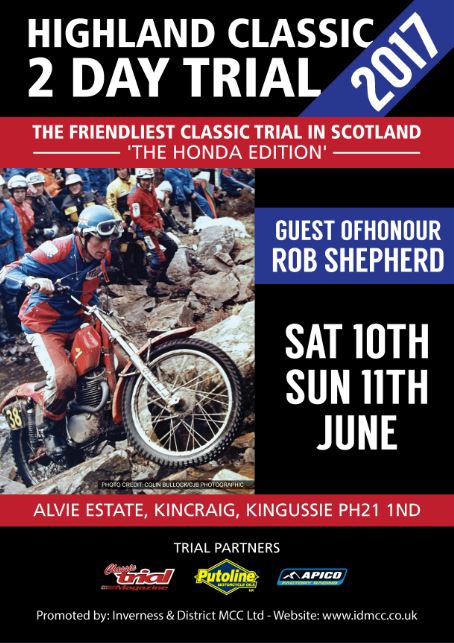


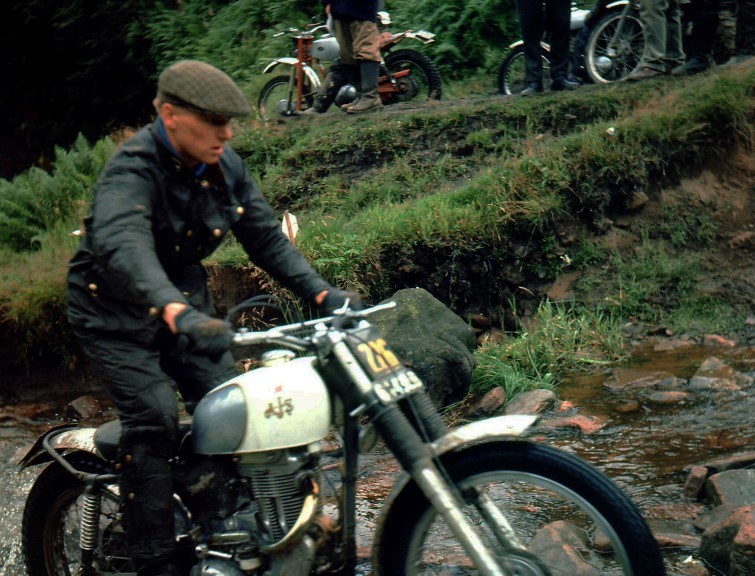


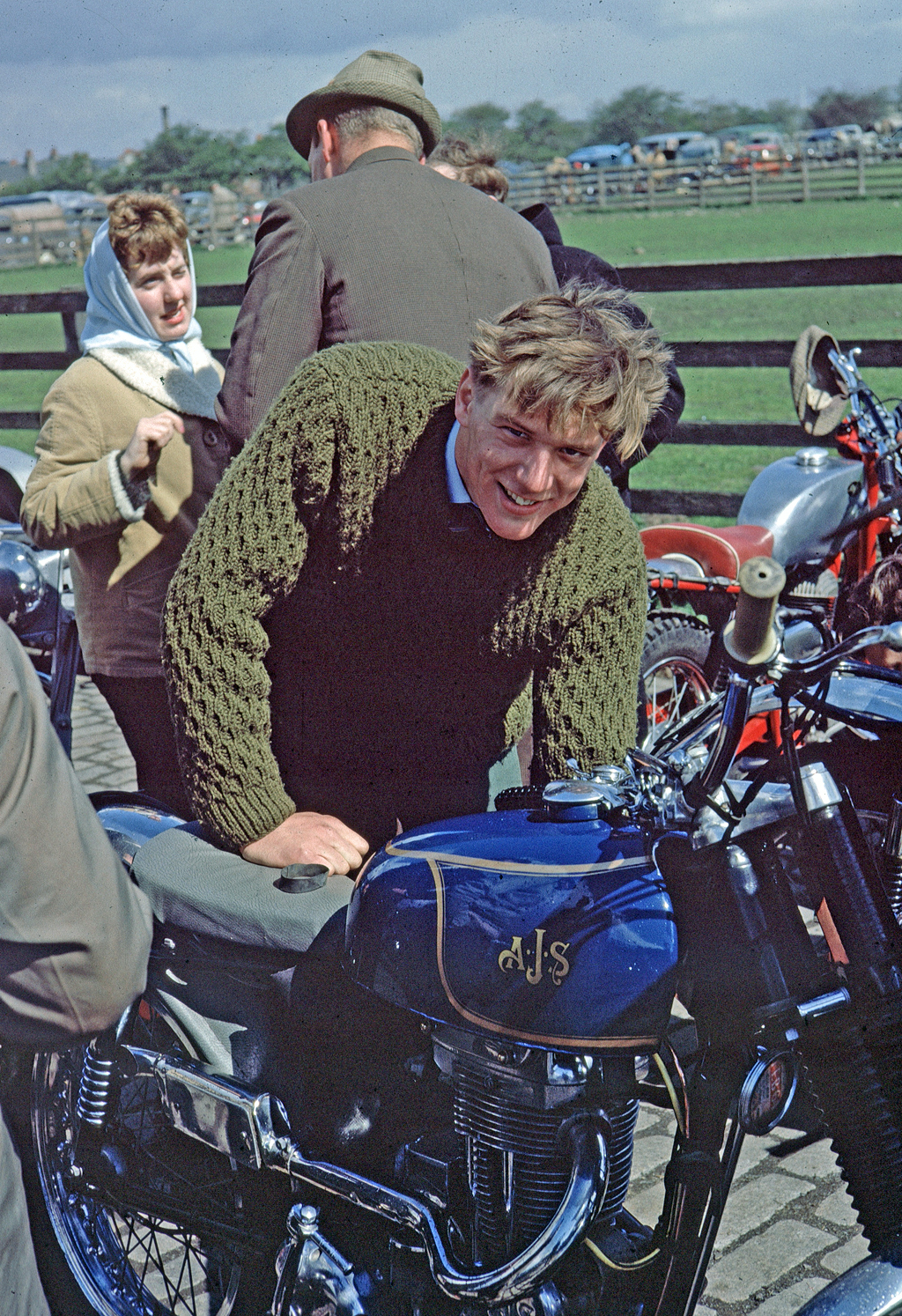

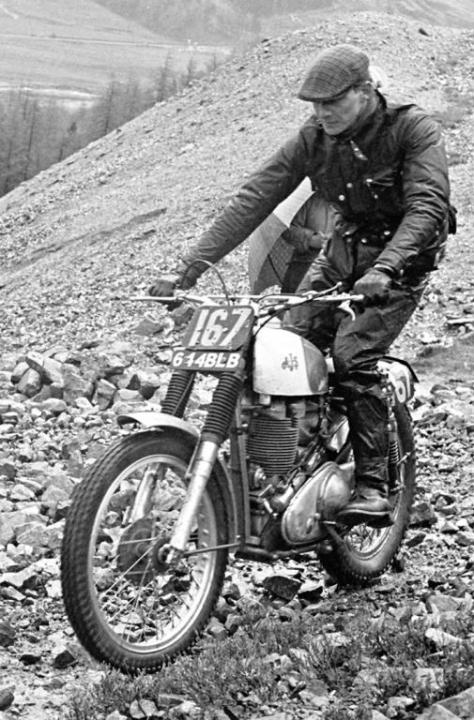


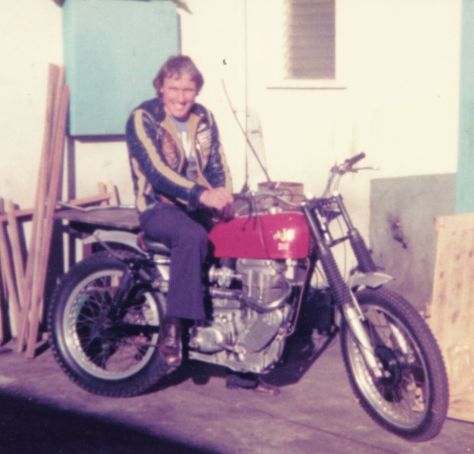


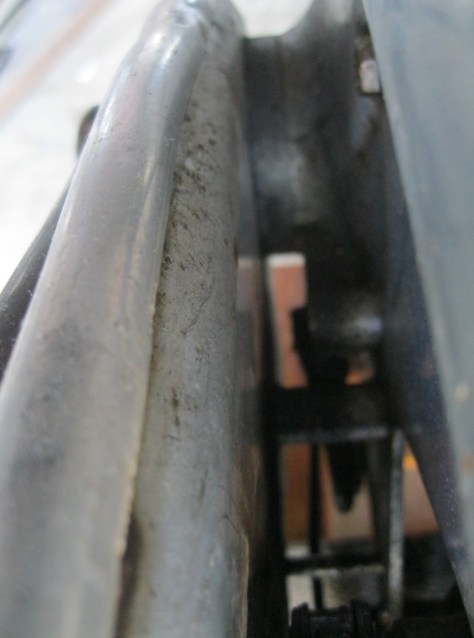

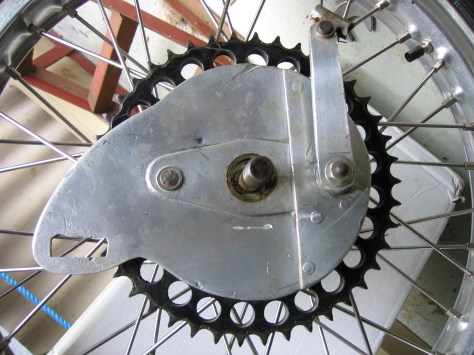
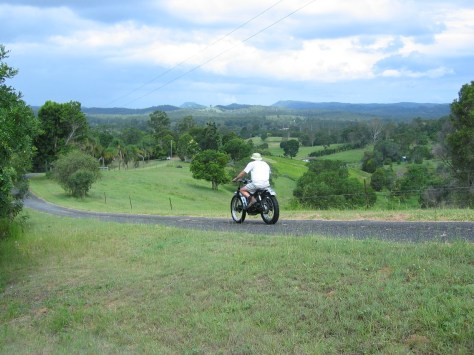


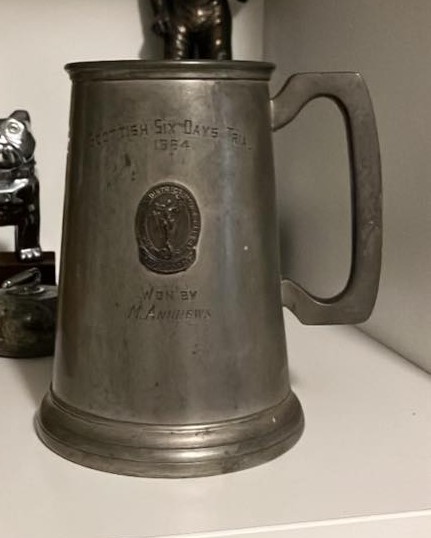



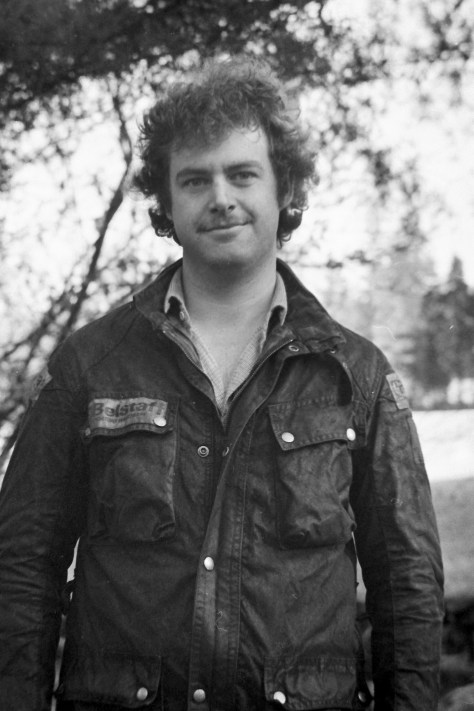

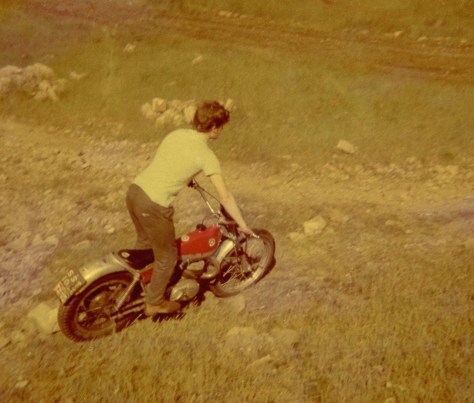

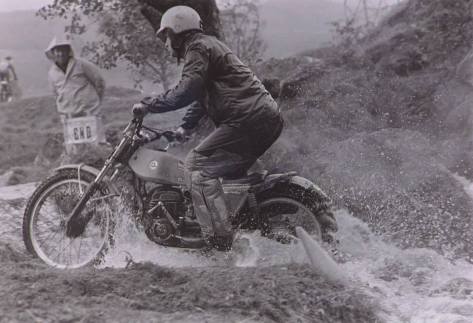
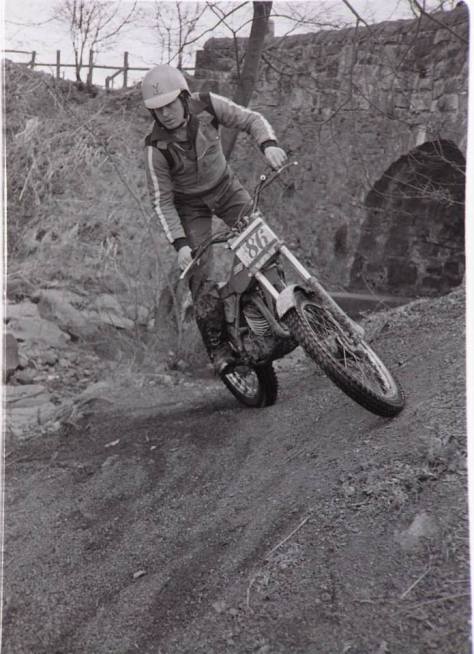
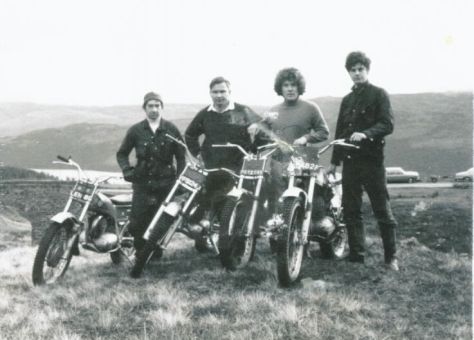


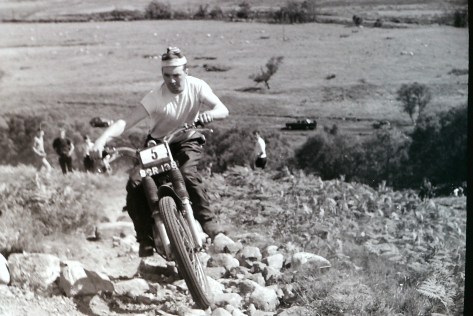


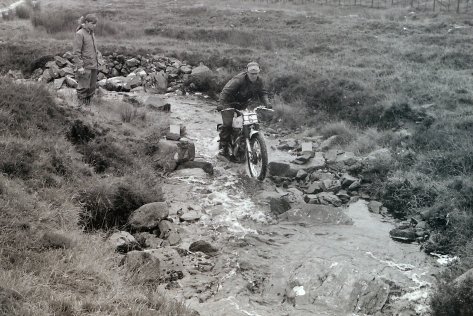
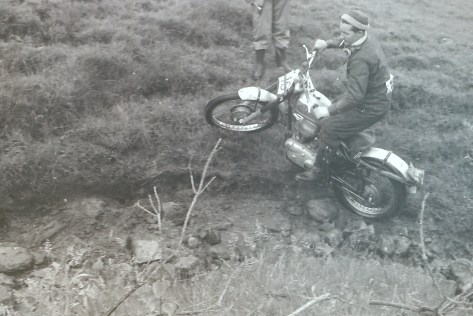
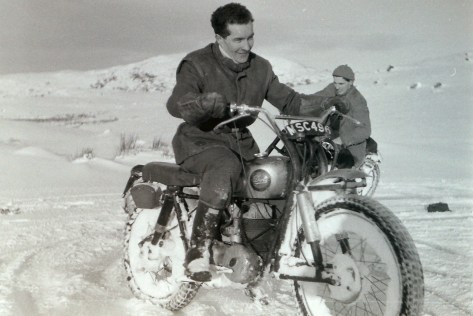
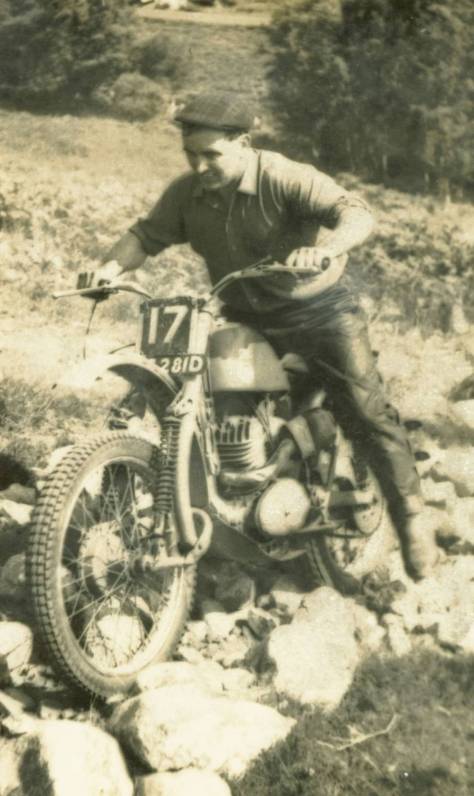


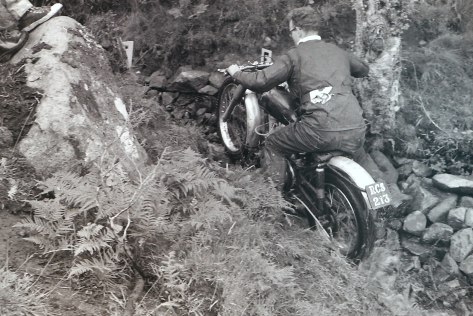
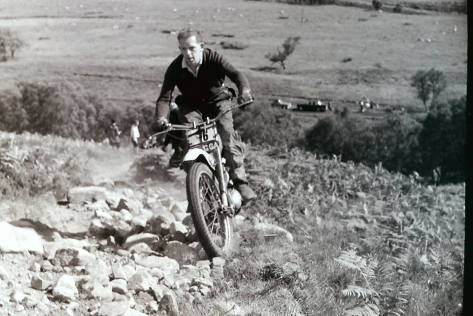


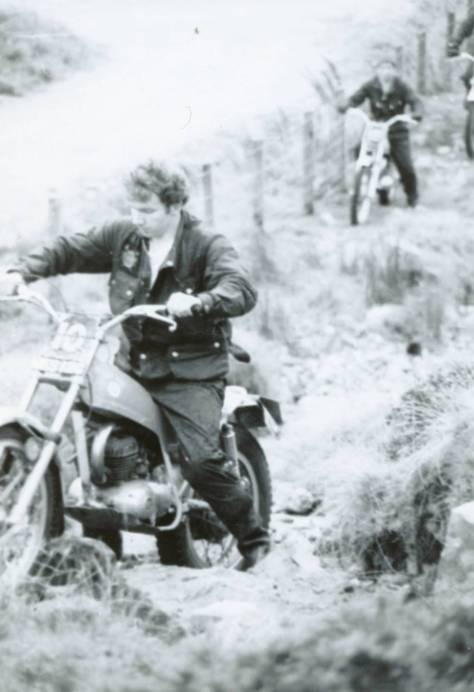
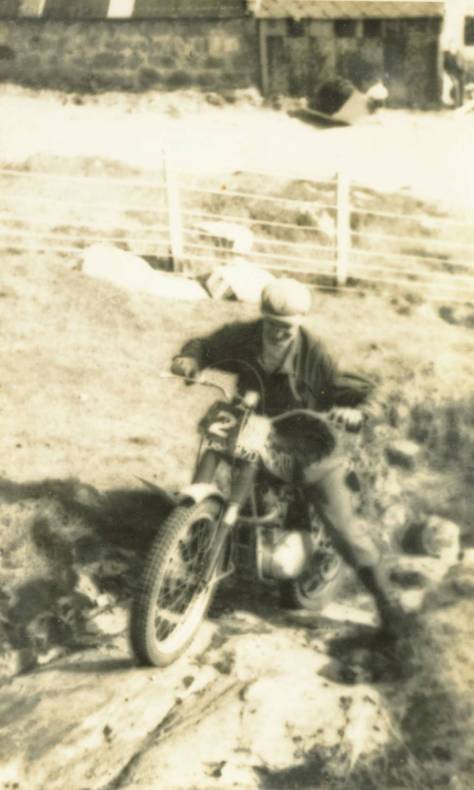


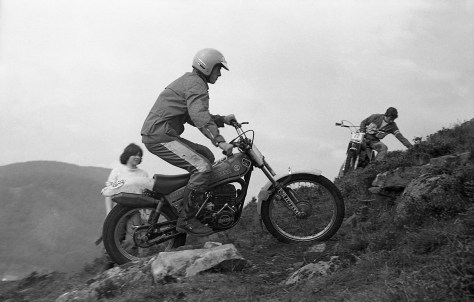


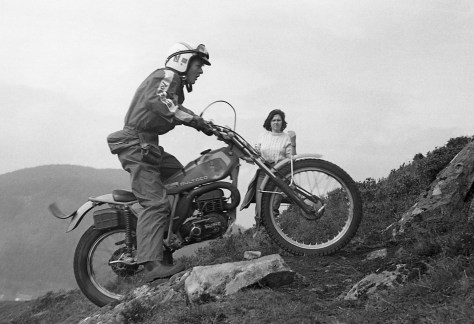
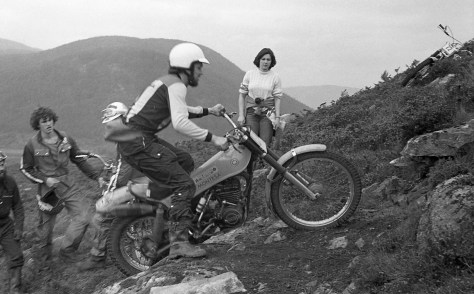

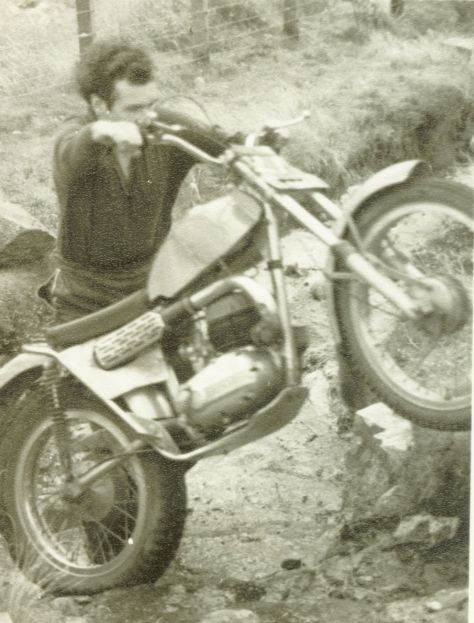


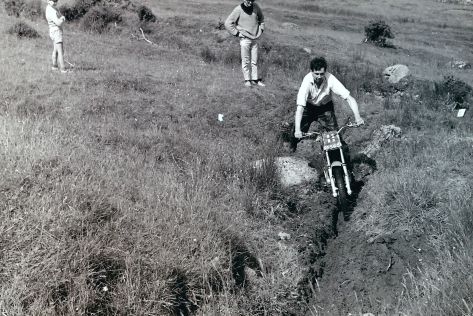
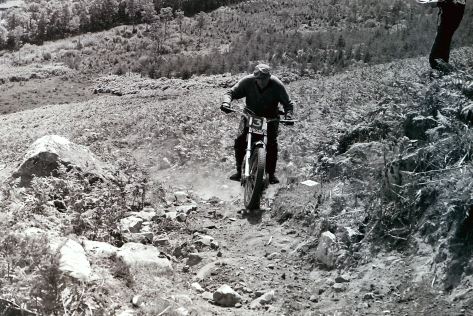

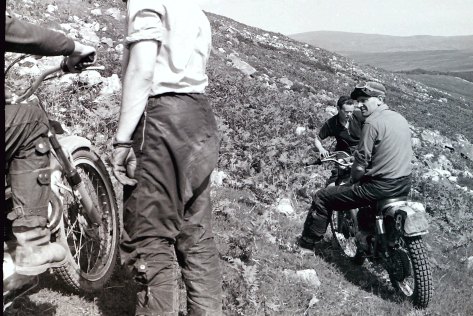
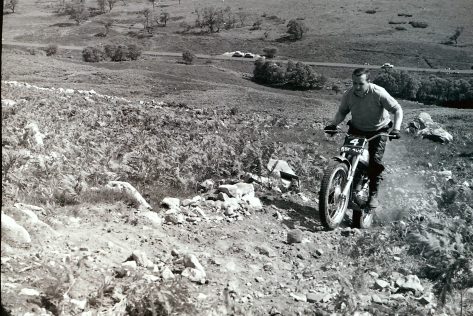

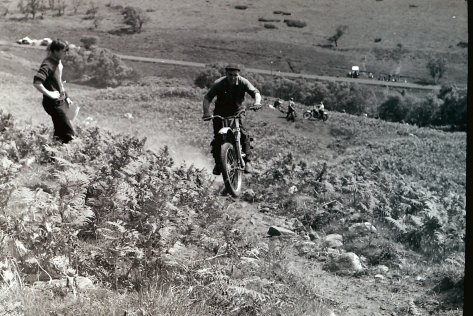

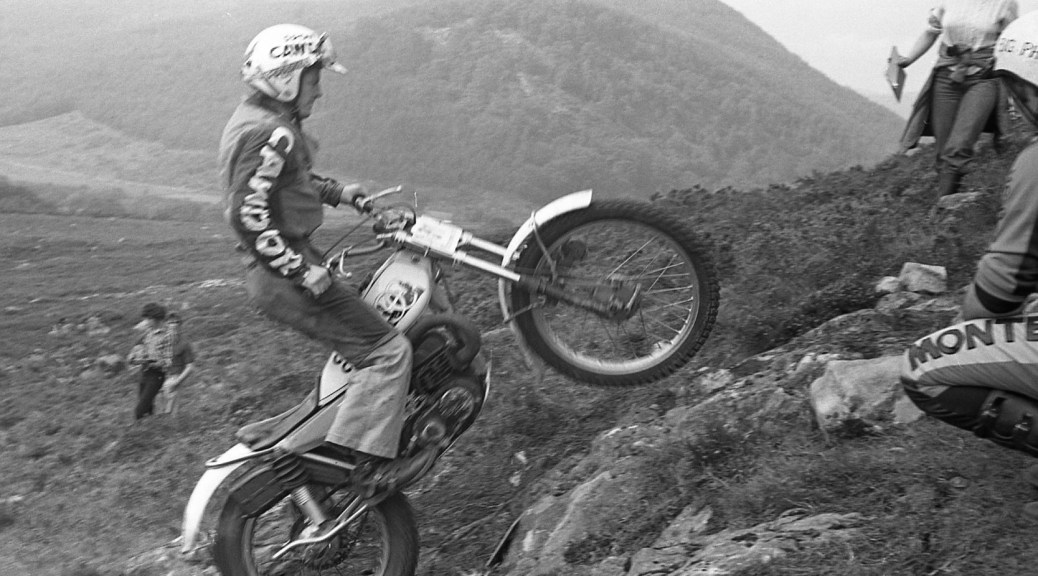

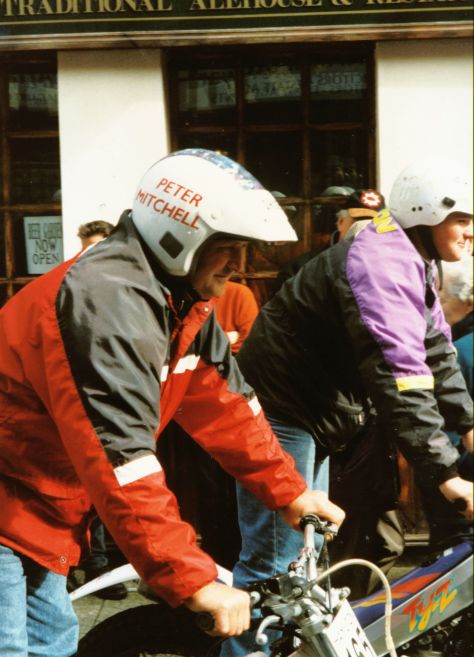

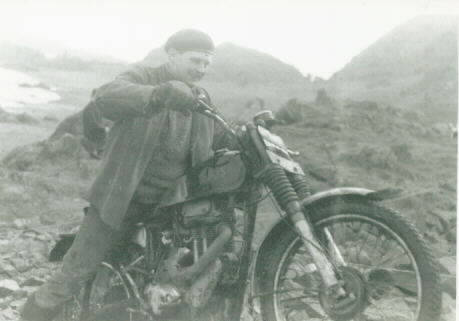

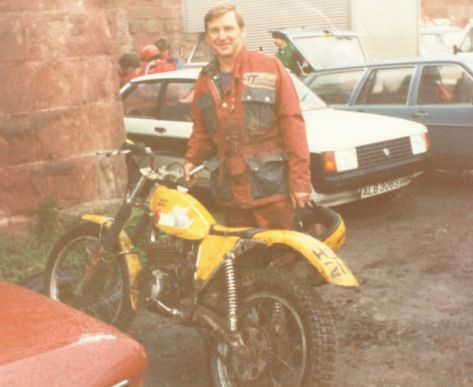
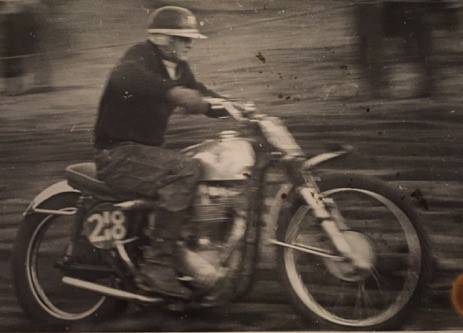

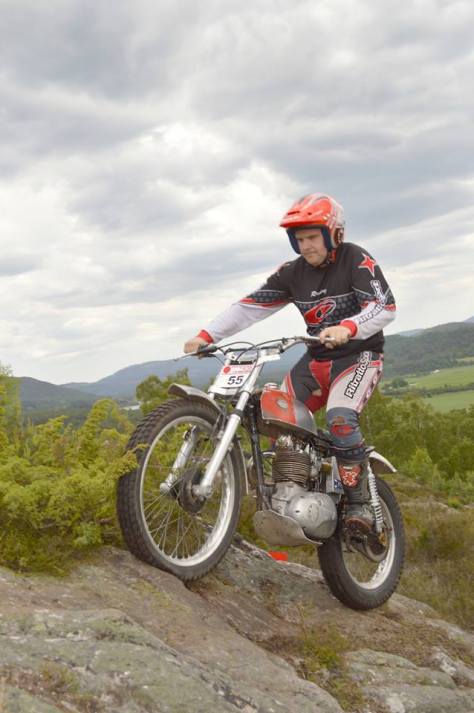
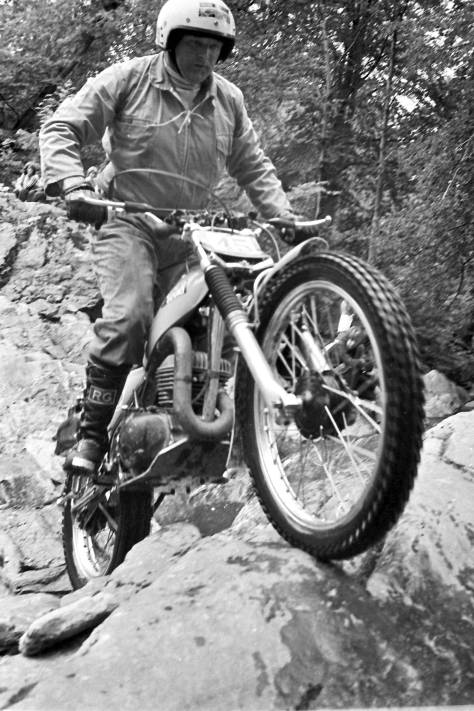

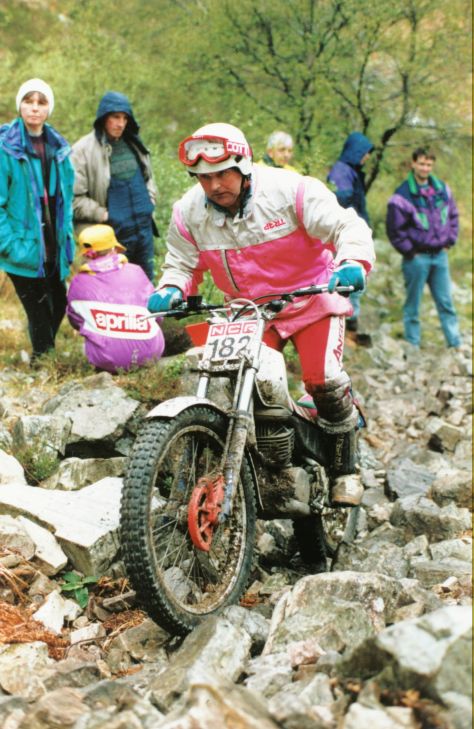


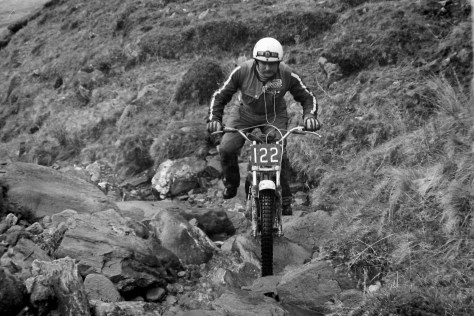
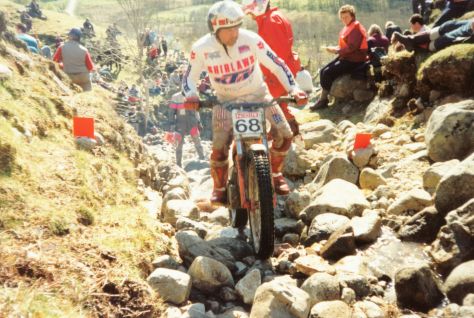
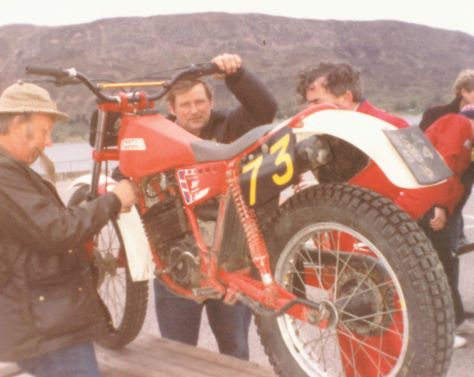

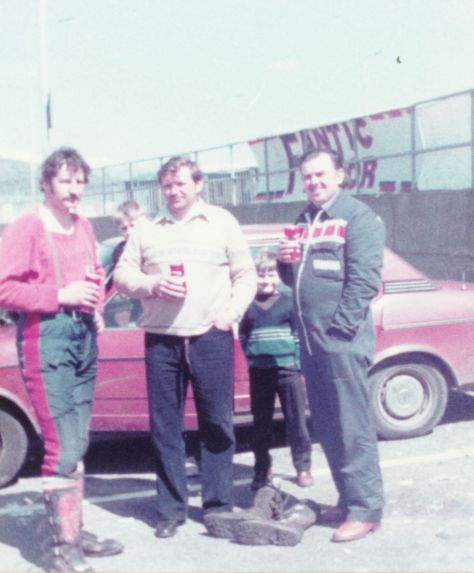
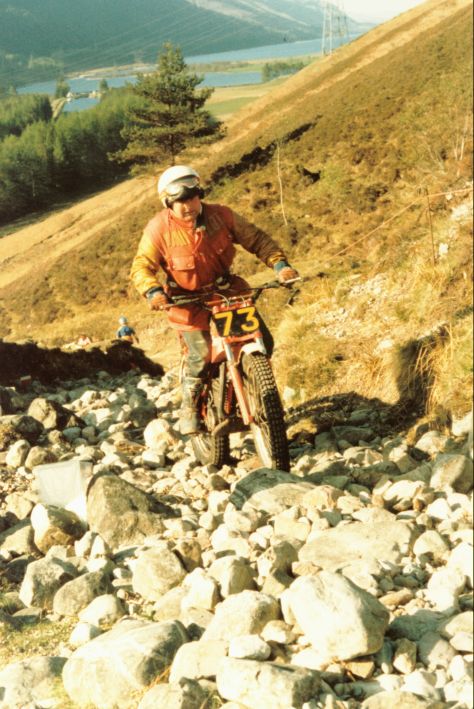

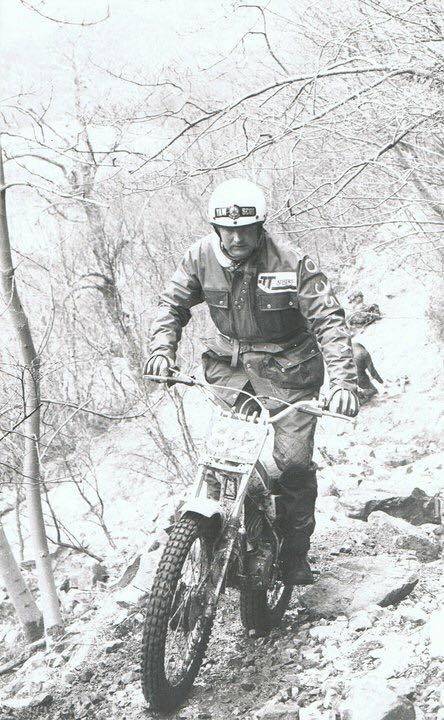


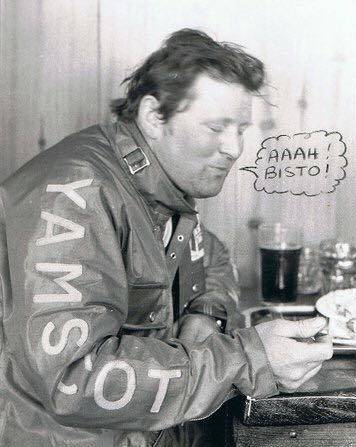




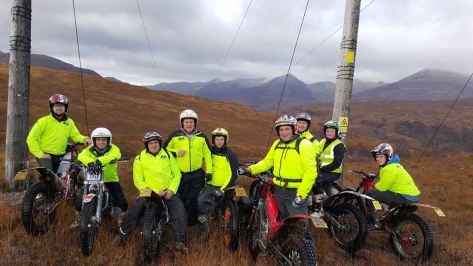
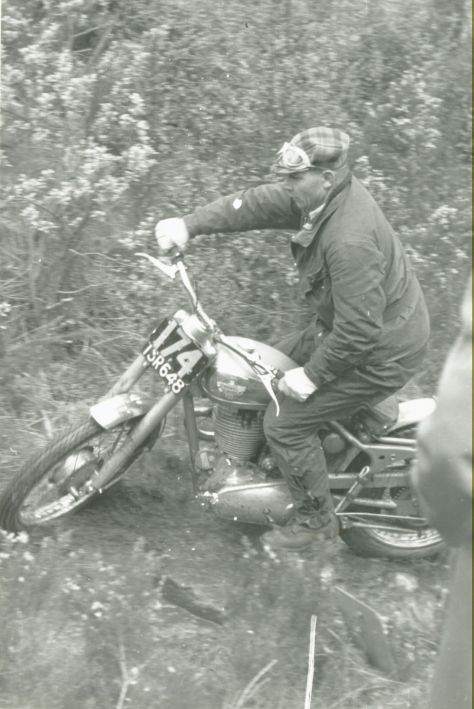


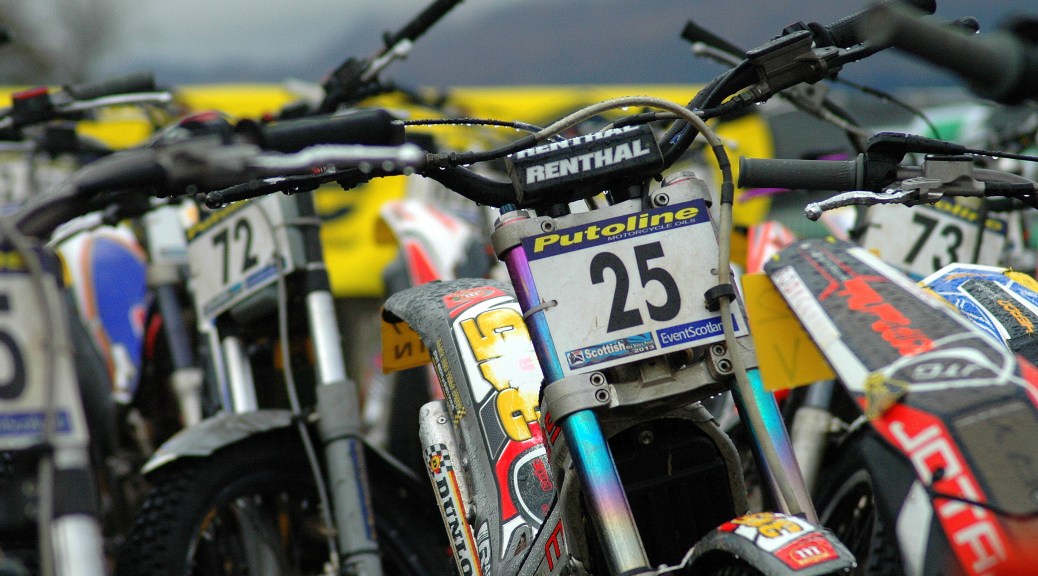

 TRIALS GURU - DEDICATED TO TRIAL