Trials Guru is honoured to be permitted access to the photographs taken by the well-known film-maker, Mr. Charles Harold Wood of Bradford, who began a photographic career in 1922.
The firm of C.H. Wood (Bradford) Limited, formed in 1932 made many films for Castrol oils, both to publicise their products and promote motor sport in general.
Many motor and motor cycle clubs made use of the Castrol film facility for club film show evenings across the length and breadth of the UK.
Recently David Wood, son of C.H. Wood was speaking to Trials Guru’s John Moffat and they realised that they had family connections back to the late ninteen sixties and seventies.
In 1968, the Wood film company were shooting a film in Scotland at Ryeflat Farm, Carstairs, Lanarkshire. This was a scrambles event run by the Edinburgh Southern MC and Moffat’s father, T. Arnott Moffat was instrumental in organising the filming which was eventually formed part of the Castrol film, ‘Quartet for Two Wheels’. This was four motorcycle events in one movie. A scramble in Scotland, the Inter Centre Team Trial in Wales, Racing at Scarborough’s Olivers Mount and road racing at Kirkistown in County Down, Northern Ireland.
Filming at Ryeflat, Carstairs for ‘Quartet for Two Wheels’ – An unknown piper with Mrs. C.H. Wood recording sound, watched by director, Harold Wood, Derek Guy of Castrol and David Wood captures the action on a professional cine camera. Copyright – David Wood Archive
The Wood family attended these events and both David and Harold Wood met Arnott Moffat. David also met Moffat at many Scottish Six Days Trials over the years, when on location to make more films for the Castrol Film Library.
David Wood and John Moffat met at the 2014 Scott Trial Reunion dinner at the Ripon Spa Hotel, organised by mutual friend Alan ‘Sid’ Lampkin.
Scott Trial Reunion 2014 – Left to right: Arthur Lampkin; the late Martin Lampkin; Rob Edwards (on Scott machine); Alan ‘Sid’ Lampkin; David Wood; John Brittain & John Moffat
Some time later, David started looking at Trials Guru website and decided that it would be a good place to allow some of his father’s trials archive to be seen.
David Wood told Trials Guru recently: “My father was C. H. Wood of course but after he retired I ran the company for another twenty years, making over two-hundred motor sport films not only for Castrol and Shell, but for companies such as BSA/Triumph, Yamaha, Honda, Camel, Champion, Dunlop and Suzuki. The last Scottish Six Days film I made was ‘Mick Andrews Trials Champion’.
Camera, action! – David Wood seen here filming Mick Andrews in 1973 at Edinburgh’s Gorgie Market at the start of the SSDT during the making of ‘Mick Andrews Trials Champion’ for Yamaha Motor Company. Photo courtesy of David Wood Archive
I kept the C. H. Wood name as a tribute to my father, but many people think he was a one man band who made films for 70 odd years. When I retired C.H. Wood (Bradford) Ltd had a staff of over 30.
The later films were made with quite large crews and though it was hard work I wouldn’t change anything”.
What better opportunity to do this but at Scott Trial time. So here we are, some examples of C.H. Wood’s work, some never having been seen in public before.
Trials Guru are delighted to be able to bring you these images and are indebted to David Wood’s generosity.
Please be aware that all these images belong to the David Wood Archive and no reproduction can be made without express written permission from Mr. David Wood.
Here at Trials Guru, we are always looking for something different and original and instead of featuring a rider, we obtained this article about the unsung heroes of our sport, the observers. Without observers, we would have no events. Trials Guru asked an observers’ daughter to pen us an article, this is the result.
Words and photos provided by Helen Graham:
Following a photograph of a well-known and reliable observer ‘Farmer John’ being featured on social media, a flurry of praise ensued with comments such as: Legend; Respect; “Hope I can do that at his age”; “Dedicated to North East Trials”.
There were also questions raised about the life of this 87 year old man in a flat cap, who braves all weathers to observe at trials throughout the North East and beyond.
John Graham was born on 10th January 1930 in Blanchland, Northumberland and at an early age moved with his parents to a rented farm in Hexhamshire, where he lived until the age of twelve when the family moved to a different farm in Hexhamshire, known as High Raw Green, not far from Whitley Chapel.
John wanted to join the RAF as he wanted a trade, and particularly wished to be a mechanic on aeroplanes.
Sadly this was not to be, as being an only child it was expected that he would work for his father and then take over the tenancy of the farm, which was owned by Northumberland County Council.
Let us not forget that in those days there were few cars or tractors, and work on the farm was by means of four legged ‘horse-power’. John states his father got the first family car in 1947, and only after that did they get a tractor on the farm.
Farmer John has only ever possessed one motor cycle, a 1950 Ariel 500 with sidecar. He describes the sidecar as a “wooden box for carrying stuff in”.
John got married to his wife Nancy in 1958, and in 1962 they began farming for themselves at High Raw Green. Sadly the Ariel 500 and ‘box’ had to be swapped for a wagon chassis to make a trailer to be used on the farm. Money was scarce and any available was put into the farm. John is a self-taught engineer and this was not the only trailer that he has built throughout his life.
John and Nancy had a hard life on their dairy farm. They had a herd of over 40 friesian dairy cows to be milked every morning and evening. In summer there was hay and silage to harvest. In winter there were severe snowstorms and John was a well-recognised figure out on his tractor with snow plough fitted to the back, to clear the local roads of snow so that the milk tanker could get to the farms to take the daily production of milk from the farms to the dairy.
John and his younger daughter Anthea began going to motocross every Sunday afternoon. He described it as “an interest, at weekends”.
In 1991 when he and Nancy retired from farming John started to go to motorcycle trials, and says that Harry Norman “roped him in to observe”, and he has been doing so ever since, for 26 years in fact.
Let us not also forget that since John retired from farming in 1991 he has worked continuously at Hexham Auction Mart as a stock person, a manual job, and starts work there at 7am every Tuesday and Friday, and other days when sheep and cattle or other sales take place.
John has observed at all local trials, plus the Yorkshire and Cumberland main trials, and this year is his 20th year for observing at the Scottish Pre-65.
His elder daughter Helen questioned him closely: What do you enjoy about being an Observer?.
His immediate reply, with a wry smile, was “Authority”!
She asked – Do you want to elaborate on that?, and Farmer John replied “to make sure there’s no rock-shifting”.
She asked him what he thinks about observing in wind and rain and all types of weather and his matter-of-fact reply was “It doesn’t bother me because I’ve been used to it all my life”.
Has he a favourite venue?
FJ: “No, but the Scottish Pre-65 is one I enjoy very much. It was a one-day effort originally, and I observed at Pollock Hill for 12 years, The Pipeline, twice or thrice at the hotel up on the top. It was Brian Short who ran the Weardale Trial who got me to do it. They always wanted me to observe at the Scottish Six Days Trial but I declined, it was unfair on anyone that was with me because I would be out from 7am – 7pm. I’ve seen most of the sections at one time or another.”
Does he have any problems with any of the riders?
FJ: “Some of them didn’t like getting Fives but there’s no arguments nowadays because a Five is a Five! I know most of the riders well now“.
What do you think of the new/young riders who are taking part in trials now?
FJ: “They are progressing well“.
A lot of people are surprised you are so fit and healthy at your age of 87 years. What do you put that down to? – FJ: “Hard work“.
How long do you intend to continue? – FJ: “Till I Die“.
Well ‘Farmer John’, let’s hope that’s not for some time yet!!
His daughters just also want to say that behind every good man there is a good woman, and Farmer Johns’ wife Nancy still makes his bag of ‘bait’ every Sunday morning for him, before he heads off to the relevant Trial of the day, and has his cooked meal ready for him when he gets home.
Legend is probably quite fitting, don’t you think?
2017 Pre’65 Scottish Trial – Major Gaff!
When 87 year old Farmer John Graham was asked if he had a favourite venue to observe at he described the Pre’65 Scottish as being ‘The Trial’.
This year, 2017 was to be his twentieth year as an observer at the Pre’65 Scottish Trial.
His daughter Helen has always said that for as long as he wants to observe she will drive him the 225 miles to Kinlochleven from his home town of Hexham, Northumberland.
This duly happened this year, and she drove Farmer John and wife Nancy on a beautiful sunny day from Hexham to what had been a wet day in Kinlochleven.
Farmer John had been given a brand new section to observe at on Friday 28th April 2017, at Man na Gualain. He was most concerned that he had not checked it out. Helen took him to the meeting of all observers the evening beforehand and once having received his official programme he was keen to check out his section.
Farmer John Graham (right) gets into position to observe – Photo: Helen Graham, Consett
He was duly at Kinlochleven checking in the following morning and was duly at his section well before he needed to be, so keen is he!
Farmer John was glad to find that the section was harder than what he thought it would be and “riders lost quite a few marks”. He was as ever vigilant that there was no “rock-moving” and he thoroughly enjoyed his day, chatting with entrants and people who were watching the trial.
Saturday was a section he had been at previously, Camas na Muic, and the only blight in his day was the amount of riders who stood on a particular “rock” in the section in an attempt to move it. As ever he was on the ball and fair in his marking.
Unbeknown to him organisers of the Pre-65 Scottish wanted to acknowledge his 20 years of observing at the awards evening on Saturday 29th April. He is not a big social attender but Helen suggested it might be nice to go as he hadn’t been previously, so he obliged.
Farmer John was there presented with an engraved whisky glass and medal acknowledging his 20 years of observing. He was very grateful, albeit very confused when the organisers made a huge and very embarrassing blunder by having the presenter, Graham Archer mention that he was retiring.
Oops! Graham Archer (right) and Colin Dommett (Centre) received incorrect information that ‘Farmer John’ was retiring, whereas it was actually for recognition of twenty years service for observing! Farmer John accepts his award in his usual shy manner and certainly isn’t retiring – Photo: Helen Graham, Consett
Well, his daughter Helen was very quick to point out, that is the first she had heard of him retiring, and he has made no decision to do so!
As an interesting aside, after his two days observing Farmer John, Nancy and Helen travelled down the west coast to Portpatrick for an overnight stay there. Farmer John and Nancy had stayed there almost fifty-nine years previously on their honeymoon. Farmer John was again in his element with his other interest, seeing the countryside and cattle on the Mull of Galloway and visiting a farm near Whithorn, Dumfries and Galloway which belongs to a cattle dealer that is a client at Hexham Auction Mart where Farmer John works.
Roll on your 21st Pre’65 Scottish Trial Farmer John, and never lose your interests.
Article: Copyright – Trials Guru & Helen Graham 2017
Photos: Helen Graham, Consett
Farmer John (left) with North East riders, Darren Palmer (Centre) and Gavin Brown( Right)
Sadly John Graham passed away on 7th December 2020, aged 90 years.
John Graham was diagnosed with cancer on 19th November 2020. He had been out observing at a motorcycle trial as late as the 12th September. The nurses who treated John told his family they had never known anyone as strong, and they called him ‘individual’. The sum of £4000 has been raised in donations for Tynedale Hospice at Home. Trials riders followed the funeral cortege around Hexham Auction Mart where John had worked from his retirement from farming in 1991. Around 200 farmers, friends, family and about 30 trials riders on their bikes, in effect his worlds united with mutual respect.
Memorial to Farmer John Graham – Dedicated To Trial
Apart from ‘Fair Dealing’ for the purpose of private study, research, criticism or review as permitted under the Copyright, Design and Patents Act, 1988, no part of this article may be copied, reproduced, stored in any form of retrieval system, electronic or otherwise or transmitted in any form or by any means, electronic, electrical, mechanical, optical, chemical, photocopying, recording or otherwise without the prior written permission of the author as stated above. This article is not being published for any monetary reward or monetisation, be that online or in print.
Photos: Jimmy Young – Iain Lawrie – Kimages/Kim Ferguson
Alastair Macgillivray in 1978 – Photo: Jimmy Young, Armadale
Two times a Scottish trials champion, 1974 & 1979, from Banavie, Fort William, Alastair Macgillivray is an electrician by trade and was brought up at ‘Muirshearlich’ near to where a group of sections for the Scottish Six Days were situated – ‘Trotter’s Burn’.
Alastair Macgillivray shares a joke with Mallaig man, Alan Mcdonald at Lagnaha in 2015 – Photo: Kimages/Kim Ferguson
Known to all the locals as simply, ‘Allie-Magill’, the quiet spoken Lochaber-man was a force to be reckoned with in the late 1970s and early 1980s in Scottish Trials.
Alastair Macgillivray (Bultaco) on Cnoc-a-Linnhe in the 1981 SSDT – Photo: Iain Lawrie, Kinlochleven
He is the cousin of Rodger Mount, himself a three-time Scottish Trials Champion (1971-1973).
Alastair Macgillivray on his Bultaco Sherpa 250 in 1972 at the Kinlochleven Spring Trial (Now Ian Pollock Memorial) captured by Iain Lawrie, Kinlochleven.
Always a member of Lochaber & District MCC and at one time a secretary of the club, Alastair rode mainly Bultaco Sherpas from 1971 until 1982 when he moved on to ride Fantics in Scottish nationals and in the Scottish Six Days.
Alastair MacGillivray (Bultaco 325) at Scottish Experts & National Trial, Achallader, Bridge of Orchy 1978 – Photo: Jimmy Young
He acted as a ‘back-marker’ official at the SSDT for many years after he ceased riding regularly in trials.
Former Scottish Trials Champion, Alastair MacGillivray from Fort William on a 325 Bultaco at a very wet Forfar trial around 1980. He has the benefit of having an earlier air-box fitted which helped these bikes, but they were bad for taking on water! – Photo: Jimmy Young
Macgillivray won the Scottish championship in 1979 after coming very close to winning in 1978, but lost out at the penultimate round at the Glentanner Estate in Kincardineshire run by Bon Accord MCC, leaving the championship spoils open to eventual joint winners, John Winthrop and Robin Cownie.
Alastair McGillivray Scottish Trials Champion in 1974 & 1979 (Fort William) seen here on a 200c Fantic at the Lanarkshire Valente Trial in 1981 – Photo: Jimmy Young, Armadale
Alastair is also an accomplished fly-fisherman, particularly trout fishing and has won many competitions, one of which the prize was the use of a Lexus car for a year being the Lexus Fly-Fishing Champion in 2012.
Taken around 1970 – From left: Allie ‘Beag’ Cameron; Kenny Fleming; Rodger Mount & Alastair Macgillivray
The Premier Trial Sport Website for photos, articles, news and the history of motorcycle trials
PETER MITCHELL – a Scottish Trials Character – 1942 – 2011.
Peter Mitchell – 1942-2011
Words: John Moffat, Isobel & Duncan Mitchell
Photos: Eric Kitchen; Jimmy Young, Armadale; Iain Lawrie, Kinlochleven; Colin Bullock/CJB Photographic, Solihull; Anthony MacMillan, Fort William*; Richi Foss, Inverness; Mitchell Family Archive.
Peter Mitchell having a cautionary dab on his 250 Suzuki at a Forfar event around 1980. Photo: Jimmy Young
…
One of Scottish trials best-known characters was Peter Mitchell. Born in the granite city of Aberdeen on 20th July 1942, he was the youngest of six children with four sisters and one brother, also a trials rider.
Peter Mitchell on elder brother Colin’s 16c AJS at Skatie Shore in 1962
Elder brother Colin competed in the SSDT and many events having been demobbed from his national service in 1959 and purchased a new 350 AJS 16C from Comerfords at Thames Ditton, a machine that Peter would ride on occasion.
Elder brother, Colin Mitchell seen here on his Beamish Suzuki in 1979
Peter attended school in Aberdeen, firstly at Mile End primary school and then Stonehaven’s Feteresso and Mackie Academies. Married to Isobel, they had four children, Duncan, Derek, Stuart and daughter, Alison. His nephews were Alan and Richard, Colin’s two sons.
Peter’s elder brother Colin seen here in 1979 with his Beamish Suzuki. Colin was a car body repair specialist and rode many events together with Peter Mitchell.
Isobel recalls: “Peter started scrambling as a member of Bon Accord MCC at the age of sixteen at a meeting at Findon near Aberdeen. Although I did not know him at the time, I used to go along to the scrambles to watch the racing, but never thought that on the 28th of December 1966, I would be married to him”.
Peter Mitchell scrambled a BSA Gold Star at one time, but a bad crash put him out of scrambling and he decided to concentrate his motorcycle efforts into trials, like his elder brother Colin.
Peter on his BSA Gold Star scrambler – Photo courtesy: Mrs Isobel Mitchell
Young Mitchell worked in various jobs as a builder, digger driver, lorry driver and with a demolition company. At the weekends he also worked at his brother Colin’s garage, where he would dismantle cars for parts reclamation and sales, this was before the advent of large vehicle dismantlers such as Overton Dismantlers. The beyond use parts were sent away to the scrap yards for crushing. Dismantling work was always done on a Saturday when his four sons were also involved, by donning their boiler suits to work at removing parts from the cars. Lunch times involved a trip to the Cammachmore public house where pie, beans and chips and a few pints were called for, while the children got a game of pool and a soft drink.
The camaraderie of Scottish trials is shown in this photo of Peter Mitchell at the 1988 SSDT start. If you look closely to the left, the man reaching forward with his hand to his face is Jimmy (J.D.) Morton of Sorn, Ayrshire – shouting ‘words of encouragement’ to Peter as he is piped away!
Son Duncan Mitchell, also a trials rider: “We used to get to drive the cars around the fields until they broke down, crashed them, or ran out of fuel, then we used Uncle Colin’s Land Rover to recover them, syphon the petrol from the cars so we could all use our bikes to race about the fields next door”.
Duncan Mitchell now rides Peter’s 350cc BSA B40, which he called his ‘secret weapon’ when it was first built. Duncan believes in keeping his Father’s memory alive in Pre’65 events, seen here at the Highland Classic on Alvie Estate, near Aviemore – Photo: Iain Lawrie, Kinlochleven
Peter was also a supervisor at George McGowan civil construction, operated by the brother to Rodger McGowan, who ran the Aberdeen bike shop ‘McGowan Motor Cycles’. After McGowan closed his company, Peter was made redundant and started out as self-employed, setting up a building company simply called Peter Mitchell Builders. He had the assistance from all his children on weekends and summer holidays to assist with any jobs they could undertake.
Duncan: “I remember this one time we built a wall and set the coping stones on it, then put the scratch coating on it all in one long day, Dad then said to me ‘great job let’s wash out the mixer’. He said to me to put some stones in the drum to knock off the mortar from it, so that is what I did, this was a ‘tow behind’ mixer so you can imagine where the stones came from, the wheel chocks! Well it took off down the hill and went clean through the wall, I’ve never ran so fast”.
Mind on the job in hand, Peter Mitchell (Beamish Suzuki) at the 1980 Aberfeldy Two-Day Trial – Photo: Jimmy Young
In 1998 Peter had a heart attack and was forced to give up his company. After he had some rest and was finished all the bikes in the garage he got a job with Ready Mixed Concrete (RMC Group) at Durris Quarry where he was in charge of the batching plant. He had a good easier job there and had a shed there where he could tinker with his bikes, also had a folding seat that he could sit outside when he was not too busy.
In 1982, Peter Mitchell rode and finished with this 238cc Bultaco in the Scottish Six Days.
Recycling:
Duncan Mitchell: “When the RMC company closed the Durris plant, Dad then got a job working driving skip lorries for a living, he was in his element here as many a good thing was discovered in a skip was what he told me. Many a tool and other things used to come home”.
…
1988 Scottish Six Days with Peter taking a hefty dab and advertising the ‘YAMSCOT’ support as he gets the TY250R Yamaha up the big step at ‘Witches Burn’
…
Eyes front and concentrating hard, 1993 Scottish Six Days on the TY250R Yamaha – Photo: Colin Bullock/CJB Photographic, Solihull
Family Man:
Peter was a real family man; he was Grandfather to Nicole and Callum, Katy and Iona, and father-in-law to Fiona, Pauline, Willie & Jill. He was also a Step Grandfather to Leanne, Darren and Liam with Great grandchildren, Tony and Sol. Son Stuart was not captivated by motorcycles, preferring football and golf as his sports.
Family man! Peter on his 1969 Bultaco M.27 Sherpa with his children Duncan, Derek and Alison.
…
Family was important to Peter Mitchell, seen here with son Duncan, daughter-in-law Jill, and wife Isobel at the finish of another SSDT for Duncan on the TYZ Yamaha.
Derek did both trials and motocross and also car rallying, autocross and hill climbs. He also took part at the Alford Museum popular moped race on a Yamaha DT50 and won this several times including the first year it was organised. Derek worked at Shirlaws Motorcycles for many years.
Waving a precautionary right foot, Peter Mitchell was a regular competitor at the Loch Lomond ‘Dan Stewart Memorial’ 2 Day Trial, seen here at the 1980 event on his 250cc Yamaha TY ‘Yamscot’ – Photo: Jimmy Young, Armadale
Alison was also a trials rider and rode for many years and only gave up competing to have a family and start a new business. Duncan Mitchell still rides trials most weekends, with the moped racing at Alford in September. He also assists the Bon Accord club whenever possible, the SSDT, Loch Lomond Two Day and at club trials. He was also the Bon Accord trials and enduro convener for a number of years and also set up the 2 Day events at Ballindalloch, where the barn dances were epic many a good weekend spent there.
Scottish Six Days in 1989 with Peter Mitchell on a Fantic 305 on Ben Nevis.
Peter Mitchell played Football for a local team in Cove Bay, until he got struck with the ball and punctured his lung. He was also an officer in the Boys Brigade 1st Cove Juniors.
Never one for sitting polishing his machines, Peter weighs in his well used 240 Fantic for the 1984 Scottish Six Days Trial
Peter was a member of the Bon Accord MCC for over 50 years, and other various clubs through Scotland and England from Rogart in the north of Scotland to Somerset in the south of England. He took part in scrambles, grass track racing, trials, enduro and also stock car racing.
Music:
Peter loved country music and also loved to go to the speedway racing, especially Cradley Heath when on holidays in the south. Peters motto in life was “Love me, love my bike – have bike will travel” and so the whole family joined in for many happy and enjoyable years, trekking up and down the country and making lots of friends along the way.
John Dickinson, formerly Editor of T&MX News: “I was minding my own business one day at home when I looked out of my window and suddenly there was Peter Mitchell and family walking outside my house, he had called into Kendal on holiday, knowing I lived there and began searching for me just to say hello”.
Hard riding Peter on his BSA B40 on Cameron Hill in the 2009 Pre’65 Scottish – Photo: Iain Lawrie, Kinlochleven
Duncan: “In 2009 we had a great holiday, we flew to Birmingham, hired a car and went to Cardiff to the world speed way cup and also visited the Sammy Miller Museum which was a place my Dad wanted to visit for a long time. We then watched the speedway racing at Eastbourne and then on to a meeting at Wolverhampton before handing back the hired car with over 1,000 miles on it”. “We had a great holiday, but little did we know what laid ahead of us. Sadly in the following April, Dad was diagnosed with cancer the week before we were heading up to Fort William. He rode the Pre-65 trial at Kinlochleven, but sadly this would be his last. He loved the area and loved the events there, after a long battle, he passed away on the 13th February 2011”.
Peter Mitchell enjoys a post event chat (and beer!) at the Scottish Six Days with (from left): Rab Paterson, Derek Mitchell, Peter, Duncan Mitchell and Alan Johnston.
Trials Guru’s John Moffat: “I was extremely privileged to be invited by the Mitchell family to speak at Peter’s funeral in 2011. I had known of Peter and his brother Colin before I started riding trials in 1974. Peter was a great character, he always greeted you with a broad smile and was always keen to chat about the sport whenever he met you. Never a shrinking violet, he was a hard rider, but had a heart of gold. The kind of guy that you could rely upon”.
No time to look at the scenery in 1984, Peter Mitchell tackles Laggan Locks in the morning sunshine of the Tuesday, 8th May on his 240cc Fantic.
Peter took part in many events and won many trophies over the years. He was Best up to 250cc in the SSDT, best Scottish rider in the Pre’65, Best over 350cc in the Pre’65 trial. Peter had ridden the Pre-65, then the SSDT, followed by the Lochaber Invaders trial which was the equivalent to nine one-day trials on the trot.
Duncan: “He was proud to show me the way around the hills of the SSDT course, not many people get the chance to do things like this with their fathers. I was so proud to have known this man for the time I did, I have so many experiences and great fun with him. He was to me a great man, missed by us all”. Peter also was one of a few that rode all of the Loch Lomond Dan Stewart Two-Day Trial up to the events’ 25 years celebration. It is believed that it was Ian Abbot and Peter were the only two to have ridden them all.
He annually rode the Forfar & Perth & District Club’s Aberfeldy Two-Day trial and along with a few others received a long-time rider award, this was a special motorcycle trophy made by a local artist, constructed from spark plugs, gears and bolts. In 2008, Peter received a life time achievers award for services to motorcycle sport from the Scottish ACU.
When undergoing treatment for cancer, Peter had numerous chemotherapy sessions but he still managed to ride the Scottish AMCA Over-40 series and finished the season by winning the championship. Sadly, he died while he was a reigning champion and never got the chance to defend this title.
Peter Mitchell’s career highlights:
Pre 65 Scottish: 1989-2010
Started the event as number 1 in 1994
Best finish was 4th overall in 1995
SSDT: 1978-1997
Started the trial as number 1 in 1998.
Getting his time-card from the official guest starter in the 1988 Scottish Six Days, Peter on his Yamaha TY250R at the start in Fort William, issued with number 1 – Photo: Anthony MacMillan, Fort William*
Peter rode for the Aberdeen based Yamscot team in 1978 won the ‘Eigg Cup’ for best performance on a motorcycle under 250cc, riding a TY 175 Yamaha, he rode with Jock Fraser and John Winthrop.
Peter Mitchell in his first SSDT in 1978 on the TY175 Yamaha on Blackwater
Peter rode a variety of machines in the SSDT, Yamaha TY 175, TY 250, Beamish Suzuki, Bultaco, Fantic, Yamaha TY 250R Mono, TYZ, Gas Gas, and completed his last SSDT on a TYZ model Yamaha.
A fantastic shot of Peter Mitchell on his Yamaha TYZ climbing ‘Garbh Bheinn’ in the 1997 Scottish Six Days Trial, watched by Richmond clubmen, John Fraser and Andrew Kearton – Photo: Worldwide copyright – ERIC KITCHEN – (all rights reserved).
In 1994 Peter was in the winning team which were awarded the ‘Jackie Williamson’ trophy for the best Scottish team with Duncan Mitchell and Neil McGregor for the Bon Accord club, this was the first time the trophy was presented.
Grimacing with the effort of concentration in the 1998 Scottish Six Days, Peter Mitchell on the 250 Gas Gas at Piper’s Burn.
On the lighter side, Peter raced in the ‘Team Kwackersaki’ for McGowan Motorcycles with son Duncan from 1991 -1995 where they won the Scottish moped racing crown on several occasions.
Peter enjoys a pint and some grub after a hard day on the bike!
…
Peter Mitchell Memorial Trophy:
The Peter Mitchell Memorial Trophy, the trophy which was made by Inverness artisan, Richi Foss, the base was made by Peter’s eldest son Stuart.
After his death, Isobel Mitchell approached the Inverness based welder/fabricator and artisan, Richi Foss to commission a special trophy in Peter’s memory. It was to be presented to the Edinburgh & District Motor Club Pre’65 committee for the oldest finisher award at the annual Pre’65 Scottish Trial.
Foss undertook the commission and the first winner was none other than seven times TT winner, Mick Grant. Foss was delighted to hear that news, being a motorcyclist himself.
If you look at the Peter Mitchell trophy you will see that the rider is climbing his machine over a large granite out-crop, this is significant, as it represents the granite from Peter’s homeland of Aberdeen and also that he was always regarded as a ‘hard rider’.
Being an artisan, Foss contacted a ‘person’ who knew Peter Mitchell well and questioned him closely about Peter’s life and his career as a trials rider. Foss took all this information he had gleaned from the fellow enthusiast and thought about it long and hard before forming his ideas as to how the trophy would look. He also studied some photos of Mitchell in action, noticing that he rarely rode with a crash helmet with a peak fitted for example.
Foss wanted to capture the ‘spirit’ of Peter Mitchell in the finished article. This he achieved and the trophy was greeted with great pleasure by the Mitchell family when it was handed over to them by its’ creator.
Richi Foss has achieved the impossible when you realise that the wheels carry no visible spokes as they are spinning too fast for the eye to see, thus giving the piece the impression of ‘motion’.
The specially commissioned trophy for the oldest finisher in the Pre’65 Scottish Trial in memory of Peter Mitchell. Made by the Inverness artisan, Richi Foss of Foss Fabrication and Welding
…
The Peter Mitchell trophy rear view – Photo: Richi Foss
Trials Guru is indebted to the Mitchell family for their assistance in compiling this tribute to a true character and sportsman of Scottish motorcycle trials.
* Alistair MacMillan / West Highland News Agency, Fort William (with permission of current copyright holder: Anthony MacMillan, Fort William – All rights reserved)
…
The Yamscot Team in the 1985 SSDT – from left: Peter Mitchell; Alan Fender and the late Ian Fender who lost his life in a road accident during the 1991 event.
…
Article copyright: Trials Guru/Moffat Racing 2016
Photographs and their copyright:
We respect the copyright of our photographers who give us access to their work free of charge.
Please do not breach copyright laws by taking images from this website for use elsewhere. Permission has been sought and granted from the copyright owners for the use of images on Trials Guru.
We are indebted to our photographers for their continued support of this venture.
Please be aware: All photographs displayed on Trials Guru are not held in any archive by the website operator, as the images are the legal intellectual property of the photographer only.
We do not sell any images used on Trials Guru, if you wish to purchase a copy, we can put you in touch with the relevant photographer.
…
If you want to know more about Scottish Motorcycle Sport from 1975 – 2005 click … HERE
Former White Helmet team member, Tom Walker in 2012
Trials Guru has been chatting to a Scot who became a well known face in many motorcycle shops during the mid 1970s when employed as a sales representative for the Barnard Castle based trials and motocross clothing manufacturer, TT Leathers International.
It was TT Leathers that pioneered coloured apparel for the sport of trials in 1973 with their RUFRYDA equivalent to the world famous Barbour and Belstaff suits. Whilst these were all of a similar design, TT Leathers introduced both a green and red base colour alternative to the traditional black waxed cotton of the rival producers.
Subsequently they introduced their Vystram two piece suits and one piece summer trials suits from 1975.
The TT Leathers Vystram trials suit from 1977 brought colour to the sport – Photo: Trials Guru/Moffat Racing
Tom Walker was originally from Ayrshire and joined the British Army, he takes up the story…
Walker: “I met Jim Aird at a motor cycle show in London while I was in the Army and at the time was part of the famous Royal Signals ‘White Helmets’ motor cycle display team. Jim was by then with TT Leathers and also a professional Motocross rider from Kirkcaldy in Scotland. He was a Scottish champion and was making a name for himself having raced CZ and AJS machines for the CZ importers and the AJS factory.
We built up a friendship and I invited Jim across to Catterick Garrison in North Yorkshire where the Display Team was based and did much off road riding to train new potential riders for the forthcoming season. Jim came to the gym and cross country riding to strengthen his skills for the forthcoming racing season.
Tom Walker (left) and Jim Aird on Army issue BSA B40 models in 1971 at Catterick. Aird was riding for AJS at this point in time. – Photo courtesy Tom Walker, Harrogate.
A couple of years later, I left the White Helmets team and was in the driver training wing at Catterick and got selected for the British Army Enduro team when I rode in the ISDT, continuing my friendship with Jim and also the boss of TT Leathers, Len Thwaites”.
Len and Jim asked Tom if he would like to work for TT leathers as their first sales representative. After a great deal of thought, he decide to do join the company as his next Army posting was a two year tour of duty in Northern Ireland.
Tom: “Taking my family there, I was never comfortable with, so I decided to leave the Army and join TT Leathers. During this period of contact with Jim, the White Helmets purchased lots of riding gear from the company, such as the ‘RUFRYDA; brand trials clothing, a new invention for off road riding which was very bright and colourful but very hot when wearing it”.
K. Hall (Montesa) on Pipeline during the 1978 Scottish Six Days, wearing a TT Leathers Summer Trials one piece suit – Photo: Iain Lawrie, Kinlochleven
Walker continued: “During my time I also met a Scot called Stan Young and another called John Little who also rode in the ISDT for Scotland, I also met the SACU secretary, Arnott Moffat who was quite involved with the Scottish ISDT effort at that time. I kept up my association with Stan and John and some eight years later when I moved from TT leathers to increase my position in the motorcycle trade”.
Jimmy Aird was a multiple Scottish Motocross (Scrambles) Champion before joining Len Thwaites at TT Leathers in 1970. He rode the factory AJS Stormer models and for Alan Clews’ CCM factory. He now is MD of Scott Leathers.
“Many more years on, I became Managing Director of a German shop chain who wanted to set up in the UK, called Heine Gericke. I took the job and developed the company and when I opened the Edinburgh shop in Queens Street. Stan became the shop manager and was for many years a great enduro rider and just a really nice guy”.
“Jim Aird and myself continued in the industry and I also assisted Jim develop his company with Euro Helmets, the AGV importer and we created the brand ‘SCOTT Leathers’ from there it has gone on to be one of the best racing suit manufacturers around”.
“Jim of course is still heading up SCOTT Leathers from Barnard Castle. Len Thwaites is now retired and lives in New Zealand and I am potentially retired and live in Harrogate, North Yorkshire but still active in the motor cycle industry and enjoyed every minute of this fantastic industry”.
When in the White Helmets Display Team, Tom was a Lance Corporal. He was brought up in New Cumnock, Ayrshire. He joined the Royal Signals in 1964 as a driver and served in Herford and Bielefeld, in Germany. His duties as a driver took him all over Europe, often carrying VIPs. He joined the ‘White Helmets’ team in November 1969. Always keen on sports and being a Scot, fond of football.
World famous, the manual magnetic scoreboard of Charly Demathieu, wearing his Ecole de Trial Happy shirt provided by TRAP – Transfers Racing Adrien Prato
The Guardian of Trial Memories – Charly Demathieu
Thirty years in the world of trials, if one man has made his mark it’s the Belgian, Charly Demathieu. The absolute reference point for the scorecards at both the Belgian and Spanish Championships as well as all the World rounds, he is the true living memory of our sport. The guardian of trials history he has put his treasured archive on his fabulous website www.trialonline.org This is the story of an encounter with a genuinely passionate individual that does not only live by numbers.
“I was the first minder in the history of trials with Jean-Marie Lejeune.” – Charly Demathieu
“Trialonline has 4000 pages and almost all the results of all the big events since the birth of our discipline.” – Charly Demathieu
Words: Philippe Pilat; Charly Demathieu
Pictures: Eric Kitchen; Colin Bullock and private collections.
Who is Charly Demathieu?
Charly: “I was born on 12th June 1952 at Cheratte (North of Liege – Belgium), in fact I still live there. I followed my humanities course until the sixth year, which is the equivalent of ‘A’ levels in the UK. Then I got my driving licence and I became a truck driver for the Public Welfare Centre of Liege for whom I worked for twenty years. The centre later closed and I found myself as an archivist in a psychiatric hospital, completely different but really not an obvious career change at first but it was a very rewarding experience to live in contact with patients with severe drug and alcohol problems. I learned a lot through these people that we really do not need to be afraid of them, yet they frighten almost everyone … Another twenty years passed very quickly and for the last two years I have been a pensioner, but not quite retired!“
Before the computer revolution, the world trials series was covered by a 400 page book
Which is the source of your passion for trials?
Charly: “Oh, I feel a bit like Obelix, I fell into a tiny cauldron filled with a potion (passion!) for the magic of trials. Still in my pram, my mother often took me to see my godfather, Rene Georges, and my cousin Roger ride. Later there was one man who gave me a really genuine passion for the sport, Jean-Marie Lejeune (Eddy Lejeune’s elder brother). In 1975 I was a spectator at the Grand Prix held in Sommieres and Jean-Marie was looking for a driver to take him to the next round in Sweden. It started well and I was soon driving the Lejeune family truck to all the Grand Prix’s and once there I tried to occupy myself so I started making small rankings of the results.“
You rode trials in the seventies … why did you stop?
Charly: “I just rode as a Novice and then Intermediate but without any impressive results. In fact at the time I was especially fond of my road cycle. My claim to fame is that I was the first minder in the history of trials with Jean-Marie but my job was so very different from their current duties. I followed my rider between sections with my backpack filled with essentials as this was the time when motorcycles were much less reliable than today. I helped with repairs for Rathmell, Lampkin and Karlson. Solidarity amongst riders was much stronger than today. I was almost never seen in sections, I stood at the ends cards, ready to intervene if necessary. I watched the lines and rides of his competitors but I never set foot inside the section. I remember one time when Jean-Marie made me stand in the middle of a river with water up to my waist to mark the deep hole where he should not ride. We were very close to each other and then we lost contact for nearly fifteen years since I was often on results duty in Spain and rarely in Belgium. We met again by chance in 2011 during the GP of France at Isola 2000.“
1970s shot of (from left) Jean-Marie Lejeune, Charly Demathieu and Jean Lejeune
How do you convert from competitor to official – organiser?
Charly: “I rode events for a few years. I drove the Lejeune family to all events using holidays that I could earn by working on other weekends of the year. For a long time I looked after the Belgian Championship but I finally stopped because it took me too much time. I was race director, timekeeper, starter and closer of the event too, you know the one who leaves after the last rider to remove and collect the section markers. I also worked with the setting out of sections; at the time we marked the inter-section route with methylene blue mixed with plaster. You finished the day blue all over; the colour did not want to wash off! I also managed entries for the GP’s, allocation of riding numbers; I standardised the various documents for the Championship so we could use the same media everywhere.“
You became the “Grand Vizier” of the scoreboard with your famous magnetic board?
Charly: “It was with Jean-Marie Lejeune that we came up with the idea of a magnetic board to display the scores but I did not actually put into practice until 1982. On one side there were the rankings of the day, on the other those of the Championship and I got to the final result by sliding my magnets up or down. I managed to calculate the score very quickly so when riders brought me their score card I put the results on the famous board and everyone could see where they had finished compared to their competitors in almost real time. I was doing all this alone at many events. At Bilstain for the Belgian GP I arrived with a large format magnetic board that I installed on the podium. The Italians asked me to do the same at their home round: I said yes, then it was the turn of the Finns … and I was away, I did it all over the world. It lasted nearly twenty years and then one day the truck of the Spanish Federation was stolen in Poland along with the famous scoreboard that was in it. I then finally moved onto the computer but suddenly I could not see the riders as I did before and I was no longer on the podium with the public: I was tapping on my keyboard in a corner.“
What is your current status? Are you an employee of the FIM, do you still work for the Spanish Federation? Charly: “I work for the FIM at the World rounds. I am in a team of three with Jordi Pascuet and Jake Miller: it’s a package imposed by the International Federation (FIM), it is not I who makes the decision to go or not to a particular GP. It may not suit the organisers who prefer to use the services of ‘locals’ who are more often than not very competent, but they do not calculate the overall rankings throughout the season. In addition we represent for them a significant cost. A few years ago I took my car and I went to the other end of Europe but with age I can no longer do things in the same way. So the organisers of the GP must support our airfare, accommodation etc… This represents a budget they would like to distribute down to the volunteers already in place. I did the same job for the Spanish Championship for eighteen years; I stopped only four years ago. I was away twenty seven weekends a year. Since I am a pensioner I have more time but there were still two years that I spent all my holidays to travel. I was always away but I loved it. I loved certain events such as the trial of Montmartre in Paris in the nineties. I found it wonderful to be able to bring trials machines here! They should have done the same thing in Barcelona. The urban trial at Cahor’s in France is superb it seems but I never went there. We must find a way to introduce trials to the public who know nothing of our discipline.“
What were the various stages or changes in your work?
Charly: “There came a time when I was forced to stop organising events in Belgium due to a lack of time, I was spending so many weekends at the Spanish Championship whilst working at the hospital in Liege during the week. I was often with Jordi Prat; it is we two who have defined the current format of the Trial des Nations. Before we took only the top three total scores of the four members of the team, later we decided to only take into account the three best results of the four teammates in each section. Our principle was tested and finally accepted by Ignacio Verneda then President of the FIM, it was he who insisted on my presence at each Grand Prix. That gave me more time to spend on the road.“
Charly explains the scores to Gas Gas UK boss, John Shirt Jnr at a world round
Any anecdotes, vivid memories?
Charly: “Many, inevitably, there are often amazing things that happen at a trial! For example at the GP of San Marino in 2008 when the local club wanted to refuse the technical controls being undertaken by the Italian Federation as it obviously did not please them, they had a real zealous approach, so they thoroughly checked all the dates of various documents (insurance, motorcycle registrations etc) of all foreign riders, it was a massive panic, as some of the riders feared they would be excluded from starting! Eight days later in Foppolo for the Italian Grand Prix, it was again the same controllers; they finished at lightning speed without any real checks. Still at the same event, we went back home on Sunday evening without being able to send out any results. Italian TV had saturated all internet connections; it took ten minutes to send an email of three words.“
1982 Scottish Six Days, Charly with Eddy Lejeune (Honda)
You created ‘Trialonline’ and have written dozens of books: you’re a pretty verbose boy!
Charly: “It is only for personal pleasure that I did all that. I’ve always loved creating stories from the passion that I witnessed. I have written fifteen books on Belgian, Spanish and World events, but I have even more to give. I have created a CD Rom containing all the results from around the world, which works in the same way as my website that I created at the request of the FIM in 2004. Since then I keep feeding Trialonline the results of trials in the most diverse countries such as Israel, New Zealand and even some South American countries. I update the results of the latest events even those held last weekend. You click on the flag of a country and you get the corresponding results, you click on the photo of a rider, you know his record. Trialonline has 4,000 pages through which we find almost all the results of all events since the birth of our discipline: it is only missing 21 ranking events! Sometimes it is very difficult to obtain results; I often prefer to speak to organising clubs rather than National Federations who are not really making big communication efforts in this area. You can find the results of the year, but not those from previous seasons! In France, it is Oliver de la Garoulaye who took the trouble to dig through the archives of the FFM to find the results since the first World round. Here I absolutely have all the results, but only thanks to fans like him, not because of the Federation.“
Charly chats to Thierry Michaud at the Belgian world round in 1988
What are your plans for the future?
Charly: “To finalise my archives, finding the 21 results I am still missing. I am also concerned about what will happen if I stop Trialonline work with the FIM. I renew the partnership each year, but I may not want to one day, it worries me to leave because there would be nobody to take it on after me. I’m also a big fan of Asterix: I have 600 volumes published in 42 different languages, I am very proud of my collection and I have some very rare specimens. I need to update my rankings for Trialonline; right now I’m working on a trial in New Zealand. I also plan a new grading program offering a choice between two or three rounds, a variable number of sections, all this is a lot of work.“
Takahisa Fujinami pops into the FIM Press office to say ‘Hi’ to his old friend Charly Demathieu
What is the state of health of Belgian trials?
Charly: “As elsewhere, is too often a single person who takes care of everything in his club and when this guy stops, the club dies. We also have the organisation related to ecological constraints that are huge in Belgium, much worse than your problems. For example, in the province of Liege, in the eighties, there were more than ten events per year, now we have only one quarter and in the rest of the country, it is the same problem. There is still a trial in Mons, Aywaille, and Bilstain and in Wavre and that is almost everything. You really have to go to private land such as Bilstain for young people to ride legally. This is the only way forward. Obviously the financial crisis is even worse for young people who have much difficulty in finding the budget to ride. It is certain that Belgian trials have seen better days.“
How do you feel about the disappearance of the GP in Belgium?
Charly: “This is something that really saddens me the as last GP was already six years ago and I look forward to the next one in Comblain-au-Pont close to Aywaille on the 13th July this year. At the last Bilstain round there was a strong divergence between the organisers and the FIM in particular with regard to the departure time. Since then the FIM does not want to go back. There was later a GP at Spa – Francorchamps in 2006 but that also ended badly. In the late afternoon there was an anti-doping control which lasted a long time and the prize ceremony could not take place until the test results were known. Inevitably the public became impatient and left without waiting for the podium presentation, the party was spoiled! It struck me as a tough decision as the results had been ready for a long time…. So I’d like to set the record straight, contrary to what has been said by many, it is not the fault of Charly Demathieu that there were no more Belgian GP’s! In 2007 the request by the organisation for a date was too late and the GP has not occurred since. This is obviously very unfortunate, if only because of the central location of our country, it is not such an expensive event for the vast majority of participants.“
If you could see the realisation of your three wishes, what would they be?
Charly: “To make the most popular trial by creating attractive and free to spectator trials, so not really like our current indoor circus … Reaching out to people I do not know and of course find the 21 results I miss between 1964 and today.“
Charly Demathieu “I love Yrjo Vesterinen, the first truly professional rider”. Vesty seen here at the 1981 Scottish Six Days in the paddock – Photo: Colin Bullock/CJB Photographic
What else would you want to say?
Charly: “I wanted to tell you about my favourite riders. Obviously there is Jean-Marie Lejeune but Mick Andrews for his ability to adapt quickly to different machines whilst remaining competitive. I love Yrjo Vesterinen, the first truly professional rider. I also appreciate Fujinami as he is someone who respects everyone and always passes by to say hello. Thank you and hello, they cost nothing, but it is important to all the hard working enthusiasts who create our sport. I would also like to take my hat off to people who have the courage to write about trials.”
Charly Demathieu, happy in his work
This article was first published in Trial Magazine, France and we thank them for the cooperation and use of this article.
For Charly Demathieu’s Trialsonline website – HERE
Apart from ‘Fair Dealing’ for the purpose of private study, research, criticism or review as permitted under the Copyright, Design and Patents Act, 1988, no part of this article may be copied, reproduced, stored in any form of retrieval system, electronic or otherwise or transmitted in any form or by any means, electronic, electrical, mechanical, optical, chemical, photocopying, recording or otherwise without the prior written permission of the author as stated above. This article is not being published for any monetary reward or monetisation, be that online or in print.
Recently, we created a Trials Guru ‘section’ on Colin Bullock who has been taking trials photos for many years and we were proud to feature some of his most excellent images. It was when we were studying one of Colin’s photos from the 1985 Scottish Six Days of Steve Saunders on his Honda Britain supported RTL250 Honda. In the photo was a man well-known to Trials Guru’s John Moffat, that man was Bob Paterson, former Scotland and Northern Ireland Sales Executive with Honda motorcycles and power equipment.
Bob Paterson in the 1952 Scott Trial on his 350 Matchless – Photo: Ray Biddle, Birmingham
Bob Paterson, known as ‘Big Bob’ to the Scottish trials community of the period was a keen trials rider of the old school. He was a stalwart of the Lanarkshire Motor Cycle & Car Club which is based in west-central Scotland and had a history as being a scrambles and trials club which could trace it’s roots back to the 1930s. In the early days it was a joint club, for motorcycles and light cars.
The Lanarkshire MCC was the first Scottish motorcycle club to organise ‘scrambles’ events.
Watsons of Airdrie service department in 1956. Bob Paterson is second from the left in the front row, Director, Bill Watson is fifth from left. Photo courtesy of Carrick Watson
Back in 1998, John Moffat was writing some articles on Scottish motorcycle personalities for a magazine and visited quite a few former riders to get their story. These riders included Ian Bell, John Davies, Jackie Williamson and Bob Paterson. They were all people that knew John well, through his father T. Arnott Moffat, secretary of the Scottish ACU.
Bob Paterson on his 350 Matchless in the 1950 Scottish Experts Trial, the section is at Westfield near Bathgate, West Lothian – Photo Courtesy Paterson family
Bob Paterson had by this time unfortunately passed away, but Moffat went to visit his widow, May Paterson at her home at Luggiebank, near Cumbernauld. Moffat had also by this time started collecting material for his first book which was to be called Scotland’s Rich Mixture, Memories of Motorcycle Sport 1945-1975. May Paterson has since passed away.
Lochaber MCC Spring Trial – Grey Mares Ridge with Bob Paterson getting a helping hand with his 350 Matchless, Ian Pollock on the left and Laurie McLean on the right. – Photo: Courtesy of Paterson family
Bob Paterson was brought up in Glenmavis, a village in North Lanarkshire two miles north-west of the town of Airdrie. He took up employment at Watson Brothers in Airdrie and was a faithful employee for thirty-eight years before moving to Honda of which Watson’s had a dealership in their Cumbernauld branch.
It is believed that Bob became frustrated with Watsons when a promise of a directorship in the family run business failed to materialise. Paterson resigned, moved on and became the Scotland and Northern Ireland Sales executive for the Japanese car and motorcycle giant. Bob was a well-known face amongst the motorcycle trade, he was a valued sales-person with years of experience gained in a busy motorcycle then a large Vauxhall-Opel multi branch dealership.
1946 Lanarkshire MCC Scramble. The middle rider is Bill Smith (AJS) formerly a Levis supported rider and later became a director of Associated Motor Cycles, the manufacturers of Matchless and AJS and on the right is Bill Watson of Watson Bros, Airdrie on a Lanarkshire registered AJS – Photo: Carrick Watson
Bob and May had a daughter, Shona and son Robert Junior, but they also adopted May’s younger brother, Kenneth who had been orphaned when May’s parents died suddenly. A very difficult decision to make for a couple, but ‘Big Bob’ and May just took it in their stride.
Paterson rode in both scrambles and trials, he had a particular liking for ‘colonial’ type trials which would form the basis of time-trials and latterly enduros. His favourite was the Edinburgh St. George Colonial Trial at Gifford, East Lothian. He rode several Scottish Six Days trials and rode in the 1952 Scott Trial on his 350 Matchless (HSG211).
Prior to the start of the 1970 SSDT at Edinburgh’s Gorgie Market, we see Bob Paterson quietly smoking a ‘cigarillo’ and closely examining the finer points of Austrian Walther Luft’s 169cc Puch – Photo Hans Maiditz.
Paterson was a great supporter of the Scottish Six Days, he had ridden the event, his first being 1950 course marked it in the 1960s and was an SACU steward in the 1970s. He sat on the International stewards jury when the event was at it’s pinnacle and was over-subscribed and all the factory riders had it written into their contracts that they rode the Highland classic.
Bob for many years assisted in the course marking from Stirlingshire up over Fersit to Fort William, a run he thoroughly enjoyed either on his own Matchless G3C or a machine supplied by the Edinburgh & District club.
SSDT 1970 – Group photo at the ‘weigh-in’ From Left: Walther Luft; Peter Bous (crouched down), Tommy Ritchie; John Graham; Trevor Hay; Bob Paterson; Jackie Williamson; Unknown; John Moffat; Unknown; T.Arnott Moffat – Photo: Hans Maiditz, Graz
Paterson enjoyed setting the course for the Lanarkshire MCC’s annual Valente Trial held at Kilsyth, he used his Matchless to set the moor and road work for the event which had a lap of approximately 15 miles.
Bob was elected President of the Scottish Auto Cycle Union upon the retiral of the haulage firm owner from Markinch, Fife the late Jim Birrell, Bob held the post until 1983.
The late JIM BIRRELL from Markinch, Fife on his 197cc James Commando in the 1951 Highland Two-Day Trial at Inverness. Birrell and Paterson were not only past Presidents of the SACU but great friends also. Photo courtesy of the Birrell family
He was asked by the SSDT Secretary, Jim McColm in 1983 to write an article for the official programme when he was president of the Scottish ACU, in it he wrote a fascinating account:
“I feel priviledged to be asked to write this article for this years’ Scottish Six Days programme and probably like many contributors before, find it difficult to begin. As a layman at this kind of task, I feel hopelessly inadequate to try and put into words the feeling one gets in attending the SSDT. Be that as it may, there is no doubt if one rides or even attends the Scottish, forever after come hell or high water, the first week of May will be reserved for the Sporting Holiday in the Highlands or as the late Allan Jefferies once described it ‘A religion or an incurable disease.
It was 1950 before I had the good fortune to enter the SSDT and as over the previous few years I had listened awestruck to older hands talking and reminisce regarding this great event, the big day rushed nearer with all the attendant forms, what with signing up for oil and petrol etc and then obtaining my international licence. I was beginning to feel taller than my then 6′ 1 1/2 ” frame. Finally being allocated riding number 53 only one place behind the great man himself, High Viney at 52.
This was to prove a great benefit, for B.H.M.V actually came over and spoke to me at the weigh-in and from then on throughout the week I felt quite at home. The fact that I was to lose 100’s of points to his tens or was it single figures? Didn’t matter.
When the great man took the time to advise and follow him, like getting up onto the pegs and into top and blasting over the Mamore Road it made it feel like a main road compared to my 1st and 2nd gear slitherings, prior to his advice.
Sometimes the lessons learned from the big boys were well driven home certainly I never forgot one occasion when after leaving Altnafeadh and heading down the main road for about 46 miles to Camushurich on South Tayside past Killin, I found myself at the front of a long line of the big names and feeling quite proud to be heading a procession of about a dozen machines in close company, that was until I spluttered to a near stop and had to go on reserve with the string passing and waving their thanks for the tow, probably getting them to a lonely pump somewhat short of Lix Toll
Those were the days of course when the petrol and oil tankers followed the route of the trial and one drew alongside when suction pumps emptied the 4 stroke oil tanks, replenished with fresh oil and tanks were topped up with petrol. The International flavour created by the properly sited tankers and trade barons in those days were much better than many varied vehicles we see today, spread all over the countryside to give the necessary support to their riders. it is a great pity that the petrol barons have withdrawn from our sport and of course new legislations also prevent some of this assistance.
Within days of the trial the newcomers are seen in close contact with the stars and while today I’m sure some of the big names are easy to converse with and obtain some guidance, there can be no doubt the stars have more pressures, with all the backing, sponsorship and manufacturers to contend with than in earlier times.
As trials are no longer a British sport but International, we can now gauge the strengths and expertise of our overseas visitors by their performance over the pas few years and one never ceases to be amazed by the severity of sections we now see in national and World rounds of our trials sport.
The Edinburgh & District Club have managed to accommodate this welcome involvement from our overseas and home top runners and yet provide possible sections which continue to ensure a fully subscribed entry, made up in the main from club riders and most importantly newcomers.
It may be that a special section per day to fully test the top runners will soon be required and the rest of the sections something less than the crankcase breakers we are now seeing in World rounds, whatever is decided I’m sure the E&D will live up to the test, requirements and pleasures the Scottish has provided over the years.
One could not exclude from this article the efforts, work and hours the organising committee put into the running of this event, from the many long, hard, wet, snow covered and just occasionally dry weekends covered by the scouts who are out and about in the area of the trial on motor-cycles, visiting landowners, looking at new hills etc. and during the trial out marking the hills, to the hard pressed office staff in getting the results out as soon as possible. All their efforts must of course be assisted by the voluntary observers and other officials during the week, ready and willing numbers of people to fill those duties are always available and speak volumes for the popularity of the event, Having experience on most of those duties, i.e. to route marking and back marking, I can recall, as this years assistants will, the pleasure of getting back to the Hotel, having a bath, catching a meal (sometimes) and as in the past, off to the bar for a small talk of the day.
Having had previous experience as a steward of the trial, I wish this years’ jury a good trial with not too many nights on duty into the ‘wee sma hours’ and above all trust that our secretary of the trial, Jim McColm keeps his cool as usual and has yet another successful trial under his belt.
I look forward to being with you all this year in Fort William and trust that our Scottish greeting of haste ye back will be remembered as the first week in May keeps coming around“.
In the 1980s he was a spectator, but also a Honda representative and took an close interest on the Honda factory riders of the day, especially Eddy Lejeune and Steve Saunders. Bob would be found standing silently wearing his deer-stalker style hat at the side of many of the sections eagerly awaiting the arrival of the Honda mounted riders. He would continue to watch the riders walk the sections and then ride them. Bob enjoyed a small cigar called a cigarillo and would smoke one while waiting for the riders to arrive.
Steve Saunders on the Honda Britain RTL250S at the 1985 Scottish Six Days on Achlain section, watched closely by Honda UK representative Scotland & Northern Ireland, BOB PATERSON – Photo copyright: Colin Bullock/CJB Photographic
On quite a few occassions in later life, Bob would take his specially imported 1976 Honda TL250 up with him to the SSDT to observe and used the machine as transport instead of his car. Often he rode around to follow the trial for a number of years with fellow SACU man, Adam Brownlie, but never off-road.
There was a rider called Fransisco ‘Paco’ Nistal who came over to compete in the SSDT in 1986 from Guatemala who stayed with the Macgillivray family at Muirhearlich just outside Fort William. He was having trouble coming to terms with the machine he had entered for the event and wanted to buy a Honda RTL which was a machine in short supply. Alastair Macgillivray mentioned this to Bob Paterson, who knew Tom Robinson of Robinsons of Rochdale, a main Honda dealer and one of a select few chosen by Honda UK to handle sales of the specialist machine. Robinson’s happened to have a brand new RTL250S in stock. The RTL was sent up to Scotland for the Guatemalan to ride, all due to Bob’s interaction.
Bob Paterson Trophy:
The Pre’65 Scottish Trial accepted a trophy from his son Robert and widow, May to remember Bob and his significant contribution to Scottish motorcycle sport. Called ‘The Bob Paterson Trophy’, it is awarded annually for the best performance of a competitor riding a machine up to 500cc.
Article Text Copyright: Trials Guru / Moffat Racing – John Moffat 1997-2016
It is true to say that some trials riders will be remembered for being not just good, but for beating the seemingly unbeatable. One of these riders is Gordon Farley. For eleven years, trials riding in Britain was literally dominated by one person, the great Sammy Miller. Other good riders came, tried and went away unsuccessful but Farley was determined that his name was not going to be added to that long list when he set his sights on Miller’s supremacy. “It was without doubt the most satisfying moment of my career when I knew I had won the British title and had beaten Miller”, Farley commented recently. Miller had won the trials championship eleven times on the trot; it had a psychological effect on the other riders – they got to the stage where they thought he could not be beaten so they did not try. Farley said to himself “I am going to do it!” and that was what he concentrated on. Every trial he rode in was to beat Miller but it was hard to get close to him. Eventually when he did it was unbelievable, but then he retired and the trials scene was never quite the same.
1971 Allan Jefferies Trial – Photo copyright: Eric Kitchen (All Rights Reserved)
Farley, like Miller, was attracted to road racing before he found himself in trials. However, he turned to trials because it was “a lot cheaper”. Although he would not call his family a motorcycling one, his father did own a machine and his brother did compete in a few trials, although he never reached the level of Gordon. At thirteen he purchased his first machine, a 197cc Francis Barnett – in trials trim, of course. This was replaced two years later by a Triumph Tiger Cub, a machine that will be remembered as the one Farley got not only his first taste of competition on but also his first taste of success, back in 1961. It was the first trial he had competed in and he came third; the event was the Sunbeam Novice Trial. Shortly after this he entered his second trial, the Wickham Harvest, and taking second place elevated him out of the novice class into the expert class. Farley remembers these early events clearly but when asked which was his most memorable and why, he said “I think that would be the one I rode in France. It was at a place called Nemour, which is about sixty miles south of Paris, and it was the first time I had competed abroad in an international trial. The event, I think, is still run today and I remember the French treated me very well; mainly because in France you were not allowed to ride a motorbike until you were seventeen, you could only ride a moped, and here was a sixteen-year-old riding in a trial along with much older men”. “Do you remember your result?” “Yes, I won!” One may wonder how Farley could afford to go to France when he had previously said he had chosen trials because it is a cheaper form of sport. In short he was being supported by a dealer in Folkestone called Jock Hitchcock. Gordon has always been friendly with Murray Brush, a trials rider well known in the south-east of Britain, and it was through him that Farley was introduced to Hitchcock.
Murray Brush on a Greeves – Photo copyright: Mike Rapley
He sponsored Gordon from the age of sixteen until he was nineteen, and it would be fair to say that it was Jock pushing all the time that got him his first works contract.
A Works Ride
That was a nice surprise as he got a letter from Henry Vale, who was then the Triumph Competition Manager, on Christmas Eve offering a works machine, and it made a very nice present. He tried out the new machine in January and signed a contract. Farley was to enjoy four works contracts during his career: Triumph, Greeves, Montesa and finally Suzuki. During those first years as a works rider the world of trials was absorbed in an era of radical change, as the domination by the large capacity four-stroke machines such as the AJS, Ariel, BSA Gold Star, Matchless, Royal Enfield and Triumph Trophy (all actually slightly modified road models) was superseded by the Spanish and Italian two-strokes specifically designed and built for trials. Organisers had to rethink most of their sections, usually opting to make the turns tighter and sudden climbs steeper. Gordon Farley never rode one of the big old four-strokes, so he effectively grew up and learned his craft with the new style of riding.
Gordon Farley on the 1964 Triumph Tiger Cub developed with Murray Brush
He soon found the Triumph Cub had its limitations, it was after all simply a modified road model that had been developed from the Triumph Terrier, and its greatest handicap was – and remains – the lack of an effective set of trials-suitable gear ratios. Farley worked hard to improve his Cub, mainly by losing unsprung weight. He used alloy petrol tanks, alloy oil tanks, alloy air filter boxes and alloy front brake plates. Many of the items were copied and sold by Comerfords; indeed at one stage they added to his list of sponsors and he rode a ‘Comerfords Cub’.
1967 Comerford Cub, which was based on the improvement work carried out by Gordon Farley – Photo: Trials Guru
With the Greeves it was a machine specifically designed for trials but with the bugbear of relying on the Villiers ignition system – for younger readers imagine putting a plug and socket in the ignition wire to the sparkplug and mounting the socket on the front edge of the crankcase cover, just where the front wheel plasters everything with wet mud. Yes, that is the measure of incompetence that prevailed! In 1967 the Montesa importer John Brise approached Gordon Farley to become their number one works rider but he had just signed a twelve-month contract with Greeves to compete for them during the 1968 season, so they would have to wait until the end of the year for him to join. It was a fantastic year for him on the Greeves as he took the runner-up spot in the Scottish Six Days Trial behind Sammy Miller, as well as third place overall in the European championship. In the December of 1967 Montesa had also approached another Greeves works rider, Don Smith, to join them.
Publicity poster using Gordon Farley on the Montesa Cota 247 in the 1971 Scottish Six Days Trial on ‘Laggan Locks’. The rider in the red hat on the left is John May, son of Comerford’s Reg May – Image credit: Montesa Motorcycles
He tested the new machine and was offered a contract as the company waited for Farley to join them in a new works team. 1969 would see Farley eventually join and he would win the opening trial of the new season, the Vic Brittain, mounted on the new Montesa Coat 247. He took second place in the 1969 European Championship (now World) and followed this by winning the British Trials Championship in 1970 which went all the way to the wire at the final round, the Knut Trial, where he beat Miller; he again took home the title for Montesa in 1971.
Gordon Farley at the 1969 Scottish Six Days Trial, watched closely by Sammy Miller – Photo copyright: Peter R. Bremner
Rising Sun
Carrying superb credentials and with the Japanese trials invasion about to take off Suzuki opened talks with Farley in 1971 with a view to him helping with the development of a new machine. They thought they had struck gold when they managed to get British Champion Gordon Farley to sign on the dotted line to develop their new trials machine in late 1972. More importantly he came with a good reputation, having previously ridden both Triumph and Greeves works machines. He was also well known for his machine development skills and this would prove vital to Suzuki as they were so new to the trials scene. After many secret trips to Japan and the Suzuki headquarters Farley’s new machine was finally taking shape. Various meetings had taken place in the closed season as they wanted a competitive machine from the outset.
Gordon Farley on the production Suzuki RL250 in the 1974 manufacturer’s publicity brochure – Photo credit: Suzuki Motor Co
The prototype machine was very much based on the TS series trail bike range which was a single cylinder two-stroke that they decided would be ideal for the trials project. With Farley under contract to Montesa until June 1973 he could not officially ride in competition for another manufacturer until the July. This gave both himself and the factory plenty of time to develop the new machine. When the two new machines arrived he was full of enthusiasm for the work the Japanese had carried out. The venue Farley chose to debut the new machine was a local centre event, the Horsham Club’s Ray Baldwin Trophy Trial. The debut was not a success and Farley finished second, four marks behind local centre rider John Kendal on a Bultaco. Farley was leading the trial at one stage but he had an unfortunate crash over the handlebars, which resulted in five marks lost and the win was gone. The machine was then ridden in the British and European Trials Championships but with very little success. Farley became disillusioned with this and the lack of support from the factory. With no major success and Farley wanting to concentrate on his booming trials shop it was rumoured at the end of the year he was going to retire from the sport, which he duly did. In 1972 he had opened up a shop in Ash near Aldershot, Hampshire, selling motorcycles with Honda, Suzuki, and Yamaha franchises. He understandably also specialised in trials machines with Bultacos, Montesas and Ossas much in evidence, in addition to the Japanese mounts.
1972 British Experts – Photo copyright: Eric Kitchen (all rights reserved)
After his official retirement he opened another shop and just wanted to ride in trials on a very low-key basis, and the UK Bultaco importers, Comerfords loaned him a new 350cc Sherpa to ride whenever he wanted. His last real outing was in 1978 at the SSDT where he finished in a creditable 45th place. He admitted recently it nearly killed him! Gordon is now approaching 67 but is still involved with the shops, which take up most of his time, and can still be seen observing at local events. Farley ended an era in trials when he knocked Sammy Miller of the top spot in the British Championship, a subject still much talked about to the present day.
Gordon Farley (Montesa Cota 247) at the Inter Centre Team Trial at Ludlow in 1972 – Photo copyright: Eric Kitchen (all rights reserved)
Article: Gordon Farley, Copyright: Classic Trial Magazine UK
Images:
John Hulme/Trials Media
Peter Bremner, Inverness
Eric Kitchen (all rights reserved)
Mike Rapley (all rights reserved)
Montesa Motorcycles
Trials Guru/John Moffat
Apart from ‘Fair Dealing’ for the purpose of private study, research, criticism or review as permitted under the Copyright, Design and Patents Act, 1988, no part of any article may be copied, reproduced, stored in any form of retrieval system, electronic or otherwise or transmitted in any form or by any means, electronic, electrical, mechanical, optical, chemical, photocopying, recording or otherwise without the prior written permission of the author as stated above and below. All articles are not published for any monetary reward or monetisation, be that online or in print.
Here at Trials Guru we have been allowed access to an article or two from the back copies of Trial Magazine UK.
We bring you the story of one of Britain’s best known trials photographers who has been pointing lenses at riders all over the country for many years. He is also a good friend of Trials Guru’s John Moffat.
One who has been around a long time but who remains as keen as ever is Colin Bullock, the man from the Midlands who has been covering motorcycle sport since the early seventies.He is also a ‘Silver Surfer’ – read on!
Colin Bullock
Words: John Hulme
Pictures: CJB & Yoomee Archive
Colin’s introduction to motorcycling came in his last year at school, when, walking home one day a classmate pulled up on his Honda 50cc step through and offered him a lift. Despite the poor little thing being flat out at 30 mph he was taken to two wheels, much to his parent’s horror.
Note the drummer, our man Bullock!
After some weeks of constant badgering for a similar machine one came up for sale locally. The lady who owned it had forgotten to unlock the steering head security lock and a trip into someone’s garden when she was trying to turn right put her off the whole idea. The cost was thirty pounds but it was not his idea of a motorcycle, but it was a start and despite the parental objections, they thought he would grow out of the fascination, like many he never did.
Trialing on a 350cc Matchless
From the 50cc to the first of the 500cc Honda fours, he got hooked on road riding and then motorcycle sport but it was not trials but road racing that grabbed his attention. It was off to the Leicestershire circuit at Mallory Park for every meeting followed up with regular trips to Oulton, Cadwell Park and occasionally Brands Hatch. The 1971 Race of the Year with John Cooper and Ago was probably the standout of them all for Colin and he remembers the sight of Mike Hailwood in his heyday which was just magic. As you will have noticed there is still no mention of a camera or off-road events at this point in his life. His first camera was a little Agfa which he started taking to all the meetings, taking many pictures which he still has, but they are in the old size printed format and need a magnifying glass to see who they were.
Off Road
His first off-road event was a Grandstand International Scramble at Clifton in Derbyshire which he remembers for the wrong reasons. He and a friend had seen the TV series which the BBC used to run and thought they would go and see one live. The machine he owned at the time was a Honda 150cc (always Honda) and he managed to cook the spark plugs when they were within a mile of the circuit which required them to have a fifteen minute wait while it all cooled down. He soon decided that the 150cc was insufficient for his needs and bought a 450cc twin cylinder he named the ‘Black Bomber’. This was much more fun for getting around and for the fortnightly trips to watch Luton Town FC on a Saturday (he laughs about this) and then a motorcycle meeting on Sunday. All of his machines came from his local dealer, Sherwood Garage, which was owned by Peter Rose. Peter was indirectly responsible for a couple of things that changed his activities for the next forty years. First, whilst mooching around the workshop area he found a strange looking machine that was in fact a BSA C15T that was being sorted for the Aston Auto trial that coming weekend. Peter Rose suggested he went and had a look at a trial and as they say, the rest is history. He took his camera and found that he could actually fill the frame of the little camera with a machine and rider due to the slow speed action of trials. Secondly, Sherwood’s often advertised in the Birmingham Mail and somehow he talked Colin into letting him write the advert. Seeing his ideas in print for some reason made him quite excited. Around that time he upgraded to a fixed lens range finder for the camera, still nothing special but light years ahead of anything he had previously owned. Another road racing moment he members well is when he took a Paddock picture of Barry Sheene and then asked him to autograph it and much to his shock Sheene’s father, Frank, asked him for a copy of the shot. This prompted him to purchase a better camera. One of his early jobs was selling photographs of the Birmingham Speedway riders though one of the officials down at the Perry Bar Stadium who he told him he wanted a head and shoulders shot of the Captain Arthur Browning. Knowing Browning’s reputation as a fierce competitor, Colin panicked. The track official said, “Right after his next race, in the pits you go”. Arthur promptly fell off, had an altercation with the opposing rider and then Colin had to take his picture, which fortunately turned out fine.
Arthur Browning, captured by Colin Bullock
They know each other well these days and always have some friendly banter and if you ever meet up with him his tale of how to get a round of drinks in a crowded Isle of Man bar is classic according to Colin.
More Involved
Although going to all types of meetings was a huge part of his weekend’s interests, he was heavily involved for many years in the RAC/ACU training scheme for learner riders. They used to run twelve week courses covering theory, basic maintenance and road riding. Everyone was an unpaid volunteer and the schemes, which were held all over the country, were hugely popular and great fun to be a part of. Colin found it very rewarding to see the riders actually pass the test and go out on the roads a safer and more competent motorcyclist. By the mid-seventies he came across a character well known to trials, one Alan Wright, who besides being a very good national runner used to do work for the now defunct Motor Cycling Weekly. Alan lived half a mile from Colin and he got him some commissions for the paper and the dye was set. It was a different world back then though. There was none of the digital nonsense and often he would come back from a meeting, develop his rolls of films and then have to drive down to deliver them to Oxford, the home of staff member Nick Harris, who would then take them in on Monday morning. When Trials and Motocross News, the weekly off-road paper, went into colour pages he would head down to Jessop’s camera shop very early on Monday morning, pick up the prints at lunch and then take them to the post office for special overnight delivery. As all photographers will agree, life is much easier these days with digital equipment where you can take as many pictures as you like and then play around with them at home on the computer. The one bit of advice he always remembers though is from an old army man, who was more than a bit useful with a camera, who told him to make every shot count and he has never forgotten the advice, although sometimes it never quite happens of course. In 1979 ‘Wrighty’ was freelancing for TMX and he got a job covering the opening national of the trials season, the Vic Brittain. On his own admission though he almost completely messed it up with a shocking set of negatives and no picture of John Reynolds, who, if memory serves him correctly, came home second to Chris Sutton by just a couple of marks. Colin admits he still gets nervous in case he misses ‘The Shot’ at the major events.
The Social Side
The one thing that sold him on trials over everything else was the riders and the social side of the sport. He had heard of the top riders and often taken pictures of them but considered himself as accepted amongst the ‘Pro’ riders when after a few events, Malcolm Rathmell said ‘good morning’ to Colin. He was becoming part of the scene in a small way. This is something that is still important today as you go out to a meeting, whether a club or a current British Championship event, and the riders whatever the age difference talk to you.
Colin on an ex-Bill Price BSA B40 at Minehead in the 1980s.
In what other sport would you get that? In the mid-eighties a chance of something completely new came along with the Coventry local radio station deciding to put in a ‘Motorcycle Slot’ in its Tuesday night ‘Rock Show’. Somehow or another they heard about Colin and he did that for around three years, during which time he got to meet Barry Sheene again at the NEC Car Show of all places. He had a twenty minute interview time slot that ran over to forty five minutes, Sheene was superb. You will note that we have said nothing at this point about riding a trials machine himself. Well he did, but it was nothing short of abysmal. ‘Wrighty’ tried to teach him but to no avail and he has watched all the training films he has made and taken advice from Mick Andrews and Dan Thorpe but without success. The only thing he ever achieved was breaking his leg and ankle at the Frank Jones Pre-65 in the late eighties and he did it properly. He was two miles from the nearest road and had to be carted back in the rear of a Land Rover. The local farmer told him to swear a bit to ease the pain! In the early nineties, with his videos getting well received on the trials scene he would diversify and started in at the deep end with the Weston Beach Race.
Colin Bullock, filming Adam Norris at the Scottish Six Days
The following year he filmed the Scottish Six Days and British World Round events, as well as producing their first training film, ‘How to Ride Trials’ with Mick Andrews. Further training films with Steve Saunders and Dan Thorpe gave him more than an insight into why these riders have been so successful. He noted that the riders were completely different in that Mick just looked like the machine was an extension of himself, whereas Steve was the total perfectionist, ‘let’s do that again’ was his motto. Dan on the other hand would quietly analyse everything.
Filming the Mick Andrews training DVD from the bucket of a telehandler
The second DVD with Steve was very successful but after two days of filming down at Joe Baker’s patch in Lynton they looked through the footage and he put so much on the cutting room floor that they had to go out and do it again. It was certainly not a problem but an indication of Steve’s commitment to having everything spot on. Near enough was not good enough and ten adult British Championship titles did not happen by accident. Thorpey is also the main man for the commentary work on the DVD’s these days but he has found it fascinating to sit down with so many people over the years and listen to them talk trials for a few hours. Messrs Saunders, Wayne Braybrook, Colin Dommett and Martin Crosswaite have all kept Colin entertained with their wise words and humour. Colin thinks that they ought to get ‘Crosser’ on the Strictly Come Dancing panel as he would knock Bruno Tonioli on the head for sheer enthusiasm. He and the Archer family have always been good friends and without their support, especially at the ‘Scottish’, it would have been very hard work to say the least.
Fond Memories
He will openly tell you that his favourite events are the Scottish Six Days trial, Scott trial and the North Berkshire Super-trial. He considers the latter to be a photographers dream with so many interesting and accessible hazards available to take some superb action shots. His first encounter with Scotland was in 1979 and he has been back every year since, except 1982 when his daughter Elaine arrived in late April, many weeks early.
Colin’s favourite Pre’65 photo of Scott Dommett on the BSA on ‘Am Bodach’ – Photo Colin Bullock/CJB Photographic
Over the following years she would travel with him all over the UK as she also became keen on trials and he enjoyed these dad and daughter trips. She is now married but still keeps an eye on the trials scene. Colin’s wife Barbara has also shared his passion for trials, travelling in the back seat to many events. Away from trials and photography he still plays the drums a dozen times a year in a ‘silver surfers’ band. It’s mainly classic covers stuff but he still finds it very enjoyable.
Silver Surfer!
Sincere thanks to John Hulme, editor, Trial Magazine UK for the use of this article and to Colin Bullock of CJB Photographic for providing the accompanying images.
Don Morley riding his ex-works 250cc Greeves Anglian in the 1995 Pre’65 Scottish Trial. Photo Copyright: Iain Lawrie, Kinlochleven, Scotland. When Don Morley was made aware of this very image, he was keen to obtain a copy and willing to pay for it. Iain Lawrie immediately provided Don with a copy with his compliments!
Words: Trials Guru
Photos: Don Morley; Iain Lawrie & John Knight
Trials Guru recognises the talents of a man from Redhill, Reigate in Surrey who has brought literally thousands of wonderful and exciting colour sporting images into magazines, periodicals and books the world over. His name is Don Morleyand what’s more he’s a trials rider! Well actually, Don is a frustrated road racer at heart as he didn’t have the funds available to race when he was a young man, so took up trials riding instead, being the less expensive motorcycle sport option!
Don Morley aboard his 1949 ex-factory Royal Enfield (HWP731) – Morley is an acknowledged expert on the marque. (Photo supplied by Don Morley for this article from his personal collection)
Described as the ‘Godfather’ of sports photography by Fast Bikes Magazinein the article they ran on Don in their September 2010 edition, Morley is respected the world over by riders, athletes and team managers because of his uncanny ability to press the button just at the right moment.
Raised in Derby, Don started taking photographs for a living in the 1950’s when it was all glass negatives, progressing to processed roll film. He began his motorcycle photography as a staff photographer with Motor Cycle News in 1957.
Morley is a 100% professional sports photographer, joining forces with Tony Duffy’s “All-Sport International Photographic Agency/Don Morley” in the 1970’s, his images of sporting events and competitors are highly sought after around the globe.
Puiblished by Osprey, Don Morley’s book on Classic British Two-Stroke Trials Bikes is a much sought after publication. Truly a collectors item now.
Don is also an accomplished author, writing several books which include: Classic British Trials Bikes& Classic British Two-Stroke Trials Bikes; Spanish Trials Bikesand Trials: – A Riders Guide, to name but four!
Published by Osprey in 1984, Don Morley’s Classic British Trials Bikes book was a top seller. Original copies fetch high prices to this day.
“TT – In Camera”, One of the many titles written by Don Morley over the years, with foreword by Geoff Duke.
Morley has photographed many events, not just sporting events, witnessed the Munich Olympic Games terrorism atrocity to name but one major international incident and much, much more. He has had a varied and interesting life as a sports photographer.
Don has owned several ex-factory trials machines in his time as a rider, including the Johnny Brittain Royal Enfield 500 Bullet HNP331 and another ex-factory Enfield, LUY86. He appeared in the BBC TV series, ‘Perpetual Motion’ in an edition which covered the Royal Enfield and Enfield of India story in 1992. Morley is an acknowledged expert on the Royal Enfield marque. He built a few special trials machines including a BSA B40 and also wrote a series of articles on the development of four-stroke trials machines for the ‘Classic Motor Cycle’.
Don Morley (right) recieves his chain of office from Chairman, Ken Brady – Photo: John Knight (former British Trophy team member ISDT)
Don was one of the first to take up Pre’65 trials competition back in the early 1980’s on an ex-Brian ‘Tiger’ Payne AJS.
The one thing you notice about Don is his serious nature, he is a professional after all, he took photographs to make a living, but he does have a good sense of humour as well.
Trials Guru’s John Moffat met Don Morley many years ago at the Pre’65 Scottish at Kinlochleven, initially it was a frosty meeting as ‘The Guru’ intimated that Don had made a “slight mistake with a factory registration number” in one of his books! After a good frank chat, it was all ended very amicably, as this was merely an amateur enthusiast correcting a professional. Let’s face it EVERYONE can make a mistake. Happily, from that day on ‘Trials Guru’ and Don Morley have been good friends, their paths crossing occasionally and they are always happy to meet each other.
Don saw the funny side of the argument and said jokingly: “John, that’s OK, as long as you don’t want Osprey to reprint my book to make a correction!”
Morley once took a photo of ‘The Guru’ on his G3C Matchless with the great Gordon Jackson standing alongside, at Kinlochleven, the machine which was loaned to Jackson for the 2000 parade at the Scottish Six Days. The image has been a prized possession of ‘The Guru’ ever since.
Photo copyright: Don Morley (All Rights Reserved)
So, the next time you see a photo credit as “All-Sport/Don Morley” under an image of a racing bike at speed, you can say that this image was taken by a true enthusiast and … a trials rider!
Don Morley, Reigate, Surrey, England. – Trials Gurusalutes you, because you are an enthusiast as well as a photographic professional. – Thank you also for the kind permission to use one of your wonderful photographs on this website.
Beyond the call of duty! – Don Morley was lying on his side taking this shot of racer Dennis Ireland on his RG500 Suzuki. Unfortunately the throttles stuck wide open, the machine went out of control just a split second after Morley clicked the button. Don suffered a broken leg, Ireland more serious injuries, spending five months in hospital, having eleven operations on leg, ankle foot and tendons. A truly evocative image taken by a true professional. – Photo: strictly not for reproduction without permission of Don Morley – All Rights Reserved. Worldwide copyright.
The intellectual property formerly of ‘All-Sport’ photograph agency is now owned by Getty Images UK.
Please remember, all Don Morley’s photographs and those of his company ‘All-Sport’ are world-wide copyright and must not be used without prior express permission.
The Premier Trial Website – Recording the History of the Sport 'Established 2014'
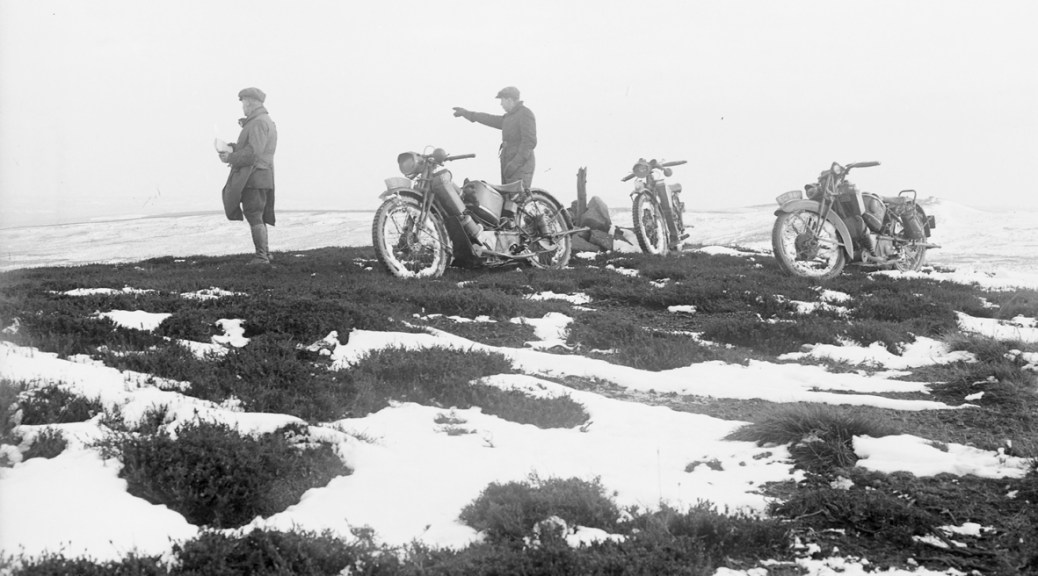

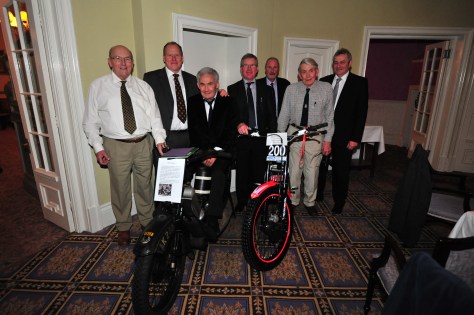



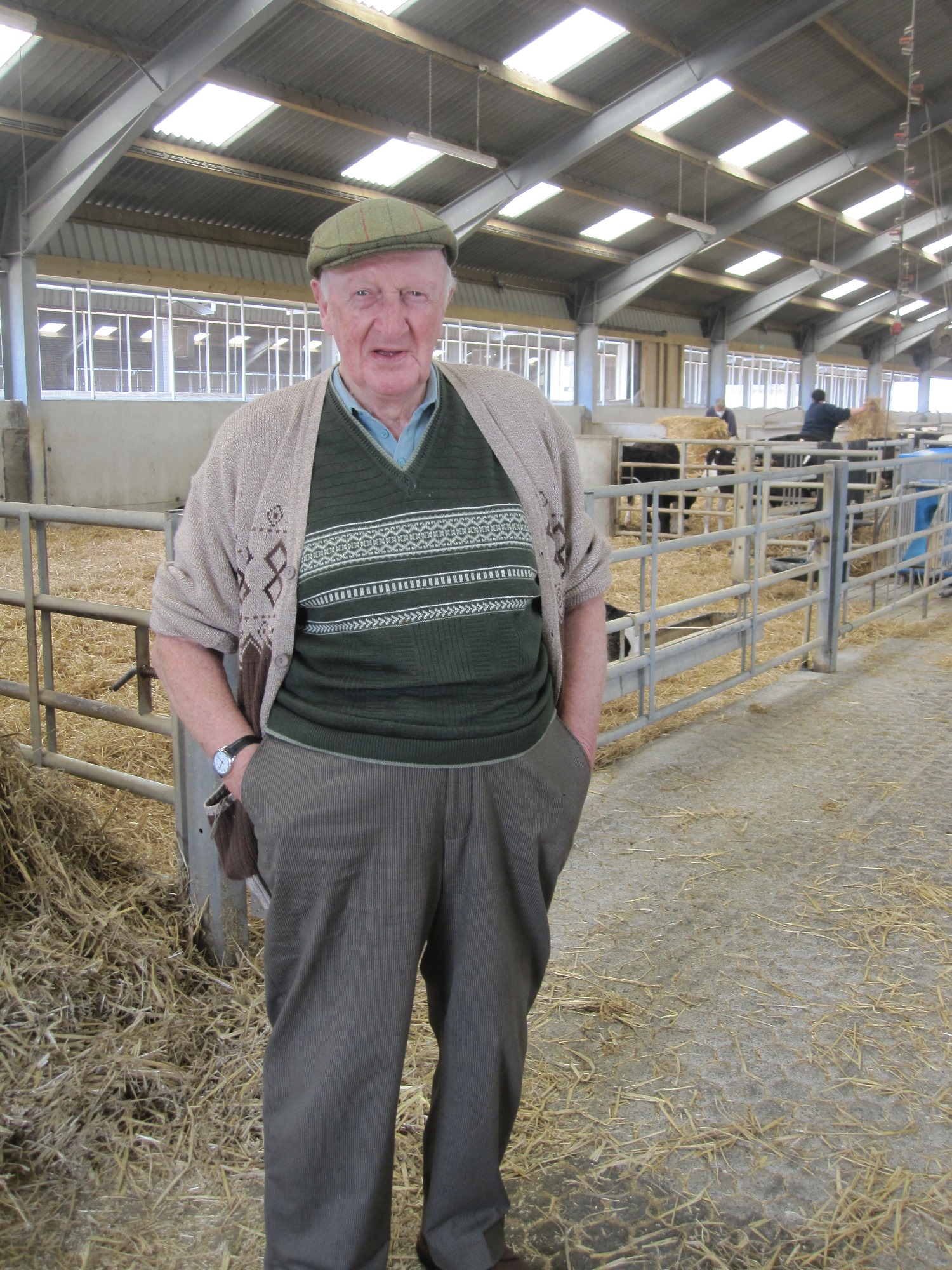




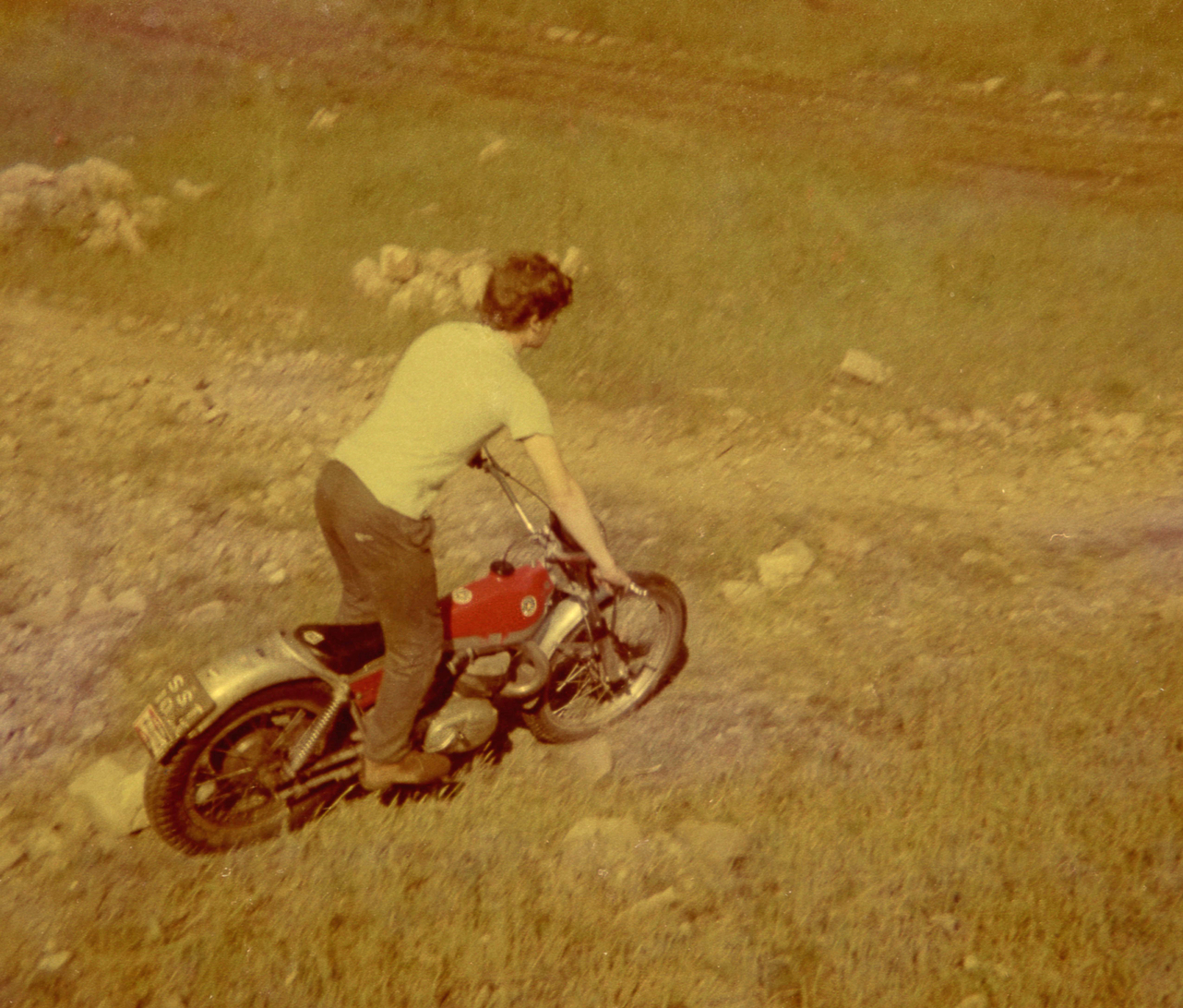
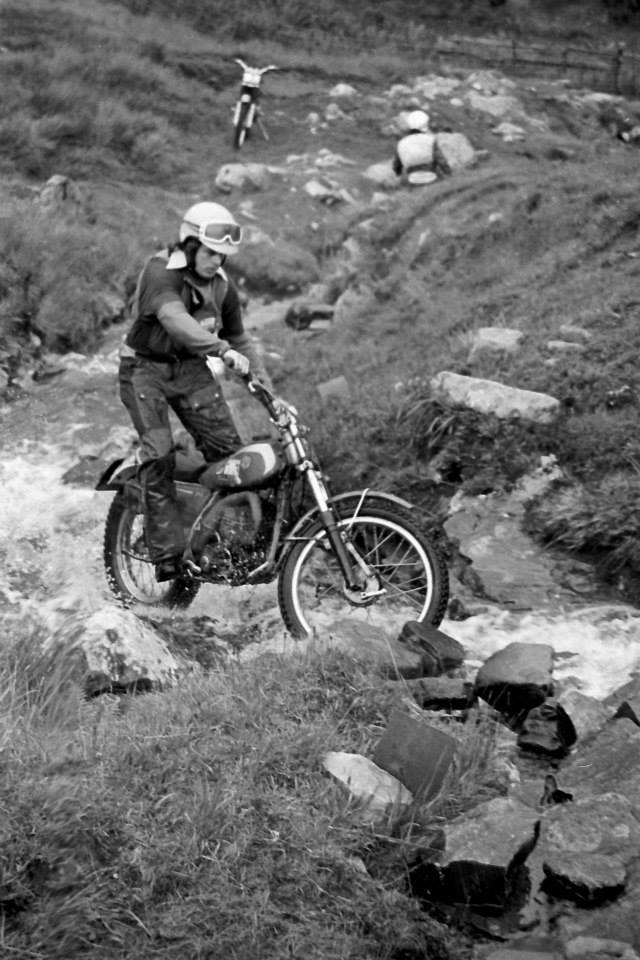
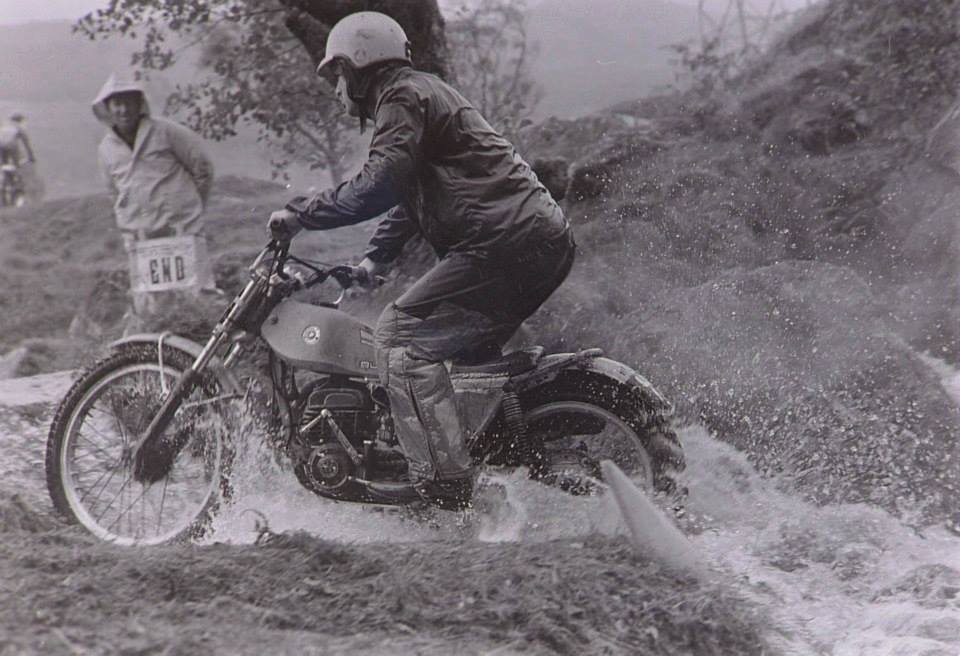

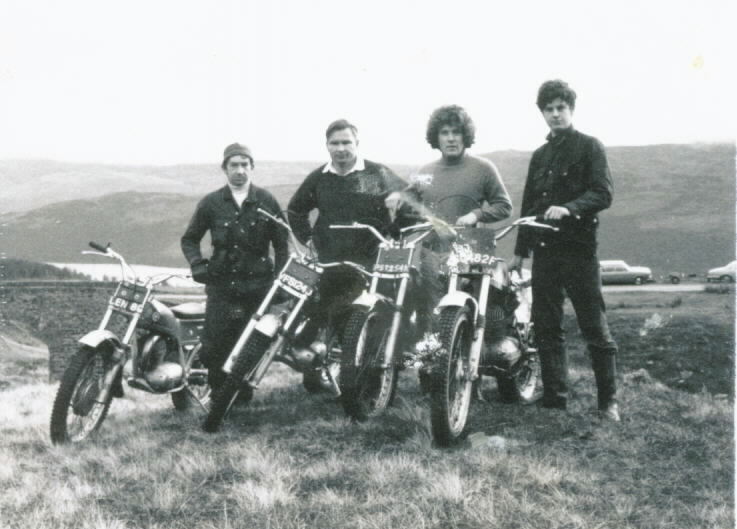


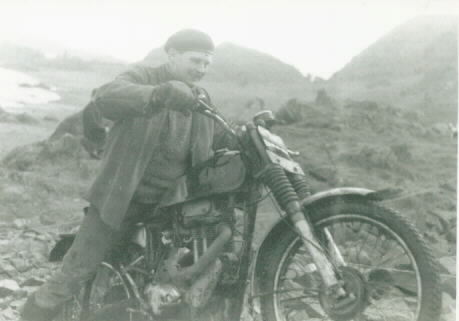

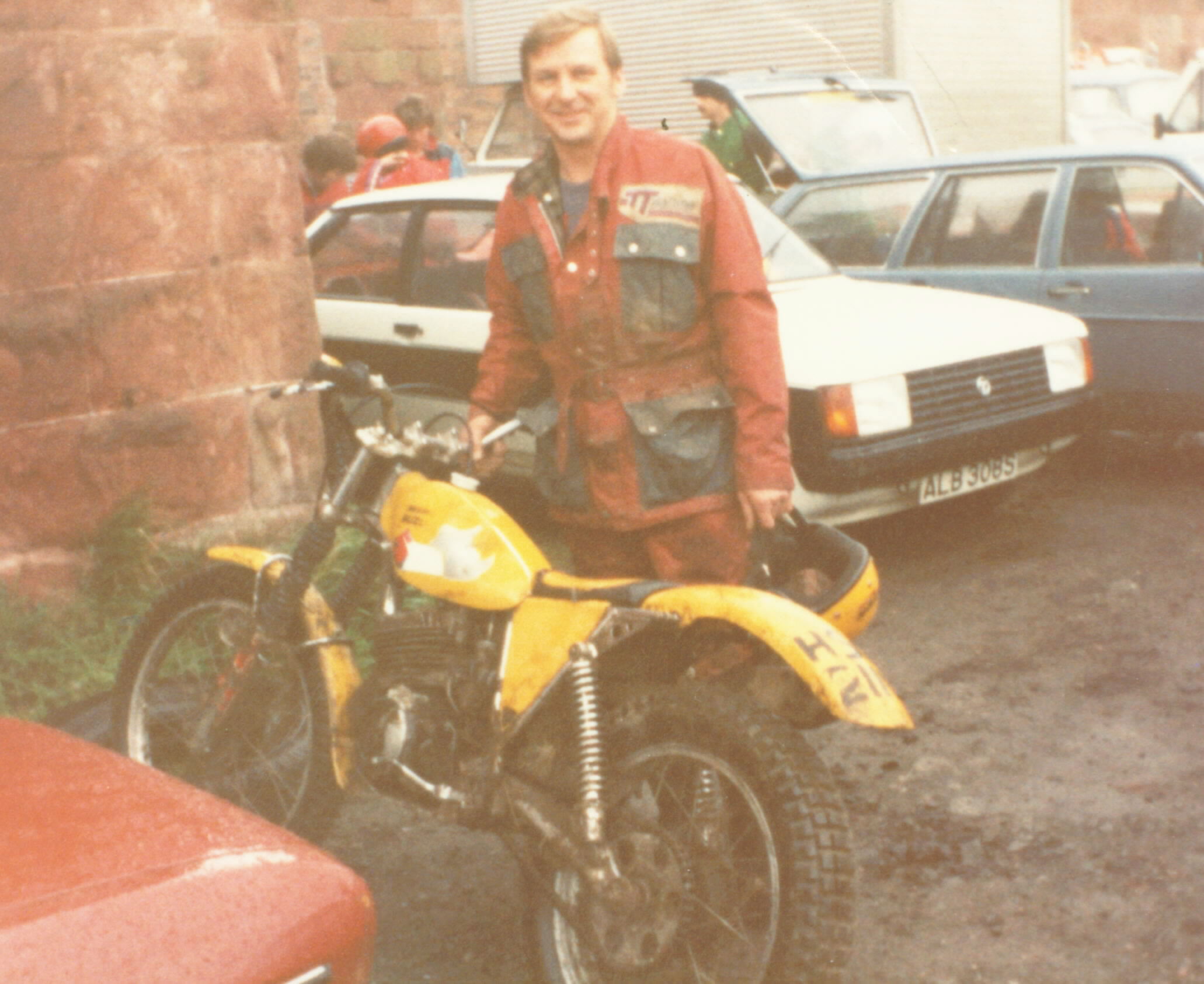
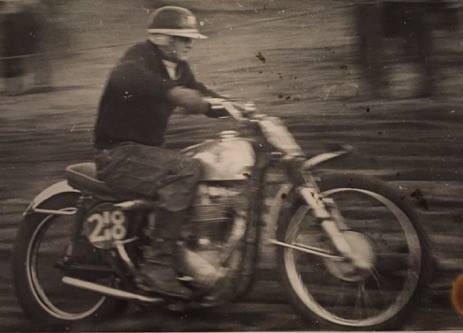
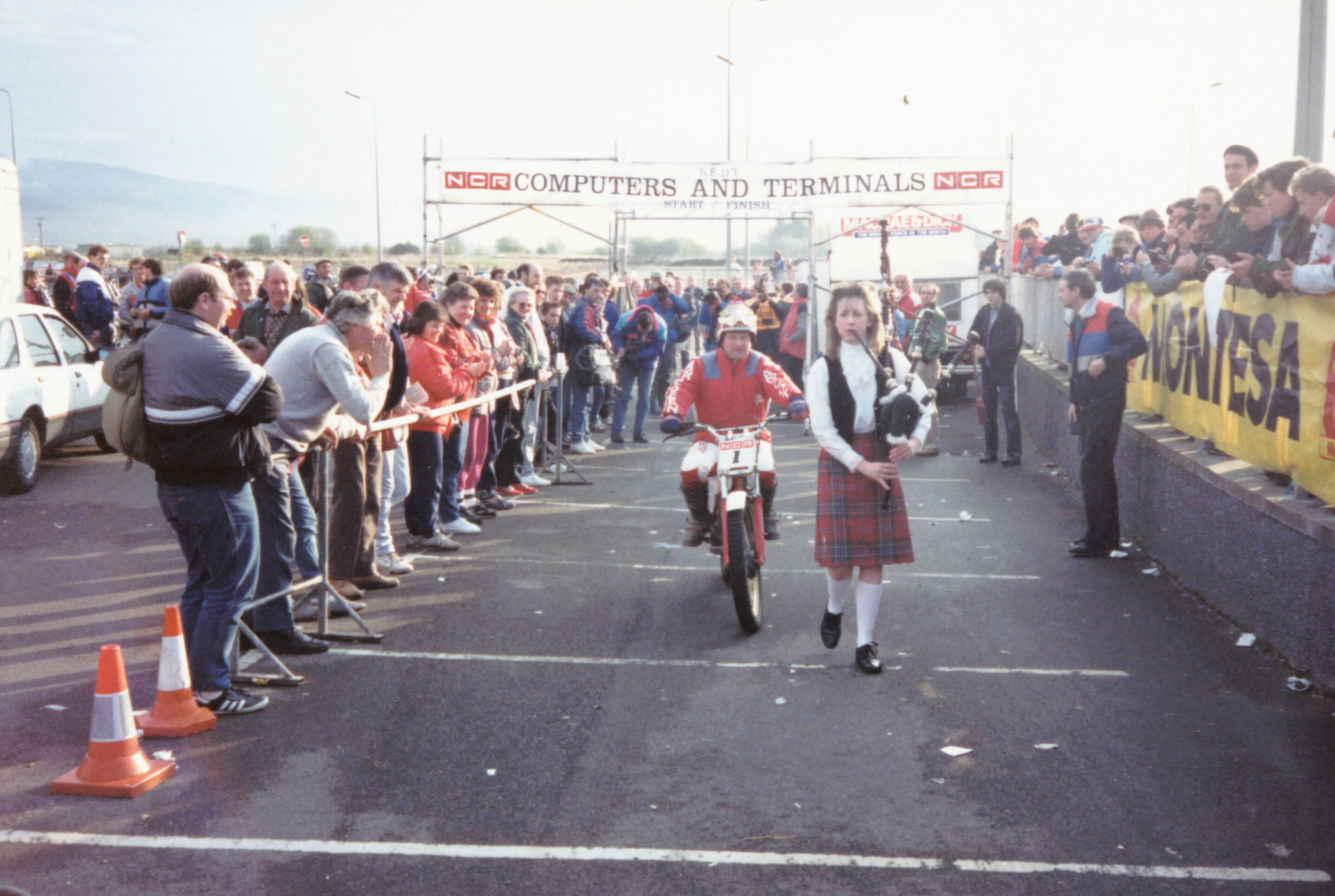


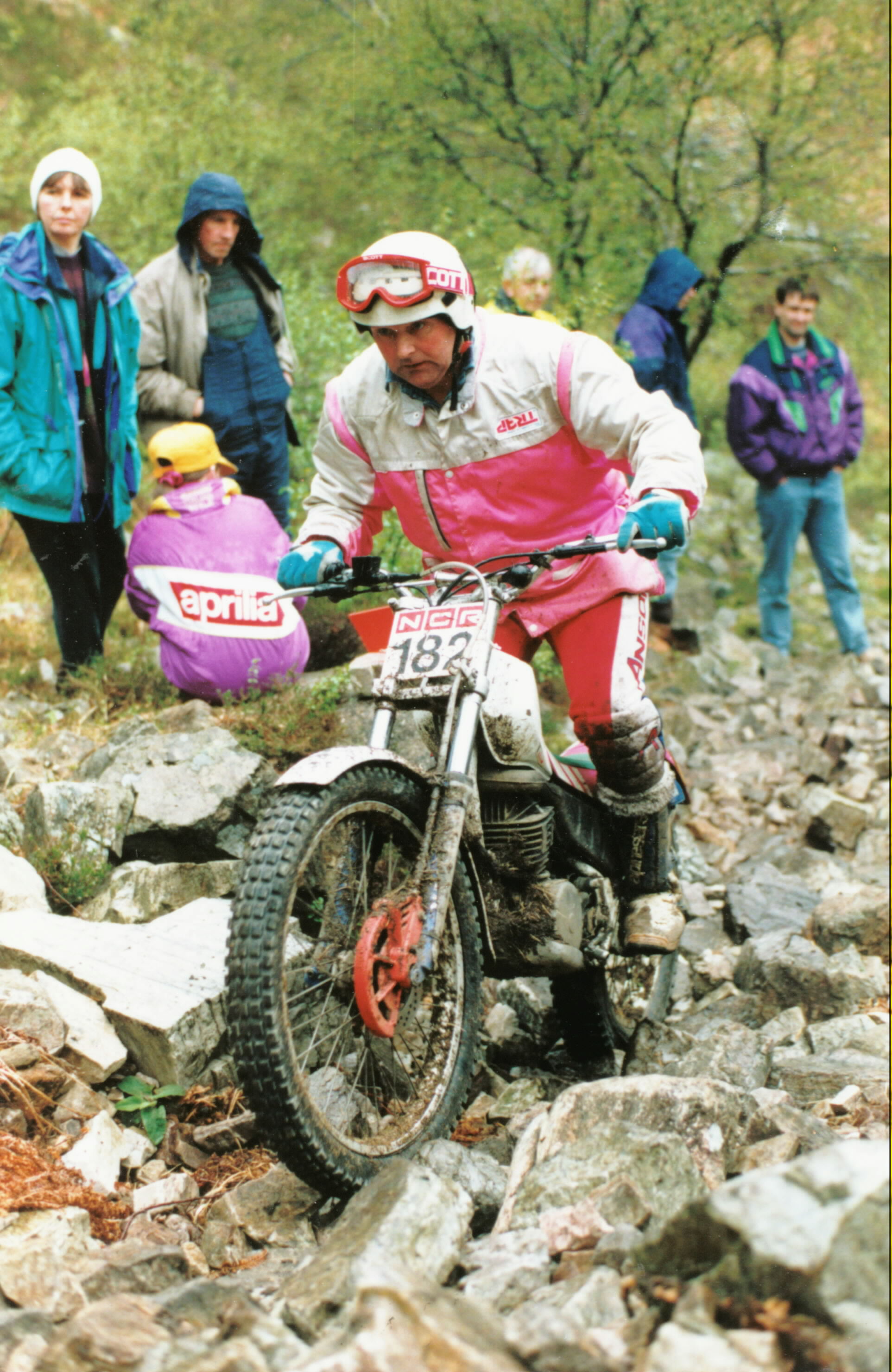


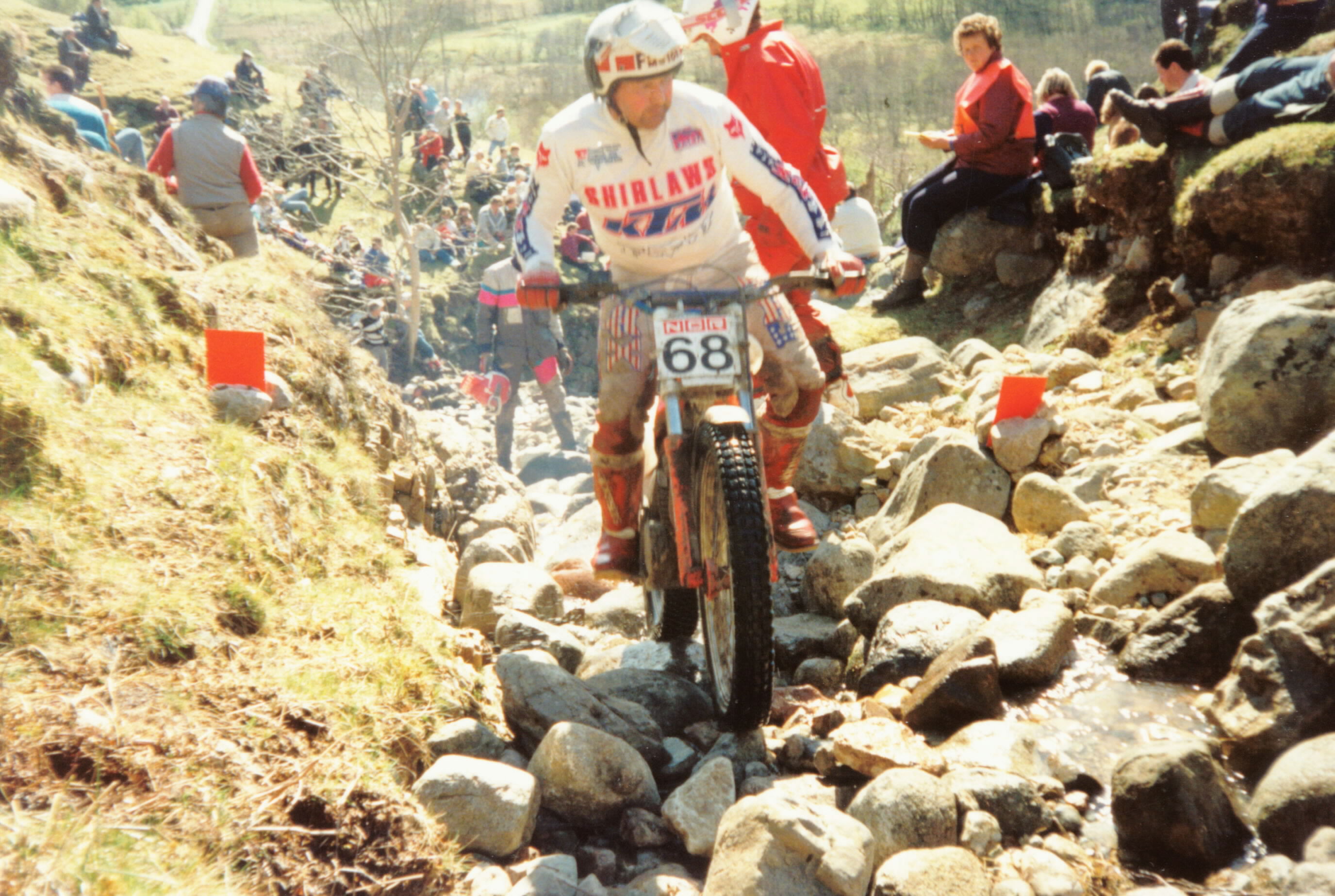

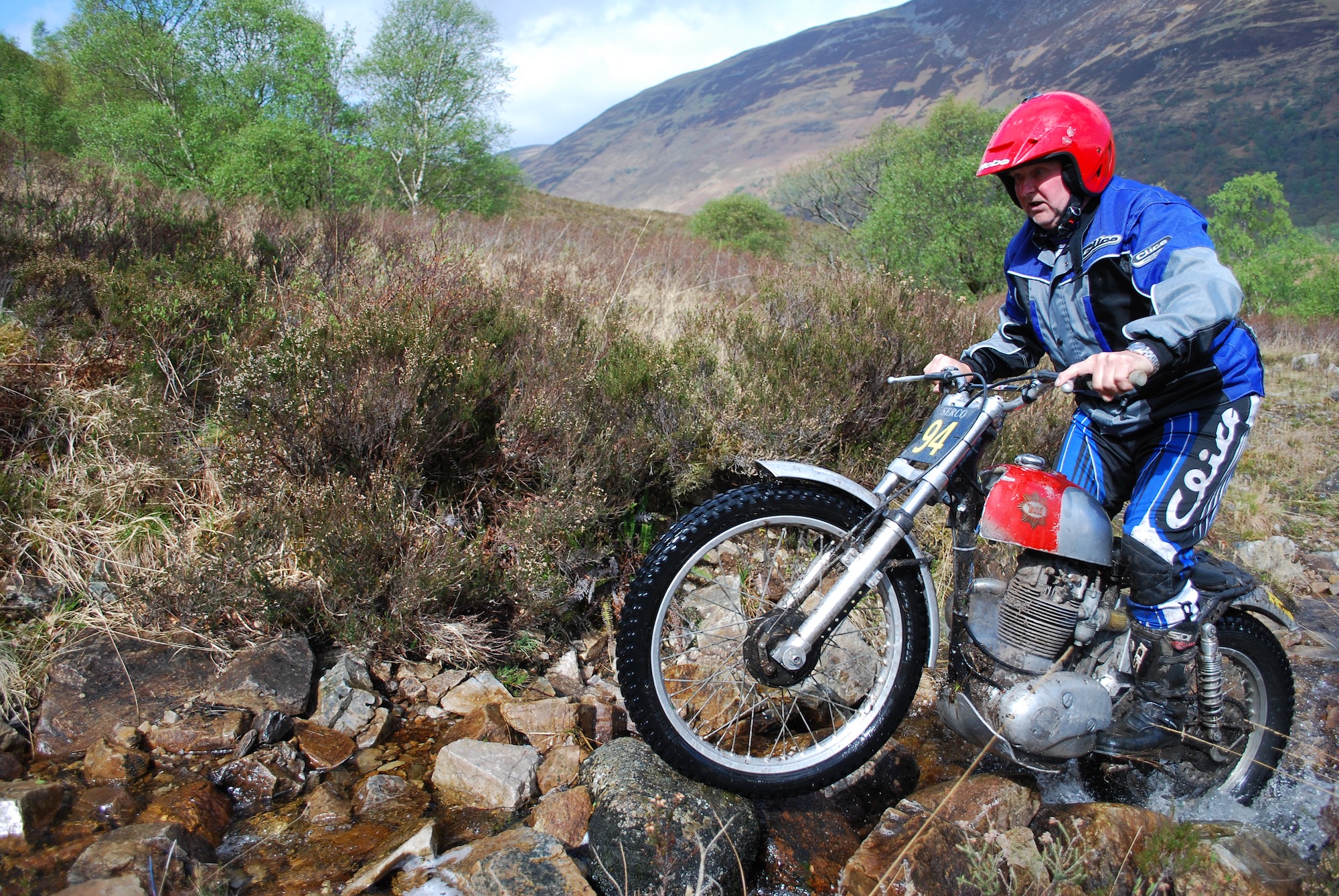


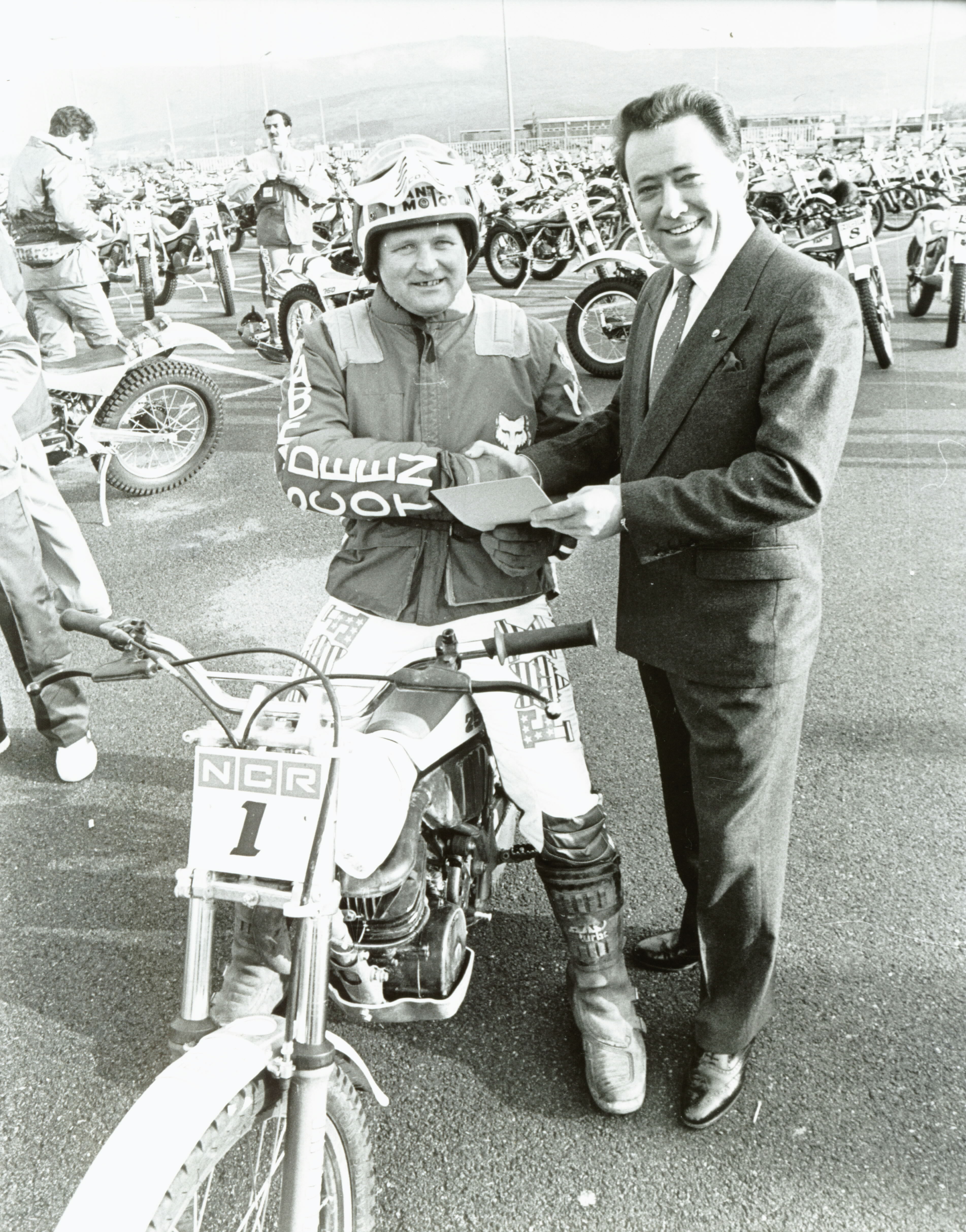
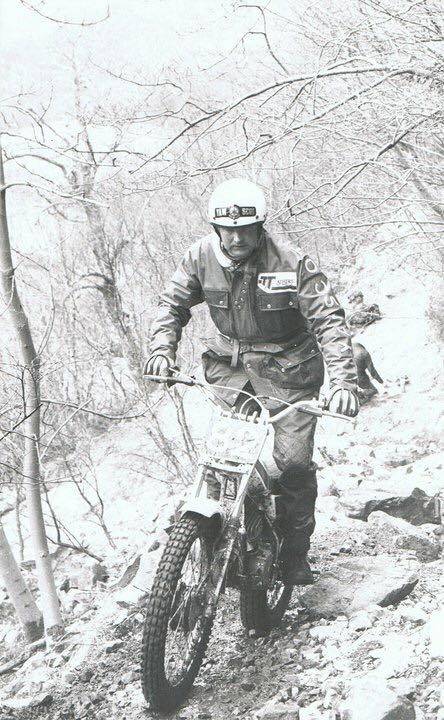
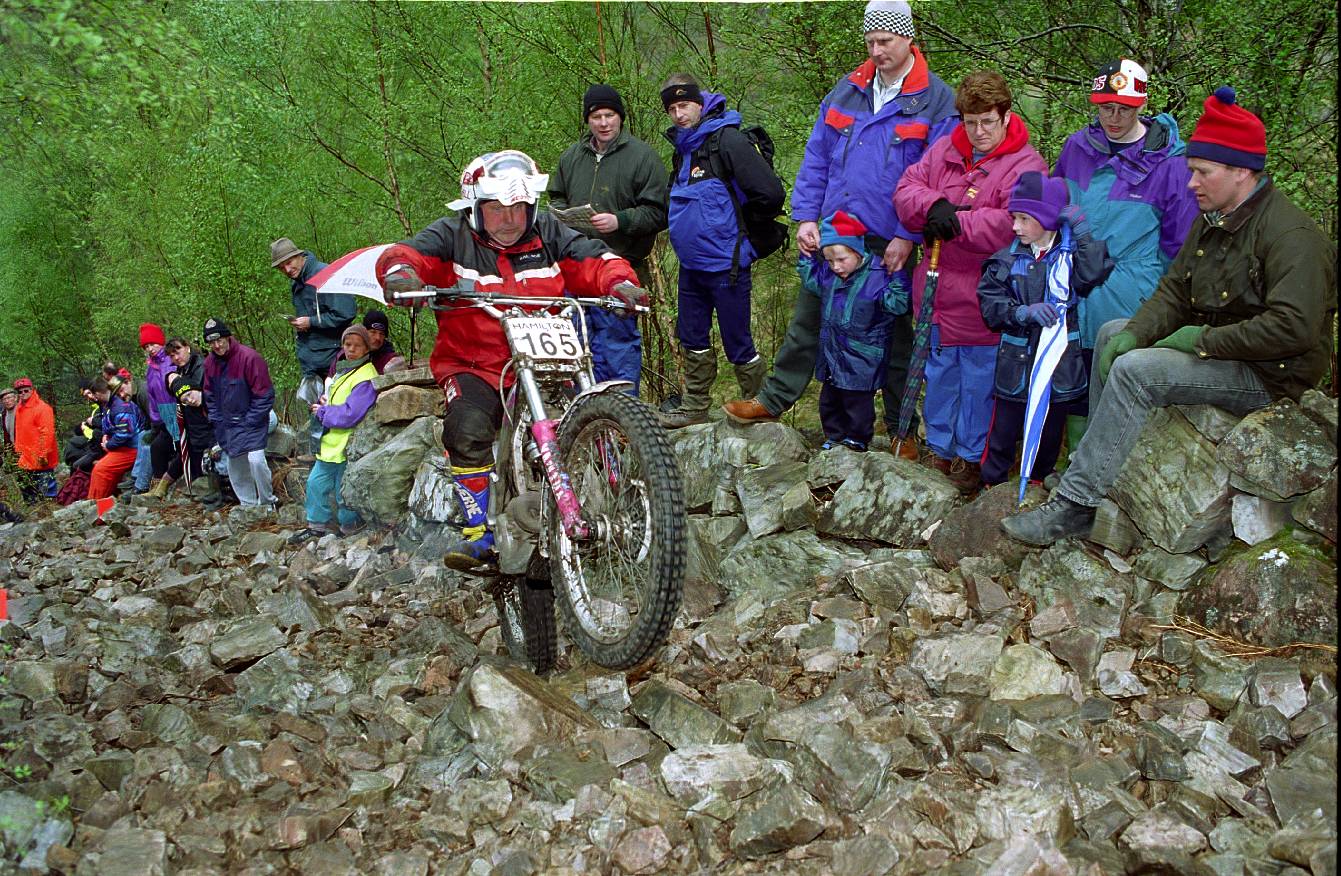


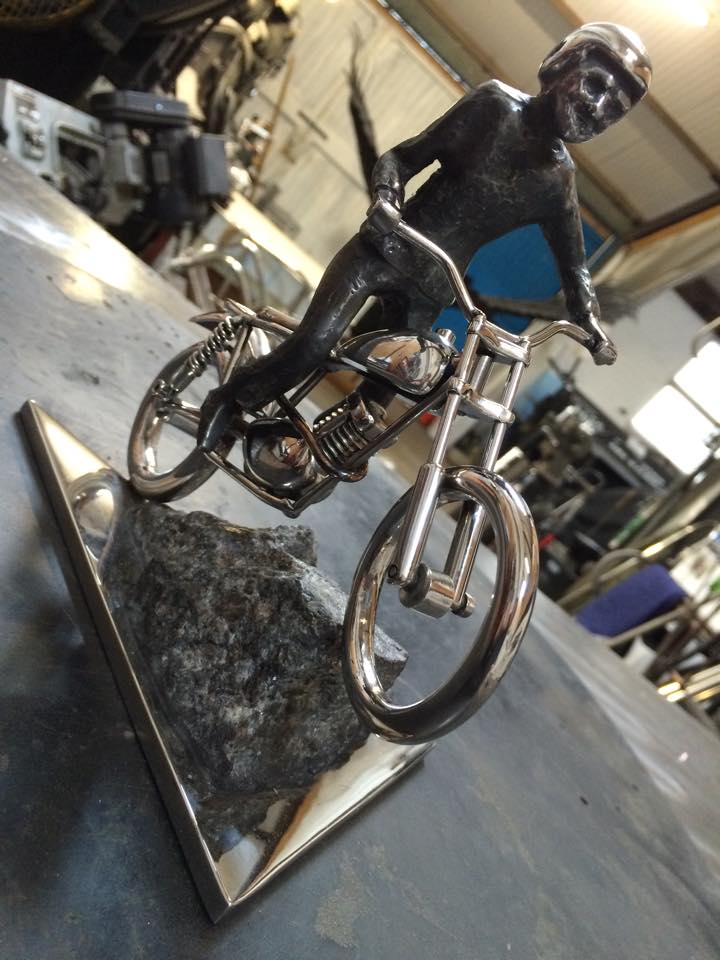


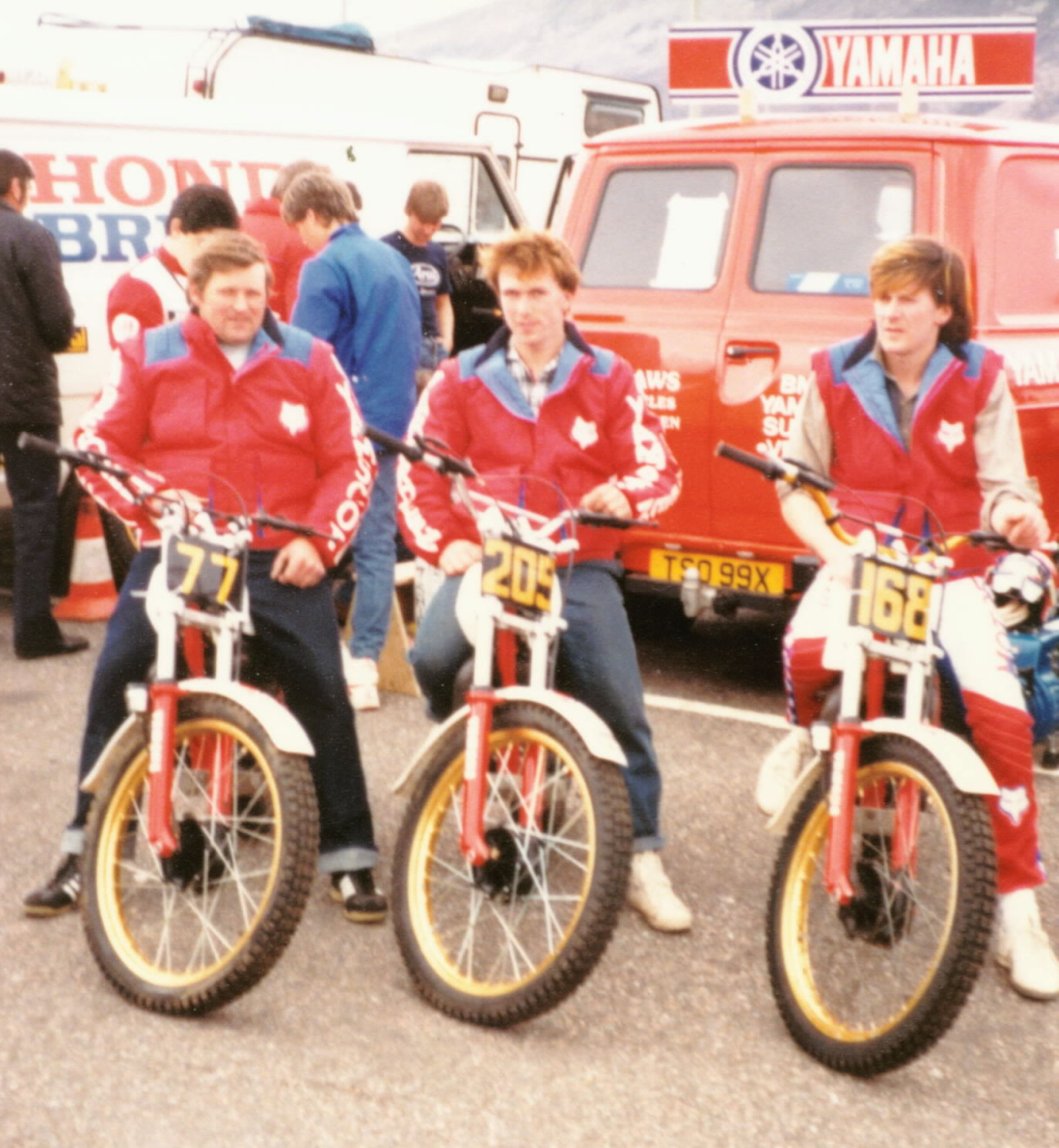

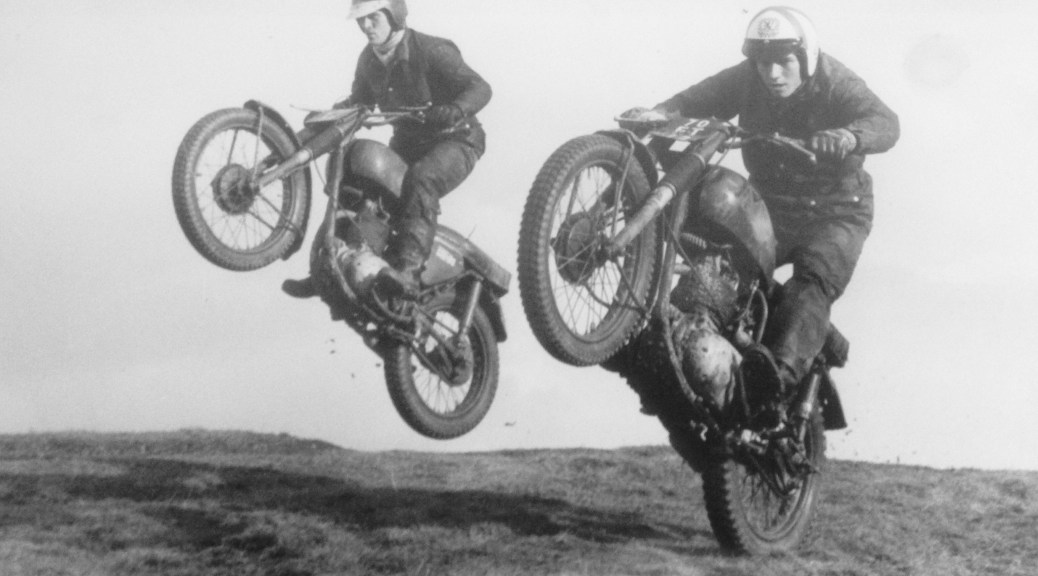
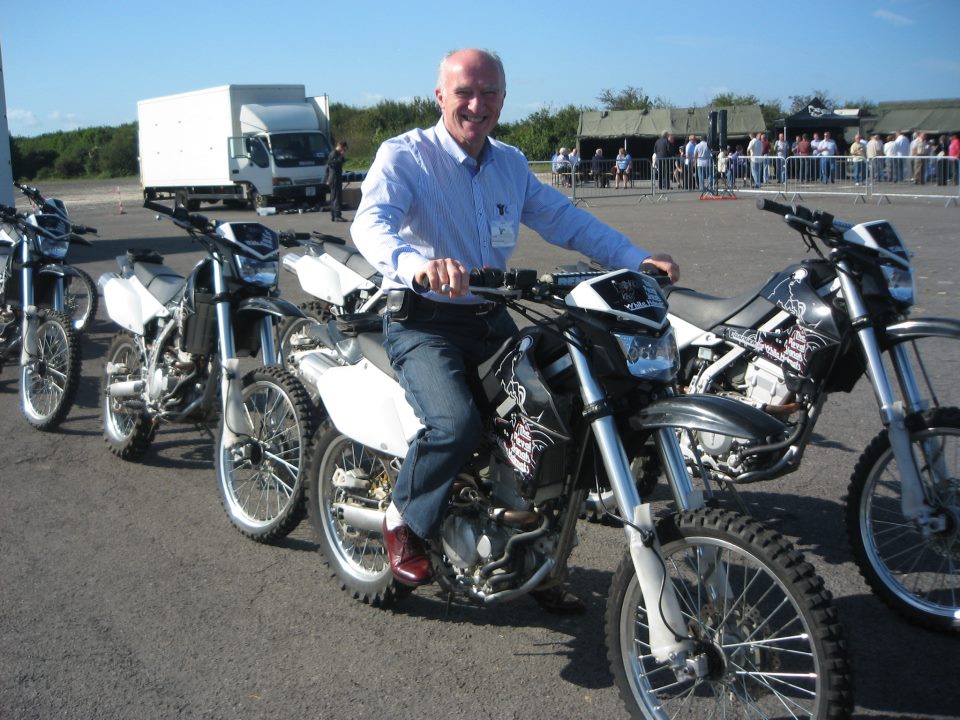
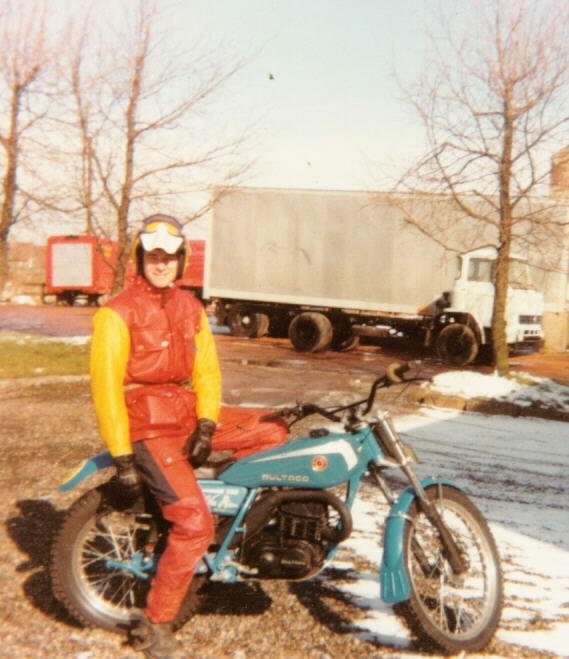
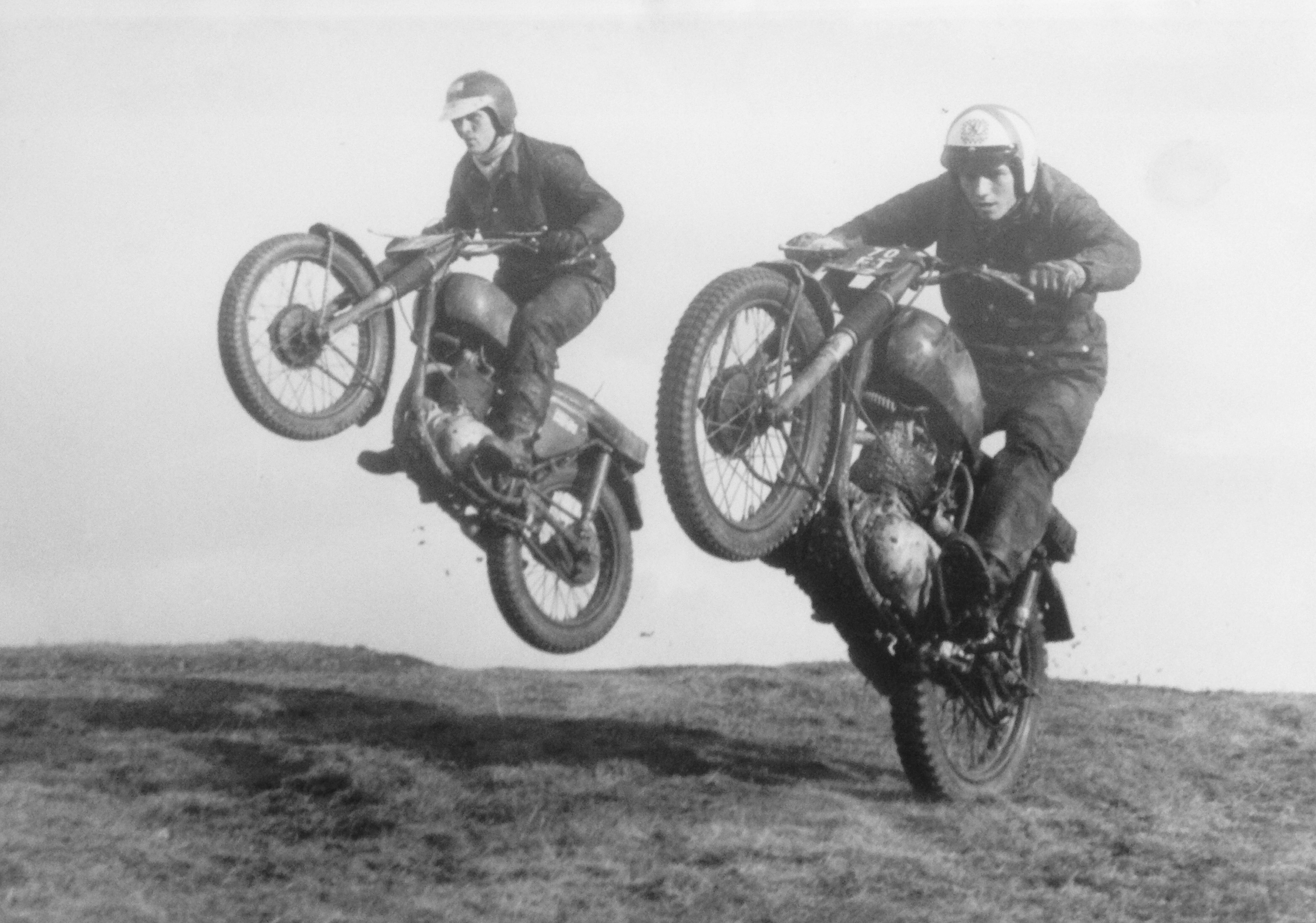
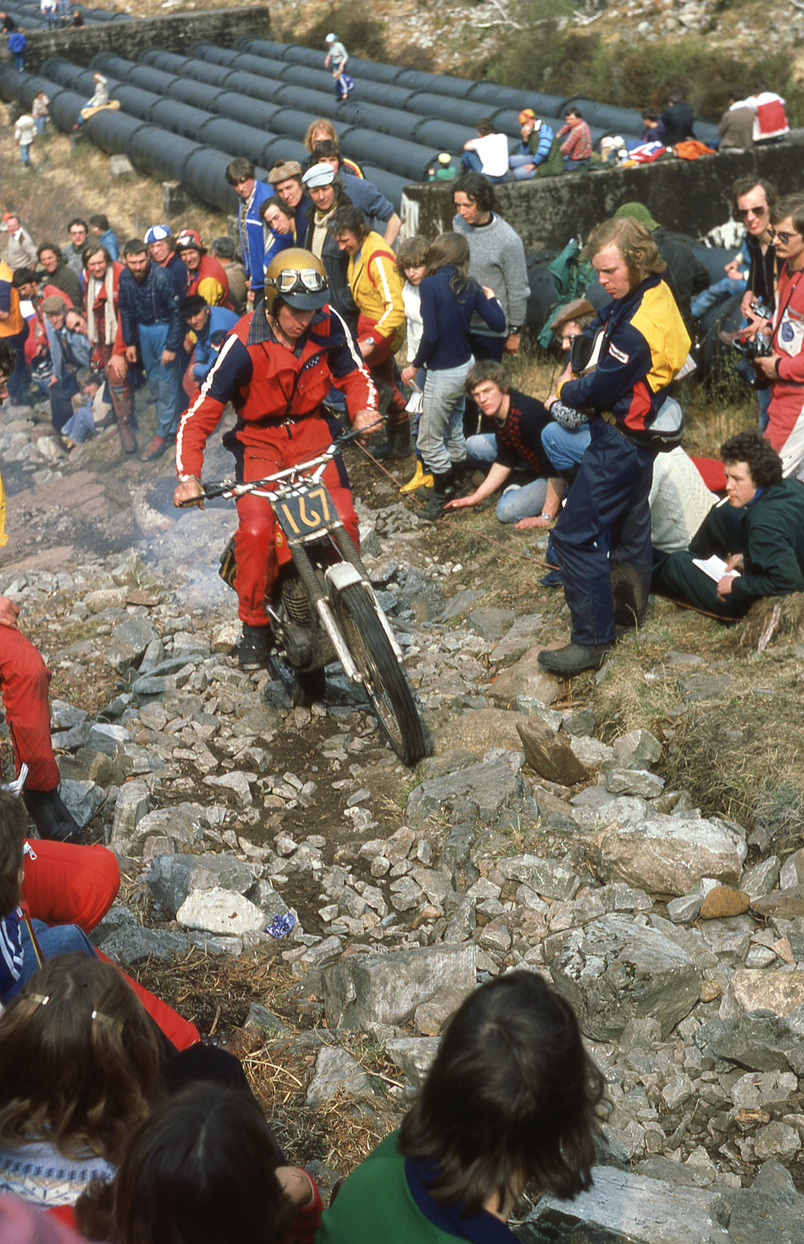
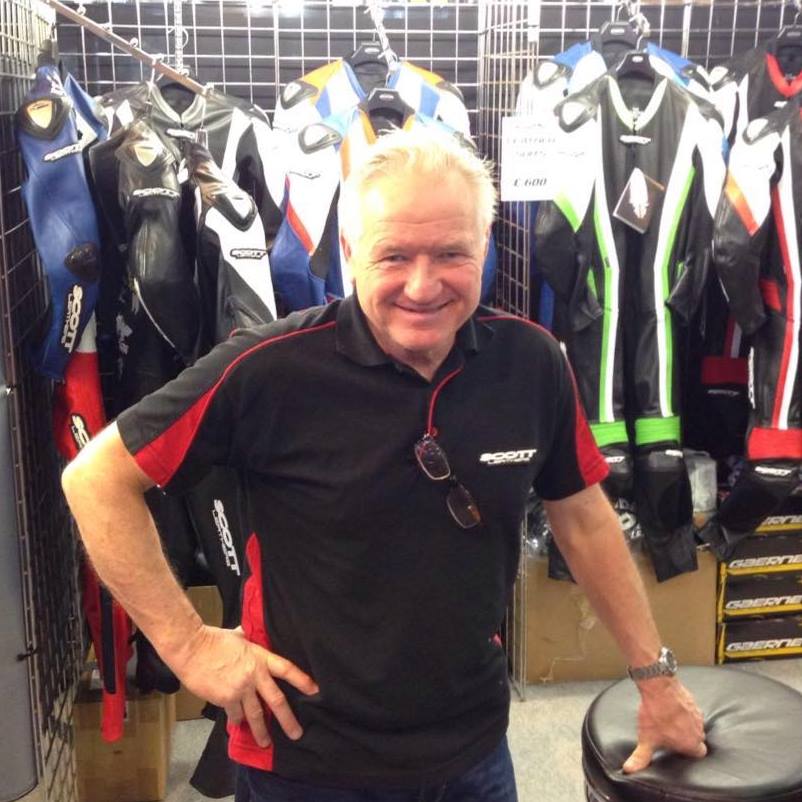
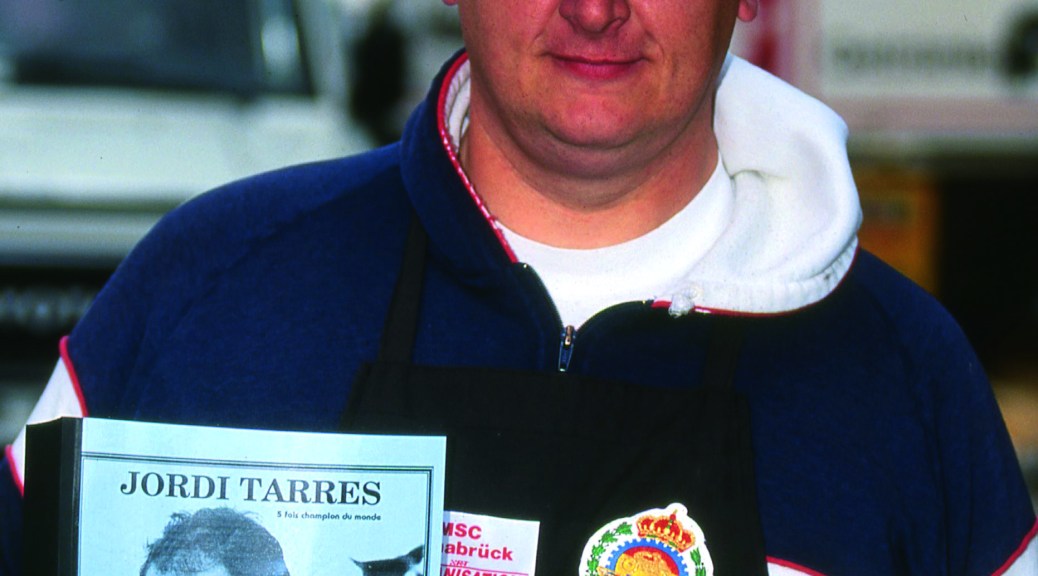

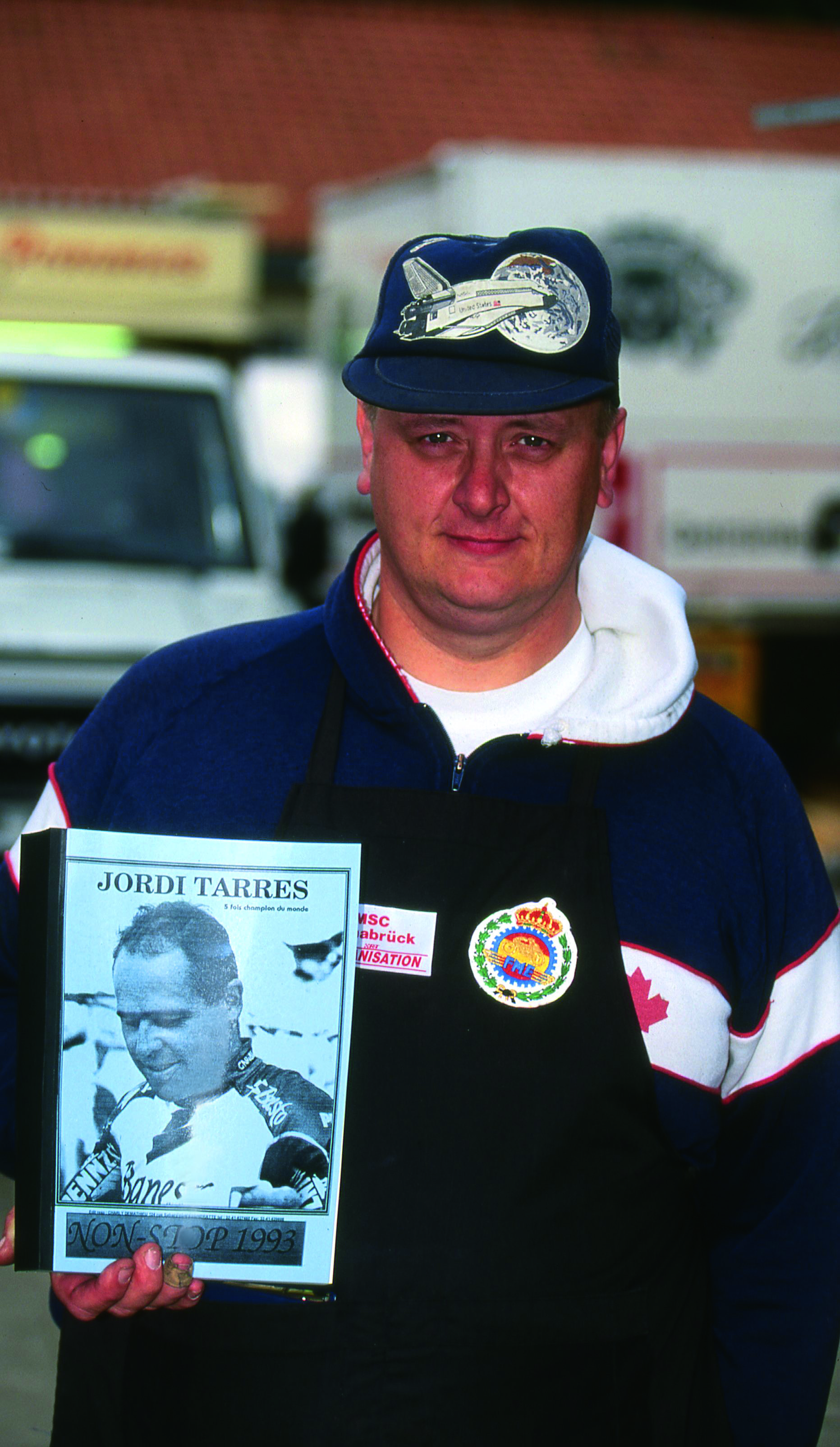
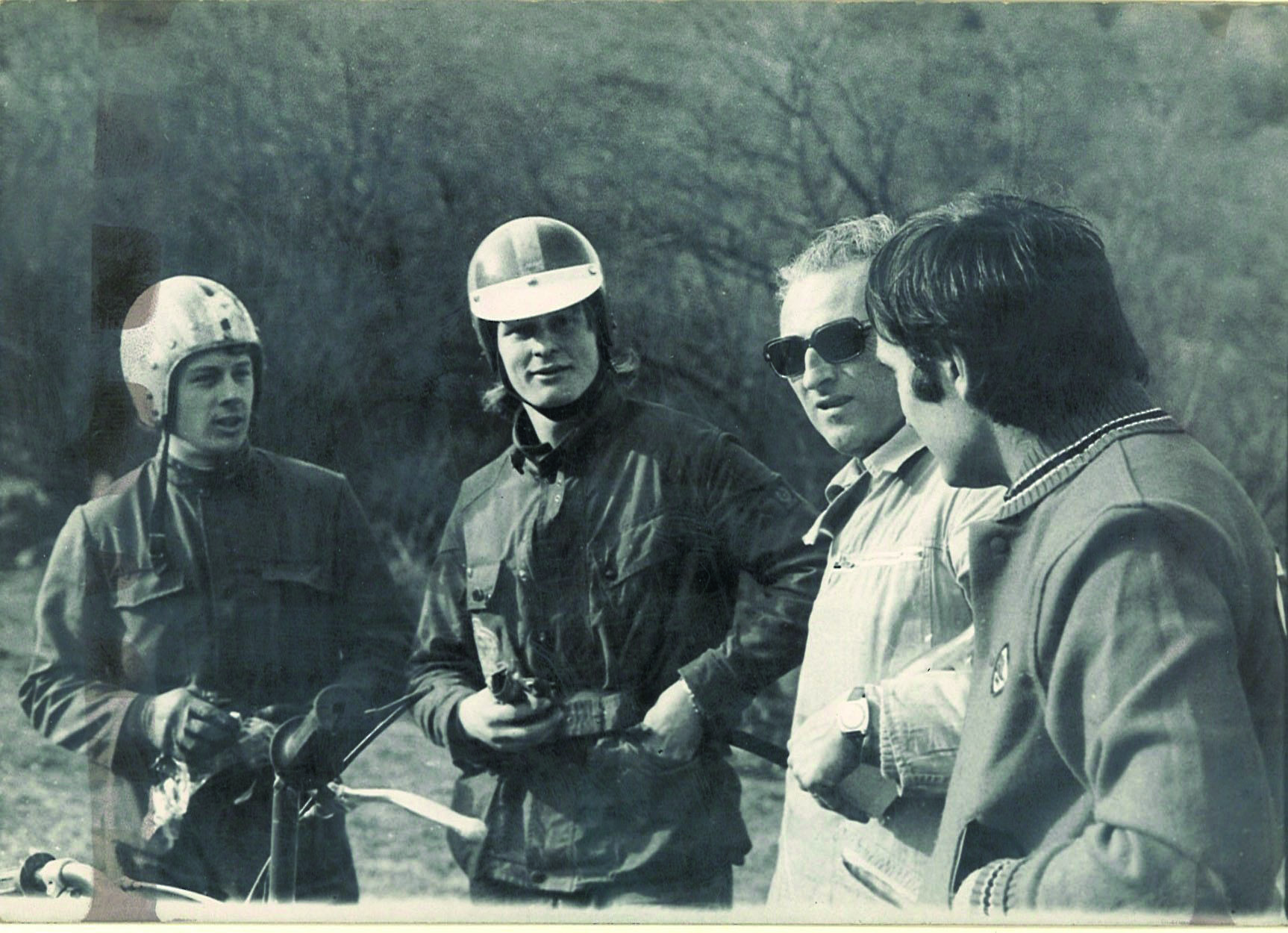


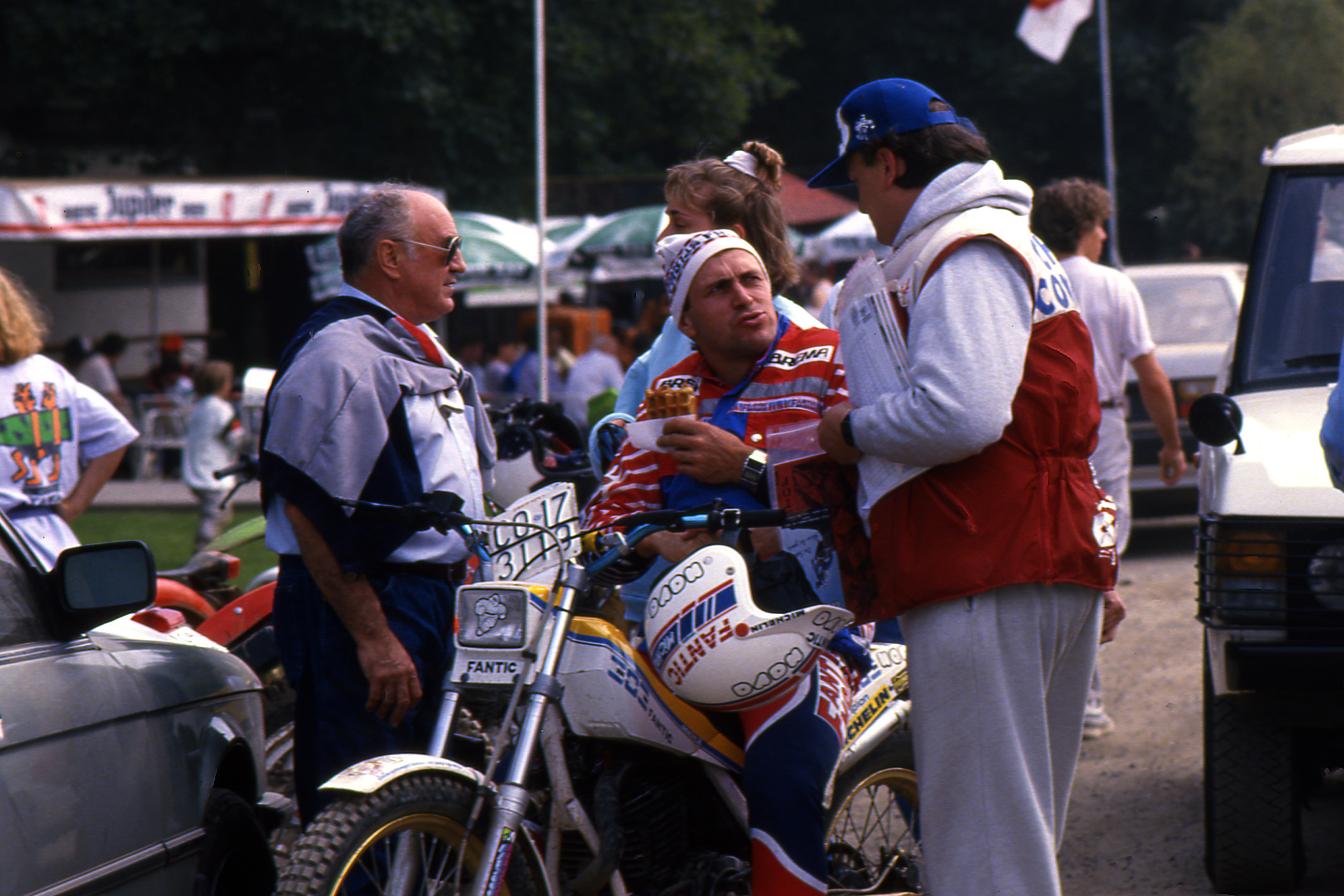


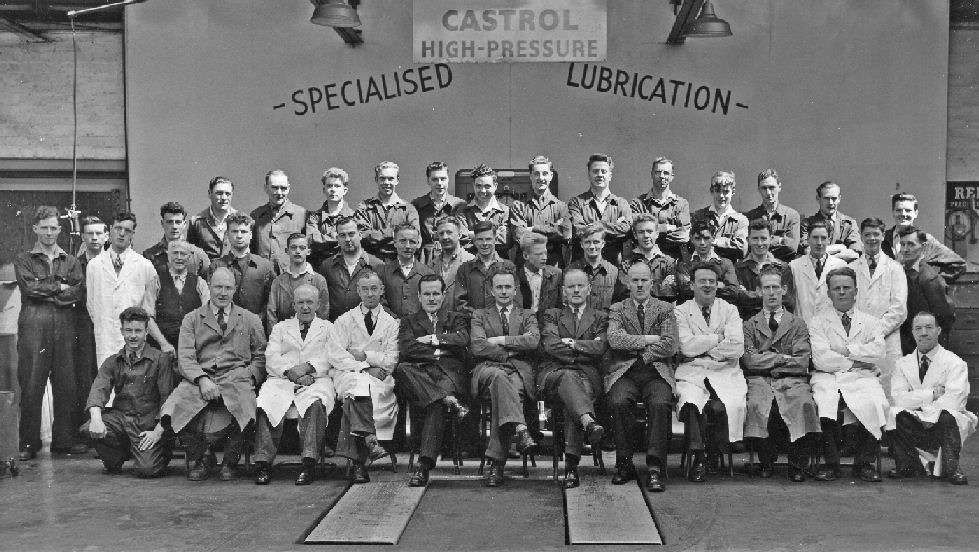


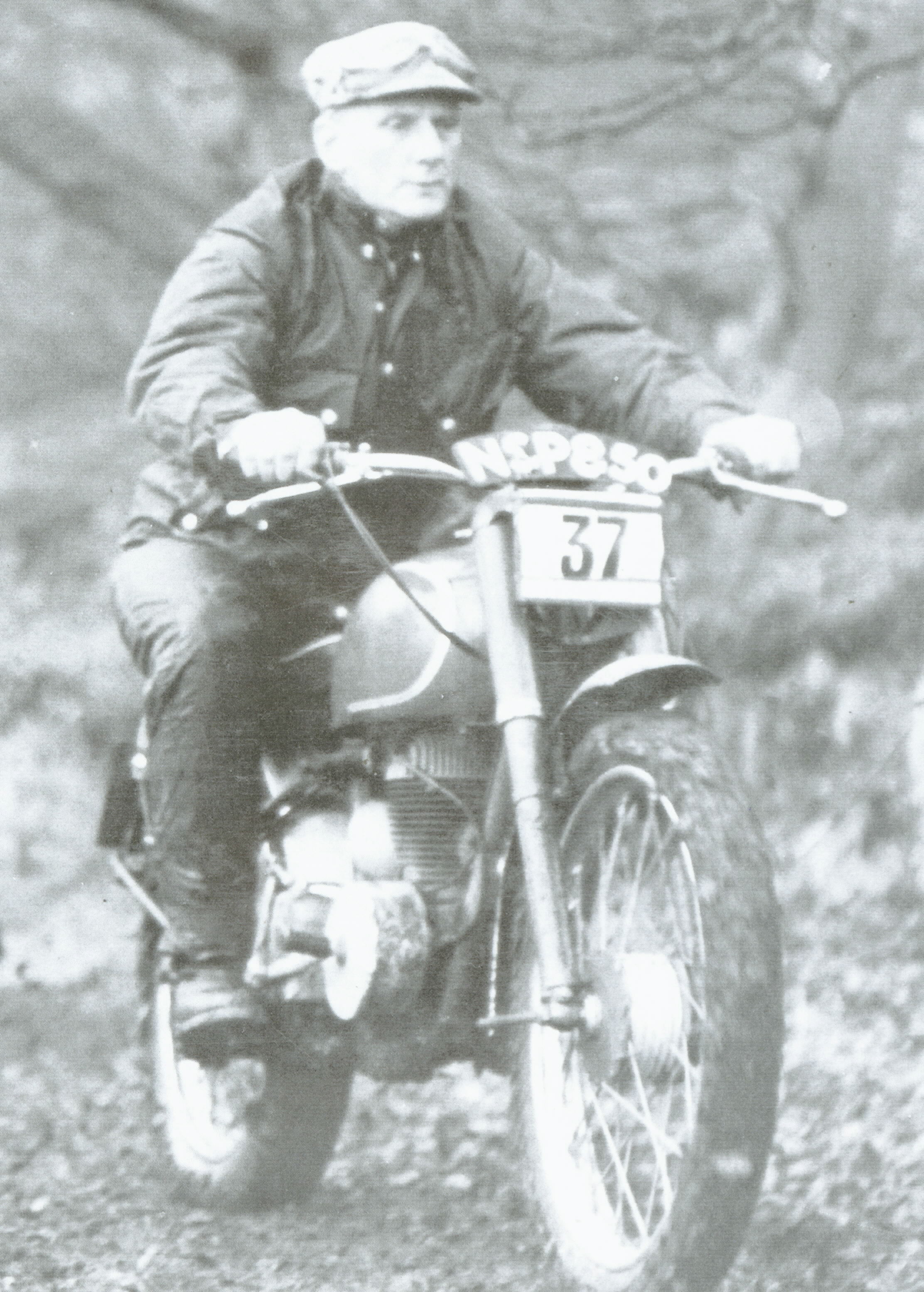
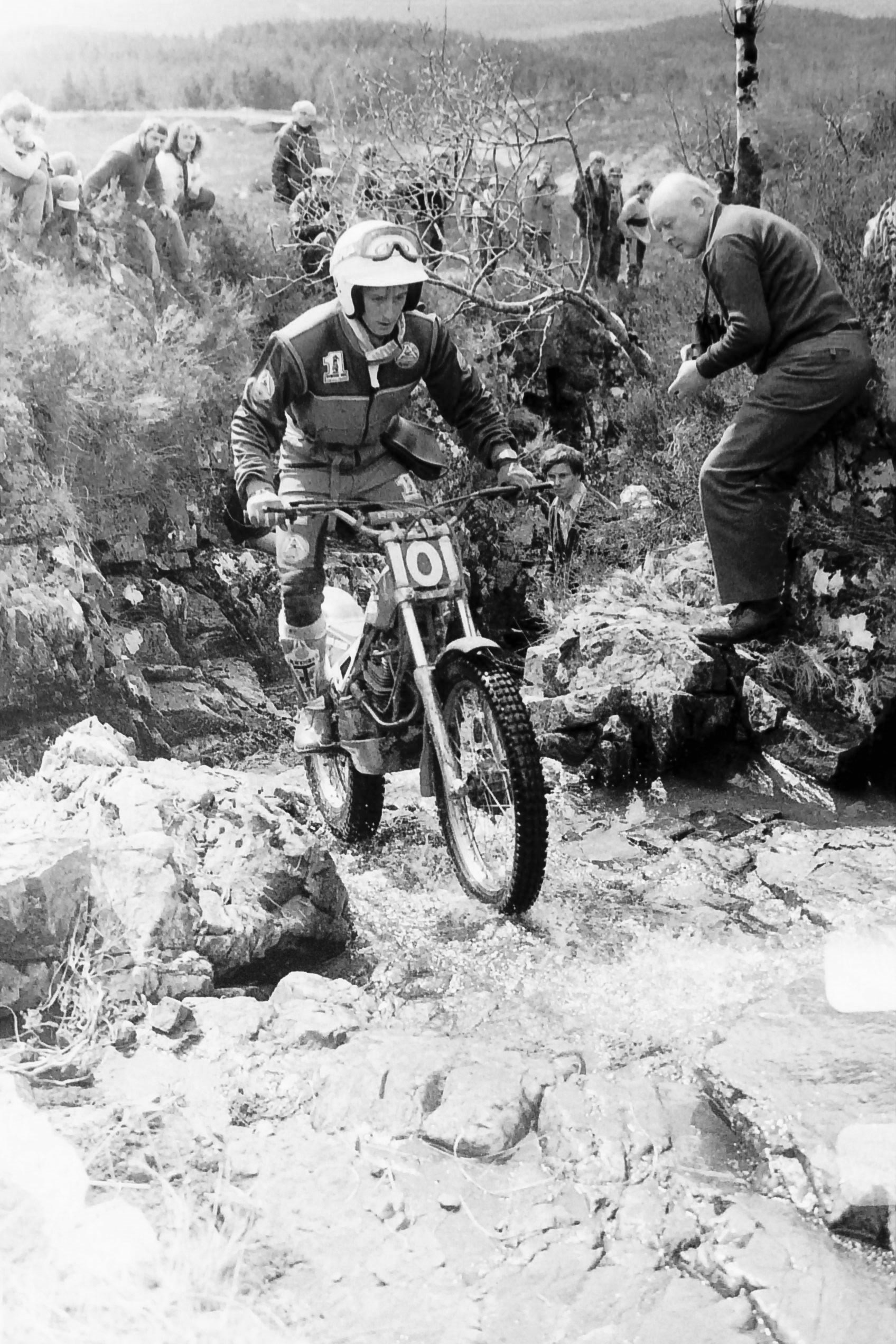


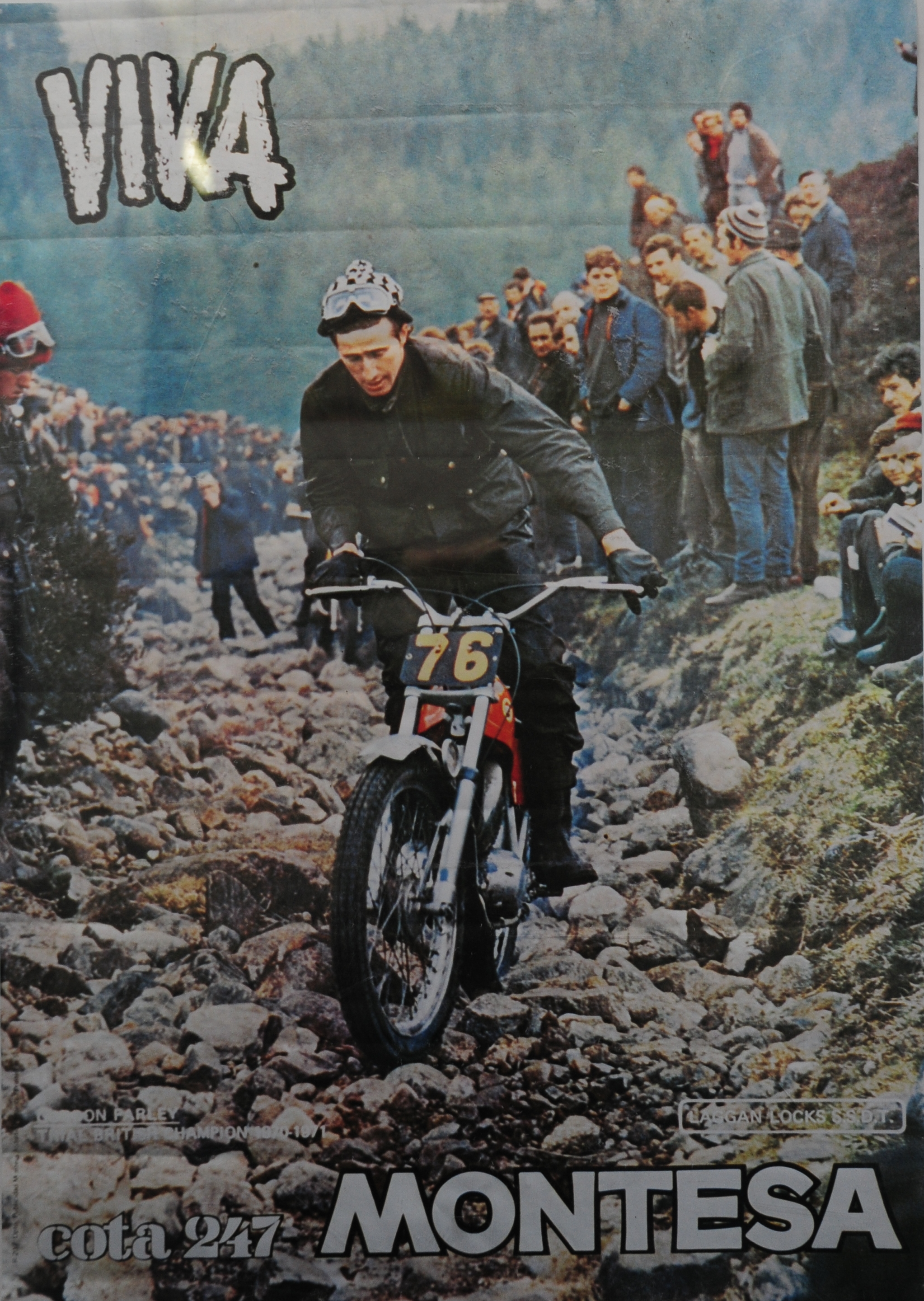


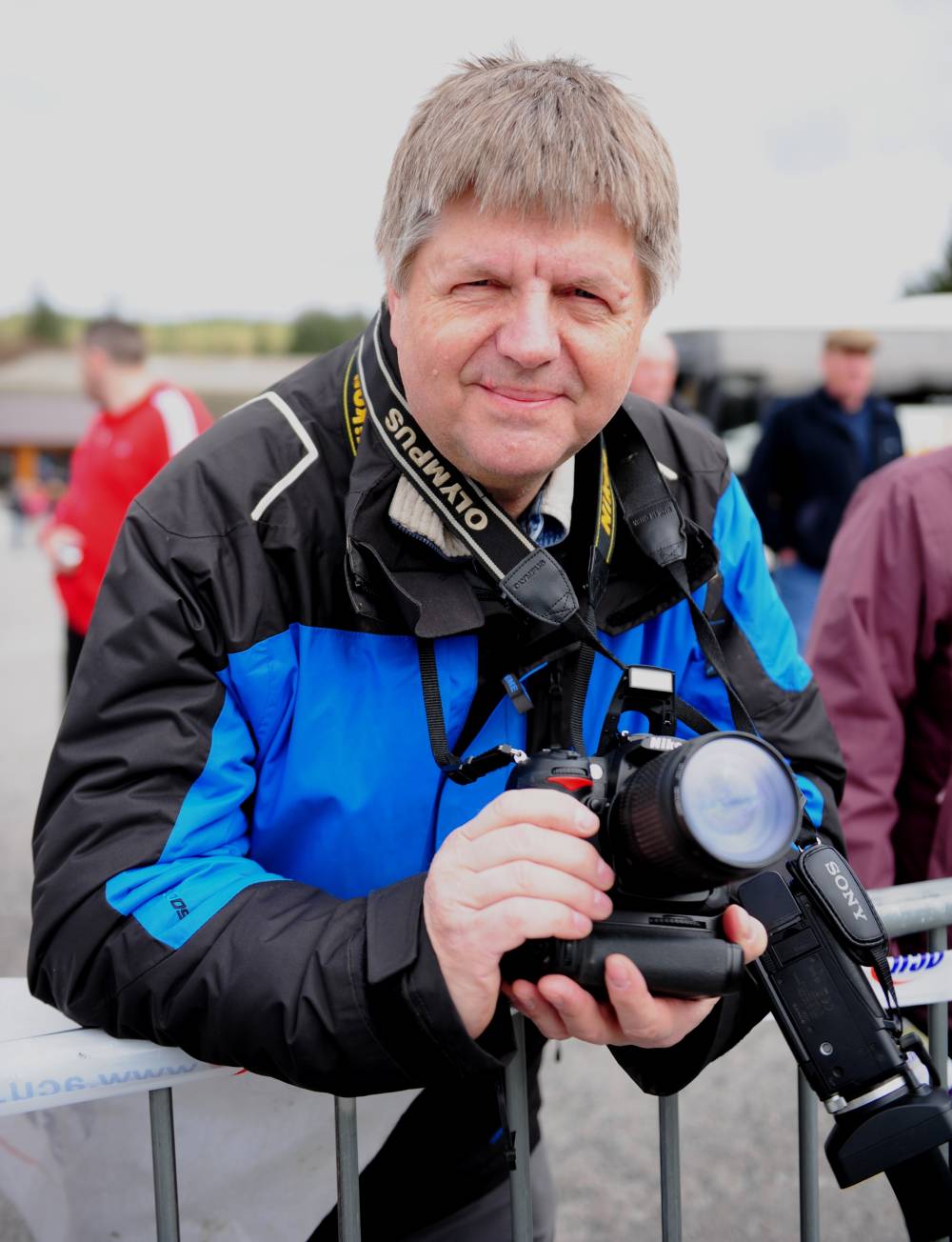
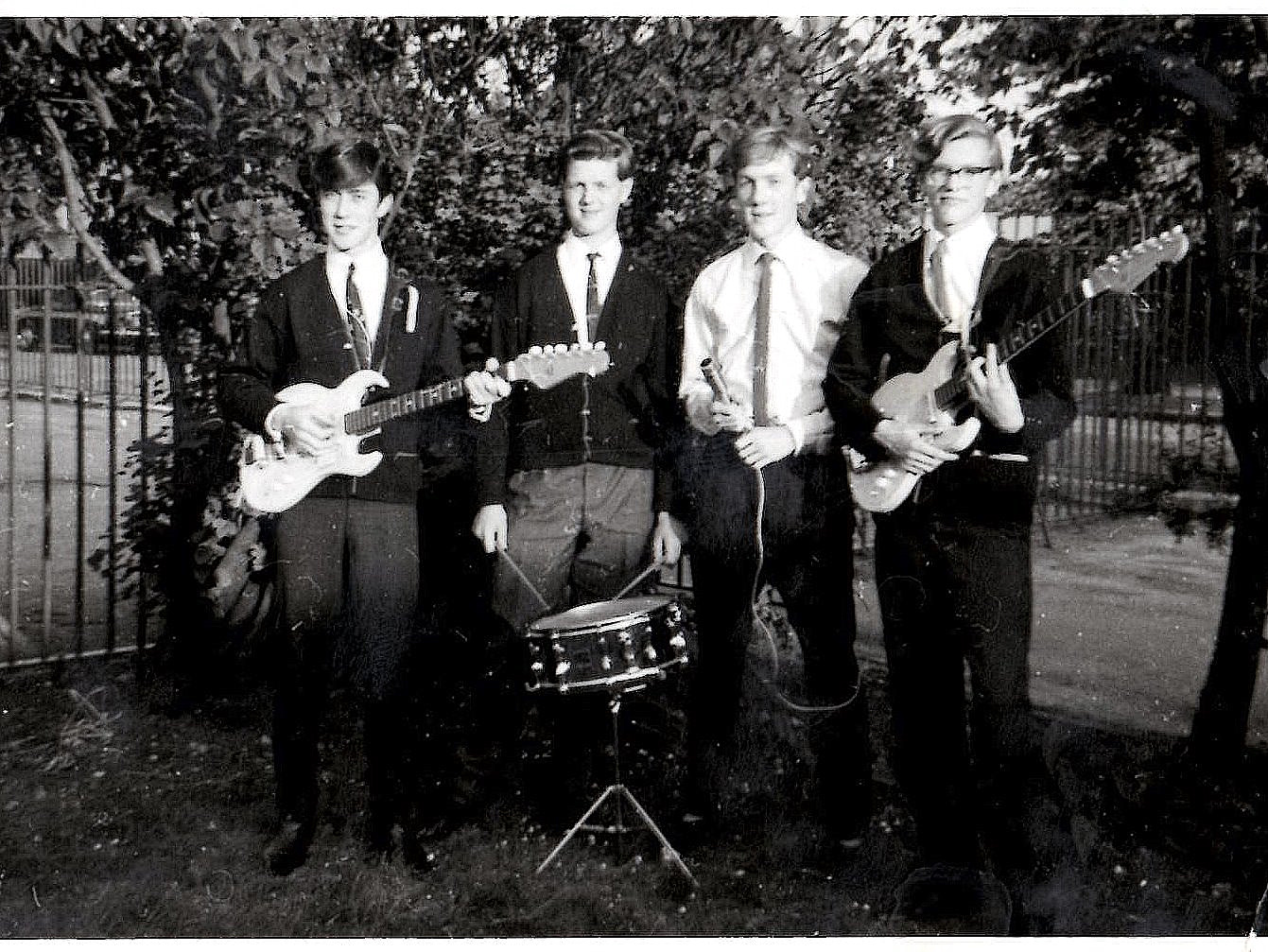
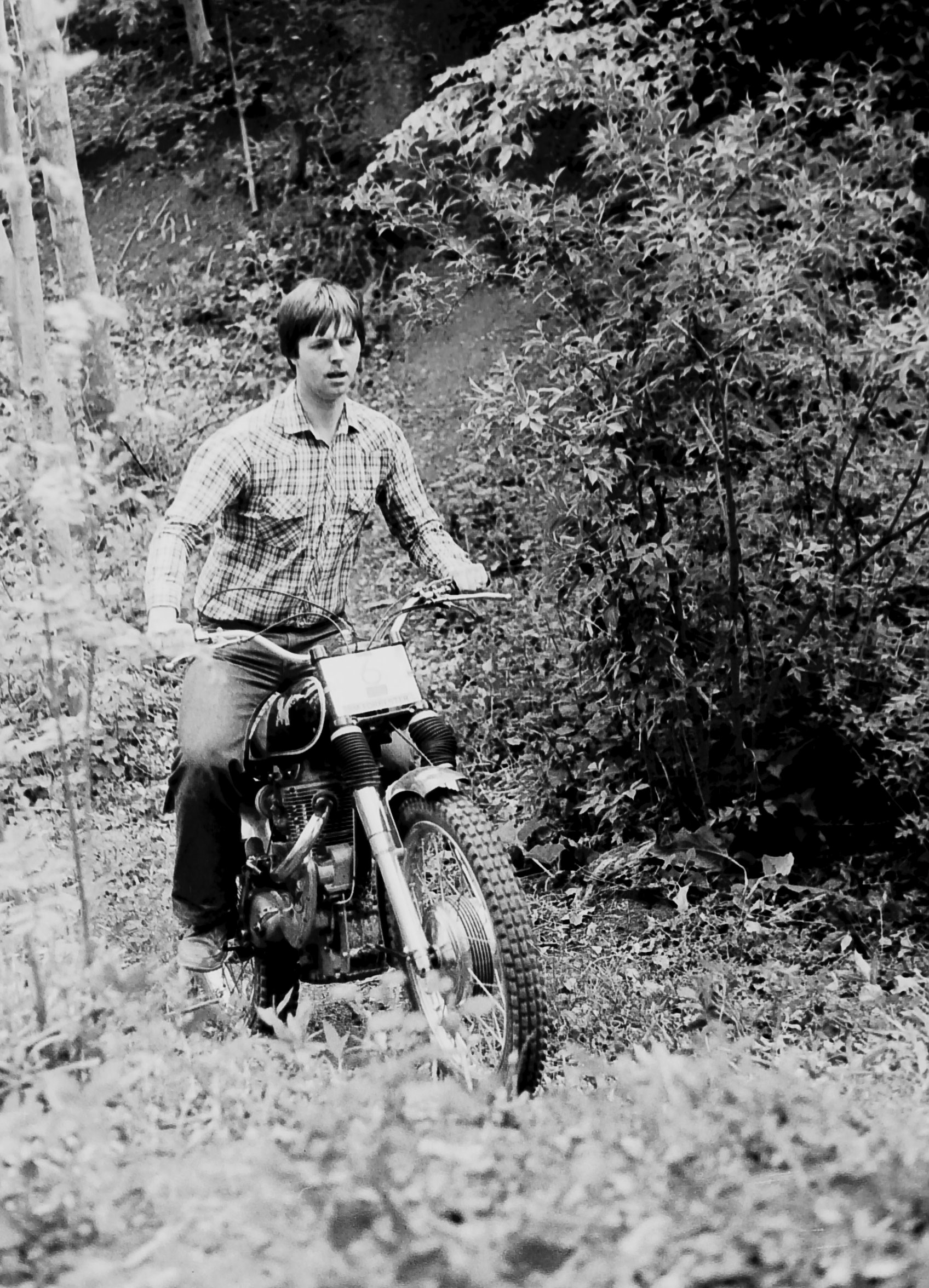
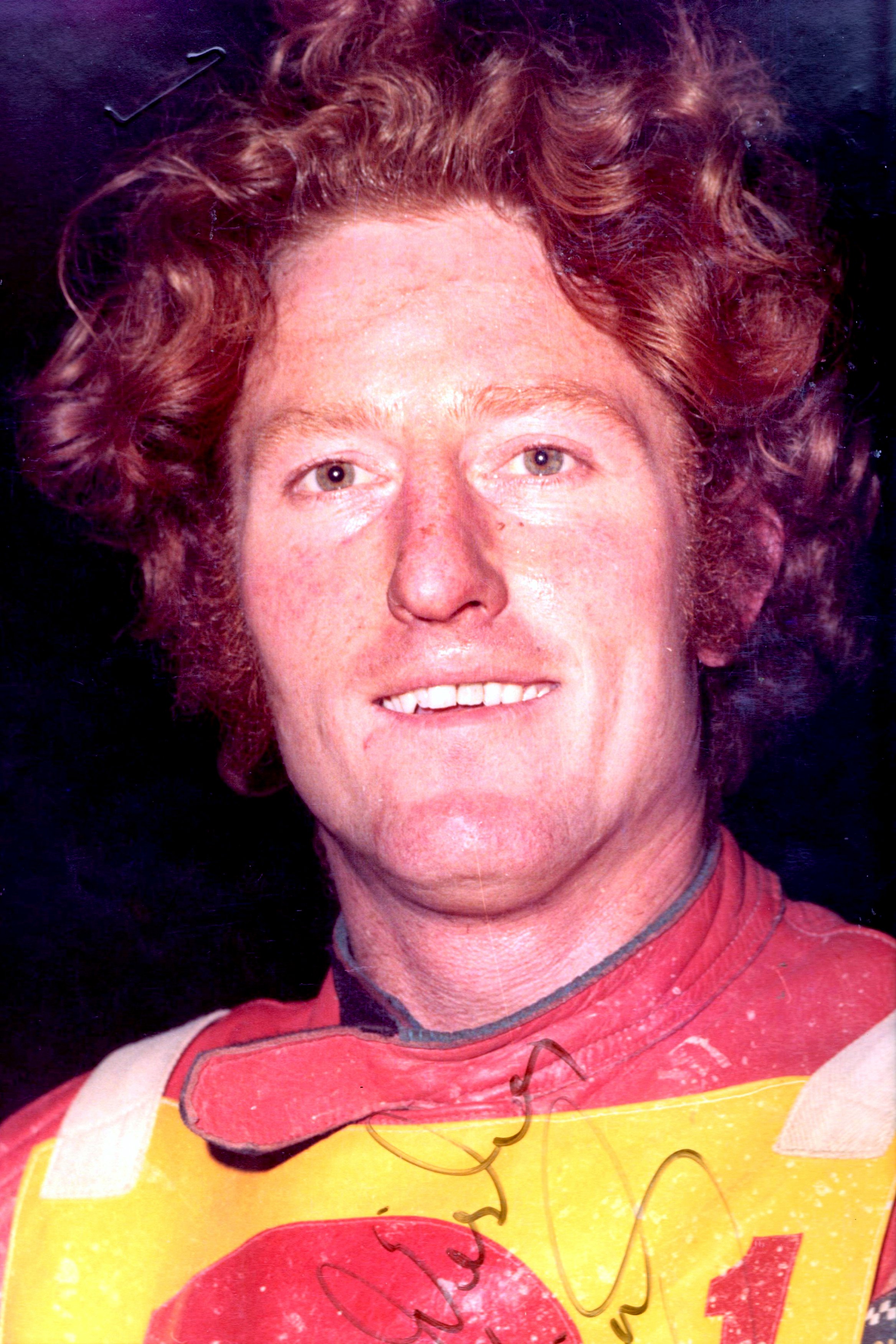

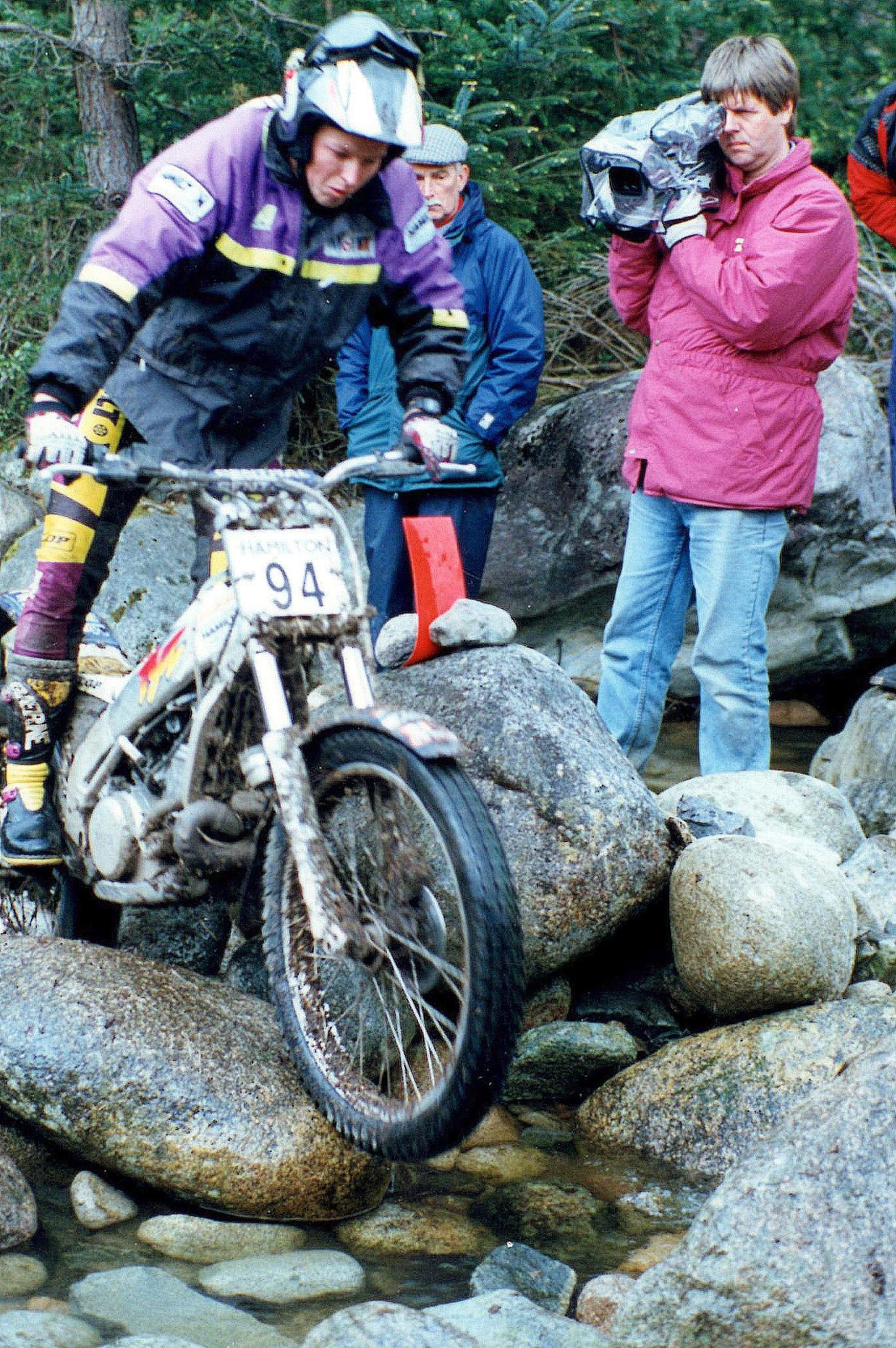
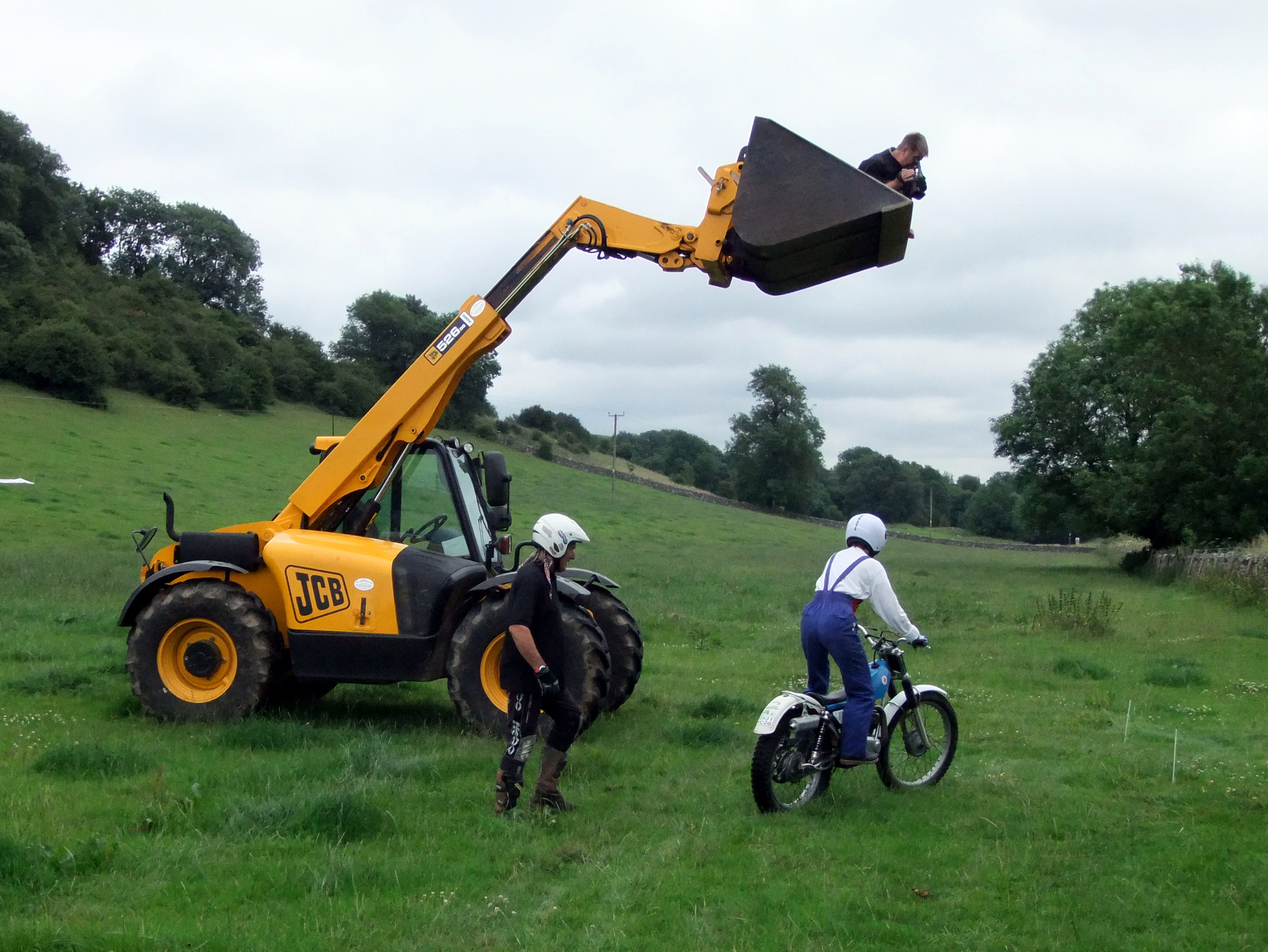
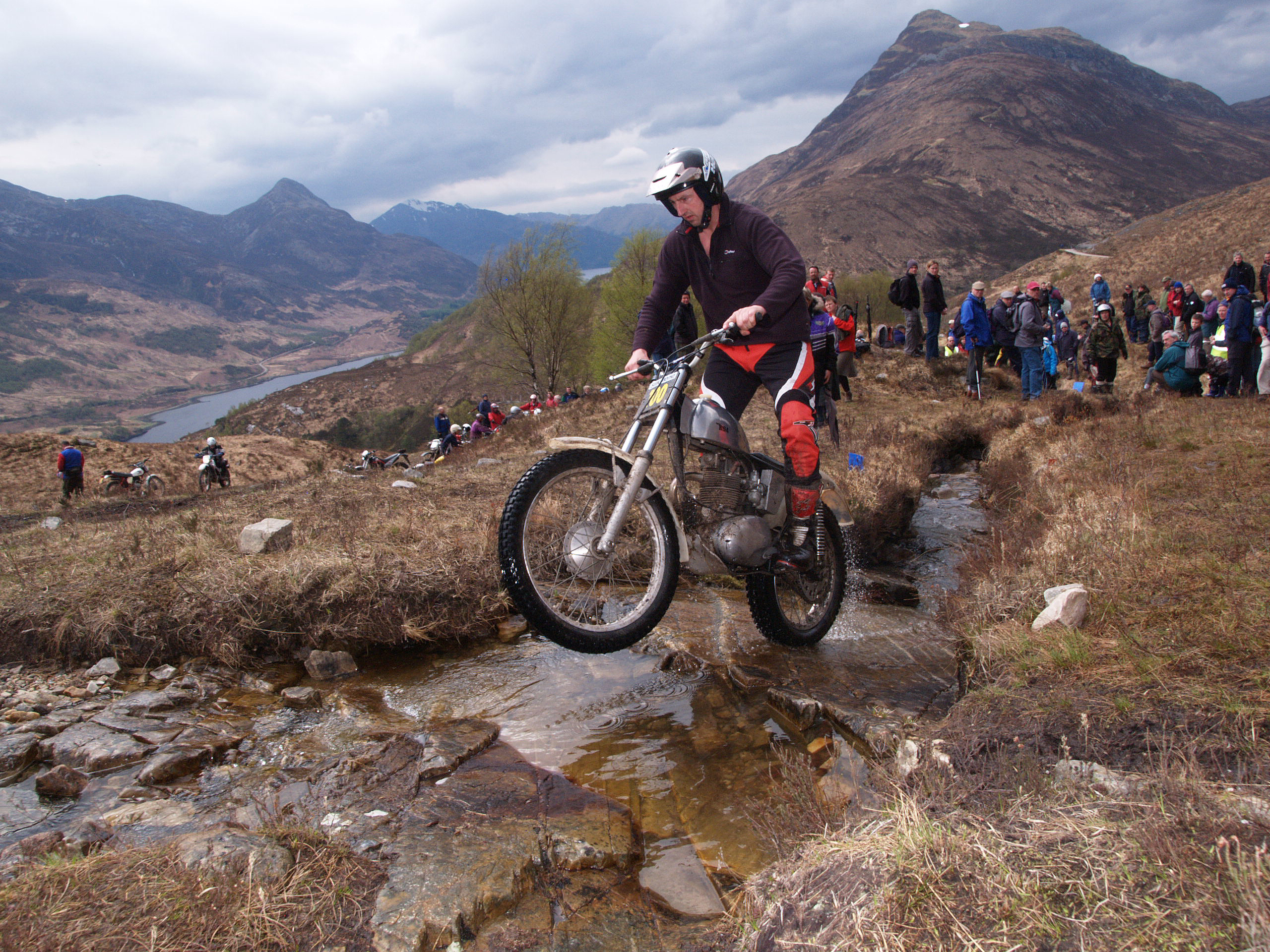


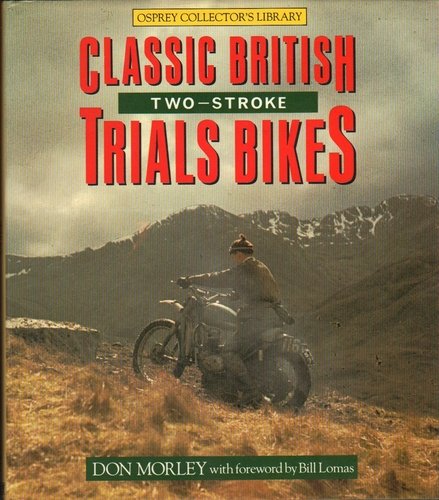
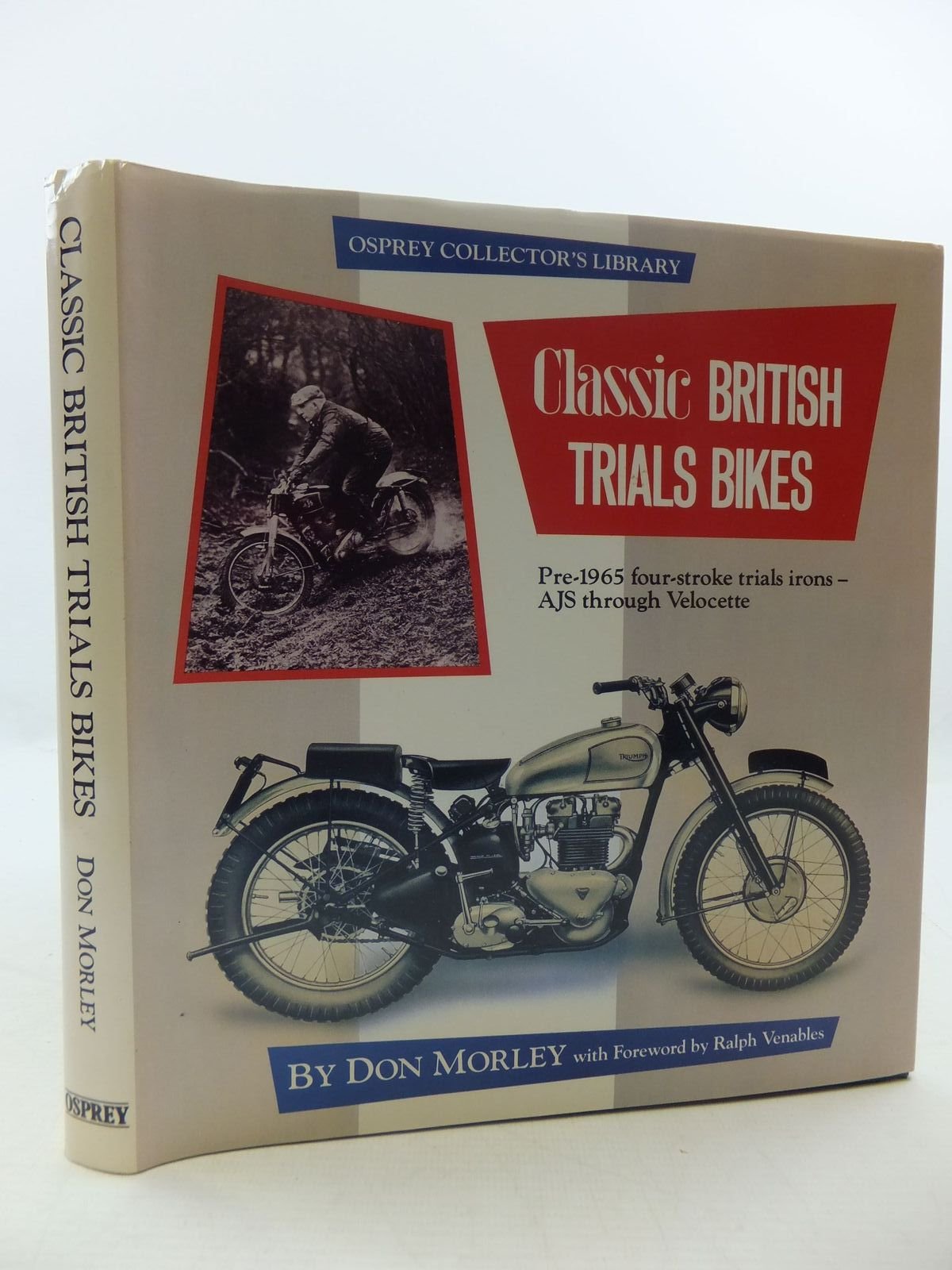
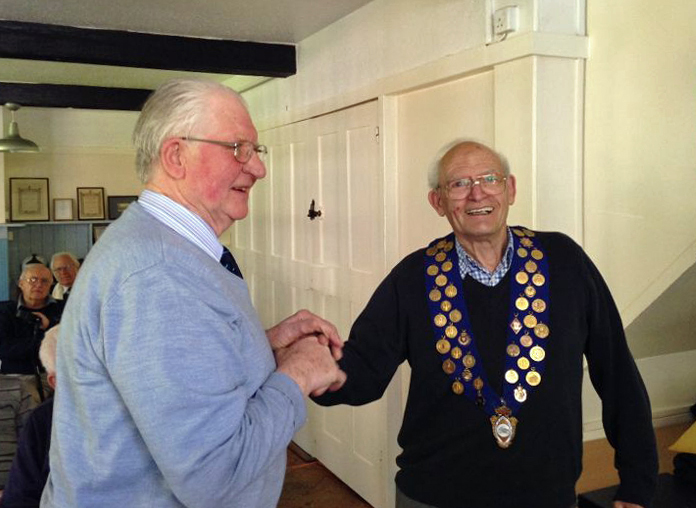
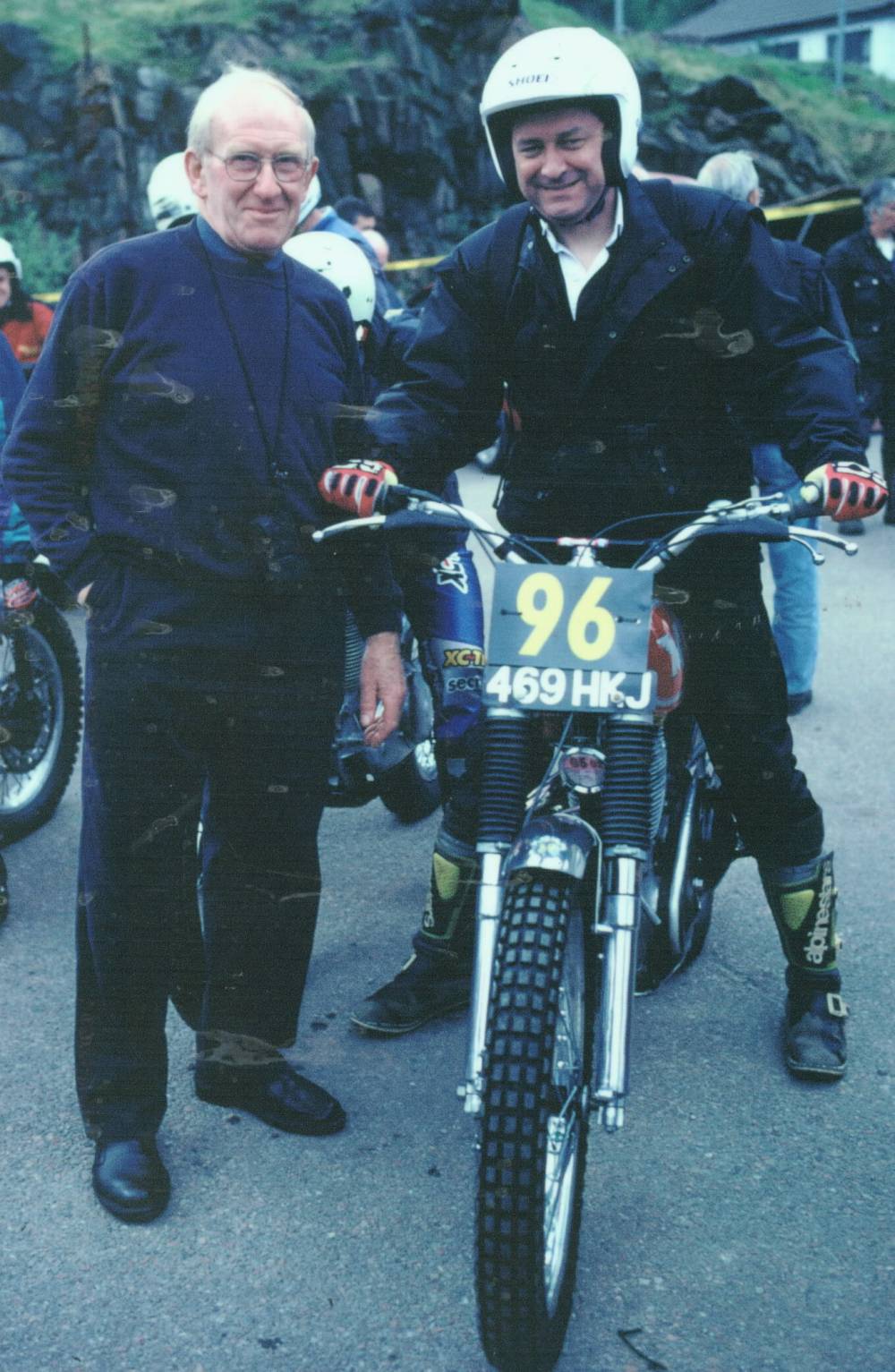
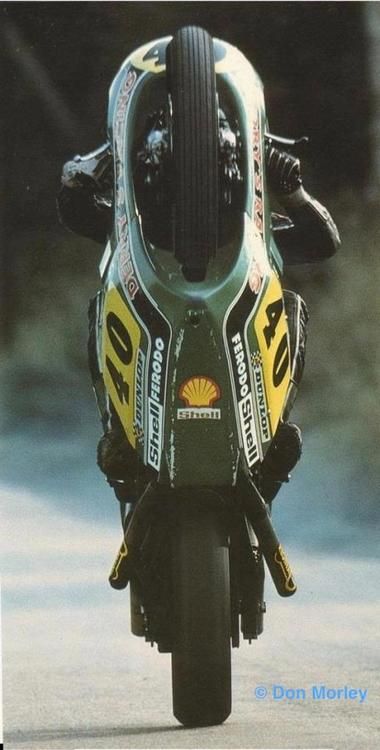
 TRIALS GURU - DEDICATED TO TRIAL